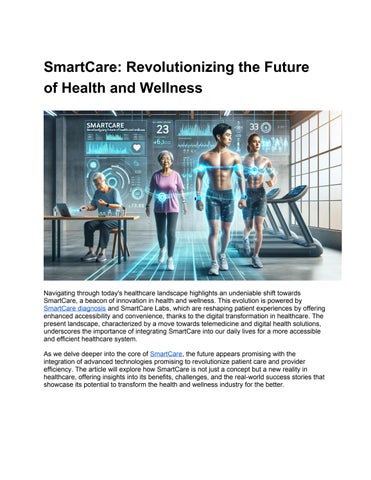
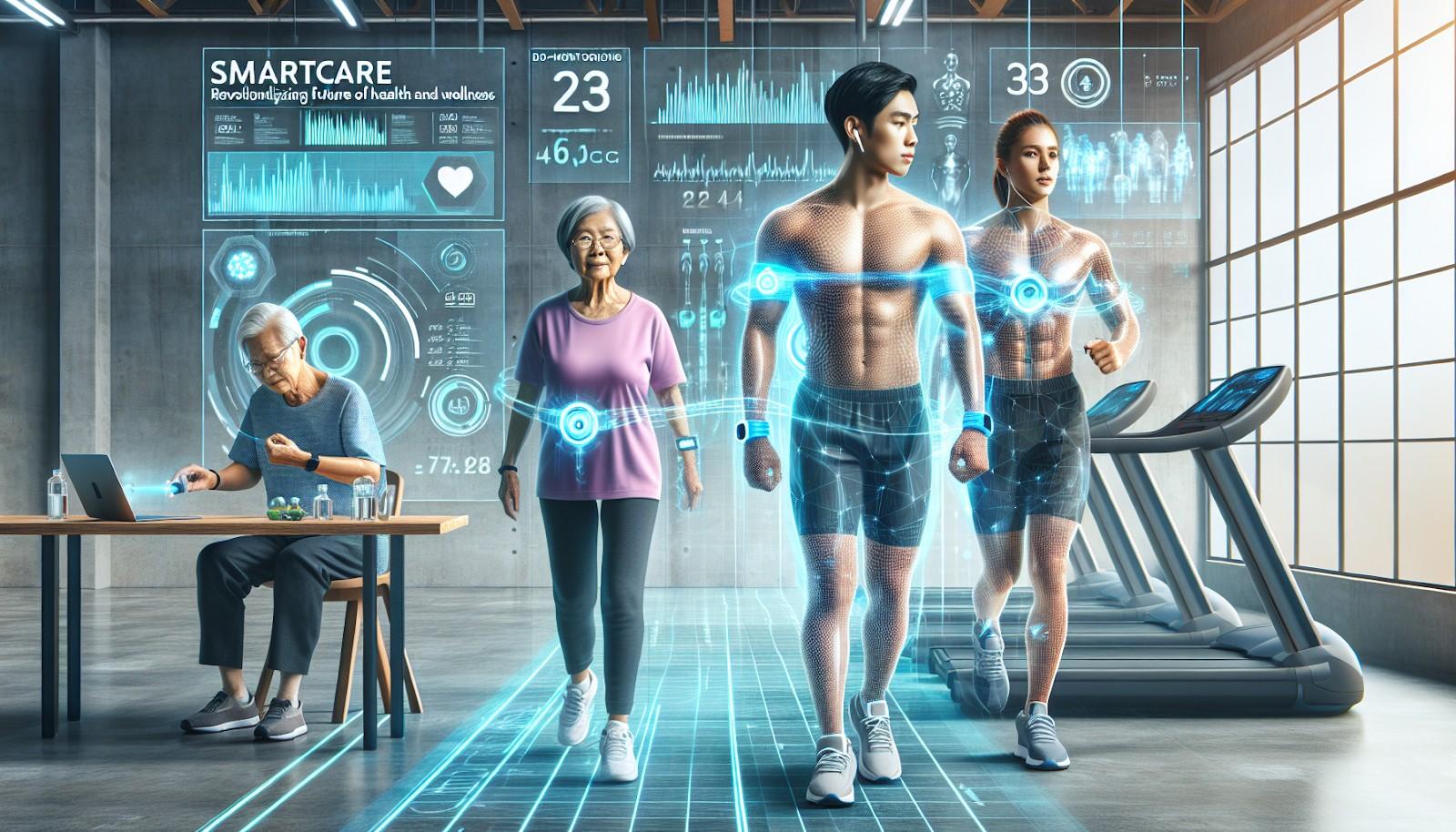
The Future of Healthcare with SmartCare
As we look towards the future, it's clear that SmartCare is poised to redefine healthcare in India. The integration of cutting-edge technologies like AI, robotics, telehealth, and 5G is not just a trend but a substantial shift towards more efficient and patient-centered care. These developments are supported by significant government initiatives like the Ayushman Bharat Digital Mission (ABDM) and e-Sanjeevani, which aim to create a fully digitized health ecosystem.
Key Technological Drivers
1. Digital Technologies: The adoption of AI, telehealth, and robotics is transforming patient care, making it more accessible and personalized.
2. Government Initiatives: Programs like ABDM are crucial in building the infrastructure needed for a digital health ecosystem.
3. Private Sector Innovation: Companies are at the forefront, piloting advanced technologies to enhance healthcare delivery.
The influence of these technologies extends beyond just infrastructure; they are reshaping the mindset of both providers and patients. The readiness to embrace these changes varies, but the overall trajectory indicates a significant move towards a tech-driven healthcare system. This shift is not only about adopting new technologies but also about transforming the way healthcare is perceived and delivered, making it more proactive and preventive.
The role of private players is particularly noteworthy. By leveraging technologies such as AI and 5G, they are able to offer solutions that are not only innovative but also scalable, ensuring that the benefits of SmartCare reach a wider audience. This collaborative effort between the government and private sectors is crucial for the successful integration of digital health technologies into everyday healthcare services.
In essence, the future of healthcare in India with SmartCare looks promising, characterized by a seamless blend of technology and personalized care. This transformation is geared towards improving not just the efficiency but also the accessibility of healthcare services, ensuring that every individual can receive the care they need in a timely and effective manner.
Benefits of SmartCare for Patients and Providers
Improved Patient Outcomes
SmartCare's integration of digital technologies like AI, telehealth, and robotics significantly enhances healthcare delivery, leading to improved patient outcomes. Patients benefit from personalized care plans and remote monitoring, which allow for timely interventions and continuous care management, even from a distance. This approach not only caters to individual health needs but also ensures that patients receive the most effective treatments tailored to their specific conditions.
Cost Efficiency and Access
The adoption of SmartCare technologies plays a crucial role in reducing healthcare costs. By leveraging robotics, AI, and telehealth, healthcare providers can offer services at a lower cost and with greater efficiency. This not only makes healthcare more affordable but also more accessible, especially in remote areas where traditional healthcare services might be limited. The Indian government's initiatives, such as the Ayushman Bharat Digital Mission, further support this by building a robust digital health ecosystem that enhances care accessibility across the country.
Enhanced Provider Efficiency and Engagement
SmartCare technologies significantly reduce the administrative burdens on healthcare providers, allowing them to focus more on patient care rather than paperwork. Increased efficiency is achieved through streamlined processes and digital tools that automate many routine tasks. Furthermore, these technologies foster better patient engagement by enabling continuous communication and monitoring, which are essential for effective long-term care management. The collaborative efforts of private players in piloting these technologies ensure that healthcare delivery is both innovative and scalable, benefiting a broader spectrum of the population.
Challenges and Future Directions
As SmartCare continues to evolve, collaboration among stakeholders becomes crucial. Industry incumbents, emerging entrants, and non-native industry players must work together to address barriers that span across different geographies and socioeconomic groups. This collective effort is vital for ensuring that SmartCare's benefits are accessible to all, regardless of their location or economic status.
To effectively navigate the complexities of digital health adoption, stakeholders must strategically design short-, medium-, and long-term plans. These plans should focus on integrating advanced technologies while considering the diverse needs of different populations. By doing so, they can overcome the inherent challenges of implementing such sophisticated systems on a large scale.
Despite these efforts, the path forward is not without its hurdles. The integration of new technologies often requires significant changes in infrastructure, training for medical professionals, and adjustments in patient interaction. These changes demand substantial investment and a deep understanding of the existing healthcare frameworks to ensure that the transition does not disrupt the current services but rather enhances them.
The Future is Now: Real-World Examples and Success Stories
NewSpace: India's Leap into Space Exploration
ISRO's achievements in space exploration have not only captured global attention but also positioned India as a key player in the aerospace industry. Their successful missions underscore the potential of integrating advanced technologies in traditional fields, setting a precedent for innovation and excellence in space technology.
Global Capability Centers: From Cost Centers to Value Creators
Initially established as cost-efficient solutions, Global Capability Centers (GCCs) have evolved significantly. Today, they are strategic business enablers contributing to core functions and driving significant value. Companies like Deloitte have further enhanced the capabilities of GCCs, transforming them into Centers of Excellence (CoEs) that lead innovation and value delivery.
Deloitte's Impact and Initiatives
Deloitte's initiatives, such as the CFO Program and partnerships in Alliances and Ecosystems, demonstrate a proactive approach in adapting to market changes and addressing contemporary challenges. Their Global Impact Report and the India 2022 Gen Z and Millennial Survey provide insights into shifting dynamics, emphasizing sustainability and advocacy for change among younger generations. These examples highlight the practical applications of strategic foresight and the importance of adapting to societal needs.
Conclusion
The transformative journey of healthcare, marked by the seamless integration of SmartCare, underscores a pivotal shift towards a future where accessibility, efficiency, and personalized care are at the forefront. The symbiosis of AI, telehealth, and digital technologies not only promises to reshape patient and provider experiences but also to streamline the very essence of healthcare delivery. These advancements, coupled with the substantial push from both the government and the private sector, set a firm foundation for a healthcare ecosystem that prioritizes timely, effective, and tailor-made healthcare solutions for individuals across the globe.
As we stand on the brink of this healthcare revolution, it's clear that the path paved by SmartCare is not just about technological innovation; it's about reimagining healthcare access and delivery in a way that is inclusive, predictive, and above all, patient-centric. The potential for SmartCare to redefine wellness and health in the 21st century is vast, promising a future where every individual can harness the benefits of digital healthcare. Navigating towards this future necessitates not only participation but also a commitment to continuous learning and adaptation. As such, individuals and communities alike are encouraged to Learn More about how they can contribute to and benefit from the future of SmartCare, ensuring that we collectively move towards a more accessible, efficient, and personalized healthcare landscape.
FAQs
1. What advantages does SmartCare offer?
SmartCare enhances quality of life by providing a high level of care, which includes regular monitoring of vital signs and a comprehensive digital patient profile that encompasses measurements, reports, and various documents.
2. What does "smart" signify in the context of healthcare?
In healthcare, "smart" refers to the use of SMART Health IT, a standards-based, open technology platform that allows developers to create applications that integrate seamlessly and securely with the healthcare system.
3. Can you explain the concept of smart healthcare?
Smart Healthcare is a patient-centric system that utilizes Smart Health Solutions (SHS) devices for continuous remote patient monitoring. It involves the use of networks comprising sensors,
actuators, and personal medical devices (PMDs) that facilitate the integration of modern technology with electronic health records.
4. How does the Internet of Things (IoT) apply to smart health? The Internet of Things (IoT) plays a significant role in healthcare by introducing various applications such as remote monitoring, smart sensors, and the integration of medical devices. This technology not only ensures patient safety and health but also enhances the way physicians deliver care.
Keywords-
SmartCare, Smartcare labs, smartcare diagnostics pvt ltd, SmartCare Health, Diagnostics Center