






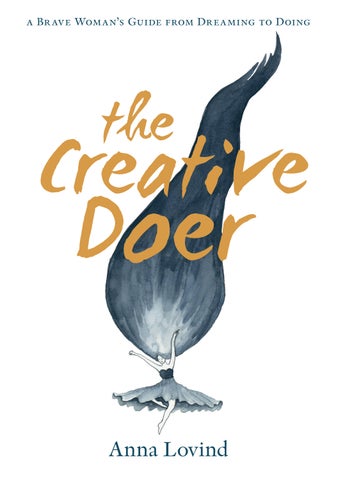
By Anna Lovind
ForJonna andElsa, whohavemadeevery single step of this journeyworth it.
HappyArtyPublishing www.annalovind.com
Copyright © 2019 by Anna Lovind Allrightsreserved.
No part of this bookmay be reproducedinany form –mechanically, electronically, or by anyother means, includingphotocopying– withoutwritten permissionofthe publisher.
Illustrations:AnnaLovind& JonnaLovind
Graphicdesign: Lisa Zachrisson
Printed in Germany 2019 isbn: 978-91-8097-760-9
Publisher: BoD· BooksonDemand, Östermalmstorg 1, 114 42 Stockholm, Sweden, bod@bod.se
Print: LibriPlureos GmbH,Friedensallee273,22763 Hamburg, Germany
Whya woman’sguide? 11
WhyI wrotethisbook 24
1whatdoyou want? 29
Your path is your own 31
Pain pushes untilvisionpulls 33
Howdoyou want it? 34
Redefinecreativework 37
Whydo we valueone andnot theother? 38
Letgoof theOne BigPurpose 41
Startbeforeyou’reready 42
Make achoice 44
Q&A 49
2get your priorities straight 57
Actually,there is time 59
Time thieves 61
Sayno(if youcan) 63
Whoassignedyou that role? 65
Taking it onestepfurther 69
Allthe time youwantvs. allthe time youneed 71
Keep it real 73
Q&A 79
3planyourwork 87
Commit to thereality of your dream 89
Make it doable 90
Plan forthe unexpected 92
Perfecttiming 93
Thepower of creative habit 94
Scheduling 95
Help yourself focus 97
Q& A 101
4use your fear 109
What is fear? 112
Alosingbattle 113
Inhabiting your body 114
Onestepatatime 115
Theshittyfirstdraft 117
Getbackintothe playground 119
Who’sincharge? 122
Q& A 125
5radical self-care 135
Keepingitclose to home 137
Pleasure first 138
Ourbodiesare notfully ourown 141
Creating asense of safety 143
Move,sleep,flow,connect 144
No more striving 146
Striving is astate of mind 147
Practice receiving 149
Go findit 151
Thecyclicnatureofcreativity 151
It’s mandatory 153
Q& A 157
6share your work 167
Love theempty space 170
Is it useful? 171
Claimour space 172
Therisks of NOTsharing your work 175
Fittinginvs. belonging 176
Give yourself permission 178
Appreciate what you’ve alreadygot 180
True connection 181
Keep it coming 182
Q& A 185
7creativityand money 195
Moneyisfuel 197
Womenwillsavethe world 200
Threepaths 204
Thesecondjob 205
Thepatron 206
Thebusinesspath 207
Theembarrassinglover 207
Rootsfirst, growth second 209
Stop fussing 212
Q& A 215
Afterword 223
Gratitude 224
Endnotes 226
Resources 228
Aboutthe author 230
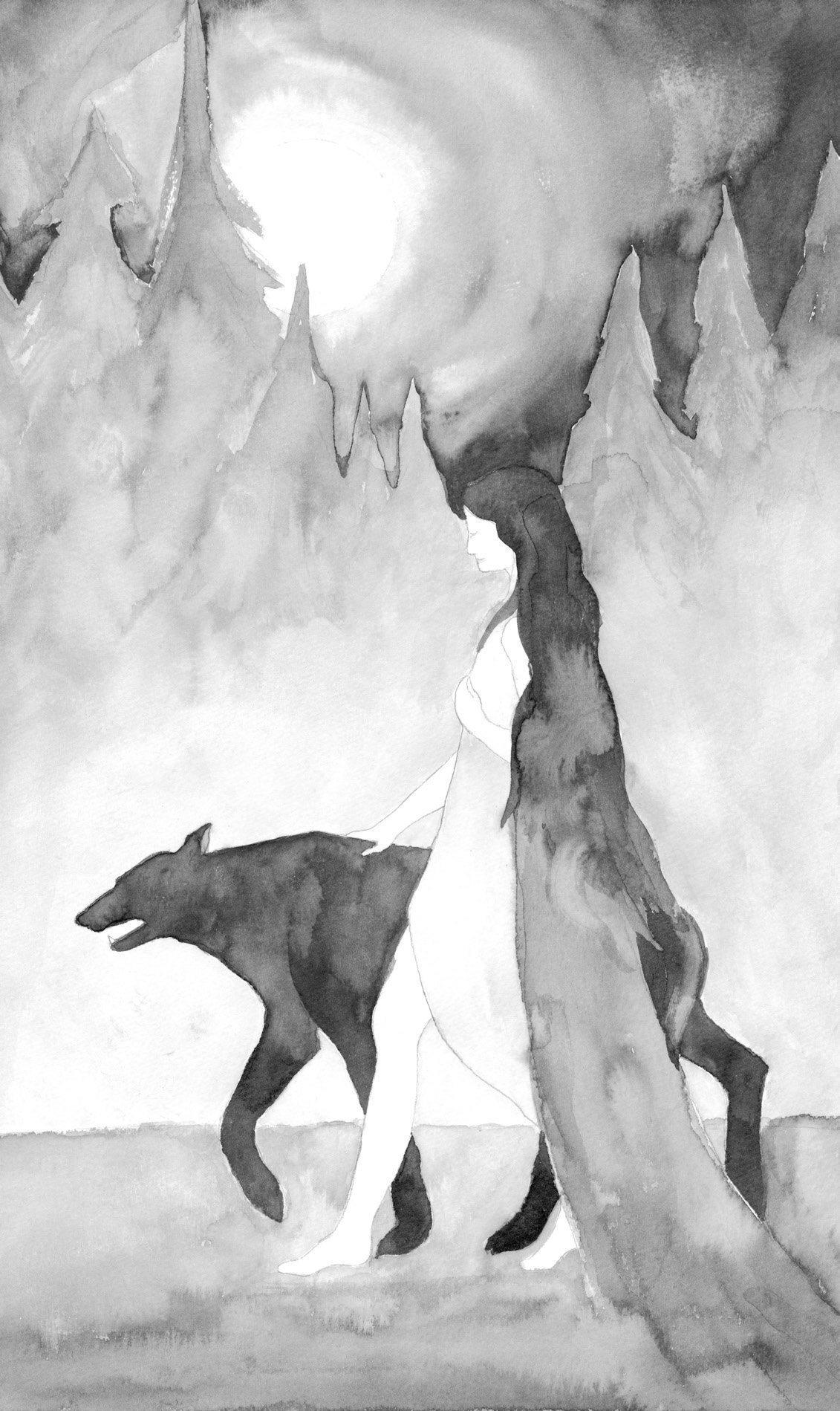
“Another worldisnot only possible,she is on herway. On aquiet day, Ican hear herbreathing.”
arundhatiroy
when we talk aboutcreativitywetalkabout universal truths,right?Yes,and no.The deep truths of creativity are universal.But thestories aboutthe artist in ourculture are not. They’restories aboutthe male artist.The path of the lone genius,the starving artist,the irreverent rebel. Allmale. Notavailable to women, or only availableata greatcost. Iwanttotalkabout adifferent path.Iwanttotakeinto accountall thespecific circumstancesand challenges we face; notjustbecause we areartists,but becauseweare female artists,livingand workingina patriarchalworld.
Ibelieve gender is asliding scaleand that allofusfind ourselvessomewhere alongit; sometimesinaccordancewith traditionalconceptions aboutwhatitmeans to be male or female,sometimes contrary to thoseconceptions.
I’dloveaworld whereitdoesn’t matter whetherI’m a manora woman, wherethe feminine andthe masculinein me canblend in whatever proportionsand Iwon’t be labelled becauseofit. Butthat’snot thecase. From themomentwe arebornweare categorisedaseitheror. Should we findourselves somewhereinthe middle,weare pushed –sometimes forced –toadjust. Should we findourselves unable to adjust, we will findourselves marginalised.
Ibelieve that gender shouldn’tmatter, just as Ibelieve race or classshouldn’t matter,but we live in aworld where it does matter.I’vebeenraisedawoman in aworld where beingawoman meansdoing andbeing certainthingsand notothers. I’ve been raised in aworld wheremen structurally hold themajorityofpower –politically,religiously,financially,militarily, as well as in thefamily.
This doesn’tmeanthatall menholdactualpositions of power, or that allwomen startonanequal footing. Cultural andsocietalpower structures make up acomplex webof intersecting identities andprivileges. Ican’t assume that my experience is exactlythe same as that of everywoman.But what Ican sayis that regardless of ourindividualexperiences as women, thequalities andtraitsweassociatewiththe feminineare less valued than thequalities andtraitsweassociate with themasculine.And sincewehaveequated thefeminine with woman, andthe masculinewithman,women areless valued than men.
To ignore this is to ignore my reality. If Iwrote abook aboutthe creative life withouttakingintoaccount thecircumstances andchallengesthatmakemypathdifferent from that of my male peers, Iwould leaveout thetruth of my actual experience.Iwanttoaddress thosechallengesand obstaclesand Ican’t do that if Idon’t bringthemintothe conversation.
What arethose challenges andcircumstances?Well, where to start?
Forwomen,ithas been alongand arduousjourney,even to be recognised as artiststobegin with.It’sa fairly recent thingfor us to be allowedintothe public creative arenas. In the 17th century, actors playingfemaleparts were men dressedupas women, becausewomen were notallowed on stage. Womenpainterswerenot admitted to artacademies
untilthe late 19th century. Womenwriters,wellintothe 20th century, used male pennames in ordertohaveashot at afairreception.Somestill do.The work of womenartists andcreatives hasbeenuniversally overlooked foraslongas patriarchy hasbeenthe governingstructure of ourworld.
Sometimesthisisthe result of an intentionalact;women’s work is actually erased from therecords.Moreoften,it is theresultofanunconscious filtering process. In aworld so used to regardingthe male perspective, themalevoice,the male humanasthe norm,the filtering outoffemalevoices andperspectiveshappens more or less automatically.
In 1929,VirginiaWoolf gave us thestory of Shakespeare’s sister,asa response to thepresumption that –since so few womengeniuseshavebeenrecordedinhistory –women must simply lack thebrillianceofmen.Woolf wroteanunsentimental accountofwhatwould have happened to agirlof equaltalentand passions,had shetried to pursue thepath of thecreativegeniusinShakespeare’s days.While this path ledher brothertounparalleledsuccess,for heritled to utter destruction, herlifeendingalmostbeforeithad achanceto begin.
Things have changedsince Shakespeare’sdays, andsince Woolf’sdaystoo.I’d love to saythateverythinghas changed andthe playingfieldisnow even formen andwomen,but let me line up afew examples from theliteraryworld to make it clearthat’snot thecase.
In 1996,BloomsburyPress askedJoanneRowling to use only herinitialsonthe coverofthe first HarryPotterbook, becausetheybelievedthe book wouldn’tappealtoboysand menifithad afemaleauthor’snameonthe spine.
In 2015,USwriterCatherine Nicholsconducted an experiment. Shesenther manuscript outtoagentsunder herreal name,and then againunder themalepseudonym George
Leyer, receivingdrastically differentresponses.“Undermy ownname, thesameletterand pagessent 50 timeshad nettedmeatotal of twomanuscriptrequests... George sent out 50 queries, andhad hismanuscriptrequested 17 times. He is eightand ahalftimes better than me at writingthe same book.”
Astudy of more than twomillion titles publishedbetween 2002 and 2012 revealed that bookswritten by womenare priced at fortyfive percentlessthanthose penned by men.1 Even when taking into accountthatwomen more oftenwrite forlower-pricedgenres(whichisawhole othertopic fordiscussion) agap of nine percentstill remains.
Womenconsistentlyreceive fewerprestigious awards, from theNobel Prizetothe Booker to thePulitzer. In spiteof decadesofcriticism andefforts to change this,malewriters stillclaim on averagetwo thirds of theAmericanprizes. And it’s notjustthatfewer womenwriters win; when it comes to female characters,the numbersare even worse. None of theprotagonistsinthe last fifteen novels to winthe PulitzerPrize were womenorgirls.The literary world, it seems, doesn’tlikebooks by or aboutwomen.
This under-representation is notuniquetothe literary world. Forevery womannamed in currentSwedish history schoolbooks, on averageelevenmen arenamed.Inthe US, womenare thefocus of tenper cent of news stories, andcomprisetwentyper cent of expertsorspokespeopleinterviewed. In theUK, oneper cent of venturecapital dealsin 2017 went to businesses with female founders.Workbywomen artists makesup threetofive percentofmajor permanentcollectionsinart museumsinthe US andEurope.
Icould keep listingexamplesbut I’dwearyou out. The numbersare depressing.Mostofthemare improvingsteadily butslowly. Slower than I’dlike. Slower than seemsreasonable.
This way, thestories of women–aswellasthe women themselves –are excluded from thecollectivenarrative.This matters.
WhereIlive, womenare rarely refusededucation;weare allowedtomanageour ownmoney,wehavethe righttovote anddecidewhomwewanttomarry.The inequalities we face todayare oftenmoreinsidious.
Thesexualobjectificationofwomen in themedia landscapecan hardly be called insidious. It’s everywhere –inthe beauty andfashion industry,inadvertising,inmovies, TV showsand magazines, on social media, in thegamingand thepornindustry. Theconnectionbetween theincreasingly unachievable beauty standardscreated andperpetuated in thesearenas, andyoung girls’ lack of self-esteem, is fairly straightforward. So is theconnectiontoincreasingrates of eating disorders.
Butthe wayitaffects us as creative beings mightbeless obvious. Objectification leadstoself-objectification –“akey processwhereby girlslearn to thinkofand treattheir bodiesasobjects of others’desires”, as describedbyBarbara L. Frederickson andTomi-AnnRoberts.2 From an earlyage,we learntoviewourselves from outside, always monitoring the wayotherssee us,inorder to presentourselves favourably and please themalegaze. Accordingto ProfessorofPoliticsCaroline Heldman, womenengagein this kind of monitoring on averageevery thirtiethsecond. This doesn’tjustconsume a lotofenergyand reduce availablecognitive functioningin thebrain;italsocreates asplit inside,adisconnection from ourown experience in favour of theperceived experience of others.
Theoriginality of ourcreativeworkisdirectlyrelated to ourability to seethe worldfromour ownuniqueviewpoint
andstaytruetothatviewpoint.Inorder to expressour unique truth, we need to standfirmly rooted in ourown selves and look at theworld from theinsideout.Women learnthe exact opposite.Welearn to internalizethe perspectiveofthe other, of an external (male) observer,and in doingso, ourown perspective,and even reality, is lost.3
If thecreativeworkwefeelcalledtodochallengesthe knownand accepted,weneedself-esteem as well as self-confidence to take theriskand do this work publicly,because it leaves us vulnerable to otherpeople’sjudgements. “Confidenceisthe stuffthatturns thoughts into action”, as psychologyprofessor RichardPetty putit. Otherfactors play a part as well,but he hasa point.
Womengenerally have lowerself-esteem than men, and even less self-confidence,4 notjustwhenitcomes to looks andbodyimage,but professional abilitiesaswell. As arule, womenconsistentlyunderestimate theirabilities,whereas menoverestimatetheirs, even when in realitytheir actual performancedoesnot differ in qualityorquantity. Women arealsolesslikelytotakerisks in theirworklife.
Why? Some suggestthisfemalerisk-aversion hasroots in biology. Writer Tara Mohr offers adifferent explanation–school very effectivelyteaches girlstofollowthe rules. We do as we’retold, follow theinstructions, give theright answers; andinreturnweare rewarded with good grades andplentyof approval.The Good Girl is thewinnerofthe currentschool system.Unfortunately,inworklife, herstrategyisnolonger successful.Ifyou always play by therules,ifyou expect to be rewarded basedonmerit only andifyou patientlyawait your turn rather than take theriskofpromoting yourself,chances arethatsomeone whowas encouraged to be bold rather than obedient when he grew up,who maybedoesn’t have thebest grades butplays golf with oneofthe boardmembers,and
theCreativeDoer offers aroadmap forwomen whoare hungry for change,who want to getgoing with theircreativework, andwho are willingtoask afew burningquestions: What if we stoppedtryingtofollowinthe footstepsofthe Male Genius? What does devotion look like if it doesn’tmeanforsaking everything and everyone,including your kids,for your art? What wouldhappenifwe grantedourselves thepermissionwe’re waitingfor andstarted doingour work,our way?
In this insightful,no-bullshit guideyou’lllearn howto:
•Redefine creative work andbustthe oldmyths aboutThe Artist
•Zoominonyourdream untilit’sdoable
•Claim thetimeand spaceyou need to do your work
•Understandfearand howtoflow with it
•Doself-care in away that will change your creative life forever
•Share your work,truthfully, tenderly andcourageously
anna lovind is amother, writer andactivistwho left acareerinpublishingand movedtothe deep forestsof Dalarna, Sweden,inpursuit of greater freedom anddeepercreativity.
Throughher writing, coursesand workshopsshe hasguidedthousands of creative womentogofromdreamingtodoing.Annaisalsoco-founderof WriteYourSelf, ateacher training forpeoplewho want to usewriting as a tool forhealing.
Read more on annalovind.com