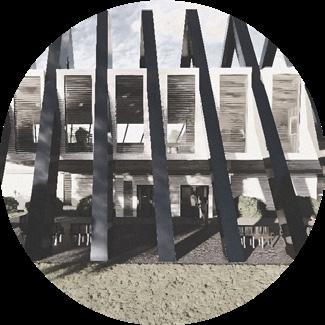
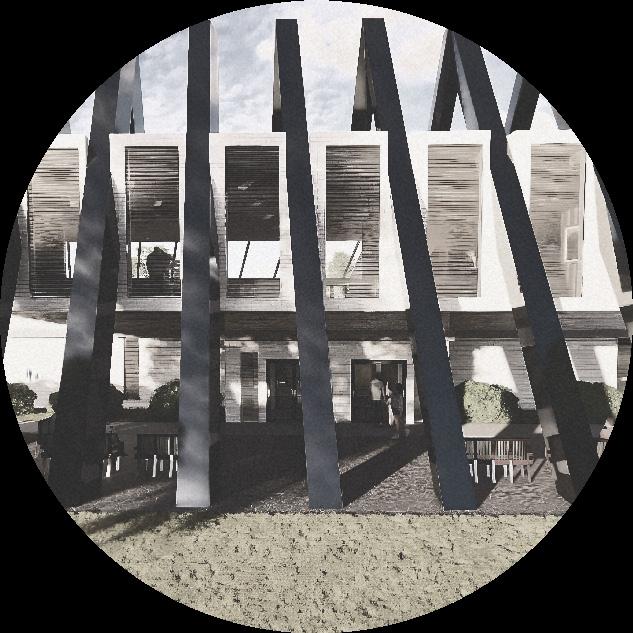
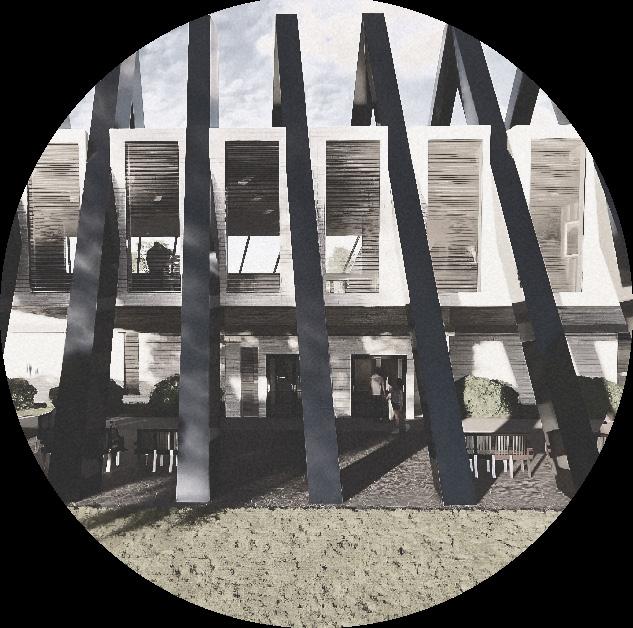
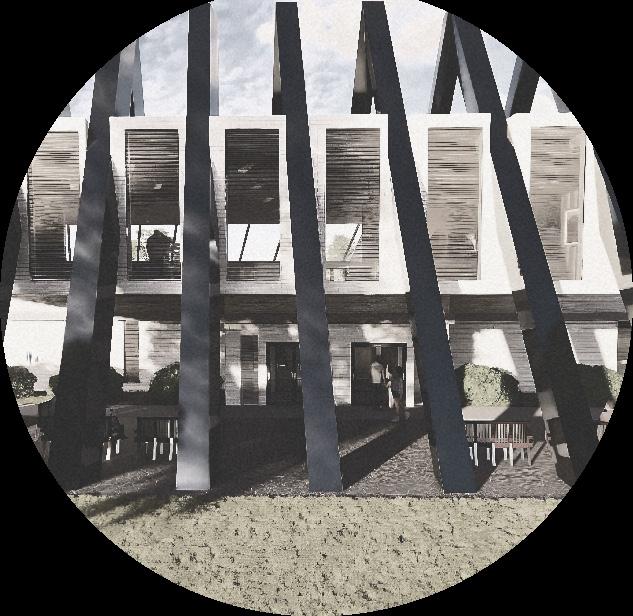
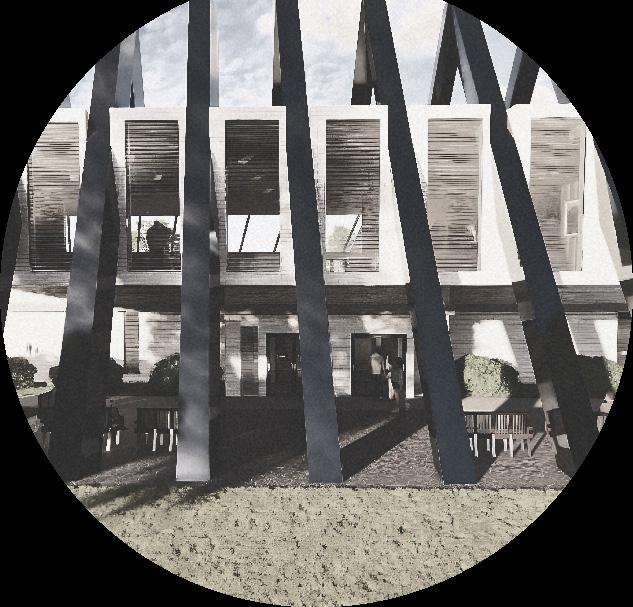
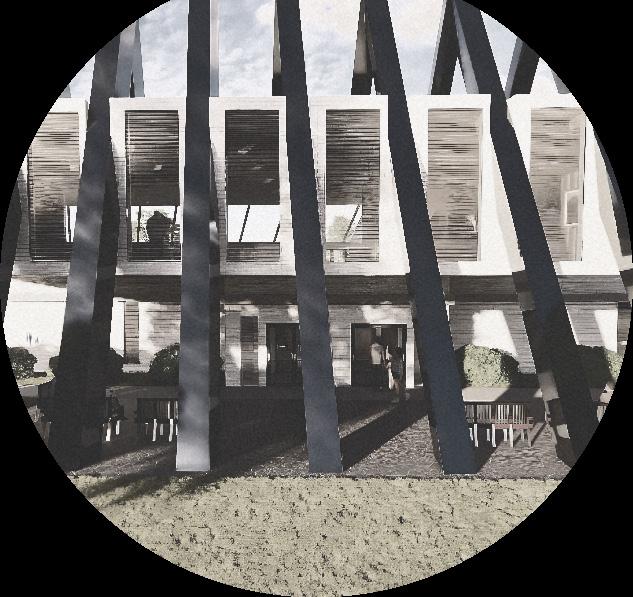
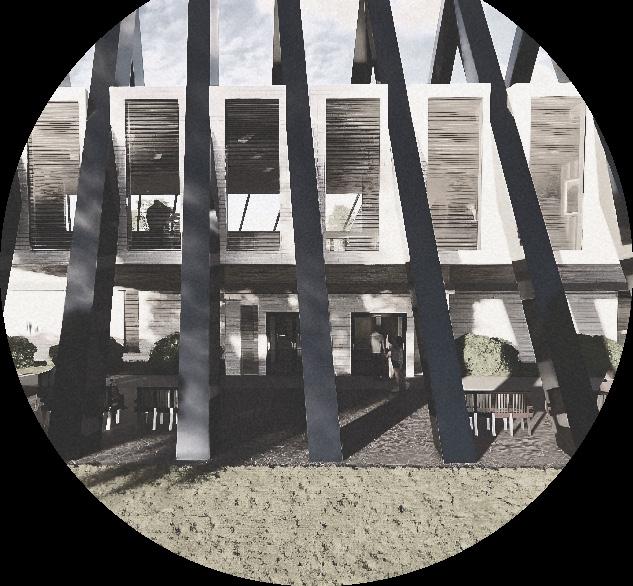
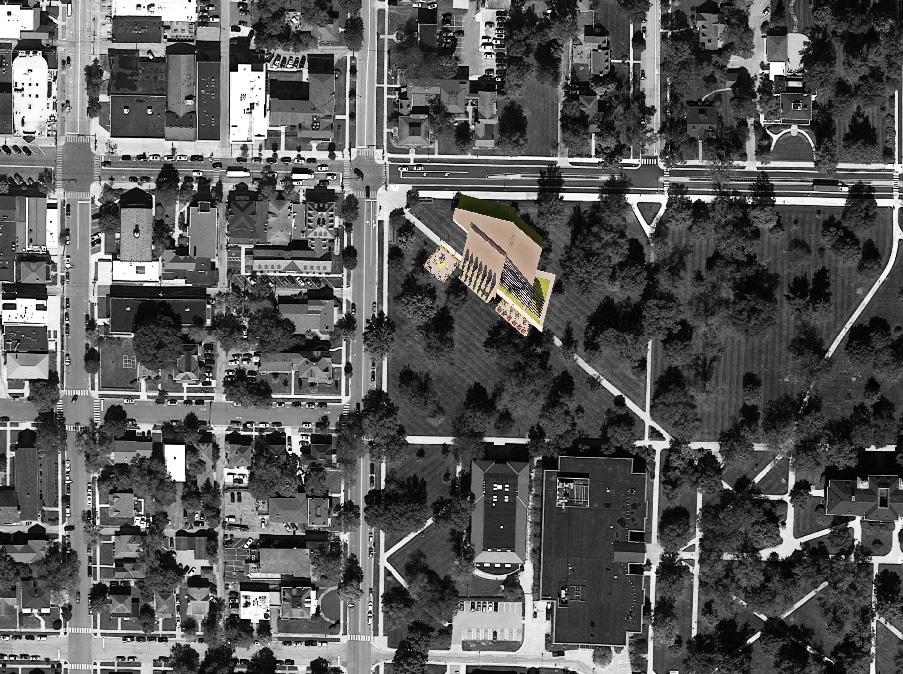
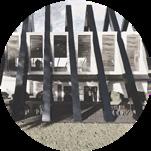
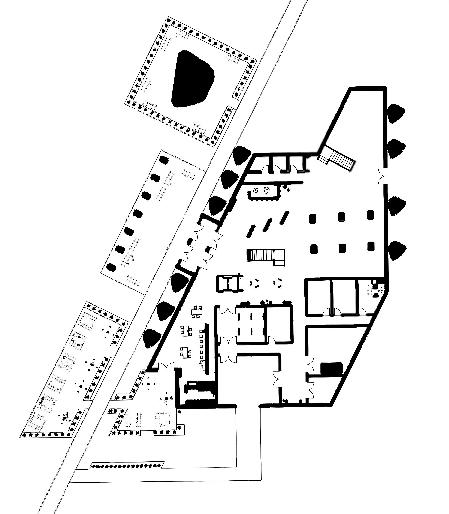
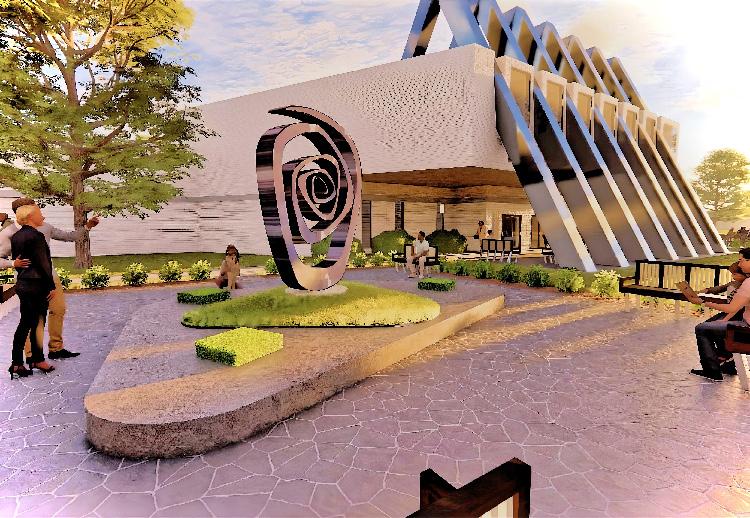
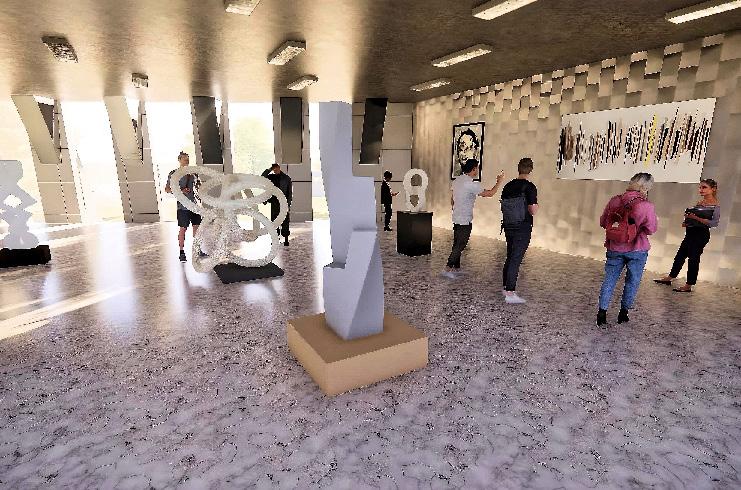
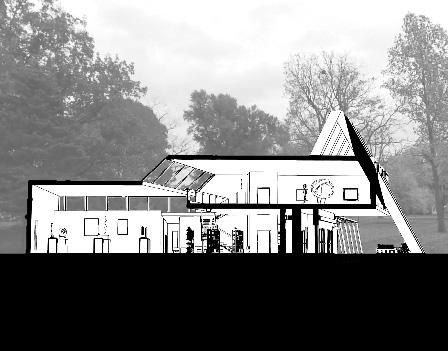
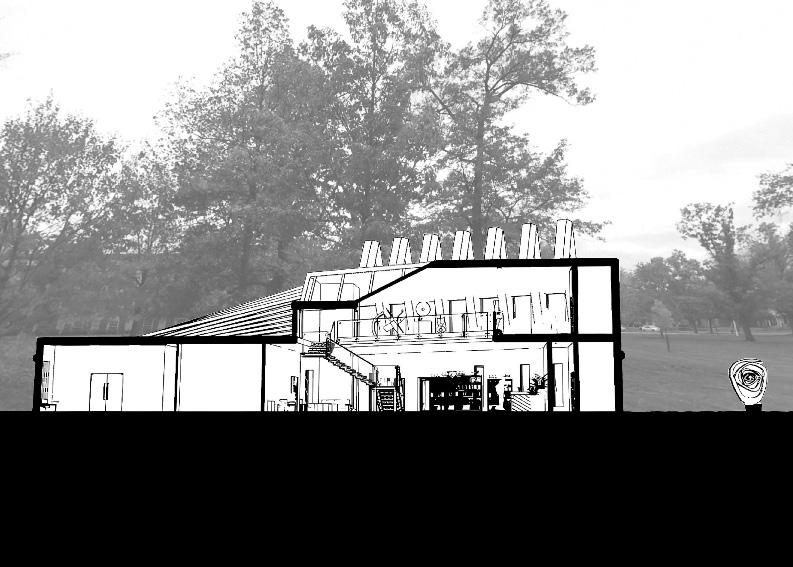
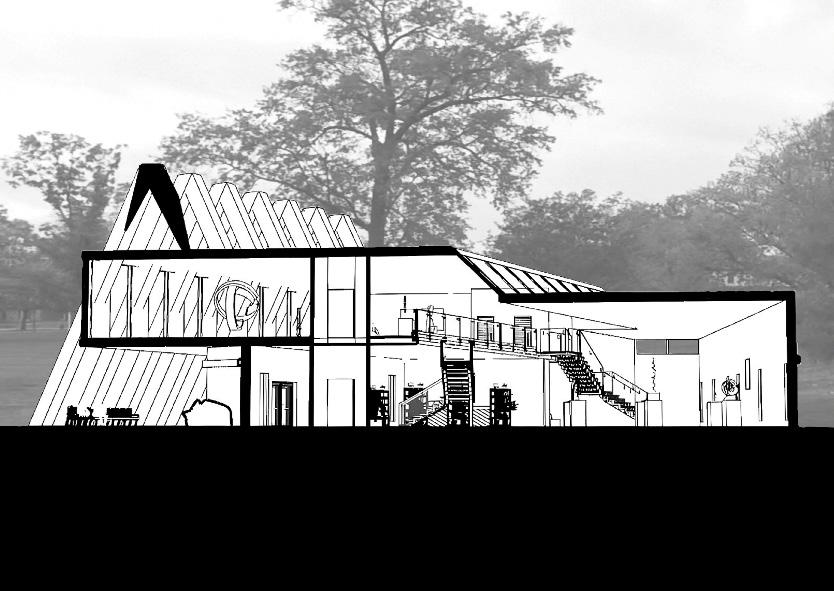
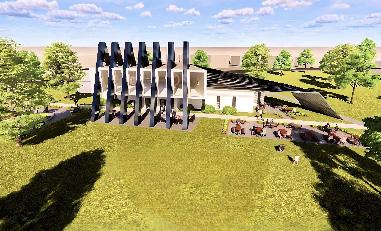
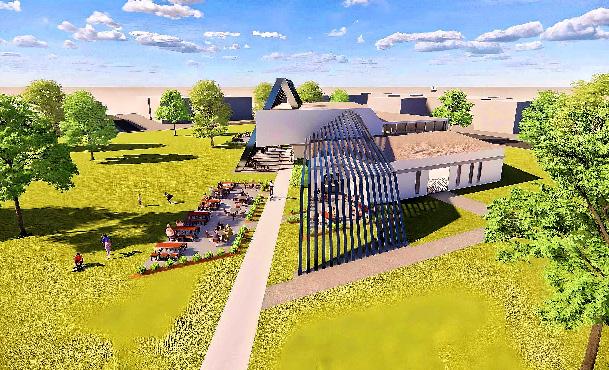
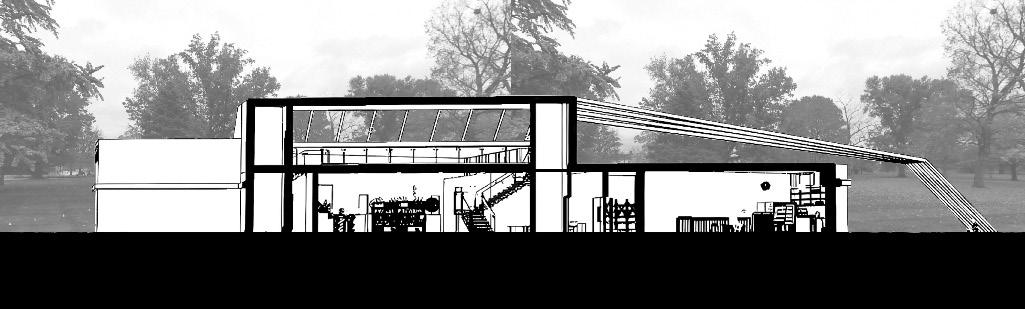
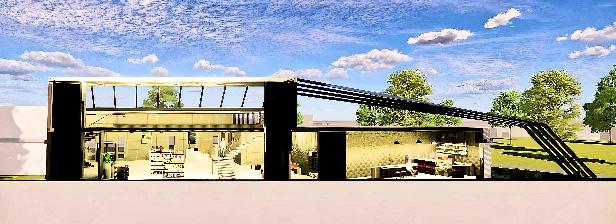
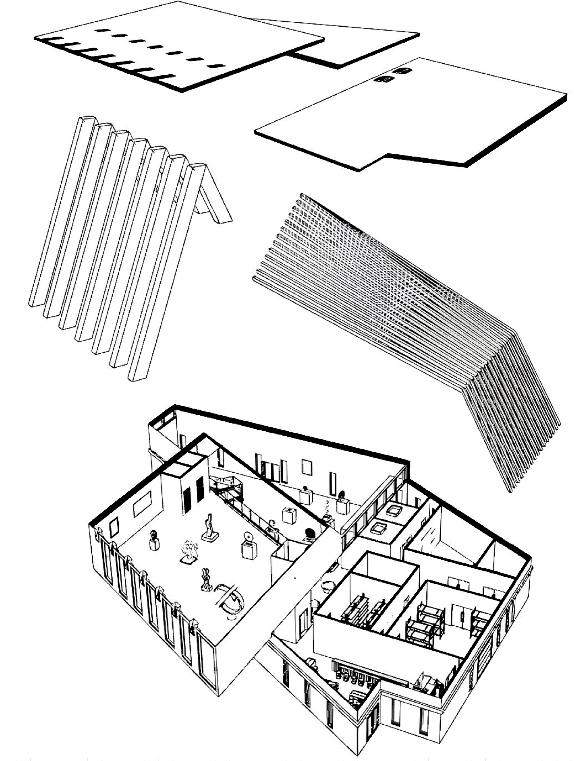
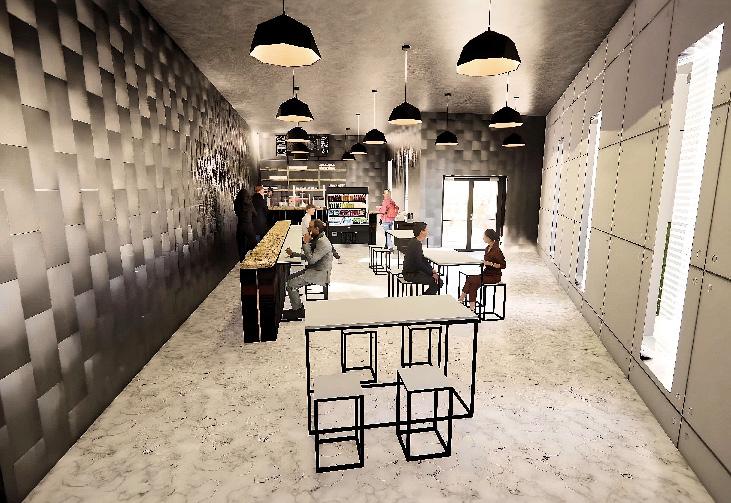
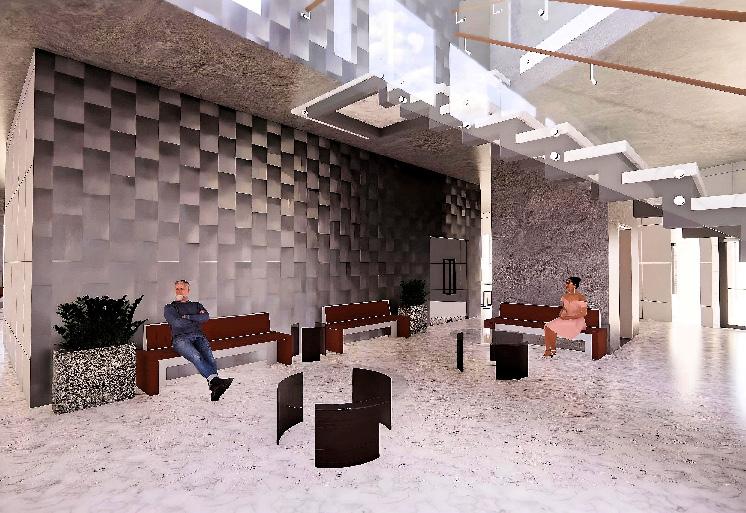
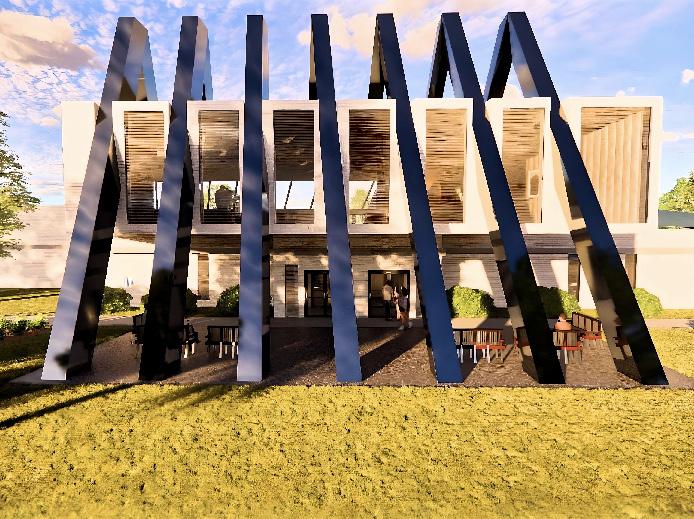
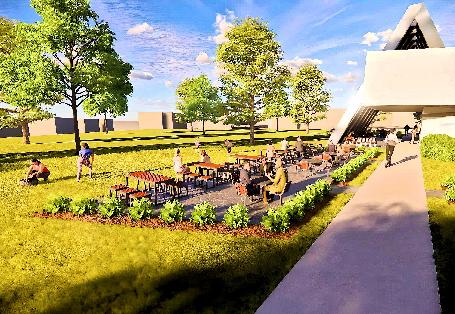
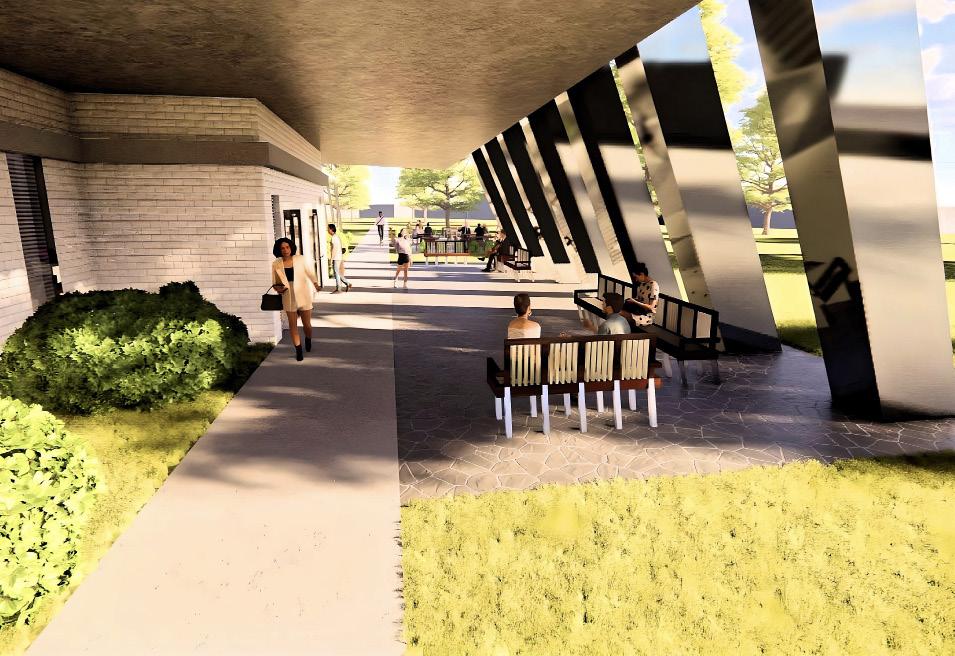
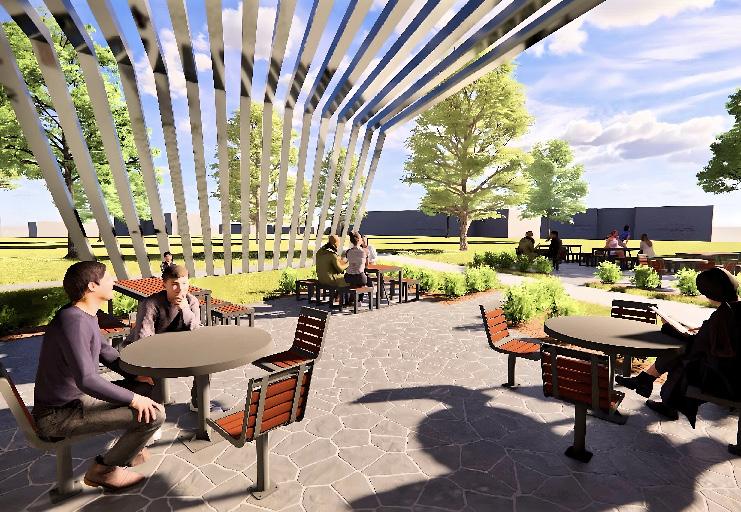
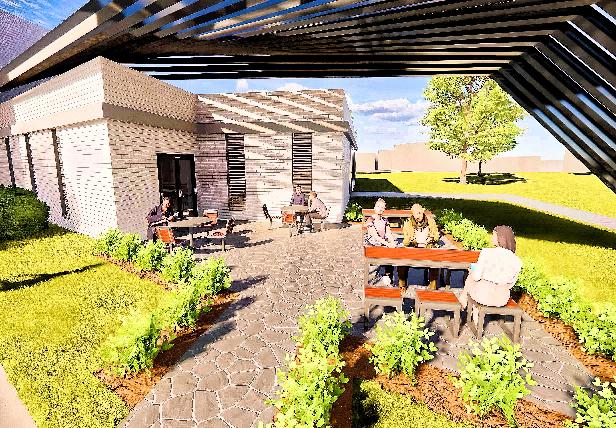
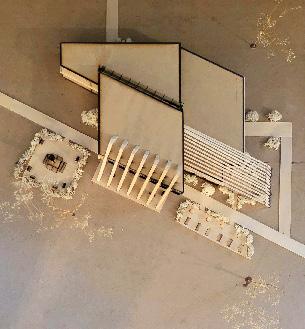
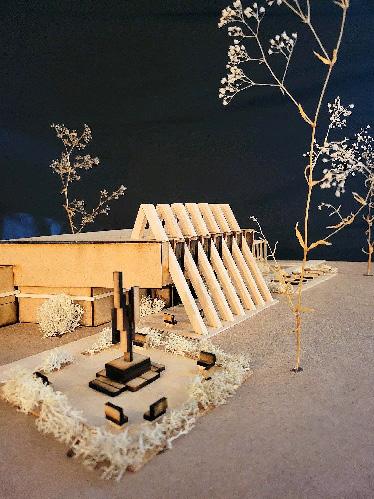
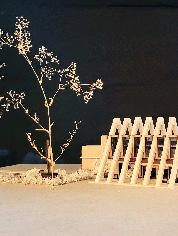
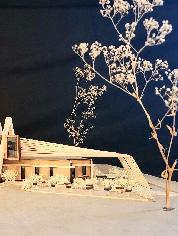
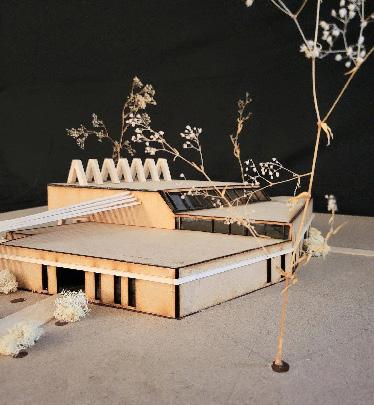
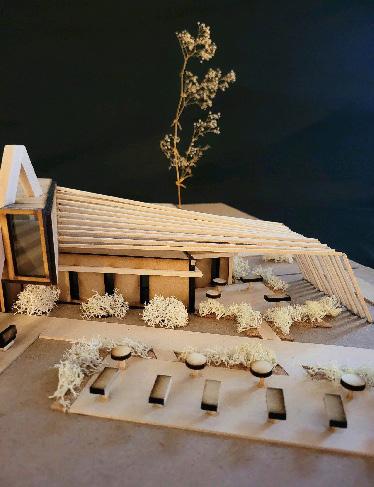
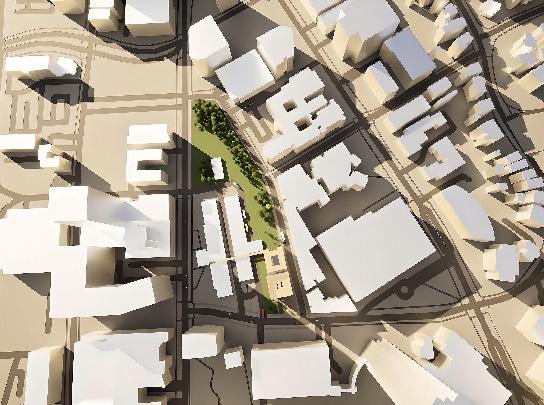
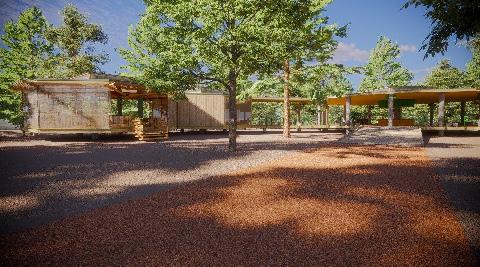
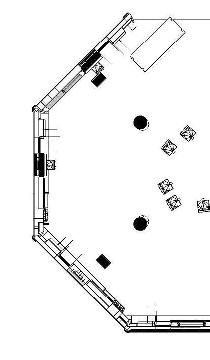
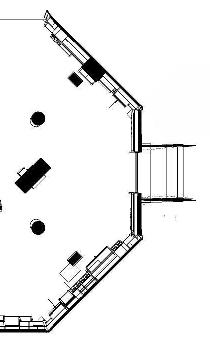
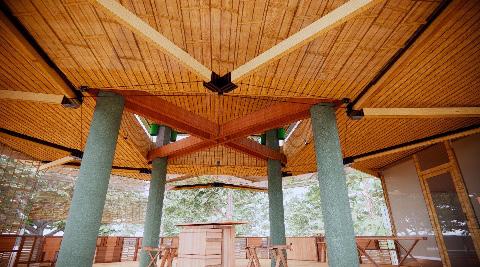
The Slant Walk Museum project presents an exciting opportunity to bridge the gap between Miami University and the vibrant town of Oxford, Ohio. During the summer months the town experiences a strong presence of the local community, while the academic year witnesses a decline in local engagement due to the influx of the student body. The museum aims to become a unifying focal point. Positioned strategically at the entrance of Miami’s campus, at the iconic Fi Tal Gates, the museum serves as the perfect junction between the university and the town of Oxford. Recognizing Miami University’s distinct red brick architectural tradition, the museum design intends to diverge from the typical campus aesthetic. Instead, it seeks to serve as a connecting link, a structure that resonates with both the university’s heritage and the town’s unique character. The envisioned museum stands not just as a physical edifice, but also as a symbolic bridge fostering a sense of togetherness and unity among the diverse communities, inviting all to explore, learn, and connect in a shared space of cultural enrichment.
Oxford Ohio, Maimi Univeristy
Site Plan
Upstairs
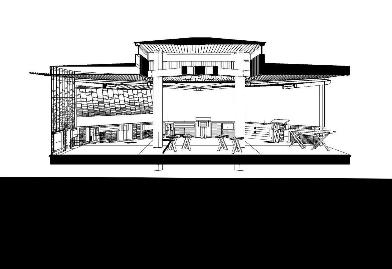
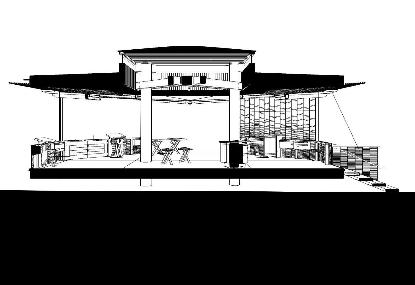
West Section
South Section
East Section
North Section
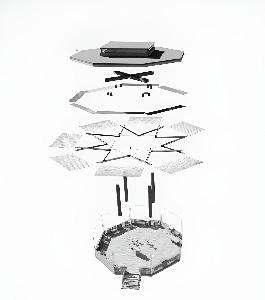
Exploded Axon
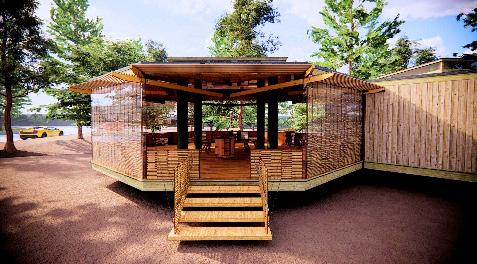
Cafe
Sitting Room
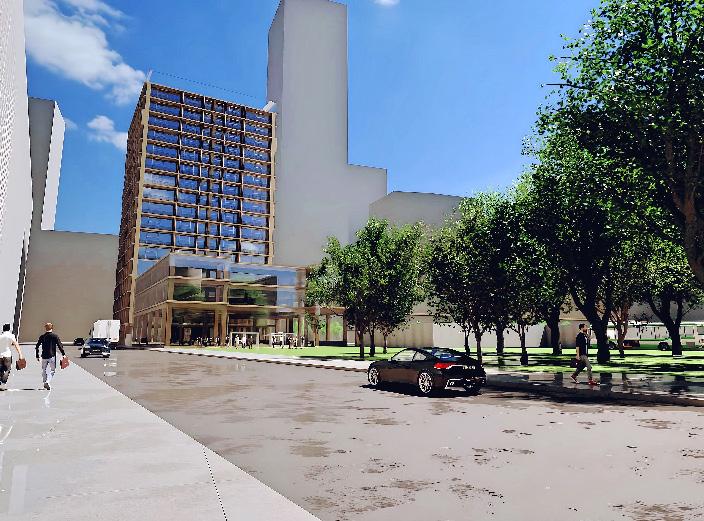
Mass-Timber
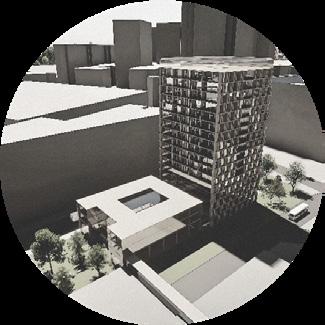
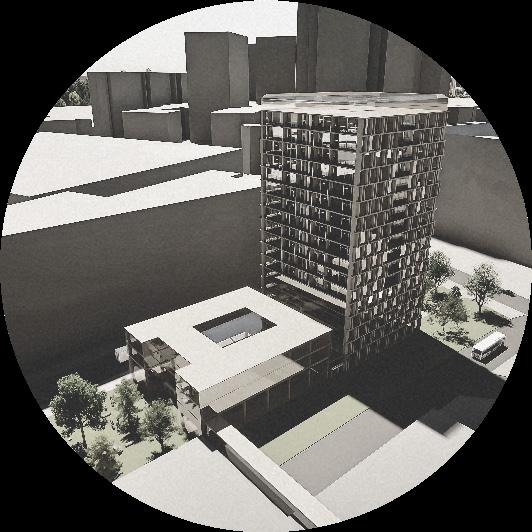
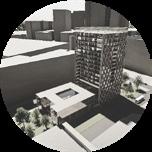
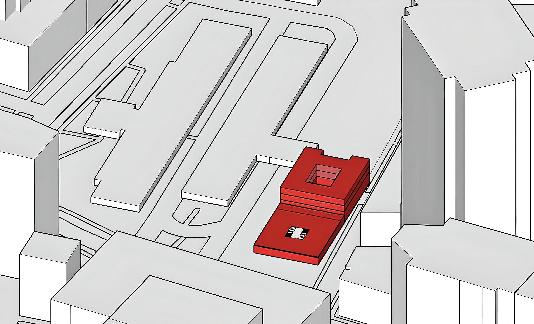
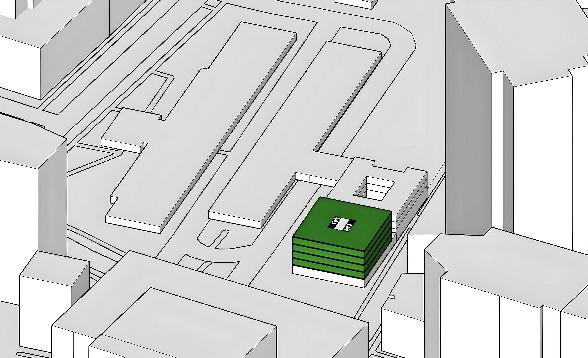
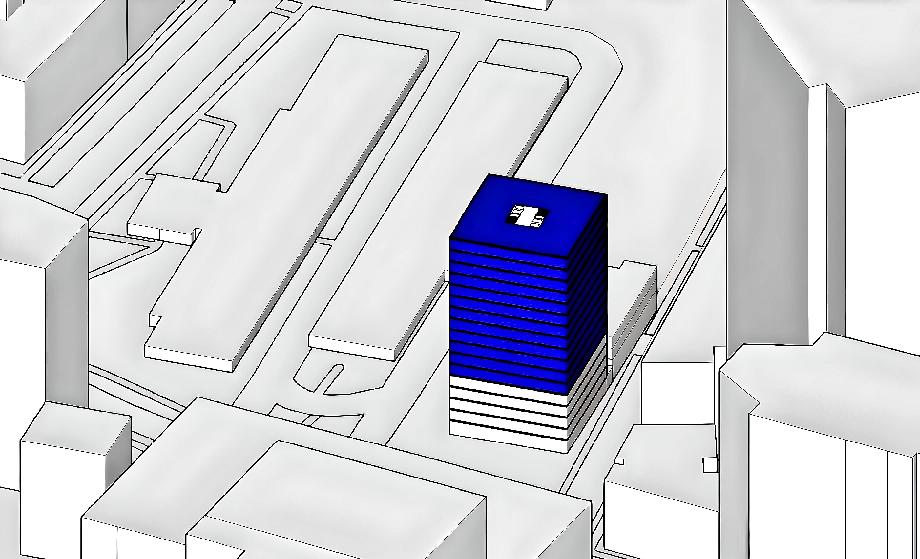
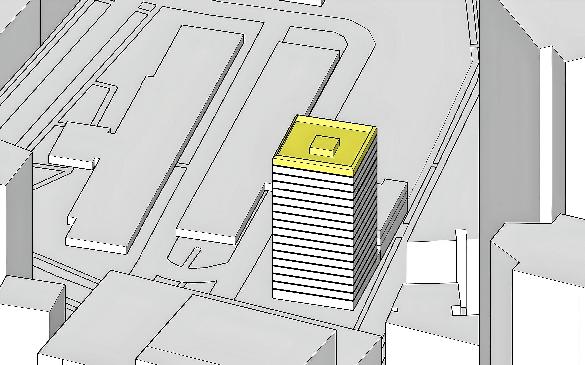
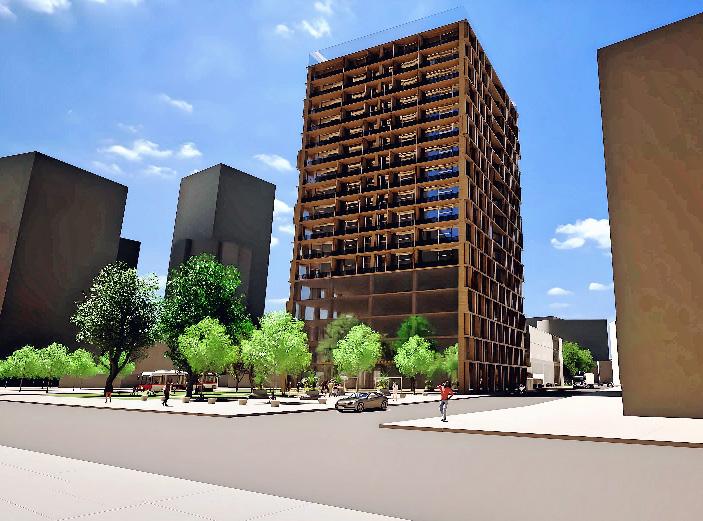
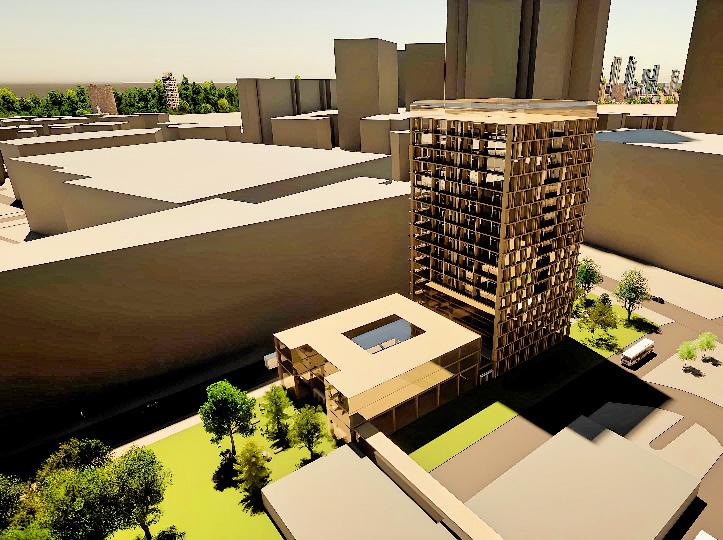
Nestled within the bustling cityscape, a striking marvel stands tall, captivating onlookers with its blend of elegance and sustainability. The mass timber building, an architectural embodiment of innovation, incorporating a harmonious fusion of nature’s raw beauty and cutting-edge engineering. Its facade, adorned with layers of cross-laminated timber, invites a sense of warmth and organic allure that seamlessly integrates into the urban landscape. As sunlight filters through the strategically placed wooden panels, a dance of shadows and light ensues, accentuating the building’s environmentally conscious design. Beyond its aesthetic appeal, this structure symbolizes a commitment to sustainability, embracing renewable materials that not only reduce carbon footprints, but also inspire a reimagining of modern construction practices. As one gazes upon this testament to ingenuity, it stands not merely as a building, but also inspire a reimagining of modern construction practices. As one gazes upon this testament to ingenuity, it stands not merely as a building, but aslo as an icon of a greener, more conscientious architectural future.
Atlanta, Georgia
Public Market:
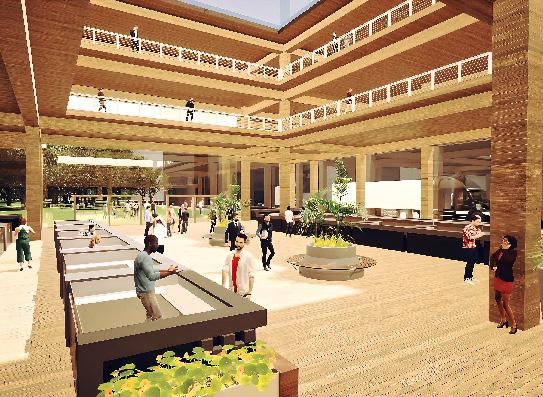
This space serves as a vibrant communal space where both local residents and building inhabitants can gather, shop for goods, socialize, and relish shared experiences in a bustling, inviting environment.
Office Space:
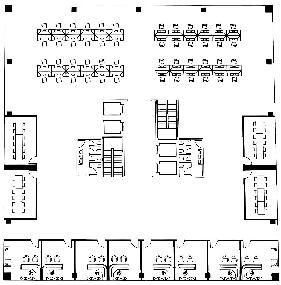
Companies have the opportunity to lease office space on any of these floors, which provide a versatile environment for conducting business operations.
Apartments:
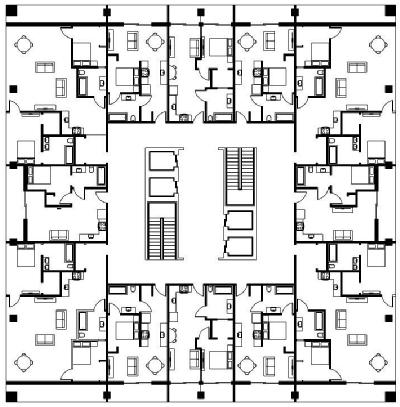
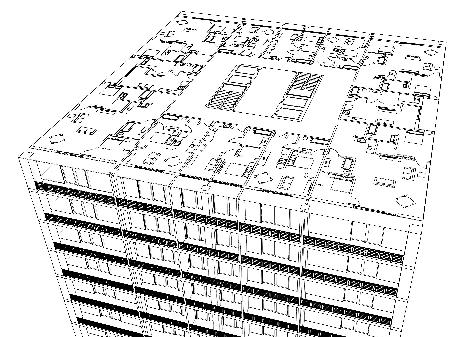
Our apartment complex offers inclusive living spaces, featuring two-bedroom, one-bedroom, and studio apartments tailored to accommodate a wide range of residents’ needs and preferences.
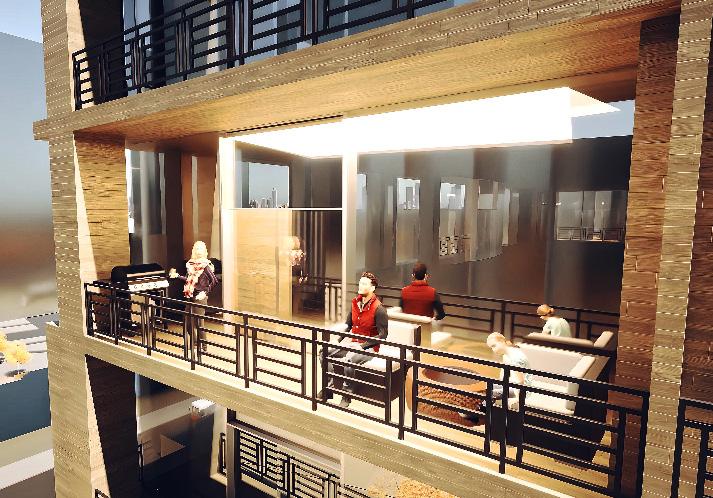
A rooftop patio provides residents with a refreshing outdoor escape where they can relax, socialize, and enjoy the open air and panoramic views.
Roof Top Padio:
Apartment FLoor Plan
Core:
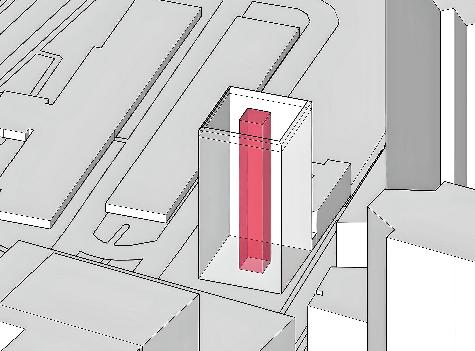
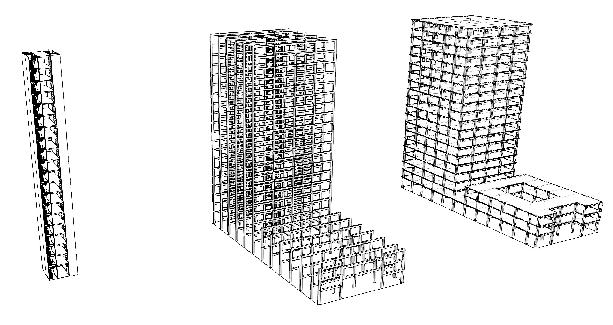
The core of a mass timber building serves as the structural backbone, incorporating elements like columns, beams, and service cores made from engineered wood products like cross-laminated timber (CLT) or glue-laminated timber (glulam). This central component provides crucial stability, support, and functionality to the building while exhibiting exceptional strength, seismic resilience, and fire resistance.
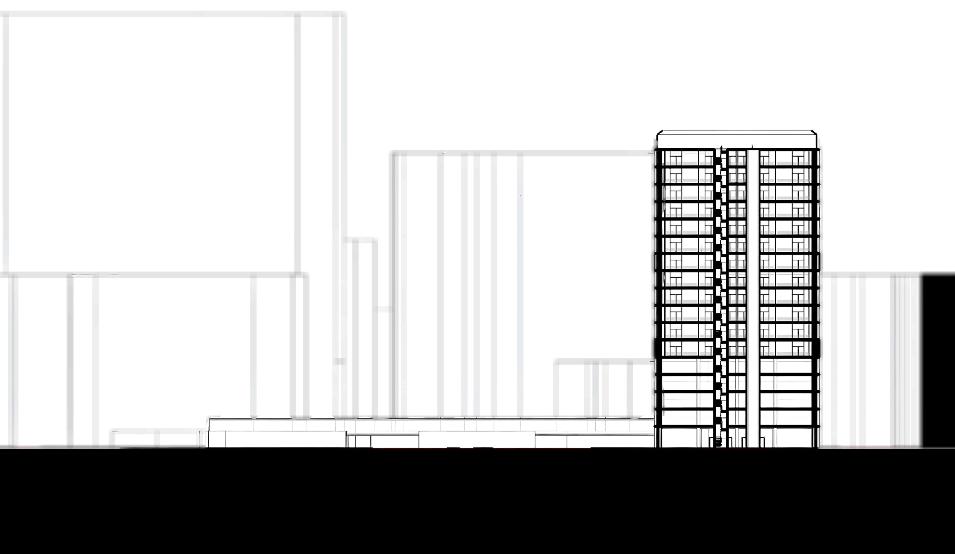
Section
Apartment Belcany
Roof Top Patio
Structural Axons
EDucation Pod
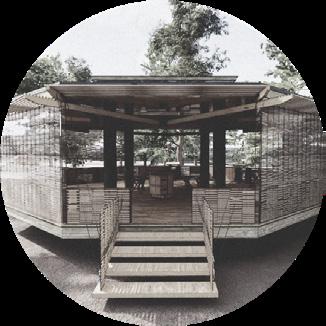
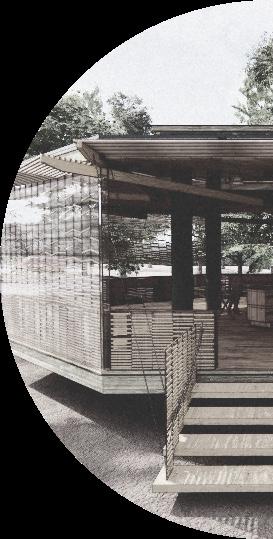
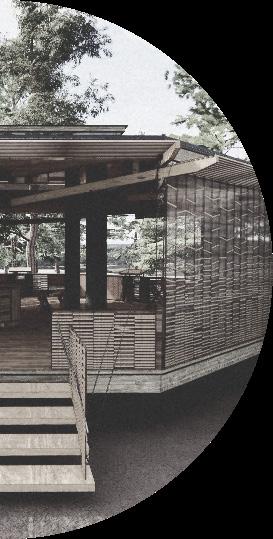
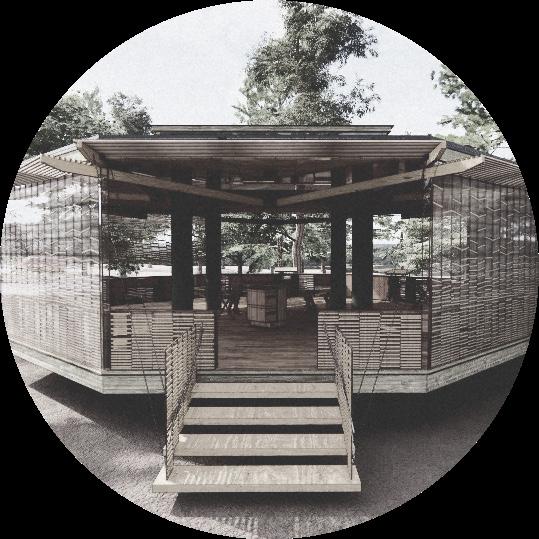
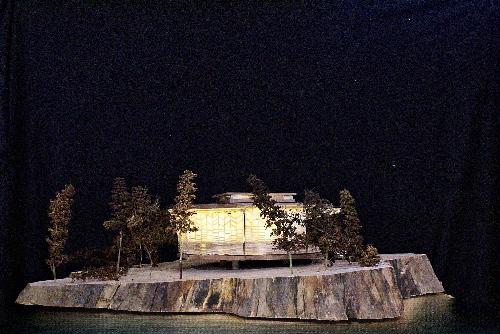
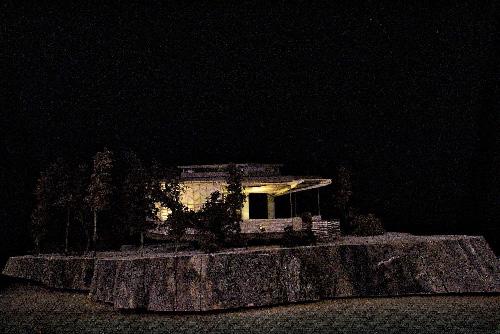
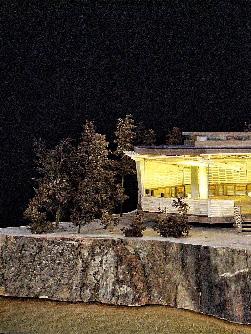
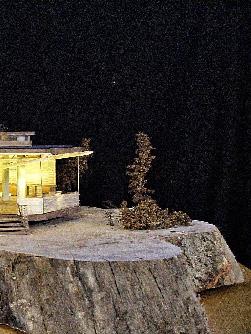
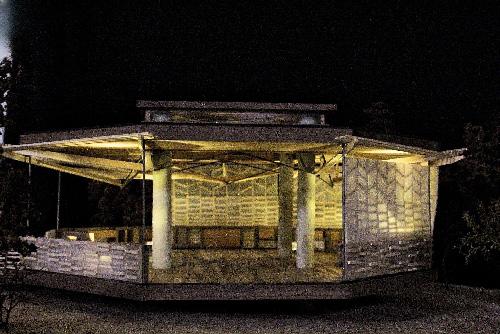
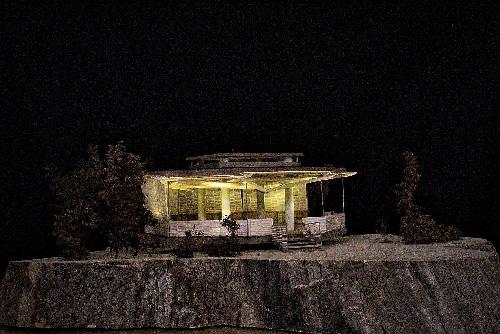
In Pennsylvania, nestled amidst natural beauty, stands Fallingwater, the epitome of modern architectural brilliance designed by the legendary Frank Lloyd Wright. Once cherished by the Kaufmann family, this iconic house was later bequeathed to the community by their son, Edgar Jr. Since then, a captivating outdoor visitor center has emerged, and our group was tasked with developing the Educational Pod (ED-Pod) within this center. Inspired and invigorated by the surrounding nature, our design process sought to honor this essence. Our concept took shape as roots sprouting from the ground, symbolizing roots gradually maturing into a majestic tree. Stepping inside the pod, one is enveloped in an ambiance akin to standing within a tree’s trunk, offering a unique perspective that connects visitors to the natural surroundings. Within the confines of the pod, the sensation of being immersed in nature remains palpable, fostering an environment that seamlessly blends architectural innovation with the beauty of the outdoors.
Mill Run, Pennsylvania - Fallingwater
Exploded Axon
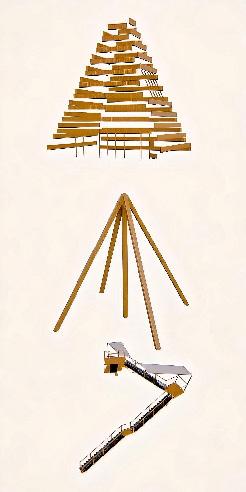
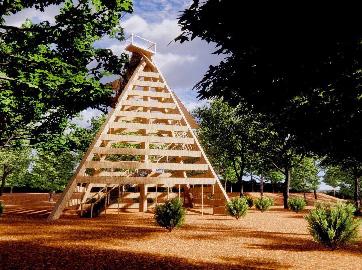
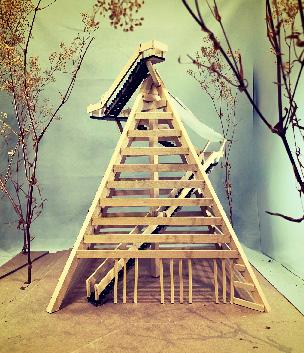
Bird-Tower
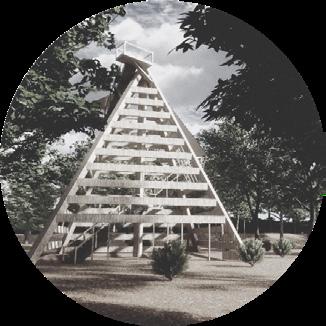
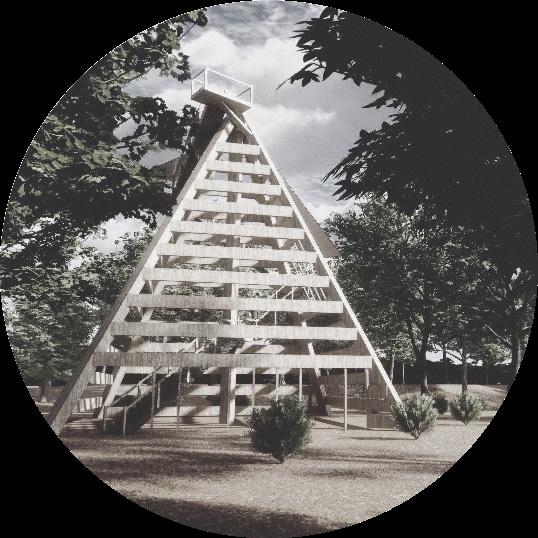
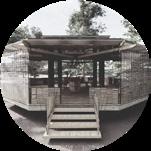
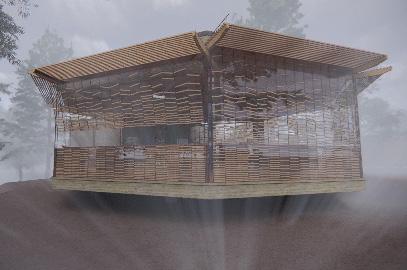
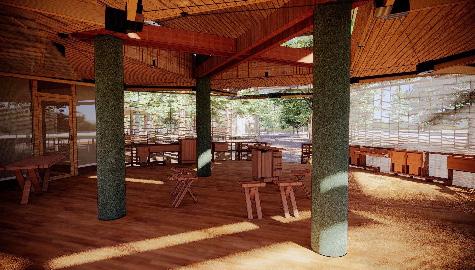
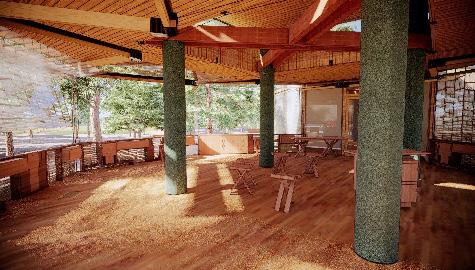
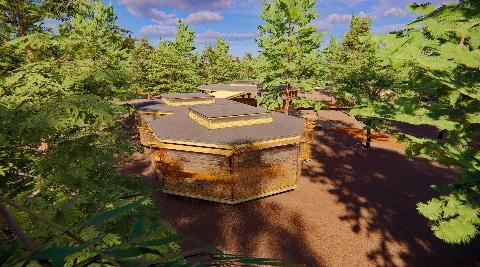
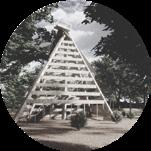
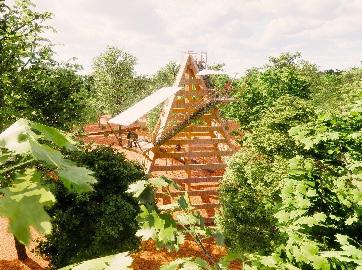
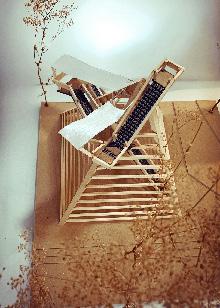
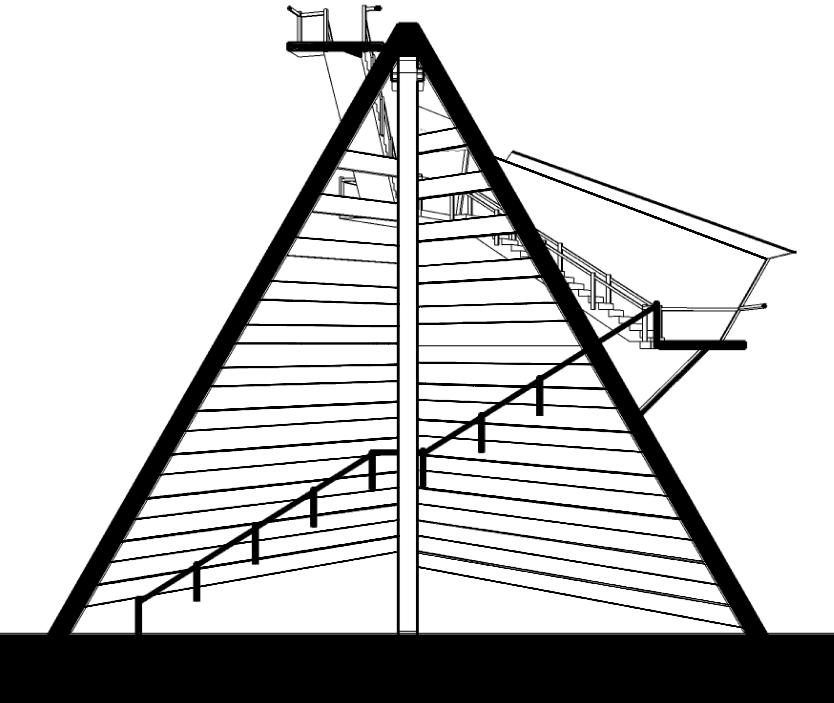
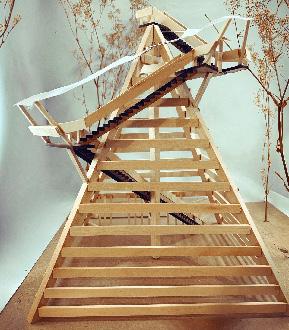
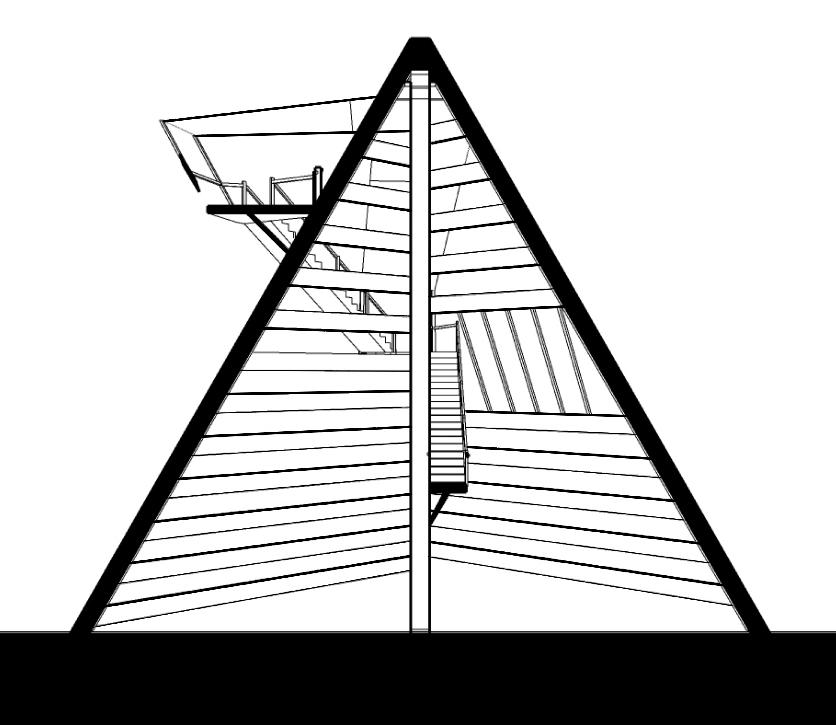
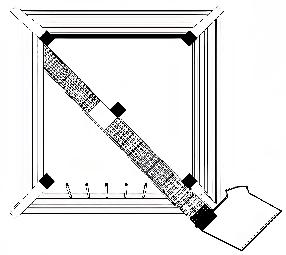
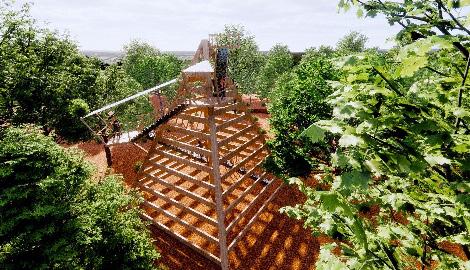
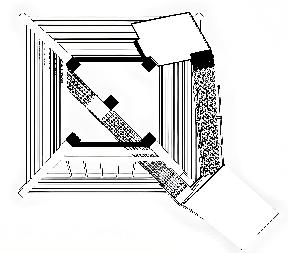
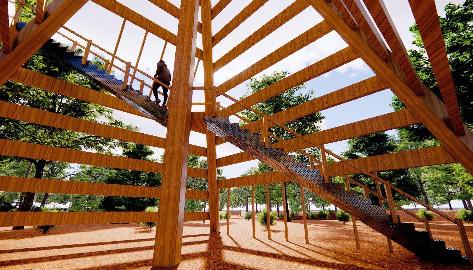
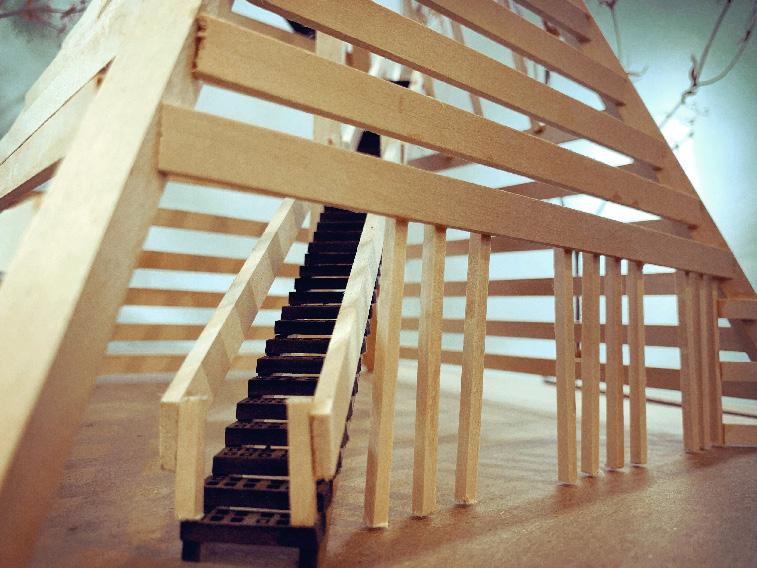
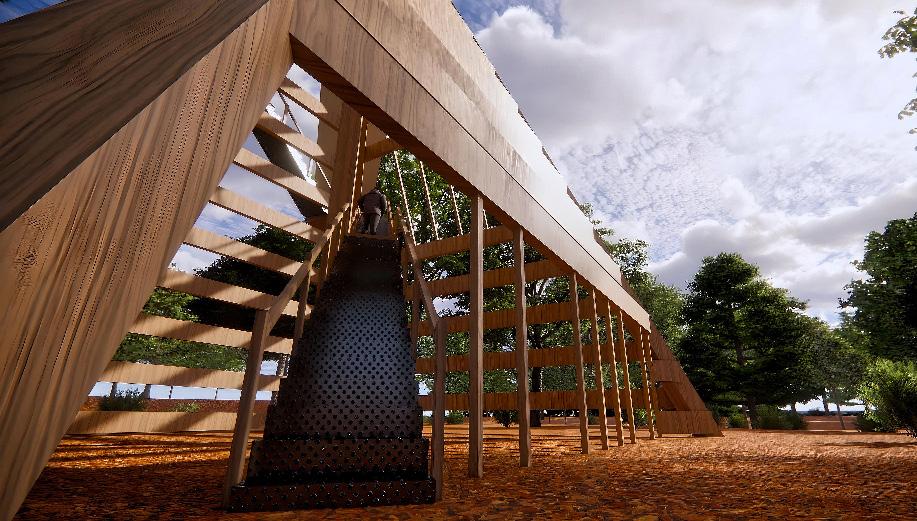
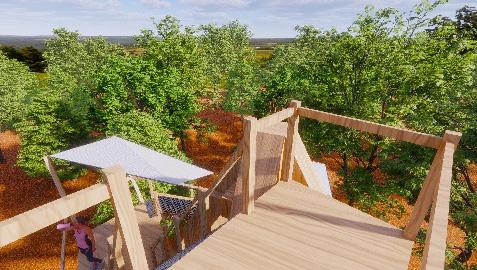
The Bird Tower, nestled within the woodlands surrounding Miami University’s campus, offers access via foot trails delicately carved into the natural landscape. I found my inspiration from the Leonardo da Vinci’s helicopter design. Evolving from this inspiration, I harnessed the essence of the design’s DNA to craft a structure, shaping it into a pyramid with a central beam serving as its fulcrum. Much like the propellers in Leonardo’s design dictated aerial movement, the circulation within the tower was envisioned as a winding, spiraling path akin to the coiled cloths that lifted the helicopter off the ground. Similarly, the tower aims to elevate people, offering three perches for observation, allowing visitors to observe and immerse themselves in the avian world and the encompassing natural environment.
Oxford Ohio, Heuston Woods
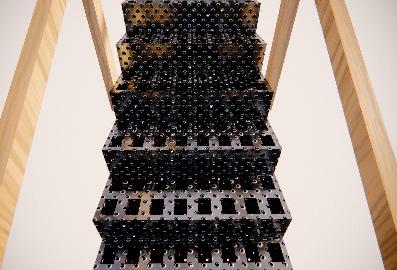
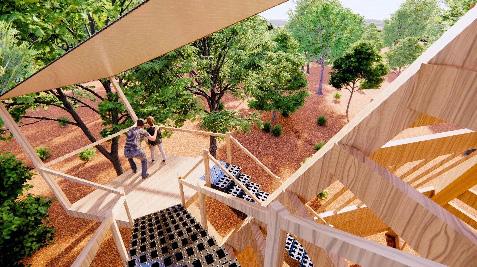
Stair Detail:
The stairs are designed to ensure safety and usability in all seasons. Constructed from durable metal with gridded perforations, they effectively allow water to pass through, preventing accumulation and ensuring slip resistance, particularly during rainy or snowy weather. Additionally, the incorporation of specially designed treads provides enhanced grip for shoes, significantly reducing the risk of slipping. This thoughtful design prioritizes safety and functionality, ensuring that individuals can confidently use the stairs year-round, regardless of weather conditions.
Exploded Axon
Joint Connection
Exploded Joint Connection
Square Circle
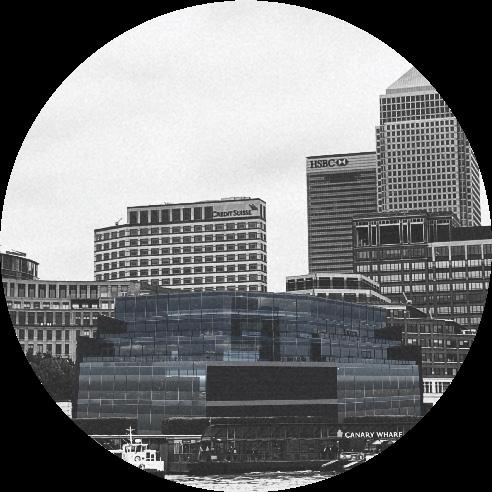
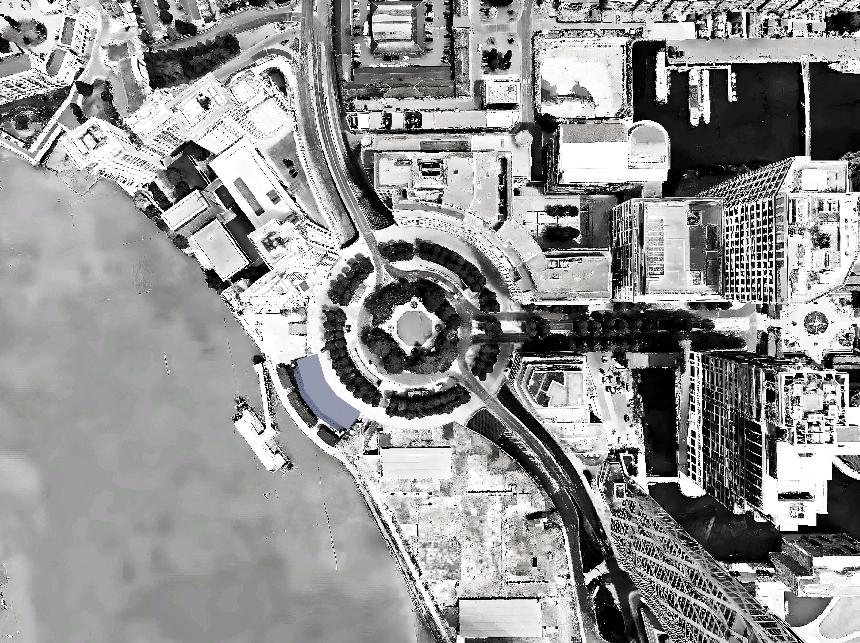
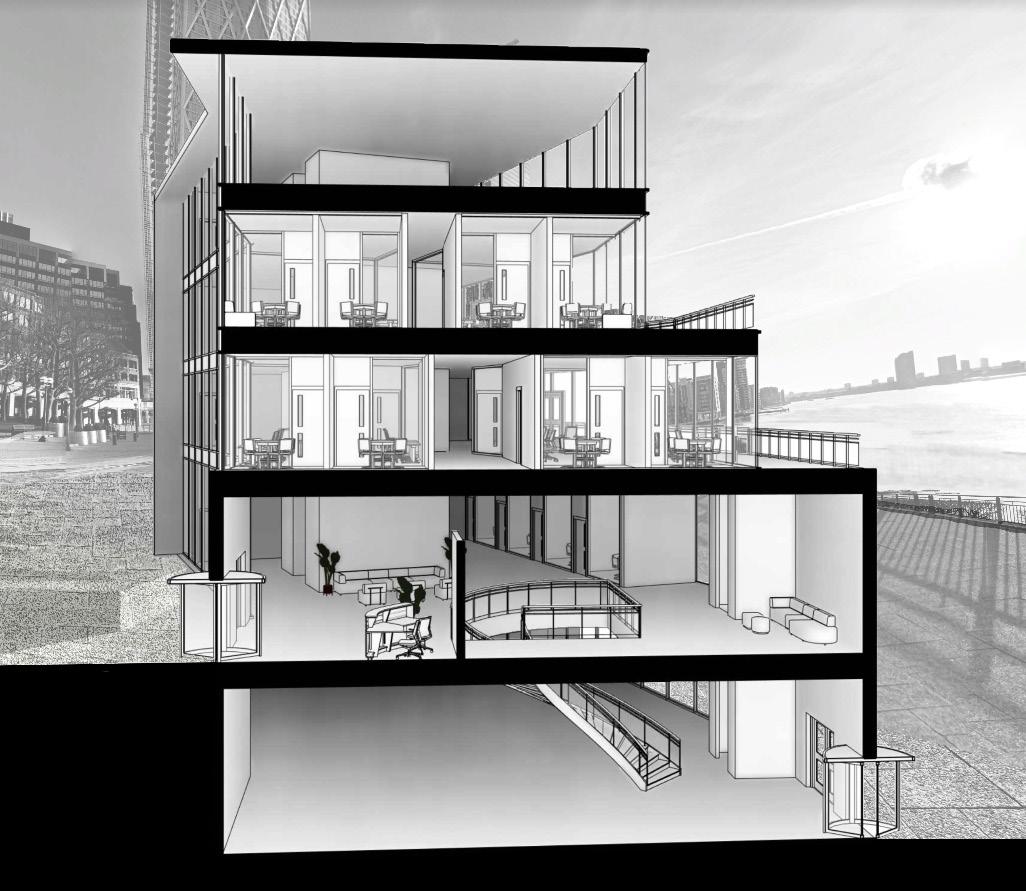
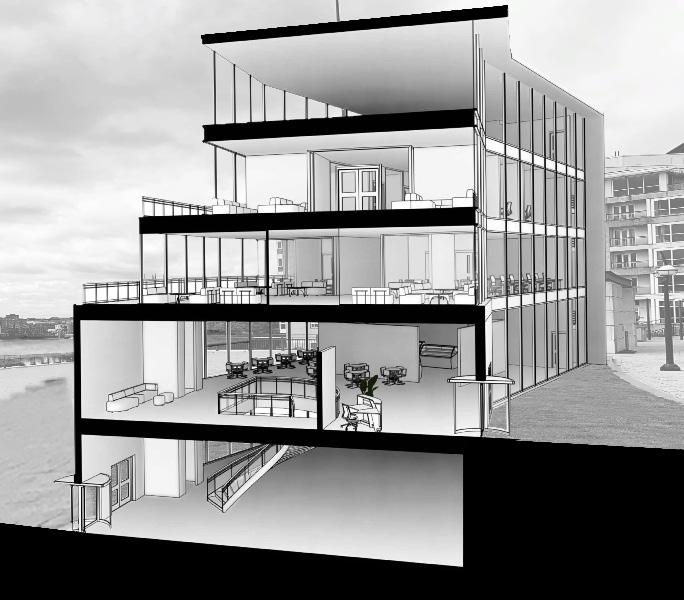
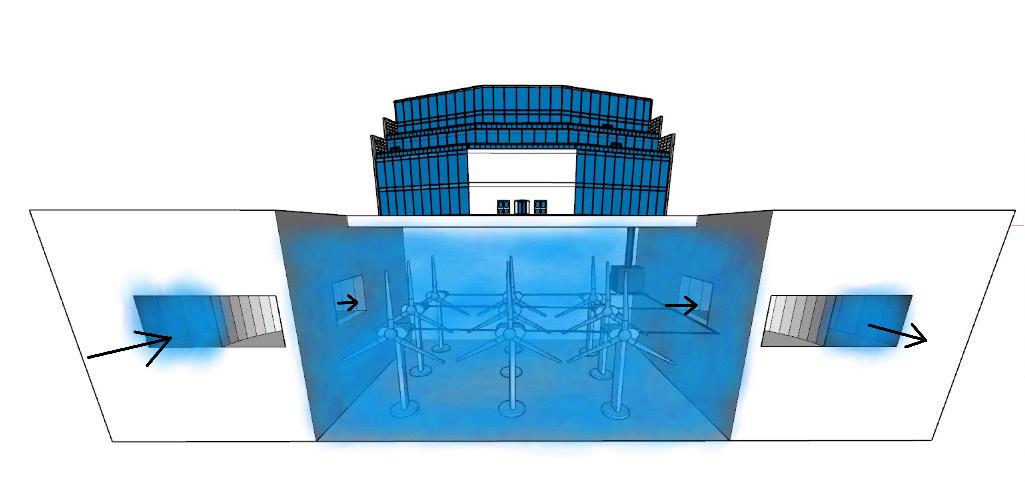
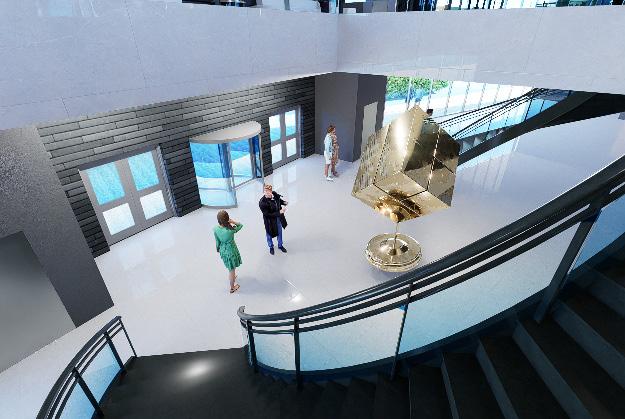
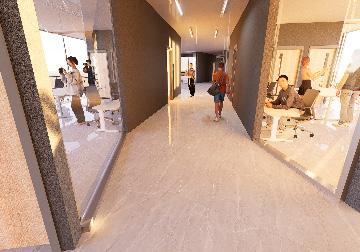
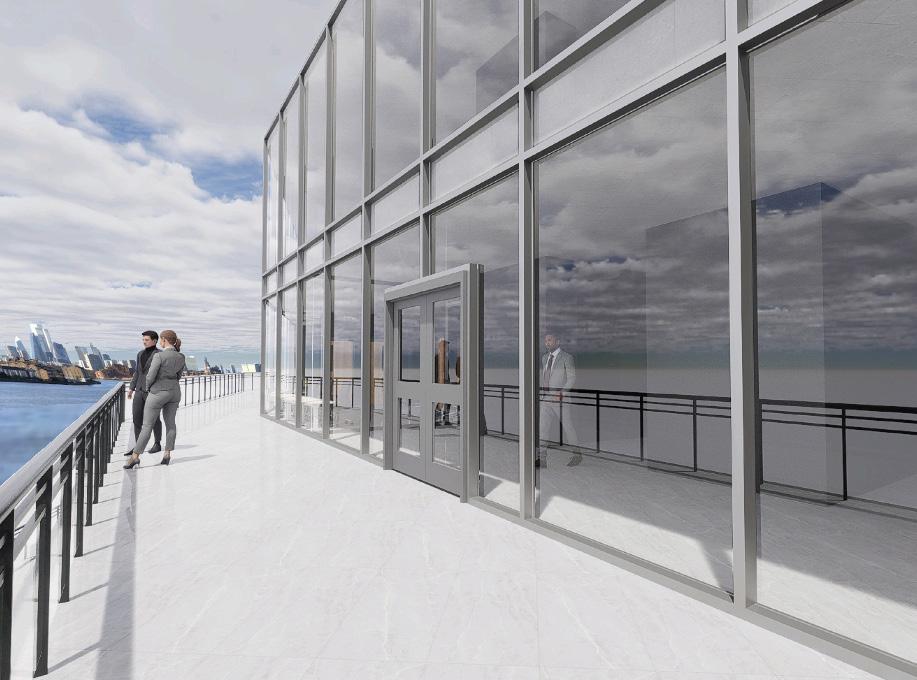
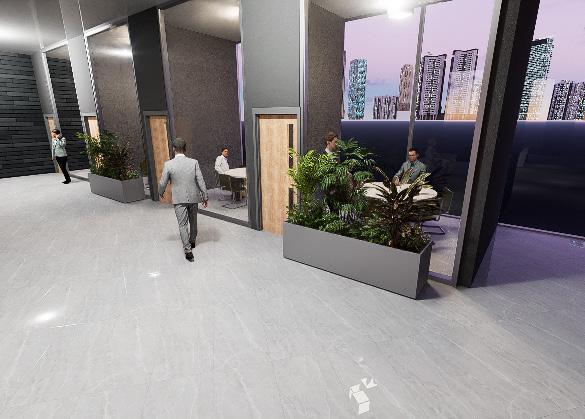
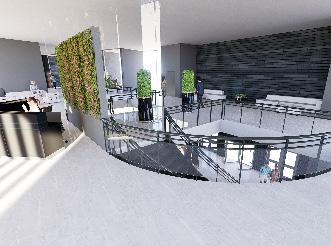
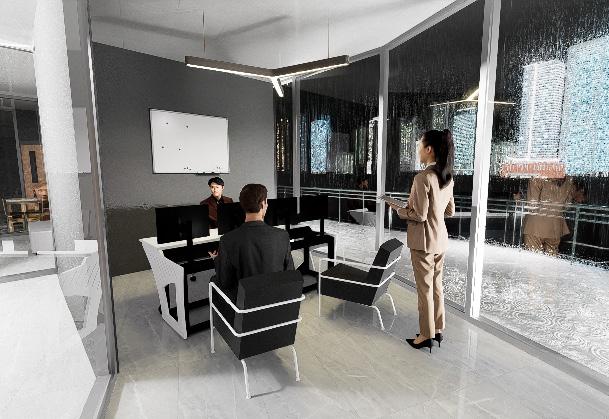
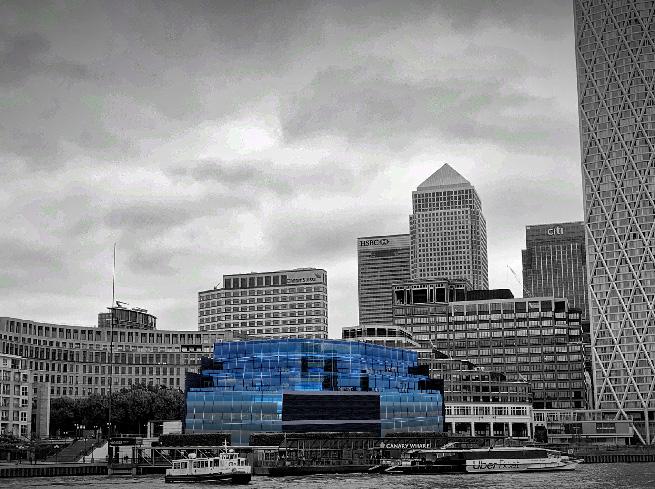
The innovative design of this eco-conscious building demonstrates a progressive leap in sustainable architecture by harnessing self-produced tidal energy. It utilizes a solar-radiant heated double-skin facade to minimize environmental impact. This forward-thinking approach not only ensures a reduced carbon footprint, but also fosters a comfortable living or working space for its occupants, with adaptive features that respond to varying weather conditions. Incorporating gallery space at the lower level, accessible via waterfront walkways, promotes community engagement and connection to the surroundings. Square Circle owns the building and uses the first three floors while offering the fourth as rental space. The building encourages diversified usage, while operating completely off the grid, exemplifying a long-term commitment to self-sufficiency and environmental stewardship for years to come.
Canary Wharf, London UK
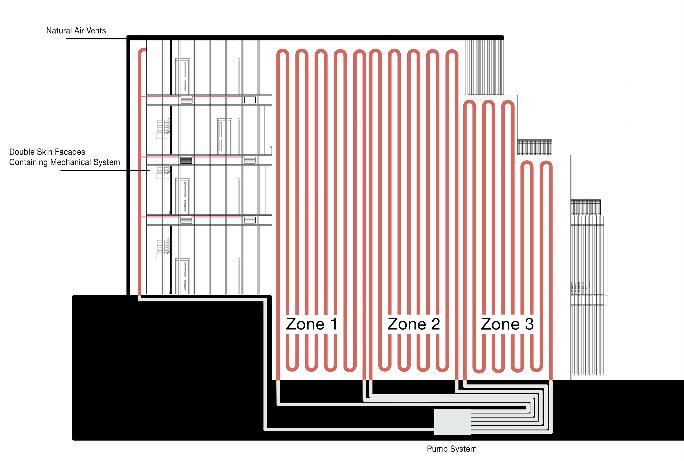
Solar-Radiant Heating:
Solar-radiant heating is a sustainable heating system that utilizes solar energy to provide warmth indoors. It involves capturing solar energy through solar panels or collectors, converting it into heat, and then distributing this heat throughout a building. Radiant heating systems use elements such as underfloor heating, radiant panels on walls or ceilings, or pipes carrying heated water to distribute warmth. In solar-radiant heating, the captured solar energy is often used to heat water or a heat transfer fluid, which is then circulated through these radiant surfaces, transferring heat to the surrounding space.
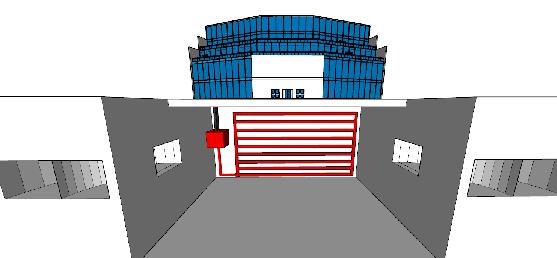
Tidel Energy:
Tidal energy is a form of renewable energy generated by harnessing the natural ebb and flow of tides in oceans or seas. It involves capturing the kinetic energy produced by the movement of water as tides rise and fall. Typically, this is achieved through technologies like tidal turbines or barrage systems placed in tidal streams or estuaries. As the tides move in and out, these devices capture the energy, converting it into electricity.
Geo Thermal Energy:
Geothermal energy harnesses heat stored beneath the Earth’s surface to generate power or provide heating and cooling for buildings. It involves tapping into the natural heat within the Earth through geothermal heat pumps or power plants. Heat from the Earth’s core is accessed through wells or pipes, and then transferred to generate electricity or used directly for heating and cooling purposes. This renewable energy source offers a reliable and sustainable way to access heat energy, reducing reliance on traditional fossil fuels for heating and electricity generation.