All contributions are the responsibility of the author, and do not necessarily reflect the views of the society. All contributions are personal, except where attributed to an organisation represented by the author.
COPY DATE FOR LL2 2026 IS 9 MARCH
PUBLISHED BY
The Society of Light and Lighting 91-94 Saffron Hill London EC1N 8QP www.sll.org.uk ISSN 2632-2838
The Society of Light and Lighting is part of the Chartered Institution of Building Services Engineers, 91-94 Saffron Hill, London EC1N 8QP. Charity registration no 278104
FROM THE EDITOR
It was saddening and disheartening to hear that Lumiere Durham is no more (see p4). Having interviewed Helen Marriage, the organiser Artichoke's co-founder some years ago, I can testify that this woman was capable of moving mountains to bring art and culture to the general public. And magic. (Remember The Sultan's Elephant?)
We all know that art and culture go to the back of the queue when money's tight. Its benefits are long term, multifarious and come under the heading of too difficult to calculate.
But we do know about the richness of the cultural soil we grow up in. The possibilities it reveals, the horizons it opens, the intangible benefits. And the unquantifiable harms when people are deprived of this richness. Those harms come home to roost eventually and inevitably cost a whole lot more.
And in the case of Durham it was educating people about lighting, its possibilities... its magic.
'Lumiere was not simply a visitor attraction,' said LUCI of the decision. 'It became part of the city’s identity. It allowed residents to rediscover familiar streets, landmarks and public spaces through art. It brought people together across generations and social backgrounds. It positioned Durham internationally as a place of creativity, culture and openness.'
Sometimes it has to be about common sense not calculation. What you know, instinctively, is right. Designed and printed in the UK
Darkhorse Design Ltd
T (0)20 7323 1931 darkhorsedesign.co.uk studio@darkhorsedesign.co.uk
CURRENT SLL LIGHTING GUIDES
SLL Lighting Guide 0: Introduction to Light and Lighting (2017)
SLL Lighting Guide 1: The Industrial Environment (2018)
SLL Lighting Guide 2: Lighting for Healthcare Premises (2019)
SLL Lighting Guide 4: Sports Lighting (2023)
SLL Lighting Guide 5: Lighting for Education (2011)
SLL Lighting Guide 6: The Exterior Environment (2016)
SLL Lighting Guide 7: Office Lighting (2023)
SLL Lighting Guide 8: Lighting for Museums and Galleries (2021)
SLL Lighting Guide 9: Lighting for Communal Residential Buildings (2022)
SLL Lighting Guide 10: Daylighting – a guide for designers (2014)
SLL Lighting Guide 11: Surface Reflectance and Colour (2001)
SLL Lighting Guide 12: Emergency Lighting (2022)
SLL Lighting Guide 13: Places of Worship (2018)
SLL Lighting Guide 14: Control of Electric Lighting (2023)
SLL Lighting Guide 15: Transport Buildings (2017)
SLL Lighting Guide 16: Lighting for Stairs (2017)
SLL Lighting Guide 17: Lighting for Retail Premises (2018)
SLL Lighting Guide 18: Lighting for Licensed Premises (2018)
SLL Lighting Guide 19: Lighting for Extreme Conditions (2019)
SLL Lighting Guide 20: Lighting and Facilities Management (2020)
SLL Lighting Guide 21: Protecting the Night-time Environment (2021)
SLL Lighting Guide 22: Lighting for Control Rooms (2022)
SLL Lighting Guide LG23: Design, Creativity and Compliance (2026)
Guide to Limiting Obtrusive Light (2012)
Code for Lighting (2022)
Commissioning Code L (2018)
SLL Lighting Handbook (2018)
CIBSE TM66: Creating a Circular Economy in the Lighting Industry (2021)
CIBSE TM65.2: Embodied Carbon in Building Services – Lighting (2023)
FROM THE SECRETARY
I am delighted to confirm that SLL Lighting Guide LG23: Design, Creativity and Compliance is available for members to download and for all to purchase.
The publication, authored by SLL past president Jeff Shaw, addresses the overall architectural lighting design process, giving guidance on approaches to creative design and delivery, appropriate to any lighting design project.
It outlines the information required and key considerations to enable a successful lighting design to be carried out, as well as providing guidance on the communication of a design and the design delivery process. Our thanks to Jeff and the guide contributors, Sophie Parry and Andrew Bissell. I would also like to thank the SLL Sustaining Members for their review and comments on the guide's contents, and for providing images.
It was a privilege to represent the SLL and meet so many people at Light+Intelligent Building Middle East in January. A big thank you to Adul Muhsin and team for inviting the society back to the conference and exhibition. SLL president Kristina Allison took part in three speaking engagements, while SLL president elect Carolina Florian was one of the judges for the Light Middle East Awards.
Neethu George, Faraz Izhar and Chris Carr, the SLL MENA regional lighting representatives, did a great job over the three-day event and I thank them for their time and company. We look forward to a good year in the region and we will keep you updated regarding the SLL lighting events.
The 2026 Trotter Paterson Lecture will take place on Tuesday 14 April at UCL. The lecture will be given by Dr Glen Jeffery, professor of neuroscience at UCL. Prof Jeffrey has published many papers on light and health, including the effect of infrared radiation on the body and mitochondria.
The SLL Young Lighter 2026 competition is open for entries and the deadline to submit your Stage 1 entry is 27 April. Your entry can be on anything relating to light and/or lighting including product design, project review, photography, light and shadow, and light art, among other topics. The winner of the competition will be given the title SLL Young Lighter 2026 and will receive a trophy as well as £1000 prize money. Lucie Koháková was named SLL Young Lighter 2025 for her project on how design can support
healthier sleep through biologically appropriate lighting (see p5).
The 2026 SLL Jean Heap Bursary is also now open for applications and we are looking forward to receiving your entries (the deadline for which is 11 May). The recipient of the 2025 Jean Heap Bursary was Nicholas Witton for his study on the effects of near infrared on sleep outcomes via mitochondrial pathways.
The application process for SLL Associate Member (AMSLL) grade of membership has been amended and is now more aligned with the requirements for Engineering Council Registration. This also aligns with the MSLL application process and is focused on competencies instead of years of experience, or years of experience and relevant qualifications. The change in the application process will enable early career lighters to apply for AMSLL earlier than was previously possible.
Thank you to those who have renewed their SLL/CIBSE subscriptions for 2026, your support of the society is appreciated. If you have not renewed and would like to discuss your membership, renewal or your benefits of membership, please do contact me.
For more information on the SLL Sustaining Members: cibse.org/get-involved/societies/ society-of-light-and-lighting-sll/getinvolved/sustaining-membership/ For more details of Trotter Paterson Lecture: cibse.org/get-involved/societies/ society-of-light-and-lighting-sll/ whats-happening/sll-trotterpaterson-lecture/
To enter SLL Young Lighter 2026: cibse.org/sll-younglighter
To apply for the Jean Heap Bursary: cibse.org/sll-jean-heap
A GOOD LIGHT'S REST
Lucie Koháková, SLL Young Lighter 2025, summarises her award-winning paper on the impact of light on young children's circadian rhythms
HUE AND EYE
In the second part of his examination of colour vision, Francis Pearce reflects on the illusory qualities of illumination
FULL STEAM AHEAD
The SLL's Get Curious programme, launched last year, already has potential young lighters taking up placements not only in the UK but also overseas
MEETING OF MINDS
Stuart Mucklejohn reports on LS2025, the IEEE Sustainable Smart Lighting World Conference, which marked its 50th anniversary
BLUE SKY THINKING?
Iain Carlile looks at a special recent issue of LR&T which focuses on daylight
SOURCES OF INSPIRATION
Top 5: Simon Fisher considers five designers who have left their indelible mark on his career and understanding of lighting
EVENTS
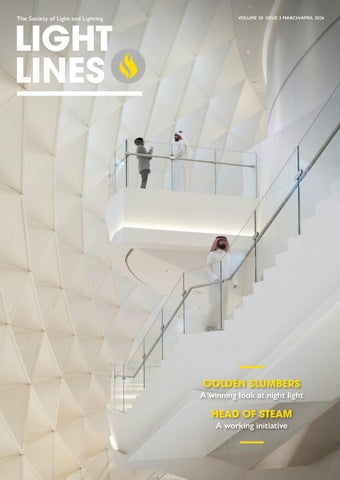
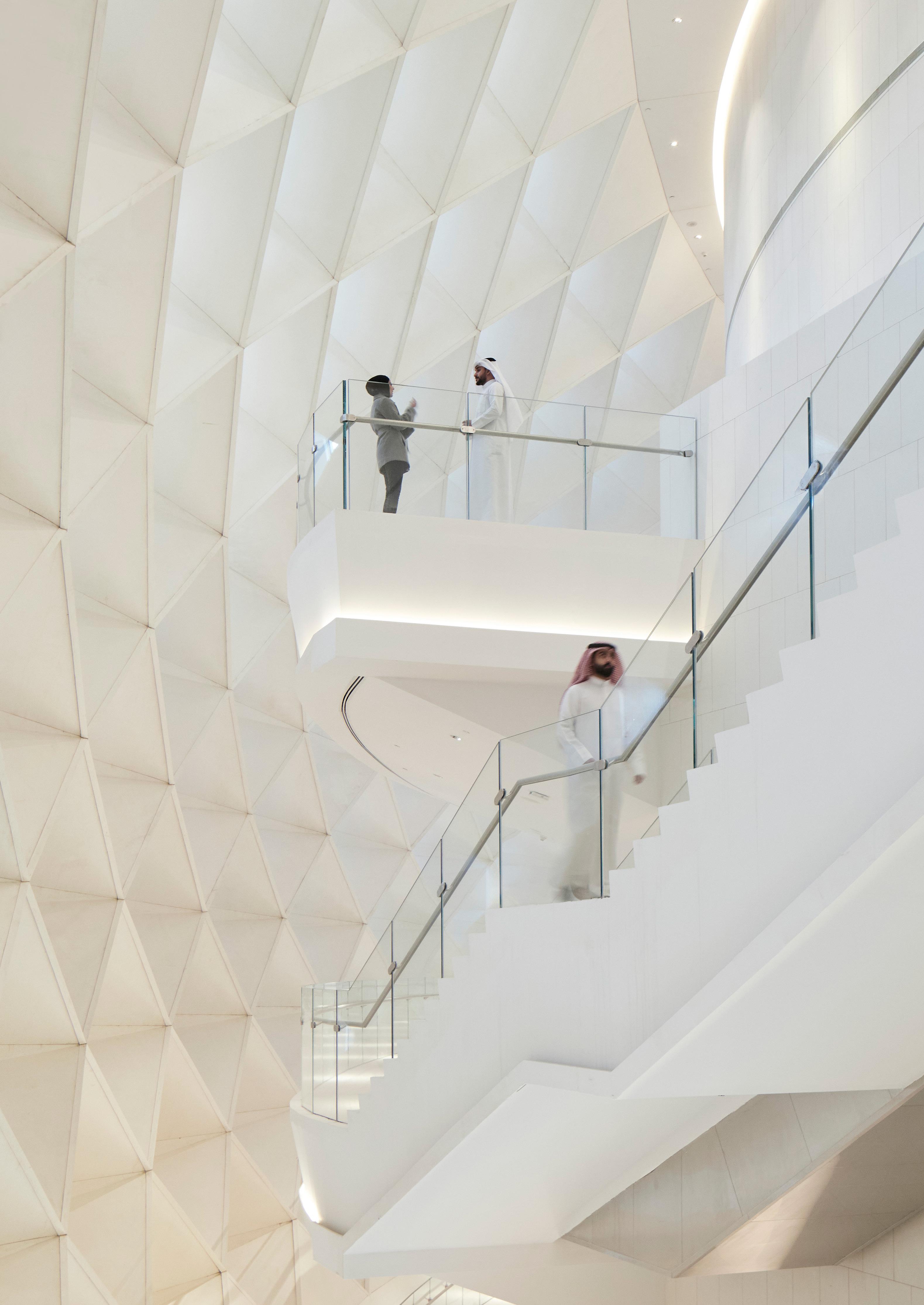
COVER: Kuwait University Administration Facilities, Shadadiya, Kuwait, lighting by dpa lighting, architect Skidmore, Owings and Merrill. Winner of the 2025 FX Award for Lighting Design
FINAL SWITCH-OFF FOR LUMIERE DURHAM AFTER 16 YEARS
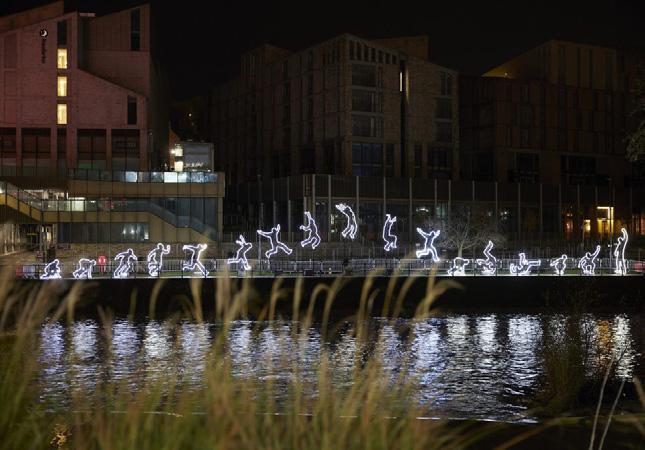
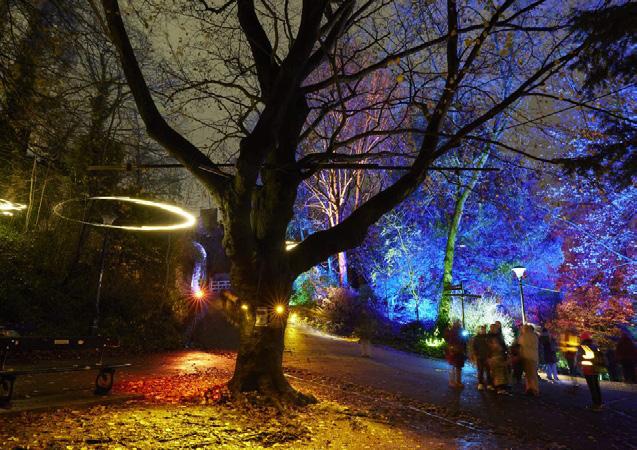
Lumiere Durham, one of the UK's pioneering light art festivals which began as a biennial event in 2009, has come to an end. Organised by its founder, creative producer Artichoke, it took place for the last time from 13-15 November 2025.
The decision was precipitated by rising costs and changing public funding priorities.
In nine editions across 16 years, Lumiere became one of Europe’s most recognised light art festivals attracting more than 1.3 million visitors, contributing more than £43 million to the local economy, involving 14,000 local residents and schoolchildren through Learning and Participation projects, and engaging hundreds of local businesses, institutions and supporters whose backing has been central to the event's success.
However, as Helen Marriage, Artichoke's co-founder and artistic director, wrote in The Guardian, while some benefits are quantifiable, many are not. 'You can and should count jobs, exports, return on investment and audience numbers, but you can’t count what it feels like to stand in a crowd and be moved, you can’t quantify wonder, inspiration or joy. That’s what we’ve lost.'
International urban lighting association LUCI has warned that the move is potentially a canary in the mine. 'Its closure is not just the end of a festival. It is a signal,' it said in its latest newsletter.
'At a moment when many cities are facing increasing financial pressure, competing priorities, and rising demands on public budgets, cultural events – even highly successful ones – are becoming fragile. Lumiere Durham’s final edition reminds us that light festivals cannot be taken for granted. They need to be understood, valued, and defended for what they truly bring to cities.'
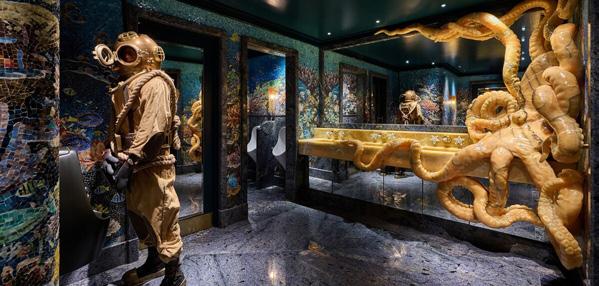
We completely get that the pendulum has well and truly swung from minimalism to the positively hectic, but all the interior designer's pent-up creativity clearly achieved some sort of apotheosis at Dubai's Sexy Fish Restaurant (shortlisted for the recent Restaurant and Bar Design Awards). Quite the challenge for the lighting designer. Seeing the visuals for the first time must have given pause for thought.
Especially the octopus. And this is just the gent's loo, as the keener eyed among you will have spotted. But then maybe some of us are just a little conservative in our tastes. Yes that would be it.
SLL OPEN FOR YOUNG LIGHTER AND BURSARY APPLICANTS
The SLL Young Lighter 2026 competition is now open for entries. The deadline to submit your Stage 1 entry is 27 April, for which applicants are asked to submit six slides.
The competition provides a high-profile opportunity to help younger lighting professionals in the early stages of their careers and a great opportunity to showcase their talent and vision to the lighting community.
Applicants can choose any topic related to light, from circularity, sustainability and dark skies through to photography, buildings or biorhythms.
The winner will be awarded the prestigious title of SLL Young Lighter and a cash prize of £1000. Each finalist will also receive a cash prize.
For the second stage, candidates are asked to expand on their six slides and submit a three to five minute-presentation to camera, as well as submitting 25 slides or a 3000-word paper. Finalists will be asked to do a 15-minute presentation in front of an audience.
The Young Lighter 2026 will be announced in November.
The 2026 SLL Jean Heap Bursary is also now open for applications, with a closing date of 11 May.
The annual bursary is open to anyone with an interest in light and lighting, with applicants invited to submit a research proposal.
A panel of expert judges is looking for a specific piece of lighting study or research designed for the benefit of SLL members and the industry as a whole.
The successful candidate will be given up to £4000 funding, which will be paid in four instalments, subject to the submission of progress reports.
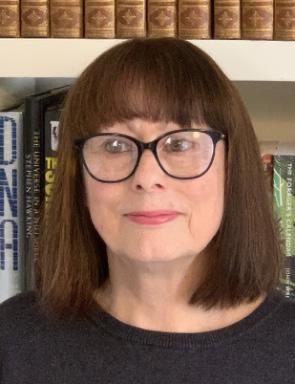
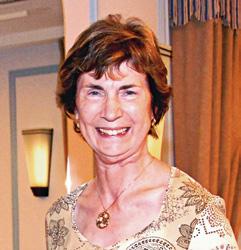
The SLL launched the Jean Heap bursary in 2014 in tribute to the commitment to lighting research and education which Jean (pictured), a past president of the society, demonstrated throughout her career in the lighting industry.
paper on the impact of light on young children's circadian rhythms, a study that resulted in developing a specialist luminaire for their night-time care
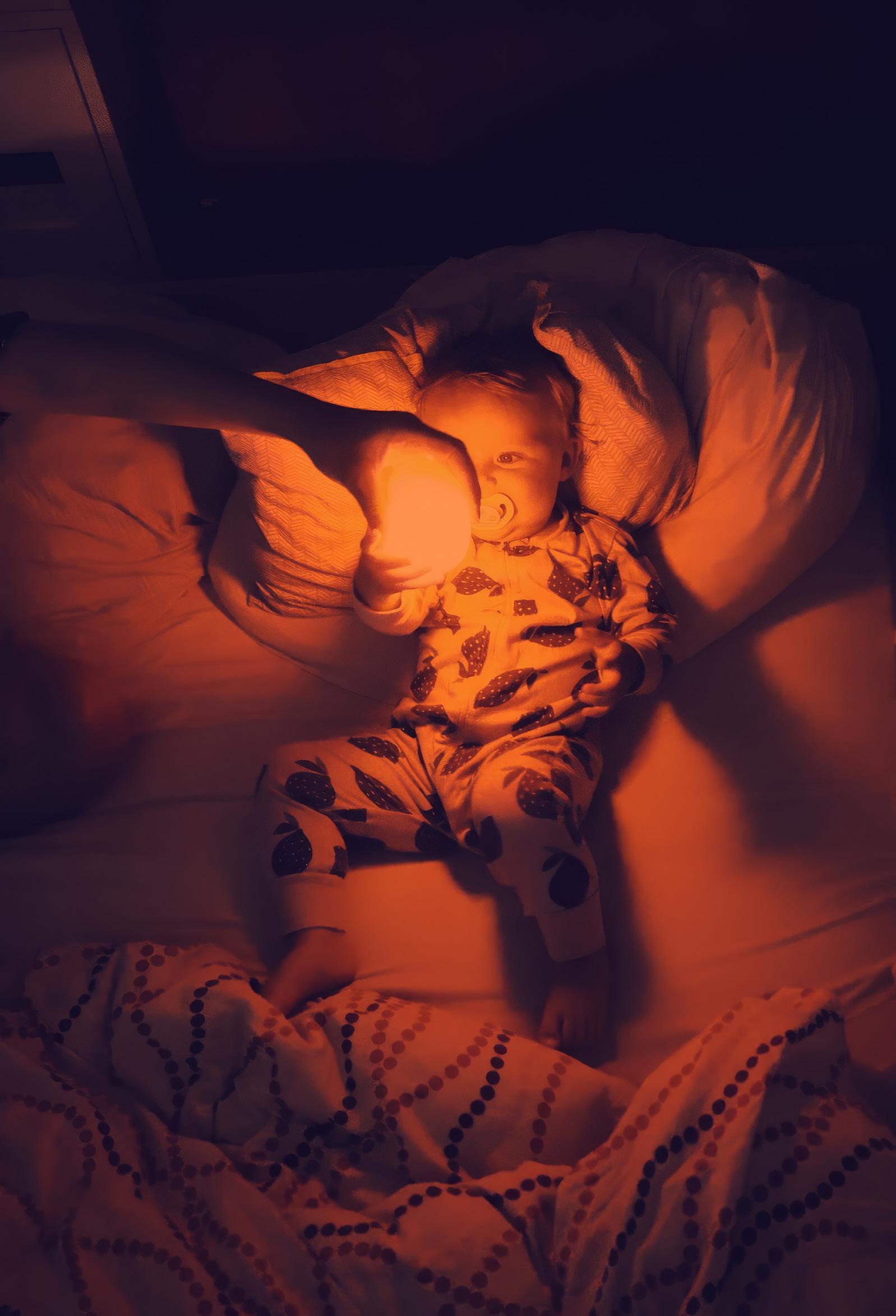
Night-time lighting is often treated as a functional necessity rather than a biological signal. Luna emerged from an effort to improve the quality of nocturnal light for infants and their parents, with the aim of supporting healthy sleep patterns and the development of a child’s circadian rhythm.
The project was inspired by the persistent sleep difficulties of my niece, Luna, and by observing the close relationship between a child’s sleep quality and that of their parents. When an infant struggles to sleep, sleep deprivation inevitably affects the parents as well, disrupting the regularity of the entire night-time routine.
Through initial research, I realised that this was not an isolated case, but a defining characteristic of sleep in many infants today. This led me to explore the topic more deeply, from both a design and a psychophysiological perspective.
To understand more fully how light could actively support sleep rather than disrupt it, I turned to examining the biological effects of light on the human body. This involved studying circadian rhythms, melatonin production, and the influence of different spectral components of light on the ability to fall asleep, sleep quality, and also the return to a restful state.
Biological studies consistently show that short-wavelength light, particularly blue and
green light, significantly suppresses melatonin production. This effect occurs even at relatively low light intensities and cannot be consciously overridden; the body responds automatically, regardless of whether the individual is aware of the light’s impact.
Although these research findings are well established, and widely disseminated, they are nevertheless rarely reflected in everyday domestic environments. Common night lights, bedside lamps, and especially mobile phone screens are still based on spectra that the body interprets as a daytime signal. As a result, lighting conditions that are fundamentally at odds with the human body’s biological needs are frequently used at night.
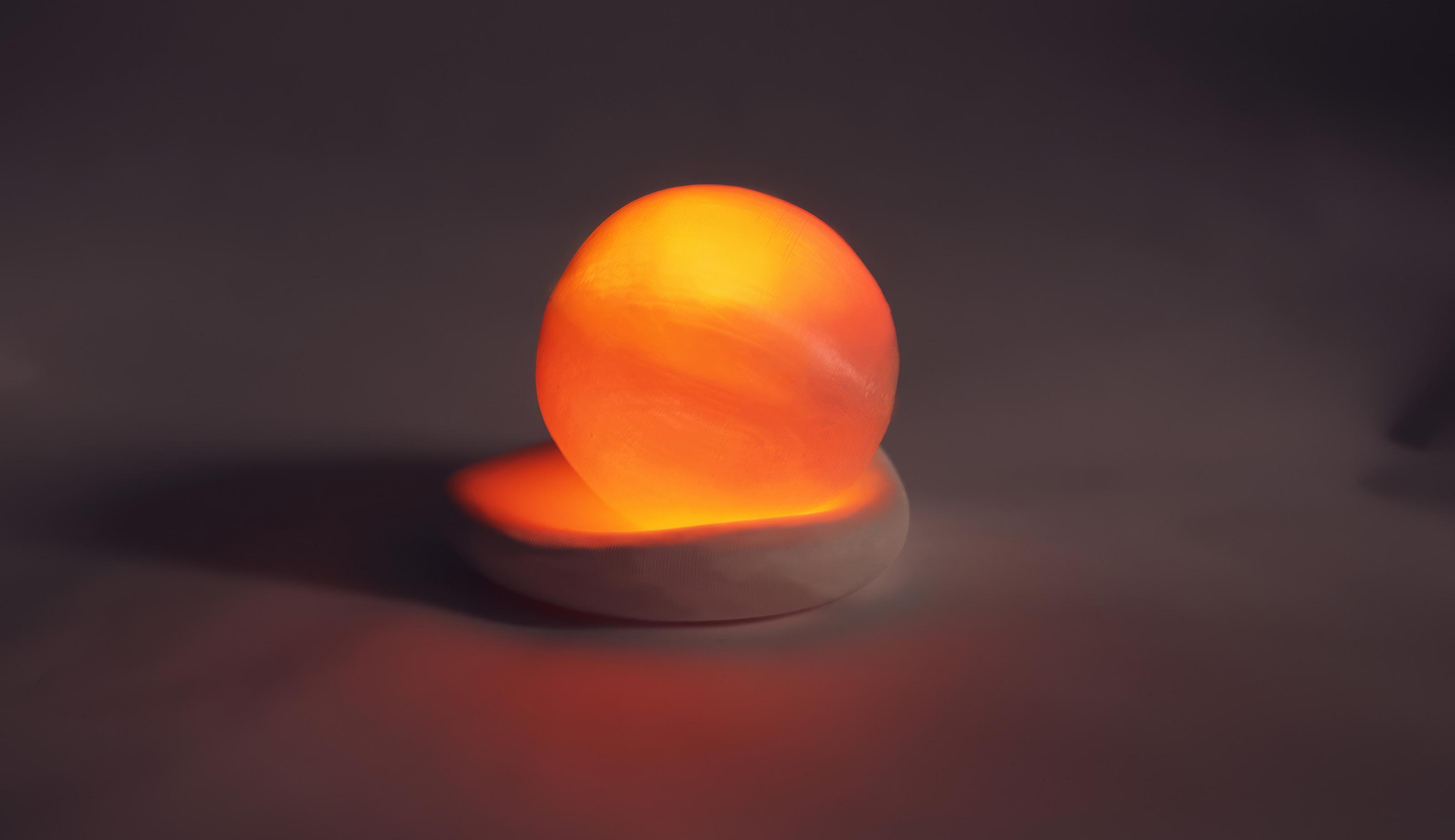
p Resting on its base, Luna ca n also become a static night light emitting a restrained orange glow
EA key insight of my project was the importance of supporting the development of an infant’s circadian rhythm. I found that the quality of the light environment an infant is exposed to during the first months of life can have a significant influence on their later sleep patterns. In the womb, an infant’s circadian rhythm is regulated through maternal hormones. After birth, however, the child must rely on their own biological clock, which takes time to develop.
light levels in the evening and minimising stimulation such as talking during nighttime care. In contrast, during the day, when infants are awake, their environment should not remain dark or overly quiet. Exposure to daylight and lighting with a strong whitelight component is essential to reinforce the distinction between day and night.
a consistent and intuitive manner, allowing it to be used without conscious decision-making or visual adjustment. Its presence is quiet and predictable, supporting continuity rather than interruption during the night.
‘It raises broader questions about how we design light for moments when the human body is most vulnerable’
An infant’s endogenous circadian rhythm typically begins to emerge at around three to four months of age. During these early months, the infant transitions from a state of constant darkness to an environment structured by light and dark, gradually learning that daytime is associated with wakefulness and night-time with sleep.
During this sensitive developmental period, environmental cues play a crucial role. If a regular rhythm is not supported, fluctuations in the child’s sleep-wake cycle may occur. Improperly established circadian rhythms at such an early stage can contribute to long-term sleep difficulties. While the ability to sleep through the night without waking may take years to develop, establishing a basic circadian rhythm early on can help lay the foundation for healthy sleep habits throughout life.
The most effective way to support longterm healthy sleep is by creating a high-quality night-time environment. This includes reducing
Alongside the theoretical research, I conducted user research with parents of young children. Interviews and questionnaires revealed that parents are often intuitively aware of the disruptive effects of night-time light. They describe feeling 'over-awakened', dazzled, or disturbed by light during night-time care. Many reported using their mobile phones as the primary light source at night, despite recognising its negative impact on their ability to return to sleep.
This contradiction between awareness and actual behaviour became a crucial insight. It demonstrated that the solution could not rely solely on education or recommendations; meaningful change requires that the solution be embedded directly into the design of the object itself.
These findings formed the foundation of the Luna concept. The goal was not to create a universal light for multiple situations, but a light designed exclusively for night-time use. A light that respects the body’s biological processes while at the same time meeting the practical demands of infant care.
The first and most fundamental design decision concerned the spectral composition of the light. Luna emits a narrow spectrum of orange light, free from blue and green wavelengths, thereby avoiding the suppression of melatonin. This decision is directly rooted in biological research and forms the core functional layer of the design.
Another important consideration was the way light behaves at night. Rather than attempting to balance brightness and functionality in the conventional sense, Luna is conceived as a restrained, localised light source intended to support a specific moment of night-time care. It illuminates only what is necessary and then recedes, avoiding any attempt to define the wider space or replace primary lighting.
Equally significant is the way the light is experienced. Night-time care takes place in a state of reduced attention, where clarity and simplicity become essential. Luna responds in
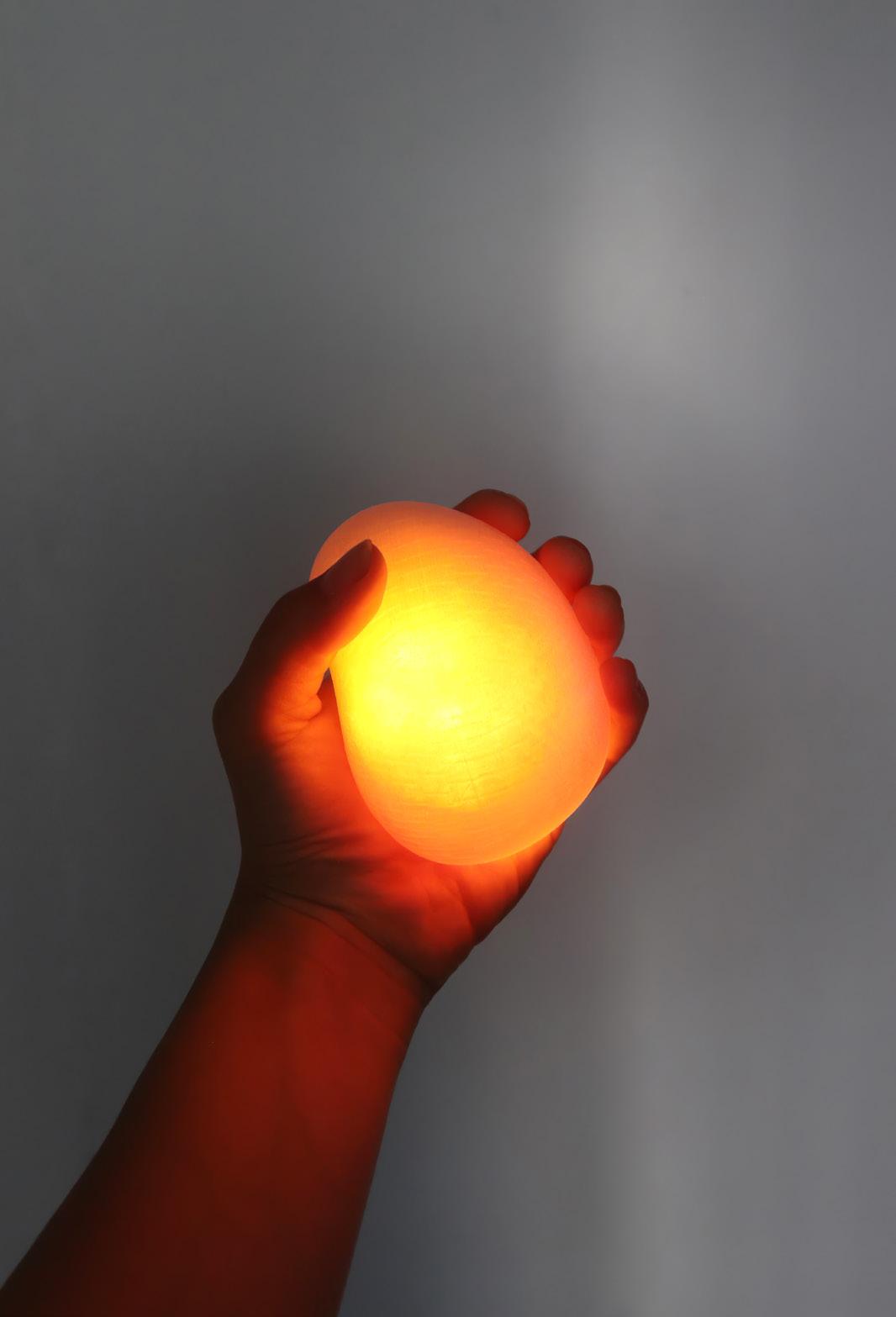
The physical form reinforces this approach. The prototype is made from a soft, diffusive polymer. Compact and designed to be held in the hand, Luna is shaped to feel familiar rather than technical. Drawing on organic references associated with warmth and calm, the object is intended to be legible through touch as much as through sight, remaining readable even in near darkness.
Materiality plays a central role in this experience. Night-time care is inherently embodied: the child is held, soothed and comforted, and touch becomes the primary means of regulation for both infant and parent. The surface of Luna is therefore soft, warm and comfortable to hold, supporting calm and reducing stress during prolonged use. These haptic qualities are not decorative, but integral to how the object functions in emotionally and physically demanding situations.
Light behaviour over time is equally considered. The activation and dimming of the LEDs are controlled through a simple touch-based interaction. Luna transitions gently, fading in and out rather than appearing abruptly. This gradual modulation reflects natural changes in light and supports a return to darkness as the desired end state. Darkness is not treated as an absence, but as the condition the design aims to preserve.
As a portable object, Luna can accompany parents as they move through the home at night, allowing care to take place without activating the fixed lighting. This mobility helps both maintain the continuity of the night-time environment and reduces unnecessary light exposure.
Within this context, Luna becomes part of a simple, repeatable rhythm of night-time care: the light appears, care takes place, and the light fades away again. This quiet cycle provides structure without stimulation, supporting both child and parent in returning to rest.
Luna has so far been tested informally with a small number of infants and families using my prototype. While this has not yet been conducted in a formally measured research context, the feedback and observed impact have been very positive, particularly in relation to reduced disturbance during night-time care
and easier return to sleep. With my niece, who originally inspired the project, the use of the light coincided with noticeably calmer night-time interactions and fewer prolonged awakenings.
That said, I see this primarily as a promising starting point rather than conclusive evidence, and a broader, structured study would be a very interesting next step.
For me, Luna is not only the design of a single object, but a way of rethinking light as an active agent that shapes behaviour, rhythm and wellbeing. The project demonstrates that lighting design does not need to focus on maximising performance, variability, or visual impact. In certain contexts, particularly at night, the greatest value lies in reduction, restraint and respect for biological processes.
Luna is not intended as a universal solution. It is a specific design response to a specific need. At the same time, it raises broader
questions about how we design light for moments when the human body is most vulnerable. It shows that design can act as a mediator between scientific knowledge and everyday behaviour, without burdening users with information or instructions.
Designing light for the night means designing with respect for the body, touch, and time. Perhaps overall, it means accepting that sometimes the best solution is a light that does as little as possible – and in doing so, allows the night to remain night.
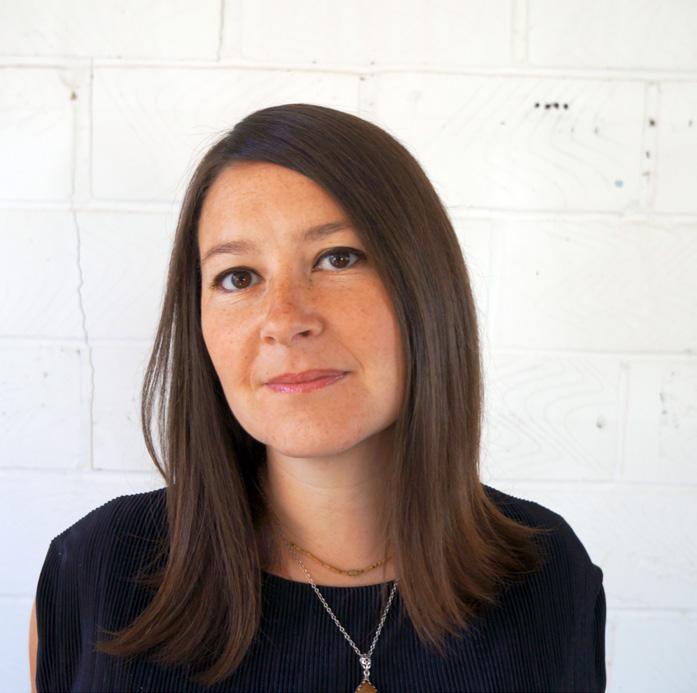
Lucie Koháková is an industrial designer, who graduated from the Czech Technical University in Prague in 2023 and is currently based in Amsterdam, where she works on creative projects at the intersection of design and light
‘Luna is not only the design of a single object, but a way of rethinking light as an active agent that shapes behaviour, rhythm and wellbeing’
p The low-intensity, warm light avoids disrupting the surrounding darkness
p Luna as a handheld light object, designed to be held comfortably and intuitively
HUE AND EYE
In the second part of his examination of colour vision, Francis Pearce reflects on the illusory qualities of illumination
The science writer and AT&T researcher Kurt Nassau listed 14 categories of ‘the causes of colour’. Suffice it to say that they almost all involve interactions of photons and electrons.
When light with a particular frequency hits a material whose atoms have the same natural frequency it is absorbed and does not reach the eye. In architecture, materials directly affect the quantity and quality of light in a space; in
addition to how glossy or dull a surface may be, its hue and value (darkness) also decide how much light is absorbed: a white wall will reflect four fifths of incidental light whereas a blue wall will reflect as little as seven per cent. The mix of wavelengths that leave a surface is also affected by surrounding objects and the ambient illumination.
So, not only do objects not have colour, but when ‘coloured light’ reaches the eye it is transformed into a form of abstract data that
feeds into an imaginary representation of the world around us, a subjective reality. Coloured light can not only alter the ‘atmosphere’ of a space but our perception of its dimensions and the relationships between volumes.
As Petra Stoerig explains in Color Vision (published by Walter de Grouter), ‘color vision in the common sense of the word and as we know it is always phenomenal and thus conscious. As such, it is distinct from wavelength processing, not only because
p Objectively, a green leaf will reflect more long-wavelength red early in the morning or late in the day than it does at noon, but we will perceive it as green, albeit a darker shade
it does not simply reflect the wavelength composition of a surface but because it is experienced in the thousands of shades we can tell apart.’
Semir Zeki, professor of neuroesthetics at University College London, cites colour constancy, the perception of ‘real’ colours, as an example of the way subjective reality enables us to function. Objectively, a green leaf will reflect more long-wavelength red early in the morning or late in the day than it does at noon. This is measurable. But unless our brain is damaged we will still perceive it as green, albeit a darker shade.
The phenomenologist Maurice MerleauPonty said the ‘real’ colour persists ‘not as a seen or thought-of quality, but through a nonsensory presence'.
Ulf Klaren and Karin Fridell Anster of Konstfack, the University College of Arts, Crafts and Design, Stockholm, identified the role that ‘perceived white’ plays in colour constancy by providing a visual anchor:
‘If one part of the visual field is much lighter than the rest, it tends to be seen as white, and the hue of all other surfaces perceived in relationship to this white anchor. Thus the potential chromatic effect of the light source is partly dismissed. This is, however, not total. On the contrary, we always keep a slight perception of hue and never experience absolutely neutral – achromatic – colours. This helps us to understand the character of the light source and to name it in terms of warm or cool.’
In the middle of the last century colour scientists also began to think about how we consciously or subconsciously compare colours using different sources. The Dutch scientist PJ Bouma reached the not unpredictable conclusion that the best medium for colour rendering was daylight, and the more intense the better, but the lighting industry needed a way to rank the ability of artificial sources to make colours appear ‘natural’. Since the 1960s a colour rendering index based on the CIE colour space has been used to measure this but has not always been considered satisfactory and alternative metrics are being mooted.
The arrival of LED lighting as a mainstream source has caused a great deal of fretting in this respect, especially around the problem of metamerism. Solid state lighting has a ‘spiky’ spectral power distribution that is very different from that of incandescent
or fluorescent sources and yet they can all look ‘white’.
A new system called TM-30, introduced in 2015, was developed by scientists for the Illuminating Engineering Society. It is based on a measure called the Gamut Area Index, which makes it easier to compare the vividness of colours. Conversely, manipulating the gamut area of an LED source is a trick used in retail settings and picture galleries, where making some hues more vivid is intended to have a pleasant effect, ‘enriching’ the colours in a painting, for example – a glimpse into the highdefinition world of the tetrachrome, perhaps, but a white lie, nonetheless.
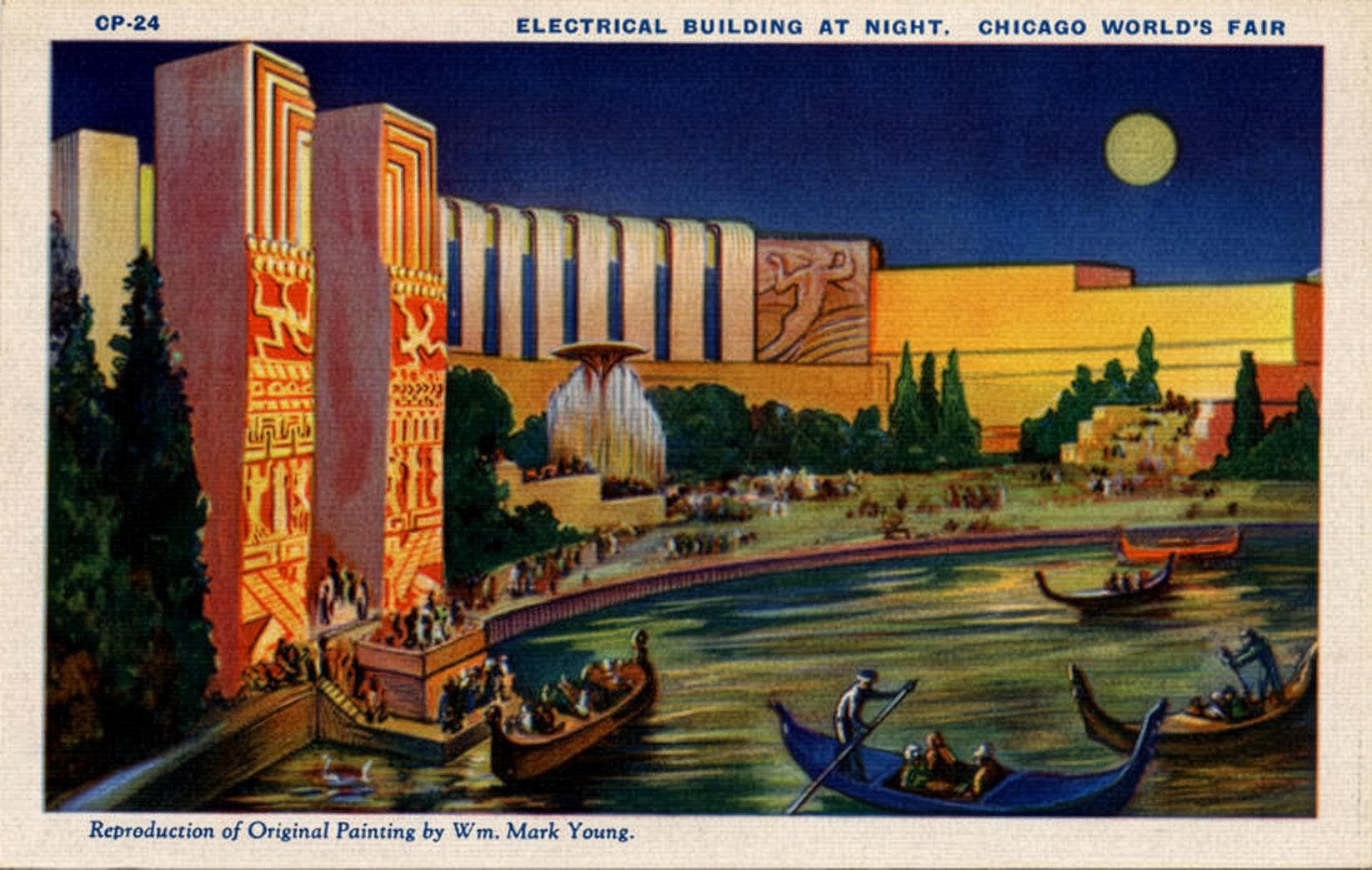
A grudging acceptance of the use of coloured light in architecture followed the 1933 Chicago World’s Fair which celebrated a ‘Century of Progress’ and whose director of colour was Joseph Urban, chief designer for the Metropolitan Opera. Urban worked with (and sometimes against) Walter D’Arcy Ryan, the lighting engineer who had pioneered skyscraper lighting and had lit the whole of Niagara Falls flaming red in 1907 with searchlights and coloured filters.
In Chicago, ‘the design challenge was to orchestrate a chromatic symphony from the hodgepodge along Lake Michigan by unifying the three-mile park and the disparate buildings, each designed by an architect with his own concept of streamlined modernism,’
‘Our general understanding of light and colour remains prone to errors, the primary one being that anything –including light – is coloured at all’
writes Regina Lee Blaszczyk in The Color Revolution (MIT Press). ‘To create cohesion, Urban’s team broke away from the conventional practice of imposing colour on form in a decorative manner,’ she writes. Instead, the architecture was subordinated to illumination from nearly 23km of neon tubing and 15,000 incandescent lamps.
Reactions were mixed. While ‘working class visitors revelled in the chromatic splendour, relishing the carnival atmosphere’ and ‘Business Week thought “the strikingly beautiful lighting
p Electrical Building at night, at the Chicago World’s Fair in 1933, from a painting by William Mark Young: the pioneering use of coloured light for architectural exteriors at the fair culminated in 1934 with a ‘Festival of Illumination: The Apotheosis of Man-Made Light’
‘The Dutch scientist PJ Bouma reached the not unpredictable conclusion that the best medium for colour rendering was daylight, and the more intense the better'
effects” would stimulate the demand for electricity’, ‘highbrows at The Nation turned up their noses,’ describing the fair as ‘a poor eye rack. It was jazz. The forms were chaos and the colour was camouflage'. Nevertheless, the World’s Fair culminated in 1934 with a ‘Festival of Illumination: The Apotheosis of Man-Made Light’, Urban and Ryan having established the application of coloured lighting on exteriors as a legitimate technique. The issue was no longer the use of colour and light but their potential for overuse, something lighting consultant Leni Schwendinger remarks is ‘in the eye of the cultural beholder’.
Today, our general understanding of light and colour remains prone to errors, the primary one being that anything – including light – is coloured at all. That is not to say that colour does not exist, as one branch of colour philosophy, colour nihilism, asserts, but rather that nothing physical is coloured. The colour is not in an object or surface but in the
information that remains in the light reflected away from it; in addition, as the pioneering colour psychologist Faber Birren wrote, ‘the term colour itself refers to sensation'.
Erwin Schrödinger of dead/not dead cat fame doubted that colour could be explained by the physicist’s objective picture of light waves, but also wondered if the physiologist could account for it, ‘if he had fuller knowledge than he has of the processes in the retina and the nervous processes set up by them in the optical nerve bundles and in the brain?’ He answered his own question, ‘I do not think so.’ He was, of course, both right and wrong; colour is a grey area.
This article was first published in its entirety in Lighting magazine (Vol 48 Issue 6). Part one appears in the January/February 2026 issue of Light Lines. Francis Pearce is a writer and editor, and co-author with Michael Grubb of the recently published Stories with Light
FULL STEAM AHEAD
The SLL's Get Curious programme, launched last year, is building with potential young lighters taking up
placements not only in the UK but also overseas
hen they were at school, it’s unlikely that many of today’s lighting professionals would even have been aware that such a career existed, let alone had the chance to learn about it at first hand.
WNow, though, Key Stage 4 pupils aged 14-15 are being offered work experience through the SLL’s recent Get Curious Lighting Programme, and so far 22 companies have signed up to provide placements, not only across the UK but also in Sweden and Dubai. The first two school students have already taken up places – at Strom Lighting, and Michael Grubb Studio – and more are applying.
The programme meshes with STEAM education, an interdisciplinary approach to learning that combines science, technology, engineering, art and maths. It fosters skills such as creative problem-solving, collaboration and critical thinking, alongside the practical. But, expanding STEM to include art is particularly significant given the creative nature of lighting.
Underpinning the Get Curious programme is the belief voiced by SLL president Kristina Allison that the profession should be one the next generation chooses rather than one that finds them. 'I want lighting to become an industry that young people choose to follow not just fall in to,’ she said in her presidential address.
While it’s essential to inspire young lighters to actively want to join the community, Allison has said that Get Curious, ‘also means that we can embed best practice principles right at the beginning of the journey into lighting'.
Students will discover how lighting shapes everything around us and learn about the different roles in the industry – from product design and creative lighting practices to manufacturing cutting edge technology.
The wide range of companies offering placements means pupils should find the right ‘fit’ for them at the start of a possible career. The programme offers young students firsthand experience with professional lighting tools and software in real world settings. Working alongside professionals should not only build confidence, but also provide material for portfolios and CVs, and build industry contacts.
At the very minimum, many of the skills students develop such as teamwork and project management are transferable, and working in a specialised area like lighting design will set participants apart when they apply for jobs. While many students may still be unaware of lighting design as a career option, a placement could open their eyes to exciting roles in industries such as lighting product design, theatre, film, TV, events, and more.
Placements offer experience of real-world problem solving, enable students to develop workplace skills, and open possibilities to gain through mentoring. At the same time as students gain hands-on experience of professional lighting tools and software in settings such as buildings, theatres and events, they also learn how lighting can set a mood, tell a story and transform spaces.
This should all mean that if and when they join the profession they are already rounded and focused. For the companies involved, the benefits include nurturing future talent, bringing fresh ideas into the office, and opportunities to boost their community reputation and commitment to diversity.
Part of Allison’s strategy is to work closely
with SLL regional lighting representatives across the UK to spread news about Get Curious, and to go into schools as STEM or STEAM ambassadors, in addition to working collaboratively with industry partners and friends at the ILP, LIA and Women in Lighting.
The SLL has also partnered with work experience and apprenticeships web platform CareerBay, social mobility charity Futures for All and careers adviser Success at School, which has a presence in 80 per cent of UK school and colleges.
If your company would also like to offer a placement on the scheme or you want to become STEAM ambassadors, go to: cibse.org/get-involved/societies/society-oflight-and-lighting-sll/learning-development/ steam-get-curious-work-placementopportunity/
So far, 22 companies have signed up as STEAM Get Curious supporters and 56 placements have been offered:
Atrium
DBS
DW Windsor
Ecological Lighting Solutions
Future Designs
Hoare Lea
Holophane
Kemps
Michael Grubb Studio
Mode Lighting
Nulty+
Signify
SDA
Southwark Council
Stoane Lighting
Strom
Trilux (Dubai)
Thorlux
Tryka
Urbis Schreder
Thorn/Zumtobel Group
Whitecroft
p K ristina Allison, SLL president
MEETING OF MINDS
Stuart Mucklejohn reports on LS2025, the IEEE Sustainable Smart Lighting World Conference
The meeting in Monastir, Tunisia, marked the 50th anniversary of the first event in the LS series which began as the Symposium on Incoherent Light Sources held at Loughborough in April 1975.
Following the opening ceremony and welcome from Prof Georges Zissis, physicist and chair of the LS2025 international scientific committee, Dr Boutheina Abassi, a medical specialist in psychiatry, gave her presentation, ‘Illuminating the mind: Light and mental health from circadian rhythms to therapeutic applications’. This highlighted the importance of light and lighting both for the physical and mental health of humans.
Kamel Charrada, vice-president, Université de Monastir, introduced the panel discussion on ‘Humanitarian actions for lighting’. The contributors – Georges Zissis (France), Toby Cumberbatch (USA), Hichem Amri (Tunisia), Lambros Doulos (Greece) and Laurent Canale (France) – highlighted the plight of the approximately 1.3 billion people who do not have access to a mains electricity supply.
Either educational studies and productive industry stops at sunset or artificial lighting from fuels such as kerosene has to be used. These difficulties can be alleviated by LED light sources but these are still dependent on a reliable electricity supply. Lead-acid batteries are not suitable for such applications, solar-powered battery packs are ideal but widespread use of this combination needs much more funding.
Local microgrids for electricity supplies are probably the best solution. The panel stressed the importance of two other
factors: systems must be highly reliable otherwise they will not be used; there is a pressing need to educate governments and the public about how best to use artificial lighting.
Moving on to light measurement, Nozomu Yoshizawa posed the question, ‘Why do we use totally different metrics and methods for evaluating visual effects?’ For example, the metrics for evaluating glare for daylight through windows are not the same as those for small light sources.
He outlined methods to characterise scenes based on neurophysiological models with edge detection algorithms. The size of the visual target and chromaticity differences, as well as luminance, are important inputs to such models.
‘Visual and non-visual effects of light’ was one of two parallel sessions. Stefan Källberg summarised a study of Swedish data for night-time traffic accidents and the role of headlamp glare, a widely recognised problem and of great concern. Causes include: higher luminance from LED headlamps; a shift to lamps with more blue light content; higher mounting heights, especially on SUVs, crossovers and pickups; an ageing population; reduced road lighting for energy saving reasons; optimised LED-lamps that are more sensitive to misalignment, and adaptive driving beam systems not functioning properly.
From their analyses the authors drew tentative conclusions: increased glare annoyance does not necessarily lead to more accidents; only ~0.1 per cent of all accidents are caused by glare from other vehicles; glare from the sun is a more common factor. However, the most important finding was probably that ‘Modern headlamps likely make your visibility better but make other drivers’ visual comfort worse’.
In the second session, ’Light applications and societal impacts’, Zouaghi et al detailed supply chain strategies for the sustainable and resilient lifecycle management of smart lighting systems. Predicting failure rates for LED drivers by Preston and Mucklejohn complemented the previous study.
Two papers, by Novak et al and Mokni et al, addressed the causes of light pollution in urban surroundings. In both examples, street lighting proved not to be the dominant source of light pollution. It seems the main contributors were billboards and unshaded windows.
Véronique Perruchon outlined her thoughts on how to get the best from LEDs for stage lighting. It is not so much the colour of the source that is important for the theatre audience, she observed, but the appearance of fabrics and costumes.
Erkki Ikonen opened the afternoon session with his keynote address on photometric measurements based on cone fundamentals which relate to the responses of the S, M and L cones in the retina. This change would have implications for reporting the parameters of commercially available light sources.
Changing from a system based on the CIE V(λ) function, in other words values of spectral luminous efficiency for photopic vision, to one based on a new function, Vf(λ), would cause confusion unless the transition was carefully managed over a period of many years, said Ikonen. These potential difficulties generated considerable debate within the audience.
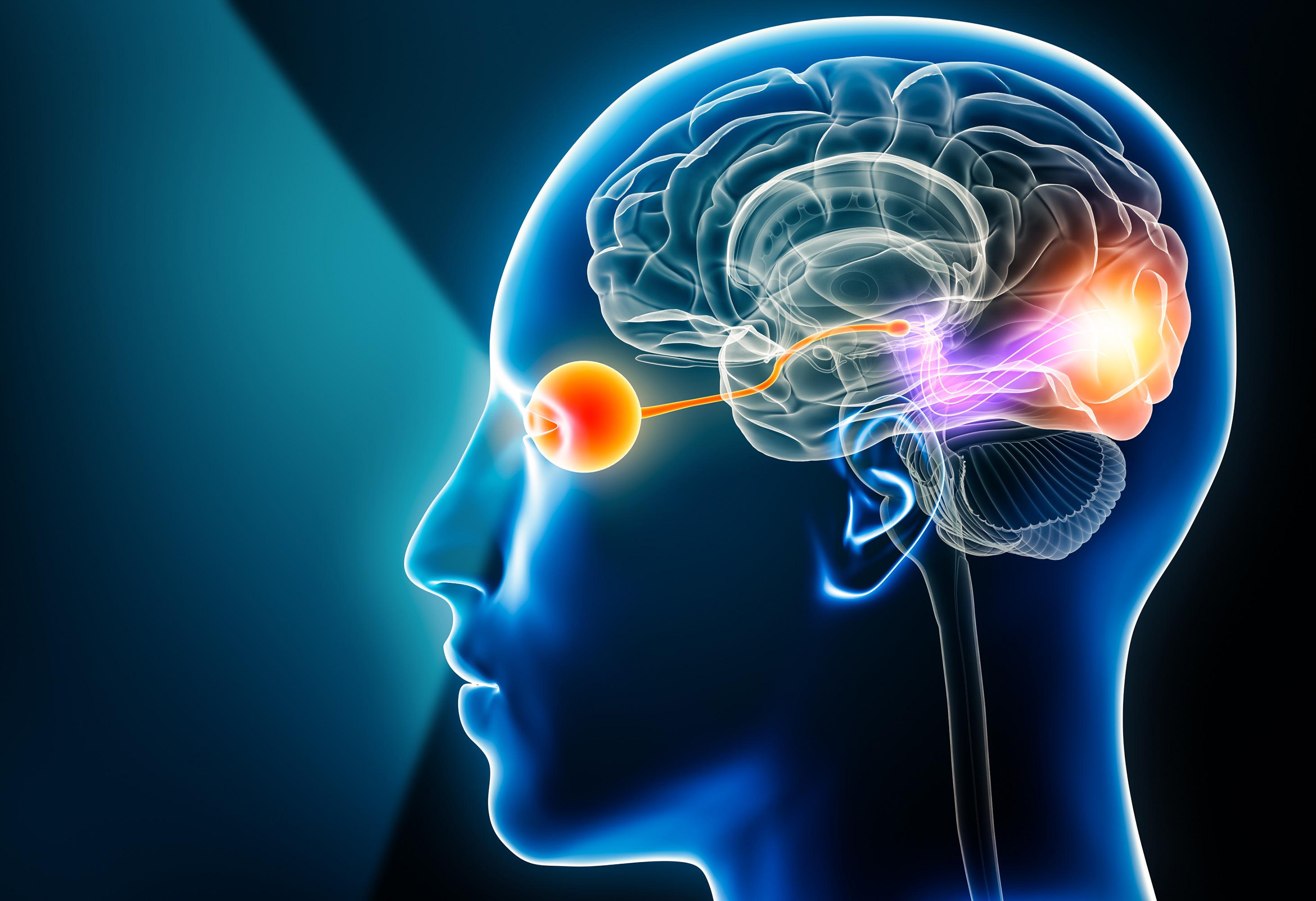
The second day opened with Anne Berends giving an overview of the importance of nearIR to maintain human health and to promote healing. Near-IR is a component of sunlight but is largely absent from indoor environments, an issue that has been more noticeable in the era of LEDs.
‘Modern headlamps likely make your visibility better but make other drivers’ visual comfort worse’
Research since the 1960s has shown that near-IR radiation reduces inflammation and accelerates wound healing; has been approved by the FDA for pain
relief in cases of head and neck pain, arthritis and carpal tunnel syndrome, and become the recommended standard care for oral mucositis. Near-IR is now being used to promote bone healing in dentistry, as well as diabetes-induced wounds, and to treat retinal diseases. Indoor lighting can be supplemented by near-IR LED sources to redress the balance of the missing components in natural light.
Maria Nilsson-Tengelin summarised the initial findings from the Swedish cohort evaluating the use of wearable light loggers, which is linked to a wider study (the MeLiDos project) on the non-visual effects of light. These phenomena include circadian rhythm disruption, impact on mood and alertness, and links to other health issues.
Graeme Lister illustrated that both old and new light source technologies are playing important roles in air and water sterilisation processes. Vacuum UV radiation (VUV, wavelength <200nm) is used for water treatment. This can be generated by fluorescent lamp technology to produce 185nm radiation from mercury atoms, while newer technology employs micro-plasma devices for 172nm and 197nm radiation from excited xenon dimers. Although mercury-rare gas discharges have been studied for many years, most of the effort has been concentrated on 254nm radiation for fluorescent lamps, and more research is needed to understand the best way to generate 185nm radiation.
Micro-plasma devices are also used to generate 222nm radiation (far-UVC) for air sterilisation from krypton-chloride (KrCl) excimer lamps.
Octavio Pérez gave a masterly review of sports lighting concentrating on the most
recent requirements to meet the needs of multi-national broadcasters. Televising sports events is a huge economic driver which generated more than 160 billion USD in 2024. However, sports lighting is also important at the community level to help promote exercise and social engagement.
For major football matches, goal-line technology and related systems have placed additional demands on lighting. The appropriate illuminance, colour temperature, uniformity and the avoidance of glare are vital not only for the cameras and television audiences but also for the players.
The final day of the symposium started with Richard Caratti-Zarytkiewicz addressing lighting design for art, architecture and theatre in its visual and non-visual dimensions. He paid particular attention to the visual field of the observer dividing this into the central, near, mid and far-peripheral regions. He highlighted a stunning lighting display of Leonardo Da Vinci’s ‘Lady with an ermine’, where the attention is drawn to the picture by a black background covering all but the central part of the observer’s visual field.
Toby Cumberbatch introduced the IEEE ‘Let’s Make Light Competition’ by highlighting again the plight of those many millions of people who do not have access to a reliable electricity supply by simply asking, ‘Who are we talking about?’ These people are predominantly subsistence farmers living in parts of Africa, India and South America. To move out of the circle of poverty education is key, especially for women. Ready access to electric lighting enables study to continue beyond sunset in safe conditions.
The challenge for those entering the competition is to show they understand
the importance of both engineering and business, and the synergy between these two disciplines, to ensure successful and sustainable enterprises. The 2026 competition opened in January. He closed his presentation by reminding the audience that ‘people do not understand poverty’.
In his wide-ranging survey, Lambros Doulos reviewed his thoughts on a holistic approach to lighting design, engineering and intelligence. He stressed the importance of paying attention to all aspects of a project – one example compared the energy required to maintain 100 lux at 4000K, giving 67m-EDI (melanopic equivalent daylight illuminance), and a 3000K source where 100 lux gave only 41m-EDI. To raise the latter to 67m-EDI, the illuminance must be increased to 167 lux requiring ~65 per cent more energy.
Lambros cited two examples to illustrate the potential dangers of relying on AI-generated lighting design rather than using a lighting designer. The comparisons were striking. His most important conclusion was ‘avoid stupidity’. Indeed.
Stuart Mucklejohn is secretary of the LS2025 International Scientific Committee
The IEEE Sustainable Smart Lighting World Conference (LS2025) was held from 8-10 December 2025 in Monastir, Tunisia, hosted by the Université de Monastir in collaboration with the IEEE’s Future Directions initiative. Further details, including of speakers: https://ls2025monastir.com/
The full programme can be downloaded from the conference website: https://ls2025monastir.com/ program-schedule/ Abstracts and papers from the conference will be available via IEEE Xplore
For more details of the IEEE competition: letsmakelight@ieee.org
The next conference in this series will be held in Athens during early December 2026, hosted by Professor Lambros Doulos
p Dr Anne Berends, CTO and co-founder of SunLED Life Science: overview of the importance of near-IR to human health
p Prof Georges Zissis, chair of the LS2025 international scientific committee
BLUE SKY THINKING?
Iain Carlile looks at a special recent issue of Lighting Research and Technology which focuses on daylight
Published towards the end of last year, Lighting Research and Technology (LRT) Vol 57, No 6-7, was a special issue that focused on Daylight in Buildings and the New Standards.
As noted by the issue's guest editors, M Aries, A Jakubiec and J Mardaljevic, the 2018 European Standard for Daylight in Buildings (EN 17037) marked a change from traditional daylight factor approaches to considering the annual occurrence of absolute measures of illuminance as the basis of daylight assessment.
The standard has been adopted by all 34 CEN member states, including the UK. The International WELL Building Standard also uses EN 17037 to demonstrate compliance with Feature 06: Daylight Simulation. It thereby provided both academics and practitioners with opportunities to focus on research closely related to the standard, its application and future development.
Ticleanu et al’s paper explores how the standard’s recommendations for photopic light levels relate to melanopic equivalent daylight illuminance (EDI) in office spaces in the UK. Observing that daylight is essential for circadian entrainment, the authors investigated the feasibility of achieving
250 lux EDI (according to the latest recommendations for light exposure) using data from Watford, England, applied to computational models of offices.
In predominantly cloudy climates it is impractical to require a specific daily EDI. Instead a metric of four hours with 250 lux EDI on 90 per cent of days was calculated.
In their conclusion the authors note that achieving daylight provision targets according to EN 17037 while providing daylight levels for circadian stimulation, while also limiting potential glare from daylight, is a difficult balancing act. Achieving circadian entrainment stimulus in typical daylit spaces using only daylight may be challenging, they say, especially under overcast sky conditions.
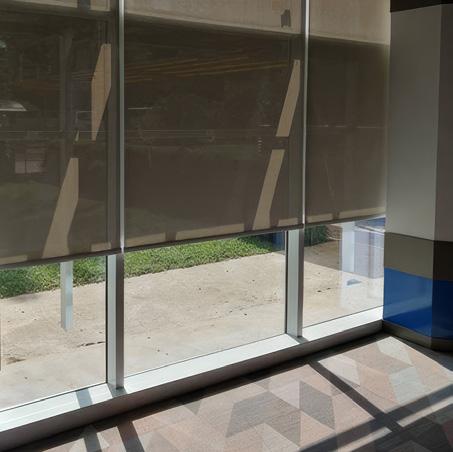
One aspect of the EN 17037 Standard is the use of appropriate transparent materials for shading, a topic Kent et al examined further with a study into view clarity and design of window shading. They note that shading daylight can affect views, a fact often overlooked in the design process.
From a narrative review of building standards and scientific literature, an understanding was gained into how shades can be designed in order to retain a window view. This was characterised by three main items – shading solution, view content, the
observer – and the interaction between them. While noting these interactions make it difficult to predict view clarity definitively for every situation, the authors were able to categorise shades into three unique groups: fabric, solid and glazing solutions, and their impacts on view clarity, providing considerations for designers.
A case is made by Knoop and 16 international authors, for the spectral properties of daylight to be considered as part of the evaluation of daylight provision.
With reference to the Daylight Illuminant D65 (standardised reference light source with a 6500K CCT), the authors note that this is often used to describe daylight. However, it describes an overcast sky which fails to capture the richness and variability of actual daylight, especially the blue of clear skies.
Given that sunlight and skylight significantly influence mood, perception and physiological responses, and factors such as sun position, prevalent weather conditions and geographical location influence the colour of daylight, the authors emphasise the need for localised spectral reference data to appropriately represent daylight in different locations across the globe.
Iain Carlile, FSLL, is a past president of the SLL and a senior associate at dpa lighting consultants
Lighting Research and Technology: OnlineFirst
Assessing melanopic equivalent daylight illuminance in office spaces using a simplified approach for predominantly cloudy climates
C Ticleanu, L Flores-Villa, P Littlefair and G Howlett
The design of window shades and fenestration for view clarity
MG Kent, WH Ko, I Konstantzos, S Schiavon, P MacNaughton and AJ Wilkins
Our skies are too grey: Where is the colour?
M Knoop, P Balakrishnan, L Bellia, UJ Blaszezak, AK
Diakite-Kortlever, D Dumortier, J Hernández-Andrés, M Inanici, P Kenny, MB Kobav, S Liang, T Luo, M Maskarenj, P O’Mahoney, C Pierson, A Thorseth and P Xue
p Examples of shading solutions, from left to right: fabric roller blind, solid louvres and glazing (electrochromic glass)
SOURCES OF INSPIRATION
Simon
Fisher considers five designers who have left their indelible mark on his career and understanding of lighting
Last year marked my 35th year designing and engineering lighting solutions. I have been unbelievably fortunate to work alongside so many talented people and companies in my career. There are so many I have learnt from and collaborated with, and continue to do so.
Here I have reflected on those who have influenced my thinking and approach to product design. These are people I have studied, admired and taken inspiration from and, in the case of Engle and Turner, had the great privilege of working directly with on several prestigious projects and product designs.
Simon Fisher, FSLL, is founder/director of F Mark, specialising in the sustainable design and development of lighting products, and the Regen Initiative, a lighting refurbishment collective
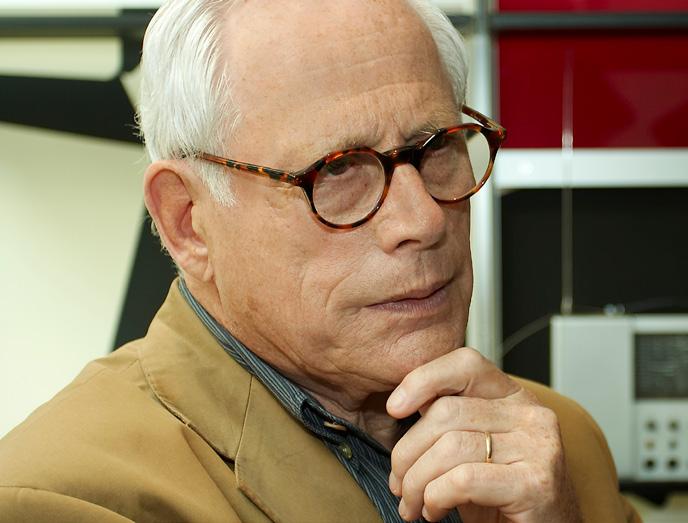
Dieter Rams Author of The Ten Principles of Good Design, Rams was a German industrial designer most closely associated with the consumer products company Braun, the furniture company Vitsœ, and the functionalist school of industrial design. A big influence on Apple designer Jonathan Ives among others, he believed in 'less, but better'. He was concerned with sustainability long before it was fashionable. 'Design can and must maintain its contribution towards protecting and sustaining the environment,' he said.
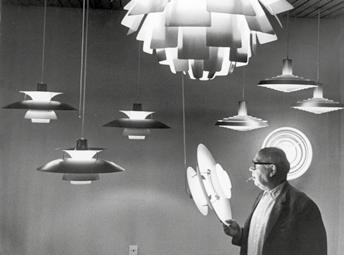
Poul Henningsen The year 1958 was an outstanding one for Danish designer Poul Henningsen. Not only did he introduce the PH 5 pendant in collaboration with Louis Poulsen, he also designed the PH Artichoke. Both of these classic luminaires are among his most renowned works, still made today, and exemplify his mastery of light manipulation. They were a lesson to me in delivering both elegance and simplicity.
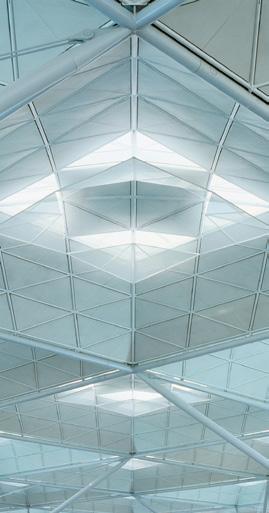
Claude Engle A co-founder of the IALD, Engle began his New York practice in 1968, responsible for lighting the Grand Louvre, the Reichstag and the Pompidou Centre among many prestigious projects. He created the original lighting design for the main components of Stansted Airport terminal in collaboration with Foster + Partners. He was responsible for designing the iconic uplighters which, together with the reflective dome ceiling, effectively function as a single, large light fixture for the airport's main space.
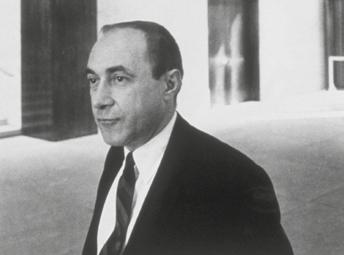
Richard Kelly A pioneer of architectural lighting design, Richard Kelly established his firm in 1935, even before enrolling at the Yale School of Architecture. Kelly famously coined the terms ‘focal glow’, ‘play of brilliants’ and ‘ambient luminescence’ to describe particular lighting effects. 'His deep influence is so tightly embedded in the theory and practice of modern architectural lighting design that it has become almost invisible,' architectural lighting design historian Prof Margaret Maile Petty said of him.
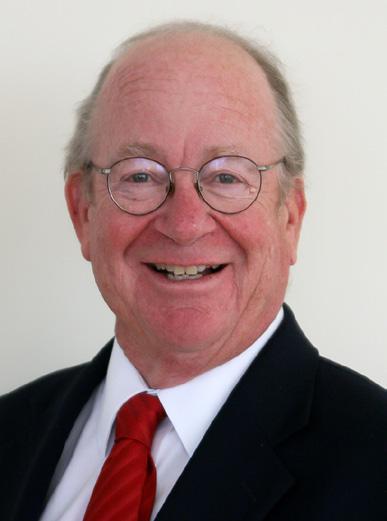
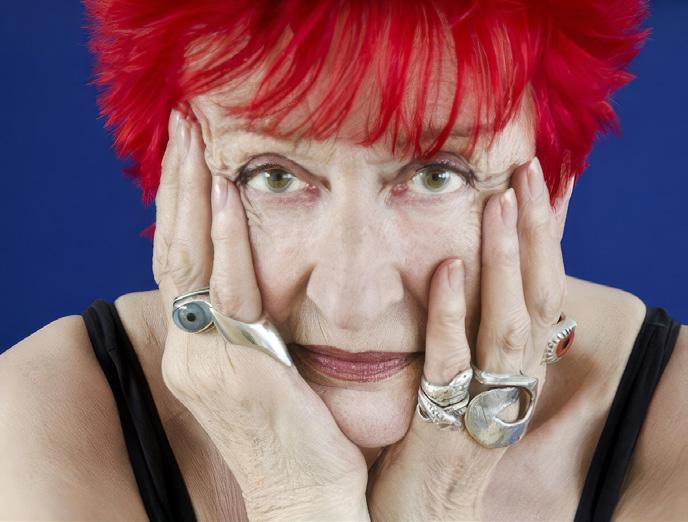
Janet Turner Janet was a British architectural lighting designer and author, initially training as an interior designer. Design director of lighting company Concord Lighting, she worked on the NatWest Media Centre at Lord’s cricket ground in London and Peckham Library, both of which earned the RIBA Stirling Prize, and the lighting redesign of Buckingham Palace. It was a privilege that my formative design experience was under her leadership and with her guidance.
Louis Poulsen
Claude R Engle Lighting Consultant Stansted/Foster + Partners
Courtesy
Addison Kelly Elke Brook
Events 2026
For details of all upcoming webinars, go to: www.cibse.org/society-oflight-and-lighting-sll/sll-events/upcoming-webinars-and-online-content
For previously recorded CPD webinars (including regional webinars), go to: https://www.cibse.org/get-involved/societies/society-of-light-andlighting-sll/sll-events/on-demand-webinars-past-presentations