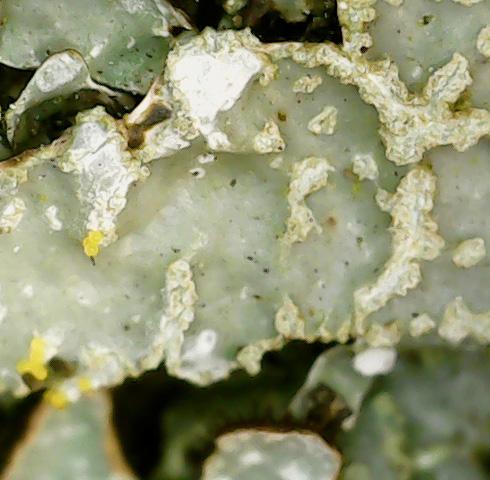
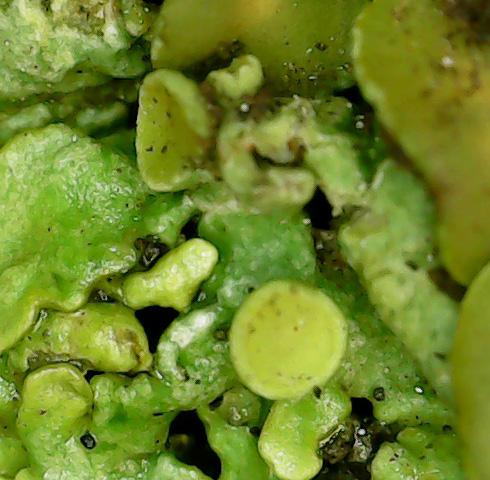
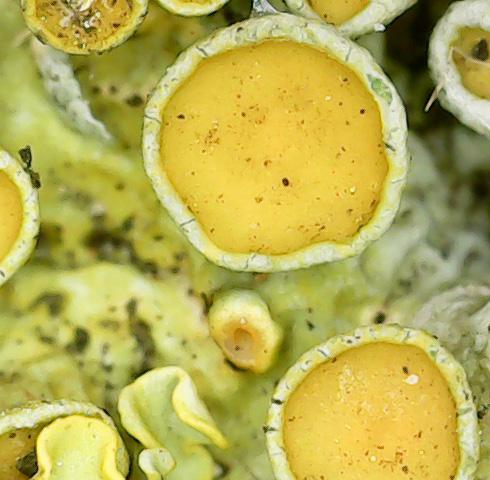
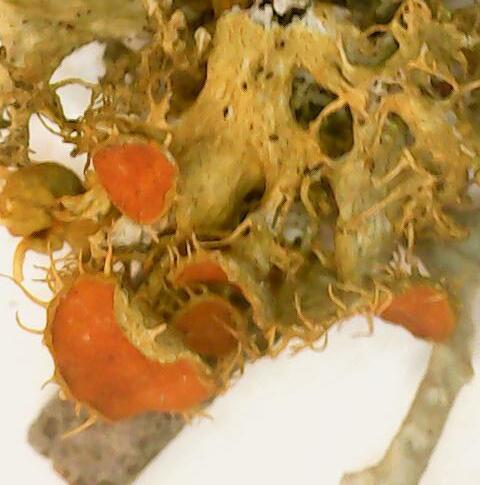
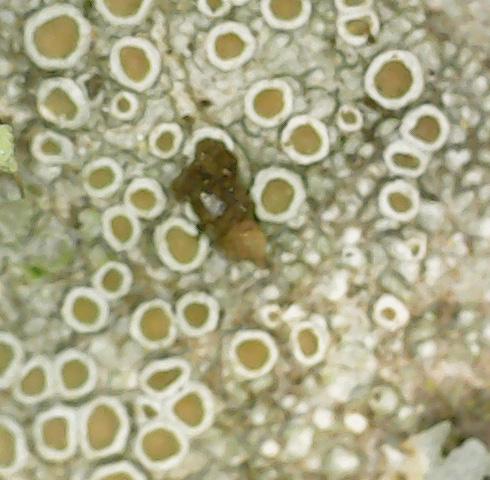
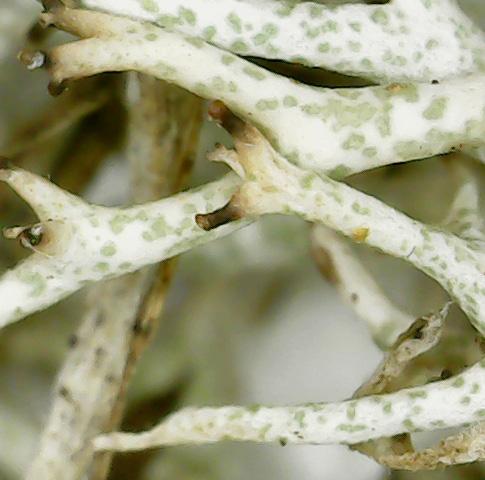
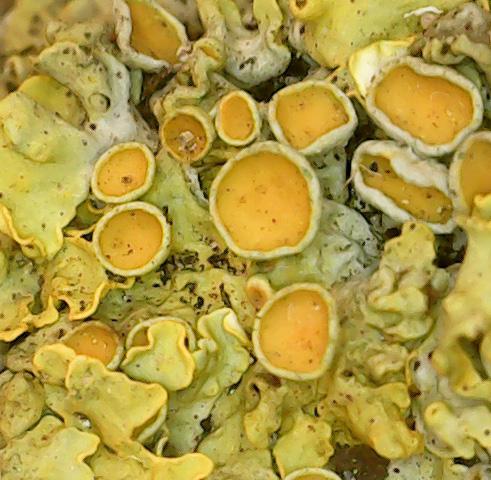
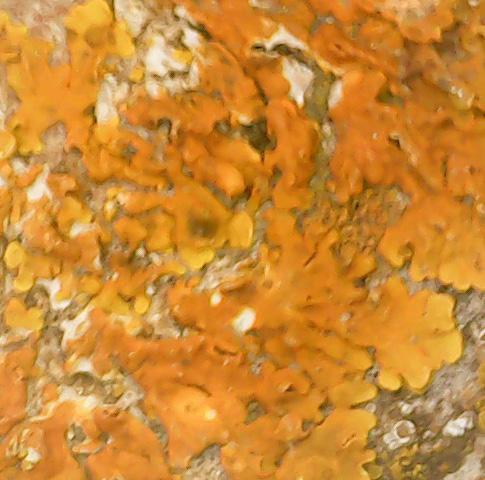
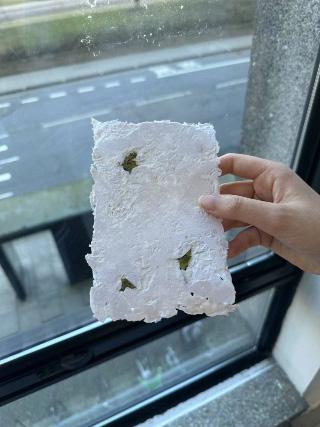
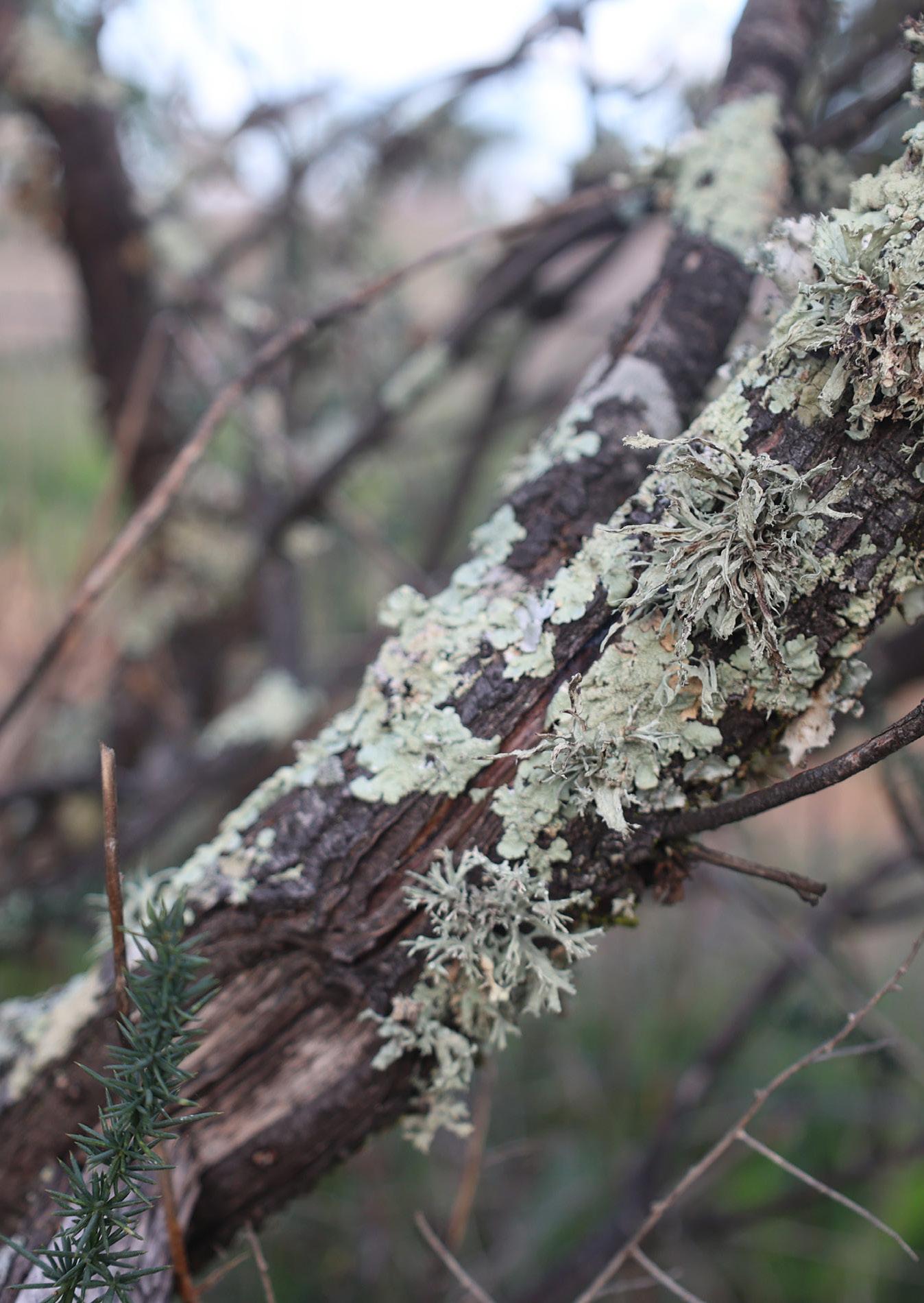
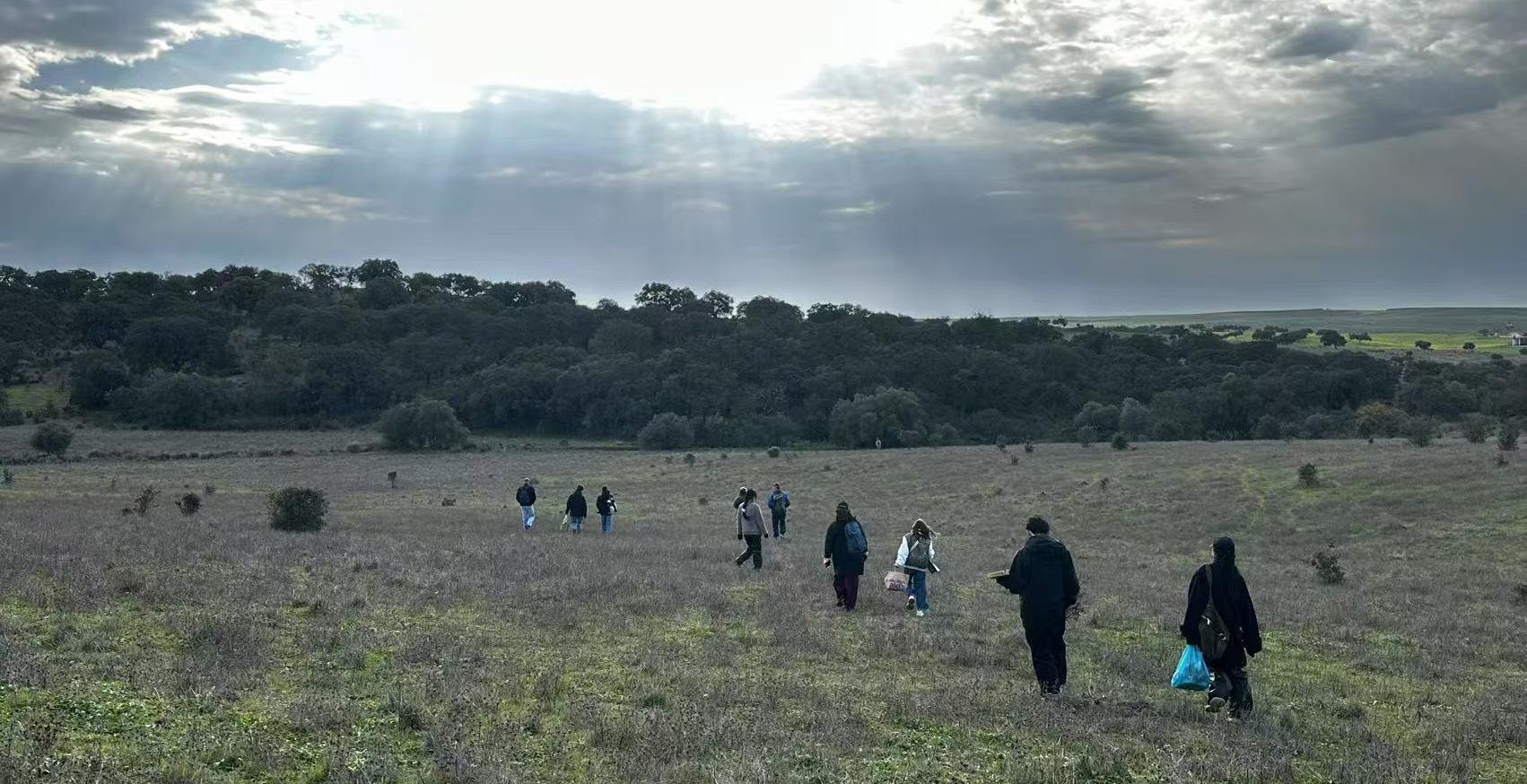
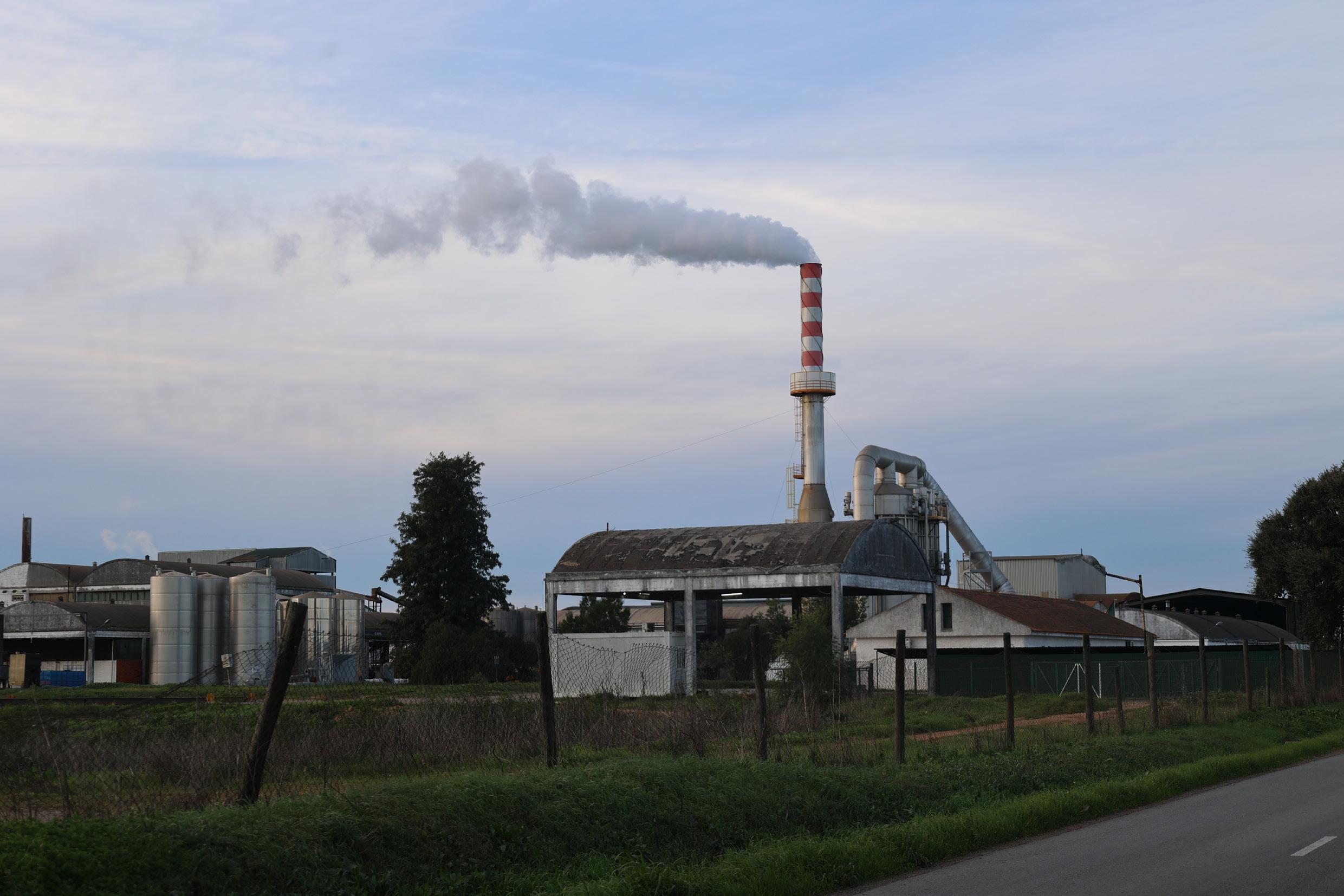
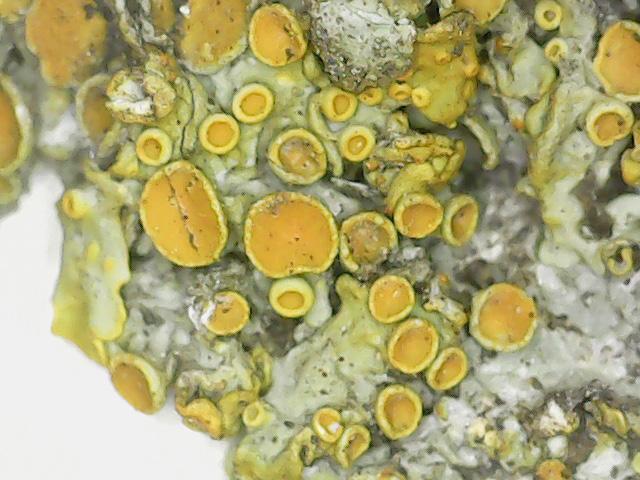
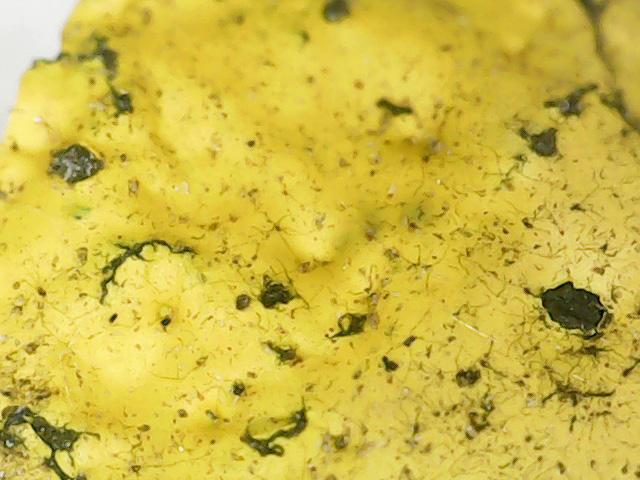
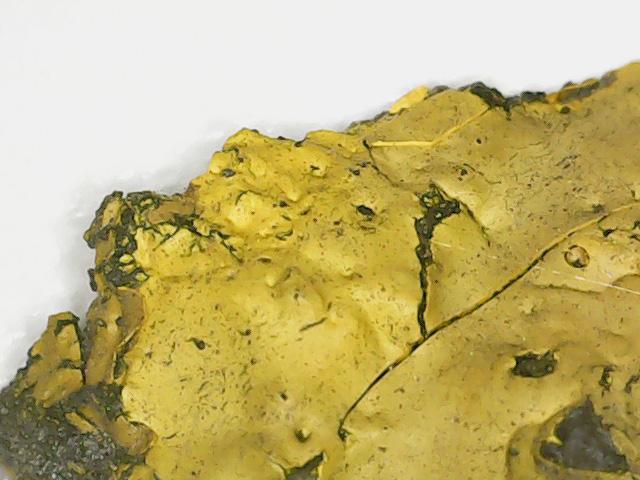
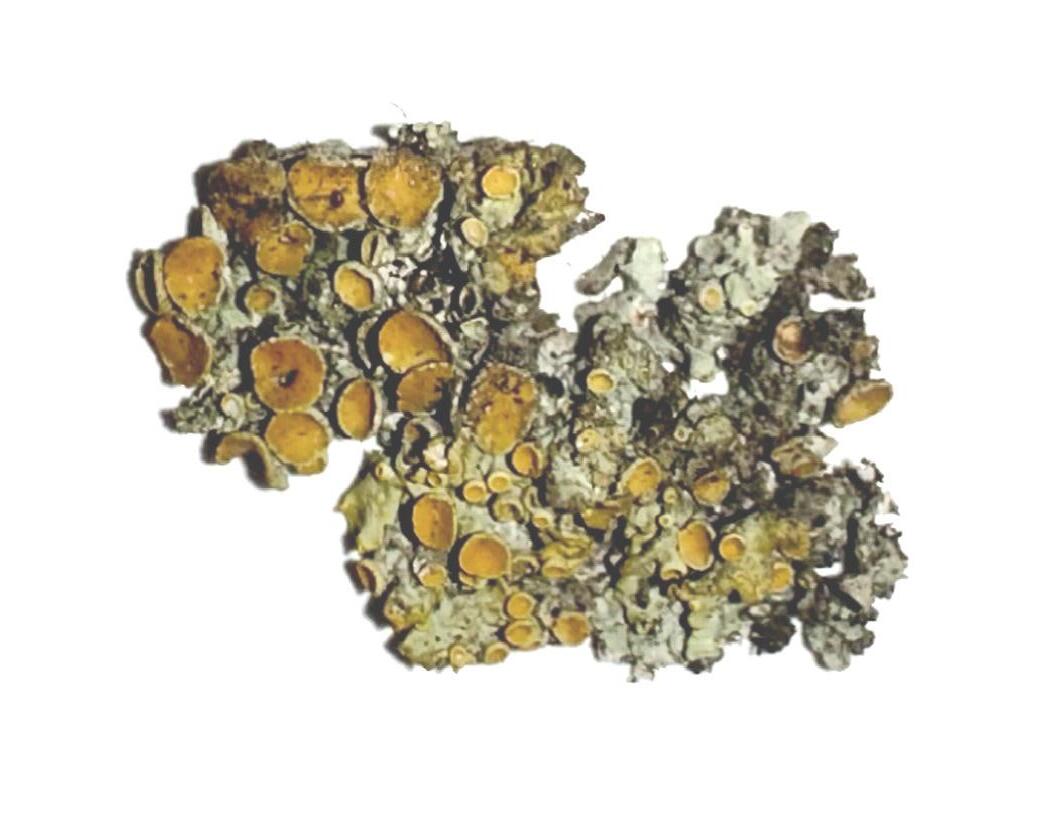
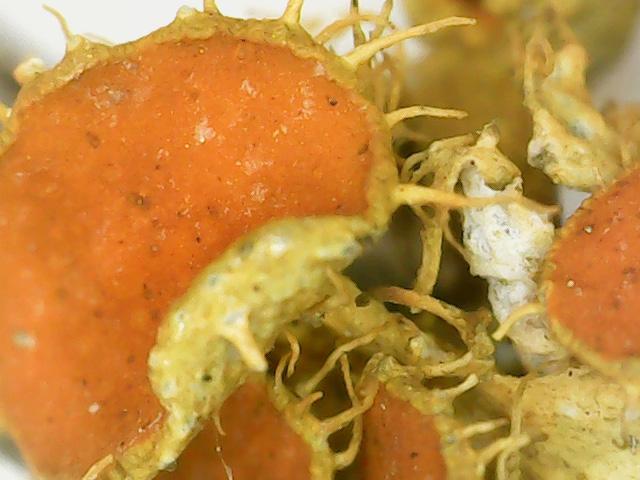
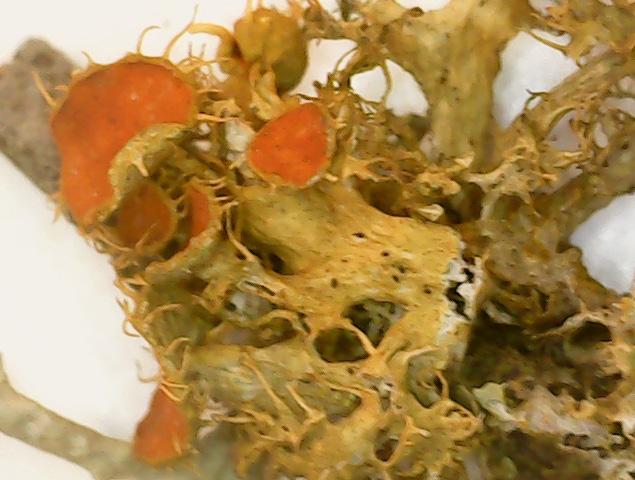
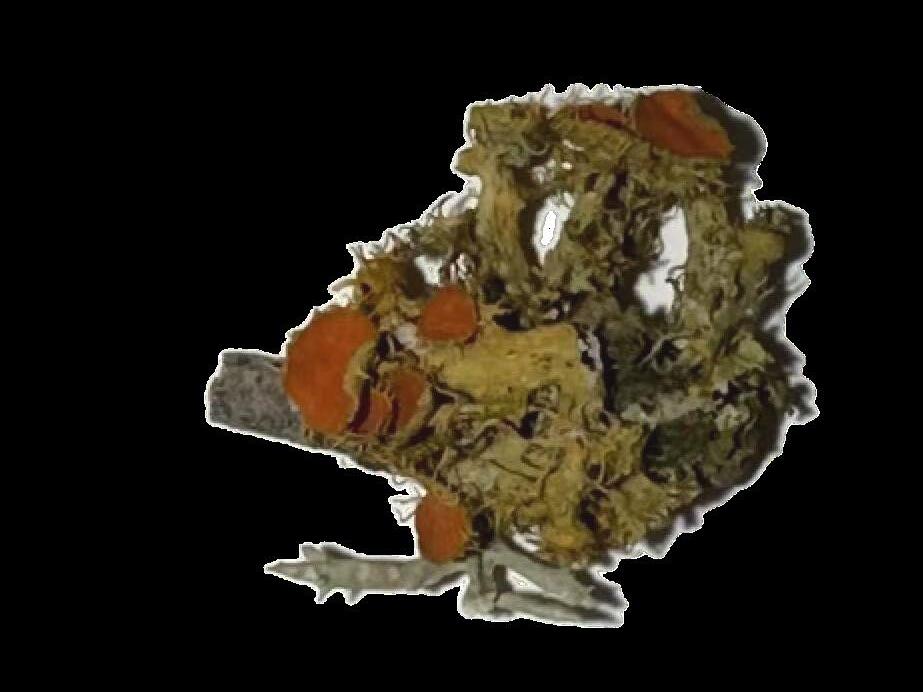
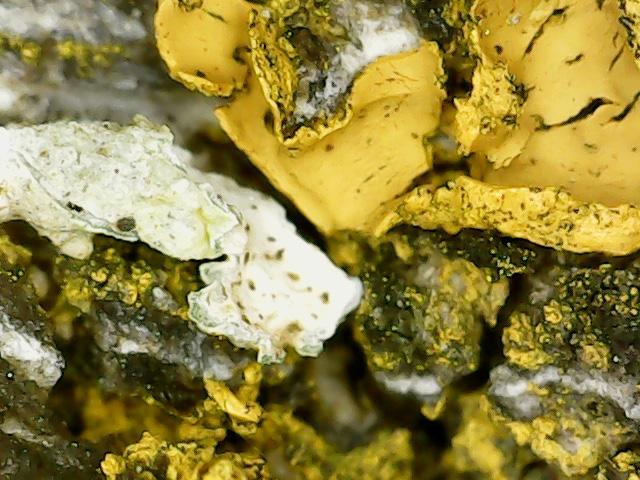
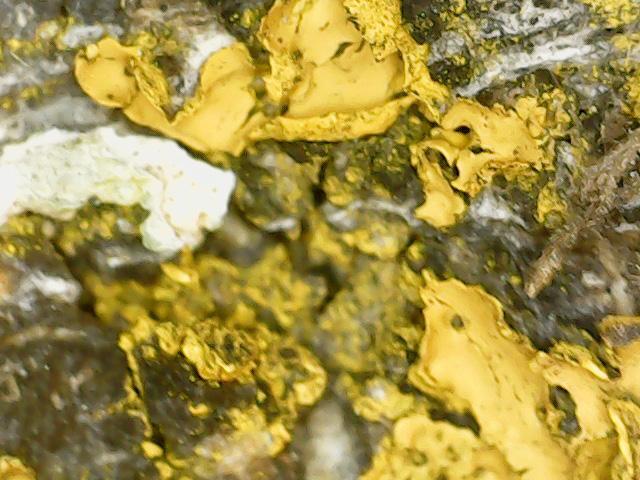
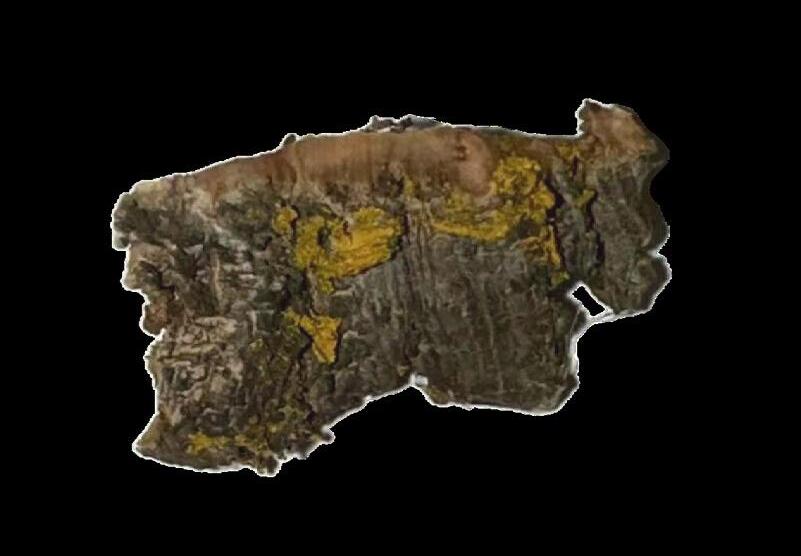
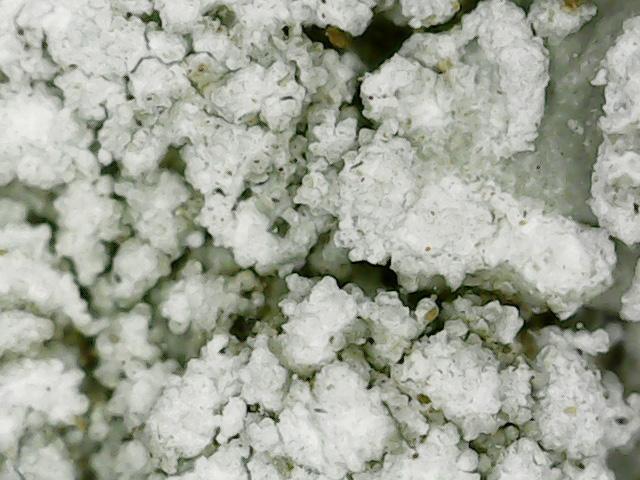
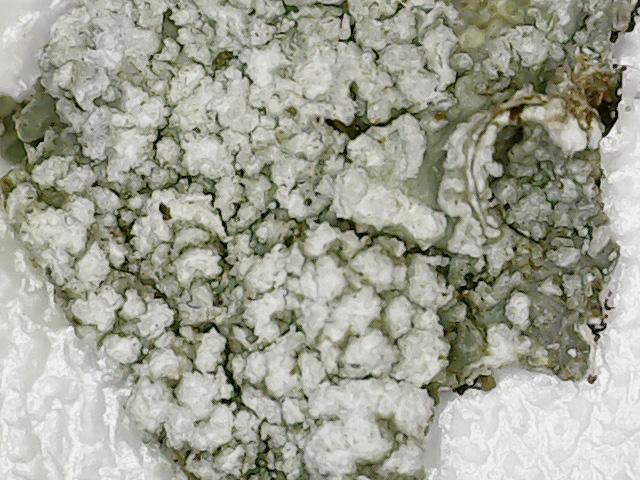
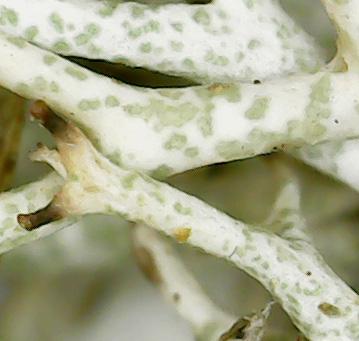
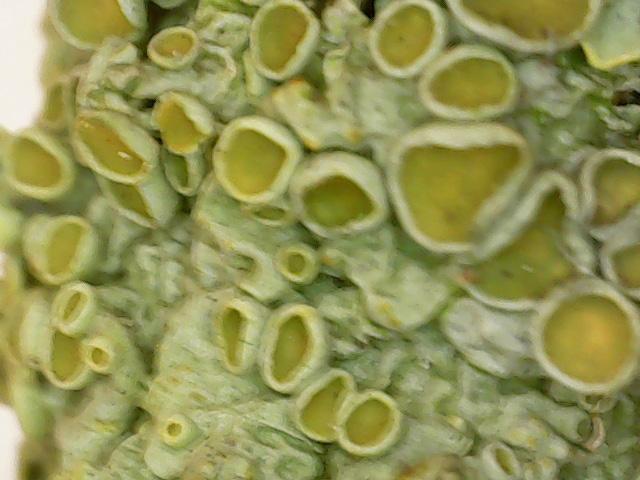
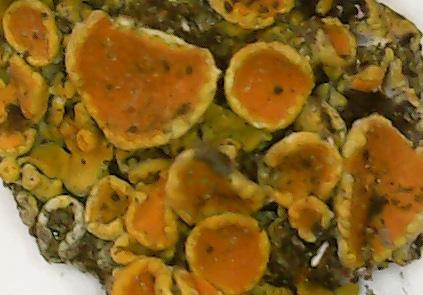
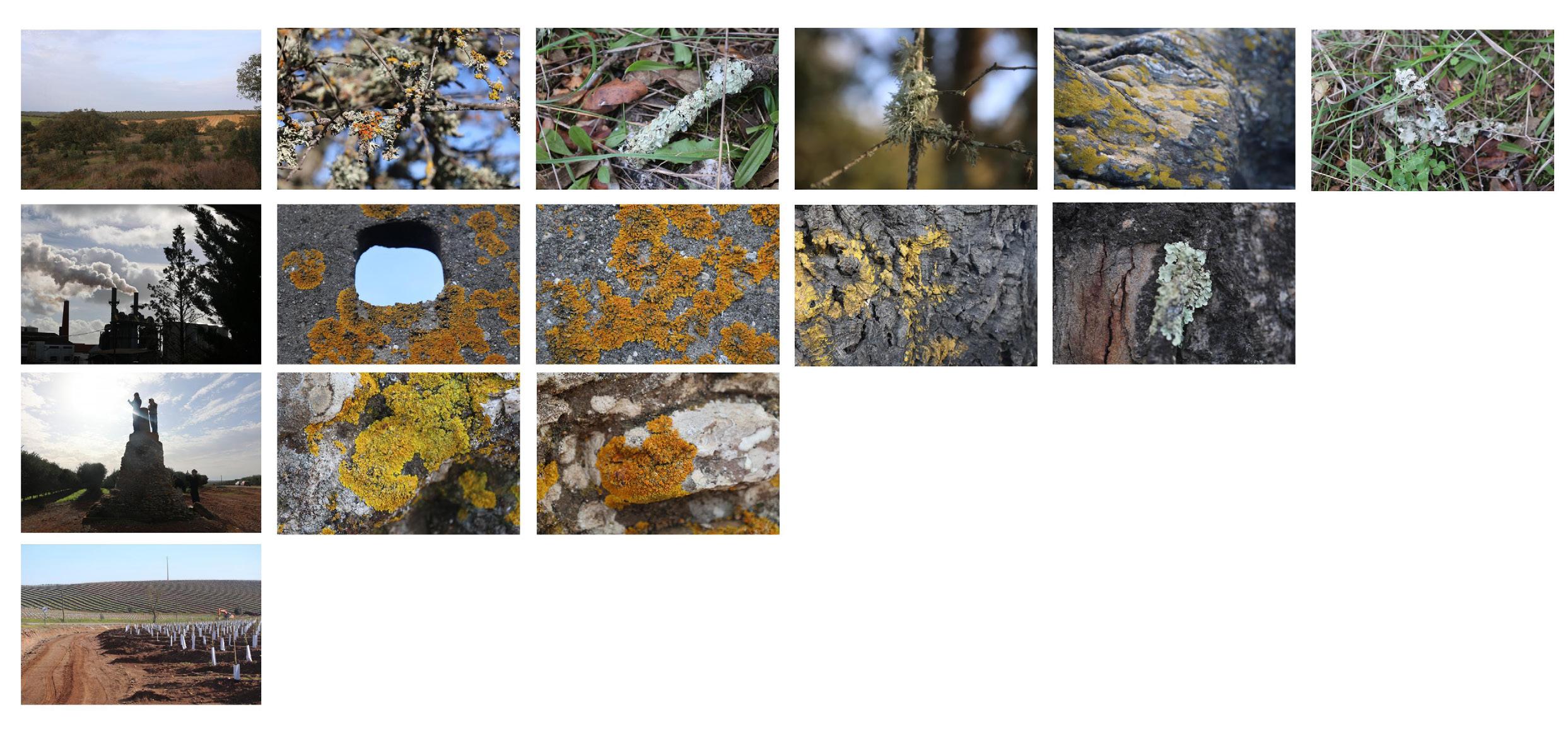
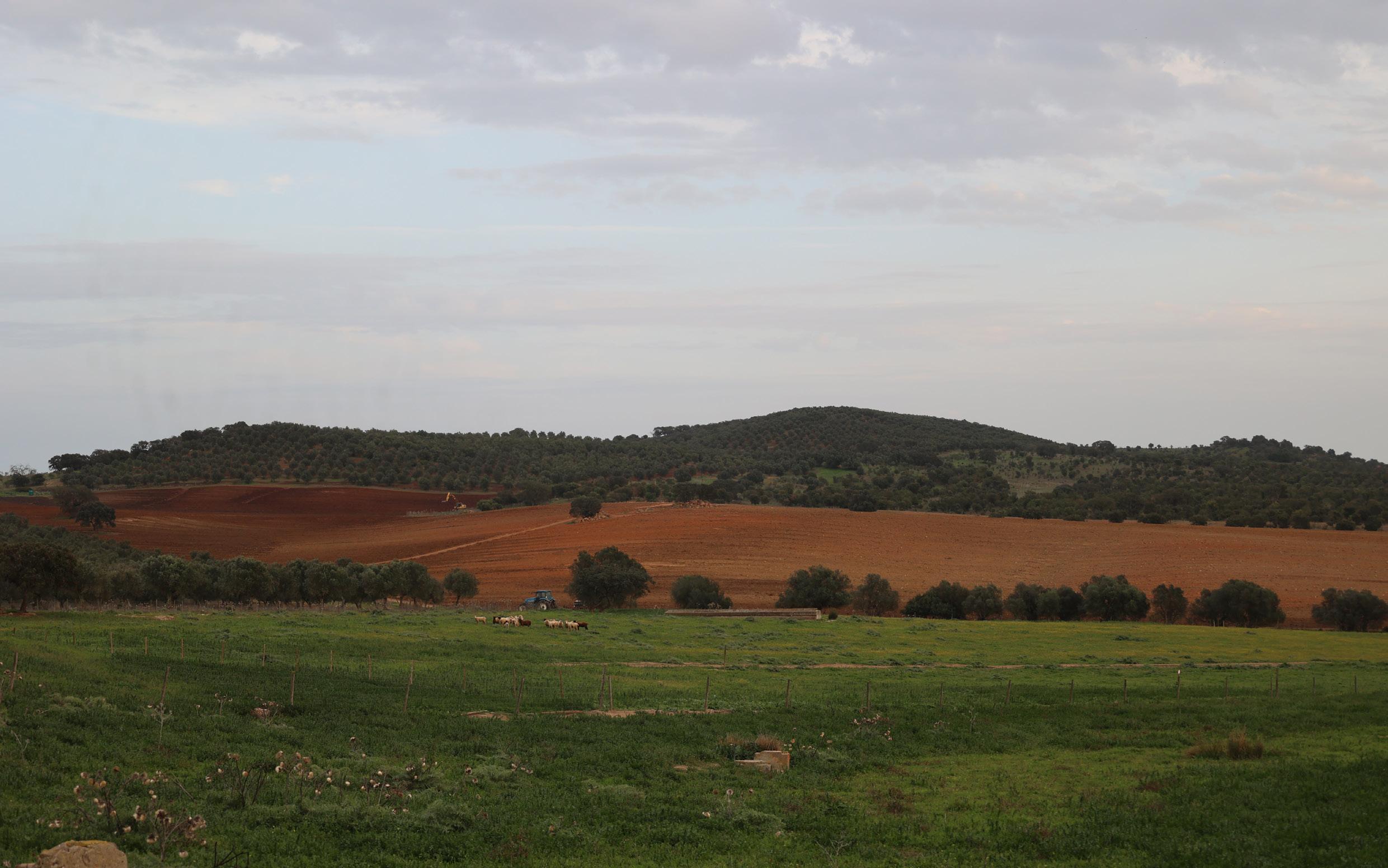
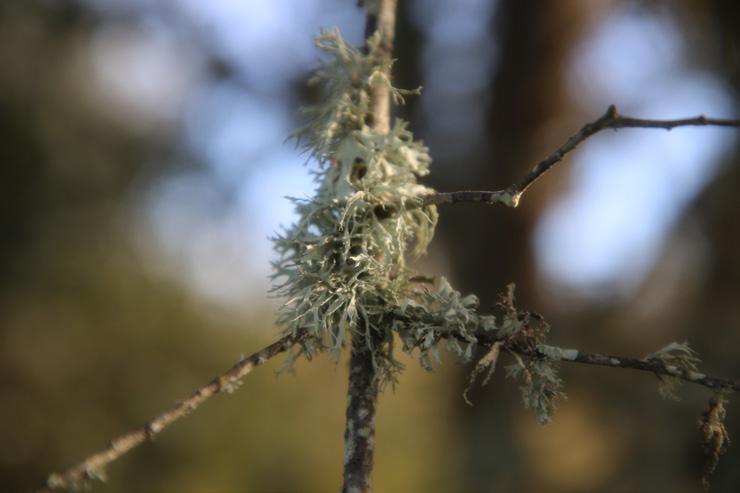
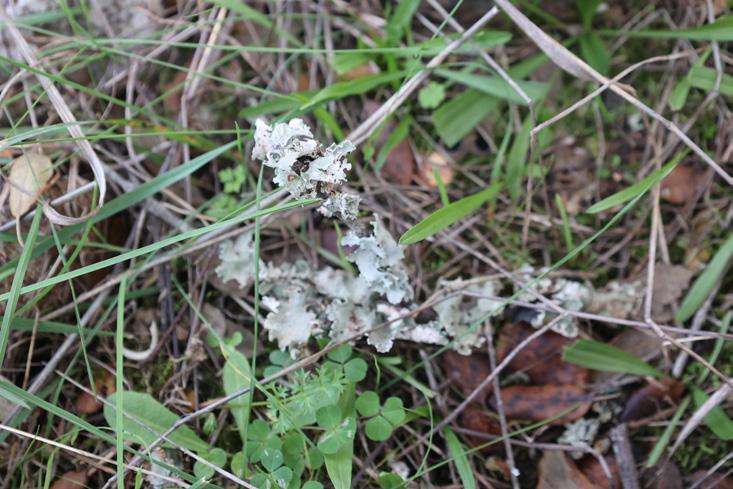
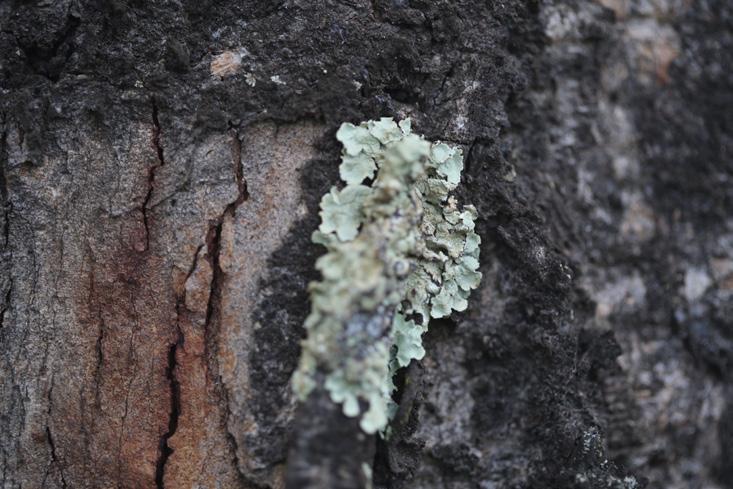
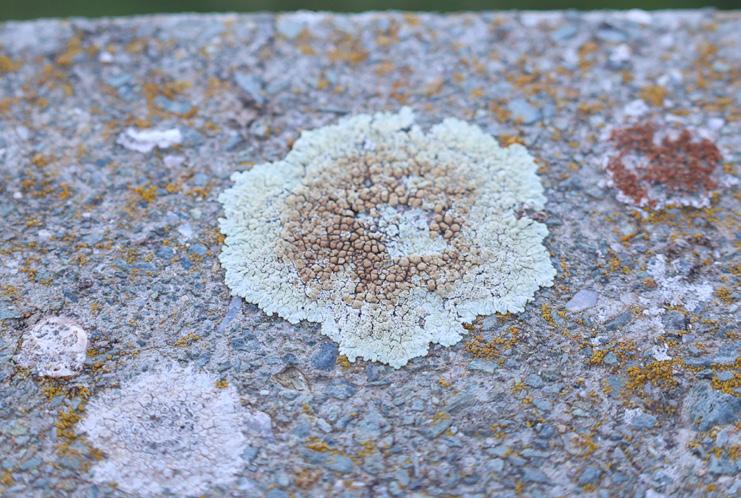
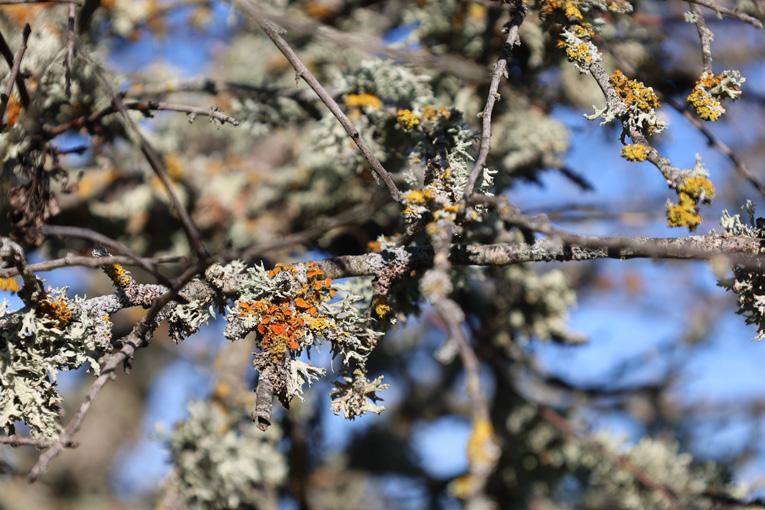
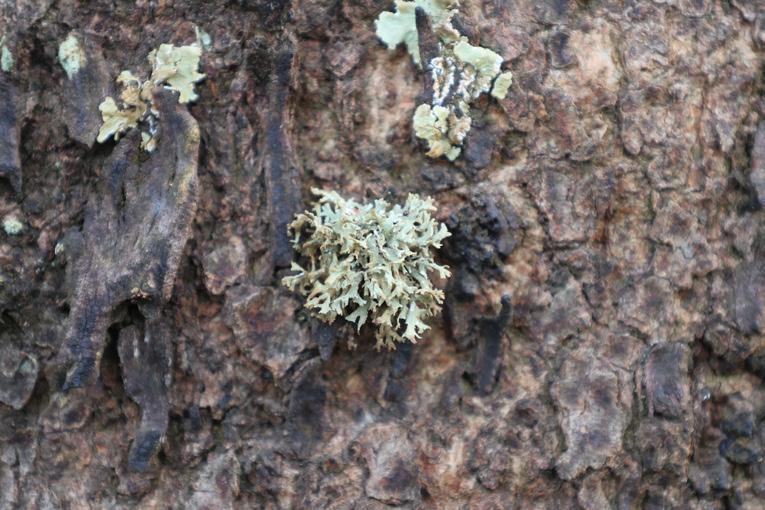
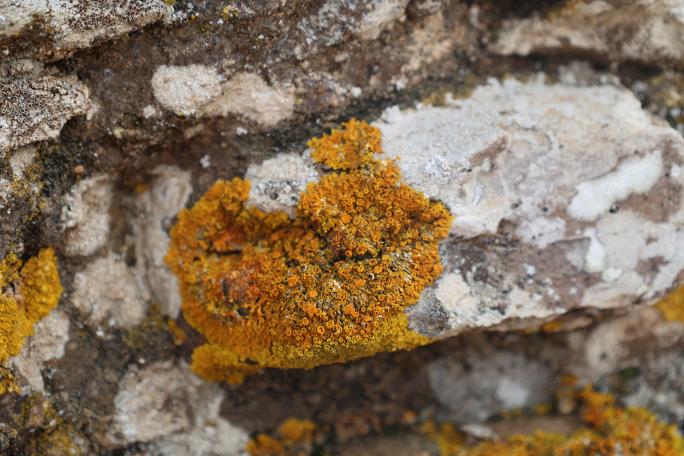
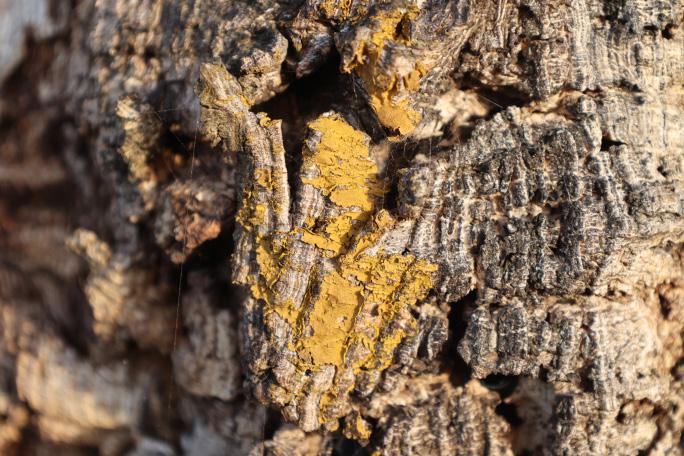
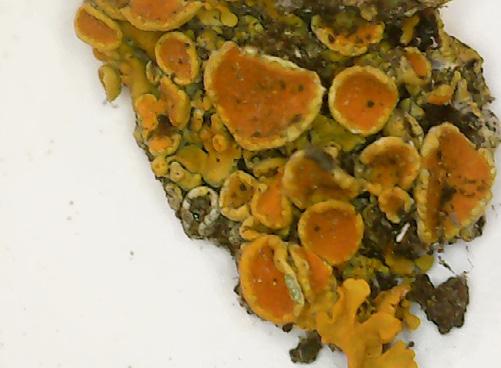
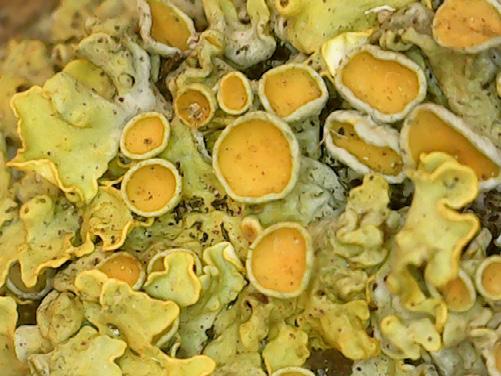
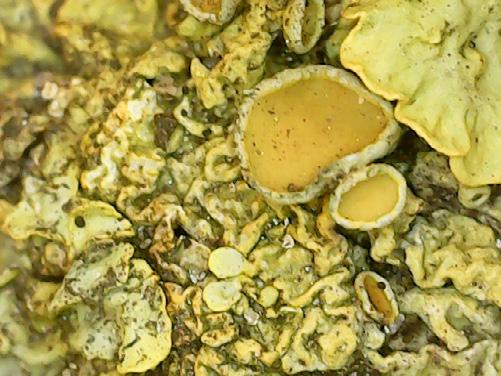
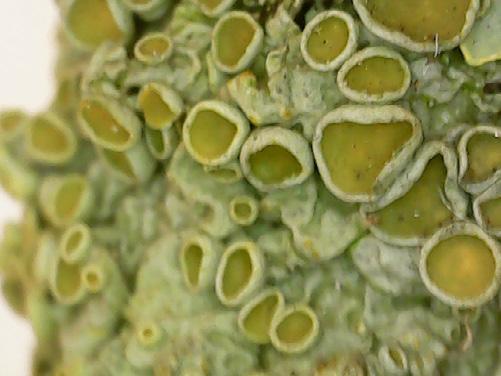
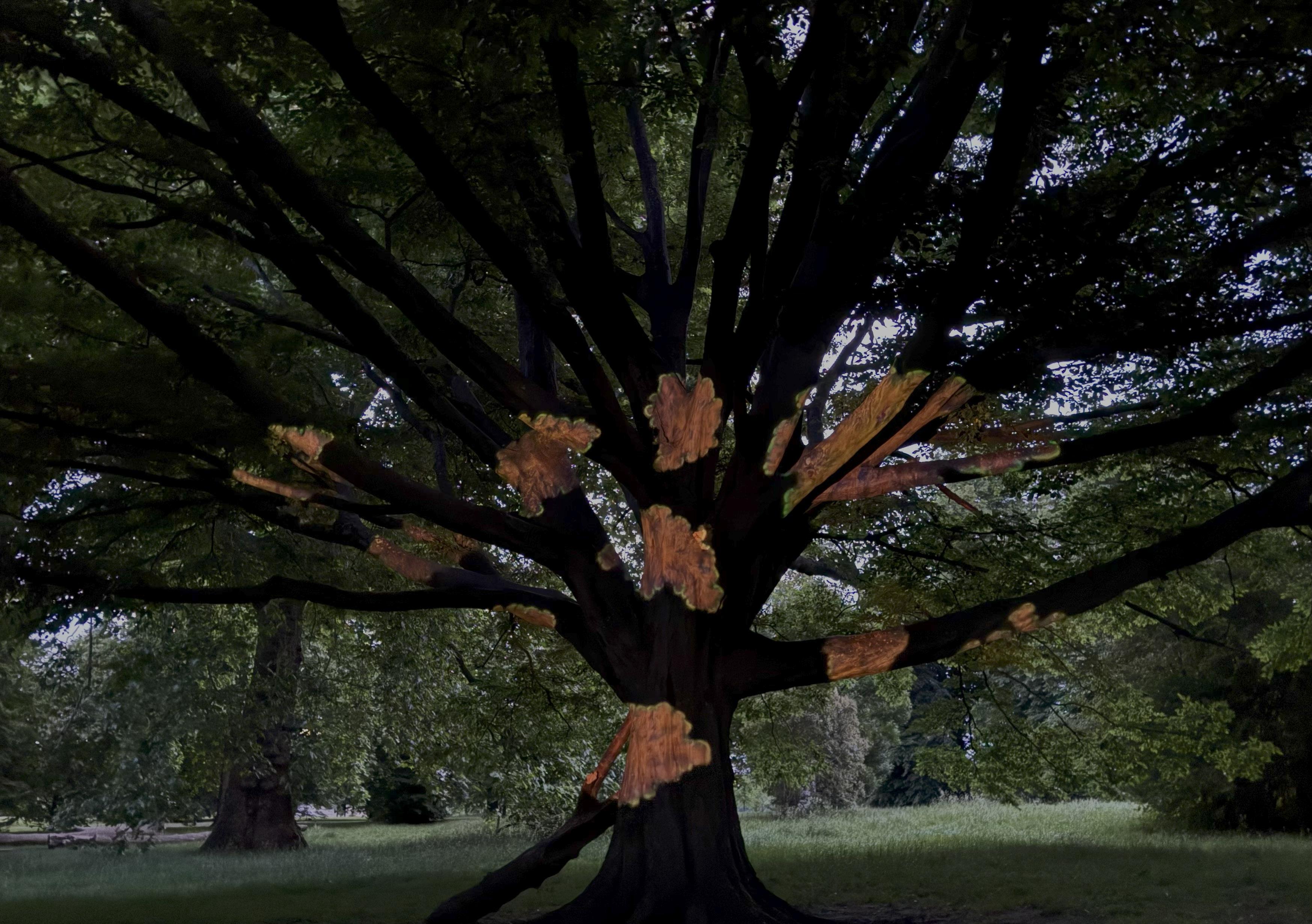
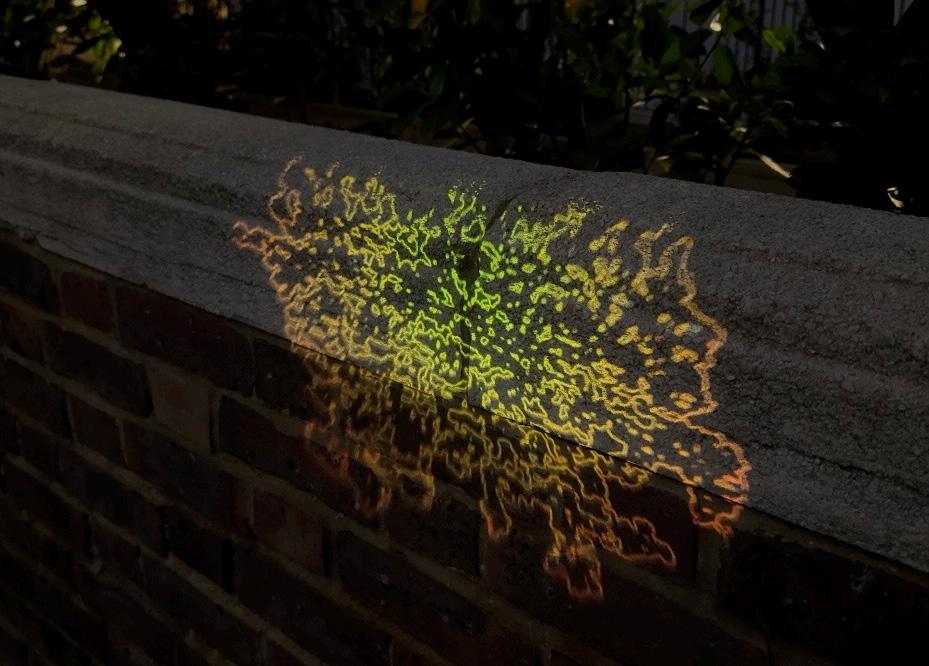
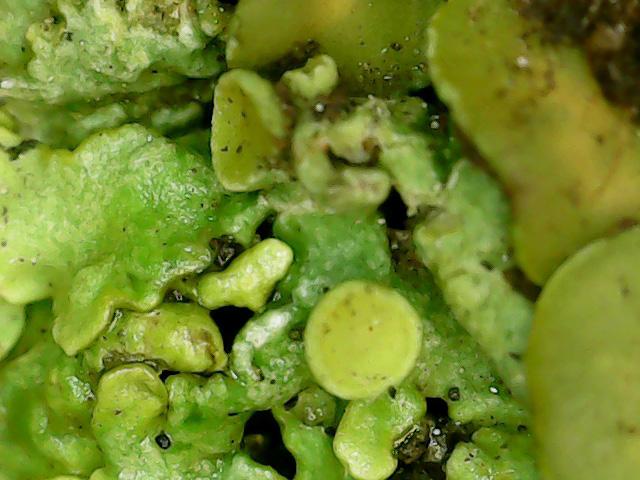
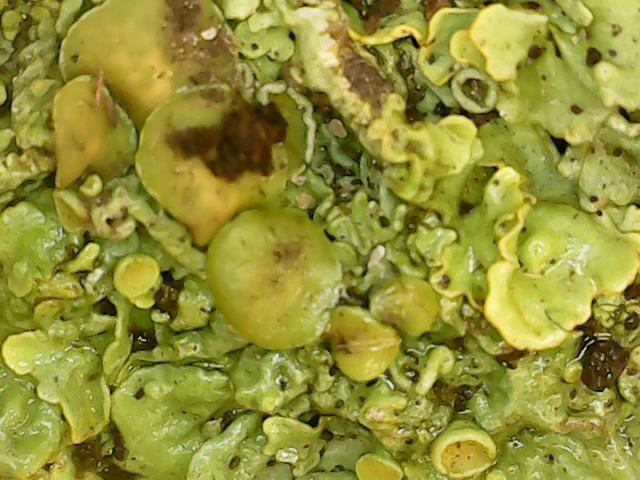
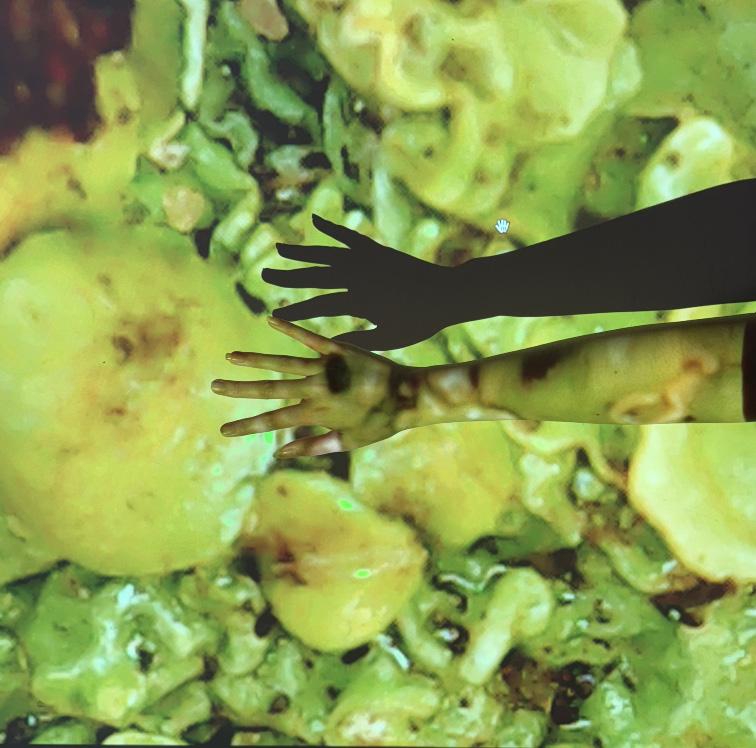
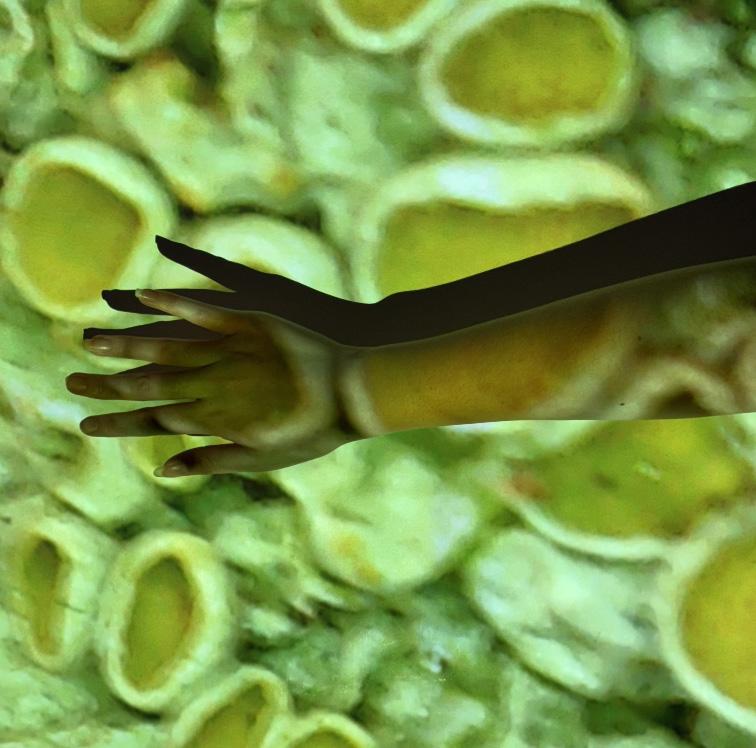
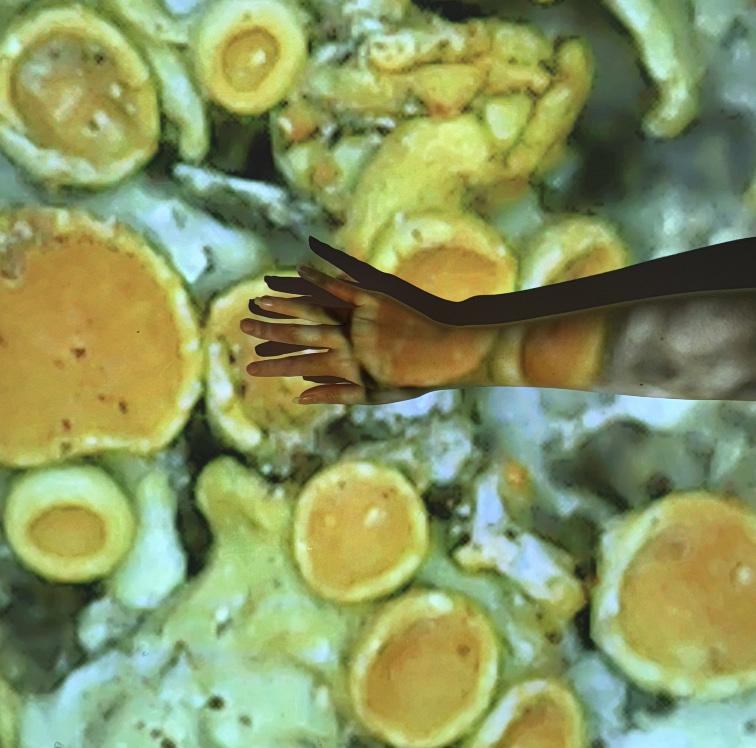
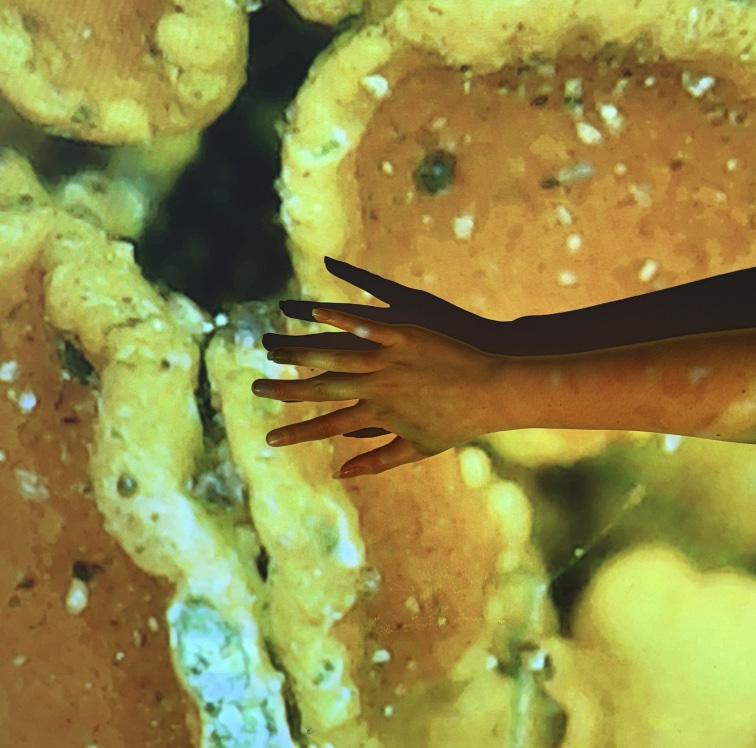
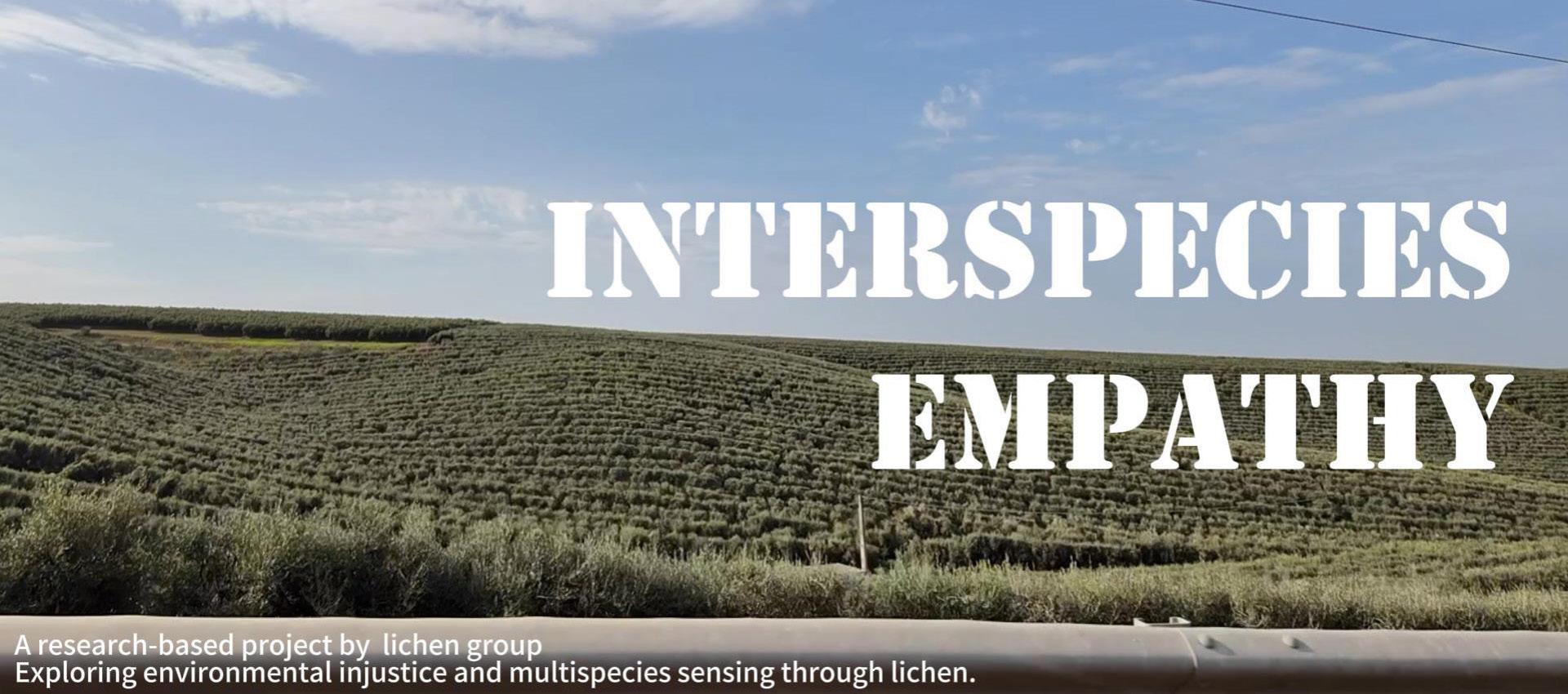
Rather than proposing solutions, the film is an interdisciplinary study of the relationship between lichens and the environment. Using the Alentejo region of Portugal as a field setting, we explore how lichens as environmental indicator species respond to air pollution, agrochemicals and industrial activities through microscopic observations, material experiments, field sampling and visual projections.
At the same time, we try to translate its ecological language into perceptible visual and spatial representations to raise awareness of neglected life and ecological inequality. Viewers are invited to readjust their senses, slow down and take a cross-species perspective.
{Interspecies Empathy}
21\07\2025
Environmental Architecture
Siyu GAo
Interspecies Empathy
INTRODUCTION
Interspecies Empathy explores a profound empathy between humans and lichens. We begin by establishing the importance of lichens as sensitive bioindicators of air pollution, and then, through a combination of microscopic imaging, material modelling, site-specific projection, realtime generative animation and environmental sampling, we investigate how humans might better perceive and respond to lichen presence. Rather than treating lichens as passive biological data points, we reframe them as active communicators—organisms whose colour shifts, surface textures, and spatial distributions tell stories of environmental stress. Our aim is to foster a more attentive and embodied form of interspecies awareness—one that sees, listens, and responds to lichens not as background organisms, but as vital participants in shared ecological futures.
PROJECT BACKGROUND
The issues of concern
Soil–Atmosphere Interaction: The boundary between soil and atmosphere is more porous than traditionally assumed. Pollutants can volatilize from soil into the air or settle back onto surfaces, creating a dynamic exchange that affects ecosystems in complex ways.
Pollution That Is Difficult to Quantify:
Odors and noise, though pervasive and harmful, are often overlooked because they cannot be measured with the same precision as particulate matter or chemical emissions, allowing such issues to persist unaddressed.
Conflict
Between Pollution Sources and Economic Interests: In Alentejo, industries like olive oil production hold significant economic value, providing jobs and revenue. This often leads authorities to prioritize economic growth over environmental regulation.
Monitoring Limitations: While some emissions may have decreased, there is insufficient, transparent data to confirm effective control. The high cost of testing limits continuous local monitoring, leaving residents dependent on infrequent and opaque government assessments.
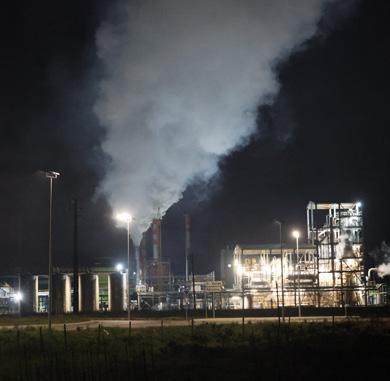
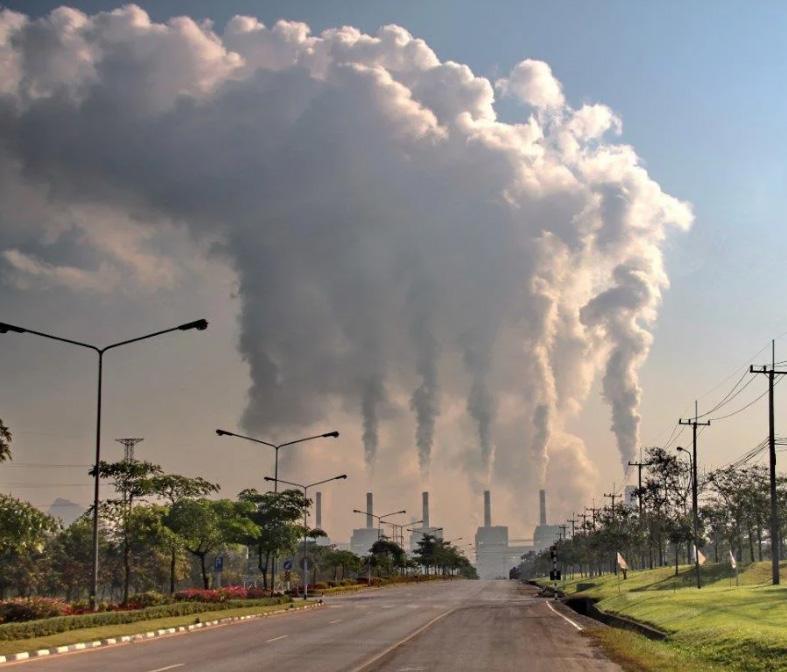
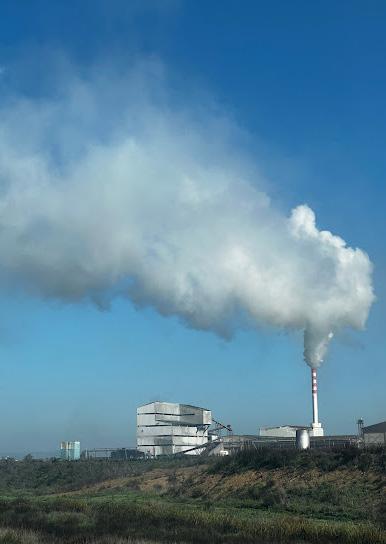
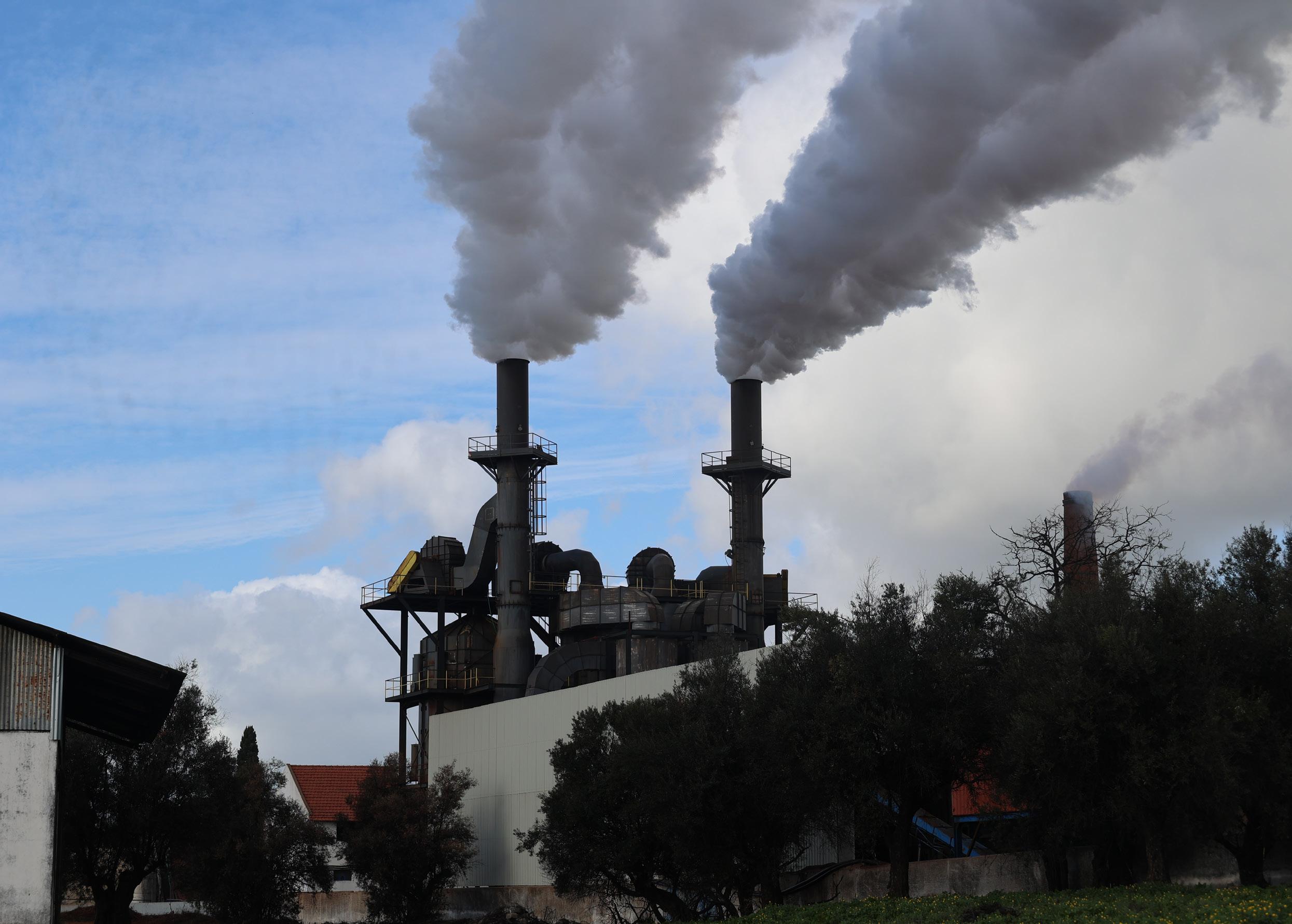
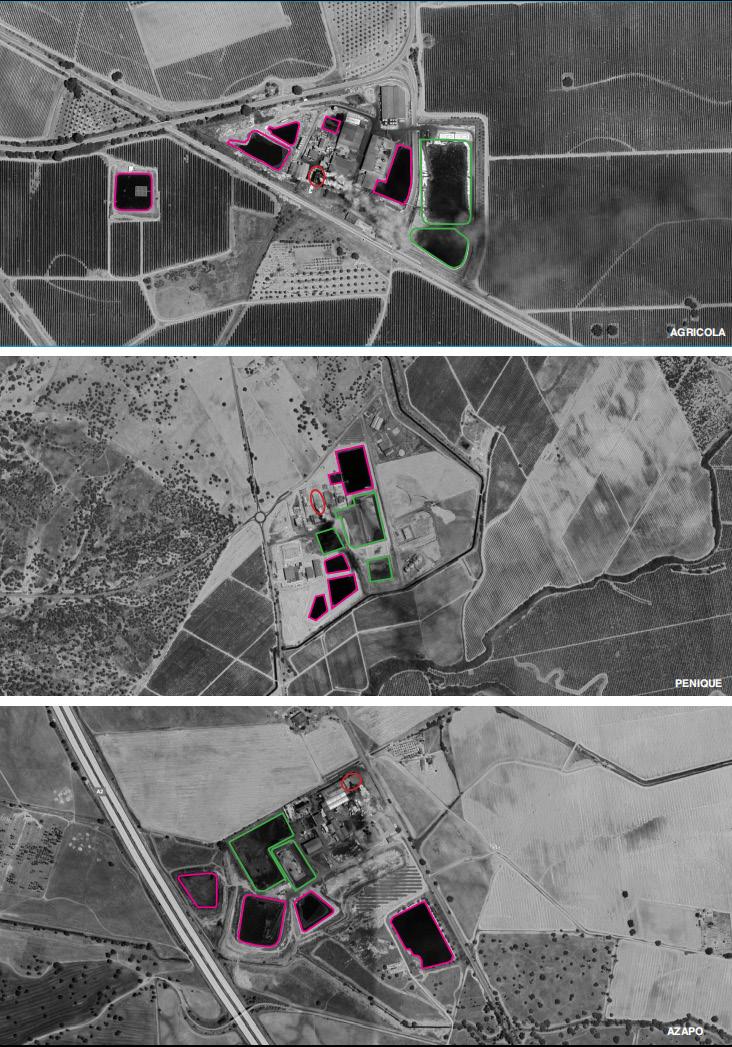
POMACE INCINERATION FACTORIES
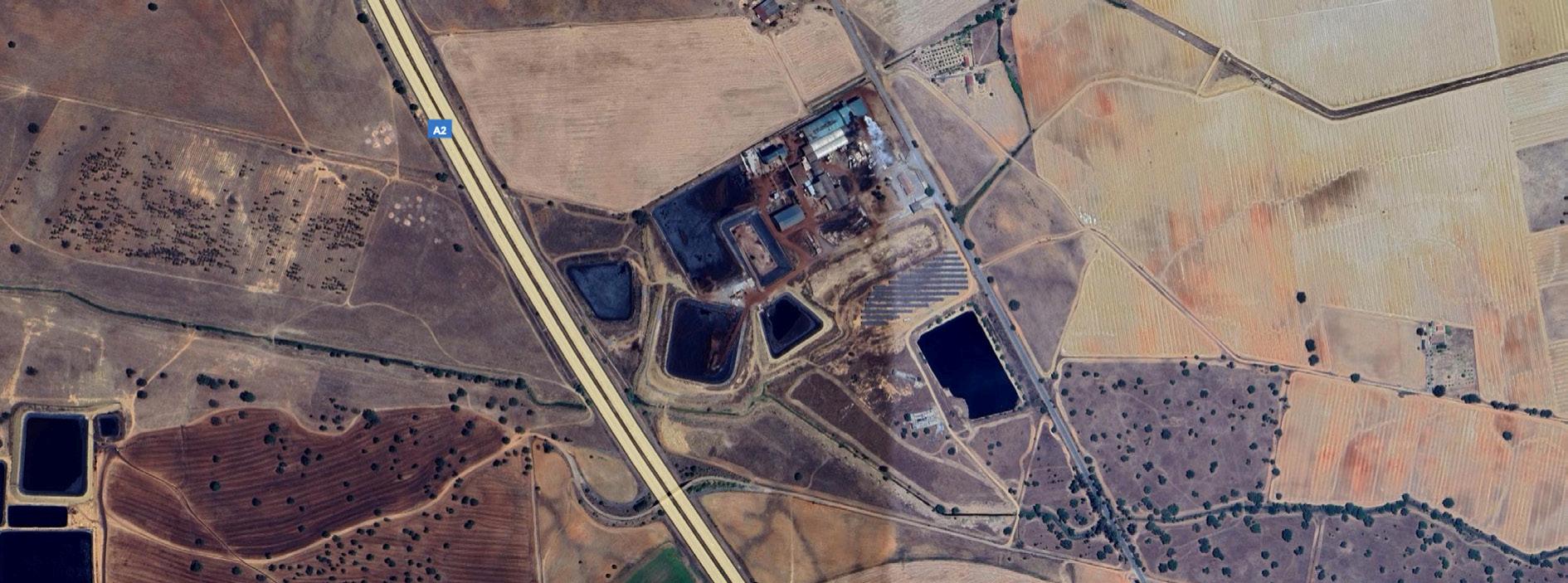
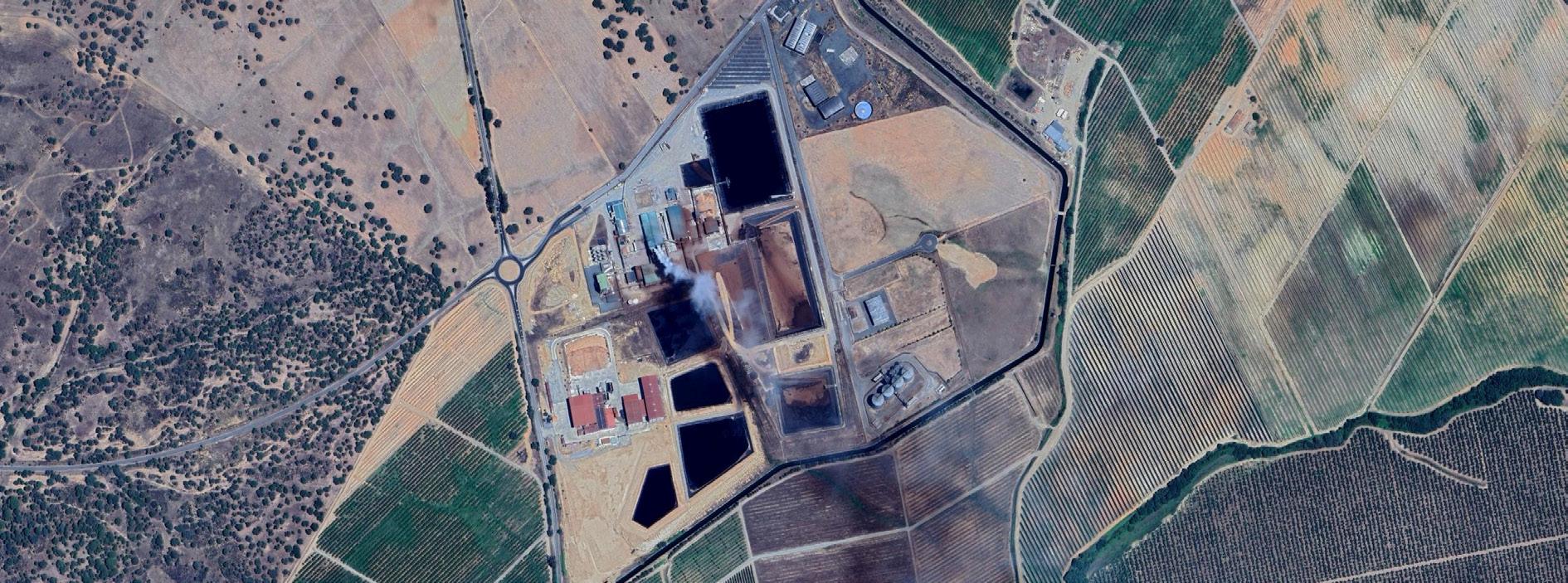
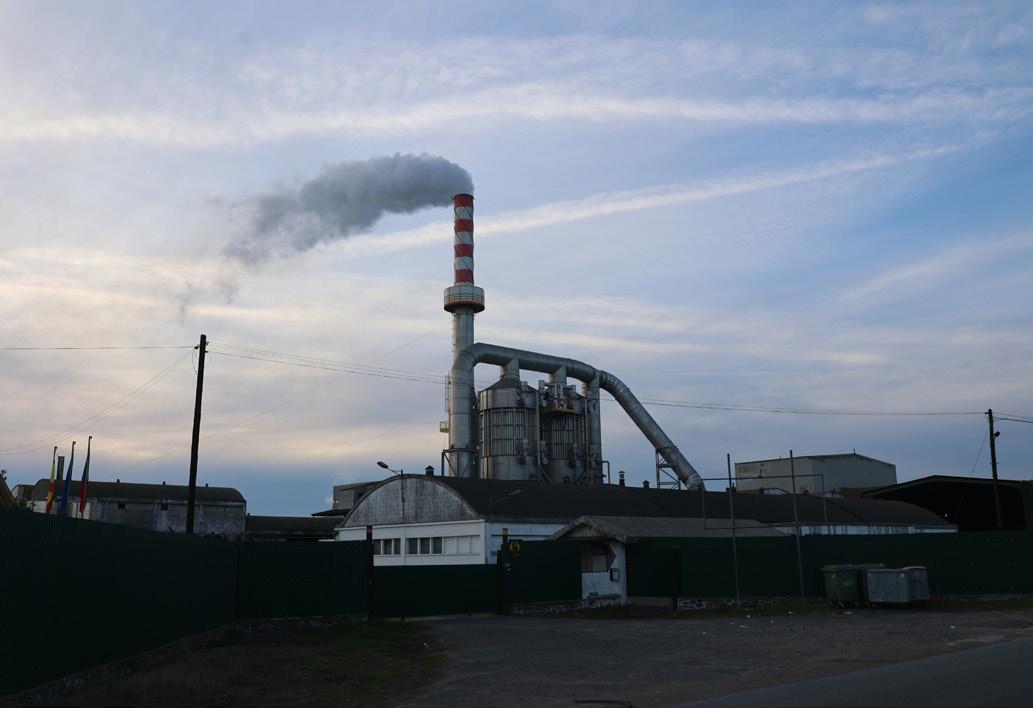
AZPO Azeites de Portugal(37°59’36.0”N 8°15’42.7” W)
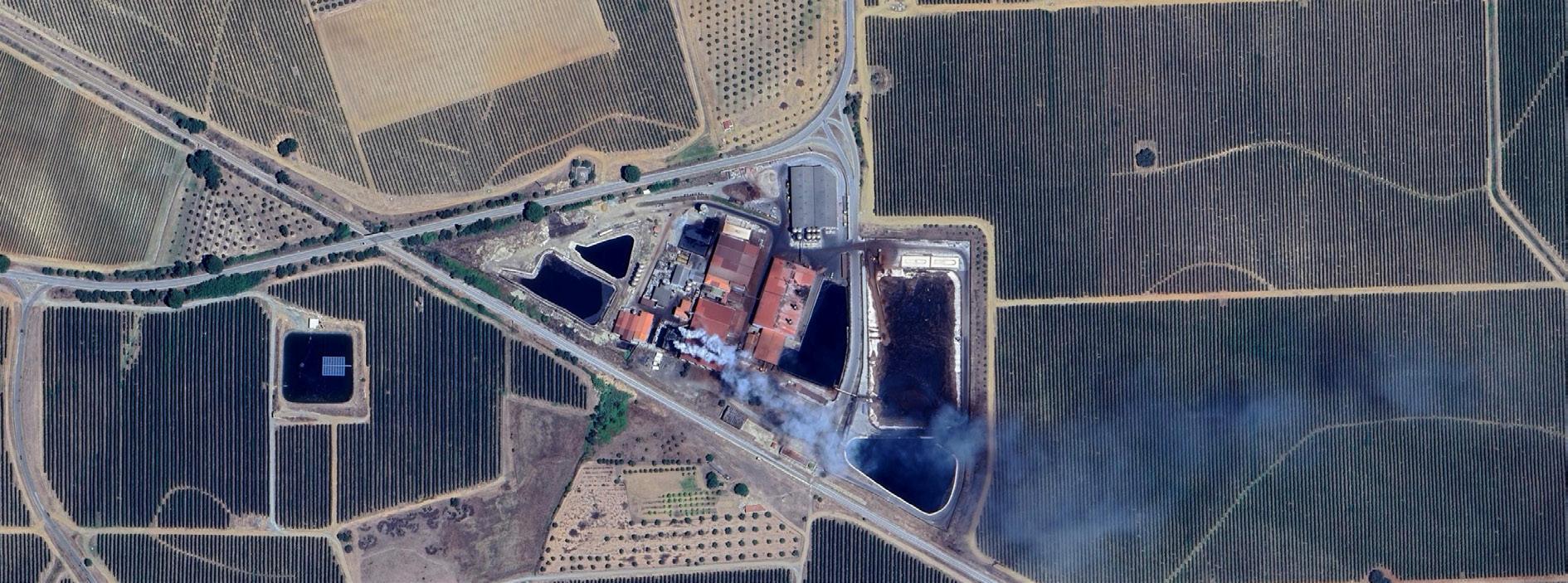
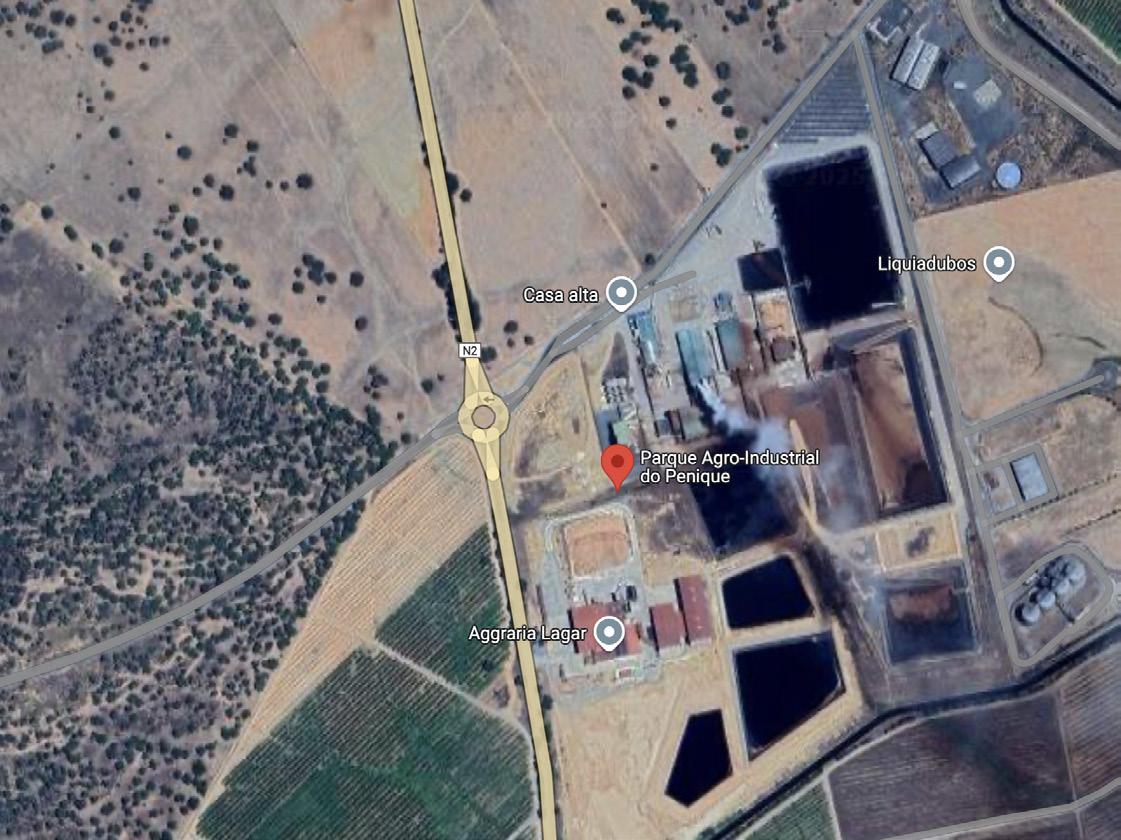
Parque AgroIndustrial do Penique(38°08’37.5”N, 8°08’04.5”W)
União Cooperativa Agrícola(38°13’59”N, 7°59’58”W)
THE LOCAL PERCEPTIONS OF POLLUTION
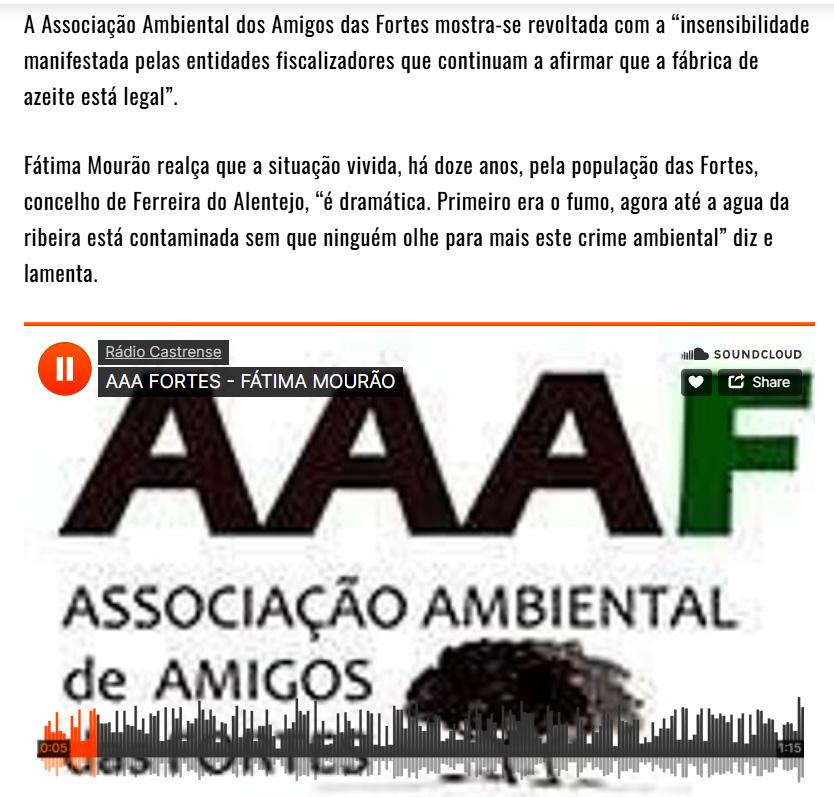
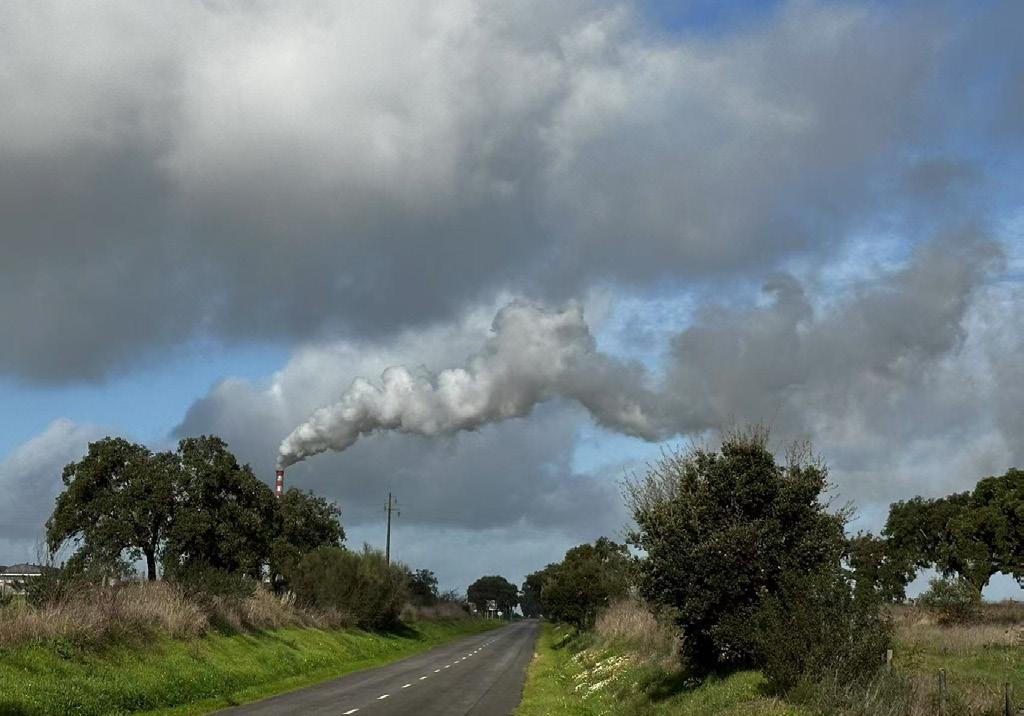
The Environmental Association of Friends of Fortes is outraged by the "insensitivity shown by the regulatory authorities, who continue to claim that the olive oil factory is legal." Fátima Mourão emphasizes that the situation experienced by
the population of Fortes, in the municipality of Ferreira do Alentejo, "is dramatic. First it was the smoke, now even the water in the stream is contaminated, and no one is paying attention to this environmental crime," she says with regret.
Associação Ambiental dos Amigos de Fortes denuncia mais “um crime ambiental”
A short interview 27 de Fevereiro, 2021
"Pollution is obvious, but it continues because of lax laws"
"For months, we've been living in a virtual smog, and the emissions don't go away."
a toxic olive oil chain
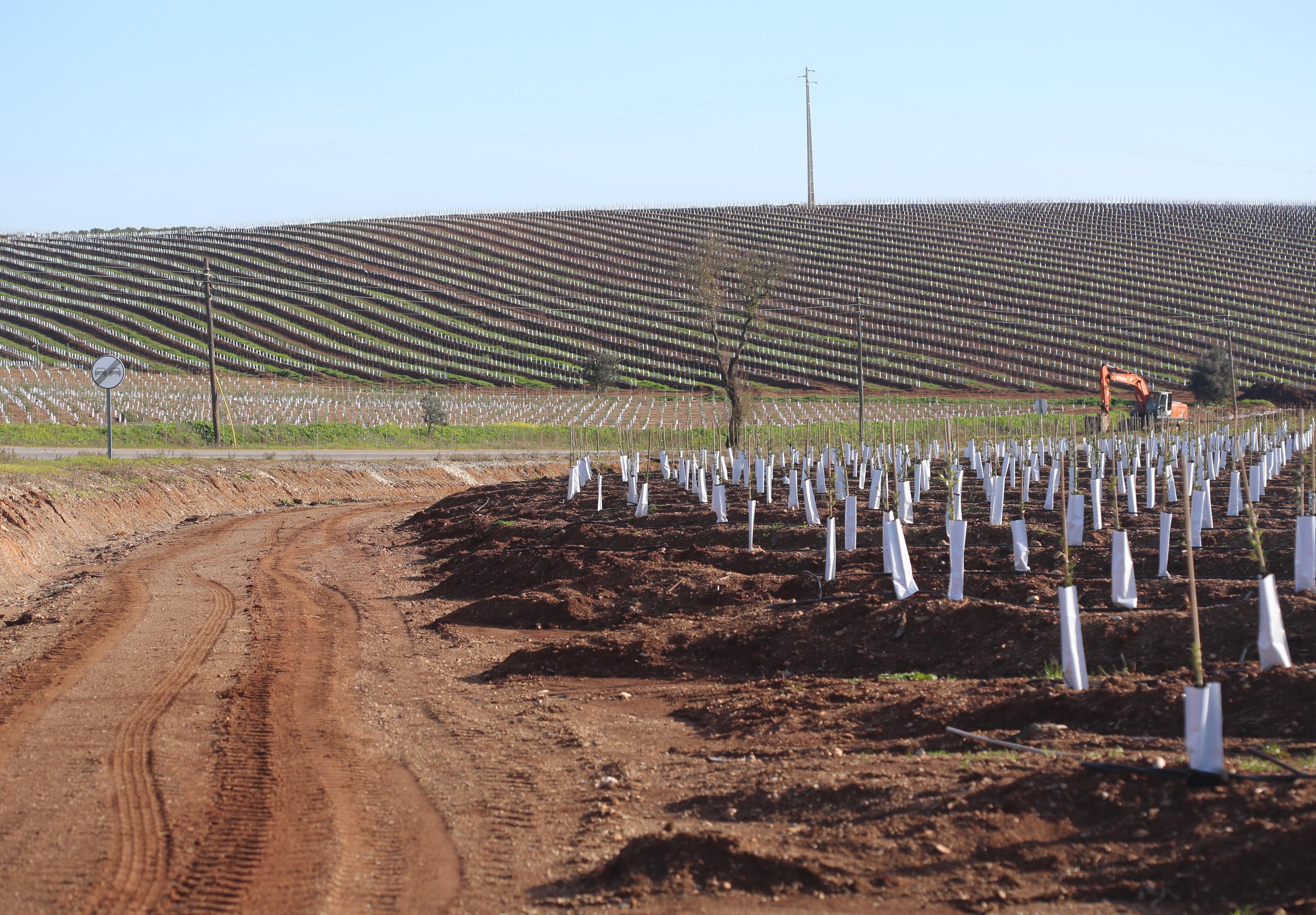
Monoculture plantations deplete biodiversity, degrade soil health, and demand constant irrigation in a drought-prone region.
Agrochemicals — herbicides, fungicides, and fertilizers — enter the air, seep into groundwater, and alter microbial ecologies.
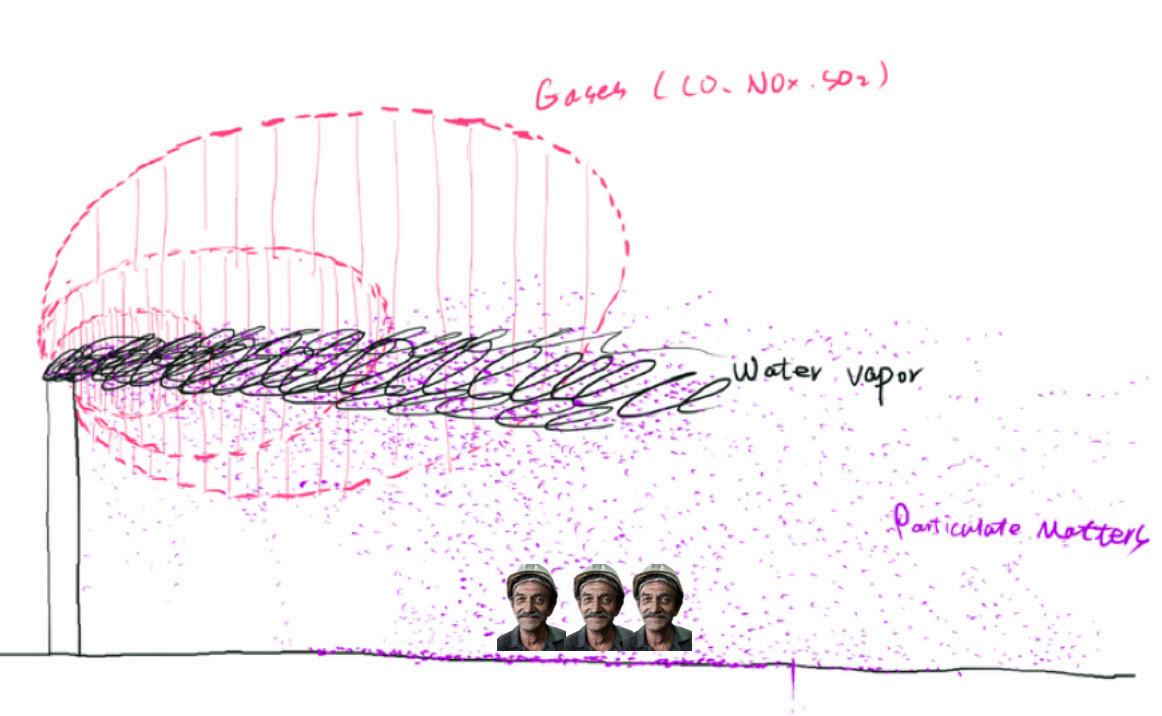
Industrial extraction plants, often operating year-round, release airborne pollutants and produce toxic wastewater rich in phenolic compounds, which is frequently stored in unprotected open ponds.
Transportation and export logistics further entrench fossil fuel dependence and externalize environmental costs.
This chain is not linear but cyclical: pollution returns to the landscape through air, water, and soil — affecting not only human health, but also nonhuman organisms like lichen, which silently register the accumulation of harm.
By following the olive oil chain, this project reframes the territory not as a passive surface of production, but as a contested ecology — where toxicity is slow, distributed, and unevenly felt.
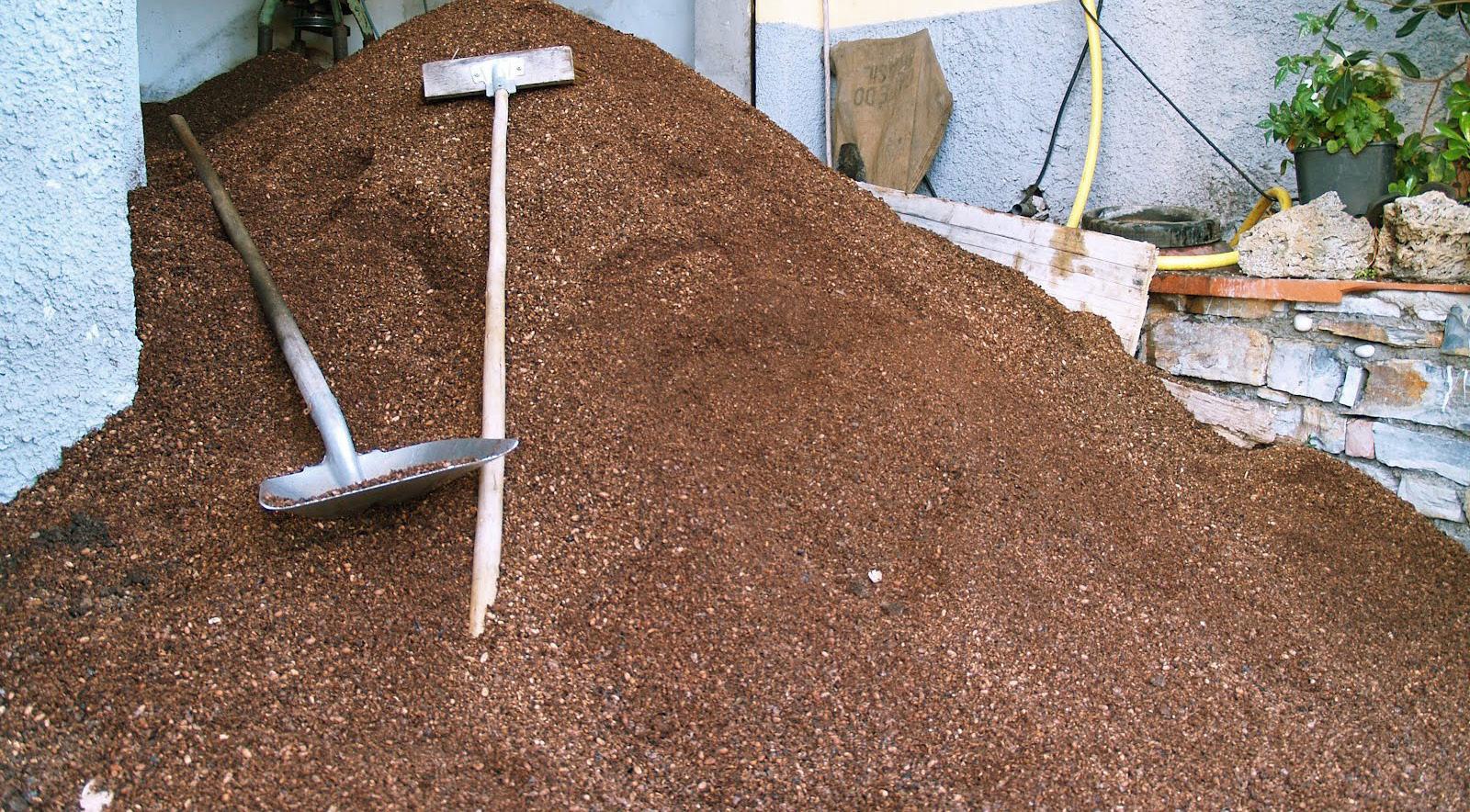
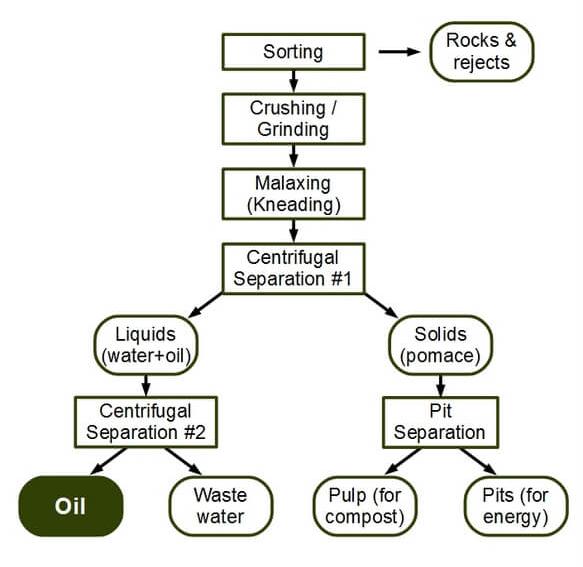
POMACE
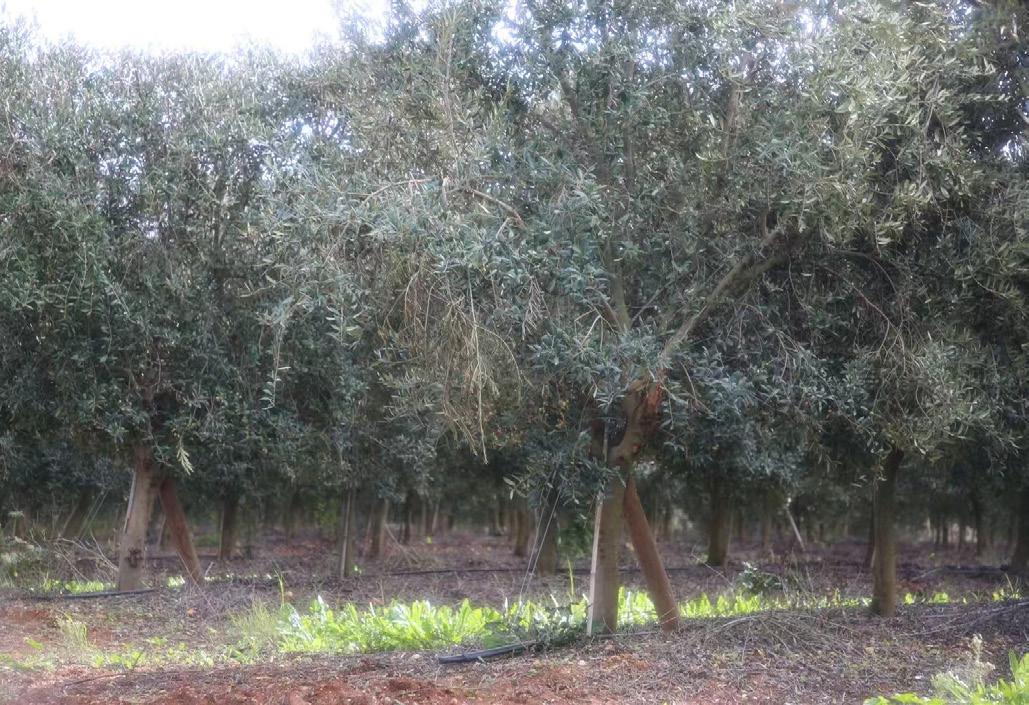
The Alentejo is now home to 85 per cent of Portugal's olive groves and produces 77 per cent of the country's olive oil. While this brings huge economic benefits, it also generates a large amount of waste pomace, which causes huge environmental pollution in the region.
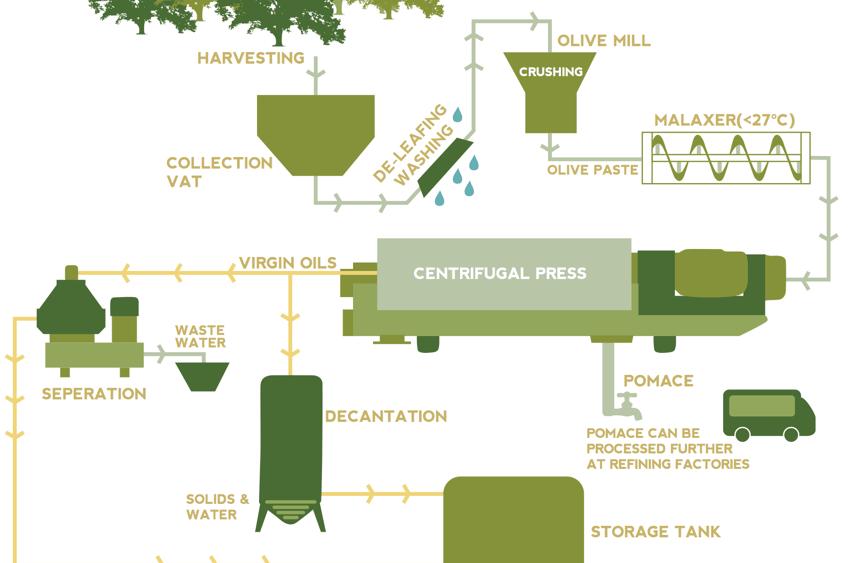
OLIVE OIL PRODUCTION
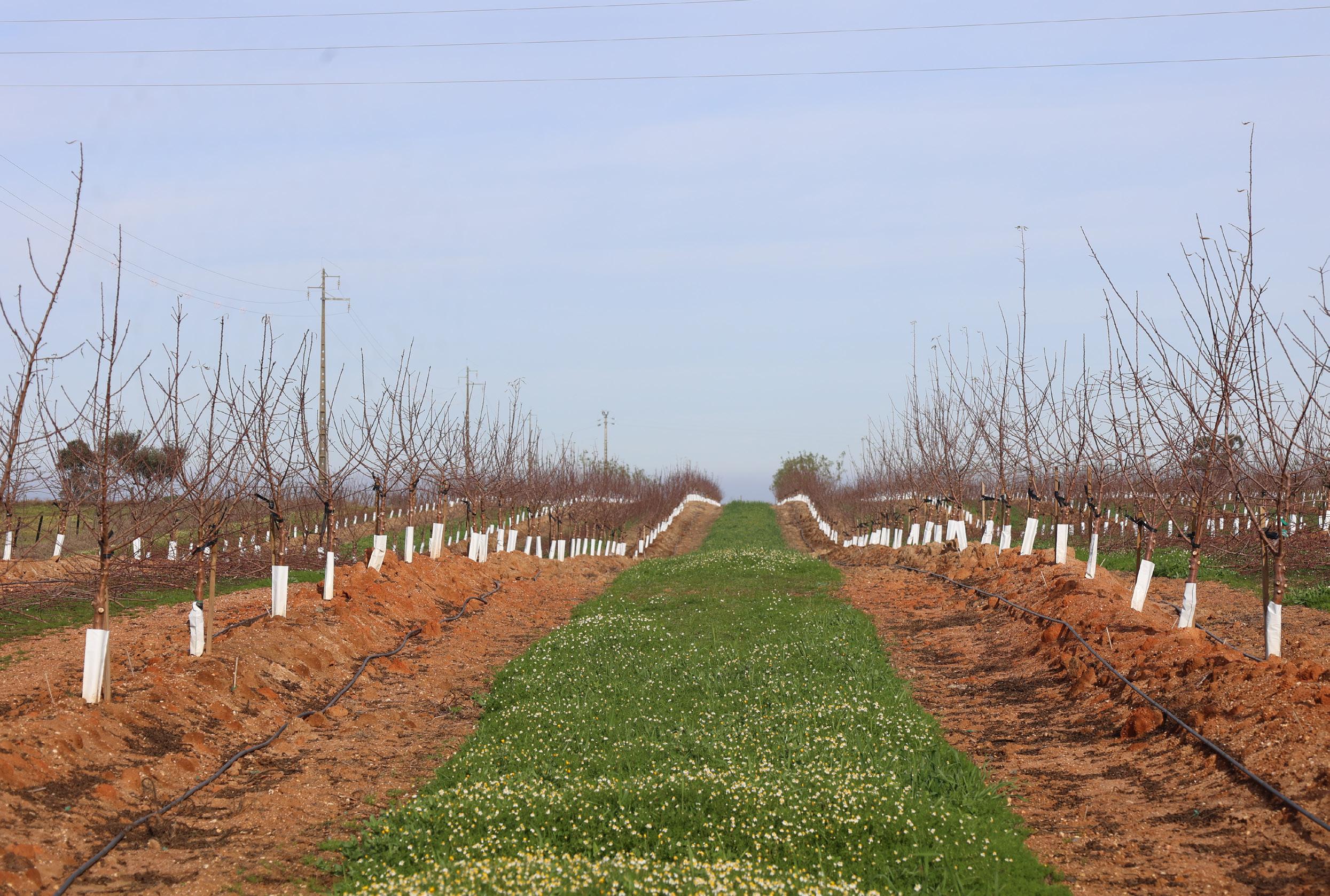
Located in southern Portugal, Alentejo is a region known for its vast agricultural fields, particularly monoculture olive plantations. In recent decades, traditional dryland farming has given way to intensive olive cultivation, driven by global demand and agribusiness investment.
The olive oil extraction process, once seasonal and smallscale, has become year-round, industrial, and water-intensive. Wastewater, pesticides, and airborne pollutants from processing plants increasingly affect surrounding ecosystems.
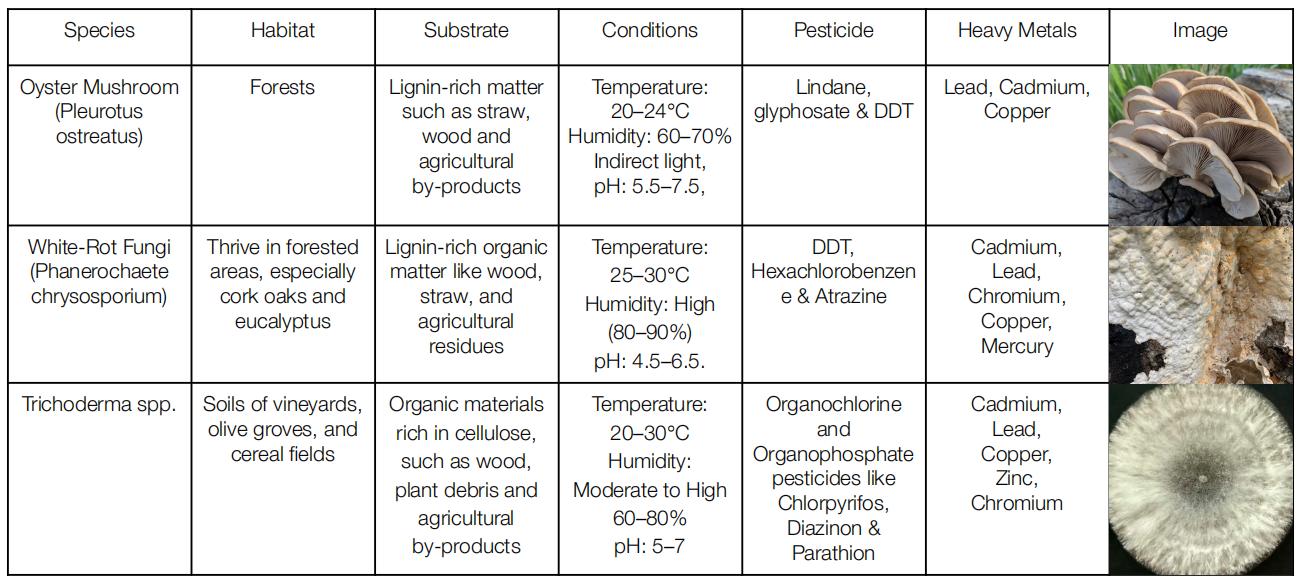
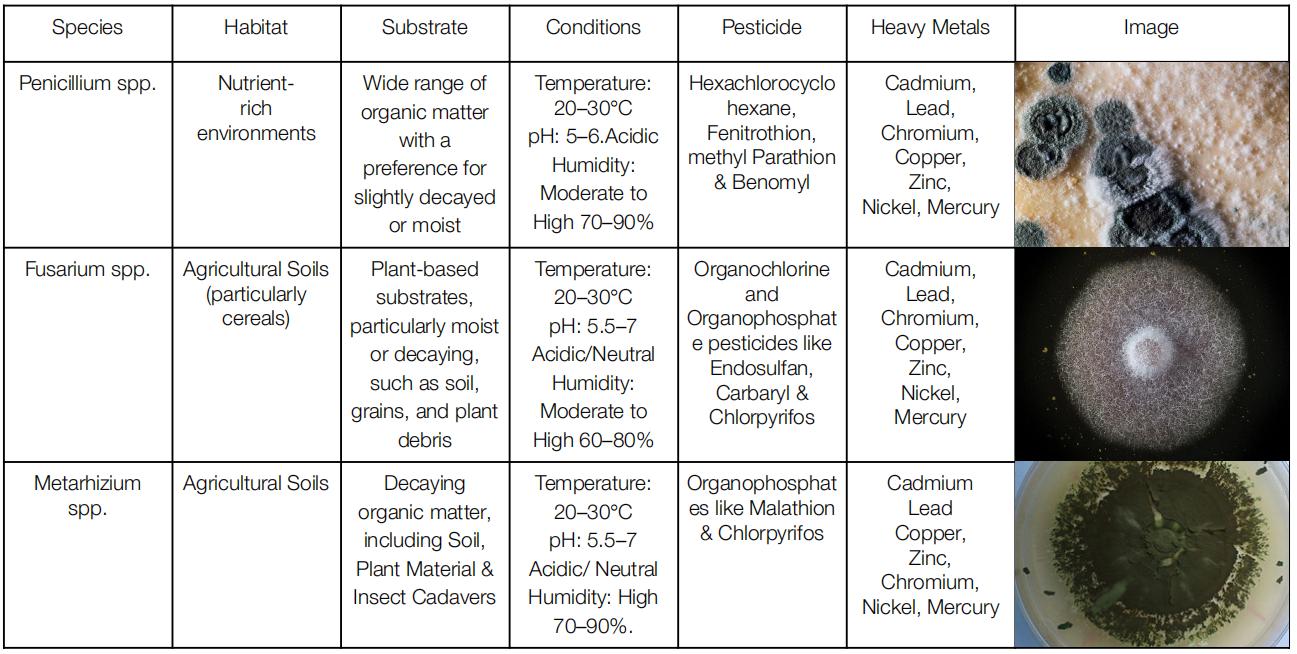
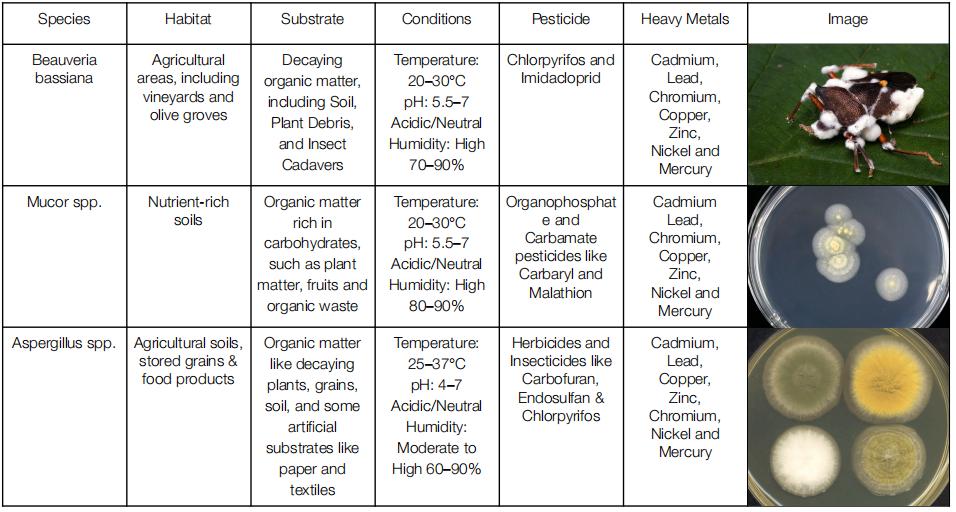
VIABLE FUNGI FOR MYCOREMEDIATION IN ALENTEJO
Tables showing the habitat, substrate conditions, suitable environment, pesticide resistance properties, heavy metals that can be adsorbed by different species of fungi in Alentejo, and photographic illustrations.
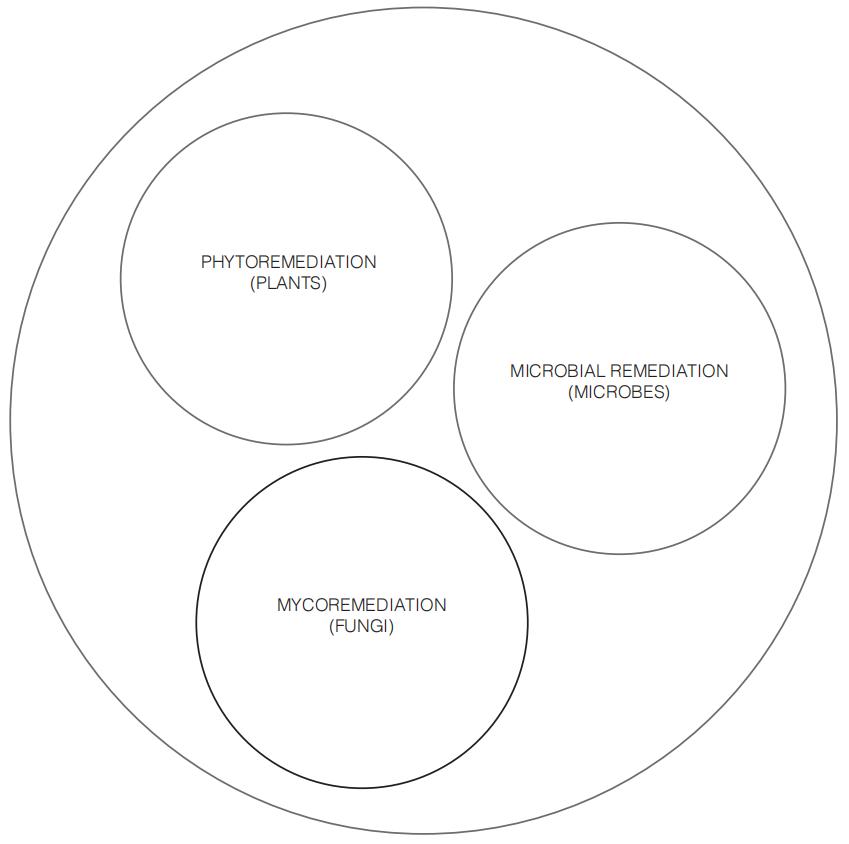
BIOREMEDIATION
biotechnology that employs the use of living organisms to decontaminate environments`
BIOMONITORING VIA BIOINDICATORS
Using biological processes, species, or communities to assess the quality of the environment and how it changes over time
DIGITAL SMELL
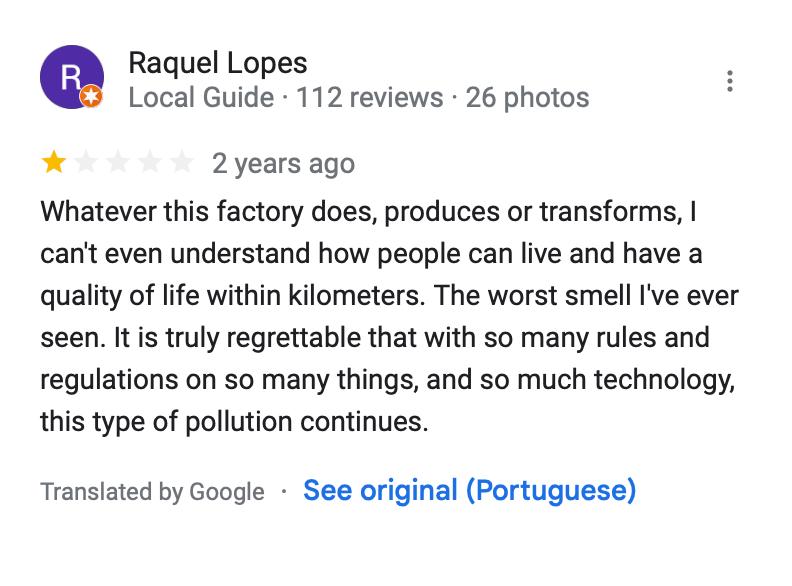
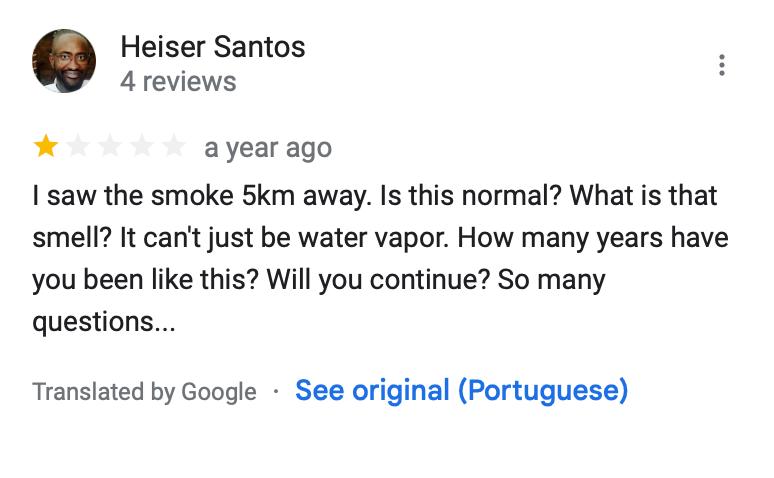
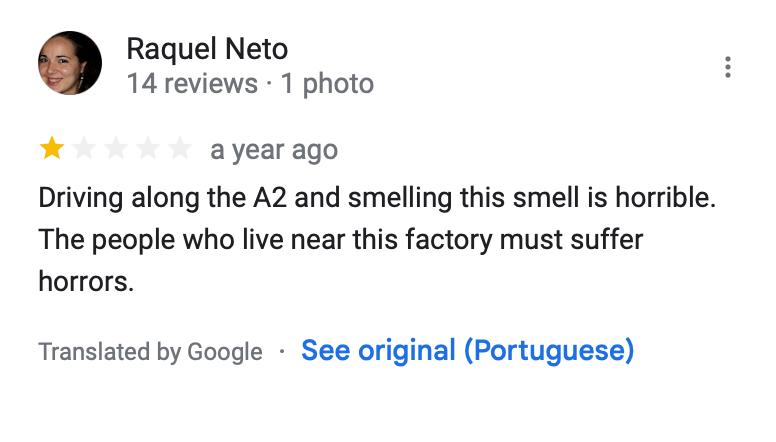
TESTIMONY
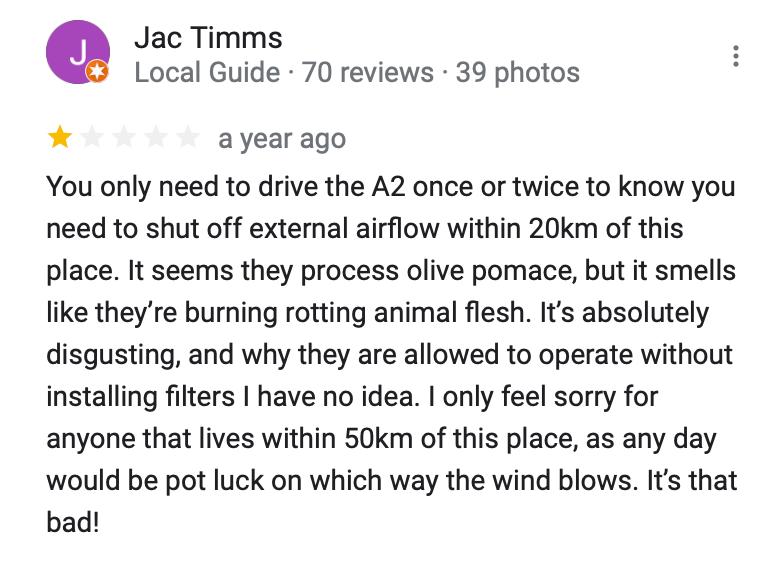
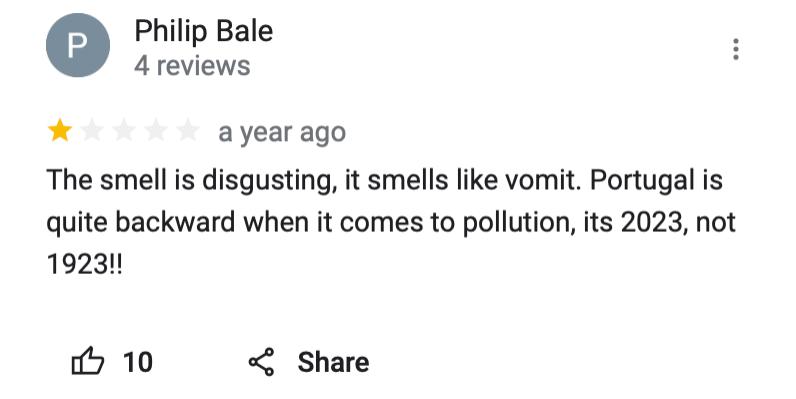
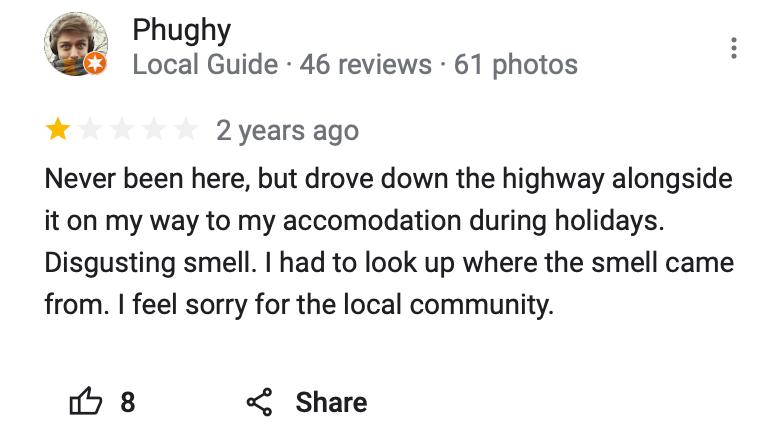
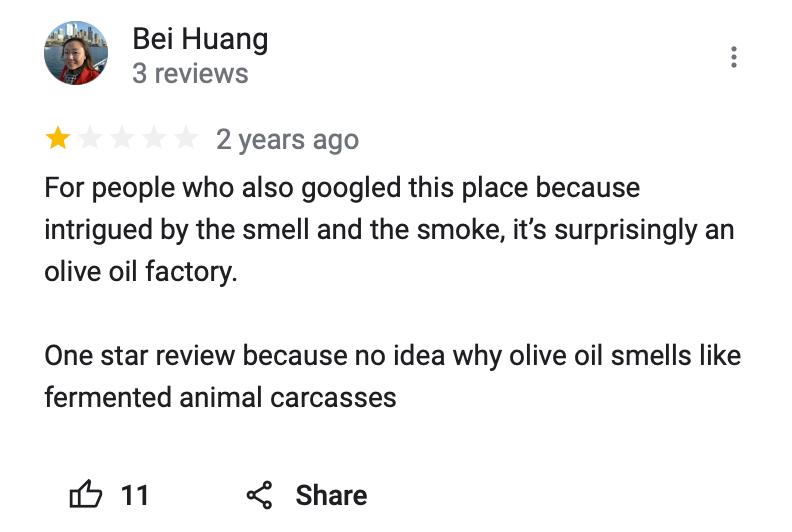
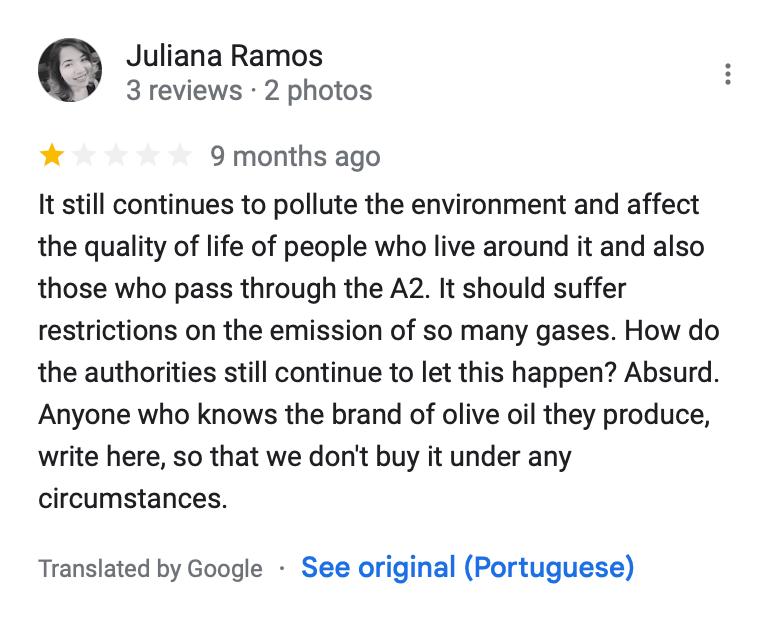
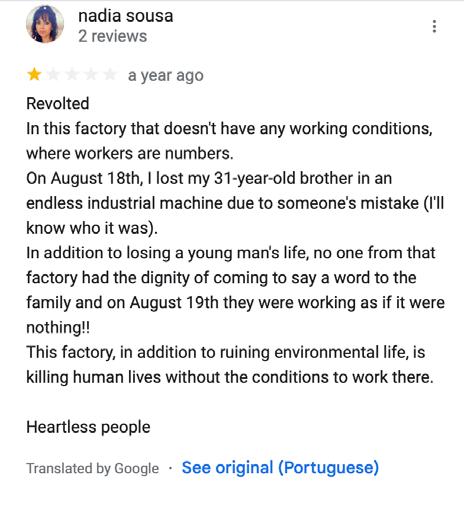
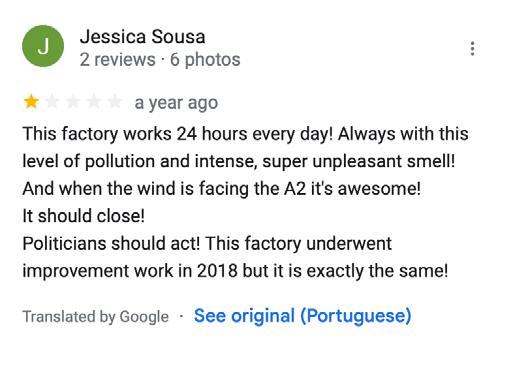
GOOGLE REVIEWS
SMELL SOURCES AT INCINERATION FACTORIES
Skin Project
The idea is that people are harming their skin because of air pollution and particulate matter in the air. Wanted to make a device about skin for protest and simulation. Using materials such as pomace to mimic skin, the device would resemble a scar from an injury to the earth's skin.
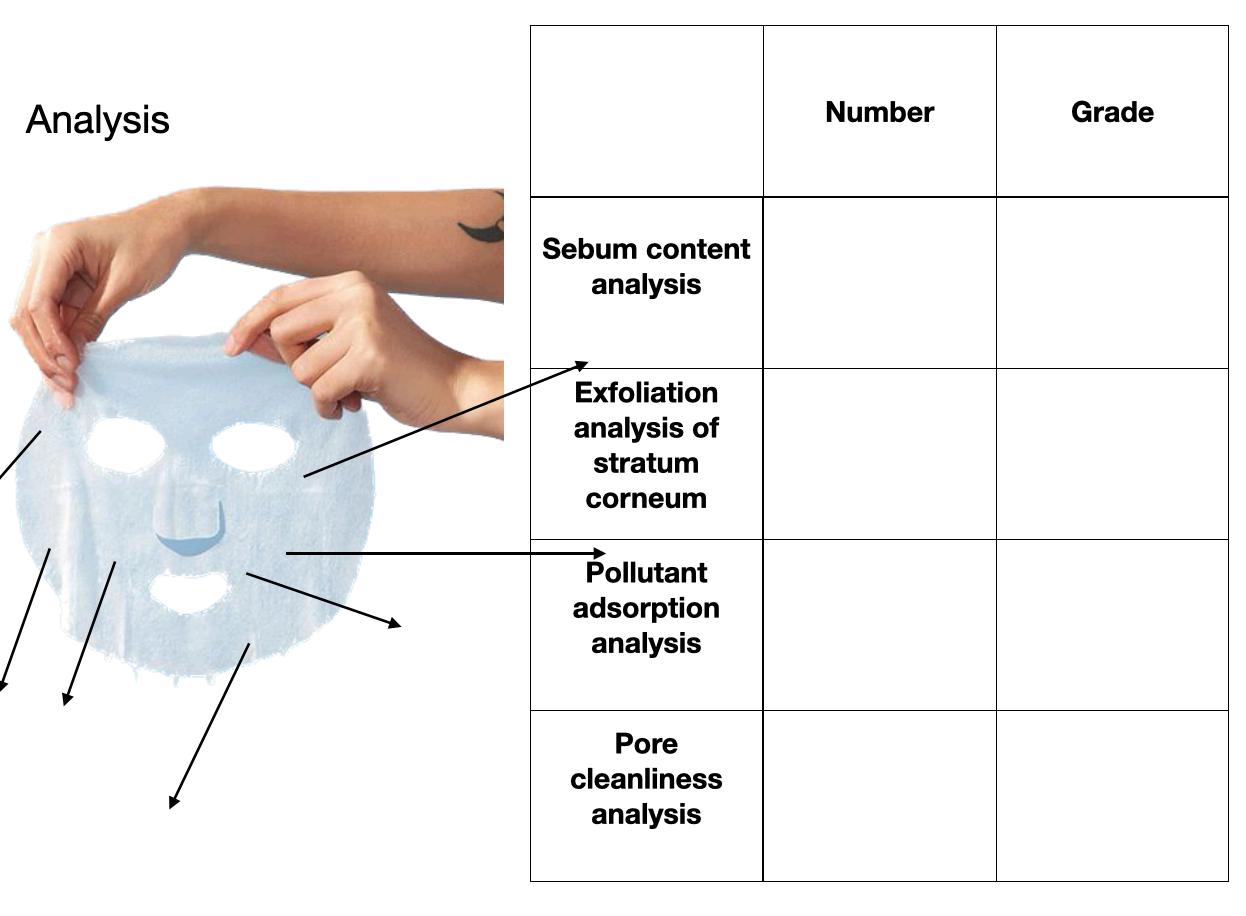
Pomace Cleaning Mask
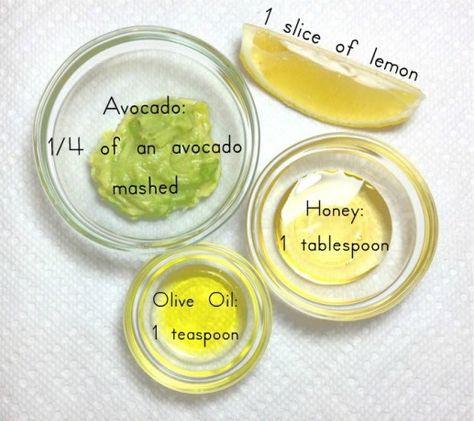
Olive oil pomace Mask: Several brands and research institutes have developed skin care products based on olive oil pomace. Rich in antioxidants (such as phenolic compounds), vitamin E, fatty acids, and moisturizing ingredients, they cleanse, exfoliate, and brighten the skin, while protecting it from oxidative stress and inflammation
CRITICAL FIELD INSTRUMENT IDEA #1
The air pollution and particulate matter in the air is harming people’s skin. We wanted to make a device that protests and simulates. Using materials such as pomace to mimic skin, the device would resemble a scar from an injury to the earth’s skin.
SKIN SMELL
Detecting air quality
Lichens are commonly used as bioindicators to monitor air quality because they are highly sensitive to airborne gases and particulate matter. Changes in the odour of lichens can also sometimes be used as an indicator of air pollution. If the odour of a lichen fades or changes, this may indicate elevated levels of air pollution.
The smell response
Lichens show a high sensitivity to air pollutants, especially sulphur dioxide (SO₂). Pollution affects the colour and growth status of lichens and may even alter their odour. In highly polluted environments, the chemical composition of lichens may change, resulting in an increase, decrease or shift in odour. Therefore, lichens are often used as bioindicators for monitoring air pollution.
Construction:
The structure of lichens consists of a symbiosis of fungi and algae or cyanobacteria, with a keratinised surface that prevents water loss and protects against harmful substances in the environment; similarly, the stratum corneum of the skin protects the body's moisture and defends against invading pathogens and pollutants. Both act as ‘protective barriers’ in their respective ecosystems. Lichens can also be regarded as the ‘skin’ of the earth
Reflection:
Both lichens and skin are sensitive to environmental pollutants. For example, lichens are commonly used to monitor sulphur dioxide and heavy metals in the air as they are very sensitive to pollutants; similarly, human skin reacts to contact with contaminated environments with irritation, dryness or fungal infections. The state of both can be a potential indicator of environmental pollution..
FUNGI
The fungal component in lichen is usually referred to as the "lichenized fungus," and it is the primary structural component of the lichen. The fungus provides structural support and protects the algae or cyanobacteria from desiccation and ultraviolet radiation.
Bioremediation
Lichens are capable of absorbing and accumulating heavy metal pollutants such as lead, cadmium and mercury in the air and soil. The study of such properties of lichens can help to apply them in pollution control, such as planting lichens in industrial or mining areas to help clean up the heavy metal content in the air and soil.
LICHEN
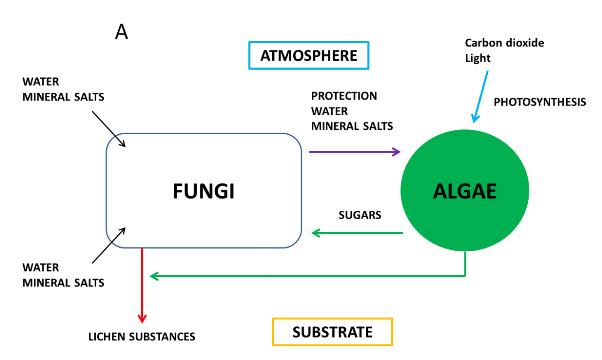
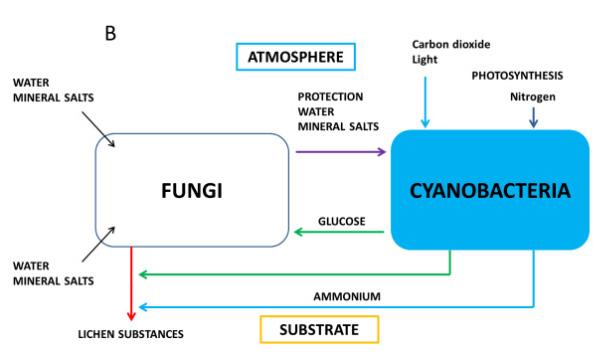
Lichens are composite organisms formed by a symbiotic relationship between fungi and algae (or cyanobacteria). In this relationship, the fungus provides structure, protection, and moisture, while the algae or cyanobacteria produce organic compounds through photosynthesis, supplying nutrients to both partners. This unique partnership allows lichens to survive in extreme environments, such as rocks, tree bark, and nutrientpoor soils.
LICHEN STRUCTURE
The interdependence of fungi and algae
Symbiotic relationship between fungi and algae or cyanobacteria in lichens. The fungus provides water, mineral salts and protective structures, and the algae or cyanobacteria produce sugars or nitrogen through photosynthesis for uptake by the fungus. They codepend on the substrate for survival, forming a highly dependent and extremely environmentally sensitive ecosystem.
RESPONSE OF LICHENS TO CONTAMINATION
The response
Lichens are extremely sensitive to air pollution and can directly absorb atmospheric pollutants such as sulphur dioxide and heavy metals. When pollution increases, many lichen species decrease or even disappear, while on the contrary, they are abundant in areas with clean air. Therefore, lichens are often used as bio-indicators of environmental quality, and their status visually reflects the ecological impact of pollution.
Crustacean lichens in a clean environment
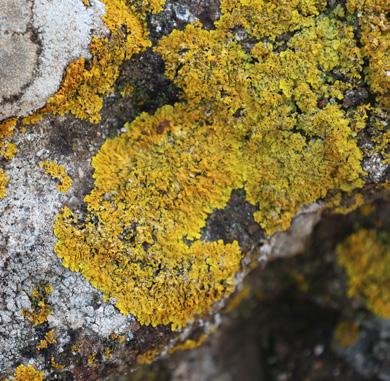
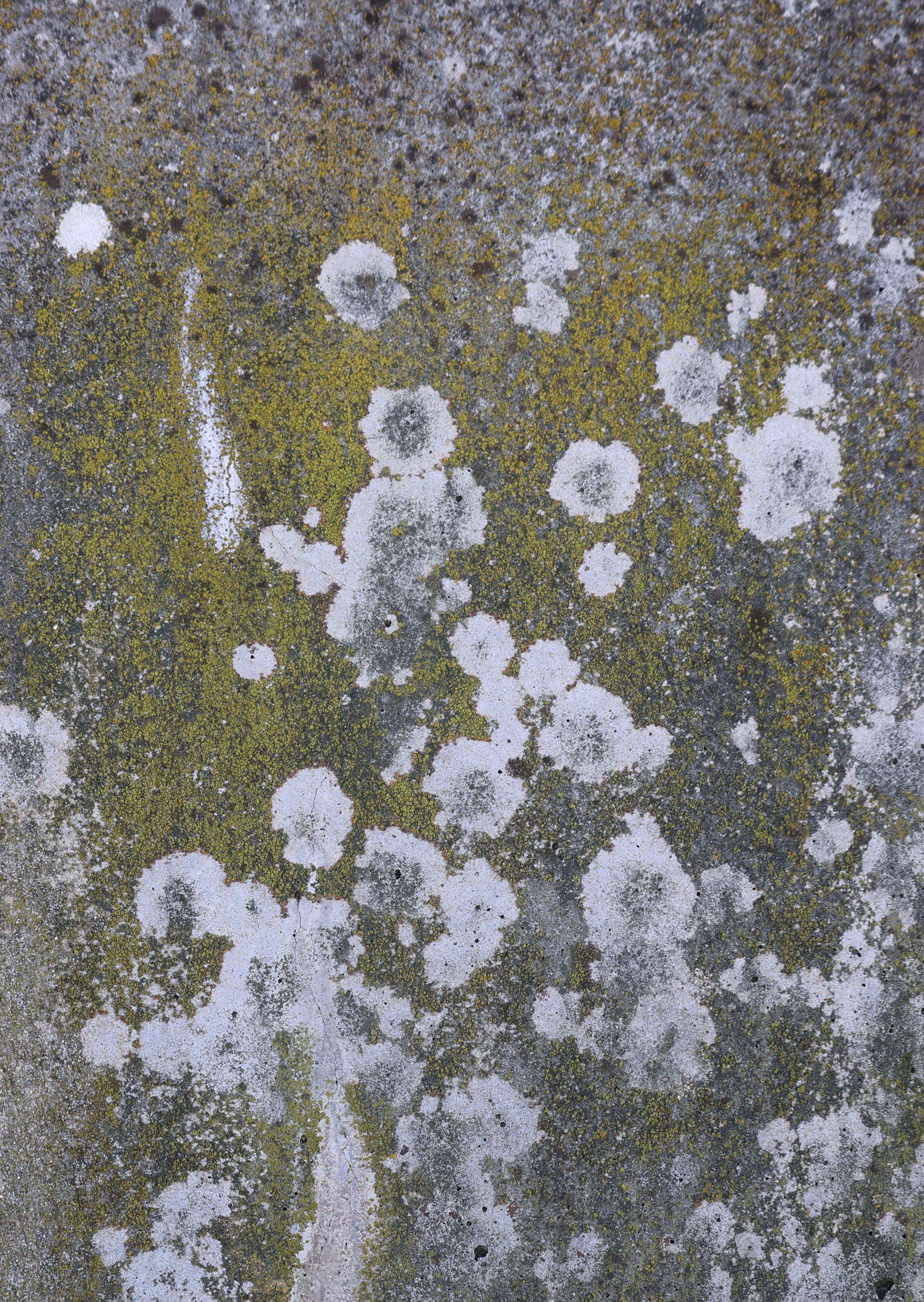
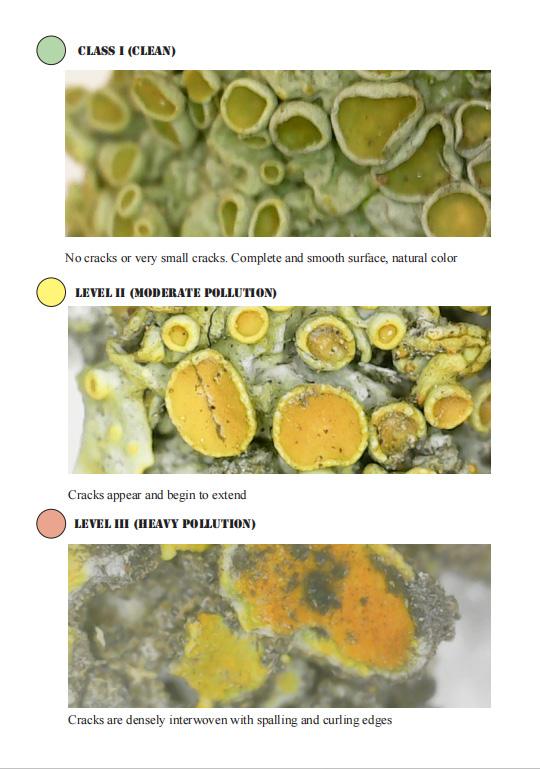
In uncontaminated areas, crustose lichens are bright green or yellow in colour, indicating healthy growth.
Crustose lichens in polluted environments
In highly contaminated areas, crustose lichens may discolour, taking on a greyish-white colour or losing their original vibrant colour, indicating their contaminationaffected state.
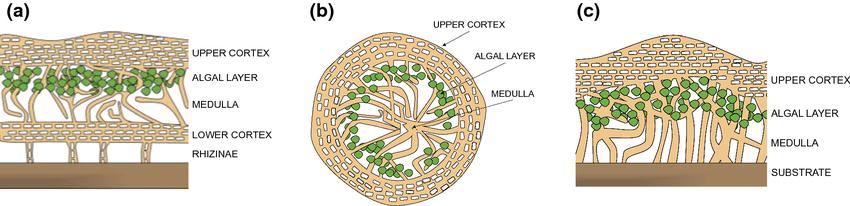
General internal structure of lichen thallus: a foliose, b fruticose
and c crustose lichen
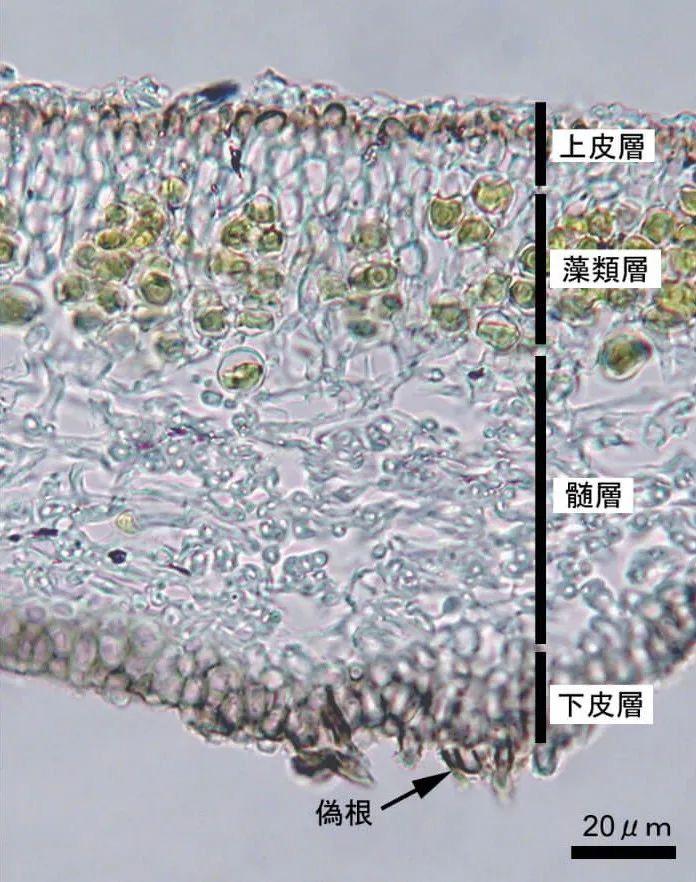
1.Upper Epidermis (Outer Cortex, Upper Cortex):
Located in the outer layer of the lichen, it consists of tightly packed fungal cells. This layer serves as a protective layer that prevents water evaporation and reduces environmental aggression.
The fungal cells in the upper epidermis are highly compacted and usually transparent or light-colored to allow sunlight to enter the interior for photosynthesis.
2.Lower Epidermis (Hypodermis, Lower Cortex):
Located below the lichen, it is relatively loosely structured and usually consists of fewer fungal cells.
The lower epidermis is not as dense as the upper epidermis, allowing for water and gas exchange.
Some lichens will also have small stomata in the lower epidermis for gas exchange and water absorption.
3.Phloem (or phloem layer, Photobiont Layer):
Located between the fungal cells, this is the area where photosynthetic organisms (algae or blue-green algae) congregate.
The algal or blue-green algal cells provide nutrients to the fungi through photosynthesis and also adapt to environmental conditions by utilizing the support and protection of the fungi.
This layer is a key part of the lichen for photosynthesis and feeds the growth of the lichen.
4.Fungal Hyphae Layer:
Composed mainly of fungal hyphae, these hyphae are distributed around the algal layer, forming a kind of web-like structure.
Fungi live in symbiosis with algae or blue-green algae through this filamentous structure, helping the algae to absorb water, minerals and other essential nutrients. The fungus provides tolerance to drought or extreme conditions, while the algae provide energy through photosynthesis.
5.Spore Layer (if any):
Some types of lichens, especially during the reproductive stage, have a spore layer in which spores are produced.
These spores are produced by fungi and are usually located on the surface or in slightly hidden parts of the lichen and are used for the reproduction of the lichen.
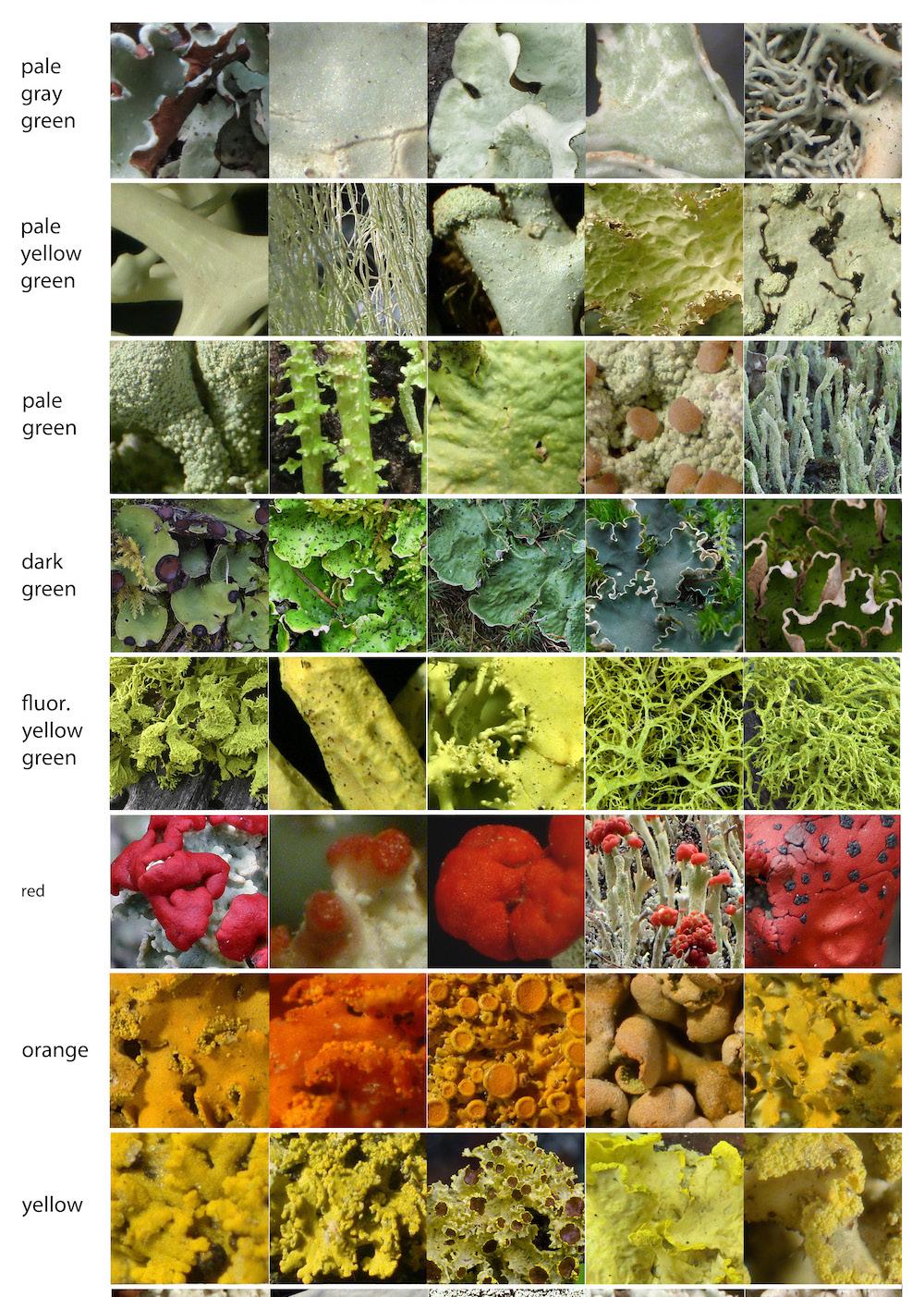
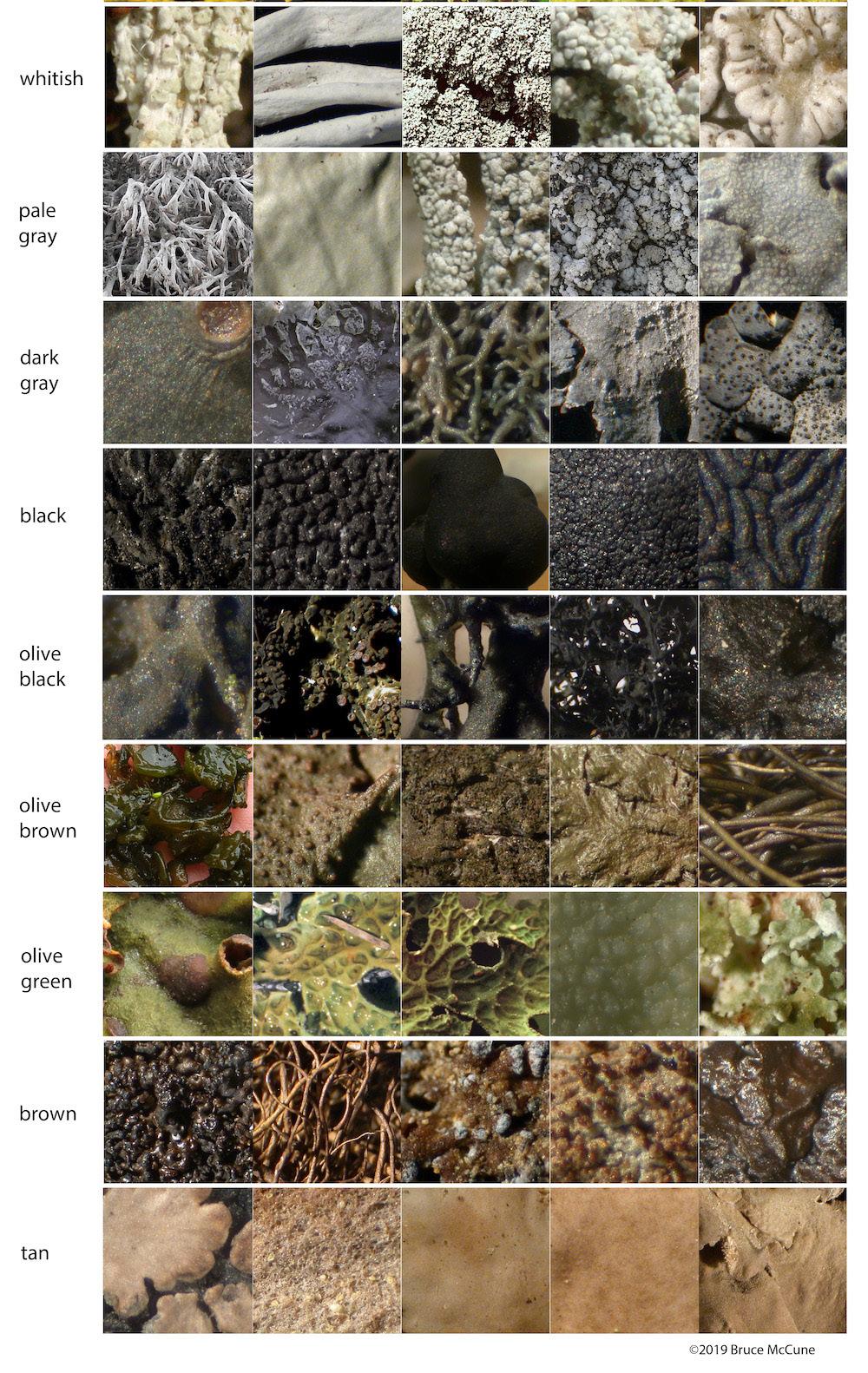
Lichen Color Chart
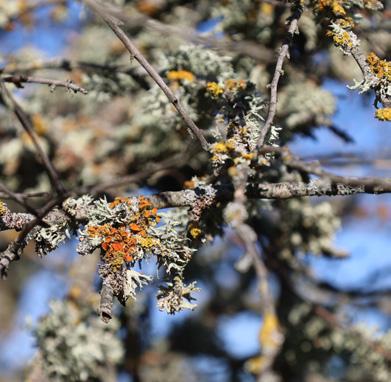
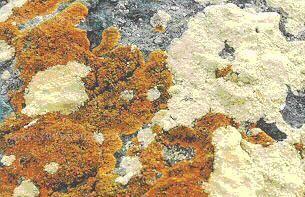
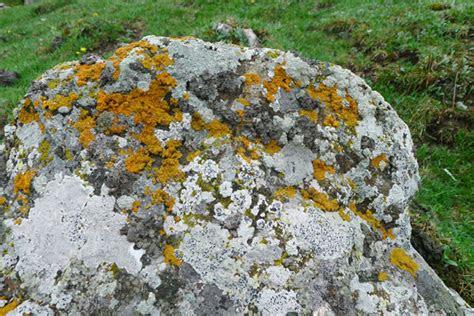
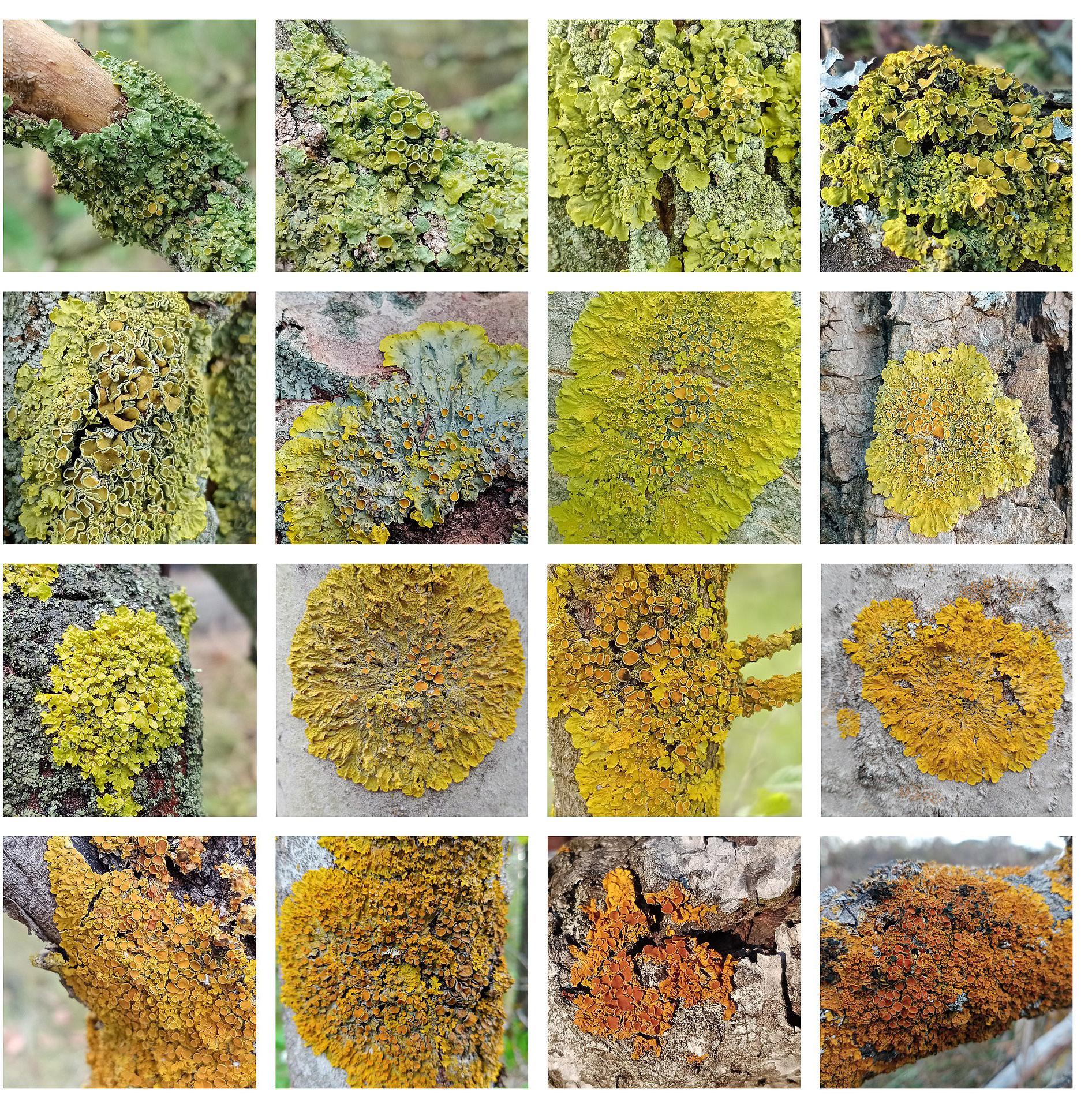
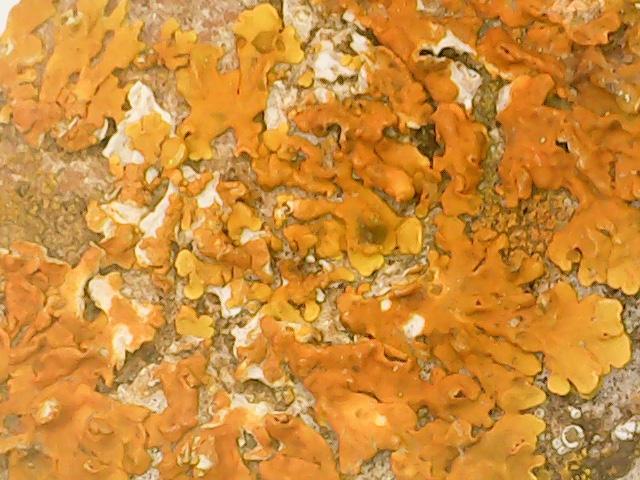
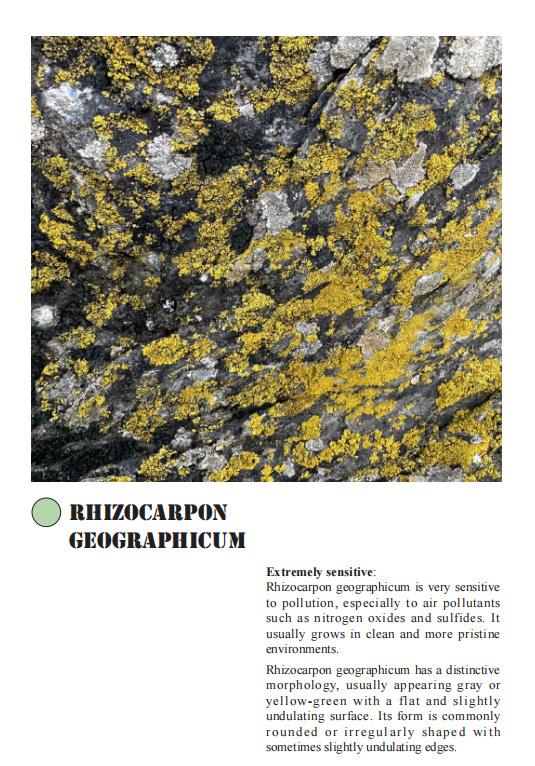
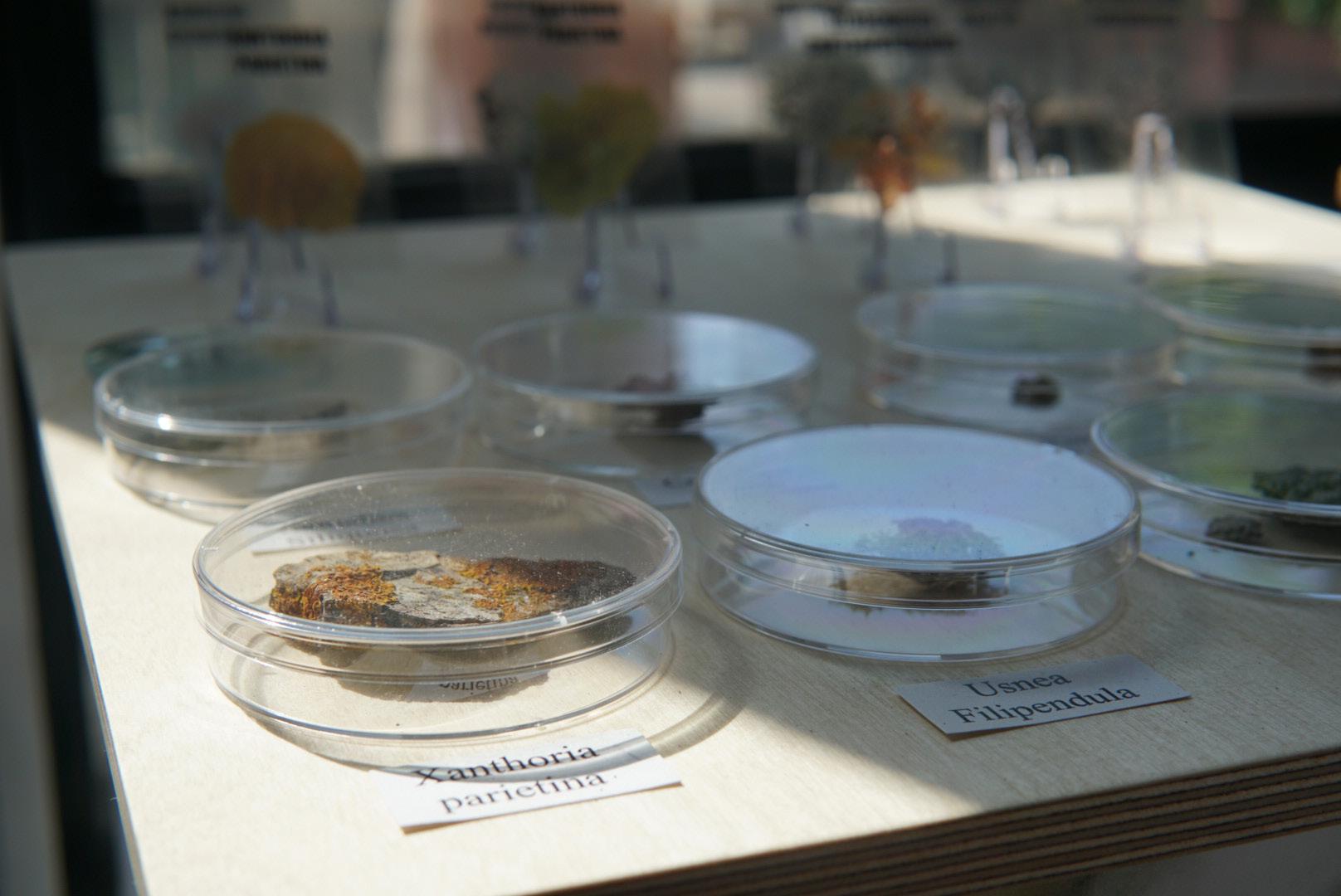
The colour range of lichen types from light green, bright yellow and orange-red, to dark grey, brownish-brown and almost black reflects their survival in different habitats and ecological pressures. Some bright orange or red colours, such as Xanthoria parietina, are common in nitrogen-rich polluted areas, while some light grey or white lichens tend to grow in areas with clean air.
COMMON ORANGE LICHEN INDEX
LOW NITROGEN LEVELS
HIGH NITROGEN LEVELS
High levels of nitrogen are linked to fertiliser production and fossil fuel combustion
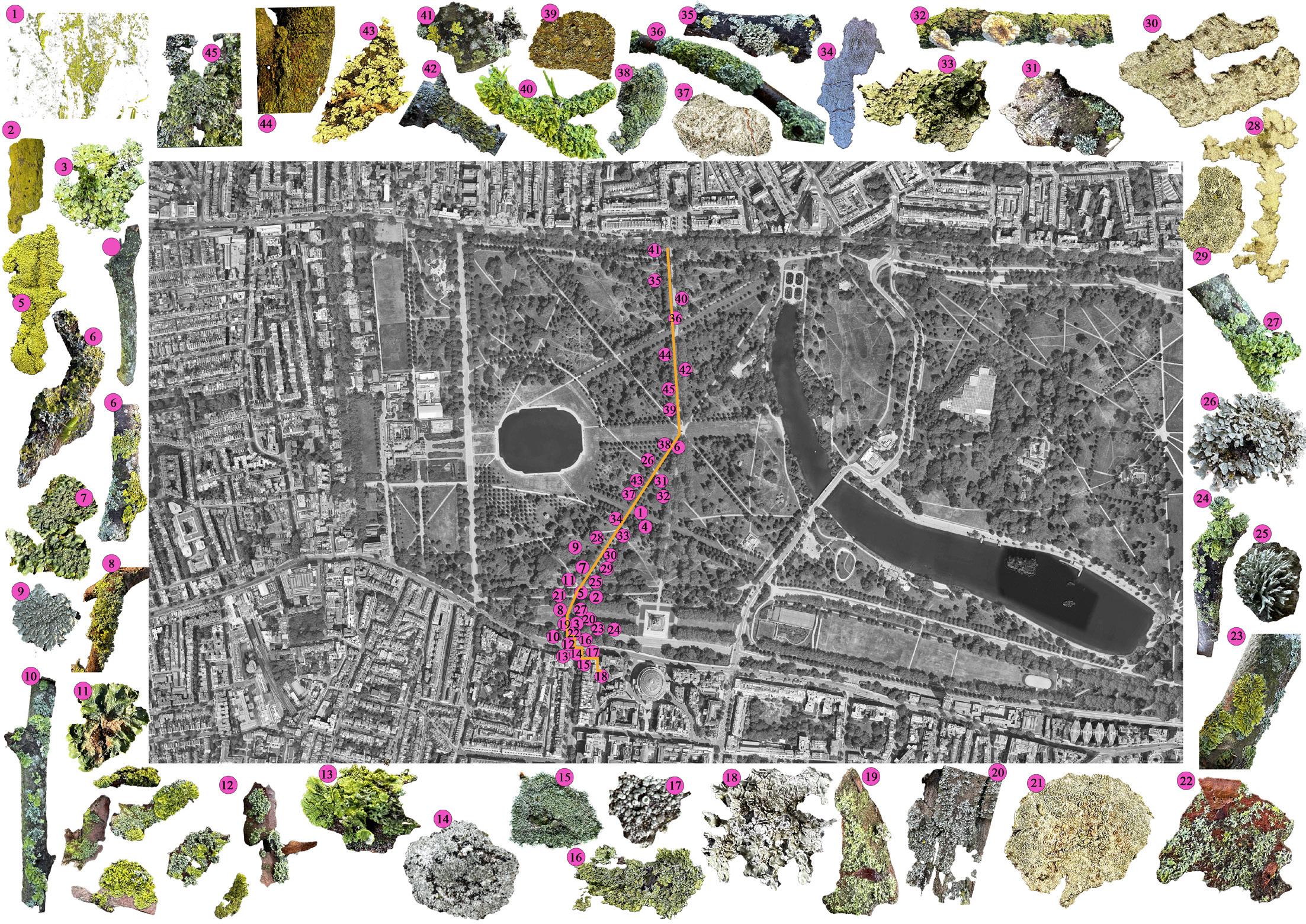
London Tests
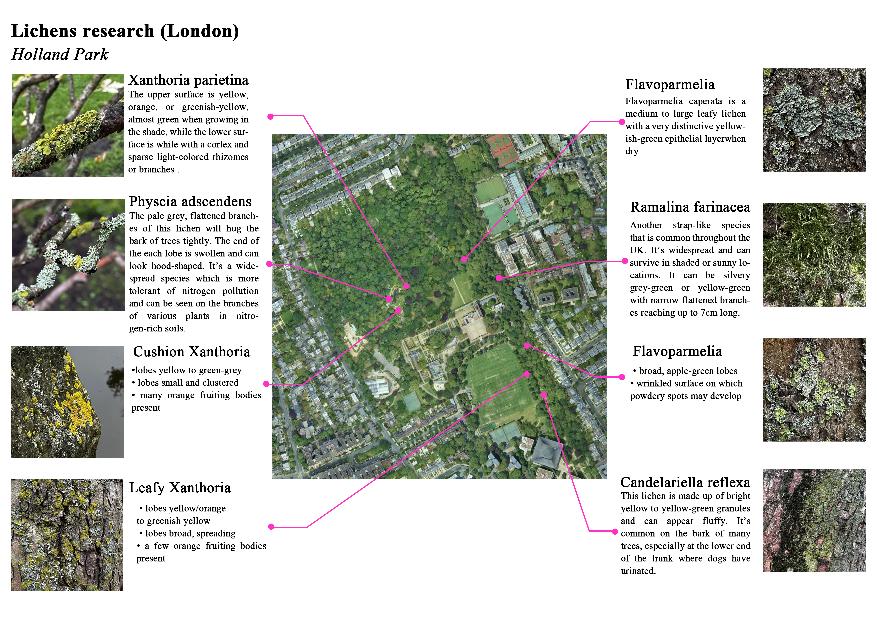
Lichen collection and observations made in London. Along urban pathways, we recorded the distribution and species of different lichens and labelled their locations on maps. The images show the sensitive response of lichens to environmental conditions, revealing their role as urban micro-ecological indicators.
Two ideas for testing FIELD INSTRUMENT
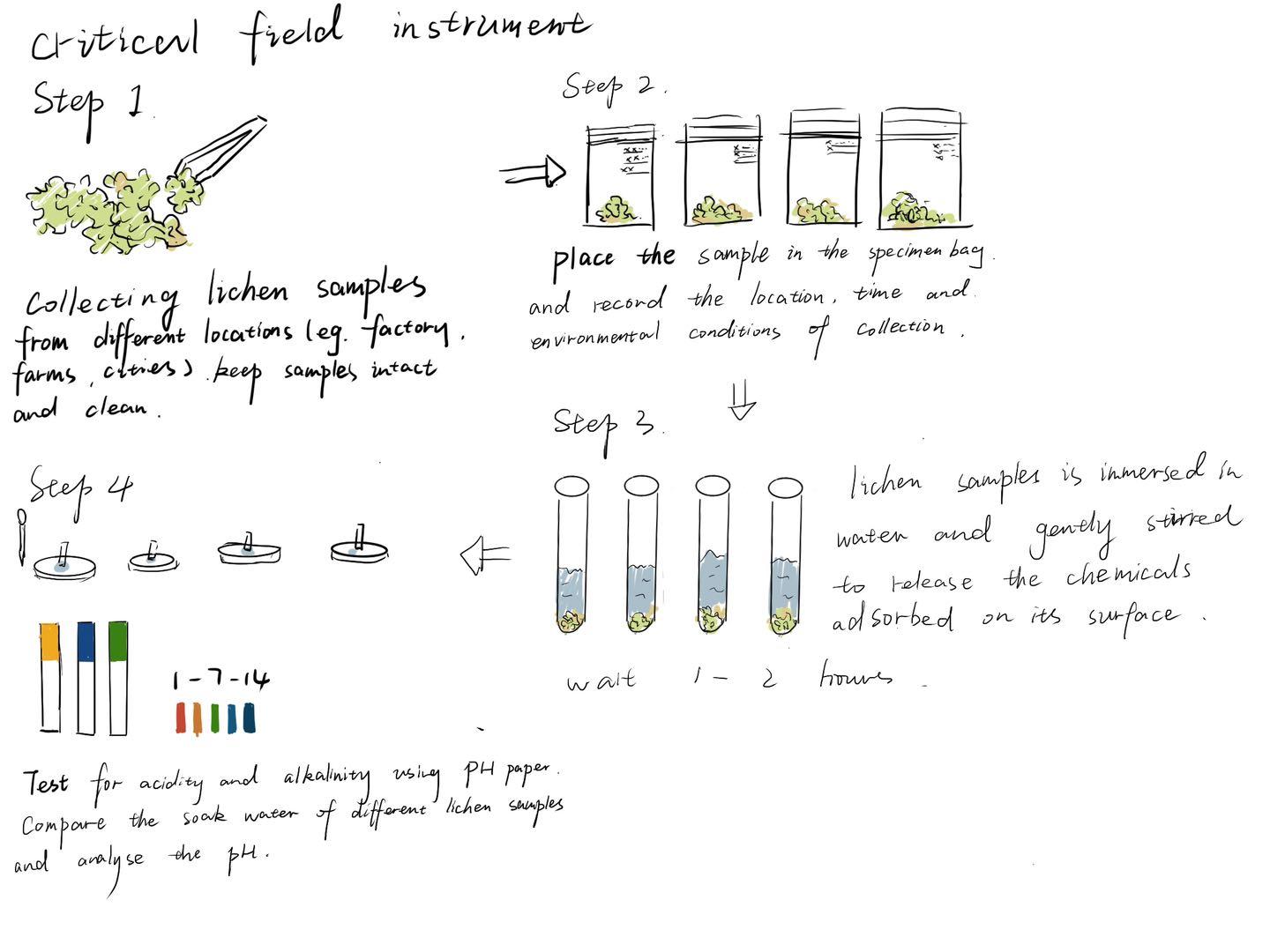
CRITICAL FIELD INSTRUMENT IDEA
STEP 1
Lichens Sensitive to Acidic Environments:
Hypogymnia physodes (Large Leaf Lichen Genus): Sensitive to acid rain and sulfur dioxide, it gradually declines or dies in acidic environments.
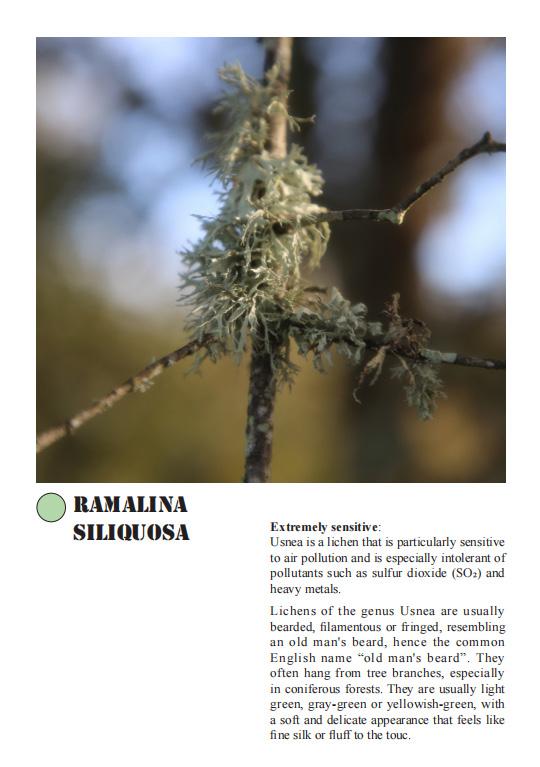
Usnea spp. (Beard Lichen Genus): Extremely sensitive, it rapidly decreases or completely disappears in acidic conditions.
Lichens Resistant to Acidic Environments:
Lecanora conizaeoides (Smoky Lichen): Adapted to acidic environments, commonly found in heavily polluted areas, and is considered a "pollution indicator lichen."
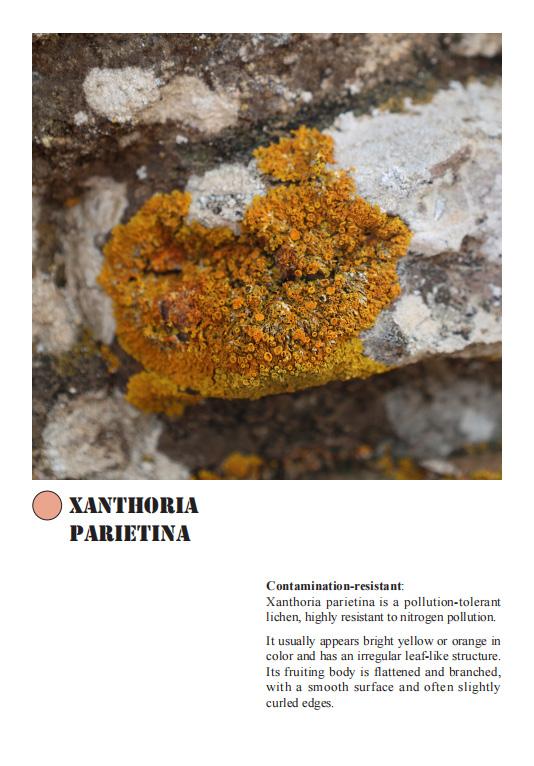
Xanthoria parietina (Yellow Lichen): Highly tolerant and capable of surviving in both acidic and weakly alkaline environments.
Lichens Thriving in Alkaline Environments:
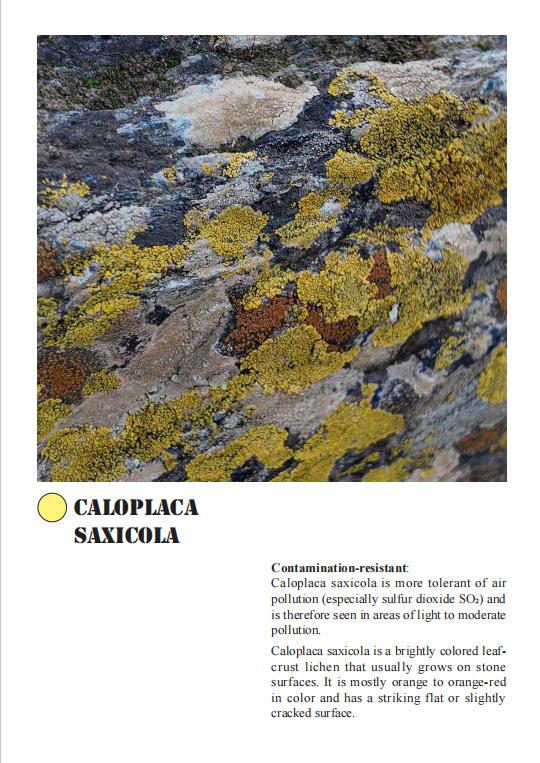
Crustose Lichens: For example, Caloplaca spp., often found on alkaline limestone surfaces.
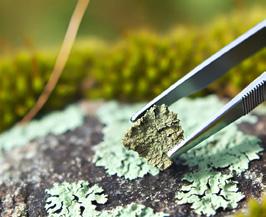
Select lichen samples from different locations (e.g. industrial areas, parks, forests) and try to keep the samples intact and not to destroy the lichen structure. Also ensure that the surface of the collected lichen is clean
CRITICAL FIELD INSTRUMENT IDEA
STEP 1
Select lichen samples from different locations (e.g. industrial areas, parks, forests) and try to keep the samples intact and not to destroy the lichen structure. Also ensure that the surface of the collected lichen is clean
STEP 2
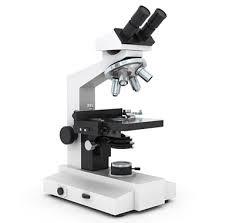
Observation of the structure and composition of lichens under a microscope (lichens, being extremely sensitive to environmental contamination, undergo specific morphological and physiological changes in their microstructure in response to changes in the level of contamination).
STEP 3
State of the algal cells: Algae (or cyanobacteria) in lichens are an important part of the symbiosis. Pollution (e.g., sulfur dioxide and heavy metals) can damage algal cells, resulting in cell wall rupture and chloroplast degradation or shrinkage. Health of fungal hyphae : Pollution may cause breakage or irregular growth of fungal hyphae.
Material Testing
Lichen & Plaster
Environments are always collective, always in composition with other environments, always dynamically affecting and being affected by the bodies that produce them. In other words, environments are the product of relations of coexistence, among living and non-living entities.
-Towards an Environmental Architecture
Lichen & Paper
Lichen & Texture
Development & Failed Tests
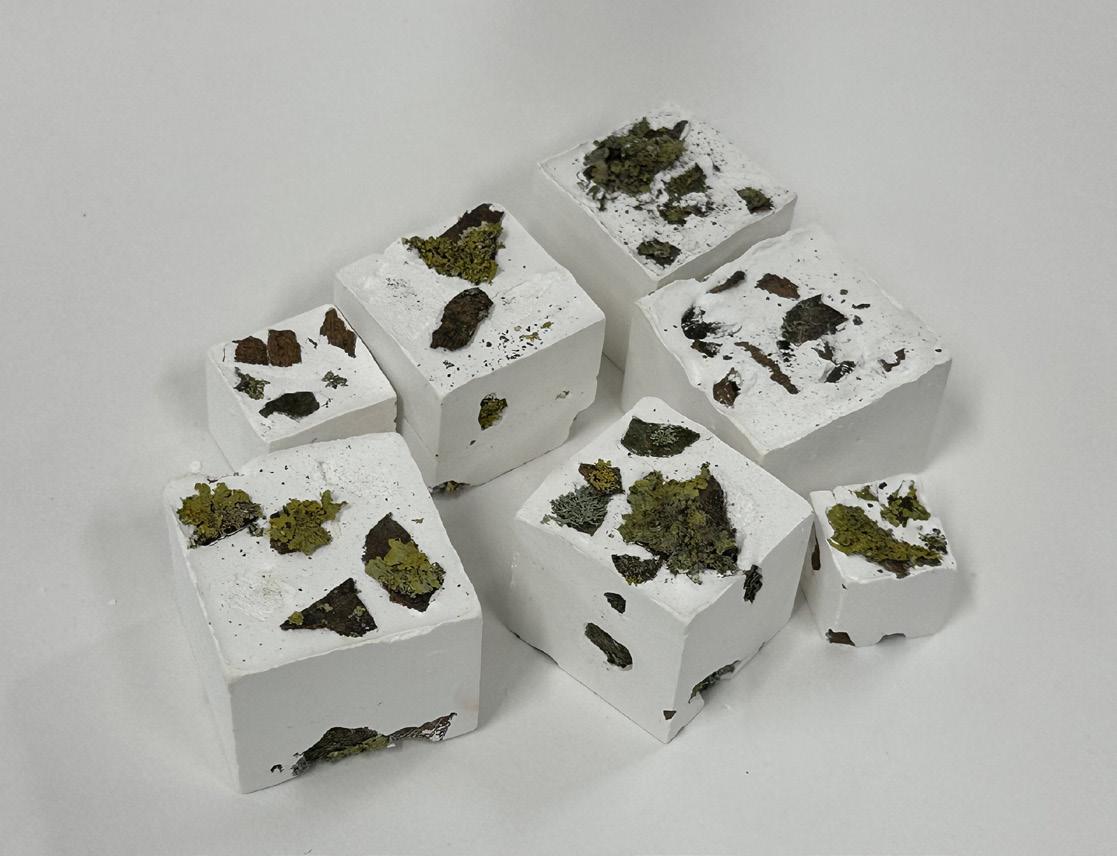
Test 1: Lichen–Plaster Composite Bricks
Goal:
Embed lichen fragments into plaster bricks to create architectural modules that visibly reflect air pollution over time.
Result:
The plaster mixture proved too toxic and impermeable. The drying process killed the lichen almost immediately. The resulting blocks were inert and aesthetically sterile.
Reflection:
This failure exposed a contradiction between architectural logic (rigid, structural) and ecological needs (porous, humid, slow). It forced me to question whether my desire to “build with lichen” was itself a violent gesture — reducing a living organism to an illustrative surface.
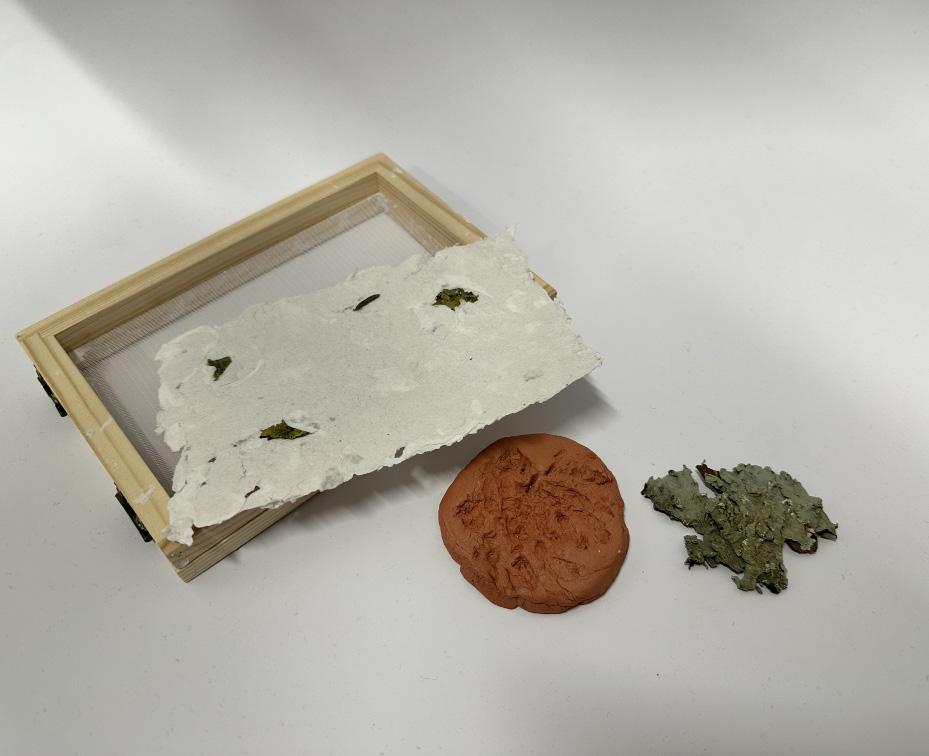
Test 2: Clay Rubbing
Objective:
An attempt to clay-record the growth texture of lichens on rock or bark surfaces as a reference for subsequent design language or material development.
Results:
Although the topography retains the surface texture, it lacks an in-depth understanding of the structural complexity of the lichen, capturing only the “skin” rather than its multilayered life structure. Cracking of the soil as it dries further simplifies the details of the original ecological structure.
Reflection:
This test fell into an overly “representational” approach. Although some traces of nature were preserved in the images, I began to realise that this approach ignored the complexity and ecological significance of lichens as living organisms and came closer to a visual reproduction.
Ecology is not just about ‘looking like nature’, but about responding to and respecting the conditions of growth, symbiotic relationships, and the rhythms of time. This test prompted me to reflect on how to avoid transforming ecology into a superficial decoration, but rather to work within its structure, rhythm and fragility.
BREAKING DOWN COMMUNICATION BOUNDARIES
AZPO FACTORY
INTENSIVE AGRICULTURE
SITE1: AZPO FACTORY
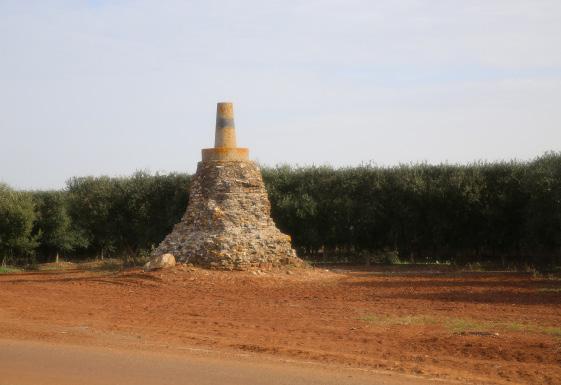
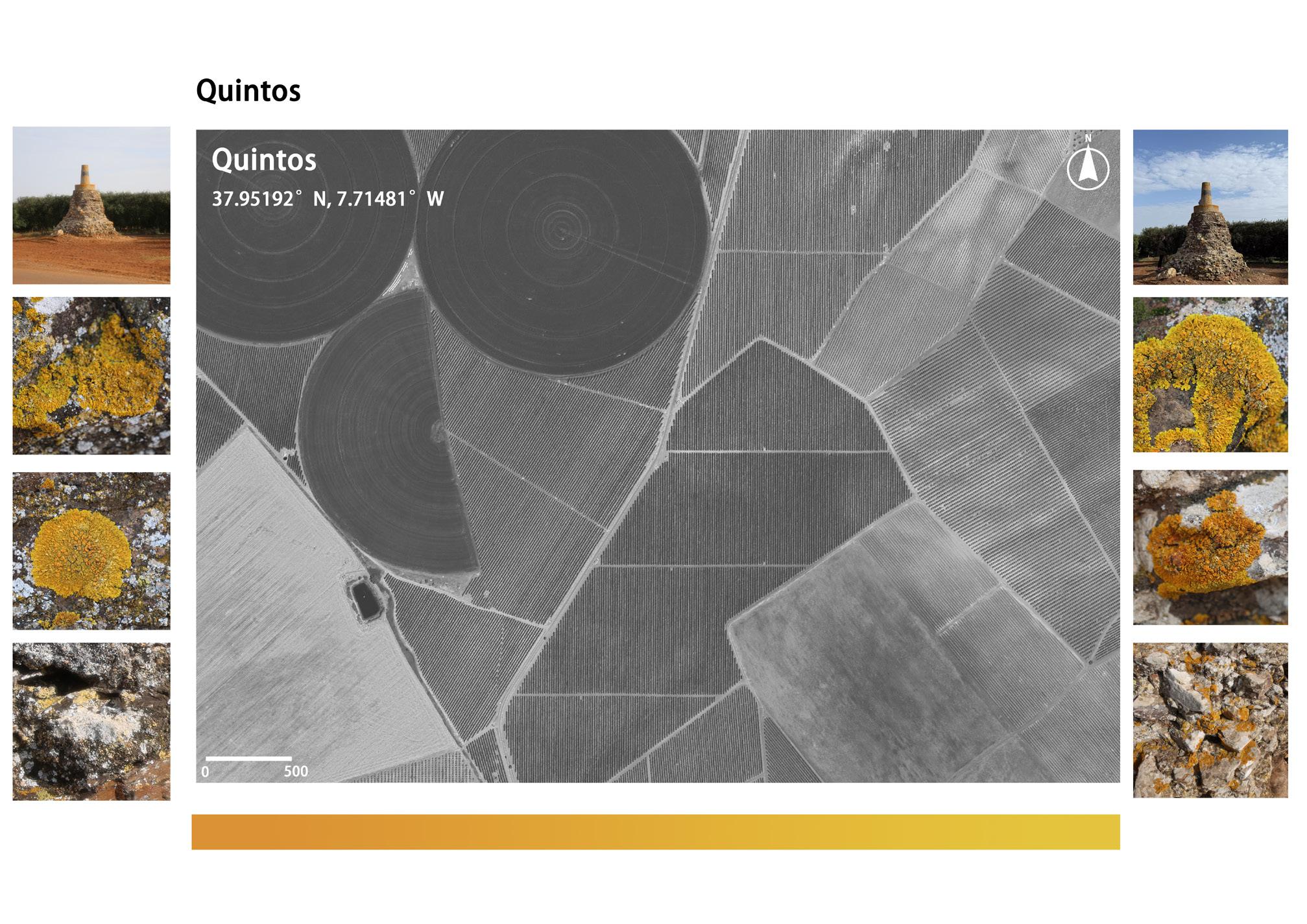
SITE2:STONE STRUCTURE
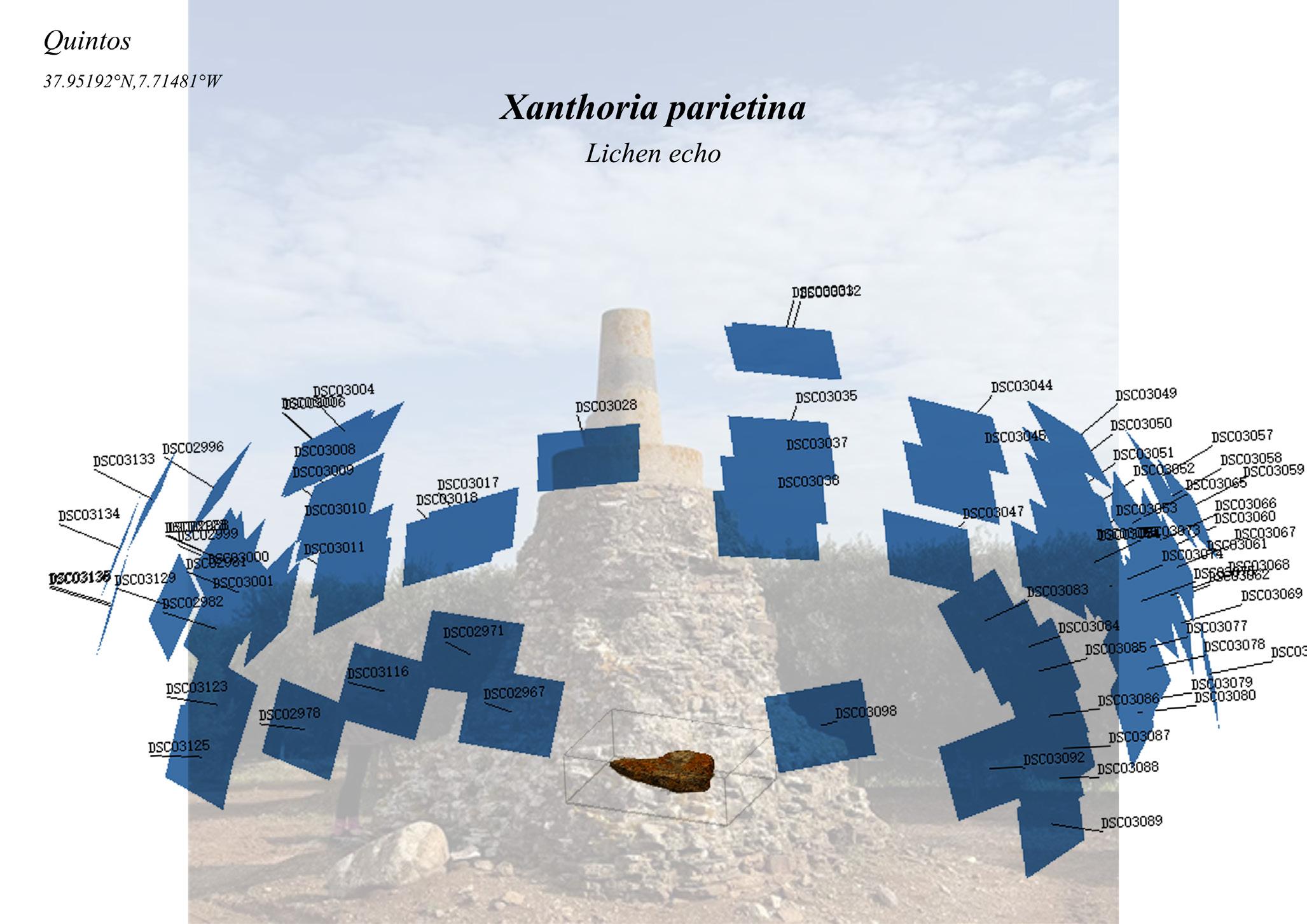
Location:37:59' 360”N8°15'42.7" W Location:37.95192°N,7.71481°W
Surrounding Scene:roadway
Surrounding Scene:Super intensive agriculture
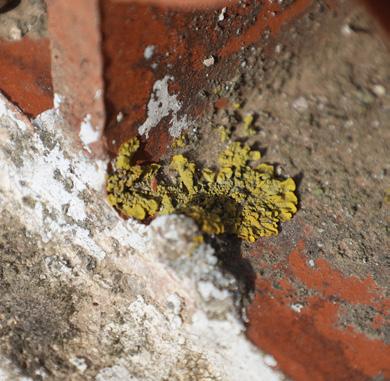
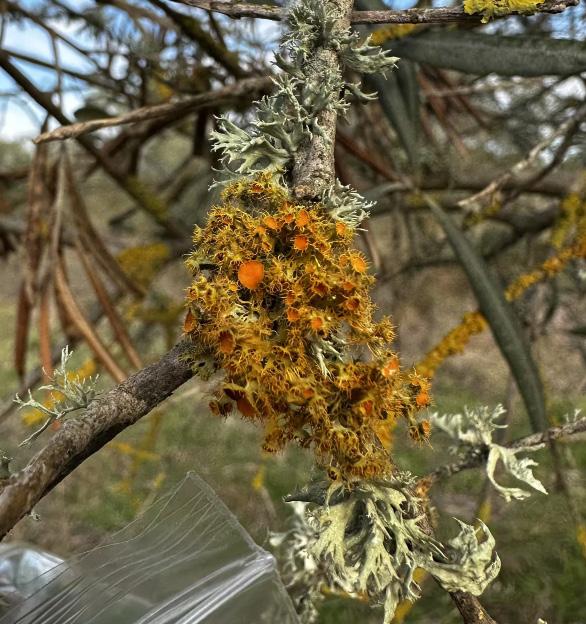
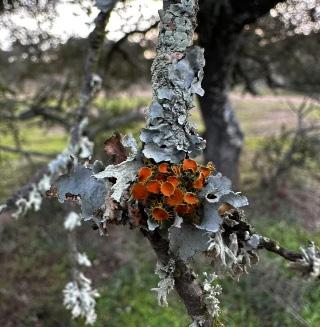
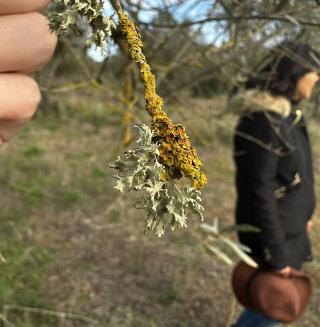
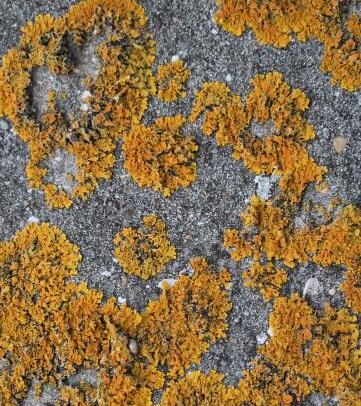
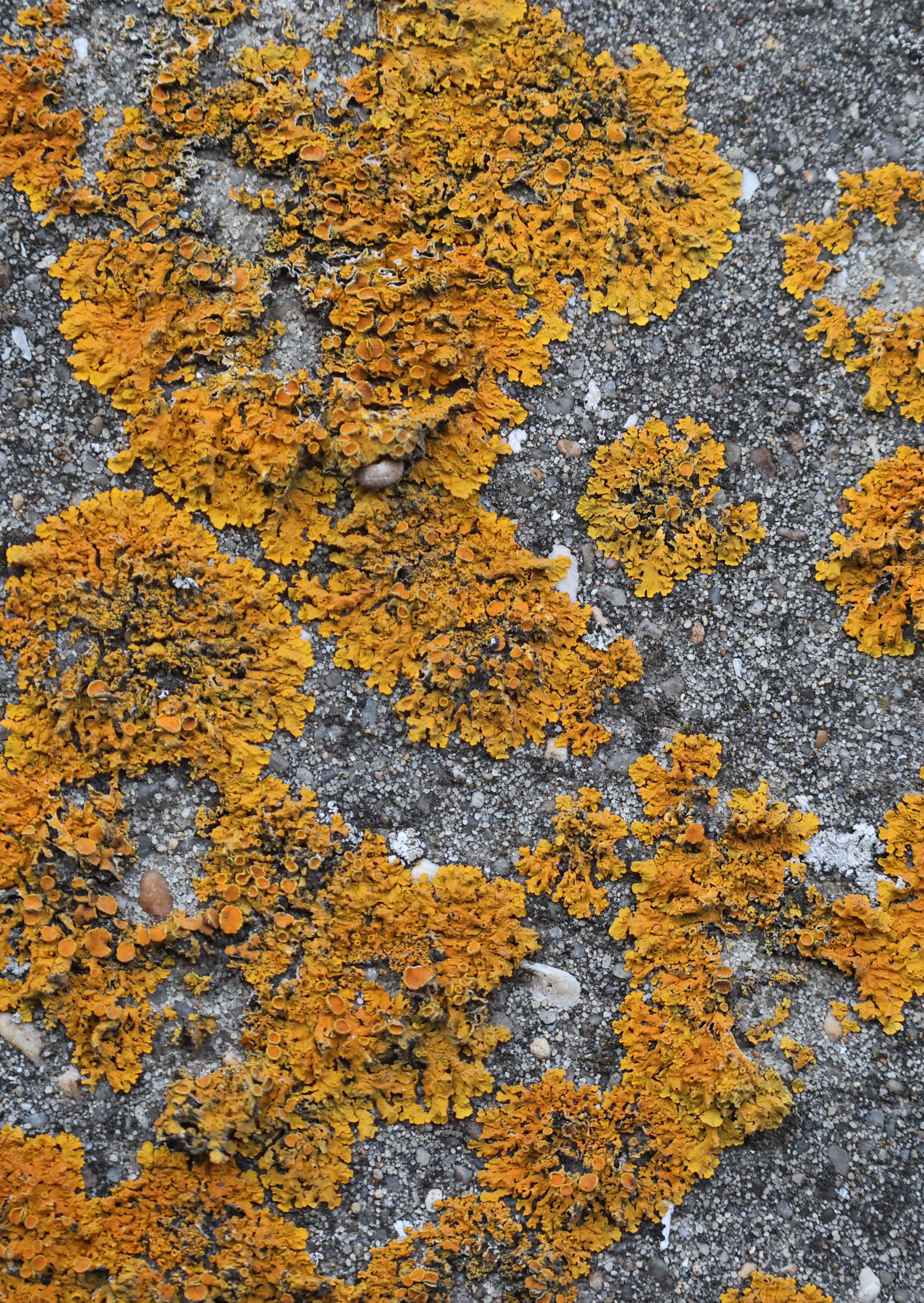
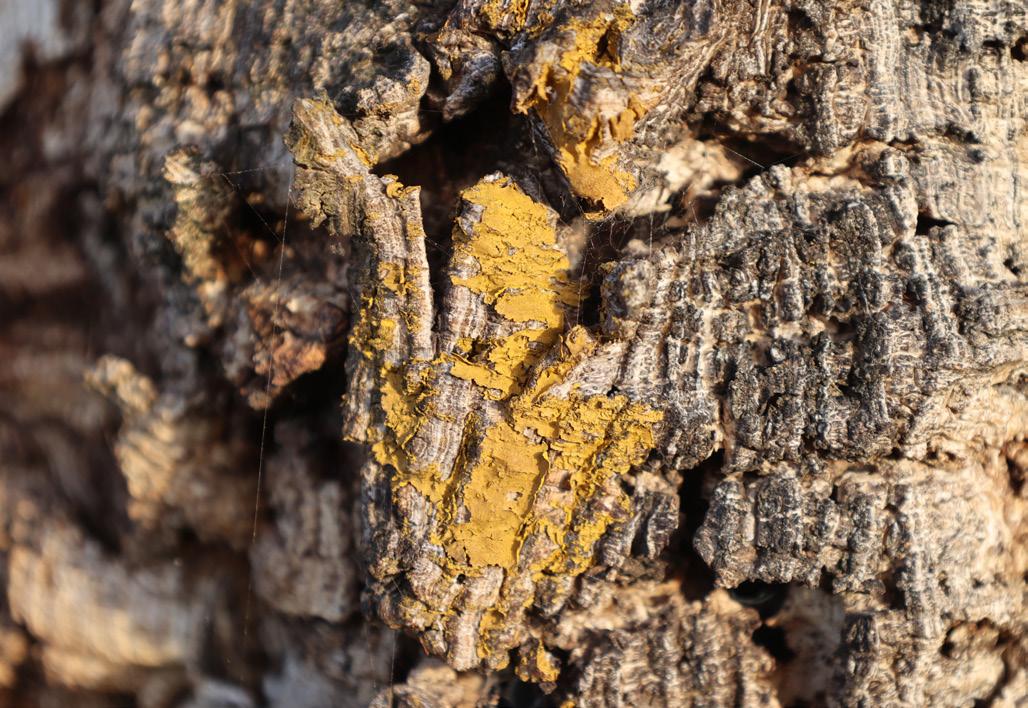
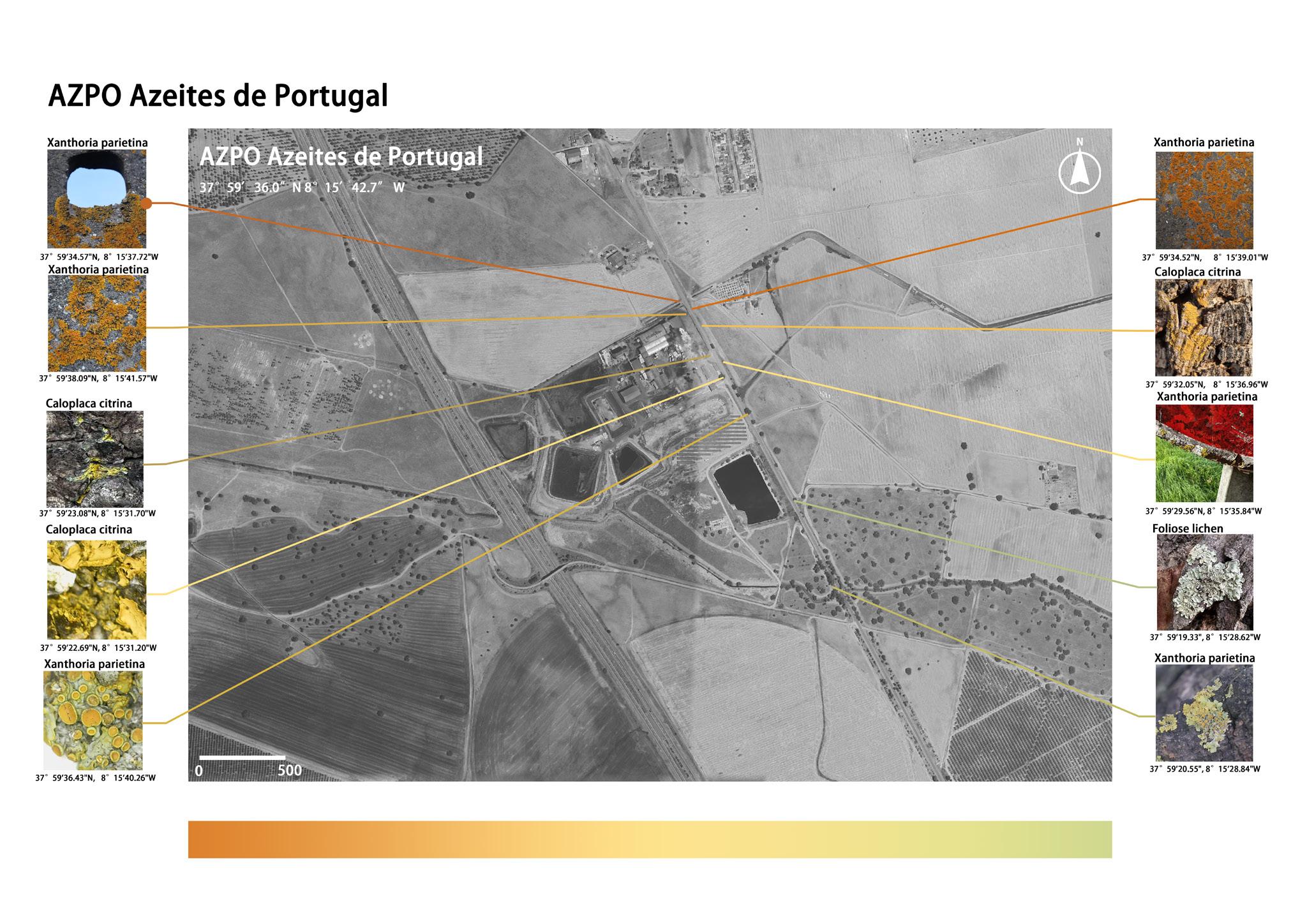
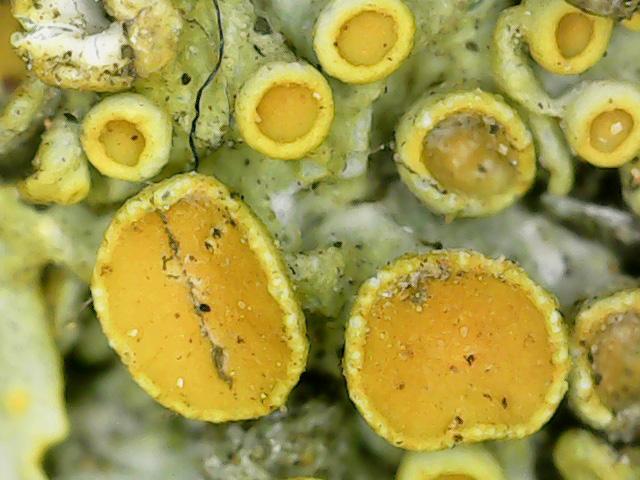
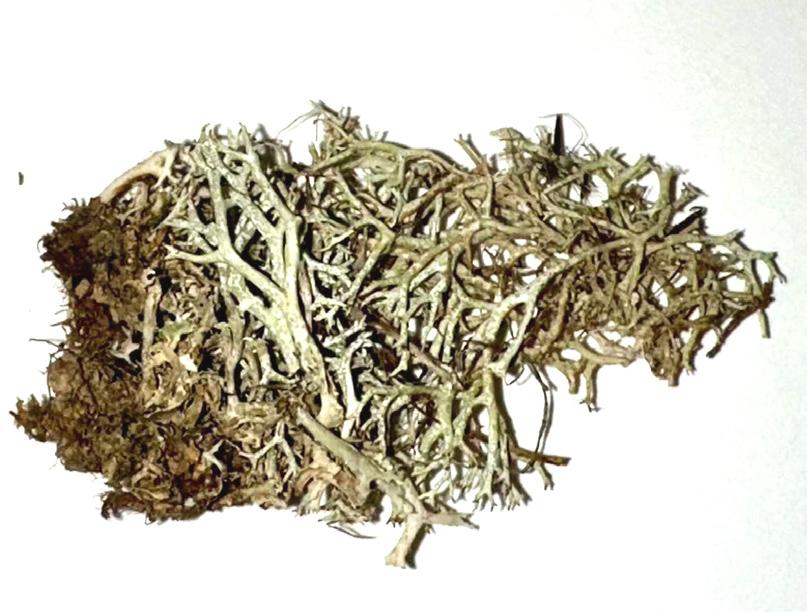
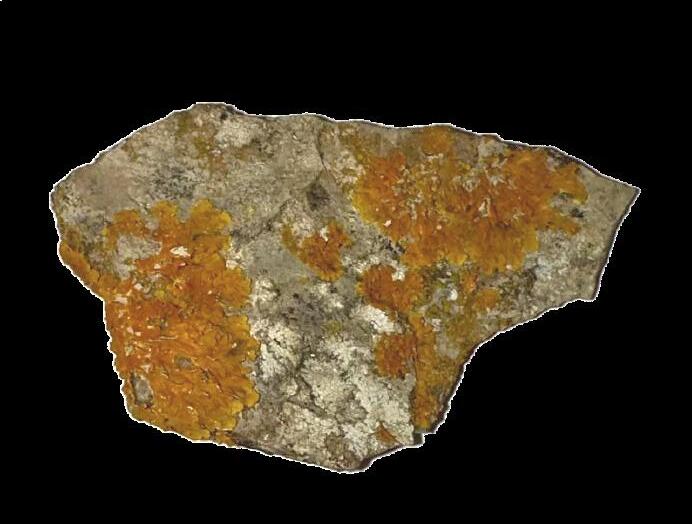
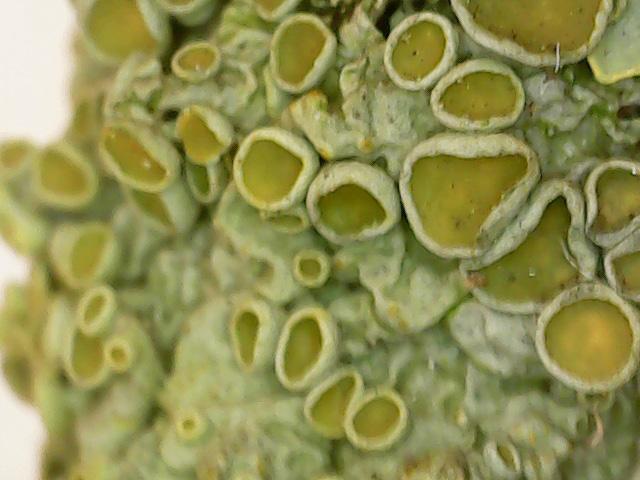
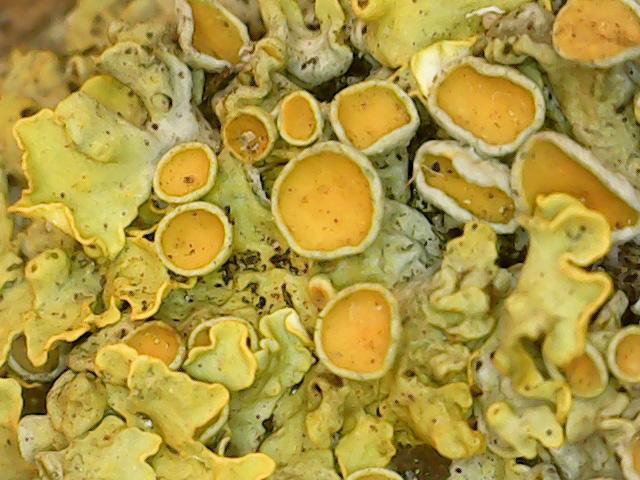
We collected lichen samples near our research site, the AZPO factory, and found that the most common species present were Xanthoria parietina and Caloplaca citrina.
Interestingly, both of these species are nitrophilous, meaning they thrive in nitrogen-rich environments — conditions that are typically harmful to most other lichens. Their abundance suggests a disturbed ecosystem with elevated levels of atmospheric nitrogen, likely linked to agricultural or industrial emissions.
What puzzled us was the variation in color observed in Xanthoria parietina.
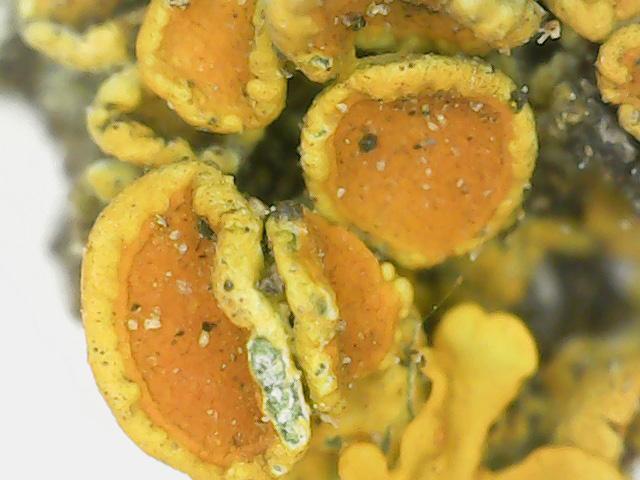
Near the AZPO factory, we found samples ranging from bright yellow to deep orange.In contrast, samples collected in Hyde Park and Holland Park in London appeared pale green.
This unexpected color difference raised further questions about the factors influencing pigmentation in lichens — whether it’s pollutant exposure, UV radiation, or microhabitat conditions. It led us to explore the biochemical mechanisms behind their color shifts, particularly the role of parietin, a secondary metabolite that responds to environmental stressors.
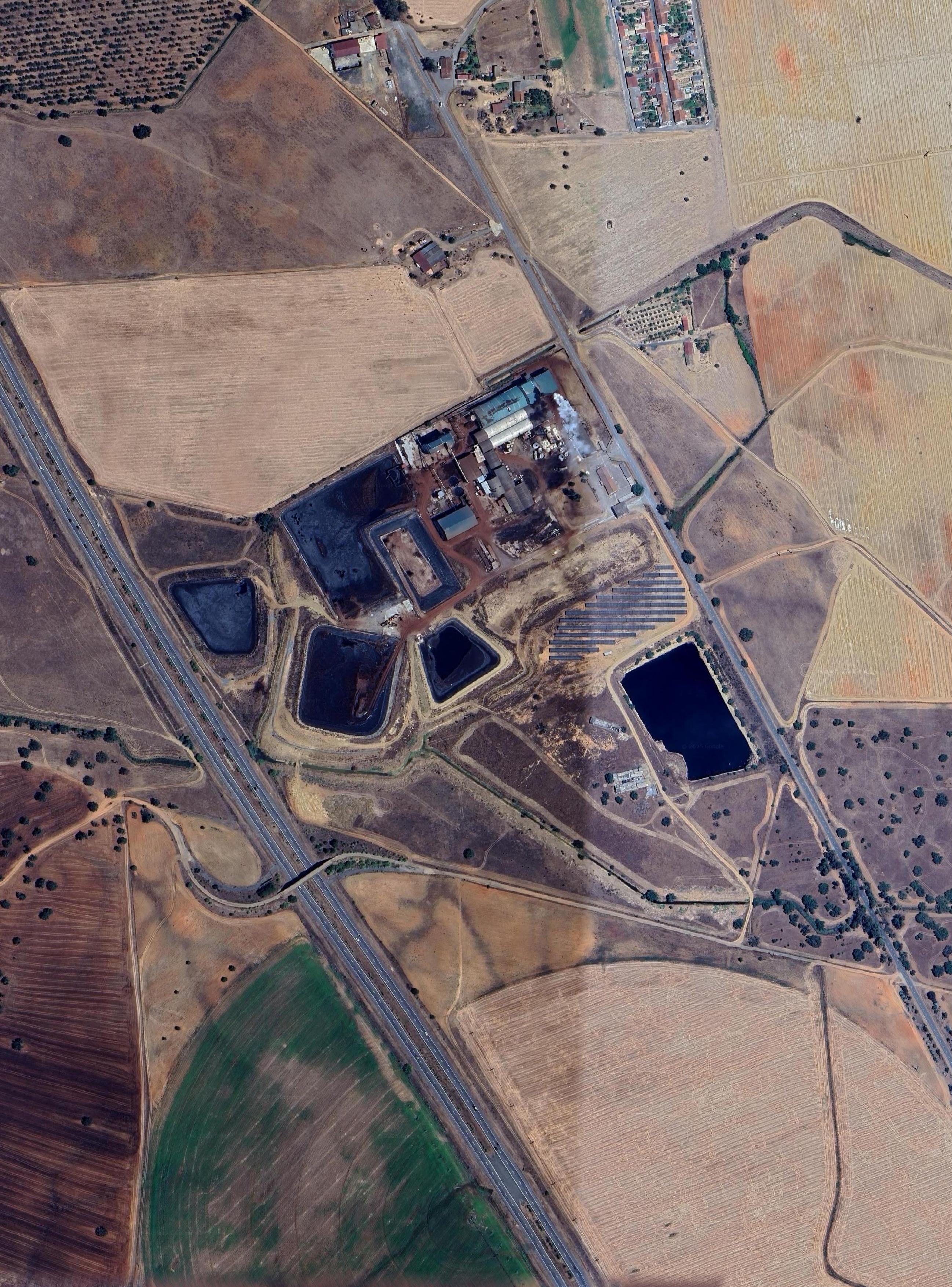
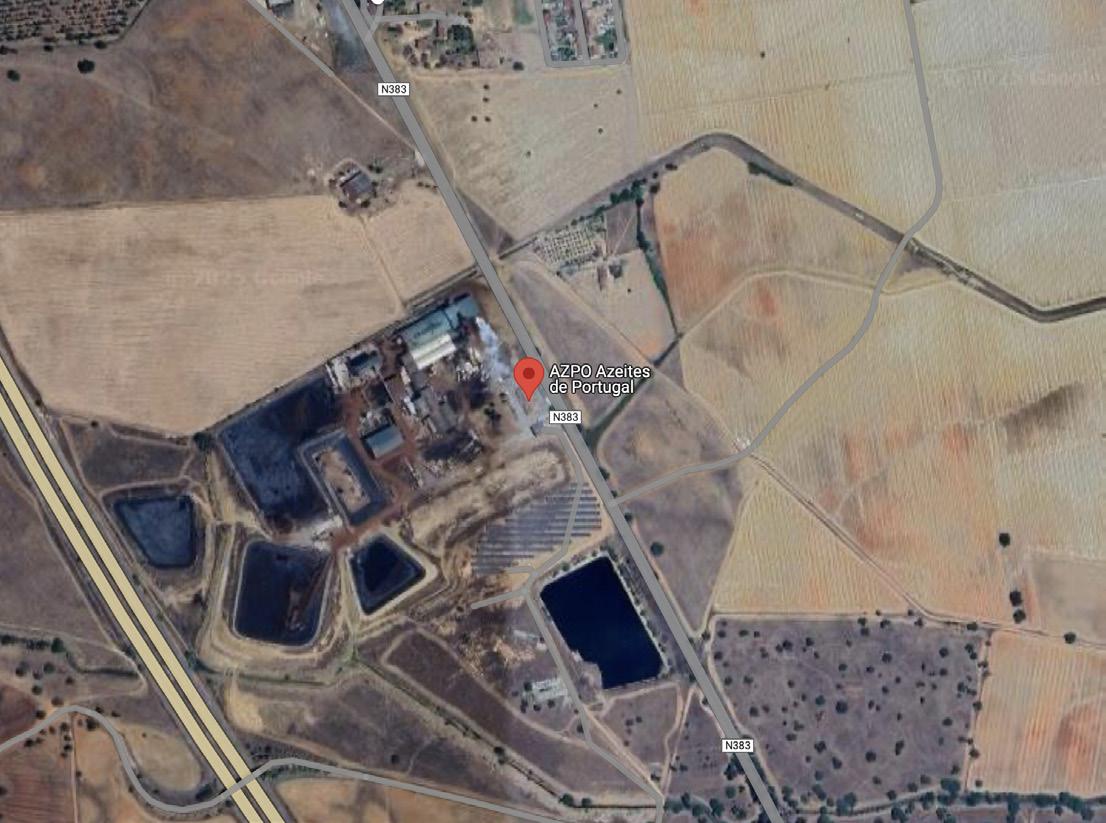
Maps of AZPO factory
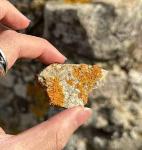
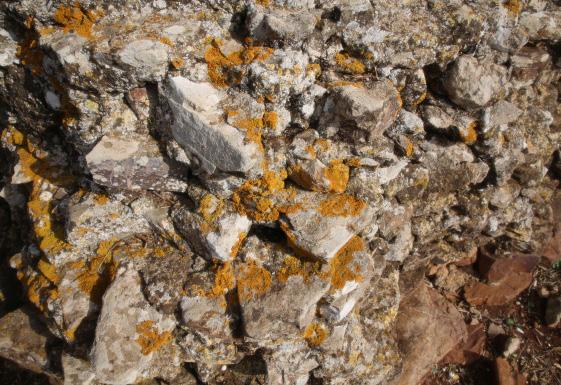
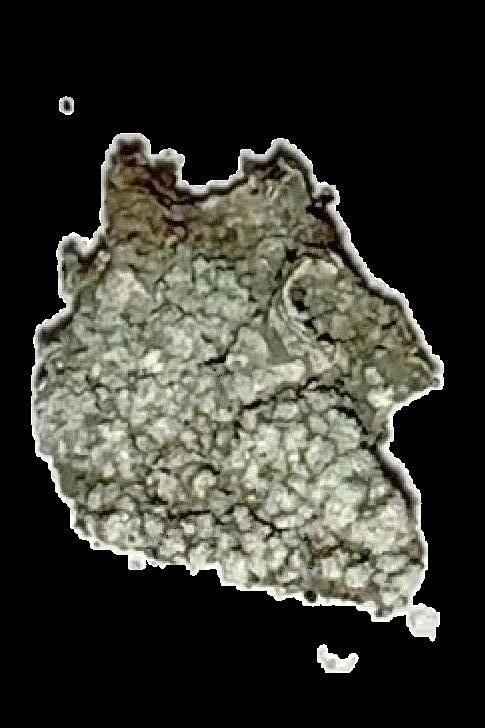
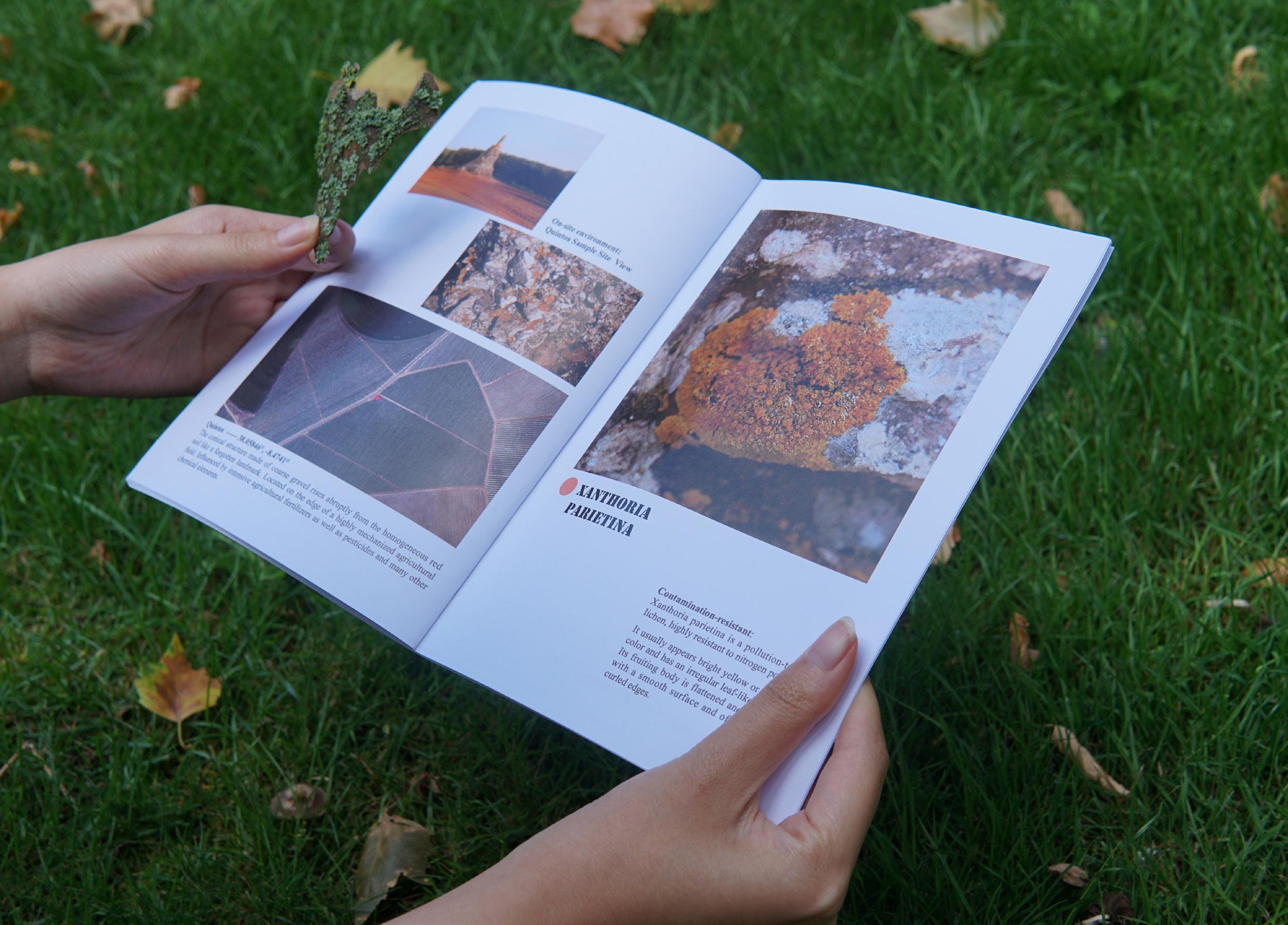
During the Quintos study, we observed that the ecological situation in the area is steadily deteriorating. During the fieldwork, we found only a limited number of lichen species, which is alarmingly low. The only lichens that are still visible are the Xanthoria parietina lichens scattered on stone structures, which seem to be the last ‘inhabitants’ of the area. Intensive agricultural activities, which occupy most of the land here, have put a heavy strain on the lichen's habitat - reduced air quality, exposed land, and chemical residues have made it almost impossible for the lichens to find a place to live.
Maps of Quintos(Site 2)
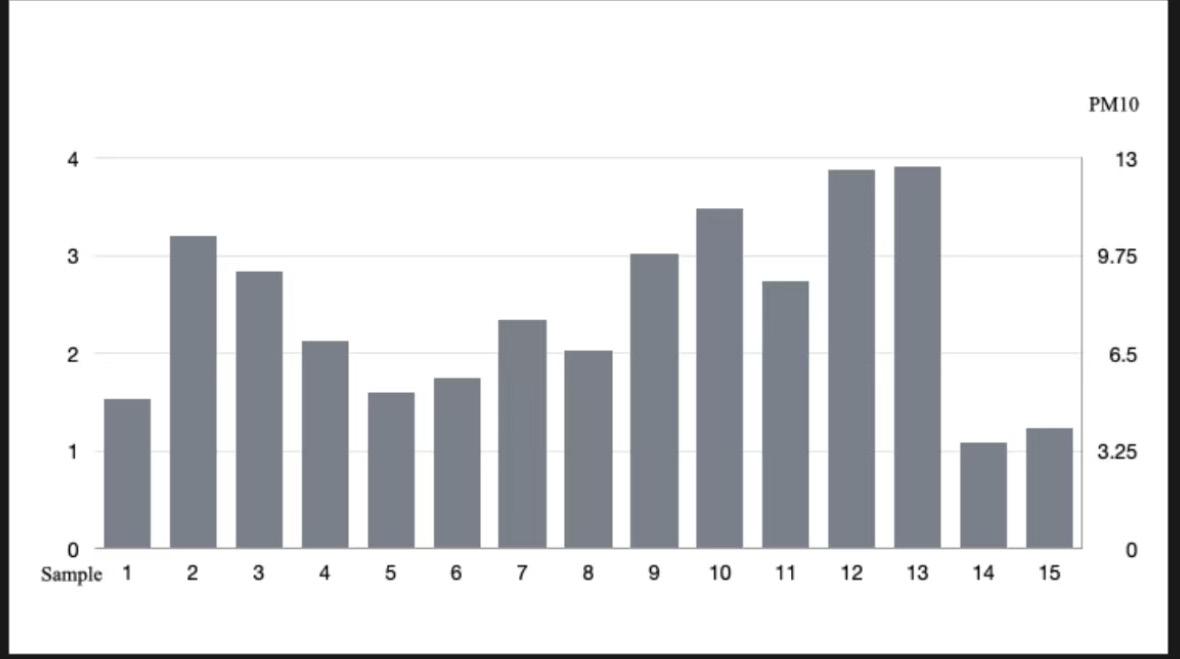
We selected locations at varying distances from the factory to measure PM10 levels, and organized the data into a bar chart. The results revealed an unexpected pattern: contrary to our initial assumption that PM10 levels would increase closer to the factory, the data showed a peculiar curve instead. Based on our hypothesis, particulate matter pollution can be influenced by factors such as wind and humidity. Considering this curve alongside local conditions, we observed that areas closer to water tend to have lower PM10 values.
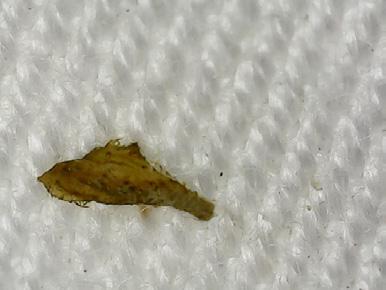
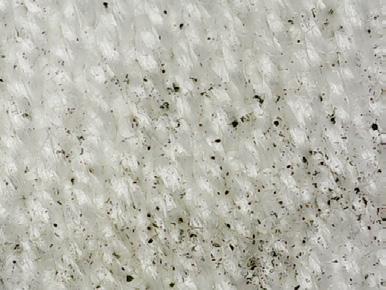
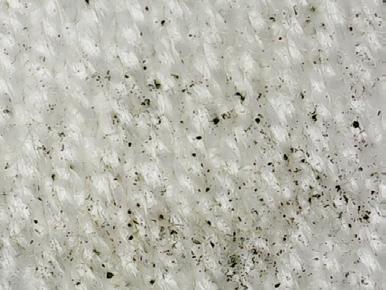
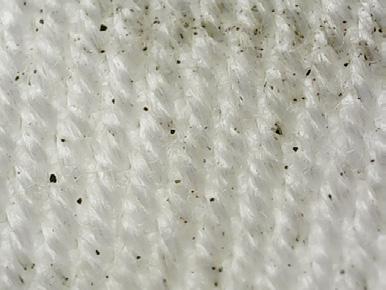
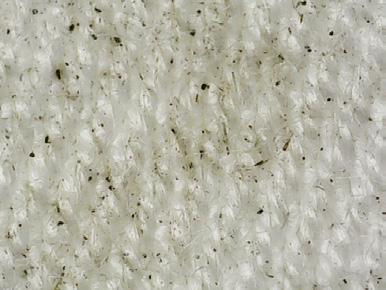
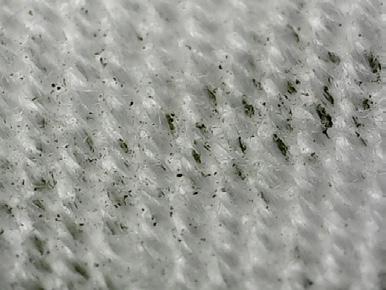
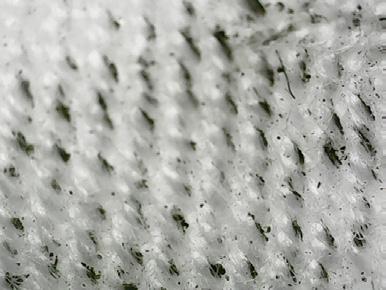
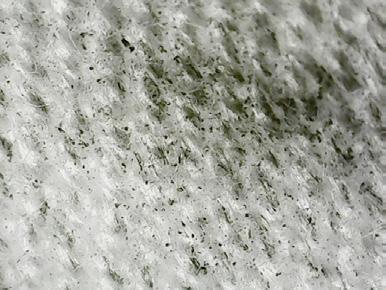
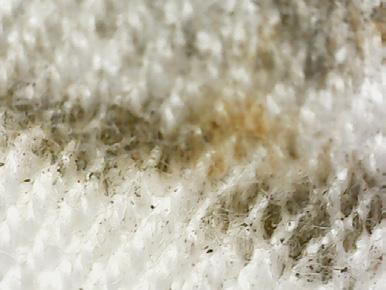
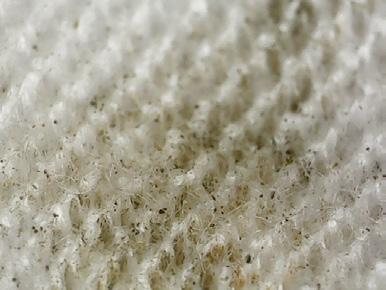
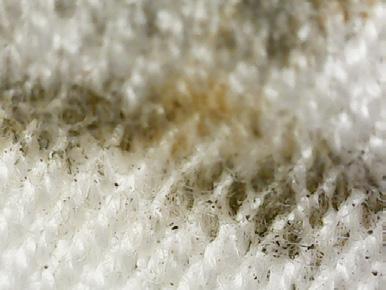
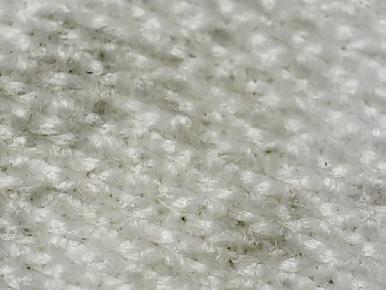
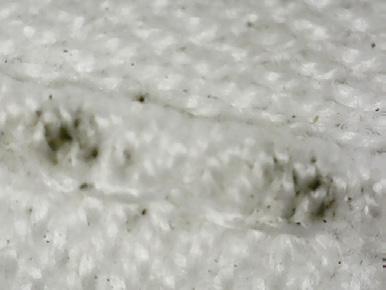
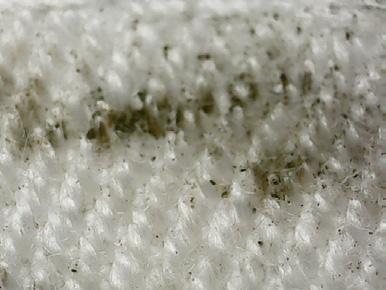
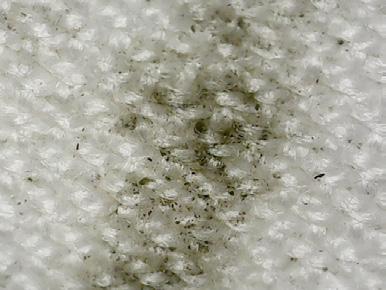
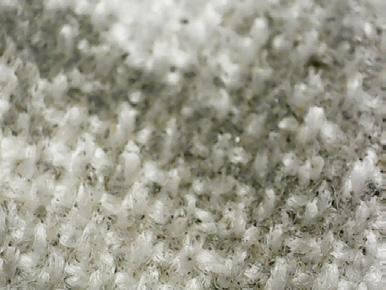
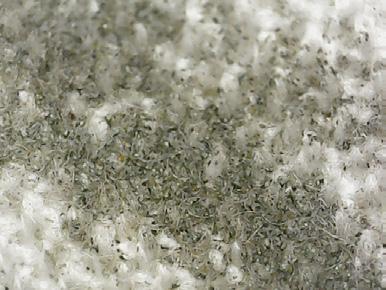
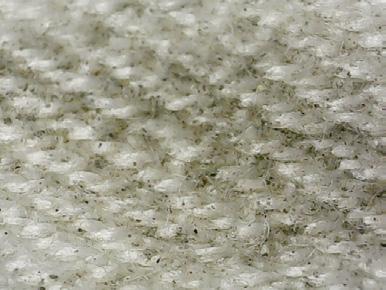
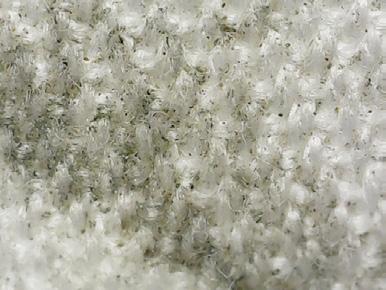
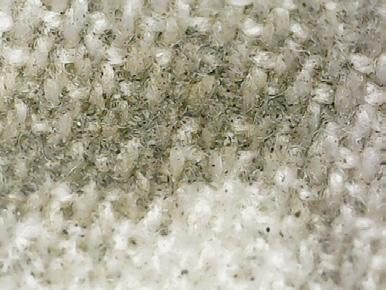
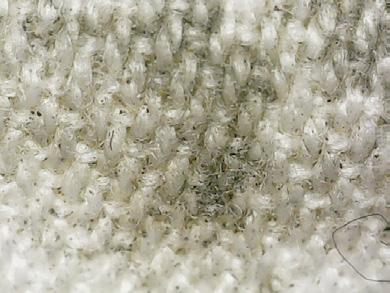
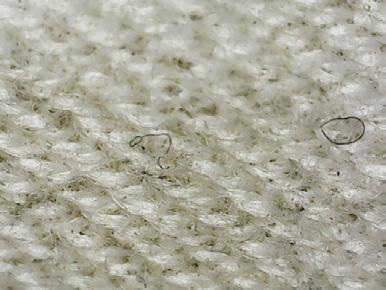
This study aims to assess air pollution levels around several olive oil factories in Portugal and evaluate potential health risks for local residents. To simulate human breathing exposure, we placed white fabric at various distances from the factories at an approximate breathing height (1.5 meters) and left them exposed for three days to collect airborne particulate matter. After the exposure period, the fabrics were retrieved and analyzed in our London laboratory using microscopy to examine the captured microparticles. This method allows us to investigate the spatial distribution of air pollutants and assess their potential implications for respiratory health, providing valuable data for environmental management and public health policies.
Fabric Sampling at Breathing Height and Microparticle Analysis
AZPO CARPARK
AZPO ENTRANCE
Parque AgroIndustrial do Penique CARPARK
Parque AgroIndustrial do Penique Roadside
AZPO TANK
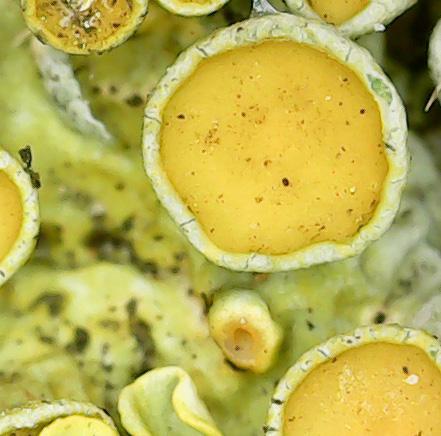
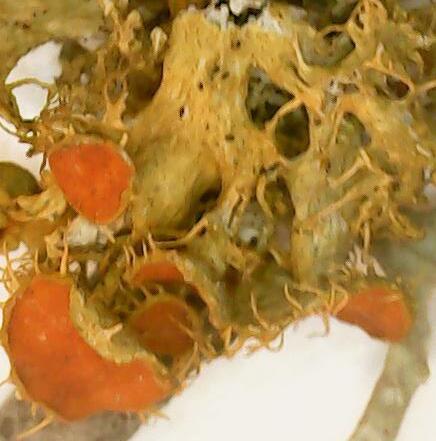
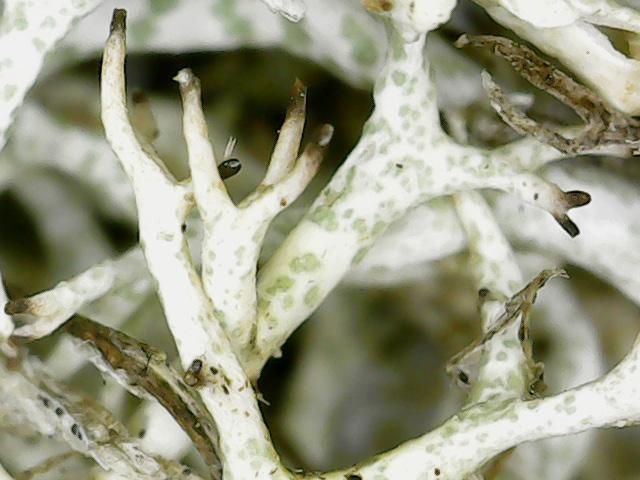
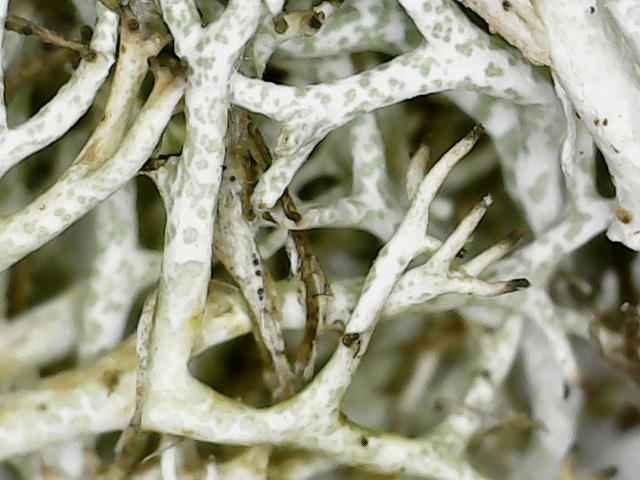
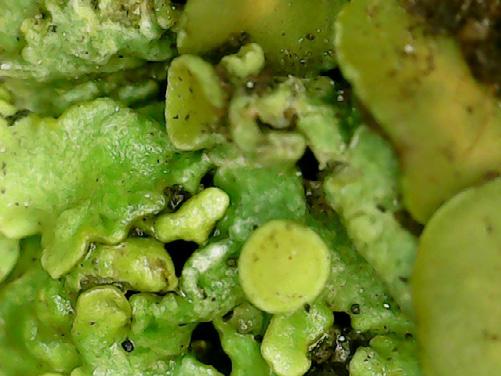
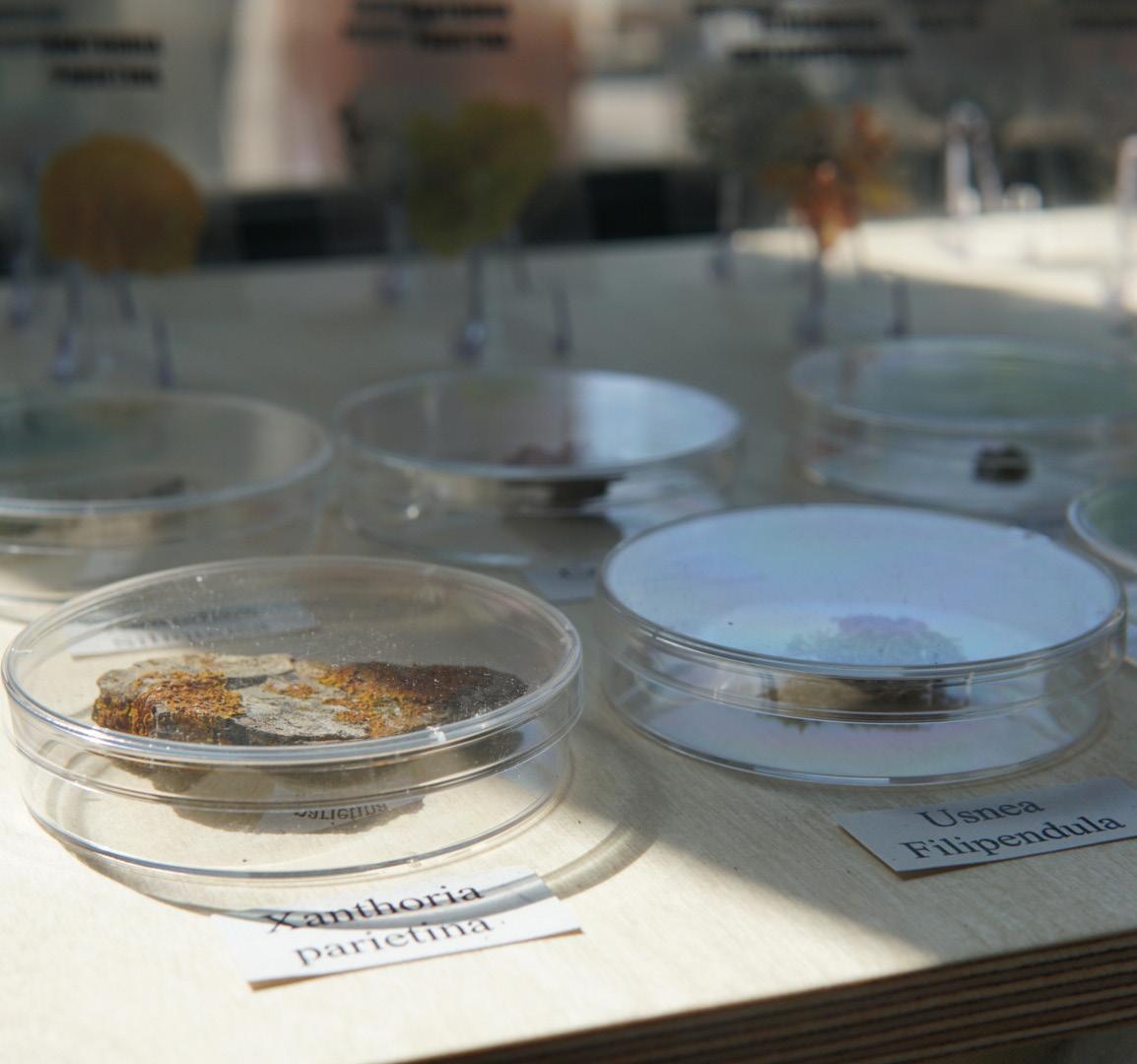
The complex structure and contamination of lichen surfaces, such as fissures, granular organization, and growth, were observed by looking at lichen samples collected from different regions and observed at three different scales.
This approach allows us to understand more fully the adaptive strategies of lichens in the Alentejo in different environments.
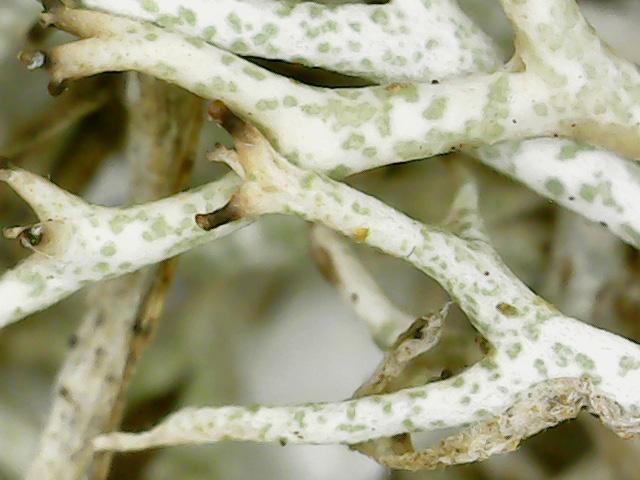
USNEA FILIPENDULA
Fenn, M. E., et al. (2003): In this study, scientists explored the effects of nitrogen deposition on lichens, plants, and ecosystem health. The study shows that nitrogen oxide deposition prompts an additional greening effect in certain lichens, which manifests itself as green spots or changes in pigmentation. The appearance of green spots is thought to be one of the effects of nitrogen, which is a common response of lichens in high nitrogen environments.
Fenn, M. E., et al. (2003)."Nitrogen emissions, deposition, and monitoring in the western United States." *BioScience*
THE COLORS ARE MORE VIBRANT
XANTHORIA PARIETINA
The study found that yellow-walled lichens were more conspicuous in terms of coverage and coloration at sites with high nitrogen pollution compared to low nitrogen environments. The study suggests that nitrogen pollution promotes lichen growth while increasing its carotenoid (e.g., astaxanthin) content, which results in a brighter color.
Van Herk, C. M. (2001) ‘Mapping of ammonia pollution with epiphytic lichens in the Netherlands’, The Lichenologist, 33(1), pp. 83-98.
IF LICHEN COULD TALK , WHAT WOULD IT TELL US ?
from the Mentado to intensive agriculture, lichens have gradually become rarer and eventually almost disappeared. This disappearance is not only an ecological change, but also reveals how human are encroaching on nature's living space in an unseen dimension.
Is pollution a form of “ecological colonization”? In the global economic system, lichens are silent witnesses to the environmental costs that powerful economies often pass on to the disadvantaged.
They attach themselves to abandoned walls and old infrastructure like a silent protest. No one pays attention to listens their expression, just as no one listens to the voices of local residents. It made us think, “If lichens could talk, what would they tell us?” Their existence is not just a biological phenomenon, but an eco-political metaphor that reminds us of the ecological and social realities that have been neglected.
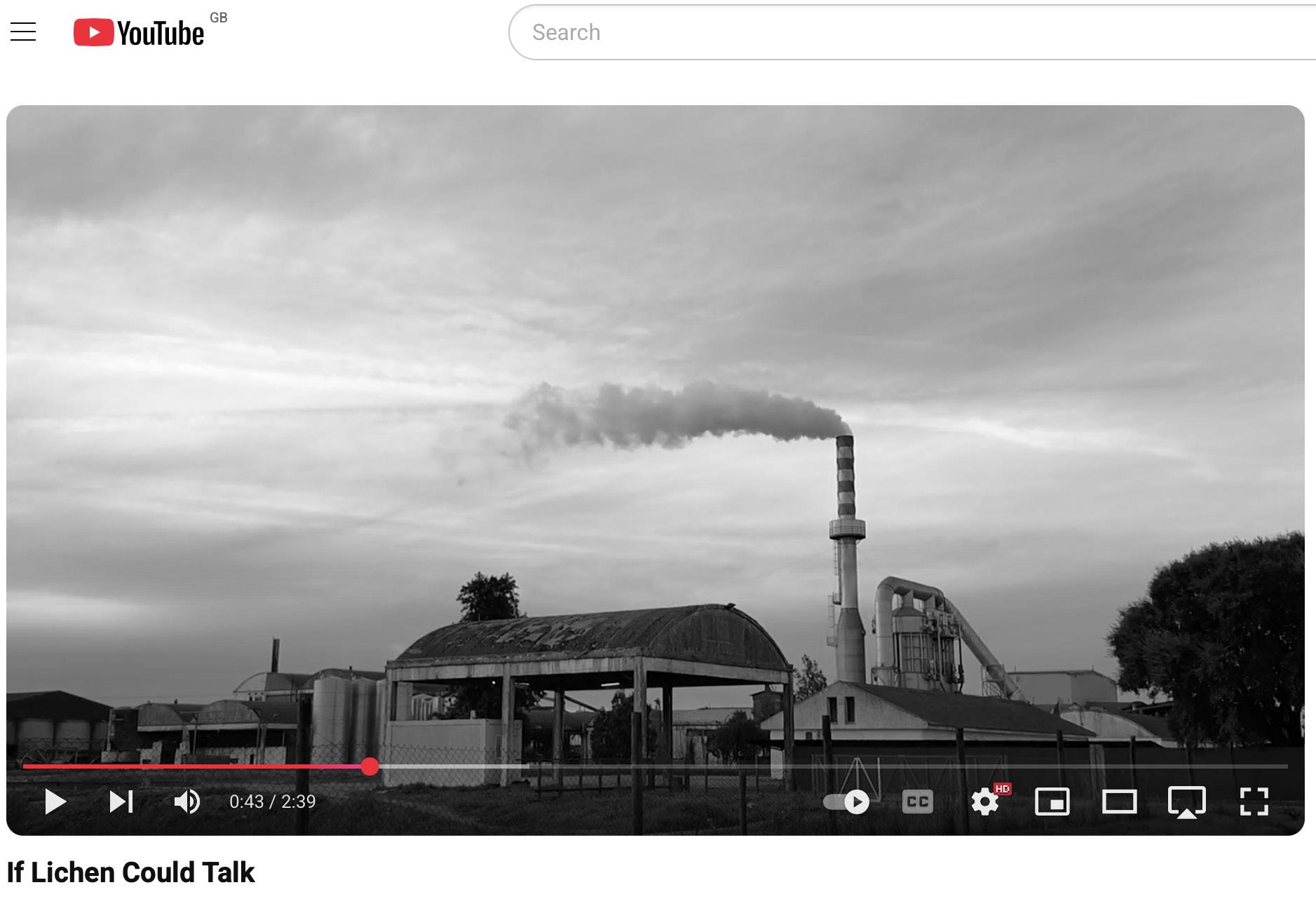
VIDEO LINKS
If Lichen Could Talk
https://www.youtube.com/watch?v=c5AN-GD_lY0
RS3 Field Trip Video - Toxicity
https://www.youtube.com/watch?v=brq3P5oZgUk
We documented key findings from our fieldwork in the form of video, capturing the environment in which lichens grow, traces of pollution, and the ecological impact of man-made infrastructure. Through video, we not only preserve first-hand observations, but also construct an immersive narrative that allows viewers to better visualise how lichens act as witnesses to environmental change.
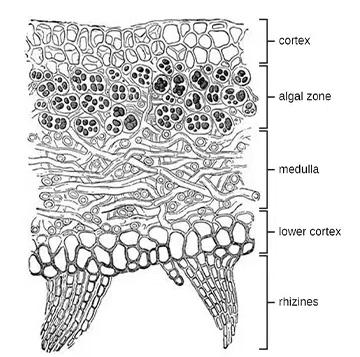
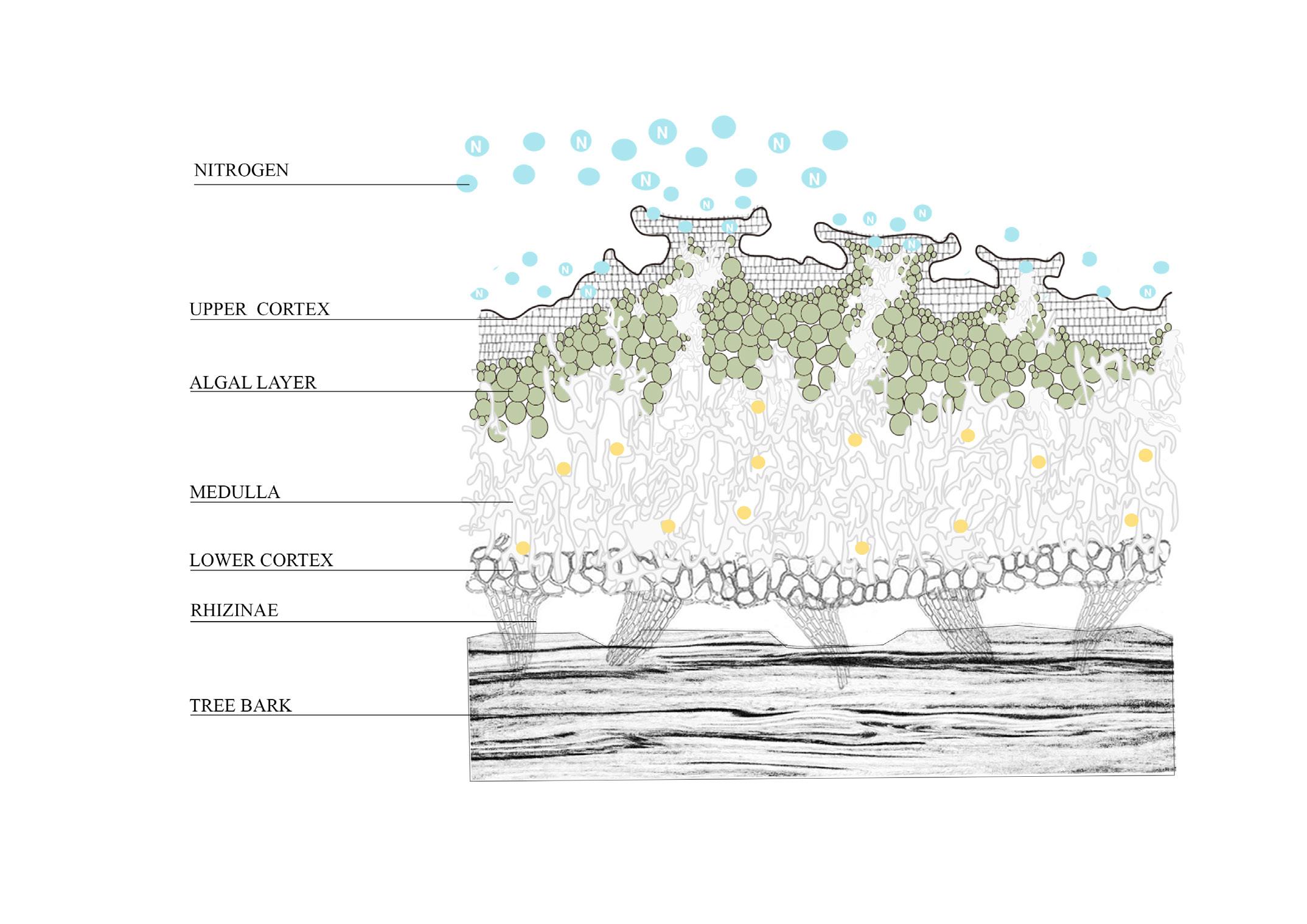
Internal structure of lichen
This diagram reveals the internal architecture of a foliose lichen — a composite organism formed by the symbiotic relationship between fungi and algae or cyanobacteria. The outer cortex serves as a protective skin, beneath which lies a photobiont layer where photosynthesis takes place. The medulla — a loosely woven fungal layer — provides gas exchange, while
the lower cortex anchors the structure to surfaces. Lichens lack roots, relying entirely on air and rain for nutrients. Their tissues directly absorb environmental particulates and gases, which makes them highly sensitive to pollution.
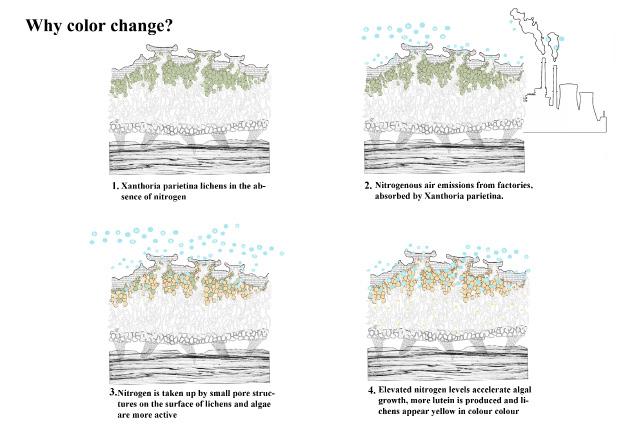
Based on our research and observations about our Xanthoria lichen. We try to figure out why the color changes.
1. This is the section we can see the structure of X lichen, we have upper cortex, co-exist algal、 fungus、lower cortex.
2. When we put it in a rich nitrogen situation,for example near the factory. The Lichen will breathing and get those nitrogens
3. The co-exist algal noticed those nitrogens. They think it’s Nutrition and became more active. They grow up and generate quickly.
4. The fungus, was cheat by the algal, they thought algal grow fast because they get more sun light. So they produce something to protect lichen from ultraviolet ray and the name of it is Parietin, which is yellow.
But it’s not healthy for them, it grows up fast at beginning. When the nitrogen level break the balance, they will die.
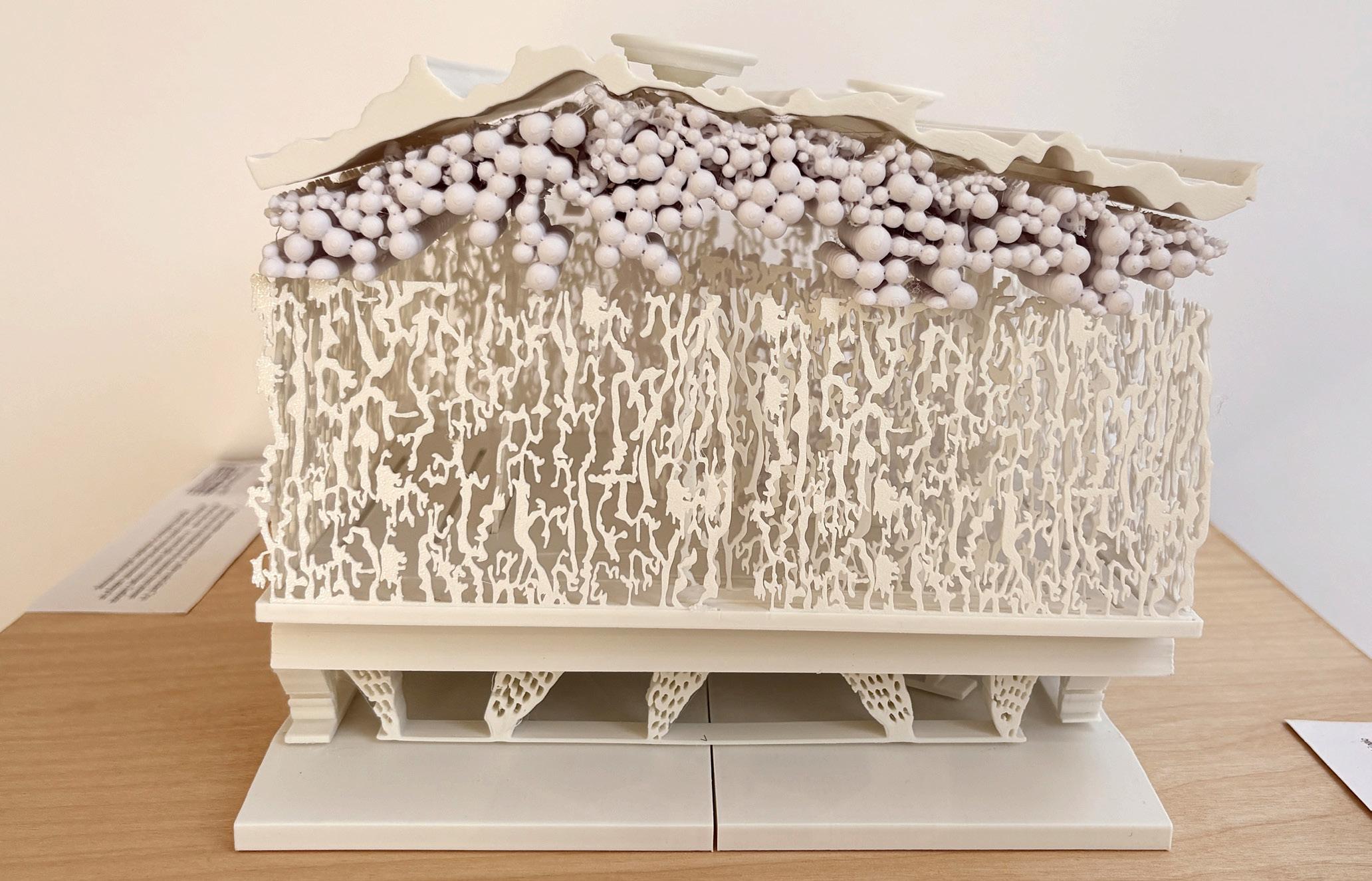
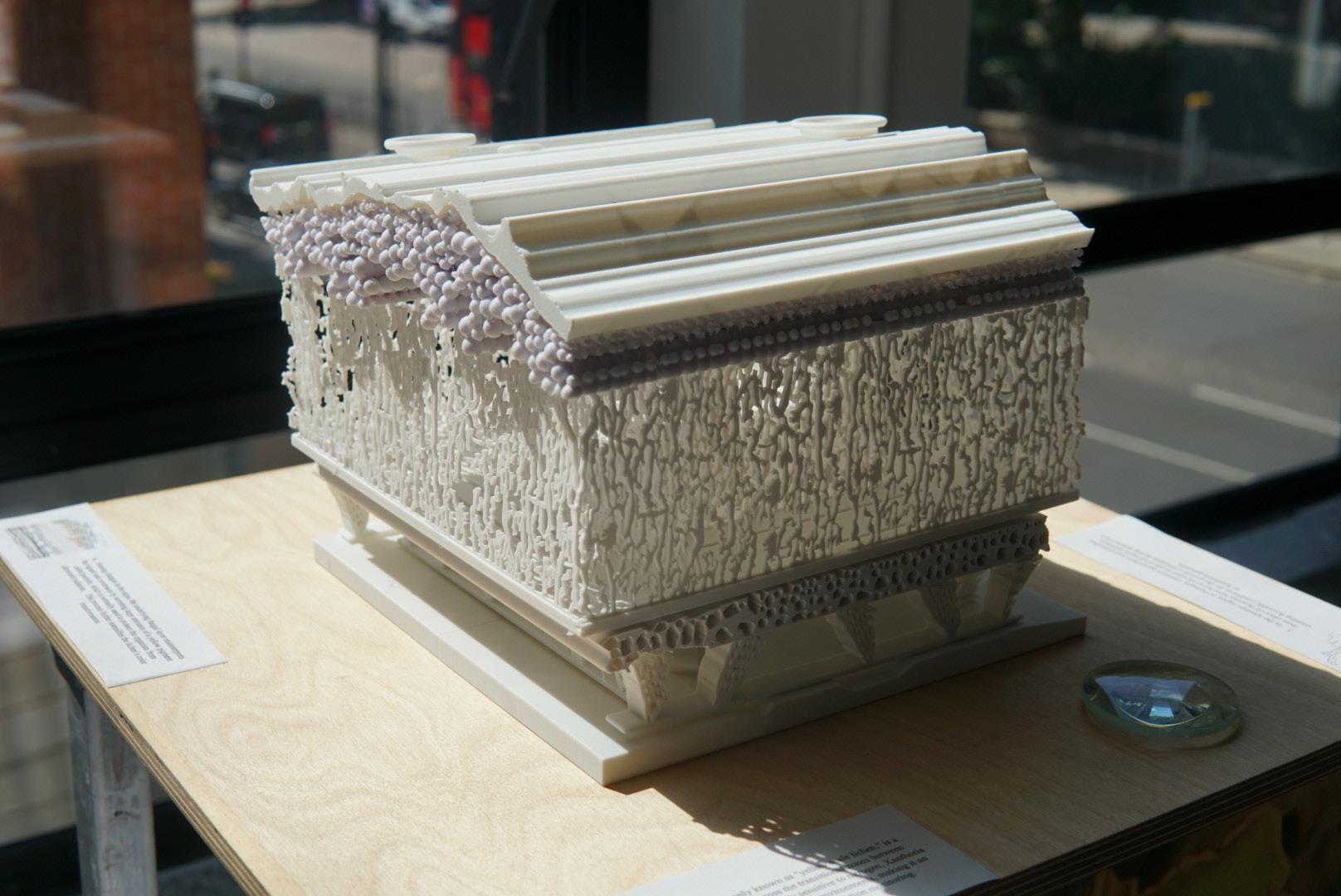
3D modeling has become a perceptual tool to access the microcosm of lichens. By scanning and constructing the lichen's forms, textures and cracks, we are able to zoom in on its complex and fragile structures, transforming the ecological details that are originally imperceptible to the naked eye into a visual, tactile and interactive digital language. These entangled, cracked and attached structures are not only a record of their life state, but also a “response” of lichens to environmental pollution. By modeling the lichen, we are not only restoring its form, but also trying to “listen” to this language, in order to understand how the lichen speaks of environmental pressure, ecological symbiosis, and the resilience of life.
BUILD UP EMPATHY
3D Printed Lichen Structures:
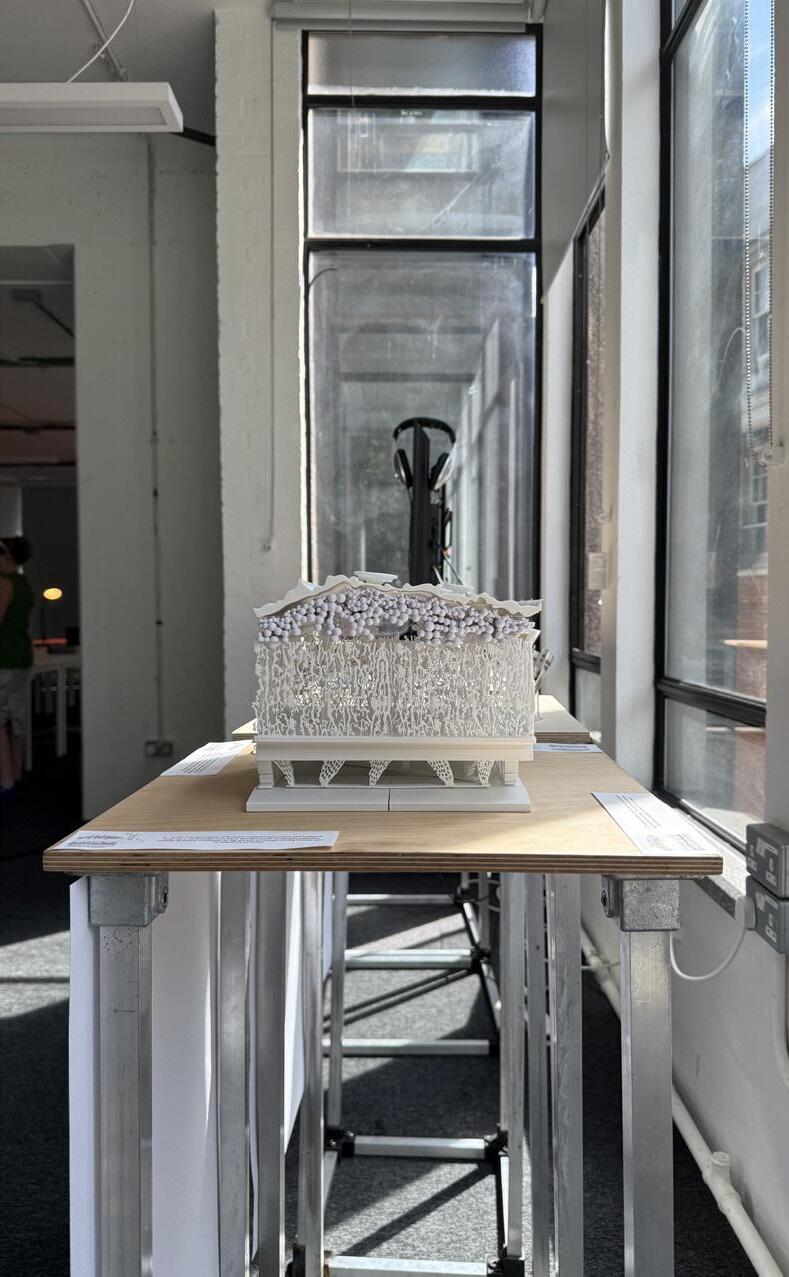
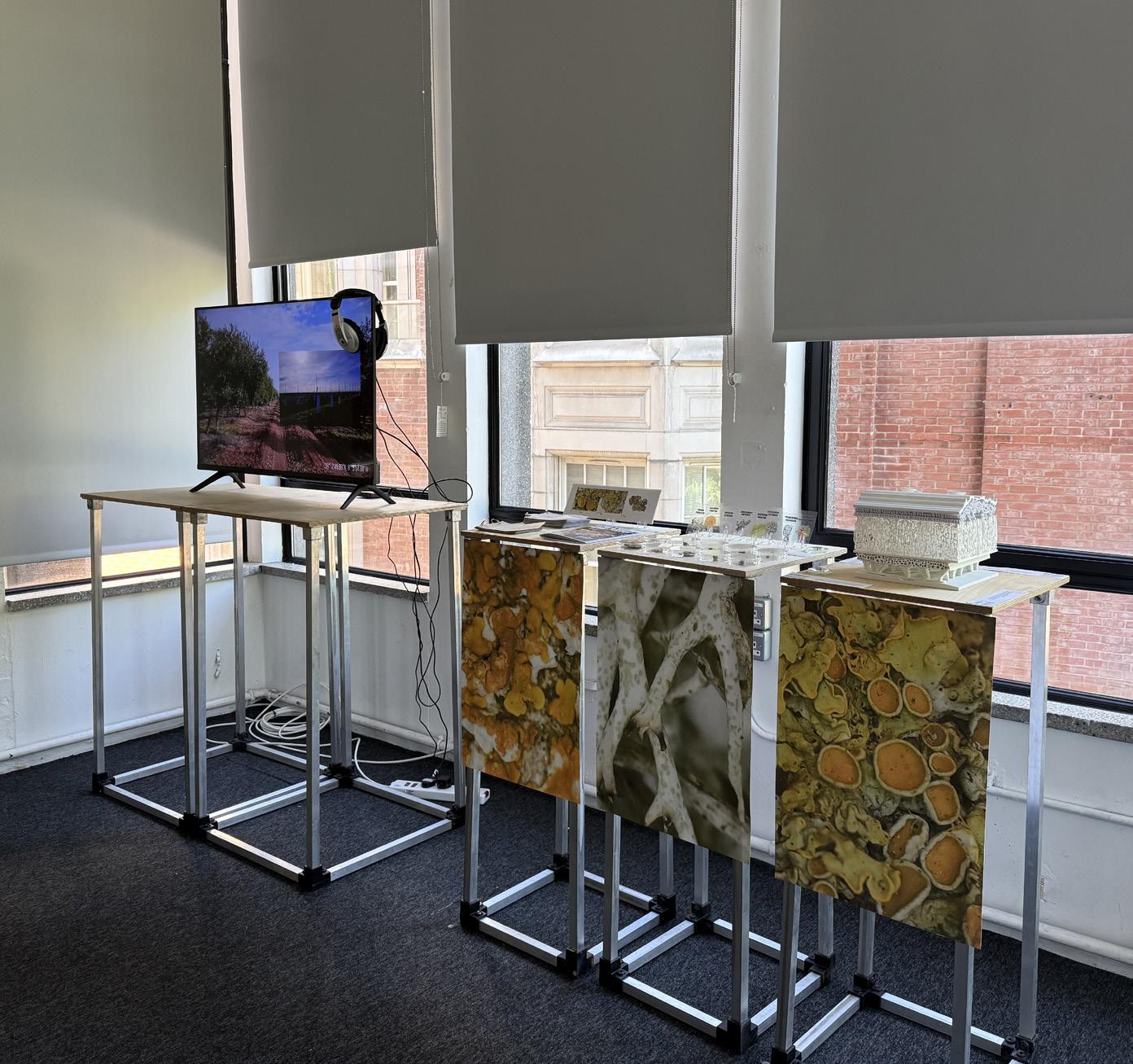
In the final outcome of the project, we have modelled the internal structure of lichens in three dimensions and visualised this usually invisible microcosm through 3D printing. The model is based on microscopic observations and image acquisition data, and presents a fine-grained representation of the complex symbiotic network between fungi and photosynthetic partners in lichens. The finished print is not only a visual installation, but also a tactile medium that allows the viewer to “see” and “touch” overlooked ecological relationships. By enlarging, visualising and materialising this structure, we hope to stimulate people's imagination and attention to microecosystems, and to reflect on the dependence and coexistence between humans and other species.
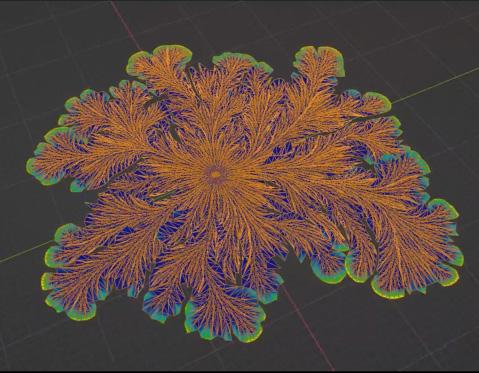
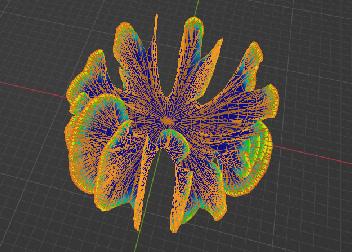
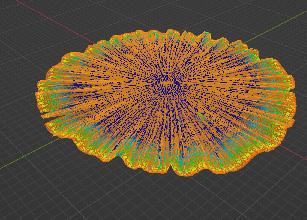
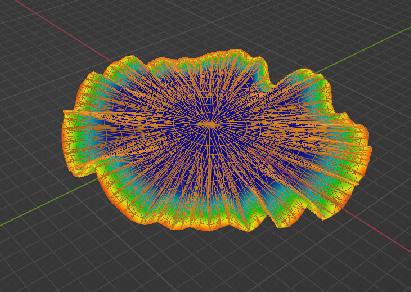
LICHEN GROWTH MODELING
We conducted numerical modeling experiments based on the real growth logic of lichens to simulate their morphological changes under different parameter settings. This is not only a visual reconstruction of natural growth processes, but also an exploration of how simulation tools can be used to understand the role of lichens as “ecological indicators.” By adjusting variables such as air quality, humidity, light exposure, and substrate texture, we were able to observe how different environmental pressures affect the form, spread, and structure of virtual lichens over time.
The simulation allowed us to visualize invisible environmental forces and translate them into tangible patterns of growth and decay. It also served as a
design method to speculate on future ecological scenarios— asking, for example, what lichens might look like in increasingly polluted or arid environments. Through this process, we not only learned how lichens respond to environmental change, but also how computational tools can extend biological understanding into predictive and narrative forms. This approach bridges scientific observation with speculative design, making ecological processes both intelligible and emotionally resonant.
EMPATHY GUIDEBOOK
Silent Witnesses:Lichens and politics of pollution
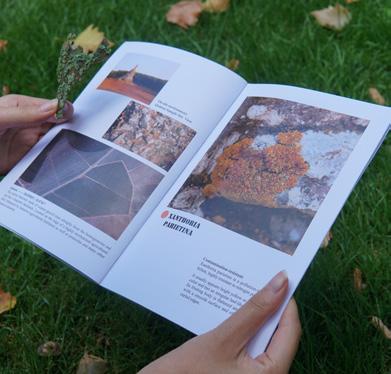
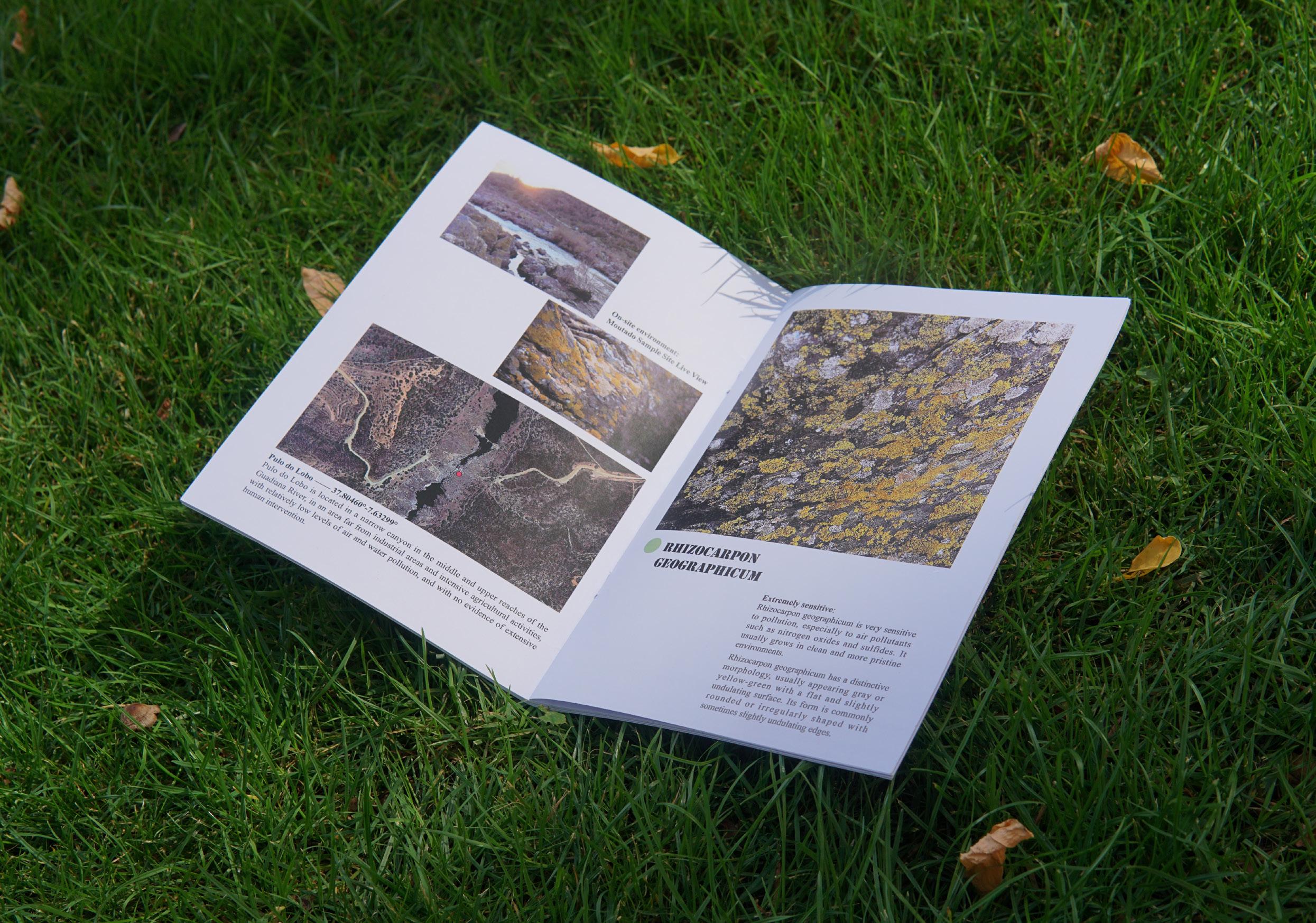
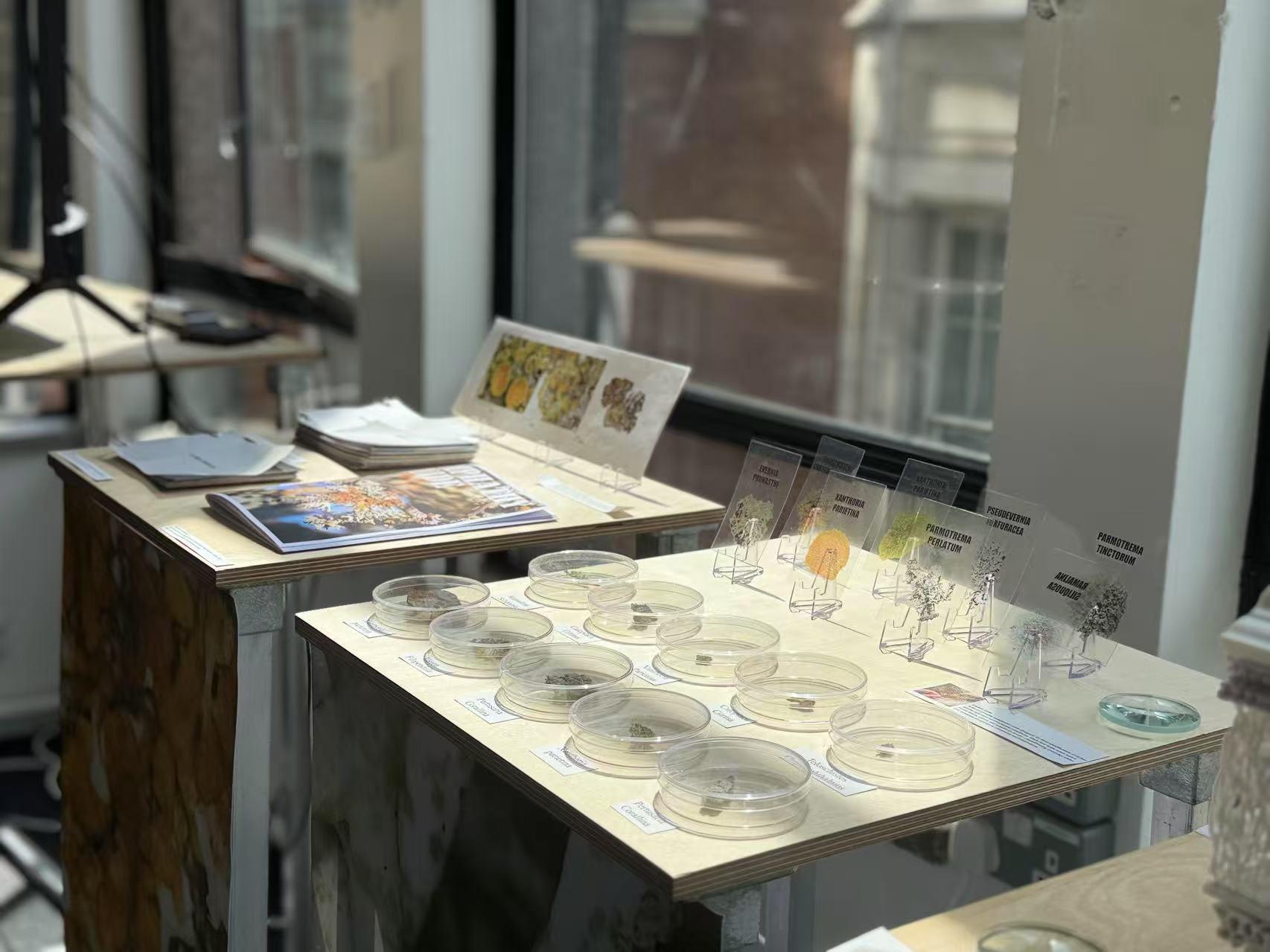
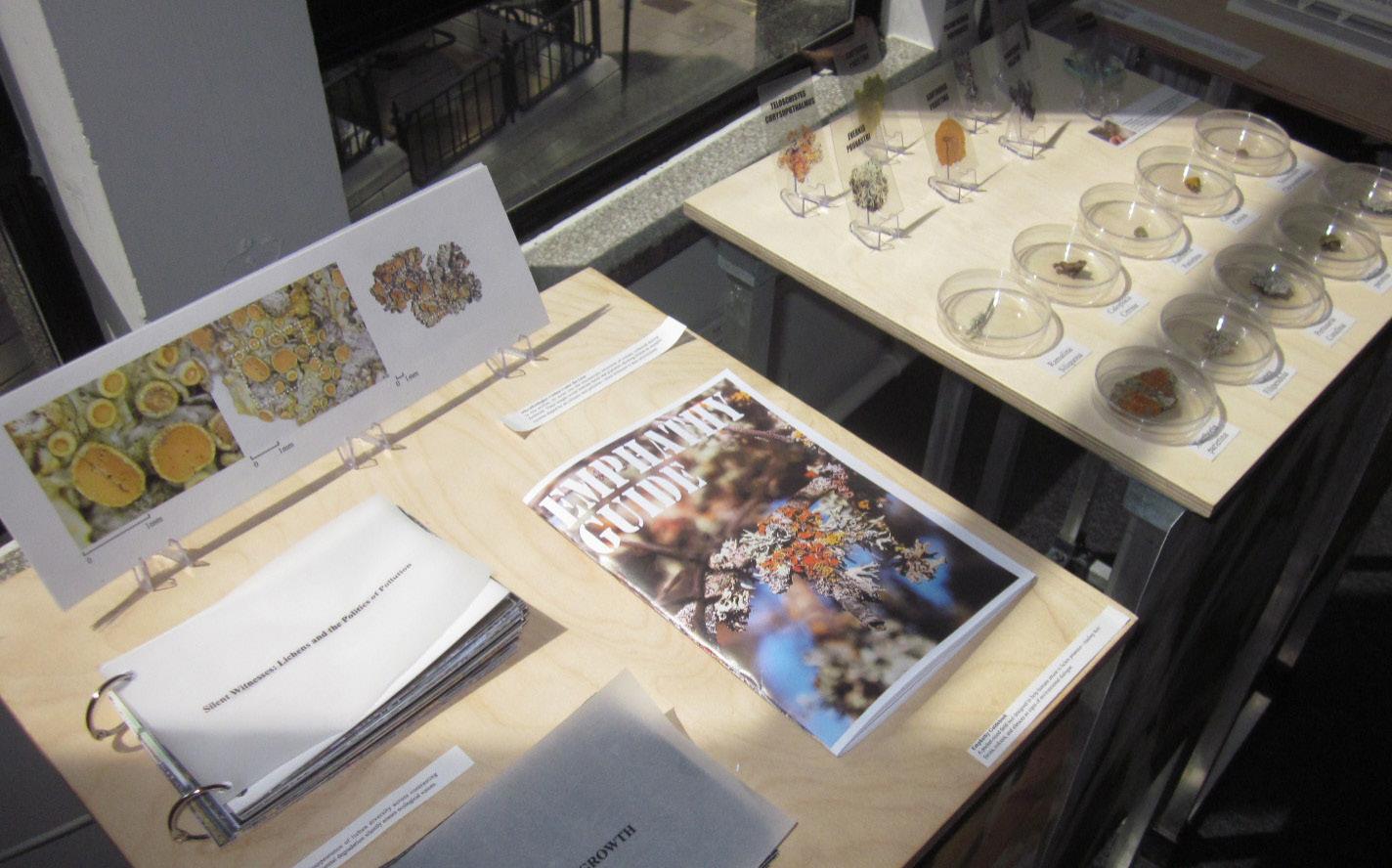
We have produced a book on lichens, which inspires concern and empathy for ecological change by presenting the form and texture of lichens up close and guiding the reader to perceive the close relationship between them and their environment.
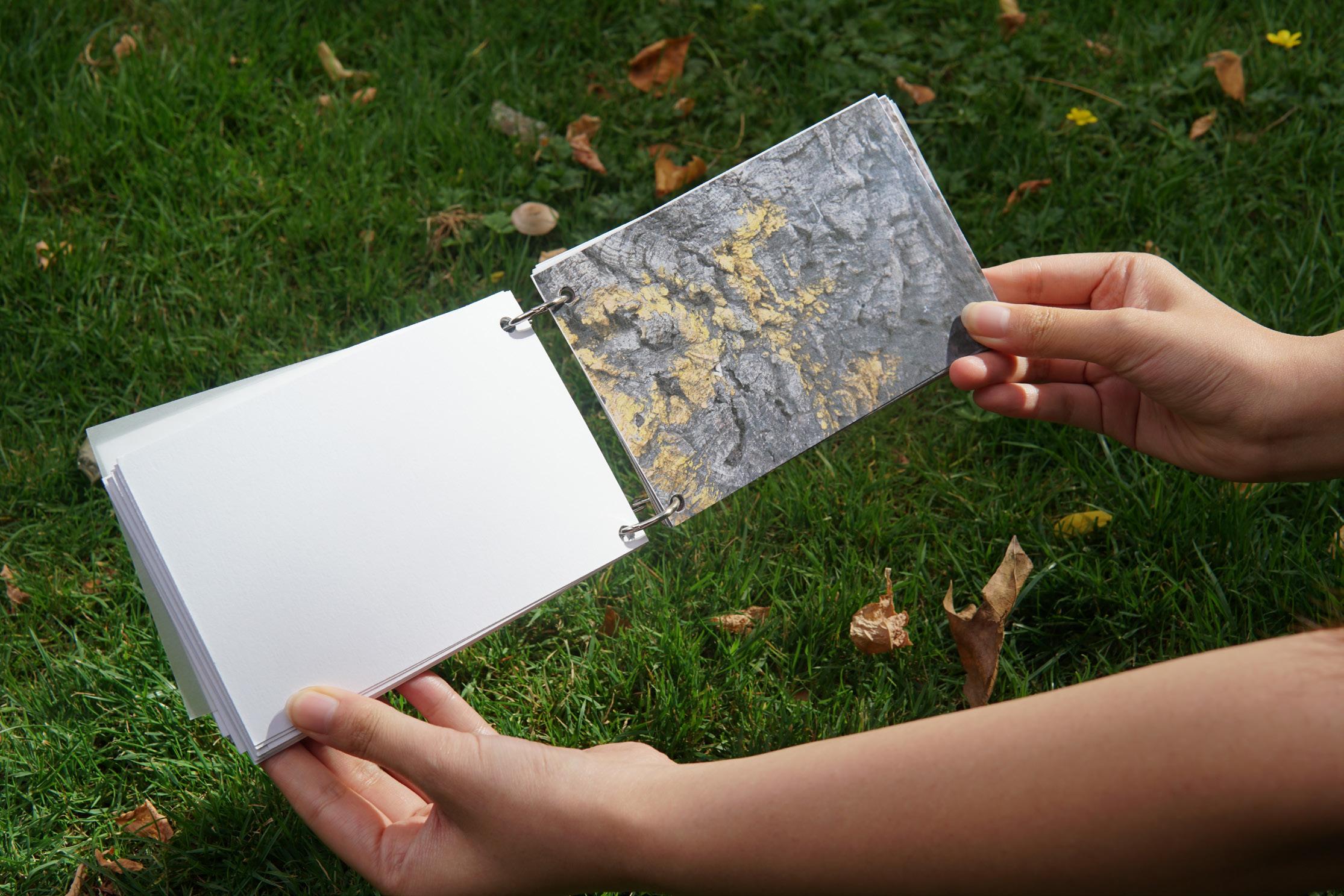
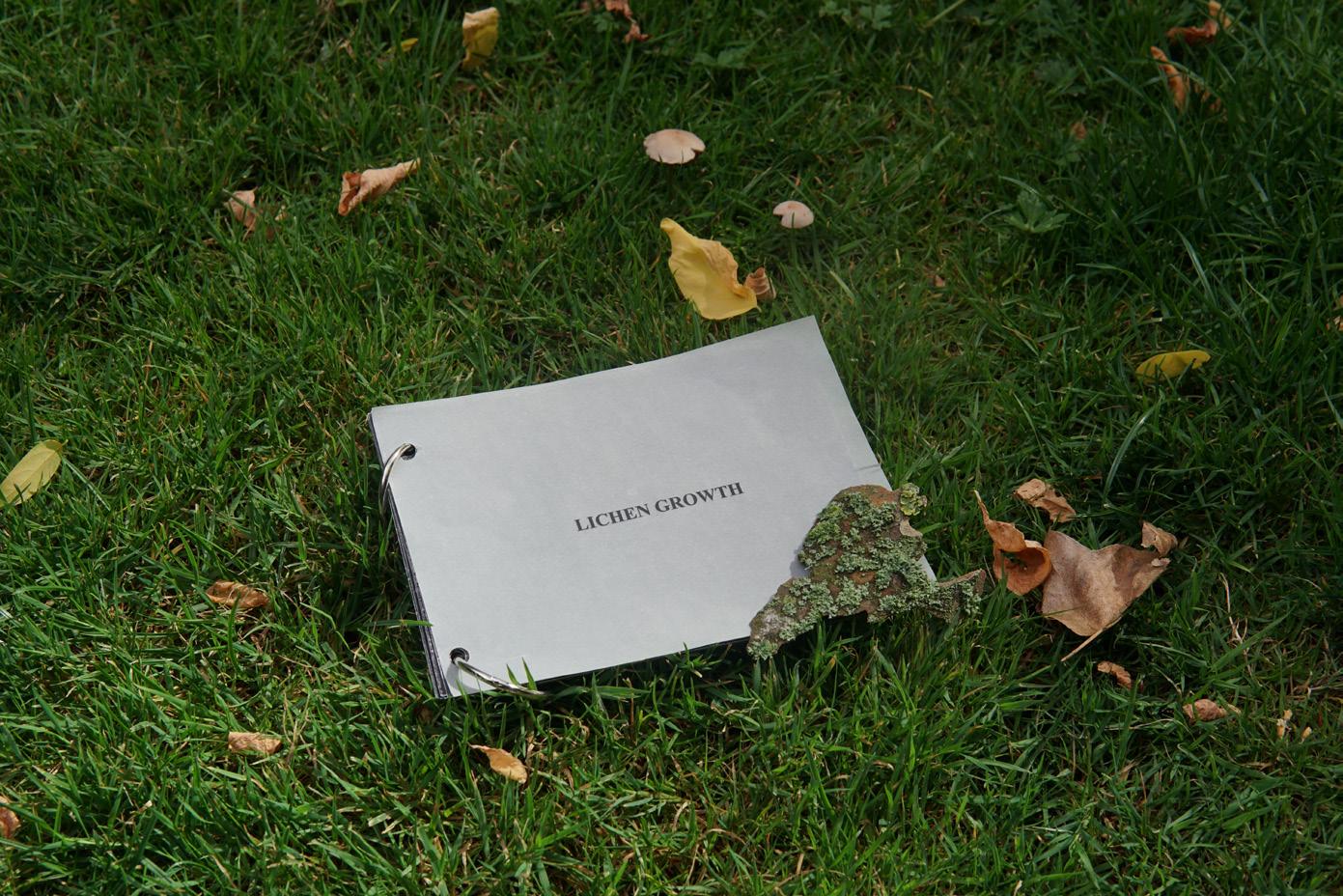
Lichen Growth
This is an interactive publication in the form of a flip-book animation, in which readers can observe the growth and changes of lichens frame by frame as they flip through the pages.
Guide to lichen contamination
Making the Invisible Visible
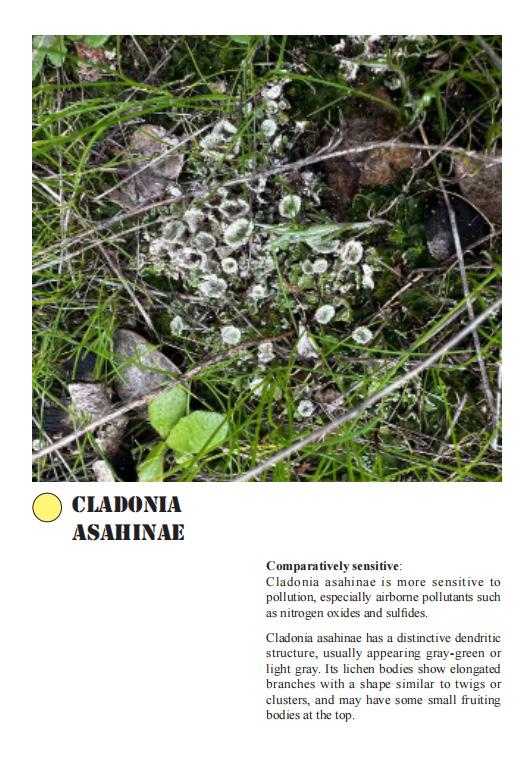
Types of lichens
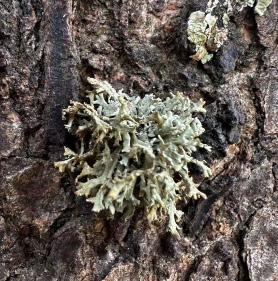
Usnea
The lush and widespread distribution suggests that the area is low in pollution, as this type of lichen is extremely sensitive to pollutants
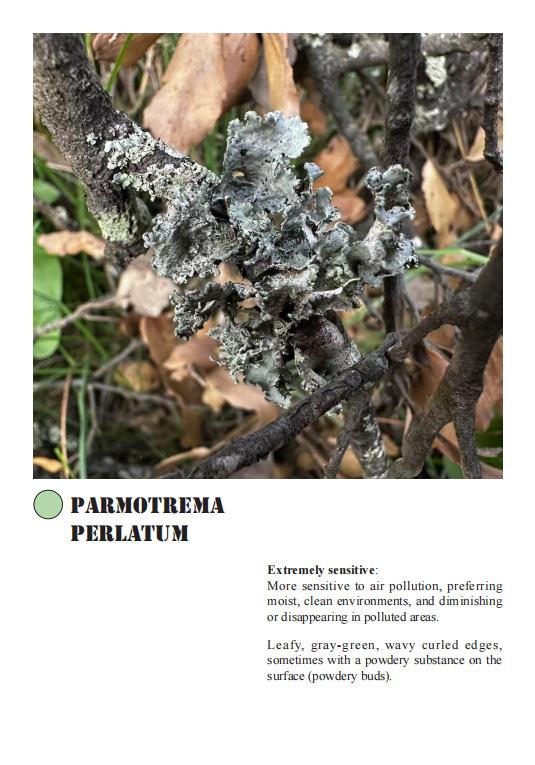
Parmotrema perlatum
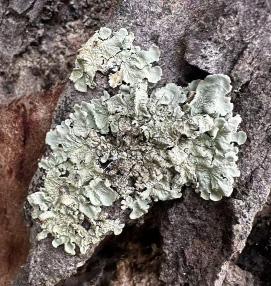
Leafy lichens are usually very sensitive to air pollution
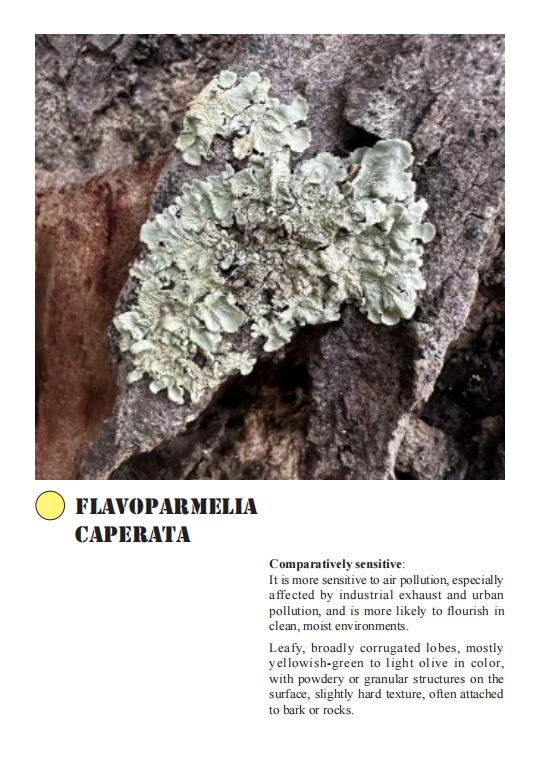
Flavoparmelia
Lichens of the genus Flavoparmelia are moderately sensitive to pollution and can continue to grow in mildly nitrogen-contaminated environments.
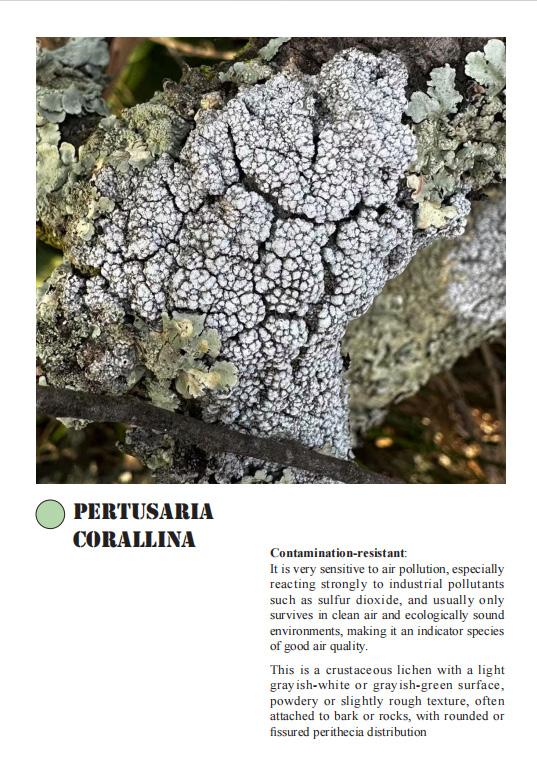
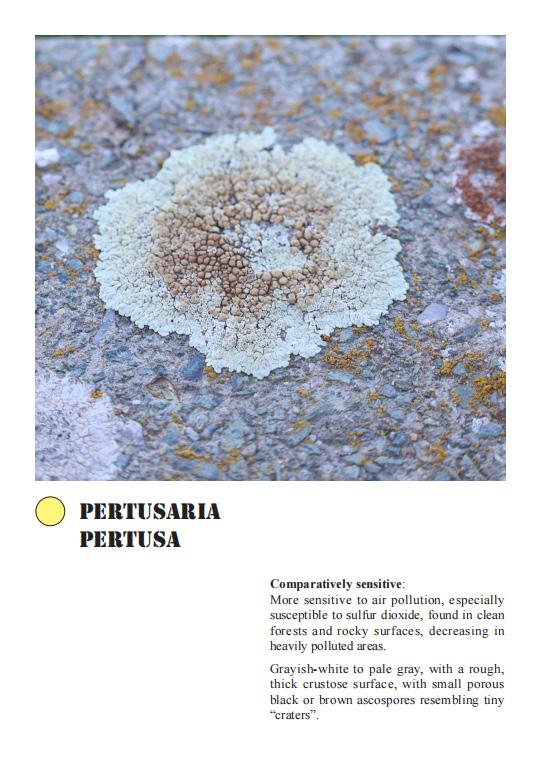
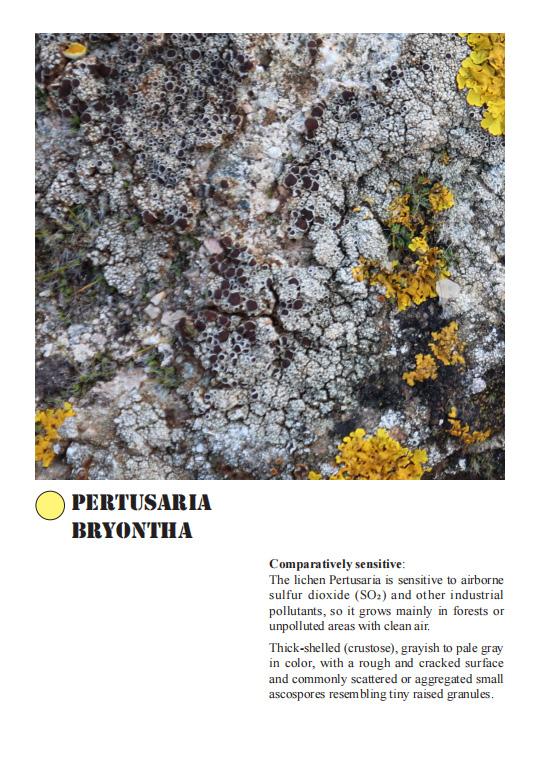
Pertusaria pertusa
Can tolerate some air pollution, but is relatively sensitive to sulphur dioxide and heavy metal pollution.
Guide to lichen contamination
Making the Invisible Visible
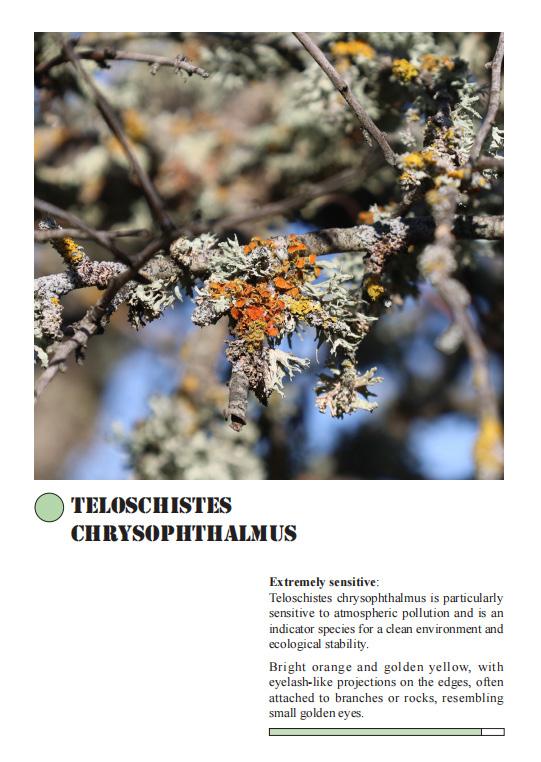
Teloschistes chrysophthalmus
Teloschistes chrysophthalmus is a highly sensitive pollutionindicating lichen, usually indicating good air quality
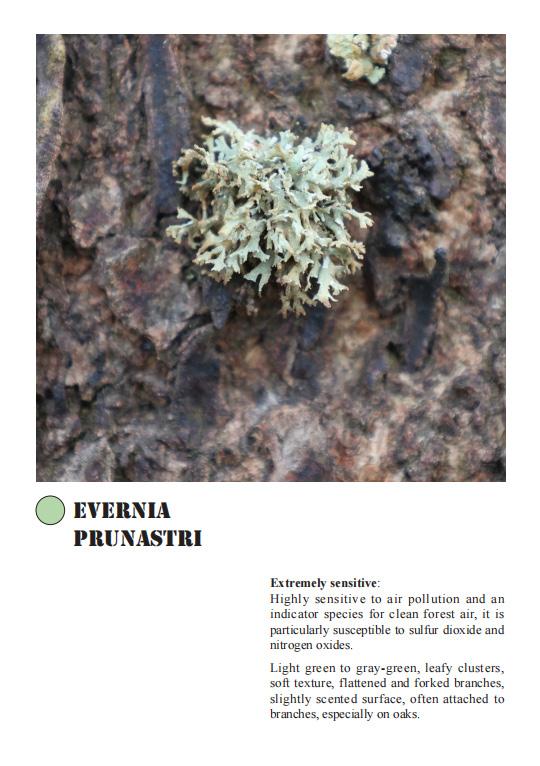
Evernia prunastri
Evernia prunastri is a lichen that is very sensitive to air pollution
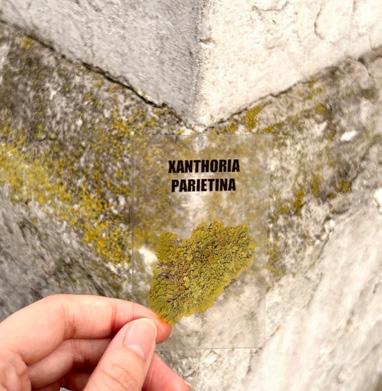
Xanthoria parietina
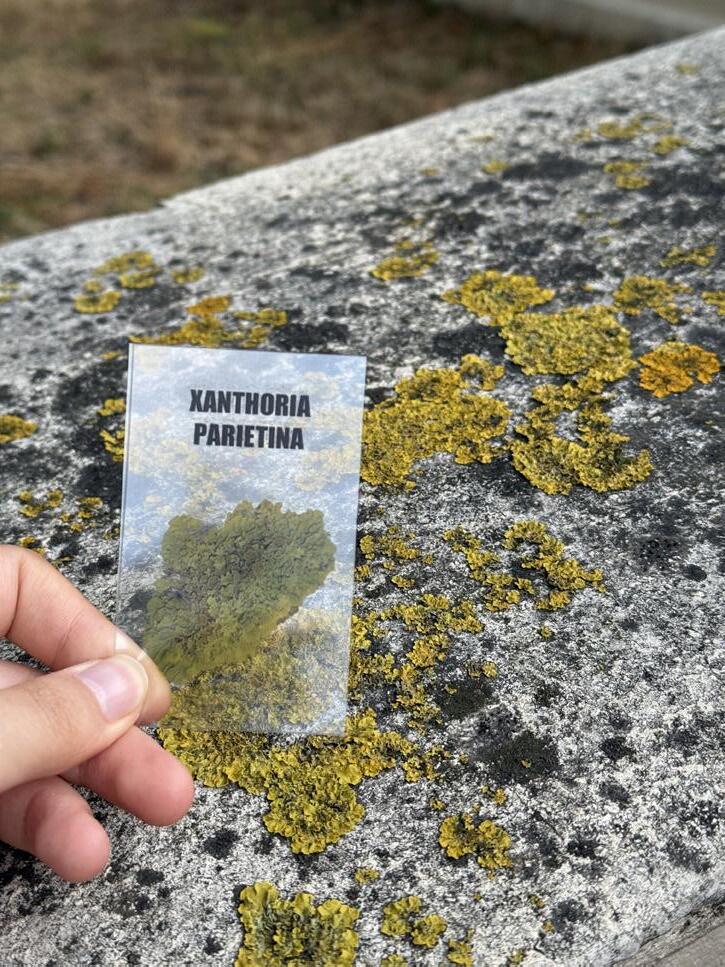
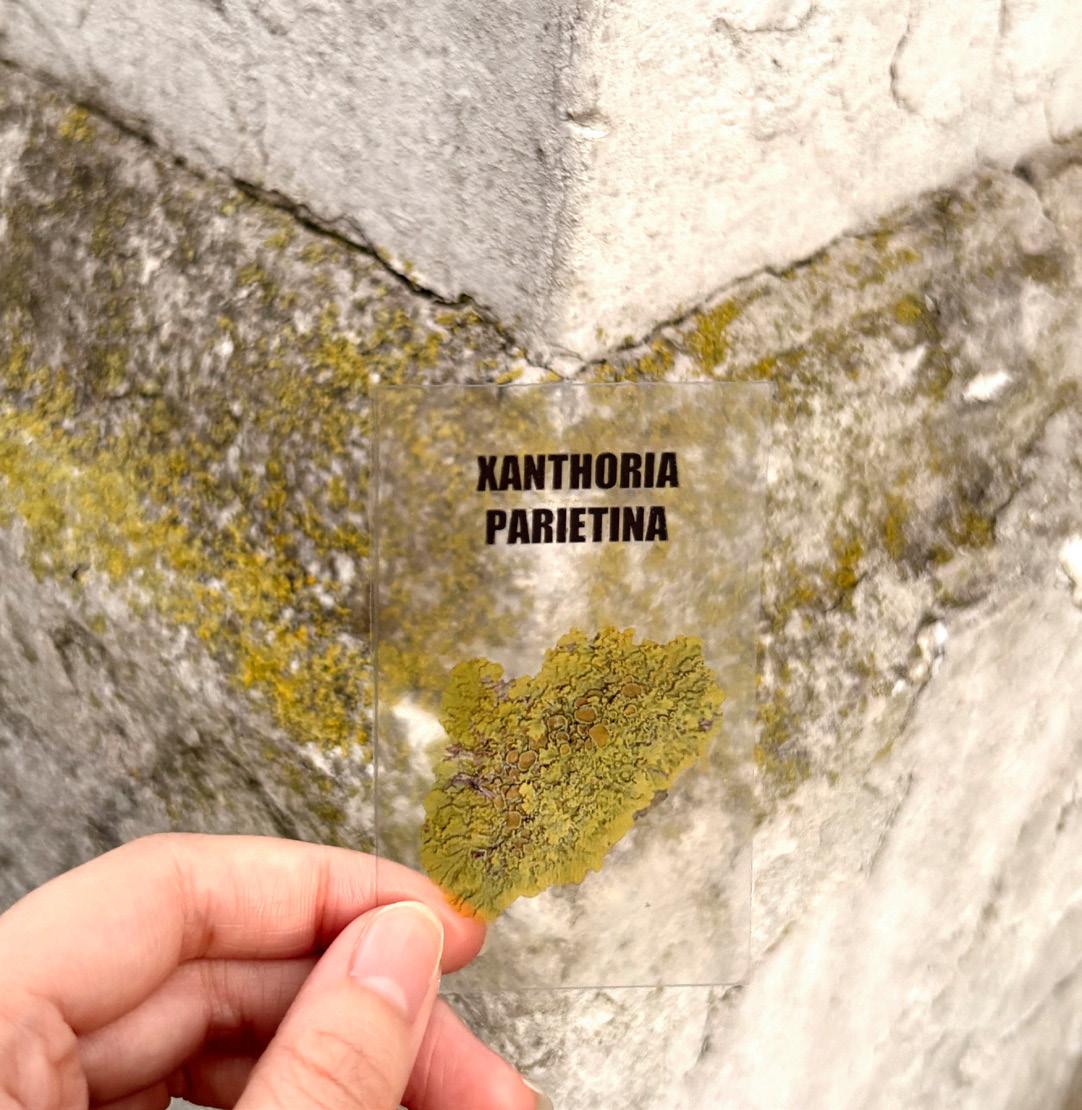
A pollutant-tolerant lichen that is highly resilient to nitrogen pollution.
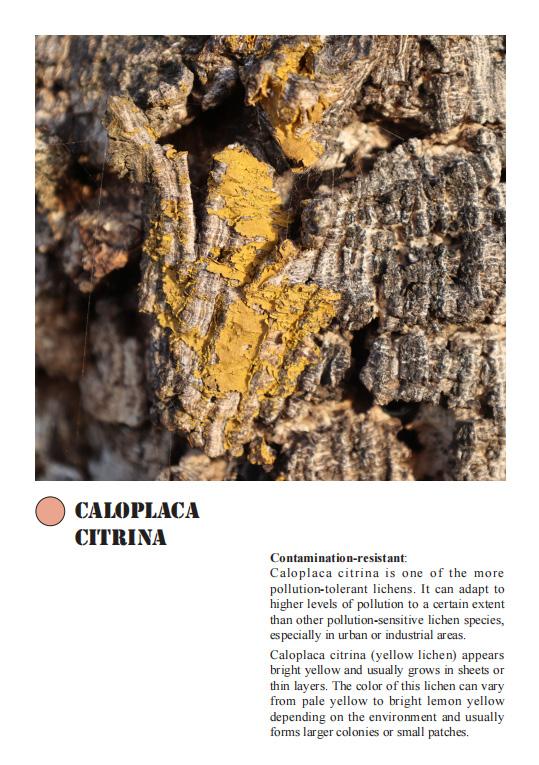
Caloplaca Citrina
A pollutant-tolerant lichen that is highly resilient to nitrogen pollution.
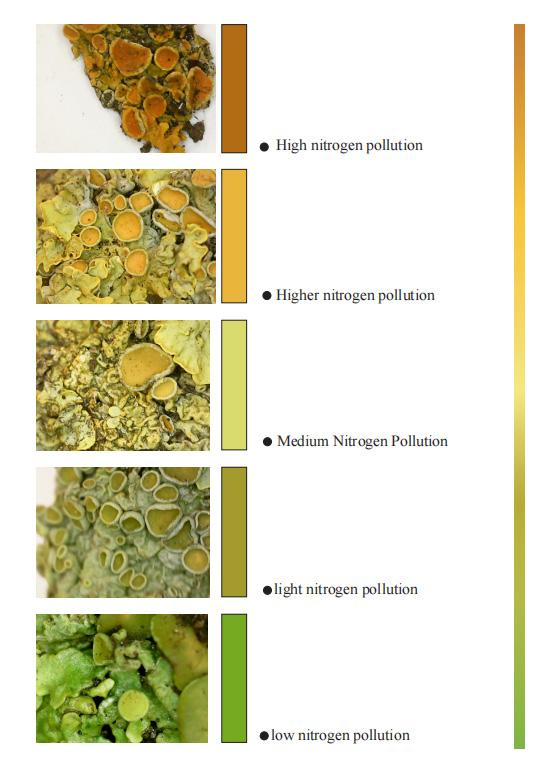
nitrogen pollution
(xanthoria parietina)
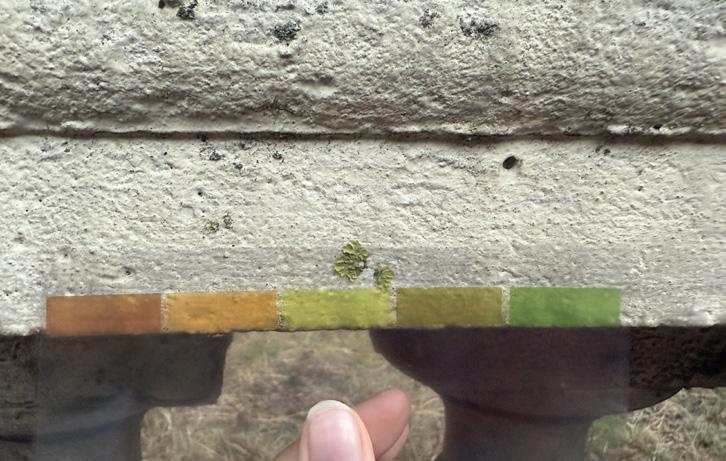
Xanthoria parietina exhibits distinct color changes as nitrogen contamination levels increase, which allows us to quantitatively or semi-quantitatively assess the extent of contamination through the intensity and trend of color changes.
A set of portable transparent cards designed for field identification of lichen species and their environmental conditions. Each card helps users match lichen forms, colors, and sensitivity levels—transforming everyday walks into moments of ecological awareness and observation. The cards are organized by pollution tolerance, from highly sensitive species to more resilient types, allowing users to interpret local air quality through visual comparison. Designed for students, researchers, and curious residents, the cards serve both as an educational tool and a tactile interface that invites closer engagement with overlooked forms of life. By layering cards over actual lichens in the field, users begin to “read” the landscape through a new lens—one shaped by interspecies signals, subtle changes, and nonhuman perspectives.
PROJECTION
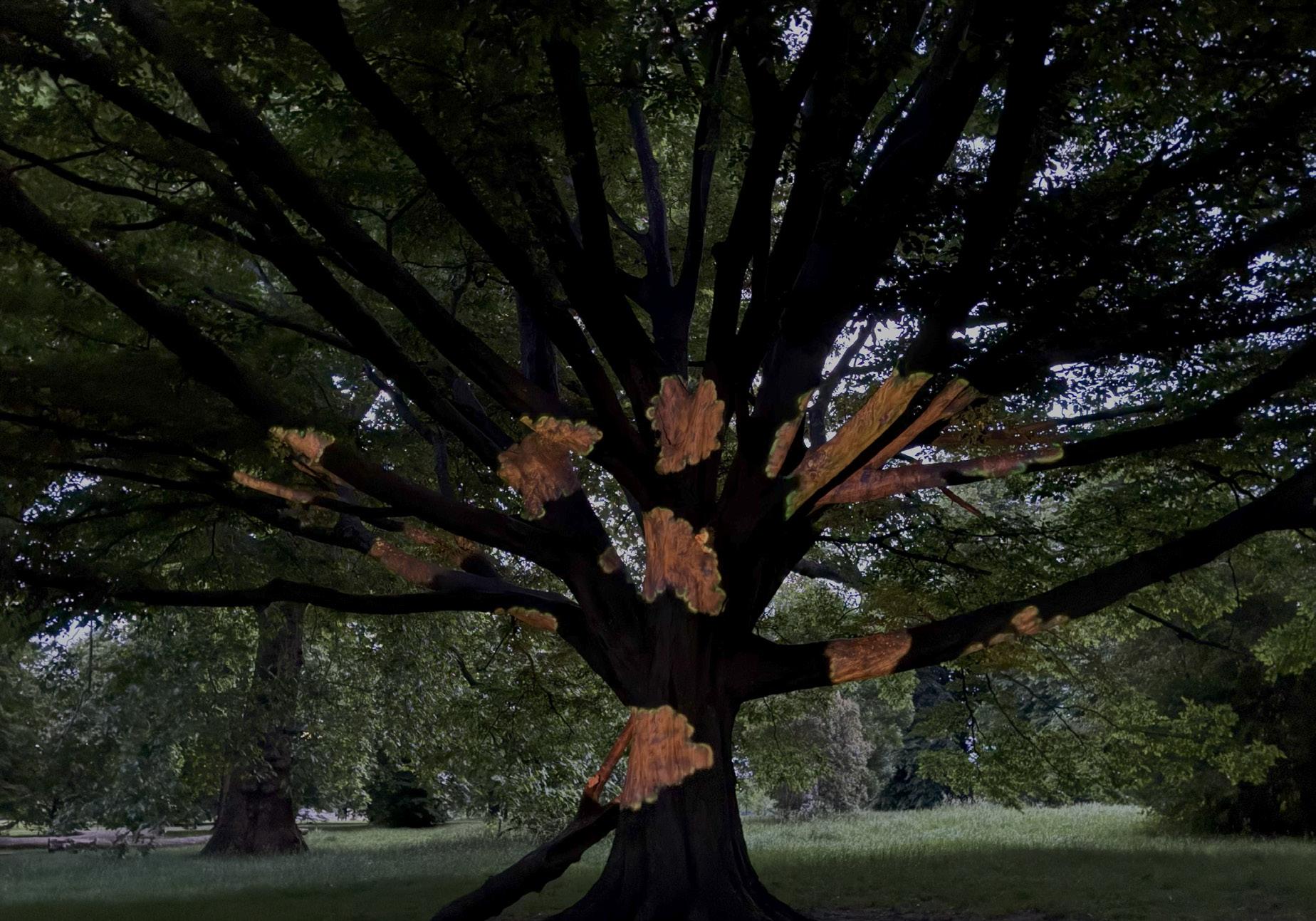
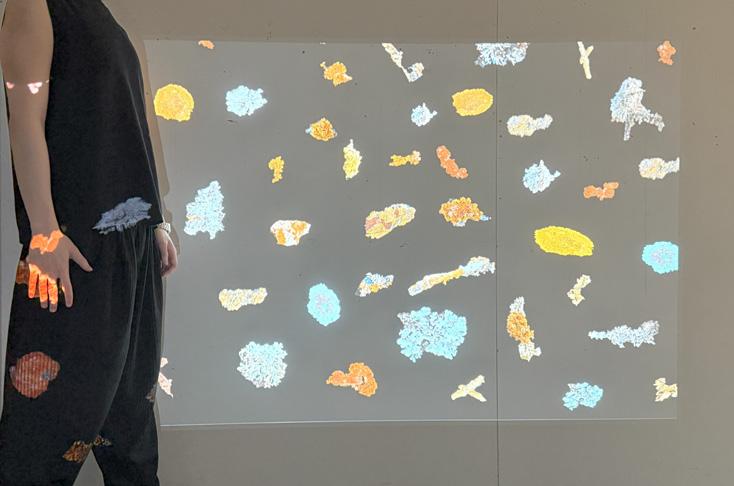
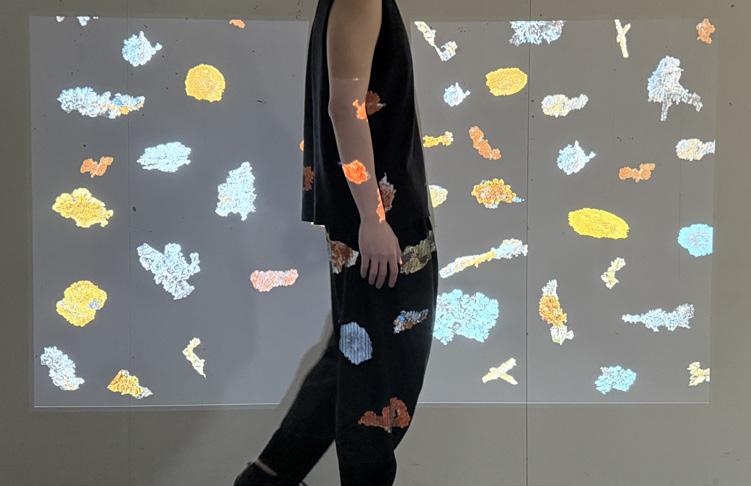
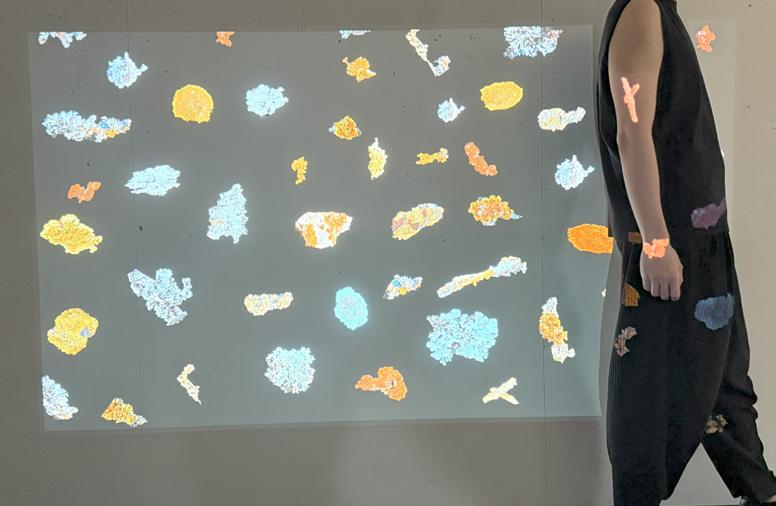
In the project, we use projection to visualise lichen images and research content onto bodies, objects or spatial surfaces, creating an immersive perceptual experience. In this way, the viewer not only “sees” the lichens, but also empathises with them in a visual and physical encounter, thus rethinking the connection and responsibility between people and their environment.
COLOR-CHANGING PROJECTION
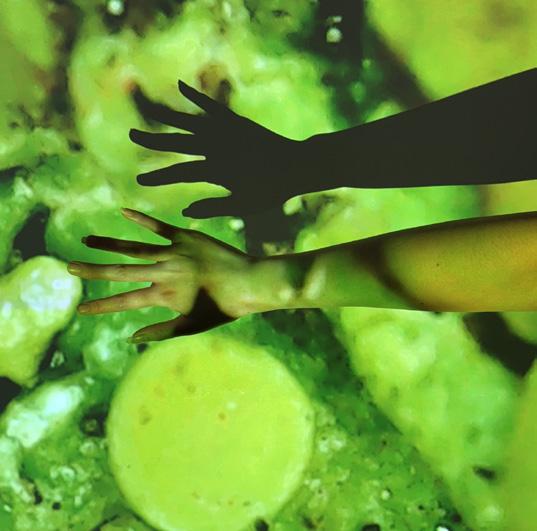
This page shows our experiment of projecting images of lichens varying from green to orange onto the palm of a hand. The gradation of colours represents the changing state of the lichen under different levels of pollution, and the intervention of the hand symbolises the direct connection between humans and ecology. Through this intersection of the visual and tactile senses, we try to let the viewer perceive how the pollution passes through the body and is transmitted to the ecology, reflecting the inseparable relationship between human beings and the environment.
Interactive Projection
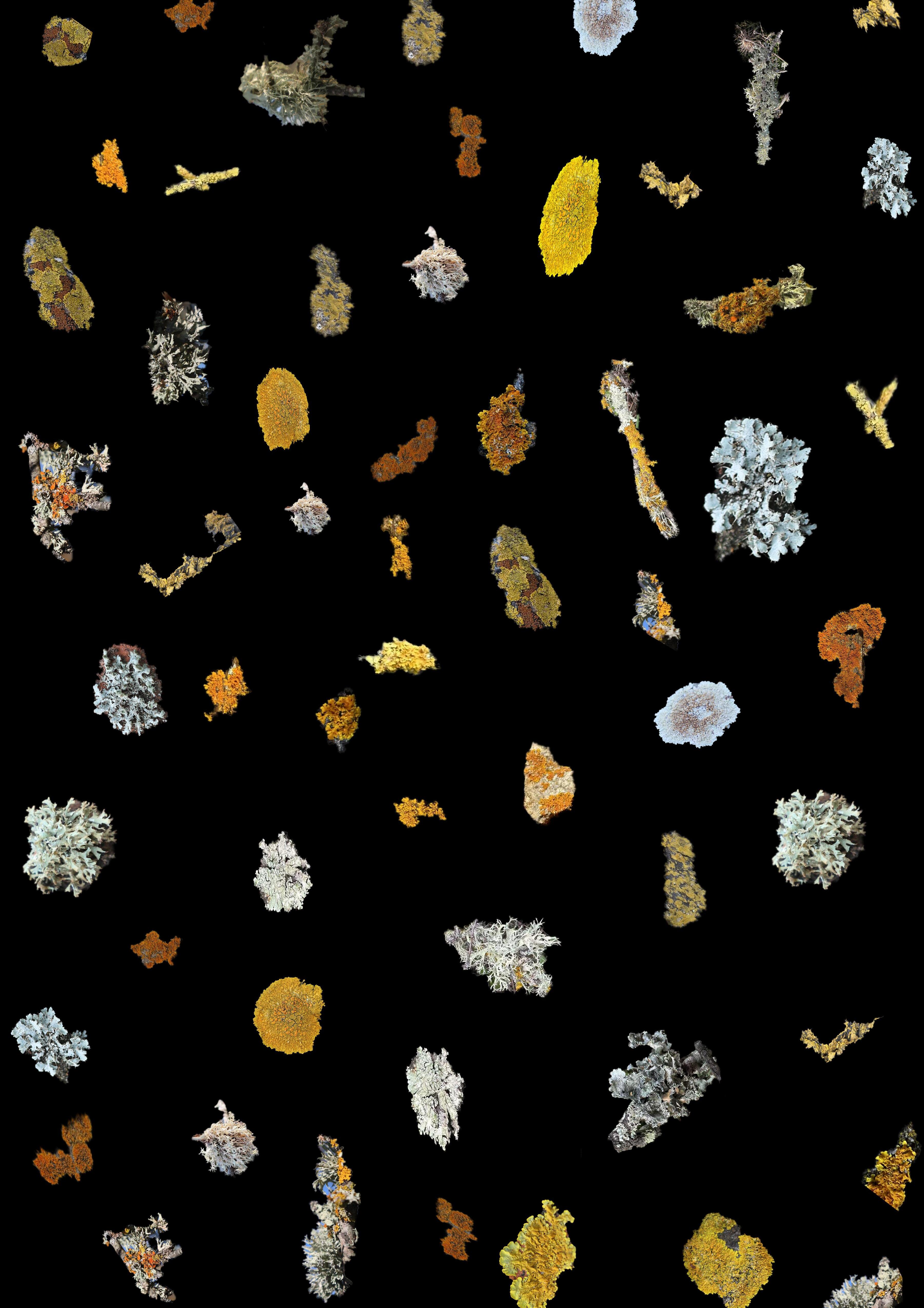
We keyed and scattered lichen images collected in the Alentejo region of Portugal during our fieldwork to form a visual ecological map, and mapped them onto the human body through projection technology. As the projections come into contact with the skin, the lichens begin to “respond”: pollution-resistant species gradually become more orange and brightly colored in the light, as if they are growing tenaciously against the background of pollution; while lichens that are highly sensitive to pollution gradually fade and disappear, as if traces of their lives have been wiped out by the environment. This installation not only establishes a direct visual and physical connection between lichens and people, but also allows the audience to interactively experience the impact of pollution and feel the fragility and tension of ecological symbiosis. The body becomes the projected surface of the lichen, as well as the ecological bearer and participant.
SLOGAN PROJECTION
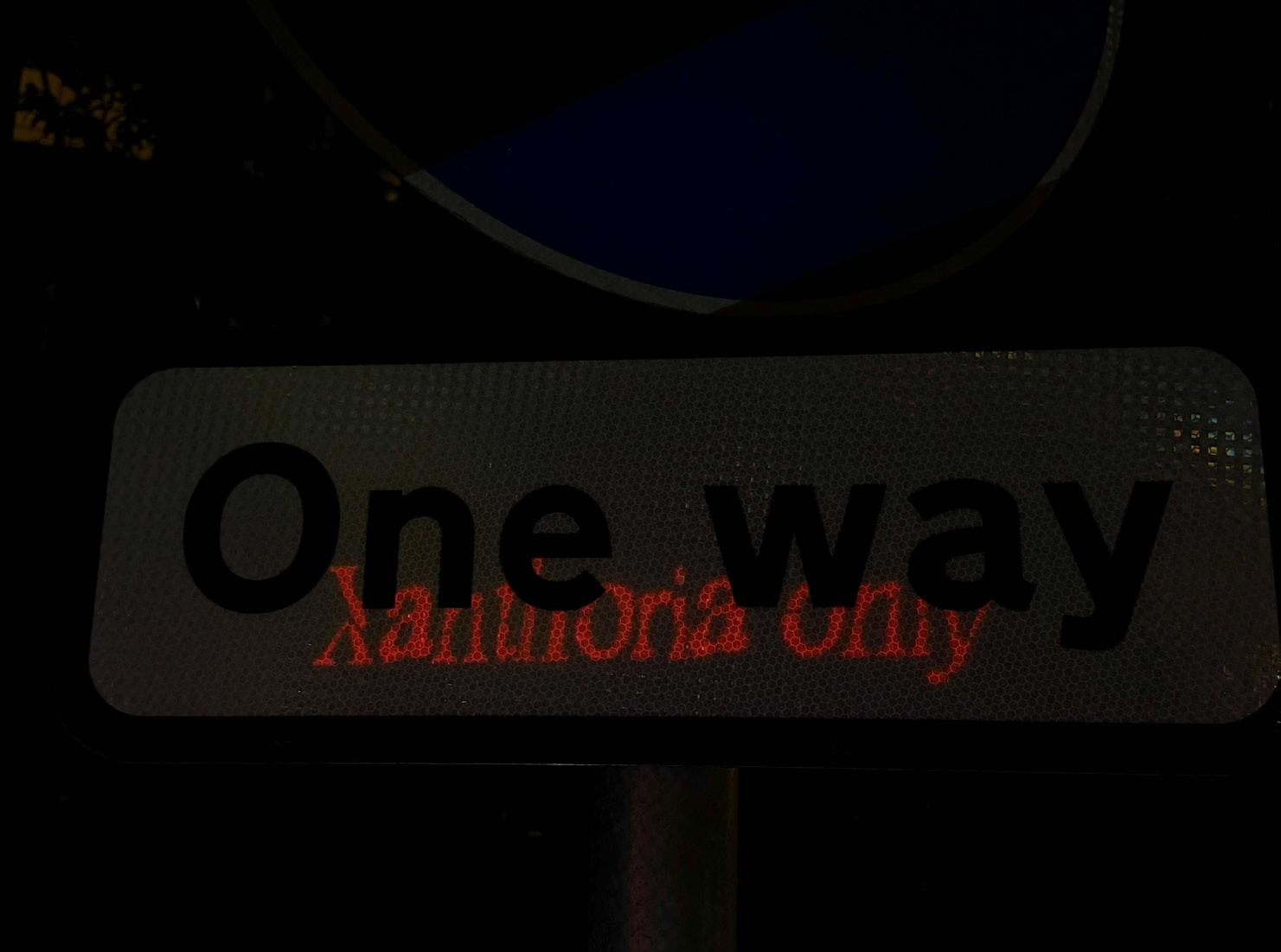
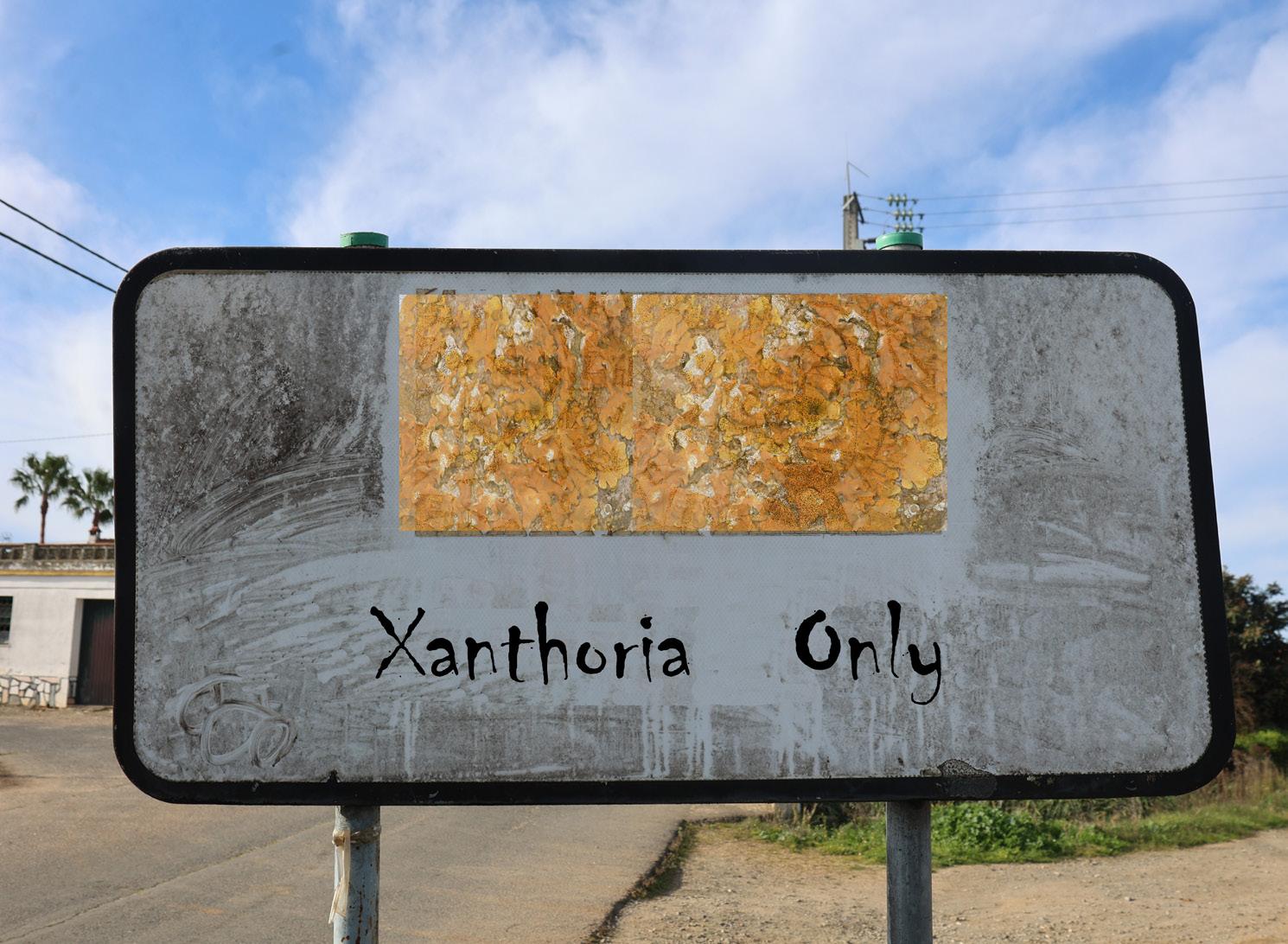
We projected “Xanthoria Only” onto street signs, This act is both a reversal and a satire: in a world where urban expansion, air pollution, and industrial farming shrink viable habitats, do lichens even have a “right of way”?
The word “Only,” typically used to enforce human hierarchies, here flips meaning — ironically asking if nonhuman organisms are the ones truly excluded.In an environment increasingly hostile to slow-growing, pollution-sensitive lifeforms, the lichen becomes a symbol of quiet resistance and systemic neglect.This projection is a symbolic claim for ecological belonging — and a critique of our spatial monopolies.
Projection of "Xanthoria Only" at night
Alentejo Local Signs
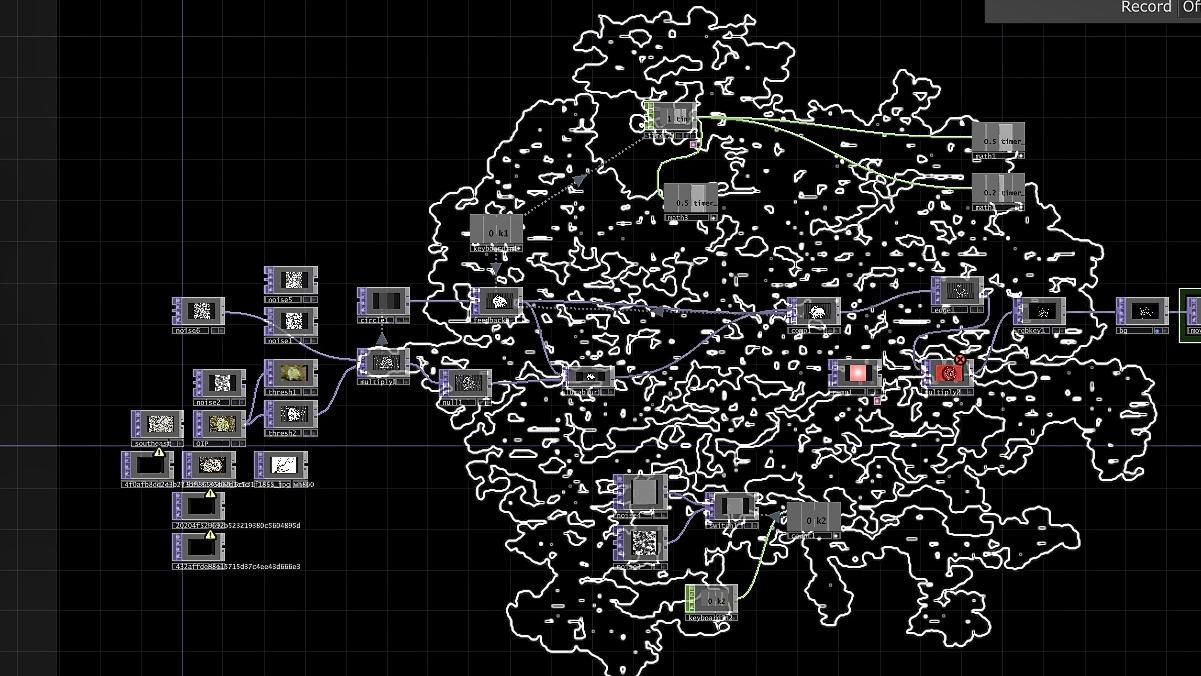
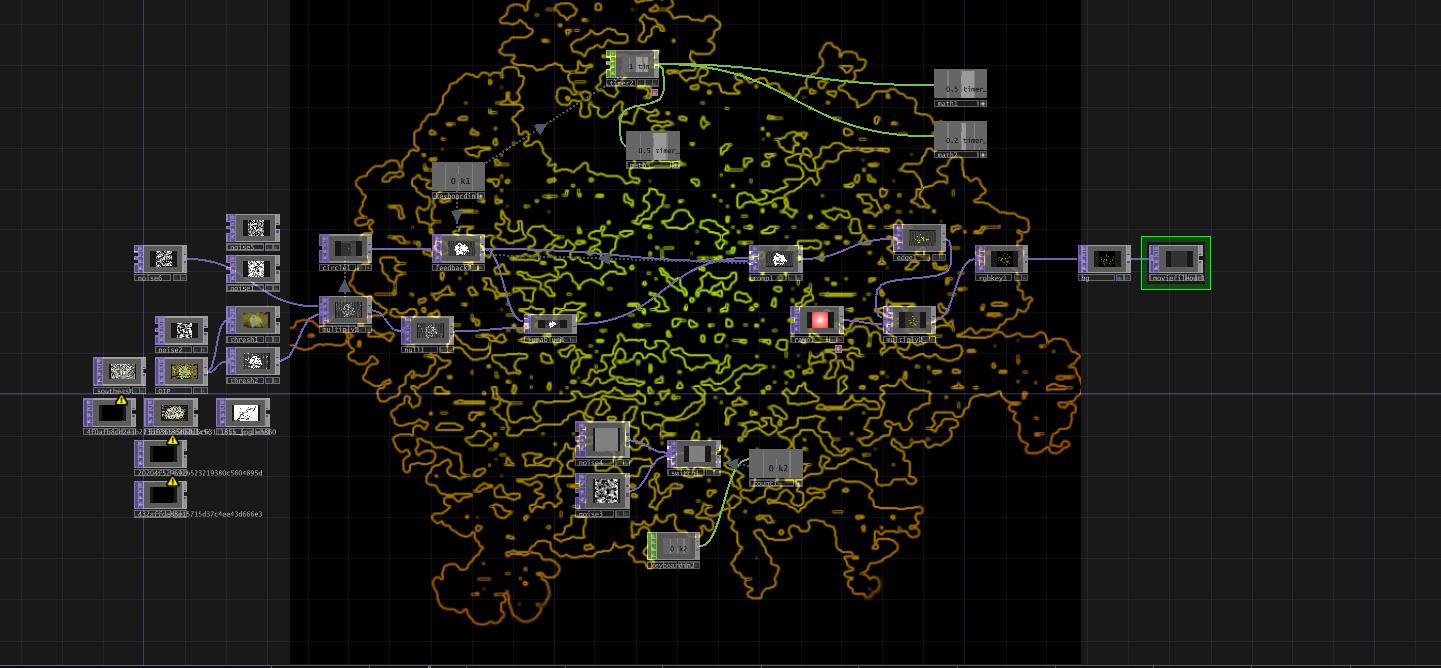
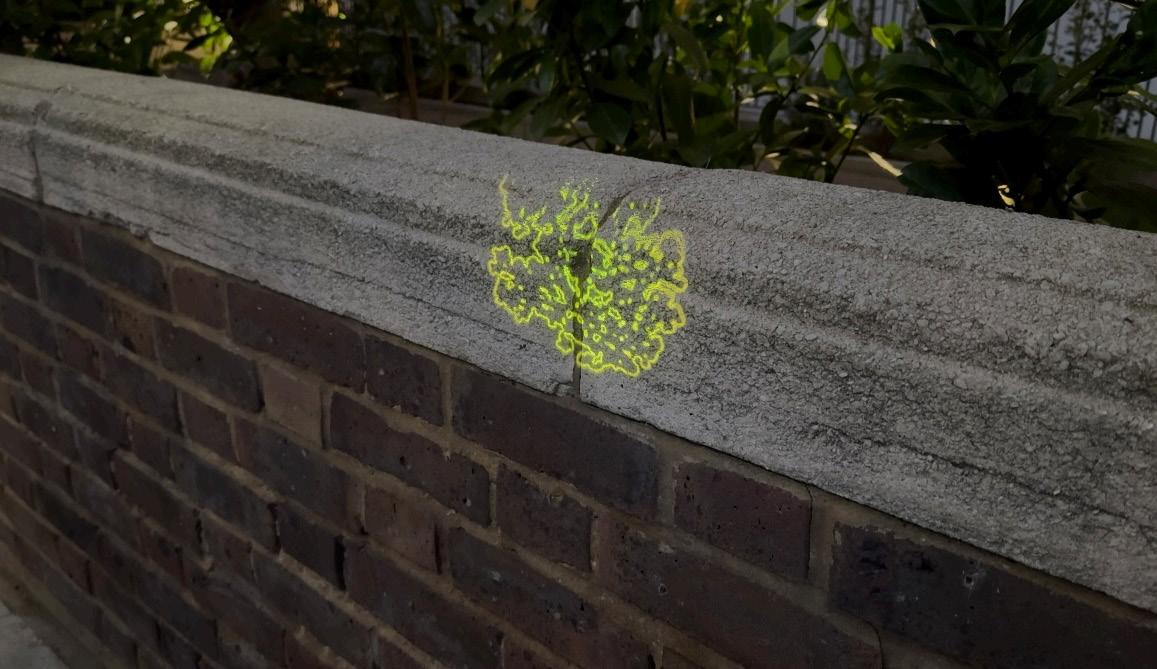
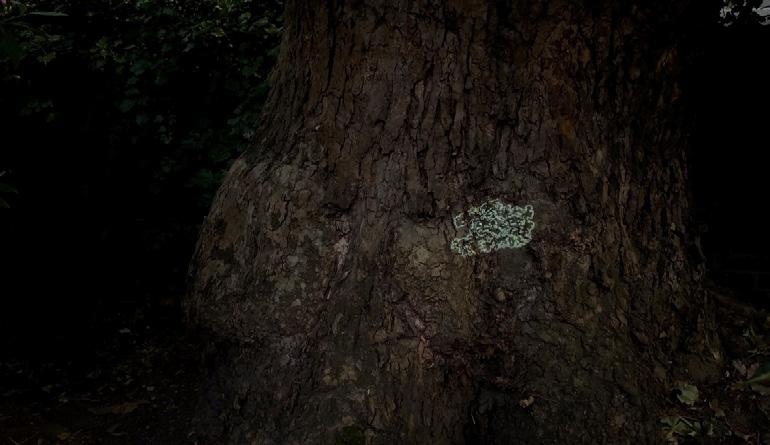
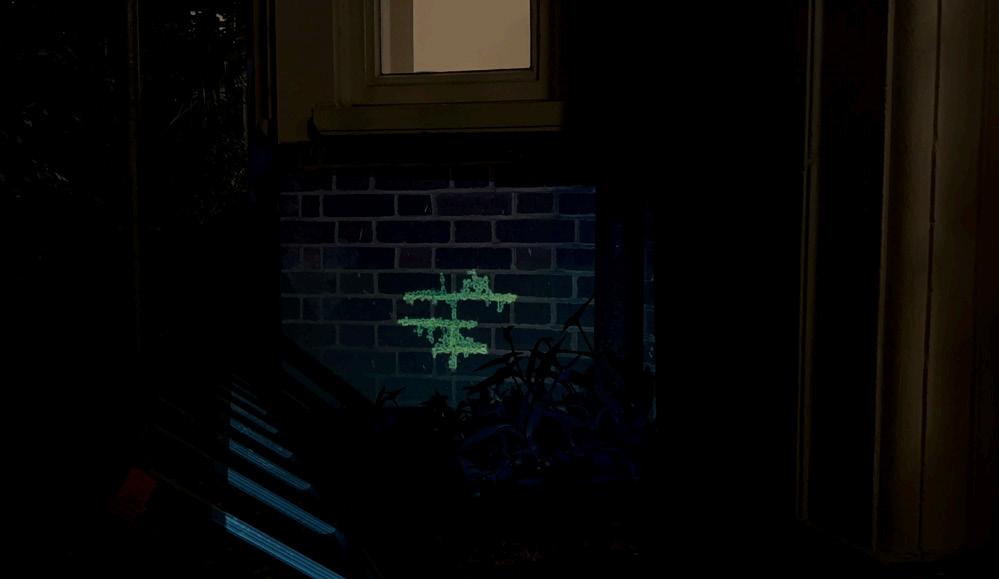
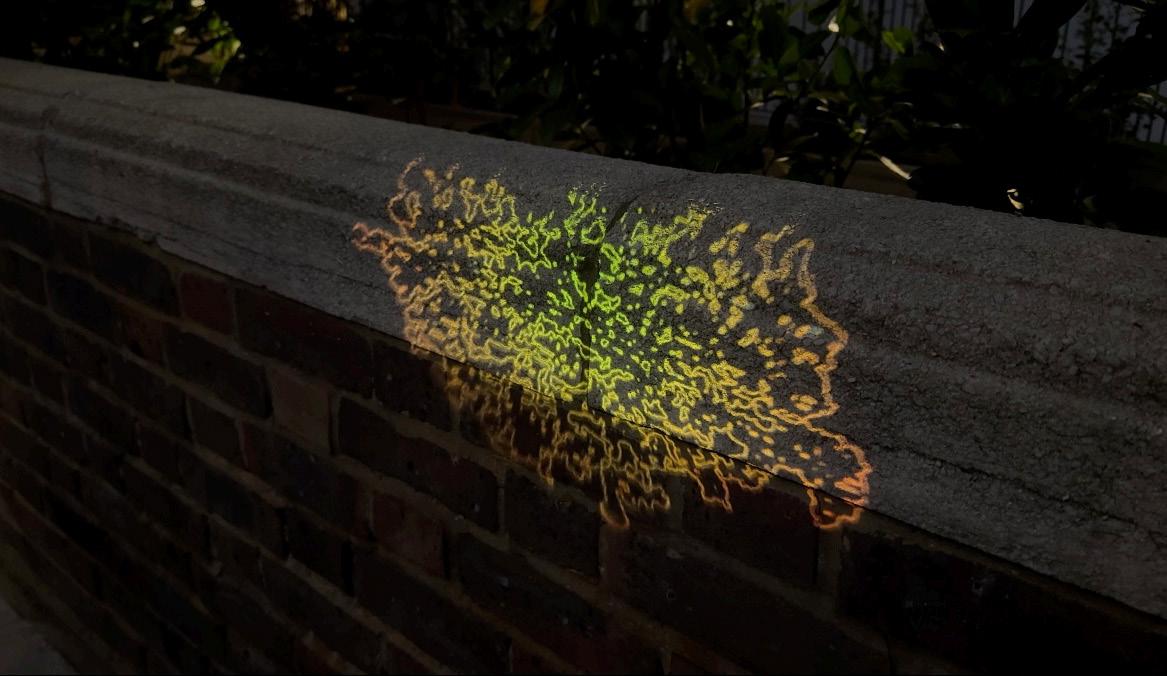
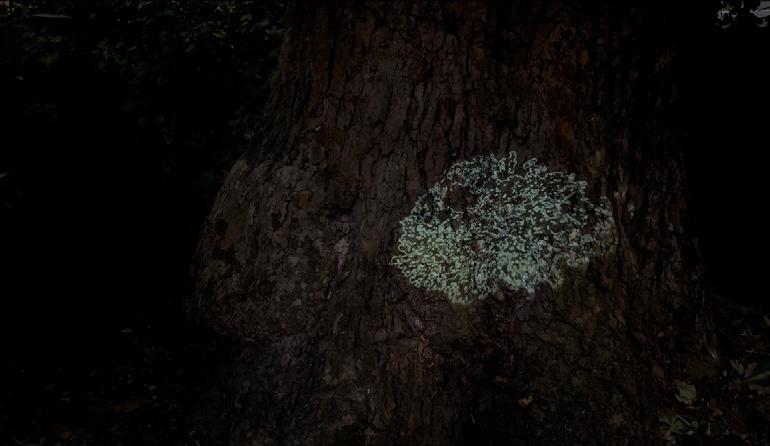
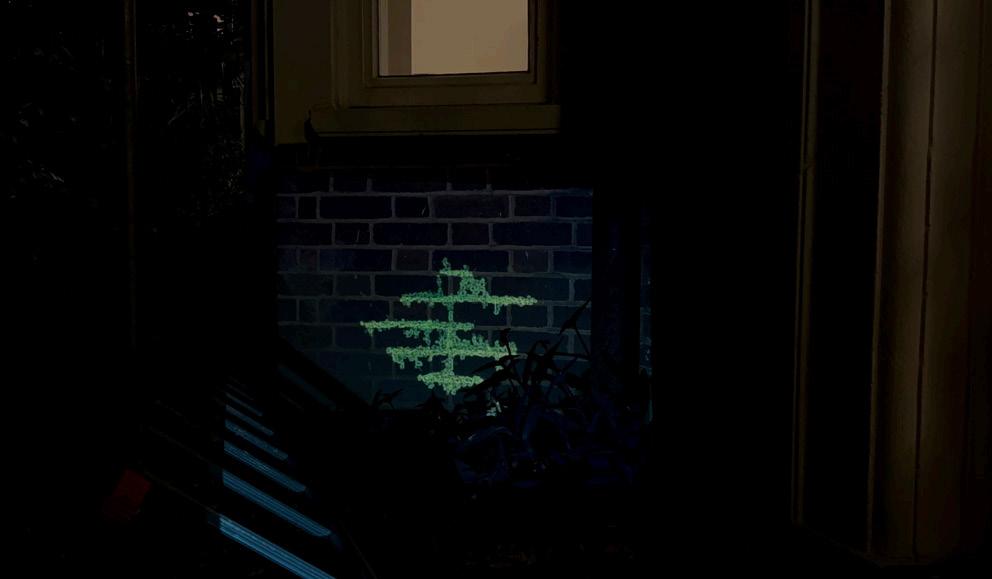
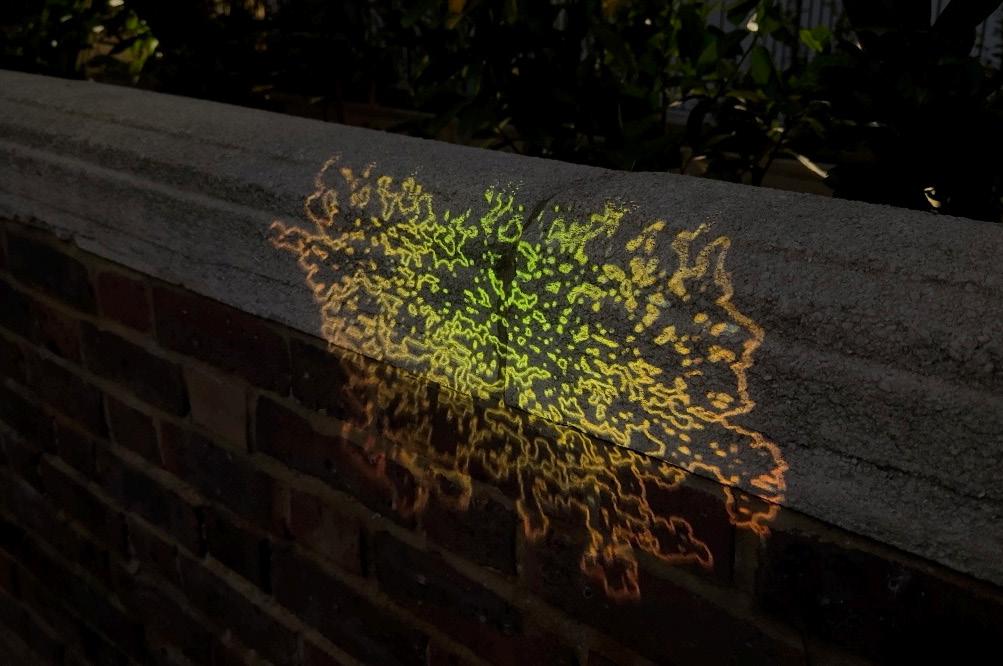
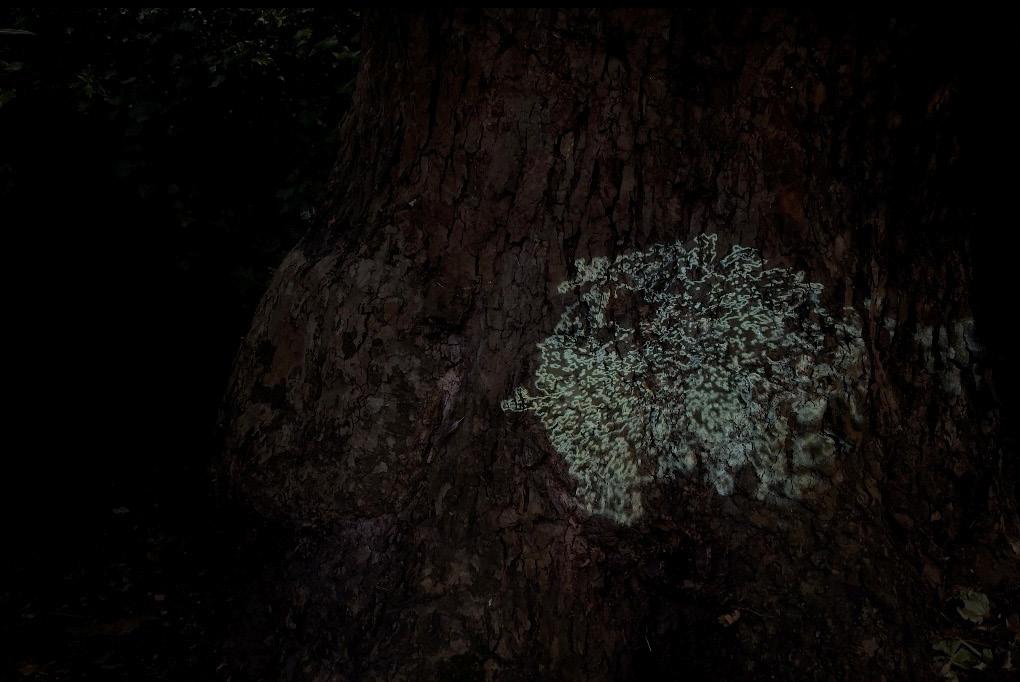
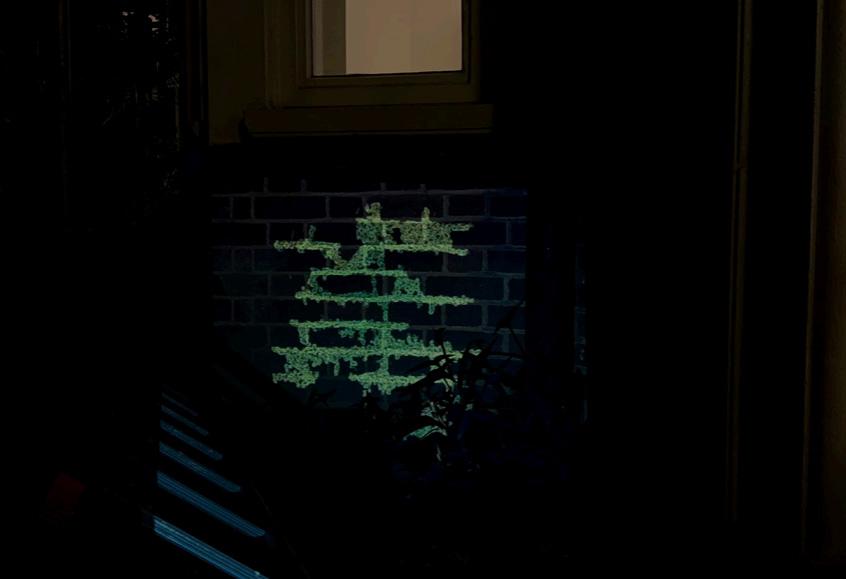
We used TouchDesigner to simulate how lichens grow and projected them into the outdoor environment, allowing them to visually “speak” and reoccupy the space that should be theirs
Lichen Growth
Lichen Growth
By projecting the expansion process of virtual lichens onto real objects or the ground, we create an ecological space-time between reality and fiction. The projection, with its slow spreading dynamics, simulates the growth of lichens under different environmental parameters, which is both a reproduction of natural processes and an emotional visual expression. It allows the viewer to confront ecological changes in a physically perceptive way, thus establishing empathy and concern for these tiny beings.