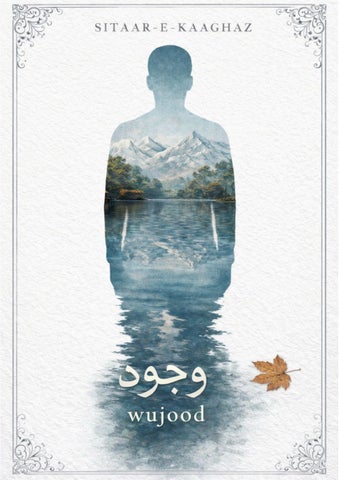
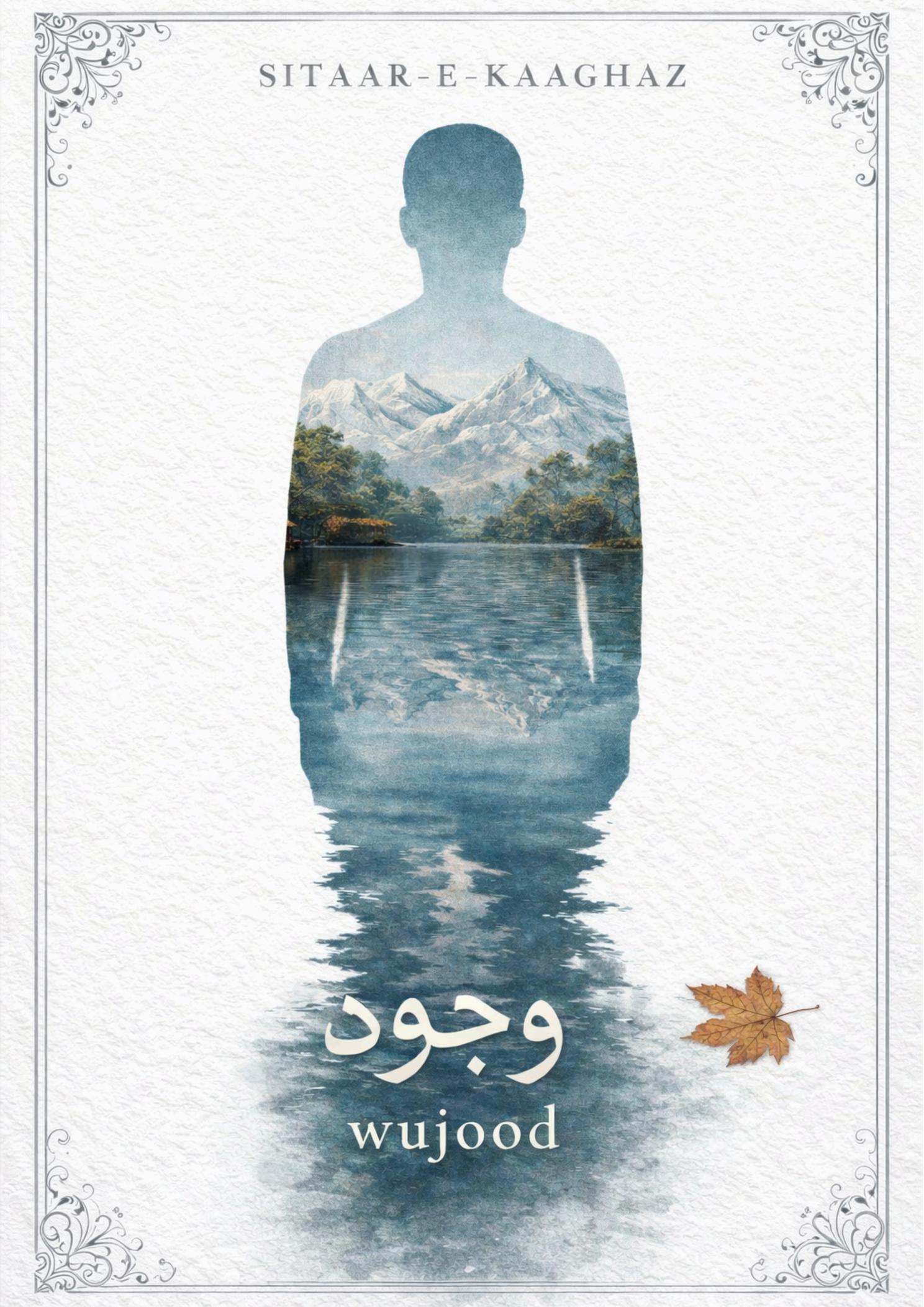
From the founder

There Are No Questions in the Valley
The chinar doesn't ask why it burns red in October; it just does, just as existence does, showing up without cause and departing without regret. The Dal does not refer to the entire sky as a burden. Without knowing if anyone will discover it, the saffron bleeds gold into the frozen ground
The Jhelum has lost sight of its origins.
Nevertheless, it moves in a way that I am unable to describe, bearing a tiny bit of warmth beneath the pheran, cupped against the chill of existence. Before the question of why, the mountains existed.
Long after, they will still be here. Perhaps holding the sky, burning momentarily, and not asking is the solution.

-Eihaan Lateef
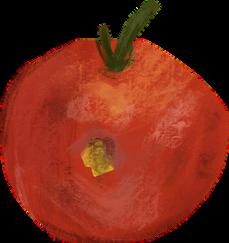

Sometimes I sit quietly and wonder about a strange question
Who are we?
Are we the names the world calls us by, or the thoughts we hide deep within ourselves? Every day we walk through the same streets, passing hundreds of faces, yet every heart carries a story no one else truly knows Some are chasing dreams, some are running from yesterday, and some are simply searching for a place where they finally belong. Maybe we are not what the world sees Maybe we are the hopes we protect, the fears we hide, and the courage that keeps us moving forward.
And maybe our wujood is not something we suddenly find Maybe it slowly grows inside us through every mistake, every question, every dream we refuse to let go. So tonight I ask again, not with fear but with quiet curiosity Who are we?
Perhaps we are just humans trying to understand our own existence.
Athar Bhat
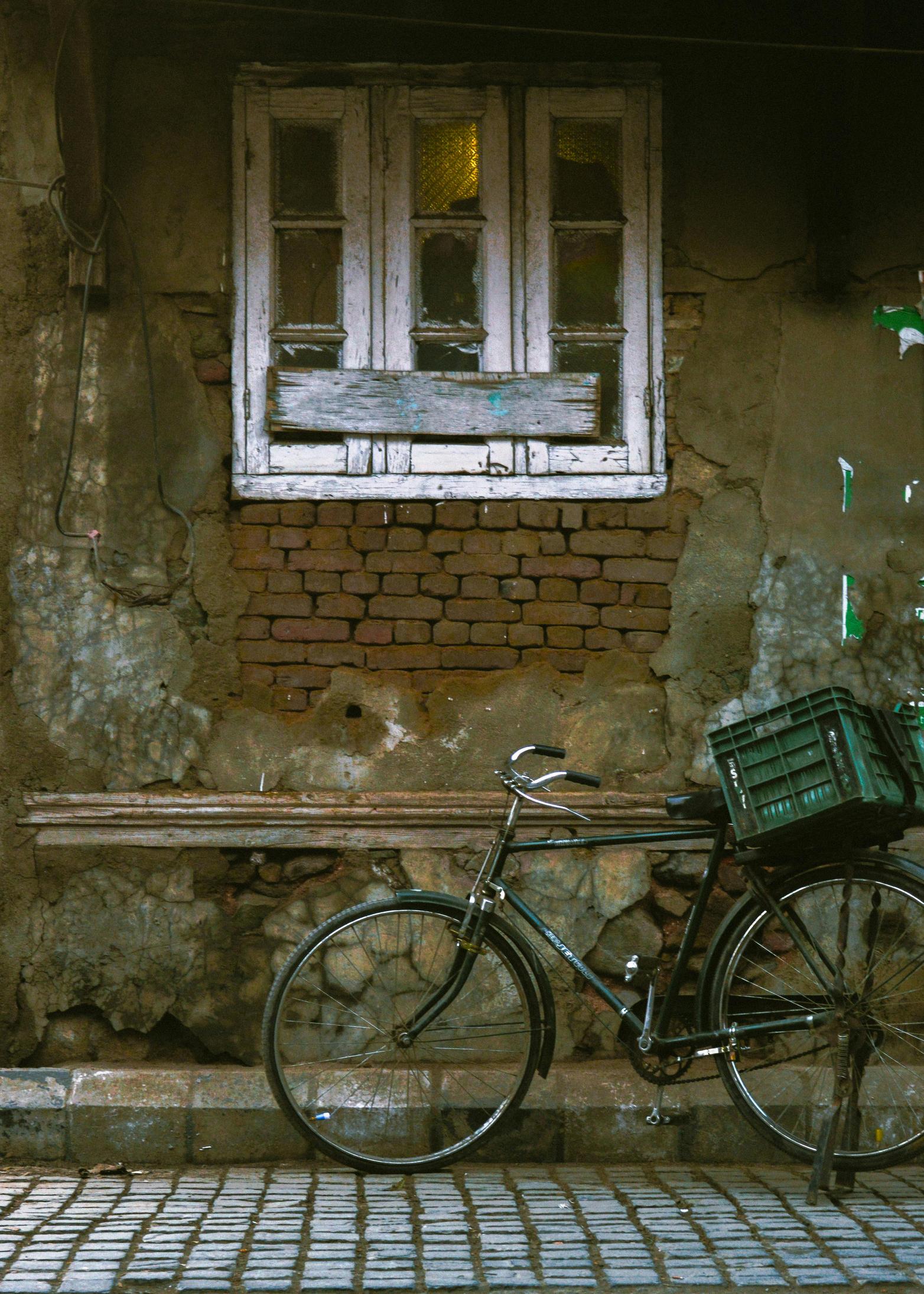
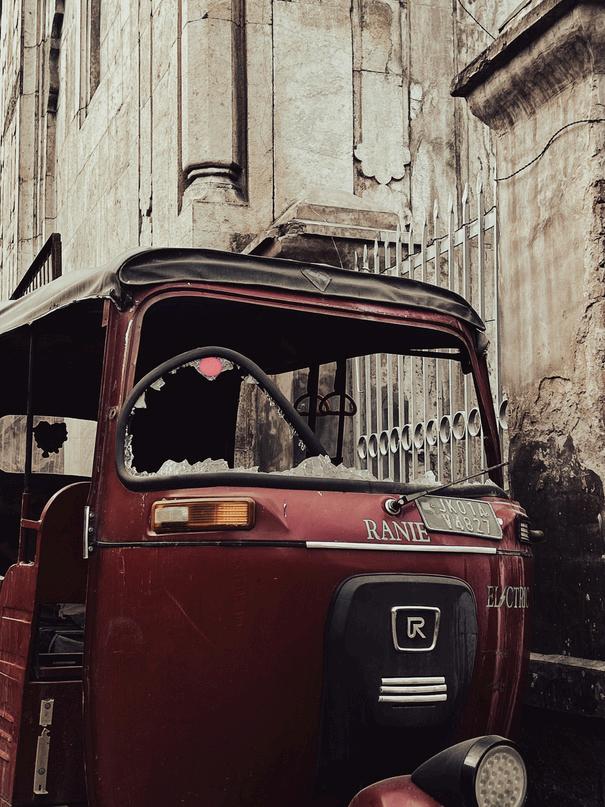
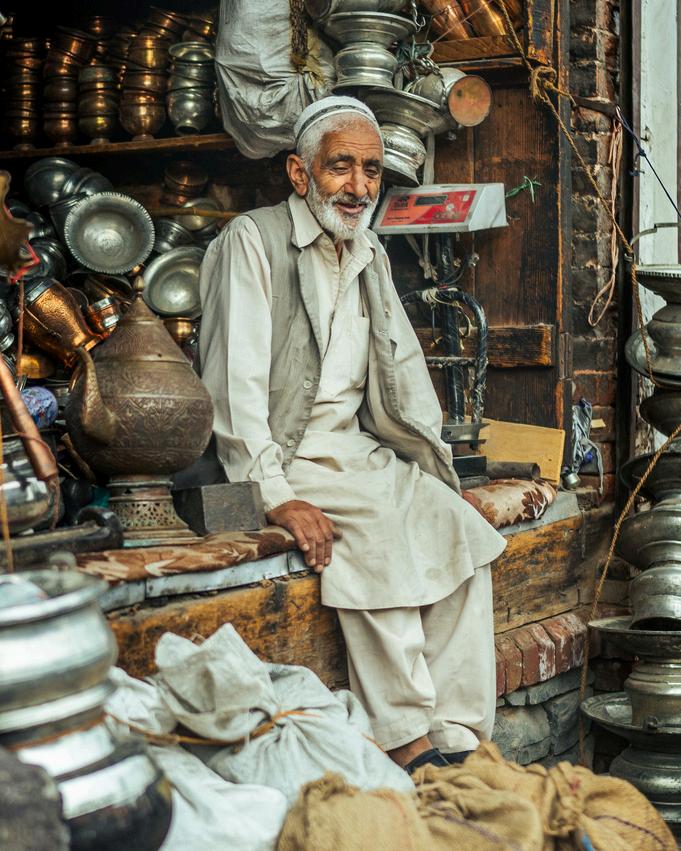

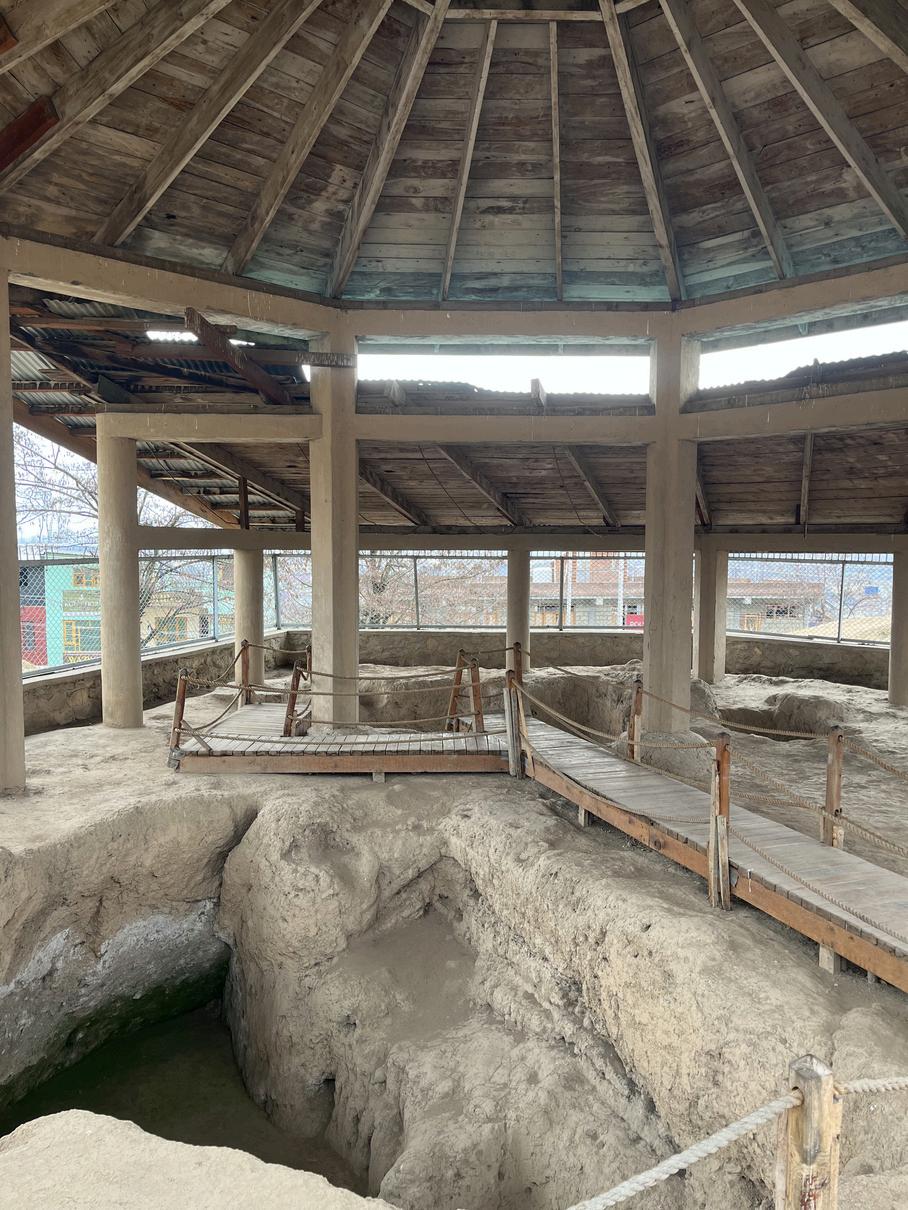
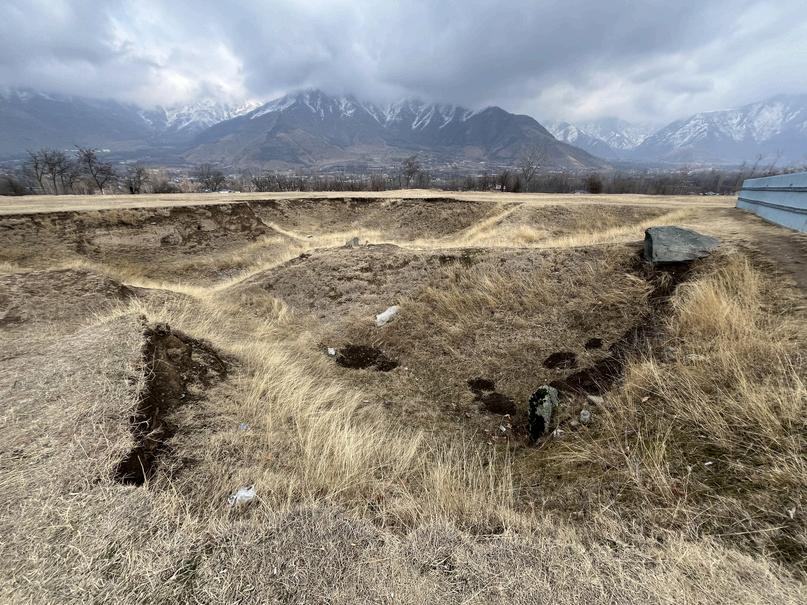
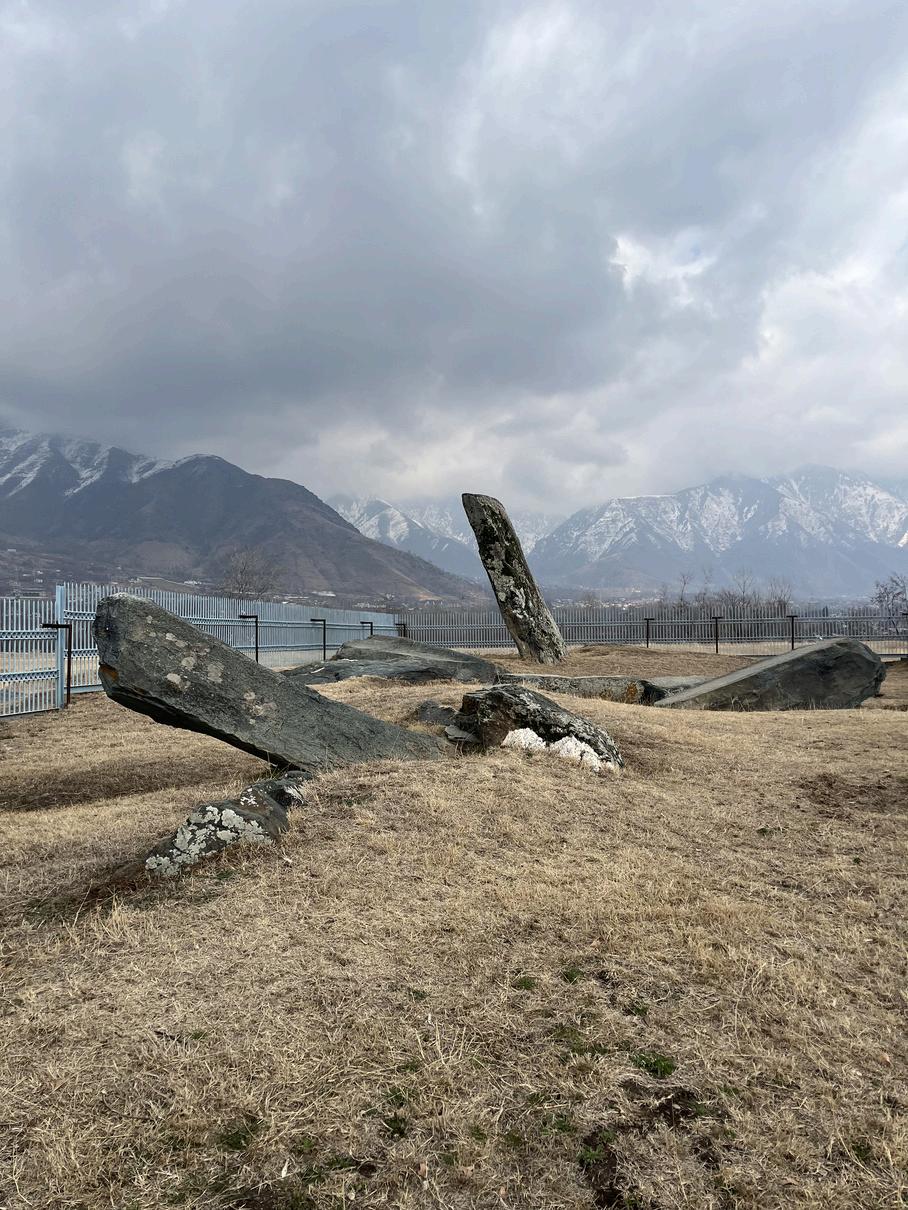
There lies a place that holds the quiet beginning of Kashmir A place where winter feels close and the kangri brings comfort It's the calm outskirts of Burzahom, carrying stories older than memory itself Burzahom is more than just an archaeological site It reminds us how once people lived simply and close to nature Their life was not easy, but it was steady.
Although these people didn't leave behind written words, they left signs of their life instead. The tools they used to make, the animals they cared fo, and how they went from wandering to settling down in one place. These signs show something very important. It's how the people of Burzahom were not just trying to survive, but to belong
There is something deeply human about this way of life It was not chaotic or noisy, but still it was complete Their wujood was simple, but it had meaning Their existence was based on patience, connection, and mutual understanding with their surroundings
And I guess that's what Burzahom teaches us That stories don't need to be loud to be heard Stories can live in silence, within the earth, and in memory Because sometimes, in this very silence, is where we find our wujood.
I did not understand wujood until I felt it slipping
For the longest time, I thought existence was something certain Something stable Like it would always stay with me, no matter what changed But no one tells you how quietly it can begin to fade
The day my grandfather passed away, something inside me went with him It felt like two people had died that day Only one of us stopped breathing, but the other one stopped feeling like themselves
I remember sitting there, surrounded by people, voices, prayers, and yet feeling completely absent from it all Like I was there, but not really there Like my body had stayed, but my wujood had loosened its grip on me
And in that silence, I understood something I had never understood before
That existence is not just about being alive It is about feeling anchored to yourself
There is a line by Jaun Elia that I keep returning to, as if it understands what I could never fully say
“Main bhi bohat ajeeb hoon, itna ajeeb hoon ke bas, khud ko tabaah kar liya aur malaal bhi nahi ”
I am strange in a way that I destroyed myself, and yet feel no regret
For a while, I thought I had lost myself completely
Like my words no longer belonged to me
Like my voice had forgotten its way back
But maybe wujood is not something that disappears
Maybe it just waits
Because somewhere along the way, in the middle of ordinary days and half-finished thoughts, I met someone Just someone from my class Nothing too flashy, nothing loud But somehow, in the way they listened, in the way they saw me without asking me to explain myself, something shifted
It wasn’t sudden It wasn’t a moment you could point at and say, this is where everything changed
It was quieter than that
I found myself speaking again Writing again Feeling like my words had weight, like my presence meant something, even if only in small, unspoken ways
And that’s when it hit me
I had never really stopped existing I had just forgotten how to feel it
And somehow, without even trying, they reminded me
Suha Deputy Lead, CW
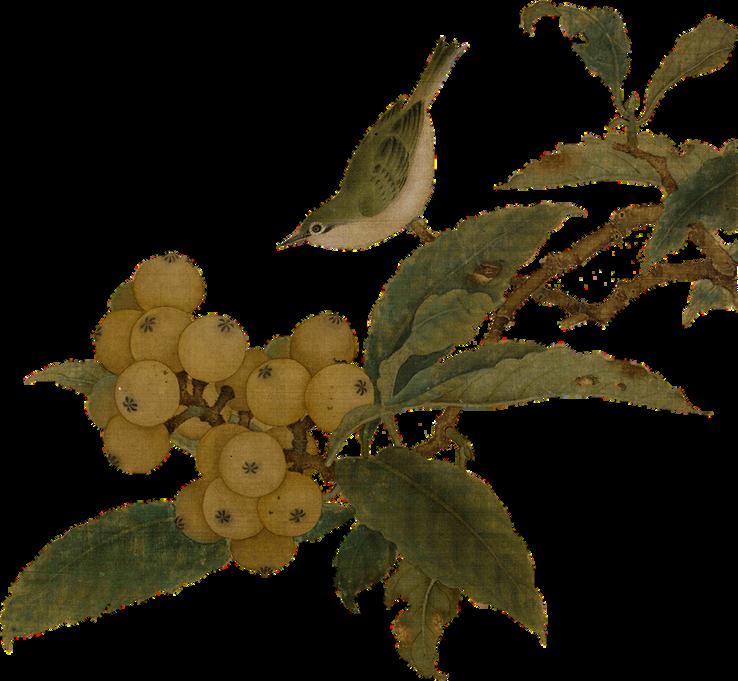
Somewhere between the cold winter nights and the crimson fall of chinar leaves is where Kashmir lives Its silent, yet speaks more than words ever could The existence of Kashmir is not loud, but its present deeply.
This land has seen time in many forms, and its people have learnt to live with patience, finding beauty even in hardship and carrying quiet strength within them
The true wujood of Kashmir lies in its simplicity It lies in the way people greet each other and share a good laughter over cups of kehwa Because Kashmir was never about surviving It was about belonging, to each other
The silence of Kashmir is not empty It's filled with memory, emotion, and understanding It makes us realise that existence is strongest when its calm and steady.
Perhaps what makes Kashmir special is that it never tried to prove itself It just existed, like a story that contributes to every breath of the valley
Jazaan Javed Head of CW
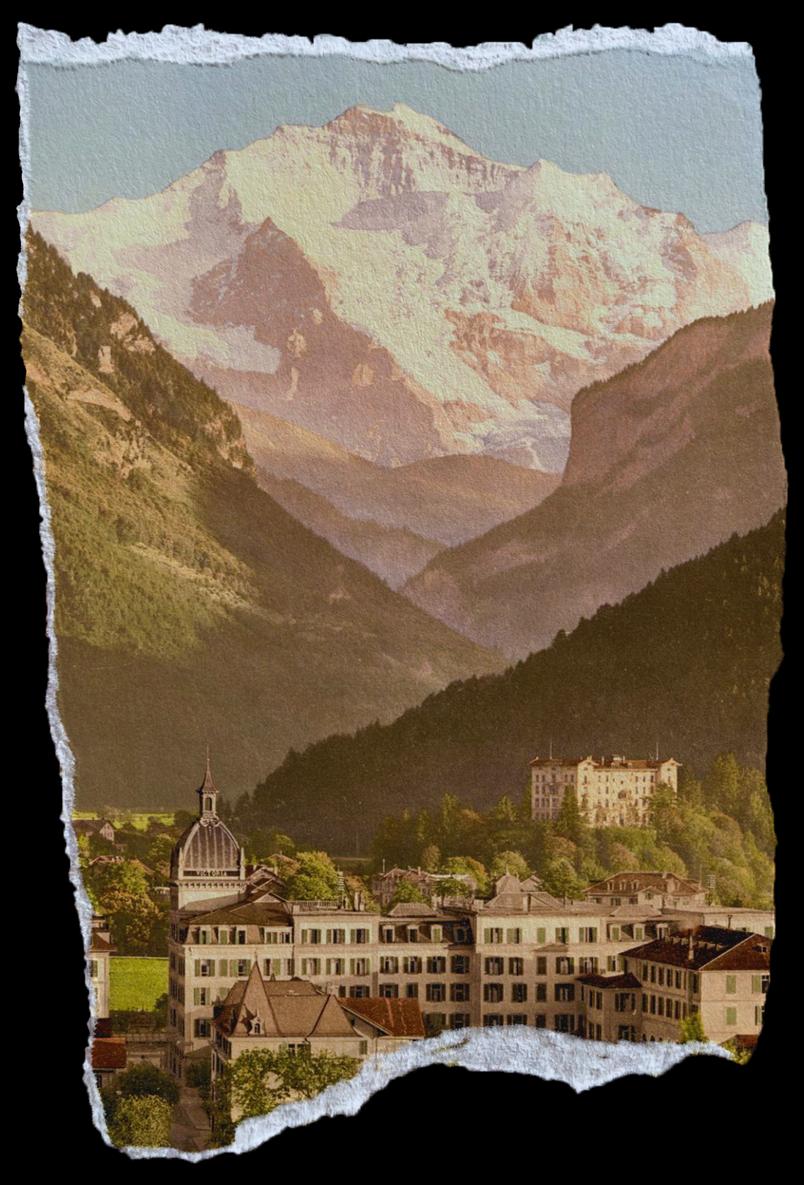
SierraKaelisRaven Sierra Kaelis Raven

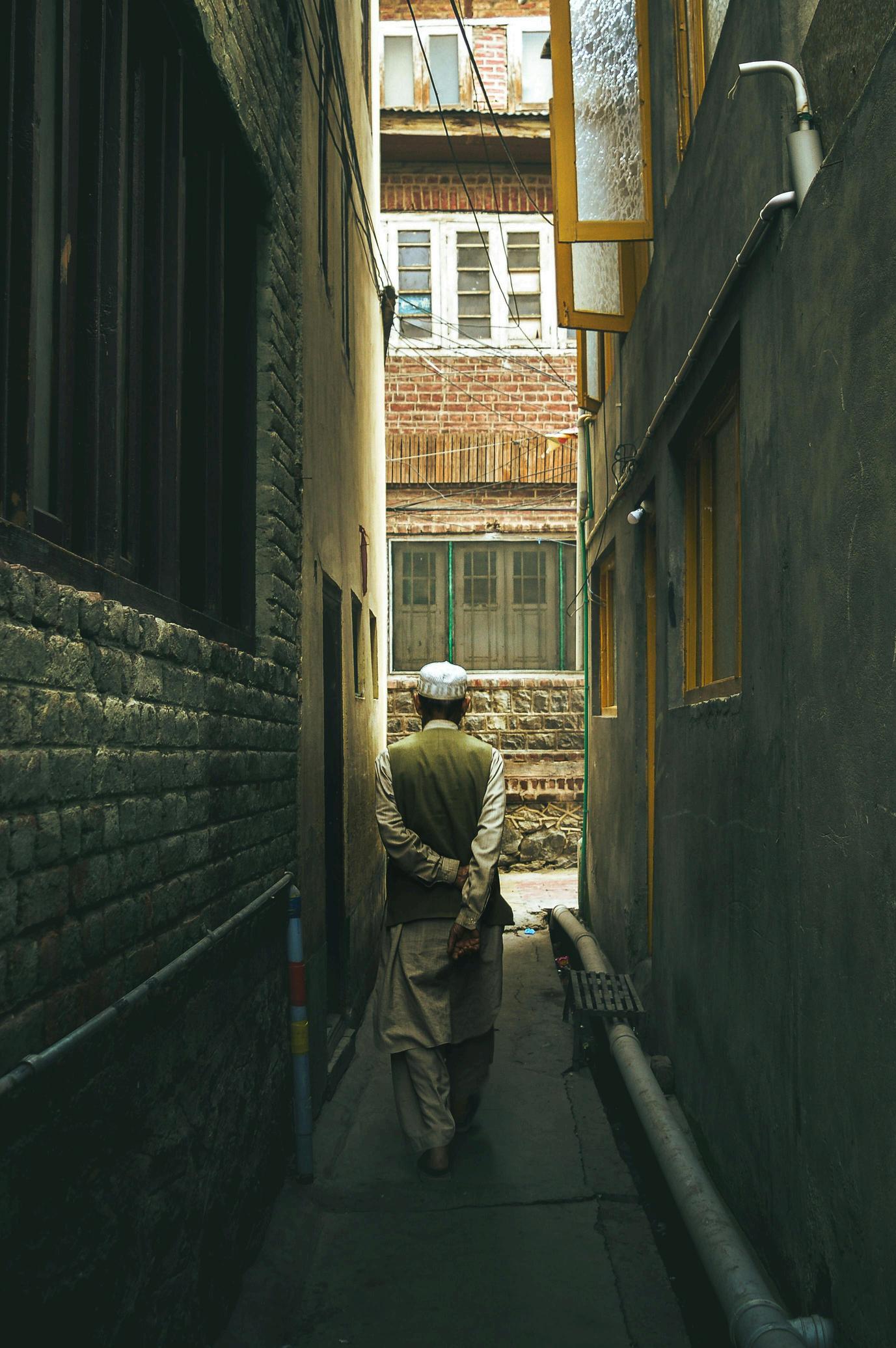
I sat with Jhelum in silence today, it had lost its lover it had lost Kashmir, again with the quiet silence of the wind lies the cries and screams of kashmir that some still hear when they sit in silence for too long, Kashmir sits in silence, Kashmir cries in silence.
beep
Shahid met his mother after 4 years again but he couldn’t see her anymore, he was just a body now, a dead body that day 2 bodies were to bury A 20 year old boy and a 58 year old mother that let her last cry out when she saw her son for the last time a beep, killed 2 people a beep that decided your life in Kashmir , a beep that shattered your family a beep that killed you Jhelum cried today and said ‘below this water i carry blood, blood of my beloved Kashmir' and I cried too, I cried for the mother who saw her son dead for the last time I realized Kashmir was dead Kashmir was dead for Jhelum and for me
Aleena Aijaz
Yabaar Beigh
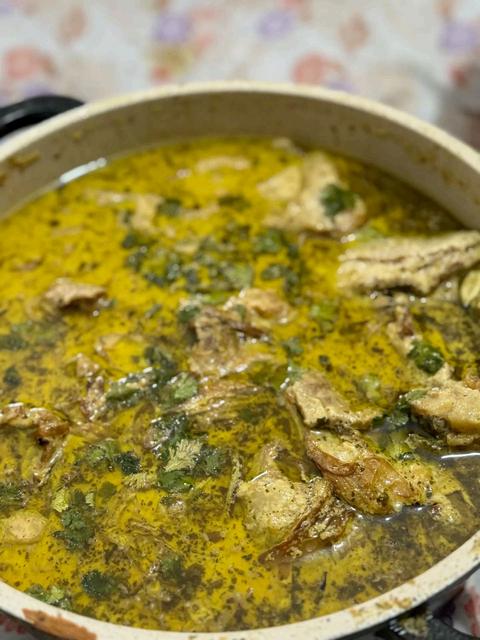
Yakhni–a recipe passed down over the centuries
INGREDIENTS
1 500 grams mutton, or lamb
2 3 tablespoons oil, preferably mustard oil
3.1 piece cinnamon, about 1-inch in length
4 2 bay leaves (tej patta)
5 1 black cardamom pod (badi elaichi)
6 2 green cardamom pods
7 1 clove (laung)
8.1 teaspoon salt, or to taste
9 1 teaspoon ginger powder (sonth)
10 1 1⁄2 teaspoons fennel powder (saunf)
11 420 ml yogurt, (1¾ cups) whisked well with 120 ml water (about ½ cup)
12.1⁄2 teaspoon dried mint, crushed
13 1⁄2 teaspoon black cumin (shahi jeera)
Sauté whole spices and mutton: Place a kadhai or pressure cooker on high heat and pour in mustard oil Once the oil reaches smoke point, reduce heat to medium, and toss in cinnamon, bay leaves, black cardamom pod, green cardamom pods, and clove. Give it all a good stir then tip in mutton. Sauté, stirring occasionally, till the mutton starts gaining some colour, 7 to 8 minutes
Pressure cook mutton: If you were cooking in a kadhai, transfer the contents to a pressure cooker Otherwise continue in the pressure cooker Add salt, ginger powder (sonth), fennel powder (saunf), and pour in 720 ml hot water (3 cups water). Stir well and bring to a boil, the seal the lid of the pressure cooker. After the first whistle (when the cooker reaches full pressure), reduce heat to medium and cook for 6 to 7 minutes Remove from heat and set aside for the pressure to subside before opening the cooker Separate the mutton and the stock Reserve
Cook yogurt: While the mutton is cooking in the pressure cooker, place a kadhai or wok on medium heat and pour in whisked yogurt. Stir continuously (otherwise the yogurt will curdle and separate) till the yogurt comes to a boil. Continue stirring till the yogurt has reduced by half, 12 to 15 minutes
Add stock and mutton and finish the dish: Pour reserved stock into the reduced yogurt and cook for about 4 minutes, stirring Tip in reserved mutton and cook, stirring occasionally, till the gravy thickens, 15 to 25 minutes Toss in dried mint and black cumin seeds. Stir for a minute then remove from heat.

Layout Editing: Falah M Masoodi, Taiba Masoodi, Sheikh Zaynab
Photography: Aqil Mir and team
Illustrations: Rahat Sajad
Creative Writing: Jazaan Javed, Suha Khan and team
Outreach: Rida Parvaiz, Imad ul Din, Aliza Omer
Arts and Graphics: Rahat Sajad