
Exploring the Advancements in RCD Breaker Technology for Enhanced Electrical Protection
Importance of Electrical Safety:
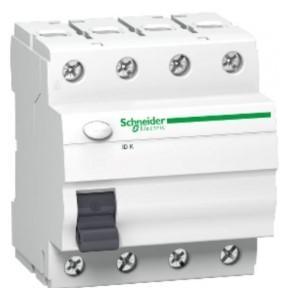
Electrical safety is a crucial aspect of every building and infrastructure. Whether it's a residential property or a commercial establishment, ensuring the safety of electrical systems is of paramount importance. One of the essential components in electrical safety is the RCD breaker, which plays a significant role in protecting against electrical hazards and preventing electrical accidents.
With advancements in technology, RCD breakers have undergone significant improvements in recent years. These advancements have revolutionized electrical
protection, enhancing safety levels and minimizing the risks associated with electrical faults. In this article, we will explore the latest advancements in RCD breaker technology and how they contribute to enhanced electrical protection.
Understanding RCD Breakers:
Before we delve into the advancements, let's first understand what RCD breakers are and how they function. RCD stands for Residual Current Device, and the primary purpose of an RCD breaker is to monitor the flow of electrical current and protect people from electric shock.
An RCD breaker constantly monitors the current flowing through a circuit. If it detects an imbalance in the current, indicating the presence of a fault or leakage, it will quickly disconnect the power supply, preventing the occurrence of an electric shock. RCD breakers are particularly effective in preventing accidents caused by contact with live wires, such as when a faulty appliance or a damaged cable comes into direct contact with a person.
The Advancements in RCD Breaker Technology:
Over the years, there have been significant advancements in RCD breaker technology, resulting in more efficient and reliable electrical protection. Here are some of the key advancements:
1. Enhanced Sensitivity
Earlier versions of RCD breakers had a sensitivity threshold that measured current imbalances above a certain level. However, modern RCD breakers have significantly enhanced sensitivity, allowing them to detect even the slightest variations in current flow. This means that they can quickly respond to minor faults or leakages, providing immediate protection and minimizing the risk of electrical accidents.
2. Increased Speed of Operation
Advancements in RCD breaker technology have also resulted in increased speed of operation. Traditional RCD breakers would often take several milliseconds to trip and disconnect the circuit. However, newer models can now trip within a fraction of a millisecond, offering nearly instant protection. This improvement in speed is crucial in preventing severe electric shocks, as the faster the disconnection, the lesser the impact.
3. Selective Tripping
Selective tripping is another significant advancement in RCD breaker technology. In earlier versions, when a fault occurred, the main breaker would trip, cutting off the
power supply to the entire building or a substantial part of it. This would cause inconvenience and disruption. However, modern RCD breakers allow for selective tripping, isolating the faulty circuit while keeping the rest of the electrical system operational. This selective tripping feature not only ensures enhanced electrical protection but also minimizes downtime and inconvenience.
4. Integrated Ground Fault Protection:
Ground faults, where electrical current flows outside the intended circuit path, can be extremely dangerous. They can occur due to various reasons, including faulty wiring or equipment. Advanced RCD breakers now come with integrated ground fault protection, which monitors and detects ground faults in addition to the standard current imbalance detection. This extra layer of protection further enhances electrical safety and minimizes the risk of electric shock accidents.
5. Self-Testing and Diagnostic Features:
To ensure the ongoing reliability and effectiveness of RCD breakers, modern models come equipped with self-testing and diagnostic features. These features allow the RCD breaker to perform periodic self-tests to ensure it is functioning correctly If any issues or faults are detected, the breaker will indicate a fault and require attention. This proactive approach to maintenance and detection of faults ensures that the RCD breaker is always in optimal condition, providing reliable electrical protection.
Conclusion:
The advancements in RCD breaker technology have significantly improved electrical safety and protection. The enhanced sensitivity, increased speed of operation, selective tripping capabilities, integrated ground fault protection, and self-testing features have revolutionized the way electrical systems are protected against accidents and hazards.
It is crucial for both residential and commercial properties to adopt these advancements in RCD breaker technology to ensure the highest level of electrical safety. By investing in modern RCD breakers, property owners can provide a safer environment for occupants and reduce the risks associated with electrical faults. Remember, electrical safety should never be taken lightly. Stay updated with the latest advancements in RCD breaker technology, and always prioritize the well-being and protection of everyone who interacts with electrical systems.