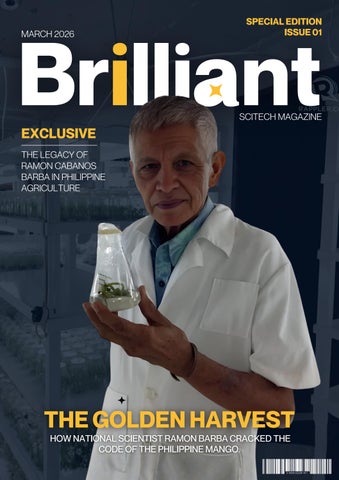
THE LEGACY OF RAMON CABANOS
BARBA IN PHILIPPINE AGRICULTURE

HOW NATIONAL SCIENTIST RAMON BARBA CRACKED THE CODE OF THE PHILIPPINE MANGO.
THE LEGACY OF RAMON CABANOS
BARBA IN PHILIPPINE AGRICULTURE
HOW NATIONAL SCIENTIST RAMON BARBA CRACKED THE CODE OF THE PHILIPPINE MANGO.
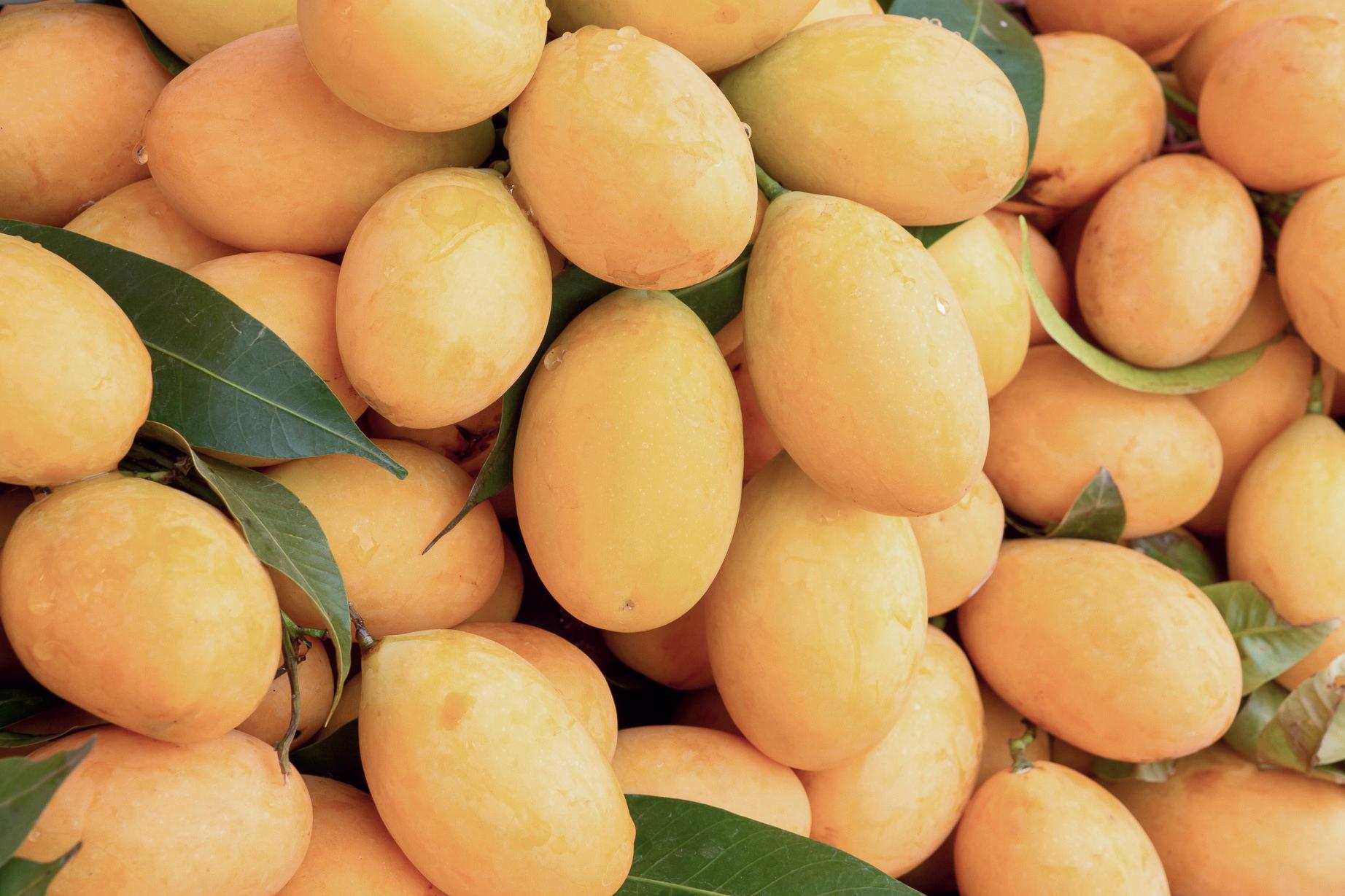
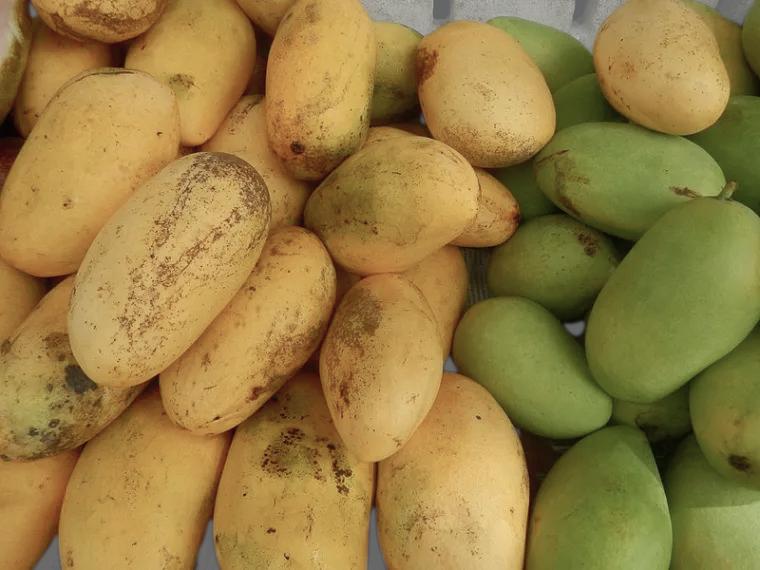
For years, the Filipino mango lived a quiet, unpredictable life. It would appear each summer, offering its rich, golden sweetness then disappear just as quickly. Farmers could never be sure of what the next year would bring. A season of plenty could easily be followed by one of scarcity. Because of this uncertainty, mango trees were often left in the background, grown not for profit,butsimplyforthecomfortoftheirshade.
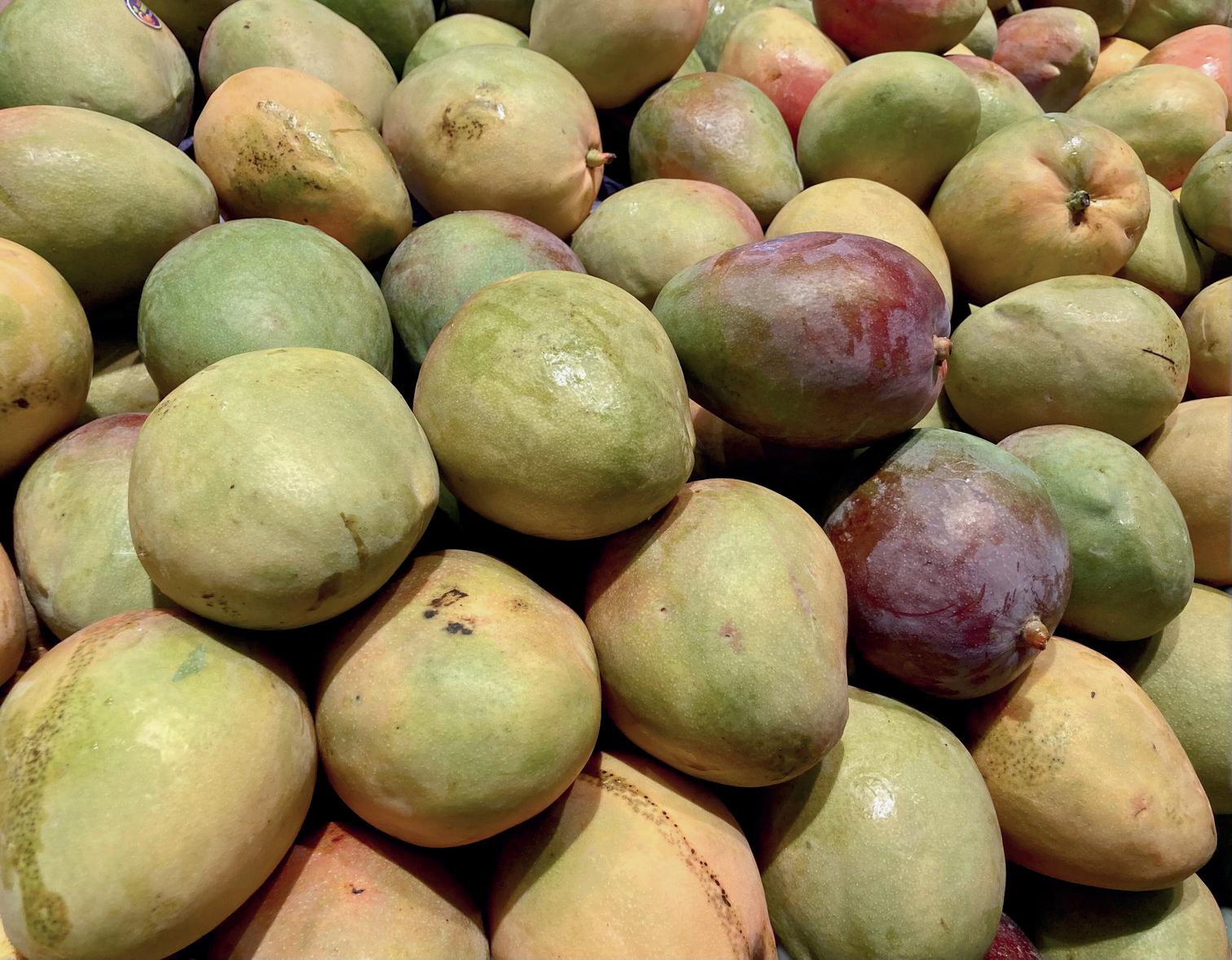
But today, the Philippinesstandsasa global mango titan, its exports spanning the map, and golden fruits are available yearround. This agricultural miracle didn’t emerge from a corporate laboratory or require millions in synthetic research. It came from the curiosity, persistence, and brilliance of one man with a simple spray bottle.Thisisthestory of National Scientist Ramon Cabanos Barba and the golden harvest he gifted to theFilipinopeople.


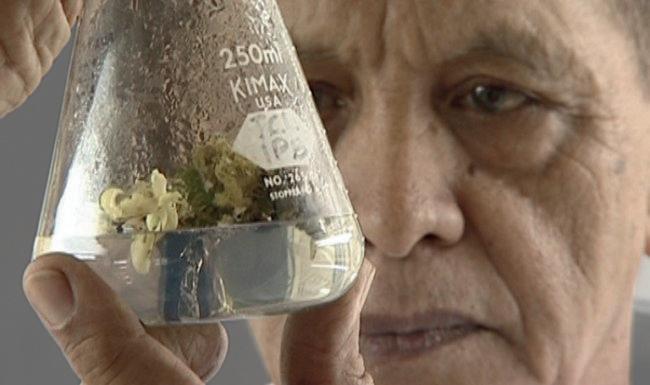
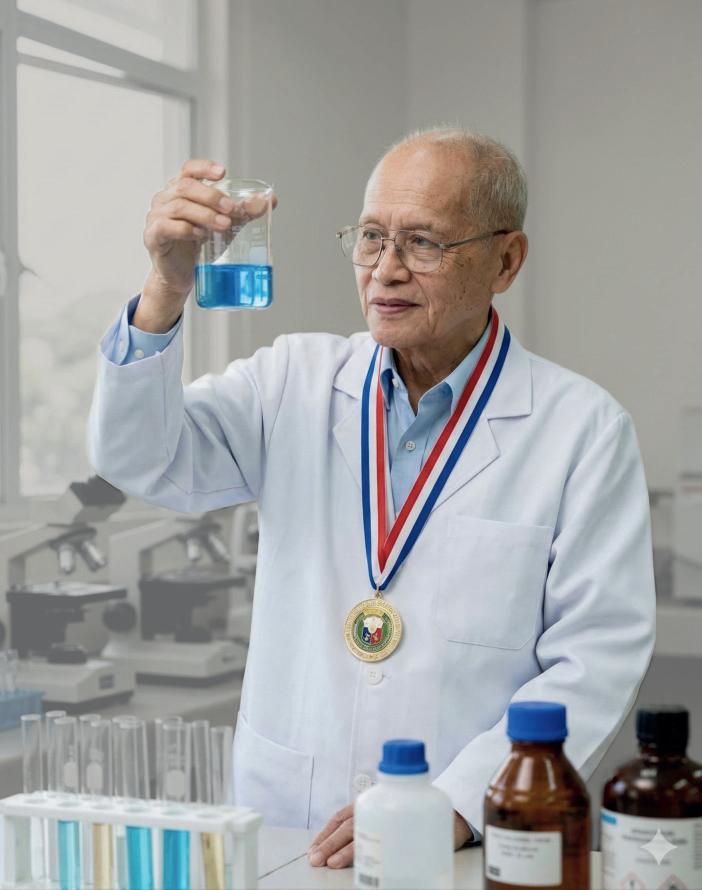
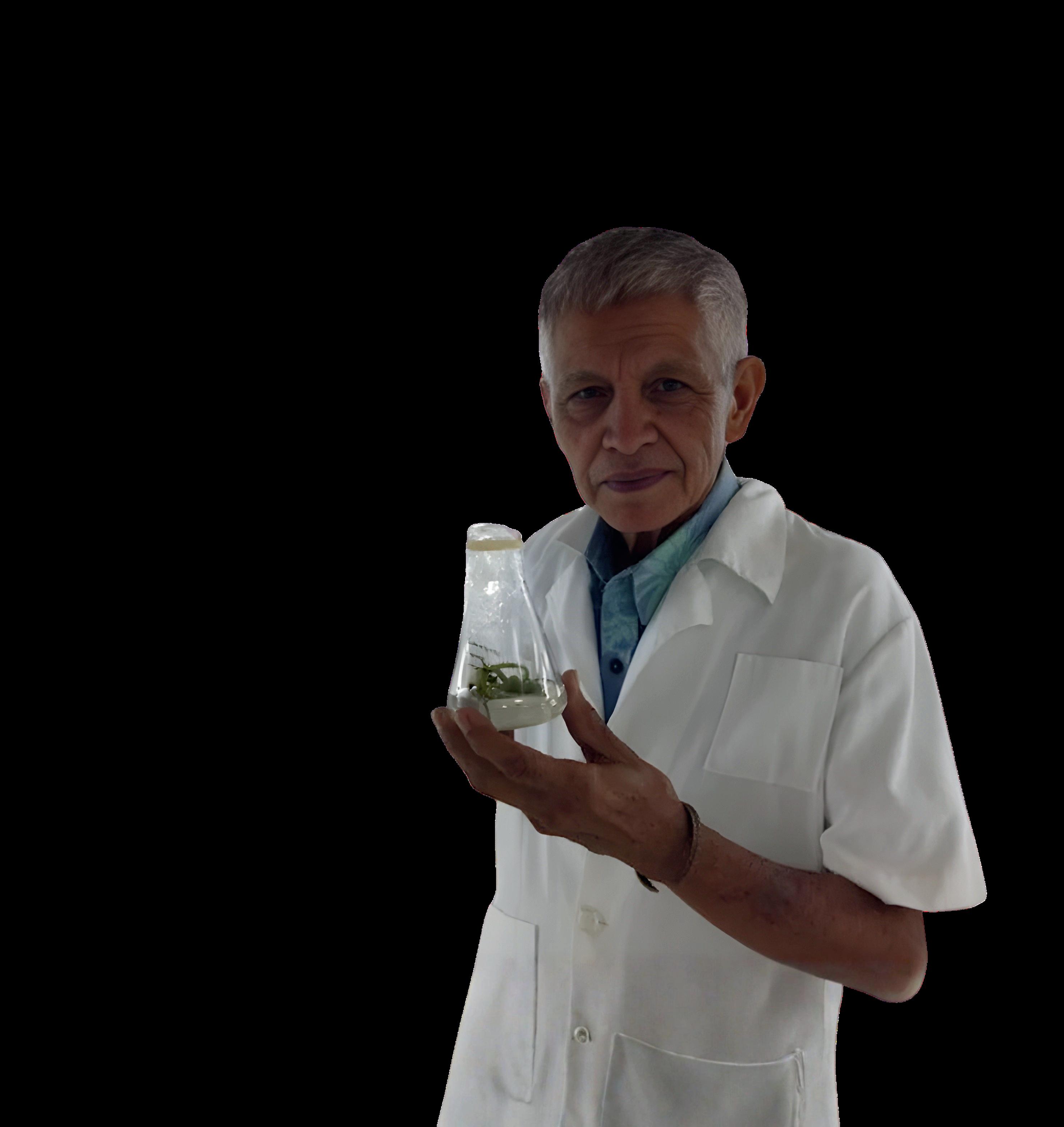
He was a Filipino scientist in the field of agriculture, specifically in horticulture, which focuses on the study of plant growth, crops, and cultivation techniques. He studied agriculture focusing on plant growth and crop production. He graduated from the University of the Philippines Los Baños (UPLB). Pursued advanced studies abroad in plant physiology and horticulture. He is best known for discovering a way to make mango trees flower anytime of the year using potassium nitrate because of this discovery, mango trees can now produce fruit up to three times a year, instead of only once.
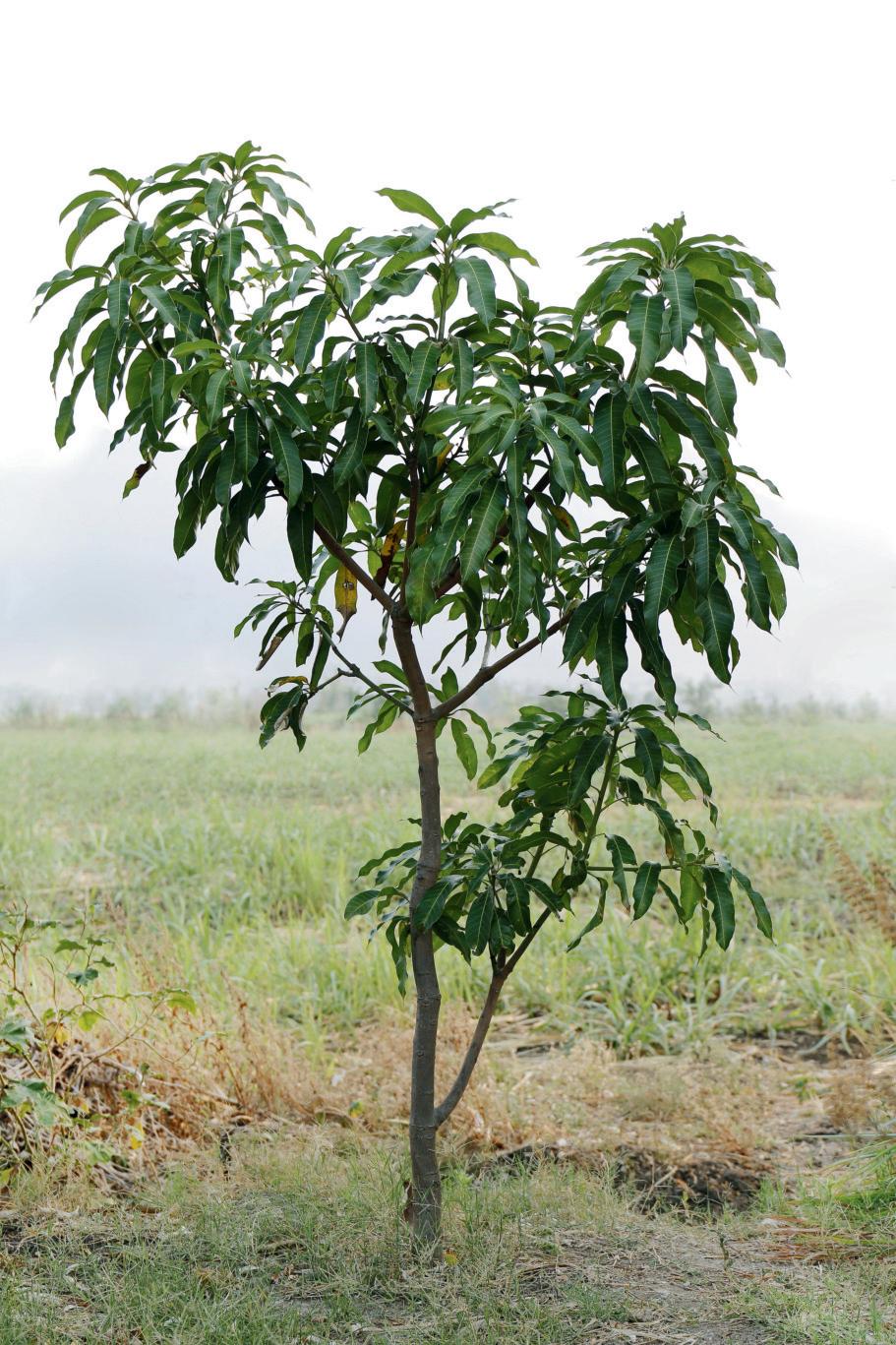
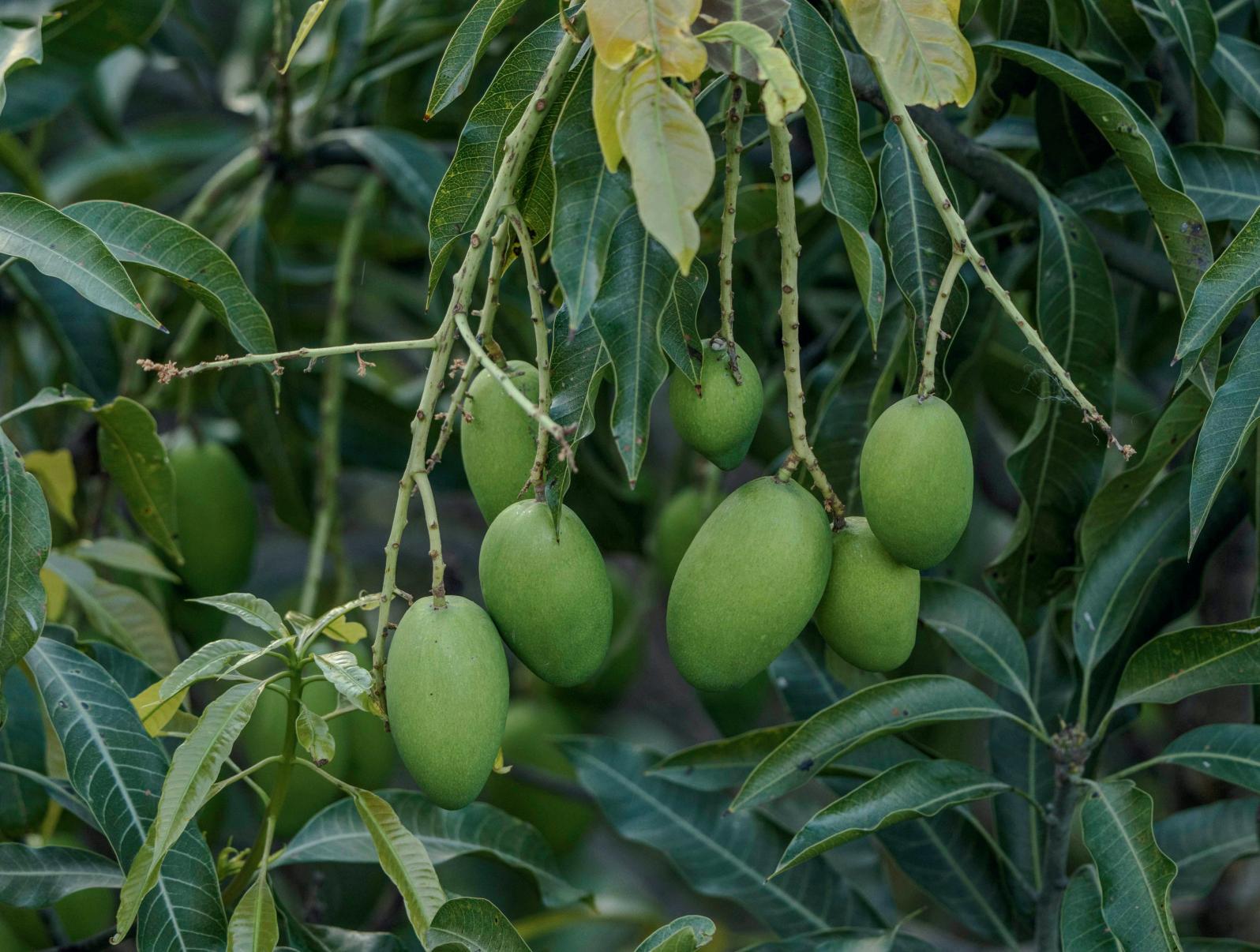

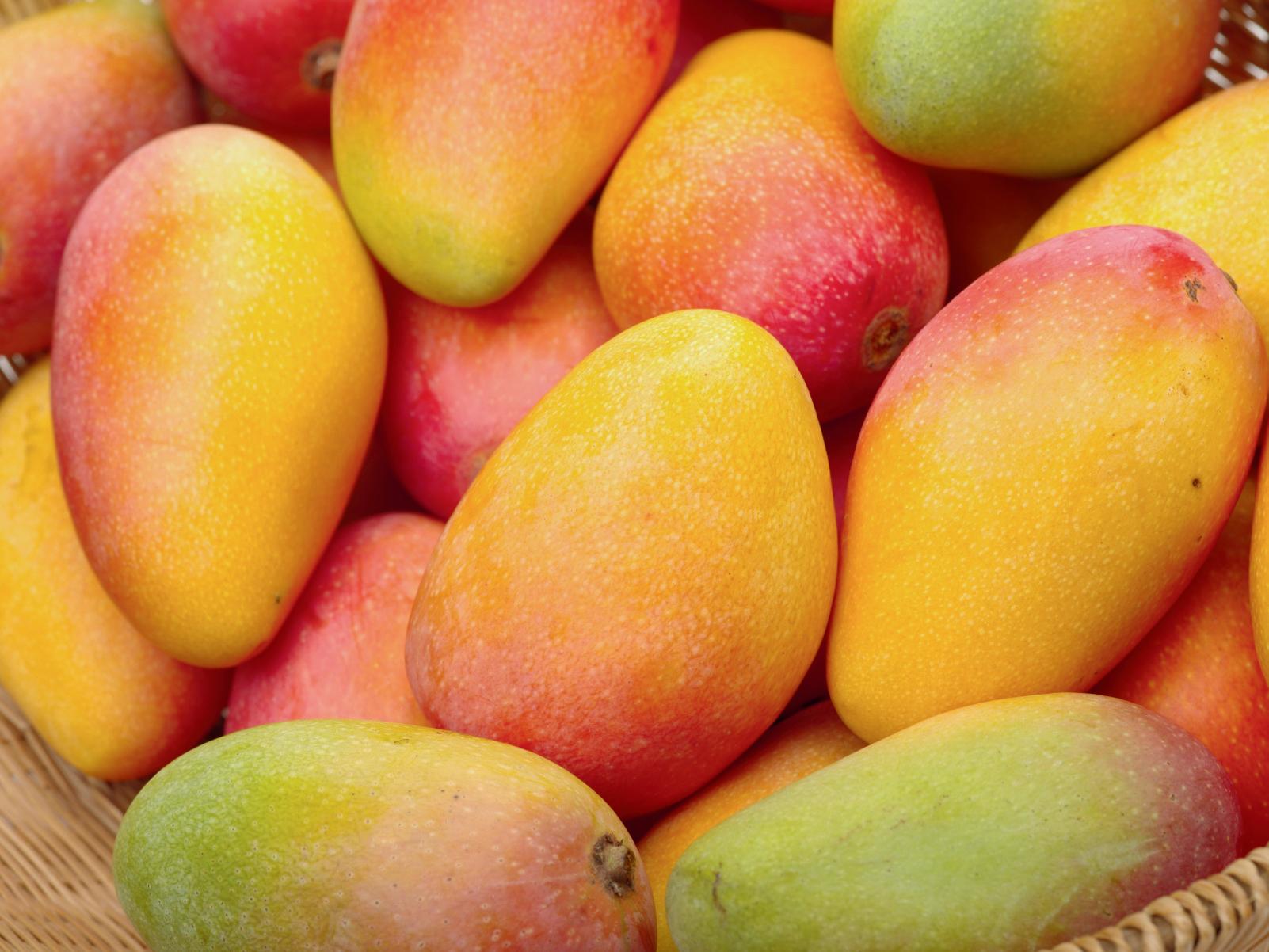
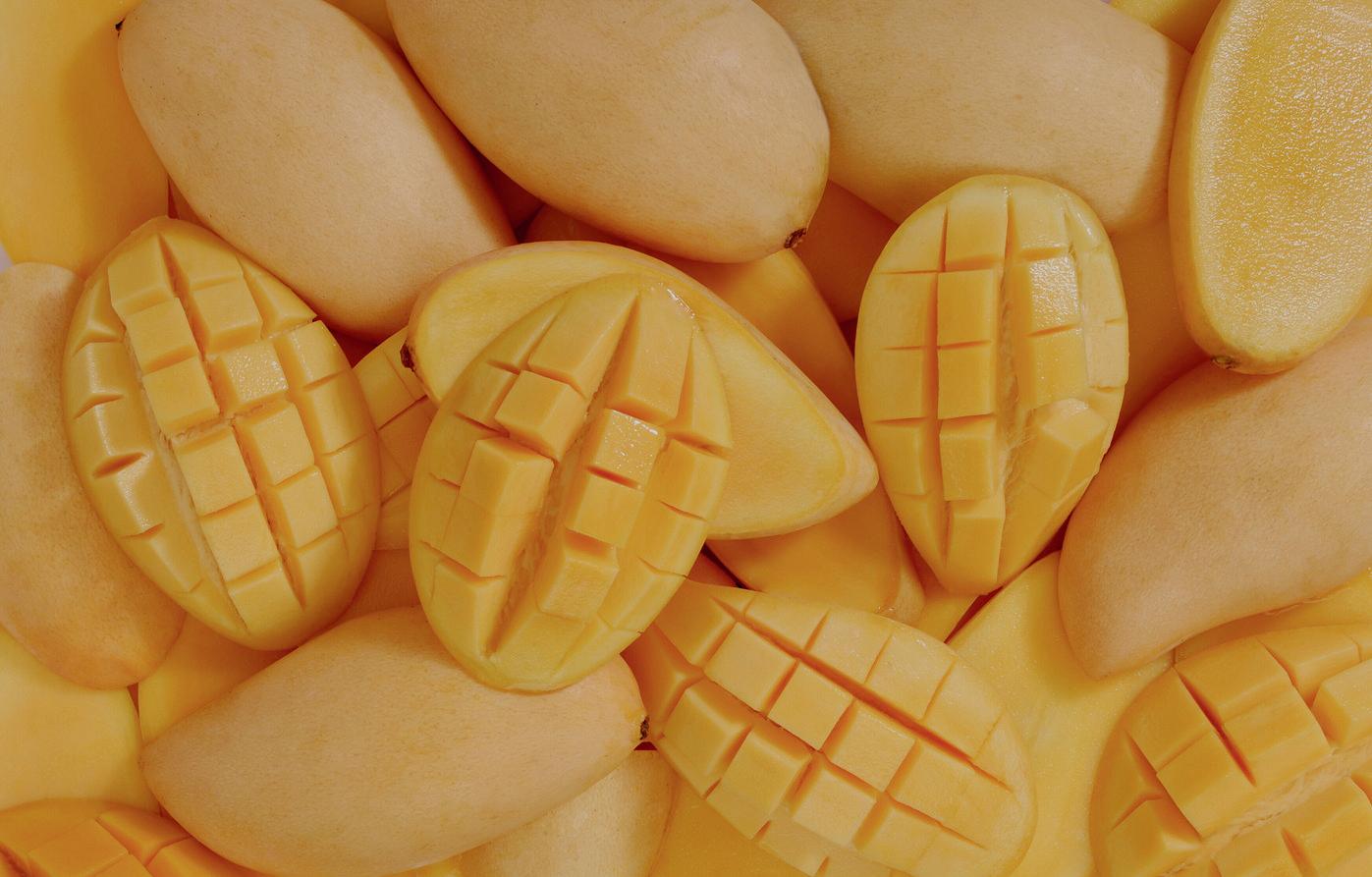

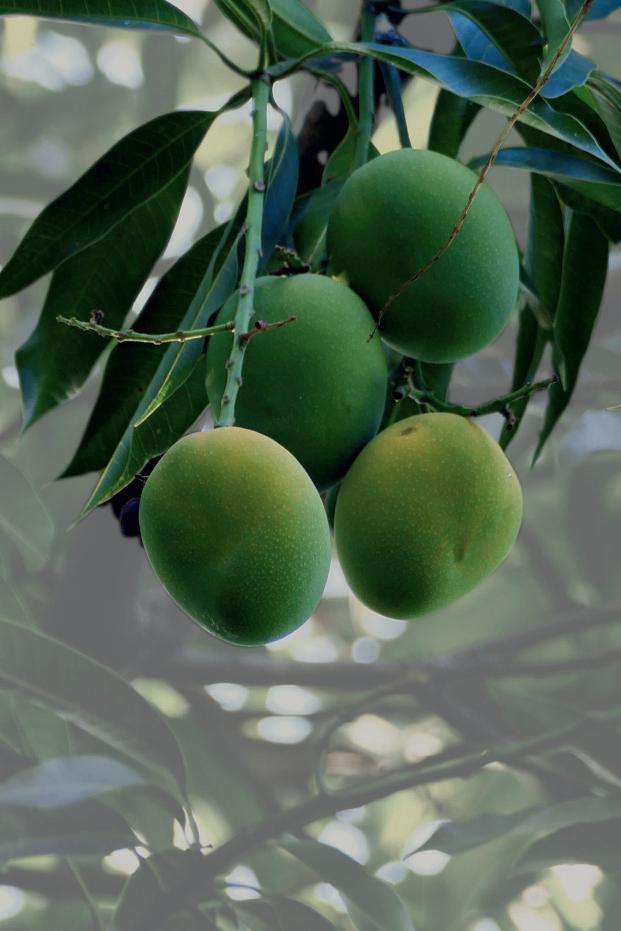
For a long time, mango trees followed a strict pattern, they produced fruit only once a year. This made mango farming difficult, as farmers had to wait for a single harvestseason.Iftheyieldwaslow,itmeantlessincomeandmoreuncertaintyfor their livelihood. Seeing this problem, Ramon C. Barba worked on a solution. He discovered a way to induce mango trees to flower even outside their natural season. Because of this, mango trees were no longer limited to one harvest, they could now produce fruit up to three times a year. He also introduced techniques liketissueculturetoimprovethegrowthofothercrops.
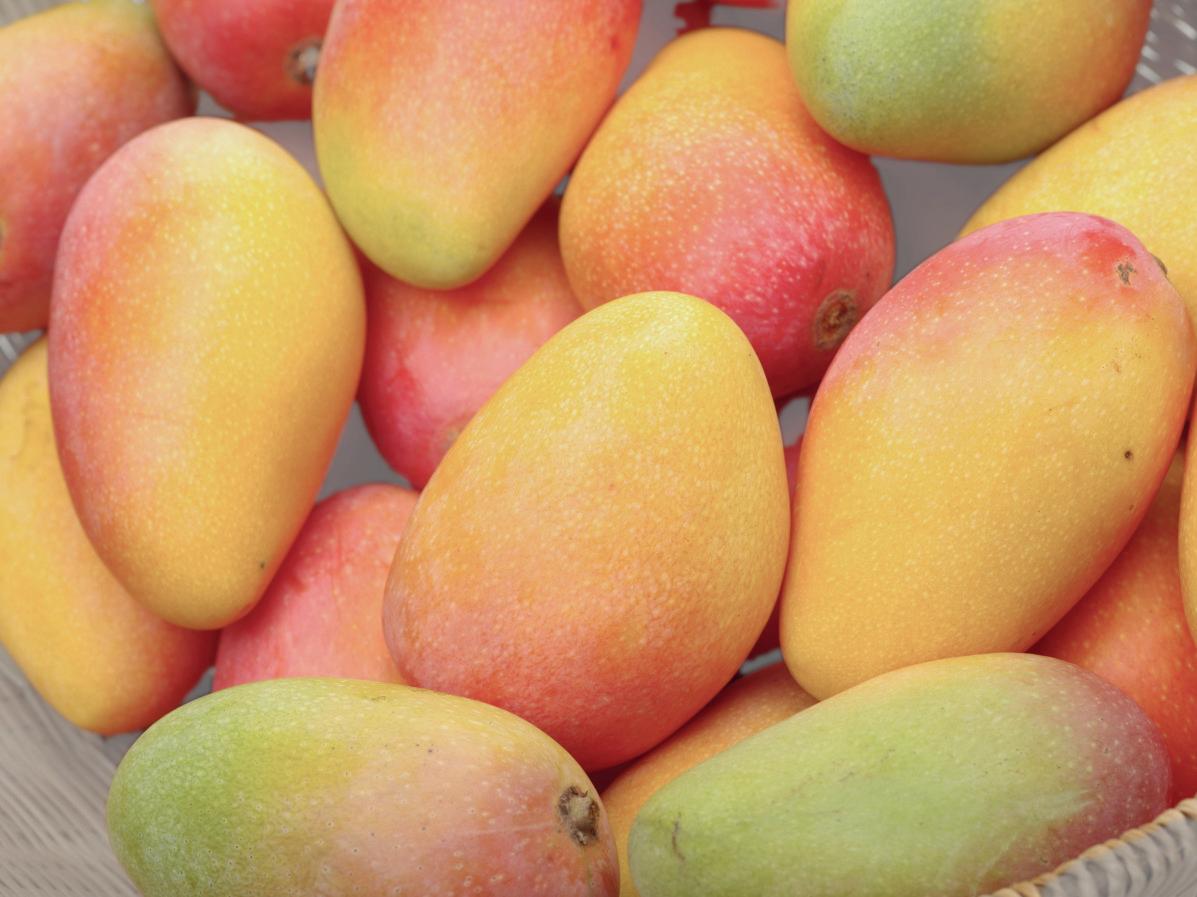
This breakthrough changed everything. Farmers were able to earn more, production became more consistent, and mangoes became available almost all year round. Today, his innovation is still widely used, helping farmers in the Philippines and around the world enjoy a more stable and profitable agricultural system.