ARCHITECTURAL PORTFOLIO MD Abu Baker Siddique 2011-2022
Rethinking Dead Mall
Reconsidering an American vacant mall site as a seed for re-growth
Timeline: Fall 2020, Graduate Thesis
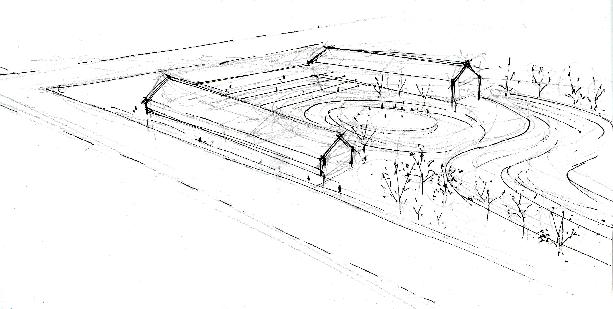
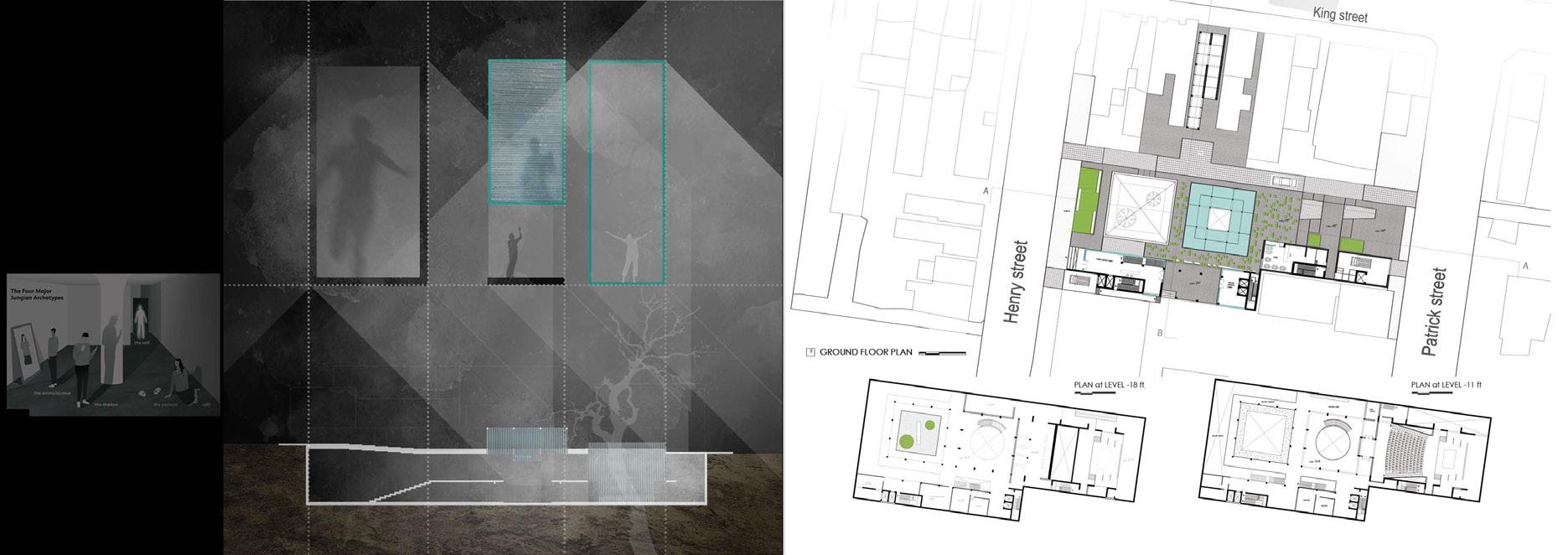
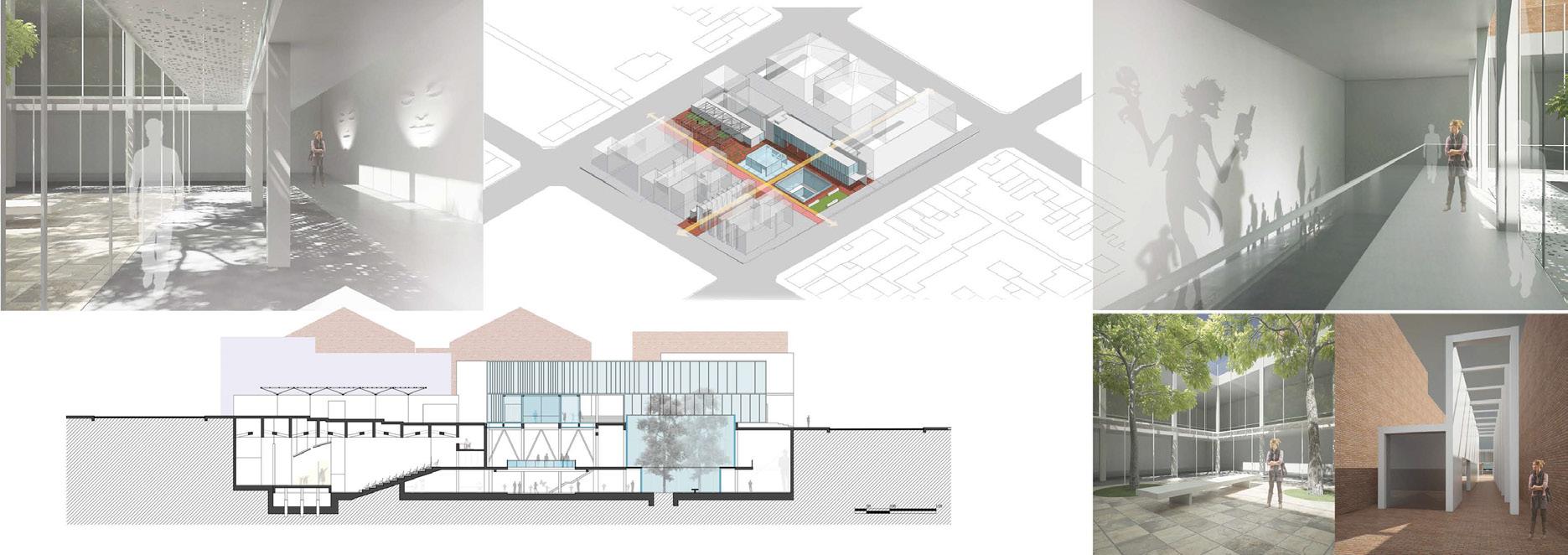
Treasury of Shadow
Shadow Puppetry Theaterd Gallery at Old Town Alexandria, VA
Timeline: Fall 2019
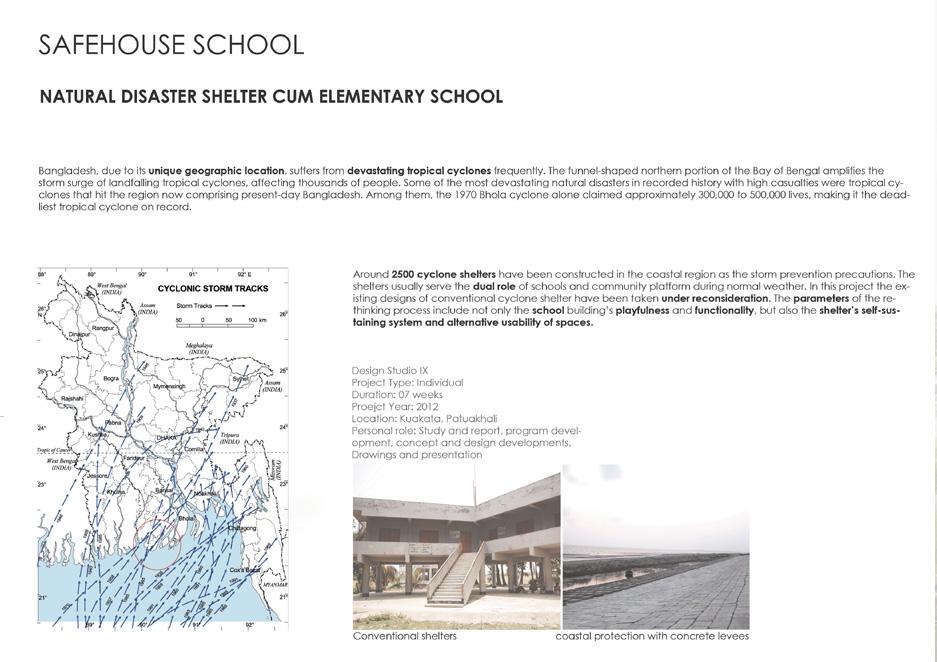
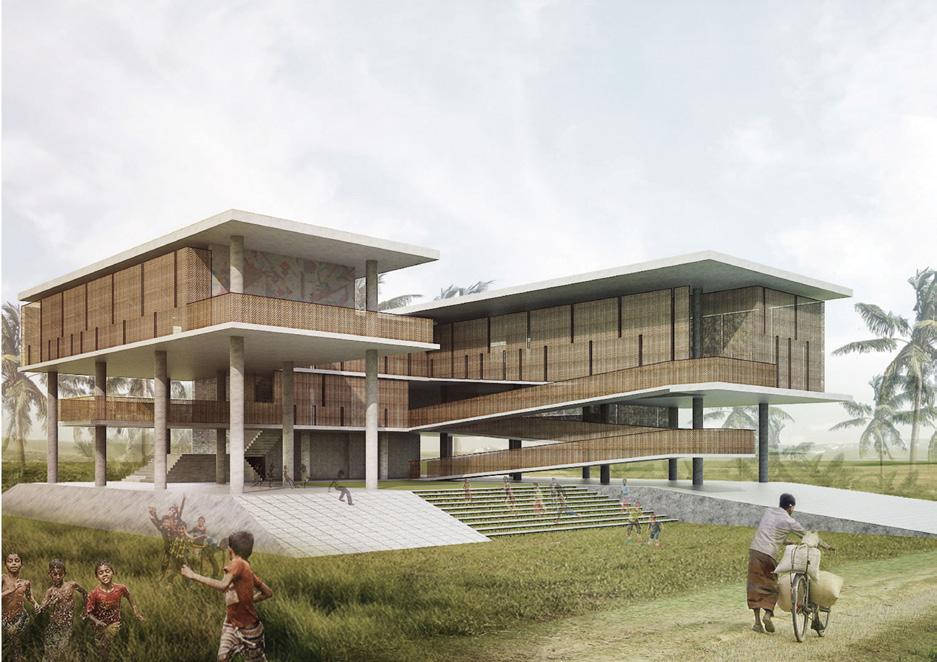
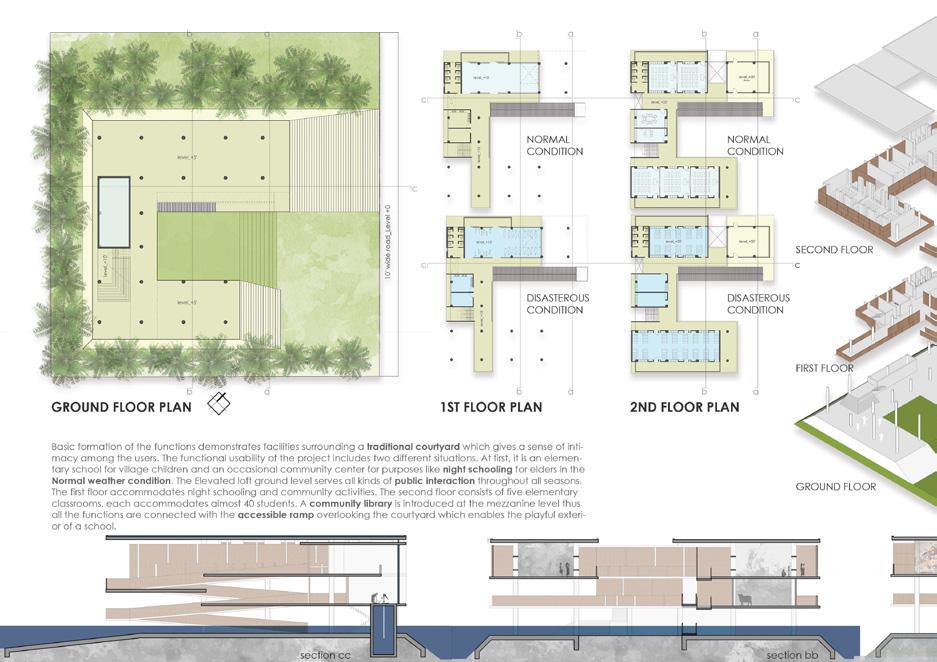
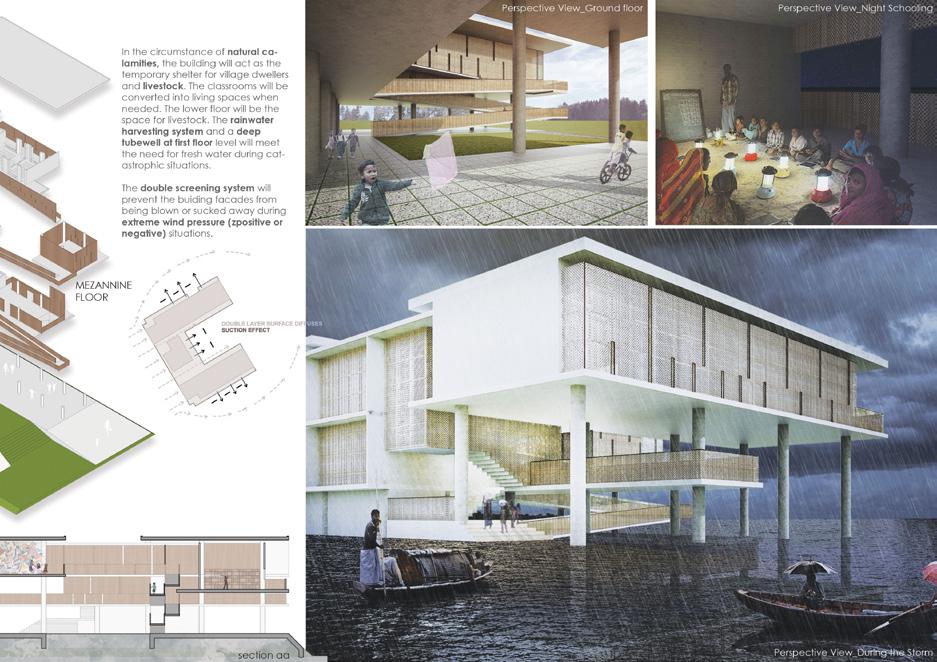
Safehouse School
Natural Disaster Shelter cum Elementary School
Timeline: 2012, Level 5 Term I
Maker Space
Vocational Design Lab at a Historic High School in Washington DC
Timeline: 2021-2022, with GBR Architects
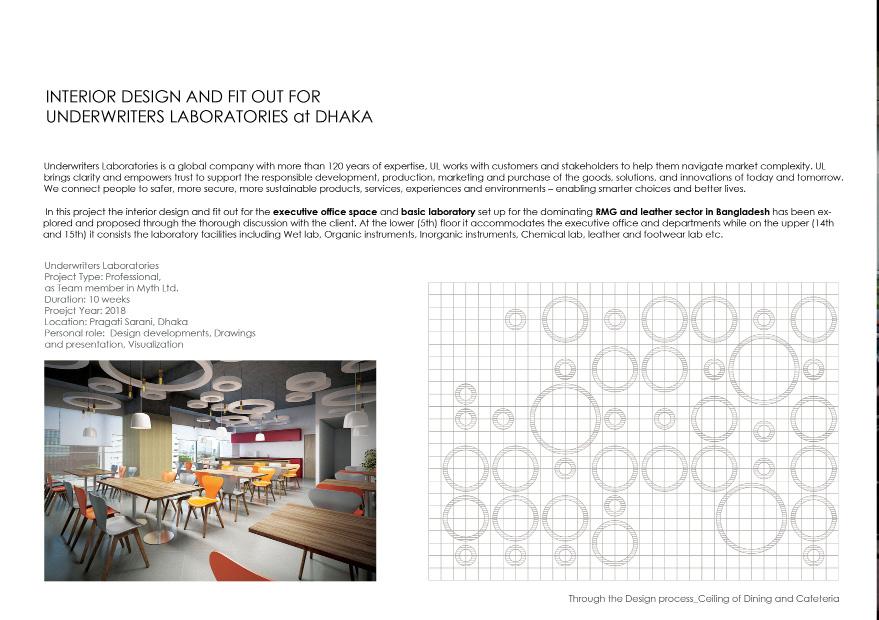
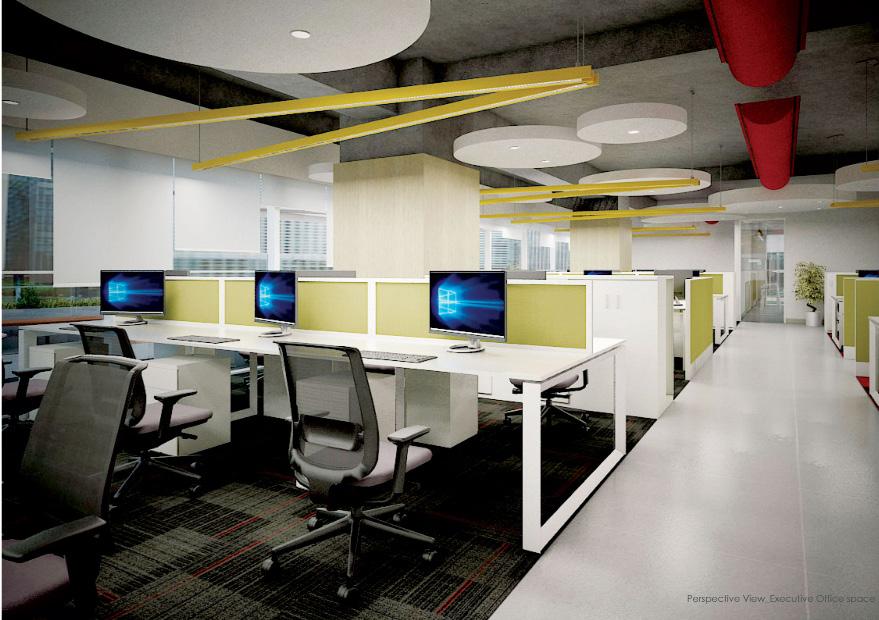
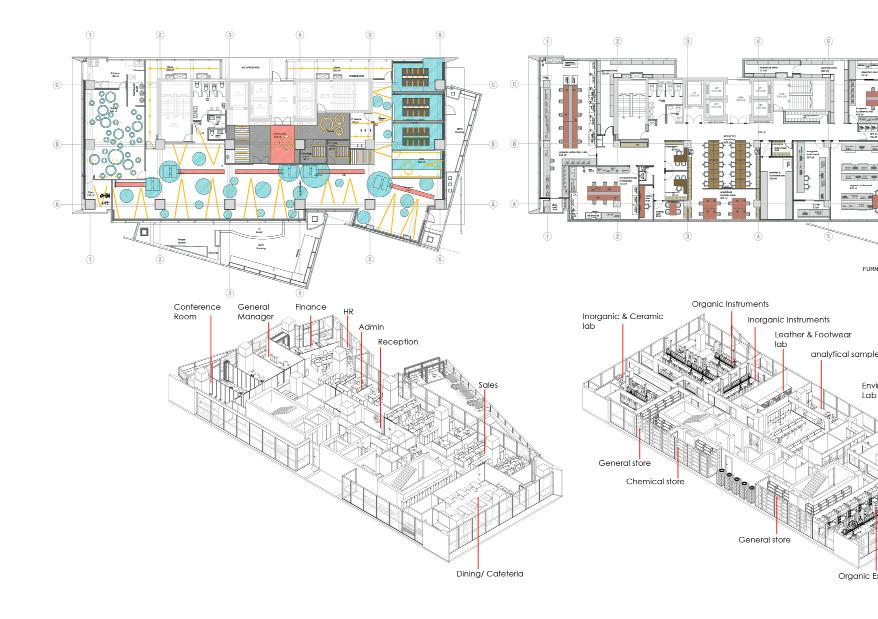
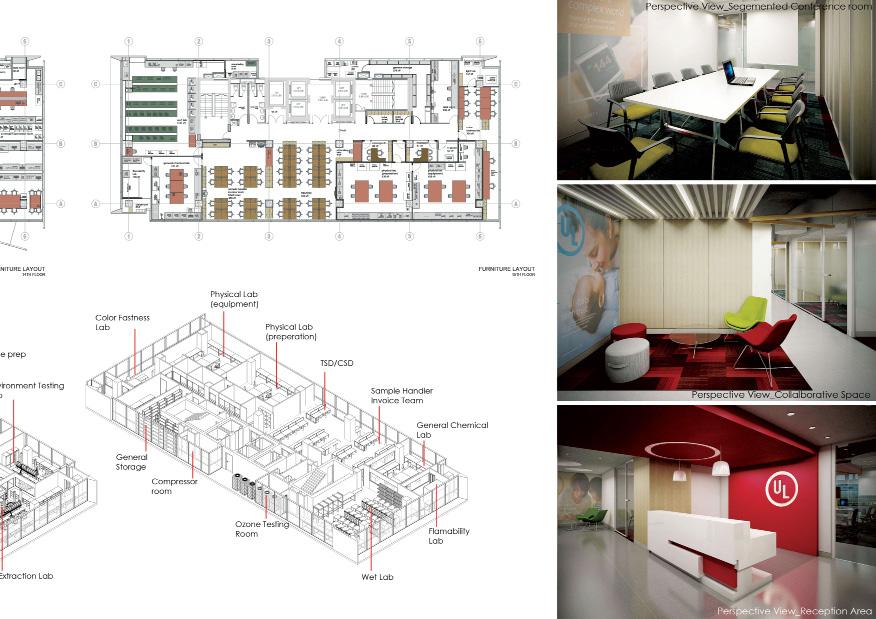
Interior Design and Fit out for Underwriters Laboratories (UL) at Dhaka Natural Disaster Shelter cum Elementary School
Timeline: 2018, with MYTH Ltd.
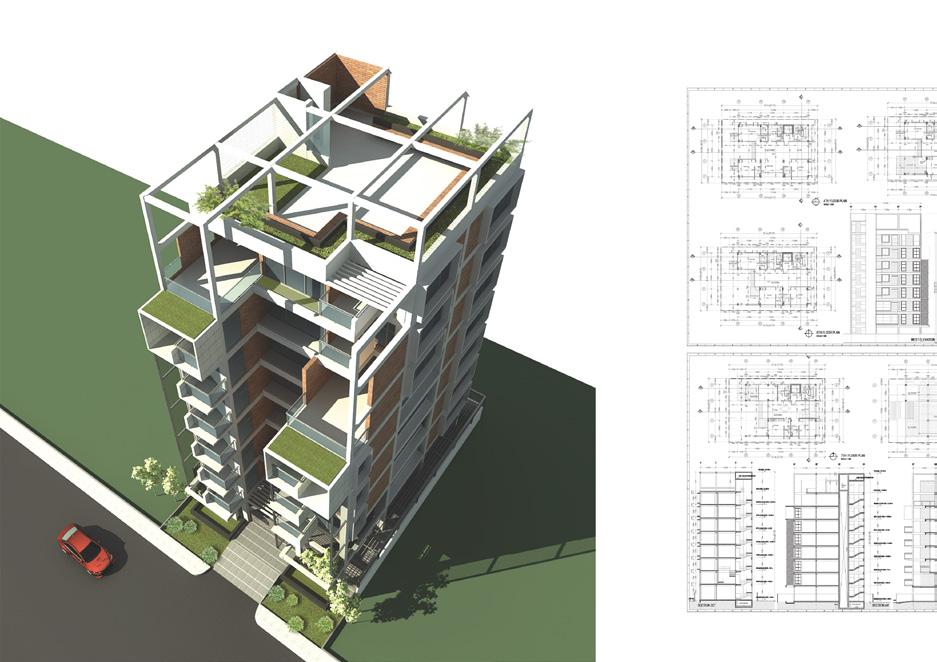
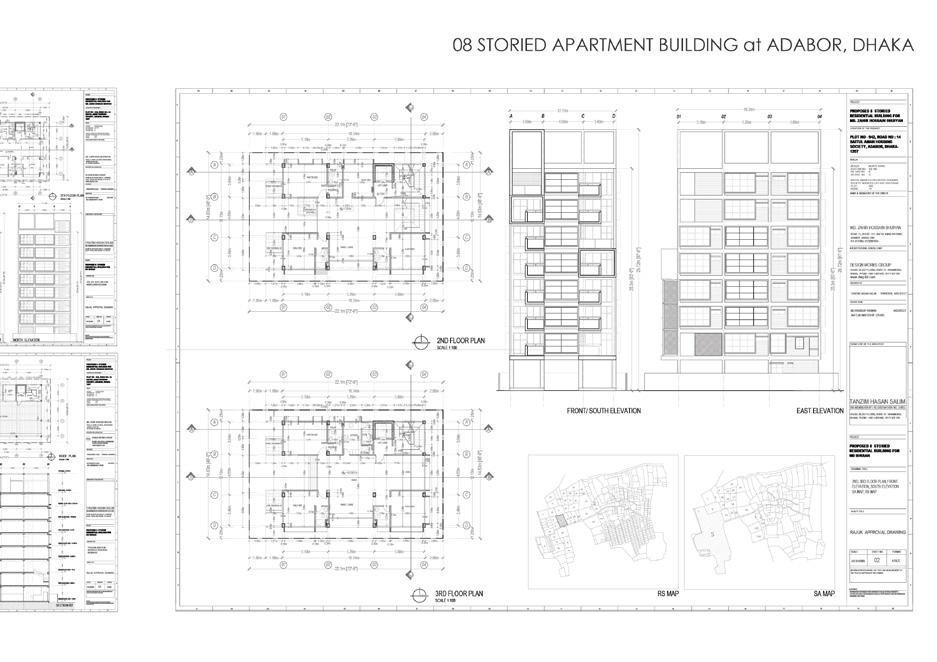
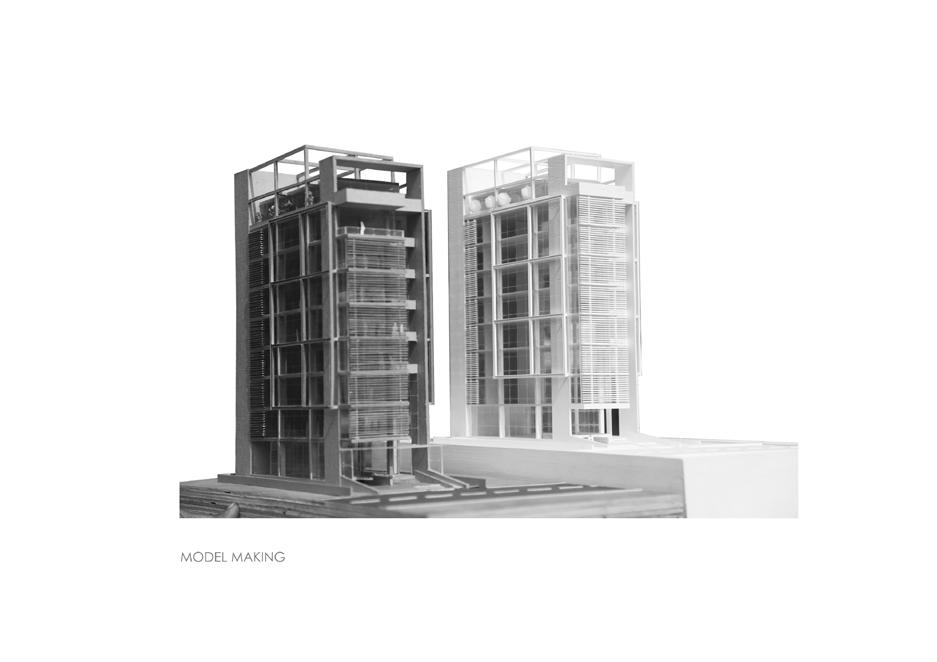
8 Storied Apartment Building at Adabor, Dhaka
Timeline: 2012, with MYTH Ltd.
A Dialogue Between Self & Beyond
Designing a Religious Building at Narshingdi, Bangladesh
Timeline: 2018, with MYTH Ltd.
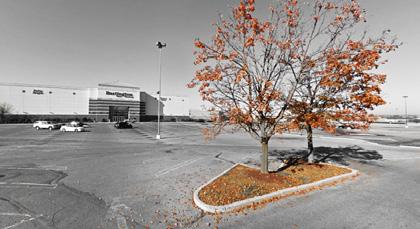
The rapid urban development has impacted a great loss of natural landscape in the U.S in recent years. In the process of urbanization, the population has moved from the city centers to the edges of the Metropolitan or the newly developed suburbs as much as 62% until 2000. To serve the resettled population new services have been developed at the outskirts of the cities. Among all the development one of the most common was the Enormous shopping mall in suburban districts which are the collections of a vast range of retail corporations in response to the growing consumerism. In support of the gigantic malls, more service infrastructures were built as in the multistoried parking garages, surface parking, HVAC.
Currently, the total number of malls in the U.S is approximately 116,000. The downside of the development has been observed as rapid as it has grown. As in 2014, nearly 3% of all the malls in the United States were considered to be “dying” (40% or higher vacancy rates) and nearly one-fifth of all malls had vacancy rates considered “troubling” (10% or higher). The sudden deterioration was caused because of several factors such as the socio-economic change of the demography in the urban context, the change in the spending habit of the consumers (i.e. spending for experience rather than goods), Rise of the E-commerce, etc. This thesis will explore the strategy for reintegrating the troubling mall sites within the urban fabric.
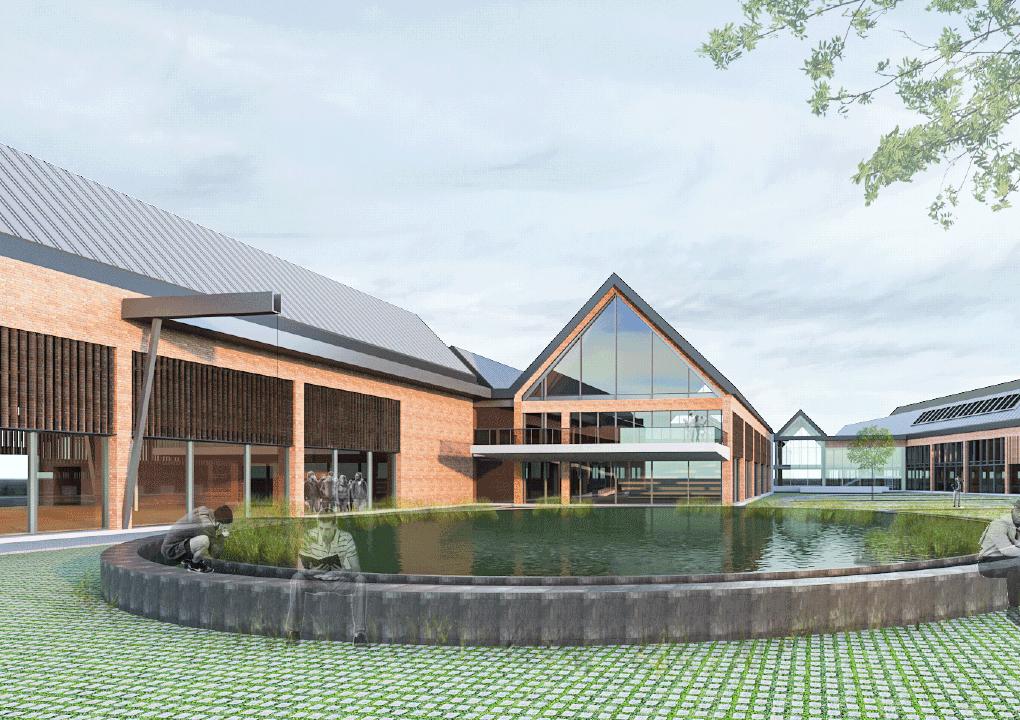
The project firstly has generated an adaptive master plan for the future, in a specific site as the result of investigating the socio-economic issues that forced the mall site to be vacant. After projecting the master plan, the architectural project has been proposed which prioritized the physical and social development of the context. Educating people regarding the redevelopment of the community and the sustainable way of living are the key features of the project. The new project has been considered an iconic community asset that would serve the neighborhoods.
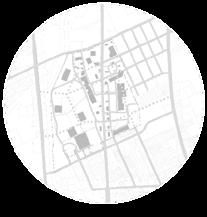
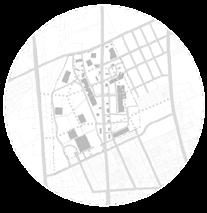
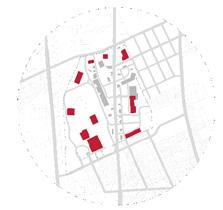
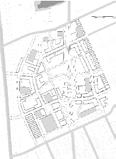
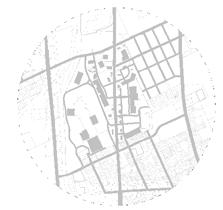
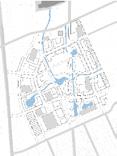
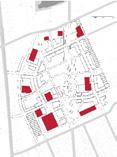
The chosen site for the project is Fairgrounds Square Mall at Muhlenberg Township, Reading, PA, a veteran city has supported the U.S. economy in 19th and early 20th century, in the era of industrialization. For the rapid urban growth of the surrounding major cities in later 20th century, such as Philadelphia, the economy of Reading is currently declining and prime urban centers like Fairgrounds square malls are currently dying.
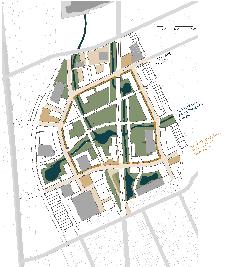
The master planning phase of this project has deeply looked into the factors for this decline and attempted to sustainably revive the notion of a community urban center, rather than just imposing new commerce.
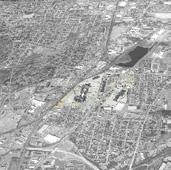
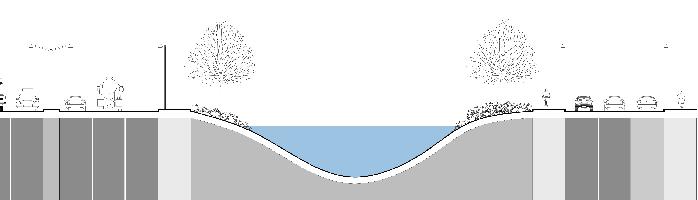
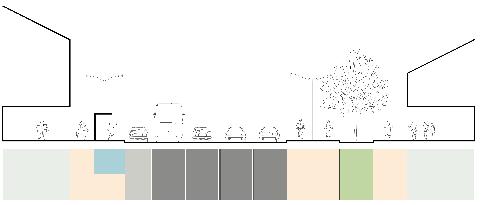
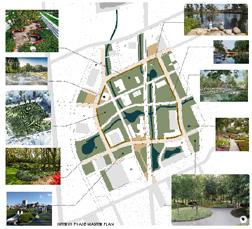
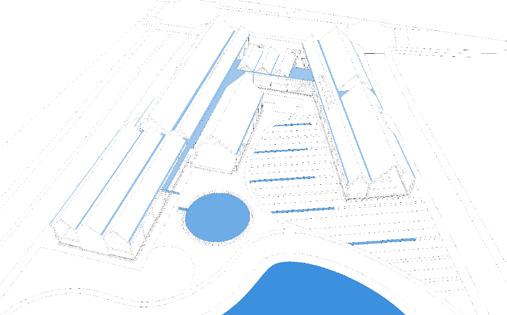
The anticipated master plan is designed to be fitted with an ideal situation, but the economic growth is unpredictable and can turn toward any direction. As the final master plan will be growing, an interim phase is proposed. In this phase, the undeveloped portions of the area will be turned into landscape feature to preserve the ecosystem and attract visitors and investors into the urban center.
The development of the master plan will be governed by the community members themselves, so a new community center is proposed to excel the activities and discussion. The center will give the sense of a cummunity, which is currently lacking due to the absence of such a central platform.
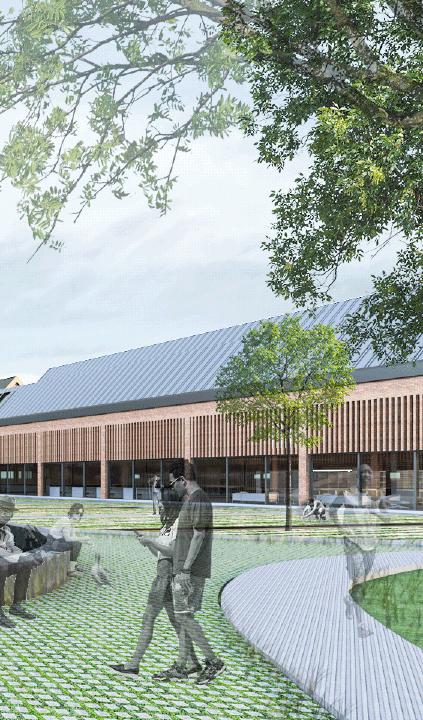
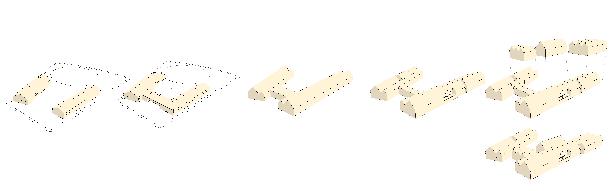
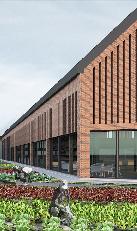
The new community center will be no alien to the context. Existing urban fabric, locally manufactured building materials, contextual formal expression is considered for the architecture of the new center. The new building will give a notion of homeliness to the community dwellers.



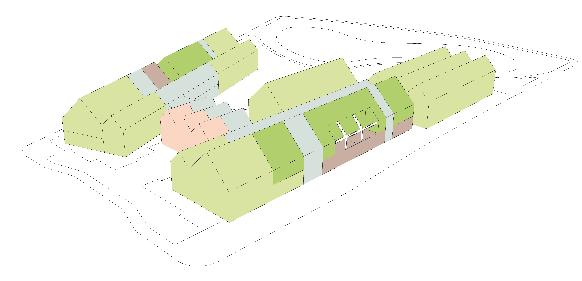







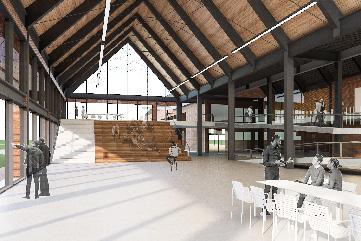
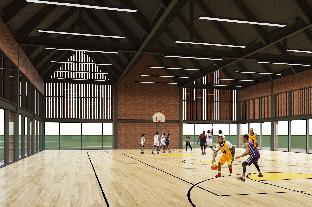
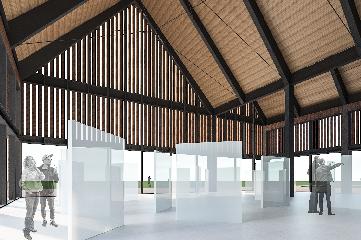
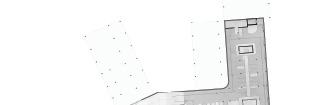
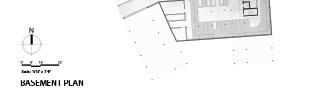
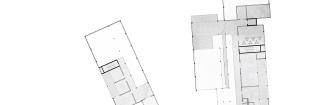
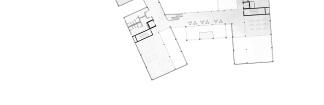
The program of the building is carefully considered to address the all age group of the community. The First floor will accommodate the entrance from the front plaza and disperse the visitors to all the lounge and activity spaces. Programs that facilitate mostly public activities and gatherings are placed at this level.
1. Tech room
2. Pre-school room
3. Craft room
4. Training kitchen
5. Storage
6. Multipurpose Hall mezannine


7. Youth room
8. Board room
9. Meeting room
10. Counsel room
1. HVAC

2. Storage

3. EM room
4. Storage
5. Service
Programs that are involved with the development of certain age groups or individuals are placed on the level two, such as youth room, tech room, crafts room, or training kitchen. Also, spaces for meetings and counseling are provided adjacent to the library zone.
East Elevation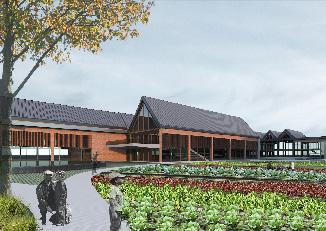
The Main idea of the center is to build a sense of community and prosper to a sustainable future together. As a result the building will be harvesting rain water and reuse the stored water for farming. The urban farm will teach the community to grow their own food and the value of sharing. Thus a strong community will be built to develop a sustainable Urban Center.
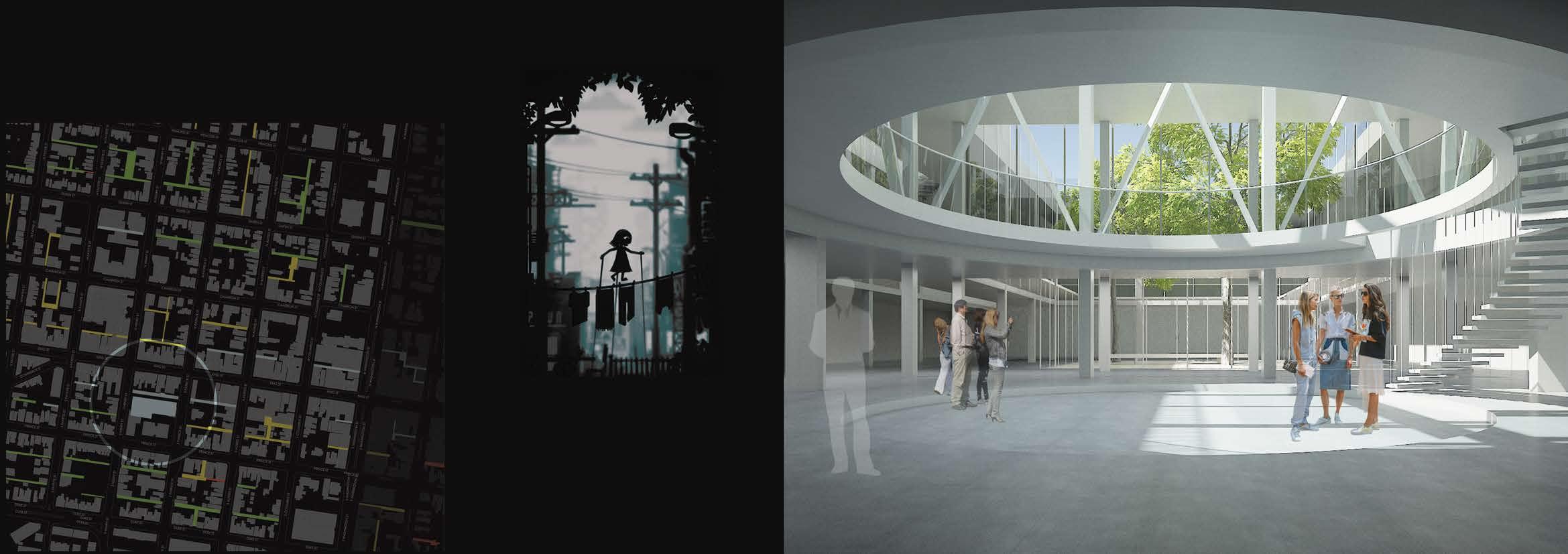



Maker Space is a vocational education lab for a well reputed high school in Washington DC. The project size is 3400 square ft. and includes Lecture Space, Brainstorm lounge, 3D Printing and Electronic Workshop. The renovation project replaces the conventional server room and welcomes new technologies for the learning of students.