Landscape Architect Summer Internship More Gardens! - New York
SPONGE HERITAGE VILLAGE
Date: 08.2024 - 12.2024.
Location: Portland, Maine, United State
Type: Individual Project
Instructor: Anne Weber
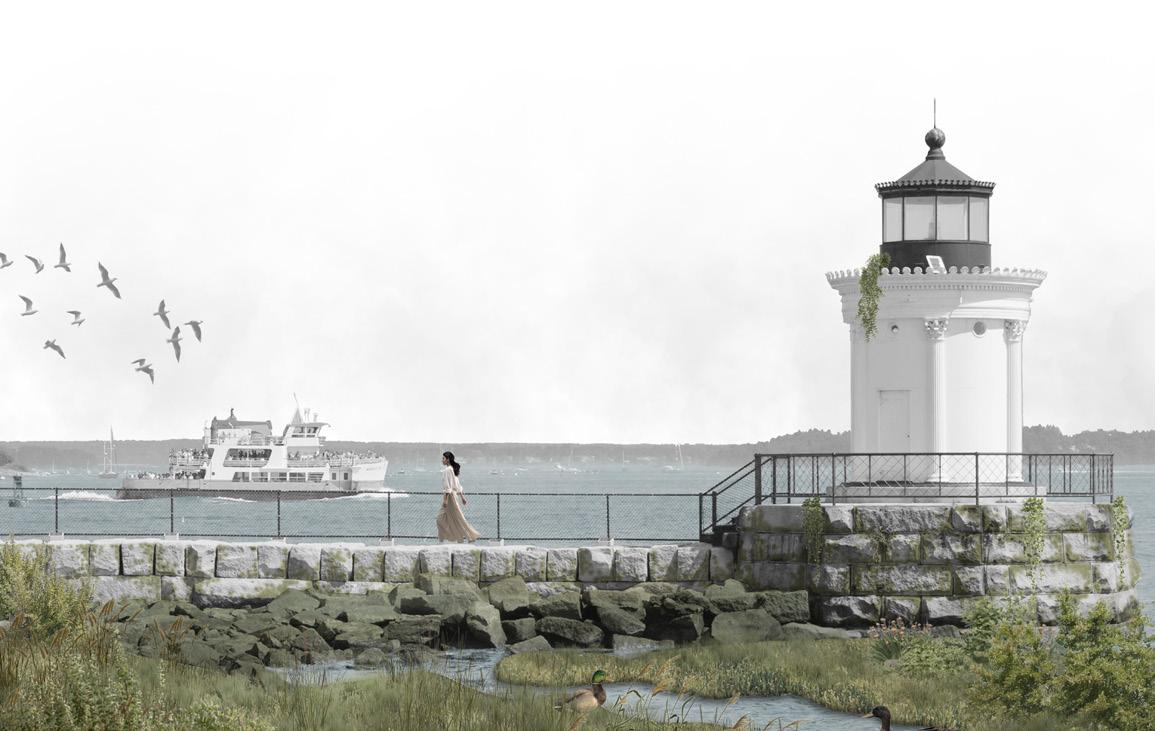
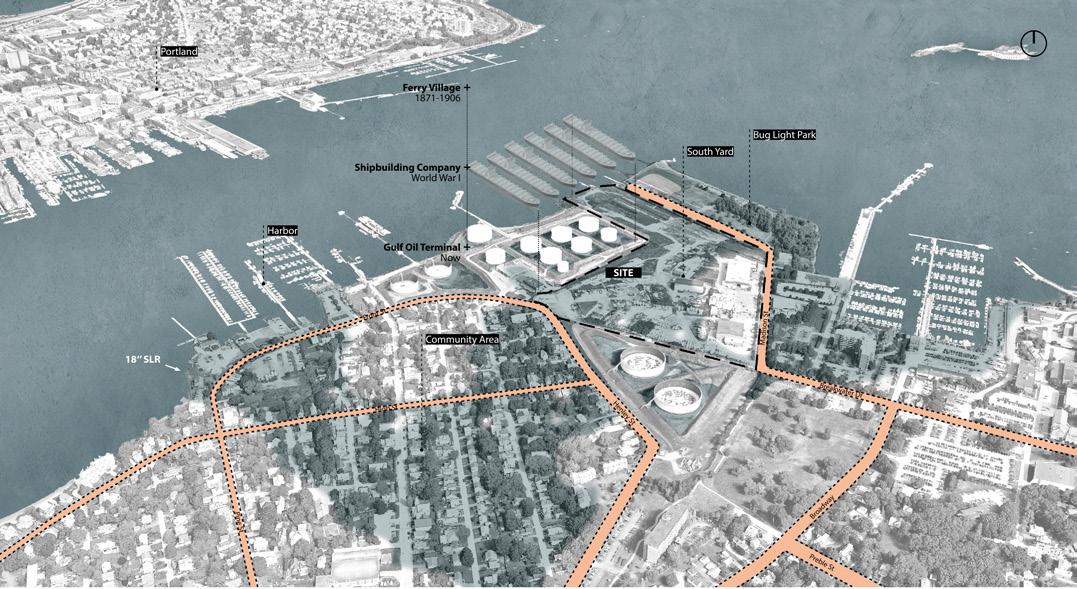
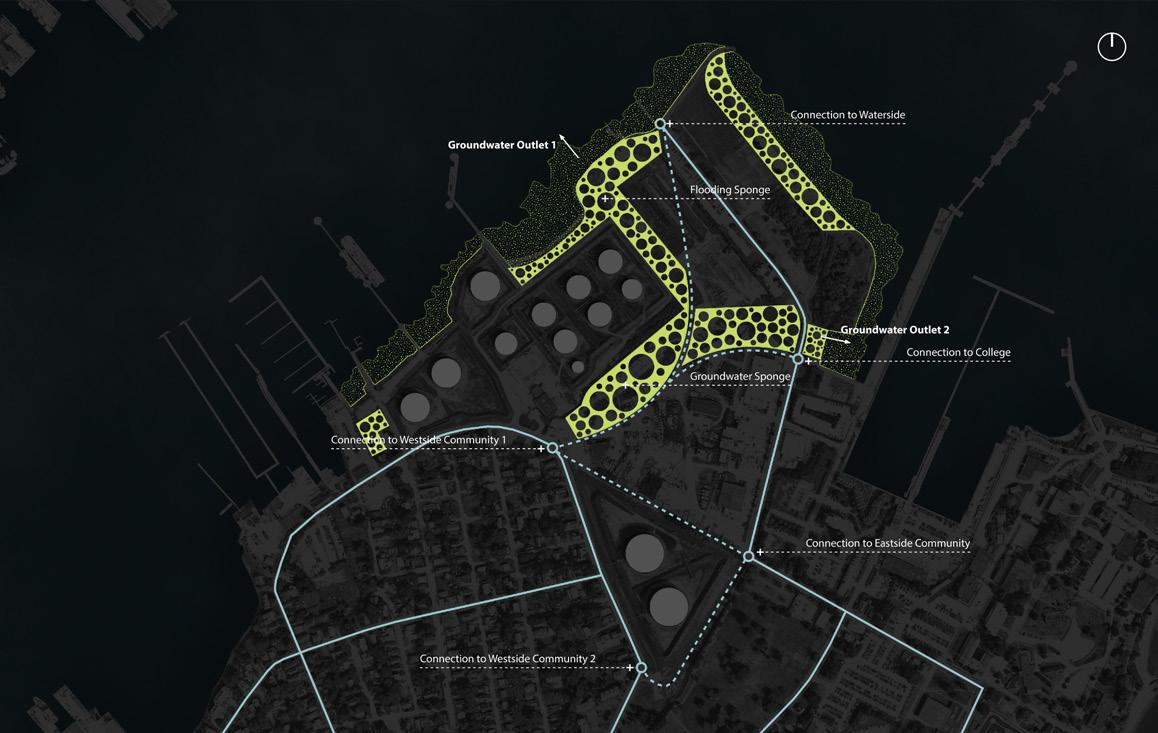
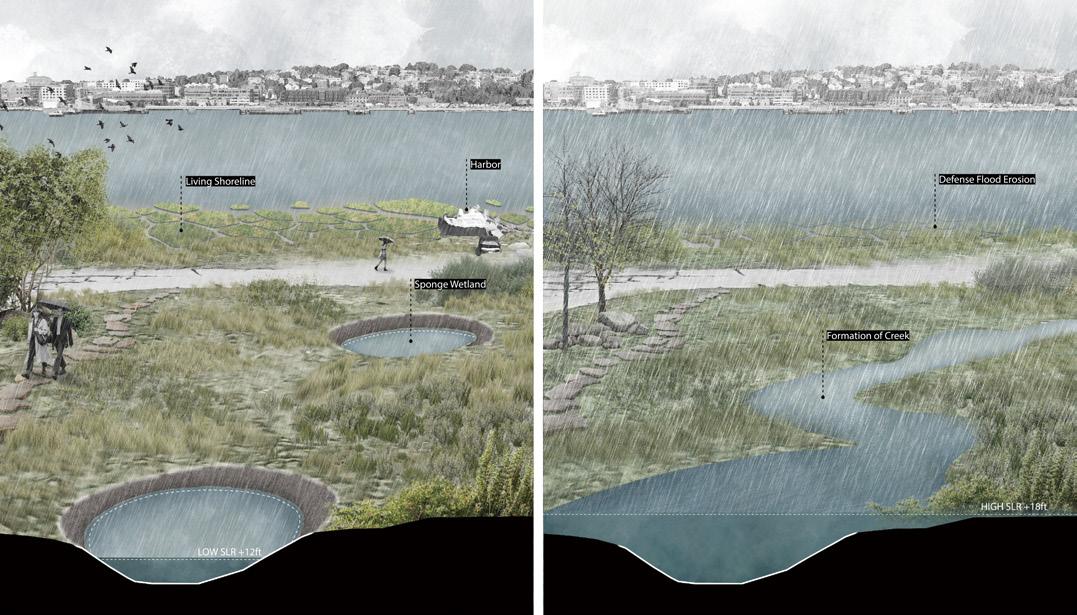
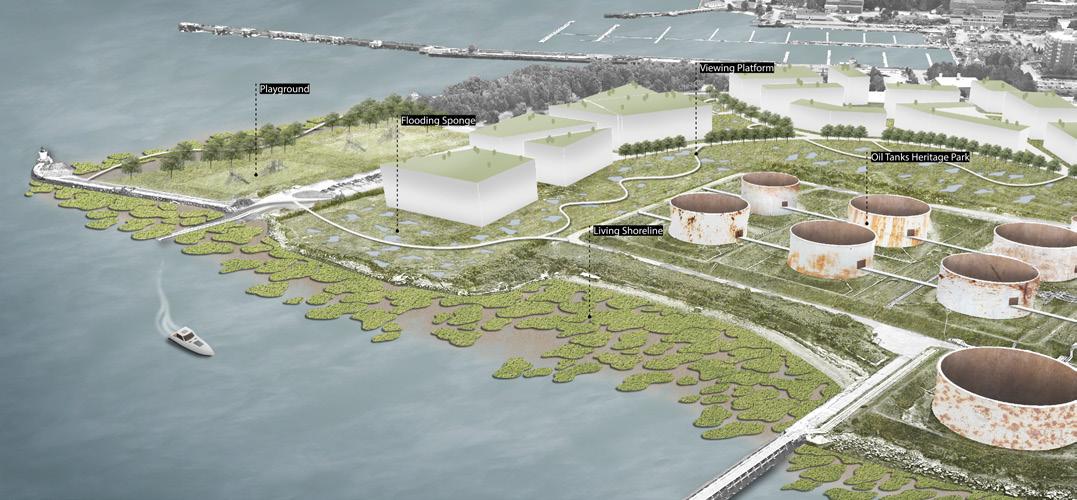
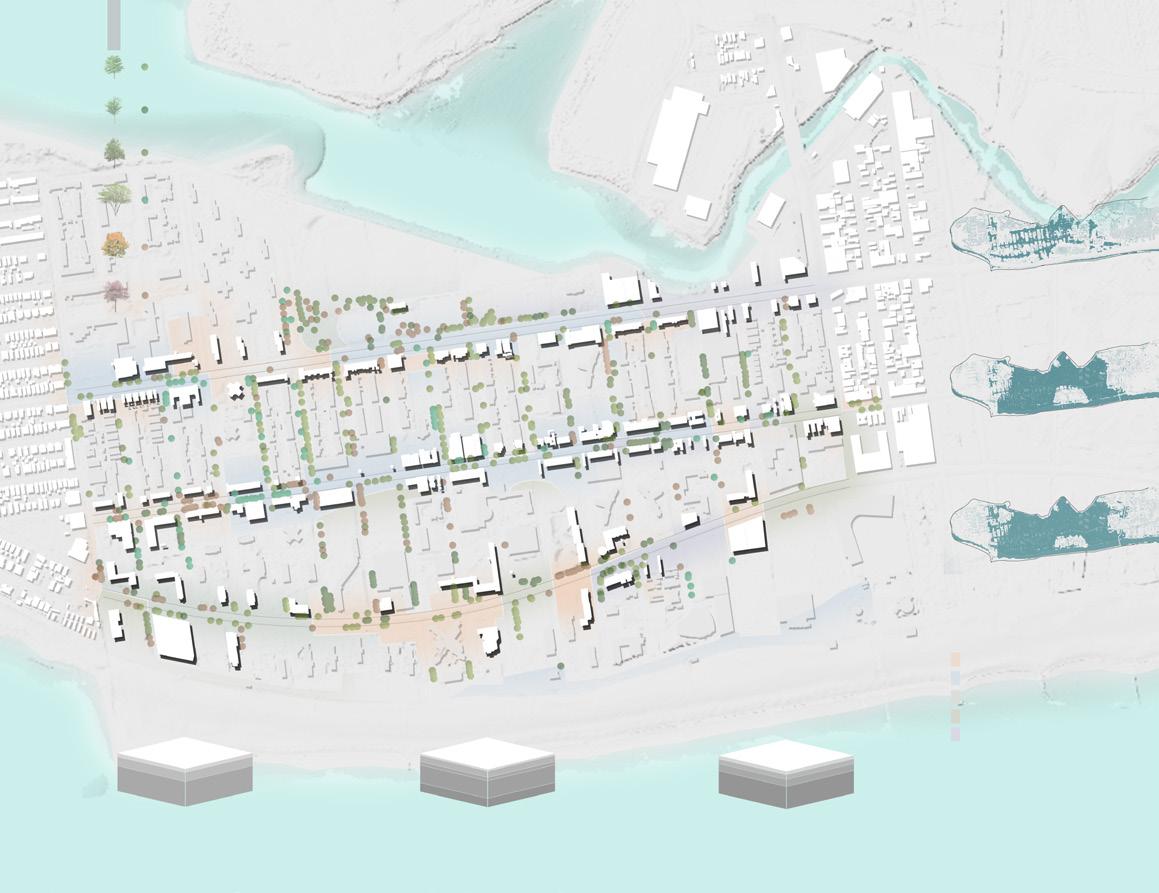
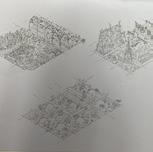
South Portland is challenged by flooding and sea level rise. The Gulf Oil Terminal was a shipyard during World War I and was later converted to an oil terminal. This terminal has experienced numerous oil spills throughout its history. These oil spills have contaminated local soil and water sources, threatening surrounding vegetation and life. The South Yard has also suffered from industrial pollution, rendering the area unusable for efficient use.
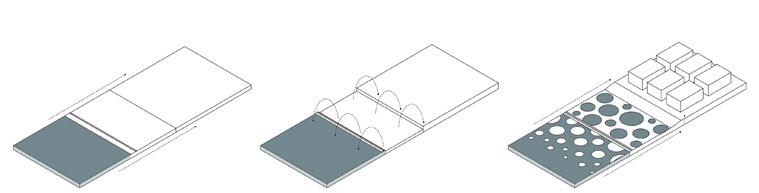
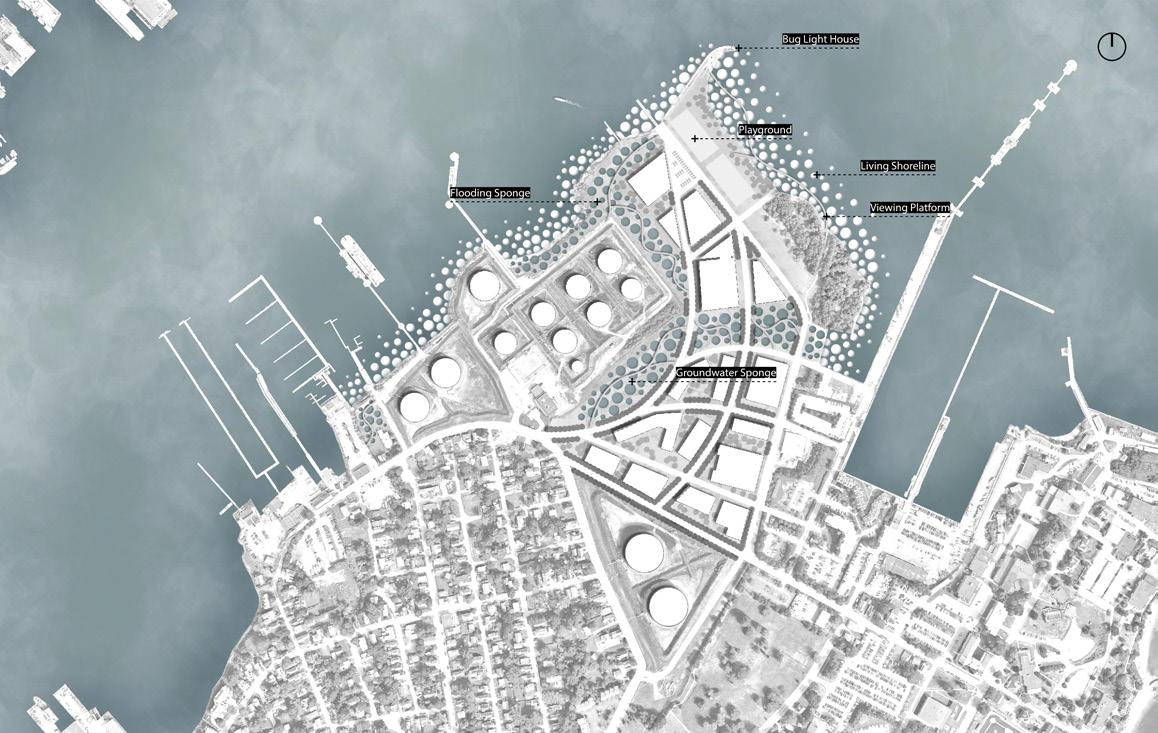
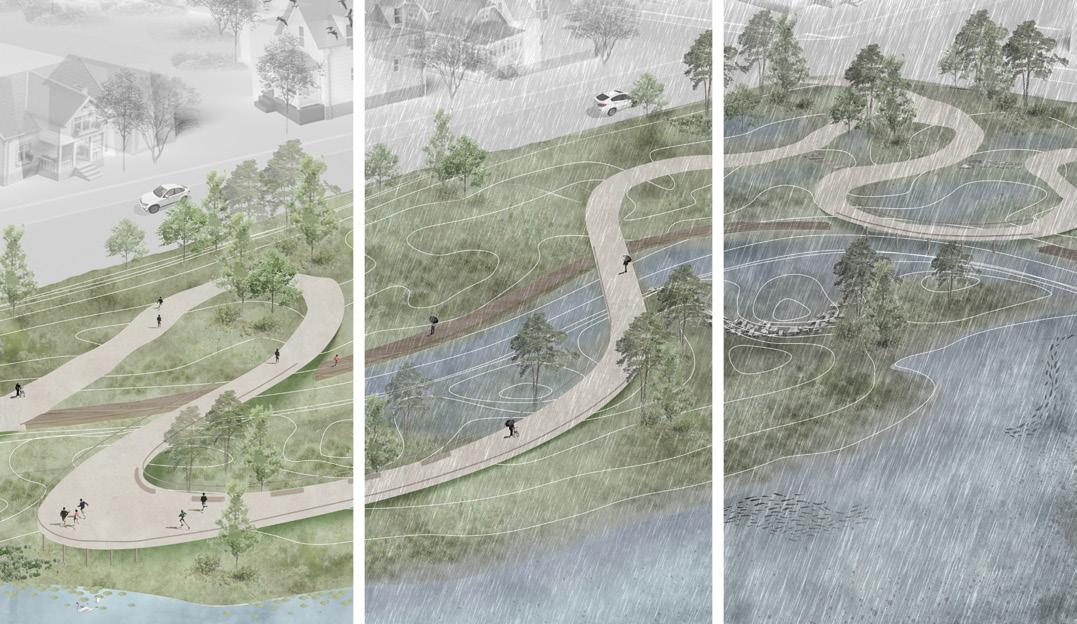
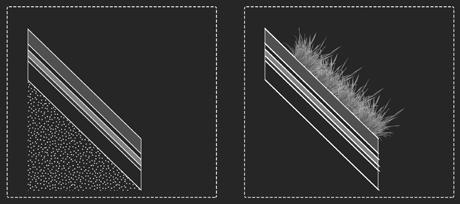
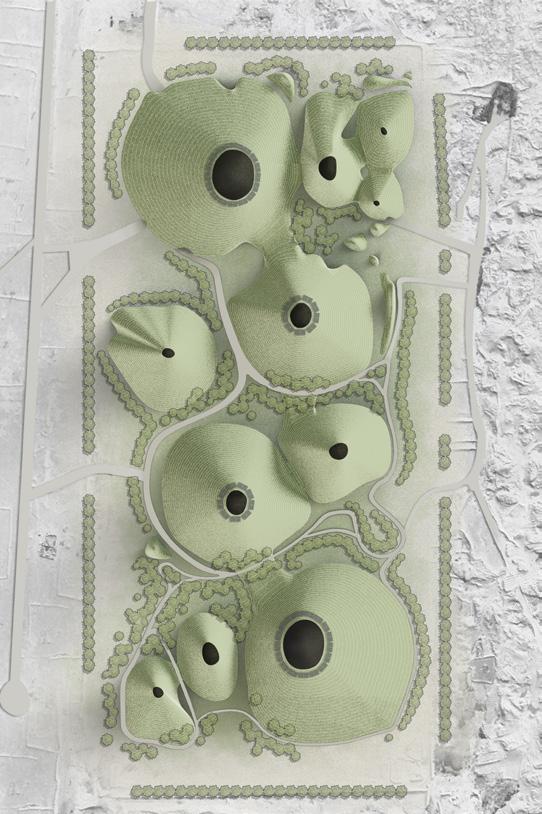
Sea level rise threatens neighborhoods and could flood the Oil Terminal, making flood protection in South Portland a priority. There’s also a housing shortage, requiring rezoning of Yard South, and no pathway to Bug Light Park. I’ll address these issues by boosting water storage with a Cut+Fill approach, exchanging soil, and creating a sponge wetland.
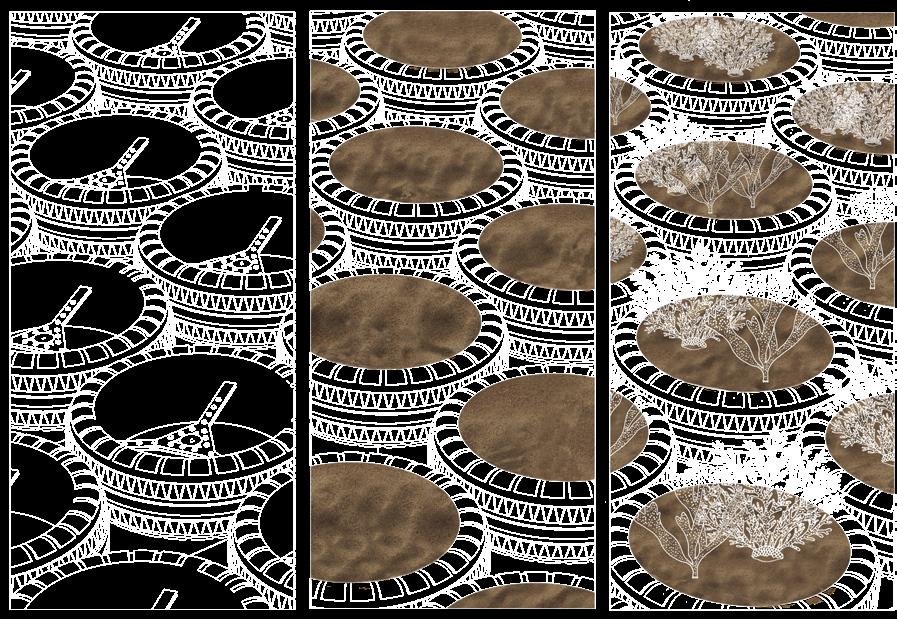
Stage 1: Flooded Lands
Stage 2: Soil Exchange
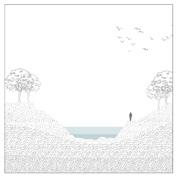
Stage 3: Creat Sponges
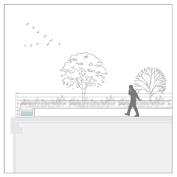
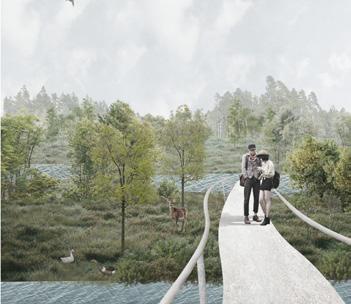
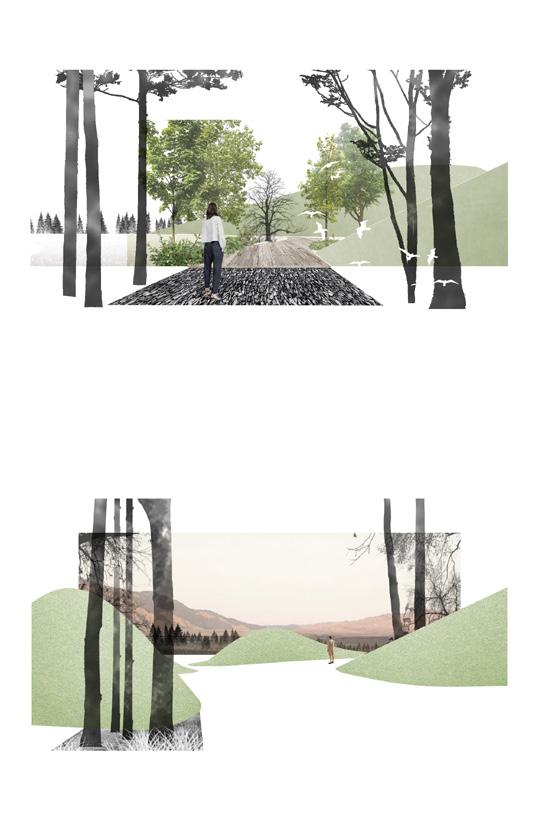
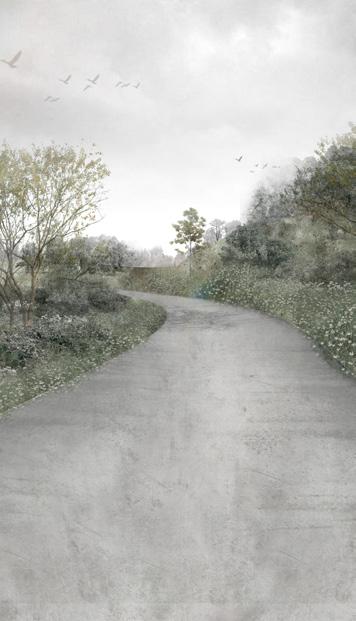
Platform View
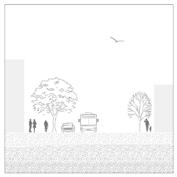
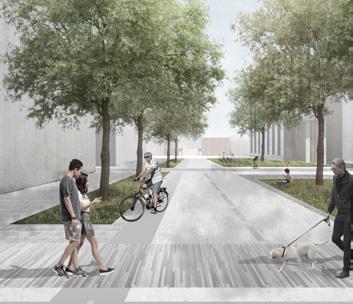
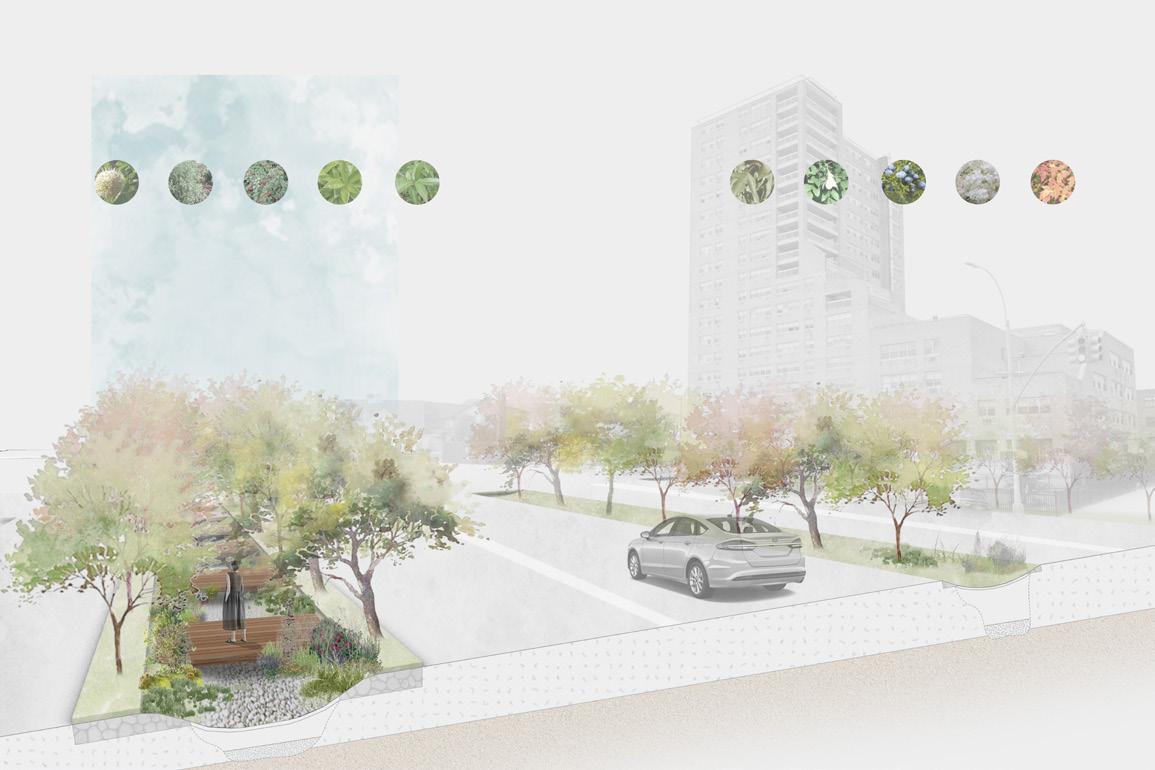
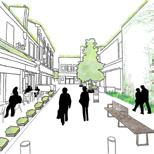
Street Rain Garden
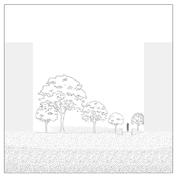
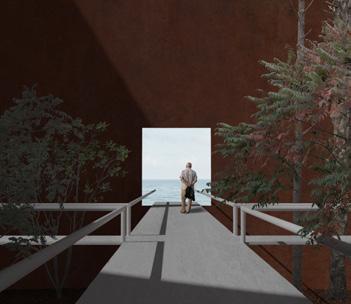
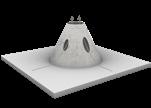
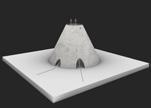
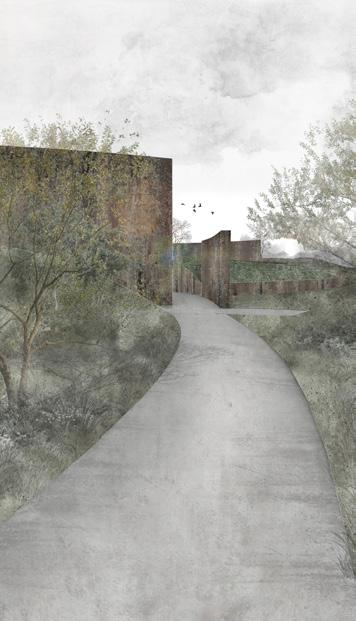
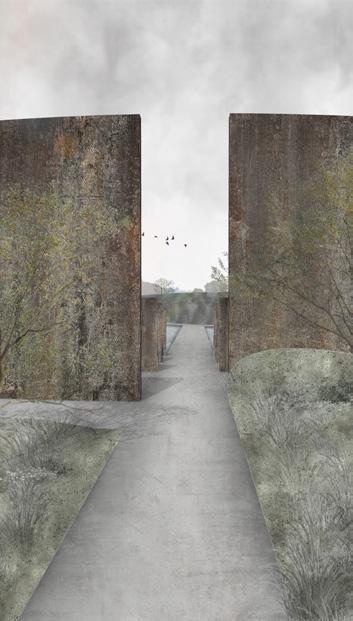
Inside the Oil Heritage Tank
WAREHOUSE IN THE FOREST
Date: 06.2024 - 08.2024.
Location: Roosevelt Island, New York, United State
Type: Individual Project
Instructor: Jennifer Birkeland
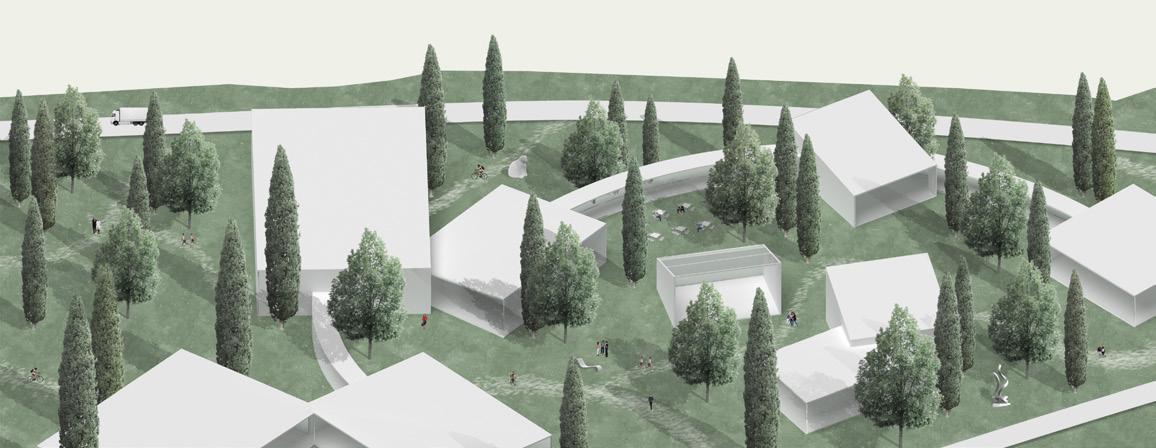
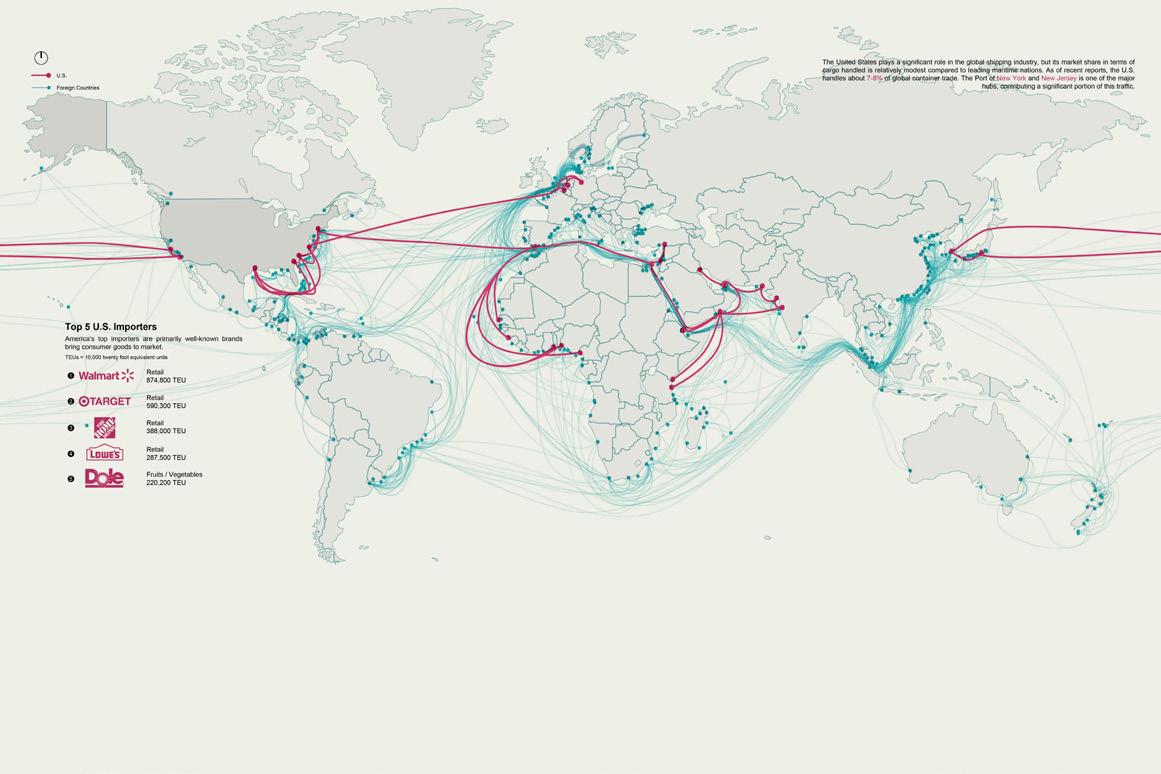
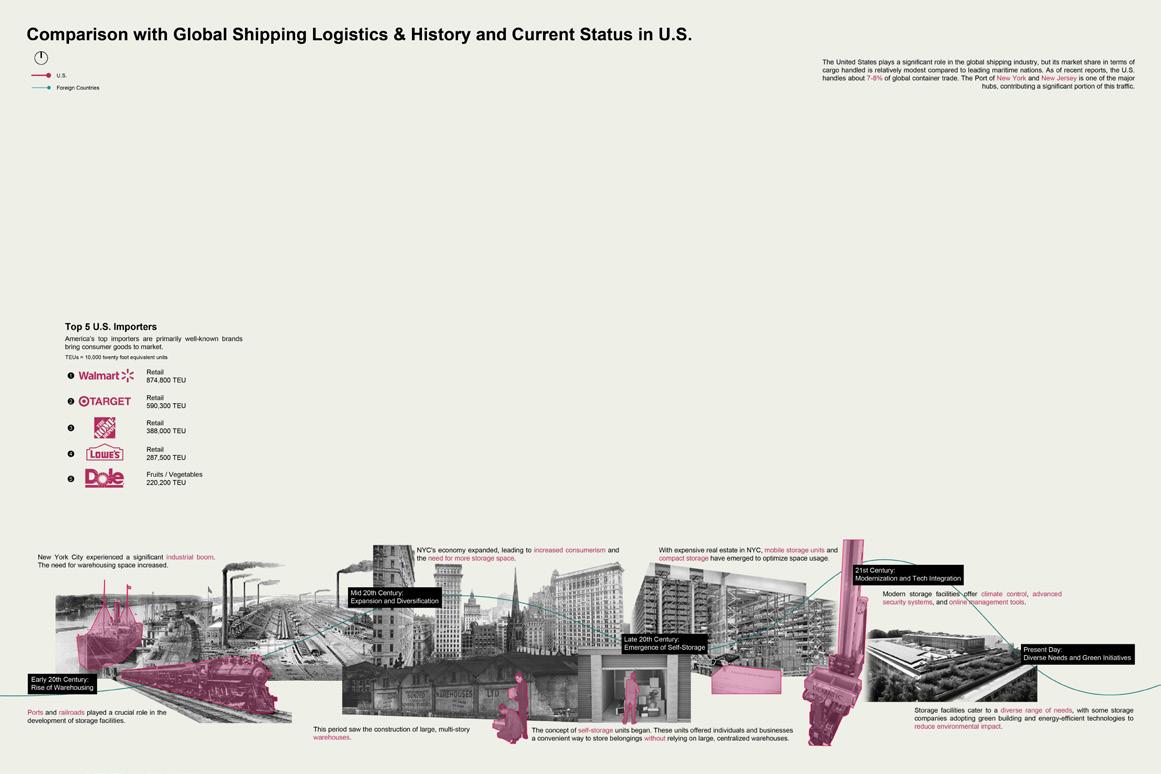
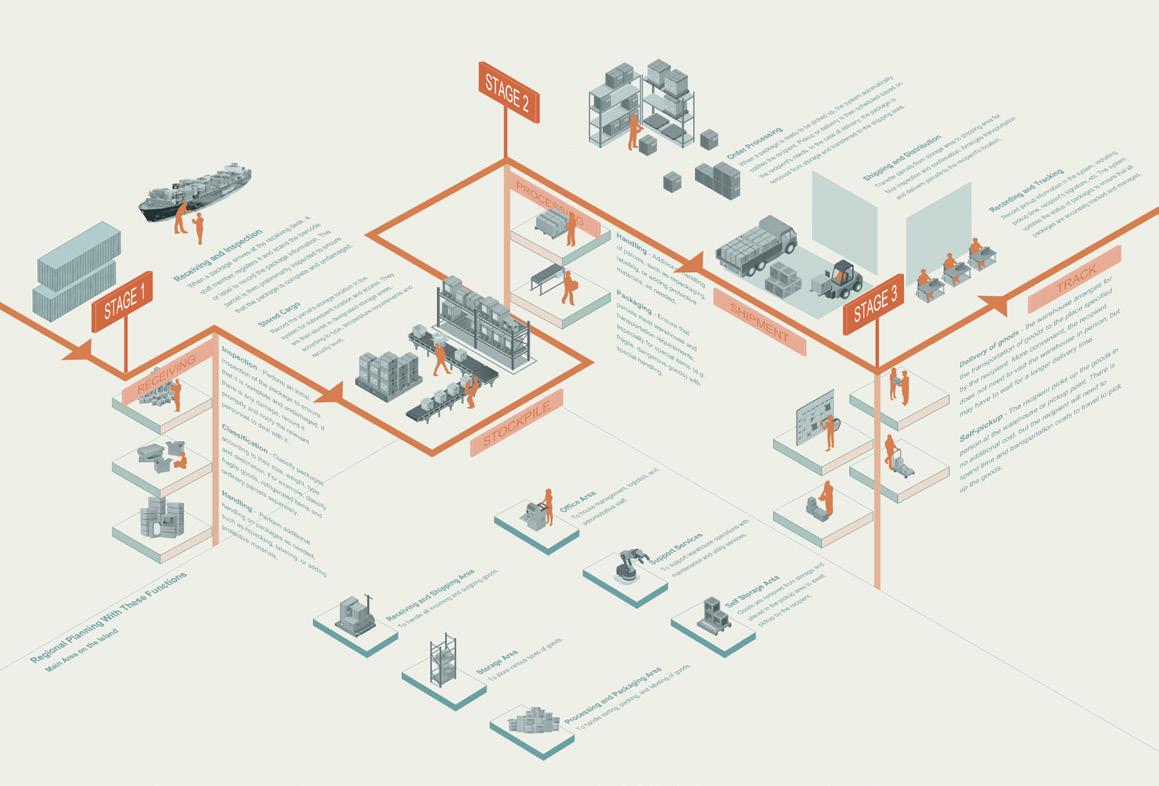
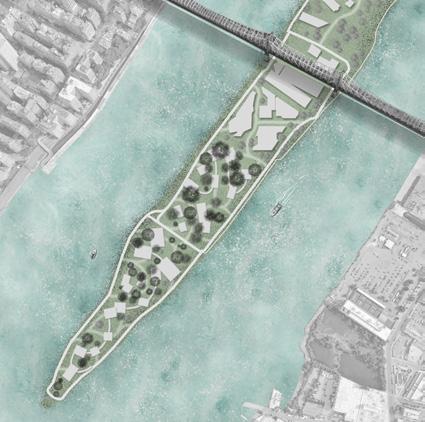
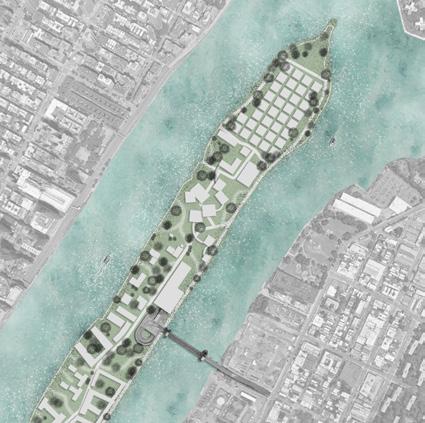
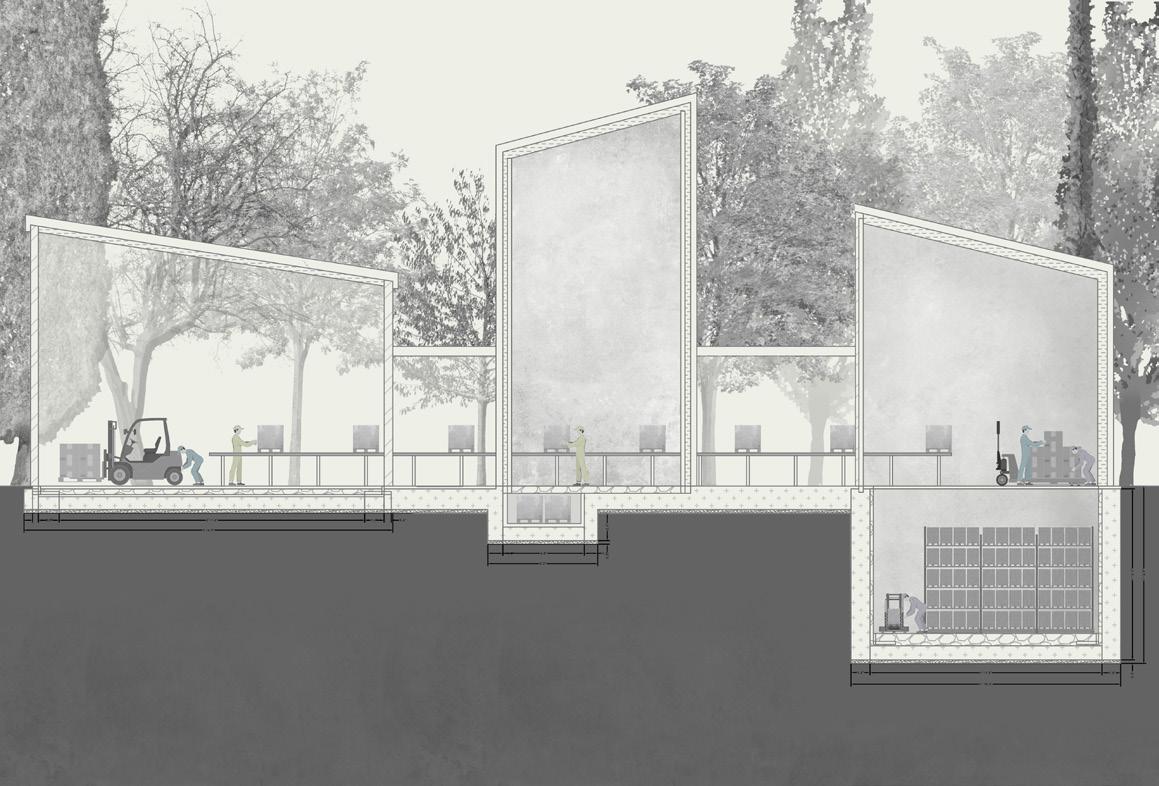
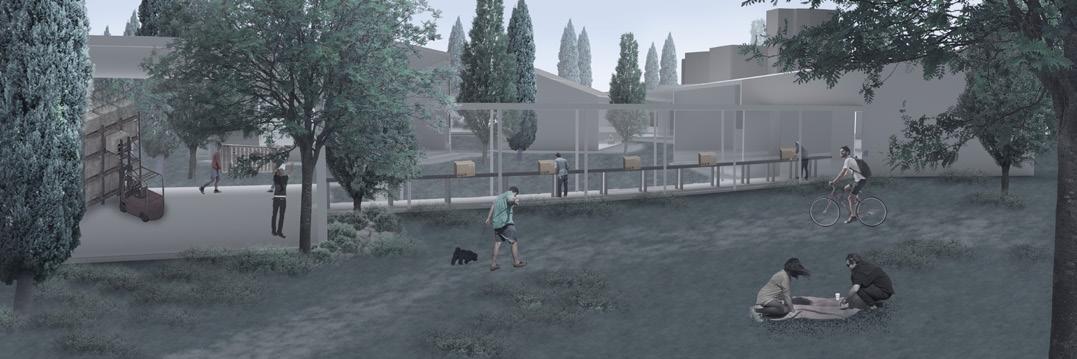
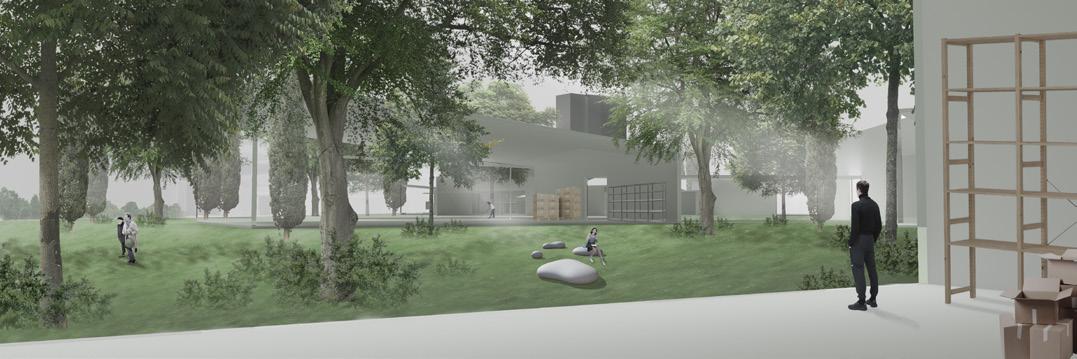
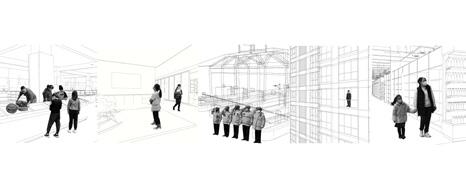
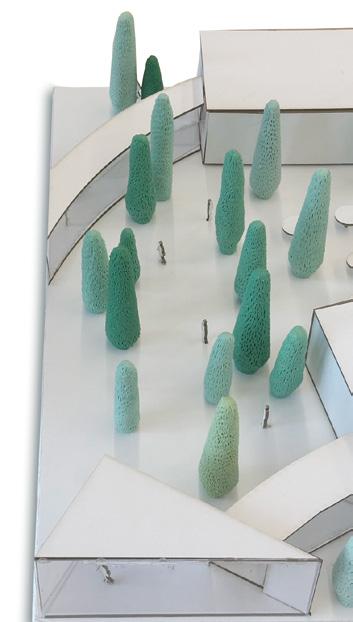
This project develops state-of-the-art warehouses on Roosevelt Island to ease New York City's logistical challenges. As demand for storage grows, these warehouses will optimize supply chains, reduce traffic, and lower environmental impacts in crowded areas. Transforming an underused site into a logistics hub, the project supports city growth while preserving core neighborhoods for residential, commercial, and cultural use. It also aligns with sustainable urban planning, boosting resilience and efficiency.
AQUARIBBON
Date: 01.2024 - 05.2024.
Location: Portland, Maine, United State
Type: Group Project, with Xiaohan Zhou & Nina Niu
Instructor: Zac Boggs & Isabel Fernandez
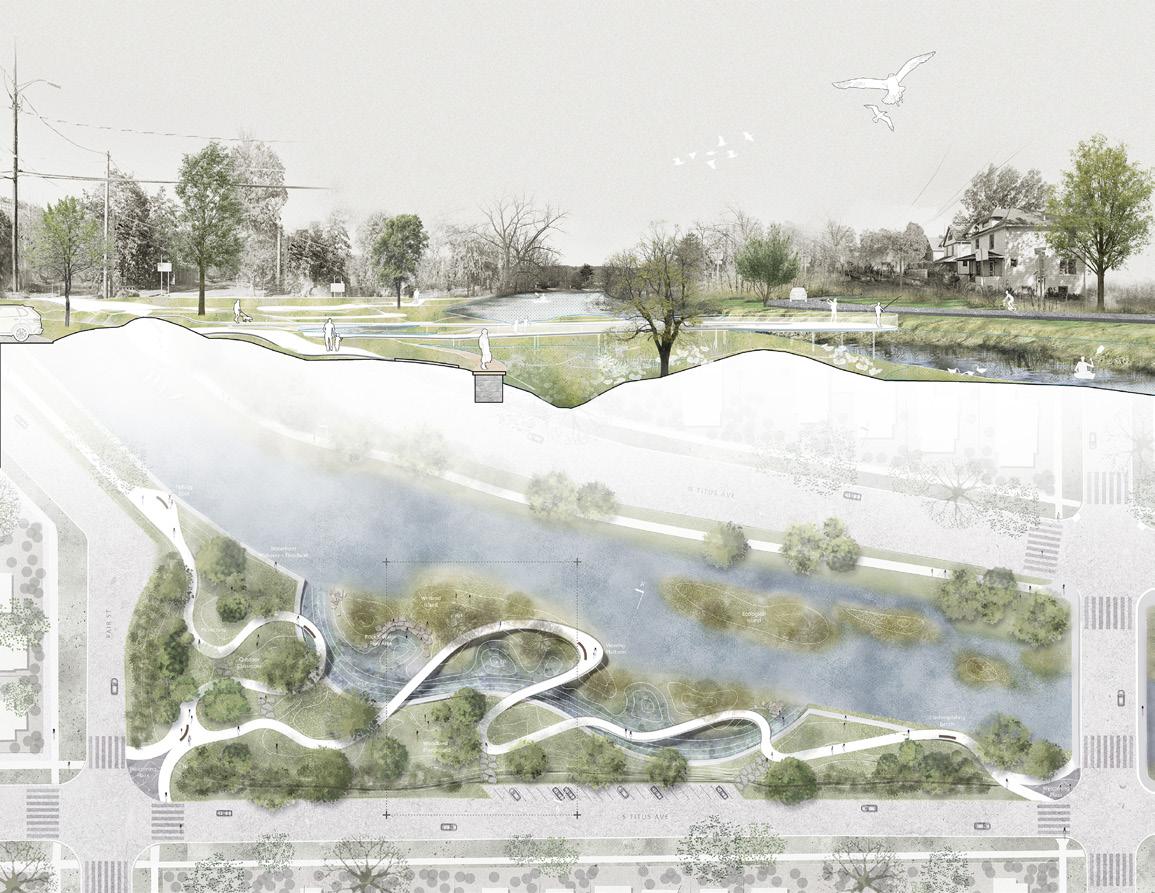
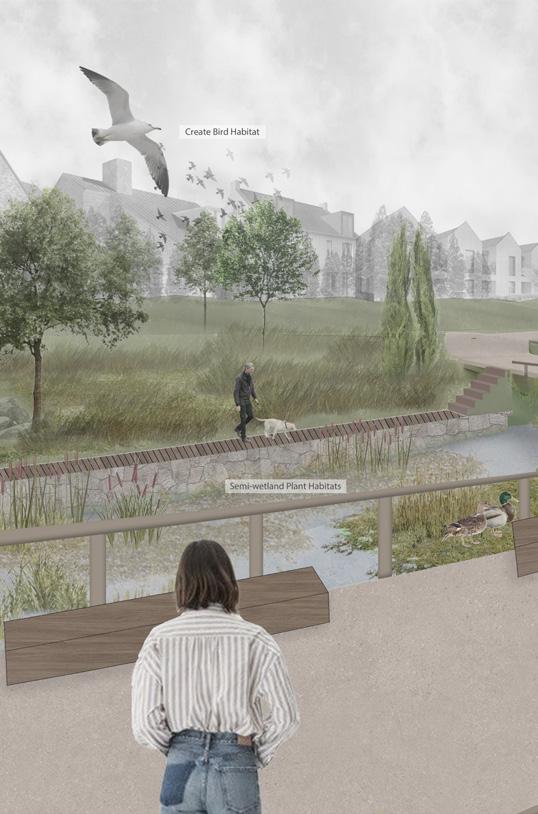
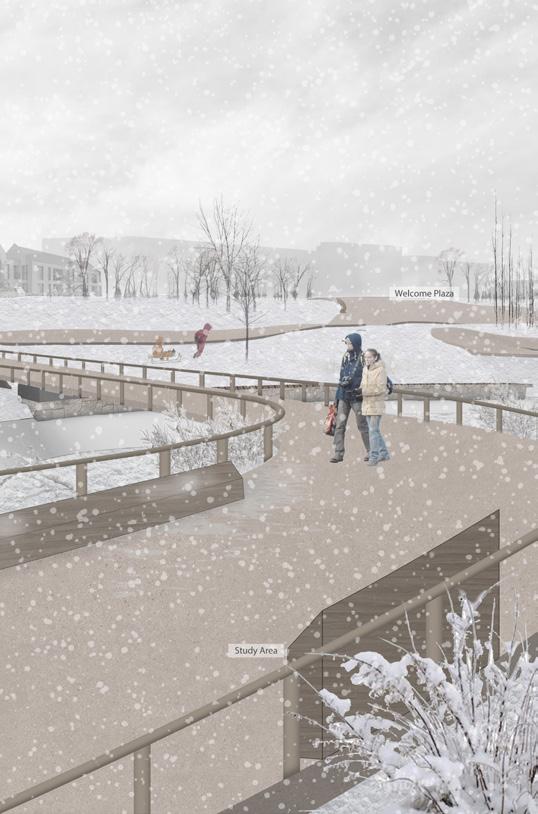
The project creates an educational and ecological community park with trails, picnic areas, an outdoor classroom, a kayak launch, and fishing spots. Features like a small island, wetland levees, and a raised walkway with floodwalls enhance flood resilience and biodiversity. The design fosters recreation, nature education, and a safe creek experience.
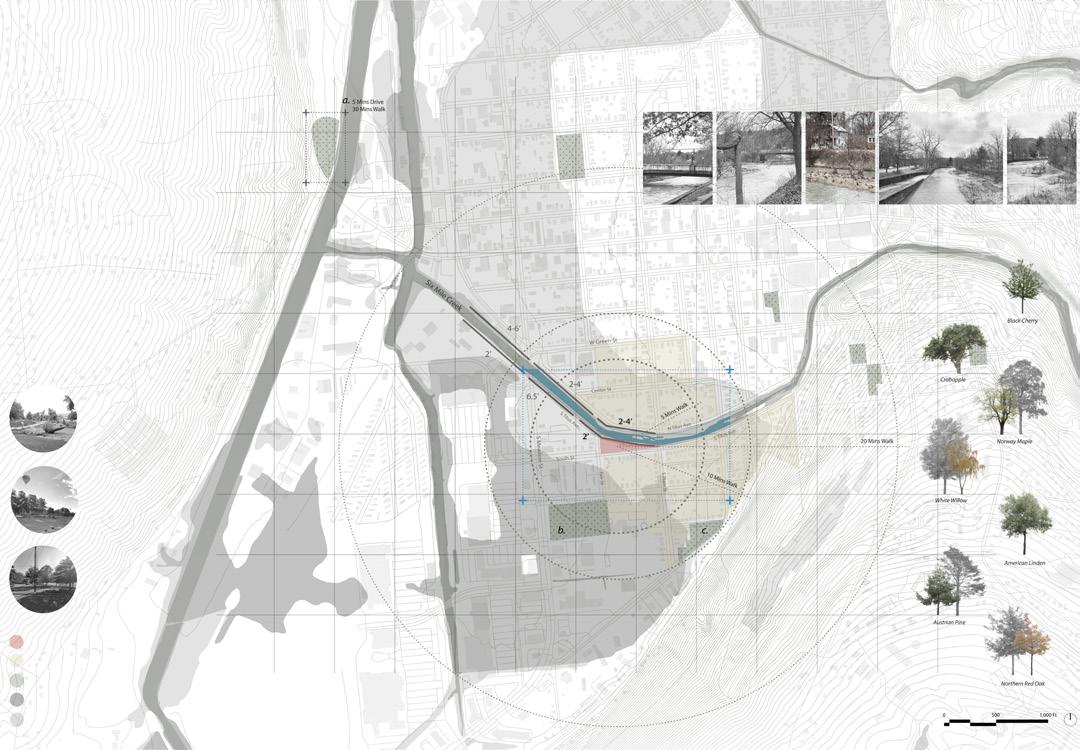
Six Mile Creek and its surrounding area are characterized by a mix of natural and developed landscapes. The creek serves as a critical waterway, providing ecological, recreational, and hydrological value. However, the area faces challenges such as habitat degradation, erosion, and water quality issues due to urban runoff and encroaching development. Surrounding land use includes residential neighborhoods, fragmented green spaces, and some underutilized parcels. Despite these challenges, the creek holds significant potential for restoration and enhancement to support biodiversity, improve community access, and mitigate flooding risks. This project seeks to address these issues while creating a harmonious balance between urban and natural systems.
Site Residential Area
Green Space/Park
100 Year Flooding Area
500 Year Flooding Area
Existing Condition
a. Ithaca Children Garden
b. Ithaca Skate Park
c. Baker Park
Canopy Species
MASTERPLAN
Swale
Viewing Platform
Creek
RENDER
RENDER DURING WINTER...
CONEY ISLAND RAIN GARDEN
Date: 09.2023 - 12.2023.
Location: Coney Island, New York, United State
Type: Individual Project
Instructor: Jamie Vanucchi
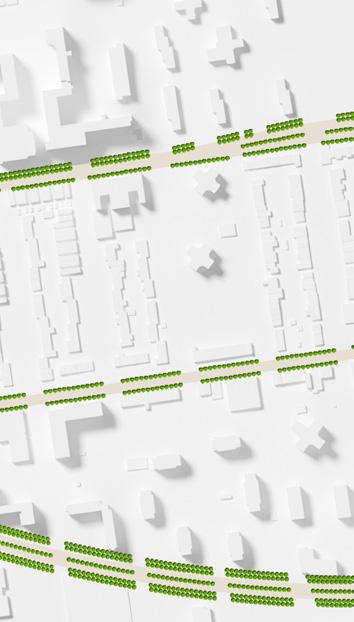
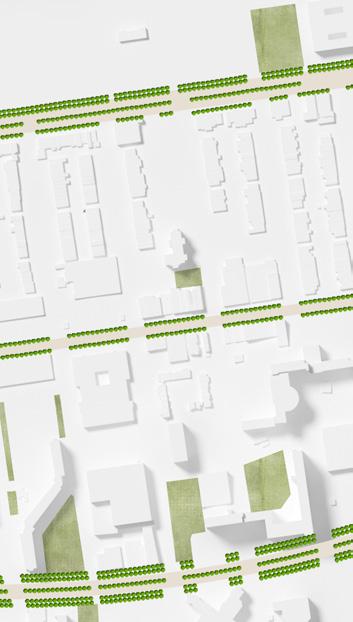
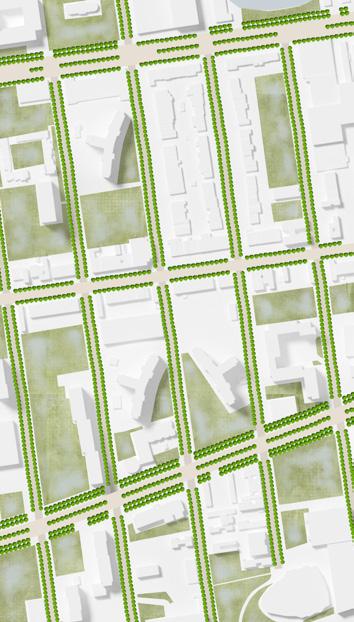
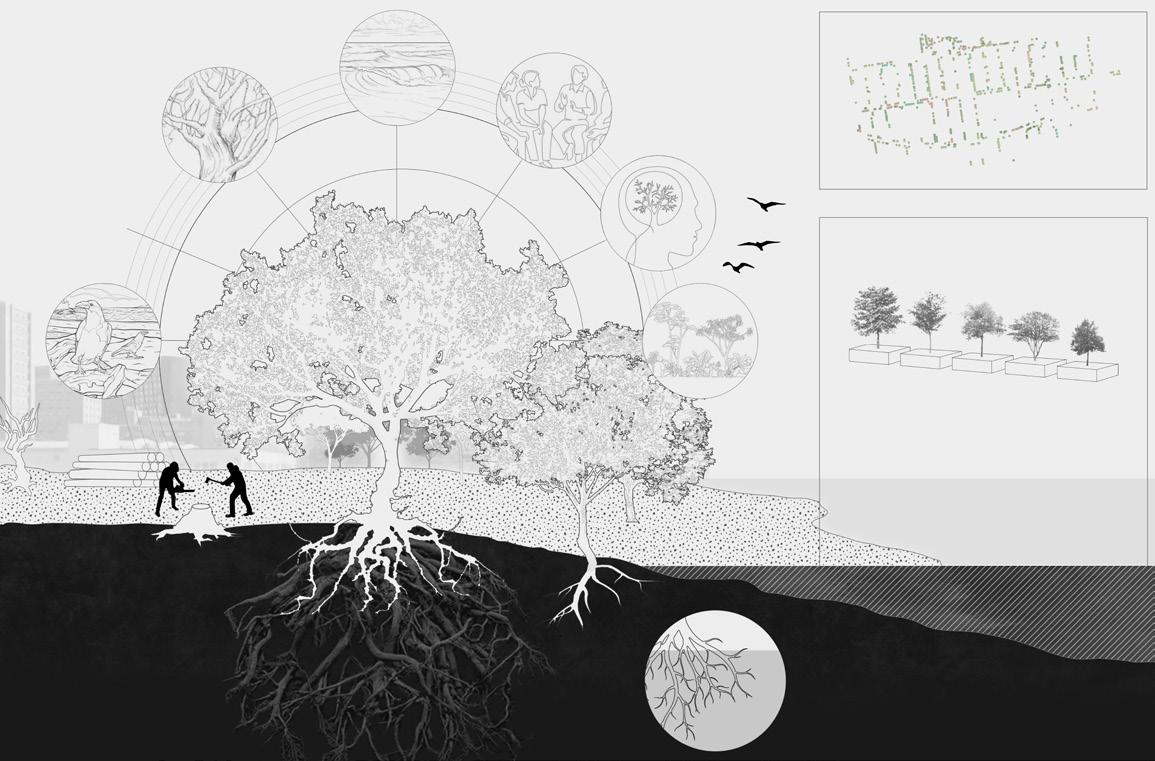
Coney Island is a historic seaside neighborhood in Brooklyn, is known for its amusement parks, and diverse community. However, its location makes it highly vulnerable to flooding from rising sea levels, as seen during Hurricane Sandy. Aging infrastructure and limited water absorption worsen the issue, emphasizing the need for resilient flood mitigation strategies to protect the area’s community.
Location: Sulaibiya Tyre Graveyard, Central Kuwait
Type: Individual Project
Instructor: Hongfei Ji
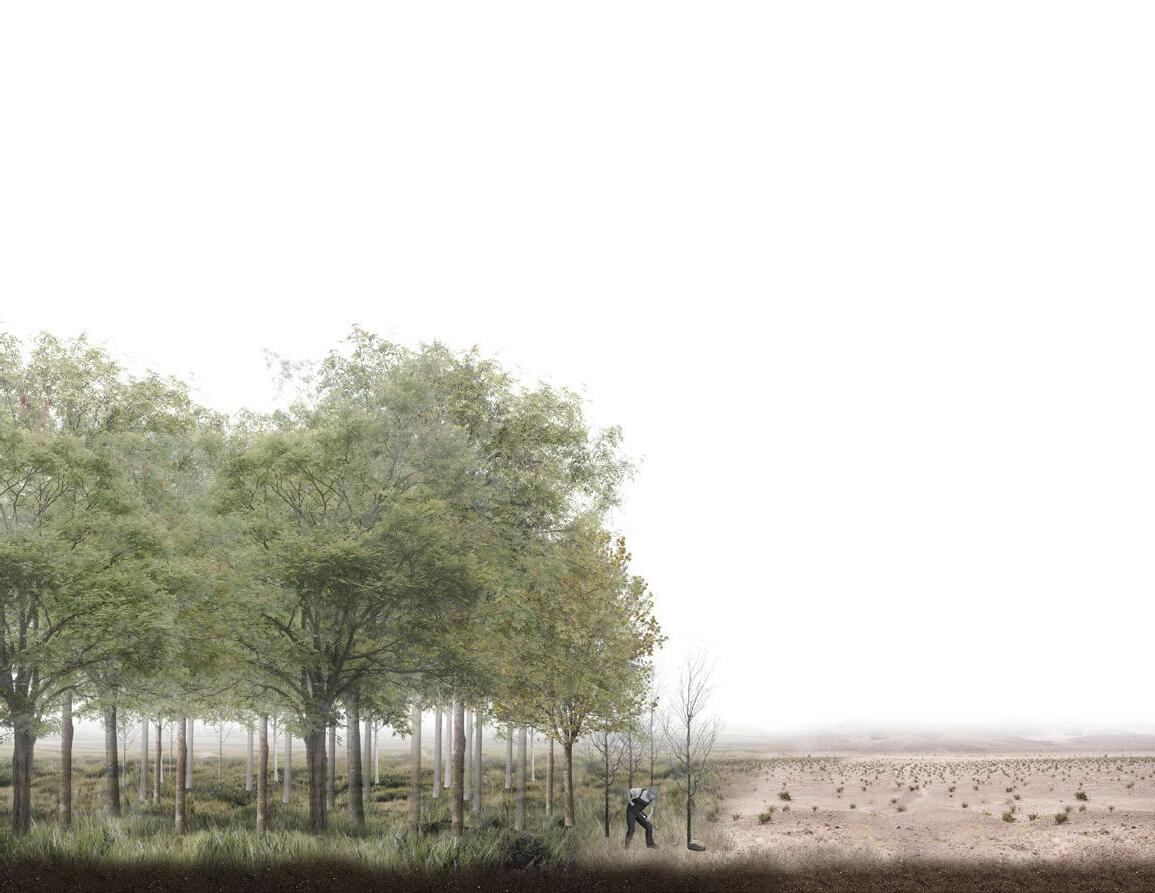
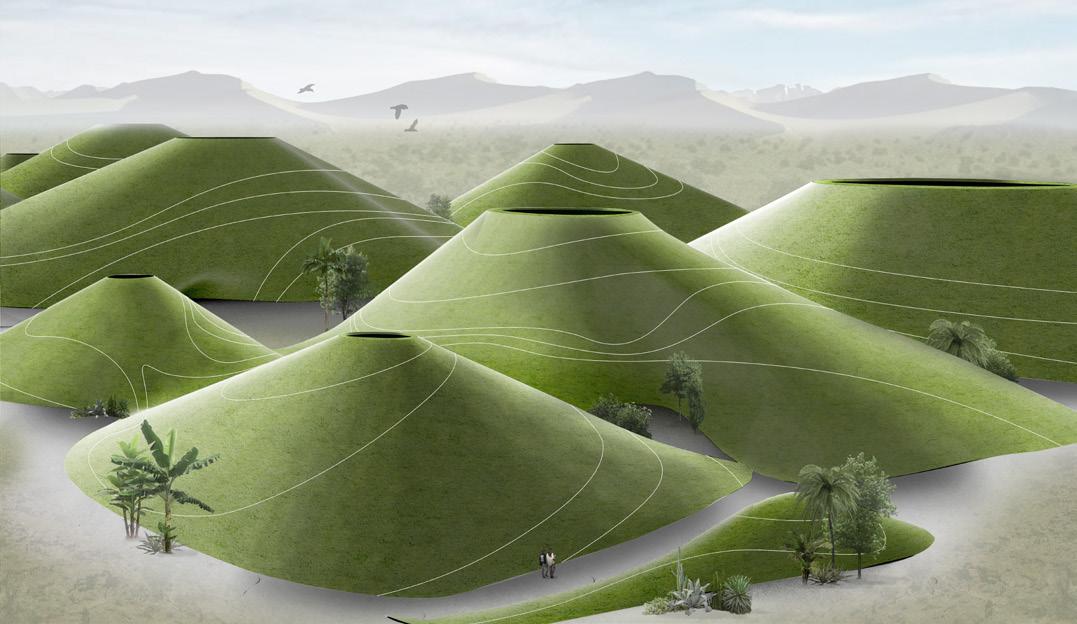
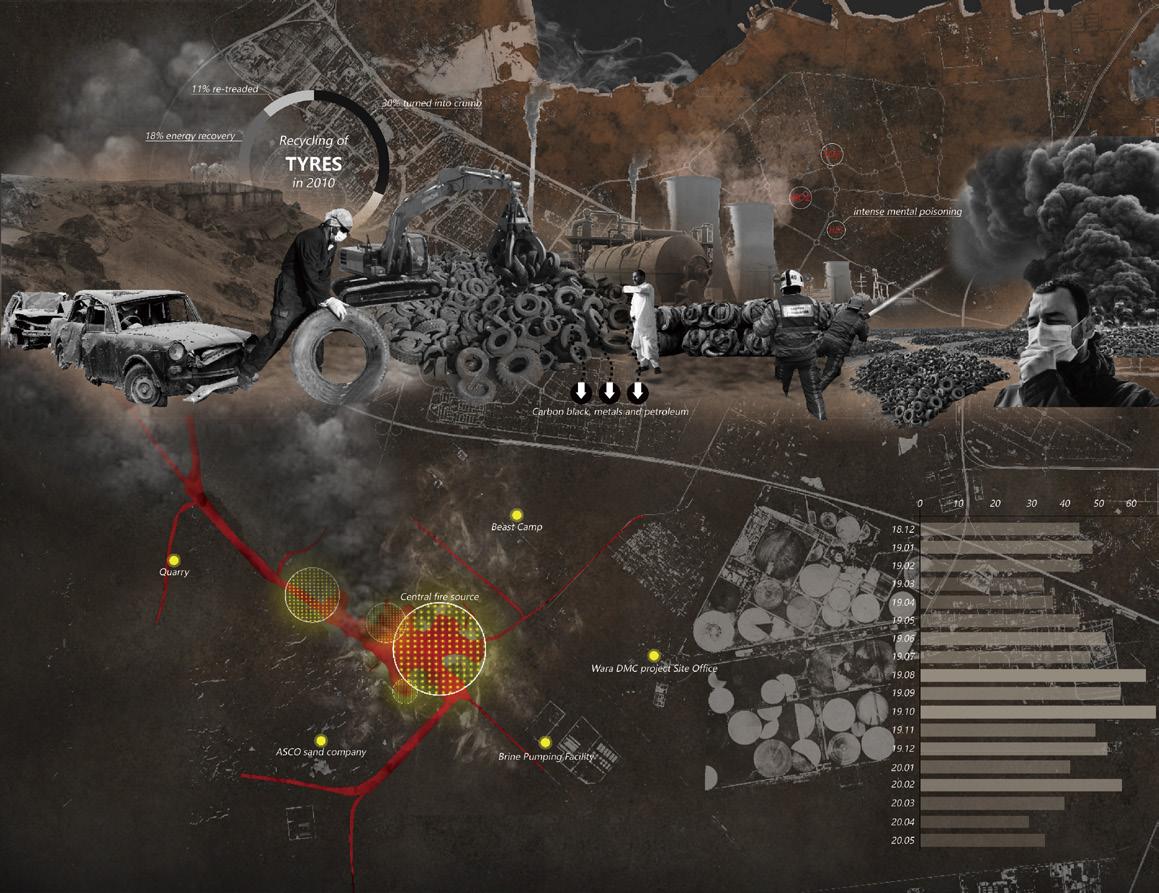
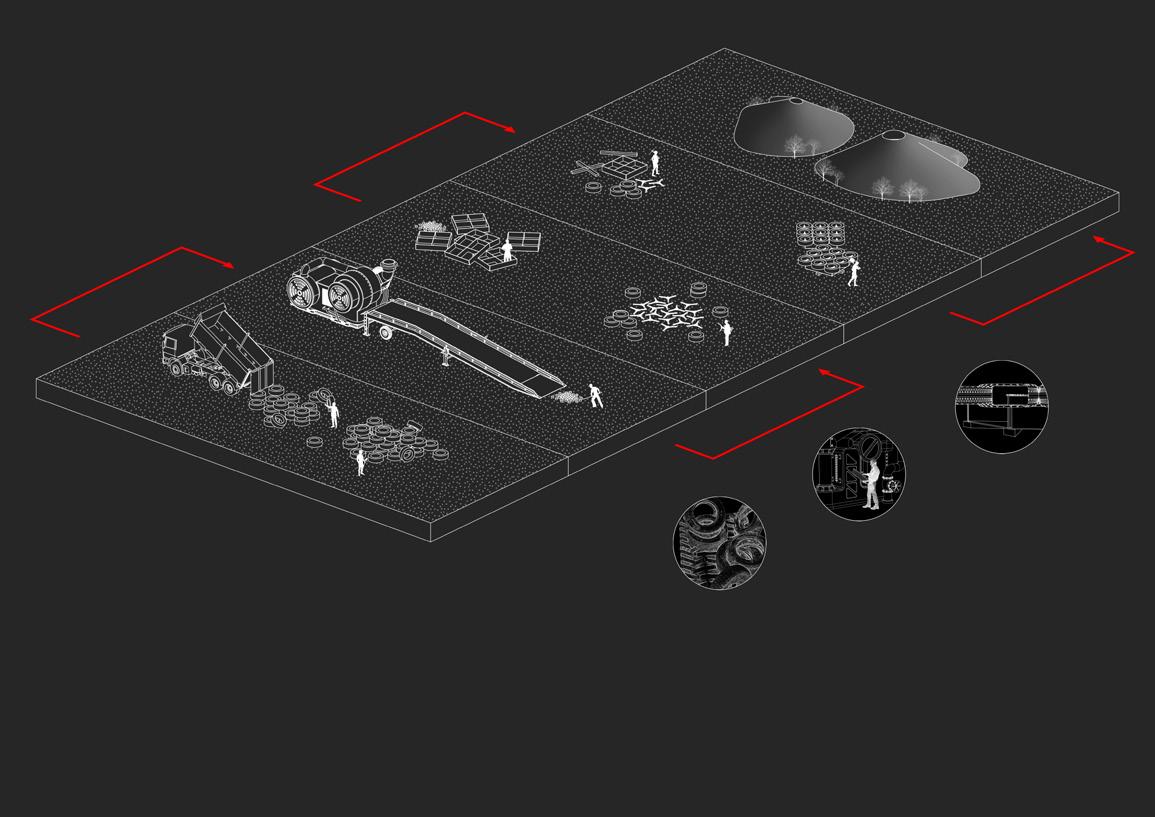
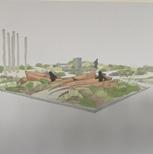
Kuwait's deserts have housed a massive "tire graveyard" since the 1980s, with over 50 million waste tires in Sulaybia. In August 2021, a catastrophic fire, likely caused by extreme heat, engulfed the dump, releasing toxic smoke and carcinogenic dioxins that severely harmed the environment and local ecosystem.
WASTE TYRES
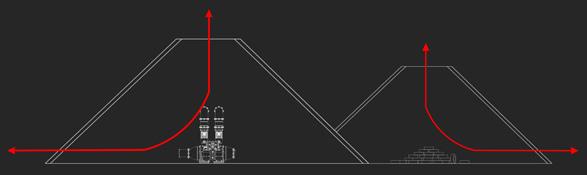
The main body of the skin is constructed from discarded tyres. These tyres will be arranged in groups of nine. Each tyre will be screwed and secured to each other.
TRIANGULAR SPACER
The two steel plates are held together by screws. The purpose is to support in the tyre to prevent it from deforming. A solid tyre arrangement is what ensures the stability of the entire landscape.
PILLARS
Consists of a post and a fixing screw. It has slots on the top to ensure that it stays stable on the rubber box. The screw at the top is to hold the triangular spacer in place.
RUBBER BOX
Made from rubber crumbs formed by churning waste tyres. The aim is to be able to provide a stable base for the tyres. At the same time this material has a good shaping capacity to meet the needs of the landscape form.
SUPPORT FRAME
The intersecting pillars provide good stability to the other structures. This is because it allows for more even forces to be applied to the structure. At the same time they can give a better shape to the landscape.
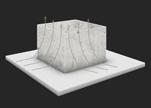
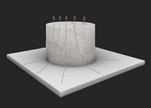
a. Rectangular b. Rectangle After Shallow Steal Hook c. Rectangle After Deep Steal Hook
d. Cylinder
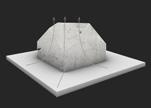
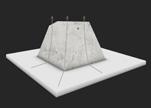
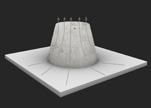
e. Steep Rounded Platform
f. Flat circular platform
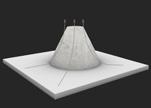
g. With a Single Hole h. With Two Holes
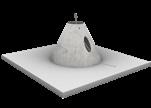
i. Two holes at the bottom
STEP 1
Make the base structure to build. Distribute the tyres evenly over the skin of the form. Attach each tyre with screws and check that they are secure.
STEP 2
Check the internal drip irrigation devices to ensure they are working properly and make small holes in the lower part of the rubber box to divert excess water. Then fill the inside of the tyre and the rubber box with sand and soil for planting.
STEP 3
Plant the plants in the sandy soil and wait for them to grow.
Crushing tyres into powder
Making boxes out of powder using moulds
Construction of the structure's interior
Tyre handling machines
Tyre stacking warehouse
Epidermis
Metal walkway
Walkway for purification of the woods
WUHAN COVID-19 MEMORIAL
Date: 01.2024 - 05.2024.
Location: Leishenshan Hospital, Wuhan, China
Type: Individual Project
Instructor: Zaneta Hong
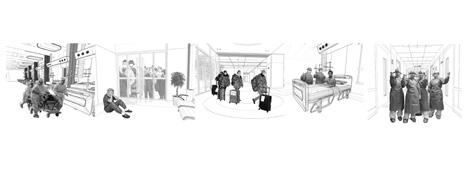
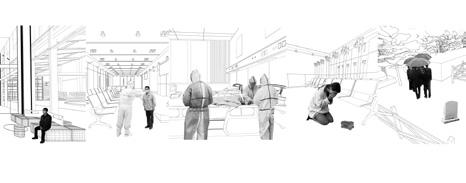
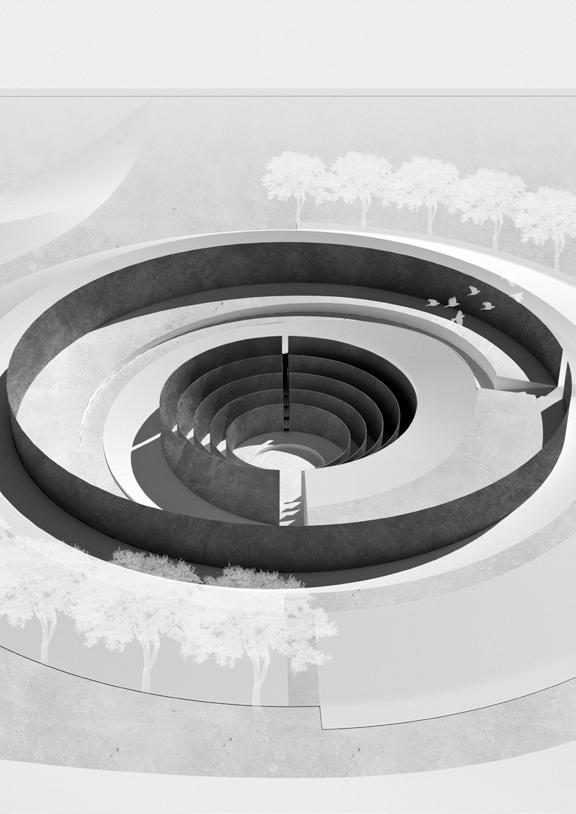
In Wuhan, the temporary hospitals were built in 2022 to treat COVID-19 patients. After their demolition, the site inspired the creation of an "emotional memorial landscape" to honor pandemic victims. Using varied terrain, planting, and pathways, the design evokes emotions like calm, encouraging visitors to reflect on the pandemic's impact and empathize with those who suffered.
It
Mood Changes in Ordinary People
Mood Changes in Doctors
Mood Changes in Patients
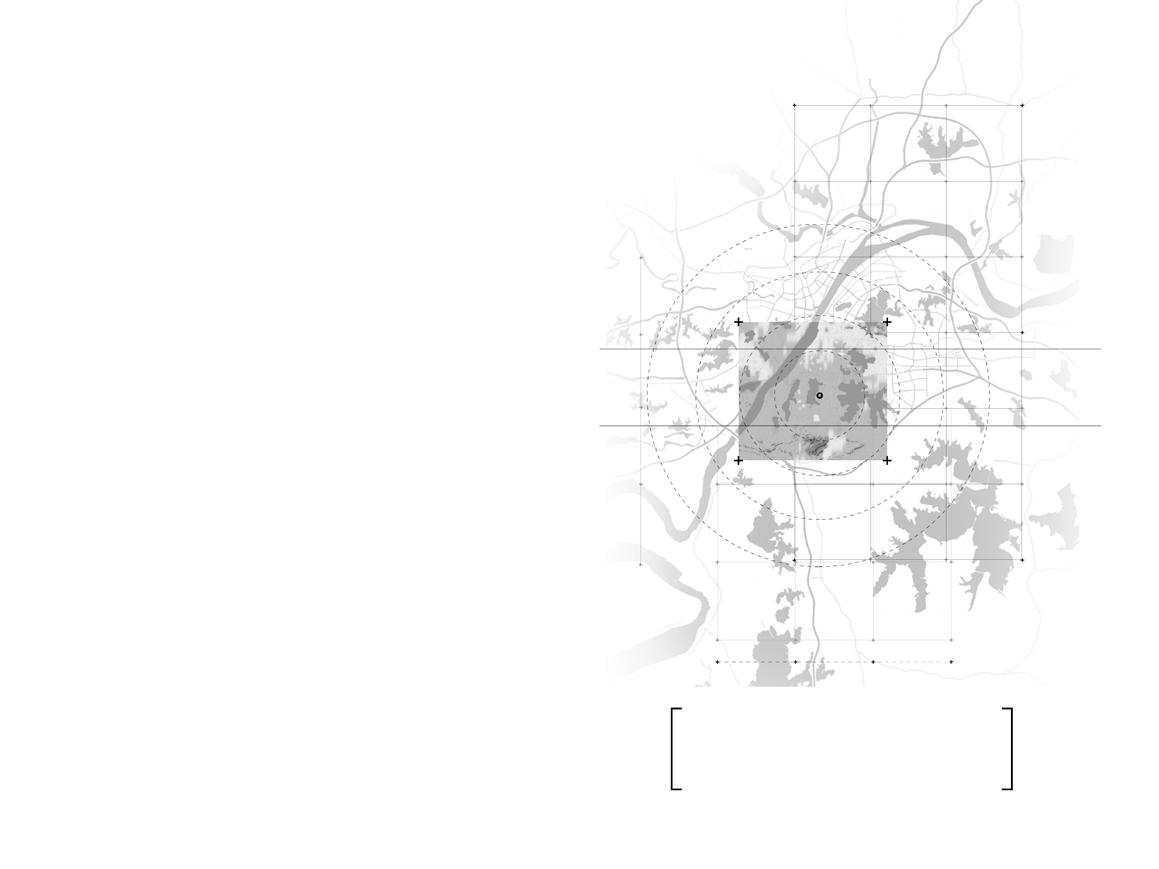
Site Location
The first person to receive the infection was found at the South China Seafood Market. The virus was first detected in bats, but experts have confirmed that it actually comes from pangolins.
The Jinyintan Hospital was the first hospital to accept patients who had been infected. The hospital's director is Dr. Zhang Dingyu, 57, who has been on the front lines of the fight against the outbreak.
The entire city of Wuhan was closed and all railroads and roads into the city were blocked. Academician Zhong Nanshan went to Wuhan to begin research on the virus and urged all people to stay at home to prevent infection.
Construction and operation of The Huoshenshan Hospital and 11 square cabin hospitals completed. The Leishenshan Hospital became operational and two months later Wuhan welcomed the victory over the epidemic.
SITE
Hongshan District
Jiangxia District
Leishenshan Hospital
Yangtze River
Liangzi Lake
1: Depression across the board
Position 2: Desperation to go lower
Position
Position 3: Pain of being surrounded
OTHER WORKS
Date: 09.2020 - 12.2024.
Location: Leishenshan Hospital, Wuhan, China
Type: Individual Project
Instructor: Nicole Yu
In Wuhan, the temporary hospitals were built in 2022 to treat COVID-19 patients. After their demolition, the site inspired the creation of an "emotional memorial landscape" to honor pandemic victims. Using varied terrain, planting, and pathways, the design evokes emotions like calm, encouraging visitors to reflect on the pandemic's impact and empathize with those who suffered.