The scope of this report is limited to group operations within Dole Diversified EMEA (hereafter referred to as ‘Dole EMEA’) across Europe, the Middle East, Africa and Brazil. ‘Diversified’ refers to group operations focused predominantly on general fresh produce sales. Thus Dole tropical fruit operations (bananas and pineapples) in Germany, Italy and Greece do not fall within the remit of this report. A list of Dole EMEA operations can be found on page 23.
The Dole plc 2022 Sustainability Report, which covers all group operations, can be reviewed here.
Welcome to the first Dole Diversified EMEA sustainability report. Delivering an EMEA-wide perspective on Dole plc’s sustainability strategy and performance, the report highlights our commitment to provide safe, high-quality fresh produce that’s good for people, for nature, and for food.
Operating out of 14 European countries while serving many more, Dole EMEA grows, sources, imports, ripens, packages, markets and distributes over 300 lines of fresh produce. Our range of products extends from the more familiar to the truly exotic and includes local, organic and value added fresh cut ranges. Supplying the retail, wholesale, foodservice and processing sectors, Dole EMEA operations offer a comprehensive menu of services to our customers ranging from simple service provision to complete Category Management.
Dole EMEA’s Sustainability activities are fully aligned with Dole plc’s corporate Sustainability Strategy. Through a wide range of initiatives, Dole EMEA operations are working to integrate sustainability ever further into our everyday business practices, reducing our carbon footprints and overall environmental impact, promoting sustainable agriculture, and supporting local communities.
We are committed to meeting and exceeding the sustainability expectations of our European and global stakeholders and assure company compliance with current and future legislation. The Dole EMEA Sustainability Report focuses on our solid performance to date and provides insight into the targets and milestones we have set ourselves for the future.
What you can expect from this report…. Dole plc Our Values
This report addresses sustainability related issues which are material to the business of Dole Diversified EMEA, one of Dole plc’s four primary reportable segments.
The report focuses on the following environmental, ethical and economic issues including: climate action, the natural environment, packaging and waste, human rights, our responsibility to communities, employee welfare, responsible procurement, stakeholder engagement and food and nutrition. These follow the framework of the Dole plc Sustainability Strategy which is summarised on page 12 and available online here. Following the operational integration of Total Produce plc and Dole Fruit Company in 2021, Dole EMEA has been working to harmonise CSR policies and guidelines on the material issues which will underpin our corporate strategy. An important and complex issue requiring input from internal and external stakeholders, our intent is to future-proof these new policies, publish-
In the interim, we will continue to adopt best sustainable practices across our operations per existing guidelines.
This report also explains the relationship between our business model, CSR issues relevant to us and how we integrate the two.
It provides insights into why different CSR issues matter to our EMEA businesses and how we are addressing each. Case studies are used throughout the report to document the specific actions taken by individual EMEA companies over the past twelve to eighteen months and demonstrate how corporate strategy has been translated into local action on the ground. Measurement and management has an important role to play in this regard.
This report outlines how Dole EMEA is developing new systems to capture, calculate and report sustainability data at scale and in depth. It details our increased focus on lifecycle analysis and Scope 3 emissions as we progress towards the publication of our Science Based Targets by the end of 2023 and
We Are Committed; To The Environment And To The Communities In Which We Grow And Operate.
Passionate
We Care.
We Love What We Do. We Love What We Sell.
We Embrace Challenges. We Relish Opportunities. We Seize The Moment.
In Dole, we believe in enshrining our core values into our everyday practices. Dole endeavours to adhere to the highest ethical standards throughout its worldwide operations and has earned an international reputation for conducting business with integrity. Dole’s Code of Business Conduct and Ethics and supporting policies (together our “Code”) is a statement of principles for conducting business in a legal and ethical manner. Each of us - employees and members of the Board of Directors, as well as long-term consultants and key suppliers of
Collaborative
Dole - is required to read the Code carefully and to adhere to its principles in conducting Dole business. Dole’s commitment to ethical conduct is paramount in everything we do. We hold ourselves to these high standards because of our deep commitment to our stakeholders: our customers, consumers, colleagues, suppliers, business partners and host countries around the world.Detailed information on Dole plc’s Code of Conduct, including how to report any concerns about suspected violations, can be found here.
Dole plc Our Global Reach
The reach, breadth and quality of Dole plc’s international infrastructure sets us apart. Local at heart, global by nature our operations and vertically integrated supply chain extends right across individual markets and throughout Europe and the America’s.
Our on the ground presence in the world’s primary growing regions and key markets is unrivalled. Throughout this integrated network our individual business units work together to deliver the best of both world’s- bespoke services to local businesses, exceptional
produce from across the world and close to home and the collective strengths and resources of our group.Dole plc operates four primary reportable segments: Fresh Fruit, Diversified EMEA and Diversified Americas & ROW and Fresh Vegetables. For more information click here
PORTUGAL
How we do business
The consumer lies at the heart of all our operations. We work to close the gap between the consumer and the grower - ensuring best agronomic and sustainable practices and refining the supply chain to deliver the shortest route to market. How we add value
Dole’s business units provide bespoke, customised services via diverse and flexible operations. Primary activities vary and can involve production, manufacturing or processing hubs, ripening facilities, distribution hubs, logistics as well as sales and marketing.
Dole plc Solid Foundations: The UN SDGs
The United Nation’s Sustainable Development Goals (SDGs) provide a comprehensive framework addressing global challenges such as poverty, hunger, climate change, and inequality. The 17 Goals were adopted by all UN Member States in 2015, as part of the 2030 Agenda for Sustainable Development which sets out a 15-year plan to achieve the Goals, provides a global blueprint for dignity, peace and prosperity for people and the planet, now and in the future.
Our new, reset sustainability goals were developed by representatives across all areas of our business to ensure they reflect our collective ambitions and commitment towards making a positive impact. These goals are aligned and contribute to the United Nation’s Sustainable Development Goals (UN SDGs) prioritising 10 of the 17 goals.
Dole plc Materiality Matrix
In 2022 Dole plc developed its first Materiality Matrix. Based on input from our employees and a suite of external stakeholders, we identified the most relevant sustainability issues to Dole plc and those where we can apply the greatest influence. These results formed the basis upon which our evolving sustainability framework was constructed,
categorising findings under our For People, For Food and For Nature pillars. We believe a detailed materiality analysis is an important tool for identifying the most significant sustainability issues with respect to both our business and our stakeholders’ priorities and expect to complete a Double Materiality Matrix in 2024.
Dole plc Group Sustainability Strategy
The Dole Way
For over 170 years, we have been as proud to deliver nutritious, high-quality produce all around the world, as we have been to take responsibility for the land from which it is grown. And we are equally committed to supporting and enhancing the global communities that ensure we can produce and deliver the quality of produce for which we’re known.
We call this The Dole Way; our enduring commitment to grow, process and distribute our produce responsibly, today and for generations to come. Because being a responsible business is not just second nature, it literally is our business. We are making our commitments clearer than ever
where we plan to focus our efforts for the future.
The Dole Way paves the way for further improvements in areas where we believe we can make the biggest positive impacts.
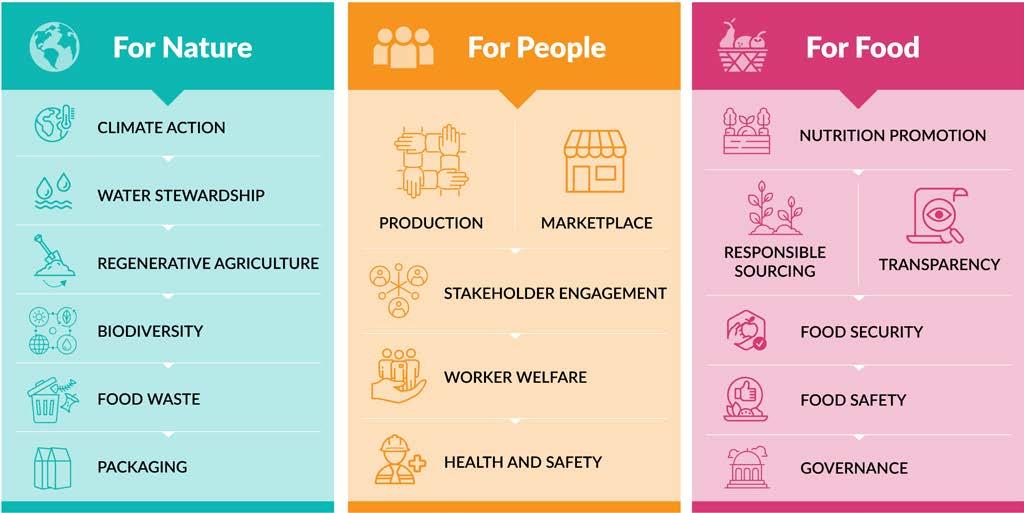
Our Focus: For Nature, For People, For Food
In Dole, we are committed to making a real difference across each and every area of sustainability while focusing on those areas where our influence is most meaningful.
In identifying key areas related to our impact and operations we can apply focus and assign resources to ensure that ours is an impactful and positive contribution towards making the world a healthier, more sustainable place.
For people
We commit to:
Improve the livelihoods of individuals across our entire business – from farmers to customers
For nature
We commit to: Protect the natural environments in which we operate to reduce our impact and strengthen habitats
For food
We commit to:
Provide retailers and consumers with safe, healthy, nutritious and responsibly grown food
The Dole Way
Dole plc Risk Management
Risk management is coordinated by an Executive Risk Committee (‘ERC’) which directs the implementation of the process consistently. Responsibility for the identification and evaluation of financial, operational and compliance risks is delegated to senior management, which reports back to the ERC. The ERC reviews the relevant findings, identifies strategic risks and makes recommendations. The ERC reports its findings and recommendations to the Audit Committee, which in turn reports to to senior management. Our Board conducts its own risk identification and assessment so that it is sufficiently aware of the principal threats to which our business may be exposed.
The Board’s review includes strategic, financial, operational and compliance controls and risk management systems. On an annual basis the Board confirms they are satisfied with the effectiveness of the internal control systems in place. The Group ustainability Working Group reports through our existing risk management structures ensuring senior management are kept up to date on all relevant Environmental, Ethical & Social and Economic Governance matters and that Sustainability is considered during the risk identification and management processes. The materiality matrix identifies sustainability related risks and opportunities which are considered as part of these risk management procedures.
Clare Roddy input required
Focus Areas Goals
Climate Action
Dole plc Sustainability Goals
Establishing clear targets and priorities is a recognised prerequisite for the effective measurement and management of impact in sustainability terms.
In December 2022, Dole plc committed to a new suite of group-wide goals dedicated to bringing focus and transparency to our sustainability strategy and aligned to our three pillars and the UN Sustainability Goals. These goals, which were developed by representatives across all areas of the company, reflect our combined ambitions and commitment towards making a positive impact. Aligned with the United Nation’s Sustainable Development Goals (UN SDGs) they specifically contribute to 10 of the 17 SDGs.
By the end of 2023 each Dole EMEA operating division plans to develop and launch an individual Sustainability Plan which will deliver on the corporate goals. True to our motto ‘Local at heart, global by nature’, each plan will contain additional goals and initiatives tailored to the realities of the markets in which they operate.
Water Stewardship
Sustainable farming practices
Biodiversity protection
Waste management & packaging innovation
Support our people and our communities
Be an employer of choice
Develop a safe, inclusive, equitable and diverse work environment
Dole plc has committed to set near and long-term company-wide emission reductions in line with SBTi
• 50% of Dole suppliers by volume to set Science-Based Target (SBTi) by 2030
Conduct water risk assessments and implement optimized water practices in high-risk areas in Dole-owned farms and packaging or processing facilities
• In high-risk areas, reduce water usage by 10% overall on all Dole-owned farms by 2030
• Expand number of owned farms and third-party farms certified to Alliance for Water Stewardship (AWS) by 50% by 2030 (2022 baseline)
• Establish capacity building programs to promote optimized water stewardship practices with 70% of 3rd party suppliers in high water risk areas by 2025
Develop a sustainability farming framework specific to Dole plc’s owned crops and farming operations
• Define a set list of regenerative practices
Based on a risk assessment, create and implement a global biodiversity monitoring program
• Set 10 biodiversity protection initiatives across the company
Achieve zero waste to landfill by developing circular processes to maximize reuse or minimize waste throughout our supply chain by 2030
• Achieve zero waste across all salad processing plants by 2030
• Reduce food waste in harvesting and processing systems by 50% by 2030
Make 100% Dole packaging across divisions either recyclable or compostable by 2025
Support local communities according to their local needs
• Continue to undertake social investments in our operations and in local community development activities by leveraging alliances with foundations and other partners to forward social programs. ($0.07 per standard box social premium from banana production)
• By 2030, contribute to reduce poverty in households and impact at least 20,000 people by 2040 in Dole Latin America including Guatemala, Honduras, Costa Rica and Ecuador by measuring business multi-dimensional poverty index
• In the US, partner and offer grants to farmers- specifically small and mid-size BIPOC farmers growing regeneratively to provide market access within our low-carbon product offerings
• Launch a Dole Local Grower Academy in Europe- By 2025, support a minimum of 5 developing growers in each of 7 markets providing business development guidance, capacity building measures, training, practical commercial, agronomic and sustainability support and access to Dole distribution channels
Lead in health and safety. Measure and track satisfaction of employees.
• Report on accidents and achieve indices below industry average levels
• Implement health and safety trainings at the farm level
• Create company-wide satisfaction study and improve ratings over time
Make Dole plc representative of the communities it serves in its employee diversity and take an active stance towards opportunity for all
• Track and publicly report diversity, equity and inclusion metrics in the company
• Evaluate gender pay ratio across the company
Improve access to produce for underserved communities.
• Donate 2,500 tons of fresh fruit and vegetables to communities by 2025
Promote nutrition and healthy lifestyle among consumers
Promote healthy nutrition and improve access to fresh produce
Responsible Sourcing
Transparency and Food Safety
• Develop or maintain 5 digital initiatives promoting healthy eating to generate 2 billion impressions annually(Promoting a plant-based diet, supporting “Eat Them To Defeat Them” campaign, publishing Dole Nutrition Newsletter, etc)
• Develop or maintain 5 regional/national programs inspiring healthy living and active participation (Ireland, Greece, Charlotte, South Africa)
Assess and monitor supplier performance on human rights and social compliance
• Conduct supplier risk assessments on supply base
• 90% of Dole’s fruit and vegetable suppliers from high-risk countries (by volume) as defined by Amfori/BSCI will have implemented a social standard included in the Dole basket of standards in their supply chains by 2025
• Circulate and promote our digital sustainability risk management tool to all commercial personnel globally by end of 2023 and provide training
Increase transparency and lead discussions on new food safety regulations
• Actively participate in industry dialogue and multi-stakeholder initiatives
• Continue enhancement of supply chain traceability and transparency by leveraging technology such as blockchain, product tagging or other advanced solutions by 2030
Dole Diversified EMEA
SOUTH AFRICA
DENMARK
SLOVAKIA
SPAIN
FRANCE
PORTUGAL SWEDEN
DUBAI
BRAZIL
Dole EMEA Our Sustainability Vision
Work in Progress
Right across Dole plc, we take enormous pride in growing and marketing the most nutritious of foods with amongst the lowest environmental footprints*, while recognising that this privilege brings with it enormous responsibility.
In Dole, we take enormous pride in growing and marketing what is widely acknowledged to be the most nutritious of foods with amongst the lowest environmental footprints*. We understand it is an incredible privilege, one that comes with the expectation that we will implement and promote best sustainable practices at all times. At the heart of our strategy for doing so is a commitment to transparency and collaboration across the supply chain. Constructive stakeholder engagement has always been central to our business model and we aspire, always, to be our stakeholders go-to partner when it comes to sustainability- the ‘safe pair of hands’ on which they know they can rely. We believe we have the strength, the reach, the capacity and the core competencies to do so.
In 2022 Dole plc published our global framework- ‘The Dole Way’, which provides a comprehensive framework detailing priorities and targets across the broad field that is sustainability. In Dole EMEA, we strive to apply these ambitions to local circumstance, reflecting the unique profile of our businesses across EMEA region, but also the distinct requirements of local stakeholders. Our objectives are clear
Growers Educating, empowering and supporting our partners in production to ensure best agronomic and sustainable practices from farm to fork.
Customers- Delivering transparency, providing the required conduit for critical data exchange, fulfilling our role as an essential cog in the value chain, acting as an agent of change and raising the bar in sustainable fresh produce marketing.
Consumers- Educating and inspiring all to make more sustainable choices in their everyday lives.
Our People- Providing rewarding careers, positioning ourselves an employer of choice and championing human rights across the supply chain.
Our Peers- Working with competitors and industry bodies to deliver an ever more sustainable fresh produce supply chain.
Our Investors- Building a Dole plc ‘Sustainability Story’ of which our shareholders can be proud.
We recognise, of course, that we are on an ongoing journey and there is much work still to be done. The process of harmonising our sustainability strategy and metrics throughout our new wider global operations across 2022 was predictably complicated but we are satisfied that the necessary foundations are now in place to take our next steps forward:
Our immediate priorities:
• Publishing Science Based Targets by the end of 2023.
• Progressing the availability and reliability of life cycle analysis and Scope 3 data across our global supply chain.
• Conformance with EU Corporate Sustainability Reporting Directive across 2024
We know, that in conjunction with our partners in production and across the marketplace and with the help of our people, on whose commitment to best sustainability practices our sustainability story is built, 2023 and 2024 will see Dole EMEA and the wider Dole plc group take significant strides forward as we pursue our ongoing mission to make the world and ever healthier, more sustainability place.
Dole EMEA Scope and Reach
Dole Diversified EMEA includes Dole plc’s diversified (non-tropical) operations across the European Union, the United Kingdom, Africa, the Middle East and Brazil. These businesses include marketplace operations serving the retail, wholesale, e-commerce, foodservice or processing sectors and group production, most notable in Brazil and South Africa.
The Dole plc website provides detailed information on the activities of each EMEA business unit*. For further information click here
• Argofruta
Growing and exporting exotic and tropical products from Brazil.
• Dole Ireland
Britain’s premier fresh produce provider, selling fruits and vegetables from 13 locations across the island.
• Dole UK
Britain’s premier fresh produce provider, selling fruits and vegetables from 30 locations across the country.
• Dole Nordic, Denmark
Growing, sourcing, shipping, processing, marketing and optimizing the logistics of global fresh produce supply chains.
• Everfresh
Leading fresh produce company, offering a full range of products to Swedish retailers, wholesalers and food service customers.
• Dole Europe B.V.
Coordinating Dole’s non-tropical fruit retail operations across Europe
• OTC Organics B.V.
Leading the European distribution of organic fruit and vegetables.
• Dole France
Specialising in the procurement, sales and category management of off-season fruit for the French Market.
• Nowaste Logistics AB
Bringing state of the art technologies, vast expertise and long-standing experience to the supply chain logistics.
• Eurobanan ARC S.L.
Encompassing the entire value chain from production, import, marketing, distribution, packaging, fresh-cut and export
• The Hortim Group
Trading and service provision with a strong logistics, growing and technology background.
• Frankkort & Köning
A fresh produce problem-solver, linking customers and suppliers
• Dole South Africa
Preferred producer and exporter of grapes, citrus, stone fruit, blueberries and avocados.
*Footnote: Further information on Nowaste Logistics AB can be found here
Dole Diversified EMEA Operations
Dole Fresh Fruit Europe Operations
Dole EMEA
An overview of Dole Nordic
Serving the retail, wholesale, e-commerce and processing sectors, Dole Nordic consists of a number of complementary businesses across Sweden and Denmark. We grow, procure, process, pack, market, sell, ship and optimize the logistics of fresh produce from close to home and all over the world. Our main offices are located in Helsingborg, Sweden and Køge, Denmark.
Dole Nordic seeks to deliver to customers and partners the opportunity to improve commercial competitiveness by offering a compelling combination of global reach and resources alongside local expertise, infrastructure and experience.
At the heart of this proposition lies the deep partnerships Dole Nordic has forged across the entire value chain, from farm to fork. This allows us to offer the fundamentals: the right products, at the right time, at the right price, as well as opportunities to extract costs and add value. For Dole Nordic, our ambition always is to meet and exceed the expectations of the Nordic consumer as we pursue our ambition to promote fresh produce consumption and make the world a healthier, greener and tastier place.
Lembcke is one of the largest fruit and vegetable companies in Denmark in terms of sales to foodservice and wholesale customers.
Everfresh is one of Sweden’s leading fresh produce companies located in Helsingborg.
Fruktimporten is one of the leading fruit and vegetable wholesalers in the Greater Stockholm area.
Taastrup is the location of Kryddergrønt, a specialist in fresh herbs for customers in the Nordic market.
Nordic Fruit can supply everything in fruit and vegetables, but is one of Denmark’s largest suppliers of avocados for both retail and foodservice.
Location in Taastrup.
Vidinge Grönt is located in Norrvidinge. Baby leaves such as rocket, baby spinach, and Swiss chard are grown and processed on site into meal kits, salads and other ready-to-eat products.
Vidinge Grönt is a joint venture.
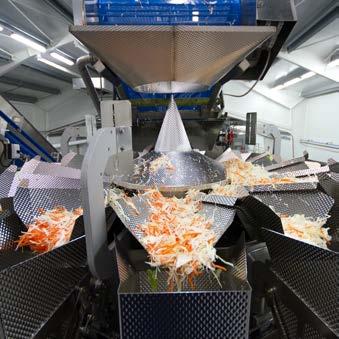
Steglinge Gård in Höganäs is the location of Northern our production facility for potatoes and root vegetables. A joint venture, Steglinge can wash, pack, pre-cook, shred and chop carrots, beets, parsnips and more.
Interbanan Scandinavia AB is a leading importer of organic bananas in to Europe, delivering approximately ten countries. Every week, 80-Organic and fair-trade bananas are imported, predominantly from the Dominican Republic.
Nowaste Logistics is one of the leading logistics companies in third-party logistics (3PL) in the Nordics. The majority of the business is in Helsingborg and the surrounding area, but one of the company’s many terminals is in Jönköping.
Marketing juices, smoothies and shots, Fruity Line Nordic has carefully presses fresh fruits and vegetables into healthy beverages. Fruity line is a joint venture.
The Dole EMEA Sustainability Working Group is the primary internal forum for applying our plc sustainability strategy locally. Focused on practical implementation on-the-ground and contributing to the global sustainability panel and plc working group, it includes
representatives from each of our Dole EMEA operations and meets regularly to exchange best practices and give voice to the expectations and aspirations of local stakeholders.
Dole EMEA’s sustainability reporting structure, and that of our wider group, has been configured to encourage input from key stakeholders by affording maximum accessibility to senior management. In keeping with our corporate culture, from our Board of Directors down, senior management across our organisation liaise directly with key stakeholders, both internal and external, to ensure that, collectively, we as stakeholders act as positive agents of change. In parallel to these direct exchanges we have put in place formal internal reporting structures which extend from our local global operations to the boardroom. These structures ensure the systematic, methodical channelling of information across our business, promote the consistent application of policies and procedures and provide a valuable platform for the open exchange of best practices across our organisation. Concrete examples of how we engage stakeholders locally can be found on page 47.
Dole plc Board of Directors
For Nature
Climate Action
Why climate action matters
In Dole EMEA, we believe that climate action is not only a moral obligation, it is a business imperative. The impact of climate change is already evident across the globe, from extreme weather events to food and water insecurity, posing significant challenges to our global economy and our way of life. As a company that relies on natural resources- the environment is our factory floor, we understand that our success is closely aligned with the resilience of agricultural enterprises and the preservation of natural resources. That’s why we are committed to taking bold action to reduce our carbon footprint and promote low carbon practices throughout our value chain. Examples of our efforts in this regard can be found on the following pages. We believe that by aspiring to lead the way in climate action, we can help our farmers, our suppliers, our customers and our wider stakeholder set to affect meaningful change and secure the long-term prospects of our sector.
For Nature
Supply Chain Transparency
Carbon Management Software Trials
Since 2018, Dole EMEA has made significant progress in profiling, and indeed reducing, Scope 1 and 2 emissions across our operations. However, as is typical in our sector, Scope 3 emissions,extending upstream and downstream, account for a larger proportion of our overall carbon footprint. Scope 3 data collation is inherently complicated given the need for cross supply chain information. This is particularly true in a fragmented, global supply chain such as that of fresh produce and a business such as ours, where procurement extends across a range of some 300 product lines.
In Dole, we are committed to working with key stakeholders to bring transparency to Scope 3 emissions across the fresh produce supply chain. To this end, we are convinced that carbon management software solutions will play an important role in our capacity to measure and manage, comply with carbon reporting standards and deliver on our SBTi carbon goals. More specifically, carbon management solutions hold the potential to capture, analyse and report carbon data, manage climate risks, and track progress towards net zero goals across all business operations.
In early 2023 Dole EMEA trialled two alternative software solutions for this purpose. Our aim has been to identify solutions which-
• Meet the unique requirements of the fresh produce sector.
• Are accessible and scalable to facilitate use by our grower base and other key actors across the supply chain.
• Bring transparency to the supply chain from seed to store.
• Deliver a degree of accuracy sufficient to inform target setting for the future.
These trials have entailed the inputting of data from across our own operations but also integrating data from key producers and industry-level supply chain emissions modelling. Trial results from across 50 product lines have proven useful in garnering a deeper understanding the emissions profile of the extended fresh produce supply chain and in profiling both product specific and source specific emissions. A sample of these trial results can be seen on page 31.
While it is important to recognise the limitations of trial work, in Dole EMEA, we are leaning by doing; assessing the relative merits of current data collation options, bringing in-house the requisite core competencies and configuring solutions that will meet our specific requirements. The outcome, we hope, will be a robust foundation upon which to base our future planning.
BREAKDOWN OF CARBON EMISSIONS IN 50 SUPPLY CHAINS
IMAGES FROM DOLE EMEA’S SOFTWARE TRIALS
Carbon Management software uses can compare and analyse carbon emissions in specific supply chains. The resulting insights can enable us to target our carbon reduction activities more effectively.
0.11
0.78
For Nature Climate Action
Understanding our carbon footprint
We recognize that understanding our carbon footprint is essential to achieving our climate goals. This is why we have focused energies on understanding our scope 3 emissions which account for around 90% of Dole EMEA’s carbon footprint. Scope 3 emissions refer to the greenhouse gas emissions that result from the activities along our value chain which lie outside our direct control, most importantly those resulting from farming, logistics and packaging. By understanding our scope 3 emissions, we can make informed decisions about how to optimize our operations, reduce waste, and adopt low carbon practices throughout our value chain.
As a result, we will be able to set realistic, ambitious SBTi targets to reduce our supply chain emissions and effectively track progress towards our goals.
Renewable Energy
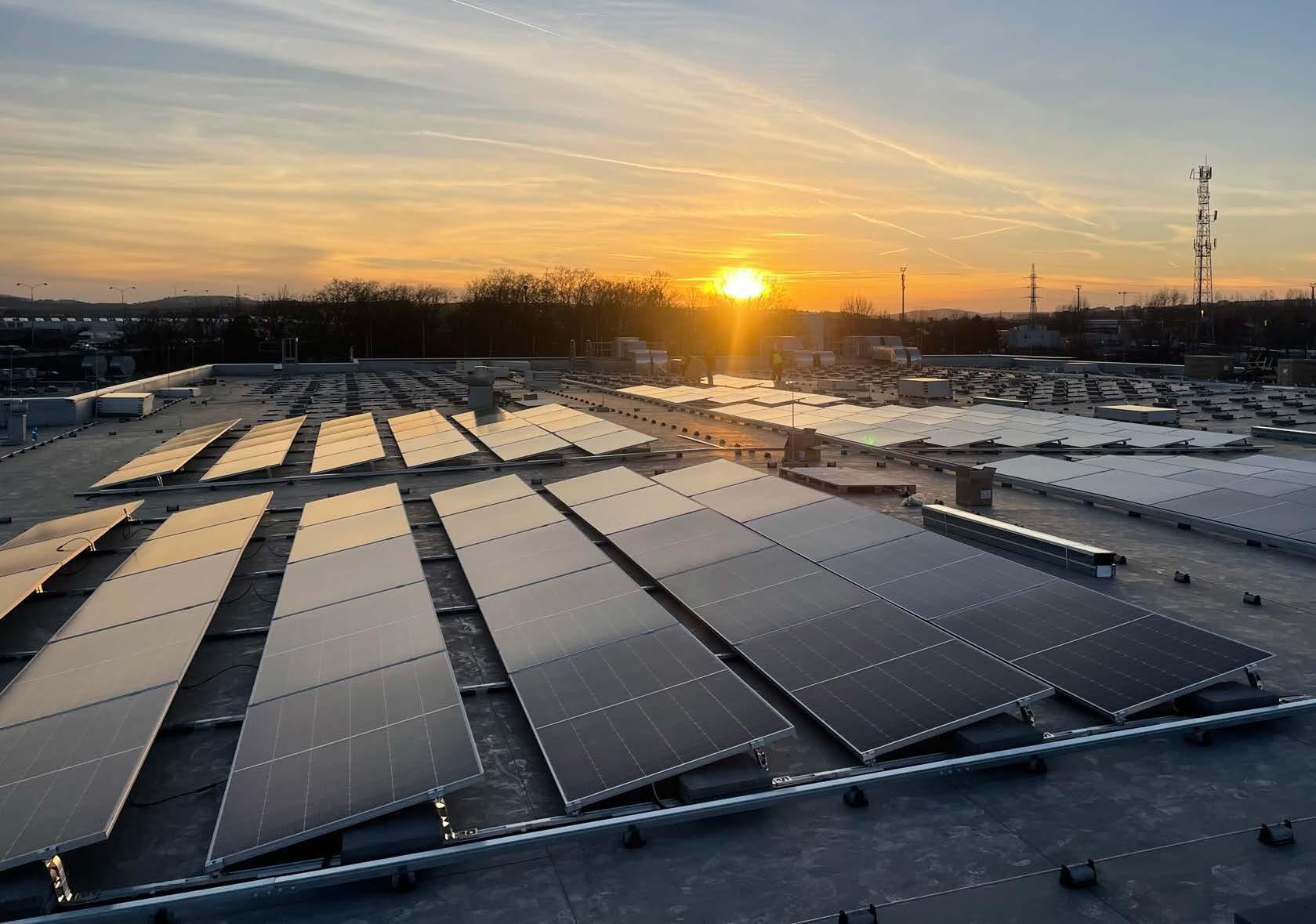
Following on from the transition to renewable energy across our Irish and British operations, ongoing investments are being made in solar energy across all EMEA divisions, with warehouse roofing and agricultural land offering ideal locations for new installations. Installed on site, solar panels can significantly reduce energy costs and lower the dependency on non-renewable fossil fuels. In Ireland, our Belfast and Balbriggan distribution centres have already transitioned to solar energy with further facilities in the UK to follow in 2023. In the Czech Republic, Hortim installed panels on the two warehouses in Brno, Czech Republic and will start producing energy in Summer 2023. The panels will provide up to 20% of energy required by the warehouses. In Brazil, Argofruta, complementing earlier installations on it’s Petrolina packhouse, has installed 3 solar panel plants on the Fazenda Cruzeiro mango farm and will install a 4th plant by the end of 2023, generating 95% of the site’s energy needs. In Spain, our partner Eurobanan continued to increase its usage of renewable energy with the installation of solar panels on three of its sites in Madrid, Valencia and Barcelona.
Our CDP Climate Change Rating
Reducing emissions from operations is one of the most significant contributions Dole can make to address climate change and secure our long-term future. The public CDP disclosure of our climate actions is key to this process.
CDP is a not-for-profit charity that runs the global disclosure system for investors, companies, cities, states and regions to manage their environmental impacts. Each year CDP supports thousands of companies, cities, states and regions to measure and manage their risks and opportunities on climate change, water security and deforestation.
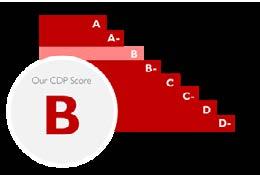
Dole plc was pleased to receive a “B” rating in the Climate Change category from the Carbon Disclosure Project in 2022, confirming that the company is showing some evidence of managing its environmental impact
Our SBTi Strategy
The pathway to emission reduction must be in line with what the latest climate science deems necessary to meet the goals of the Paris Agreement – limiting global warming to well-below 2°C above pre-industrial levels and pursuing efforts to limit warming to 1.5°C.
The Science Based Targets initiative (SBTi) defines and promotes best practice in science-based target setting. Offering a range of target-setting resources and guidance, the SBTi independently assesses and approves companies’ targets in line with its strict criteria. Companies committed to the Science Based Targets initiative demonstrate that creating a climate-secure world goes hand-in-hand with successful business operations.Dole publicly committed to set a science-based target in December 2022 and plans to submit emissions reduction targets in line with the SBTi’s criteria for official validation by the end of 2023.
For Nature
Climate Action
A CASE IN POINT
Nowaste, Sweden
SRS Pallets reduce carbon emissions
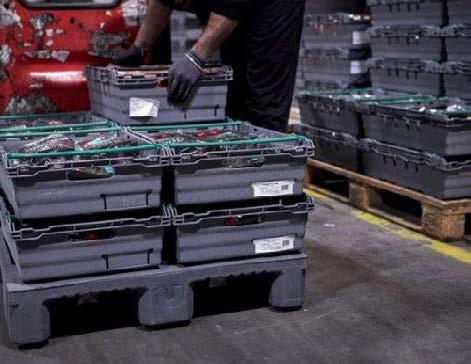
Nowaste Logistics, our specialized distribution business located in Sweden, places efficiency at the heart of its business. Following trials in 2021, the company decided to replace the traditional euro pallet with the more environmentally attractive SRS steel reinforced plastic pallet. Made of 100% recyclable material, the SRS pallet has an estimated lifecycle of 15 years and can be used more than 100 times. By replacing wooden pallets with SRS Pallets Nowaste managed to reduce the overall weight of goods transported between May 2022 and May 2023 by 4550 tonnes. Since lower weight results in a lower fuel consumption, the company expects this decision to have a material impact on its transport-related carbon emissions.
A CASE IN POINT Dole Ireland
O’ Hanlon Herbs: peat transition project
O’Hanlon Herbs, a Dole Ireland partner, will start to trial available suitable peat free substrates in the growing of Irish potted herbs beginning in summer 2023, with the aim of eventually moving to viable and successful peat-free alternatives after full trials. They produce 800k Irish pot herbs for retail customers annually, all grown in predominantly peat substrate. This is estimated at 170m³ of peat usage and contributing 22t of carbon emissions. O’Hanlon’s are committed to delivering peat free related reductions of carbon emissions to supporting our climate action efforts and to helping to preserve unique peat and habitats, flora and fauna.
A CASE IN POINT
Dole UK
Dole goes Electric
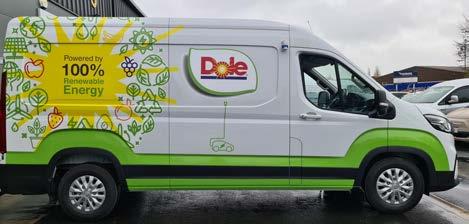
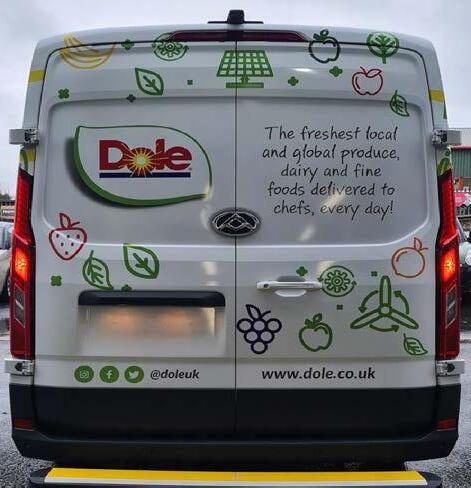
Dole UK’s first refrigerated E-vans were purchased in Oct 2022 for our Bristol and Edinburgh facilities as part of an ongoing process to identify and trial the best available technologies in distribution. Benefits include a reduced carbon footprint due to renewable energy purchased by Dole UK facilities and solar energy produced by the depots. These vehicles can also be used in clean air zones within UK cities.
A CASE IN POINT Uniplumo
Wyestown Nursery Biomass heating system
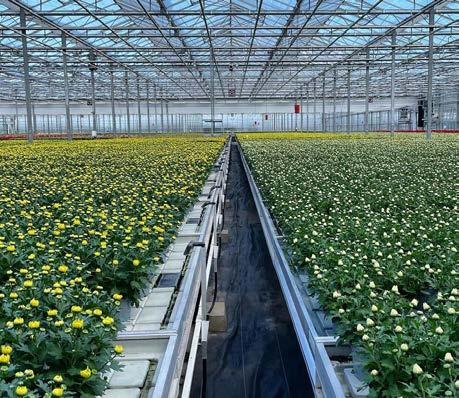
In autumn 2023, our Wyestown Nursery is moving away from Fossil Fuels (Diesel Kerosene & LPG) to a 1.4kW Biomass heating system. This very significant capital investment by the largest Ornamental Nursery, and wholesale grower in Fingal, will allow us to continue our growth strategy around import substitution where financially and environmentally prudent to do so. The Biomass system will be fuelled by a 100% renewable blend of sustainably sourced woodchip from a local farm. Woodchip is reliable; virtually carbon neutral, and it can be stored and used on demand where it will generate 3.5million kWh of energy required annually to heat the glasshouse and its 4million Bord Bia Quality Assured Irish grown and Irish produced plants. This switch to Biomass will provide critical energy security for the Uniplumo business. It will also ensure long term viability of heat sensitive plants such as Poinsettia, of which Uniplumo are the largest grower in Ireland, producing some 250,000 plants annually for the domestic Irish market.
Tom O’Hanlon
For Nature
Water Stewardship
Why Water Matters
Water is both vulnerable and critical to mitigating and adapting the effects of climate change. The agricultural sector’s consumption of fresh water is large in relative terms while climate-related shortages in water-constrained regions and farms around the world presents a material challenge to our business. Responsible use of this precious resource is a core focus of Dole EMEA’s sustainability activities.
In general terms, Dole EMEA’s water footprint results from the activities of our marketplace operations, such as distribution hubs and offices, and our farms. The marketplace operations, despite accounting for the vast majority of our reporting sites, typically have very low individual water consumption. Our farms, while fewer in number, account for most of our overall water consumption.
In 2022, 79 Dole EMEA reporting sites consumed some 11,800,000 m3 of water, with 60 sites using less than 3000 m3 per year. Over 95% of total water consumption is
accounted for by 10 Dole farms based in South Africa, Brazil, Ireland and the Czech Republic.
All farms have implemented robust water management systems, as the example of Dole South Africa shows.
A Precious Resource
With 6 citrus and grape farms in the Northern and Western Cape, Dole South Africa has the highest water requirement in Dole EMEA. Operating in a high-risk region, Dole South Africa’s Water Management Strategy focuses on strengthening water measurement systems, setting water efficiency targets and developing a site Water Management Plan in line with SIZA Environmental Performance Assessment (EPA) guidelines. SIZA’s EPA has been designed to assist growers in evaluating their current compliance and environmental risks, both at a farm and regional catchment level. The standard drives site specific improvement measures and farm environmental management systems. Further information can be found here
Data on shared water challenges Develop a water stewardship plan
& PLAN 02 The site’s water stewardship plan
Dole plc is proud to be a member of the Alliance for Water Stewardship (AWS) as we invest in the responsible management of water. In total, 22 farms have been recognised for their sustainable water management practices through Core Level certification against the AWS Standard across Colombia and Ecuador, including Dole-owned and Dole Independent producers.
AWS certification is widely respected, and the Standard provides a globally applicable framework for responsible water use (the graphic above illustrates the 5 Steps of the AWS Standard). The Standard promotes legal and regulatory compliance, and adoption of best practices around optimization, discharge and sanitation of water, and encouragement of collaboration with others that address needs and challenges within the watershed.
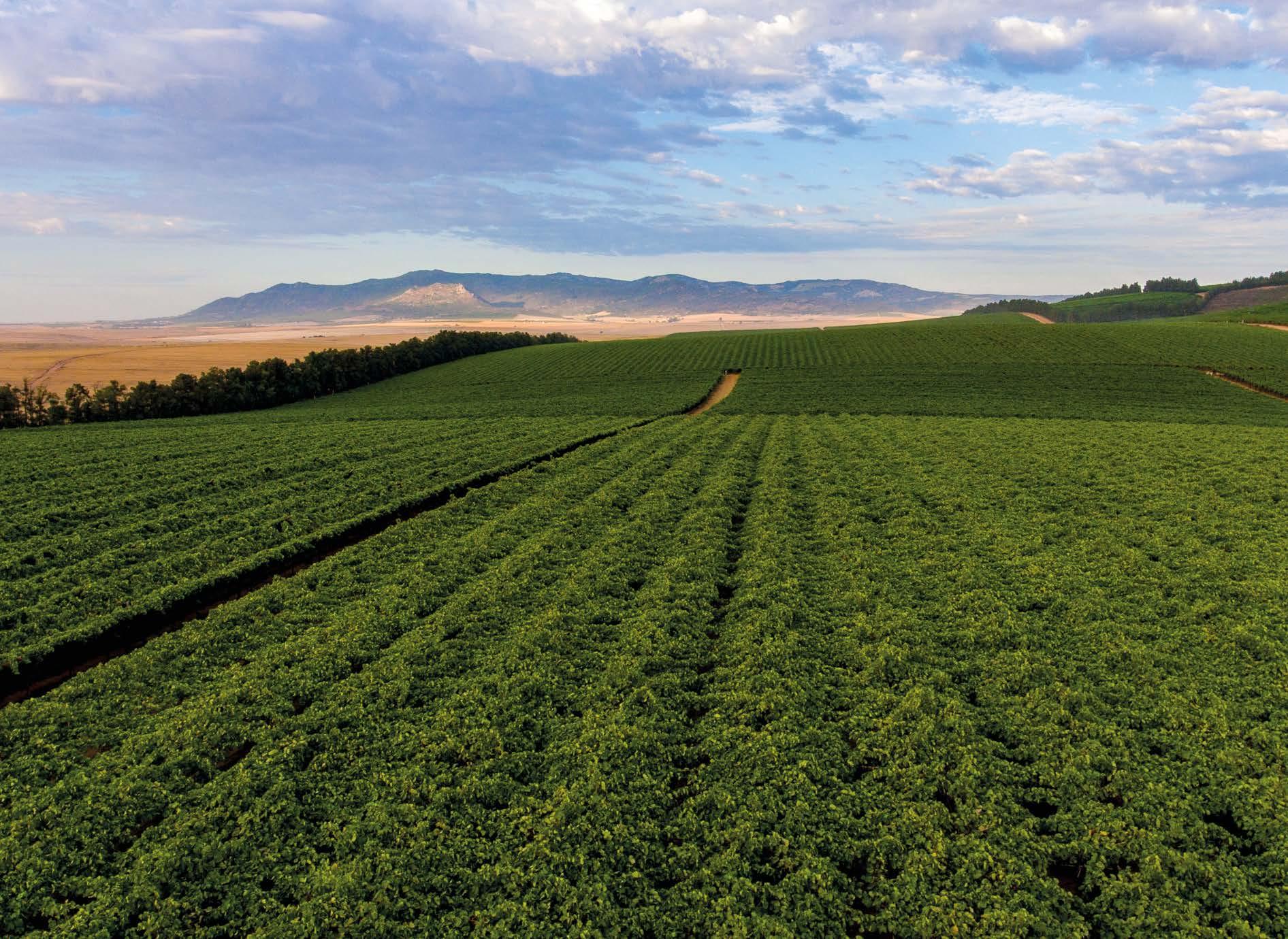
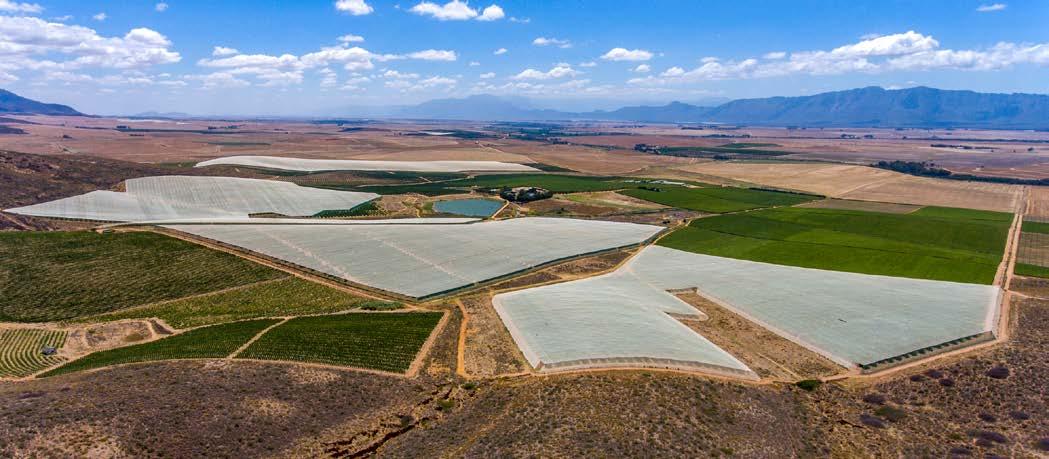
Aerial view of one of Dole SA’s farms in the Western Cape
A CASE IN POINT
For Nature
Water Stewardship
0 South AfricaAAA South AfricaBonathaba South AfricaZwartfontein South AfricaKlipbank Czech RepublicFarma Bozice South Africa-DeVos Boerdery IrelandWexford Tomatoes IrelandMonsportLtd IrelandO’Hanlon Herbs IrelandUniplumoMcLysaght IrelandUniplumo Rathbeale IrelandUniplumo Wysetown South Africa Rekopane Estates
With a total production area of ca 750ha, Dole South Africa’s farms represent the lion’s share of Dole EMEA’s water footprint. Regardless of the size of their individual water footprint, all Dole EMEA farms are keenly aware of their responsibility as stewards of this critical resource and continue to invest in sustainable water management measures.
Dole
Uniplumo
Lorem ipsum dolor sit amet, consectetur adipiscing elit, sed do eiusmod tempor incididunt ut labore et dolore magna aliqua. Ut enim ad minim veniam, quis nostrud exercitation ullamco laboris nisi ut aliquip ex ea commodo consequat. Duis aute irure dolor in reprehenderit in voluptate velit esse cillum dolore eu fugiat nulla pariatur. Excepteur sint occaecat cupidatat non proident, sunt in culpa qui officia deserunt mollit anim id est laborum.
CONTENT OUTSTANDING
Lorem ipsum dolor sit amet, consectetur adipiscing elit, sed do eiusmod tempor incididunt ut labore et dolore magna aliqua. Ut enim ad minim veniam, quis nostrud exercitation ullamco laboris nisi ut aliquip ex ea commodo consequat. Duis aute irure dolor in reprehenderit in voluptate velit esse cillum dolore eu fugiat nulla pariatur. Excepteur sint occaecat cupidatat non proident, sunt in culpa qui officia deserunt mollit anim id est laborum.
A CASE IN POINT
Dole UK
Self sufficiency: Holistic Water for Horticulture
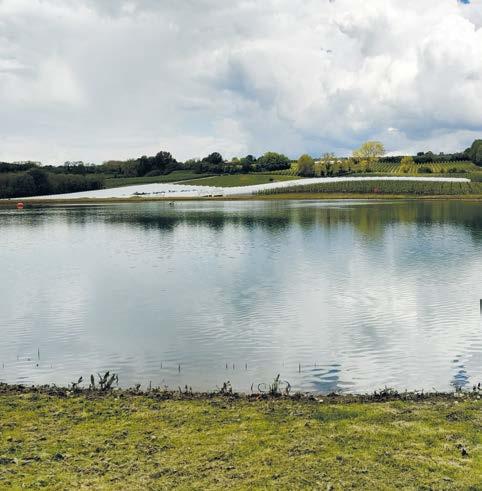
Dole UK is proud to be involved with the Holistic Water for Horticulture (HWH) project, focusing on water stewardship for a resilient and sustainable supply chain. The project’s aim is to significantly increase the amount of the UK’s fresh food sourced from areas with sustainable water management. Our focus has been in the Medway catchment, a large, densely populated, and extremely diverse landscape in Southeast England, which is a key source of fresh produce for the UK and vulnerable to current and future climate impacts. This initiative provides a unique opportunity to trial and demonstrate best land and water stewardship practices, such as:
• Water self-sufficiency measures, such as rainwater harvesting, water trading and on-farm storage.
• The use of Nature based Solutions to improve water and soil quality, and enhance biodiversity.
• Collective action to enhance water resources resilience across the wider landscape.
For Nature
Natural Environment
Why the natural environment matters
As a global fresh produce company, Dole is highly dependent on the availability and sustainable use of natural resources such as soil and biodiversity. Most crops, such as bananas, pineapples, avocados, grapes, mangos and most fruits and vegetables, require healthy soil, clean water, and a resilient natural environment to grow and thrive. When agricultural operations are managed more sustainably, they can also help preserve and restore the natural environment, such as critical habitats, biodiversity and soil health and enhance the “eco-systems” services they provide. For example, ecosystem services provided by biodiversity, such as nutrient cycling, pest regulation and pollination, help sustain agricultural productivity. The natural environment also matters to consumers, who are increasingly concerned about the environmental impact of the products they purchase, and regulators, such as the EU, who want to improve the sustainability of the agricultural sector, with regulations related to soil health, clean air, water, biodiversity, and waste management.
Environmental Stewardship
Environmental stewardship refers to the responsible use and protection of the natural environment. Dole EMEA recognizes that a strong commitment to environmental stewardship is essential to maintain a positive brand image and to comply with current and future regulations. We take a fact-based approach to environmental stewardship, assessing risks and opportunities in our supply chains using recognised data sources, such as the WWF Biodiversity Risk Filter. This enables us to select and target measures which will lower the environmental footprint of our activities, implement best practice environmental stewardship protocols throughout our organisation and to engage with stakeholders across the supply chain.
The role of standards
Dole EMEA actively supports the use of 3rd party standards to improve environmental stewardship on the farms from which we source (see page 46). Many solutions, such as SIZA’s Environmental Assurance model, Rainforest Alliance’s Sustainable Agriculture Standard, or the LEAF Marque Standard, assist farmers in integrating sustainable practices into their operations and support improvement on-farm in environmental indicator measures and management. Dole is committed to being a constructive partner in produce, working hand in glove with our growers to ensure continuous improvement towards the very highest environmental standards.
Natural Environment: In Action
A CASE IN POINT
Dole Nordic
Closing the water loop
FORDISCUSSION
A CASE IN POINT
Eurobanan
Supporting local banana growers
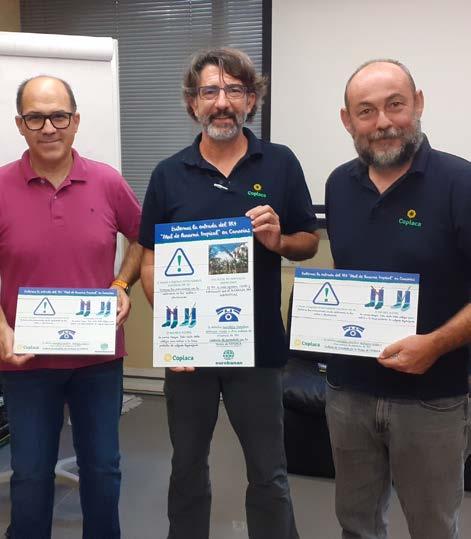
IGP Plátano de Canarias is the only banana that has achieved European recognition as a Protected Geographical Indication. The bananas are marketed by Coplaca, which channels the fruit of more than 3,200 farmers. Eurobanan supports Coplaca growers and their technical teams to promote sustainability initiatives, for example in the fight against TR4 disease. Measures implemented in 2022 included the protection of certain growing and packaging areas against contamination resulting from visits from people outside the organisation. Eurobanan also uses the company’s website to raise stakeholder awareness of these issues, strengthening and adding value to the relationship with Coplaca.
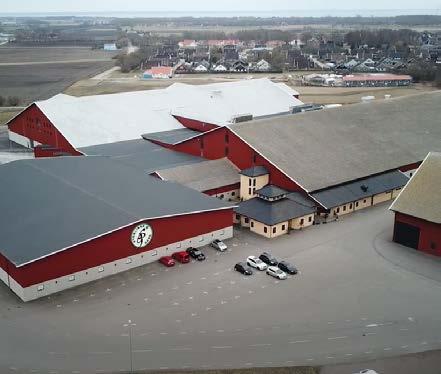
Steglinge Gård is a joint venture farm in north western Skåne, Sweden, with a strong focus on root vegetables and potatoes, which also imports, prepares and packs a large assortment of fruit and vegetables to several different Dole Nordic. Steglinge has made significant progress in reducing its environmental impact of its operations by reusing heat from air and refrigeration compressors in its primary facility to heat offices and other spaces as well as hot water. Faced with rising costs and municipal requirements for the disposal of the waste water generated by the peeling and packaging process, Steglinge has also installed its own water treatment plant on site and is able to reuse the treated water in production processes. The remaining waste is rich in nutrients and used as a fertilizer by the farm.
A CASE IN POINT
OTC, Netherlands
Training tomorrow’s experts
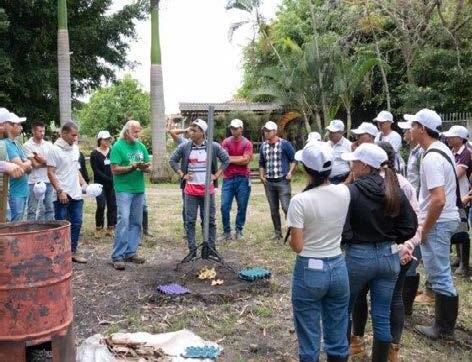
After months of planning, OTC, Dole EMEA’s bespoke Organics business unit, launched the OTC (Open Training College) Academy in Colombia in October 2022. The purpose of the OTC Academy is to help young people in the agricultural sector to broaden their future prospects by specializing in organic farming. The first course in October 2022 resulted in an incredibly enthusiastic response from the students, not least due to the reputation of the instructor, the renowned organic expert, Professor Jairo Restrepo. Having successfully completed the course, which covered the basics of organic agriculture laws and its impact on the environment, each student received an OTC Academy certificate. OTC intends to roll out the Academy in other parts of the world driven by a belief that organic farming is the best way to produce sustainable food, protect the soil and combat climate change.
Steglinge Gård Farm
OTC Academy in Colombia
David del Barrio, PhD Javier López-Cepero, Manolo Puerta
For Nature
Packaging & Waste
Why packaging and waste matter
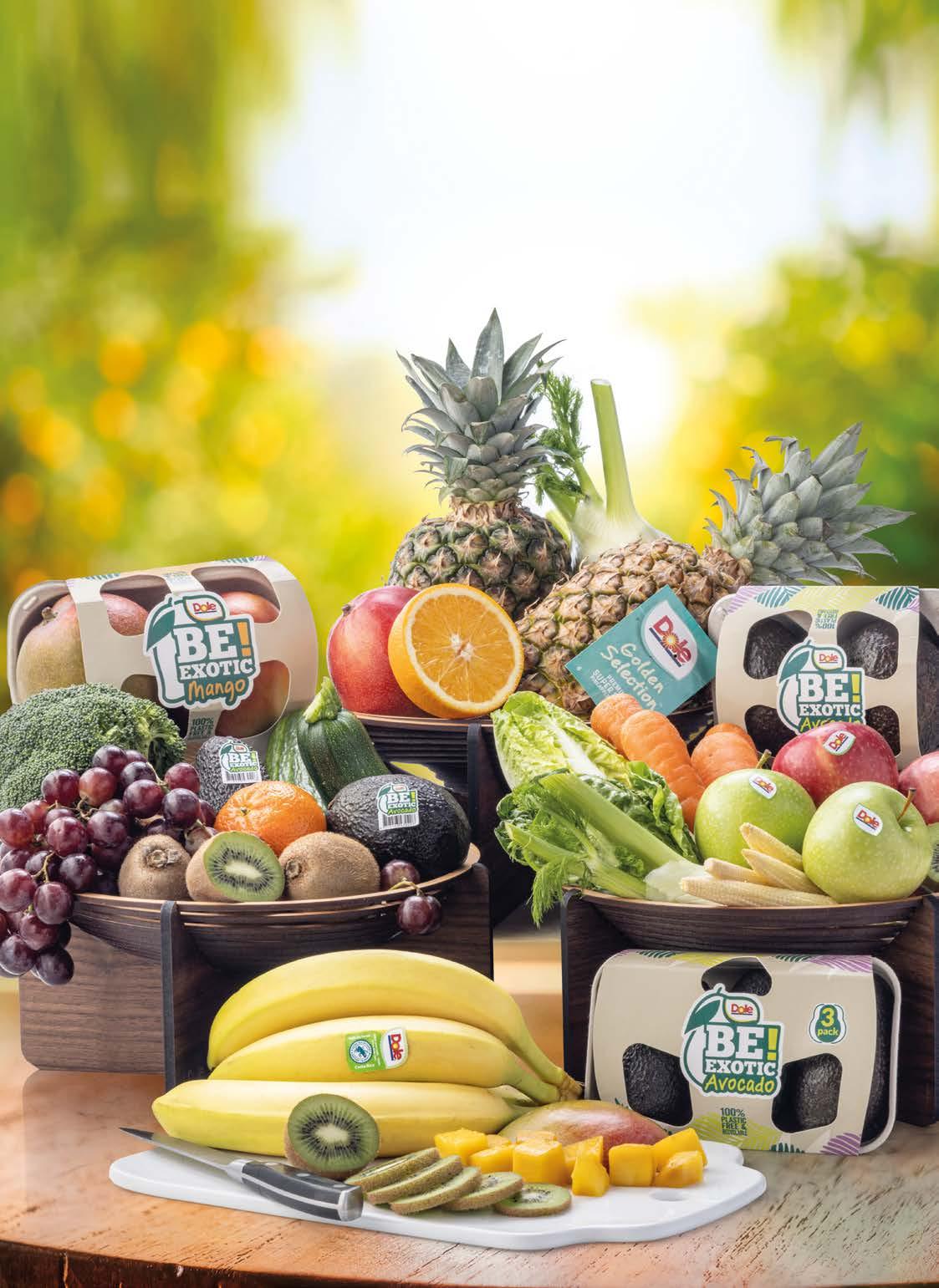
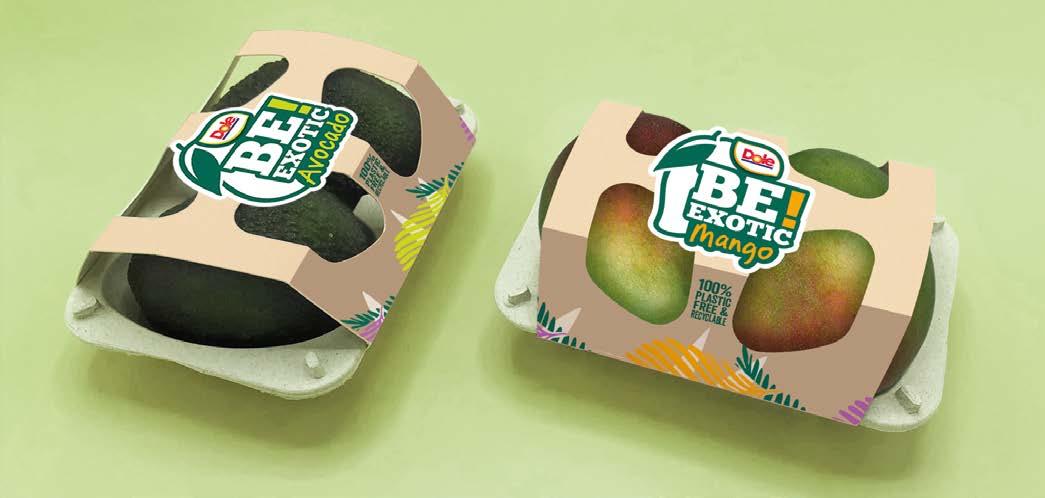
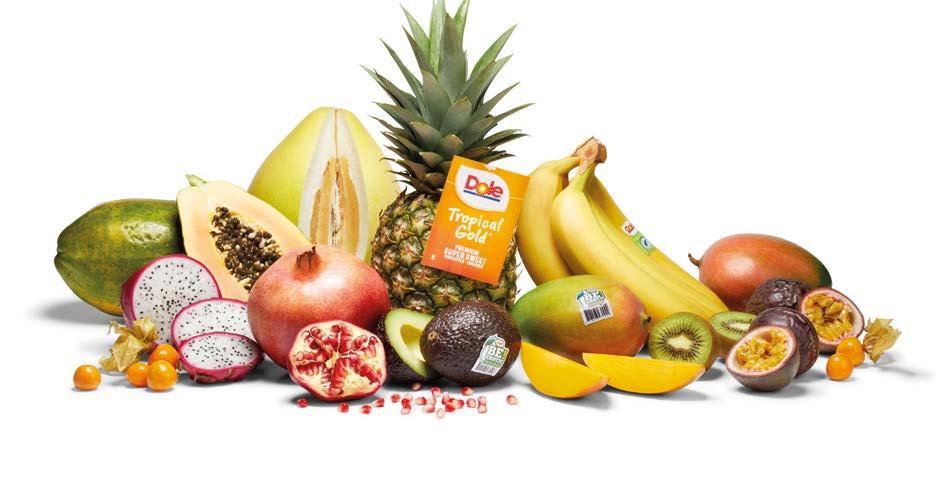
Packaging and waste are critical and intertwined sustainability issues for Dole EMEA. Packaging is necessary to guarantee the quality, traceability and food safety of fresh fruits and vegetables. Packaging also reduces food waste and ensures that consumers can purchase healthy, undamaged products. Paper and cardboard, which account for a large share of packaging materials used for fresh produce, are well suited to recycling. Plastic is a bigger challenge. Even though fresh produce accounts for around 1.5% of all plastic packaging used for food in the EU (source), we recognise it is as a priority issue. Dole EMEA is committed to reducing unnecessary packaging across our operations- a process already underway and to promote reusability and the adoption of recyclable materials in our packaging- our mono-material Exotics twin-packs launched in 2022 (pictured below) being a case in point. We are also committed to reducing the amount food waste in our supply chain.
Marketing inherently perishable produce, this has always been a priority and across EMEA we have partnered with a number of third parties to find alternative uses waste associated with our operations.
An industry issue
Dole EMEA actively works with Freshfel, the European fresh produce association, to increase sustainable packaging solutions with the European Union. This involves activities to promote innovation and research on sustainable and efficient packaging solutions, raise awareness of the importance of packaging for perishable products, to support the development of a more sustainable recycling and waste management infrastructure and to identify relevant areas for packaging and packaging waste reduction for the fresh produce sector, without putting food safety, human health and environmental sustainability at risk.
A CASE IN POINT
Dole UK
Upscaling UK farm food waste measurement
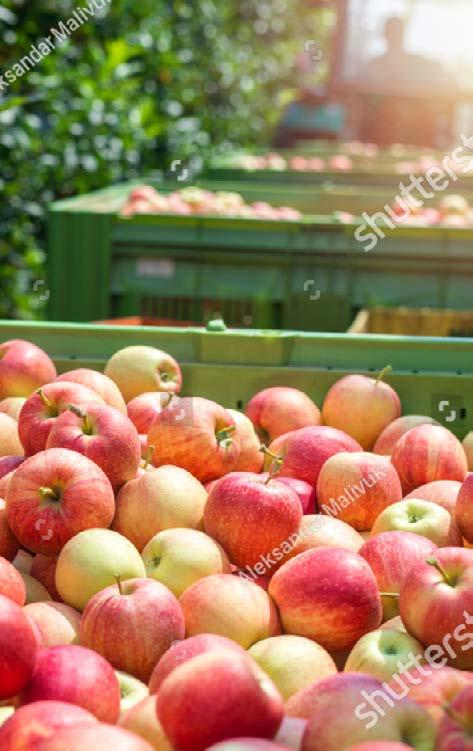
Opportunities for food waste reduction in apple production. In 2019 Dole UK committed to ‘Target Measure and Act’ on our food waste as part of the UK’s Food Waste Reduction Roadmap. This project recruited six Dole Worldfresh apple growers to participate in a group measurement project to assess the quantity and reasons for food waste left in the orchard after harvesting. WRAP worked in partnership with Dole Worldfresh to facilitate the project. The group agreed a common methodology and met, following analysis of the results, to review variability across the growers and to discuss and share opportunities for food waste reduction.
A CASE IN POINT
Dole Nordic B.V. Fruit Leather Partnership
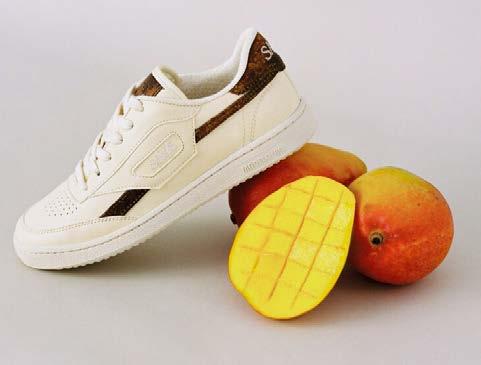
Dole Europe B.V. has proudly partnered with Fruitleather to transform discarded mangoes into Vegan certified fruit leather, a more sustainable alternative to traditional leather. Damaged mangos, which are not fit for human consumption, are collected and processed in the Fruitleather facility in Rotterdam, located in the inspiring BlueCity start-up hub. Mango fibres are extracted, moulded, dried and processed into vegan leather sheets (pictured below),which are sold to designers of shoes, handbags and accessories all over the world. And the waste reduction journey continues: another company in the BlueCity hub is now using the mango seeds to produce for oil for opportunities for food waste reduction in soap products.
For Nature
Stakeholder Engagement
We work closely with a wide range of international sustainability organisations, in many cases as an active member. Always willing to challenge the status quo, we support their work to strengthen sustainability standards and protocols by providing technical expertise and supply chain experience. We ensure that all developments are based on sound-science and respect the operational realities of farmers and supply chain players.
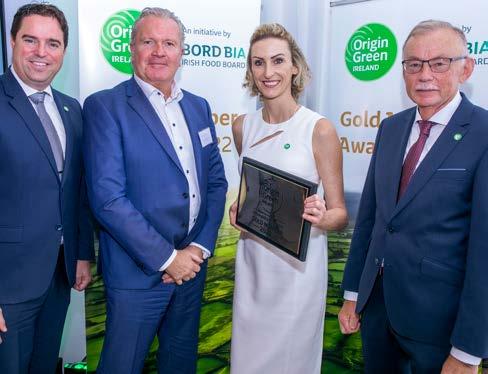
Dole Ireland was proud to be awarded Origin Green “Gold” membership for 2022. Origin Green is the world’s only national food and drink sustainability programme, encouraging lrish businesses to set and achieve measurable sustainability targets that respect and protect the environment and enrich local communities. Gold status recognises Origin Green members who have achieved “exceptional annual performance on their sustainability targets in areas such as raw material sourcing, water and energy efficiency, waste reduction, packaging and social sustainability ” based on the assessment of Bord Bia’s nominated independent verification authority. The award of “Gold” status is a testament to Dole’s ongoing commitment to transparency across its operations and the pursuit of best sustainable practices.
A CASE IN POINT Freshfel Environmental Footprint Initiative
Dole is proud to be a main sponsor of the Freshfel Environmental Footprint Initiative for the fresh produce supply chain. Until now efforts within the sector to address product sustainability through environmental footprint have been highly fragmented. The goal of the Initiative, which involves many Freshfel Europe members, is to develop an objective, standardized environmental footprint methodology (PEFCR), database and a digital tool for the fresh produce sector that is broadly accepted by the industry, regulators, stakeholders and consumers. The project is well aligned with the EU’s Product Environmental Footprint (PEF) methodology. The PEF methodology is likely to be employed by the European Commission in upcoming legislation impacting the fresh produce sector on substantiating green claims and a harmonised EU sustainability labelling framework for food. Once developed, the shadow PEFCR will enhance benchmarking and comparison of the environmental footprint of products within the fresh produce category. This will heighten sector transparency, accountability and communication on the sustainability of fruit and vegetables.
A CASE IN POINT Dole Ireland Green goes Gold
Origin Green Sustainability Team
Des McCoy receives Origin Green Gold award
Human Rights
For People ForDiscussion
Why human rights matter
The fresh produce industry is a significant employer worldwide, with millions of workers involved in production, harvesting, processing, and distribution. The well-being of these workers is an ethical issue which is directly related to the ability of farms and enterprises to produce high-quality, healthy and responsibly produced fruits and vegetables. Poor working conditions, discrimination, forced labour and unfair labour practices are some of the biggest risks in fresh produce supply chains. Although abuses of human rights are often difficult to detect, there is a broad social consensus that all stakeholders must ensure that human rights are respected along their supply chains. Failure to comply with human rights laws and regulations can result in legal penalties, financial losses, and reputational damage.
Human Rights in our supply chains
Dole has long been committed to protect the well-being of workers, create a positive impact on the communities where we operate, build trust with our stakeholders, and safeguard the long-term sustainability of our business. We promote collaborations with partners who share our commitment to promoting and protecting human rights and include human rights clauses and obligations in contracts with suppliers and business partners and hold them accountable for upholding these standards.
Going forward, the Dole Basket of Standards will be one of our main tools to identify and mitigate potential risks or violations of human rights. We will report regularly on our supply chain practices and human rights performance, and progress towards our human rights goals and commitments.
The Dole Basket of Standards
The Dole Basket of Standards supports industry ambitions to drive harmonization, to align market requirements to best practices and to promote transparency and comparability. Our basket takes three benchmarks into consideration when it comes to social compliance
• Sustainable Supply Chain Initiative (SSCI)*
• Farm Sustainability Assessment (FSA) benchmark, developed by the Sustainable Agriculture Initiative (SAI) platform.
• SIFAV Baskets of Social Standards, developed by the Sustainability Initiative Fruit and Vegetables (SIFAV)
The Dole Basket of Standards takes a country risk approach when assessing ethical risks in our supply chain. Ethical risks are defined as the often unexpected and negative consequences of unethical actions. These risks involve regulatory violation, corruption, modern slavery, labour abuses, and human rights in the workplace and in the supply chain.
Dole EMEA plans to use the Dole Basket of Standards to manage risks in fruit and vegetable supply chains from medium - and high-risk sourcing areas from Jan 2024.
Employee Welfare, Diversity and Inclusion For People
Why employee welfare matters
Dole EMEA recognises that people are key to its success and sustainability. One of our core strategic priorities focuses on recruiting, retaining and developing highly talented and committed colleagues who are supported in building a long-term career within the business. The long-term sustainability of the organisation is heavily dependent upon a culture based on consistently applied core values and behaviours, where colleagues are able to be open and honest about the levels of engagement within the business.
An engaged employer
People-based initiatives, such as succession plans, training and talent development programmes, are in place across Dole EMEA. These aid employees in their personal development, support their well-being and provide the Group with talent to meet current and future business needs. Alongside bespoke leadership development programmes and local line management training, Dole EMEA’s Key Talent Programme is in its sixth year. This brings together colleagues from around the group to collaborate on projects, develop personal skills and deliver business-focused strategic projects.
Health & Safety
Although the Covid-19 Pandemic has ended, the health and well-being of our people remains a top priority. A wide range of measures ensure that all Dole EMEA facilities and farms provide employees and workers with a safe working environment. Site and farm audits against standards such as BRC, IFS and GLOBALG.A.P. confirm the quality of our systems and promote continuous improvement.
Diversity & Inclusion
Dole EMEA recognises and encourages the value of diversity amongst all its employees and strives to ensure that everyone feels included and valued irrespective of their differences. We expect all our employees’ actions and behaviours to demonstrate and confirm our respect for each other and each other’s contributions. We’re committed to the goals of equal opportunity in employment. We seek to provide a work environment for employees that fosters fairness, equity and respect for social and cultural diversity and that is free from unlawful discrimination and harassment. In line with corporate policies, Dole EMEA has zero tolerance for unlawful discrimination and harassment and considers all forms of discrimination to be unacceptable in the workplace. We are committed to providing equal opportunities throughout employment, including the recruitment, training and promotion of employees.
A CASE IN POINT
Dole Ireland
Men’s Health Week
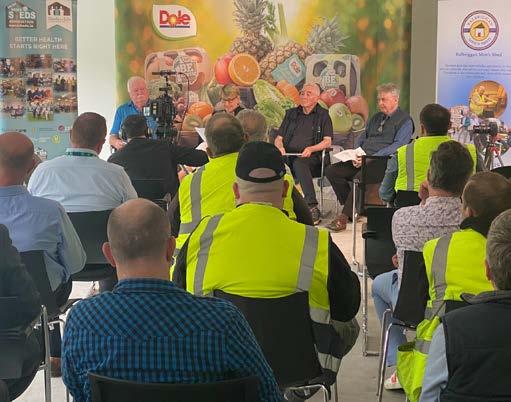
Dole Ireland and Dole UK marked Men’s Health week 2023 by inviting representatives from the international Men’s Shed in Dublin and Edinburgh to speak to employees about the services provided. A ‘Men’s Shed’ is a community based project, where men can come together to learn, share skills and make long-lasting friendships together. The presentations covered men’s mental health and raise general awareness in this area with the Irish recorded and shared with all staff across Men’s Health Week.
Men Shed members in Balbriggan talking about the community
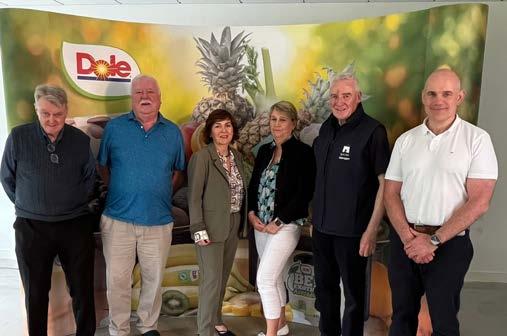
Raymond Jordan, Ray ??, Miriam Williams, Aibhe Byrne, Sean Corrigan, Conor Keown
In The Community For People
Why community matters
With international reach comes immense responsibility. Dole’s local, on-the-ground presence in key markets across EMEA sets us apart. As an employer, customer, partner, supplier, promoter and neighbour, Dole’s reputation in local communities depends on how our companies represent Dole’s values and adhere to the standards of our corporate Code of Conduct. Understanding and engaging with local communities needs and stakeholders, Dole companies establish a mutually beneficial relationship that gives credibility to our business activities and drives long-term success.
Our community commitments
Irrespective of the function Dole EMEA companies play locally, there is a common commitment to act with integrity, to be transparent and positive and to be a constructive influence on people’s everyday lives by:
• Contributing to the communities in which we trade
• Being a good neighbour, respecting local cultures, traditions and laws and playing an active part in wider society.
• Implementing best sustainable practices throughout our local operations and engaging with local sustainability initiatives.
• Promoting general health & well-being
• Educating, inspiring and empowering consumers to make healthier lifestyle choices.
Dole Consumer Compass Pointing Us In The Right Direction
Dole Consumer Compass
Dole EMEA ’s pan-European research project, ‘Consumer Compass’ began life as “Kostministeriet”, meaning “the Ministry of Food” commissioned by our Swedish business. Dedicated to providing deeper insights into what motivates and inhibits consumers from eating more fresh fruits and vegetables, in 2021 its scope was broadened to cover 10 different European countries. Using a variety of complementary research methods, Dole Consumer Compass, so named given its objective to “point us in the right direction”, seeks to deliver a deeper understanding of consumers than traditional research provides. It is used to support generic promotion of produce, for New Product Development and for category management with retail partners. Our 2023 research project is already underway. 12,000 people will be interviewed across 12 European countries; Austria, Germany, Belgium, France, Czech Republic, Denmark, Sweden, Finland, Poland, Ireland, the UK and the Netherlands. By garnering a deeper understanding of consumer perceptions of fresh fruits and vegetables, our hope is to better meet the expectations of consumers across the continent, driving consumption and promoting better health and well-being.
You can view our 2021 report here.
Food & Nutrition For Food
Why Food Safety And Nutrition matter
Fresh fruit & vegetables play a key role in European ambitions to protect the planet, promote healthy prosperous lifestyles & meet the UN’s Sustainable Development Goals. Despite that, only a few countries in the EU reach the recommended goal of at least 400g of fresh fruits and vegetables/day/capita, with the lowest consumption rates amongst younger generations and in lower-income households (source). It is the role of key players such as Dole to strengthen consumer perception that fruits and vegetables are affordable, nutritional and healthy, and produced in a sustainable, safe way.
Promoting consumption
Dole EMEA has long been a champion of fresh produce marketing and is continually developing innovative and fun ways to promote of fruits and vegetables. Two of our flagship programmes, “The Eat them to Defeat them” campaign in the United Kingdom, and Sweden’s Kostministeriet program, have enabled us to engage key consumer groups, such as children and young people, and gain a deeper understanding of consumer perceptions of fresh fruits and vegetables. By leveraging this know-how with the EMEA region, our ambition is to offer products which better meet the expectations of European consumers, driving consumption and promoting better health and well-being in society.
A CASE IN POINT
Everfresh, Sweden
Raising the game
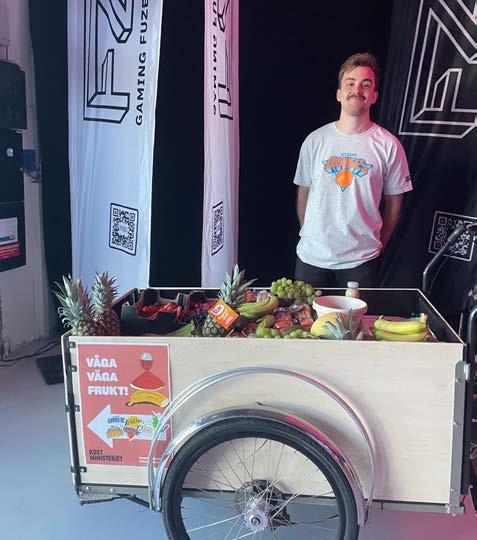
Having identified gamers as a low consumers of fruits and vegetables, the opening of a new E-Sports location by the company Fuzed in September 2022 provided an ideal opportunity for Kostministeriet to reach this group in a fun and engaging way.
The 3,000 square meter esports facility in Helsingborg combines gaming, esports, physical activities, social interaction and good food, which Kostministeriet provided during the opening in the form of fruit, berries, smoothies and shots in the “Gamers Lounge”. Marketing measures also encouraged Fuzed customers to set their sights high by aspiring to consume 500g of fruits and vegetables per day!
A CASE IN POINT
Everfresh, Sweden
A Michelin starred Cookalong
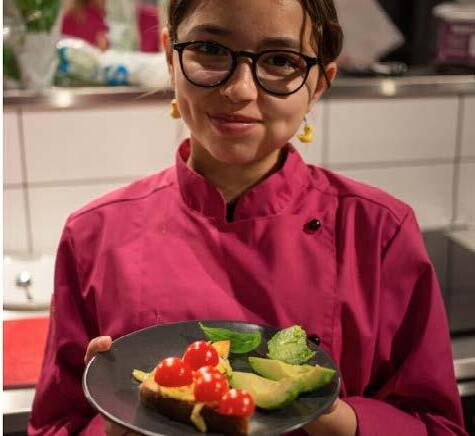
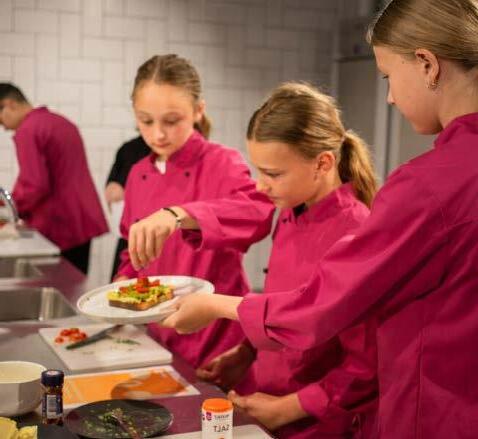
In June 2022 Everfresh food creator Malin Broman collaborated with Michelin restaurateur Daniel Berlin to engage 50 curious and food-interested children in a Cookalong during the H22 City Expo in Helsingborg. The menu included fun delicacies such as fried sandwich, spaghetti with aubergine and banana ice cream. As the pictures show, the collaboration between Malin, David, Good Food Kids and Stadsdelsmammorna, was a resounding success.
Responsible Sourcing For Food
Food safety first
As a global fresh produce leader, food safety lies at the heart of Dole’s business activities. Dole EMEA companies maintain the highest standards of food safety throughout the entire supply chain, ensuring that all produce remains safe, fresh, wholesome and traceable from field to fork. The business has robust, explicit procedures for checking compliance against all local and national legislation and customer specific codes and standards, always ensuring that the fresh produce we market is safe and consistent in quality. Dole EMEA’s technical terms of trade and sourcing policies cover food safety risk management, traceability, microbiology, pesticide residues and minimum standards for third party site and farm audits. Compliance with the Global Food Safety Initiative (GFSI) is a minimum requirement for all operating sites as is certification against GLOBALG.A.P.’s Integrated Farm Assurance Standard or benchmarked schemes for agricultural enterprises. Food safety is a collaborative effort involving all actors in our global fresh produce supply chains which allows us to provide our customers and the final consumer with the very best, safe, healthy, and nutritious fresh produce.
Risk Management
A CASE IN POINT GLOBALG.A.P. GLOBALG.A.P.’s IFA Standard
Dole EMEA is constantly working to identify the areas of highest risks and most promising opportunities facing the business. It is a key mechanism to help us meet our sustainability goals and comply with market, regulatory and investor expectations.
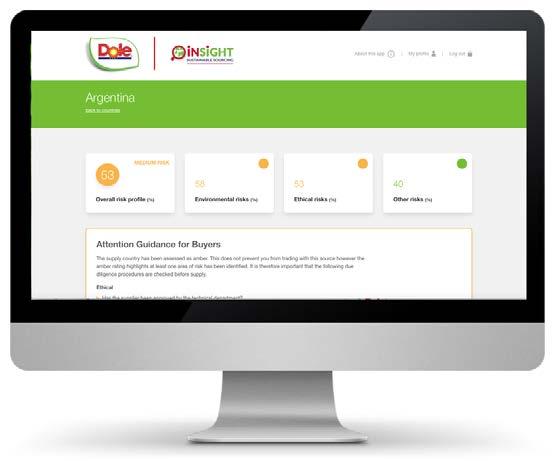
Dole EMEA’s current risk management solution, the Insight App, was originally developed by Total Produce in 2020 and rebranded as the Dole Insight App in 2022. It is a dynamic intelligence tool that aims to empower buyers, procurement experts and managers with an immediate, effective, and powerful route to identify sustainability risks within the global fresh produce supply base. Risks are defined into three categories: Environmental, Ethical and Others (such as a country’s commitment to commitment and progress against United Nation’s Sustainable Development Goals). A traffic light system guides the user swiftly by country to essential and definitive information regarding a source’s potential sustainability risk.
Dole EMEA is developing its risk assessment procedures and exploring the value of other industry risk management solutions, such as the WWF Water and Biodiversity Risk Filter and the Agriplace Sustainability Risk module, which was developed in collaboration with SIFAV, the Sustainability Initiative Fruits and Vegetables.
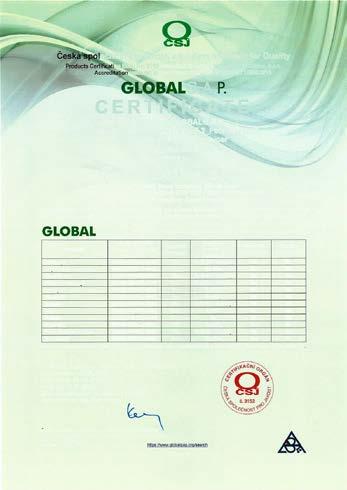
GLOBALG.A.P. certification is highly regarded for demonstrating on-farm food safety and sustainability. Many of Dole EMEA’s farms are certified annually by accredited farms are certified annually by accredited independent third-party certification bodies against the requirements of the Integrated Farm Assurance (IFA), GLOBALG.A.P.’s flagship standard. Developed in consultation with stakeholders across the entire global supply chain, IFA takes a holistic approach that covers responsible farming practices through the following key topics:
• Food safety
• Environmental sustainability and biodiversity
• Workers’ health, safety, and welfare
• Legal, management, and traceability
• Production processes
• Integrated crop management (ICM) and integrated pest control (IPC)
• Quality management system (QMS) and Hazard Analysis and Critical Control Points (HACCP)
A CASE IN POINT
Dole Ireland
Incredible Edibles
A CASE IN POINT
Dole UK
Dole sponsors Eat them to Defeat them - Finding the fun in fruit
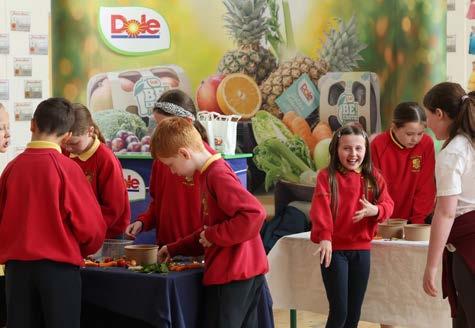
Far too often healthy products are overshadowed by less virtuous snacking alternatives on primetime television. In Dole, we’re very proud to have once again been a primary sponsor of the innovative, “Eat Them To Defeat Them” campaign in the United Kingdom in 2023. The campaign, with its extraordinary reach- over 35 million people in 2022, is dedicated to using best-in-class advertising and in-school programs to encourage children to eat more fresh produce. Placing vegetables front and centre on primetime national television, it challenges convention by engaging kids in a fun, irreverent way, demonising fresh vegetables and inviting kids to ‘Eat Them To Defeat Them.’
Broadcast during “Must See TV” programming on the ITV, Ch4 and Sky Media channels from February 11th to April 8th, the £3m TV campaign was complemented by a £500,000 above the line and digital campaign. The school intervention programme that accompanied the campaign saw over 600,000 children across over 2,400 primary schools take part in tasting events, digital activities and the completion of in-class reward charts. The results are always impressive with 51% recall by parents and children in 2022. In Dole, ‘finding the fun in fruit’ is what we do. We believe that by e ngaging kids in a contemporary, creative way we can inspire and empower children to eat more fresh fruits and vegetables and lay the foundations for and good health and well-being in later life. Eat Them To Defeat is but one example of how we work constructively with other enthusiastic stakeholders to promote better diet across EMEA every year.
A CASE IN POINT
Dole UK
The future of food
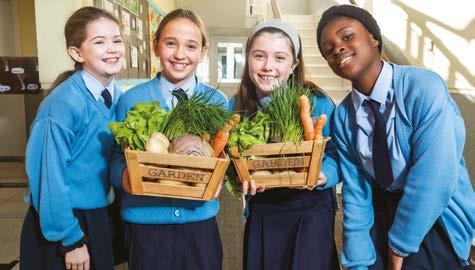
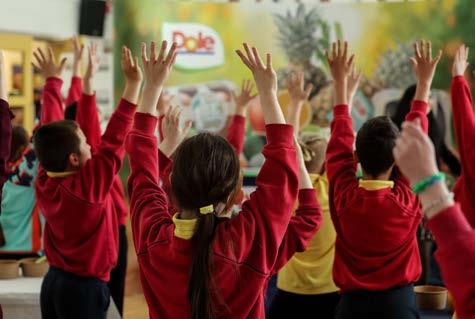
In May 2023 Dole Ireland sponsored Agri Aware’s ‘Incredible Edibles’ Healthy Eating Week. A huge success, the initiative saw the Agri Aware and Dole Ireland teams travelling to schools across four counties in Ireland promoting healthy eating to primary school children. Kids participated in interactive sessions with nutritionists, were encouraged to get creative with fresh produce and received some Dole goodie bags too.
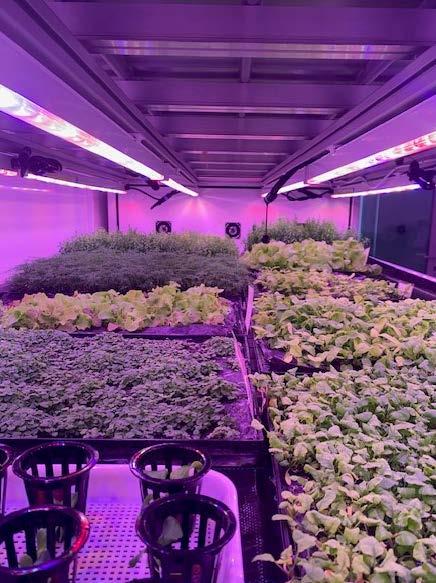
Dole UK created the Future of Food demonstration and development site to show new technologies to growers, customers and colleagues that can change the way we grow and produce our food. The site trials innovative production methods and processes that can provide measurable environmental benefits. Two partnership projects are currently operational. The first, a collaboration with a partner grower, is a unique deep water hydroponic production system, in which strawberry plants are grown in a channel of aerated water. Early indication suggests water savings could be up to 50%. The second, a collaboration with Green Building Systems, is a vertical farm research facility to evaluate the potential to grow crops such as strawberries year round while lowering the overall environmental footprint.
Vertical Farming
Kids participated in interactive sessions with nutritionists
Click to Play Advert
A CASE IN POINT
Dole Europe BV
Social impact & Blockchain technology
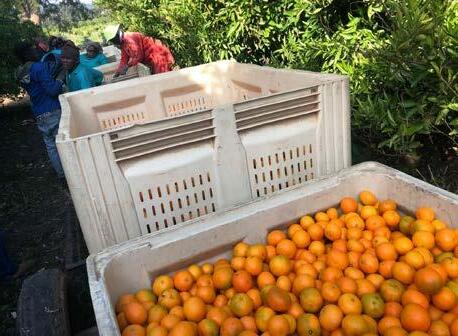
As part of their community engagement strategy, Dole Europe B.V. funds projects focused on education and job diversification. “The Travelling Teacher” is a new social impact partnership with the Sundays River Valley Collaborative (South Africa) and the Dutch NGO Fairfood which uses traceability technology to move from storytelling to story proofing. The initiative funds skilled educators to deliver agricultural classes in participating schools in the Sunday River community and local community ambassadors to support project implementation.
Fairfood’s traceability platform Trace is used to map the citrus supply chain from Sundays River Valley to Europe, using the products to connect ‘The Travelling Teacher’ project with consumers. Trace’s storytelling interface and blockchain technology enables consumers to access reliable information about how the fruit was grown, picked and transported to them.
Dole hopes to scale up this pilot project to other suppliers, products and countries in the coming years and provide additional content on issues such as water management, carbon and phytosanitary regulations.
A CASE IN POINT
Hortim International
Czech/Slovakia Community Support
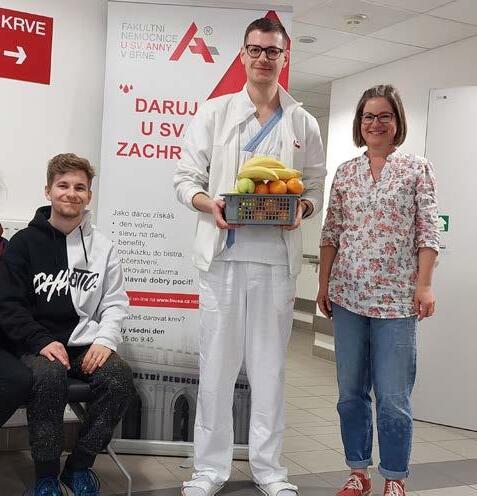
Hortim International has been always very active in helping the needy, the less fortunate, the sick and the elderly. Three years ago they created a new “Společně pomáháme” (Helping together) venture which is a focus point for their social responsibility activities. The most obvious material help is given to Ambulance services Brno, Children’s hospital Brno, Fire department Brno and various other charities. Hortim’s most recent initiative saw them partner with the Blood donor bank of Brno and Karlovy Vary. Every week they deliver fresh fruit for the blood and plasma donors in both cities. Especially in these difficult times this help is needed and appreciated and reflects Hortim’s determination to contribute constructively, not only locally but nationally also.
Lorem Ipsum
Today marks an important milestone for Tesco Ireland as we are proud to announce that we have provided one million meals through our Stronger Starts programme, launched nationally just last May.
As our supplier partner in this programme, we want to thank Dole Ireland for your incredible support to date. With your help, we are supporting 3,000 children from the most underprivileged communities across Ireland to access healthy, nutritious fresh foods every week through free food packages provided for them at school. We simply couldn’t reach so many children without you!
Author
Tesco has provided one million meals to schoolchildren nationwide through the Stronger Starts Programme
One million meals is enough to fill each seat in the Aviva Stadium 19 times over
4.5 million
pieces of fruit and vegetables have been provided to date
That means Dole has provided over 55,000 parsnips, swedes, leeks and more!
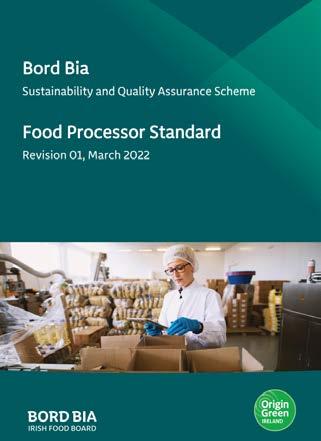
We are the 1st Fresh Whole Produce Company in the Republic of Ireland to achieve certification under the Bord Bia Food Processors Standard.
Sundays River Valley Picking
Delivering fresh fruit for the blood and plasma donors of Brno and Karlovy Vary