International Germplasm Exchange programme
Individual Project
Speculative Design Product Ecosystem VR Interaction

introduction
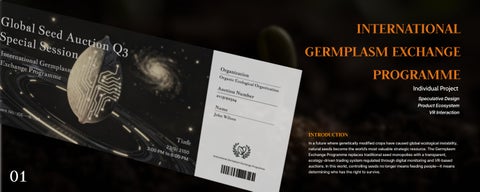
In a future where genetically modified crops have caused global ecological instability, natural seeds become the world’s most valuable strategic resource. The Germplasm Exchange Programme replaces traditional seed monopolies with a transparent, ecology-driven trading system regulated through digital monitoring and VR-based auctions. In this world, controlling seeds no longer means feeding people—it means determining who has the right to survive.
the seed war
Seed war is a term coined only a few decades ago, referring to the global competition for germplasm resources. Wealthy nations purchase valuable seeds from developing countries, enhance them through advanced biotechnology, and resell them as high-performance crops that cannot be replanted without repurchasing. This dependence turns seeds into a tool of geopolitical control, allowing seed-producing nations to influence other countries’ agricultural systems and gain leverage in international negotiations.
The operation mode of seed wars
Acquiring a large amount of low-priced grain globally, and planning or establishing international grain giants to acquire a large amount of low-priced grain globally.

A seed can change a world, and conversely, a seed can also become a threat. Academician Yuan Longping once pointed out that in critical moments, a small seed can trip up a huge country.
Yuan Longping

related news
Using food security to impose sanctions on other countries

Seeds are the first link in life and the starting point of the food chain.
Assess the food reserves of other countries, buy off key food officials in other countries through financial and sexual means, and influence their food reserve systems and public opinion.
Through various interest connections, they continuously induce other countries to export their grain, thereby reducing their grain reserves.
Induce local farmers to believe that growing crops is unprofitable, and that switching to cash crops is the only path to wealth.
By continuously exaggerating grain production shortages through natural disasters and wars, and reducing international grain exports, one can ensure that other countries cannot smoothly import grain internationally, or import grain at extremely high prices.
After completing the above layout, the enemy can take whatever they want in terms of food supply, and can advance when they attack and retreat when they defend. Not only can they annex many food enterprises of other countries, basically controlling the entire food industry chain of other countries, but they can also determine the food fate of this country by influencing international food supply.
Bayer Group announced on March 14, 2022 that it will cease all non essential businesses in Russia and Belarus.
Implementing grain policies for vulnerable countries
Grain and Economic Monopoly Stealing seed sovereignty to implement food monopoly and economic sanctions
In many African regions, single cash crops such as cocoa, coffee, and cashews consume vast amounts of labor while producing a narrowly concentrated output.
The negative effects of genetic modification

Harmful to human health
In the 2000 StarLink genetically modified corn incident, over 300 people suffered allergic reactions, and companies lost billions of dollars due to massive product recalls.


In 1996 germplasm from of cooperation, leading to sovereignty and eventual dependence on imports for over






Harmful to environmental health


The impact of seed wars

Risk of loss of food sovereignty
The famine crisis is intensifying
Threat of espionage war among seed sources
Price fluctuations lead to disasters affecting people s livelihood
The redemption and concerns of gene editing
Harmful to the agricultural economic system Herbicide resistance genes can drift into wild weeds, creating uncontrollable “super weeds”; in 1995 Canada found rapeseed that resisted multiple herbicides, forcing farmers to use more pesticides and worsening environmental pollution.
Argentina s push for genetically modified soybeans trapped farmers in patent dependency causing local crops to shrink, bankruptcies to rise, traditional planting techniques to disappear and risk resilience to collapse.
Will human intervention in species evolution and altering their genes lead to greater disasters?
Will the global food crisis, seed crisis, and changes in the international situation trigger more serious seed wars? H ow can the future food security of humanity be guaranteed?


Father of Hybrid Rice
Former US Secretary of State Henry K issinger
Large scale procurement led by multinational corporations
The global seed industry market is highly concentrated, with international giants such as Bayer, Kedi Hua, and Syngenta controlling key seed sources through mergers and acquisitions. They usually sign long-term supply contracts with large agricultural enterprises or governments
Cross border e-commerce and online platforms
Cross border e-commerce has become an important channel for small and medium-sized seed enterprises and individual buyers. The advantages of online transactions lie in reducing intermediary costs and improving transparency, but they face challenges such as intellectual property protection and cross-border payment security.
Inter governmental cooperation and strategic reserves
Countries ensure seed security through bilateral or multilateral agreements. Jointly funded by international organizations and seed industry giants to address natural disasters and geopolitical risks.
WEIGHT OF HISTORY
Small farmers in developing countries account for a high proportion
The significant differences in quarantine regulations and certification standards among countries.
Possiblefutures
PUSH OF PRESENT
The global population continues to grow, but the arable land area is decreasing, which urgently needs to improve agricultural production efficiency, and seed quality is crucial.
PULL OF FUTURE
Gene editing creates customized seeds digital breeding AI simulation shortens research and development cycle.
SIGNAL
The 2025 Global Food Crisis


The increase in extreme weather caused by climate change makes it difficult for traditional crops to adapt and requires the cultivation of more stress resistant seeds.
TREND
The rapid development of biotechnology may trigger new trade models.
Climate change is forcing a surge in demand for climate adapted seeds
Future signs
Report shows that nearly 300 million people worldwide are facing severe food insecurity, driven by the triple leverage of multinational capital to manipulate survival resources through seed patents, farmland purchases, and food futures.
PROBLEMS
Research on genetically modified seeds poses potential risks. Monopolizing the market by taking advantage of seeds will exacerbate the food crisis and poverty.
POSSIBLE
A global disease has destroyed mainstream crops, forcing humanity to urgently use ancient varieties in seed banks, and backup has become a savior
The seed giant companies that once monopolized the market have lost credibility due to technological loss of control, and a new seed trading system has been established globally, making natural seeds a target of competition for various countries and institutions.
PLAUSIBLE
Enterprises use more advanced gene drives and digital monitoring;
Resistors have developed cracked versions of open-source seeds, anonymous exchange networks, and portable genetic testing devices
Governments around the world are wavering, and there is a fierce collision between global intellectual property laws and legislation on food sovereignty'.
The elite class consumes organic, heirloom seed food, while the lower class relies on cheap industrial packages.
PROBABLE
The global seed market is completely divided among 2 3 agricultural giants Terminating sub technologies has become a standard feature in the industry, and farmers cannot keep seeds and must purchase them annually.
The seed police and strict patent laws are prevalent worldwide, and private seed retention and exchange are considered crimes.
scence
After the commercialization and promotion of gene edited crops, a global ecological crisis broke out. The seed giant companies that once monopolized the market have lost credibility due to technological loss of control, and natural seeds have become scarce strategic resources, causing a surge in value. Wild plant seeds have become "hard currency".
participants
The commercial giant of seed companie s National representatives come to participate in the auction A group of impoverished countries will participate togethe
overview
The International Germplasm Exchange Program (IGEP) is a globally authoritative institution that replaced traditional seed companies in the mid-21st century. t is the only legitimate international distribution platform for natural seeds and low-risk gene edited seeds. ts core mission is to ensure food security while restoring the global ecological chain.


Through strict ecological review, block the circulation of high-risk gene edited seeds from the source.
Breaking the monopoly of traditional seed industry giants and allowing native germplasm holders to obtain reasonable profits
Establish a positive cycle of "germplasm ecology benefits" and promote the shift of global agriculture from "high-yield priority" to "ecological priority".

Monitoring personnel


The seeds are transported by specialized institutions to
Inspect the seed resources bred
Provide seed resources


Check and prepare for auction

Submit the harvest according to the agreement
Provide various types of seeds
other related parties, and covers the entire seed industry chain through two-way

Principles of Seed auction Product Design
Germplasm Exchange Programme
TRADING MODE BIDDING UNIT
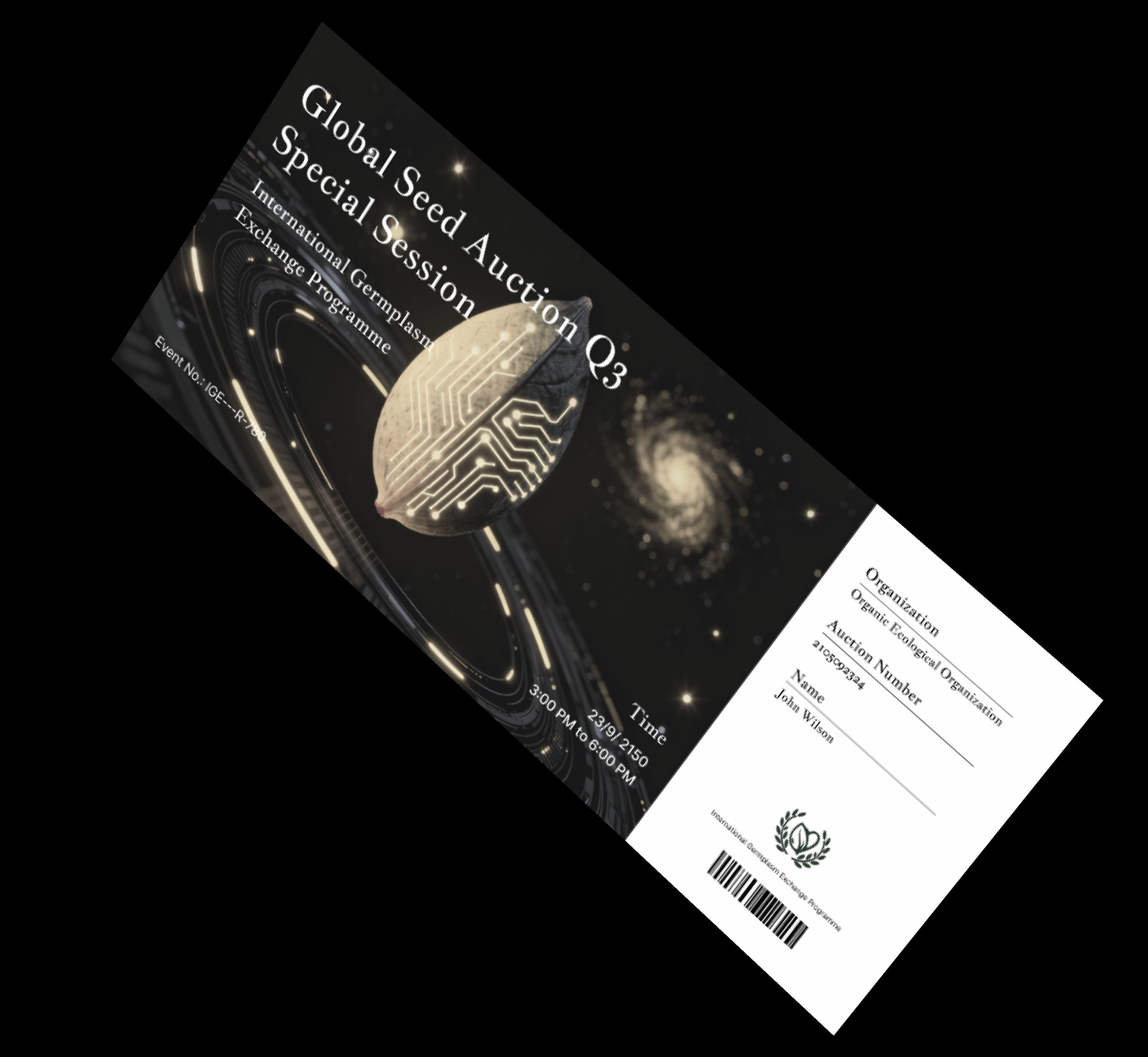
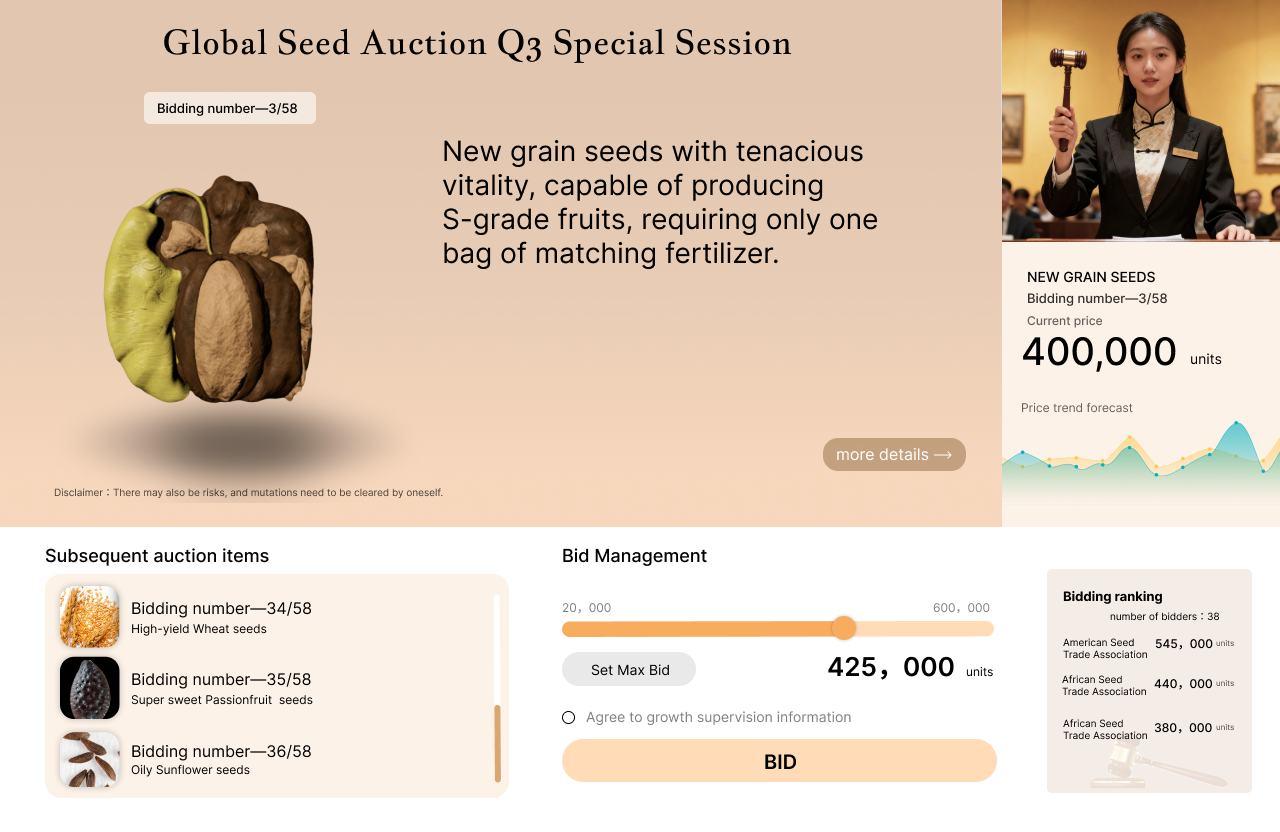
Monthly Regular Auction Quarterly Rare Special Session; When a global food crisis or natural disaster occurs, IGEP will coordinate the allocation of reserve germplasm and prioritize ensuring the basic food supply in disaster stricken areas.
PROHIBITION CLAUSE
Quantitative voucher for the usage quota of core survivalessential resources such as clean land, high-quality water resources, and safe planting areas.
BIDDING RULES
Price increase range: A grade germplasm has a minimum price increase of 5%, B/C grade has a minimum price increase of 3% and supports onetime capped bidding (requiring a 20% deposit to be paid in advance).
TRANSACTION CONFIRMATION
Prohibit trading of high-risk gene edited germplasm; Prohibit hoarding seeds to speculate on prices, and excessive holdings must be reported to IGEP for their intended use; Unauthorized breeding and trading of germplasm is prohibited, and violators will be permanently deprived of trading qualifications.
Seed review process

Preliminary detection

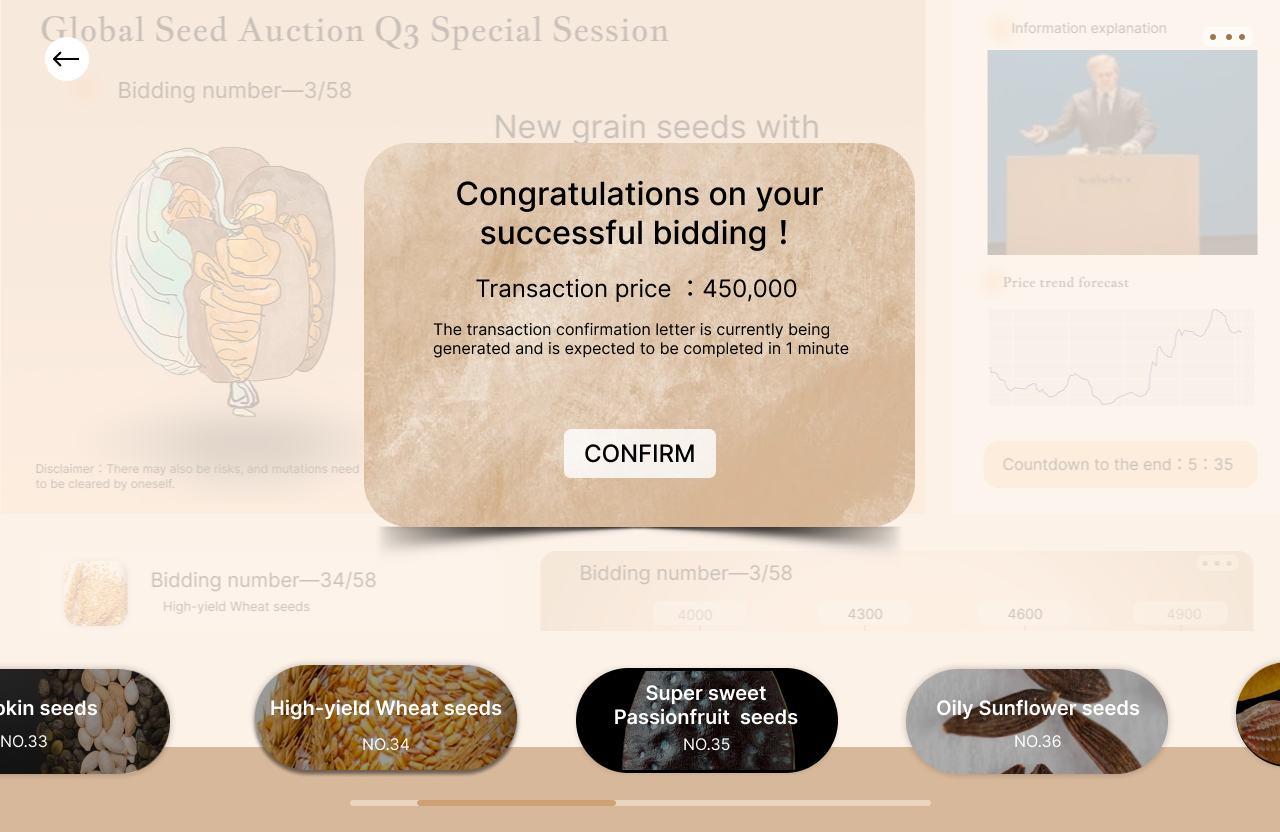
If there is no higher bid within minutes after the bidding ends, the system will automatically lock the transaction, sign the Germplasm Trading Confirmation synchronously record the transaction information.


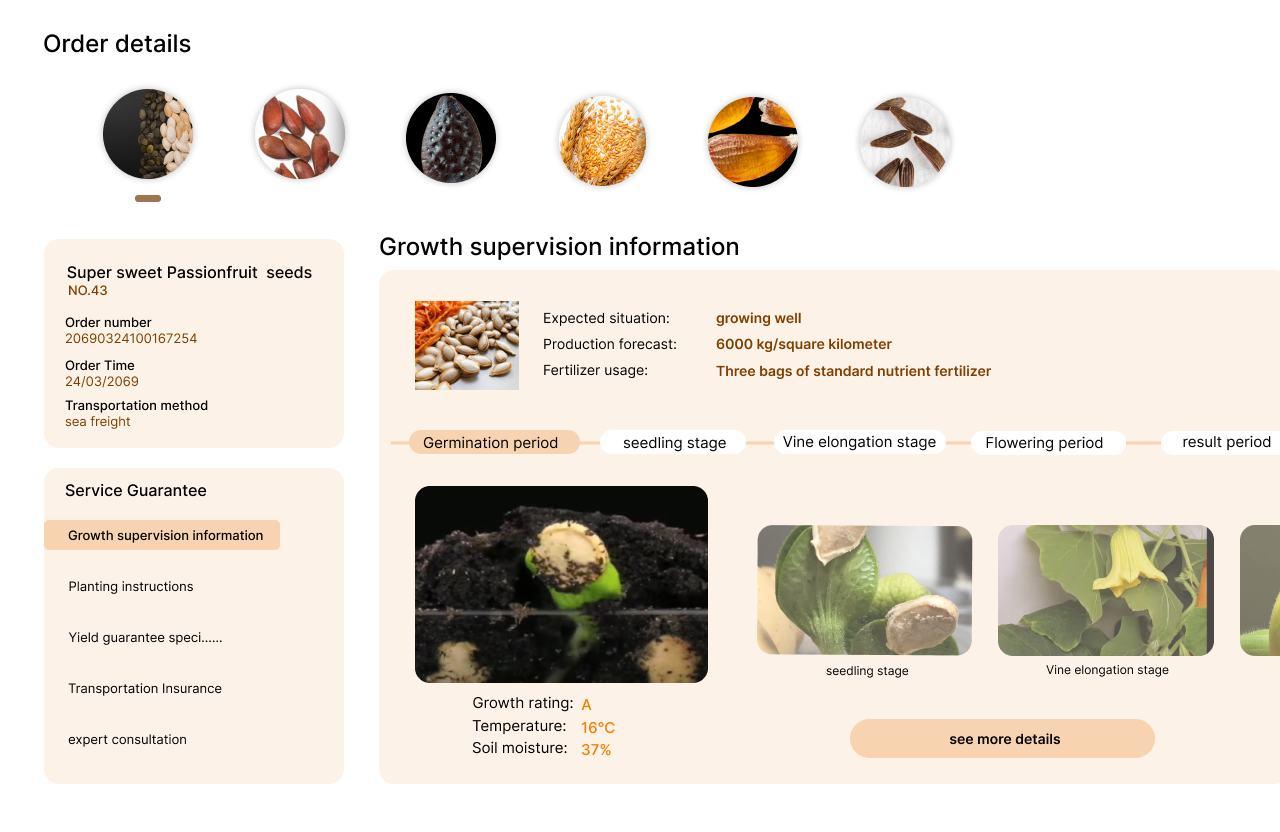
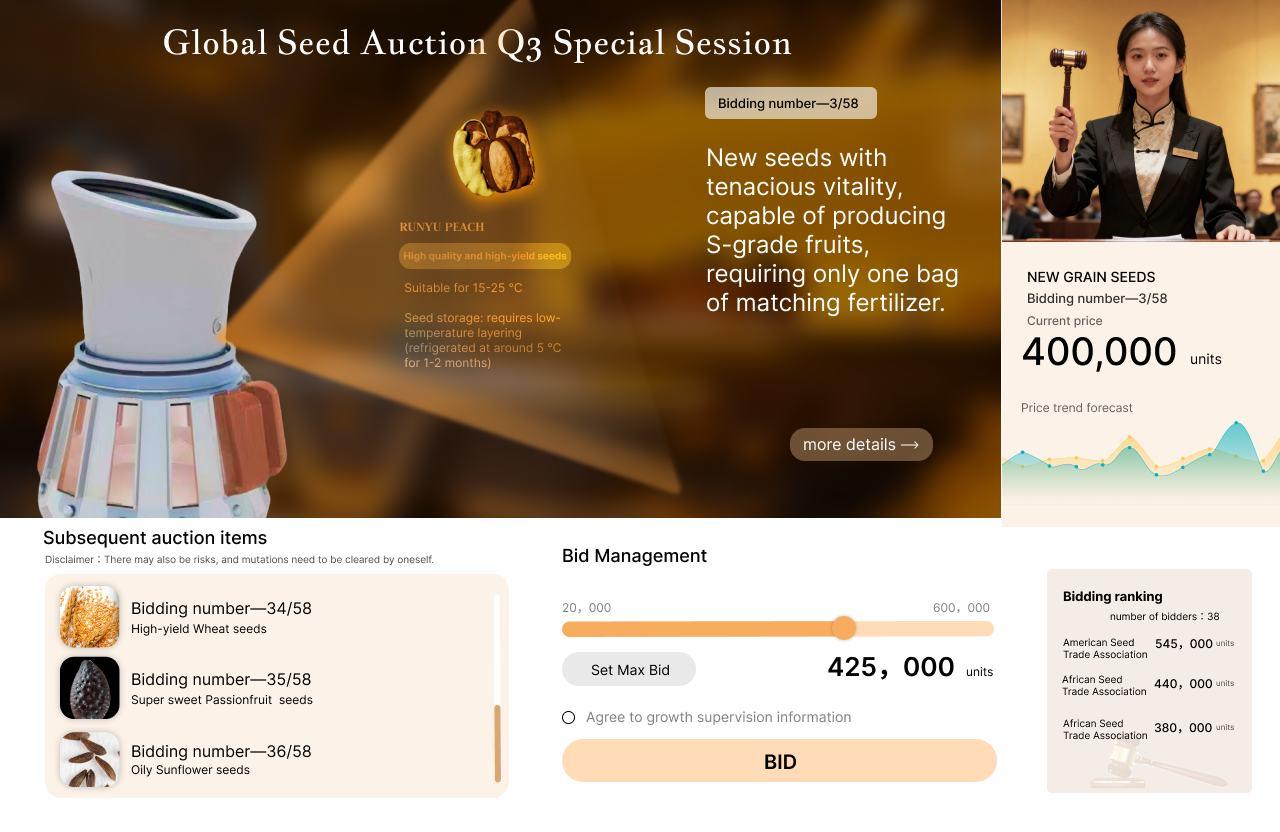
High quality and high-yield seeds
Suitable for 15-25 ℃
Seed storage: requires lowtemperature layering (refrigerated at around 5 ℃ for 1-2 months)


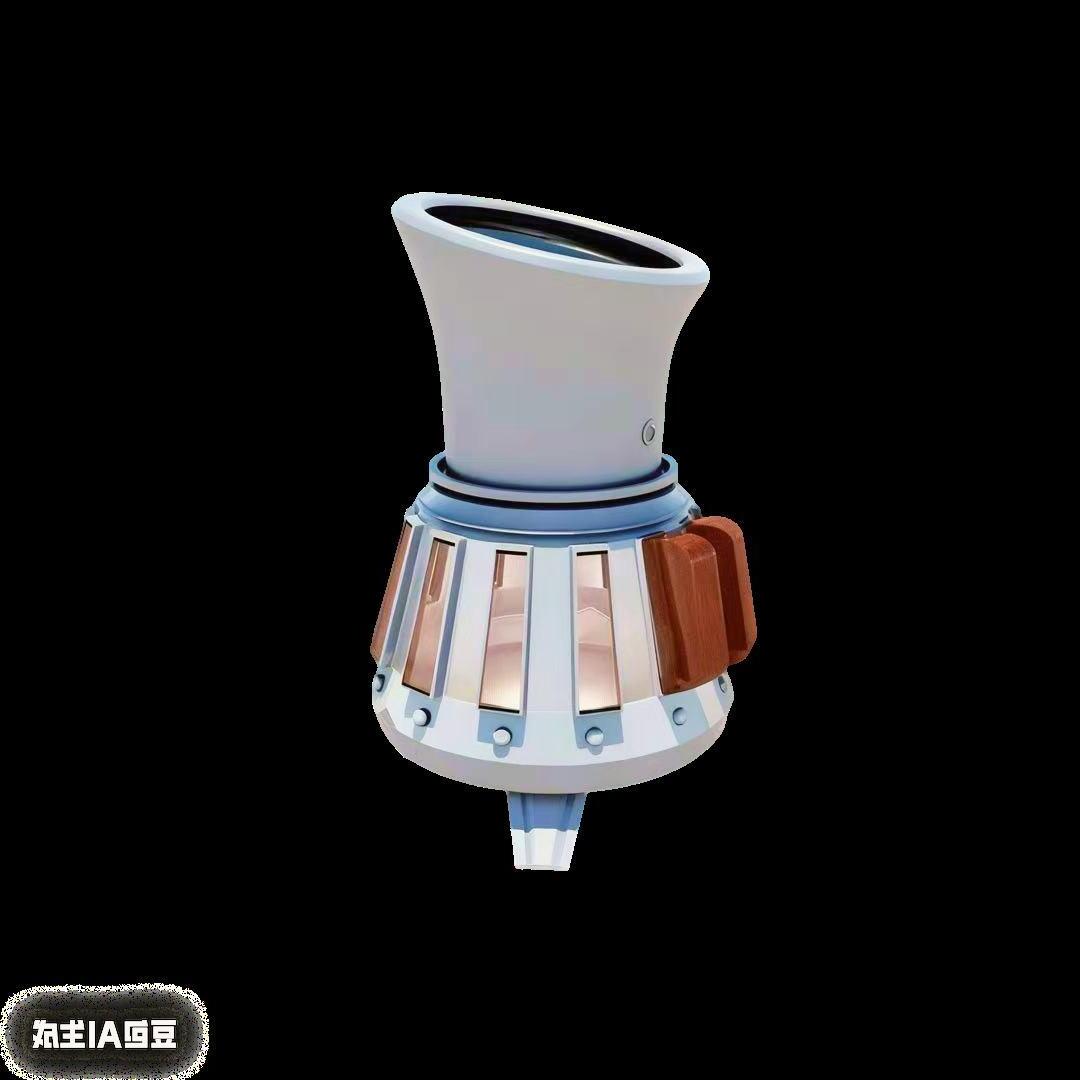
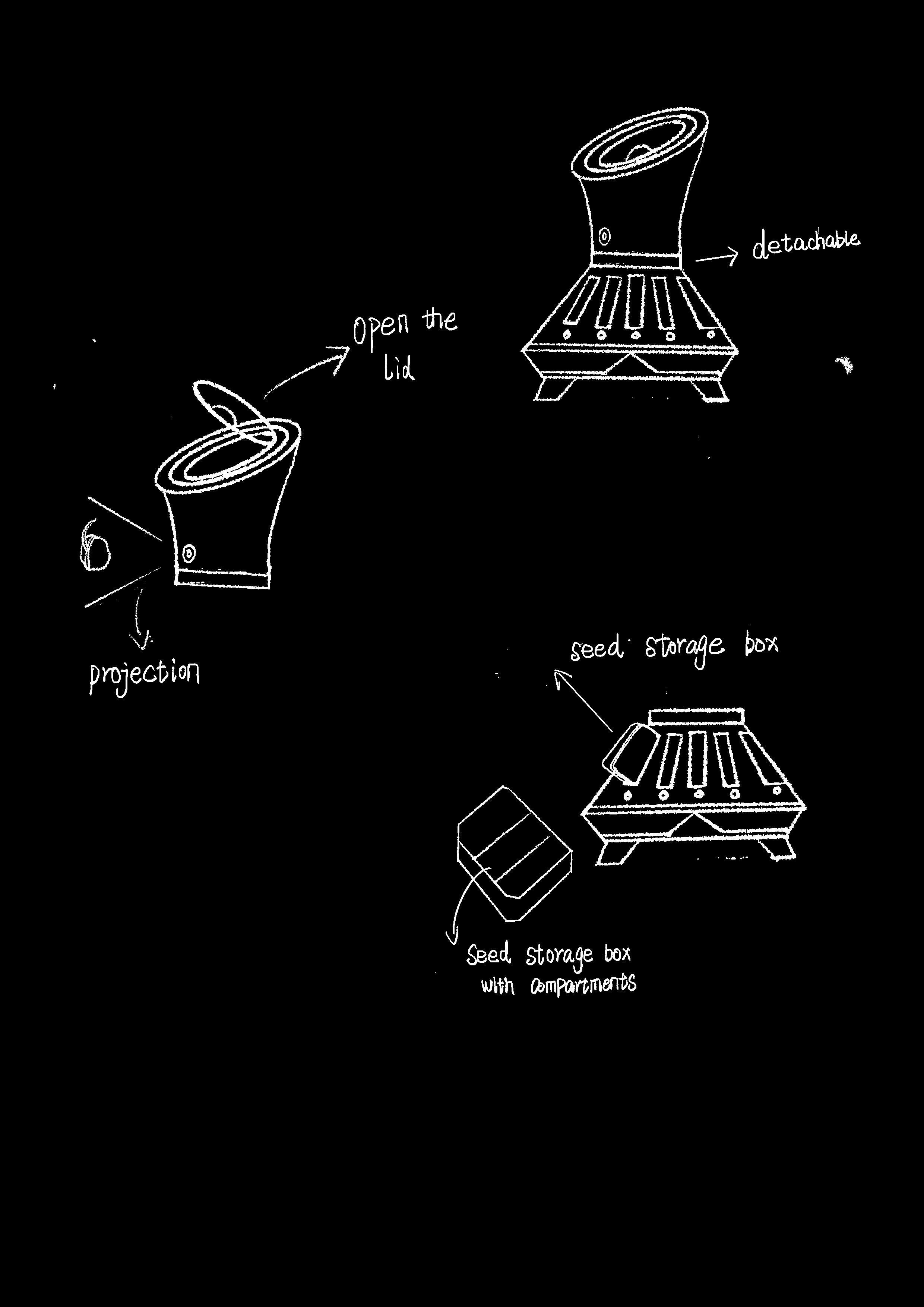
The device is centered around real-time data on seed types, quality and activity dimensions in the middle pro separately.


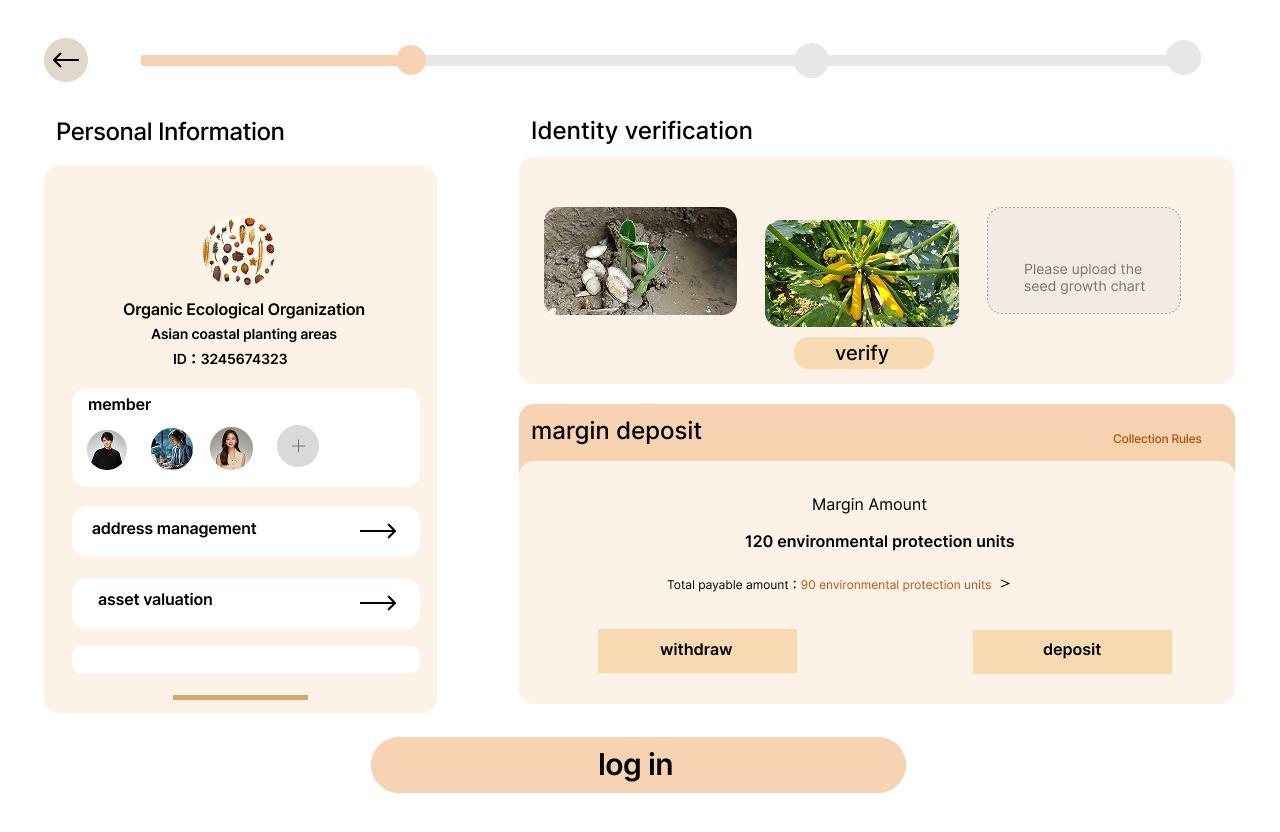
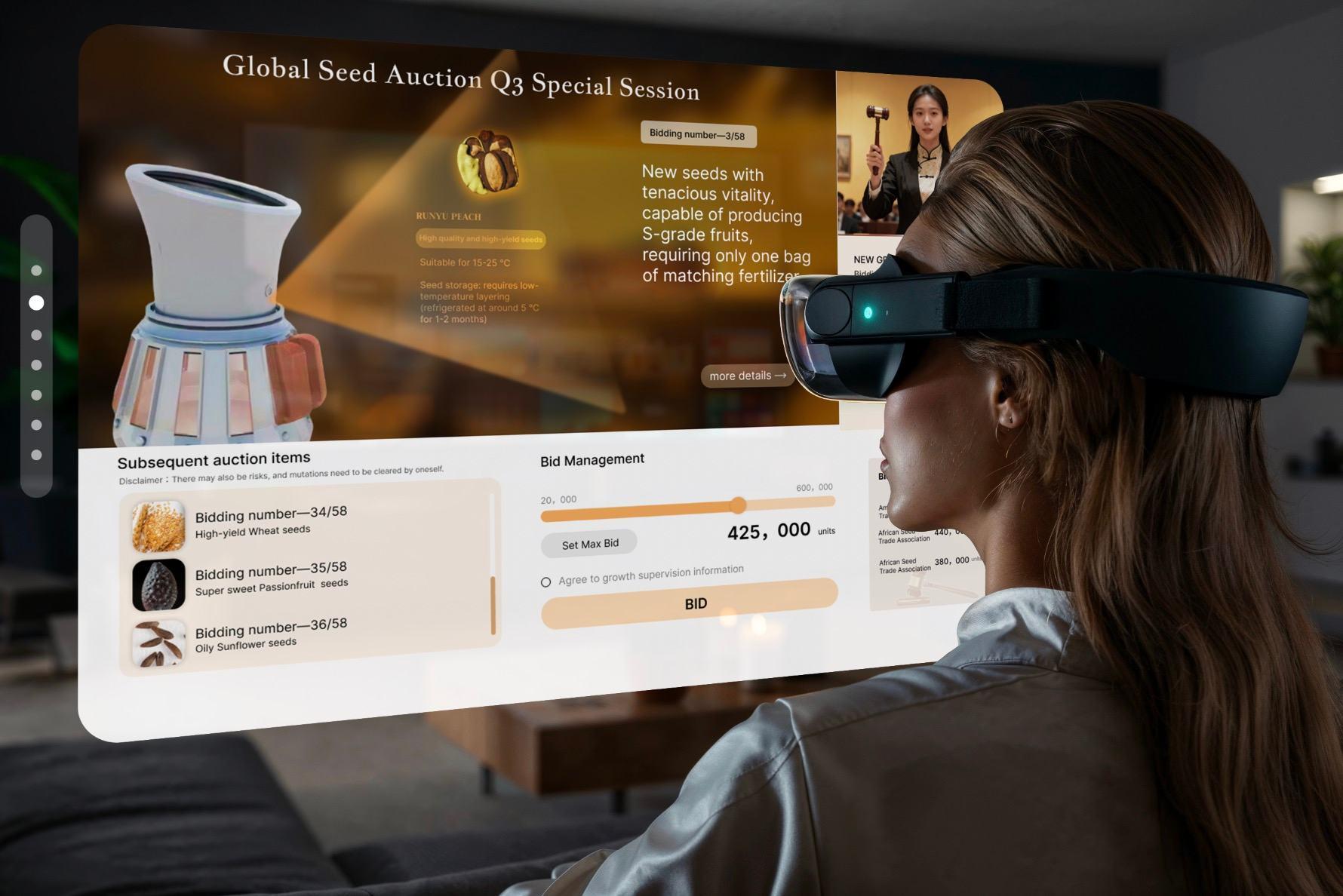
Auction trading interface




Group Project
Team Member: Wang JiaYuan Zhang RongYe Yu Dian Xun QiuLin

Personal Contribution:
Narrative · Visual · Typography Research Story Worldbuilding & Scriptwriting Character & Environment Illustration
Echoes of Ice: The Forgotten Tongue
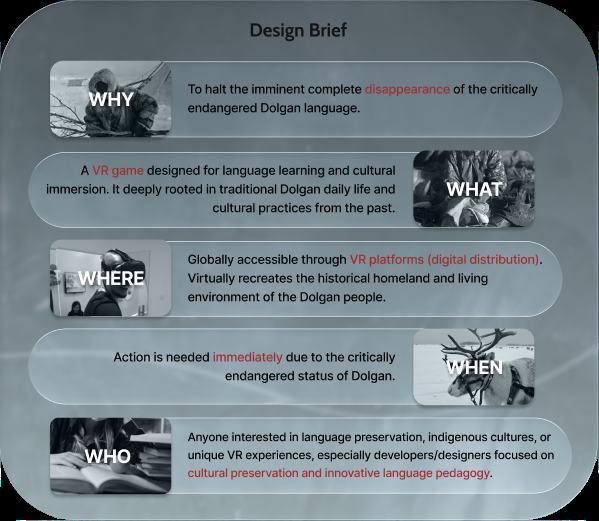
To prevent the complete disappearance of the Dolgan language and to raise awareness about the Dolgan language, Dolgan culture, and countless other languages and cultures facing the same plight, we have designed a VR game centered around language learning. The game advances its storyline and progress through interactions with the environment, NPCs, and mini-games closely linked to the daily life of the local community from years ago.
VR game design
Video Link: https://youtu.be/coH3tCZkejg



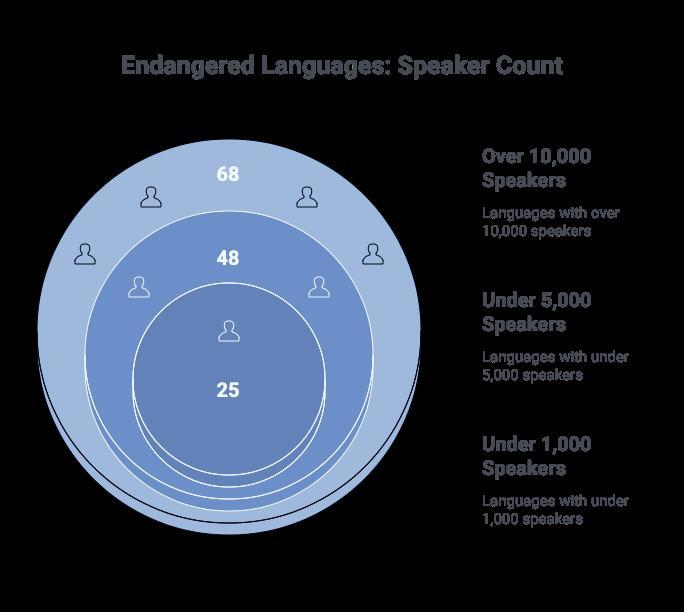
Speaker Count of Endangered Languages
Traditional culture
Some younger community members lack sufficient awareness of their mother tongue's cultural value, accelerating language loss. Parts of Endangered Languages Overview
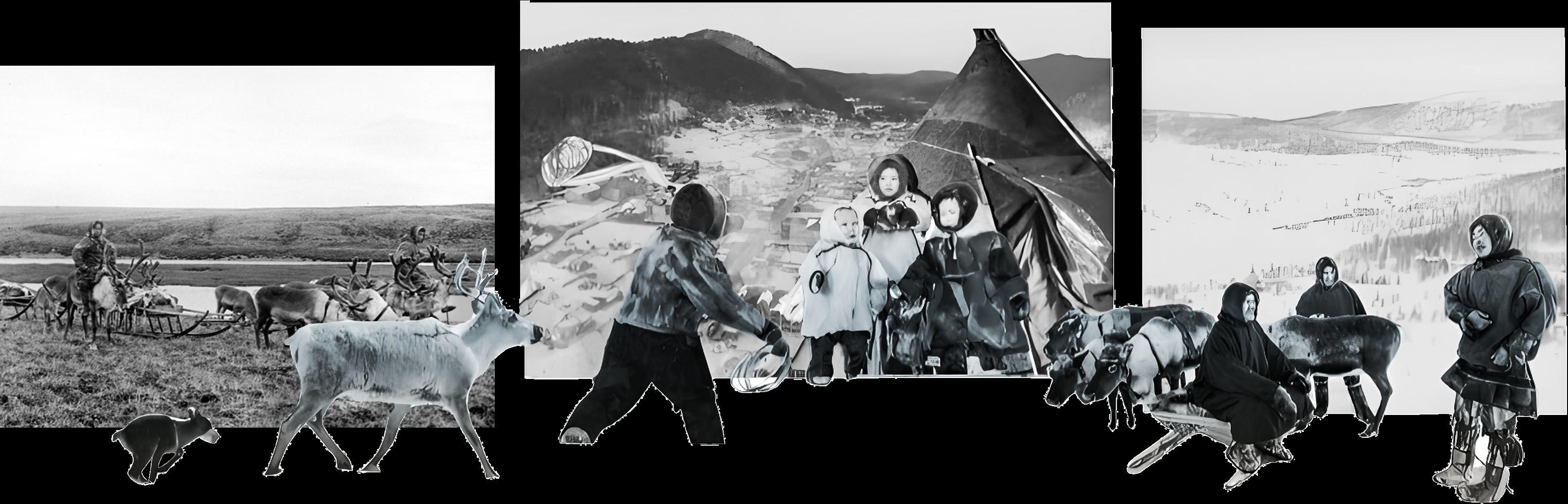
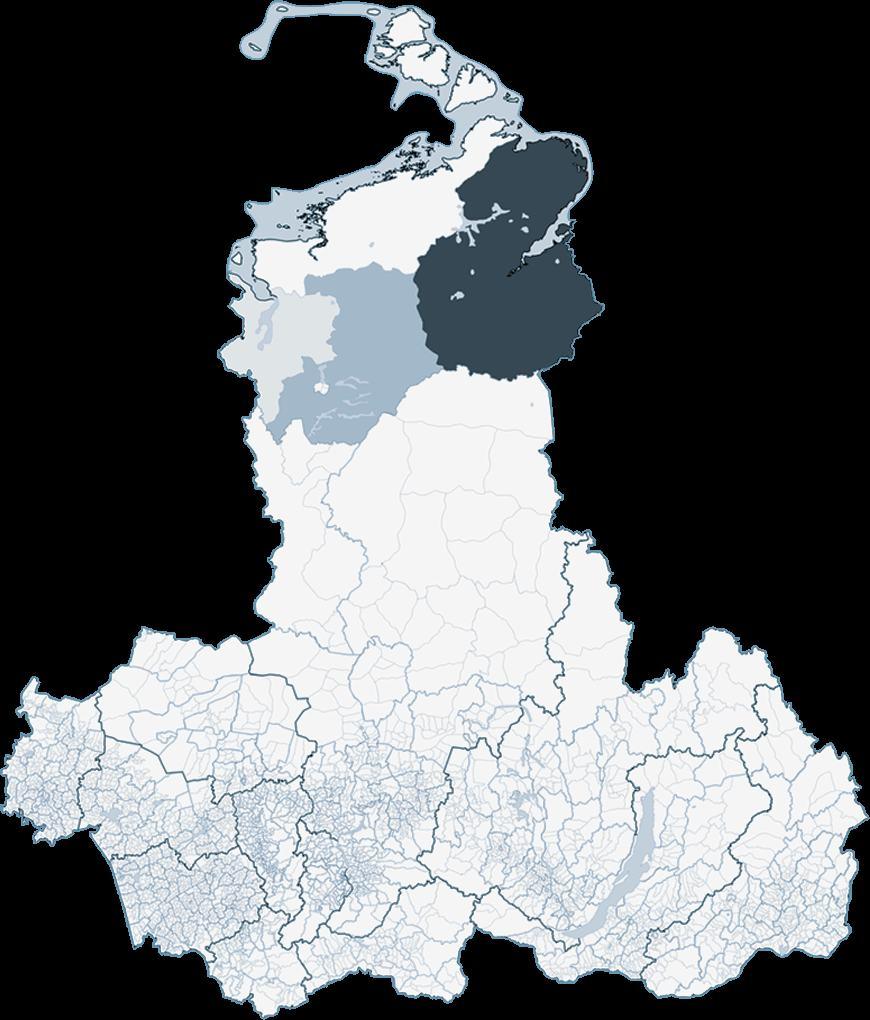
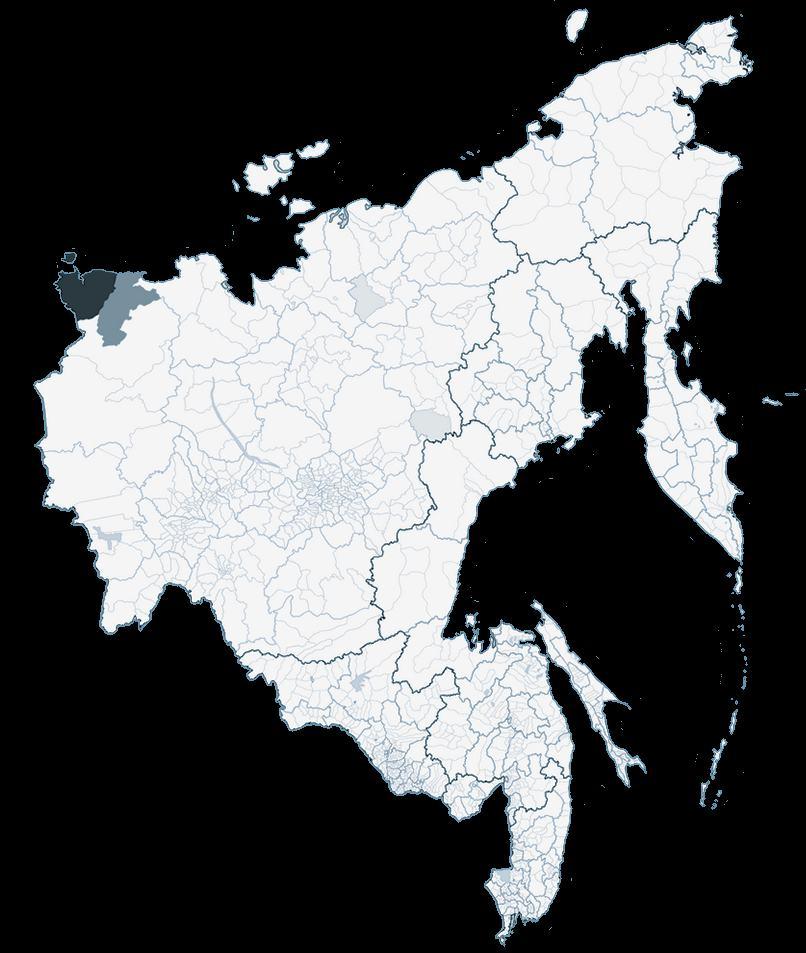
As a critically endangered language, is not only a "living fossil" of the Turkic branch but also the ultimate vessel of the Dolgan people's reindeer-nomadic wisdom and Arctic ecological knowledge.




Speakers are primarily elderly; youth increasingly use Russian/ Sakha due to educational/social pressures, failing transmission. Daily community use is declining, now limited to cultural ceremonies. School instruction is only 1 hour/week vs. Russian/official languages.




Language serves as a vessel for culture, and its disappearance can lead to , with other intangible cultural heritages. the loss of related folklore and Shamanistic culture Globally, approximately belong to indigenous communities, and their languages often disappear alongside a weakening of social identity.
40% of endangered languages
The rate of language extinction far exceeds that of plants and animals, and it is The disappearance of languages signifies a reduction in human cultural diversity, which may trigger irreversible deeper social and cultural crises






It can be said that the Dolgan language has fallen into a dual crisis of comprehensive collapse of language functions and intergenerational chain fracture.
Causations

Reasons for the PHENOMENON Deep Thinking

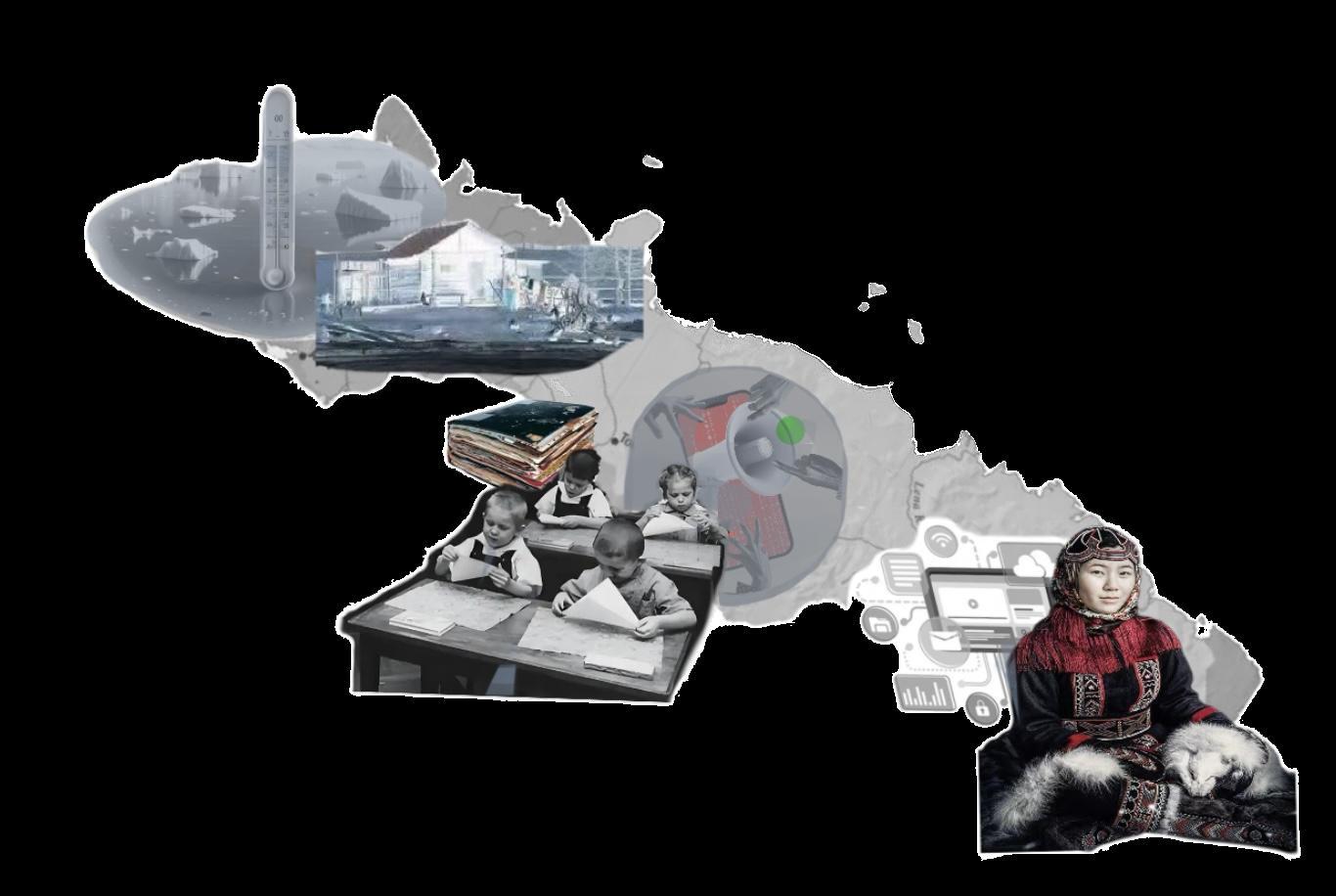
Climate change has altered lifestyles, rendering the part of language tied to the environment unsustainable
The school education may lack teaching content in the D a discontinuity in language inheritance and making it difficult to continue.
Detriments
Damage to cultural inheritance:
With the acceleration of globalization and rapid urbanization, the usage scenarios of Dolgan language are decreasing day by day
In the process of long-term contact with other languages, it is easy to be assimilated, and its uniqueness is gradually lost, affecting its inheritance as an independent language.
Importance
Language is an important means of communication for humans and also an important carrier of culture. When we lose a language, we also lose the knowledge and thoughts about time, seasons, astronomy, geography, marine life, medicine, plants, history, mythology, music, and various aspects of daily life that have been accumulated over centuries within that language.
Main Points
Challenge
The lack of usage contexts renders language skills "," accelerating their decline
The younger generation s sense of identity towards their own culture has weakened, and they are more inclined towards Russian, which has accelerated the endangerment of the Dolgan language.
Preserving Cultural Diversity and a Unique Worldview
Promoting Community Dignity and Sustainable Development & &
Safeguarding Scientific Research Integrity

he extinction of a language will lead to the disappearance of related intangible cultural heritage such as myths and ballads.
Changes in social structure: of endangered languages belong to indigenous groups, and the disappearance of languages is
The rate of language extinction:
The rate of language extinction is faster than that of plants and animals. The disappearance of languages means a reduction in human cultural diversity, which may trigger sociocultural crises.
● The Dolgan language, belonging to the Turkic language family, embodies a distinct knowledge system of Arctic nomadic culture, particularly in reindeer herding, polar ecological understanding, and oral epics. Its grammatical structure and vocabulary (such as dozens of specific terms describing snow/ice and reindeer conditions) reflect human wisdom in adapting to extreme environments.
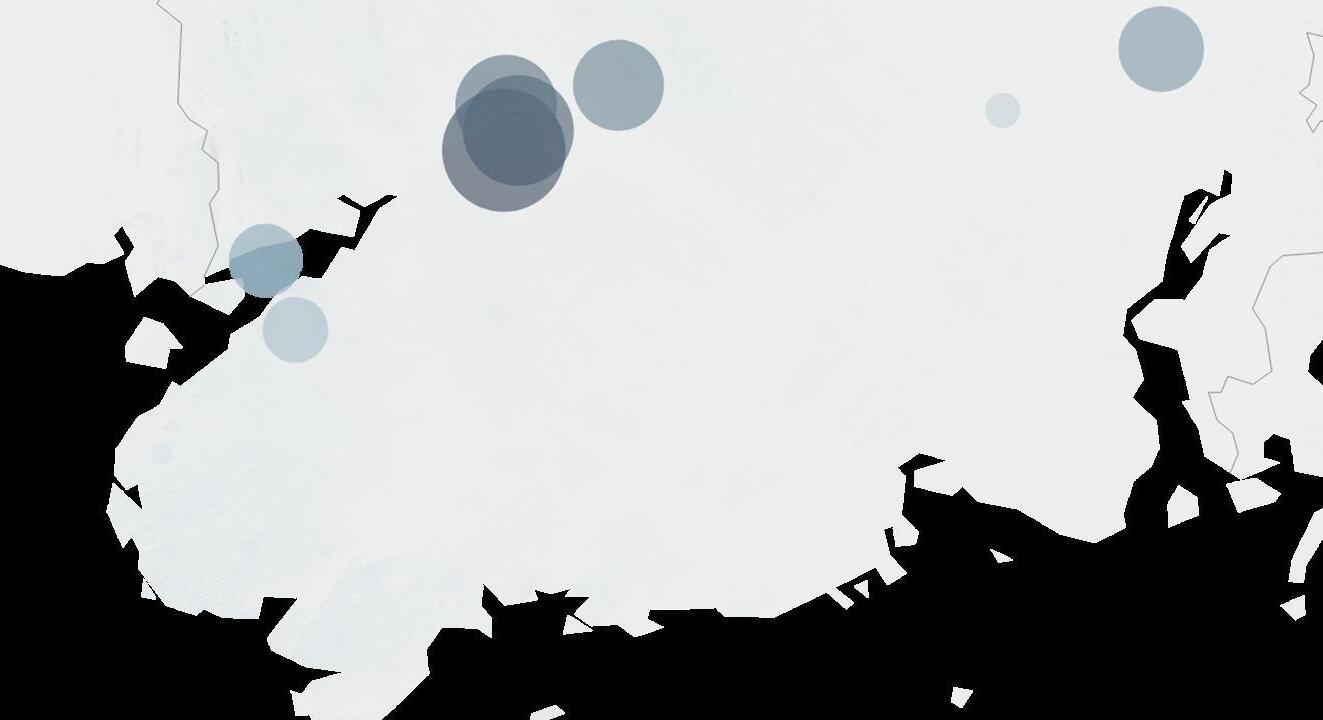
● Language is at the core of Dolgan (approximately 1,400 people) identity. Preserving the Dolgan language strengthens community cohesion and lays the foundation for sustainable development based on traditional culture, such as ecotourism and handicrafts. The grammatical features of the Dolgan language also provide critical samples for linguistic typology.

Young generations (children and adolescents) are key to language transmission, but they to learn their mother tongue Resource Scarcity and Insufficient Documentation Language Standardization and Dialect Diversity Community Engagement and Sustainability unused generally lack the motivation and opportunities


Design Concept Game flow
To prevent the complete disappearance of the Dolgan language and to raise awareness about the Dolgan language, Dolgan culture, and countless other languages and cultures facing the same plight, we have designed a VR game centered around language learning. The game advances its storyline and progress through interactions with the environment, NPCs, and mini-games closely linked to the daily life of the local community from years ago.







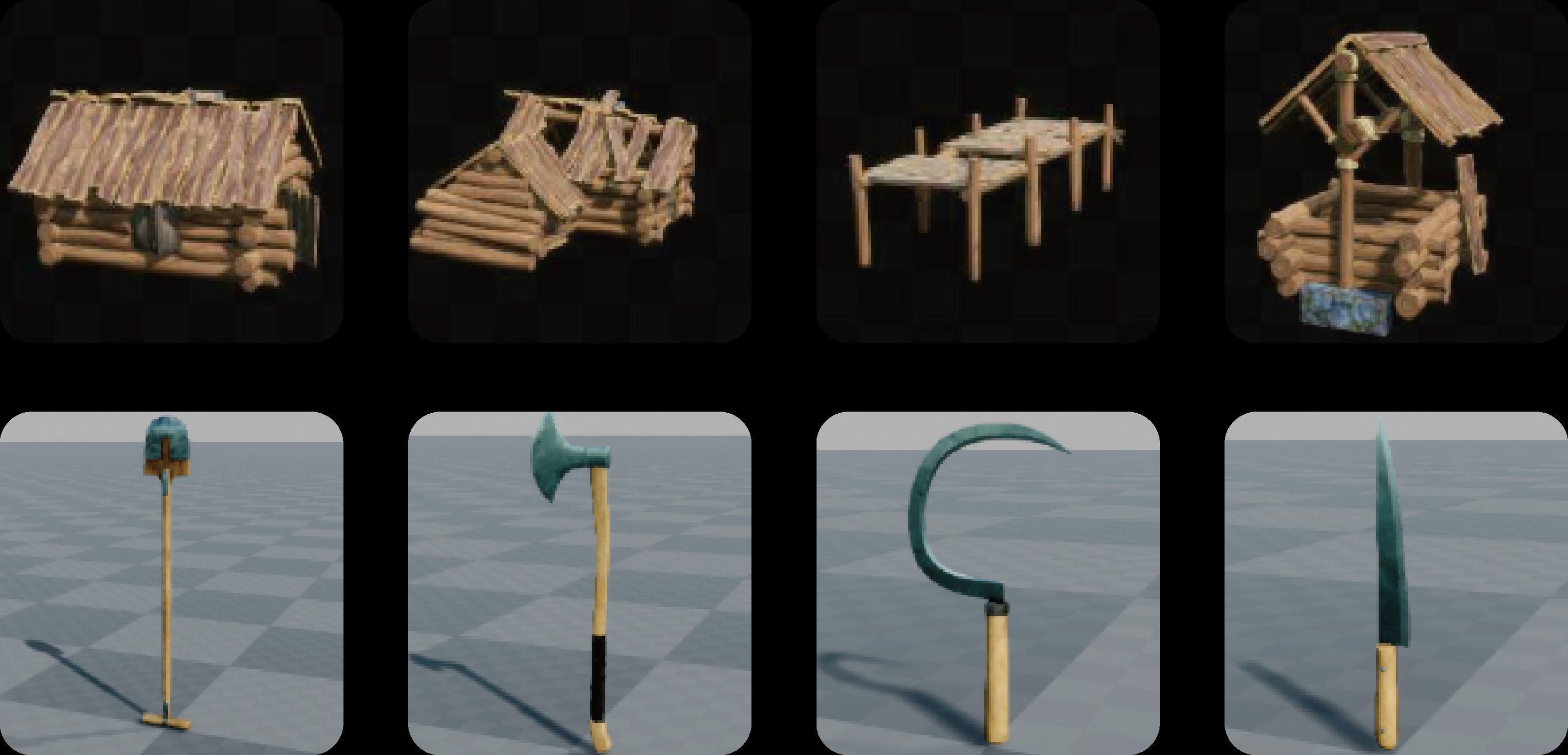
Character and Prop Design Virtual Scene Design UI Design


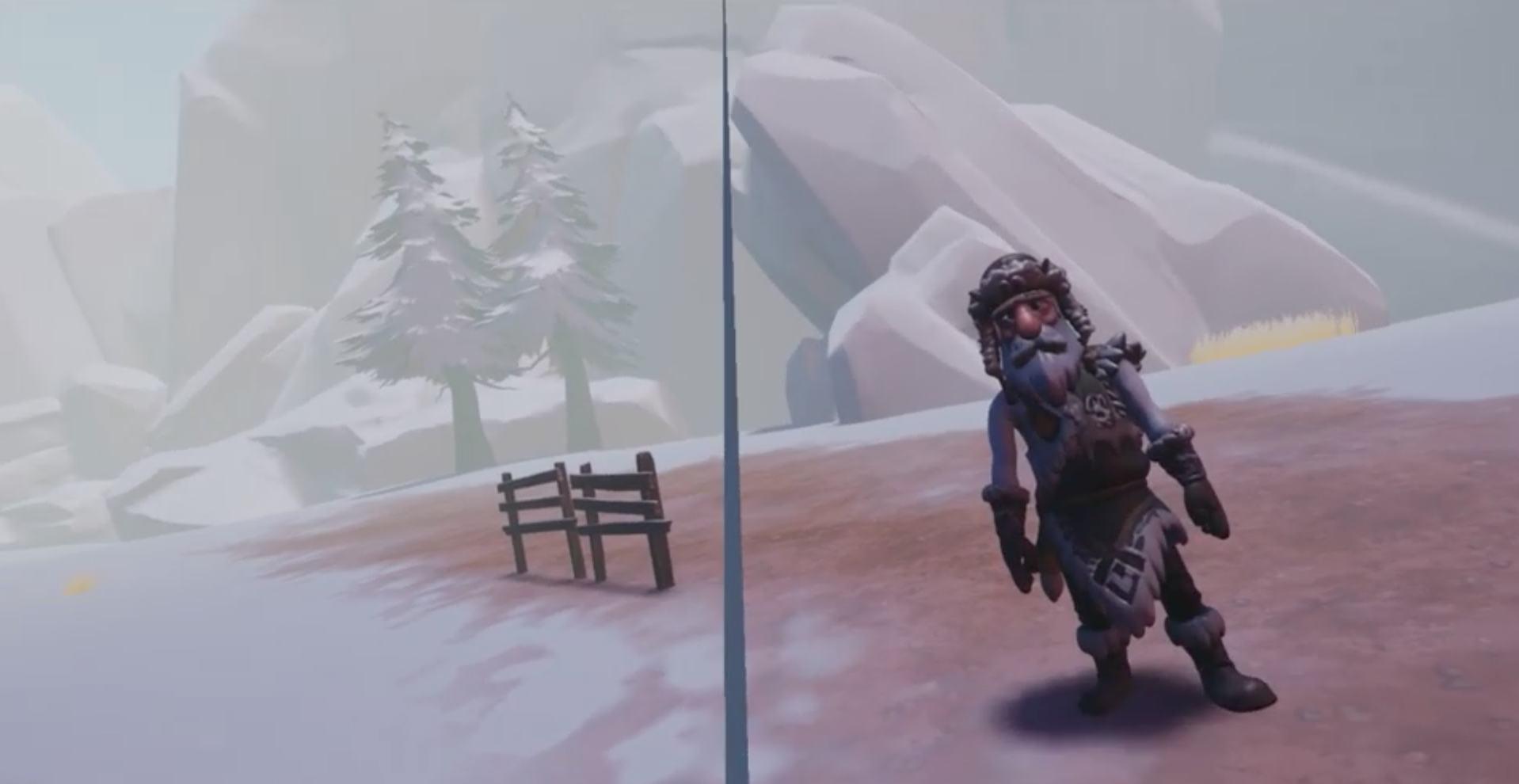
The Old Hunter (Ilya)
He is the "living dictionary" of the last generation of the Dolgan tribe, proficient in the survival wisdom of coexisting with permafrost and reindeer. He has a stubborn personality and believes that language learning should be integrated into daily life, rather than just rote memorization. Therefore, he will refuse to cooperate with the protagonist's recording work of Dolgan language.


Throughout the game, he is the main character who challenges the protagonist with mini games and drives the

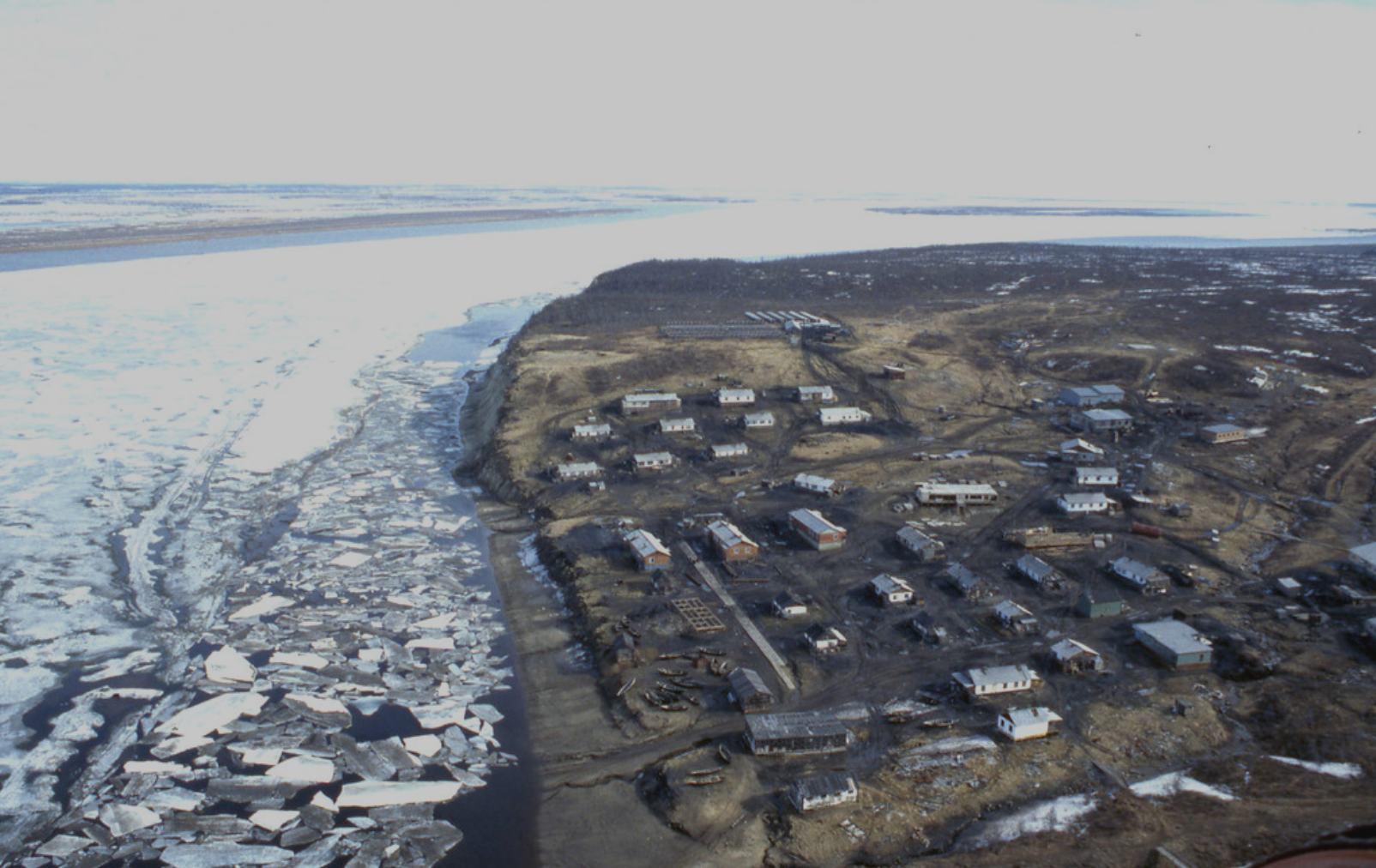
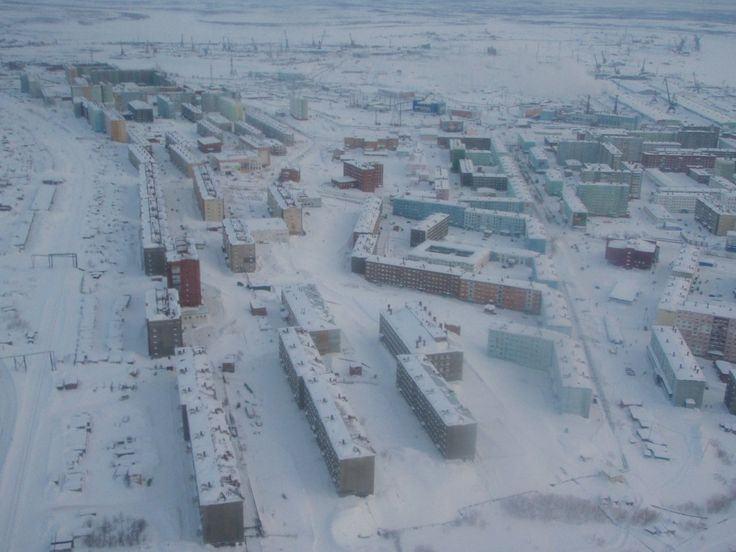
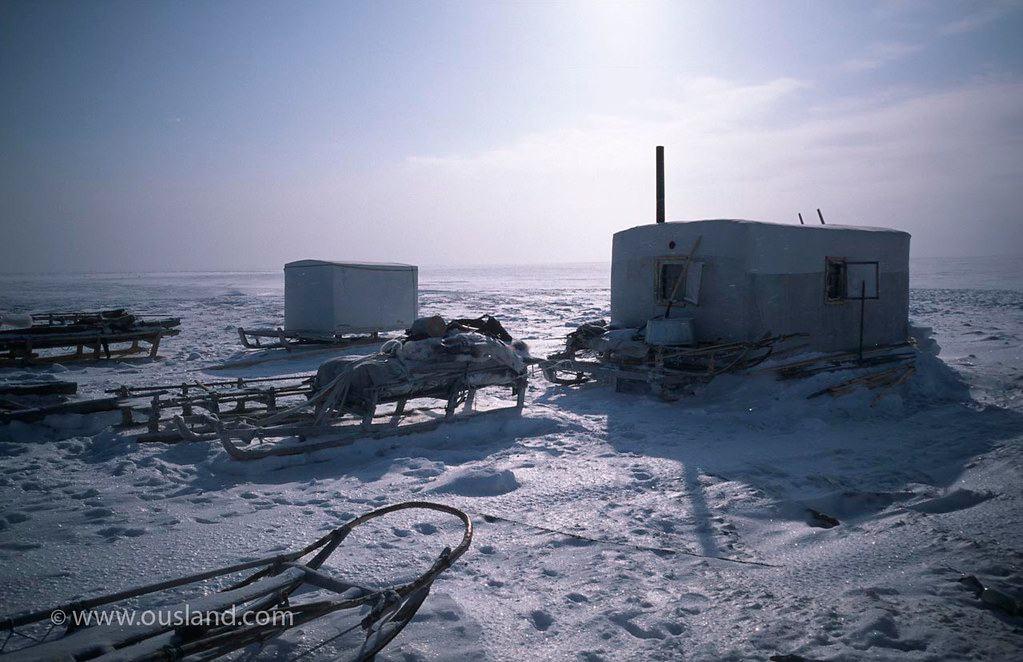
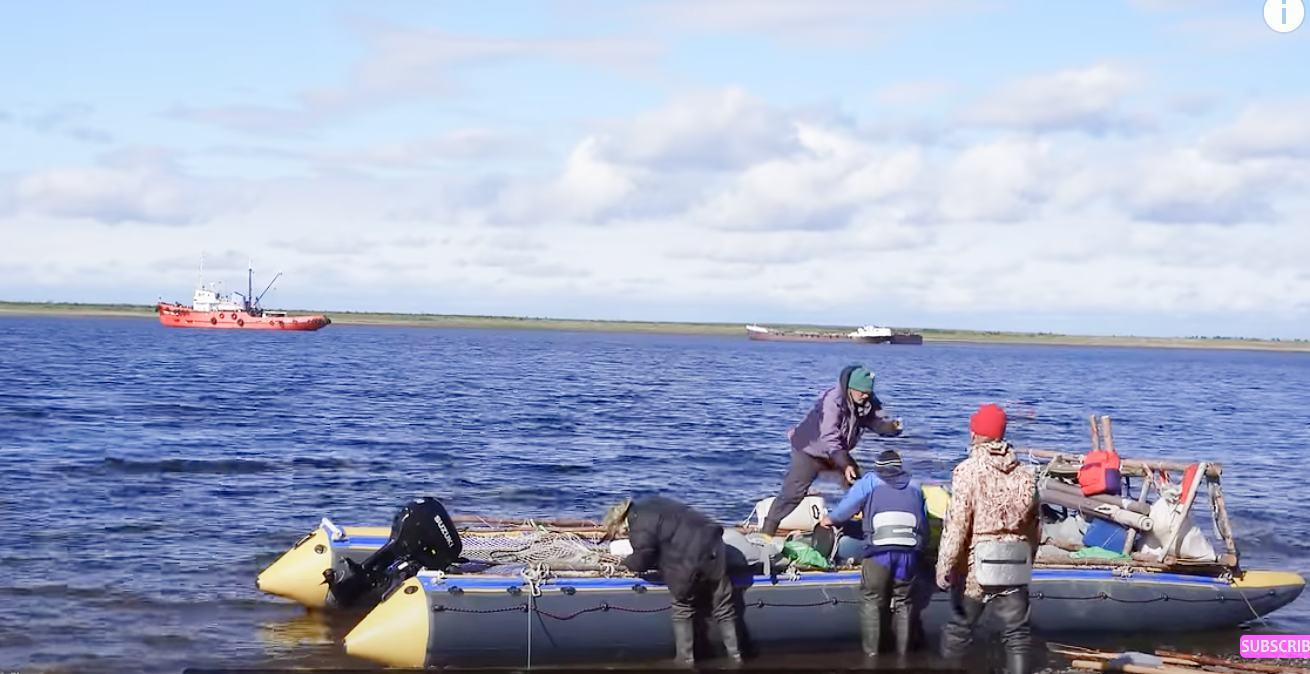
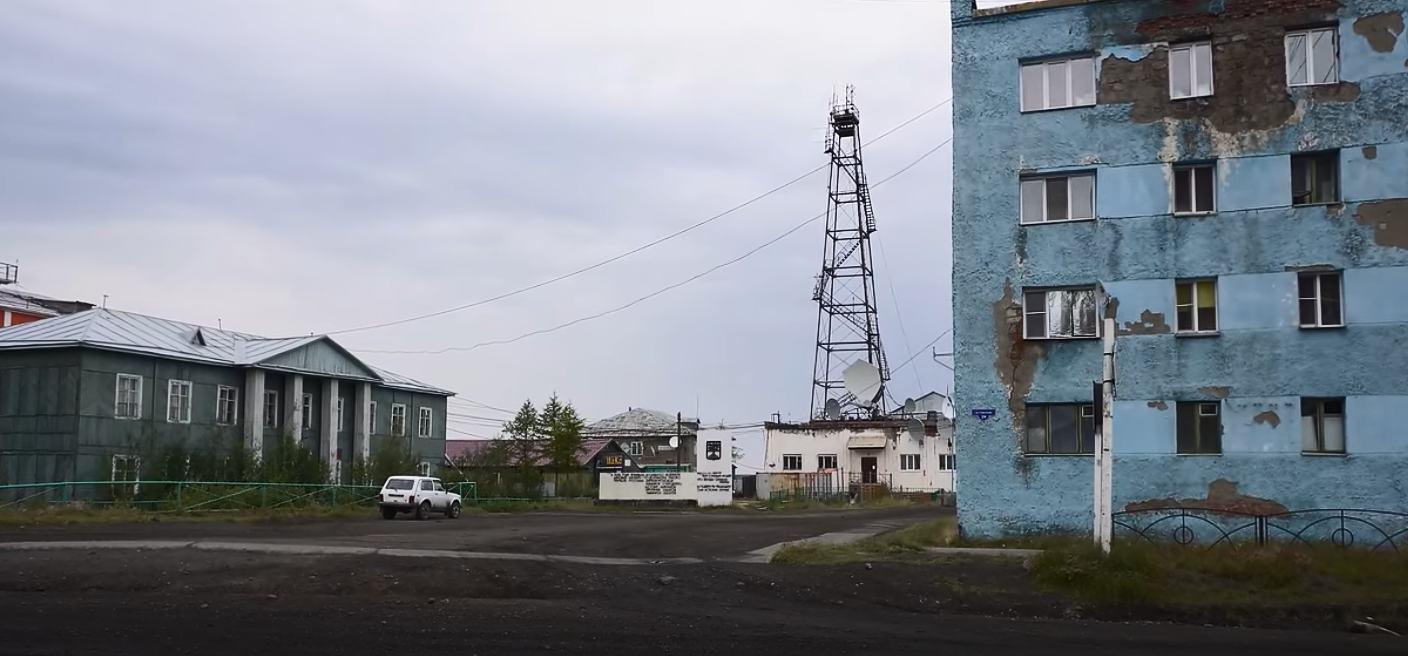
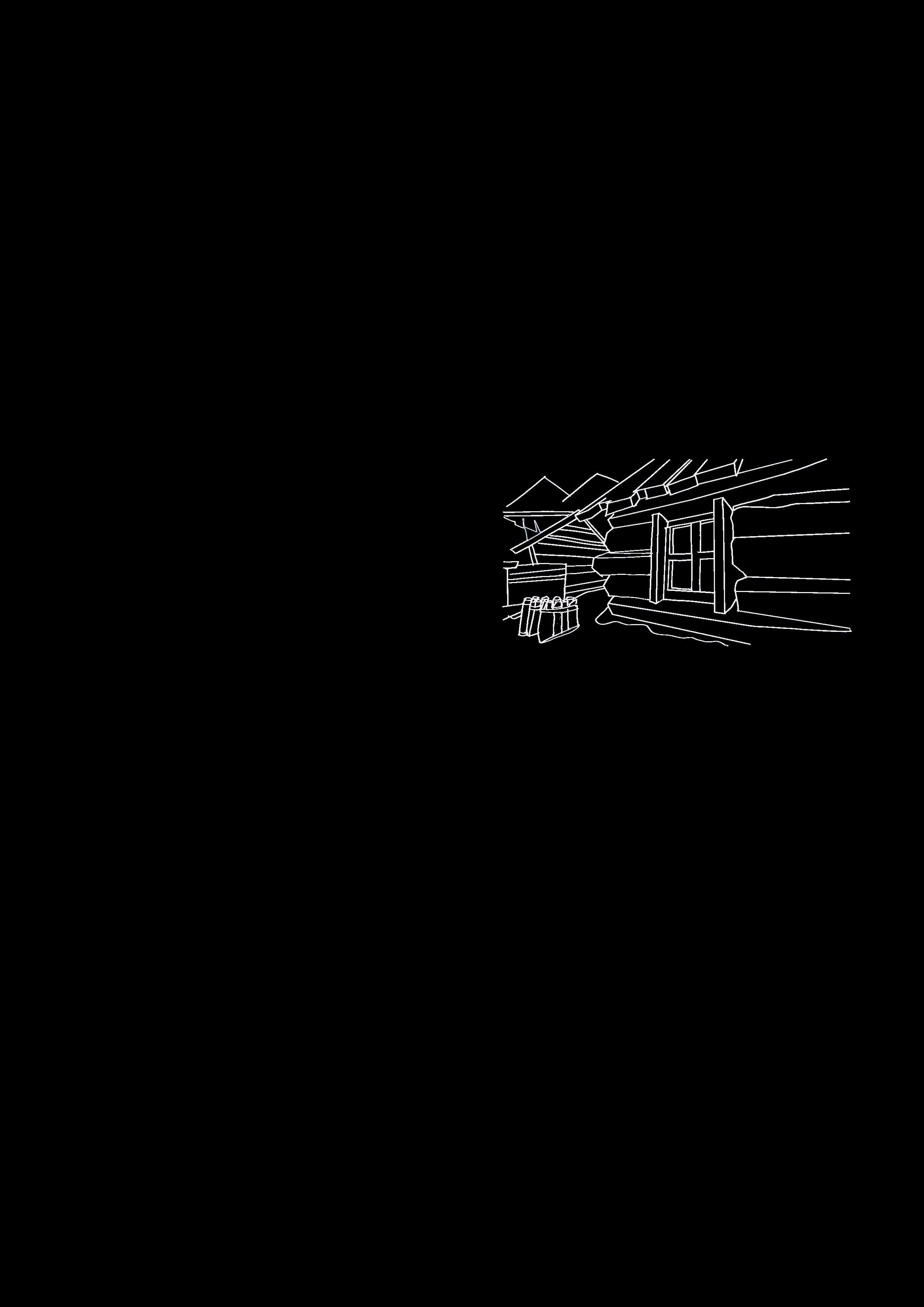
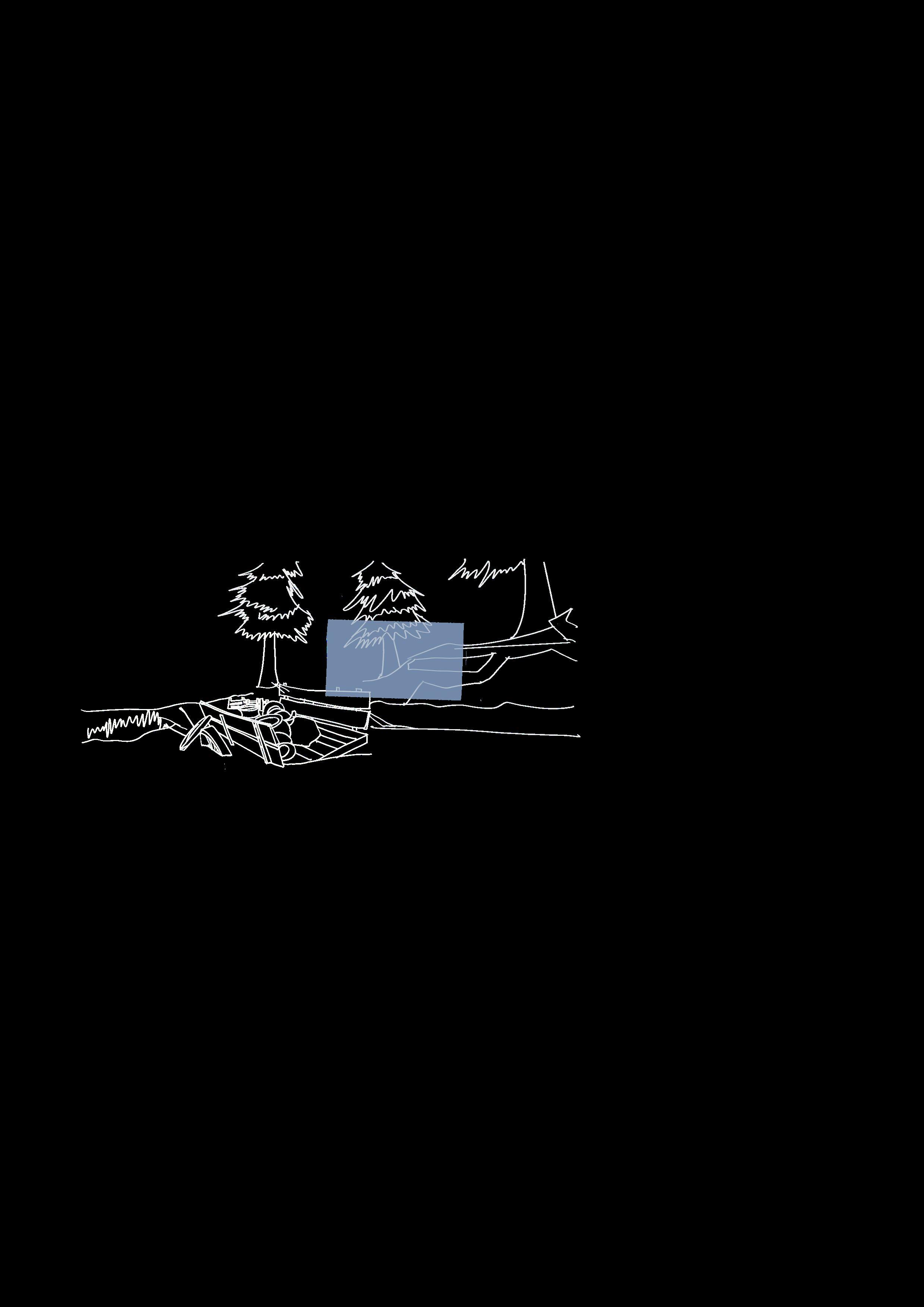
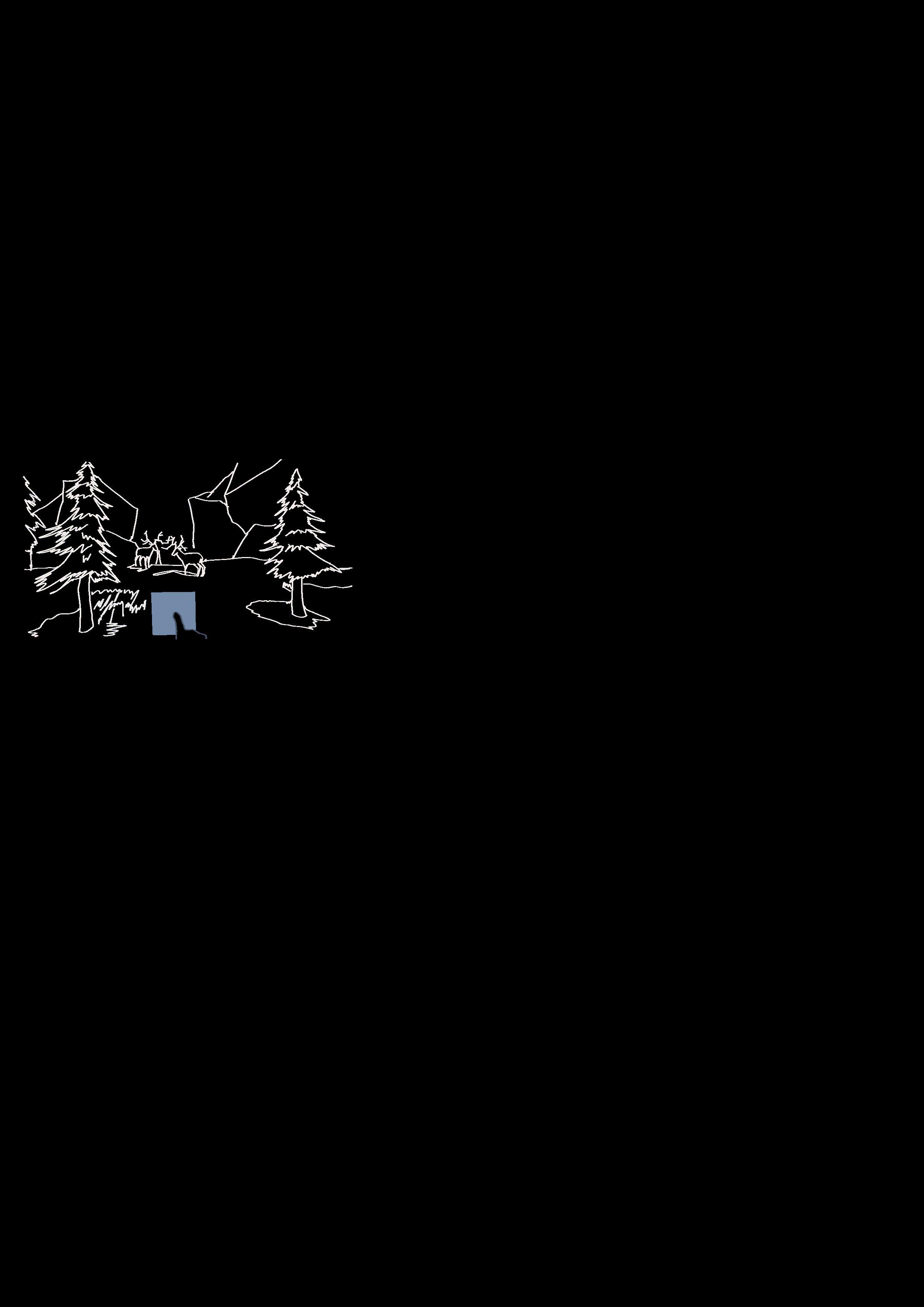
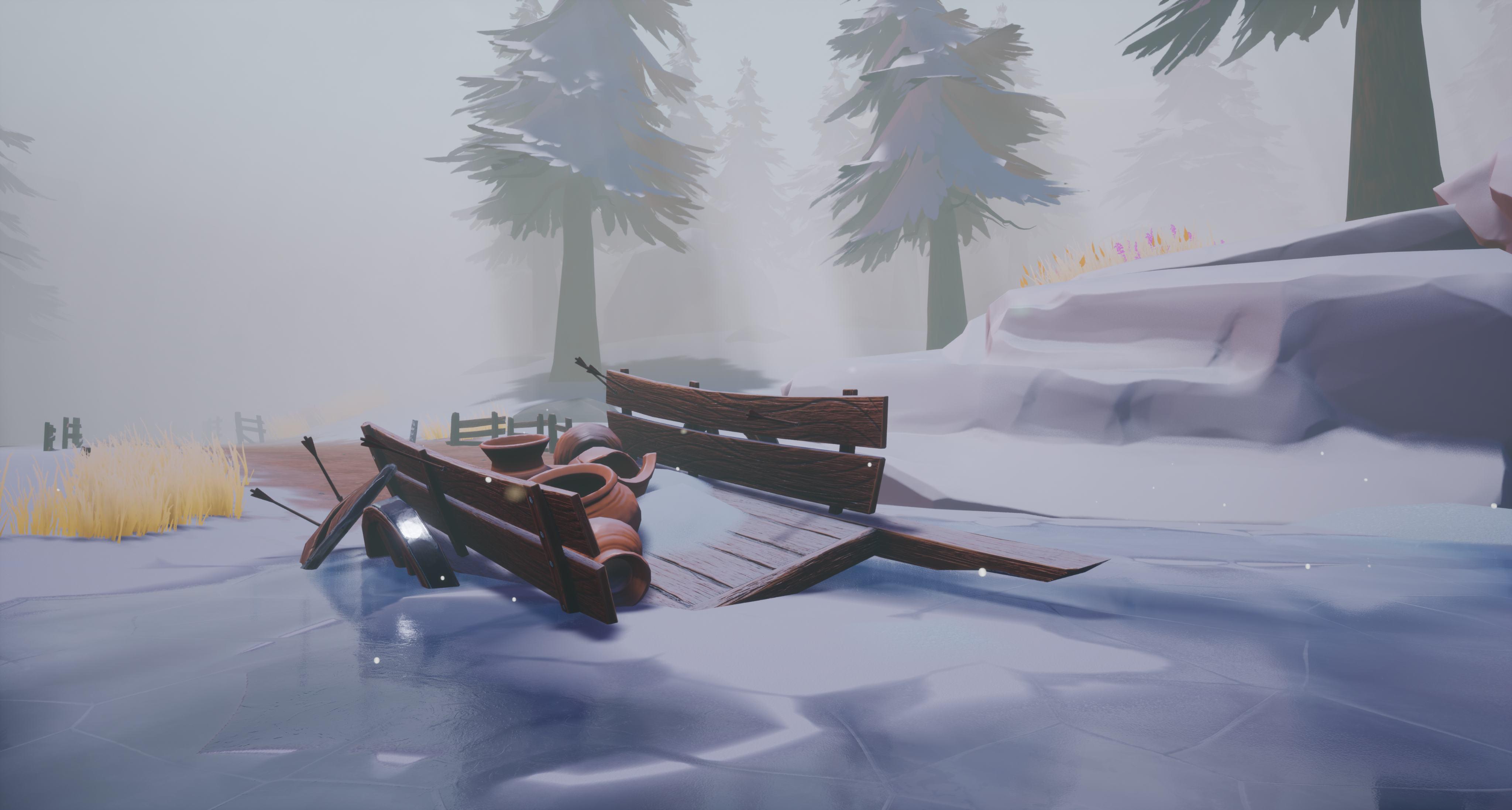
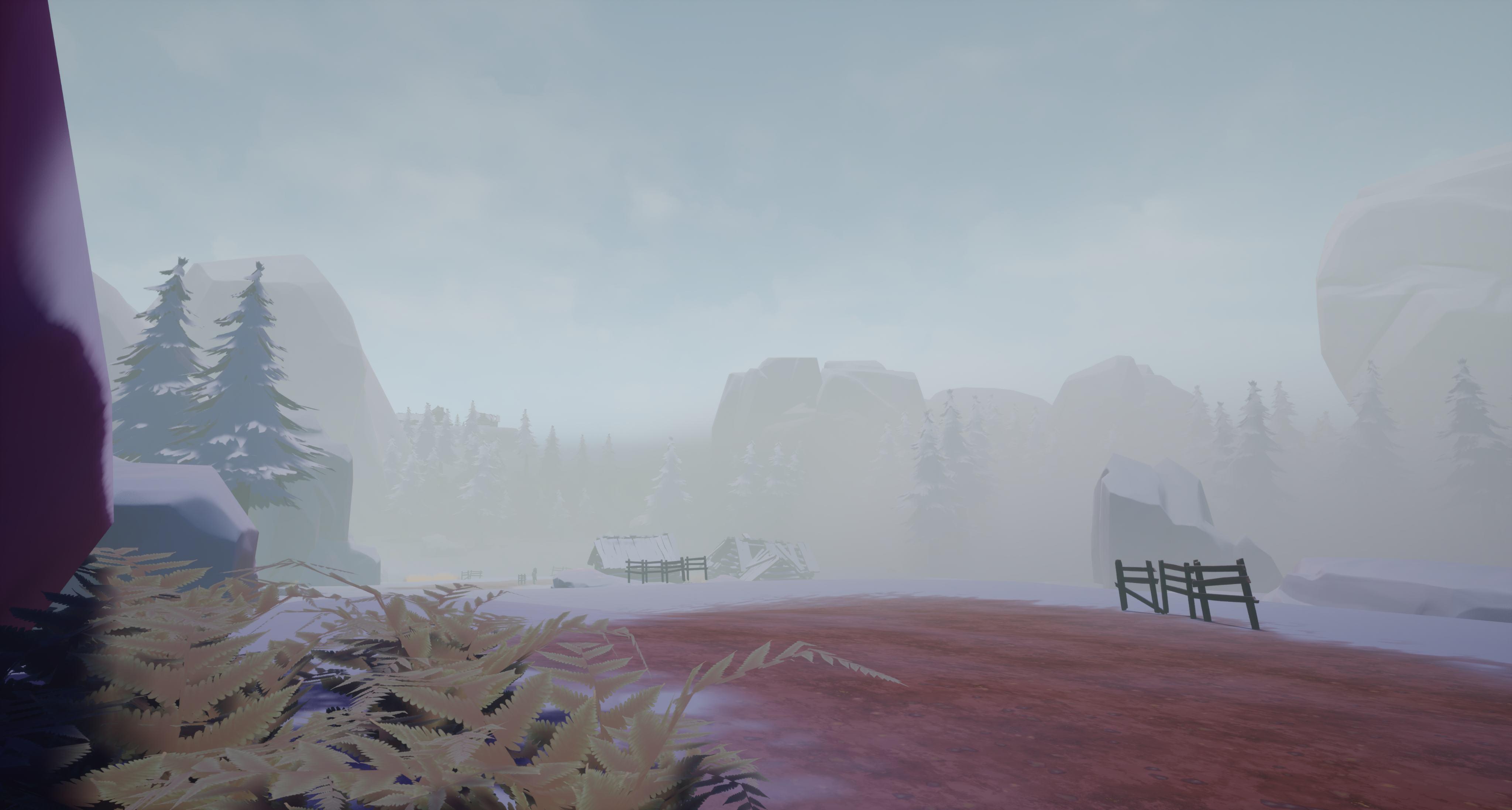
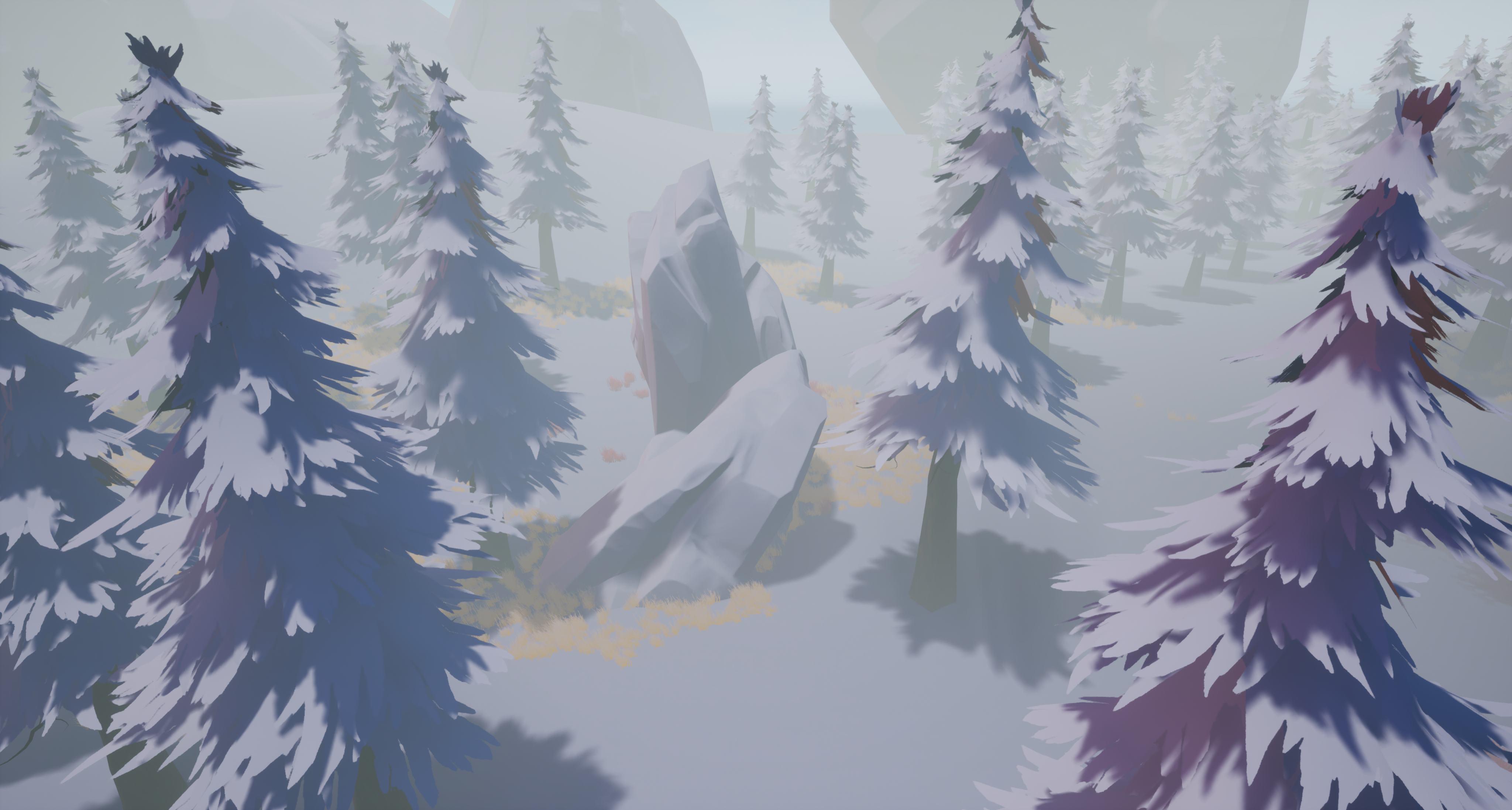
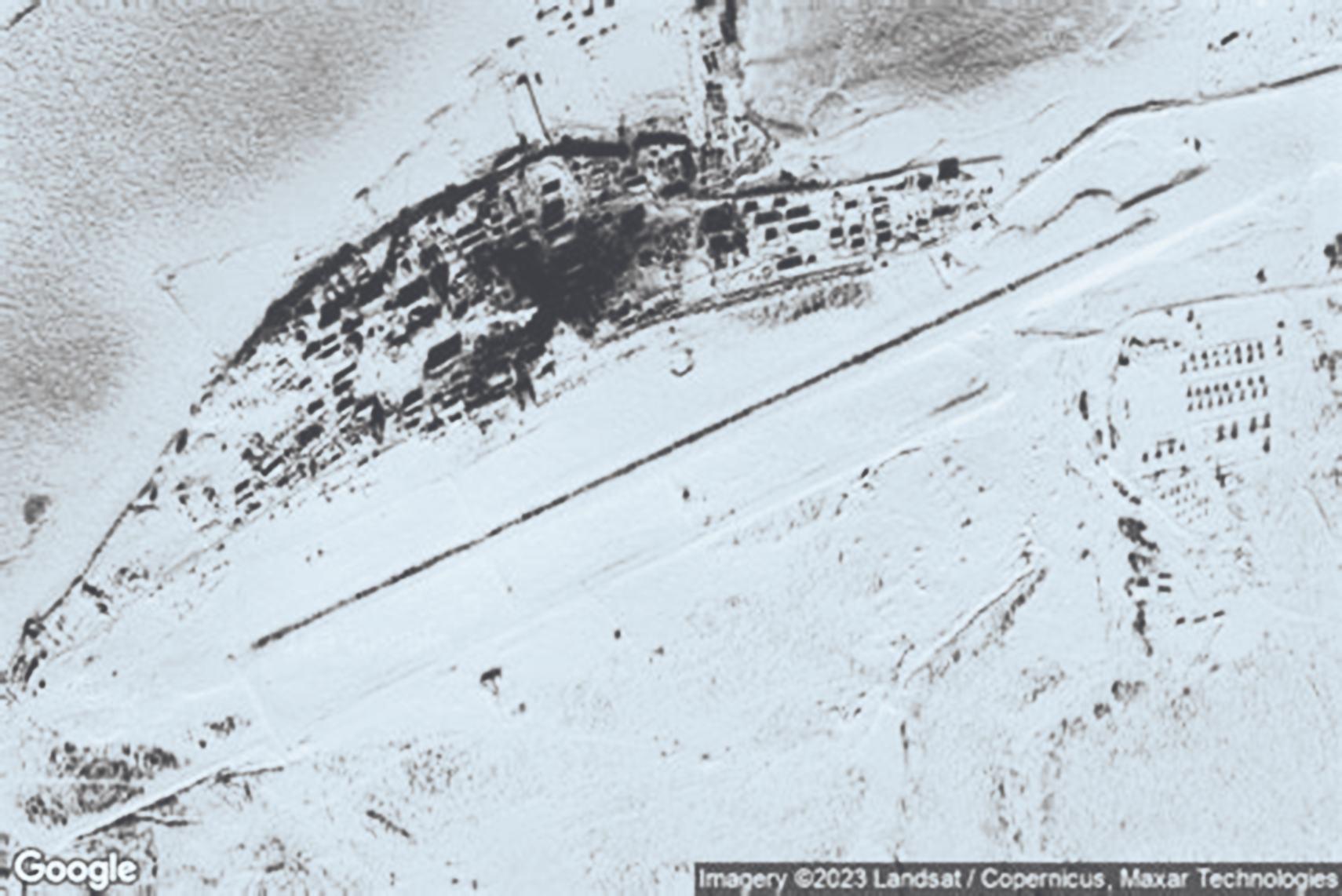
The game environment was designed by first referencing the geographical features of the Dolgan people's primary settlements (such as Khatanga and Dudinka) and the Siberian tundra region. It also incorporates their traditional practices of living on the snowy plains years ago—such as building cabins on sleds to accommodate frequent migrations— ultimately creating this game world.















Game Development
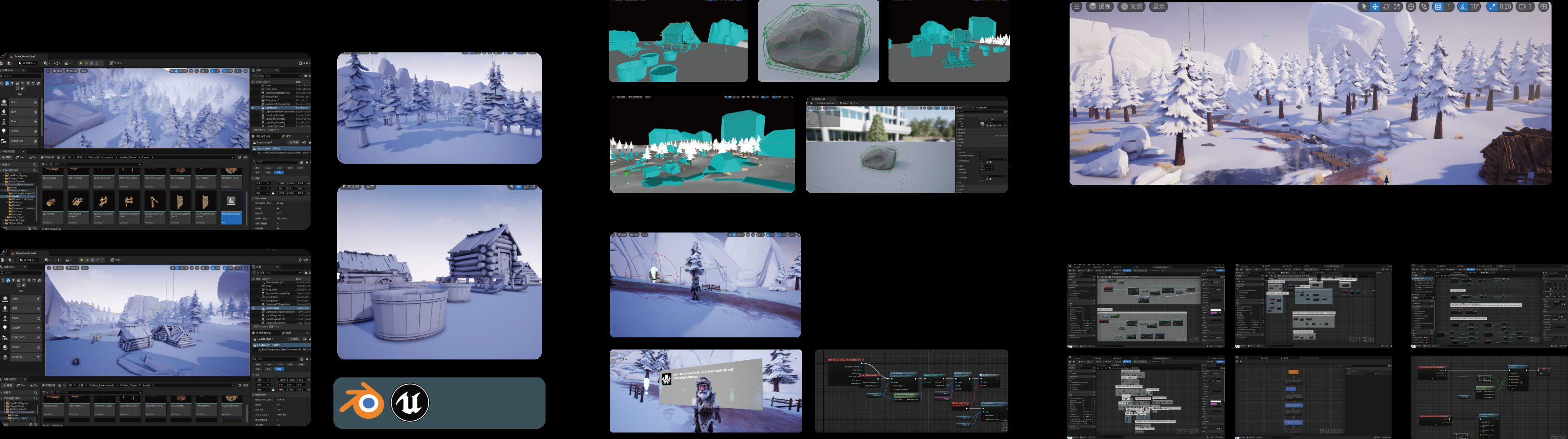
Terrain construction
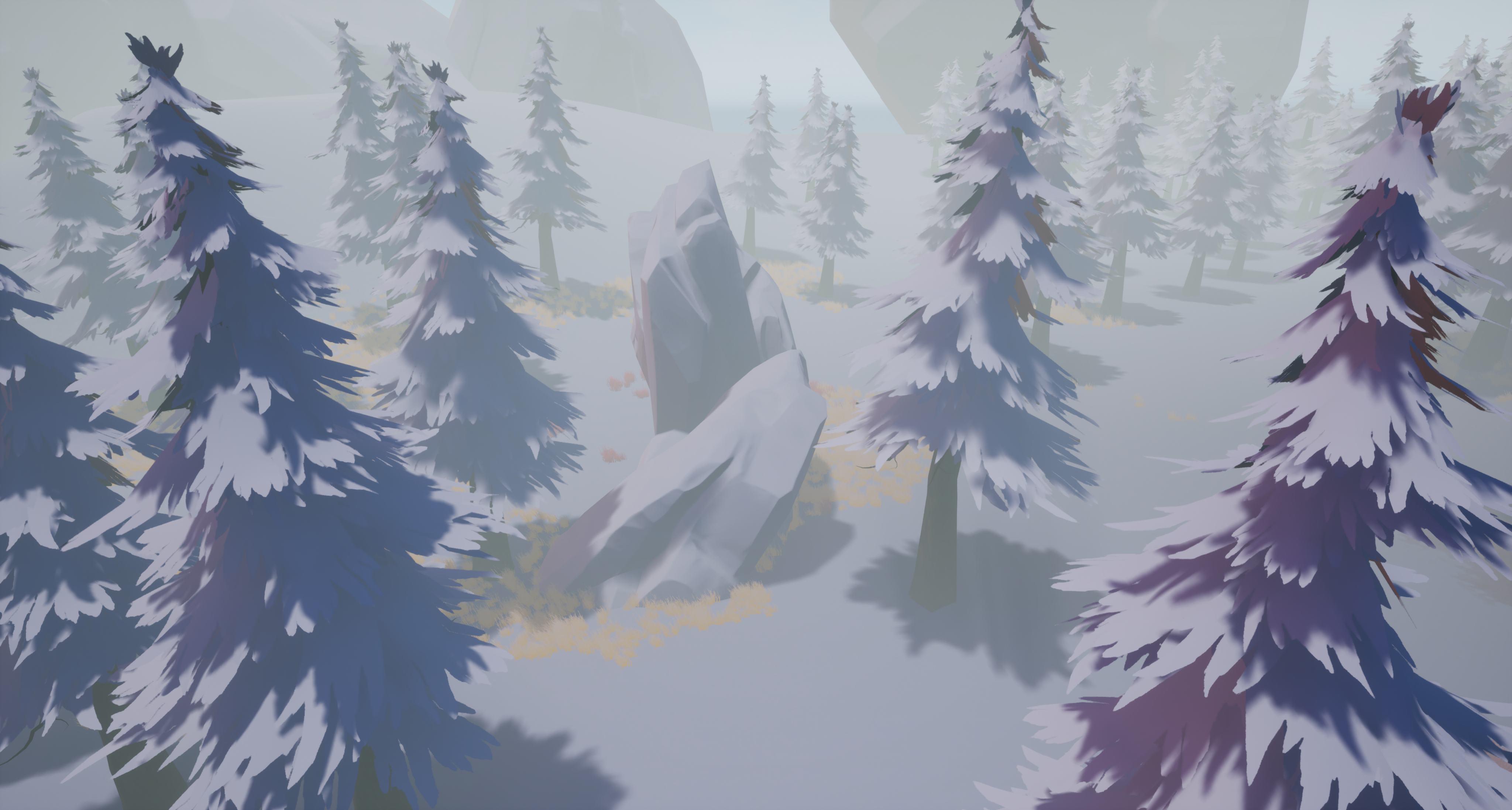
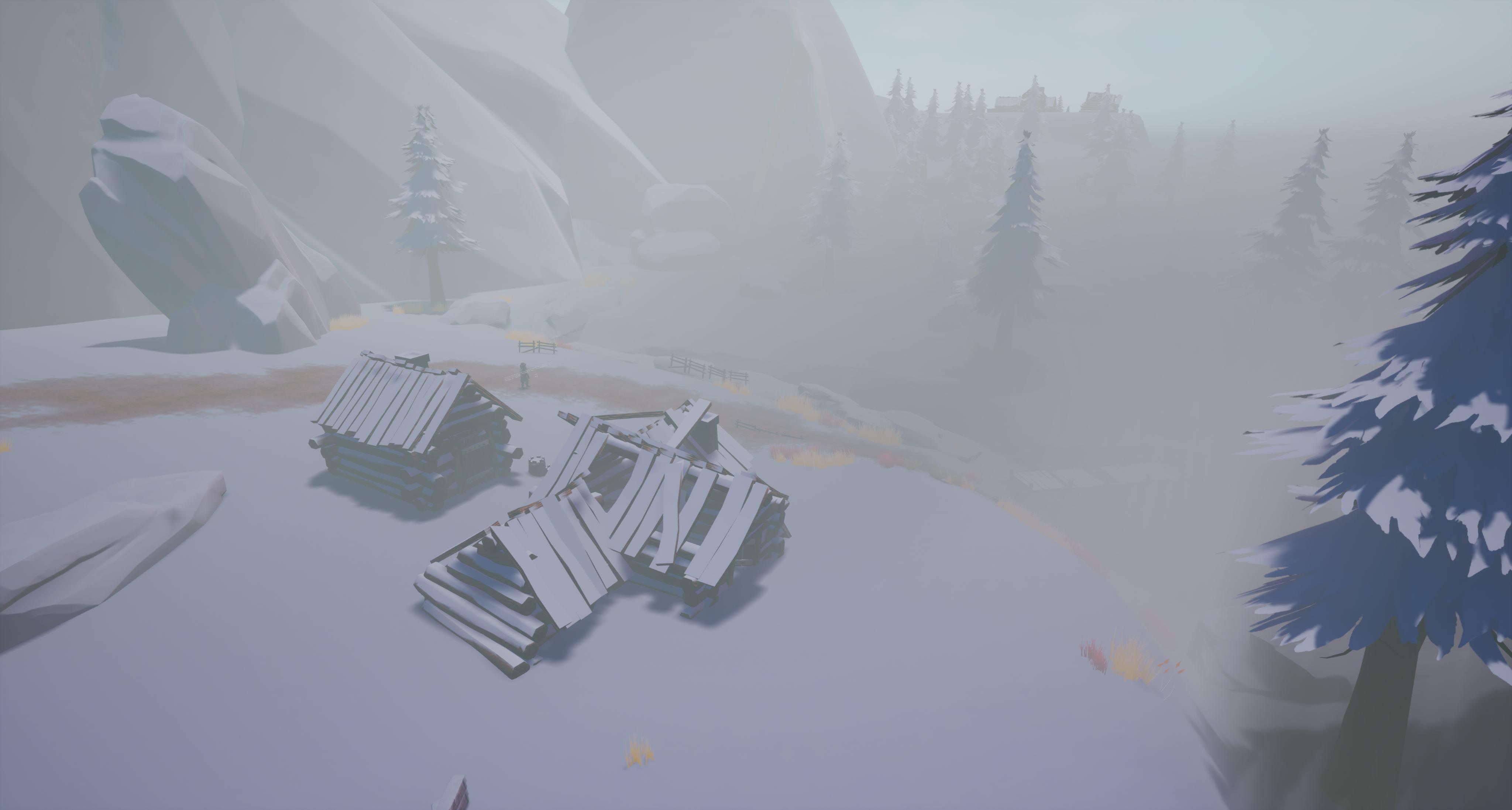
After investigating the living environment and state of Dorgan speakers, we chose to use cartoon style to present more realistic scenes. The assets of the model and the model with
Add collisions
Added object collision effects in Unreal Engine to ensure that there are no issues with not interacting with objects during gameplay.
Initial results
I will show the whole process of narrative experience, which is the arrangement and presentation of the narrative and visual parts of the game.
Final Work Reflection
Level 1
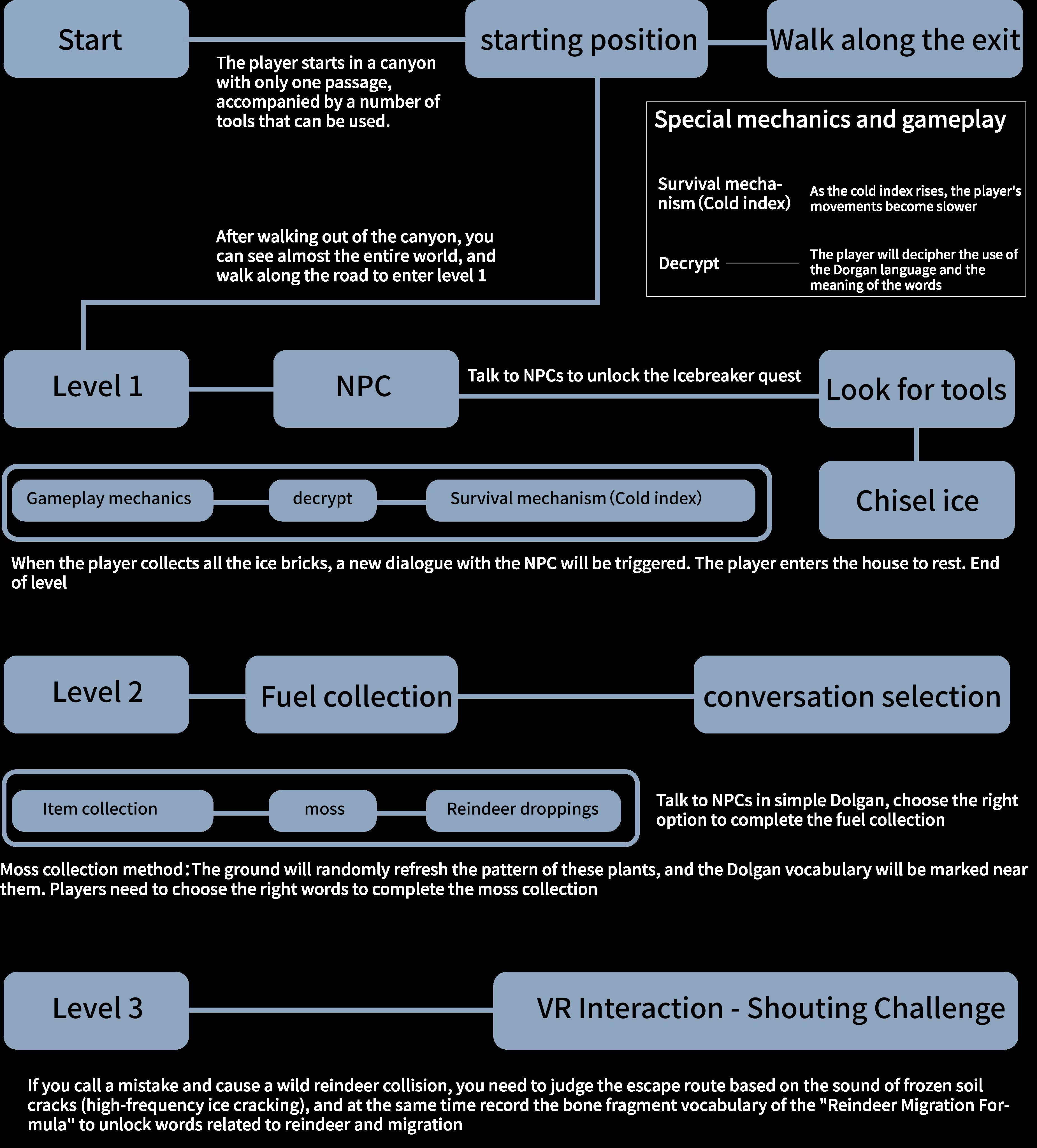
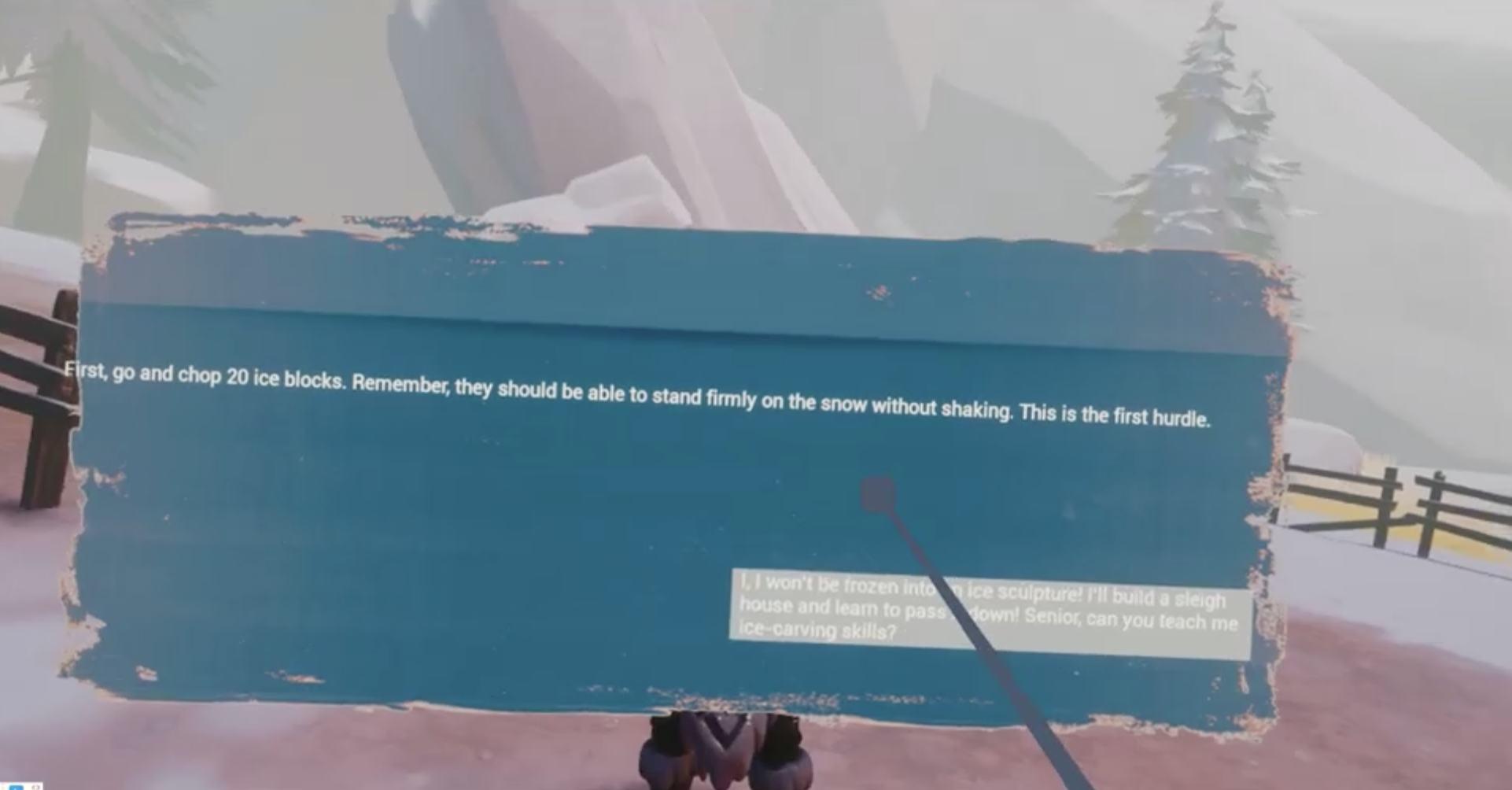
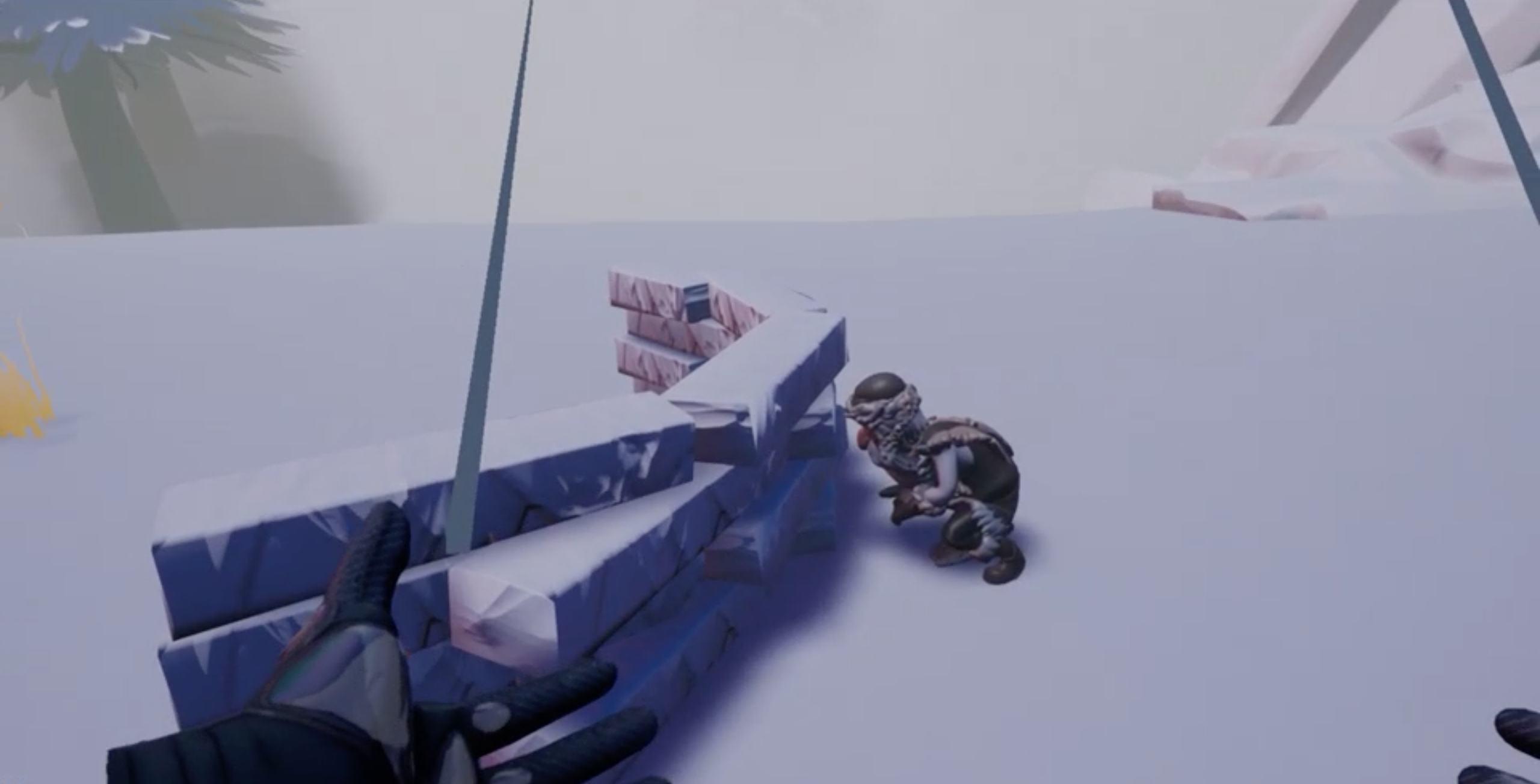
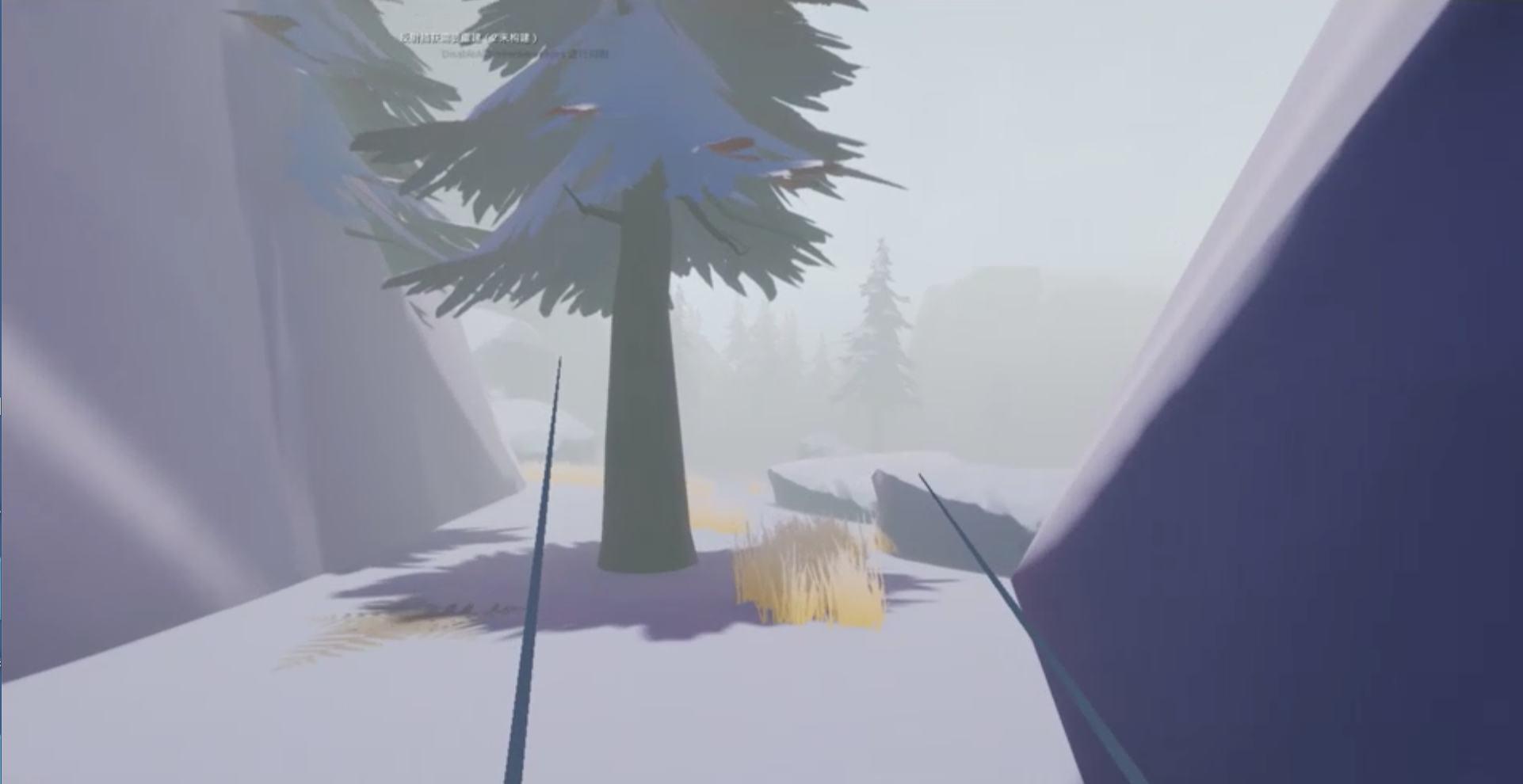
Players exit the canyon into Level 1, where they must talk to an NPC to unlock the "Icebreaker" quest. The main task involves finding tools and chiseling to collect all ice blocks. During this, players begin learning the meaning of Dolgan language vocabulary and must manage the survival mechanic "Cold Index" – rising levels slow player movement. Collecting all ice blocks triggers new NPC dialogue, and entering the house to rest completes the level.




Level 2
The core of Level 2 is fuel collection (moss and reindeer droppings). Players must use simple Dolgan language in conversations with NPCs, selecting the correct dialogue options to progress. To collect moss, random moss patterns appear on the ground; players must identify and select the correct Dolgan words marked near these patterns to gather it. Identical to the above method, the way for collecting reindeer droppings is also involves language interaction.


Level 3
Players undertake a Dolgan “Shouting Challenge”. Mistakes risk wild reindeer collisions; escape routes must be judged by frozen soil cracking sounds. Simultaneously, they record “Reindeer Migration Formula” vocabulary found in the environment to unlock related terms.

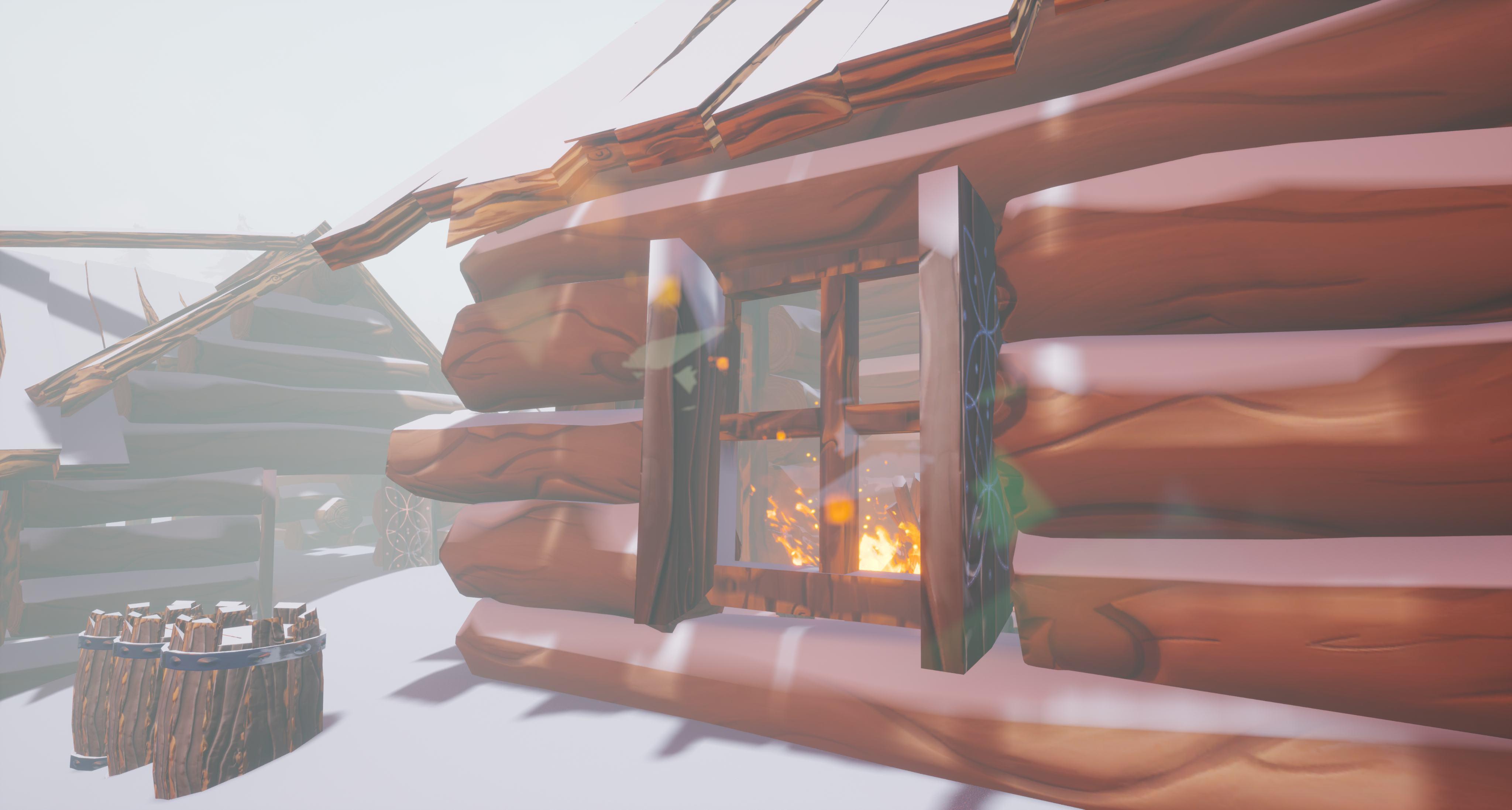

The game’s tone strikes a deliberate balance between engagement and gravitas. Solemn art direction and deliberate spaces for reflection contextualize the weight of cultural loss. Crucially, the game must effectively translate virtual empathy into real-world action, offering clear pathways (e.g., supporting conservation organizations, accessing learning resources) and encouraging players to share their experiences. This transforms in-game reflection into tangible support for protecting global linguistic diversity and endangered cultures.


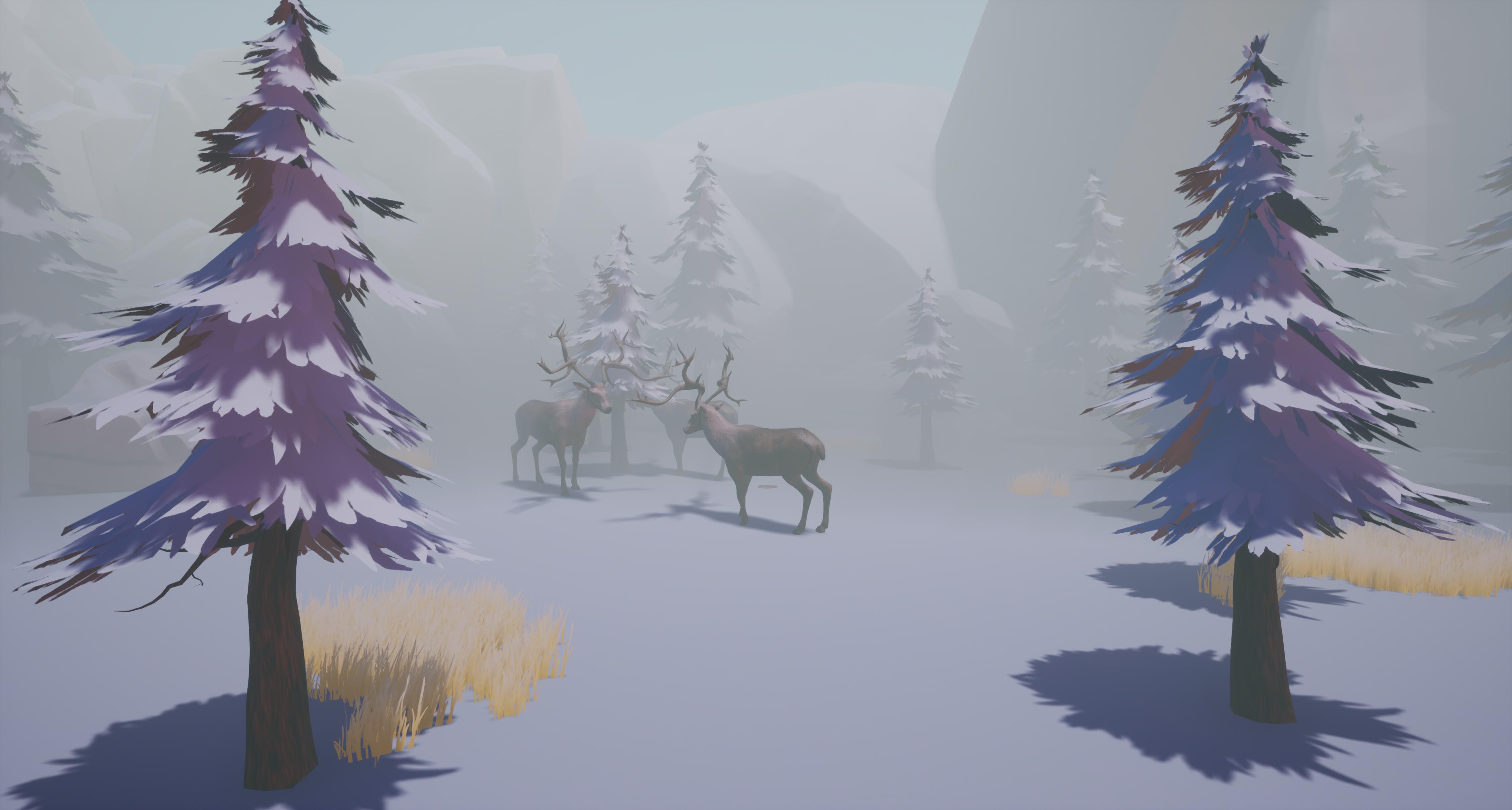
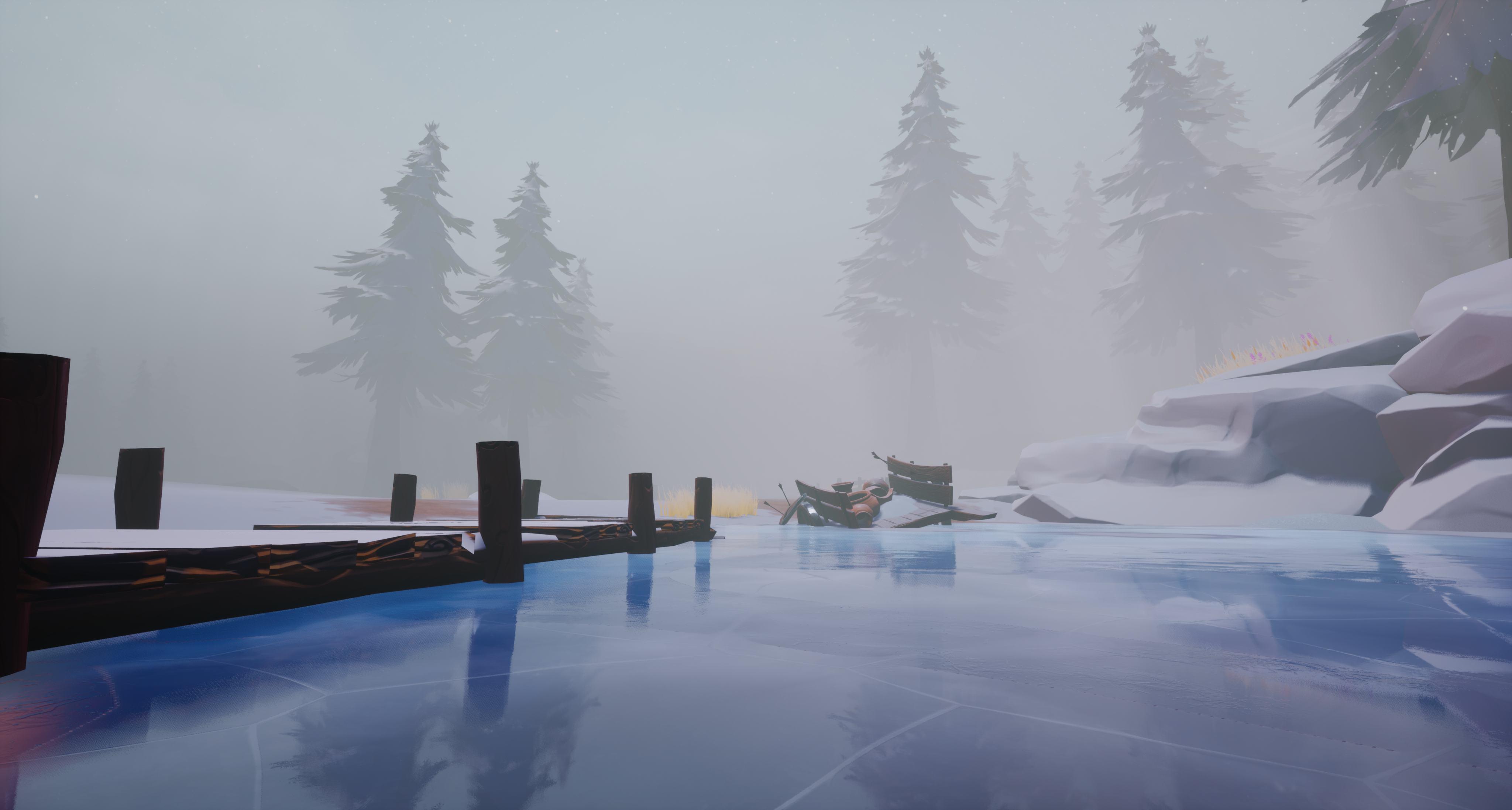

We continually ask: How do we ensure our portrayal of Dolgan language, culture, and lifeways is authentic, insightful, and respectful? Future development must be grounded in profound respect for and truthful representation of Dolgan communities. This necessitates substantive, ongoing collaboration with Dolgan language experts, cultural advisors, and community members throughout all phases—from conceptual design to narrative voice acting. Every detail must reflect accuracy and depth while honoring their intellectual sovereignty, exploring benefitsharing
models (e.g., revenue directed toward language revitalization). We must rigorously reject stereotypes and "savior narratives", positioning players unequivocally as learners, witnesses, and cultural bridges—never as saviors.



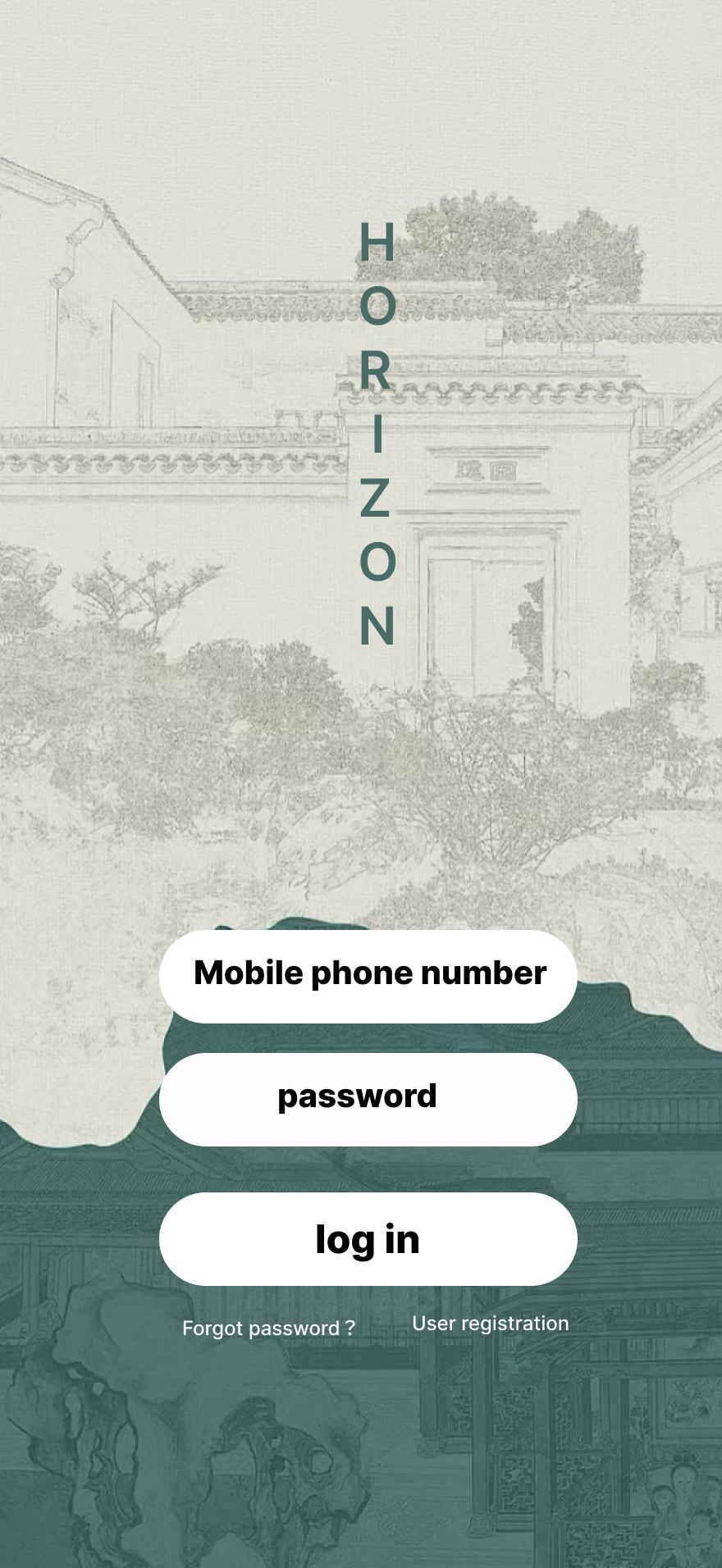
horizon
Individual Project
user experience design UI/UX Design

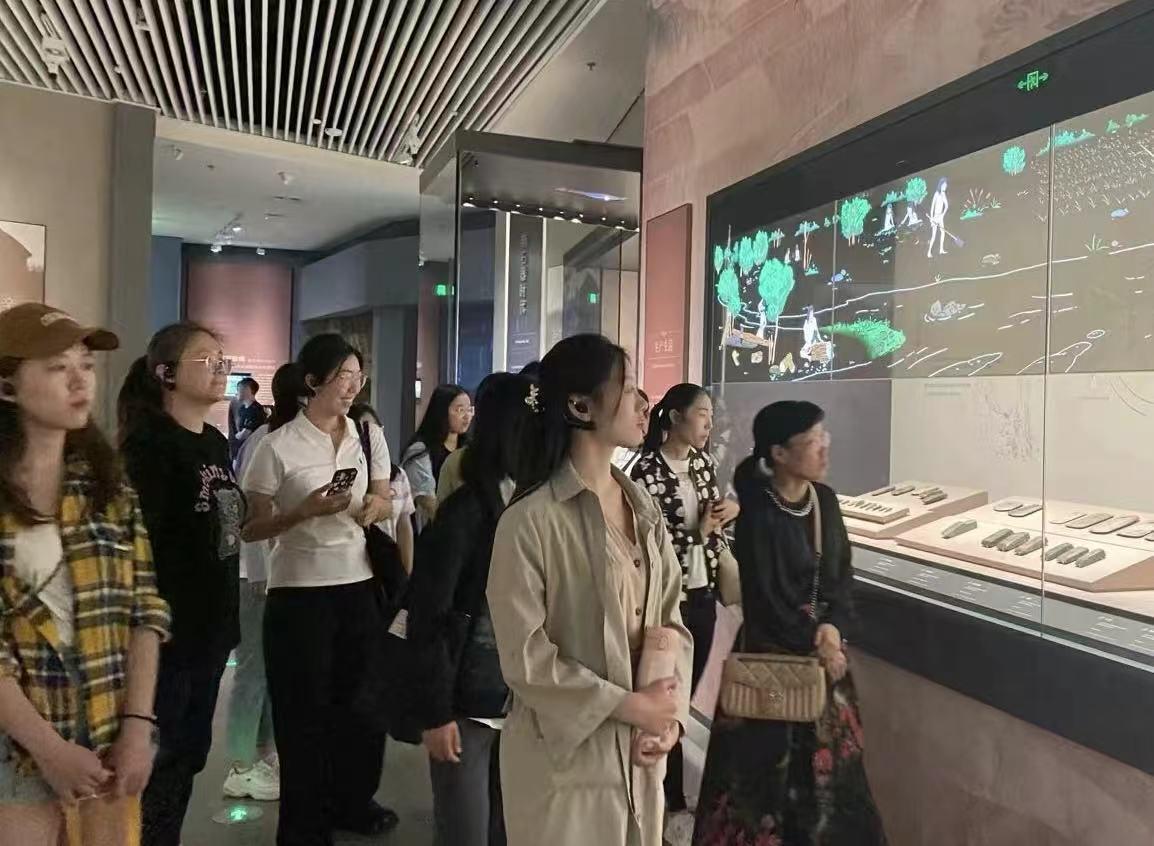
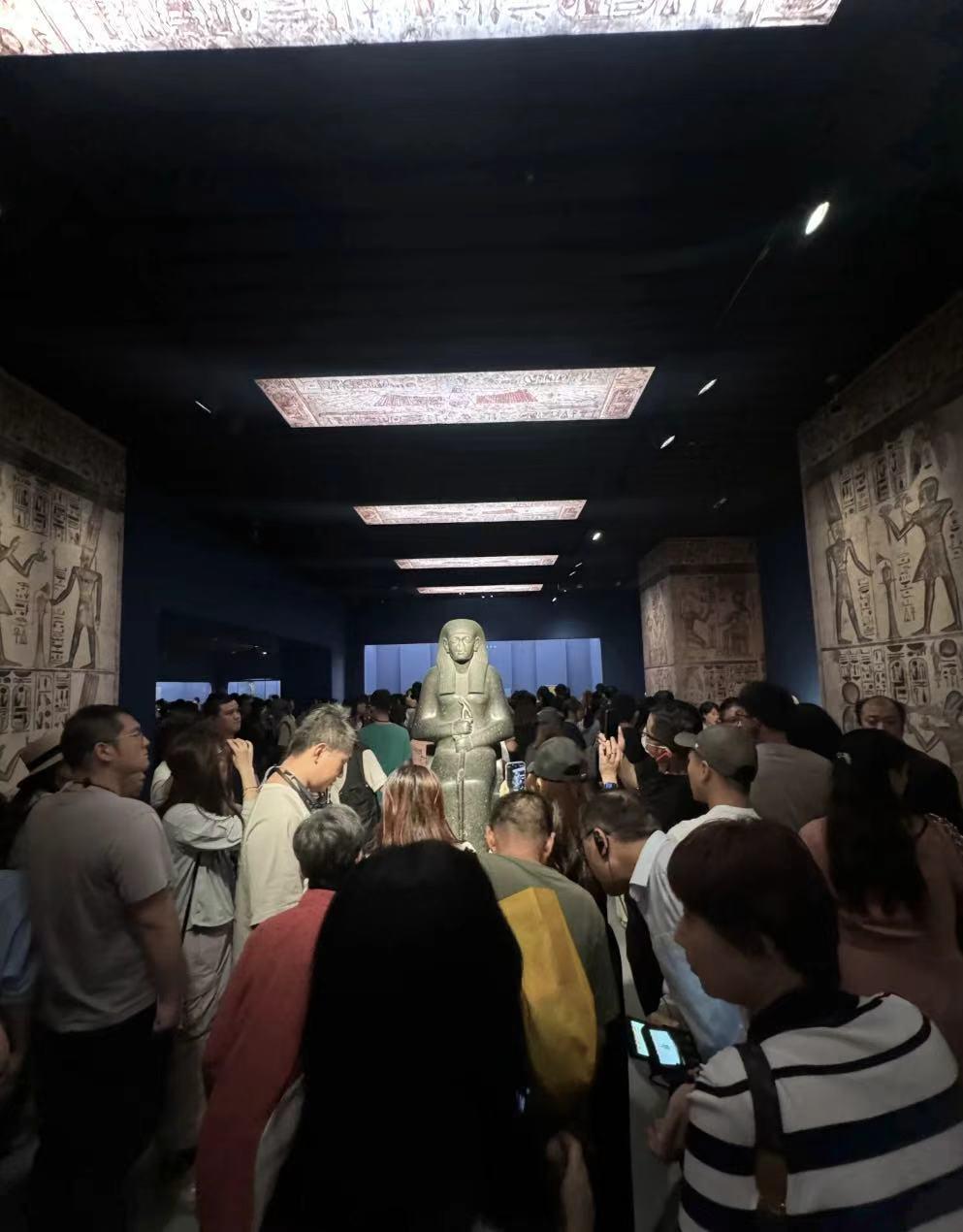
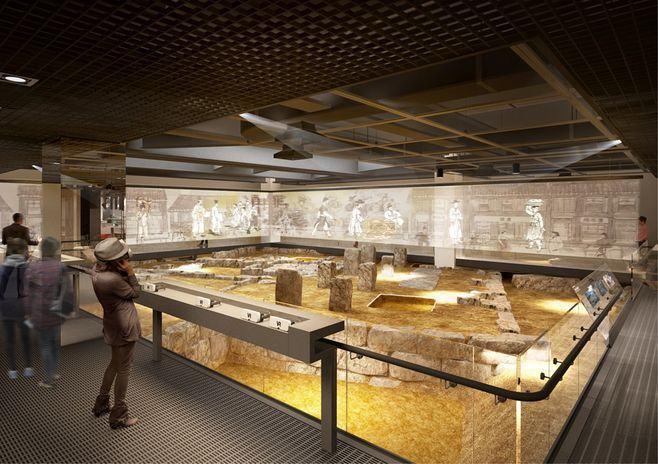
This project aims to create a group-adaptive cultural organism through spatial interaction reconstruction, allowing cultural relics to precisely reach every individual. It addresses the issue of overcrowding in museums, which leads to a decline in the quality of the experience. Many visitors have expressed feelings of "crowding, exhaustion, confusion, and boredom"

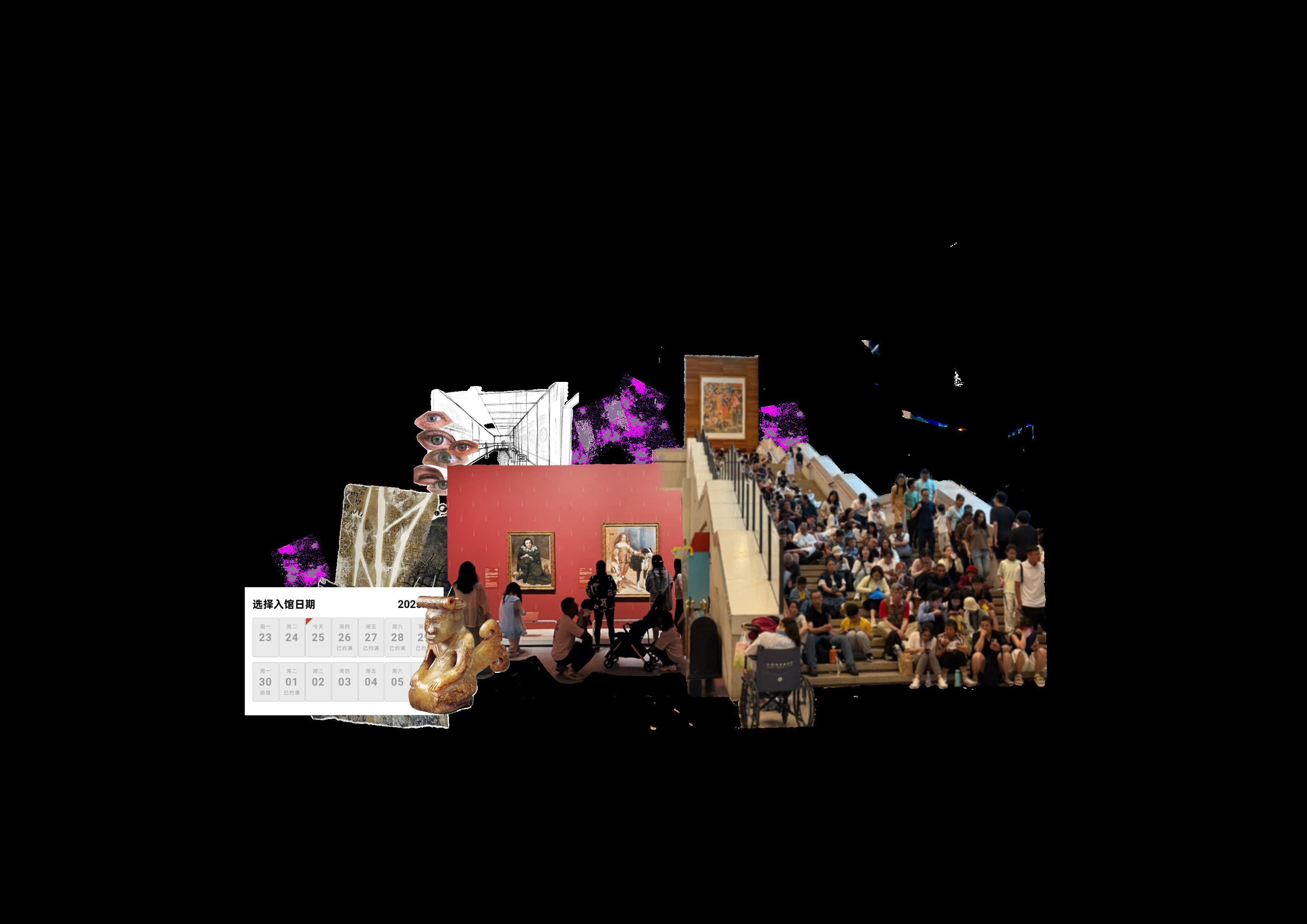
Many people love museums,but they also face some issues.Some exhibits have obscure descriptions, and during peak
THINKING
1. How to construct a "smart and mobile museum" from the spatial dimension to effectively avoid overcrowding?
2. How to create a "knowledge noise reduction system" in the cognitive dimension to accurately filter out information impurities and highlight key content?
3. From the perspective of time, how can we connect the "digital visiting chain" to extend the museum experience?


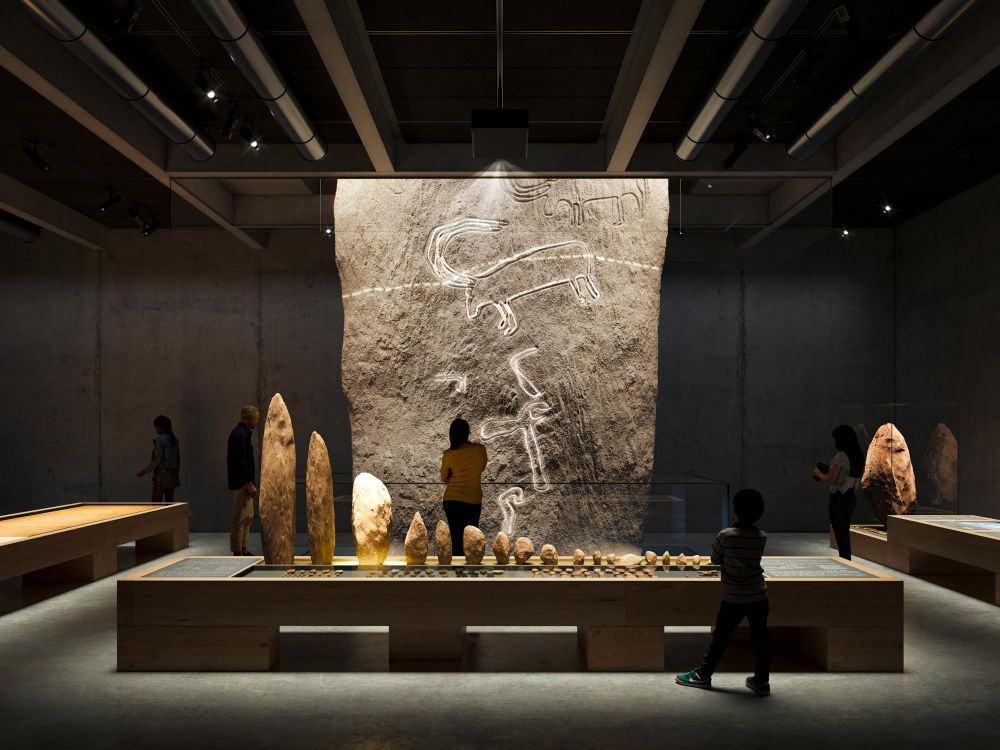

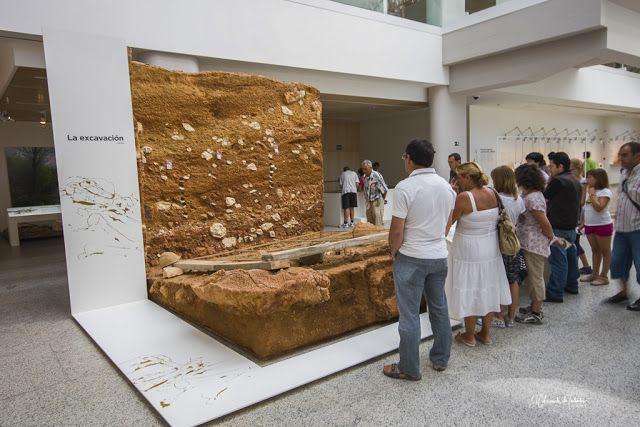

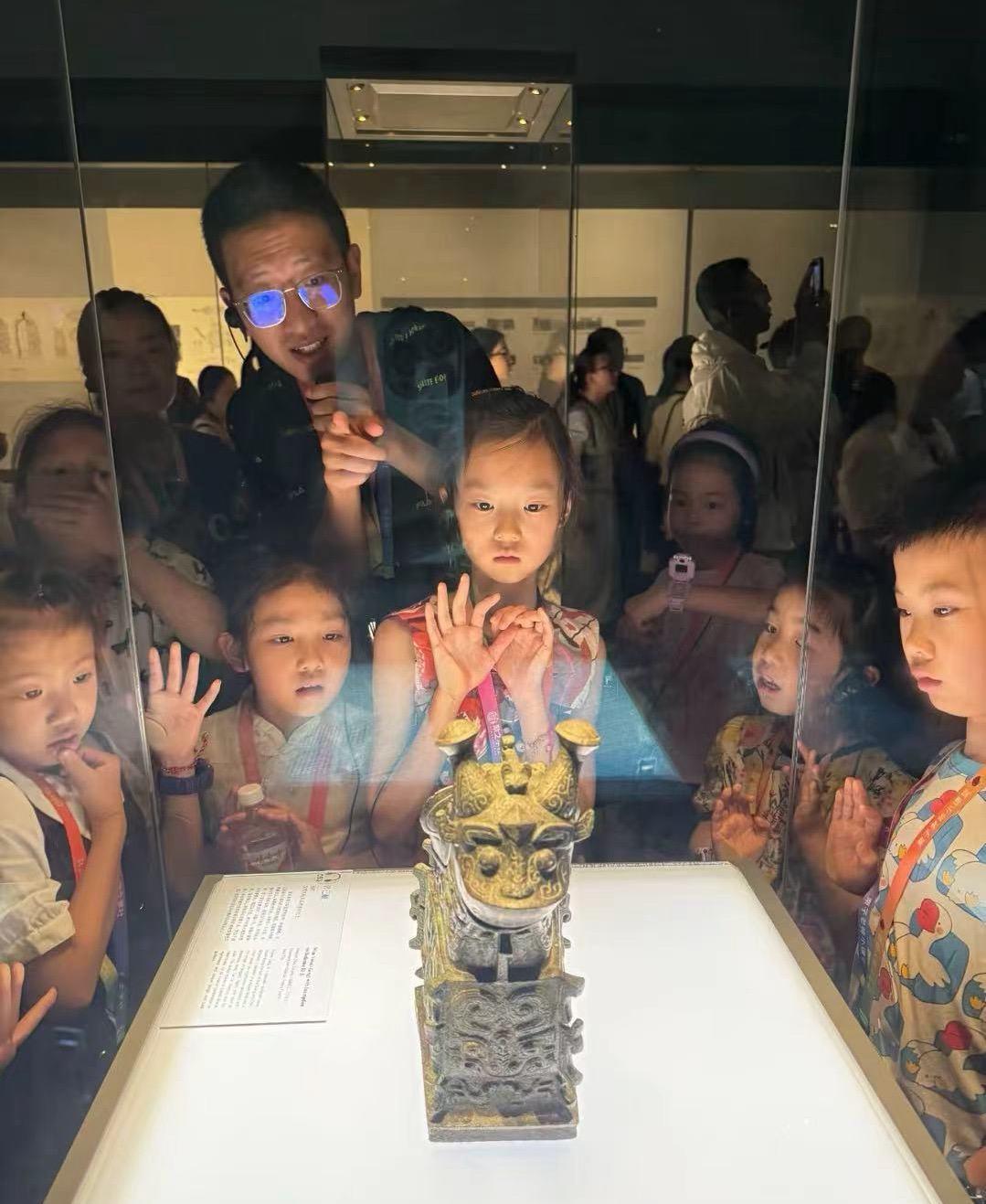
DESK RESEARCH



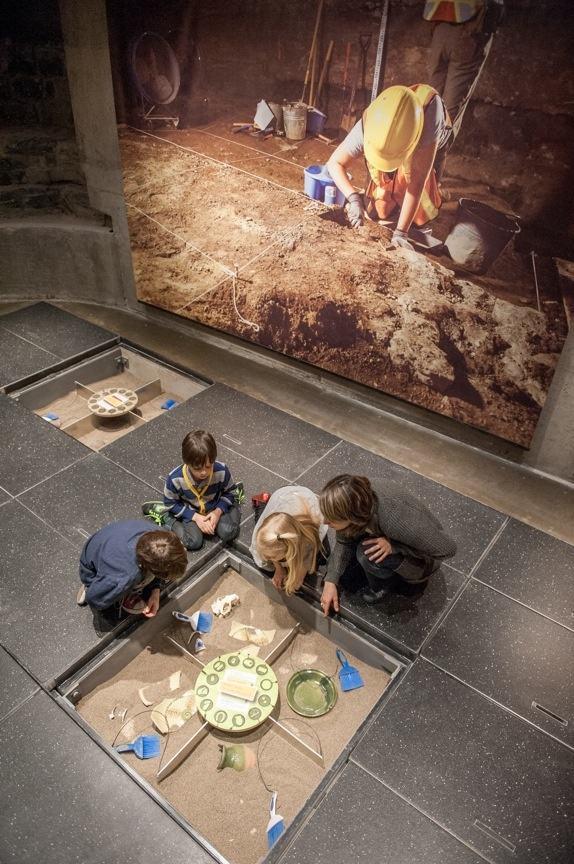
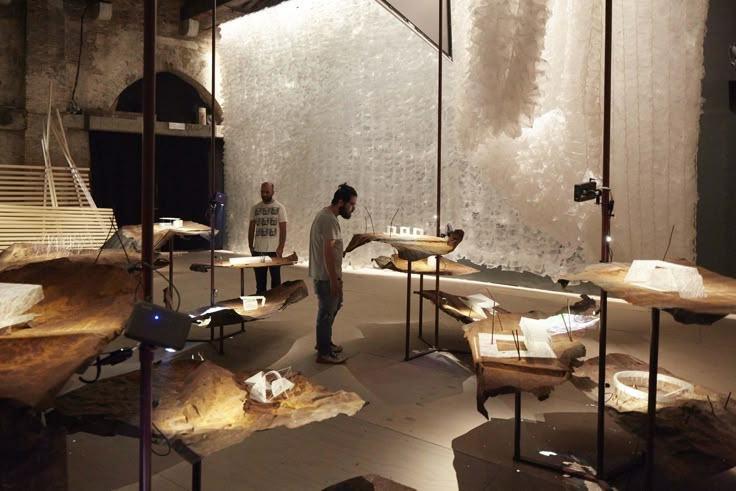

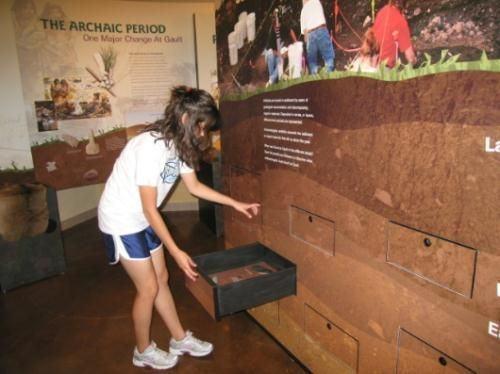
Technologies like AI the Internet of Things blockchain, and 3D printing have moved from the laboratory to large scale applications providing a solid foundation for design innovation.


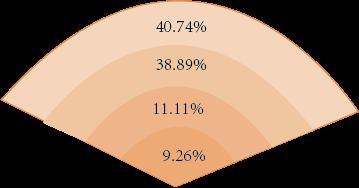
Elderly people are digitally isolated and give up smart services due to navigation operation failure
There is no rest area in the exhibition hall and visitors who leaned on the display cabinets were driven away
Globally governments and businesses are promoting design innovation through policies and funding. Consumers expect customized solutions Users are no longer content to passively accept products but are eager to participate in the design process
Low reading rate of signage Information overload and feeling lost
Museum fatigue syndrome has not been alleviated
Unmet needs of specific groups
They think the knowledge is outdated”, the audience stays for a short time
Insufficient interactive experience or poor results
The navigation method is single and the voice usage rate and satisfaction are low.
Long waiting time and poor experience
user research stakeholders visit market research

How did you feel after visiting the museum?
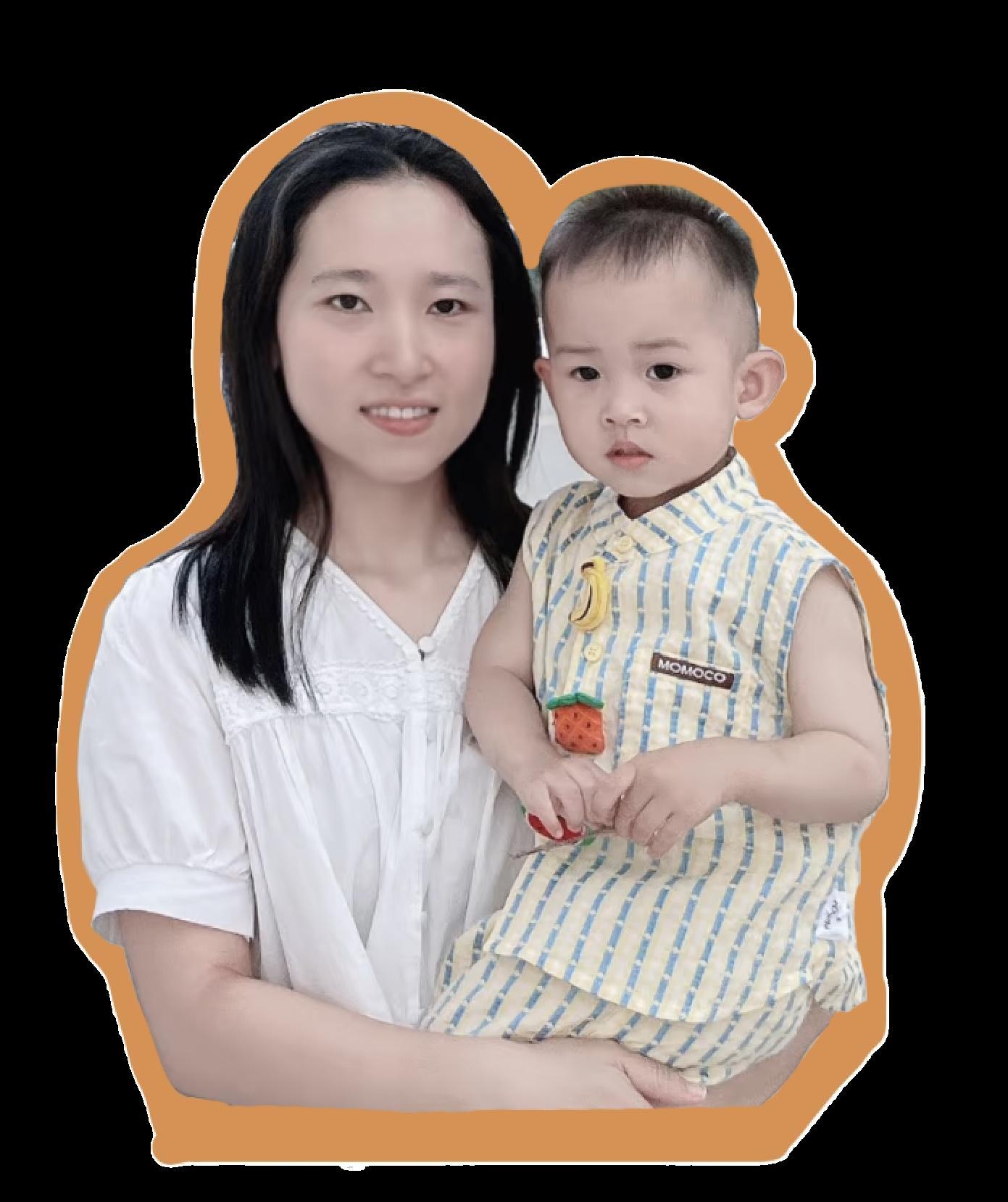
Family
I was so engrossed in holding my child that I didn't even look at the exhibits. The instructions for the interactive device design were unclear, and the child wanted to play but couldn't understand.
Do you have any suggestions for interactive devices?
The interactive electronic screens here primarily focus on explaining knowledge, and could incorporate explanations through games or children's animations.
Did you encounter any difficulties during your museum experience?
When facing the guide map, I found that I couldn't quickly find the route I wanted to take. I asked a tourist for help.
Today, the fifth child to climb the sculpture! The parents just stood by and took photos. When said, 'Children can't climb,' they just ignored me.
The high difficulty and slow speed of maintenance are not suitable for display, as they do not align with what the audience expects.
I've never been able to clean off the fingerprints on the display case glass.


We hope that more route markers can be added, and rest areas need to be added as well.
Do you have any other suggestions?
It would be even better if there could be more rest areas, especially temporary rest areas in the exhibition hall.


Elderly
Do you have any suggestions for the museum after visiting it?
If some cultural relics could be displayed in a way that replicates the scenes of that time, it would provide a better experience. I also find the museum's audio guide a bit boring. I'm already looking forward to the next cultural relic, but the commentary for this one hasn't ended yet.
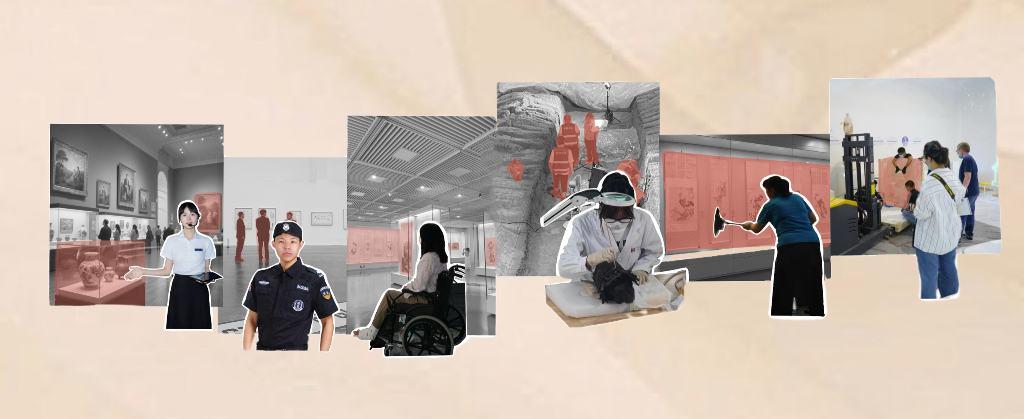
fter much effort, finally managed to move closer, only to find a line of people standing in I could only peek
In the exhibition hall, I feel particularly conflicted. These cultural relics are not to be touched or handled, yet the audience always wants to get closer.
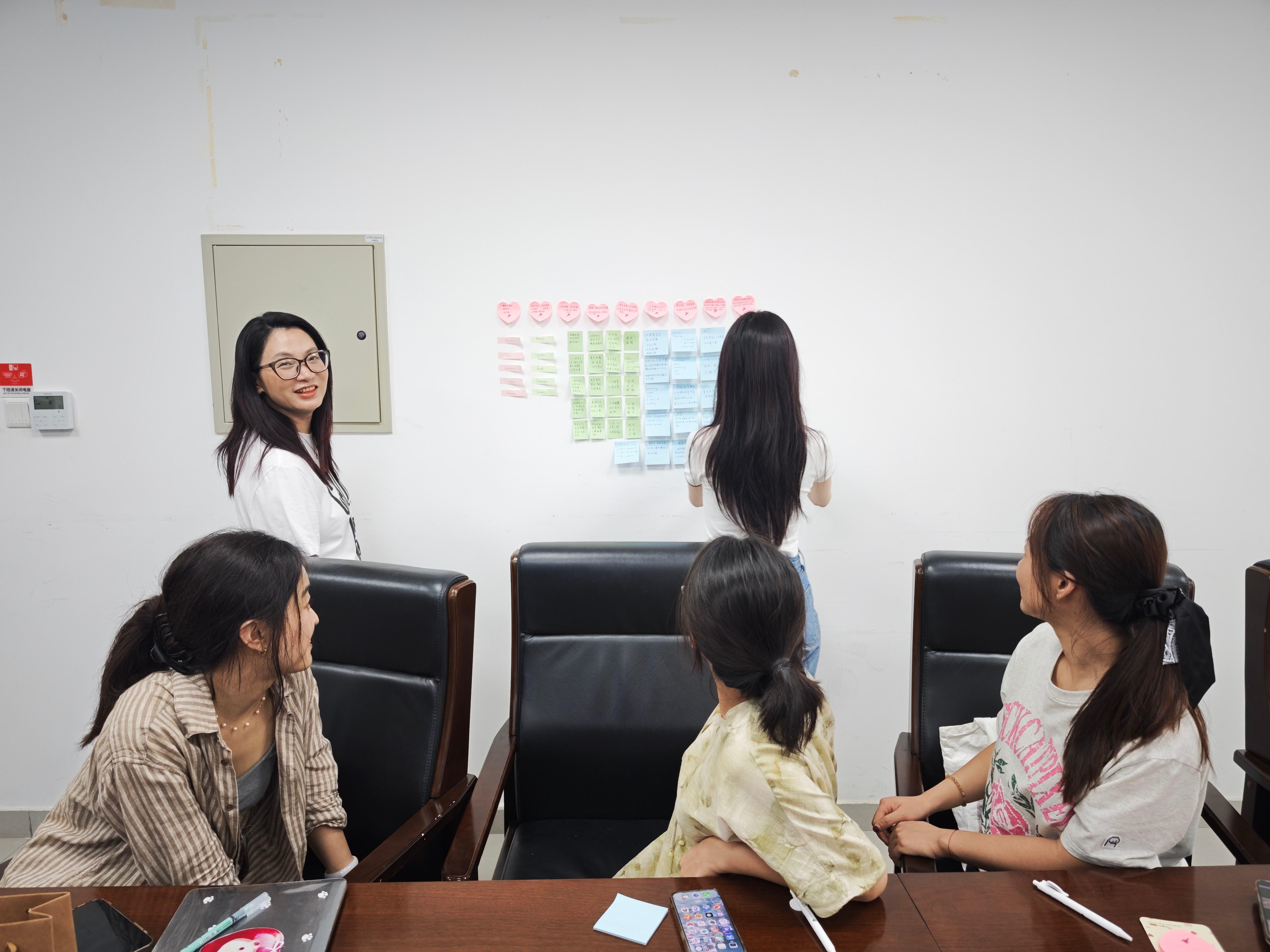
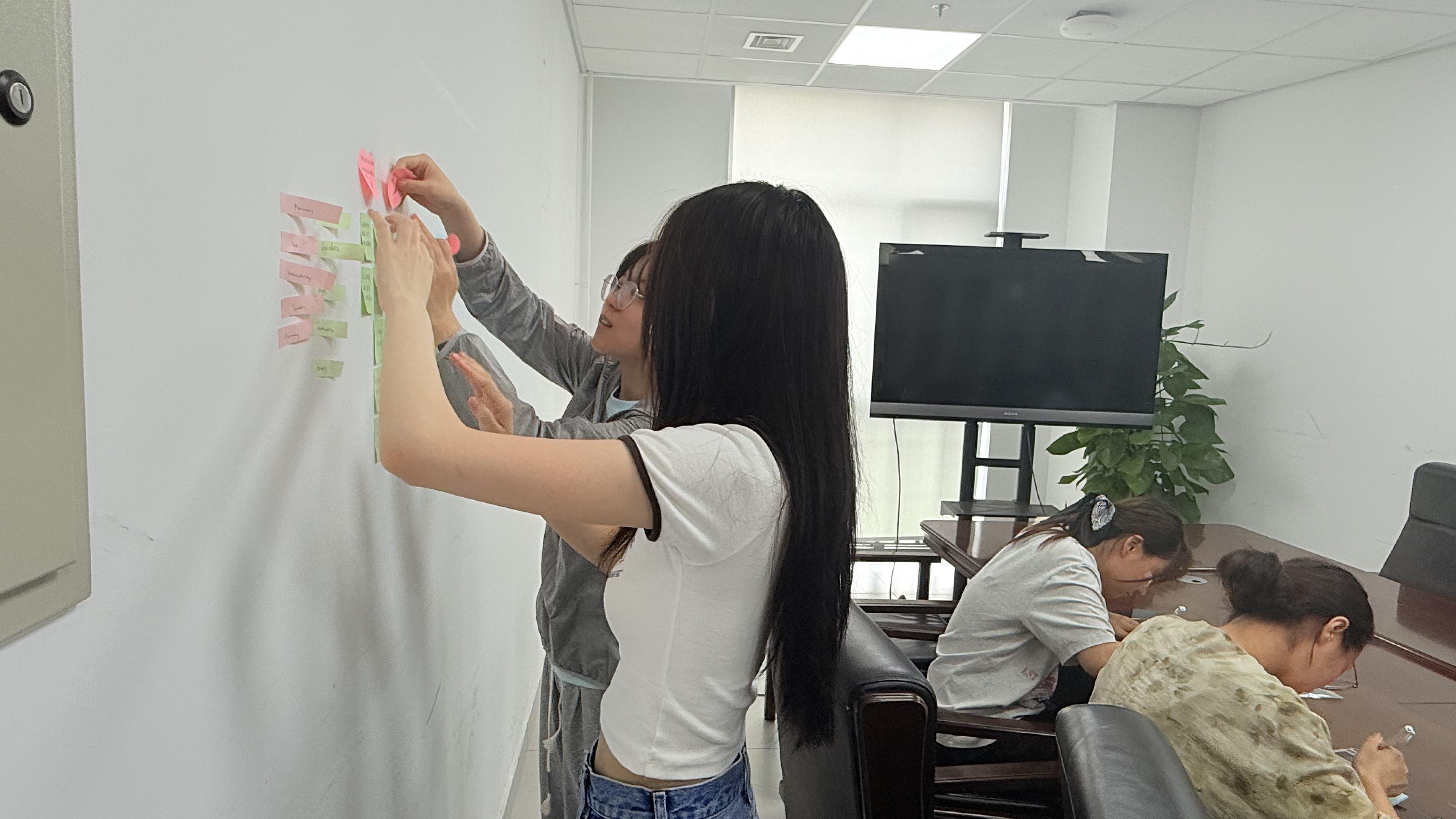
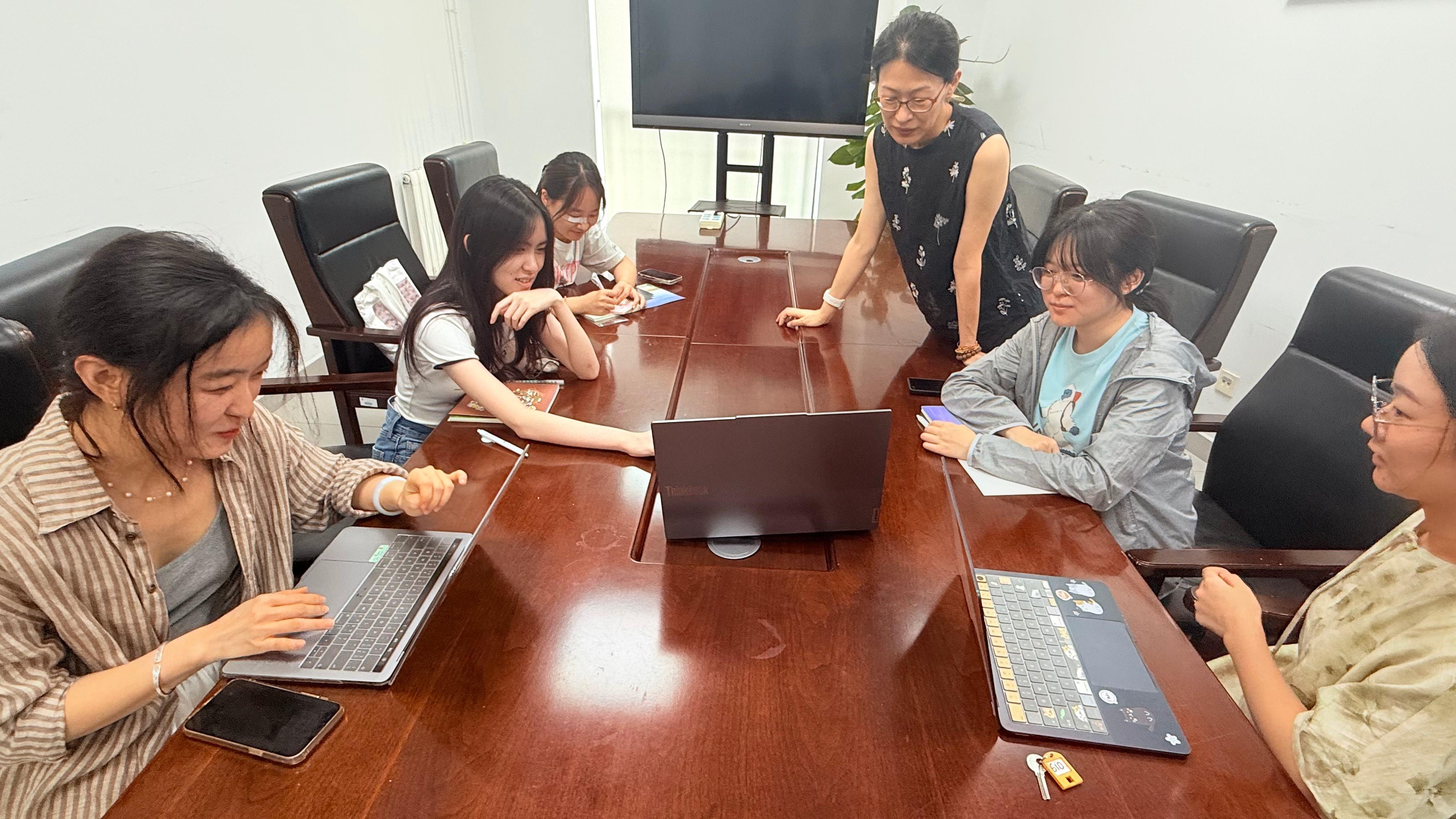
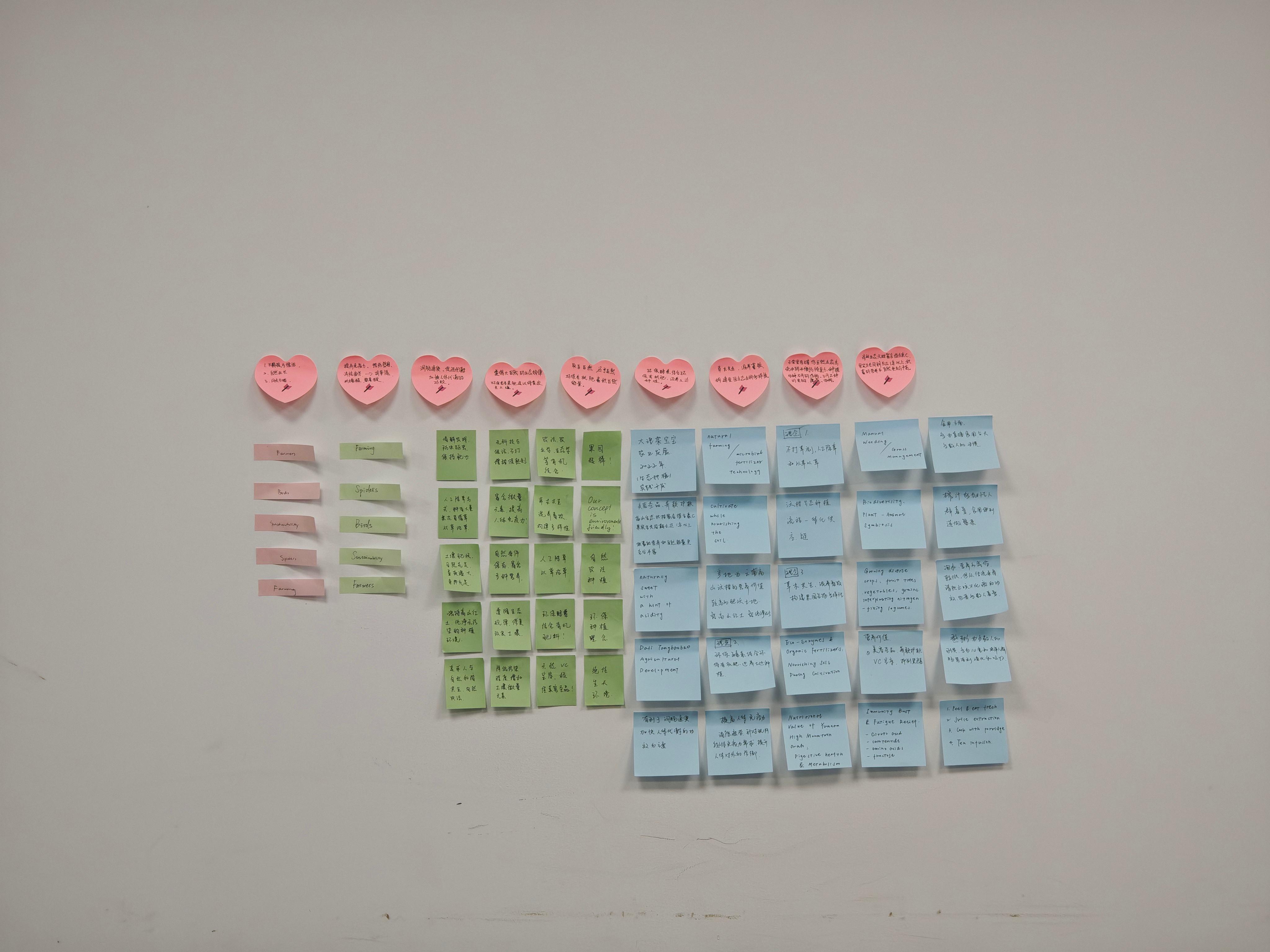
I arranged a workshop and invited some participants from stakeholders. During this workshop, we analysed user behaviour pain points and industry/community challenges, and tried to find service design opportunities to provide new insights for subsequent design.
persona user journey map

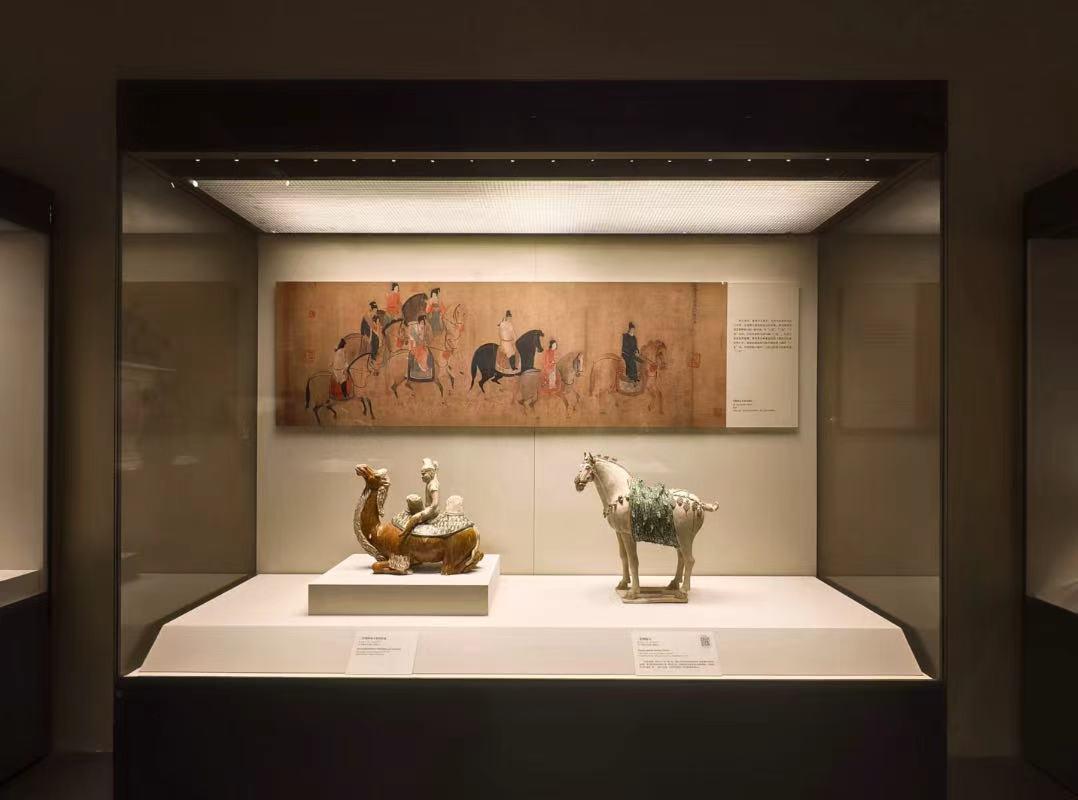
Name: Chen Siqi
Family Role: Working Mother (32 years old) Motivation for Visit: Weekend Outing with Kids and Interest Enlightenment
Pain points:
Lumbar muscle strain from lifting and viewing exhibitions Queuing conflicts in the interactive area
Difficulty explaining to children

Name: Huang Weiguo
Occupation: 72-year-old retired teacher, cultural enthusiast
Motivation for visiting: To gain a deeper understanding of culture

Family
Mom had ust managed to snag weekend family tickets, but when we got to the museum, the kids were clamoring to find the archaeological area we d been assigned, and we were all running around like headless chickens. The museum tour left everyone exhausted.
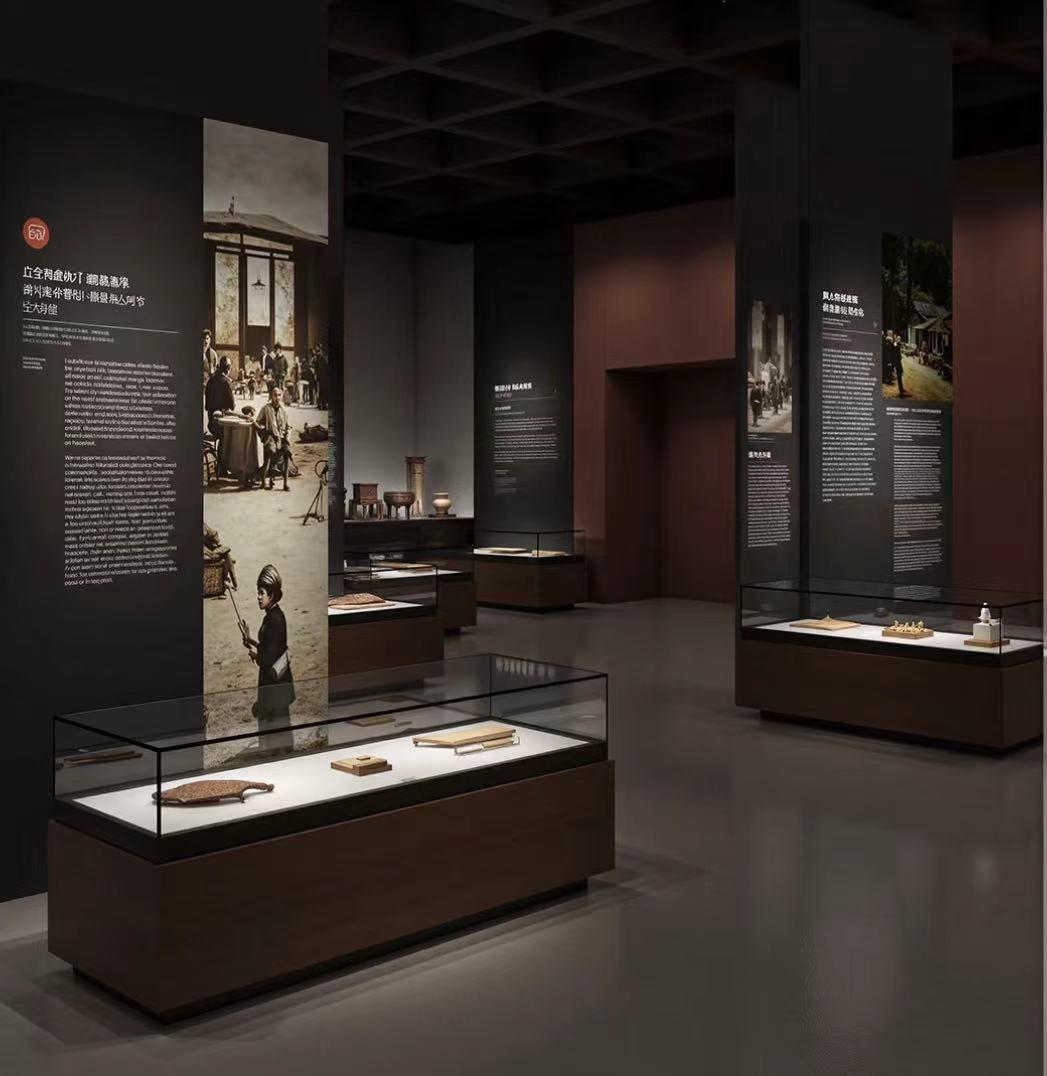
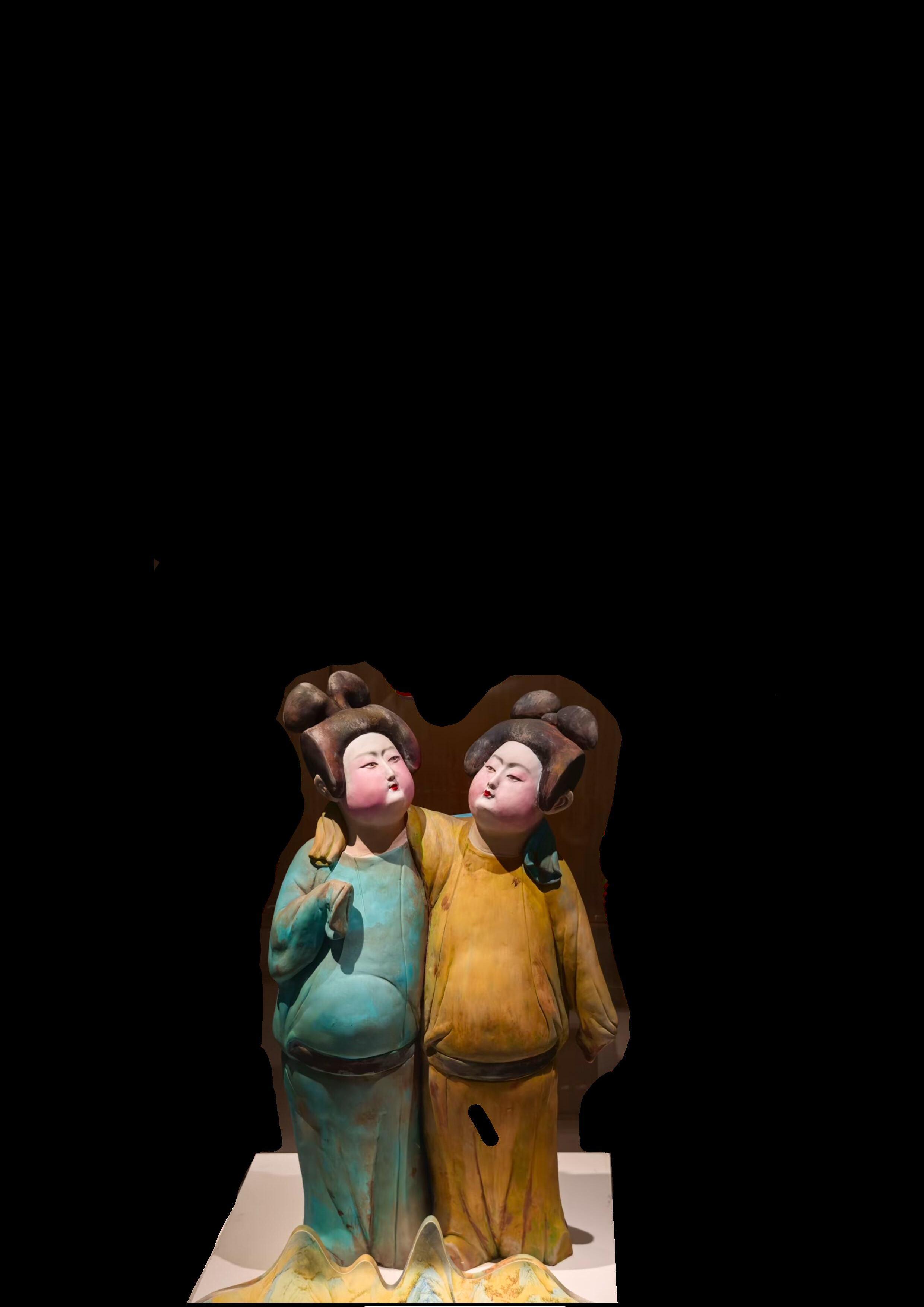
Pain points: Navigation guide buttons are too small
Mute function is accidentally activated, getting lost when returning the device, seat back occupied, and being unable to find the elevator.
Name: Lu Xinyue
Status: Junior
Motivation: Learning about history and culture
Pain points:
Authentic artifacts are hard to find even with a must-see list, you still get lost
Dispersed artifacts are difficult to compare, and information integration takes a long time
Lines for popular exhibits are out of control, leading to long, ineffective wait times.
Stage Steps Thoughts
Emotions
Book Consult museums Go to Enter museum
Search on your phone and come up with the idea of visiting
Make reservations on your mobile phone and grab tickets at designated locations
Choose a means of transportation to get there
Entrance hall
Go through security check and enter the hall. Then choose the exhibition hall you want to visit according to the guide.






Visit at your own pace or follow a guided tour

Rest Interaction
End of the visit
Find a place to rest and queue at the interactive device
After viewing, walk around the exhibition hall




Parents search for guides to find a suitable itinerary for the visit. There are few guides for parents and children, and both parents and children want to visit the areas they are interested in.
Need to grab tickets at a specific location, which is difficult and costly.
Need to check the route yourself and calculate the travel time.
The crowds were large, making route planning complex.
The exhibition lacks focus and the height of the halls is not suitable for children.
A children s rest area is needed, as children running around affect others.
No good experience Pain Points
Search informatio n
Low adaptability for finding guides
Booking tickets is dif ficult and time-consuming, and I feel depressed after failing to get them many times.
Need to change the software to find the route
L ong waiting time and confusion in choosing an exhibition hall
Exhibits are obstructed Insuf ficient rest areas


Our current service model uses a one-size-fits-all approach, treating all visitors as a single entity. This leads to misaligned resource allocation and a lack of depth in the experience.
We faced data silos and experience gaps between our online and offline services, as well as between various digital modules.
HMW provide museum visitors with a personalized experience tailored to their unique interests, knowledge level, and timeframe?
HMW create a seamless browsing experience and accurate information for museum visitors?

Museum lovers Who: Service system design pattern:




Many interactive devices deployed are still designed for "technical demonstration" rather than "user experience."
HMW empower museum visitors to actively co-create and engage with artifacts, beyond passive viewing?
What
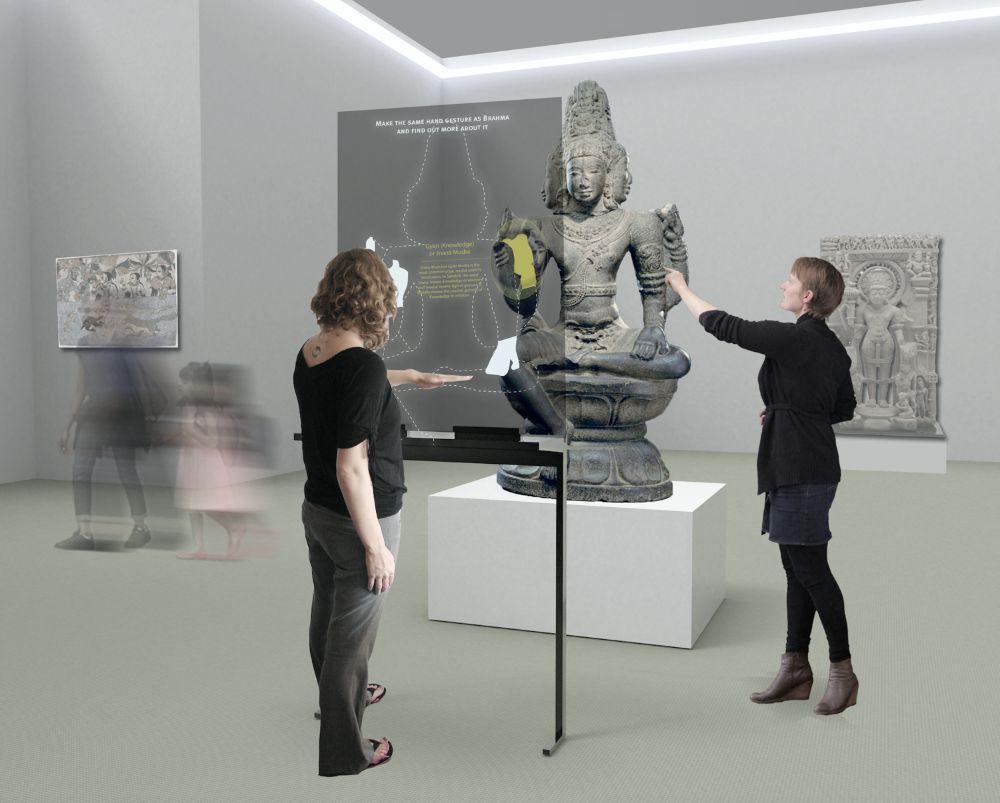
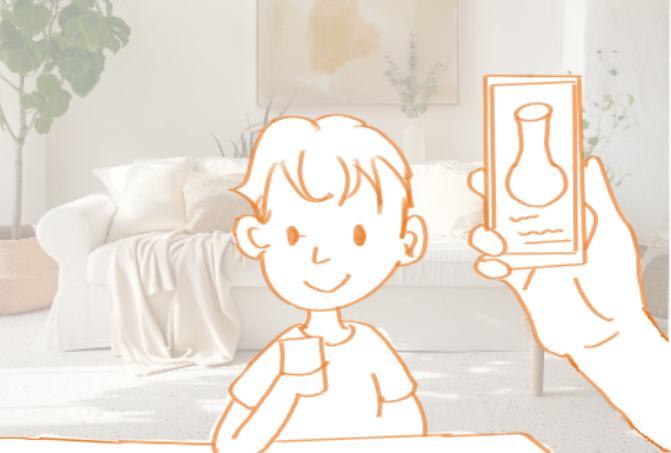
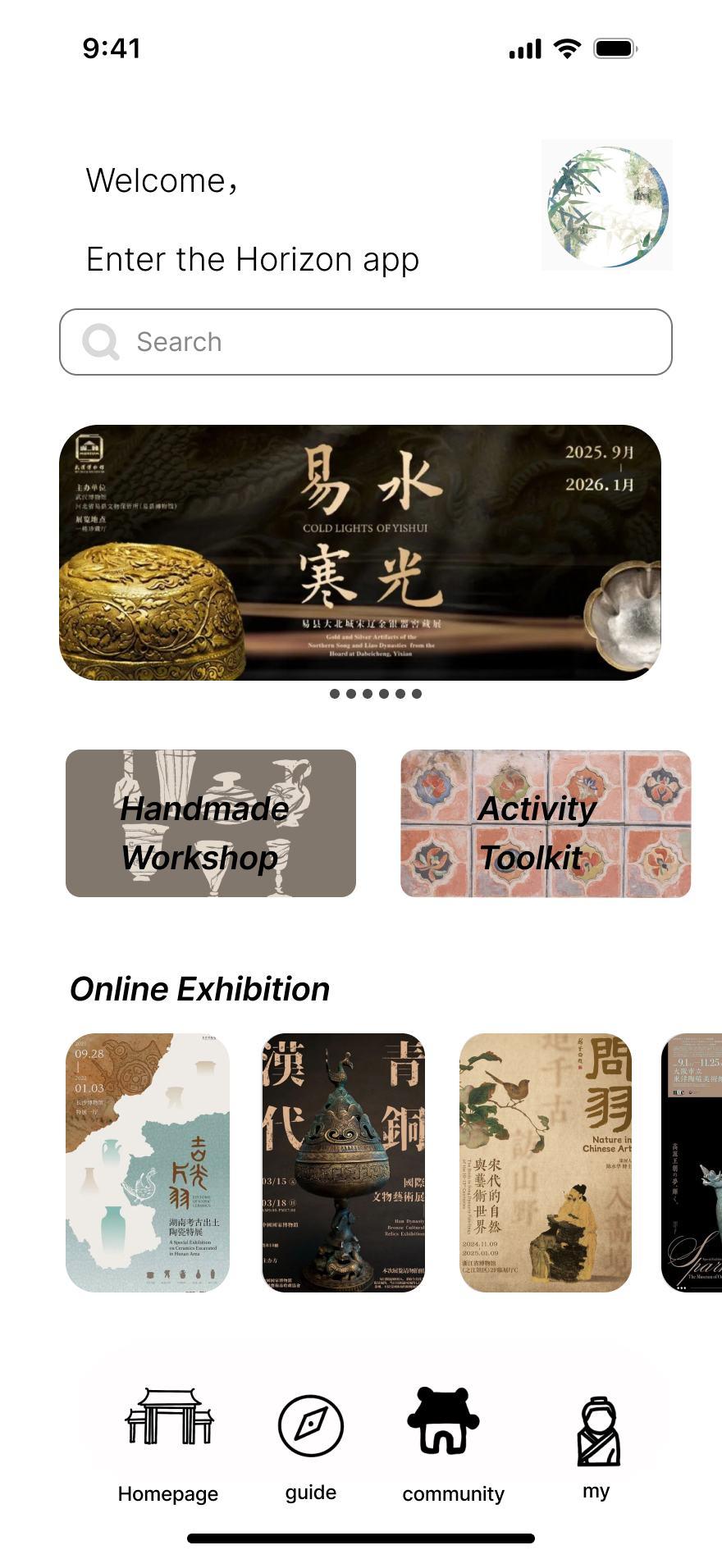
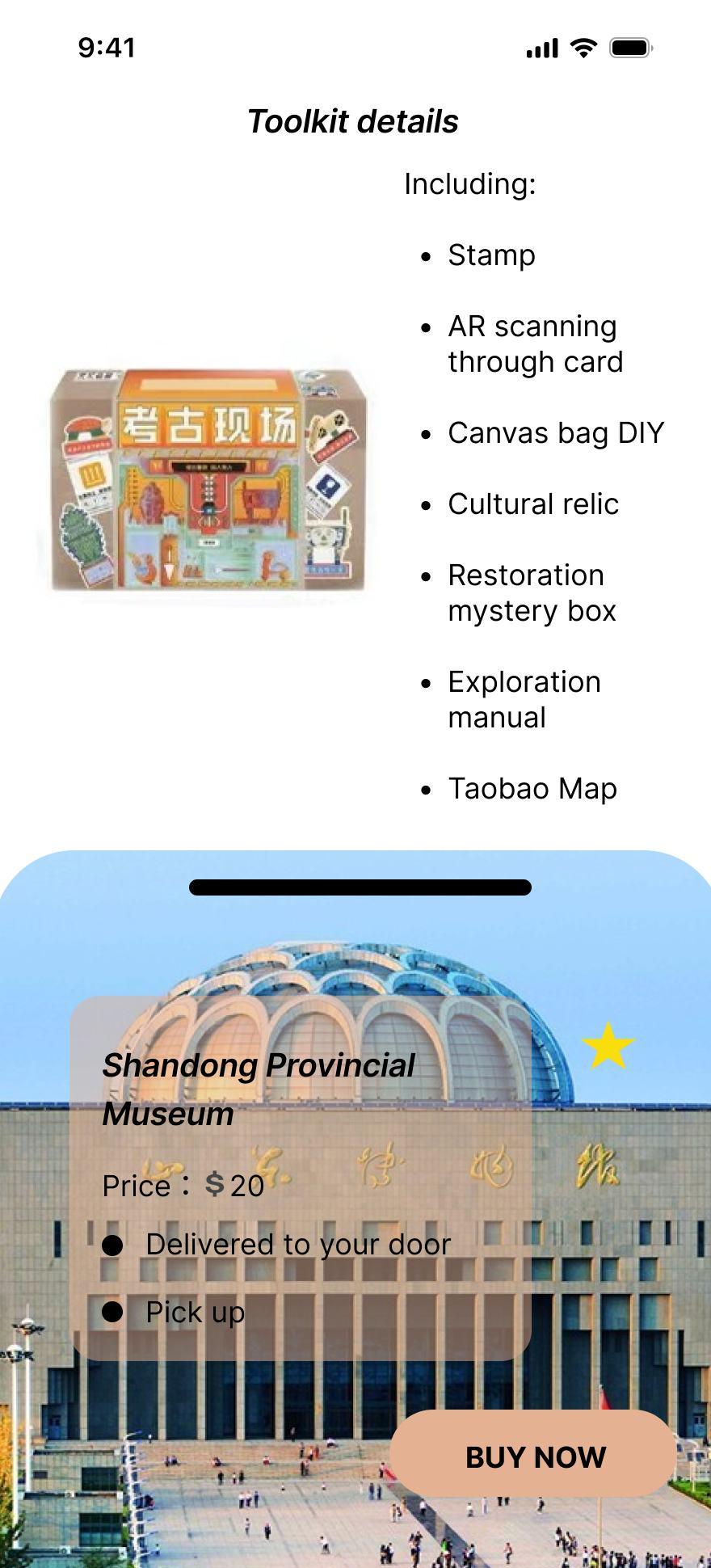
Whether you're a parent traveling with children, a student eager to explore, or a first-time museum visitor, Horizon's user-friendly features make the cultural experience effortless and engaging. Here, personalized services are tailored to your needs, one-stop support ensures worry-free travel, and seamless online and offline integration enhances the experience. Technology bends to accommodate differences, allowing everyone to enjoy museums in the most comfortable way possible, making the doors of culture equally accessible to all.
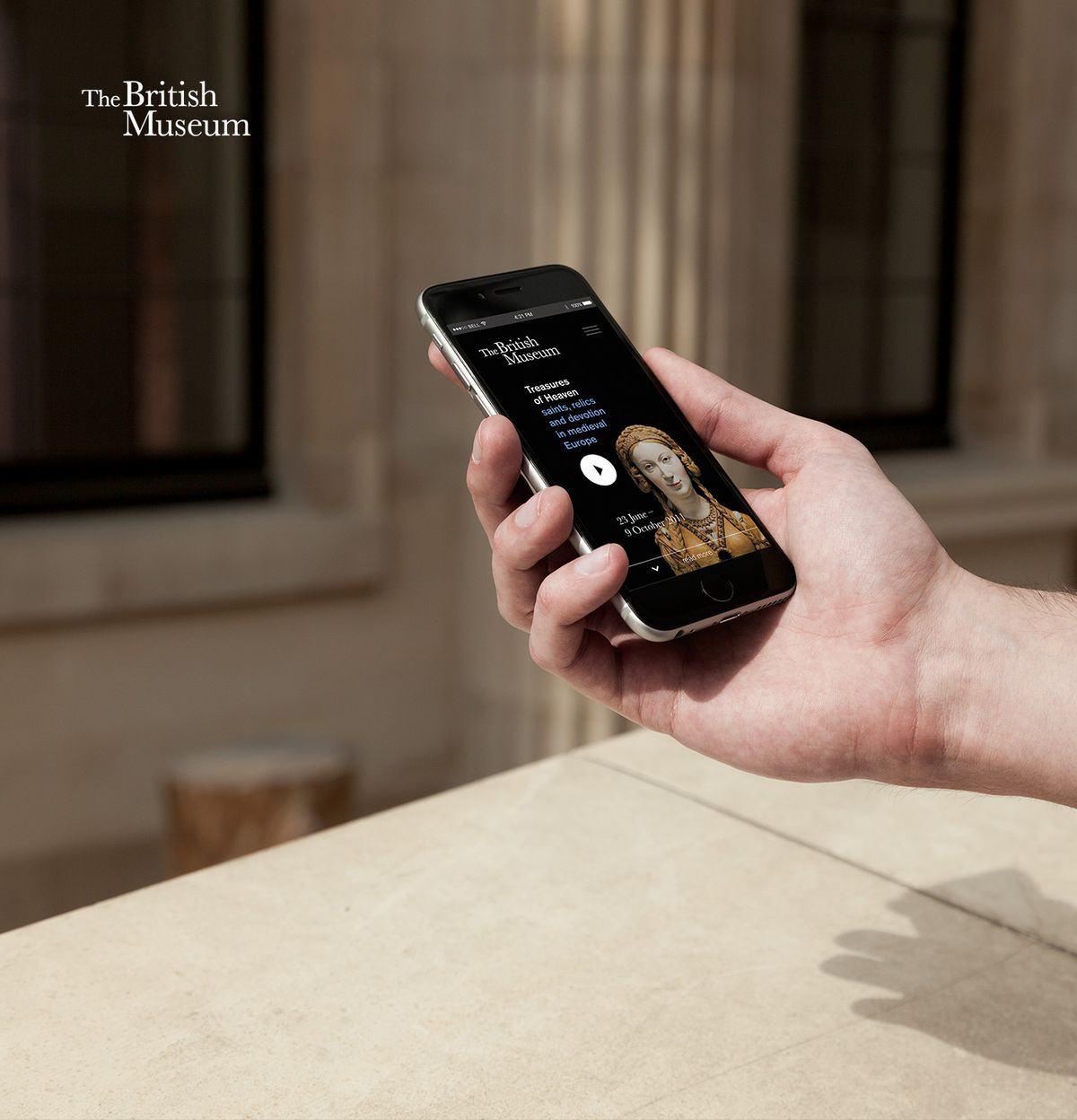
Positioning: APP + Toolkit
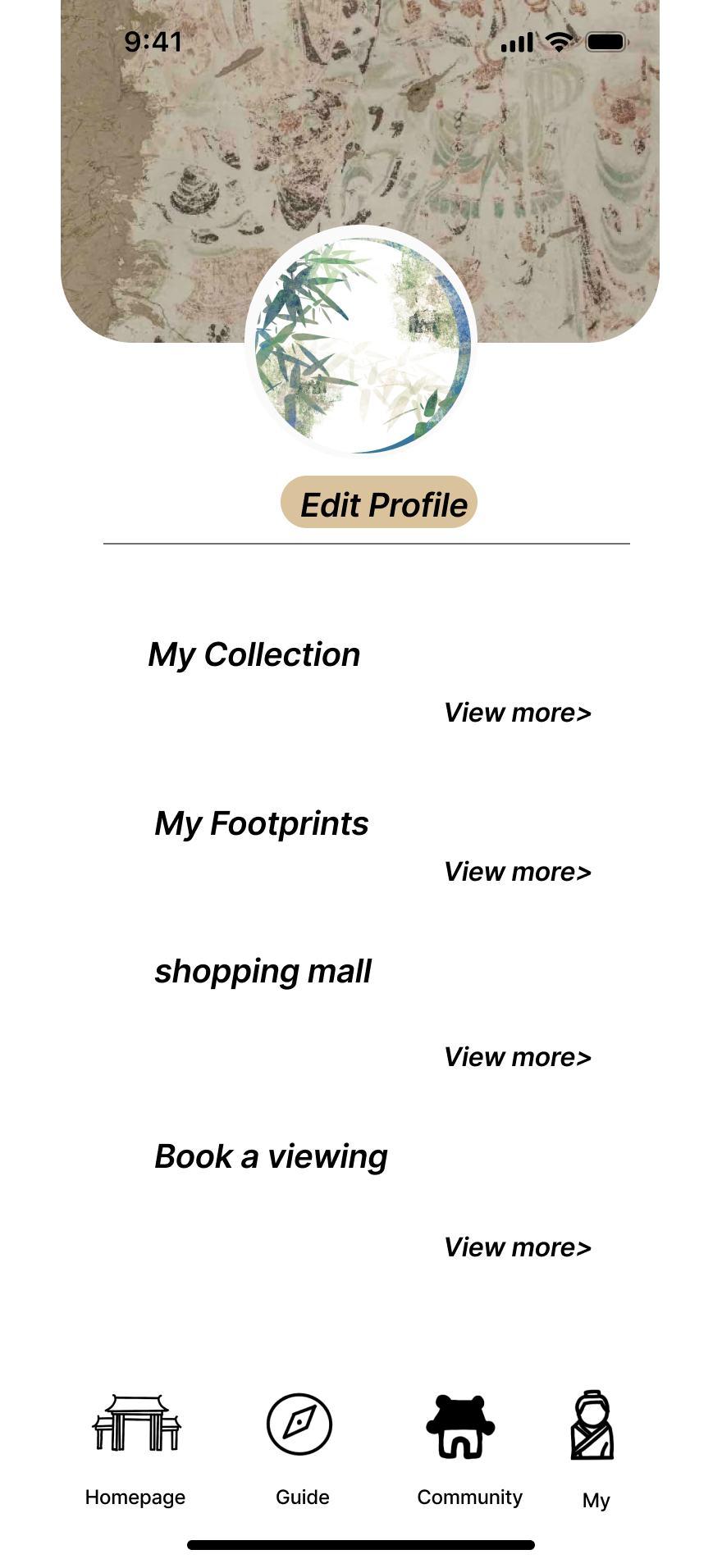
APP

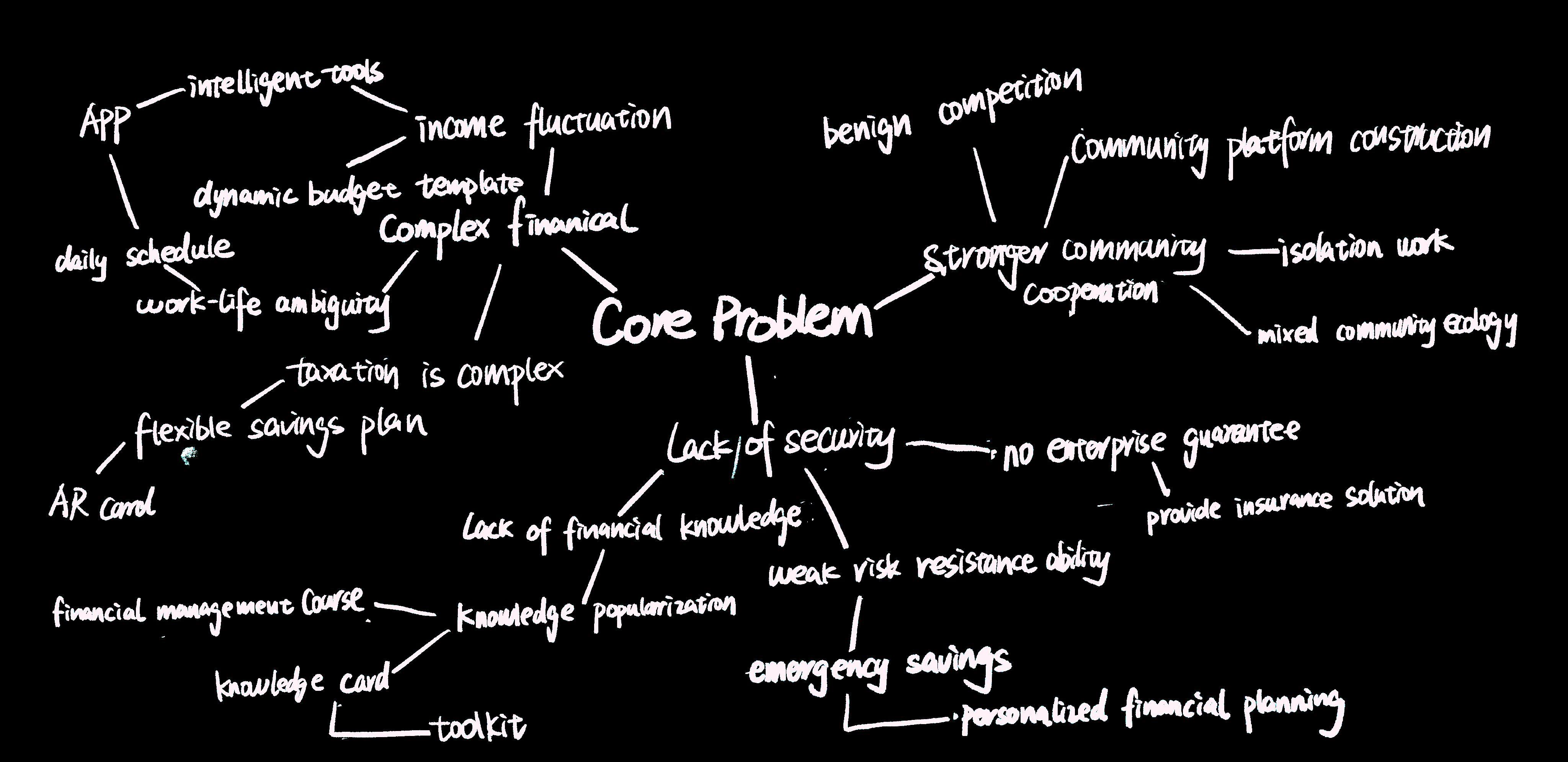
User-tiered adaptation: Through personalized tags and simplified operations, we address the needs of all users, rejecting a one-size-fits-all approach.
Closed-loop service process: We streamline the entire process from "early planning" to "mid-term experience" to "latest review," enabling online services to support offline experiences and offline data to feed back into online optimization.
Through the dual-mode of "online app hub + physical toolkit linkage," Horizon has established a complete service loop from online preparation to offline experience and then to online review.
Ultimately, it will achieve "easy planning, easy to understand, and a coherent experience" for museums that are user-friendly.













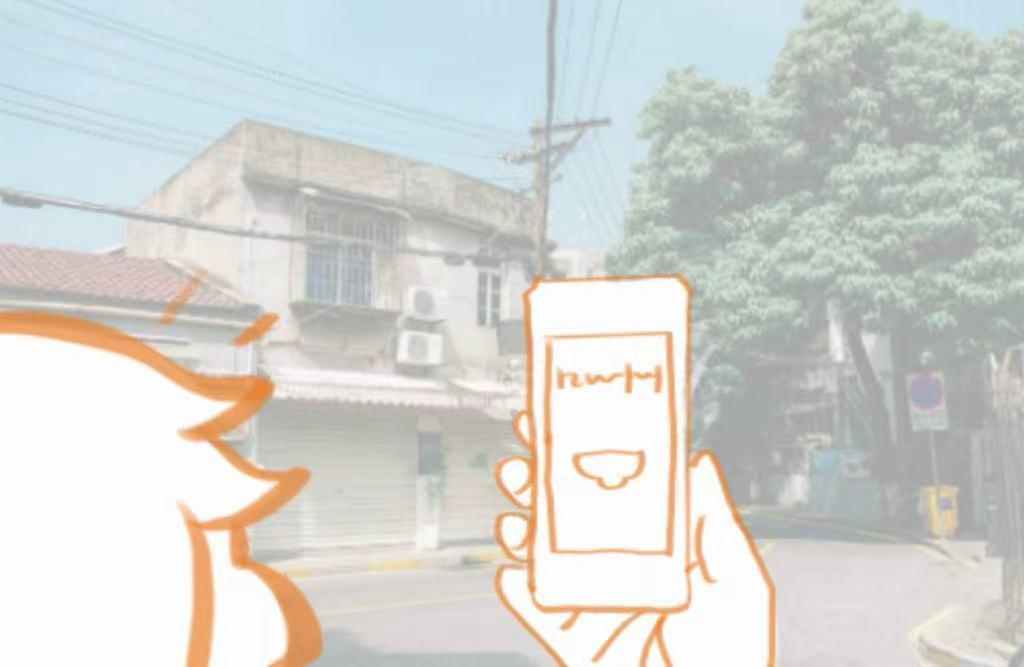
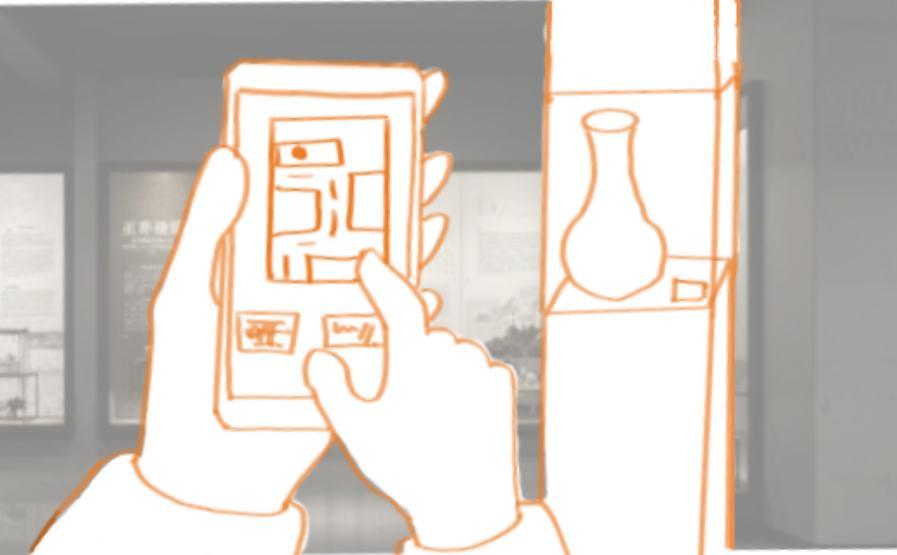
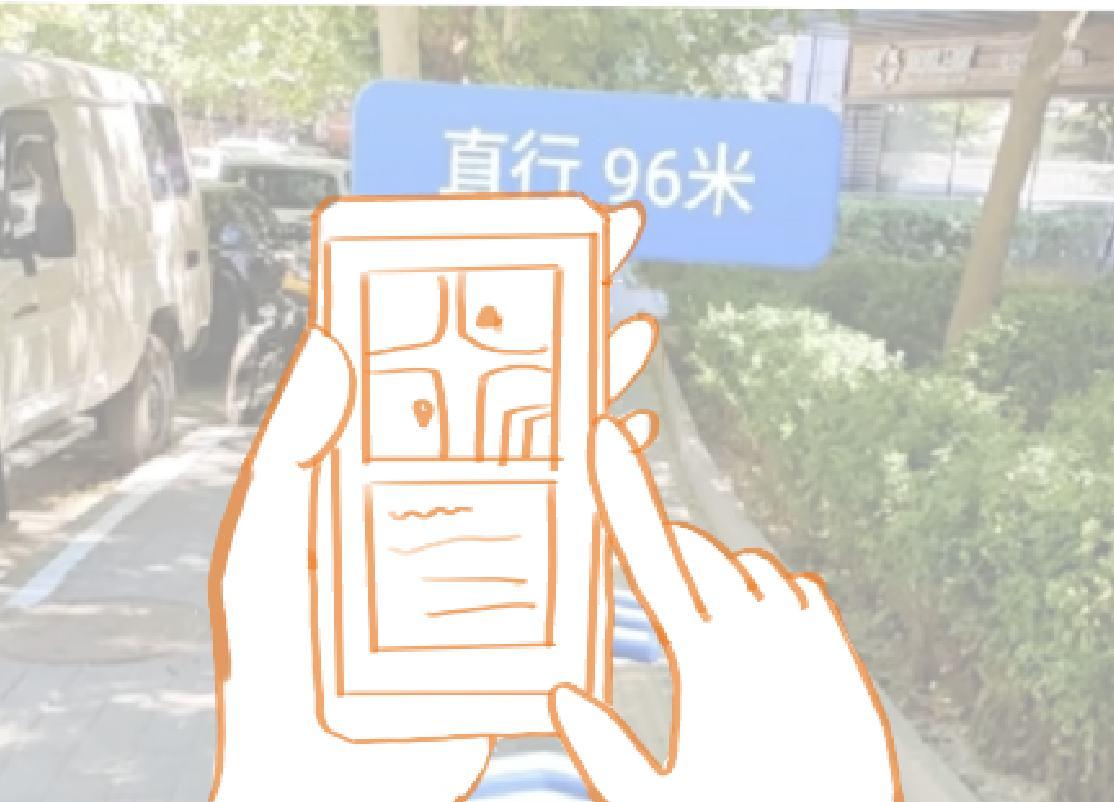

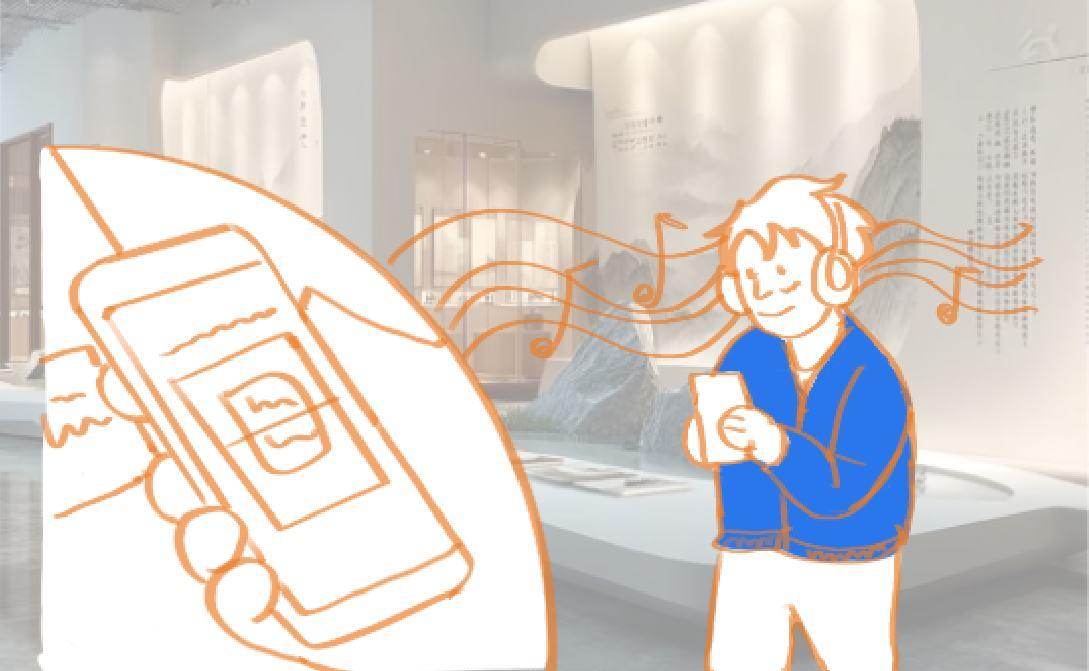



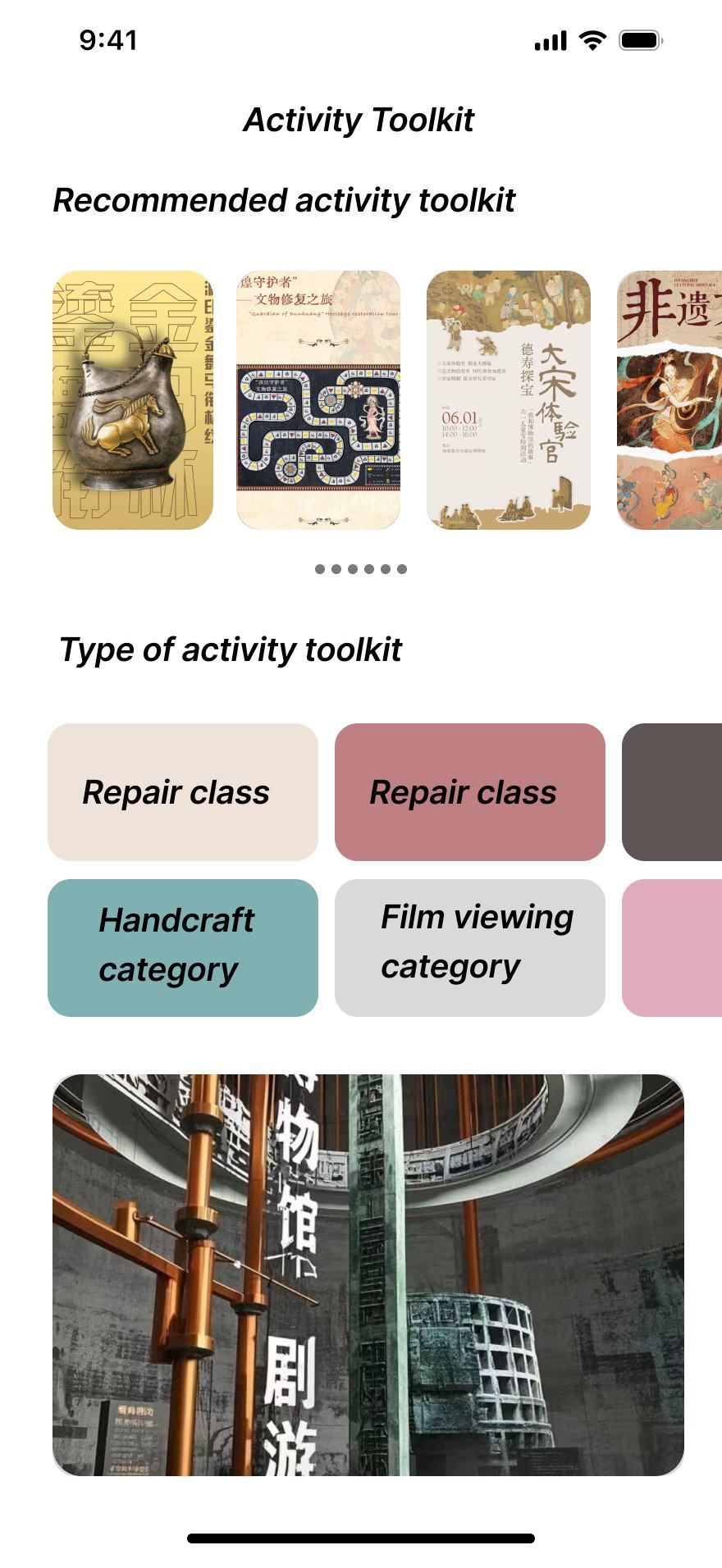
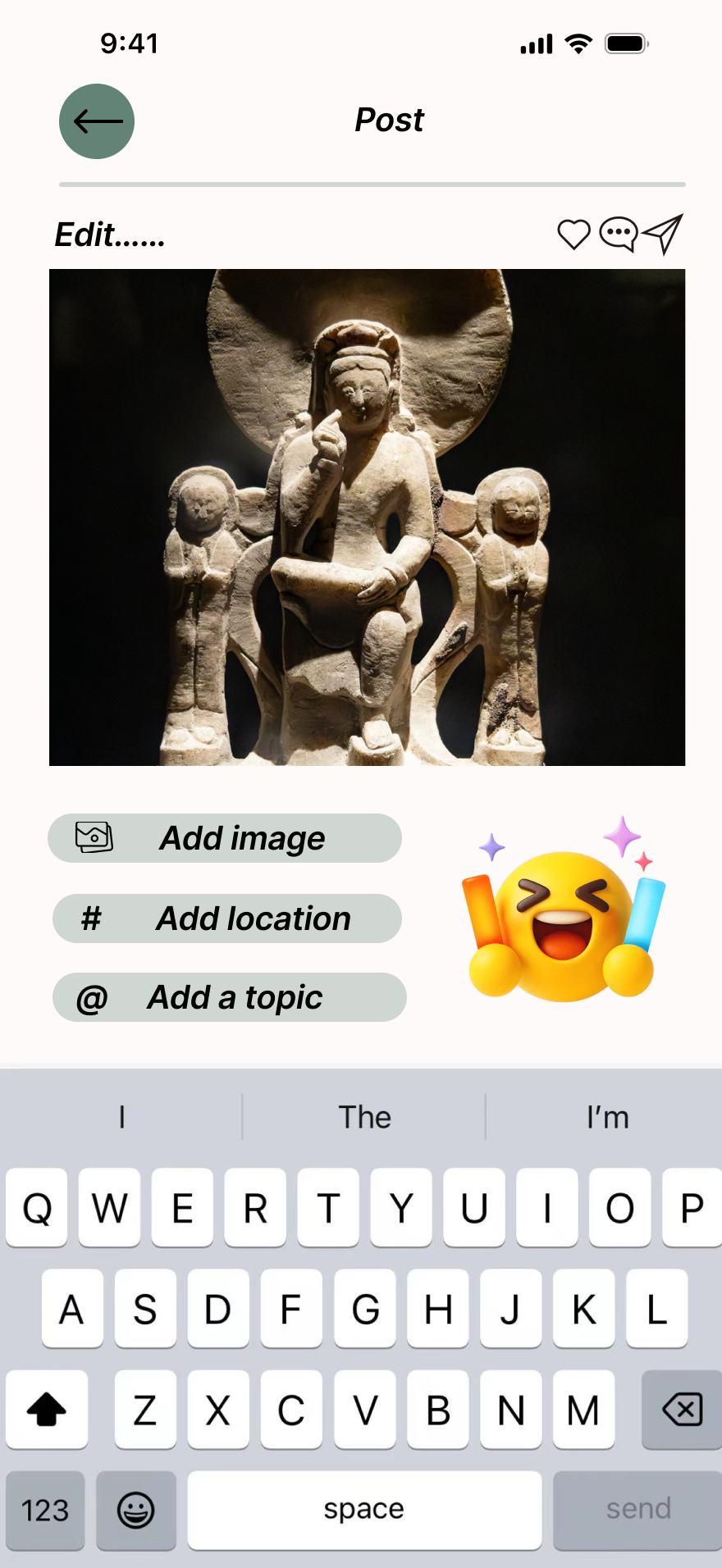
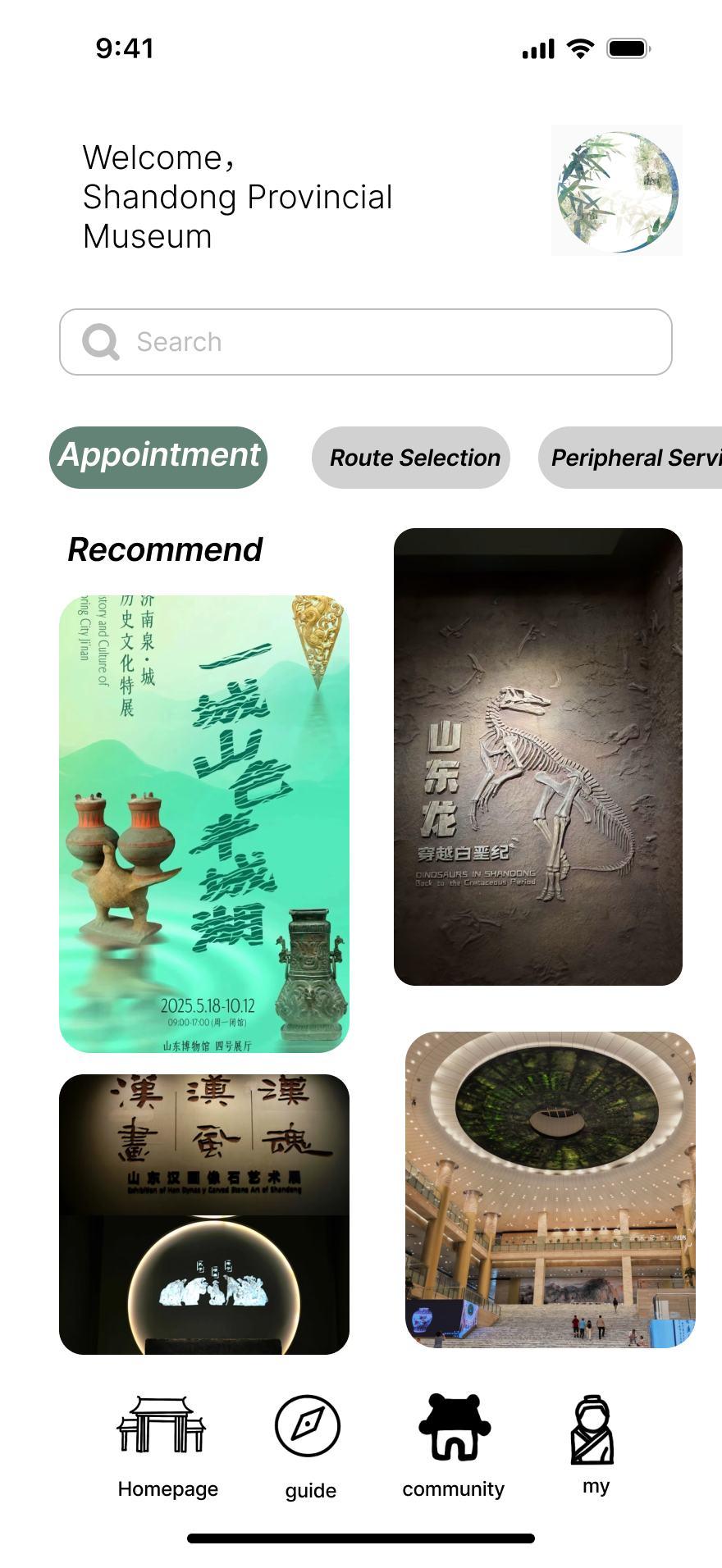
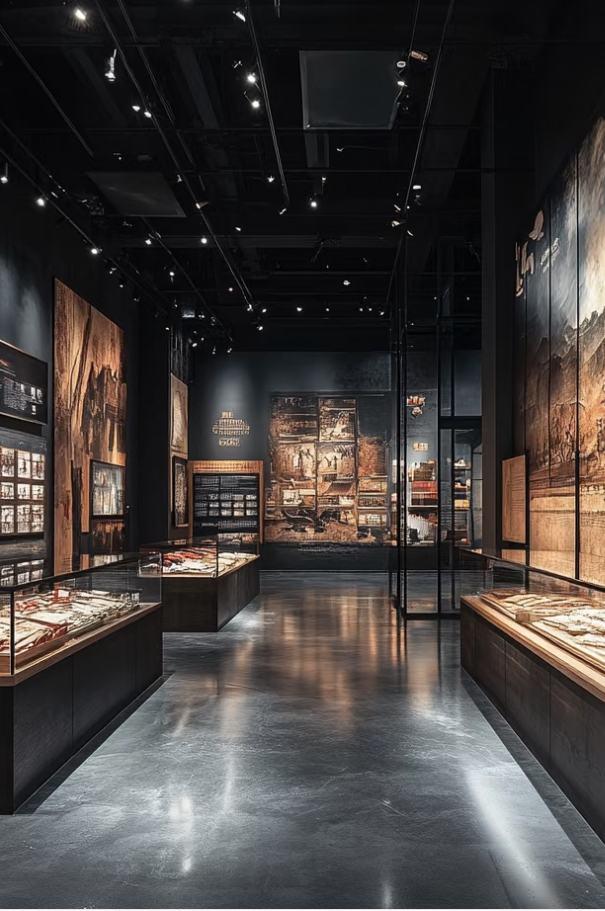
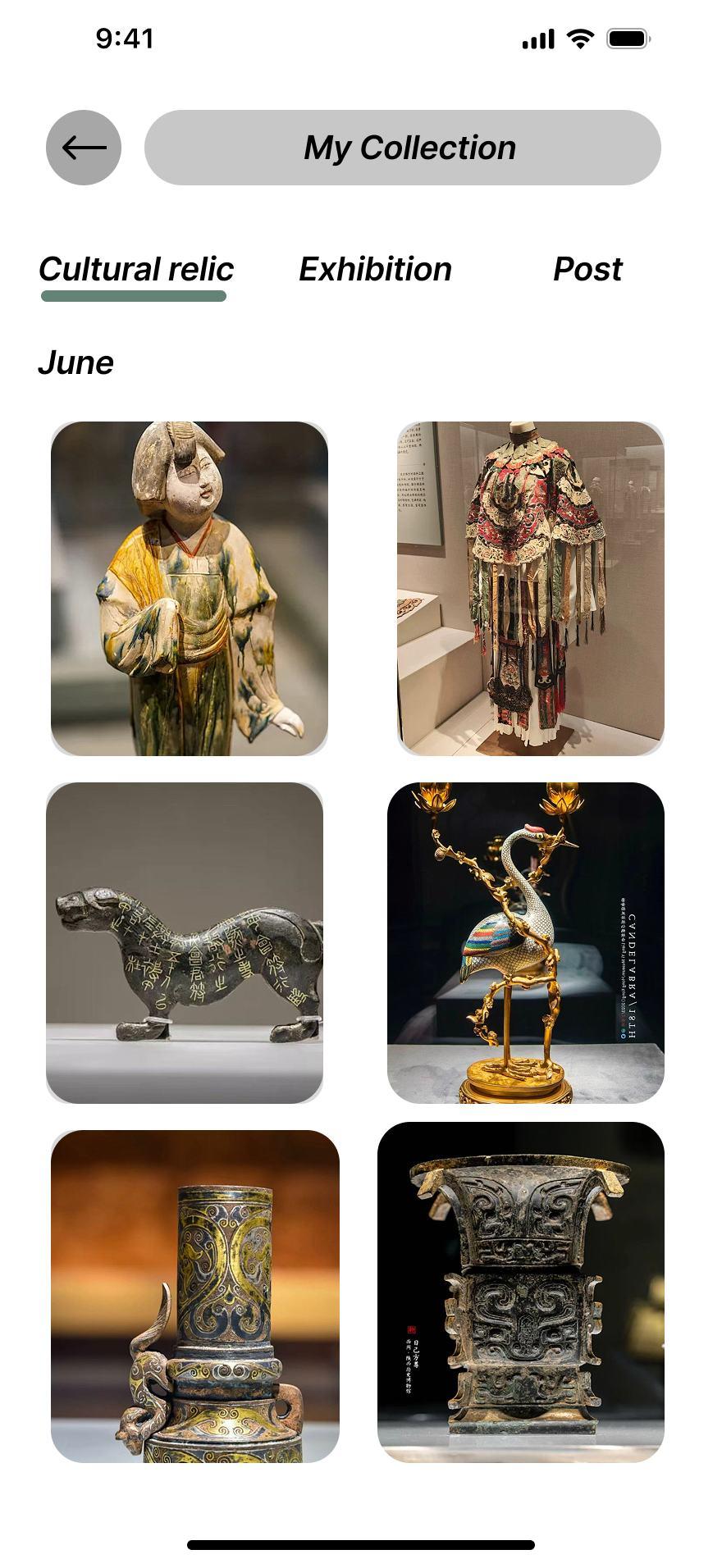
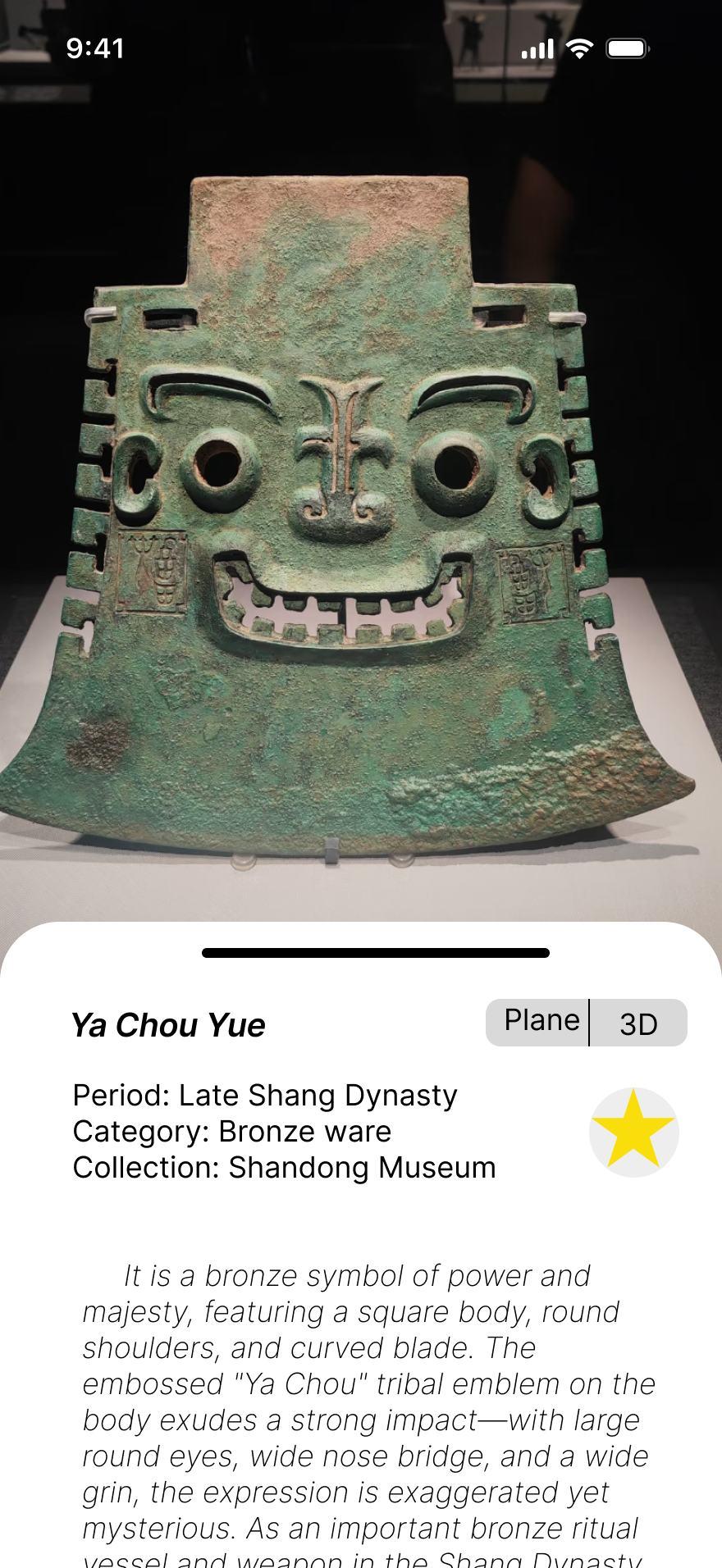
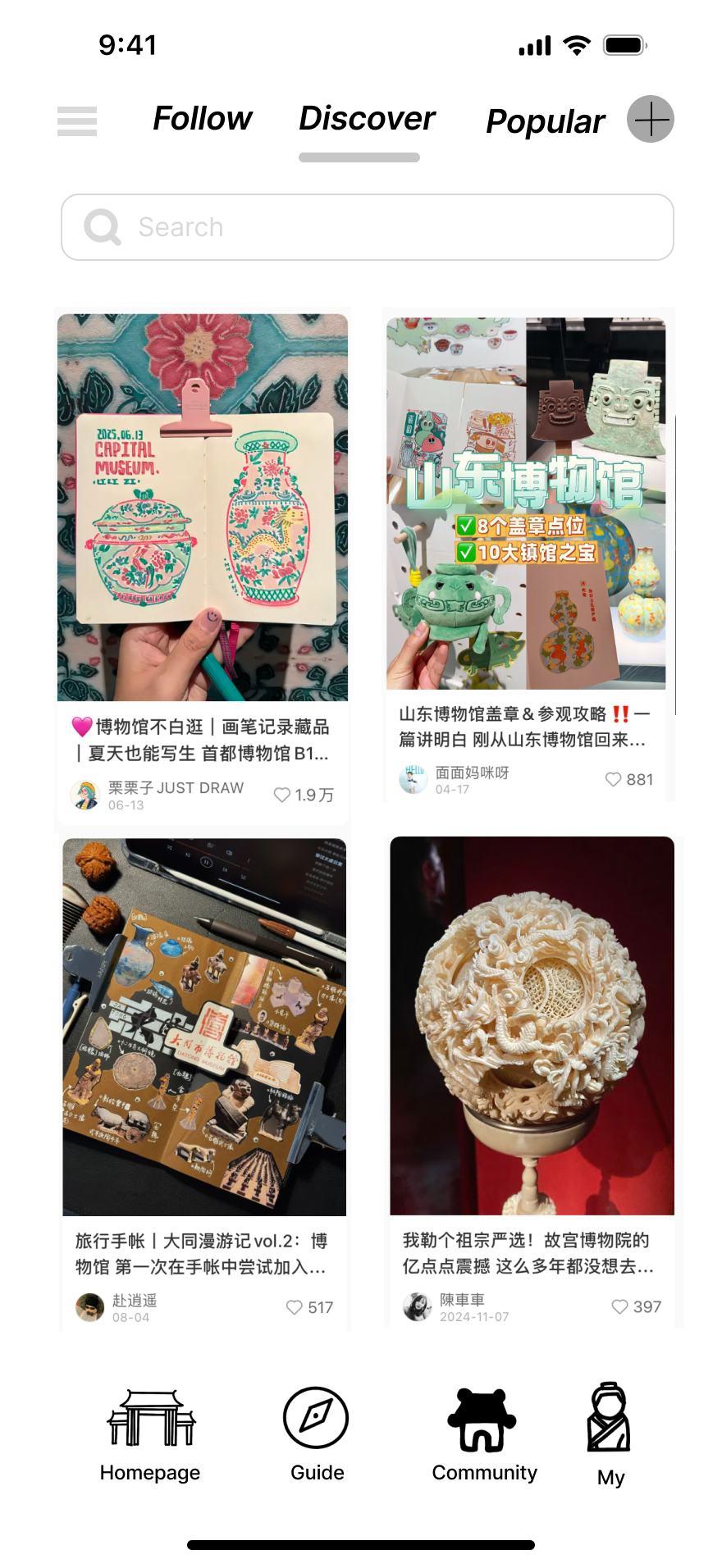
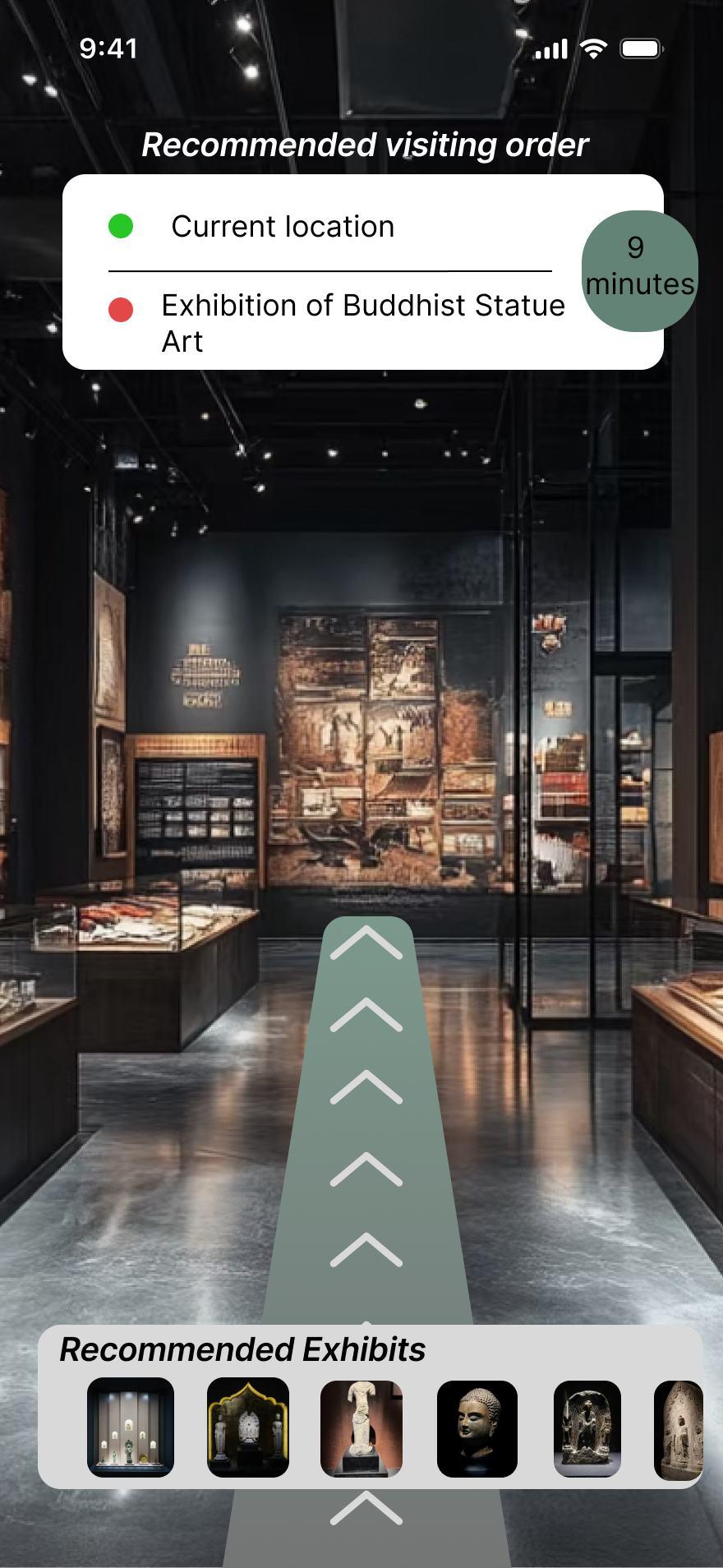
Immersive VR Wayfinder: Your Personal Museum Guide

Activation & Setup: Your Virtual Compass
Upon entering the museum, you open the app and tap the "Start Tour" or "VR Navigation" button. You grant the app permission to use your camera.


Interactive Map:A list of exhibits, galleries, and key points of interest (like cafés, restrooms, or the gift shop) is displayed. One-Tap Navigation:Once you tap your destination, the magic begins.
Destination Selection: Choosing Your Adventure

Advanced Features & Customizati on
Accessibility Mode:Features like high-contrast paths, larger text, and audio-based navigation cues ("Proceed straight for 50 feet, then turn right") are available.
Language Selection:All on-screen text and audio descriptions are available in multiple languages.
Offline Functionality:The entire navigation system and content work offline once the app and museum data are downloaded via the museum's Wi-Fi.
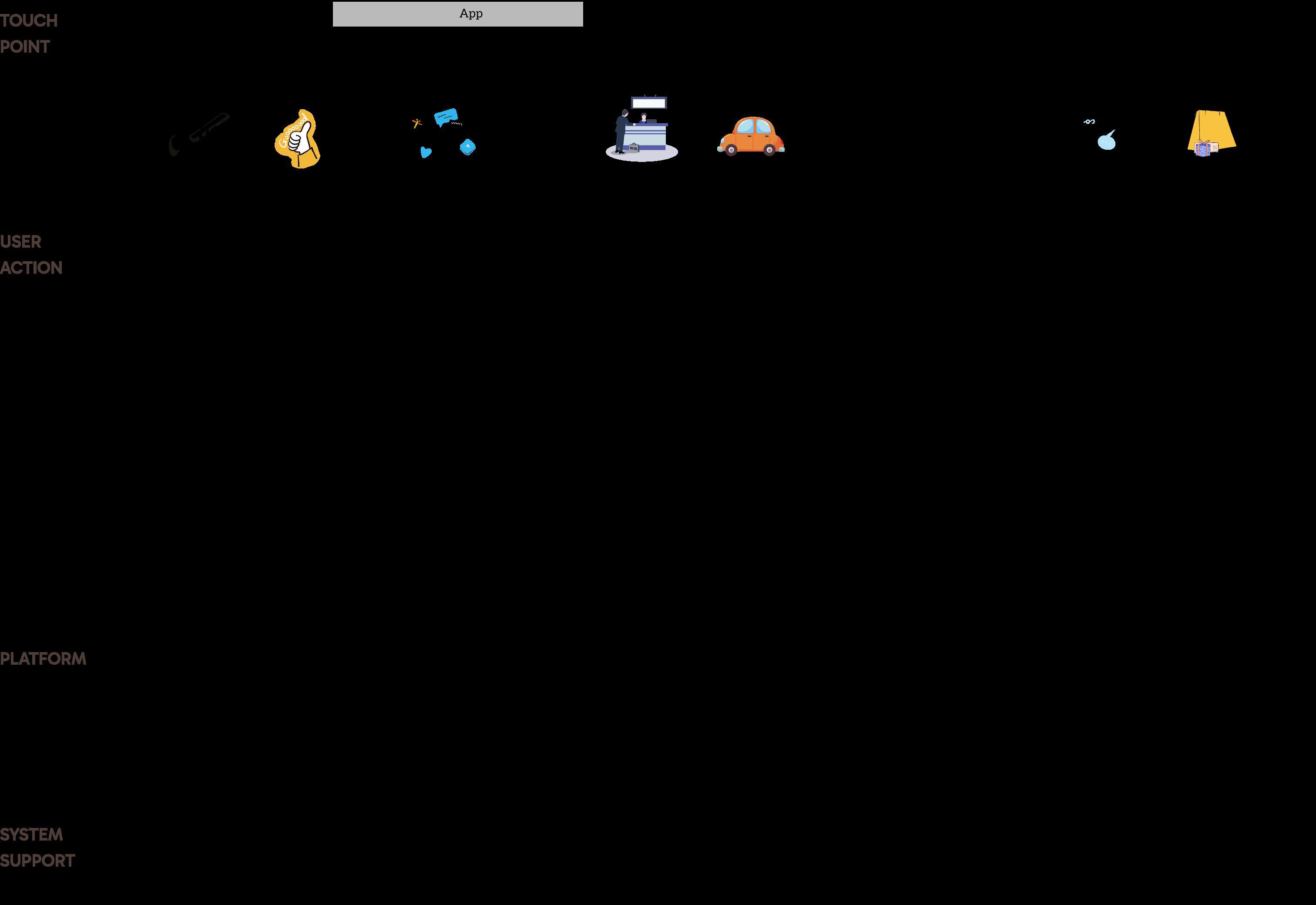







Back stage front stage
Emotion
pop-up Book 丨 AR design
introduction

inspiration Background
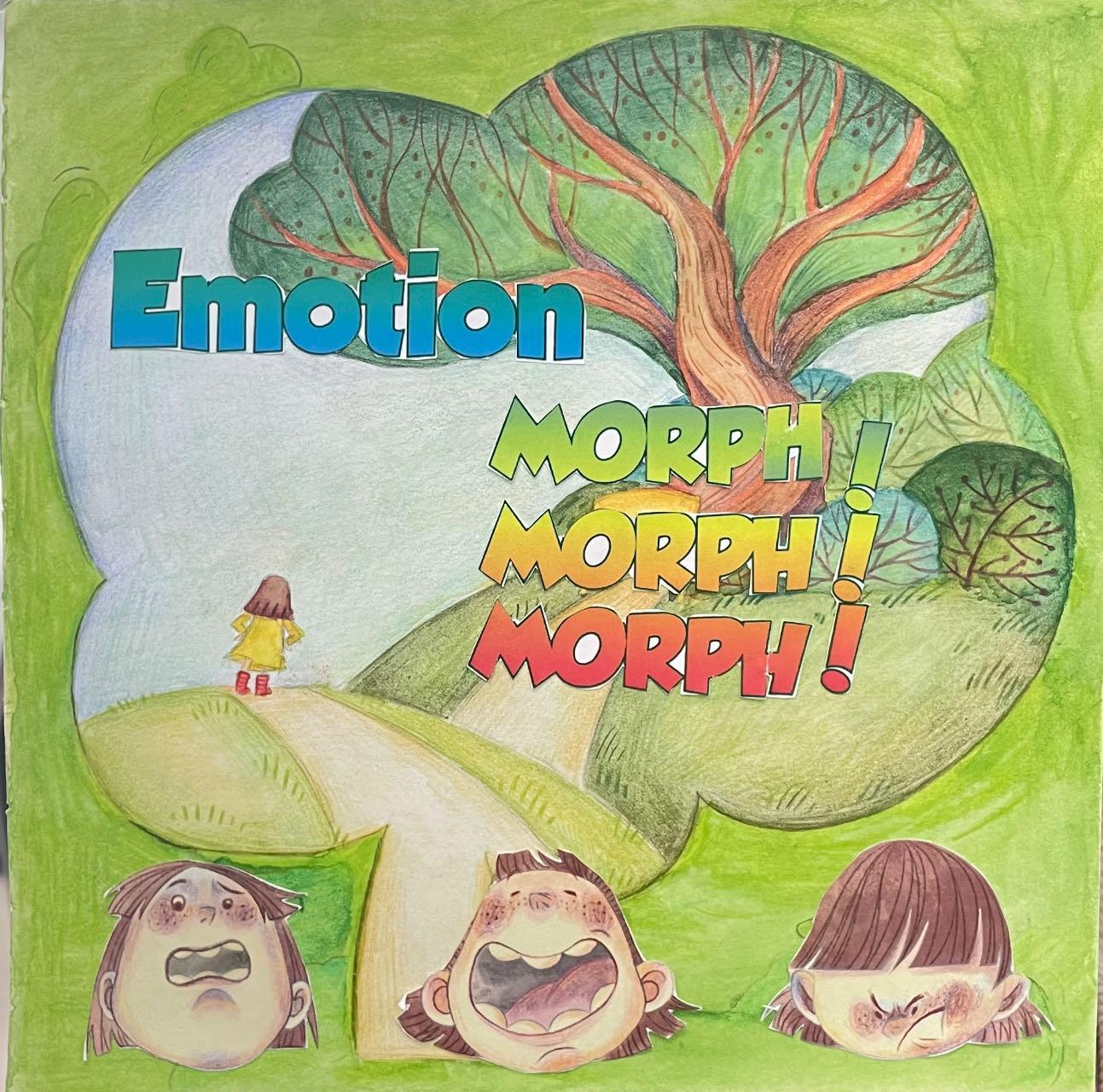
MORPH! MORPH! MORPH!
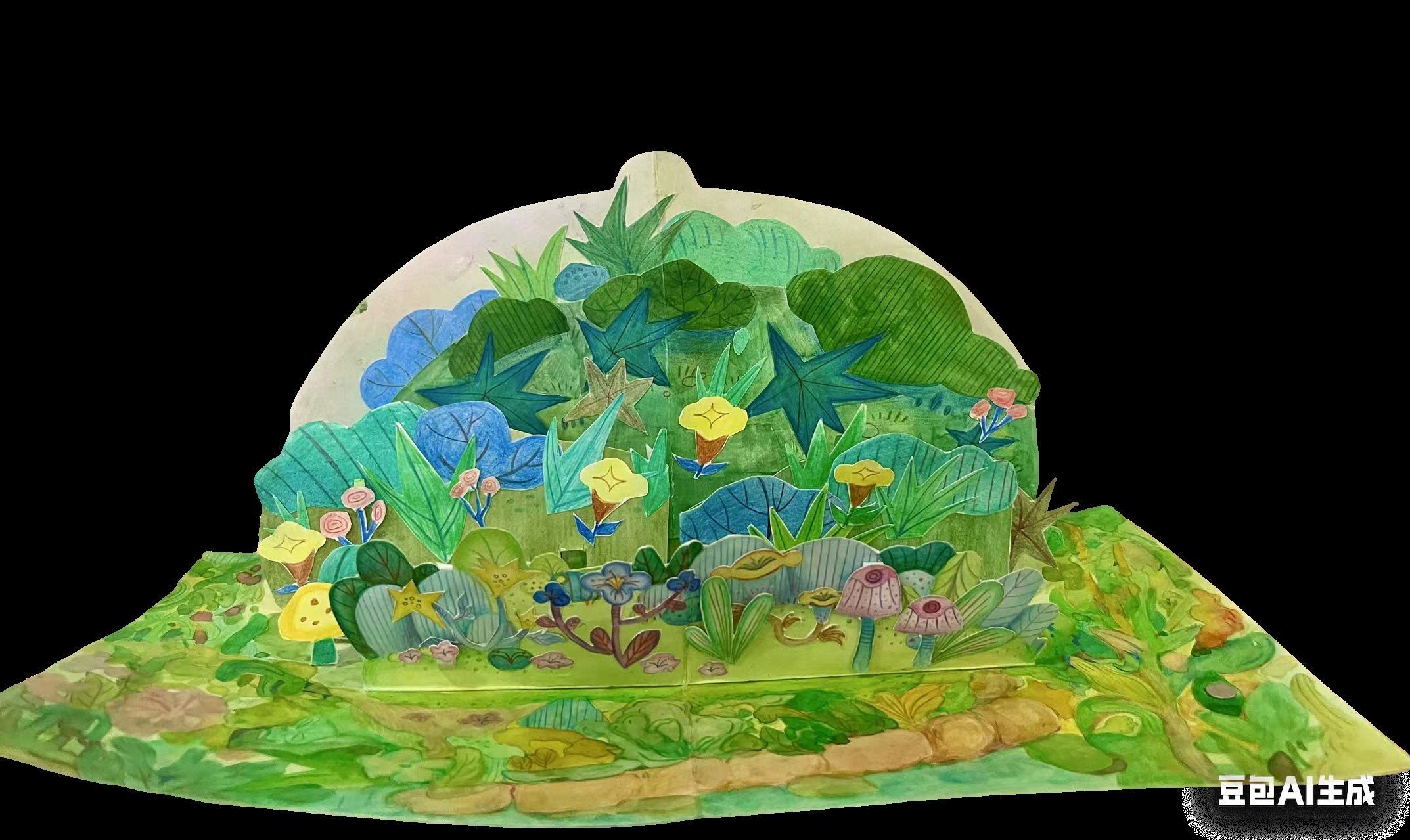
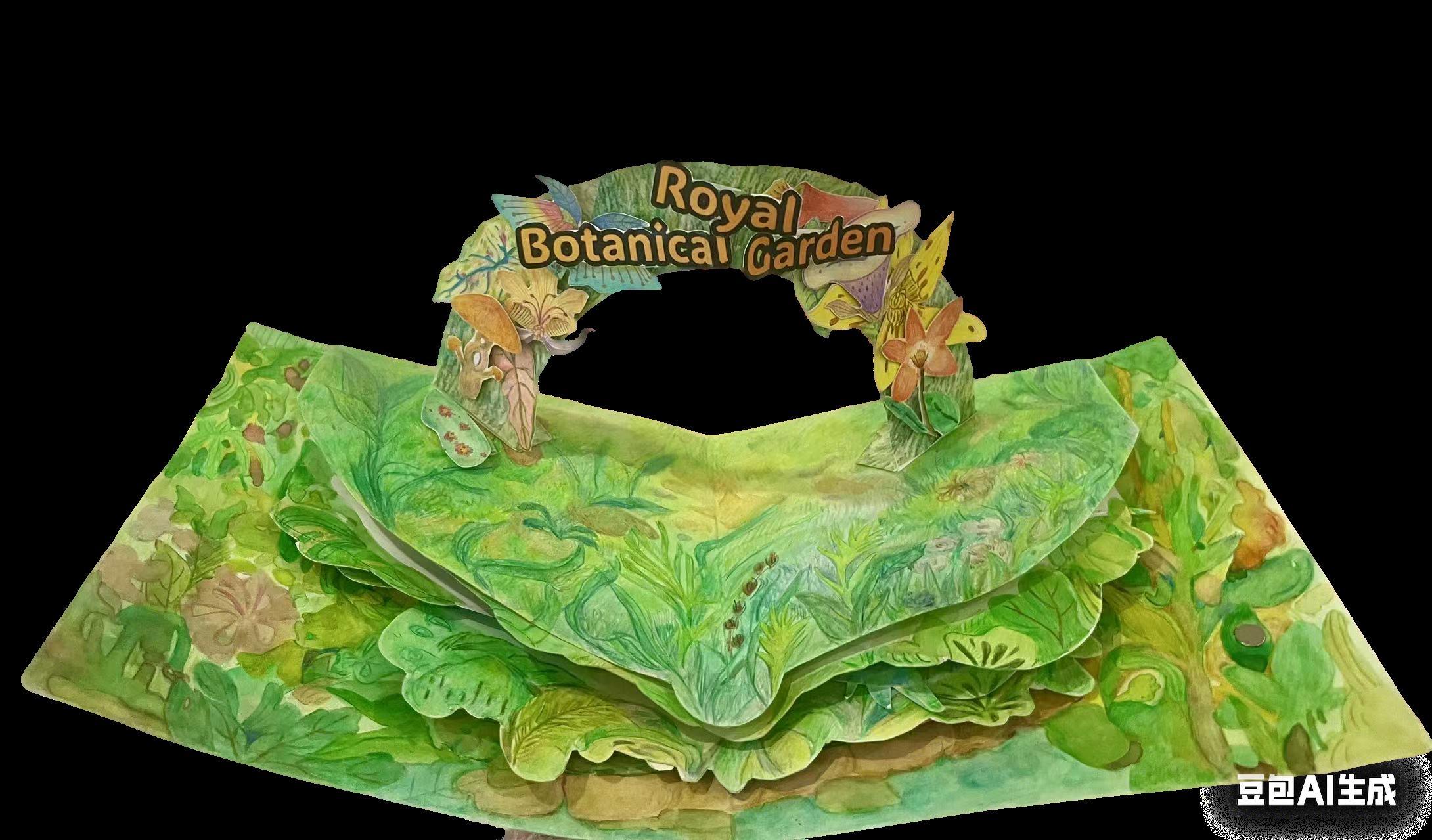
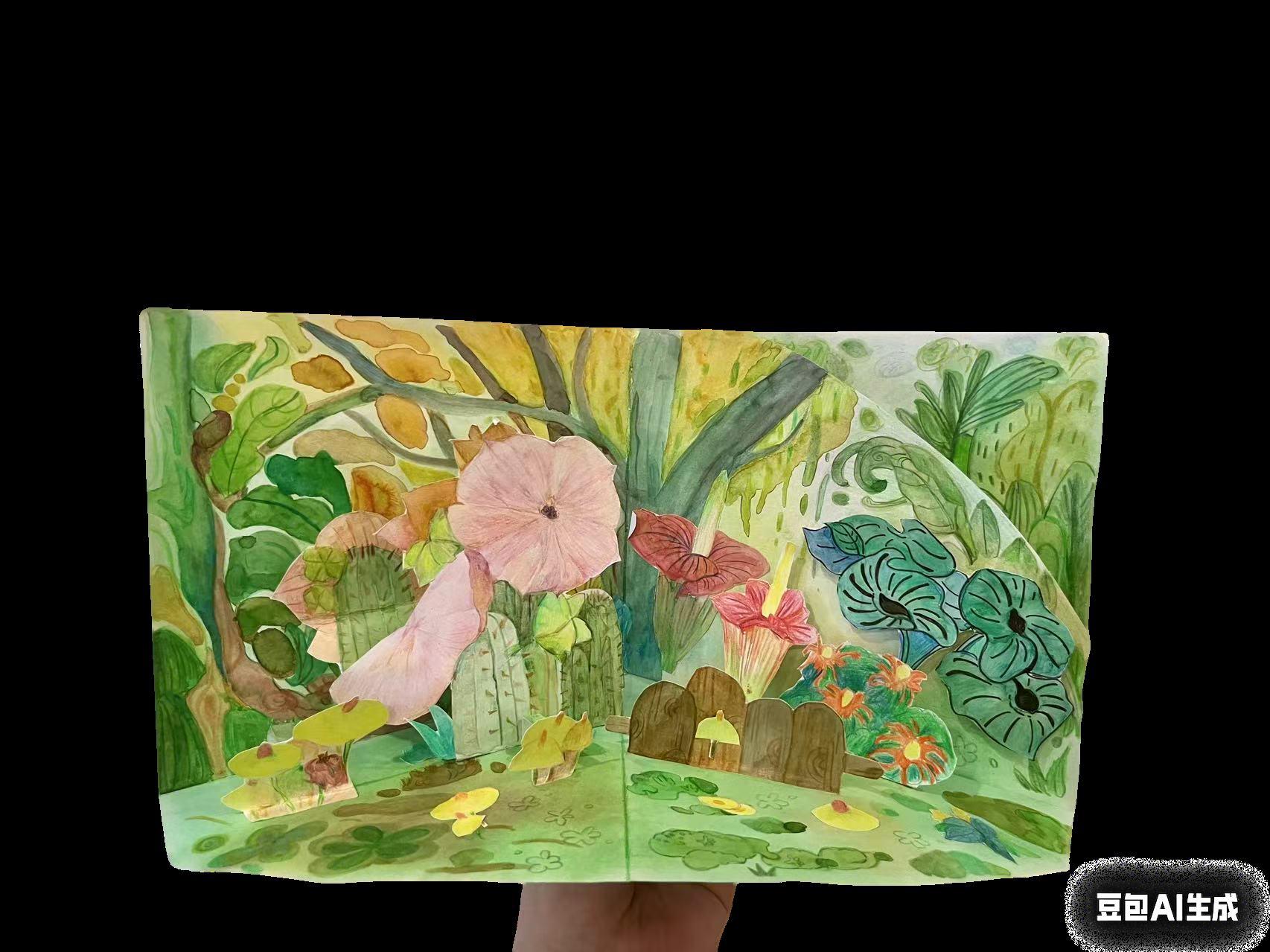
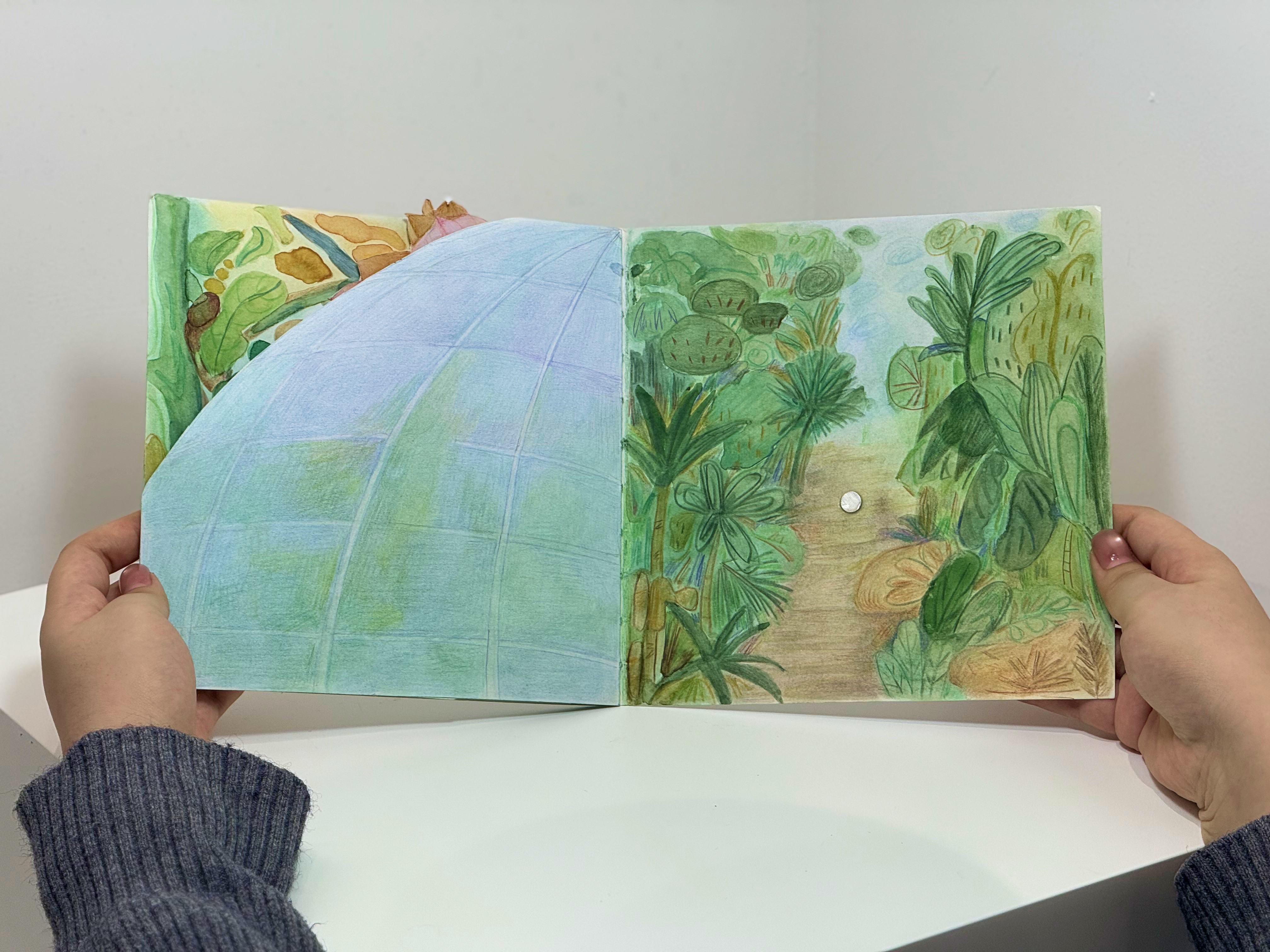
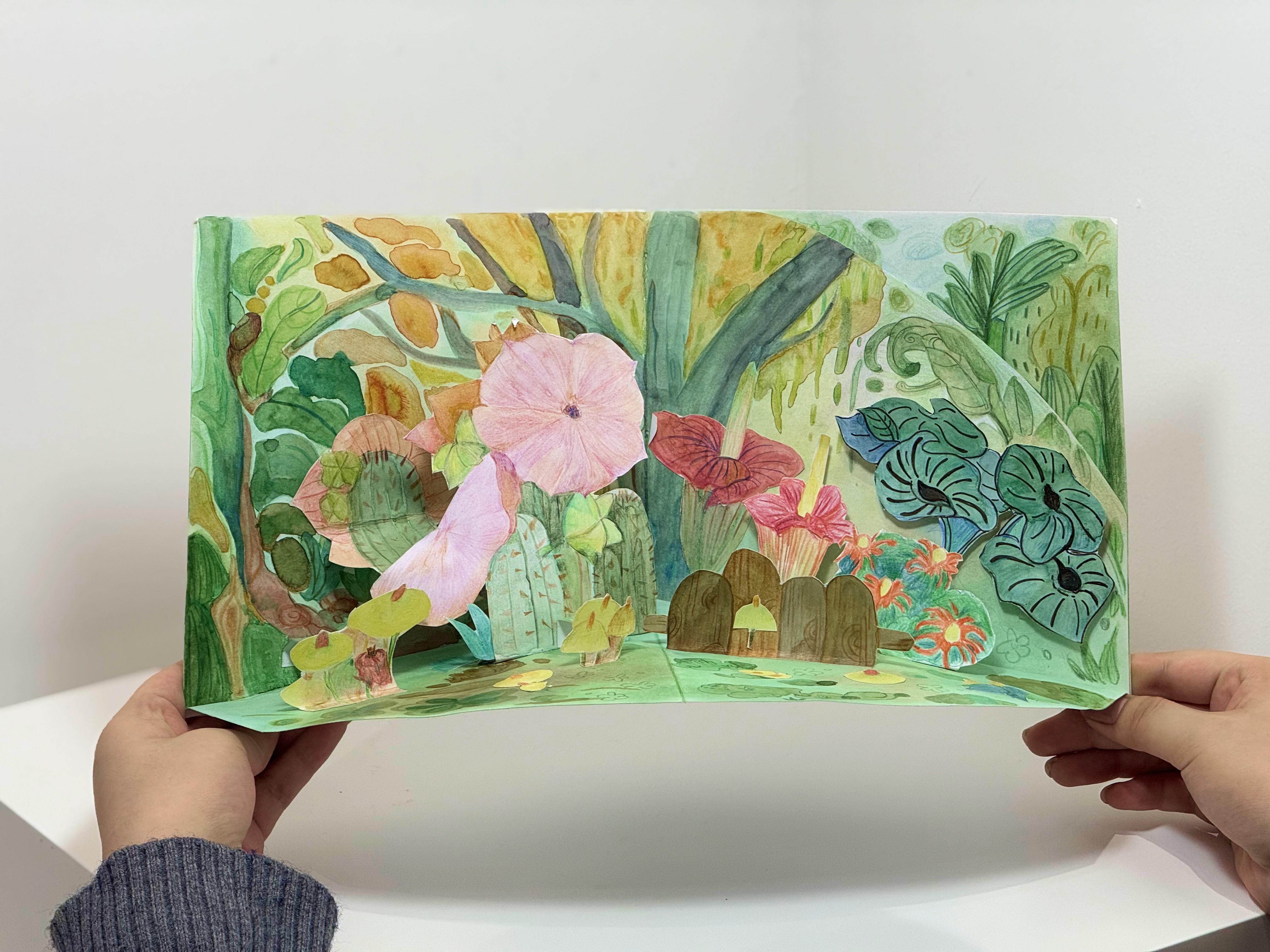
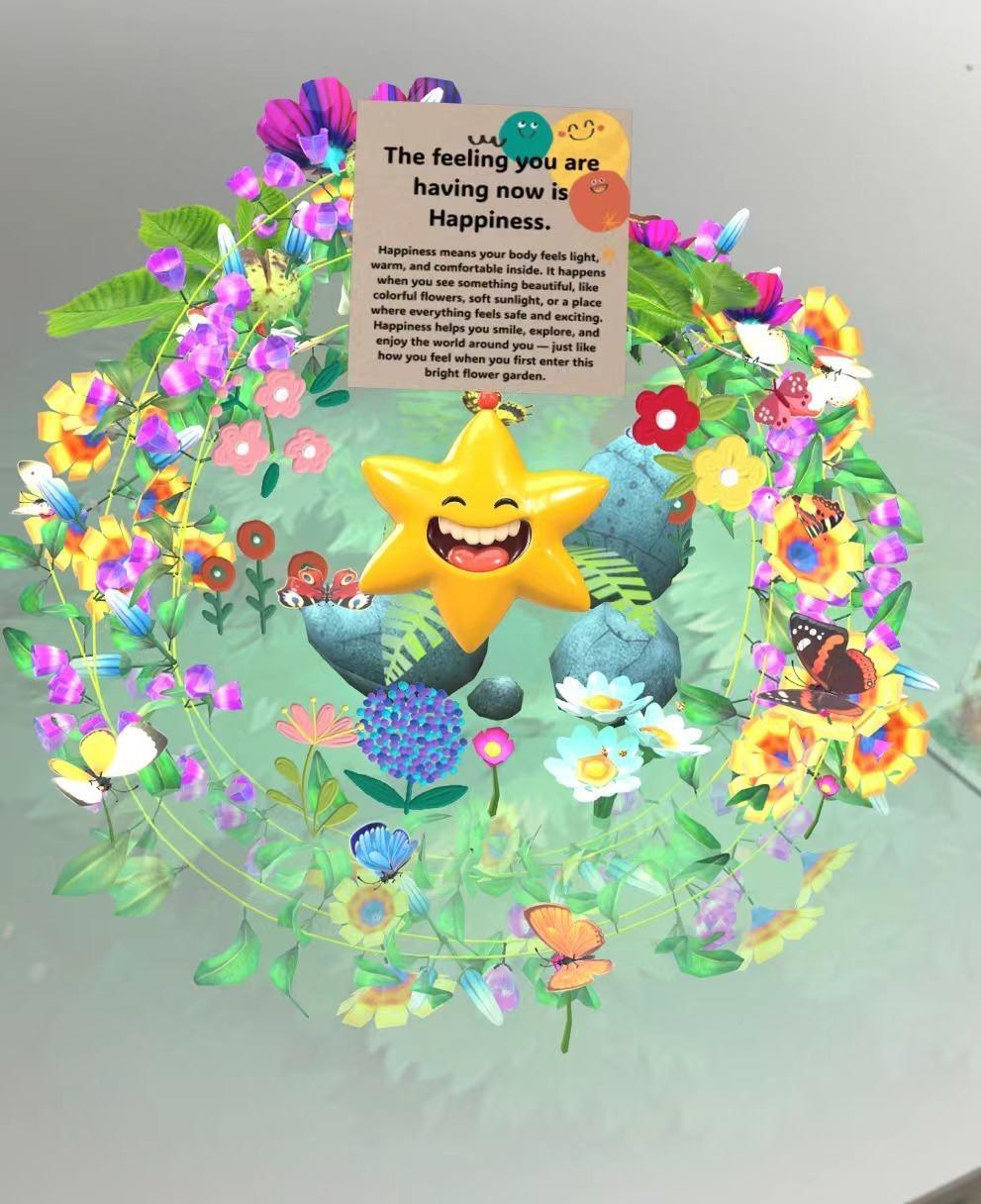
Emotion Morph! Morph! Morph! is a multisensory pop-up book and AR system designed to support emotional literacy in children aged 3–10. The project translates three core emotions—happiness, anger,and disgust —into spatial and botanical environments, enabling children to perceive emotions through form, color, and material conditions rather than abstract explanation. By navigating these transforming garden scenes, users establish direct associations between internal affective states and external visual cues. Through the integration of physical tactility and augmented digital layers, the project proposes an alternative framework for early emotional education, where emotions are understood as perceptible, evolving phenomena rather than static labels.
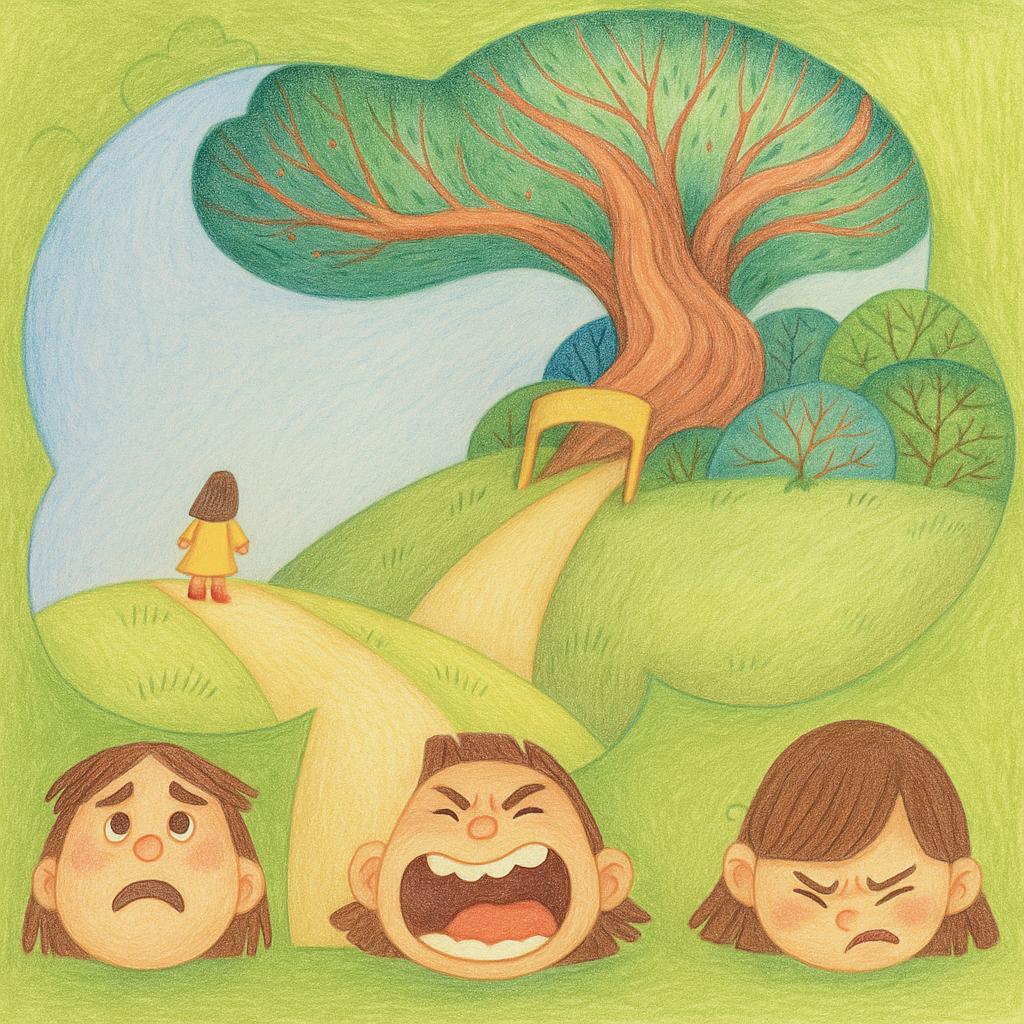
One afternoon in a city park, my five-year-old niece burst into tears beside a pond scattered with floating trash. She couldn’t explain what was wrong; she only repeated “I don’t like it here”, unable to describe the discomfort of a place that once felt calm and safe now appearing dirty and unfamiliar. She sensed the emotional shift, yet lacked the words to express it.
This moment revealed a common challenge in early childhood: emotions are experienced intensely but remain invisible and unnamed. Children feel something changing inside them, but cannot articulate what or why. This project explores how emotions might be externalized through shapes, colors, textures, and spatial cues—allowing children to see, rather than struggle to explain, what they feel.
This project is my attempt to give feelings form, bridging the gap between emotional experience and language.
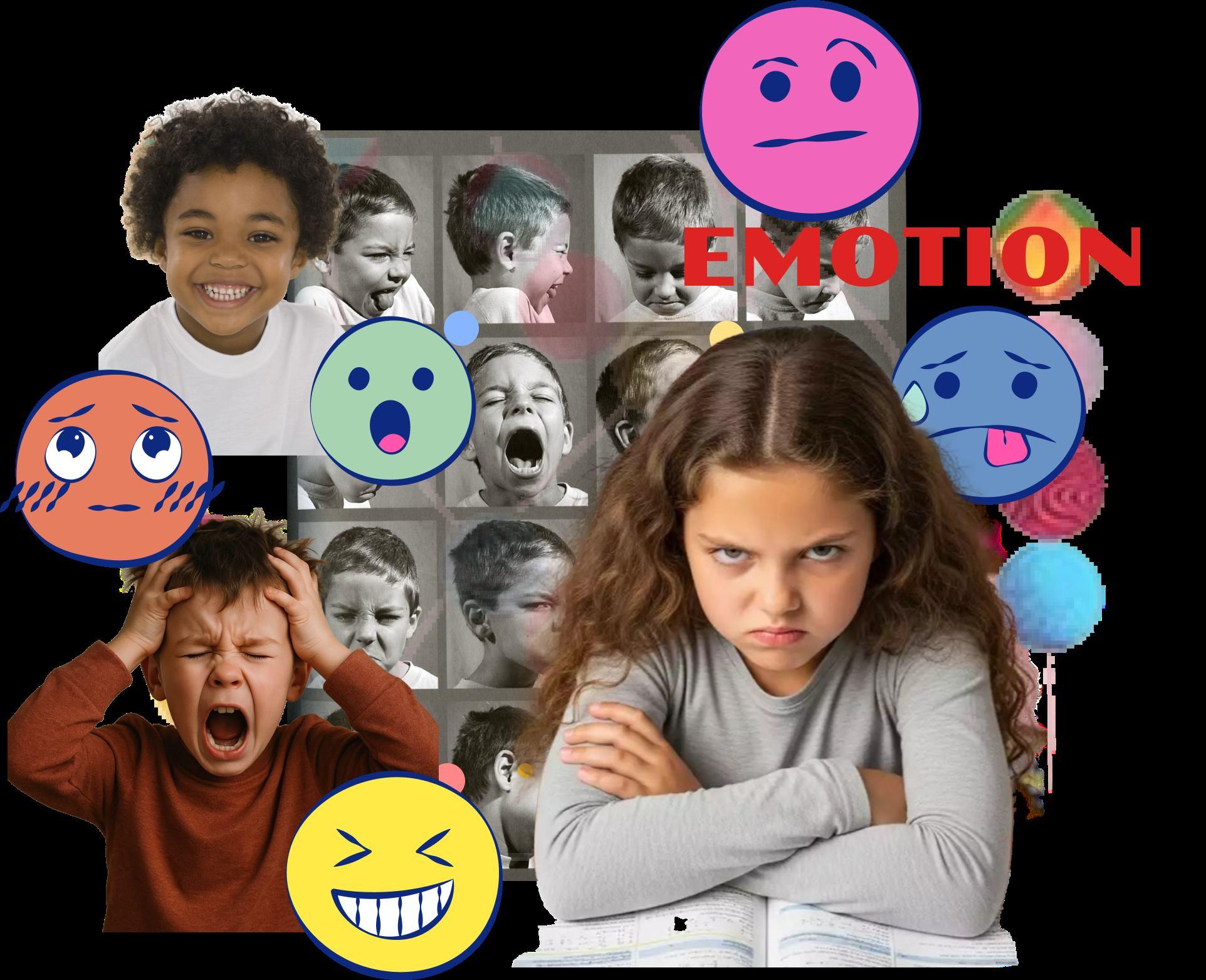
Emotional literacy is crucial in early childhood, yet many children cannot clearly express their feelings despite experiencing them intensely. Studies show that children aged three to ten often understand emotions through sensory impressions—changes in color, space, or atmosphere—long before they acquire the vocabulary to describe them. When emotional experiences lack corresponding language, frustration and misunderstanding easily arise.
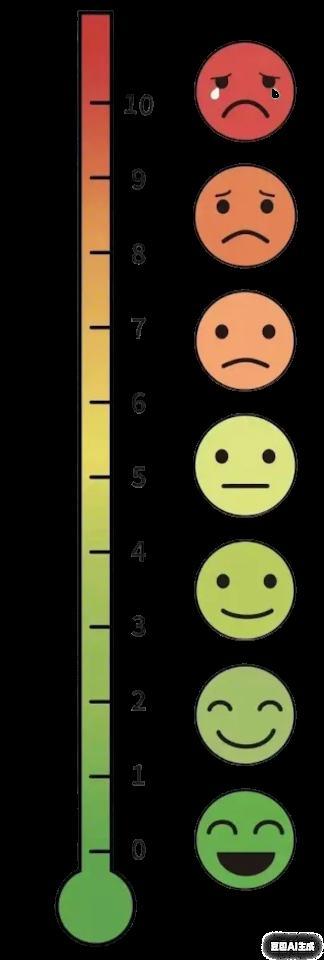




3-10 years old
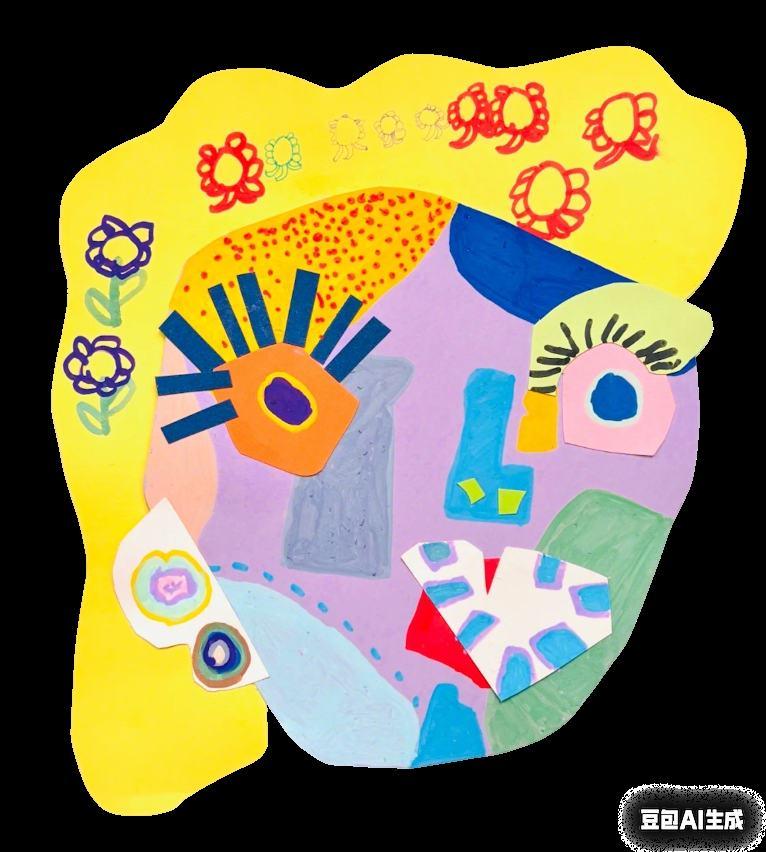
Conventional emotional education relies on verbal explanation and facial expressions, assuming children can map sensations directly to words. However, emotions are embodied experiences, not linguistic concepts. This creates a gap between feeling and understanding.
Global emotional education coverage is severely inadequate

OECD 2023 Global Social and Emotional Skills Survey (42 countries): 41% of children aged 3-6 are unable to describe negative emotions using three or more words, with 57% in low - and middle-income countries; 72% of children are unable to associate physical sensations such as "body tightness" with specific emotions.


Crisis in children's emotional recognition and expression abilities
UNICEF 2024 Global Early Childhood Education
User Research Interview
Doudou Age: 4
Pain Point
e profound impact of emotional issues on children's development
OECD study : Children with poor emotional regulation abilities have a 27% lower learning efficiency in primary school, a 41% higher incidence of social conflict, and significantly lower academic achievement.
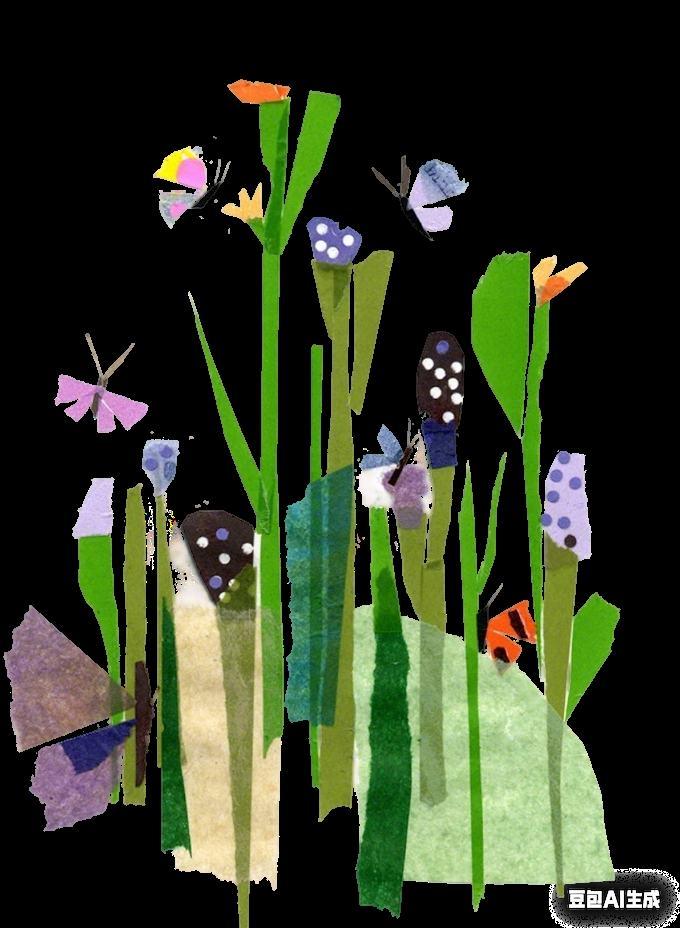
Being in a botanical garden is beneficial for children's emotional and cognitive levels
The annual children's interactive program at the Australian National Botanic Gardens involves of visitors visiting 1-7 times a year, taking care of children more than 12 times a year, and a increase in children's emotional vocabulary and a increase in emotional physical relationship. 75% 20.8% 47% 39%
The International Foundation for Environmental Education (FEE) 2024 study (12 country sample): Preschool children who are exposed to natural scenes such as botanical gardens every week have a higher mastery of emotional vocabulary compared to children who only engage in indoor activities, and their ability to accurately match emotions with physical sensations has increased by . 47% 39%
The "Strong Kids" project in South Korea involved seven week horticultural therapy, with students aged 11-13 participating in a reduction in depression symptoms and a improvement in social skills. 582 31% 25%
Monitoring Report: Only 32% of early childhood education institutions globally incorporate "emotional cognition and expression" into their core curriculum, with less than 10% in low-income countries; Over 60% of children aged 3-6 have not received any concrete emotional education guidance. Goal

Teaching words like 'irritable' and 'happy', he felt 'not fun' and ran away after hearing a few words, unable to remember them at all.
Goal
Understand the meaning of "wanting to jump/stomp your feet" in your heart. Can you articulate what 'your own feelings' are.
Duoduo Age: 5
Pain Point
I can feel discomfort, but cannot say the corresponding emotional word. Goal
I hope to be able to express clearly what the "comfort/discomfort" in my heart is and how I feel.

Daniel Age: 32
Pain Point
Children cannot distinguish whether they feel wronged, angry, or irritated, and rigidly preaching "emotional vocabulary" is useless, and children cannot understand it.
I hope there are tools to help children experience and learn emotions at the same time, without rigid preaching.
The project combines user research on children's concrete needs for emotions and emotional development patterns, with "" as the core creative idea, transforming abstract emotions into touchable and interactive threedimensional scenes. It not only fits the cognitive characteristics of children, but also provides interesting tools for parent-child emotional communication, ultimately achieving the educational goal of "making emotions visible and learned". emotional transformation m
concept
scene reflects emotions, interactive landing cognition
With the core of " ", abstract emotions that are difficult for 3-10year old children to understand are transformed into a playable and interactive immersive experience in the botanical garden. Through the multi-layered carrier of "threedimensional scene+emotion card/expression+AR interaction+magnetic device", children can complete the cognitive loop of "perceiving environment → triggering emotions → recognizing emotions" in the natural process of "strolling in the botanical garden", turning "happiness, anger, and dislike" from vague feelings into tangible experiences that can be seen, touched, and named.
design process
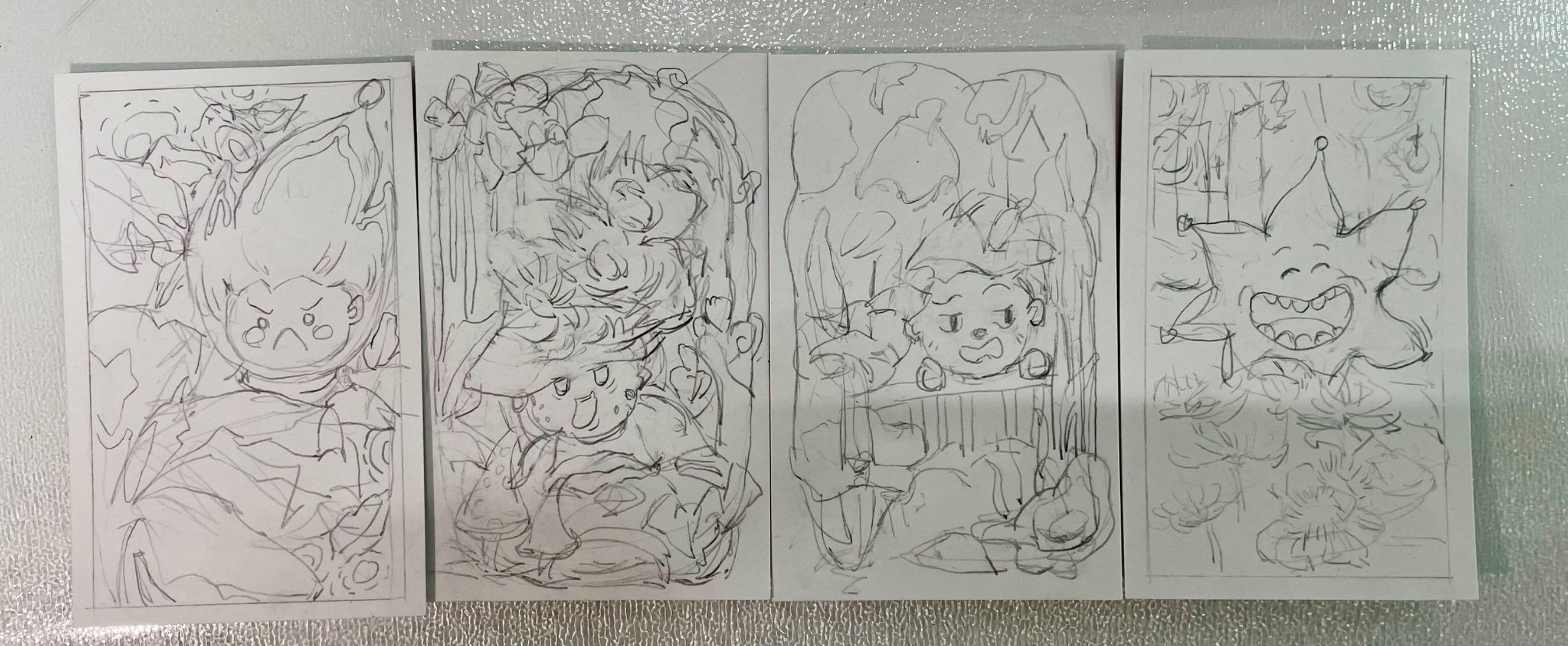
sketch
card

emotions recognizing emotions
flow
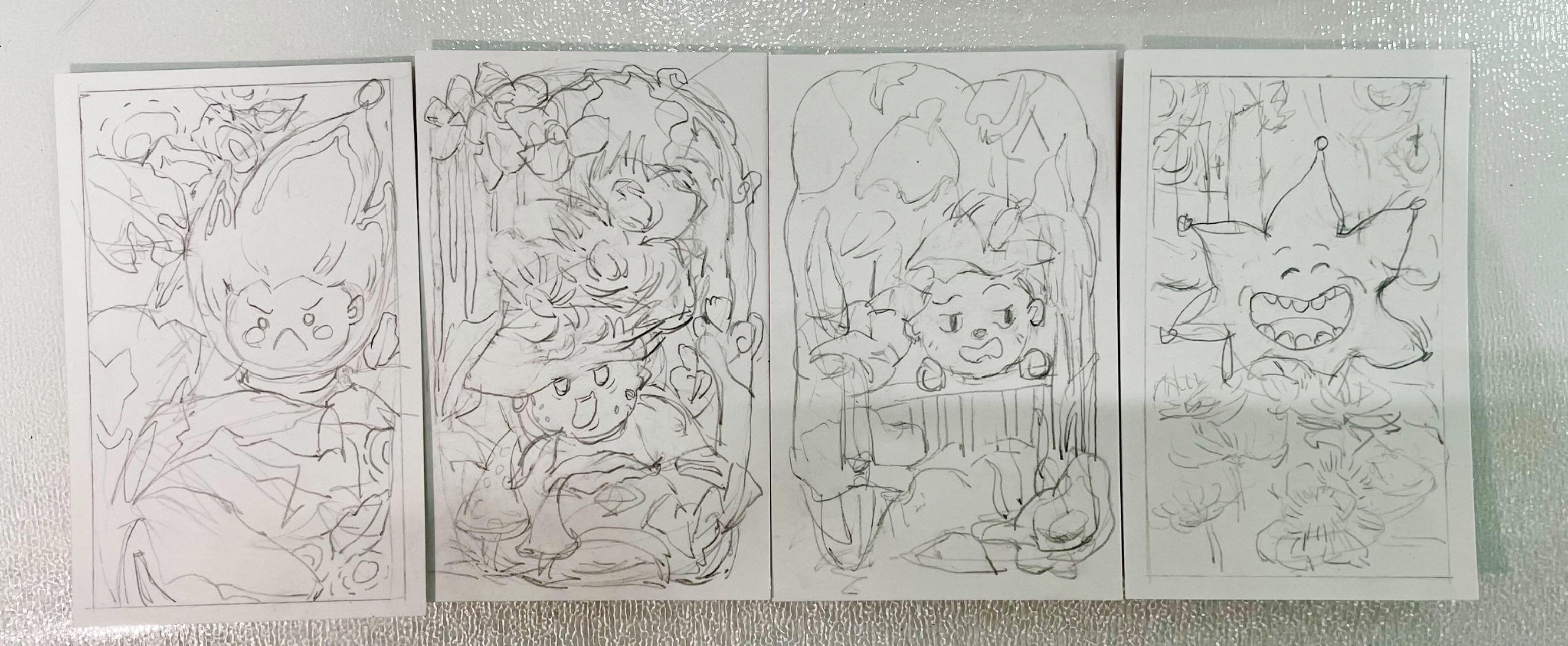
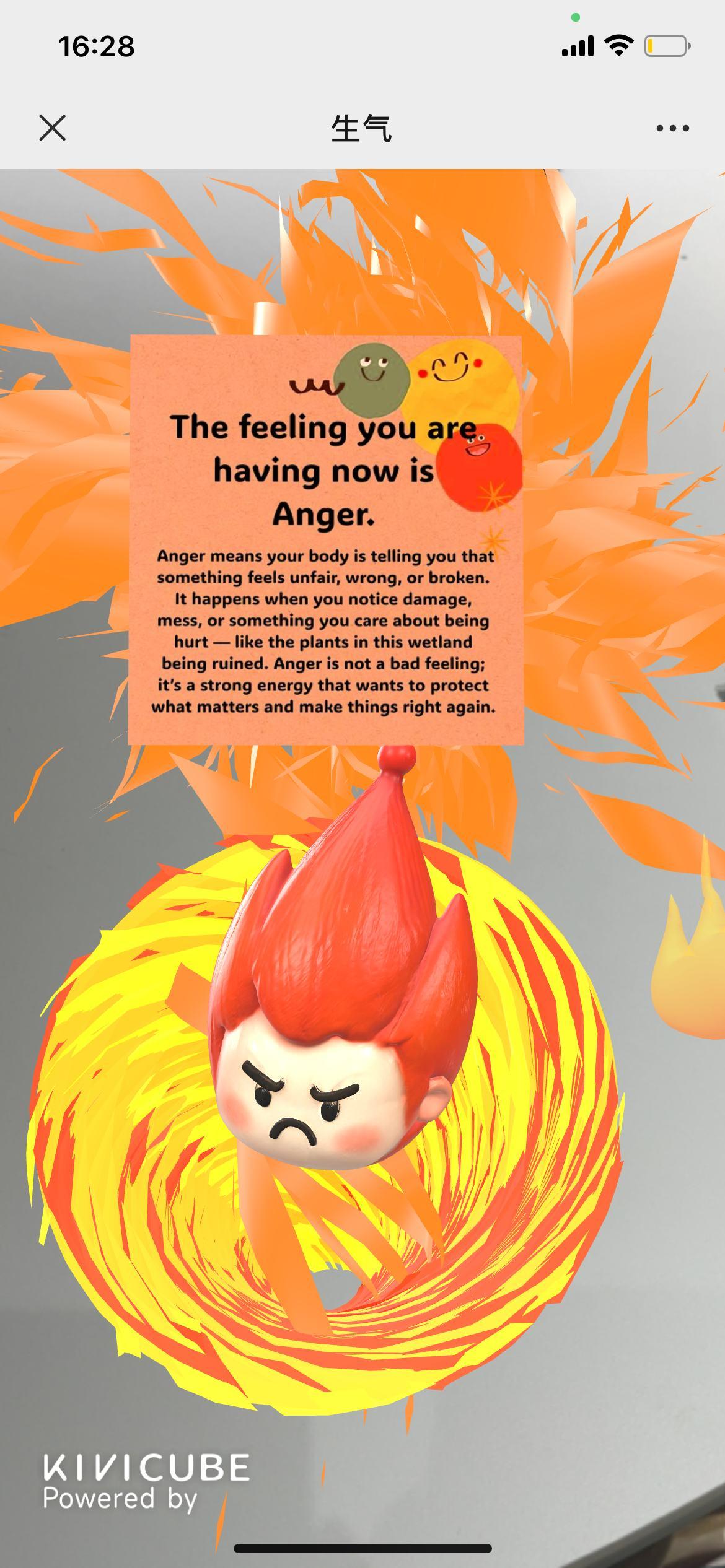
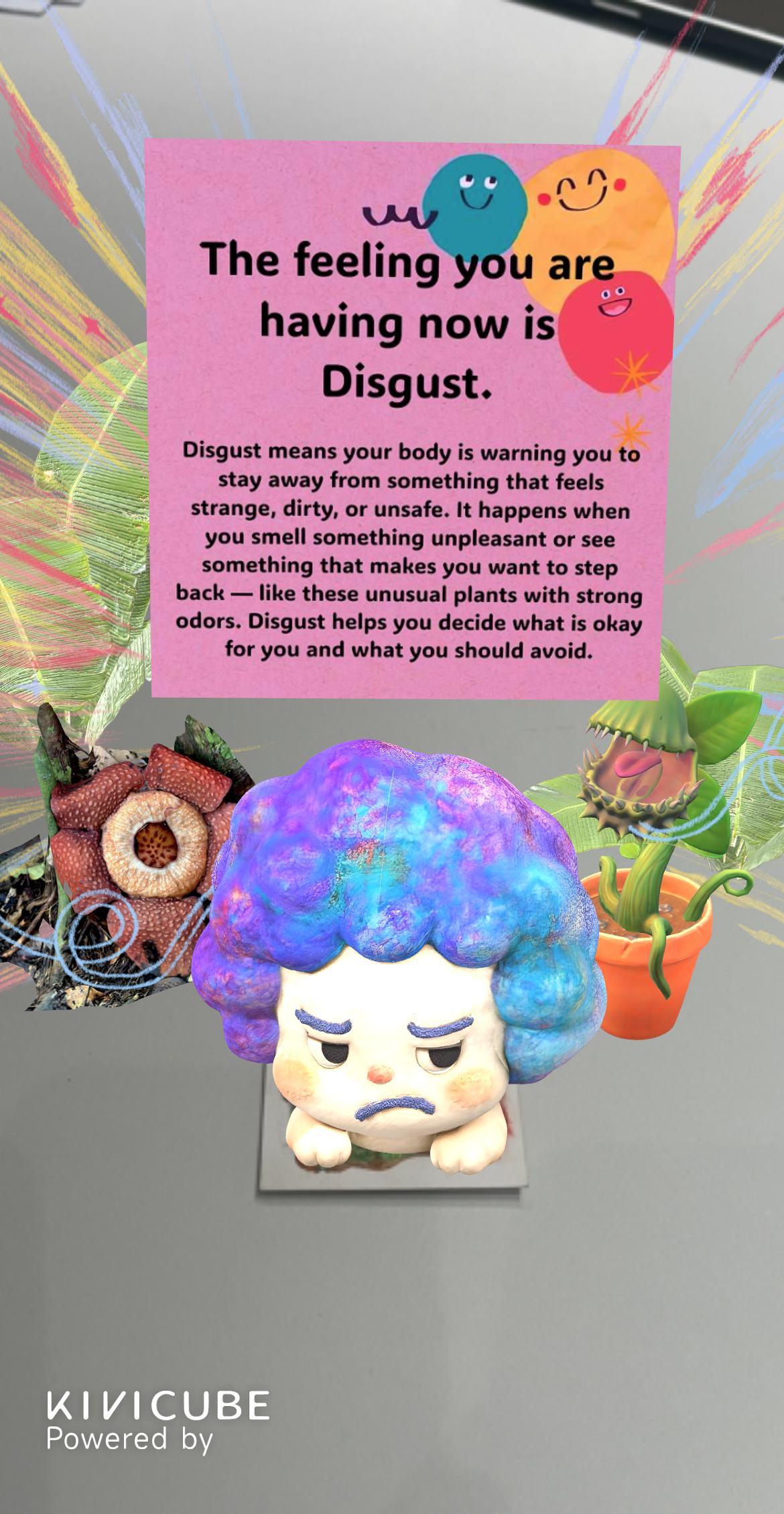
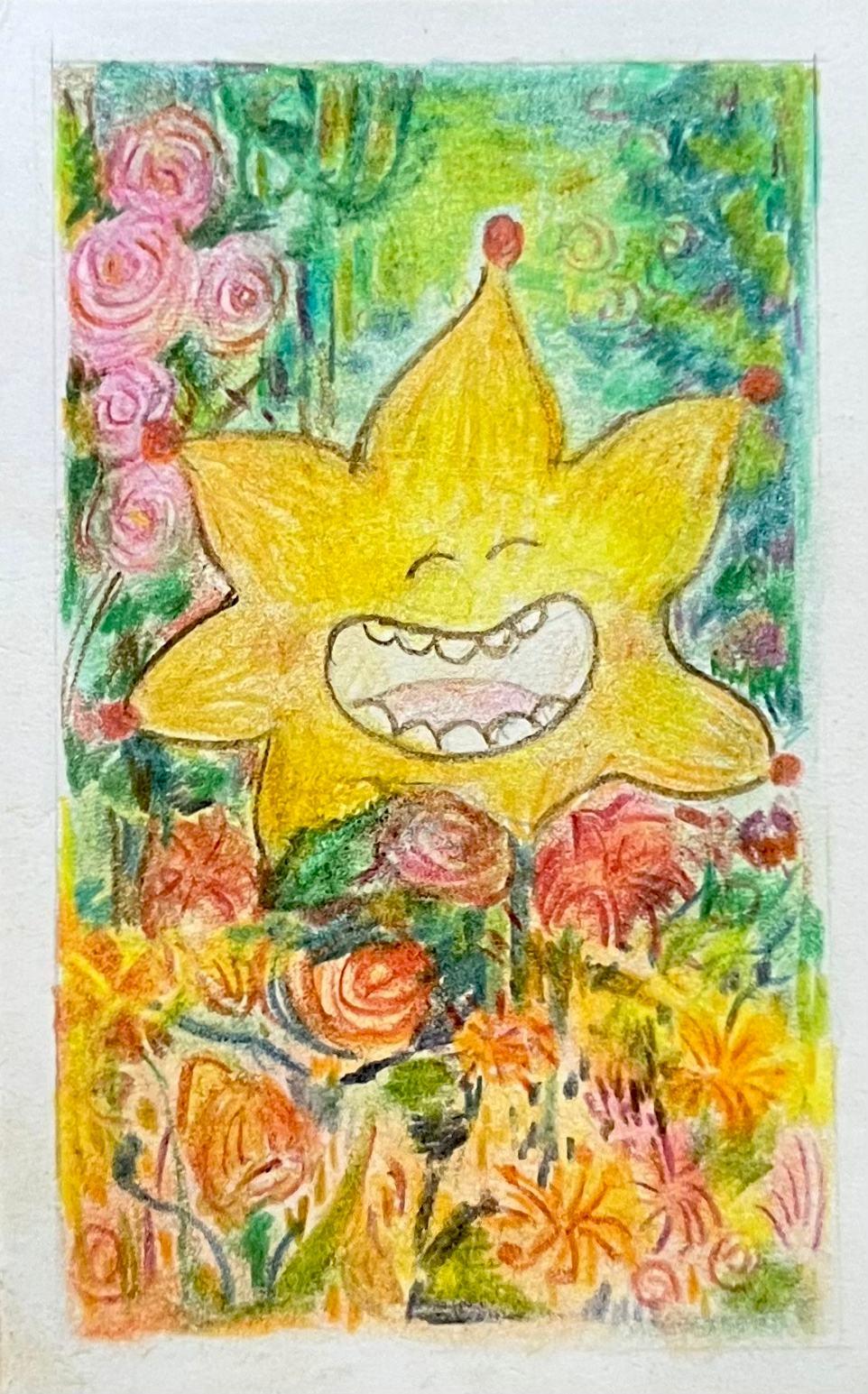
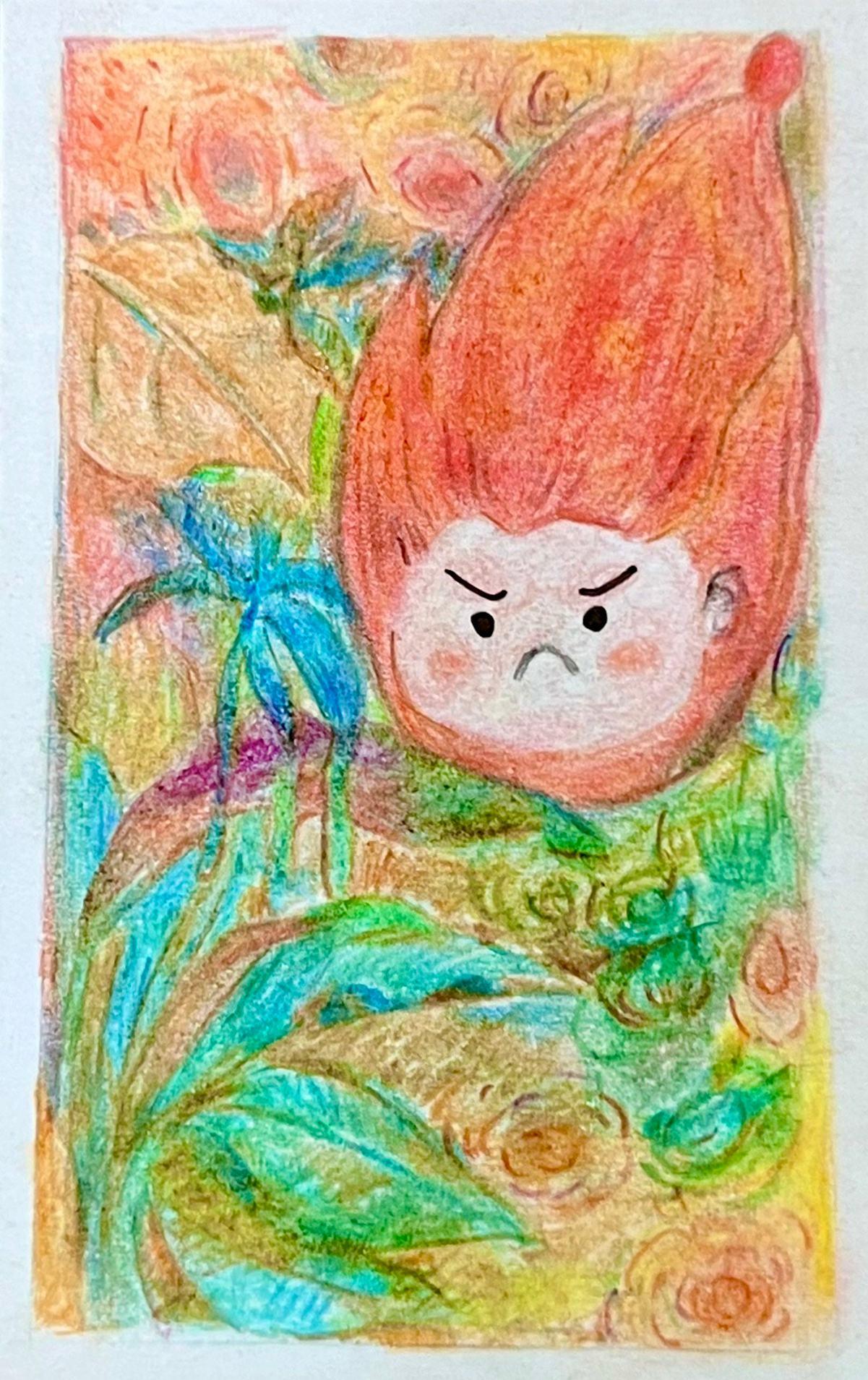
These four emotion cards anchor emotions with "scene+personification": the first one uses smiling eyes with stars and arch flowers to show "happiness"; The second one uses personification of flames to express "vitality"; The third prominent character's expression expresses' dislike '; The fourth picture shows the embrace of the night plant shadow, now "afraid". Card borrowing scene elements make emotions intuitive and perceptible.
Disgusting: The furrowed brow and curled mouth present a repulsive reaction when approaching smelly plants.
Happy: With a wide and relaxed expression, paired with flushed cheeks, it restores the joyful feeling of children walking into the flower sea of the botanical garden.

Fear: Wide open eyes, tightly pursed lips, restoring the timid expression of approaching the dark shrub area of the botanical garden.
The illustrations focus on the "native expressions of young children" and weaken exaggerated design, allowing young readers to see their emotional shadows from their expressions and strengthening the link from "emotional resonance to cognition".

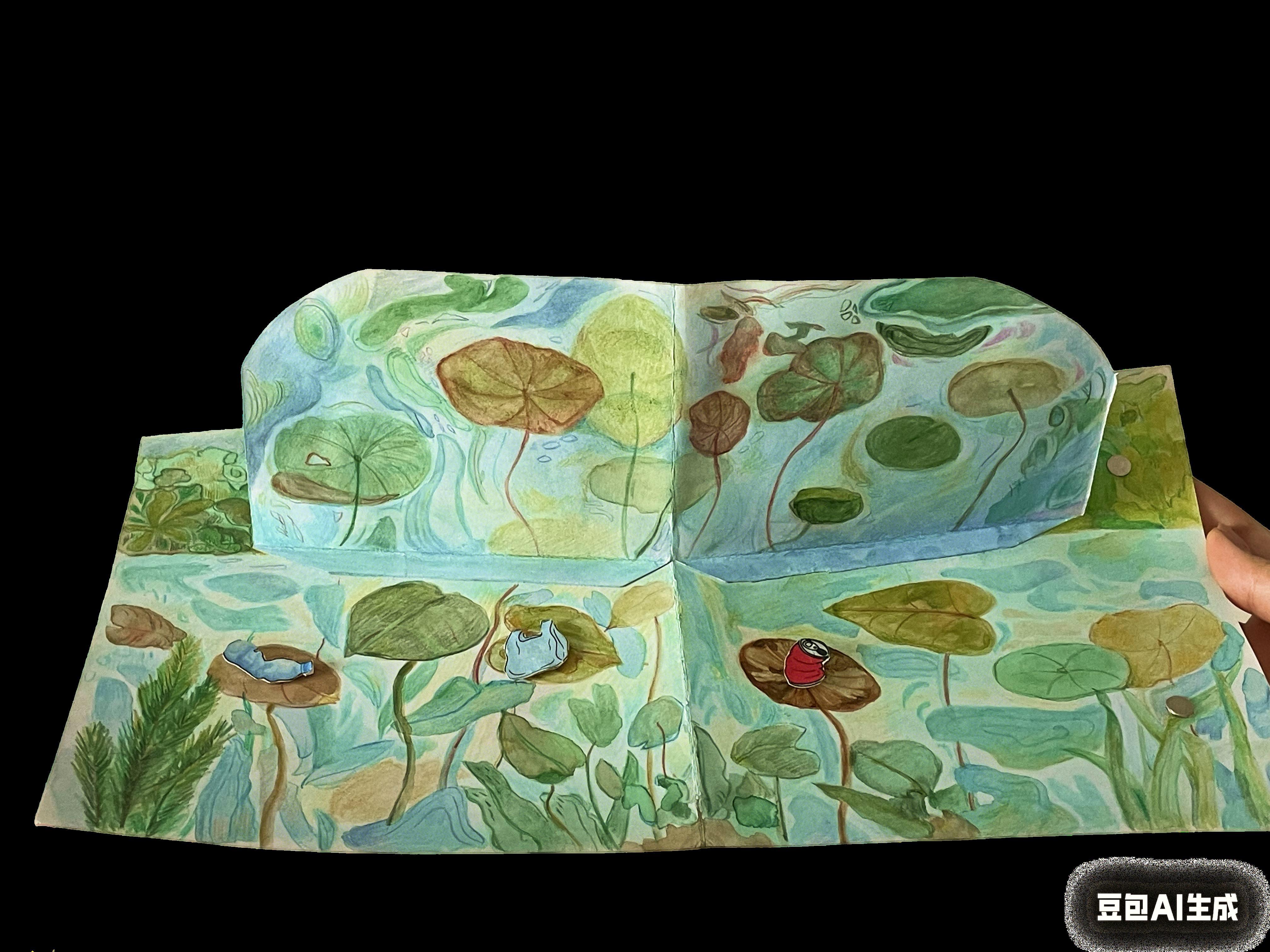
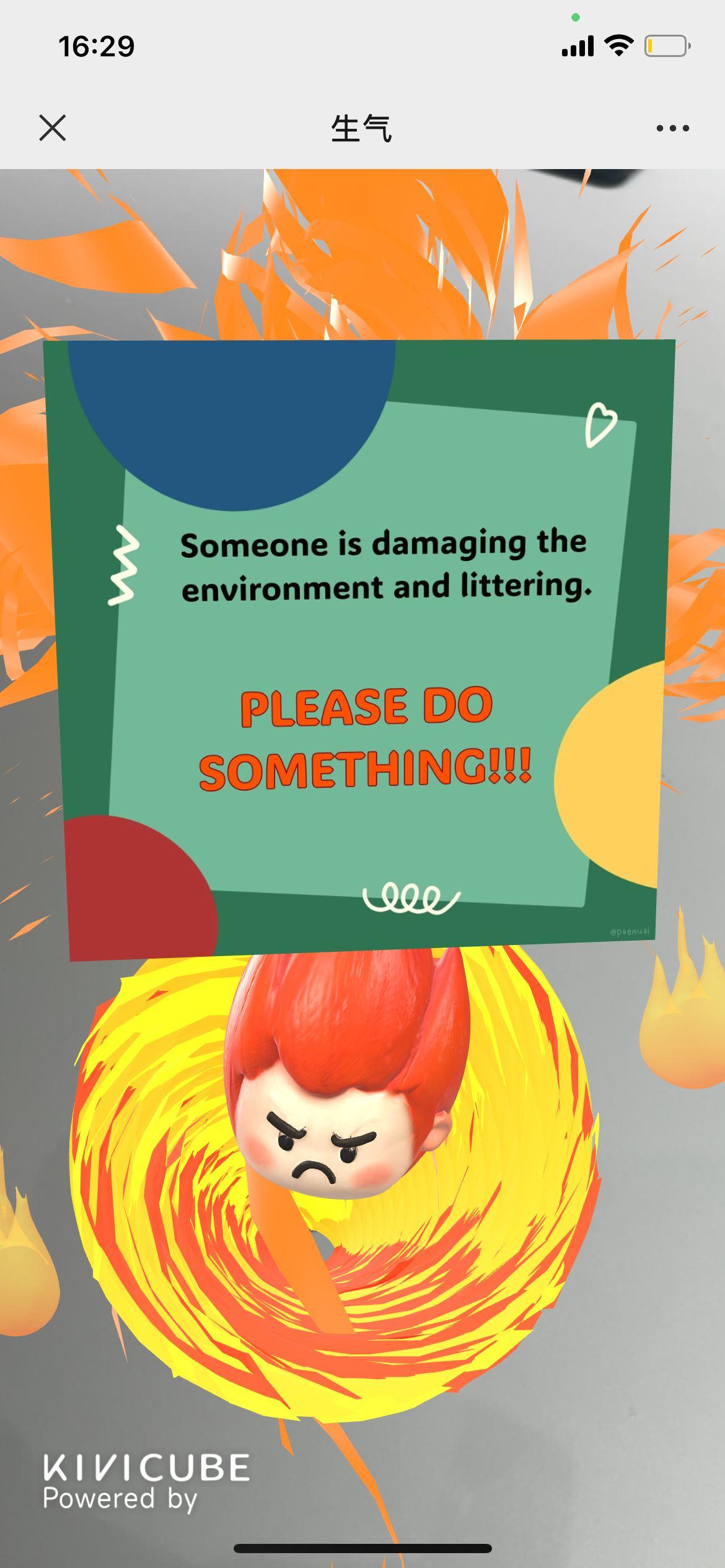
Anger: Tight eyebrows and slightly open mouth, replicating the restless expression when seeing garbage in the aquatic area.
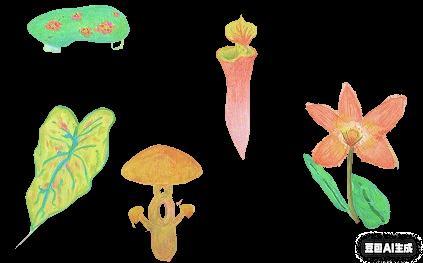
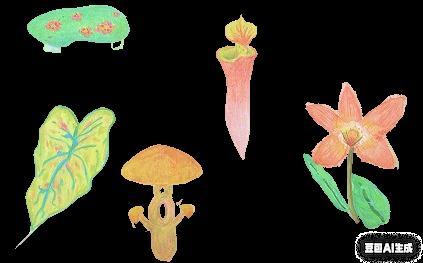
3D model botanical garden
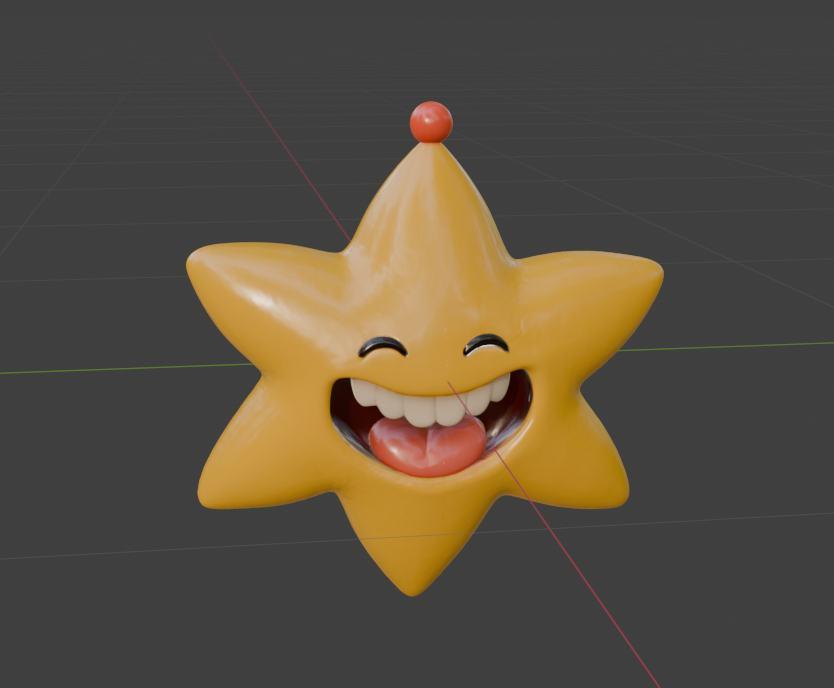
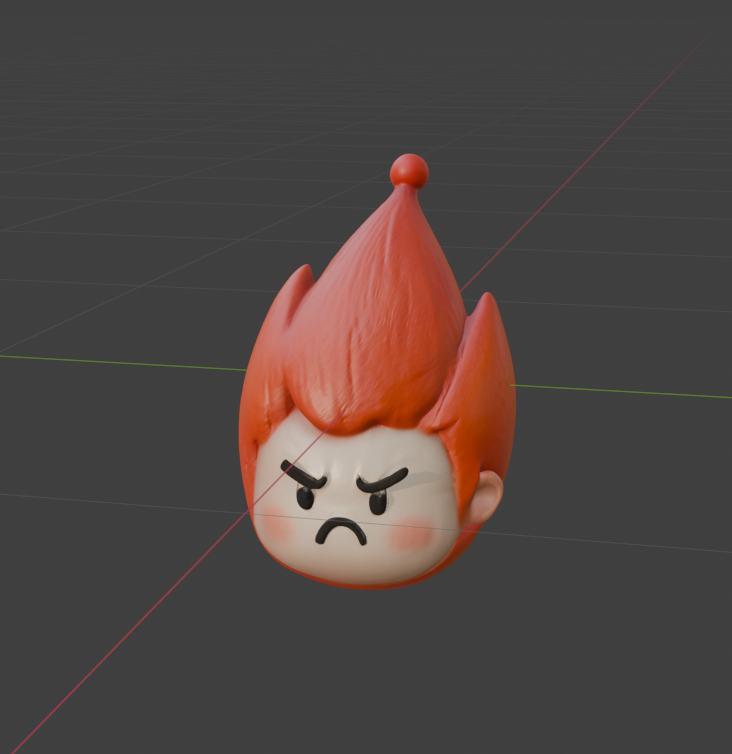
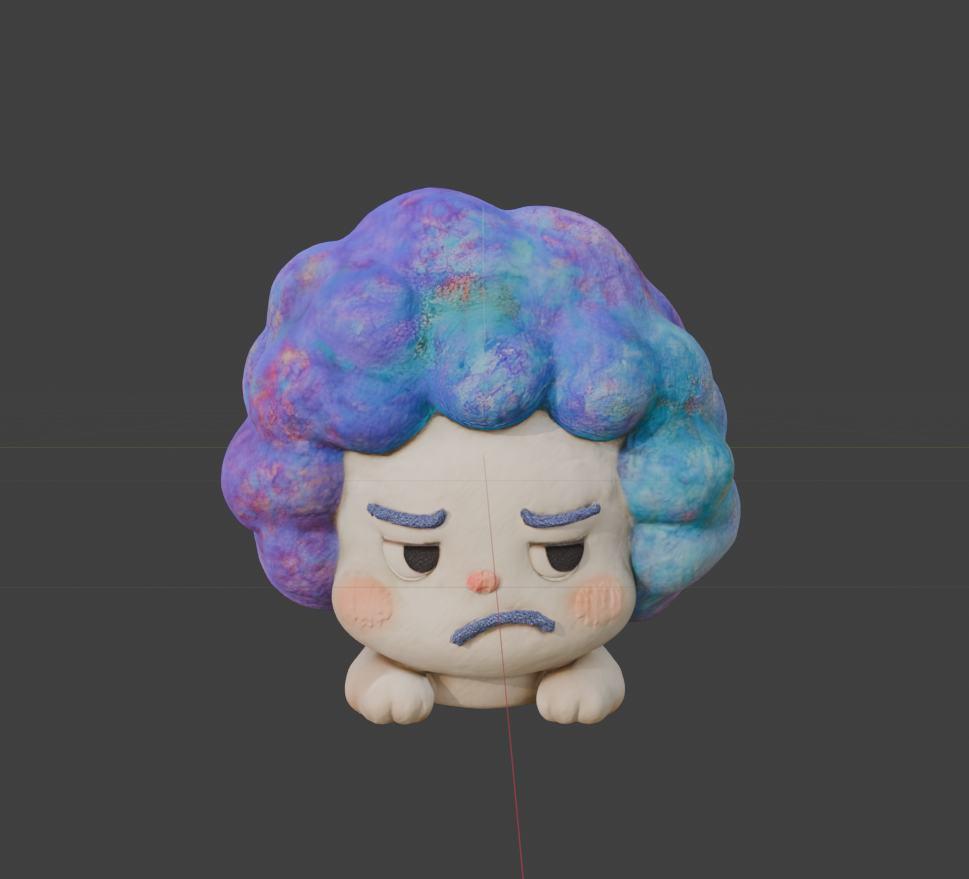
Through the linear process of "strolling in the botanical garden", a complete chain of "emotional triggering interactive participation named cognition" is connected, from the "happiness" when entering the archway, to the "anger" when seeing garbage, and to the "disgust" when staying away from smelly plants - children do not need to deliberately memorize emotional vocabulary, but naturally bind environmental experiences, physical sensations, and emotional concepts in the process of "strolling and playing", achieving the educational goal of "understanding emotions through experience".
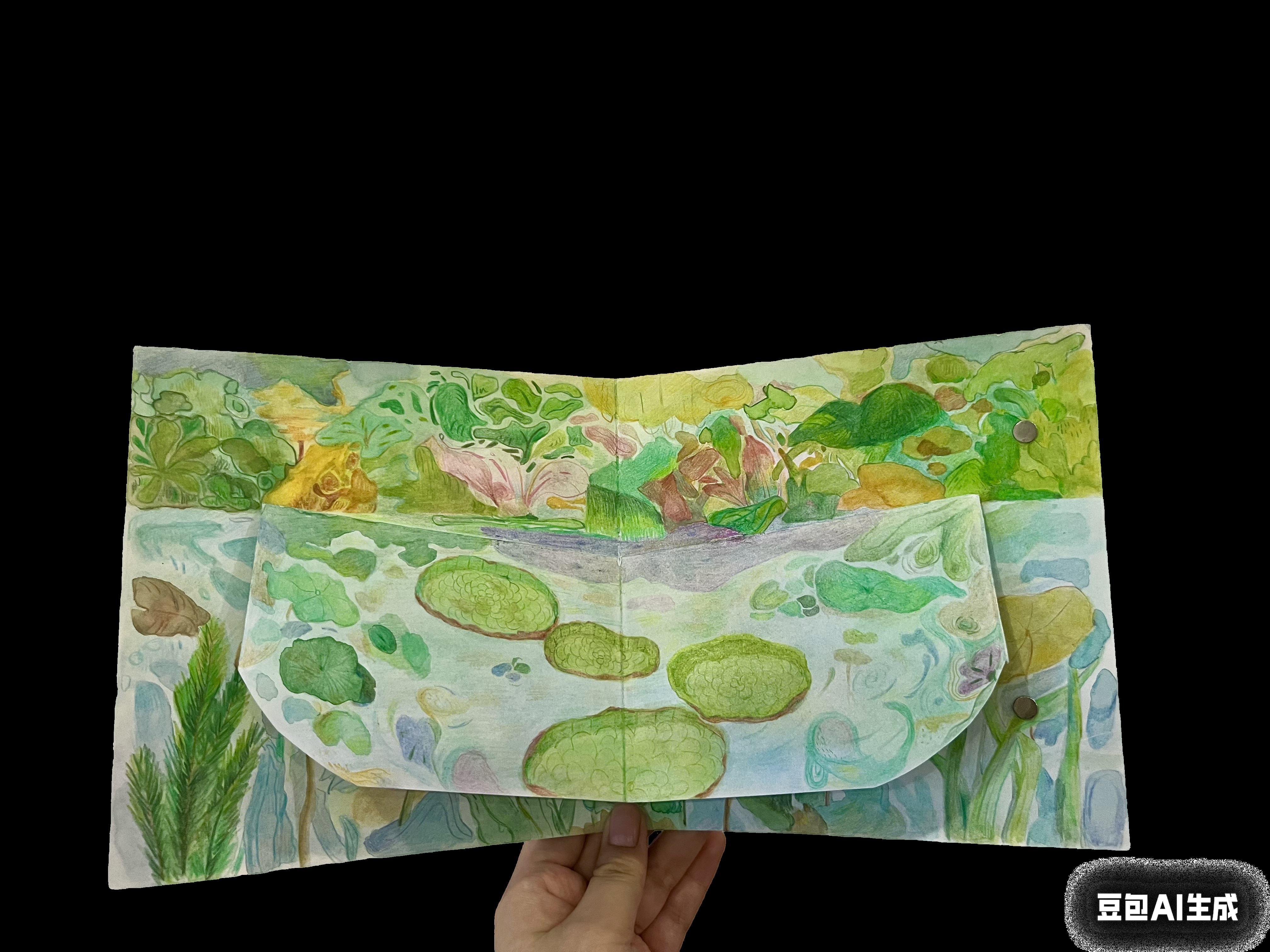
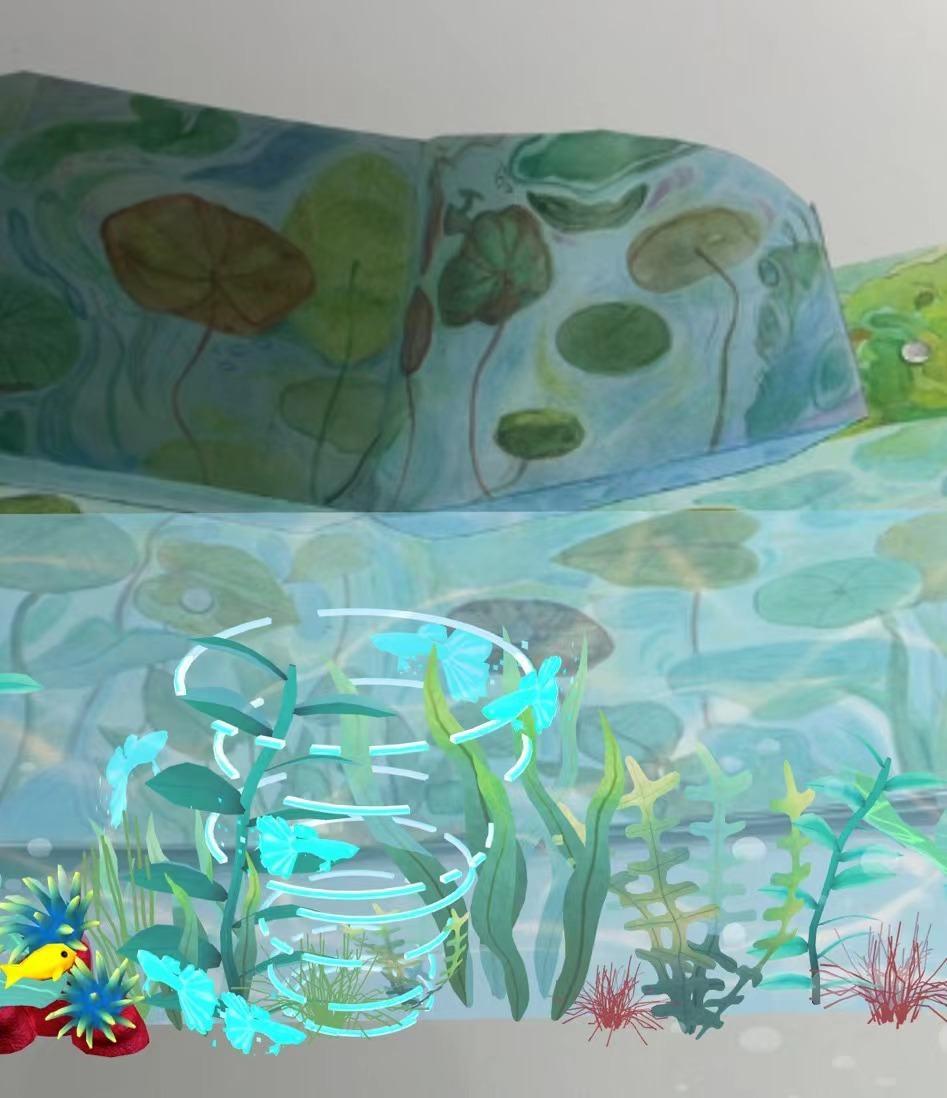
page2-Aquatic Botanical Garden
The aquatic botanical garden magnetic suction garbage creates an uncomfortable scene. Scanning the emotion card AR shows that this is anger, and
Botanical Garden
Arriving at the Stinky Botanical Garden, it triggers thinking about how you would feel. Scanning the emotion card can obtain the
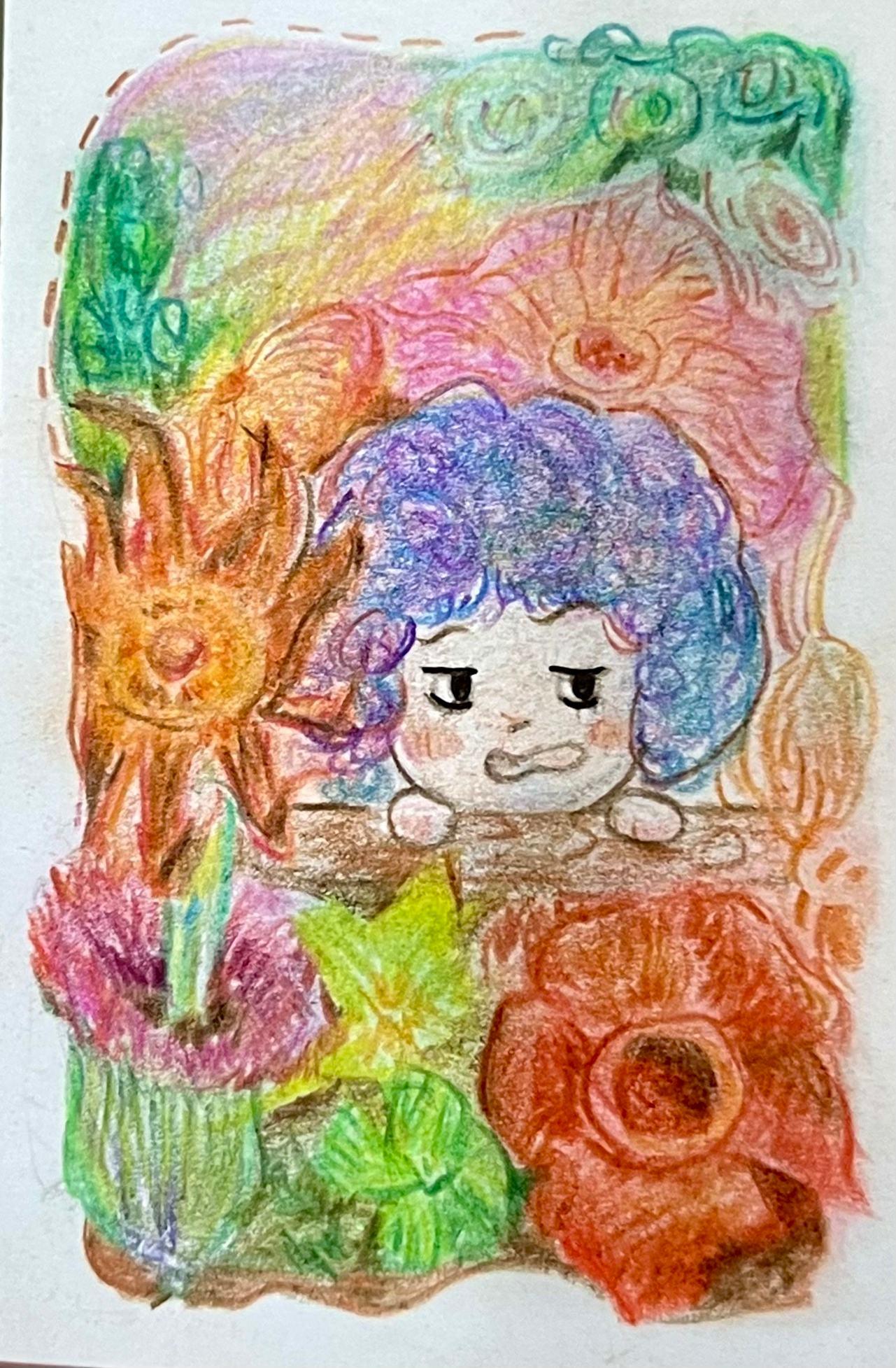
Set up a pleasant scene with the entrance of the botanical garden, lush grass, and blooming flowers, and synchronize the page corners with smiling character emoticons and "happy" emotion cards; Scanning the 'happy' card will trigger an AR animation, prompting 'This is happiness, children can also tear off the emoticon to correspond to their own feelings.