[2017-2024]
Selected Architectural Projects
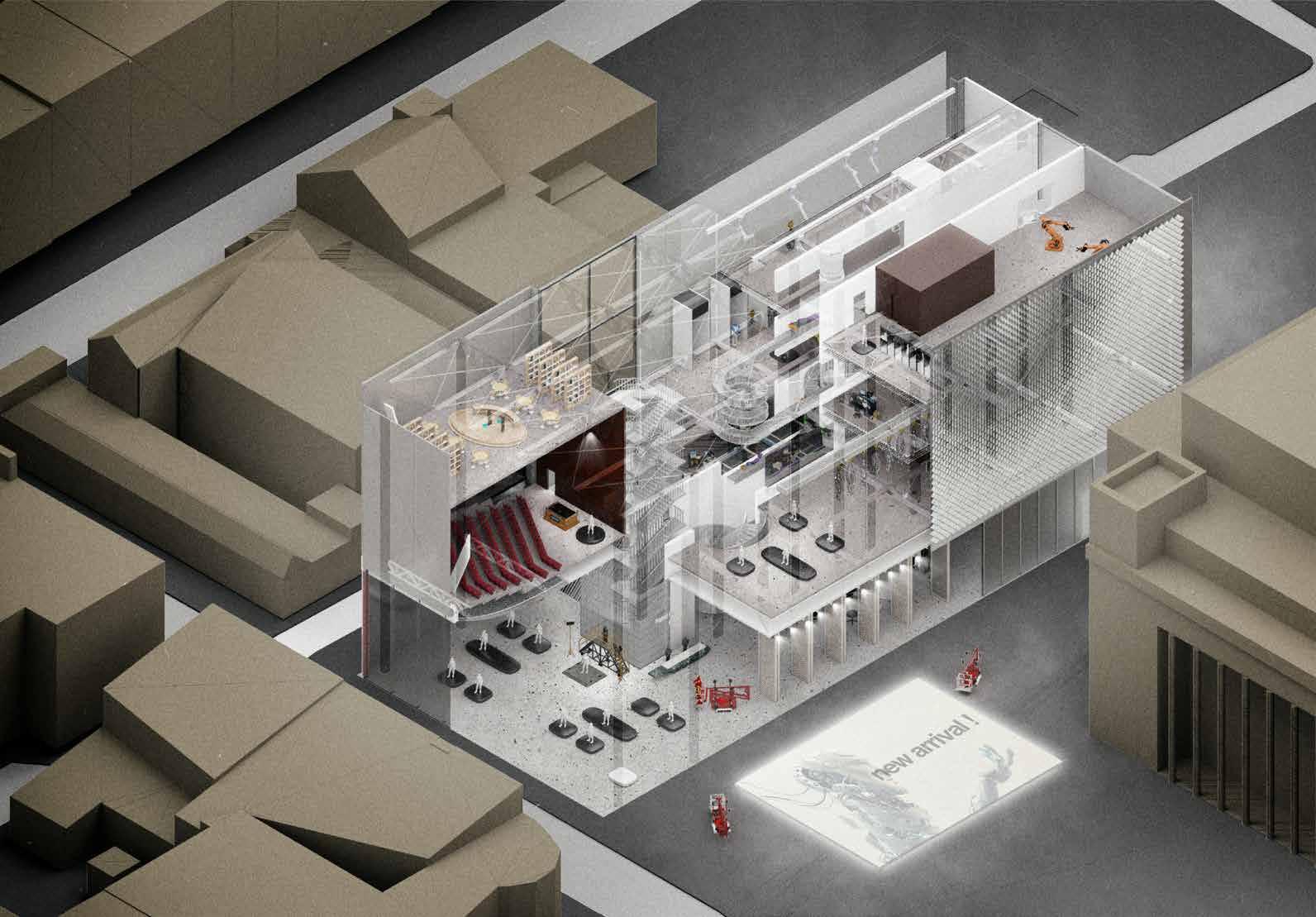
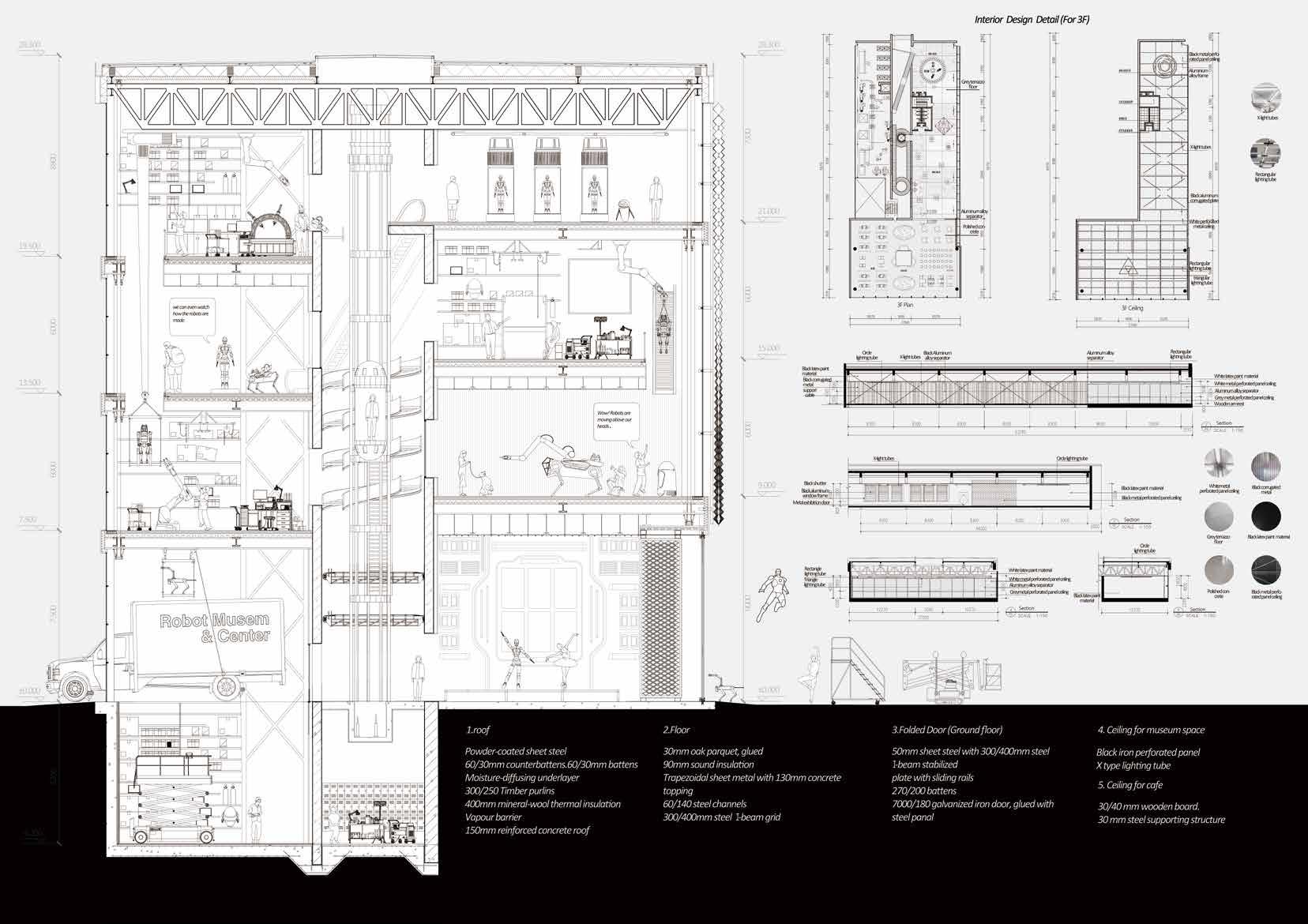
This project envisions a world where robots are prevalent in the post-pandemic era. In this imaginative scenario, robots are considered common goods, seamlessly integrated into people’s daily routines. However, as robots straddle the line between machines and human bodies, moral questions arise regarding the relationship between humans and robots. The Robotics Museum aims to blur the boundary between humans and robots, prompting reflections on their identities. Various controversial scenarios are envisioned to spark discussions about morality.
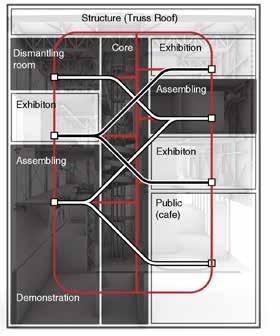
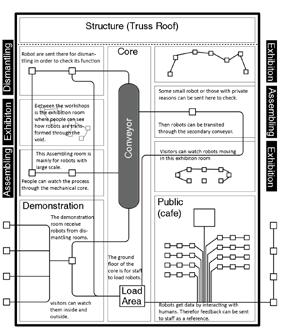
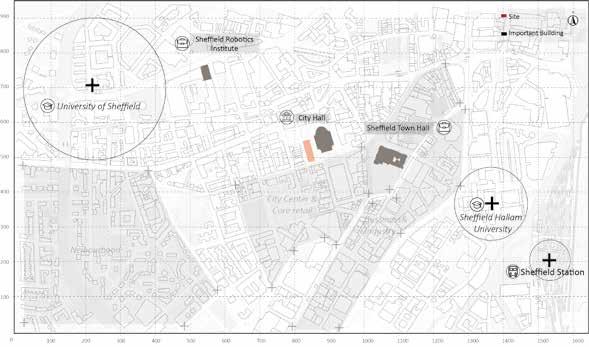
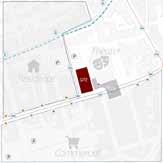
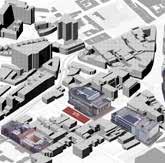
The entire building operates like a robot, with a "mechanical heart" at its center supporting the whole system, connecting the museum, research center, and forum. The building features a special suspended structure, creating a significant void in the middle, which serves as the heart of the system. Located in the center of Sheffield, the museum is highly accessible to citizens with its open elevation. Robots are sent here for maintenance and delivery, becoming part of the museum's exhibition. By interacting with robots, visitors can experience identical replacements, fostering a deeper connection with them.
Robotics museum& Center in Sheffield, UK 2020 Spring Site: Sheffield Instructor: Robert Blundell Indiviual work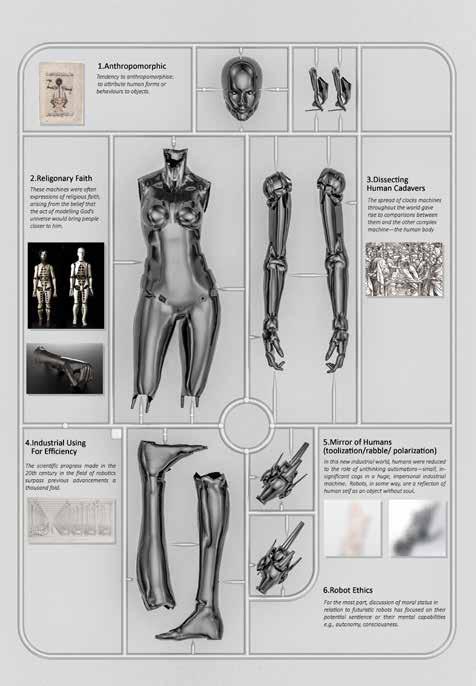
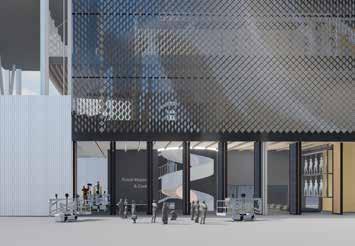
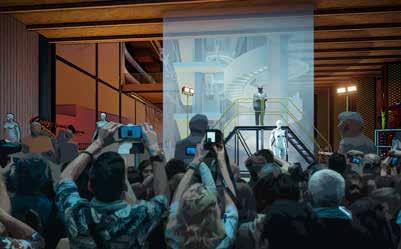
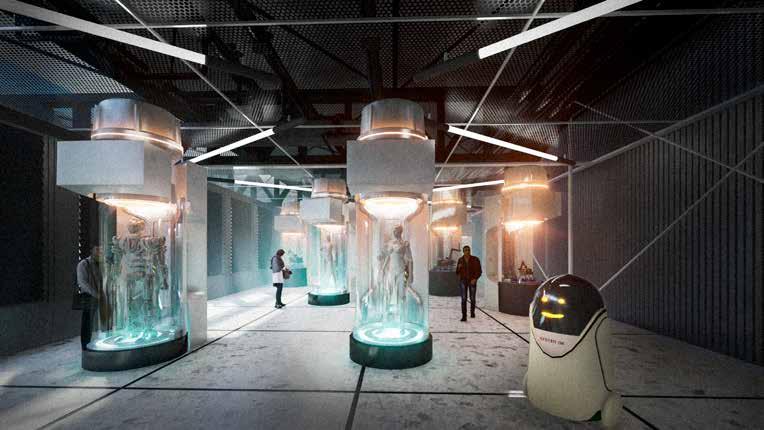 Robot Special Event: They are gathring for the new robots. Last time they are crazy about a tech product is the release of iphone
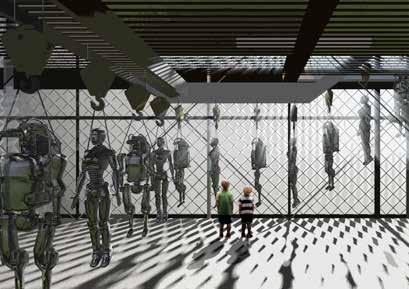
Museum part II: They are looking at us, in the cage... Do you think they may see us like this in the future in the museum?
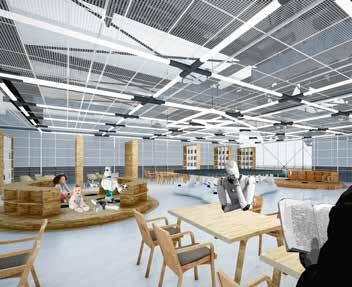
Library: Robots with different works are talking with the visitors, telling them their life.
Museum part I: Two kids are whistling there:
A: Hey, bro. The swirling diamond-shape pieace are so beautiful, isn't it?
B: yeah. The light are following the robots, they look like the god from the heaven.
Robot Special Event: They are gathring for the new robots. Last time they are crazy about a tech product is the release of iphone
Museum part II: They are looking at us, in the cage... Do you think they may see us like this in the future in the museum?
Library: Robots with different works are talking with the visitors, telling them their life.
Museum part I: Two kids are whistling there:
A: Hey, bro. The swirling diamond-shape pieace are so beautiful, isn't it?
B: yeah. The light are following the robots, they look like the god from the heaven.
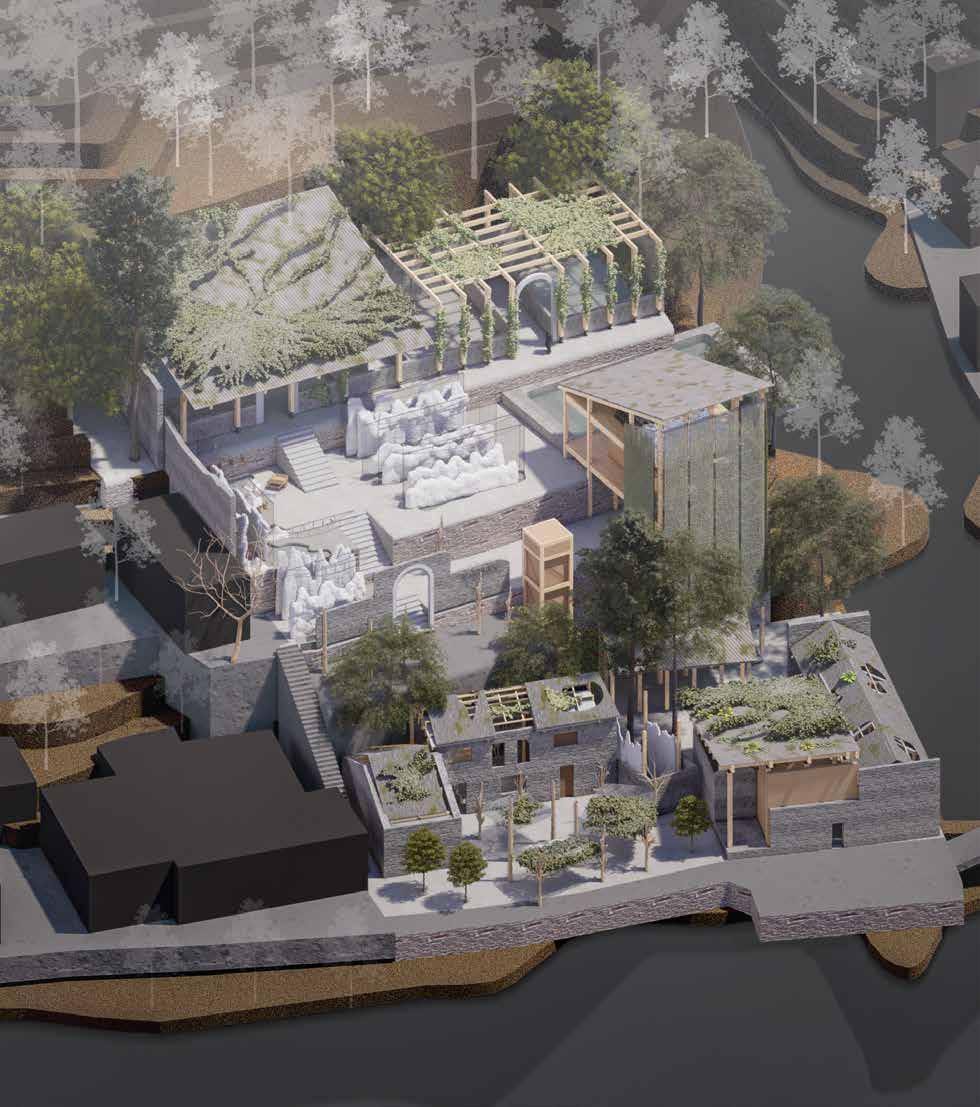
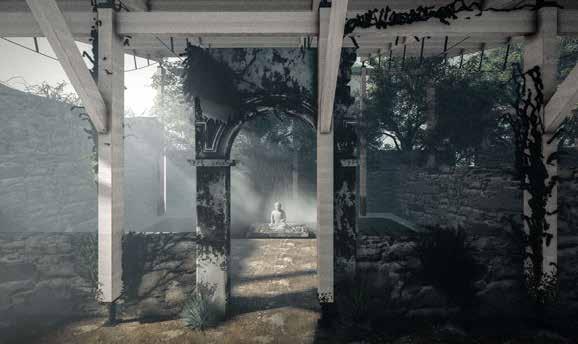
A revitalization of a forgotten history.
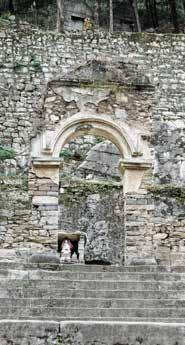
Hollow villages are a common problem in contemporary China due to uneven social development, leading to severe population loss and insufficient infrastructure. Ningchang Village, located in Chongqing, China, was once prosperous due to its abundant salt springs, which produced and transported significant amounts of salt to northwestern China. However, in the 1990s, the government banned the low-efficiency and polluting salt production methods, causing the village to decline and eventually become nearly abandoned.
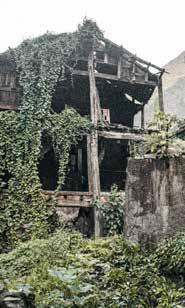
The government attempted to revitalize the village with a tourism plan, but the effort failed, leading to the abandonment of the area and neglect of its valuable historical buildings. After a monthlong survey involving local officials and residents, my team and I discovered that the main reason for the village's stagnation was a flaw in its sustainable production system.
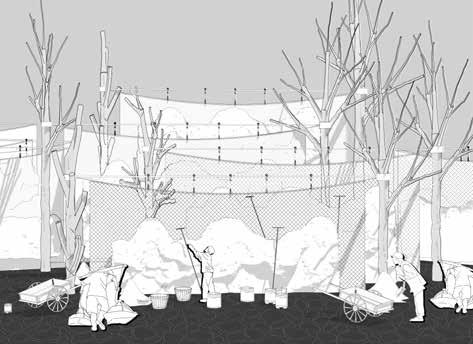
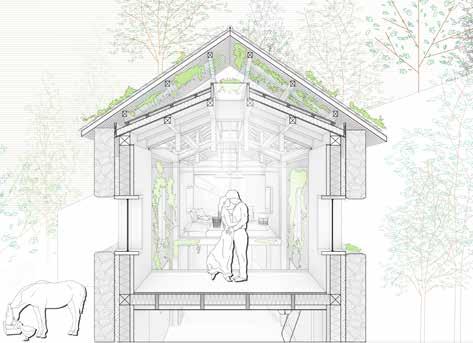
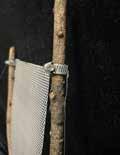
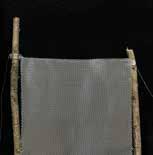
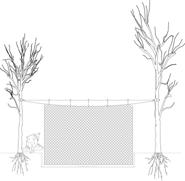
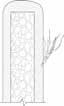
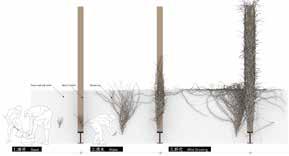
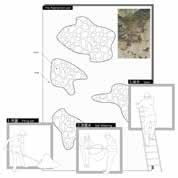
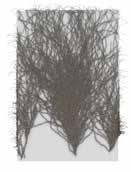
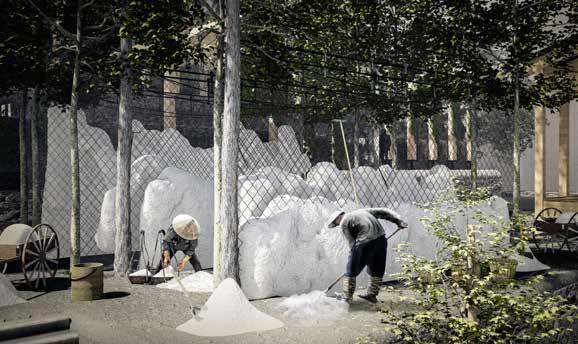
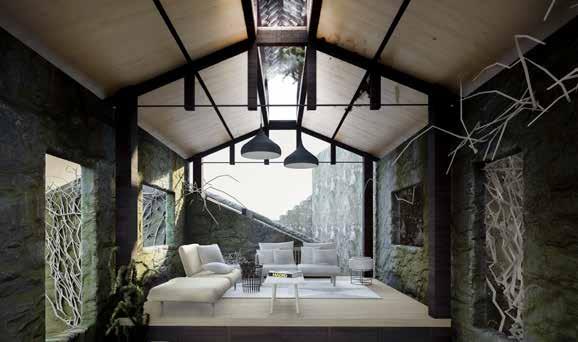
Our project proposes a sustainable and innovative approach to salt production and ecological restoration. Firstly, we conducted experiments using capillarity theory and demonstrated the viability of a new salt extraction method involving nets hung from trees with minimal intervention. This method creates a unique environment for salt production.
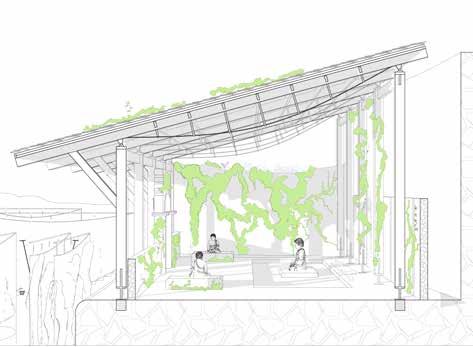
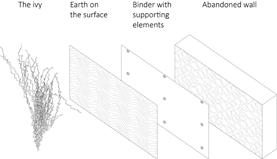
To restore the damaged environment, we used saltwater to accelerate plant growth. This approach aims to cover and eventually decay abandoned artificial structures with vegetation, addressing past deforestation caused by salt production. Additionally, newly constructed infrastructure can be integrated into the landscape, creating a unique and harmonious environment.
 2020 Summer
Site: Ningchang village in Chongqing, China
Instructor: Yang Meng
2020 Summer
Site: Ningchang village in Chongqing, China
Instructor: Yang Meng
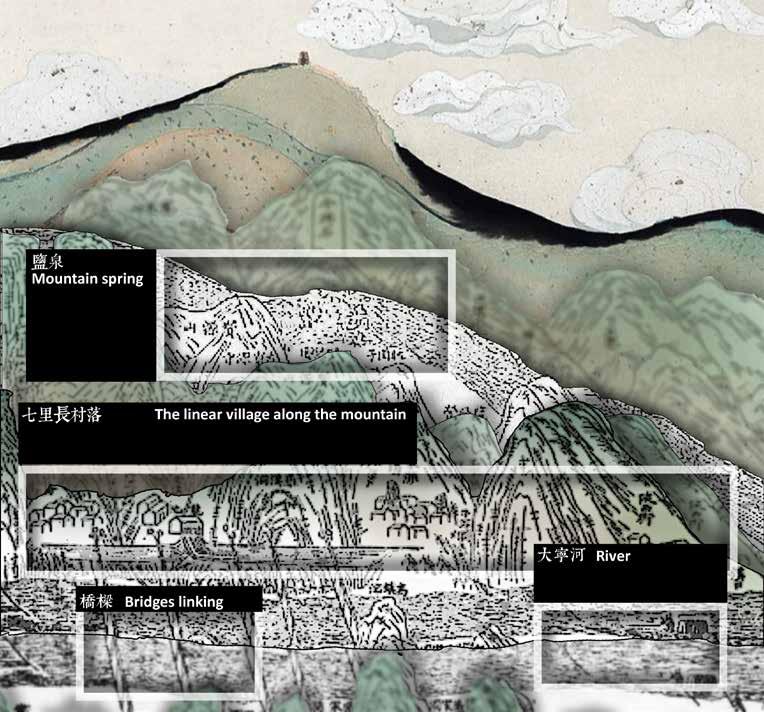

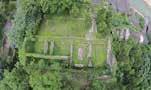
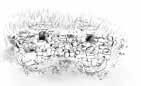
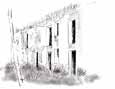
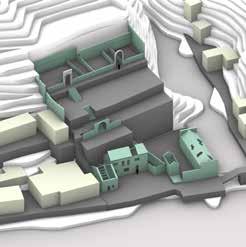
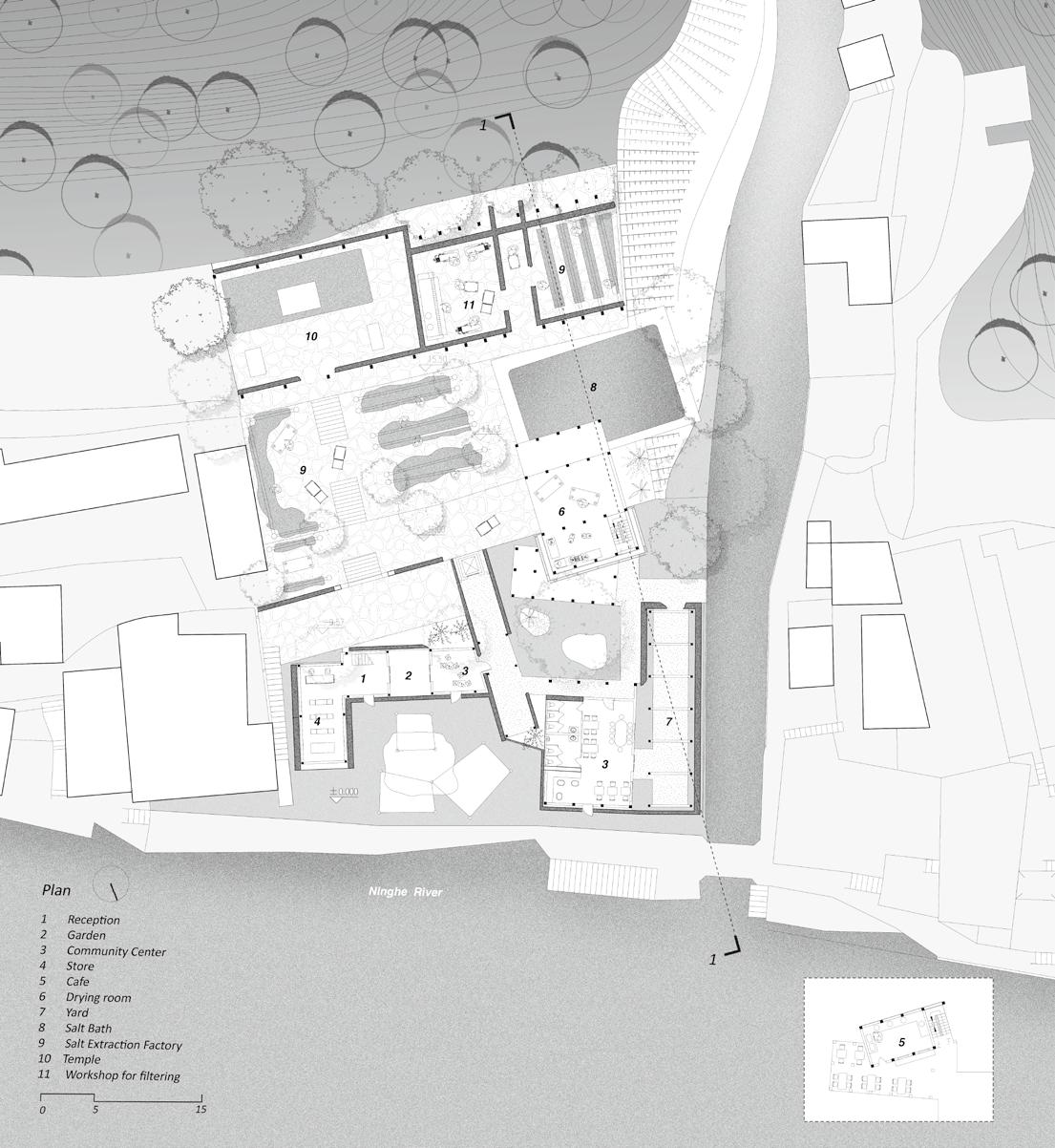
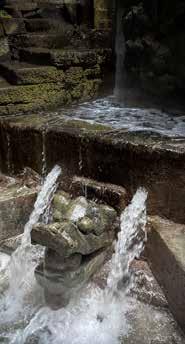
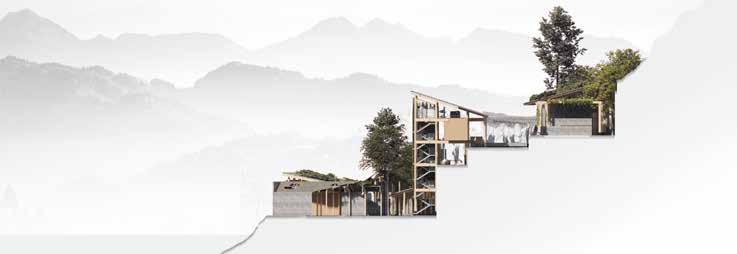 The mountain has abundant salt material which dissolves into the local water resource. And villagers used it to extract salt.
The linear village was situated in the foot of the hill with 7 kilometers long. The bridges are linking the two sides of the mountain.
The Ninghe River was for water transportaion in the past.
The mountain has abundant salt material which dissolves into the local water resource. And villagers used it to extract salt.
The linear village was situated in the foot of the hill with 7 kilometers long. The bridges are linking the two sides of the mountain.
The Ninghe River was for water transportaion in the past.
Campus Sports Center Design
In Collaboration with Xinhao Li, Wenxuan Sun, Chengzhi Zhang
Research &Concept Design: 30%, Structural Design& Modeling:80%, Drawing 40%
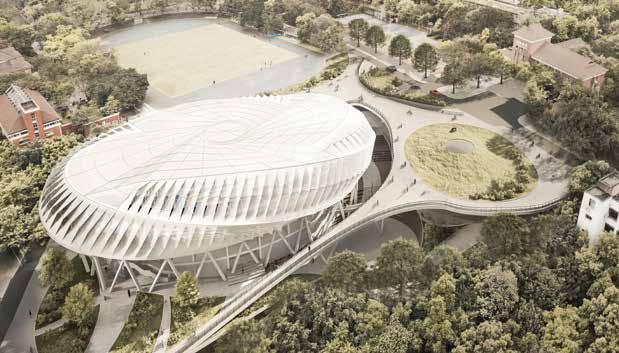
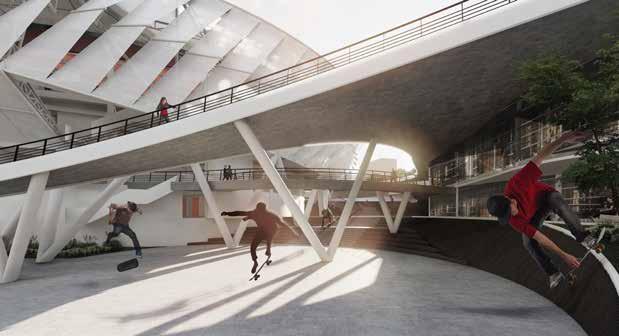
This project primarily challenges me to design a complex geometric structure and integrate a massive building into a dynamic campus and community site. Additionally, this project is a collaboration among four team members, providing an excellent opportunity to coordinate and negotiate the design of different project components.
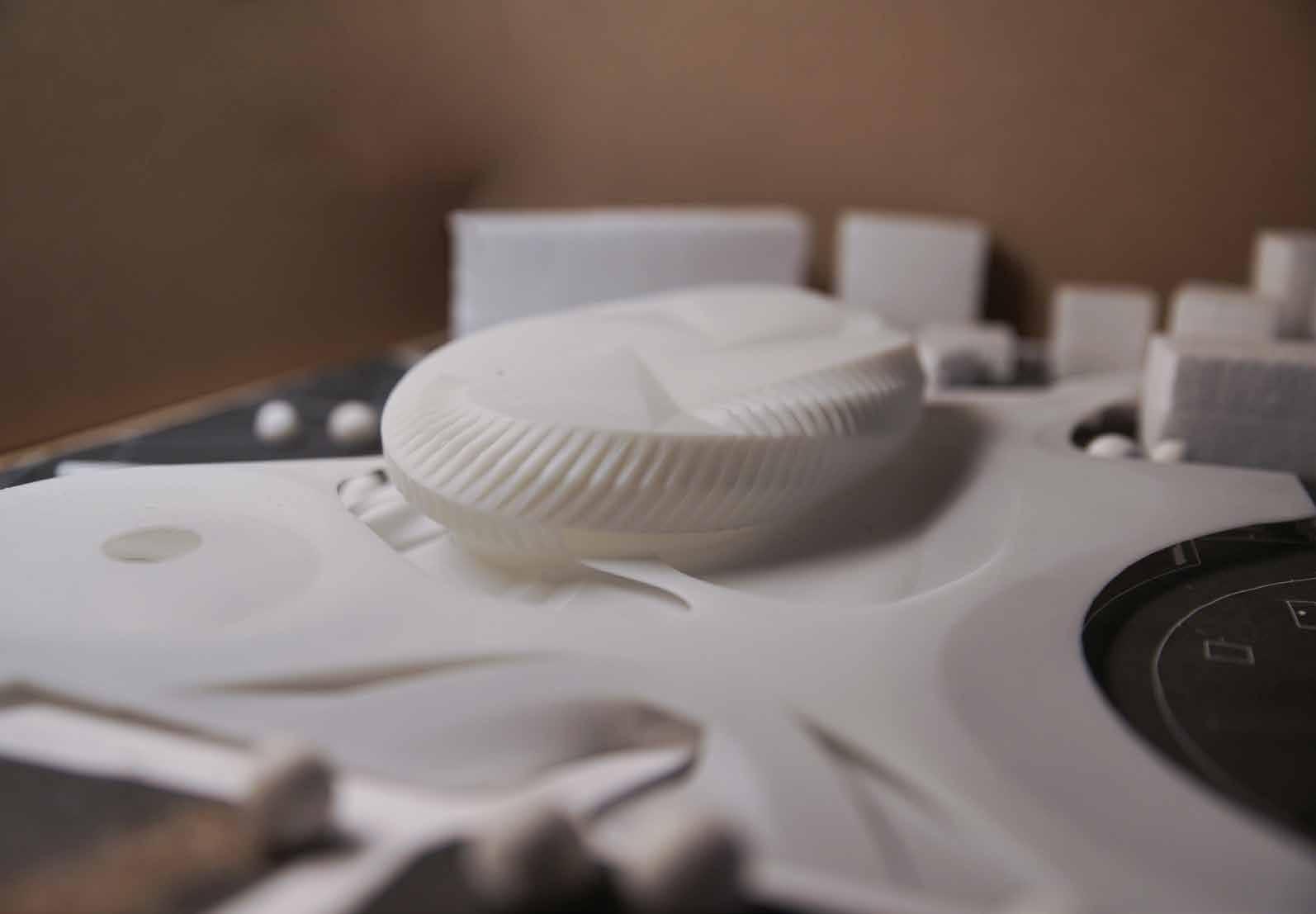
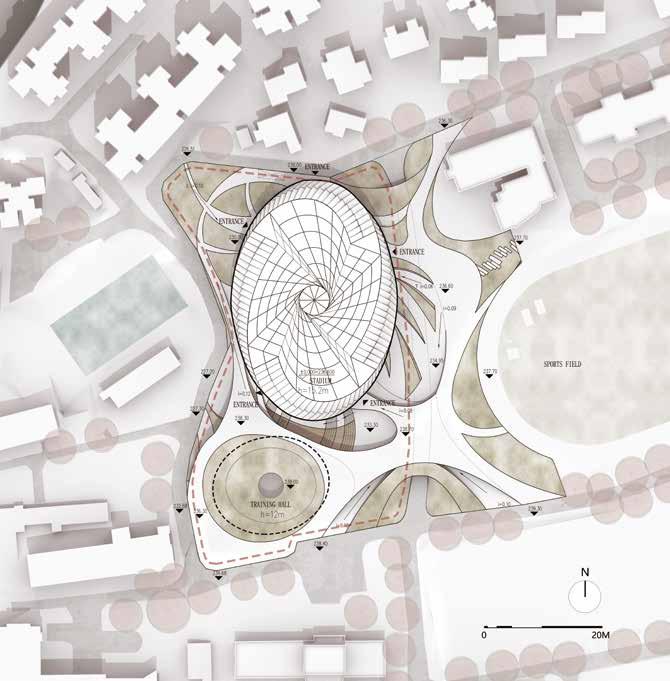
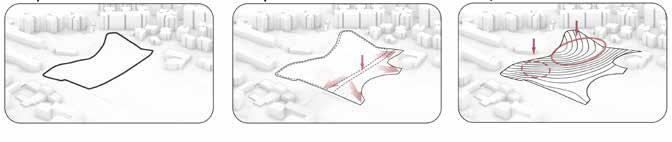
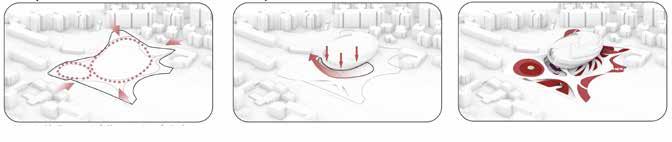
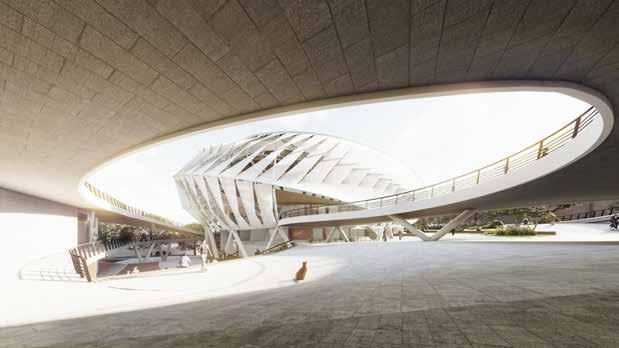
We used the Möbius strip, a geometric mathematical model, as the form to connect four streams of people on the campus. The shell of the building not only encloses the internal stadium space but also serves as a crucial surface for interacting with the context. Particularly in the twisting parts of the shell, the complex structure creates intriguing spaces that blend sports culture with campus life.
2021 Spring Site: Shapingba, Chongqing Instructor: Chang Liu
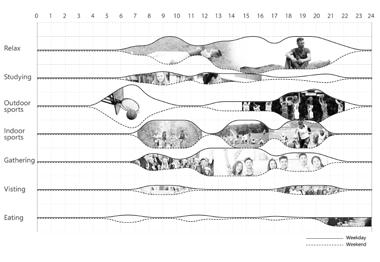
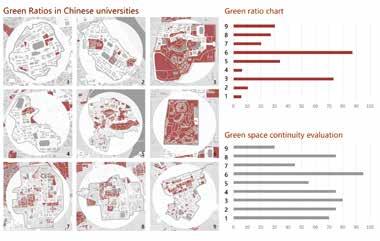
The project sites in a campus, with maximally 17 meters in topology. By considering the needs of users in campus, we figure out some features the stadium should have in the project, like large areas of green and multiple infrastructures integrating in the campus life.
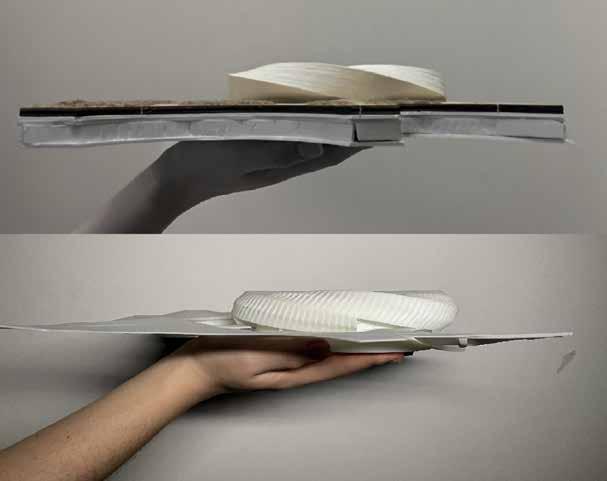
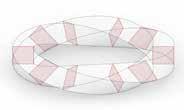
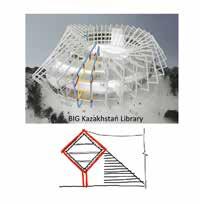
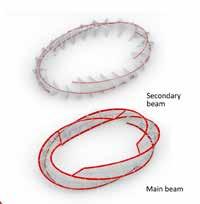
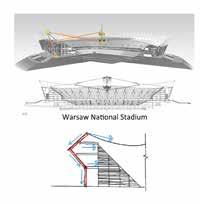
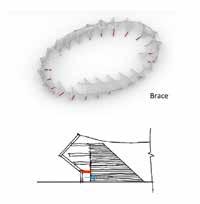
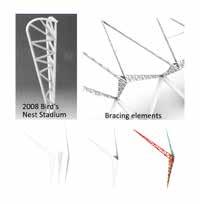
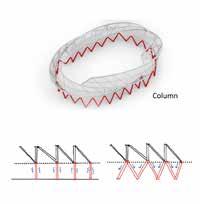
 Concept model / Final model
Structure maquettes
Concept model / Final model
Structure maquettes
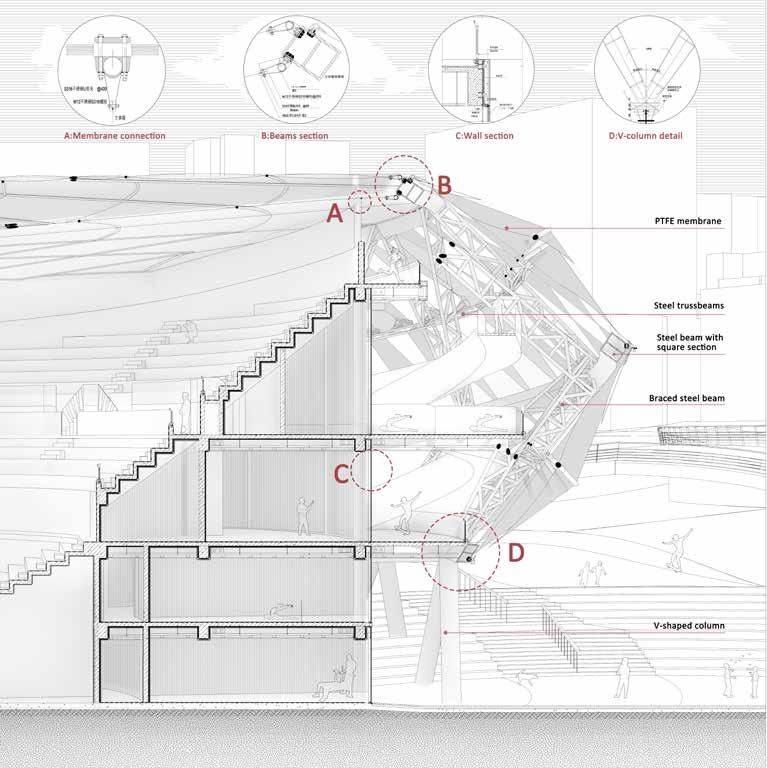
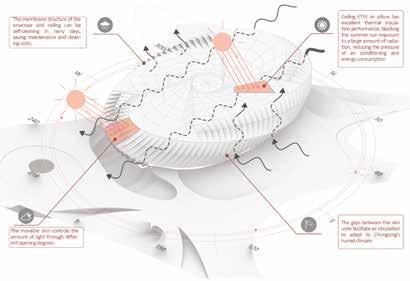
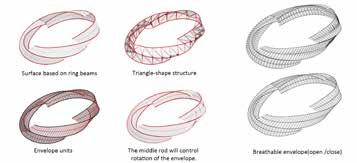

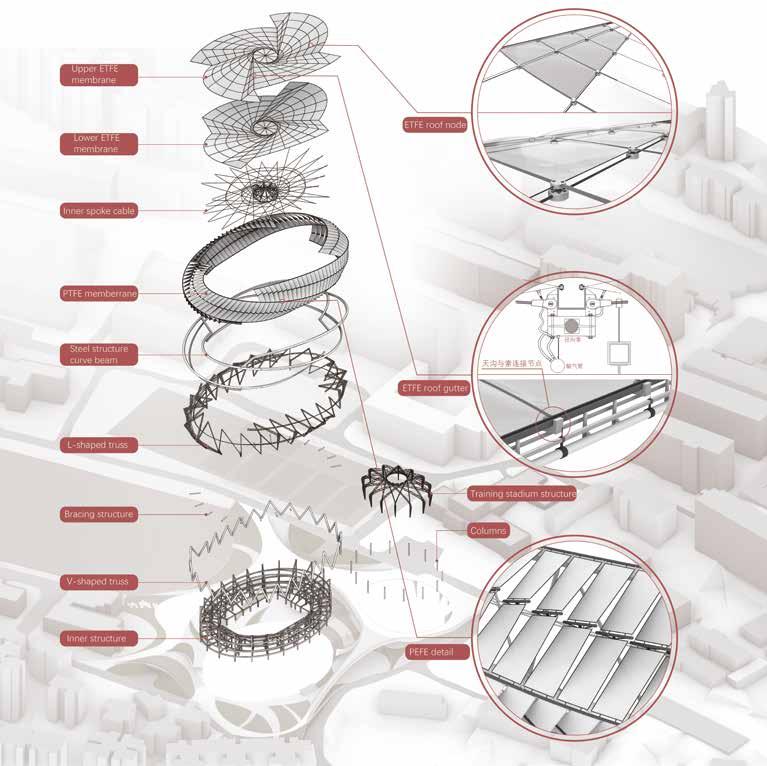
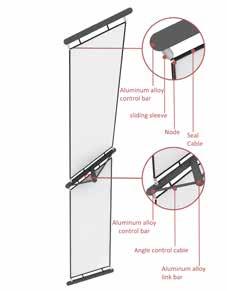
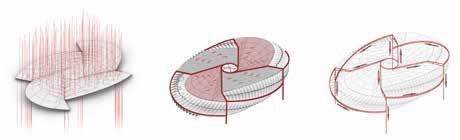
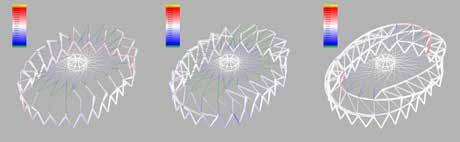 Stadium Surface Concept& Desing
Precipitation simulation from Grasshopper
Detail of suface unit
Analysis of load from Karamba 3D
Stadium Surface Concept& Desing
Precipitation simulation from Grasshopper
Detail of suface unit
Analysis of load from Karamba 3D
2022 Febraury to June
Site:
Instructor: Long Hao, Zuo Li
In Collaboration with Xinhao Li, Wenxuan Sun, Chengzhi Zhang Research &Concept Design: 30%, Structural Design& Modeling:80%, Drawing 40%
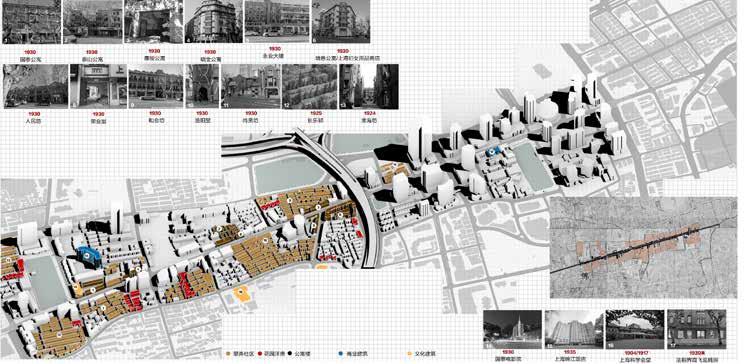
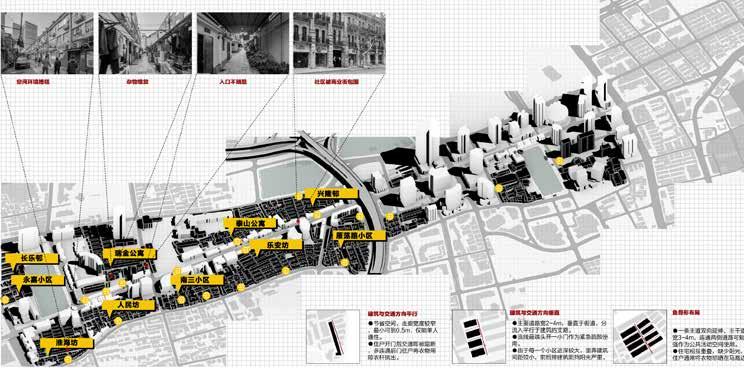
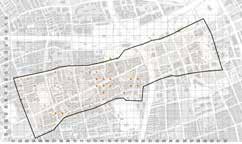
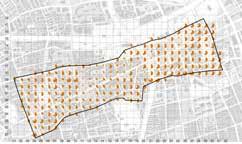
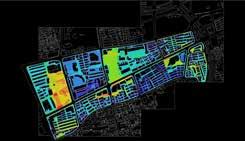
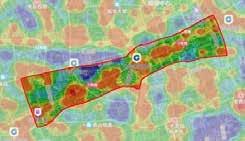
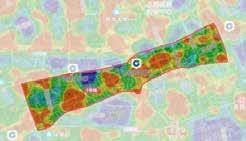
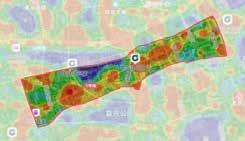
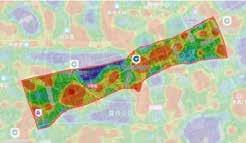
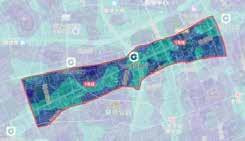
Huaihai Road has witnessed the developing history of Shanghai for more than one hundred years. It is regarded as the most modern street with the most "tone" and romantic appeals in Shanghai. The history, culture, architecture and community of Huaihai Road together constitute a rich and diversified cultural connotation, which is the concentrated embodiment of Shanghai culture. However, researches find that the diversified values of Huaihai Road are obscured by the overwhelming commercial culture. Today, with the increasingly homogenized urban commerce, Huaihai Road has become an ordinary commercial street lacking in diversity and richness. How to integrate new urban functions into the historic building blocks from the dimension of urban renewal while preserving diverse cultural values has become the core issue of urban research.
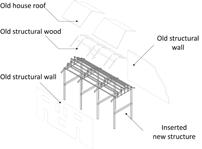
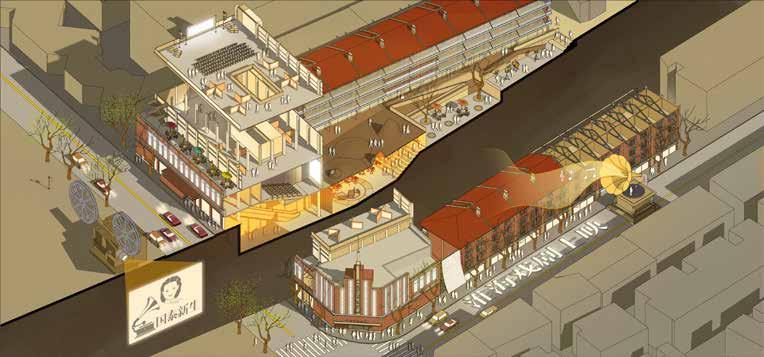
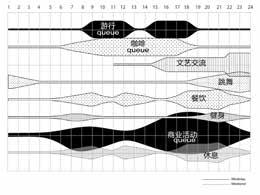
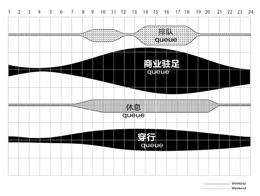
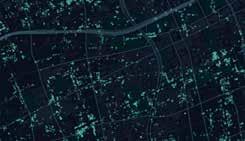
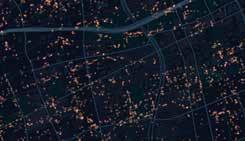
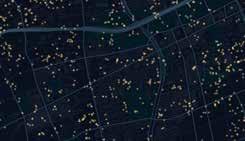
Based on the theory of urban historical landscape (HUL), the design has reviewed the historical value of Huaihai Road and classified them into three sorts of space. Then the project starts from the three typical space, including the renewal of TX Huaihai vertical pedestrian street, the renovation of Le 'anfang community building space and the renovation of Guotai historic building.
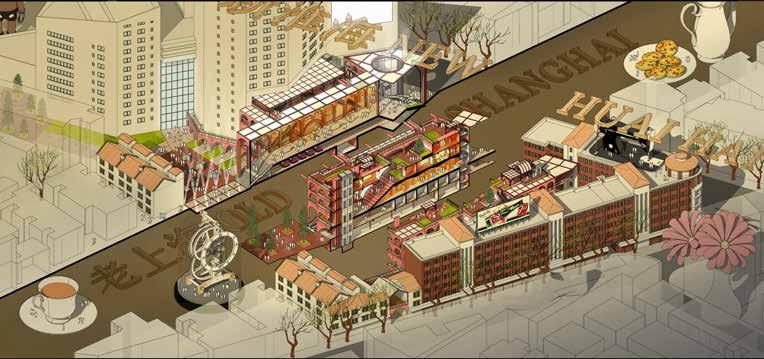
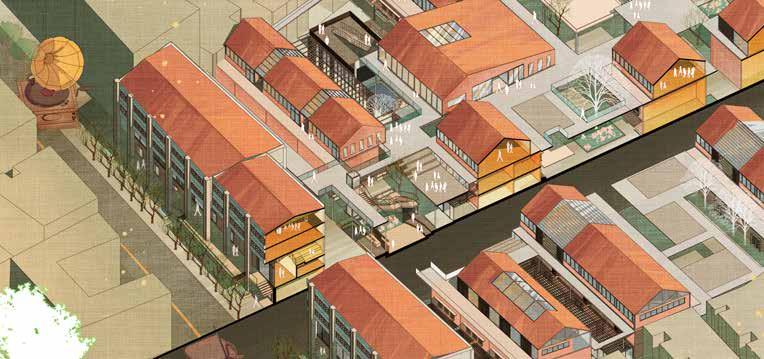
 The urban intermediary space research based on HUL theory
Huai hai Road, Shanghai
The urban intermediary space research based on HUL theory
Huai hai Road, Shanghai
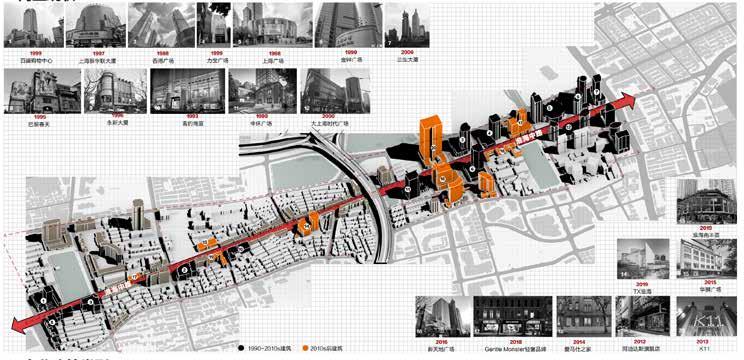
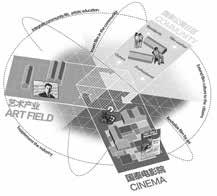

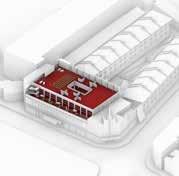
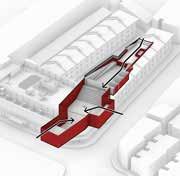
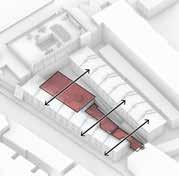
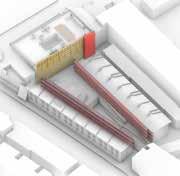
Cathay Terrace & Coffee
The rooftop of Cathay Cinema is a place to relax after a tired life. In the past, it was the gathering place of Shanghai film new art, and now it is the place of inheriting the new art and culture of the city.
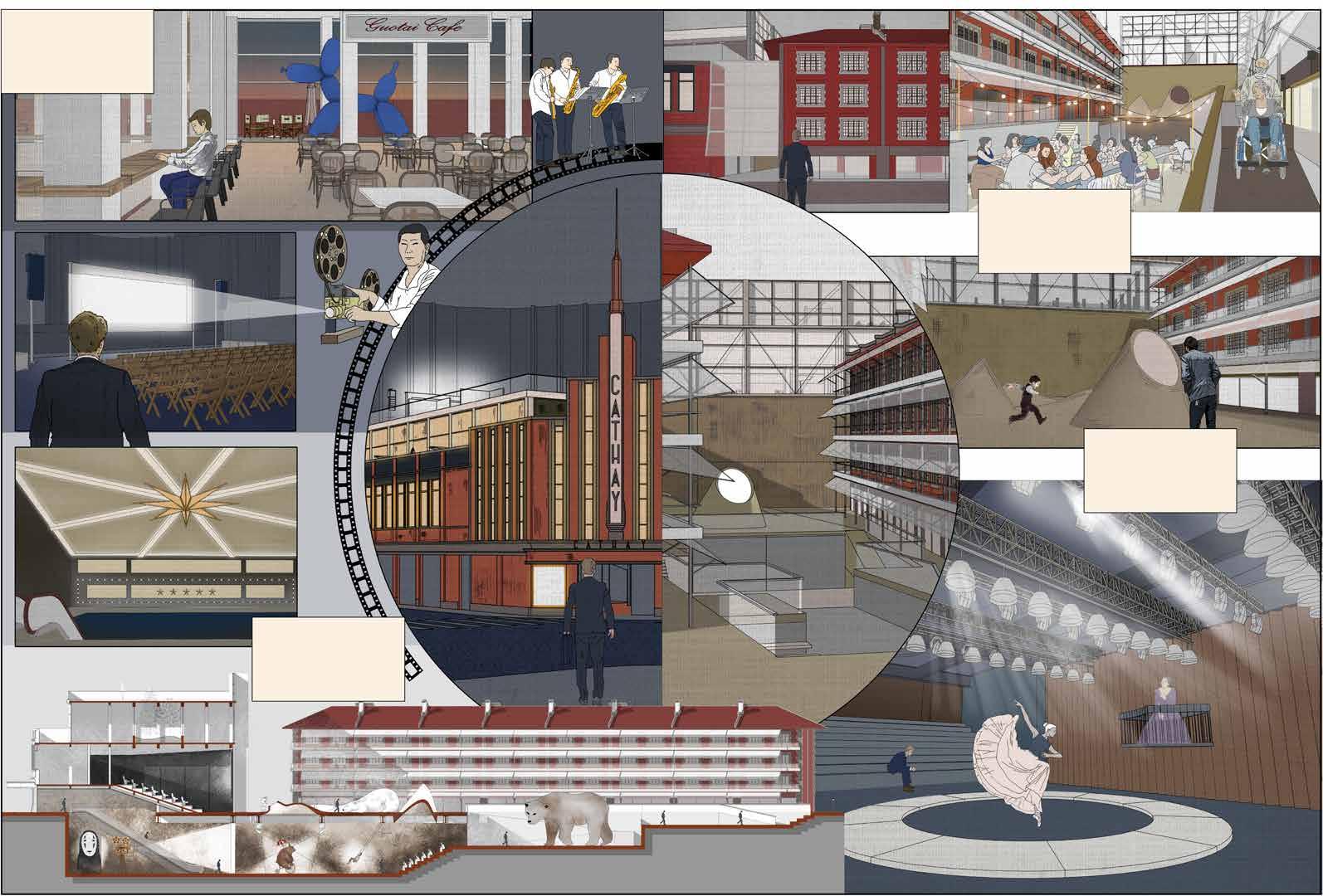
Today's square is becoming more and more modern.Fashion boutiques, coffee shops, restaurants and artist workshops all converge on the square in the middle, where the energy is more diverse than ever.
It was like an artistic utopia,
an
Cathay Pacific Cinema Along the underground tunnel of the Cathay Cinema, the circus singing and the cheers of the audience were heard. radiating with unprecedented vitality. The newly built Cathay Theatre embraces the lonely soul of the city. Artists have a new stage to make their voices heard, residents have a new place to talk about their family, and tourists can feel the taste of Shanghai's streets....... Cathay Theatre Cathay apartmentsArchitectures for Reciprocal Material Exchange.
2022 Sptember to 2024 April
Site: Naples, Italy
Instructor: Chris French, Michael Lewis Indiviual work
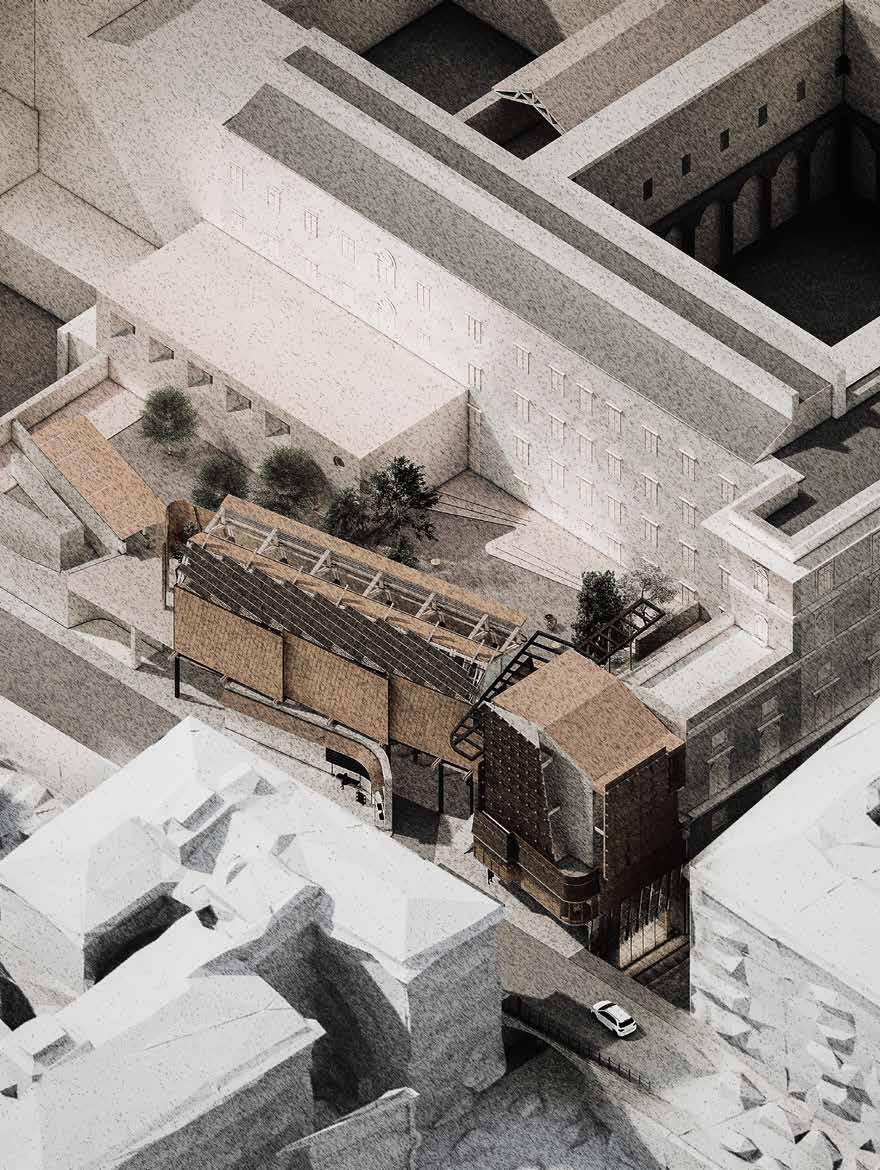
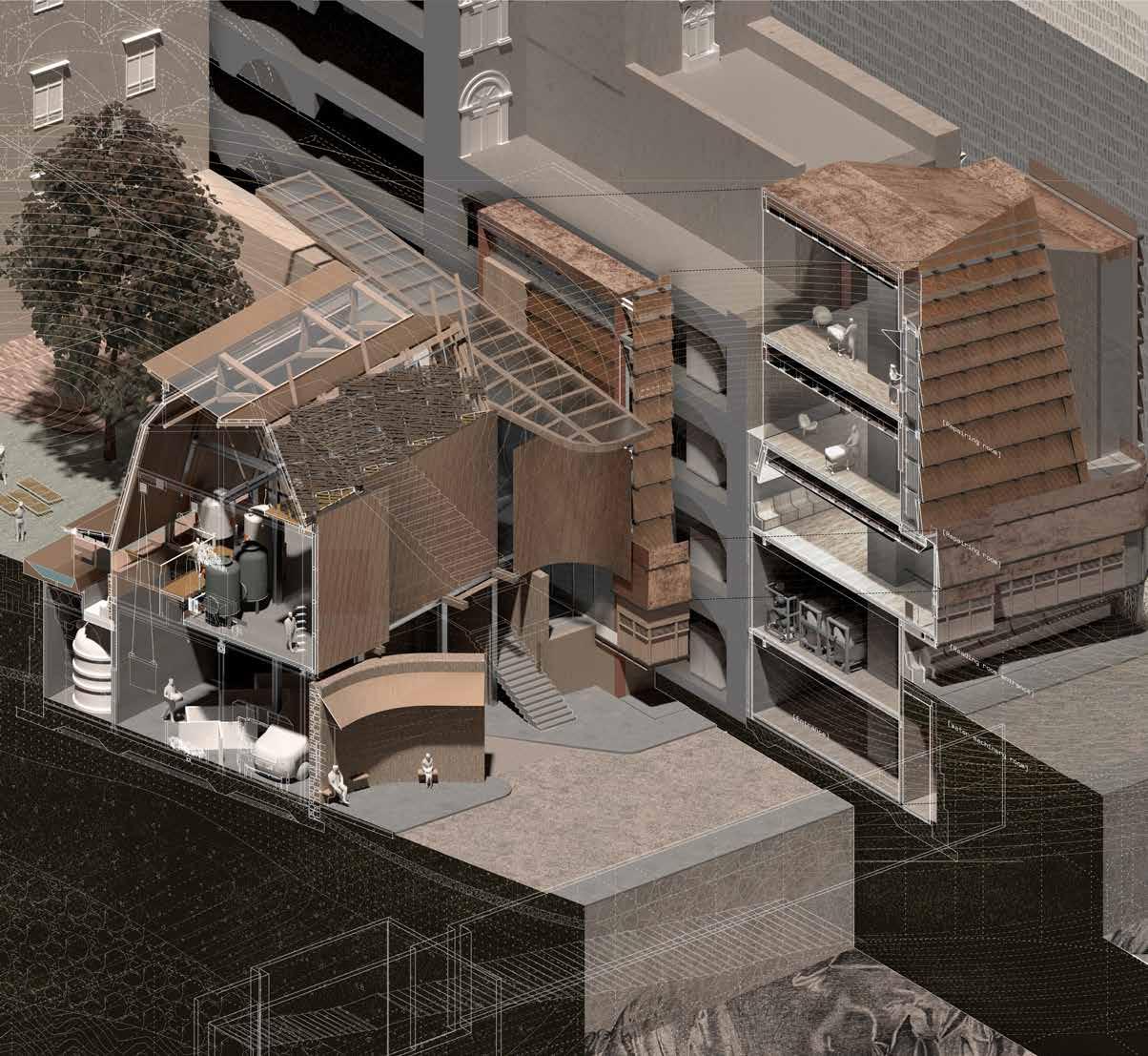
The Naples set out so evocatively in Elena Ferrante’s novels is a place where fantasy, violence, resilience, people, and politics are interwoven. This literary city, constructed over time by writers—narrators, storytellers, biographers, accountants, clerks, speechwriters, and speakers—and their records coexists with the city itself, as constructed by makers—craftsmen, architects, and engineers. Through paper— books, records, drawings, contracts—the literary and literal city are brought into contact.
However, paper has a particular political history in Naples; it is a charged substrate. In the thirteenth century, the use of paper was restricted by law; parchment, seen as more durable, was to be used for all public documents. As Oriette da Rold observes, this prohibition was not about the material itself but rather an attempt to regain control over a community of notaries.
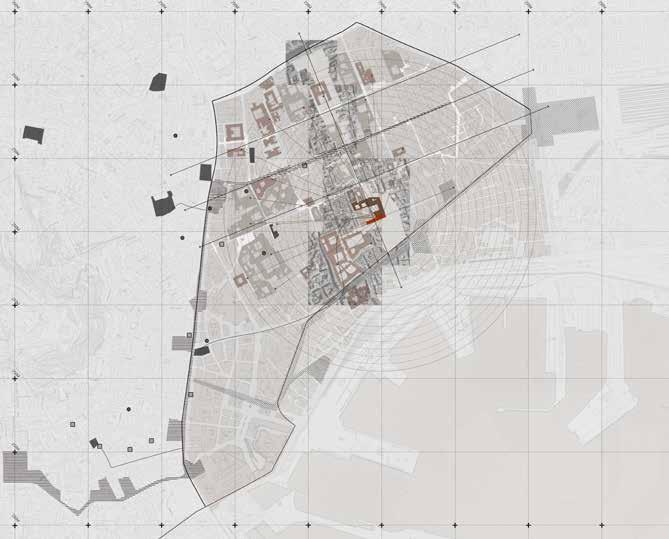
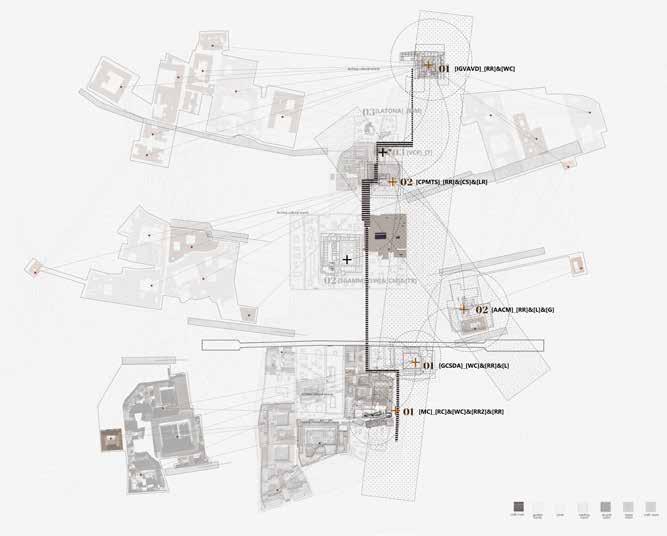
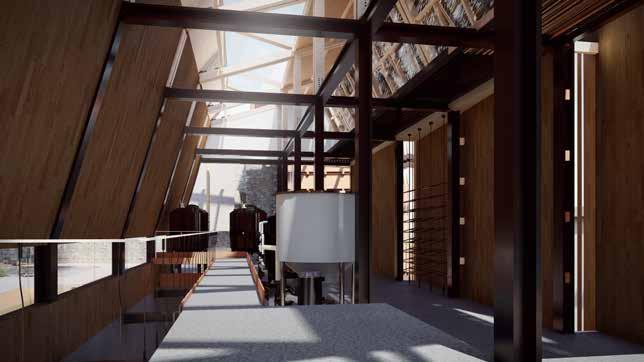
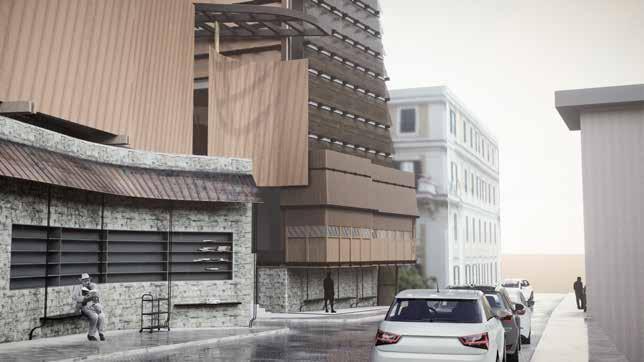
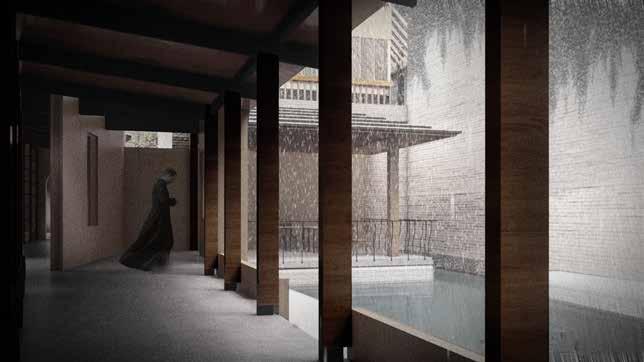
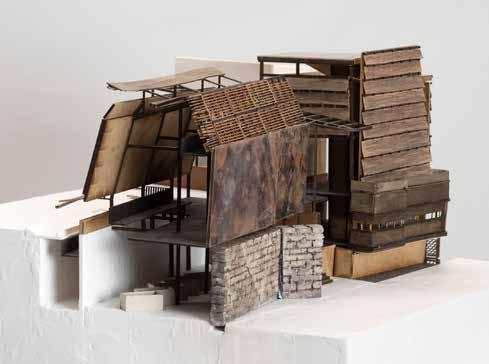
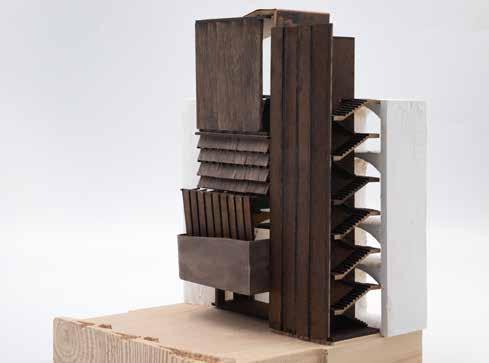
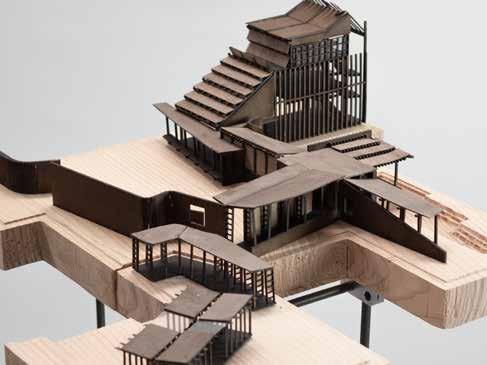
"Pulp Fictions and Paper Projections" reimagines the role and politics of paper production in contemporary Naples in light of its politicized past. Three projects concerned with the production of paper and the reuse of waste occupy sites in the Centro Storico, creating projections of future Neapolitan material practices. Waste is gathered and repurposed, creating a circular economy of paper production. A recycling center and reading rooms adjacent to the State Archive pulp government documents, providing raw materials for the repair of damaged records. A bookbinders' facility rehabilitates an abandoned apartment building, and a community garden fosters the sharing of knowledge. A projection of a city of paper unfolds, creating a new literary and literal cityscape within the historic city.
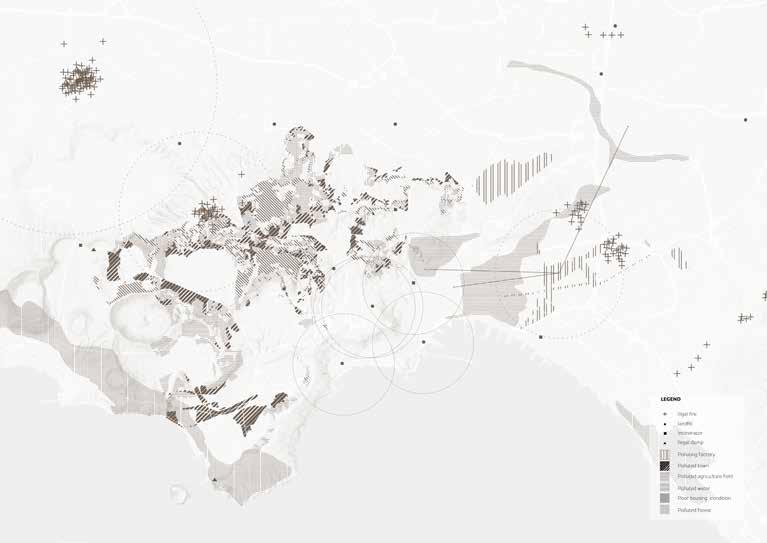
TRANSPORTATION CIVIL ENGINEERING
82 total investigations
915 custodiacautare order issued
1,806 people reported
443 companies involved
9,789,511 tonnes of illegally disposed waste12


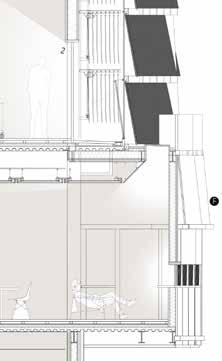
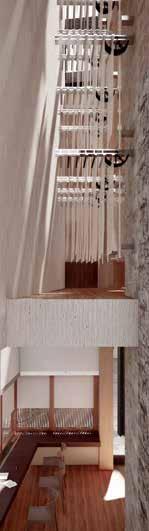

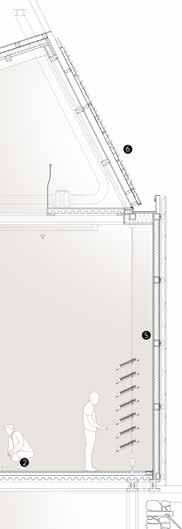
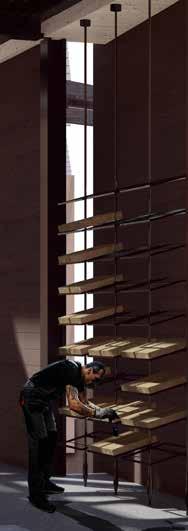
Selected works in Chongqing Lacime Architects Co.Ltd
Intern Period: 2021.01-2021.02
Site: Hainan, China
Supervisor: Jing Jia, Shimin Tang Role: Architectural Assistant
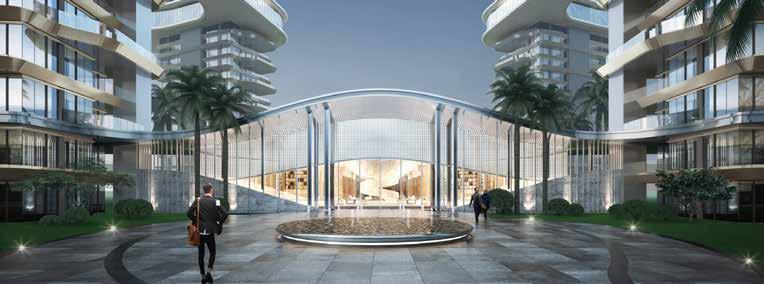
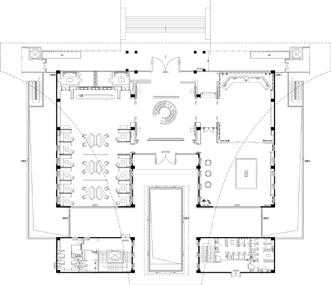
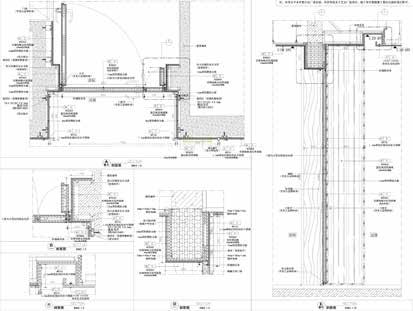
Selected works in Gad(Chongqing)
Intern Period: 2021.10-2022.04
Site: Chongqing, China
Supervisor: Zhuting Li Role: Architectural Assistant
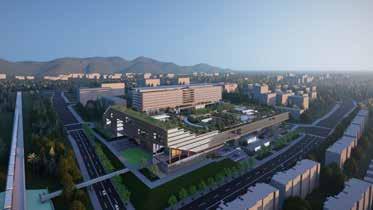
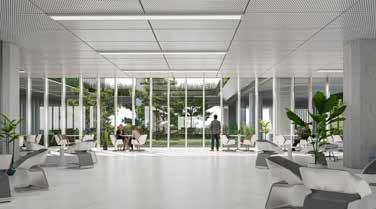
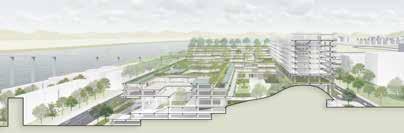
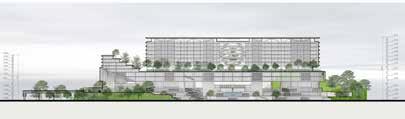
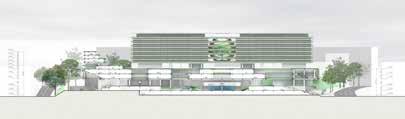
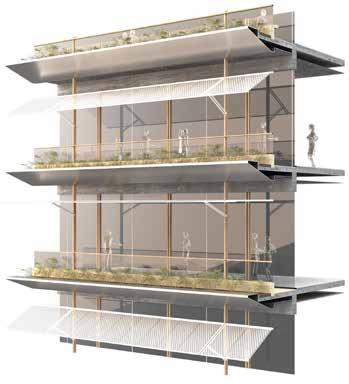
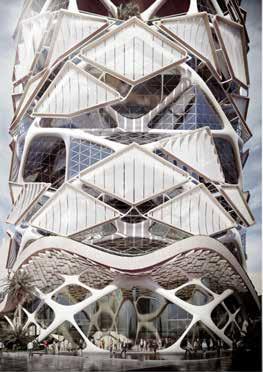
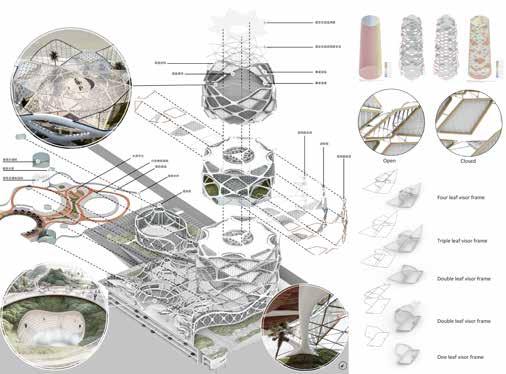
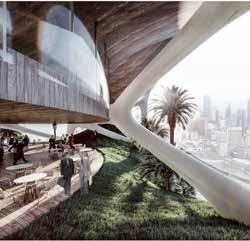
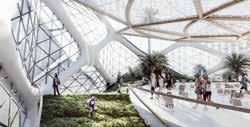
Hills in the sky
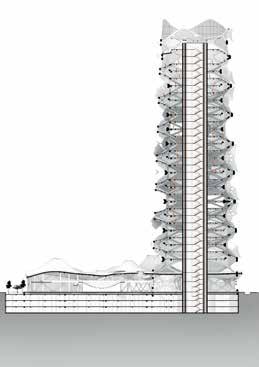
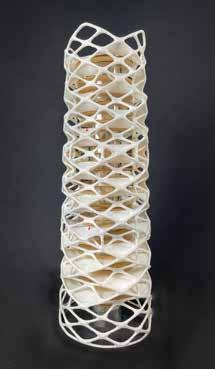
Entrepreneurial High Rise Design
2020 Winter
Site: Yubei, Chongqing
Instructor: Zhen Yang
In Collaboration with Xinhao Li
Research &Concept Design: 70%, Design Development:50%, Drawing 50%, Model Making 70%, Rhino modeling 30%
Snow Construction Competition
'Cloudy Vally',Snow Pavilion Design
Time:2019.12
Site: Harbin, China
Instructor: Bo Yan, Zhiyang Wang, Cong Gong
Role: Project Manager
Award: Third Prize,2019 International Student Snow
Construction Competition
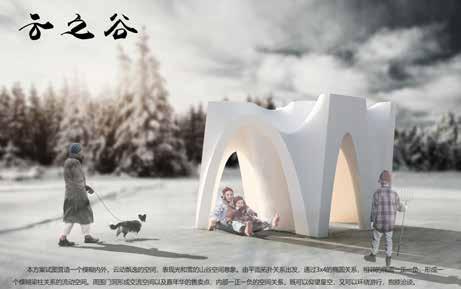
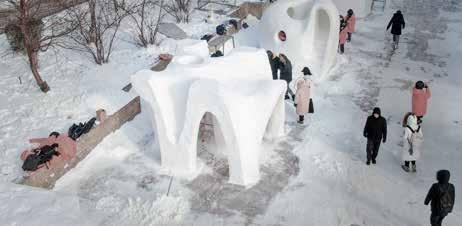

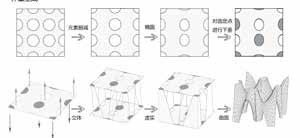
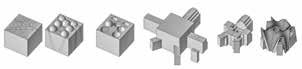
A, Render illustration
B, Diagram about form finding
C,Sketchs about the construction steps
D, Picture by the drone
E, The vally dome
F, Elevations and Sections
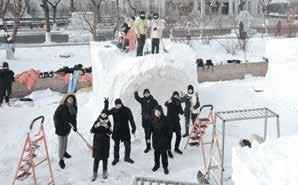
G, Construction photo