
1
CAO ARCHITECTURE WORK SAMPLE Selected Work from 2017-2022 University of Oklahoma SCIArc Los Angeles, CA 405-401-8504 shichencao.arch@gmail.com shichencao.com
SHICHEN
Team Member: Alecia Buffington, Shichen Cao, Elizabeth Hasenfratz, Kelsee Smith
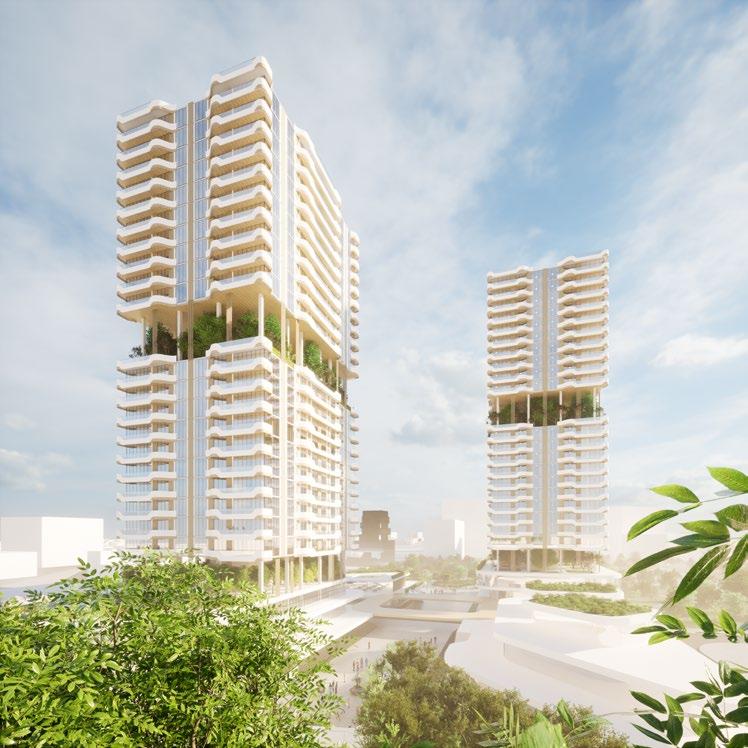
Fifth Year Thesis (One-year City Planning and Architecture Thesis)
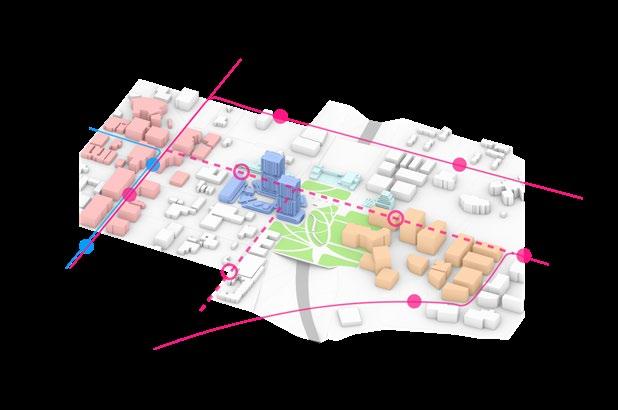
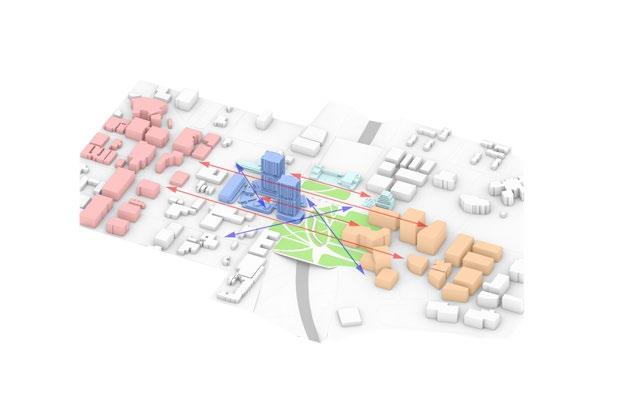
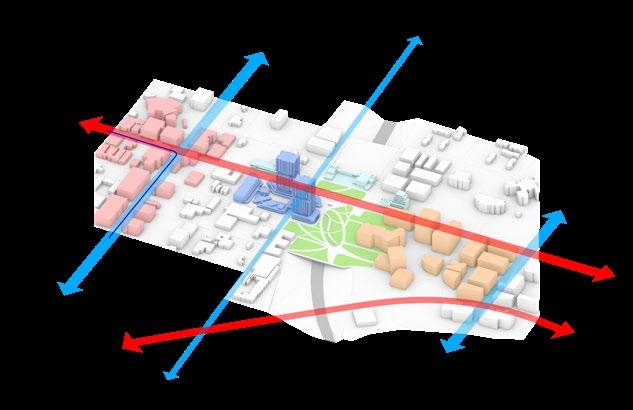
Instructor: Andres Cavieres, Deborah Richards
shichencao.com/okclandbridge

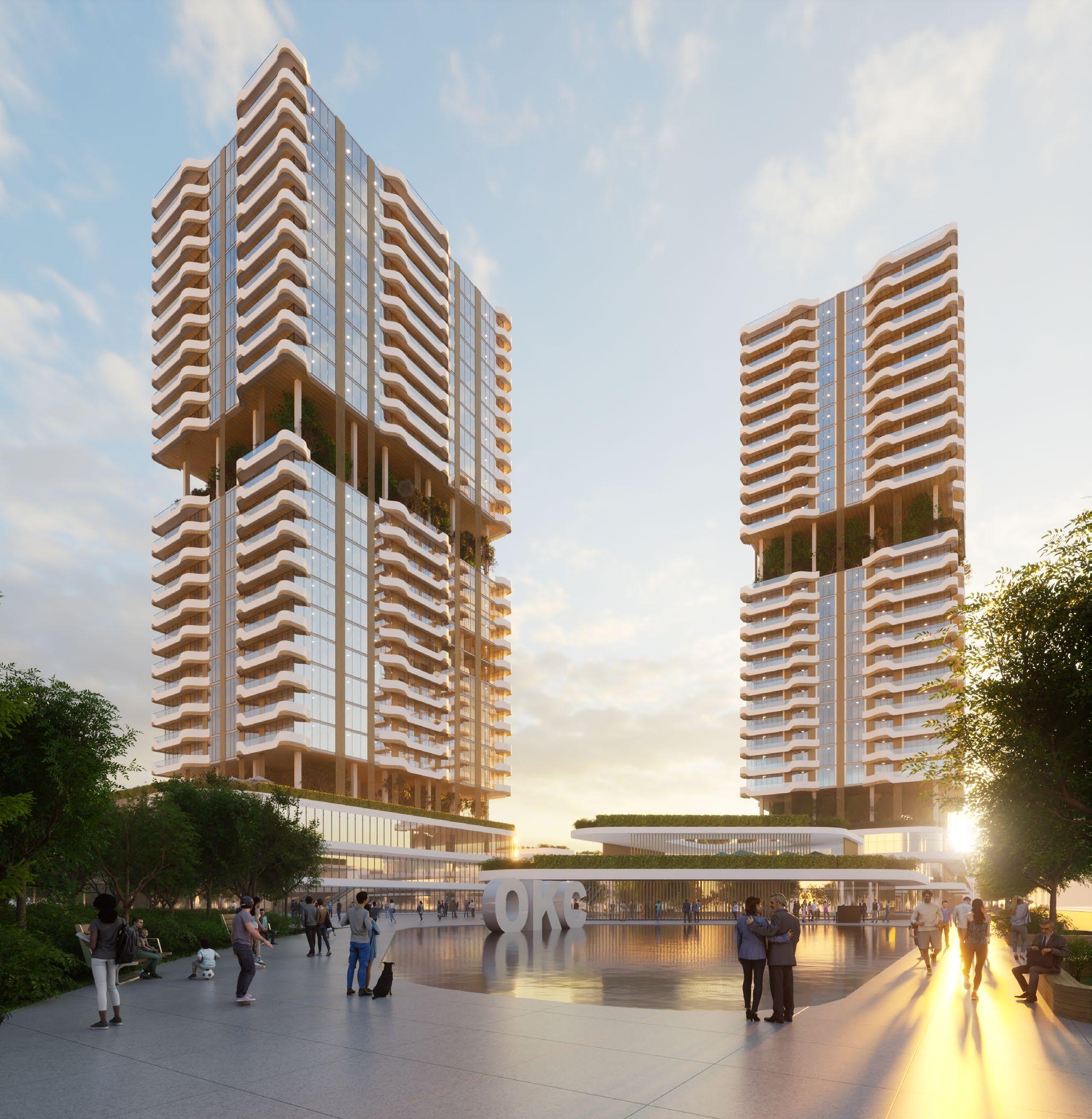
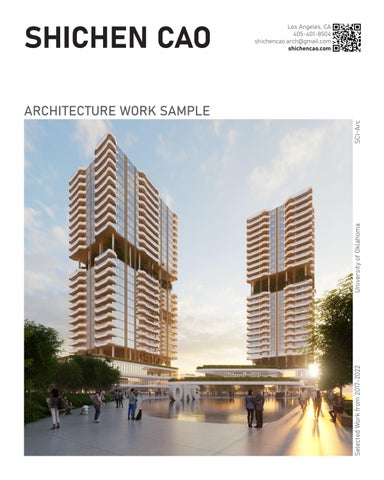
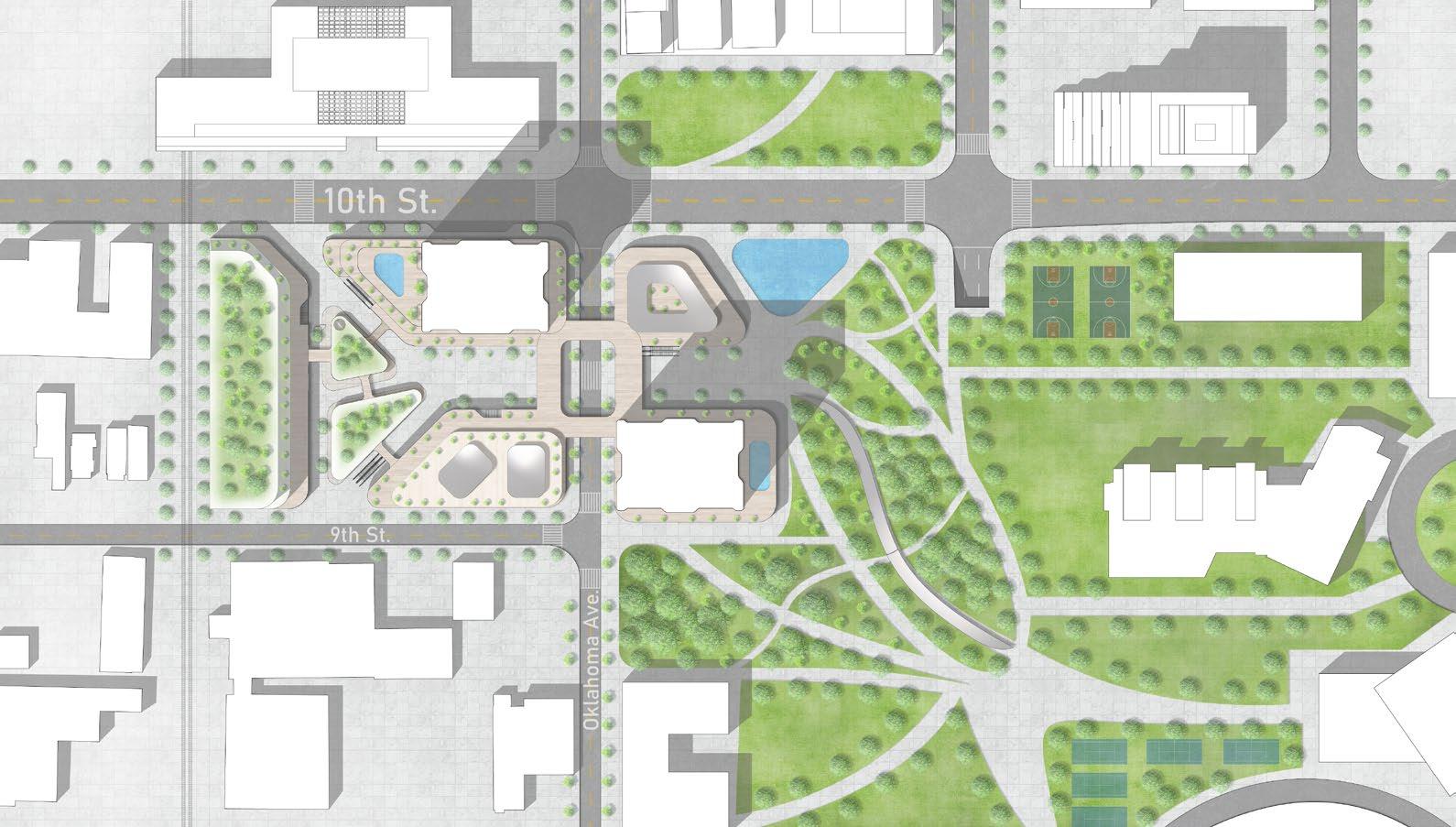
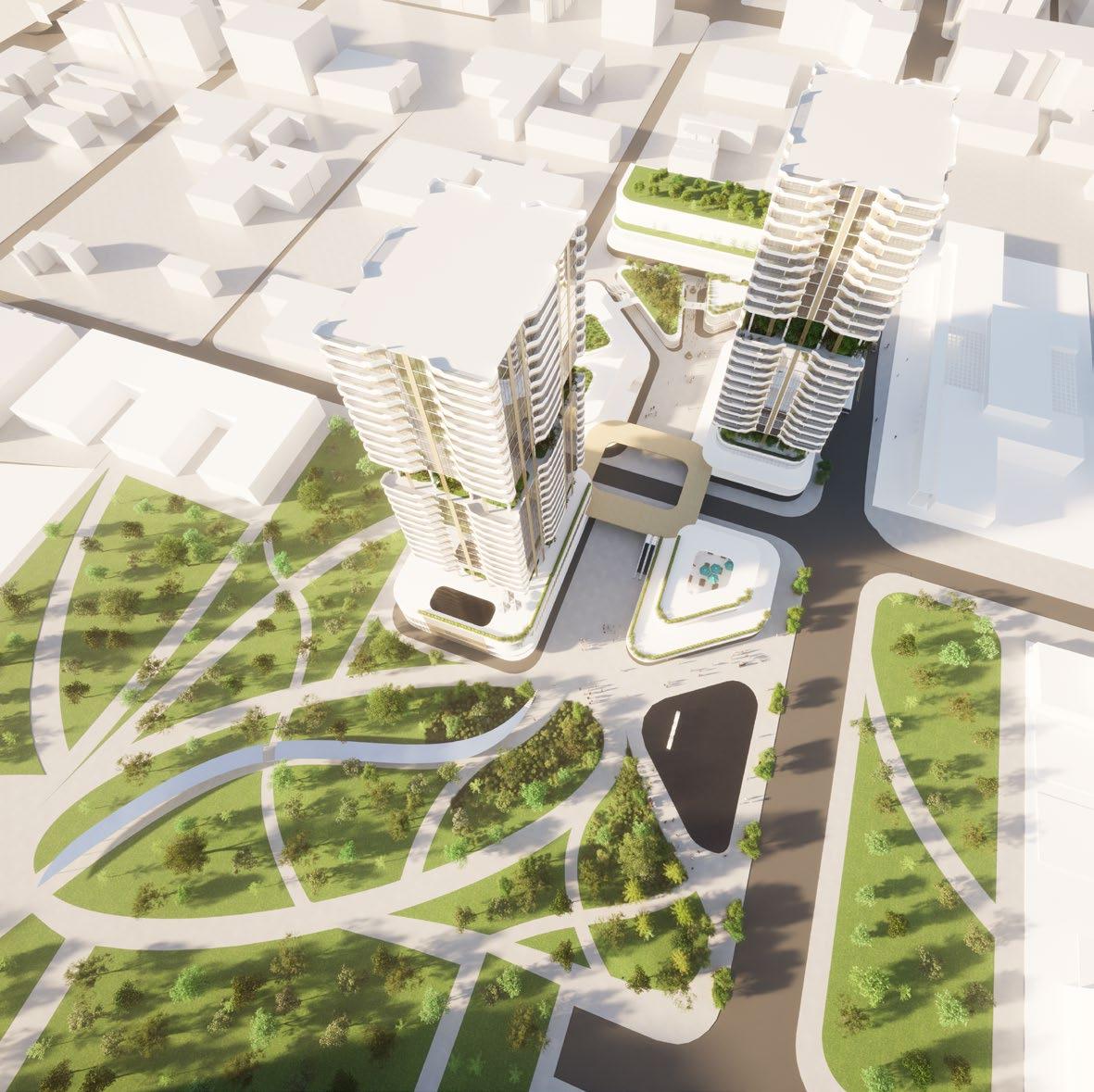
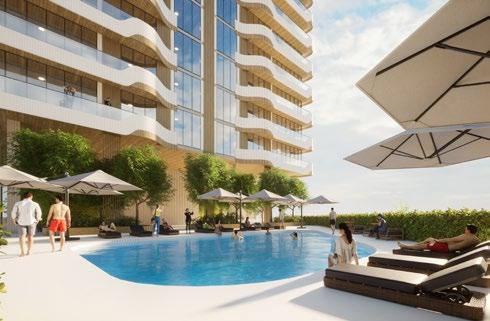
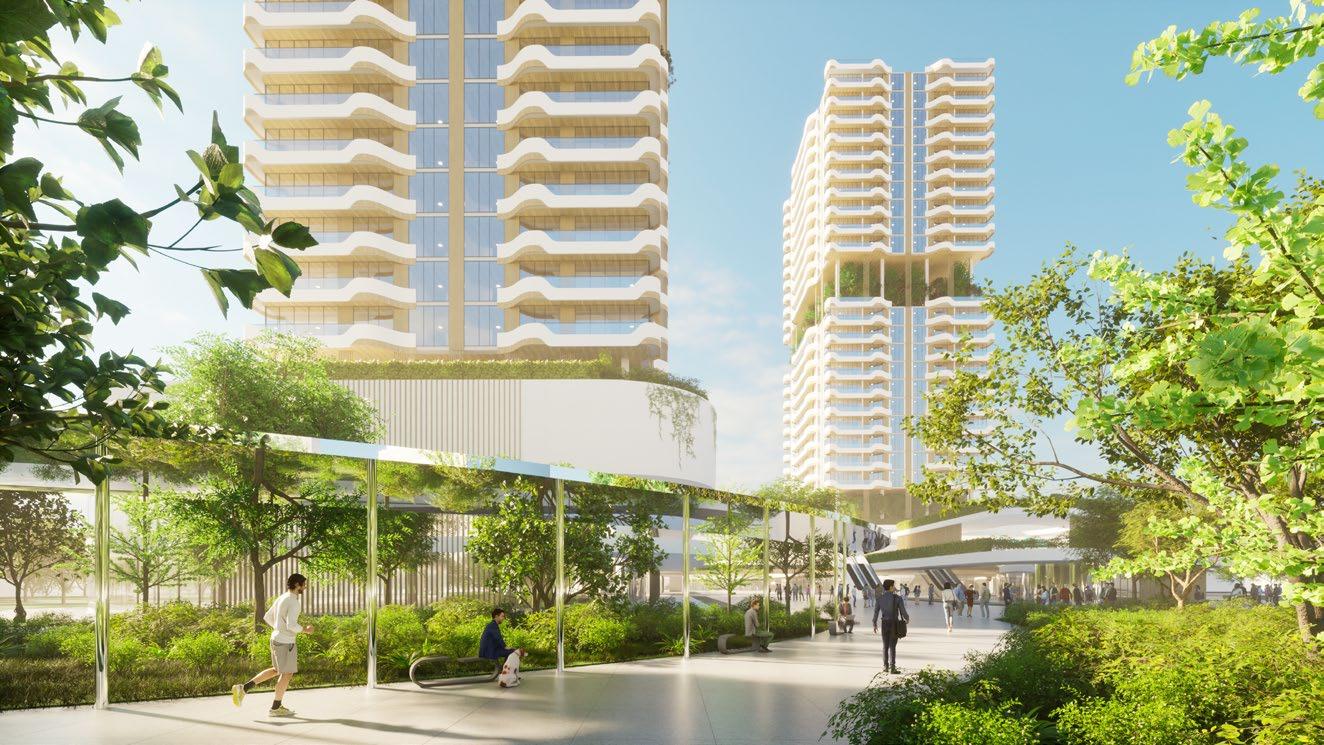
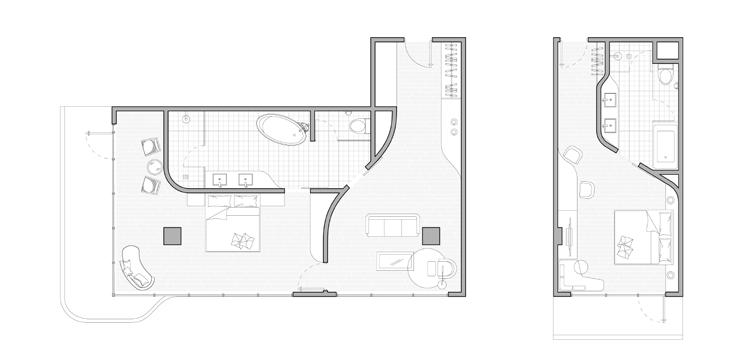
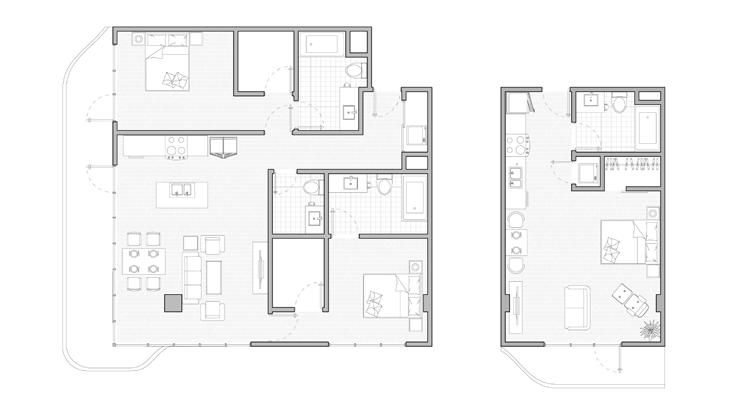
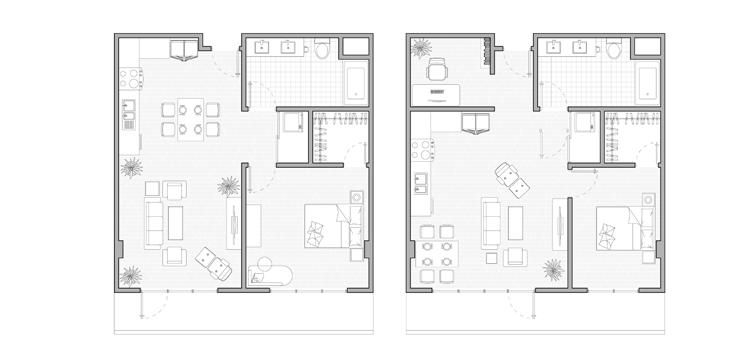
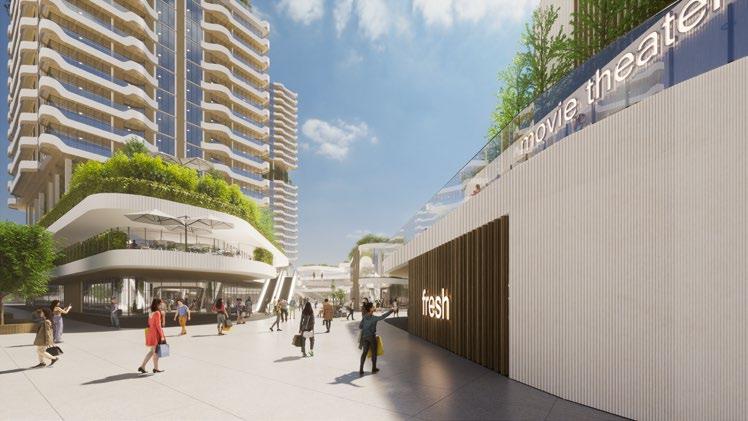
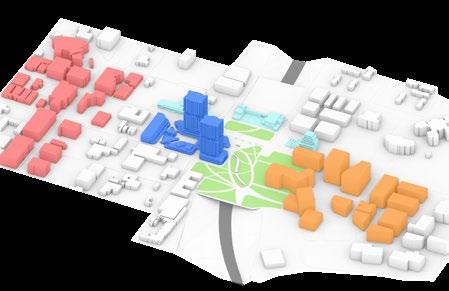
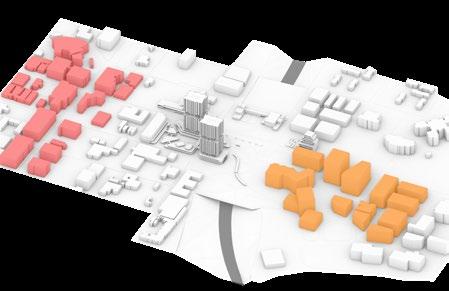
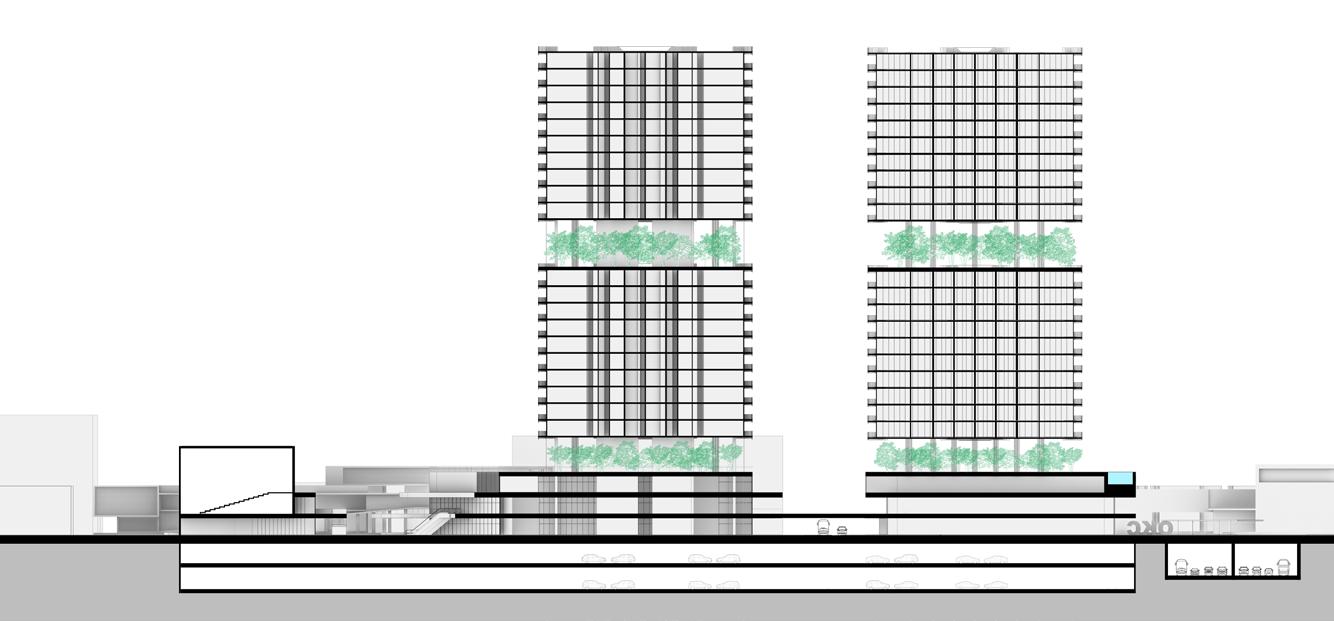
The OKC land bridge development project aims to create a connection between the Automobile Alley and the OKC Innovation District over the I-235 highway, by expanding the 10th street bridge. The project includes two high-rise buildings, focusing on mixed-use functionality. The lower part of the buildings serves as a hub for various amenities such as a movie theater, grocery store, restaurants, cafes, and boutique retails, enhancing the overall experience for local residents, commuters, and pedestrians. Additionally, the project incorporates a Landbridge park on the east side, increasing walkability with shaded areas, green spaces, and sport courts.
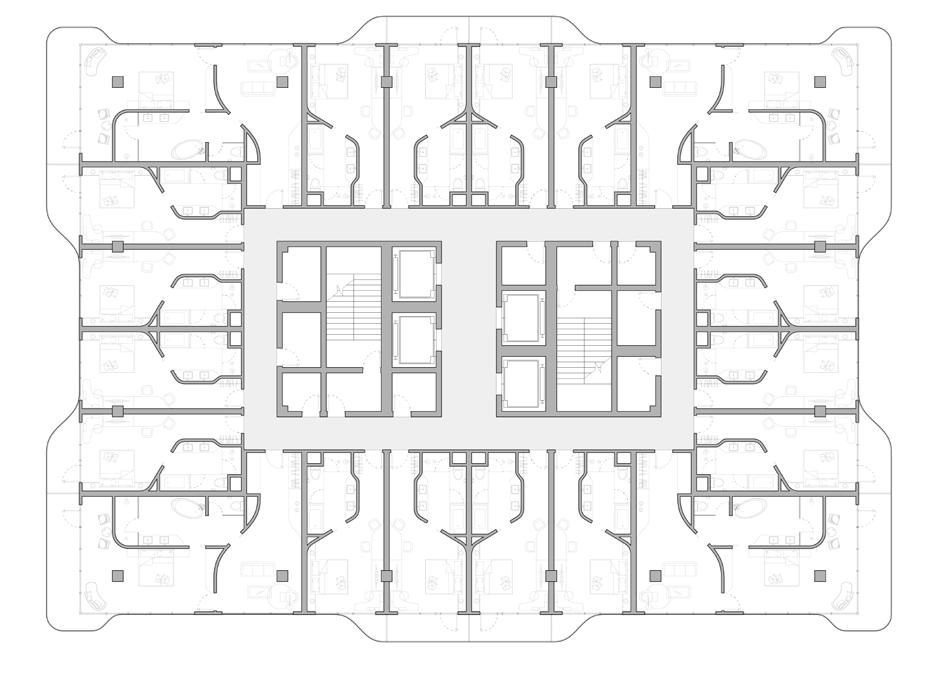
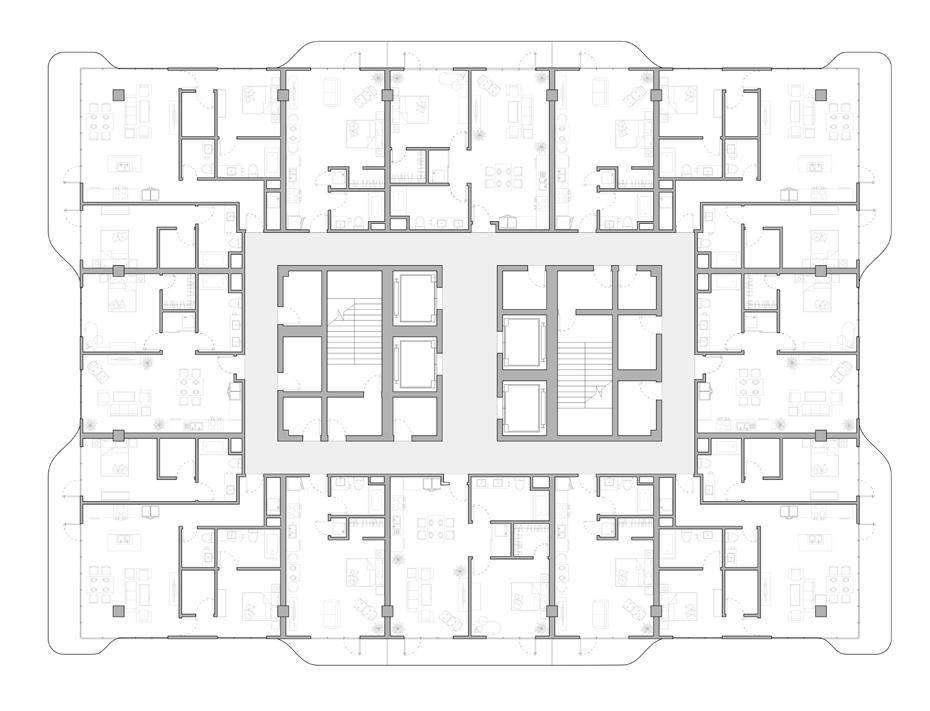
The development also features a pedestrian-only street between 9th and 10th streets, fostering a vibrant atmosphere. The high-rise apartment and hotel buildings, which are currently lacking in Oklahoma City, include a garden floor in the middle and large curved balconies extending beyond the building footprint. These design elements, along with the use of different materials, create an interactive building façade, adding an element of uniqueness and attractiveness to the area.
Duration: 12 Weeks
Instructor: Deborah Richards, Tiziana Proietti
shichencao.com/greenfoodcenter
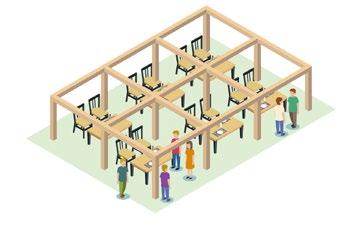
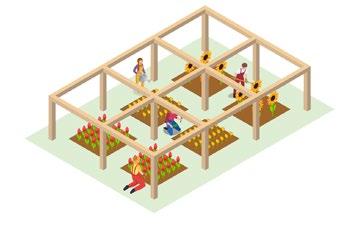
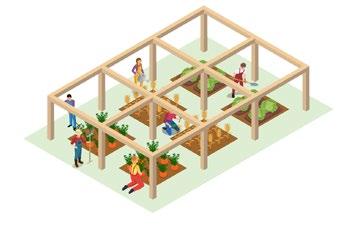
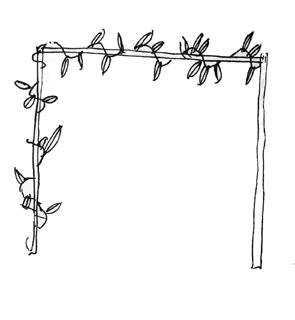
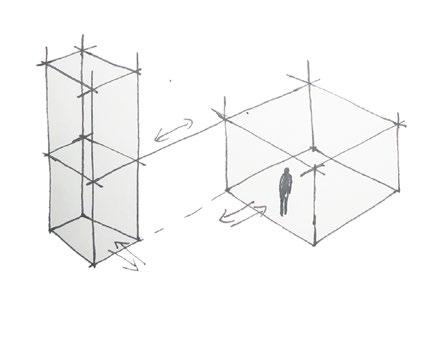
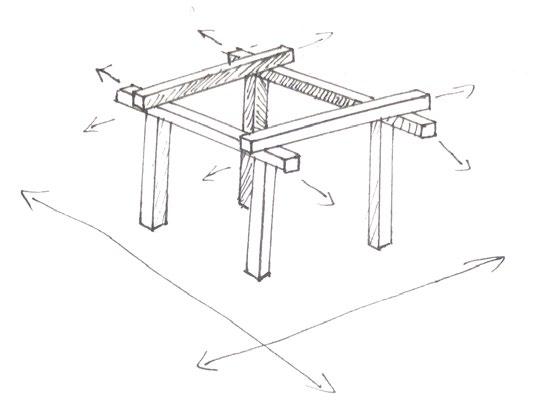
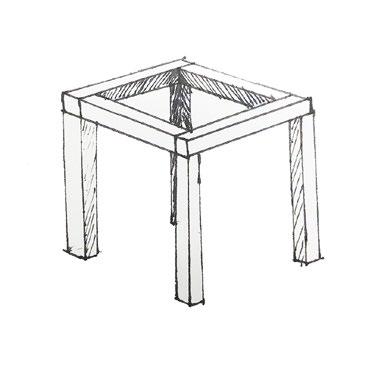
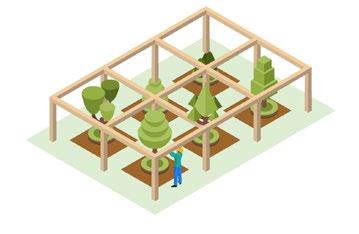
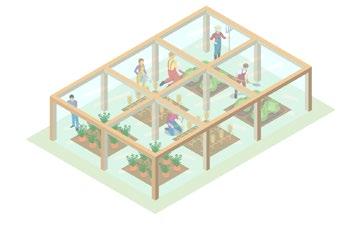
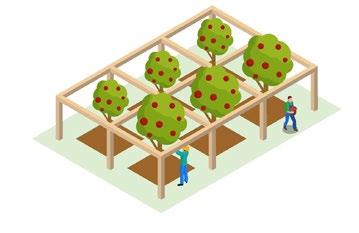
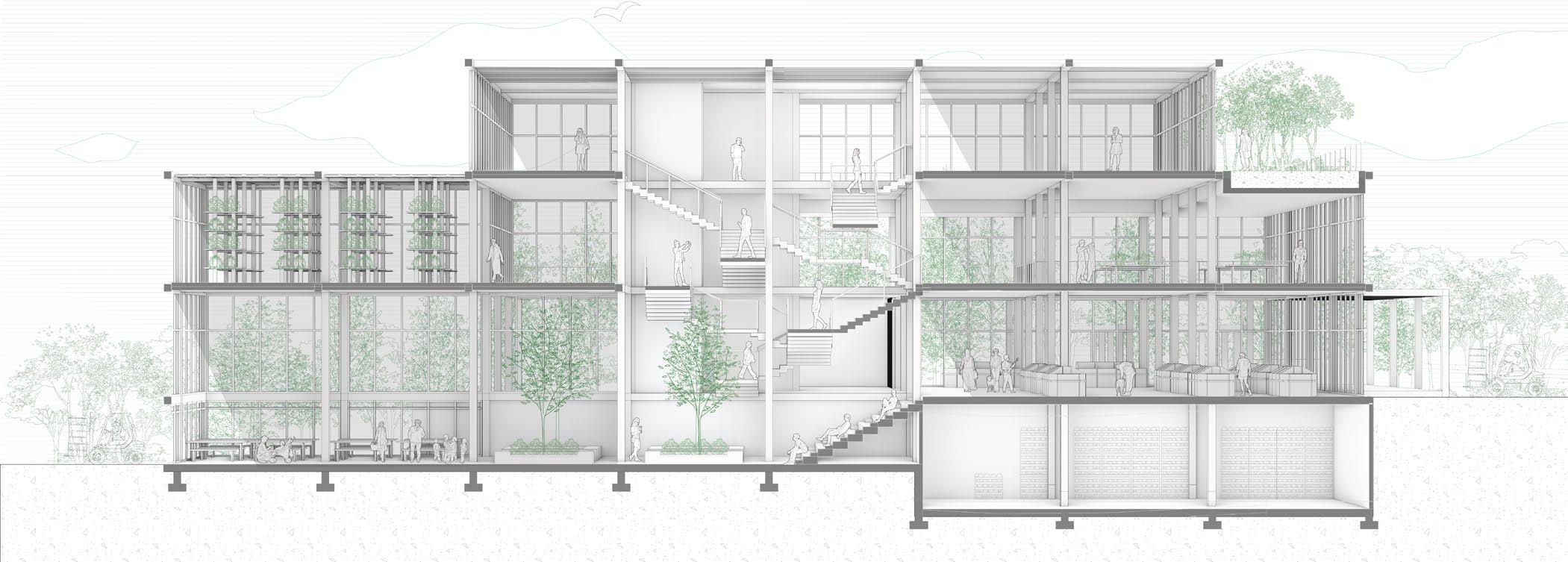
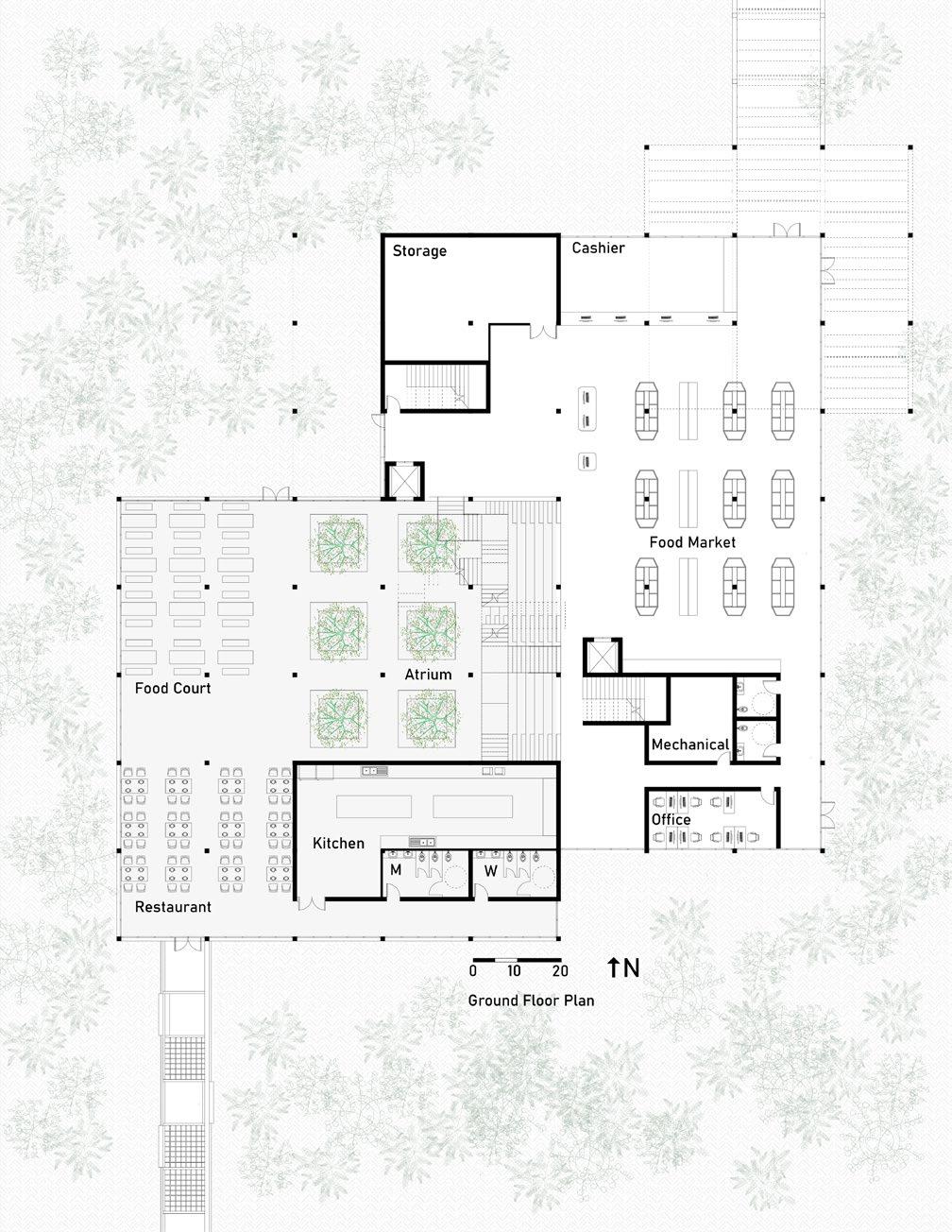
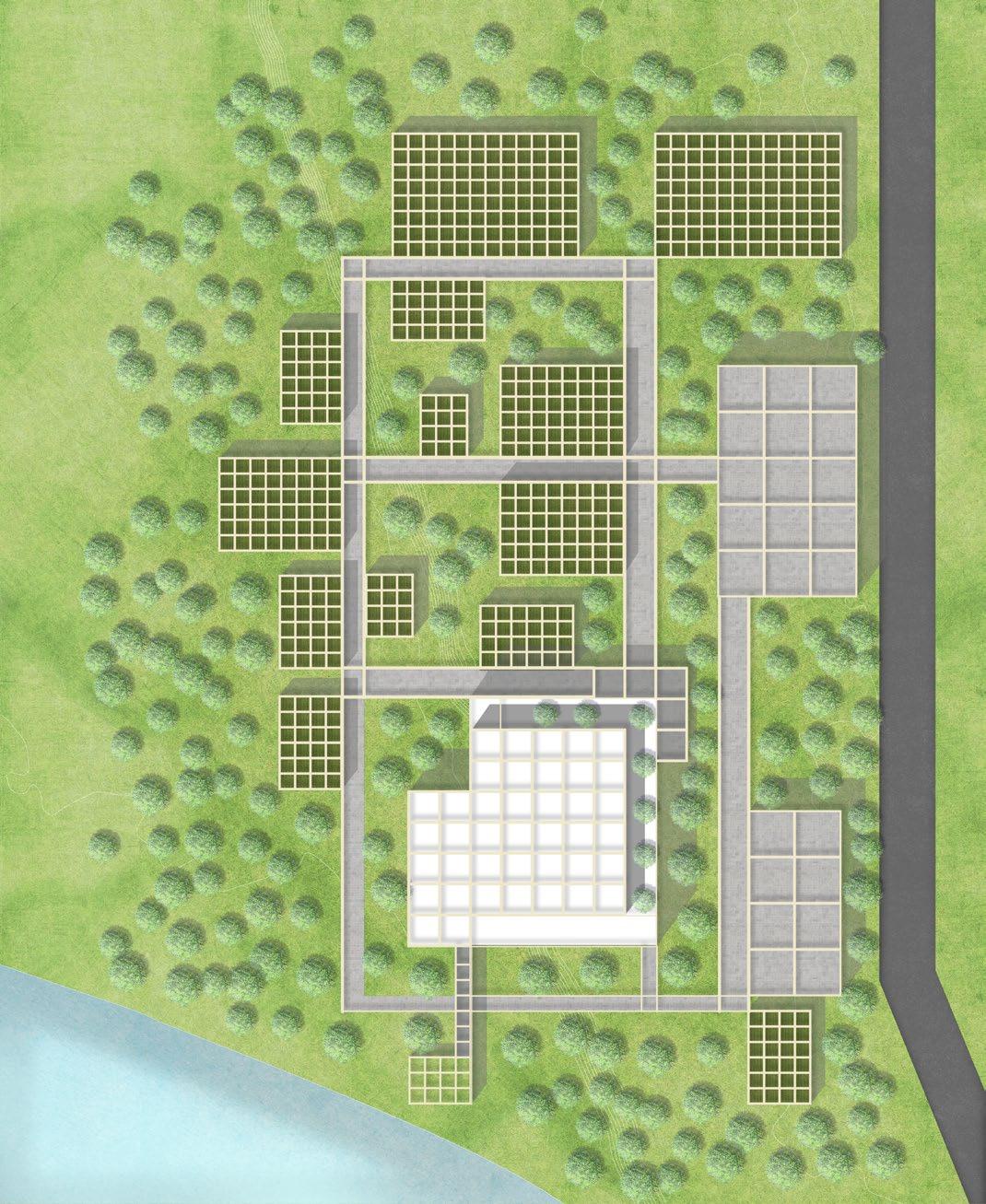
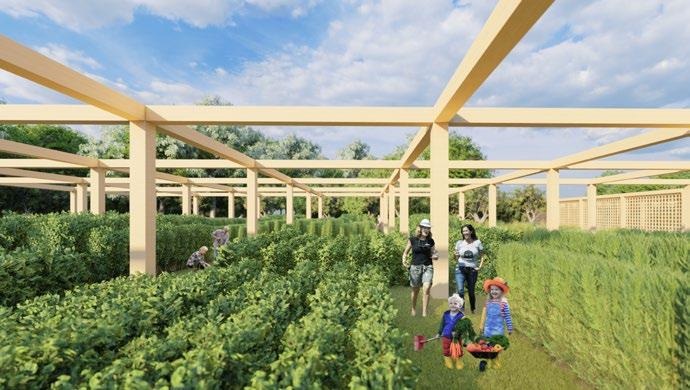
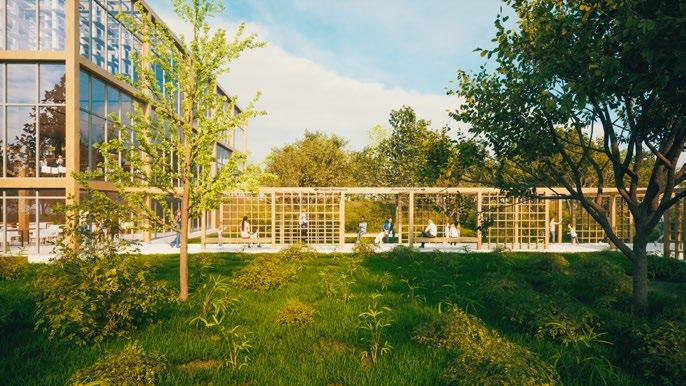
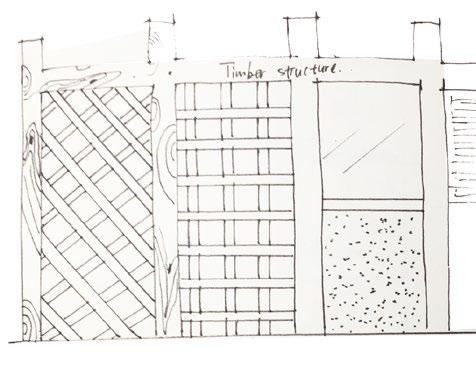
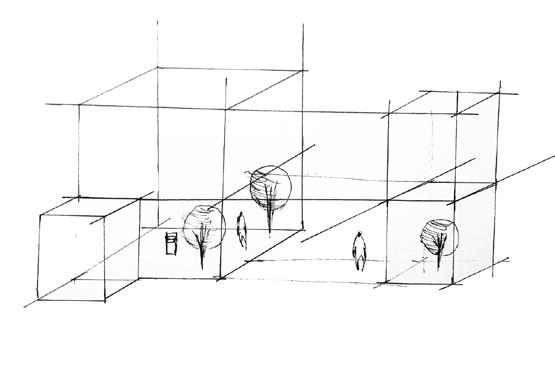
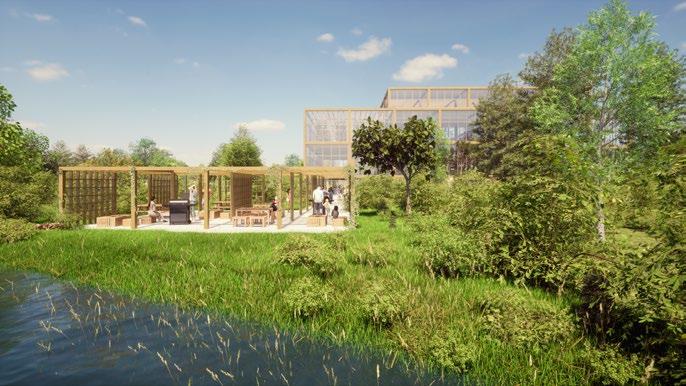
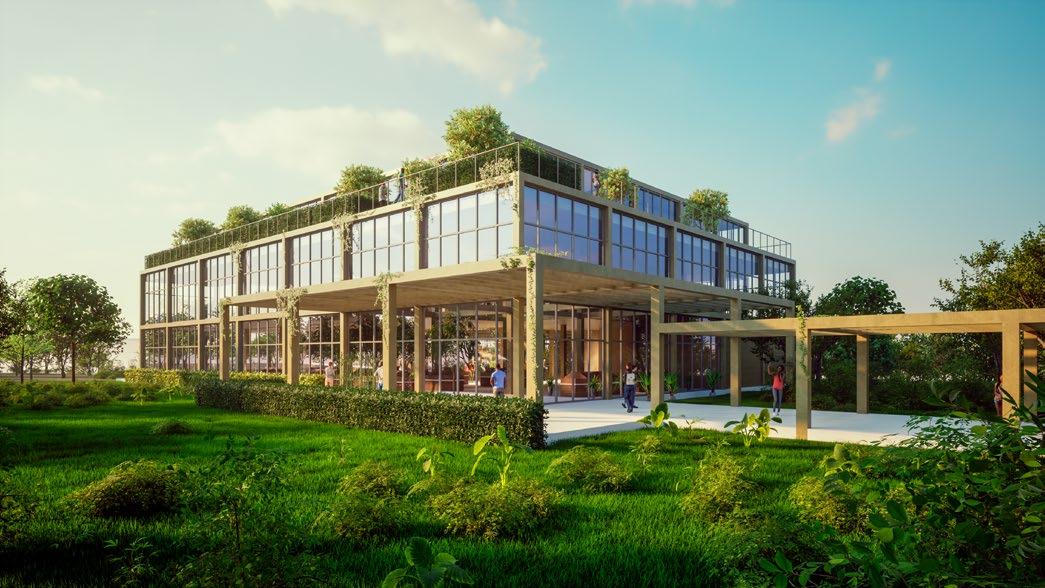
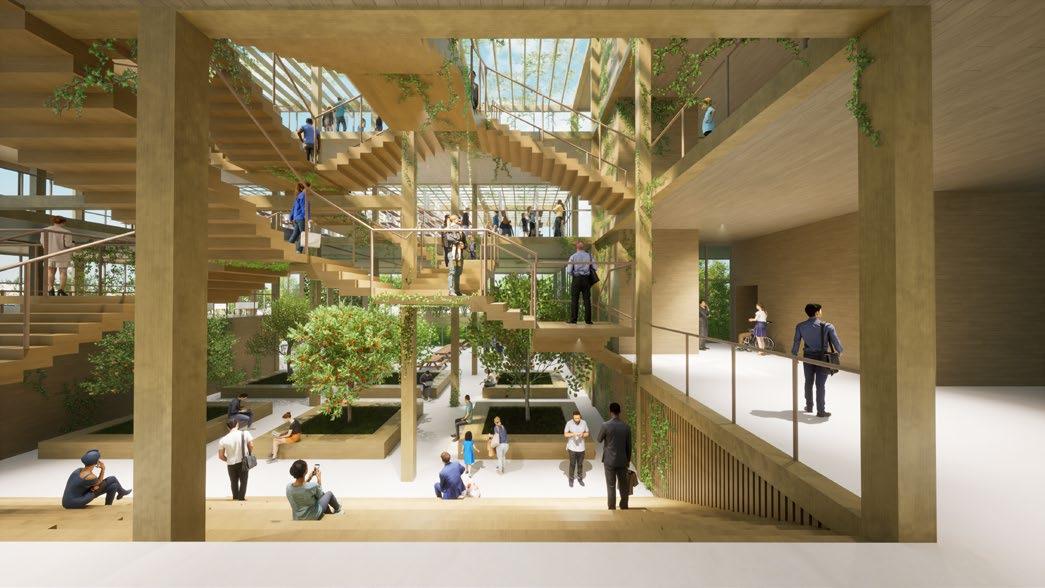
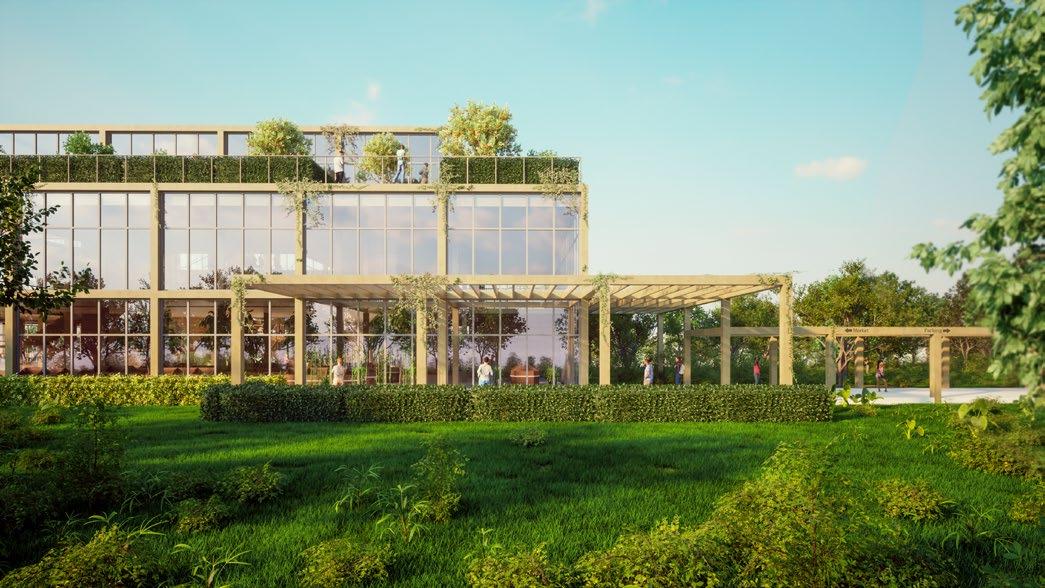
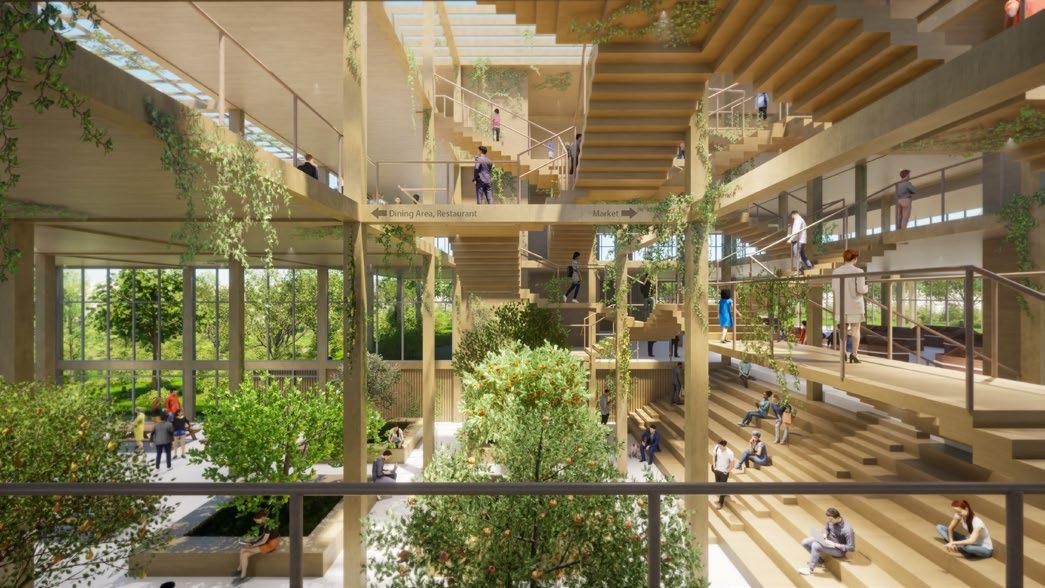
The Norman Green Food Hub, near the University of Oklahoma, offers a vast space for individuals to grow and harvest their own food. Inspired by lattice and trellis structures, the main building serves as a hub with a green food market, restaurant, labs, vertical greenhouse, and classrooms. The hub aims to promote healthier eating habits by using familiar materials to create a sense of comfort. It connects with local farms, ensuring access to fresh produce. The design allows for future expansion, with easily installable lattice-inspired structures. Surrounding the main building are small farming zones built with open wood structures. A central corridor guides visitors to their farming spaces. The Norman Green Food Hub empowers individuals to cultivate their own food and embrace a healthier lifestyle.
2021 FALL
Applied Study
Instructor: Herwig Baumgartner, Zack Burns
Contribution:

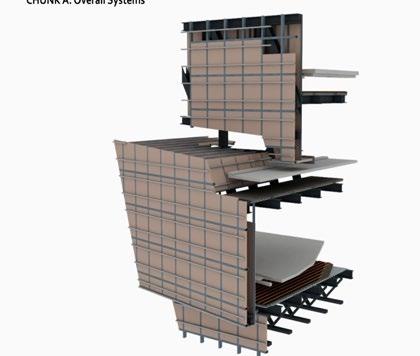
Team Member: Shichen Cao, Xin Fan, David Garcia, Leila Ghasemi, Yufei Guo, Chunck A Modeling
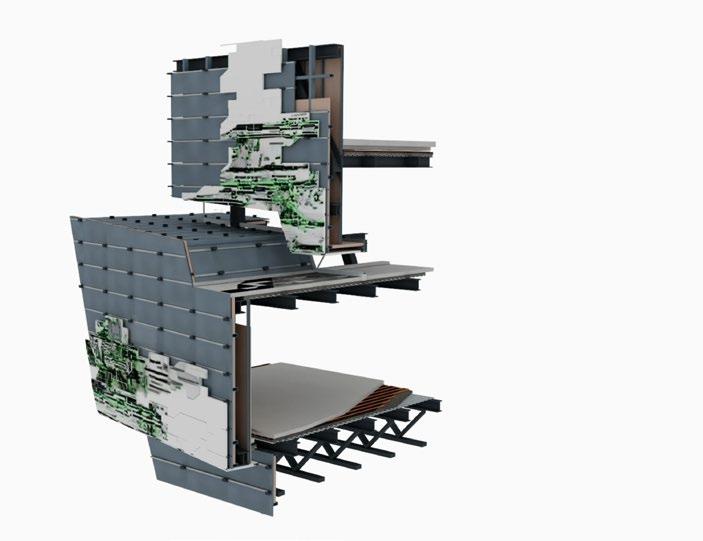
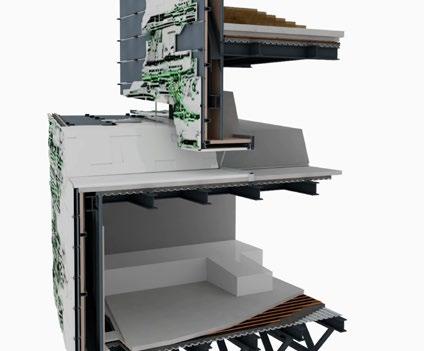
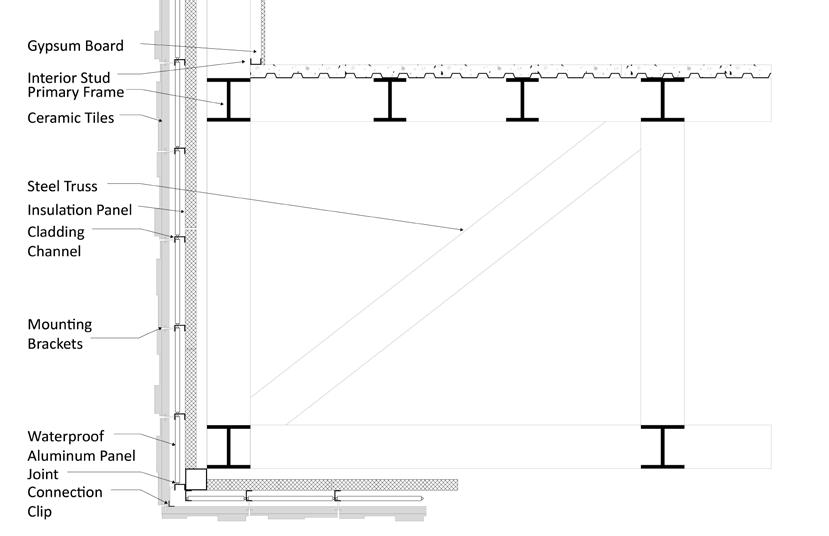
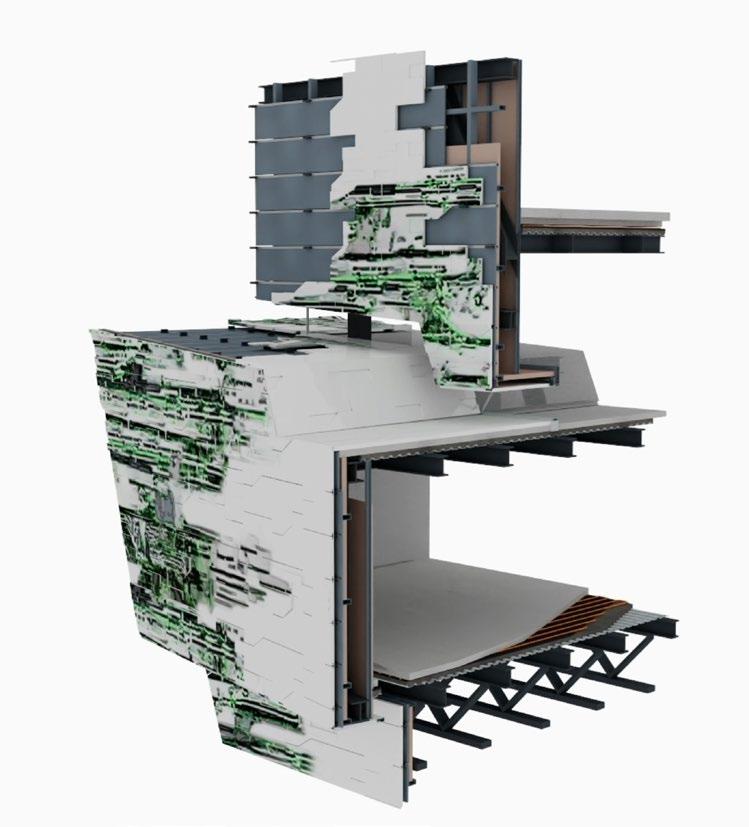
Overall Wall Detail Drawings
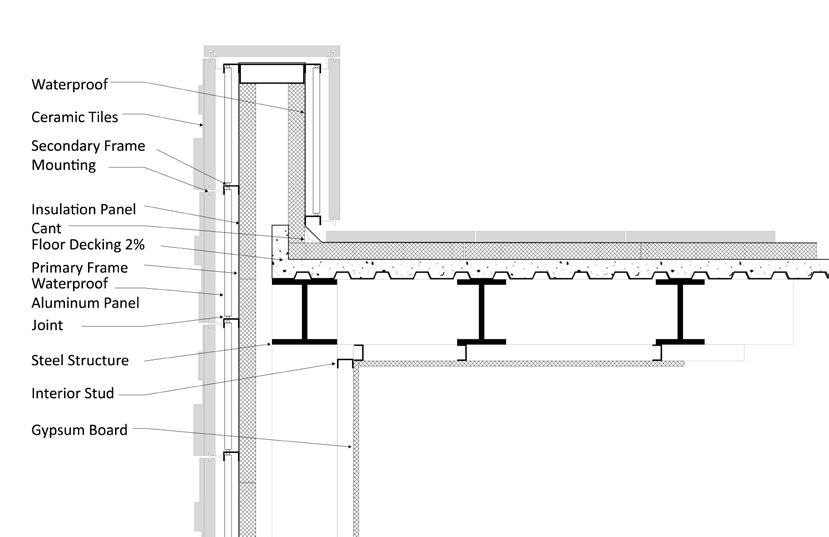
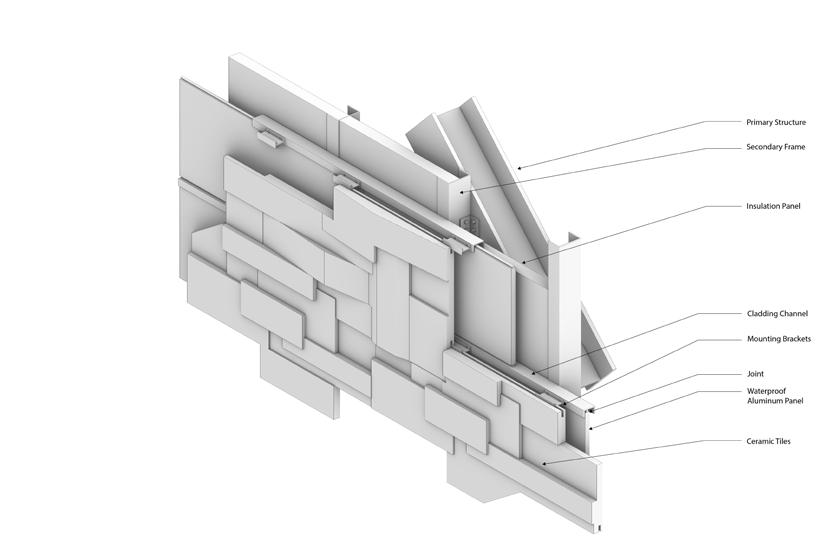
Wall Structure Research
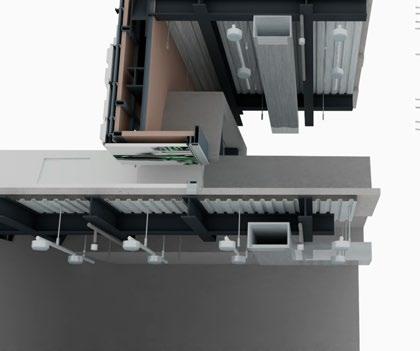
Floor Details
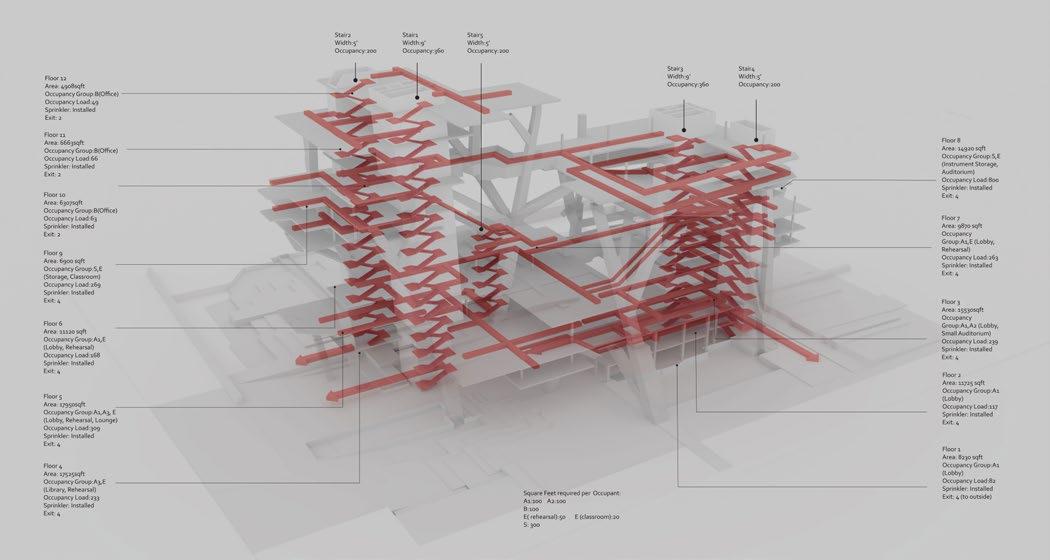
Egree Plan
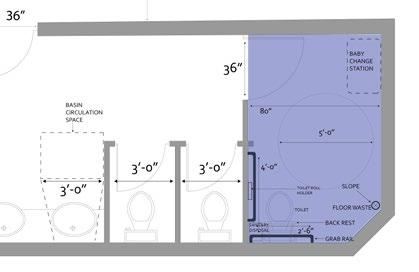
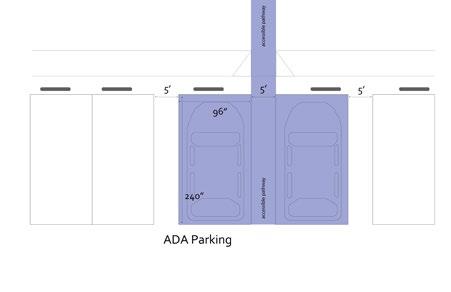
ADA Plan and Detail Drawings
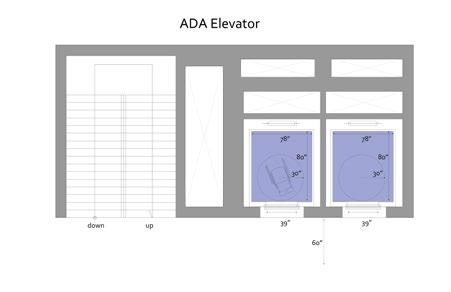
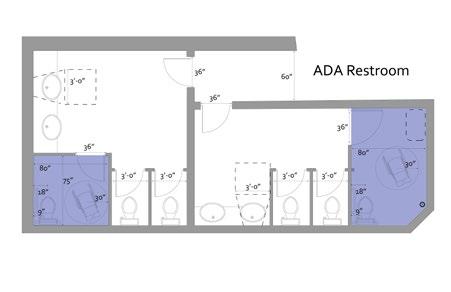
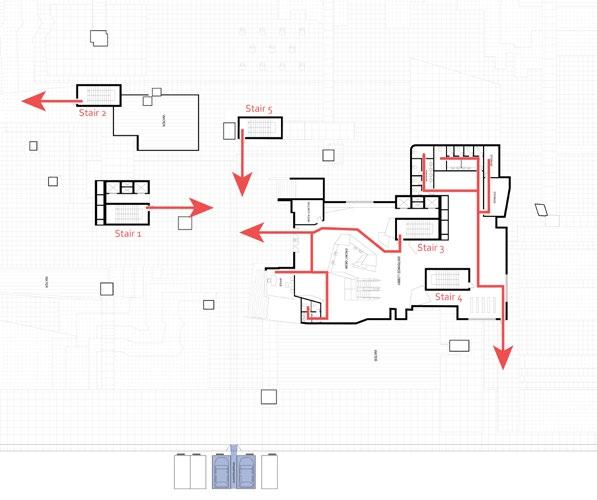
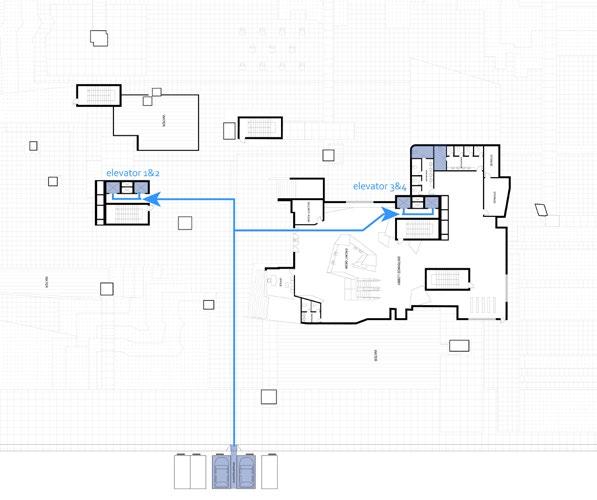
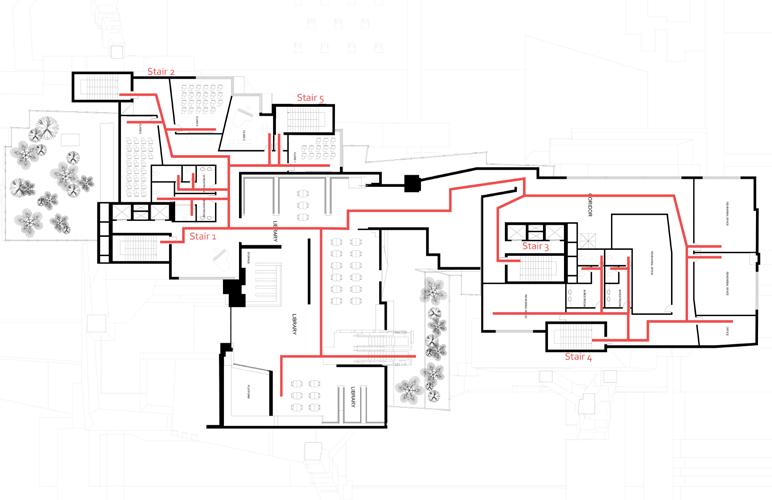
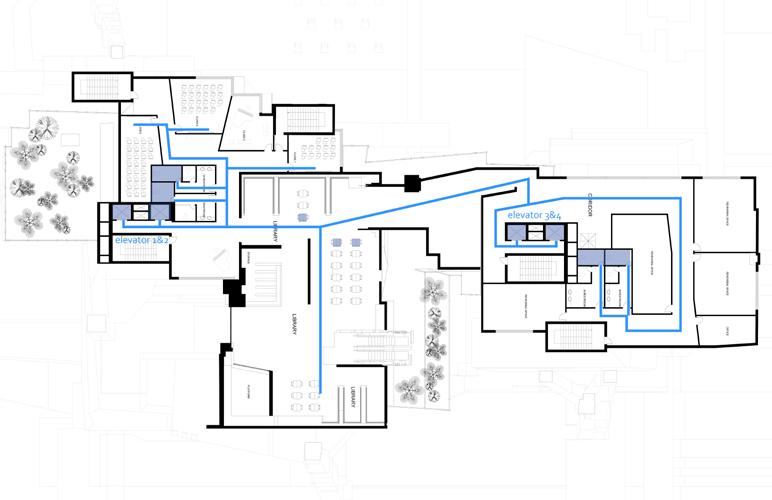
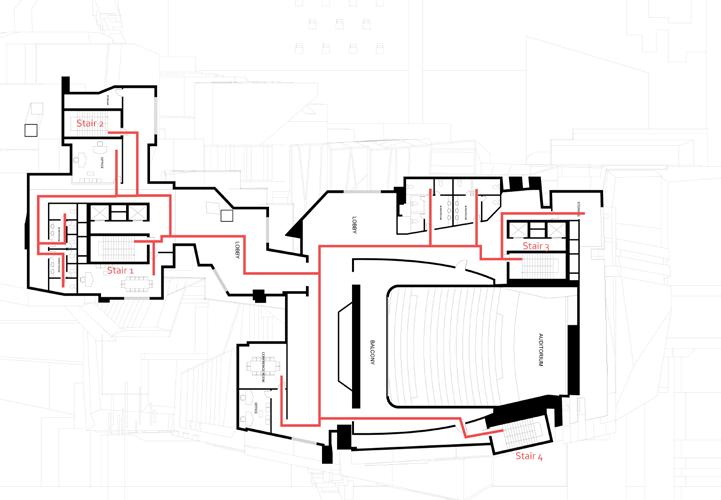
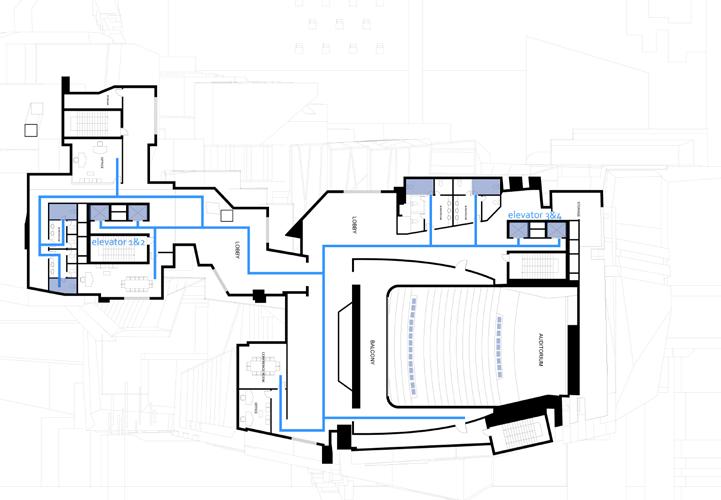
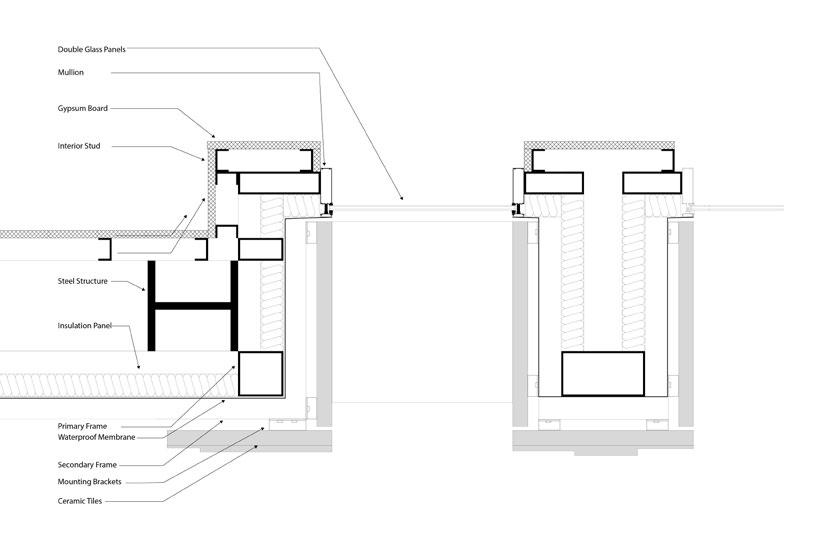
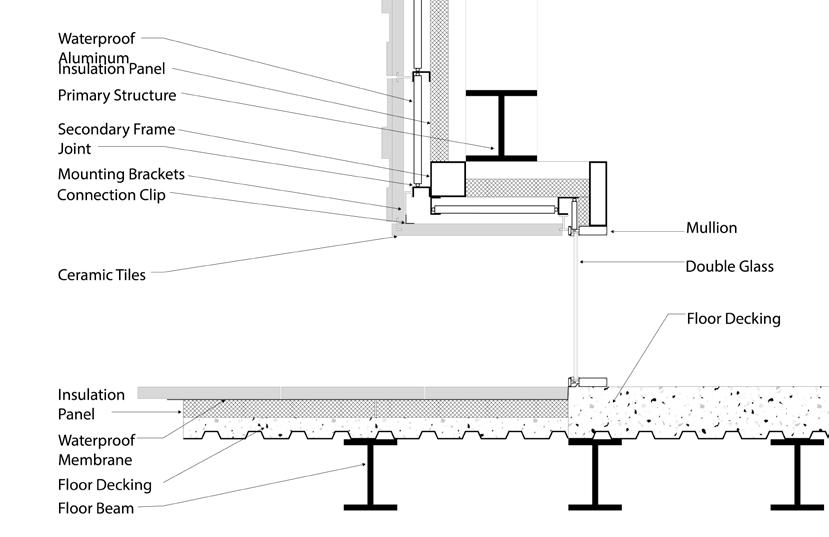
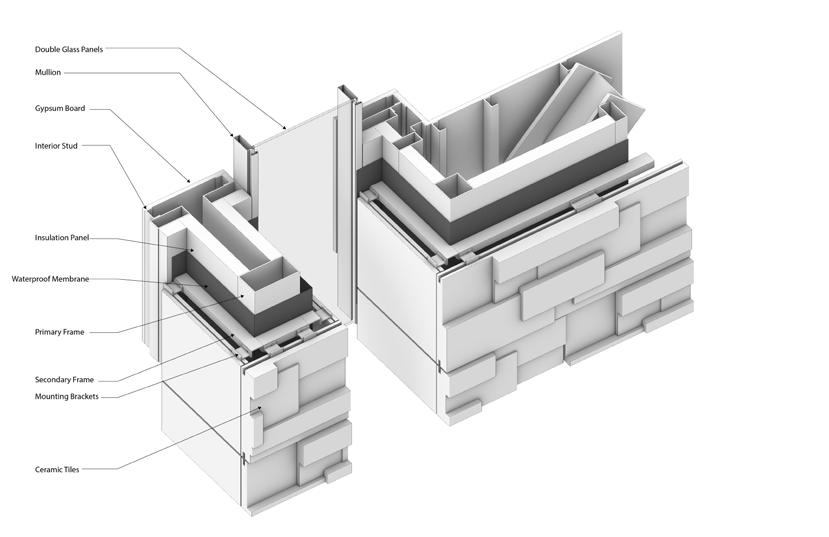
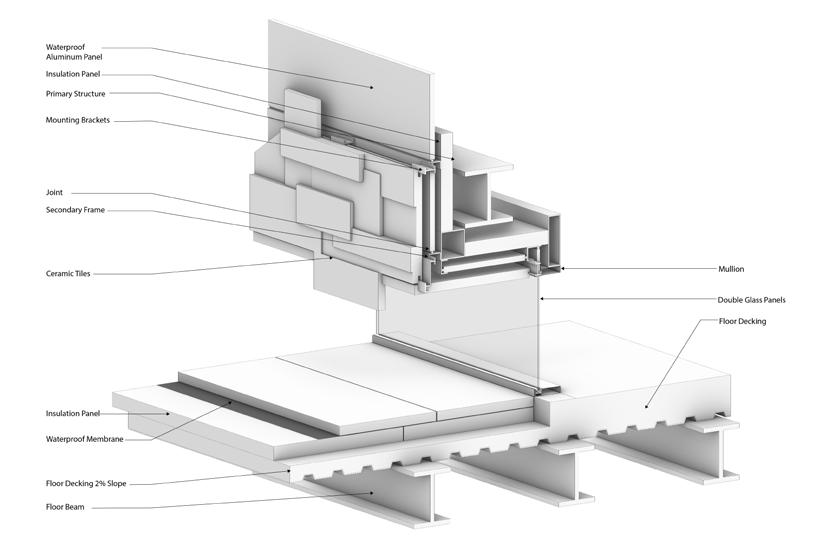
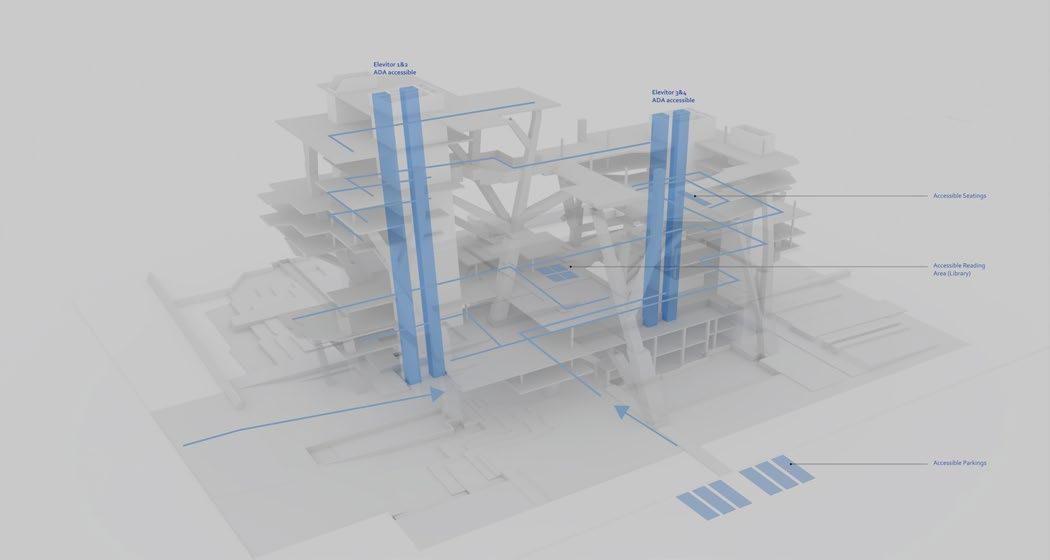
Egree and ADA Animation

Los Angeles, California
Jianli He, Linjun Huang
Shraddha Kemse
Chunjia Liu
Shilong Zhu
Watch
In the Design Development class, our team of ten members underwent training to create video-based design development deliverables. Guided by our professors, we successfully completed the design of the structure, material selection, egress and ADA details, as well as MEP (Mechanical, Electrical, Plumbing) aspects during this phase. Our final submission consisted of a comprehensive video presentation that analyzed various elements such as renderings, structural choices, construction sequences, architectural details, MEP considerations, and other miscellaneous aspects. This video served as a comprehensive showcase of our design development progress, highlighting the key features and decisions made throughout the process.

Instructor: Margaret Griffin
Watch the video on shichencao.com/theedgeparkofsantamonica
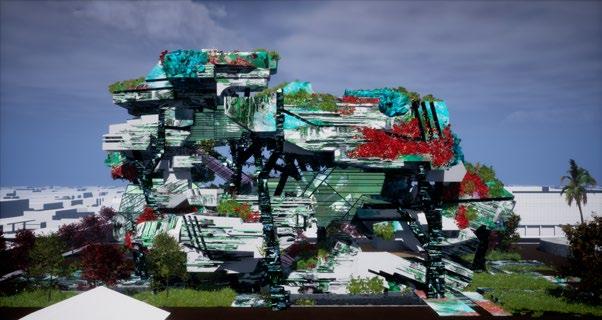
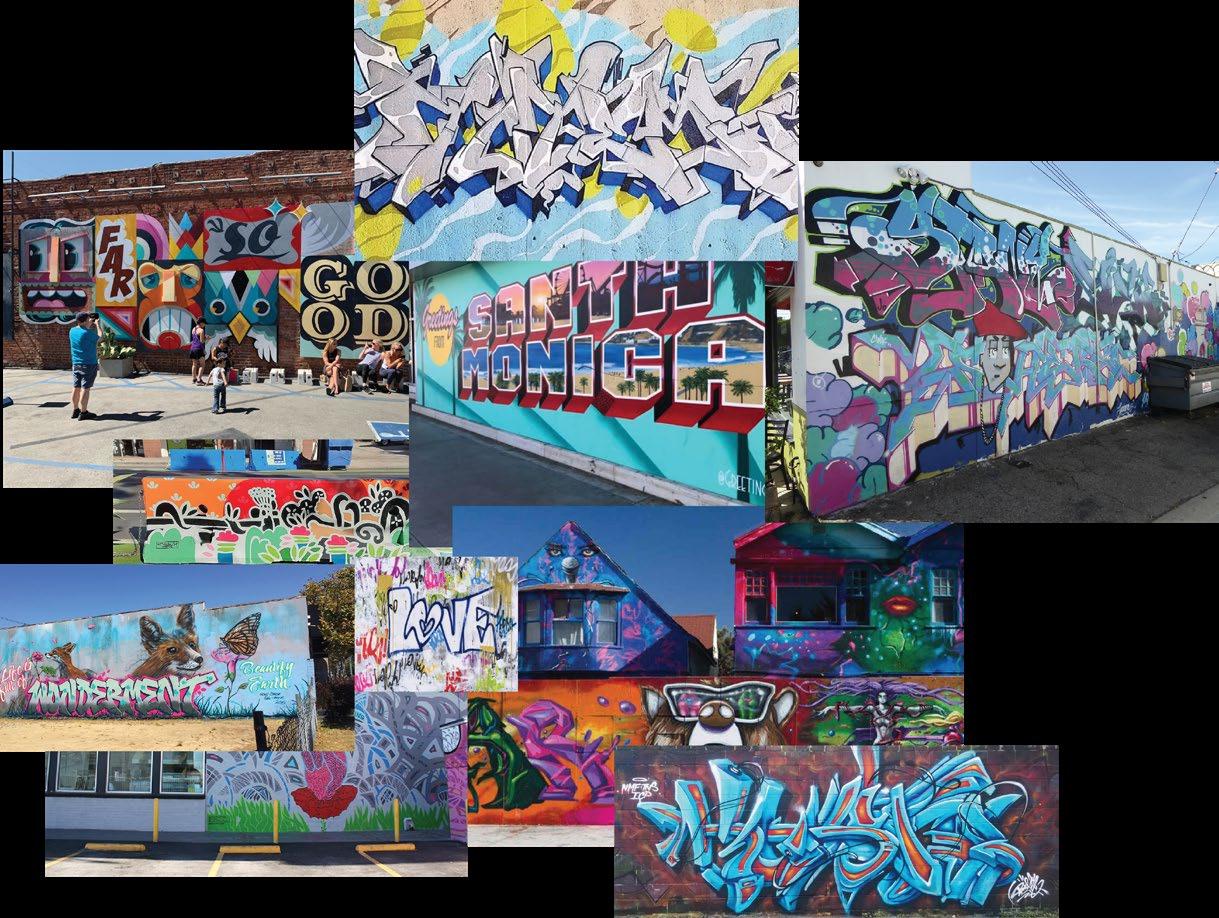
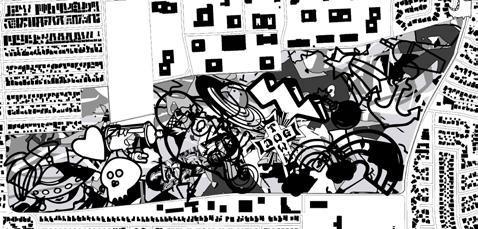
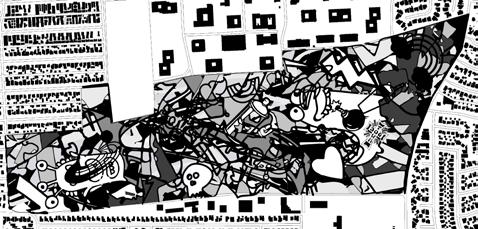
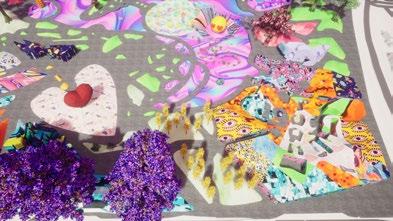
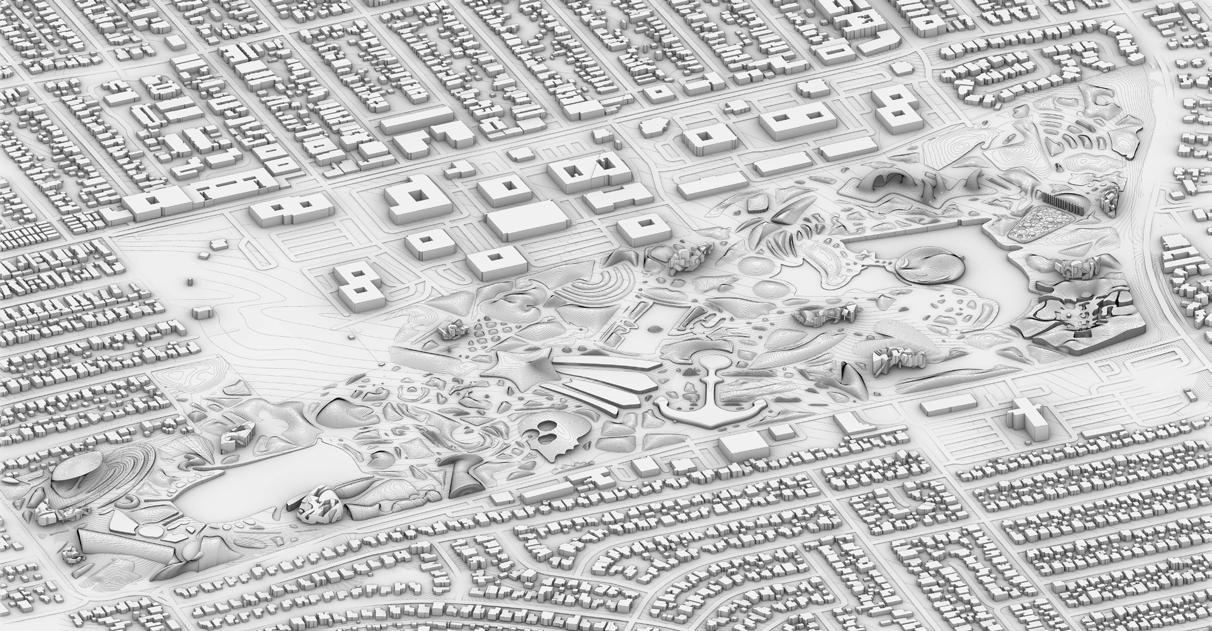
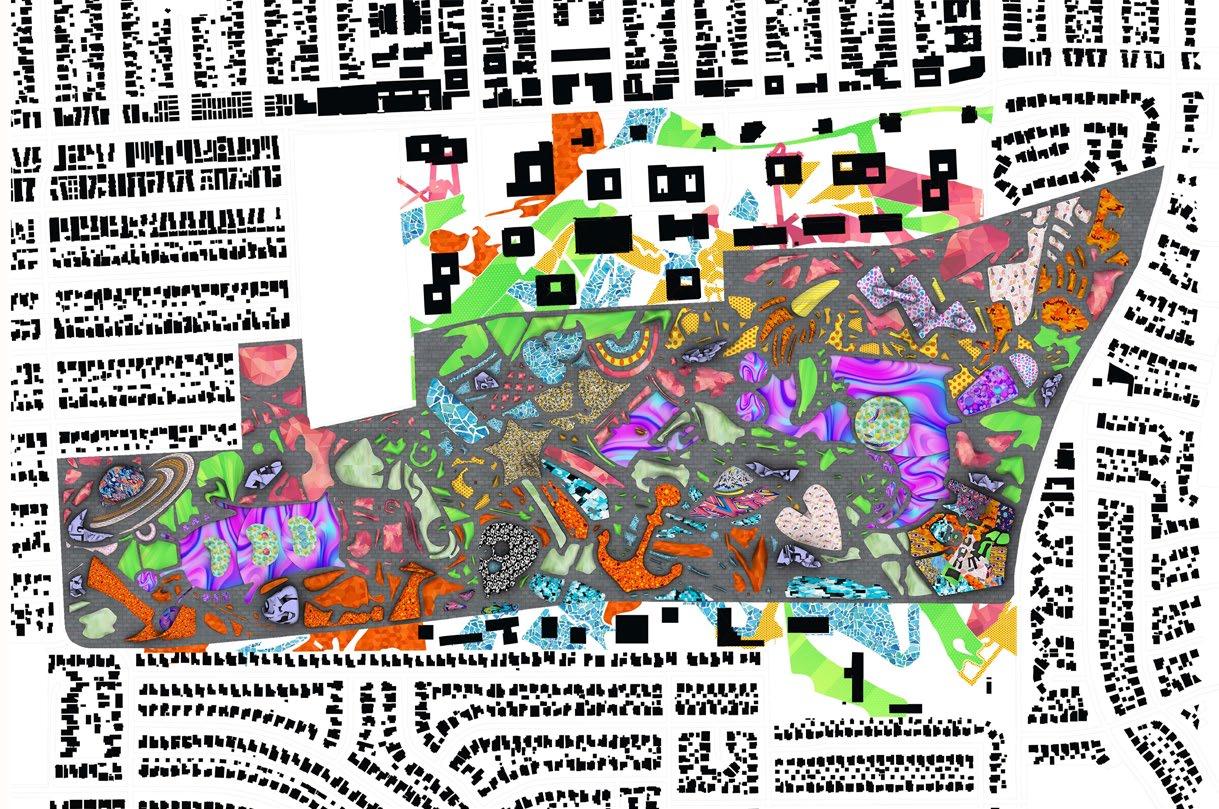
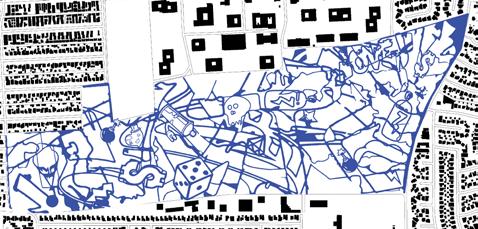
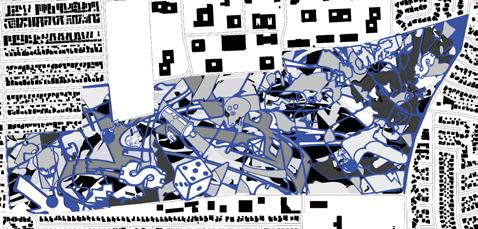
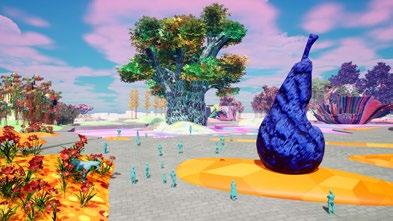
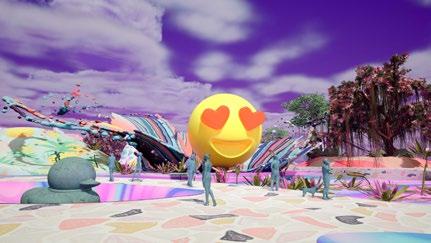
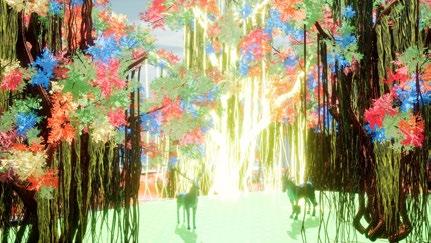
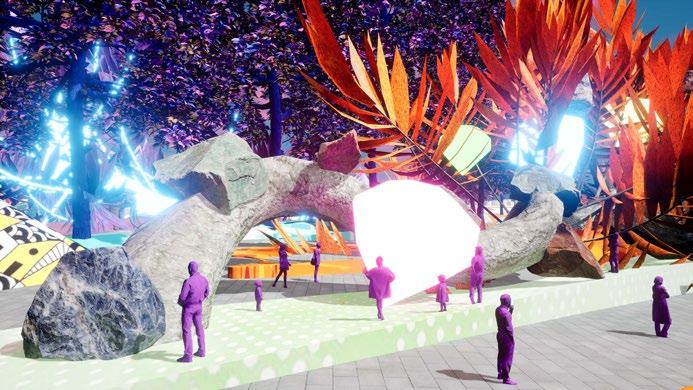
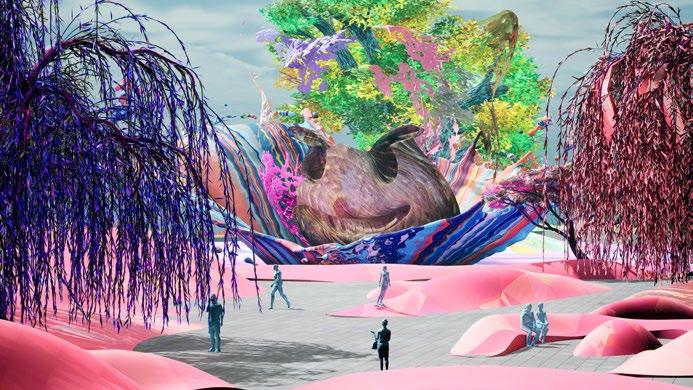
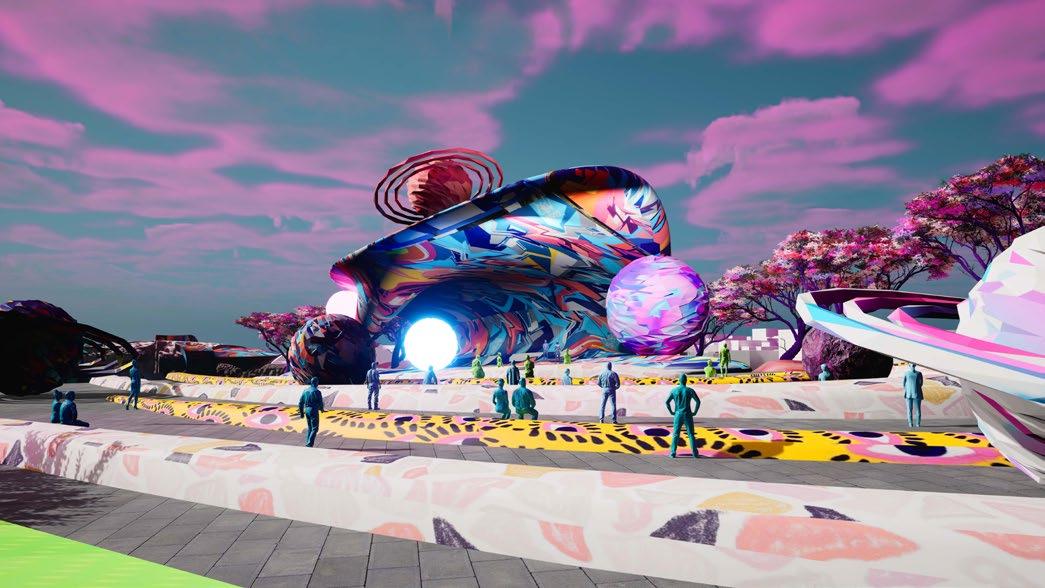
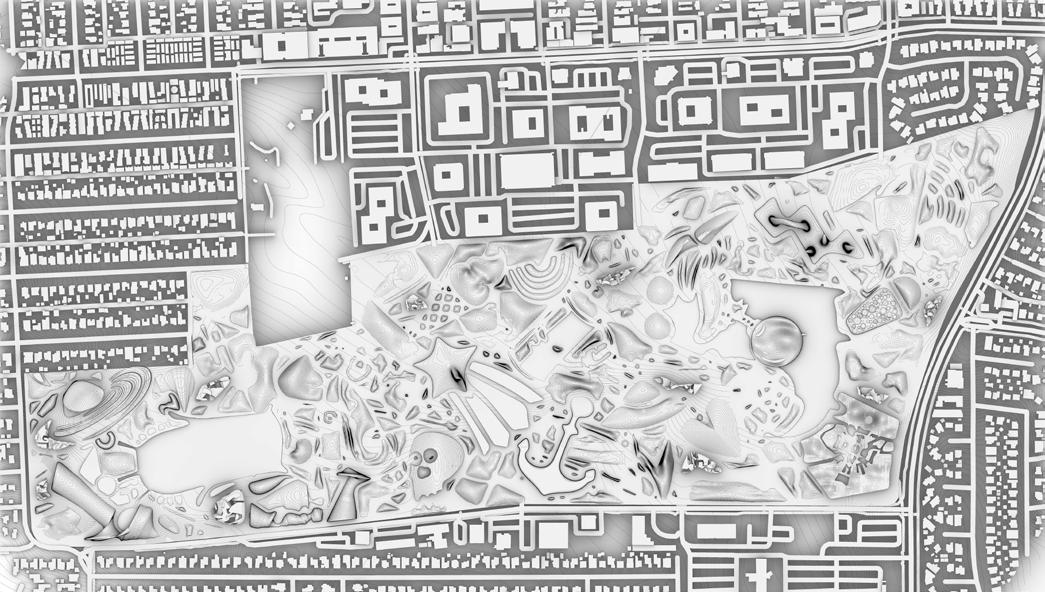
The proposed project for Santa Monica Airport involves transforming the land into a public park, returning it to the community after 2029. The park aims to bridge the gap between reality and the virtual world, incorporating the concept of the Metaverse and utilizing technologies such as Virtual Reality (VR), Augmented Reality (AR), and Mixed Reality (MR) to provide a unique experience for visitors. Taking inspiration from the city’s street graffiti, the design integrates the graffiti’s features and patterns into the park’s main circulation paths and creates focal points to aid navigation.
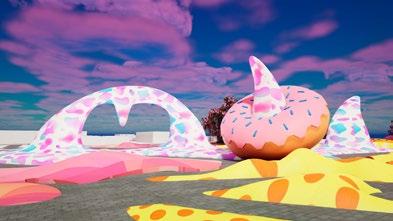
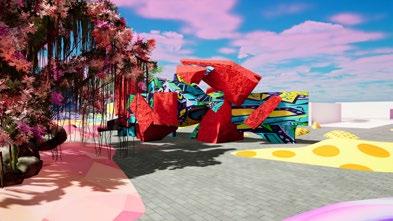
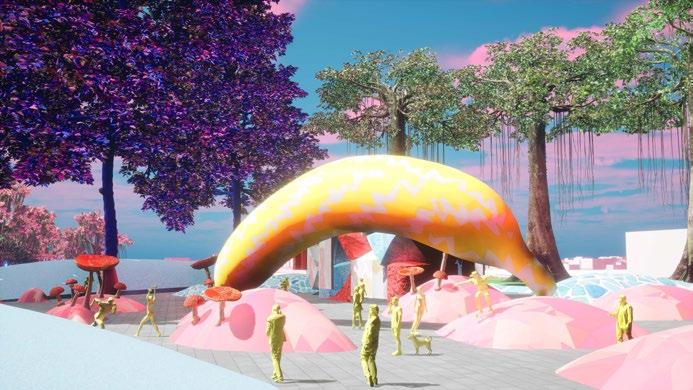
The overall landscape design is influenced by the circulation pattern, resulting in distinct relief blocks within the park. The combination of these elements will create an immersive and interactive environment that blurs the boundaries between the physical and virtual realms, offering a dynamic and captivating experience for park-goers.

 Santa Monica, CA
2017 Spring
Duration: 12 Weeks
Design Studio
Instructor: Daniel Butko, Jay Yowell
shichencao.com/eureka-springs-performing-arts-center

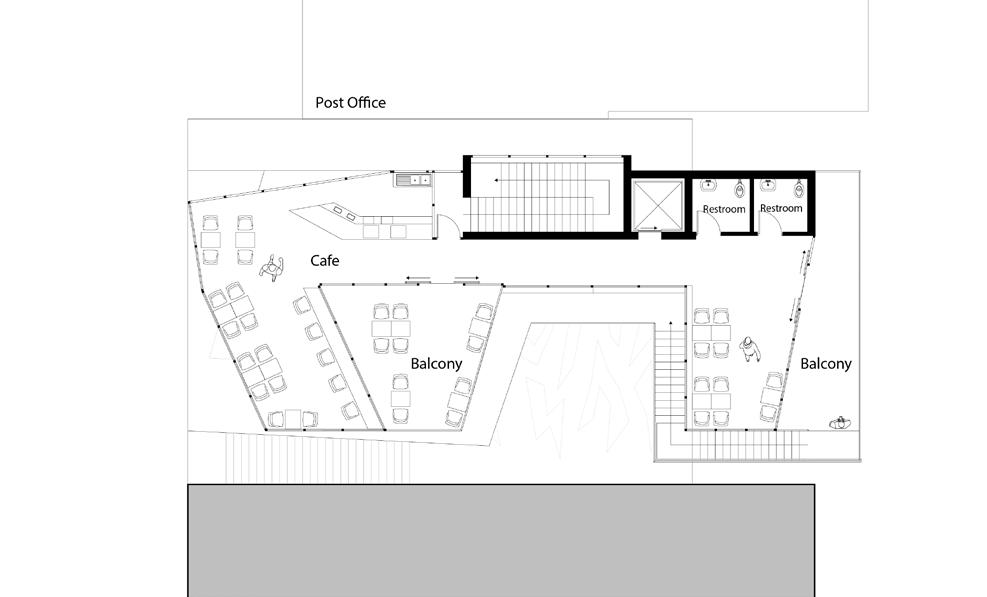
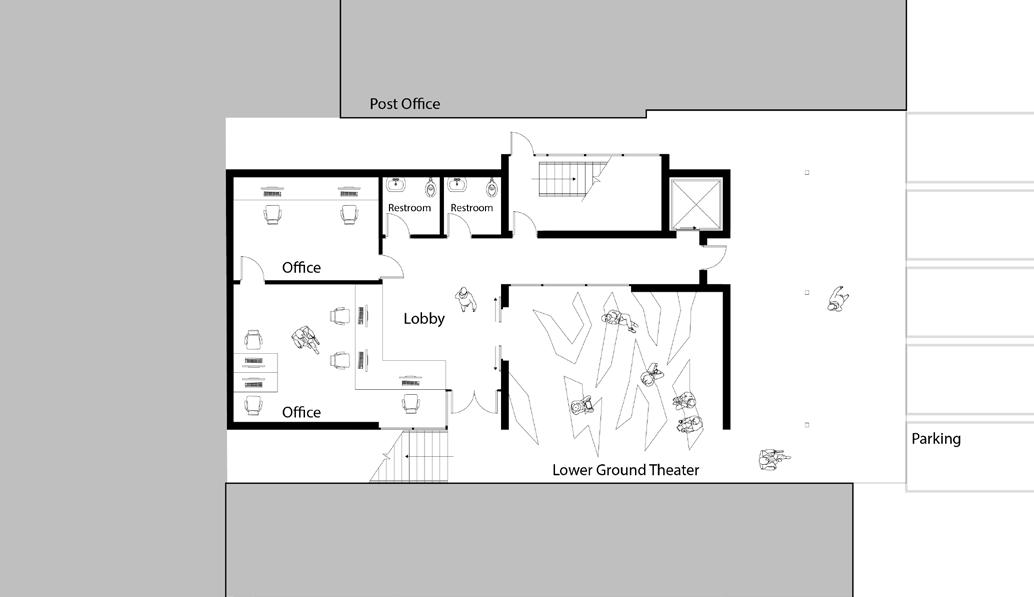
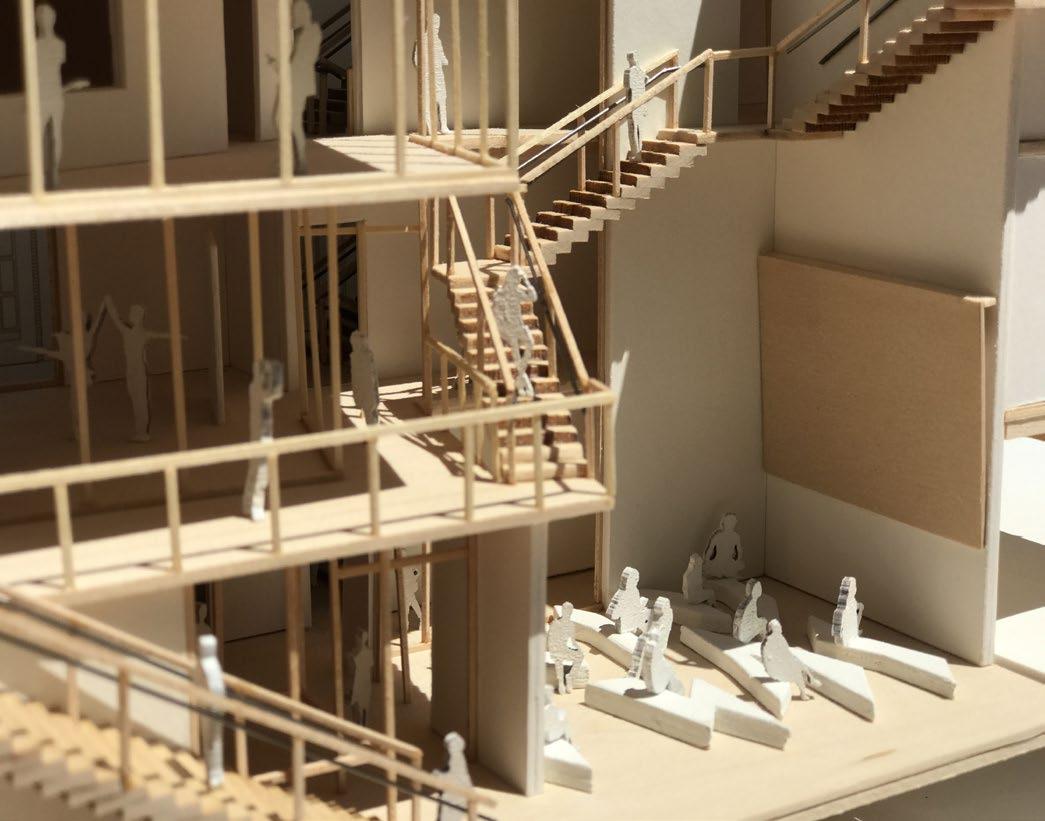
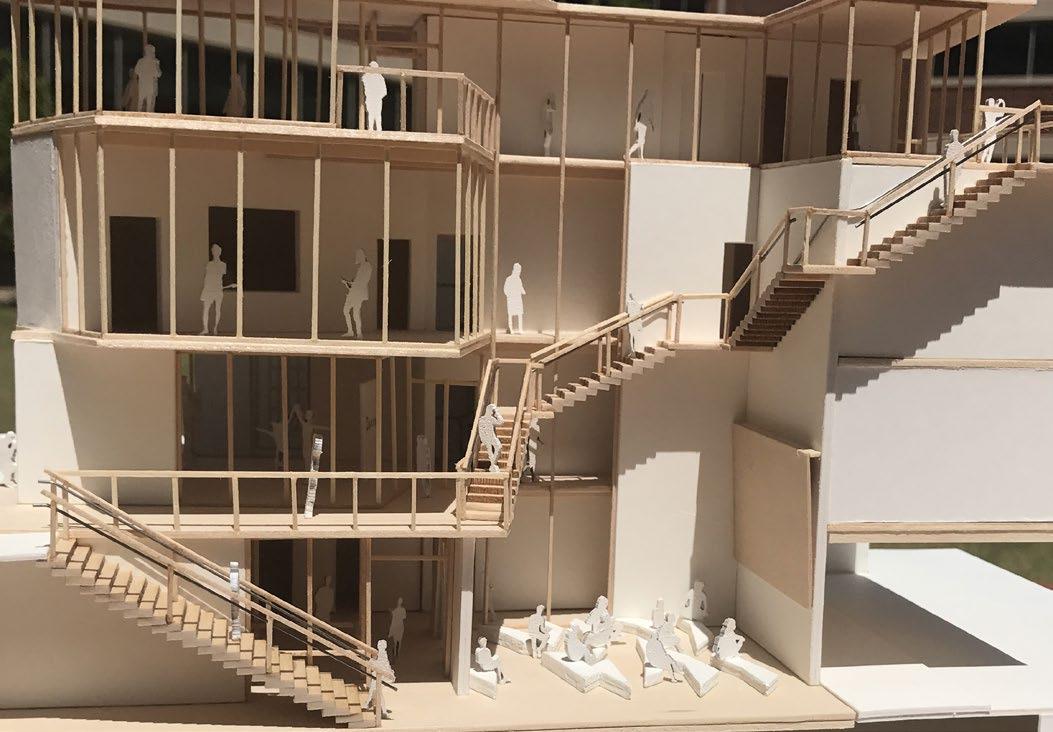
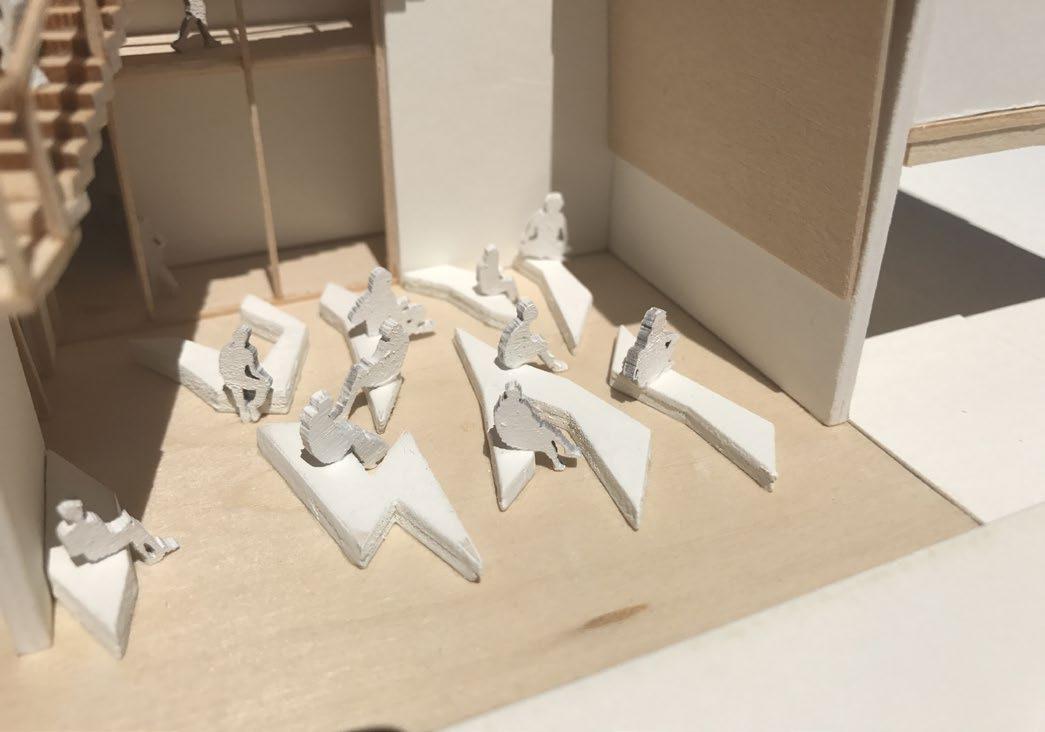
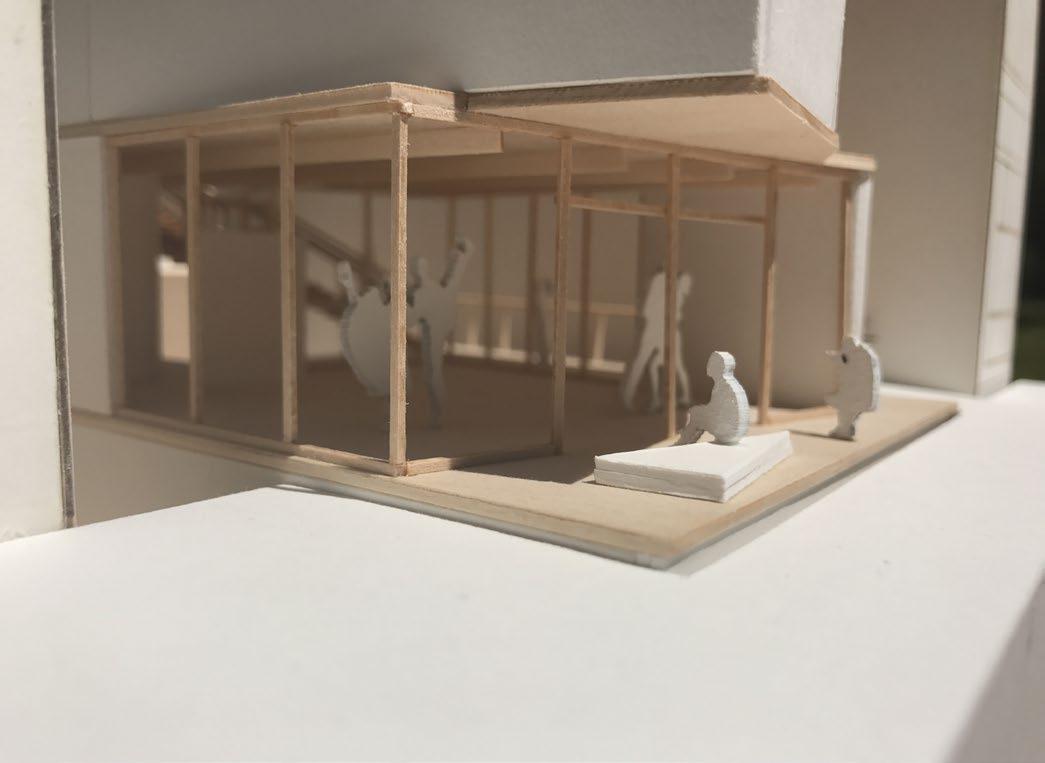
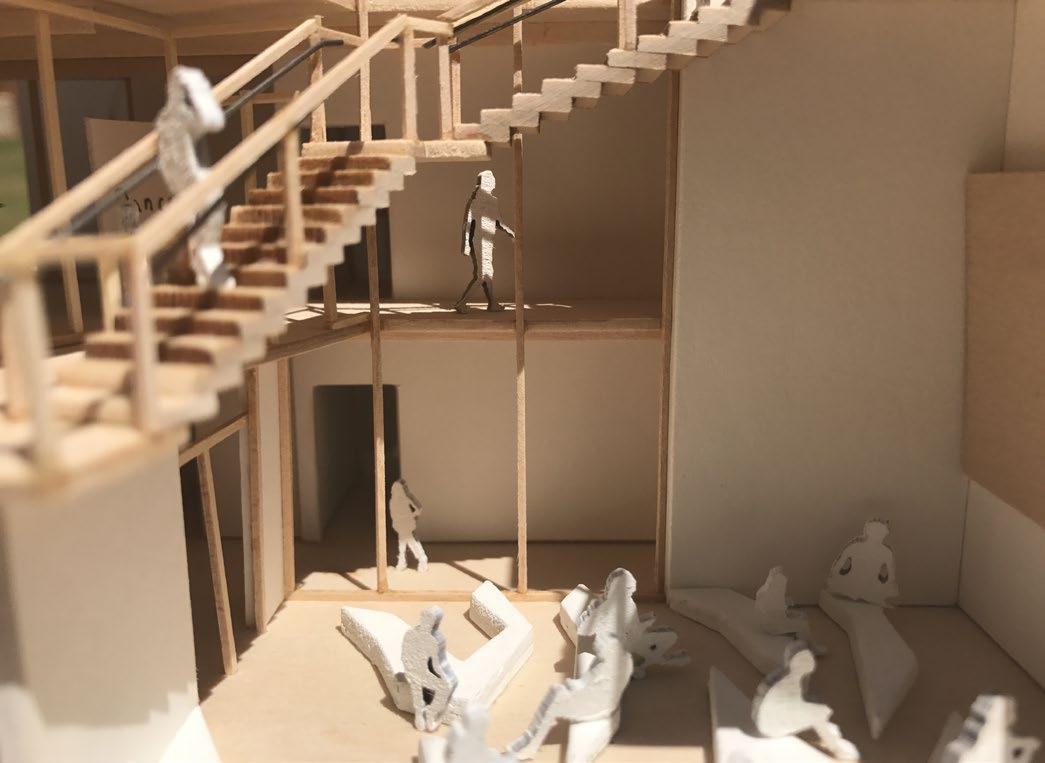
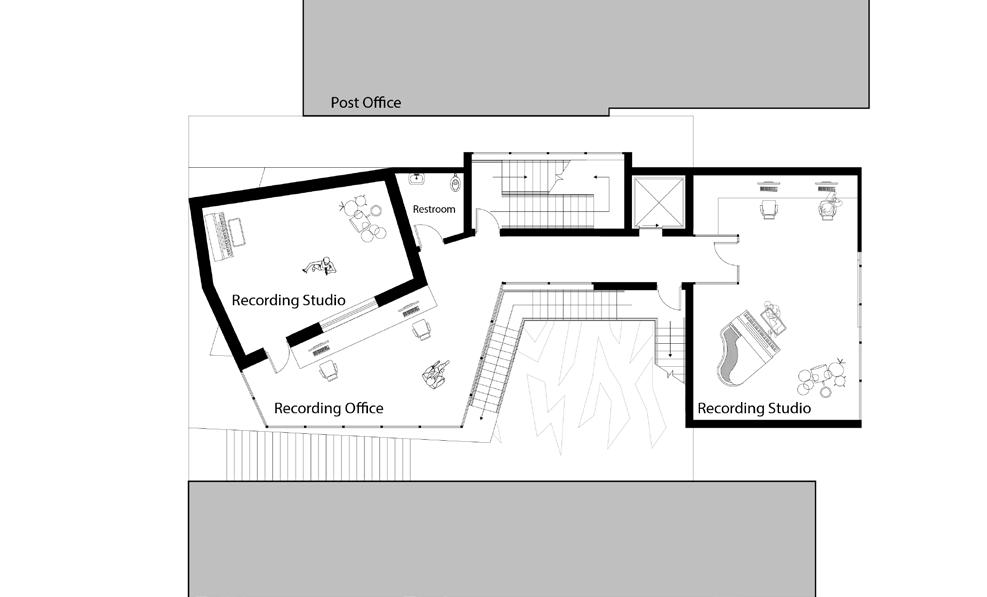
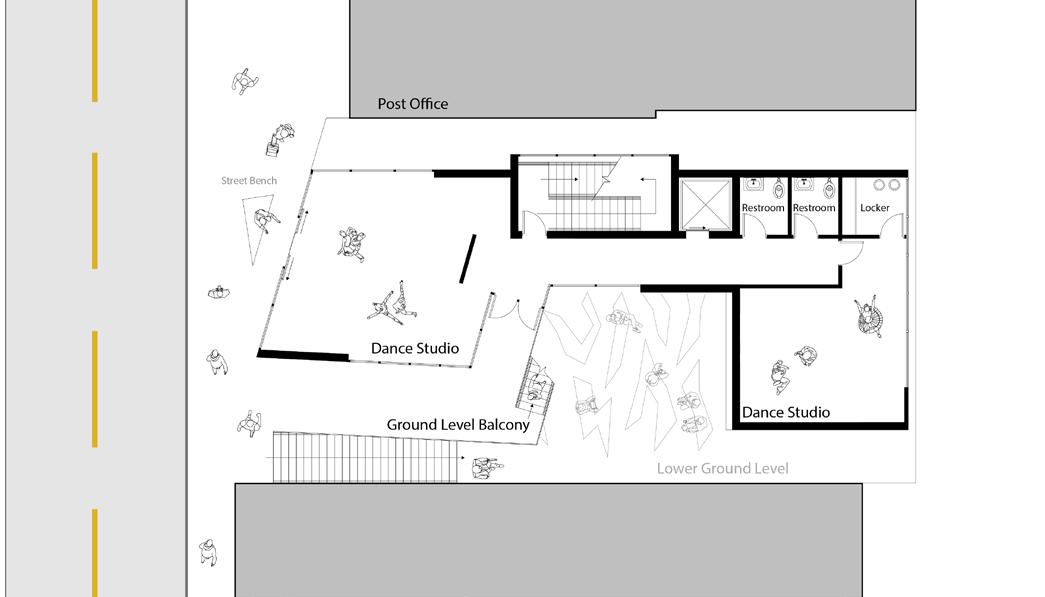
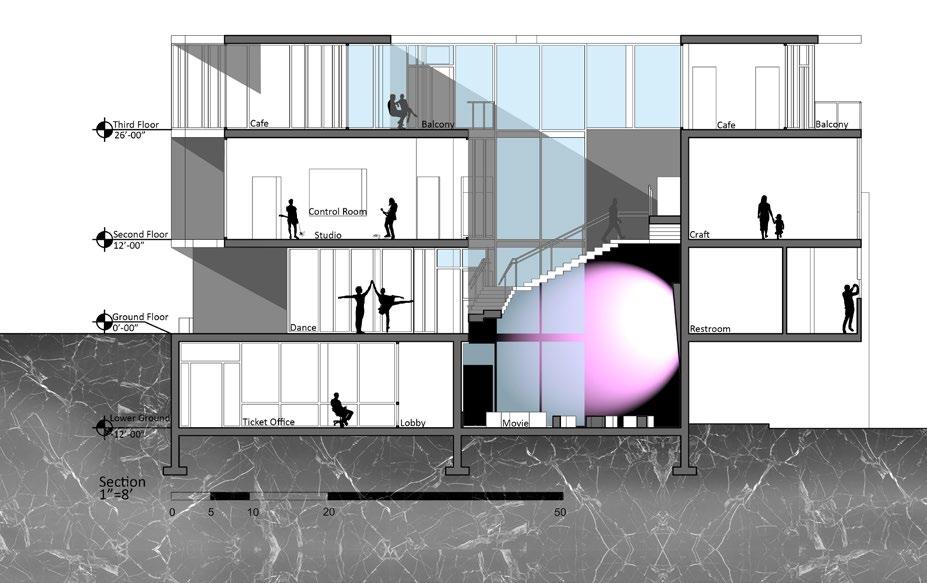
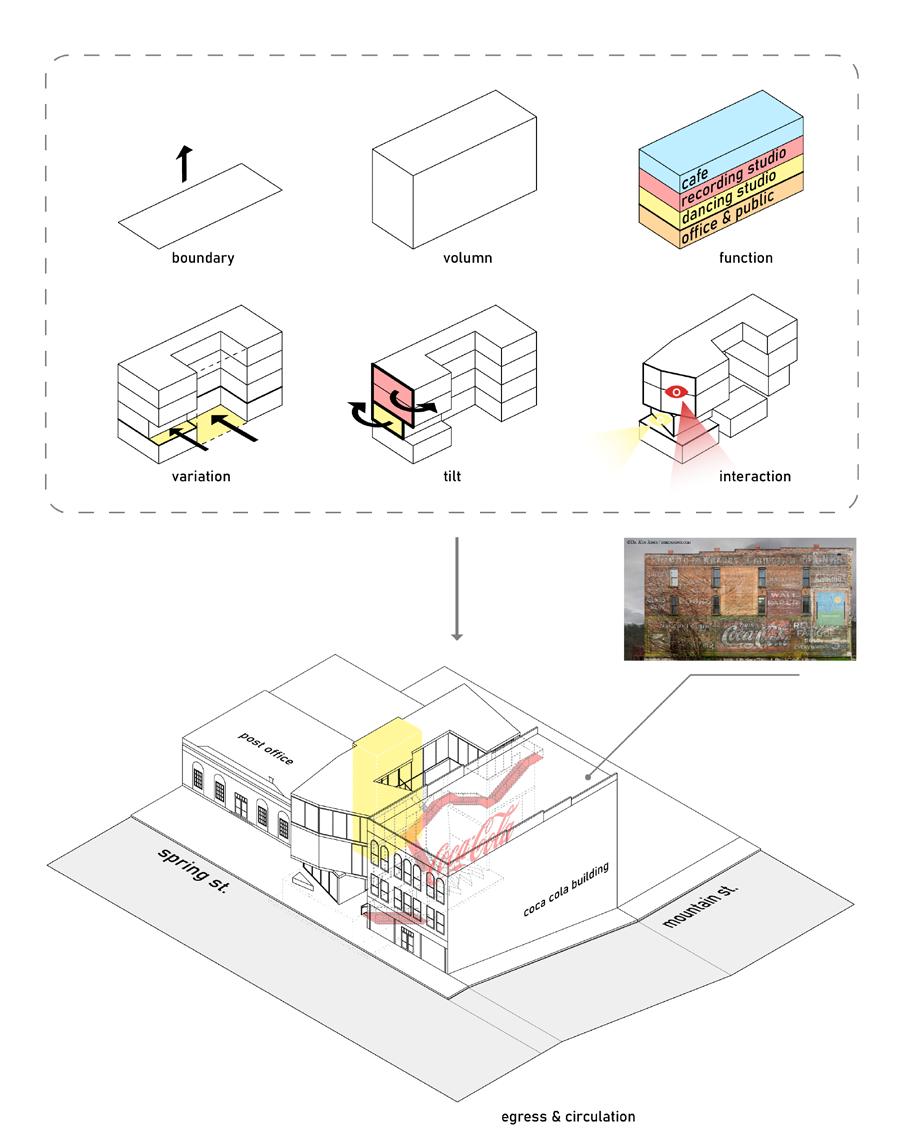
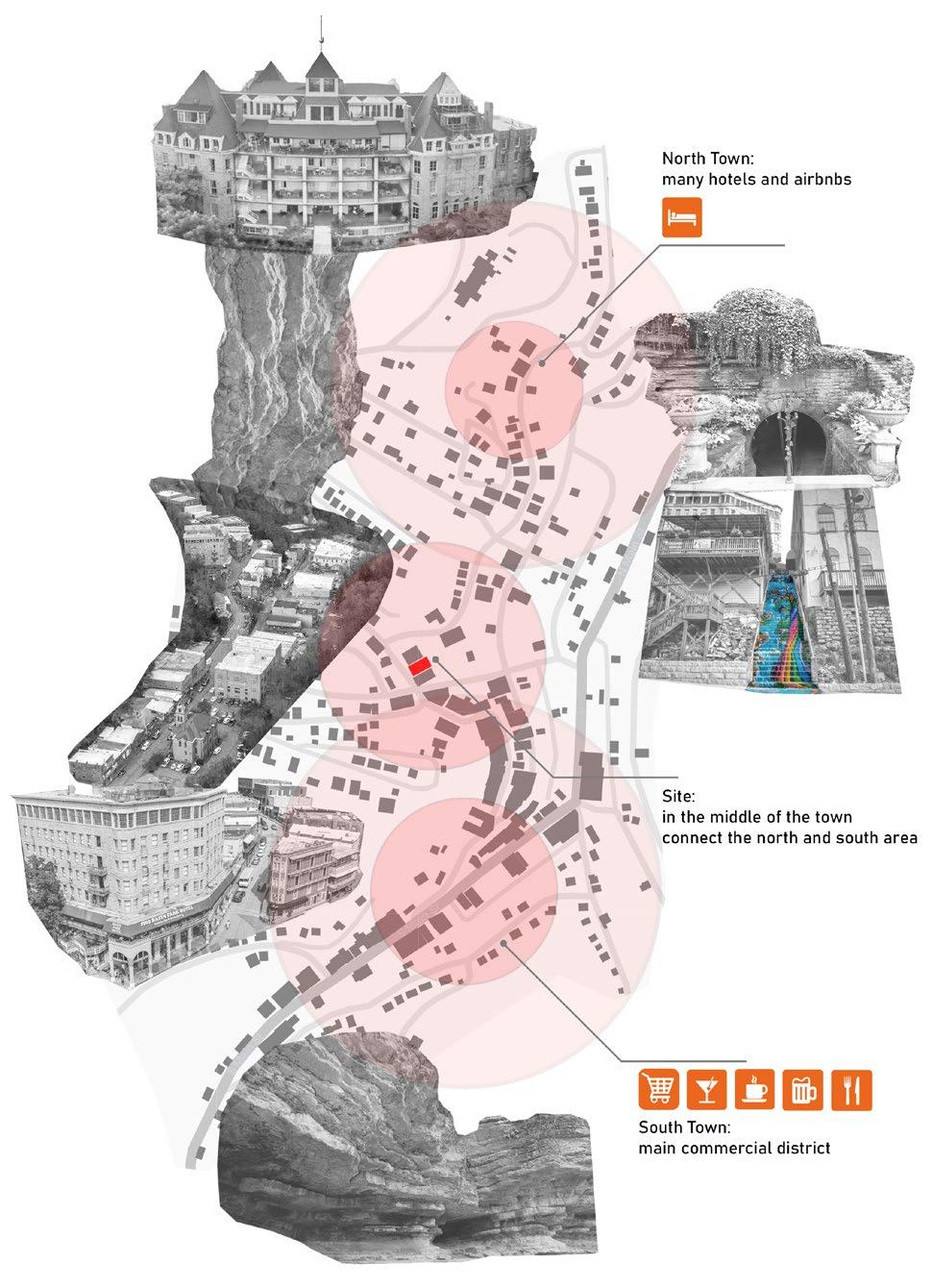
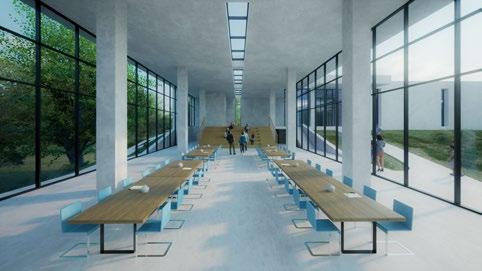
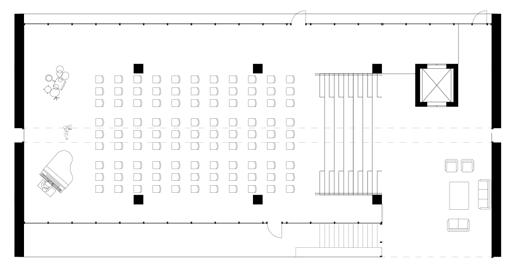
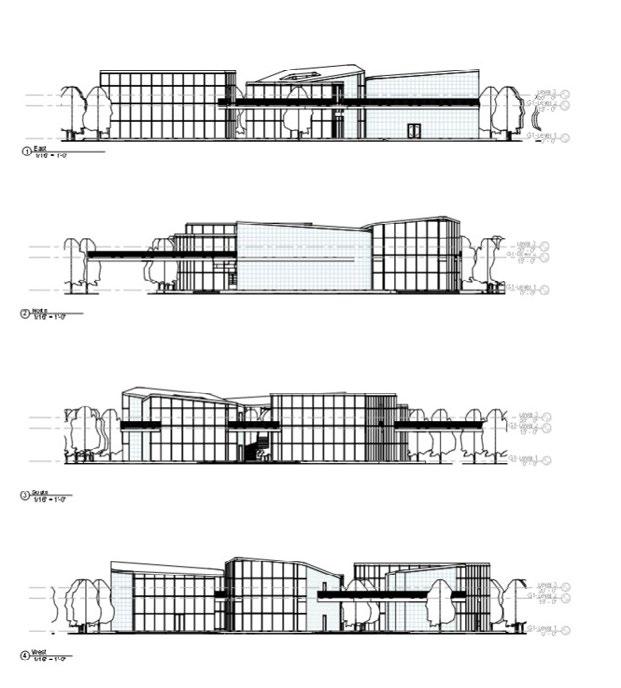
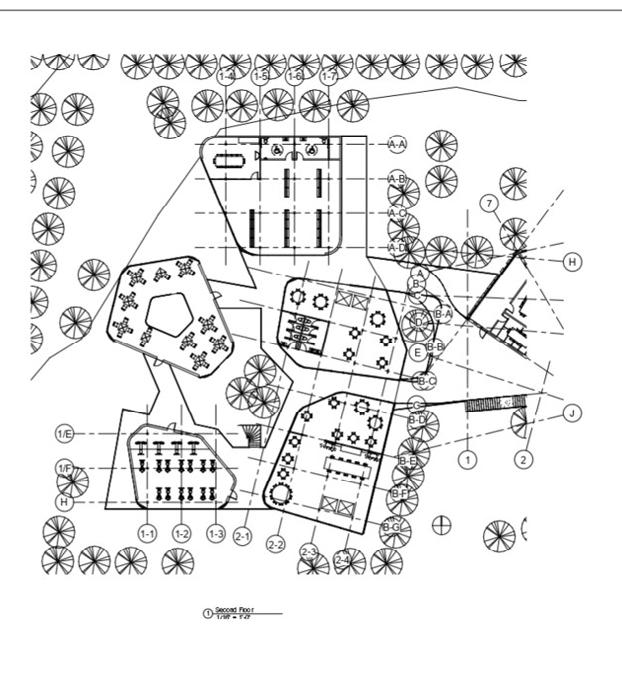
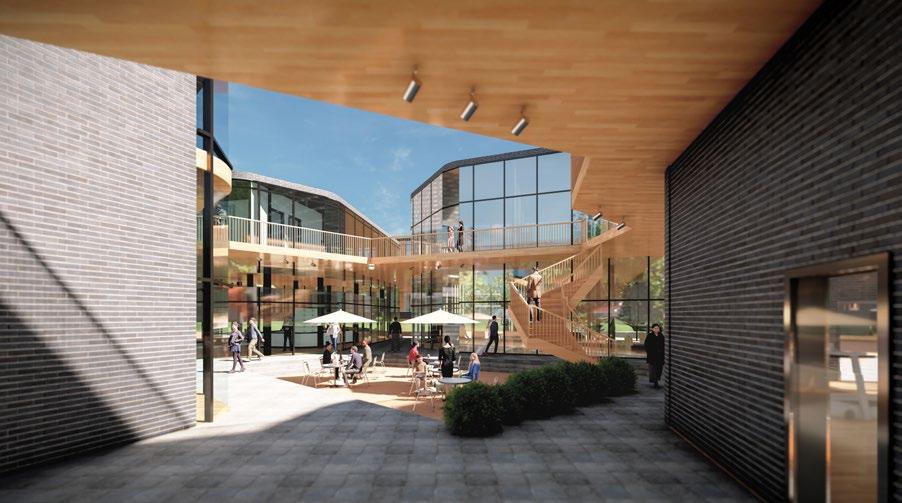
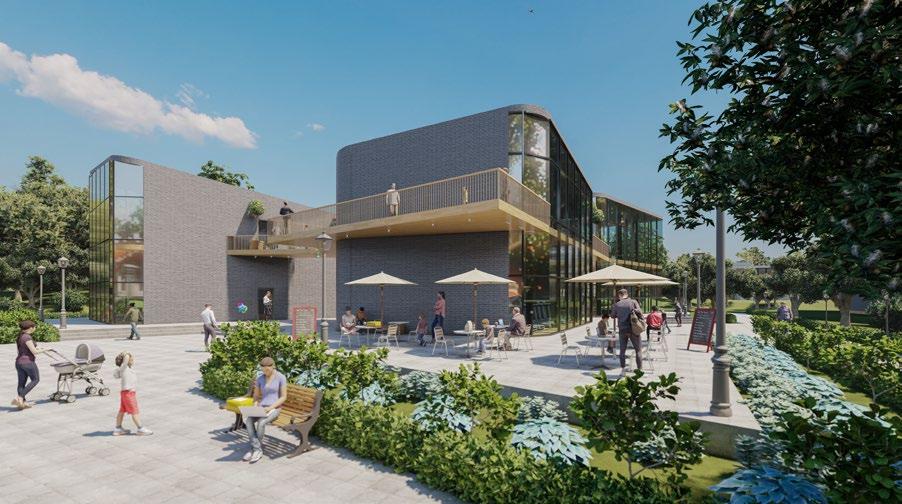
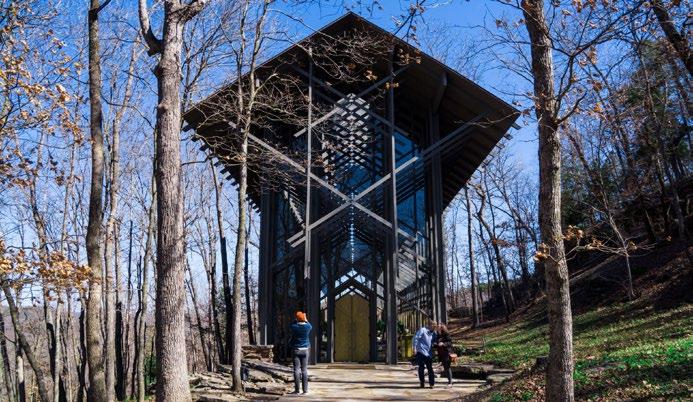
The proposed performing arts center in Eureka Springs draws inspiration from the city’s landscape, particularly its stone layers. The building’s shape interacts with the local surroundings, while a winding outline creates an inviting exterior space. Glass walls preserve views of the adjacent historic wall, and the center acts as a connector for different areas of the city. A public outdoor theater serves as the central atrium, and the ground floor houses a dance studio. With tilted facades, the building engages pedestrians and creates a unique presence in the cityscape. The design embraces the city’s character and offers a captivating space for performing arts.
2021 Spring
Duration: 14 Weeks
Studio 2GBX
Instructor: Jackilin Bloom
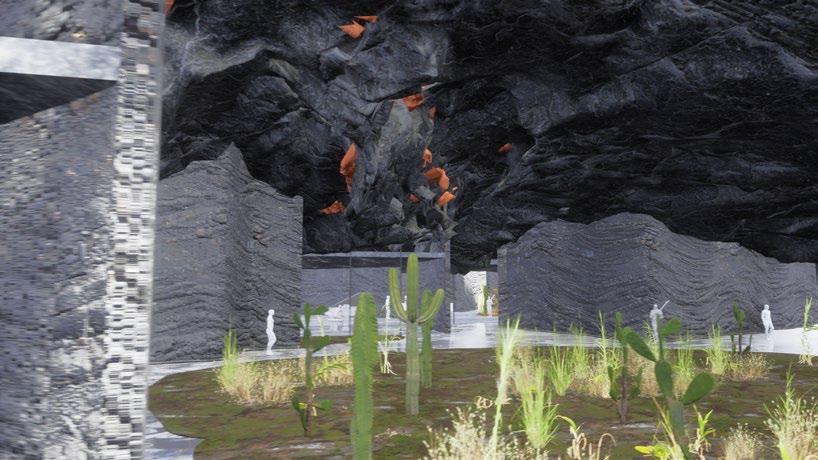
Watch the video on shichencao.com/boulders

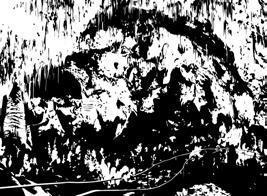
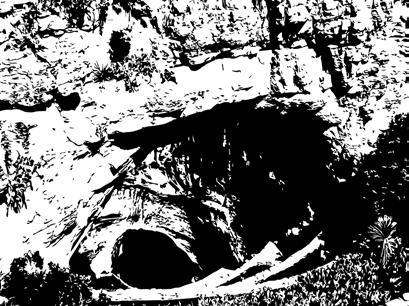
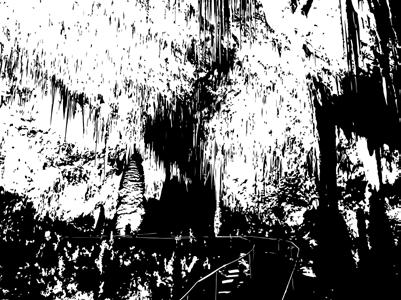
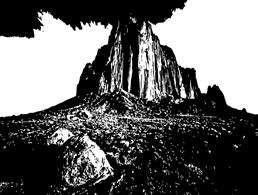
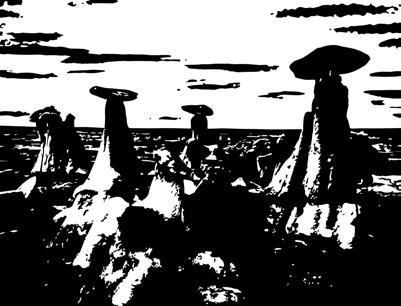
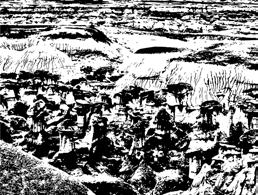
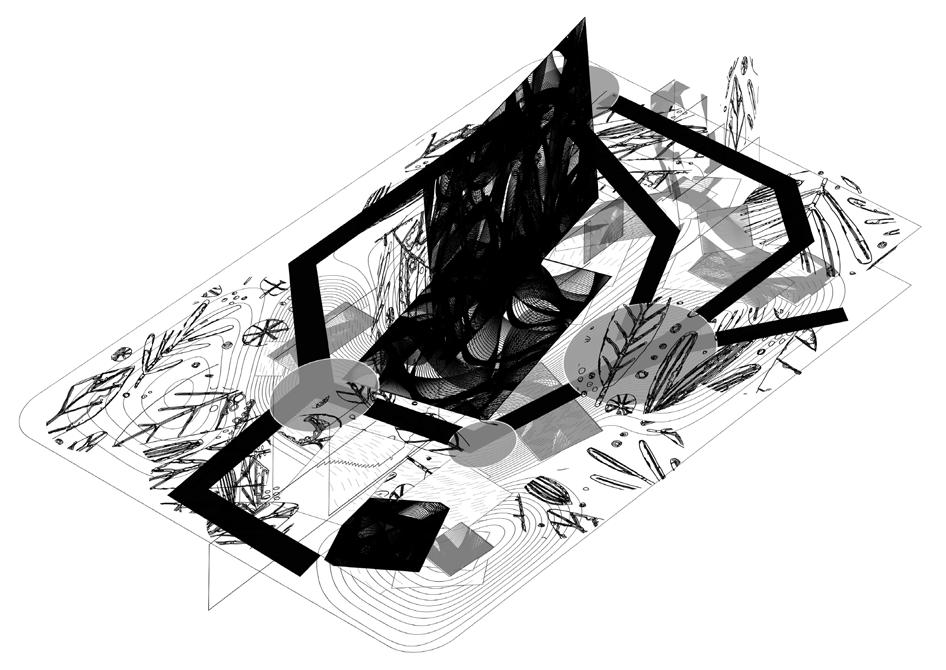
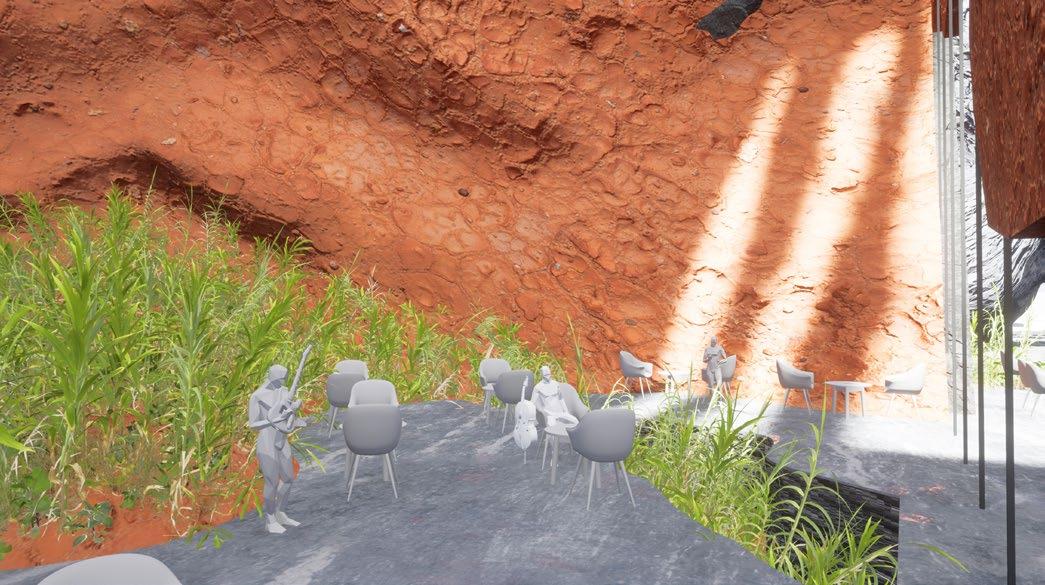
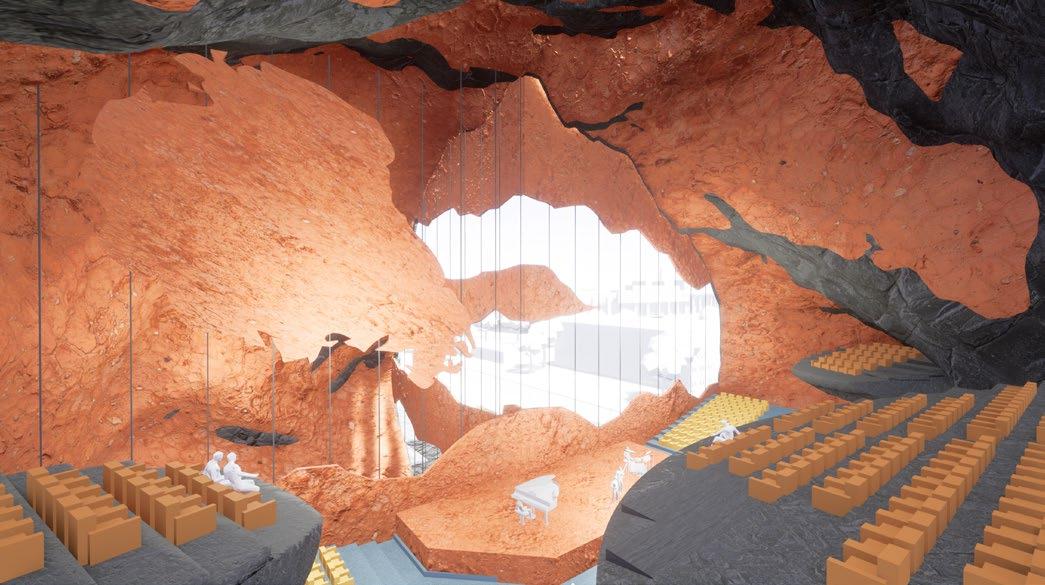
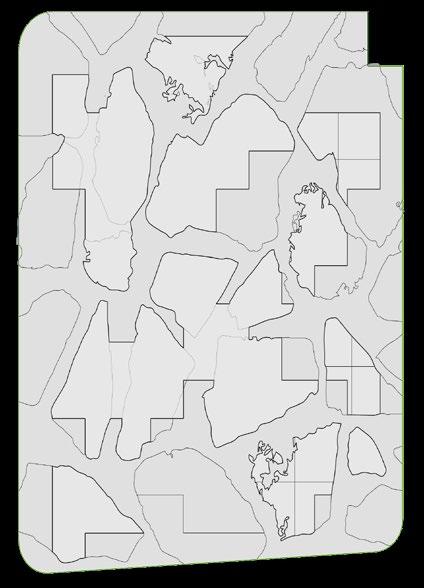
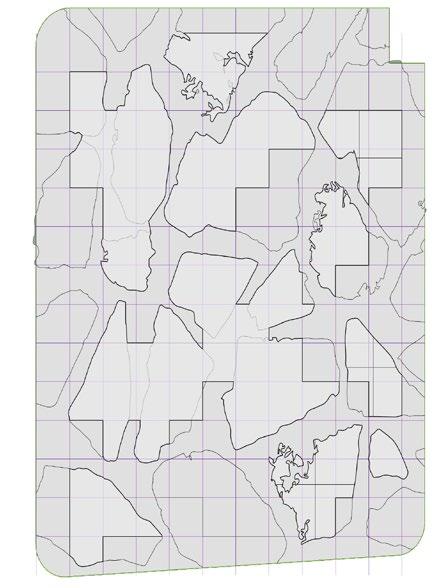
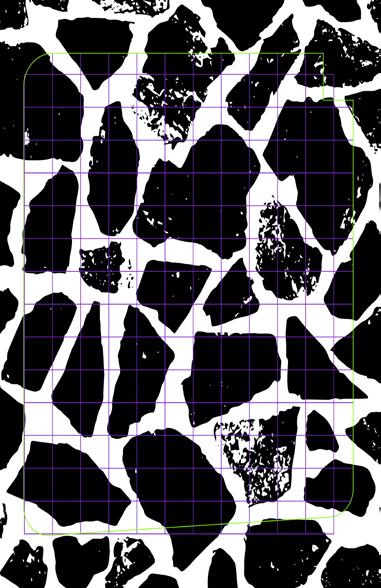
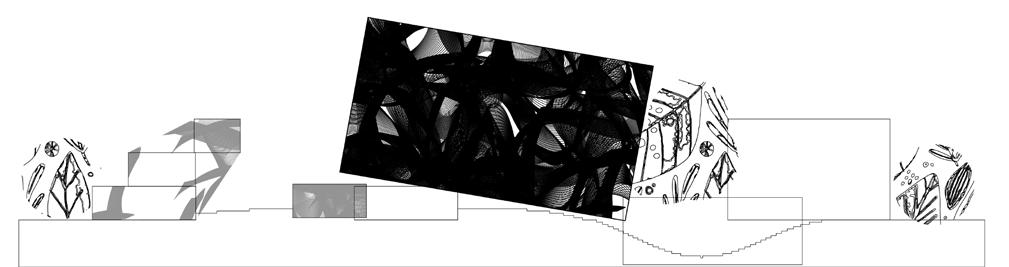
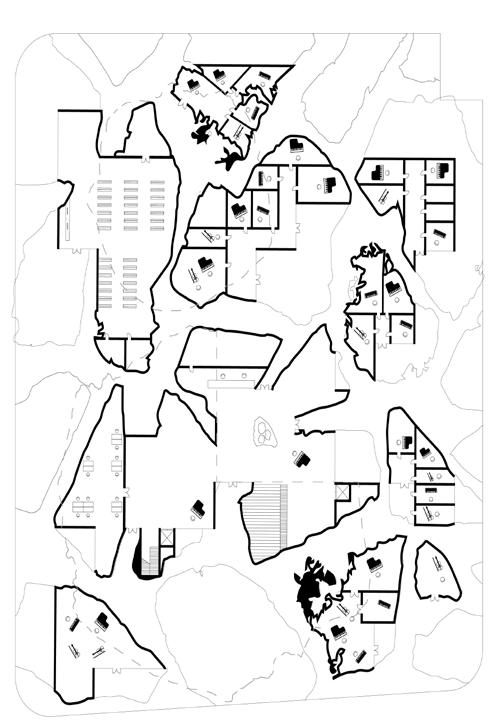
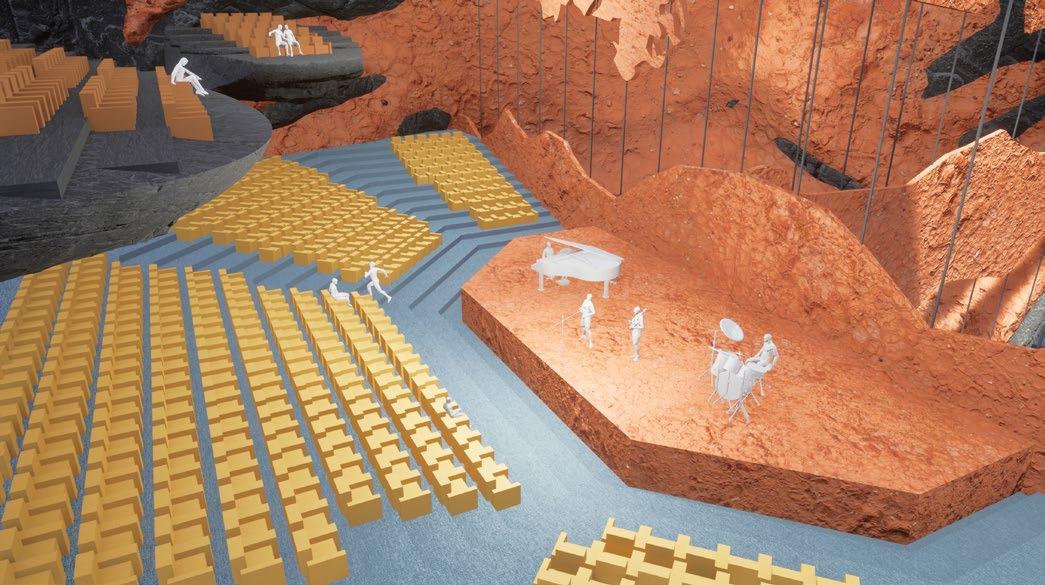
The project draws inspiration from earthy and rocky natural landscapes to create a striking contrast with the city context. Two enormous boulders serve as the focal points, housing the auditoriums and providing a natural element within the urban blocks. The lower buildings are designed using a pattern of stone pavement, shaped by the city grid. The intersection of the stone pattern and city grid creates cuts in the space, shaping the building envelopes and green spaces for plants. A maze-like valley among the buildings governs circulation within the site.
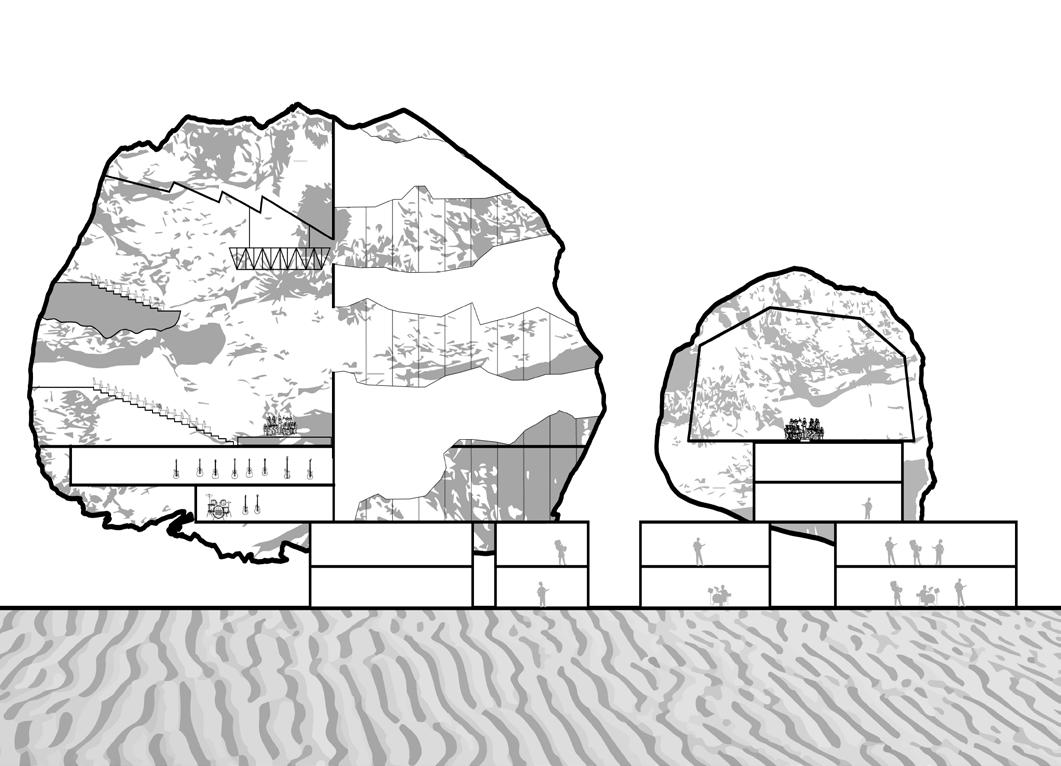
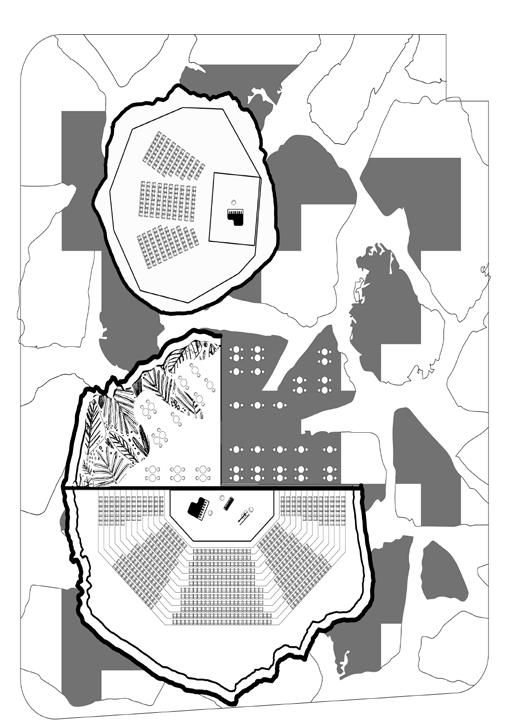
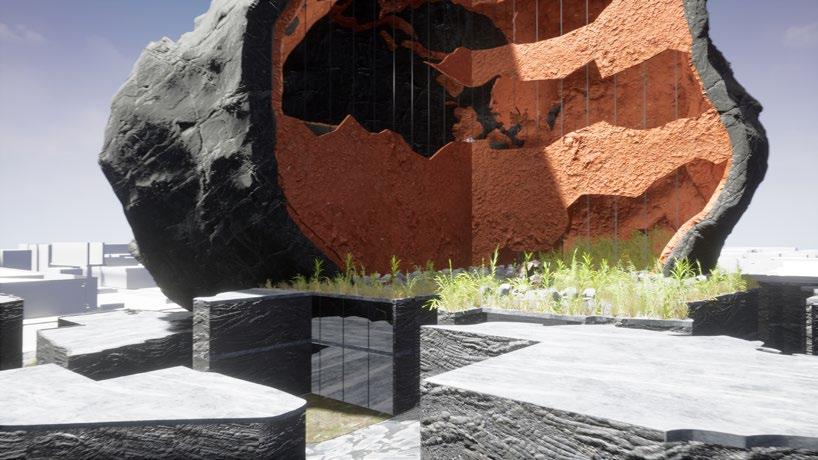
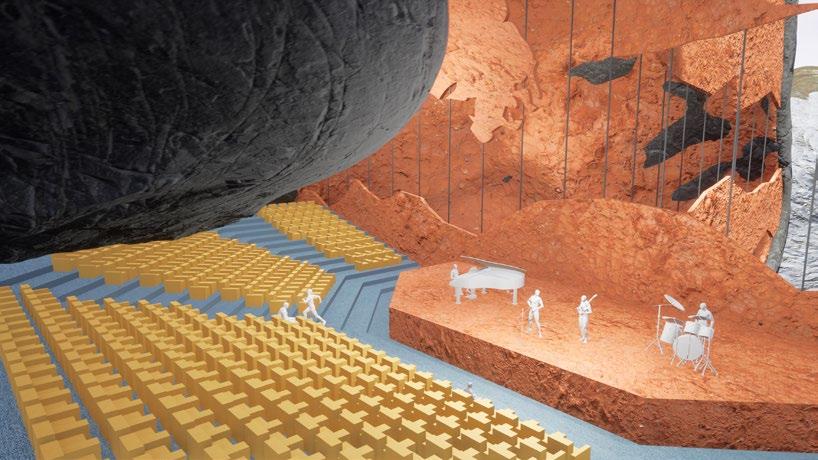
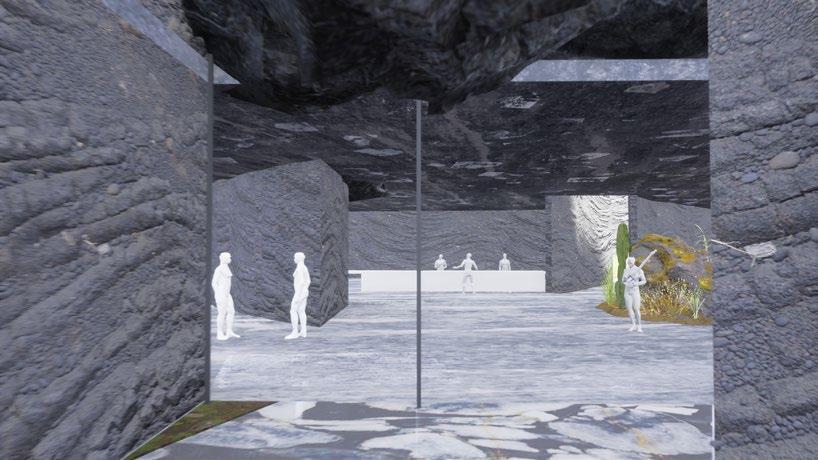
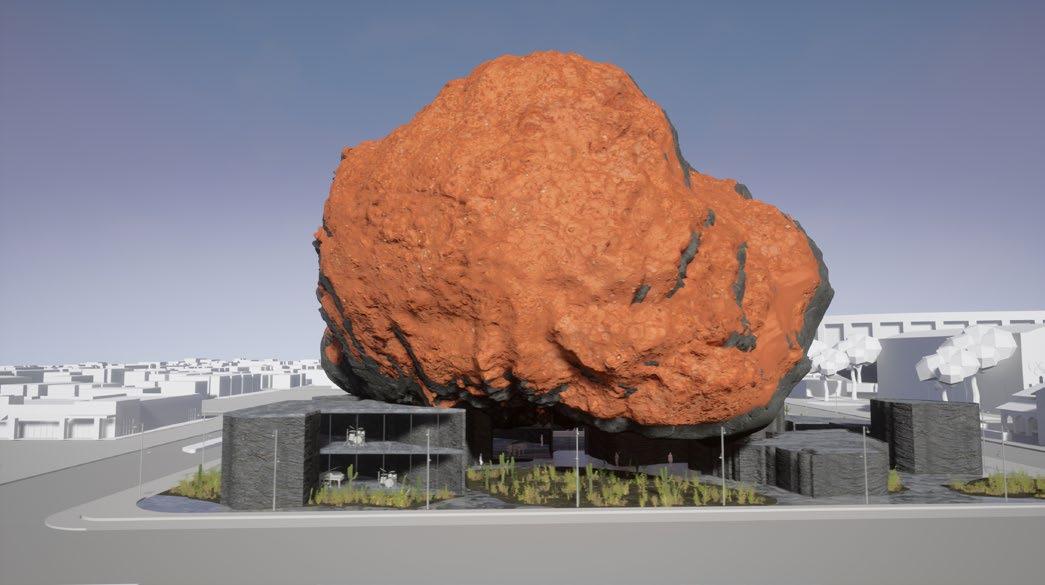
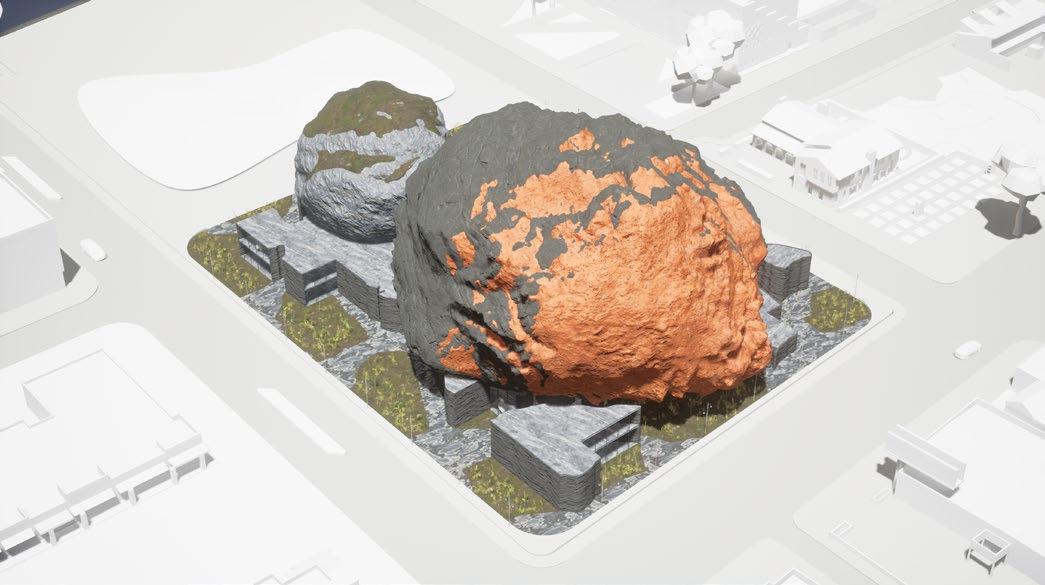
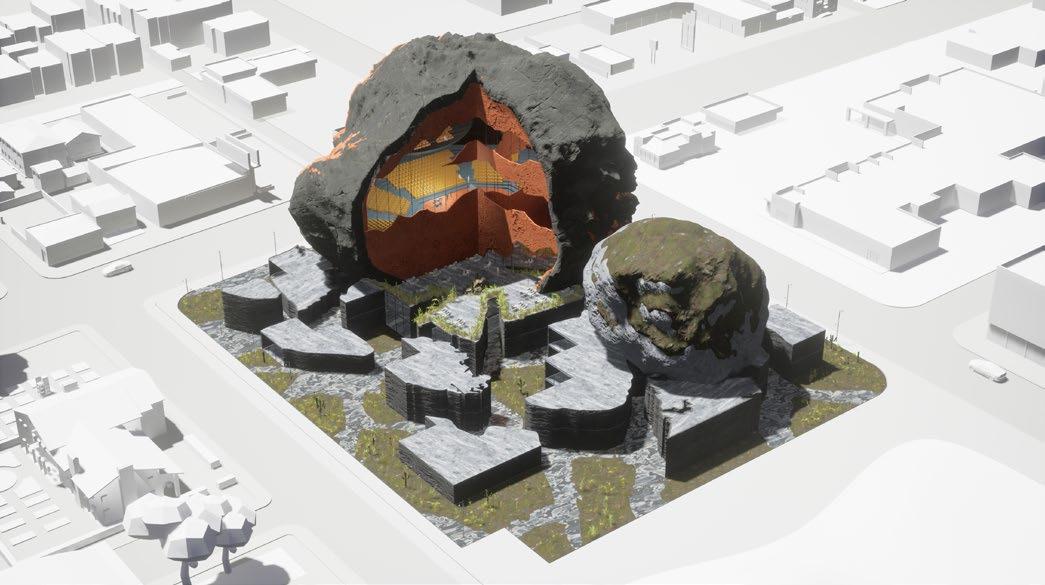
The base buildings accommodate classrooms, offices, a library, and rehearsal rooms, acting as a transition between the massive boulders and the urban surroundings. These buildings provide a sanctuary from external noise and offer a protected and comfortable space for students to learn and practice music. The natural patterns, textures, and shapes in the design reflect the earthy groove of the landscape and the melodic essence of nature, serving as a source of motivation and inspiration for students in their musical pursuits.
2018 Fall
Duration: 14 Weeks
Design Studio
Instructor: Daniel Butko, Michael Hoffner
shichencao.com/normancommunitycenter

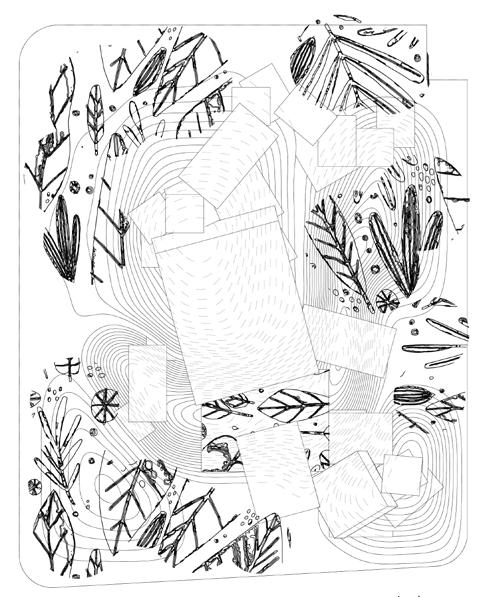
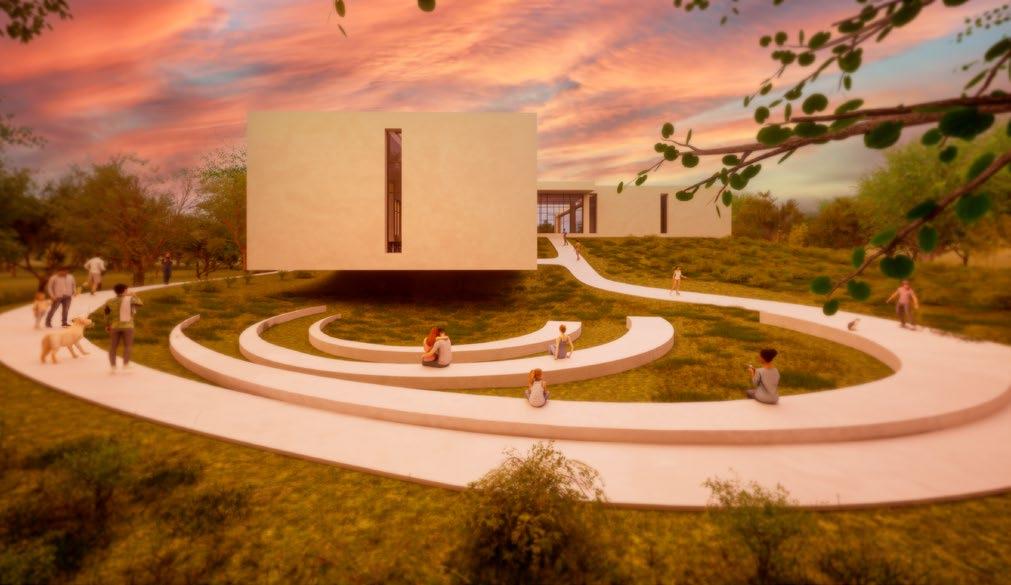
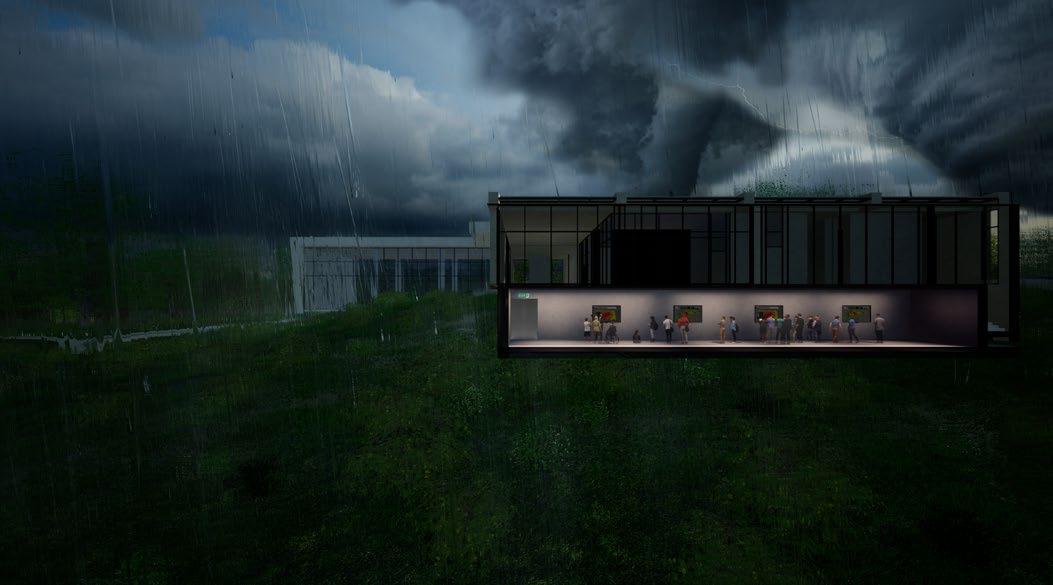
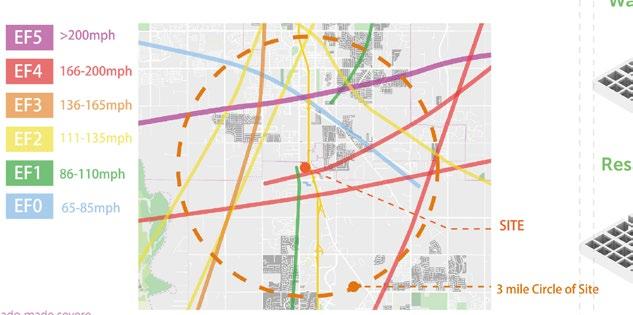
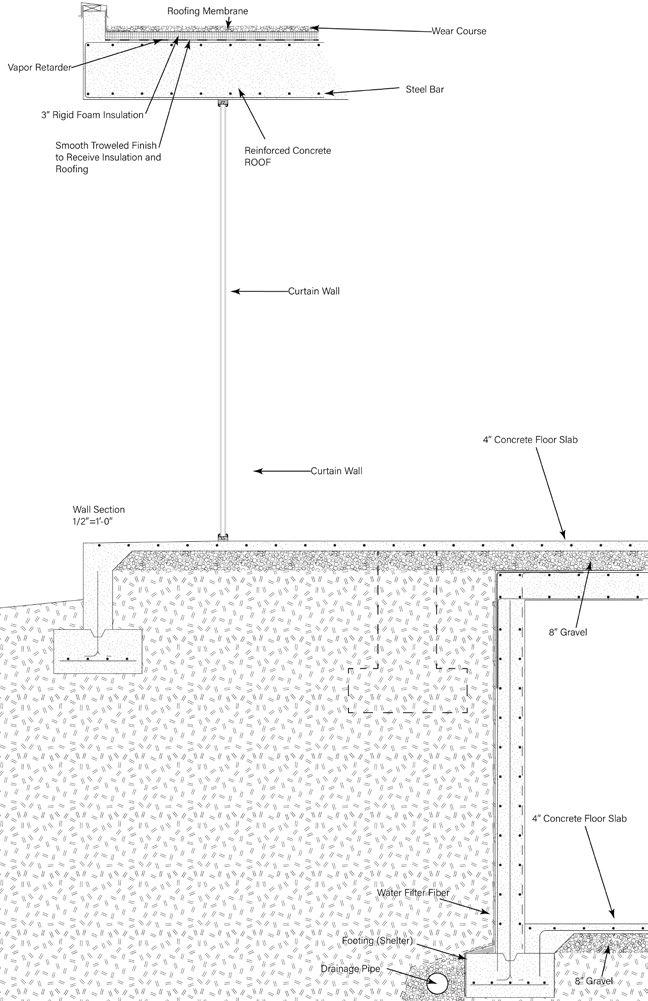
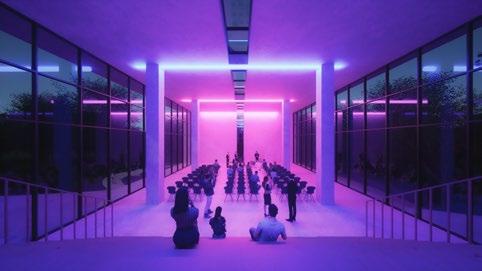
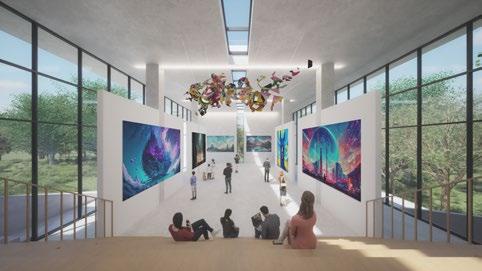
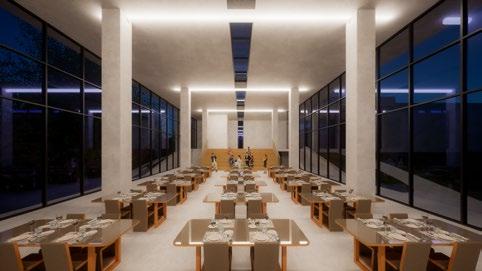
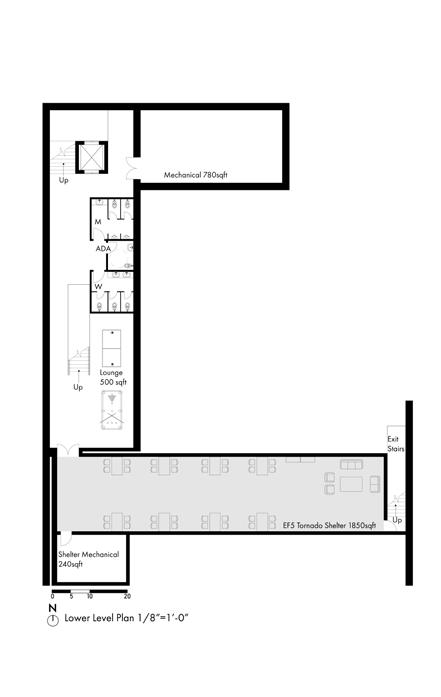
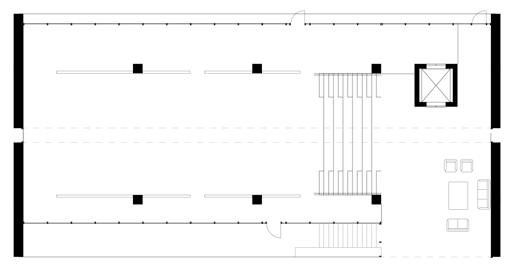
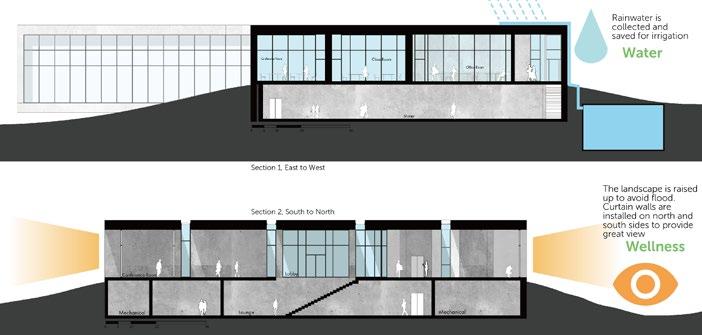
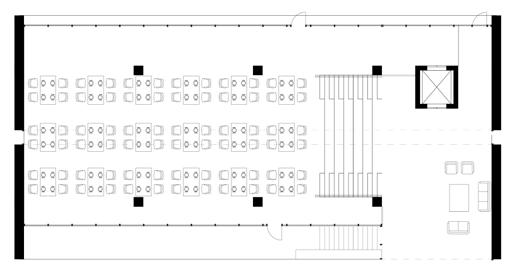
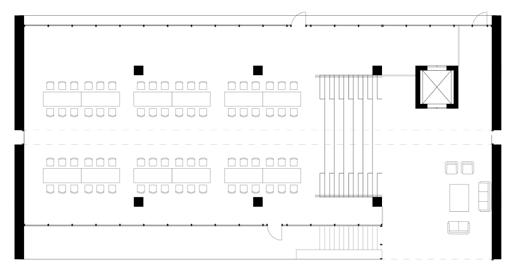
The LINKS community resilient center is located at the boundary of Norman and Moore, west of Interstate 35. It addresses the need for a tornado shelter in the area, as Oklahoma is part of the Tornado Alley. The project aims to build a safe community center with a park for recreation and exercise. The design focuses on accessibility, sustainability, and flexibility.
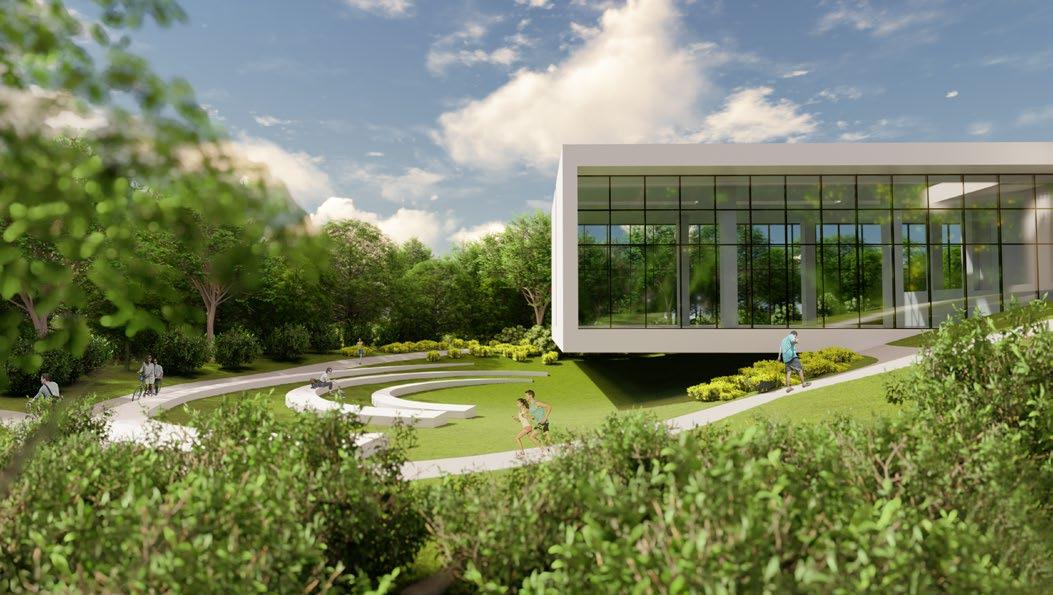
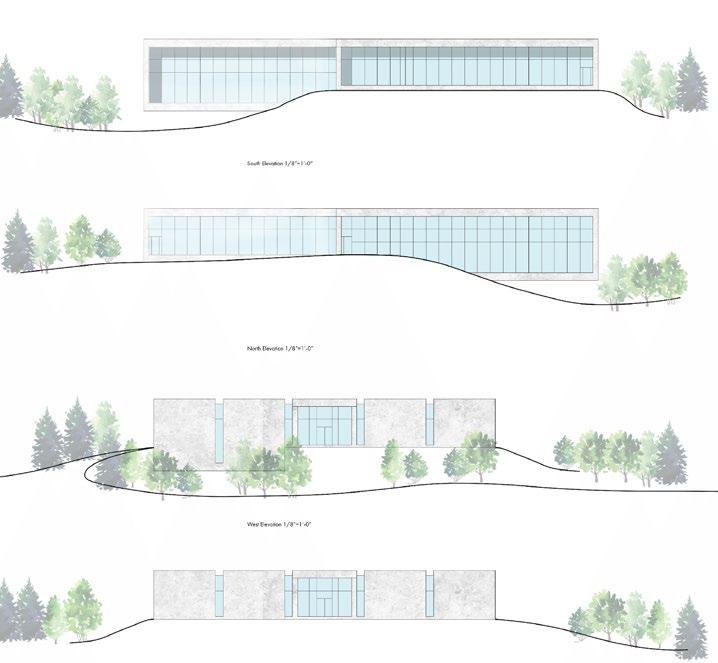
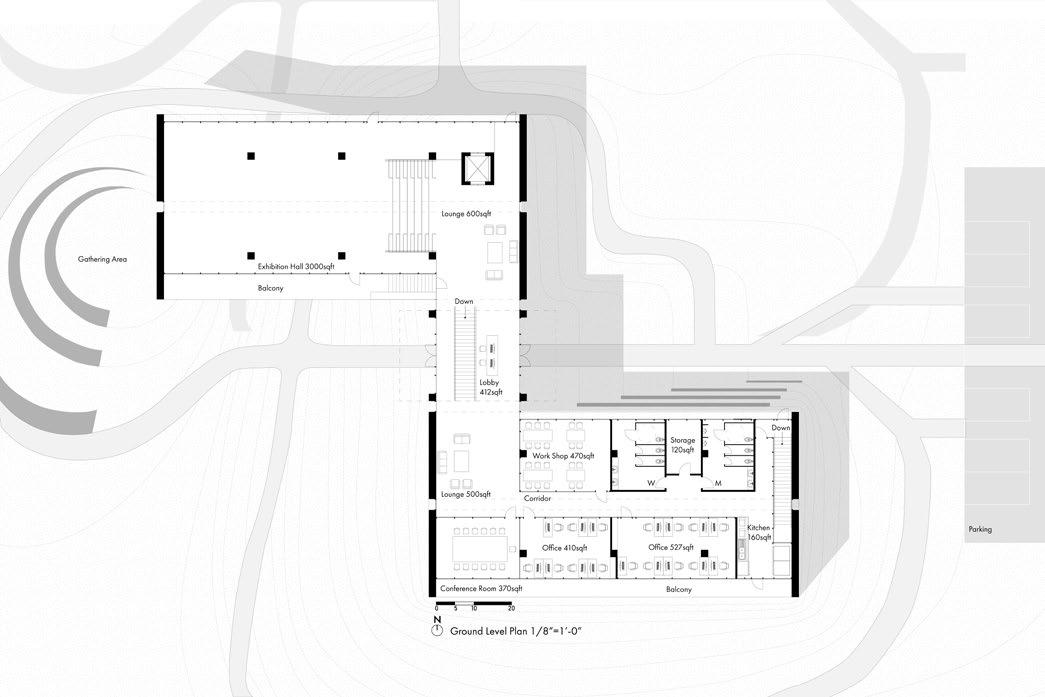
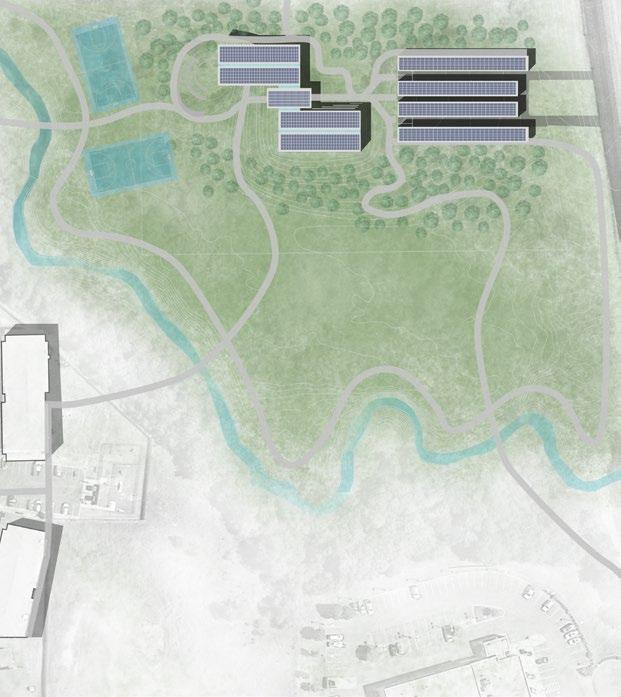
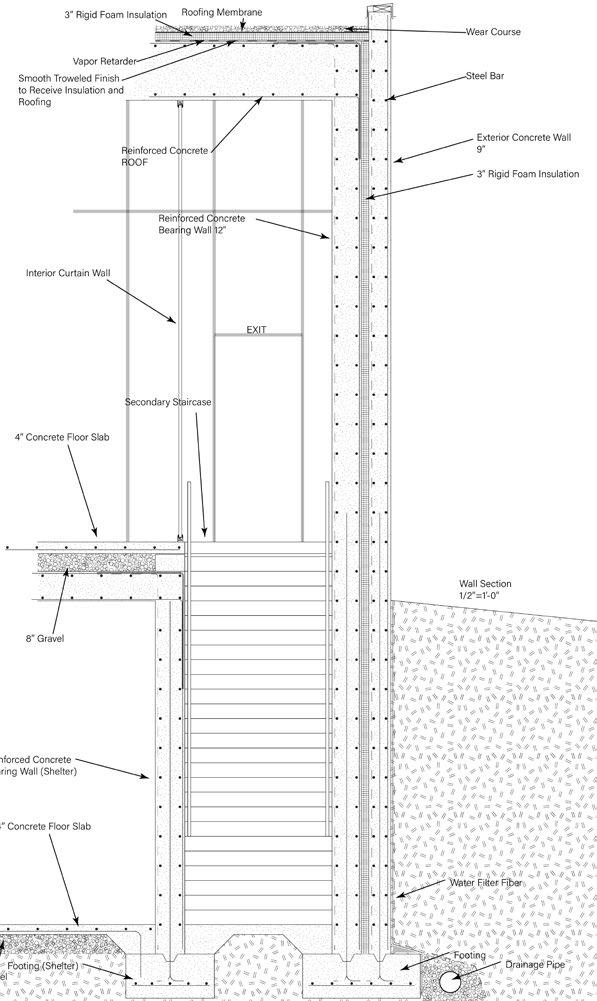
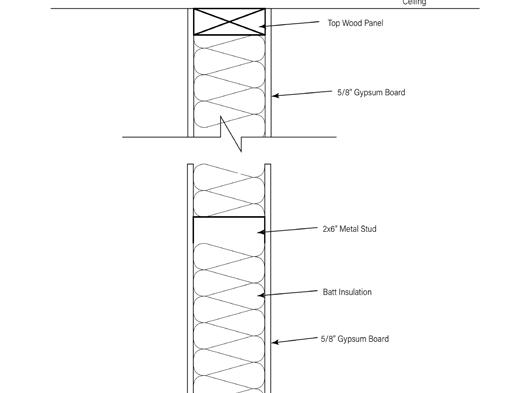
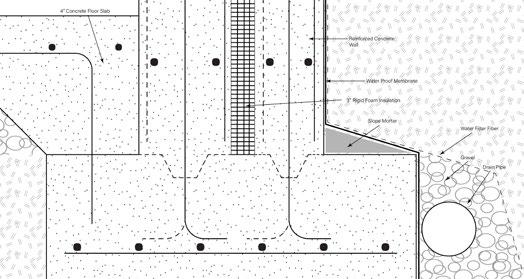
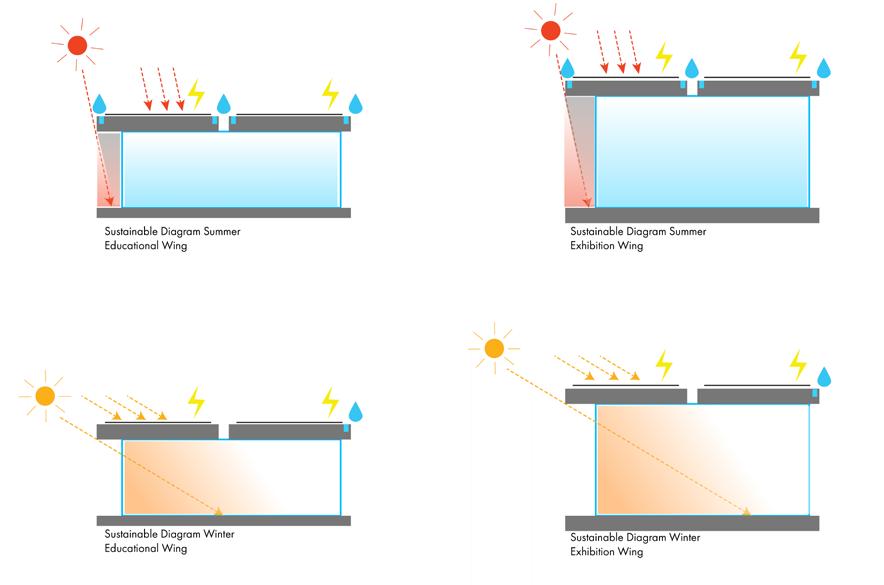
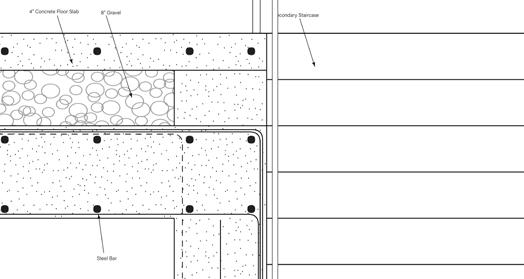
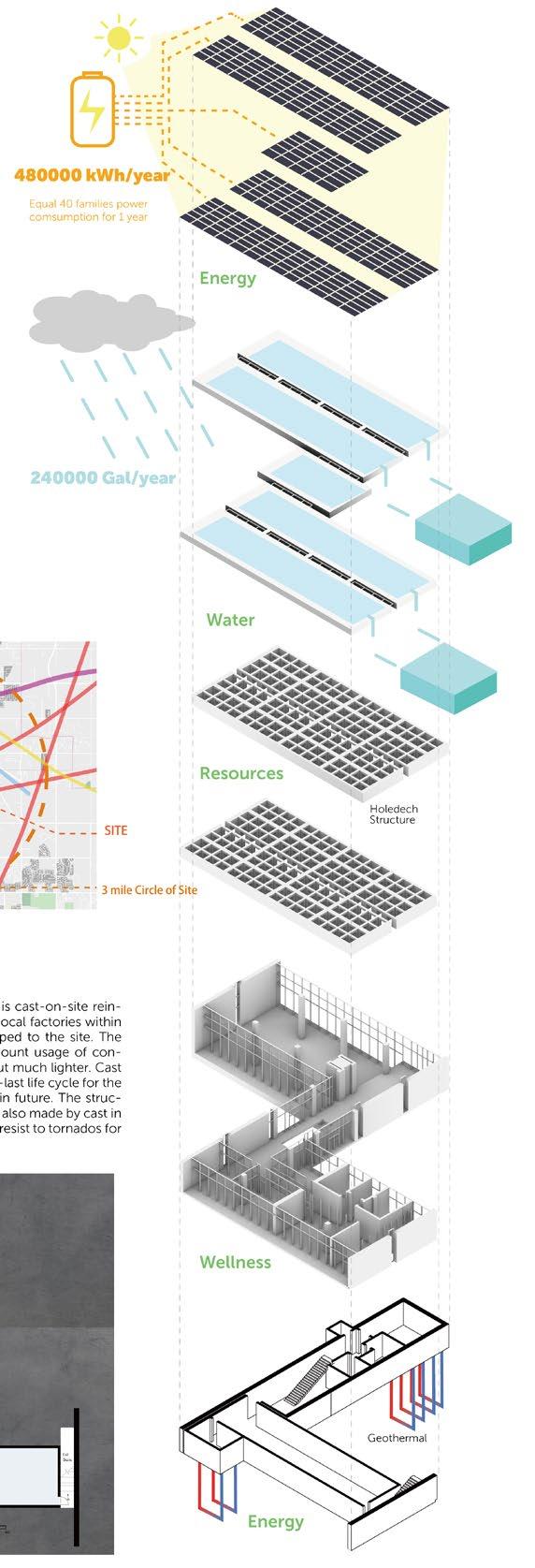
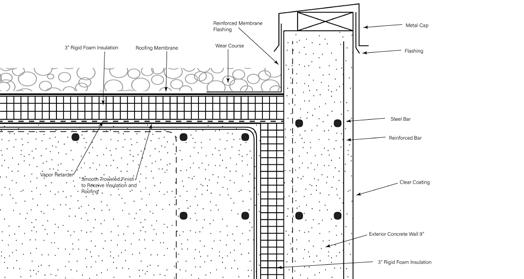
The building is made of cast-in-place reinforced concrete with a Holedeck structure to ensure strength while using fewer materials. The community center serves as a shelter during storms and features a rainwater collection system, promoting ecological balance. Solar panels generate energy, and geothermal solutions provide heating and cooling. The project fosters wellness with natural ventilation, sun shading, and ample natural light. It utilizes local materials and demonstrates sustainable practices for future projects. The design is adaptable for future community growth, and the flexible interior promotes change. Overall, the project integrates sustainable design strategies to create a resilient community center that serves as a model for green living.
2020 Fall
Duration: 16 Weeks
2GAX Studio
Instructor: Rachael MaCall
Watch the video on shichencao.com/bearcaves

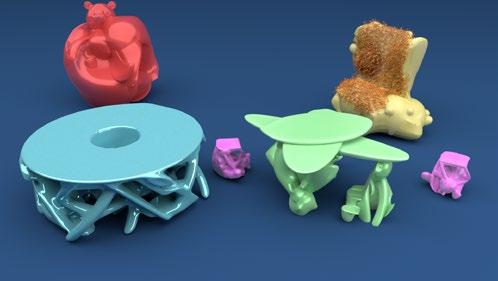
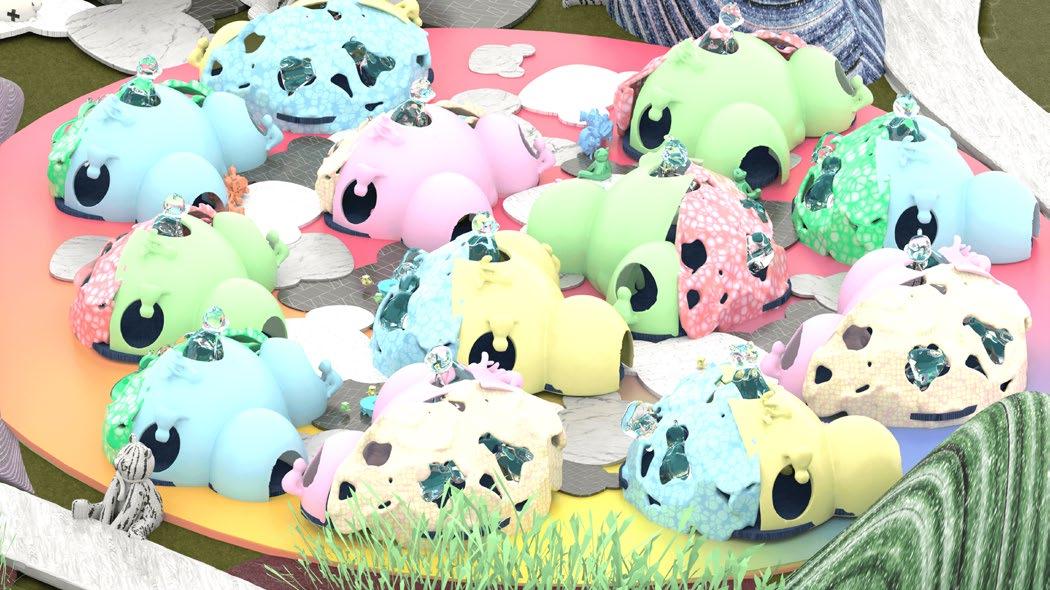
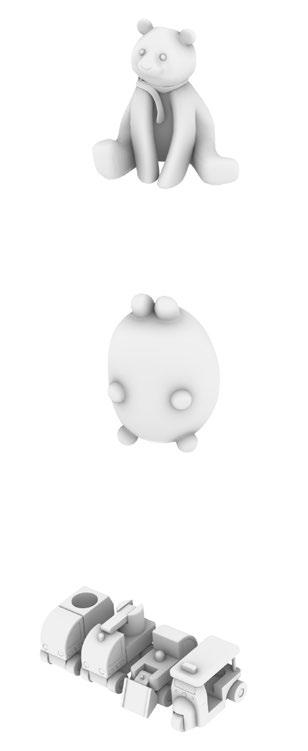
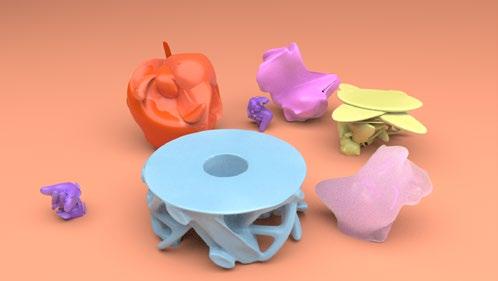
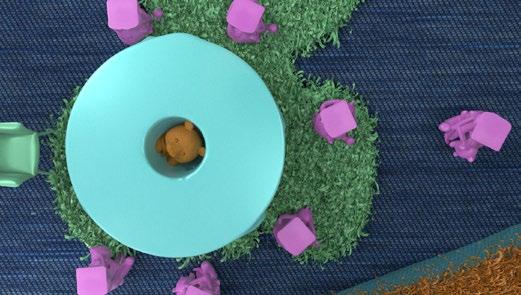

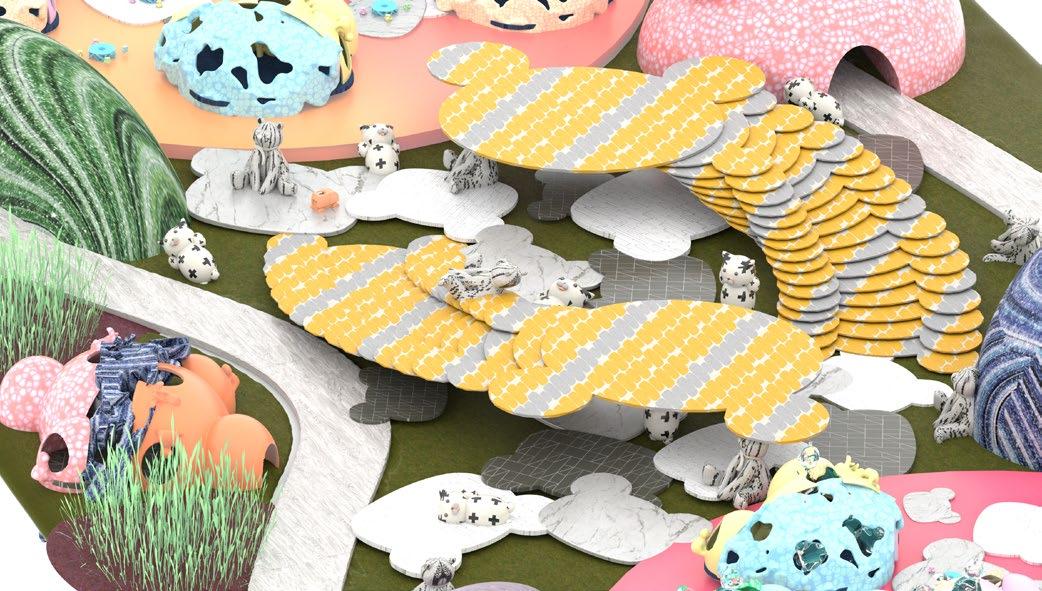
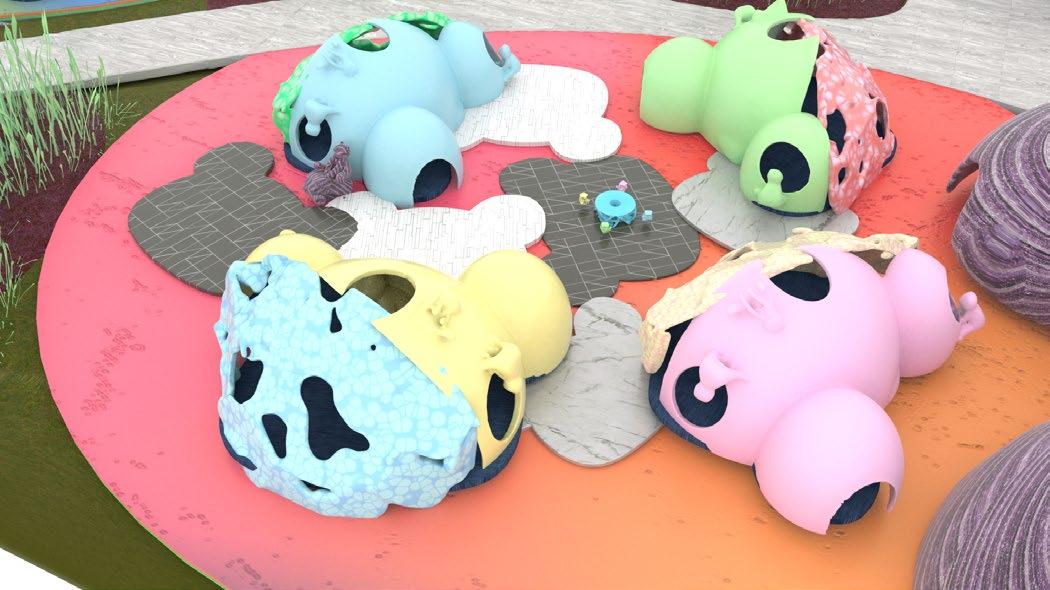
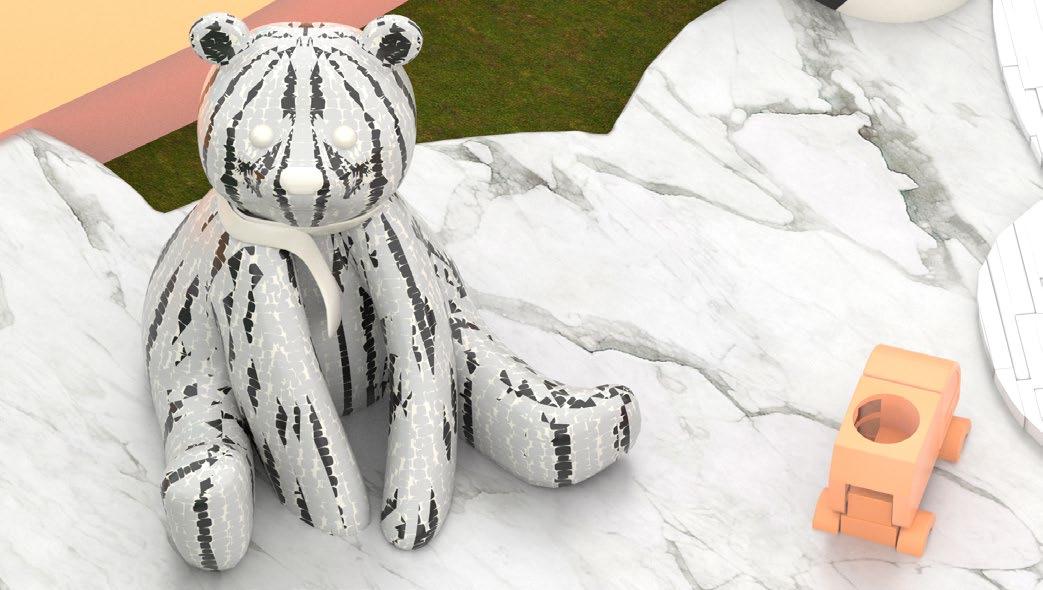
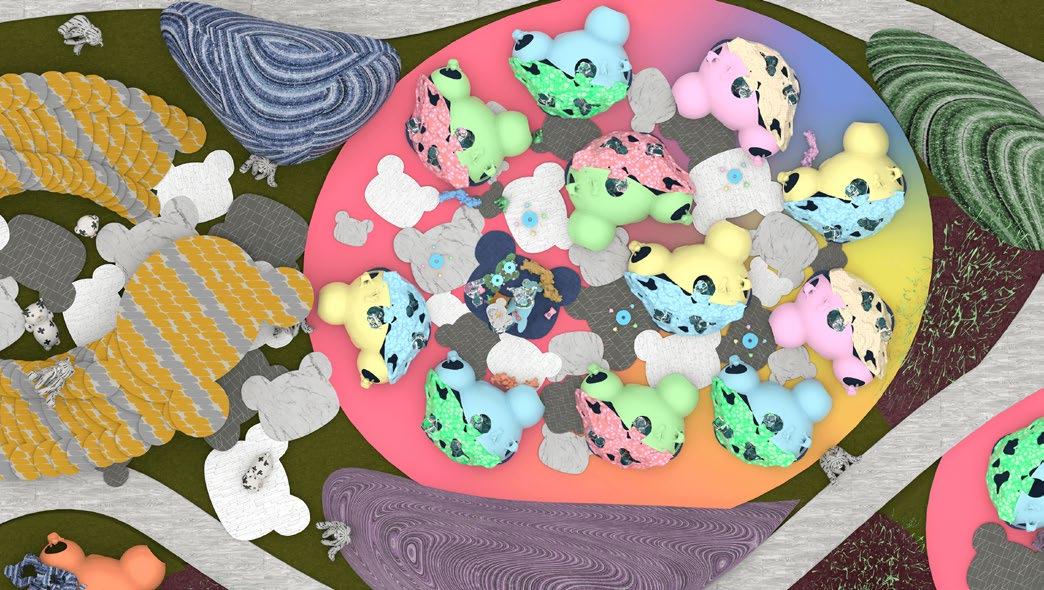
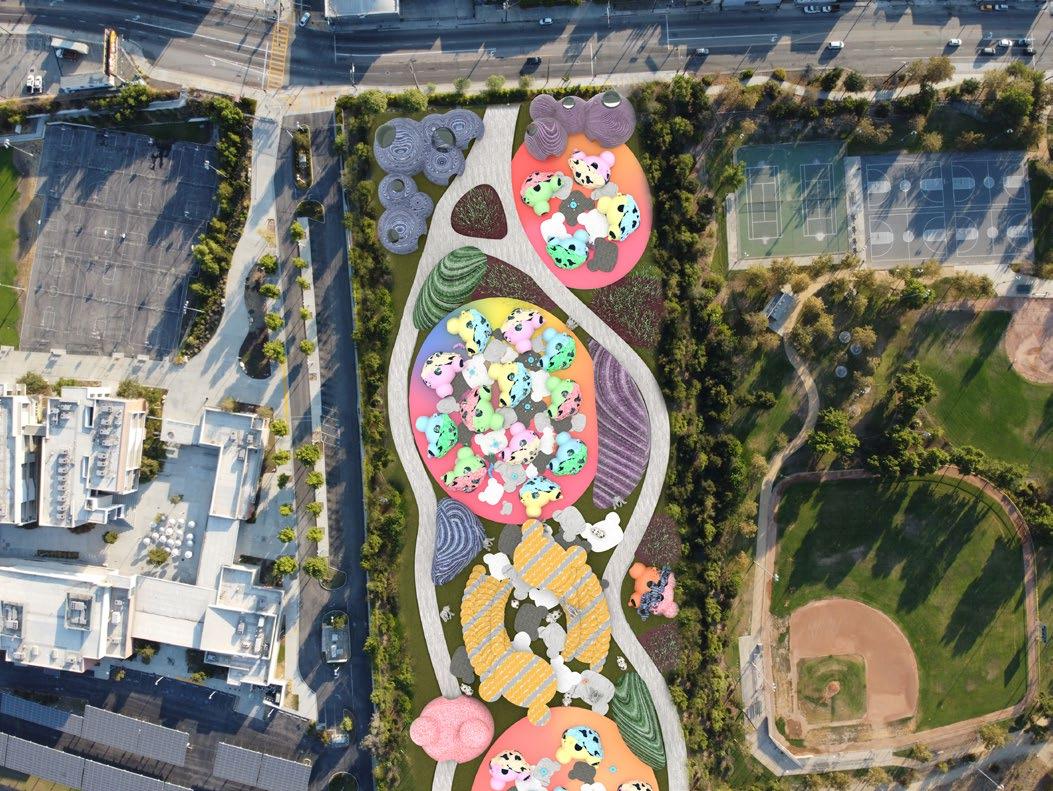
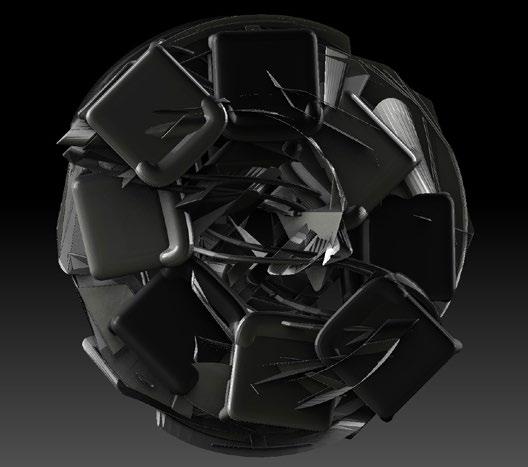
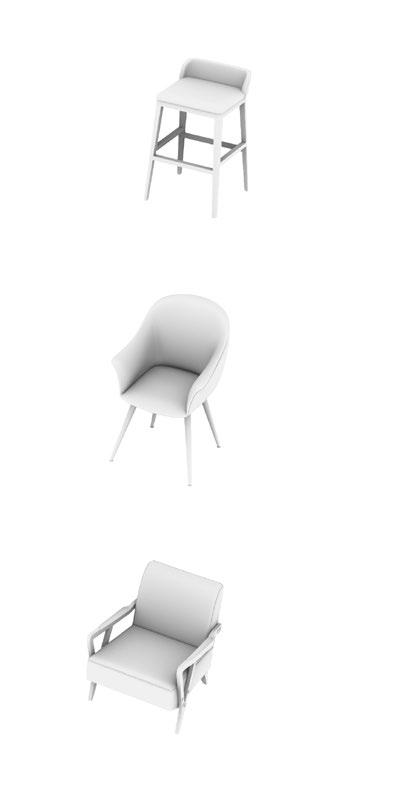
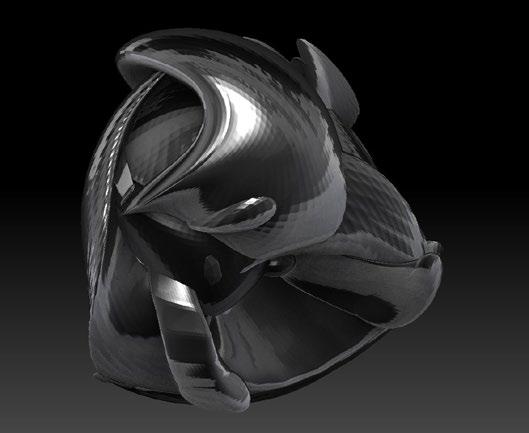
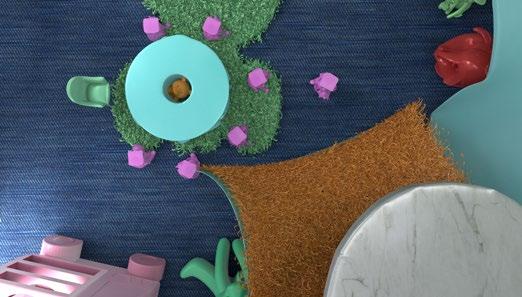
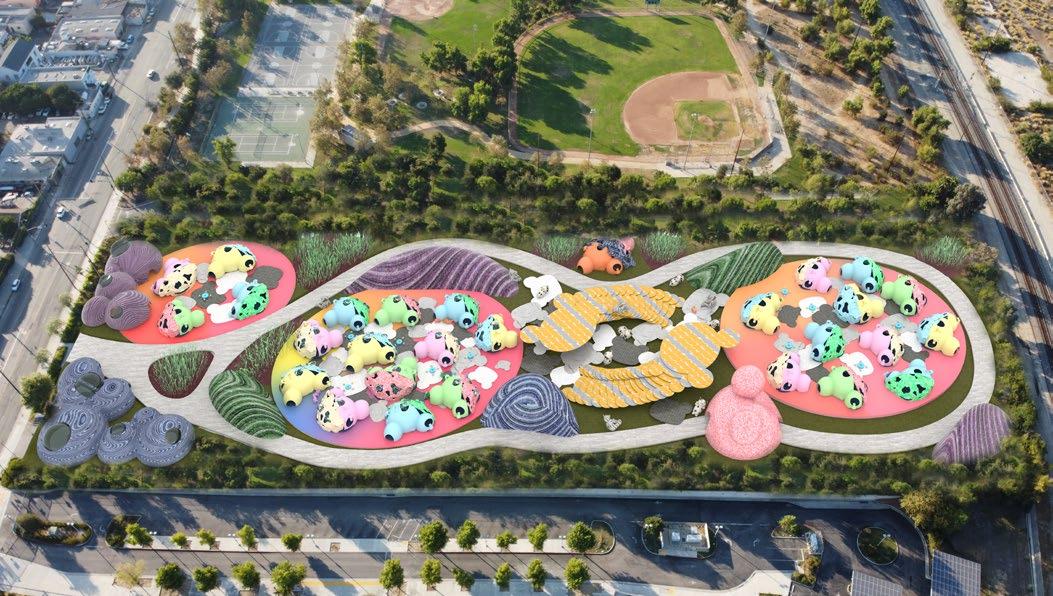
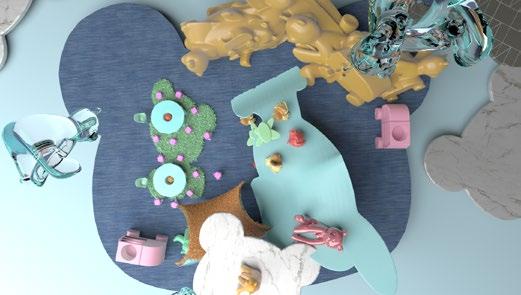
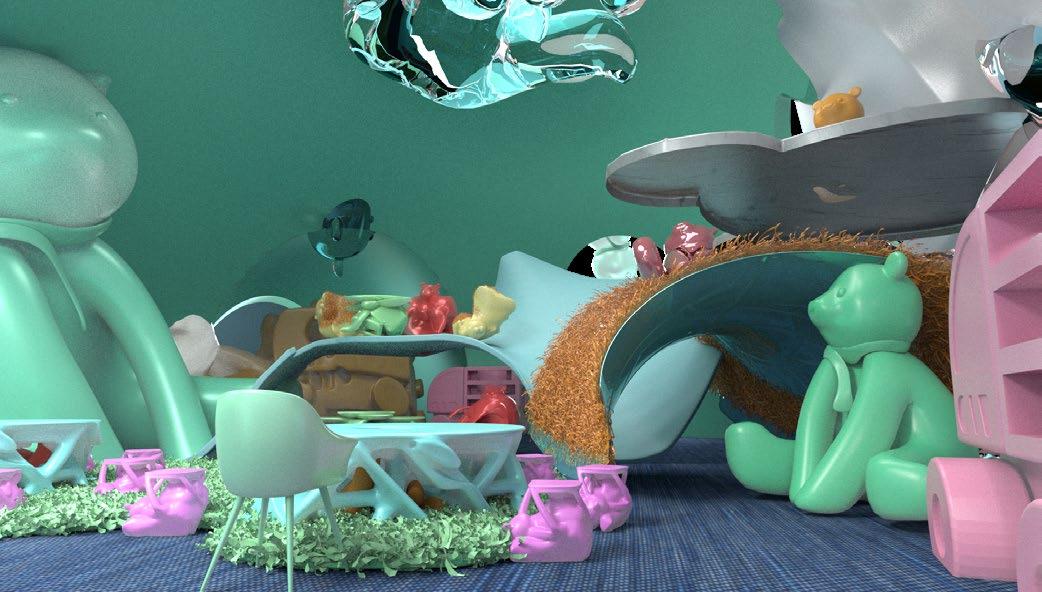
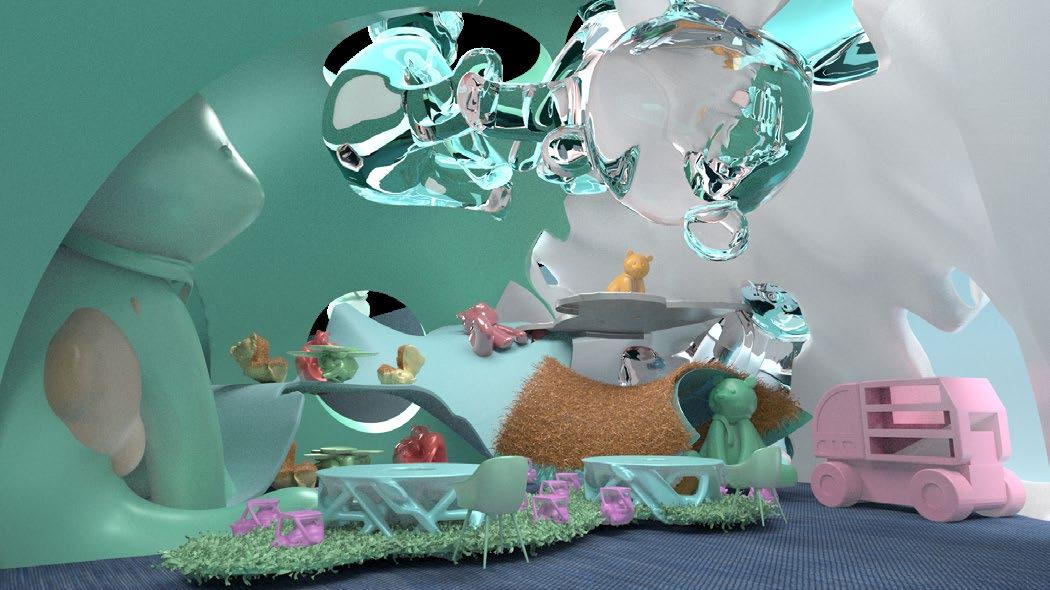
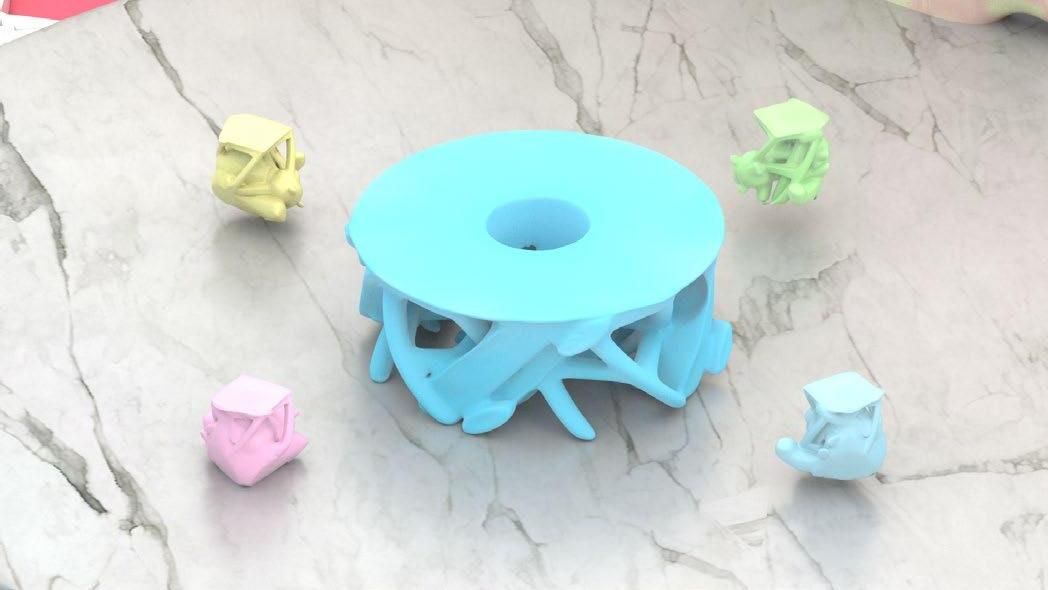
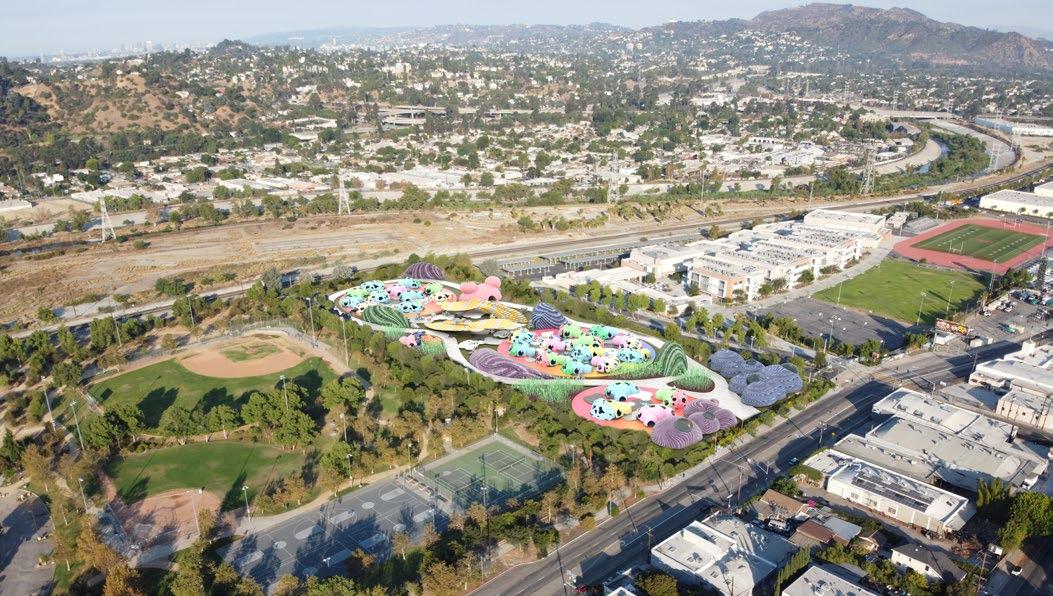
The Bear Cave Elementary School project takes inspiration from toys, particularly bears and trains, to create an interactive and playful learning environment. Furniture and toys are remodeled and combined to form unique and functional pieces for the school. The classrooms are designed in the shape of a bear’s head, with different zones serving various functions. The roofs incorporate bear shell elements with integrated spheres and fragmented walls with openings for natural light. The playground features bear-shaped platforms and scattered toy sculptures. The site includes an administration building with bubble-shaped elements and a curved path connecting different areas. Overall, the design aims to create a fun and engaging space for children to learn and play.
2018 Spring
Duration: 16 Weeks
Design Studio
Instructor: Michael Hoffner
shichencao.com/okc-painting-arts-center

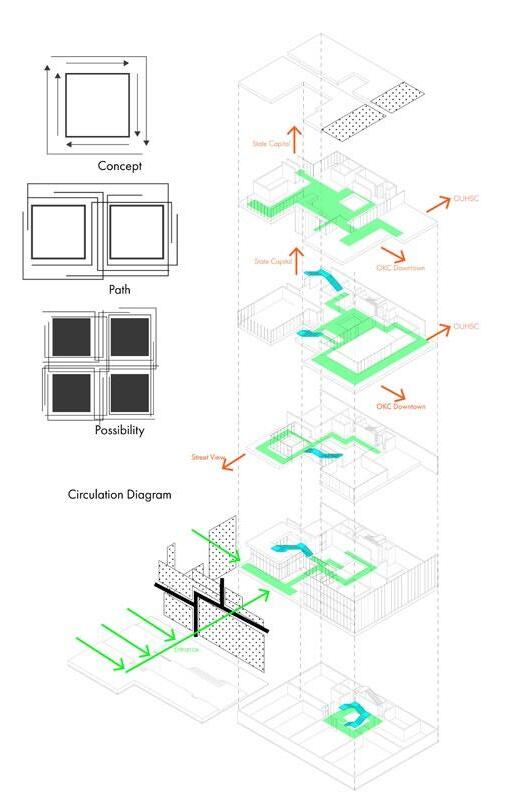
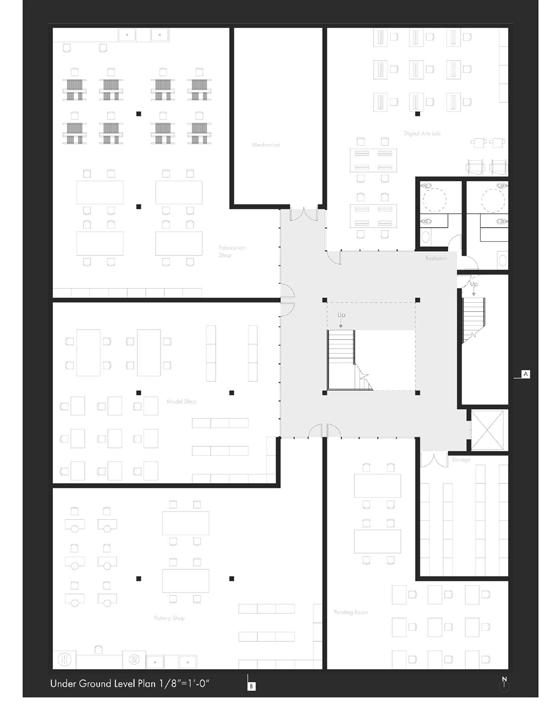
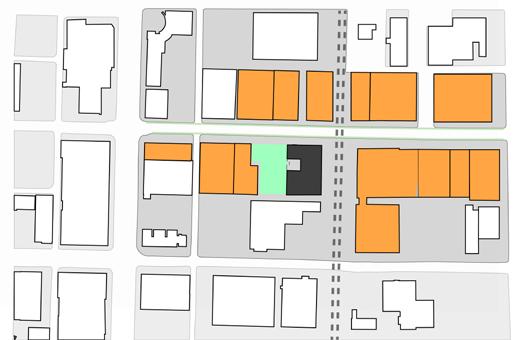
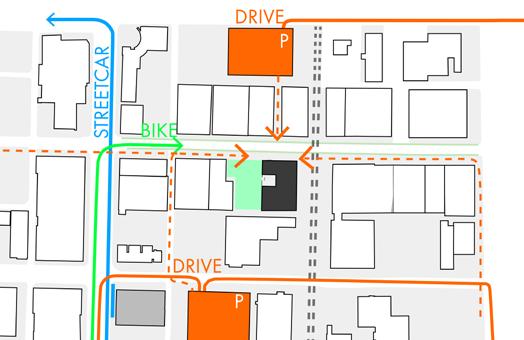
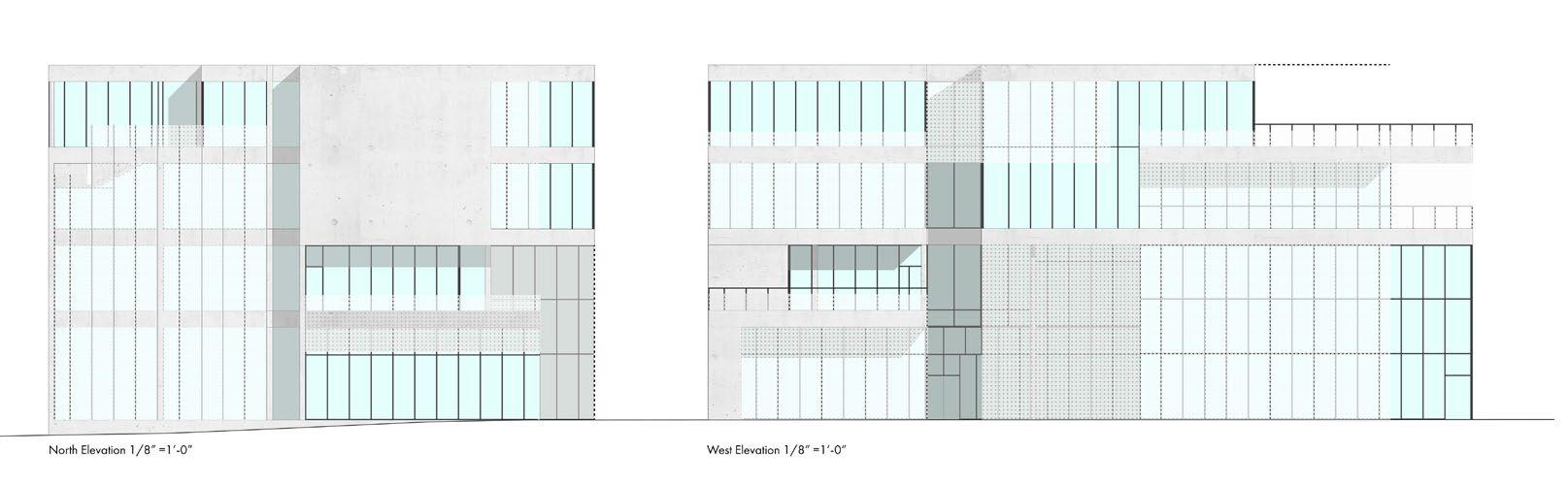
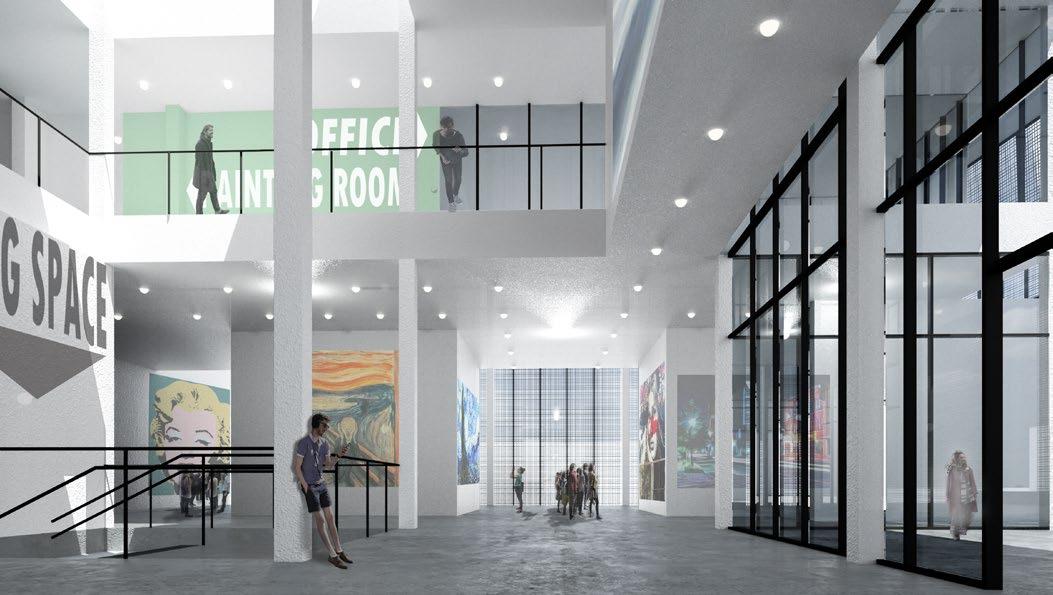
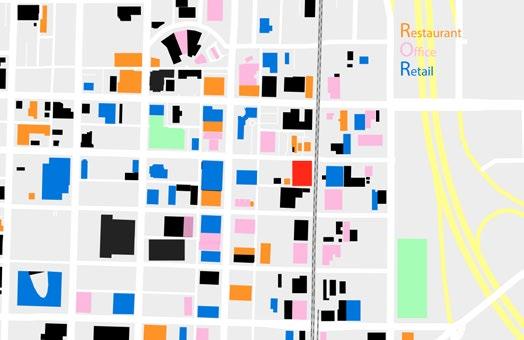
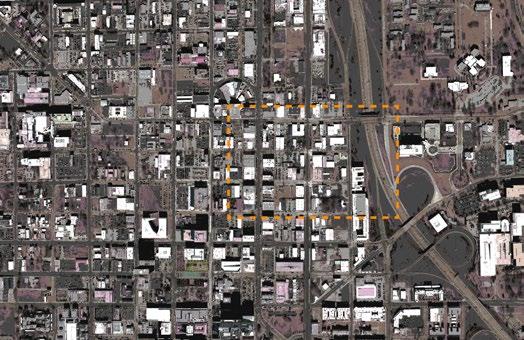
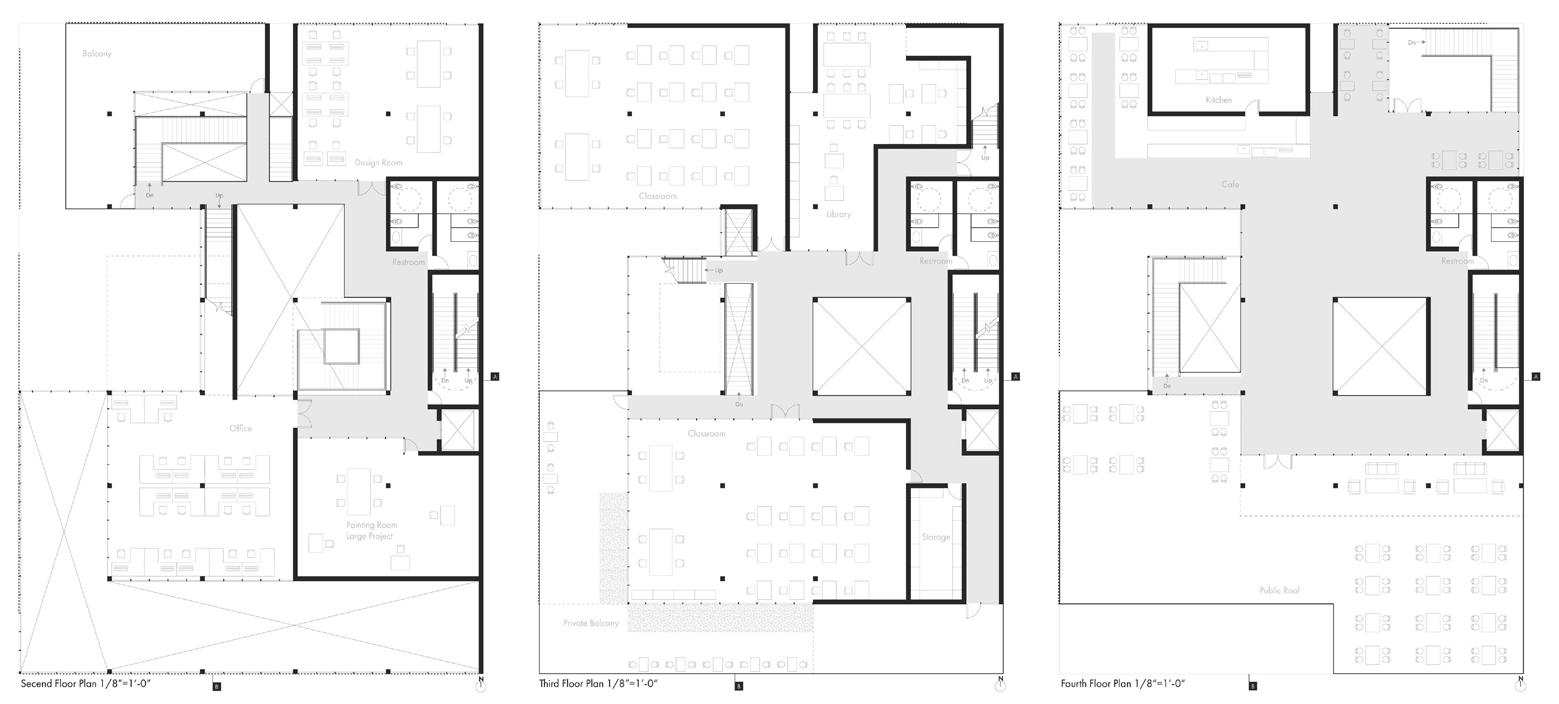
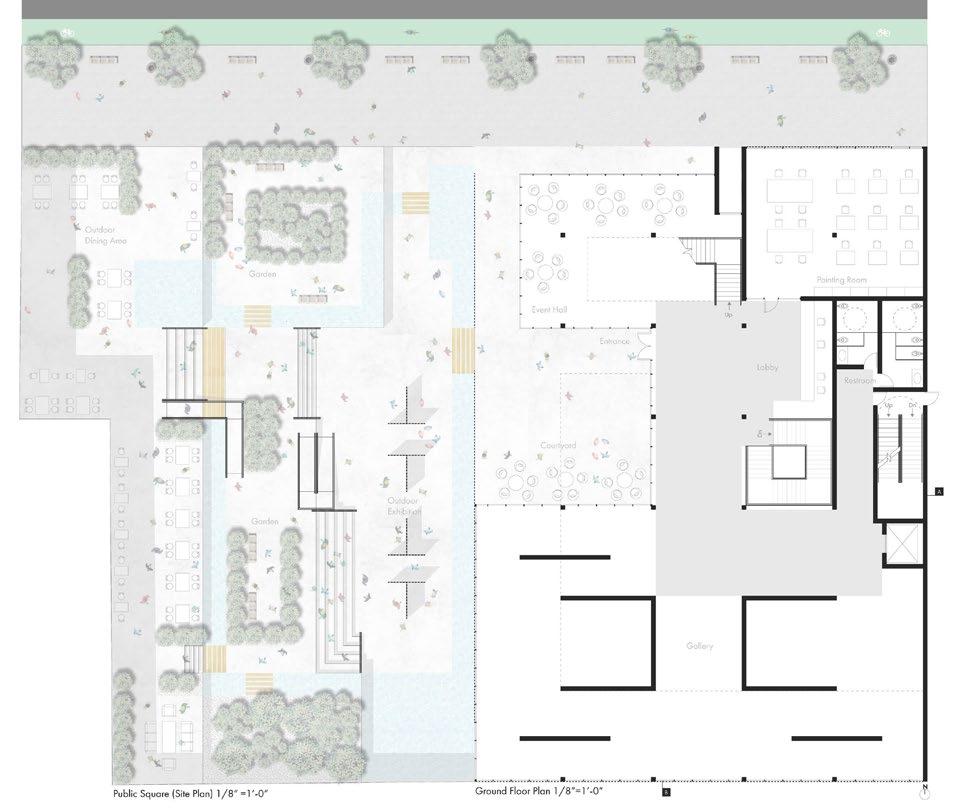
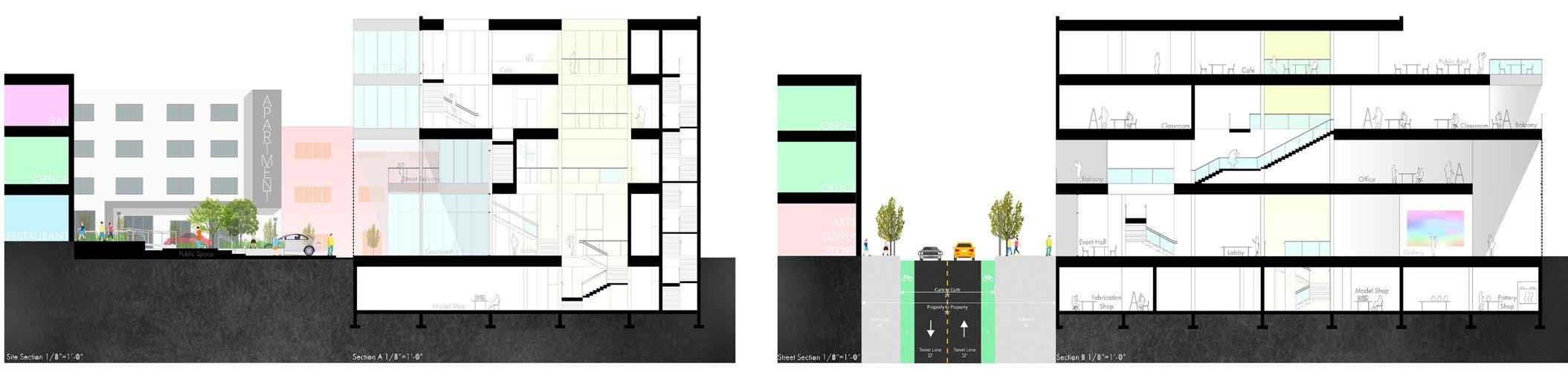
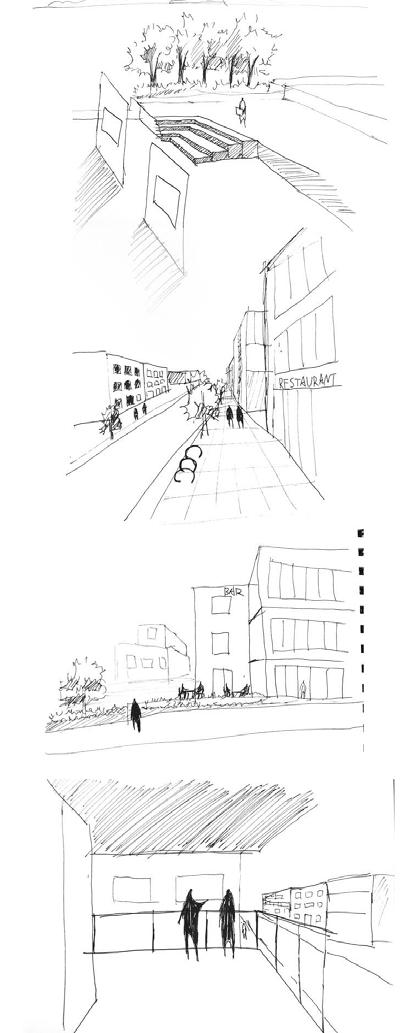
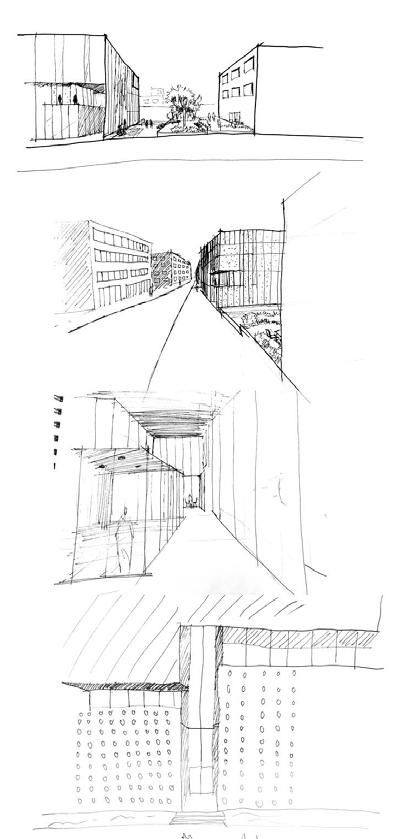
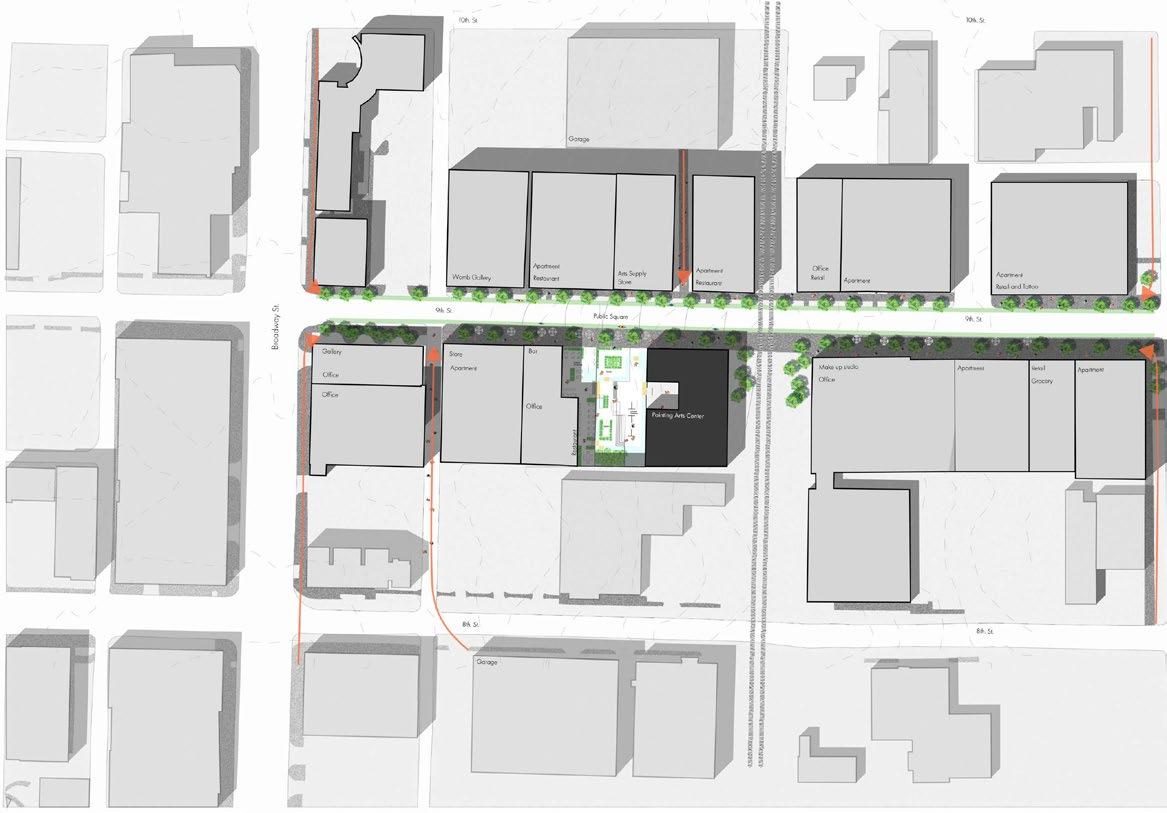
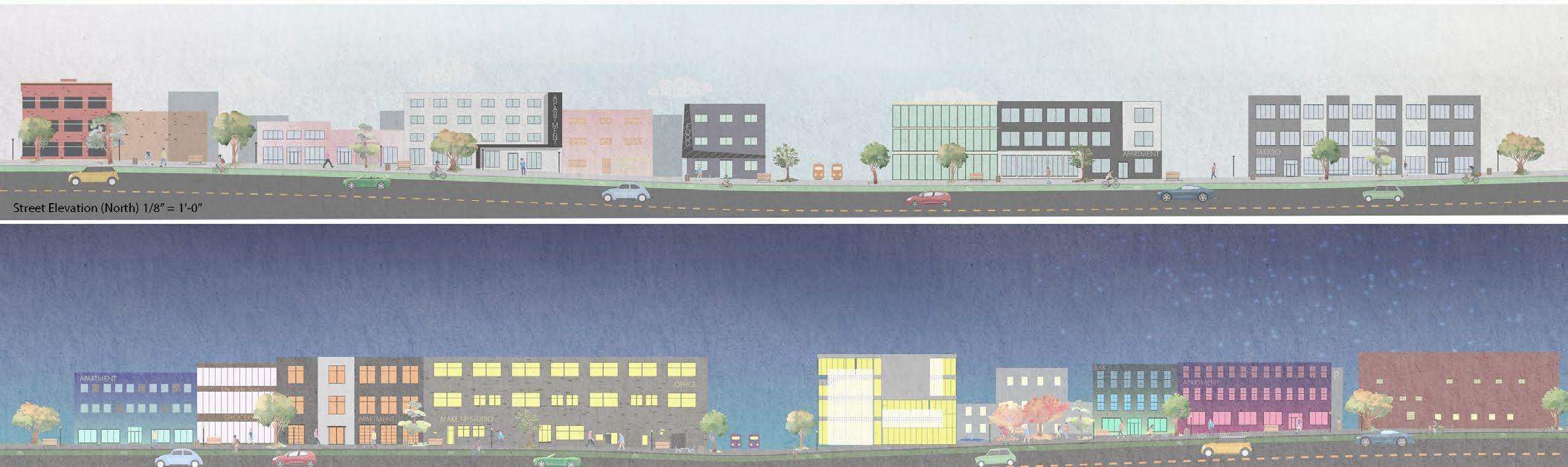
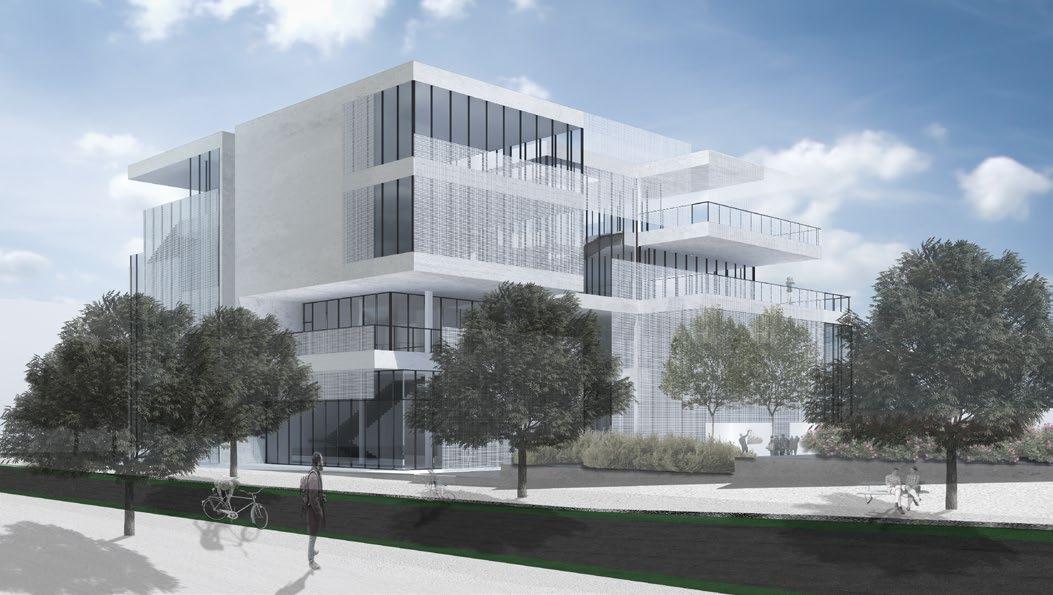
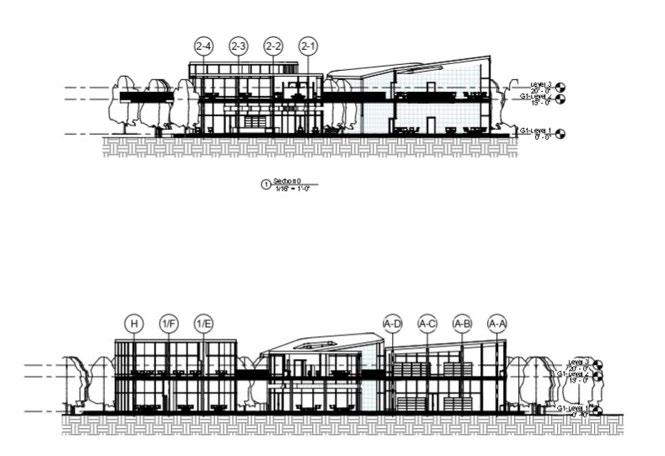
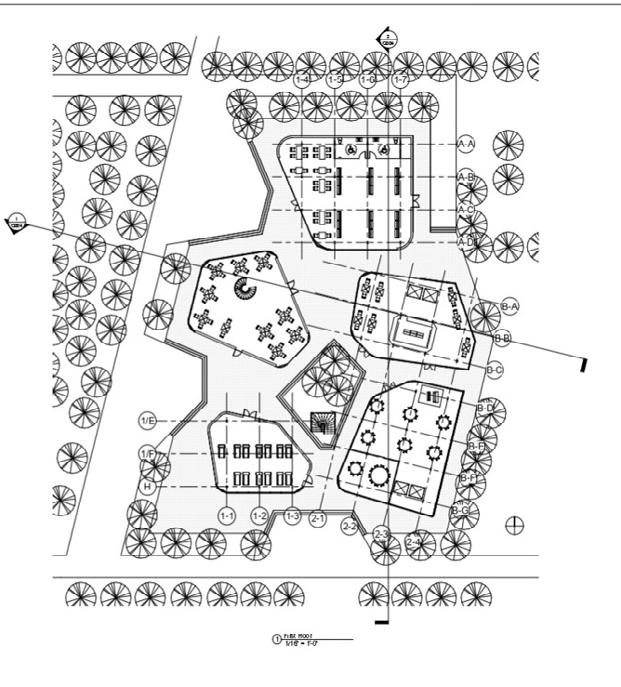
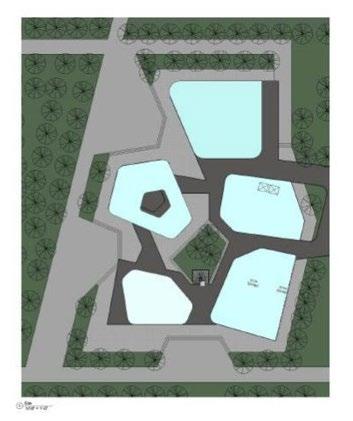
The project aims to create a painting arts center in Automobile Alley, Oklahoma City. The center will provide spaces for people to share their artistic skills, experiences, and tools. It will offer drawing classes and opportunities for digital design. The plan includes increasing population density by constructing apartments along 9th Street, along with offices, restaurants, retails, bars, and a grocery store. The design concept is inspired by city grids, with elevation and circulation reflecting urban paths. Privacy and security are emphasized, with a translucent exterior skin. The building offers public spaces with panoramic views of Oklahoma City, promoting communication and collaboration. The project aims to foster an innovative and creative arts district where people can explore their artistic passions.
2020 Fall Applied Study
Instructor: Maxi Spina, Randy Jefferson
Partner: David Garcia, Shraddha Kemse, Xiao Jin
Contribution: Overall Modeling, Wall Details
shichencao.com/materialreapply


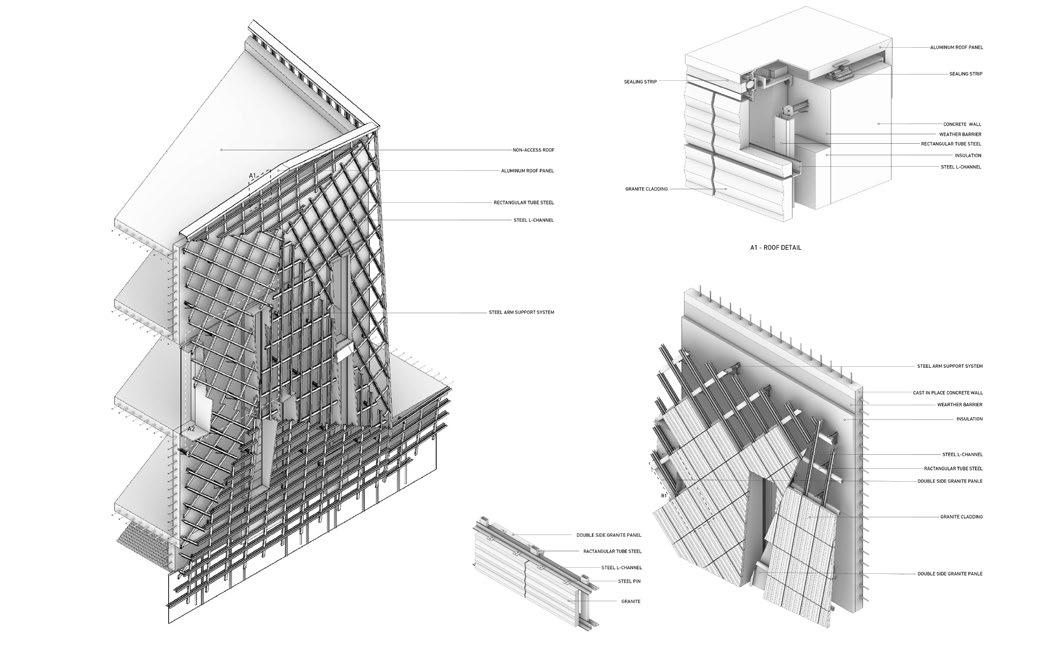
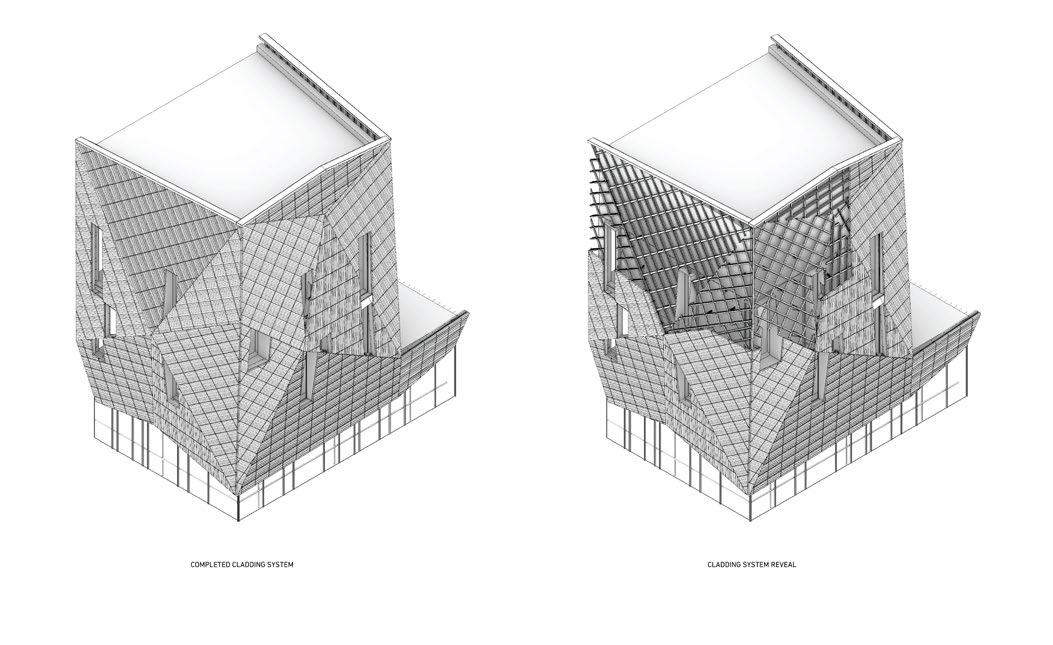
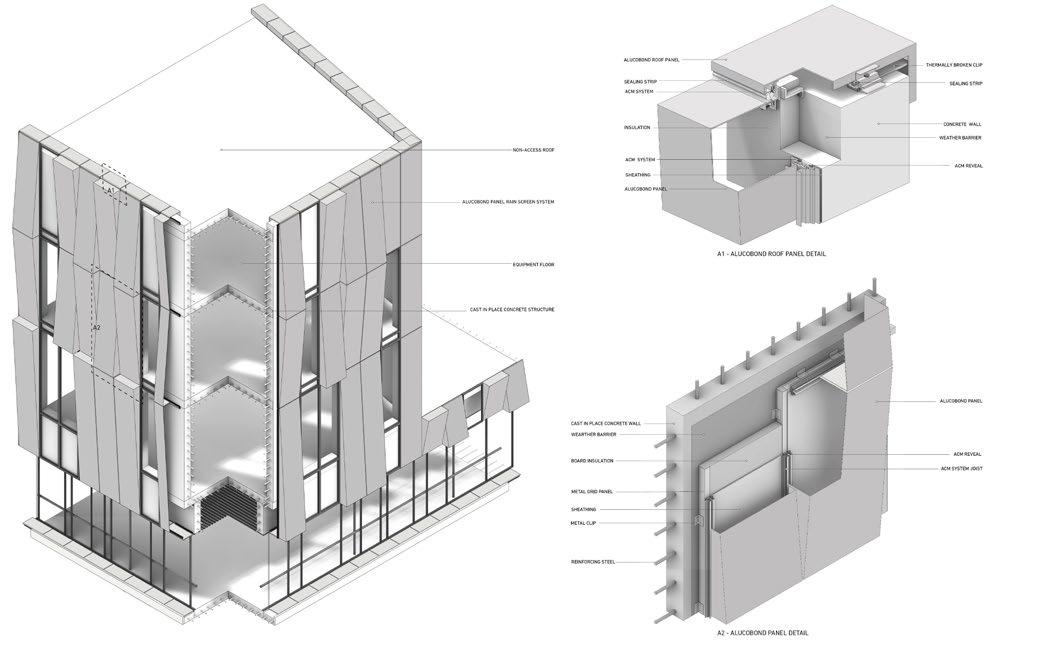
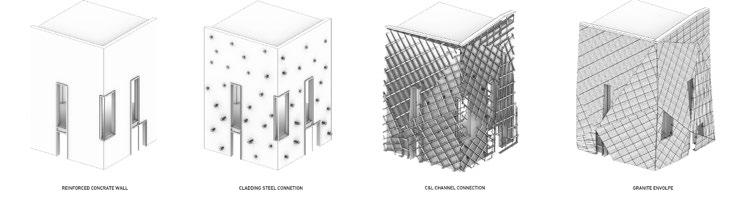
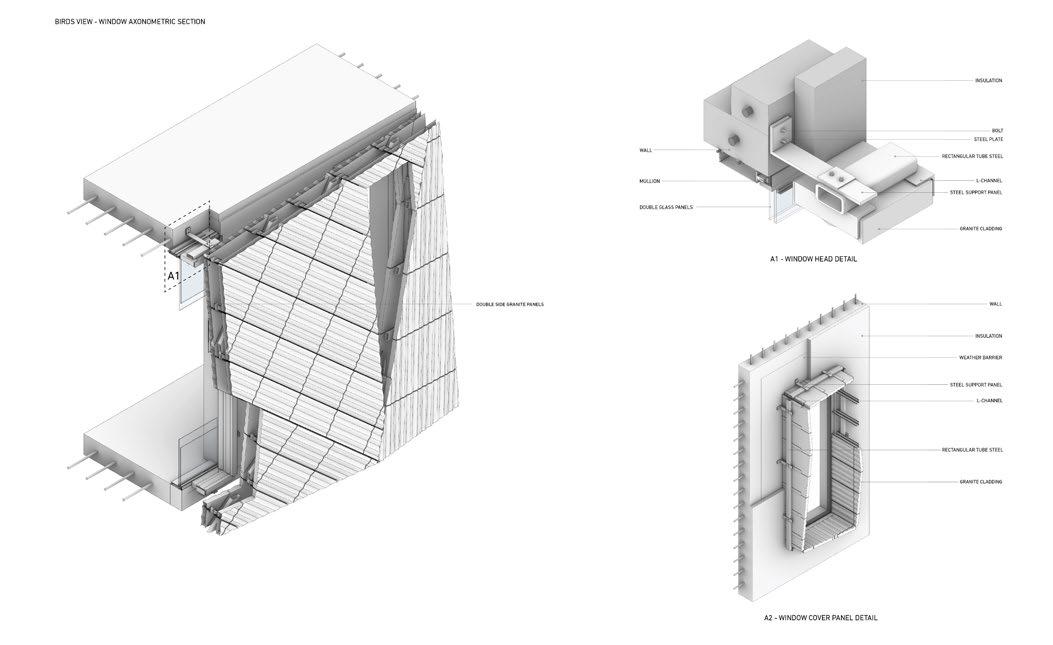
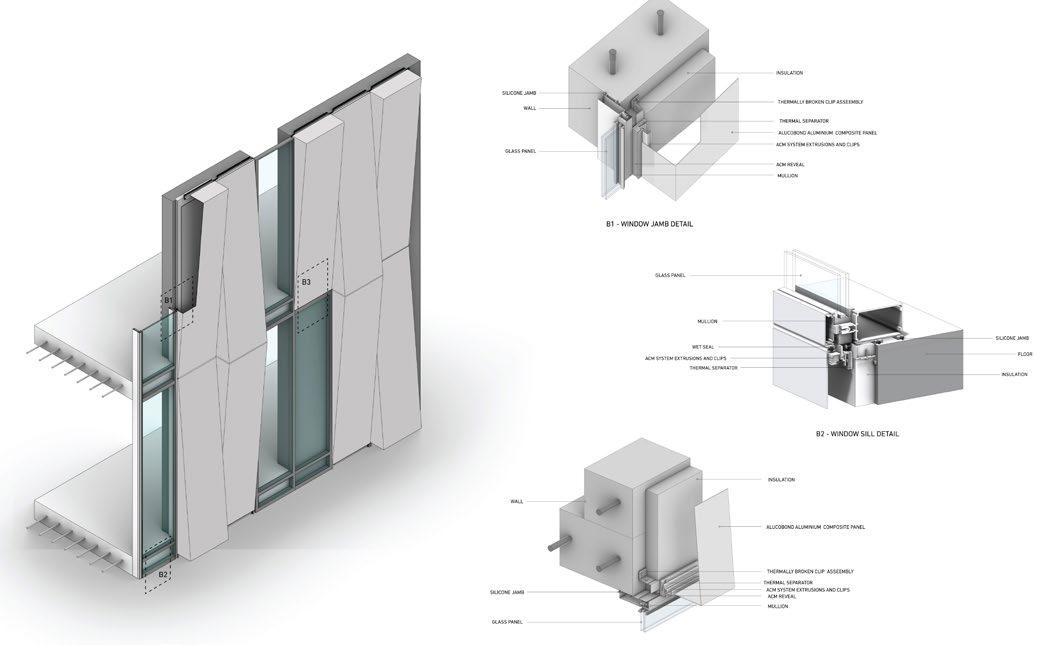
In the study of the Uppsala Concert Hall, we focused on transforming the box-shaped base structure by applying a stone exterior material inspired by the Kadokawa Museum. To create an interactive façade, we redesigned the exterior with variable triangular shapes that conceal the underlying rectangular structure. The main support channel was enhanced using rectangular steel channels instead of C-Channels. While maintaining the original window openings, we partially covered them with the new material to align with the new design language. To cover the structural channels from the interior, we introduced double-sided exterior stone panels. Due to the irregular façade shape, gaps were created between the outside panels and windows, which we addressed by designing additional panels and a support system to cover these gaps.
2022 SUMMER Applied Study
Instructor: Ashley Hastings
Partner: Xin Fan, Jianli He, Hui Wang, Linjun Huang
Contribution: Revit Wall and Columns, Rendering

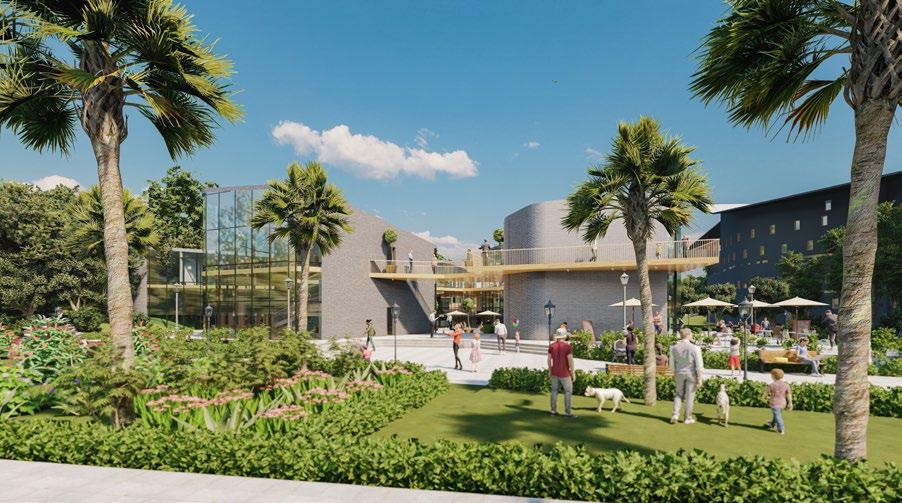
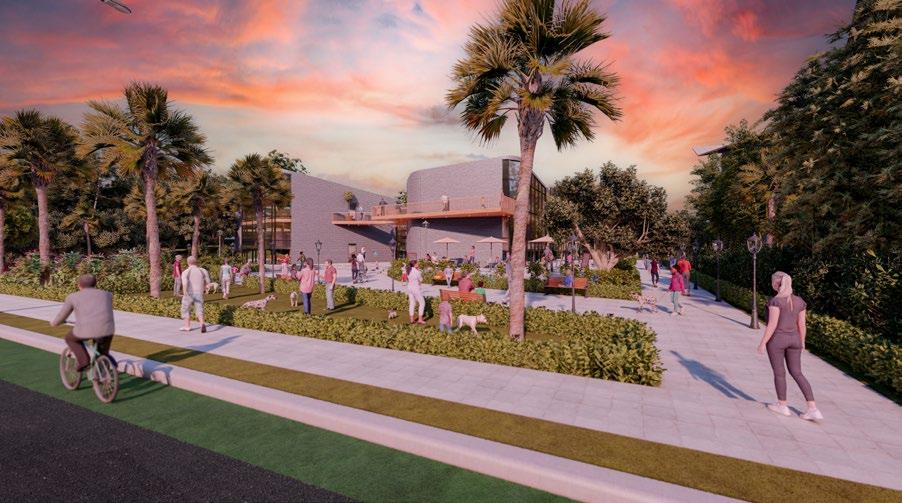
The project is situated in a triangular area west of the main residential zone in Chinatown, adjacent to the 101 Freeway. It aims to offer a leisure destination for the local community, enhancing the neighborhood’s character. By fragmenting the block and incorporating complementary functional elements, the project creates a center street or symbolic destination within the harmonious villagelike neighborhood. This approach focuses on everyday entertainment and contributes to the overall improvement of the neighborhood’s character, providing residents with a vibrant and engaging space to spend their leisure time.
 shichencao.com/buildingempathy



2022 Summer
Duration: 16 Weeks
Graduate Thesis
Instructor: Elena Manferdini
shichencao.com/ametaversehotel

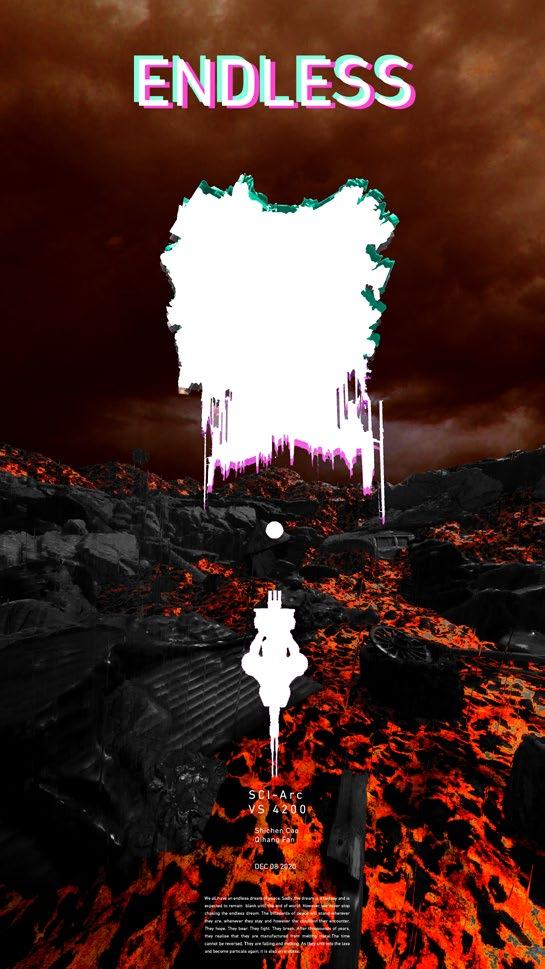
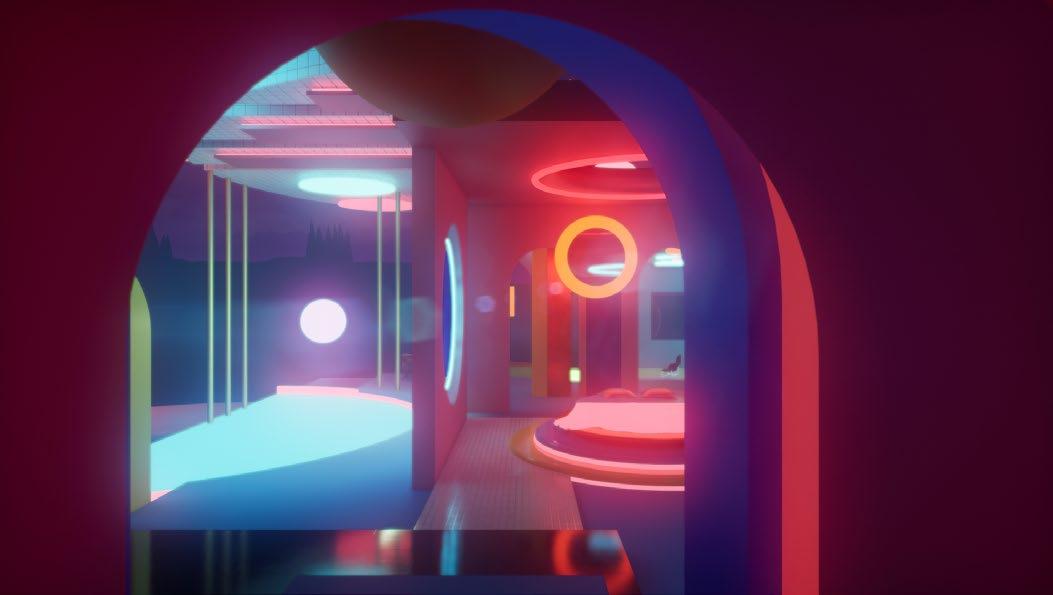
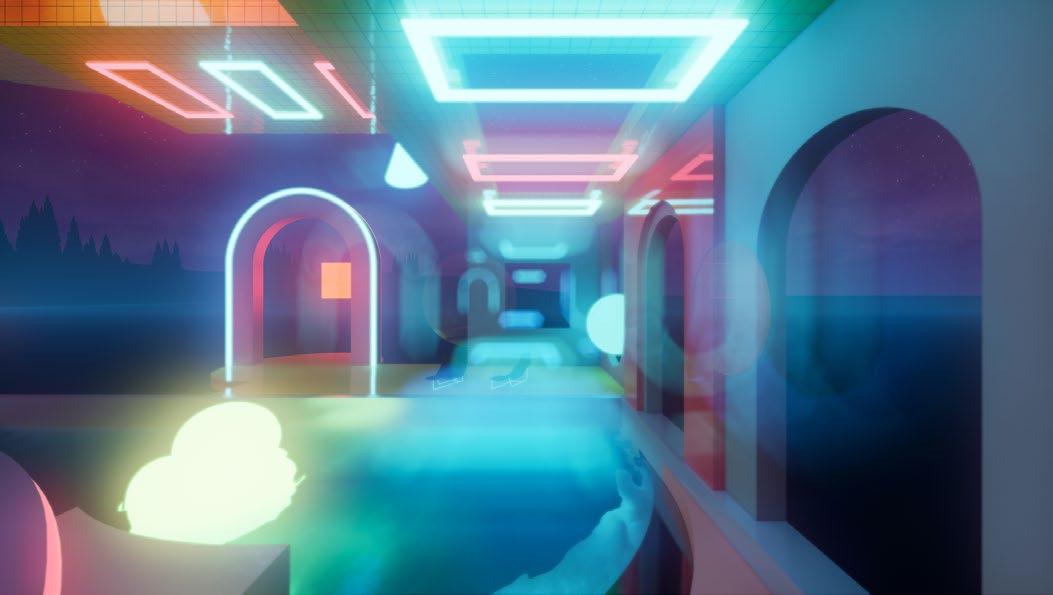
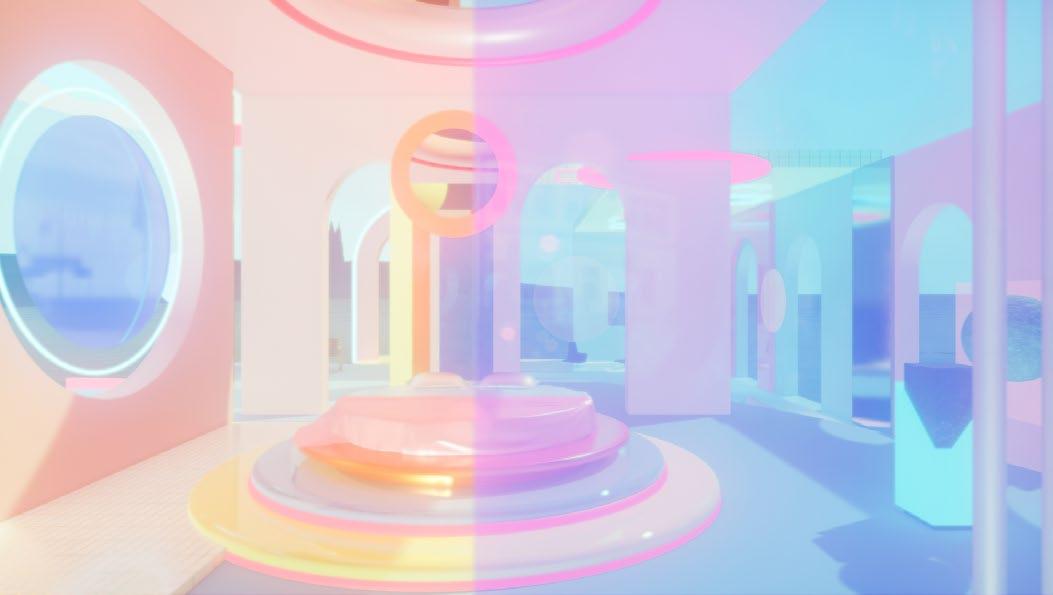
The Metaverse Hotel serves as a temporary residence for individuals embarking on their journey into the immersive digital world. It provides a range of services and accommodations tailored to help travelers fully embrace the unique lifestyle and advantages of the Metaverse. With endless customization and unparalleled flexibility, living in the Metaverse offers limitless possibilities beyond the constraints of the physical realm. The hotel acts as a gateway, facilitating a seamless transition into the digital realm by providing a supportive environment and resources for individuals to explore and adapt to their new digital lifestyle.
2021 Spring Visual Study
Instructor: Andrea Cadioli
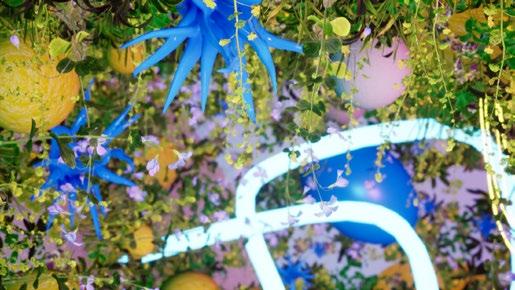
shichencao.com/fabricblooming



2020 Fall Visual Study
Instructor: William Virgil
Partner: Qihang Fan

2022 Summer Landscape
Instructor: Caleb Roberts
shichencao.com/syntheticlandscape


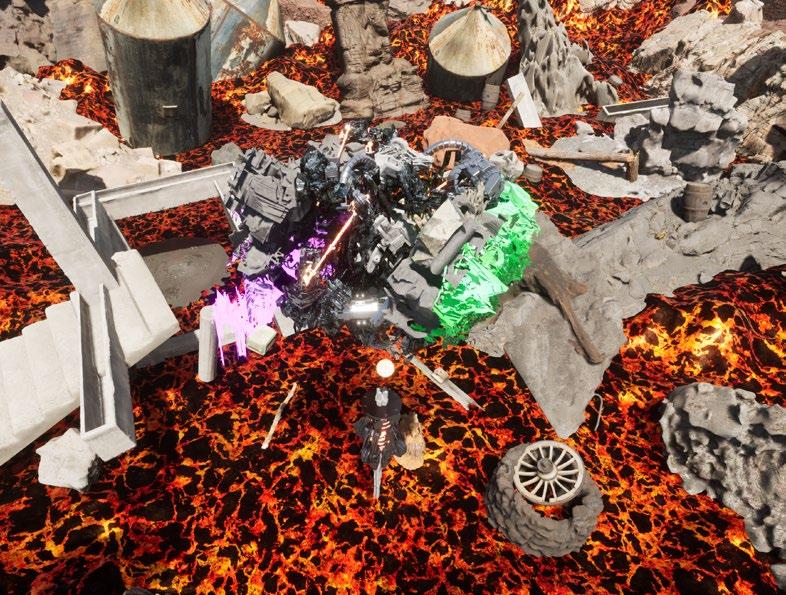
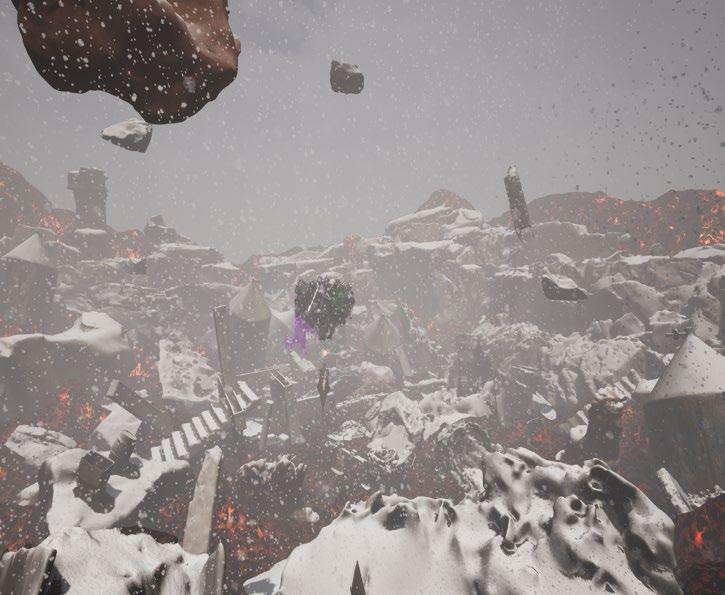
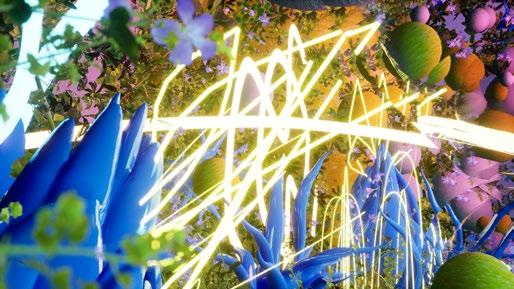
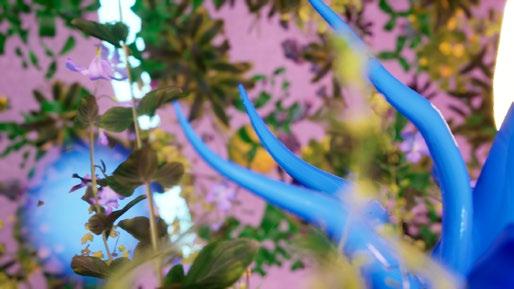
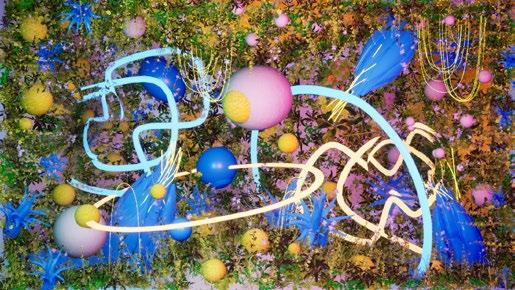
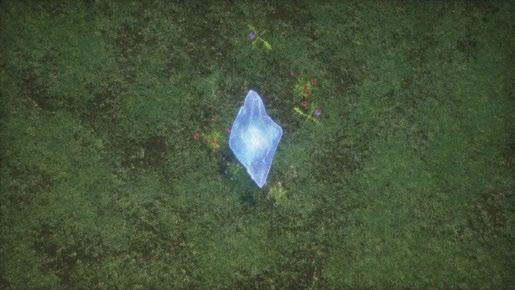
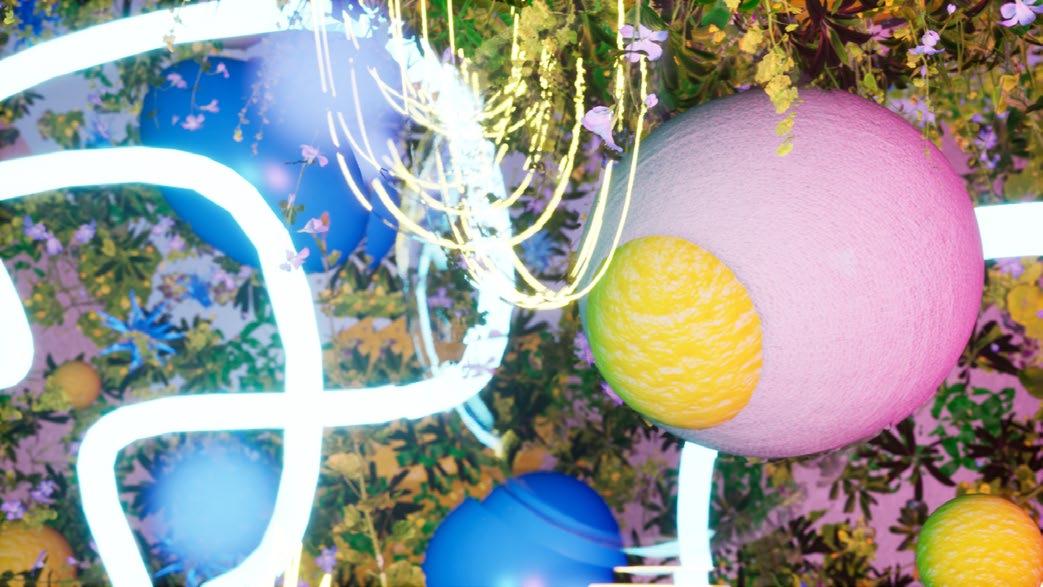
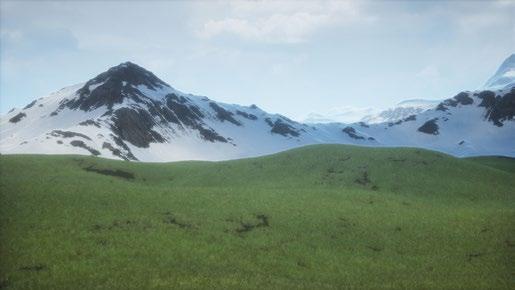
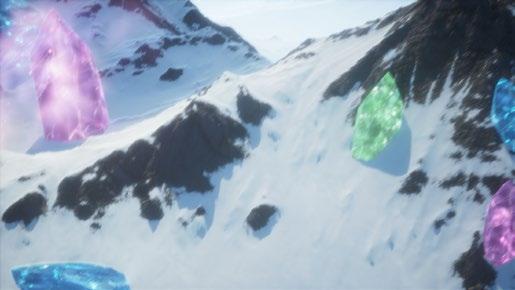
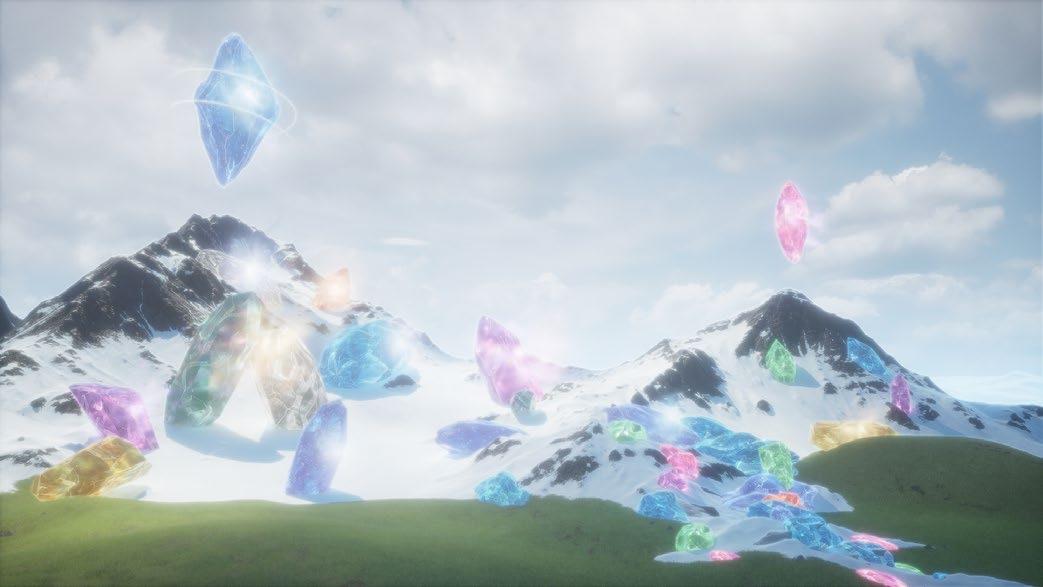
Introducing the Synthetic Landscape project, a groundbreaking exploration of AI-generated fantasy worlds. This project utilizes prompts from novels and games to create stunning and immersive landscapes. One captivating scenario involves a snow-capped mountain merging with a lush grassland, where sparkling gems float and twinkle, creating a breathtaking and enchanting scene. Using tools like Blender and Unreal Engine, the Synthetic Landscape project brings these fantastical worlds to life through cinematic videos, inviting viewers to embark on a journey into realms of limitless imagination. Experience the magic of AIdriven creativity as it unfolds in vibrant and awe-inspiring digital landscapes.


WOLF&DOG E-SPORT LOGO


LAD STUDIO

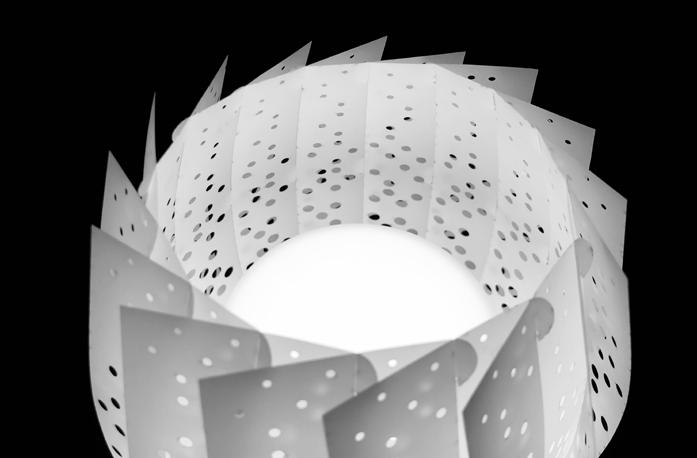
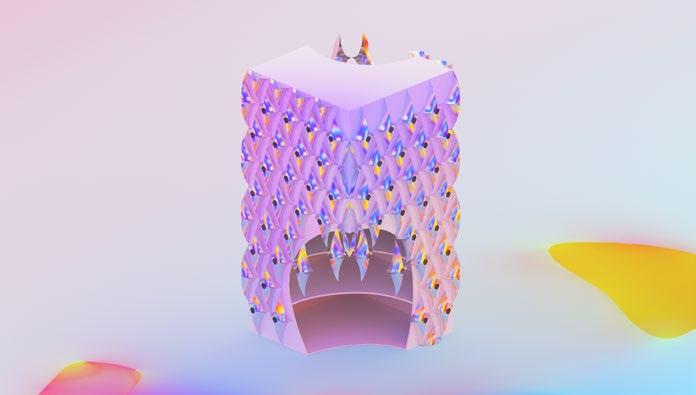
PHYSICAL & DIGITAL MODELING



CAMPUS CAMERA CLUB LOGO

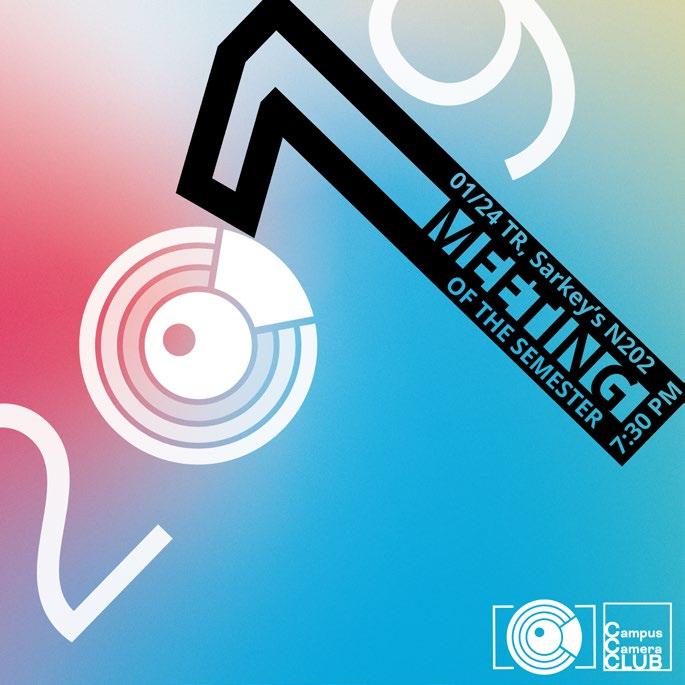
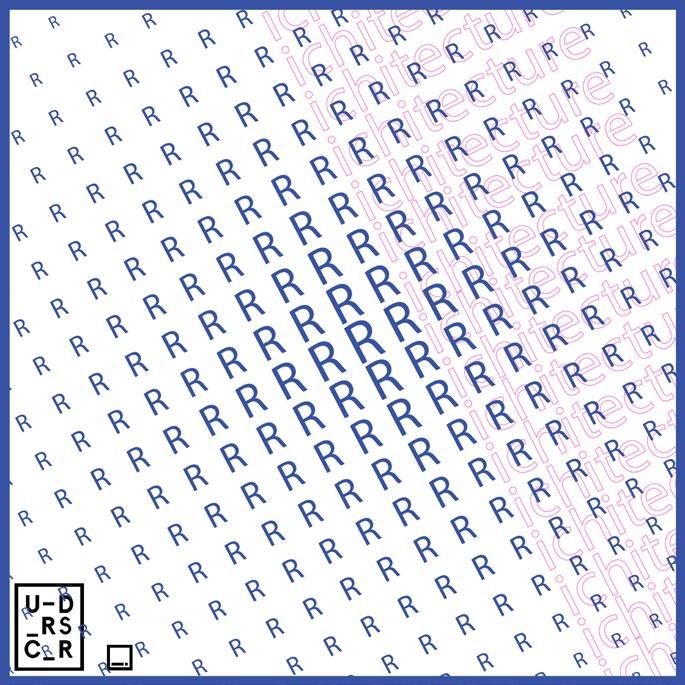
UNDERSCORE JOURNAL RICH ARCHITECTURE EVENT CCC 2019 1st EVENT
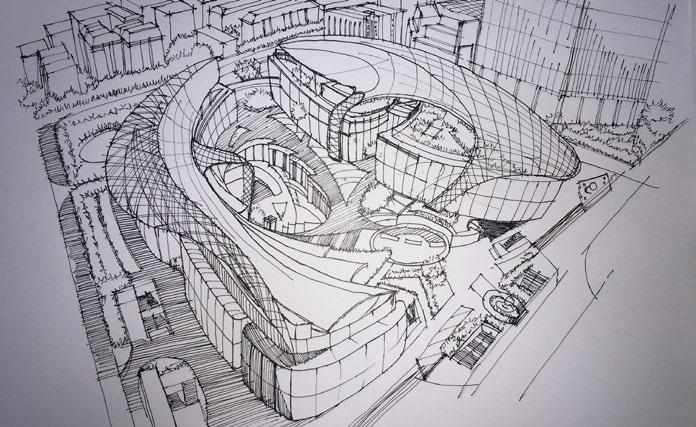
SKETCHING
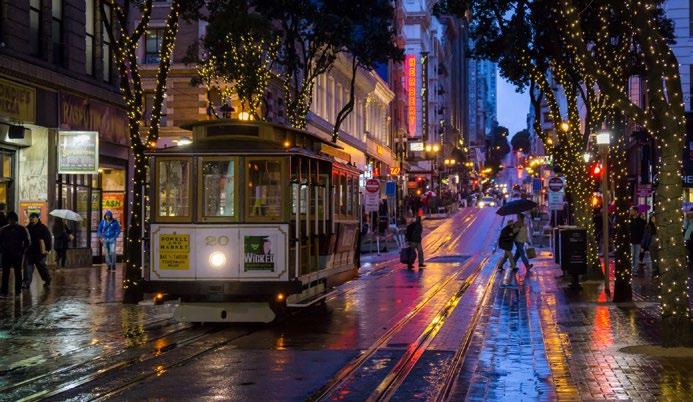
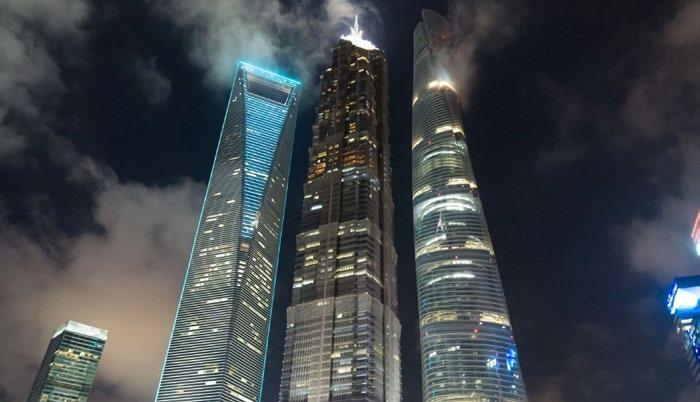
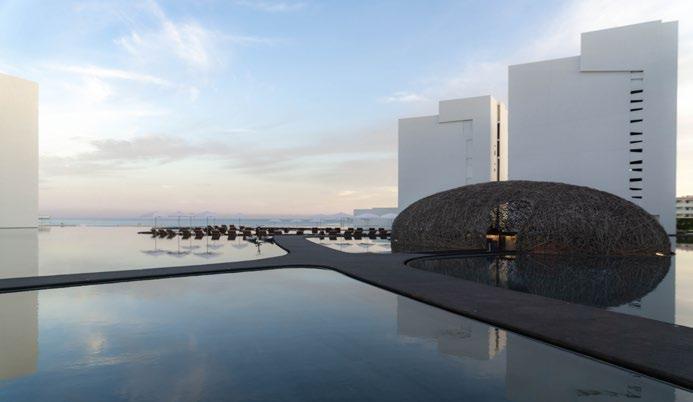
PHOTOGRAPHY