CONTEXTS AFFECT THE TEACHING PROCESS

SHEIDI URRUTIA
"Teaching and learning is a constant exchange where both grow. "
"Teaching and learning is a constant exchange where both grow. "
Situative learning is a learning theory that states that knowledge is best acquired and constructed when it takes place within a specific social and cultural context. This theory emphasizes that learning is not just about memorizing information, but about actively participating in real-life activities where students interact with others, solve problems, and apply what they’ve learned in meaningful situations. The environment, people, and tools involved in the process play a key role in how knowledge is understood and remembered Benefits

Promotes meaningful learning – Students understand better when knowledge is connected to real-life situations. Encourages collaboration – Learners work together and learn from each other.
Improves problem-solving skills – Real contexts require thinking and decision-making
Boosts motivation – Students feel more engaged when learning has purpose.
Connects theory to practice – What is learned in class can be applied in real life.
Situative learning encourages students to dive into authentic experiences, making every task directly relevant to their daily lives. By engaging in projects or tackling real-world challenges, knowledge becomes more deeply rooted in their memory This approach also promotes collaboration and idea-sharing, as learners must communicate and coordinate with peers. Dealing with practical scenarios enhances their analytical skills, creativity, and flexibility. Furthermore, it honors each group ’ s cultural and social nuances by incorporating local values and traditions into the learning process.

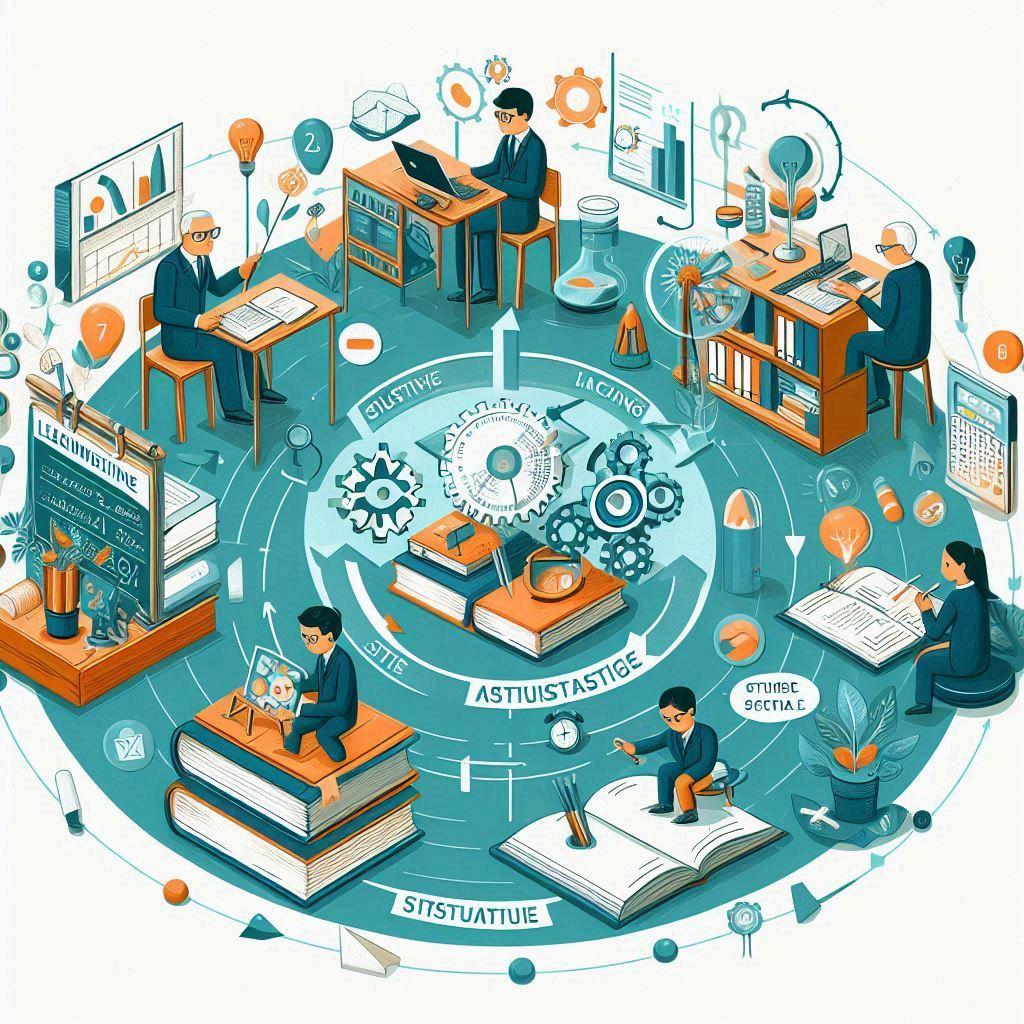
Implementing situative learning can be demanding for teachers, as it requires additional effort to design authentic, context-rich activities. In schools with limited resources or rigid methodologies, this approach is challenging to adopt. Assessment also becomes more complex: creating clear criteria to evaluate learning through open-ended tasks is not straightforward. Some students, accustomed to more passive classes, may feel disoriented when expected to take on a more active, self-directed role.
The educational context refers to the array of factors and conditions surrounding the teaching and learning process. It encompasses social, cultural, demographic, and geographical aspects that shape how students access, engage with, and internalize knowledge. Recognizing this diversity enables educators to create more relevant, inclusive, and effective learning experiences.
The social context encompasses the living conditions and everyday interactions within students’ community—family composition, economic standing, and prevailing social norms. These factors shape their motivation, availability of learning materials, and the supports or barriers they encounter. A supportive social environment, with family backing and access to opportunities, enhances performance; conversely, social hardship can pose extra challenges.
The cultural context includes the beliefs, traditions, values, and languages that form students’ identities. This cultural heritage shapes their expectations of teaching and influences how they approach problem‑solving.
Acknowledging and honoring this diversity—by incorporating culturally relevant practices or expressions enriches the classroom and fosters more inclusive learning.
The demographic context outlines attributes such as age, gender, range of abilities, and prior experiences. Each of these dimensions affects learning styles for instance, multi‑age groups or varying learning paces demand tailored teaching strategies to ensure that every student progresses effectively.
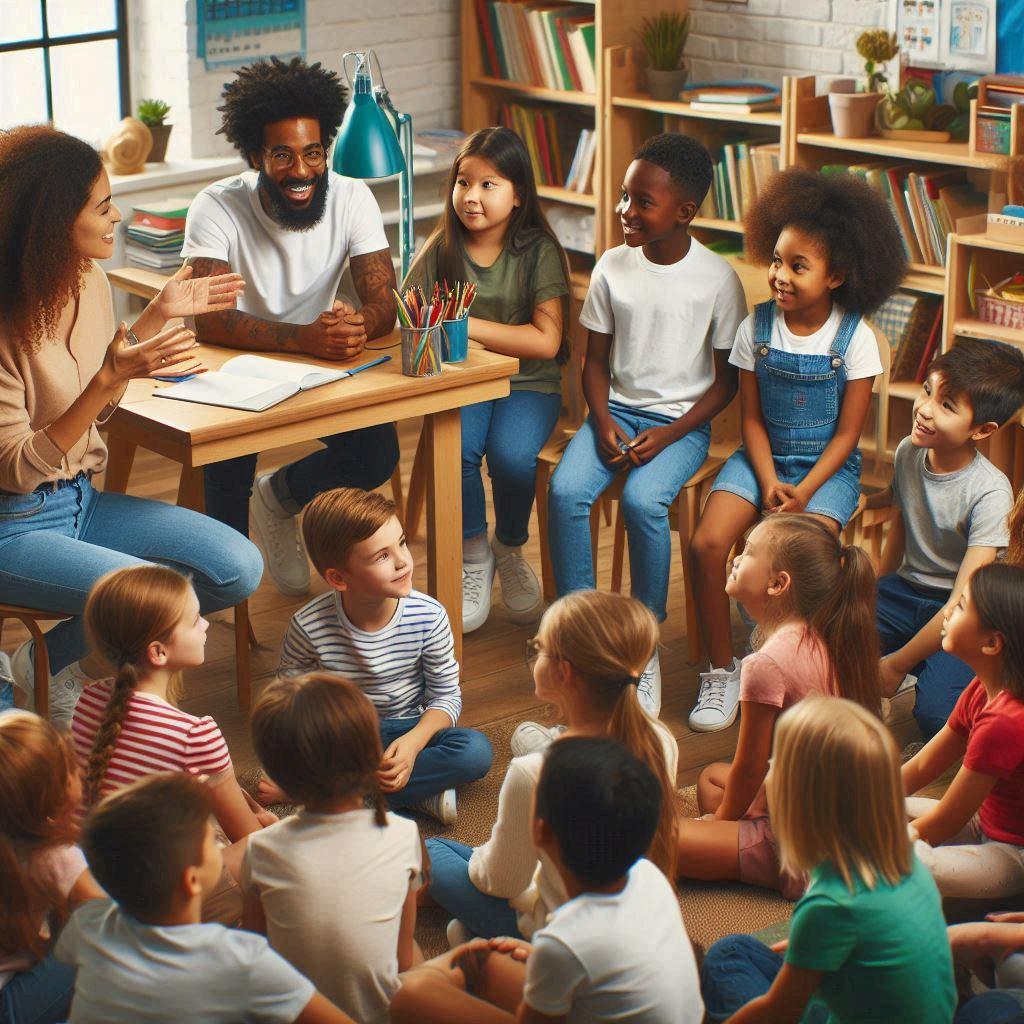

The geographical context refers to where students live and the characteristics of their physical environment ranging from internet access and technological resources to school facilities. In rural or remote areas, lack of connectivity or labs necessitates reliance on local materials and hands on methods; urban settings, by contrast, often provide more digital options and varied experiences.
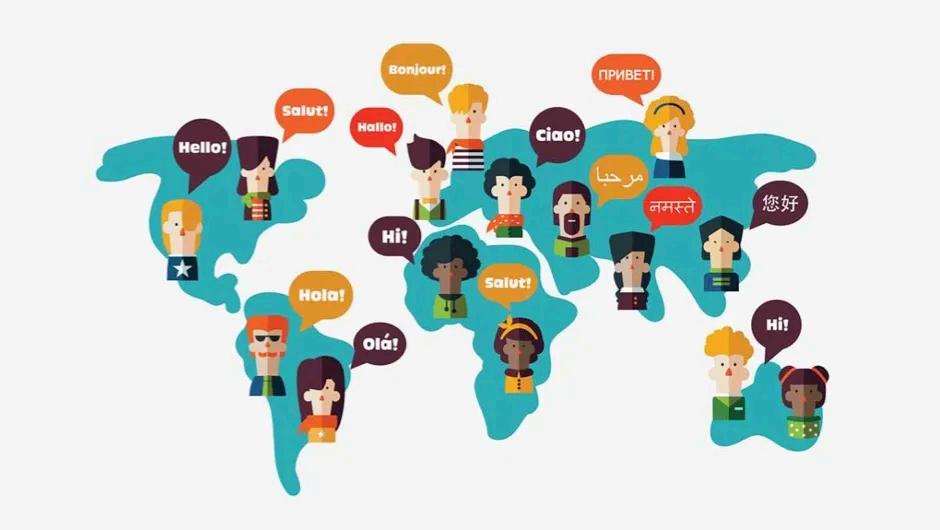
Language is much more than just words it’s a powerful system of communication that we use every day. Whether spoken, written, or signed, it helps us share our thoughts, emotions, and knowledge. It allows people to connect, build relationships, and understand each other. But language is not only a tool for communication it also reflects culture. Every language carries with it the history, beliefs, and values of the people who speak it.

A society is a group of people who live and interact within a shared environment. These individuals follow common rules, traditions, and values that guide how they live and relate to each other. It includes families, communities, institutions, and systems that shape how people behave and think. Society isn’t something fixed it grows and changes. As people face new challenges or adopt new ideas, the way society works can also shift.
Language and society are deeply connected Society shapes the way language is used—different regions, age groups, professions, or social classes may speak in different ways. These differences are not just about words; they reveal the values, experiences, and identities of the speakers. For instance, the slang used by teenagers in one city might be completely different from the expressions used by adults in another region.

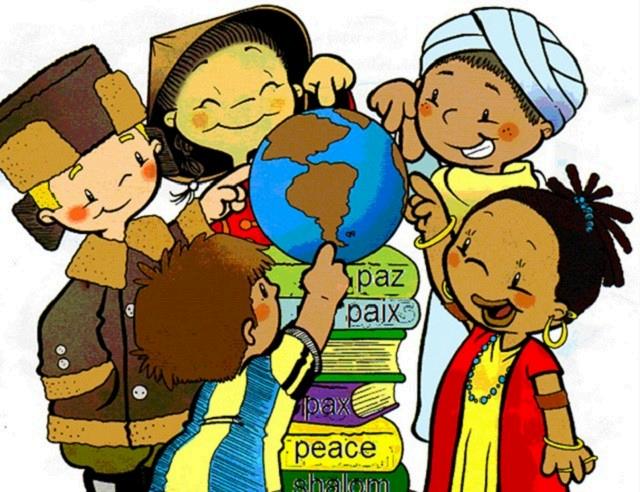
Language and society have a big impact on education. In the classroom, language is the main tool teachers use to explain, guide, and connect with students. If students don’t understand the language well, learning becomes harder. That’s why it’s important for teachers to consider the language level and background of their students when planning lessons. At the same time, social factors—like students’ culture, family background, economic situation, and community also influence how they learn.
The teaching and learning process is a collaborative journey that goes far beyond delivering information. It is a transformative experience where the teacher plays the role of a guide and the student becomes an active participant in their own learning. Through meaningful interaction, both develop knowledge, skills, values, and attitudes that contribute to personal and academic growth. This process is especially important in fields like nursing or education, where not only knowledge, but also the ability to reflect, think critically, and act responsibly are key.
Before stepping into the classroom, teachers must define clear learning objectives, choose appropriate content, and select methods and resources that match students' needs and context.
This is the delivery phase. Teachers apply instructional strategies lectures, group work, discussions, etc. while fostering participation and motivation. The goal is to create a respectful and inclusive environment that encourages active learning.
Evaluation isn’t just about grades. Through formative and summative assessments, teachers gather information about students’ progress, identify strengths, and detect areas that need support.
After instruction, both teachers and students should reflect on what worked, what didn’t, and how future lessons can be improved. This stage ensures continuous growth and better outcomes.
Several educational theories support and explain how learning happens:
Behaviorism (Skinner):
Learning occurs through reinforcement and conditioning
. Constructivism (Piaget, Vygotsky):
Learners actively construct knowledge through experience and social interaction.
Cognitivism (Bruner):
Emphasizes the mental processes involved in learning.
Humanism (Maslow, Rogers):
Highlights the role of personal growth, motivation, and self-actualization.

Maslow, A. H. (1943). A theory of human motivation. Psychological Review, 50(4), 370–396. https://doi.org/10.1037/h0054346
Rogers, C. R. (1969). Freedom to Learn: A View of What Education Might Become. Charles Merrill Publishing.
Woolfolk, A. (2016). Educational Psychology (13th ed.). Pearson.
Díaz Barriga, F., & Hernández Rojas, G. (2010). Estrategias docentes para un aprendizaje significativo (3.ª ed.). McGraw-Hill.
UNESCO. (2020). Education in a post-COVID world: Nine ideas for public action. https://unesdoc.unesco.org/ark:/48223/pf0000373717