
 By DR SHAYAN SHAFAFZADEH
 Lecturer in Interior Architect , Interior Architect Technology ,interior design Project Manager
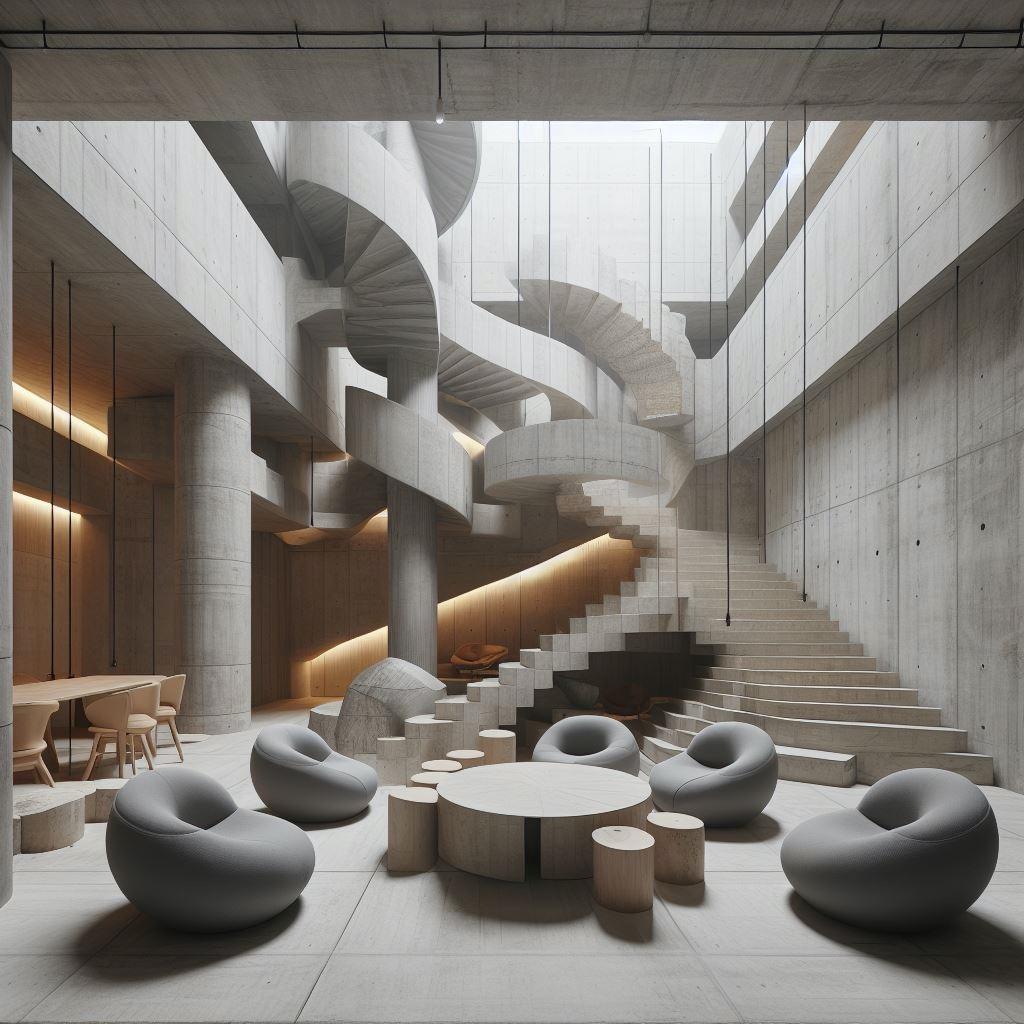
§ Deconstruction in interior design is a revolutionary approach that challenges traditional design principles, emphasizing the fragmentation and reassembly of elements. Emerging in the late 20th century, it draws inspiration from postmodern philosophy, notably Jacques Derrida's deconstructive theory. This design philosophy seeks to disrupt conventional spatial norms, encouraging a reinterpretation of space and form.
1. Derrida, J. (1967). "Of Grammatology." Johns Hopkins University Press.
2. Leach, N. (1997). "Rethinking Architecture: A Reader in Cultural Theory." Routledge.
3. Venturi, R., Scott Brown, D., & Izenour, S. (1972). "Learning from Las Vegas: The Forgotten Symbolism of Architectural Form." MIT Press.
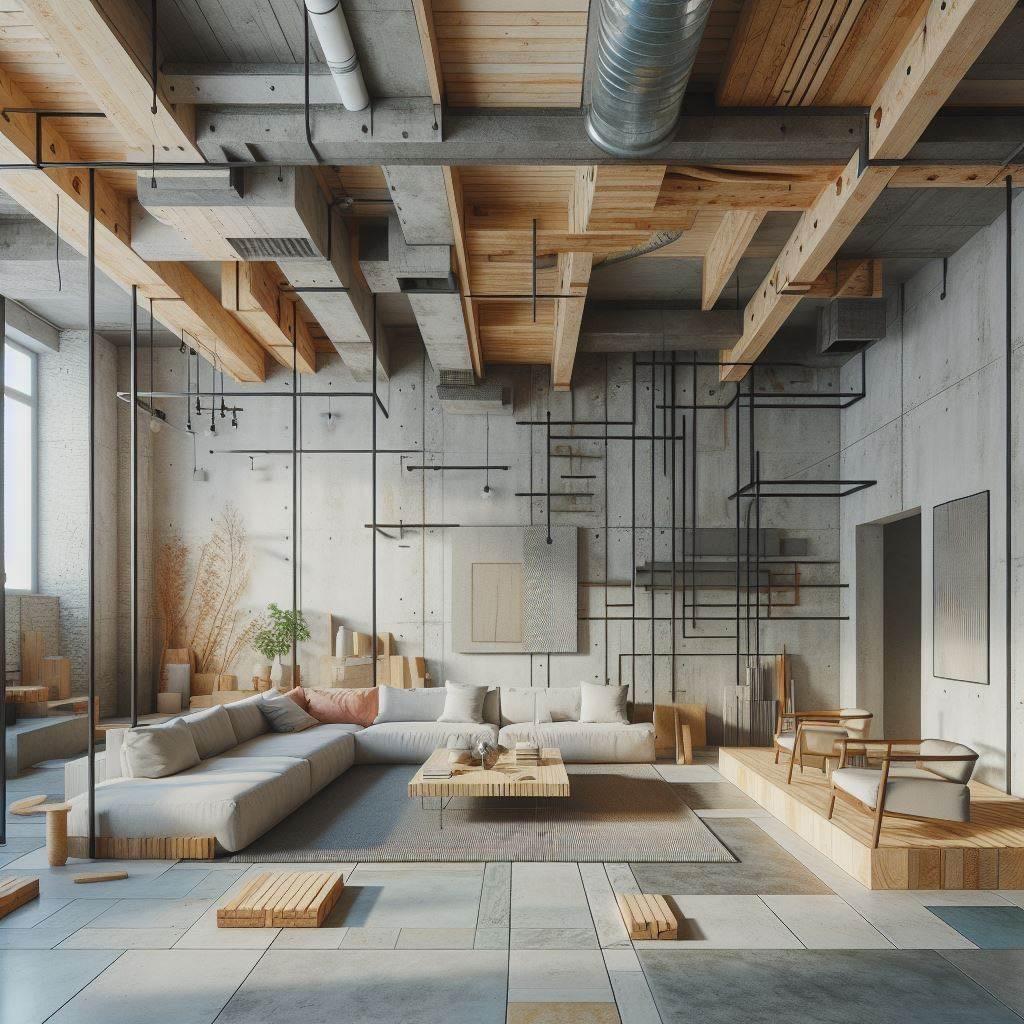

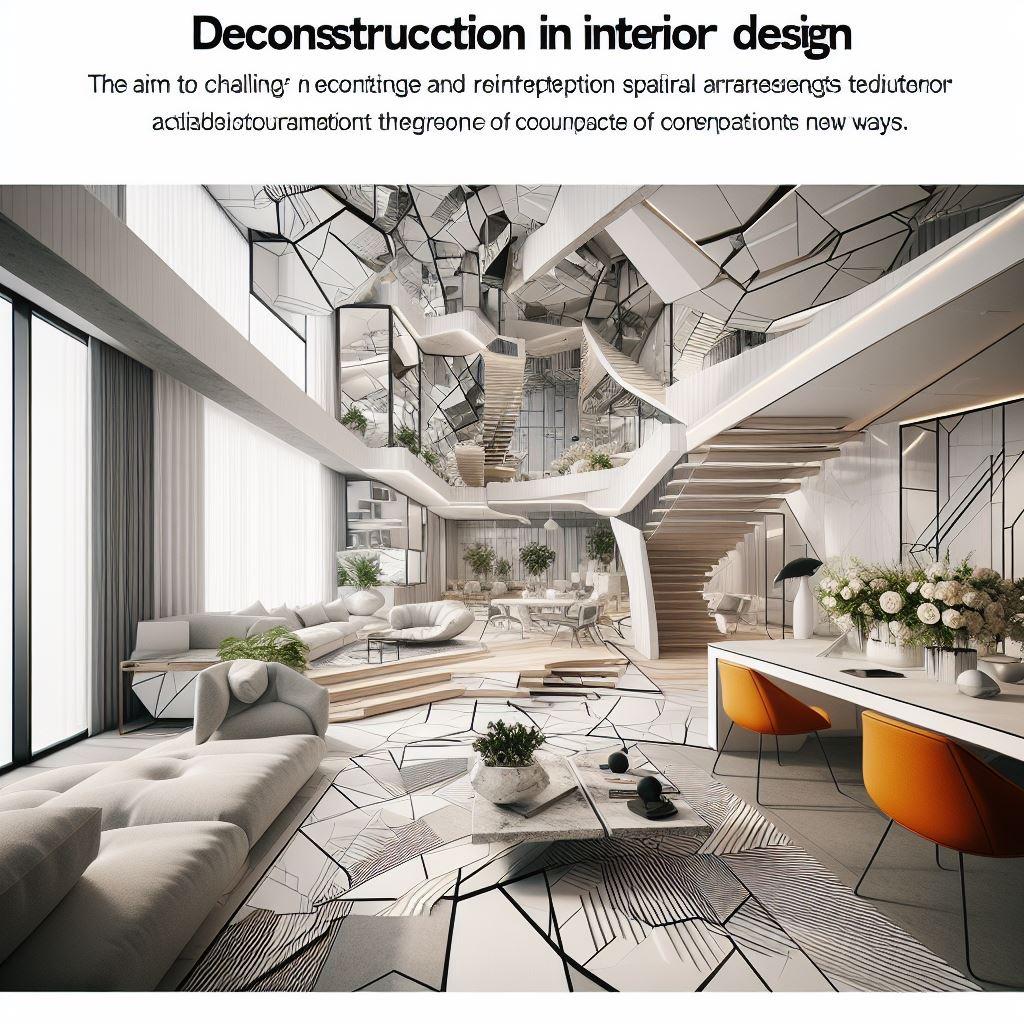
1. Reinterpretation of Space: Deconstruction in interior design aims to challenge and reinterpret traditional spatial arrangements, encouraging a departure from conventional layouts. This approach seeks to create innovative and dynamic environments that provoke thought and engage the occupants in new ways (Derrida, 1967).
2. Fragmentation of Design Elements: The aim is to deconstruct and fragment design elements, breaking away from the rigid structures of traditional design. By disassembling and reassembling components, deconstruction fosters a more fluid and unconventional visual language within interior spaces (Leach, 1997).
3. Celebration of Contradictions: Deconstruction aims to celebrate contradictions within design, embracing the tension between opposing elements. This approach challenges the notion of a singular, harmonious aesthetic, encouraging the coexistence of conflicting ideas to create a more diverse and thought-provoking interior (Derrida, 1967).
4. Promotion of Innovation: An overarching goal is to stimulate innovation in interior design by pushing boundaries and defying established norms. Deconstruction encourages designers to think outside the conventional framework, fostering creativity and allowing for the exploration of new possibilities in spatial arrangement and aesthetic expression (Leach, 1997).
Deconstruction A Text
Puling Out Contradictory Iogic and Inferences
Expanding Virtual understanding
Creating fundamental contradiction
Structuralism
Futurism
Structural strategy Suprematism
Your Present
Uncertainly in architecture
Reconstruction
Dialectic growth
Constructionism
§ Emphasis on being active and meaningful in expanding interior design as thinking
§ Promotion of communication networks in social life
§ The relation of Porsche in the transmission of human experiences in the process of voluntary experiences
§ Deodorization with structure and anti-structure
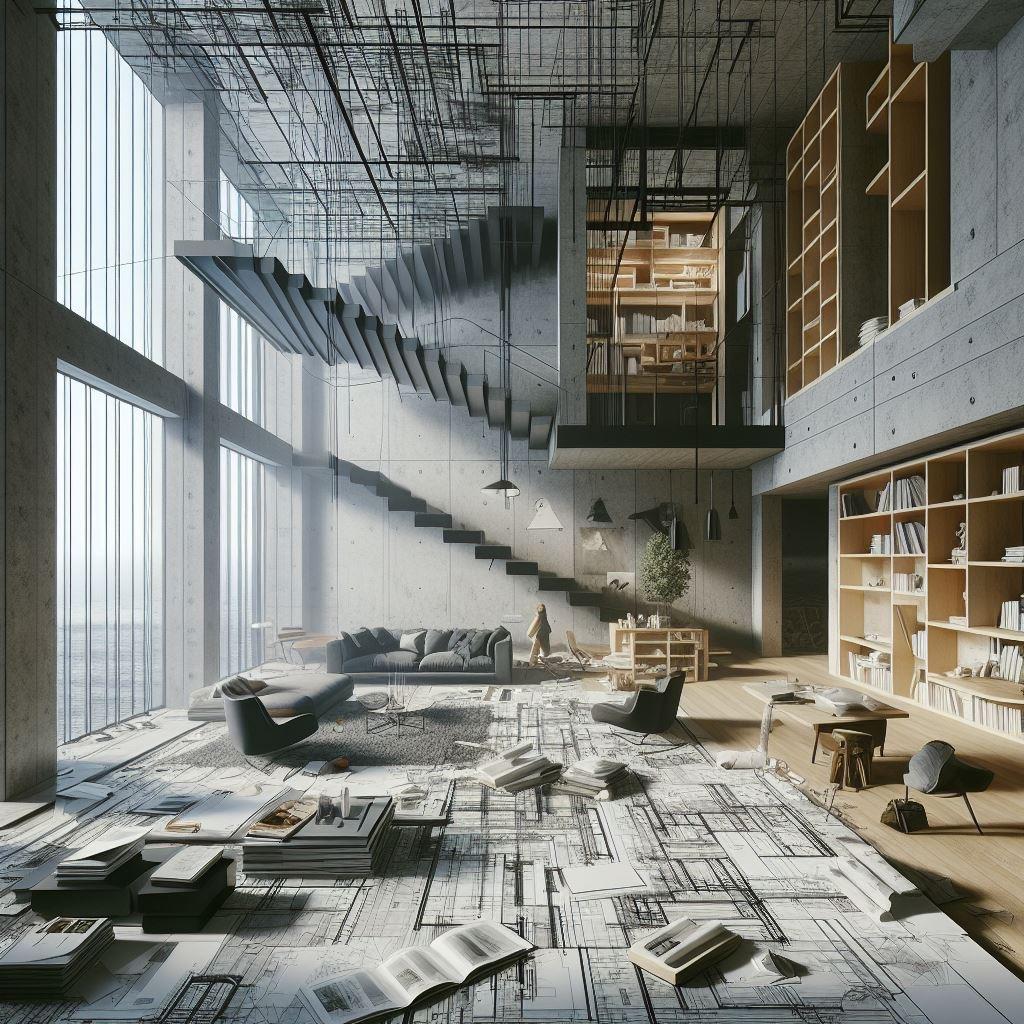
• Deconstruction, rooted in Jacques Derrida's philosophy, challenges fixed meanings and structures, advocating for fluid interpretations in both architecture and philosophy. Departing from conventional design principles, it transforms architectural plans into dynamic canvases reflecting the complexity of the contemporary world (Derrida, 1967; Leach, 1997).
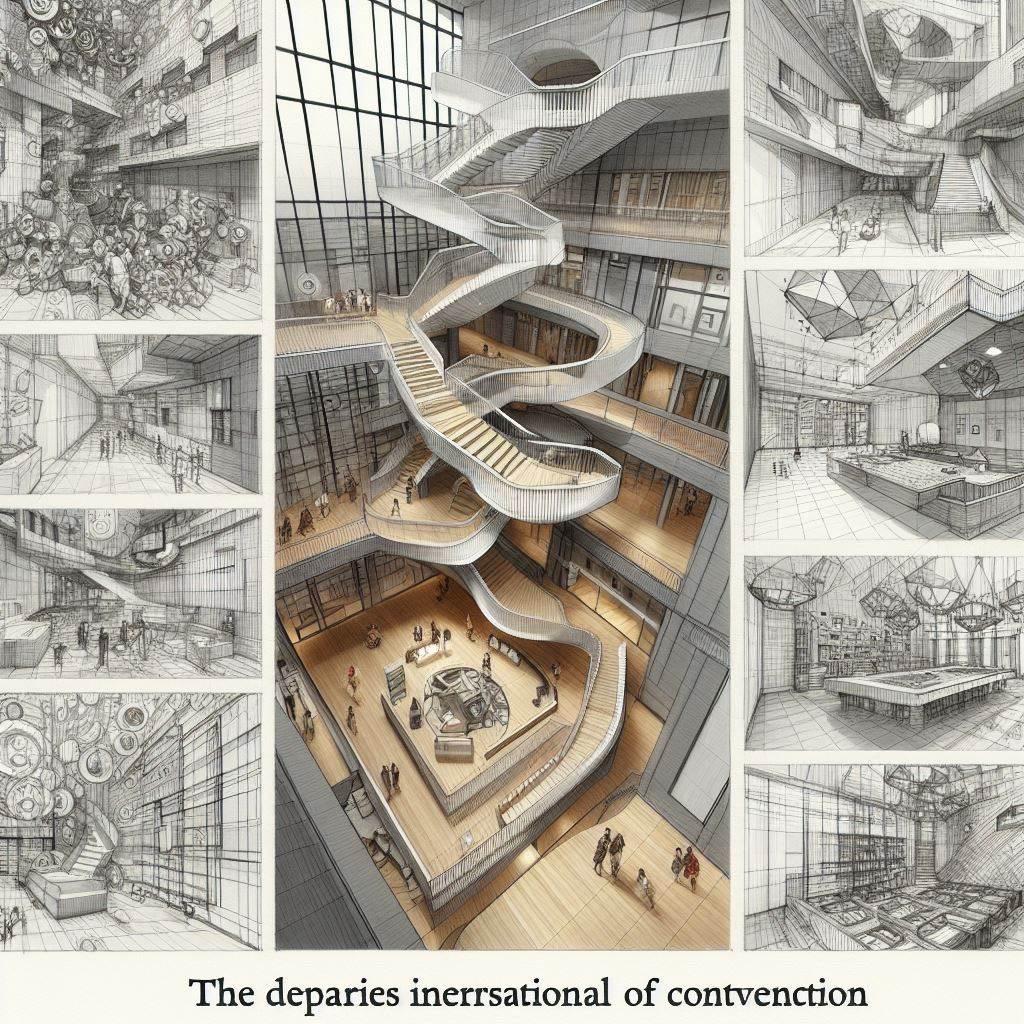
• Influenced by Jean-Paul Sartre's existentialism, deconstruction asserts the constant flux of cultural practices, rejecting structuralist methods. The philosophy encourages an architectural design process that embraces diverse interpretations, acknowledging the ever-changing nature of human experiences and cultural contexts (Sartre, 1957; Derrida, 1967).
Environmental analysis
Historical analysis
Social analysis
Deconstruction in Interior Design
Site analysis
Deforming
Function follow
Deforming
Physical analysis
Cultural analysis