Meet some fascinating figures from Prophetstown Photographer loves framing people’s stories
Inspiration is in the eye of the beholder at Morrison studio
The Hills are alive with the sounds of music




























Publisher/Ad Director
Jennifer Heintzelman
Magazine editor & Page design
Rusty Schrader For Advertising
Contact Jill Reyna at 815-631-8774 or jreyna@saukvalley.com
Published by Sauk Valley Media
113 S. Peoria Ave., Dixon, IL 61021 815-284-2222
Have a story idea for Small Town Living?
E-mail rschrader@saukvalley.com
Articles and advertisements are the property of Sauk Valley Media. No portion of Small TownLiving may be reproduced without the written consent of the publisher. Ad content is not the responsibility of Sauk Valley Media. The information in this magazine is believed to be accurate; however, Sauk Valley Media cannot and does not guarantee its accuracy. Sauk Valley Media cannot and will not be held liable for the quality or performance of goods and services provided by advertisers listed in any portion of this magazine.
4 Unlocking their potential
When opportunities knock, a Key is opening doors in Morrison, where students are helping themselves by helping others.
10 History’s Prophets
Prophetstown has a lot of pride in its people, and it’s no wonder: The town’s history is filled with fascinating figures.
18
Framing your story
When a Prophetstown photographer opens her shutters, it lets in a light that helps her customers shine.
22
Parts and crafts
Items that lost their purpose are being repurposed at a Morrison DIY studio, where creativity comes full cycle.
26 The Hills are alive
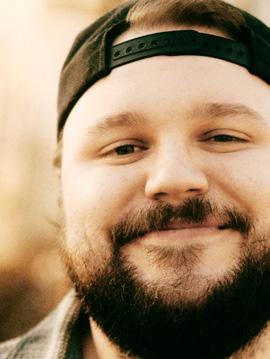
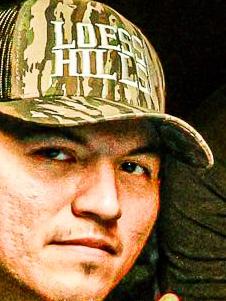
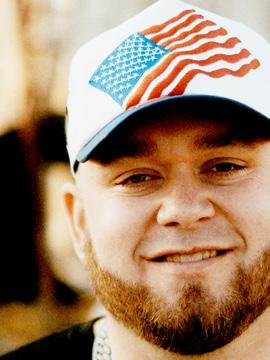
... with the sounds of music. Five friends are mixing up a big ol’ pot of musical gumbo, and they’re finding a growing audience who share their tastes.
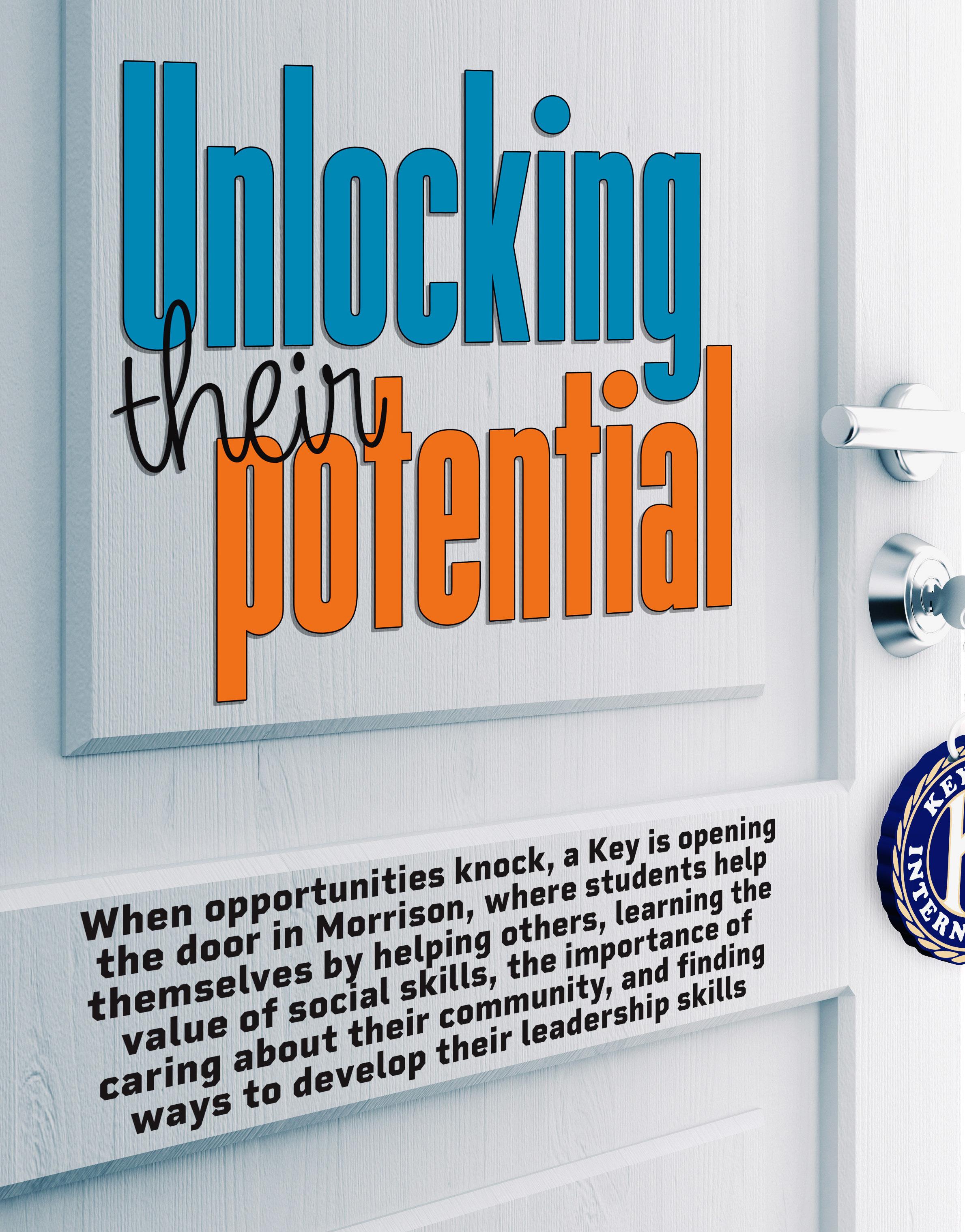

a warm summer Saturday morning in Morrison, the smell of grilled pork chops and hot dogs drifts across the intersection of Lincolnway and Cherry Street.
Cars slow. Windows roll down. Someone asks, “What are you raising money for today?” Behind the grill, a Morrison High School student smiles, takes an order, and hands over a sandwich. But this sandwich is more than just a bite to eat — it’s a key that helps unlock lessons learned through volunteerism and partnerships.
The sandwich sellers are members of Morrison High School’s Key Club, and their cookout has become an eagerly awaited tradition in town — a sure sign that summer’s just around the corner, and that good food is on the corner.
The Key Club plays an active role in serving the local community year-round, and it’s widely recognized for working with the Morrison Kiwanis Club during its Sandwich Sale fundraisers at the busy intersection from May through September. Proceeds from the Sandwich Sales help fund up to four scholarships annually for graduating seniors and support numerous community organizations, including April House, therapeutic rides at White Oaks Therapeutic Equestrian Center, United Way’s LIFE Program, Odell Public Library, Morrison Day Care, youth sports, scout programs, the Morrison Food Pantry, and the Morrison Historical Society.
Behind the tables and coolers are students like Leah Young, a Morrison High School junior who has found meaning in the simple act of showing up.
“I like helping out the community, and I love seeing people’s smiles on their faces when they see a young person that’s willing to help in the community,” Leah said. “It is rewarding when you see that you’re making others happy. When you’re helping other people, it’s rewarding to see that you were a part of that.”
Beyond fundraising, Key Club members also volunteer during monthly Bingo at Odell Public Library, assist the Food Pantry’s Turkey Trot, help with the Christmas Walk, support blood drives, honor veterans and raise funds for UNICEF, among many other efforts.
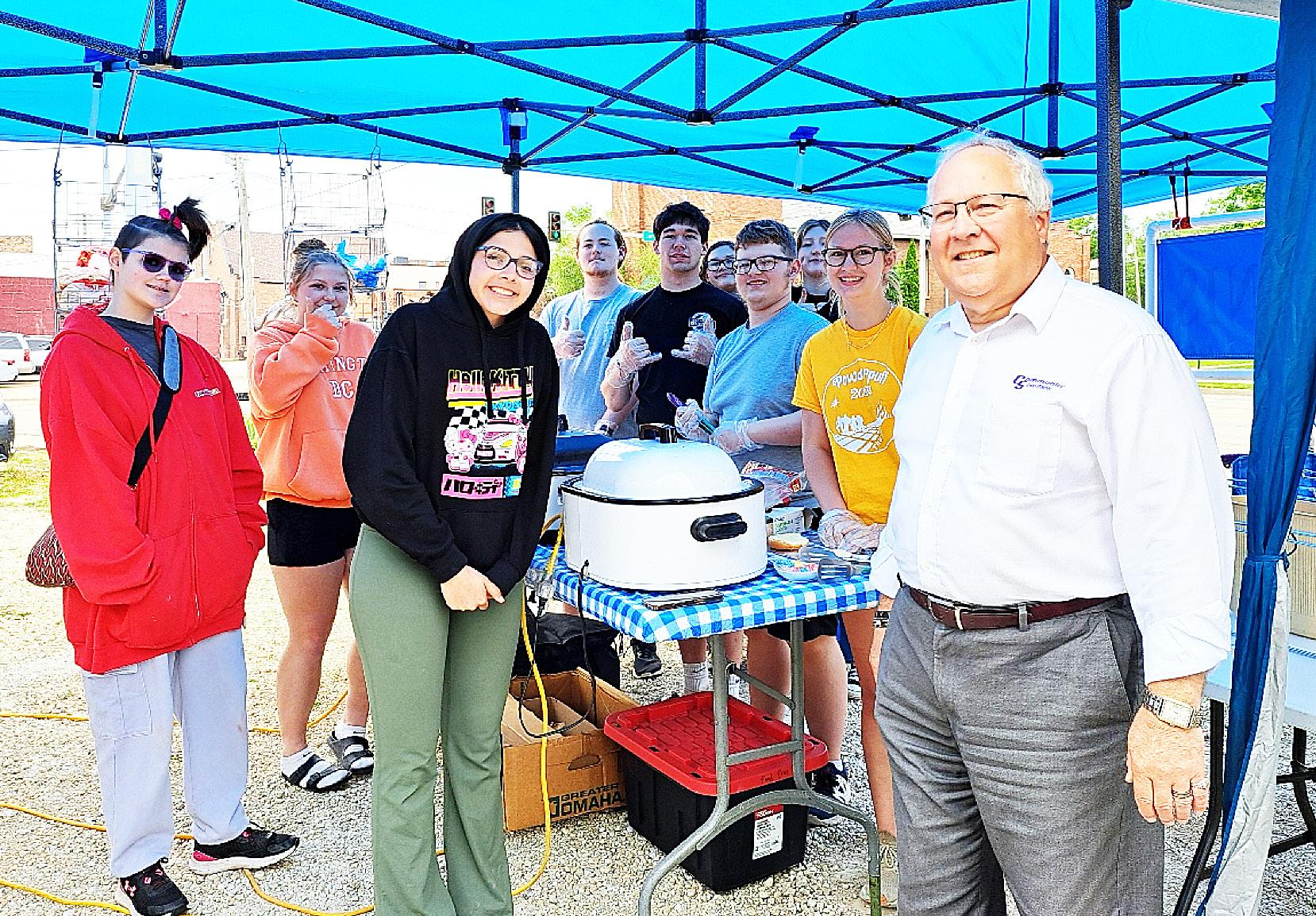
Morrison Kiwanis and Morrison High School Key Club’s Sandwich Sale raises funds for youth-centered non-profit entities in town. The stand, open during select Saturdays from May through October, is located at Cherry Street and Lincolnway near Community State Bank.
For Leah, some of the most memorable moments from being in Key Club come during events such as Paint the Town, where she’s helped work concessions selling pork chops, brats and other crowd favorites.
“Key Club is all about helping people all around the community, being a good leader to the community and volunteering your time whenever you have the chance,” Leah said.
For Leah and her fellow students, community connections are a big part of what keeps them coming back, she said, but they also get to learn skills that don’t always show up on a report card.
“It definitely helps you with your social skills, like learning how to talk with people, learning to shake someone’s hand, and learning how to look people in the eye,” Leah said. “Those are very important skills to learn, and by volunteering and talking to the people in the Morrison community, you get to learn those skills. They’re all very welcoming and kind.”
Leah’s younger sister, Faith Young, joined Key Club as a freshman, initially following in her sister’s footsteps, and then finding her own reasons to stay.
“I like volunteering because I think it makes people feel better when we help them,” Faith said. “I joined because my sister was in it, and I also like the people who are in Key Club. It gives you a good sense of community, and it makes you feel good helping other people.”

























One of Faith’s favorite experiences came while volunteering concessions at the annual Custom-Pak company picnic in Clinton. “There were a lot of other kids there instead of just adults, and we got to help with kids as well,” she said.
Abigail Weston, a senior, serves as this year’s Key Club president. One of her favorite memories came around Valentine’s Day, when members made chocolate-covered strawberries for every teacher in the building. It was a show of appreciation that resonated throughout the school, she said.
“What I really enjoy about Key Club is the chance it gives us, alongside our friends, to brighten people’s day, knowing that even a small act of kindness or lending a helping hand can make a huge difference,” Weston said. “Key Club is important to the Morrison community because it connects younger kids through service projects that help them grow into responsible adults.”
At the center of the program is adviser Brian Bartoz, who co-advises Key Club alongside Annie Knie. Bartoz, a Morrison High social studies and driver education teacher, has been involved with the club since 2018 after taking over from former adviser Gwenn Rickertsen.
Today, the club has nearly 40 members and has been active in Morrison for nearly 30 years. It also serves as the high school counterpart to the local Kiwanis Club, assisting with events such as the Easter Egg Hunt, where students help place nearly 1,000 eggs at Kiwanis Park for kids to collect.
CLUB cont’d to page 8
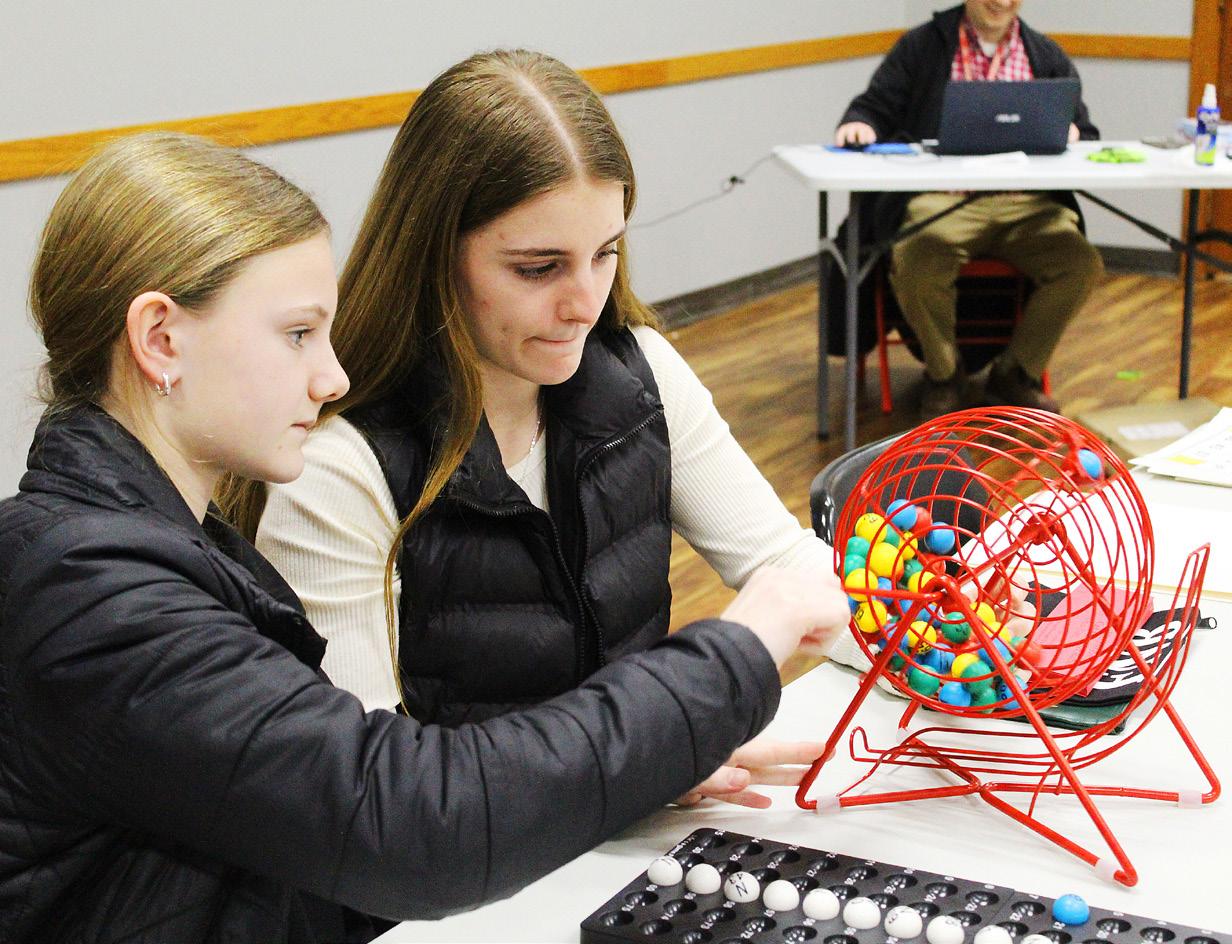
Key Club members Faith and Leah Young called Bingo numbers Jan. 15, during the club’s monthly Golden Ages Bingo game at Odell Public Library. The free event for seniors 55 years or older offers gift bag prizes and treats to eat during play.

Grasshopper zero-turn mowersare built to last, but when service is needed, we can help. With a full lineof repair and tune-up services, OEM parts and more, we’re standing by to help keep your mower in peak condition.



Sandwich sales remain its biggest undertaking. Typically held seven to eight times per year from May through October, the sales feature brats, hot dogs, rib-eyes and pork chops — with pork chops and hot dogs emerging as the top sellers, Bartoz said.
“That’s a major revenue event for us,” Bartoz said. “We work closely with the Morrison Kiwanis Club to have volunteers from the great kids at Key Club to make sandwiches and pour beverages, and it’s quite a team effort.”
Key Club teams up with ImpactLife to host two or three blood drives a year. Members also are encouraged to host their own blood drives throughout the year, and two of them will co-host a drive on March 16
at the high school.
“It’s awesome to see our Key Club members serve their community, connect with community members, and step into leadership roles,” Knie said. “It’s also great that we have community members who are willing to support us and show up for our blood drives. Typically 20 units of blood are collected at each event, which can save up to 60 lives.”
Bartoz said responsibility and dedication are key traits for students who want to succeed in the club. Students make a difference by being involved, and doing their best to see events through to a successful completion. It’s a club that anyone can be involved in.
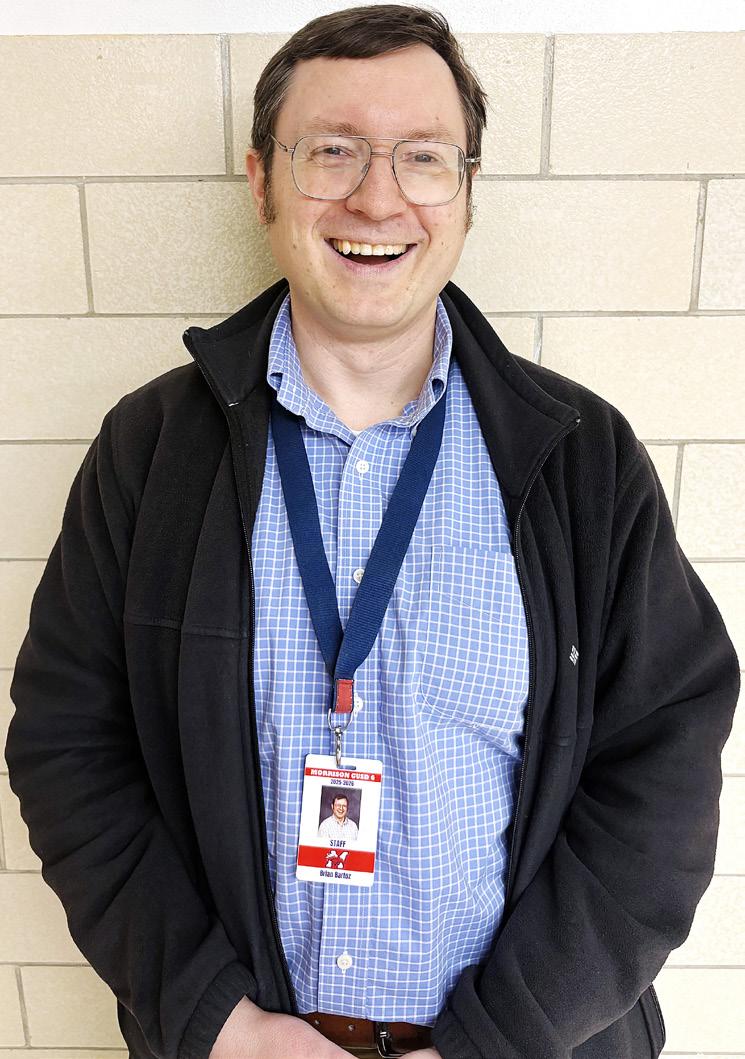

“We try to recruit kids into Key Club who may be less involved in anything,” Bartoz said. “Maybe they’re not part of student council, or part of the sports teams at the high school. They have the potential to do great things to help others. There’ve been a few kids who have been active in the sandwich sales and with Paint the Town who might not necessarily have been official leaders in those, but have done a wonderful job. They can rise to a level of achievement outside of the traditional avenues of student council or being captain of a sports team.”
Key Club is part of the larger Key Club International organization, the oldest and largest student-led service organization for high school students. Founded in 1925, it includes more than 250,000 members across over 5,000 clubs worldwide, emphasizing leadership, inclusiveness and character through hands-on service. Its guiding focus, “Children: Their Future, Our Focus,” connects local efforts to broader youth-focused causes.
CLUB cont’d to page 9
Raise your hand if you’re officially over winter.
Now keep it up if you’re craving dirt under your nails, green all around, and COLOR everywhere!
Spring is about to Spring!
And...Spangler’s opens mid to late March, just as spring starts showing off. Expect weekly waves of new plants through April — so shop early, shop often, and watch the place come alive!
NEW THIS YEAR:
Join our VIG (Very Important Gardener) Text Club.


Text “JOIN” to 833-694-5374 to know immediately when new product arrives, get exclusive deals, birthday surprises & other little plant-lover perks.
Open 7 days a week once we open — follow Facebook & our website for opening day!
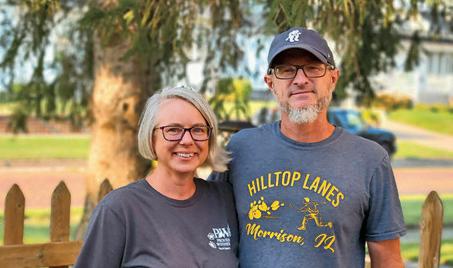
Jim Spangler & Kendra Kirk, owners

Students can also benefit from Key Club in other ways, with their involvement in the club’s activities helping them qualify for college tuition credit through the Impact Program at Sauk Valley Community College in Dixon. The program allows in-district students to earn up to three years of tuition and mandatory fees by completing 100 hours of community service before graduation and meeting other eligibility requirements.
The joy of watching students grow confident in leadership and comfortable in their community service is a never-ending one for Bartoz.
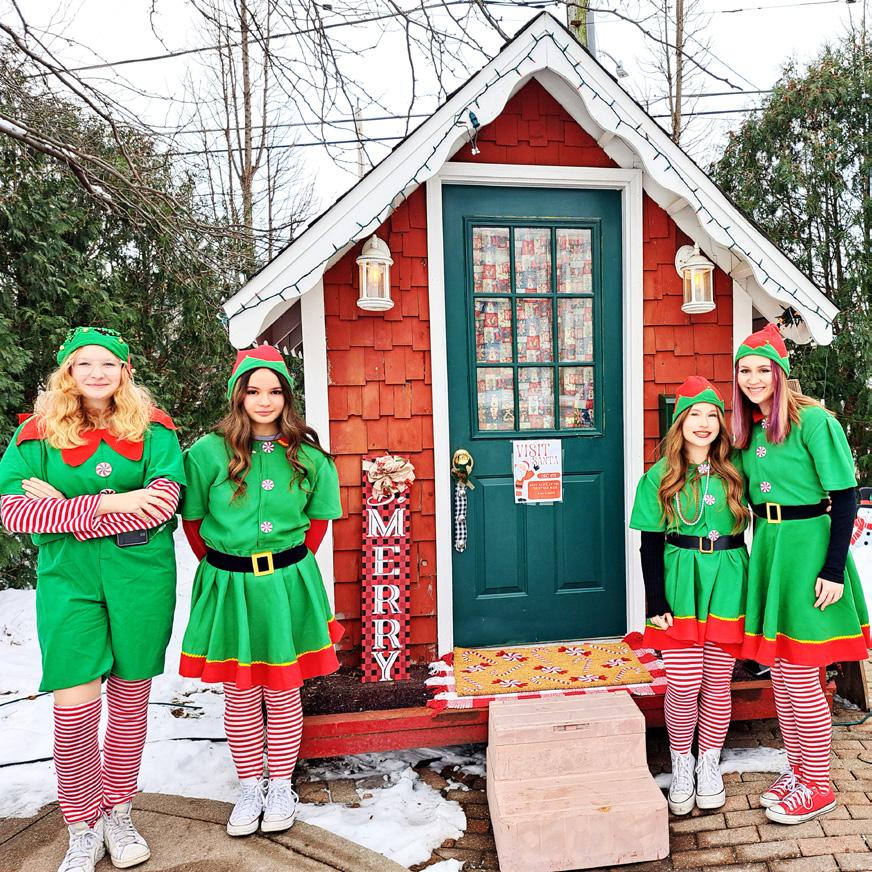
Key Club members served as elves during the Morrison Christmas Walk on Dec. 6, 2025, greeting families who stopped downtown to see Santa Claus.
“I just like seeing the kids prosper in different ways,” Bartoz said. “I like knowing that we have all of these different programs in the community that we volunteer for. There’s a lot of community groups doing a lot, and I think

it’s really important for young people in Morrison to lend a hand to the groups who have really volunteered their time to make this community a better place. We can hopefully develop the leadership skills of those young people through these volunteer opportunities, both at the high school and the broader community.”
Opportunities to boost members’ confidence, teach responsibility and engender a sense belonging are what Key Club is all about.
“It can give you a great many skills, being involved in Key Club,” Bartoz said. “Planning events for the high school, communicating through email and personal communication, doing fun work with blood drives, winter cheer events — we like to have the kids involved.” n Shaw Media reporter Cody Cutter can be reached at 815-632-2532 or ccutter@shawmedia.com.
Find Morrison Community Unit School District #6 on Facebook to learn more about Morrison High School’s Key Club projects and events.






























































































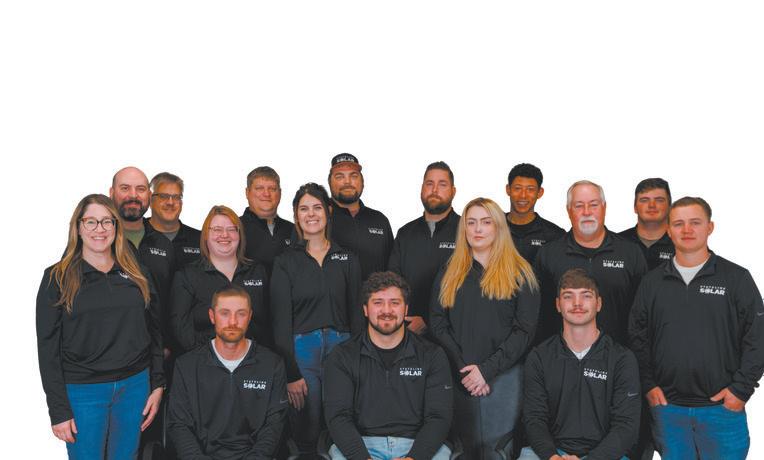
S make educational, very step of the way e’re
witching ha e stressful

















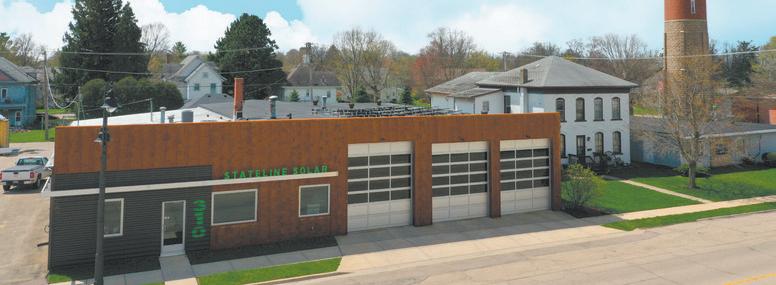
to solar doesn’t have to be stressful. At Stateline Solar, we
















m going solar simple and educational, answering all your questions









ommunity solutions

proud to serve homeowners, businesses, and the agricultural

community with personalized renewable energy solutions. As your local solar experts, we’re dedicated to enriching our community while providing exceptional service. At Stateline Solar, we’re not just a company—we’re your neighbors, working to create a brighter future.
Already have solar? We’ve got you covered! We offer maintenance, repairs, and inspections for any solar array, regardless of who installed it.























emarkable lives often start quietly — in a classroom, on a farm, or along a dusty road — long before the world hears about them.
Whether they come from a major metropolis or the tiniest of towns, all it takes is curiosity, grit and a little imagination to carry someone from hometown to headlines — and some towns can boast of more than one notable name, people who left behind more than just memories, but a lasting legacy.
From its earliest settlers to college football fields, Prophetstown has a history of producing people who’ve left a mark far beyond their community, where ordinary streets have seen extraordinary footsteps from all walks of life.
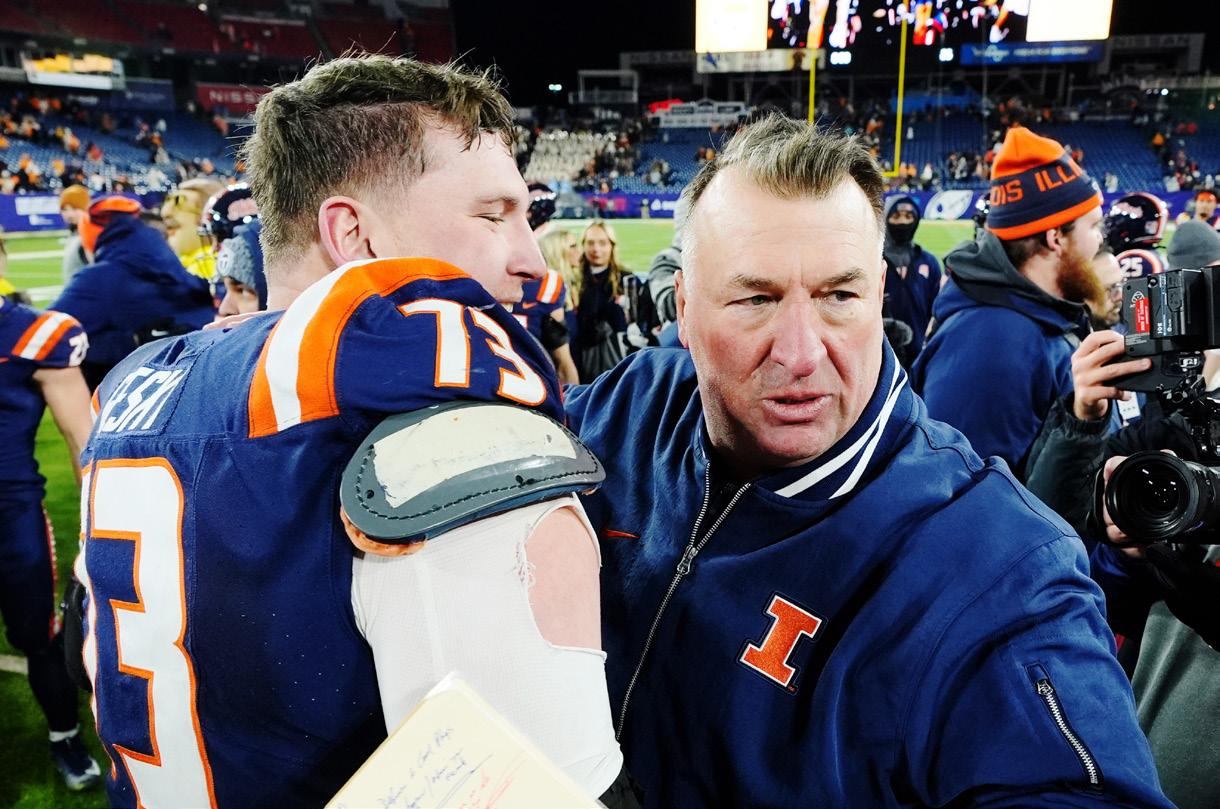
There’s Asa Crook, the first white settler whose family became the town’s foundation. Wabokieshiek, the Winnebago Prophet whose legacy is tied to the very land the town sits on. John Lewis, once enslaved, became the town’s top cop. Artists and creators like Bob Zschiesche and George “Bud” Thompson put Prophetstown on the map with cartoons and murals. Bret Bielema, a Prophetstown High athlete who became a walk-on football player at Iowa, now leads the University of Illinois football team to successful seasons. Their stories are full of ambition, humor and invention. Turn the page and meet the people who’ve helped make Prophetstown what it is today, and inspire today’s residents. Maybe you’ll catch the spark that inspired them ...
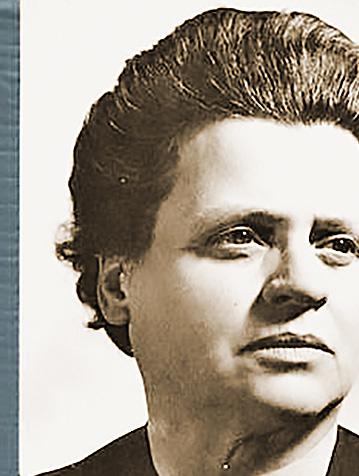
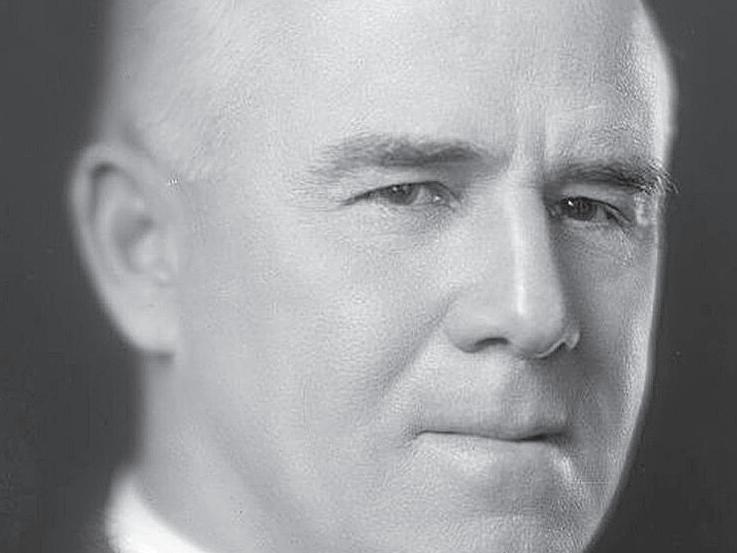
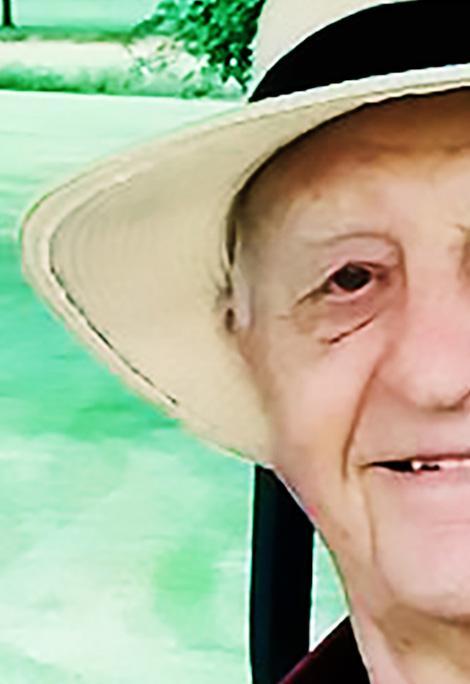
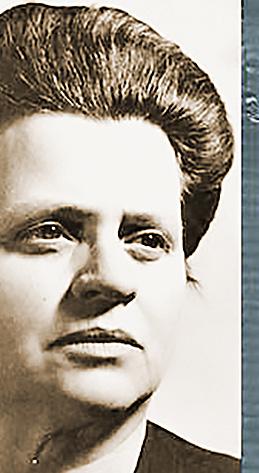

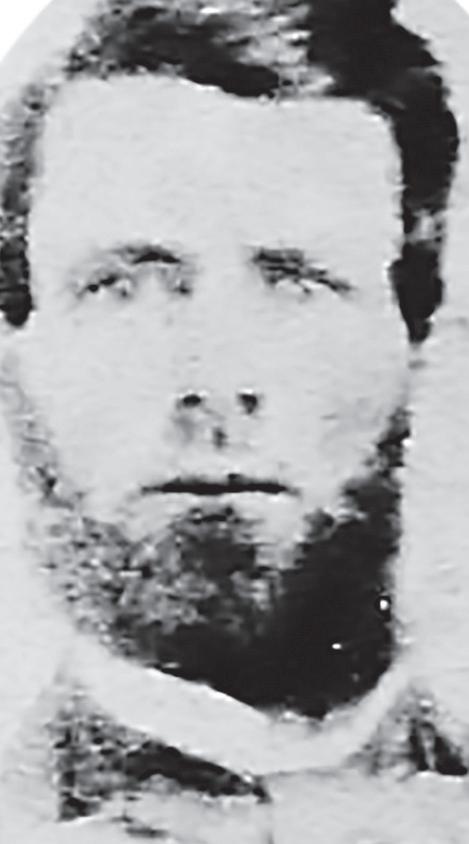
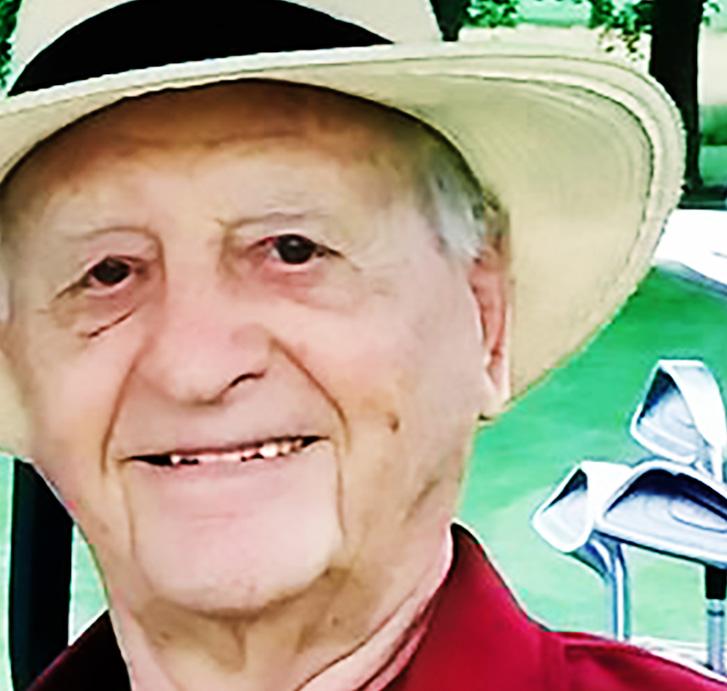
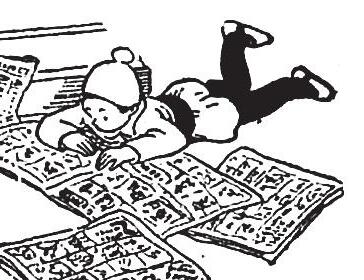
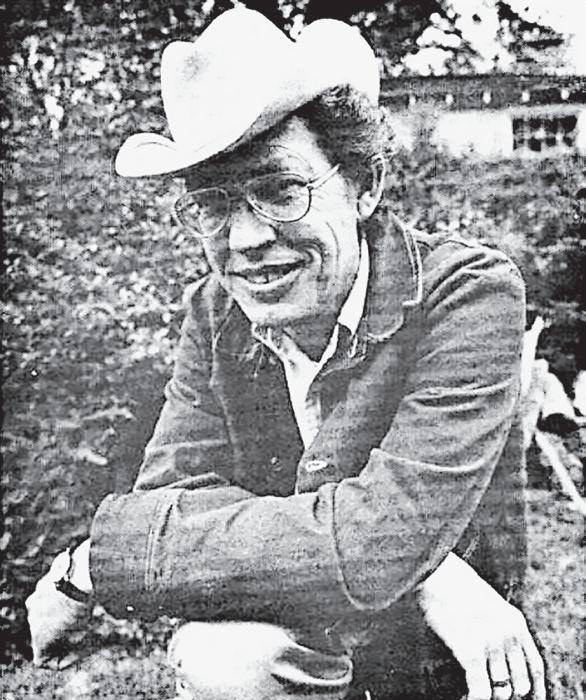
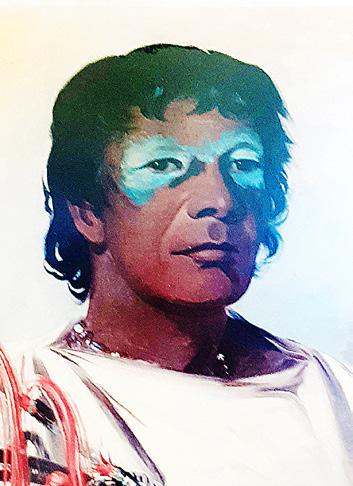
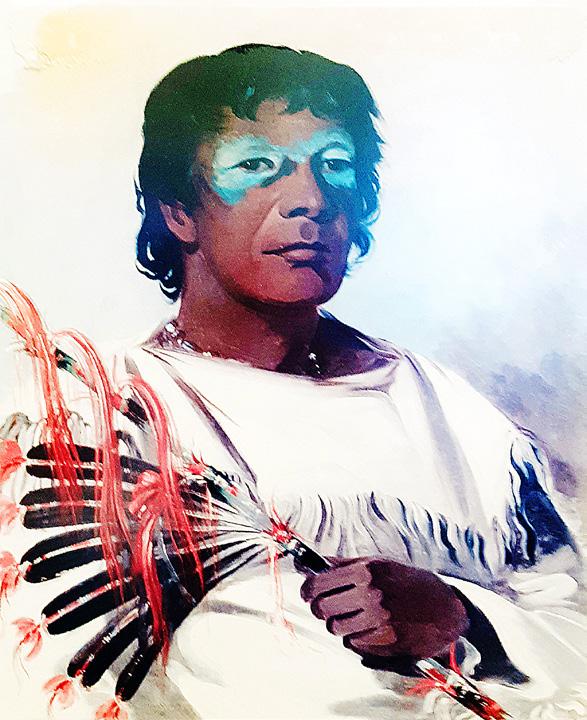
Wabokieshiek
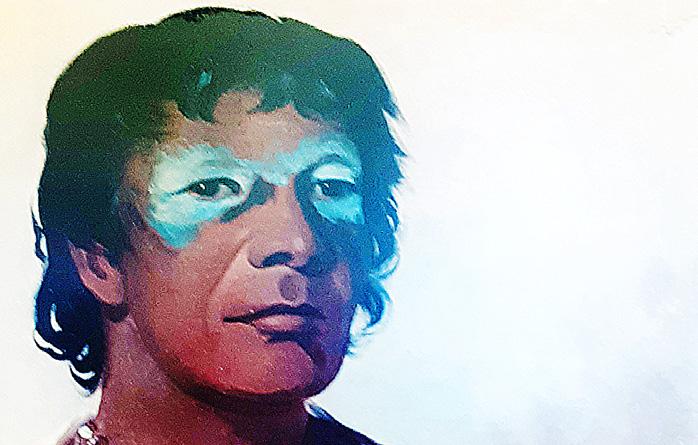
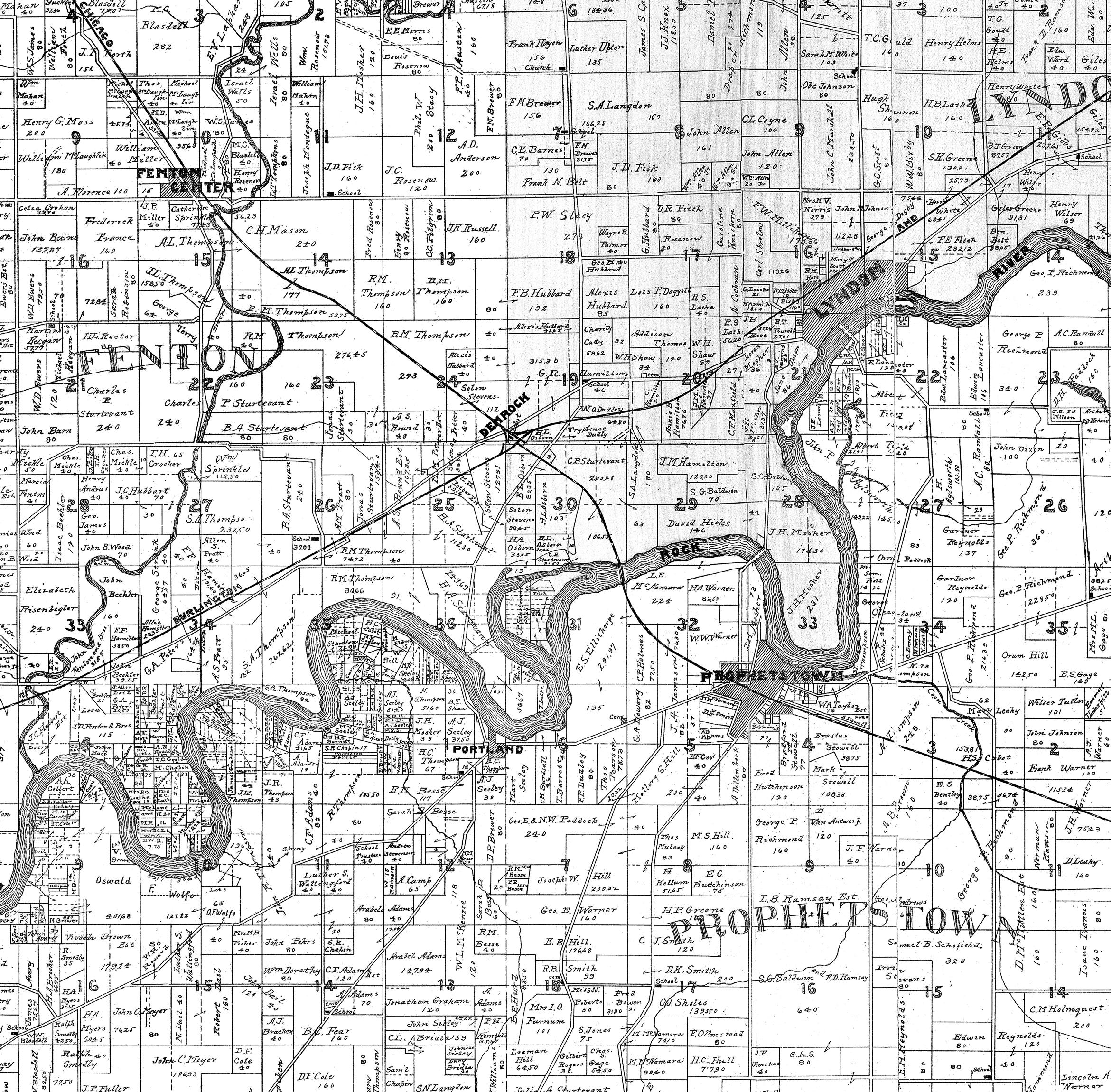
(c. 1794–c. 1841) was a Native American leader of mixed Sauk and HoChunk heritage whose life and legacy are deeply tied to the land that became Prophetstown. Known as “White Cloud” or the Winnebago Prophet, this medicine man and spiritual advisor led a multi-tribal village along the Rock River where Prophetstown is today, and played an influential role in the events leading up to the Black Hawk War in 1832. He encouraged resistance to U.S. territorial expansion. The village was destroyed after the conflict, and Wabokieshiek was captured with Black Hawk’s band. After being released, he lived quietly until his death around 1841. A copy of a painting of Wabokieshiek is displayed at the Prophetstown Area Historical Society.
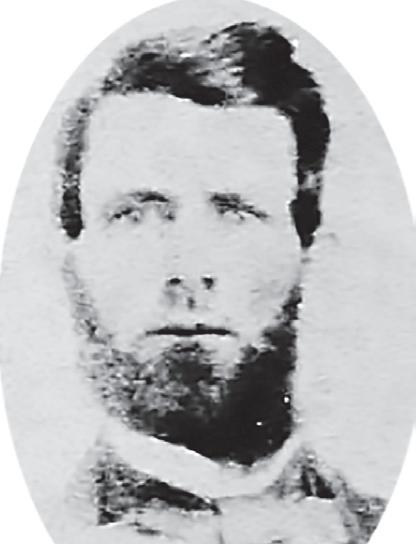
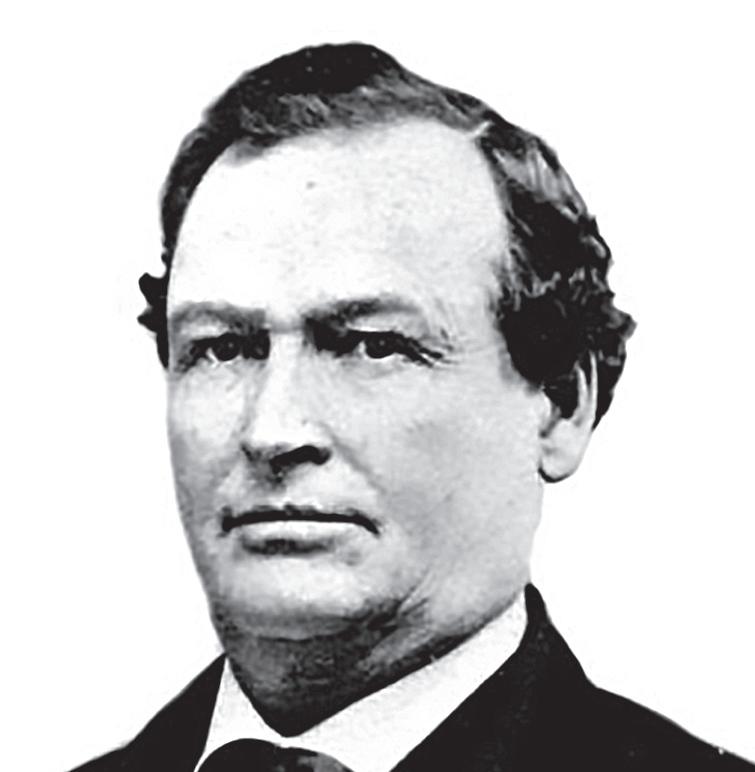
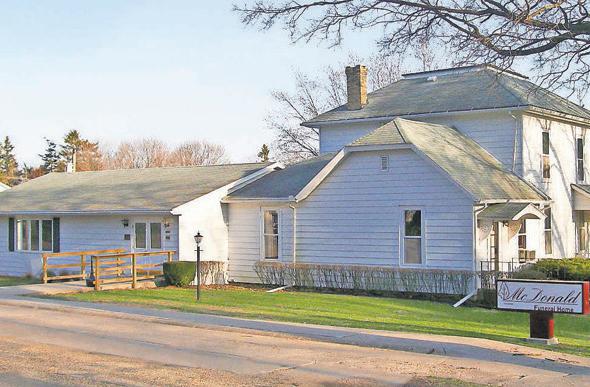
Asa Crook’s (1790-1854) contribution to Prophetstown’s history is an important one: Without him, the city may not have existed. Crook become the first White resident of the area that would become Prophetstown when he settled there in 1834, two years after the destruction of Wabokieshiek’s village. Vermont-born Crook, his wife Mary and 11 children were known as Prophetstown’s first family, and lived for many years in a large white farmhouse built in 1839 on the east edge of town. Asa became Whiteside County’s first Justice of the Peace in 1835. Today, Crook’s family home is a museum operated by the Prophetstown Area Historical Society.
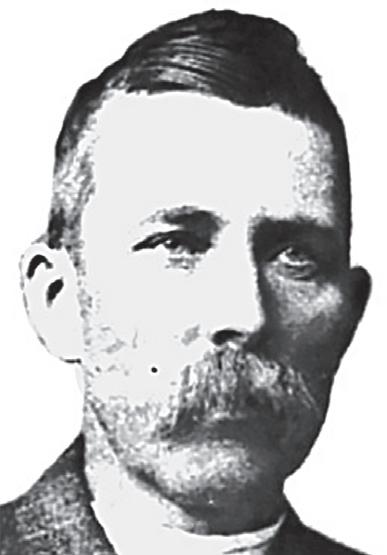
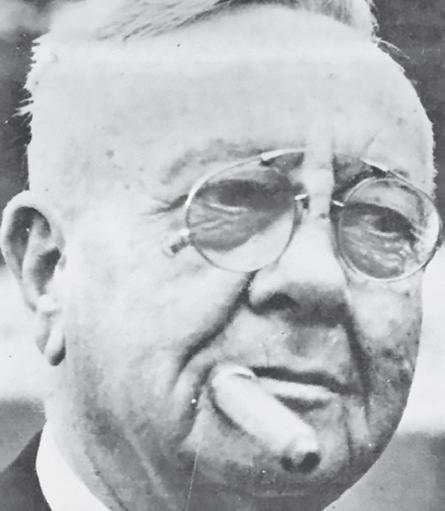
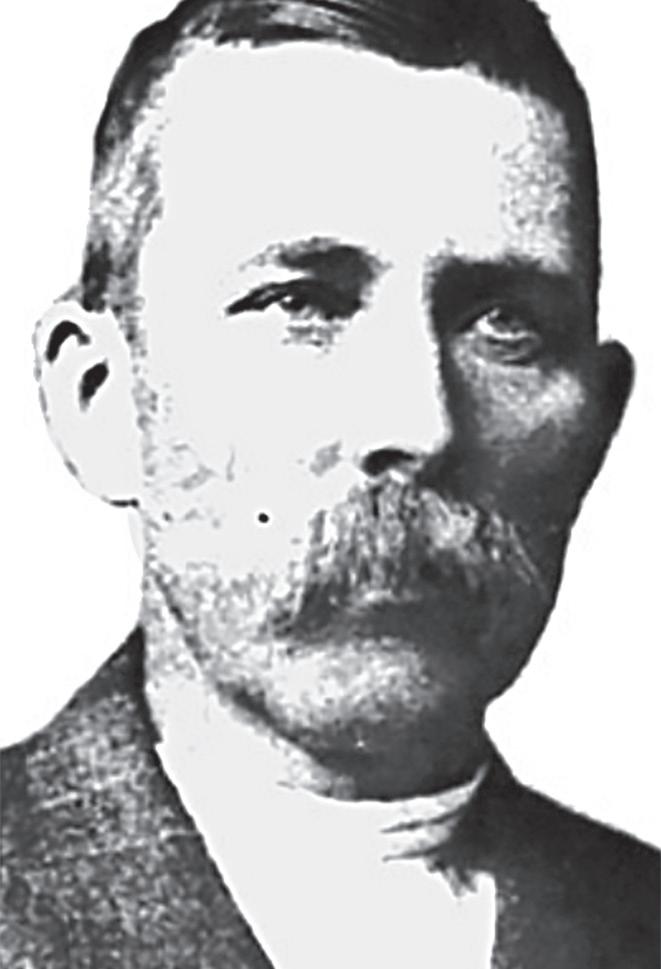
William A. Pettit (1863-1945), known as Prophetstown’s “Sorghum Man,” was a farmer and entrepreneur whose products reached far beyond northwest Illinois. Born in New York, Pettit came to Illinois as a child and spent most of his life farming east of Prophetstown. He became known locally for producing sorghum molasses and apple cider, processing cane and apples for farmers across the region and later shipping to multiple states. Pettit also ran Prophetstown’s first creamery, did custom butchering, and built a dairy herd. Over time, he farmed more than 220 acres and donated land that became part of Railroad Street.


Anthony “A.J.” Matson
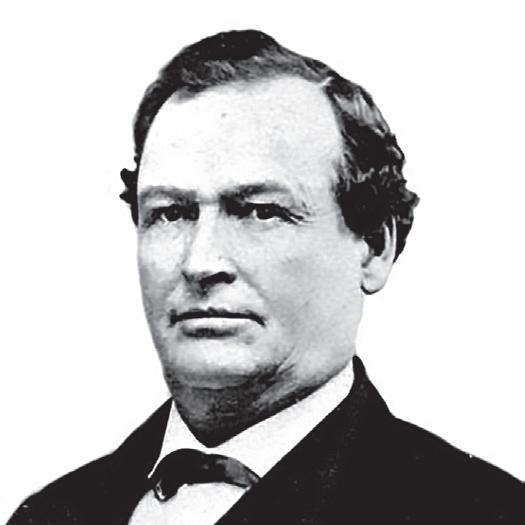
(c. 1819-c. 1886) was an early Prophetstown settler whose persistence helped bring a railroad through town and reshape the community’s future. Born in Pennsylvania, Matson came to Prophetstown in 1839 and built a varied career as a carpenter, merchant, postmaster and banker. He devoted himself to a long campaign to connect Prophetstown to regional grain markets by rail. His efforts were finally realized in March 1871, when the Grand Trunk Railway, operated by the Chicago, Burlington & Quincy Railroad, reached Prophetstown. The arrival of the railroad strengthened the town’s economic and agricultural connections to the wider region until its abandonment in 1984.
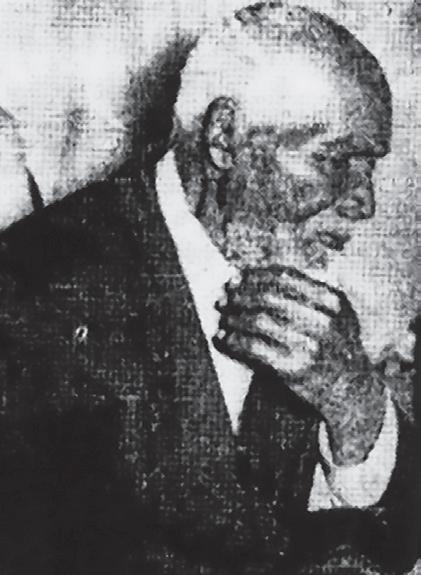
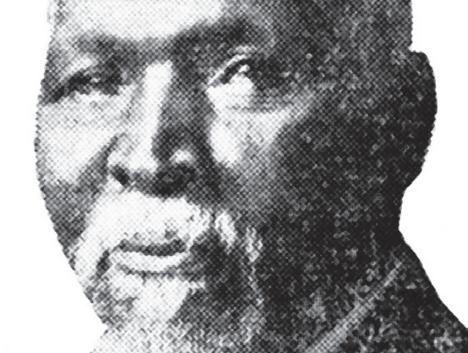
John W. Lewis (18491950) was a Prophetstown figure whose century-long life bridged slavery and civic leadership. During a time when Black people faced obstacles to equal opportunities, Lewis rose through the ranks and served as Prophetstown’s top cop. Born enslaved on an Alabama plantation, he gained freedom at the end of the Civil War and adopted the name John Lewis while traveling with Union troops. Lewis pursued education, farmed, and later worked in business. Known affectionately as “Uncle John,” he moved to Prophetstown in 1882, where he served 32 years as constable and nearly 15 years as the town’s police chief.
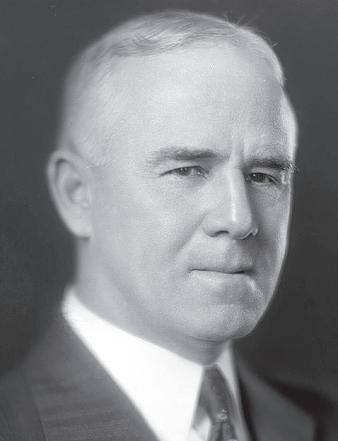
Although his time in Prophetstown was brief, Claude Fuller (1876-1968) went on to have a notable career in American politics. Born in Prophetstown, he moved with his family to a farm near Eureka Springs, Arkansas, in 1885. After working his way through school and legal training, Fuller became a lawyer and entered public service. He served in the Arkansas House of Representatives and was mayor of Eureka Springs before being elected as a Democrat to the U.S. House of Representatives, where he represented Arkansas’ 3rd District from 1929 to 1939. After leaving Congress, he practiced law and remained active in banking and agriculture until his death.

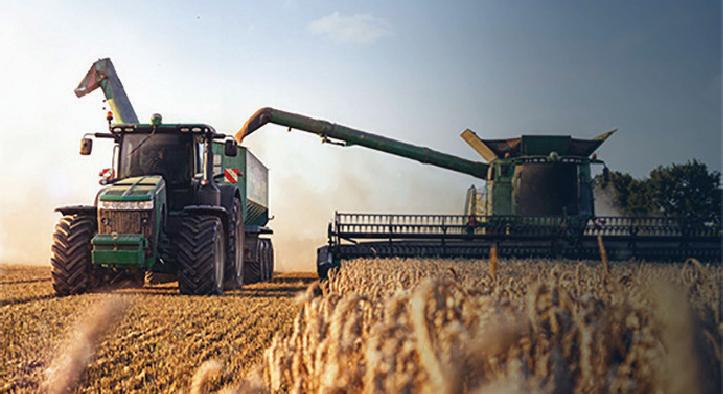
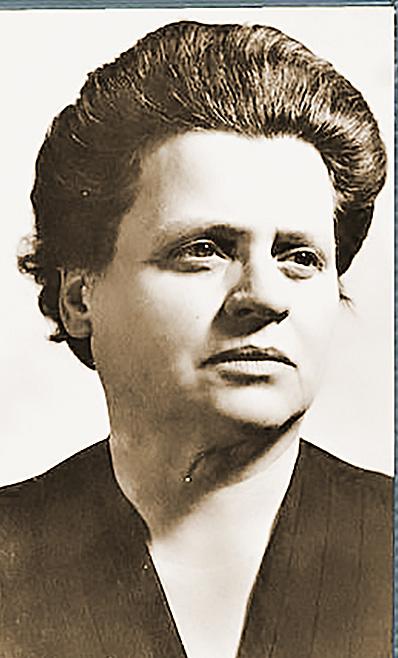
Although Vesta Stoudt (1891-1966) did not invent duct tape, the Prophetstown native was instrumental in making it happen. Born in Prophetstown and later living in Sterling, Stoudt worked at the Green River Ordnance Plant in Amboy during World War II, packing ammunition for U.S. troops. Troubled by flimsy paper tape that made cartridge boxes difficult to open in combat, she proposed a stronger, waterproof, cloth-backed alternative. After supervisors dismissed her concerns, Stoudt wrote directly to President Franklin D. Roosevelt, motivated in part by having two sons in the Navy. Her idea was ultimately approved by the War Production Board and passed to Johnson & Johnson, helping lead to the development of what became known as duct tape.
Join Us for our Queen of Hearts drawing Thursdays @ 7pm
Stop in today and try one of our specialty burgers and varying selections of draft/craft beers. Book our party room for one of your special occasions. Checkout our nightly
W.
Hours:
Tuesday-Saturday open at 4pm Sundays & Mondays closed




Mon-Thurs 11am - 9pm Fri & Sat 11am - 10pm • Sun 4 - 9pm


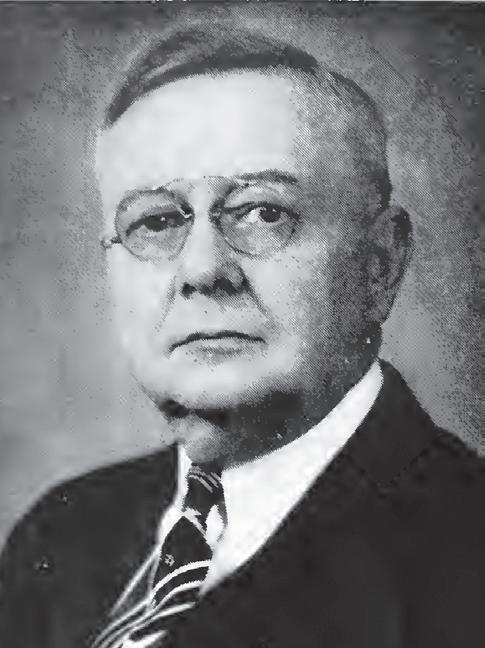
George Brydia (1887–1970) was one of Prophetstown’s most influential civic leaders, having shaped the community across four decades of public service. Born in Saunemin, he moved to Prophetstown in 1907 to work in his uncle Rod Crook’s grocery store, later going back and forth between stints in retail with sales work at Eclipse Lawn Mower Co. Elected mayor in 1920, he served 19 years, overseeing major infrastructure improvements, including Illinois Route 78 and a new Rock River bridge. In 1939, Brydia entered the Illinois House of Representatives as a Republican, serving 25 years, during which time he chaired the Mississippi Scenic Parkway Commission, promoting tourism along the river. He also helped bring Prophetstown State Park to fruition in 1953.
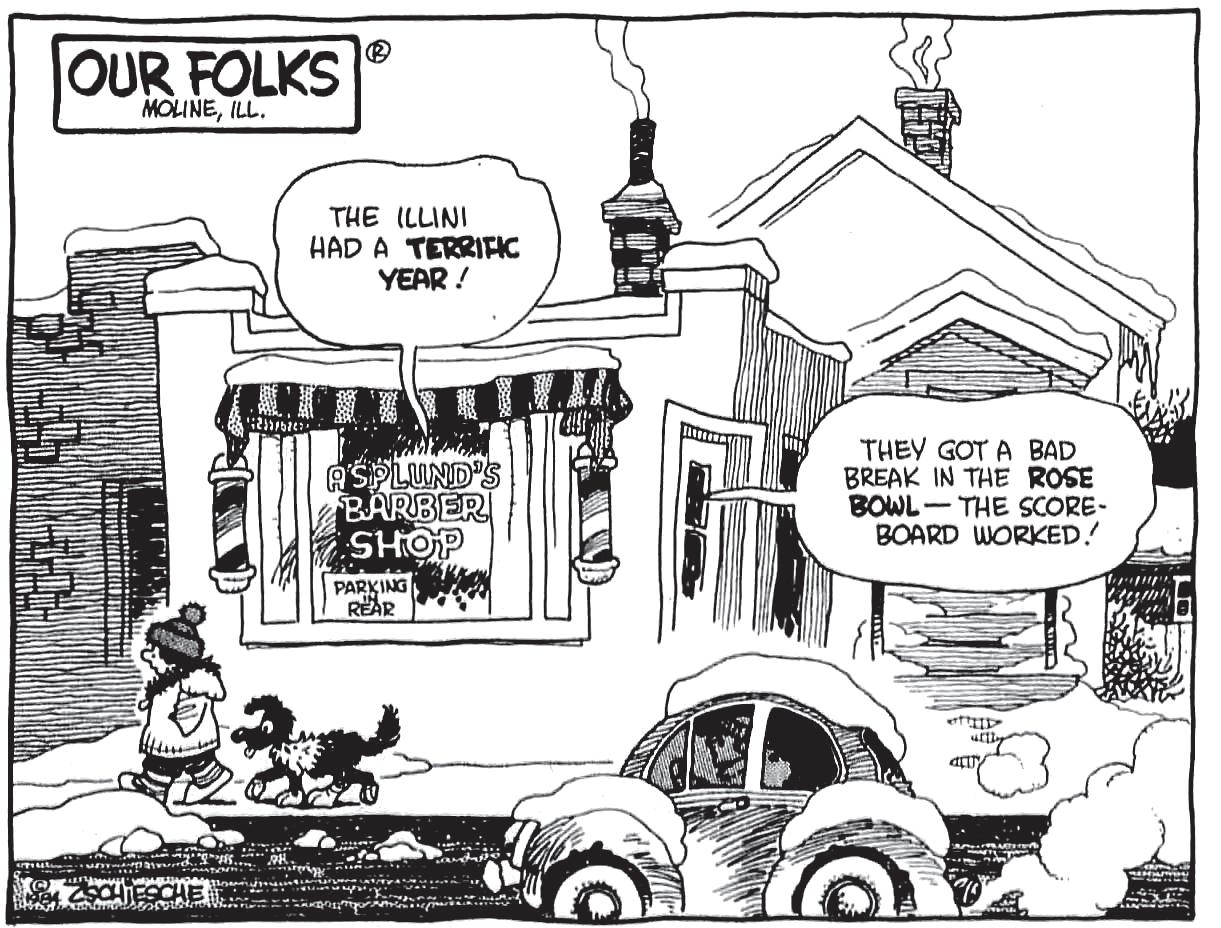

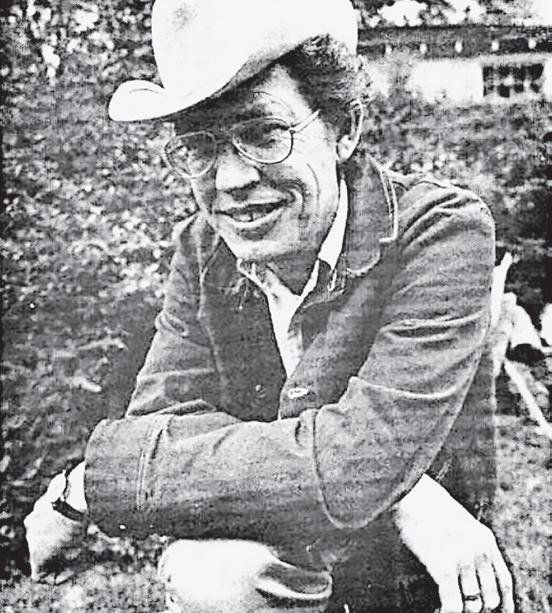
One of Prophetstown’s notable artists, Bob Zschiesche (1929-96) was a cartoonist who was hired in 1950 as an assistant on Frank King’s long-running “Gasoline Alley” comic strip. Before his work appeared in the national strip, his first cartoon works were printed in the Prophetstown Echo. Zschiesche later became editorial cartoonist for the Greensboro, North Carolina, Daily News newspaper. After a brief stint back assisting with “Gasoline Alley,” he moved on to syndicating his own editorial cartoon series, “Our Folks,” in 1980, depicting everyday scenes in a community close to home. He also worked on the “Barney Google & Snuffy Smith” and “Harley Hogg” strips at various points.


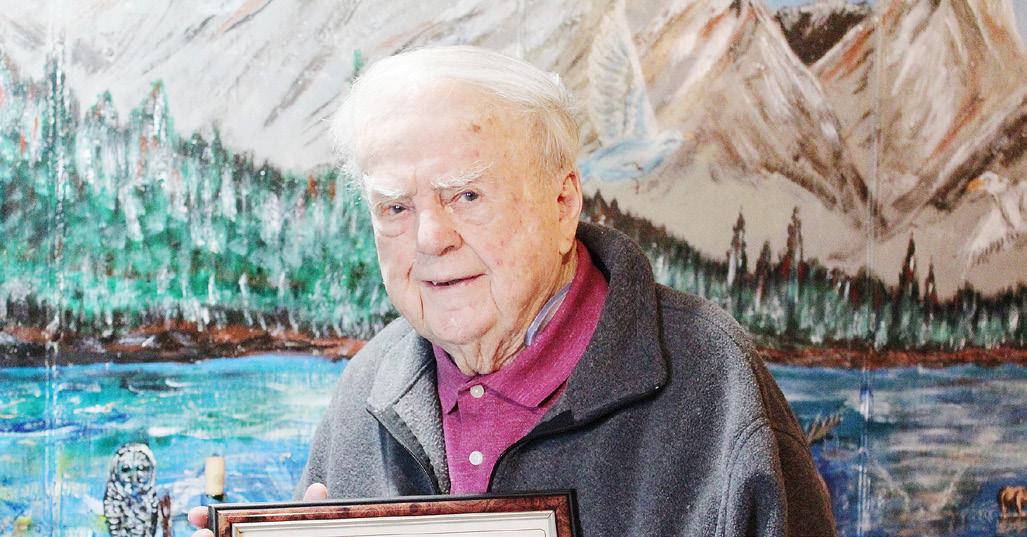
Calvin Schuneman (born 1926) served in the Illinois House of Representatives as a Republican from 1975-81, and then in the Illinois State Senate from 1981-93. On the local level, Schuneman worked for the family insurance and real estate agency for more than 50 years. In a 1998 Sterling Daily Gazette interview, Schuneman said his greatest accomplishment in state government was playing a key role in rewriting Illinois’ Unemployment Compensation Act in 1985 after the system went bankrupt in the early 1980s, which helped businesses end the practice of workers receiving benefits after voluntarily quitting. Schuneman and his wife Dorothy live in Naples, Florida.
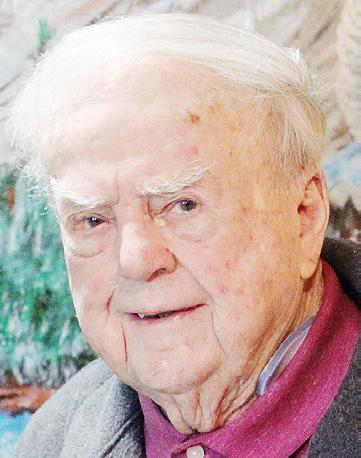
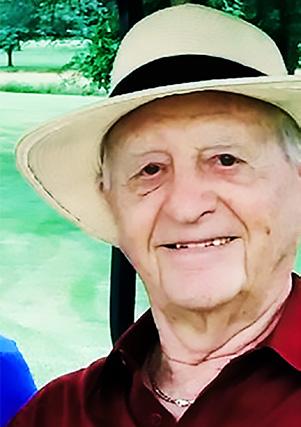
George “Bud” Thompson (19302023) devoted seven decades to public service and the arts in Prophetstown. Growing up in the family livestock business, he discovered a passion for drawing that led him, as a teenager, to meet modernist painter Georgia O’Keeffe. Thompson served on the school and county boards, held two terms as mayor, and served for 15 years on the Illinois State Board of Education. He oversaw murals celebrating local history, earning Prophetstown recognition as Illinois’ most arts-friendly small town, and his artwork extended across Illinois and around the world. Read more about Thompson in the Spring 2023 Small Town Living at https://issuu.com/ shawmedia/docs/stlw_030623/4
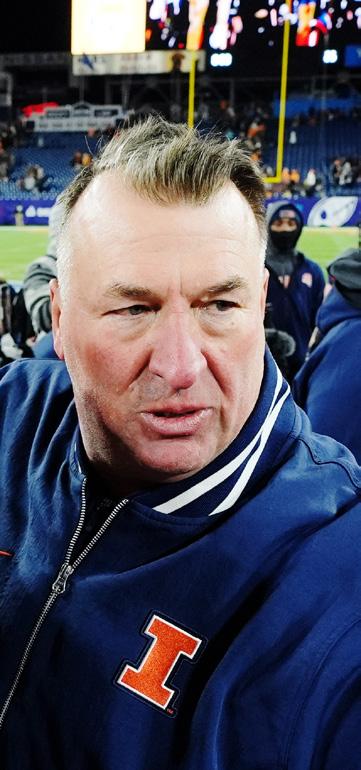
Prophetstown still has a native who is making headlines nationwide. Bret Bielema (born 1970) is the current head coach of the University of Illinois Fighting Illini football team, and recently led the team to its second consecutive nine-win season, a first in the program’s history. This past season ended with a win over Tennessee in the Music City Bowl. A former walk-on defensive lineman at the University of Iowa, the 1988 Prophetstown High School graduate transitioned into coaching and built a long career in the sport. Bielema served as head coach at Wisconsin (2006-12), winning three straight Big Ten titles, then at Arkansas (2013-17), and since 2021 at the University of Illinois. He has also coached in the NFL with the New England Patriots and New York Giants.



















Sights & Sounds



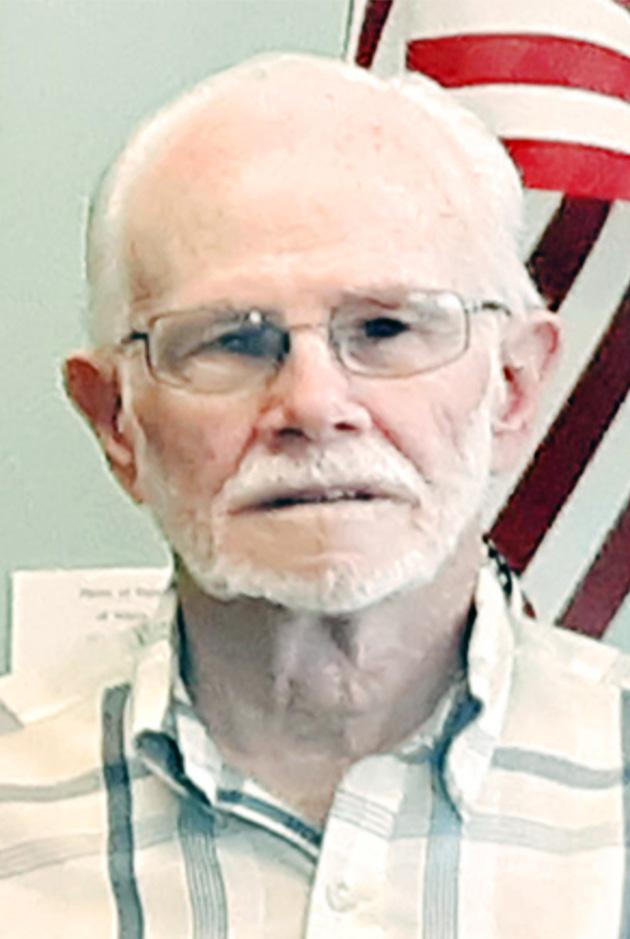
Want to bring history out of the museum and onto your bookshelf? Prophetstown historian Fred South has written, and continues to write, several spiral-bound books about Prophetstown’s history and important people, which can be bought at the Prophetstown Area Historical Society. Materials consist of local history lessons that South, a Montana native, taught students at Prophetstown High School for 30 years until retiring in 1994 — many of which were used to write this story.
Connecting residents with the people who shaped their town, bringing local history to life and remembering the faces behind Prophetstown’s story has long been South’s mission.
“When I began doing research for the PAHS one of my goals was to bring these people back to life, so to speak, and let our town folk know about them,” South said. “Back in the 1970s I took my history classes to Riverside Cemetery here in Prophetstown were we did a cemetery survey. Seeing all of those people buried there who were responsible for what our town has become, it dawned on me that few people who live there today know anything about these folks, which I thought was a shame.”



Explore more ...
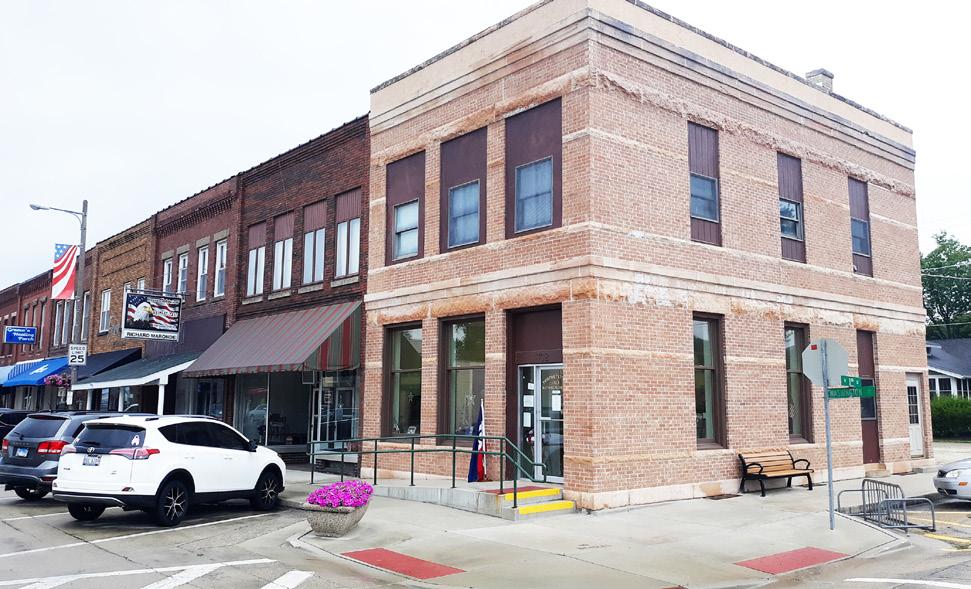
The Prophetstown Area Historical Society, on the southwest corner of Washington Avenue and Third Street (above), is open 10 a.m. to noon Saturdays. For more information, or to schedule an appointment at other times, call Jeff Dever (815-5351047), Beverly Peterson (815-537-2668), Janet Goodell (815-537-2224) or Glenna Spotts (262-994-6442). Find Prophetstown Area Historical Society on Facebook.

















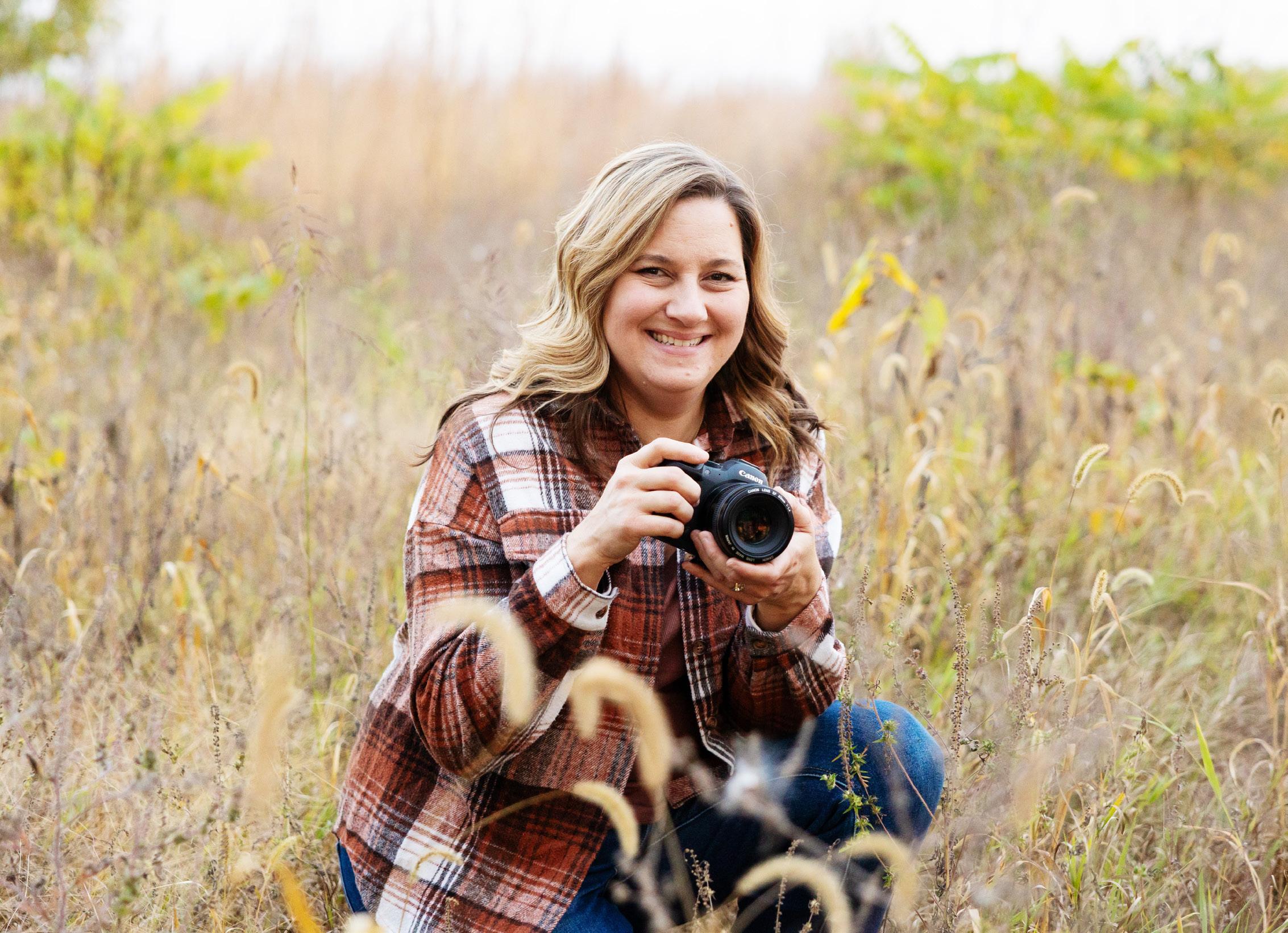
Nicole Olinger is a photographer, but she also likes to describe herself as a “visual storyteller.” Says the Prophetstown picture-taker: “Every image is crafted to capture energy, personality, and the moments that matter most.”
PROVIDED
BY NICOLE OLINGER

or many of us, the older we get, the more meaningful photos of our youth become.
Pictures are reminders of who we were, and looking back at them, who we would become. They stop time in its tracks when it feels like it’s rushing past, letting us hold on to memories that we don’t want to slip through our fingers. They’re the moments that become more precious with the passage of time, and Nicole Olinger loves to capture those precious moments.
Olinger operates a downtown Prophetstown studio, Nicole Olinger Photography, specializing in high school senior photos, sports photos of all sorts, and photos for school activities.
Her desire to help others chronicle life-shaping events was born from one of her own: the loss of her mother, Bonnie Smith.
After Smith’s unexpected passing in 2013, Olinger found herself drawn to photography as a way to cope, reflect, and slow the passing of time. What started as a personal outlet soon became something more intentional, and eventually, a career that has now stretched across 13 years.
“When my mom passed, I kind of used it as therapy for myself, where I just delved into learning as much as I could about photography to keep my mind off of things,” Olinger said. “Before my mom passed, I wanted to get a nice camera and learn stuff, but I had little kids and didn’t want to spend the money on myself with a camera and stuff like that. Once my mom was gone, I thought, you only live once, and I’ll spend a little money and learn something that I want to learn.”
In some ways, photography has always been part of her wiring. Olinger grew up in Tampico, and she gravitated toward health occupations classes in high school. She found herself fascinated by medical imaging, a field that captures pictures of the inside of the human body, often developed in dark rooms that no longer exist in today’s digital domains.
OLINGER cont’d to page 20

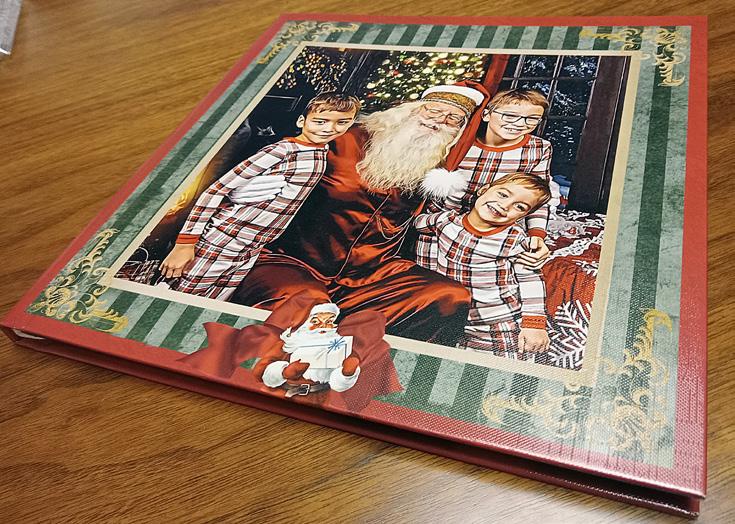
Olinger worked as a radiologic tech at Genesis Health Systems in Silvis, balancing hospital shifts with time behind the camera. It wasn’t until 2024 that she made the leap to full-time photography. Helping in the studio are assistant photographer Kayleigh Neill and office manager Brooklynn Neill, twins whose work helps Olinger focuses on the creative side of the business.
Having originally started out doing a little bit of everything, including family photography, she gradually narrowed her focus to school, sports, senior, and dance photos. The youthful energy of her subjects helps things fresh, she said.
“I like sports because it’s fun,” Olinger said.
“Your general fall picture is sit, smile, sit, smile, sit, smile. With the sports stuff, you get to be more active and creative. I do both traditional sports and composite sports, where you can composite them onto different backdrops.”
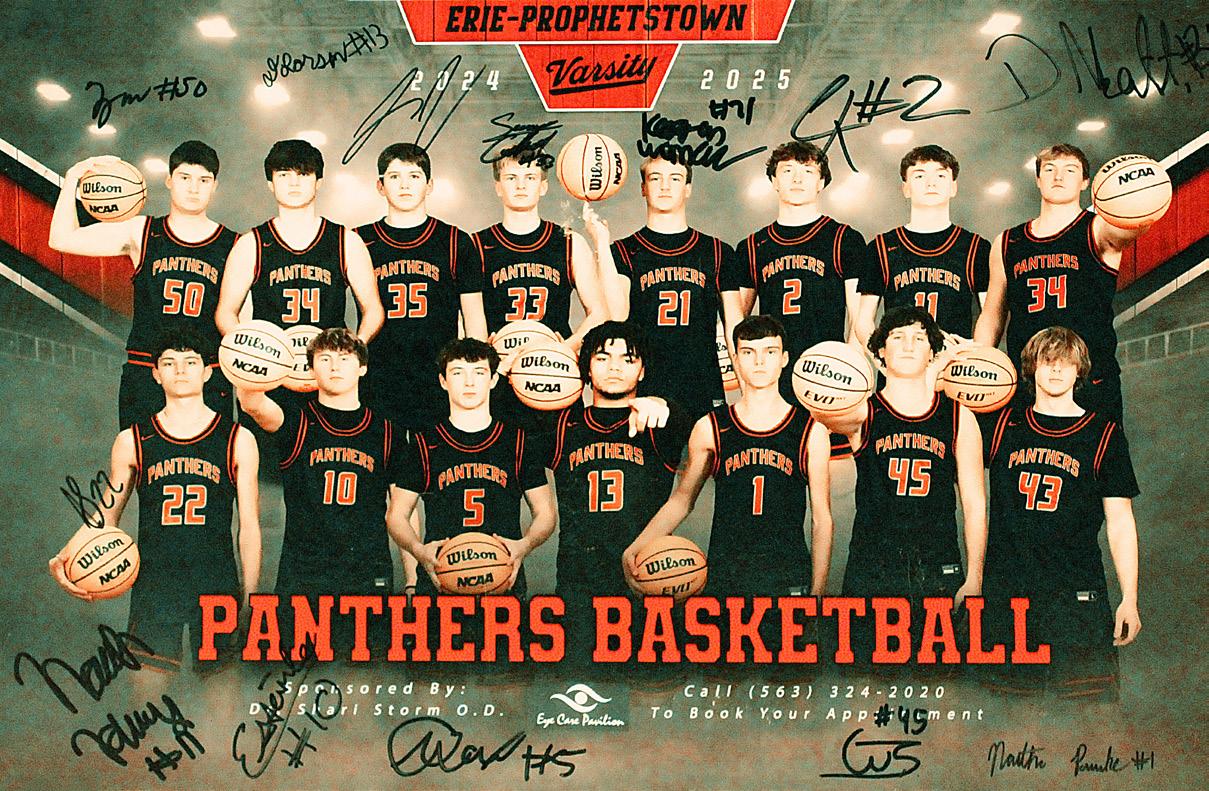
That creativity extends beyond the static poses. Olinger photographs dancers and gymnasts in motion, and she occasionally attends games or school events in Prophetstown, Erie and Fulton to capture action shots when schools request it. Her images range from classic portraits meant for frames and scrapbooks to high-energy visuals now commonly used as social media graphics on Facebook and X announcing upcoming games or celebrating achievements.
OLINGER cont’d to page 21





While the output may look seamless, Olinger points out that there’s a lot of unseen work behind every finished photo, such as editing and compositing images. That’s where her experience helps, acquired not only on the job but in classes. Olinger attends two to three photography seminars each year, including ShutterFest in St. Louis and recent training in Destin, Florida, focused on senior and sports photography.
“A lot of it is just experience, years of practice and getting good at things, keeping up with the times and learning about what’s new and upcoming,” Olinger said. “I go to a lot of seminars where I can meet with a lot of photographers, learn what’s new in the industry and learn the technologies that are changing. That’s a big thing, to stay relevant and current with the times and technology.”
Smile for the camera ...

Nicole Olinger Photography is located at 314 Washington St. in Prophetstown. Find it on Facebook, Instagram and TikTok; go to nicoleolingerphotography.com, or call 815-499-6952 to book appointments or for more information.
Senior portraits, in particular, receive a personalized approach. Each session is built around who that student is — their interests, their personality, their comfort level in front of the camera. Some seniors arrive with clear ideas, while others need help loosening up and figuring out how they want to be remembered.
Engaging in conversations and giving seniors the gradual confidence can be as important as the final images.
“The senior session is individualized on the person, and we really try to get to know the senior before the session so that it really showcases who they are and what they like,” Olinger said. “The senior portraits are all going to be different because their interests and personalities are so different.”
Customers view and order their images through an online system, selecting only the photos that resonate most. Other options are also available, for those who want more than just a copy of the photo, such as bound scrapbooks, metal prints, acrylic blocks and other formats.
Perspective plays a role, too. Olinger’s children, Gavin and Avery, are now adults, which has reshaped how she views time — and she’s not alone.
“Your mom wants to capture these memories,” Olinger said. “For her, they’ve put you through the 12 years of schooling and gotten you to this point, and it’s a big deal for not just you, but for them, too. Watching them grow up through the years and capturing every moment of their lives has really made me realize how fleeting memories can be. They’re little for so little of time, and then they become adults. It goes so fast.” n
Shaw Media reporter Cody Cutter can be reached at 815-632-2532 or ccutter@shawmedia.com.

Short-term stays for respite or rehabilitation
care
Transportation for off-site appointments
Live entertainment, daily activities
Cable TV and Wi-Fi
Outpatient therapy services are available to the public






eople throw things away every day without a second thought. A cracked frame. A busted screen door. Scraps of fabric.
Melissa Hull doesn’t look at those as trash. They’re treasures waiting to be discovered.
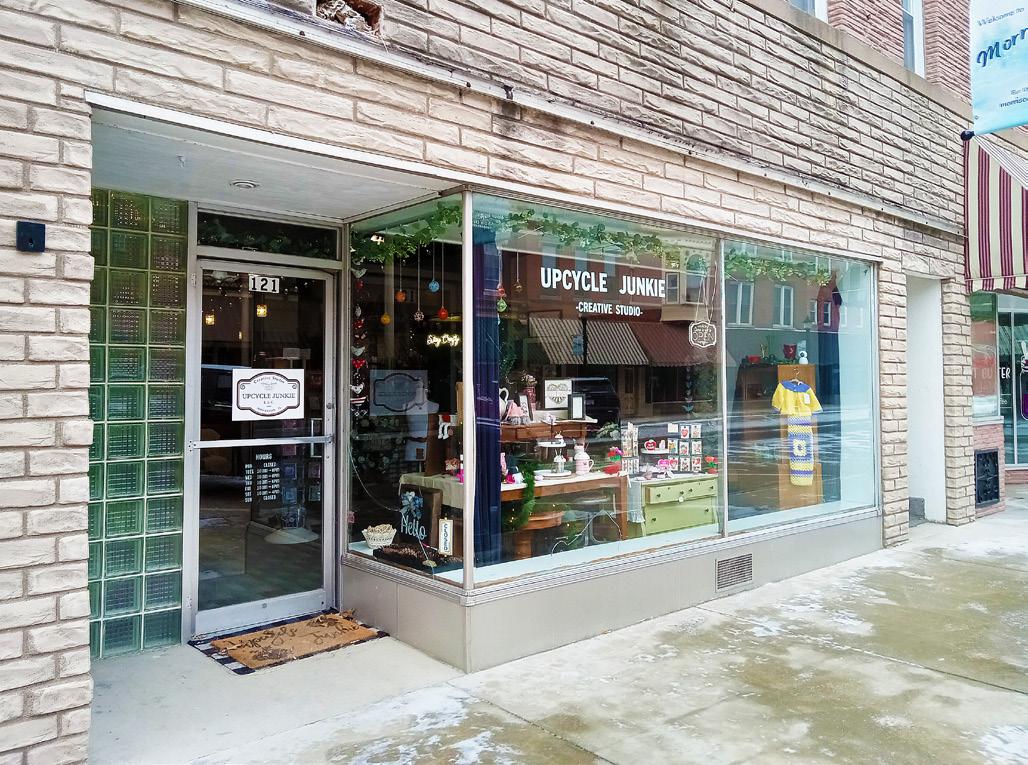
Hull inspires others to share that vision at her creative downtown Morrison do-it-yourself studio and craft business, Upcycle Junkie, which revolves around interactive crafting experiences. Customers can utilize her studio as a place where they can turn their ideas into creations, or get inspiration from Hull to find ways to give things a new lease on life.
For Hull, having an eye that can see the possibilities in pieces comes naturally, and she’s gotten pretty good at spotting it in others, too.
“I see other people come in and have this same spark, and I see others that do not,” Hull said. “You either have it or you don’t. It’s the eye.”
Upcycling is the practice of transforming materials into new, higher-value objects. The hobby has gained momentum nationwide attracting people who enjoy adding artistic and environmental value to materials that might otherwise be discarded. After eight years of owning a mobile upcycling studio, Hull opened her downtown shop in 2024. In addition to giving aspiring creators a place to flourish, Hull also offers weekly craft classes: one for adults and one for children.

Hull’s instinct to repurpose started early. As a kid, she watched Pee-Wee Herman roll a growing aluminum foil ball across the set of “Pee-Wee’s Playhouse” on TV and decided to try it herself.
UPCYCLE cont’d to page 24
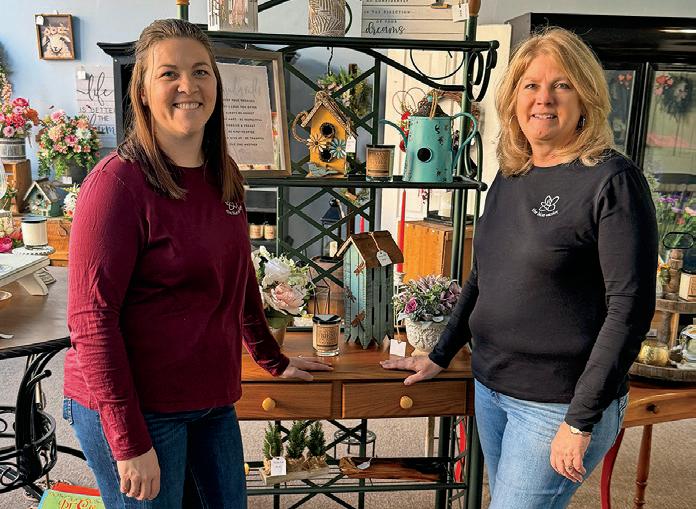
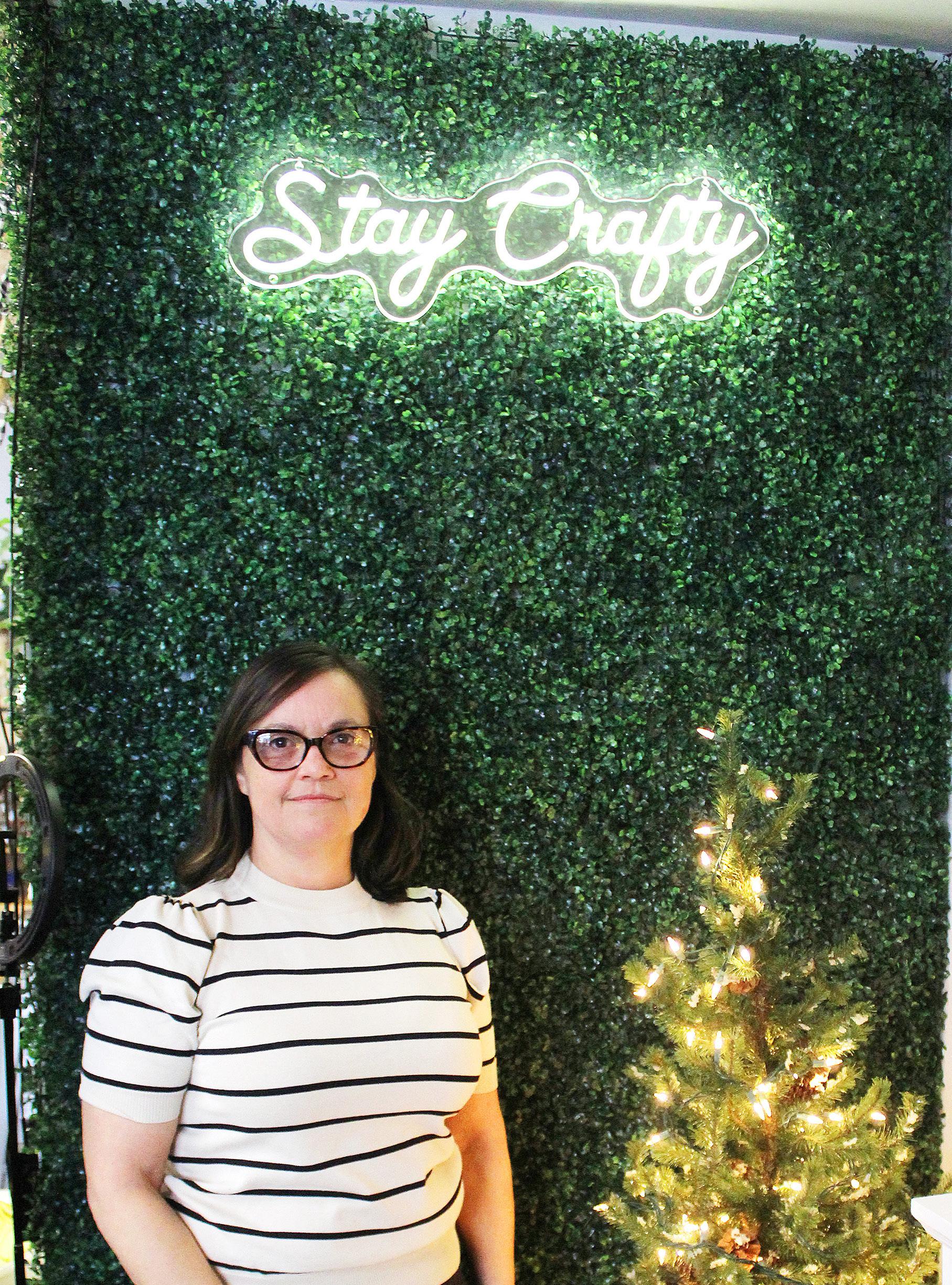
At Upcycle Junkie, Melissa Hull has created a place where people can get crafty, and stay that way. “I think that crafting together creates community,” she said. “It’s really fun to see everyone participating, smiling and enjoying themselves.”
CODY CUTTER/CCUTTER@SHAWMEDIA.COM
“I wanted to see how big I could make it,” Hull said. “In ‘Pee-Wee’s Playhouse,’ he had a foil ball. Every time he’d roll it in, it was huge! I’m half-Mexican and my mom likes to cook a lot, so she’d make hand-made enchiladas in the kitchen, and there would be foil to cover the pans of dozens of enchiladas. I’d roll up the foil and be like, ‘This is a lot of foil!’ I added and added and added to that until I was about 16 or 17.”
She doesn’t remember what happened to the foil ball after she stopped adding to it, but the lesson she learned from it stuck.
“It inspired me to use what I have and find unique ways to repurpose items,” Hull said. “It’s a matter of vision. I just don’t see an item and think there’s just one purpose. I see a lot of multiple purposes. If it’s broken, there are pieces that can be used.”
Hull moved to Morrison 12 years ago after meeting her husband, Peter Thompson. When she started Upcycle Junkie, Hull packed supplies into her truck and traveled to churches, schools, craft shows and people’s homes.
“I just packed everything in my truck and took it with me,” Hull said. “I’d load up a utility cart with wheels and haul tables, and that wound up being challenging. I went to craft shows. I loved talking and meeting with new people.”
Hull’s mobile setup eventually led to her brick-and-mortar business. The Illinois Small Business Development Center at Sauk Valley Community College helped her establish her LLC and provided guidance on how to start a business. It also gave her space to store materials waiting to be upcycled: Fabric, wood, old windows, screens, frames and broken antiques awaiting a spark of inspiration..
Open Studio sessions Hull offers — one where someone can rent and bring their own materials, or another where they can utilize materials she provides for an added nominal fee — invite people to bring unfinished projects and work at their own pace with limited guidance. One woman arrived with an 8-by-8 denim quilt top she had started 15 years earlier; four sessions later, it was finished, Hull said.

“That’s how I feel people learn best, because that’s how I learned,” Hull said. “I only need a couple of days in advance, and if there’s an open slot, you
Workshops projects range from canvas art to preserved moss wall pieces and upcycled textiles. Seasonal themes and guest instructors rotate through the calendar. In February, classes included making clay flower frogs, layered canvas painting inspired by petals and ferns, upcycled wall hangings made from reclaimed fabrics, hand-stamped greeting cards, and preserved mixed moss wall art. Each workshop emphasized hands-on learning and the satisfaction of leaving with a finished piece.
Hull posts her schedules on upcyclejunkie.com, where reservations can be booked, along with open studio sessions. Classes are posted the third week of the month for the following month.
“I think that crafting together creates community,” Hull said. “It’s really fun to see everyone participating, smiling and enjoying themselves. I like to provide something like that.”
The studio also hosts weekly Tuesday Kids Crafts, a drop-in program that allows children to create a project for a small fee without prior registration. For many families, it has become a midweek ritual.
cont’d to page 25


Or visit us at fsbforrest.com to see all 6 of our locations!