Proud Agribusiness partners since 1857.
A handshake you can rely on and the tools, financing and expertise to move you forward.
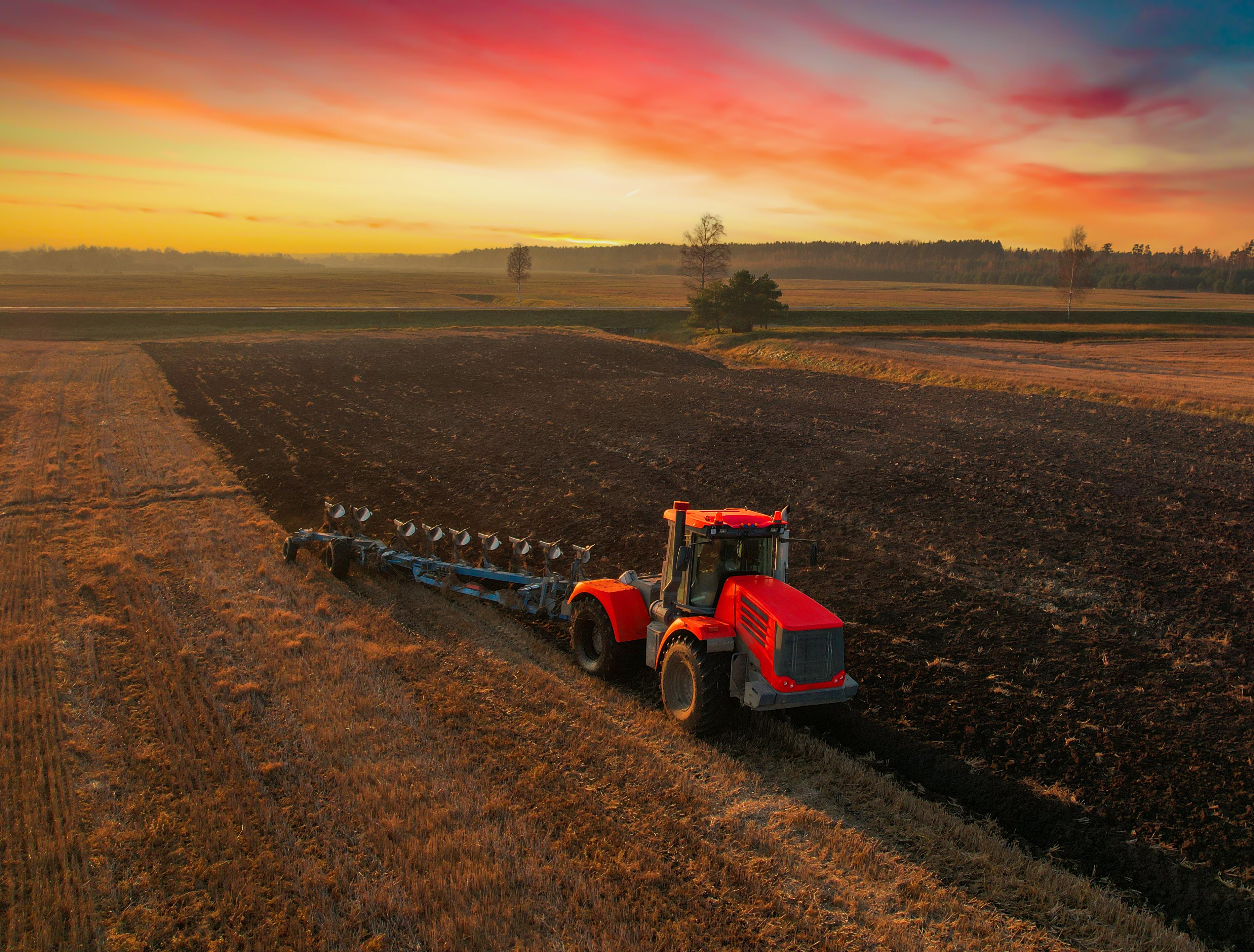
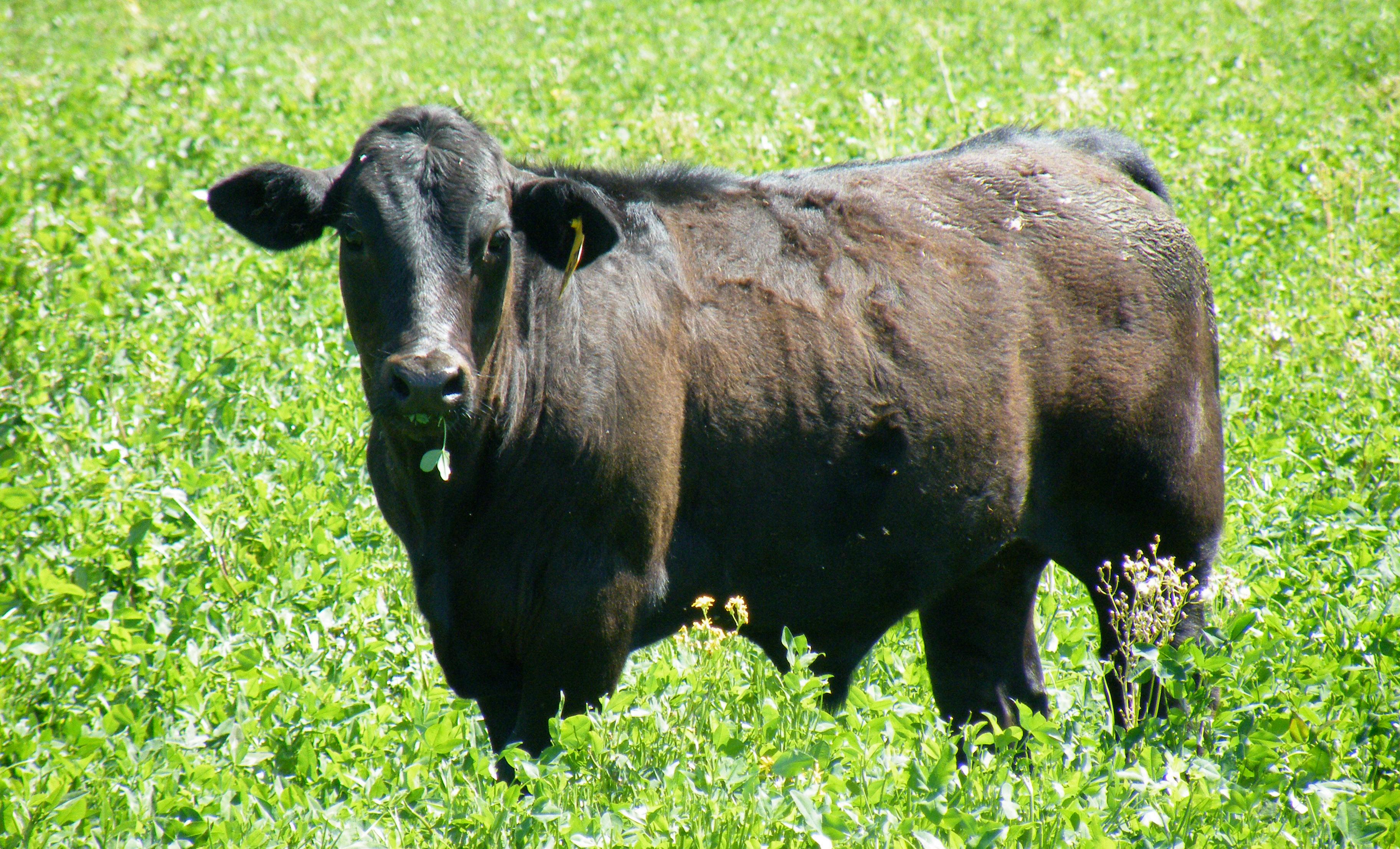
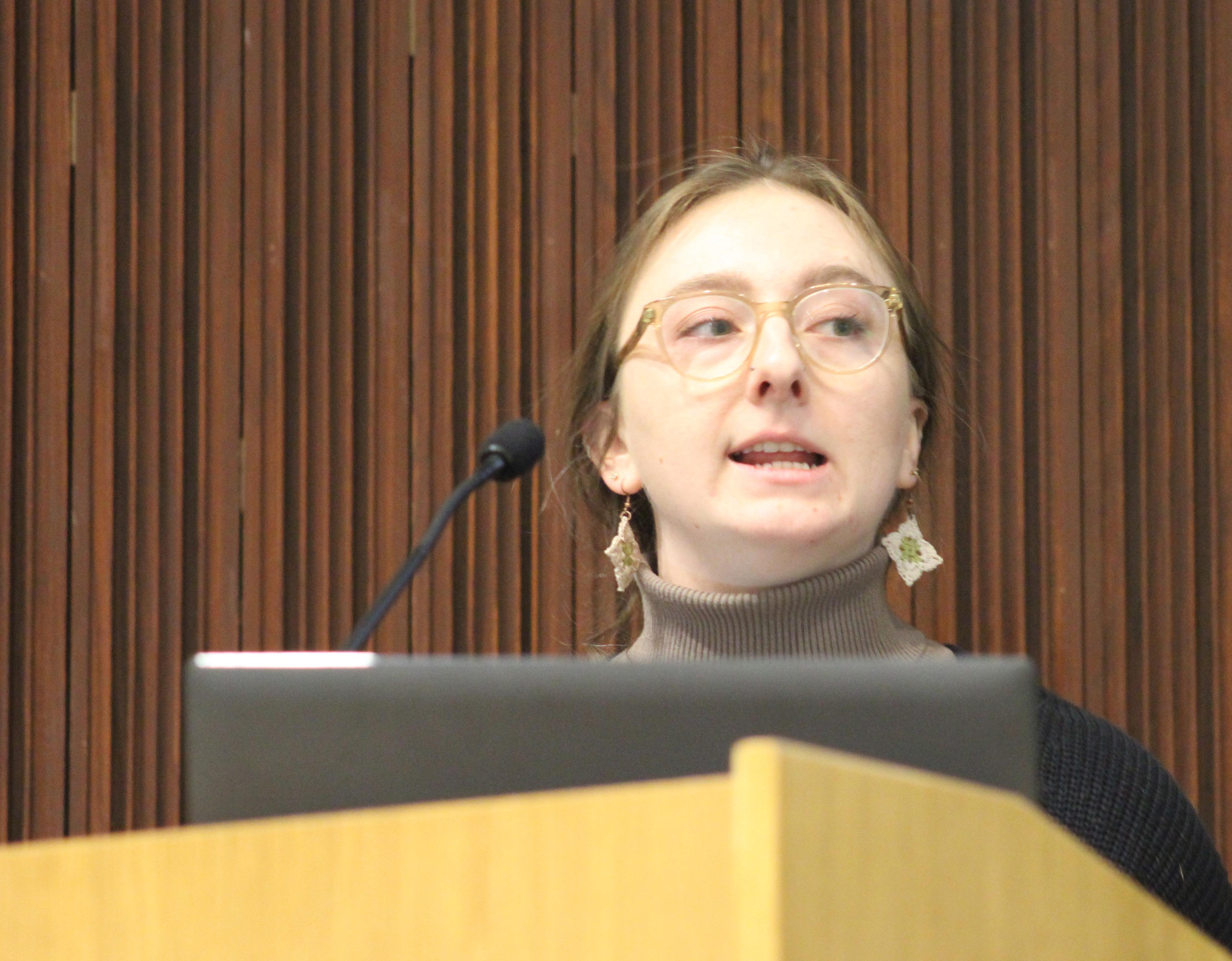
Farmers have discovered there is considerable sunlight and moisture for forage production after corn silage and before much of the spring corn planting. Capturing this with a winter forage adds directly to the feed supply from that same acre at a relatively low cost. Provided photo/Texas A&M AgriLife Extension Service
By: Martha Blum • AgriNews Publications
Growing winter forage can improve water quality, reduce soil erosion, add organic matter, break up compaction and provide livestock feed.
“This crop has taken off phenomenally across the U.S. and up into Canada,” said Tom Kilcer, agronomist with Advanced Ag Systems LLC. Kilcer added that farmers in Ireland, Germany and Hungary are all using this crop because it really fits dairy farms, and beef farms can also make use of it.
In a presentation in Sycamore at the 2026 Conservation Cropping Seminar, coordinated by the Illinois Department of Agriculture, Illinois Environmental Protection Agency, U.S. Department of Agriculture’s Natural Resources Conservation Service, and Champaign County Soil and Water Conservation District, Kilcer recommended triticale, which is a cross between wheat and rye for the winter forage.
“The benefits accrue according to the biomass produced,” said Kilcer, who noted it was important to plant the crop at the appropriate time. Previously, the goal was to plant triticale by Oct. 6, but now Kilcer

Advanced Ag Systems Agronomist
Tom Kilcer. AgriNews photo/Martha Blum
strives to have it planted by Sept. 9. “There is a day-and-night difference for the results on your soil and nutrients,” the agronomist said.
When Kilcer first started working with farmers to grow triticale, they were getting 1.5 to 1.75 tons of dry matter in New York. “The dry matter produced in the fall sets up your whole potential. We are doubling the amount of tillers, and that doubles the impact on your farm,” he said. “Now they are getting 3 to 4 tons of dry matter, in the Ohio area they get 5 tons, and in Tennessee we got 6.5 tons of dry matter, so you can produce a tremendous amount of feed.”
The winter forage crop helps to control particulate and dissolved phosphorus losses. “This crop is picking up the dissolved phosphorus and putting it into an organic matrix that stays in the field,” Kilcer said. “And the particulates are not washing off because under a crop like this, the rain can’t even hit the ground.”
Another benefit: The winter forage is effective in reducing soil erosion. “Each one of these plants has a soccer-ball size of roots holding the soil in place,” said Kilcer, who explained the organic matter that is
holding the nitrogen in the soil structure releases it when a corn or soybean crop is planted.
“You are regularly going to have 80 to 100 pounds of nitrogen that is left in the soil from the organic matter release,” Kilcer said. “Some other benefits are the corn grain yield increased 4% to 7% where they put the triticale in simply by improving your soil structure and health,” he said. “And soybean yields increase 8% to 15% because you protected your soil.”
For farmers with clay soils, the triticale will improve the permeability. “We have a lot of that soil in the Hudson Valley that is too wet at 10 a.m. and too dry at 1 p.m., so it is a real challenge to work,” Kilcer said. “But we can increase the permeability sevenfold with a cover crop.”
Water is usually the No. 1 factor for determining the yield of a corn crop, the agronomist said.
With increasing compaction, the length of the roots will get shorter and shorter. “If you don’t have roots, you don’t have a top,” Kilcer said. “Roots should be round and white, so if they are all gnarly, you have soil compaction and you are not growing your crop in the best conditions. So, dig in your field and look at the roots when plants are growing.”
For compacted fields, Kilcer uses a process of tillage plus cover crops to loosen the soil. “We grow a shorter-season corn hybrid so we can get the cover crop in earlier,” he said. “We break the compaction apart with a tillage tool, plant the cover crop, and then the roots grow phenomenal in the loose soil.”
“We have a lot of (clay soils) in the Hudson Valley that is too wet at 10 a.m. and too dry at 1 p.m., so it is a real challenge to work. But we can increase the permeability sevenfold with a cover crop.”
— Advanced Ag Systems Agronomist
Tom Kilcer
“A well-aggregated soil will have a much higher infiltration rate,” he said. “On these crusted soils, the water is not moving in, so you don’t have the water there for the crop to grow and you are going to get lower yields.”
As tractors have increased in size, Kilcer said, the axle load goes up, and the compaction goes deeper and deeper. “But if you are driving on a cover crop in the spring, it has 60% less water under it, so you have firmer soil. And you have those massive roots that you are driving on.”


The triticale holds the soil structure apart so that it does not re-compact. “When the cover crop is dead, the organic matter helps to stabilize the soil and provide holes for the air and water to move in and out of the field,” the agronomist said. “And we leave the residue on top so the pounding rain cannot seal it over.”
Kilcer uses a tillage tool that has a narrow shank without a foot. “All the foot does is smear a layer,” he said. “We go down 16 to 17 inches when the soil is dry.”
Once the ground is loosened, it won’t stay that way unless it is stabilized. “This is a systems change,” Kilcer said. “You need to plant cover crops each year to stabilize the soil, so the surface is porous and the air and water can move into the soil, the soil is not washing away, and nutrients are not leaving.”













By: Martha Blum • AgriNews Publications
The Saving Tomorrow’s Agriculture Resources program is designed to be free, straightforward, voluntary, and locally relevant. “The STAR program was created by farmers and for farmers,” said Natalie Kerr, Illinois coordinator for the program.
Kerr said during a presentation in Sycamore at the 2026 Conservation Cropping Seminar, coordinated by the Illinois Department of Agriculture, Illinois Environmental Protection Agency, U.S. Department of Agriculture’s Natural Resources Conservation Service and Champaign County Soil and Water Conservation District.
The national nonprofit STAR program was launched in 2023. “Cofounders Steve Stierwalt and Joe Rothermel are conservation pioneers,” explained Kerr. “When the nutrient loss reduction strategy conversations were happening across the state, they wanted a way for farmers to have a roadmap to help figure out a way to be successful with conservation. It now has presence in 11 states, with Washington and Missouri having the largest programs after Illinois.”
The national STAR program features a standardized approach that
includes a 1- to 5-star rating. “It is meaningful wherever you are, even if it is connected to completely different resource concerns or conservation decisions,” said Kerr, who is excited about the growth of the program in Illinois.
“In 2024, we had 1,197 fields, 498 farmers, 65,698 acres and the average star rating was 3.45,” she said. “In 2025, we have 1,519 fields, 518 farmers, 75,775 acres and the average star rating was 3.58.”
For the program, farmers complete a questionnaire about field-level management practices that impact soil health and water quality. The
scoring is converted to a 1- to 5-star rating, and the farmers receive a score report.
“One of the reasons I like the star rating is we are taking all of Illinois’s primary water quality concerns and using one number that shows progress based on multiple outcomes and progress that is based on actual on-ground activities.”
—Natalie Kerr, Illinois coordinator for the STAR program
Kerr explained that conservation practices are not one size fits all. “So, you can choose your own practices. It is up to you how you want to generate enough points to get the star rating that you are going for.”
The company, based in Teutopolis in south-central Illinois, committed $75,000 per year for three years: 2025, 2026, and 2027. “It is a three-year program because Siemer wanted to give farmers time to improve,” Kerr said.
“One of the reasons I like the star rating is we are taking all of Illinois’s primary water quality concerns and using one number that shows progress based on multiple outcomes and progress that is based on actual on-ground activities.”
—Natalie Kerr, Illinois STAR Coordinator “ “
A soil health assessment is required for all Illinois state-funded conservation practices. “Last year the Illinois Department of Agriculture selected STAR to be that soil health assessment,” Kerr said. “So, anyone applying for the Partners for Conservation program will fill out the STAR form.”
According to Kerr, farmers can receive assistance with the program from STAR navigators. All Illinois soil and water conservation districts have at least one STAR navigator on staff and the University of Illinois Extension also has a navigator that helps in Peoria, Tazewell, Mason and Fulton counties.
When filling out the field evaluation form, farmers receive points for various practices in several sections—including crop rotation, conservation practices, cover crops, soil sampling, nutrient management and tillage.
“Having a diverse crop rotation is better than not, so you will get more points for diversity if you put a small grain or a forage in the rotation,” Kerr said. “In the cover crop section, winter hardy is better than winter killed and multi-species is better than a single species.”
Kerr said farmers receive more points if they take soil samples in the spring or summer. “The science advisory committee is encouraging spring or summer sampling because they want to provide people with enough time to use the information from the soil sampling to make decisions for the upcoming crop year.”
Currently, work is in progress to add a hay field form to the STAR program. “Hopefully, we will roll it out next year,” Kerr said. “It will ask about your seeding, if there is a nurse crop, the amount of stubble remaining after you cut your hay and the tillage used for the seedbed preparation.”
In addition to a score report and a free field sign, farmers also have the opportunity to receive rewards by utilizing the STAR program.
“The Siemer Milling Company is a family-oriented business and they got involved with STAR because they were looking for ways to connect with their growers to preserve farmland and legacy,” Kerr said. “They want to find eligible fields and compensate growers for conservation practices.”
Farmers sign an agreement with Siemer to be eligible for the reward. “The sign-up period will open in June for 2026 and 2027,” Kerr said. “At 5 stars, you get paid $25 per acre, and if you are less than five stars, you have to show improvement.”
The program was piloted in 2023, and one farmer participated. In 2024, 10 farmers were eligible, and they received $65,000 worth of payments. “In 2024, we had 24 farmers sign up, 10 were paid a total of $75,000,” Kerr said. “That was a huge success, and I am hoping to have other companies get involved.”
For more information about the program, go to www.illinoisstar.org.
Every month we spotlight popular building designs. Including specs, pricing, & customizable features.

By: Martha Blum • AgriNews Publications
Weed resistance is a problem for many corn and soybean farmers that is likely to continue. “We have some definite problems with weed resistance to herbicides and there is nothing on the chemists’ shelf that is going to be a miracle,” said Bryan Young, professor of weed science in the Department of Botany and Plant Pathology at Purdue University.
During a presentation in Sycamore at the 2026 Conservation Cropping Seminar, coordinated by the Illinois Department of Agriculture, Illinois Environmental Protection Agency, U.S. Department of Agriculture’s Natural Resources Conservation Service and Champaign County Soil and Water Conservation District, Young said there will be components for weed management in the future, but nothing like Roundup, so we need something else that can help out and that’s where cover crops come in.
The best time to manage weeds, Young said, is when they are small. “If you pull a plant and from the soil line down it’s about the size and color of white thread, that is the best time to manage,” he said.
“Beyond that, we lose control practices.”
Some weeds have learned to adapt to many consecutive years of corn-soybean rotations. “We have weeds that can germinate all season long,” Young said. “Giant ragweed and lambsquarter used to be early spring weeds, but we can find them germinating over long periods of time now because they have adapted to our production.”
Marestail was considered a fall-emerging or winter annual weed, the university professor said. Now, that weed comes up anytime the ground is not frozen from March until November, so that takes a lot of weed management. “Diversity in terms of our management practices is key and we don’t have a lot of diversity at times.”
One option for soybean farmers, Young said, is to reduce row spacing from 30 inches down to 15 inches to improve weed control. “But I have had very little luck in getting farmers to do that,” he noted.
Waterhemp emergence starts early, from about June until early July, with 90% of the weeds emerged. The other 10% occurs in July and August, so non-chemical means to control that are needed and can become a canopy closure.
“With 30-inch rows, and if we have late planting, sometimes we don’t get that. So, narrow row spacing and cover crops can help us get there,” said Young, who believes the key to waterhemp control is early-season weed management. “We used to be able to get six weeks of residual control, but now with Group 15 and Group 14 resistance, I am happy if we get to four weeks.”
“The fastest way to get herbicide resistance is relying on postemergence herbicides, the professor said. “We cannot trust postemergence herbicides anymore. We need to invest in early-season weed management, and cover crops are a part of that.”
Cover crops are not simple, consistent, or as easy as spraying a herbicide. However, Young said farmers are not going to have any more simple and effective solutions to weeds, “so you have to be willing to get more complicated than what you have been and maybe cover crop management is part of that.”
Young said he has had very little luck getting soybean farmers to reduce row spacing from 30 inches down to 15 inches to improve weed control.
“
Young said there is no sledgehammer for weed management; it has to be integrated. “Right now, cover crops are a good complement to the herbicide programs that we have.”
According to Young, by applying a tank mix of herbicides, sometimes the weed control will be five or six weeks. “But that is probably going to cost in the low $20s per acre for the residual herbicides, and that is typically more money than people want to pay early season.”
Young talked about a research project that was conducted over numerous states—including Arkansas, Illinois, Indiana, Kansas, North Dakota, Ohio, and Wisconsin—to look at the effects of cover crops on weed suppression.
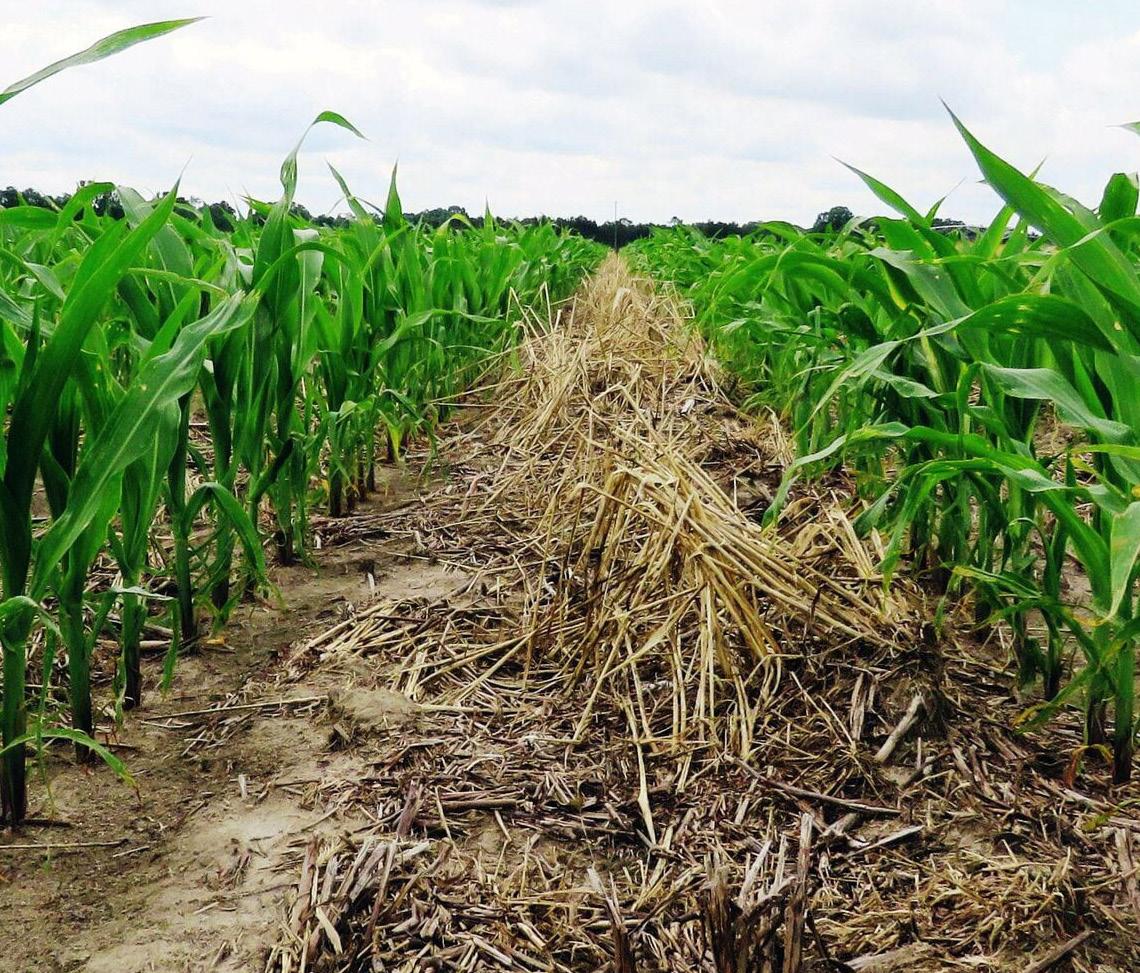
“Cereal rye is our favorite because it grows well and survives the winter,” said Young, who suggests the secret for weed control is a good stand of cereal rye. “You get 50% reduction in the waterhemp population when we had 4,500 pounds per acre of biomass. We achieved that level of biomass when the cereal rye was about 30 inches tall.”
Bryan Young, professor of weed science Dept. of Botany & Plant Pathology Purdue University. AgriNews photo/Martha Blum

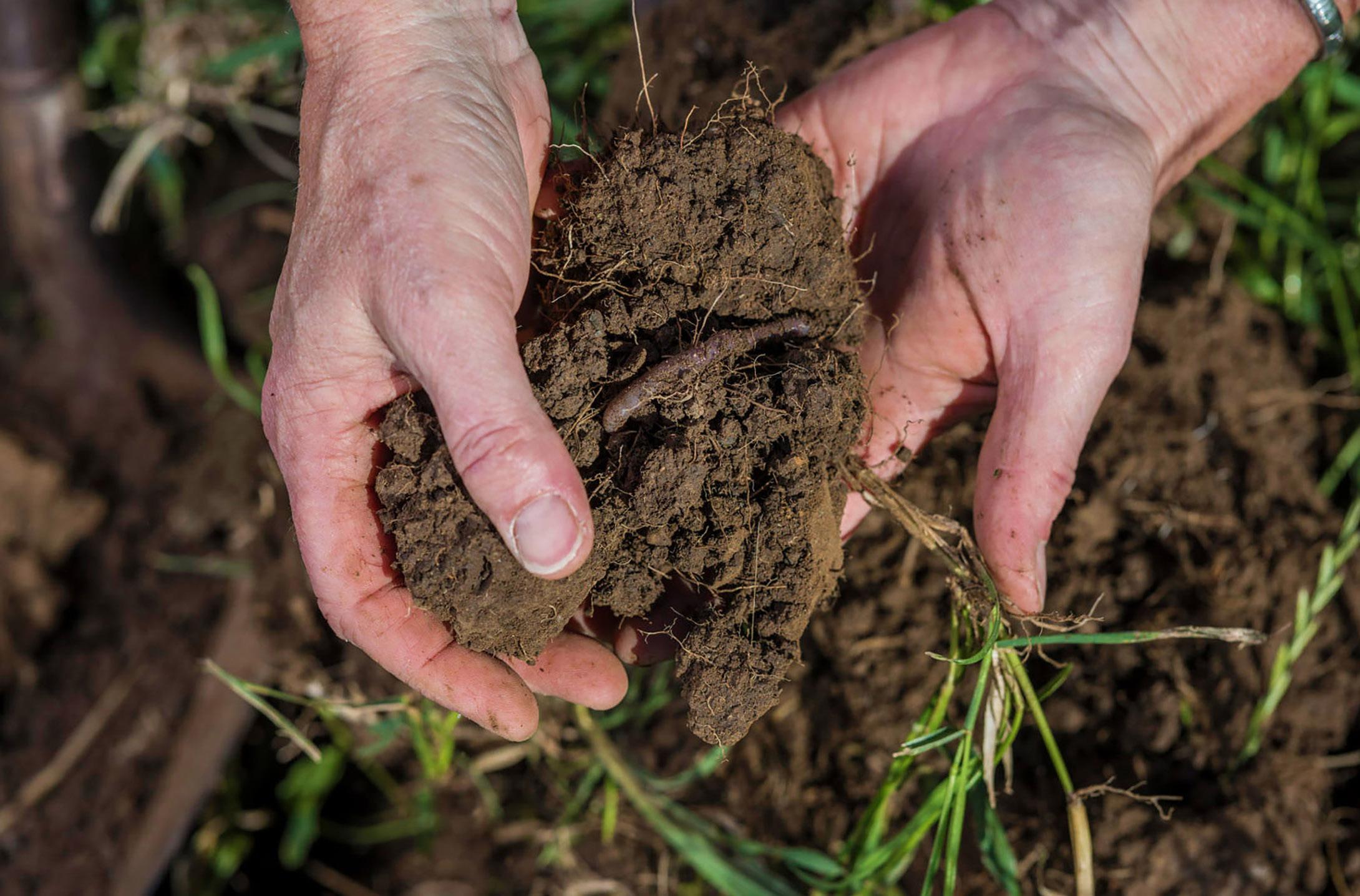
Soil health has always been an important part of the sustainability of a farm. Provided photo/Chico State
By: Martha Blum • AgriNews Publications
Regenerative agriculture is about mimicking nature’s principles, designs, and patterns. “It is not more difficult than that, put more ecology into your conventional system, more cover crops, and stop disturbing the soil so much,” said Ray Archuleta, soil health specialist and founder of Understanding Ag LLC and the Soil Health Academy.
“In the last 26 months, I have been on six continents and I’m going to share with you things that are common problems on a global scale,” he said during a presentation in Sycamore at the 2026 Conservation Cropping Seminar, coordinated by the Illinois Department of Agriculture, Illinois Environmental Protection Agency, U.S. Department of Agriculture’s Natural Resources Conservation Service and Champaign County Soil and Water Conservation District.
Archuleta, the soil scientist who has been on thousands of farms all over the world, has been to every state in the United States, as well as Puerto Rico, and he stresses that soil is alive. “That is the No. 1 issue I have with producers globally—they think it is dirt,” he said. “If you don’t get the soil right, nothing else works.”
According to Archuleta, who has been working with soil health principles for 30 years, a tiny change can make a big difference in a biological system. “Things are so connected that one little thing you do on your operation has a huge outcome. That’s why I love providence versus fate—fate is blind, and providence is divine.”
For example, Archuleta said, if a livestock farmer moves his cattle or sheep one more time in a pasture rotation, that can make a significant change in the operation. “We cannot predict biological
systems,” he said. “There is no soil test in the world that will predict your soil because it is too elegant and complex. A soil test gives you a snapshot—do not expect any more.”
For Archuleta, who has been planting cover crop mixes since 2007, the best thing farmers can do for compaction is plant a living cover that leaks acids and feeds the microbes. “I want fibrous roots leaking acids on every square inch because that is what changes clay soils and sandy soils.”
“Most farmers are not feeding the microbes enough. These micro cows are protozoa that are grazing around and eating bacteria.”
—Ray Archuleta, soil health specialist, founder of Understanding Ag & the Soil Health Academy
Plants capture light energy and move that energy into the root system. “Most farmers are not feeding the microbes enough,” he said. “These micro cows are protozoa that are grazing around and eating bacteria.”
Archuleta said the fungi run the underworld by releasing the nitrogen and bringing the phosphorus and trace minerals. The more fungi you bring into the system, the weed population begins to shift because weeds love bacteria-dominated soils.”
He continued, “As the soils become more fungal, the forms of nitrogen shift to a more organic form, so I want more fungal dominance; I don’t want bacteria-dominant soils. With tillage, you are disrupting all the workers, that’s why I love no-till, because a disk destroys the house. I’m not saying don’t use tillage, but use it wisely
because it is a destructive tool.”
It is important for all farmers to know their context. “Are you farming here or are you farming in New Mexico?” he questioned. “The context changes, but the principles do not; they work in Brazil or in Europe.”
When Archuleta visits the farm, the first tool he uses is a shovel. He will take a soil sample from a fence row and have that sample evaluated with a Haney test. “I want to get a benchmark condition of your operation before you start making decisions,” he explained. “The Haney test is useful because it measures nitrogen in the organic form and all the amino acids.”
Archuleta encourages farmers to be scientists and do their own research. “Farmers don’t do their own research because they lack the margin,” he said.
The soil scientist works with innovators that are changing the community. “We’re helping the soil to provide its own fertility using microbes,” he said. “We’re learning how to make the biology more active in the soil with cover crops, no-till and by growing your own biologicals.”
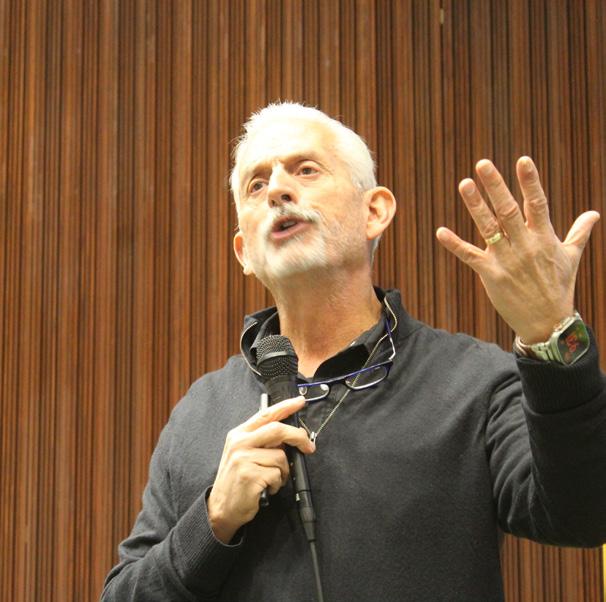
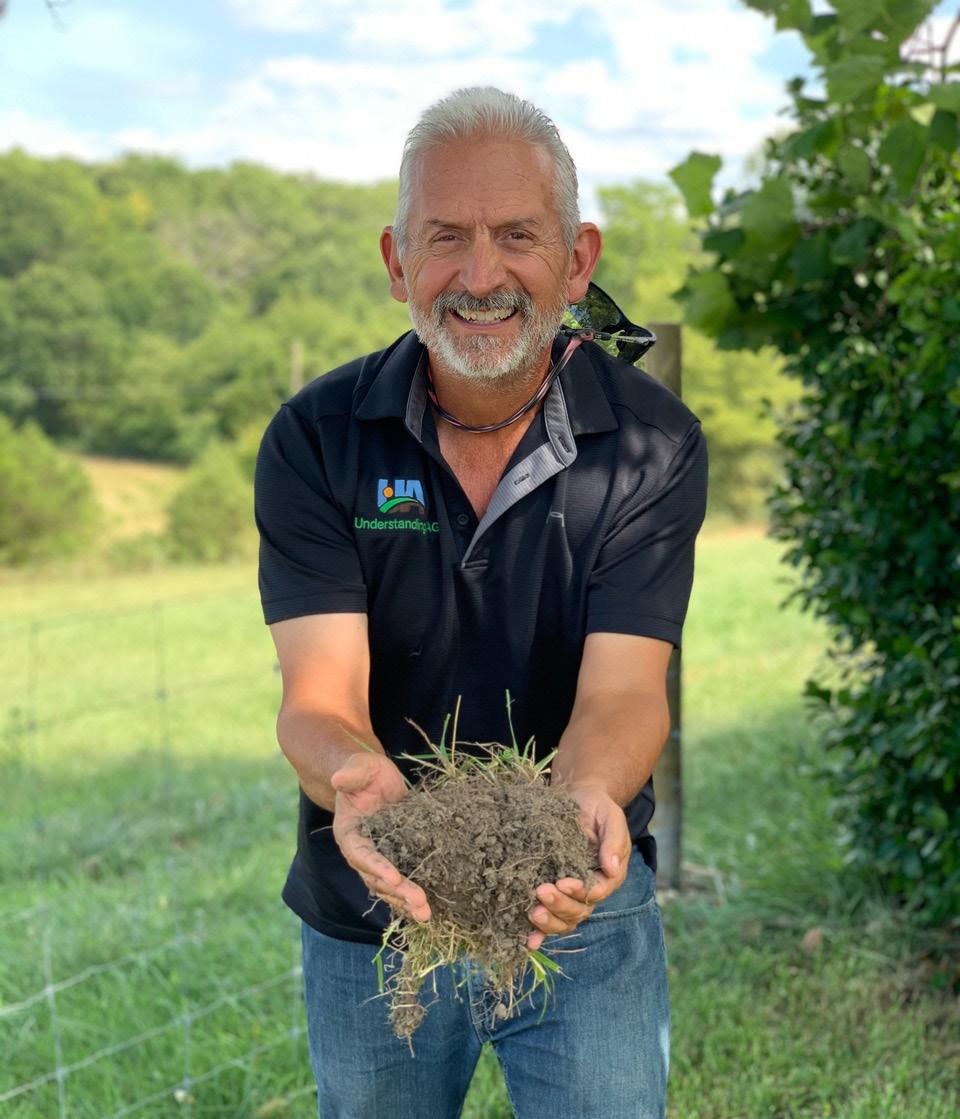
Ray Archuleta is the founder of Understanding Ag, and the Soil Health Academy. AgriNews photo/Martha Blum