Time traveling: The past is alive and well in Carroll County’s museums
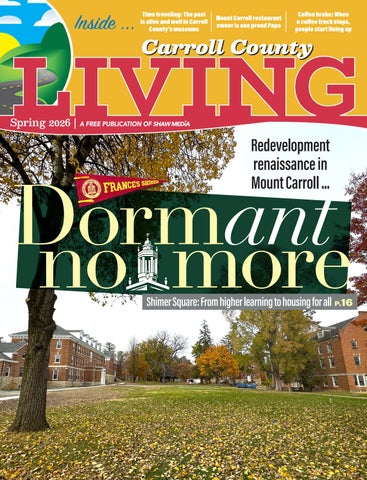
Shimer Square: From higher learning to housing for all P.16
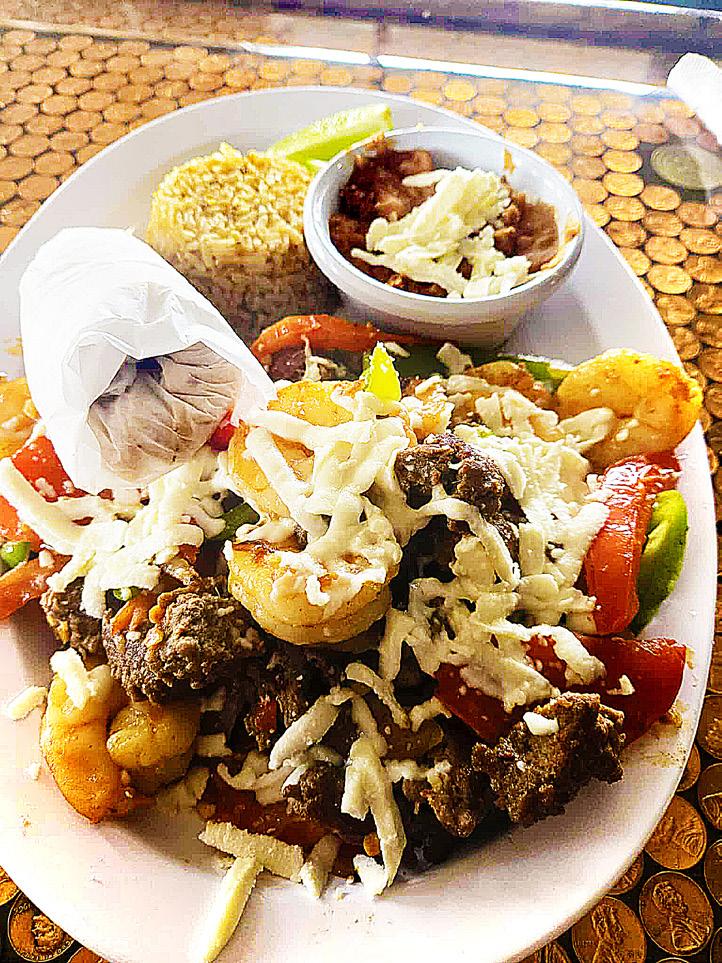
Mount Carroll restaurant owner is one proud Papa
Coffee brake: When a coffee truck stops, people start lining up
Publisher/Ad Director
Jennifer Heintzelman
Magazine editor & Page design Rusty Schrader For Advertising
Contact Jill Reyna at 815-631-8774 or jreyna@saukvalley.com
Published by Sauk Valley Media
113 S. Peoria Ave., Dixon, IL 61021 815-284-2222
Have a story idea for Carroll County Living?
E-mail rschrader@saukvalley.com
Articles and advertisements are the property of Sauk Valley Media. No portion of Carroll County Living may be reproduced without the written consent of the publisher. Ad content is not the responsibility of Sauk Valley Media. The information in this magazine is believed to be accurate; however, Sauk Valley Media cannot and does not guarantee its accuracy. Sauk Valley Media cannot and will not be held liable for the quality or performance of goods and services provided by advertisers listed in any portion of this magazine.
18 Dormant no more
A team effort paid off in Mount Carroll, where redevelopment has become a renaissance for a former college campus that’s been transformed into a place that offers housing for all.
6 Coffee brake
When a local coffee truck stops, people start lining up for a pickme-up in a cup, and the driving force behind it is a Chadwick mom who needed something new to do, so she decided the time was right to tell herself: Put me in the Coach game.
12 He’s one proud Papa
From washing dishes to piling food on them, a Savanna restaurateur has come a long way in the food business, and he’s finally arrived at the head of the table, where he loves serving up heaping helpings of hospitality and food.
26
Past with care
Thanks to the places dedicated to preserving their communities’ stories, and the people devoted to telling them, the past is alive and well in Carroll County’s museums.
May 29th-June 7th
July 17th-August 2nd June 12th-June 28th August 7th-August 16th
July 3rd-July 12th
August 21st-August 30th
EDUCATION PROGRAMMING | CONCERTS | COMMUNITY EVENTS | FAMILY FUN
PHOTO PROVIDED BY SHELLY KAPPES
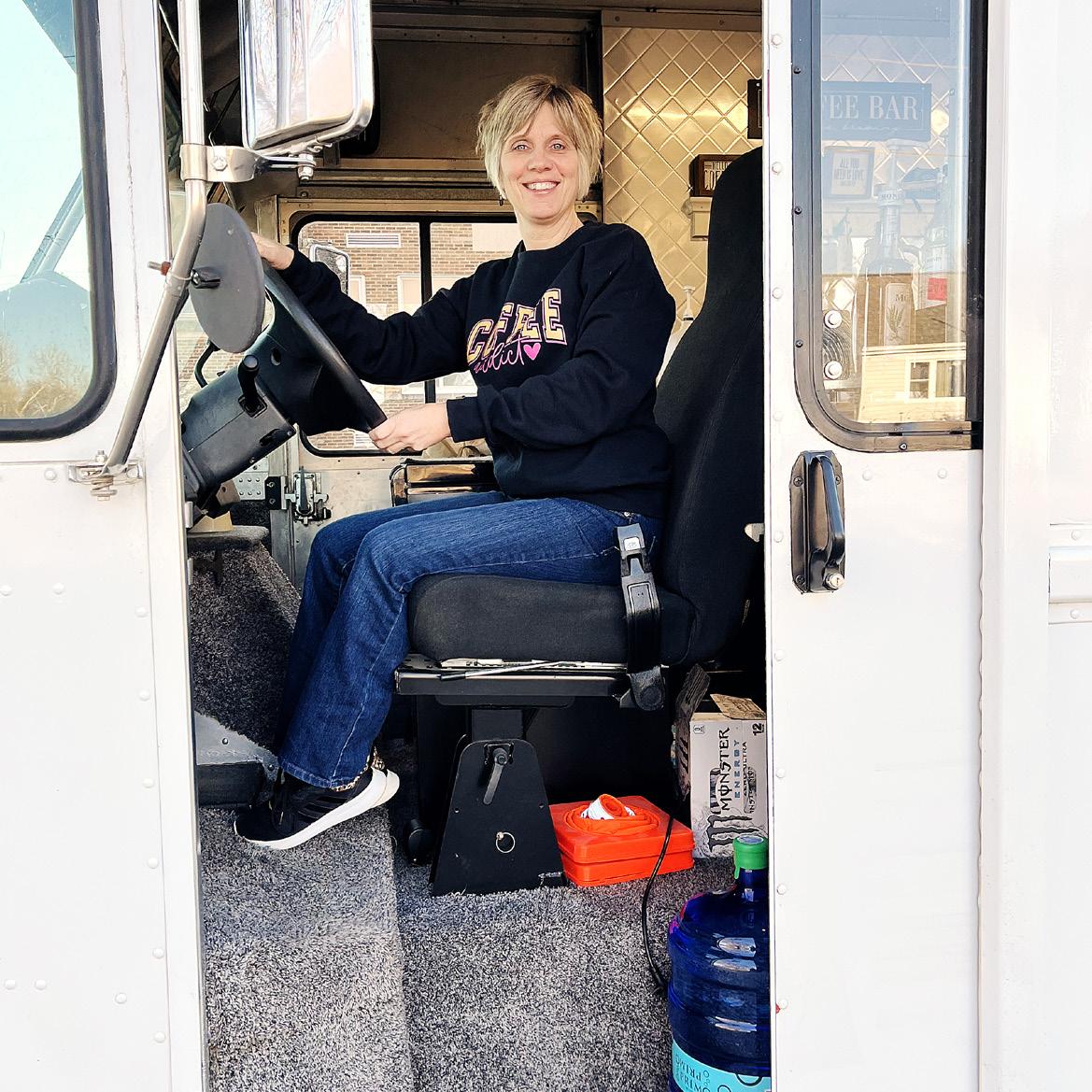
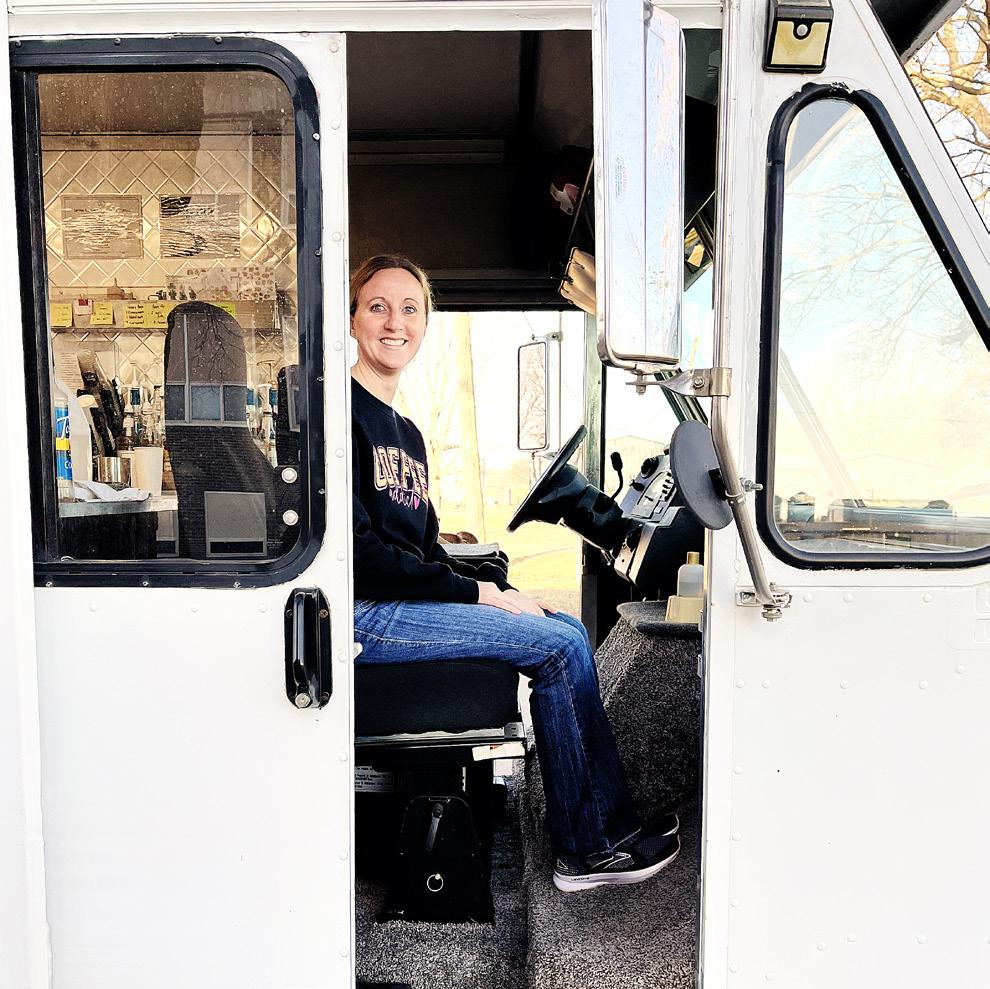
Shelly Kappes, owner of Ruby’s Coffee Coach
hen Shelly Kappes found herself in a pinch after cutbacks at her job three years ago, it led to a new business venture that has connected the Chadwick resident with many people throughout Carroll County and beyond.
And all the long-time healthcare worker had to do was learn to switch gears, adding a new skill to her resumé: Running a coffee truck.
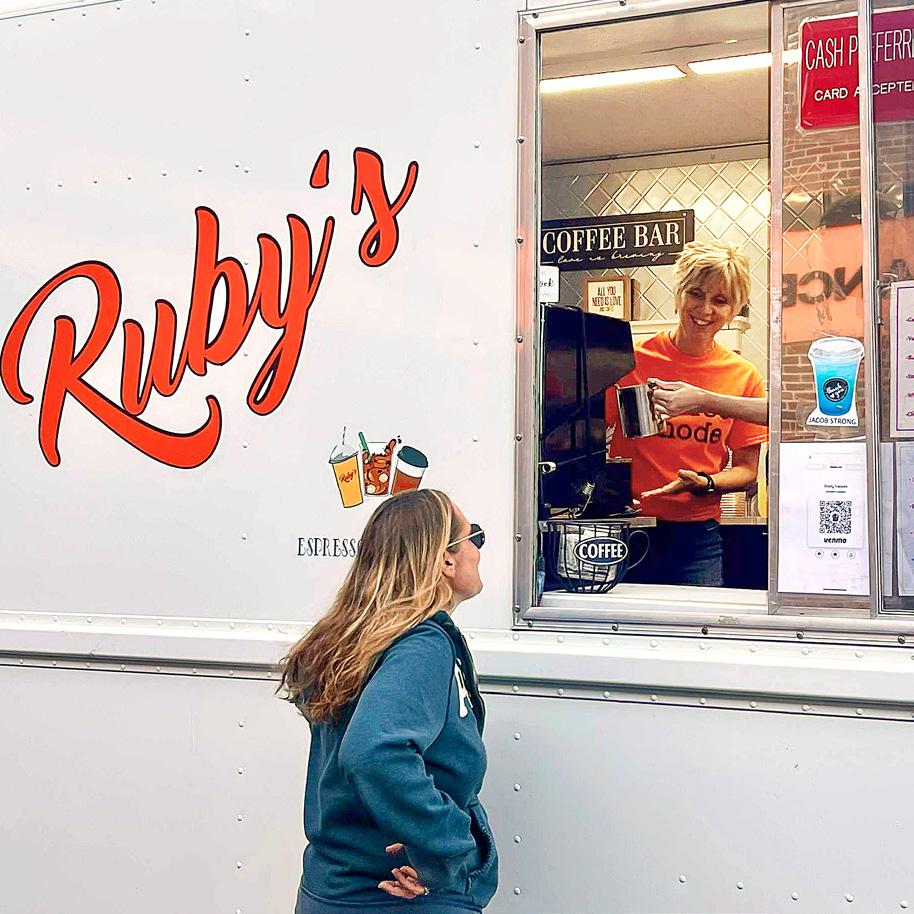
Kappes is the owner of Ruby’s Coffee Coach, serving hot and iced lattes and other beverages that put a drink in customers’ hands and a pep in their step.
While learning a new trade and running a small business has had its rewards, the real perk in the coffee business has been seeing the response from her customers, most of whom are from Carroll County.
“Local small towns are where it goes over really well,” Kappes said. “People get really excited about it, which I love. Now that I’ve been doing this for a couple of years, I have regular customers, and I’ll know if [someone] wants a creme brûlée, and I kind of know their drink orders, which is kind of cool.”
Kappes balances operating the coffee truck while continuing to work as an X-ray technician at Mercyhealth FHN in Freeport, where she’s been for 33 years. Helping her out at stops and at home are her husband Roy; children Brooke, Blake and Blayne; sister-in-law Betsy Leech; and even grandchildren Banks and Stetson, who are inspirations to a couple of latte names on the menu.
RUBY’S cont’d to page 8
Ruby’s owner Shelly Kappes enjoys meeting new faces and returning regulars when she pulls into town.
“People get really excited about it, which I love,” she said.
RUBY’S cont’d from page 7
Kappes started putting the wheels in motion after she found herself with more time and less income on her hands.
COM
“My hours got cut at my full-time job, and I was left with thinking, ‘Okay, what am I going to do?’” Kappes said. “My sister-in-law told me about a coffee truck for sale. I pondered it and I contacted the lady.” The lady, and business’s namesake, was Ruby Shultz of Lena, who had run the business for about a year, but decided to sell it after her husband had passed away.
Roy was initially hesitant about seeing his wife take on running a small business, but she convinced him it would work.
“I pleaded and persuaded my husband to go up and look at it with me. He’s like, ‘You don’t want to do this,’ and I’m like, ‘Let’s just go look at it.’ We looked at it, and I continued to twist his arm until he said to me that if I wanted to try it, I could try it.”
And try it she did, buying the business from Shultz in July 2023. It turned out that Ruby’s customers thought she was quite a gem, so Kappes kept her name on the business. Shultz also sold Kappes the existing recipes.
“She just had such a good following,” Kappes said. “I contemplated whether to change the name, but I thought ‘Shelly’s’ doesn’t sound very good.” Kappes did spiff up the logo, though.
Unlike many mobile food operations, Ruby’s isn’t a trailer, but rather a truck, which required Kappes to quickly learn how to operate it herself. Because the truck was already set up and ready to go, it made the transition smoother than expected.
Roy handles maintenance on the truck during the winter months when it’s not on the road. Their children are involved in both creative and practical roles: Brooke assists with developing recipes, while Blake and Blayne help sample new drinks. She also has a few collegeand high-school-aged employees who help her.
Named after Kappes’ grandsons are Banks’ Brew, a white chocolate mocha; and Stetty’s Delight, combining vanilla and salted caramel, in honor of Stetson.
RUBY’S cont’d to page 10
BRANDON CLARK/BCLARK@SHAWMEDIA.
RUBY’S cont’d from page 8
“It’s a family thing,” Kappes said. “My husband does the maintenance on the truck, and with it being an older truck, he’s always doing something with it. My kids help me. My daughter is a coffee connoisseur, so she helps me come up with recipes. My sons do the taste testing. It’s been fun.”
The menu also includes a range of flavored lattes such as snickerdoodle, creme brûlée, s’more, Almond Joy, salted caramel mocha, Andes mint, and Razzalocious, which blends raspberry and white chocolate. Lattes can be ordered hot or iced, with options for almond milk and added cold foam. The strawberry and raspberry smoothies remain popular. A chai tea latte is also available. Seasonal menus are offered throughout the year, including a holiday menu and spring specials.
Betsy Leech, helps her sister-in-law, and Ruby’s owner, Sherry Kappes with the coffee truck, lending a hand when it sets up and special events. Leech was the one who gave Kappes a heads up about the truck being for sale a few years back.
“It’s a family thing,”
Kappes said, with her husband and their children helping out too.
PHOTO PROVIDEDBYSHELLYKAPPES
The lattes were a learning experience for Kappes, who wasn’t a latte lover before buying the truck — coffee was her go-to drink. But these days? “Now, every morning, I’m making myself an iced latte,” she said.
Energy drinks were added later at the encouragement of Kappes’ children. Options include The 815, featuring blue razz and green berry flavors fueled by white Monster, and Pink Starburst, a strawberry-and-vanilla drink powered by pink Lotus.
From spring through fall, the truck travels to a variety of community events. Some of her regular stops include the Livengood Barn Sales in rural Chadwick, held twice a year, and the Shannon Labor Day Festival. The truck also appears at select farmers markets during the summer months and has travelled as far as DeKalb for special events.
Schools have also become a consistent part of the schedule, with regular visits to Milledgeville, Eastland and West Carroll schools serving students and staff, an option Kappes said has been well received.
cont’d to page 11
RUBY’S
Upcoming locations are typically announced on Ruby’s Facebook page, where customers can also follow seasonal schedules. Outdoor events sometimes continue past October, depending on whether it’s maintenance time for the truck.
The focus shifts during the winter months when the truck’s not on the road. Kappes will deliver her drinks to schools and local businesses on Mondays and Fridays; orders are coordinated through Facebook, with a 10-drink minimum. “It’s a little pick-me-up in the winter,” Kappes said. “We make everything in the truck and we transport everything.”
Find Ruby’s Coffee Coach on Facebook to find out where the coffee truck will appear next.
Looking ahead into this year, Kappes said she’s eager for another busy season. “I’m looking forward to getting back out in the spring,” she said. “We look forward to the future.”
After spending decades in healthcare, owning a coffee truck has given Kappes and her family a connection to the local community.
“This was stepping outside my comfort zone to do this when you’ve worked in healthcare for so many years,” Kappes said. “When you’re working in healthcare, you’re dealing with the public, but this is a whole different ballgame. You want to please your customers, so you always want to keep them coming back, and I hope we do that. We try to keep everyone happy.” n
Shaw Media reporter Cody Cutter can be reached at 815-632-2532 or ccutter@shawmedia.com.
By Cody Cutter Sauk Valley Media
a teenager washing dishes at the former Barrister’s Restaurant in Mount Carroll in the late 1980s, Scott Miller would sometimes think about owning a restaurant of his own someday.
It took him about four decades, but Miller now has his own place on Savanna’s Main Street — and a new nickname to go with it.
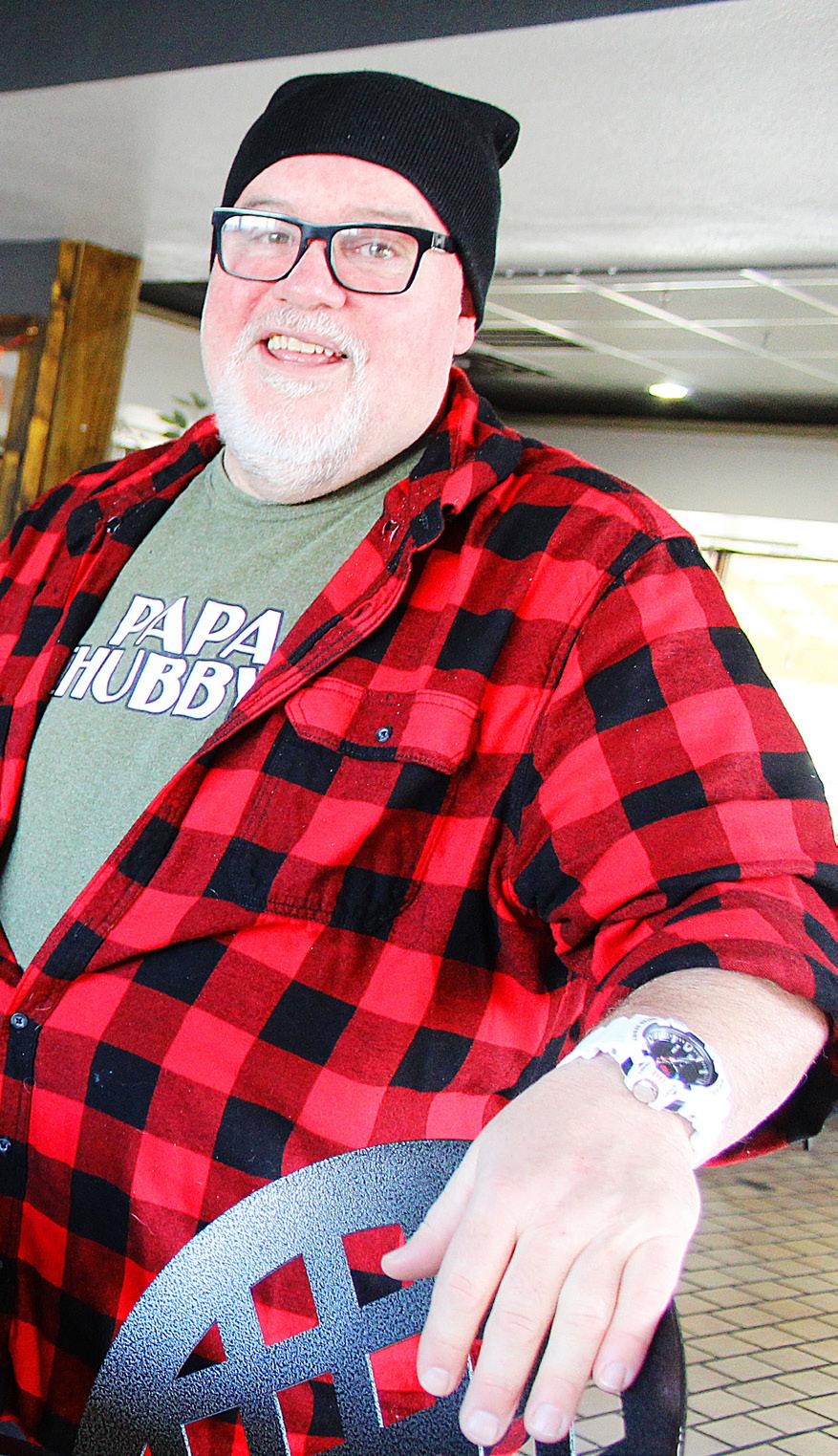
Miller owns Papa Chubby’s, having opened in May 2025 after spending a couple of years as kitchen manager at The Riverview Lodge in Thomson. When customers meet him as they’re eating a hearty portion of what’s on the menu, they get to see “Papa Chubby” himself, a name inspired by what his grandchildren call him.
Miller owns the restaurant and bar with a silent partner and employs about a dozen people. He purchased the building in April 2025 and moved quickly to open the doors the following month.
“This building became available and we took a chance,” Miller said. “It’s worked out pretty good. The community has supported us a lot, and we appreciate it.”
No stranger to the restaurant business — aside from some time spent as an engineer on the Union Pacific Railroad and Canadian National Railway — it’s not unusual for Miller to see some familiar faces at Papa Chubby’s, like the waitress who worked alongside him years ago at Barrister’s who’s now a regular at his restaurant.
The restaurant’s name itself is both personal and lighthearted for Miller, getting encouragement from both his grandchildren and his wife, Michelle.
“They said, ‘Call it Papa Chubby’s,’” Miller said. “My wife said, ‘Papa Chubby’s just has a ring to it.’ I thought, ‘Well, we have a place in town called Poopy’s,’ and it stuck — and I’m ‘Papa Chubby’ now. I have customers come in and go, ‘There’s Papa.’ The name’s crazy, but it works.”
PAPA cont’d to page 14
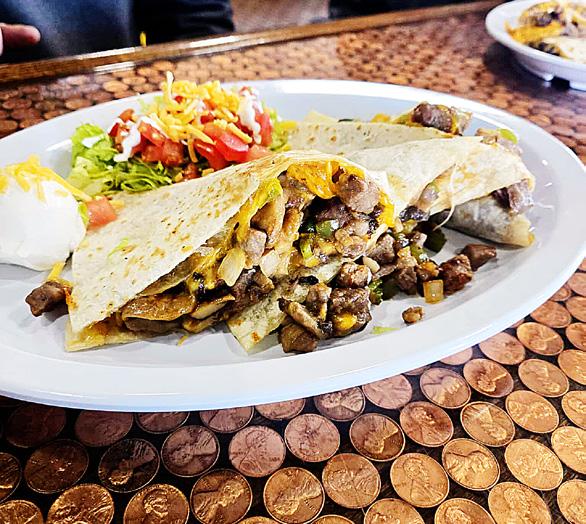
Almost a year into the operation, Miller said he’s still refining the menu, though several items have already established themselves as staples. Some dishes carried over from his Riverview Lodge days, while others were developed specifically for the new place.
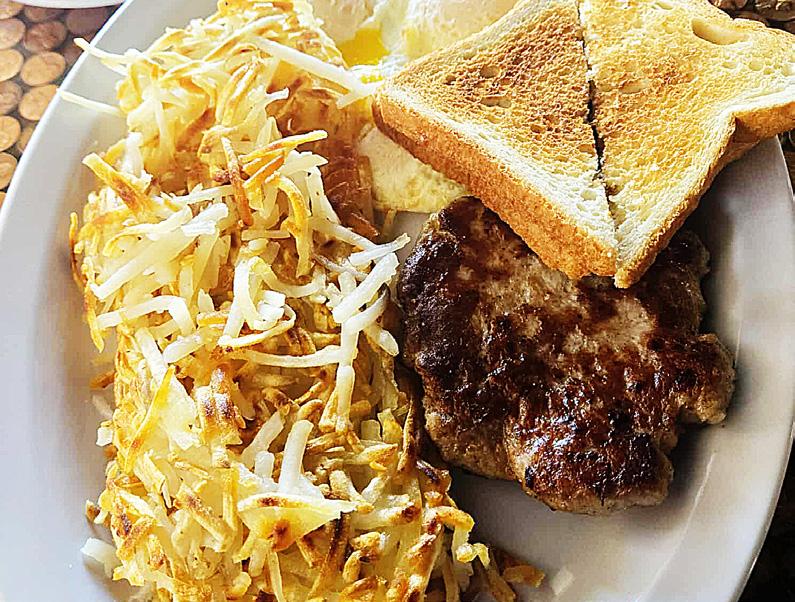
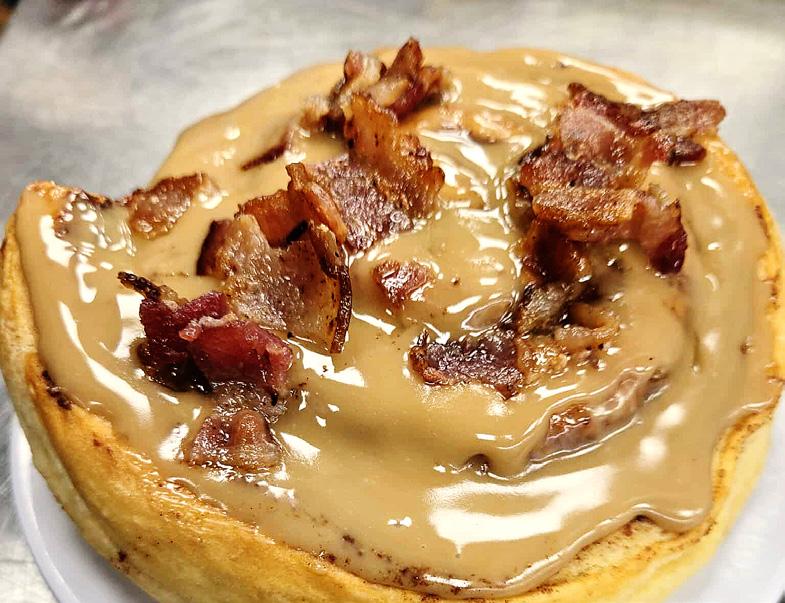
A consistent theme across the menu is that most items are prepared in-house. Breakfast offerings include homemade biscuits and gravy, which Miller said sets the tone. “It’s not out of a can,” he said. “Ours starts with the sausage, the butter and so on; people know when it’s homemade.” The cinnamon rolls also are popular — and more than handful, too. They’re made in an 8-inch pie tin and come in several varieties such as cream cheese, apple pie, blueberry, caramel pecan and maple bacon.
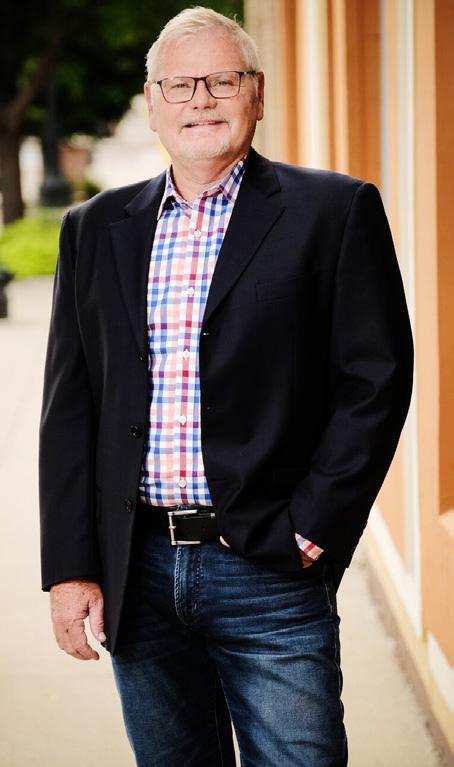
Scott Miller, aka “Papa Chubby,” started in the food service business four decades ago as a teenager washing dishes at Barrister’s in Mount Carroll. Now he owns his own restaurant, Papa Chubby’s.
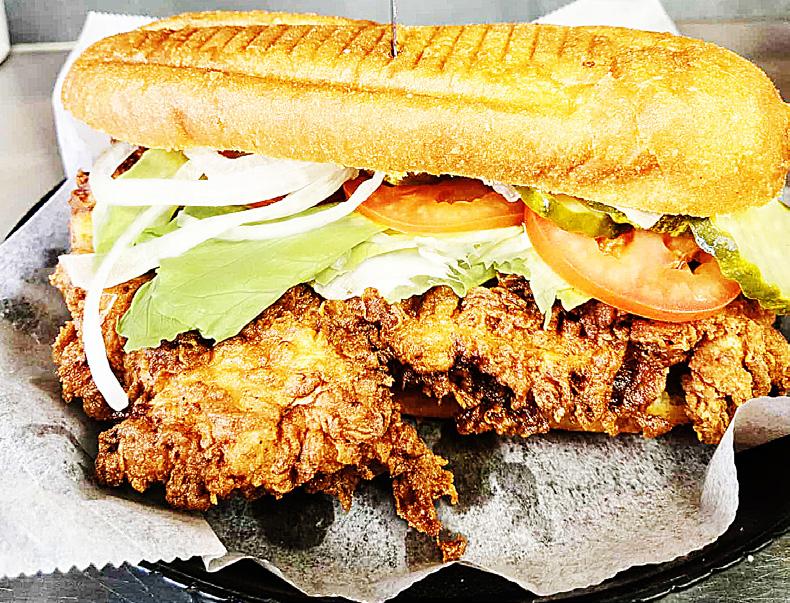
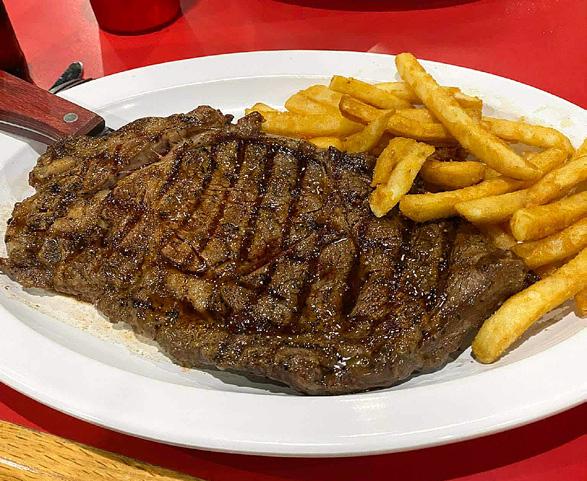
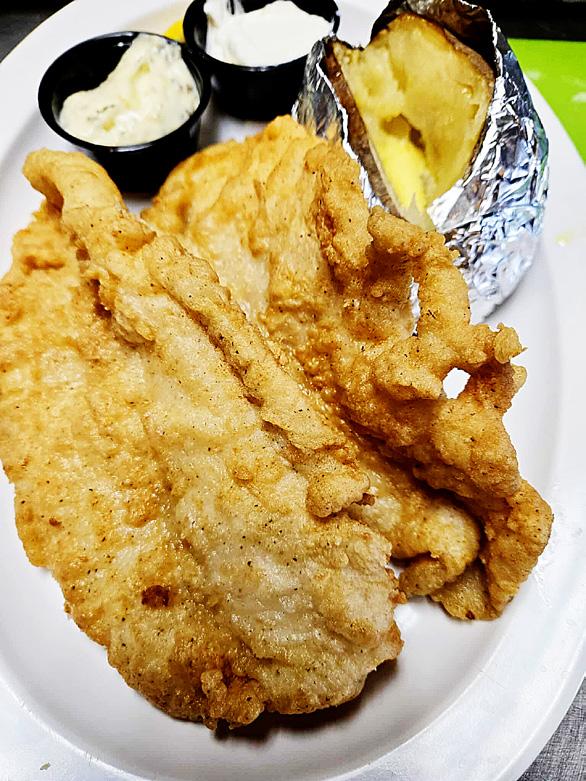
Pork chops are butterfly cut, steaks are hand cut, and fish and chicken are breaded in-house. Steaks weigh in at a pound, and dinners include a soup and salad bar featuring a rotation of homemade soups such as lasagna soup, chicken pot pie soup and cheesy potato. Miller said one customer even orders the lasagna soup “by the bucket.”
PAPA cont’d to page 15
PAPA cont’d from page 14
Among the restaurant’s top sellers are the Chubby Sticks, a mozzarella-based appetizer that has quickly become a signature dish. “They are logs of mozzarella and different blends of cheese,” Miller said. “They’re cut into sticks and we bread them and serve them with raspberry sauce.”
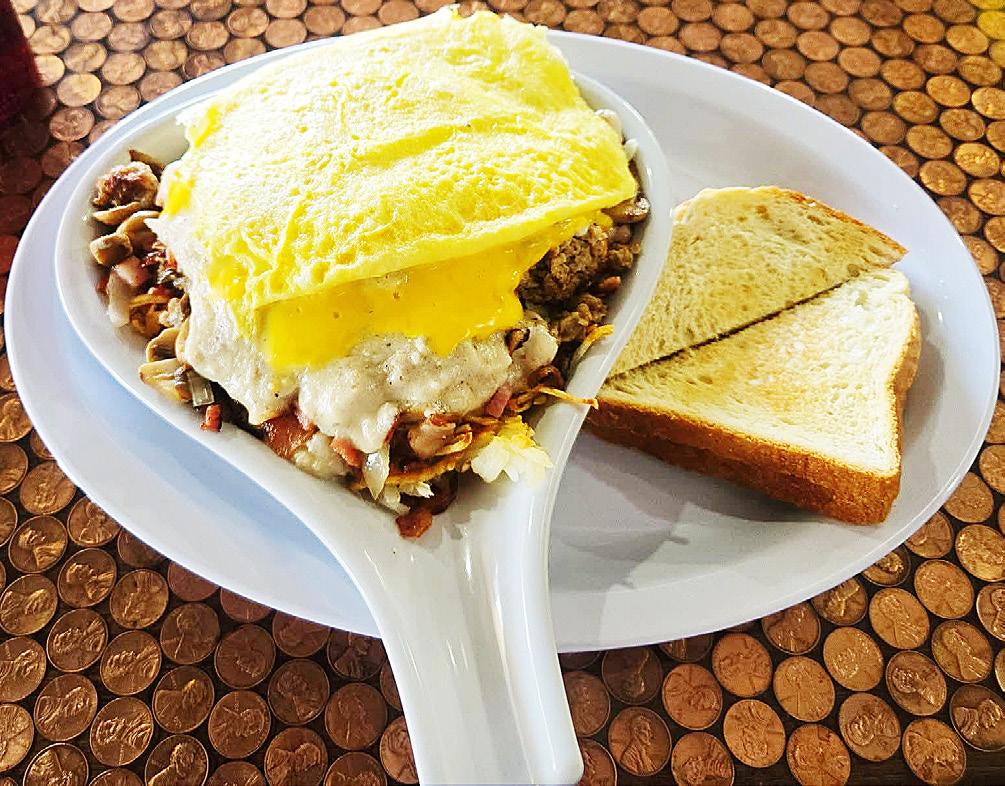
An order of Chubby Sticks weighs in at about a half-pound, a reflection of the generous portions Miller serves up. That extends to breakfast skillets — including one called the Chubby Skillet — sandwiches like the Chubby Sub, and rotating weekly specials such as Mexican Mondays and fish on Friday. Featured items and specials can be found at the Facebook group, “Papa Chubby’s Specials.”
PAPA cont’d to page 16
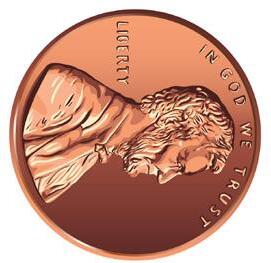
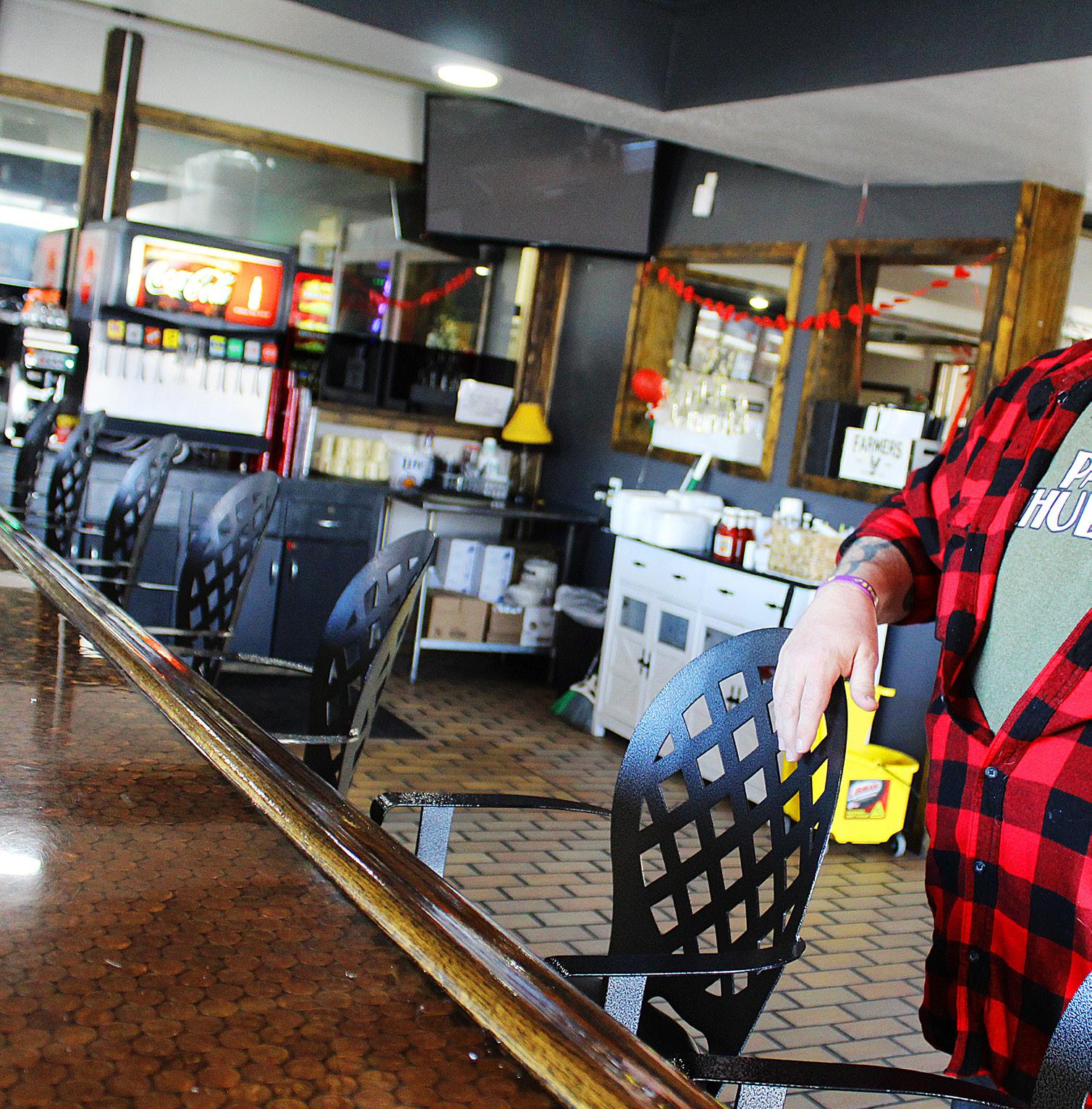
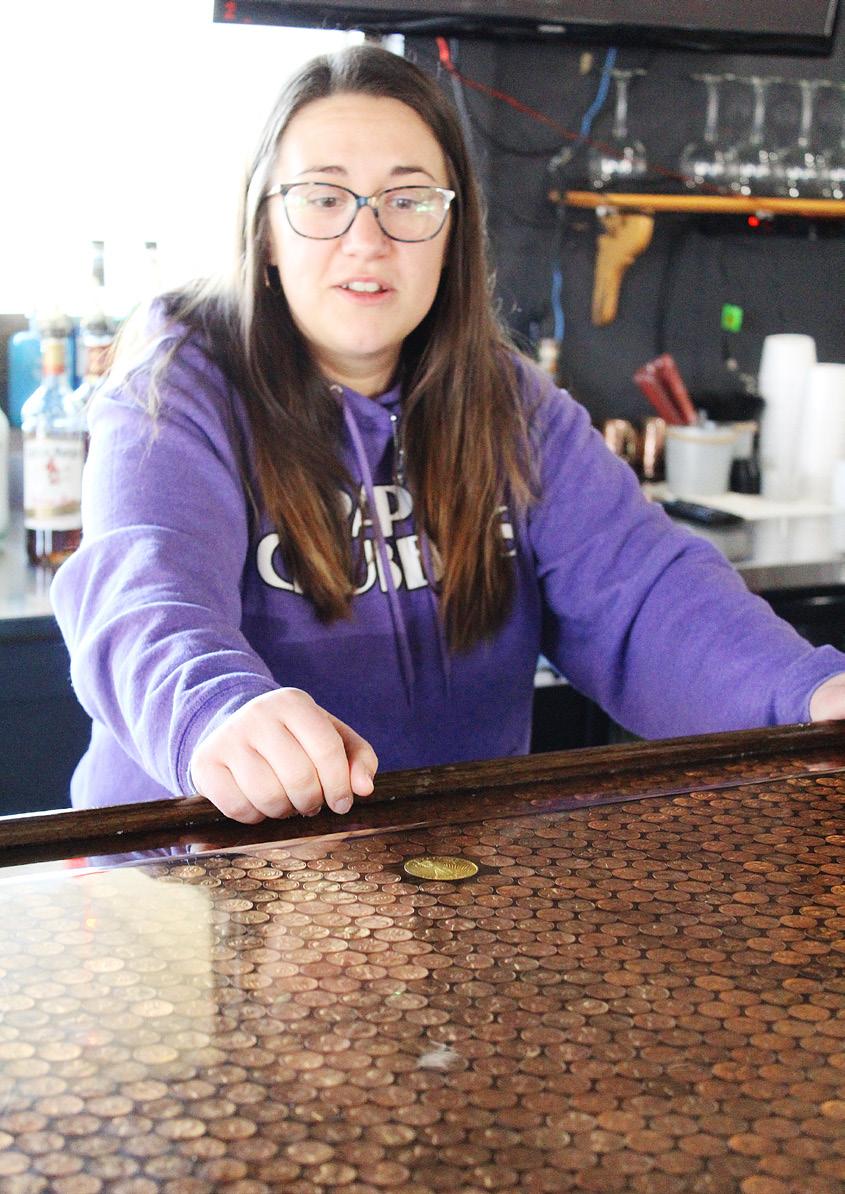
Papa Chubby’s bar has a few tails to tell — if you can find them. Among the 3,000 pennies covering the bar are a few tail-side up. “It’s something for them to do when it’s a little slower,” said Miller’s daughter, Alleigh McGinnis, who works at her dad’s business. “That makes them want to come back and bring their friends and family to come check this out.”
“Most people won’t go away from here hungry,” Miller said. “We’ll go through a lot of to-go containers. I want people to get what they pay for. You don’t want to go somewhere and pay money for a meal and then have to stop somewhere on the way home because you need a snack, or you get home and need a snack. I want people to be full, I want people to be satisfied and say, ‘This is the place to go.’”
Servings aren’t the only thing Miller is big on. Atmosphere matters just as much, he said, and he wants everyone to feel welcome.
“I want people to feel welcome and warm,” Miller said. “They won’t feel like an outcast. Everybody here can feel like family when they walk in. I try to make it a point to go up to every one of the tables and talk to them. I want them to be comfortable when they come here.”
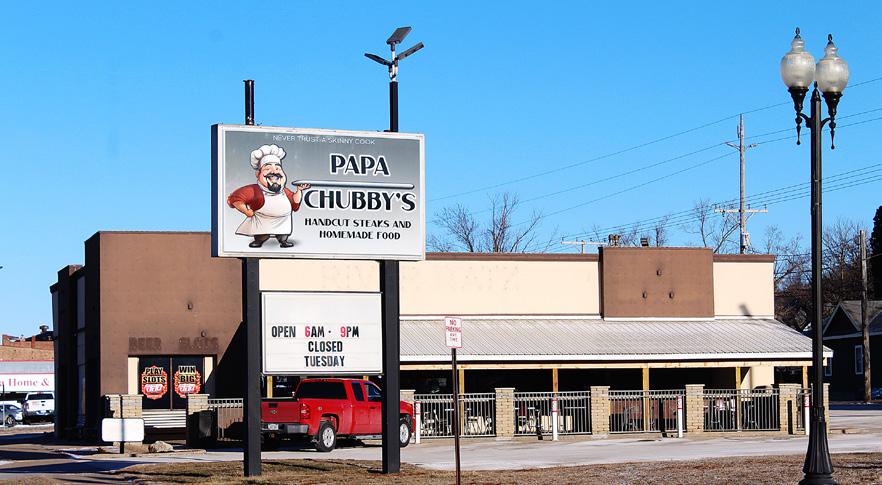
The brand was cemented visually when friend and tattoo artist Bill Parks designed the business’s logo, depicting Miller in chef attire carrying a large tray — with some words of advice for customers: “Never trust a skinny chef.”
Inside, Michelle helped shape the decor, which Scott said was done to “make it feel more homey.”
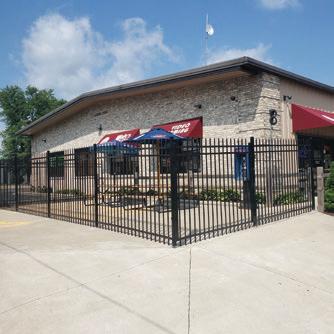
Several of Miller’s children work alongside him, including sons Travis Buchholz and Keston Diestelmeier, and daughter Alleigh McGinnis, who provides a connection to the building’s past. The building was originally a Hardee’s built in the 1970s, and later housed the River Ratz bar and general store. The original brown tile floor from Hardee’s remains, as does a distinctive bar counter covered in pennies under glass, built when it was still River Ratz.
“There was one time where me and a guy went through and looked at all of the pennies, and he was told that there were three tails in it, but didn’t know where they were at,” McGinnis said. “So we thought, ‘Let’s find them.’ We took about an hour-and-a-half just to look at them, and once you get halfway through, they all seem to look the same.” It’s no wonder that it took them that long: The bar contains about $30 in pennies — or about 3,000 coins — including several Canadian coins and wheat-back pennies.
COME TO PAPA
Papa Chubby’s, 44 Main Street in Savanna, is open from 6 a.m. to 9 p.m. Wednesday through Monday. Breakfast is served until 11 a.m. and until noon on Sunday. Find “Papa Chubby’s Specials” on Facebook or call 815-902-1065 to place carryout orders or for more information.
McGinnis, who once tended bar at River Ratz, said having all those pennies there makes a lot of sense for the business.
“It’s something for them to do when it’s a little slower,” McGinnis said. “That makes them want to come back and bring their friends and family to come check this out.”
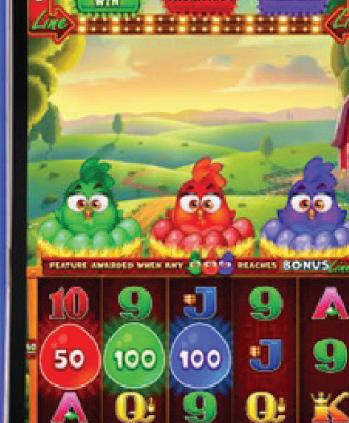
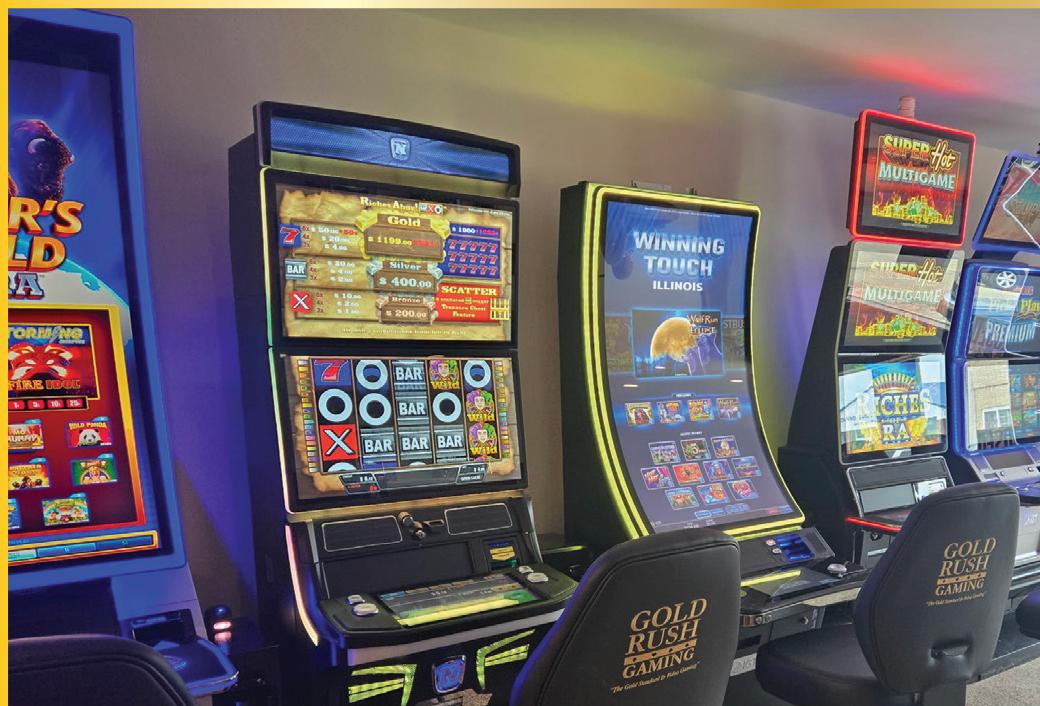
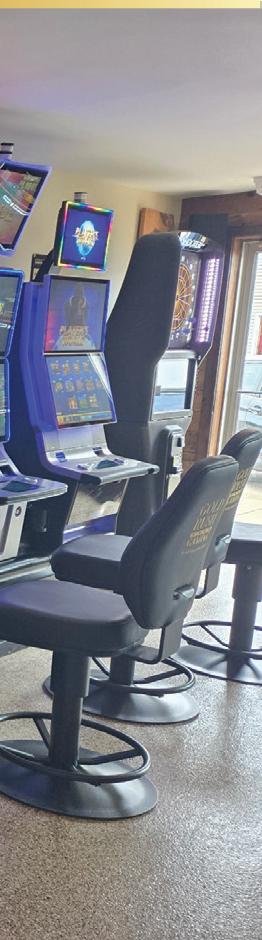
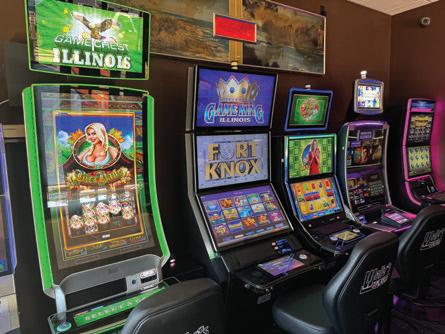
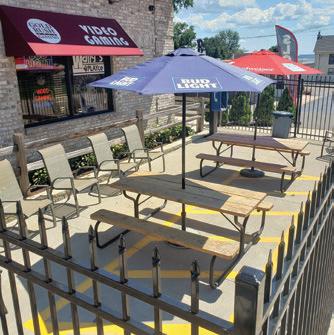
Since opening, Miller has added a patio on the south side of the building and has hosted community fundraisers and events. A drive-thru is available, and the place also features six gambling machines — and he’s not done yet.
Looking ahead, he plans to expand with a full-service laundromat called Chubby Bubbles in a new building on the property, offering drop-off and pickup service with an attendant on duty.
“We were thinking about what the community really needs, and we need a laundromat,” Miller said. “There’s nothing in Sabula, nothing in Hanover, nothing in Mt. Carroll. It’s supply and demand. Not everyone can afford a washer or dryer, or has an apartment with washer or dryer hookups.”
Reflecting on the restaurant’s first months, Miller said the response has exceeded expectations.
“It’s been awesome,” Miller said. “It’s been better than we can imagine. When we opened up, it went way beyond what we thought it would be. The support of the community has really been awesome.” n
Shaw Media reporter Cody Cutter can be reached at 815-632-2532 or ccutter@shawmedia.com.
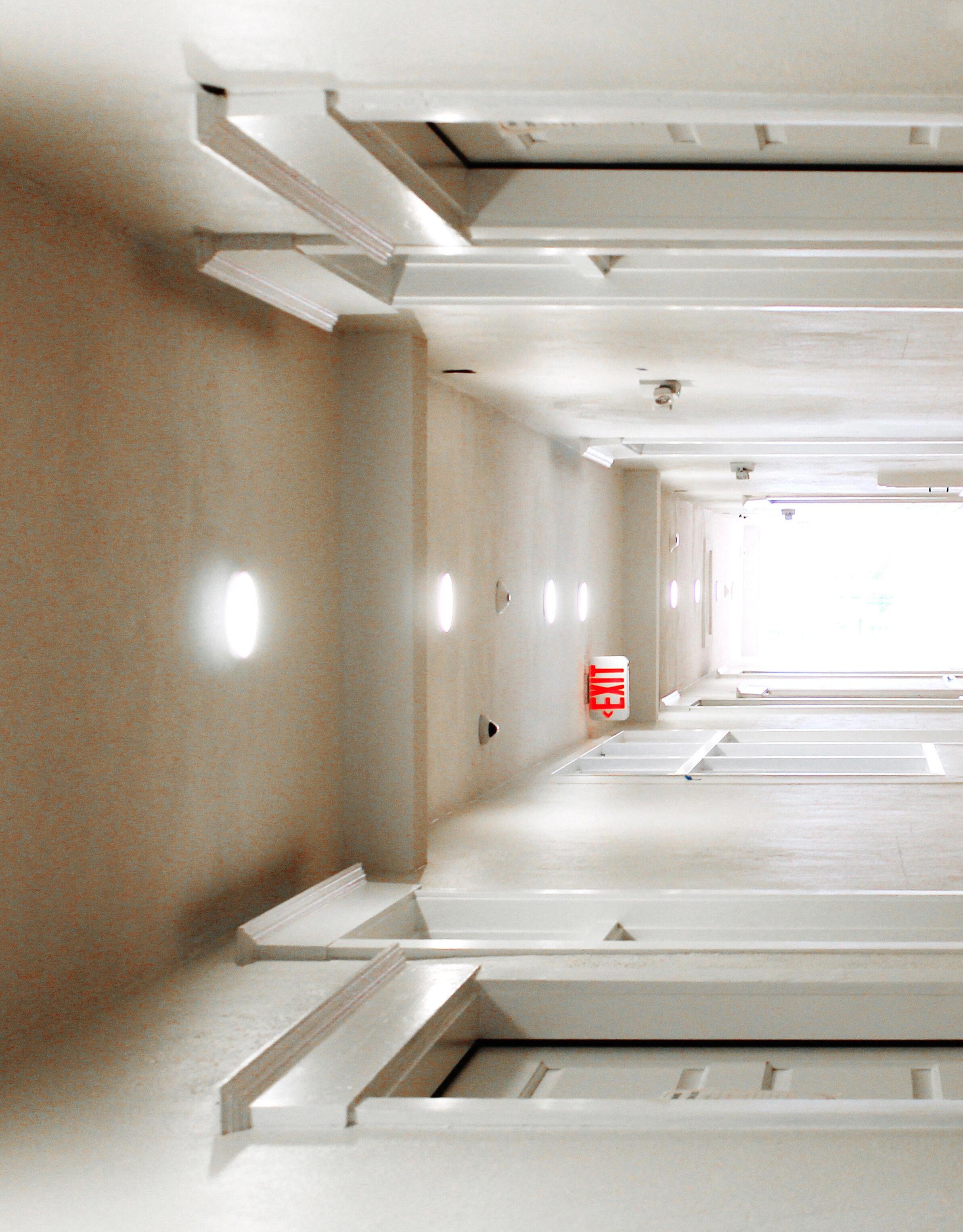
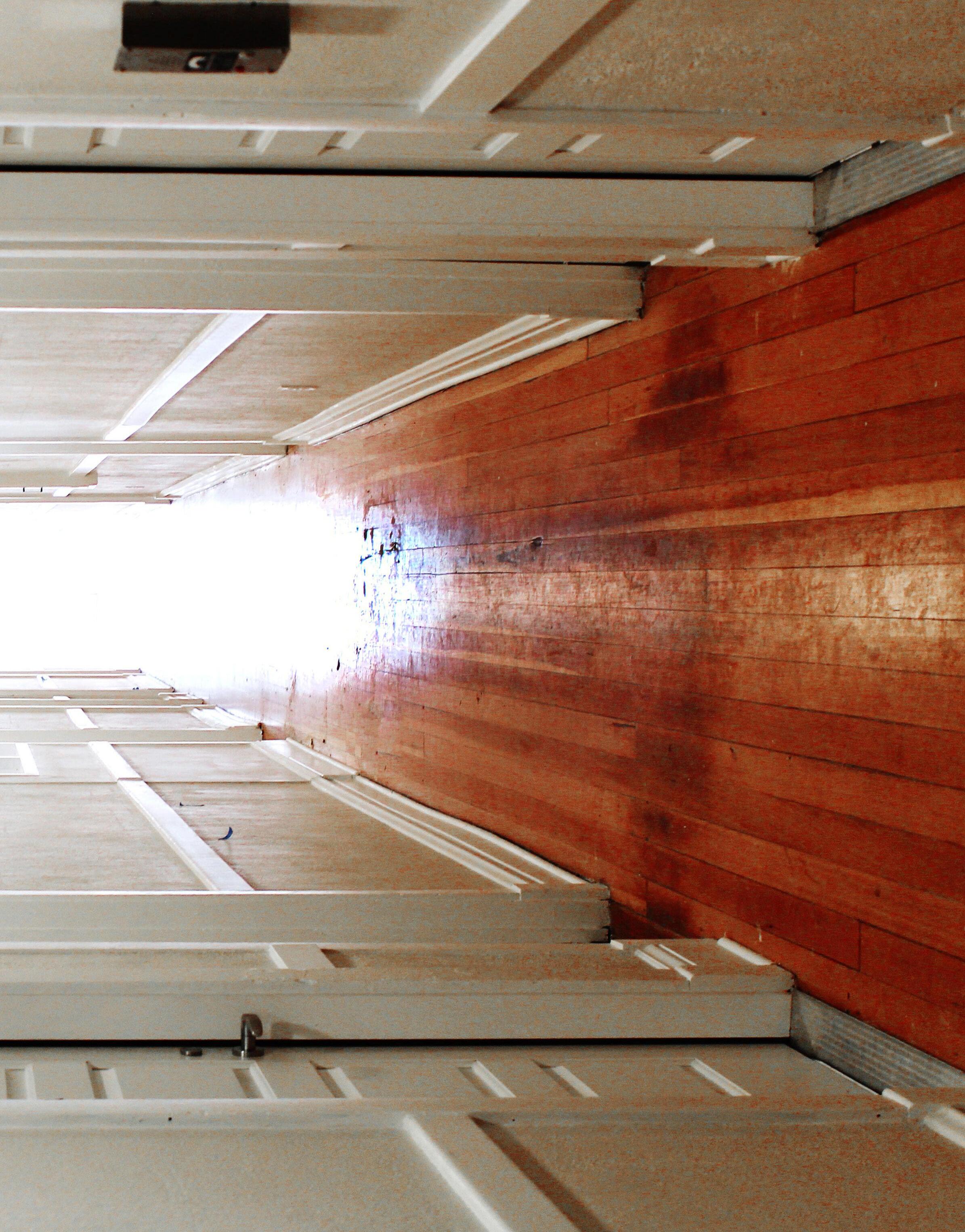
It took a national non-profit group, support from the state, and a community committed to its success, but the team effort paid off in Mount Carroll, where redevelopment has become a renaissance FOR A FORMER COLLEGE CAMPUS THAT’S BEEN TRANSFORMED into a place that not only offers housing for all , but a shot in the arm for the city’s economy
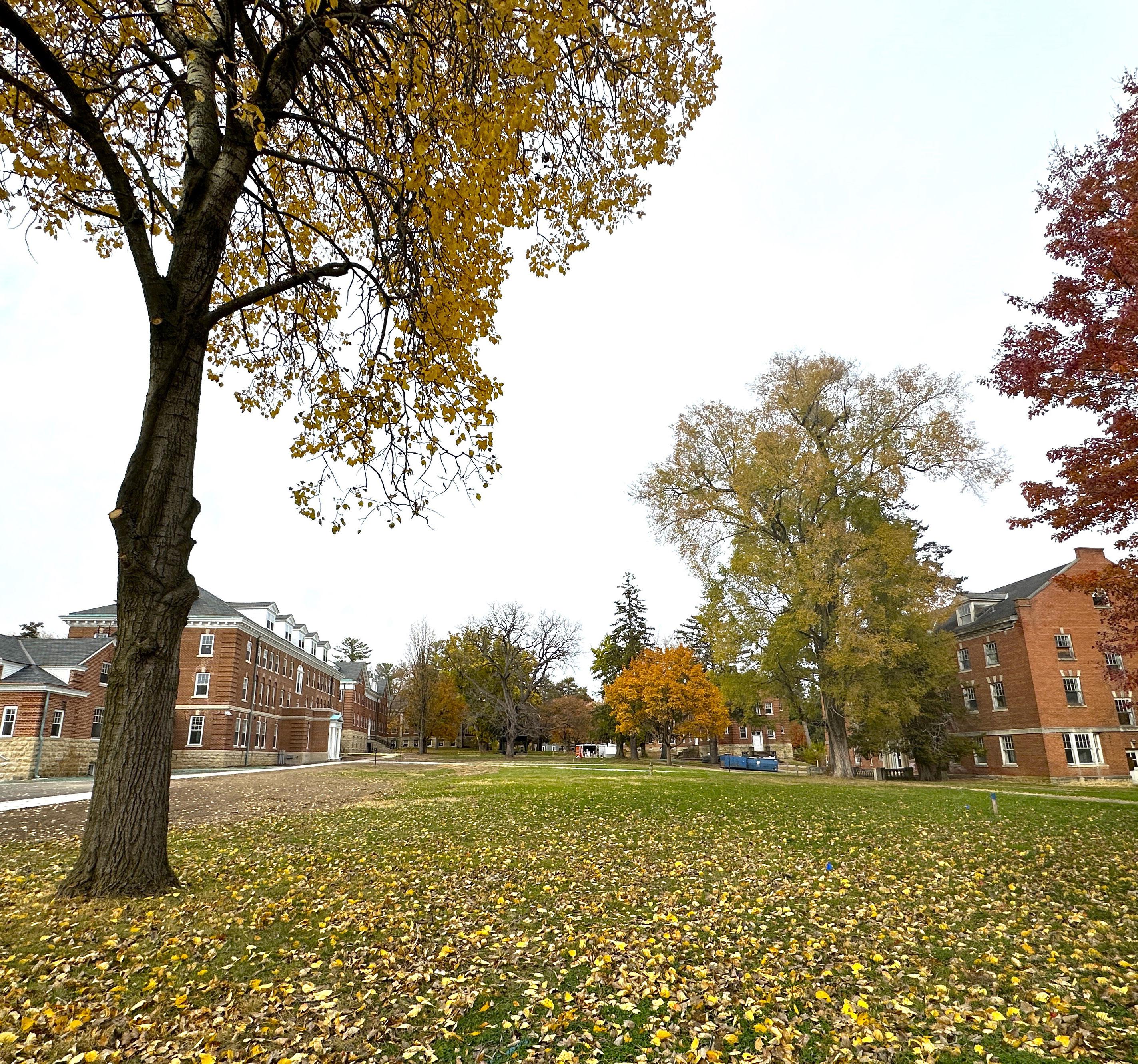
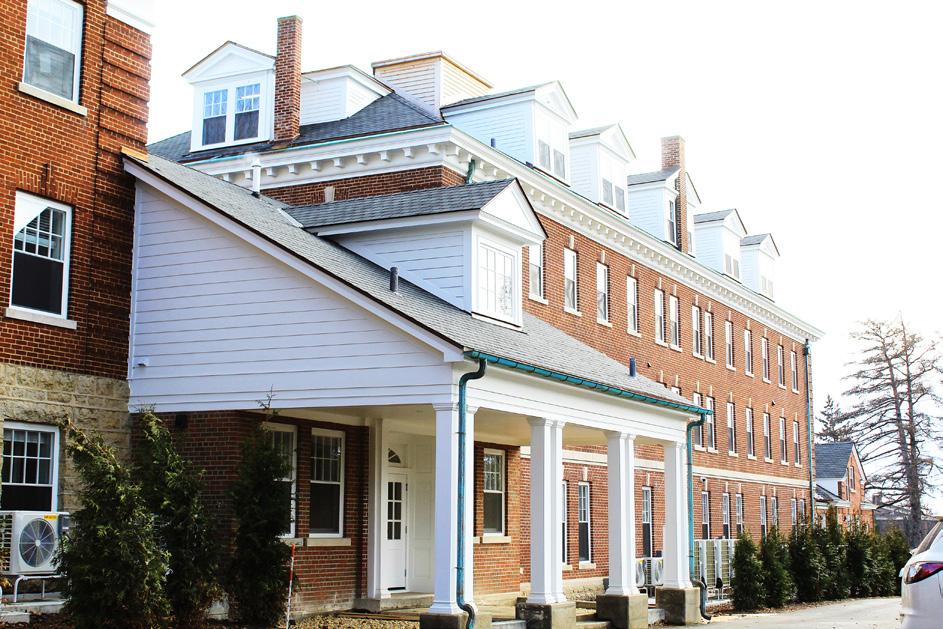
hat does a city do when it wants to strengthen its economic foundation, open the door to dozens of new places to live, create a community within a community, and breathe new life into a piece of local history? If you’re Mount Carroll, you give it the old college try. And boy did it succeed. In what’s being a called a project of historic proportions, the city celebrated the opening of Shimer Square on Nov. 12 as a major step in redeveloping the former Shimer College. Led by site owner Economic Growth Corp. with support from the Illinois Housing Development Authority, the project preserves the former cam pus’s historic buildings while transforming the 14-acre site into a mixed-use community focused on housing, jobs and long-term economic stability.
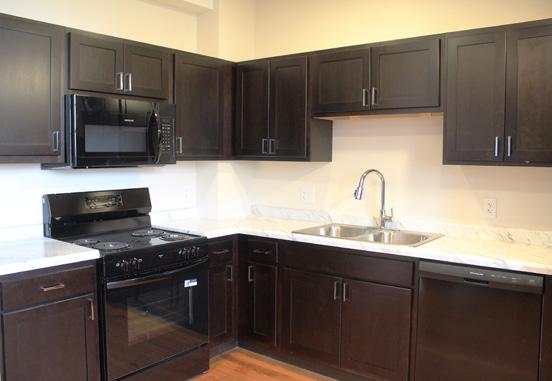
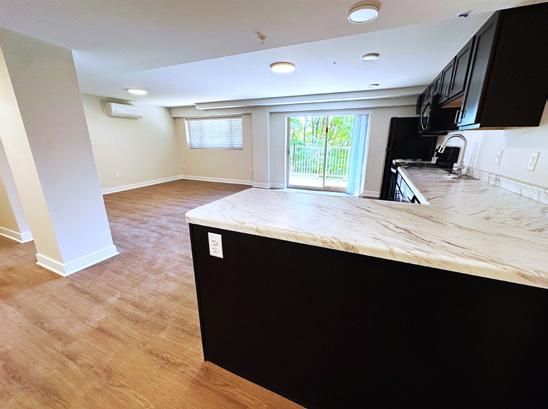
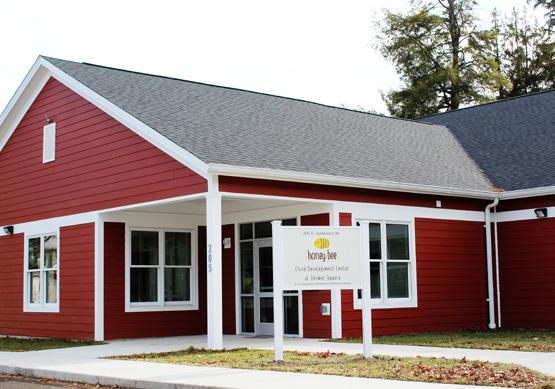
Once-vacant college classrooms and dorms now anchor the ambitious redevelopment project, where history meets housing, and businesses are soon to come. The project is a long-term work in progress, and as of the start of the new year 51 apartments with modern amenities have been created, alongside shared indoor and outdoor community spaces. The redevelopment also includes a new resource center offering property management, housing counseling and small-business lending, plus a newly constructed Honey Bee child care center on site — slated to open early this year. Additional plans call for commercial, hospitality and community-focused uses across the campus’s other buildings as redevelopment continues.
cont’d to page 21 PHOTO:
PHOTO PROVIDED BYE
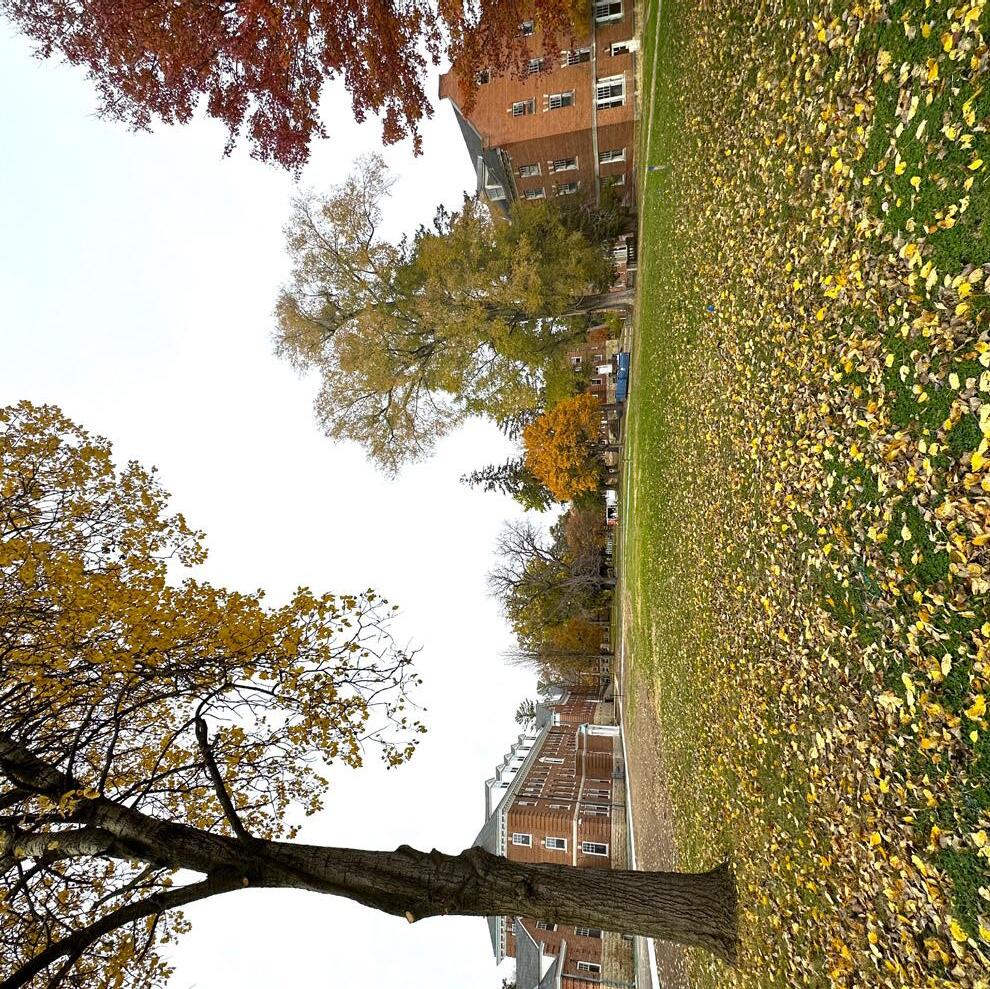
Shimer Square’s Quad area.
SHIMER
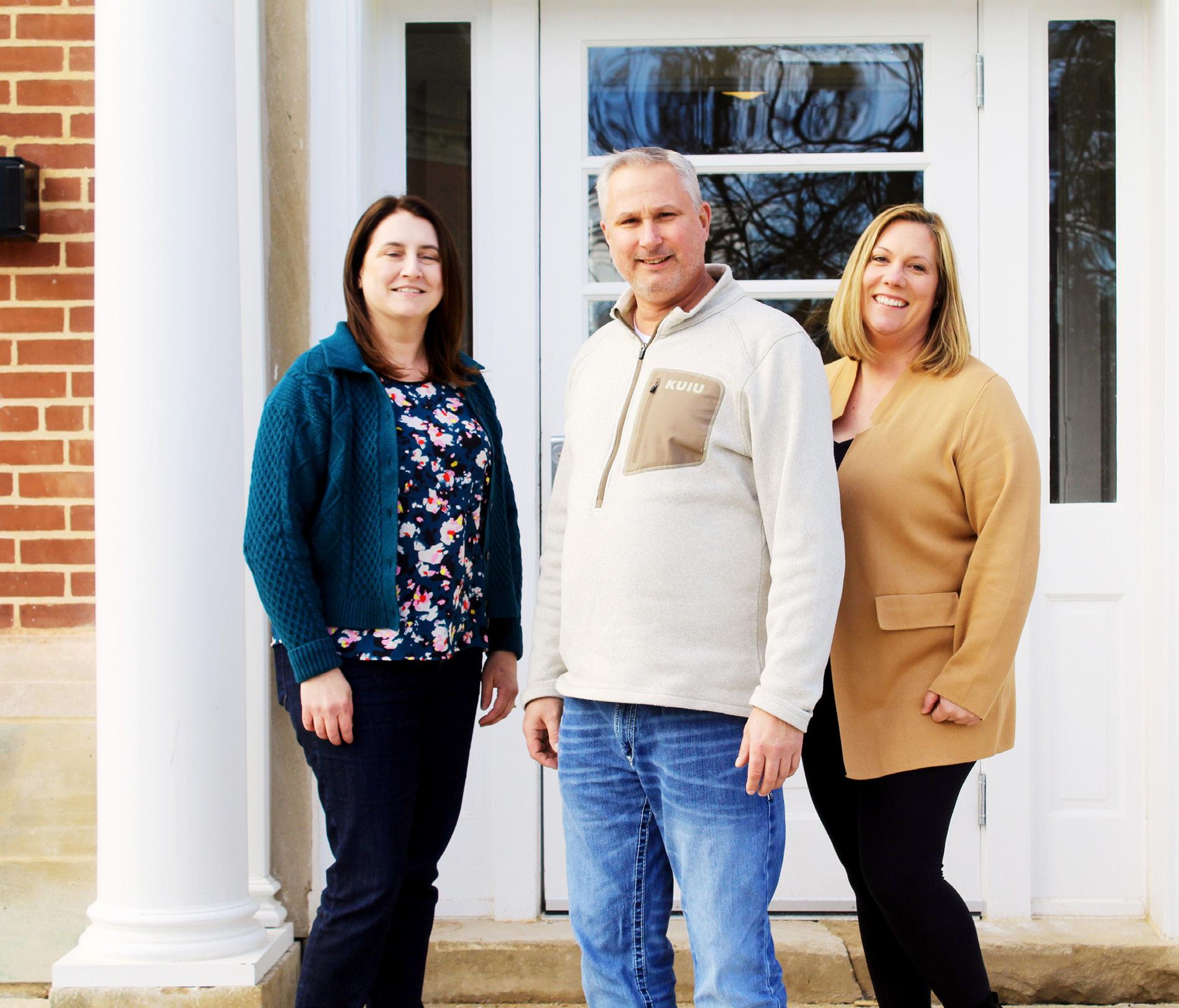
Bringing the former Shimer College campus back to life as Shimer Square has been a multiyear focus for Economic Growth Corporation of Rock Island, whose driving force includes (from left) chief financial officer Cindy Berg, construction manager Andy Fisher and vice president Beth Payne.
The group’s CEO, Brian Hollenback (below), said Shimer Square fits squarely within the organization’s long history of adaptive reuse. “There's something about the campus when you walk onto it. With the history of the college, you just have a sense of place. There's something very special there.”
The hilltop campus, formerly home to the college until 1978 and mostly vacant since then, is once again active and evolving — now as a place designed to serve residents across generations while anchoring future economic development for the community and the wider region.
Economic Growth Corp., a national nonprofit with a regional office in Rock Island, focuses on building and managing affordable housing. The idea to develop the Shimer campus took shape in 2018, and the group officially took possession of the campus on Dec. 31, 2018, EGC vice president Beth Payne said.
“We are known to do the hard things, and we wanted to know for sure that we could take this mission on and do it well,” Payne said. “This is the largest development we’ve ever done. It’s all historic.”
EGC board members toured the campus alongside city officials, walking through vacant dormitories, academic halls and aging infrastructure while discussing the possibilities. Andy Fisher directs the construction for EGC, with construction done by general contractor Estes Construction of Davenport, Iowa.
“At that time, we started the ball rolling on what, when and how this was all going to take place,” Fisher said. “We did whatever we could at the time we could do it.”
As plans evolved, so did the vision.
“It’s taken turns and has changed form in many ways, but a lot of that is because of the nuances of what it takes to take on these buildings and historically rehabilitate them to what they are now, and to adaptively reuse them as apartments,” Payne said. “If we had not stepped in, this would have been given back to the City of Mount Carroll, and then what?”
The Sawyer House was rehabilitated first, becoming the administrative hub for the development and later incorporating co-working space. Work on the campus’s front gate followed. From there, attention turned to residential buildings.
Shimer Square’s offerings include studio, one-, two- and three-bedroom apartments ranging from 462 to 1,093 square feet, and monthly rents from $430 to $948. The apartments feature in-unit washers and dryers and are designed to be fully accessible, adaptable and pet-friendly, with shared indoor and outdoor amenities across the campus, including community rooms, gardens, walking paths and gathering spaces.
Three historic buildings — McKee Hall, Hostetter Hall and Dezendorf Hall — house the campus’s 51 apartments. McKee and Hostetter, both built in 1906, anchor the residential core, while Dezendorf Hall, constructed in 1962, was the first to welcome residents. Sawyer House now serves as the administrative office for Shimer Square and includes co-working space for tenants. Other campus buildings are being phased into commercial, administrative and community uses. Several former academic buildings are slated for small businesses and child care and other, older structures are still being renovated as funding allows.
cont’d to page 22
SHIMER
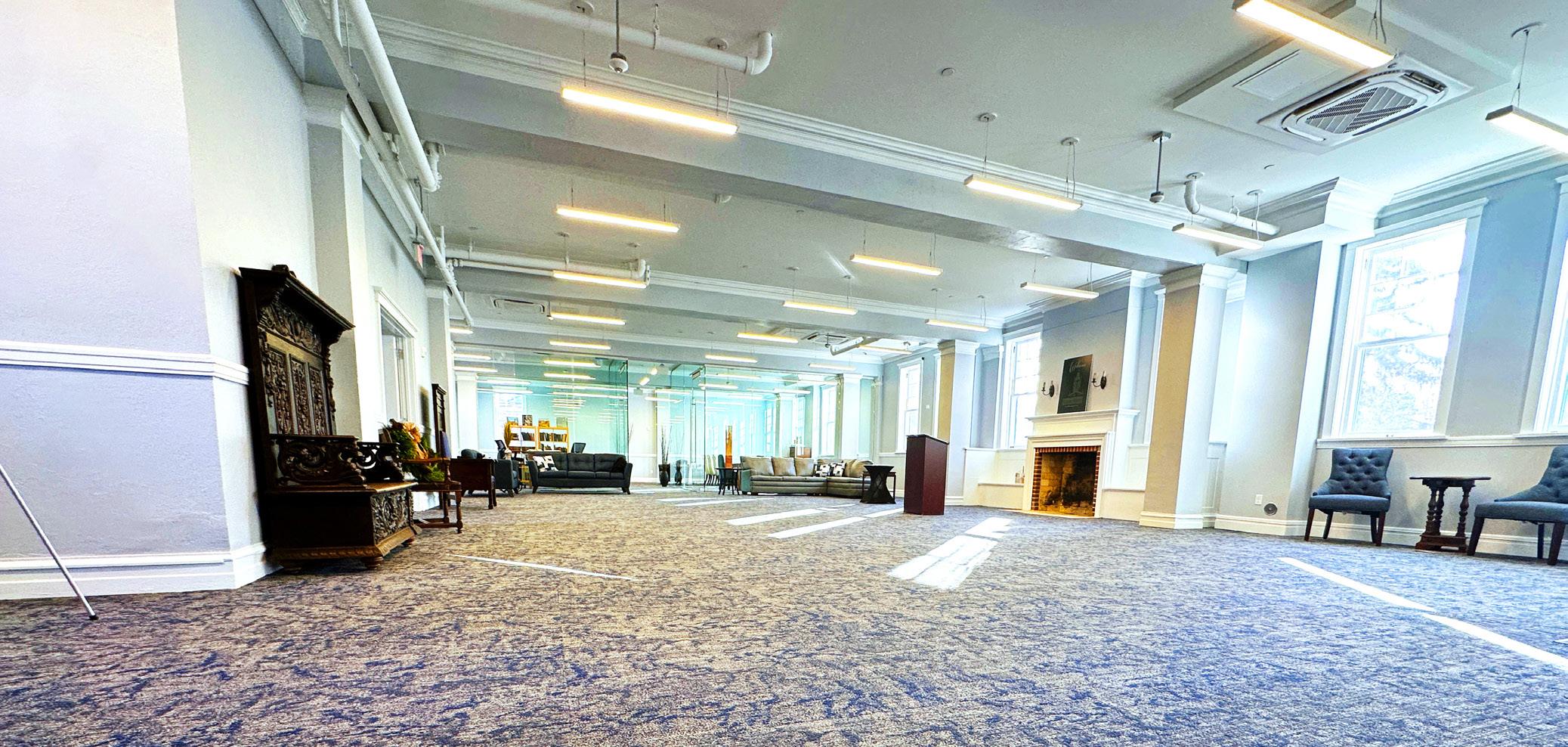
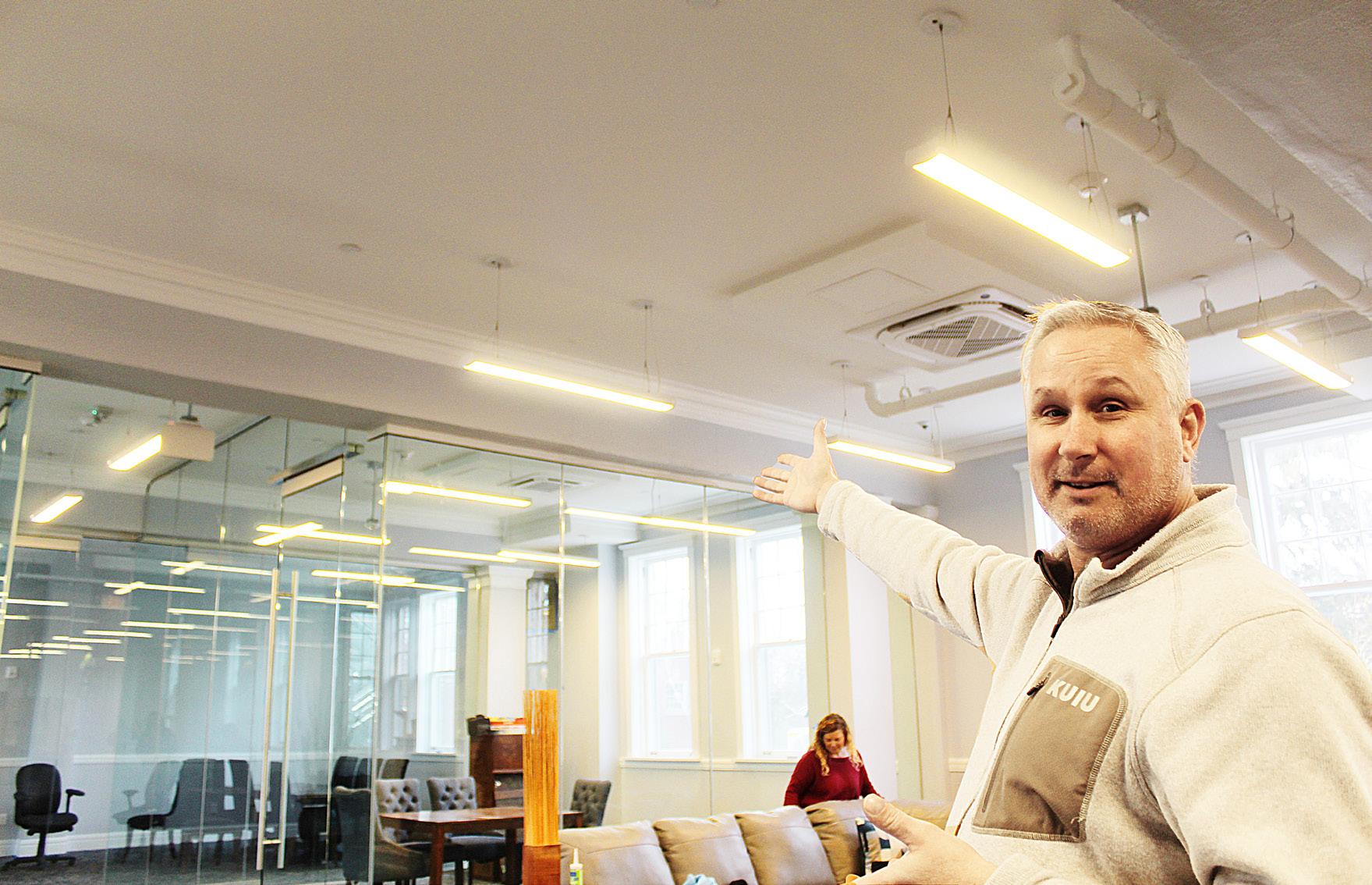
The college’s former dining area in McKee Hall (below) has been repurposed into a community space (right), complete with an internet café and co-working area. “We have tried to accommodate everything and everyone we could inside a historic building,” said construction manager Andy Fisher.
cont’d from page 21
Property management for the apartments is handled by Yost Management Services, and availability and unit specifications are shared through the Shimer Square Apartments Facebook page.
The first residents moved into Dezendorf Hall during the first week of November 2025, according to Cindy Berg, EGC’s chief financial officer. She said watching the transformation of the buildings has been especially rewarding.
“I love to see the actual construction process along the way,” Berg said. “The level of craftsmanship was well done. It’s really fun to see it come to life — the hardwood floors, the unique windows, all of that coming togeth-
SHIMER cont’d to page 24
Speed up. Stay local.
NO DATA CAPS | NO HIDDEN FEES | NO CONTRACTS
SHIMER
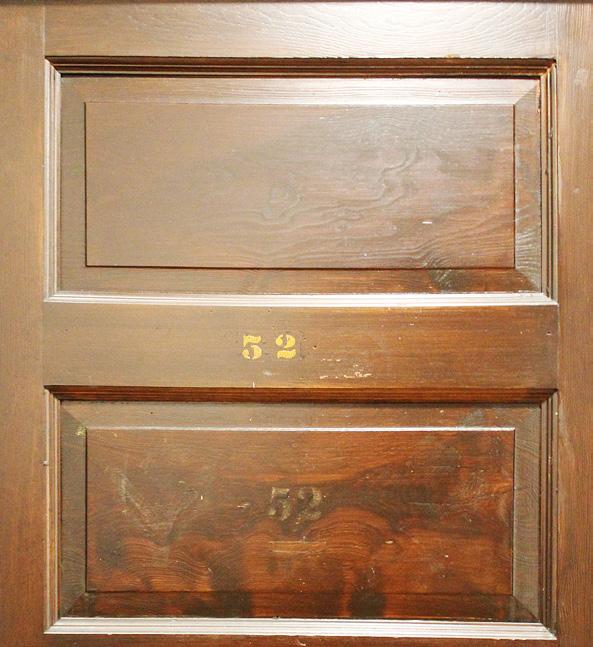
In transforming a former college into a housing community, planners were still able to retain some of the buildings’ original character. “You’re living in a 100-year-old building, but it’s in 2025 … You’re getting the best of both worlds,” said construction manager Andy Fisher (above). At left: Some original dorm doors were kept and used as decor pieces. At right, from top: An deck in one of the units in Dezendorf Hall; interior shots of the new apartments; the newly built Honey Bee child care center, expected open early this year.
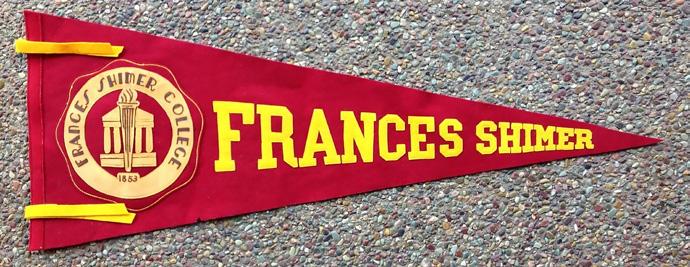
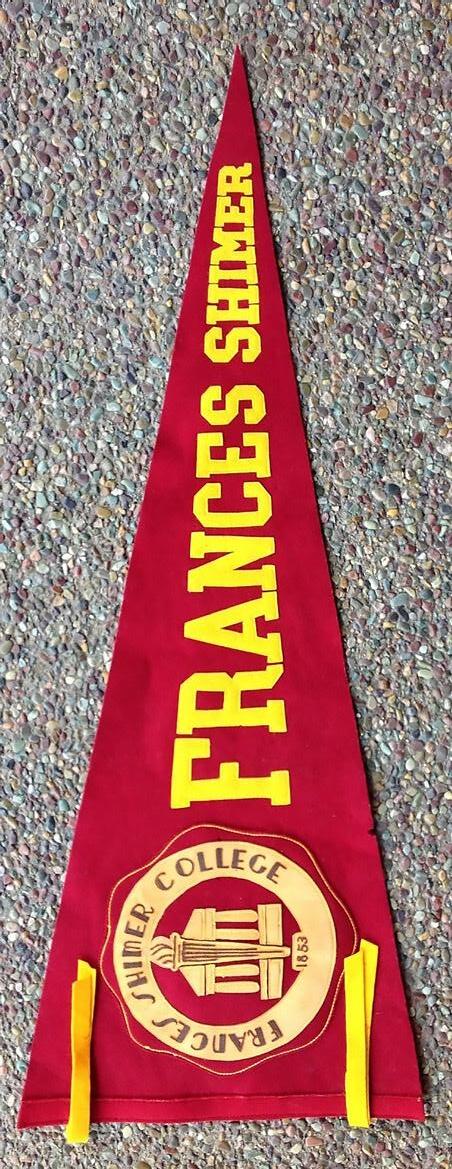
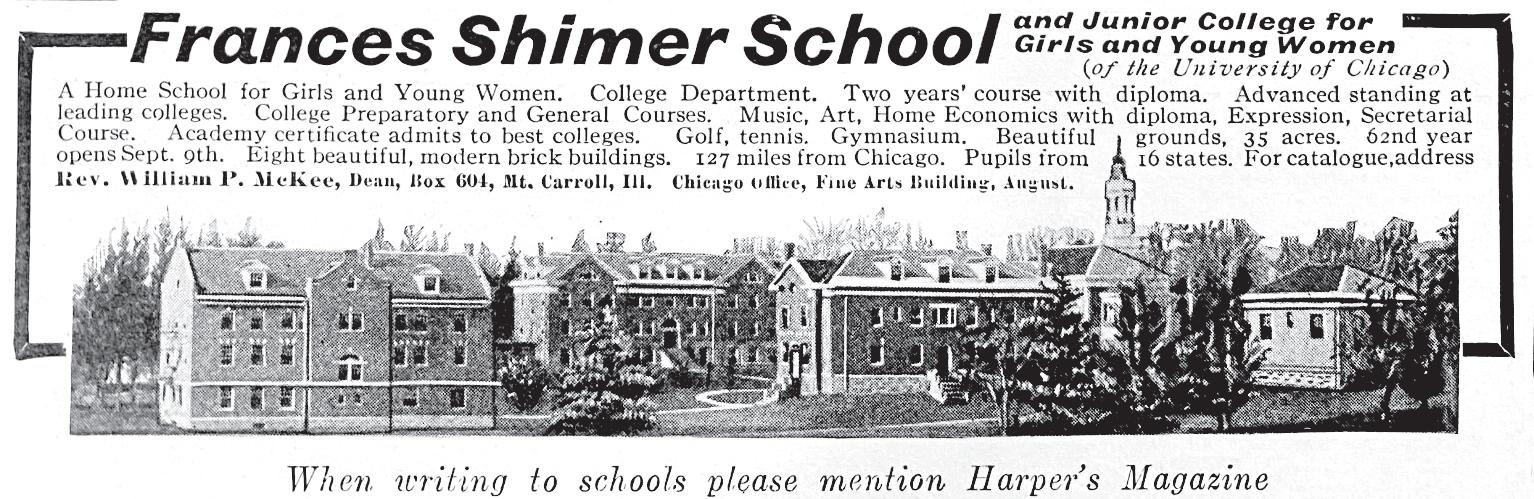
A 1914 ad for Frances Shimer School in Mount Carroll, advertising 35 acres of “beautiful grounds” and “eight beautiful modern brick buildings.”
For Fisher, one of the most compelling aspects of Shimer Square is how modern living has been integrated into historic structures.
“It’s up-to-date, up-to-code,” Fisher said. “You’re living in a 100-year-old building, but it’s in 2025 … You’re getting the best of both worlds. There’s a maintenance team, a 14-acre campus that the kids can play in, and with things to come in the future. We have tried to accommodate everything and everyone who we could inside a historic building.”
Inside McKee Hall, the former dining hall has been repurposed into a community space, complete with an internet café and
area.
dorm room numbers still appear on McKee’s original doors — now preserved as false doors.
Brian Hollenback, CEO of Economic Growth Corp., said Shimer Square fits squarely within the organization’s long history of adaptive reuse. He said the campus’s character made it an especially compelling project.
“There’s something about the campus when you walk onto it,” Hollenback said. “With the history of the college, you just have a sense of place. There’s something very special there. It’s a place where the community can come together, and now we’re looking forward with the additional phases of it becoming a tremendous asset to not only Mount Carroll, but all of Carroll County.”
Construction crews, he added, have also taken pride in the project as they work to restoring the buildings, Hollenback said.
Pointing to touches like the preserved dorm doors in McKee, he said: “You can’t duplicate that,” Hollenback said. “Can you imagine some of the conversations that were had in some of those former dorms and classrooms?”
Support from state and local leaders has been essential, Hollenback said.
“If you do not have support from your elected officials and the community, you’re taking a difficult task and almost making it impossible,” he said. “Having the support of the mayor and the city council was important for getting through the challenges we came across.”
cont’d to page 25
SHIMER cont’d from page 22
SHIMER
The redevelopment also expanded beyond housing when city officials suggested adding a child care center. The idea was incorporated into the plan, resulting in a brand-new building on the campus. The Honey Bee child care center is expected open early this year, creating nearly 30 jobs.
Payne said the residential mix has aligned closely with expectations.
“It’s housing for all,” Payne said. “There are a lot of young professionals who are here and retirees who are looking to downsize. Our market base is essentially what we anticipated it to be. With this being the campus that it is, with the quad and that area, too, it’s just a very welcoming community. I don’t think there’s anything like what Shimer Square has to offer in the region, or the state.”
As redevelopment continues, additional buildings are slated for future use. Plans include attracting small businesses into three more campus buildings, converting others into commercial or community-focused spaces, and bringing in a mobile coffee unit to activate the former quad.
As the project continues to evolve, Payne said flexibility has been essential in responding to community needs and in navigating the realities of historic redevelopment.
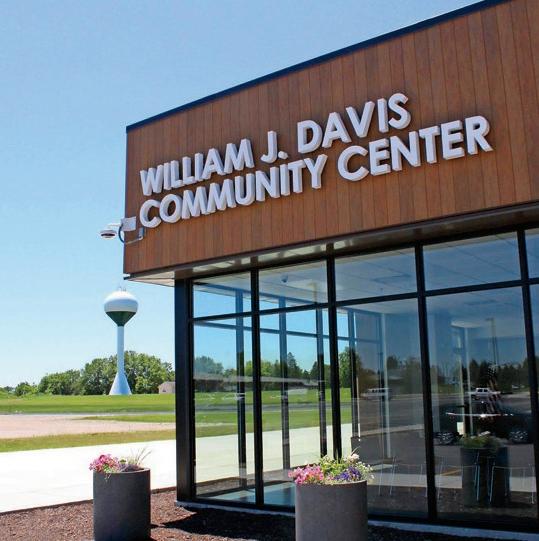
“The fact that this campus hasn’t been fully utilized in many years, since Shimer left, the goal is for every single building, to our best ability, to be redeveloped and activated with things that we know are going to fit the community,” Payne said. “Mount Carroll’s going to have community meetings to talk about the future of Mount Carroll, the Davis Community Center was recently completed, and the school district has made some changes, so it’s a real exciting time. What we’re doing here is pretty remarkable. It will become more of a destination than it already is as we continue the redevelopment.” n Shaw Media reporter Cody Cutter can be reached at 815-632-2532 or ccutter@shawmedia.com.
EXPLORE the campus
Find Shimer Square Apartments on Facebook or go to shimersquare.com to learn more about the former Shimer College campus in Mount Carroll’s reuse into apartments and small business space, as well as for information on apartment specs and leasing. Go to economicgrowthcorporation.com to learn more about Economic Growth Corporation, who owns the site and has rehabbed apartment and housing projects in northwest Illinois.
145 YEARS SUPPORTING LOCAL AGRICULTURE
Kara
Joel Dennis Kellie Brock
PAST WITH CARE
MUSEUMS AHEAD
Thanks to the places dedicated to preserving their communities’ stories, and the people devoted to telling them, the past is alive and well in Carroll County’s museums, where time stands still so people can get a good look at it
he story of the region that would one day become Carroll County began millions of years ago, but it’s only in the past few centuries that museums have told the tales of towns and village and counties and communities, and the settlers who formed them as they struck out to tame the land and build a nation.
These communities have histories that go back to the days when Chief Black Hawk’s Sauk Indian tribe ruled the land, when natives enjoyed a prairie untouched by the march of progress and where animals had roamed the land for millennia. That was up until the 1820s and 1830s, when the first White settlers moved in and displaced the natives, establishing communities that would become towns, setting up stagecoach routes and rail lines to help them prosper and grow. Rooted in agriculture and a growing industrial base, these cities would become home to hard-working people and their stories would become history.
As more people spilled across the land, preserving those stories became increasingly important. Research that took place 100 to 150 years ago documented what life was like for both man and beast up until modern times, providing a foundation on which today’s gatekeepers of history can stand as they continue to refine stories of the 19th and 20th centuries and preserve stories of the present at local museums.
Carroll County’s history is as rich as its rolling landscape, spread across homes, depots, schoolhouses and museums that preserve pieces of everyday life as it once was. They are the places that offer windows into how towns formed, grew, and endured. Peer through those windows and you’ll find storytellers in those museums, where volunteers and helpful historians and dedicated docents are committed to not only celebrating the past but preserving it for future generations, through their commitment and efforts to encourage people to give the time and money it takes to maintain these museums.
In this issue of Carroll County Living, we’ll explore local museums along the byways and city streets that lead people on a trip down memory lane. We encourage you to visit one, or all, of them and learn more about the region’s roots and what helped them grow. Even long-time locals may be surprised at what they learn about the communities they call home, learning new facts about the old stories they may have already heard. After all, even when history repeats itself, it still has a lot to say.
So, load up the family in the car and enjoy a trip down memory lane
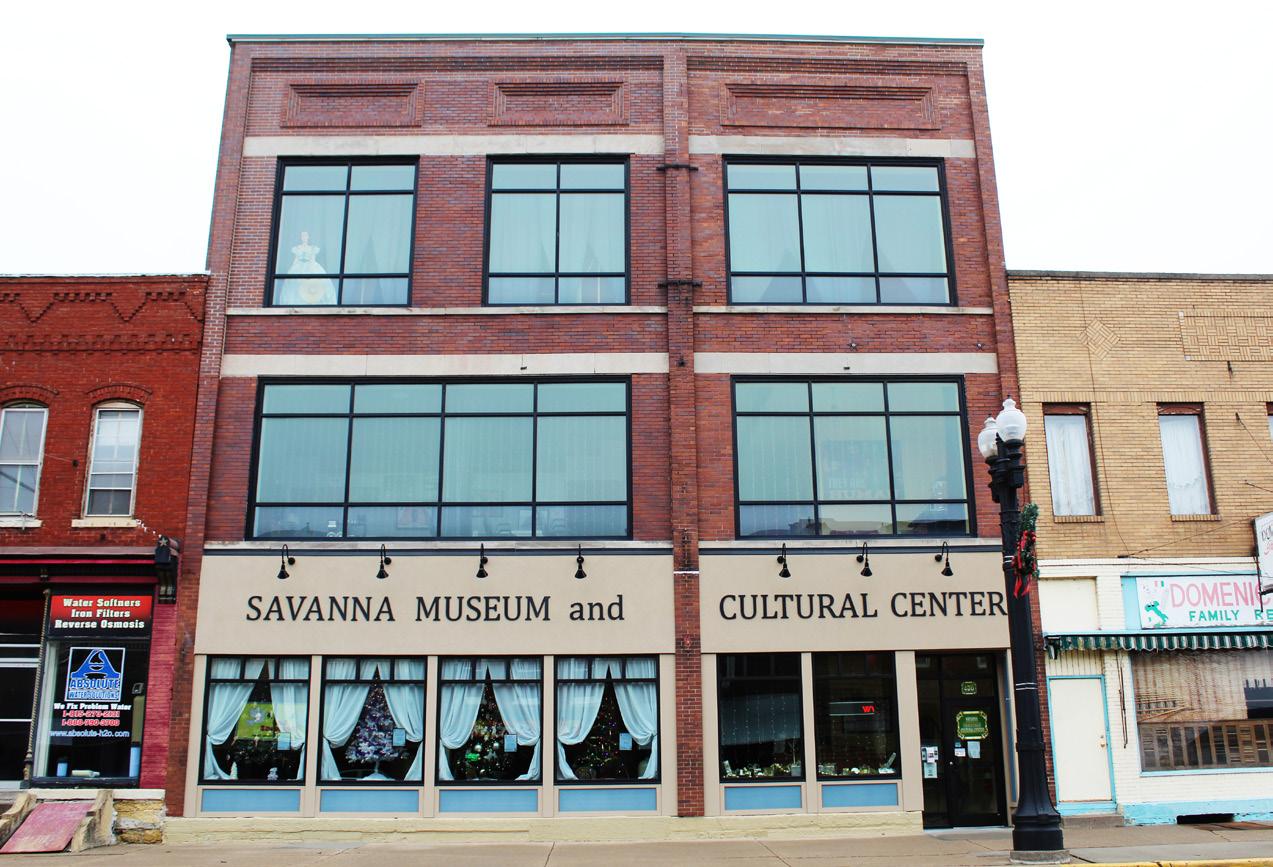
pened in 2011 inside a restored mid-1800s building, the Savanna Museum and Cultural Center has three floors of permanent and rotating displays of exhibits on the city and its history, as well as artifacts from Savanna’s prominent citizens.
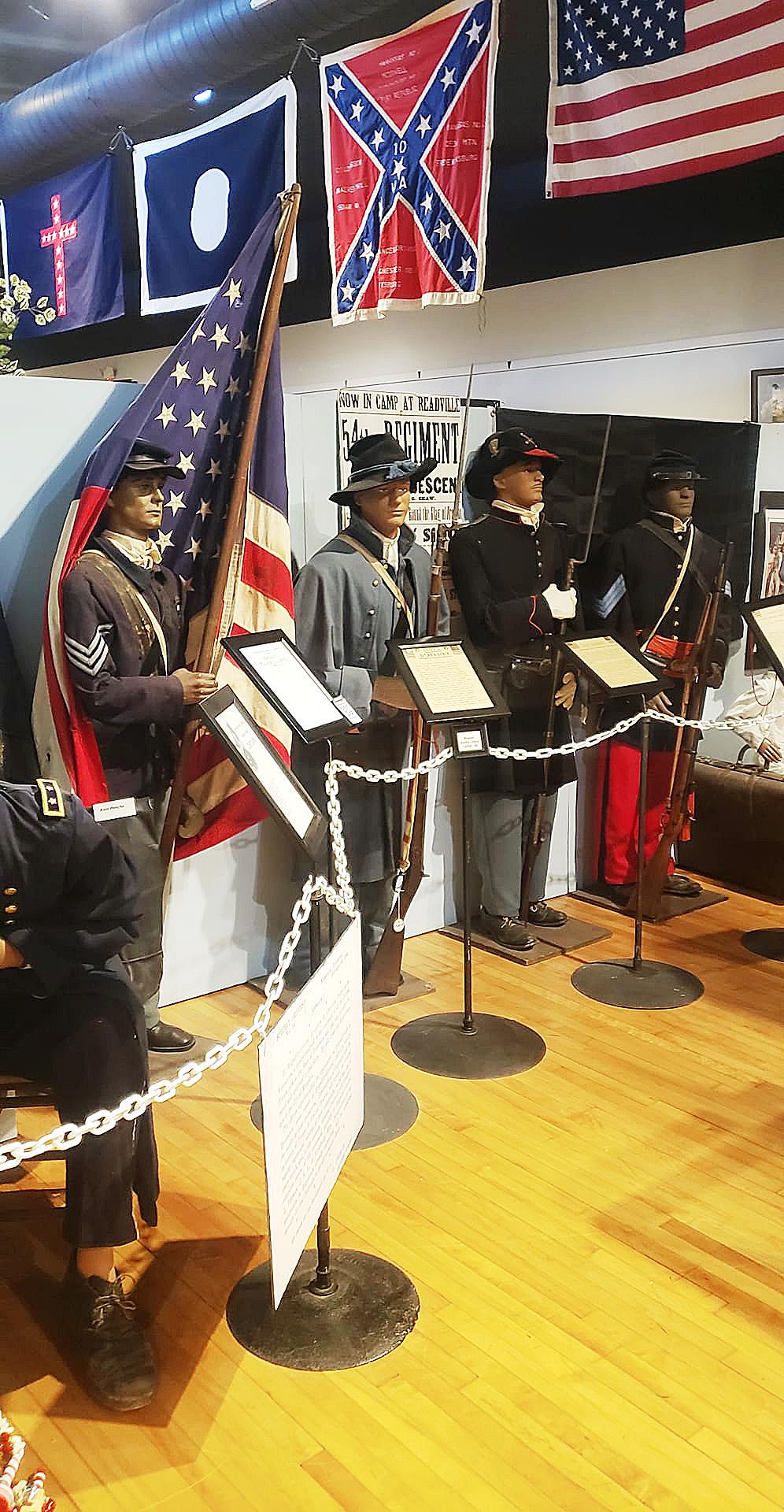
Highlights include the Civil War Soldier Gallery and Hometown Heroes Exhibit. Collections of instruments and other music materials from “America’s Waltz King,” Savanna-born Wayne King, are displayed, as well as exhibits about local World War I Red Cross nurse Helen Scott Hay. Savanna’s railroad history with the Milwaukee Road and Chicago, Burlington and Quincy is here, too, displayed through a 1,000-square-foot HO-scale model railroad track. There is much more to see, including artifacts from the now-closed Savanna Army Depot north of town.
The first-floor Community Room serves as a gathering space throughout the year, hosting a wide variety of programs and events, and also is available for private event rentals. These include the family-friendly Scavenger Hunt evenings and the Creativity on the Move artisan and crafter showcase. During the holiday season, the museum transforms for its Festival of Trees, running from the day after Thanksgiving through mid-December. More than 50 uniquely decorated trees, donated by local individuals,
businesses, churches, and organizations, fill the first floor to create a festive and welcoming atmosphere.
Events coordinator Juliene McCormick attributes much of the museum’s successes to the dedication of the people who make it possible.
“What makes the Savanna Museum and Cultural Center special isn’t just the amazing events and exhibits, it’s the dedicated volunteers, financial supporters, and our historical society that make them possible,” McCormick said. “Every gathering turns 406 Main into a place where community comes together and connections grow.”
Live Music at the Cultural Center, now in its fifth year, has become one of Savanna’s most anticipated cultural traditions. On the final Friday of each month, from January through October, the Community Room is filled with people and music in a candlelit, nightclub-style space. Each evening offers a 90-minute performance featuring a mix of local favorites and accomplished Chicago-area musicians. Chicago cultural icon and Poetry Slam founder Marc Kelly Smith hosts the night, often sharing his own poetry and inviting audience members to read during intermission.
“As the monthly Live Music at the Savanna Museum and Cultural Center enters its fifth year, I reflect that the joy comes not just from the excellent musicians’ performances, but also from watching the community come together in mutual enjoyment and appreciation,” McCormick said, as well as “working alongside dedicated volunteers and the concert series’ incomparable host, Poetry Slam performer, Marc Kelly Smith.” n
SAVANNA MUSEUM
oused in an 1873 Italianate home, the Carroll County Historical Society’s collection of artifacts and stories displays much of the county’s history. A pair of rooms are dedicated to the Miles Family, who built and owned the home. Miles owned the town mill in the 1850s and later served in local public offices and was an executive of the town’s First National Bank.
The museum’s collection continues to grow through donations approved by the Carroll County Historical Society board, whether for permanent display or temporary exhibits, board president Sue Appel said. Each item is carefully documented.
“We try to get as much information as we can on each item that is supplied to us,” Appel said. “That’s what makes them interesting because you can look at it and think, ‘This came from there,’ and ‘There’s a story behind this.’”
In the Miles family rooms, visitors can find old photos, period furniture and the Miles Family Bible dating to 1857. Other highlights on the first floor include a desk once used by Helen Scott Hay in Savanna (“Carroll County’s most famous daughter,” a prominent figure in the nursing profession during the early 1900s) and medical equipment belonging to Dr. Jean Mackay-Glidden, the first female physician in Mount Carroll.
Beyond the Miles rooms, exhibits span military history, medicine and education. Upstairs, an education history room features artifacts that resonate with younger visitors.
“It’s the history of Carroll County from room to room,” board treasurer Anne Haliotis said. “It’s what was. It’s about people who were here.”
She said the school exhibit is a favorite during annual visits by local junior high students. “Everybody has something that they really like,” Haliotis said.
The basement houses the Carroll County Genealogy Center, established in 1975, with family histories, photographs, diaries, church and school records, obituaries and assessor books that track early households and farms. Because Illinois did not require registration of births and deaths until 1916, church records are often essential.
“You can watch a family grow from having one horse to maybe having 20 cows, and many people take copies of that,” Haliotis said. “Sometimes to find out when Grandma was born or when Grandpa died, church records are the only way you can find them, so we try to gather as many as we can.”
Taken together, the exhibits reveal how differently visitors connect with the museum, depending on where their own histories intersect with the county’s past.
“Everybody’s different as far as what they’re interested in,” CCHS board member Deana Janssen said. “Sometimes we get people who come in that went to Shimer College, and are fascinated with what all we have on Shimer College, and people get fascinated about all of the stuff that we have in our medical room.”
The Carroll County Historical Society was established in 1964. It opened the Oakville Complex in 1968 and moved into the Miles House in 1982.
“Coming here will give people a feeling about what Carroll County was and is,” Appel said. “We get donations from all over Carroll County, or are related to Carroll County. People can see all different things from around Carroll County, and reminisce about what they once knew, from people to clothes to toys and furniture.” n
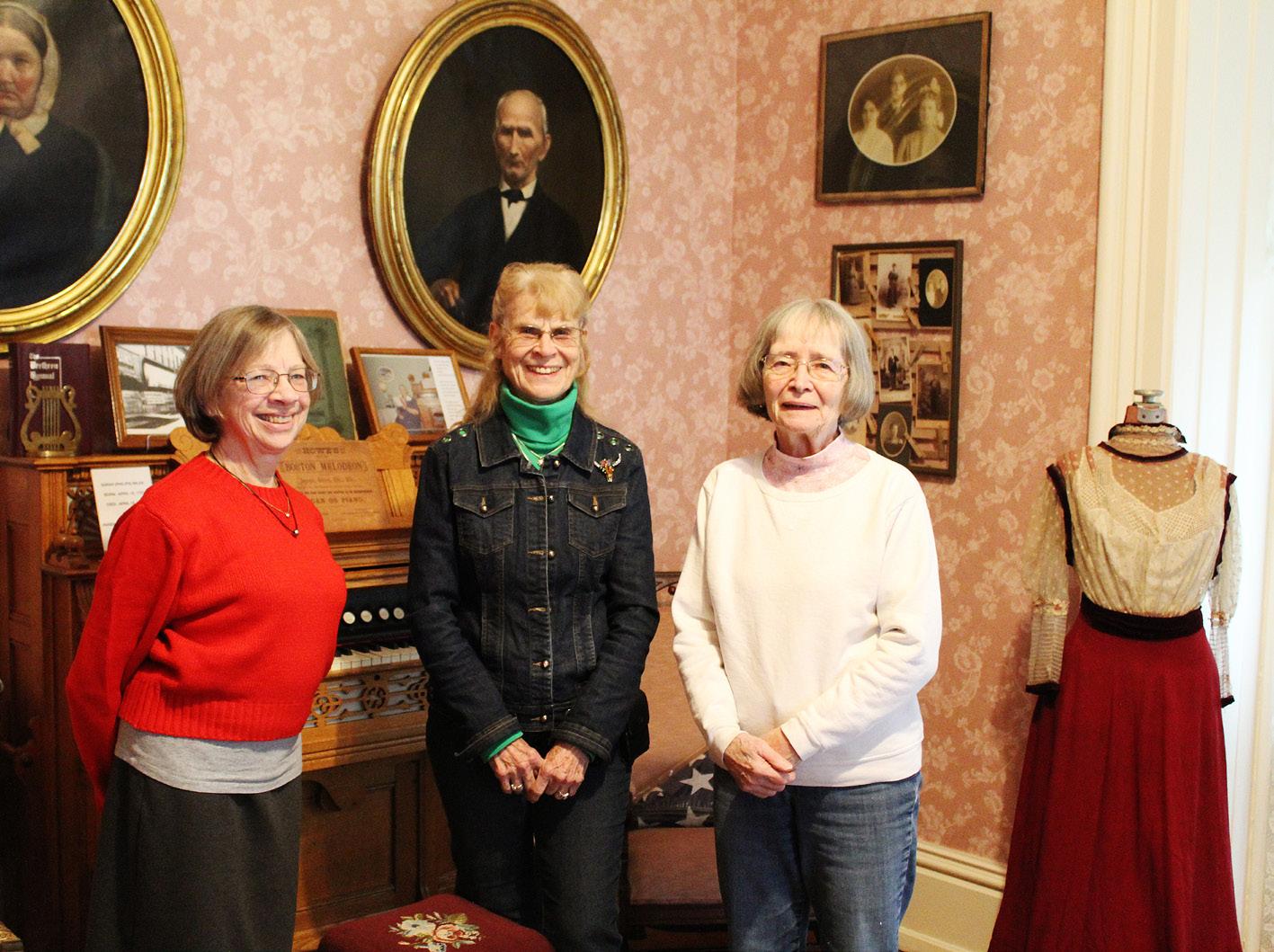
Carroll County Historical Society board members Deana Janssen, Sue Appel and Anne Haliotis.
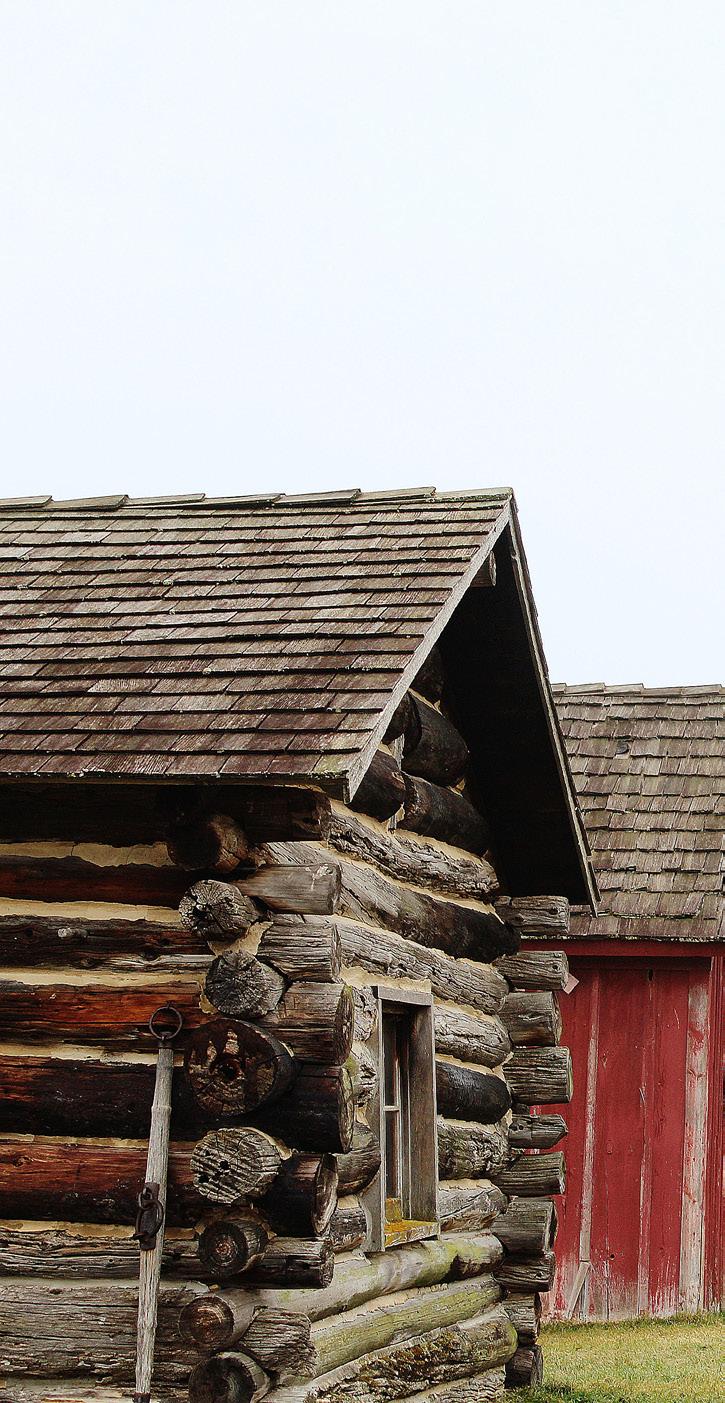
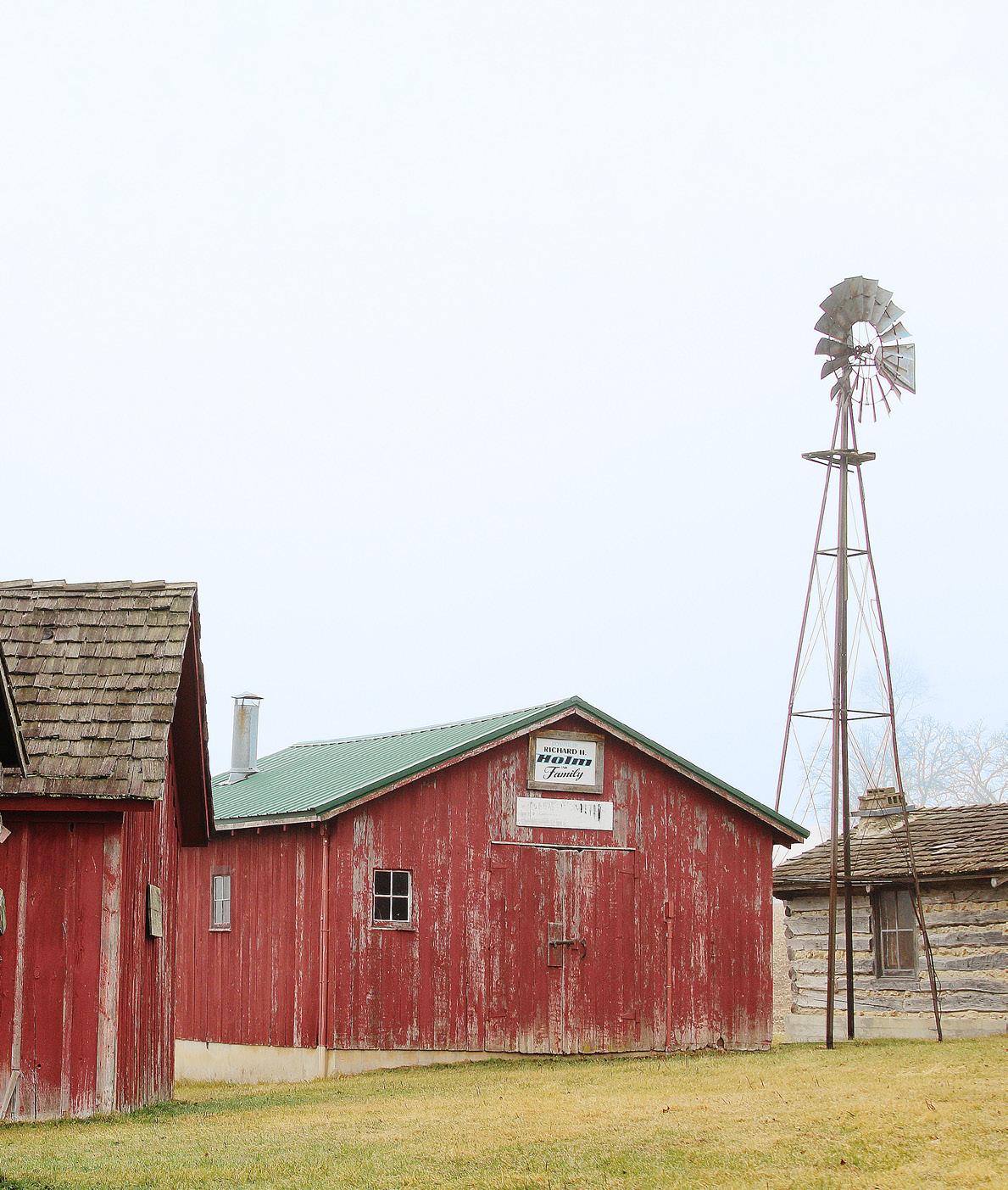
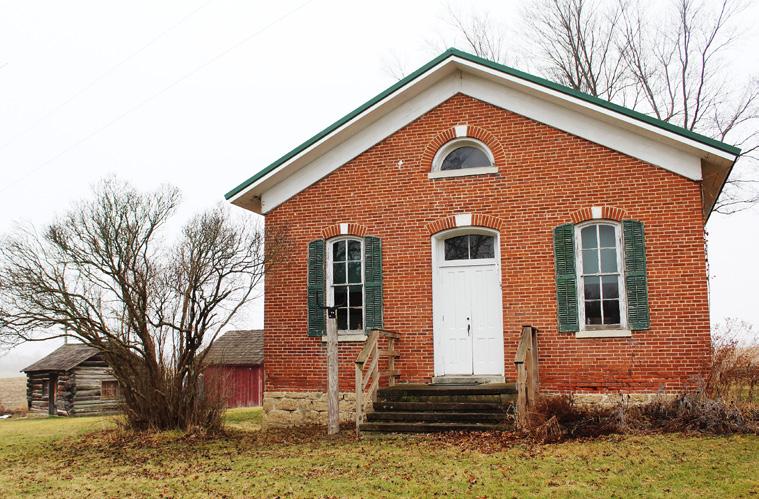
he Carroll County Historical Society also operates the Oakville Complex, consisting of an 1888 schoolhouse, a pair of log cabins, a blacksmith shop and a granary located a few miles south of town. The buildings sit near one another akin to a historic village, approximating what the former community of Oakville — a predominantly Scottish settlement — was like around the turn of the 20th century. The complex is open by appointment, but an open house is held each fall and school field trips can be arranged.
The brick schoolhouse was in use until shortly after World War II. The historical society acquired it in 1968. The building and interior has been restored to resemble a typical school during the time when classes were still taught there. It is the only building original to old Oakville; the others were relocated there from other places.
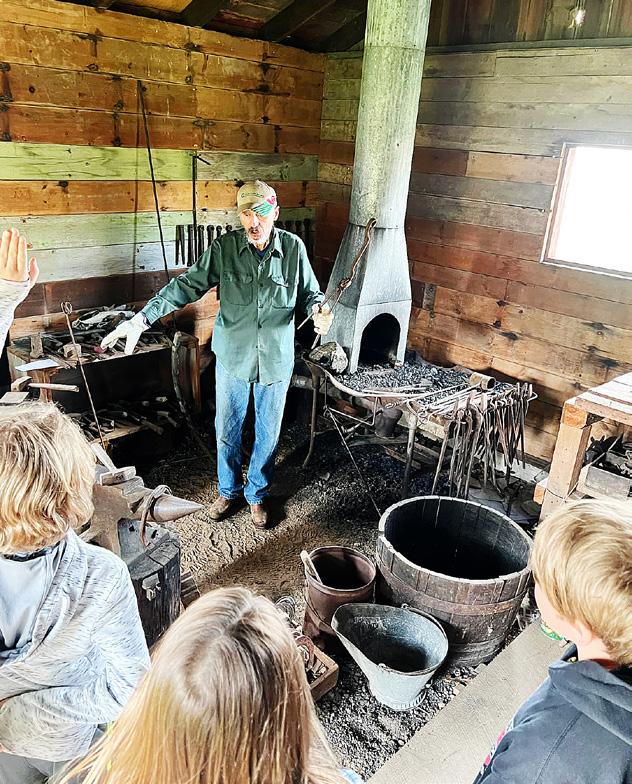
Oakville Complex occasionally hosts live blacksmith demonstrations.
The former Robbe Blacksmith Shop once was in Mount Carroll. The building has been restored to look like a period blacksmith shop, and demonstrations are held on special occasions.
The McKean Granary, an 1860s storehouse for threshed grain, contains antique farm tools used for threshing. Log cabins owned by the Weitzel and Hay families give visitors a glimpse of pioneer home life. Butter making demonstrations are also held during school field trips.
That sense of connection extends beyond the Miles House and into the countryside south of Mount Carroll, where the society preserves an earlier, more rural chapter of county life.
“Out there it’s like, this is what it was like to live here,” Janssen said. “We learn from our history, so you get a feeling for what it was like — what Grandma had to do to go to school, and that kind of thing. It allows you to connect to how those people would have lived. It’s such a big difference because they were poorer than the people who lived in town.”
While the actual village of Oakville is no more, a handful of houses remain near the complex, as does the former Oakville Country Club golf course. n
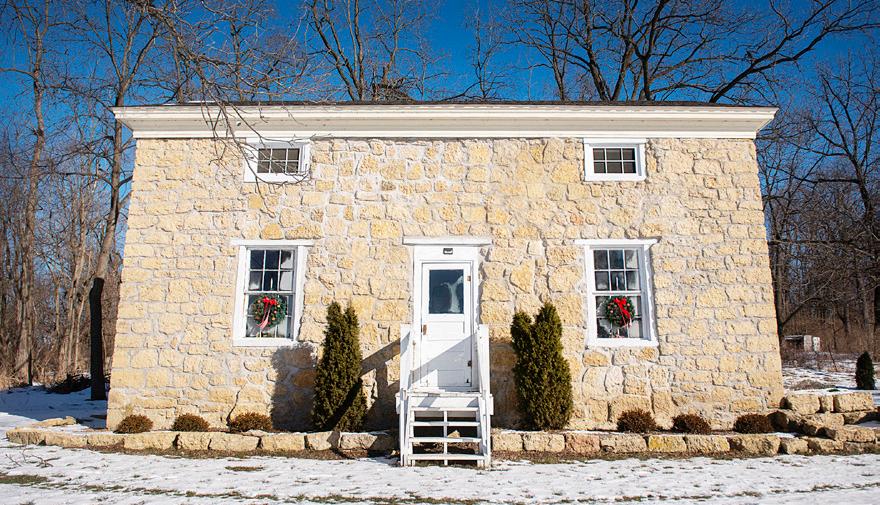
uilt in 1841 along the banks of what was then-known as the Wakarusa River (now Carroll Creek), the David Emmert Stone House stands as the oldest surviving home in Mount Carroll, and one of its most hard-won preservation successes. Constructed of local limestone by early settler David Emmert, the house was the second residence in town and a witness to Mount Carroll’s earliest growth, fueled by the nearby waterway.
Over time, shifting ground, road construction and repeated flooding took a heavy toll on the house. By the early 2000s, it had been abandoned and badly deteriorated. A devastating flood in 2006 tore away entire walls, collapsed the roof and left the house a broken shell. The city planned a demolition, but a group of residents refused to let Mount Carroll’s oldest surviving home disappear.
Volunteers formed the Mount Carroll Community Development Corporation, raised private funds and began a restoration that stretched across roughly 15 years. Replacement limestone was donated from a local farm, and volunteers carefully fit new blocks alongside original stone, stabilizing walls and rebuilding what nature had erased. By 2014, the house was structurally sound, complete with a restored roof, windows and a natural spring in the lower level that once provided refrigeration and running water.
Today, the Stone House is part of a public park at the corner of Route 78 and State Street. Inside, a glass walkway creates a “doll house” view of the home’s original layout, allowing visitors to see all levels at once, from social spaces below to bedrooms above, furnished with period pieces. n
ALEX T. PASCHAL/APASCHAL@SHAWMEDIA.COM
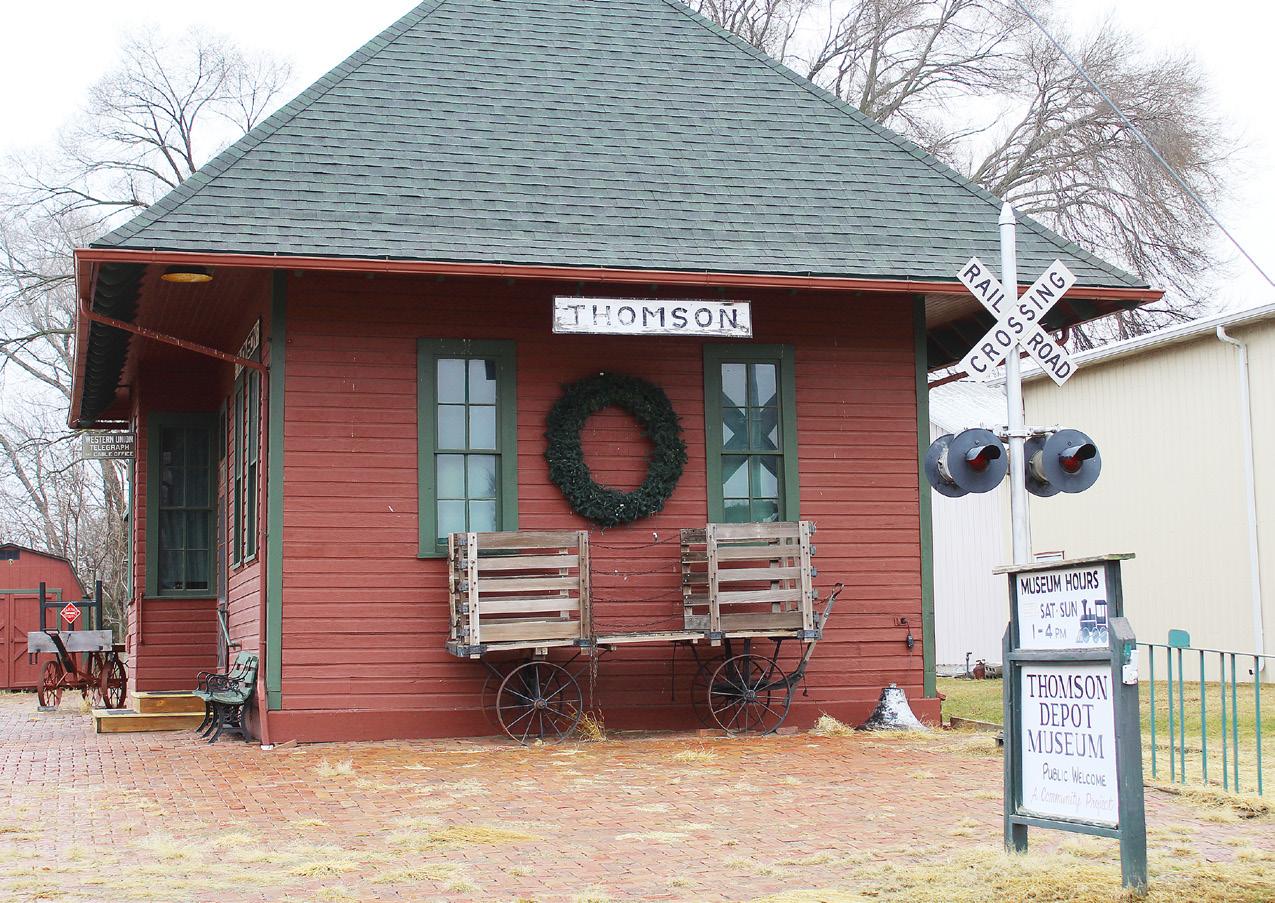
ike many small communities, the railroad helped shape the city of Thomson: If the Chicago, Burlington and Quincy had gone through the then-larger community of Bluffville, just a mile east, in the mid-1880s, Thomson would likely have become a forgotten dot on the map. Thomson’s passenger depot, which is the last of its kind remaining in Carroll County, shares the town’s railroad history.
The depot was restored in 1986 more than 30 years after the last passengers used it. Today, it houses local artifacts and railroad memorabilia, and a new annex to the museum opened in May 2025. The CB&Q was one of two north-south lines that went through Thomson, as the Milwaukee Road also had a line that ran from Savanna to the Quad Cities, paralleling the CB&Q.
On the fourth Saturday of May, the Thomson Depot Days is centered around the depot; this year’s event is May 26. More details on this year’s event will be announced on the museum’s Facebook page. Past events have included live music, special tours and the honoring of current and former railroad workers. n
24 hour access to the
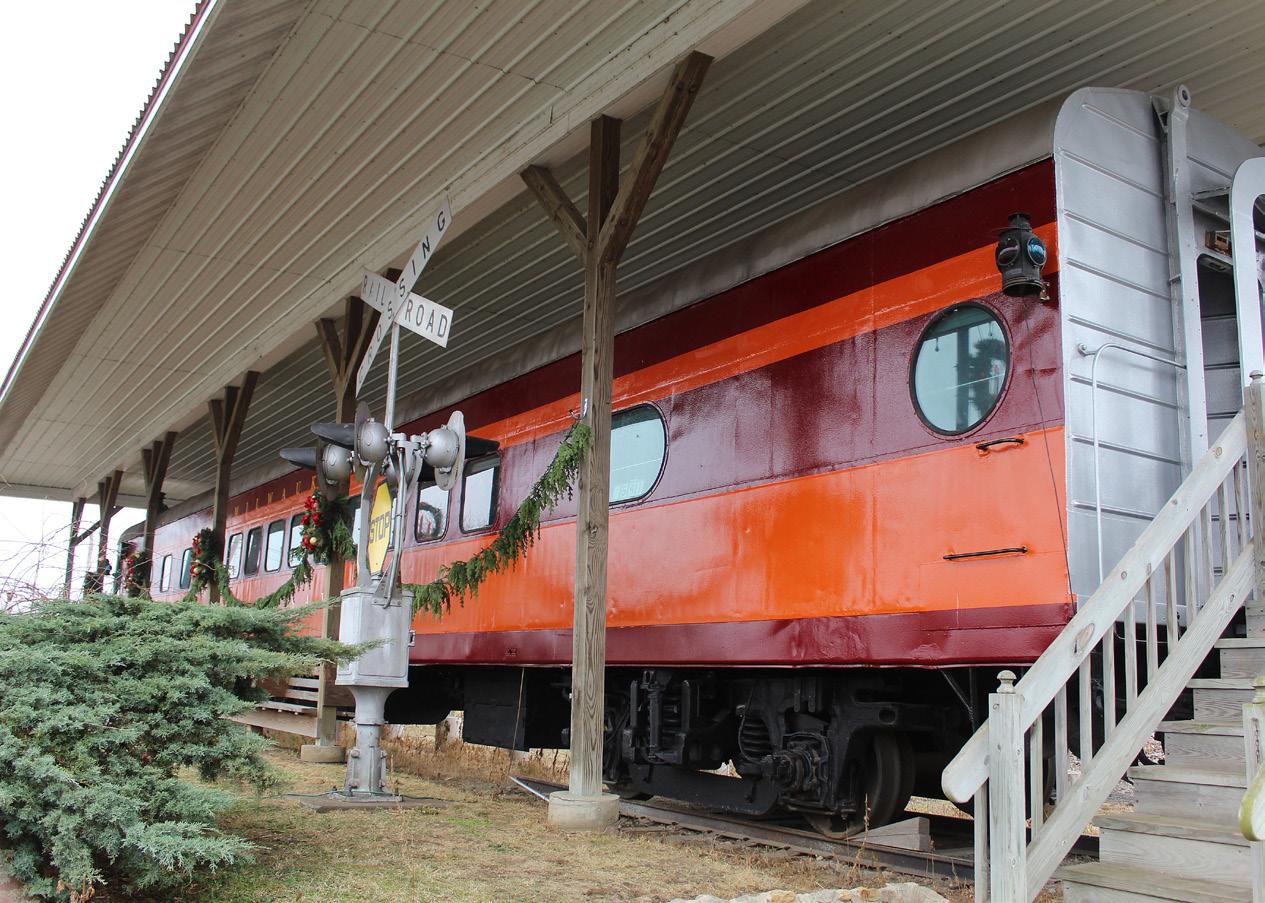
avanna was a major hub for the Milwaukee Road (officially named the Chicago, Milwaukee, St. Paul and Pacific Railroad), dispersing rail traffic from both the Chicago and Milwaukee areas throughout the west across the Mississippi River. The company had a large yard on the south end of town until the 1980s, but the Milwaukee Road’s story in Savanna continues to be told inside Hiawatha passenger car No. 541 — once part of the company’s Hiawatha passenger car fleet in the mid-20th century. The car, in service for around 20 years before decommissioning in 1971, also gives visitors a look at what rail travel was like during that era. It is one of only 16 Hiawatha cars that remain in existence.
Acquired for restoration into a museum in 1984 and operated by volunteer staff, the car is located about 500 feet from where the roundhouse used to be (the Canadian Pacific railroad currently runs on the former east-west Milwaukee Road line). Also on site is a restored ice wagon that helped keep the Milwaukee Road’s refrigerator cars cold, as well as a crossing signal. n
CODY
CUTTER/CCUTTER@SHAWMEDIA.COM
Try our signature drink “The Filthy Marilyn”
SUNDAY FUNDAY! Featuring live music the last Sunday of every month. 6