ACTIaS Vertical Agriculture Incubator
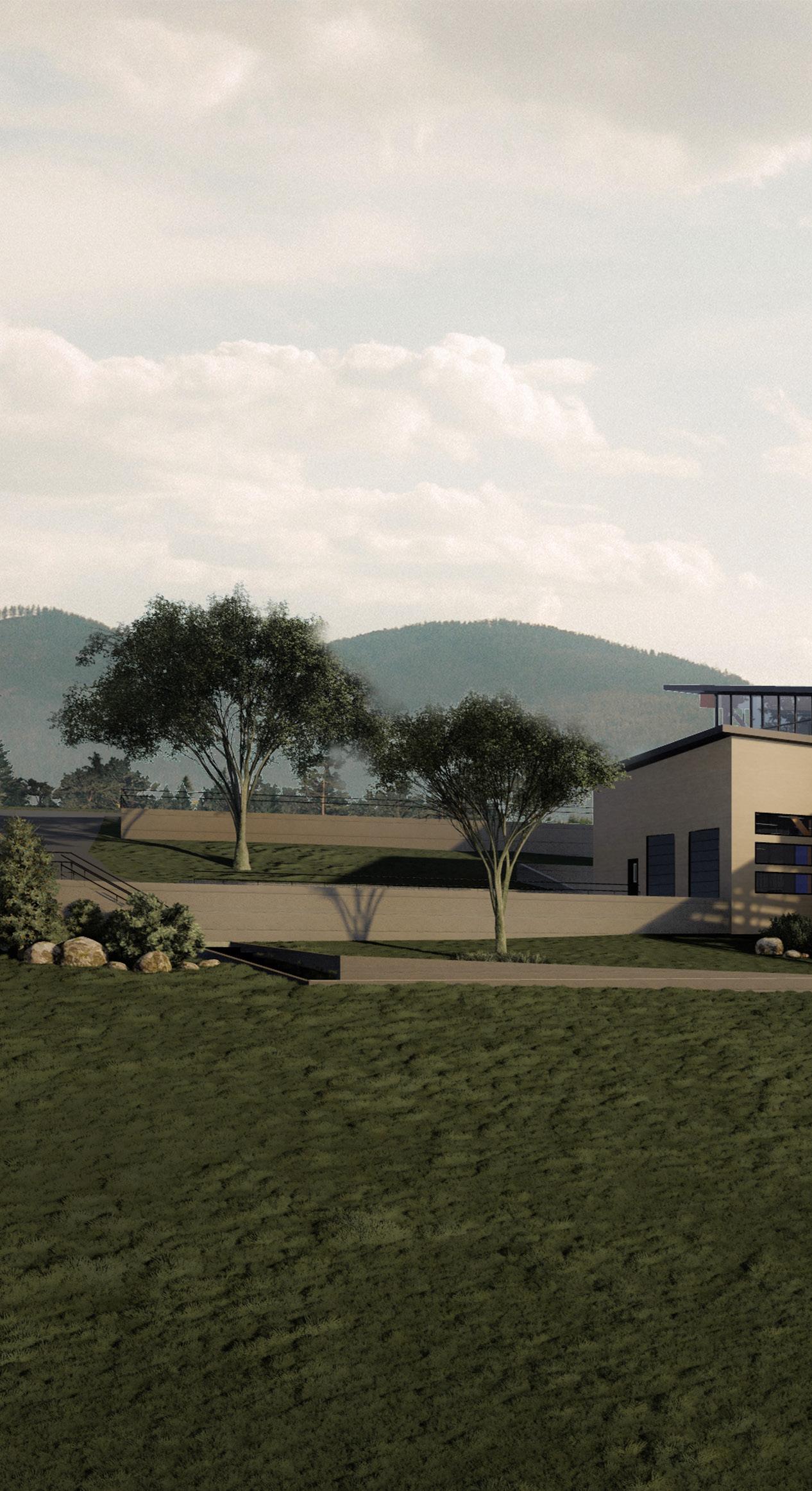
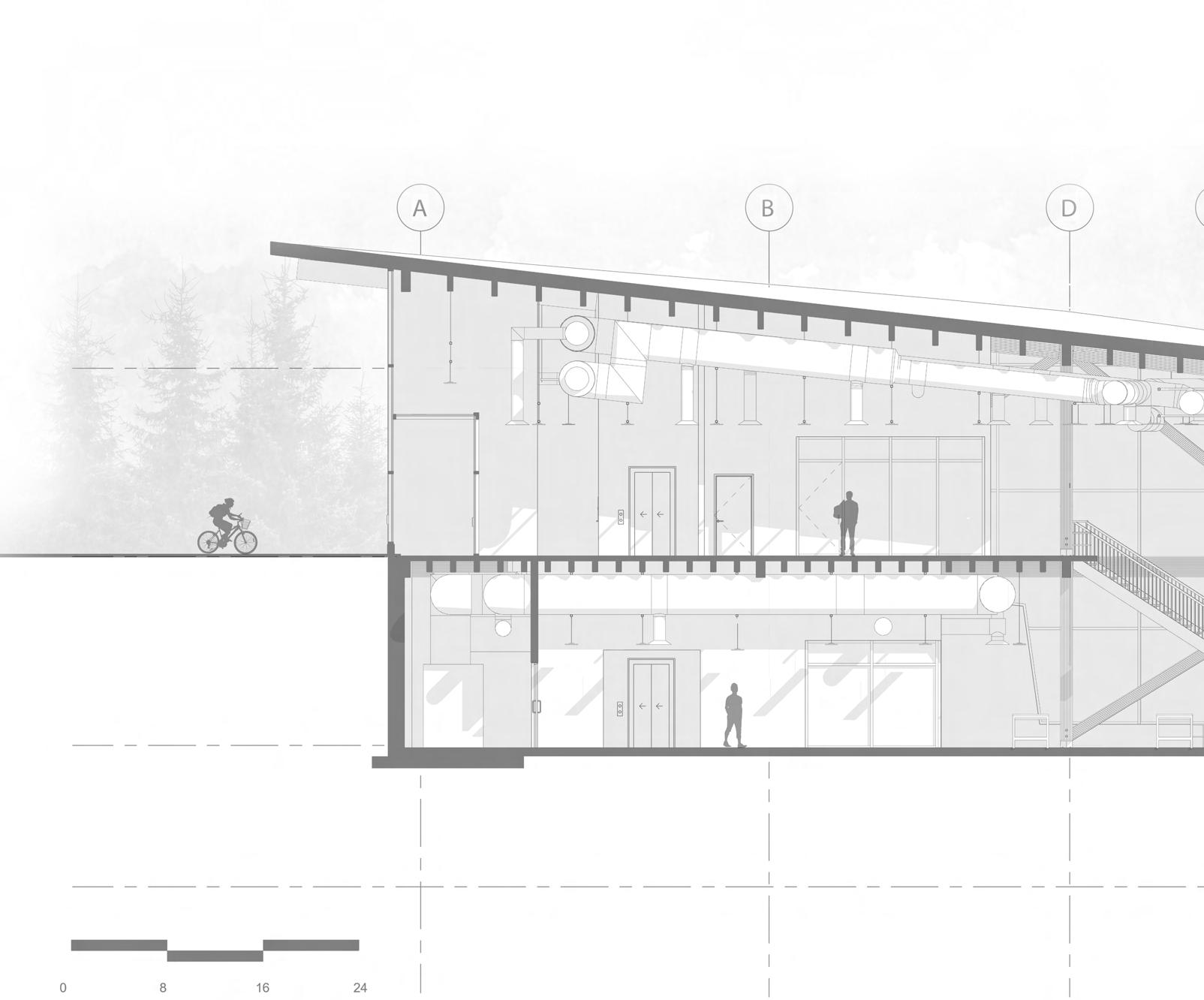
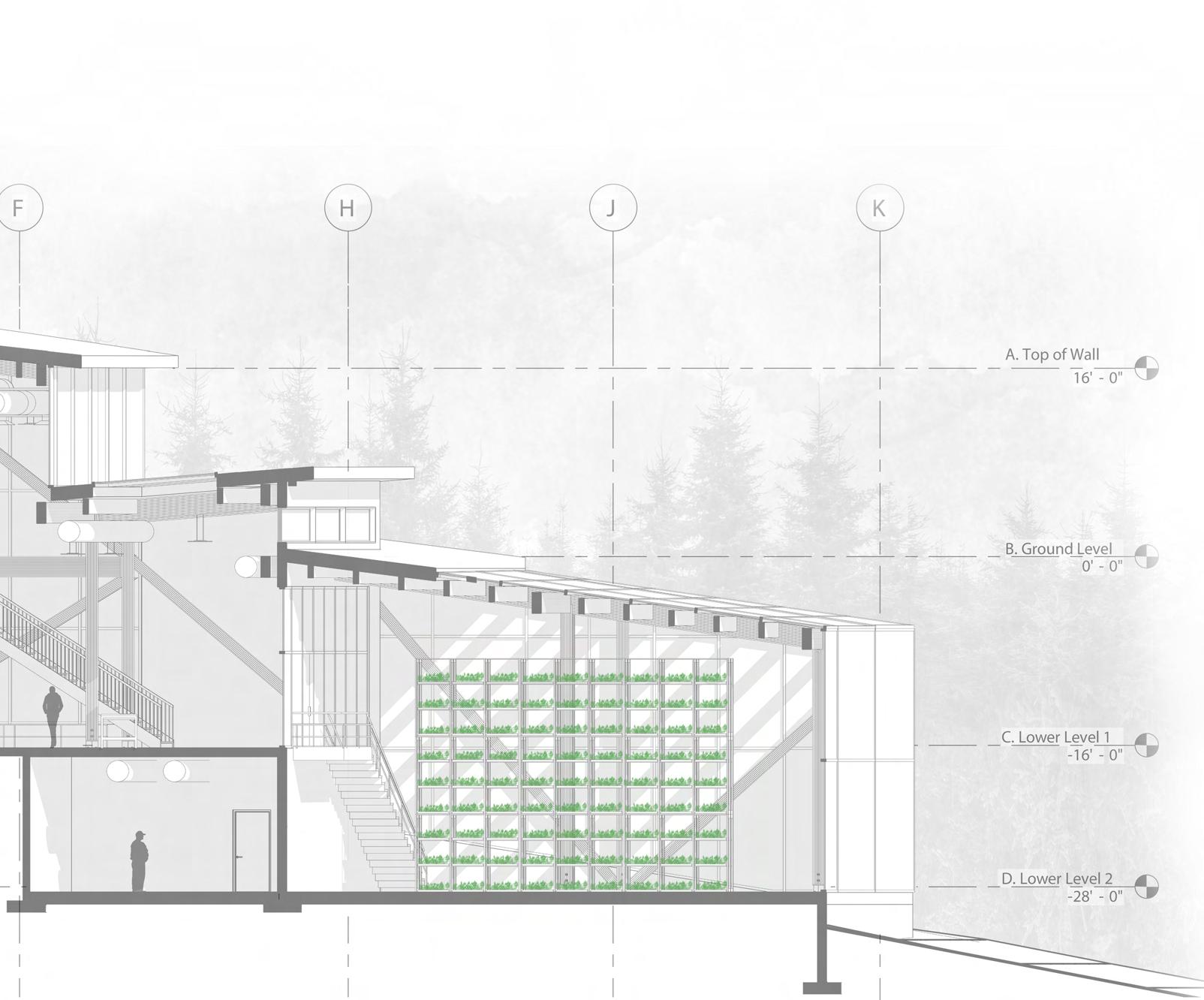
The Allegany County Technology Incubator at Alfred State (ACTaIS) is a vertical agriculture startup incubator, located in Alfred, NY, focusing on the innovations in the vertical farming industry as well as the manufacturing of compact vertical farms. The primary objective of the design was to create a facility to help jumpstart the process of resolving the agriculture industries major land use requirements as well as the recently growing demand for fresh produce as a result of a rapidly growing population.
4 | PROJECT DESCRIPTION
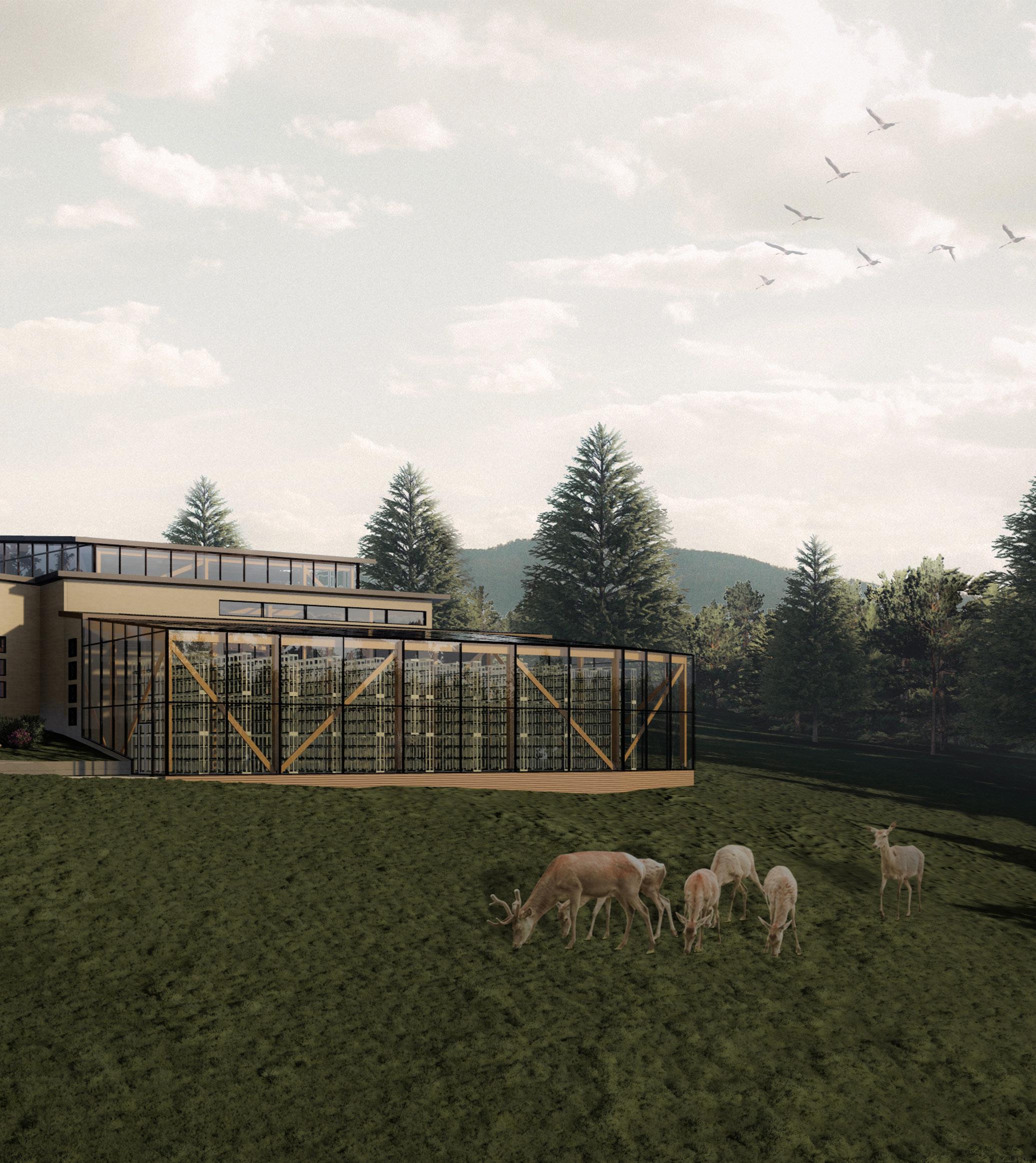
PROJECT DESCRIPTION | 5
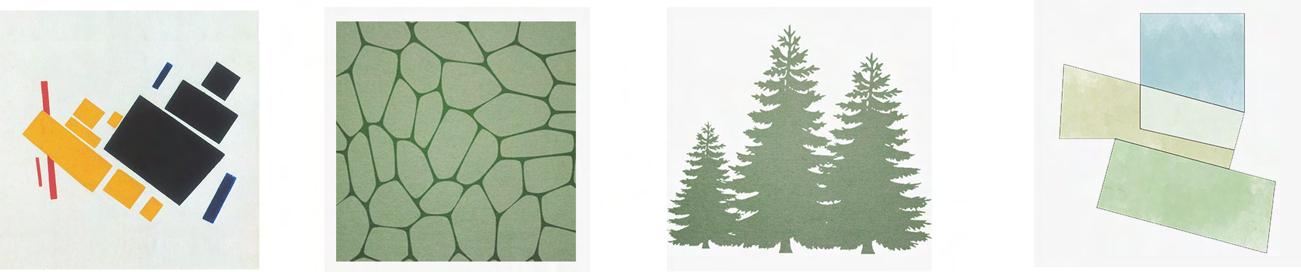
The form is inspired from the geometric shapes of the art of the Suprematism art movement. Originating in Russia during the early 20th century, this art philosophy is characterized by the geometric forms and the organic, abstract composition of these forms. The juxtaposition between the abstract forms and organized composition served as the primary inspiration for the form of the architecture. The geometry of the plant cell and the plant as a whole has a similar contrasting relationship. Vegetation from a human perspective has an organic and abstract form; when looking closer to the structure of plant cells, the organized composition of the geometry reveals itself.
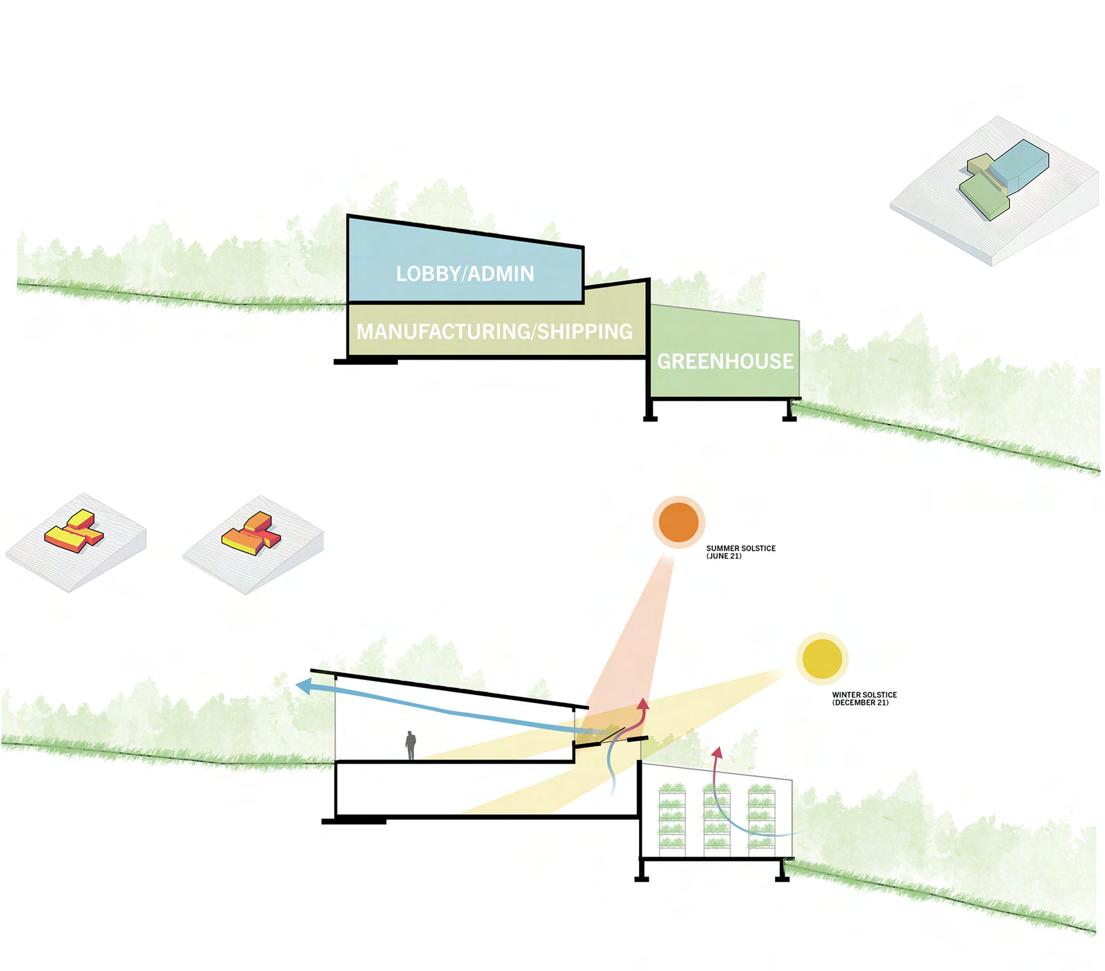
Solar analysis was performed on the massing model to visualize the solar energy impact on the design through the winter and summer solstice. The placement of photovoltaic panels, windows for solar gain, and passive shading devices were then determined using the information provided from the solar analysis.
6 | CONCEPT DEVELOPMENT
GEOMETRIC
DESIGN
ORGANIC COMPOSITION; GEOMETRIC FORMS
COMPOSITION OF OF PLANT CELL ORGANIC FORMS OF VEGETATION
CONCEPT
Kazimir Malevich Airplane Flying 1915 SUMMER SOLSTICE WINTER SOLSTICE
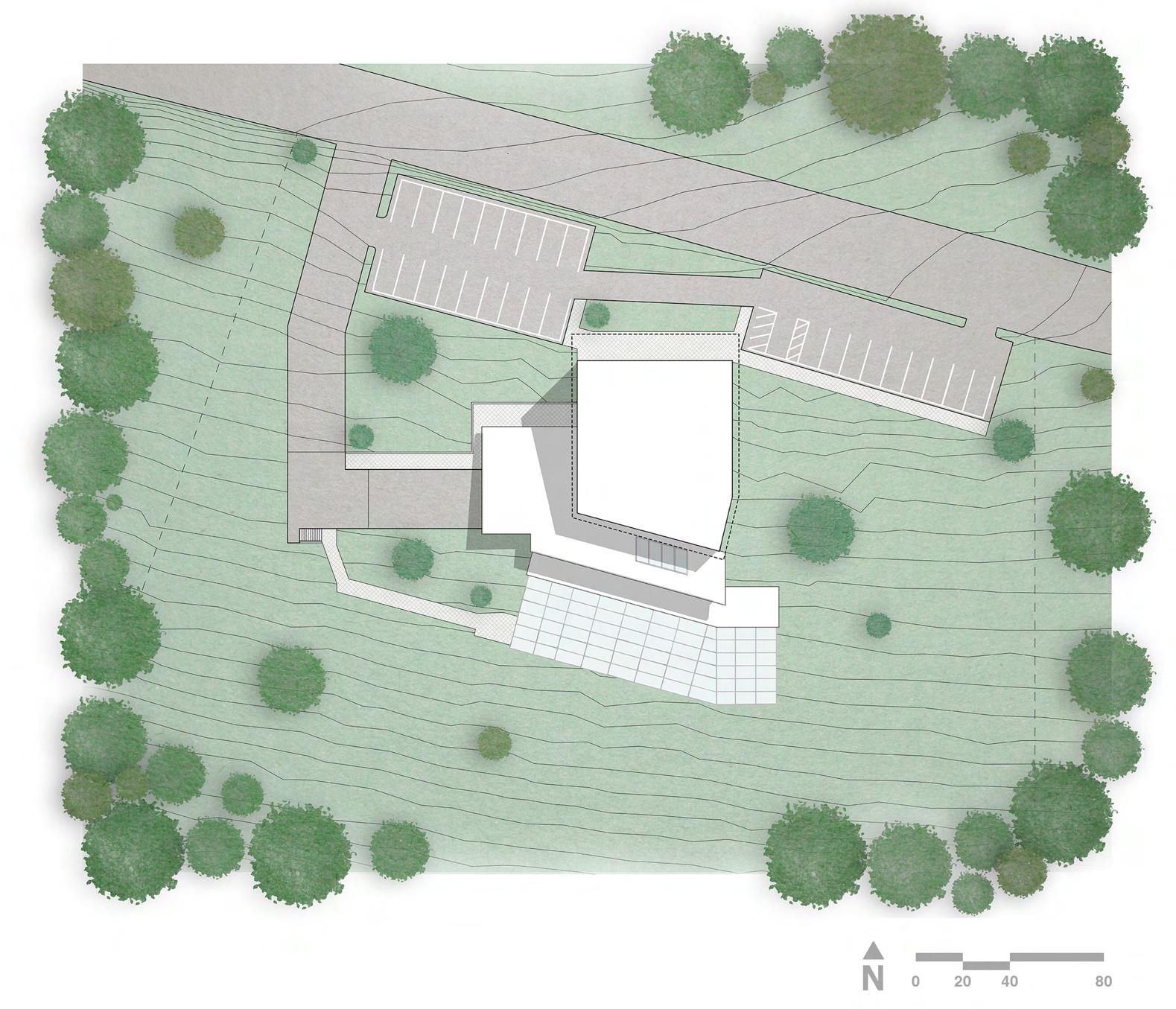
SITE PLAN | 7
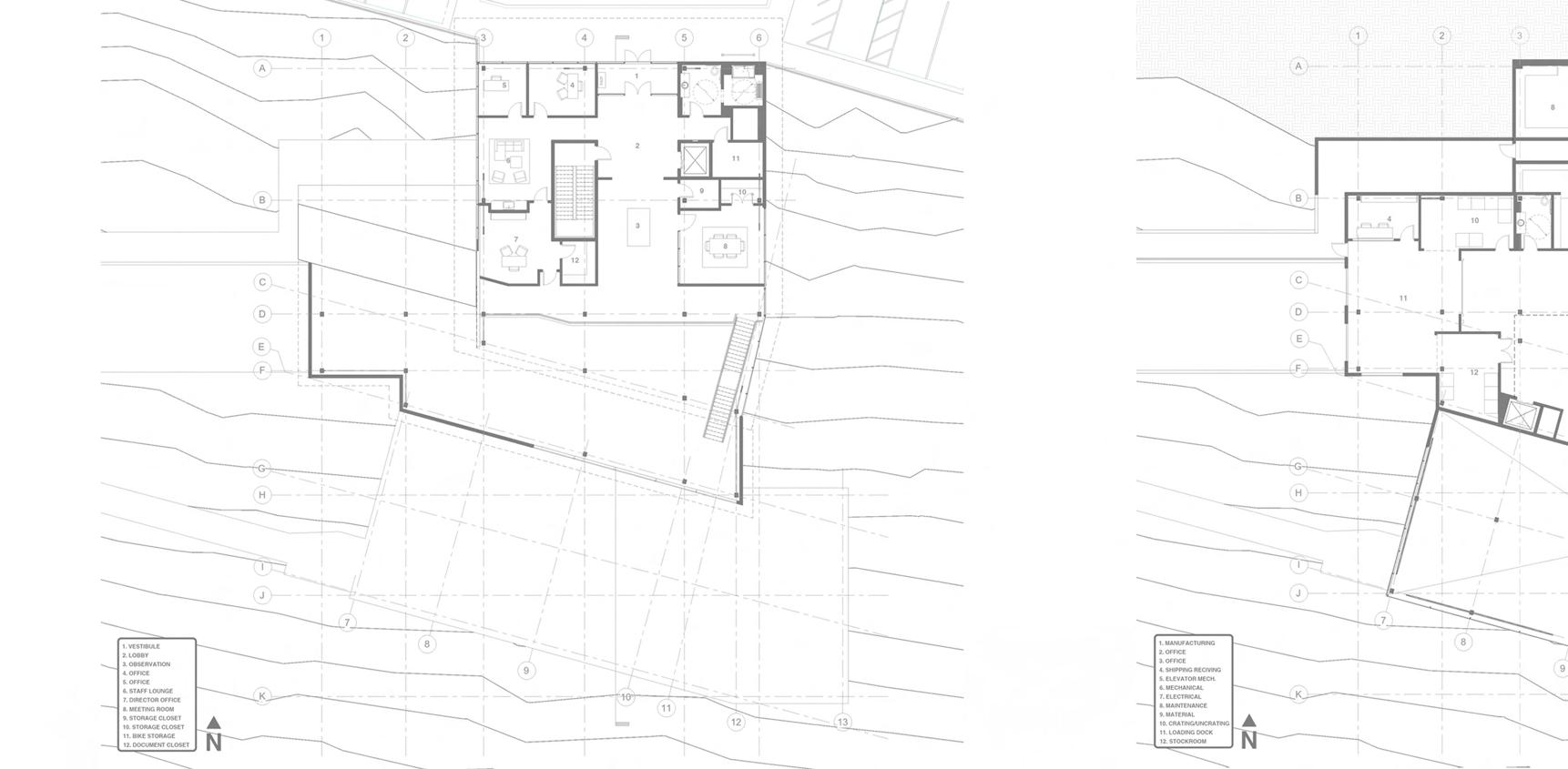
8 | PLANS GROUND LEVEL LOWER
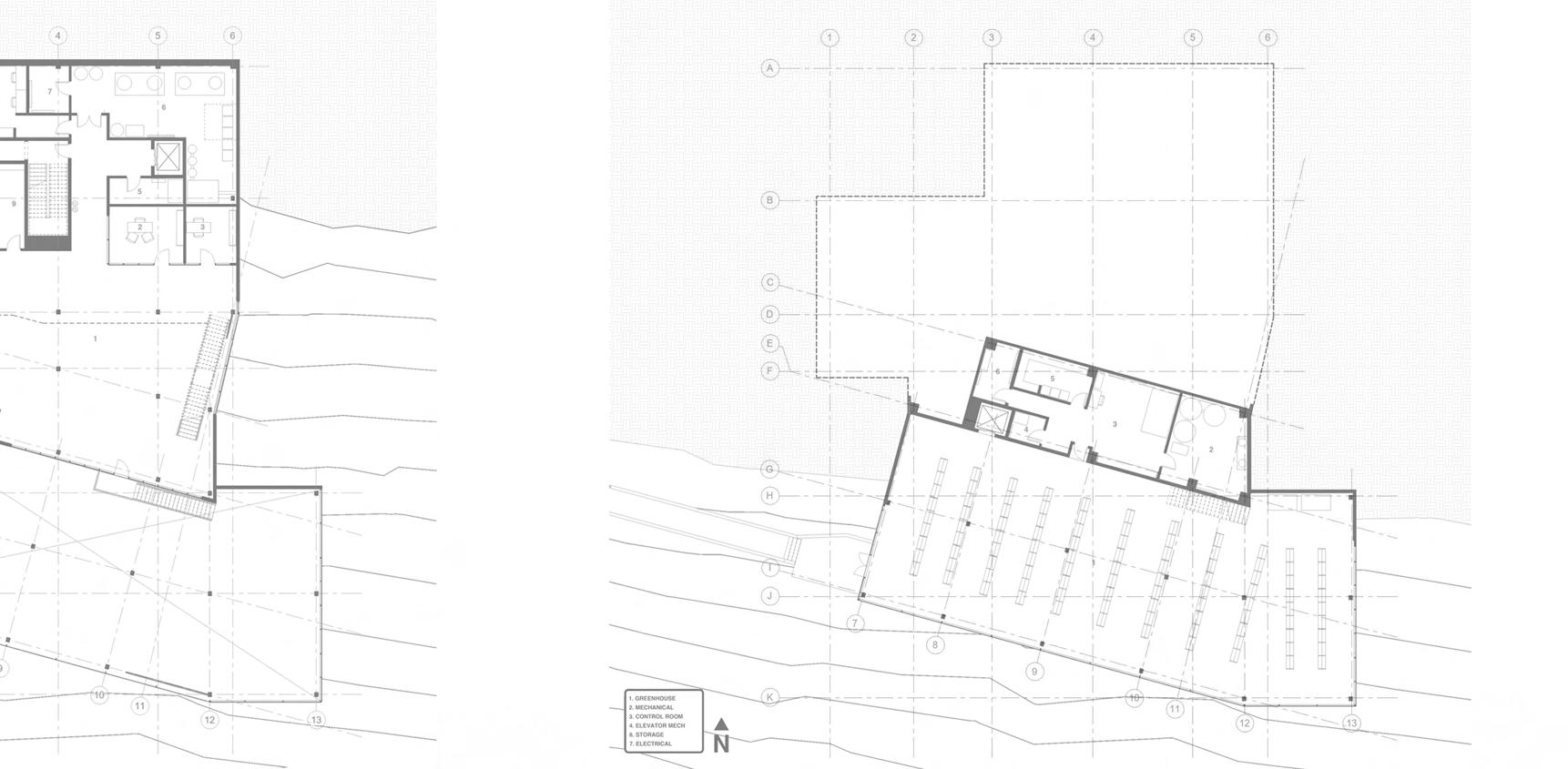
PLANS | 9 LEVEL 1
LOWER LEVEL 2 GREENHOUSE
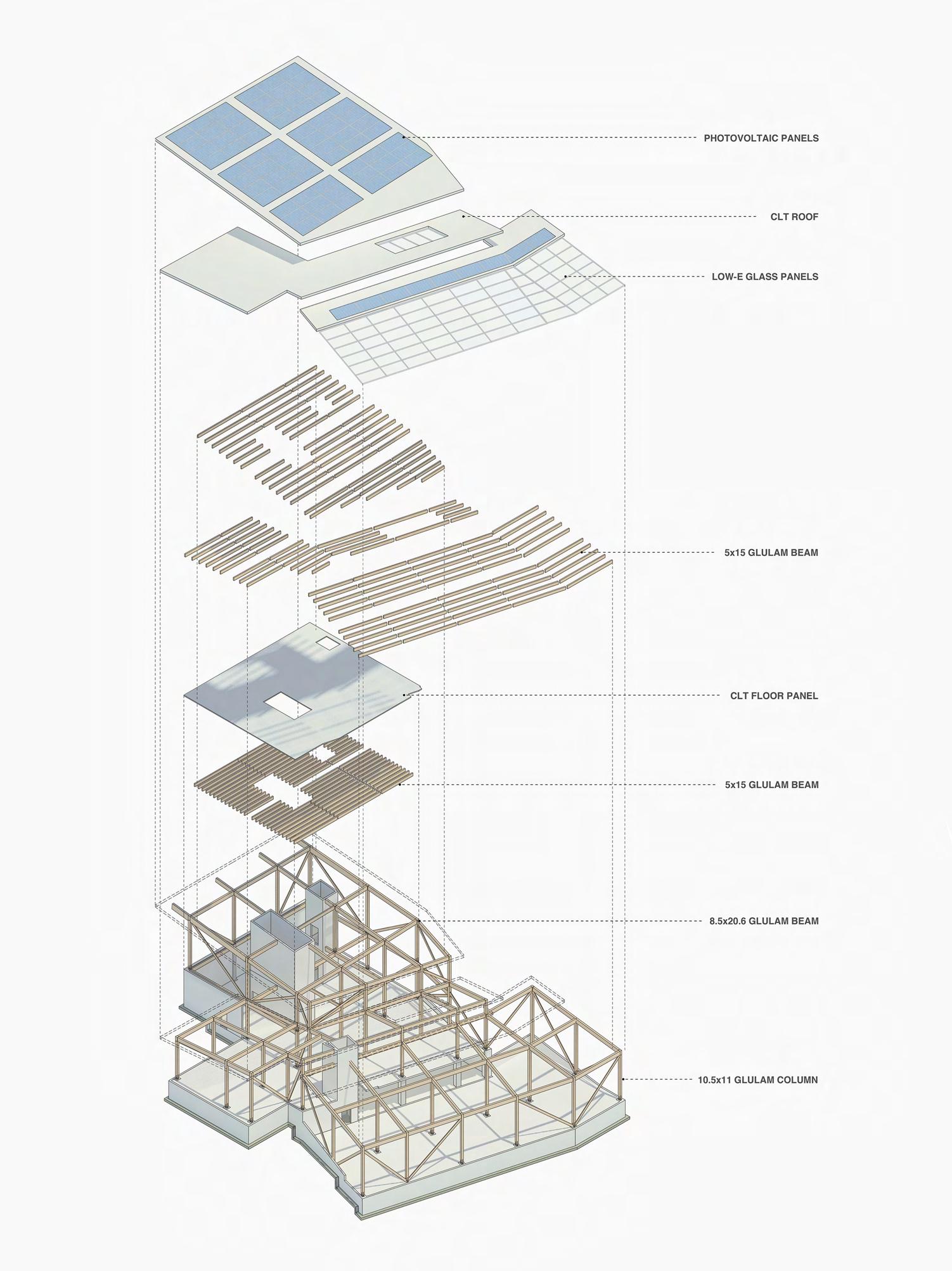
10 | STRUCTURAL AXONOMETRIC
Solar analysis was performed on the massing model to visualize the solar energy impact on the design during the winter and summer solstices. The placement of photovoltaic panels, windows for solar gain, and passive shading devices were then determined using the information provided from the solar analysis.
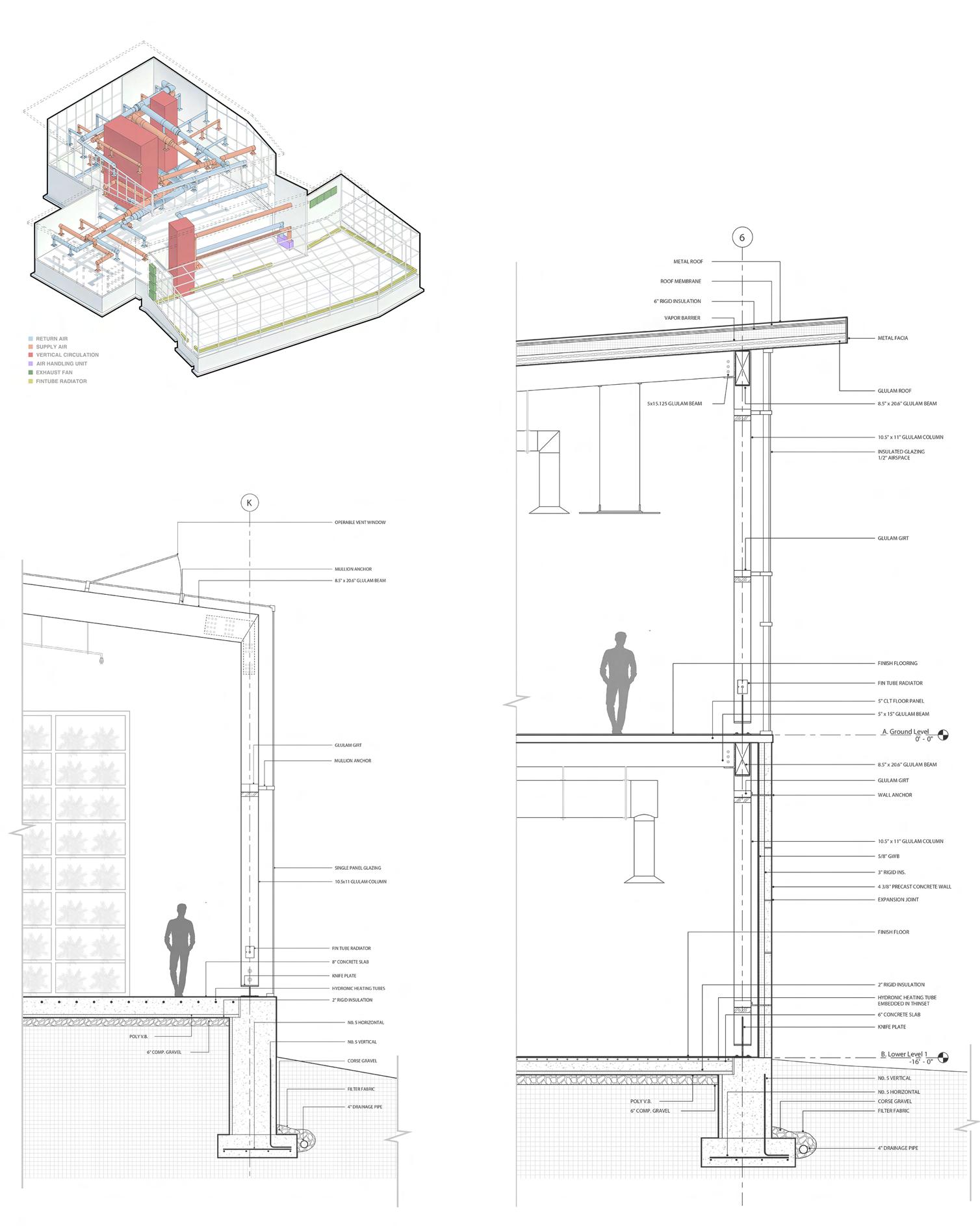
DETAILS | 11
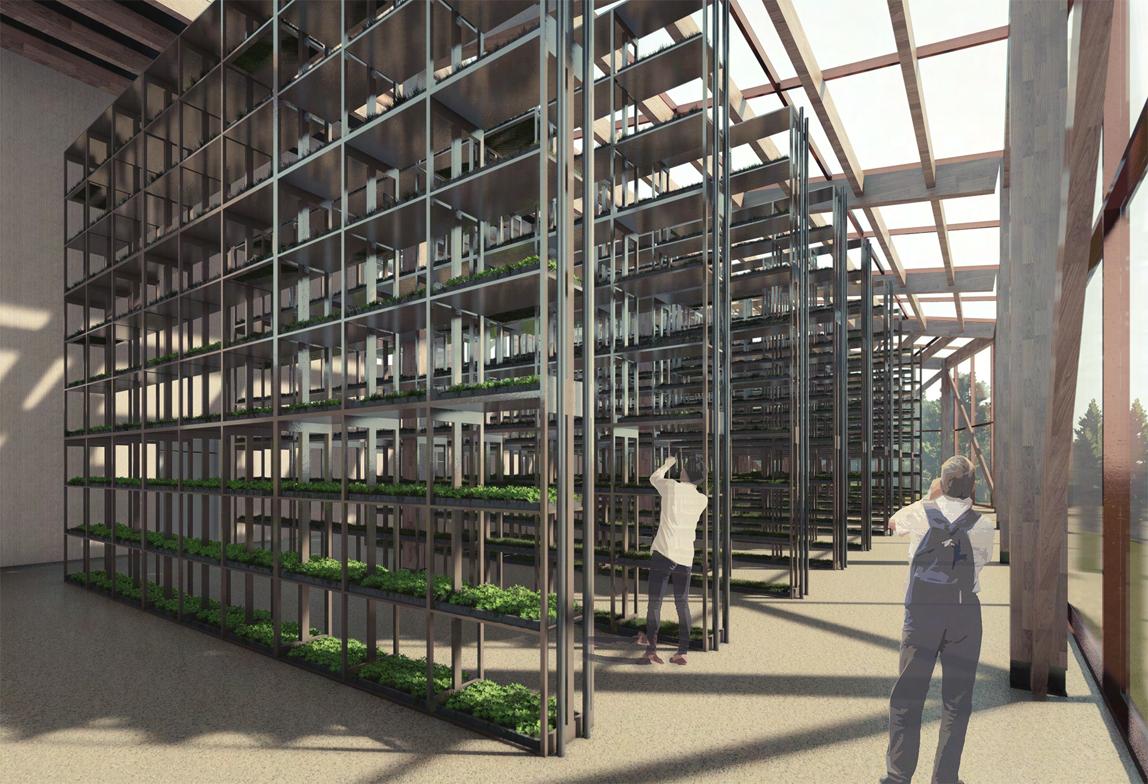
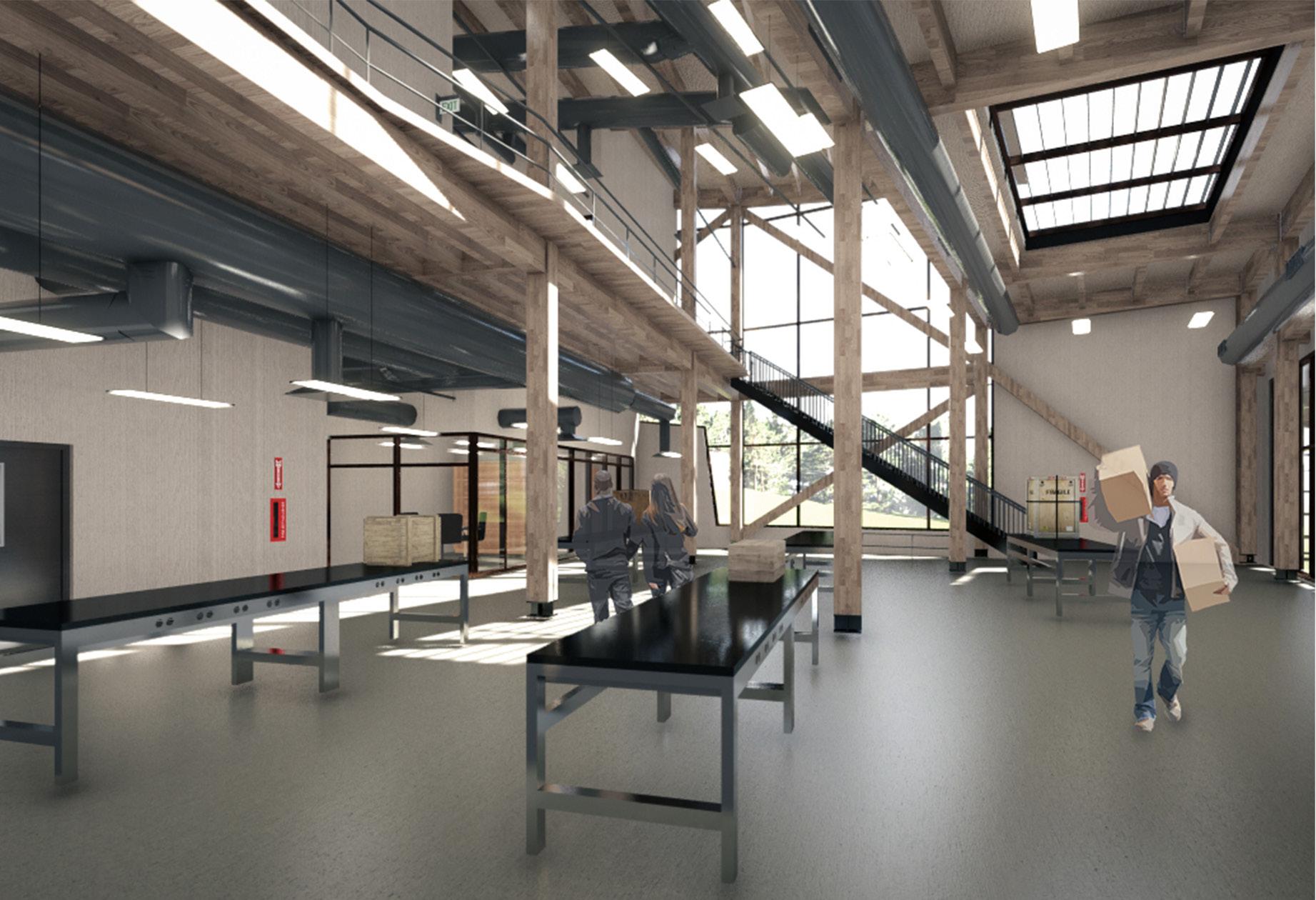
12 | INTERIOR PERSPECTIVES
GREENHOUSE
MANUFACTURING SPACE
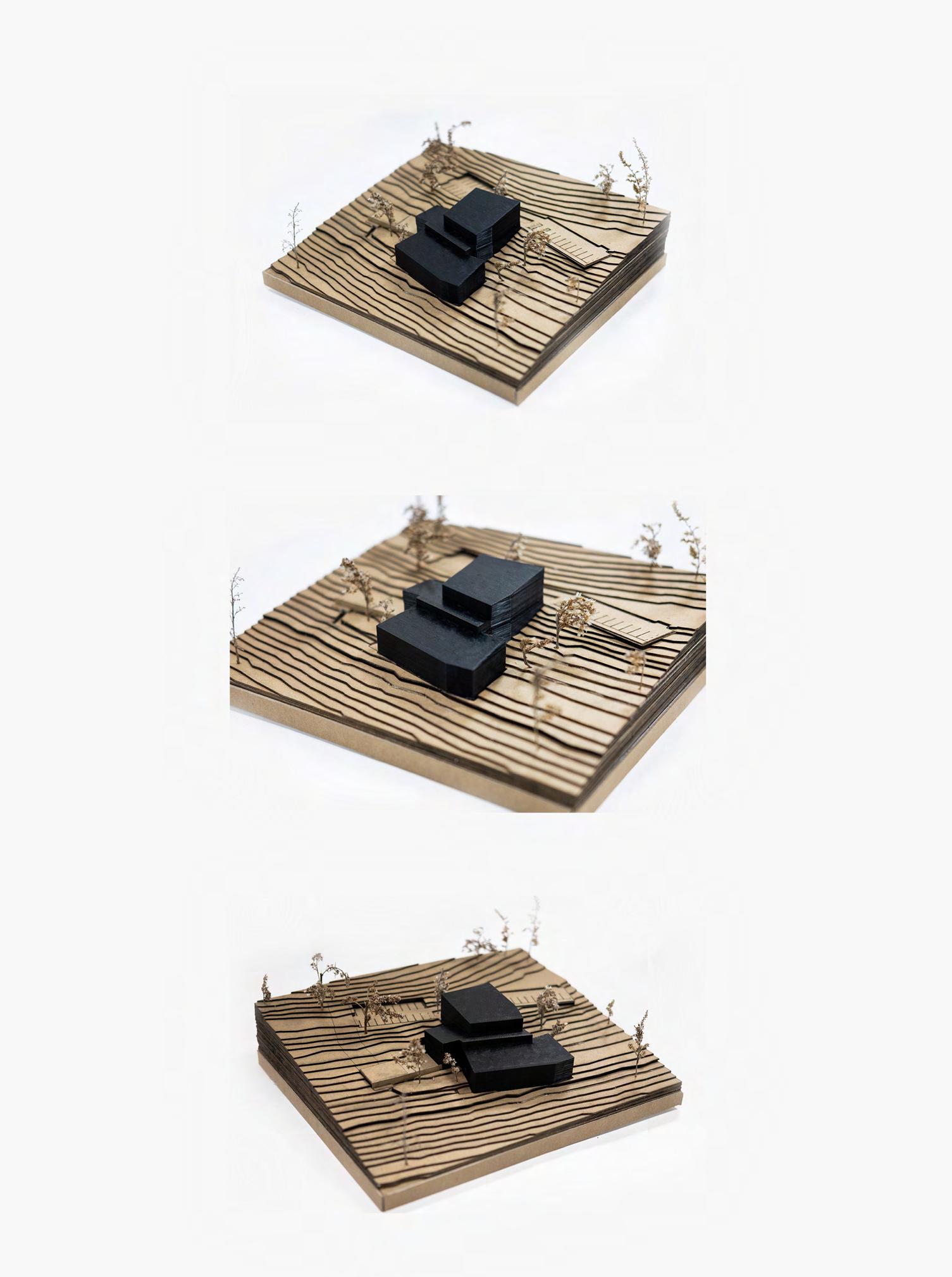
SITE MODEL | 13
MATERIALS: CHIPBOARD 3D PRINTING
02
Albright-Knox Satellite Art Museum
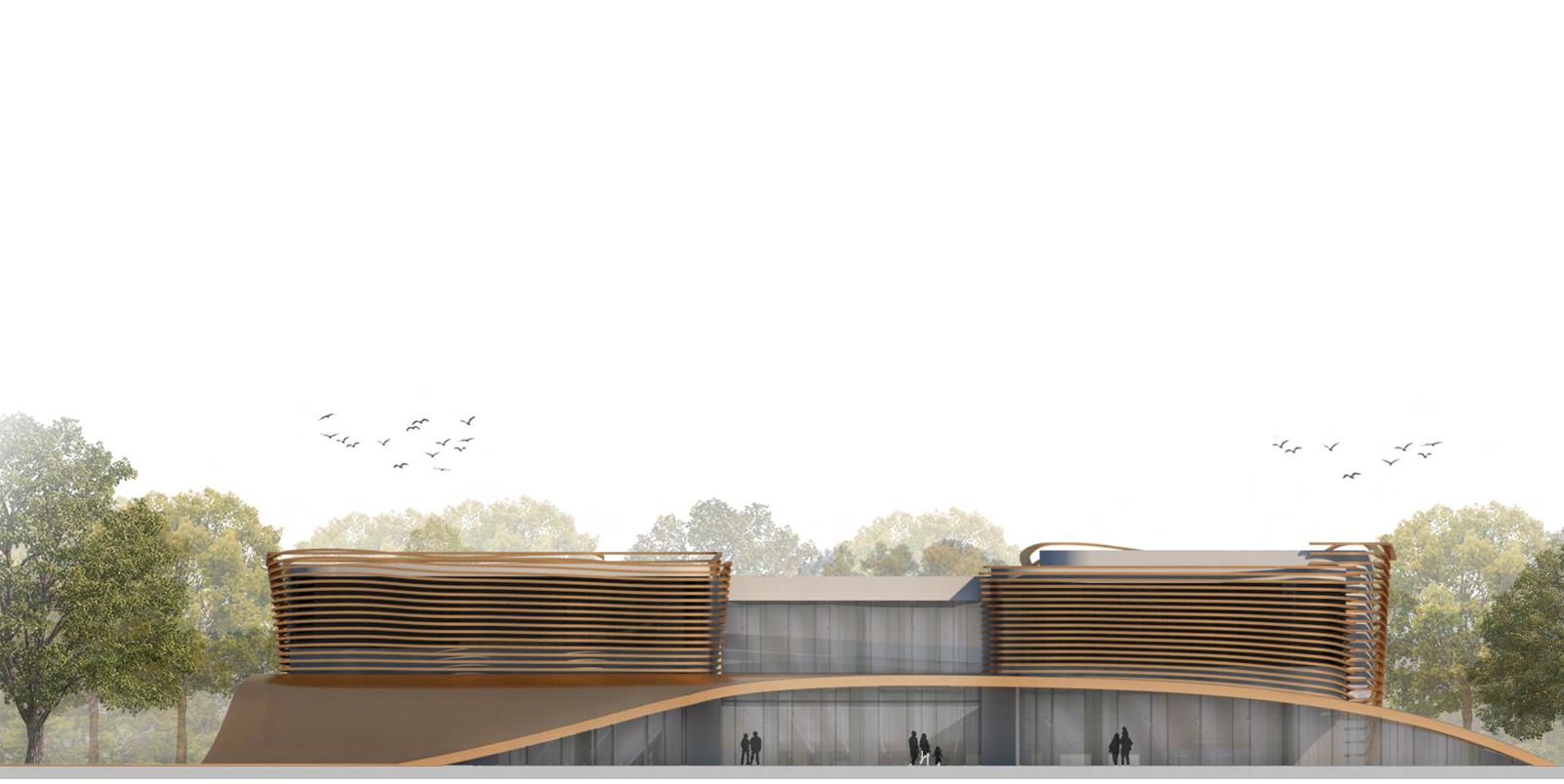
The Albright-Knox Satellite Art Museum is a subsidiary gallery space from the AlbrightKnox Museum in Buffalo, NY. The design aims to bring the experience and benefits of art to a community that previously lacked the artistic touch. The architecture borrows qualities from the surrounding industrial neighborhood; the copper-colored facade celebrates the historic brick buildings in the neighborhood. Creating a structure that both feels new and contemporary, but also familiar to the surrounding environment.
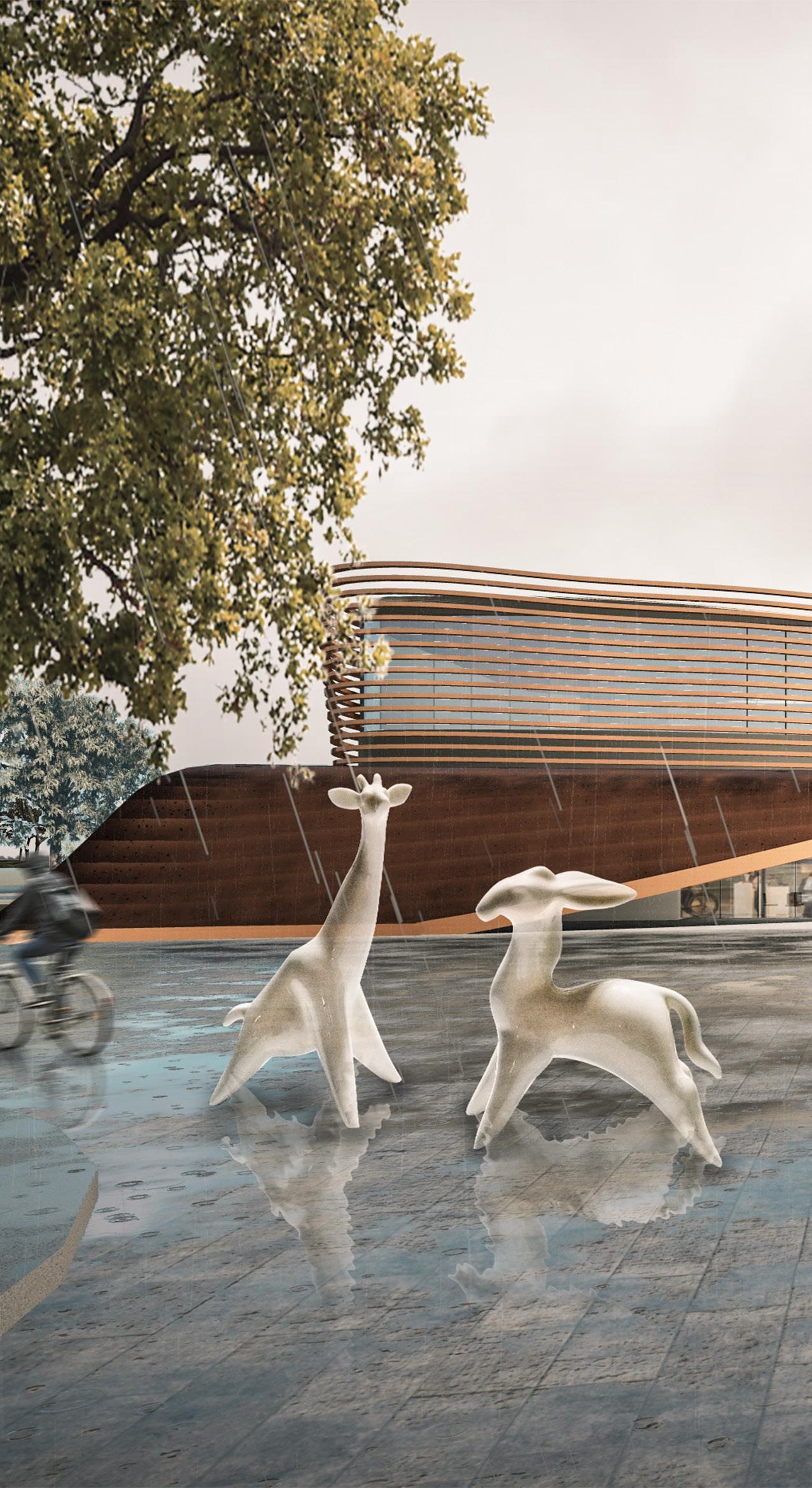
14 | PROJECT DESCRIPTION
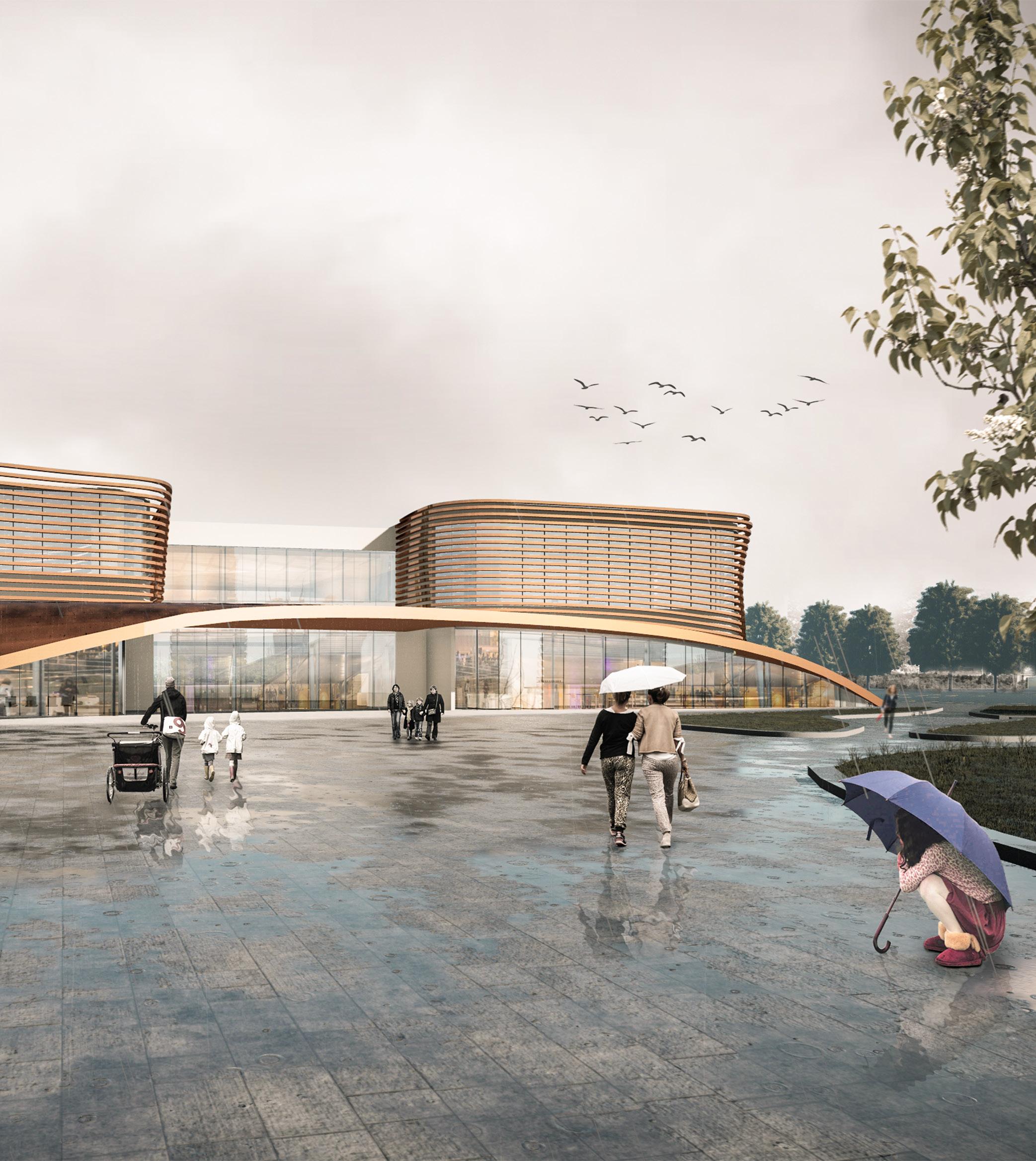
PROJECT DESCRIPTION | 15
CIRCULATION CONCEPT:

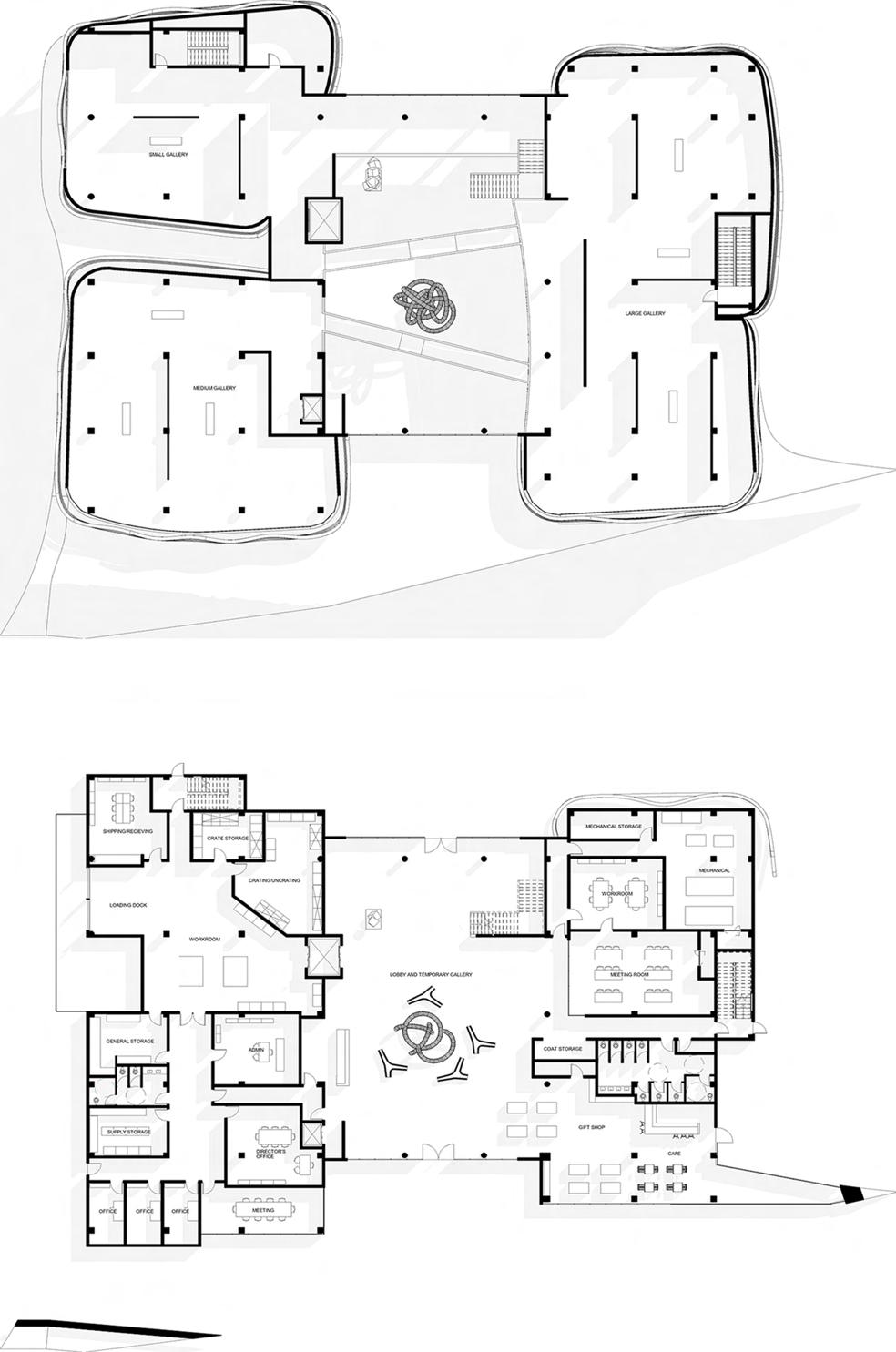
In this specific building typology, the circulation and the manner the art is presented is essential In designing a successful museum. The circulation of parking lots, specifically the Single Helix parking lot, served as the primary inspiration for the circulation of the museum. The simple and efficient nature of the Single Helix parking lot circulation is best for displaying the art pieces. From the helix, a cut was taken and elevated to create three programmatic divisions that served the three gallery-type requirements.
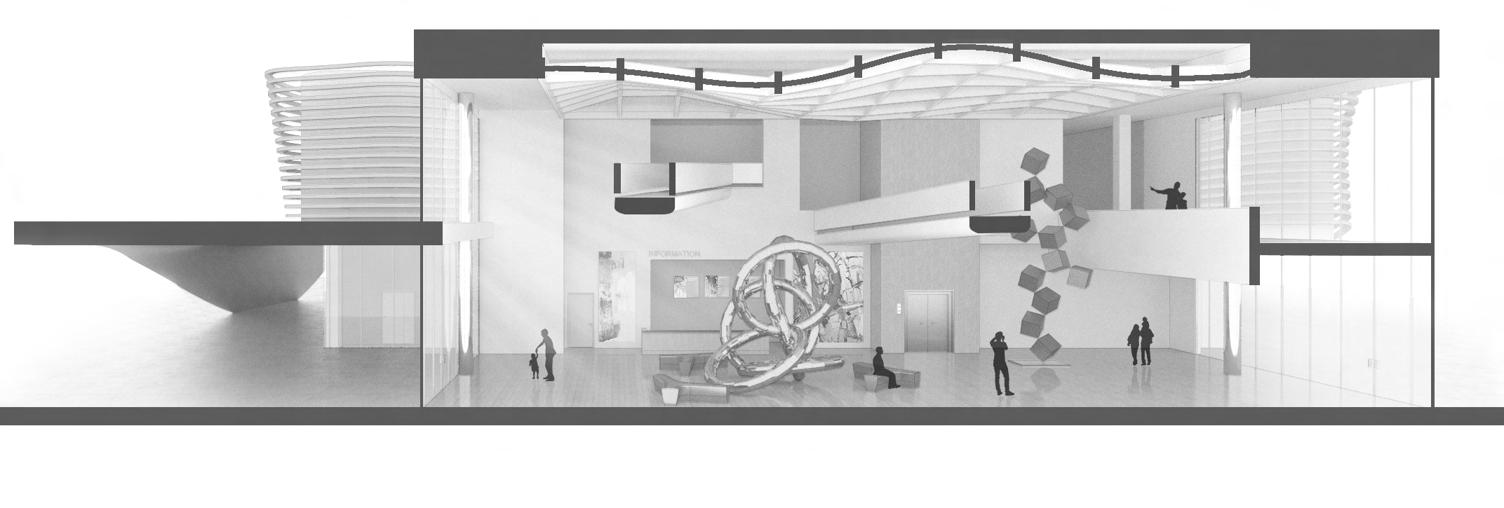
Contrasting a traditional museum experience where viewers experience the art in two dimensions, The single-helix derived circulation allows for art pieces to be viewed from a 360-degree perspective. Viewers can see and experience the art in its entirety, creating a unique gallery experience for visitors.
16 | CONCEPT DEVELOPMENT
SOUTH FACADE
SINGLE HELIX PARKING LOT CIRCULATION
SECTION THROUGH MAIN LOBBY / INTERIM GALLERY
CUT TAKEN FROM HELIX AND ELEVATED GALLERY PROGRAMATIC DIVISION CIRCULATION CONCEPT
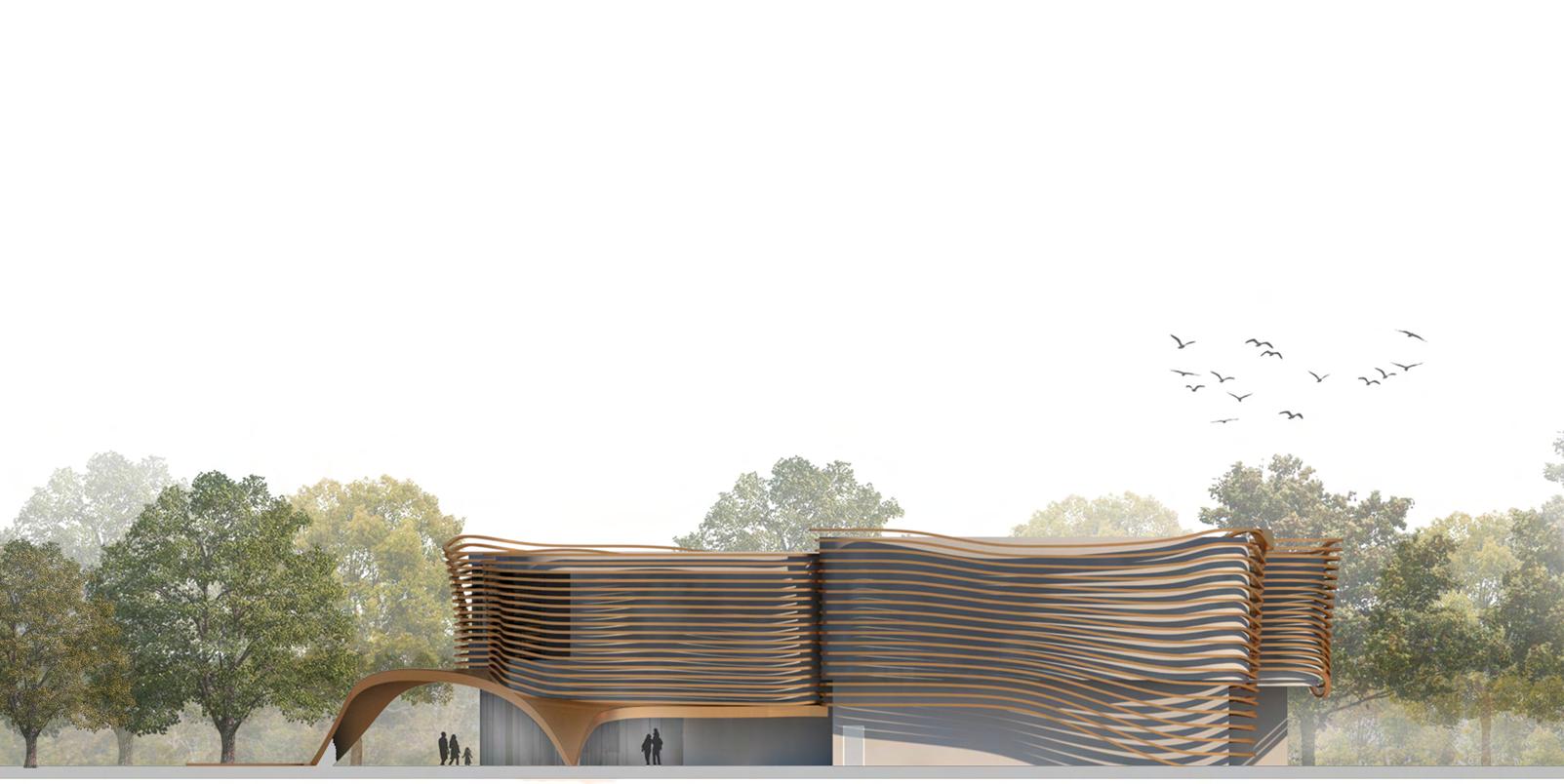
PLANS | 17 EAST FACADE
LEVEL 1 (INTERIM GALLERY)
LEVEL 2 (PERMANENT GALLERIES)
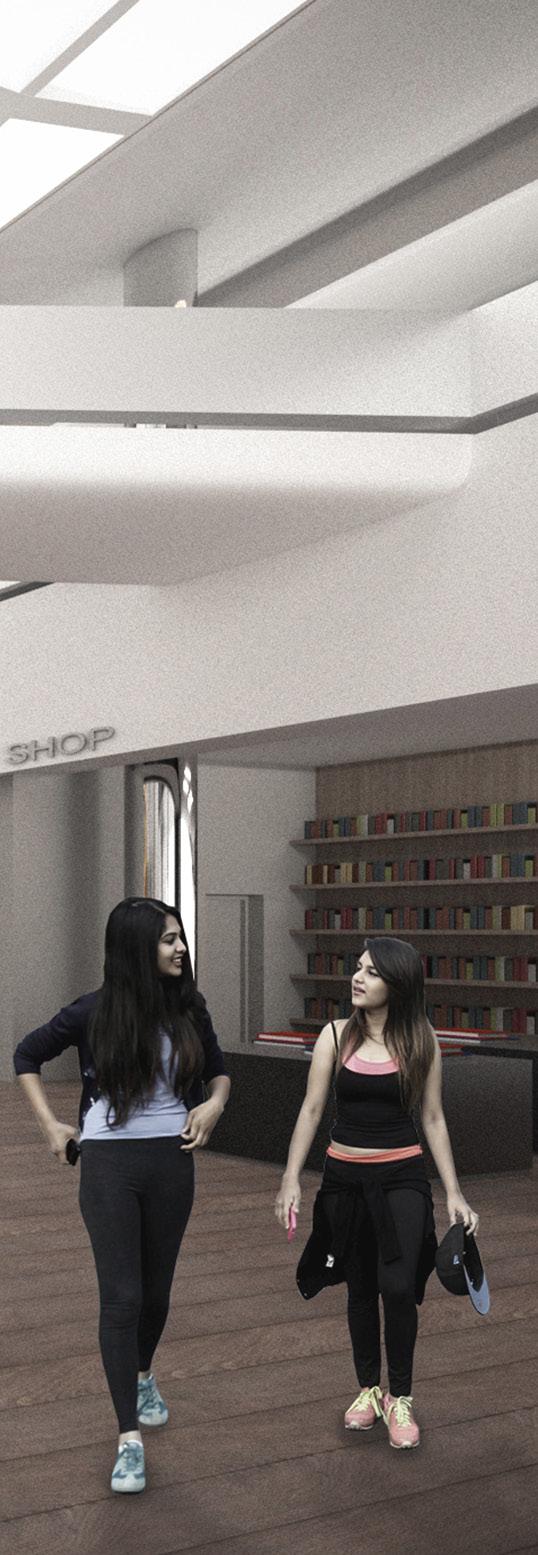
18 | INTERIOR PERSPECTIVES
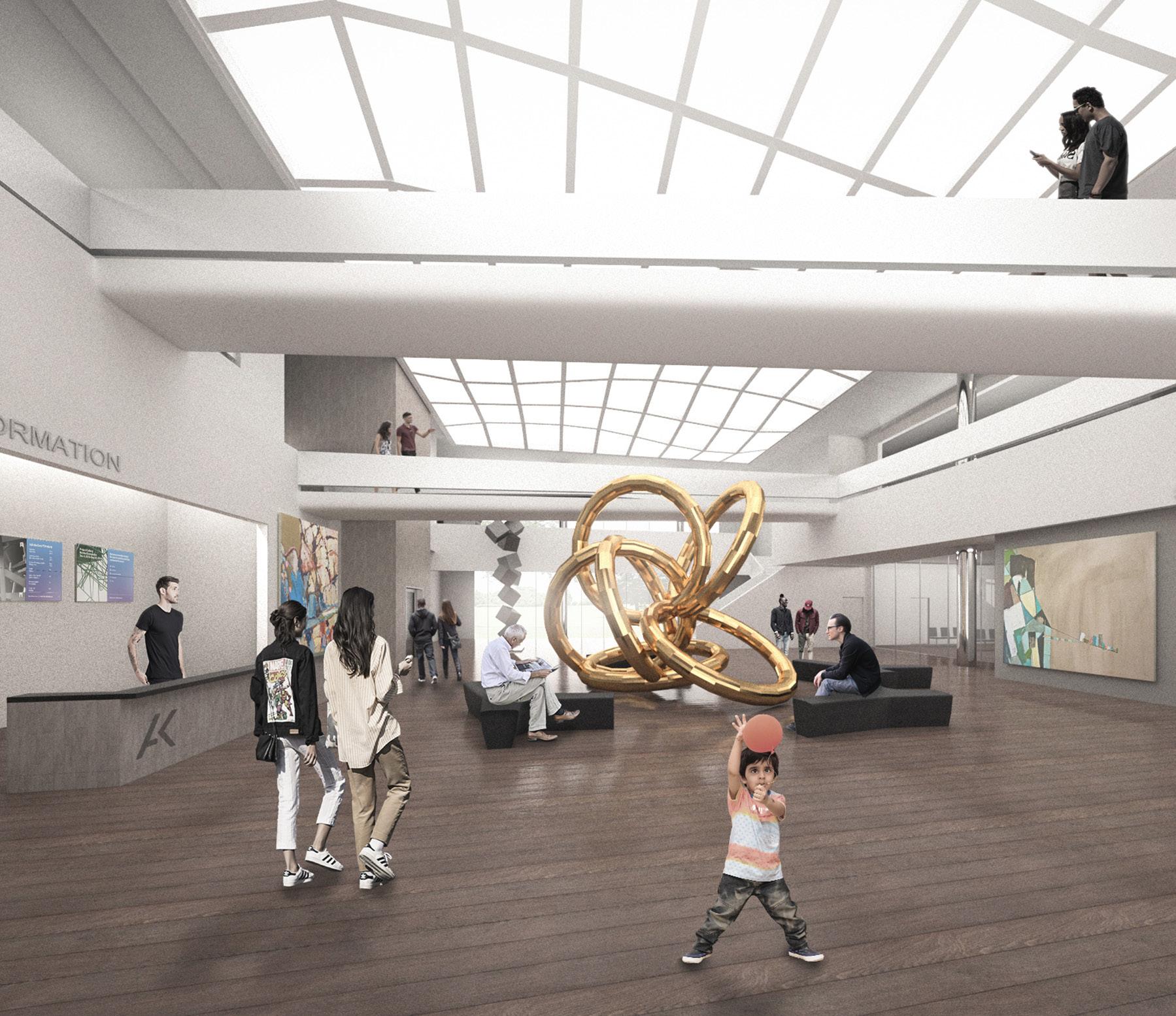
MAIN LOBBY (INTERIM GALLERY)
LARGE GALLERY
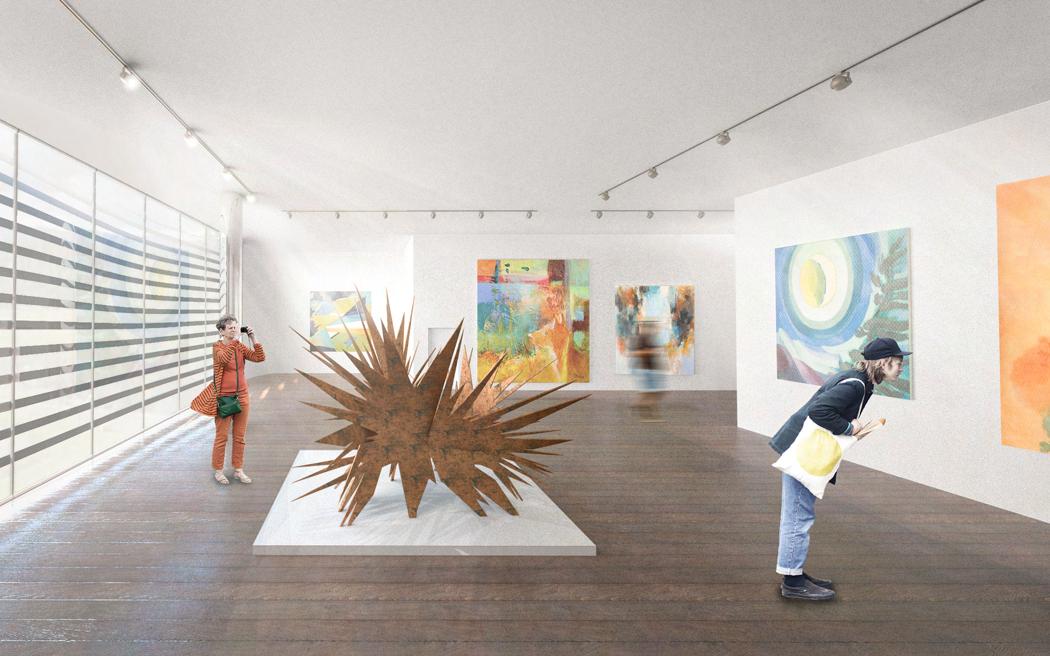
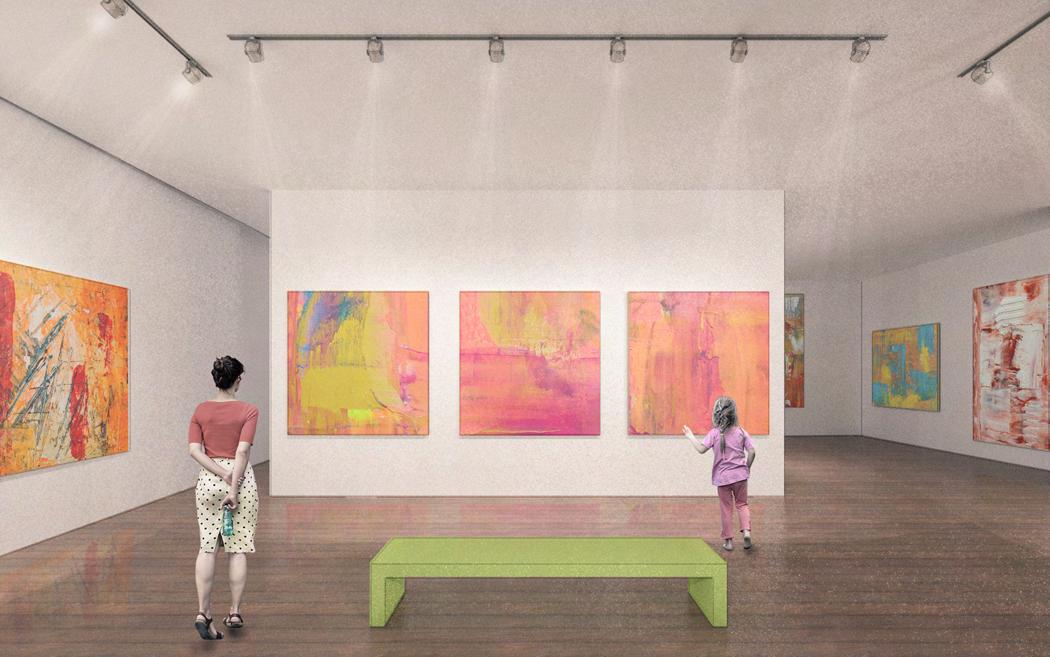
INTERIOR PERSPECTIVES | 19
SMALL GALLERY
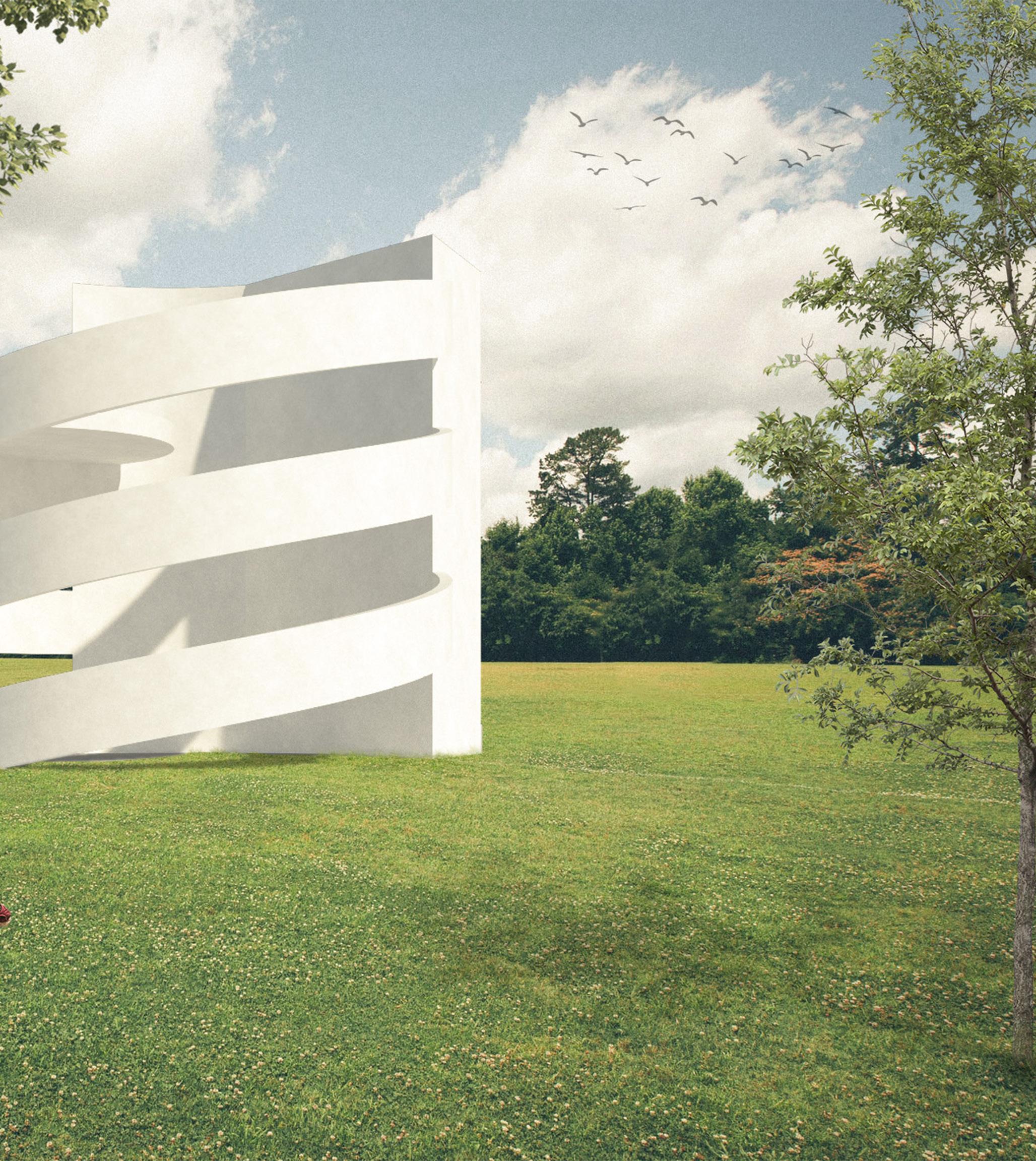
The Espiral Pavillion
The Espiral is an abstract pavilion based on the ideology and architecture of Architect Alvaro Siza. The project began with deep research and analysis of Siza’s work. The gathered information was used to develop a design that focused on simplicity and the interaction of light. Creating a space that uses various simple geometric and curvilinear shapes that comes together enkindles a sense of tranquility and emotion in its inhabitants.

20 | PROJECT DESCRIPTION
03
PROJECT DESCRIPTION | 21
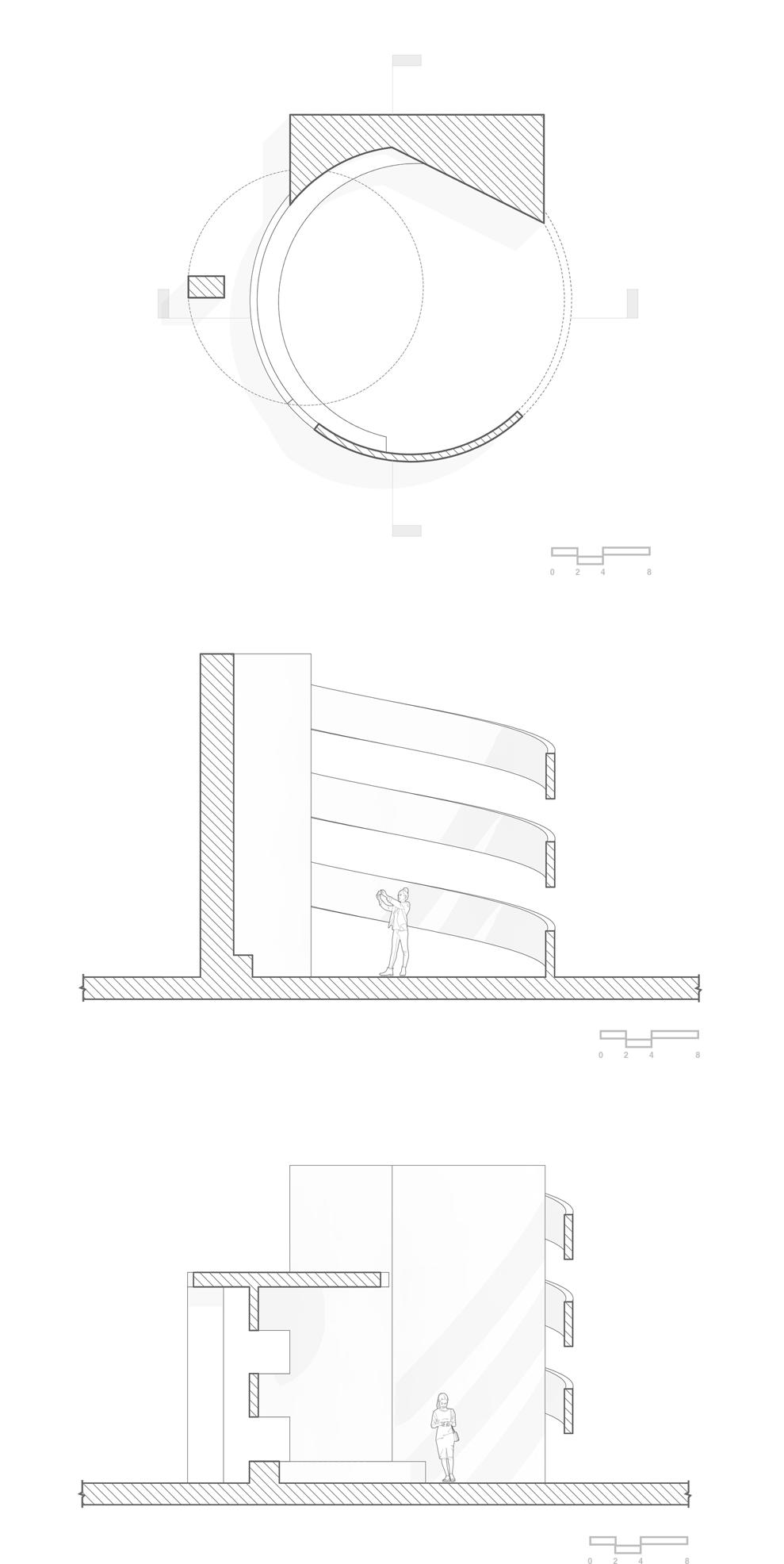
22 PLANS
FLOOR PLAN
VERTICAL SECTION
HORIZONTAL SECTION
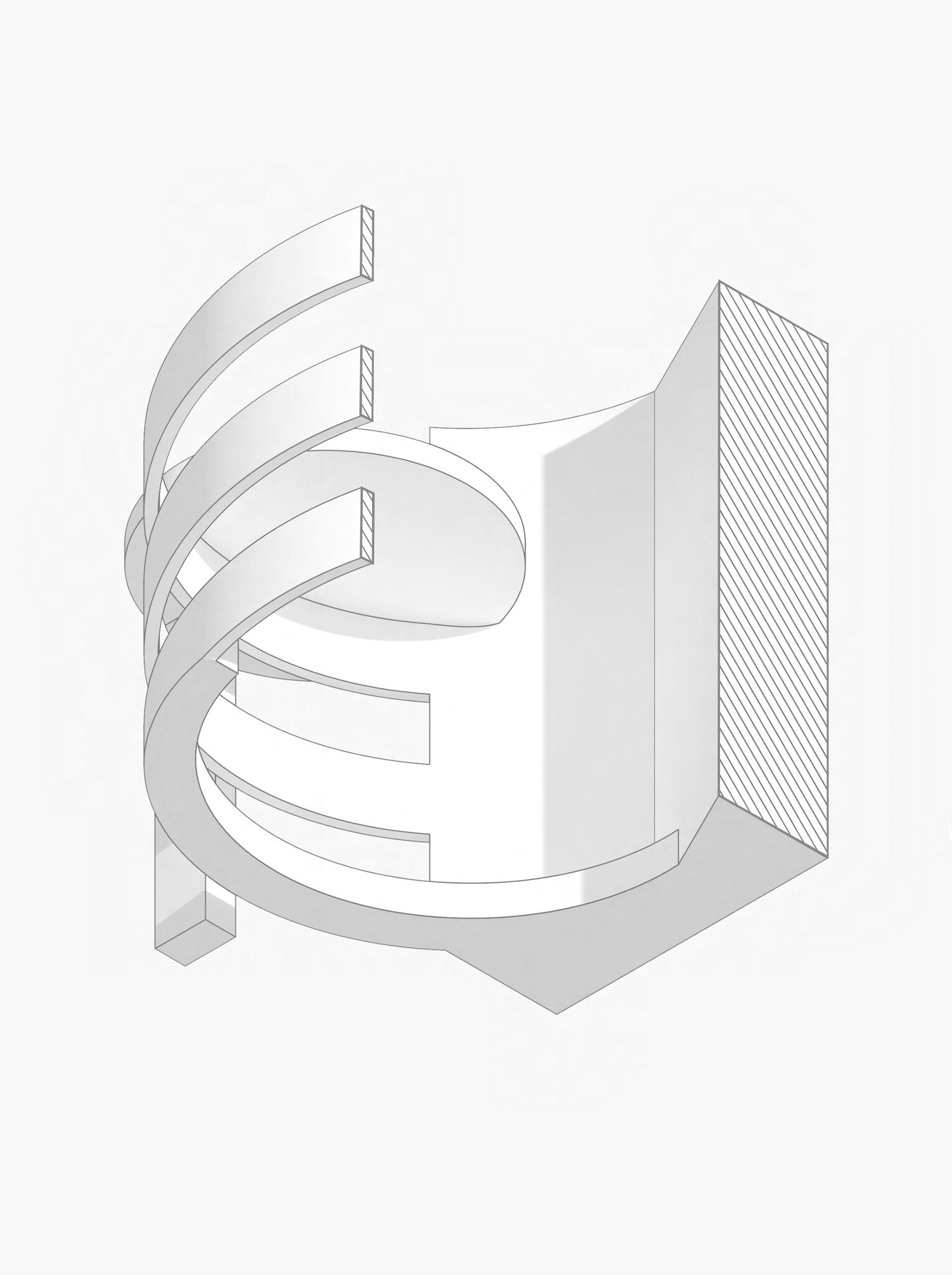
AXONOMETRIC SECTION| 23
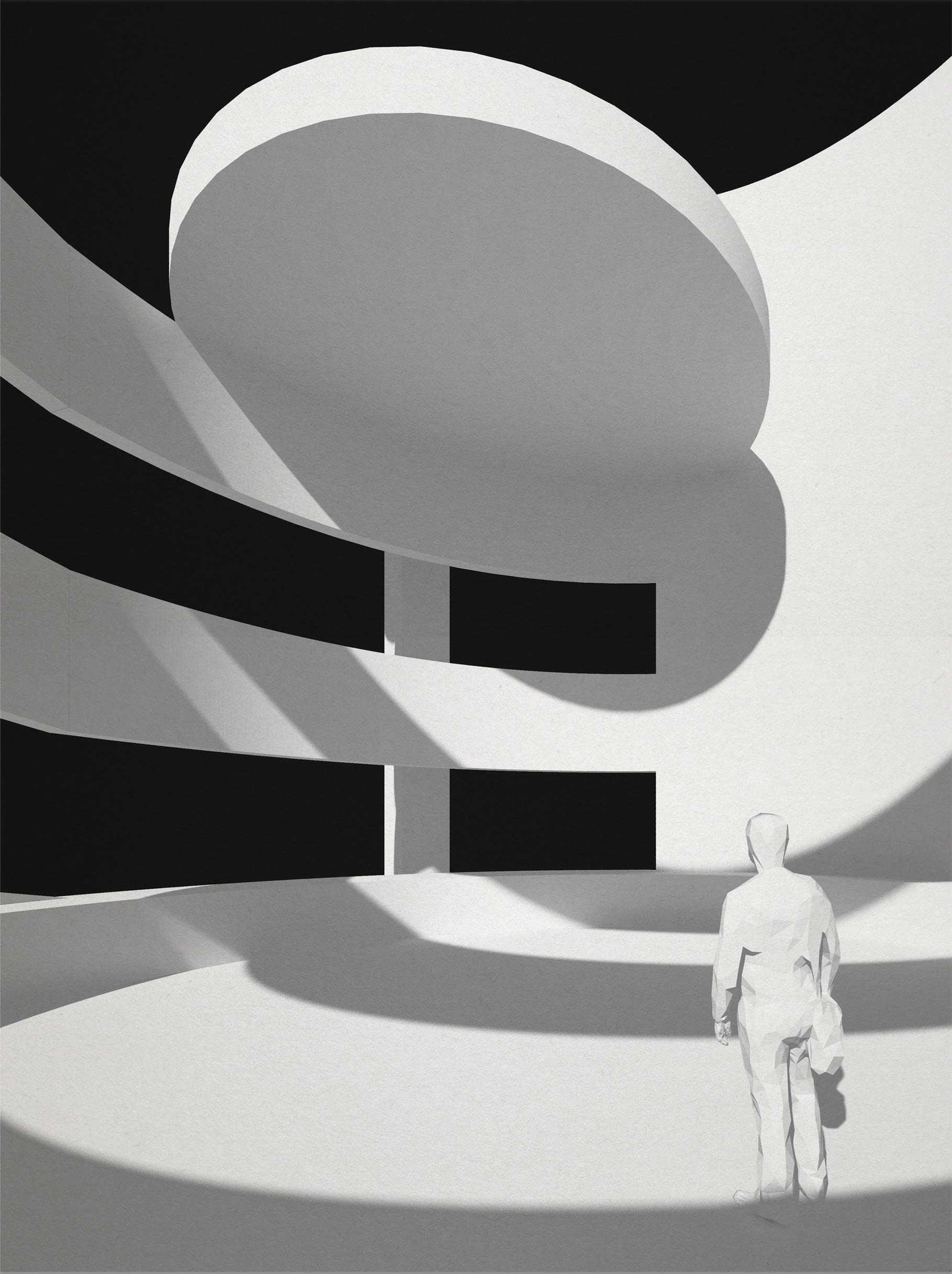
24 | INTERIOR PERSPECTIVE
MATERIALS: FOAMCORE CARDSTOCK
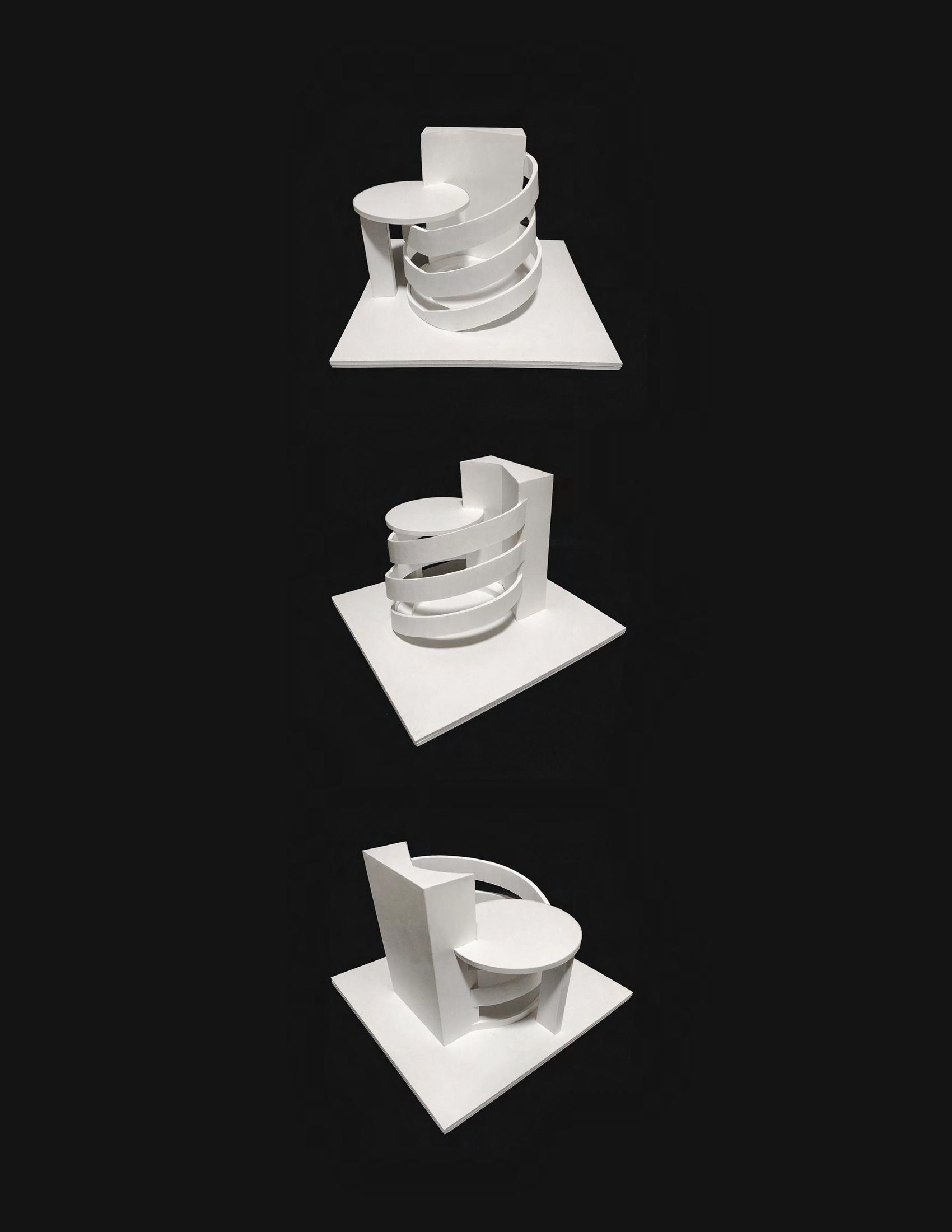
PHYSICAL MODEL | 25
04
Italianate Historic Preservation House
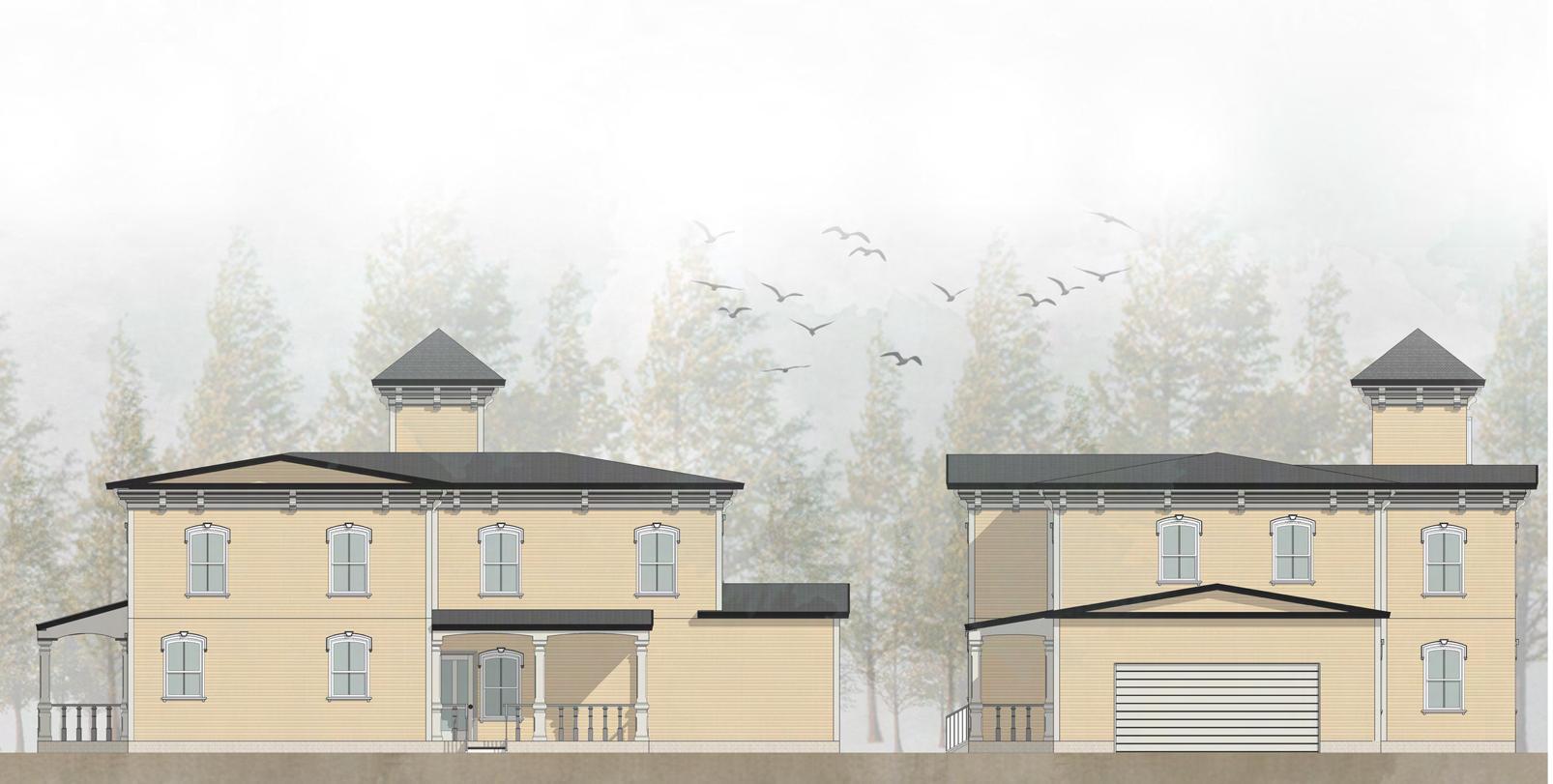
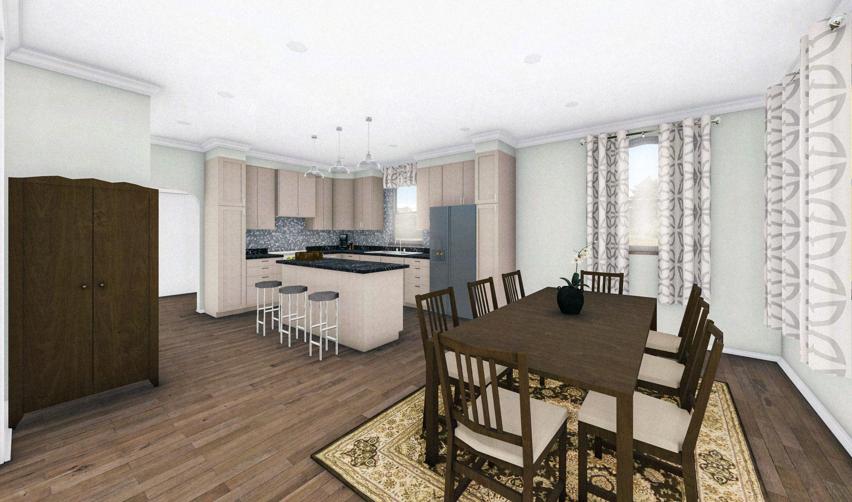
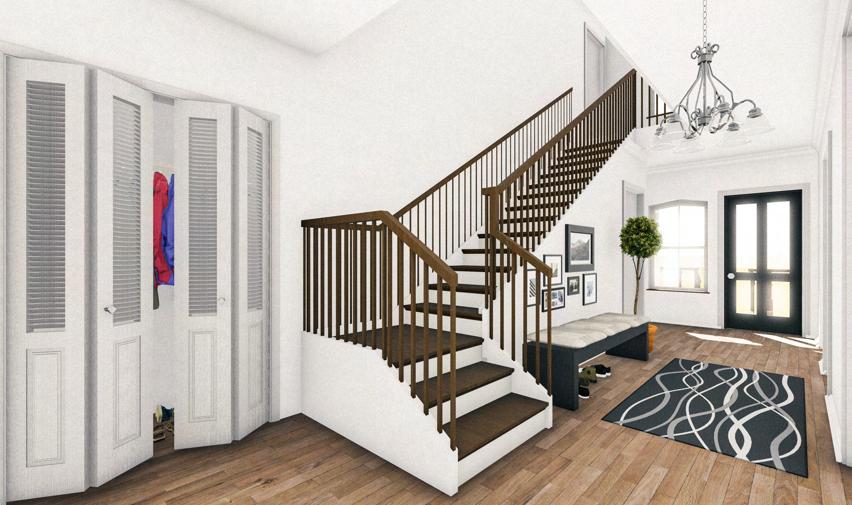
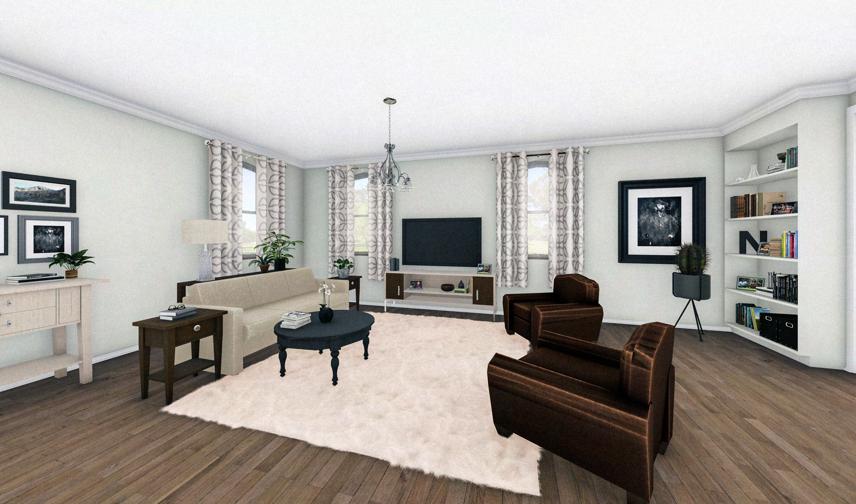
The Italianate Historic Preservation House was a brief research project, part of Studio 4 Historic Preservation. The goal of this project was to research and design a house based on a specific historic building typology. This project specifically focused on the history and characteristics of the Italianate style of architecture.
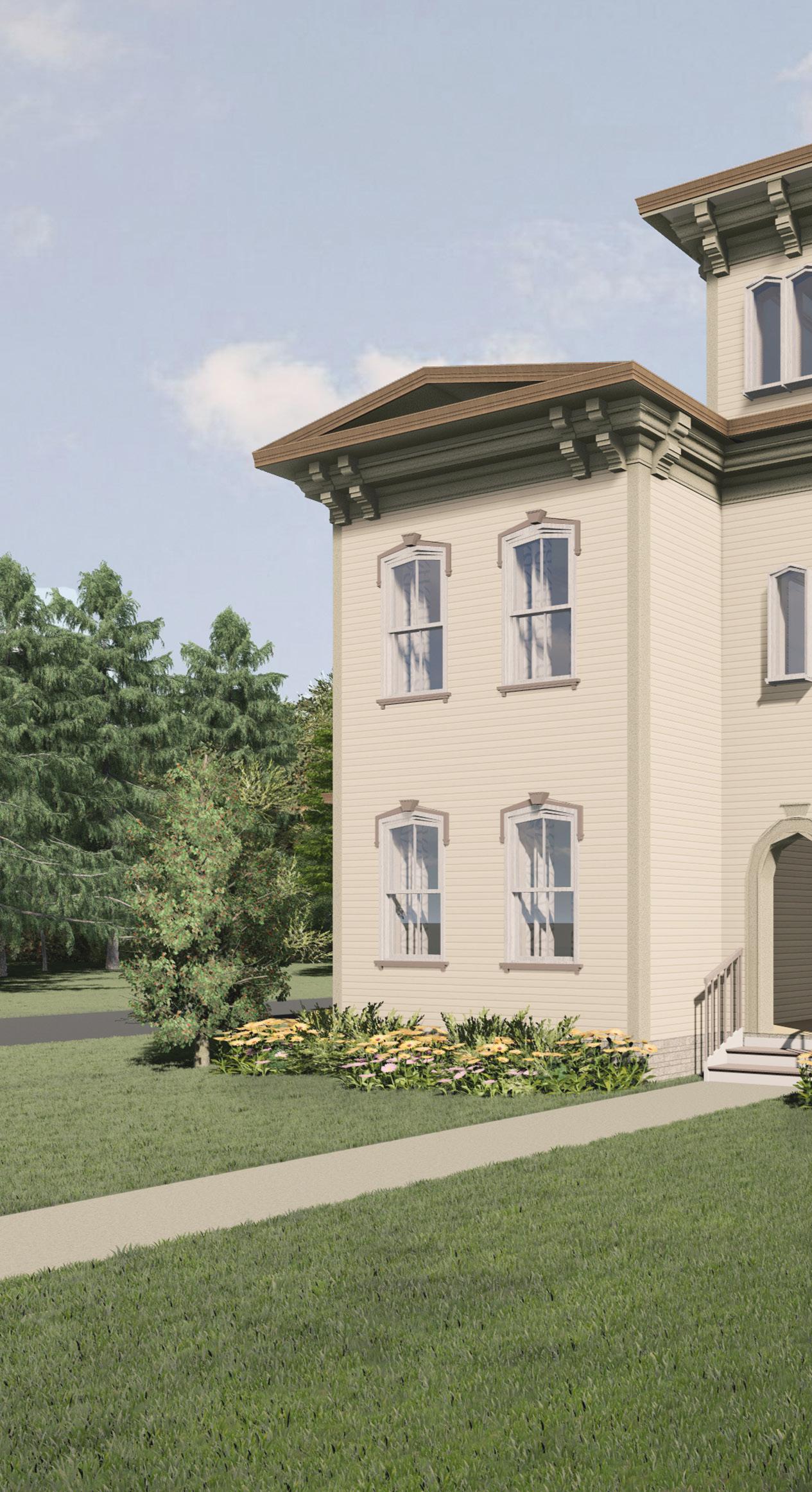
26 | PROJECT DESCRIPTION
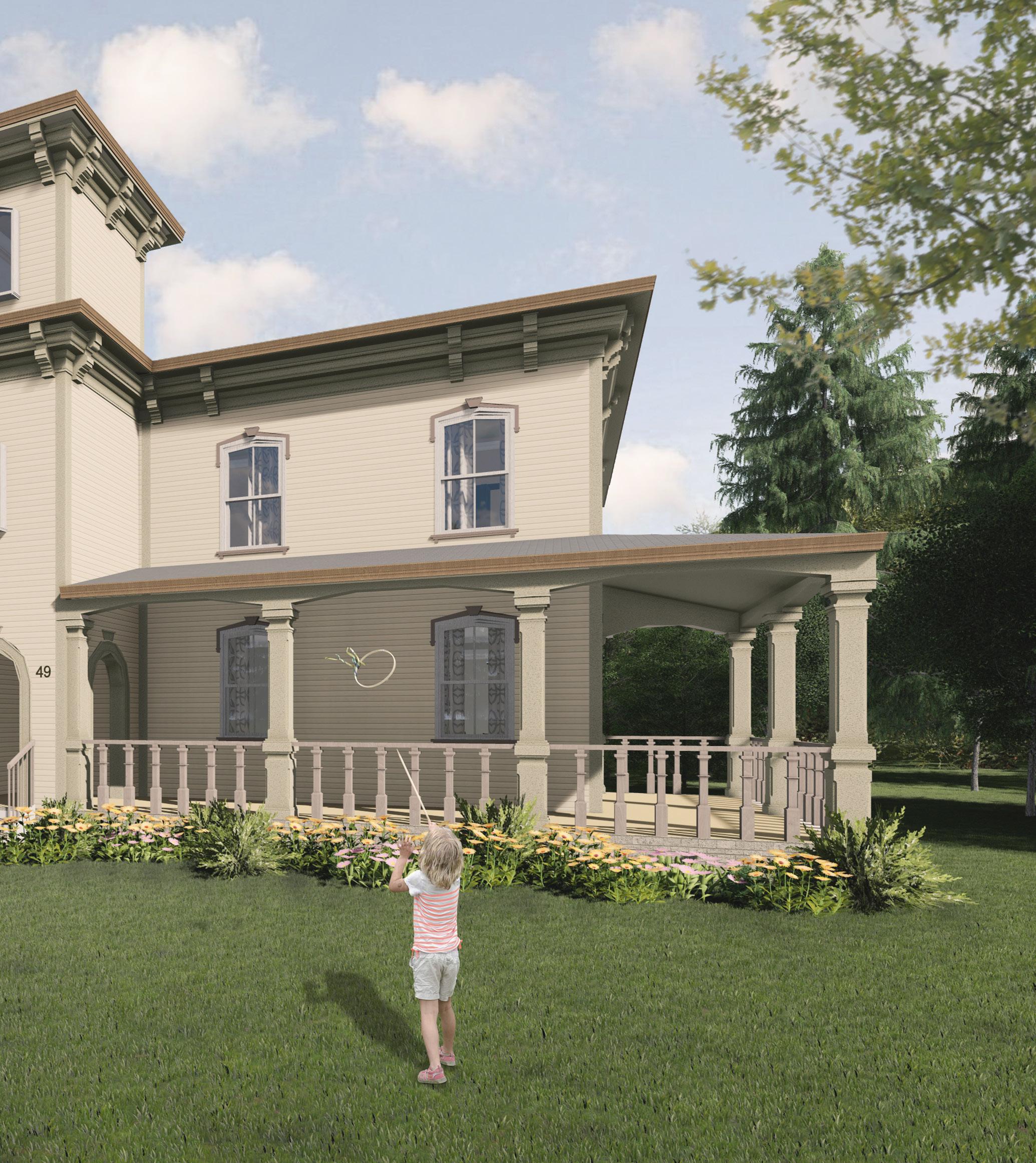
PROJECT DESCRIPTION | 27
ITALIANATE HISTORY
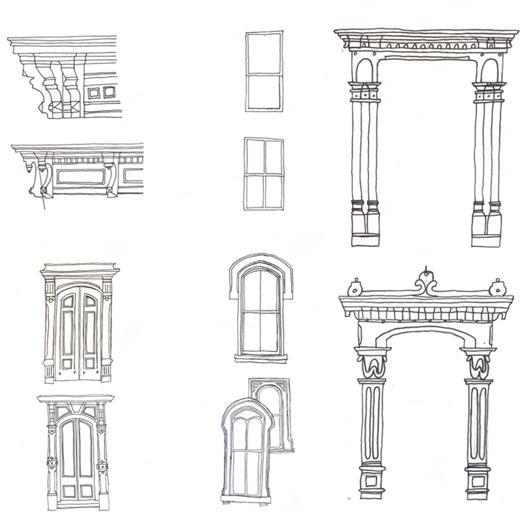
The Italianate style first started in England during the Picturesque movement (1782). The Italianate style mimicked the architecture of Italian farmhouses, specifically their characteristic square towers as examples of Italian villa-style architecture. The style eventually migrated to America during the mid-1850s, Its popularity started in common towns and in the midwest and drifted to older growing cities on the east coast. San Francisco has become known for its Italianate style buildings. As San Francisco grew from a small town to a prime American port, most of its earlier residential buildings were built using wood from wood in the Italianate architecture style.
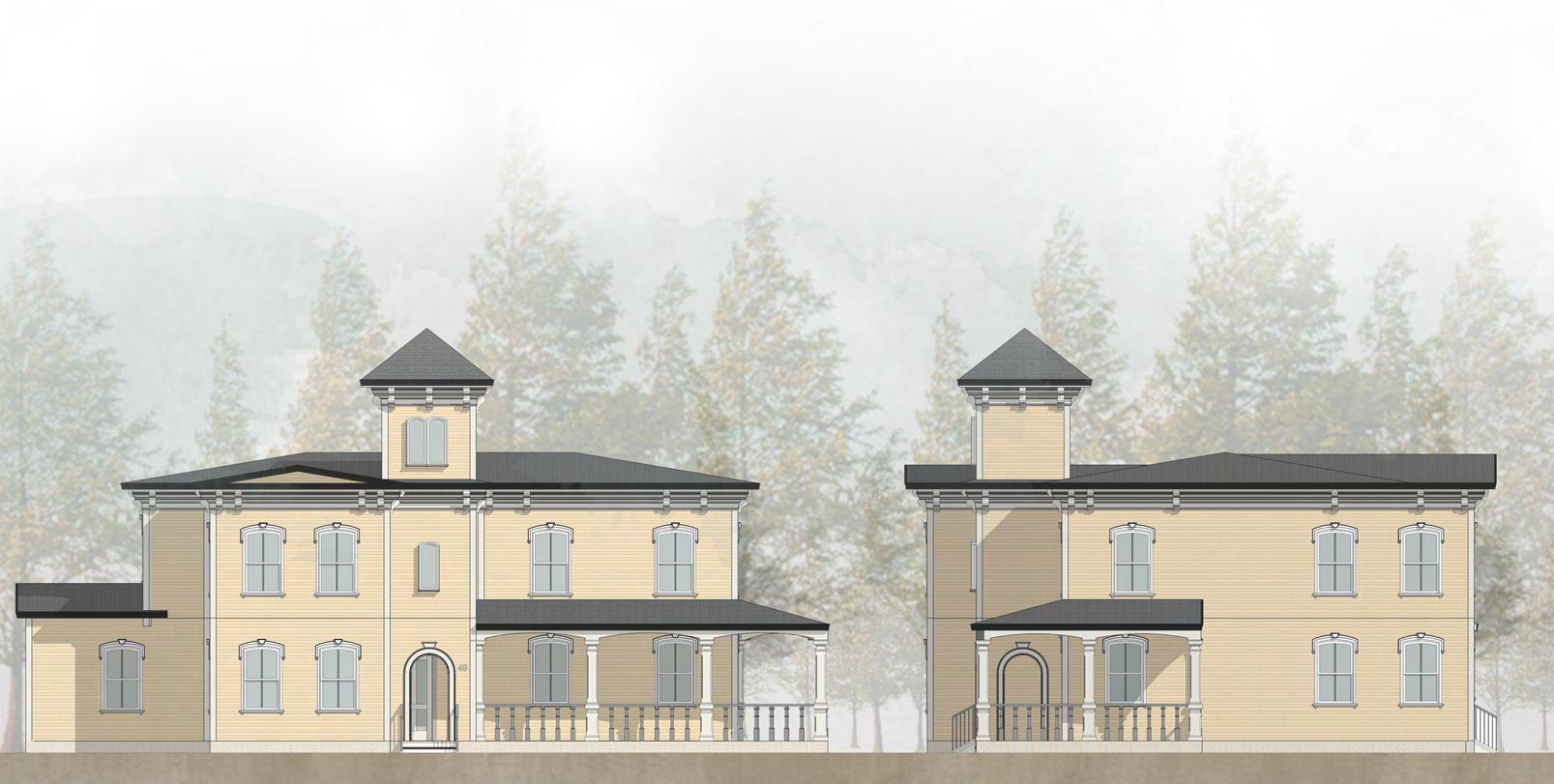
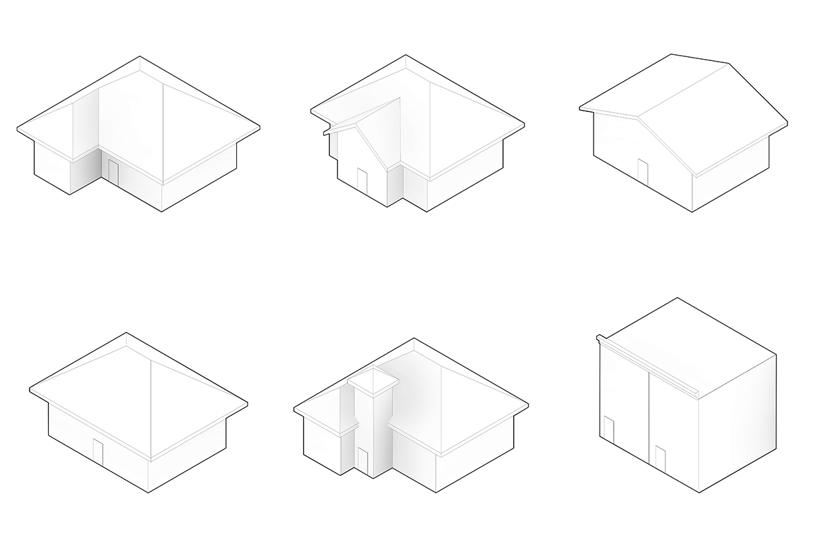
PRINCIPLE SUBTYPES TYPICAL DETAILS
ASYMMETRICAL
28 | HISTORY
TOWNHOUSE DOORS CROWNS ARCHES
FRONT GABLE FRONT GABLE SASHES
TOWERED
CENTERED GABLE
HIPPED ROOF
PLANS | 29
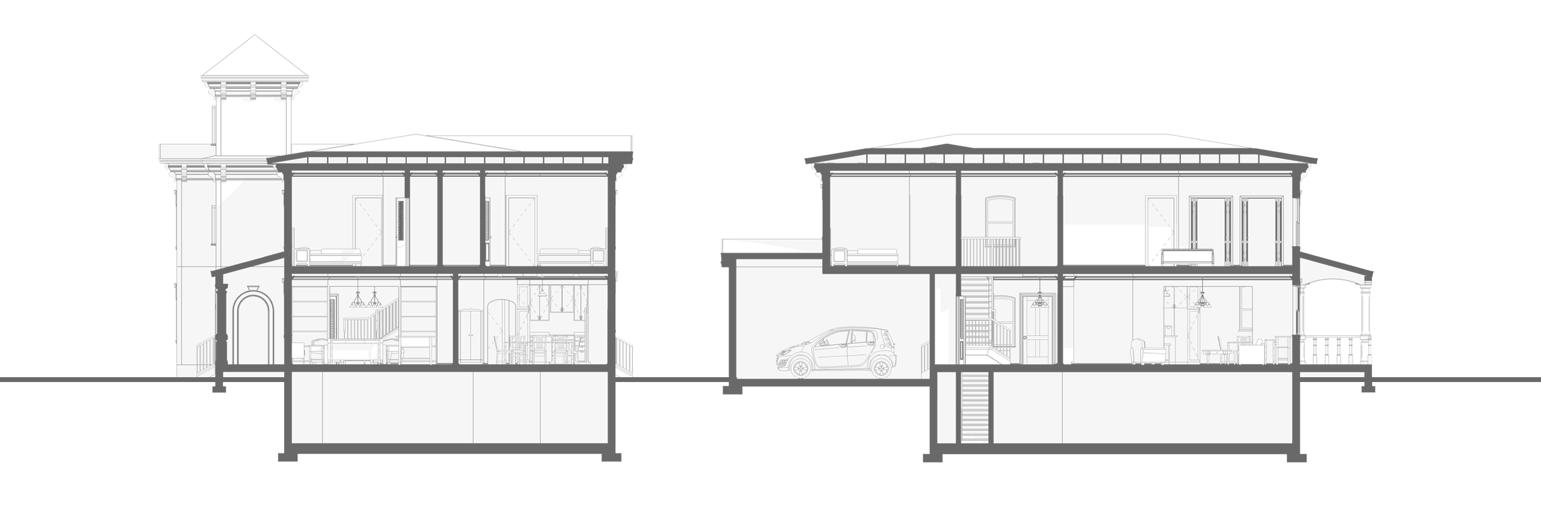
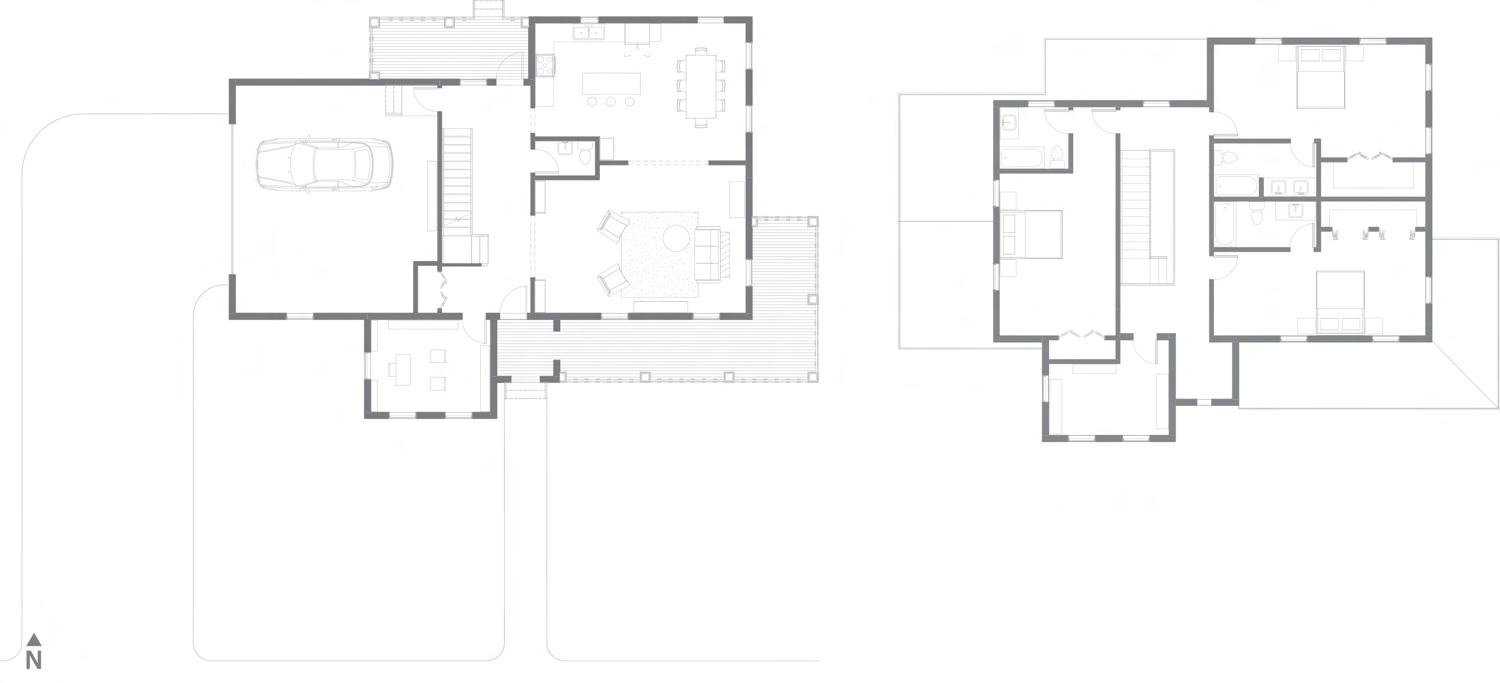
TRANSVERSE SECTION LEVEL
LEVEL 1
2
LONGITUDINAL SECTION
30 | INTERIOR PERSPECTIVES
FOYER
FAMILY ROOM KITCHEN
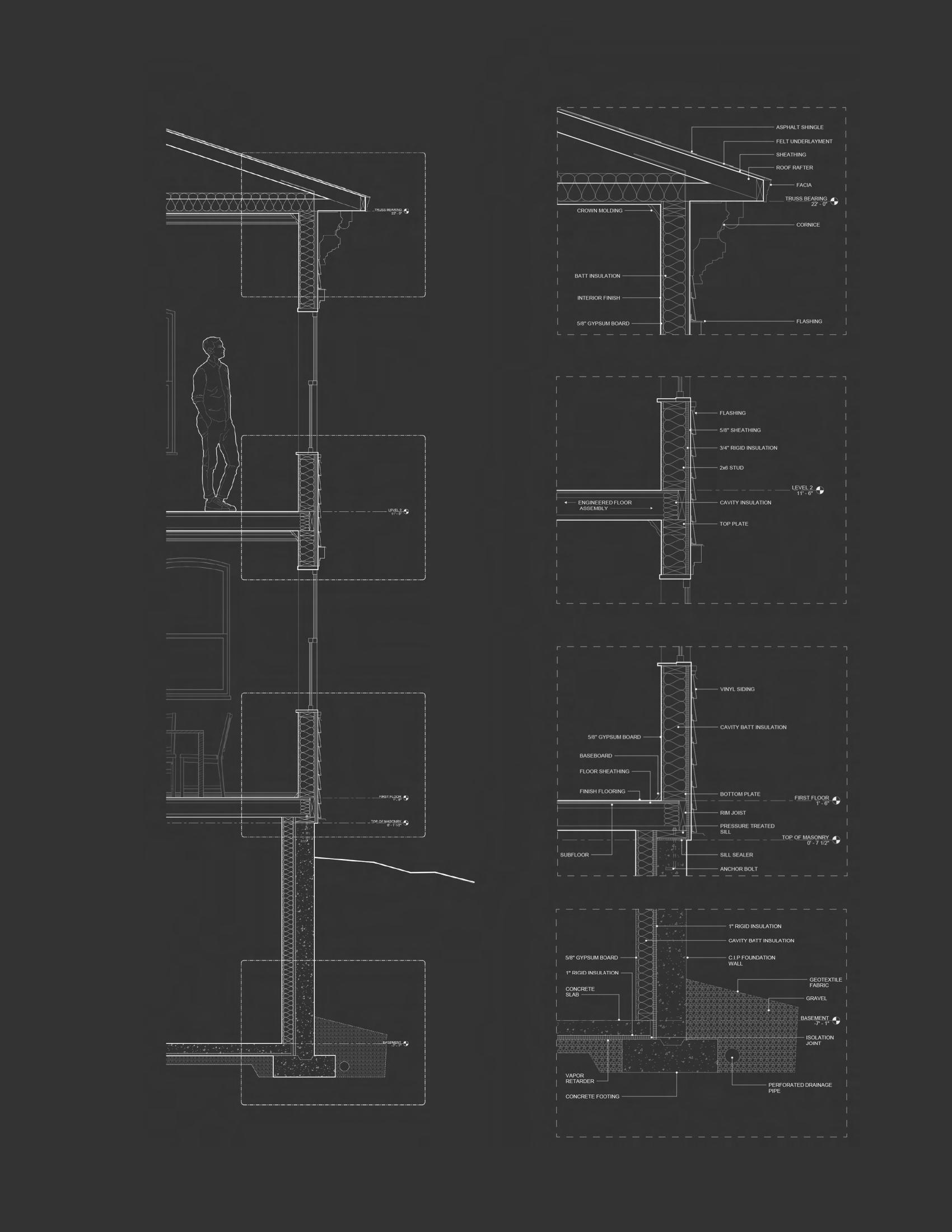
DETAILS | 31
ChelseaFlex Recreational Center
The ChelseaFlex Center a community hub aimed to educate the importance of healthy living in an exciting, green, and interactive approach. The style of the structure is a contemporary delineation of the rich industrial culture of the Chelsea district. The design borrows from the surrounding architectural vernacular of the Chelsea district; the facade employs materials such as iron to create an aesthetically divergent presence, while also alluding to the importance of iron in the Chelsea district’s industrial history. Additionally, while aiding in passive cooling for the structure, the iron canopy is also significant feature, borrowed from the vernacular of the surrounding Chelsea District.
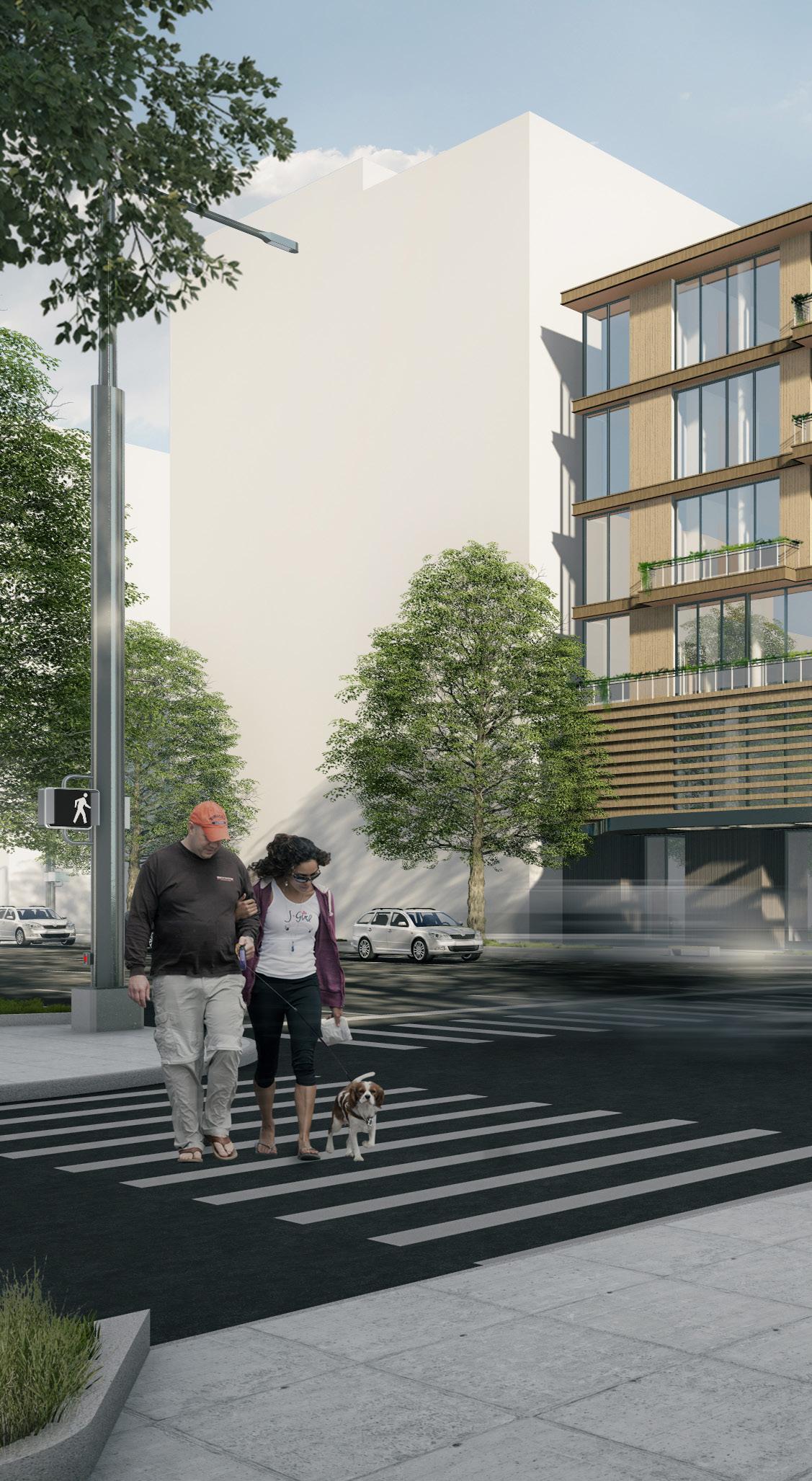
32 | PROJECT DESCRIPTION
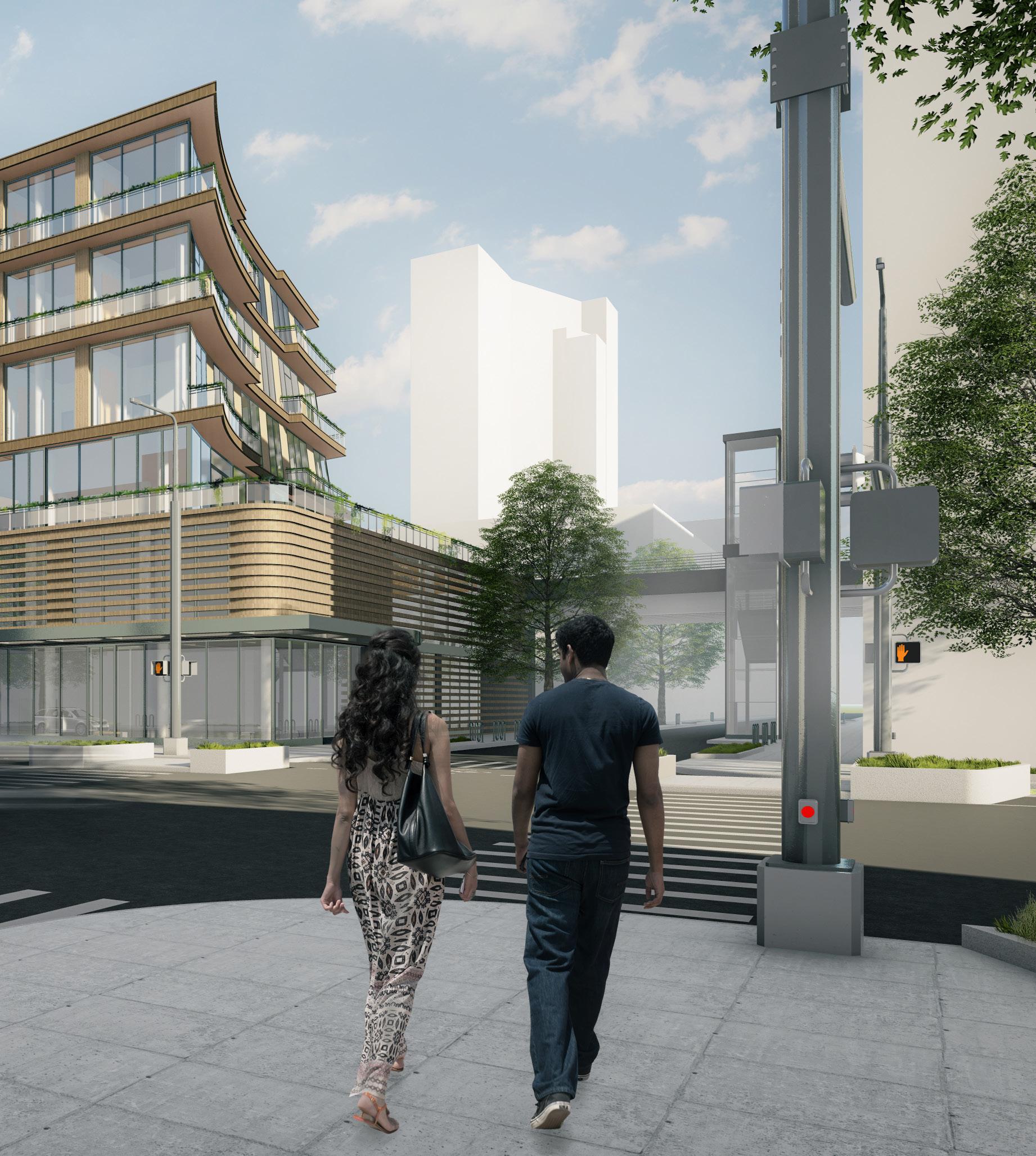
PROJECT DESCRIPTION | 33
FORMFINDING
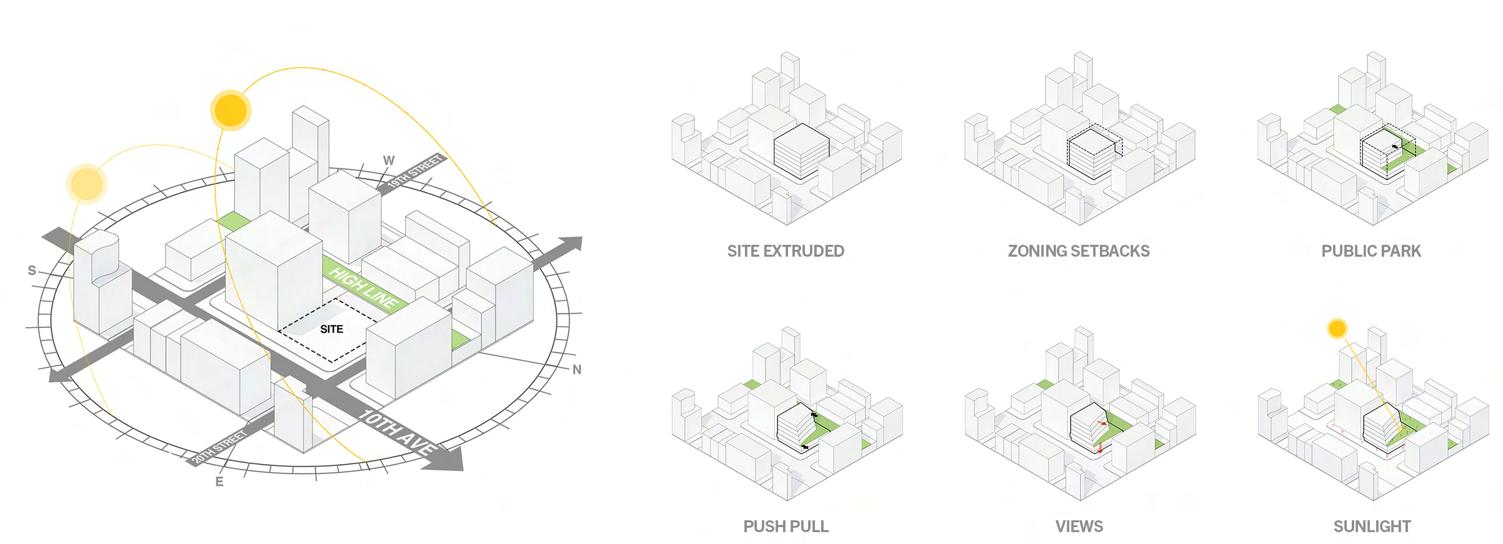
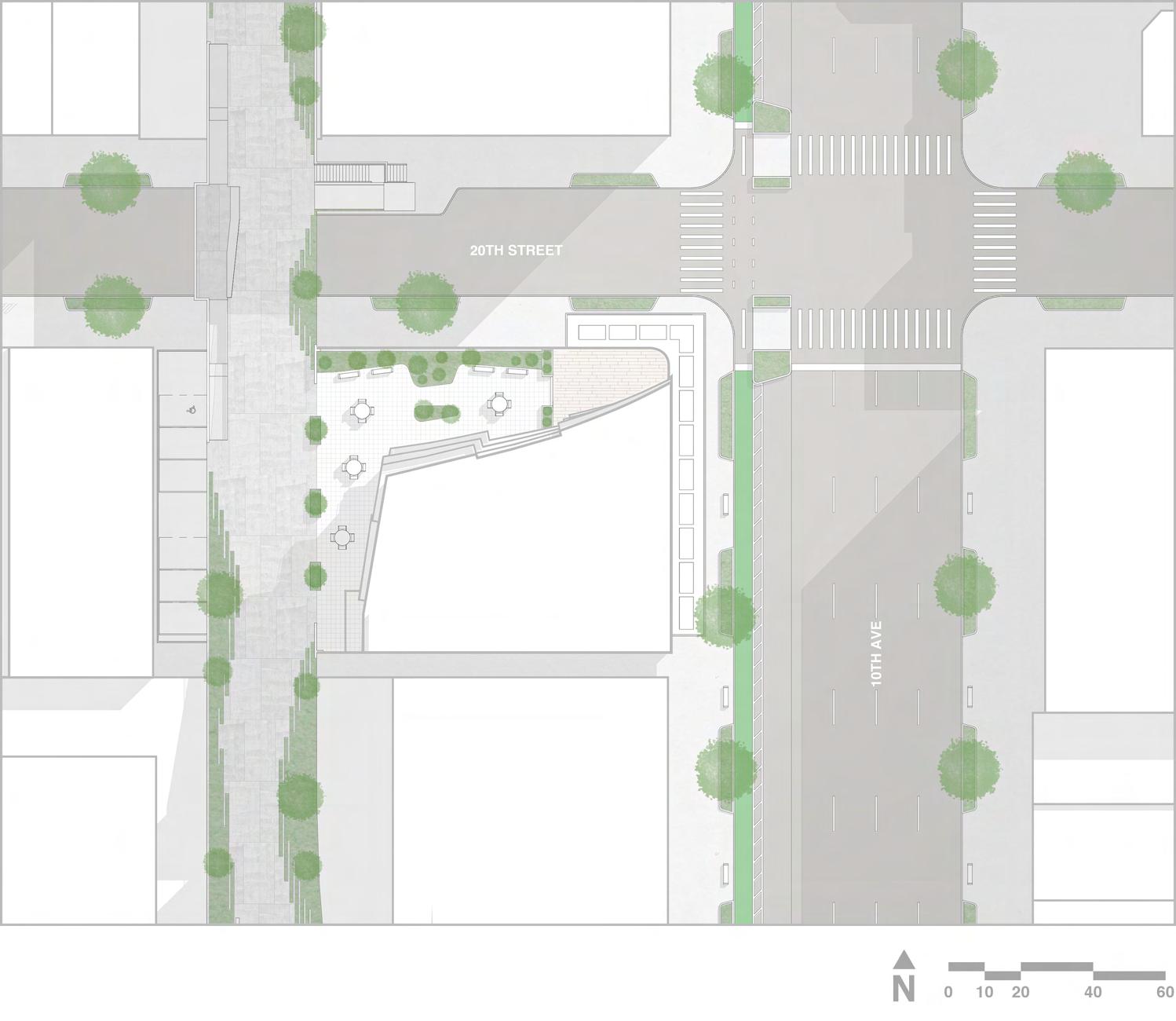
The form of the design began with a simple extrusion of the site’s boundaries. From this extrusion, the form was molded to conform per New York City’s zoning setbacks, While also creating an area for a public green space off from off The Highline. The curvilinear form of the design enhances residential views of the Highline from the residential units, while also increasing the amount of natural sunlight penetrating the public park.
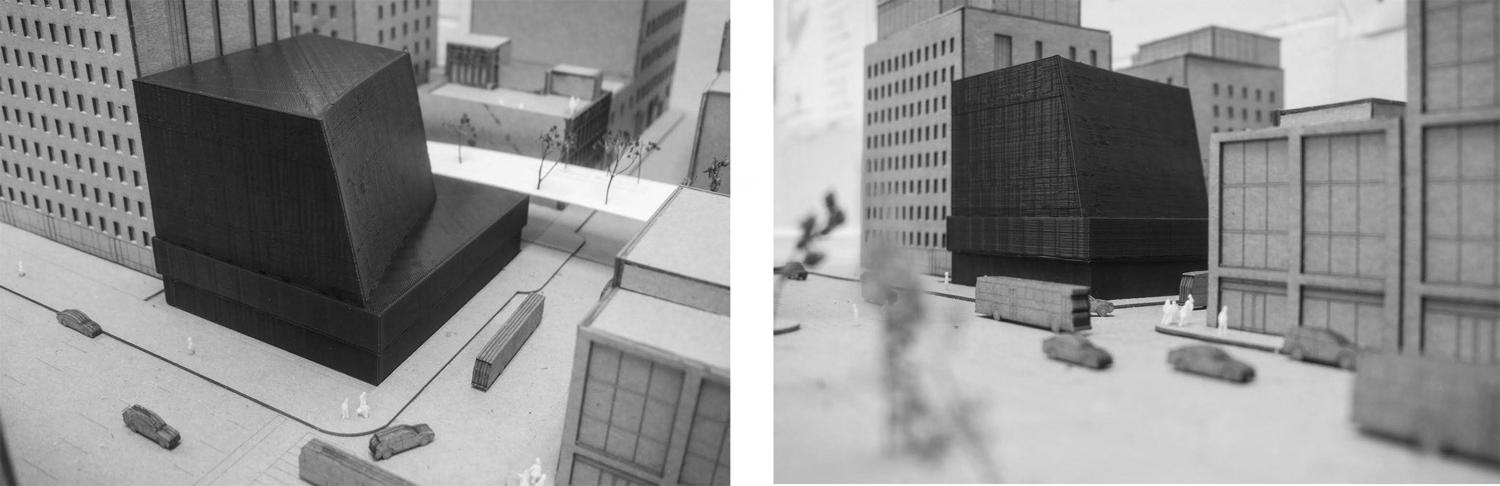
The massing model aided in visualizing the relationship between the conceptualized form and the context of the surrounding Chelsea district. The curvilinear form contrast the rectilinear forms of the surrounding architecture. Creating a compelling facade on the site’s corner.
34 | CONCEPT DEVELOPMENT
MASSING MODEL
SITE PLAN | 35
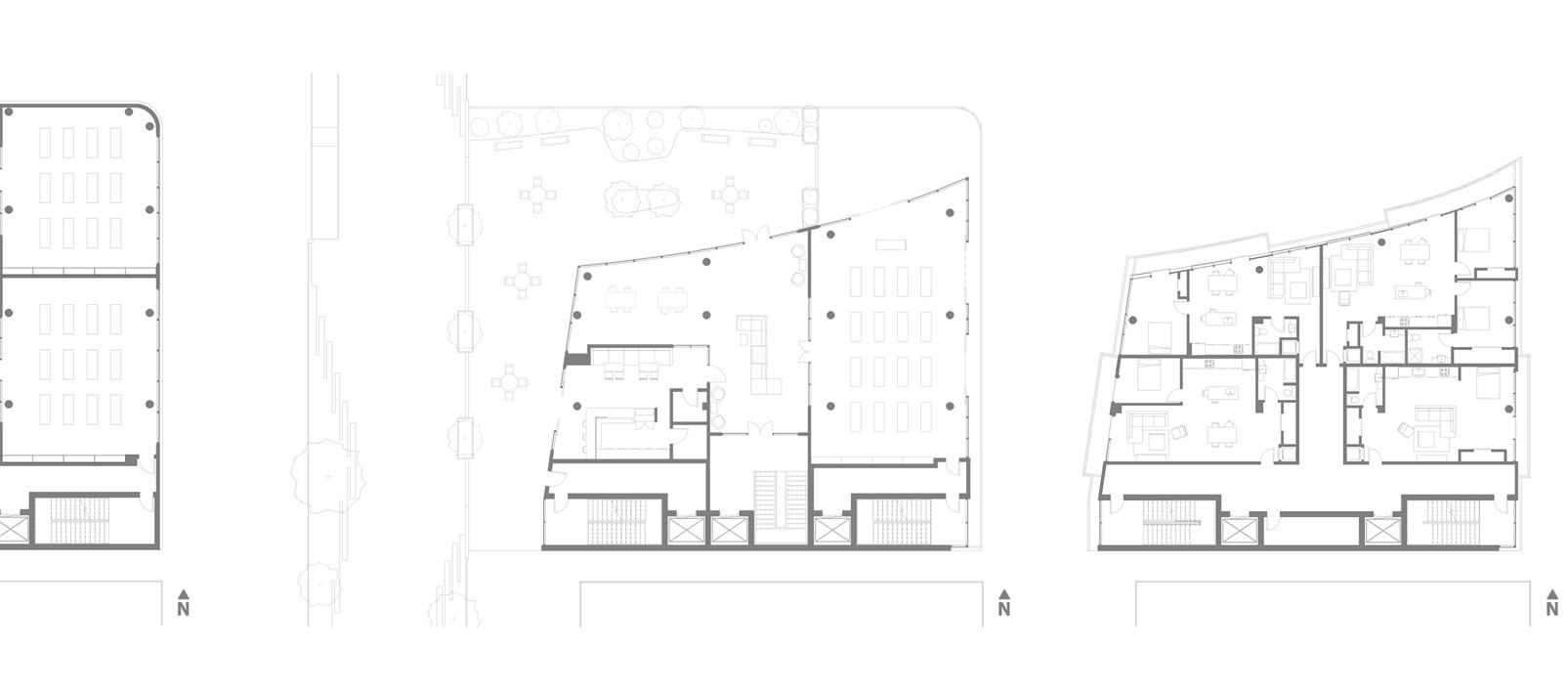
36 | SELECTED PLANS LEVEL 1 LEVEL 2
SELECTED PLANS | 37
LEVEL 3 LEVEL 4
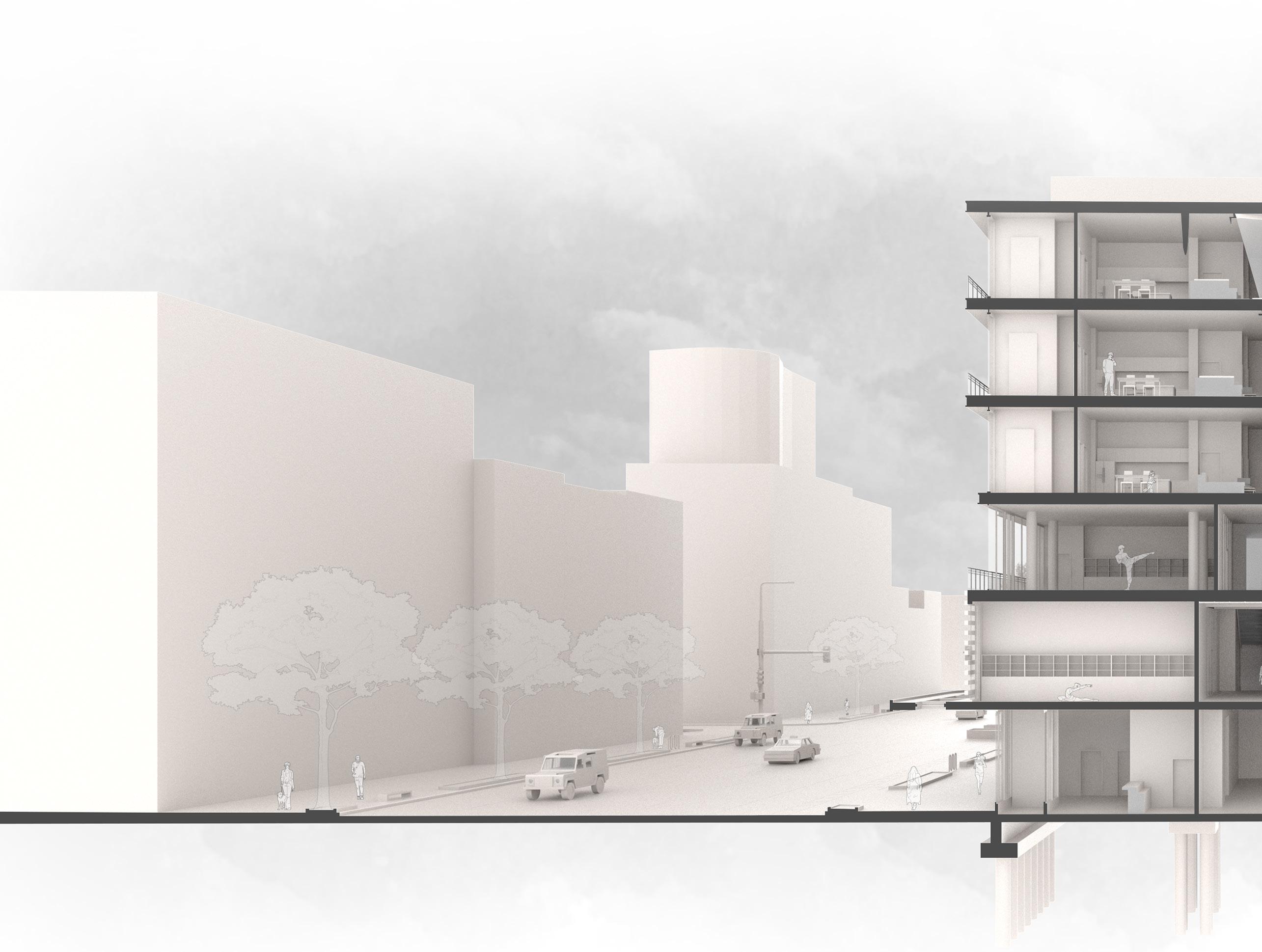
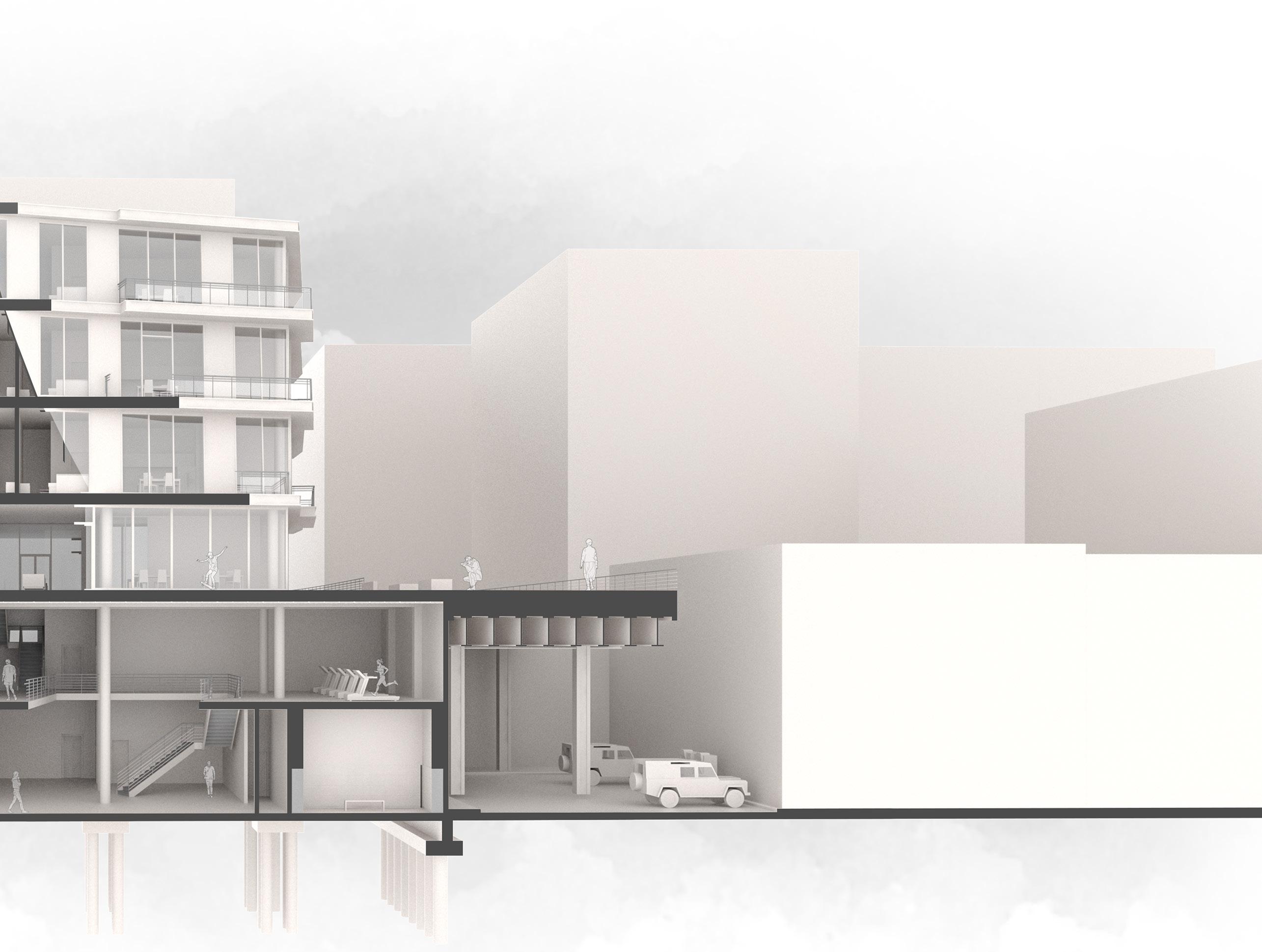
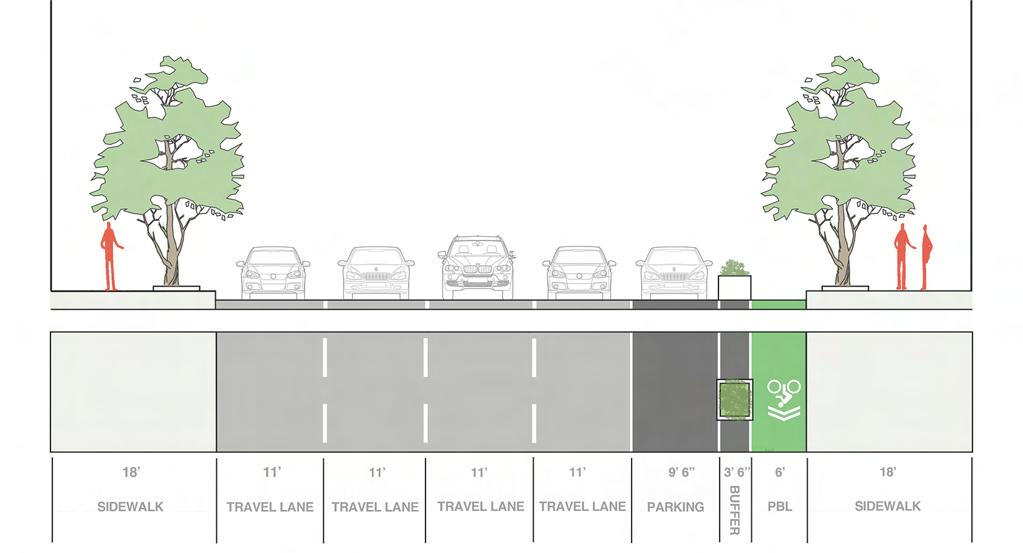
STREETSCAPE SECTION
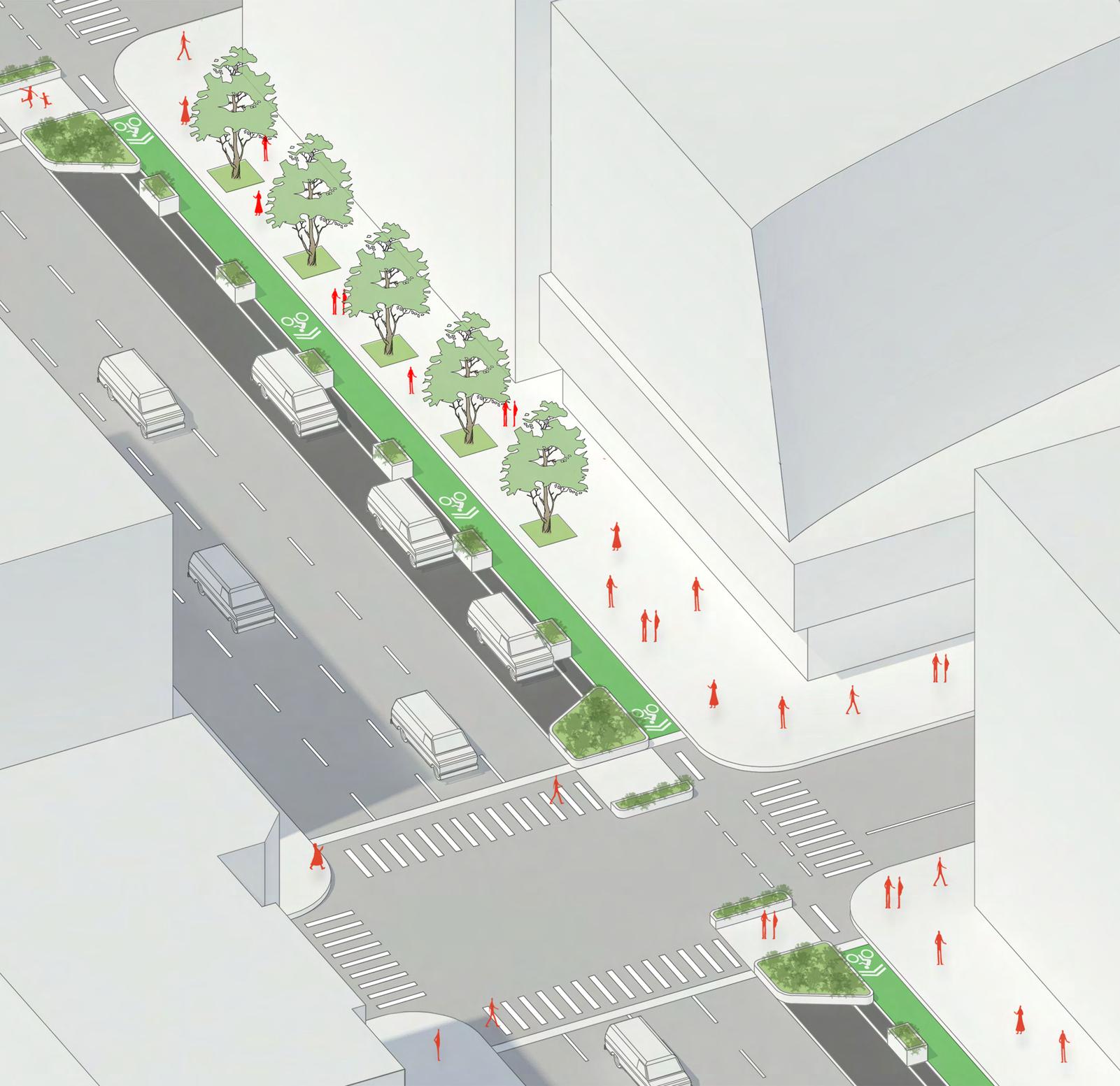
Streetscape planters improve the aesthetic quality of the city block, while also providing additional benefits such as stormwater absorption, reducing noise pollution, and increasing the city’s overall plant diversity.
Bike lane buffers increase the safety of urban cycling by increasing the distance between cyclists and motor vehicles. Buffers also promote the use of bicycles across the city by increasing the perception of safety among cyclists.
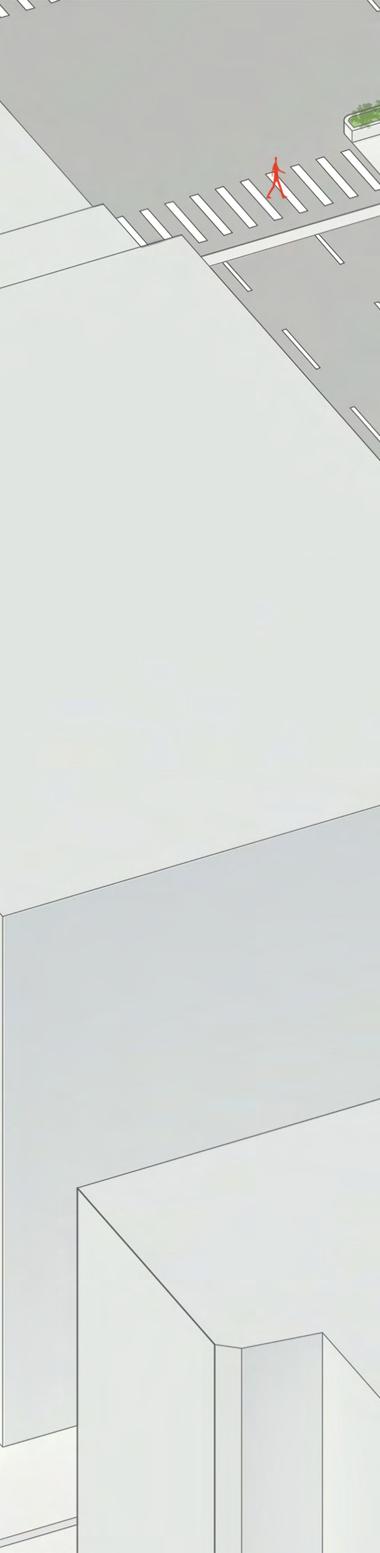
Pedestrian safety island is a buffer between pedestrians, cyclists, and motor vehicles, increasing the overall safety for pedestrians on multilane roads.

Marked bike crossing safely guides cyclists through intersections while also increasing the visibility of cyclists in high contact areas.


38 | STREETSCAPE DEVELOPMENT
STREETSCAPE DEVELOPMENT | 39
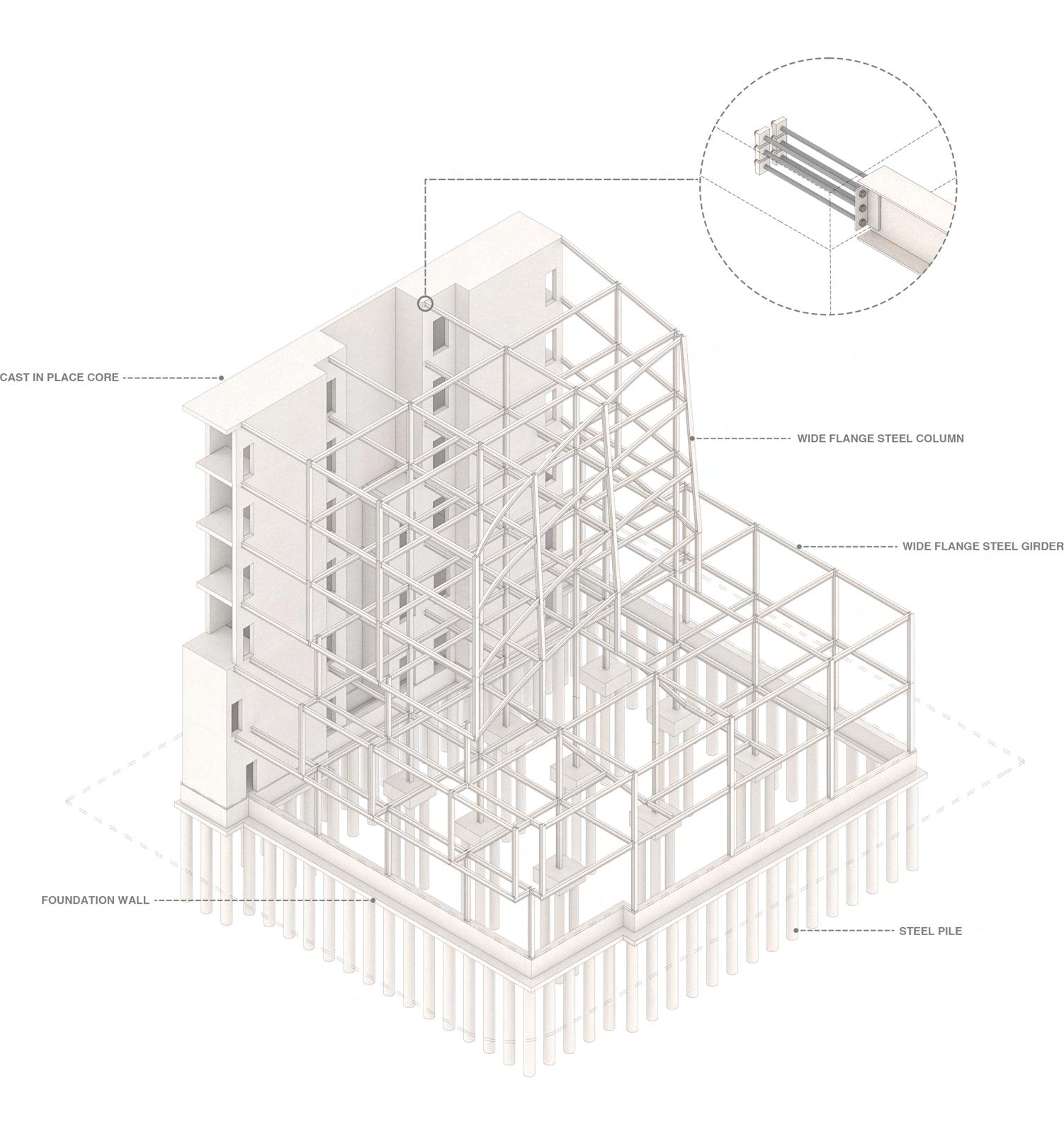
40 | STRUCTURAL AXONOMETRIC
The Chelsea neighborhood in New York is located in Flood Zone A (High-Risk Flooding). The structure’s foundation utilizes 30ft driven steel piles to provide support for the building in the event of a flood or severe storm.
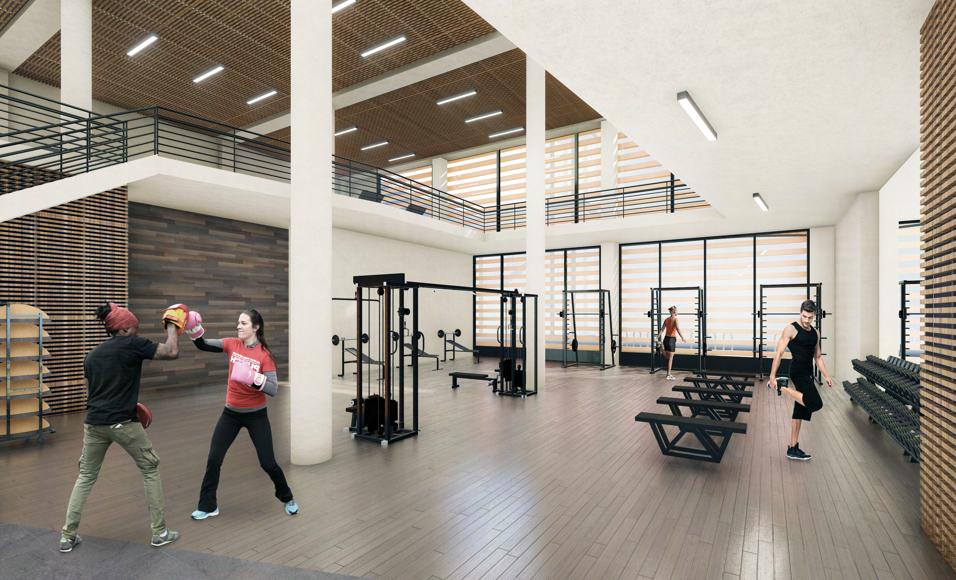
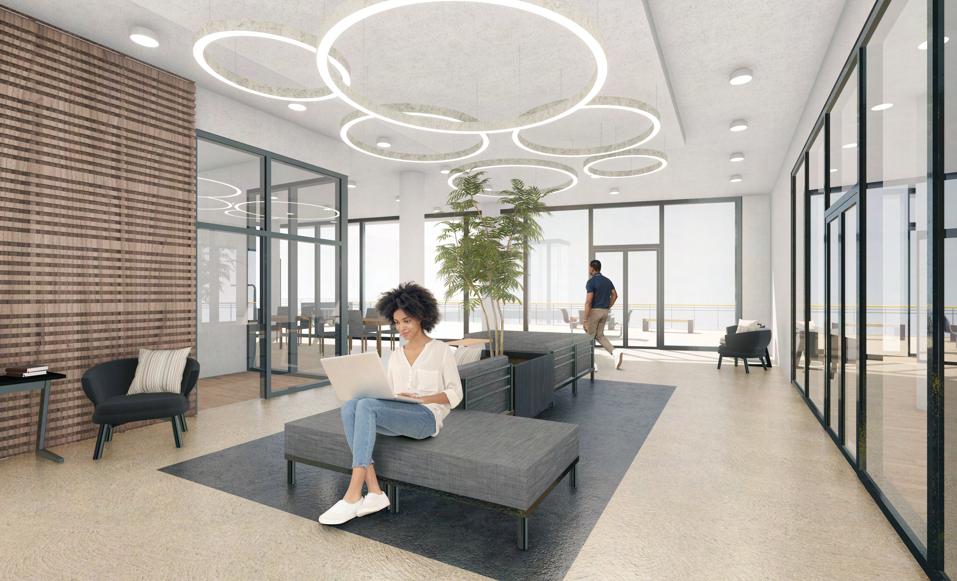
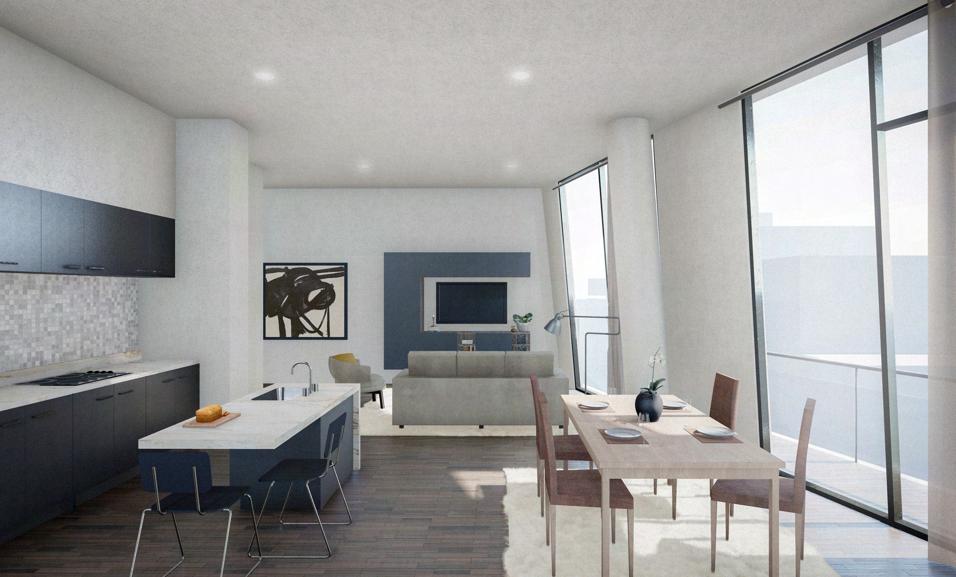
INTERIOR PERSPECTIVES | 41 TWO BEDROOM
APARTMENT
LOUNGE (LEVEL 3)
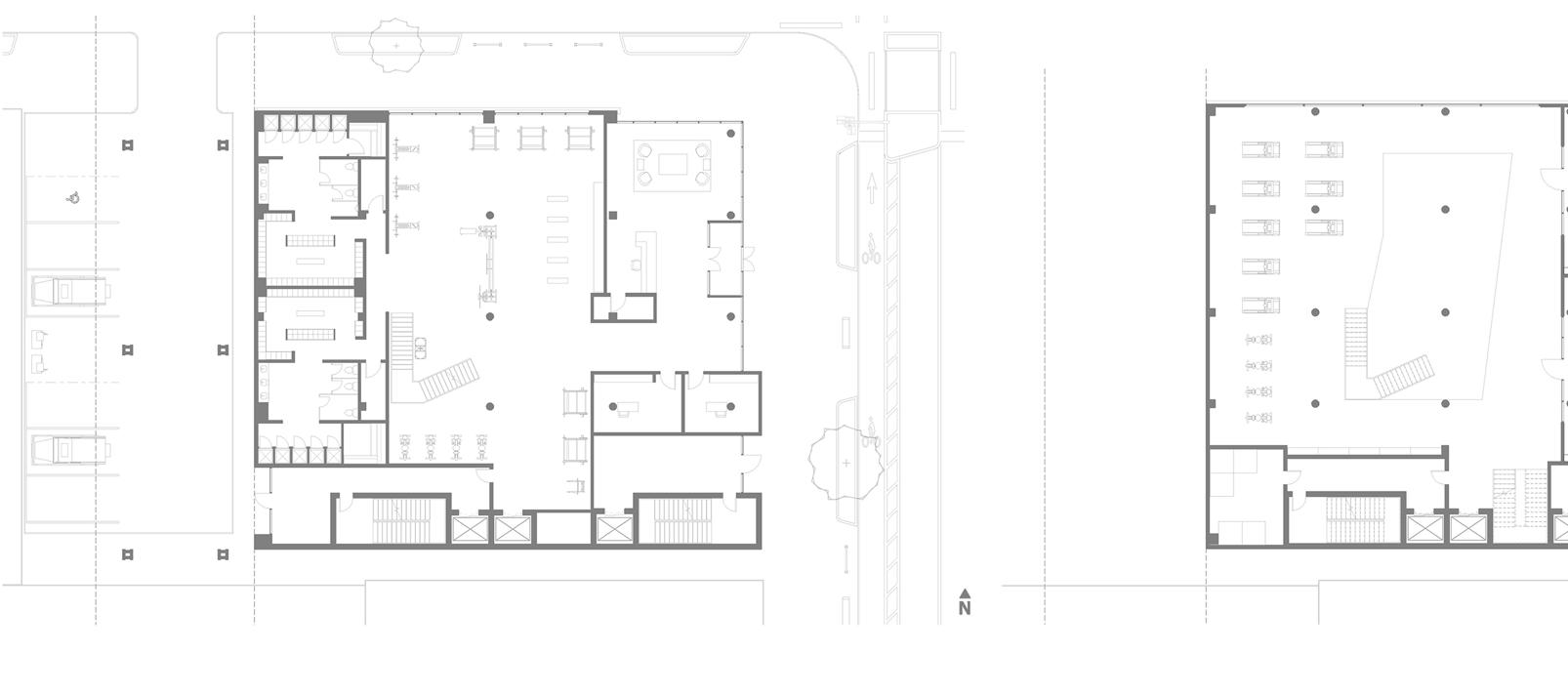
STRENGTH TRAINING (LEVEL 1)
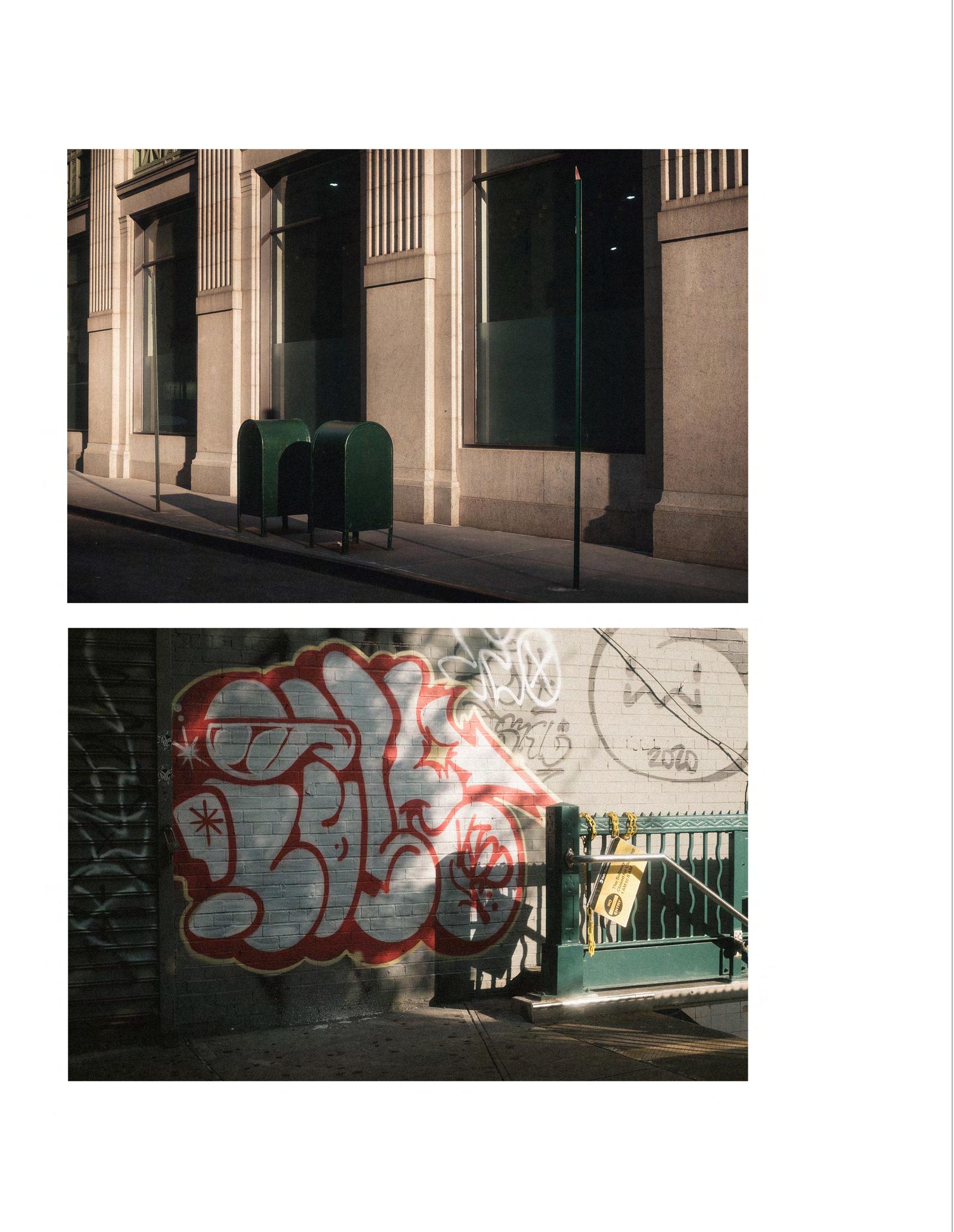
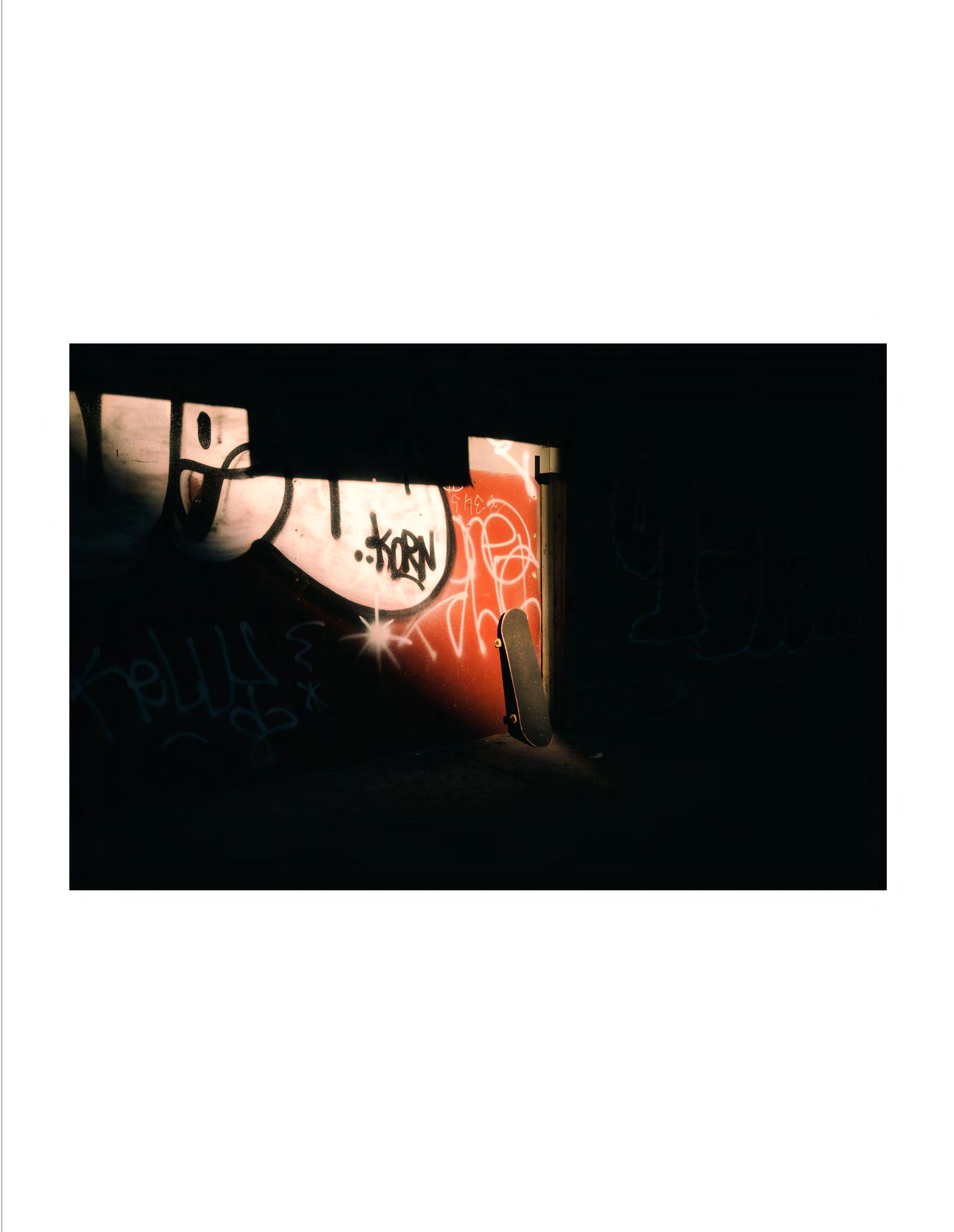
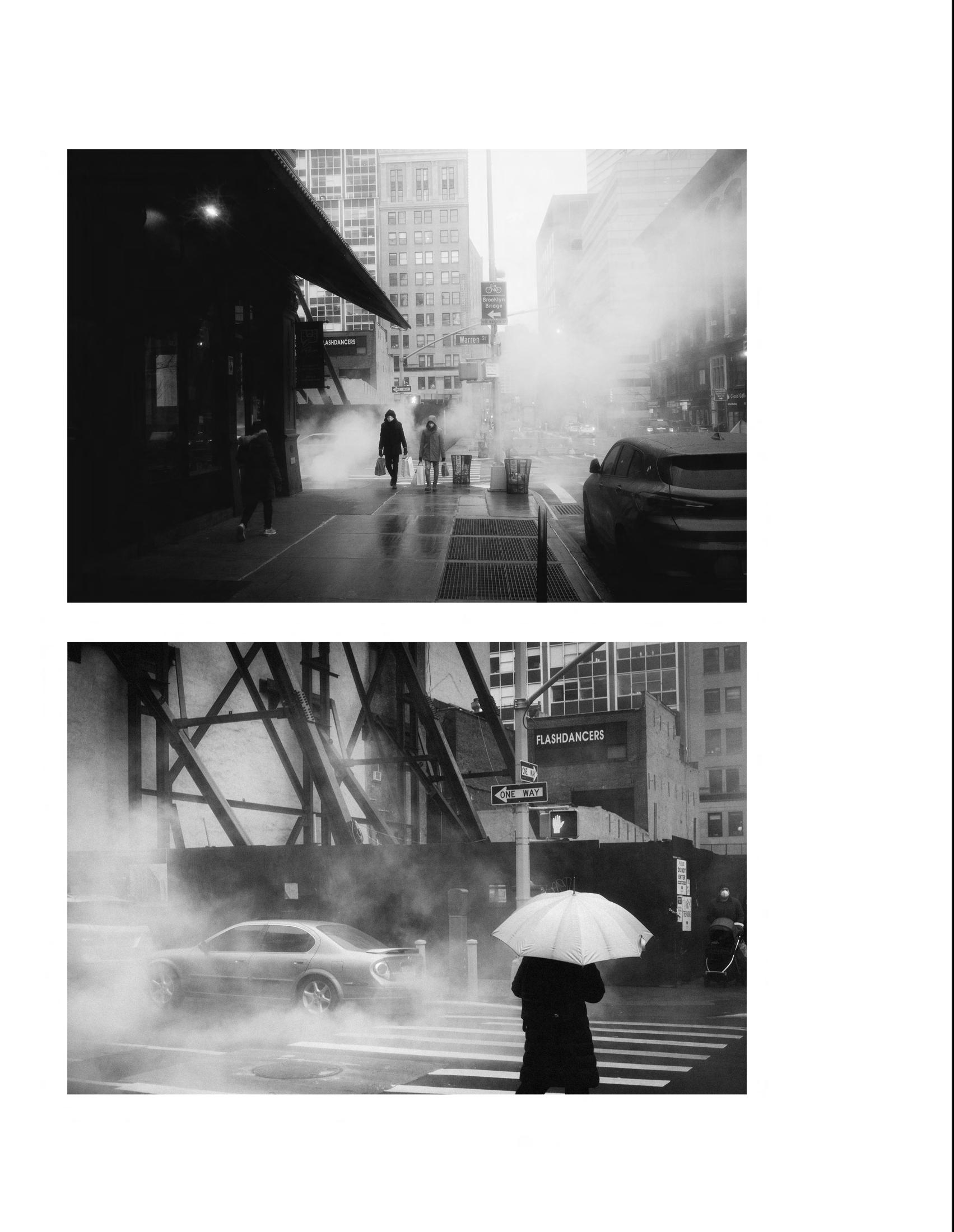
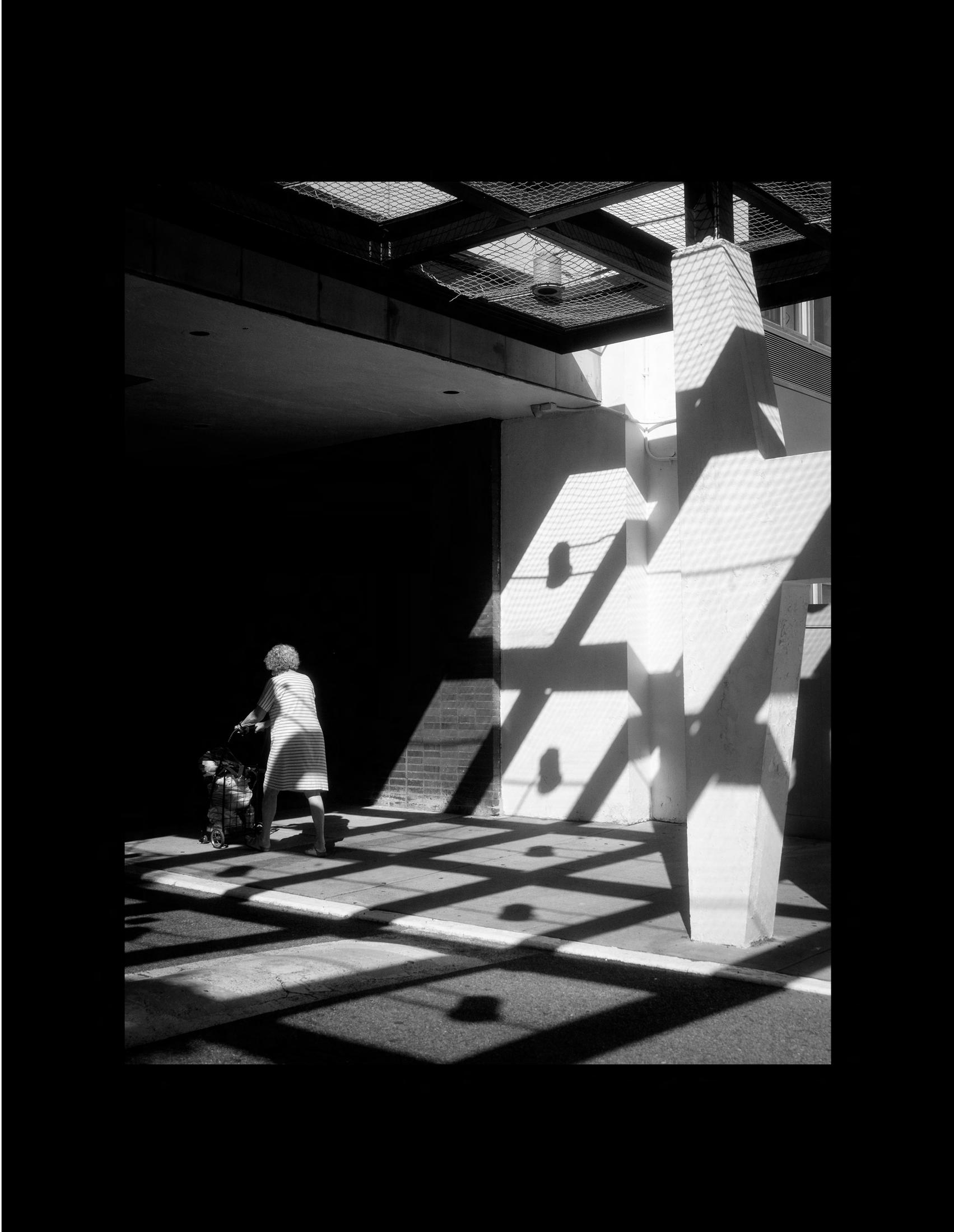
DIGITAL PHOTOGRAPHY
Following is a selection of various digital photography works from 2018-2021

42 | CONTENT
06

CONTENT | 43
44 | DIGITAL PHOTOGRAPHY
DIGITAL PHOTOGRAPHY | 45
46 | DIGITAL PHOTOGRAPHY
DIGITAL PHOTOGRAPHY | 47

G.SHAQUON@GMAIL.COM