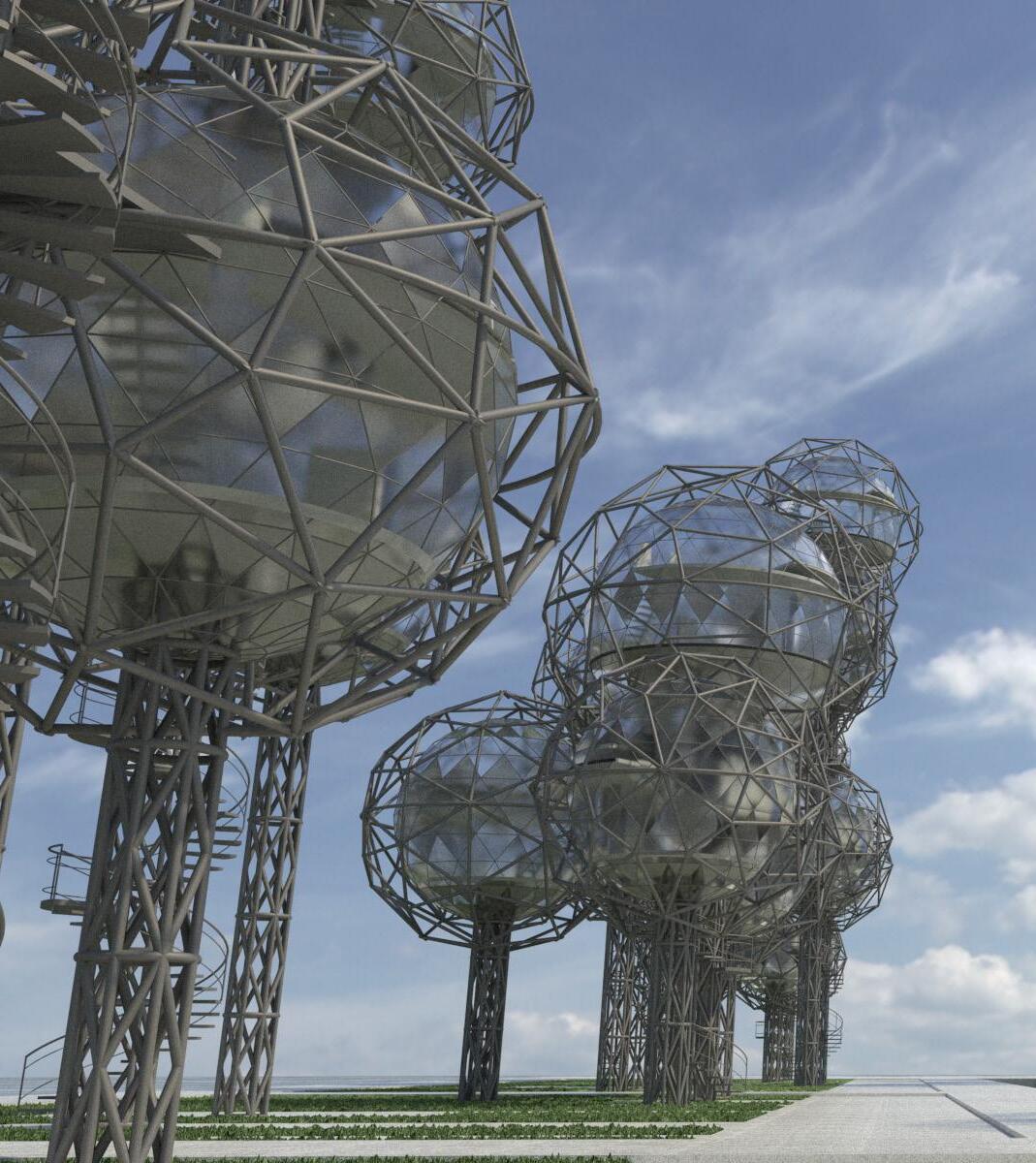
INDIVIDUAL RESIDENCES e-CLOUD
ACADEMIC LESSON: ARCHITECTURAL DESIGN 7
PROFESSOR: PANOS DRAGONAS
TYPE: BUILDING COMPLEX
SITE: PATRAS,GREECE
PARTNER : MARITINA VASILOPOULOU
CONCEPT DESCRIPTION
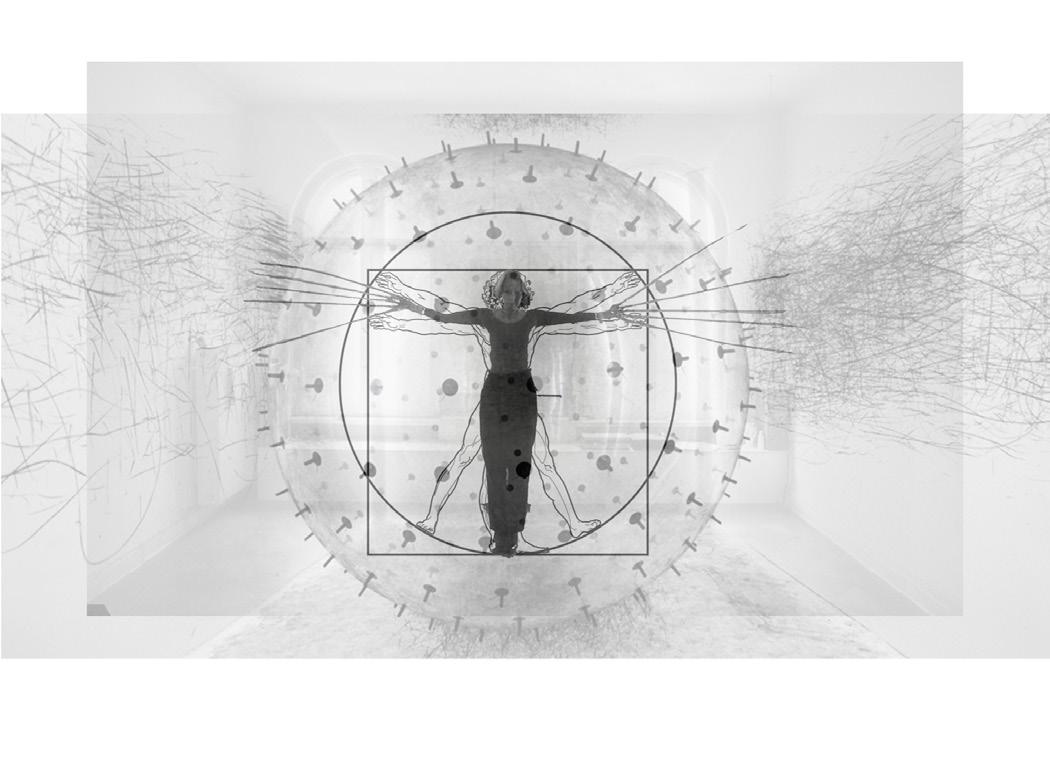
In our time, the evolution of technology has a great impact on our lives. Globalization as a derivative of evolution has brought about the abolition of boundaries, thus creating a wider social whole that interacts, mainly, through the digital world. The result of this is that the more the digital whole increases, the more the individuality of the individual intensifies. Man, as an individual model, acts as an intermediary of the connection of physical and digital space.
Evolution of technology -- globalization -- abolition of boundaries -- The larger the digital total , the more the individuality increases
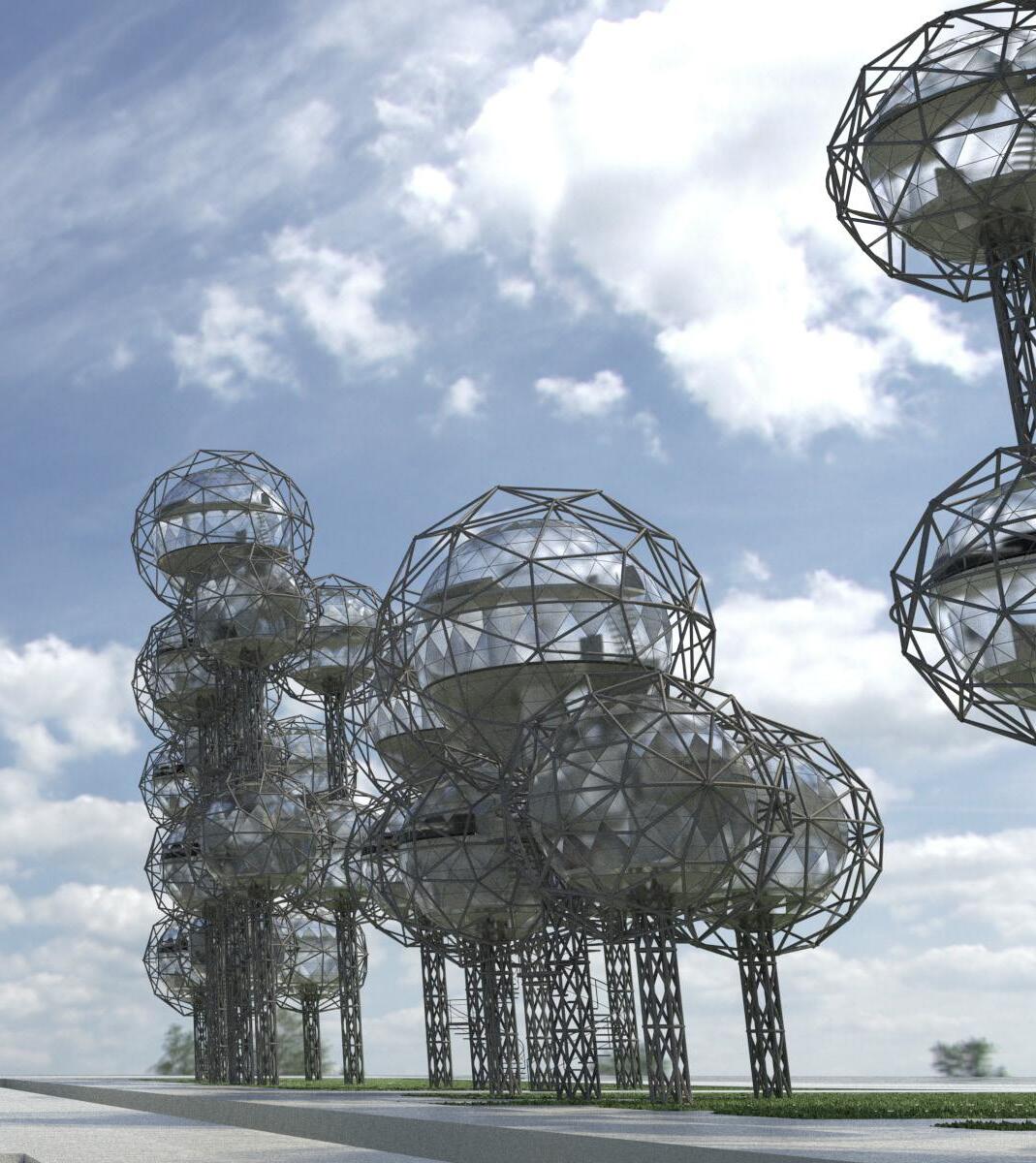
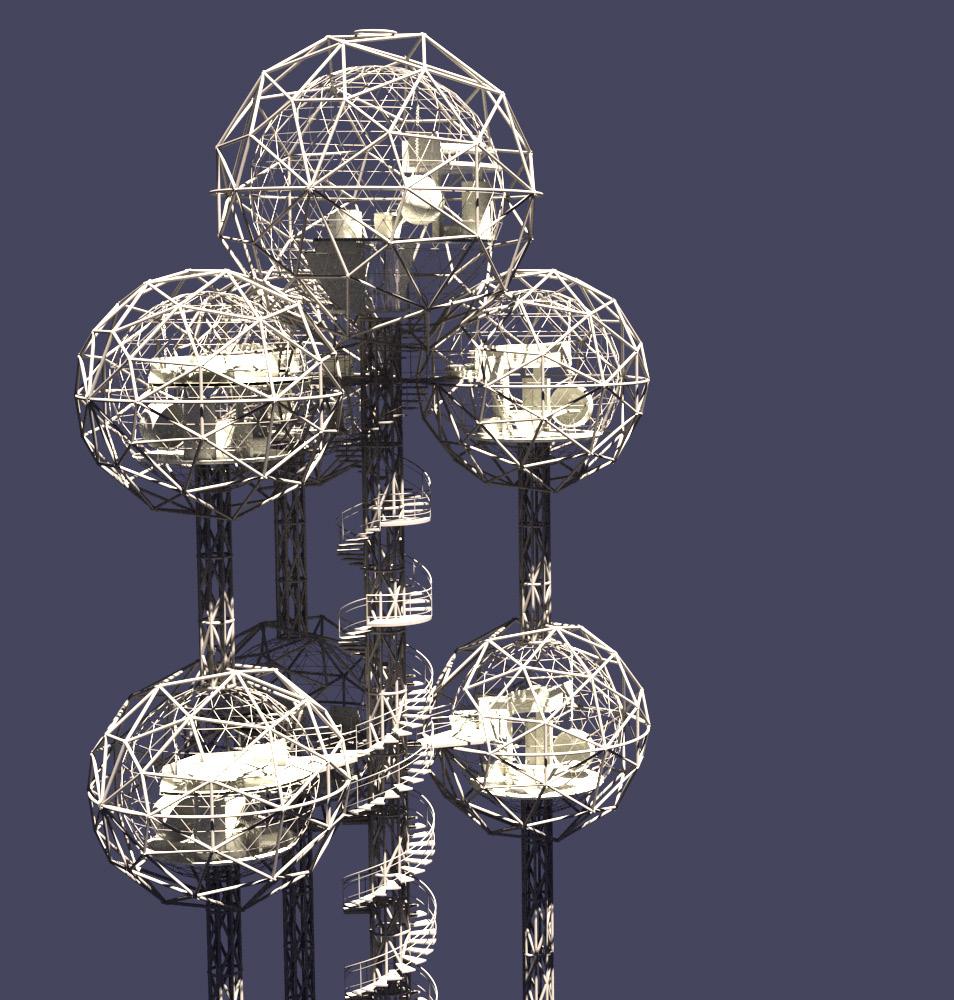
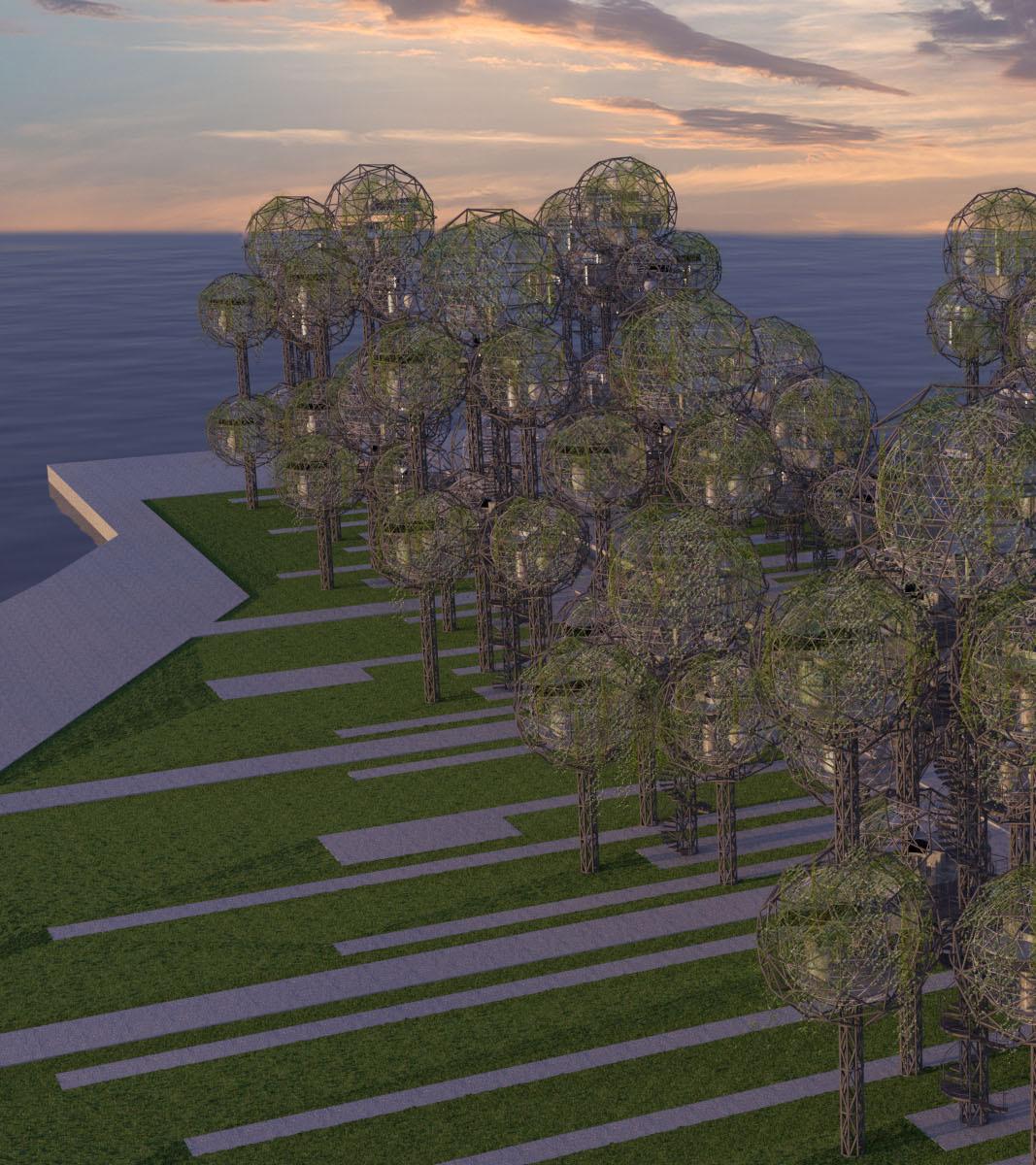
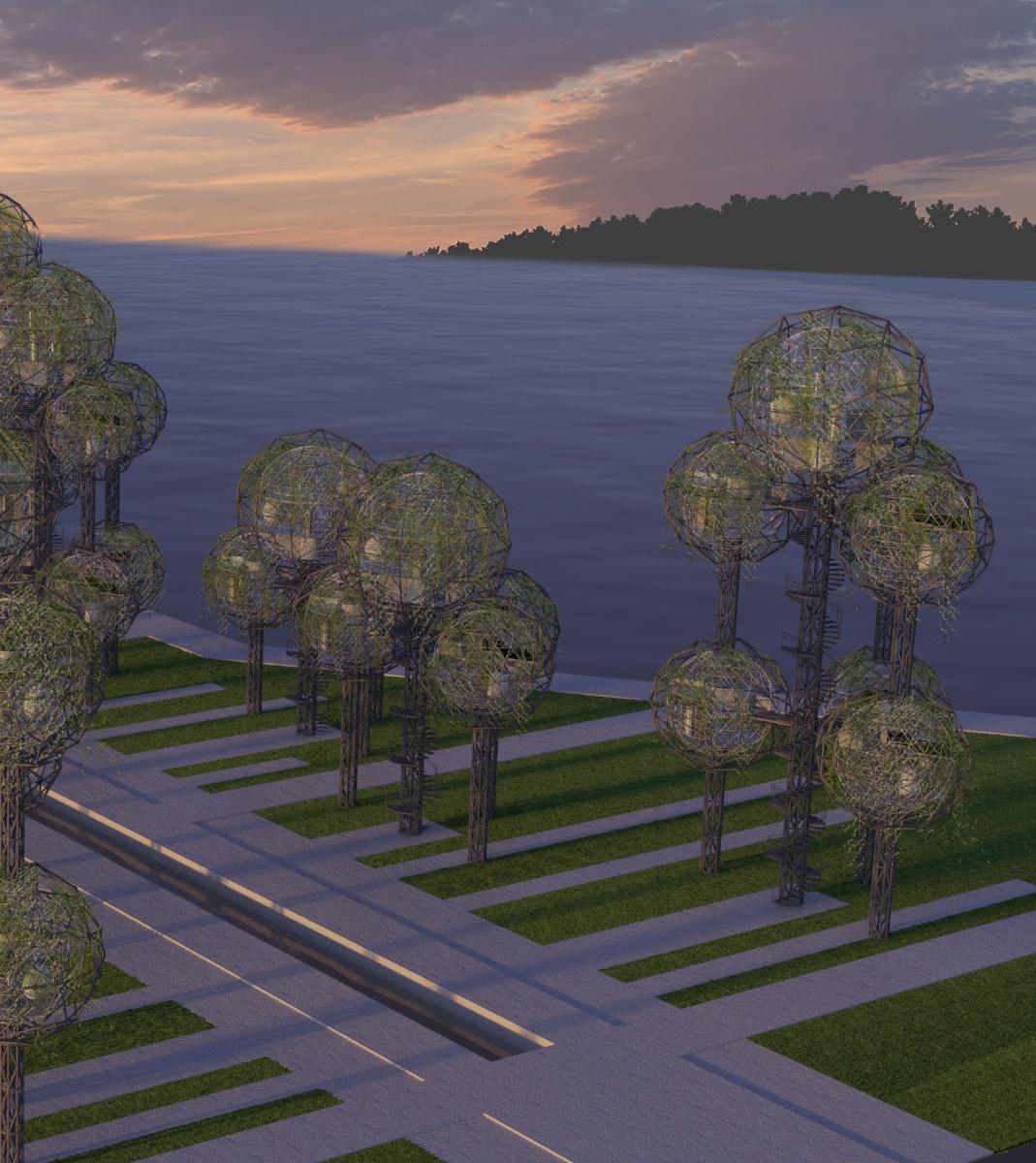
In our intervention, the residence embodies this connection, by creating the ultimate individual model which is symbolically translated with a sphere
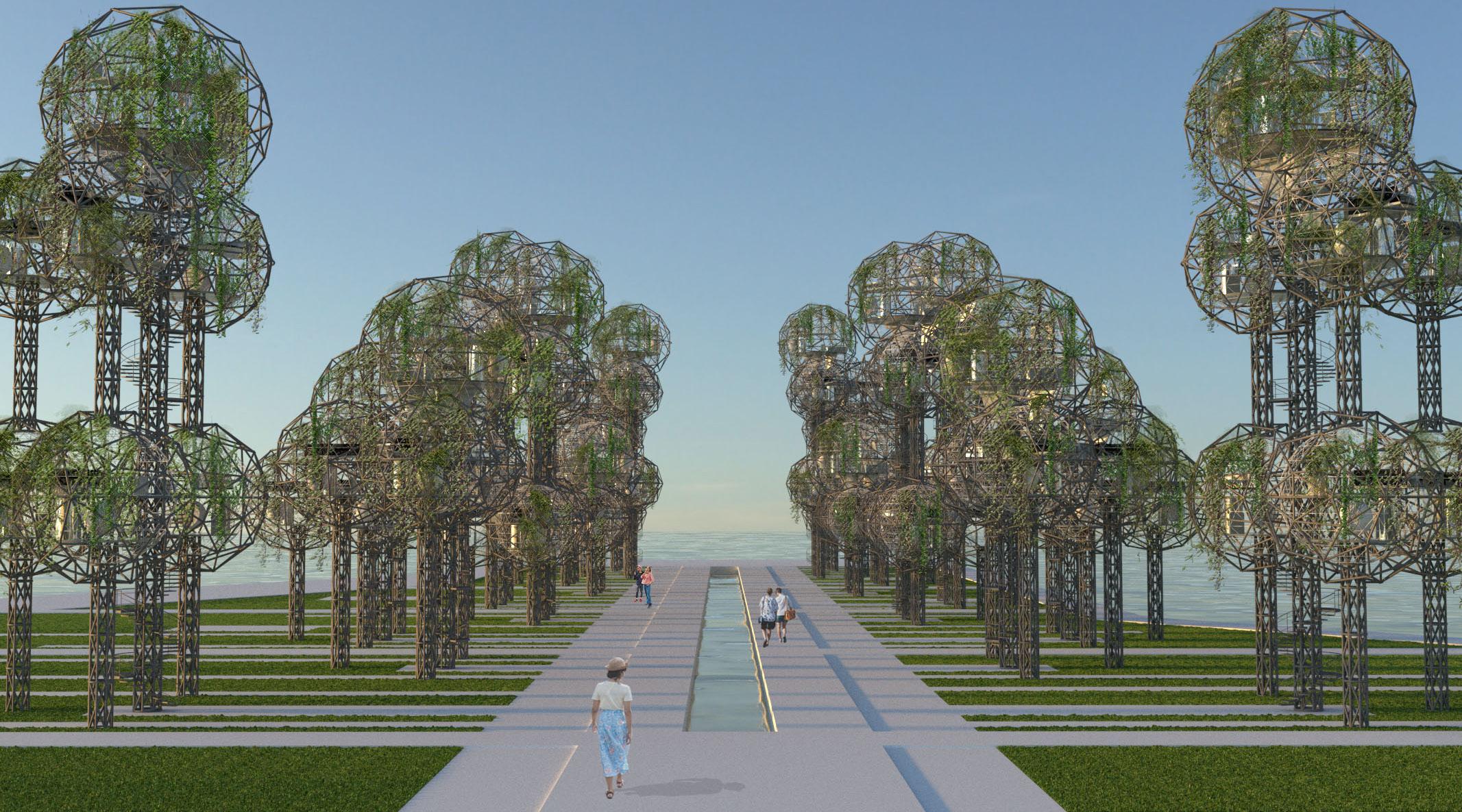
Thinking about today’s unexpected conditions, we aimed at the isolation of the building complex from the city by raising the bubbles and creating a cloud of habitation over the existing city, offering new experiences and creating unprecedented conditions for the residents. The contact of man with nature remains crucial and connected with the residence through hydroponics systems and construction techniques which gives this feeling to a city that “hovers”.
3 | CONCEPT
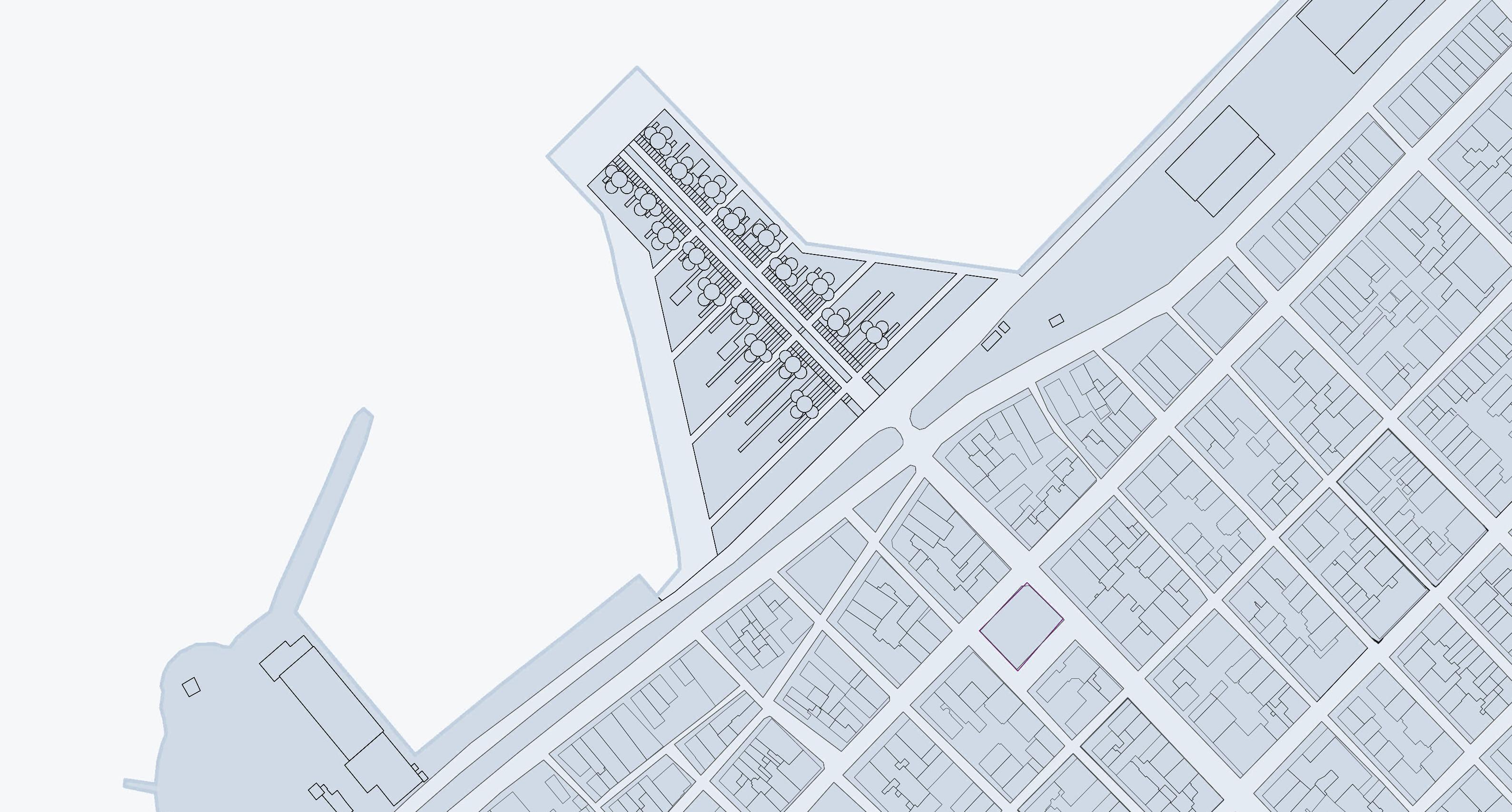
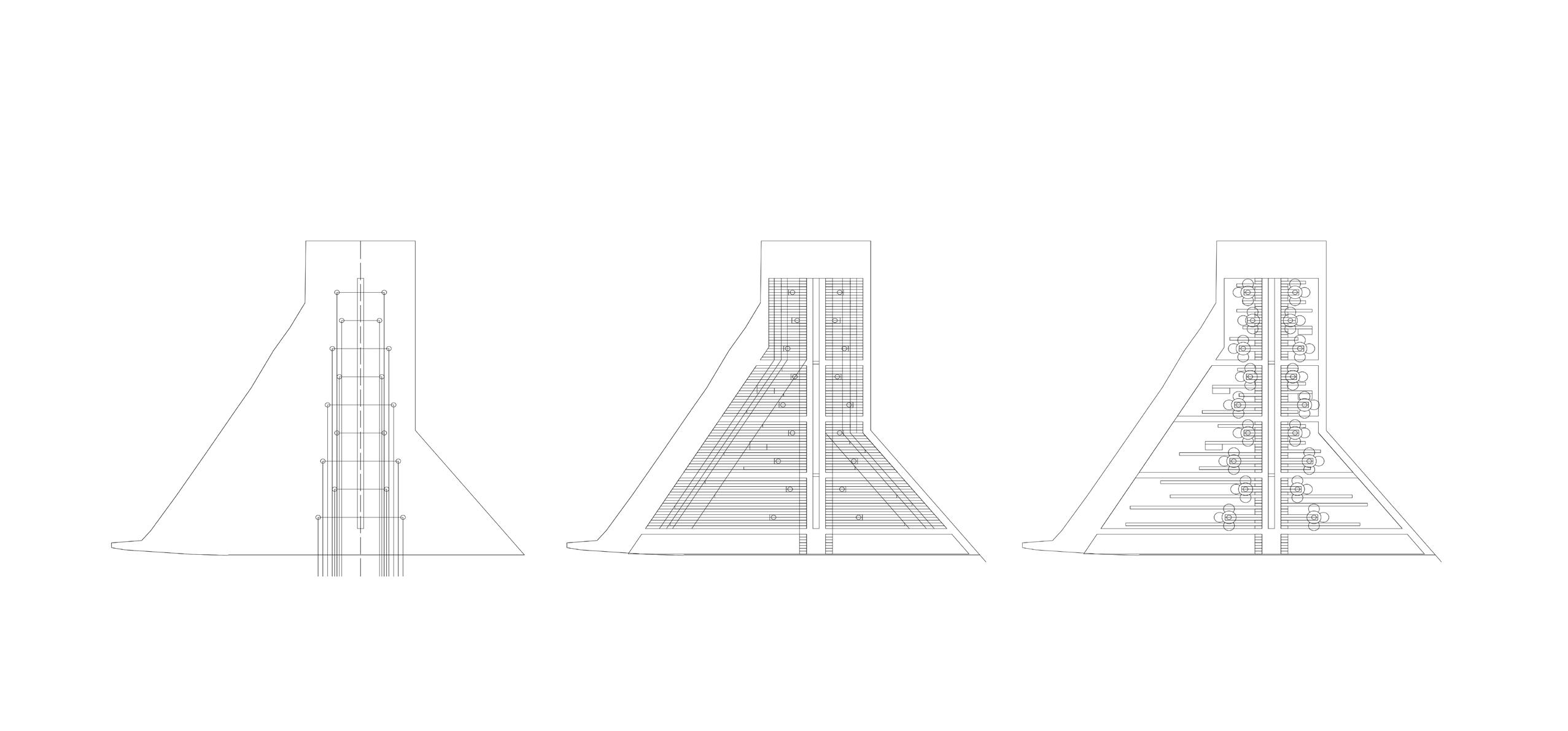
MASTER PLAN | 4 DIAGRAMS OF PUBLIC SPACE TRANSFORMATION
TOPOGRAPHY SITE/HARBOUR OF AGIOS ANDREAS-PATRAS
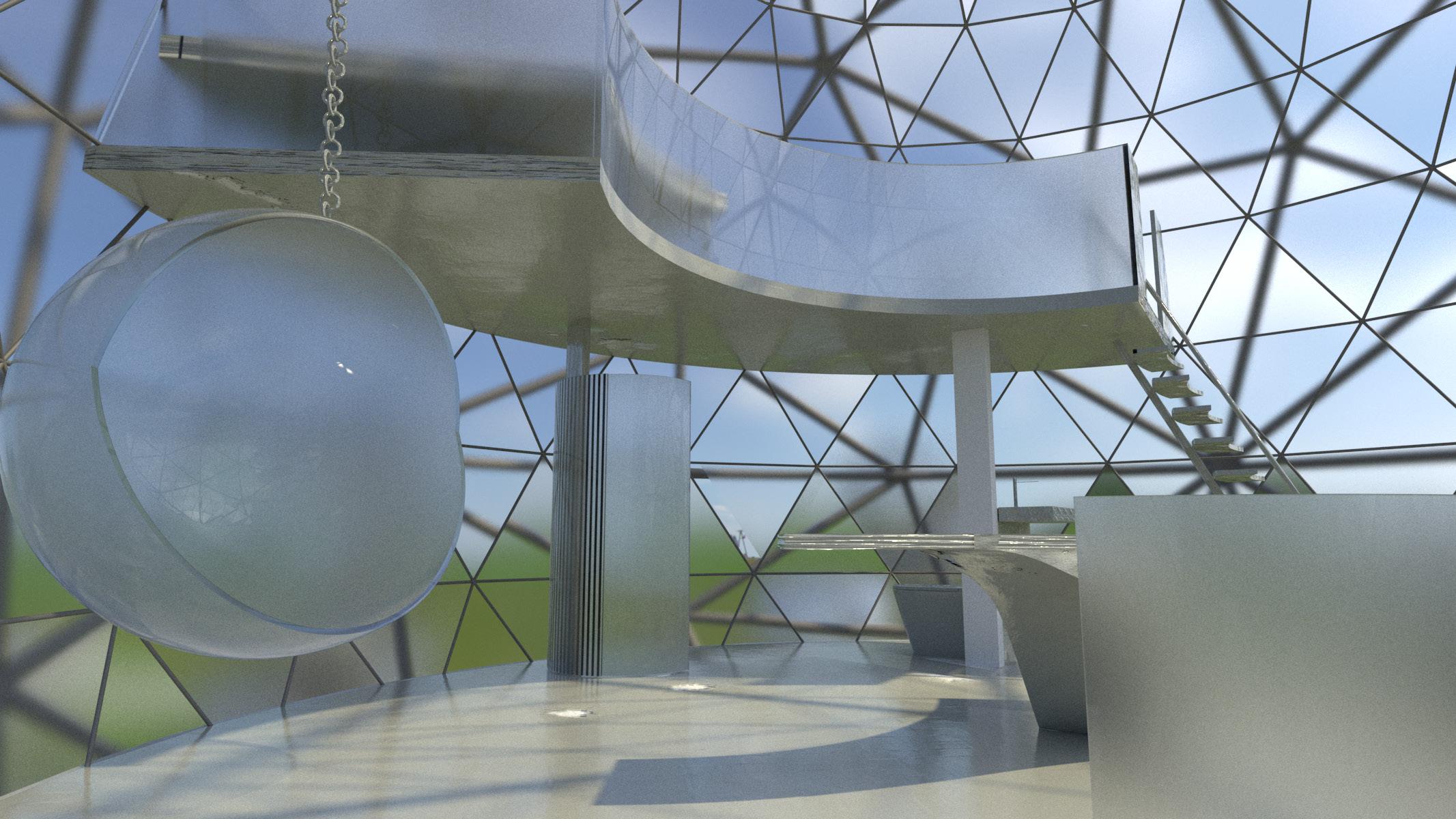
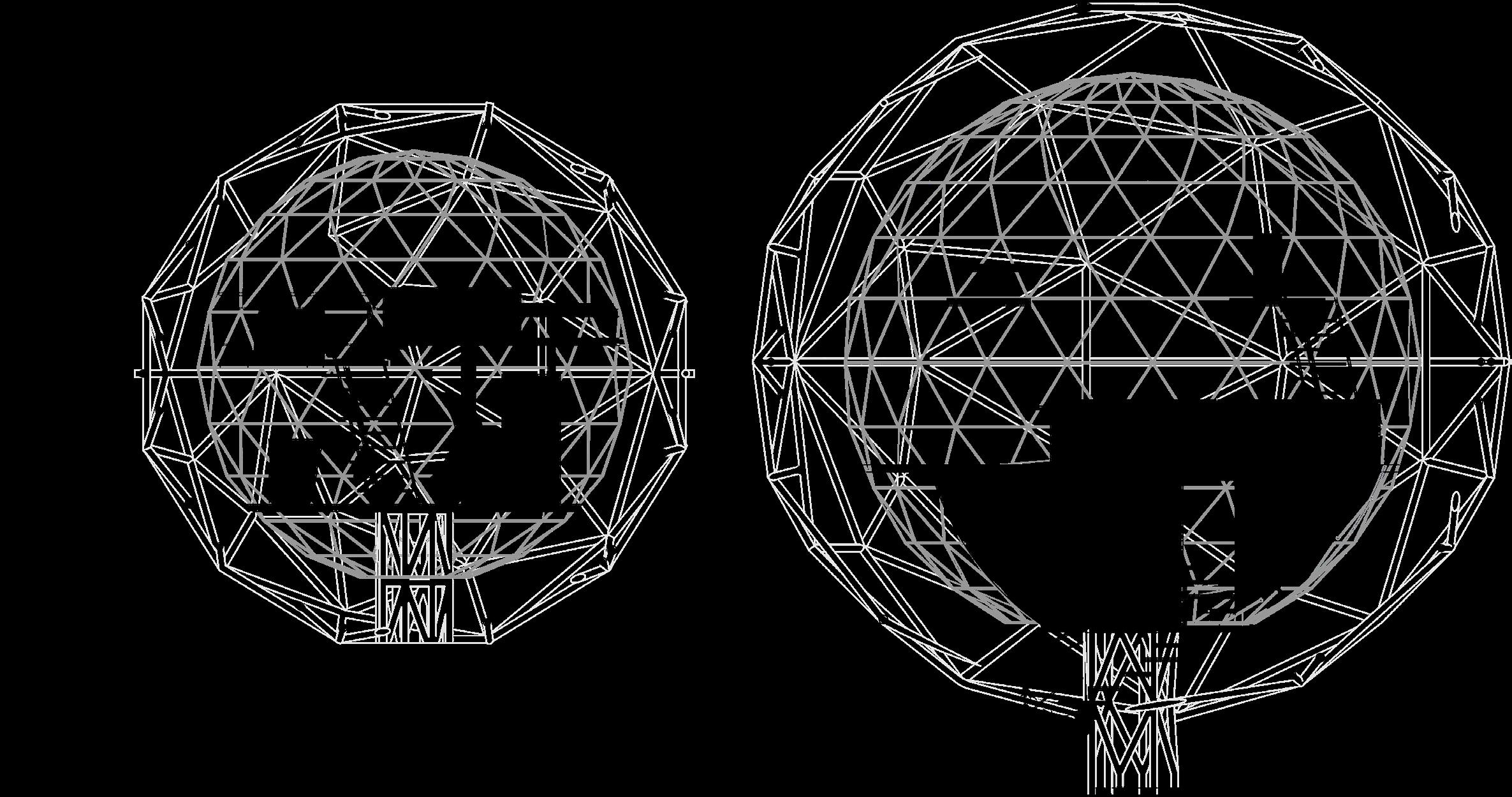
SECTION /TYPE 2 SECTION /TYPE 1 5 | SECTIONS
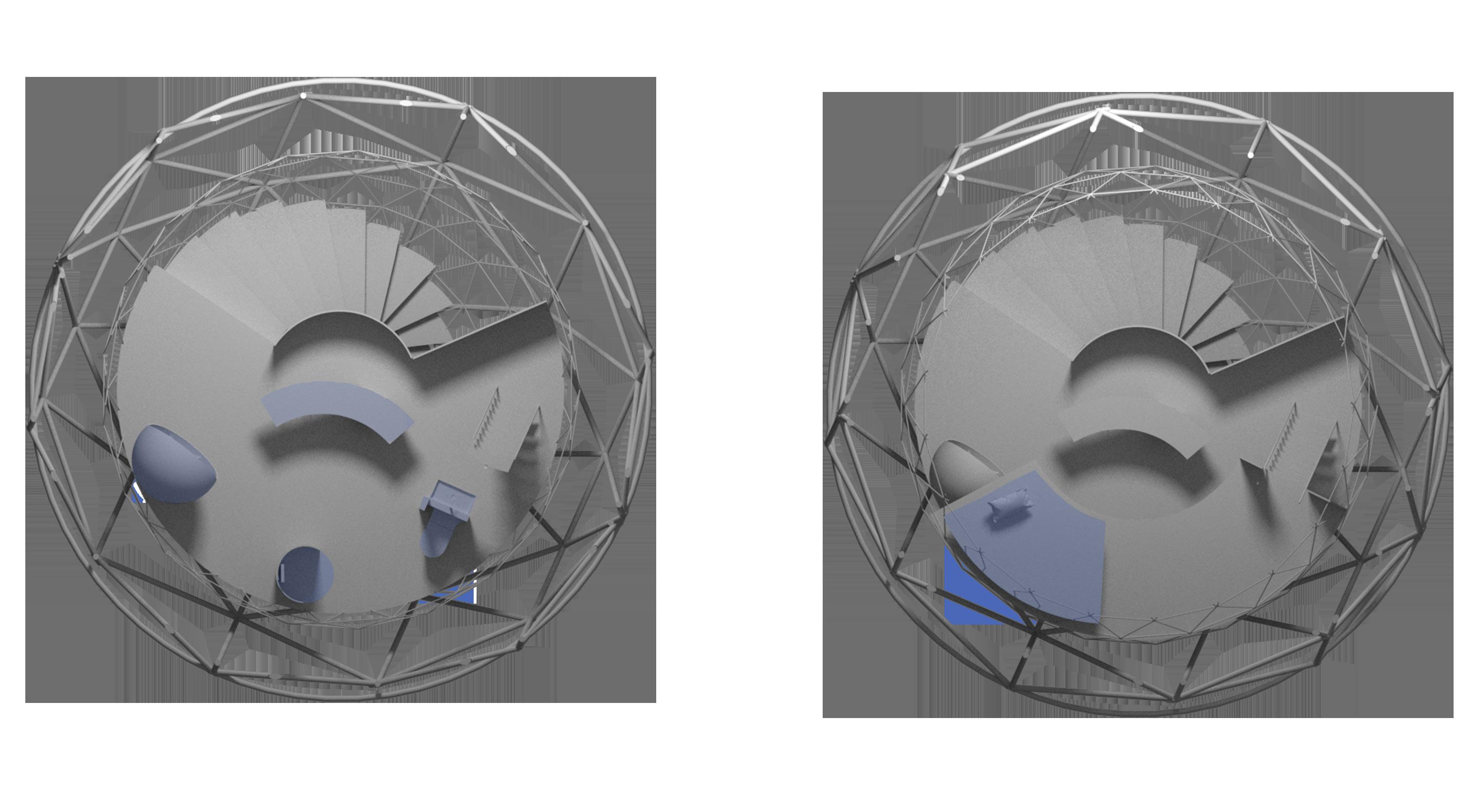
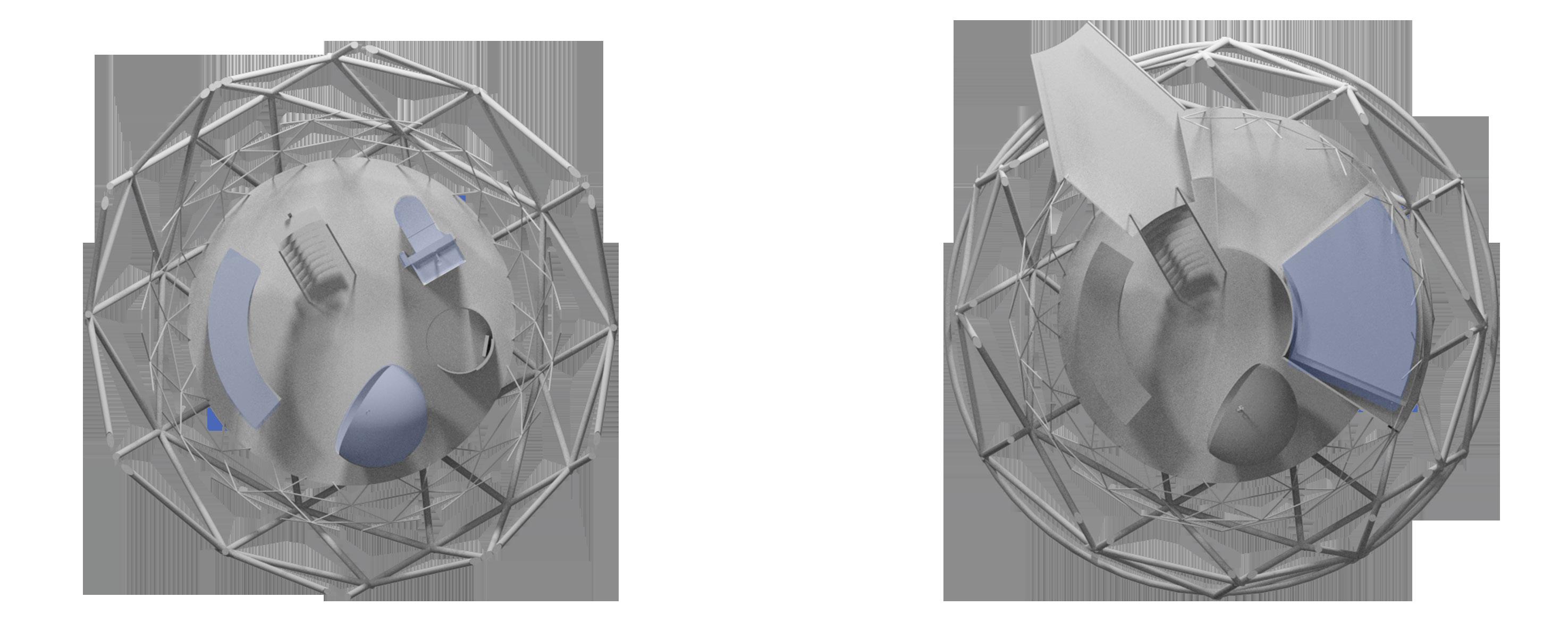
PLANS | 6
2 TYPE 1 Technology and basic functions room Technology and basic functions room Rest room Rest room
TYPE
PRODUCED
STUDENT VERSION PRODUCED BY AN AUTODESK STUDENT VERSION PRODUCED BY AN AUTODESK STUDENT VERSION SIDE VIEW 7 | BUILDING PLANS TOP VIEW ORIZONTAL SECTION
BY AN AUTODESK
PRODUCED
SIDE SECTION FRONT VIEW FRONT SECTION BUILDING SECTION | 8
BY AN AUTODESK STUDENT VERSION
TROMBE-WALL
TYPE: SUSTAINABLE DESIGN SITE: UNIVERSITY CAMPUS OF PATRAS,GREECE PARTNER : CHRISTINA GOURVELOU, CHRYSSA GINI, DIMITRA PATSIOTI, MARITINA VASILOPOULOU, ZOE PANAGOPOULOU,VASILIKI SPYROPOULOU, MARIANNA ANASTASOPOULOU
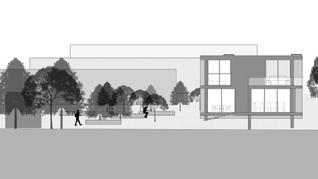
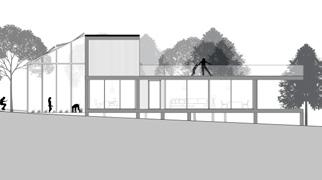
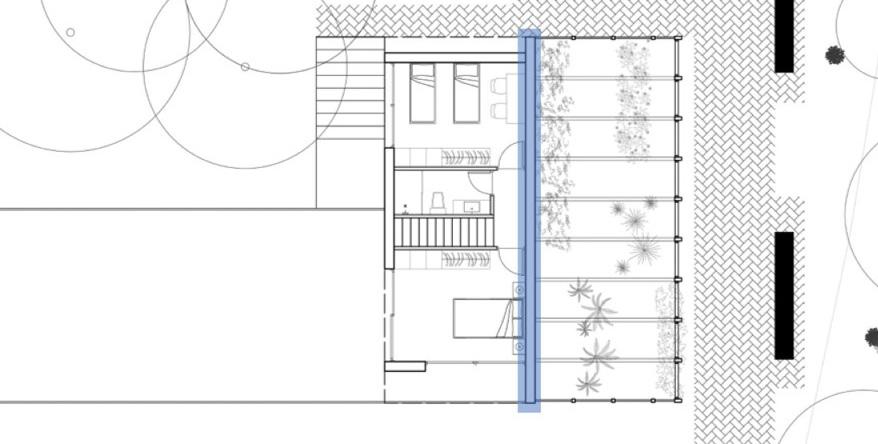
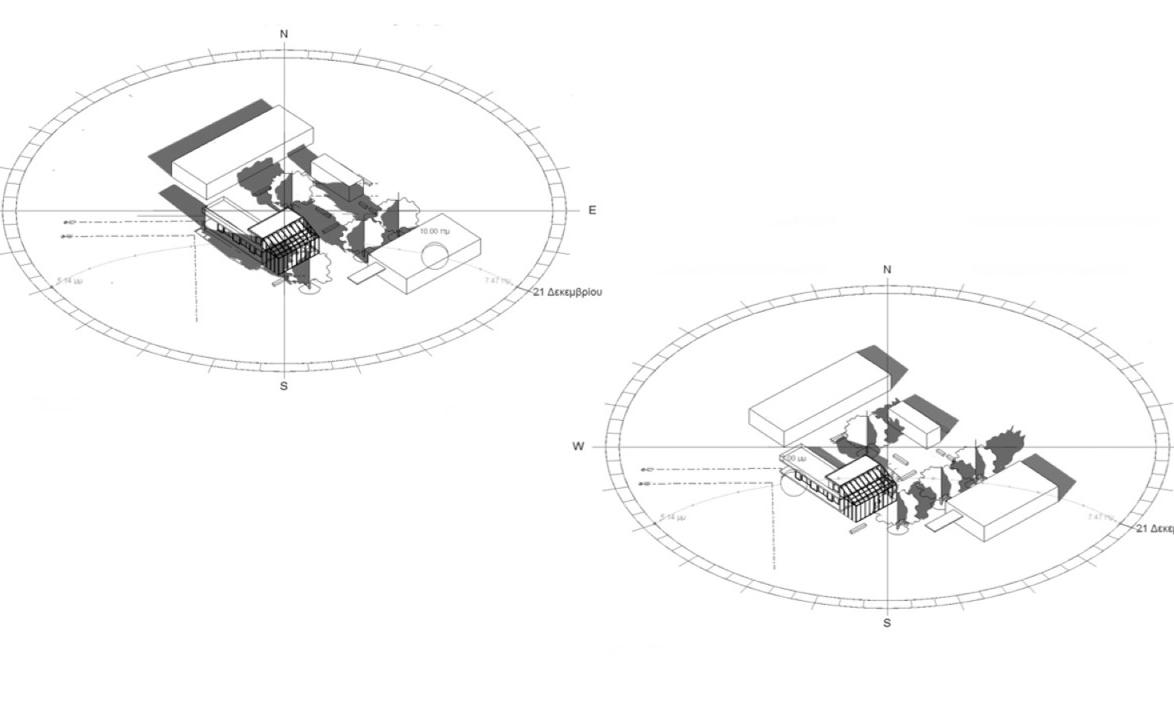
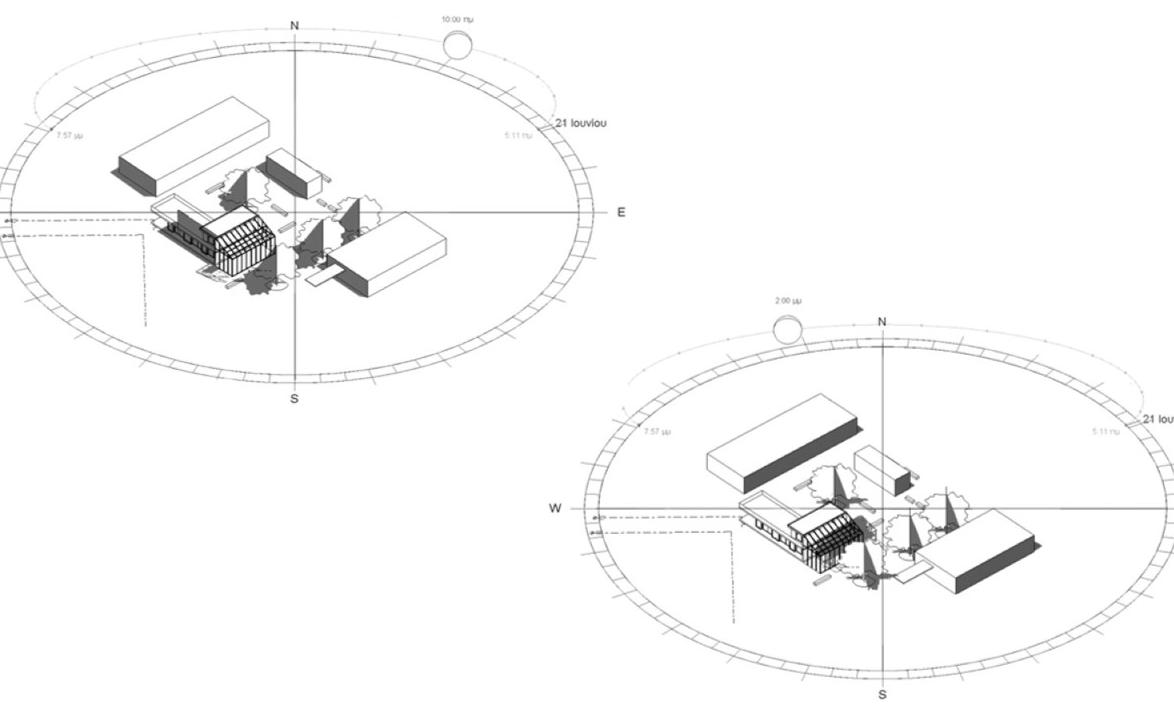
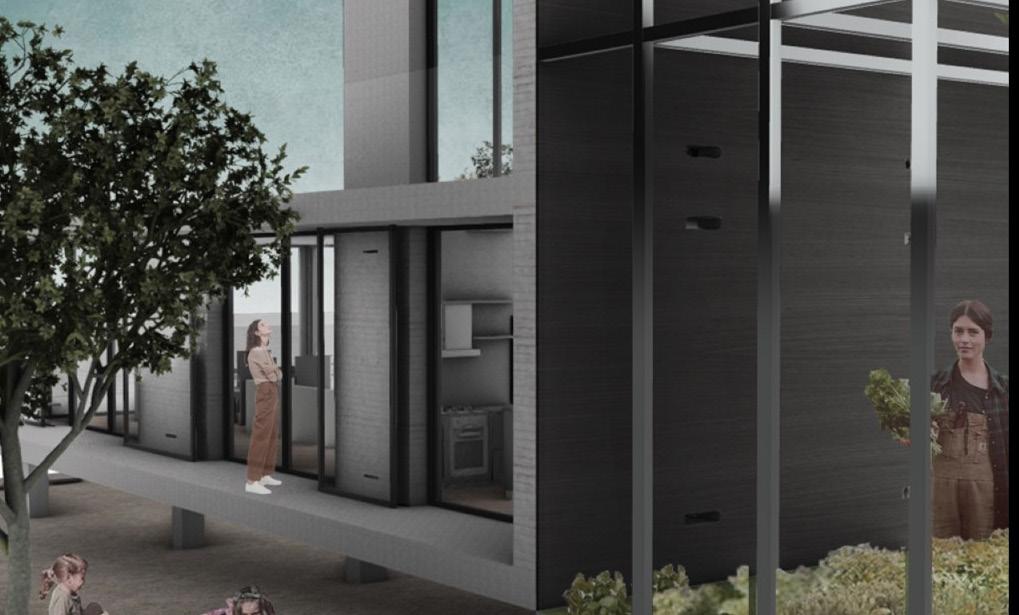
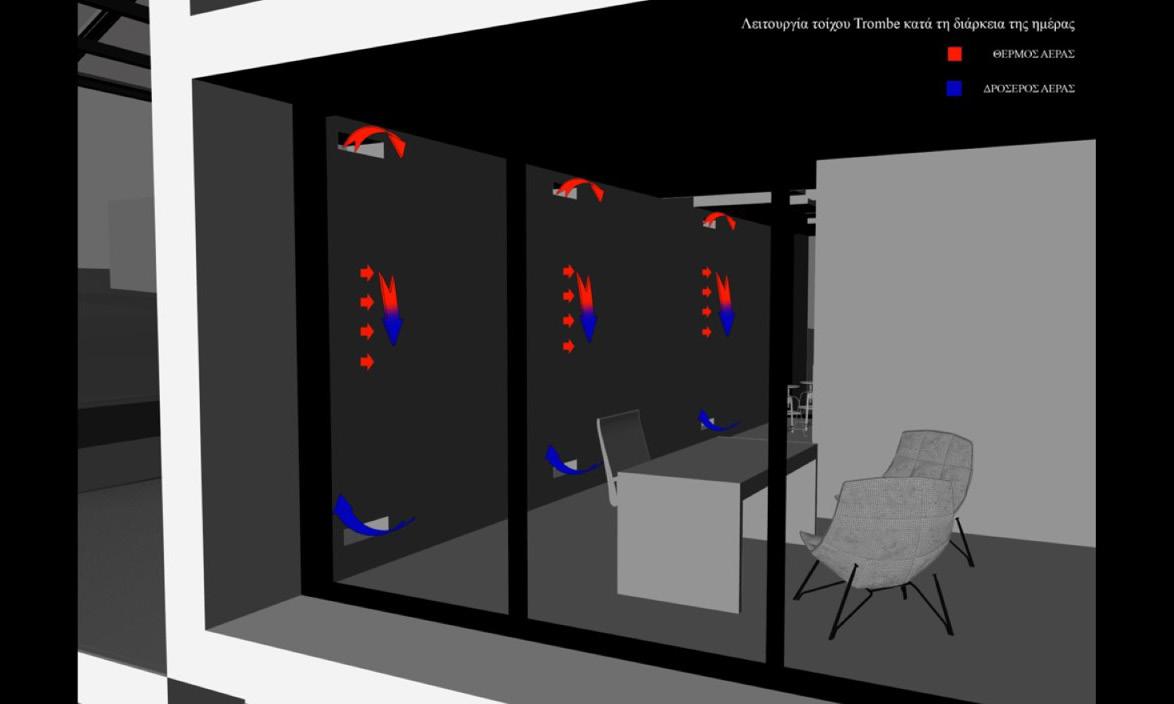
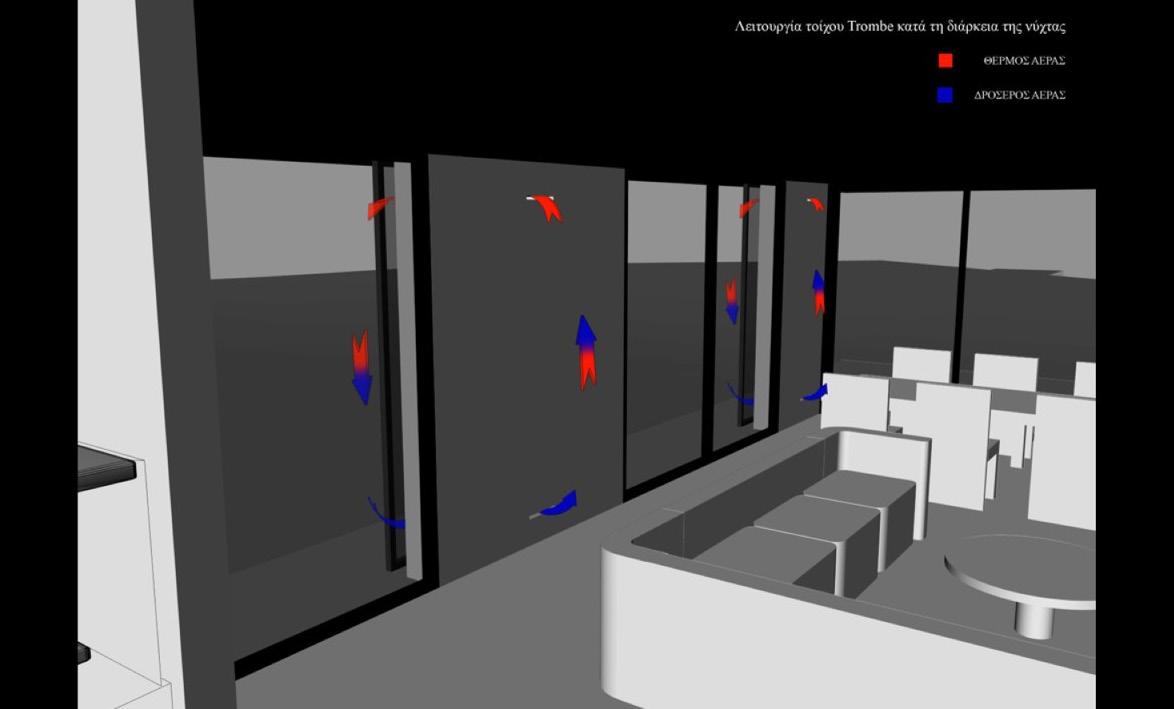
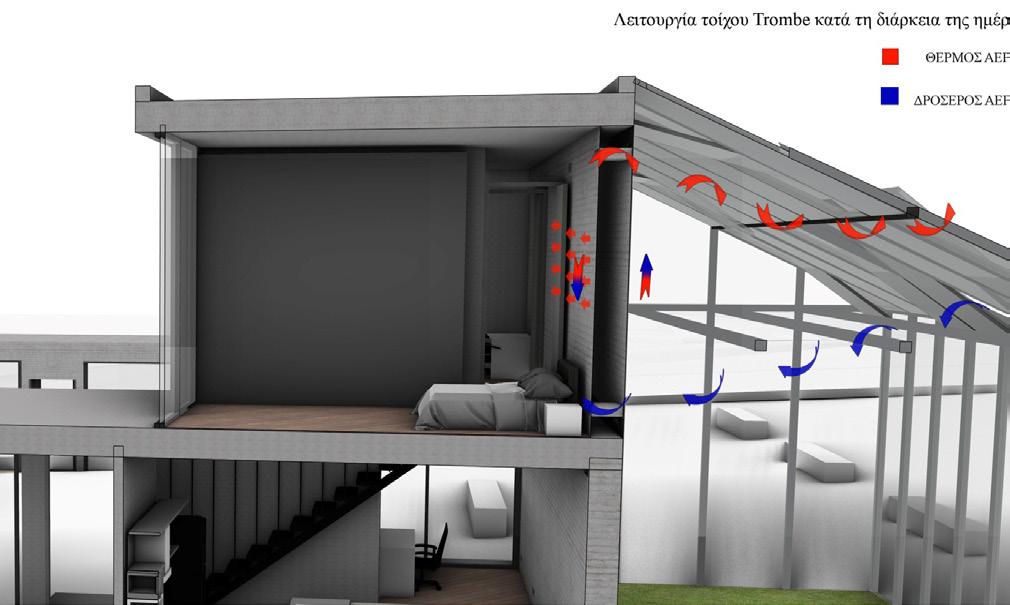
A passive sun-eliating system works best if between the greenhouse and the building there is a wall of thermal storage made of materials of high heat capacity (concrete, brick, water). The greenhouse in this case acts as ventilation of the Trombe wall.
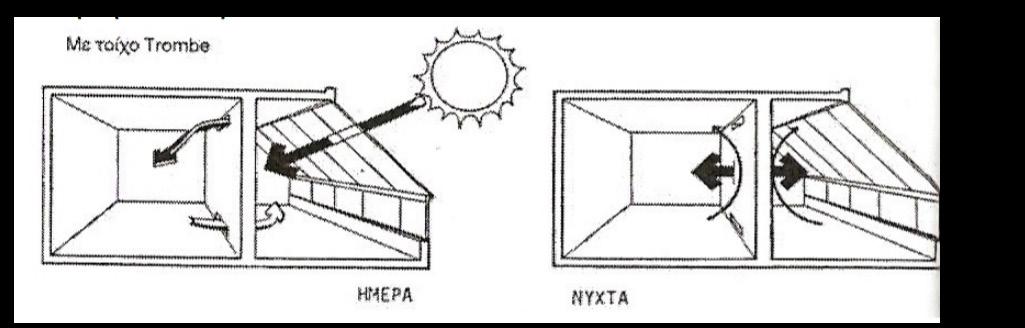
Its performance is improved if lockers are provided at the top and bottom of the wall for the movement of air.
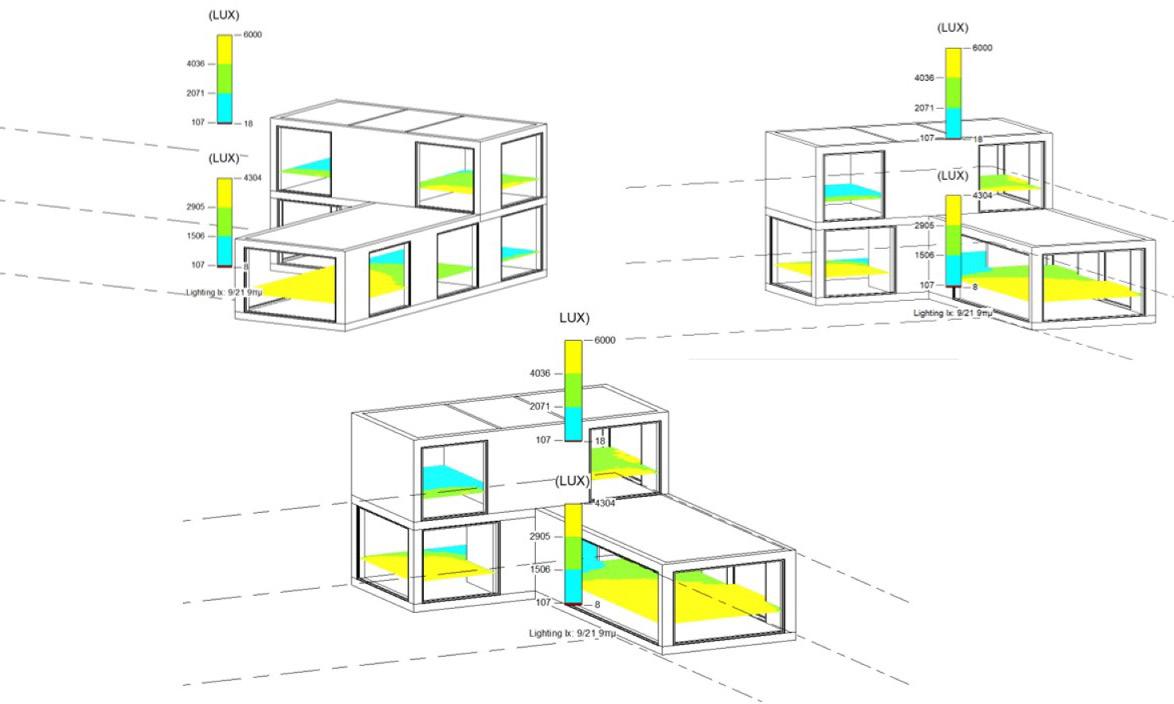
With the use of the greenhouse between the glass surface and the wall, a usable -habitable space is created, while the overheating conditions that may be created in the summer are treated with openings in the ceiling to remove the hot air.
DESCRIPTION
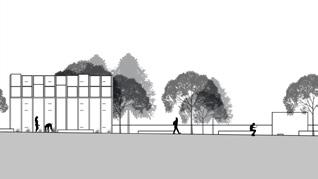
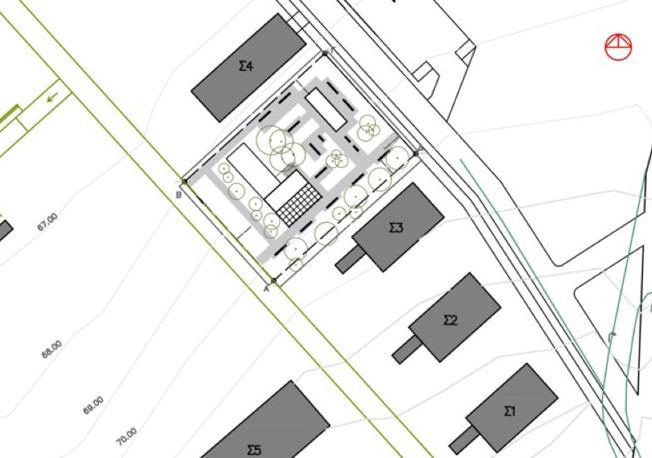
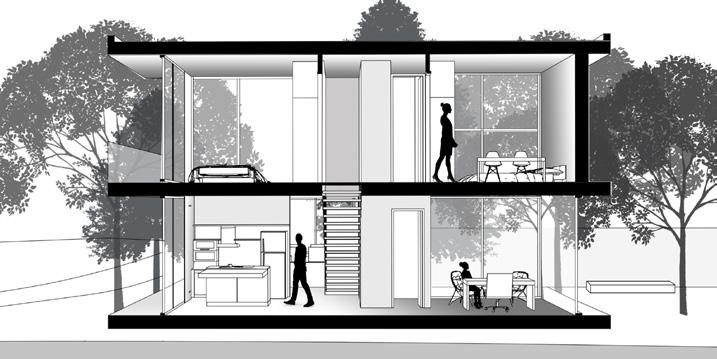
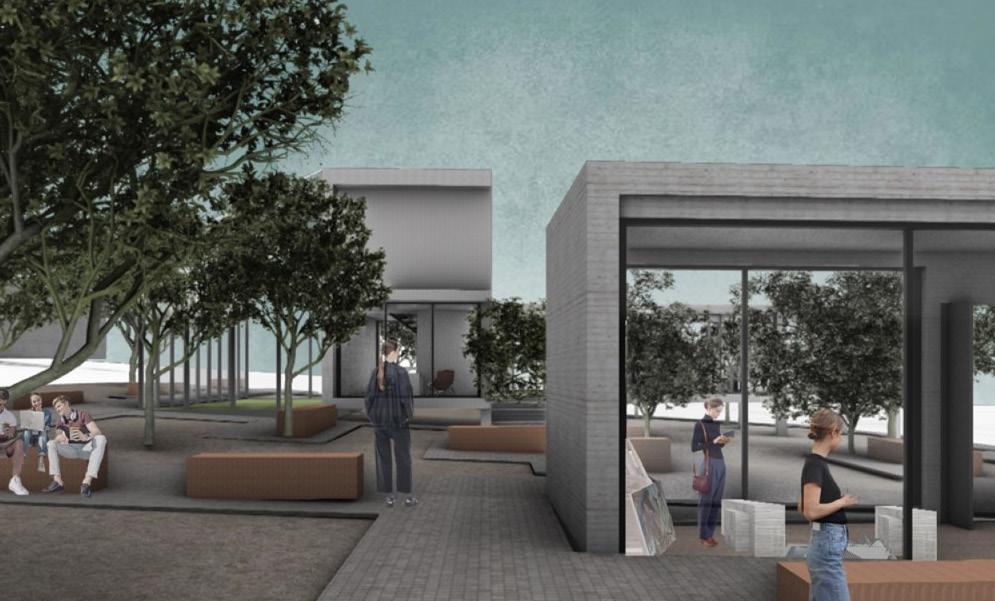
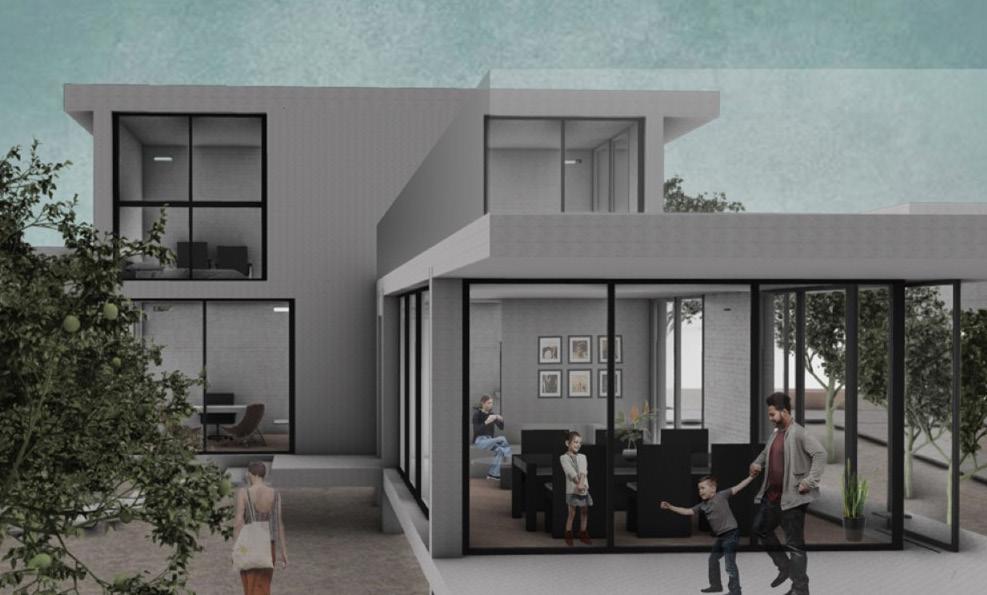
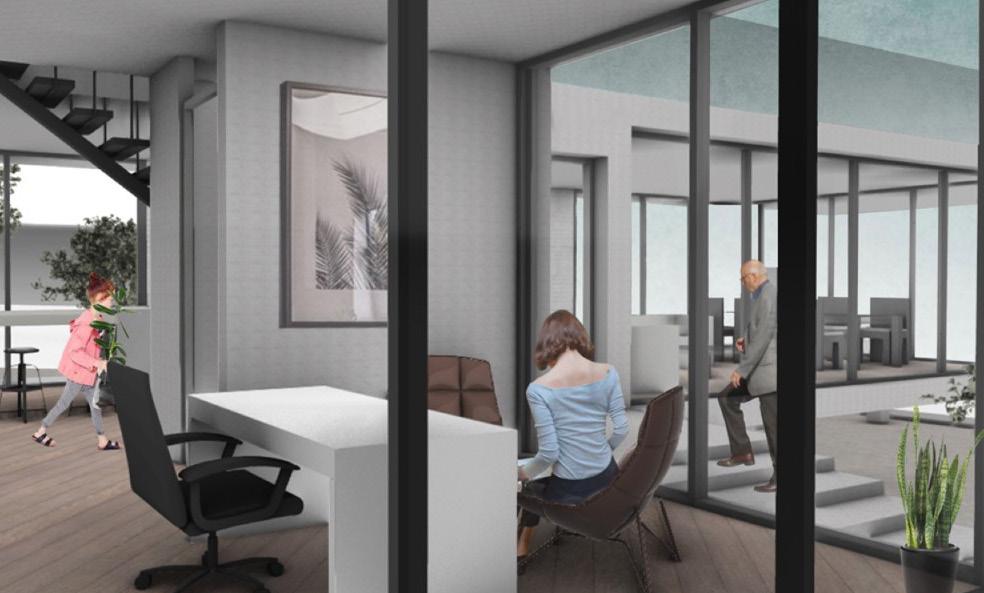
The house accommodates a family of 4 people and is found on the campus of Rio among the laboratories of architecture. The composition includes the guard’s house, an external formation for the students as well as a warehouse where materials are kept for the students useful for the construction of models.
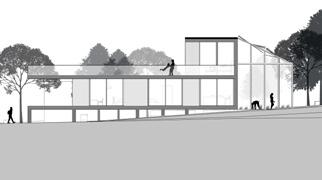
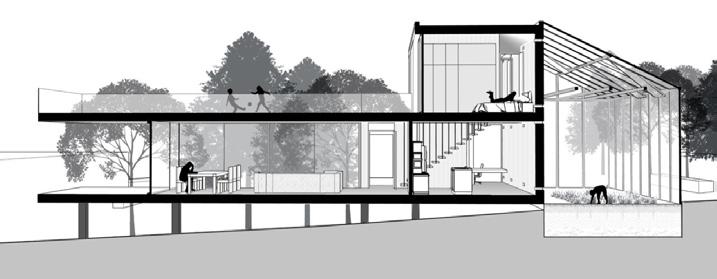
11 | TROMBE-WALL
MASTER PLAN SECTIONS VIEWS
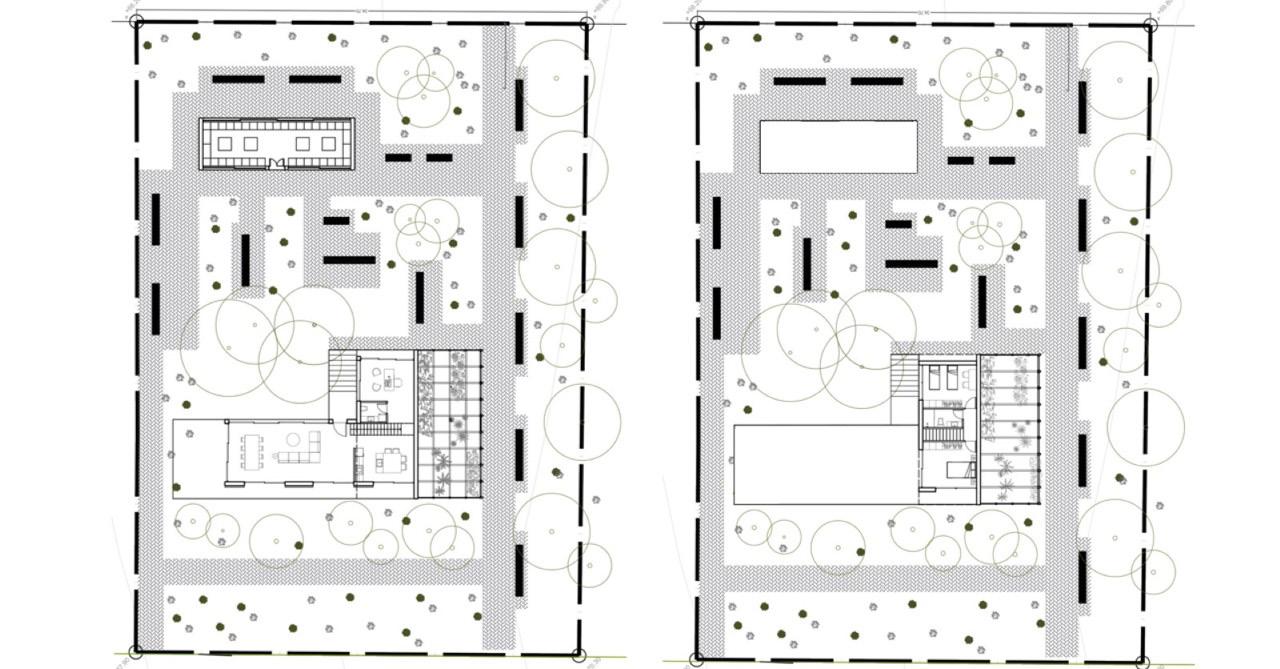
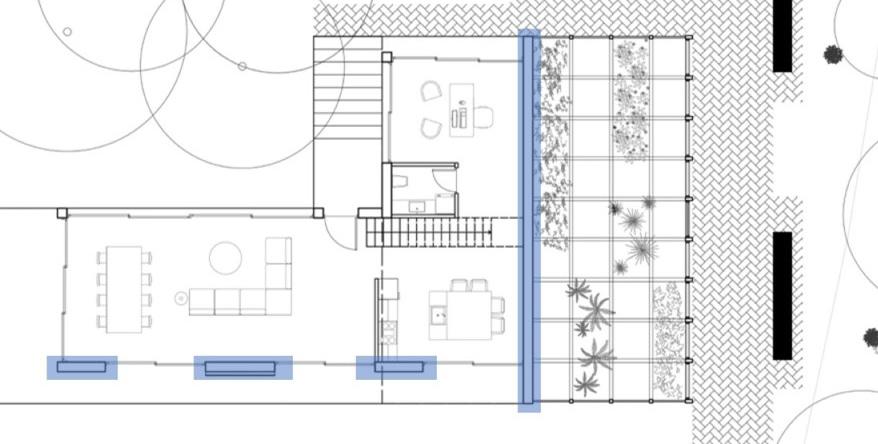
PLANS | 12
Trombe wall
LEVEL 2 LEVEL 1
Trombe wall
13 | DETAILS
WINTER SUN DIAGRAM SUMMER SUN DIAGRAM LIGHTING DIAGRAM
DETAILS | 14
FUNCTION -DAY
FUNCTION -NIGHT
air
air
TROMBE
TROMBE
Warm
Cold
“AGORA” THE GATHERING SPACE
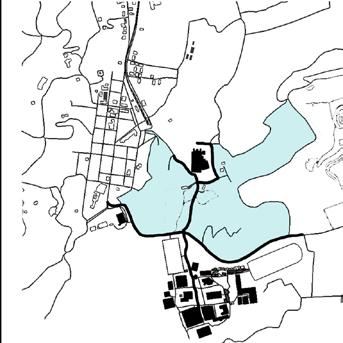
LOCATION’S HISTORY
PROFESSOR: ALKISTIS RODI
TYPE: LANDSCAPE DESIGN
SITE: OLYMPIA PELOPONNESUS ,GREECE
PARTNER : DIMITRA PATSIOTI
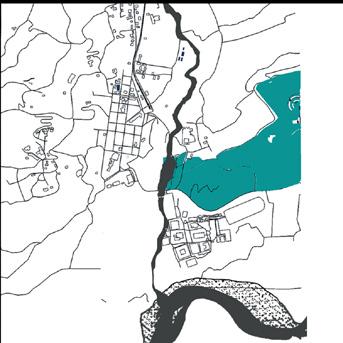
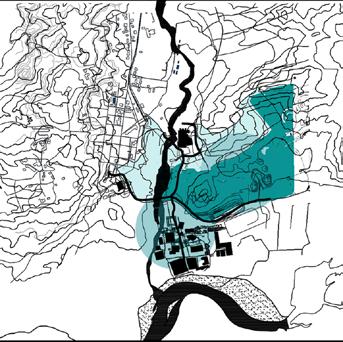
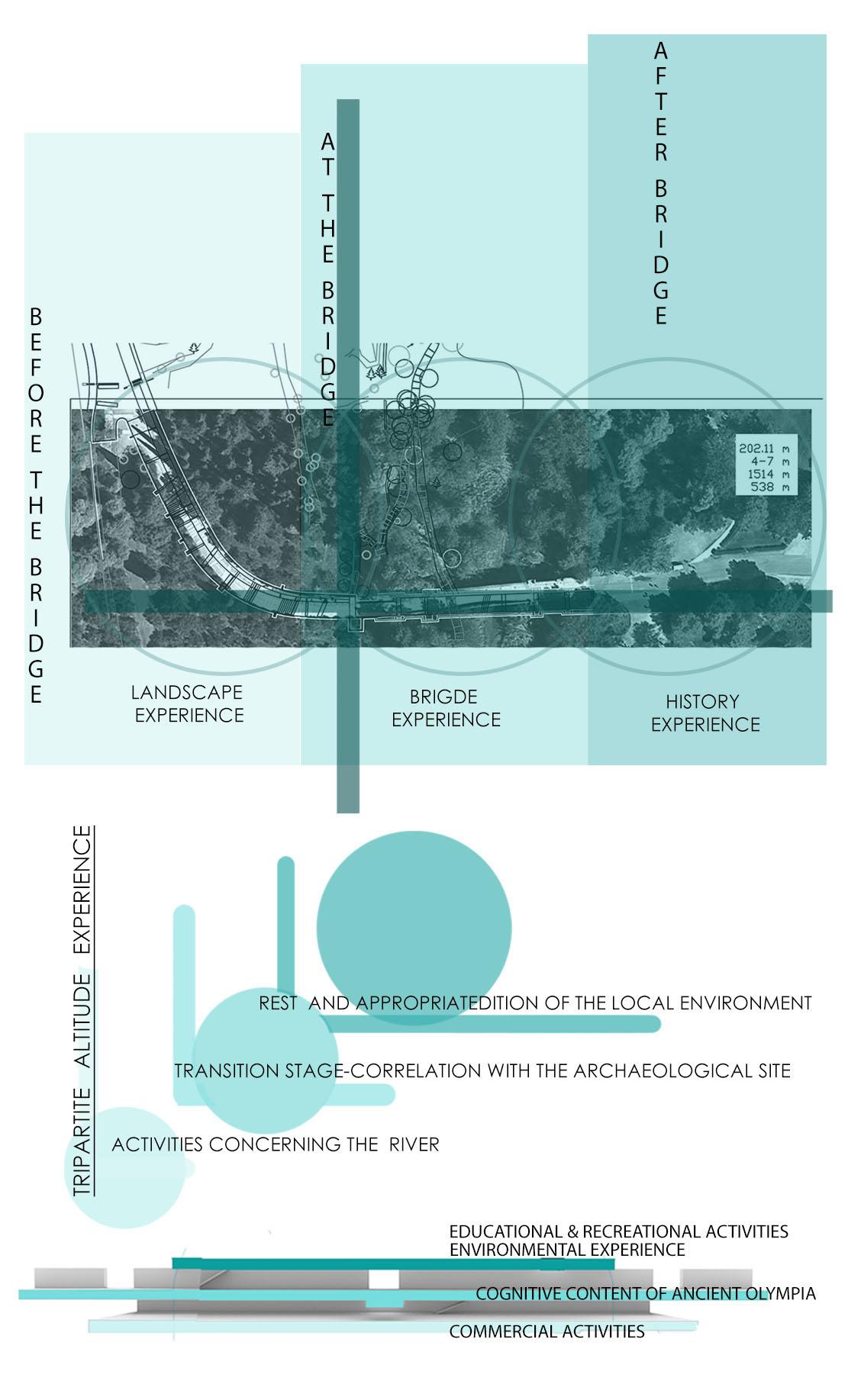
LANDSCAPE DIAGRAMS
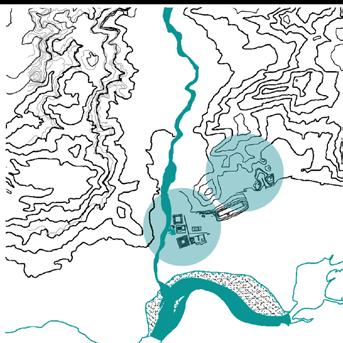
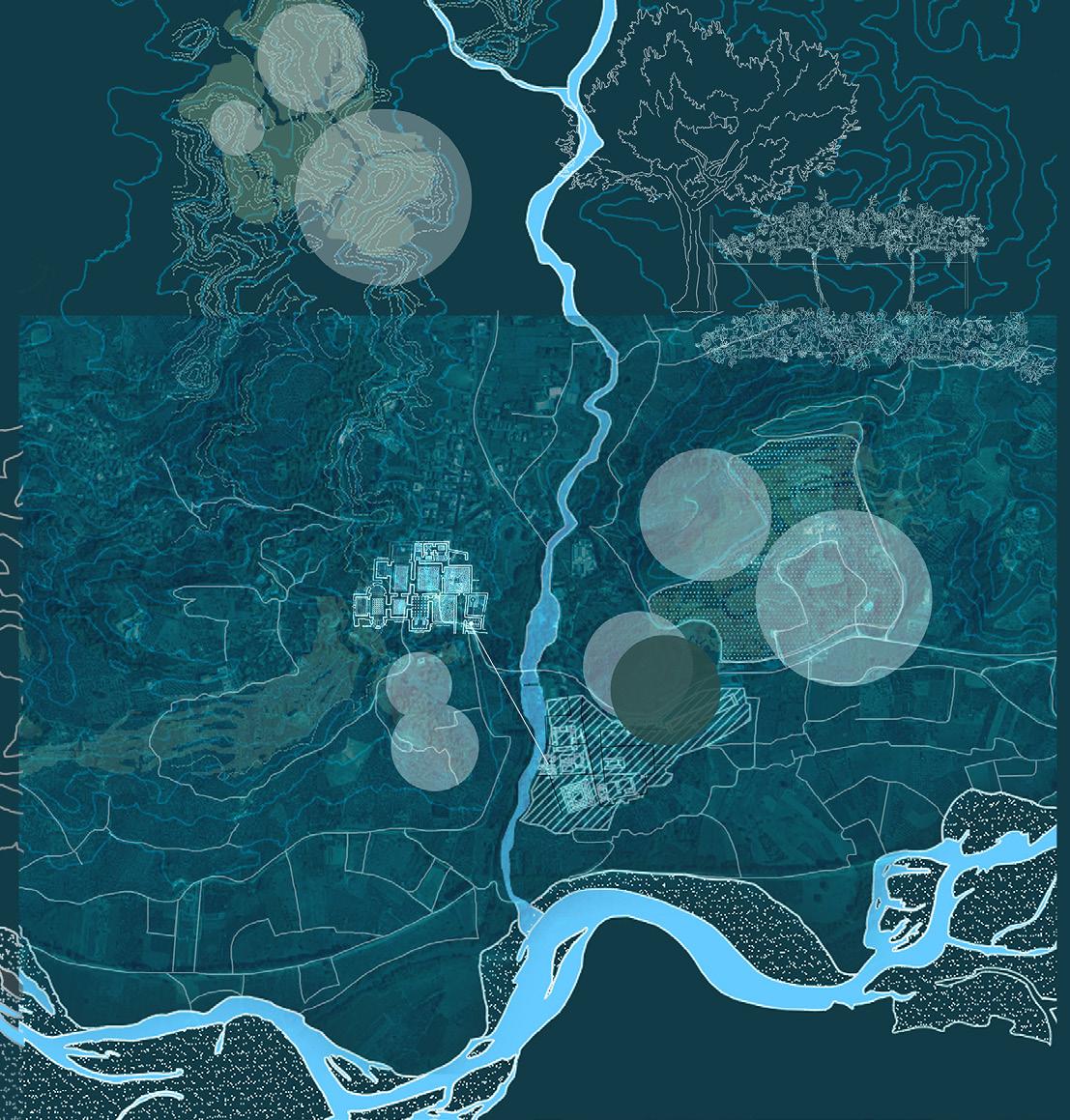
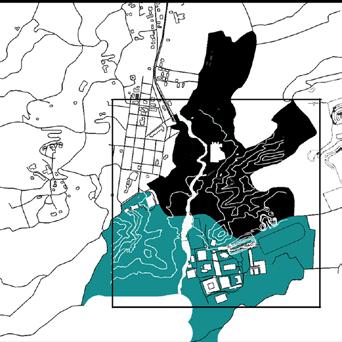
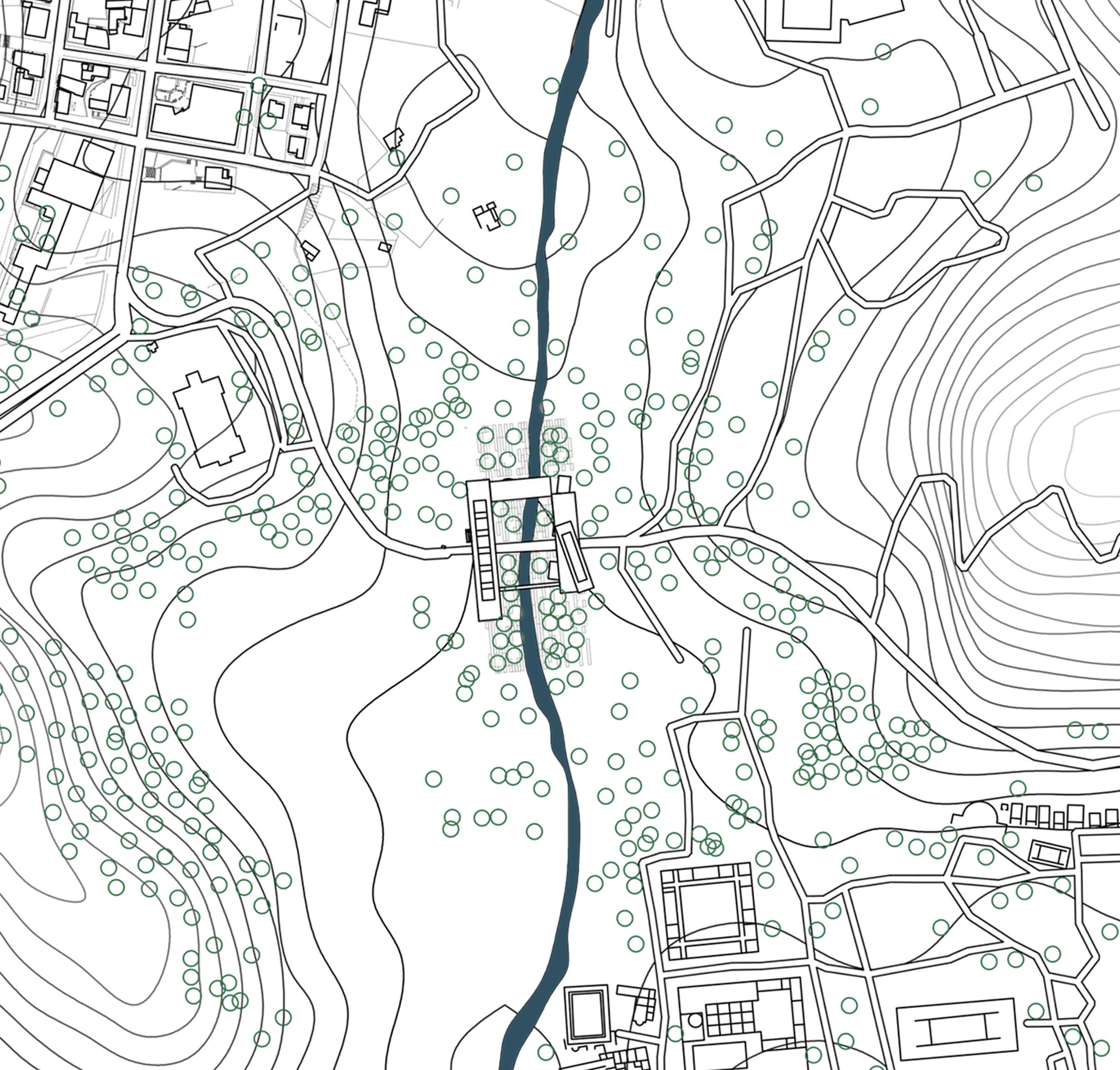
The site of Olympia, in a valley in the Peloponnesus, has been inhabited since prehistoric times. In the 10th century B.C., Olympia became a centre for the worship of Zeus.The Altis – the sanctuary to the gods – has one of the highest concentrations of masterpieces from the ancient Greek world. In addition to temples, there are the remains of all the sports structures erected for the Olympic Games.The sanctuary of Olympia, , has been established in the valley created by the confluence of the Alpheios and Kladeos rivers. The Pan-Hellenic sanctuary has been established in the history of culture, as the most important religious, political and sports centre, with a history that dates back to the end of the Neolithic times (4th millennium BC). For the Altis, the sacred grove and the centre of the sanctuary, some of the most remarkable works of art and technique have been created, constituting a milestone in the history of art.
15 | DIAGRAMS
DIAGRAMS | 16
PROJECT ANALYSIS

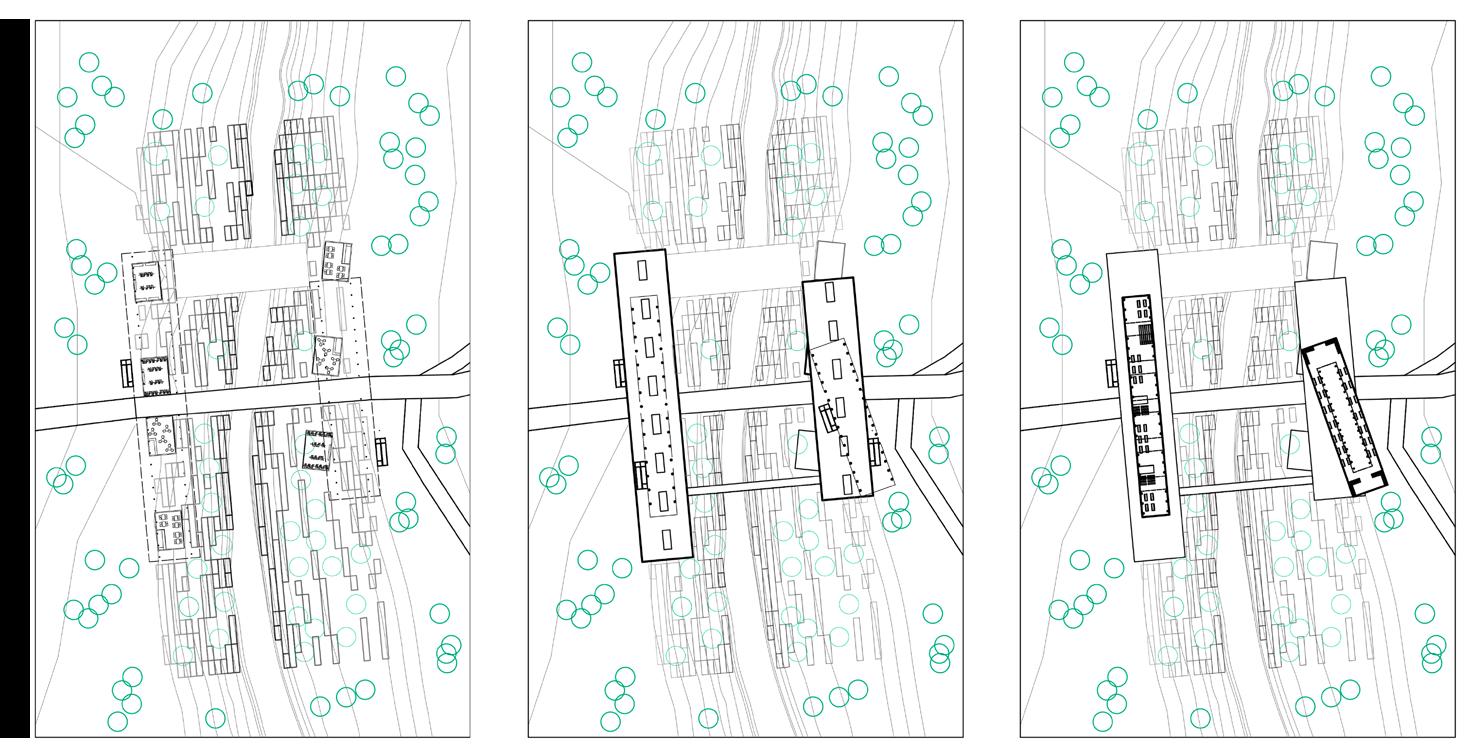
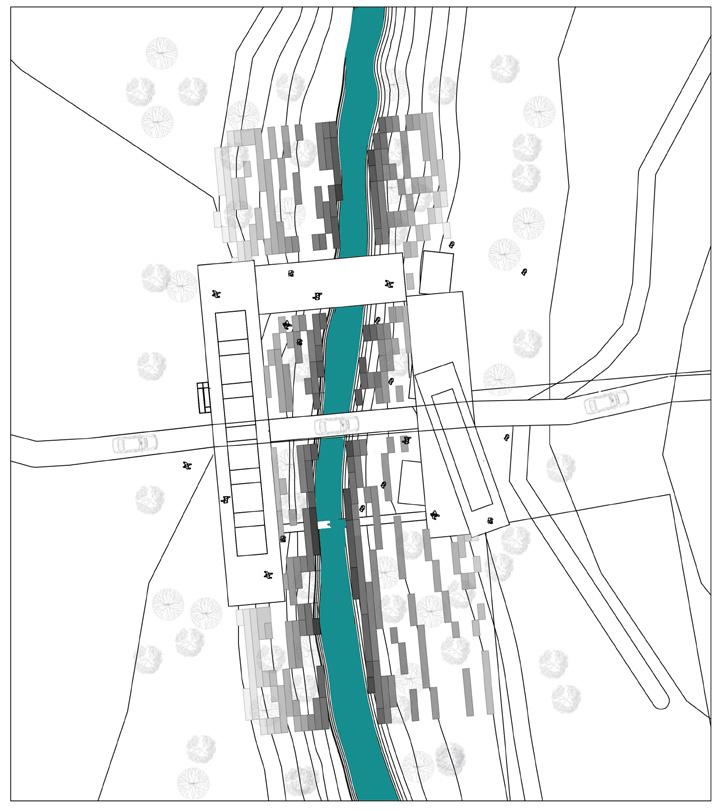
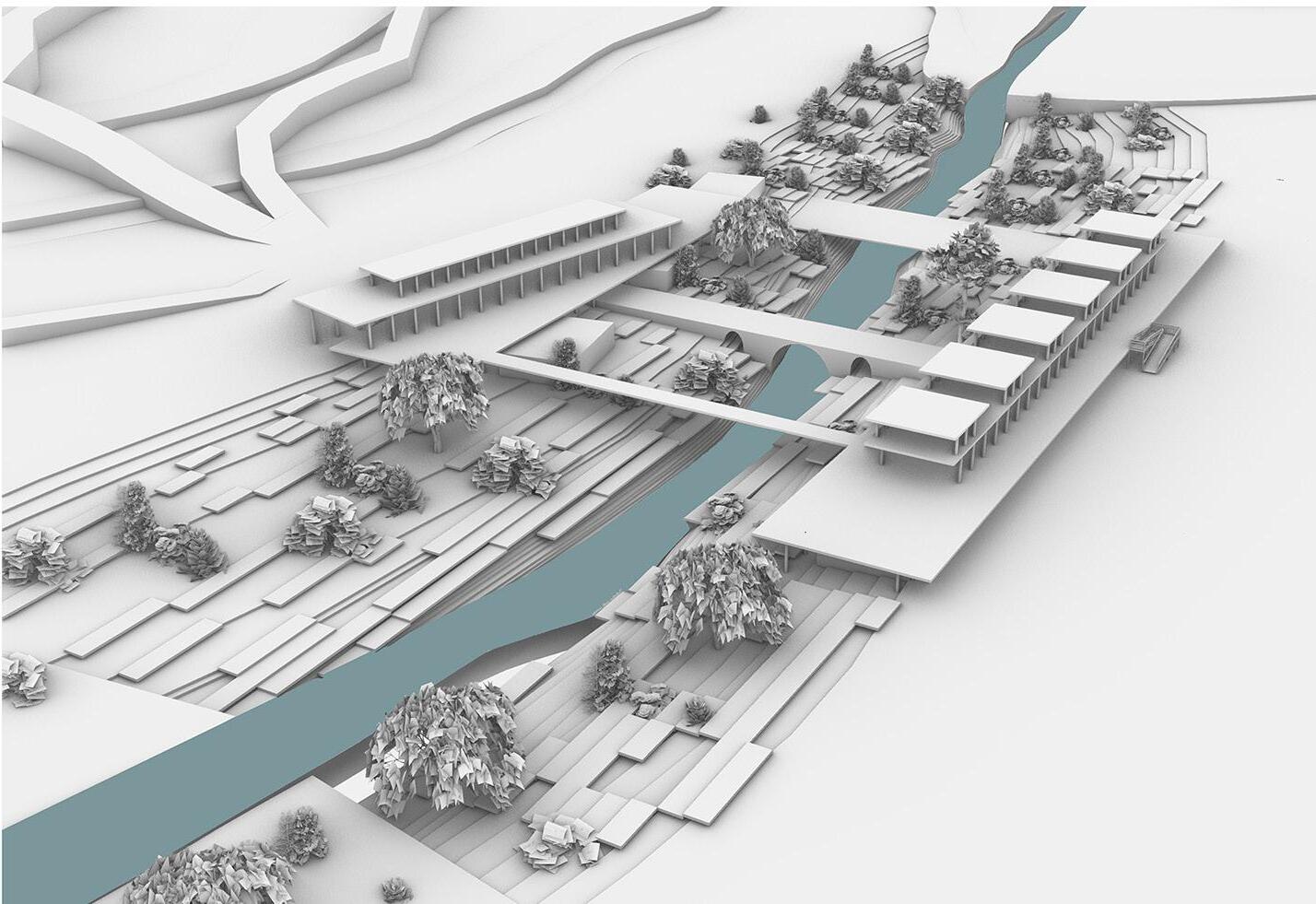
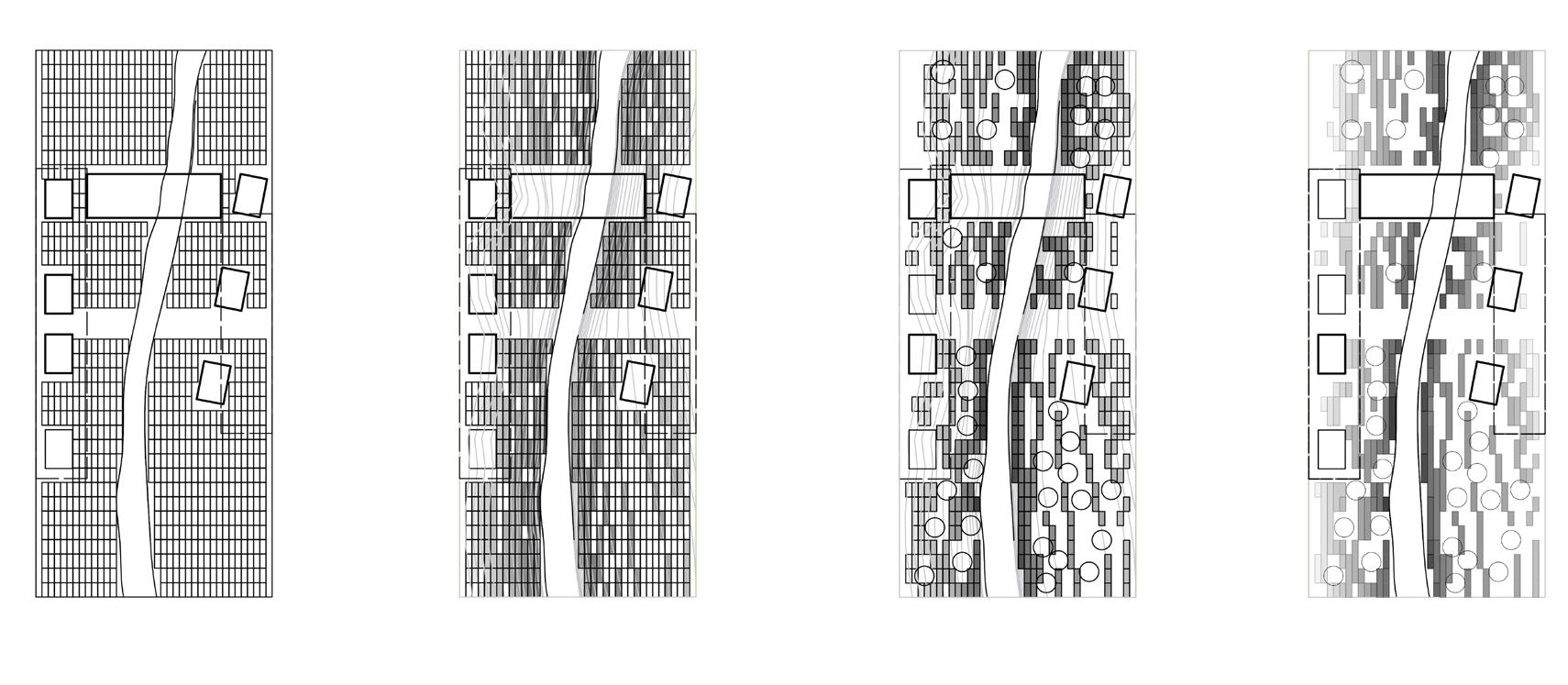
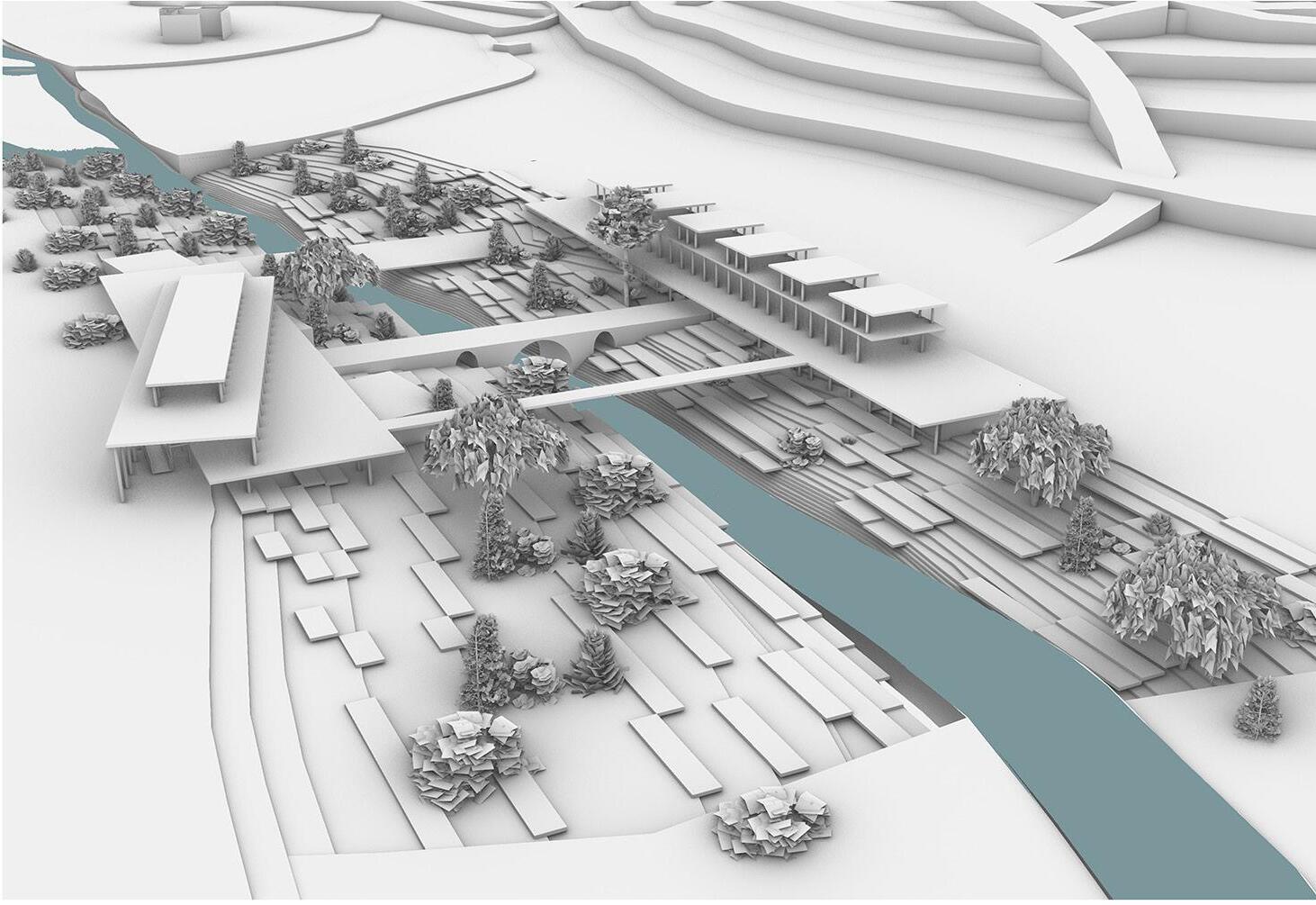
This construction combines the experience of the landscape and the exploitation of the activities of the river while at the same time it highlights the history of the place. The construction has three levels. On the lower floor there are mainly shops as well as restaurants and cafes, on the second level which is located at the height
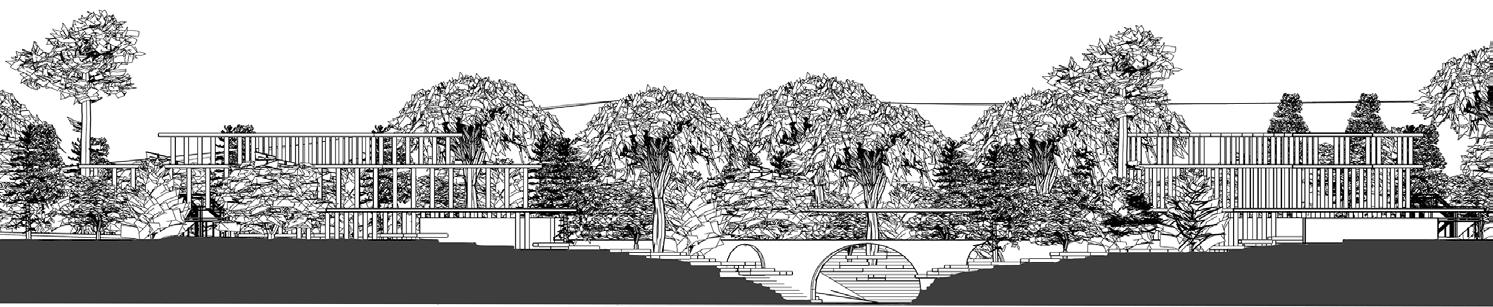
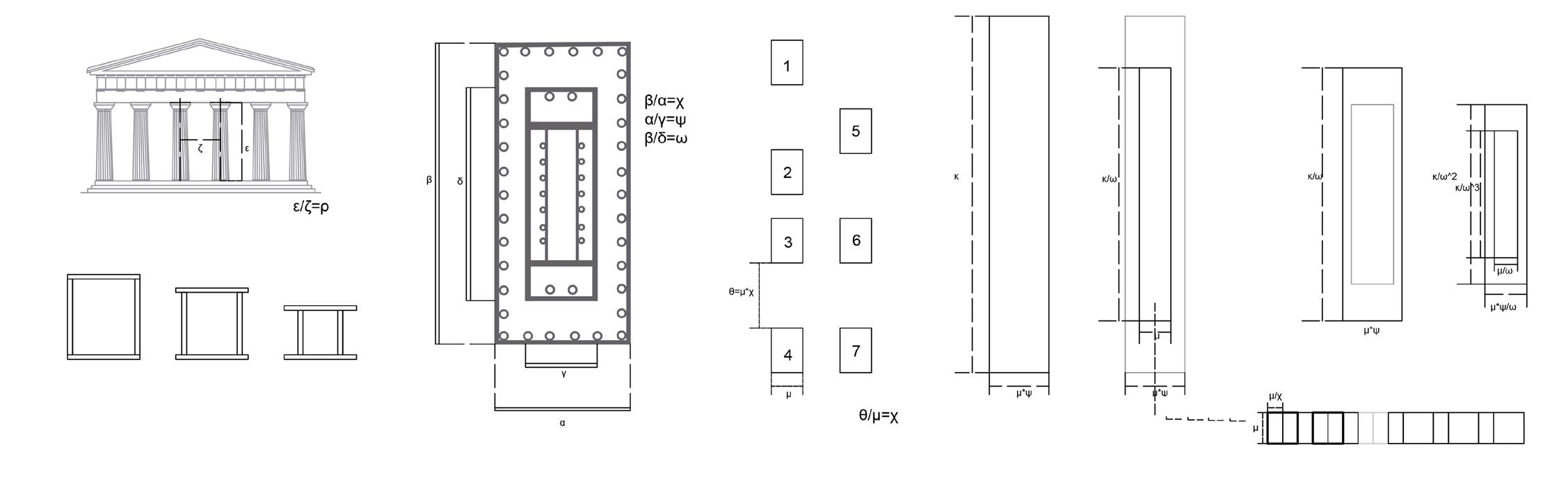
of the road, Visitors can enjoy local products as well as go to the archaeological site. At the last level due to the altitude, visitors have the opportunity to admire the landscape but also to watch a theatrical performance. the sizes of the levels have been formed on the basis of the proportions of the temple of Dios by creating a proportional harmony.
LEVEL 1
LEVEL 2
17 | PLANS
1
2
MASTER PLAN SECTION
SECTION
LEVEL 3
MASTER PLAN | 18 TOPOGRAPHY SITE /OLYMIA PELOPONNESUS
CONSTRUCTION DIAGRAMS OF LOWER LEVEL 19 | DETAIL
DETAIL | 20 PROPORTIONS OF LEVELS
ON THE BEAN
COFFEE AND STUDY CENTER
ACADEMIC LESSON: STRUCTURAL DESIGN 4
PROFESSOR: KATHERINE LIAPI
TYPE: CONSTRUCTION DESIGN
SITE: PATRAS,GREECE
PARTNER: DIMITRA PATSIOTI
DESCRIPTION
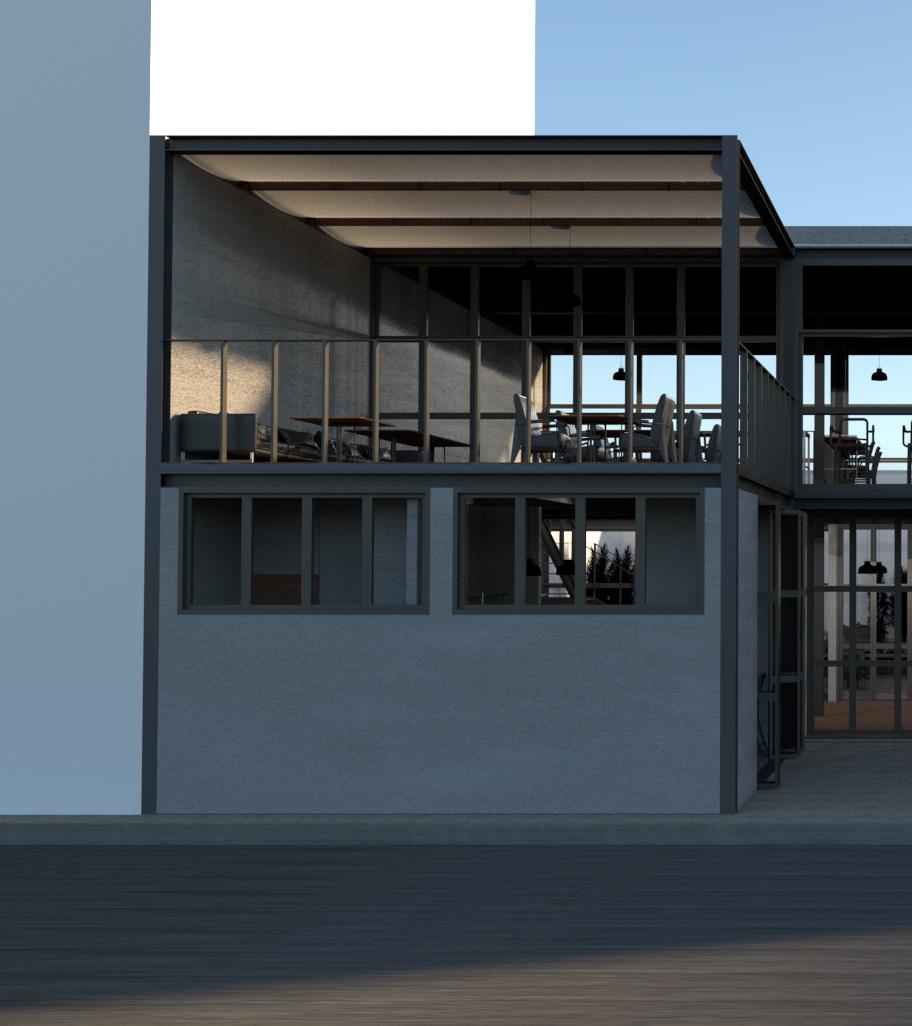
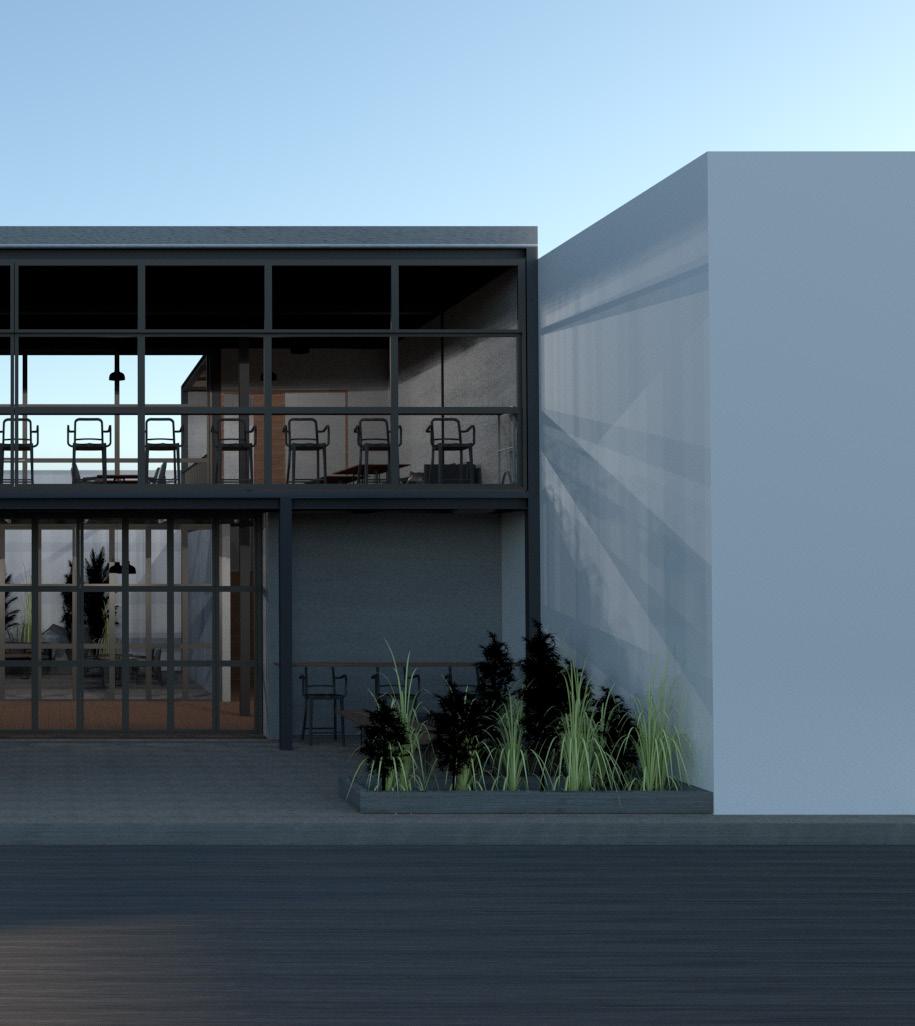
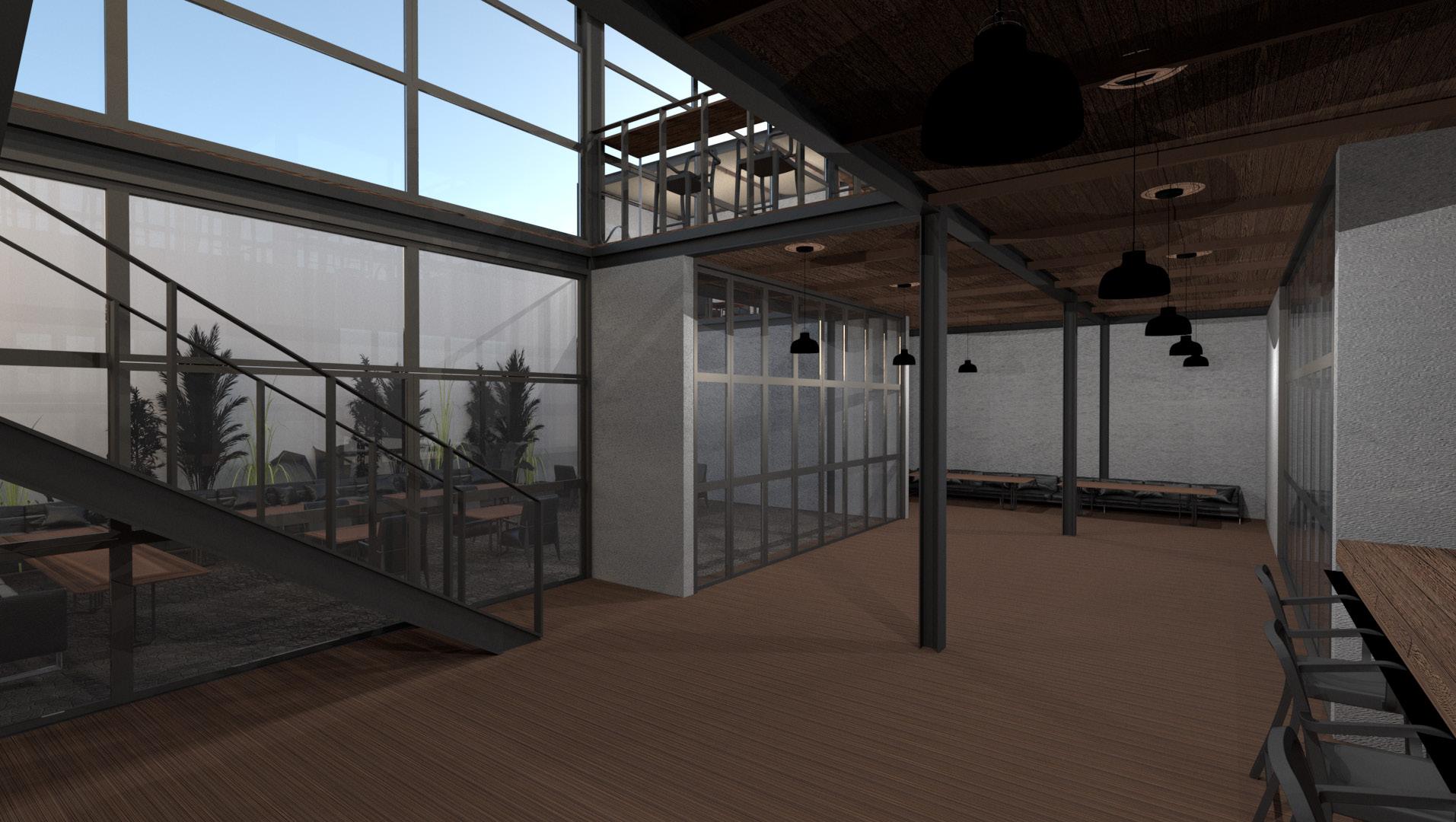
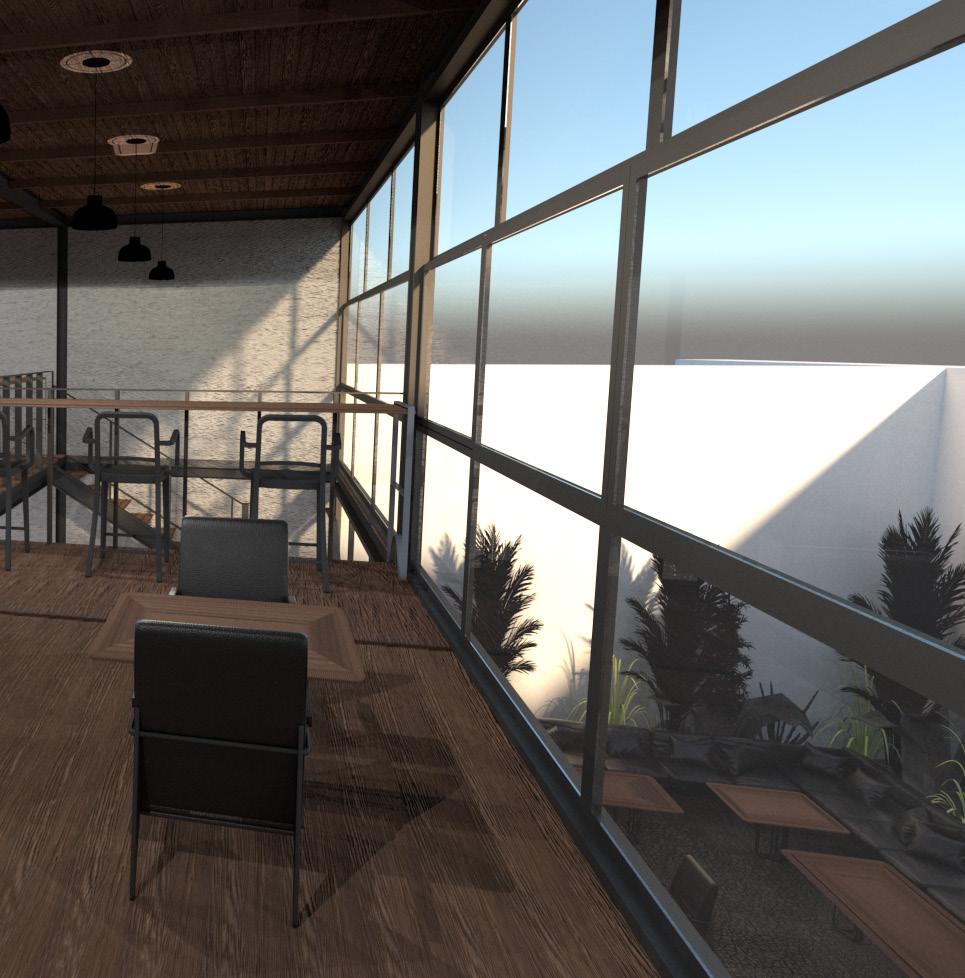
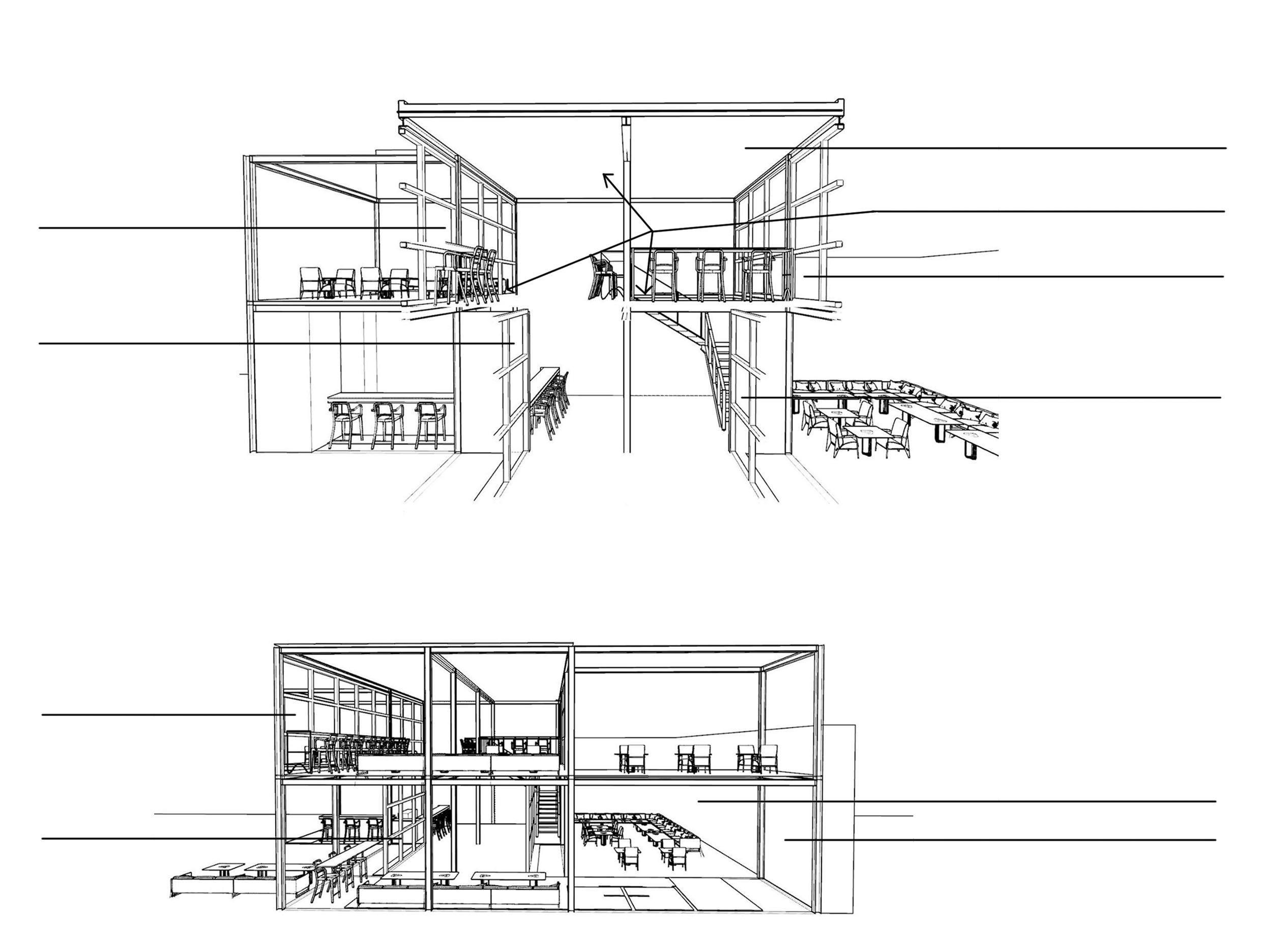
It is located in the center of Patras, a café designed to serve the hundreds of students of the city. Made of lightweight materials, its interior design gives the impression of an industrial style, as the material that were used are mainly glass metal and wood for the composition of the building. A modern space that adorns the narrow streets of Patras.
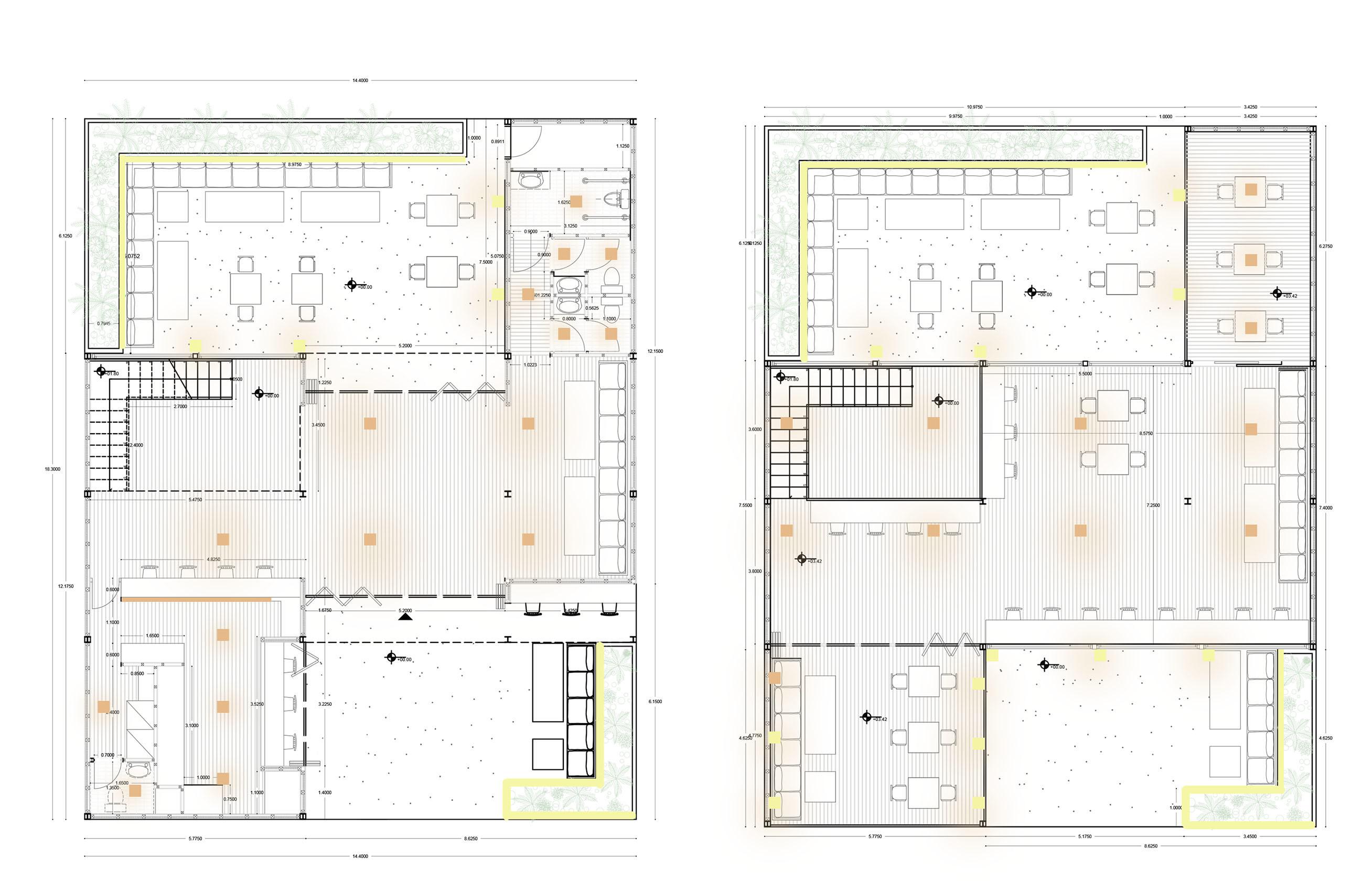
ΠΑΝΕΠΙΣΤΗΜΙΟ ΠΑΤΡΩΝ ΤΜΗΜΑ ΑΡΧΙΤΕΚΤΟΝΩΝ ΜΗΧΑΝΙΚΩΝ ΕΡΓΑΣΤΗΡΙΟ ΟΙΚΟΔΟΜΙΚΗΣ ΤΕΧΝΟΛΟΓΙΑΣ ΥΠΕΥΘΥΝΟΣ ΚΑΘΗΓΗΤΗΣ K.ΛΙΑΠΗ ΘΕΜΑ : ΚΑΤΟΨΗ ΙΣΟΓΕΙΟΥ ΜΑΘΗΜΑ: ΟΙΚΟΔΟΜΙΚΗ ΙΙII ΟΜΑΔΙΚΗ ΕΡΓΑΣΙΑ ΣΠΟΥΔΑΣΤΕΣ : 1. ΠΑΤΣΙΩΤΗ ΔΗΜΗΤΡΑ A.M. : 1058722 2. ΦΛΑΣΚΟΥ ΣΕΒΑΣΤΗ Α.Μ. 1058766 ΗΜΕΡΟΜΗΝΙΑ 3-6-20 +01.80 +00.00 +00.00 12.1750 8.6250 5.7750 6.1500 3.4500 3.2250 1.2250 5.0750 1.1000 0.6000 2.4000 1.6500 0.7500 3.5250 0.8500 8.9750 5.0752 2.7000 2.4000 3.2250 0.9000 1.2250 1.6250 0.8000 1.1000 0.5625 ΚΛΙΜΑΚΑ 1:100 ΠΑΝΕΠΙΣΤΗΜΙΟ ΠΑΤΡΩΝ ΤΜΗΜΑ ΑΡΧΙΤΕΚΤΟΝΩΝ ΜΗΧΑΝΙΚΩΝ ΕΡΓΑΣΤΗΡΙΟ ΟΙΚΟΔΟΜΙΚΗΣ ΤΕΧΝΟΛΟΓΙΑΣ ΥΠΕΥΘΥΝΟΣ ΚΑΘΗΓΗΤΗΣ K.ΛΙΑΠΗ ΘΕΜΑ KATOΨΗ ΣΤΕΓΗΣ ΜΑΘΗΜΑ: ΟΙΚΟΔΟΜΙΚΗ ΙΙII ΟΜΑΔΙΚΗ ΕΡΓΑΣΙΑ ΣΠΟΥΔΑΣΤΕΣ 1. ΠΑΤΣΙΩΤΗ ΔΗΜΗΤΡΑ A.M. 1058722 2. ΦΛΑΣΚΟΥ ΣΕΒΑΣΤΗ Α.Μ. 1058766 ΗΜΕΡΟΜΗΝΙΑ 3-6-20 ΚΛΙΜΑΚΑ 1:100 23 | PLAN
+01.80 +00.00 +03.42 +03.42 +00.00 4.7750 6.1250 5.7750 5.1750 3.4500 4.6250 7.4000 7.5500 4.6250 6.1250 10.9750 3.4250 5.5000 8.5750 7.2500 FOUNDATION CONSTRUCTION CEILING SLOPES ZERO FLOOR PLAN FIRST FLOOR PLAN
PLAN | 24 ZERO FLOOR FIRST FLOOR ROOF PLAN
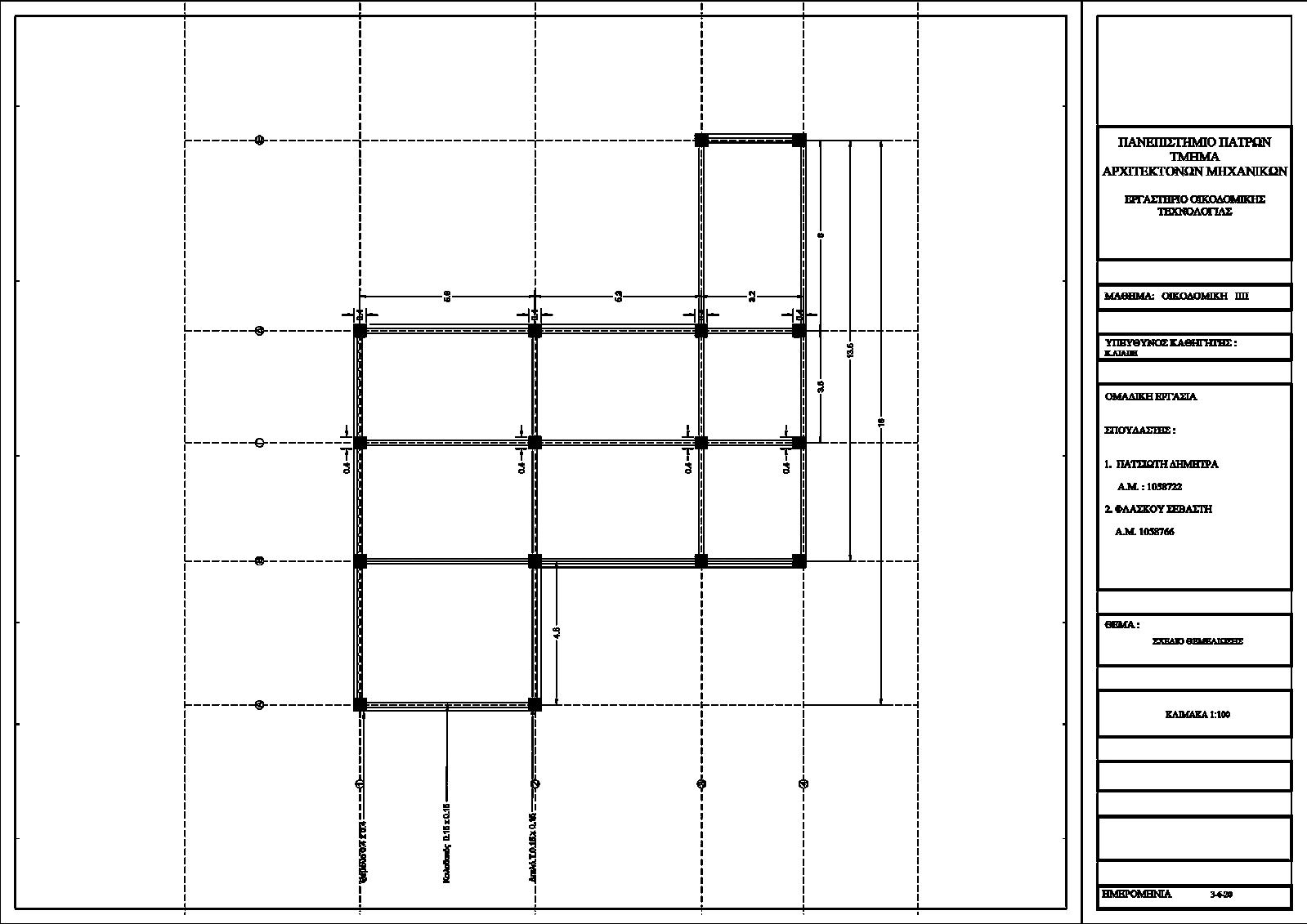
5.3 5.6 3.2 18 1 2 3 4 A B Γ Δ E 3.8 4.6 ΠΑΝΕΠΙΣΤΗΜΙΟ ΠΑΤΡΩΝ ΤΜΗΜΑ ΑΡΧΙΤΕΚΤΟΝΩΝ ΜΗΧΑΝΙΚΩΝ ΕΡΓΑΣΤΗΡΙΟ ΟΙΚΟΔΟΜΙΚΗΣ ΤΕΧΝΟΛΟΓΙΑΣ ΥΠΕΥΘΥΝΟΣ ΚΑΘΗΓΗΤΗΣ : K.ΛΙΑΠΗ ΘΕΜΑ ΚΑΤΟΨΗ ΦΟΡΕΑ ΔΑΠΕΔΟΥ ΜΑΘΗΜΑ: ΟΙΚΟΔΟΜΙΚΗ ΙΙII ΟΜΑΔΙΚΗ ΕΡΓΑΣΙΑ ΣΠΟΥΔΑΣΤΕΣ 1. ΠΑΤΣΙΩΤΗ ΔΗΜΗΤΡΑ A.M. 1058722 2. ΦΛΑΣΚΟΥ ΣΕΒΑΣΤΗ Α.Μ. 1058766 ΗΜΕΡΟΜΗΝΙΑ 3-6-20 3.6 6 ΚΛΙΜΑΚΑ 1:100 ΠΑΝΕΠΙΣΤΗΜΙΟ ΠΑΤΡΩΝ ΤΜΗΜΑ ΑΡΧΙΤΕΚΤΟΝΩΝ ΜΗΧΑΝΙΚΩΝ ΕΡΓΑΣΤΗΡΙΟ ΟΙΚΟΔΟΜΙΚΗΣ ΤΕΧΝΟΛΟΓΙΑΣ ΥΠΕΥΘΥΝΟΣ ΚΑΘΗΓΗΤΗΣ K.ΛΙΑΠΗ ΘΕΜΑ ΚΑΤΟΨΗ ΦΟΡΕΑ ΟΡΟΦΟΥ ΜΑΘΗΜΑ: ΟΙΚΟΔΟΜΙΚΗ ΙΙII ΟΜΑΔΙΚΗ ΕΡΓΑΣΙΑ ΣΠΟΥΔΑΣΤΕΣ 1. ΠΑΤΣΙΩΤΗ ΔΗΜΗΤΡΑ A.M. 1058722 2. ΦΛΑΣΚΟΥ ΣΕΒΑΣΤΗ Α.Μ. 1058766 ΗΜΕΡΟΜΗΝΙΑ 3-6-20 8.6250 ΤΡΙΤΕΥΩΝ ΔΕΥΤΕΡΕΥΩΝ ΠΡΩΤΕΥΩΝ ΦΟΡΕΑΣ ΚΛΙΜΑΚΑ 1:100 ΠΑΝΕΠΙΣΤΗΜΙΟ ΠΑΤΡΩΝ ΤΜΗΜΑ ΑΡΧΙΤΕΚΤΟΝΩΝ ΜΗΧΑΝΙΚΩΝ ΕΡΓΑΣΤΗΡΙΟ ΟΙΚΟΔΟΜΙΚΗΣ ΤΕΧΝΟΛΟΓΙΑΣ ΥΠΕΥΘΥΝΟΣ ΚΑΘΗΓΗΤΗΣ K.ΛΙΑΠΗ ΘΕΜΑ ΜΑΘΗΜΑ: ΟΙΚΟΔΟΜΙΚΗ ΙΙII ΟΜΑΔΙΚΗ ΕΡΓΑΣΙΑ ΣΠΟΥΔΑΣΤΕΣ : 1. ΠΑΤΣΙΩΤΗ ΔΗΜΗΤΡΑ A.M. 1058722 2. ΦΛΑΣΚΟΥ ΣΕΒΑΣΤΗ Α.Μ. 1058766 ΗΜΕΡΟΜΗΝΙΑ 3-6-20 ΤΡΙΤΕΥΩΝ ΔΕΥΤΕΡΕΥΩΝ ΠΡΩΤΕΥΩΝ ΦΟΡΕΑΣ ΚΑΤΟΨΗ ΦΟΡΕΑ ΣΤΕΓΗΣ ΚΛΙΜΑΚΑ 1:100
CONSTRUCTION PLANS
Σανίδες πατώματος 0.1x0.02 Δευτερεύον δοκάρι 0.08x0.05 Kόντρα-πλακέ 0.01 Τριτεύον δοκάρι 0.09x0.05 Διπλό Τ 0.15x0.15 Διπλή Γυψοσανίδα Μόνωση Διπλή Γυψοσανίδα Κενό εγκαταστάσεων φωτισμού Kαδρόνι διαστάσεων 40/40 ΠΑΝΕΠΙΣΤΗΜΙΟ ΠΑΤΡΩΝ ΤΜΗΜΑ ΑΡΧΙΤΕΚΤΟΝΩΝ ΜΗΧΑΝΙΚΩΝ ΕΡΓΑΣΤΗΡΙΟ
ΤΕΧΝΟΛΟΓΙΑΣ ΥΠΕΥΘΥΝΟΣ ΚΑΘΗΓΗΤΗΣ : K.ΛΙΑΠΗ ΘΕΜΑ : ΔΙΑΜΗΚΗΣ ΤΟΜΗ ΜΑΘΗΜΑ: ΟΙΚΟΔΟΜΙΚΗ ΙΙII ΟΜΑΔΙΚΗ ΕΡΓΑΣΙΑ ΣΠΟΥΔΑΣΤΕΣ : 1. ΠΑΤΣΙΩΤΗ ΔΗΜΗΤΡΑ A.M. : 1058722 2. ΦΛΑΣΚΟΥ ΣΕΒΑΣΤΗ Α.Μ. 1058766 ΚΛΙΜΑΚΑ 1:100 +03.15 +03.42 +00.00 +06.57 +06.90 1.0000 0.8000 +03.15 +03.42 +00.00 +06.57 +06.90 25 | SECTION 1 - BACK VIEW detail no1 SECTION 1
ΟΙΚΟΔΟΜΙΚΗΣ
Μόνωση
Διπλή Γυψοσανίδα
ΠΑΝΕΠΙΣΤΗΜΙΟ ΠΑΤΡΩΝ ΤΜΗΜΑ ΑΡΧΙΤΕΚΤΟΝΩΝ
Κενό εγκαταστάσεων φωτισμού
Μόνωση
Δευτερεύον δοκάρι 0.08x0.05 Kόντρα-πλακέ 0.01 Τριτεύον δοκάρι 0.09x0.05 Διπλό Τ 0.15x0.15 Θερμομονωτικό πάνελ πολυουρεθάνης Χοντρά αδρανή Μπετό θεμελίωσης Ασφαλτόπανο Γειτονικός τοίχος πολυκατοικίας Διπλή Γυψοσανίδα Κοιλοδοκός Χώμα και λεπτά αδρανή Μπετό καθαριότητας Σκελετός και σανίδες πατώματος
ΜΗΧΑΝΙΚΩΝ ΕΡΓΑΣΤΗΡΙΟ ΟΙΚΟΔΟΜΙΚΗΣ ΤΕΧΝΟΛΟΓΙΑΣ ΥΠΕΥΘΥΝΟΣ ΚΑΘΗΓΗΤΗΣ : K.ΛΙΑΠΗ ΘΕΜΑ : EΓΚΑΡΣΙΑ ΤΟΜΗ ΜΑΘΗΜΑ: ΟΙΚΟΔΟΜΙΚΗ ΙΙII ΟΜΑΔΙΚΗ ΕΡΓΑΣΙΑ ΣΠΟΥΔΑΣΤΕΣ : 1. ΠΑΤΣΙΩΤΗ ΔΗΜΗΤΡΑ A.M. : 1058722 2. ΦΛΑΣΚΟΥ ΣΕΒΑΣΤΗ Α.Μ. 1058766 ΚΛΙΜΑΚΑ 1:100 0.9271 0.7517 2.3000 1.1868 1.0478 1.5824 1.1868 +00.00 +06.90 +03.15 +03.42 +06.57 +03.15 +03.42 +00.00 +06.57 +06.90 SECTION | 26 2 - FRONT VIEW SECTION 2 detail no2 detail no3
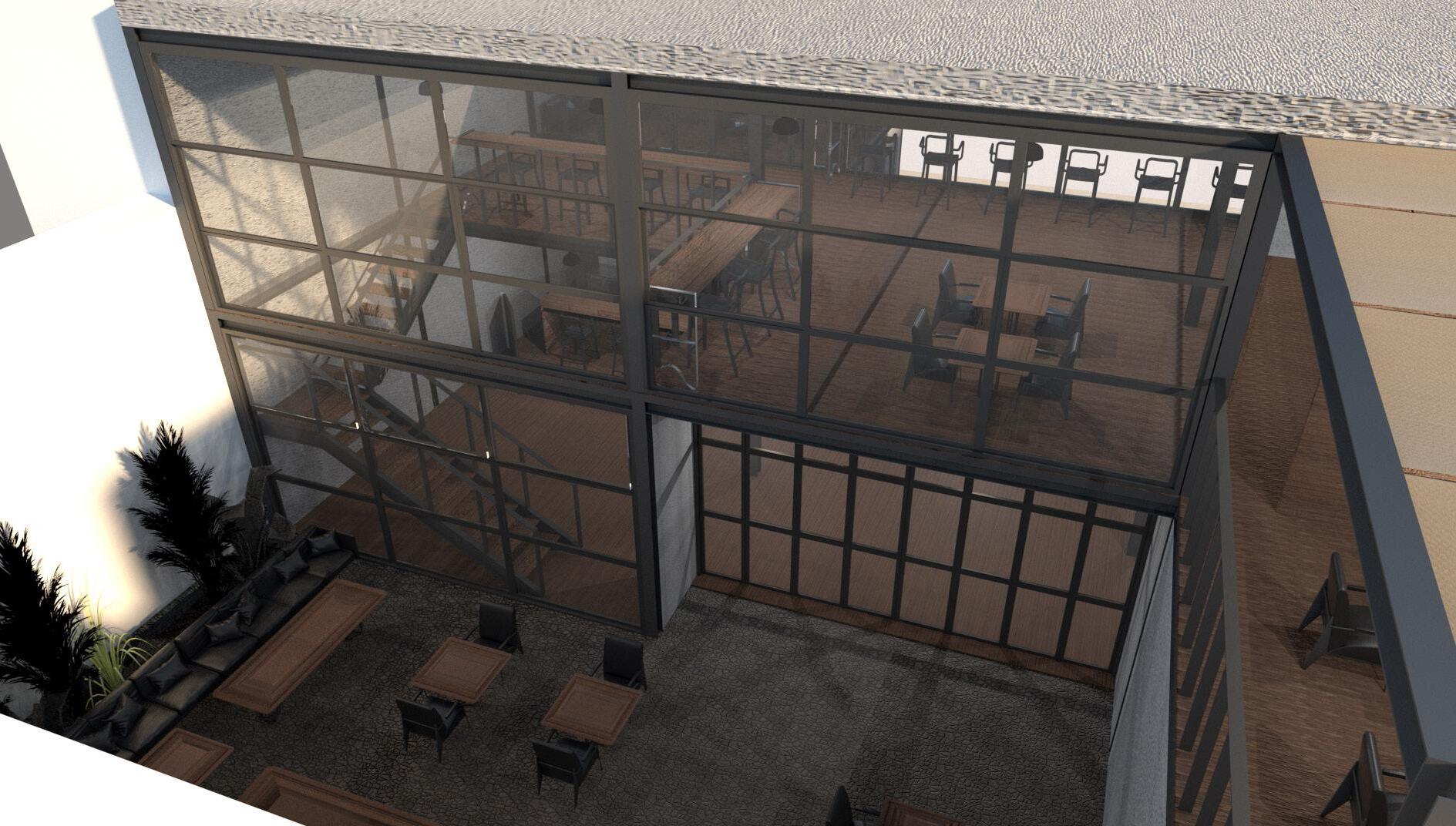
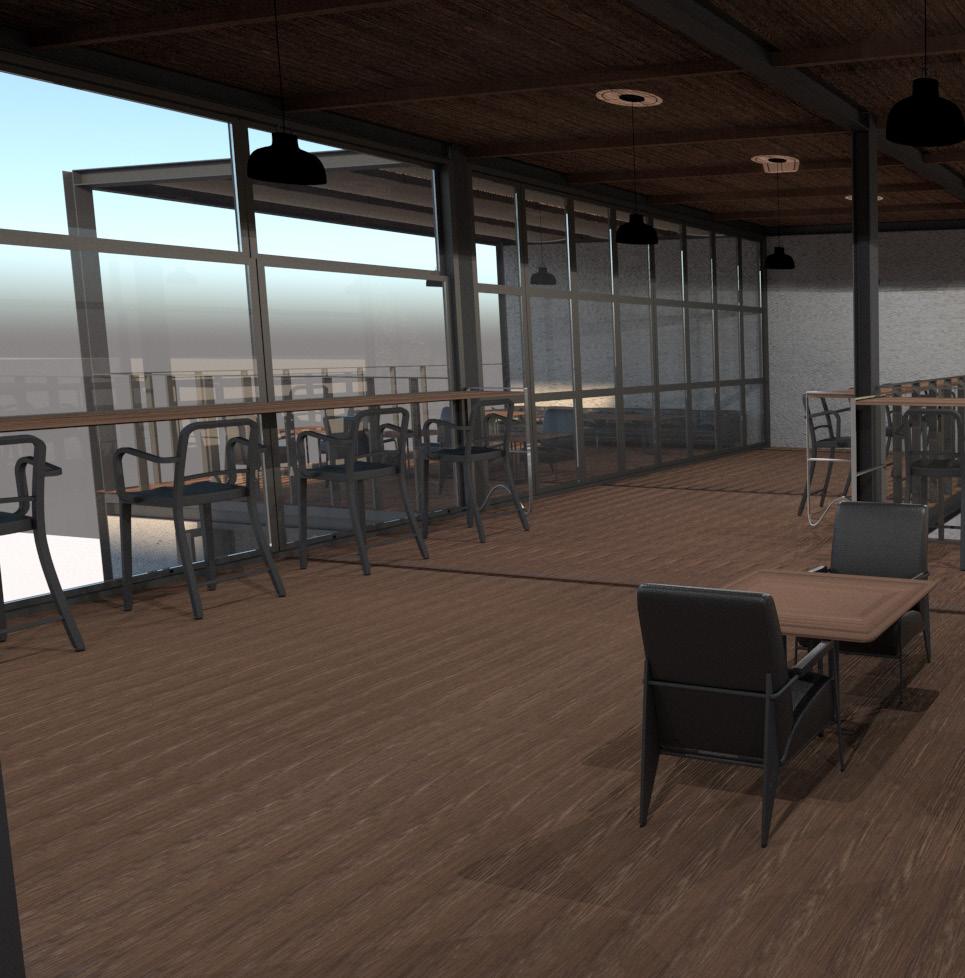
ARTIFICIAL LIGHTING 27 | RENDERS
sun light
sun light
pale wall colour
reflecting light
sun light
sun light
sun light
sun light
patio
pale wall colour
NATURAL LIGHTING
RENDERS | 28
DATA CENTER PASSIVE CLOUD
ACADEMIC LESSON: ARCHITECTURAL DESIGN 8
PROFESSOR: PANOS DRAGONAS
TYPE: DATA CENTER/PUBLIC PLAZA
SITE: PATRAS, GREECE
PARTNER: CHRISTINA GOURVELOU
PROJECT’S STATEMENT
It is the evolution of technology that has brought about the ecological crisis on the planet. Our goal is to raise the ecological awareness of citizens.
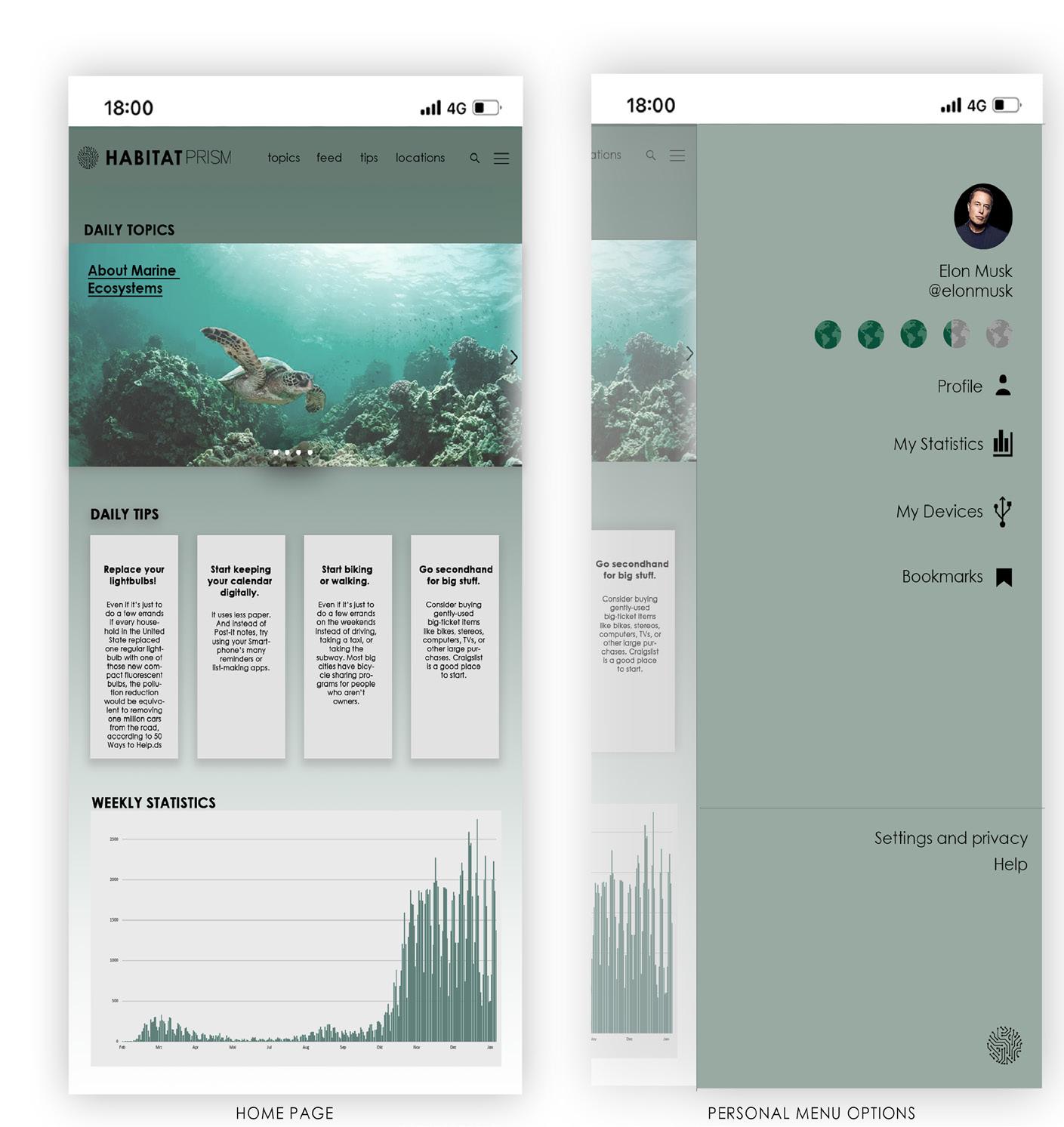
The data center collects Habitat Prism app data. This application is related to the ecology and environmental habits
APPLICATION
of the individual. The environmental footprint of each user is recorded, connecting smart devices (home, car, etc.)
and recording daily habits (walking, cycling, etc.). In addition, it gives the user advice on environmentally friendly actions.
31 | APPLICATION
MASTER PLAN | 32 MASTER PLAN
CONNECTION WITH LOCATION
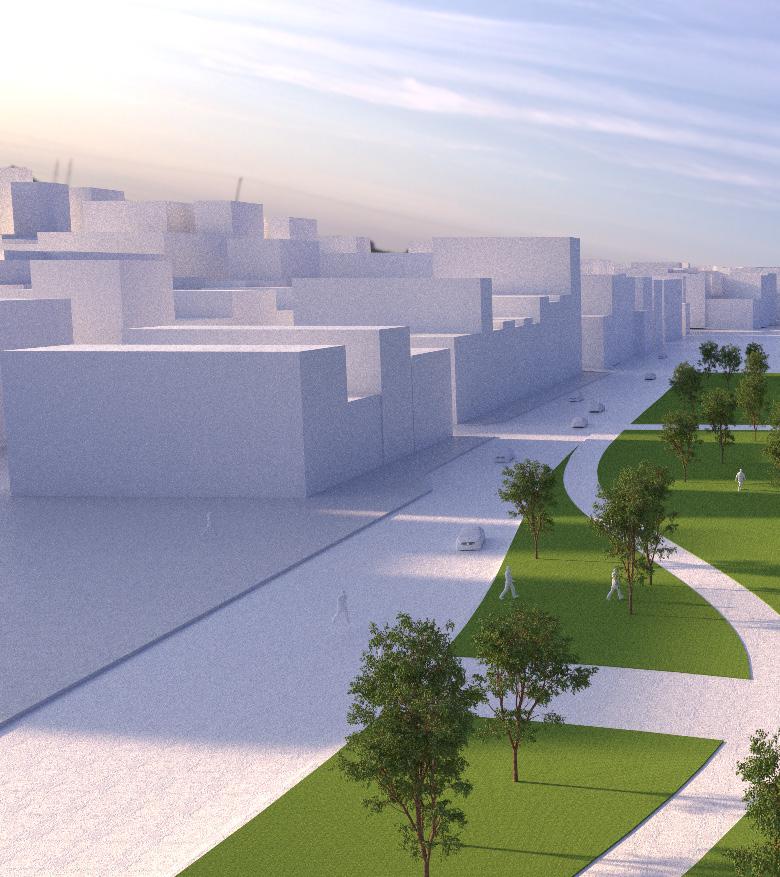
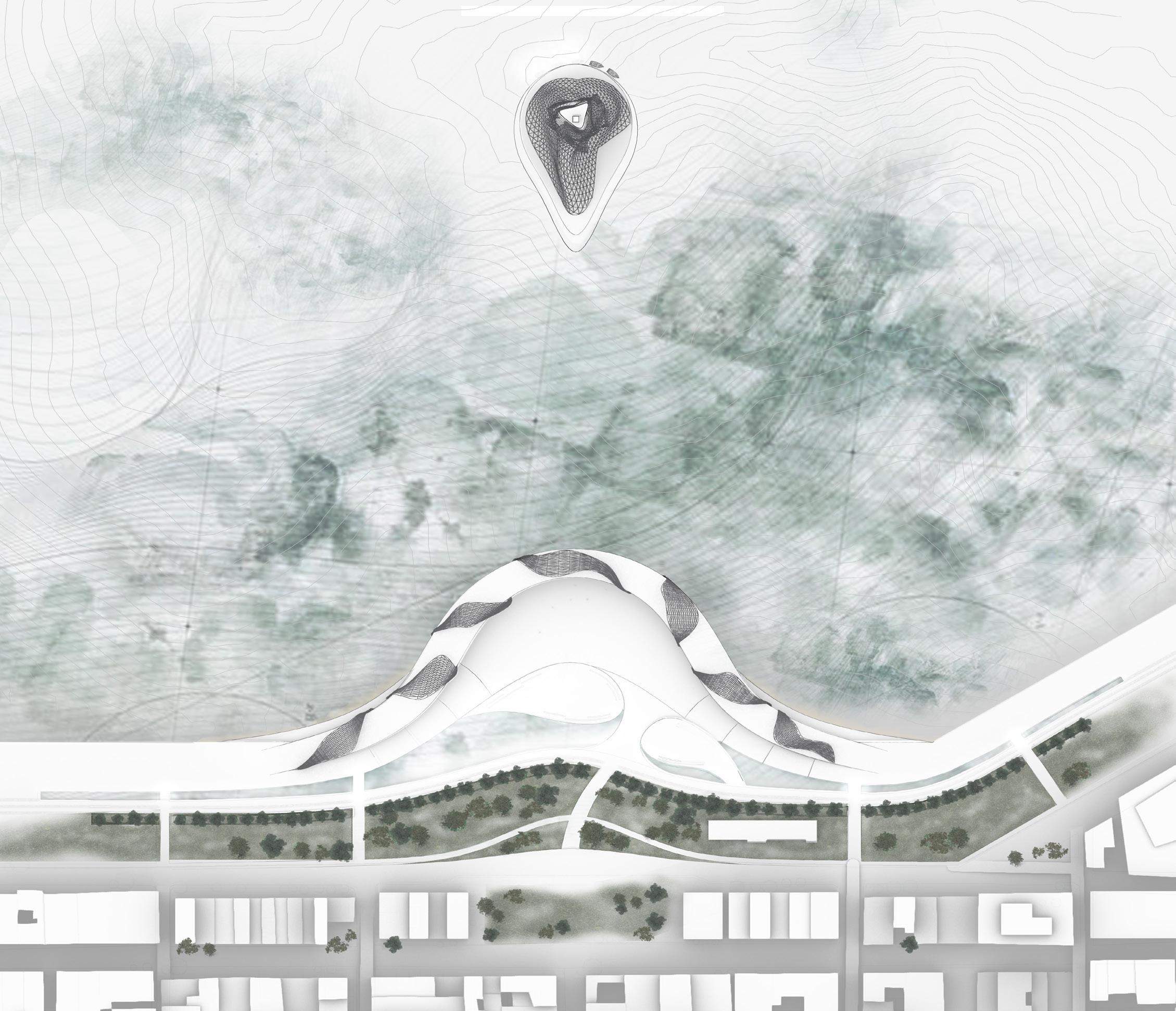
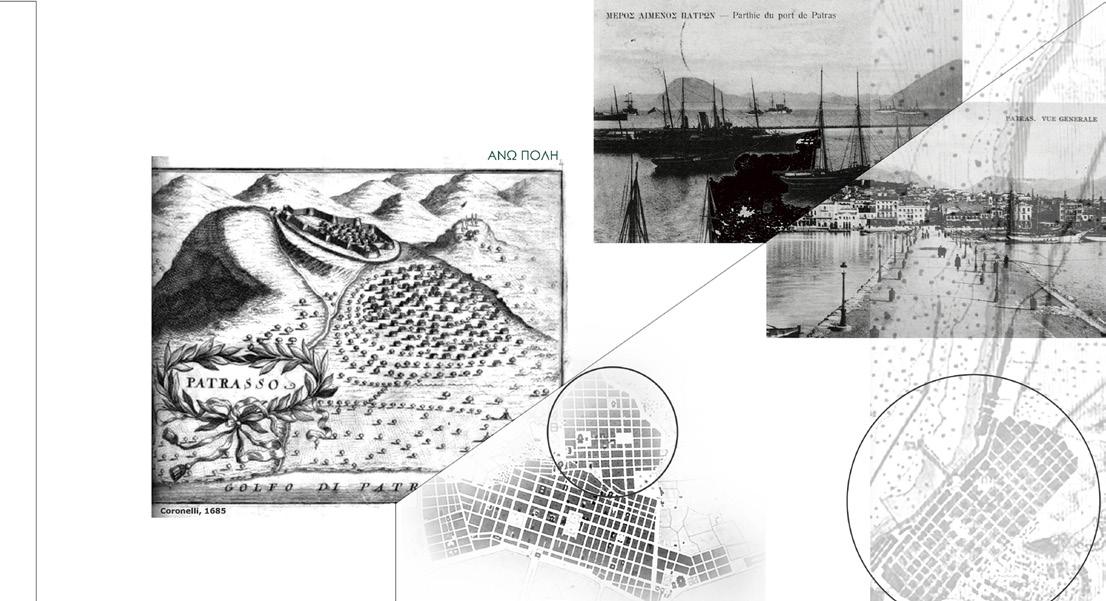
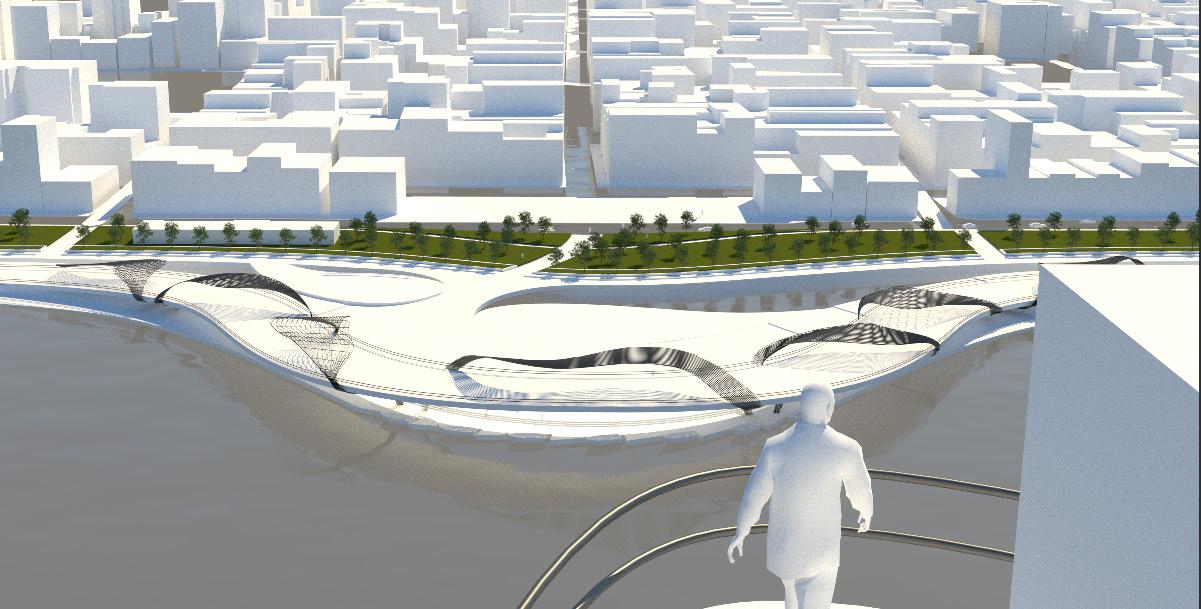
Retroactively, Patras expanded from the upper town built around the castle to the lower city built up to the boundary of the coastline. In relation to the city of Patras, the data center is an extension of the urban fabric as a symbol and beginning of a new third city-era.
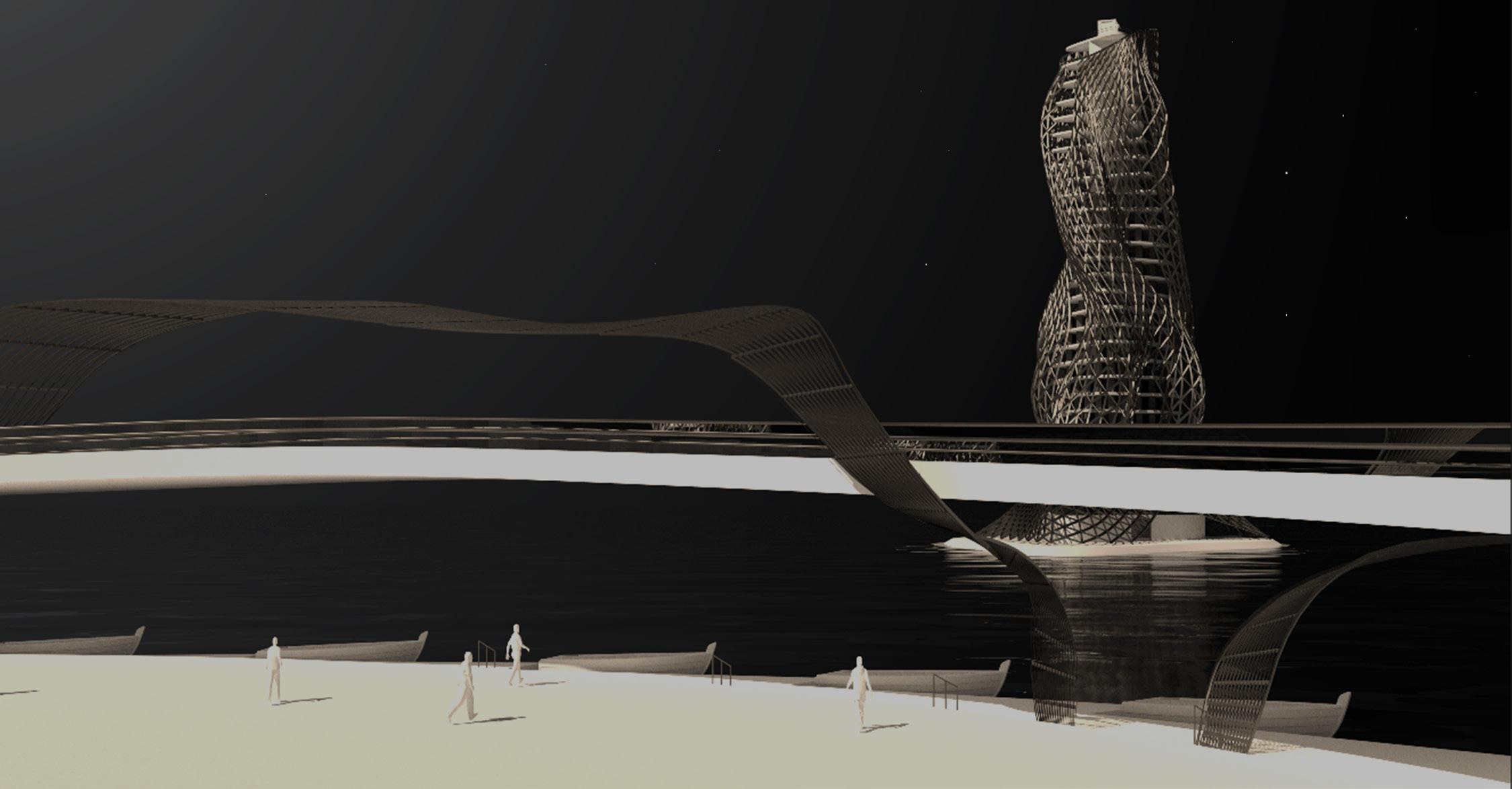
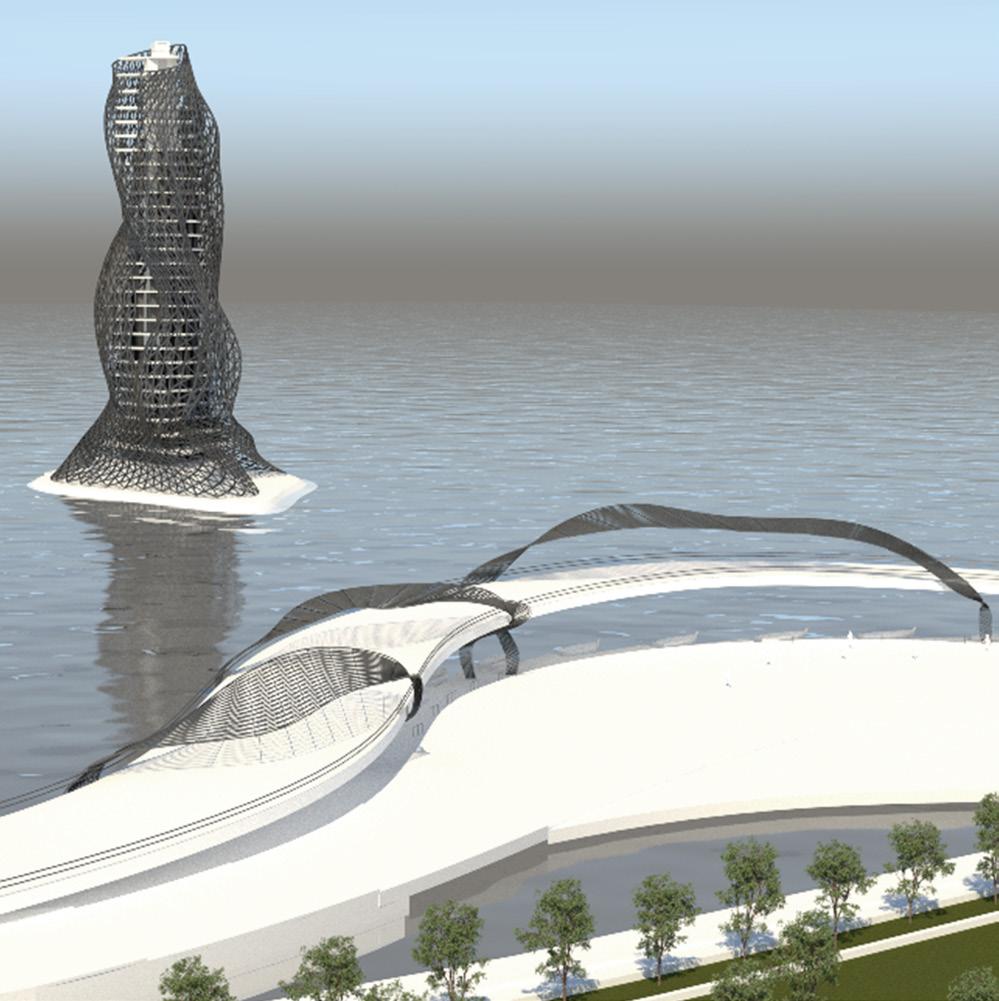
Therefore, the data center is initially visually connected to the city, keeping a distance from the coastline and placed in the sea, separating the outdoor public space from the data center building.
33 | DETAIL
MOVEMENT DIAGRAM
FACILITIES DIAGRAM
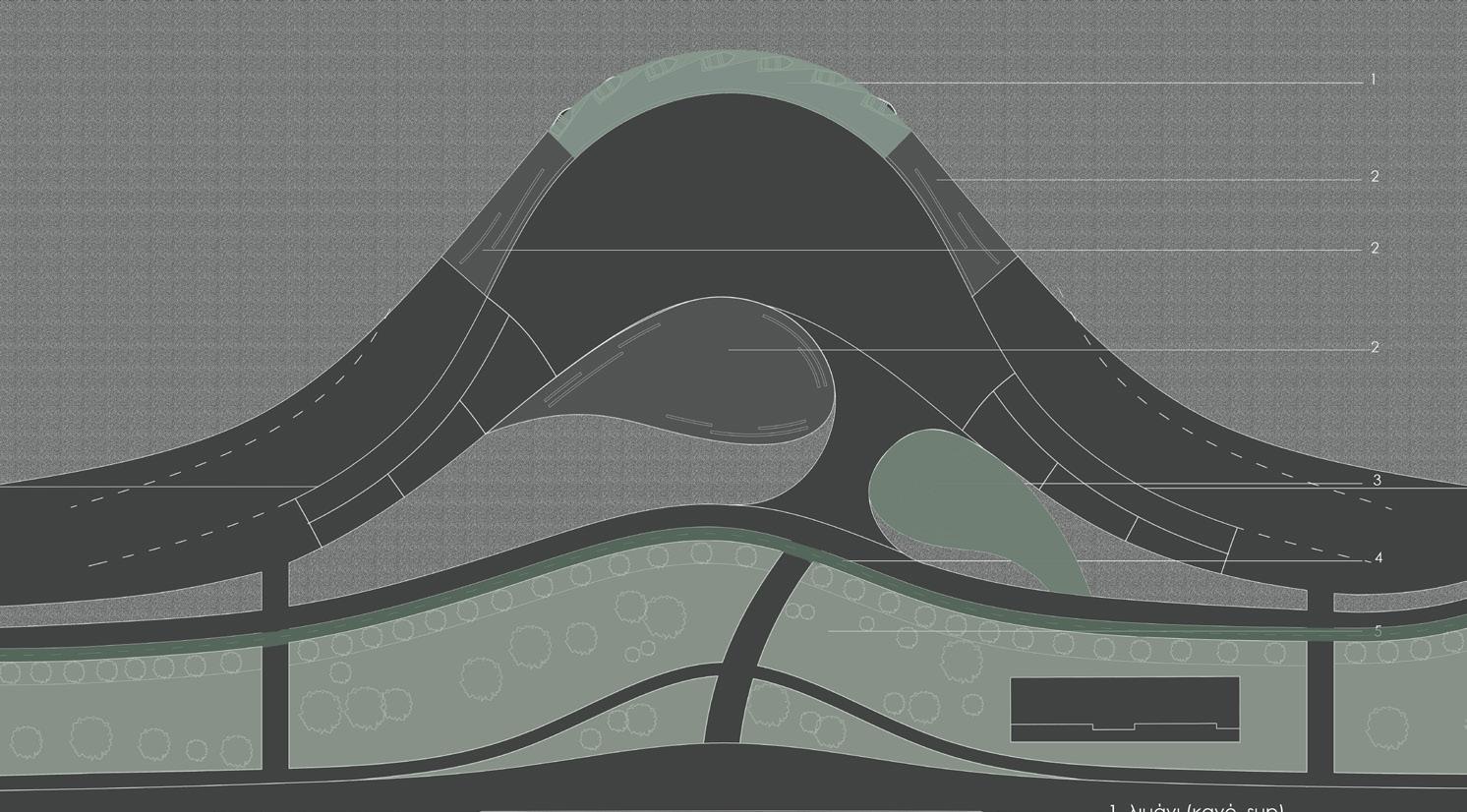
1. Port
2. Rest area
3. Children playground
4. Bicycle road
5. Planted area
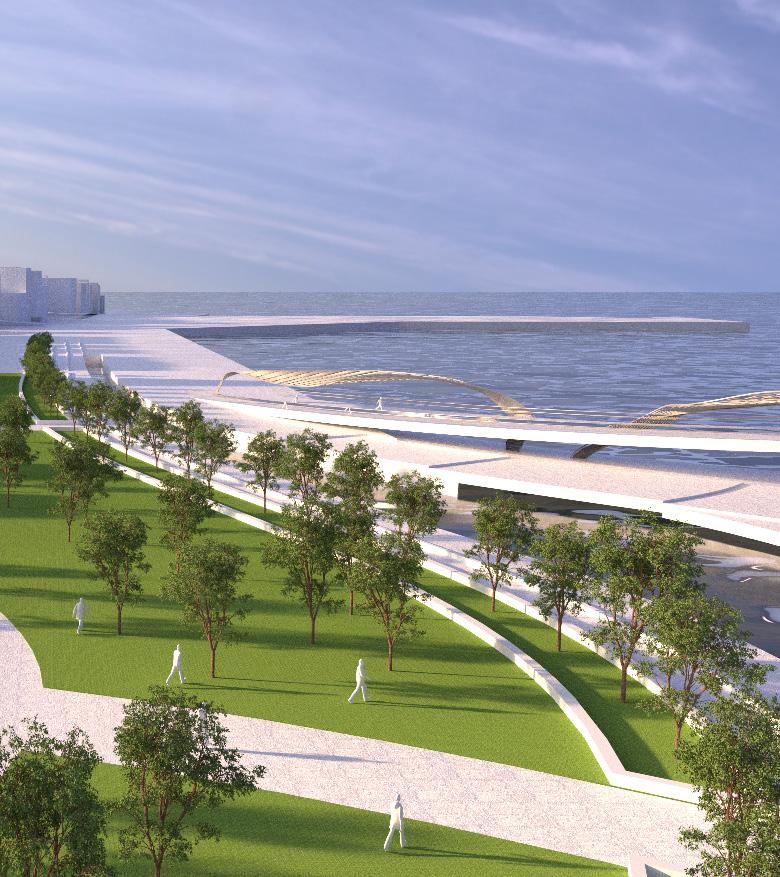
PLAZA’S DESIGN
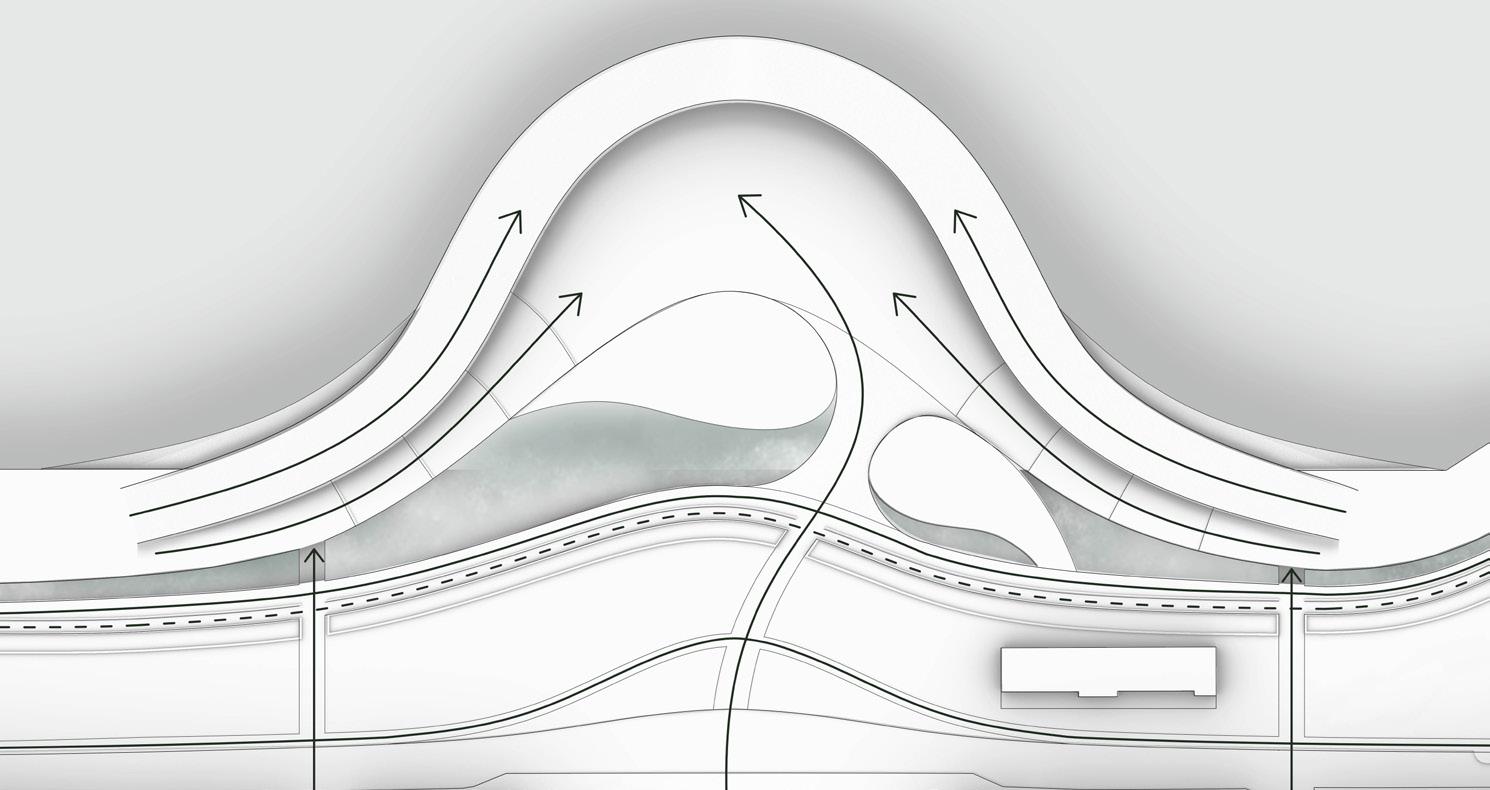
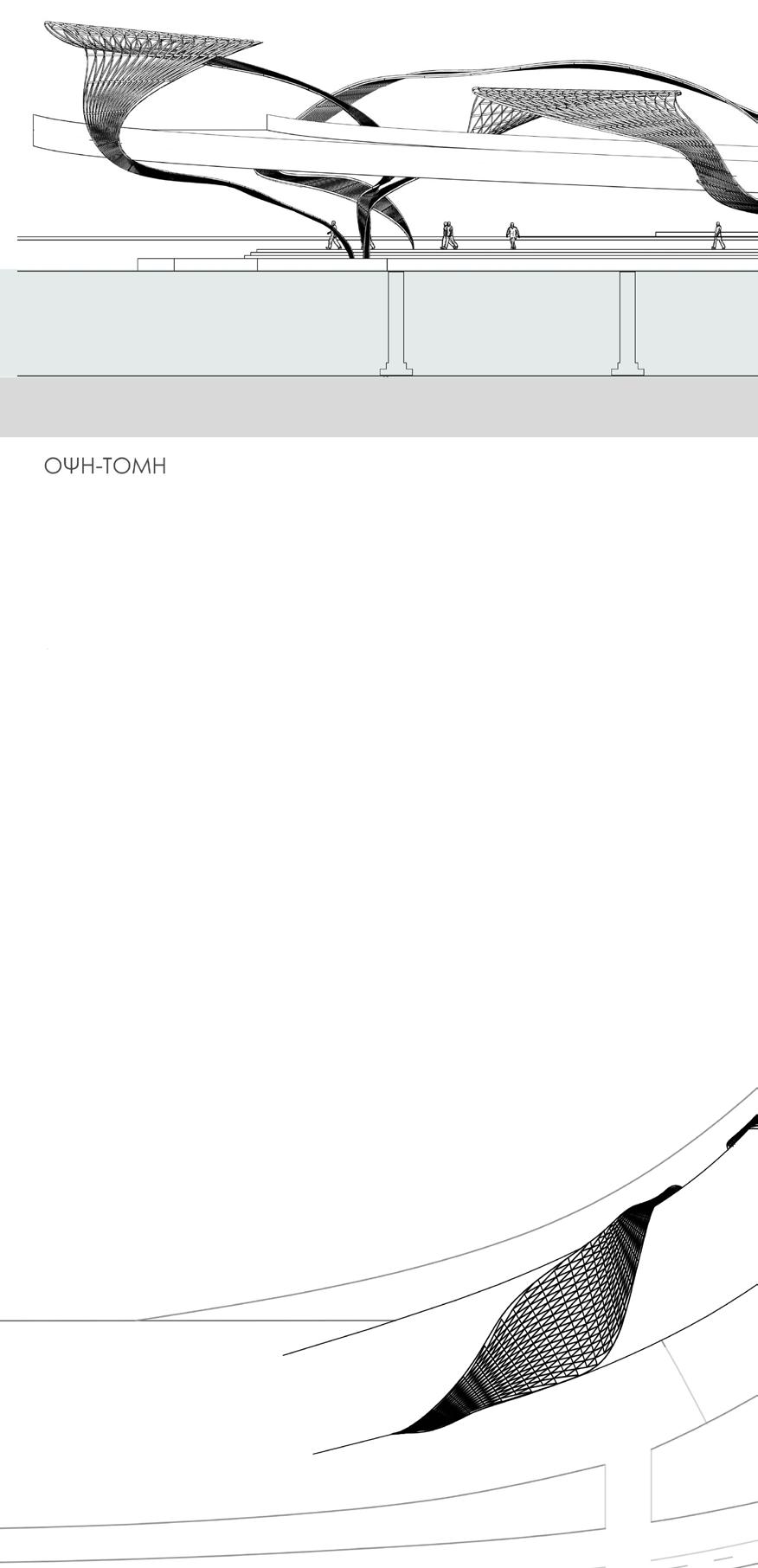
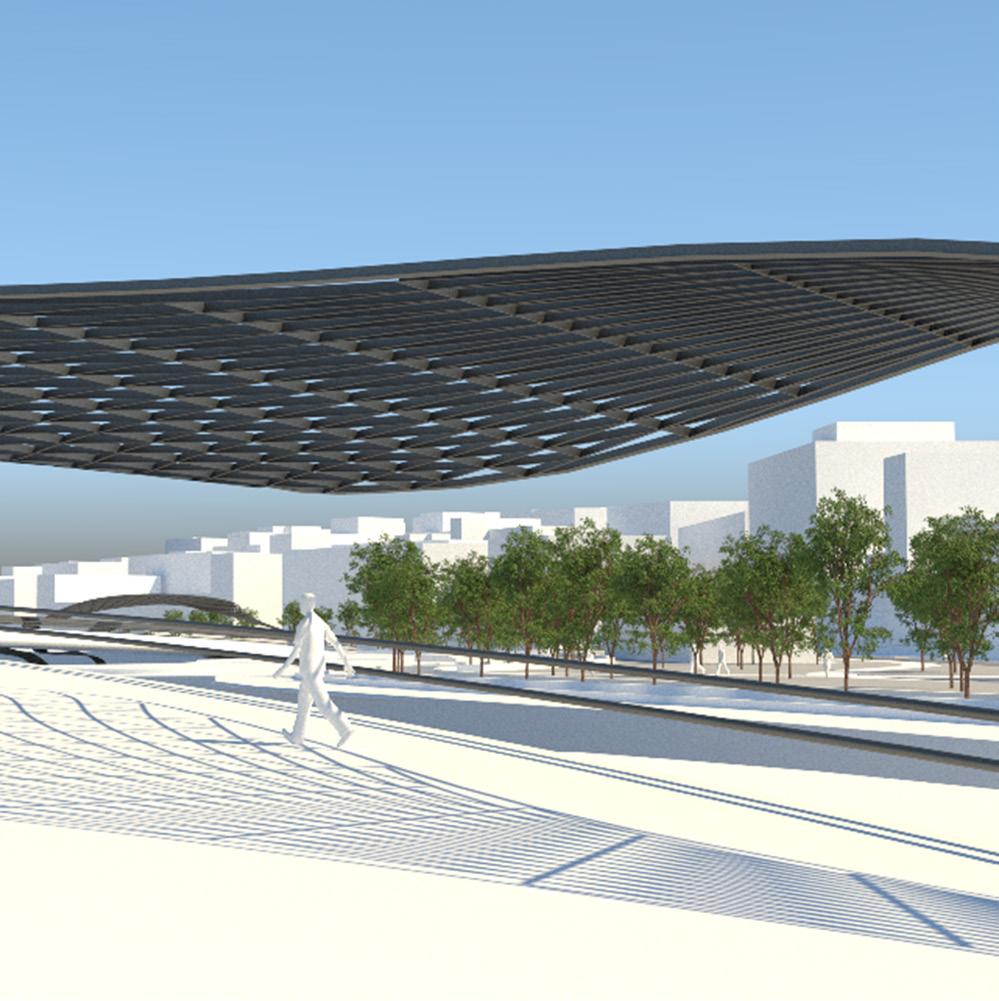
The design of the plaza includes the visual connection to the data center through an elevated footbridge and the practical through the port where it approaches it by boat.
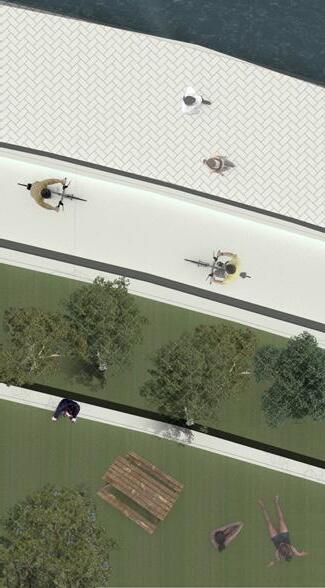
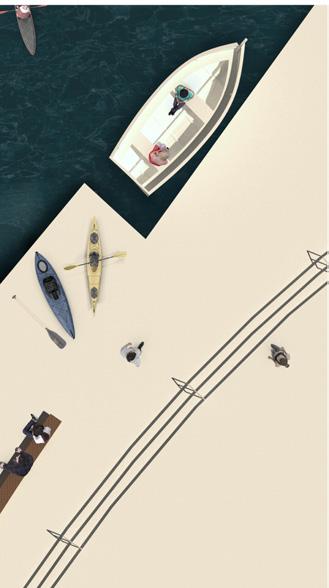
It also includes canoe or sup, as well as rest points, bike lanes, children’s area and fitness equipment
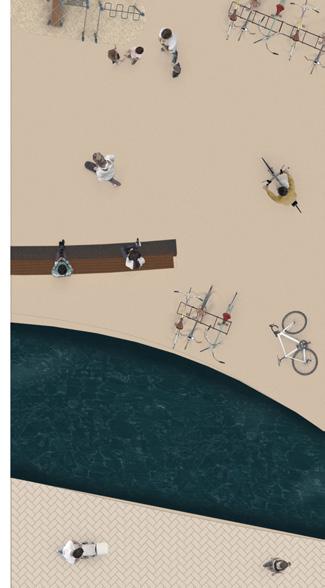
The plaza gives the feeling that the data center is sinking and emerging
Drawing tools were curved shapes, organic forms and the science of biomimicry.
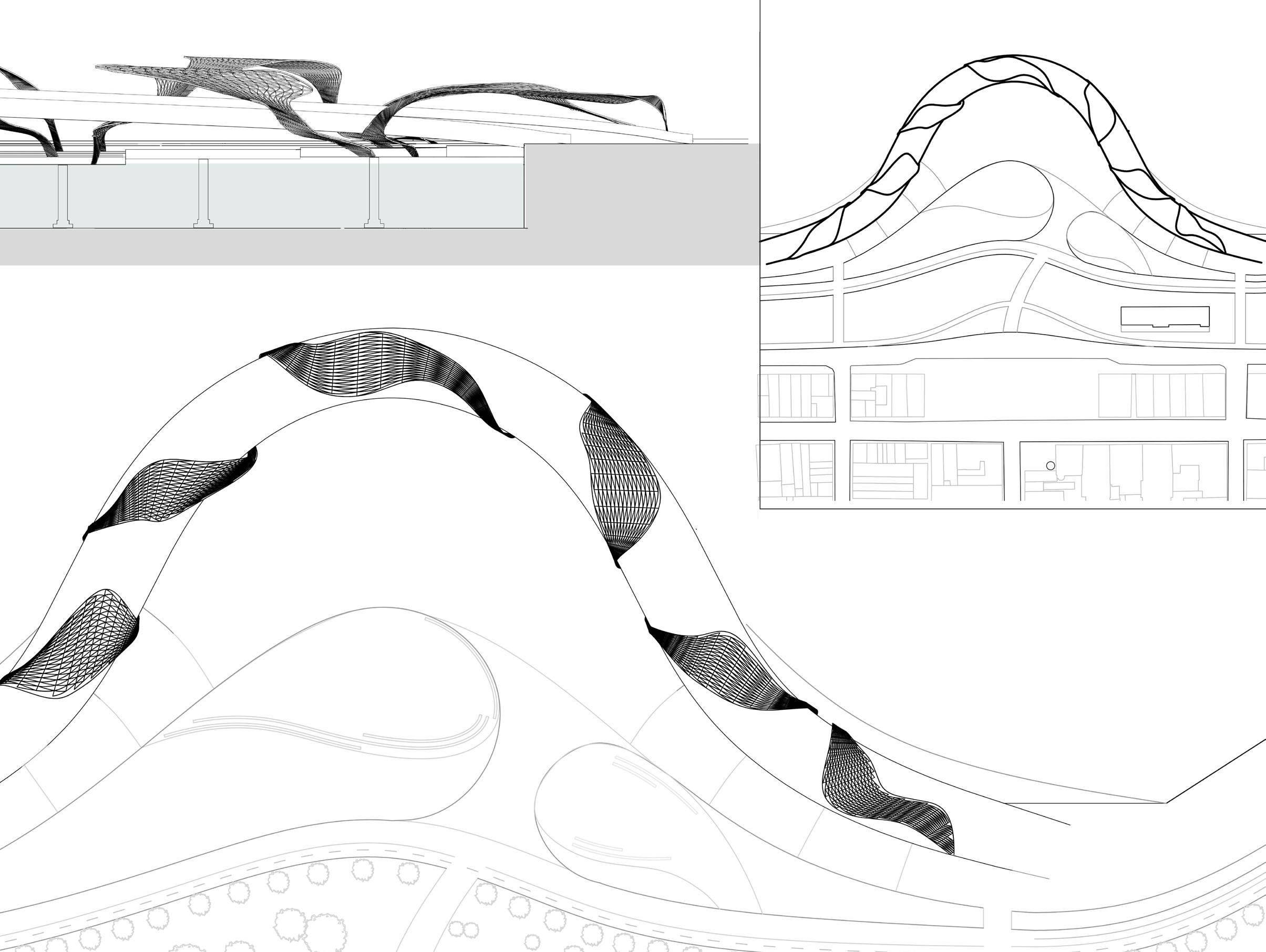
SECTION DETAIL | 34 PLAZA PLAN
DATA CENTER
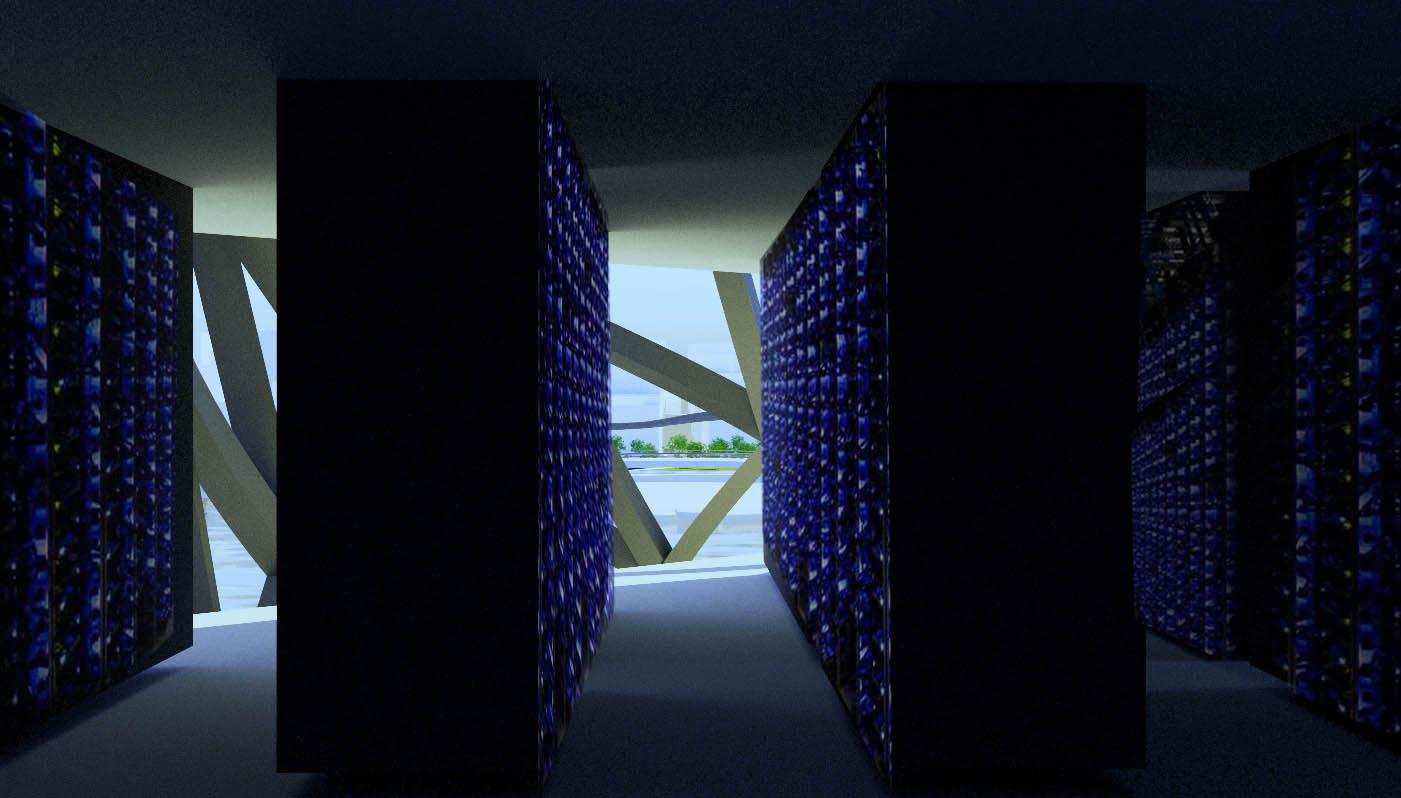
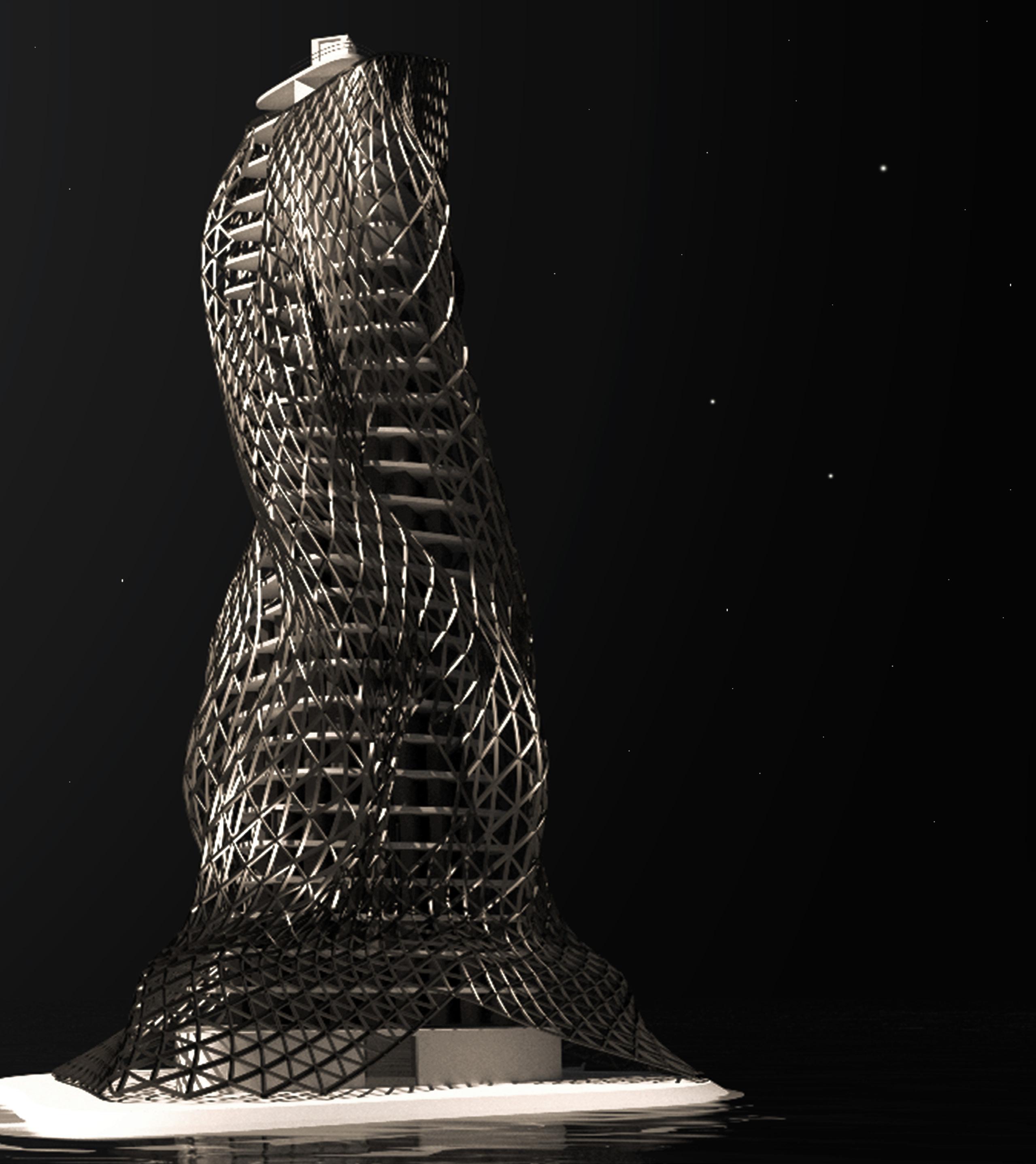
The face of the data center is the main means of interaction with humans. As a tall and imposing building it manages to be characterized as an inaccessible landmark. Morphologically, the building is compact and strict, protecting the data it keeps while it is “covered” by a second, perforated and indeterminate skin. From afar it reminds of something intangible, while as it is approached it acquires material substance, as is the case with the Internet.
The skin moves between two dimensions, the symbolic with the aim of sensitization (cloud) and the functional with the aim of protecting the environment and the autonomy of the building.
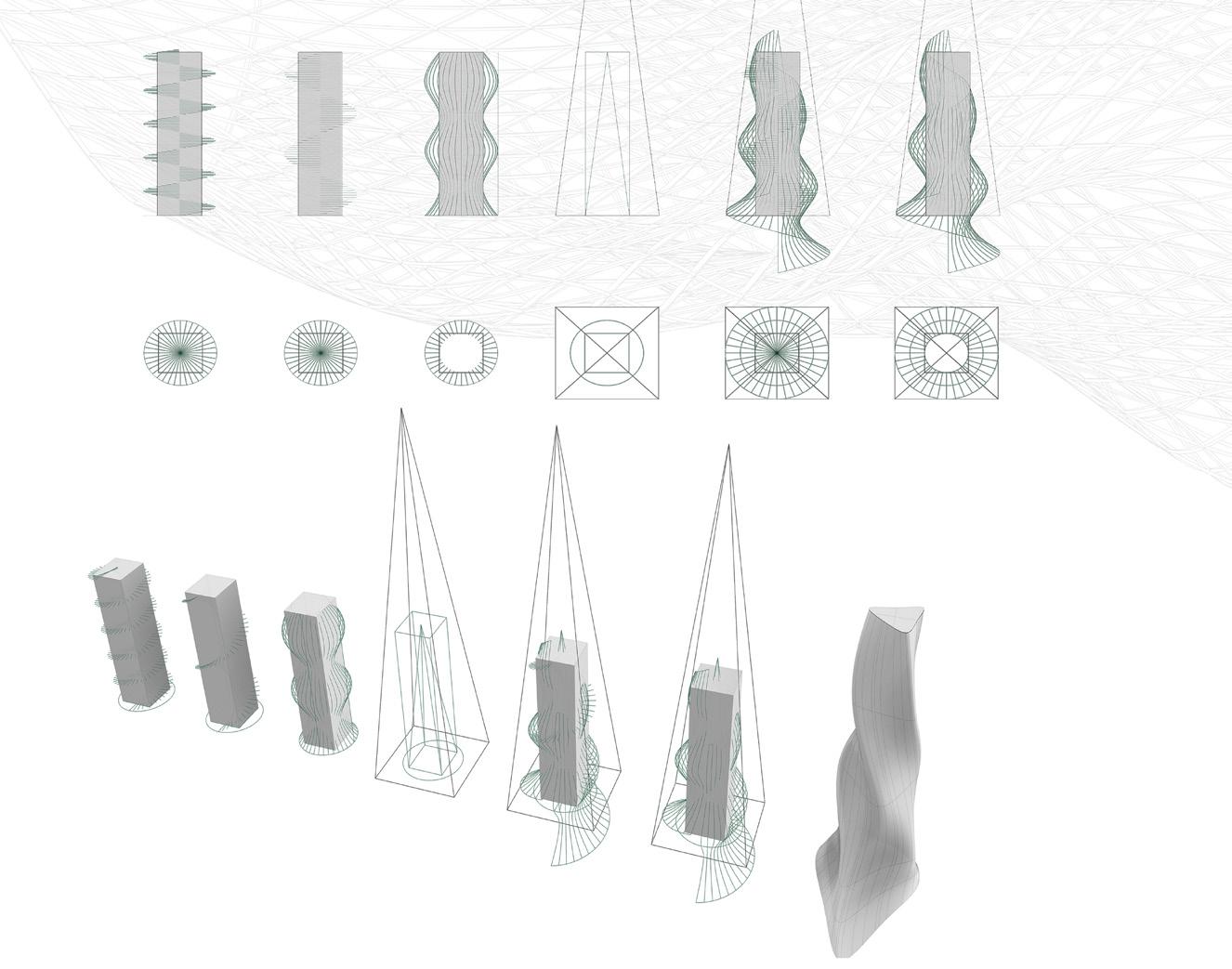
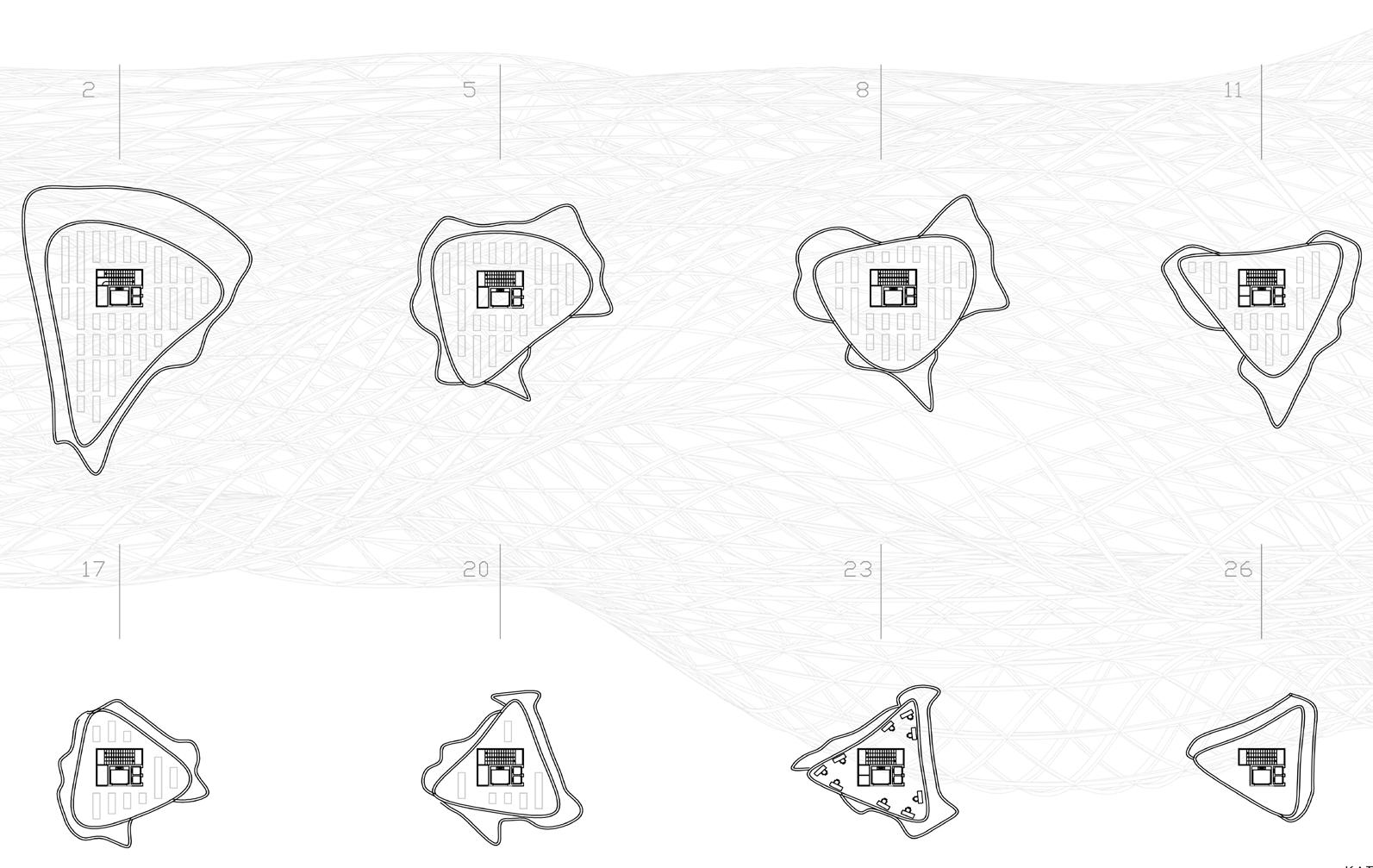
PLANS
35 | DETAIL
SHAPE DIAGRAM
SECTION
The areas of the data center are not accessible by the visitor except visually through a vertical movement that has an exacerbation on the 30th floor overlooking the city.
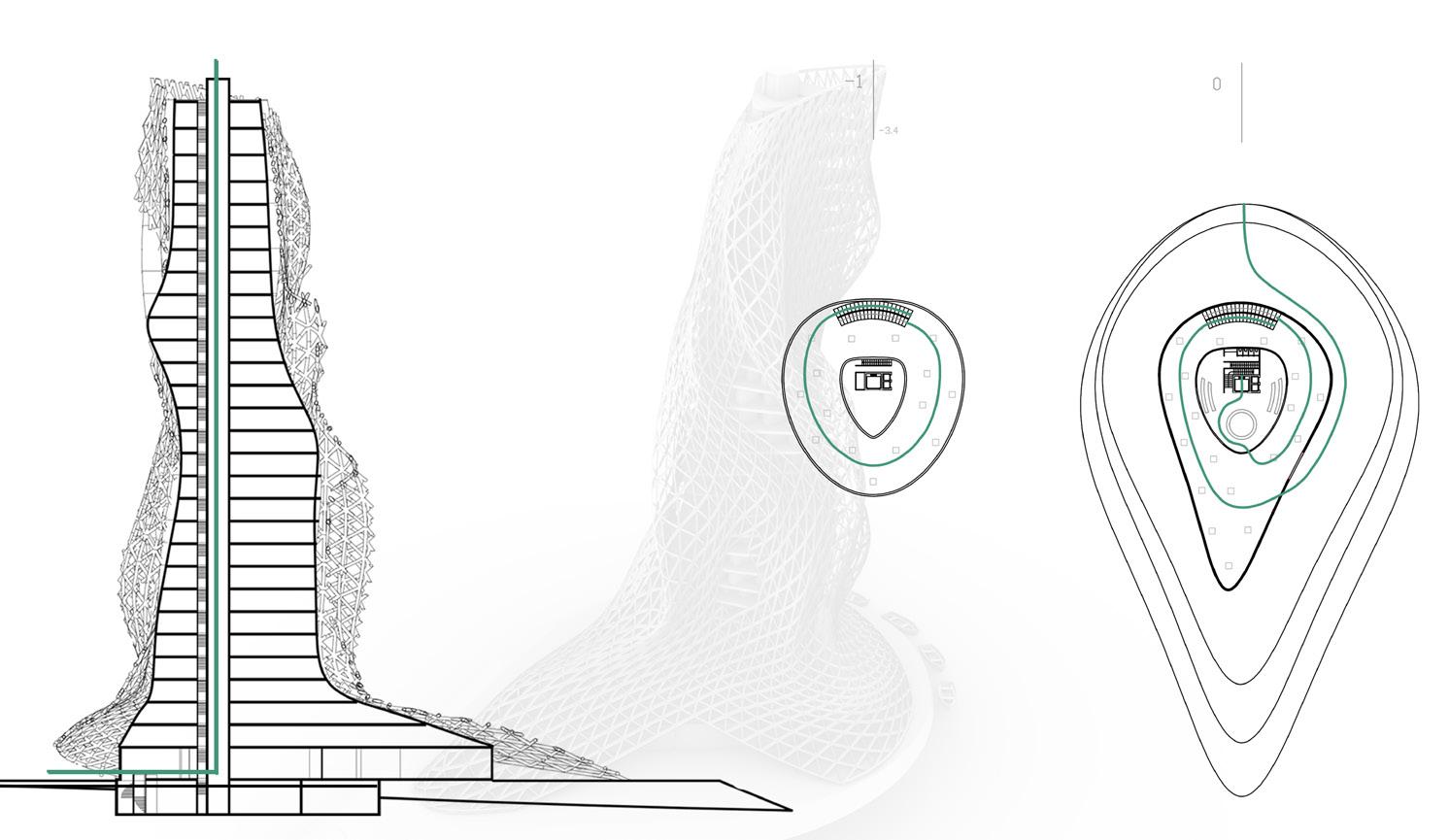
SUSTAINABILITY
The project focuses on the exploitation of energy sources through the energy channeling of waves, the passive function of the epidermis (solar transparent panels) and the storage of kinetic energy of fitness instruments and bicycles.
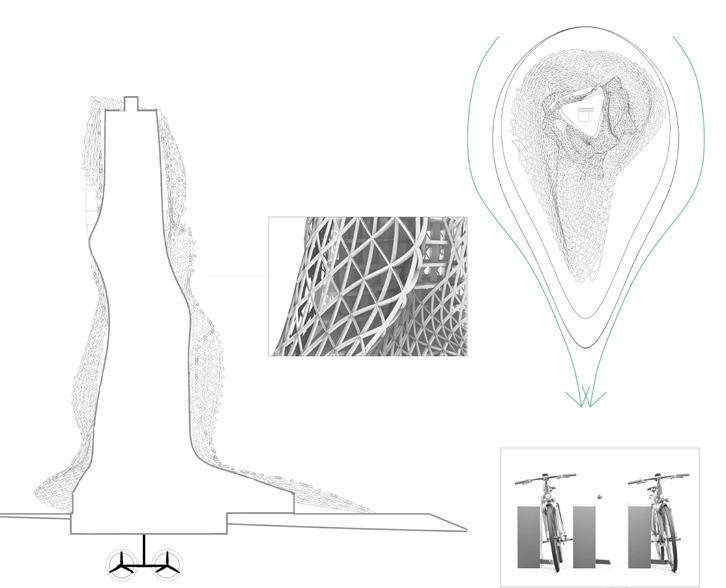
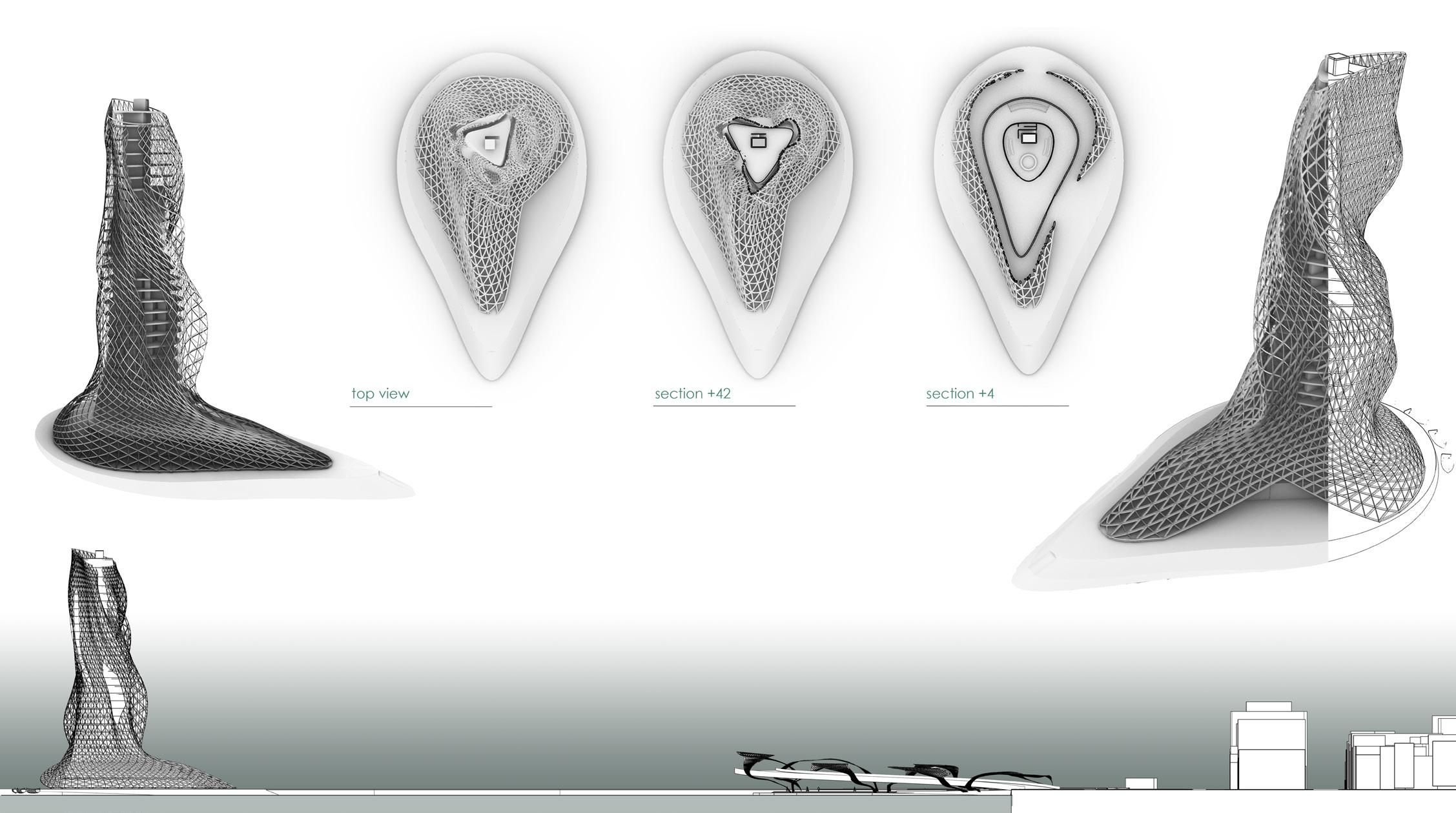
DETAIL | 36
37 | DETAIL
DETAIL | 38

SEVASTIFLASKOU@GMAIL.COM