Architectural Communication 2 Journal
unit code: arc30003_architectural comunication 2
student name: sethmoni phou
student id: 102440556
tutor: nadia anam
1 ra
about me
Hello there! My name is Sethmoni Phou. I am an international student currently undertaking my Bachelor of Design in Architecture at Swinburne University. and I am expected to graduate next year in 2024.

A little background about me, I have received two degrees under my Foundation and Diploma studies in Design. During my study, I have gained a lot of knowledge and experiences about the fundamental design studies ranking from Graphic Design, Communication Design, Drawing and Illustration, 3D Communication, Design for Web and addition to Photography as well.
So far, I really love my presence in Architecture study right now. I find it exciting and passionate about my commitment to my study. If you were to ask me what my next goal is in the next five year, I would say I want to see myself graduating and getting a Master degree since it always been a dream of mine from the beginning.
2
3 table of contents The Story Of The Golden Apple 6 Mythology Character: Aphrodite 6 Summary Of The Golden Apple 7 Mythology Character: Aphrodite 7 Story Allegory 7 Mythology Character: Aphrodite 7 REFLECTION LEARNING WEEK 1 8 Visual References 11 The Story of the Golden Apple 11 Scene 1: The Opening 11 Scene 2: Eris’s Revenge 12 Scene 3: The Argument and the Dispute 13 Scene 3: The Bribery 13 Scene 5: Aphrodite’s Victory/ The Abduction 14 of Helen/ The Trojan War 14 Story Diagramming 16 REFLECTION LEARNING WEEK 2 17 Experimentation 20 Experimentation #1 20 Experimentation #2 21 REFLECTION LEARNING WEEK 3 22 Precedent Study Research 26 Architecture Design Installation 26 REFLECTION LEARNING WEEK 5 28 Narrative Diagram 31 REFLECTION LEARNING WEEK 6 34 Variation + Mechanism 37 REFLECTION LEARNING WEEK 7 40 REFLECTION LEARNING WEEK 7 40 Attachment + Impact 43 Design Refinement 45 REFLECTION LEARNING WEEK 7 48 REFLECTION LEARNING WEEK 9 48 REFLECTION LEARNING WEEK 10 51 FINAL MODEL 54 Model Making 55 Model Making #1 55 Model Making #2 55 Model Making #3 55 Reference List: 56
project 1: ideation
4
from ideas to research...
5
The Story Of The Golden Apple
Mythology Character: Aphrodite
The story of the Golden Apple is a mythological tale that originates from ancient Greek mythology...
It started with the marriage of the King Peleus, with the Sea Nymph Thetis, that took place in the Mountain of Pelion in Thessaly. An event that attended by all the other gods and goddesses except Eris.
Feeling insulted for not being invited to the event; Eris, the goddess of the disagreement, decided to take revenge by throwing a golden apple with the inscription “For the fairest” into the gathering. Three goddess, Hera, Athena, and Aphrodite saw this opportunity and decided to the claim the apple, leading them to a heated argument.
Zeus decided to assign the task to a moral name Paris; the prince of Troy, to settle the dispute. The three goddesses tried to bribe Paris to choose them as the fairest. Promised by Hera; the queen of the Gods, power and wealth. Athena offered him greatest wisdom and skill in war, almost equal as her own. On the other hand, Aphrodite promised him the love of the most beautiful female mortal in the world, Helen of Sparta, the Wife of king Sparta Menelaus. Paris eventually chose Aphrodite as the fairest in return.
The abduction of Helen by Paris led to the Trojan War, a ten-year conflict that ultimately resulted in the fall of Troy.
6
Summary Of The Golden Apple
Mythology Character: Aphrodite
According to the myth, Eris, the goddess of discord, was agry because she was not invited to the wedding of Peleus and Thetis. In revenge, she threw a golden apple into the midst of the wedding guests. The apple was inscribed with the words “to the fairest.” Three goddesses, Hera, Athena, and Aphrodite, claimed the apple, and Zeus appointed Paris, a Trojan prince, to be the judge. Each of the three goddesses offered Paris a bribe, but ultimately he chose Aphrodite, who had promised him the love of the most beautiful woman in the world, Helen of Sparta. This choice led to the Trojan War, which is one of the most famous events in Greek mythology.
Mythology Character: Aphrodite Story Allegory
The Golden Apple tale has been portrayed in a number of literary, artistic, and popular works. It is regarded as a warning story about the pitfalls of choosing vanity and personal gain over the greater good.
7
REFLECTION LEARNING WEEK 1
Should architecture communicate a story? Why or why not?
Story communication is everything in the architectural world. It is a powerful tool for building characters, emotions and connections, things that make us humans. Perhaps in the Architectural world, things may be different with story communication. It often times displaying through materials, aesthetics, functionalities or forms, things that we normally ignore. Nonetheless to say that, its presence is still there, surrounding us everywhere we go.
8
How do you think AI will change the role of architects?
I firmly believe that the role of Artificial Intelligence (AI) will change Architects in many ways, if not; completely. As AI’s potential keeps improving, it will change the traditional approaches of architects doing things. With most parts of the design process accomplished through conventional mediums, AI can quickly disguise itself as an assistant in performing complex tasks faster and better than human brains. Given the enhanced speed and efficiency it provides, designers using AI can produce designs more quickly and affordably.
How do you think AI will change your architectural design process?
As an architecture student, I believe Ai will undoubtedly be beneficial in my current study and future work. Whether it is in one’s belief in adopting AI in their work or design process, it is hard to ignore what Ai can do. Looking into the complexity of the rapidly changing world that demands a great deal of design work, Ai’s presence seems to bring many exciting opportunities in the design process. But Utilising these design opportunities won’t happen by magic, but by designers and AI co-creating. As mentioned, Ai can be a powerful tool to help co-create and design things in many ways for a student, significantly enhancing my workflow and optimising and speed.
9
from research to experiment
10
Visual References
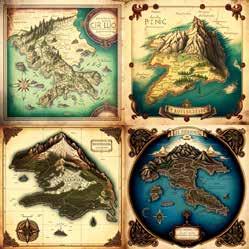
The Story of the Golden Apple
when I started searching for visual referencing in my story diagram, I started out by breaking down my story into smaller difference scenes. Apart from Chain of the events, I am able to track down on smaller details that I have to display in the story. I’ve looked up to objective in each scene which includes, the location, the event: what are people are doing in that location? And the character, who were there in the scene and what are they doing?
Scene 1: The Opening
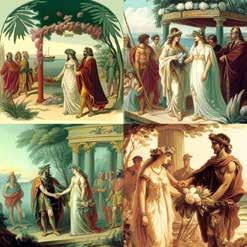
In the beginning of the story, it opens up with the event of the Peleus and Thetis’s wedding ceremony. The scene describes the location of the event as well as the attendee of the other god and godesses.
11
Figure 1: Mount Pelion in Thessaly.
Figure 2: Marriage of Peleus and Thetis.
Scene 2: Eris’s Revenge
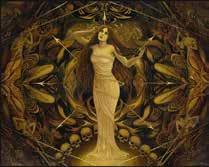
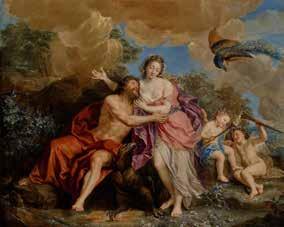
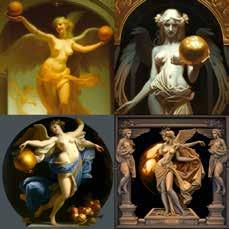
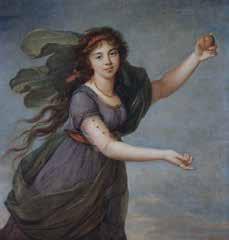
The next scene follows up with Eris getting mad and the creation of the golden apple.
12
Figure 3: Jupiter and Juno on Mount IDA.
Figure 4: Eris throwing the Golden Apple.
Figure 5: Eris, the Goddess of Discord.
Figure 6: Julie Le brun as Atalanta.
Scene 3: The Argument and the Dispute
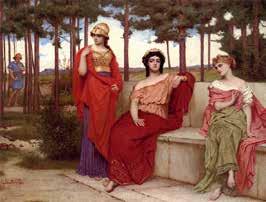
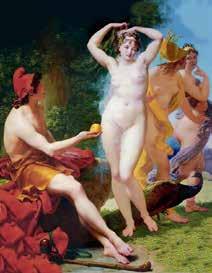
The three goddesses: Hera, Athena and Aphrodite got into an argument and Zeus trying to settle the dispute by asking Paris, the Prince of Troy to help.
Scene 3: The Bribery
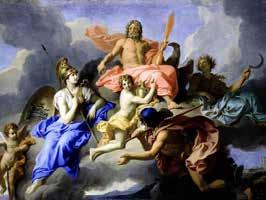
The three goddesses bribed Paris by filling his head with images of their offerings : Power, War and a seduced woman; Helen.
13
Figure 7: The Judgement of Paris 1.
Figure 8: The Judgement of Paris 2.
Figure 9: Goddess Athena and the Triumph of God Zeus.
Scene 5: Aphrodite’s Victory/ The Abduction of Helen/ The Trojan War
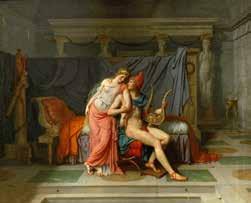
Paris Picked Aphrodite To Recieved To The Golden Apple. The Abduction Of The Helen. The Beginning Of The Trojan War.
14
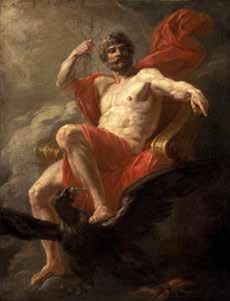
Figure 10: Zeus.
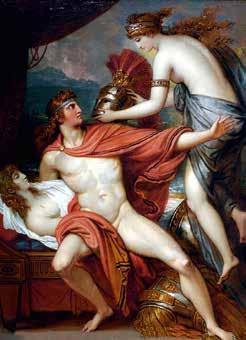
Figure 11: Thetis Bringing Armor to Achilles II .
Figure 12. Helen and Paris.

15
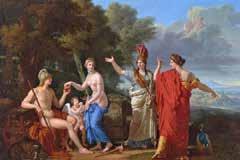
Figure 13: The Judgement of Paris 3.
Figure 14: The Judgement of Paris 4.
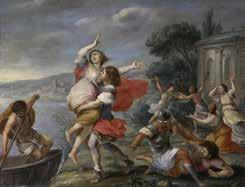
Figure 15: The Abduction of Helen.
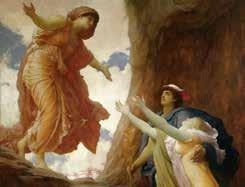
Figure 16: Goddess Demeter and the return of Persephone.
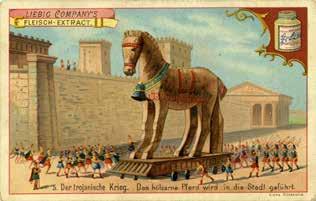
Figure 17: The Trojan Horse.
The Golden Apple
The story begins with the the marriage of the King Peleus, with Thetis which took place in the Mountain of Pelion in Thessaly.
Feeling insulted for not being invited to the wedding, Eris decided to take revenge by throwing a golden apple into the gathering with the inscription "For the fairest."
Three goddesses, Hera, Athena, and Aphrodite, all claimed the apple for themselves, leading to a heated argument.
To settle the dispute, Zeus decided to assign the task to a mortal man named Paris, the prince of Troy.
The Judgement of Paris
The three goddesses tried to bribe Paris to choose them as the fairest.
Athena offered him wisdom and skill in war.
Hera promised him power and wealth.
Paris ultimately chose Aphrodite as the fairest.
In return, she helped him win the heart of Helen, the wife of King Menelaus of Sparta.
16 Story Diagramming
Aphrodite promised him the love of the most beautiful woman in the world.
The abduction of Helen by Paris led to the Trojan War, a ten-year conflict that ultimately resulted in the fall of Troy.
REFLECTION LEARNING WEEK 2
How does a 2D line drawing suggest an image of 3D object?
By applying techniques like perspective, shading, and visual clues like overlapping lines and foreshortening, a 2D line drawing may convey the appearance of a 3D object. The object’s perspective can be suggested through depth and space using lines converging at a vanishing point. Volume and shape can also be illustrated through shading and the utilisation of light and shadow. Overlapping lines and foreshortening create the image’s illusion of depth and distance. Although the artwork is a flat image on a sheet of paper, these tactics aid in convincing our minds that it depicts a three-dimensional thing.
17
How does an image, or images, of a 3D object suggest movement over time?
Using motion blur or sequential imagery can suggest movement over time with an image or images of a 3D object. Sequential imagery involves using pictures arranged in a specific order for graphic storytelling or conveying information, such as narration of visual stories. Whereas motion blur is used to create the illusion of movement by blurring the edges of an object, suggesting that it is in motion. These techniques help our brains to perceive the object as moving, even though the image is static.
How does video recording/photography provide designers an opportunity to draw insights from the object/subject being photographed?
Video recording and photography can provide insight into the subject being photographed more than word description. Photography, a subject from various angles and under different conditions, can provoke layers of knowledge and are effective for contributing to the discussion. Video recording and photography enable designers to share their observations add insight into the physical properties and characteristics of the objects, and identify patterns, shapes and how the subject interacts with its environments.
18
from experimentation to documentation
19
Experimentation
Experimentation #1
Skin System
Technique: Krestling Origami
Pattern
Invetigation:
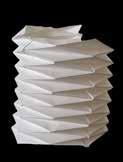
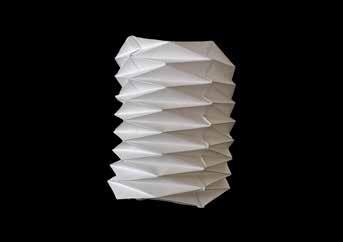
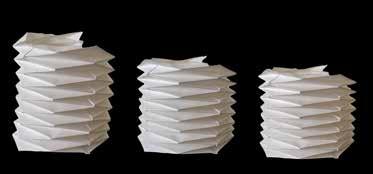
In this model, I wanted to investigate this particular folding technique called “Krestling Origami Pattern”. The folding method itself is highly adaptable and has two primary forms: a spiral form that acts like a screw mechanism and an opposed form that results in a net-zero rotation during compression [1].
About the model:
Through this experiment, I wanted to find a form or created through an existing technique that sysmbolise the golden apple. Eventhough, this model mean to be an abtract version of the fruit from the story, I wanted it to convey something that beautifully crafted only to be collapsed once you are touching it or playing with it long enough or in this case pressing it. This meant to be a direct translation from the story allegory that it is a cautionary tale about the consequences of vanity.
20
Experimentation #2
Muscle System
Technique: Wire Twisting/ Pulling
Keyword: Collapsing, Destructive.
Invetigation:
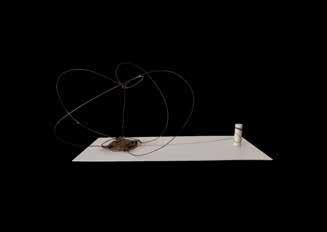
In this model, I wanted to investigate this through pulling the thread to pressing the wire.
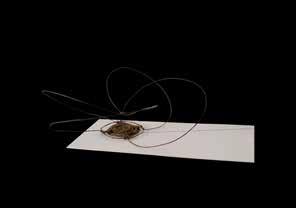
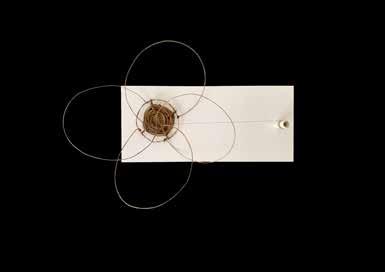
About the model:
Similar to the first experiment, I also wanted to take this model to follow the same story line of golden apple. I started out by making an abtract for the fruit by using mainly wires. My goal with this experiment is to convey something beautiful as an indirect translation from pride and vanity. With this muscle system, I designed the mechanism to works by pulling the thread.
REFLECTION LEARNING WEEK 3
What were your challenges in documenting your investigation with images only?
project 2: design
Documenting a design with images is a great way of communicating through work progress, but there are also some obstacles as well. One of my main issues with image documentation is trying to capture a good image, an image that tells story, showing clarity to what is happening. Some issues when one keeps running into when capturing an image is maintaining a clarity, without any blurry or having a subject out of focus.
22
What were your challenges in documenting your investigation (see last week Homework, #1.2) with words only?
Although I find words documentation is a convenience way of telling what I am trying to do, it also can get tricky sometimes in term of showing my intentions or conveying my message. Without having a physical object or a visualizer in text documenting, one needs to be careful with certain words to describe the design or wise the target will not get or understand the context. And the thing with words documenting is one needs to make sure the message is being deliver clearly to the target audience.
What were your challenges in documenting your investigation (see last week Homework, #1.2) with line drawings only?
With line drawings, there were a few challenges that were presented during my progress. And the first thing is providing enough details in my characters drawing. With certain character, I have to include intricate details that able to translate or showcasing the characteristic of the character. And second thing is maintaining my scale and portion to show the relation between each subjects and design elements. While the last thing that I had to keep in mind is that showing the connection between my drawings to the story. Although line drawing can be shown in different ways, at the end, I need to make sure all the drawings need to be communicated and align with the story.
23
project 2: design
24
from experiment to design
25
Architecture Design Installation Precedent Study Research
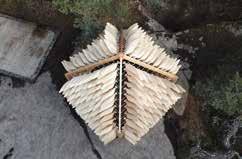
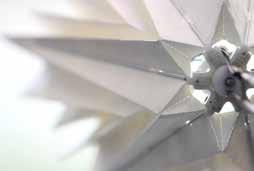
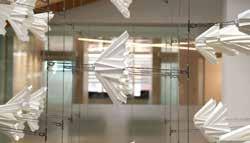
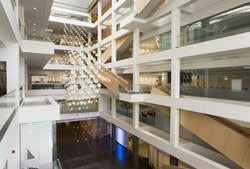
“Diffusion Choir”
https://www.creativeboom.com/inspiration/mesmerising-kinetic-sculpture-that-mimics-the-movement-of-a-flock-of-birds-/
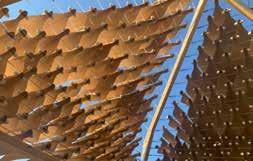
26
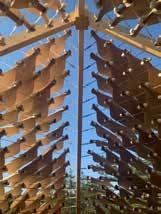
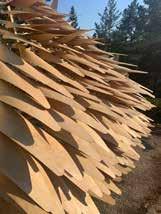
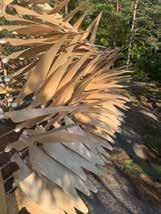
“600 Kinetic Shingles Reinvent the Traditional Finnish Hut”
https://www.archdaily.com/942956/functional-shelter-and-experiential-device-600-kinetic-shingles-shape-neons-shiver-house
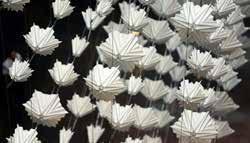
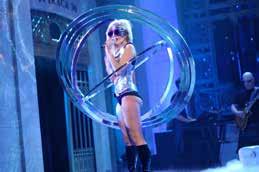
https://www.refinery29.com/en-us/2019/05/231630/lady-gaga-met-gala-camp-fashion#slide-10
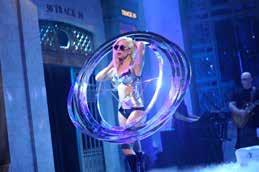
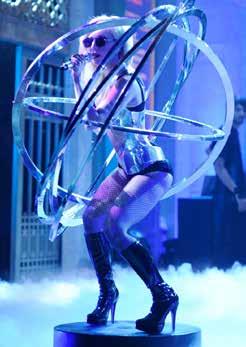
27
“The Orbits”
REFLECTION LEARNING WEEK 5
How can architecture communicate emotively with its occupants?
Architecture can communicate emotively with its occupants in many ways. One of the classic examples can be seen through the use design elements as it can entirely change the user’s perception, experiences and the atmosphere of the place. Different elements such as space, form, line, colour, material, or texture can provoke emotions that enable occupants to experience excitement, calm, engagement, comfortable or, in one architectural term, “a sense of place”. Through design, architects create a special connection for the occupants to experience the space between the built environment and provoke emotions. In addition to using design elements, connecting to cultural and implying historical contexts can also suggest creating “a sense of identity” and evocative relationships with its occupants.
28
How can designers make sure their design communicates the idea accurately?
As the saying goes, “Design does not happen in one process”; it is an iterative and not a linear one. Often, design outcomes resulted in something different from its starting point, nevertheless the project’s scale. And that is always the designer’s responsibility to communicate the ideas thoroughly to the intended audience. Despite being thoughtful and well-reasoned, effective designers must understand the story’s message and demonstrate a clear explanation. Furthermore, they need to understand the important message that needs to be communicated. This means taking time to deconstruct the topic, analyse it and convey the design through their mediums
How can designers make sure their visualisations and representations of the design communicates the idea accurately??
Visualisation and representations help to bring the message and ideas to reality. An intelligent designer can articulate these design ideas to assure the audience they have expertise in completing the task. Using appropriate visualisation methods, clear and concise words, and visual elements can result in a well-thought-out design process. Choosing correct visualisation methods helps reach the right audience, while understanding the type of audience is essential to know when to use clear and concise language.
29
from design to development
30
Design Process Narrative Diagram
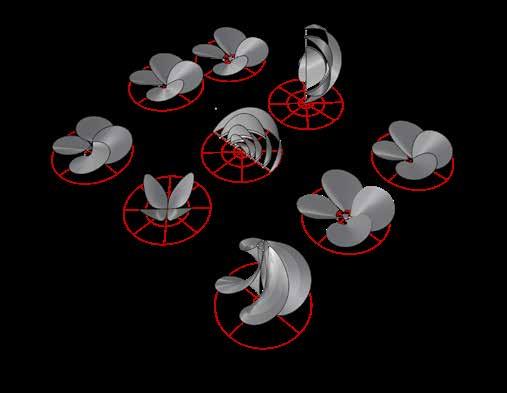
During the second part of the project, my first idea was to select an experiment that I did and translate it through a more geometric form.
Given the form of my experimented model is more of an organic shape, my initial idea was to create a guideline so that it helps me to explore the form and work from there on.
31
Narrative Diagram
In this narrative form diagram tells the story of the form transformation of the chosen experiment that used the muscle system. Different from a typical geometry shape, the form of this design started off with an extremely organic and flowing appearance.
The important of changing this organic form is approached by changing the behavior of the form.






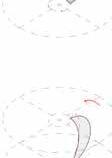
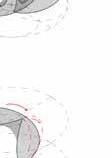
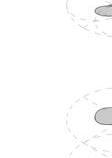
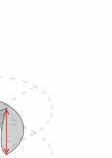

32 02. EXTRACT 06. FINAL FORM 05. DOUBLE THE OUTLINE 02. ALIGN CONTROL POINTS 04. PUSH THE CONTROL POINT TO FLATTEN 01. ORIGINAL FORM
3D geometry of the design
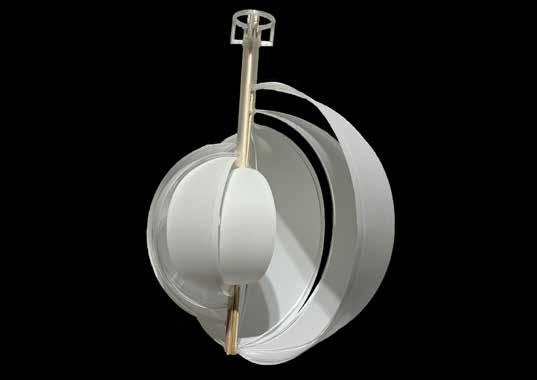
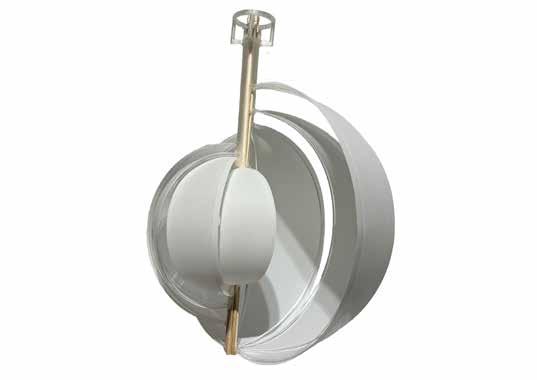
The initial idea of exploring the form of the design is referenced to the shape of the sphere, a shape which resemble to the golden apple. Through transformations, the form resulted in a thin shell like form which able to complete an abstract shape of a sphere when placing each shell in a 45o angle.
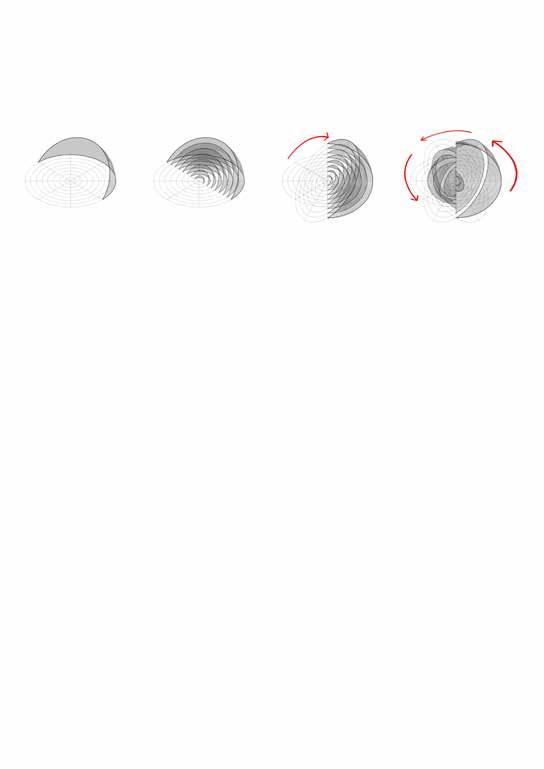
33 03. FLIP VERTICALLY 04. ROTATE EACH CRESCENT SHAPE BY 45° 01. ORIGINAL FORM 02. MUlTIPLY BY SIZE
REFLECTION LEARNING WEEK 6
Design varieties may help customise the design to specific site-specific needs. However, what are the impacts of design variations on fabrication processes?
Design variations can both have a negative and positive impact on fabrication processes. Take one example into consideration, when we look at physical models produced in architecture, we often try to visualise and analyse the forms, spatial and material relationships through the physical entity. This practice resulted in design variations that shown to be highly insightful in solving complex problems. In addition to optimising the material usage and reducing the number of materials needed for a larger-scale project. Designers can alter the materials more efficiently, reducing the overall environmental impact of the final product.
34
Habitually, different materials are required when a design is varied, which inevitably results in product waste - the material not needed in the final product. This “waste” is identifiably caused by defects, excess processing and over productions, waiting, excess inventory, transportation, motion and non-utilised talent (Matics, 2023).
35
from design to development
36
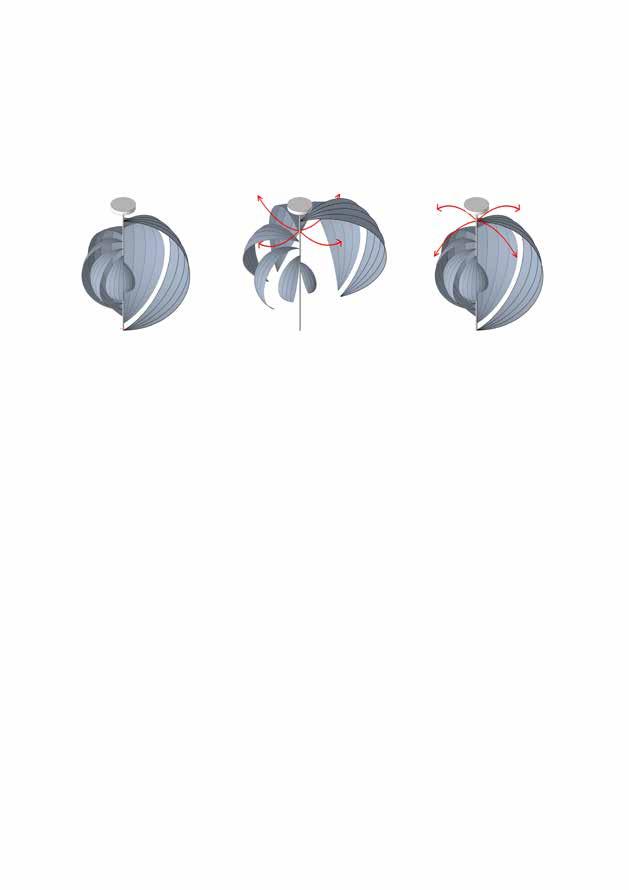
Variation 1: Within this first design exploration, an inves-
This second variation was inspired by a case study on the “Diffusion Choir”. The design functioned by using a motor to create the movements of expanding and shrinking.
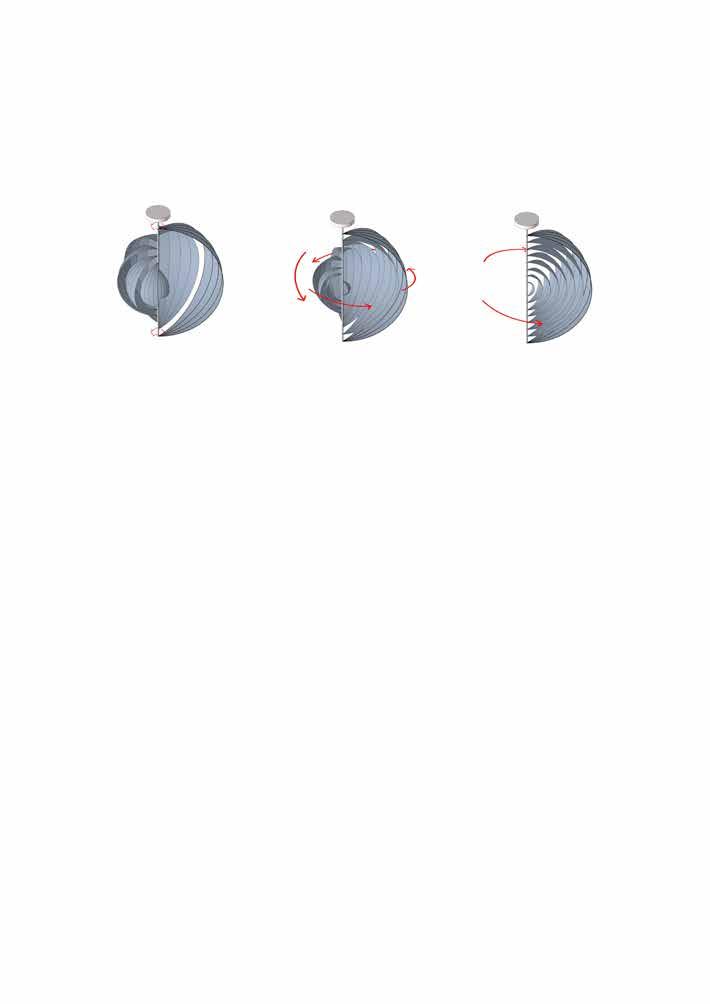
Explode Axonometric
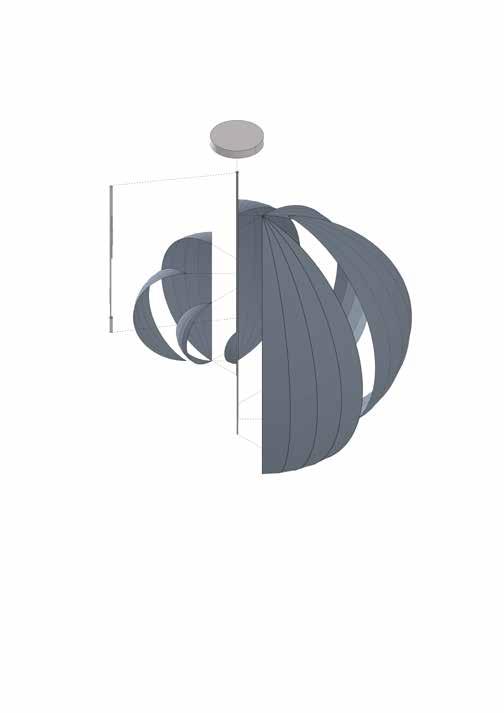
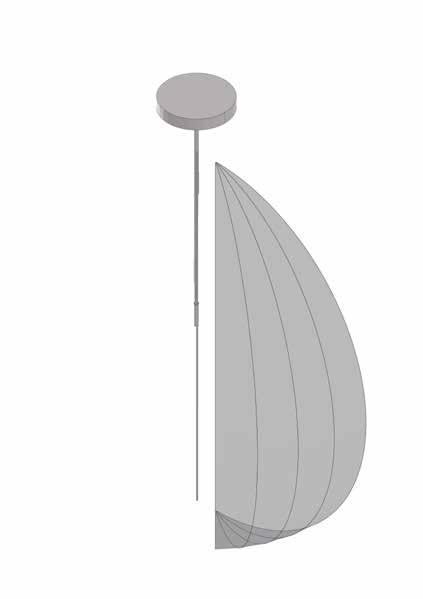
Different from the first two variations, in this prototype, the shell was powered by a motor which enable it to lower each shell at different time in a specific length. Each shell is attached with a different stick that goes inside the same tube so it can lower each shell without inferring with one another or all at the time.
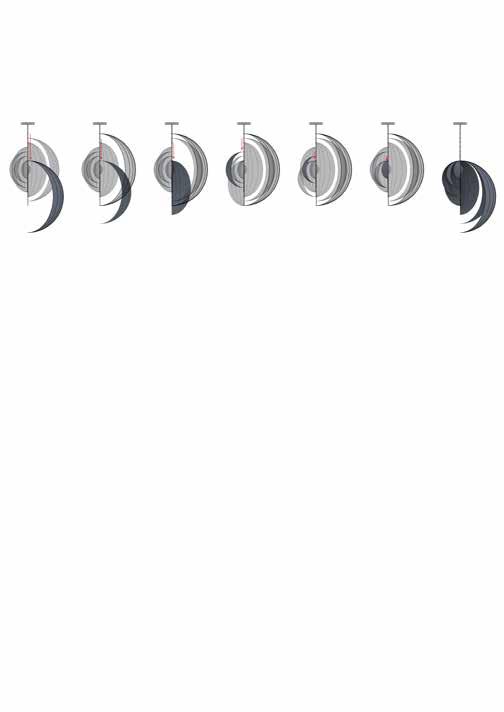
03. WING #3 DROPPED 04. WING #4 DROPPED 05. WING #5 DROPPED 06. WING #6 DROPPED 07. All WINGS DROPPED 01. WING #1 DROPPED 02. WING #2 DROPPED
39
Opening
inside stick for shell attachment
Opening on the tube to enable space for a shell to be lowered
REFLECTION LEARNING WEEK 7
1. Design varieties may help customise the design to specific site-specific needs. However, what are the impacts of design variations on fabrication processes?
An architectural experience is more than just the design itself. It is also the atmosphere of the space. Aside from the design, what other elements in an architectural representation can architects use to communicate experience?
Design variations can both have a negative and positive impact on fabrication processes. Take one example into consideration, when we look at physical models produced in architecture, we often try to visualise and analyse the forms, spatial and material relationships through the physical entity. This practice resulted in design variations that shown to be highly insightful in solving complex problems. In addition to optimising the material usage and reducing the number of materials needed for a larger-scale project. Designers can alter the materials more efficiently, reducing the overall environmental impact of the final product.
When we think of architectural design, we generally think about these “technical terms” that used to create a building or a space to function or to make it aesthetically pleasing in a way that evoke our emotions through the physical entity. However, there are other ways that architects able to communicate experiences through architectural representation. One way to look at it is by applying the concept of ‘a sense of place’. In a term, it used to describe the unique character of particular localities and regions. and by applying these concepts, it greatly contributes to the occupant’s experience. Whether it interpreted by architects through ‘imagistic depiction” or ‘verbal-textual accounts’ to determine the way occupants perceive and experience a space, these attributes enrich architectural depictions and provide occupants a more comprehensive and immersive grasp of the desired experience.
40
In other elements, such as narrative, symbolism and technology can be also a way of communicating the experience of a space. Storytelling through visuals or annotations in narrative techniques can creates a sense of journey and engagement. Whereas virtual reality via technology can offer immersive experiences allowing users to interacts with and explore the design in a more dynamic and experiential ways. Through architects’ lenses is to take a space and transform it into a habitable space. In architectural term, to prioritize ‘Functionality’. However, it is through architects’ intellects is to connects the occupants through the place itself through experience.
41
from development to attachment
42
Attachment + Impact

About design:
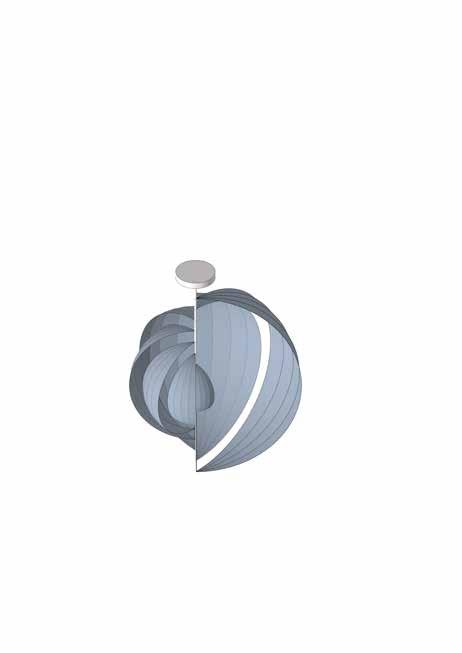
Design-wise speaking, the idea of this prototype was to draw an inspiration from the golden apple where the story allegory implemented into the design itself. Given that the movement of the model creates an illusion or effect of the sphere being lowered to the ground, an indirect translation of the way “Eris” threw the apple to crowd to create chaos.
The meaning behind the abstract form of the apple was meant to create a sense of chaotic, destructive and something that never fulfilled. At a certain angle/perspective, the model itself only looks full on one side.
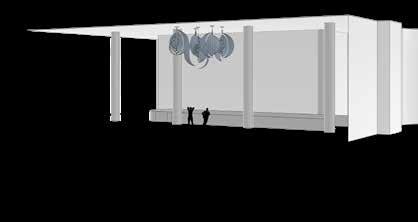
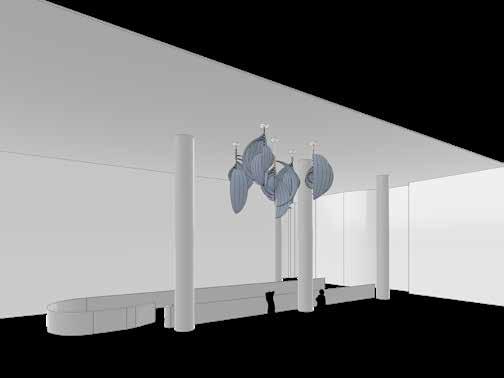
The location for displaying the model should ideally somewhere be higher than the ground. The reason for that was so it could align with the apple being something greater good and the fact that it can display the model through a human perspective. The selected location for this model locates on AMDC building level 3 at Swinburne University.
44
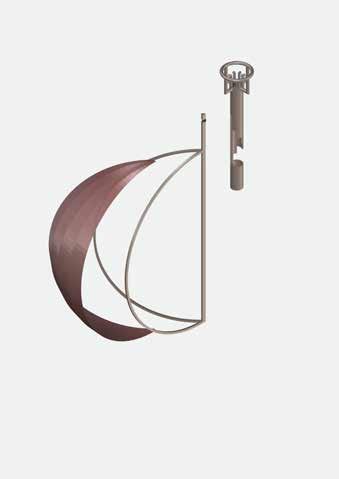
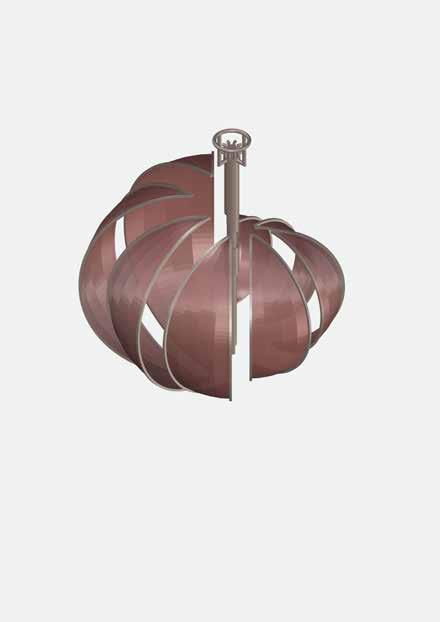
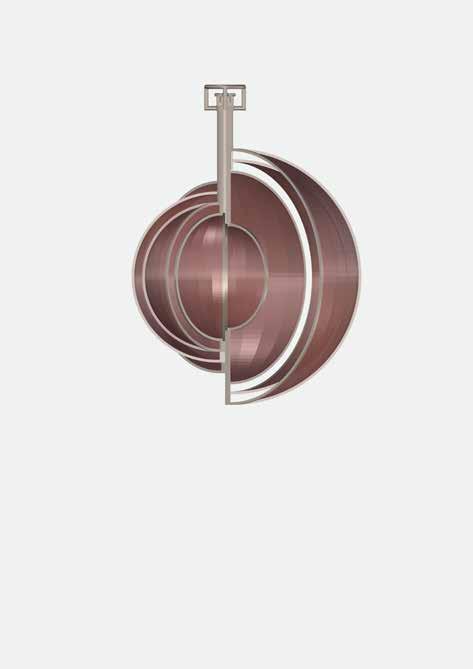
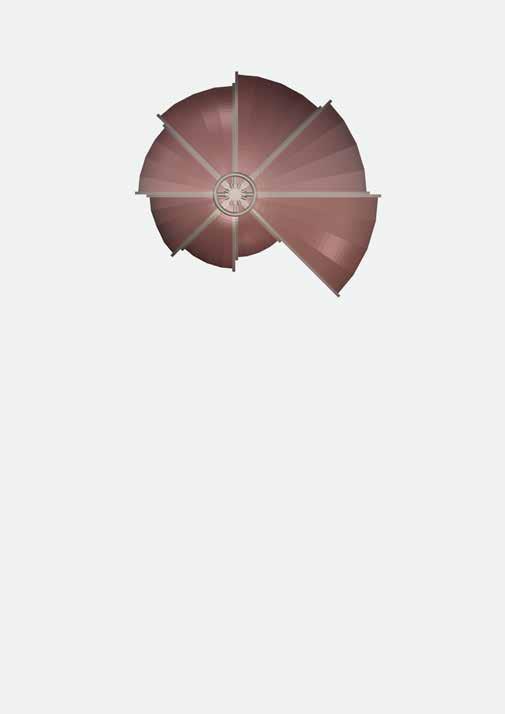
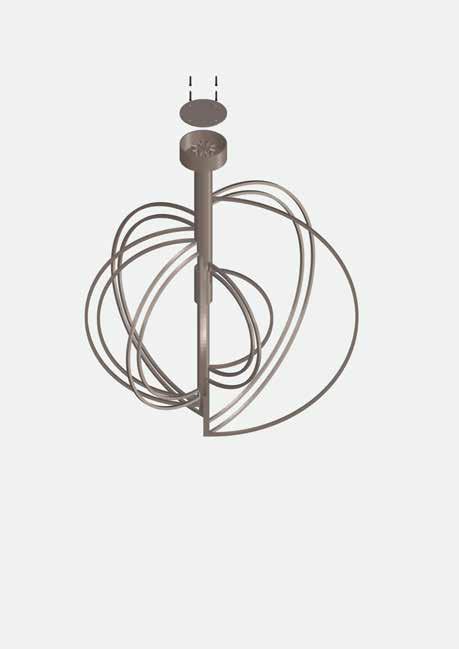
During my refinement process, I have made a few changes to compnent headpiece. Instead of having a motor running the model, I have changed the prototype to work manually by having a thread to pull the stick/ frame into motion.
hook thread stick mechanical tube
frame skin
Front View
Top View
bolts
lid
motor box
As shown in the diagram above, the change has been made to the headpiece component, from the prototype headpiece to a more realistic one in an architectural installation world. The original intended idea for this model was to be run by a motor where it programmed to pull and lower the shell at a measured time.
47
REFLECTION LEARNING WEEK 7
WEEK 9
1. Design varieties may help customise the design to specific site-specific needs. However, what are the impacts of design variations on fabrication processes?
What is the ‘art’ that your design is performing, and how did you explicitly represent this in your posters?
In term of my performance model, it is to convey and align with the story’s allegory of the golden apple. It works simply by lowering each shell one at time and lift back up and another one continue to drop and the process continue to cycle. with the posters, I wanted to my works to display itself simply through visual diagrams and textual documentation. With these techniques of showing the 4D motions as well 3D geometry diagrams, my goal is to let my works explains itself through the visual and texts.
Design variations can both have a negative and positive impact on fabrication processes. Take one example into consideration, when we look at physical models produced in architecture, we often try to visualise and analyse the forms, spatial and material relationships through the physical entity. This practice resulted in design variations that shown to be highly insightful in solving complex problems. In addition to optimising the material usage and reducing the number of materials needed for a larger-scale project. Designers can alter the materials more efficiently, reducing the overall environmental impact of the final product.
48
What challenges did you face in representing this ‘art’ on your posters?
There are a few challenges that I faced with putting up my posters which were having to do with the design elements itself such as composition and hierarchy as well as my visual diagrams. Considering that it is an A2 size page, I find it quite difficult to composition my works and create a consistency with hierarchy for the viewers. Another problem is the visual diagrams, with my design is a bit technical in term of the mechanical tube and the motor that used to powered the model, it was quite tricky to represent my works in a way that speaks for itself without having text explanation.
What is the ‘technology’ that your design is using to perform, and how did you explicitly represent this in your posters?
As shown in the posters 7, the original intended technology that used to power my model is by a motor. Since the technology gets too complex and technical, I changed the model performance to works manually (as shown in poster 6) by pulling the tread to get the shell/ frame to move up and down instead of having a motor there to runs it.
49
What challenges did you face in representing this ‘technology’ on your posters?
Even before representing my works onto the posters, the actual challenge more likely has to do with the research on the motor itself. There are many variations that can be used to power the model and to show it in the poster as well as building a model itself. It is quite impossible or may require a large amount of research about the developing a motor. For example, in the architectural installations world, where an installation model made into a more larger scale, I can simply have a motor there to make it works. But since I am building things on a smaller scale, it is impossible to fit an actual real size motor in the headpiece of my prototype and show it in the posters.
50
REFLECTION LEARNING WEEK 10
Why is important to structure how you visually and verbally communicate your design in your presentations?
In a structural presentation where everything need to be presented clearly and concisely, it is important to use words or visual images to let the works speaks for itself without having a designer there to explain it. Certain words, texts, phrases or sentences can use to structure and communicate the message to the intended audiences.
51
Why is important to structure how you textually describe your design process in folios?
In a folio where things are documented and handout or digitally or physically, designer needs to describe their works process clearly or wise things can get lost in the process. Unlike in a presentation where you physically in a place to verbally talk about the design process, how you got your ideas and how one thing turns into another, in a folio things are the exact opposite. The process needs to be structurally written down and explain from one step to another, therefore the audience can understand the work and you got from A to Z.
Did you, and if so how, consciously structure your design communications in previous projects?
As much as I try to communicate through my design, I always tried to implement a healthy principle that I believe to be appropriate for my design at the time being. Starting with verbal textual, I tried to use appropriate words to interact and reflect my design to the target audience. With the language that I used to describe my design, I believe choosing certain words can hold certain meanings that can mirrors on my works. Other elements which I tried to use consistency as well is colour. I also believe using a certain colour theme can reflect and communicate and align the message and story that I tried to convey as well.
52
Will you, and if so how, consciously structure your design communications in future projects?
I believe that keeping healthy principles and use elements to structure a design project can make a design communicate clearly to the users. Keeping workflow consistency with the use the guideline of design principles and elements are the way to go in the design project. As It can build a uniformity throughout the project as well as creating a wonderful user experience.
53
FINAL MODEL
54
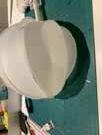
Model Making
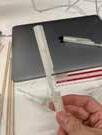
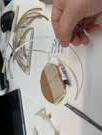
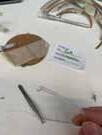
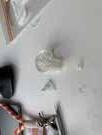
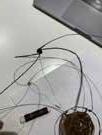
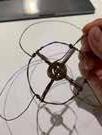
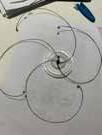
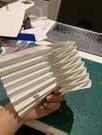
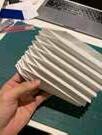
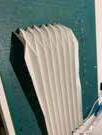

Model Making #1
Model Making #2
Model Making #3
55
Reference List:
Coypel, A. (1700s). Jupiter and Juno on Mount IDA [oil on canvas]. Public Domain. https://www.sothebys.com/en/articles/mythological-beauty
F. Romanelli, G. (1610-1662). Helen Carried off by Theseus [oil on canvas]. Public Domain. https://www.greeklegendsandmyths.com/helen.html
Houasse, R. (1706). Goddess Athena and the Triumph of God Zeus [oil on canvas]. Public Domain. https://greektraveltellers.com/blog/the-greek-gods
Laird, A. (Publisher). (2021). The Trojan Horse. The Sun.
L. David, J. (1748-1825). Helen and Paris [oil on canvas]. Public Domain. https:// www.greeklegendsandmyths.com/helen.html
Leighton, F. (1891). Goddess Demeter and the return of Persephone. [oil on canvas]. Public Domain. https://greektraveltellers.com/blog/the-greek-gods
Phou, S. (2023). Mount Pelion in Thessaly as a Painting in Greek Mythology style [Ai Image]. MidJourney. https://cdn.discordapp.com/attachmen ts/1008571069797507102/1087667846638751754/sethm_mount_pelion_in_ thessaly_map_as_a_painting_in_greek_mytho_0e2a0210-3b05-41b3-b576c47b6207c208.png
Phou, S. (2023). Eris, showing full body, throwing away the golden Apple [Ai Image]. MidJourney. https://cdn.discordapp.com/attachmen ts/1008571069797507102/1087680841045524580/sethm_eris_showing_full_body_throwing_away_the_golden_apple_9f0e9c32-5fd9-4ff4-9ba0b956d39a1f06.png
Phou, S. (2023). Eris, showing full body, throwing away the golden Apple as a Greek mythology [Ai Image]. MidJourney. https://cdn.discordapp.com/attachme nts/1008571069797507102/1087683250631225374/sethm_eris_showing_full_ body_thowing_away_the_golden_apple_as_a_19a244b7-d9e6-4040-ac43-ebf02a1a661f.png
Phou, S. (2023). The marriage of Peleus and Thetis [Ai Image]. MidJourney. https://cdn.discordapp.com/attachmen ts/1008571069797507102/1085279129802391584/sethm_The_marriage_ceremony_of_Peleus_and_Thetis_likely_have_be_2f1efd9e-adea-4f35-aacdcc655a563af0.png
56
Pope, G. (1852-1895), The Judgement of Paris [oil paint on canvas]. Public Domain.
https://greektraveltellers.com/blog/the-apple-of-discord-and-the-fairest-of-themall
Rubens Paul, P. (1638-1639). 1: The Judgement of Paris [oil paint on canvas]. Public Domain. https://greektraveltellers.com/blog/the-apple-of-discord-and-the-fairestof-them-all
Rubens Paul, P. (1638-1639). 2: The Judgement of Paris [oil paint on canvas]. Public Domain. https://greektraveltellers.com/blog/the-apple-of-discord-and-the-fairestof-them-all
Rubens Paul, P. (1638-1639). 3: The Judgement of Paris [oil paint on canvas]. Public Domain. https://greektraveltellers.com/blog/the-apple-of-discord-and-the-fairestof-them-all
West, B. (1806). Thetis Bringing Armor to Achilles II [oil on canvas]. Public Domain. https://kosmossociety.chs.harvard.edu/mothers-and-sons-in-epic-part-1-divinemothers/
V. Lebrun, E. (1799). Julie Le brun as Atalanta. https://historicsites.nc.gov/all-sites/ horne-creek-farm/southern-heritage-apple-orchard/apple-history/apples-mythology
The Collector. (n/a). Zeus: Who Was the King of the Greek Gods? https://flipboard. com/@thecollector/zeus-who-was-the-king-of-the-greek-gods-rvppq51a3icui8f3
Second
part
Cowan, K. (2016). Figure 1-5: Kenetic sculpture’s flocks of birds [Photograph]. Mesmerizing Kinetic Sculpture that mimics the movements of a flock of birds. Creative Boom. https://www.creativeboom.com/inspiration/mesmerising-kinetic-sculpturethat-mimics-the-movement-of-a-flock-of-birds-/
Cao, L. (2020). Figure 5-10: Shiver House [Photograph]. Experiential shelter: 600 Kinetic Shingles Reninvent the traditional Finnish Hut. https://www.archdaily.com/942956/functional-shelter-and-experiential-device-600-kinetic-shingles-shape-neons-shiver-house
Rivas, M. (2019). Lady Gaga’s Orbit dress [Photograph]. Lady Gaga’s 10 Campiest Fashion LOOKS Ahead of The Met Gala. https://www.refinery29.com/enus/2019/05/231630/lady-gaga-met-gala-camp-fashion#slide-10
57