Get Your Hands Dirty Volunteering
at Serenbe Farms
Page 8
Built For Wellness
How We Build & Why
P age 14
at Serenbe Farms
Page 8
Built For Wellness
How We Build & Why
P age 14
Parents around the world are facing a shared challenge. It’s an uncomfortable truth: younger generations, given early access to smartphones and social media, are showing significant increases in anxiety, depression, and loneliness. The opposite of the future we desire for our children.
In just a few short years, the emotional landscape of childhood has shifted dramatically. Rates of teen depression have more than doubled since the early 2010s. Suicide rates among young teen girls have nearly tripled over the past two decades. Researchers have also found that teens who spend five or more hours a day on their devices are significantly more likely to exhibit suicide risk factors, while pediatric experts warn that smartphones can disrupt attention, emotional regulation, and sleep during critical developmental years. At the same time, hours once spent on play, creativity, and face-to-face connection are increasingly replaced by endless scrolling and exposure to content young minds aren’t equipped to process.
We’ve watched with interest as Australia has taken the lead, implementing the world’s first ban prohibiting children under 16 from accessing major social media platforms in an effort to protect mental health. Here, we can’t afford to wait for regulation alone. Every day, the next generation’s mental health depends on actions taken today.
In Serenbe, parents are joining together around a voluntary, collective pledge to create a cultural shift. Community led action in support of the mental health of our younger generations. Research shows that when just 20%-50% of families in a grade delay smartphones, peer
pressure significantly drops and in-person socialization rises. Communities that adopt these collective pledges don’t just reduce tech-related stress; they strengthen peer relationships and rebuild connection where it matters most.
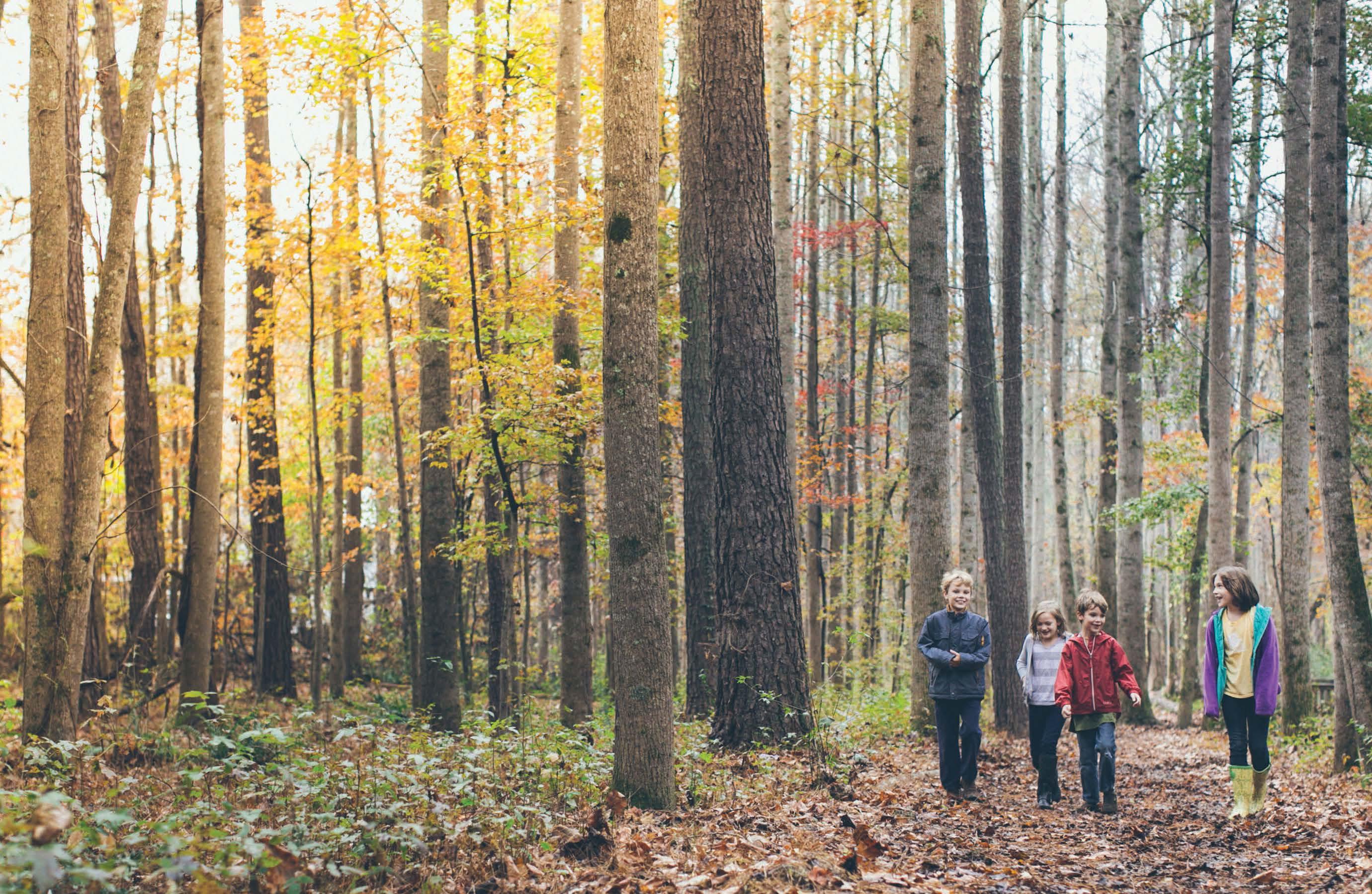
This pledge among parents isn’t about restriction or taking something away, it’s about giving our children something valuable in return: freedom. Freedom to roam.Today’s children aren’t only anxious because of devices; they are increasingly separated from one another by the suburban American built environment. Freedom fosters independence and confidence, but it also allows kids to explore alongside their friends, creating shared experiences and real-life connection. How is this possible? Letting your kids run around? This isn’t the 80s! And yet, in Serenbe, roaming isn’t reckless. It’s intentional. Our built environment makes this kind of freedom not only possible, but safe.
When Serenbe’s pathways, third places, and homes were first designed in 2004, doomscrolling wasn’t yet part of childhood. But we were already designing solutions to a related problem: urban sprawl and the erosion of personal connection. At the end of the day, children turn to their devices because they want to connect. We all do. Serenbe’s answer starts with the built environment and thoughtful placemaking. Urban sprawl makes it difficult to connect with nature and with one another; designing for walkability, immersion in nature, shared gathering places, and human connection makes a healthier way of living possible physically and mentally. Some of these design choices are immediately visible, while others are subtle, or even unseen.
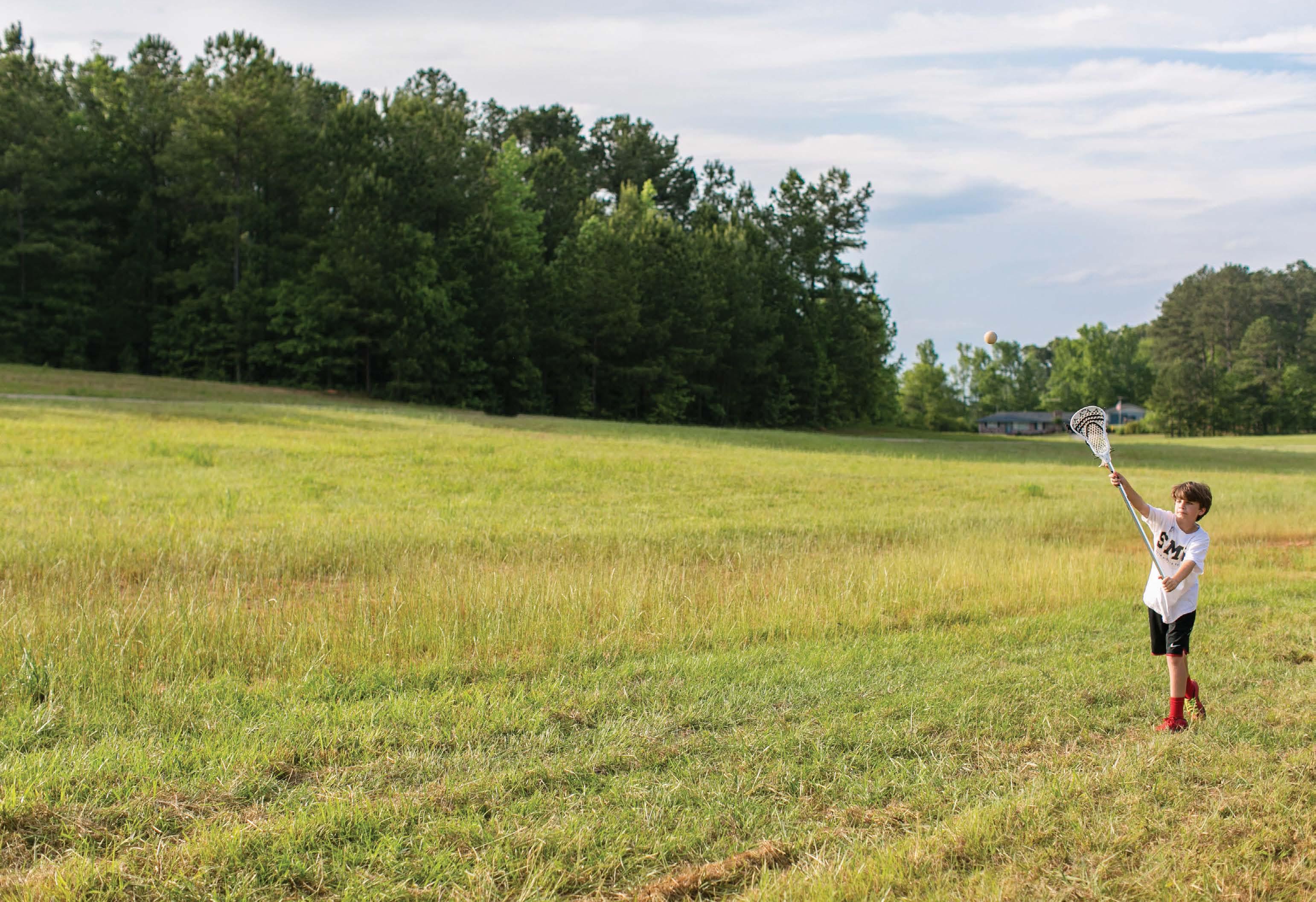
At its core, this movement isn’t about wishing things were like ‘the good ole days’, nor is it about perfection. It’s about honoring the days we are living in today and remembering something we already know to be true: children thrive when they are trusted, when they belong, and when they are given the space to move freely through their world. Screens promise connection, but real connection is built slowly on pathways, in the woods, between front porches, and in the shared experience of growing up together.
Letting kids roam is a relational solution. It asks parents to lean on one another, to design communities that support collective care, and to believe that the built environment can

shape not just how we live, but how we grow. In Serenbe, this freedom is not accidental, it’s designed. And in a moment when childhood feels increasingly constrained and isolated, that may be one of the most meaningful choices a community can make.
Learn more about the Let Them Roam pledge at letthemroam.org and bring it to your own neighborhood, school or community. Hear how this pledge came together on the Serenbe Stories podcast, Let Them Roam: Serenbe Parents Choose Another Way (Season 13 Episode 3).
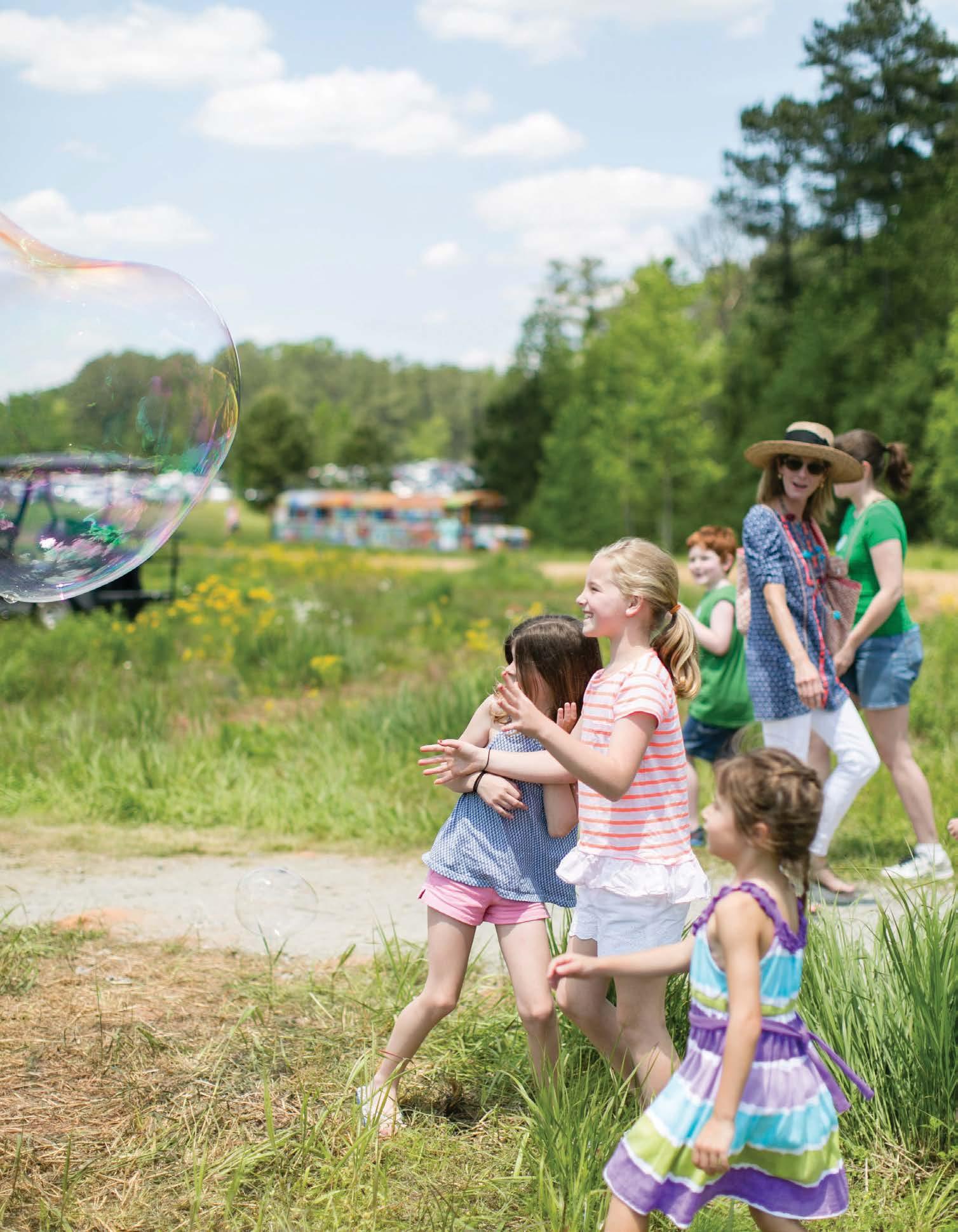
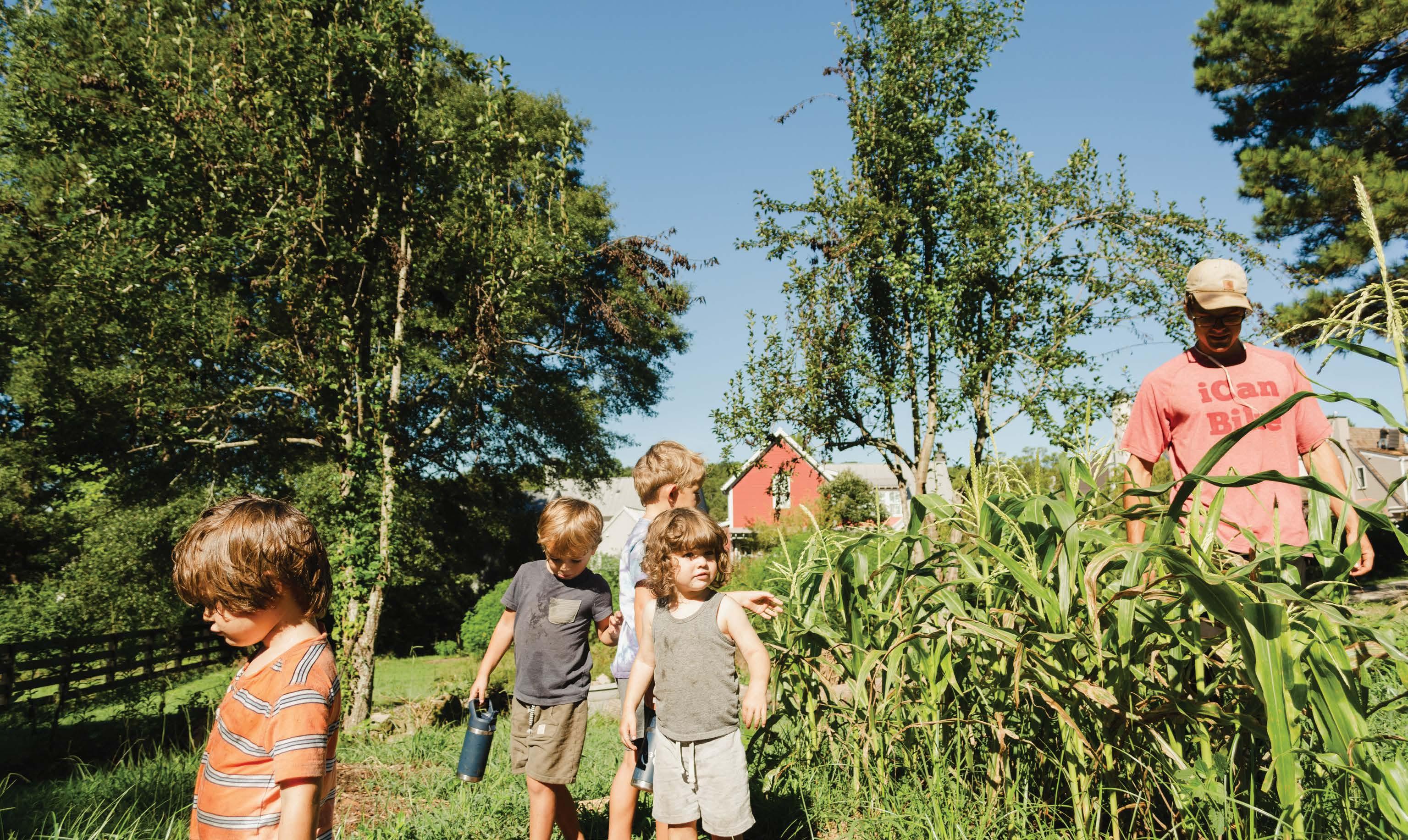
Jonathan Haidt’s bestselling book, The Anxious Generation, has sparked an important conversation. Screens and smartphones are undeniably shaping childhood in profound ways. But are they the root of the problem, or simply the most visible symptom? Blaming screens is tempting. They are tangible, measurable, and removable. If phones are the problem, the solution feels straightforward: take them away. Yet that framing risks oversimplifying a far more complex reality. One that quietly surrounds us every day.
Anxiety and depression are rising. Loneliness is widespread.Third places are disappearing. Nearly 29% of American households are now single-occupancy, and many people go days without meaningful, face-to-face interaction. These are not merely cultural shifts; they are structural ones.
So how did we get here?
Look at the American landscape. Strip malls over here. Housing over there. Highways in between. Neighborhoods separated from schools, shops, and friends by long drives and busy roads.This was not accidental. Postwar development prioritized cars over people, convenience over connection. Zoning separated daily life into compartments. Streets were built for traffic, not community. Front porches gave way to garages. Sidewalks disappeared.
Childhood changed with it.
When children are unable to safely walk to a friend’s house, bike to school, or gather spontaneously, independence shrinks. Play becomes scheduled. Parents become chauffeurs. Afternoons are filled with structured activities because unstructured ones no longer have a setting. If your best friend lives a 20-minute drive away instead of a two-minute walk, the phones and social media don’t create isolation, it fills the vacuum.
Years before today’s digital crisis, Richard Louv warned of “nature-deficit disorder,” describing how disconnection from the natural world diminishes attention, creativity, and resilience and contributes to ADHD. Haidt now documents the consequences of a phone-based childhood. Together, these authors reveal two chapters of the same story: the steady erosion of free play, independence, and in-person human connection.
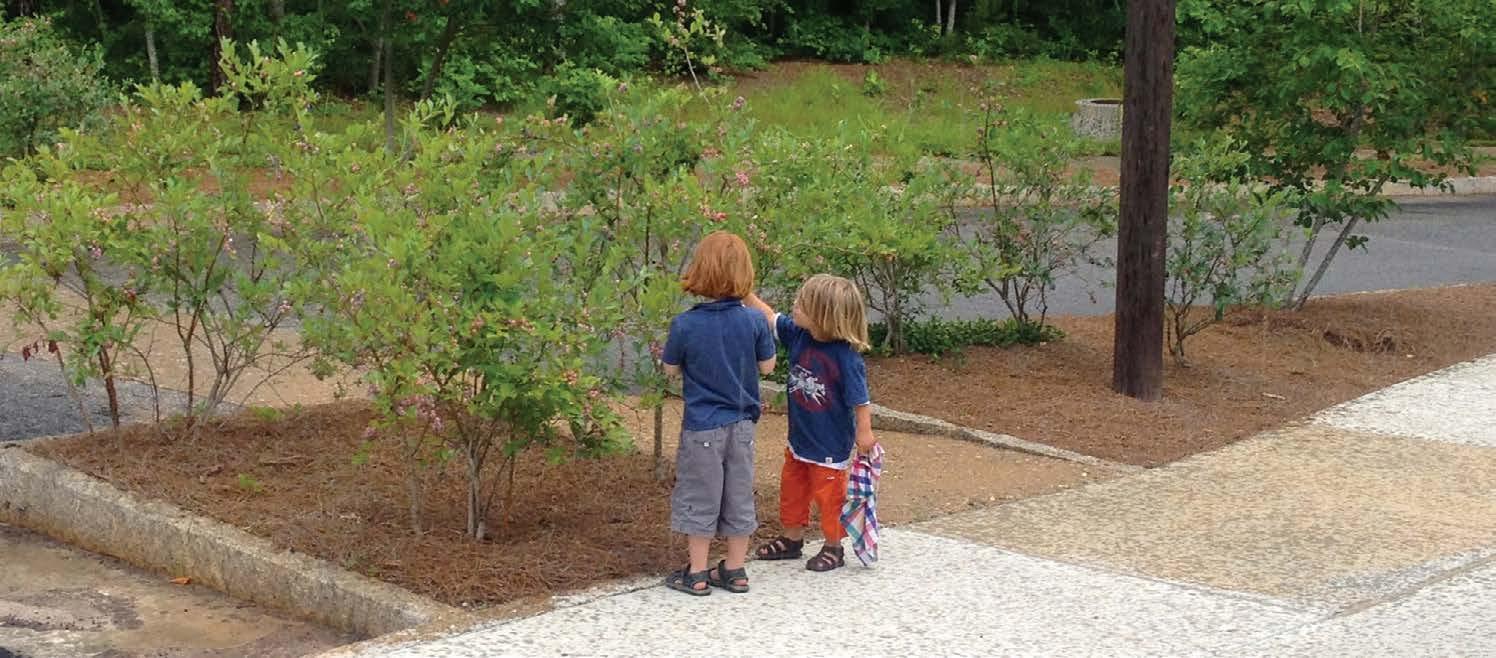
The built environment can help.
In 1994, Serenbe founders Steve and Marie Nygren made what some considered a radical choice: leaving their busy life in Atlanta for their weekend farm. It wasn’t a strategic move, it was instinct. Something about modern life felt misaligned. Long before “doomscrolling” entered the vocabulary, they were asking a different question: what kind of environment allows people (especially children) to thrive? That question shaped Serenbe from the beginning. Walkable hamlets. Trails instead of cul-de-sacs. Homes within reach of cafés, farms, schools, and gathering spaces. Preserved forests woven into daily life. Mixed-use zoning that restores proximity. These are not aesthetic decisions; they are social infrastructure. When children can move safely through their neighborhood, they regain autonomy. When neighbors cross paths naturally, relationships form without scheduling. When nature is accessible, boredom becomes imagination instead of a scroll.
Conversations about screens matter, and so does the larger conversation about how our built environment has quietly engineered isolation. Humans thrive on proximity, spontaneity, and shared experience. When connection requires a car ride and careful coordination, it becomes effortful instead of natural.
Perhaps what we’re facing isn’t simply an anxious generation. Perhaps it’s a separated generation, raised in landscapes that make human connection much harder and less natural than it needs to be.
And perhaps the most radical thing we can do for mental health isn’t simply putting down our phones, but rebuilding the places we live so that connection is once again part of everyday life.
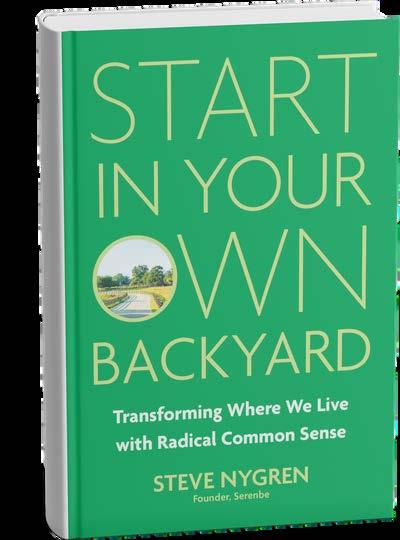
For a deeper understanding of social media’s effect on younger generations, we recommend reading The Anxious Generation by Jonathan Haidt. To learn more about taking action in your community, we recommend Start In Your Own Backyard:Transforming Where We Live with Radical Common Sense by Steve Nygren.

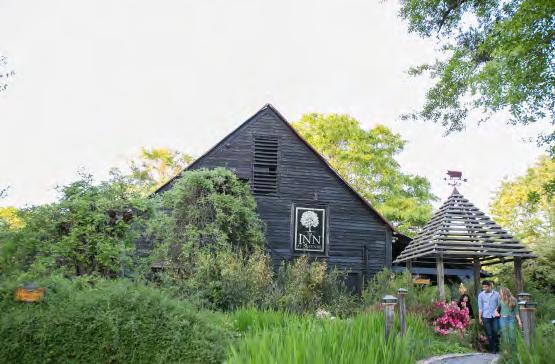
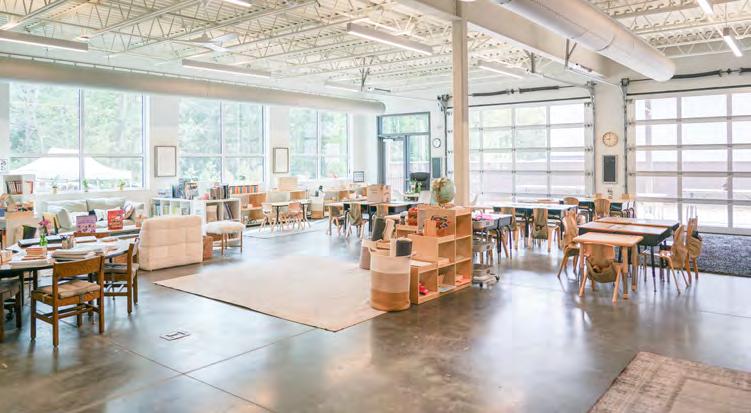

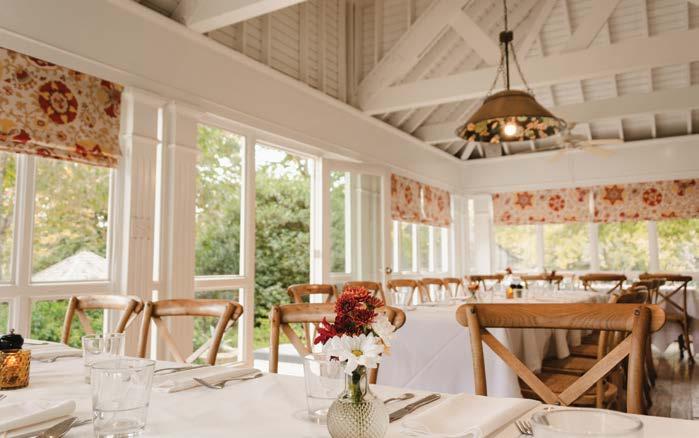
Visit The Inn’s on-site restaurant, The Farmhouse, for lunch or dinner and enjoy cocktails on the distinctly southern wrap-around porch. The Farmhouse is open for dinner daily and it’s famous fried chicken lunch every Saturday and Sunday.







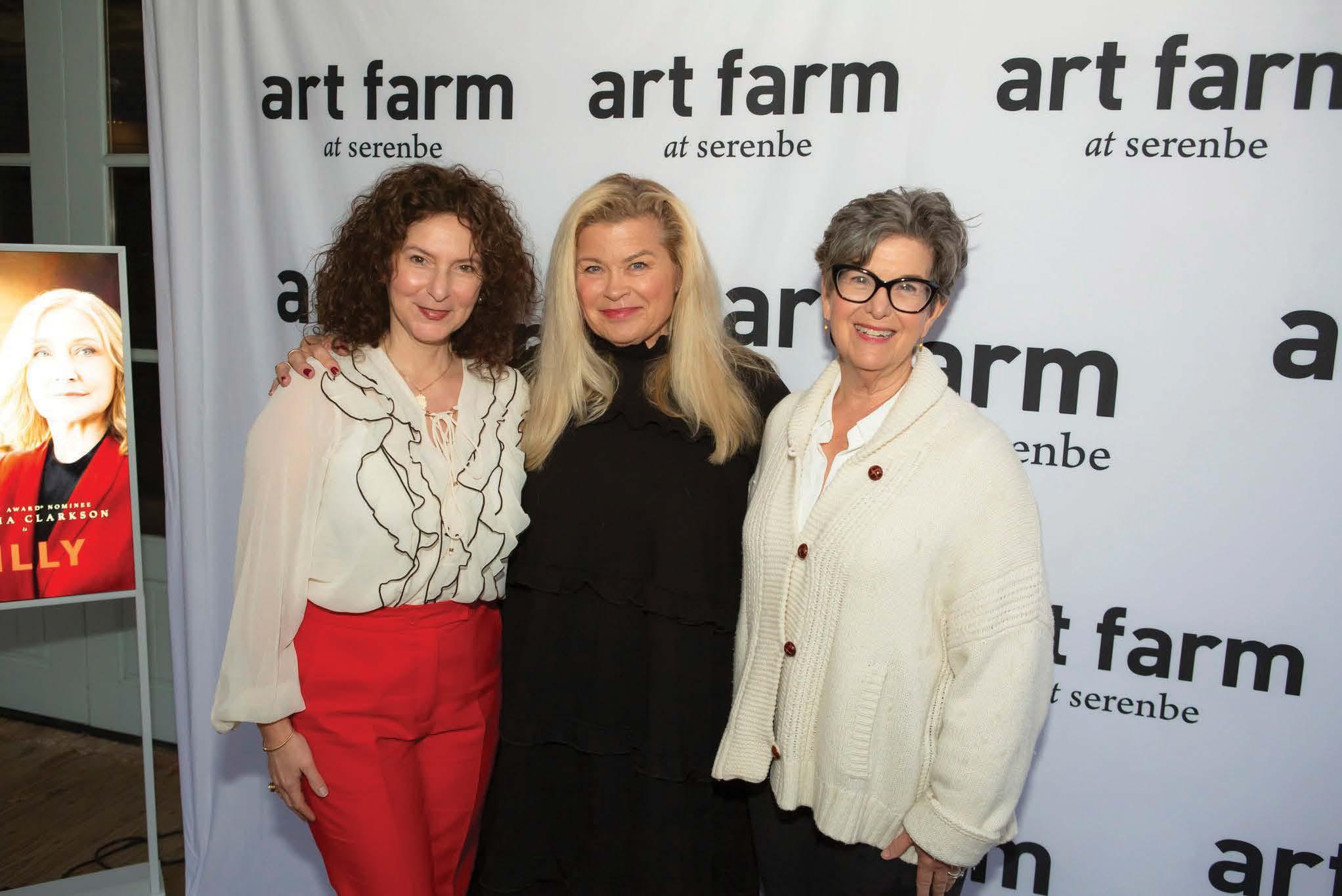
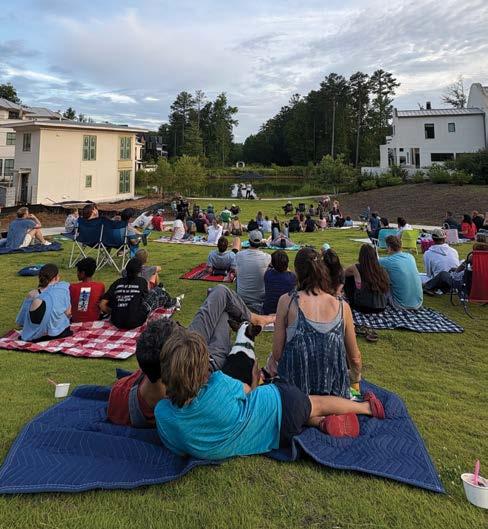
At the Art Farm at Serenbe, film has become more than a simple screening, it’s a gathering point. Under the leadership of Film Council Chair Sheri Salata, the Art Farm Film Council has built a thoughtful, high-touch program that blends cinema, conversation, and community.
The momentum took off last fall with two Film Showcase Weekends introducing audiences to the Council’s immersive approach. Rather than simply presenting film screenings, the weekends created space for connection between filmmakers and viewers, between art and action, and between neighbors gathering with shared curiosity.
Sheri brings both creative vision and heartfelt intention to the program. Sheri is an author and producer. Her memoir, The Beautiful No: And Other Tales of Trials, Transcendence and Transformation is an Amazon Editor’s Choice Best Memoir and an Apple-Must Listen audio book. Sheri spent 20 years in the land of Oprah finishing that glorious run as the final Executive Producer of The Oprah Winfrey Show as captured in the cable hit series Season 25: Oprah Behind the Scenes. Her passion for storytelling that elevates change-makers and brave hearts aligns seamlessly with Serenbe’s larger mission: creating a better world through thoughtful design, connection, and stewardship. The Film Council curates stories that inspire reflection and action and it’s just getting started.
“I love to produce experiences that leave our patrons inspired, energized and wanting more. Our plans for Art Farm Films are ambitious.We want artists, producers, writers, directors, actors and other creative makers to count Serenbe and the Art Farm among the most hospitable, exciting places to share their projects.” says Sheri.
2026 opened strong in February with Ailey, a powerful portrait of legendary choreographer Alvin Ailey, celebrating artistic legacy and cultural impact. In March, The Voice of Hind Rajab continued the season with a thoughtful film screening, inviting audiences to reflect on timely global themes through the power of cinema.
Next up was, Rescued Hearts, the award-winning documentary exploring the science, miracles, and mystery of healing with horses, which became an intimate two-day experience. Blending film, storytelling, and shared meals, the weekend embodied what makes the Art Farm Film Council distinct. Guests participated in Coffee with the Makers conversations, Supper Club gatherings with chefs and creatives, and the Main Event Screening followed by Reel Conversations, an interactive discussion designed to explore impact and insight beyond the credits.
This June, the Council presents VIVA VERDE!, a visually rich and contemplative film exploring the deep connections between people, place, and renewal. With poetic imagery and lived storytelling, the film invites reflection on stewardship, resilience, and shared responsibility. Designed for communal viewing, the film is best experienced together, followed by conversation.
The Film Showcase Weekends are just one example of the dynamic programming happening at Art Farm. From film and performance to workshops and immersive cultural experiences, Art Farm continues to bring meaningful cultural experiences to Serenbe. These gatherings reflect a broader commitment to art as a vehicle for connection, conversation, and positive change.
To explore upcoming film weekends and the full calendar of events for the year ahead, visit the Art Farm website at artfarmatserenbe.org and discover what’s next.
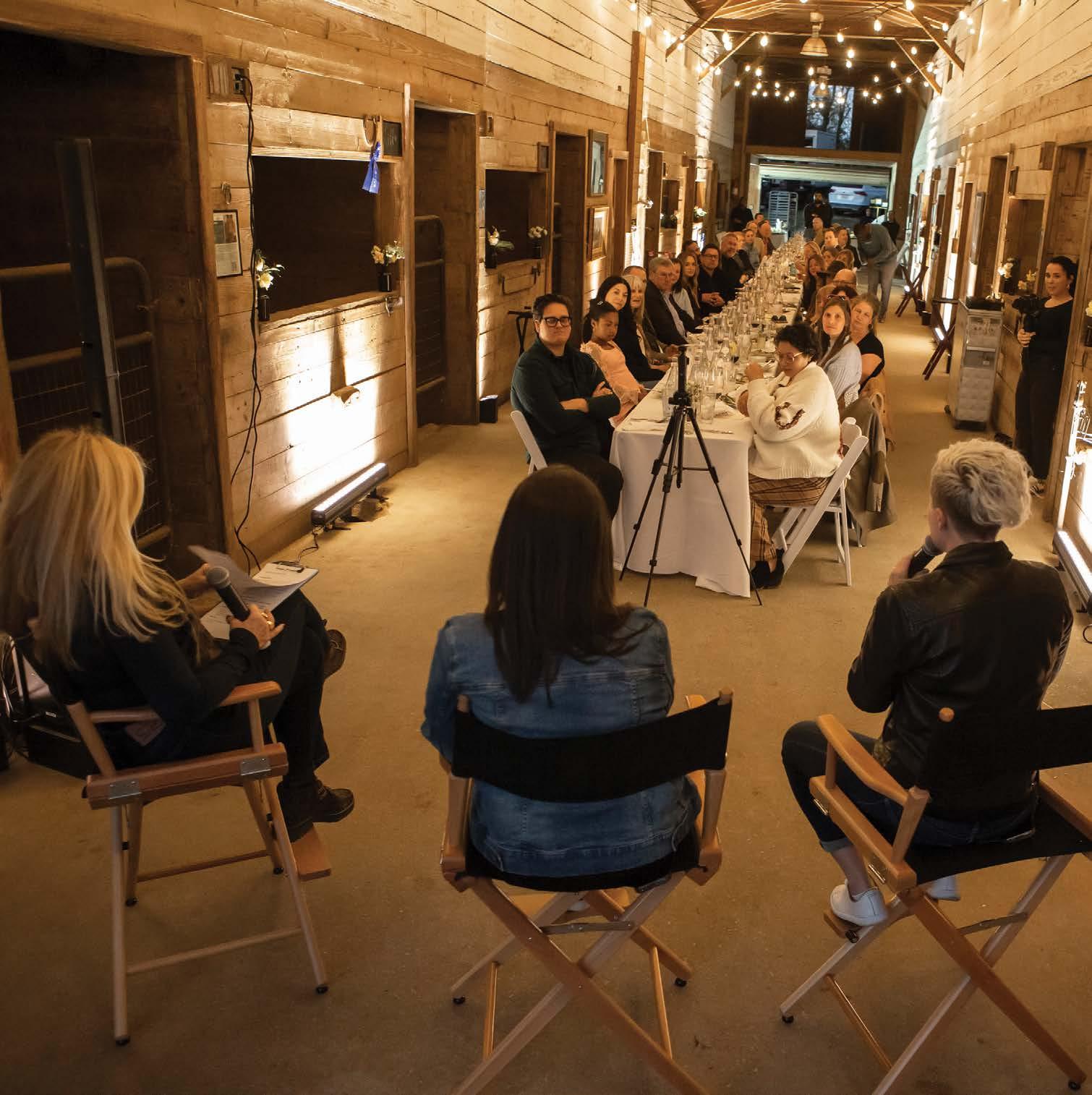
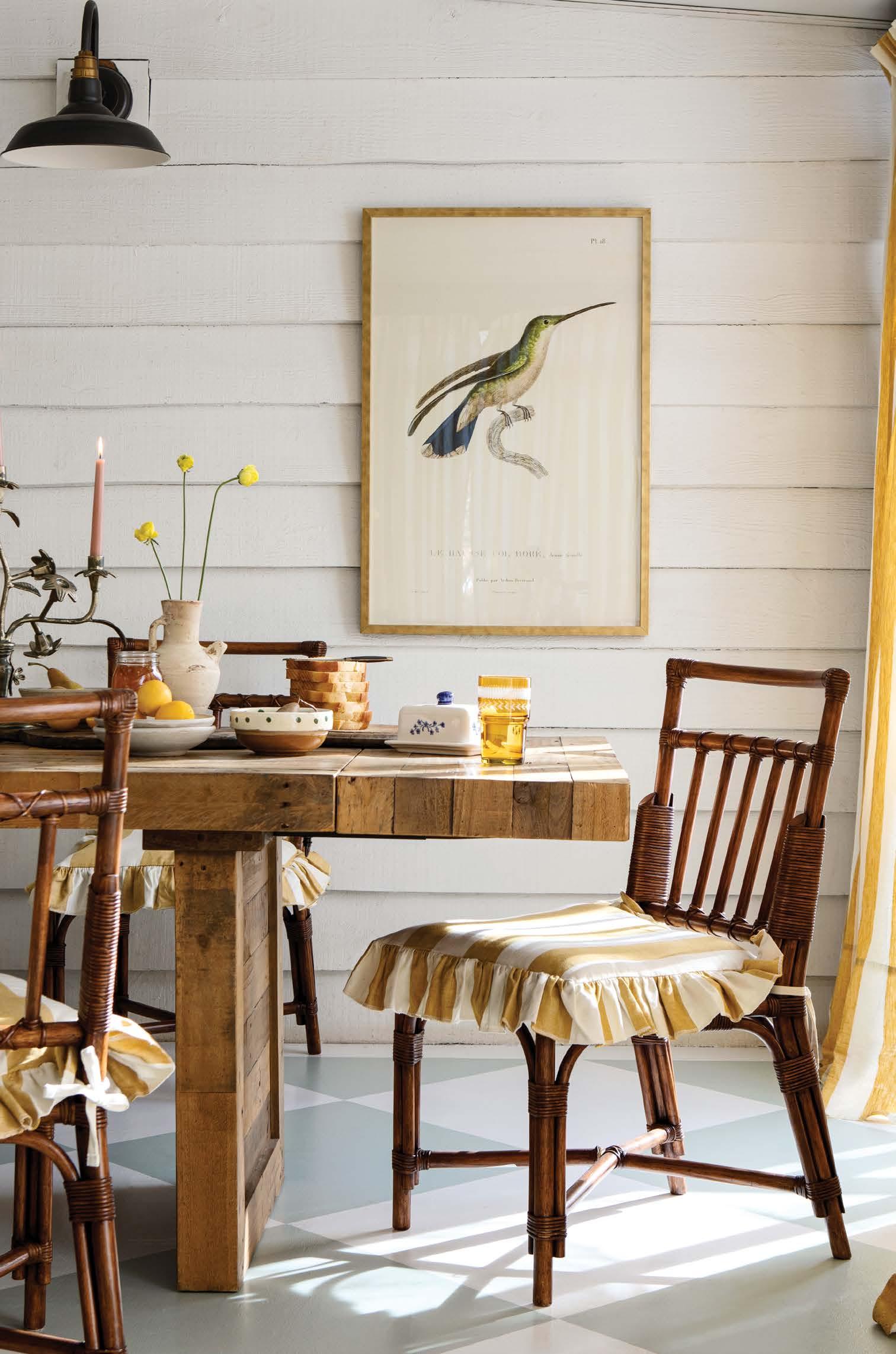

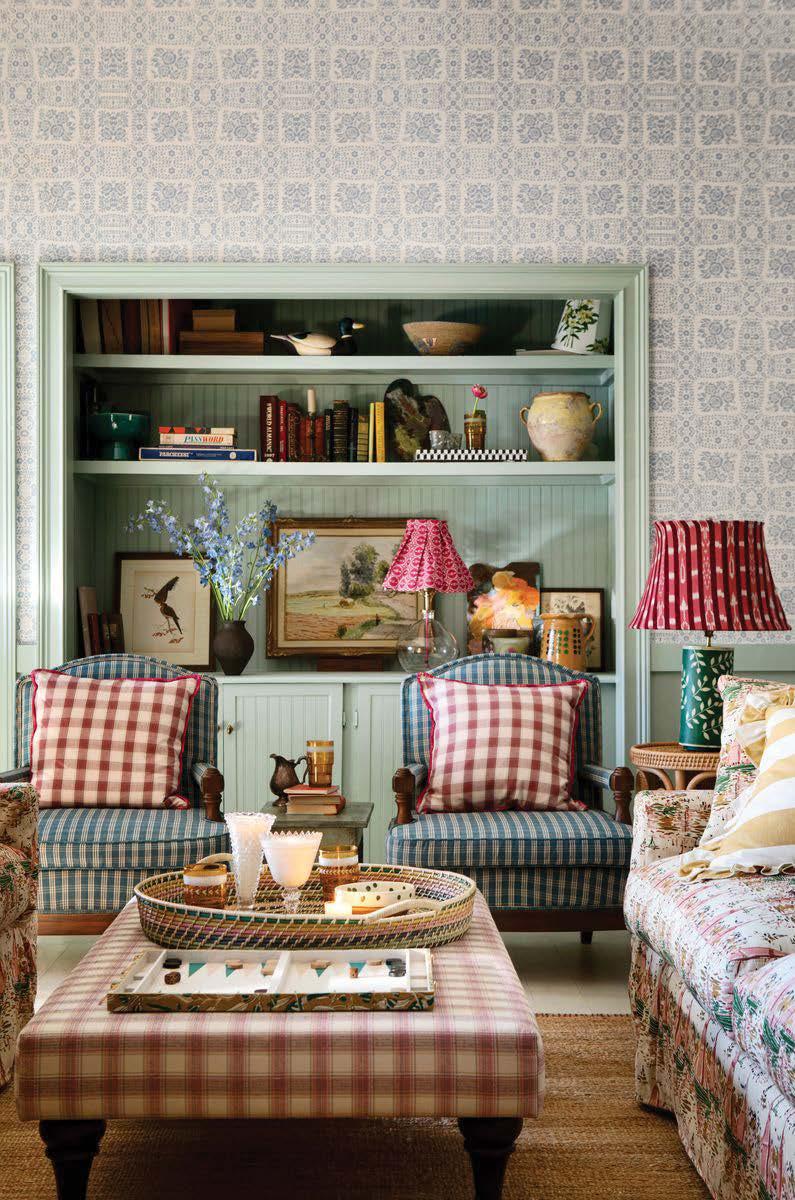
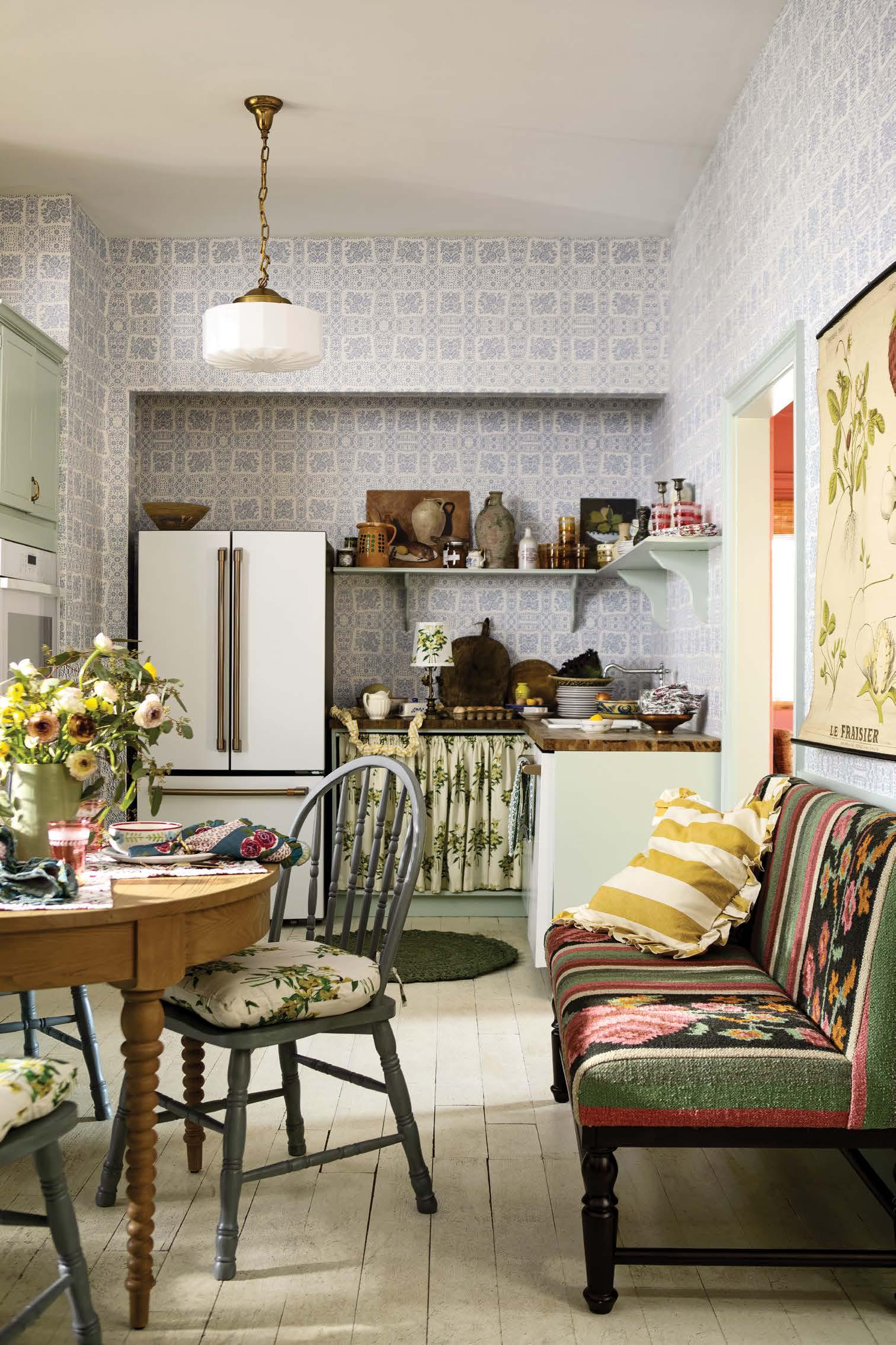
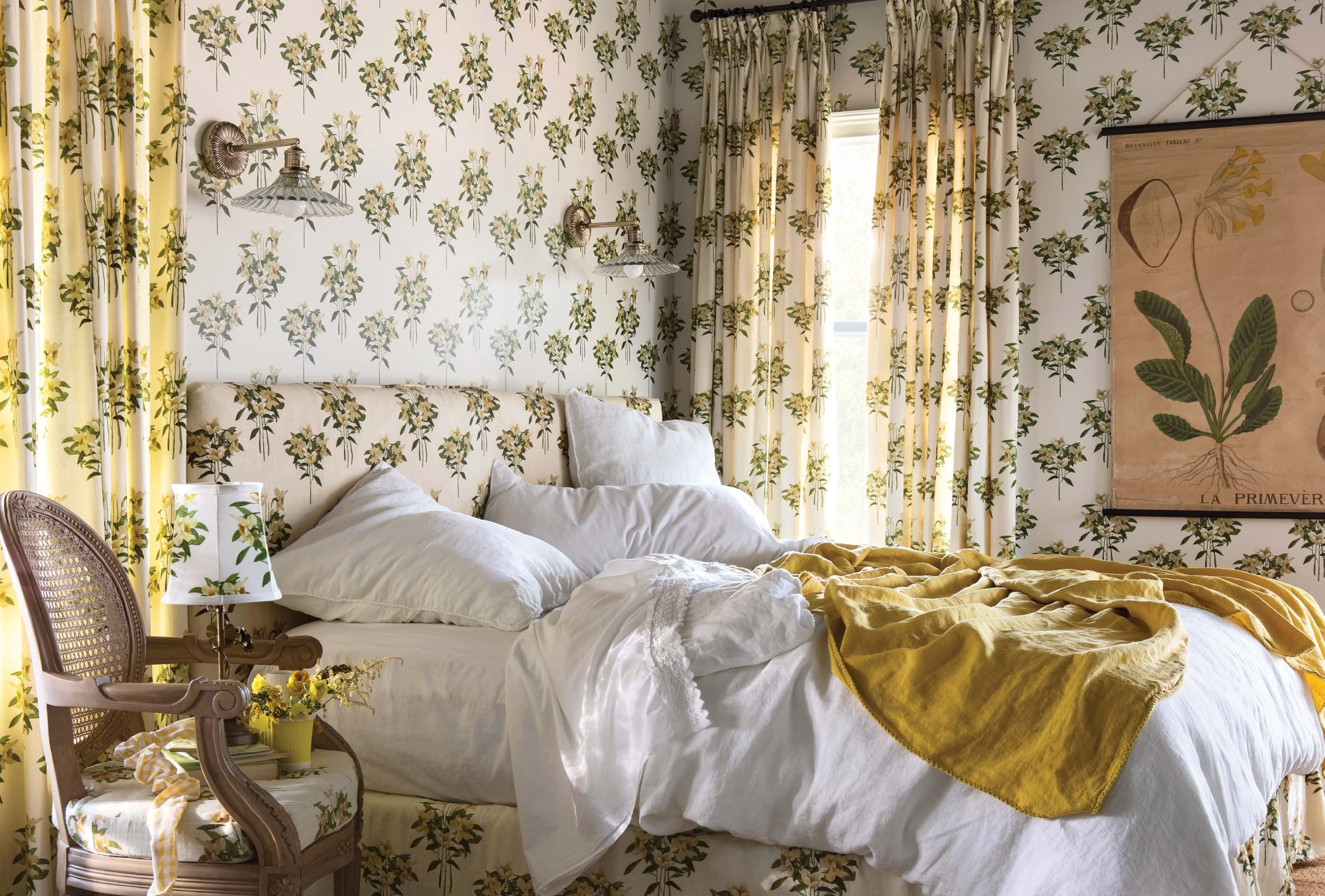
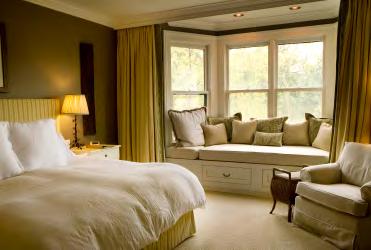
Set within Serenbe’s pastoral landscape of The Inn, the Lake House has always been a place of gathering, reflection, and quiet beauty. Originally built for Marie Nygren’s mother Margaret Lupo of Mary Mac’s fame, and Margaret’s sister, the space carries a deep connection to Serenbe’s beginnings as one of the first cottages added to The Inn property. Today, the Lake House has been thoughtfully refreshed through an exciting partnership with GreenRow, Williams-Sonoma’s sustainable furniture brand, bringing a renewed design perspective to this storied house.
The design collaboration reflects a shared philosophy: that beautiful spaces should be responsibly made, deeply comfortable, and designed to last. GreenRow’s focus on sustainable materials, artisanal craftsmanship, and timeless forms aligns seamlessly with Serenbe’s commitment to intentional living and respect for the land, creating a space where beauty, comfort, and sustainability coexist effortlessly.
“GreenRow and Serenbe share a commitment to sustainability and a love of the natural landscape. In the Lake House, we reimagined the traditional cottage as a place where each room is a world unto itself, decorated with GreenRow wallpapers, patterns, and pieces that reflect the abundance of nature.” Says Jaimee Seabury, Williams-Sonoma, Inc.’s Vice President of Strategy & Business Development.
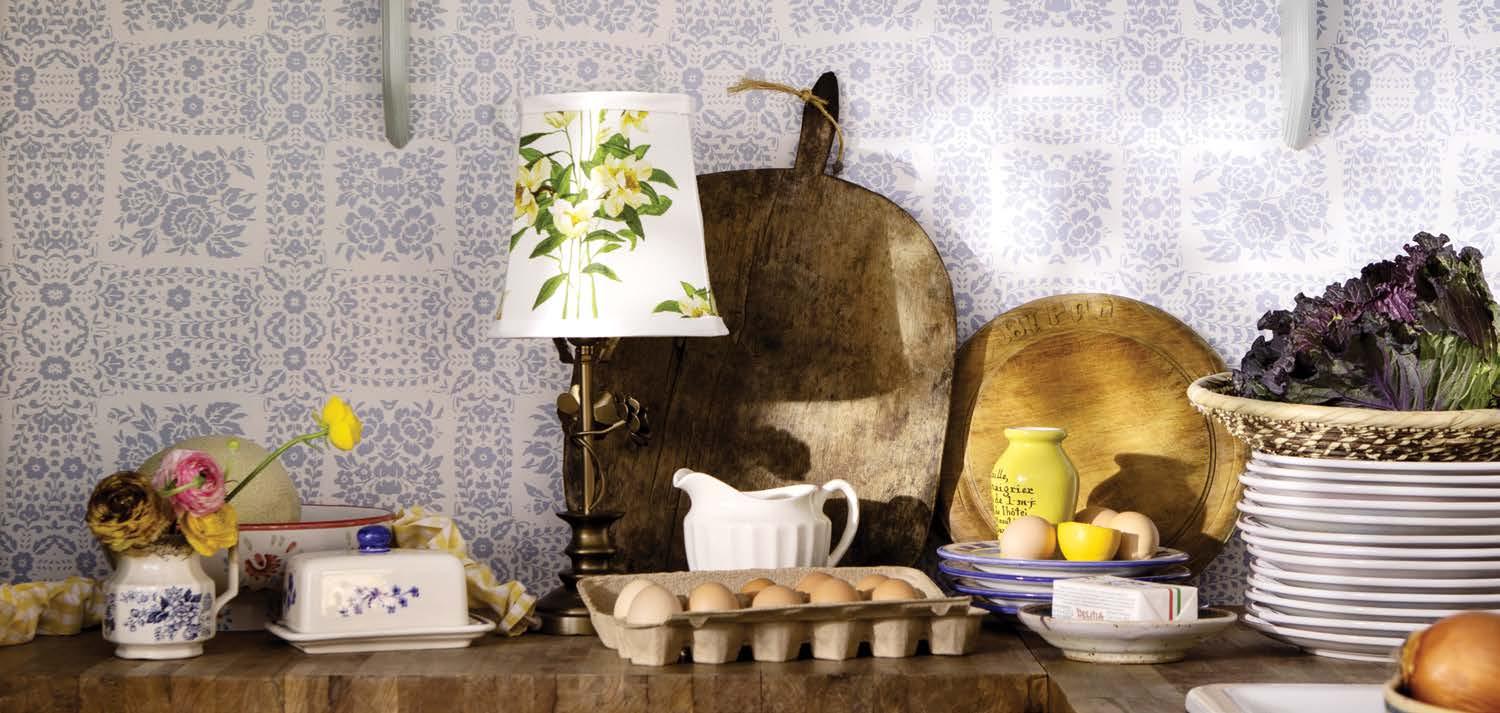
The Lake House is a spacious four-bedroom, four-bath cottage home overlooking The Inn Lake, offering both communal flow and four private en-suite retreats. Each bedroom features a king bed and a private bath, while the central living room anchors the space with an easy, welcoming layout that connects to the kitchen and dining area which also offers a cozy living room, the perfectly pink “snug room” and 10 person gathering table that can also be utilized as a group meeting space.
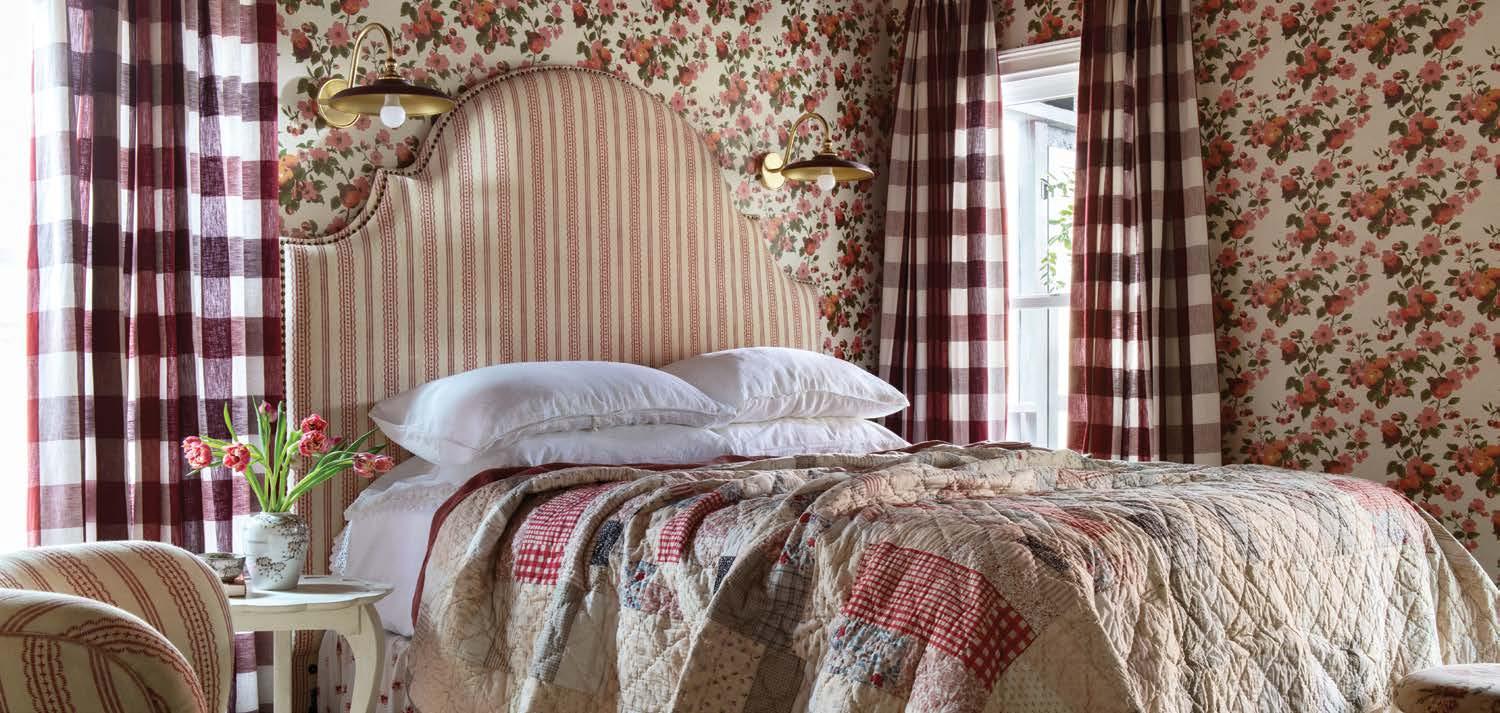
Design updates throughout highlight GreenRow’s cottage-luxe furnishings and playful textiles chosen for their natural materials and understated elegance. Sustainable materials, handfinished details, and a soft, nature-inspired palette bring warmth and depth to each room, enhancing the cottage’s architectural simplicity rather than competing with it. The result is an environment that feels calm, layered, and enduring.
The redesign also marks the launch of GreenRow’s wallpaper collection, debuting at the Lake House and showcasing the patterns Narcissus, Cherry Print, Blue Floral Scallop, and Petit Fleur. Each of the four guest rooms and the main living area feature a distinct wallpaper pattern, thoughtfully selected.
A large wraparound screened porch remains one of the Lake House’s defining features, offering an ideal place to read, gather, or simply take in the rhythms of life at Serenbe. An indoor sun porch extends that connection year-round, while the cozy snug room off the kitchen provides an intimate space for conversation, work, or a quiet reading retreat. The Lake House can be rented through The Inn as individual guest rooms or as a full four-bedroom cottage, making it equally suited for couples traveling together, a friends weekend, families, or small groups.
This partnership with GreenRow reflects the Inn at Serenbe’s ongoing commitment to thoughtful hospitality.The Lake House continues to embody Serenbe’s values rooted in history, guided by sustainability, and thoughtfully designed for modern life.
Shop the GreenRow collection at greenrow.com/pages/serenbe/ and look for their Spring catalog featuring the Lake House. Book the GreenRow package at serenbeinn.com. Photography by Amy Neunsinger.
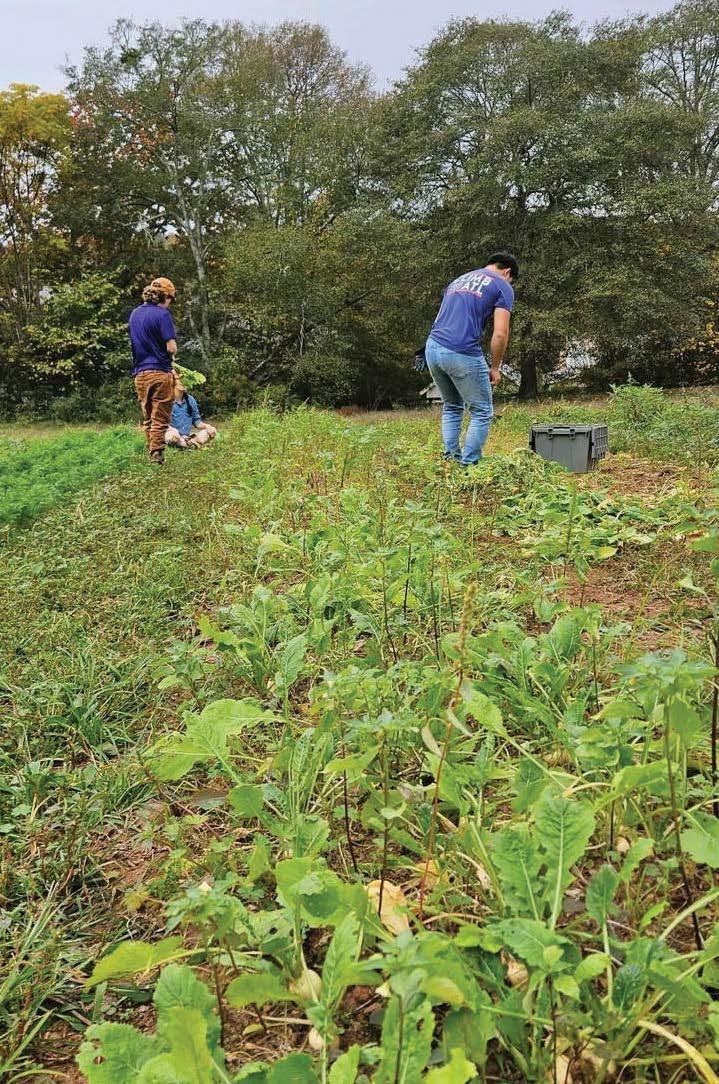
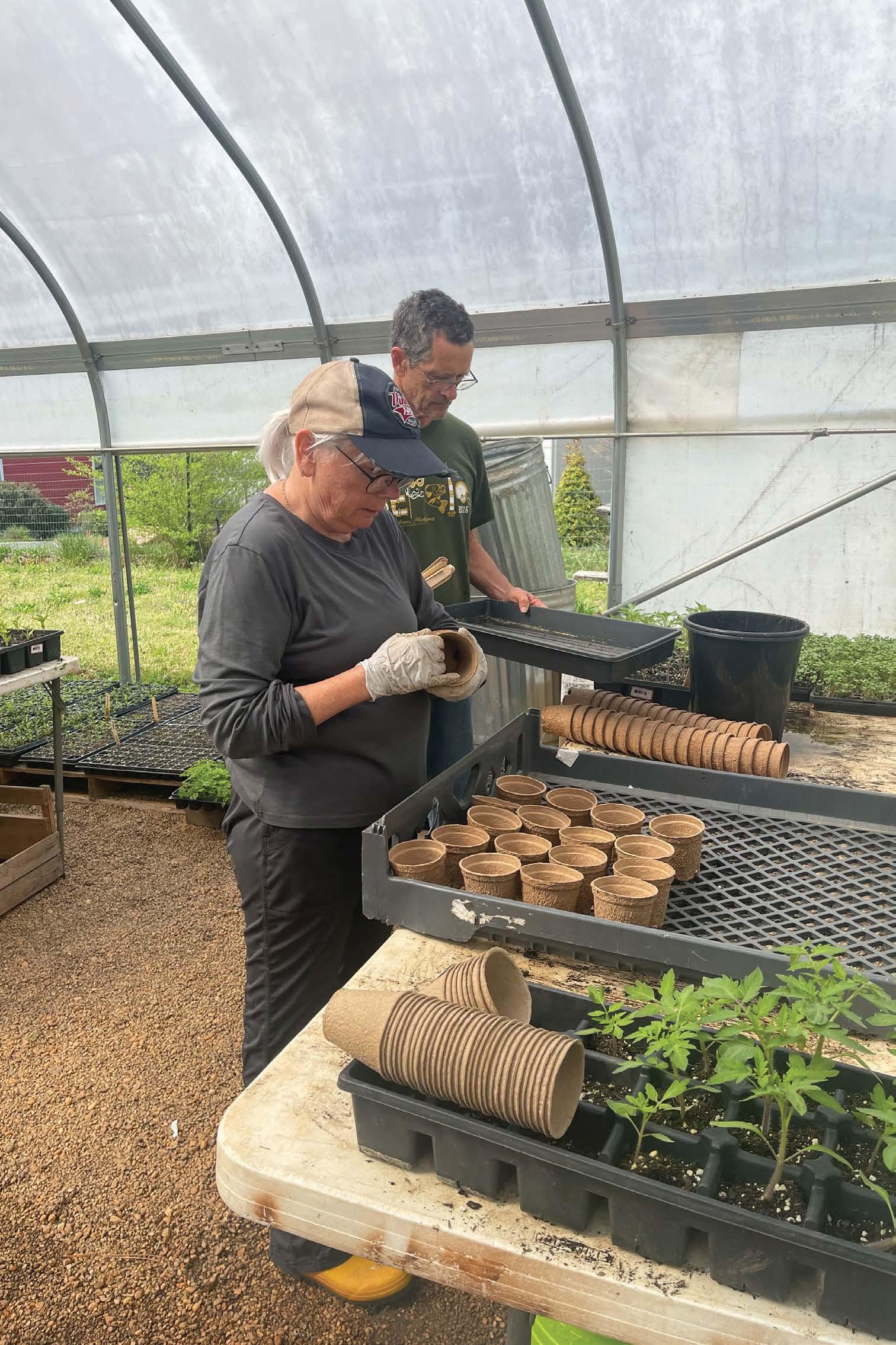
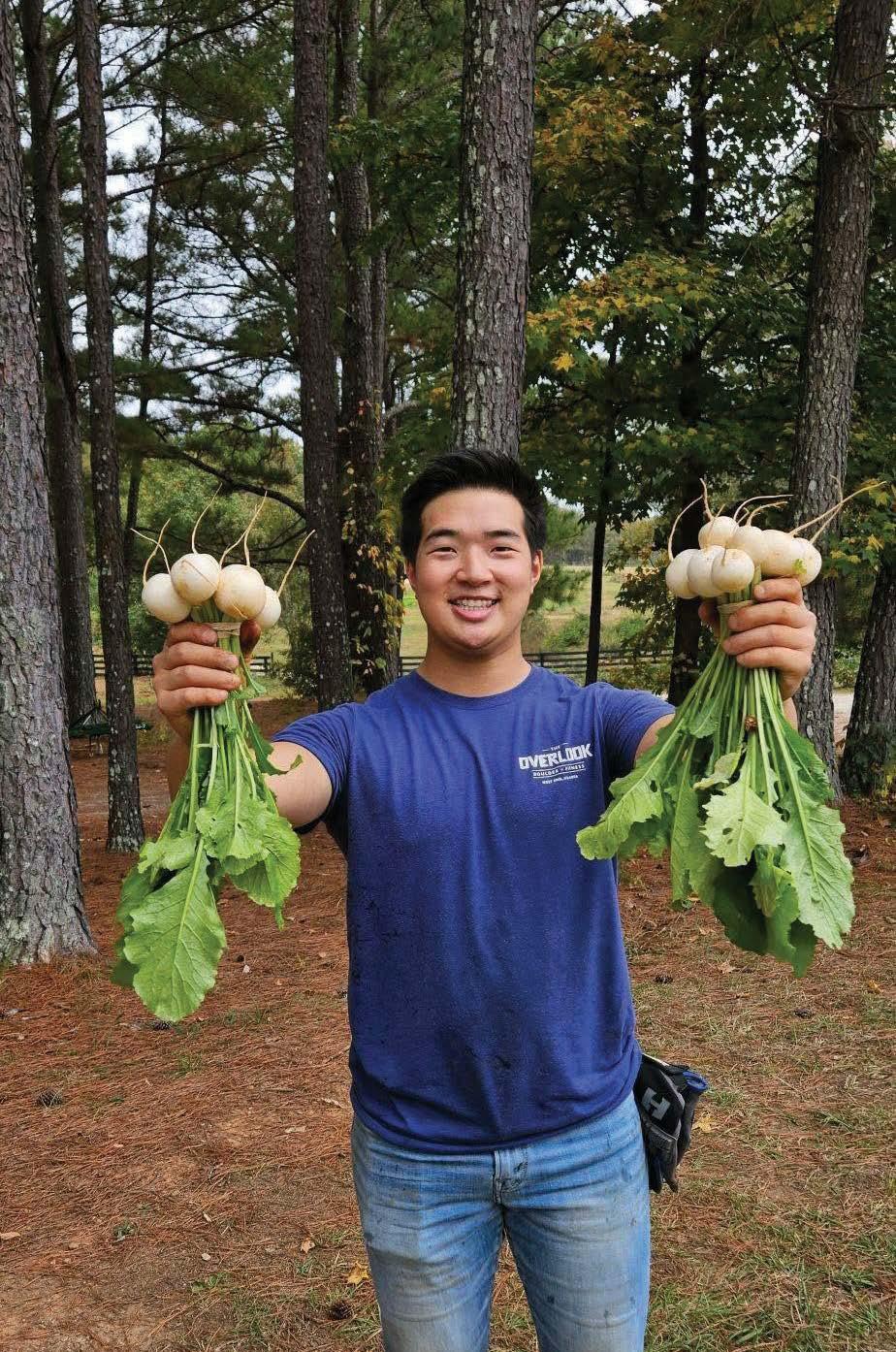
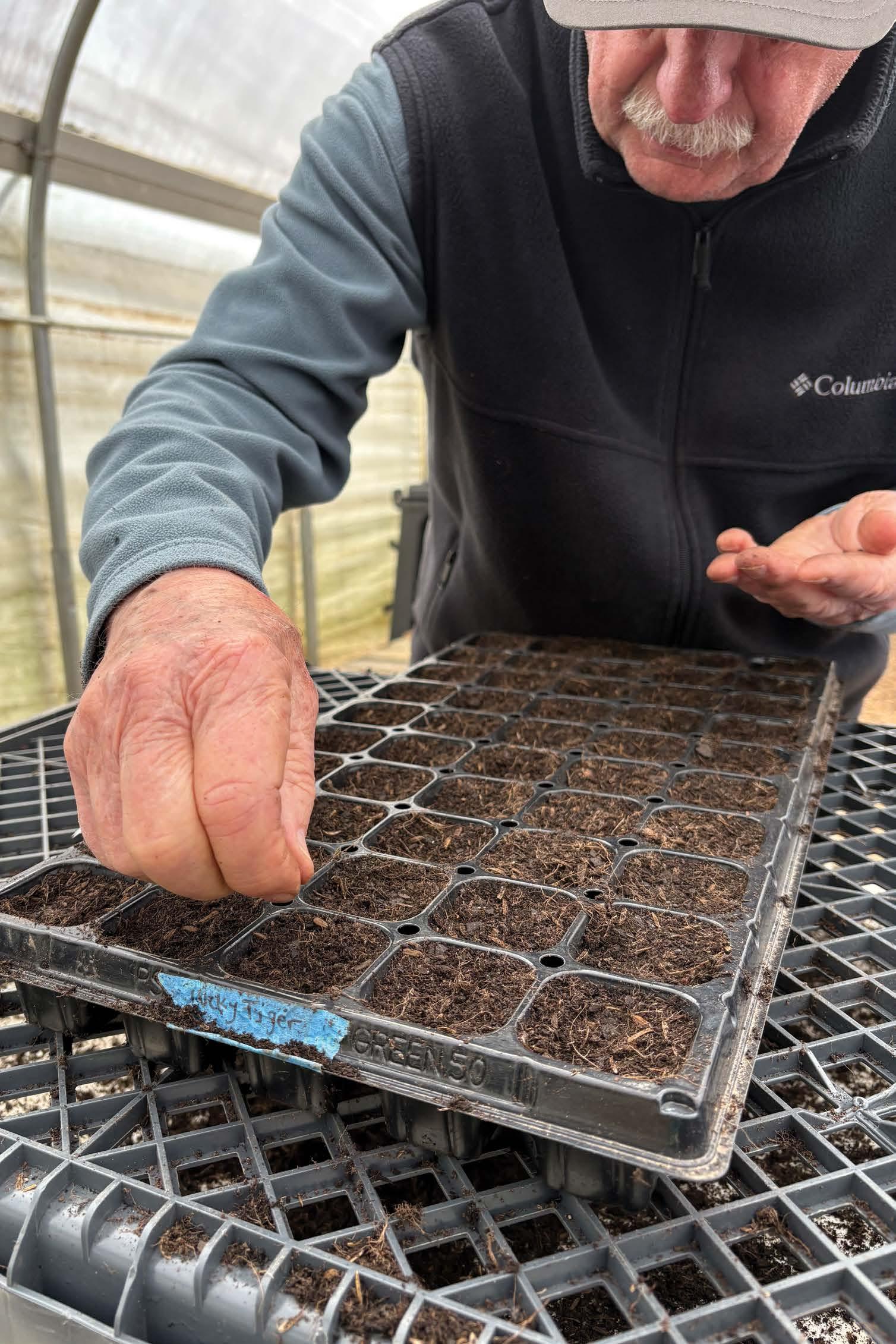
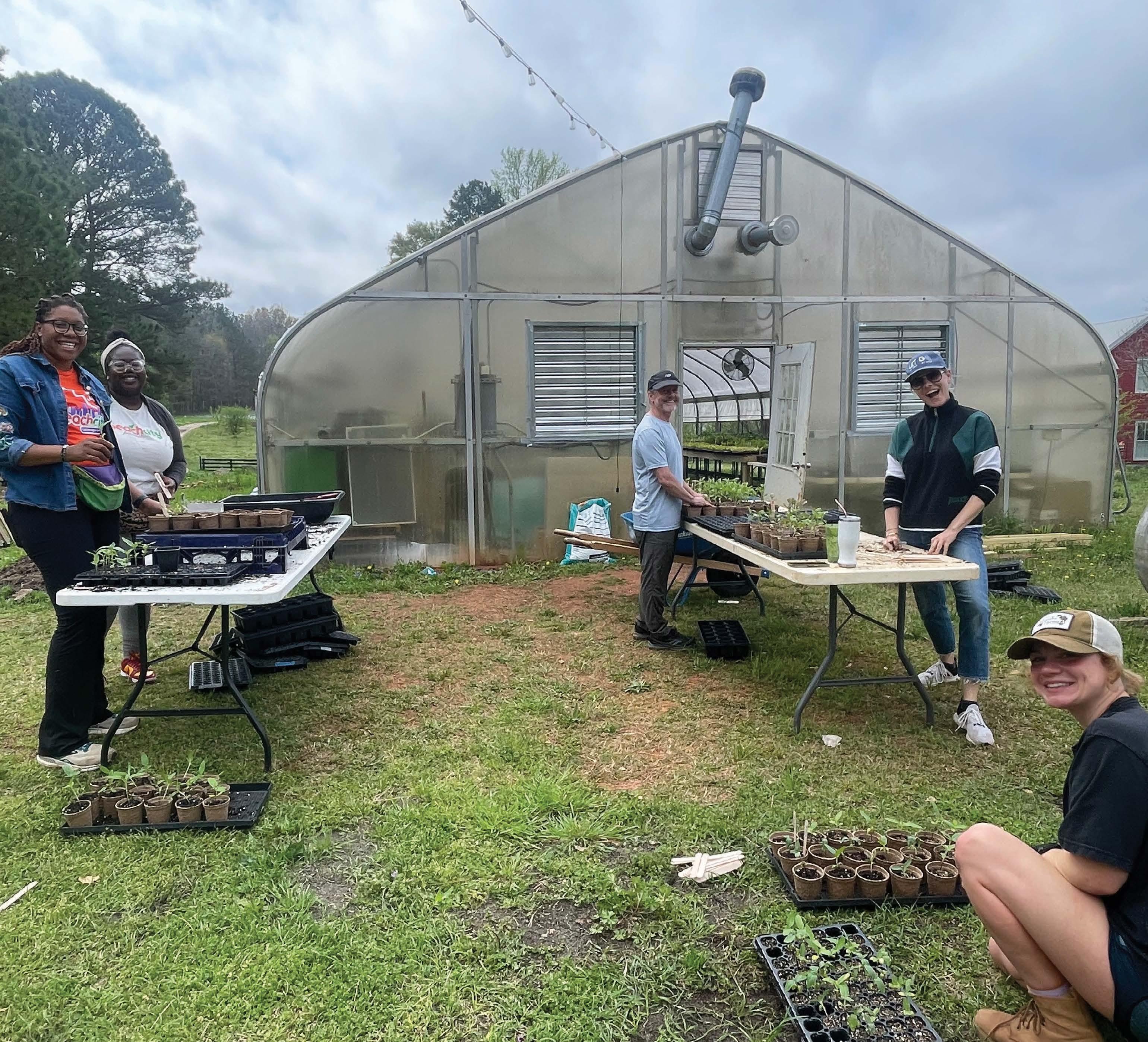
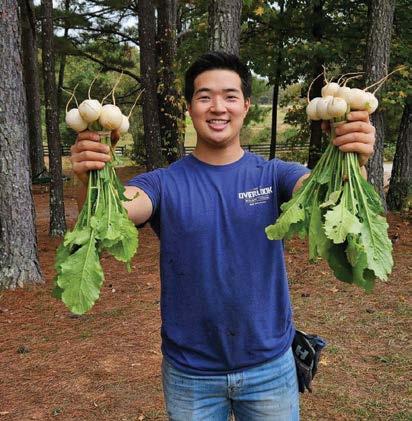
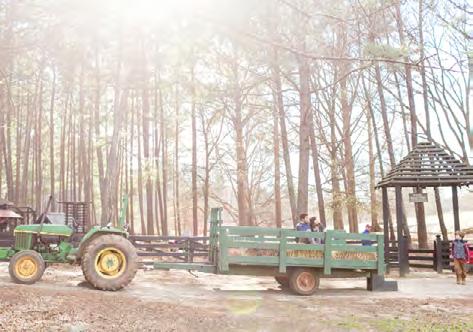
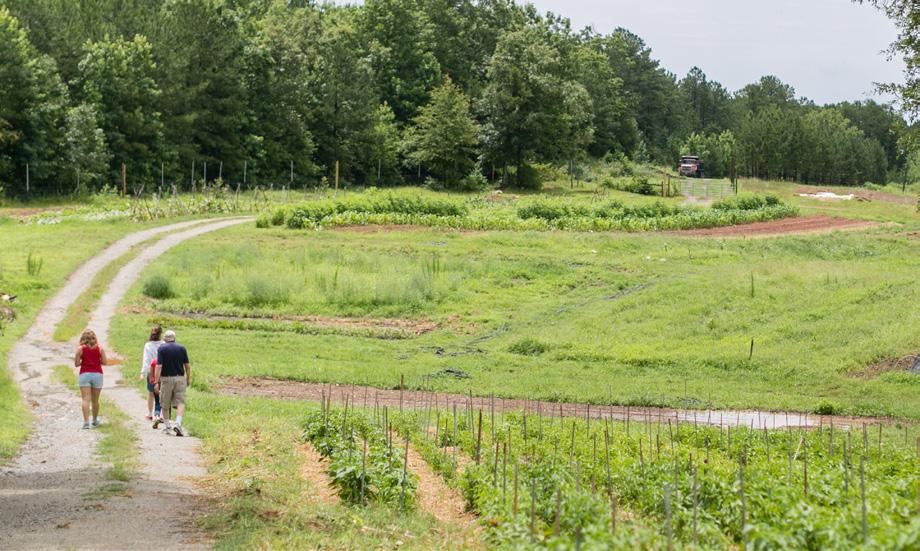
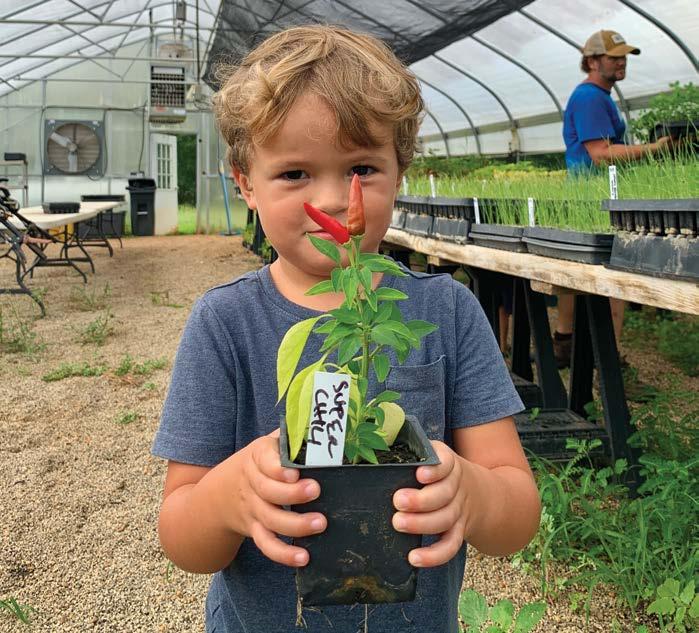
There are many ways to support Serenbe Farms, one of Georgia’s first certified organic farms, located in the heart of Serenbe’s Grange Hamlet. Anyone can join the CSA farm share program offering Tuesday pick up, purchase produce at the Saturday farmers market, or help out by composting food scraps. Each of these actions help sustain the farm’s important mission. Yet did you know that you can also volunteer at the farm? Volunteering is a meaningful way to support the farmers, learn more about sustainable agriculture, and literally get your hands in the soil – all of which nourishes the mind as much as the body.
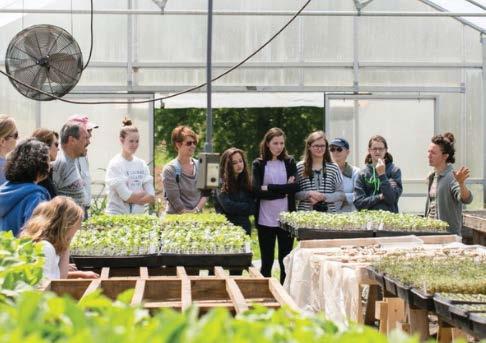
Serenbe Farms hosts regular Get Your Hands Dirty volunteer sessions, typically held on Wednesdays in two-hour intervals. Tasks vary widely depending on the season, offering volunteers the chance to experience many facets of organic farming.The more you volunteer, the more you learn. Everyone is welcome, from experienced gardeners to total beginners. Children and those with physical limitations can also contribute by helping with essential tasks such as garden prep and washing produce.
“Volunteer support makes a tangible difference every single day,” says Serenbe Farms Manager Brandi Whitney. “Extra hands allow the farm to keep up with the rhythms of the seasons, preparing beds in spring, managing peak harvests in summer, and maintaining soil health year-round. Many of the small but essential tasks that keep the farm thriving like detailed crop care, timely harvests, and thoughtful land stewardship would simply not be possible at the same scale without volunteers.”
Serenbe residents Christine and Frank Egan began volunteering at the farm when they moved from New York to Serenbe full-time in 2022. While they volunteer regularly throughout the year, they increase their commitment during the spring seeding season, when demand for extra help is especially high.
Christine says, “I’ve learned how much effort it takes to grow the food we eat, from the compost to the planting to the weeding and the harvesting. I’ve also learned how much the heat plays a role in summer harvesting here in Georgia, which is very different from farming up in New York. Working on the farm reinforces the fact that the organic food I eat was harvested earlier that day and not shipped many miles from a major supermarket.”
Beyond the practical lessons, organic farming offers a welcome counterbalance to the relentless pace of modern life. Tasks like planting, weeding, harvesting, and bed prep are physical, rhythmic, and grounding. As Brandi explains, “Working with soil, plants, and weather invites people out of their heads and back into their bodies. Many share that they leave feeling calmer, more present, and mentally refreshed. The rhythm of farm work offers a rare chance to slow down, focus on one task at a time, and reconnect with natural cycles.”
Volunteering at Serenbe Farms helps people build a direct relationship with their food, the land, and one another. When you’ve planted a seed, pulled a carrot from the ground, or harvested greens by hand, food stops being abstract and becomes deeply personal. That connection fosters care for the soil, for the farmers, and for the systems that sustain us. At a time when so many feel disconnected from nature, community, and their own daily rhythms, volunteering on the farm offers a simple but powerful way to make a positive impact and come back into alignment.
Learn more about volunteering at Serenbe Farms by visiting serenbefarms.com/volunteer. If you are interested in scheduling customized volunteer hours or want to arrange a group volunteer session, please reach out to info@serenbefarms.com. Hear from Farm Manager Brandi Whitney on an upcoming episode of the Serenbe Stories podcast. Her episode will be live on April 13, 2026, wherever you get podcasts.
Atlanta Journal Constitution
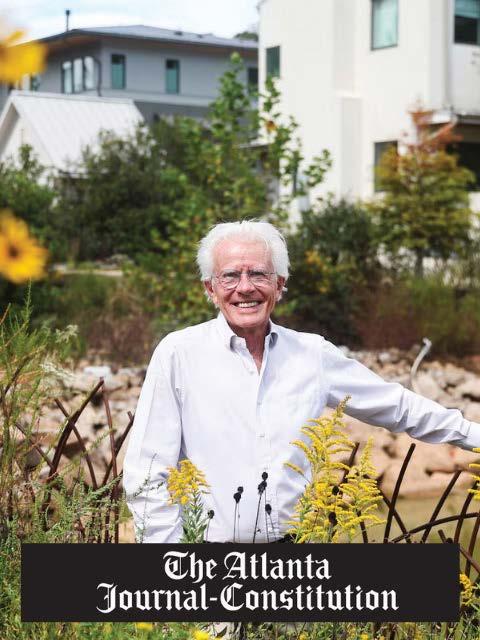
Steve Nygren Charts Serenbe’s Evolution in ‘Start In Your Own Backyard’
Part memoir, part manifesto, the book places him alongside other thought leaders who’ve used their careers to argue for a different way of living.
Farm-to-Front-Porch Community
Redefines Modern Neighborhood Living in This Southern Metro
Developers are finally eschewing suburban sprawl in favor of denser, walkable communities, but one Atlanta man created his own strollable paradise long before it was trendy.
At Serenbe, Modern-Style ‘Hidden Library’ Set to Break Ground Today
Scheduled to break ground today is a “Hidden Library” project, tucked like a Hobbit House into a hillside, that’s designed to foster a connection to both books and the natural world for kids in the south metro Atlanta region and beyond.
2025 Master Plan of the Year: Serenbe
The innovative master-planned community has earned the top honor for its thoughtful planning, design, and delivery.

Serenbe’s Radical Vision: The Agrihood That Rewrites the Rules of American Development
More than farms and front porches, this master-planned community outside Atlanta merges art, agriculture, education, and wellness into a model for the future of sustainable living, earning top honors for masterplanning along the way.

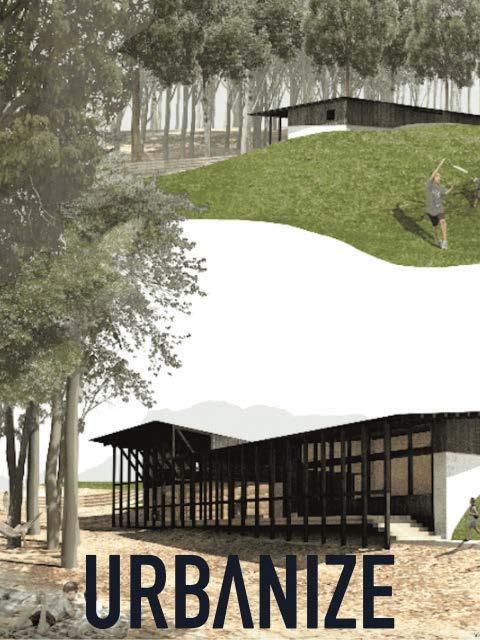
Chickens, Compost, and Community: Life Inside America’s Agrihoods
Serenbe, about 30 miles southwest of Atlanta, features New Urbanism design that is a blueprint for future neighborhoods to be built with sustainability, creativity and togetherness in mind.
Why Chattahoochee Hills is Atlanta’s Most Intentional, and Enchanting, Rural Retreat
Just 30 miles outside of Atlanta, Chattahoochee Hills offers a rare blend of pastoral beauty, cultural richness, and sustainable living.
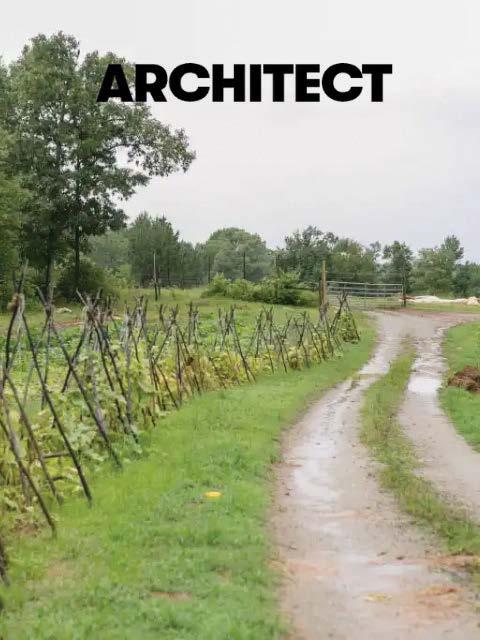
What Serenbe Taught Me About Designing Community Around Nature
In a world where speed is the norm, Serenbe offered stillness. This was community, reimagined and rooted in connection, farm-to-table food, personality, wild lawns and an embrace of the untamed.
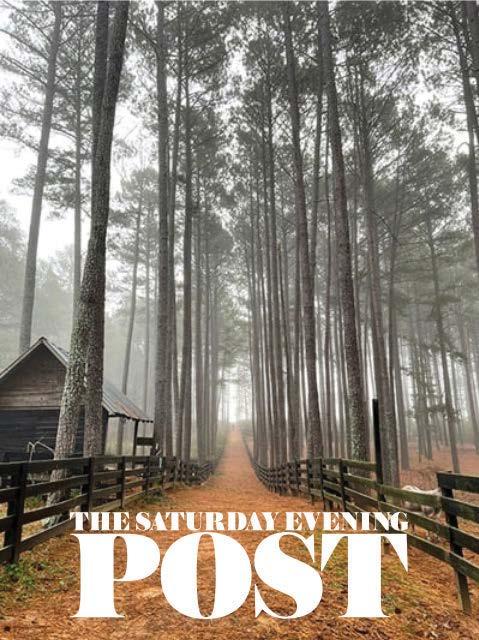

Austin’s continues to define itself as one of Serenbe’s most transportive dining experiences, an intimate restaurant and cocktail bar where refined cuisine, rare spirits, and atmosphere come together beautifully.With interiors inspired by 1920s cocktail lounges in Paris and London, Austin’s exudes a calming luxury offering guests an elevated setting designed for conversation and unhurried evenings.
Now, Austin’s is expanding its offerings with more experiences throughout the week.
Sunday Evenings at Austin’s
Austin’s is now open on Sundays from 5–9 PM, adding a new opportunity to gather at the close of the weekend. Sunday evenings invite a slower pace, perfect for a relaxed dinner, a well-made cocktail, and a final moment of connection before the week begins. Whether you’re continuing a weekend tradition or starting a new one, Sunday nights bring a fresh rhythm to the Austin’s experience.
Seasonal Cocktail Classes
Launched in February, Austin’s seasonal cocktail classes offer an immersive introduction to the art of mixology. Held every Saturday afternoon and led by expert bartenders these intimate, hands-on sessions guide guests through the creation of three exceptional cocktails. Along the way, guests enjoy curated bites and learn the balance, technique, and intention behind each pour. Each participant leaves with printed recipes and a signature Austin’s bar keepsake, bringing the craft and creativity of the bar home with them.
Saturday Jazz Nights
As Saturday evenings deepen, Austin’s fills with sounds of jazz, A rotating lineup of talented artists sets the tone for a lively yet intimate late-night experience. It’s an effortless pairing of live music, expertly crafted drinks, and the low glow of a room designed for lingering. Weekly from 9–11 PM.
Oyster Happy Hour
From Tuesday through Saturday, 5–6 PM, Austin’s hosts Oyster Happy Hour, an invitation to stop in and indulge. Fresh oysters and sparkling wine flights are offered at special prices, making it an ideal pre-dinner ritual or early evening treat.
Wine Wednesdays
Midweek gatherings find their moment with Wine Wednesdays, every Wednesday from 5–10 PM. Each week features a curated selection of organic and biodynamic red, white, and rosé wines, many not available at retail, priced at just $25 per bottle.. It’s an approachable way to explore exceptional wines in a relaxed, shareable setting.
And for those who like to go off script, don’t hesitate to ask about Austin’s off-menu specials. From beloved bites like the hand-cut fries to rotating surprises from the kitchen and bar, there’s often more to discover than what’s printed on the menu.
With expanded hours, immersive experiences, and a lineup of weekly offerings, Austin’s continues to invite guests to return again and again, each visit revealing a new way to enjoy one of Serenbe’s most distinctive spaces.
Book a reservation at Austin’s and explore offerings like cocktail classes, Jazz Night, Oyster Happy Hour, and Wine Wednesday by visiting austinsatserenbe.com.

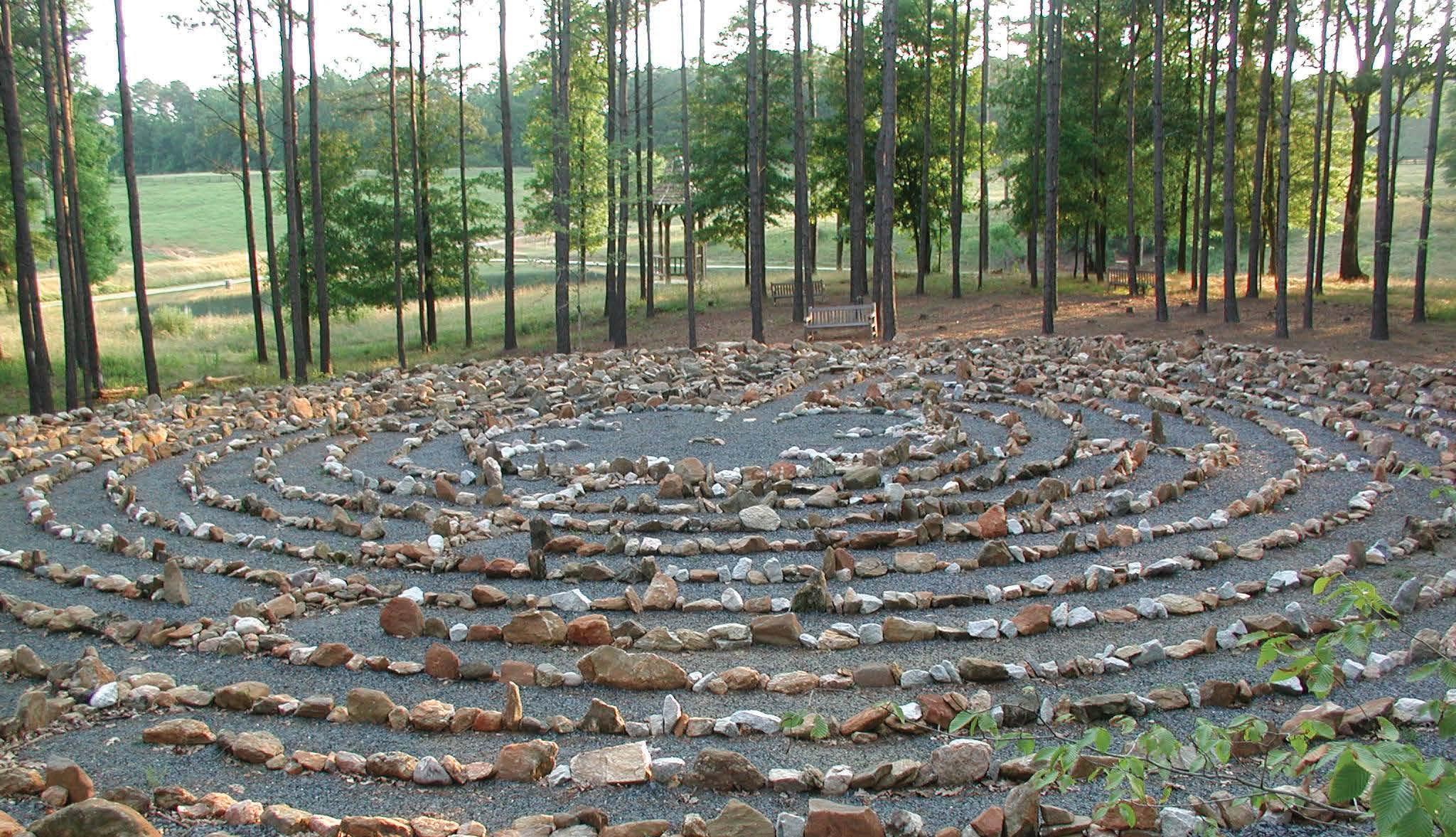
Are you looking for more than just a comfortable house? Imagine if the very walls of your home, the design of your street, and the layout of your town actively worked to make you feel more peaceful and connected.
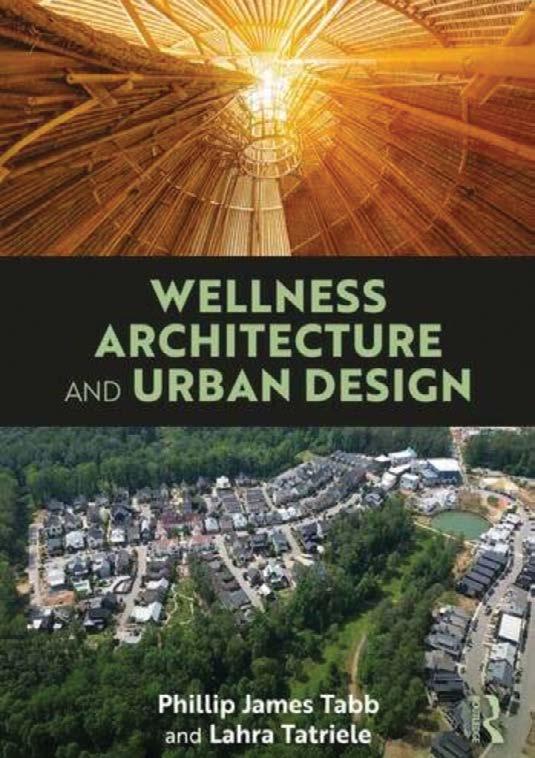
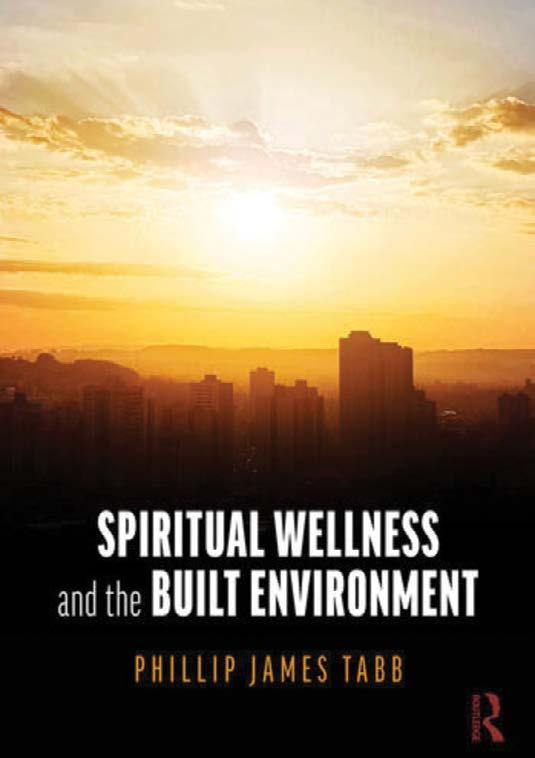
The concept of well-being is expanding beyond mere physical and mental health to embrace a foundational element: spiritual wellness. In an innovative exploration, a new book project from Serenbe land planner and resident Dr. Phill Tabb delves into how the design of our surroundings, from personal spaces and architecture to entire cityscapes, can actively nurture this vital dimension of human health.
His current work, spanning two paired books released in 2025 and 2026, posits an ambitious vision: a world where buildings and cities actively foster physical, emotional, mental, social, financial, environmental, and spiritual well-being.
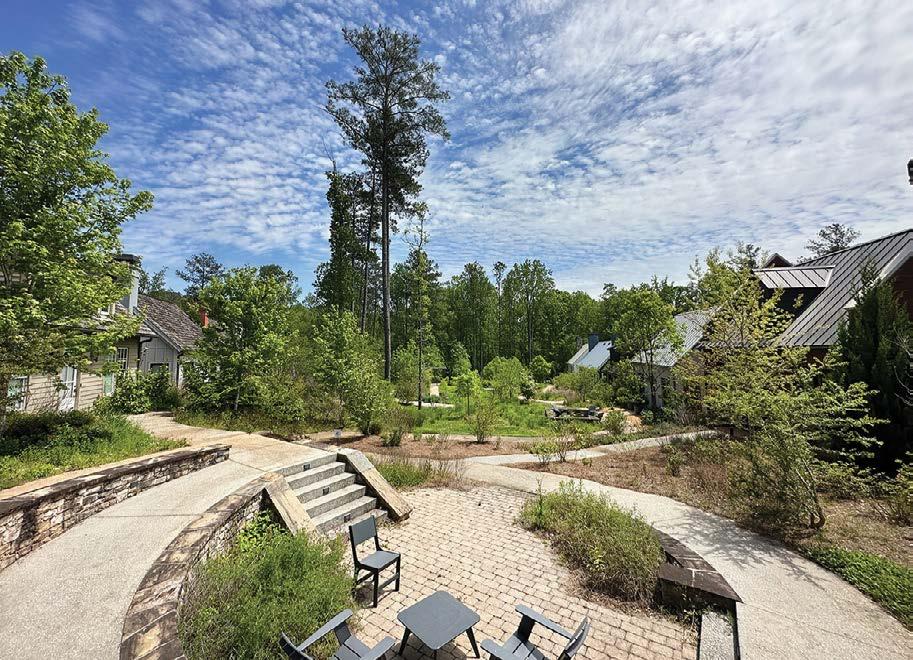
Spiritual wellness is about finding purpose, meaning, and connection to your core values or something greater than yourself. Your environment directly influences your spiritual health. Spaces designed with intention, featuring natural light, access to green areas, or serene aesthetics can foster mindfulness, reflection, and a deep sense of connection to nature.
Dr.Tabb’s research breaks down how you can seek out or create environments that boost your spiritual well-being, focusing on the three main ways we interact with our surroundings.
1. The Power of Place (Where You Are)
Certain locations naturally feel more sacred, healing, or grounding. When choosing a place to live or designing your own space, look for the following.
• A Sense of “Spirit”: Places that feel distinct, special, or tell a story—like a town with a strong local identity or a home that reflects your personal history.
• Biophilia (Love of Nature): An innate need for connection to life. This is why natural light, wood textures, or even a small indoor fountain can make you feel instantly better.
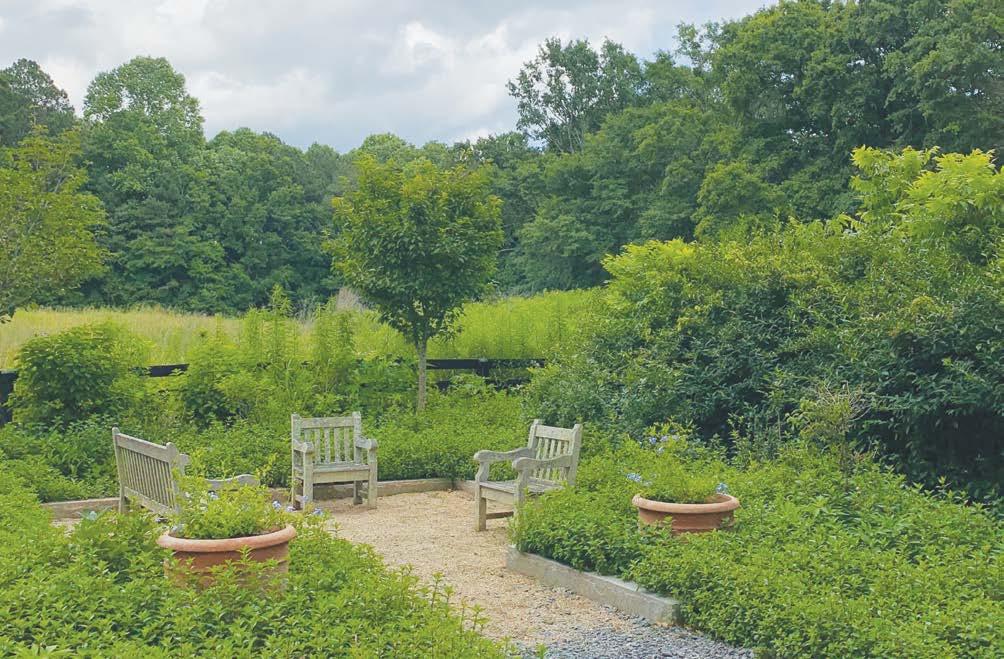
• Sanctuary: A physical space that provides a sense of peace, security, and refuge from daily stress, whether it’s a dedicated meditation corner or a quiet spot in your backyard.
2. The Impact of Experience (How You Feel)
Spiritual wellness is often rooted in profound emotional moments induced by your environment.
• Awe and Wonder: Environments that offer views of the vastness of nature (a vast landscape, a clear night sky) or feature stunning architecture can trigger awe, making your personal problems feel smaller.
• Serenity: Spaces designed for sustained inner peace, tranquility, and calm. Think of serene, uncluttered interiors or a garden designed for quiet contemplation.
• Noetic Experiences: Moments in a space that reveal clarity or knowledge, creating a feeling of connection to something transcendent.
3. The Rituals of Daily Life (What You Do)
Design can encourage the healthy habits that lead to spiritual wellness
• Mindfulness: Creating “places of pause” where distractions are minimized, or designing for silence and utilizing soft lighting encourages you to be fully present.
• Purpose: Living in a community that supports your values, such as areas with shared gardens or dedicated civic sites, helps you focus on efforts greater than yourself.
• Ethical Living: Designs that promote social equity and sustainability, such as walkable communities or using non-toxic, locally sourced materials, align your home with moral and ethical values.
These are just a few of the concepts covered in his recent books. Spiritual wellness shouldn’t require a retreat—it should be integrated into your daily routine. By understanding how light, nature, space, and community impact your spirit, you can intentionally shape your environment to be a powerful source of lasting meaning and peace.
Wellness Architecture and Urban Design and Spiritual Wellness and the Built Environment are available at Hills & Hamlets Bookshop. Listen to interviews with Dr. Tabb on Serenbe Stories, Land Planning and Sacred Geometry (Season 2, Episode 3) and Unveiling Serenbe’s Thin Places (Season 9, Episode 4) and Biophilic Solutions, How Do We Build Resilient Communities for the Future? (Season 1, Episode 1) and Thin Places, Sacred Architecture, and Biophilic Design (Season 3, Episode 48).
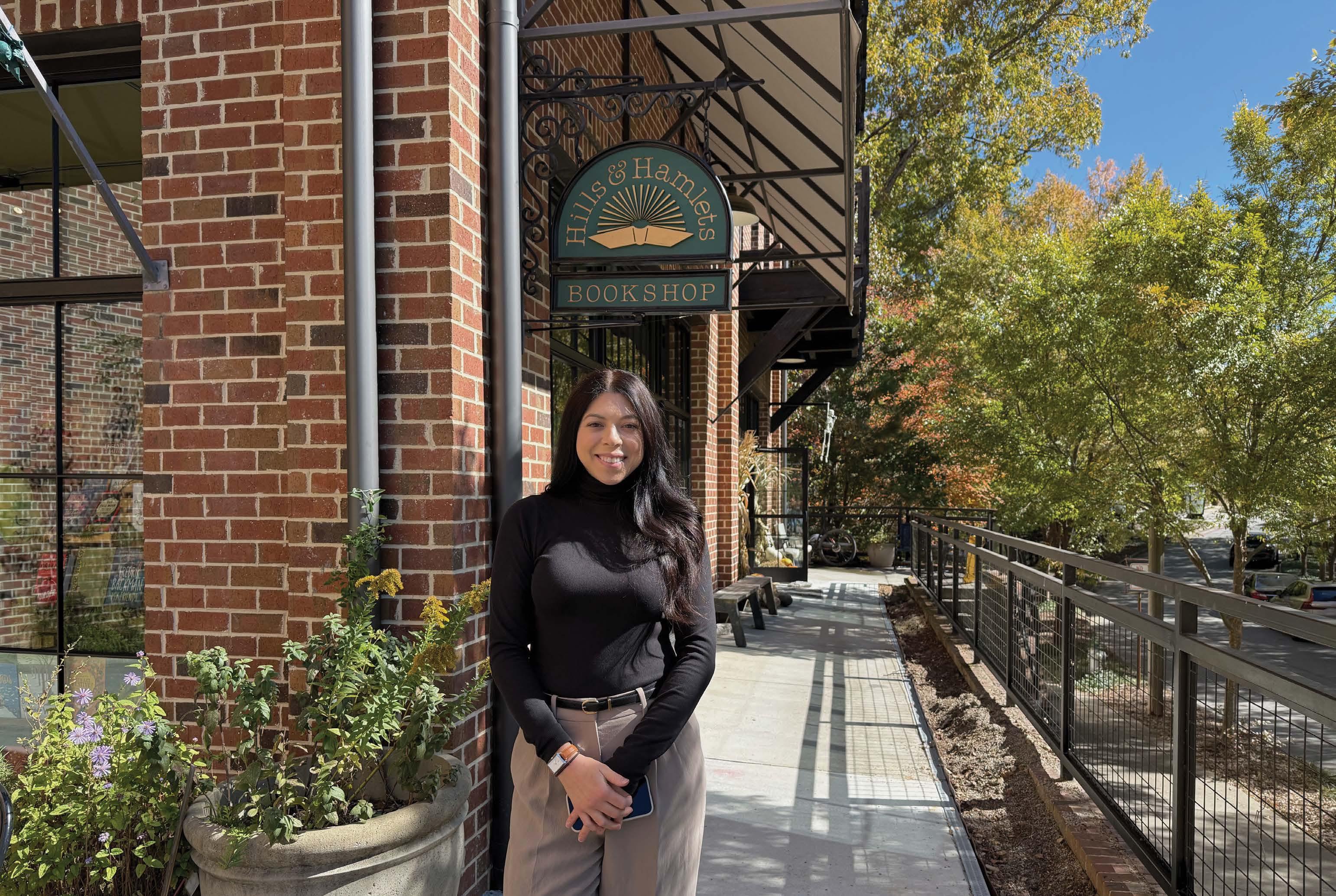
Hills & Hamlets Bookshop is entering a vibrant new era under the stewardship of Serenbe resident Shree Summerlin. Shree Summerlin purchased Hills & Hamlets from founding owners Megan Bell and Josh Niesse, who originally opened in 2016 and helped define its reputation as a beloved literary hub for Serenbe residents and visitors. Shree has long been a familiar face in the store, and stepping into ownership has allowed her to formalize a relationship that began as a devoted customer.
Her vision centers on keeping the bookshop personable and present for everyone who walks through the door. Shree especially enjoys working weekends at Hills & Hamlets because it gives her the chance to engage with customers, find out what they are reading, and what they are excited about, which she sees as essential to nurturing an authentic neighborhood bookshop.
Shree’s background is rooted in marketing: for ten years she ran her own business focused on SEO and website analytics, experience that helps her amplify Hills & Hamlets’ presence and connect the shop with readers near and far in a thoughtful, strategic way. She also brings a strong academic foundation in the humanities, having earned degrees in Philosophy and German from Auburn University, a perspective that informs the depth and intention behind the store’s selections.
Her goal is to ensure Hills & Hamlets remains a key part of the Serenbe experience, not just as a retail stop but as a living, breathing part of the community. By being consistently available in the shop, starting conversations, and listening closely to readers’ interests, she aims to keep the bookstore grounded in real relationships and shared curiosity about ideas, stories, and culture.
“Serenbe is unique for book lovers and an independent bookshop due to the diversity, not only in the people who live here, but we have people coming from all over the world,” Shree says. Visitors regularly express their appreciation for having a high-quality bookshop in the community, and Shree sees the store as an important thread in the larger tapestry of Serenbe, enhancing each guest’s visit while also deepening daily life for those who live here.
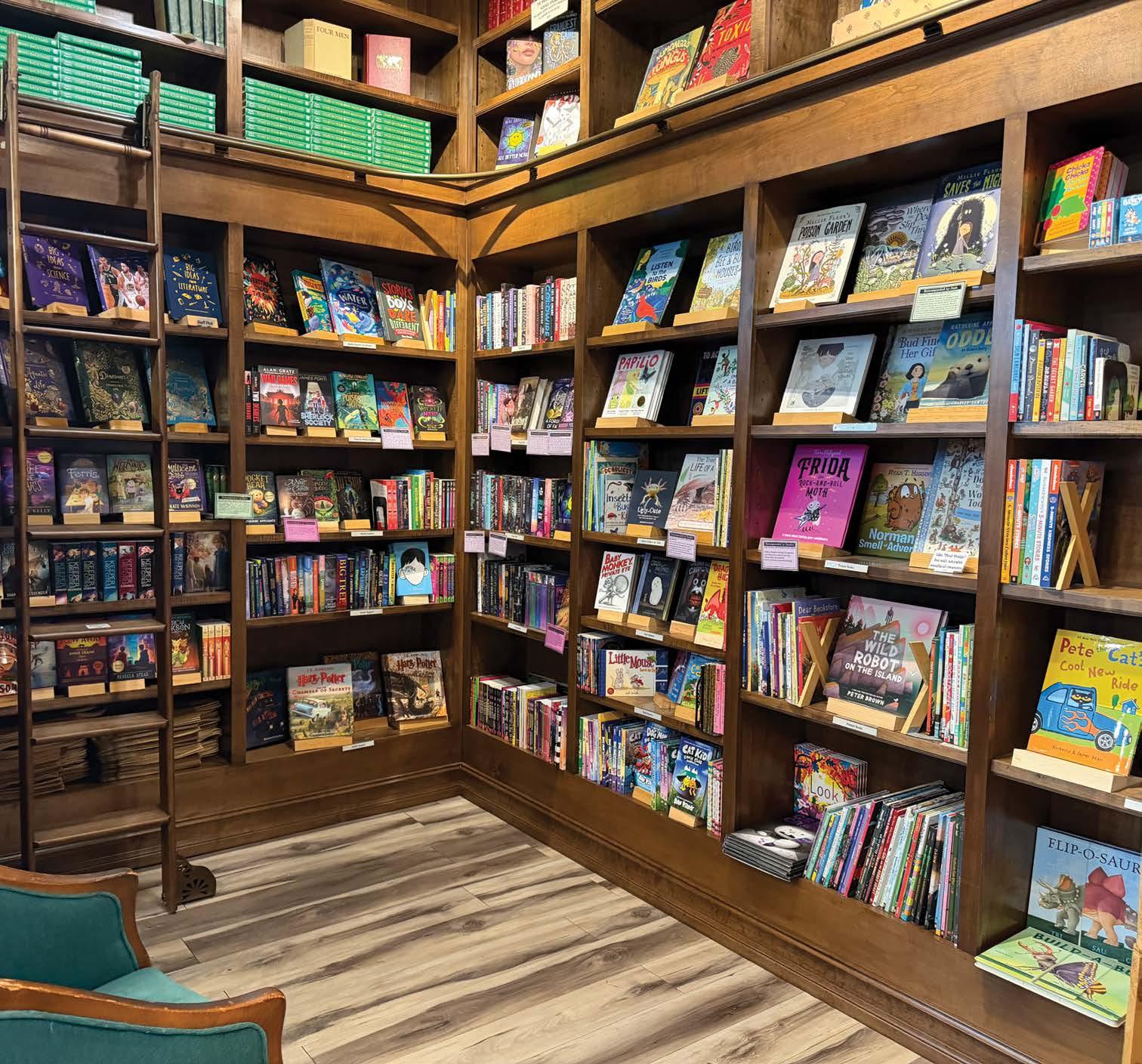
When asked for book recommendations, Shree often starts with Educated by Tara Westover, which she calls her “desert island” book and rereads at least once a year. She also encourages readers to explore the Language, Philosophy and Culture section of the shop, where she has added many titles she considers “essential life books,” including Kant’s Critique of Pure Reason, David Hume’s A Treatise on Human Nature, and Hannah Arendt’s The Origins of Totalitarianism
In addition, she has brought in titles from The School of Life, which distill insights from philosophy, literature, and emotional intelligence into accessible, non-academic writing. Beyond these, the store’s staff picks offer a rotating window into what the booksellers themselves love, inviting customers to discover new favorites.
A defining feature of Hills & Hamlets is its celebration of the many local authors.The shop maintains a dedicated section for local writers, featuring works by Tena Clark, Juliet Cutler,
Shree values having such a concentration of local talent represented on the shelves, viewing it as a way to deepen the sense of community that defines both the bookstore and
She’ll be adding more local authors, ensuring that Hills & Hamlets continues to reflect the voices, stories, and ideas emerging from the community itself.
Hills & Hamlets is also a space for gatherings, conversations, and celebrations of new work. The shop is hosting poet, painter, and teacher Forester McClatchey to celebrate his new book, Killing Orpheus, with a book signing April 18th from 12–2 pm, followed by a reading on April 24th from 4–6 pm; both events will be held directly next door at Birdhouse Coffee.
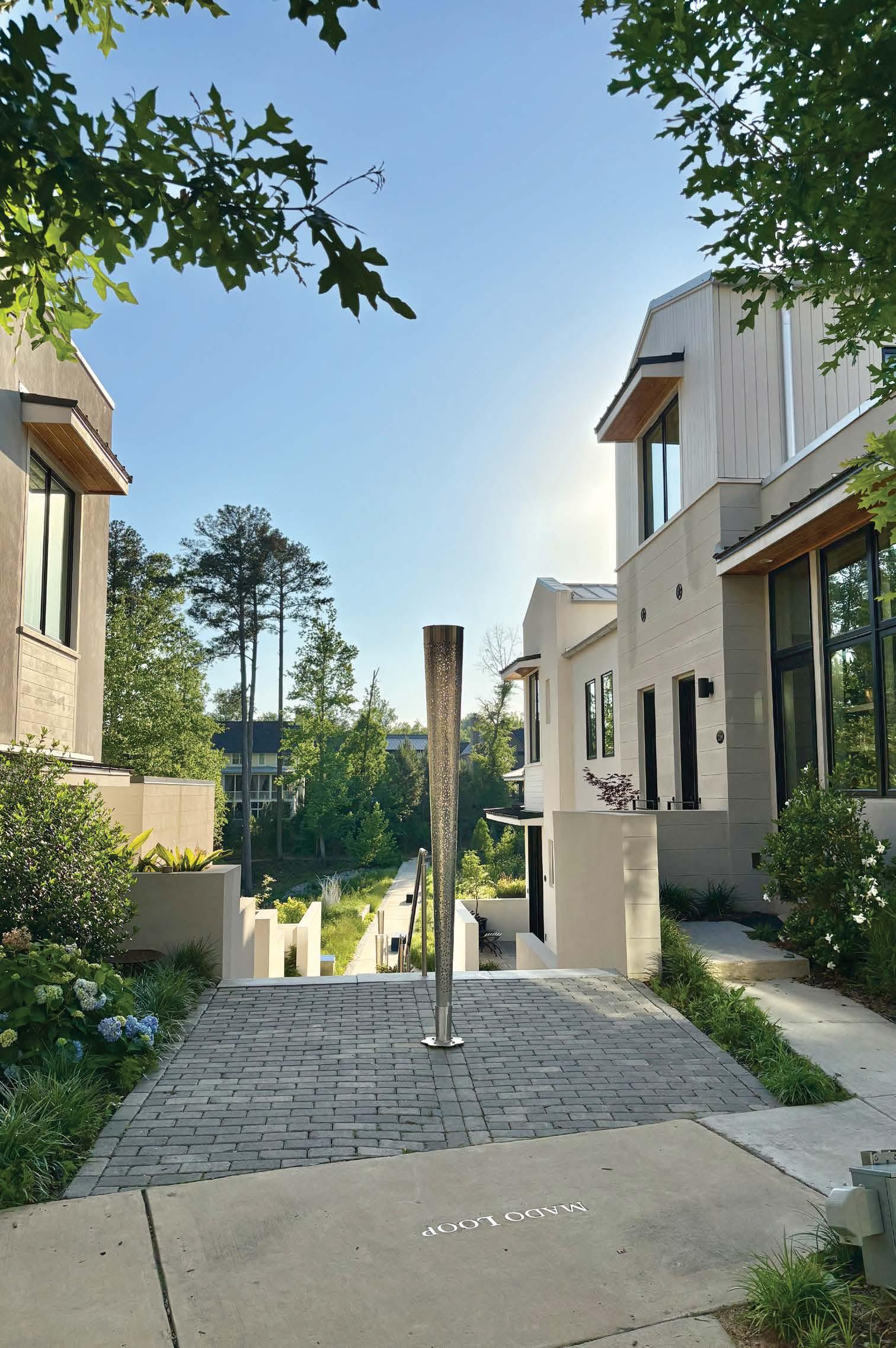
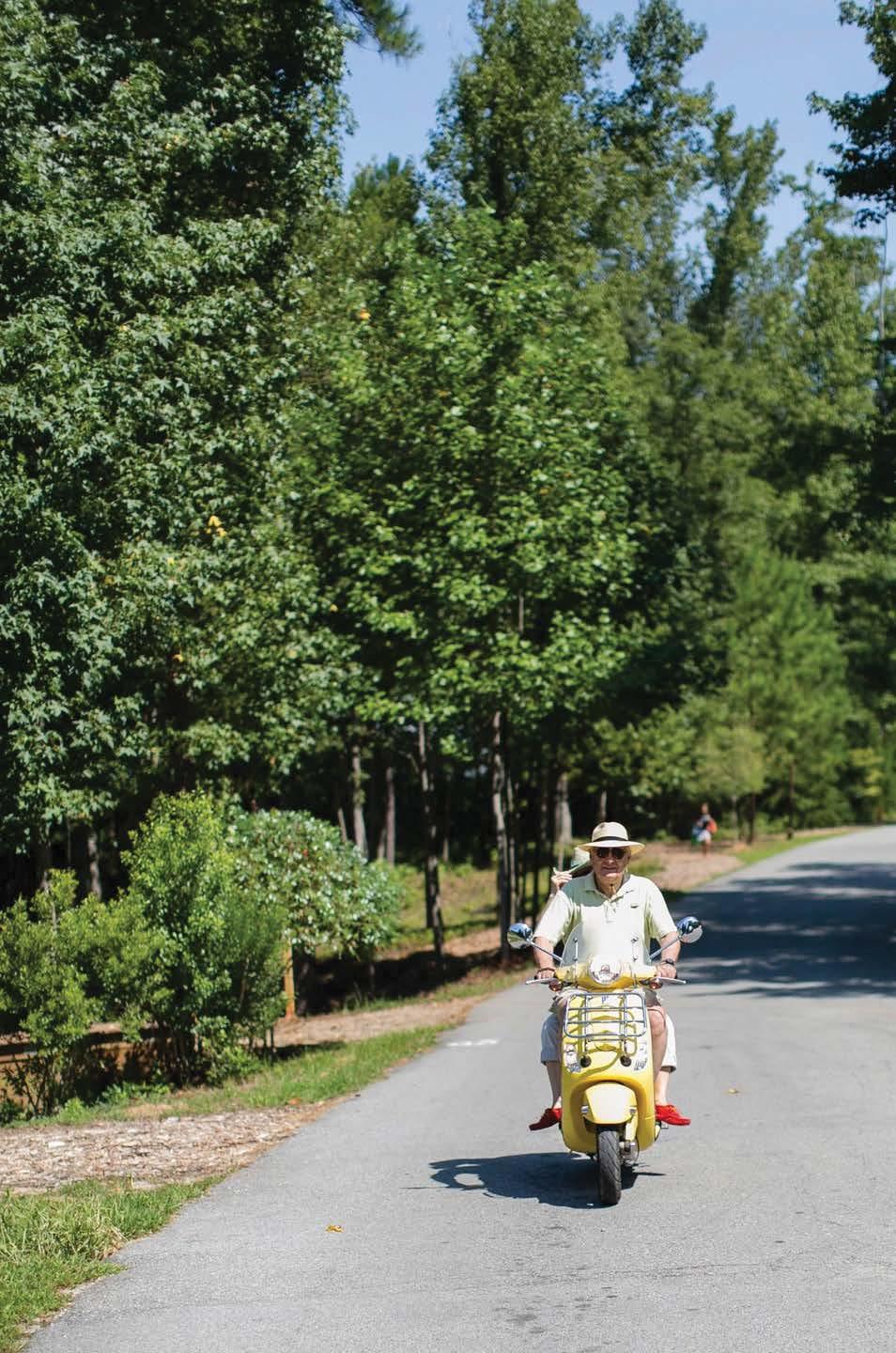
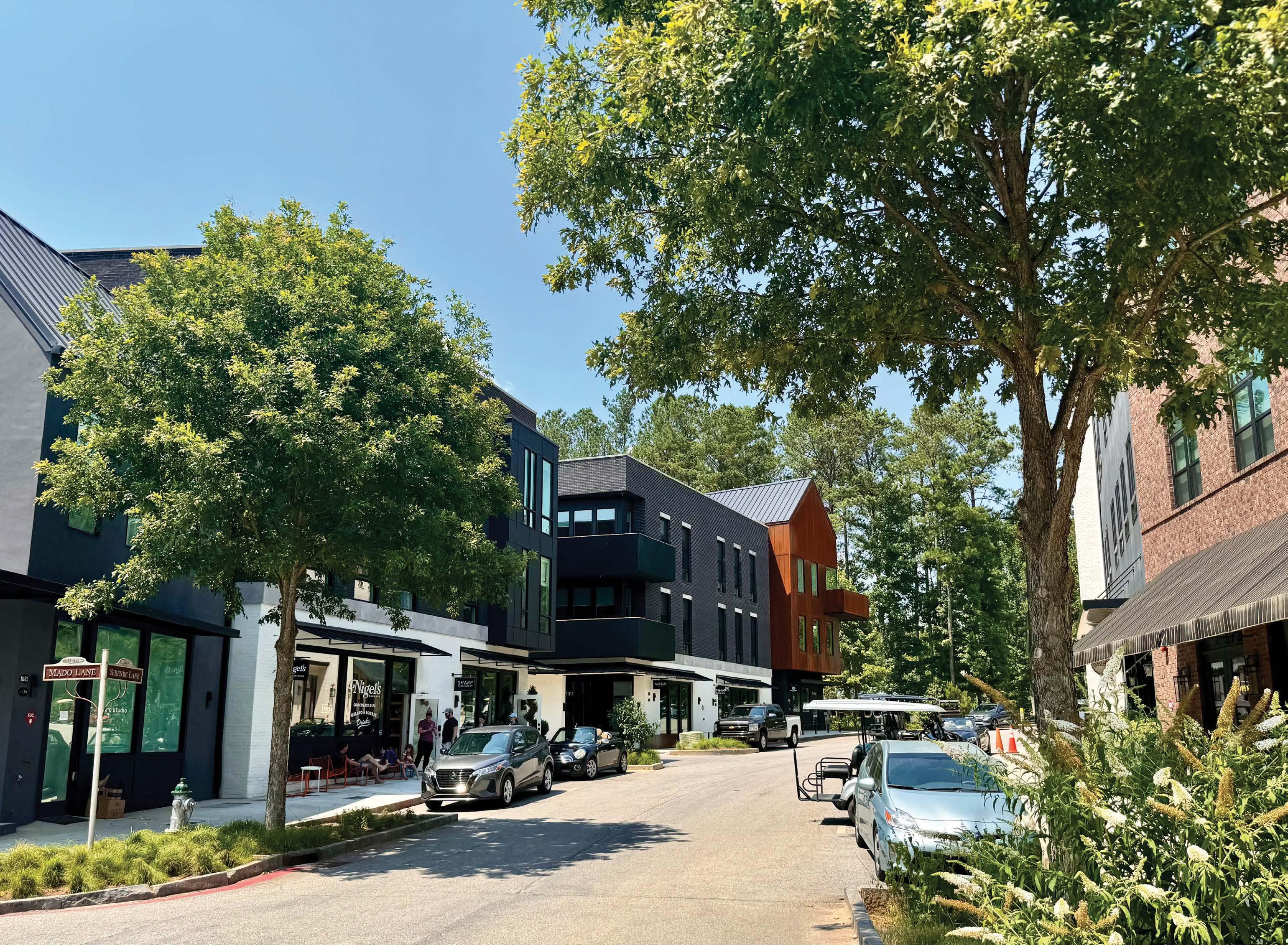
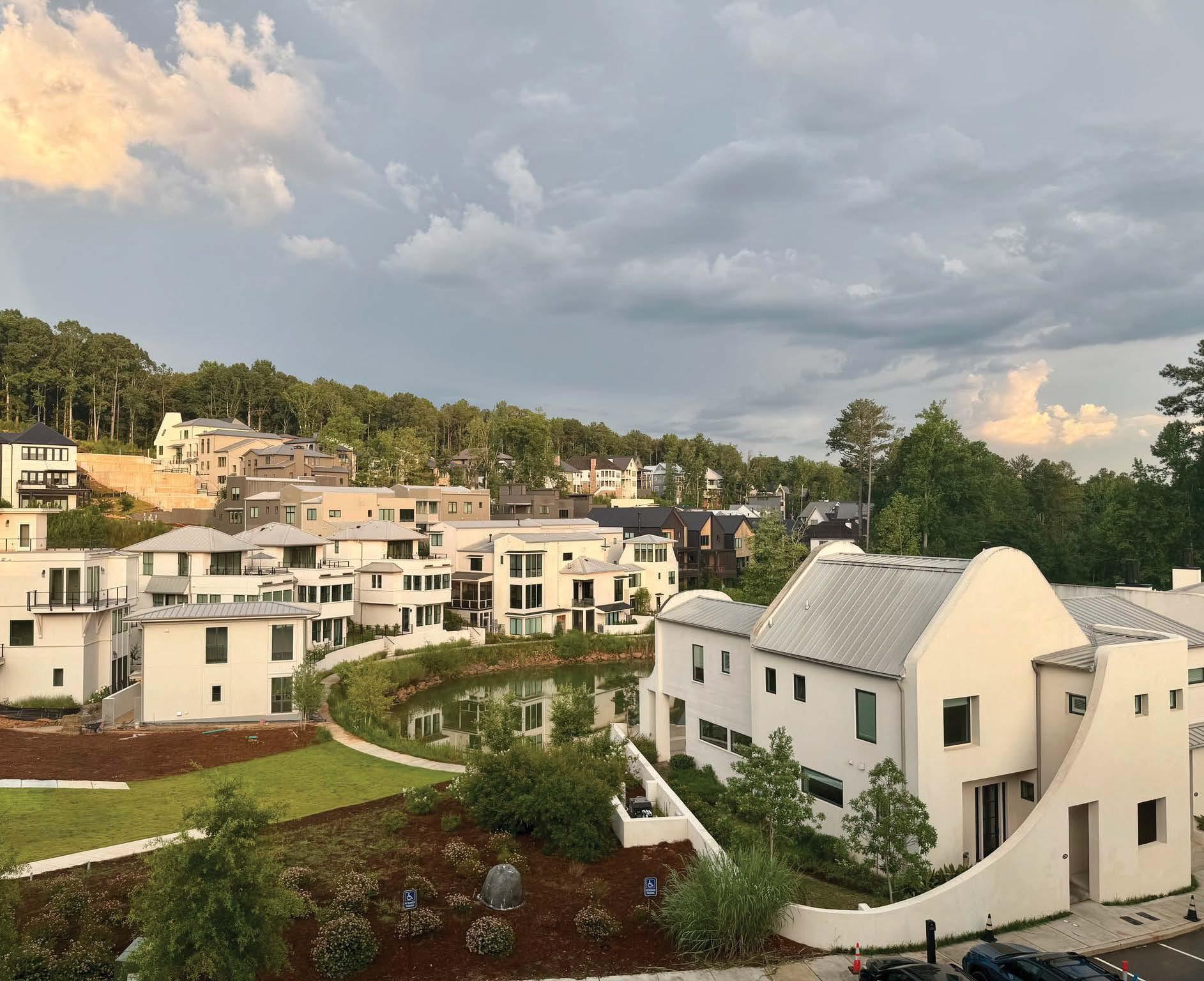
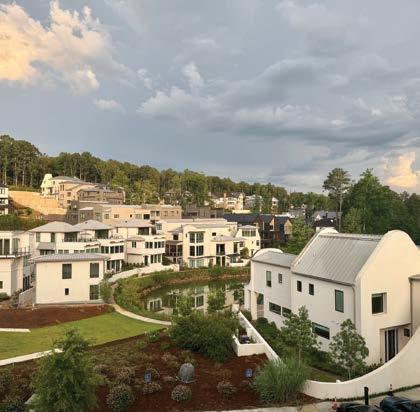
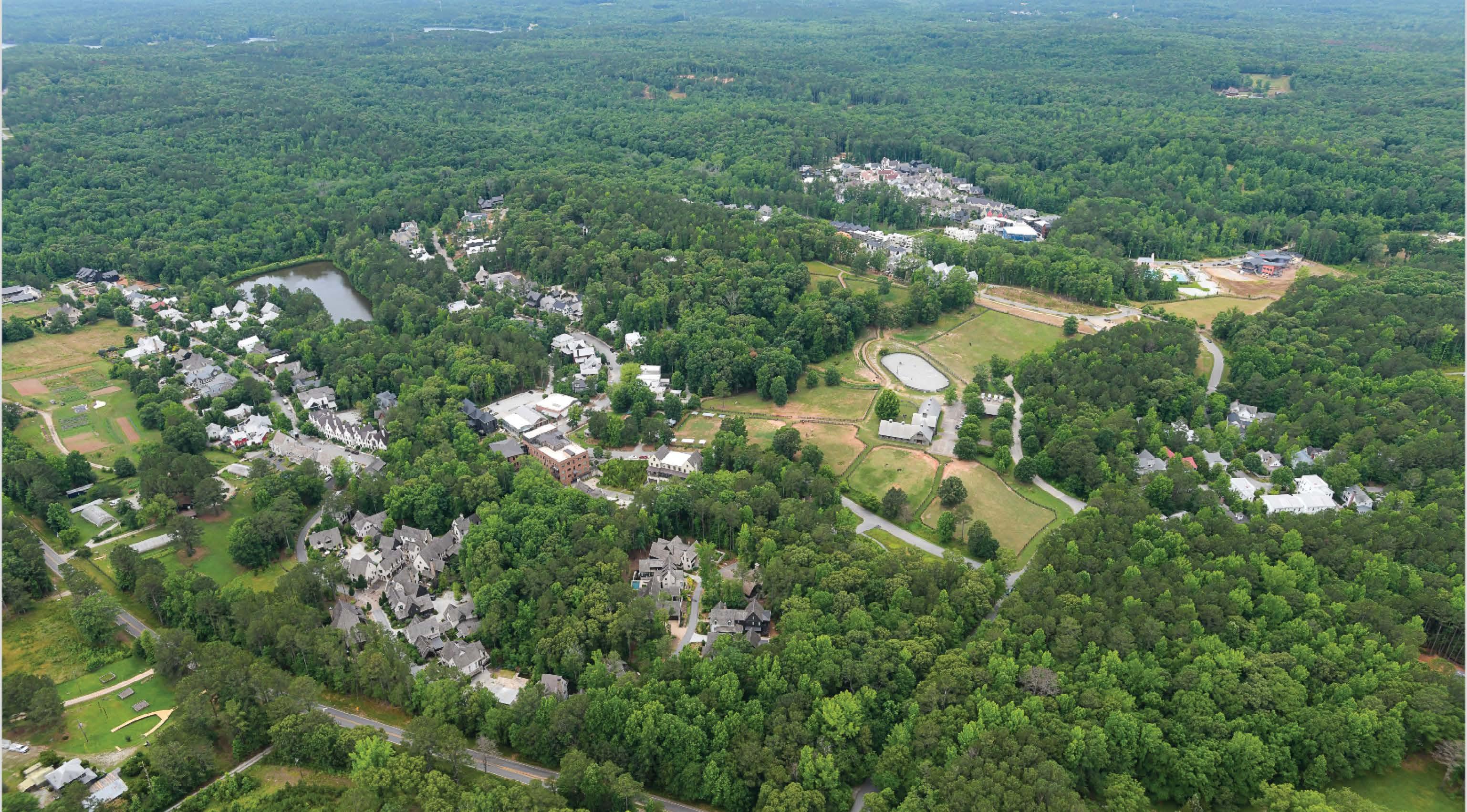
Conventional residential development typically disturbs as much as 80 percent of the surrounding land to build homes. At Serenbe, that model is turned entirely on its head. The community’s award-winning 70/30 conservation zoning policy, which requires 70 percent of the land to remain permanently preserved as green space, forest, or agricultural land, limits development to just 30 percent of the land. This approach promotes compact, walkable neighborhoods, curbs sprawl, and protects the region’s rural character.
This biophilic planning philosophy places nature at the forefront, rather than imposing the built environment in ways that degrade ecosystems and natural resources. The results are not only good for the planet, but also for us. Serenbe’s trees remove an estimated 1,484 tons of pollution from the air each year, significantly improving air quality. To put that in perspective, that amount of pollution is equivalent to the annual emissions of more than 180,000 cars.
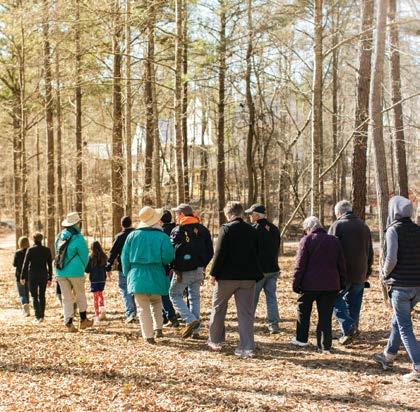
Within this preserved landscape, each Serenbe Hamlet has been intentionally designed to support wellness in three essential areas: walkability, community, and access to nature. Walkability, in particular, is a cornerstone of healthy community design. In his influential book Walkable City, urban planner Jeff Speck argues that walkability is one of the most effective tools for addressing modern challenges such as, environmental degradation, economic inequality, and social isolation. His message is simple but powerful: when people walk, communities thrive. Serenbe reflects this philosophy through compact village centers, close proximity to daily needs, and a deliberate resistance to sprawl. Sidewalks and miles of nature trails safely connect residents to restaurants, shops, neighbors, and the natural beauty of the land.
Community is another critical, yet often overlooked, component of wellness. Our built environment has a profound influence on how often and how meaningfully we connect with others. According to Pew Research, only 31 percent of people say they know their neighbors. Yet studies show that regular contact with ten or more people in one’s neighborhood has a measurable impact on happiness. Serenbe’s clustered neighborhoods, front porches pulled close to sidewalks, centralized mail houses, shared greens, frequent community events, and thoughtful placemaking all encourage chance encounters and everyday social connection.
And at the heart of it all is nature itself. Serenbe’s land preservation model and community design place nature at the center of daily life, unlocking a wide range of physical, mental, and cognitive health benefits. Research shows that as little as 120 minutes per week in nature can reduce stress and anxiety, boost immune function, and even improve sleep quality. With more than 20 miles of trails winding past creeks and waterfalls, along with abundant communal greenspaces, playgrounds, in-ground trampolines, and gathering areas, nature is a constant presence.
The commitment to wellness and sustainability extends beyond the landscape and into every home. Each residence in Serenbe is EarthCraft-certified, a rigorous green building standard developed by Southface and the Greater Atlanta Home Builders Association. Often considered the gold standard for residential green building in the Southeast, EarthCraft certification ensures high indoor air quality, reduced environmental impact, and meaningful savings on energy and water use. EarthCraft homes save homeowners an average of 28 percent on energy bills. Since 2017, Serenbe has gone even further by requiring geothermal heating and cooling systems in all new homes, replacing conventional HVAC systems and delivering up to 60 percent total energy savings.
Taken together, these common sense solutions reflect a fundamentally different approach to development that values long-term health, connection, and resilience over short-term efficiency. By preserving land, prioritizing walkability and community, and building homes that work in harmony with the environment, Serenbe demonstrates that thoughtful design can restore our relationship with nature while creating places where people truly thrive.
Want to learn more? Visit Serenbe’s Be Well Room in the Mado Hamlet to explore our biophilic approach to development and sustainable building. Then listen to the Serenbe Stories podcast — Balancing Development and Conservation to Save Nature (Season 1, Episode 5); Building a Community from Scratch (Season 1, Episode 6) ; and Land Planning & Sacred Geometry with Phill Tabb (Season 2, Episode 3). You can also dive deeper with the Start In Your Own Backyard podcast series, hosted by Serenbe founder Steve Nygren, which explores the many facets of building a healthy, thriving community.
Later life is no longer defined by withdrawal into leisure or the quiet closing of a professional chapter. Increasingly, it represents an evolution into a period of meaningful engagement, shaped by continued curiosity, contribution, and connection. As life expectancy rises and people remain healthy and active longer, the central question is shifting. It is no longer, where can I slow down? but rather, where can I live in a way that supports continued vitality, purpose, and participation?
This shift reflects a broader understanding of elderhood as a stage of continued growth, cultural relevance, and contribution rather than retreat. Retirement may be a financial milestone. Elderhood is a human stage.
At Serenbe, elderhood is not viewed as a period of withdrawal. It is an opportunity to step more fully into life. The community is designed around the belief that the places we choose to live can either reinforce passivity or cultivate engagement. Here, daily life supports movement, interaction, and connection in ways that feel natural rather than prescribed. Aging becomes a continuation of living well, not a departure from it.
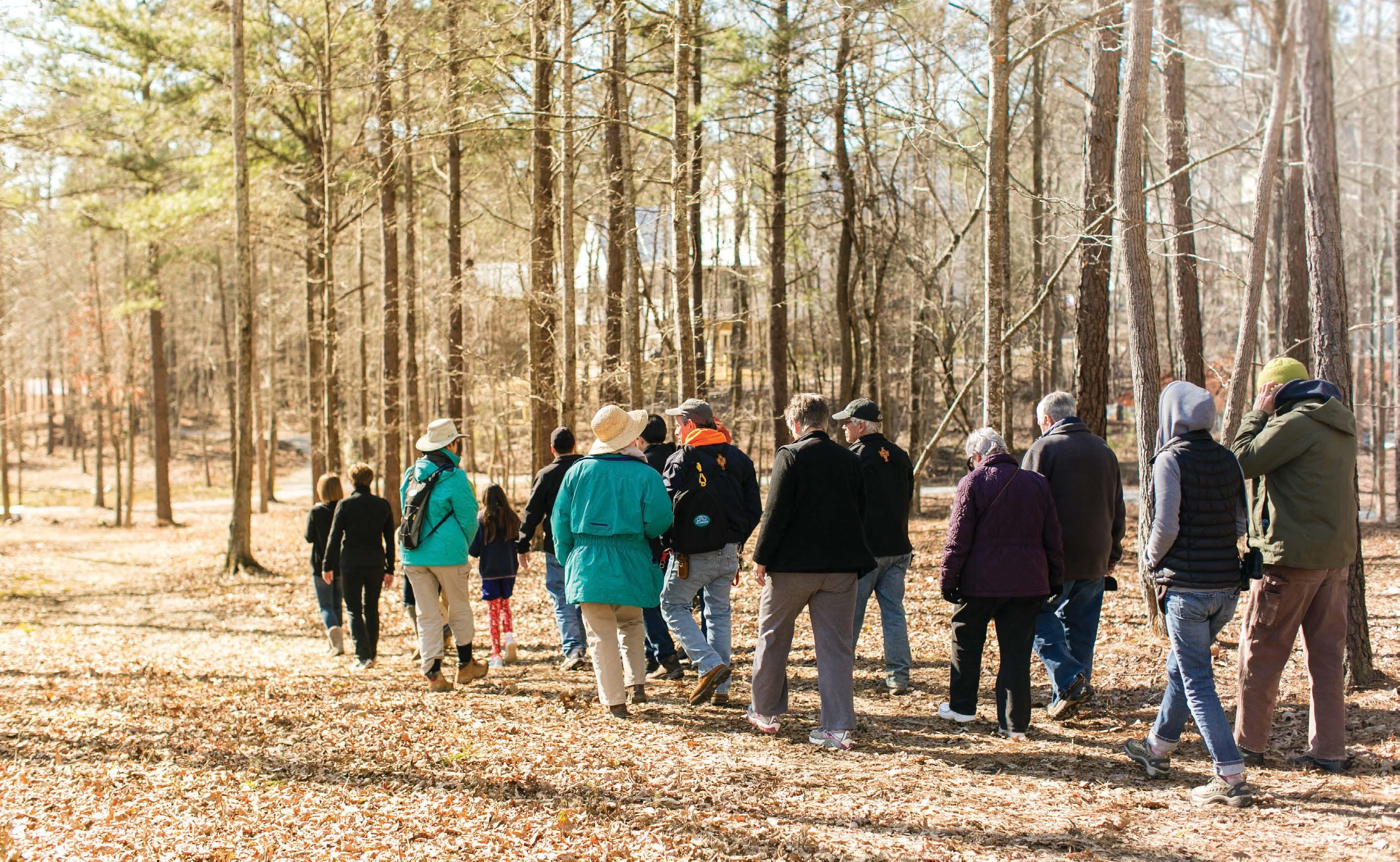
This philosophy begins with land preservation. More than seventy percent of Serenbe’s land, and the surrounding city, is permanently protected as forest, meadow, and agricultural landscape. This commitment shapes the rhythm of daily life. Instead of noise and congestion, residents experience wooded trails, open skies, and protected viewsheds. Research consistently shows that regular contact with nature reduces stress, supports cardiovascular health, sharpens cognitive function, and improves emotional well-being. In Serenbe, connection to nature is not an amenity; it is the setting for everyday life. Morning walks between hamlets, seasonal changes visible from front porches, and the presence of working farmland create an environment where physical and mental vitality are continuously reinforced.
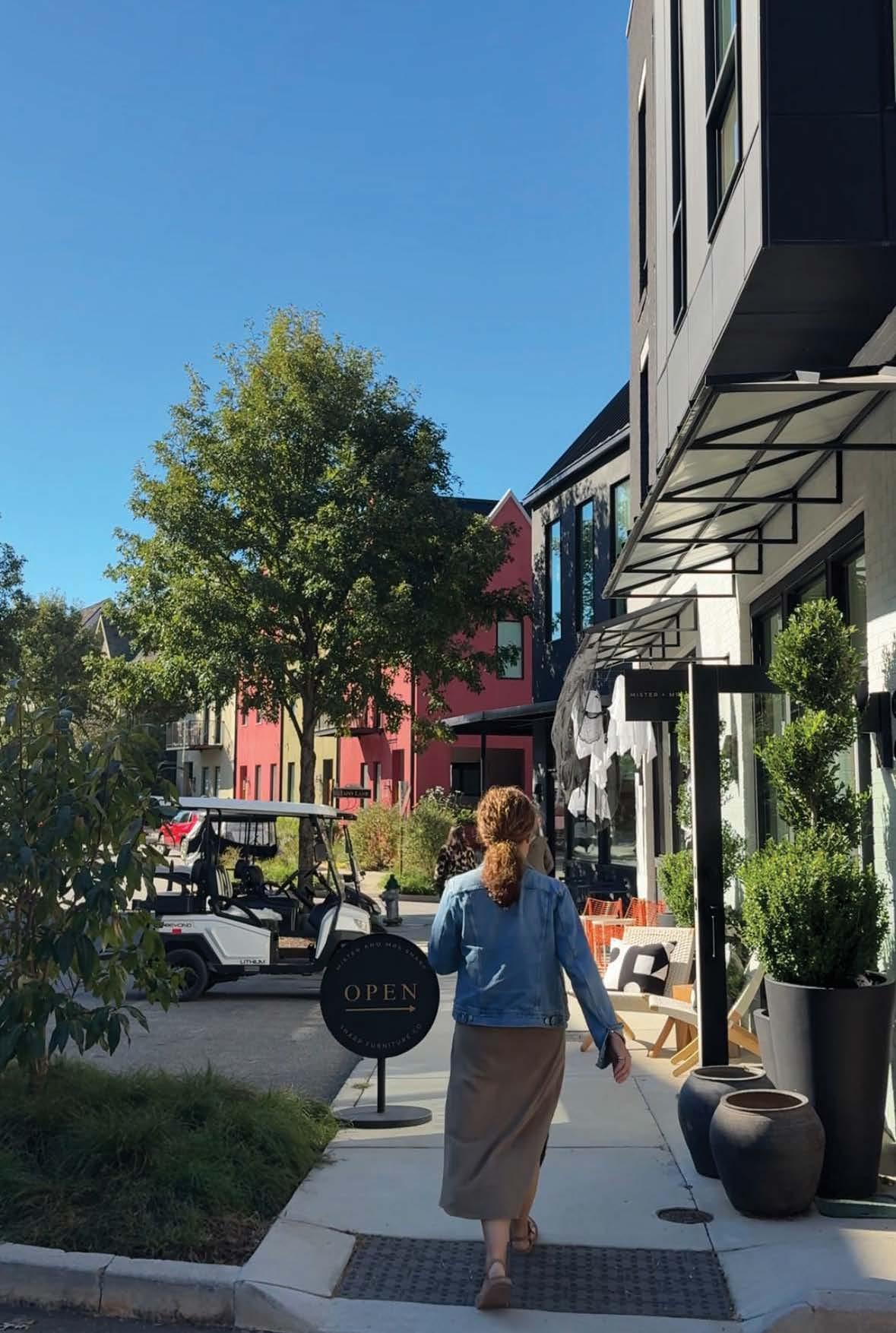
Equally important is the structure of the village itself. Serenbe’s hamlets are designed for everyday movement and connection. Sidewalks and trails link homes to coffee shops, restaurants, wellness studios, health providers, and gathering spaces. This pattern of living embeds activity into daily routines, allowing residents of all ages to walk, meet, and engage without dependence on cars. For older adults in particular, this accessibility supports independence and confidence while fostering spontaneous social interaction. The journey between destinations becomes as meaningful as the destination itself.
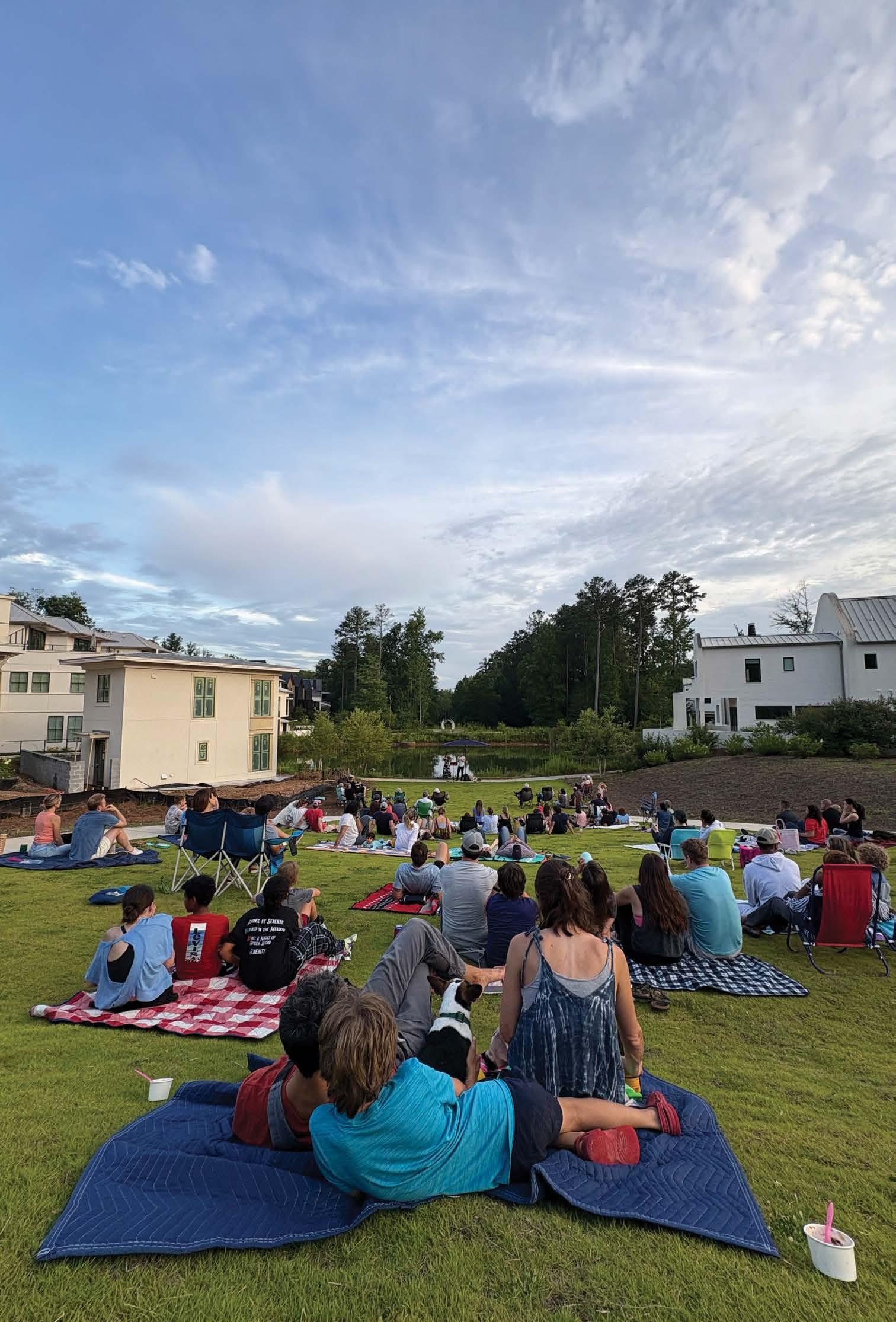
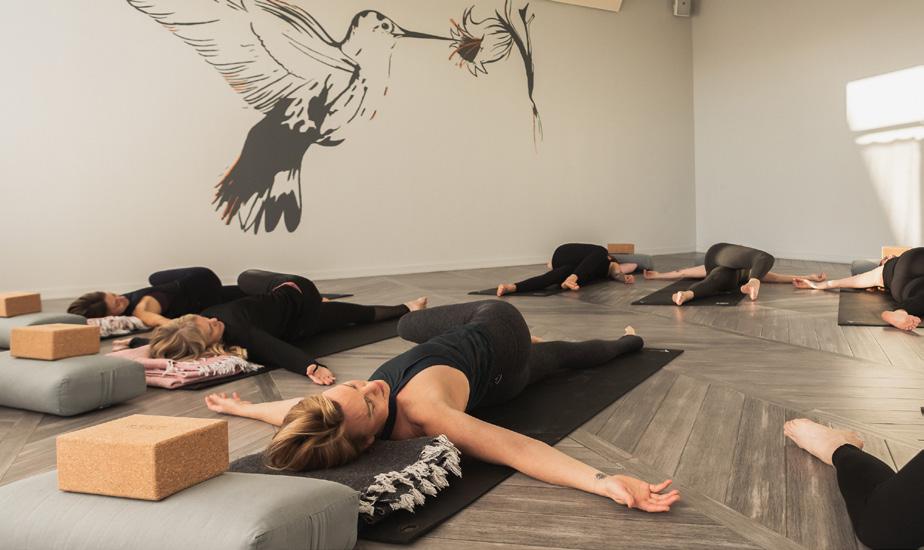
Wellness extends beyond movement into a broader culture of care and connection. Yoga classes, strength training studios, and restorative spa experiences coexist alongside opportunities for creative expression and civic participation. The community’s working organic farm, along with edible landscapes woven throughout the hamlets, reinforces a culture of nourishment rooted in place. Educational programs, arts initiatives, and agricultural activities offer countless ways to remain involved. For many residents, elderhood becomes a time not of stepping back but of stepping forward into mentorship, volunteerism, and creative exploration. The ability to contribute meaningfully to the life of the community strengthens both personal wellbeing and collective resilience.
Housing choices support this continuity of engagement. Serenbe offers a range of residences, from cottages and townhomes to estate homes and farmettes, enabling residents
to adapt their living arrangements over time. Thoughtful design elements such as main-level living, abundant natural light, energy-efficient construction, and low-maintenance landscapes allow people to remain in their homes comfortably as they age. Importantly, Serenbe is not agerestricted. Elders live alongside young families, artists, and entrepreneurs, creating a dynamic intergenerational environment that fosters vitality and mutual support.
This intergenerational ethos reflects a broader cultural shift toward what might be called uncaged elderhood, an approach that challenges outdated assumptions about aging. Rather than being separated or sidelined, older adults are visible participants in daily life. They serve as neighbors, mentors, collaborators, and stewards of community traditions. Serenbe has become a living example of this philosophy, demonstrating that aging can be integrated into the fabric of village life rather than managed as a separate condition.
Future development plans continue to reinforce this vision. New aging-in-place residences and adaptable housing models are being designed within walking distance of services, social spaces, and nature trails. The emphasis remains on neighborhood-based solutions that preserve continuity and belonging. Aging in Serenbe is not about passive endurance; it is about active participation in a community that evolves alongside its residents.
The social fabric of the village further supports this model of engagement. Front porches, greens, courtyards, and pedestrian pathways create opportunities for informal interaction throughout the day. Farmers markets, art openings, lectures, seasonal celebrations, and shared meals provide structured moments of connection. For individuals transitioning from professional life, these experiences help replace formal networks with a rich web of community relationships.
At the same time, Serenbe offers the rare balance of rural tranquility and metropolitan accessibility. Residents can enjoy evenings under expansive skies while remaining connected to advanced healthcare, cultural institutions, and global travel opportunities. This combination allows elderhood to be both grounded and expansive.
Underlying all of this is a commitment to environmental stewardship. Serenbe was founded on the belief that development and preservation can coexist in ways that enhance both human and ecological wellbeing. Living within a community that reflects these values offers residents a renewed sense of purpose that extends beyond professional identity. Stewardship of land becomes stewardship of life itself.
Taken together, Serenbe represents a reimagined model of later life. It integrates preserved landscapes, walkable village design, wellness infrastructure, intergenerational living, and opportunities for meaningful engagement into a cohesive whole. Here, free-range kids and uncaged elders are not an aspiration but an everyday reality. Later life is not a retreat into leisure. It is an invitation to remain curious, connected, and fully alive in a place intentionally designed to support vitality across generations.
Steve Nygren and Serenbe were featured on the Retire Southern podcast, as a model for intentional, community-driven living where residents “don’t wait for retirement to start living.” Listen here:




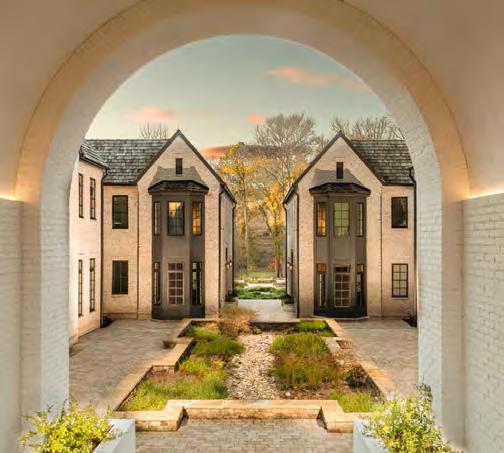
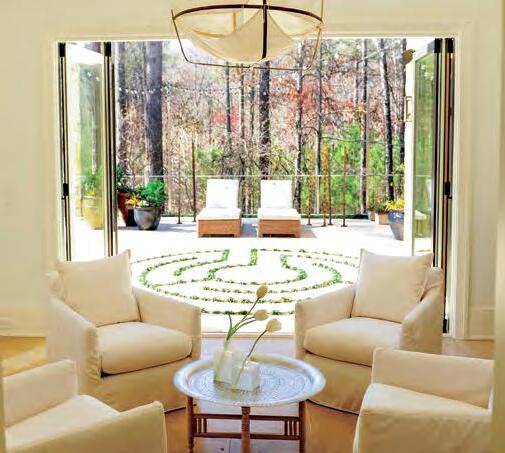
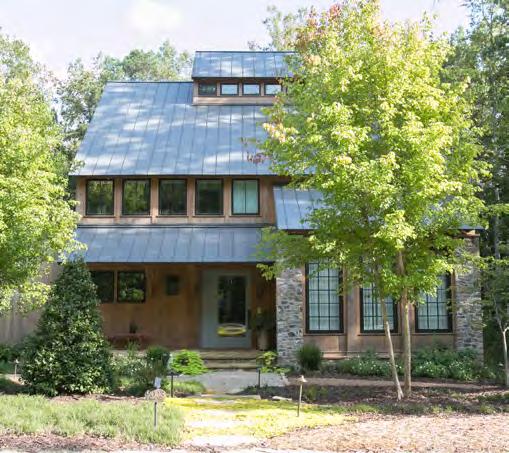
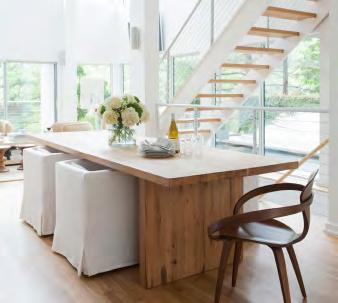
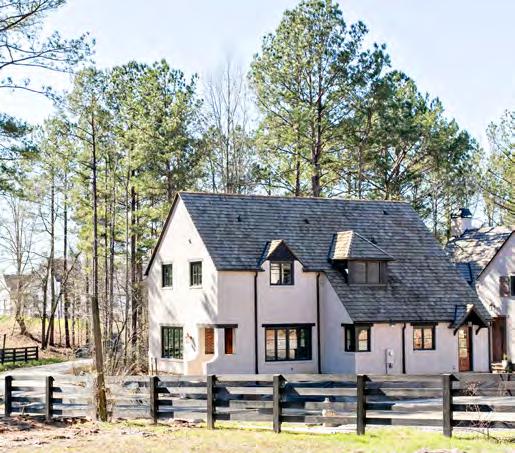

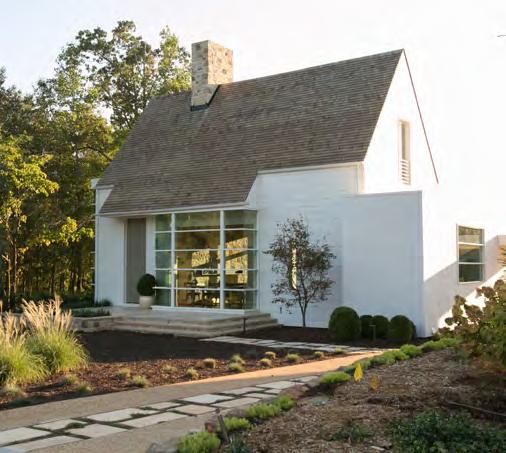
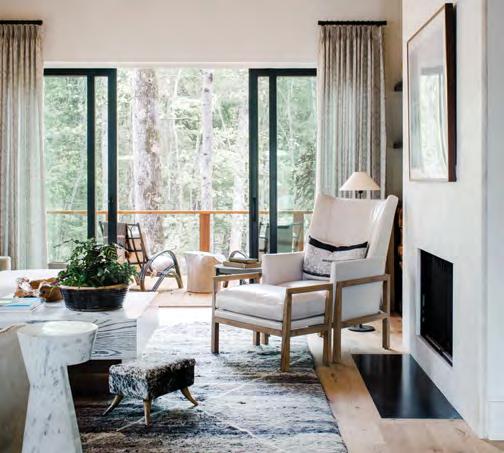
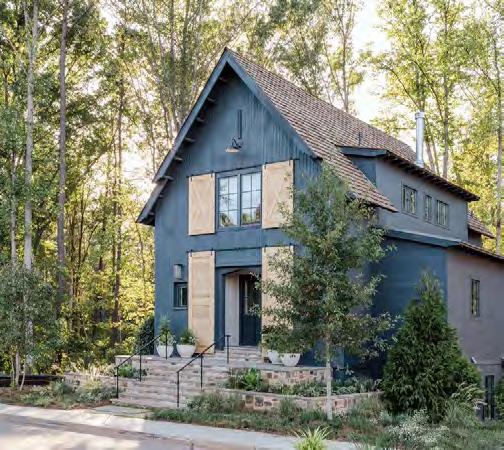
The word “groundbreaking” means to pioneer. To innovate. To start something no one has seen before. When you buy a lot at Serenbe, the groundbreaking on your future home embodies every sense of the word. Work with one of our builders or BYOB—that’s Bring Your Own Builder—to create a

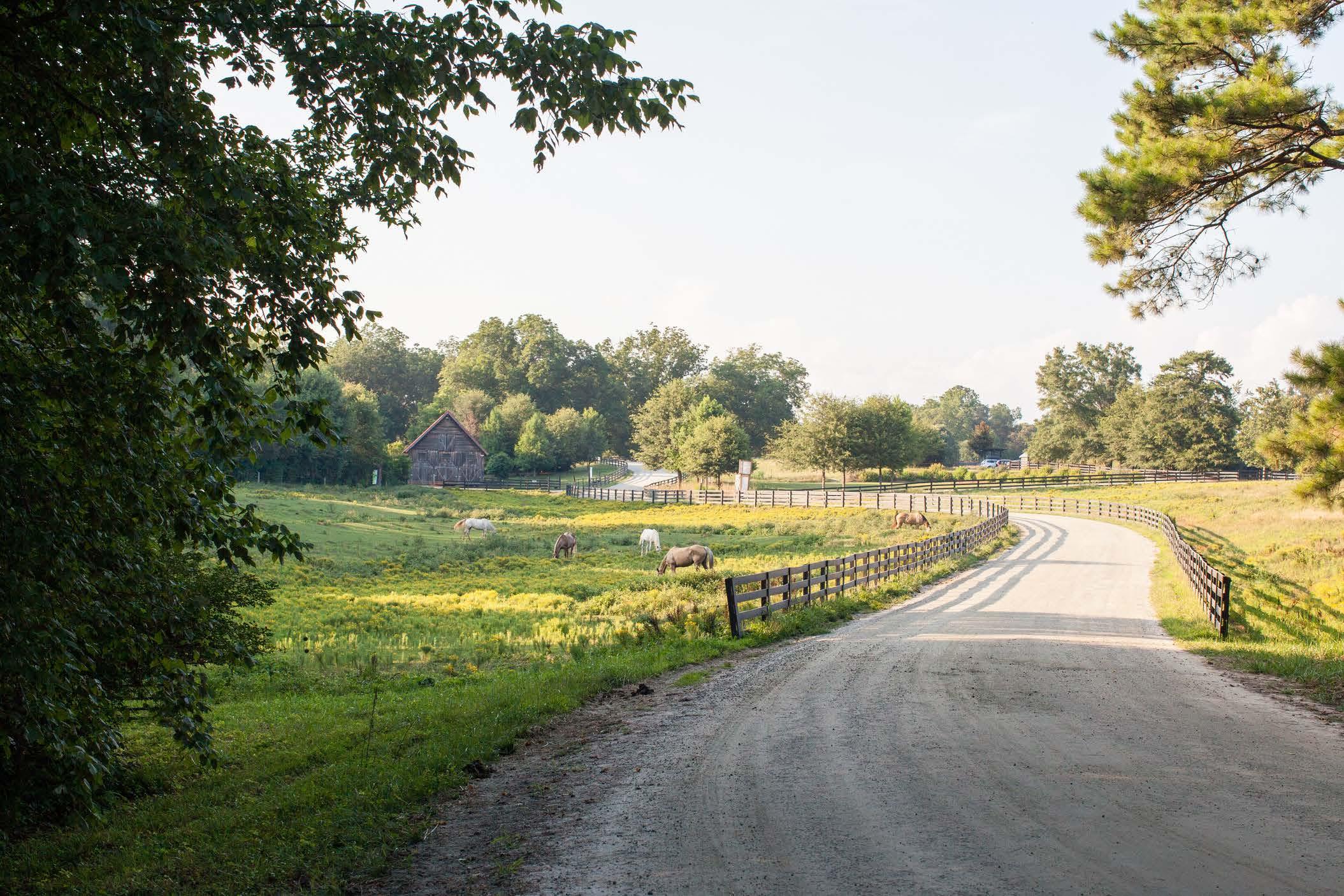



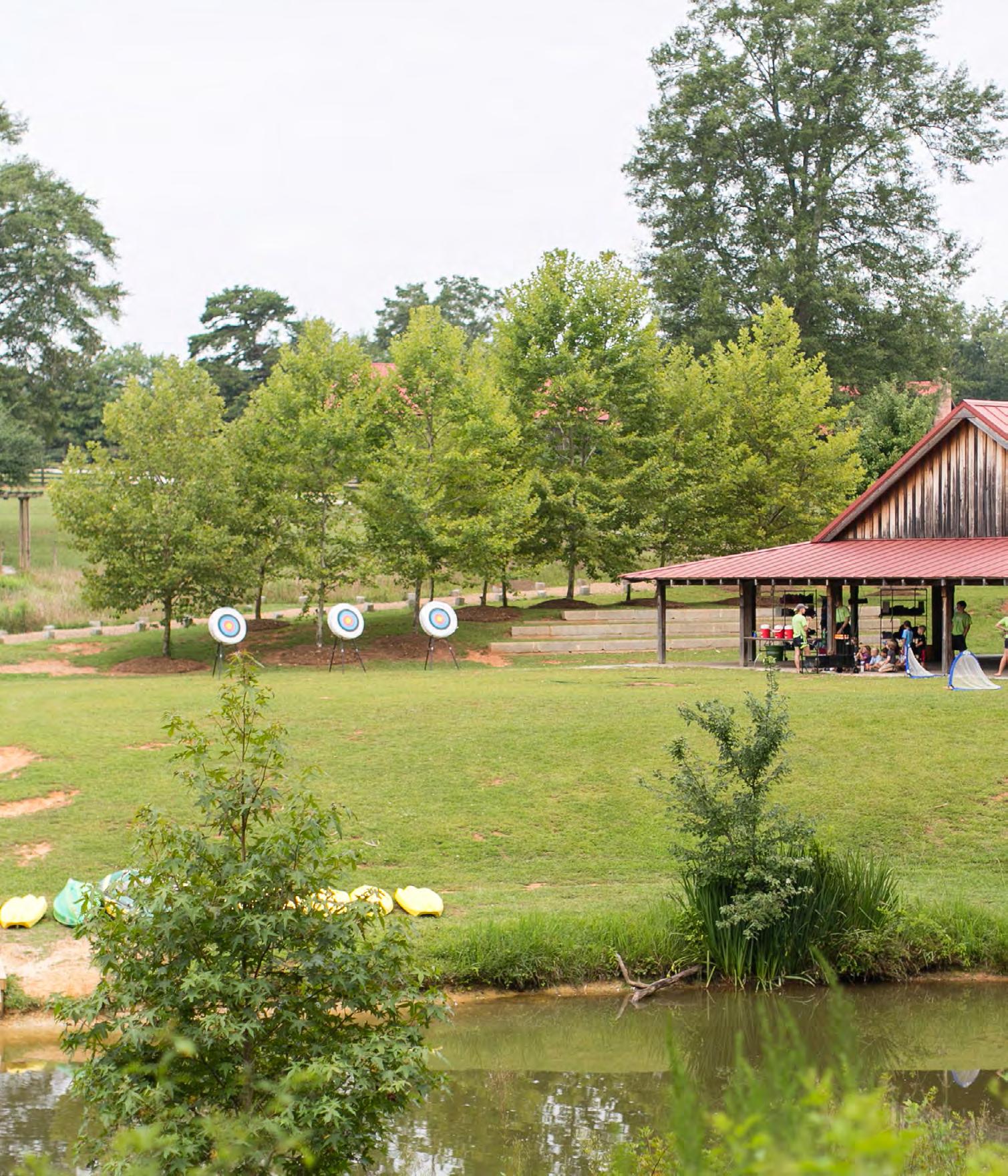
For most Atlantans, city life is exciting, fast-paced, and full in the best way. It’s packed calendars, favorite restaurants, school events, meetings, inevitable traffic, and the constant hum of the rush of urban living.Yet more and more, there’s another rhythm woven into that life, one that starts with a short drive south and ends with a deep exhale. Barely 30 miles from downtown, Serenbe has quietly become the second-home sweet spot for Atlantans who want nature and connection without leaving cultural and culinary amenities behind.
What makes it work is how easy it is.You don’t have to book a flight or block off a week. You finish your workday, get in the car, and in less than an hour the skyline gives way to trees and open sky. The noise softens and disappears. There’s a porch waiting, bikes leaning against a fence, maybe deer moving through the field at dusk. It feels far away, but it’s so close and that’s the magic.
As Serenbe homeowner Cindy Hopper put it, “The moment we drive into Serenbe, I feel myself exhale. Having both the pace of the city and a place that grounds me is a rare and meaningful balance.”
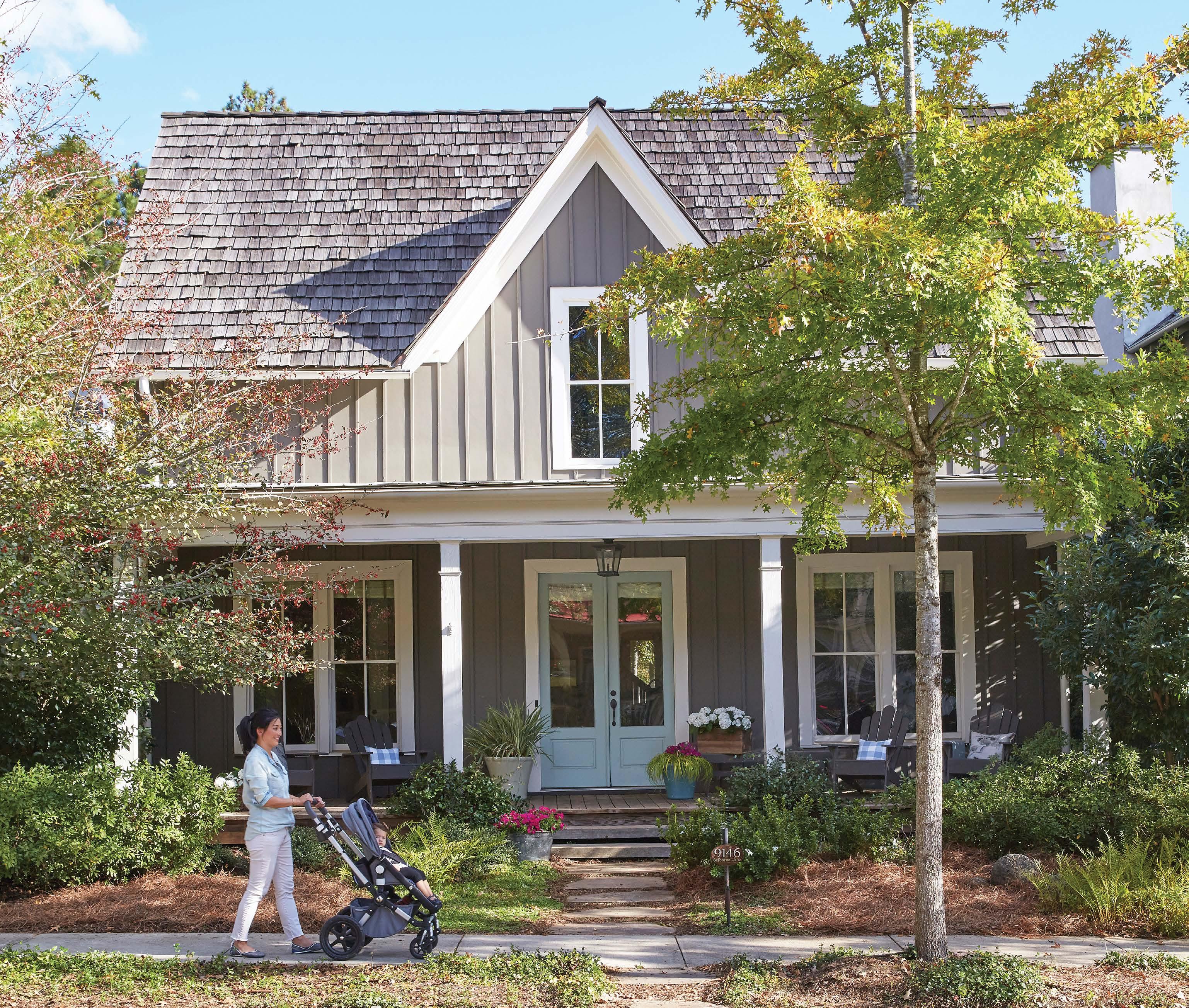
For many homeowners, the original plan was simple: finding a weekend place. Somewhere to unplug. Somewhere the kids could run around without screens. Somewhere friends would actually say yes to visiting. But what people find is more than a getaway. They find a shift in how they spend time. Mornings become slower, coffee outside, no rush to be somewhere. Afternoons might include walking the trails, heading to dinner without getting in the car, or letting kids roam between friends’ houses with a freedom that’s hard to come by in the city. Evenings stretch a little longer. Conversations linger on porches and sidewalks. The homes themselves feel different too. Whether it’s a cozy cottage tucked into the trees or a
modern farmhouse with expansive windows, they’re designed to blur the line between indoors and out. Natural light matters. Front porches matter. Being able to walk somewhere matters. It’s less about square footage and more about how a space makes you feel.
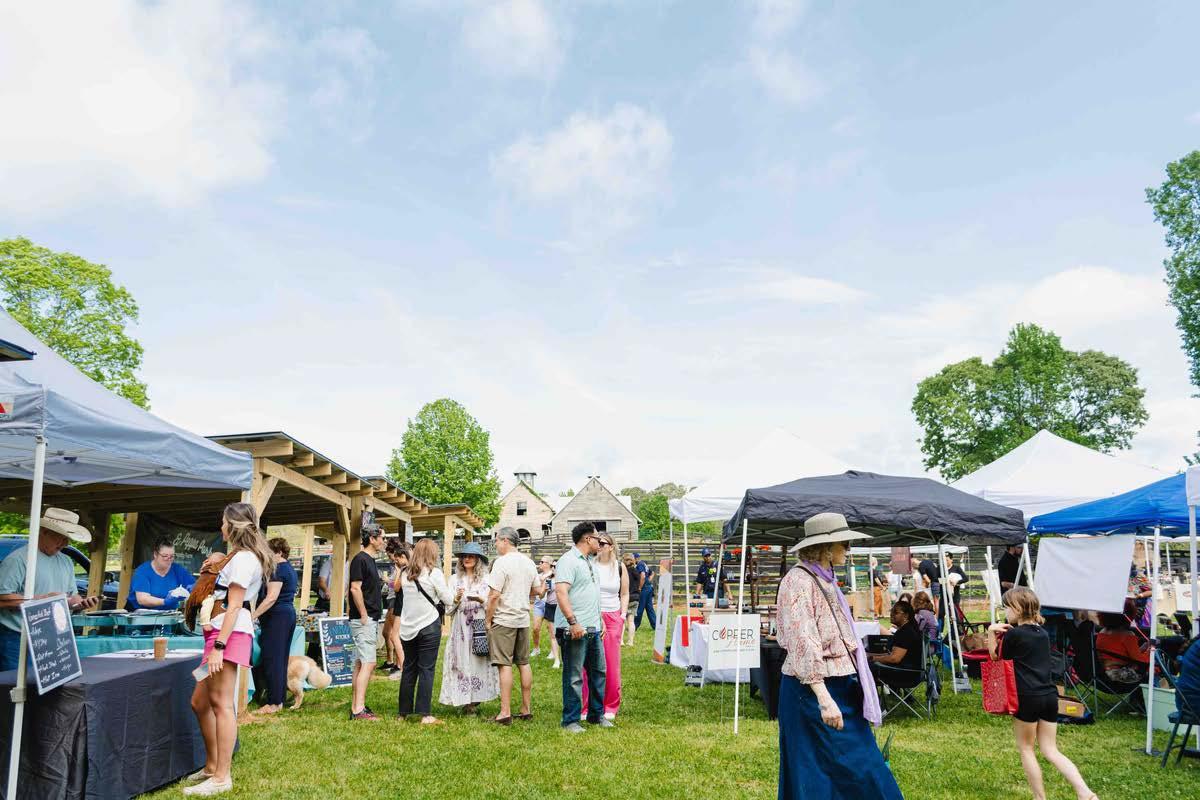
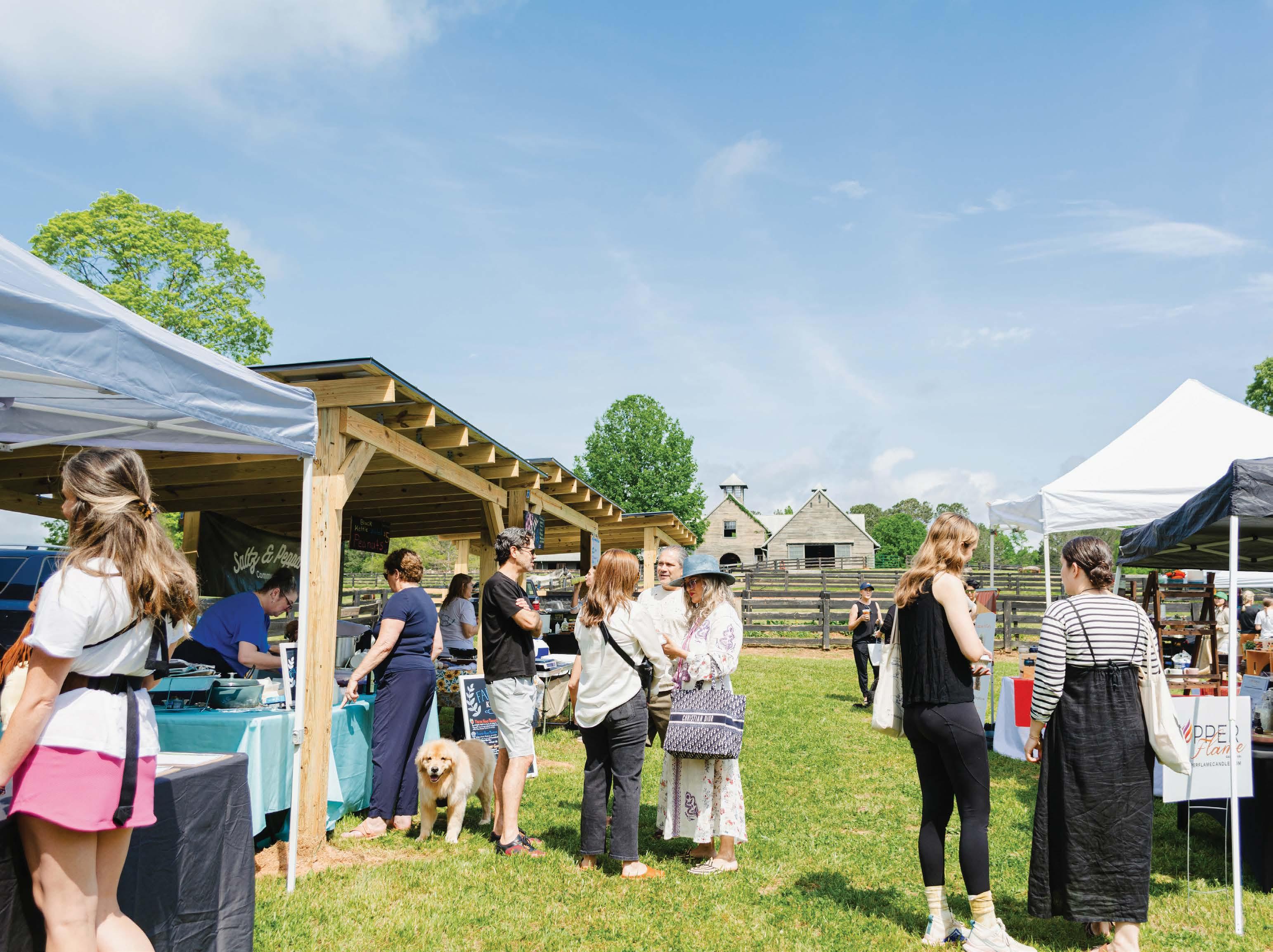
And then there’s the community. Serenbe isn’t a quiet, locked-away enclave. It’s a walkable village with restaurants, small shops, art, and events woven into everyday life. On any given weekend, you’ll run into neighbors at dinner or at the farmers market. People know each other’s names. Kids make friends quickly. There’s an ease to it that feels rare.
Jamie Henderson, another homeowner, summed it up simply: “We wanted nature, but we didn’t want to be completely disconnected from people. Serenbe gives us both.”
Some Atlantans eventually turn their second home into their primary one, especially as work becomes more flexible, educational options increase, or retirement approaches. Others keep one foot in the city and one in the countryside, appreciating the contrast. Atlanta brings energy, culture, and opportunity. Serenbe adds to the equation with space, stillness, and a reminder to slow down.
In the end, owning a second home in Serenbe isn’t really about owning a second home. It’s about having a place that gently pulls you back to what feels grounding and real. A place close enough to fit into everyday life, but different enough to change it.
Discover your forever home or a second home retreat in Serenbe. Explore available homes at serenberealestate. com. Serenbe Real Estate is open Monday through Friday, 8am to 5pm, Saturday 11am to 5pm, and Sunday 12pm to 5pm. Model Homes, located at 11859 Serenbe Lane, 1188 Lupo Loop and 1131 Lupo Loop, are open for self-guided tours between 11am-3pm every Saturday or by appointment.




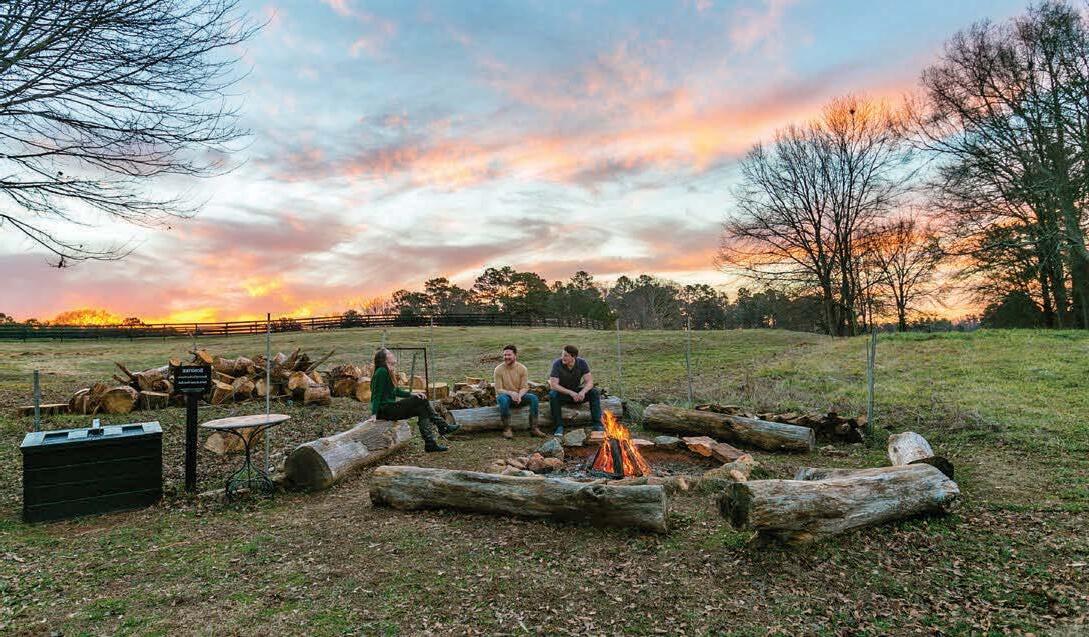

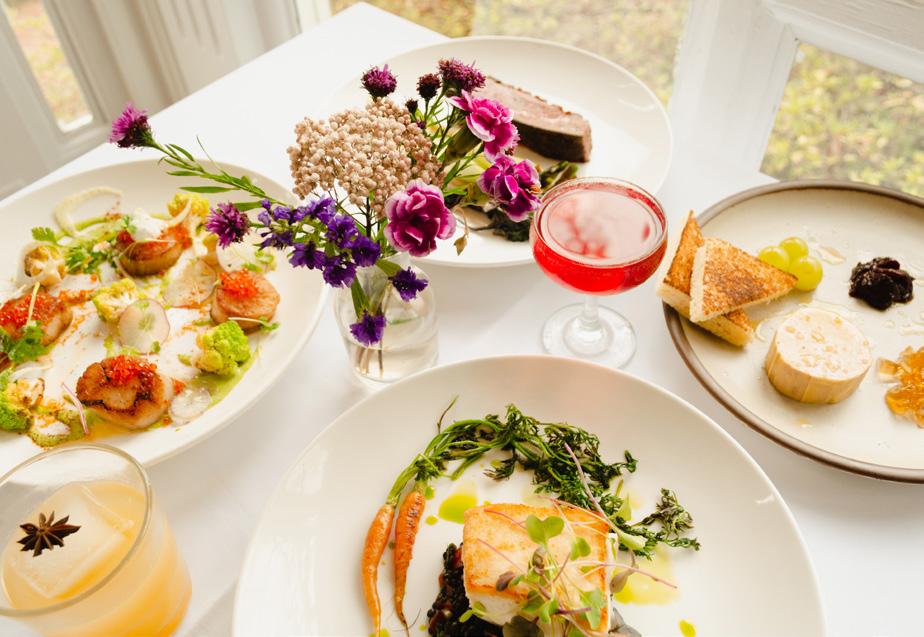
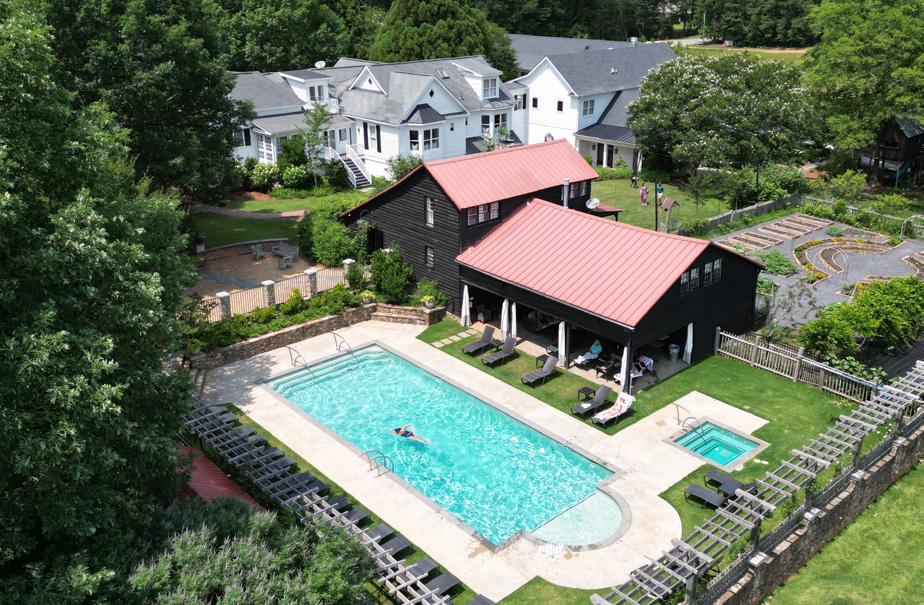
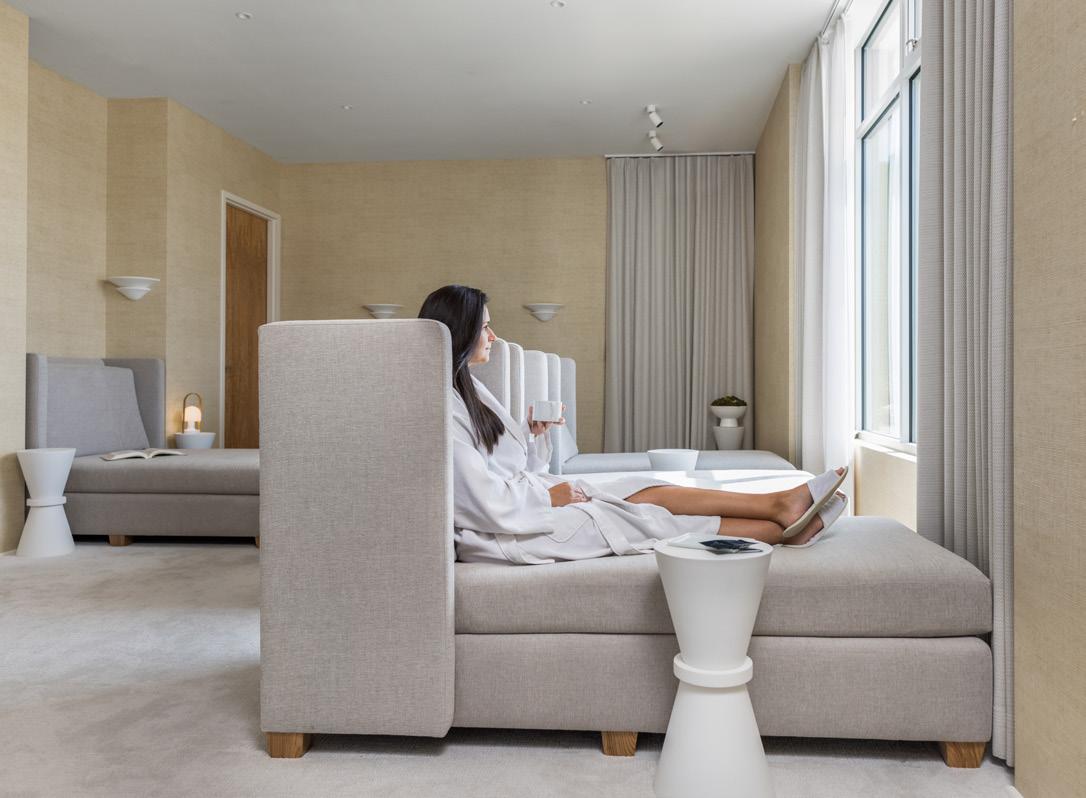
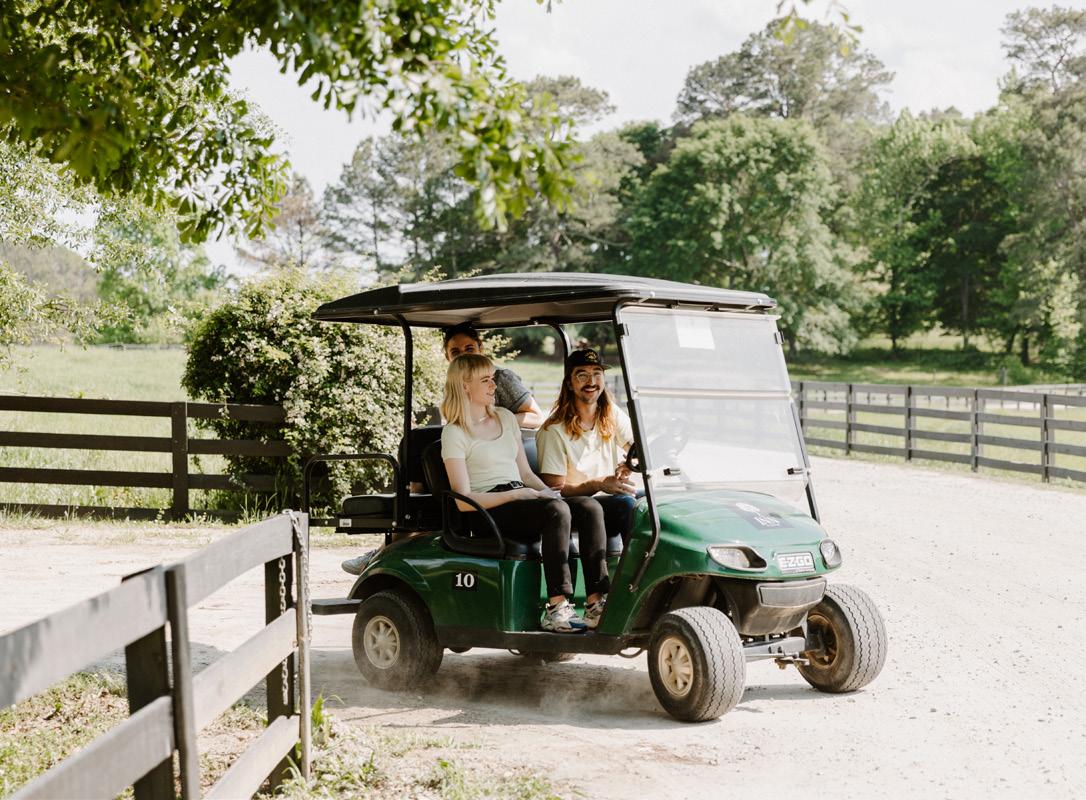
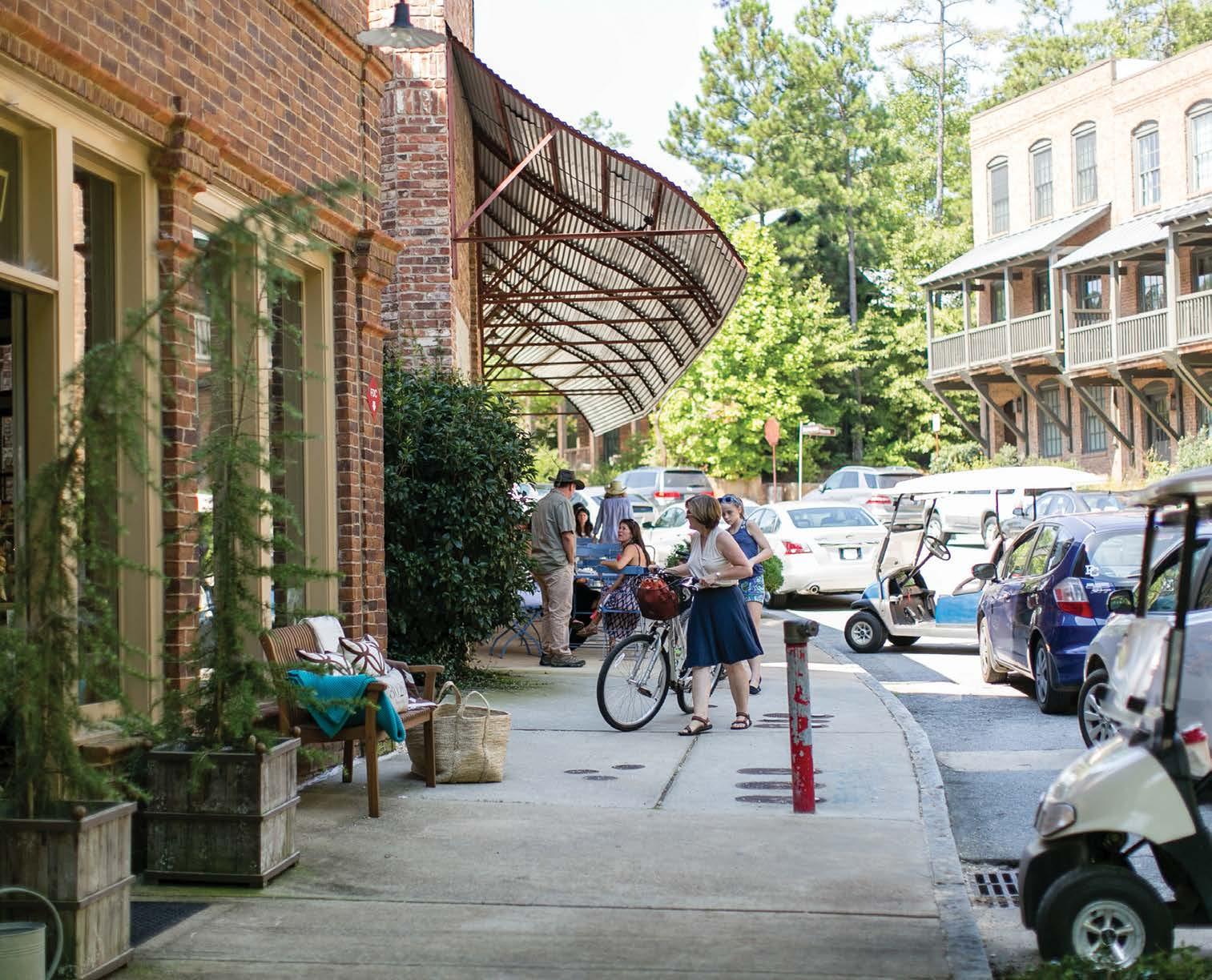
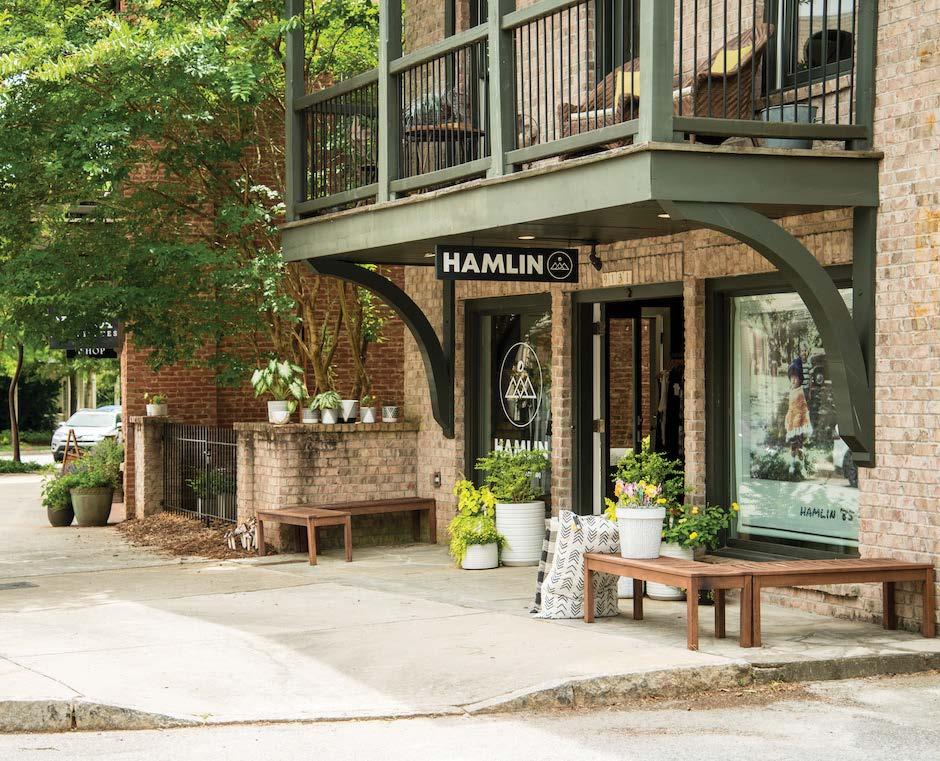
Shop Serenbe’s unique boutiques, home decor purveyors, independent bookstore, floral studio, wine shop, and more. Serenbe offers plenty of places to explore, including award-winning restaurants. Stroll the streets before or after you dine at one of the restaurants, you won’t want to miss the natural beauty of Serenbe.
ACORN TO OAK HEALTH
acornoakhealth.com
Concierge Healthcare | 11090 Serenbe Ln
ALLCHEMY
instagram.com/weareallchemy
Biophilic Farmacy | 11117 Serenbe Lane
AMPLIFY YOUR RIDE
amplifyyourride.com
Golf Cart Dealer | 10625 Serenbe Lane
AUSTIN’S COCKTAILERY & KITCHEN
austinsatserenbe.com
Restaurant & Bar| 9110 Selborne Lane
BAMBOO JUICES
bamboojuices.com
Cold Pressed Juice and Almond Milk 11150 Serenbe Lane
BIRDHOUSE COFFEE
birdhousecoffeeroom.com
Coffee Shop | 10625 Serenbe Lane
BLUE EYED DAISY blueeyeddaisy.com
Bakeshop & Café | 9065 Selborne Lane
CENTER FOR POSITIVE CHANGE
cfpcllc.com
Mental Health Services | 11090 Serenbe Ln
CHIROPRACTIC AT SERENBE
chiropracticatserenbe.com
Chiropractic Care | 11134 Serenbe Lane
COLLIER ANIMAL HOSPITAL collierah.com
Veterinarian | 1273 Mado Loop
THE CONSIGNMENT SHOP
Women’s Consignment Store | 9110 Selborne Lane
CREEK RETREAT creekretreat.com
Hydrafacials and Wellness Treatments 11134 Serenbe Lane
DENTAL WELLNESS serenbedental.com
Dentist | 11090 Serenbe Lane
DOGS BY DESIGN brand.page/dogsbydesign Dog Salon | 9206 Selborne Lane
FAMILY HAVEN CHIROPRACTIC familyhavenchiro.com
Chiropractor | 11090 Serenbe Lane
THE FARMHOUSE serenbefarmhouse.com
Restaurant | 10950 Hutcheson Ferry Rd
FLOURISH PEDIATRICS flourishpeds.com
Pediatric Care | 11090 Serenbe Lane
THE GENERAL STORE generalstoreatserenbe.com
Grocery and More | 10642 Serenbe Lane
THE GYM gymatserenbe.com Gym & Fitness Center | 11090 Serenbe Ln
HALSA halsarestaurant.com Restaurant | 11090 Serenbe Lane
HAMLIN hamlinshop.com
Apparel, Accessories, Skincare, and More 9131 Selborne Lane
HARMONY WELLNESS FOR WOMEN harmonywellnessforwomen.com
Women’s Health Specialist | 11110 Serene Lane
THE HILL thehillserenbe.com Restaurant | 9110 Selborne Lane
HILLS & HAMLETS BOOKSHOP hillsandhamlets.com
Bookstore | 10625 Serenbe Lane
THE INN serenbeinn.com Inn | 10950 Hutcheson Ferry Road
LEVIE MERCI leviemerci.com
Luxury Boutique | 11142 Serenbe Lane
MINRO STUDIO minrostudio.com
Coffee and Pottery Studio | 11135 Serenbe Lane
NATIVE BLOOM native-bloom.com
Flower Shop | 9077 Selborne Lane
NYGREN PLACEMAKING nygrenplacemaking.com
Consulting | 9110 Selborne Lane
ORTHODONTICS AT SERENBE orthodonticsatserenbe.com
Orthodontist | 11090 Serenbe Lane
PLANNING & DESIGN serenbeplanninganddesign.com
Design Firm | 9110 Selborne Lane
PRECISION PERFORMANCE & PHYSICAL THERAPY precisionpt.org
Physical Therapy | 11090 Serenbe Lane
PRO BIKE REPAIR probikerepairga.com
Bike Shop & Rentals | 9222 Selborne Lane
PROPER HAIR SALON properhair.com
Hair Salon | 9059 Selborne Lane
RACHEL K. GARCEAU STUDIO rachelkgarceau.com
Art Studio | 10636 Serenbe Lane
RESOURCE resourceserenbe.com
Gifts, Jewelry, and Home Decor 9110 Selborne Lane
SERENBE FARMS serenbefarms.com
Organic Farm | 8457 Atlanta Newnan Rd
SERENBE REAL ESTATE OFFICE serenberealestate.com
Real Estate | 9055 Selborne Lane
SERENBE TRAIL RIDING serenbetrailriding.com
Horseback Riding | 10950 Hutcheson Ferry Road
SERENBE YOGA + BODYWORKS serenbeyoga.com
Yoga, Pilates, and Private Sessions 11090 Serenbe Lane
SHARP FURNITURE CO | MISTER + MRS. SHARP misterandmrssharp.com
Home and Design Store | 11127 Serenbe Lane
THE SKIN ADDIKT theskinaddikt.com
Esthetician Studio | 425 Selborne Way
THE SKIN REAL theskinreal.com
Dermatologist | 1263 Mado Loop
SOBERISH besoberish.com
Non-alcoholic Shop | 1277 Mado Loop
THE SPA spaatserenbe.com
Spa | 11090 Serenbe Lane
STUDIO 13 PILATES studio13serenbe.com
Pilates | 11126 Serenbe Lane
TEAM GENESIS BJJ teamgenesisbjj.com
Brazilian Jiu Jitsu | 11111 Serenbe Lane
TYPO MARKET
typomarket.com
Gift and Home Goods | 9133 Selborne Lane
THE WINE SHOP serenbewineshop.com
Wine & Beer | 9135 Selborne Lane
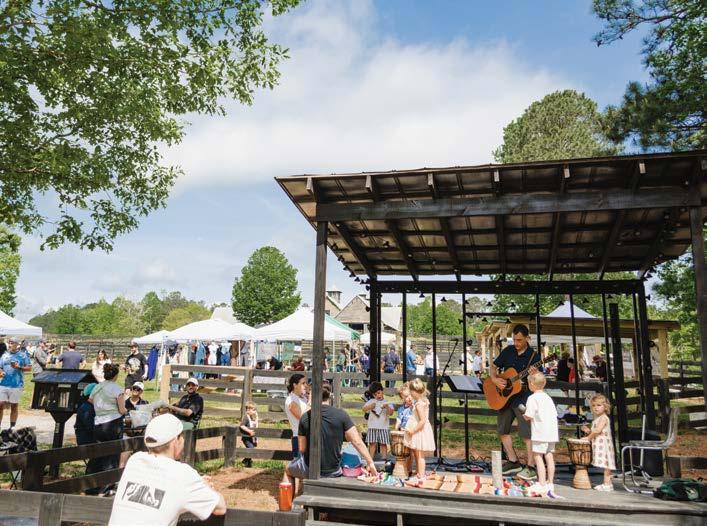
SATURDAYS
Farmers Market
9:00a-1:00p Grange Green
Story Time
9:30a-10:30a Birdhouse Coffee
Goat Yoga
10:00a-11:00a The Inn, $
Open Model Home Tour
11:00a-3:00p Mado
Soberish Tastings
12:00p-4:00p Soberish
Wine Flights
1:30p & 3:30p The Wine Shop, $
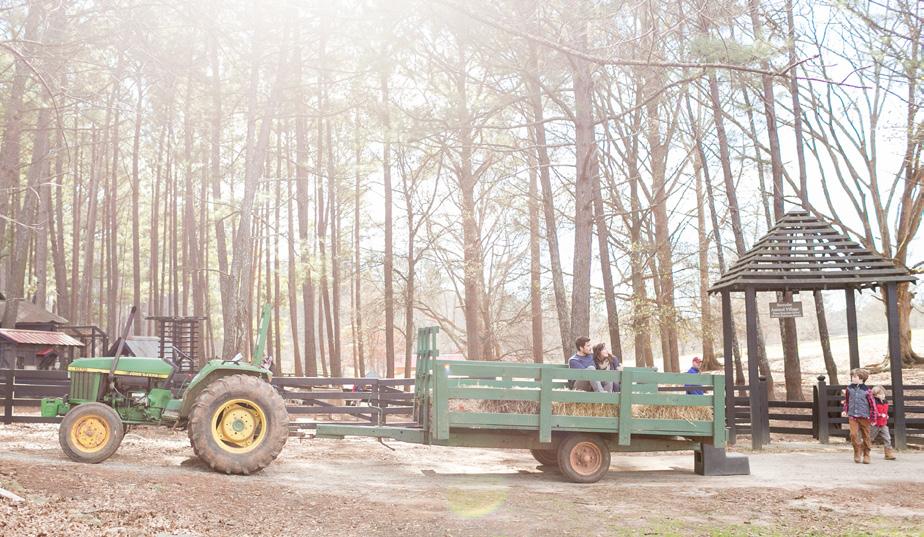
Farm Tours
2:00p Serenbe Farms, $
Cocktail Class
4:00p-5:00p Austin’s, $ Jazz Nights
9:00p-11:00p

11:00a-5:00p The Farmhouse, $
Growing Microgreens at Home
6:30p-7:30p Serenbe Farms, $ 17-19
Movement & Storm: Summer Awakens Performance
24-26
Movement & Storm: Summer Awakens Performance 8:00p Wildflower Meadow, $
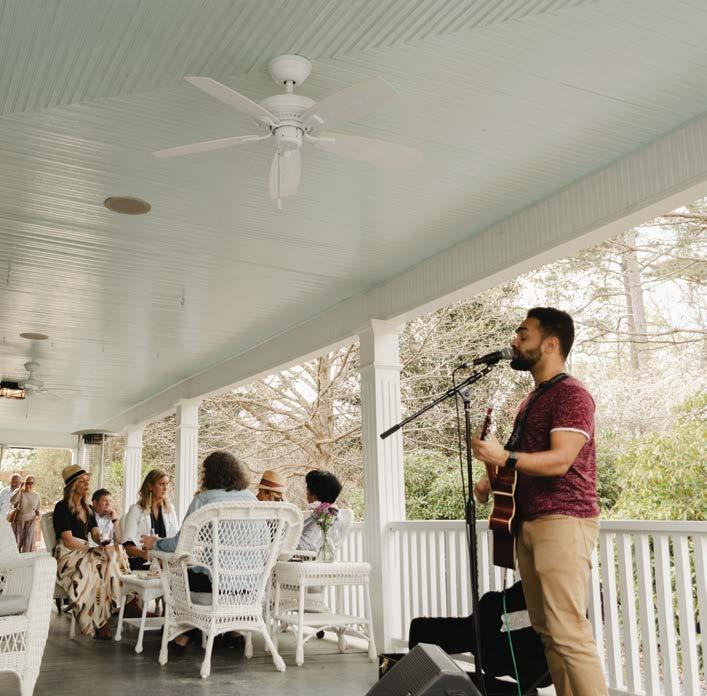
FRIDAYS
Live Music On The Porch
6:00p-9:00p The Farmhouse, $
SATURDAYS
Farmers Market
9:00a-1:00p Grange Green
Story Time 9:30a-10:30a Birdhouse Coffee
Goat Yoga 10:00a-11:00a The Inn, $
Open Model Home Tour 11:00a-3:00p Mado
Soberish Tastings
12:00p-4:00p Soberish
Wine Flights
1:30p & 3:30p The Wine Shop, $
Farm Tours 2:00p Serenbe Farms, $
Cocktail Class
8-10
Macbeth 8:00p Wildflower Meadow, $ 10 Mother’s Day Lunch 11:00a-5:00p The Farmhouse or The Hill, $ 12
Reality Bites A Launch Party 5:00p-7:00p Gainey Hall
15-17
Macbeth 8:00p Wildflower Meadow, $
30 Poetry with Sarah Kay 7:30p Lakeside Pavillion
FRIDAYS
Live Music On The Porch 6:00p-9:00p The Farmhouse, $
SATURDAYS
Farmers Market
9:00a-1:00p Grange Green
Story Time 9:30a-10:30a Birdhouse Coffee
Wine Flights 1:30p & 3:30p The Wine Shop, $ Farm Tours 2:00p Serenbe Farms, $ Cocktail Class 4:00p-5:00p Austin’s, $ Jazz Night 9:00p-11:00p Austin’s, $ 6
Film Showcase | Viva Verde 6:00p Gainey Hall, $
8-12
Camp Serenbe 9:00a-3:00p The Inn, $ 8-12
Improv Camp for Kids 9:00a-4:00p TBD
15-19
Camp Serenbe 9:00a-3:00p The Inn, $
15-19
Improv Camp for Kids 9:00a-4:00p TBD
22-26
Camp Serenbe 9:00a-3:00p The Inn, $
FRIDAYS
Live Music On The Porch 6:00p-9:00p The Farmhouse, $
SATURDAYS
Farmers Market
9:00a-1:00p Grange Green

4:00p-5:00p Austin’s, $ Jazz Night 9:00p-11:00p Austin’s, $ 2
Kids Crafts on the Farm
10:00a-11:15a Serenbe Farms, $

Goat Yoga 10:00a-11:00a The Inn, $ Open Model Home Tour 11:00a-3:00p Mado
Soberish Tastings 12:00p-4:00p Soberish
Story Time 9:30a-10:30a Birdhouse Coffee
Goat Yoga 10:00a-11:00a The Inn, $
Open Model Home Tour 11:00a-3:00p Mado

Soberish Tastings
12:00p-4:00p Soberish
Wine Flights
1:30p & 3:30p The Wine Shop, $ Farm Tours
2:00p Serenbe Farms, $
Cocktail Class
4:00p-5:00p
Austin’s, $ Jazz Night
8-12
Camp Serenbe
9:00a-3:00p The Inn, $ 15-19
Story Time 9:30a-10:30a Birdhouse Coffee
Goat Yoga
10:00a-11:00a The Inn, $
Open Model Home Tour
11:00a-3:00p Mado
Soberish Tastings
12:00p-4:00p Soberish

9:00p-11:00p Austin’s, $ 4 City of Chattahoochee Hills 4th of July Parade 10am, Selborne Lane 6 Film Showcase | Viva Verde 6:00p Gainey Hall, $
Camp Serenbe
9:00a-3:00p The Inn, $ 22-26
Camp Serenbe
9:00a-3:00p The Inn, $
FRIDAYS
Live Music On The Porch
6:00p-9:00p The Farmhouse, $
SATURDAYS
Farmers Market
9:00a-1:00p Grange Green
1:30p & 3:30p The Wine Shop, $

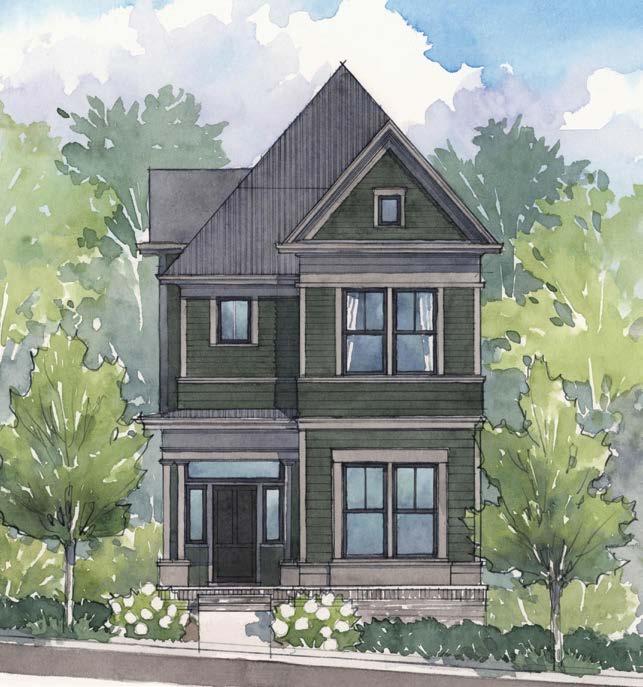
11757 Serenbe Lane, L894
McKinney Builders
This charming 3-bedroom, 3.5-bathroom cottage offers an inviting open living and kitchen space, perfect for gathering. An expansive rear porch provides breathtaking views of the woods and Cedar Creek, creating a peaceful retreat.
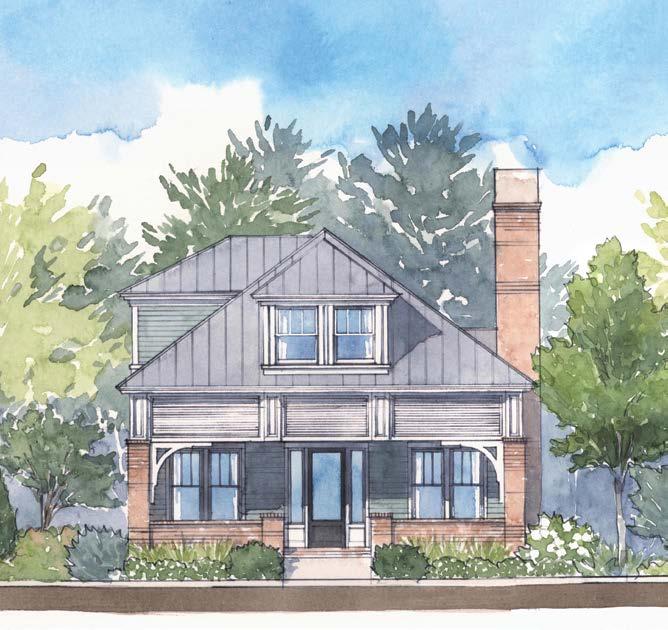
11816 Serenbe Lane, 816
South Haven Builders
This 4-bedroom, 4.5-bathroom cottage in Spela offers a bright, open floor plan designed for comfortable living and easy entertaining. The primary suite is located on the main level, while three additional bedrooms are upstairs alongside a loft space ideal for a secondary living area.
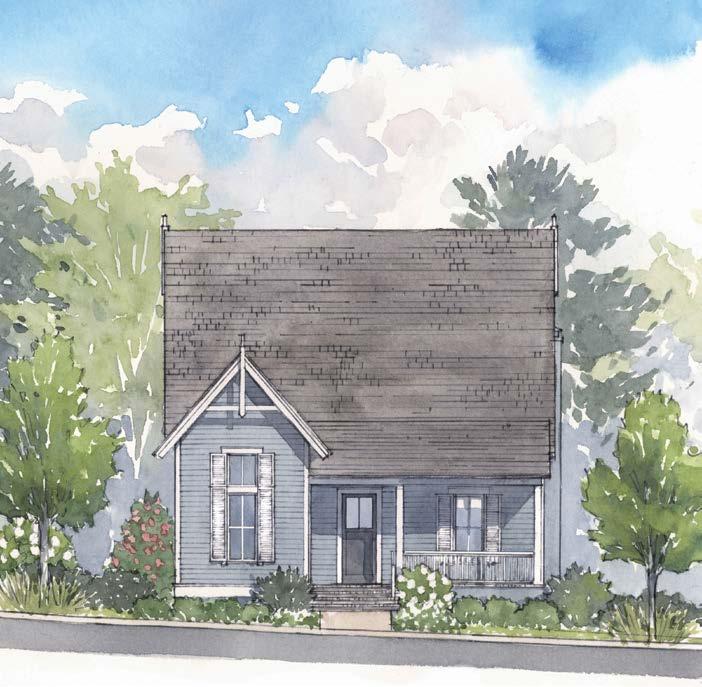
11765 Serenbe Lane, L896
McKinney Builders
This 4-bedroom cottage offers 2,500 square feet of open, light-filled living space designed for comfort and easy entertaining. Two bedrooms are on the main level, front and rear porches extend living outdoors, while an upstairs loft provides flexible space for work, play, or relaxing.
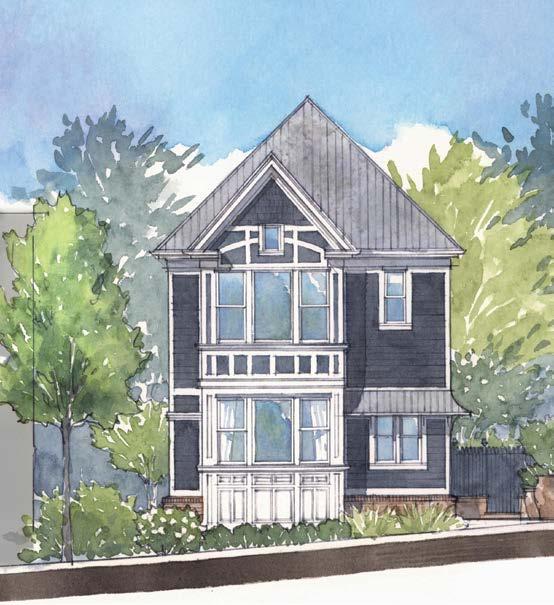
155 Mathis Ridge, L925
South Haven Builders
Tucked in Spela, this charming home features openconcept living designed for everyday living and entertaining, a main-level primary suite, and a peaceful side porch with garden. Upstairs, two guest rooms and a versatile loft offer added space and privacy.
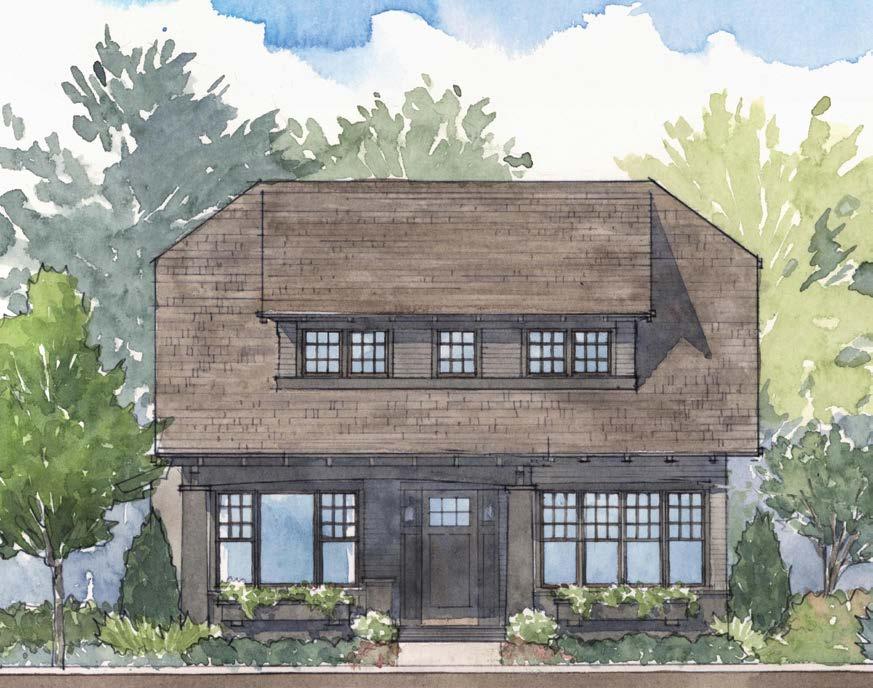
11812 Serenbe Lane, L815
South Haven Builders
Nestled in the charming Spela Hamlet of Serenbe, this thoughtfully designed cottage seamlessly blends style and functionality. The open floor plan creates a warm and inviting atmosphere, with a primary suite conveniently located on the main level for easy living.
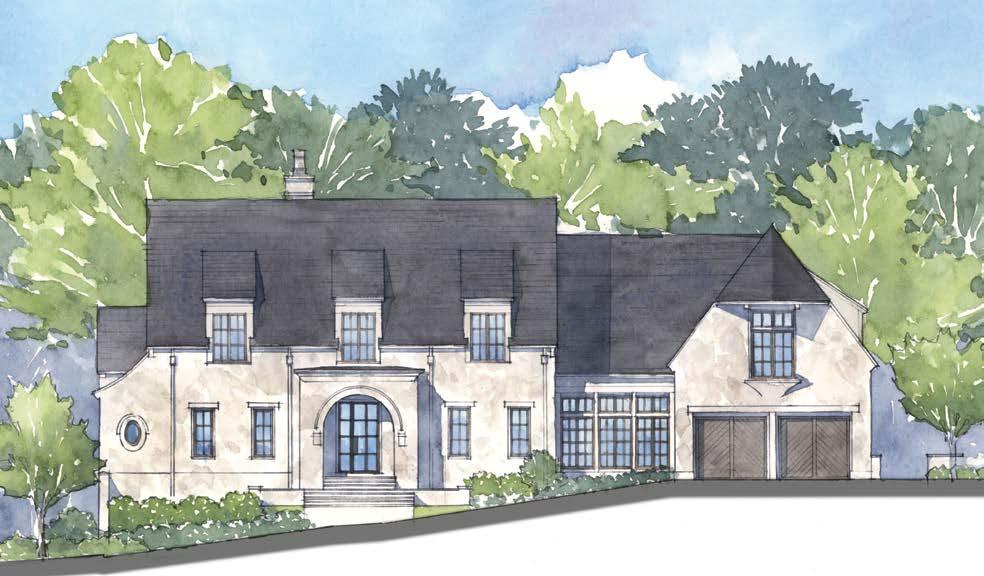
555 Augusta Lane, L57
Phillip Clark Builders
This Augusta Lane estate features 4 bedrooms with the option to expand to seven bedrooms, blending refined design with effortless indoor and outdoor living. Features include floor-to-ceiling windows, a walkout backyard, luxury finishes, a carriage house, and 2 car + golf cart garage.
Whether you are in the market for a weekend retreat or year-round home, Serenbe offers single-family homes, townhouses, live-works, condos and apartments. Or choose a wooded lot and build your dream home. Explore architectural floor plans and pick your finishes or choose a move-in-ready home today. All homes are EarthCraft certified for sustainability with geothermal technology for heating and cooling.
a complete listing of all Serenbe properties visit SerenbeRealEstate.com, call