
2025 Aurora Voter Guide
Aurora voters deciding, city, school and state questions
Election Day is Tuesday, Nov. 4, but registered voters in Aurora will start receiving mail-in ballots after Oct. 13. Colorado began statewide vote by mail in 2013, although some counties adopted mail ballots before that.
We know voters and potential voters will have questions about how voter registration works, how mail-in ballots work, how ballots are counted and more. The Colorado News Collaborative and its members, including Sentinel Colorado, want to answer those questions. We contacted the Secretary of State’s Office, county clerks and other resources to respond.
When do elections officials start counting our ballots?
Elections officials may start counting ballots 15 days ahead of the election. But first, elections officials must verify the voter signature on the envelope. (See below for information about how signatures are verified.) The early counting relieves some of the Election Day crush, but no results will be made public until after polls close at 7 p.m. Nov. 7. Not even elections officials know the results until then because computer software prevents the count from being revealed until after polls close. Even with the head start in the count, full results in super-close contests still might take a few days.
Voter Information
• Arapahoe County voter information visit: www.arapahoevotes.com
• Adams County voter information visit: www.adamsvotes.com
• Denver voter information visit: www.denvergov.org/Government/
• Douglas County voter information visit: www.douglas.co.us/elections
• Jefferson County voter information visit: www.jeffco.us/396/Elections
Registration
How do I know if I’m registered to vote?
GoVoteColorado has a range of information on registration, including the ability to register to vote if you have a Colorado driver’s license or ID card. What’s the difference between an “active” voter and an “inactive” voter?
A voter is considered active if they’ve voted in the most recent elections or updated their address or other registration information. A voter is considered inactive if their county clerk receives returned mail marked “unde-

liverable.”
Under federal law, clerks must wait two general election cycles before removing inactive voters from the database. Again, you may check GoVoteColorado to see if your registration is active and update your information if it isn’t.
What if I’ve moved?
This link also will allow you to change your address: www.sos.state. co.us/voter/pages/pub/olvr/findVoterReg.xhtml
What if my name changed?
You’ll need to fill out this form and take it to your county clerk or mail it to the Colorado Secretary of State: www.sos.state.co.us/pubs/elections/vote/VoterRegFormEnglish.pdf
How long do I have to register?
You may register to vote at any time in Colorado. However, if you wish to vote in an upcoming election, you must register by the following deadlines:
• 22 Days before Election Day if you register to vote through a voter registration drive or a Voter Registration Agency
• 8 Days before Election Day if you register to vote by mail or online at www.GoVoteColorado.gov and wish to receive a mail ballot
On Election Day, you must visit a Voter Service and Polling Center in your county to register to vote and request a ballot
Ballots
What signature is used to validate the one on my returned ballot envelope? My signature has changed over time.
The most recent signature on a state transaction is used as a reference
— typically a recent driver’s license or the signature on the last ballot you returned. All past signatures are available for election judges to review.
If election judges question your signature, you’ll get a notice from your clerk within three days (two if it occurs on Election Day) and you’ll have eight days to verify the signature is yours.
Do I have to request a ballot from my county clerk or the Secretary of State?
Not if you’re an active registered voter. County clerks automatically will begin mailing ballots to active registered voters on Oct. 8. Again, a voter is considered active if they’ve voted in the most recent general elections or updated their address or other registration information.
When will I get my ballot in the mail?
The first day ballots may be mailed is Oct. 10. If you sign up for ballot tracking, you’ll get an alert when your ballot is in the mail.
How do I know if my ballot was received?
Voters statewide may sign up to track your ballot online. You’ll get notifications via email, text message or phone (you may choose) when your ballot is mailed, and when it has been received and accepted. A dozen Colorado counties already offered ballot tracking, so if you’re already signed up, there’s no need to do it again.
How do I return my ballot?
Ballots must arrive at a vote center or county clerk’s office by 7 p.m. Nov. 7. You may mail your ballot back, if there’s enough time for it to arrive. Remember: postmarks don’t count, according to the Secretary of State. The
ballot has to be in the physical possession of elections officials on Election Day — not sitting in a blue box somewhere in the metroplex.
You may also deliver it to drop boxes at your county clerk’s office or other locations in your county. About 75% of Colorado voters return their mail ballots to drop boxes, according to the Secretary of State’s office.
What if I don’t get my ballot?
Check GoVoteColorado to see if your ballot has been mailed. If it has been mailed and you haven’t received it, contact your county clerk’s office and ask. Not every county will send ballots out the first day possible. But they need to hear from you if you don’t receive yours.
I won’t be here during the time ballots are mailed out?
Can I get a ballot earlier? Or have one mailed to a different address?
Yes. And, as of now, you may be able to pick up a ballot before you leave. Contact your county clerk to work out details if you want to pick up a ballot or have it mailed to a different address.
Security
Are drop boxes safe from tampering?
Yes, according to the Secretary of State’s Office. They are under 24-hour video surveillance and are emptied every day by a team of bipartisan election judges. The sturdy, metal boxes are bolted to the ground.
If I send my ballot back by mail, will it get there?
The Secretary of State recommends delivering ballots in person in the final eight days before the elec-
tion. If you mail them before that, they should arrive in time.
What prevents me or anyone from voting twice: in person and by mail?
First, envelopes the ballots are returned in have barcodes unique to the individual. When the envelopes are received by clerks, they are scanned in and poll books are updated to show that the person has voted. So if someone sent in their mail ballot and it was processed, and then showed up to vote at a polling place, the poll worker checking them in would be able to see that they had already voted. Or, if the person votes early at a polling place, then also casts their mail ballot, their mail ballot will not be accepted for counting. It is illegal to vote more than once. If someone votes in person and by mail, county clerks are required to provide that information to the district attorney or state attorney general for prosecution.
I don’t want to vote by mail. I want to vote in person.
Colorado will open hundreds of voting centers and drop boxes the last week of October. You may vote there in person starting then through 7 p.m. Election Day with some limited weekend hours.
How can I be sure my vote is counted on Election Day?
Sign up to track your ballot. If it doesn’t arrive within a few days of being mailed, contact your county clerk. Return your ballot to a drop box or through the mail, and the ballot tracking system will let you know when your ballot is accepted. That means your vote will be counted.
AURORA VOTES
ON TUESDAY, NOVEMBER 4TH



DANIELLE JURINSKY for City Council, At-Large
AMSALU KASSAW for City Council, At-Large
STEPHEN ELKINS for City Council, WARD I
STEVE SUNDBERG for City Council, WARD II
MARSHA BERZINS for City Council, WARD III
NINO PEPPER Aurora Public Schools
TATYANA STURM Cherry Creek Schools
AMANDA THAYER Cherry Creek Schools
Aurora City Council candidates focused on crime, cops and homelessness
BY CASSANDRA BALLARD Staff Writer
5 running for 2 at-large city council seats
Despite the cooler fall days, the race for two at-large city council seats is heating up. There are new faces, familiar names and some Aurora-sized controversy.
In what is technically a nonpartisan race, Republican leaders are pushing to keep their majority on city council while Democrats hope to disrupt it.
Aurora City Council elections are held on Election Day in odd years, resulting in more unpredictable and generally lower voter turnout, according to decades of Aurora voting history. Election results for 2023 in Arapahoe County reveal a 39% voter turnout. Last year’s general election drew 76% of voters. Like all local elections, this year’s election is conducted by mail ballot, which are now being mailed to voters. Election Day is Nov. 4.
A variety of topics are on the minds of Aurora voters and candidates, including the city’s approach to crime and immigration, particularly in light of the changes being implemented by the Trump Administration.
In talking to at-large council candidates and attending campaign events over the last several weeks, The Sentinel focuses this week to report on policies that have been on the dais and in the news over the past two years. Questions to candidates were linked to police officer-involved shootings and police reform, the city’s approach to homelessness, and how city council can work to make housing more affordable or obtainable for all income levels.
Aurora is currently under a consent decree, imposed by Colorado Attorney General Phil Weiser in 2021. It was the result of investigations into allegations of the Aurora Police Department’s excessive use of force and discriminatory practices, particularly against people of color. Triggered in part by the 2019 death of Elijah McClain, who died at the hands of police and rescuers after being stopped, unarmed, the decree mandates broad reforms in training, accountability, use-of-force policies, data systems and community engagement.
This year, four people have died in police involved shootings, and three were unarmed. Critics have concerns about whether the city is making changes to the police department quickly enough and whether the city should implement an independent police oversight structure, a long-standing issue that has been ongoing for years.
Homelessness is also a compelling issue for people in Aurora, as a twoyear-old camping ban was backed by a Supreme Court decision last year. For about three years, the city has increasingly made the ban more restrictive. Although the city is not required to offer shelter for the homeless while ticketing for it, the city council, spearheaded by Mayor Mike Coffman, is about to open the Aurora Regional Navigation Cam-
pus, which will offer a three-tier workfirst approach to homelessness. This has been controversial because almost all national, credible studies point to the greatest short-term and long-term success for permanent housing and rehabilitation being linked to some variation of “Housing First” policies. Candidates were asked whether they would keep the policies as they are or make changes.
Other questions concerned affordable housing and how candidates might utilize policy or their position as a city council member to create more affordable and workforce housing for groups of all income levels.
There are currently two at-large city council seats at stake. The top-two vote getters in the election win.
Danielle Jurinsky
Danielle Jurinsky, a Republican, atlarge, first-term incumbent, has been a highly controversial and polarizing figure in local politics since she took the dais in 2021. Her aggressive stance on public safety and immigration issues has drawn both staunch support and fierce criticism.
Her confrontational style quickly became a hallmark of her tenure.
She publicly became a harsh critic of former Aurora Police Chief Vanessa Wilson, calling her “trash” on a rightwing radio talk show in 2022. Wilson was appointed as chief just as national attention was drawn to the city because police became embroiled in controversy over the 2019 death of Black men contacted by police. Dispute over the police-involved death of Elijah McClain grabbed national headlines as the nation roiled from protests linked to the Minneapolis police death of George Floyd. Some Aurora police union members pushed back against a state-ordered consent decree against Aurora, which, after a state investigation, found that police exhibited “patterns and practices” of using excessive force, especially against people of color.
Wilson is now suing Aurora for wrongful firing, and Wilson’s attorney has linked at least part of the allegations to Jurinsky.
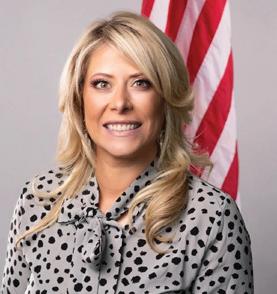
Jurinsky currently chairs the council’s Public Safety, Courts and Civil Service Policy Committee. Last year, she raised allegations that the Venezuelan prison gang Tren de Aragua (TdA) had “taken over” parts of Aurora, garnering her and the city national attention, much of it on Fox News. She later walked back the comments to say they had only taken over multiple apartment complexes within Aurora. Those claims have been repeatedly challenged by law enforcement, and eventually Jurinsky and Mayor Mike Coffman acknowledged that the framing of TdA’s presence was overstated, insisting the gang’s influence is limited to the few properties, rather than the city at large. The city’s court, suing the landlord who owns three controversial apartment complexes, has also argued that the extent of gang activity, including Venezuelan gang activity, has been overblown and that critical issues at the complexes, shut down by the city, were caused by the building owners’ negligence.
Aurora police arrested eight individuals who were said to be members of TdA in December last year, and a few later raids were able to prove the presence of the gang infiltrating parts of Aurora, but there has been no evidence of a city or even a full apartment complex takeover.
She took part in a campaign rally last fall with now-President Donald Trump, in which Trump repeated exaggerations and factless claims that Venezuelan gangs had taken over the city and even much of Colorado. After Trump’s re-election, Jurinsky, in a public safety committee meeting, said she’d been in contact with the new administration and wanted the city to coordinate with the Trump team on how it would handle dealing with immigrants in the city.
Jurinsky became a target of progressives on the city council, linked to her public comments about whether to fire top police officials. That controversy evolved into a call by former Councilmember Juan Marcano for her censure. City lawmakers are prohibited from dictating work or deciding employment matters for city employees. The chief of police is appointed and reports to the city manager’s office.
The call for censure controversy ended up in a closed city council meeting, where conservative members outvoted progressives to drop the call for censure against Jurinsky. The Aurora Sentinel has sued the city, saying the meeting and vote conducted in secret were done illegally. The state appeals court has upheld the Sentinel’s argument, demanding the city release recordings of the meeting. The case has been appealed by the city to the state Supreme Court, expected to rule this week. As a result of the closed-door decision to abandon censure proceedings against Jurinsky, the city council also voted along party lines to award Jurinsky $16,162.50 for defense attorneys David Lane and Suzanne Taheri of law firm Killmer, Lane and Newman stemming from fees she linked to the issue.
Jurinsky has, from the beginning of her term, billed herself as a proponent of small business. She owns and operates JJ’s, a local tavern.
Last year, she made ending the city’s so-called head tax — a $2 per month tax on each employee in the city — a signature issue.
While she initially garnered a majority of council support for the cause, that support evaporated last year when it became clear the city was headed for a budget deficit and the loss of the head tax would cost the city $6 million a year in lost revenue.
When council allies turned against ending the tax, Jurinsky turned against her council allies with a vengeance.
Jurinsky sent a string of text messages to four of her conservative council allies — council members Françoise Bergan, Stephanie Hancock, Steve Sundberg and Dustin Zvonek — in advance of a meeting last year that would decide the fate of the head-tax cessation. The texts were obtained by the Sentinel.
Jurinsky was angry about Bergan’s proposal to continue levying the tax.
“I will not be at the meeting on Monday, and every single one of you can go fu** yourselves!” her first message reads.
“I fu***** campaigned on that you fu***** pieces of shit! AND FU** YOU DUSTIN!!”
“And I hear you’re a co sponsor, Francoise. You can definitely go fu** yourself! You’ve never owned a business or a fu***** thing in your life you pretentious bitch!”
“My friendship will literally (sic) every single one of you is dead! DEAD! oh, and my loyalty… also dead! I hope you all have miserable fu***** lives! I might make that happen for a few of you. FU** YOU!”
Jurinsky did not respond then to the Sentinel’s inquiries for comment about the invective.
Sundberg defended Jurinsky despite her harsh words toward him and fellow Republicans.
“I don’t know one member of City Council who has not, in frustration, spontaneously expressed their passion. Many of us, including Councilwoman Jurinsky, can be fierce in our love for the city, as we want the best for it,” he wrote last year in an email to the Sentinel.
Bergan, Hancock and Zvonek — the three other recipients of the threatening texts — did not respond for comment at the time.
In a public meeting, however, Bergan called Jurinsky’s behavior “abusive and toxic.”
“Whenever we have a discussion and she doesn’t get her way, let me tell you what she does, she’s a bully and she has bullied a lot of people on the council over this issue, and she curses me out with cuss words and is vile,” she said.
Jurinsky eventually got the votes from her conservative colleagues and was able to end the employee “head tax” right as the city realized it was about to hit a $20 million budget shortfall in 2026. The overall shortfall will now lead to employee furloughs, programming cuts and a draw on the city’s “rainy day” reserves.
Each of the conservative colleagues she attacked in the emails has also endorsed her in her run for city council this year.
Her supporters view her as a tough-minded defender of law and order, while critics state that her rhetoric is reckless and divisive. Jurnisky did not reply to repeated requests for an interview from the Sentinel.
Jurinsky has taken a position of full support of the Aurora Police Department and their actions. In her most recent political rally, she stated that she fully supports the Aurora Police and that the media vilifies the police department because they hate them.
Homelessness is not a topic Jurinsky talks about in many meetings, but she voted and stated support for Coffman’s “work first” approach to housing. She also voted in favor of a camping ban. She supported the Supreme Court ruling that legalized camping bans, which did not require municipalities to offer housing options when cit-
ing people for violating the ban. In multiple city council meetings, Jurinsky has stated that she believes the city no longer needs to focus on building affordable apartments, condos and townhomes, but rather it should concentrate on building middle housing, such as single-family homes.
“The amount of multifamily housing that is coming in, unless those are duplexes, I know council member Bergen and I are working on a few things to kind of bring that to a screeching halt in Aurora,” Jurinsky said during a Planning and Economic Development meeting in August. “I think that is, for every developer listening, that is a huge let down for me to see the amount of multifamily housing coming into this city, unless it is duplex or affordable housing for seniors or veterans.”
Jurinsky says one of her most important pet projects during her term so far was just that. Jurinsky has spearheaded, over the past few years, an effort to secure $51 million in funding for the rehabilitation and rebuilding of the city’s aging and decaying animal shelter.
“We (were) on the verge of totally being shut down and not having the animal shelter at all,” Jurinsky said earlier this year.
The shelter, originally intended to house a limited number of strays, faced a capacity crisis, with 90% to 95% of kennels occupied. The new facility will have 250 spaces for animals, improved services, and better access for both staff and animals. The project will be funded through federal relief, city capital, and lease-purchase financing mechanisms.
“I first adopted an animal from the animal shelter about 14 years ago,” Jurinsky said. “I adopted a Rottweiler. I have a passion for animals in general, but the Rottweiler breed specifically, I’m very fond of.”
Jurinsky has also been an advocate for increased community police, promoting events like “Coffee with a cop.” She has also sponsored and appeared as a special guest at youth enrichment events, such as the Fall Break Boxing and Basketball Camp.
“I can’t be quiet, so I have to be brave,” Jurinsky said during a campaign rally Sept. 25. “So I’m going to be brave, and I’m going to keep being myself, and I’m going to keep representing Aurora, because I’m going to win this re-election, and I believe that the sky is the limit.”
Amsalu Kassaw
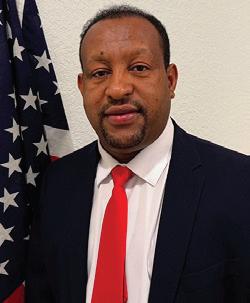
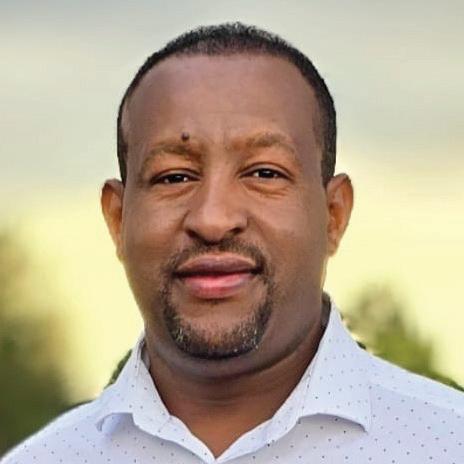
Republican Amsalu Kassaw joined the Aurora City Council after being appointed by the majority of city lawmakers to fill the vacant at-large seat left by Dustin Zvonek after he resigned last year to work for a political lobbying and public relations firm. This appointment made Kassaw the first refugee and Ethiopian immigrant and the third naturalized citizen to serve on Aurora’s City Council. Kassaw immigrated to Aurora in 2007.
Danielle Jurinsky
Amsalu Kassaw
Kassaw accepted the role of atlarge city council member after becoming acquainted with Coffman through legislative work supporting Ethiopia through the Ethiopian American Civic Council. When he won his appointment as an Aurora City Council member, he said he is committed to public safety and inclusive representation. He told the Sentinel that in Ethiopia, he worked for a nonprofit organization that focused on teaching democracy, human rights and civic engagement.
“We’ve got to be a bridge, not the divider,” Kassaw said. “As a council member, I want to try to bring together both sides of the aisle.”
He currently works as a lieutenant for GEO Group, Inc., which runs the ICE immigrant detention center in Aurora.
On public safety, he has aligned with the Republican “tough on crime” stance, arguing that firm enforcement is necessary to keep neighborhoods safe. He has said his approach to how the city should handle officer-involved shootings centers on rebuilding trust between police and residents through something like a town hall or community meetings. Kassaw said he supports following existing state investigative procedures through the judicial districts rather than creating new police oversight committees.
“We really need to come together and sit together and have a dialogue,” Kassaw said about the police and the community. “Otherwise, the problem is still going to continue.”
He said that to build trust, both sides need to hear each other out, and that no officer wants to kill another person. He said he feels that if people could hear from and talk to the police, they could understand where they are coming from.
Aurora is currently under a consent decree, imposed by the state attorney general. After a state investigation, the attorney general determined Aurora has for years exhibited “patterns and practices” of using excessive force, especially against people of color.
The problem should be addressed with community education, patience in
police interactions and respectful engagement on all sides, he said. Regarding homelessness, Kassaw said he supports Mayor Mike Coffman’s “work first” plan, which includes a strict camping ban and the upcoming opening of the Aurora Regional Navigation Campus in November. The center would offer some services to anyone who accepts communal shelter, but other housing services would be reserved for individuals who secure employment and undergo rehabilitation.
He said he has personally visited the Navigation Campus and the recently opened Aurora Mental Health Crisis and Acute Care Center, and he believes the city now has the resources to connect people to rehabilitation programs and help them rejoin the community as productive members.
“I strongly believe that now we are getting, one at a time, or we are connecting the dots that Aurora will have soon,” Kassaw said. “We’ll have the resources to fight homelessness.”
Kassaw said his views on affordable housing policy focus on expanding homeownership opportunities, particularly for young families and firsttime buyers. He said there are already enough apartments being built in Aurora and that he would want to use his power on city council to pursue closer partnerships with developers to ensure that a portion of new projects are affordable across various income levels. He did not say specifically what leverage he would impose or offer. He also said he would want to streamline development processes to attract builders of affordable homes. Balancing housing options, including those suitable for single-income households, is crucial to creating a strong and inclusive community, he said.
“We gotta really fight for that so people can have their dream house,” Kassaw said.
Rob Lee Andrews
Democrat Rob Andrews ran for Aurora mayor two years ago but announced he would step down to support the previous council member, Democrat Juan Marcano, in the race
against Aurora Mayor Mike Coffman. Andrews entered the race this year for an at-large seat, stating that he aimed to bring a community-centered message and nonprofit work background to the field.
“I think my greatest skill is building bridges and bringing people together for the greater good,” Andrews said. “I played quarterback for most of my life, so my job was always to make sure that everybody worked together. We may not agree on what the play is, but we’re going to run the play.”
Andrews founded the One Voice Coalition, a local nonprofit group that focuses on helping underserved populations find pathways into economic stability and opportunity. Along the campaign trail, he has stated that Aurora faces critical challenges in housing affordability, public safety and equitable economic growth, and that these challenges must be met with ambition and collaboration.

A Colorado native from Colorado Springs, Andrews’ journey includes a stint as a professional football quarterback before pivoting into community and public service. His time in nonprofit leadership has given him insight into what it takes to bridge divides between government, social services and neighborhoods, he said.
Andrews said he supports establishing an independent oversight committee for police-involved shootings, although he would want to add ordinances on how the positions are appointed in order to ensure it includes community members, especially those affected by such incidents.
Other concepts Andrews said he would want to work with the rest of the city council to implement include community policing, meaning building strategies between the community and the police to problem-solve. This concept encompasses police work, such as foot patrol, where officers ac-




tively engage with the community and allow the community to see them in a more casual and positive light. He also said he would want to implement restorative justice policies to reduce officer-involved shootings by repairing harm and promoting accountability by bringing together the community, those affected and the police to discuss what is done next.
Providing young people with a “third place,” such as additional community centers, helps build trust in the community because the city is investing in their well-being, and it helps keep the youth out of trouble, Andrews also suggested.
“We also need to open up our rec center so kids have a place to go,” Andrews said.
He said that Baltimore significantly reduced their crime by creating more community spaces.
Much like most studies suggest, Andrews stated that addressing homelessness yields the most success through a “housing first” approach, rather than a “work first” model. People need stable housing before they can successfully find and maintain employment, he said, based on both his professional experience and examples from the community.
The Denver Rescue Mission’s “housing first” strategy exemplifies the success of the “housing first” approach, which boasts an 80% success rate for individuals staying in stable housing after a year with the Denver Rescue Mission’s support. Andrews said he is skeptical about whether work-first models can be as effective.
The work-first approach neglects to address aspects of homelessness, like individuals facing significant barriers to employment, such as older adults and people with disabilities or mental health disorders. Overall, he said he would want to focus on policies that prioritize providing stable housing as the foundation for addressing homelessness.
When it comes to affordable housing, Andrews said he would press the city to pursue a multifaceted approach. He stated that recent legislation has made the construction of townhomes and condos easier, and that he would support increasing the availability of this type of housing. He said that Aurora needs to make it more equitable for every construction owner to have the same rights to bid on contracts, which he said is currently not happening in Aurora. The city only sees affordable housing contracts when it already has a contract with them, he said.
Andrews also made sure to distinguish the difference between affordable housing and workforce housing. He said catering more to workforce housing is likely to be the best option for Aurora, as filling workforce positions is also a challenge in the city. This would include making housing affordable for police officers, nurses, and teachers to attract them to move to Aurora and work there. His goal would be for workforce families and individuals not to have to pay more than 60% of their adjusted monthly income. This is calculated by taking 60% of the income remaining after paying all bills except housing, and then only charging 60% of that for housing.
Finally, he also suggested that there should be more policies and incentives to make construction fair and equitable for developers, along with collaboration among city council, legislators, developers, and nonprofits.
“That’s why my slogan is Aurora to-
gether, because we got to bring people together to make these things work,” Andrews said. “And it’s a critical time, very critical time.”
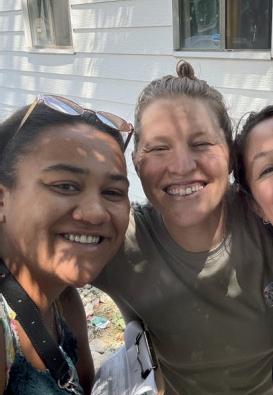
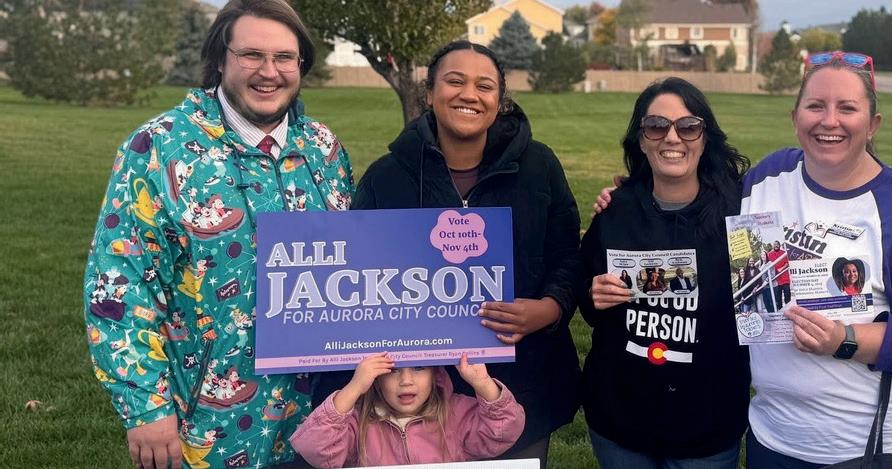
Alli Jackson

Alli Jackson grew up in Aurora and has worked as a social worker in the metro area. A registered Democrat, she was raised by a Russian immigrant mother who worked for the Aurora Police Department and a Black father. Jackson is currently serving on the Aurora Charter Review Board and the Downtown Development Authority on East Colfax, which voters in the specified district area will be voting on in this election. When it comes to policing and officer-involved shootings, Jackson said that Aurora relies too heavily on armed responses and that she would want to work with city council to expand the role of civilian crisis teams, such as the Critical Response Team (CRT), to respond to situations involving mental health crises instead of police officers with lethal weapons. She said that de-escalation training is standard in public-facing professions and says APD should “hold the line on de-escalation,” with clear limits on the use of lethal force.
Jackson said she backs the idea of creating an independent monitor and community-driven oversight structure, separate from the police chain of command.
“We need data to be collected and markers to be set that we’re trying to reach and meet,” Jackson said. “And they should be set by the community, first and foremost.”
She said she would want to work with city council to move Aurora’s Critical Response Team into its own freestanding department with separate funding and authority, which would also be helpful to avoid possible power dynamics. Continued public data tracking of use-of-force outcomes and community-set benchmarks are part of the consent decree she supports and said she would want to maintain.
“When I talk about a culture problem in Aurora Police Department, I think it starts with the hiring processes that we have, because we do see that a lot of the police officers that we end up hiring have marks in their record where they use excessive force or lied on record when testifying in court, and so I think we should be taking those offenses more serious, especially given the fact that we we know what the culture of Aurora Police Department is currently,” Jackson said.
With the current consent decree approaching its end, Jackson said she would favor a continued external mechanism, whether through a renewed consent decree or a strong monitor. She said she would also want this done without non-disclosure agreements for community members involved in oversight.
“This is supposed to be a process that creates more transparency and relationship building between the community and the police,” she said. Jackson said there should also be more accountability from the police department and city council regarding the use of force. She suggested that police policies should avoid “shoot to kill” practices and instead use
thal measures whenever possible.
Rob Andrews
Alli Jackson
One example she mentioned was how Aurora police recently used pallets or foam bullets as a non-lethal approach.
Jackson said she supports Aurora reallocating public safety funds to non-policing, supportive services, such as the Aurora Regional Navigation Campus, for people experiencing homelessness.
Although she supports some of what the city is doing with homelessness, she said she also supports decriminalizing homelessness and using more compassion, while expanding the definition of homelessness beyond visible street homelessness. For example, offering resources to people staying on people’s couches or living in their cars while working, but not being able to afford their own housing.
“I definitely want to decriminalize being unhoused,” Jackson said. “I think that’s just a double whammy on somebody who’s already down.”
She also said she appreciates the one-stop shop for working with the unhoused, but she is concerned about whether transportation and healthcare are being adequately addressed within the facility.
Jackson said that she would hope to make services more inclusive. She also believed in more evidence-based policy and stated that adding criminal charges to the unhoused only worsens outcomes. Jackson’s views center on ensuring access to support, housing and dignity for all, rather than punitive measures.
With the navigation campus opening, she said she hopes there will be regular reporting on shelter capacity, waitlists, and outcomes once the campus is fully operational.
On housing, Jackson said she supports the rapid production of middle housing, such as condos, townhomes and accessory dwelling units, paired with tenant safeguards and accountability for negligent landlords. Recent state-level tools were created, she said, that allow third-party construction review and enforcement against bad actors, creating guardrails that clear the way for building denser, ownership-oriented housing in Aurora.
Jackson said she would also want to explore city-owned affordable units if she were elected to the city council. They could work to create stronger partnerships with the Aurora Housing Authority and implement zoning changes to permit ADUs, allowing homeowners to add lower-cost rentals. On financing, she said she supports directing more local revenue toward affordability programs and pursuing progressive tax and state/federal funding streams to expand HUD-style vouchers and down-payment assistance.
Watson Gomes
Watson Gomes is a Brazilian immigrant who has lived all over the world, including in New York, before settling in Aurora to make it his final home to raise his family. He works as a college professor at the Community College of Aurora. Gomes, who is politically unaffiliated, said his views are always community-focused. He represents himself as an independent candidate who does not want to be influenced by party politics.
Independent oversight for the Aurora Police Department was something Gomes said he agreed with, saying that there should be an additional oversight system to do additional research into police involved shootings in Aurora.
Gomes says he is the only candidate with a whole five-point plan for
Aurora that involves affordable housing, addressing homelessness, public safety, investing in higher education and the workforce.
He said the oversight group can have a few appointees from the city council, but many of the positions should be decided separately. Overall, he said it should come from a broad community representation across different civil societies, not just political appointees, to ensure fairness and balance of political interests.
“We need to support accountability with transparency,” Watson said. “In that, we need to have independent oversight investigations of all officers involved in shootings to ensure fairness.”
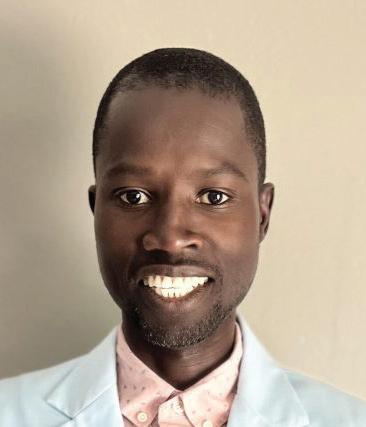
Gomes said that transparency and accountability are crucial for the community.
Much like in the consent decree, he thinks there should be an ongoing independent oversight body with public reporting and transparent actions to build trust between the police and the community.
Police should adhere to the Aurora police manual, which states that lethal force should be the last resort, not the first response, he said. Broader solutions he suggested include investing in crisis response teams and moving beyond policing to address root causes and enhance community safety.
He said it is a necessity for policies based on practical, people-centered solutions, with all segments of society involved in oversight and reform, including the police.
Gomes said he agrees with what the mayor is offering, a resource area and shelter for the homeless, but does oppose the “work-first” approach to homelessness, because it does not fully address underlying issues like mental health, substance abuse and trauma.
A “housing first” strategy prioritizes the stabilization of individuals with housing before requiring them to work or maintain sobriety, he said.
“Some people are living in their car, but they are working, and cannot pay the rent,” He said. “We need to get them stable first. Then we can move to getting them to work.”
He said he would want to integrate housing projects with comprehensive social and mental health services, enabling individuals to access the support they need to transition to a stable life. Gomes believes solutions must be multifaceted, encompassing transportation, skill development, and overall societal integration for the homeless.
He disagrees with criminalizing homelessness, and said there needs to be a need for persuasion and support rather than enforcement and citations. This is somewhat offered with the navigation campus, but if individuals choose not to go to the shelter, the law implies they will receive a citation or jail time instead.
Homelessness should be addressed with compassion, practical assistance and the inclusion of people with lived experience when developing policy, Gomes said.
A city-led approach to affordable housing, by using policy through city council to create more affordable housing, could include the city government directly purchasing land and developing housing, rather than relying
solely on private developers for these purposes, Gomes said.
Hiring contractors and architects to reduce costs would be another area he would want to look into. Revitalizing underused or abandoned areas could be a helpful and affordable tool that the city council could utilize, ensuring these projects include amenities and public spaces to create livable, community-oriented environments. He mentioned amenities, such as requiring a developer to build a library or other publicly accessible facilities.
Gomes said he would be interested in working with the city council to propose balancing government-built homes with private development and integrating community backing and participation throughout the process.
Aurora voters to decide on 3 ward city council seats amid focus on public safety
There are three Aurora City Council district seats up for election this year, wards I, II and III, all with some unique issues — and candidates.
Ward I, encompassing northwest Aurora, includes the city’s oldest and, often, most troubled neighborhoods. While the three candidates for the ward seat being vacated by two-term Councilmember Crystal Murillo disagree on a variety of issues, they all agree that a proposed Downtown Development Authority would make real progress in solving long-term problems.
That proposal — which would create a sort of local government focusing on the East Colfax corridor — will go before a select number of Ward I voters and business owners along with the Nov. 4 city election.
Three candidates are seeking the open council seat, two unaffiliated voters and a Democrat.
In Ward II, the incumbent, Steve Sundberg, who is running for reelection after his first term, and his opponent, longtime resident Amy Wiles, are the candidates. Ward II encompasses much of northeast and east Aurora.
Ward II is expanding rapidly, with large housing developments, including the Aurora Highlands, growing steadily. Some residents say Ward II lacks infrastructure, and as it develops around warehouses and open land, there is some debate about what kind of housing should make up new and expanding developments in the ward.
In Ward III, Democratic incumbent Ruben Medina is running for reelection to a second term against Republican Marsha Berzins, a former city council member who previously was term-limited. Ward III encompasses much if the city’s western region.
A variety of issues are linked to the district, including the city’s approach to crime and immigration, particularly in light of the changes being implemented by the Trump Administration.
The Sentinel’s city council ward election report comes from reports of issues that make the city council dais and recent questions posed to candidates. Major issues include public safety, police reform, affordable housing and homelessness.
Aurora is currently under a consent decree imposed by Colorado Attorney General Phil Weiser in 2021. It was the result of investigations into allegations of the Aurora Police Department’s excessive use of force and discriminatory practices, particularly against people
of color. Triggered in part by the 2019 death of Elijah McClain, who died at the hands of police and rescuers after being stopped, unarmed, the decree mandates broad reforms in training, accountability, use-of-force policies, data systems and community engagement.
This year, four people have died so far in police-involved shootings, and three were unarmed. Critics have concerns about whether the city is making changes to the police department quickly enough and whether the city should implement an independent police oversight structure, a long-standing issue that has regularly drawn resistance from police and police allies.
Homelessness is also a compelling issue for many voters in Aurora, amid the city’s two-year-old camping ban, which was upheld by a Supreme Court decision last year. For about three years, the city has increasingly made the ban more restrictive. Although the city is not required to offer shelter for the homeless people, while ticketing homeless scofflaws, the city is about to open the Aurora Regional Navigation Campus. That center will offer a three-tier “work-first” approach to homelessness. Some shelter services will be available to anyone on a space-available basis. But transitional housing and some other services will be provided only to those who enter addiction programs and agree to work. The idea has been controversial because almost all national, credible studies point to the greatest short-term and long-term success for permanent housing and rehabilitation being linked to some variation of “Housing First” policies. Candidates were asked whether they would keep the policies as they are or make changes.
Other questions concerned affordable housing and how candidates might utilize policy or their position as a city council member to create more affordable and workforce housing for groups of all income levels.
Ward
I — 3 candidates for 1 seat in northwest Aurora
Reid Hettich
The Rev. Reid Hettich is an unaffiliated, community leader and pastor in Aurora. He brings more than 20 years of service to the area, including community and church work. His focus is on community revitalization, equity and public safety.

In regards to the city’s police-reform consent decree and excessive-force-related issues, Hettich said he believes the police have made progress in the past few years. Hettich is a member of the Community Advisory Council for the Consent Decree, and he in-depth knowledge of the progress the police department has made in relation to it. He said progress has been made, particularly in training and policy development.
Hettich said he is unsure whether the police department needs additional oversight. He said the current process for investigating officer-involved
shootings, which involves judicial districts and outside agencies, is sufficient. Still, he acknowledges that the process can be slow and challenging for families and the community.
“I think we can basically trust that system that is going to be investigated thoroughly, professionally and without a bias to it,” Hettich said.
Outside of the judicial reviews of police involved shootings, Hettich said the oversight should be continued with a monitor, and that could take on different potential models. He said he would be interested in strengthening the model and ensuring “true” independence and effectiveness.
“I spoke just the other day to (City Manager) Jason Batchelor, and there were some high-level folks going to different cities and investigating different models for the independent monitor, and we’ll have to keep an eye on that to make sure that it has some teeth and that it is truly independent,” Hettich said.
Community engagement and input were another aspect, he said, that is crucial for proper oversight, while technical oversight and legal requirements should also be considered. He said he is hopeful that the community will be able to provide some input for the next monitor, and he thinks it should be essential. Hettich also said that creating community-driven suggestions for changes to police policy or a community-driven oversight would not be as ideal in his opinion because police work is technical.
He said that state laws, the Constitution, and even court cases determine legality in some instances. He said he agrees that there should be community engagement, but experts should drive police decisions.
At the end of the day, the consent decree is not going to end all uses of force and officer-involved shootings, he said
“It’s just not,” he said. “That is the world we live in, that’s going to take place. But hopefully, a consent decree will put the right kind of policies in place, can make sure that officers are adequately trained and that there is some sort of monitoring and a transparent system of evaluating whether you know that training and those policies are hitting the street.”
Aurora’s developing approach to homelessness is something Hettich said he mostly agrees with and thinks could have a lot of success. He said he “thinks it is a piece,” of the puzzle, but there should be continued resources throughout the city, as it is unlikely that a single solution will solve the problem as a whole.
“I’m advocating a ‘people first’ plan, where it’s complicated and people are different and unique, and their situations are different,” he said.
It’s like issuing a ticket to someone who will probably lose it and have to pay a fine, and it will likely not turn their life around, he said. Having additional nonprofits and other organizations can help fill the gaps left and ensure that they are more involved in individualized case management. This could also help ensure that these organizations work together effectively, preventing duplication of services and ensuring that nothing falls through the cracks.
“I am not convinced that we’re going to end homelessness in Aurora,” Hettich said. “That will be a persistent problem that we’ll have to deal with on some level, no matter what, because no one else has figured it out yet, and I think it’s naive to think that somehow
Watson Gomes
Reid Hettich
we have it figured out.”
Some examples he gave were a person who might have a large amount of stuff they don’t want to haul out to the northeast corner of the city. Someone like that would be less likely to take services because they don’t want to lose their belongings, or haul them there and risk losing them at the Navigation Campus. Hettich also mentioned people who get anxious in groups and might feel very uncomfortable in shelter settings.
“That’s why I just don’t see that as being a one-stop shop for everybody,” Hettich said.
When it comes to creating affordable or attainable housing for residents through city council, Hettich said he would want to look into a variety of housing types, but he would not be interested in anything like a moratorium.
Promoting homeownership by building more condominiums and affordable housing, working with developers to push for affordable options through early communication, and collaborating with reputable developers to include a percentage of affordable options are all tools he said he could utilize.
“I don’t think builders and developers are our enemies, but they have to play by our rules, and working with them in good faith, being good partners in this process, is the right way of doing that, and I think in the end, it benefits everyone in that process,” Hettich said.
Community engagement for development that meets local needs, which can prevent conflict later, was also an aspect he said he would want to keep in mind, along with utilizing tools such as land trusts and affordable financing, and adopting successful practices from other regions.
“One of the things I talk about quite a bit in a bunch of areas is cooperation, listening, talking to everybody involved, seeing if there are solutions we can come up with together, rather than a confrontational lawsuit-driven process to get things done,” Hettich said.
Stephen Elkins
Stephen Elkins, who is unaffiliated, said has lived in Aurora and Colorado for more than a decade, working as a city planner for Denver for seven years.
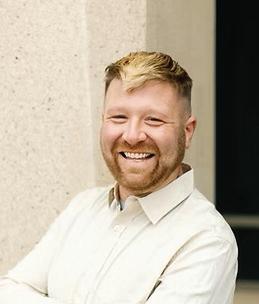
He said police involved shootings do impact the entire community and that they are always tragedies that require thoughtful conversation. He suggested community conversations and open houses to allow the community to discuss possible changes with the police.
He said that police should always be pursuing the least-lethal options, and at the same time, officer-involved shootings are complex and not one-sided. In our “chaotic society,” police are trained to have people follow their commands, so when they don’t, consequences happen, Elkins said.
“I think that’s really important, getting that message out there that you know if you’re not following those commands, then unfortunately, this can happen, and it’s not great, it’s not ideal, but it’s something that I think about, and it’s not something that I dismiss callously as an officer involved shooting,” Elkins said.
Elkins said he supports the work and decisions of Chief Todd Chamberlain and that Aurora needs this stability.
“He’s brought a lot of stability to the department,” Elkins said about Chamberlain. “People were, are and continue to be frustrated with the department, but as long as we have a revolving door in the department, we can’t make changes. We’re just triaging.”
While he’s been on the campaign train, Elkins said he has continuously heard that people want more police and more safety.
“We have to engage,” he said
An independent oversight committee was not something Elkins said he was currently interested in committing to. He said he preferred the idea of full community engagement instead.
When it comes to the city’s handling of homelessness, Elkins said he favors the “work first” approach over the “housing first” approach. Drawing on personal experiences from working for the City of Denver, he said he processed group-living applications for sober homes and observed numerous complexities in homelessness, which led him to support more structured solutions in his campaign.
“I like that there are steps that if you show that you’re on a pathway to recovery and you’re engaged, that there is a pathway to eventually become self-sustaining,” Elkins said.
He said that homelessness can involve many other factors like mental health, substance abuse and/or living paycheck to paycheck and that he thinks the Navigation Campus will benefit people in those situations.
“I think there is no silver bullet for homelessness,” Elkins said. “I think if there was, every municipality in the nation would have shot it a long time ago. But I think I want to see how the Navigation Campus goes forward.”
Periodic updates and community conversations about the progress, as well as any potential impacts, would also be required, he said.
Living within walking distance of a large encampment near Morris Heights and under the Peoria Street bridge, Elkins said, he has seen the aftermath of where a fire broke out and the damage it caused. He said that people can’t sleep outside because it’s not dignified or healthy, and it’s not a way to live.
“I see how much money the City of Denver has spent on housing first, and that they can’t continue to spend it,” Elkins said. “I think that has been really crucial, is that the city just doesn’t have those resources, and neither does Aurora.”
Elkins said that he believes addressing affordable housing requires everyone to work together, including the government, residents and developers.
“We need policies that actually will get us there,” Elkind said. “We need to ensure, number one, what is the government going to slow down affordable housing? What processes, expenses, fees, and staff are in the way?”
Ideas and solutions for affordable housing could include creating policies that actually increase the availability of affordable housing, Elkins said. This could include reducing regulatory barriers, such as reconsidering material standards and extensive landscaping requirements, which can drive up costs. He said he would want to look into what government processes, fees, and regulations might be slowing down development.
Although he said he received some
negative responses, he also suggested making the city’s planning department more accessible and efficient, as delays in permitting and meetings can hinder new housing construction.
He said people should live closer to their work, and there should be a variety of housing types from single-family to multifamily and apartments.
“We need more of everything,” Elkins said.
Elkins said he is also more supportive of local control over housing policies, such as accessory dwelling units and parking requirements, and is skeptical of state mandates that may not take into account local infrastructure or needs.
“We need to start understanding who the users are of affordable housing, what their needs are, and how do we meet them where they are, rather than just thinking we can figure it out without actually engaging with them,” he said.
Gianina Horton
Democrat Gainina Horton serves as the state’s coordinator for reducing racial and ethnic disparities. She previously served as a co-executive director for the Denver Justice Project and a project manager for the Denver Office of the Independent Monitor.
Horton received a bachelor’s degree from Colorado College in political science and government. She also served as a member of Aurora’s consent decree Community Advisory Council.
Horton’s background includes experience in police monitors and solutions for the use of force by police.
Her approach to police use of force and officer-involved shootings, if she were elected, centers on the need for independent, community-based oversight that could be voted in, she said.
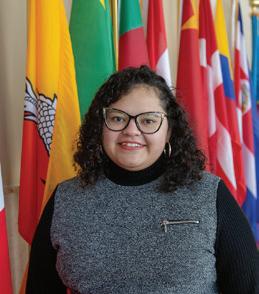
“We need independent oversight,” Horton said. “We need oversight that is built into our city budget, that is right here at home, that’s not an outside agency coming in every quarter to give presentations, and that it is folks who live here in Aurora that will understand what we are facing when it comes to our police department.”
An independent oversight agency, established in the city charter and protected from political shifts, should have the ability to objectively review incidents involving the use of force and officer-involved shootings, she said. The agency should be composed of residents, operating transparently, with the authority to investigate, review and provide policy recommendations.
“I think that’s the hard part, a lot for community members to understand about oversight agencies, is that they’re not a conduit for advocacy,” Horton said. “They’re a conduit for accountability and transparency, and it is very much a reform effort when it comes to police and sheriff departments, depending on municipalities, and so I would always advocate for the independence from law enforcement, from the community, as well as from the politics and leadership of city council and city governance.”
She said that Chicago has five different types of oversight agencies, which can get extensive and convoluted.
Ideally, oversight should not be passive, but instead, it should have the power to examine the policies and their implementation within the police department, Horton said. Law enforcement can establish an oversight structure that involves the community and ensures all voices are heard, allowing trust to be rebuilt, she said.
“The hope that I have is that if there can be enough buy-in from police, from the community, then it could allow us to establish a really strong, independent civilian oversight agency that can have some true impact when it comes to the need for accountability and transparency,” Horton said.
Transparency in communication is also essential after an incident, but the police should avoid public relations approaches that justify shootings without addressing community concerns, she said. Horton said she did support the police department’s data-driven approach, and that she would want to push for more data-driven analysis and learning from other cities to inform policy changes that could reduce the frequency and harm of officer-involved shootings.
Horton said that community policing is also very important for the community and for officers to feel a connection and trust between each other. Community policing involves officers leaving their vehicles to conduct foot or bike patrols and engage with the community.
“When officers don’t live in the community, when they’re in cars, when they are not talking to residents, in a more holistic fashion that is outside of suspecting criminal activity, then I believe it facilitates a culture where a police department does not value community,” Horton said, clarifying from her perspective of working in police oversight.
Horton’s approach to homelessness, if she is elected, is not in favor of criminalizing homelessness. She said she would want to shift the narrative on homelessness to recognize unhoused individuals as people in need of tailored services, not as criminals. She said that these types of policies funnel people into the criminal justice system and do not address root causes.
“There needs to be, fundamentally, a narrative change that individuals experiencing homelessness are not pests to get rid of, but individuals and families who are in need of services,” Horton said.
Horton said she is excited to see what the Navigation Campus can offer, but she is not yet convinced it’s the right solution. She said she is currently opposed to the “work first” approach to homelessness, citing data that consistently shows the “housing first” approach to be more successful and effective when implemented well.
“The ‘work first’ approach is not the most effective approach to addressing homelessness, and that housing, yes, expensive, tends to be the one that, if done well, provides more safety and long-term stability,” Horton said.
She said she would be interested in advocating for policy changes to prevent forcing individuals into unwanted services, and she would want to ensure that the Navigation Campus collects and analyzes data transparently to assess its effectiveness and to adapt policies accordingly.
The approach to homelessness should be grounded in dignity, choice and evidence-based solutions, she said.
She compared it to offering the car-
rot or the stick, and said it’s like offering the carrot or the stick, which is jail.
“Individuals cannot be forced to get the resources they may not want,” Horton said. “That binary of a choice, do you want the resources or do you want the stick and go to jail, is not right, it’s not ethical.”
As many in the city continue to struggle with housing affordability, Horton said she is focusing on “housing dignity” for everyone, regardless of income. She said she would also want to focus on low-income residents since many in Ward I are less wealthy than in the other wards.
Her focus also includes housing for renters, young adults, families, immigrants, refugees, and public servants, as well as stronger renter protections, thoughtful increases in housing density, and equitable development that avoids stark socioeconomic divides between neighborhoods.
One tactic she said she would want to use is engaging with developers to find creative, mutually beneficial solutions, such as including affordable units and supporting local businesses in new developments.
“For me, it’s about: where’s that tug and pull?” She said. “What’s the win-win? I won’t know that until I have those conversations with developers around their interests, their vision, and whether there can be a bridge or compromise or creativity.”
Ward II - 2 candidates for northeast Aurora
Steve Sundberg
Republican Steve Sundberg is a longtime Aurora resident who owns and operates Legends of Aurora Sports Grill. He is the Ward II incumbent running for his second term. He describes himself as pro-small business, and he has worked on public safety legislation and initiatives aimed at reducing homelessness.
Sundberg did not respond to repeated requests for interviews for this report.
He has said during campaign appearances and in his campaign literature that he will focus on public safety, local business, affordable housing and reducing homelessness, if reelected.


Sundberg is also a father and husband. He met his wife, who is from Rwanda, while building homes with Habitat for Humanity abroad, according to his campaign website.
As a city lawmaker, he has sponsored legislation discouraging panhandling and has regularly backed his council votes with rhetoric focusing on a “tough-on-crime” approach, as well as a “tough love” approach, to homelessness.
Sundberg has supported city legislation linked to the Aurora Mental Health’s Acute Care Campus, and has connected stakeholders to collaborate on the city’s soon-to-be-open Regional Navigation Campus and advocates for affordable housing projects, including being a proponent of a permanent supportive housing, 43-unit Aurora Housing Authority mental health care
Steve Elkins
Gianina Horton
Steve Sundberg
bed-space facility, according to his informational webpage. He has sponsored legislation addressing Aurora water policy and a focus on long-term water security.
Sundberg has advocated for infrastructure investment in Ward II and has represented Aurora at key regional board meetings, as stated on his webpage. He spearheaded the expansion of the Aurora Police Department’s Homeless Abatement Relocation Team (HART), a police department initiative that requires unhoused individuals to relocate or face ticketing or jail time unless they utilize the city’s resources.
Sundberg has also faced widely publicized controversies since taking office in 2021, much like his close council ally, Councilmember Danielle Jurinsky.
In 2022, allegations against Sundberg for sexual harassment and inappropriate comments at city hall surfaced. According to previous Sentinel reporting, investigators confirmed that Sundberg made remarks in the presence of city staff that were deemed sexual in nature.
The Aurora City Council withheld disclosure under Colorado’s public records law relating to sexual harassment investigations.
A Sentinel investigation, however, revealed that Sundberg made inappropriate comments to staff in 2021 because he was in “a nervous and challenging situation in which I blurted out a joke or a story which was about a prank.”
During a December 2021 meeting that included city staff members, attendees had commented on a COVID mask that he was wearing. He said he replied with a “joke or story” about wearing a mask over his genitals.
“I related a prank that was played on a really good friend of mine where I wore a large mask as a loincloth and gave it to my friend,” he said. “As the last word came out of my mouth, I knew it wasn’t fitting. I wasn’t trying to be lewd or offensive.”
Sundberg’s account was said to be consistent with the information included in the Sentinel report, which concluded that the council member “made an inappropriate comment about the size of his mask in relation to his genitals.”
“Upon completing that, I realized it was an inappropriate thing to say,” he said in the previous reporting. “I do genuinely care about other people and how I treat them, so I am meeting with a couple of staff tomorrow to apologize, have a crucial conversation about that and move on with important city business.”
The only action ultimately taken was the apology.
There were other, less substantiated accusations of sexual harassment as well, including Sundberg making a joke about whether he is allowed to file receipts from the strip club and allegedly looking an employee up and down in an inappropriate manner.
Another scandal came from the earlier days of the COVID-19 pandemic when “racist” videos surfaced from Sundberg’s Facebook, with his joking about different stereotypes of different groups of people.
After the videos surfaced, Sundberg said the series of videos was intended to drive business to his restaurant, Legends of Aurora Sports Grill, during the pandemic, by performing mocking impressions of various ethnic people.
He later apologized, saying they were not intended to be racist, nor did he consider them racist. He apologized to those who were offended, not for making the videos.
A massive backlash from regional minority community leaders disagreed, resulting in calls for his resignation from the city council.
The 2022 article focused on Facebook videos of Sundberg performing a variety of stereotypical impressions of various ethnic groups in promotional skits for his business. The scandal that followed at the Sentinel exposed the videos received national media coverage.
In one video, Sundberg wears a turban and robe, exclaiming “haram” after being offered bacon. In another, he dons a Mexican blanket serving as a poncho and mimics a Mexican accent, making racist trope jokes about an employee. Other videos include Sundberg imitating Asian and German accents in skits, which are criticized for perpetuating offensive stereotypes. One video depicts Sundberg and a black Man at a urinal, with Sundberg making racist trope comments about the man’s genitals.
Community leaders said the videos undermined trust in Aurora, a city known for its diversity, where 21.8% of residents identify as foreign-born, according to the U.S. Census Bureau, and more than a quarter of the city, 30.7%, identify as Hispanic or Latino.
Around 15.8% of Aurorans are Black, 6.0% are Asian, and 15.6% are two or more races.
In January 2025, Sundberg contacted the Sentinel, saying he noticed his election website domain had been purchased after he allowed it to expire, and the purchaser had the website page link back to the Sentinel article about Sundberg’s videos. Sundberg accused the Sentinel of taking control of his domain and having it rerouted back to the article.
Sentinel Editor Dave Perry said the Sentinel had nothing to do with the website and informed Sundberg that someone had purchased his domain name and rerouted it themselves. Website records did not make clear who purchased and now controls the website URL.
Amy Wiles
Democrat Amy Wiles is a longtime Aurora resident and is actively involved in community-driven groups.
She said she is not a politician, but a community member focused on improving Aurora’s neighborhoods.
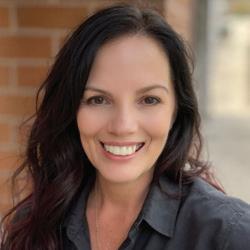
Wiles said she believes in community engagement, volunteering and giving back.
The majority of her campaign has been spent focusing on advocating for the repair of aging infrastructure, improving street conditions, expanding youth opportunities and addressing food insecurity in parts of East Aurora that she says remain “food deserts.”
Professionally, Wiles works in health care and operates a photography business, balancing her career with a growing portfolio of civic involvement. She serves as a City of Aurora Human Relations Commissioner, as chairperson, and is a member of the Community Advisory Council for the Aurora Police Department’s Consent
Decree, a role that has significantly shaped her platform on public safety and police-community relations.
Wiles’ approach to policing supports expanding Aurora’s community policing teams to include more officers walking beats, talking with residents, attending more events and connecting with youth.
“All the things that our Community Policing Team does, we would just need to expand it,” Wiles said.
She also wanted to explore the city’s co-responder model to see how it can be expanded, either through partnerships with nonprofits or other groups, or by hiring more mental health support, trained officers, or mental health professionals. She said she would want to advocate for more strategic, “common sense” deployment of police resources, and the police need more support to address mental health issues and substance abuse calls.
“Sometimes just seeing an officer can escalate somebody who is already having mental health challenges,” Wiles said.
Although she mentioned the challenge of hiring professionals for an independent oversight model with a looming budget deficit in Aurora, Wiles suggested finding volunteers to create an oversight board, and then having the city pay for the volunteers’ training to evaluate police oversight.
“We could have the community team, who is there to help give feedback, to help provide comments to the police, to help review any shootings or any use of force that they may need to look at,” Wiles said.
Making racial bias training more frequent and creating implicit bias training would also be a preferred addition, Wiles said.
“The reality is, the de-escalation training that we’re currently using is not effective,” Wiles said. “These trainings need to be refreshed and re-offered on a yearly basis, not just okay, you did it once in the academy, and now you’re done.”
When addressing homelessness, Wiles said she opposes the camping bans and said that in many cases, criminalizing homelessness perpetuates the cycle by making it harder for people to access jobs and services.
“Cities that have implemented camping bans actually have an increase in homelessness,” she said. “You’re potentially setting people up to stay in that cycle of homelessness and incarceration.”
Wiles said she also strongly prefers the “housing first” approach over the “work first” approach to addressing homelessness, because it prioritizes providing stable housing as the foundation for addressing other issues, such as employment, mental health, and substance use. She said that studies show the approach typically saves the city money on jail, detox and Emergency Medical Service costs while reducing homelessness.
She also discussed additions to the Navigation Campus, such as specialized, longer-term options, such as tiny-home villages for veterans, which can be built through partnerships between nonprofits and developers.
Her other views on making housing more accessible for residents throughout the city include increasing housing affordability for young professionals, teachers, and local workers who are all priced out of the city by maintaining or incentivizing developers to set aside a percentage of new units as affordable.
She suggested a diverse mix of housing types, including patio homes, townhouses, and smaller homes, rather than focusing solely on large single-family homes. Wiles said she also wanted to explore workforce housing options through a partnership with the public schools for teachers and public safety employees.
Infrastructure, besides housing, was a big part of Wiles’ campaign. Ward II lacks adequate roads, traffic lights, retail, public transportation, parks, recreation centers and libraries, she said. She hopes to foster community by developing infrastructure that builds communities, by leveraging the ward’s undeveloped land for thoughtful, balanced growth that addresses both housing and community needs.
“Throwing a bunch of houses in an open lot or an open space isn’t the solution to our problems. It’s not just enough,” Wiles said. “You have to look at the entire approach, and that means looking at those mixed-income communities, making sure that the roads and the streets are adequate, making sure the traffic lights are adequate, making sure that there is development nearby, so that people can live and shop and have entertainment within a reasonable distance of their home.”
Ward III - 2 candidates for west-central Aurora
Ruben Medina
Ruben Medina, a Democrat, is a longtime Aurora resident and a project manager at the Foundation for Sustainable Urban Communities. Medina is the incumbent in Ward III, running for his second term.
A Community organizer, a wrestling coach, a father of three and a former firefighter/EMT, Medina said he sees his priority as listening keenly to his community, representing them on the dais with his vote.
pathy for what they have to deal with. Officers endure regular moments of trauma, and then they must move on to the next call with composure, he said.
Medina said he would support an independent oversight committee for the police department, and he stated that outside perspectives and community involvement would make a strong foundation for it.
Regular bi-monthly meetings between the police and the community would foster open dialogue, address concerns, and help build relationships, which would also be a helpful way for the community to gain trust and respect for the police. He said it would have to be ongoing with all levels of officers, not just one-off events.
Another suggestion Medina thought would be powerful was encouraging officers to engage with the community by “walking the beat” and participating in community events without uniforms or weapons holstered, which would also help garner respect and humanize officers, breaking barriers between the public and the police.
He said he currently doesn’t see officers engage with the community outside of their uniforms.
Medina’s approach to every part of his job in city council has been to listen first, find common ground to build trust on both sides, he said, which is often shown in his round table discussion style at his town halls and not always voting strictly on party line, but through what he thinks his constituents would want from him.
He said that officers should speak regularly at public events instead of having the chief talk on their behalf.


Medina spent his last term building the city’s relationship with his diverse constituency. He is community-focused in both his work and his position on the city council.
Medina said he plans to focus on building a safer Aurora, breaking the stigma surrounding mental health, especially among youth, and ensuring strong support for the elderly community, according to his campaign website.
As a former firefighter and EMT, he said he understands the stress the officers are under. He thinks officers should be offered rotations for desk work, not as a form of punishment, but to help them manage the regular and sometimes intense trauma and avoid burnout the encounter during their duties. He said that when he was dealing with too many traumatic situations as an EMT, he would begin to look at individuals as numbers, not people.
He said that this could be one solution to help officers decompress, avoid burnout and maintain empathy for the public.
Ruben spoke a lot about looking through the lens of an officer, with em-
“When we peel it all back, we’re really just one and the same,” Medina said. “We’re just trying to figure it out.” Medina’s approach to addressing homelessness focuses on what he calls dignity, individualized solutions and community involvement. He said he disagrees with policies that place unhoused individuals into specific programs or locations, especially when these may disconnect them from their communities or fail to address their unique needs, such as elderly individuals or those with mental health challenges.
The “work first” approach does not address all populations, Medina said, preferring the “housing first” approach. Forcing people into choices they don’t want adds unnecessary stress; instead, people should be asked about their needs and solutions.
There are programs that build relationships and empower the unhoused to take charge of their own progress, Medina said, referring to groups such as a project called “The Illuminators,” where unhoused individuals lead the process. Solutions that are flexible, respect individual dignity and choice, and are rooted in genuine community engagement and support are the solutions Medina said she prefers to explore.
When considering affordable housing, Medina said he would focus on a solution-oriented, creative and multifaceted approach that would also involve flexibility, community engagement, and a willingness to try innovative solutions to meet diverse housing needs.
Medina said he would advocate for exploring and expanding alternative housing models such as manufactured homes and container homes, which can be built more quickly and afford-
Amy Wiles
Ruben Medina
ably than traditional housing. He also suggested experimenting with these models in specific geographic areas to assess their feasibility and community interest. Co-ops or special districts could be created to allow residents to own both the land and their homes, similar to HOAs, to foster stability and affordability.
Revisiting past policies that can be improved, like those affecting condos and townhouses, rather than banning them outright due to previous issues, was another suggestion from Medina. Medina said there could be a state-level rent control to address rising housing costs, and he said tax breaks or incentives could be implemented to help seniors age in place. A combination of approaches would be most beneficial, as there is no single solution for housing, he said. This can include intergenerational living and partnerships with developers and the city to pilot new ideas.
Marsha Berzins
“I believe that the more contact, the more positive contact our officers have with the community, the better we are,” Berzins said.
A non-partisan oversight committee is another idea Berzins said she would be willing to consider again, but she recalled many of the challenges with previous attempts and noted that there would be a need for genuinely non-partisan members. She said that they would also need oversight, but she wasn’t sure yet how that would be implemented.
She said that the city council doesn’t always have all of the answers, and she would be interested in asking people in the city for their solutions and ideas as well.
council. She said there would need to be careful planning as development continues in Aurora.
Ward III is also almost fully developed and wouldn’t require much new development in her ward. She did say that she would be interested in finding out what is happening with the Argenta development and she would want to follow up there.
Cherry Creek Schools board
Four candidates are seeking two open district seats for the Cherry Creek Schools district board.
voice in their child’s education, but we should not politicize school libraries. Decisions about books and curriculum should be guided by educators and librarians, based on educational merit and age-appropriateness — not ideology.
What role should law enforcement play in schools?
Law enforcement should be partners in safety and prevention, not discipline. School Resource Officers can play an important role in building trust and ensuring campuses remain safe, but their presence should support — not replace — the caring relationships between students, staff, and families.
Cherry Creek District D: Amanda Thayer
• What makes you the top candidate for school board?
Marsha Berzins, a Republican, previously served as the Ward III representative from 2009 to 2021. After stepping down from the city council, she ran unsuccessfully for Arapahoe County commissioner. Berzins is a business owner and a mother. She continues to serve on multiple community boards and commissions, according to her website. She said that, if elected, she plans to act as a “unifier and to serve everyone in Aurora,” according to her website.
Her campaign website said she plans to focus on public safety, jobs, the economy and community support.
She said she plans to continue participating in the local community and meet people where they are.
Berzins’ approach to how she might use her city council power to work with the police includes communication and respect between city council and the police department. She said that respectful dialogue is more effective than criticism and that it should be mutual between police, city officials and the community.
Setting an example of respect as a city council member is one way she said she can plan to set a standard.
When it comes to oversight or possible policy changes, Berzins said that under the current city charter, the city council has no direct authority over police operations, which are managed by the city manager. For decades, however, council policy has driven the direction and performance of the department.
Berzins said she would see the most value in collaborating with the police instead of trying to enforce changes, and stated that she would work to build trust between the police and the community by organizing regular meetings for the two groups to come together and engage in discussions. This would also make city council members and officers more accessible, fostering direct communication.
Community policing was also an idea that Berzin said could help build trust between the community and the police. She said that positive contact, such as implementing bicycle patrols or exploring new ideas like having officers on golf carts, could help reduce use-of-force incidents and build trust.
As far as homelessness and Berzins’ approach, she said she is strongly in favor of the developing Navigation Campus and “work first’ approach. Aurora Mental Health and Recovery will be offering resources for the Navigation Campus. As a member of their board, Berzins said she is confident in the three-tiered system the campus will provide, and she believes the resources will be sufficient and beneficial.
“Nobody wants to be homeless,” Berzins said. “These counselors will help them. They will help them get their papers back, their driver’s license. If they lost or had to run out without their birth certificates or their social security or whatever, they’ll help them with that. It’s a hand up to help them get back on their feet.”
Her only concern was whether the campus would offer resources to people who want to stay on campus but have pets. Joe Rubino, a city public information officer, confirmed that the campus will be offering resources for people with pets.
Berzins said she disagrees with arresting homeless people, but she said the camping ban is a “first step” in getting people off the streets. As she has been knocking on doors, she said that many people have complained about the trash encampments left behind, and they have told her they want the city council to take action.
“I don’t like the idea of arresting them, because I don’t think that solves any problems,” Berzins said. “I don’t know exactly why that was put in place. I can only imagine it’s for the shock value of telling people they can’t live on the street. It’s not safe, it’s not humane.”
Although she does not think it will be the “silver bullet” to answer homelessness, Berzins said she is excited to see where the Navigation Campus goes, and she hopes it works like a charm.
As things progress, she said she will be prepared to adjust and make improvements as needed.
In her approach to housing affordability, Berzins said there is a clear need for attainable housing for lower-income workers, as well as for a range of income groups, including those working in local hospitals, the military, and other sectors.
She said she would work to collaborate with builders and developers to understand their needs and find ways to facilitate their projects, rather than imposing a “one size fits all” mandate. One example she mentioned was considering code changes or exemptions when appropriate.
Overbuilding was a concern, she said she wanted to prevent, which she said she experienced with condos when she previously served on city
The candidates bring a wide range of ideas and backgrounds to the race. Both incumbents are not running for re-election.
The following are questions asked by the Sentinel of all candidates and their answers. A report focusing on the races will be available on-line Friday and in print next week.
Cherry Creek, District D : Terry Bates
• What makes you the top candidate for school board?
I bring a unique combination of experience and perspective. For over 22 years, I’ve served as a Chief Financial Officer and Senior Executive, managing large organizations, complex budgets, and governance decisions with accountability and transparency. I’ve also spent 21 years as a Cherry Creek parent and volunteer, raising five children who all graduated from CCSD schools. I understand our schools from both the family and financial side, and I’m ready to bring steady leadership when it matters most.
• What is the top priority the district faces, and how would you address it?
The biggest challenge facing Cherry Creek is financial stability and student safety amid declining enrollment and uncertain state and federal funding. We must protect classrooms and ensure that every student learns in a safe, supportive environment.
My focus will be on fiscal responsibility and transparency — making sure every dollar directly supports teaching, learning, and safety. That means maintaining secure campuses, investing in teachers and staff, and using resources efficiently so our students can thrive academically and emotionally.
• How should the district deal with bullying and discrimination?
Every child deserves to feel safe and valued at school. We must strengthen anti-bullying policies, train staff to recognize and respond early, and promote a culture of respect and inclusion. Parents, teachers, and administrators should work together so students know they are supported — both emotionally and academically.
• What book should everyone read before graduating high school?
To Kill a Mockingbird by Harper Lee. It teaches empathy, justice, and the courage to stand up for what’s right — lessons that remain just as relevant today as they were generations ago.
• Should parents and students have a bigger role in deciding what books are allowed in schools?
Parents absolutely deserve a
• How should the district address student learning loss from the pandemic?
We need to focus on targeted, data-driven support — especially in literacy and math. That means expanding tutoring, academic interventions, and family engagement. Every student should have the opportunity to recover and thrive, no matter where they started.
• How do we close the achievement gap for students of color?
We need early intervention, strong literacy programs, and the best teachers in every classroom. Success comes from giving every student the right tools — support, time, and encouragement — to reach their full potential.
• Should the district spend more on student mental health?
Yes. Students can’t learn effectively if they’re struggling emotionally. Investing in mental health — through counselors, social workers, and partnerships with community providers — supports both well-being and academic achievement. It’s a smart investment in our students’ future.
• What message should the district send about undocumented families?
Our message should be simple: Every child is welcome. Cherry Creek schools serve all students, regardless of immigration status, and every family should feel respected, safe, and valued as part of our community.
The lighter side of Terry Bates
• If you had a superpower, what would it be?
To give every child the confidence to believe in themselves.
• Did you have any New Year’s resolutions? What were they?
To find better balance — more time with family, more time for golf and swimming, and a little less time on email.
• What was the last movie you watched?
Remember the Titans — a great reminder of leadership and teamwork.
• What is your least favorite household chore?
Folding laundry. I can analyze a complex budget faster than I can match socks.
• What fun fact about you would most surprise people who know you?
I’ve had season football tickets at the University of Michigan for more than 40 years — and I still try to make it to at least two games every fall.
I know how important it is that we partner with parents and engage the community as we chart a path forward to increase academic outcomes and opportunities for all students. I have experienced firsthand how hard it can be as a parent who wants to do what is best for your child to be heard. I have spent countless hours volunteering in classrooms and know the struggles our educators face implementing topdown driven decisions. My husband and I chose to move to Cherry Creek to raise our children here, both have attended Cherry Creek schools. It is time we listened to parents and educators, stop the growth of administration and put the money back in the classrooms. My professional background in building business strategies, improving processes, and keeping an eagle eye on finances in large organizations combined with my experience in our classrooms makes me the top candidate to guide this district.
• What is the priority the school district faces, and how would you address it?
One of the first priorities I will address is our declining academic performance in literacy. Cherry Creek is the only metro district whose scores in literacy declined last year. That means more students cannot read or write at grade level. I know one score on one day doesn’t define success but far too many indicators show that Cherry Creek is not putting enough money in classrooms. Over the last five years there has been a 16% increase in the number of administrators while enrollment is down by over 4500 students. My priority would be to reduce administrative overhead, increase compensation for professional aides in classrooms, ensure teachers have the resources they need so that they can focus on teaching children, and our academic outcomes increase.
• How should the school district deal with bullying and discrimination?
I have heard far too many stories of teachers and staff required to look the other way when students are bullying each other as they are told to let the students work things out. I believe every child deserves the opportunity to learn in a safe environment and ignoring issues is never a way to solve them. Ensuring a safe learning environment should be the first priority of the school board. To deal with the bullying and discrimination issues, the district’s discipline policies must be consistently implemented. Teachers and staff should know that the school board has their back and expects policies to be implemented consistently. As a board member we must hold the Superintendent accountable for ensuring bullying and discrimination incidents are dealt with properly and not ignored.
• What book should everyone read before they graduate high school?
One book that was influential to me was “The Diary of a Young Girl” by Anne Frank. It taught me how horrible human beings can be to one another and yet the power and resilience of the human spirit. It shows the power of one family doing the right thing to protect others can have. Anne finds her
Marsha Berzins
voice and shares lessons of courage and hope.
• Should the school board and district allow parents and students to have a bigger role in what books are permitted or even banned in school libraries and classrooms?
My grandfather owned a bookstore, and I learned early in my life that books were not just a series of words. The stories books tell can transport us, encourage us, teach us and inspire us to action. It is critical that parents and educators are partners in what books are used in our classrooms and available in our libraries. There should be a public process for students, parents, educators, and community members to have input into the resources we use in our schools.
• What role do you think law enforcement should play in schools?
The safety of our students, staff and community members should be the highest priority of the school board. The district must partner with law enforcement to ensure that we are using the best practices to support safety.
School resource officers that are provided by our law enforcement partners are a critical component of the safety plan in Cherry Creek schools and should be supported. Our school resource officers get to know our students and help prevent incidents before they happen.
• How do you think the district should address student learning loss from the pandemic?
In an article in the Denver Post in late August covering statewide assessment results, they included a graphic showing that Cherry Creek is the only metro district with declining literacy scores. All other metro districts showed improvement in all areas. Clearly Cherry Creek needs to reprioritize focusing on student achievement. While one test doesn’t define outcomes, we know that far too many of our students aren’t performing at grade level and yet our graduation rates are increasing. It is critical that we recognize that there are basic skills students need to be prepared for success after graduation whether that is career, college or military. My focus on the board will be ensuring money is back in the classroom, overhead is reduced, and educators have the resources they need to partner with parents and meet the needs of students.
• What do you think should be done to close the achievement gap for students of color?
I have had countless conversations with educators who have shared that they don’t have the resources they need in their classrooms to meet the needs of their students. They are told from “on high” what to teach, not given the training they need and don’t have the aide support to ensure they can work with all students. Today this results in far too many students not getting the support they need. Teachers have told me they can have four or five grade levels of literacy in one classroom. They are frustrated that they can’t provide those who are ahead with the resources they need to thrive and support those who are at grade level or behind. It is time to put money into the classroom.
• Do mental health issues among students in the district warrant spending additional funds to ad-
dress them? How much more?
The last annual report shows the district spent over a billion dollars, a significant increase over previous years. Cherry Creek taxpayers have been very generous in approving the district requests for additional funds. What is imperative is that the school board invests the funds we are entrusted with in programs that are focused on providing opportunities for students and preparing them for future success. It is clear the increased number of administrators and current spending isn’t providing the resources our staff needs to support learning. I am advocating that we focus our funds in the classrooms.
• What message should the school district send to all parents in regards to families in the community who have immigrants not documented or deemed “illegal” by the current administration?
The district should provide a safe learning environment for all students enrolled in our schools. We do not employ legal staff who are qualified to communicate with families on immigration issues. The district must do a much better job of partnering with all parents. We know in 2024 the district settled with the Department of Justice after many complaints were filed alleging that the district didn’t provide enough support to families that speak different languages. The district is now required to provide support to families in multiple languages including holding listening sessions in a dozen different languages.
The lighter side of Amanda Thayer:
• If you had a superpower, what would it be?
If I had a superpower, it would be to ensure all children learn to read fluently by the end of third grade and develop a lifelong passion for learning.
• Did you have any New Year’s resolutions? What were they?
I don’t make New Year’s resolutions; I try to do at least one thing every day to learn something new.
• What was the last movie you watched?
The last play that I attended was Nice Work if You Can Get It. It was inspiring to see so many talented young people perform.
• What is your least favorite household chore?
My least favorite household chore is folding the laundry.
• What fun fact about you would most surprise people who know you?
When I was in high school, my DECA team competed nationally and Cherry Creek often won those competitions which inspired me to want to raise my children in the Cherry Creek School District.
Cherry Creek District E: Tatyana Sturm
What makes you the top candidate for school board?
My unique combination of skills makes me the top candidate at this critical time as the district faces declining enrollment, declining funding and increasing academic achievement gaps. I moved to the Cherry Creek school district to raise my two sons because this district provided excellent opportunities for all students. Both of my boys have had great experiences in
Cherry Creek Schools. As a real estate agent, I have helped hundreds of families buy homes in the district because they want the best education for their students. My financial background in managing complex construction projects, balancing budgets by spending money on high priority items and cutting unnecessary spending along with my community engagement focus make me the top candidate. I see the great things that happen in our schools and am willing to admit we need to improve. I am running to ensure we partner with parents, honor educators and put money back in our classrooms.
What is the priority the school district faces, and how would you address it?
Cherry Creek faces declining enrollment and when families choose to educate their children in other schools or districts, Cherry Creek loses the funding for these students. Over the last five years or so over 4500 students have left the district. If all those students came back, we would have at least an additional $45 million in funding. Today we have deaf and hard of hearing students that don’t have aides in their classrooms, so they have a hard time accessing the instructions. We have teachers that buy supplies with their own money. The district is spending more money year after year; the number of administrators has increased 16%. We need school board members who will allocate funding to top priorities and put money into the classroom.
How should the school district deal with bullying and discrimination?
The district has several policies which address bullying and discrimination and should help give our teachers and staff the tools they need to ensure students don’t experience bullying or discrimination. However, all too often teachers are allowed to follow the discipline guidelines. We all know when some children don’t have consistent rules, they try to push the boundaries and see what they “get away with”. We need to ensure the discipline policies in place are enforced and conduct listening sessions to see if there are any gaps in the policies that need to be addressed so every child can learn in a safe environment.
What book should everyone read before they graduate high school?
My love for reading started young, so the book I recommend is one I read when I was young. It teaches perseverance and shows that with a successful mindset, and the help of others, great things are possible. I recommend the book “The Little Engine that Could” by Arnold Munk (pen name Watty Piper). This book tells the story of a stranded train that asks for help from many passing trains who all go by without helping. Finally, a little train that seems unlikely to be able to help brings its determination and with effort helps the stranded train. I learned the power of engaging the community and lending a hand, as well as the power of setting high goals and being determined to succeed.
Should the school board and district allow parents and students to have a bigger role in what books are permitted or even banned in school libraries and classrooms?
It is critical that the Cherry Creek school district does a much better
job of engaging parents and community members. Although there are hundreds of committees and probably thousands of ways for folks to be engaged, the district hasn’t cracked the code on how to increase engagement. In fact, some would say the district doesn’t consider how hard it is for some families to engage. I grew up with a sister who was born deaf and have heard many of our hard of hearing students don’t have interpreters. The district sponsored forums that I attended had no sign language interpreters and no language interpreters. The district should provide an opportunity for parents, students and community members to provide input on the resources used in our schools. With more input we will all make better decisions.
What role do you think law enforcement should play in schools?
I am grateful that our law enforcement partners provide school resource officers to help keep our schools safe. The number one priority of the school district needs to be to ensure that our students, staff, parents, and community members are safe. Unfortunately, in Colorado we know all too well the importance of the partnerships we have with law enforcement. It is critical that there are coordinated plans between the school district and multiple law enforcement agencies to ensure that we provide the highest level of safety.
How do you think the district should address student learning loss from the pandemic?
Both of my sons experienced the hardships of learning from home when our schools were closed, and students were expected to learn from home. I watched my sons struggle and know there are areas where they still have gaps. Unlike all other metro area districts, Cherry Creek assessment scores declined last year, so not only do we have pandemic learning losses to recover, but we also have post-pandemic learning losses. It is time to listen to our educators and use research-based resources and practices to provide every student with the opportunity to succeed. Evidence shows tutoring and small group instruction enhances learning. Our educators know how to meet the needs of our students; we should listen to their needs and put money back into the classrooms instead of hiring more administrators.
What do you think should be done to close the achievement gap for students of color?
To close the achievement gap for all students we need to stop lowering the bar and expectations for students. Far too often students who do nothing are given a grade of 50% so if they turn in the very minimum and get 15%, they are given a grade of 65% and passed along. That is demoralizing for the students and doesn’t set the bar of excellence we expect in Cherry Creek schools. As we hold the bar high, we need to provide the resources teachers need, continue to invest in career and college ready programs so students find what inspires them to want to succeed. Investing in small group instruction, tutoring and putting funds in classrooms will help close achievement gaps for all students.
Do mental health issues among students in the district warrant spending additional funds to address them? How much more?
We are likely facing decreasing funding from both the state and federal levels. And while Cherry Creek voters have passed all the recent bond and mill increase requests many families are facing tough economic times. We know the priority of school board members by where they vote to spend money. I know when students can read and do math at grade level and can access the material they are taught they feel better about themselves and experience fewer mental health issues. My priority is to see the number of mental health issues decline so more funding goes into classrooms. It is time to be fiscally responsible.
What message should the school district send to all parents in regards to families in the community who have immigrants not documented or deemed “illegal” by the current administration?
Public schools in Colorado provide education to all students regardless of immigration status or any other characteristic. Our community knows that our schools don’t ask about the immigration status of our students. Our community should be assured that the district will continue to focus on providing great education opportunities to all students. I will focus on increasing parent partnerships, being fiscally responsible and putting money in classrooms and ensuring that is the focus of the district.
The lighter side of Tatyana Sturm
• If you had a superpower, what would it be?
If I had a superpower, it would be the ability to show everyone the power of coming together as a community and working together. So often these days folks want to divide us and I have learned when we come together we can make a difference.
• Did you have any New Year’s resolutions? What were they?
My New Year’s resolutions was to continue to work out everyday to ensure my body is healthy and to invest in my learning
• What was the last movie you watched?
One of the most powerful movies I watched was “The Pursuit of Happiness”, Will Smith plays a dad who loses his job and becomes homeless and perseveres for his son.
• What is your least favorite household chore?
Doing the dishes
• What fun fact about you would most surprise people who know you?
I bought my first home before I turned 20 and despite some setbacks, I am working hard to create a great future for my family.
Cherry Creek District E: Mike Hamrick
• What makes you the top candidate for school board?
Because lived experience truly matters for this position. I currently serve on the CCSD Long Range Facility Planning Committee. This committee reviews the district’s needs for the next 5-10 years. I also serve on the CCSD School Boundary Subcommittee, which reviews attendance at our schools and makes recommendations for changes to the attendance boundaries of schools to ensure the number of students meets the capacity at
our schools. I have also served on the Arapahoe County Citizens’ Budget Committee, Centennial Home Rule Charter Commission, and Chair of the Centennial Liquor Authority. Additionally, I have served as past president of my HOA and Metro District. In these roles, I have had to develop budgets, implement and execute budgets, and ensure they are transparent and fair to my community. My leadership skills are based on data analysis and listening, to ensure that all voices are heard, valued, and considered when decisions are made.
I am a veteran of the US Air Force. I taught basic electronic and Avionic systems for over eight years at Lowry AFB. I also attended and graduated from college. I mention this because of my passion for work force and innovation programs, but also my desire to continue CCSD’s academic success for those preparing for college upon graduation.
We are a Cherry Creek family. Both of my children graduated from CCSD schools, my daughter is a CCSD educator. My grandson is a kindergartener in CCSD. and my wife is a retired educator who taught for 32 years in CCSD.
• What is the priority the school district faces, and how would you address it?
Funding is the top priority, so that the district can best support each and every student on their pathway of purpose, to ensure that each student thrives. Supporting the district’s strategic plan of literacy, health and wellbeing, and providing equitable access to high quality educational opportunities, is essential.
• How should the school district deal with bullying and discrimination?
There is no place for bullying and discrimination in CCSD. Each and every student deserves to be treated with dignity and respect. The administration, educators, parents, and student peers need to work together to ensure that each student is safe, welcomed and valued in every classroom and at every school.
• What book should everyone read before they graduate high school?
Thomas Paine’s Common Sense
• Should the school board and district allow parents and students to have a bigger role in what books are permitted or even banned in school libraries and classrooms?
I support CCSD’s current policy of book acquisitions and uses. Education groups have numerous vetting processes to review books utilized in our school, our libraries have an additional role in this process. In our schools, parents within the district also have the opportunity to bring forth any perceived issues with any books in their school, that would be reviewed at the school and at the district. I do agree that all books need to be age appropriate for use in our school libraries.
• What role do you think law enforcement should play in schools?
School safety and security is critical to a student’s learning environment and a teacher’s workplace, and I support CCSD’s safety and security policies. CCSD has invested millions of dollars in safety and security staff, equipment, and training district wide. The district employs SROs primarily in
the middle and high schools, and over a hundred security staff, to ensure the safety and security of our students and educators in each school.
• How do you think the district should address student learning loss from the pandemic?
CCSD should continue on the path of educating the whole child, while also ensuring that each child has a robust foundation in reading, writing, math and critical thinking skills, so that each graduate can be a successful, engaged, and productive member of society.
• What do you think should be done to close the achievement gap for students of color?
Smaller class size and focus on early literacy. Continued funding in the classroom is the top priority, so that the district can best support each and every student on their pathway of purpose, to ensure that each student grows academically and thrives.
• Do mental health issues among students in the district warrant spending additional funds to address them? How much more?
Supporting each student’s mental wellbeing is one of the core values of the district. One in five CCSD students have been identified with a mental health issue across the district. CCSD has partnered with Hazel Health to provide telehealth visits, with parent permission. Our students are able to access these licensed mental health practitioners for assistance. This can be short-term care or referrals for additional resources, if needed. The Traverse Academy is also a great resource for those with more severe needs and helps educate, treat and hopefully return the students to their home school. As far as the “how much more” question, I would need to work with fellow board members, our superintendent, CFO, parent groups, and district leadership to review if additional funds are needed or available.
• What message should the school district send to all parents in regards to families in the community who have immigrants not documented or deemed “illegal” by the current administration?
We should celebrate diversity in our school district; it is a reflection of our nation and our history. We have a moral responsibility to educate all students that reside in our community, and we need to welcome and educate all children regardless of immigration status. Kids are not illegal and are here based upon their parents’ desire to achieve the American Dream, many have been in our district for their entire educational career.
The lighter side of Mike Hamrick
• If you had a superpower, what would it be?
flying
• Did you have any New Year’s resolutions? What were they?
I usually don’t have a New Year’s resolution.
• What was the last movie you watched?
I don’t watch many movies. I think the last one was Hidden Figures while on a flight. I prefer watching series as time permits, currently watching Ted Lasso.
• What is your least favorite household chore?
Putting away laundry
• What fun fact about you would most surprise people who know you?
My favorite thing to do is travel. I have been to five of seven continents. As part of my travels, I have visited rural schools to see how they educate their children. Hands down, we have one of the best education systems in the world.
Aurora Public Schools board
Seven candidates are seeking four seats on the Aurora Public Schools board. Two of the candidates are incumbents, seeking second terms.
The candidates bring a wide range of ideas and backgrounds to the race. Both incumbents are not running for re-election.
The following are questions asked by the Sentinel of all candidates and their answers. A report focusing on the races will be available on-line Friday and in print next week. The top four vote-getters win the seats.
Anne Keke, incumbent
What makes you the top candidate for school board?
I am the current board president, and under my leadership, academic results for students are improving, teachers are being paid more, we have hired more mental health professionals, and we have made massive investments in the future of our schools through the 2024 bond campaign. I am running because there is more work to do. We must continue the progress of the district so that all students succeed. We will achieve this by partnering more deeply with educators and the community, increasing student pathways to success, and making our schools safer and more welcoming.
What is the priority the school district faces, and how would you address it?
My highest priority for the district is improving academic outcomes for all students, but particularly students from marginalized communities. We have seen academic progress, but it is not enough, and it is unequally distributed. On the board, we have put systems and resources in place, including improved teacher pay, building upgrades, and new mental health staff. Now is the time to leverage those resources for academic improvement.
How should the school district deal with bullying and discrimination?
We should have no tolerance for bullying and discrimination. Unfortunately, these issues are on the rise, particularly with young boys. We need to address the problem by targeting our resources and making sure that all educators are trained in how to identify and interrupt bullying behavior.
What book should everyone read before they graduate high school?
A book that interests them and sets them on a path to follow their ambitions! But personally, I recently finished reading Amusing Ourselves to Death by Neil Postman and would recommend it to everyone who is concerned about our political and cultural discourse. Although it was written 40 years ago, I believe the problem is getting worse, not better. This is due in
particular, but not exclusively due to the rise of online platforms driven by algorithms meant to keep consumers engaged, taking up a larger and larger share of the “news” environment.
Should the school board and district allow parents and students to have a bigger role in what books are permitted or even banned in school libraries and classrooms?
No. Libraries and classrooms should have a variety of age-appropriate books available for students to check out and read that meet their specific interests. I believe in and count on families to have discussions with their children about what is and is not appropriate for them to read.
What role do you think law enforcement should play in schools?
This is a challenging question. I am supportive of school-community partnerships to build stronger connections between the community, families, and the school district as a means to improve the safety of our schools.
However, I also believe there are some circumstances where having law enforcement nearby is helpful, I am thinking about the Hinkley High school shooting. My goal, through policy, is to ensure that school discipline issues are handled by district employees, not law enforcement, but to also have clear lines where law enforcement should be involved •particularly when it comes to dangerous weapons and dangerously violent behavior on and off school grounds.
How do you think the district should address student learning loss from the pandemic?
This learning loss is a big part of why I ran. We have implemented programs to ensure tutoring and additional schooling for students who were set back by the pandemic, and have seen some moderate success. The challenge, of course, is in continuing to accelerate that progress.
A byproduct of the pandemic that students are continuing to suffer from is a shift in how students and families think about the importance of attendance as a tool to improve education outcomes. This shift is still affecting attendance today and leading to a massive increase in chronic absenteeism. I hope to push my colleagues to address this issue in my next term. We can do this through ensuring that our schools are places that students want to attend, where they seen and included in their educational decision-making. I also want to ensure they feel prepared for whatever comes next and can see a clear path to economic stability and success after school.
What do you think should be done to close the achievement gap for students of color?
As mentioned in my two previous answers, I am focused on making sure our students feel seen and included in their educational decision-making. I also want to ensure they feel prepared for whatever comes next and can see a clear path to economic stability and success after school. This is particularly important for students of color. They should also see their education as a path to any future they desire and graduate ready for college, even if that is not the path they choose to take.
The work of the board and the district is twofold to make this a reality: First, we have to focus on these gaps. I have and will continue to ask for dis-
aggregated data that shows where we need to do more work and that pushes the superintendent and staff to focus resources on these areas and seek out learning about how to improve. Two, we need to ensure that we have a culture in our schools, from superintendent to families and students that believes in the brilliance and the possibility of all of our students to achieve great things.
Do mental health issues among students in the district warrant spending additional funds to address them? How much more?
Yes. I am proud of our efforts to increase access to trusted adults, mental health professionals, and access to counseling through partnerships in the community. As for how much more, I am not able to place a number. I believe deeply in the intrinsic worth and value of all of our students’ lives.
In the past, there has been a great deal of controversy with carrying out the Blueprint APS plan. What changes, if any, would you make if you were in control of it?
As a board member, I was partially in control of it, and thanks in part to my leadership, we have seen a shift in the goals and implementation of changes to the district. Key changes I have driven toward are better and more inclusive community engagement, better communication with families of impacted schools about their concerns and how they can be supported, a demand that we focus on improving all schools holistically, and a more open and parent-directed process rather than the top down bureaucratic method previously outlined.
What message should the school district send to all parents in regards to families in the community who have immigrants not documented or deemed “illegal” by the current administration?
As an immigrant myself and a member of a community of immigrants, my message is that I see you, I am working to protect you, and I want you to succeed.
The lighter side of Anne Keke
• If you had a superpower, what would it be?
Multilocation. I want to be everywhere and doing everything (and I do a lot), but I haven’t quite figured out how to be everywhere at once... yet.
• Did you have any New Year’s resolutions?
No I did not, I am too type personally to have just a once a year resolution. I like to get stuff done and move on to the next.
• What was the last movie you watched?
It was not really a movie, It was actually a tv series called “Bridgerton”. I binged watched the whole season 3 in one night. I highly recommend, by the way, spoiler alert season 4 is coming out next February.
Hendrix Lewis, APS candidate
What makes you the top candidate for school board?
What makes me a top candidate for the Aurora School Board is that I have a deep commitment to our children’s future and a strong belief in the power of a collaborative community. I’ve
seen firsthand how communication gaps can create tension and misunderstanding between parents and teachers. I want to help bridge that divide, building a foundation of trust that allows us to work together effectively for our students
What is the priority the school district faces, and how would you address it?
The priority is that all students get a sound quality education. I will address it by trying to bridge the gap to create a more seamless system for teachers and parents to ensure our students have a successful education.
How should the school district deal with bullying and discrimination?
Have teachers trained in ethics and bullying to identify what could be happening during the period that the students are in their class. So, they can address the situation before it gets bigger than it could be. Basically, the first line of defense.
What book should everyone read before they graduate high school?
Any financial book to help them understand balancing checkbooks, savings, and ways of investing.
Should the school board and district allow parents and students to have a bigger role in what books are permitted or even banned in school libraries and classrooms?
Yes, because not everything should be brought into the schools for children to learn, because we have a public library that has a broader selection. For example, keeping books such as factual historical events should be in schools. And if we involve the parents and children, boundaries can be established with the parents on what their children should read.
What role do you think law enforcement should play in schools?
I don’t believe law enforcement should have a regular role in schools. While officers are essential in protecting us as citizens, their presence in schools can sometimes create mental health and trust issues for students, especially those from communities with challenging relationships with law enforcement. Schools should be a safe haven where students feel secure, supported, and free to learn. Educators and school staff are best equipped to protect and guide students within that environment.
How do you think the district should address student learning loss from the pandemic?
The district should address student learning loss by providing targeted academic support and focusing on the social and emotional needs of students. Teachers should receive ongoing professional development to identify learning gaps and collaborate with parents and guardians, ensuring that families are engaged.
What do you think should be done to close the achievement gap for students of color?
To close the achievement gap for students of color, the district must focus on equity, access, and opportunity. The district should implement intervention programs, mentorship initiatives, and family engagement efforts to build strong support systems both inside and outside the classroom. In
addition, teachers and non-certified staff should receive training to address implicit bias and promote inclusive teaching practices that reflect the diverse needs of all students.
Do mental health issues among students in the district warrant spending additional funds to address them? How much more?
Yes, addressing mental health issues among students should be a priority, and it warrants additional funding. Many students continue to face emotional and social challenges that affect their ability to learn and thrive. The district should allocate more resources toward hiring additional counselors, social workers, and school psychologists, as well as expanding access to wellness programs and crisis intervention services.
In the past, there has been a great deal of controversy with carrying out the Blueprint APS plan. What changes, if any, would you make if you were in control of it?
I would become more involved in the community and use methods such as open forums, surveys, and workshops offered in multiple languages to ensure everyone understands the trade-offs and has a voice in the process. Before considering school closures, I would carefully examine the potential impact on students of color, low-income families, and immigrant populations. In addition, I would look for ways to repurpose existing facilities to continue serving the community, such as transforming them into learning centers, tutoring spaces, or recreational areas that provide ongoing support and benefits for families.
What message should the school district send to all parents in regards to families in the community who have immigrants not documented or deemed “illegal” by the current administration?
Be welcoming and provide as much assistance and research as a community to help them gain legal status.
The lighter side of Hendrix Lewis
• If you had a superpower, what would it be?
Freeze people when they are doing too much.
• Did you have any New Year’s resolutions? What were they? No, I don’t make resolutions anymore because I break them within a week. LOL
• What was the last movie you watched?
Lilo and Stitch
• What is your least favorite household chore?
Picking up everyone else’s mess in the house and dusting (allergies).
• What fun fact about you would most surprise people who know you?
I’m a watch collector
Tramaine Duncan, incumbent APS candidate
What makes you the top candidate for school board?
I’m deeply rooted in education — not just as a profession, but as a calling. As a first-generation college graduate and current doctoral candidate, I’ve lived the power of education to change lives. I’ve taught, coached,
and led in schools that serve diverse communities, and I’ve seen firsthand what works and what doesn’t. My combination of lived experience, educational leadership, and commitment to equity uniquely positions me to make informed, student-centered decisions that strengthen outcomes for all learners.
What is the top priority the school district faces, and how would you address it?
The most pressing priority is rebuilding trust and consistency across our schools. Families, educators, and students need to feel aligned around a shared vision for success. I would focus on improving academic outcomes by investing in high-quality instruction, meaningful professional development, and clear systems of accountability — all while centering relationships, transparency, and equity.
How should the school district deal with bullying and discrimination?
We need a proactive, not reactive, approach. That means creating school cultures grounded in belonging, restorative practices, and accountability. Staff should be trained to recognize and address bias-based behaviors early, and students must be empowered to advocate for themselves and their peers. Every student deserves to feel seen, safe, and supported in their learning environment.
What book should everyone read before they graduate high school?
“Between the World and Me” by Ta-Nehisi Coates. It challenges readers to think critically about race, identity, and the American experience — conversations that are essential for developing empathy, perspective, and civic responsibility before entering adulthood.
Should the school board and district allow parents and students to have a bigger role in what books are permitted or banned in school libraries and classrooms?
Parents and students should absolutely have a voice — but not a veto — in shaping the educational experience. Our libraries should reflect the diversity of our community and encourage critical thinking. Removing books that make some uncomfortable denies students the opportunity to learn, question, and grow. Education should expand perspectives, not narrow them.
What role do you think law enforcement should play in schools?
Law enforcement should not be the first or only response to student behavior. Schools must prioritize mental health supports, restorative practices, and strong relationships. That said, partnerships with law enforcement can be appropriate when focused on safety education and crisis prevention, with clear boundaries to ensure that schools remain learning environments — not extensions of the criminal justice system.
How do you think the district should address student learning loss from the pandemic?
We must meet students where they are — academically, socially, and emotionally. This means targeted interventions, extended learning opportunities, and high-dosage tutoring. But we can’t just double down on testing; we must rebuild student engagement through
relevant instruction, cultural responsiveness, and authentic connection.
What do you think should be done to close the achievement gap for students of color?
We have to address both opportunity and access gaps. That means hiring and retaining diverse educators, ensuring rigorous instruction in every classroom, and holding ourselves accountable for results. It also means investing in mentorship, culturally relevant curriculum, and family engagement strategies that affirm the identities of our students.
Do mental health issues among students in the district warrant spending additional funds to address them? How much more?
Yes — without question. Mental health directly impacts learning, attendance, and behavior. I support increasing investment to ensure every school has access to counselors, social workers, and trauma-informed supports. While the exact amount should be based on a needs assessment, this should be a protected budget priority, not an afterthought.
In the past, there has been a great deal of controversy with carrying out the Blueprint APS plan. What changes, if any, would you make if you were in control of it?
Blueprint APS was meant to create sustainability and equity, but the process lacked consistent community trust. If given the opportunity, I would prioritize transparent communication, genuine stakeholder engagement, and consistent follow-through. Families need to feel like partners, not participants in a process that’s already been decided.
What message should the school district send to all parents in regards to families in the community who have immigrants not documented or deemed “illegal” by the current administration?
Every child, regardless of immigration status, has the right to a safe and quality education. Our message must be clear: you belong here. Schools should be sanctuaries of learning and hope, not fear. We must protect our families’ dignity and ensure that every student feels valued, welcomed, and safe in our community.
The lighter side of Tramaine Duncan
• If you had a superpower, what would it be?
The power to restore hope. I’d want to help people see beyond their current circumstances and believe in what’s possible, because when people have hope, they move differently, dream bigger, and show up stronger.
• Did you have any New Year’s resolutions? What were they?
My resolution was to prioritize balance and peace. Between leadership, family, and finishing my doctorate, I promised myself to slow down, protect my energy, and stay focused on what truly matters.
• What was the last movie you watched?
Get Rich or Die Tryin’. It’s a powerful reminder that success doesn’t come easy — it’s earned through resilience, faith, and a refusal to give up, no matter the odds.
• What is your least favorite household chore?
Folding laundry — hands down. I’ll
handle everything else, but somehow that part always gets pushed to the bottom of the list.
• What fun fact about you would most surprise people who know you?
People are often surprised to learn that I’m a doctoral student. As a first-generation college graduate, I never imagined I’d be this close to earning a doctorate. It’s been one of the hardest but most fulfilling journeys of my life — proof that dedication and vision can take you places you never thought you’d go.
APS board candidate
Kristin
Mallory
What makes you the top candidate for school board?
I am the top candidate for Aurora Public Schools because I am highly educated, very versed in policy impacting our community, and have been organizing in Aurora for a decade. I’m the product of a neighborhood public school and the daughter of a middle school science teacher. I have a passion and commitment to ensure that everyone gets the same or better opportunities than what I was given.
I’ve spent my career fighting for working families, students, and educators. I believe every child deserves access to a high-quality, inclusive education, no matter their zip code or background. I’m not afraid to speak truth to power, and I’m running to ensure APS keeps its commitment to equity, transparency, and strong neighborhood schools. I can be reached at KristinforAPS@gmail.com and I am looking forward to earning your vote.
What is the priority the school district faces, and how would you address it?
Aurora Public Schools’ top priority must be supporting and retaining the educators and staff who make our schools run. From teachers and paraprofessionals to bus drivers and nutrition workers, these are the people shaping our students’ daily experiences. When we lose them, we lose continuity, care, and stability. I’ll work to ensure that our budget reflects our values — investing in classrooms, fair pay, and working conditions that keep great educators in APS.
How should the school district deal with bullying and discrimination?
We need to build a culture where every student feels safe, respected, and seen. That starts with prevention and not punishment. I’ll champion restorative practices, consistent staff training in bias and trauma-informed care, and student-led initiatives that create accountability and belonging.
What book should everyone read before they graduate high school?
The Scarlet Letter by Nathaniel Hawthorne. It was an impactful book in my own life when I read it in High School. The book explores judgment, shame, resilience, and the power of standing firm in your truth. It reminds readers to look beyond labels and understand the deeper humanity in others, which is a lesson that stays relevant long after graduation.
Should the school board and district allow parents and students to have a bigger role in what books are permitted or even banned in school
libraries and classrooms?
Parents and students should absolutely have a voice, but not a veto. Public schools must remain places where students can explore diverse ideas and histories. Banning books silences stories, experiences, and •many times •identities that matter. I’ll always oppose censorship and support inclusive libraries and classrooms that reflect the diversity of our community.
What role do you think law enforcement should play in schools?
Our schools should be places for learning and growth, not policing. Law enforcement should only be involved when there’s a true safety concern, not to handle routine discipline. I support investing in counselors, social workers, and restorative justice staff instead of relying on police presence. Safety comes from relationships and trust, not fear.
How do you think the district should address student learning loss from the pandemic?
We need to move beyond test scores and focus on whole-student recovery: academic, emotional, and social. That means smaller class sizes, more tutoring and mentoring opportunities, and expanded after-school and summer programs. Just as important, we must nurture a love of learning and a growth mindset. Teaching students that they may not be there, but that persistence, grit, and resilience lead to success is one of the most valuable lessons we can give them.
What do you think should be done to close the achievement gap for students of color?
We must close opportunity gaps, not just achievement gaps. That means equitable funding, culturally relevant curriculum, and targeted support for students who face systemic barriers. We should invest in mentorship programs, expand access to advanced coursework, and ensure every school, regardless of zip code, has high-quality teachers and staff.
Do mental health issues among students in the district warrant spending additional funds to address them? How much more?
Yes — and we can’t afford not to. Students can’t learn if their mental health needs aren’t met. We need more school counselors, psychologists, and social workers in every building. While I won’t name a specific dollar amount without full budget access, I’ll advocate for rebalancing funds to make student mental health a top priority because well-being is foundational to learning.
In the past, there has been a great deal of controversy with carrying out the Blueprint APS plan. What changes, if any, would you make if you were in control of it?
The Blueprint APS process has raised important questions about how we balance district needs with the stability of our communities. I would have liked to see more creative options explored before schools like Paris and Sable were closed — including boundary adjustments and expanded busing to help balance enrollment. Moving forward, I believe it’s essential to strengthen transparency, deepen community engagement, and focus on keeping neighborhood schools at the heart of APS’s planning.
What message should the school
district send to all parents in regards to families in the community who have immigrants not documented or deemed “illegal” by the current administration?
Our message must be clear and unwavering: every child is welcome in Aurora Public Schools. APS will never cooperate with immigration enforcement or discriminate based on documentation status. We are a community that believes in dignity, safety, and opportunity for all families, period.
The
lighter
side of Kristin Mallory
• If you had a superpower, what would it be?
Teleportation — I love to travel. I’ve been to Canada, Mexico, Dominican Republic, Costa Rica, Panama, Iceland, England, Germany, Belgium, and the Czech Republic. I have many more countries on my bucket list. Plus, I’d love to spend more time with my niece and nephew in South Dakota & other family, visit schools across Aurora, and skip the traffic on Mississippi, 225, and I-70!
• Did you have any New Year’s resolutions? What were they?
My news years resolution was to spend more time with my family, to read more books, and to play more board games.
• What was the last movie you watched?
The last movie I watched was Moana. I have always loved Disney and animated movies.
• What is your least favorite household chore?
My least favorite household choir is folding and putting away laundry. I don’t mind separating the clothes, washing or drying them. I am always annoyed by putting them away.
• What fun fact about you would most surprise people who know you?
I was an athlete, a theater kid, and a musician in school. I played Varsity golf starting in 7th grade, as well as some volleyball, basketball, and softball at lower levels. I played the Scarecrow in The Wizard of Oz, the Wicked Witch in Snow White, the Mother in Bye Bye Birdie, and various other support roles throughout middle and high school. And I was a trumpet player in the school and jazz bands and a soprano in the concert chorale and school choir.
APS board candidate
Gayla
Charrier
What makes you the top candidate for school board?
I’m the top candidate for school board because I bring both lived experience and a deep commitment to service. As a CNA and mother of a child with disabilities, I understand firsthand the importance of equitable access, compassion, and advocacy in our schools. My years of professional experience serving others and my dedication to families in Aurora have prepared me to be a voice for every child… especially those who are too often overlooked. I’m not just running for a position; I’m running to create meaningful change that ensures every student has the opportunity to succeed.
What is the priority the school district faces, and how would you address it?
One of the biggest priorities our school district faces is ensuring that every student, no matter their background, ability, or circumstance, has
equitable access to quality education and the resources they need to succeed. Too many of our students are falling through the cracks due to overcrowded classrooms, underfunded programs, and limited support for special needs education.
How should the school district deal with bullying and discrimination?
I would address this by advocating for stronger community partnerships, expanding access to mental health and special education services, and ensuring funding is directed where it’s needed most: directly into classrooms. Every student deserves to be seen, heard, and supported. As someone who has worked closely with families and children with disabilities, I will make it a priority to ensure our district meets those needs with compassion and accountability. Bullying and discrimination must be addressed with zero tolerance and proactive compassion. Every child deserves to feel safe, respected, and valued when they walk through the school doors. Our district must strengthen prevention efforts by implementing consistent anti-bullying education, early intervention programs, and stronger accountability for both students and staff. That’s why I believe our approach must include emotional support, restorative practices, and staff training that focuses on empathy, inclusion, and cultural awareness. When we teach understanding instead of fear and ensure all voices are heard, we create safer schools for everyone.
What book should everyone read before they graduate high school?
I believe every student should read To Kill a Mockingbird by Harper Lee. It teaches empathy, justice, and the importance of standing up for what’s right, even when it’s difficult. These lessons go beyond the classroom and prepare students to be compassionate, thoughtful members of their communities.
Should the school board and district allow parents and students to have a bigger role in what books are permitted or even banned in school libraries and classrooms?
I believe in giving parents and students a voice, but I don’t believe in limiting access to knowledge. As a parent of a child with special needs, I understand how important representation and understanding are. Books can open minds, foster acceptance, and teach lessons that extend far beyond the classroom. The best approach is collaboration families, teachers, and administrators working together to ensure our children have access to diverse, age-appropriate materials that help them grow into compassionate, informed adults. Education should empower, not exclude.
What role do you think law enforcement should play in schools?
Schools should be safe spaces where students can learn, grow, and feel supported. Law enforcement in schools should focus on protecting that safety, building trust, and serving as mentors… not as primary disciplinarians. Officers can help educate students about law, safety, and community responsibility, while also supporting staff during emergencies. My years of experience as a correctional officer have given me a unique understanding of safety, de-escalation, and the importance of clear boundaries. Combined
with my work as a CNA and my experience with families, I know that students respond best when discipline is paired with guidance and care, not fear. Law enforcement should be part of a broader team that prioritizes nurturing, support, and community engagement, so that every student feels safe and empowered to succeed.
How do you think the district should address student learning loss from the pandemic?
Learning loss from the pandemic has affected students differently, and the district must respond with equity and individualized support. Programs like tutoring, personalized learning plans, and mentorship can help students regain academic progress, while social-emotional support addresses confidence, resilience, and motivation. Students with special needs or those from underserved communities were disproportionately affected. I would ensure these students receive priority access to interventions and resources, so that every student has the opportunity to succeed regardless of background or circumstance.
What do you think should be done to close the achievement gap for students of color?
As an African American woman, I understand firsthand the importance of equity and representation in education. Closing the achievement gap for students of color requires intentional action and resources that meet the unique needs of each student. This includes access to high-quality instruction, culturally responsive teaching, tutoring, mentoring, and after-school enrichment programs. It’s also vital to provide professional development for educators so they can recognize and address systemic biases and create inclusive classrooms where every student feels seen and supported. I know how individualized attention, advocacy, and encouragement can transform a student’s learning experience. By combining targeted academic support, culturally responsive teaching, and strong family and community engagement, we can ensure that all students… especially students of color, have the tools and opportunities to succeed and thrive.
Do mental health issues among students in the district warrant spending additional funds to address them? How much more?
Yes, mental health issues among students are a serious concern and warrant additional funding. Schools can address this by hiring more counselors and social workers, providing training for teachers on mental health awareness, and implementing programs that support social-emotional learning. The exact amount of additional funding would depend on the size of the district, the number of students in need, and the specific programs being implemented, but investing in student mental health has been shown to improve both well-being and academic performance.
In the past, there has been a great deal of controversy with carrying out the Blueprint APS plan. What changes, if any, would you make if you were in control of it?
From my perspective as a parent, African American woman, and advocate for children with special needs, the key to implementing Blueprint APS successfully is listening to the com-
munity. I would make sure families, teachers, and students have meaningful input, while also ensuring resources are distributed equitably and progress is tracked. Changes aren’t just about policy, they’re about making sure every child has the support and opportunity they need to succeed.
What message should the school district send to all parents in regards to families in the community who have immigrants not documented or deemed “illegal” by the current administration?
The district’s message should be one of equity and trust: all children in our schools are valued and protected, no matter their or their family’s immigration status. Families should know that schools are safe spaces where children can focus on learning, growing, and contributing to the community. The district should actively communicate its commitment to inclusion, offer support services as needed, and ensure that every family feels welcomed and respected.
The lighter side of Gayla Charrier
• If you had a superpower, what would it be?
I would want the ability to add more time to my life.
• Did you have any New Year’s resolutions? What were they?
I don’t believe in resolutions they are unrealistic. If I have the ability to do something, I will.
• What was the last movie you watched?
Urban Cowboy (for the 20th time)
• What is your least favorite household chore?
I do not enjoy folding laundry
• What fun fact about you would most surprise people who know you?
I try to do the Manitou incline once a year, I also enjoy going to the gun range.
APS Board candidate Nino Pepper
• What makes you the top candidate for school board?
I would bring different perspectives that were lived experiences from when I was in school. I would come with a voice that would advocate for students and parents that would bring awareness for students and parents.
• What is the priority the school district faces, and how would you address it?
The priority is producing better results in the classrooms that will help get APS test scores up and I would address the issues by understanding where the problem is and work towards a resolution by incorporating accountability.
• How should the school district deal with bullying and discrimination?
The school district should have a stronger stance against bullying and discrimination than where it is at right now. Incorporate educational sessions with students in helping them understand what bullying and discrimination looks like: understand where these issues come from and teach a pathway where students can work together in reducing bullying and discrimination.
• What book should everyone read before they graduate high
school?
A financial literacy book.
• Should the school board and district allow parents and students to have a bigger role in what books are permitted or even banned in school libraries and classrooms?
YES
• What role do you think law enforcement should play in schools?
Law enforcement should have a larger presence in schools than what’s in place right now. When law enforcement is in the schools, we should incorporate better interaction between students and law enforcement.
• How do you think the district should address student learning loss from the pandemic?
APS should consider leveraging resources, social emotional learning and build partnerships.
• What do you think should be done to close the achievement gap for students of color?
I would like to see more Black educators, incorporate an effective communication strategy between teachers and parents, establish African American History classes and not just have lessons over Black History in February. African American History should be taught throughout the school year.
• Do mental health issues among students in the district warrant spending additional funds to address them? How much more?
Yes. Whatever funding amount is needed to help address mental issues in getting results for students.
• In the past, there has been a great deal of controversy with carrying out the Blueprint APS plan. What changes, if any, would you make if you were in control of it?
I like the current direction on where Blueprint APS is going.
• What message should the school district send to all parents in regards to families in the community who have immigrants not documented or deemed “illegal” by the current administration?
The school board should let the parents know that it is business as usual in providing their student an education and provide support resources for their benefit.
The lighter side of Nino Pepper:
• If you had a superpower, what would it be?
I would be invisible.
• Did you have any New Year’s resolutions? What were they?
Not really. I just tell myself to make the new year better than the previous year.
• What was the last movie you watched?
The Lost Bus
• What is your least favorite household chore?
Shoveling snow
• What fun fact about you would most surprise people who know you?
That I am a jokester
•What makes you the top candidate for school board?
I’m a top candidate for the school board because I work directly with students and their families in my day job at African Leadership Group (ALG) and see how the system needs to be changed to better serve them. Our school system is hard to navigate for many of the families we serve, especially when it comes to figuring out how to get answers and help when your kid needs it. I can be a bridge between communities and the district to make our schools more responsive and connected.
•What is the priority the school district faces, and how would you address it?
One of the biggest concerns I hear from families and students is about school safety, and ensuring that kids can attend school without fear of being bullied, victims of gun violence, or swept up by ICE raids. I would address this by ensuring that educators and students are aware of their rights to education. Regarding immigration status, we should identify and interrupt bullying behavior and work with the community to provide after-school activities that keep students away from risky and dangerous behavior.
•How should the school district deal with bullying and discrimination?
To me, this is part of school safety. We need to ensure that educators know how to identify bullying behavior and are properly equipped with the skills to intervene. Unfortunately, we have seen an increase in discrimination in our schools due to the national political environment, and we need to make sure that this rhetoric doesn’t become the norm in our schools. We should make sure to include harmful language and actions based on language, immigration status, or national origin in the definition of bullying.
•What book should everyone read before they graduate high school?
One of my favorite books of all time is The Kite Runner. I would recommend it!
•Should the school board and district allow parents and students to have a bigger role in what books are permitted or even banned in school libraries and classrooms?
I believe that families can and should determine what books are appropriate in their own homes, but when it comes to our schools, we should have age-appropriate texts on a variety of topics that meet the interests of our students.
•What role do you think law enforcement should play in schools?
I think it may be appropriate for law enforcement to be involved in serious safety issues, including weapons on school grounds. Other than these situations, they should not be involved in typical student discipline issues. I think that sometimes having law enforcement in schools makes it too tempting to depend on them for student discipline, so there should be a clearer policy separation between what is and what is not an appropriate situation to involve law enforcement.
•How do you think the district should address student learning loss from the pandemic?
At ALG, we worked hard to keep students involved in their education and to offer resources like learning pods and tutoring to make sure kids didn’t fall too far behind. Even though pandemic resources have dried up, tutoring has been shown to be a very powerful tool to support student learning. I think the district should partner with community organizations that offer high-quality, high-impact tutoring to ensure students and families are aware of the opportunities. Additionally, we are now seeing the impact of chronic absenteeism on student learning, partially due to the pandemic changing how families perceive the effects of missing a day of school. In my day job, I work to clearly communicate to parents that missing school days has a negative impact, which increases with the number of days a kid misses. I also emphasize the importance of attending school. I think the district could also do a better job of making the case to families that missing school is harmful to kids and work with community partners to spread that message.
•What do you think should be done to close the achievement gap for students of color?
Working with students in marginalized communities, this is one of my top concerns. I think we need to take a look at the way resources are distributed. By that, I don’t just mean money, but also the allocation of strong and experienced teachers, experienced school leaders, and opportunities for before and after-school programming. I think we do a disservice to both students and educators when the kids with the greatest needs or those who are furthest behind also get the least experienced teachers. I also think we need to work on changing the culture of our schools. We need educators, leaders, and school board members who believe in the ability of all students to succeed. I feel that in the current system, there is a feeling that students who are not white, or don’t speak the language, or come from low-income backgrounds are not capable of excelling in the classroom. This is deeply problematic to me. We need to do more to build a culture where kids in marginalized communities, like those in my community, are seen as equally brilliant and capable of meeting high expectations as those in better-resourced communities.
•Do mental health issues among students in the district warrant spending additional funds to address them? How much more?
Yes, as much as it takes. I have and will continue to advocate for more resources to be allocated to addressing this urgent issue in both the APS and the State education funding budget.
•In the past, there has been a great deal of controversy with carrying out the Blueprint APS plan. What changes, if any, would you make if you were in control of it?
The main changes I would have made include better seeking community feedback and co-creating the plan with the communities most affected. I know this has been a long-time complaint about the way the district operates. That often the district doesn’t get the level of engagement it wants until there is a crisis (like a school is going to close due to enrollment). Still, it is obviously very important to continue to improve this communication. It is also important that, going forward, we
have real conversations with families and impacted communities about what they are not getting in their schools and the barriers, such as low student enrollment, to having robust offerings. Finally, I think that when it comes to how we believe families should engage with the school, I am glad the district is moving away from a very bureaucratic, top-down approach to “choice” through the Magnet and zone model. I think we can do more to make families aware of the types of programs offered by schools in the district and give families, not just school administrators, more say in the types of schools they want their students to attend. This is again, particularly important for families in schools that are closing •they need and deserve to have a say in what new school their student attends to make sure they are still getting curricula and programming that meet their needs and interests.
•What message should the school district send to all parents in regards to families in the community who have immigrants not documented or deemed “illegal” by the current administration?
The message from the district should be that it will do whatever it
takes to protect those students, and that it is important for them to continue to come to school, and that they have a legal right to education in our district.
The lighter side of Ousman Ba
• If you had a superpower, what would it be?
I wish I could teleport! As someone who loves to travel and has most of my family outside of the country, this would make it much easier to visit them.
• Did you have any New Year’s resolutions? What were they?
I resolved to get to 200 pounds in weight, travel to two countries, and take my dad to Mecca.
• What was the last movie you watched?
Remember the Titans
• What is your least favorite household chore?
Washing the dishes in an African household
• What fun fact about you would most surprise people who know you?
I know the capital city of every state!





Voters have questions. Candidates have answers
City Council At-Large Candidates

Alli Jackson - DEM
Q: Why should Aurora voters choose you as their next at-large representative?
Because I will give a fresh perspective to the Aurora City Council. As a social worker, I have experience with mental health and interfacing with the public. I was born and raised in Aurora and I am invested in this community. Aurora shaped who I am, and I’m ready to fight for an Aurora that works for everyone. I will meet the community where they are. I believe your voice matters and I know our community matters. Together, we can build a city that truly puts community first, now and for future generations to come.
Q: What will be your top three legislative priorities if elected?
My campaign has three pillars: Economic growth for all, Families Matter, and Community Wellness.
I want to create grants for small businesses, career pipelines for students, and protections against price gouging. Aurora’s economy should work for everyone. The City Council must champion policies that put money back into the hands of our community.
Families deserve affordable childcare, safe spaces for youth, and policies that keep them together. As a mother, foster mom, and social worker, I understand firsthand the struggles families face, from childcare challenges to accessing mental health support. The City Council must do more to support families, and I will fight to ensure Aurora invests in families to create a strong community.
Healthy communities start with safe streets, green spaces, and strong social support. As a social worker, I’ve seen firsthand how our environment affects well-being. I will push for increased parks, improved and expanded community centers, and will resist all efforts to damage our environment through fracking and polluting industries.
Q: What sort of working relationship do you want to develop with council members who don’t share your political views?
I will work with anybody and everybody. Just because we do not agree on everything does not mean we cannot find common ground. I welcome hard conversations and am trained on how to have them. It’s important for mem-
bers of city council to listen to the community and to fight for what the community wants and needs.
Q: During the past few years, Aurora’s City Council has responded to the phenomenon of homeless camping by banning camping on public property and stepping up sweeps of encampments. In addition, the city will open a “work-first” regional homeless Navigation Center next year. Do you think the issue of homelessness in Aurora has improved with these changes? Why or why not? Also, if you could unilaterally implement a law, policy or program to address the problem, what would that be?
From what I see, the homeless population hasn’t changed. The work-first navigation center is not yet open so there is no ability for me to say whether it has improved anything. The camping ban and sweeps of encampments do not solve these problems, it just moves the problem around. The recent increase in homelessness is a very complicated problem that has a multitude of causes and any solutions to homelessness need to be multidisciplinary. We need to rethink how to conceptualize homelessness. While we often think of unhoused people who are unemployed and living in tents, we ignore the fact that not all homelessness looks the same or has the same root causes. The hard truth is that we have working families who cannot afford stable housing in Aurora, who often are not targeted by city support services. If I could unilaterally implement a policy to address homelessness in Aurora, I would replace the “work-first” model of housing intervention with a “housing-first” approach that has been data-proven to be more effective.
Q:Aurora and other cities in the Denver metro area have recently struggled to respond to increases in certain crimes, including vehicle and retail thefts. To discourage criminal behavior, should the city invest more in social programs (education, job training, etc.), or should it invest more in policing and impose tougher criminal penalties?
I take a preventative approach to addressing crime. To solve this issue at the roots we need more social support that lift people out of poverty and help those experiencing mental health crises.
Q: After the death of Elijah McClain and other incidents of excessive police force, Aurora’s Police Department agreed to implement a list of reforms to address what the Colorado Attorney General’s Office described as a pattern of racially-biased policing and excessive force. How much progress have Aurora police made toward reform? Have calls for reform gone too far, or are they not ambitious enough?
I do not believe that reforms have taken place as a result of the agreement with the Attorney General’s Office. The police in Aurora have routinely demonstrated unreasonable and excessive violence against the community. There needs to be more effort into deescalation and cultural issues within the department. Specific interventions need to be made regarding police interactions with certain popu-
lations such as youth and people experiencing mental health crises. Even when Police are acting within the existing rules and regulations, we should be pushing for a growing and higher standard to improve outcomes for everyone involved.
Q: Aurora is grappling with a shortage of affordable housing, with some state officials seeing a need for thousands of additional affordable units to meet demand. What specific steps would you like to see the city take to expand its inventory of affordable housing, or is this an issue best dictated by market forces?
Affordable housing is a huge issue for many people in Aurora, and it is the central part of the affordability crisis. The city should invest in creative solutions such as supporting the creation of tiny homes, accessory dwelling units, co-operative ownership models, and tenant land trusts. When multiunit buildings come up for sale in Aurora qualified non-profits should have the right to first offer and refuse to grow the amount of affordable housing. Zoning in the city should be flexible to quickly meet needs. At the same time I want to make sure we combat gentrification through the development and support of community land trusts. New units in Aurora should be mixedused and transit connected. I would consider policies that increase owner occupancy and impose limits on the corporate ownership of housing in Aurora. I also want to tackle affordability more generally, which starts by implementing a living wage and increasing worker protections city wide, so that everyone can afford the rising prices of housing and other items.
Q: Grade the performance of President Donald Trump: A, B, C, D, or F.
Donald Trump does not represent American values and is a threat to our democracy. He constantly oversteps the constitution which can be seen in his use of ICE to wage war on our community. Trump’s economic policy is a disaster and is going to make lives harder for all but the wealthiest in Aurora.
Q: Grade the performance of Gov. Jared Polis: A, B, C, D , or F
I am inspired by Jared Polis’s pride for Colorado, his support for freedom of speech, and his role in expanding healthcare access in Colorado. I have been concerned by some recent decisions related to his coordination with the Trump Administration and his use of the Veto power to stop popular legislation designed to empower Colorado workers.
The lighter side of Alli Jackson:
• If you had a superpower, what would it be?
Teleportation.
• Did you have any New Year’s resolutions? What were they?
My New Year’s resolution was to take a Ballet class.
• What was the last movie you watched?
I am currently watching all of the Fast and the Furious movies for the first time.
• What is your least favorite household chore?
I love my cat, but I hate cleaning the litter boxes.
• What fun fact about you would most surprise people who know you?
At Aurora Hills Middle School I was on the Wrestling Team.
Amsalu Kassaw - R
Q: Why should Aurora voters choose you as their next at-large representative?
Aurora voters should choose me as their next at-large representative because I put public safety, economic growth, and community opportunity at the center of my service. As someone who has lived the American Dream right here in Aurora, I feel a deep obligation to give back to the community that embraced me and my family. I’ve been a consistent advocate for safer streets, affordable housing, and small business support ensuring Aurora remains a city where families can thrive. I also believe in bringing people together across differences, because strong communities are built on collaboration, not division. My record shows that I listen, I act, and I deliver. With trust, I’ll continue working to make Aurora a place where every family feels safe, every business has the chance to grow, and every voice is heard.
Q: What will be your top three legislative priorities if elected?
Public Safety, Creating Economy opportunity and Homelessness
Q: What sort of working relationship do you want to develop with council members who don’t share your political views?
I believe that even when we don’t share the same political views, I will continue to work with all of my colleagues, because at the end of the day we serve the same community. Open communication and respectful dialogue are key, and I will always be open to listening, finding common ground, and moving forward together for the good of Aurora.
Q: During the past few years, Aurora’s City Council has responded to the p by banning camping on public property and stepping up sweeps of encampments. In addition, the city will open a “work-first” regional homeless Navigation Center next year.
The issue of homelessness in Aurora has seen some positive steps, but I wouldn’t say it has fully improved yet. Programs like the Navigation Center model are a good start, The issue of homelessness in Aurora has seen some positive steps, but it has not fully improved yet. Programs like the Navigation Center are a strong start, giving us the resources and structure to address the challenge. Our work-first approach still requires adjustments, but it lays the foundation for long-term success. Through this model, we aim to provide a comprehensive package of services—housing support, mental health care, addiction treatment, job training, and more so that individuals can regain stability and successfully reintegrate into our community.
Q: To discourage criminal behavior, should the city invest more in social programs (education, job training, etc.), or should it invest more in policing and impose tougher criminal penalties?
Aurora is taking a very different ap-
proach than Denver, we are leading the way in tackling crime, especially vehicle and retail theft. That’s why City Council initiated the 3-strike ordinance, which has now also been approved at the state level. To date, we’ve impounded more than 1,700 vehicles, and retail theft is down. Community awareness and training are also key parts of our strategy to fight crime. While we’ve made strong progress, we know there is still more work ahead. That’s why we remain committed to keeping Aurora on the right track by being tough on crime, supporting our businesses, and ensuring our residents can enjoy safe streets. We will continue to fully fund public safety, strengthen communication, and provide the training and resources necessary to uphold the rule of law and protect our community.
Q: After the death of Elijah McClain and other incidents of excessive police force, Aurora’s Police Department agreed to implement a list of reforms to address what the Colorado Attorney General’s Office described as a pattern of racially-biased policing and excessive force. How much progress have Aurora police made toward reform? Have calls for reform gone too far, or are they not ambitious enough?
Aurora Police are making strong progress, crime is down 23% from last year, and under the new Chief’s leadership, key reforms are underway with strong community partnership. We’re moving in the right direction, and while there’s still work ahead, trust and transparency remain our focus to keep Aurora safe.
Q: Aurora is grappling with a shortage of affordable housing, with some state officials seeing a need for thousands of additional affordable units to meet demand. What specific steps would you like to see the city take to expand its inventory of affordable housing, or is this an issue best dictated by market forces?
Expanding affordable housing in Aurora is one of my top priorities, and I believe we are moving in the right direction. We are working closely with developers every day to ensure new projects include attainable homes that meet the needs of working families, seniors, and first-time buyers. This is about more than just building units, it’s about building a stronger community where people can afford to live, work, and raise their families. So We’re on track Aurora has added over 2,000 new affordable units in recent years, and we’re working with developers to bring hundreds more. My focus is making sure families and especially young people have real opportunities for homeownership and stability right here in our city.
Q: Grade the performance of President Donald Trump: A, B, C, D, or F. No response
Q: Grade the performance of Gov. Jared Polis: A, B, C, D, or F. No response.
The lighter side of Amsalu Kassaw
• If you had a superpower, what would it be?
I’d choose the ability to instantly remove barriers between people, so we could always understand and respect each other, no matter our differences. That would make building stronger com-
munities much easiest.
• Did you have any New Year’s resolutions? What were they?
• What was the last movie you watched?
• What is your least favorite household chore?
• What fun fact about you would most surprise people who know you?
Every Christmas my kids and I serve dinner to about 50 people experiencing homelessness. It’s become one of our favorite family traditions.
WATSON GOMESUnaffiliated
Q: Why should Aurora voters choose you as their next at-large representative?
Aurora voters should choose me because, as an independent candidate, I can be a bridge between the two-party system. Too often, partisanship creates division and slows down progress. My commitment is to put people first over politics, listen to every voice, and make decisions based on what’s best for our community not party agendas. By working collaboratively, I will focus on solutions that address our most pressing issues, like affordable housing, public safety, and opportunity for all Aurorans.
Q: What will be your top three legislative priorities if elected?
If elected, my top legislative priorities will focus on improving life for all Aurorans, guided by my five-point plan. First, I will expand affordable housing and address homelessness by supporting both city-led development and partnerships with nonprofits to provide safe, stable housing and wrap-around services for those in need. Second, I will strengthen public safety through community-based programs, smart policing, and investments in mental health resources to keep neighborhoods safe and residents supported. Third, I will create opportunity for all Aurorans by investing in education, workforce development, and attracting well-paying jobs so families can thrive and young people can build a bright future.
Q: What sort of working relationship do you want to develop with council members who don’t share your political views?
I believe the foundation of effective governance is respect and open conversation. I will work to build a collaborative relationship with all council members, even those who don’t share my political views, by listening actively, showing empathy, and focusing on solutions that serve the people of Aurora. My commitment is to put residents first, act with integrity, and do the right thing for our community. By prioritizing the needs and voices of Aurorans over partisanship, I aim to foster a council culture where dialogue, understanding, and practical solutions drive positive outcomes for everyone in our city.
Q: During the past few years, Aurora’s City Council has responded to the p by banning camping on public property and stepping up sweeps of encampments. In addition, the city will open a “work-first” regional homeless Navigation Center next year.
While Aurora’s recent efforts, including camping bans and the upcoming work-first Navigation Center, show that the city is trying to address homelessness, the issue has not yet been fully solved. Enforcement alone does not address the root causes of homelessness, such as lack of affordable housing, mental health challenges, and limited access to
jobs and social services. If I could implement a program unilaterally, I would expand a comprehensive housing-first and supportive services model. This would combine affordable and transitional housing, access to mental health care, job training, and case management, giving people the stability they need to rebuild their lives. By focusing on long-term solutions rather than just enforcement, Aurora can help residents regain stability while keeping our community safe and compassionate.
Q: To discourage criminal behavior, should the city invest more in social programs (education, job training, etc.), or should it invest more in policing and impose tougher criminal penalties?
I believe the best way to reduce crime in Aurora is a balanced approach, but with a strong emphasis on addressing root causes. Studies consistently show that providing job opportunities, education, and workforce training reduces criminal behavior over time. By investing in programs that help residents gain stable employment and life skills, we can prevent crime before it happens. At the same time, we must maintain effective, fair policing to keep neighborhoods safe. My approach is to create opportunities for all Aurorans while supporting community-focused policing, because real safety comes from strong communities, not just enforcement.
Q: After the death of Elijah McClain and other incidents of excessive police force, Aurora’s Police Department agreed to implement a list of reforms to address what the Colorado Attorney General’s Office described as a pattern of racially-biased policing and excessive force. How much progress have Aurora police made toward reform? Have calls for reform gone too far, or are they not ambitious enough? No, the calls for reform have not gone too far. Aurora still has work to do to fully implement meaningful change and rebuild trust with the community. While the police department has made some progress in response to Elijah McClain and other incidents, there is more work needed to address patterns of excessive force and racially-biased policing. We must continue pushing for accountability, transparency, de-escalation training, and community engagement to ensure that all residents feel safe and respected. Reform is not about being anti-police—it’s about building a department that serves everyone fairly and justly.
Q: Aurora is grappling with a shortage of affordable housing, with some state officials seeing a need for thousands of additional affordable units to meet demand. What specific steps would you like to see the city take to expand its inventory of affordable housing, or is this an issue best dictated by market forces?
Aurora cannot rely solely on market forces to solve our affordable housing shortage. That’s why, as part of my fivepoint plan, I propose a City-Led Community Back initiative where Aurora actively participates in building housing, not just regulating it. The city can use public land, partner with nonprofits and private developers, and provide incentives for projects that include affordable units. This approach ensures we create safe, stable, and affordable homes for families, seniors, and working residents, while revitalizing neighborhoods with equity and purpose. By taking an active role, Aurora can expand housing inventory quickly
and responsibly, instead of waiting for the market alone to act.
Q: Grade the performance of President Donald Trump: A, B, C, D, or F.
As a candidate for Aurora City Council At-Large, I would focus on local issues that directly impact our community rather than assigning letter grades to national figures. My priority is to listen to residents, address housing, safety, and opportunity, and work collaboratively to improve Aurora for everyone.
Q: Grade the performance of Gov. Jared Polis: A, B, C, D, or F.
See above.
The lighter side of Watson Gomes:
• If you had a superpower, what would it be?
If I could have a superpower, it would be the ability to help people reconcile their differences-to bring understanding, empathy, and cooperation to every conversation. In our community and in government, too often we focus on division instead of solutions. With this superpower, I’d help people listen, find common ground, and work together to build a stronger, safer, and more inclusive Aurora.
• Did you have any New Year’s resolutions? What were they?
Yes! One of my New Year’s resolutions was to travel with my family and spend more quality time together. Family keeps me grounded and reminds me why I’m committed to building a stronger, safer, and more inclusive Aurora for all residents.
• What was the last movie you watched?
The last movie I watched was Just Mercy. I really enjoyed it because it offered a mix of entertainment and thoughtful storytelling, reminding me of the importance of perspective, empathy, and understanding—qualities I hope to bring to my work serving the people of Aurora.
• What is your least favorite household chore?
My least favorite household chore is definitely changing diapers. As a parent, I do it because I love and care for my child, but I won’t pretend it’s fun—it’s one of those tasks that teaches patience and responsibility in everyday life.
• What fun fact about you would most surprise people who know you?
Funny fact about me: I once taught a computer literacy class where my students ended up teaching me a few shortcuts I didn’t know. I tell people it just proves that learning never stops—and sometimes the teacher becomes the student!”
ROB LEE ANDERSONDEM
Q: Why should Aurora voters choose you as their next at-large representative?
Aurora voters should choose me because I am committed to putting people over politics. I will work to bridge divides on the City Council, fight for affordable housing that’s actually attainable, and ensure public safety is community-based and equitable. Aurora deserves leaders who bring people together, not tear us apart.
Q: What will be your top three legislative priorities if elected?
• Expanding affordable and workforce housing.
• Investing in community-based public safety, including restorative justice and
youth programs.
• Supporting small businesses and building an economy that works for everyone.
Q: What sort of working relationship do you want to develop with council members who don’t share your political views?
I believe progress is only possible when we listen to one another. I will work to build respectful, professional relationships with all council members, even when we disagree. My goal is to find common ground where we can and keep Aurora residents at the center of every decision.
Q: Do you think the issue of homelessness in Aurora has improved with recent changes? If you could implement a program, what would it be?
The Navigation Center is a positive step, but homelessness cannot be solved through sweeps and bans alone. What’s needed is more supportive housing that combines permanent housing with mental health, job training, and wraparound services. I would prioritize transitional and supportive housing programs that help people regain stability while reducing long-term costs to taxpayers.
• To discourage crime, should the city invest more in social programs or policing?
This is not an either/or question. We need both effective policing and strong investments in prevention. I believe Aurora must expand youth engagement, education, and job training programs while ensuring police reforms continue and resources are used in ways that build community trust.
• How much progress have Aurora police made toward reform? Have calls for reform gone too far, or not far enough?
The reforms are a start, but we are not finished. There has been progress on accountability and training, but trust has not been fully restored. We must continue implementing trauma-informed training, cultural competency, and transparency measures to ensure every resident feels safe and respected.
• What specific steps should the city take to expand affordable housing?
The city must partner with developers to build more workforce housing for teachers, healthcare workers, and service workers, expand supportive housing that includes services, and create transitional housing options. Relying on the market alone will not solve this crisis – the city has to lead.
Q: Grade the performance of President Donald Trump: A, B, C, D, or F. F.
Q: Grade the performance of Gov. Jared Polis: A, B, C, D, or F. B.
The lighter side of Rob Lee Anderson
• If you had a superpower, what would it be?
The ability to bring people together to solve problems – instantly.
• Did you have any New Year’s resolutions? What were they?
To spend more quality time with my family and to knock even more doors and have quality conversations with voters this campaign season.
• What was the last movie you watched?
I have spent all my free time recently campaigning, so not much time to watch movies - but I did get some time to watch Creed III with my wife recently - great
movie!
• What is your least favorite household chore?
Folding laundry – I’ll do anything else first.
• What fun fact about you would most surprise people who know you?
I played both college and professional football, and the lessons I learned on the field – teamwork, discipline, resilience –still guide me today.
WARD I CANDIDATES

STEPHEN ELKINSUnaffiliated
Q: Why should Aurora voters choose you as their next at-large representative?
I believe Ward I voters should choose me as their representative on City Council because I want to get it done for Ward I. I want to show up for you, be present in the community, answer your phone calls and emails, and make city government more accessible, transparent, and accountable to you. Unfortunately, for the last 8 years, residents have had to chase our current representative, often to no avail, to be heard or access core city services. We need a change in Ward I. I want to work with people of all backgrounds and perspectives on our pressing issues of public safety in our neighborhoods and along the Colfax corridor, revitalization of the Colfax corridor and Lowry, and making city government more transparent and accountable. During the Edge at Lowry apartment complex public safety crisis, I worked with Del Mar Parkway neighbors to not only close the complex but to rehouse residents in safe, dignified housing. I advocated for them by connecting them with the city government to ensure their voices were heard and action was taken. I want to take the leadership skills I gained and put them to work for you on the City Council.
Q: What will be your top three legislative priorities if elected?
My top three legislative priorities will be public safety, including supporting our police officers and firefighters. We must continue to focus on retention and recruitment so that when residents need our public safety officers to respond they can do so quickly and effectively. I want to focus on economic development, specifically revitalization of the Colfax corridor and the redevelopment of Lowry. I want to partner with Mayor Coffman to revitalize these areas with residents at the table to ensure that they help guide and benefit from revitalization. I also want to ensure that city government is accessible, accountable, and transparent. Whether it is bringing permitting staff back in office 5 days a week to ensure that housing is reviewed as quickly and efficiently as possible or opening city hall 5 days a week for 8 hours a day without an appointment, we must continue to center residents as we think about how we provide city services.
Q: What critical issue in your ward would you champion as a city lawmaker?
I will champion accessible and community-oriented public safety. I have heard from so many residents that safety is their top priority. I am proud to be endorsed by Aurora’s police unions because I want to partner with rather than oppose our police officers who put their lives on the line every day for our citizens. I want to restore bike and foot patrols to Ward I because I want to continue to build trust and communication between residents and the police. I believe effective policing is when our officers can get out of their cars and see and understand what we as residents see every day. I have heard too often that “It’s Northwest Aurora, it’s always been that way.” We deserve to be safe in our homes and neighborhoods so that we can feel comfortable to live, work, and play anywhere in our community.
Q: What sort of working relationship do you want to develop with council members who don’t share your political views?
Politics at all levels has become polarized for a variety of reasons. I believe our Councilmembers are passionate about their policies and positions, and when people are passionate, they can come into conflict with others. I believe it is the responsibility of all elected officials to treat each other and the community with respect. Any relationship requires work to build and maintain it. It is my commitment to current and future colleagues to work with them on issues where we can find common ground and to treat them with respect when our views diverge. Our City Council must continue to work for people of all opinions and backgrounds. It is my commitment to Ward I to be respectful, engaging, and represent all people in Ward I, not simply residents I agree with.
Q: During the past few years, Aurora’s City Council has responded to the p by banning camping on public property and stepping up sweeps of encampments. In addition, the city will open a “work-first” regional homeless Navigation Center next year.
I believe in the City’s work first approach including the new Navigation Center. I believe people experiencing homelessness can leave homelessness through a work first approach, whereas a housing first approach disincentives exiting homelessness. I know that homelessness is a complex issue that is often made more difficult due to addiction, mental illness, and job loss. I do believe our camping ban has been effective to ensure that people experiencing homelessness can be placed into facilities, like the Navigation Center, where they can receive the support needed to exit homelessness. I do not believe there is a unilateral law, policy or program that can address homelessness. I think if there was such a policy, every municipality would have enacted it. Rather, I am committed to continuing to monitor and change our work first policy, including the operations at the Navigation Center, so it can effectively address homelessness now and into the future.
Q: To discourage criminal behavior, should the city invest more in social programs (education, job training, etc.), or should it invest more in policing and impose tougher criminal penalties?
Crime continues to affect our quality of life whether it is car or retail theft or more violent crime. I have heard from so many Ward I residents who want to feel safe in their homes and neighborhoods. I have advocated for the return of bike and foot patrols in Ward I so our residents
can know our police officers better. Retail theft doesn’t just affect store owners--we are all tired of having to find someone to unlock a basic necessity behind a locked door. I believe rebuilding the Police Department under Chief Chamberlain as well as the policies City Council has enacted to lessen crime is the path forward to address retail and auto theft. However, addressing theft is not just the responsibility of our police officers. We need our retailers and their insurance companies to adjust their policies so staff can actively intervene and prevent retail theft. It will take partnership between the community, our retailers, and the police to reduce retail theft.
Q: After the death of Elijah McClain and other incidents of excessive police force, Aurora’s Police Department agreed to implement a list of reforms to address what the Colorado Attorney General’s Office described as a pattern of racially-biased policing and excessive force. How much progress have Aurora police made toward reform?
Unfortunately, the Aurora Police Department had multiple interim police chiefs so the Department was without stable leadership. I strongly believe in the leadership of Chief Todd Chamberlain. He has stabilized the Department and led the way on retention and recruitment efforts. I worked with the Chief on the closure of the Edge at Lowry apartment complex. He recognized the problems--that were brought to his attention by Del Mar Parkway neighbors, the media, and some of our local elected officials--and he took action to close the building. He has proactively addressed similar concerns in other apartment complexes before they rose to the level of the Edge at Lowry.
I believe our Chief is committed to reform. Any time a life is lost during an officer-involved shooting, it is a tragedy for everyone involved, especially the families who lose their loved ones. I want to continue to work with the Aurora Police Department and the community so we can use the least amount of force possible while ensuring that public safety is maintained. There will always be work to be done, and I am committed to partnering with the community and the Aurora Police Department on how we can build trust and communication.
Q: Aurora is grappling with a shortage of affordable housing, with some state officials seeing a need for thousands of additional affordable units to meet demand. What specific steps would you like to see the city take to expand its inventory of affordable housing, or is this an issue best dictated by market forces?
Aurora has an important role to play to encourage housing construction for all income levels given its greenfield and infill development opportunities. I want to build on the progress our City has made as a welcoming city for new development. I want to see permitting staff return to the office 5 days a week to expedite the development review process, ensure that junior staff get the training and mentoring they need, and to be able to quickly respond to requests for meetings. We must continue to review and change our development review process as necessary to ensure that new housing can be built as quickly as possible. I strongly oppose construction defects laws because they are a barrier to the construction of entry level, for sale homes. It is not enough to simply recognize that we have a shortage of affordable housing--I will continue to work on this issue so that my commitment to
address housing affordability is my compass as I pursue innovation and reform to ensure that new housing is permitted and built as quickly and safely as possible. I do not support state level intervention on local matters such as housing because I believe, as a home rule city, our local elected officials know what is best for our community.
Q: Grade the performance of President Donald Trump: A, B, C, D, or F.
As a previous question noted, politics continues to become increasingly polarized. Our country continues to face escalating political rhetoric that has turned violent. Whatever feedback I provide on the performance of other elected officials will only further divide people. I will leave it to Ward I residents to grade the performance of President Donald Trump. I am focused on winning my race to be Ward I Councilmember to be the community’s voice on local issues.
Q: Grade the performance of Gov. Jared Polis: A, B, C, D, or F.
See above.
The lighter side of Stephen Elkins
• If you had a superpower, what would it be? My superpower would be being able to teleport. We all have to spend too much time getting where we need to go so I would like to teleport to be able to get anywhere instantly.
• Did you have any New Year’s resolutions? What were they? ‘ My New Year’s resolution was to lose weight. I continue to focus on that resolution by getting out and walking our parks and open spaces whenever I can.
• What was the last movie you watched? The last movie I watched was “Lord of the Rings: The Fellowship of the Ring.”
• What is your least favorite household chore? Weeding!
• What fun fact about you would most surprise people who know you?
Gianina Horton — DEM
Q: Why should Aurora voters choose you as their next at-large representative?
I am running for Aurora City Council, Ward 1 because our community deserves bold, compassionate leadership that centers the lived experiences of its people. I’m running because I’m built to serve and fight with my community. I aim to ensure Ward 1 residents believe and trust in their representative to listen first, lead with integrity, and deliver tangible results.
My vision is rooted in service, and I will stand alongside my neighbors to build a growing Aurora where equity, safety, and opportunity are not just ideals, but our reality.
For more than a decade, I’ve dedicated my career to advancing racial equity, strengthening community engagement, and driving systemic change. I have worked in civilian oversight of law enforcement, led a nonprofit, and now focus on addressing racial and ethnic disparities in the youth justice system. These experiences have taught me that public safety and community wellbeing come from amplifying community voices in rooms where decisions and legislation is made.
Aurora is entering a new era of growth and transformation. As we face challenges around housing, safety, and opportunity, we need leadership that understands the issues at every level, and is unafraid to act boldly for the people most impacted.
My commitments are simple: to close the gap between community and council,
and to make Aurora a city where everyone can thrive.
Q: What will be your top three legislative priorities if elected?
If elected, my top three legislative priorities will center on accountable policing and alternatives, protecting and supporting our immigrant neighbors, and ensuring dignified and affordable housing for all Aurorans.
1. Accountable Policing and Alternatives: I will advocate for greater transparency and accountability within our police department, including developing a civilian oversight model and expanding community-based response models, like the AMRT. Investing in mental health professionals, crisis intervention teams, and restorative justice programs will allow us to prevent harm before it happens. I believe this will create trust between law enforcement and the communities they serve, increase response times, and allow the Aurora Police Department to spend their time and resources tackling major issues facing Aurorans.
2. Protect and Support Immigrant Neighbors:
Aurora’s diversity is our greatest strength. I will work to make our city a place where immigrant and refugee families feel safe and supported, regardless of status. That means increasing language access for city services, expanding partnerships with local nonprofits, and opposing policies that criminalize or marginalize our immigrant neighbors. I’ll push for programs that help newcomers thrive from workforce development to civic engagement opportunities.
Lastly, Ward 1 houses Colorado’s GEO Detention Center and it’s a stain on our city - the most diverse in Colorado. With the ACLU reporting human rights violations within the detention center, I will work across sectors to help facilitate oversight and accountability for immigrants detained in this facility.
3. Dignified and Affordable Housing:
Every person deserves a safe, stable home. I’ll champion policies that expand affordable housing development, strengthen tenant protections, and incentivize mixed-income neighborhoods. We must also preserve existing housing and prevent displacement as our city grows in the community years and decades.
My priorities reflect a vision of Aurora that is compassionate, inclusive, and rooted in equity; That we are a city where all residents have the opportunity to live with dignity and hope for the future.
Q: What critical issue in your ward would you champion as a city lawmaker?
As I’ve been knocking on doors across Ward 1, I’ve heard a clear message from my neighbors: we need a city government that listens, responds, and acts fairly. The most pressing concerns I’m hearing have been speeding through our neighborhoods, humane solutions for stray cats, and inequitable code enforcement. This all points to a deeper need for accountability and responsiveness at City Hall to invest in addressing issues that residents face everyday.
First, residents deserve safe streets. I will champion traffic-calming measures from better signage and crosswalks to speed humps and improved lighting (particularly in residential areas and near schools). Public safety doesn’t just mean policing; it means ensuring our children, pedestrians, cyclists, elders, and all can move safely through their communities without fear.
Second, I will push for a barn cat pro-
gram and expanded humane animal control solutions. Many residents care deeply about our stray and feral cat population but want compassionate, effective approaches. A barn cat initiative would humanely relocate and care for outdoor cats while helping control pests and reduce overcrowding at our shelter.
Finally, I will advocate for an audit of our code enforcement practices to ensure fairness and consistency. Too many residents feel they’re being treated unequally. Accountability and transparency must guide every city department. I’ll work to make Ward 1 a place where fairness, thoughtfulness, and compassion drive every decision.
Q: What sort of working relationship do you want to develop with council members who don’t share your political views?
Aurora deserves leaders who can work together, even when we don’t agree. Aurora deserves leaders who can make decisions that serve our whole city. My experiences have taught me that collaboration isn’t about always seeing eye to eye; it’s about listening deeply, finding shared values, and keeping our focus on the people we represent.
Through my years of work building bridges between law enforcement and youth, parents, and guardians, I’ve seen firsthand the power of honest dialogue and empathy. I’ve facilitated difficult conversations where trust was fragile, yet we found common ground through patience, respect, and a shared desire for safety and understanding. Those same skills of facilitation, consensus building, and patience are exactly what I will bring to the Aurora City Council.
I believe strongly that a willingness to build relationships must go both ways. Collaboration is a two-way commitment: every councilmember, regardless of political perspective, has a responsibility to engage in good faith for the betterment of Aurora. That means listening to one another, challenging ideas without personal attacks, and working through our differences to reach robust, thoughtful solutions that reflect the needs of all residents. My approach will be rooted in respect, transparency, and a genuine desire to move our city forward together. Aurora’s strength lies in its diversity of people, perspectives, and ideas, and I’m committed to turning that diversity into our strength through consistent, principled collaboration.
Q: During the past few years, Aurora’s City Council has responded to the p by banning camping on public property and stepping up sweeps of encampments. In addition, the city will open a “work-first” regional homeless Navigation Center next year.
I do not believe Aurora’s approach to homelessness has improved conditions for those experiencing it or for our broader community. The criminalization of homelessness is bad policy. It creates a pipeline into the criminal justice system that does nothing to address the root causes of housing insecurity. When we penalize people for being unhoused, we divert limited public resources away from solutions and into enforcement all while trapping individuals and families in cycles of instability rather than helping them find a path forward.
Real progress comes from harm reduction models that meet people where they are, build trust, and connect them to meaningful services. People are more likely to engage with local government and social services when they feel respected and safe, not when they fear
punishment.
If I could unilaterally implement a policy, I would ensure that all city-funded homeless services include family- and gender-responsive resources as a mandatory component. The unique needs of children, single parents, and women can often be overlooked in housing and shelter systems. Supporting these populations with trauma-informed, wraparound care from childcare to workforce development would create long-term stability and help break the cycle of homelessness across generations.
Aurora must lead with understanding, compassion, and not punishment.
Q: To discourage criminal behavior, should the city invest more in social programs (education, job training, etc.), or should it invest more in policing and impose tougher criminal penalties?
Throughout my career, I have worked on police accountability, youth justice, and criminal justice reform, and I have seen firsthand that safety cannot be achieved through punishment alone. Decades of research, both qualitative and quantitative, show that more policing and tougher criminal penalties disproportionately target poor communities and communities of color while failing to address the root causes of crime. When we respond to complex social challenges with enforcement instead of empathy, we perpetuate cycles of instability rather than breaking them.
Aurora has an opportunity to lead differently. Instead of doubling down on outdated, punitive approaches, we can invest in people and prevention from education, job training, youth engagement, to mental health and addiction services. These are the investments that truly reduce crime by addressing its causes: poverty, lack of opportunity, and disconnection.
We should also expand restorative justice programs that repair harm, strengthen accountability, and rebuild trust within our community. These programs have proven effective in reducing recidivism and helping both victims and offenders find resolution and healing outside the traditional criminal system.
Aurora can set the tone for cities across Colorado by rejecting the false choice between safety and compassion. Real public safety comes from stability, fairness, and opportunity, not from fear. My commitment is to policies that make all Aurorans safer by investing in people, not punishment.
Q: After the death of Elijah McClain and other incidents of excessive police force, Aurora’s Police Department agreed to implement a list of reforms to address what the Colorado Attorney General’s Office described as a pattern of racially-biased policing and excessive force. How much progress have Aurora police made toward reform? Have calls for reform gone too far, or are they not ambitious enough?
The tragic death of Elijah McClain was a defining moment for Aurora. It was one that exposed deep systemic issues within our police department and demanded lasting reform. Since then, the consent decree’s independent monitor has reported overall progress by the Aurora Police Department, and that should be acknowledged. However, progress on paper is not enough when we continue to see multiple officer-involved shootings every year and persistent community mistrust.
True reform requires more than new policies. It demands a transformation of culture. That’s why I believe Aurora must establish independent civilian oversight
with real authority to ensure transparency and accountability. Civilian oversight should not be seen as a threat to good officers but as a partner in building trust and supporting a department that serves every community with fairness and respect.
We also need a police department that embraces community-based policing; one that builds relationships, listens to residents, and demonstrates commitment to reform even when the work gets difficult. Accountability and community connection must go hand in hand.
Calls for reform have not gone too far; in fact, we can and should be more ambitious. Aurora has the chance to become a model for equitable, community-centered policing. That will take courage, collaboration, and a shared belief that safety and justice are not opposing goals — they are the same goal.
Q: Aurora is grappling with a shortage of affordable housing, with some state officials seeing a need for thousands of additional affordable units to meet demand. What specific steps would you like to see the city take to expand its inventory of affordable housing, or is this an issue best dictated by market forces?
Aurora’s affordable housing crisis cannot be left to the market alone, and we must take intentional, community-driven action to ensure everyone has access to a safe, stable, and dignified home. In Ward 1, we have a real opportunity to reimagine how we grow and redevelop our neighborhoods in a way that reflects our shared values.
We should be rethinking density and redeveloping Northwest Aurora to create mixed-income communities that are affordable for the large percentage of renters who call this area home. That means expanding affordable housing requirements in new developments, streamlining the permitting process for affordable projects, and prioritizing adaptive reuse of existing buildings to create more housing without displacing long-term residents.
But affordability isn’t just about rent — it’s about quality of life. I envision a city that is environmentally sustainable, supportive of small businesses, and designed for multi-modal transportation, where people can safely walk, bike, or take public transit to work and school.
Our housing strategy should also include strong tenant protections, incentives for affordable homeownership, and partnerships with nonprofit and community land trusts to keep housing permanently affordable.
Aurora must commit to building quality, dignified housing options that meet the diverse income needs of individuals and families. Everyone deserves the stability of a home and neighborhood, and we can achieve that through smart planning, community engagement, and a firm belief that housing is a human right, not a privilege.
Q: Grade the performance of President Donald Trump: A, B, C, D, or F. F
Q: Grade the performance of Gov. Jared Polis: A, B, C, D, or F. No Response
The lighter side of Gianina Horton:
• If you had a superpower, what would it be? My super power would be to give individuals a mental rolodex of all their defining memories and experiences, especially the ones with family, friends, and places that gave them the most joy.
• Did you have any New Year’s res-
olutions? What were they? My New Year’s Resolutions were: Walk with purpose, and have many belly-shaking laughter moments. So far - I am accomplishing both!
• What was the last movie you watched? We had a family movie night and watched “The Book of Life”. Some made it to the very end of the movie, others fell asleep out about 20 minutes into the movie.
• What is your least favorite household chore? Sweeping and mopping! It’s the worst.
• What fun fact about you would most surprise people who know you? My first international travel experience was to the Amazon Rainforest. Talk about an eye-opening experience as a poor kid from Colorado. It’s a whole story - ask me about it sometime!
Reid Hettich — Unaffiliated
Q: Why should Aurora voters choose you as their next at-large representative?
I have deep roots in this community, having lived in Aurora for 40 years — the last 15 in Ward One. Throughout that time, I have demonstrated my commitment to our city by serving in a variety of leadership roles. Building trusted relationships across political, ethnic, and economic lines has always been a priority for me, because strong connections are the foundation of real progress.
My focus has consistently been on bringing people together, finding common ground, and working collaboratively toward practical solutions. I am eager to represent and serve everyone in our ward. I will continue the work I have long been doing for our community, drawing on both my experience and the relationships I have built, to create positive, community-centered, and collaborative change in Ward One.
Q: What will be your top three legislative priorities if elected?
Public Safety: While overall crime rates have declined, too many residents still feel unsafe. I will prioritize a comprehensive, community-focused approach to public safety—one that delivers real results. Strong, thriving communities are the best defense against crime. That’s why I support proactive measures such as job training, youth programs, and pathways to homeownership, which strengthen families and build a safer Aurora for everyone.
Economic Revitalization: Our neighborhoods deserve vibrant streets, thriving businesses, and a renewed sense of pride. I am committed to working with local leaders, business owners, and residents to breathe new life into our commercial corridors—starting with Colfax Avenue. By tackling boarded-up buildings and creating space for small businesses to flourish, we can spark growth and opportunity while ensuring current residents are not displaced.
Community Building: A strong future for Original Aurora begins with bringing people together. I will champion innovative ways to celebrate our diversity, strengthen connections, and restore community pride. The people of Ward 1 are our greatest asset, and I believe our best days are ahead. When we support each other and work together, we all thrive together.
Q: What critical issue in your ward would you champion as a city lawmaker?
Responsible Development: Our community is changing, and with that change
comes development. I am committed to ensuring that new growth brings fresh energy to Ward 1 while preserving its history, character, and soul. Responsible development must serve everyone—not just the wealthy. By supporting local entrepreneurs, partnering with community-based organizations, and prioritizing thoughtful, inclusive planning, we can create progress that uplifts the entire community.
Q: What sort of working relationship do you want to develop with council members who don’t share your political views?
These are important issues that matter to everyone, though people often disagree on the best path forward. My approach is to build relationships rooted in trust and respect—listening carefully, being honest, and working to find common ground so we can move together toward real solutions.
Q: During the past few years, Aurora’s City Council has responded to the p by banning camping on public property and stepping up sweeps of encampments. In addition, the city will open a “work-first” regional homeless Navigation Center next year.
Homelessness is a complex and persistent challenge facing cities across the country, including ours. The Regional Homeless Navigation Campus is a step in the right direction and will make a positive difference, but there is no single solution to this issue. We must ensure that mental health care and addiction recovery services are accessible throughout the city. At the same time, it is essential to support organizations that provide individualized assistance and programming to meet people’s unique needs.
Q: To discourage criminal behavior, should the city invest more in social programs (education, job training, etc.), or should it invest more in policing and impose tougher criminal penalties?
Our community must invest in both strong criminal justice efforts and meaningful social programs. Persistent crime challenges require a comprehensive approach. When communities thrive, crime naturally declines. That’s why I support partnerships that expand job training, youth programming, and opportunities for homeownership—proactive measures that build stronger families, healthier neighborhoods, and a safer Aurora for all.
Q: After the death of Elijah McClain and other incidents of excessive police force, Aurora’s Police Department agreed to implement a list of reforms to address what the Colorado Attorney General’s Office described as a pattern of racially-biased policing and excessive force. How much progress have Aurora police made toward reform? Have calls for reform gone too far, or are they not ambitious enough?
I have been deeply involved in reform efforts, and we have made meaningful progress, including: Developing stronger, clearer policies
Reworking officer training
Significantly improving data collection and monitoring
Updating hiring, promotion, and disciplinary practices
Increasing transparency through accurate, up-to-date public data
While these are important foundational steps, much work remains to ensure they deliver real results in our neighborhoods. It is essential that we establish an ongoing independent monitor and keep the community actively engaged to make
sure these reforms bring lasting, measurable change.
Q: Aurora is grappling with a shortage of affordable housing, with some state officials seeing a need for thousands of additional affordable units to meet demand. What specific steps would you like to see the city take to expand its inventory of affordable housing, or is this an issue best dictated by market forces?
There are clear steps we can and should take to expand the supply of affordable housing: Require developers to include a percentage of affordable units in their projects where appropriate. Support builders who prioritize affordability by assisting them as they seek financing and approvals. Ensure that our zoning, planning, and related ordinances do not place unnecessary barriers on affordable housing developments.
Q: Grade the performance of President Donald Trump: A, B, C, D, or F. No response
Q: Grade the performance of Gov. Jared Polis: A, B, C, D, or F. No response
The lighter side of Reid Hettich:
If you had a superpower, what would it be? To clearly see and seize the opportunities in every challenge
Did you have any New Year’s resolutions? What were they? No
What was the last movie you watched? The old Morgan Freeman movie “Chain Reaction”
What is your least favorite household chore? All of them… they are called “chores” for a reason.
What fun fact about you would most surprise people who know you? I played college baseball and basketball — not especially well
WARD II CANDIDATES

Amy Wiles -DEM
Q: Why should Aurora voters choose you as their next at-large representative?
I’m a 25-year resident of Aurora, an advocate for our community, and someone who believes in the power of service and connection. Over the years, I’ve had the privilege of serving our city in many ways — as Chair of the Human Relations Commission, a volunteer on the Community Advisory Council for the Aurora Police Department Consent Decree, and a graduate of Leadership Aurora. I also volunteer regularly with the Special Olympics, and occasionally with Homes for Our Troops and Brent’s Place. These experiences have shown me the strength, resilience, and diversity of our city — and they’ve inspired me to run for office. I am a mom, a small business owner and know the value of hard work, creativity and I don’t run from tough conversations. Our community deserves leaders who are
focused on what the community needs, working across party lines for the betterment of the city and not what special interests or their own personal political goals dictate.
Q: What will be your top three legislative priorities if elected?
1. Infrastructure: Our city needs their infrastructure needs addressed. From potholes to lack of adequate streets for certain communities and missing traffic signals which have led to serious accidents including several fatalities. A city cannot grow responsibly without the infrastructure it needs to be a functional community.
2. Economic Development: In Ward 2 there is a need for retail, including grocery stores. We need to attract new businesses and encourage our own locally owned small businesses to open in the new areas of ward 2 to address the existing food desert.
3. Public Safety: This is a broad topic as it includes the lack of police presence in the newer areas of ward 2 which is leading to long wait times, the increased youth violence rates as well as ongoing APD shootings of unarmed community members.
Q: What critical issue in your ward would you champion as a city lawmaker?
My primary focus would be addressing critical infrastructure gaps across the city, with particular attention to Eastern Ward 2. The current condition of our roads, combined with the lack of traffic signals and calming measures, has not only contributed to an increase in accidents but also led to prolonged travel times and congestion for residents.
In addition to transportation infrastructure, there is a need for community amenities such as recreation centers and libraries. Ward 2, home to nearly 30,000 residents, currently lacks access to grocery stores, recreation centers and libraries, which significantly limits opportunities for education, engagement, and wellness. Finally, public safety infrastructure must be strengthened and gaps addressed. Several areas remain underserved due to the absence of nearby police stations and an insufficient number of fire stations, which compromises emergency response times and overall community safety.
Q: What sort of working relationship do you want to develop with council members who don’t share your political views?
We are adults and should behave that way, which means even if we don’t agree we should be able to talk respectfully and come together for the best option for the good of the city. I would hope that we can work together, stop the name calling and insults and work to address the issues within the city. The community elects leaders to solve problems not create them.
Q: Do you think the issue of homelessness in Aurora has improved with recent changes? If you could implement a program, what would it be?
No, I don’t think the current approach is working. The council has made decisions that have cost taxpayers’ money without much return and in fact have cost more money than the program has generated (ie Give Real Change campaign). Studies have proven a housing first approach is more effective and provides the opportunity for long-term change. In a housing first method- 88% of people remain housed after 5 years, whereas in a treatment first method only 47% remain
housed. The long-term success of a program to address homelessness must be the housing first method, which is inline with nationwide best practices. Housing first also costs less for the city (and taxpayers) when it comes to ER visits, jail time etc.
Q: To discourage criminal behavior, should the city invest more in social programs (education, job training, etc.), or should it invest more in policing and impose tougher criminal penalties?
I believe we need a combination of approaches. For our youth we need to provide more opportunities for engagement and activity- ward 2 for example with almost 30,000 people having zero recreation centers or libraries for youth which can often lead to property crime, vehicle theft and other issues. In addition to providing activities, we also should look at a restorative justice model when crimes occur.
Additional foot/car patrols would also decrease the instances of these crimes; there are areas of ward 2 where you don’t see any police officers unless there is a level 1 crime. This lack of presence allows people to commit these vehicle thefts without fear of arrest. I also think the PAR officers should be in the community offering tips and strategies on how to protect homes/cars against this type of crime (i.e. providing steering wheel locks or other deterrents).
I also think the penalties should require more community service. While yes, some people need to go to jail, housing people in jail for crimes like petty shoplifting often cause the taxpayers more money in the long run. The current council passed an ordinance that anyone who shoplifts items over $250 serves a mandatory three-day jail sentence- this is incredibly expensive for tax payers and hasn’t been show in nationwide studies to be effective.
Q: After the death of Elijah McClain and other incidents of excessive police force, Aurora’s Police Department agreed to implement a list of reforms to address what the Colorado Attorney General’s Office described as a pattern of racially-biased policing and excessive force. How much progress have Aurora police made toward reform? Have calls for reform gone too far, or are they not ambitious enough?
I don’t believe the APD has made enough progress towards addressing the ongoing issues that caused the need for the consent decree. Because I am on the community advisory council and we were required to sign an NDA, I’m going to stay at a high level with my answer. I believe we need to hire an independent monitor, and they should have a permanent civilian review board to ensure the changes are not only made but followed in the long term. I also believe we need greater transparency when it comes to the investigative process for these shootings which includes support for the families, answers without personal biases being provided timely to the family and the media.
I believe Aurora needs a community policing model, with more officers patrolling and engaging in the community before issues occur. The community team over at APD does a great job building those relationships and this needs to be expanded with more officers and interactions. We also need more co-responders to assist when community members are in a mental health crisis- this would avoid some of the shootings we’ve seen happen recently of unarmed men who have been killed.
It’s also shown that foot patrols and
community engagement lead to a 30% decrease in crime, and increased trust, reduced fear and enhanced cooperation with officers which is what the City of Aurora needs for long term public safety.
Q: Aurora is grappling with a shortage of affordable housing, with some state officials seeing a need for thousands of additional affordable units to meet demand. What specific steps would you like to see the city take to expand its inventory of affordable housing, or is this an issue best dictated by market forces?
The lack of affordable housing in Aurora will take a variety of solutions to address. We should partner with developers to include more affordable/attainable options as they build new communities. This includes smaller footprint options (patio homes/townhomes etc.) which allow for a denser development and additional pathways to home ownership for community members including young professionals who cannot afford to call Aurora home.
We also should look at incentives to turn existing vacant buildings into alternative housing, With the increase of work from home jobs post covid, there has been an abundance of empty office buildings that could potentially be turned into small affordable apartment homes.
I would love to see tiny house community options as well- there have been instances of small veteran communities built to provide housing and support for veterans that have been very successful that we should evaluate.
I believe we also need to evaluate options for workforce housing. Our entry level teachers, fire fighters, police etc. often cannot afford to live in the communities they serve. I believe we should evaluate programs to use workforce housing to make these options available to them.
We also need to learn from other successful programs and implement them here in Aurora. From zoning changes to data driven housing dashboards we need to implement best practices from similar sized cities across the country and apply them to our city.
Q: Grade the performance of President Donald Trump: A, B, C, D, or F.
I would give him an F.
Q: Grade the performance of Gov. Jared Polis: A, B, C, D, or F.
I think he’s earned a C.
The lighter side of Amy Wiles:
• If you had a superpower, what would it be? I think it would be flying! I could avoid sitting in all the stopped traffic due to our poor infrastructure in ward 2 and it would allow me to travel for free to all the countries I can’t wait to visit. It’s a win-win!
• Did you have any New Year’s resolutions? What were they? No, I tend to forget I even made the resolutions within a few weeks because life ends up happening.
• What was the last movie you watched? Elio with my granddaughter.
• What is your least favorite household chore? Folding laundry! At this point why can’t the dryer fold it for me. The Jetsons promised me all these innovations as a kid and yet I’m still folding laundry.
• What fun fact about you would most surprise people who know you? I read really fast- the last time I was tested I read over 350 words per minute.
WARD III CANDIDATES

Marsha Berzins - R
Q: Why should Aurora voters choose you as their next at-large representative?
I am running for re-election to Ward III City Council because I not only have leadership experience on City Council but I have a vision to make Aurora a safe, affordable and vibrant community for our diverse residents. I will always listen with respect to make common-ground decisions that are right and true. I love the city, have raised my five children in Ward III, and have started and run a business here. I am a strong public servant who believes in empowering others to reach their full potential. I know that by working together for the good of Aurora, we can get much accomplished. Council is a non-partisan position and I intend to keep it that way. Politics should not be part of governing our city and people should always come first. I will always show up and speak out for our residents.
Q: What will be your top three legislative priorities if elected?
Crime in Aurora affects all facets of our quality of life. Even though crime is down about 23%, we still have a way to go so that residents will feel safe in their homes, dropping off the kids at school and out shopping. Serving on the Aurora Mental Health and Recovery Board for 20+ years, I will use my knowledge to help our youth, veterans and families. Mental Health should not be stigmatized but treated like a physical ailment. I will work with our professionals to find ways to engage youth to decrease crime.
Affordability in Aurora should be expected. I want people to be able to live and work in Aurora. Housing is the largest expense most families experience and I will work with builders and developers to help them keep costs down. Being a small business owner myself, I know how hard it is to stay open. I’d like to have regular meetings with all types of businesses to see what they need and how the city can help them. I want to be a watchdog in the city for accountability to monitor how the city spends your hard-earned tax dollars. I would like to bring back better respectful communications with residents. When we all listen to each other and communicate, we can work together to get things done for each other and the city. I do not believe in calling names, being negative about each other or violence.
Q: What critical issue in your ward would you champion as a city lawmaker?
Ward 3 has homelessness problems, crime issues, and the Argenta development needs to be completed. Ward 3 residents are concerned with public safety, housing and affordability. I have served the residents of Ward 3 with integrity and answered thousands of constituent requests. Residents can always count on me to be there, speak up with compassion and fight for what is right. Residents have told me they are concerned with quality of life issues, not sports nor entertainment.
Q: What sort of working relationship do you want to develop with council members who don’t share your political views?
I have already worked with most of them but as I previously stated, being negative and calling names solves no problems. They can depend on me to be honest and responsible. I will listen and deliver results. I believe that partisan politics has no place on city council. City Council should not get involved in federal issues.
Q: Do you think the issue of homelessness in Aurora has improved with recent changes? If you could implement a program, what would it be?
I do not think letting people sleep on the side of the street is humane. We have all seen the conditions of most of those camps and the debris left behind.
People who experience homelessness need a warm secure place to sleep and eat, bathe and wash their clothes. The Navigation Center will have mental health counseling and coaches to help them get back up on their feet. There is not one answer to homelessness. People experience the loss of a home for various reasons. Each case is different and should be treated that way. Having a safe space for the unhoused to go is a good first step.
Q: To discourage criminal behavior, should the city invest more in social programs (education, job training, etc.), or should it invest more in policing and impose tougher criminal penalties?
Why does there need to be a choice in social programs or policing? I believe in the “all of the above” approach. We need to do everything we can to turn people away from crime. This starts in the homes and schools and moves to the workplace. I’d like to see more apprenticeship and mentoring programs, not just recreational programs. All people need to feel selfworth and self-respect.
• After the death of Elijah McClain and other incidents of excessive police force, Aurora’s Police Department agreed to implement a list of reforms to address what the Colorado Attorney General’s Office described as a pattern of racially-biased policing and excessive force. How much progress have Aurora police made toward reform? Have calls for reform gone too far, or are they not ambitious enough?
Since the Consent Decree happened just as I was leaving Council, I don’t have any exact facts to share. I know Aurora has changed Police Chiefs a number of times with each Chief changing policies while adhering to the Decree. With any large group of employees (police department) and split second decisions being made every day, I expect there will be mistakes made. Aurora has an oversight board and a Civil Service Commission to also oversee our first responders. I have not been trained in police tactics but know that perception matters. Any fatal mistake is a tragedy.
Q: Aurora is grappling with a shortage of affordable housing, with some state officials seeing a need for thousands of additional affordable units to meet demand. What specific steps would you like to see the city take to expand its inventory of affordable housing, or is this an issue best dictated by market forces?
I’m a direct approach person. I believe in one on one meetings with builders to see how Aurora could help them. I believe we need housing in all income levels so our residents can live and work in Aurora. We have a diverse workforce and we need housing for all of them. I want to caution
that we should not overbuild one particular segment of housing. Market forces should always play a role in building.
Q: Grade the performance of President Donald Trump: A, B, C, D, or F. No response
Q: Grade the performance of Gov. Jared Polis: A, B, C, D, or F. No response
The lighter side of Marsha Berzins:
• If you had a superpower, what would it be? Transporting myself.
• Did you have any New Year’s resolutions? No.
• What was the last movie you watched?
• What is your least favorite household chore? I’m tired of unloading the dishwasher but grateful to have one!
• What fun fact about you would most surprise people who know you?
Ruben Medina - DEM
Q: Why should Aurora voters choose you as their next representative?
I’m a father, former coach, and firefighter/EMT— I run toward problems, not away from them. In 2021, I promised to be a councilmember who listens, takes action, and gets results. I’ve kept that promise.
Since then, I’ve hosted more than 80 town halls, attended over 200 community events, and responded to over 300 resident requests. From removing trees and installing speed bumps to helping with business permits and improving water standards, I’ve worked hard to get results that matter to the people of Ward 3. This is why leaders and organizations from across the political spectrum have donated to and endorsed my re-election campaign. I believe that whether you are young or old, Democrat or Republican, you are my constituent and neighbor. I give everyone my personal cell phone number, and everyone gets a response and a solution.
I’m asking voters to re-elect me so we can protect the progress we’ve made and work together to face the challenges ahead. We don’t need leaders from the past. We don’t need more extremists on the council. We need a leader who puts people first, and I am that leader.
What will be your top three legislative priorities if elected?
My top three legislative priorities are the economy, residents, and neighborhoods in Ward 3.
First, I will grow Aurora’s economy by diversifying the city’s revenue. Currently, 75% of our budget relies on retail — that’s not sustainable. I am working on bringing a sports team and a multipurpose complex to Aurora, which will include housing, entertainment, and a cultural venue. This project will prioritize local, union, and small business participation, while creating jobs, attracting tourism, and easing the tax burden on residents. It will also provide a local venue for graduations and concerts — keeping more dollars in Aurora.
Second, I’ll prioritize residents across all generations. I plan to open Aurora’s first Youth Empowerment Center, providing a safe space with access to programs, mentors, and resources to help young people succeed. At the same time, Colorado has an aging population. I’m working to expand intergenerational programs that help older adults stay active and age with dignity in Aurora.
Third, I’ll continue focusing on keeping
neighborhoods safe, clean, and affordable. I propose that 20% of the proceeds from the sports complex be reinvested in local communities and programs, allowing our neighborhoods to benefit from the city’s development. I’ll work to expand housing options while holding bad landlords and developers accountable. I’ll also keep the pressure on city agencies to respond to speeding and trash requests. These projects will make Aurora a thriving community for all residents. I will get them across the finish line, which is why I’m asking residents for their vote this November.
Q: What critical issue in your ward would you champion as a city lawmaker?
From young people to parents and the elderly, mental health is an issue that constituents regularly bring up with me. This is why I’ve been intentional about sharing my mental health story. I want to destigmatize it and create more conversations, programs, and services around it. We sometimes think of mental health in terms of extreme cases, like clinical conditions or significant events like the recent high school shootings. But everyday stress and unhealthy environments also affect mental health and wellbeing. They actually leave imprints in our brains similar to a concussion or traumatic brain injury. I’m working on solutions. I recently partnered with DU and conducted a screening program for residents in Northwest Aurora. We’re looking to expand it to other parts of the city. Every resident deserves to live in a community that supports their wellbeing — and I’m committed to making that a reality in Aurora.
Aurora’s City Council has become increasingly polarized in recent years, with members publicly coming into conflict over topics such as police reform, crime control, homelessness, and social justice. What sort of working relationship do you want to develop with council members who don’t share your political views?
Ever since I was elected in 2021, I’ve made efforts to build relationships with my Republican colleagues. It hasn’t always been reciprocated, but I’m not afraid to try. One example I’m proud of is casting the deciding vote to appoint Republican Amsalu Kassaw to the city council, helping him make history as Aurora’s first Ethiopian councilmember. That decision wasn’t about politics— it was about representation and doing what’s right for the city.
I believe the key to building bridges is through one-on-one conversations and interactions. I think some colleagues are hesitant to do that, especially under the public eye, but it’s the best way to find common ground. We need to create more time for it.
At the end of the day, political gridlock hurts the people of Aurora the most. Leaders must put aside their political agendas. I will always put people first.
Q: During the past few years, Aurora’s City Council has responded to the phenomenon of homeless camping by banning camping on public property and stepping up sweeps of encampments. In addition, the city will open a “work-first” regional homeless Navigation Center next year. Do you think the issue of homelessness in Aurora has improved with these changes?
Homelessness is a complex issue, and there’s no one-size-fits-all solution. Banning encampments or incarcerating unhoused residents are band-aid approaches. They don’t solve the problem— they just move it from one location to another. There are many contributing factors to homelessness, including aging, lack of
access to resources, automation and job displacement, mental health challenges, and even substance use. At the same time, the cost of living and housing continues to rise, while wages remain stagnant. All of these factors create unstable conditions that can push individuals and families into homelessness.
I’m focused on long-term, systemic solutions. I’m currently working with local, state, and national leaders to study effective models that address homelessness and housing insecurity. I’m also pushing to require that current and future developments in Aurora include affordable housing options that meet the needs of residents of various life stages and income levels. Everyone deserves a clean, safe, stable place to call home. I’m committed to making that a reality in our city.
Q:Aurora and other cities in the Denver metro area have recently struggled to respond to increases in certain crimes, including vehicle and retail thefts. To discourage criminal behavior, should the city invest more in social programs (education, job training, etc.), or should it invest more in policing and impose tougher criminal penalties?
I’m a former public safety officer. The solution issue isn’t either/or — we need a balanced approach. At a recent budget hearing, the police chief reported that overall crime in Aurora is down. That’s encouraging, and it shows that our strategies are having an impact. But numbers alone aren’t enough — residents also need to feel safe in their neighborhoods, too.
Public safety requires accountability, effective policy, and strong investment. We need to balance enforcement — whether that involves addressing retail theft, car theft, expired tags, and violent crime — with laws that deter crime, as well as community engagement and funding programs that prevent crime before it starts.
Q: After the death of Elijah McClain and other incidents of excessive police force, Aurora’s Police Department agreed to implement a list of reforms to address what the Colorado Attorney General’s Office described as a pattern of racially-biased policing and excessive force. How much progress have Aurora police made toward reform? Have calls for reform gone too far, or are they not ambitious enough?
We need reform, and as a former firefighter/EMT, I take the relationship between our public safety departments and the community seriously. I’ve requested additional data from the Aurora Police Department (APD) to inform solutions. While there’s been progress on some fronts, APD continues to struggle with transparency and training related to bias.
Transparency shouldn’t be limited to external reports — it must also include internal accountability. Since I joined the council, we’ve had three different police chiefs. That kind of turnover makes it even more important for officers, especially those working directly in our communities or bringing forward innovative ideas, to be able to speak up about what’s working and what isn’t, without fear of retaliation.
I’m committed to ensuring our officers have the resources they need and to rebuilding trust between law enforcement and the community. I did this before in Ward 1 when tensions were high between the community and police. At the Moorhead Recreation Center, a community mural honors a local officer — after police and community came together to work
through deep-seated issues. True public safety is founded on trust and strong relationships.
Q: Aurora is grappling with a shortage of affordable housing, with some state officials seeing a need for thousands of additional affordable units to meet demand. What specific steps would you like to see the city take to expand its inventory of affordable housing, or is this an issue best dictated by market forces?
I’m actively expanding affordable housing options for Aurora residents of all ages and income levels. First, I’m pushing for stronger enforcement by more aggressively fining slumlords and holding HOAs accountable for mismanaging properties and communities. I’m also updating outdated zoning laws and building codes that have limited the kinds of housing we can build in Aurora.
I’m proud that a new development in my ward includes housing specifically designed for older adults, with rent set at 80% of the Area Median Income — making it more accessible for residents who are often priced out. I’m also exploring alternative high-quality mobile and manufactured housing communities, which offer additional affordable housing options.
While many housing policies are set at the state level, I’m doing what I can at the city level. Clean, safe, and affordable housing is foundational to a healthy individual and community. This is a priority in my next term.
Grade the performance of President Donald Trump: A, B, C, D, or F. I give him an F. He lied about his association with Project 2025, but his administration has completed nearly 50% of its policy objectives. He lied about how
he would approach immigration, and now he’s mass targeting and terrorizing people because of their color and language. It’s sad to see. I have Mexican heritage; my grandparents came to the United States to serve our country during World War II. Aurora is one of the most diverse cities in the country, and I regularly work in the community. Families, even those who are here legally, are concerned about being detained without cause. Trump is more extreme and vindictive than ever.
Grade the performance of Gov. Jared Polis: A, B, C, D, or F. I give him a C. Residents in my community believe he has been inconsistent on some issues, which makes them distrust him.
The lighter side of Ruben Medina
If you had a superpower, what would it be? My superpower would be similar to Professor X from the X-Men. I want to help people unlock their gifts and talents.
Did you have any New Year’s resolutions? What were they? I don’t do New Year’s resolutions. I’m a former athlete, so I’m very goal-oriented and don’t wait for excuses.
What was the last movie you watched? It wasn’t a movie, but the last thing I watched was the Vikings series. I’m a big history buff. What is your least favorite household choe? Laundry.
What fun fact about you would most surprise people who know you? I competed in the 1988 Seoul Olympic Trials for wrestling. I’ve also coached wrestling at several high schools throughout Aurora, including at Rangeview and Overland.