Belonging that builds learning evidence
How Seesaw supports inclusive practice across classrooms
Belonging is built when pupils feel part of everyday learning, not separated by labels or different approaches.
For school leaders, inclusive practice means support that is visible, consistent and embedded across classrooms, without adding to staff workload.
Seesaw supports this by keeping learning, feedback and evidence in one place, so progress over time is easy to see, share and review — especially for pupils that might not learn by engaging with the curriculum in traditional ways.
What this looks like in schools:
• Make confident decisions about learning: Clear views help teachers and school leaders see how pupils are progressing across classes, year groups and whole schools.
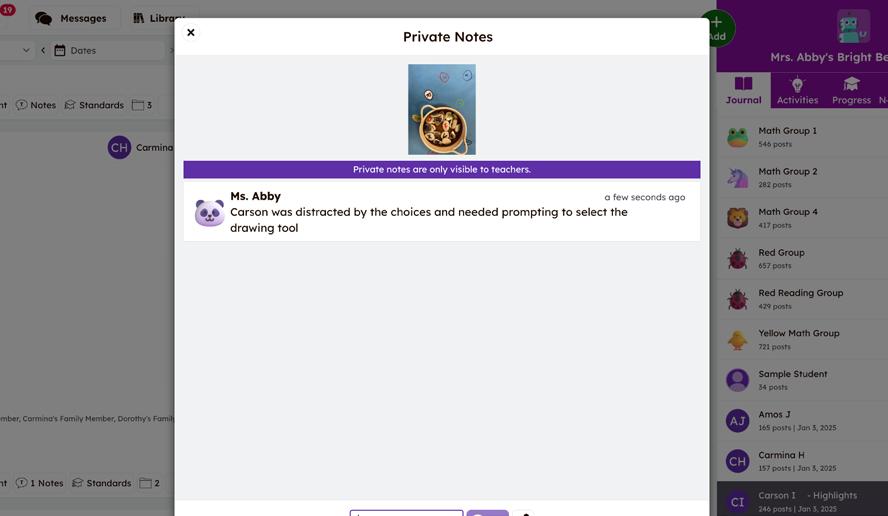
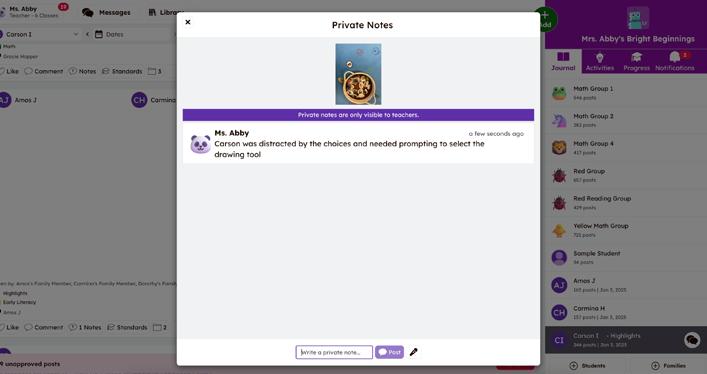
• Quick notes, not long write-ups: Teachers can add private notes to capture observations linked to individual outcomes or support targets as they happen.
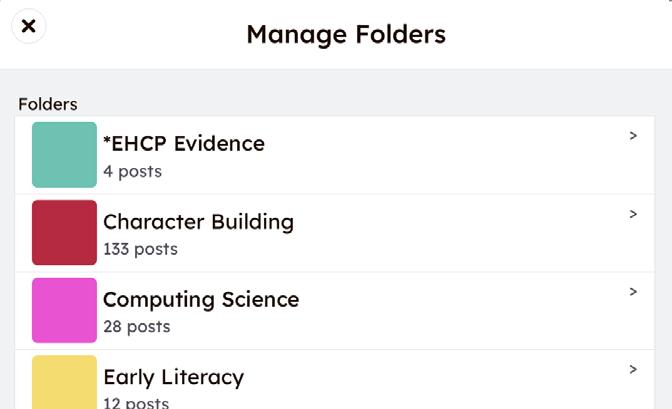
• Everything in one place: Folders make it easy to organise evidence and clearly show progress over time — ideal for reviews and meetings.
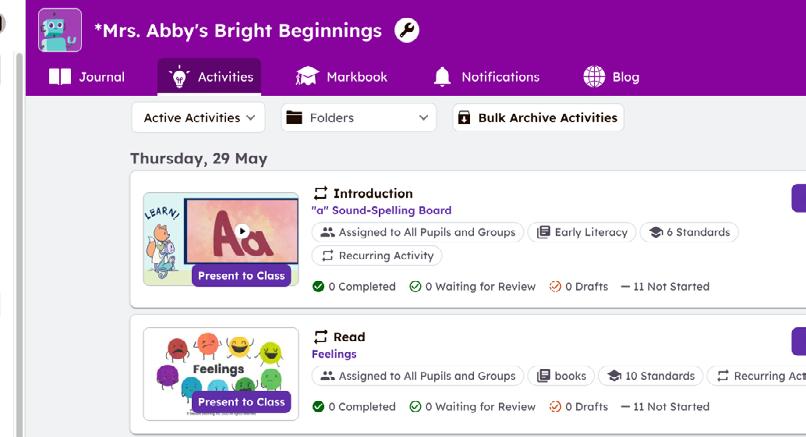
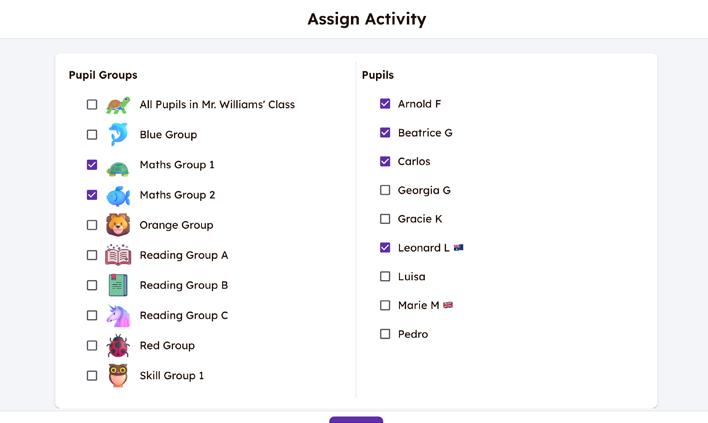
• Differentiation without the spotlight: Activities can be assigned and adapted for individuals or groups without pupils feeling different from their peers.
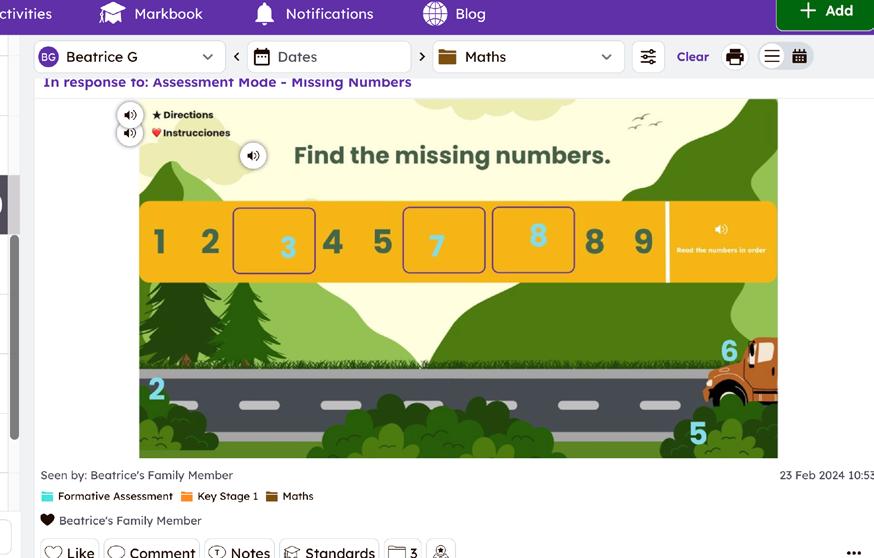
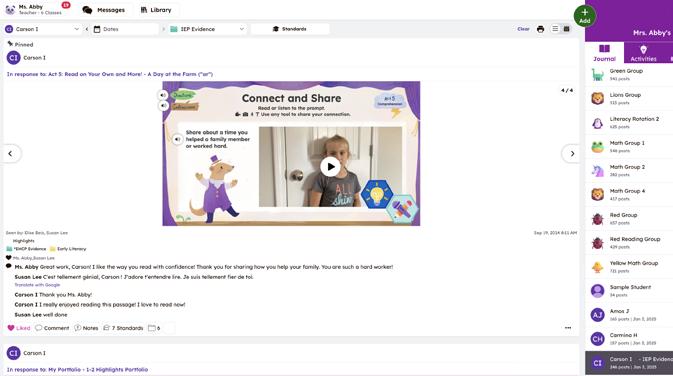
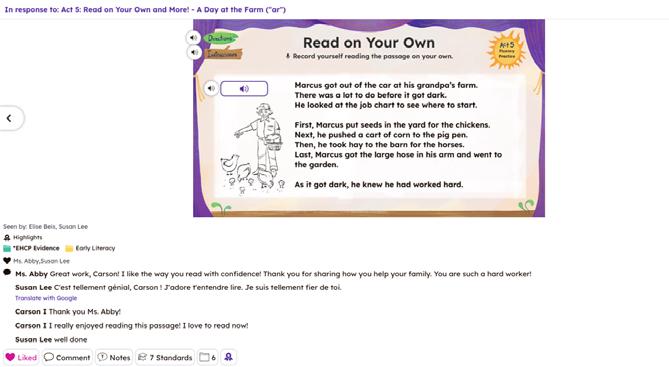
• Evidence you can see and hear: Photos and videos capture progress in communication, fine motor skills, independence, social interaction and physical development.
• Targeted support made simple: Flexible groups help teachers and TAs focus support and track how pupils are getting on with specific outcomes.
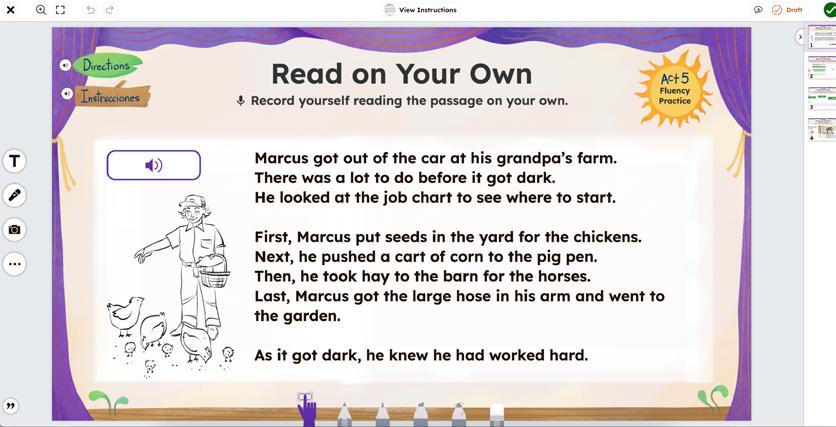
• Pupil voice at the centre: Pupils can show what they know using drawing, voice recording, photos or video — whichever works best for them.
Evidence that builds itself
Seesaw fits naturally into the Assess–Plan–Do–Review cycle
• Assess learning through everyday classroom activities.
• Plan reasonable adjustments by adapting tasks.
• Do by supporting pupils with accessible tools.
• Review progress using clear, organised evidence.
No extra forms and no scrambling for evidence during review time.
Why
families find this helpful
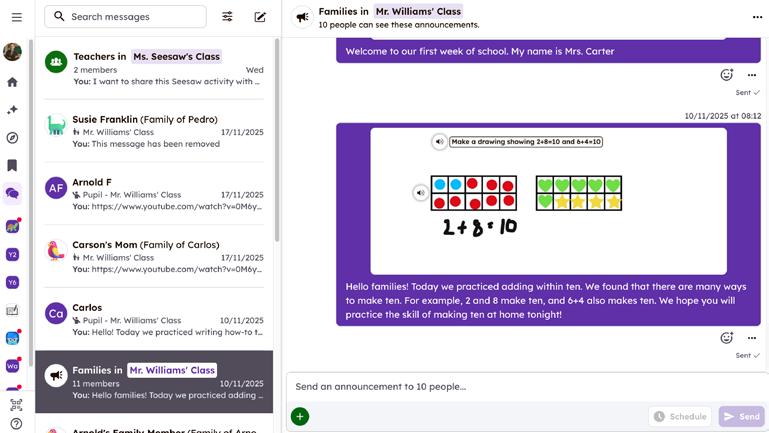
When families understand learning as it happens, support becomes more consistent and collaborative.
• Parents and carers see learning as it happens, not just at review meetings.
• Teachers can share progress and updates through regular messages and check-ins.
• Practice activities and modelling videos support learning at home, with real-time feedback.
• 1:1 and group messaging helps schools and families share updates and address questions quickly and positively.
Evidence-backed results
An independent third-party study found that pupils whose families engaged more regularly with their work showed stronger progress in reading and maths than those with fewer family interactions.
Universal design for learning in action
• Engagement
• Representation
Writing
Pupils can listen, speak, read and write using tools that help them show what they know in ways that work for them.
• Action & Expression Listening
Speaking
Reading
Accessible & flexible
Designed to support access for all pupils, without drawing attention to difference.
“ “
“Seesaw supports:
• Screen reader support for web version
• Speech-to-text and dictation options
• Customisable voice instructions and labels
• Accessible colours, contrasts & fonts
• Closed captioning for audio and video
The quiet and easily overlooked pupil can get lost within a regular ‘raise your hand to speak’ type of classroom. With Seesaw, every pupil’s voice is heard. That is truly something special.
- Kirsten Ries, Technology Coordinator, England
Seesaw provides so many ways for children to express themselves outside traditional reading and writing. For children with different needs (e.g. dyslexia), they can respond orally where a written response might be too much for them. This means they can be fully engaged with an inclusive task, not just put up with an amended version.
- Roisin Martin, SEND Teacher, Ireland “
“
Working with a number of children with Special Educational Needs, Seesaw allows me to remove barriers to learning, such as reading or writing. I often record instructions so pupils can listen back as much as they need to. His portfolio is full of work he is proud of, and so are we.
- Andy Grover, KS2 Lead, England
How to collect and share evidence of learning
1 Create a folder with a clear name, like Support Evidence, to keep learning in one place.
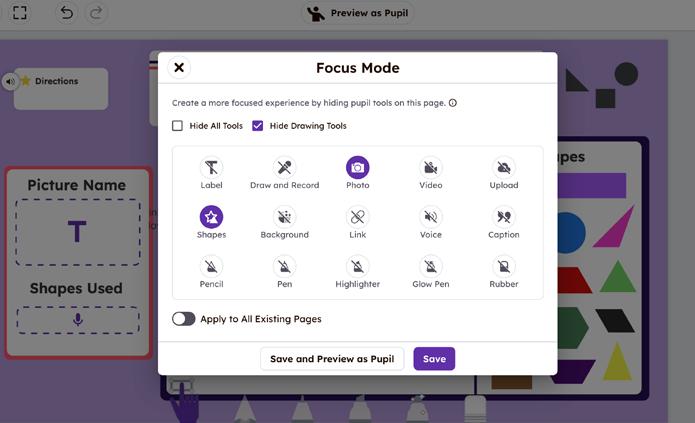
4 Use Seesaw tools to remove barriers to learning. For example, Focus Mode can help reduce distractions, or voice instructions can support understanding.
See how Seesaw supports everyday classroom practice
2 Take a photo of a pupil’s work and save it to the folder as learning happens.
5 Adjust the activity if needed and assign it to the individual pupil.
3 Record a short private teacher note to capture an observation linked to an outcome or target.
6 When appropriate, make the post visible to families so they can see progress and celebrate success! They can comment or message back.