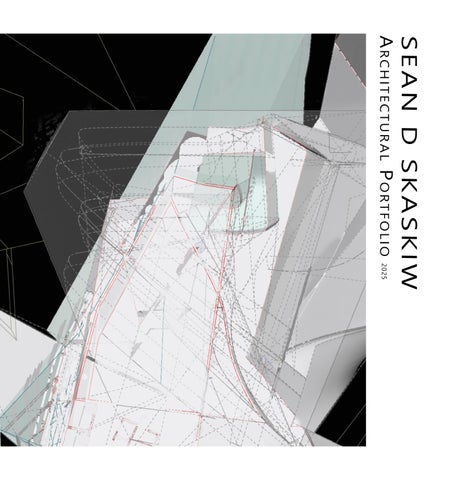
SEAN D SKASKIW
c A mbridge , m A S e AN SKASK i W @g S d . h A rvA rd . edu 1-(518)-522-2224
ARCHITECTURAL PROFESSIONAL EXPERIENCE
Mosaic Associates Architects Troy, NY | December 2023 - August 2024
Architectural Designer
• Led the clean room renovation for the nursing lab at Hudson Valley Community College Tech-Smart Building in Malta, NY, coordinating with structural, mechanical, and electrical engineers.
• Developed demolition and site restoration plans for Dunn Hall at SUNY Potsdam, a 55,000 sq. ft. educational building in coordination with the SUNY State University Construction Fund program directives. and the New York State Historic Preservation Office (SHPO).
• Designed proposed landscaping concepts for site and renovation plans for Brainerd Hall’s tower/gateway vestibule, advancing from concept designs into construction documents and NYC permit sets.
• Produced architectural documentation, including plans, elevations, sections, details, schedules, specificationa and phase submission reports, while maintaining the project schedule.
• Managed projects from concept design through construction documents and bidding, ensuring seamless execution and compliance with regulatory requirements.
Hal Dorfman Architects , New York, NY | July 2023 - October 2023
Architectural Designer
• Lead designer in an adaptive reuse renovation of a small bowling alley outbuilding, on large estate converted into two bed room guest residence in the Riverdale neighborhood of The Bronx.
• To create a grand transversal, naturally lit entry space the principal front and rear entrances were centrally relocated using French doors complemented by hipped dormers above to maintain sky exposure culminating in a large central foyer connecting kitchen, dining and living areas.
• Advanced Design Development stage model for vertical addition of single-family residential home into CD set. Redesigned complex hip and valley roof, window fenestration, design of various structural elements as well as connection details. Schematic design of multiple apartment renovation projects.
• Produced existing conditions drawings for residential projects and developed schematic design. Advanced schematic designs into construction documents and NYC permit sets.
Audrey Matlock Architect New York, NY | January 2023 - June 2023
Architectural Internship
• Co-designer and independent drafter for the renovation of two residential condominums. Scope of work included renovation of both buildings lobbies and common corridors.
• Incorporated linear recessed lighting into suspended ceiling design emphasizing the vertical scale of the 16-foot ceilings, dropped from 18-foot needed to conceal sprinkler system.
• Modified existing ramp to meet ADA span and rise regulations while incorporating delivery vestibules into existing unused space creating previously unutalized storage solution.
• Evaluated existing conditions of sites; surveying work for existing conditions of the two buildings, including measurements, and designating wall probes.
• Responsible for all drawing and rendering for the project, using AutoCAD and Rhino
EDUCATION Harvard University, Graduate School of Design, Cambridge MA. | May, 2028
Master of Architecture I
Columbia University, New York, NY. | May, 2023
Bachelors of Arts, Architecture
ADDITIONAL PROFESSIONAL EXPERIENCE
Specialty Silicone Products, Ballston Spa, NY July 2012 – June 2020
Head of Extruded EMI/RFID Extruded Gaskets
• Managed production and development military-grade electromagnetic interference and radio frequency interference extruded parts, working with engineering and lab teams.
• Largest contributions to department growth laid in research and development. R&D work included conducting trials in flow rate, tooling design, heat transfer and formula alteration.
• Project development extended into hardware design; including dies, filter systems, and minimally invasive core centering devices. Die specific treatments; design of cutbacks, protrusions, access channeling, stabilizing pins, heat dissipation fins etc.
• R&D work included software design in operator interface accessibility, piston modulation and heater controls. Supported lab in creating and modifying over a 20+ different EMI compounds.
• Grew department from $1,000 weekly to over $450,000 in production yearly.
Steve Bush Construction, Saratoga, NY | May 2010 - June 2012
Carpentry
• Aided general contractor and sr. carpenters in the construction and remodeling of various residential projects including decks, kitchens, and framing, drywalling, installing flooring, windows, doors and siding.
• Worked effectively within a team of architects and home owners to achieve project deadlines, ensuring quality workmanship and adhering to safety protocols and maintained a keen attention to detail on
EXPERIENCE / SKILLS
Modeling
• Revit
• Rhino
• AutoCAD
• Grasshopper
• Bluebeam
ORGANIZATIONS
Rendering
• V-Ray
• Twinmotion
• Photoshop
• InDesign
• Analysis of material properties
• Thermal comfort
• Passive heating and cooling
• Sustainable design techniques.
• Enscape Building Materials / Technology
• Site planning
Engineers Without Borders, Columbia University Chapter | May 2023 - October 2023
Tech Team Representative for projects in Morocco and Uganda
• Redesigned existing pole mounted solar panel security frame and rack systems mitigating pooling water/rusting issues. Design retained existing steel framework, reducing cost, implemented in 2 countries throughout 6 villages and 45 security frames.
• Maintenance and diagnostic tasks for existing systems on site including: Well and battery systems, and a pedestrian bridge.
Columbia Architecture Society
Member of Publication, Design, and Events Committees.
Tau Alpha Pi Member
National Honor Society for Engineering Technology.

Fall 2021
Advanced Architectural Design 1
Modeled in Rhino
Rendered in Vray/Photoshop
Building Type: Biosphere
School - Columbia University
Site - Upper West Side, New York NY
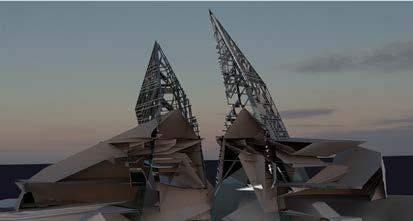
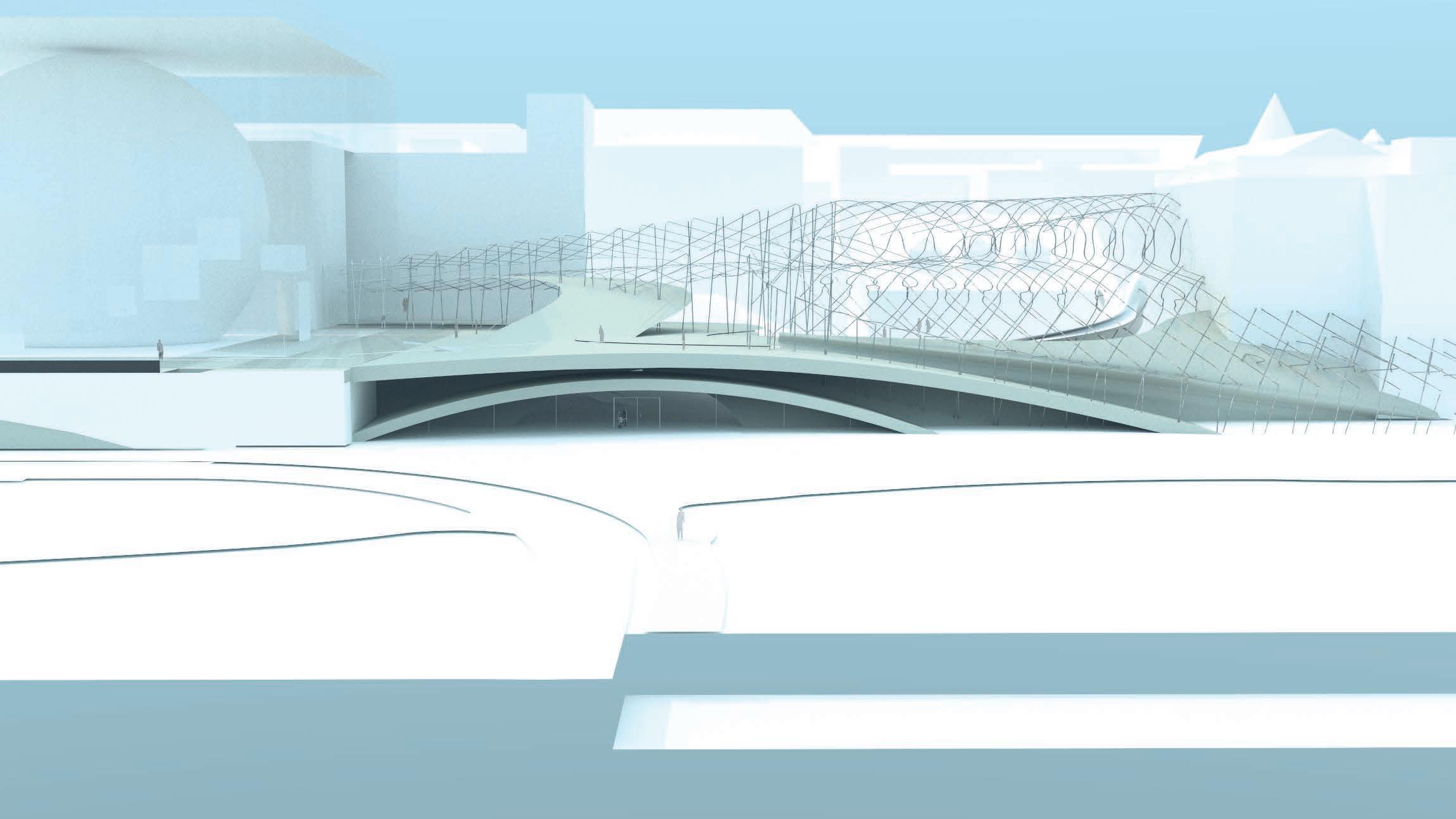
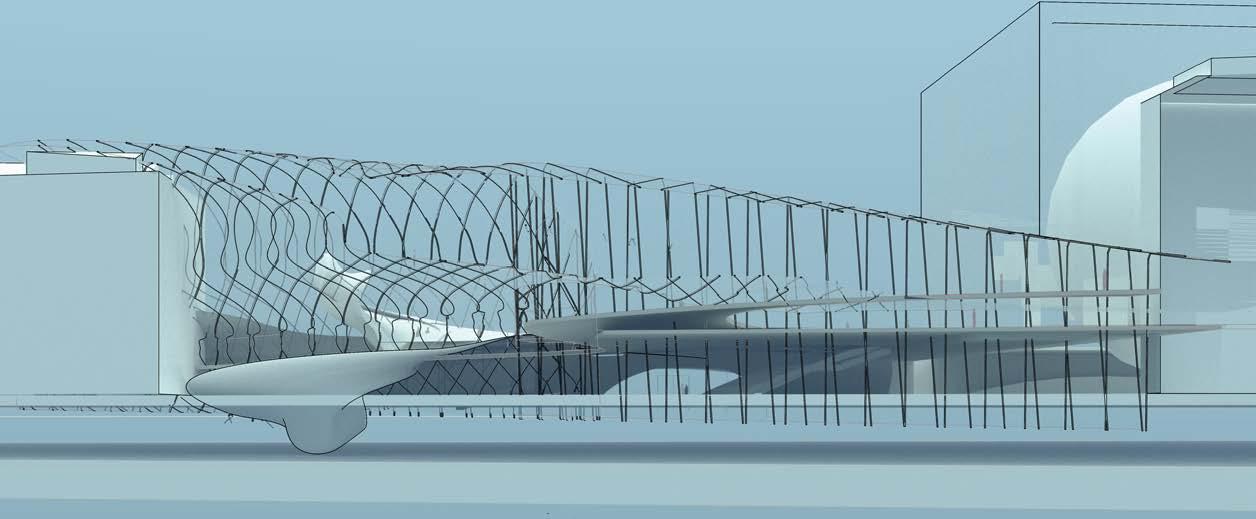
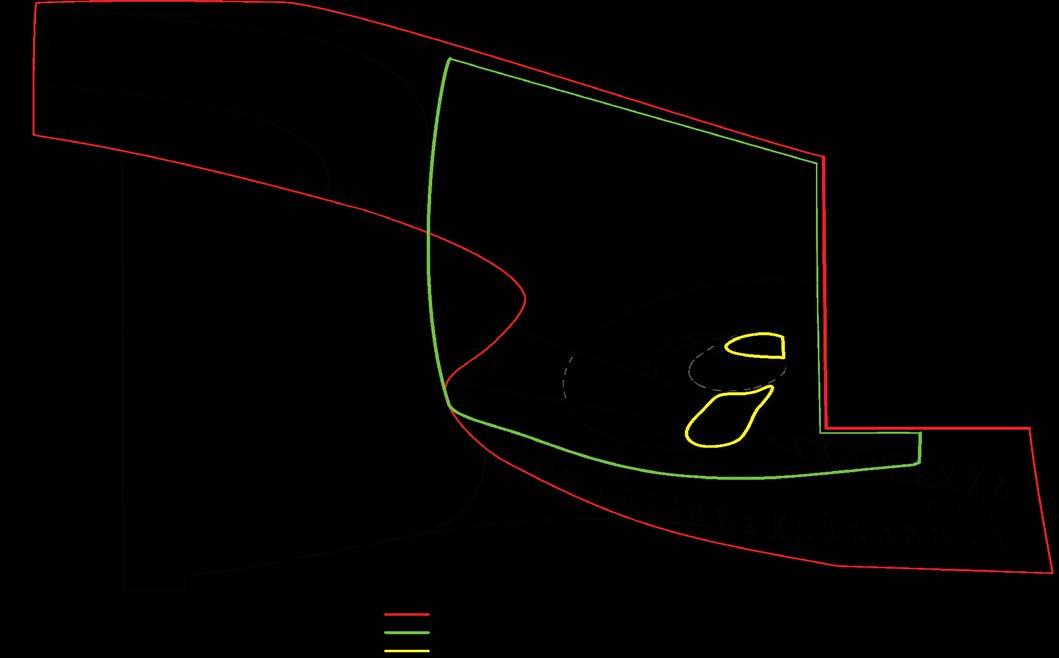
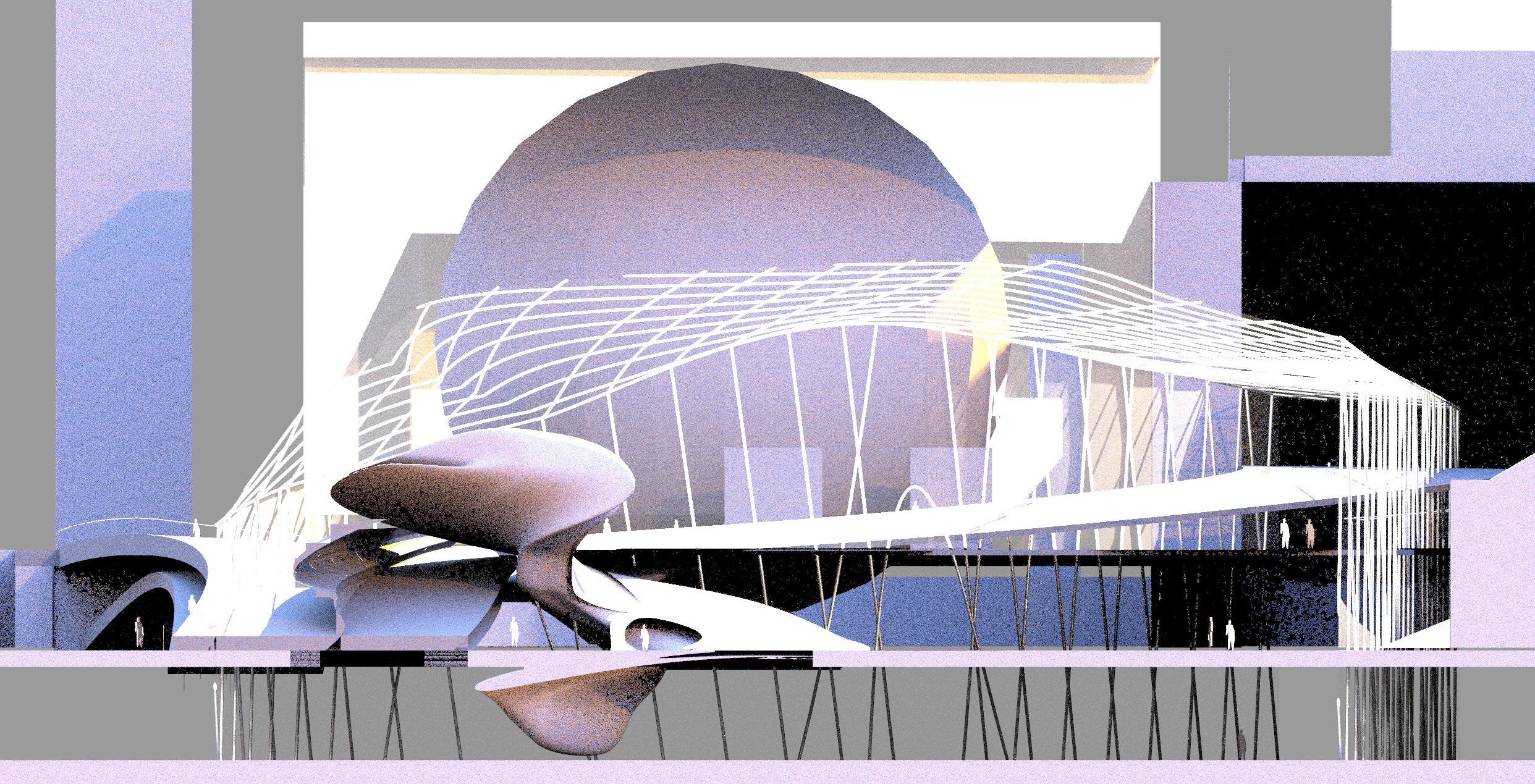
Biosphere U is a self-contained system in an attempt to look at how life changes. This project brings a manmade climate/environment to the natural history museum in doing so Biospheres U bridges the gap between space nature and technology in the Circulation from the planetarium to the Biosphere and garden.
As one follows this circulation from the planetarium the flow and movement of what is organic and what is man-made spill all around you. The environment exists for the purpose of movement, the flow of movement.
All the circulation that is orbiting around and going in, is now as a thesis or a concept (human traffic) is now being pulled out from the circulation of the planetarium to the climatorium into the actual world of the garden and the biosphere, justifying and giving a performative logic as to how the generation of forum as/ and space occurs surface emerges.
Southern Section
Concept Diagram - Plan
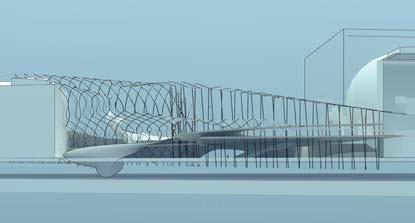
Concept Diagram - Elevation
SCHOOL OF ARTS AND SCIENCES
Modeled: Rhino
Physical Model: 3D Print
Rendered: Vray / Photoshop
Building Type: 6-12 School
Location: Somerville, MA
Studio - Harvard GSD
Coordinator - Sean Canty
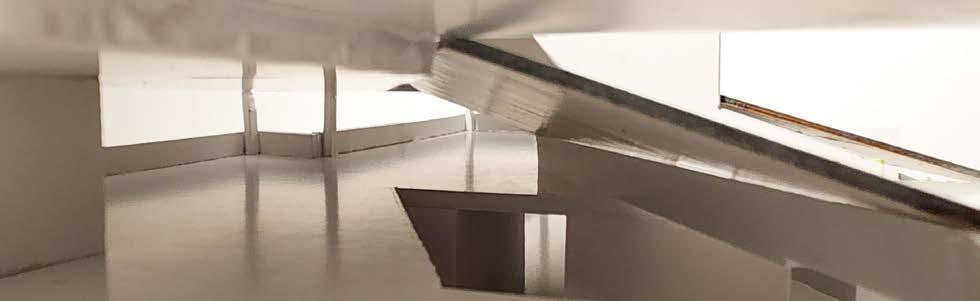
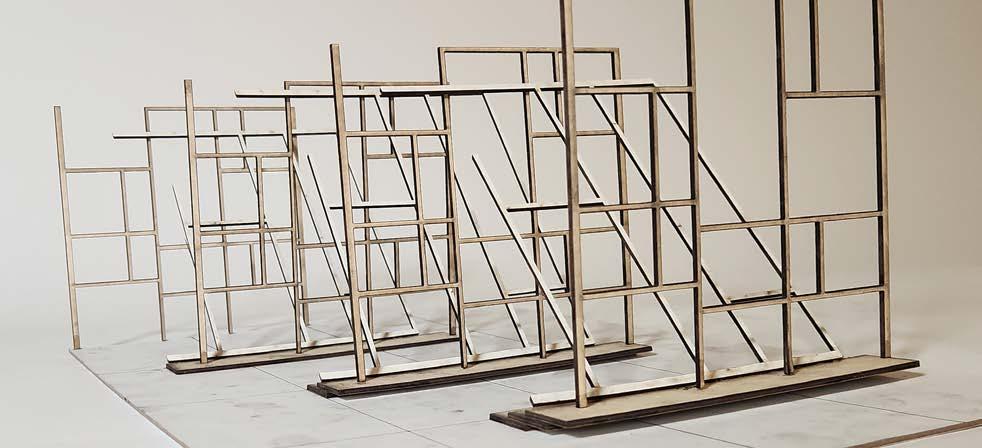
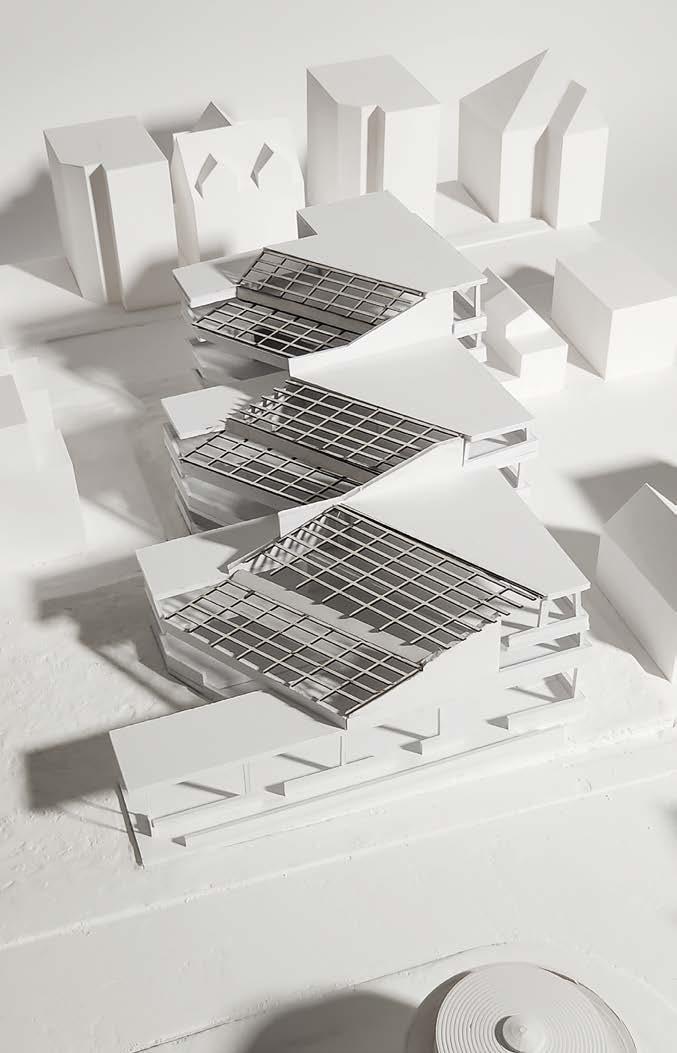
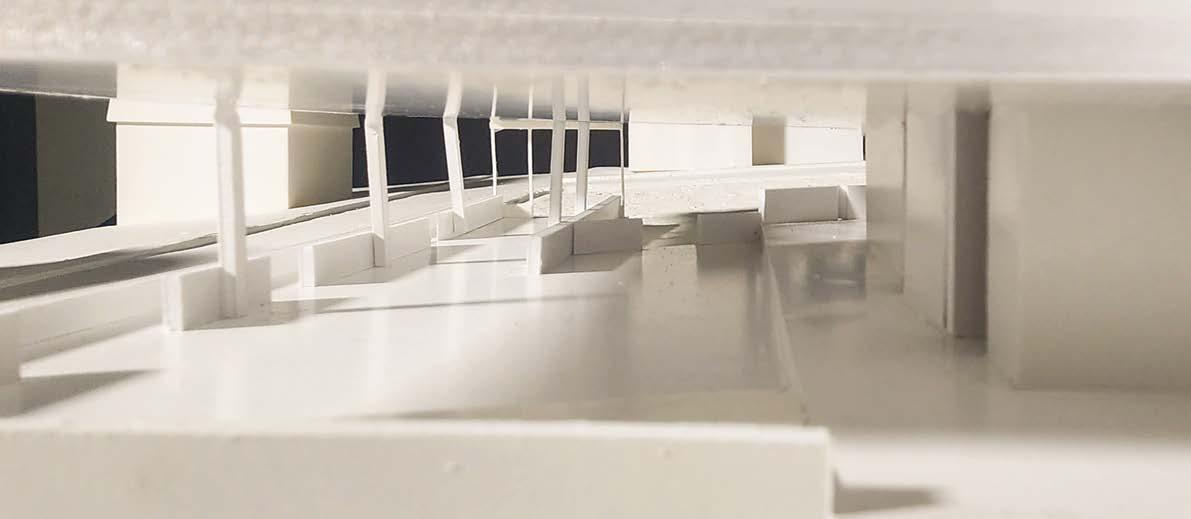
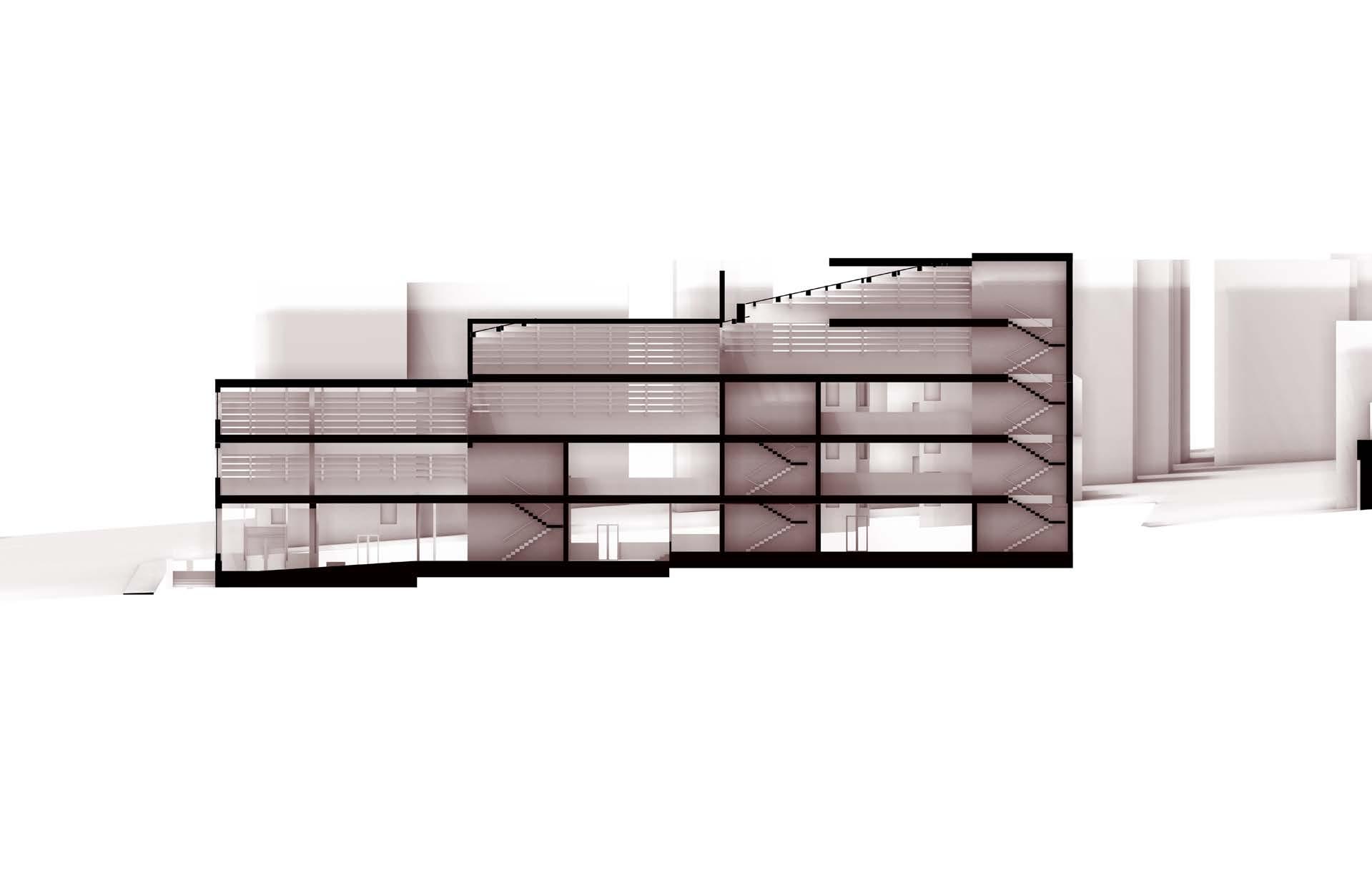
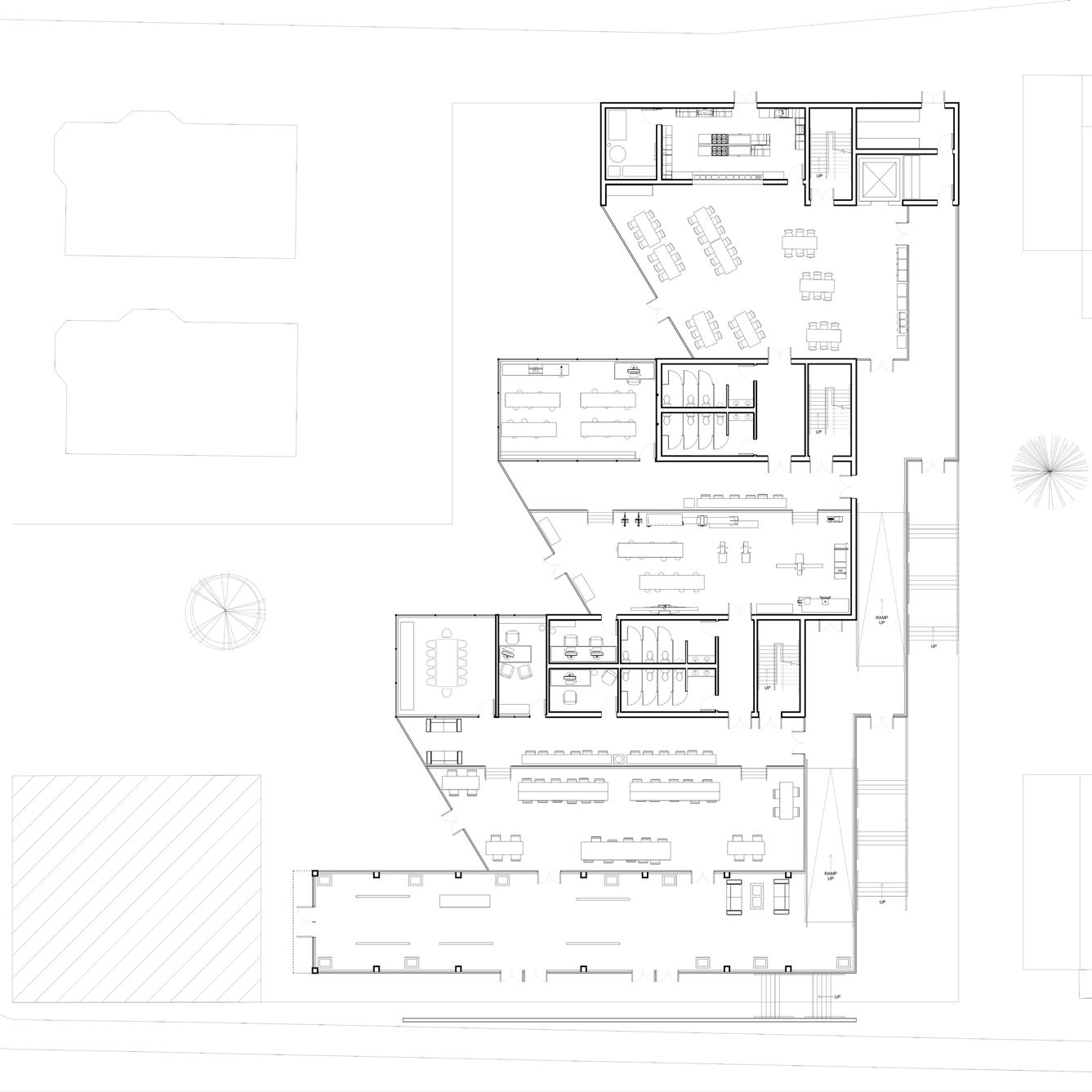
This project explores the intersection of cellular and open-plan spatial organizations through the strategic deployment of two prescribed sectional cuts. The design leverages Section A as a structured bar, housing enclosed programmatic spaces, while Section B fosters openness, linking bar to bar through fluid, communal environments. By offsetting these elements along the site, the project introduces a rhythm of courtyard spaces—intimate moments of pause that mediate between structured and flexible learning environments.
Interior Perspective
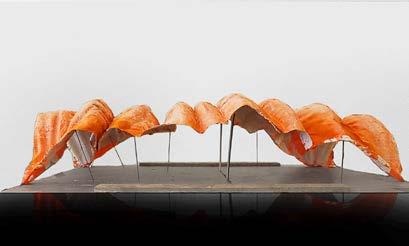
Concept Model
Model Perspective
First floor Perspective
East Section
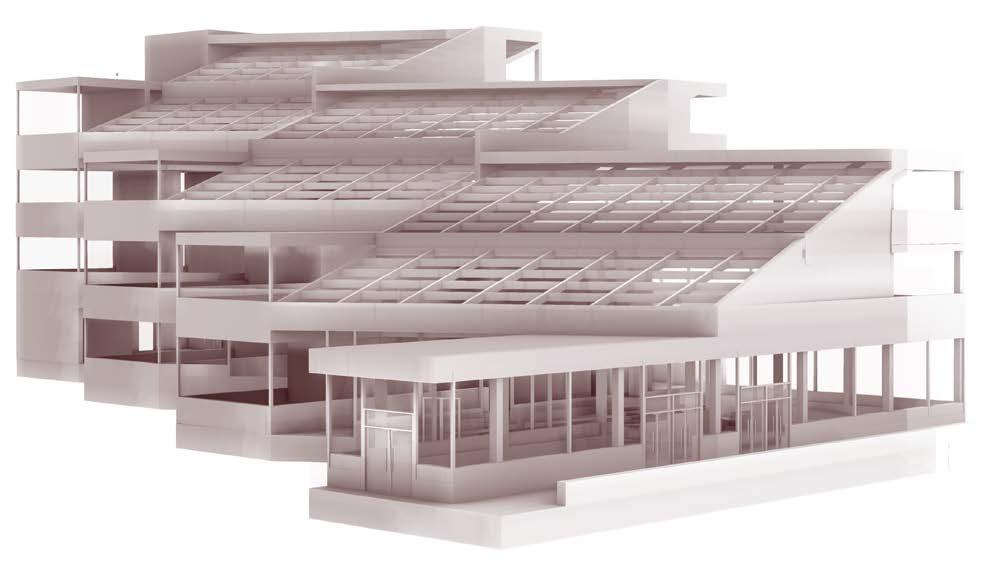
As a School for the Arts and Sciences, the spatial composition reflects the dialogue between these disciplines. The cellular bar supports focused, discipline-specific study, while the open-plan zones encourage interdisciplinary collaboration, performance, and exhibition. The project not only stitches together contrasting spatial paradigms but also fosters an adaptive, dynamic learning environment that bridges creativity and research.
Perspective Renndering
Ground Floor Plan
THE LIVING BRIDGE
Spring 2021
Modeled: Revit
Rendered: VRAY
Building Type: Mixed use live/work
Location: Dhaka, Bangladesh.
Studio: Bldg Systms Ovrw & CAD INT DSGN
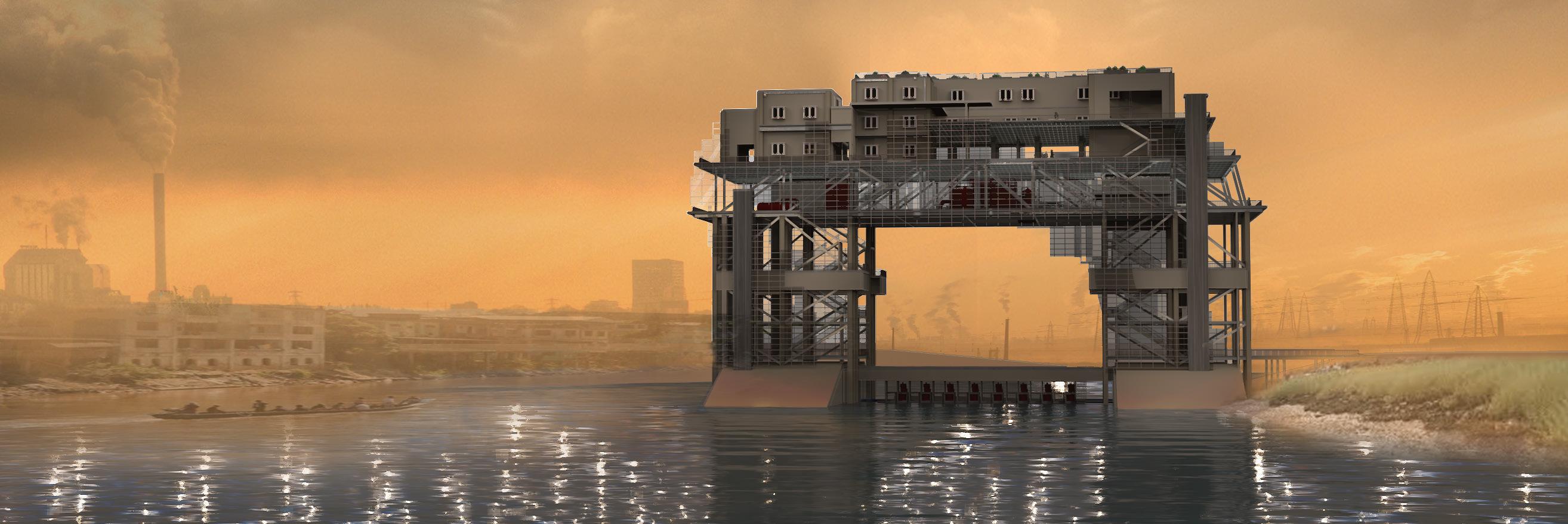
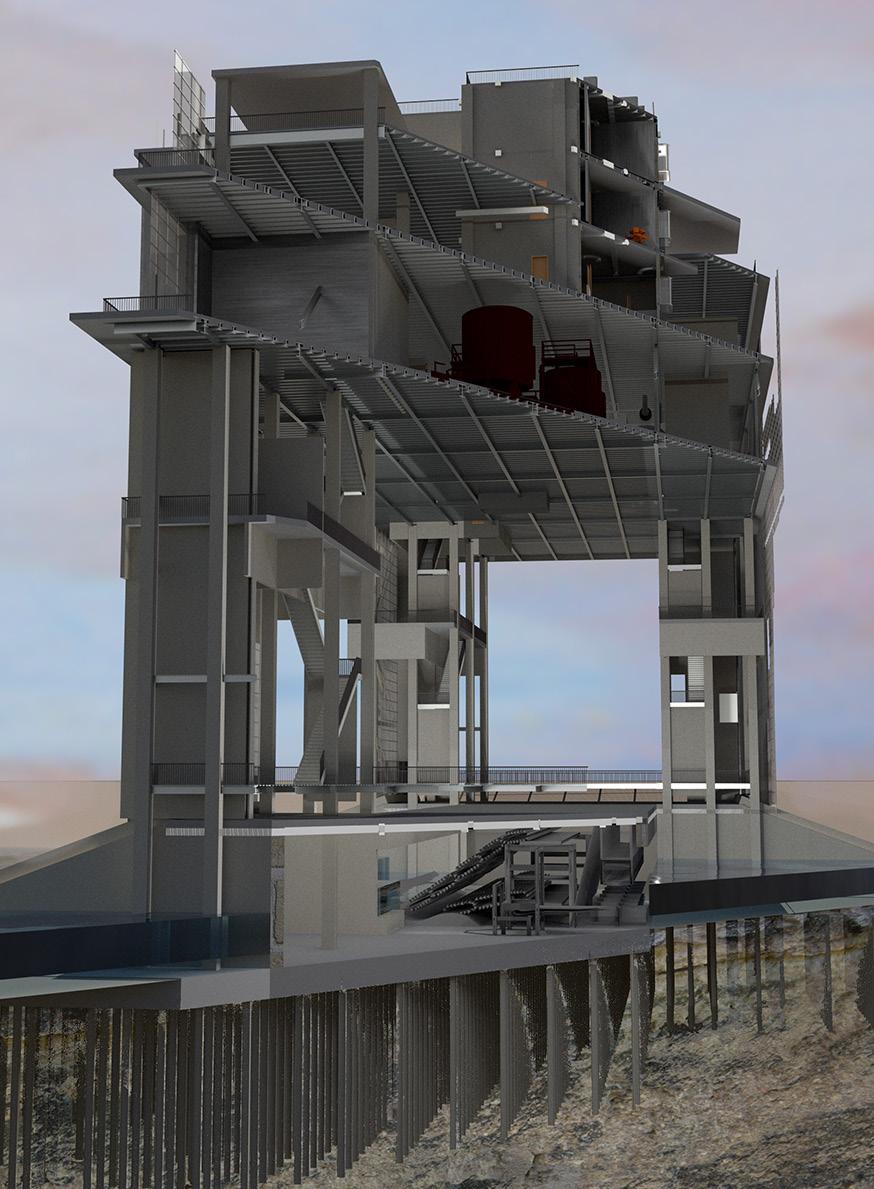
The Living Bridge is located on one of our planets most polluted waterways, The Buriganga River in the city of Dhaka, Bangladesh. Unregulated dumping from tanneries, brick kilns, mils, and textile manufacturers has essentially destroyed the river. According to the Bangladesh Ministry of Environmental protection approximately 5.7 millions of gallons of heavy metals and untreated chemical waste along with up to 5000 tons of solid waste are dumped into the river every day. Even with this type of pollution many people living in slums along the buriganga are still forced to use its water for bathing, cleaning and washing their clothes. The living bridge proposes an prosperous future for the rivers ecosystem and surrounding community in a three tier approach.
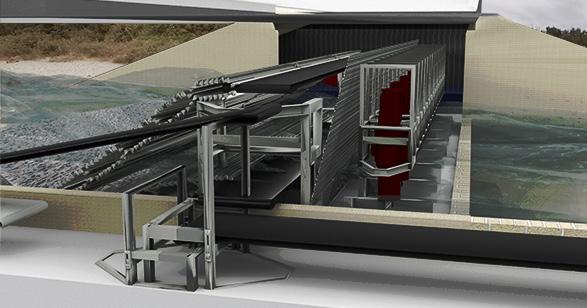
Firstly - By reusing the rivers sludge silt and waste to produce energy through the process of gasification. This process incorporates the Living Bridges Water retention filtering system to pull waste from the river and then incinerating unrecyclable in furnaces. In the lower water retaining structure a mechanical spillway on the upstream face opens to a large eddie which channels water through two bar screens to separate solids from fine aggregate and water. Conveyors
then direct the collected material into a dry room where it can then be loaded onto freight elevators for processing.
After passing through the bar screens the filtered water is then channeled through hydro turbines before rejoining the river. Dried material can then be shipped up the freight elevators for further processing.
Off-gassing from the heat produced by the furnaces/ boilers can then be used to power generators to power systems on the bridge and potentially sell to power companies.
Second - To re-imagine a cleaner brick manufacturing process. After waste has run through the furnace/ boiler system residual ash from is then run through spray dryers. At this point the residual ash can be loaded into extruders to produce bricks. Sludge from the river that is separated in the initial filtering system can also be used to produce bricks which require higher PSI ratings for structural capability.
Thirdly - providing clean safe housing as well as community gathering spaces to the public. Housing is provided in three different housing accommodation types, community housing, studio apartments and two bedroom apartments for residents with children.
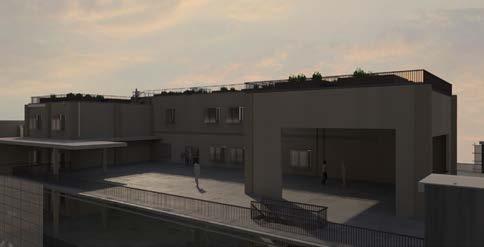
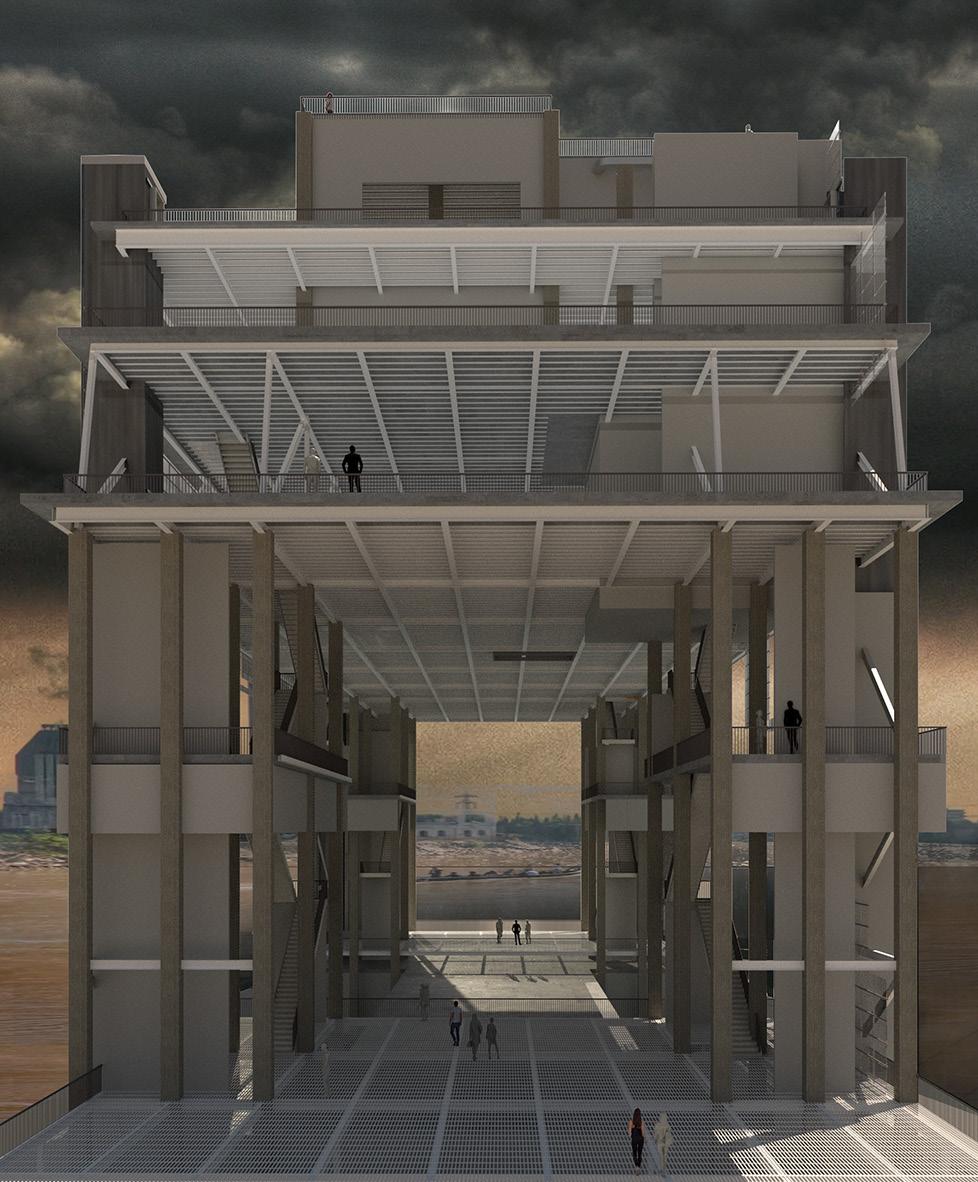
Upper Level Public Area
Water Filtration and Turbine System
Approach Rendering
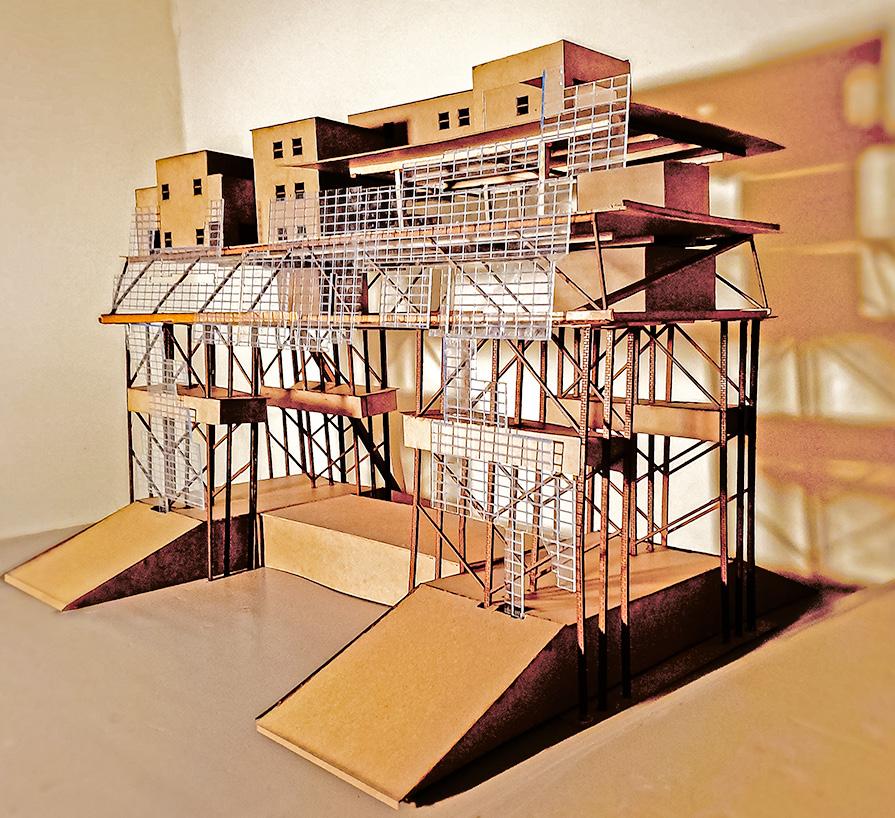










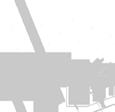






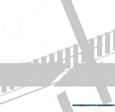


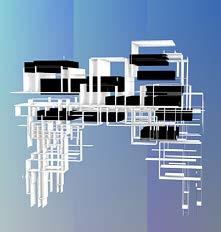

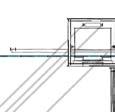
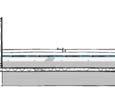
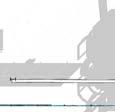




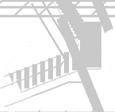
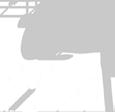


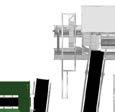
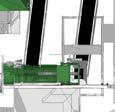


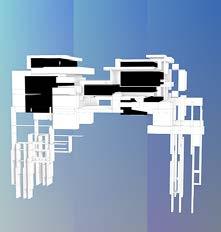



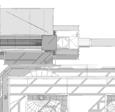
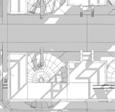
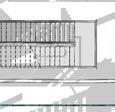



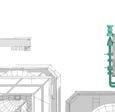
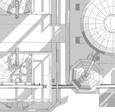


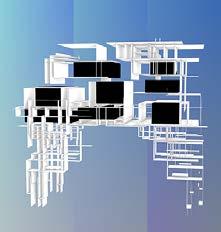
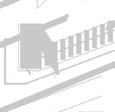
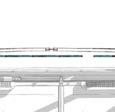
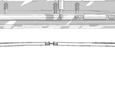
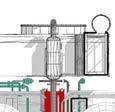
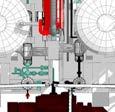


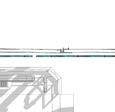
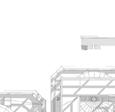
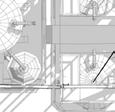


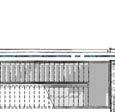
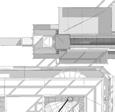
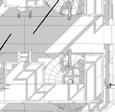






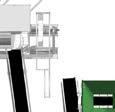
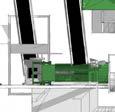


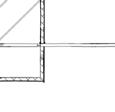

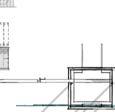


Conceptual Diagrams


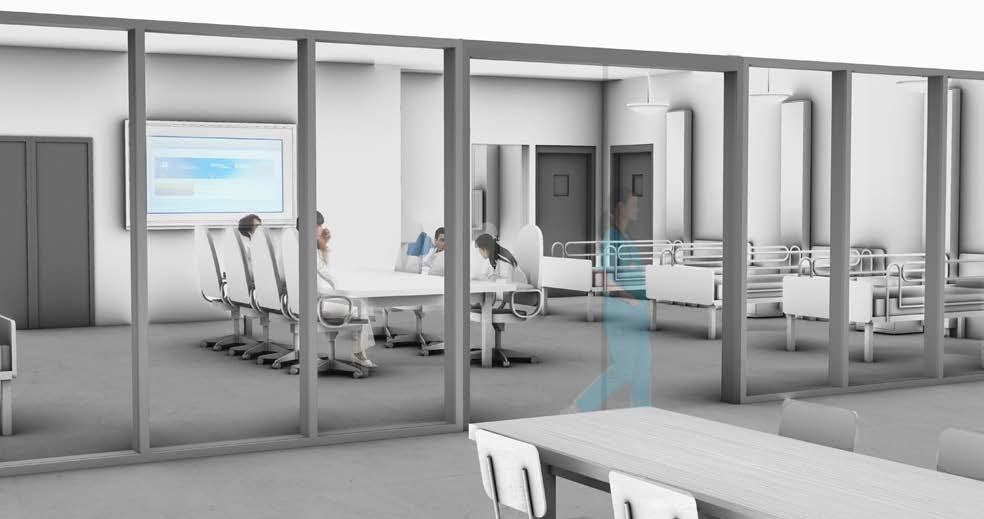
TECH-SMART NURSING LAB RENOVATION
Spring 2024
Firm - Mosaic Associates Architects
Modeled in Revit.
Drafting in Autocad
Rendered in Enscape In Construction
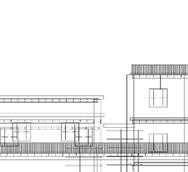
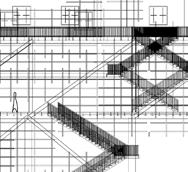
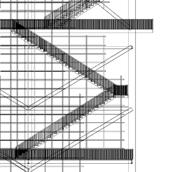
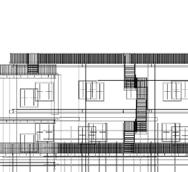
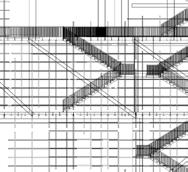
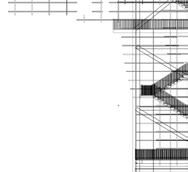
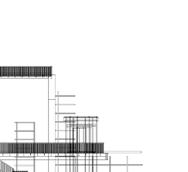
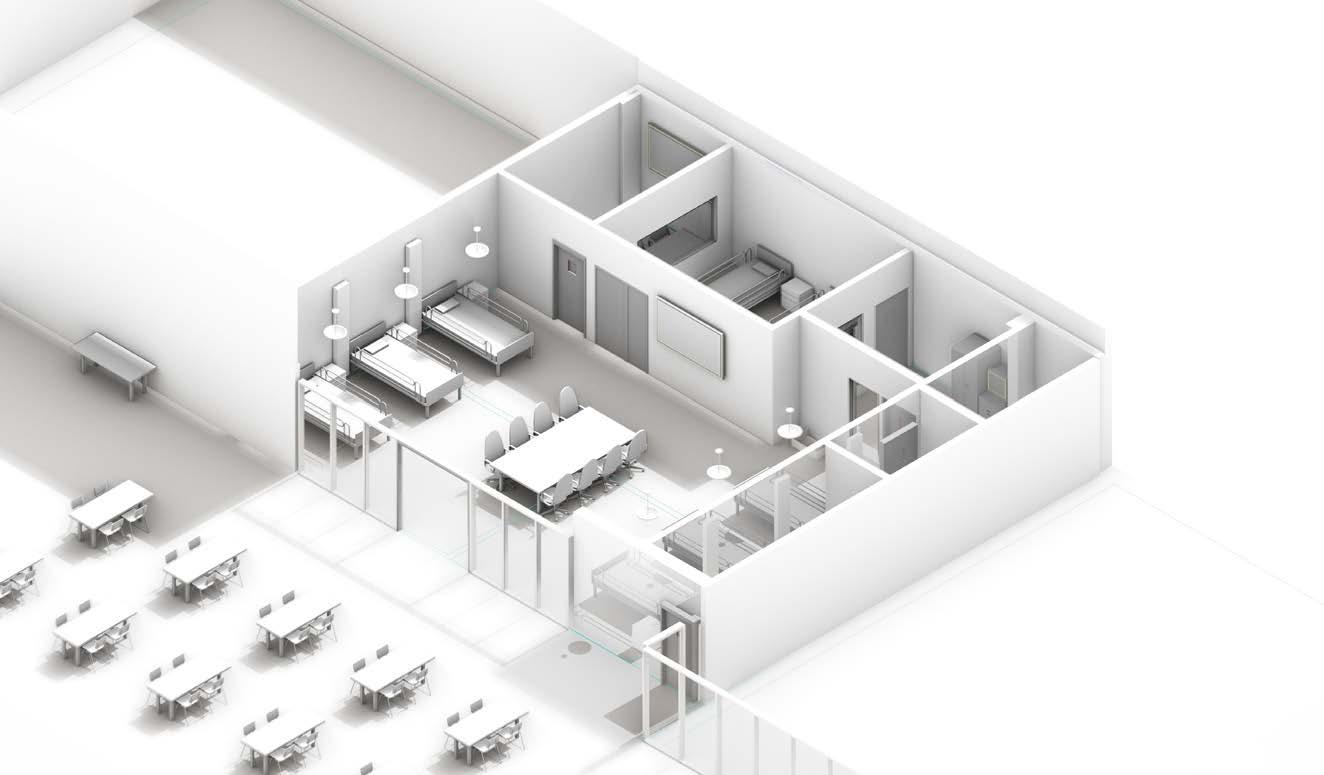
Served as the architectural designer for the transformation of a former chip manufacturing learning center into a nursing lab. Developed a symmetrical plan accommodating a skills learning lab, testing lab, test monitoring room, and medical equipment storage. Created demolition plans and designed a new storefront, flooring, and ceiling, ensuring a cohesive and functional environment. Led the clean room renovation, collaborating with structural, mechanical, and electrical engineers. Oversaw the project from conception through bid to ensure design execution.
DEMOLITION OF DUNN HALL AT SUNY POTSDAMN
Spring 2024
Mosaic Associates Architects
Modeled in Revit.
Drafting in Autocad
Rendered in Enscape In Construction
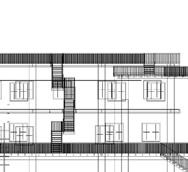
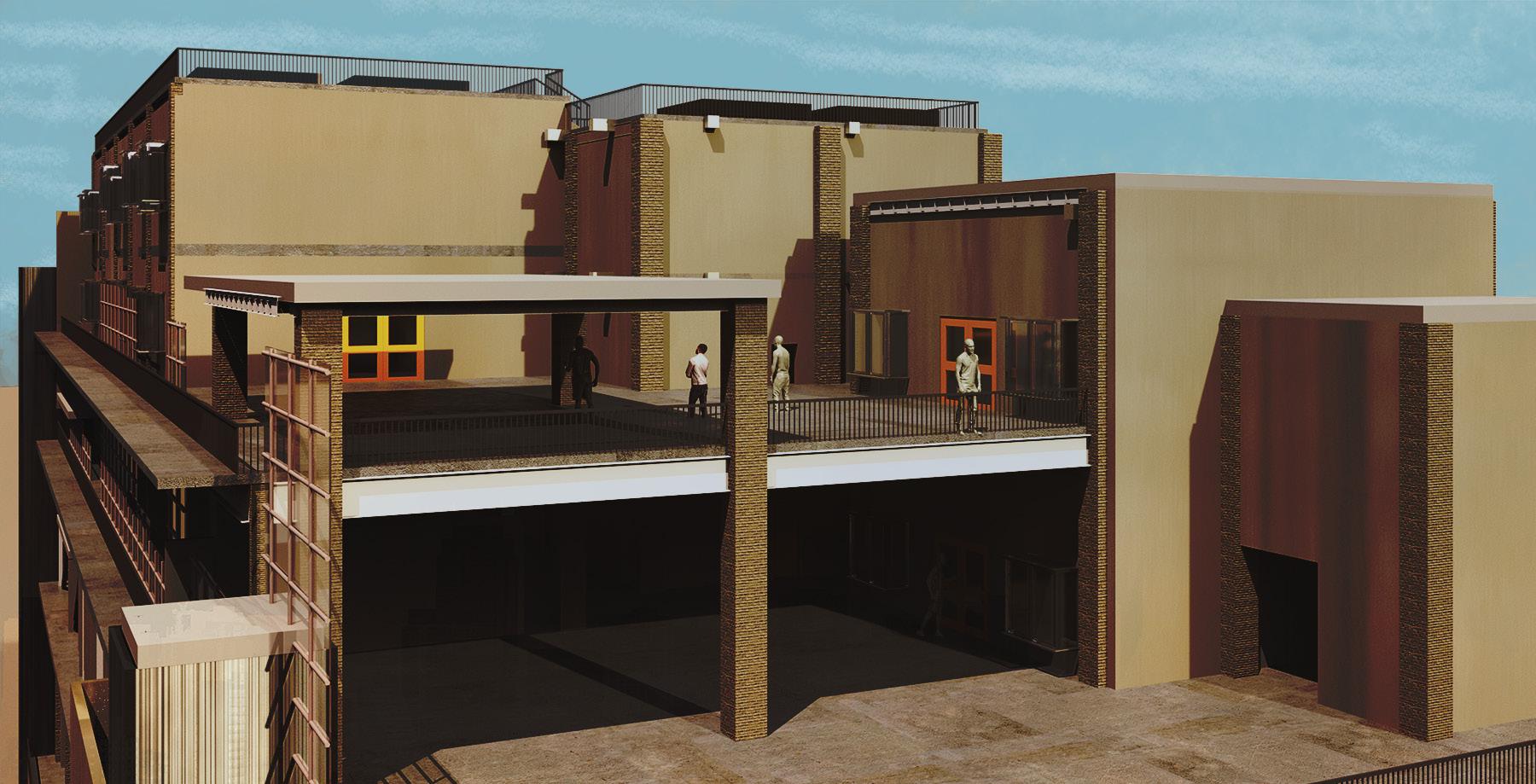
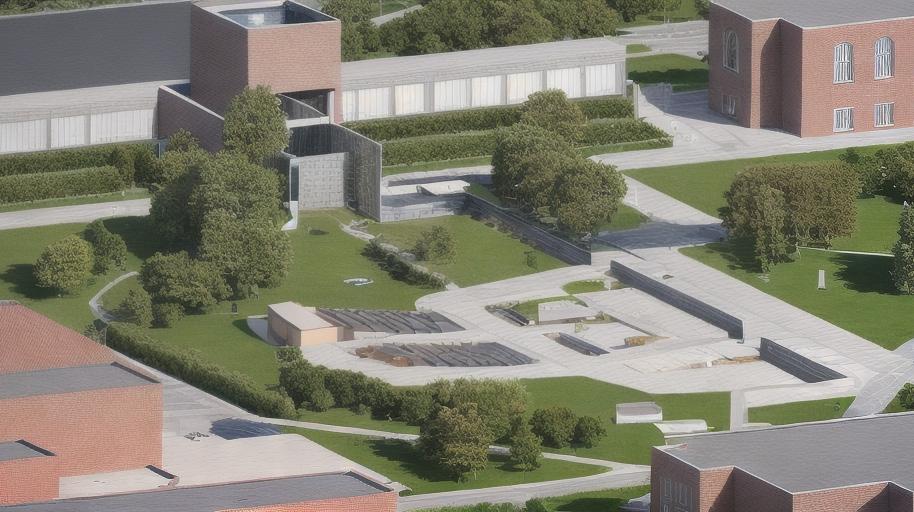
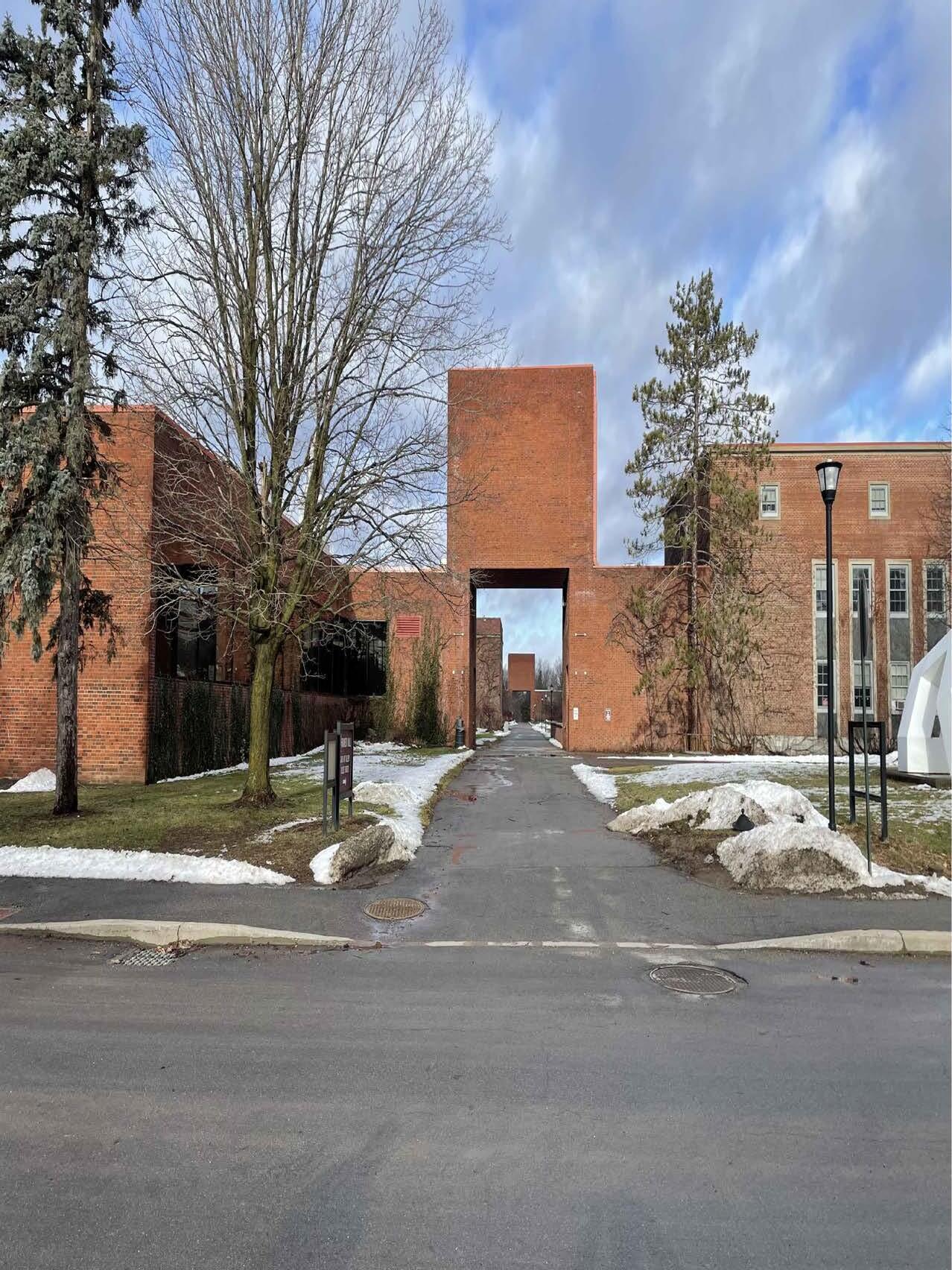
This project, The Demolition of Dunn Hall at SUNY Potsdam, was a significant undertaking funded by the New York State University Construction Fund and landmarked by the New York State Historic Preservation Office. Beyond the demolition, the project encompassed a comprehensive site renovation, featuring an outdoor seating area and an amphitheater designed to enhance campus engagement. Additionally, the renovation of the tower connecting Brainerd Hall and Dunn Hall was a key component, preserving its architectural integrity while improving functionality.
I was able to participate in the project from conception through to construction documents, I was responsible for site visits, weekly consultant meetings, and the production of all project documents. This experience allowed me to navigate the complexities of historic preservation while integrating modern design interventions that complimented the site’s significance.
Site Rennovation Perspective


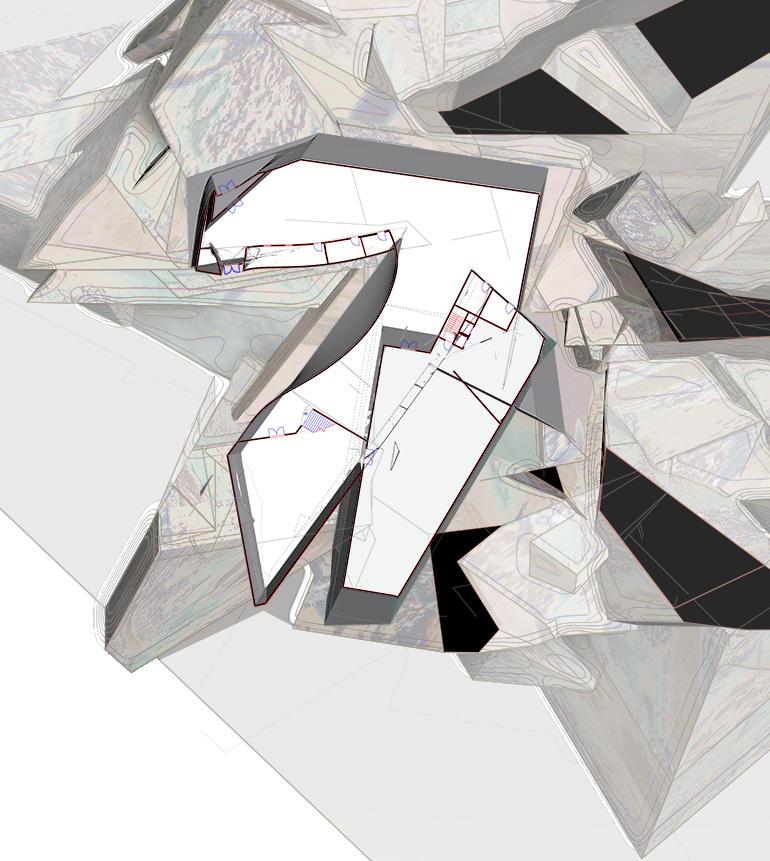
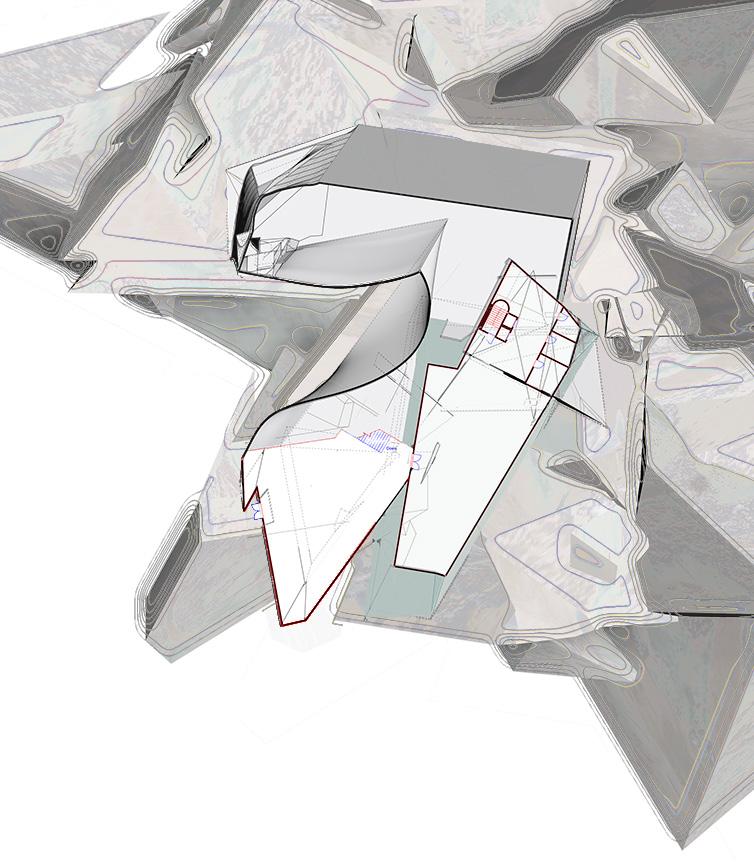
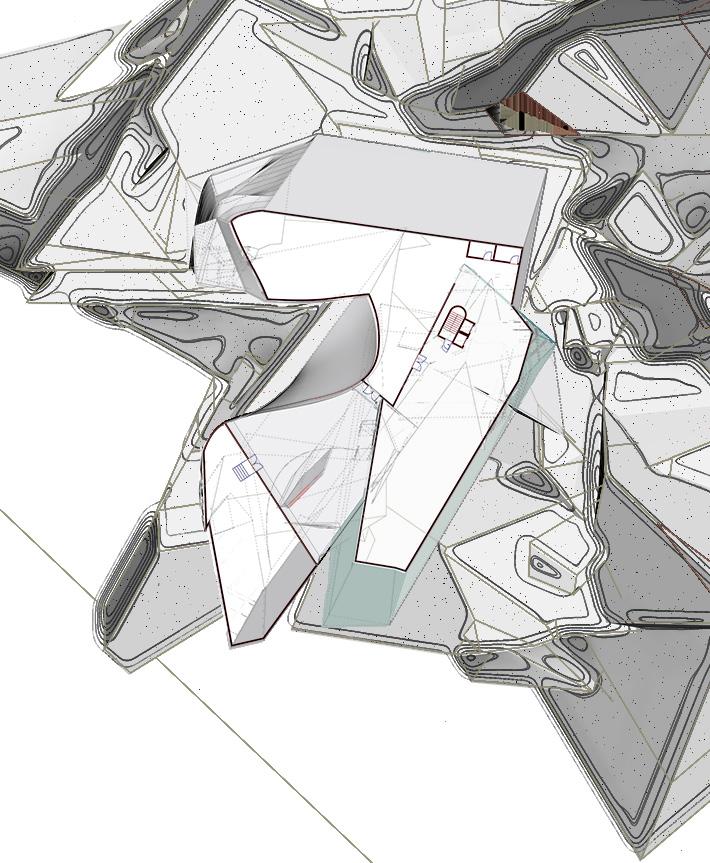
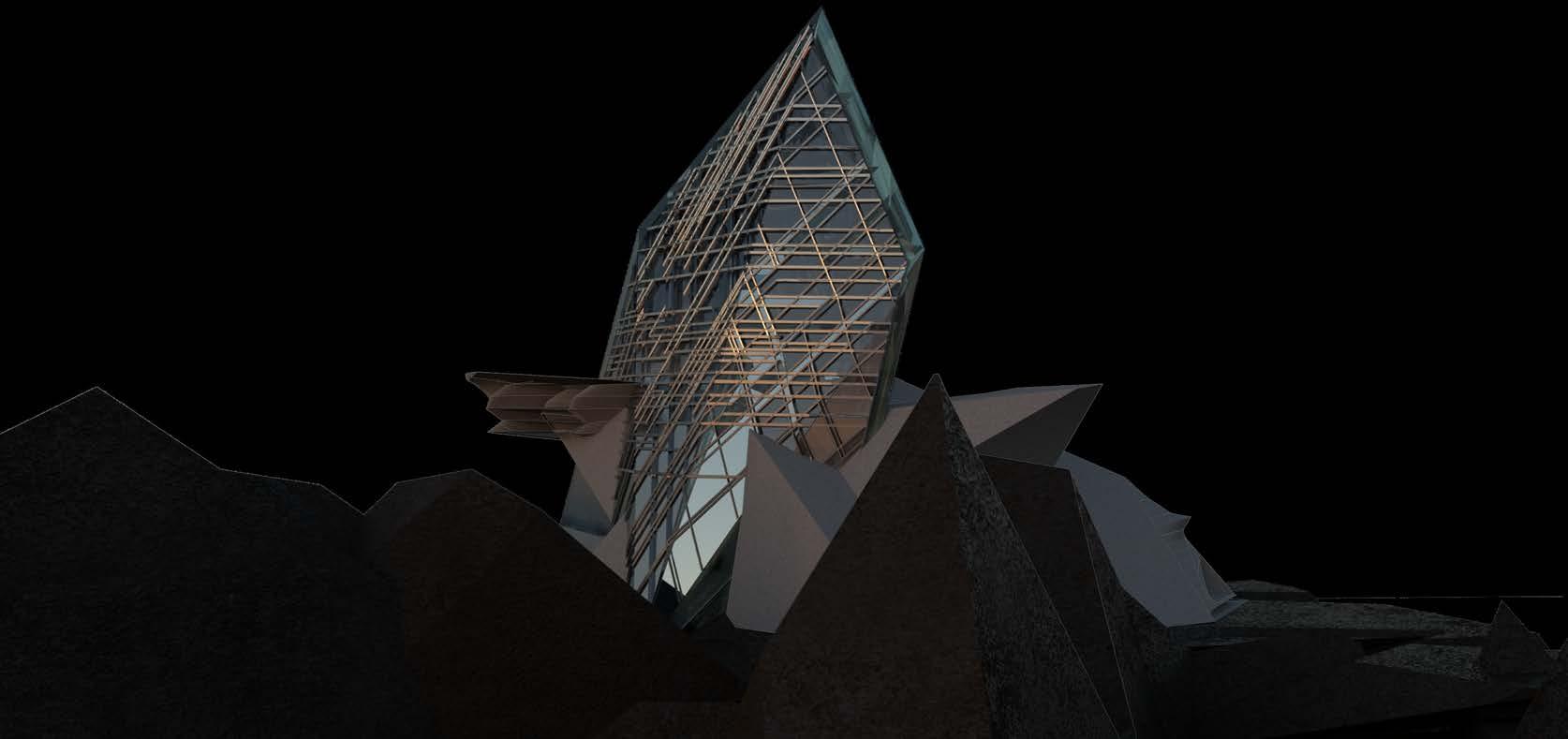
CORDILLER MUSEUM OF MODERN ART
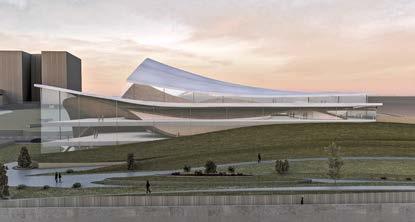
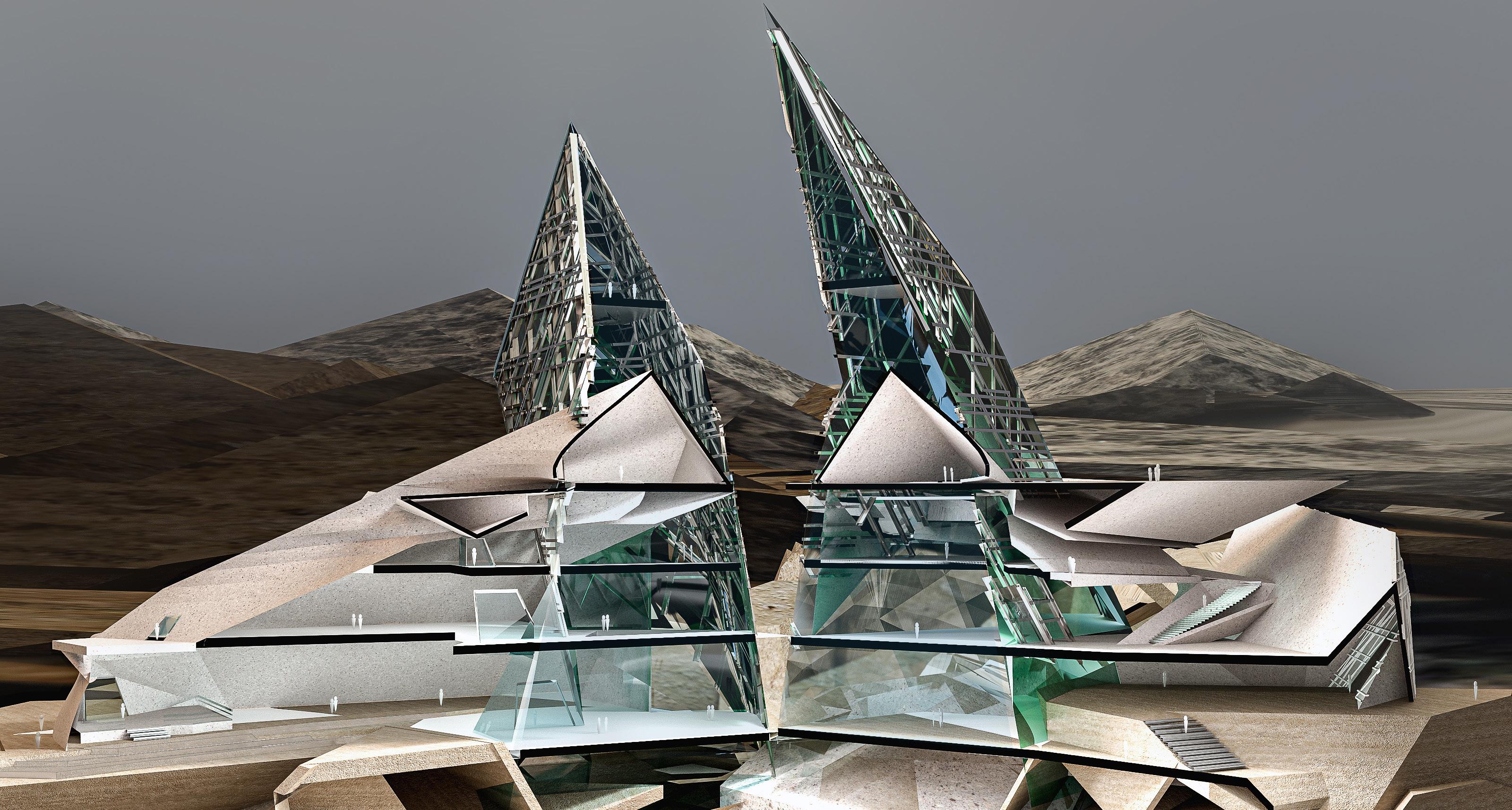
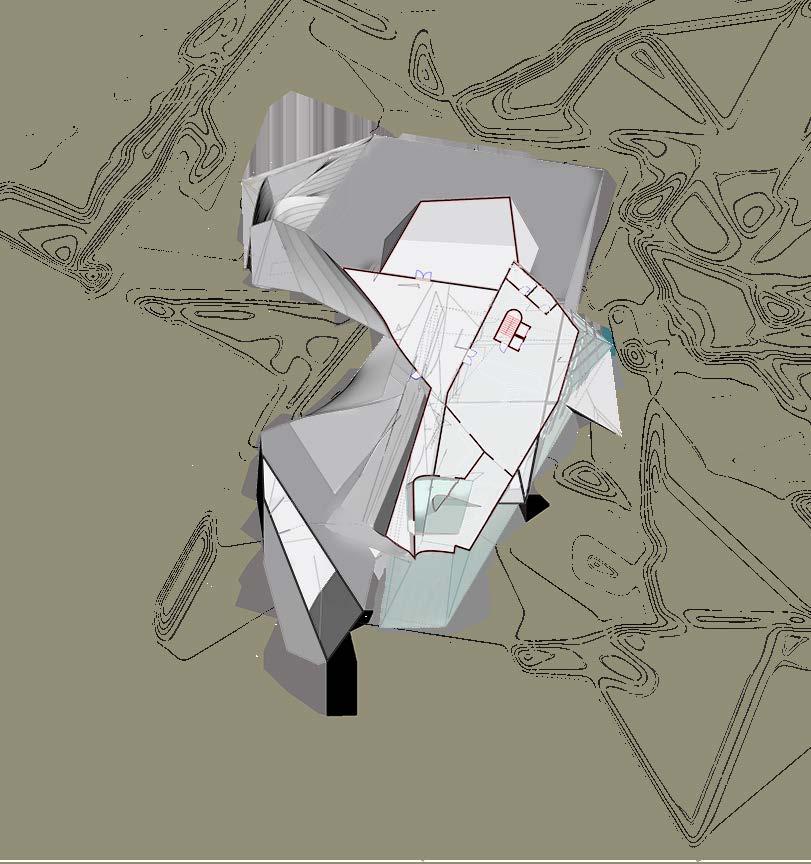
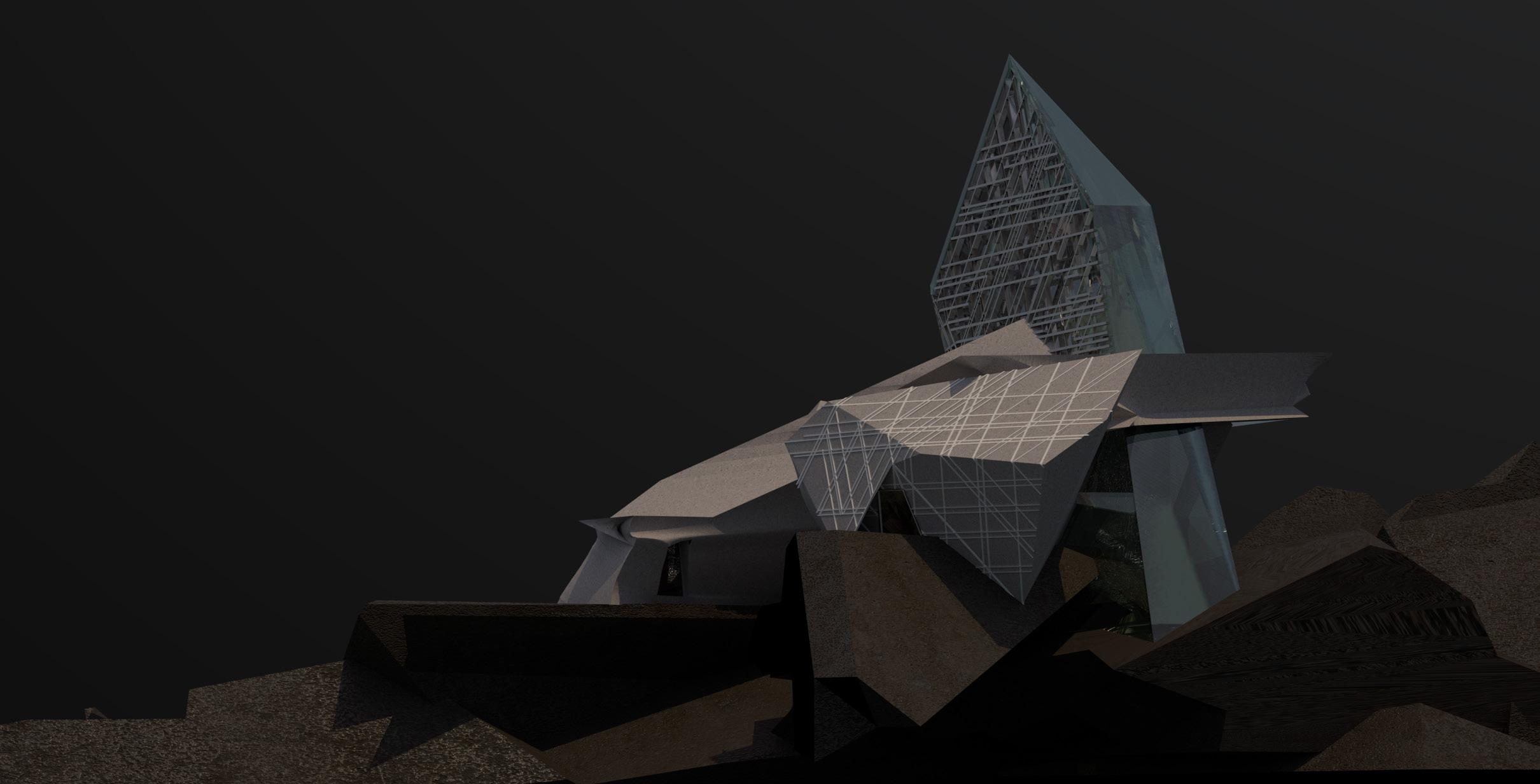
The Cordillera, a modern art museum holds unique plan to compliment both its surroundings and contents. The use of double heighted spaces, mezzanines, and terraces aim to give a distinct experience to visitor as they may find exploring the surrounding Andes Mountains.
Cordillera, typically refers to the mountain ranges that rim the South American Pacific Coast. The mountains have a complex structure, the result of folding and faulting cause various intervening peaks and plateaus similar to the design of the museum.
THE LOFT SPACE CONDOMINIUM
Spring 2023 / Ongoing
Drawn In AutoCad
Modeled: Rhino
Rendered: Rhino / Photoshop
Building Type: Residential
Location: Tribeca NYC.
Firm: Audrey Matlock Architects
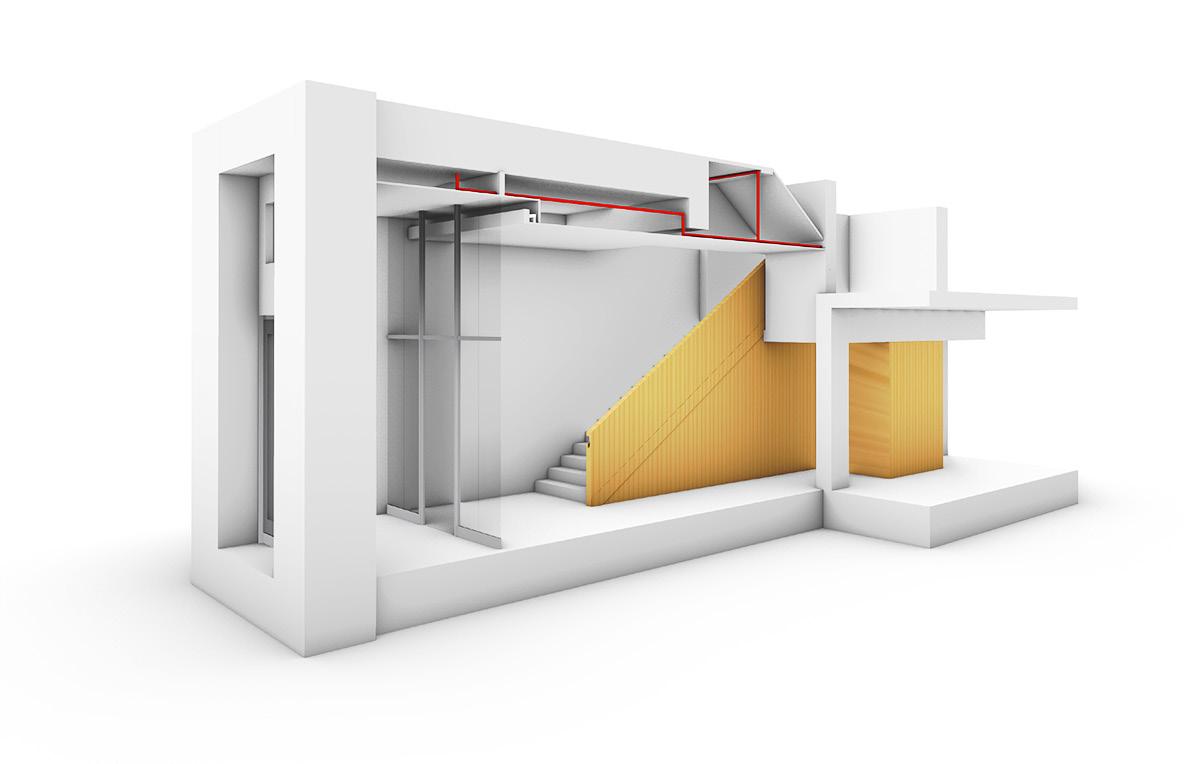
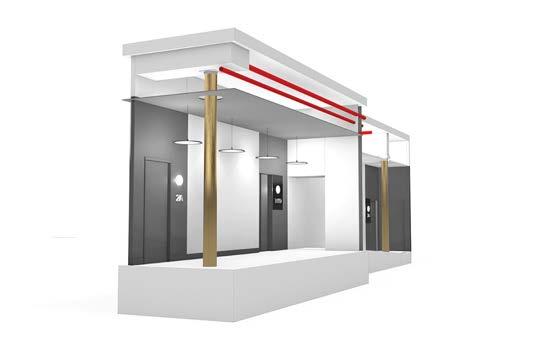
This project includes the remodel of common corridors and lobbies in two buildings in Tribeca. The goal was to improve the functionality and aesthetic appeal of the common areas in the buildings, creating a more modern and inviting atmosphere for residents and guests alike.
To achieve this, the design team focused on creating a cohesive look and feel throughout the corridors and lobbies, using a combination of new lighting, updated flooring, and fresh paint colors. One of the key aspects of the project was the installation of dropped ceilings.
This helped to create a more streamlined and modern look in the common areas, while also covering existing sprinkler systems. Another important element of the project was the reorganization of the package rooms. The design team worked closely with the building management to create a more efficient and user-friendly system for residents to pick up and drop off packages.
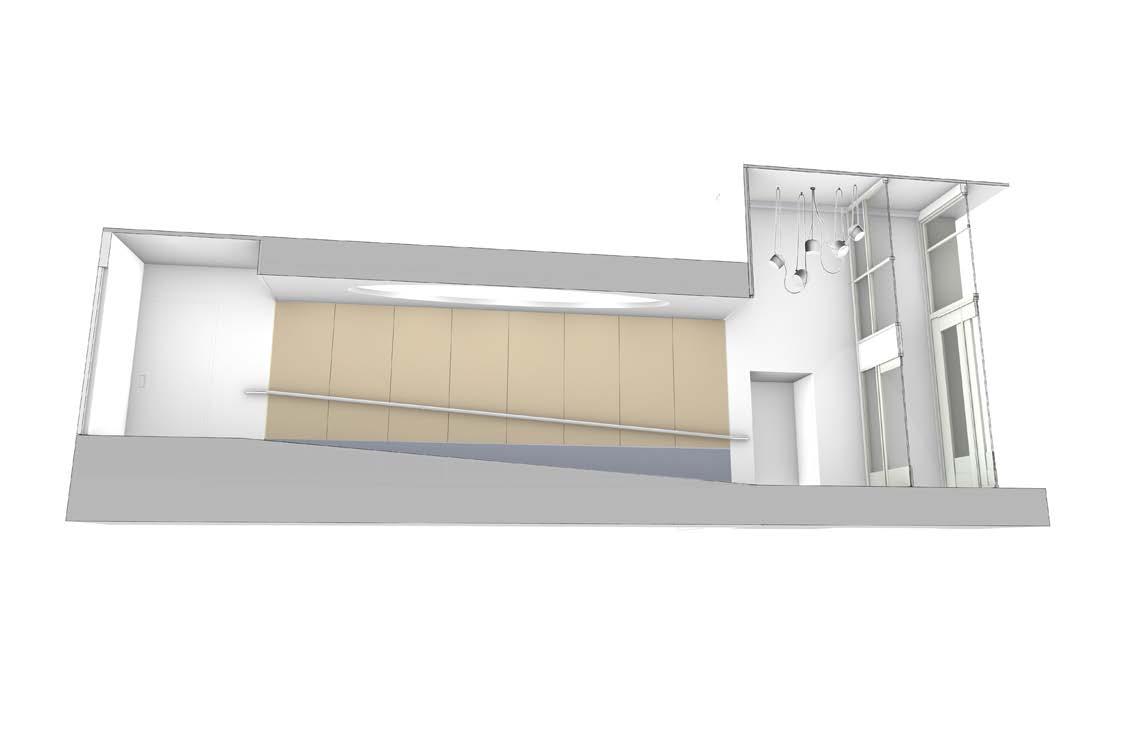
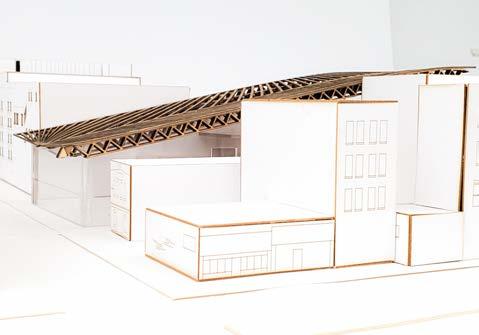
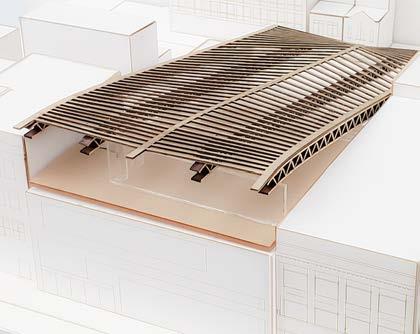
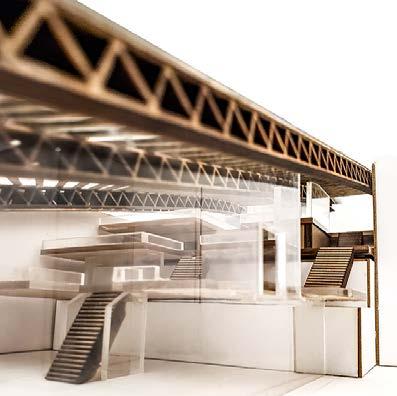
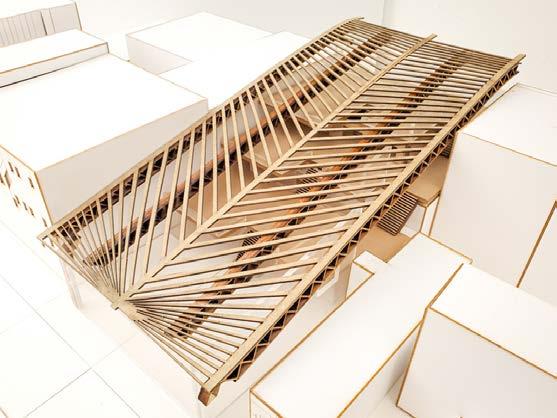
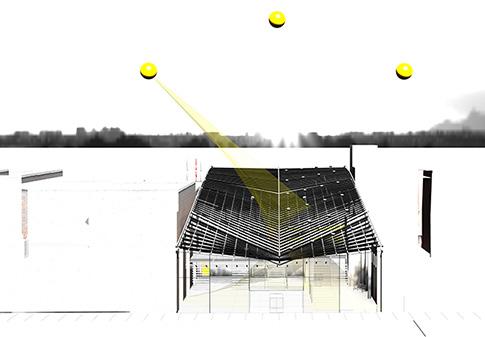
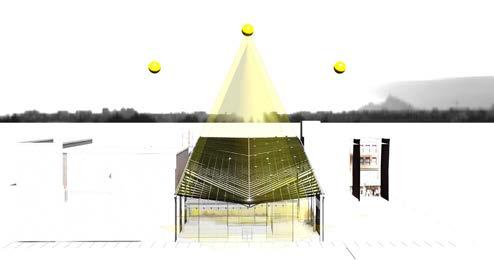
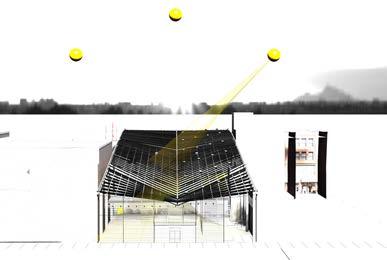
THE HARLEM SYMPOSIUM
Influence for the thesis of the project was found in developing connections
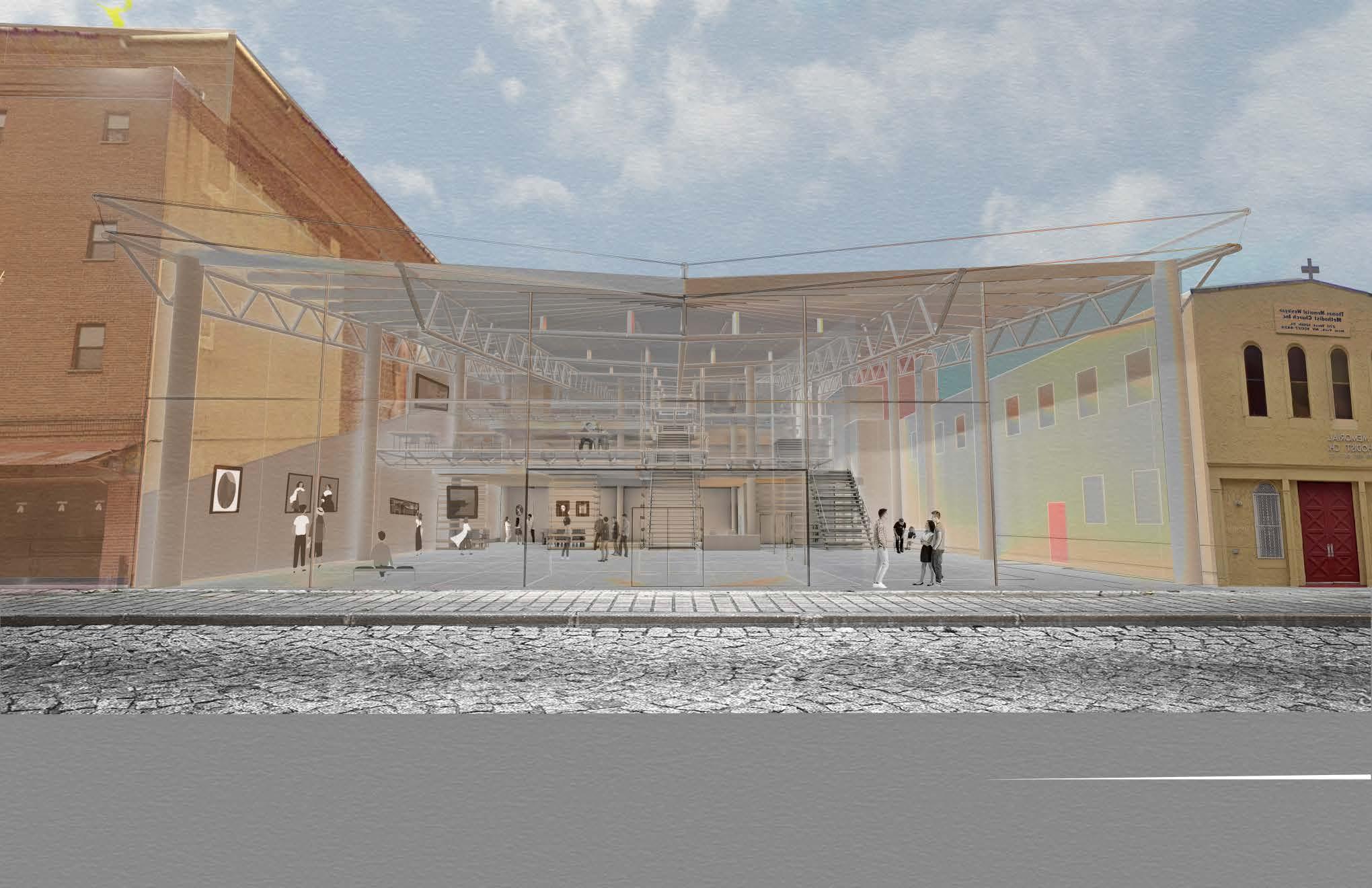
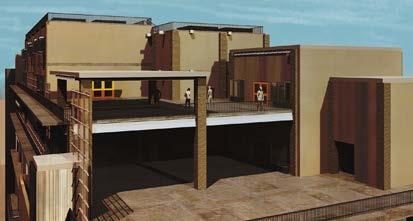
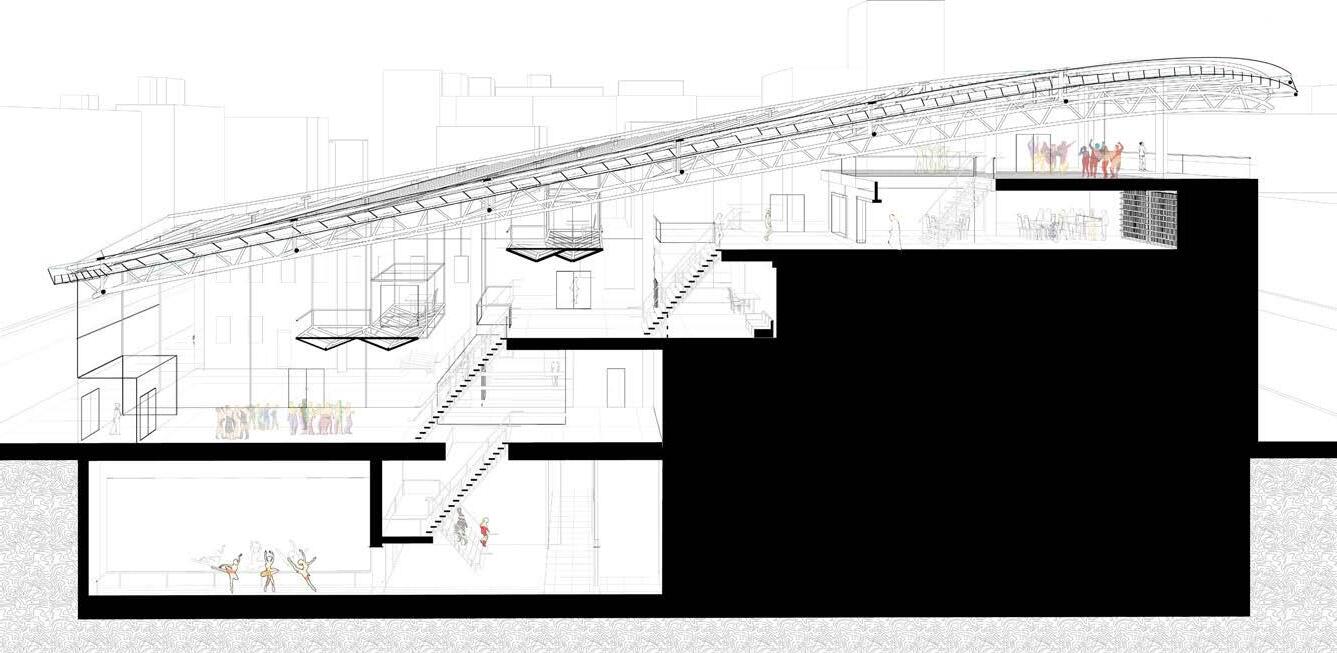
The massing and orientation of the symposium came with the respect to the surrounding community and neighbours. To not metaphorically shadow the Apollo or physically shadow the World of Faith Church to the west, the airspace above the Southern neighboring retail store was taken.
In return the symposium would offer public space in form of a courtyard for the Church. The building to the south, which houses a restaurant, clothing store and artist supply store was parasited over and given access to the public program of the symposium through the lower-level encouraging visitors of both the symposium and retail store to commingle. Housed on the lower level the artist supply store and visitors to the lower-
level dance studio may explore the different aspects of the arts and build a greater sense of community to the neighborhood.
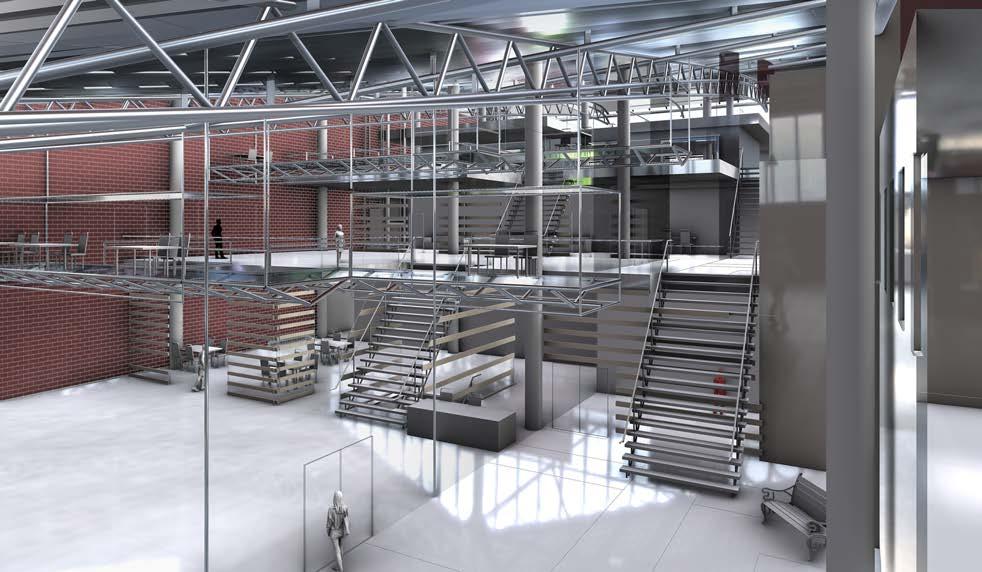
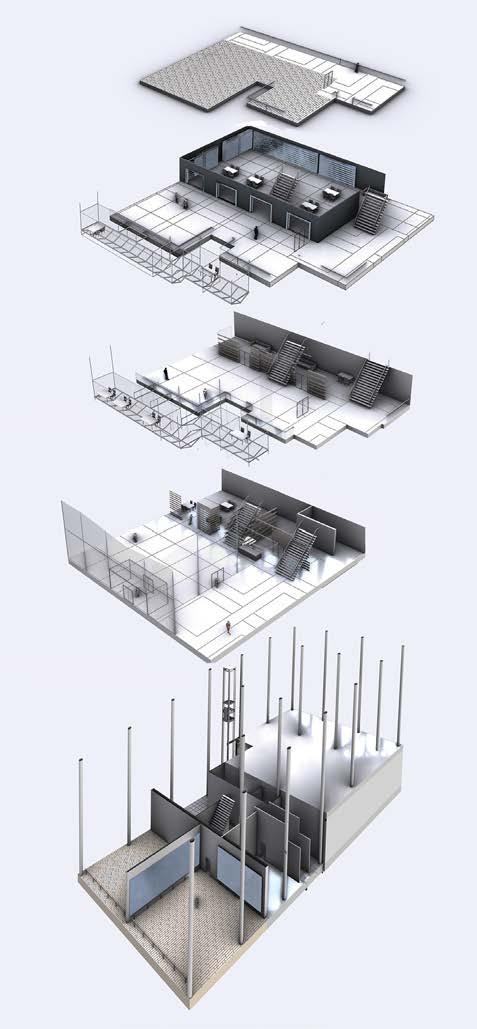
Further creating these interactions of serendipity, the formal archive is housed on the 3rd floor of the symposium. This is also where the threshold of the Apollo is broken and an entrance to the symposium is granted. It is here on the third level archive which would typically be the most secluded area, visitors must look into and pass by on their way to the dance hall on the way out of the Apollo, shedding light on what is available to them rather than hiding it away as many archives happen to do.
Physical Model
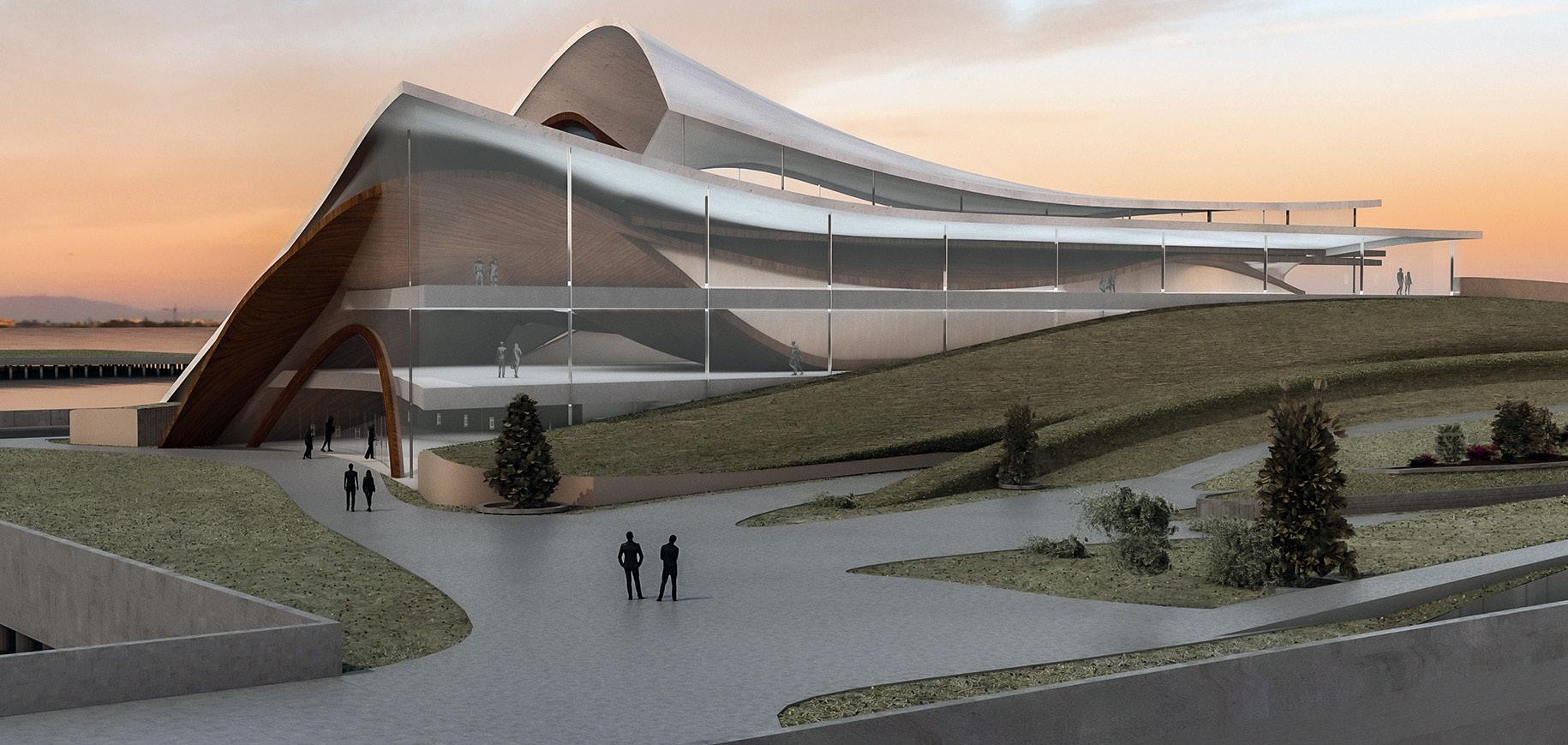
THE BROOKLYN HEIGHTS PERFORMING ARTS CENTER
Fall 2020
Modeled: Rhino
Physical Model: 3D Print
Rendered: Vray / Photoshop
Building Type: Theater
Location: Brooklyn, New York
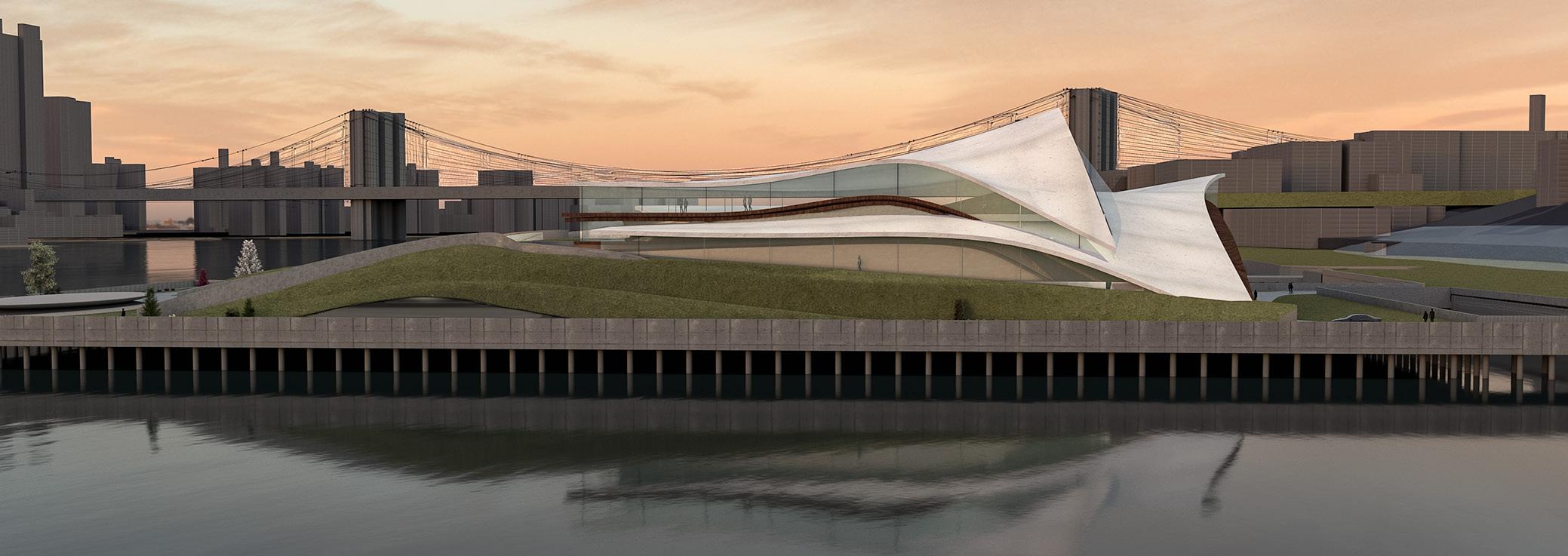
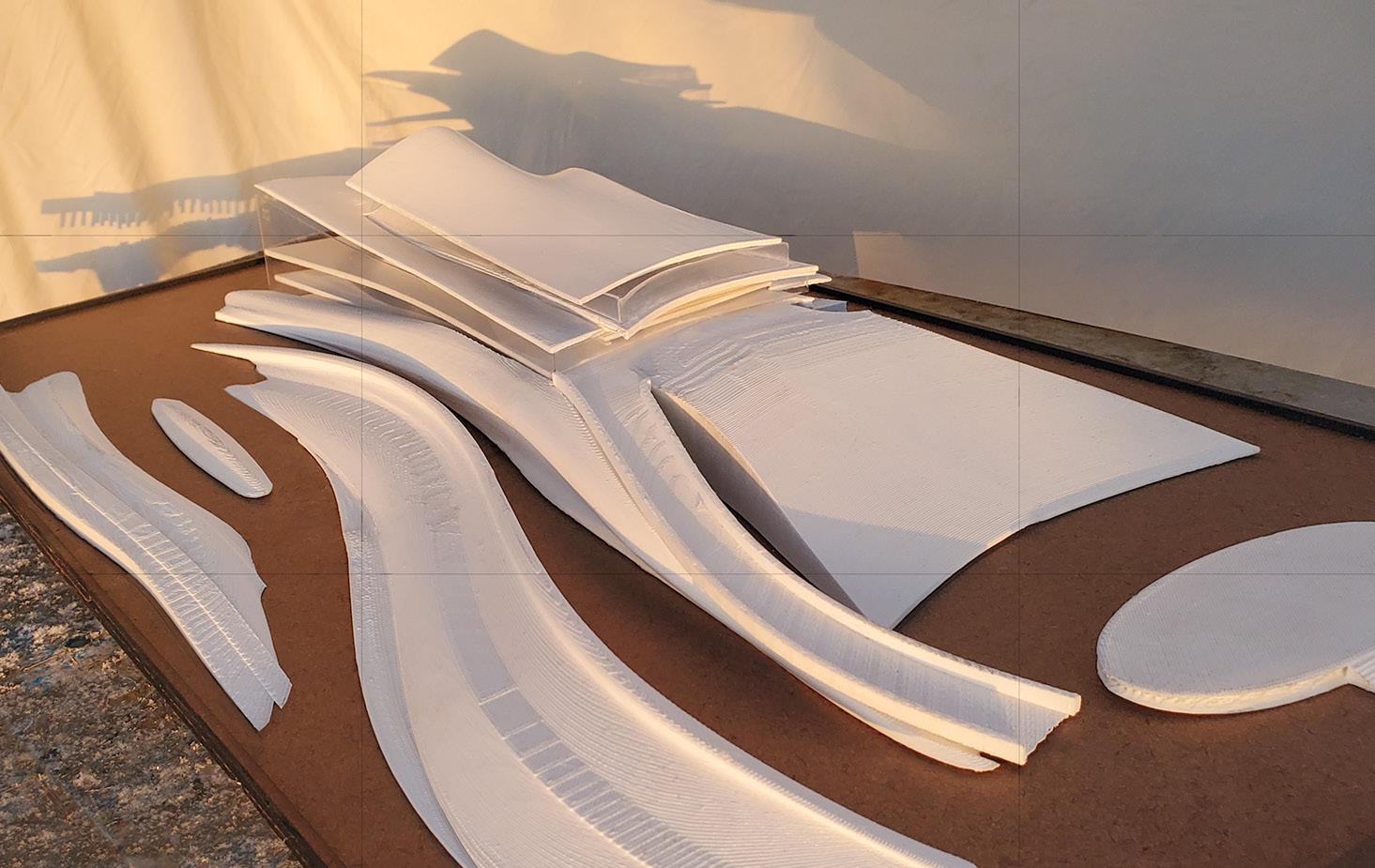
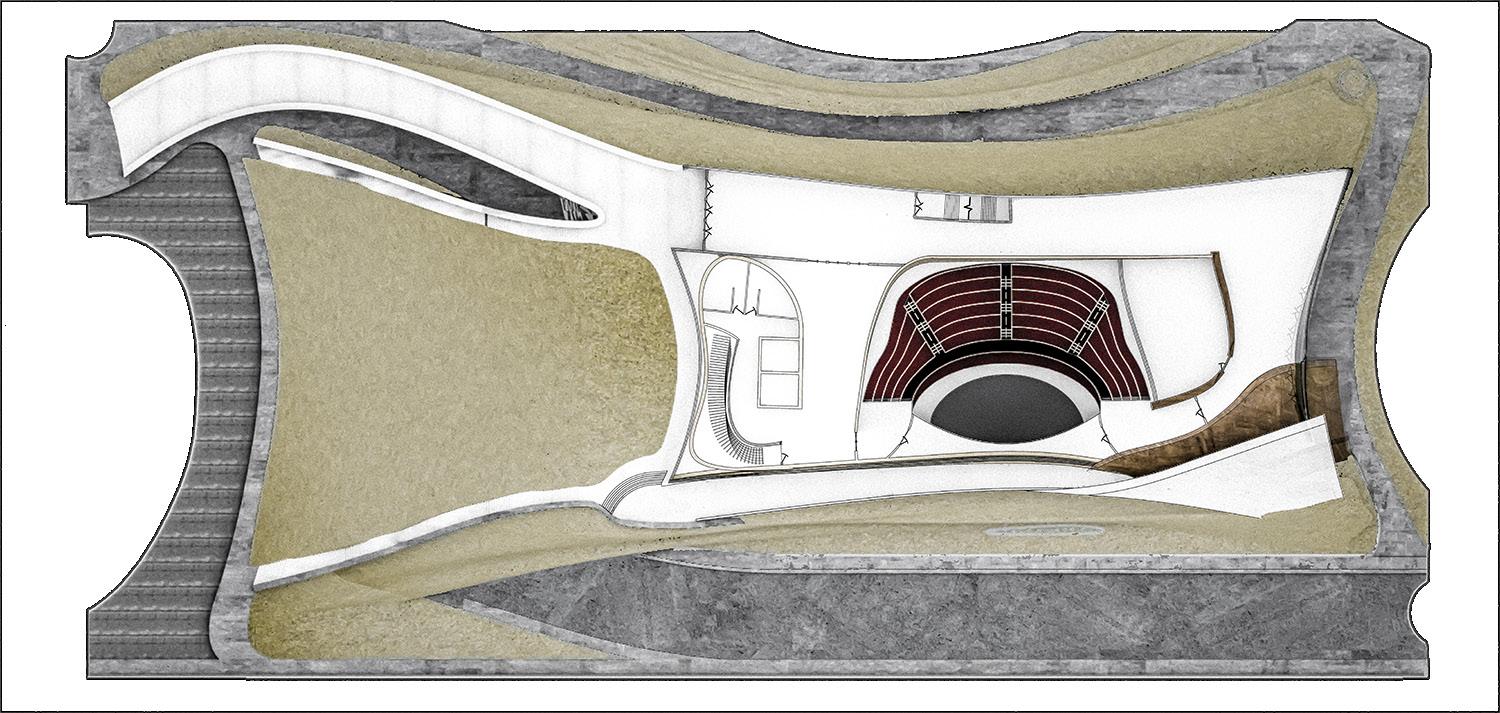
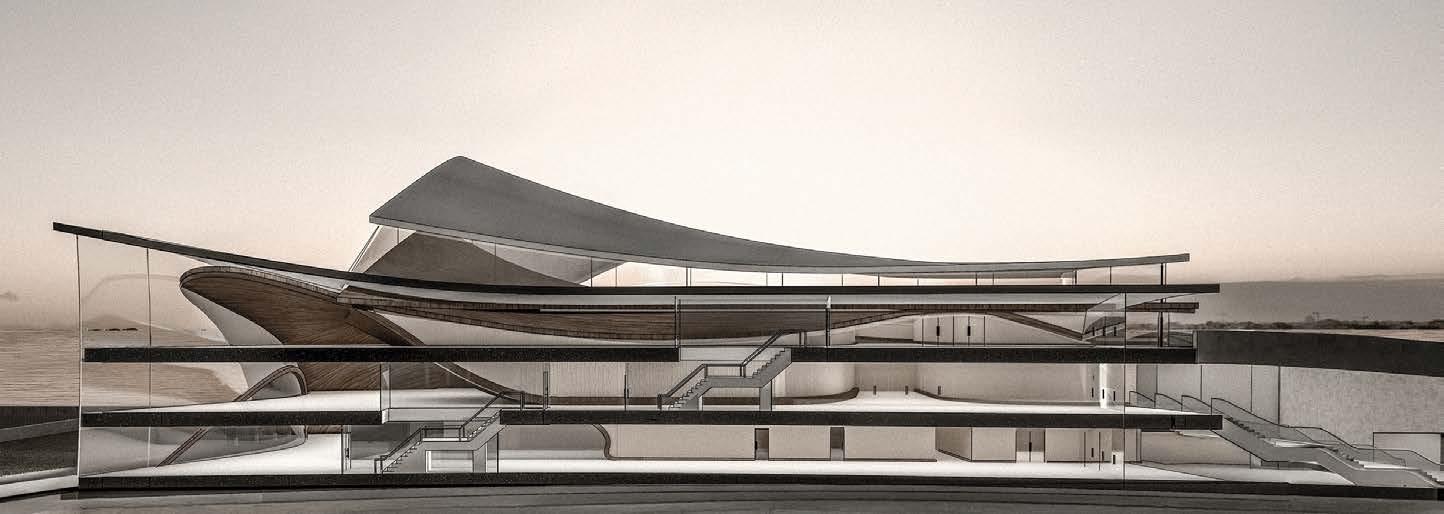
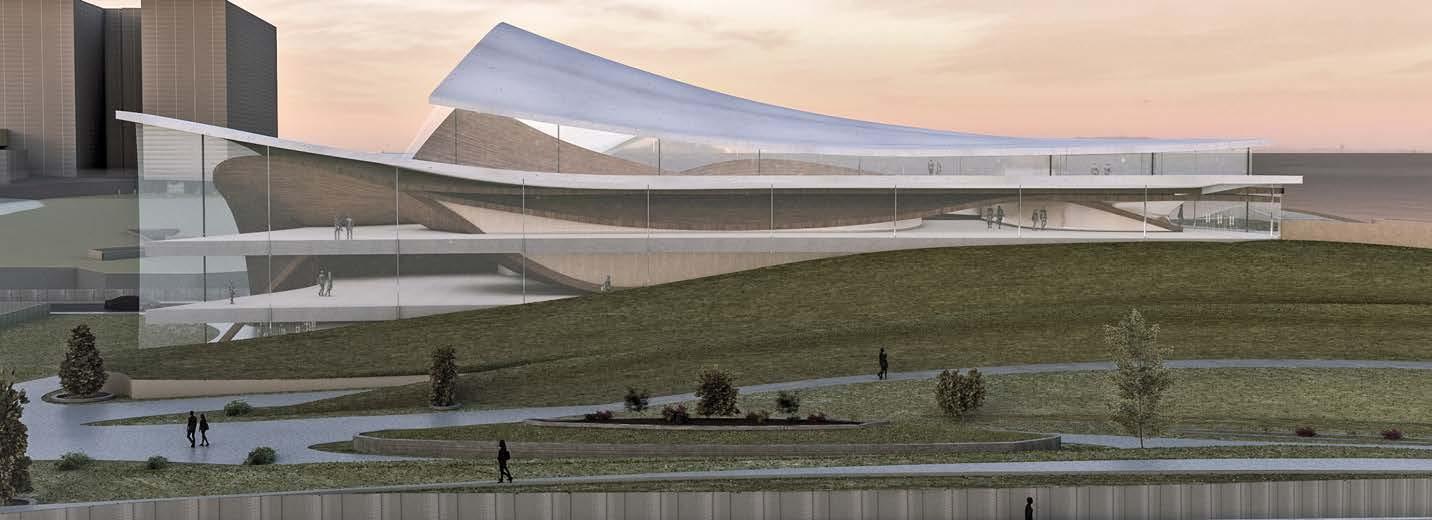
Located on pier 3 in Brooklyn Bridge Park, N.Y. The Brooklyn Heights Performing Arts Center holds a 600 seat theater, as well as an open air performance area to accommodate 2500. The sweeping arch anchored in the pier rises to cradle the theater in reclaimed oak and white pine. The construction of the theater itself being invaluable, is elevated 16’ above grade on the 2nd and third floors to protect against flood damage and create a sustainable installment. Not show in plan, the fourth floor houses a large restaurant with unobstructed views of the lower east side of Manhattan. Covered parking is located in the back of the building, offices are located on the first floor while the kitchen and dressing areas live on the second.
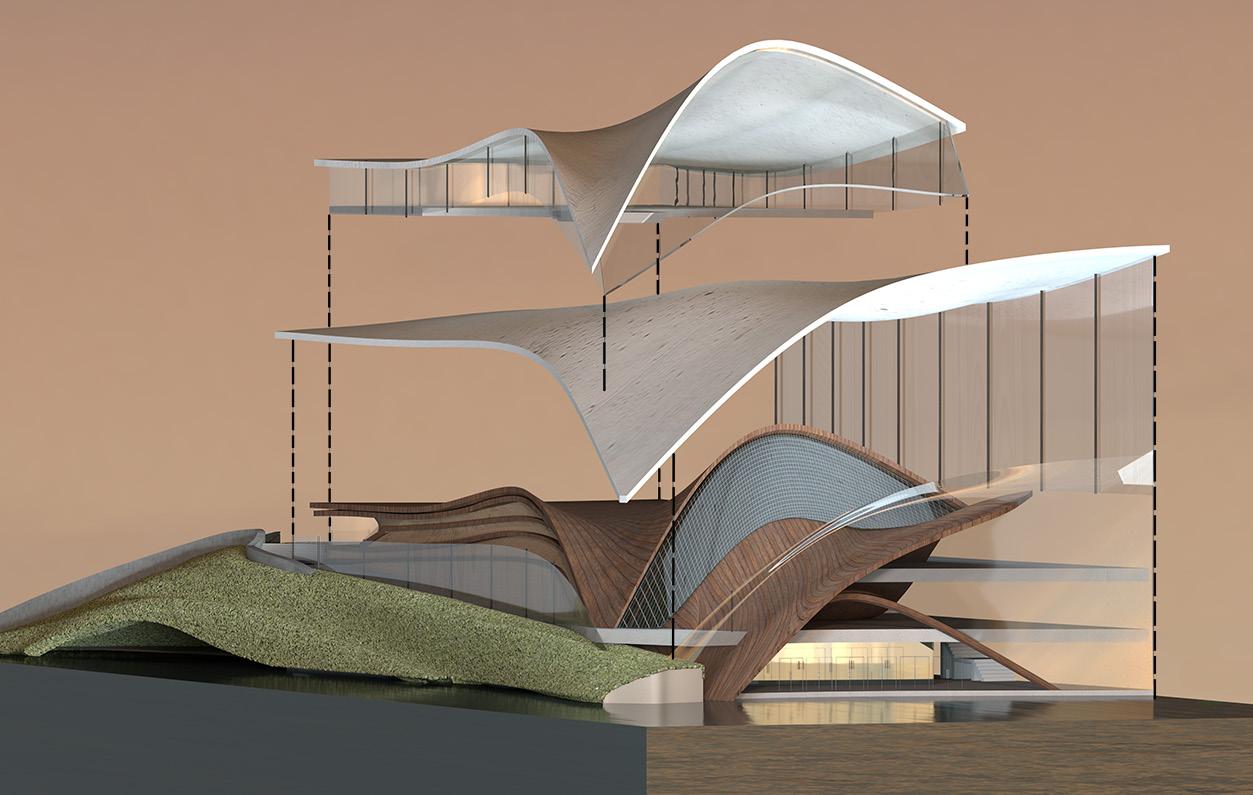
Physical Model Exploded Diagram
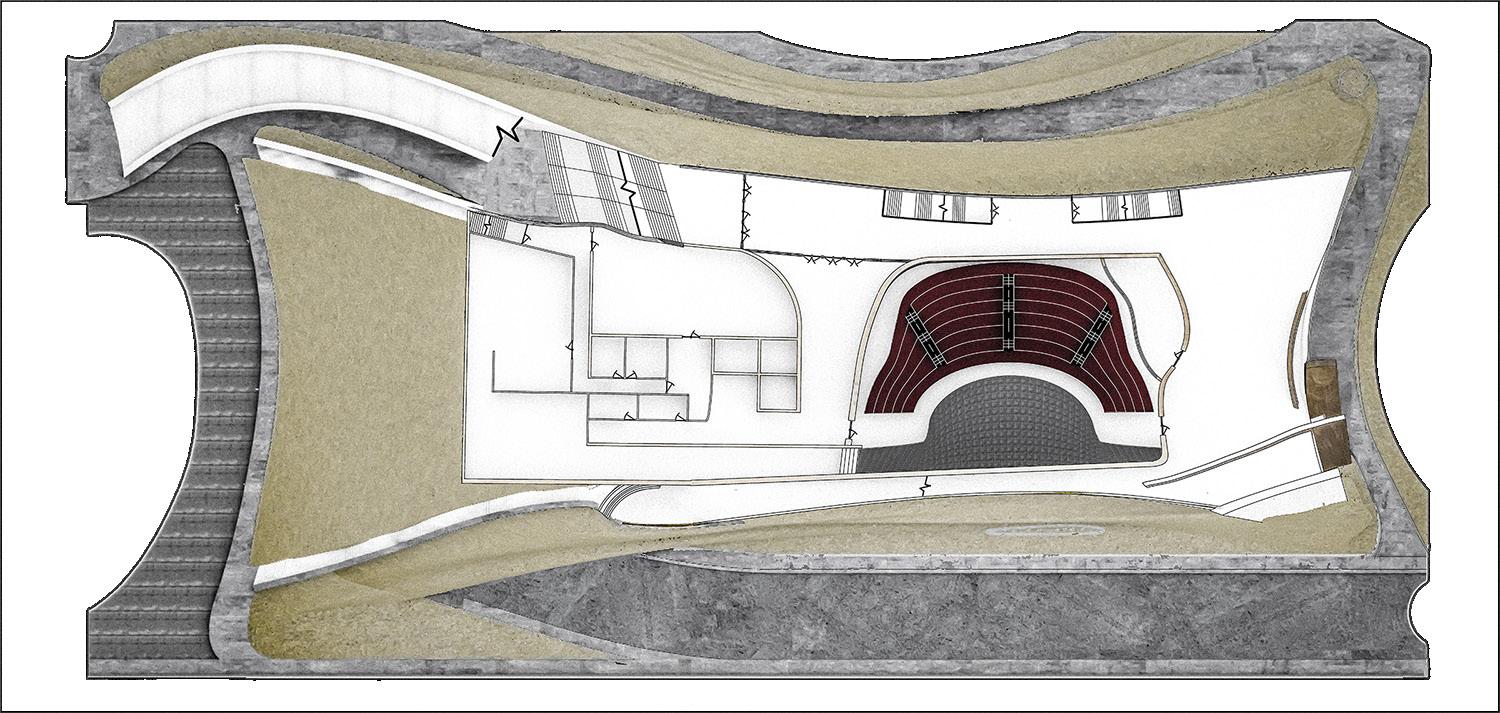
1st Floor
2nd Floor
North Elevation
North Section
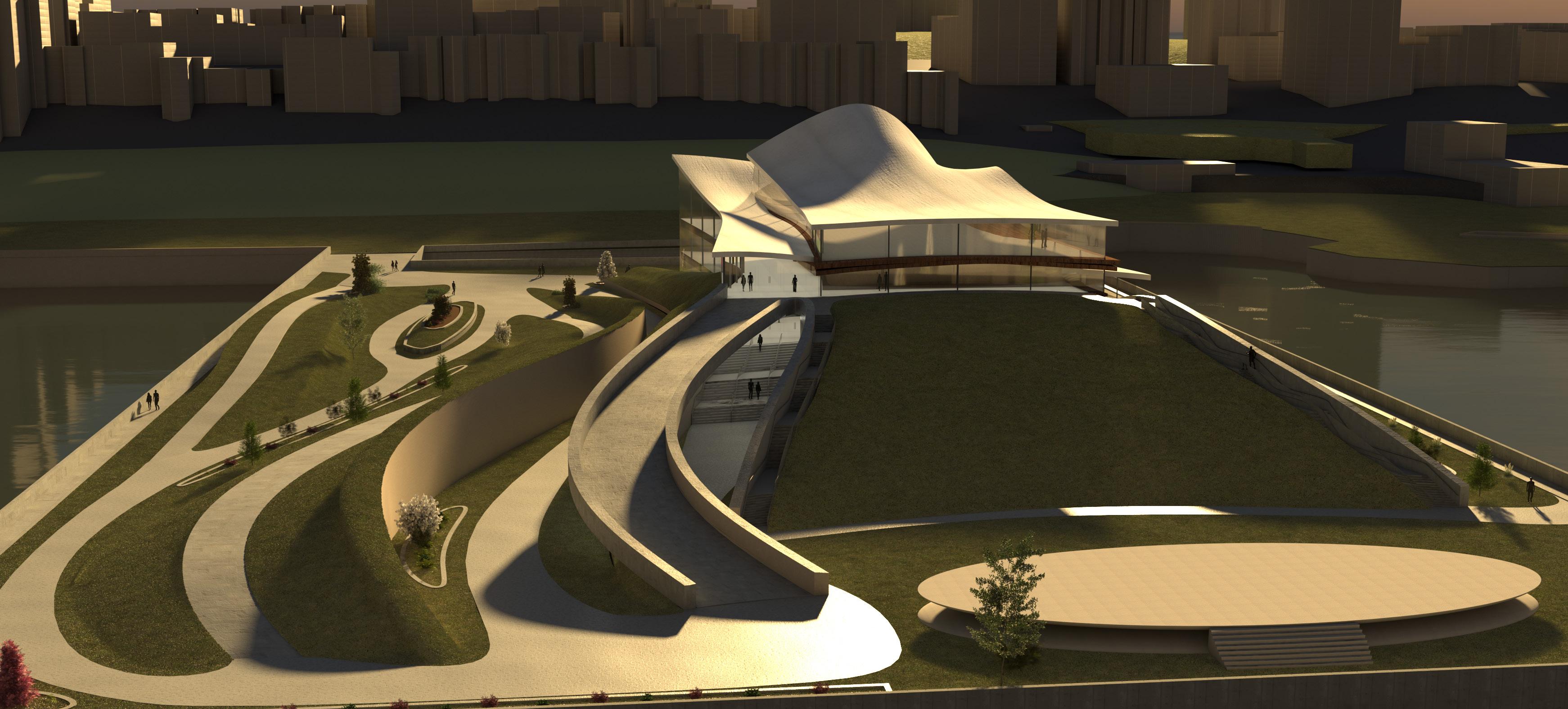
East Rendering
SEAN D SKASKIW
rchitectur A l P ortfolio
A