
22 February 2026

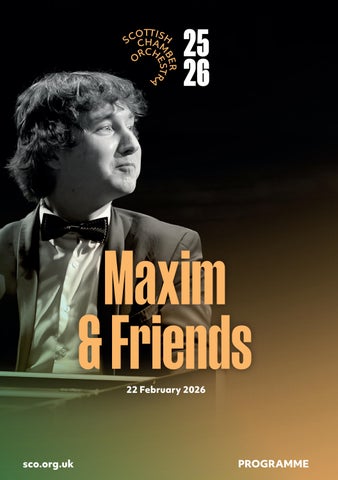
22 February 2026
Sunday 22 February, 3pm The Queen's Hall, Edinburgh
SCHUMANN Piano Quartet in E-flat, Op.47
Interval of 20 minutes
SCHUMANN Piano Quintet in E-flat, Op.44
Maxim Emelyanychev conductor
Stephanie Gonley violin
Marcus Barcham Stevens violin
Max Mandel viola
Philip Higham cello
Maxim Emelyanychev

This concert will be performed on gut strings.
4 Royal Terrace, Edinburgh EH7 5AB
+44 (0)131 557 6800 | info@sco.org.uk | sco.org.uk
The Scottish Chamber Orchestra is a charity registered in Scotland No. SC015039. Company registration No. SC075079.
THANK YOU
Our Principal Conductor’s Circle are a special part of our musical family. Their commitment and generosity benefit us all – musicians, audiences and creative learning participants alike.
Annual Fund
James and Patricia Cook
Visiting Artists Fund
Harry and Carol Nimmo
Anne and Matthew Richards
International Touring Fund
Gavin and Kate Gemmell
Creative Learning Fund
Sabine and Brian Thomson
American Development Fund
Erik Lars Hansen and Vanessa C L Chang
Conductor Emeritus Joseph Swensen
Donald and Louise MacDonald
Chorus Director Gregory Batsleer
Anne McFarlane
Principal Second Violin
Marcus Barcham Stevens
Jo and Alison Elliot
Second Violin Rachel Smith
J Douglas Home
Principal Viola Max Mandel
Ken Barker and Martha Vail Barker
Viola Brian Schiele
Christine Lessels
Viola Steve King
Sir Ewan and Lady Brown
Principal Cello Philip Higham
The Thomas Family
Sub-Principal Cello Su-a Lee
Ronald and Stella Bowie
Cello Donald Gillan
Professor Sue Lightman
Productions Fund
Geoff and Mary Ball
Bill and Celia Carman
Anne, Tom and Natalie Usher
Scottish Touring Fund
Eriadne and George Mackintosh
Claire and Anthony Tait
New Music Fund
Ken Barker and Martha Vail Barker
Colin and Sue Buchan
The Thomas Family
Cello Eric de Wit
Jasmine Macquaker Charitable Fund
Principal Flute André Cebrián
Claire and Mark Urquhart
Sub-Principal Flute Marta Gómez
Judith and David Halkerston
Principal Oboe
The Hedley Gordon Wright Charitable Trust
Sub-Principal Oboe Katherine Bryer
Ulrike and Mark Wilson
Principal Clarinet Maximiliano Martín
Stuart and Alison Paul
Principal Bassoon Cerys Ambrose-Evans
Claire and Anthony Tait
Sub-Principal Bassoon Alison Green
George Rubienski
Principal Horn Kenneth Henderson
Caroline Hahn and Richard Neville-Towle





Diamond
The Cockaigne Fund
Malcolm and Avril Gourlay
John and Jane Griffiths
James and Felicity Ivory
George Ritchie
Tom and Natalie Usher
Platinum
E.C. Benton
Michael and Simone Bird
Silvia and Andrew Brown
David Caldwell in memory of Ann
Dr Peter Williamson and Ms Margaret Duffy
David and Elizabeth Hudson
Helen B Jackson
Dr and Mrs Peter Jackson
Dr Daniel Lamont
Graham and Elma Leisk
Professor and Mrs Ludlam
Chris and Gill Masters
Duncan and Una McGhie
Anne-Marie McQueen
James F Muirhead
Robin and Catherine Parbrook
Charles Platt and Jennifer Bidwell
Patrick and Susan Prenter
Mr and Mrs J Reid
The Walter and Janet Reid Charitable Trust
Martin and Mairi Ritchie
Hilary E Ross
Elaine Ross
Sir Muir and Lady Russell
Jill and Brian Sandford
Michael and Elizabeth Sudlow
Robert and Elizabeth Turcan
Alan and Sue Warner
Anny and Bobby White
Robert Mackay and Philip Whitley
Finlay and Lynn Williamson
Ruth Woodburn
Gold
Peter Armit
Adam Gaines and Joanna Baker
John and Maggie Bolton
Elizabeth Brittin
Kate Calder
James Wastle and Glenn Craig
Jo and Christine Danbolt
James and Caroline Denison-Pender
Andrew and Kirsty Desson
David and Sheila Ferrier
Chris and Claire Fletcher
James Friend
Iain Gow
Margaret Green
Christopher and Kathleen Haddow
Catherine Johnstone
Julie and Julian Keanie
Gordon Kirk
Janey and Barrie Lambie
Mike and Karen Mair
Roy and Svend McEwan-Brown
John and Liz Murphy
Tom Pate
Maggie Peatfield
Sarah and Spiro Phanos
Alison and Stephen Rawles
Andrew Robinson
Olivia Robinson
Anne McAlister and Philip Sawyer
Irene Smith
Dr Jonathan Smithers
Ian S Swanson
Ian and Janet Szymanski
John-Paul and Joanna Temperley
Douglas and Sandra Tweddle
Bill Welsh
Catherine Wilson
Neil and Philippa Woodcock
Georgina Wright
Silver
Roy Alexander
Fiona and Neil Ballantyne
The Batsleer Family
Jack Bogle
Jane Borland
Alan Borthwick
Dinah Bourne
Michael and Jane Boyle
Mary Brady
Paula and Colin Brown
John Brownlie
Laura Buist
Robert Burns
Sheila Colvin
Lorn and Camilla Cowie
Adam and Lesley Cumming
Dr Wilma Dickson
Seona Reid and Cordelia Ditton
Sylvia Dow
Colin Duncan in memory of Norma Duncan
Richard and Cath Dyer
Raymond Ellis
Dr and Mrs Alan Falconer
Sheila Ferguson
Dr William Irvine Fortescue
Dr David Grant
Anne Grindley
Andrew Hadden
J Martin Haldane
Ronnie and Ann Hanna
Roderick Hart
Norman Hazelton
Ron and Evelynne Hill
Philip Holman
Clephane Hume
Tim and Anna Ingold
David and Pamela Jenkins
Margaret Mortimer and Ken Jobling
Ross D. Johnstone
James Kelly
Professor Christopher and Mrs Alison Kelnar
Dr Ian Laing
Geoff Lewis
Dorothy A Lunt
Vincent Macaulay
James McClure in memory of Robert Duncan
Ben McCorkell
Lucy McCorkell
Gavin McCrone
Michael McGarvie
Brian Miller
Alistair Montgomerie
Norma Moore
Andrew Murchison
Pamela Andrews and Alan Norton
Gilly Ogilvy-Wedderburn
Mairi & Ken Paterson
John Peutherer in memory of Audrey Peutherer
James S Potter
Timothy Barnes and Janet Sidaway
Catherine Steel
John and Angela Swales
Takashi and Mikako Taji
C S Weir
Susannah Johnston and Jamie Weir
David and Lucy Wren
We are indebted to everyone acknowledged here who gives philanthropic gifts to the SCO of £300 or greater each year, as well as those who prefer to remain anonymous.
We are also incredibly thankful to the many individuals not listed who are kind enough to support the Orchestra financially on a regular or ad hoc basis. Every single donation makes a difference.
Become a regular donor, from as little as £5 a month, by contacting Hannah Wilkinson on 0131 478 8364 or hannah.wilkinson@sco.org.uk.
“…an orchestral sound that seemed to gleam from within.”

HM The King Patron
Donald MacDonald CBE
Life President
Joanna Baker CBE Chair
Gavin Reid LVO
Chief Executive
Maxim Emelyanychev
Principal Conductor
Andrew Manze
Principal Guest Conductor
Joseph Swensen
Conductor Emeritus
Gregory Batsleer
Chorus Director
Jay Capperauld
Associate Composer
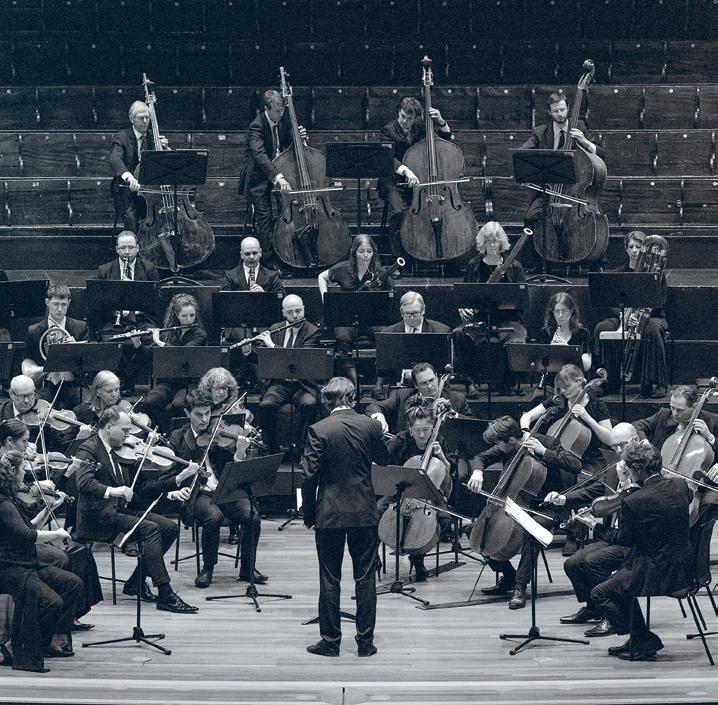
The Scottish Chamber Orchestra (SCO) is one of Scotland’s five National Performing Companies and has been a galvanizing force in Scotland’s music scene since its inception in 1974. The SCO believes that access to world-class music is not a luxury but something that everyone should have the opportunity to participate in, helping individuals and communities everywhere to thrive. Funded by the Scottish Government, City of Edinburgh Council and a community of philanthropic supporters, the SCO has an international reputation for exceptional, idiomatic performances: from mainstream classical music to newly commissioned works, each year its wide-ranging programme of work is presented across the length and breadth of Scotland, overseas and increasingly online.
Equally at home on and off the concert stage, each one of the SCO’s highly talented and creative musicians and staff is passionate about transforming and enhancing lives through the power of music. The SCO’s Creative Learning programme engages people of all ages and backgrounds with a diverse range of projects, concerts, participatory workshops and resources. The SCO’s current five-year Residency in Edinburgh’s Craigmillar builds on the area’s extraordinary history of Community Arts, connecting the local community with a national cultural resource.
An exciting new chapter for the SCO began in September 2019 with the arrival of dynamic young conductor Maxim Emelyanychev as the Orchestra’s Principal Conductor. His tenure has recently been extended until 2028. The SCO and Emelyanychev released their first album together (Linn Records) in 2019 to widespread critical acclaim. Their second recording together, of Mendelssohn symphonies, was released in 2023, with Schubert Symphonies Nos 5 and 8 following in 2024.
The SCO also has long-standing associations with many eminent guest conductors and directors including Principal Guest Conductor Andrew Manze, Pekka Kuusisto, François Leleux, Nicola Benedetti, Isabelle van Keulen, Anthony Marwood, Richard Egarr, Mark Wigglesworth, Lorenza Borrani and Conductor Emeritus Joseph Swensen.
The Orchestra’s current Associate Composer is Jay Capperauld. The SCO enjoys close relationships with numerous leading composers and has commissioned around 200 new works, including pieces by Sir James MacMillan, Anna Clyne, Sally Beamish, Martin Suckling, Einojuhani Rautavaara, Karin Rehnqvist, Mark-Anthony Turnage, Nico Muhly and the late Peter Maxwell Davies.
SCHUMANN (1810-1856)
Piano Quartet in E-flat, Op.47 (1842)
Sostenuto assai – Allegro ma non troppo
Scherzo: Molto vivace
Andante cantabile
Finale: Vivace
SCHUMANN (1810-1856)
Piano Quintet in E-flat, Op.44 (1842)
Allegro brillante
In modo d'una marcia: Un poco largamente
Scherzo: Molto vivace
Allegro ma non troppo
In many ways, Robert Schumann was the quintessential Romantic musician. His life story – filled as it was with ambitions, hopes and tragedies – reads like a 19th-century melodrama. This was the exceptional young piano virtuoso, after all, who put paid to a glorious keyboard career by causing permanent injury to his right hand with a dodgy homemade fingerstrengthening contraption. The passionate young man who fell so deeply in love with the daughter of his piano teacher that he even took the elder man to court in order to go through with their marriage. Later in life, the heroic champion of younger, pioneering musical figures – most prominently Johannes Brahms – in his role as critic and editor at an influential journal.
There was an undoubtedly heroic side to Schumann’s activities, and a degree of self-belief – or, at least, belief in the transcendent power of music – maintained him through his life’s darker periods, of which there were many. But any heroism was offset, too, by Schumann’s notorious mental fragility. He suffered extreme mood swings, visual and aural hallucinations, and admitted to an alarming degree of sensitivity: ‘I am affected by everything that goes on in the world,’ he once confessed. He was only too aware of these two, apparently incompatible states of being that resided within him, even designating them as alter egos Florestan (impulsive, passionate and extrovert) and Eusebius (calm, contemplative and introvert) in several of his works.
His mental health issues – which have been pored over by many modern-day psychiatrists and musicologists – were, of course, little understood at the time, and things only got worse. Claiming to hear
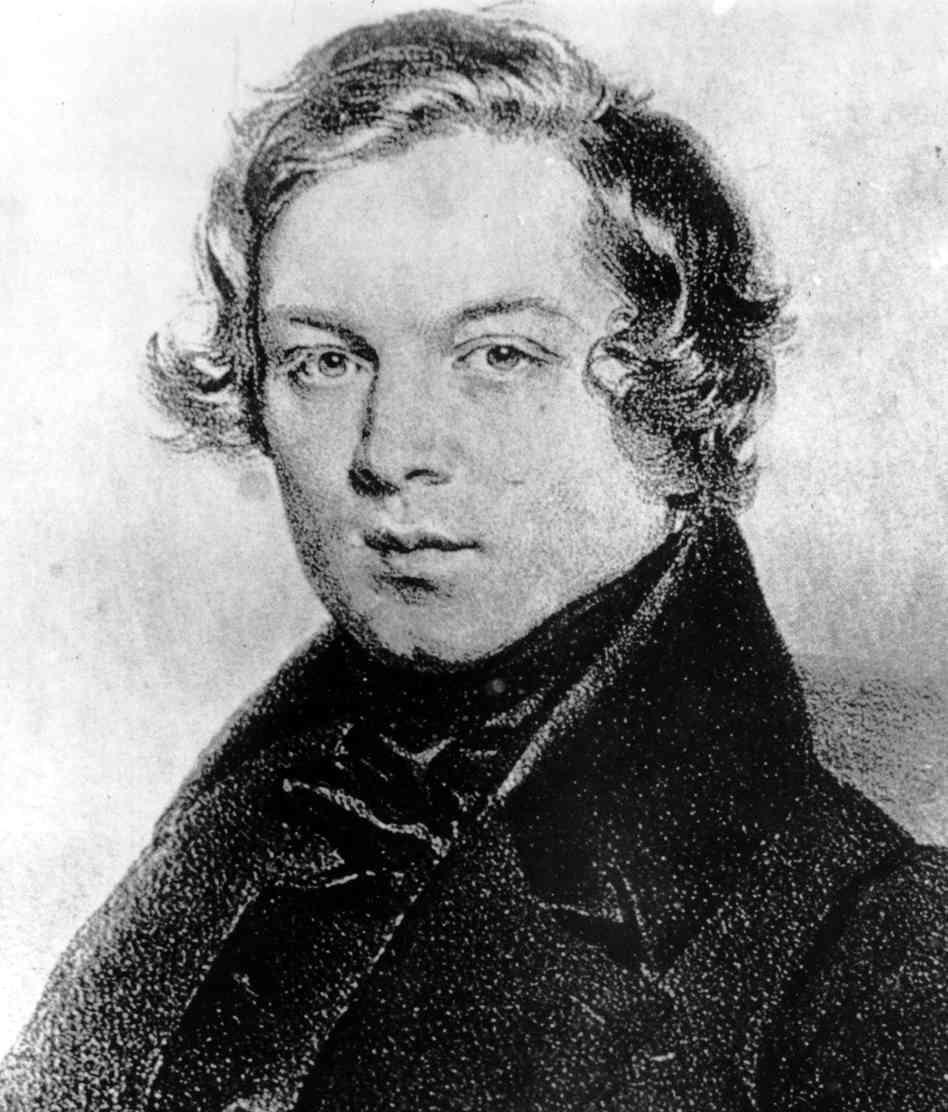
There was an undoubtedly heroic side to Schumann’s activities, and a degree of selfbelief – or, at least, belief in the transcendent power of music – maintained him through his life’s darker periods, of which there were many.
angelic and demonic voices, he attempted to end it all by throwing himself in the Rhine in 1854, but survived to endure a slow, painful death at the Endenich mental institution two years later.
It was a tragic end to a life that had often shone with idealism and creativity, and for his contemporaries, at least, it fitted perfectly the conception of a doomed Romantic genius, a mind that conjured visionary beauty but which could not survive the harsh realities of the real world. Schumann’s was a mind that created some of the most exquisite and deeply personal music that had been composed up to that time. It also lent itself to a certain obsessiveness, as the two works in today’s concert demonstrate.
Following a ‘year of song’ in 1840, in which Schumann produced around 140 vocal
works (and little else) and the following year devoted to two symphonies (which we now call Nos 1 and 4), Schumann turned to chamber music in 1842. He attacked the genre with just as much vigour and productivity as he’d found during the previous two years, writing his three Op.41 string quartets, the Fantasiestücke for piano trio, and today’s Piano Quartet and Piano Quintet.
Indeed, some of the Quartet and Quintet’s writing even took place simultaneously, and the two works have long been viewed as musical siblings – for a start, they’re both in the same key of E flat major. And though the Quartet is the slightly more intimate, inward-looking of the two pieces – certainly compared with the Quintet’s almost concerto-like exuberance – there’s little sense of the extremes of mood personified in Schumann’s Florestan and
Eusebius alter egos. Instead, both pieces are sunny, optimistic and bright, no doubt reflecting the confidence and stability that the composer was experiencing in his comfortable Leipzig life at the time. His marriage to his beloved Clara was just two years old, and their first child, Marie, was barely one. It was hardly a life of luxury – and the family relied more heavily on Clara’s income as a concert pianist than on Robert’s as composer and teacher – but Leipzig offered rich cultural opportunities, Robert was on a relatively even keel in terms of his mental health, and they faced the future together with optimism.
In fact, Robert’s deep love for Clara permeates both of the pieces in today’s concert. The Quartet might officially be dedicated to Russian cellist Count Mathieu Wielhorsky, but it was written very much with Clara’s pianism in mind. It was she who gave the public premiere at Leipzig’s Gewandhaus on 8 December 1844, as part of an ensemble that brought together some of the greatest musical figures of the time: violinist Ferdinand David, violist Niels Gade and cellist Frank Karl Wittmann. And it was immediately embraced by the Leipzig listeners – perhaps poignantly, since the concert marked the Schumanns’ farewell to the city, which they were departing for a new life in Dresden.
Schumann begins his first movement with a brief slow introduction that he’ll return to twice, and whose hymn-like serenity also contains the seeds of the faster, more joyful music that emerges from it. You might even detect some memories of Beethoven-style heroism in Schumann’s bounding, energetic writing – his piano part in particular sounds strikingly similar to that earlier composer’s ‘Hammerklavier’ Sonata at times.
The second movement is an impetuous, mischievous scherzo with two contrasting trio sections, the first scampering and devilish, the second calmer and more lyrical. In many ways, the slow third movement is the emotional heart of the Quartet, with a tender, deeply yearning melody – first heard in the cello – that seems to be perpetually striving for more intense emotional expression. The composer even asks the ensemble’s cellist to tune their lowest string down (from C to B flat) while the music’s happening around them, for a particularly rich closing section.
Just before the finale proper, however, Schumann offers a soft, serene glimpse of its main theme in the third movement’s closing moments. When the finale arrives, however, it’s with heroic fanfares and dashing figurations up and down the instruments, all driven on by propulsive rhythms. A brief but dense contrapuntal workout leads to a resolute conclusion.
If Schumann wrote the Piano Quartet with his wife’s pianism in mind, then he almost created a miniature concerto for her in the Piano Quintet. Perhaps the instrumental forces he employed contributed to that conception. While the smaller pianoviolin-viola-cello combination of the Piano Quartet might suggest a general mood of conversation and collaboration, the Piano Quintet lines up the keyboard instrument alongside a full string quartet. By the 1840s, the piano had undergone numerous technical developments that had increased its range, volume and sonic capabilities. The string quartet, too, was well established as an iconic chamber ensemble with a rich and varied repertoire. It’s perhaps inevitable that those two opposing forces might jostle for attention – especially at
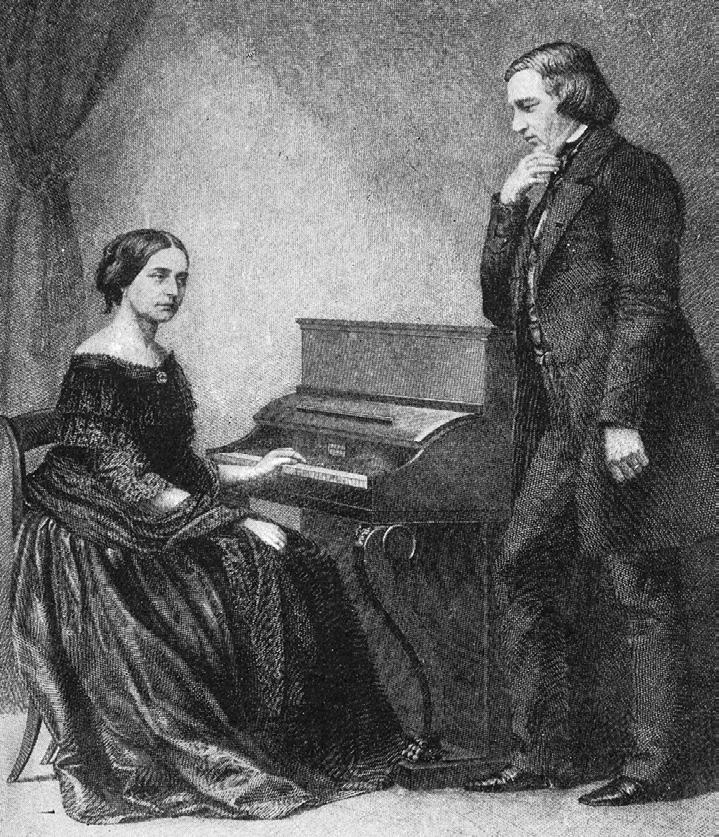
In fact, Robert’s deep love for Clara permeates both of the pieces in today’s concert. The Quartet might officially be dedicated to Russian cellist Count Mathieu Wielhorsky, but it was written very much with Clara’s pianism in mind.
a time when chamber music was itself moving purposefully away from amateur domestic settings and into the concert hall.
It's somewhat ironic, then, that Robert’s beloved Clara was indisposed for the Piano Quintet’s first private performance, for which the composer’s friend Felix Mendelssohn stepped in to sightread the piano part, even going as far as to suggest a few revisions to Schumann – which the younger composer accepted and incorporated with humble gratitude. The official premiere took place on 8 January 1843, again at Leipzig’s Gewandhaus, and Clara – the Quintet’s dedicatee –remembered the piece in her diary as ‘magnificent – a work filled with energy and freshness’.
Both of those attributes are immediately evident in the Quintet’s first movement,
which bursts into eager life with a distinctive striding theme for all five instruments, followed later by a softer, more caressing second theme that’s passed back and forth between cello and viola.
The second movement is a hushed, hesitant funeral march with a heavy tread that’s interrupted twice by brighter music, and Schumann pulls the miraculous trick of combining all three contrasting ideas towards the movement’s close. The thirdmovement scherzo has a propulsive, eagerto-please theme that runs boisterously up and down scales. And while the finale might open in a surprisingly seriousminded minor key, it later reintroduces the first movement’s memorable melody in a movingly joyful conclusion.
© David Kettle
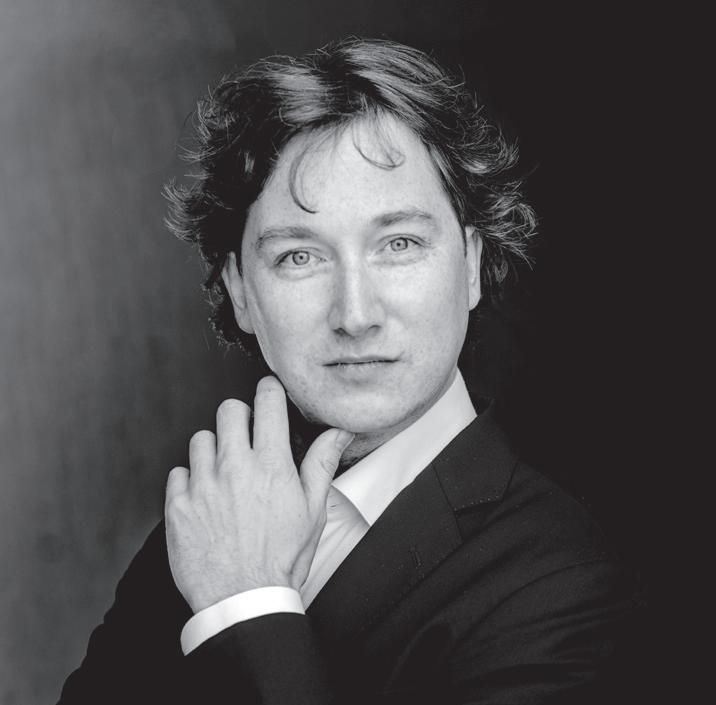
Maxim Emelyanychev has been Principal Conductor of the Scottish Chamber Orchestra since 2019. He is also Chief Conductor of period-instrument orchestra Il Pomo d’Oro, and became Principal Guest Conductor of the Swedish Radio Symphony Orchestra from the 2025/26 Season.
Born in Nizhny Novgorod, Emelyanychev made his conducting debut at the age of 12, and later joined the class of eminent conductor Gennady Rozhdestvensky at the Moscow Conservatoire.
Emelyanychev was initially appointed as the SCO’s Principal Conductor until 2022, and the relationship was later extended until 2025 and then until 2028. He has conducted the SCO at the Edinburgh International Festival and the BBC Proms, as well as on several European tours and in concerts right across Scotland. He has also made three recordings with the SCO, of symphonies by Schubert and Mendelssohn (Linn Records).
Emelyanychev has also conducted many international ensembles including the Berlin Philharmonic, Royal Concertgebouw Orchestra, Orchestra dell'Accademia Nazionale di Santa Cecilia, Deutsches Symphonie-Orchester Berlin, Rotterdam Philharmonic Orchestra, Finnish Radio Symphony Orchestra, Seattle Symphony and Orchestra of the Age of Enlightenment. In the opera house, Emelyanychev has conducted Handel’s Rinaldo at Glyndebourne, the same composer’s Agrippina as well as Mozart’s The Magic Flute at the Royal Opera House, Covent Garden, and Mozart’s Die Entführing aus dem Serail at the Opernhaus Zürich. He has also conducted Mozart’s Die Zauberflöte, Così fan tutte and La Clemenza di Tito with the SCO at the Edinburgh International Festival. He has collaborated closely with US soprano Joyce DiDonato, including international touring and several recordings.
Among his other recordings are keyboard sonatas by Mozart, and violin sonatas by Brahms with violinist Aylen Pritchin. He has also launched a project to record Mozart’s complete symphonies with Il Pomo d’Oro. In 2019, he won the Critics’ Circle Young Talent Award and an International Opera Award in the newcomer category. He received the 2025 Herbert von Karajan Award at the Salzburg Easter Festival.
For full biography please visit sco.org.uk
26-27 Feb, 7.30pm
Edinburgh | Glasgow sco.org.uk
Maxim
Also including music by Brahms

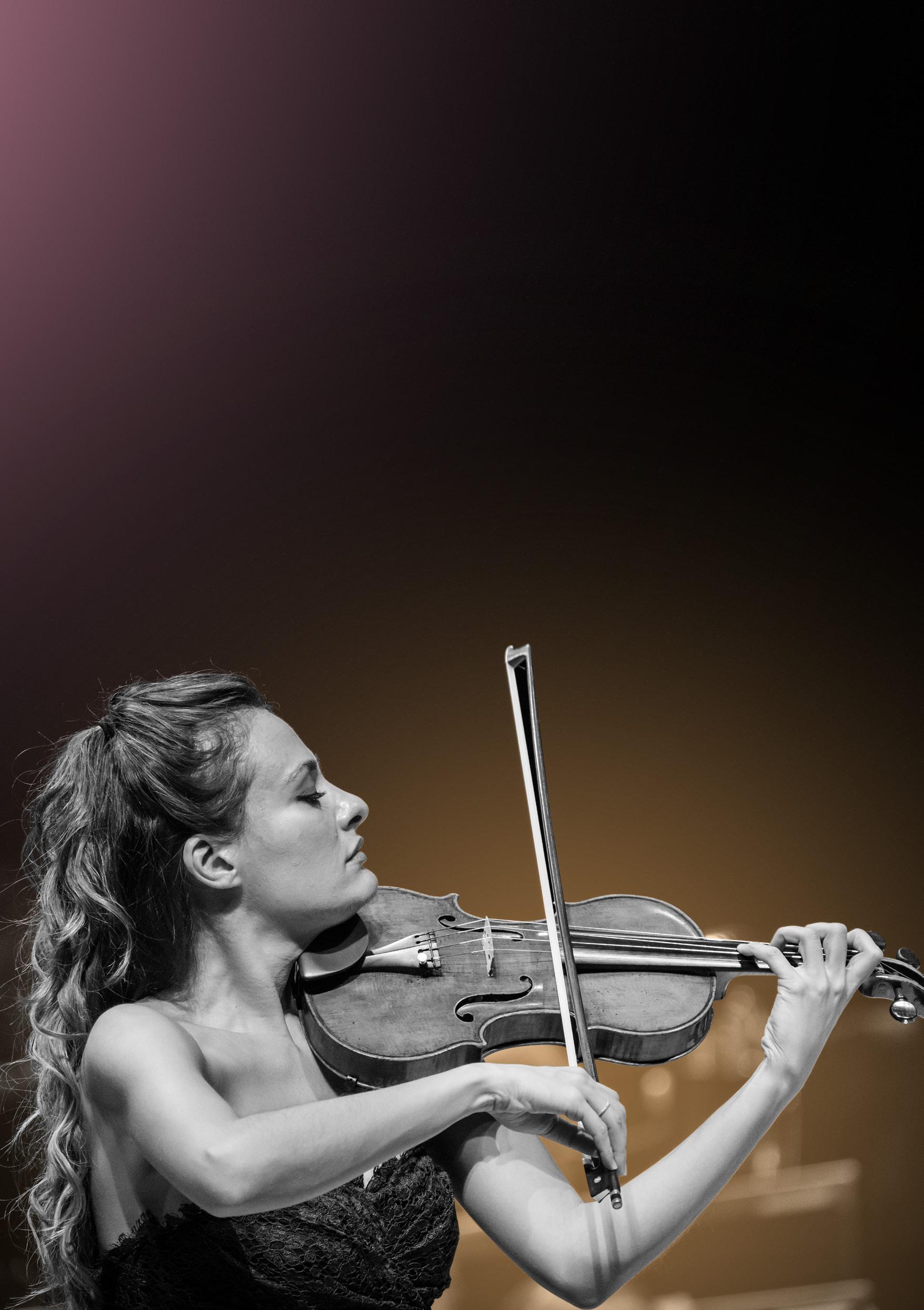
Stephanie has a wide-ranging career as concerto soloist, soloist/director of chamber orchestras, recitalist and chamber musician. She has appeared as soloist with many of UK’s foremost orchestras, including the Royal Philharmonic Orchestra, London Philharmonic Orchestra, Philharmonia and BBC Symphony Orchestra.
Stephanie is leader of the English Chamber Orchestra and the Scottish Chamber Orchestra and has performed as Director/Soloist with both. Stephanie has also appeared as Director/ Soloist with the Australian Chamber Orchestra, the Vancouver Symphony, and the Oriol Ensemble Berlin to name but a few.
She has enjoyed overseas concerto performances with everyone from the Chamber Orchestra of Europe and Hannover Radio Symphony, to Hong Kong Philharmonic and the Norwegian Radio Symphony Orchestra, while her recordings include Dvorák Romance with the ECO and Sir Charles Mackerras for EMI, and the Sibelius Violin Concerto for BMG/ Conifer.
Stephanie Gonley studied with David Takeno at the Guildhall School of Music and Drama and Dorothy DeLay at the Juilliard School in New York. She holds a fellowship at the Guildhall, where she is also a violin professor.
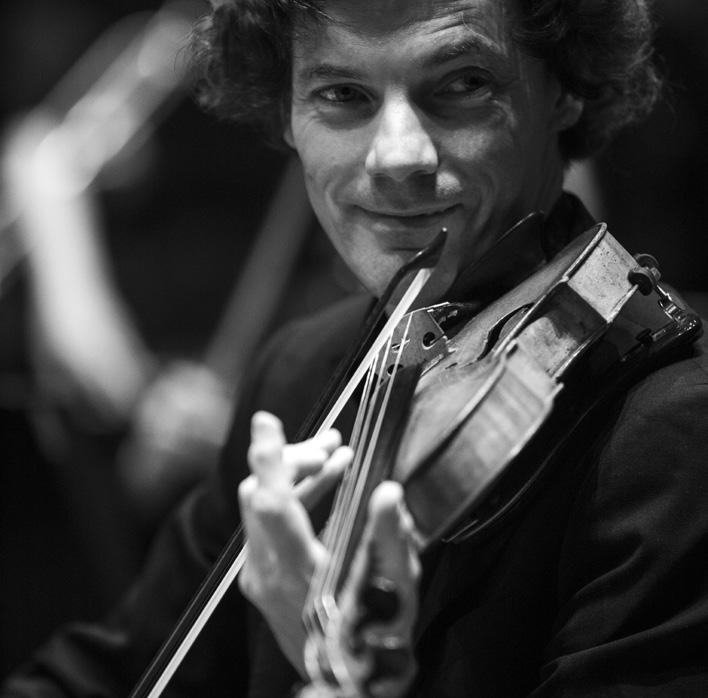
Marcus first played with the SCO in 2015 and joined in 2016. He has been Co-Leader of the Britten Sinfonia since 2013, was in the Fitzwilliam String Quartet for seven years and recorded with them CDs of late quartets by Schubert and Shostakovich.
He has been invited as guest Leader to the City of Birmingham Symphony Orchestra, Orchestra of the Age of Enlightenment, Aurora Orchestra and Royal Liverpool Philharmonic Orchestra, and played as Principal 2nd Violin for Sir John Eliot Gardiner's Orchestre Révolutionnaire et Romantique.
As well as being broadcast as a soloist on BBC Radio 3, Marcus has enjoyed playing with diverse groups including the Nash Ensemble, Arcangelo, King's Consort, Ensemble Modern, and the Birmingham Contemporary Music Group.
Marcus's Chair is kindly supported by Jo and Alison Elliot.
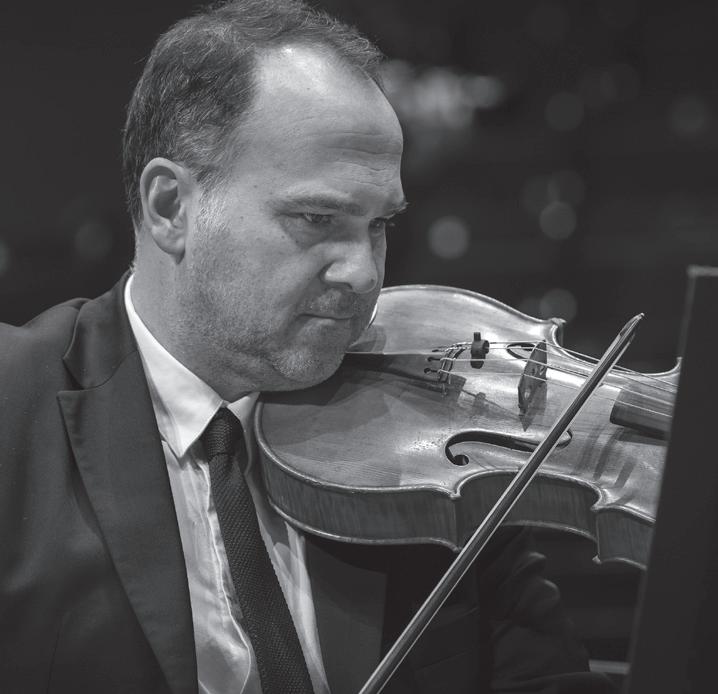
Violist Max Mandel enjoys a varied and acclaimed career as a chamber musician, soloist, orchestral musician and speaker.
Principal Viola of the Scottish Chamber Orchestra and the Orchestra of the Age of Enlightenment he is a also a member of the trailblazing ensemble FLUX Quartet and the Mozart specialists Spunicunifait.
He has appeared as guest Principal Viola with the London Symphony Orchestra, the Chamber Orchestra of Europe, the Australian Chamber Orchestra, the Academy of Ancient Music, and the Handel & Haydn Society amongst others. Other group affiliations include the Smithsonian Chamber Players, Tafelmusik Baroque Orchestra and the Silk Road Ensemble.
Recent recordings include Toshi Ichiyanagi String Quartets with FLUX on Camerata Records and Mozart’s Sinfonia Concertante with violinist Aisslinn Nosky and the Handel & Haydn Society Orchestra on Coro Records.
Born and raised in Toronto, Canada, he lives in London.
Max's Chair is kindly supported by Kenneth and Martha Barker.
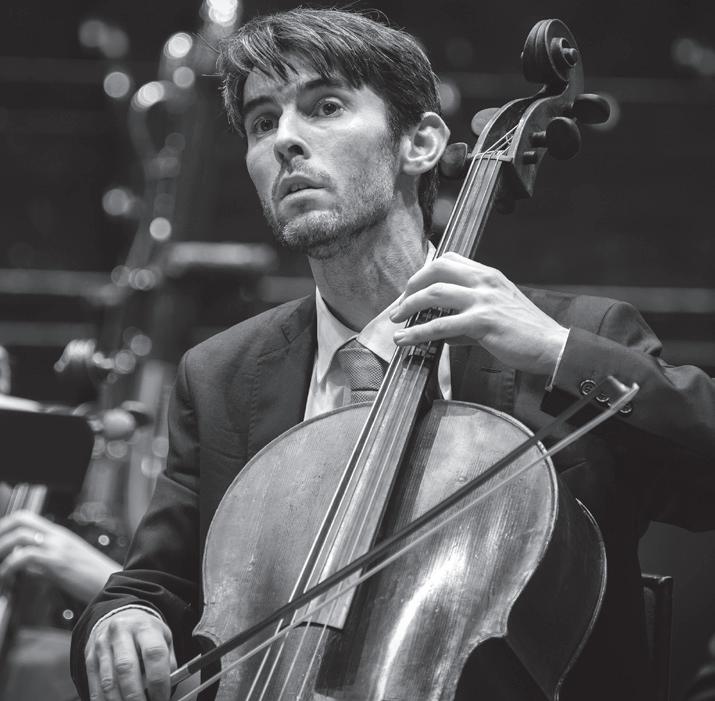
Philip Higham enjoys a richly varied musical life: a passionate chamber musician, equally at home in concerto, duo and unaccompanied repertoire, he especially relishes Classical and German Romantic music, in which he is frequently and happily immersed as principal cellist of the SCO. He has appeared frequently in recital at Wigmore Hall and at other prominent venues and festivals both at home and abroad and is regularly broadcast on BBC Radio 3. His two solo recordings of Britten and Bach Suites (Delphian Records) have received considerable praise, the Britten chosen as Instrumental Disc of the Month in Gramophone Magazine during 2013.
Born in Edinburgh, Philip studied at St Mary’s Music School with Ruth Beauchamp and subsequently at the RNCM with Emma Ferrand and Ralph Kirshbaum. He also enjoyed mentoring from Steven Isserlis and was represented by YCAT between 2009 and 2014. In 2008 he became the first UK cellist to win 1st prize at the International Bach Competition in Leipzig, following this with major prizes in the 2009 Lutoslawski Competition and the Grand Prix Emmanuel Feuermann 2010.
Philip plays a cello by Carlo Giuseppe Testore, made in 1697. He is grateful for continued support from Harriet's Trust.
Philip's Chair is kindly supported by the Thomas Family.
For full biography please visit sco.org.uk
5-6 March, 7.30pm
Edinburgh | Glasgow
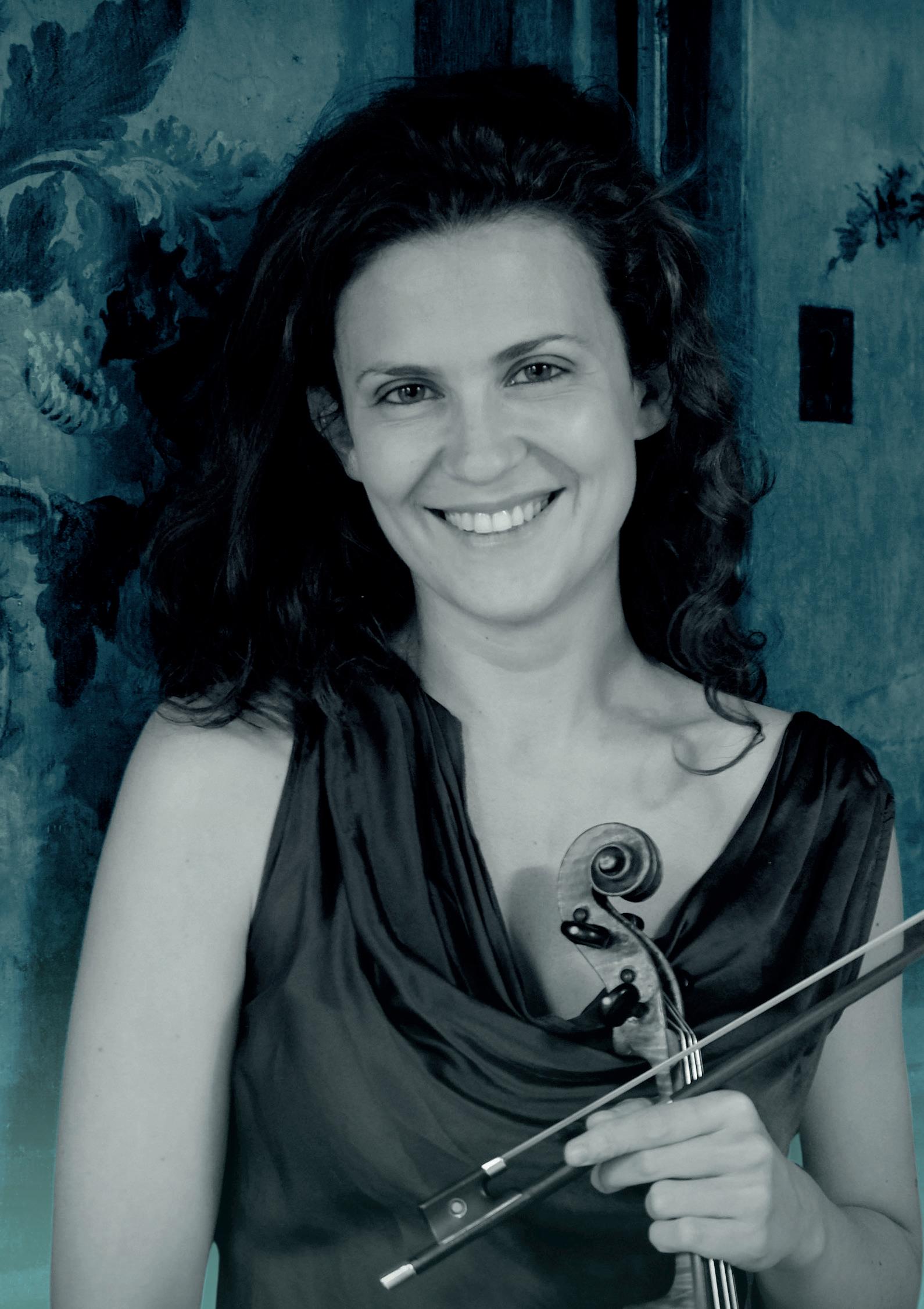
Lorenza Borrani director/violin
Robin Johannsen soprano
Including music by Rossini and Britten
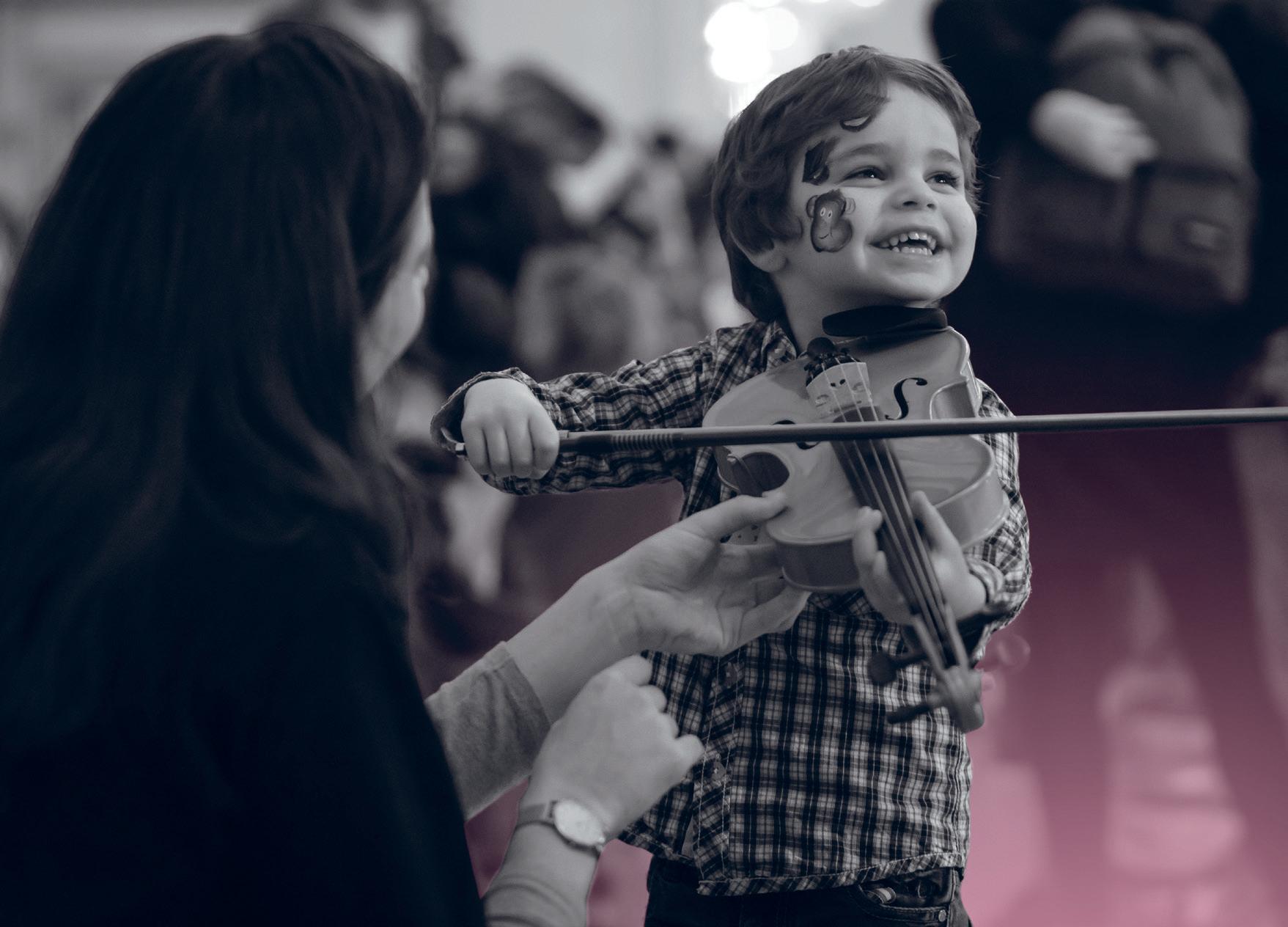

Each year, the SCO must fundraise around £1.2 million to bring extraordinary musical performances to the stage and support groundbreaking education and community initiatives beyond it.
If you share our passion for transforming lives through the power of music and want to be part of our ongoing success, we invite you to join our community of regular donors. Your support, no matter the size, has a profound impact on our work – and as a donor, you’ll enjoy an even closer connection to the Orchestra.
To learn more and support the SCO from as little as £5 per month, please contact Hannah at hannah.wilkinson@sco.org.uk or call 0131 478 8364.
SCO is a charity registered in Scotland No SC015039.

SCO NEW MUSIC FUND
Make a donation between 12 February and 30 March and double the impact of your gift.
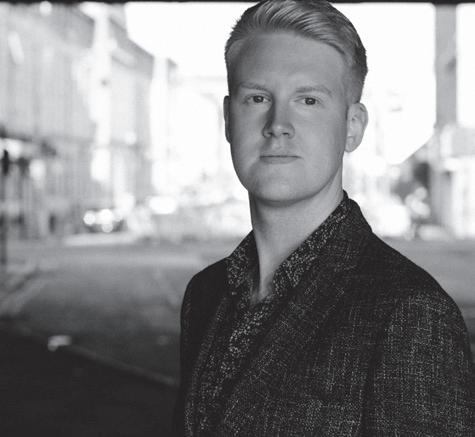
SCO Associate Composer Jay Capperauld
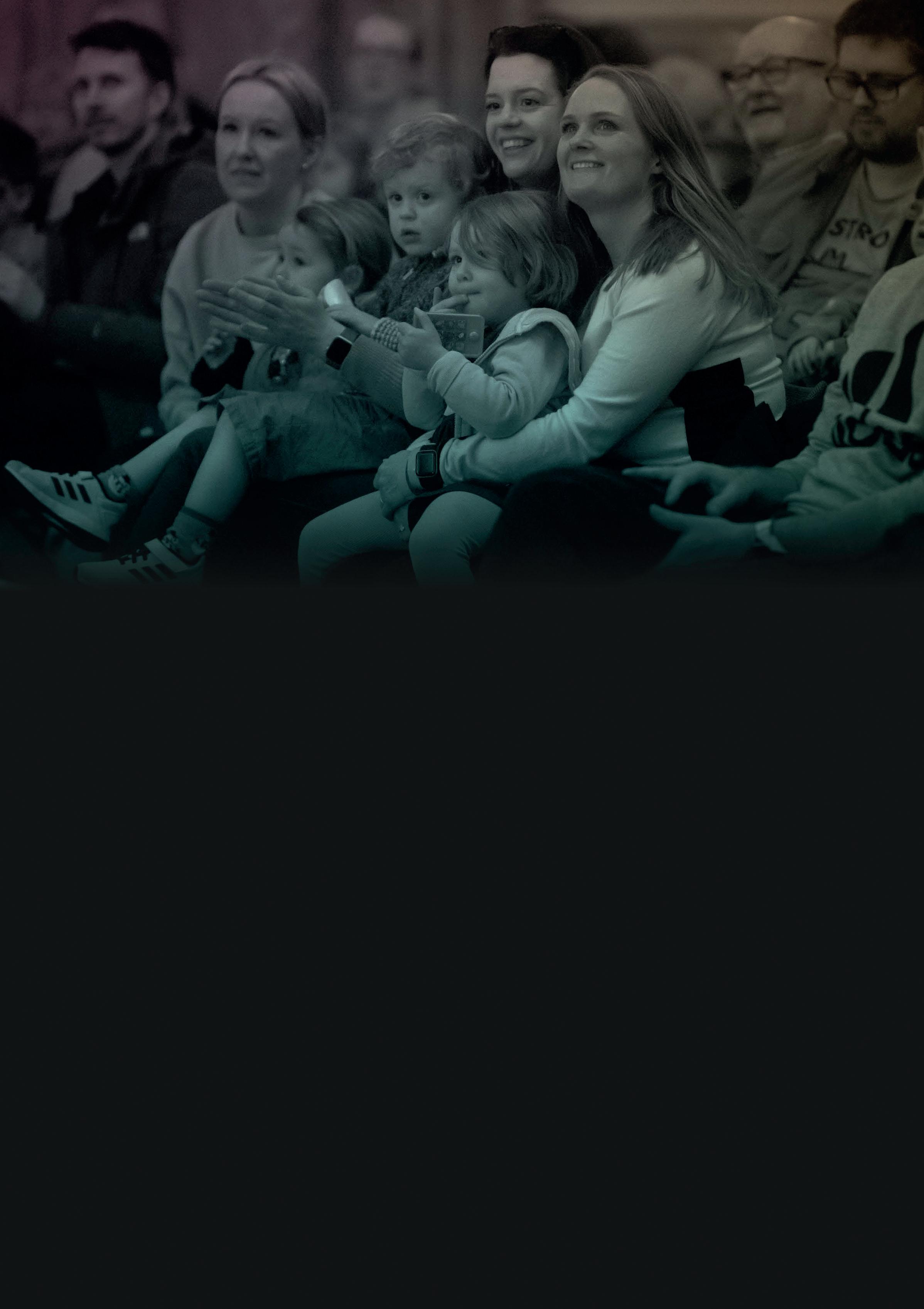
On Thursday 12 February, we’re launching the SCO New Music Fund to support new commissions and talented composers.
Every £1 will be doubled but only until Monday 30 March. Donations will be matched up to £30,000, meaning your gift goes twice as far. Together, we can help shape the sound of the future.
SCAN ME To donate and find out more.
Thank you for your support!