


















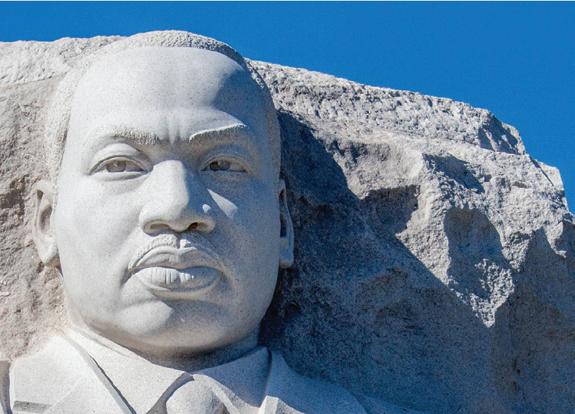
Gray Television and our employees honor the life and legacy of Dr. Martin Luther King, Jr.
May his wisdom, words and dreams continue to shape our hearts and minds for years to come.














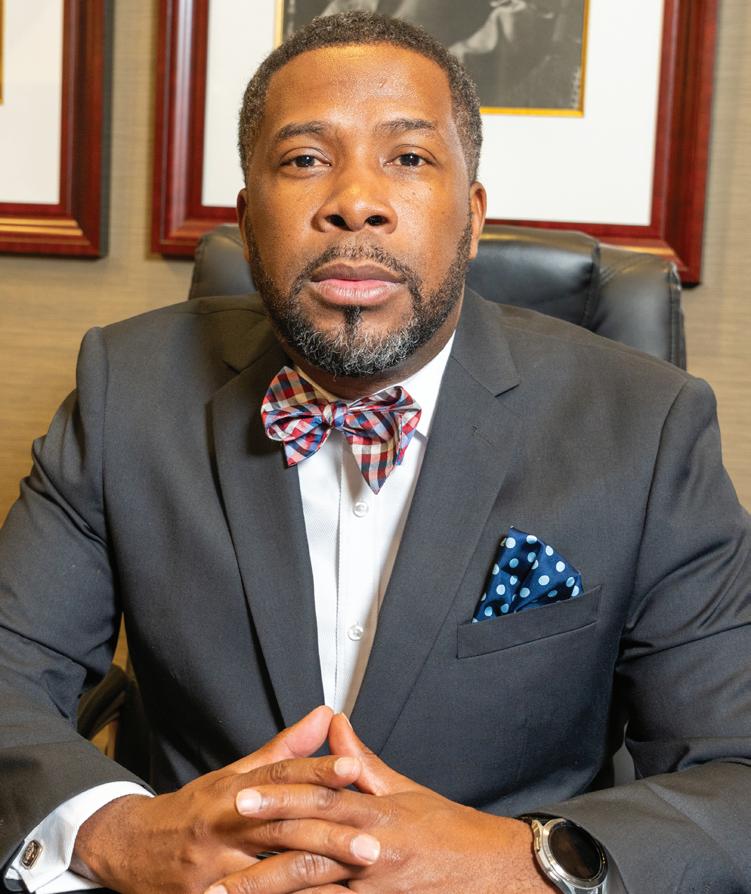
DeMark Liggins, Sr President & CEO
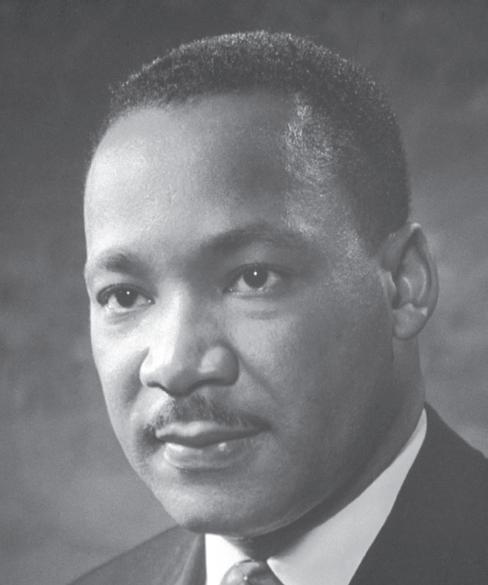
Martin Luther King Jr. Founding President
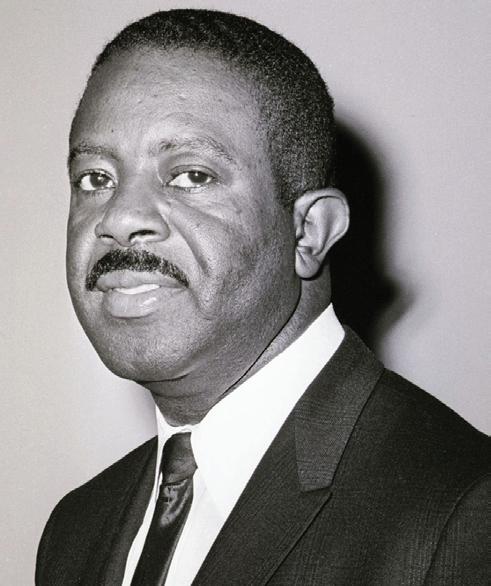
Ralph D. Abernathy President 1968 - 1977
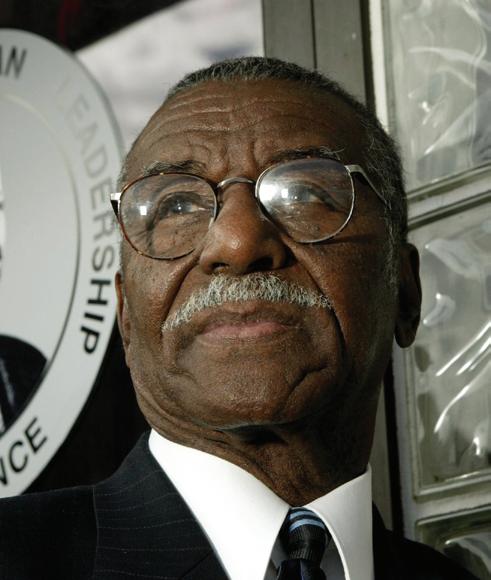
Fred L. Shuttlesworth President 2004
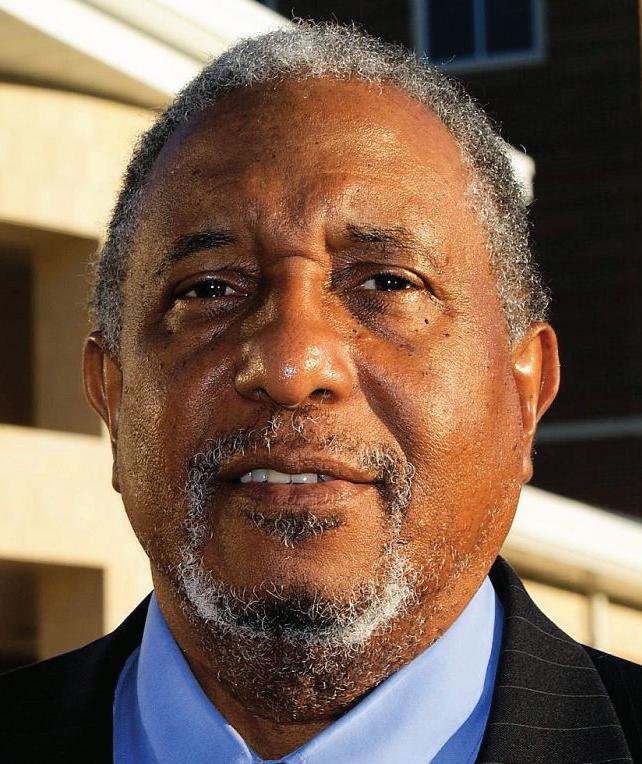
Dr. Bernard LaFayette, Jr Chairman
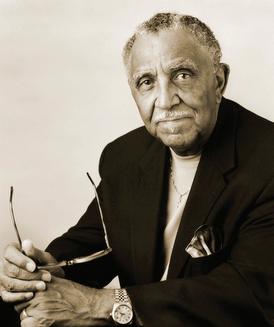
Joseph E. Lowery President 1977 - 1997
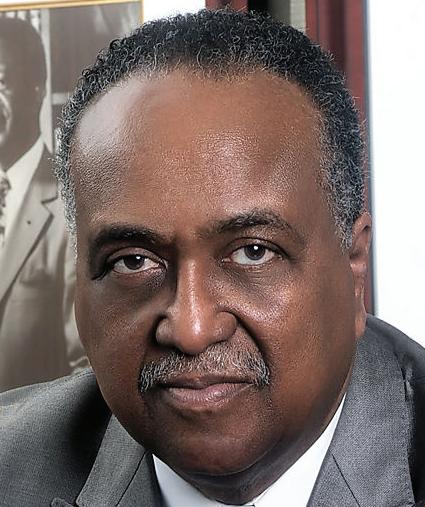
Dr. Charles Steele, Jr. President Emeritus
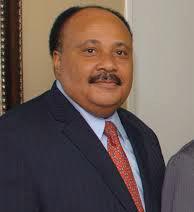
Martin Luther King III President 1998 - 2003
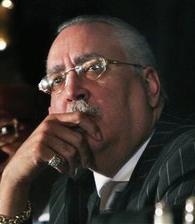
Howard Creecy Jr. President 2011
By: DeMark Liggins, SCLC National President & CEO
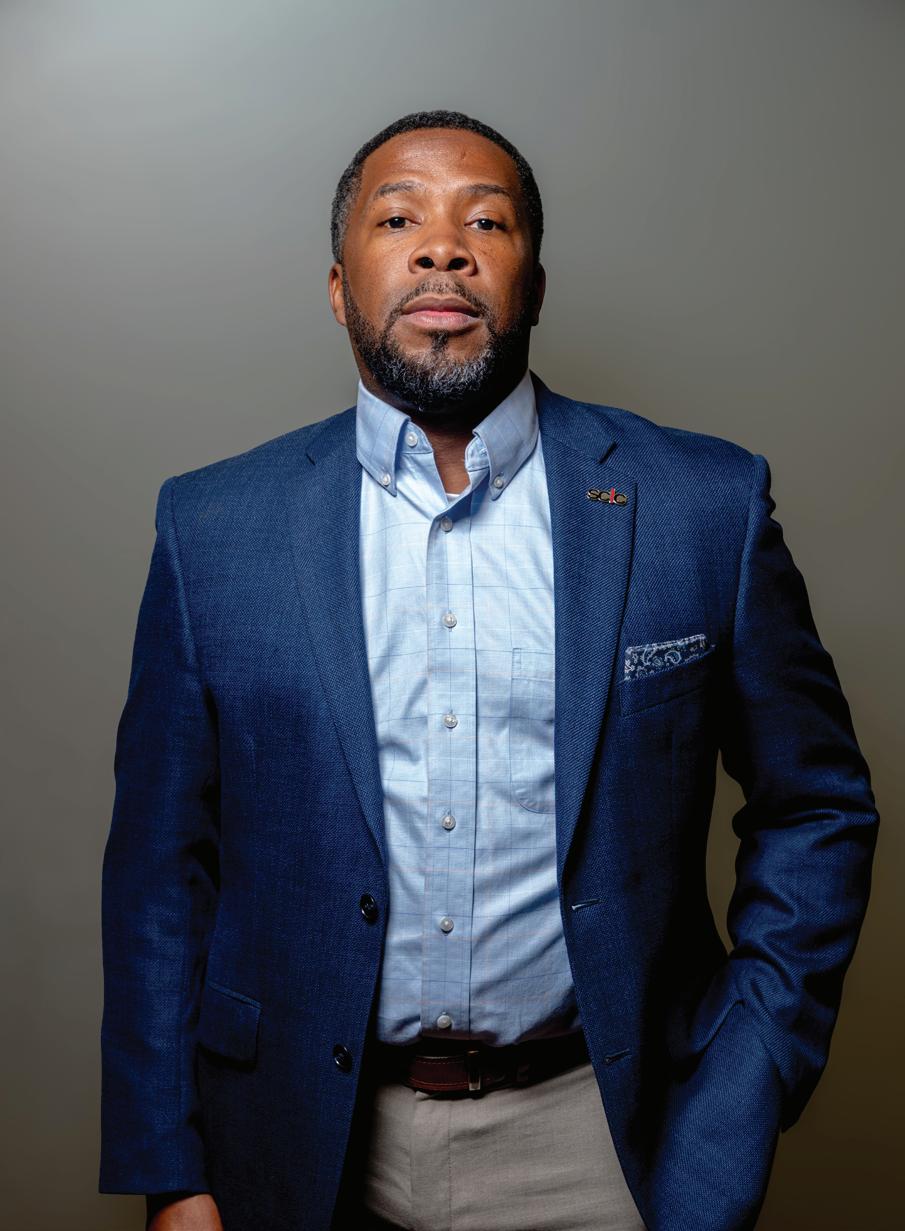
As we gather in Atlanta this August for our 66th annual convention, I am filled with both gratitude and determination. Gratitude for the generations of leaders who have paved the way for our movement, and determination to carry forward their work in a time that demands our very best. Our theme this year; Legacy Leadership Love; speaks to the heart of who we are and what we must become. It reminds us that we stand on the shoulders of giants, that we are called to guide others with courage and wisdom, and that everything we do must be rooted in love for our neighbors and for justice itself.
The convention is more than a gathering of delegates and a series of workshops. It is an opportunity to recharge our spirit and renew our commitment to the Beloved Community. It is a chance to engage in honest conversation about the challenges we face, to share strategies that have worked in our chapters, and to celebrate the victories both large and small that keep our movement alive. It is a place to forge new partnerships, to deepen our bonds with one another, and to remind ourselves why we answered the call to leadership in the first place.
Yet, as important as this gathering is, we cannot afford to lose sight of the larger context in which it takes place. Since last November, Americans have witnessed a seismic shift in the balance of power. Voters sent to Washington a President in the White House and majorities in both the Senate and the House whose stated ambitions run counter to the values we hold dear. They have promised to dismantle protections for health care, to loosen regulations that safeguard our environment, and to roll back the progress we have made in voting rights and criminal justice reform.
We find ourselves in an era of extreme unpredictability. Gone are the days when we could rely on a simple set of principles from one side of the aisle. At the time of this writing, the party that once railed against increasing our national debt is advancing a bill that will add at least four trillion dollars to our country’s obligations. Lawmakers who warned for decades of executive overreach now applaud governing by executive order. Advocates of states rights watch in silence as federal authority
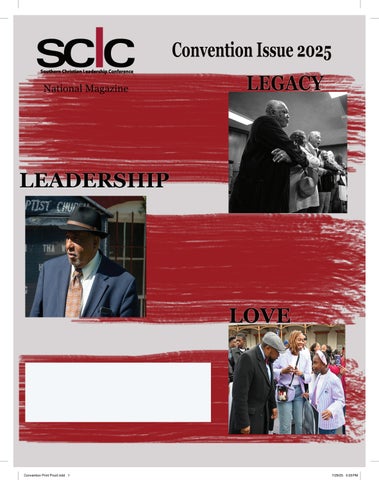
SCLC National Magazine/ Convention 2025 Issue
encroaches on their sovereignty. Those who demanded stable prices cheer the imposition of tariffs that have sent everything from groceries to gasoline on a roller coaster ride. After promising peace on the campaign trail, our nation struck at Iran in a display of military force that surprised many observers.
In these turbulent times, the question before us is clear: What will the Southern Christian Leadership Conference do in response? But framing it this way risks centering our actions around our opponents. It suggests that our highest priority should be reacting to their moves, rather than advancing our own vision. I believe this approach has not served us well. We have learned from the lessons of November that counting on allies and reaction tactics, while sometimes necessary, cannot be the foundation of our strategy.
Instead, we must build from within. We must focus on community equity and articulate a vision that speaks to the hopes and needs of our people. We must forge partnerships with organizations, faith communities, businesses, and civic leaders who share our commitment to justice. We must design programs that uplift our neighborhoods, that expand economic opportunity, that ensure every child can learn in a safe classroom, that protect the right to vote, that reform our criminal justice system, and that strengthen the bonds of love and trust among our neighbors.
We cannot keep running the same plays. Though it may be tempting to charge headlong into the noise of the day; writing letters demanding apologies; protesting every perceived slight; waving our fists in righteous indignation; we will achieve more by moving swiftly toward the future we envision. We will focus on our Legacy, our Leadership, and our Love. And when I say our, I mean not just the Southern Christian Leadership Conference as a single organization, but the diverse array of communities, chapters, volunteers, and supporters that together embody this movement.
I am convinced that within our ranks lies everything we need to enact lasting change. We have the insight born of decades of struggle. We have the resources; community assets, donor support, and our own networks. We have the intellect and creativity to design solutions that address systemic inequities. We have the moral authority to speak truth to power and to lift up the voices of those most often silenced.
We will not waste our energy trying to transform those who are bent on hostility. We will not posture before adversaries in hopes that they will bend to our will. Instead, we will focus on ourselves; on strengthening our chapters, equipping our leaders, engaging our neighbors, and feeding our souls. We will remind each person that change begins with you, extends to your home, ripples through your neighborhood, and ultimately shapes the destiny of your city and your state.
Yes, we will watch the national catastrophes. We will sound the alarm when rights are threatened and liberties are at risk. But we will not allow those headlines to overshadow the work we can do in our own backyards. We will build community gardens that feed hungry families. We will organize job fairs that connect talent to opportunity. We will register voters and ensure they can cast their ballots without intimidation or obstruction. We will mentor young people so they can become the next generation of leaders. We will partner with local businesses to create apprenticeship programs. We will host forums where neighbors can discuss concerns, confront bias, and find common ground.
This is the work of Legacy. It is the work of Leadership. It is the work of Love. And it is the work of us all together.
When we gather at this convention, let us leave with a renewed commitment to this grassroots approach. Let us launch new initiatives that are locally led and community guided. Let us equip every chapter with a roadmap for achieving tangible results in economic development, educational equity, criminal justice reform, and civic engagement. Let us harness the power of data to track our progress and make adjustments where needed. Let us train our leaders not only in advocacy and organizing, but in financial management, conflict resolution, and the art of persuasive communication.
Most of all, let us never doubt that we are more than enough. Our movement was born of faith and fueled by perseverance. It has overcome Jim Crow, mass disenfranchisement, redlining, segregation, and countless other obstacles. We have marched across bridges, sat in at lunch counters, and lifted our voices in prayer and protest. We have recorded our names in the annals of history not because others gifted them to us, but because we claimed them for ourselves.
In the days to come, when the challenges appear to multiply, remember this simple truth: we are more than enough. We have everything within us to build the world we seek. Let no one tell you otherwise. Let no crisis distract you from the possibilities at your door. Let no fear paralyze you. Instead, let us embrace the power of people, the might of community, and the certainty that when we work together in Legacy, Leadership, and Love, we will win this moment.
I look forward to standing with you in Atlanta, to hearing your stories, to sharing your vision, and to moving forward together. Let us write the next chapter in our great story not as those defined by opposition, but as those who define themselves by the promise of a better tomorrow. Change starts here. Change starts now. Change starts with us.
In solidarity and hope,
DeMark Liggins, Sr. President and CEO Southern Christian Leadership Conference
Written By: Dr. Bernard Lafayette , Chairman of the Board
"Nonviolence is the answer to the crucial political and moral questions of our time: the need for people to overcome oppression and violence without resorting to oppression and violence. People must evolve for all human conflict a method which rejects revenge, aggression and retaliation. The foundation of such a method is love."
Martin Luther King, Jr., Nobel Prize acceptance speech
We are facing an unprecedented time in the history of the United States.
In Dr. King’s first book, “Stride Toward Freedom: The Montgomery Story,” he addressed the question concerning his own “intellectual pilgrimage to nonviolence” in what became Chapter Six. He discussed the issues and experiences he encountered going back to his early teens and led his readers through his education which formally ended in 1954. The book was published in 1958 and covered all of the various ideas that “....converged into a positive social philosophy. One of the main tenets of this philosophy was the conviction that nonviolent resistance was one of the most potent weapons available to oppressed people in their quest for social justice.”
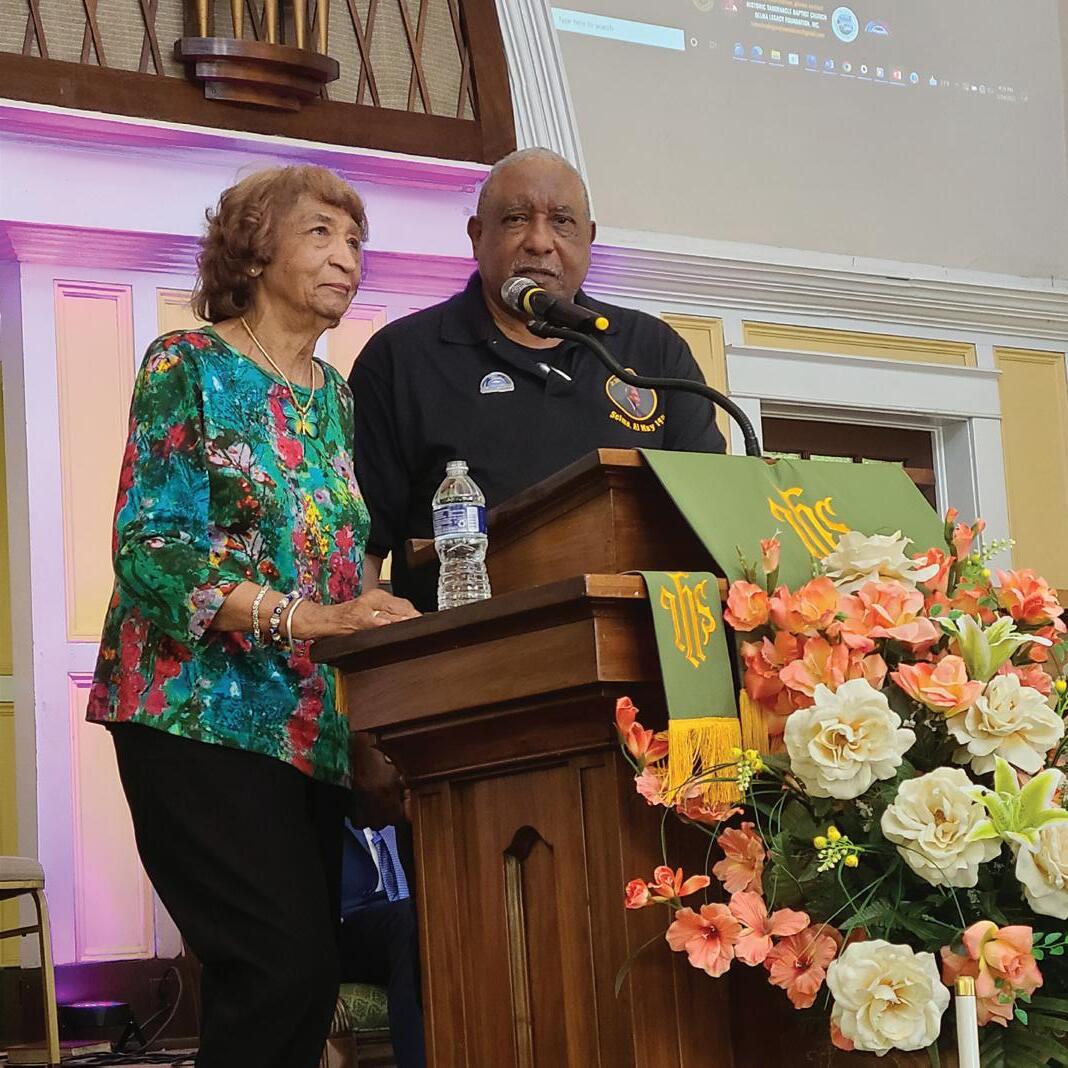
He continues discussing the situation in Montgomery when he went there as a pastor. “I simply responded to the call of the people for a spokesman. When the protest began, my mind, consciously or unconsciously, was driven back to the Sermon on the Mount, with its sublime teachings on love, and the Gandhian method of nonviolent resistance. As the days unfolded, I came to see the power of nonviolence more and more. Living through the actual experience of the protest, nonviolence became more than a method to which I gave intellectual assent; it became a commitment to a way of life. Since the philosophy of nonviolence played such a positive role in the Montgomery Movement, it may be wise to turn to a brief discussion of some basic aspects of this philosophy.” It was at this point that Dr. King
delineated what became his Six Principles.
The Six Principles Of Kingian Nonviolence are listed below. Some of Dr. King’s explanations are included in quotation marks, while my own comments follow.
Principle One: Nonviolence is a Way of Life for Courageous People.
“Nonviolence resists. This is why Gandhi often said that if cowardice is the only alternative to violence, it is better to fight. The phrase “passive resistance” often gives the false impression that the resister is passive in the sense that he is not physically aggressive toward his opponent, his mind and emotions are always active, constantly seeking to persuade his opponent that he is wrong. The method is passive physically, but strongly active spiritually. It is not passive nonresistance to evil; it is active nonviolent resistance to evil.”

We somehow need to find the courage deep within ourselves to be able to confront conflict rather than avoid or run away from it. Many times I felt afraid; just going into Selma not knowing what I’d encounter was daunting. But I went there, I stayed, and through my faith and my friends, I worked through the fear.
For employment information contact: Human Resources Department 17477 Hurley Street City of Industry, CA 91744
Email: HR@claytonindustries.com
Clayton Industries is an equal opportunity employer
Principle Two: The Beloved Community is the framework for the future.
“Nonviolence does not seek to defeat or humiliate the opponent, but to win his or her friendship and understanding. The various methods used to protest are not ends in themselves; they are merely means to awaken a sense of moral shame in the opponent. The aftermath of nonviolence is the creation of the beloved community, while the aftermath of violence is tragic bitterness.”
One of my personal goals in Selma was to bring people together in a trusting, respectful relationship in order to reduce the fear. One of my strategies was to spread positive remarks that the leaders said about each other. As their perceptions of each other changed in a positive way, they could begin to collaborate and work together to make changes that would have an impact on the future of every individual in Selma.
Principle Three: Attack the forces of evil, not the people who are doing evil.
‘If one is opposing racial injustice, the nonviolent resister has the vision to see that the basic tension is not between races. The tension is, at bottom, between justice and injustice, between the forces of light and the forces of darkness. And if there is a victory, it will be a victory not merely for those involved but a victory for justice and the forces of light. We are out to defeat injustice and not white persons who may be unjust.”
SCLC National Magazine/ Convention 2025 Issue
Our focus in Selma had to be on understanding the root of the problem that produced the oppressive conditions and then how to change the contingencies that fed that condition. The forces of evil that surround the person support the unacceptable behavior. Therefore, our nonviolent approach was needed to change the conditions in order to solve the problem.
Principle Four: Accept suffering for the sake of the cause without retaliation to achieve the goal.
“Accept suffering without retaliation; accept blows from the opponent without striking back. Gandhi told his countrymen that ‘rivers of blood may have to flow before we gain our freedom, but it must be our blood.’ The nonviolent resister is willing to accept violence if necessary, but never to inflict it. He does not seek to avoid jail. If going to jail is necessary, he enters it “as a bridegroom enters the bride’s chamber.”
It is more palatable to avoid suffering. It does not mean accepting abuse and punishment with no response. In fact, it requires a response. But that response must be consistent with the goals we seek so that suffering is not in a vacuum but rather in the context of a campaign for change. The first change is within the individual who is the object of the attack. If a person is attacked without a purposeful response then that person could be considered a victim. However, if the person responds without violence but with the power of nonviolence and as part of a strategy to achieve a more just condition, then the suffering becomes a source of strength. Confronting an attacker with courage, steadfastness, determination, and nonviolent resistance creates the potential for arresting the conscience of the assailant.
Principle Five: Avoid internal violence of the spirit as well as external physical violence.
“The nonviolent resister not only refuses to shoot his opponent but he also refuses to hate him. At the center of nonviolence stands the principle of love. The nonviolent resister would contend that in the struggle for human dignity, the oppressed people of the world must not succumb to the temptation of becoming bitter or indulging in hate campaigns. To retaliate in kind would do nothing but intensify the existence of hate in the universe. Along the way of life, someone must have sense enough and morality enough to cut off the chain of hate. This can only be done by projecting the ethic of love to the center of our lives.”
Sometimes when we use hurtful words we do internal harm to a person’s spirit, so it becomes psychological and spiritual violence. We also unconsciously do damage to our own spirit when we allow ourselves to become hateful toward others.
Principle Six: The arc of the moral universe is long and bends toward justice.
“Consequently, the believer in nonviolence has deep faith in the future. This faith is another reason why the nonviolent resister can accept suffering without retaliation. For he or she knows that in the struggle for justice one has cosmic companionship. It is true that there are devout believers in nonviolence who find it difficult to believe in a personal God. But even these persons believe in the existence of some creative force that works for universal wholeness. Whether we call it an unconscious process, an impersonal Brahman, or a Personal Being of matchless power and infinite love, there is a creative force in this universe that works to bring the disconnected aspects of reality into a harmonious whole.”
In our struggles, sometimes we don’t see the end in sight or recognize the goals that are within our grasp. However, we must maintain faith that no matter how dim the hour, how dark the night, or how cloudy the moment, our goal is reachable. People only struggle when they feel they have a chance of achieving their goals. They wouldn’t persevere if they thought they had no possibility of success.
In summary, Dr. King said the foundation to nonviolence as a method is love, and he distinguishes the various types of love for our usage. He wrote, “In speaking of love at this point, we are not referring to some sentimental or affectionate sense. Love in this connection means understanding, redemptive good will. Here the Greek language comes to our aid. There are three words for love in the Greek New Testament. First, there is eros. In Platonic philosophy eros meant the yearning of the soul for the realm of the divine. It has come now to mean a sort of aesthetic or romantic love. Second, there is philia which means intimate affection between personal friends. Philia denotes a sort of reciprocal love; the person loves because he or she is loved. When we speak of loving those who oppose us, we refer to neither eros or philia; we speak of a love which is expressed in the Greek word agape. Agape means understanding, redeeming good will for all. It is an overflowing love which is purely spontaneous, unmotivated, groundless, and creative. It is not set in motion by any quality or function of its object. It is the love of God operating in the human heart.”
“In the final analysis, agape means recognition of the fact that all life is interrelated. All humanity is involved in a single process, and all men are brothers. To the degree that I harm my brother, no matter what he is doing to me, to that extent I am harming myself. For example, white men often refuse federal aid to education in order to avoid giving the Negro his rights; but because all men are brothers they cannot deny Negro children without harming their own. They end, all efforts to the contrary, by hurting themselves. Why is this: Because men are brothers, if you harm me, you harm yourself.
“Love, agape, is the only cement that can hold this broken community together. When I am commanded to love, I am commanded to restore community, to resist injustice, and to meet the needs of my brothers.”
In recent years a growing chorus of major corporations pledged to increase support for Black media, recognizing both the moral imperative and the business case for reinforcing diverse voices. These commitments arrived against a backdrop of protests, social reckoning, and renewed public pressure following events in 2020. Brands declared new advertising budgets, forged partnerships with Black owned outlets, and touted promises of long-term investment. Yet as the initial spotlight has dimmed, many of these same companies are quietly retreating from their assurances. Budgets once earmarked for Black oriented and Black owned publications have been cut or reallocated to mainstream channels. Campaigns that began with fanfare now close without renewal. The Southern Christian Leadership Conference finds this trend deeply troubling—not only because it perpetuates an historic wrong, but because it undermines both the marketplace of ideas and the economic power of Black communities.
For decades Black media outlets have operated on the margins of corporate advertising strategies even as Black consumers have fueled growth in nearly every sector. From consumer goods to travel and hospitality, Black purchasing power has grown into the trillions, yet the budgets that supported Black radio stations, newspapers, digital magazines, and television networks never matched that influence. The story is not limited to profit-driven companies. State and municipal governments often underfund outreach through Black-focused print and digital channels. Tourism boards routinely overlook Black owned travel publications. Political campaigns large and small spread messages across network television and social feeds while neglecting platforms that reach distinct Black audiences. This pattern is not only a failure of inclusion; it is an economic injustice that deprives Black media founders of fair opportunity and robs Black audiences of informed, culturally resonant coverage.
This moment demands accountability. Promises alone are not enough— corporations must follow through on commitments with sustained action and transparent reporting. Advertisers should disclose how much of their total marketing spend flows to Black oriented and Black owned outlets. They should publish regular audits of these investments, ideally verified by independent third parties. Media buying agencies must be held to the same standard, incentivized to prioritize diverse inventories rather



than defaulting to longstanding relationships with legacy buyers. State and local governments ought to adopt equity frameworks for their advertising dollars, ensuring that Black communities see themselves reflected in public messaging. Political parties and campaign managers should partner with Black owned newsrooms to guarantee that Black voters receive the information they need on issues that impact their lives.
The Southern Christian Leadership Conference is working to shine a spotlight on both the promises made and the promises broken. We will compile a public report identifying companies and institutions that pledged support but failed to uphold those commitments through the 2025 calendar year. To ensure accuracy and fairness, our team will engage directly with advertisers, media agencies, and government offices to verify data. We will offer the benefit of the doubt for inaugural missteps but will call out repeat offenders. Those who demonstrate genuine, sustained investment will earn our praise—and an invitation to partner with us in amplifying stories of progress. Those who quietly withdraw will face public scrutiny and pressure from consumers, shareholders, and the broader community.
Our goal is not to demand hush money or to leverage shame as the sole tool of change. We sincerely believe that the Black consumer, the Black tourist, and the Black voter deserve equitable recognition on the business side of every ledger. Investment in Black owned media is an investment in democracy, in community cohesion, and in cultural heritage. These outlets serve as crucial forums for voices too often marginalized elsewhere. They document local struggles and triumphs, hold institutions accountable, and nurture the next generation of journalists, editors, and creators. When advertisers walk away, they do more than damage a bottom line—they weaken the very structures that foster informed citizenship and collective empowerment.
As the year unfolds, expect the SCLC to engage in dialogues with corporate leaders, convene roundtables with media executives, and host listening sessions in cities across the nation. We invite CEOs, chief marketing officers, procurement officers, and public relations firms to step into the conversation. Bring your data. Bring your plans for reinvestment. Bring your willingness to learn and to correct course. We also urge Black media leaders to share their stories of both hope and hardship, so that our report will reflect lived experience alongside audited numbers. Together, we can build a framework where accountability is transparent, progress is measurable, and accountability fosters genuine partnership.
At its core, this effort aligns with our enduring commitment to legacy, leadership, and love. We stand on the shoulders of the movement’s founders who understood the power of communication in shaping public conscience. We call on today’s corporate and civic leaders to demonstrate leadership by honoring their word. We move forward in love for our communities, convinced that economic justice and cultural affirmation go hand in hand. The SCLC will hold the line: Black media should no longer be an afterthought. It must be a priority. And it will be—with your partnership or, if necessary, your public accountability. The time for empty pledges has passed. Now is the moment for sustained action and equitable investment that truly honors the voices and value of Black America.
National Magazine/ Convention 2025 Issue
As Juneteenth approached, the Tuscaloosa County Chapter of the Southern Christian Leadership Conference invited the community to The Historic Bailey Tabernacle CME Church for a powerful evening of remembrance and recommitment. Beneath its soaring arches and stained glass windows, hallowed grounds that once rang with calls for civil rights, the chapter screened Juneteenth: Faith & Freedom, a documentary that lays bare both the cruelty of slavery and the courage of those who refused to be broken.
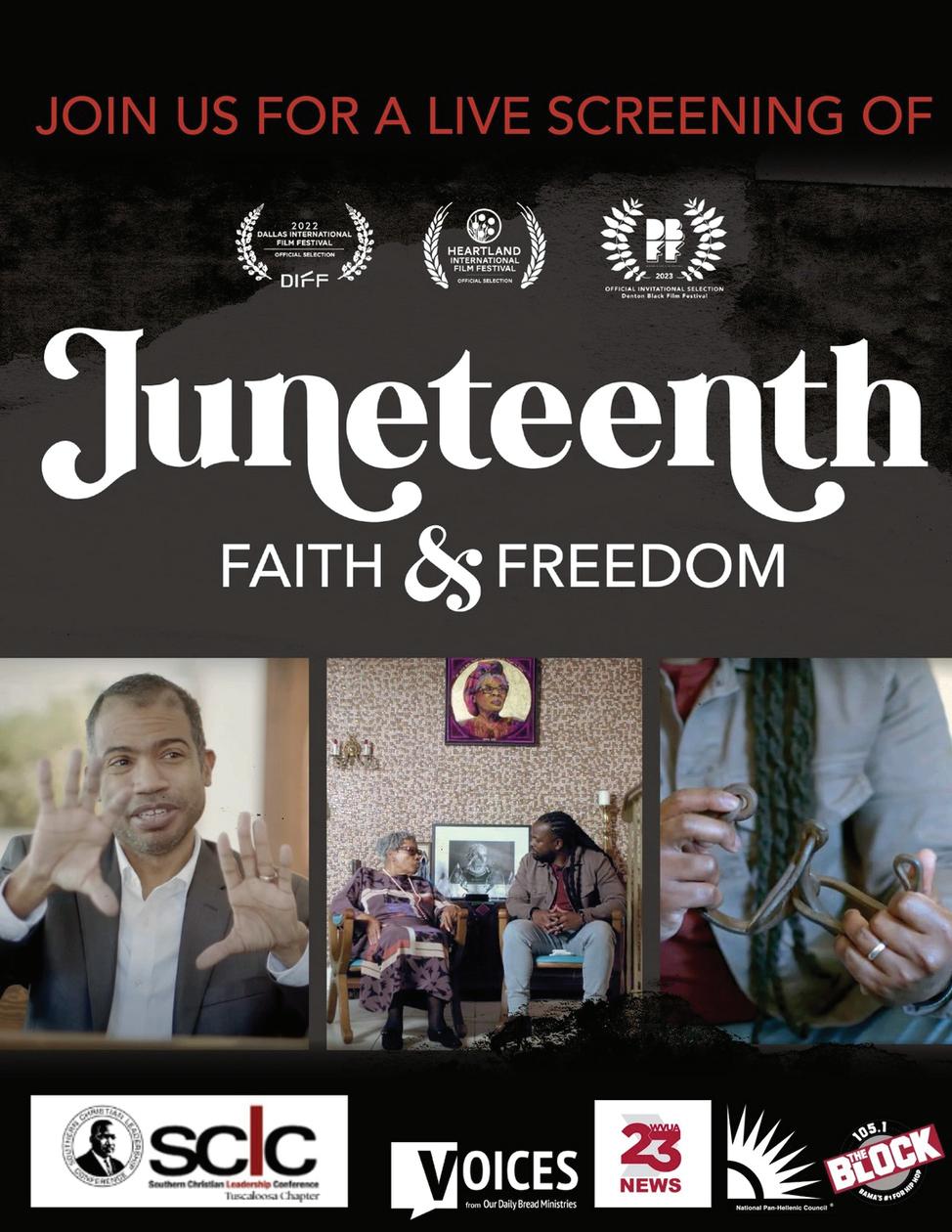
More than a film, Juneteenth: Faith & Freedom is an invitation to reckon with the living legacy of emancipation. Viewers discovered how on June 19, 1865, integrated Union soldiers, many of whom had themselves been enslaved, stepped ashore in Galveston, Texas and turned words on paper into palpable freedom. Their arrival was no mere ceremony; it was enforcement of the Emancipation Proclamation in places where slaveholders had obstinately refused to comply. In this reversal of fortune, the oppressed became the enforcers of liberty, demonstrating that emancipation depended not on decrees but on determined people.
When the lights came up, conversation flowed. Clergy, civic leaders, students and longtime activists debated how faith sustained the enslaved and fueled resistance. They reflected on misleading delays in declaring freedom and on the miraculous resilience shown by families torn apart and communities terrorized. Time and again, participants affirmed that the Emancipation Proclamation alone could not break chains, their chains were shattered only when ordinary men and women marched, organized, taught and believed.
The evening also paid tribute to the foot soldiers of freedom whose names history sometimes forgets. From quiet parishioners who taught reading under threat of violence to local organizers who risked everything to register Black voters, their collective work carried Juneteenth from local commemoration to federal holiday in 2021. The film highlights the late Opal Lee, often called the grandmother of Juneteenth, whose decades long campaign to make June 19 a national day of observance reminds us that sustained civic engagement can turn symbolism into systemic change.
Community partners made the screening possible and enriched its impact. Pastor Anderson Graves II and the congregation of Bailey Tabernacle welcomed everyone with open hearts and open doors. Townsquare Media amplified the event across West Alabama, while the National Pan Hellenic Council of West Alabama, Kindness Kitchen and WVUA 23 NEWS each brought their unique strengths, ranging from cultural preservation and food security outreach to expansive multimedia coverage. Their collective support underscored how the struggle for justice demands collaboration across every sector.
For younger attendees, the evening ignited fresh curiosity. High school and college students left inspired to trace their own roots, confront the brutal truths of the past and carry forward untold stories of triumph. In quoting Dr. Martin Luther King Jr, Rev. James Williams reminded them that progress requires persistence and purpose when he recalled the words If you cannot fly then run, if you cannot run then walk, if you cannot walk then crawl, but whatever you do you have to keep moving forward.
As Mr. Reginald Kennedy, chapter chair, said the screening was not merely an event but a summons. Now that we have seen the truth of Juneteenth, our duty is to act on it, to teach with integrity, to confront injustice without compromise and to honor the faith and fierce resolve of those who secured our freedom. The Tuscaloosa County SCLC remains committed to ensuring that the history of Juneteenth and the lessons it carries endures, unwatered by complacency and uncompromised by time.

SCLC National Magazine/ Convention 2025 Issue
We believe in equal opportunity for all regardless of race, creed, sex, age, disability, or ethnic background.
Federated Hermes Inc.
Eastern Fish Company
Associated Grocers Inc.
Mercedes-Benz of Arlington
Robert Byrd Attorney at Law
Western Specialty Contractors
Farmers & Merchants Bank
First Palmetto Bank
Clay County Board of Education
Associated Productions Services Inc
Cooperative Energy

The Southern Christian Leadership Conference (SCLC) is preparing for an electrifying moment in history—our 2025 National Convention. This is not just another gathering; it is an opportunity to ignite change, celebrate our history, and build a powerful future. As we convene in Atlanta at the Renaissance Hotel, we invite every chapter, every member, and every supporter to stand with us as we renew our commitment to the fight for justice.
This year’s convention theme—Legacy, Leadership, and Love—is more than just words. These pillars shape our movement and will be at the heart of every moment we share together. From honoring the sacrifices of those who paved the way to empowering the next generation of activists, to strengthening the bonds that unite us in this struggle, the SCLC National Convention 2025 will be the launchpad for a renewed movement of impact, strategy, and action.
Mark your calendars. Get registered at SCLCconvention.com. Be part of history.
Legacy is more than history—it is responsibility. We stand on the shoulders of those who fought before us, and at this convention, we will pay tribute to their work while ensuring we continue it in bold, strategic ways.
One of the most powerful ways we will honor our legacy is through a historical exhibit showcasing SCLC’s role in the Civil Rights Movement and how that legacy continues to guide our present-day mission. This will be more than a look back—it will be a roadmap forward, highlighting key moments like the Selma to Montgomery March and examining how today’s struggles for voting rights, police accountability, and economic equity connect to the past.
A special segment of the convention will focus on "More Than Blood: SCLC & Selma," exploring the Selma Movement, the sacrifices made on Bloody Sunday, and how those lessons remain relevant today. We will discuss how the courage displayed in Selma must inspire our continued fight for justice.
Legacy is also about remembering the unsung heroes of the movement. During this convention, we will take a deep dive into the Nashville Student Movement, an extraordinary example of young people organizing, training in nonviolent resistance, and leading the way in the fight for integration. Their sit-ins, their arrests, and their unwavering commitment to justice serve as a blueprint for how we must train and equip the next generation of leaders.
Our legacy is not just about remembering the past—it is about ensuring the future. And that future is built through leadership.
Leadership is the backbone of our movement, and this convention will be a powerful space to cultivate bold, strategic, and visionary leadership. We are gathering to equip our chapters, empower our leaders, and refine our
strategies so that SCLC continues to be a transformative force in communities across America.
This year, chapter development will be a major focus. We are raising the bar for how SCLC chapters operate, collaborate, and impact their communities. Chapter training sessions will focus on best practices for community organizing, ways to align local programming with national initiatives, and resources available from the national office.
In 2025, SCLC chapters should expect a higher level of intentionality and accountability. Our movement is strongest when we are strategically aligned, consistently engaged, and powerfully mobilized.
We will also introduce SCLC Votes, a national voter education and mobilization campaign. With attacks on voting rights escalating across the country, it is more critical than ever that SCLC leads the charge to empower voters, defend democracy, and ensure every voice is heard.
Another key leadership initiative will be the Five Bricks Program, an international initiative that connects Black entrepreneurs with opportunities in the African diaspora. We will launch this program with a partnership in Burundi, leveraging the coffee trade to empower young Black business leaders and create sustainable economic opportunities.
Leadership is about action. And at this convention, we will prepare, strategize, and activate for the work ahead.
Love is the most radical force for change. It fuels our work, sustains our commitment, and unites us in a movement that is bigger than any one individual. At this convention, love will be at the core of every discussion, every session, and every initiative we launch. Love is about equity, justice, and the unwavering belief that all people deserve dignity and freedom.
We will engage in powerful discussions about faith, social justice, and moral leadership, exploring how love compels us to action. Our Love and Light programming will highlight the intersection of community service and advocacy, ensuring that we not only speak about justice but actively work to create it.
A major highlight of the convention will be Love in Action, a special initiative showcasing the service projects and community efforts led by SCLC chapters across the country. Chapters will have the opportunity to share their work, from feeding the hungry to mentoring youth to engaging in local policy advocacy. This is love in motion—not just what we say, but what we do.
The SCLC National Convention 2025 will be an unparalleled moment of inspiration, strategy, and mobilization. We are not just meeting—we are launching the next phase of the movement.
This is your opportunity to engage with the most passionate minds in civil rights and social justice, equip yourself with the tools to make a difference, and leave ready to lead, build, and fight for change.
We want YOU there. We need YOU there. Register now at SCLCconvention.com and join us at the
SCLC National Magazine/ Convention 2025 Issue
Renaissance Hotel in Atlanta for this defining moment.
The work continues. The mission is clear. The time is NOW.
See you in Atlanta!



When people think about civil rights, they do not usually think about rare earth minerals. But the Southern Christian Leadership Conference is called to address not only matters of policy but also the conditions that produce generational poverty and long term inequality. That means we must be forward thinking and bold enough to engage conversations that are shaping the future, even if our community has historically been left out of them.
Rare earth elements are seventeen minerals used in nearly every modern technology from cell phones and medical devices to renewable energy and military equipment. Despite their importance, few people understand where they come from, how they are processed, or who controls access to them. These minerals are deeply tied to wealth, power, and national strategy.
For the African American community, being left out of industries like this has meant missing out on jobs, ownership, and innovation. It has also meant being shut out of conversations where decisions are made about what gets built, who builds it, and who benefits. SCLC believes this is a conversation we must enter,not tomorrow, but today.
Rare earth minerals are not rare because they are hard to find. They are rare because only a few people and nations have invested in how to extract and use them. For us, this is not just a matter of science—it is a matter of justice.
The jobs and industries that grow from this sector are not just about mining. They include logistics, transportation, safety and environmental services, advanced manufacturing, research and development, and educational programming. These are opportunities that cannot easily be replaced by artificial intelligence or shipped overseas.
There are growing opportunities in the United States to mine and refine rare earth minerals. While China has dominated the market for years, the federal government and private companies are making new investments to change that. For African Americans, this means jobs in geological surveying, environmental
management, safety compliance, and equipment operations. Training and certification programs must be created to prepare our communities for these jobs—not later, but now.
Once minerals are mined and refined, they are turned into magnets, metals, and parts used in technology. This is the second major opportunity. Factories that produce electric vehicle parts, wind turbines, and other essential goods are being planned and built. These facilities need workers, engineers, and designers—and they need to be located in places that benefit our communities.
Ownership matters. The rare earth industry creates real space for small businesses to thrive in areas like recycling, transportation, safety training, and environmental consulting. Electronics recycling centers, for instance, can recover rare earth elements from discarded phones and laptops. Businesses that offer environmental testing or community engagement during mining projects can play a central role in ensuring equity. Training firms and technical schools can also be launched to prepare workers and students.
It is not enough to ask what jobs will be available. We must also ask where the resources are being spent, who receives the contracts, and how communities benefit. SCLC is positioned to advocate for laws and incentives that prioritize Black communities and ensure that funding reaches our institutions, including HBCUs, faith networks, and community organizations.
Rare earth minerals are not just about economic opportunity. They are also central to national defense, climate change policy, and international trade. To understand their importance is to understand why they are often used as political tools between world powers.
The United States has been dependent on imports for most of its rare earth needs. China supplies the vast majority of the global market and has used that leverage during times of political tension. When access to these minerals is threatened, it impacts everything from electric vehicles to military equipment. In times of war or economic instability, the cost and availability of these materials can disrupt entire industries.
This is why the government is investing heavily in domestic rare earth production. And this is why we must be part of this shift. Our communities cannot afford to be left behind as new factories, training programs, and infrastructure are developed. As the global economy transforms, we must ensure our presence is felt and our people are positioned to benefit.
Rare earth minerals also play a critical role in the transition to renewable energy. Wind turbines, solar panels, and electric vehicles all rely on these materials. That means they are also part of the conversation around climate justice. Black communities have borne the brunt of environmental injustice—living near highways, factories, and landfills. We must not be left out of the clean energy future. In fact, we must lead it.
SCLC National Magazine/ Convention 2025 Issue
From the Classroom to the Career: Inspiring the Next Generation Young people often ask, “Why should I care about this?” That is a fair question. Rare earth minerals, for all their importance, are not discussed in school or on the news in ways that feel relatable. Our job is to connect the dots.
When a student understands that the chemistry they are studying relates directly to materials used in electric vehicles or medical devices, the subject becomes real. When they see someone who looks like them working in a lab or managing a processing facility, the career path becomes visible.
We must work with schools to make rare earth minerals part of STEM education—not as a side note, but as a key example of why science and math matter. From middle school to high school, students should have access to hands on experiments, project based learning, and mentorship from professionals. SCLC can help make those connections.
Historically Black colleges and universities are well positioned to lead. With the right support, these institutions can train engineers, scientists, and business leaders who will shape this industry. SCLC envisions partnerships where HBCUs receive funding to support research in rare earth processing, battery innovation, and environmental stewardship. Students can be trained in labs that connect directly to internships and job pipelines.
Not every job requires a four year degree. Many careers in this field require certificates or associate degrees. Community colleges, apprenticeships, and vocational schools must be equipped to offer training in lab work, heavy equipment operations, environmental safety, and manufacturing. These are practical skills that lead to real wages, real security, and real dignity.
As a movement founded by the Black church, we know that leadership does not only come from elected officials or corporate boardrooms. It comes from pastors, educators, activists, and everyday people who care about their communities.

This moment requires us to use our pulpits, classrooms, and platforms to educate and engage our people. Conversations about rare earth minerals can take place at youth ministries, in Sunday school lessons about stewardship and justice, and in community centers where young adults gather to plan their future.
Faith leaders should understand that environmental justice, economic opportunity, and education are all parts of our ministry. They always have been.
At SCLC, we are committed to making this conversation practical. This is not about ideas on a page. This is about how we train workers, prepare students, build partnerships, and fight for equity in an emerging sector that will shape the next fifty years.

To that end, we will be hosting a featured session on rare earth minerals at the 2025 SCLC National Convention in Atlanta, Georgia, from August 14 to 16. The session will be led by our legal counsel, Attorney Charles Brooks, and will bring together experts in science, education, workforce development, and policy. It will explore how this issue can be leveraged to reduce poverty, increase ownership, and build the beloved community.
We invite educators, clergy, students, entrepreneurs, chapter leaders, and civic organizations to join us. This will not be a lecture. It will be a launchpad. Together, we will explore what it means to ensure that African Americans are not left behind in the race for technology and resources.
This is not just a story about minerals. It is a story about power—who has it, who needs it, and who is being locked out. It is a story about education—what we teach, how we teach, and whether our children can see themselves in the future they are building. It is a story about leadership—about whether we will show up at the tables where decisions are made or wait to be invited later.
SCLC is not waiting. We are stepping into the conversation, bringing our people with us, and making sure that rare earth minerals are not just a topic for scientists and strategists but a pathway to justice, jobs, and joy.
Join us in Atlanta. Join us in the classroom. Join us in the movement. Because the future is being built right now, and we have a role in every inch of it.
SCLC National Magazine/ Convention 2025 Issue





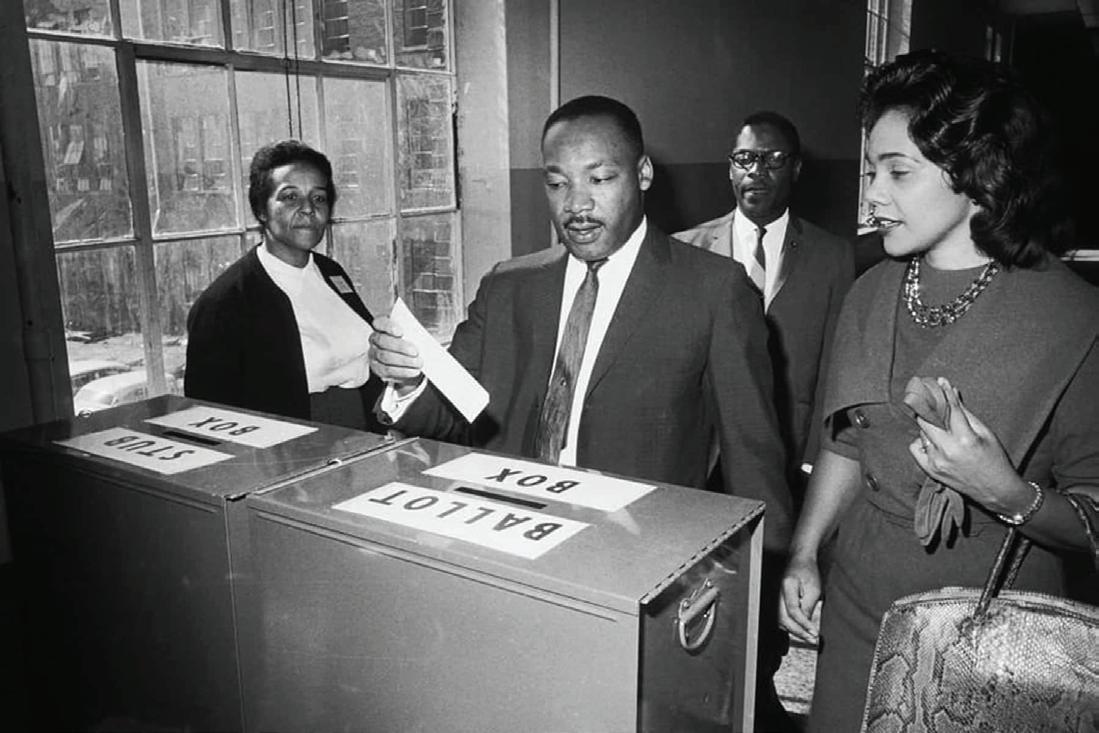
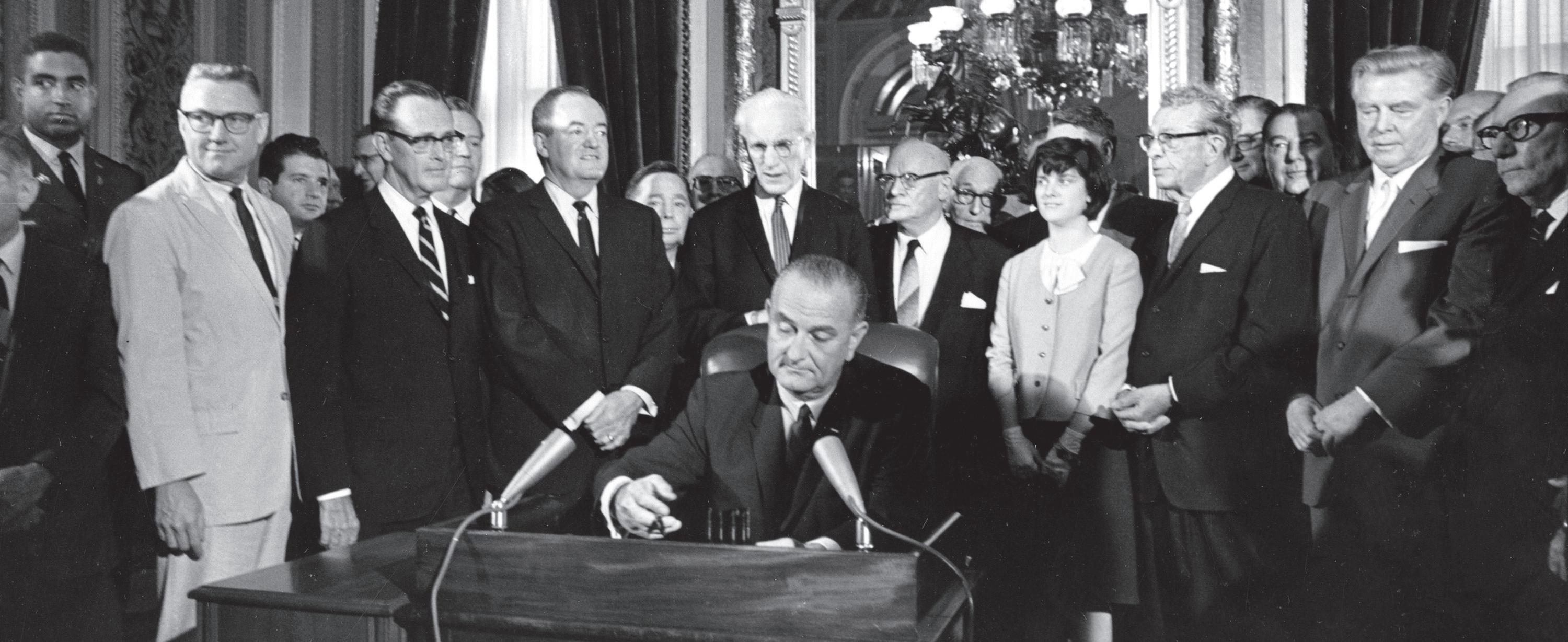
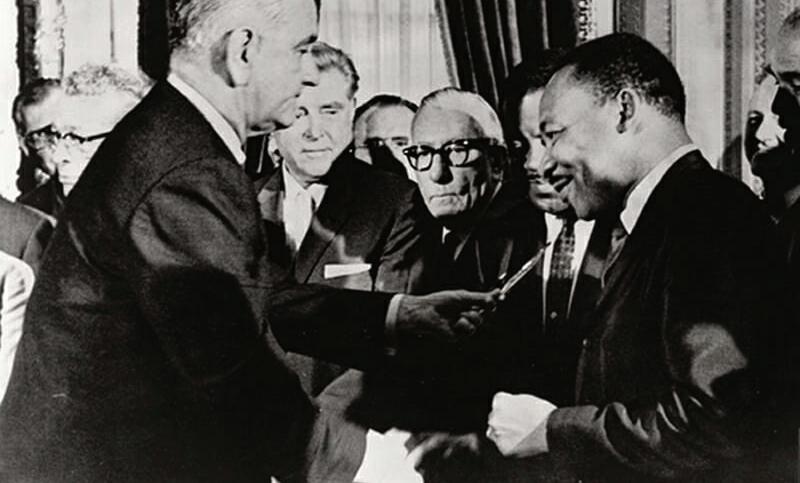
The Voting Rights Act reaches its sixtieth year at a moment when the promise of our democracy feels both celebrated and threatened. In 1965, America stood at a crossroads. The struggle for civil rights had reached a fever pitch, and a nation long accustomed to denying full citizenship to Black Americans watched in horror as peaceful protesters were beaten and tear-gassed on the Edmund Pettus Bridge. It was in the wake of that violence that the moral compass of the country finally shifted. The Southern Christian Leadership Conference stood at the center of that transformation, leading marches, organizing voter registration drives, and bearing witness to the suffering of Black people in the deep South. Through prayer and protest, through strategy and sacrifice, the SCLC helped persuade lawmakers that democracy cannot remain half-open or half-closed. With the stroke of President Johnson’s pen on August 6, 1965, the Voting Rights Act became law, affirming that denying access to the ballot on account of race was not merely unjust: it was un-American.
Long before legislators cast their votes, ordinary people in small towns and big cities alike answered a higher call. They traveled dusty highways and boarded buses bound for Selma. They canvassed door to door in rural counties where threats and intimidation were the norm. They organized in churches and community centers, weaving networks of hope against a backdrop of entrenched white supremacy. The SCLC provided the vision and the discipline that allowed these efforts to coalesce into a nationwide movement. Leaders such as Dr. Martin Luther King Jr., Dr. Ralph Abernathy and the late Dr. Charles Steele Jr. reminded their followers that the fight for voting rights was not a fleeting campaign but a test of America’s conscience. They linked arms with the Congress of Racial Equality, the Student Nonviolent Coordinating Committee and local activists, creating a tapestry of resistance that lawmakers found impossible to ignore.
As legislators deliberated that summer in Washington, they carried images of that bloody Sunday across their desks. Television cameras showed snarling deputies on horseback and frightened marchers stumbling under nightsticks. Inside the halls of power, members of Congress heard testimony from young people who had been arrested for nothing more than trying to cast a ballot. They heard the voice of Dr. King as he spoke not of vengeance but of redemption. They heard the plea of Black families who believed that full participation in democracy was their birthright. Against a backdrop of war abroad and social unrest at home, the Voting Rights Act emerged as a rare achievement of bipartisan cooperation. Republicans and Democrats alike understood that the very legitimacy of the United States hung in the balance.
In the decades that followed, the Act proved its worth time and again. Its signature provisions, Section 4 and Section 5, required jurisdictions with a history of discrimination to obtain federal approval before changing their voting laws. That so-called pre-clearance mechanism prevented a
SCLC National Magazine/ Convention 2025 Issue
wave of race-based disenfranchisement and ensured that new hurdles—whether literacy tests or poll taxes—could not be erected without oversight. Whenever a state assembly tried to rig district lines or impose burdensome ID requirements, the Justice Department stood ready to intervene. For a time, America lived up to its promise of one person, one vote.
Renewals of the Act were seldom contentious. In 1970, 1975 and 1982, Congress voted overwhelmingly to extend its reach. Each time, critics predicted that the world had changed so much that such protections were obsolete. Each time, the country reaffirmed its commitment to universal suffrage. Rarely has American politics produced such a sustained record of bipartisan support for civil rights legislation. The Voting Rights Act became an American institution, a safeguard for democracy itself.
That record endured until 2013. On June 25 of that year, the Supreme Court issued its decision in Shelby County v. Holder. In a ruling that stunned civil rights advocates, five justices declared Section 4’s coverage formula unconstitutional. Without that key provision there was no basis for preclearance, and Section 5 effectively fell silent. Across the South, states and counties moved swiftly to enact restrictive measures: strict voter ID laws, cuts to early voting, closures of polling places in Black neighborhoods. The blow was crushing. On the steps of the Supreme Court, President Charles Steele Jr. sounded a clarion call. He warned that gutting the Voting Rights Act would leave Black voters and other marginalized communities vulnerable to the very tactics of disenfranchisement that the Act was designed to stop. He spoke of the pain and toil of generations whose only crime was insisting on equality. In that moment, the SCLC remembered its roots in New Orleans in 1957, when a handful of Black pastors first came together to start a movement. Dr. Steele reminded the nation that progress is never guaranteed but must be defended constantly.
The years since Shelby have underscored his warning. New barriers have appeared across the country: onerous proof of residency requirements, purges of voter rolls based on faulty data, limits on ballot drop boxes. Each tactic carries the same message: that certain voices are less welcome at the ballot box. Yet some solutions have emerged. Progressive states have adopted automatic registration, no excuse absentee voting and extended early voting windows. Grassroots activists have deployed hotlines and legal teams to monitor new laws. Congress has seen proposals to restore Section 5’s protections, though none have yet mustered the bipartisan support of the original Act. The debate over voting rights has grown more partisan than ever, even as Americans on both sides profess love for democracy. In 2025, that contradiction should alarm us all.
Too often we allow the conversation to be reframed as a turf battle between left and right. But the right to vote belongs to every citizen, not merely those whose views we admire. As Dr. Steele was fond of saying, Put the hay where the mule can eat. That old axiom holds a lesson for our time. We must meet people where they are, build coalitions across divides and practical pathways that ensure every eligible voter can cast a ballot without obstruction. If we limit the discussion to slogans or partisan talking points, we lose sight of the human lives at stake. We must remember that walking through a polling place can trigger fear for those who have been told they do not belong there. We must acknowledge that farmers in rural counties often drive miles to find their polling site and deserve more than a single voting machine at the end of a dirt road.
As the Voting Rights Act turns sixty, the Southern Christian Leadership Conference recommits to its founding mission. We will not yield to cynicism or despair. We will stand with those looking for a way to register for the first time. We will support lawyers challenging discriminatory laws in court. We will work to bridge divides between urban and rural, young and old, Republican and Democrat. We recognize that this work is not charity; it is the fulfillment of our nation’s promise. The struggle of 1965, from Selma to Montgomery and beyond, taught us that the ballot is not a privilege to be granted or withheld at the whims of the powerful. It is the most direct expression of our equality and dignity.
To our lawmakers, we renew our call: do not view voting rights as a political football tossed between election cycles. Enshrine protections that outlast fleeting majorities. Craft laws that reflect the reality of modern America without assuming the worst of those who seek to vote. Find the hay where the mule can eat. To our fellow citizens, we plead: do not let partisanship blind you to injustice. When a court strikes down a voter protection law in one state, consider how your neighbor’s voice may be silenced. When your own party complains about late ballots or technical errors, remember that honesty is the bedrock of democracy. Reject those who hide prejudice behind vague fears of fraud. That is not patriotism. That is the betrayal of our shared values.
On the cusp of this sixtieth anniversary, the SCLC salutes every marcher and volunteer whose courage helped secure the original Voting Rights Act. We honor every legislator who dared to cross
SCLC National Magazine/ Convention 2025 Issue
party lines in the name of justice. We remember those who paid with their bodies and their freedom. Yet remembrance alone is not enough. We must translate memory into action—into bills, court filings, voter education and community outreach. We must animate the spirit of 1965 for a new generation, one that inherits both the benefit and the burden of safeguarding the ballot.
Democracy has always been a work in progress. At our founding, the promise of liberty and equality was carved in words while millions remained enslaved or excluded. In 1965, we cut deeper into that contradiction, forcing the nation to live up to its creed. Today, the arc of history bends toward justice only when we tug at its rope with vigilance and resolve. As the Voting Rights Act turns sixty, let us recommit ourselves to making sure every voice is heard, every vote is counted and every citizen can stand tall in the light of freedom. The SCLC stands ready once more to lead, to pray and to march. Our democracy demands no less.
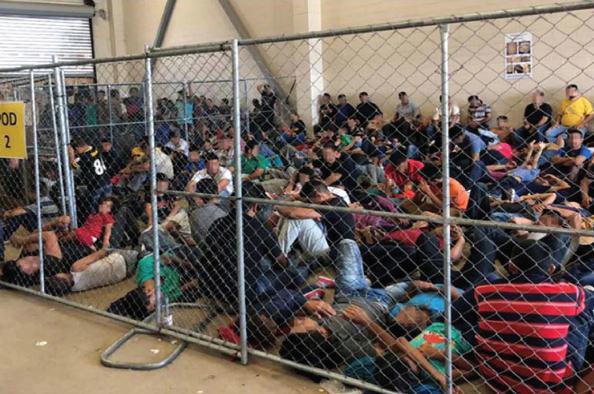
Before dawn, the stillness of a quiet neighborhood gives way to the rumble of unmarked vehicles and the harsh commands of officers sweeping through homes. Families awaken in panic as armed agents search rooms, seize documents, and separate loved ones. Children clutch faded blankets while parents scramble to gather shoes and coats. In these moments, the law is wielded not as protection but as a weapon. We at SCLC refuse to debate the finer points of immigration statutes. We know too well how legality has too often been twisted into an excuse for inhumanity. Enslaving millions of people was once legal. Forcing children into factory labor was once legal. Laws once permitted horrors against Black women under the guise of so-called paramour rights. None of these atrocities were ever illegal in the truest sense of justice. When law becomes the measure of right and wrong, compassion is cast aside. We insist that shared humanity must guide our response, and we stand firm against any policy or practice that denies basic dignity.
Throughout American history, legal verdicts have validated practices that our conscience later condemned. Centuries ago, Black men, women, and children were regarded as property instead of human beings, and child labor drew no moral outrage because it sat squarely within the letter of the law. In another era, laws upheld violent exploitation of vulnerable women, branding victims as criminals rather than protecting their rights. These examples teach us that legality is no reliable compass for morality. Each time the law has defended cruelty, society has paid a harrowing price. Today’s immigration raids replay this tragic pattern. We refuse to be lured into technical debates about status or process. Behind every statistic is a beating heart, a frightened child, a mother’s tearful plea. Our cause is not about paperwork or court rulings. It is about preserving the dignity of every person who stands before us asking for mercy.
Our faith offers a clear mandate on this matter. In Leviticus we read, “The foreigner residing among you must be treated as your native born. Love them as yourself, for you were foreigners in the land of Egypt” (Leviticus 19:34). And in the gospel of Matthew, we are reminded that when we welcome the hungry, the thirsty, the stranger, the naked, the sick, and the imprisoned, we do so unto Christ himself (Matthew 25:35). These teachings are woven into the very fabric of our work at SCLC. They call us to err on the side of compassion, to bend every effort toward mercy before we concern ourselves with status. To turn away a frightened mother clutching her child is to turn away from the living word of God. To bar the door against families seeking refuge is to close our hearts to a commandment that binds us together as one human family.
Yet in recent months, the Executive branch has pursued immigration enforcement with an unprecedented zeal that defies both the spirit and the letter of our constitutional order. Federal
SCLC National Magazine/ Convention 2025 Issue
courts have issued injunctions intended to check overreach, but those orders have been ignored or circumvented. Congress, the body entrusted with writing and revising our nation’s laws, has been bypassed entirely. The administration has acted as if judicial review and legislative deliberation were mere suggestions rather than essential safeguards of our liberty. In the state of California, elected leaders have crafted policies to ensure humane treatment, only to have federal officers descend unannounced, flouting the authority of the governor and the will of millions of residents. More disturbingly, active duty troops—trained for combat operations overseas—have been commandeered to confront peaceful protestors on American soil. To see soldiers in full gear facing mothers and fathers exercising their constitutional rights is an alarming echo of darker periods in our history.
These events are not isolated. They are connected by a single, troubling current: a willingness to dehumanize one group of people paves the way for trampling on the rights of all. When a frightened immigrant is stripped of dignity under cover of night, it becomes easier to dismiss court orders and disregard constitutional checks by day. Cruelty feeds on itself, and indifference spreads like a silent contagion. We have heard the argument that these debates are purely political, but framing them as partisan divides only obscures the deeper moral crisis. When we accept cruelty toward our most vulnerable neighbors, we invite it to infiltrate every corner of society. When we stand by while judges are ignored and governors are sidelined, we chip away at the foundation of our republic.
This is not politics as usual. It is a spiritual reckoning that calls each of us to examine our own hearts. The framers of our Constitution invoked divine guidance because they understood that a free people depend on a shared moral vision rooted in respect for the image of God in every person. To reduce this struggle to a battle between parties or interest groups is to shirk our responsibility to confront the forces of hatred at work among us. We must name these forces for what they are: principalities and powers that thrive on division, cruelty, and fear. Only by acknowledging the spiritual dimension of this crisis can we muster the courage to stand for justice and mercy.
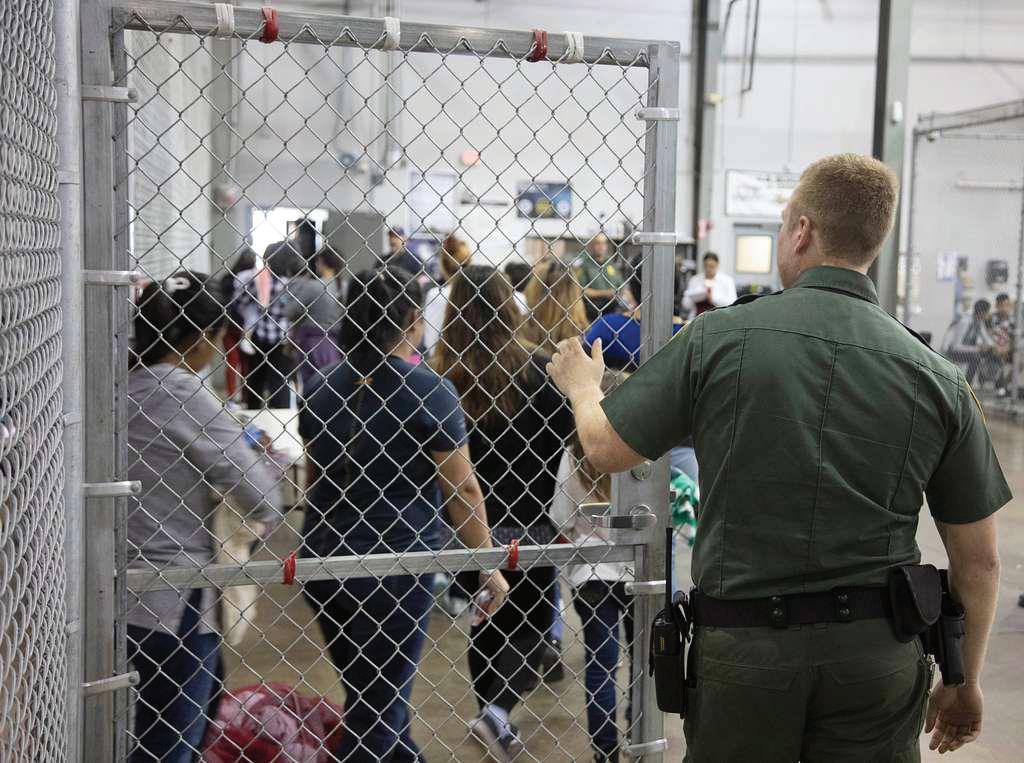
Our history shows what happens when ordinary people choose solidarity over separation. When brave souls organized boycotts and sitins, they refused to accept the status quo and insisted that moral law trumps unjust statutes. When Freedom Riders boarded buses into hostile territory, they risked their lives to demand that government live up to its highest ideals. We stand on the shoulders of those heroes today when we march in peaceful protest against ICE raids or when we gather to pray outside detention centers. Each act of witness sends a message that we will not be complicit in cruelty, that we refuse to let legality outpace compassion.
Now is the time for every
person of conscience to join us in action. Pick up the phone and call your representatives in Congress. Urge them to restore accountability by requiring meaningful oversight and by passing legislation that protects families rather than breaking them apart. Donate to organizations providing legal services and humanitarian assistance to those affected by enforcement actions. Offer your time at local shelters or churches that welcome the stranger. Join peaceful demonstrations and lend your voice to a collective call for mercy. When we extend a hand to our most vulnerable neighbors, we uphold not only their dignity but also the integrity of our own souls.
We cannot grow numb to the suffering at our borders or within our cities. We cannot allow cruelty to become an accepted byproduct of policy debates. At SCLC we pledge to stand always on the side of humanity, to insist that love guides every choice, and to refuse any legal framework that sanctions inhumanity. Let our shared commitments to justice and compassion shape the course of our nation once again.
In the end, humanity must prevail over legality. Our Constitution must stand above politics. Love must serve as our polemarch, our leading general, directing every movement of our hearts and every action of our hands. Let us choose to live mercy and make real the promise that freedom and dignity belong to all. Together we can show the world that justice and love still have a home
SCLC National Magazine/ Convention 2025 Issue


For more than forty years, an order has kept the FBI’s records of covert surveillance on Dr. Martin Luther King Jr. and his colleagues under seal. That order—issued in 1977, shortly after King’s assassination—reflected outrage over the agency’s decision to wiretap his home and bug his private meetings, not because he posed any genuine threat, but because his call for justice challenged the social order. Now, the current administration has asked a federal court to lift that seal, ostensibly in the name of transparency about King’s life and death. The Southern Christian Leadership Conference (SCLC), under the leadership of President DeMark Liggins, Sr., and joined by the Lawyers’ Committee for Civil Rights Under Law, has intervened to block the move.
At the heart of SCLC’s position is a simple principle: no private citizen—regardless of their public stature—should be subject to warrantless surveillance, and nothing gleaned by such means should ever be used in court or made public. Dr. King’s work for racial equality and economic justice earned him the admiration of millions and the animus of a federal agency determined to discredit him. Those wiretaps captured strategy sessions, personal confidences, social security numbers, and attorney-client discussions. Releasing them would not only infringe on basic privacy rights, but risk distorting the historical record by inviting sensationalism over substance.
King’s own children have spoken out in alarm. Bernice King described the prospect of public release as “traumatic,” underscoring that these tapes were born of an illegal intrusion into their family’s life. Martin Luther King III added that nothing in those recordings pertains to the circumstances of their father’s assassination; to unseal them now, he argued, would only fuel distraction from the movement’s ideals. SCLC stands firmly beside the King family, both in sympathy for their personal pain and in shared conviction that these files have no place before the public eye.
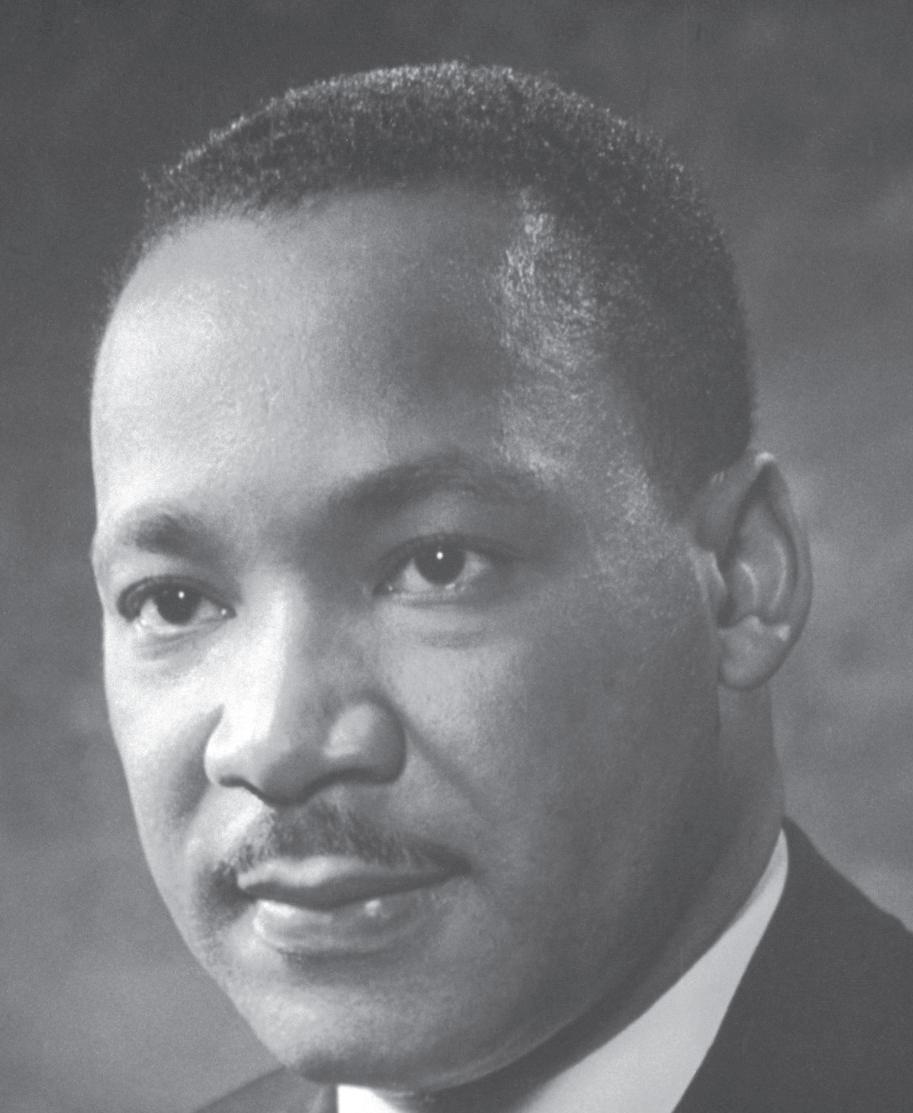
In early April, SCLC and the Lawyers’ Committee submitted a joint brief urging the court to deny the Justice Department’s petition. Their arguments emphasize that the original sealing order remains valid, that these files emanate from unlawful surveillance conducted between 1963 and 1968, and that unsealing would violate attorney-client privilege and long-established privacy protections. A federal judge, recognizing the case’s sensitivity, has requested a complete inventory of the records and indicated that any decision will be both cautious and deliberate.
By January 2027, the sealing order is set to expire. Until then, however, the court’s ruling on this motion will decide whether
these documents remain locked away or become accessible to historians, journalists, and the general public. For SCLC, the issue represents more than protection of a legacy; it is a defense of civil liberties itself. “We do not believe that the government should be surveilling private citizens,” President Liggins has said. “And we certainly do not believe it should be able to use that surveillance as evidence in any proceeding.”
Throughout this litigation, the Lawyers’ Committee has been an indispensable partner. Under the leadership of Damon T. Hewitt, the Committee has marshaled detailed legal analysis to show that these FBI actions violated constitutional rights and produced records that should never have seen the light of day. Their brief also warns of the risk of misinterpretation: decades-old memos taken out of context could be wielded to undermine Dr. King’s message and dishonor the movement he led.
As the SCLC-led lawsuit moves forward, the organization remains vigilant. “We are proud to be vigorously fighting in court on this matter,” President Liggins stated. “Our work with the Lawyers’ Committee has been beyond supportive and effective. Though this case is ongoing, we are monitoring every development and stand ready to respond once the court issues its ruling.” That readiness reflects the Conference’s broader mission: to guard the rights of citizens to organize, to speak, and to pursue justice without fear of surveillance or reprisal.
Until the court renders its decision, the SCLC stands on high alert. As lead plaintiff, supported by the Lawyers’ Committee, the Conference will continue to press its case, upholding the sealing order that shields intrusive records from public view. To Dr. King’s heirs, to every American who cherishes privacy, and to future generations who look to the Civil Rights Movement for inspiration, this fight sends a clear message: the struggle for freedom and dignity endures, and the protection of our most fundamental liberties remains non-negotiable.
Ending racial injustice requires all of us to work together and take real action. What can you do to help?
Educate yourself about the history of American racism, privilege and what it means to be anti-racist. Educate yourself about the history of American racism, privilege and what it means to be anti-racist.
Commit to actions that challenge injustice and make everyone feel like they belong, such as challenging biased or racist language when you hear it.
Vote in national and local elections to ensure your elected officials share your vision of public safety.
Donate to organizations, campaigns and initiatives who are committed to racial justice. Let’s come together to
Visit lovehasnolabels.com/fightforfreedom
It is a curious irony that those of us who have long stood against the machinery of oppression find ourselves sometimes caught in a new kind of trap. We wage battles for justice and equality, yet the momentum behind our causes can be diverted by the very spotlight meant to amplify the voices of the unheard. In recent years, a growing concern has emerged within activist circles: the danger of smoke and mirror activism, where the illusion of progress on glossy screens and trending hashtags obscures the real work that must be done in the neighborhoods and living rooms of the people we serve.
At first glance, it may seem almost counterintuitive to criticize a strategy that places our stories and struggles on the world stage. After all, visibility has long been a powerful tool for social change. When activists step onto major media platforms to articulate the hardships of our communities, we can reach ears and eyes that might otherwise remain closed. Yet the very structure of media, with its rush for sensational headlines and its relentless churn of content, risks turning authentic calls for justice into fleeting moments of attention. The system that we challenge in the streets often dictates how our message is packaged, when it is aired, and how long it lasts before being replaced by the next story.
Over the past two decades, social media has both democratized our capacity to speak and introduced a new layer of complexity. Through networks like Facebook, Twitter, Instagram and the ever-evolving world of video platforms, grassroots leaders have gained unprecedented direct lines to supporters. We at the Southern Christian Leadership Conference embrace these opportunities fully. Our YouTube channel, Instagram feed and Facebook page under the username @NationalSCLC give us room to celebrate victories, share calls to action and uplift the voices of those too often marginalized. Yet the metrics of likes and shares can begin to feel like their own reward, lulling us into believing that digital applause equals tangible progress.
It bears repeating that there is nothing inherently wrong with mainstream media or social platforms. They are tools, not ends. When we secure an interview on a national outlet or when a video clip of our president reaches thousands of viewers, we seize a moment to educate, inspire and challenge. But by fixating on these moments, we risk sidelining the slower, quieter work that builds true power. Media presence cannot substitute for the relationships forged when we gather in community centers, knock on doors or sit at kitchen tables listening to the daily concerns of those who often feel forgotten.
President DeMark Liggins, Sr. has recognized this dynamic and responded with clarity of purpose. Under his leadership, chapter growth has become a cornerstone of the SCLC vision. He understands that our chapters are not mere outposts but the lifeblood of our movement. In chapters, we find the spaces where strategy meets lived experience, where training in nonviolent action intersects with the heartfelt stories of people longing for dignity. When we invest in chapter leaders and equip them with resources, we ensure that the work of the SCLC remains rooted in communities rather than in conference halls or on streaming platforms alone.
Our greatest moments of impact historically have come when we walked side by side with the people whose lives we sought to improve. From the lunch counter sit-ins that challenged segregation to the marches that carried our demands on dusty highways, it was our presence among the
SCLC National Magazine/ Convention 2025 Issue
disenfranchised that gave our message gravity. Today, too many activists lean into the allure of highprofile appearances while neglecting the quiet persistence required at the local level. Our people are neither on podiums nor wrapped in media spotlights; they are in their workplaces, at family gatherings, and in places of worship, wrestling daily with fears for their safety and dreams for a better future.
This disconnect between social personas and real lives has contributed to a growing mistrust of politics and activism. When communities see advocates posting for sympathy or applause on screens but fail to show up when the most vulnerable need support, resentment grows. It is a betrayal of trust, particularly when the issues at stake involve basic human needs—access to quality schools, fair policing practices, affordable housing and the right to vote without obstruction. Too often, social cachet has taken precedence over substantive engagement, and the result has been a widening gap between the movement and the communities we claim to represent.
Reorienting our efforts toward chapter expansion is not a rejection of digital outreach but a recommitment to balance. Our chapters will be places of education, where members learn both the history of nonviolent struggle and the practical skills needed to advocate for change. They will be hubs of organization, where planning for local campaigns happens with input from those most affected. And they will be centers for engagement, where public policy discussions meet the lived realities of church members, teachers, factory workers and entrepreneurs. When we mobilize, it will not be simply to deliver speeches to power but to marshal the collective strength of communities prepared to enact real transformation.
The heart of activism lies not in the reflection of our own voices but in the power of our deeds. As the old saying goes, talk is cheap. The SCLC has never confused eloquent rhetoric for enduring progress. Under our current leadership, we are more determined than ever to bridge the gap between visibility and viability. We will carry our banners not only onto television screens but into neighborhoods where hope can be nurtured and justice can take root.
Smoke and mirror activism may dazzle for a moment, but it cannot withstand the steady light of community engagement. Our path forward is clear: to build and strengthen chapters that nurture relationships, foster leadership and embody love in action. This is how we honor our legacy, exercise courageous leadership and manifest the love that binds us together. In the end, it is the change we live that will prove far more enduring than any fleeting spotlight. SCLC has always understood this truth, and now more than ever, we will lead not with illusions but with genuine power born from the people we serve.
































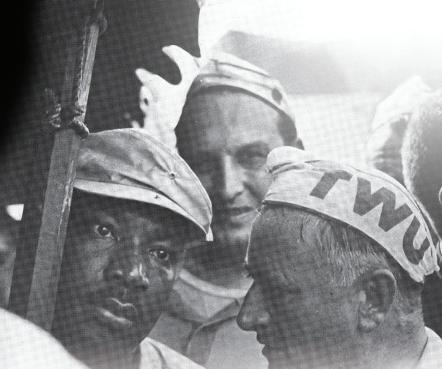
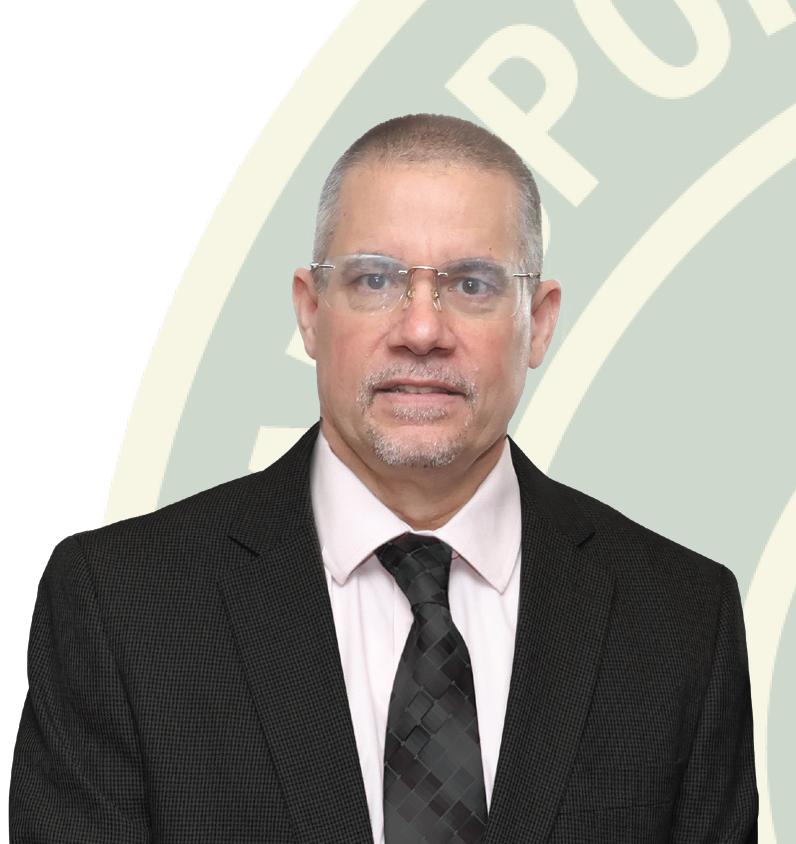
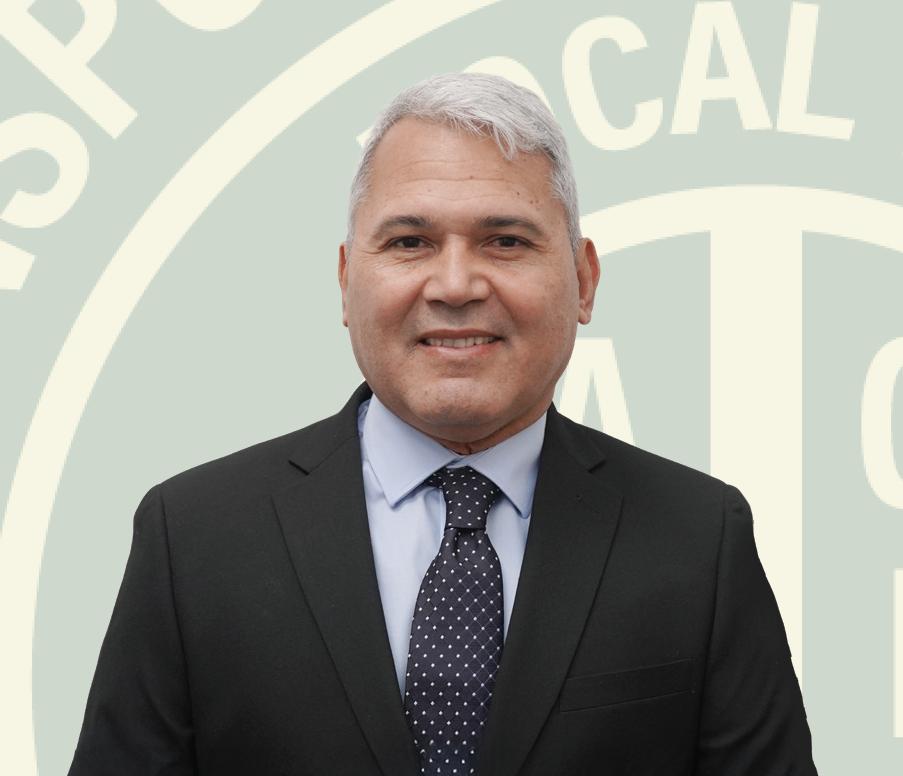
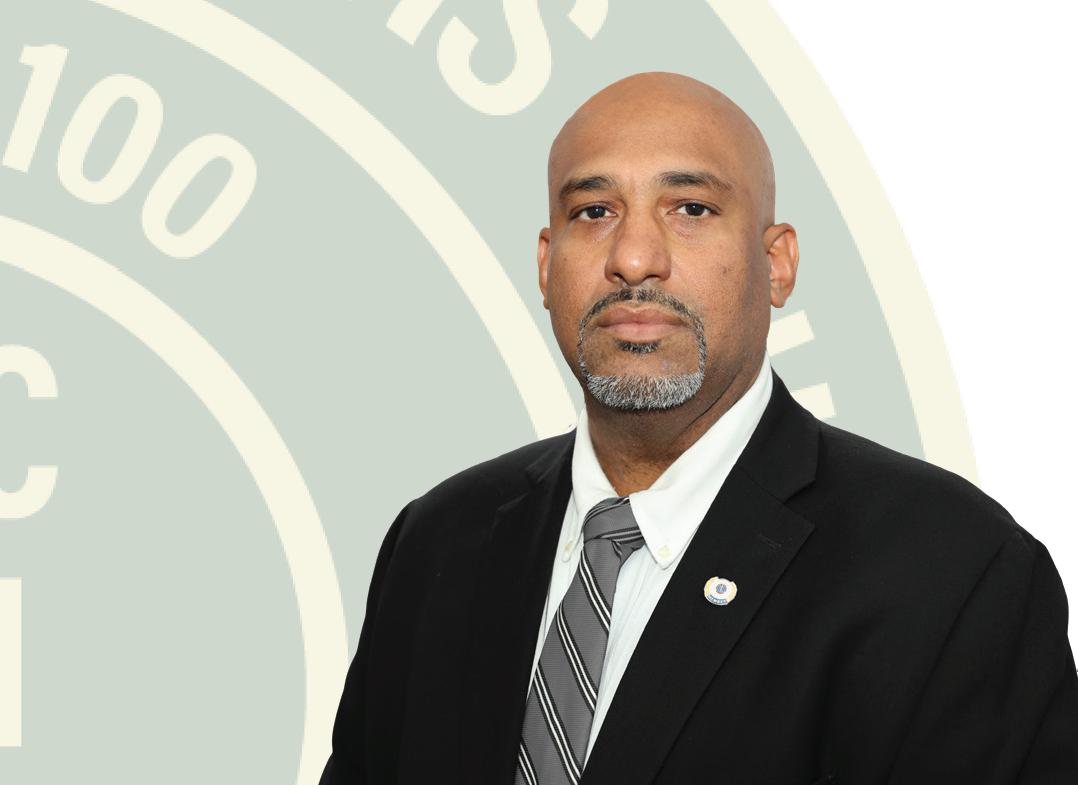
TWU LOCAL 100 STANDING STRONG FOR EQUALITY IN THE WORKPLACE AND IN OUR COMMUNITIES