Cohort 3 -26-28
Cohort 3 -26-28
At Fylde Coast Academy Trust (FCAT), we believe that every student should have the opportunity to "be the best they can be". That is why we created the Compass Curriculum a unique, hands-on learning pathway designed to give you a head start in your career and a taste of life beyond the classroom.
The Compass Curriculum is an exciting alternative to the traditional school week. If you choose this option, you will swap one of your school-based GCSE subjects for a specialised vocational or academic course delivered off-site at one of our expert partner colleges.
Every Friday afternoon, you will leave your school campus for three hours to learn in a professional, immersive environment. Whether you are interested in technical trades, animal science, or academic research, Compass is designed to "hook" your interest and put you in the driving seat of your own future.
This isn't just a "break from school" it is a structured, two-year progression that sets you up for longterm success:
• Year 10: You will typically complete a Level 1 qualification, building the foundational skills you need.
• Year 11: You will advance to a Level 2 qualification or GCSE, gaining more advanced expertise in your chosen field.
• Year 12 and Beyond: Because you have already mastered the basics, you can aim to transition seamlessly into Level 3 post-16 education, T-Levels, A-levels or employment immediately after Year 11.
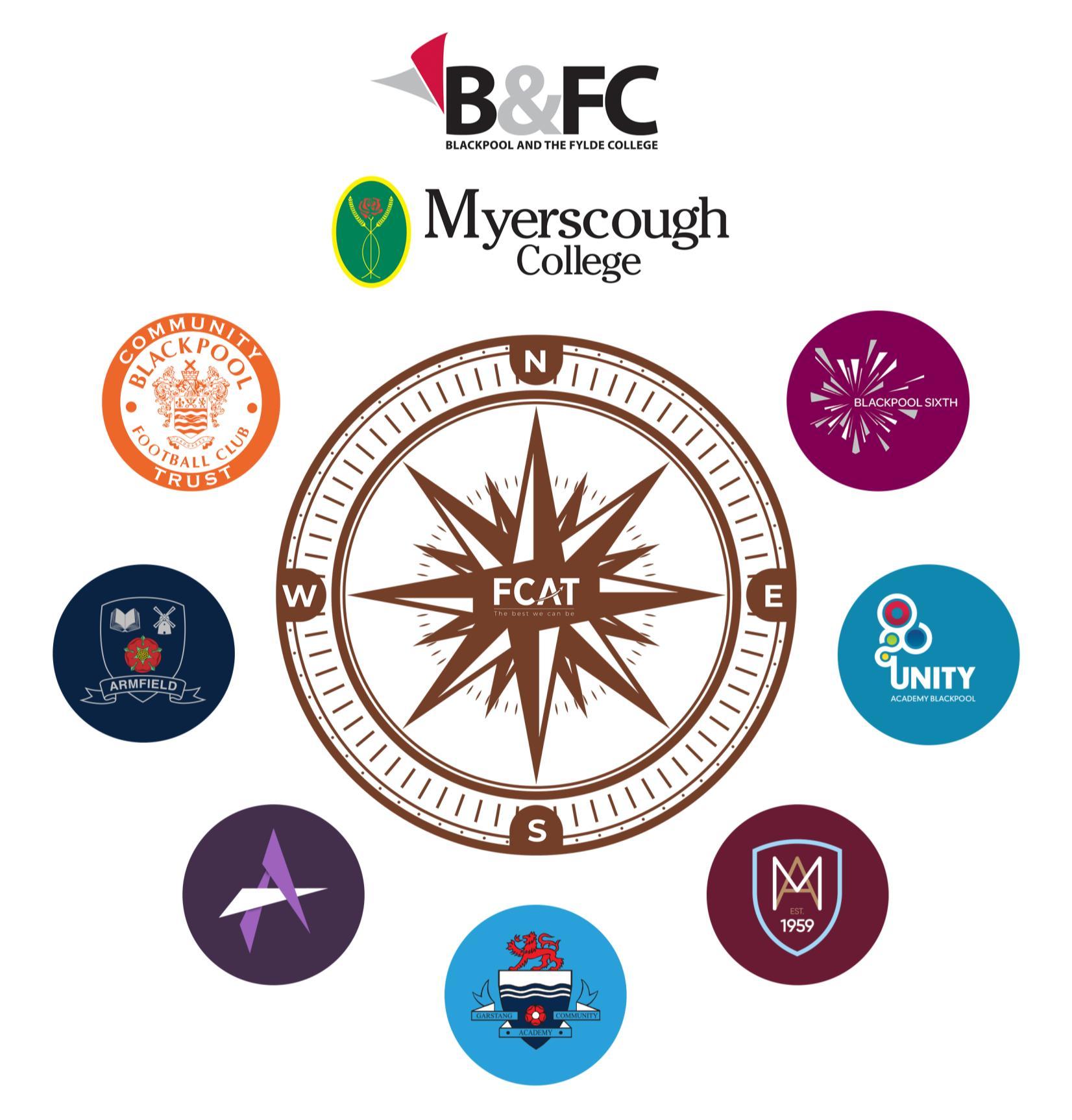
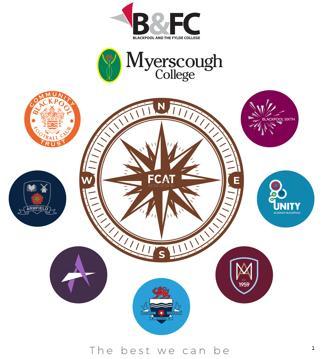
We have partnered with some of the region’s top providers to offer a diverse range of courses:
• Blackpool and The Fylde College: Dive into technical sectors like Catering, Engineering, Construction, Health & Social Care, E-Sports, Motor Vehicle, Uniformed public Services, Travel and Tourism and Hair & Beauty.
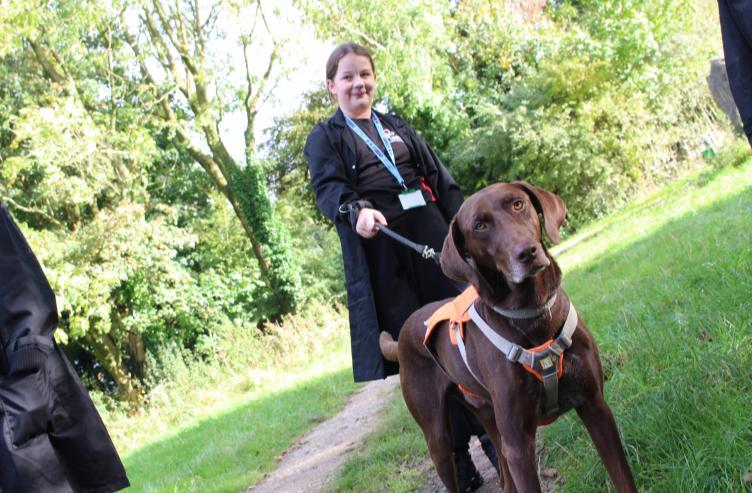
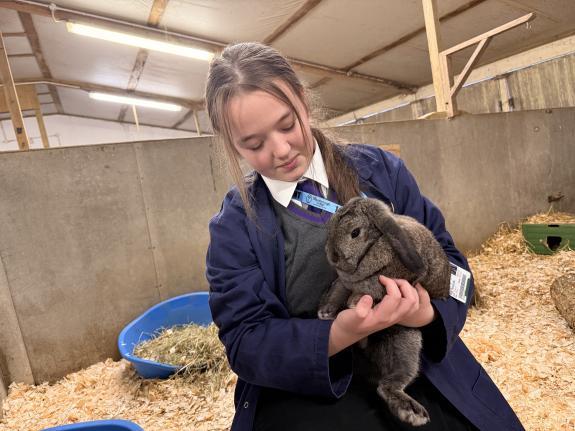
• Myerscough College: Get hands-on with land-based training, including Agriculture, Animal Studies, Greenspaces, and Motorsports.
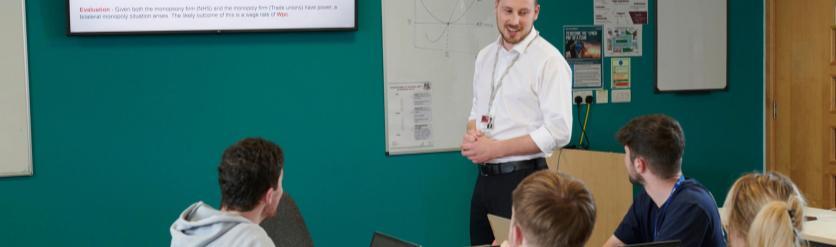
• Blackpool Sixth Form: Pursue academic interests with GCSE options in Business Studies, Economics or Film studies.
• Blackpool Football Community Trust: Build leadership skills through Community Coaching and FA refereeing qualifications.
��️ Technical Vocational Pathways
Focusedonhands-onskillsand industry-specifictraining.
Construction
Engineering
Hair Beauty
Motor Vehicle
Public Services
Travel Tourism
�� Land-Based & Specialist Trades
Outdoor,animal-focused,and nichemechanicalcourses.
Animal Studies
�� Academic GCSE Options
Traditionalclassroom-based qualifications.
Economics
Year 10 Course: Ascentis Level 1 Award in Introduction to the Construction Environment
Year 11 Course: Ascentis Level 2 Award in Skills for Employment in the Construction Industries
About This Programme:
Are you ready to lay the foundation for a successful career in the construction industry? This Construction programme offers a comprehensive pathway from introductory to advanced levels, equipping you with the essential skills and knowledge needed to thrive in this dynamic field.
Why Choose the Construction Skills Programme?
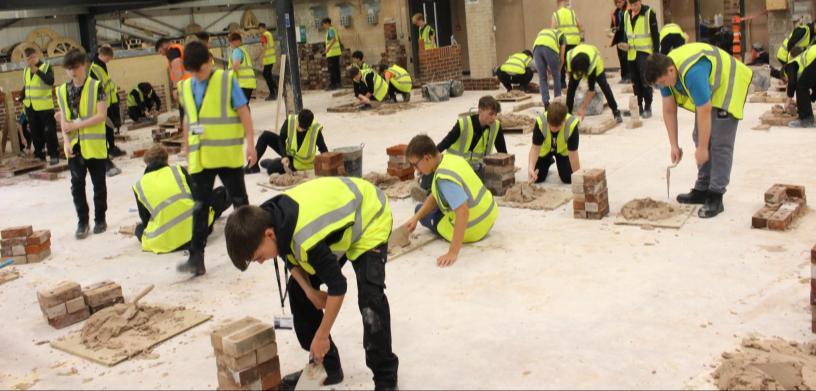
This is a really practical course. Across the two years, you’ll spend lots of time learning new skills and practising techniques in B&FC’s Construction Skills Centre, equipped with areas such as brickwork, plastering, plumbing, electrical installation and painting/decorating.
In Year 10, you’ll study the Ascentis Level 1 Award in Introduction to the Construction Environment to get started in construction. You’ll:
● Gain a solid introduction to the construction industry, preparing you for further training and employment.
● Develop Key Skills: Enhance your personal and employability skills, making you job-ready.
● Undertake Work-Related Learning: Understand the importance of workrelated skills in the construction sector.
In Year 11, you’ll progress to the Ascentis Level 2 Award in Skills for Employment in the Construction Industries and:
● Advance Your Knowledge: Dive deeper into the theory and practical skills required for various construction occupations.
● Make Informed Decisions: Learn to make educated choices about your career path in the construction industry.
● Undertake Comprehensive Training: Receive an excellent introduction to the skills needed to excel in construction roles.
How You’ll Be Assessed: Create a portfolio of your work to showcase your knowledge. Health and Safety in Construction:
How You’ll Be Assessed: Similar to the first unit, you’ll make a portfolio that will be reviewed by professionals, showcasing your knowledge and skills.
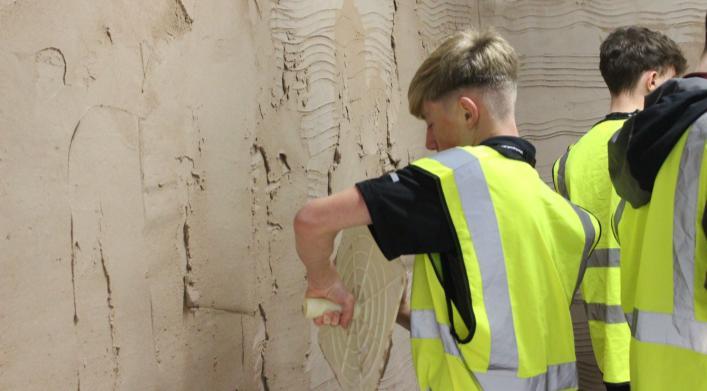
Introduction to Plastering Techniques: What You’ll Learn: The skills needed for plastering. How You’ll Be Assessed: You’ll do practical tasks and create a portfolio demonstrating all you’ve learned.
Progression and Career Opportunities:
Once you’ve completed this programme, you can progress to a range of different courses in college, depending on what career you’d like to get into. The construction industry offers a wide range of exciting careers, such as:
● Architect: Design buildings and spaces, bringing creative ideas to life.
● Civil Engineer: Plan and manage construction projects like bridges, roads, and buildings.
● Electrician: Install and repair electrical systems in homes, offices, and other buildings.
● Plumber: Fix and install pipes, water systems, and heating systems.
● Carpenter: Build and repair wooden structures, furniture, and fittings.
● Bricklayer: Construct walls, chimneys, and other structures using bricks and mortar.
● Construction Manager: Oversee construction projects to ensure they are completed on time and within budget.
● Surveyor: Measure and map land for construction projects.
● Site Supervisor: Manage workers and ensure safety on construction sites.
● Quantity Surveyor: Estimate costs and manage the financial aspects of construction projects.
Equipment and Clothing: You’ll need a pair of steel toe-cap boots (which the college will provide) and trousers suitable for a construction site (they will get mucky!).
Subject Title – Engineering
Syllabus title – Level 1/2 Diploma in Practical Engineering
Awarding Body - EAL
Assessment –
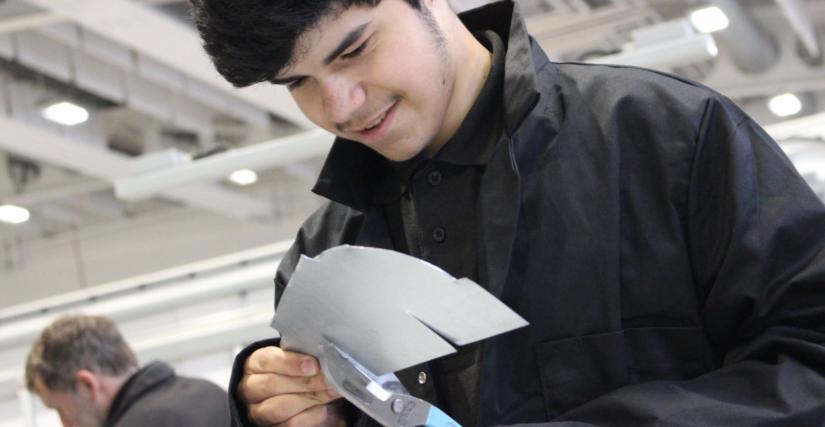
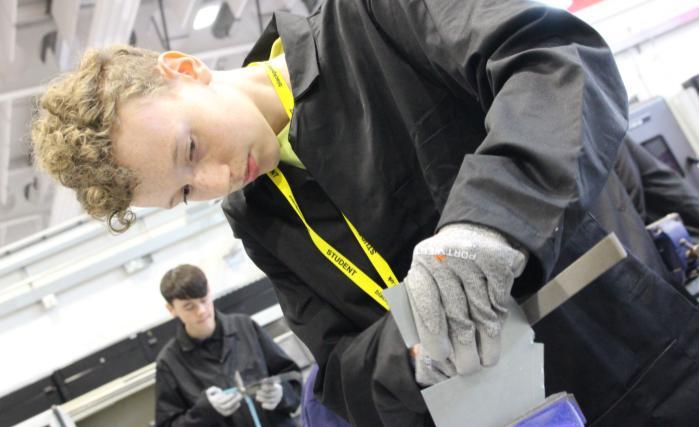
You will be mainly assessed through practical assessments in B&FC’s engineering workshops. You will have some coursework to complete and an on-screen exam too.
Course Outline - What will you learn?
This qualification consists of three mandatory units:
• Understanding the engineering environment
• Engineering techniques
• Mathematics and science engineering principles
• You will also study additional units such as:
• CAD (computer-aided drawing)
• Welding and fabrication
• Engineering maintenance
• Electrical inspection The objectives of this qualification are to:
• Give you knowledge and understanding of a broad range of engineering
• competencies and techniques such as design and welding.
• Provide information that will help you make more informed decisions about your
• career options
• Develop the skills necessary to work within the engineering industry.
• Support Available
• Direct tutor guidance and support
• Regular feedback on your work
• Access to specialist equipment at college
This qualification is designed for learners aged 14 to 16 in schools and colleges, but is also accessible for post-16 learners. It is for any young person considering a career in the engineering industry and has an interest in how things are made and work!
This qualification has been specifically designed to offer progression into a higher level of study or a Level 3 Apprenticeship.
Learners who achieve at level 2 might consider progression to level 3 qualificationspost-16 including Welding, Aerospace Engineering and Electrotechnical Engineering.
Equipment and Clothing: No need to purchase anything.
Year 10 Course: VTCT Level 1 Certificate in Hair and Beauty Skills
Year 11 Course: VTCT Level 2 Certificate in Hair and Beauty Skills
About This Programme:
Are you interested in hair and beauty and want to learn more? B&FC’s VTCT Level 1 and Level 2 Certificates in Hair and Beauty Skills (VRQ) are perfect for you! These courses are designed to help you develop your skills and prepare you for further study or a career in the hair and beauty industry.
Why Choose The Hair and Beauty Programme?
What you will learn in Year 10 (VTCT Level 1 Certificate in Hair and Beauty Skills):
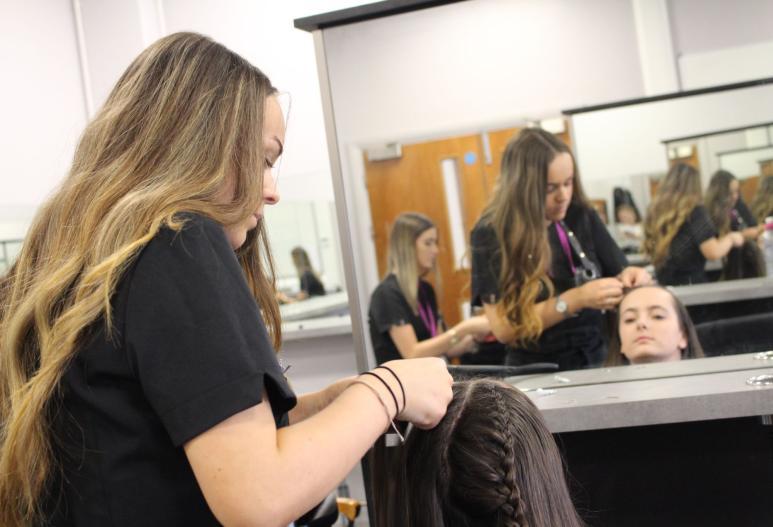
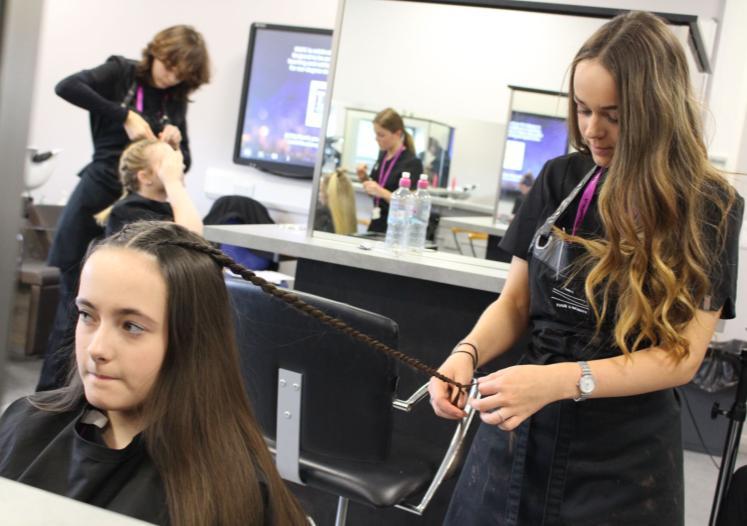
● Get Started: Learn the basics of hair and beauty, including creating a hair and beauty image using colour.
● Hands-On Learning: Choose from fun optional units like hand and nail care, make-up application, skincare, nail art, face painting, blow-drying, and more.
● Essential Knowledge: Understand important topics like health and safety, customer service, and hair and beauty products.
What you will learn in Year 11 (VTCT Level 2 Certificate in Hair and Beauty Skills):
● Advance Your Skills: Build on what you learned in Level 1 with more advanced techniques and knowledge.
● Creative Projects: Work on exciting projects like creating themed images and using semi-permanent hair colour.
● Career Preparation: Learn practical skills like eyebrow shaping, basic manicure and pedicure, and even basic hair cutting techniques.
Both qualifications will help you develop the skills you need to succeed in the hair and beauty industry. You’ll also learn important workplace skills like customer service and health and safety, which are essential for any job. You’ll be ready to shine in the exciting world of hair and beauty!
Assessment:
Your teachers will create and grade your assessment tasks. To make sure everyone is graded fairly, the college will check that all students meet the learning goals in the same way. You’ll have chances to practice and get feedback on your work, so you know what to improve before the final assessments.
You can be assessed as many times as needed until the end of the course. The grades you have when you finish will count towards your final qualification. Sometimes, one piece of work can be used to meet the requirements of more than one part of the course. This is called holistic assessment.
The hair and beauty industry offers a variety of exciting careers. These careers let you use your creativity and skills to help people look and feel great!
● Hairdresser: Cut, style, and colour hair to help people look their best.
● Skincare Specialist: Provide treatments and advice to help clients maintain healthy skin.
● Nail Technician: Create beautiful nail designs and provide manicures and pedicures.
● Barber: Specialize in cutting and styling men’s hair and grooming beards.
● Makeup Artist: Apply makeup for events, photoshoots, or everyday looks.
● Beauty Blogger: Share beauty tips, tutorials, and product reviews online.
● Salon Manager: Run a salon, managing staff and ensuring everything runs smoothly.
● Tattoo Artist: Design and apply tattoos.
● Aromatherapist: Use essential oils to provide therapeutic treatments.
● Beauty Therapist: Offer a range of beauty treatments like facials, waxing, and massages.
Equipment and Clothing: The college will provide your uniform; this includes a tunic trousers and footwear
this two-year programme!
Year 10 Course: Level 1 Award/Certificate in Vehicle Maintenance and Repair
Year 11 Course: Level 1 Diploma in Vehicle Maintenance and Repair
About This Programme:
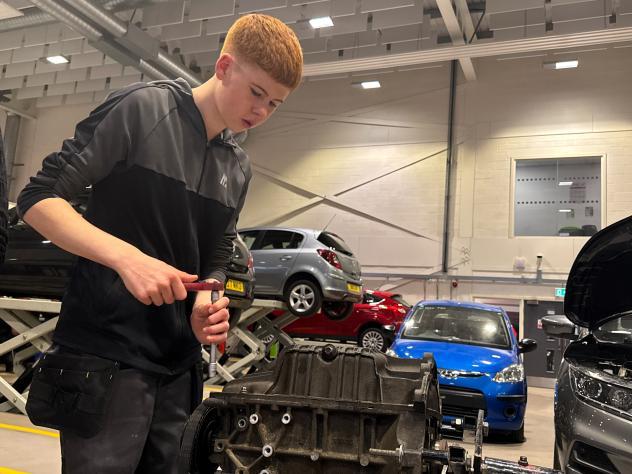
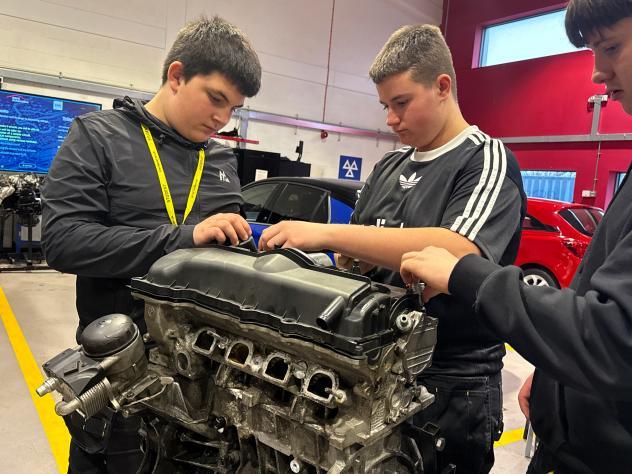
Are you interested in cars and how they work? Then the Level 1 Motor Vehicle Maintenance and Repair is created by the Institute of the Motor Industry and is perfect for you! It’s designed for anyone, even if you have no experience with cars:
● Learn New Skills: You’ll get to know all about fixing and maintaining cars and motorcycles.
● Boost Your Confidence: This course helps you feel ready for more advanced studies or a job in the car repair industry.
● English and Maths: You’ll also improve your English and Maths skills, working at your own level.
● Hands-On Learning: It’s a mix of practical work and written tasks, so you’ll get plenty of real-world experience.
● Wide Range of Topics: From Health & Safety to Vehicle Diagnostics, you’ll cover a lot of ground.
Think of it as your first step towards a career in the motor industry!
Why Choose The Motor Vehicle Programme?
This is a practical course. You’ll spend a lot of time over the two years in B&FC’s Advanced Technology Centre, with state-of-the-art Automotive Diagnostic and repair equipment such as the Hunter Hawkeye Elite Laser Wheel Alignment system, Snap-On Zeus Electrical Diagnostic equipment and fully loaded toolboxes filled with the latest Teng hand tools.
You’ll train in our Advanced Technology Centre with experienced teachers who will help you understand car engines, wheels, brakes, and even welding. Here’s what you’ll study:
● Car frames (chassis)
● Petrol and diesel engines
● Transmission systems
● Steering, suspension, and brakes
● Welding and making things (fabrication)
● Health and safety
● Car electrics
● Wheels and tyres
Assessment:
To pass this programme, you need to do two things:
1. Practical Tasks: These are hands-on activities where you show what you’ve learned.
2. Online Assessment: This is an online test that covers all the important topics. There are special tasks for each part of the course to help you practice and show your skills. These tasks make sure you really understand the material and can do the practical work.
There are lots of careers in the automotive industry! Here are some you might find interesting:
● Auto Mechanic: Fix and maintain cars, working on engines, brakes, and more.
● Auto Electrician: Specialize in the electrical systems of vehicles, like lights and alarms.
● Car Designer: Create new car designs and improve existing ones.
● Vehicle Inspector: Check cars to make sure they are safe and meet regulations.
● Auto Body Repair Technician: Fix the exterior of cars, like dents and broken windows.
● Auto Engineer: Develop and design new car technologies and systems.
Equipment and Clothing: No need to purchase anything. The college will provide your uniform.
Year 10 Course: NCFE Level 1/2 Certificate in Uniformed Protective Services
Year 11 Course: ETCAL Level 2 Certificate in Preparation for Military Service
About This Programme:
Are you interested in a career in the uniformed services like the police, fire service, or armed forces?
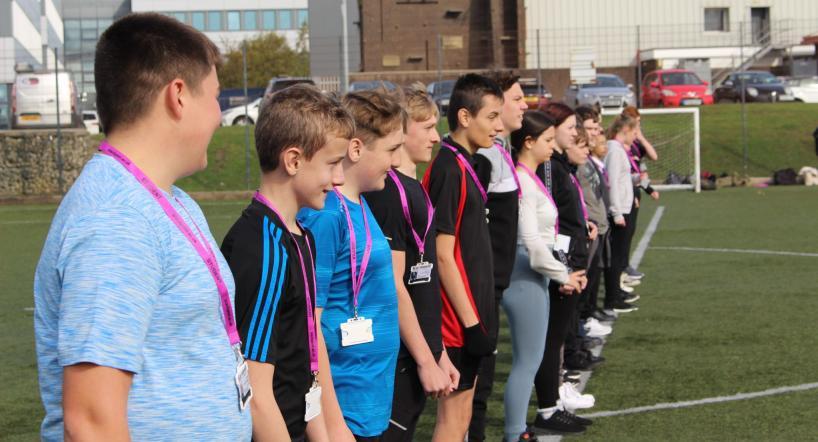
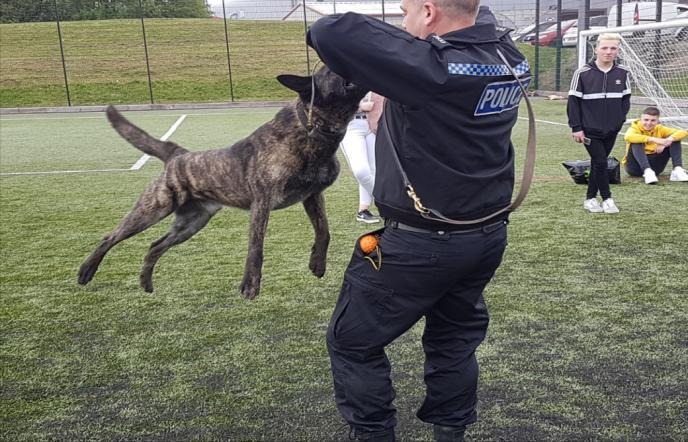
In Year 10, you’ll start with the NCFE Level 1/2 Certificate in Uniformed Protective Services. This course gives you a sneak peek into what it’s like to work in these important roles and helps you develop the technical skills you’ll need.
In Year 11, you’ll move on to the ETCAL Level 2 Certificate in Preparation for Military Service. This course helps you understand what it takes to join the military as well as emergency services and prepares you with the skills and knowledge you’ll need.
Why Choose The Uniformed Services Programme?
● Explore Careers: Learn about different jobs in the uniformed services, such as the army, navy, RAF, prison service, fire and rescue service, and police.
● Hands-On: Gain practical skills that are essential for these careers.
● Transferrable Skillset: Develop skills such as confidence, leadership under adversity, and resilience.
● Future Opportunities: This course sets you up for apprenticeships in the uniformed services.
What You’ll
● Military Life: Get an introduction to the skills and knowledge needed for military service.
● Emergency Services: Understand how the Police, Ambulance and Fire Service work together.
● Commitment and Requirements: Understand the commitments and requirements of a military career.
● Character Development: Strong emphasis on developing soft skills, such as integrity, calmness in adversity and leadership in tough situations
This programme is the start of your journey towards an exciting and rewarding career in the uniformed services. You’ll be ready to take on the challenges and make a difference!
Progression and Career Opportunities:
You can progress to a Level 3 (A Level equivalent) course in Uniformed Protective Services when you come to college. You’re also able to progress to Protective Services Apprenticeships such as policing, security, HM forces, fire service, paramedics.
There are many exciting careers in uniformed public services, each playing a vital role in keeping communities safe and functioning smoothly. Here are some examples:
● Police Officer: Enforces laws, investigates crimes, and helps maintain public order.
● Firefighter: Responds to fires, accidents, and other emergencies to protect people and property.
● Paramedic: Provides emergency medical care and transports patients to hospitals.
● Soldier: Serves in the army, participating in peacekeeping missions and combat operations.
● Coastguard: Helps prevent loss of life at sea and coordinates search and rescue operations.
● Prison Officer: Supervises inmates in prisons and ensures safety and security.
● Border Force Officer: Protects borders by enforcing immigration and customs regulations.
● Security Guard: Protects buildings, people, and valuables from theft and damage.
These careers offer the chance to make a real difference in people’s lives and often come with opportunities for advancement and specialised training.
Equipment and Clothing: You’ll need to wear a Plain black T-shirt. The college will provide black combat/cargo trousers, black combat boots and a plain black hoodie.
Year 10: Level 1 Award in Land-based Studies – Animal Care
Year 11: Option to study either the Level 1 Certificate in Land-based Studies –Animal Care or the Level 2 Certificate NCFE Occupational Studies – Animal Care
A portfolio of written work must be completed under controlled assessment conditions, practical assessments will take place on our purpose-built animal centre and a short on-line assessment in year one.
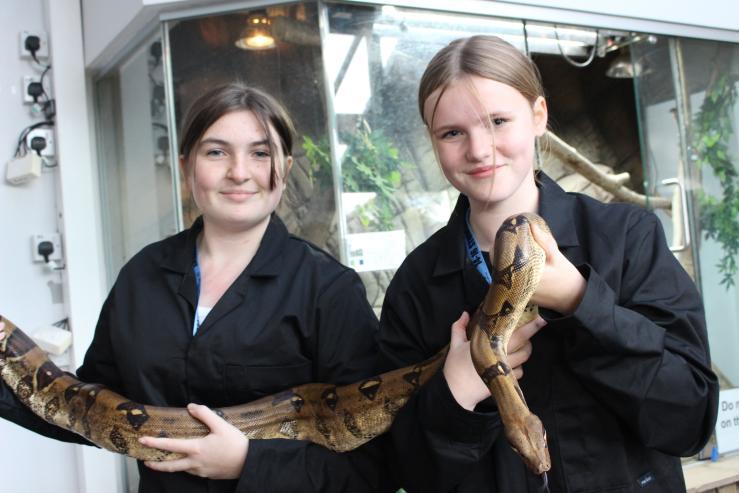
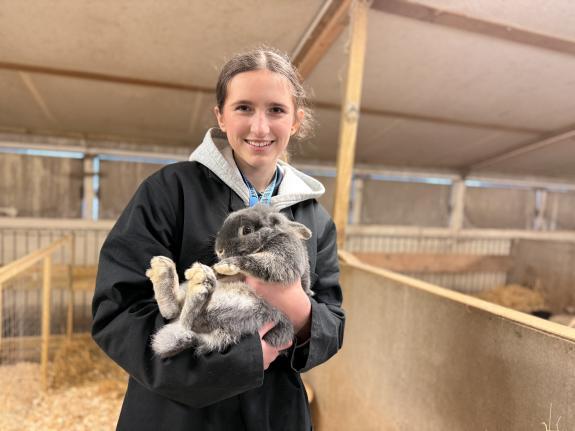
This course provides a basic introduction to the care of a variety of domestic animals. Your areas of study will include feeding, cleaning and handling animals as well as modules covering work safety and skills development in the land-based industries. Time will be spent in the classroom and in the College’s Animal Studies Centre. You must have an interest in the subject and have some prior experience of working with animals. A portfolio of written work will be completed under controlled assessment conditions, practical assessments will take place on our purpose built animal centre.
Support Available
• Student handbook
• Practical classroom based resources
• 1-1 feedback
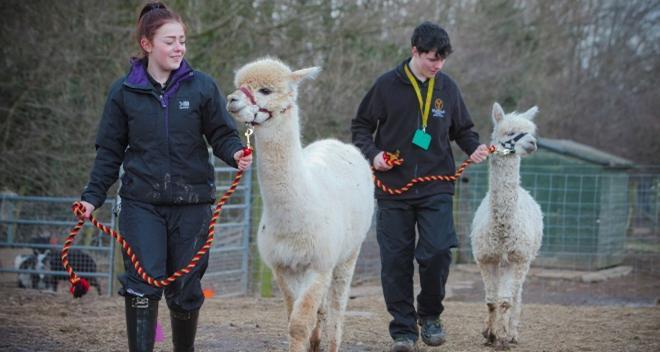
For learners who want to acquire knowledge and technical skills through vocational contexts by studying the purpose and aims of animal care, and how they provide products and services to meet customer requirements, as part of their Key Stage 4 learning. If you are looking for a career that involves the care of animals, if you like to be active and use your practical skills and you are not afraid to get stuck in, then this is the programme for you!
• Learners may progress to Level 2/3 qualifications dependant on GCSE grades or apprenticeship programmes.
Employment opportunities include:
• Kennels
• Catteries
• Pet shops
• Grooming parlours
• RSPCA
Curious about how prices are set, why inflation rises, or how governments manage the economy?
GCSE Economics helps you understand how markets and economies work, giving you the knowledge and confidence to make sense of the world around you. Studying Economics develops economic awareness that is valuable both personally and professionally, now and in the future.
This course is designed to be relevant, challenging, and engaging, using contemporary case studies and real-world issues that matter today. You’ll discuss current economic debates and learn to analyse issues such as:
• Inflation and unemployment
• Government spending and budget deficits
• Global trade and free-trade agreements
• Sustainability, ethics, and economic decision-making Along the way, you’ll strengthen your communication, critical thinking, problemsolving and analytical skills, all of which are highly valued by colleges, universities, and employers.
The course is divided into two compulsory units, reflecting the two main branches of Economics:
Explore the role of consumers and producers, supply and demand, competition, and how markets respond to change.
Examine the wider economy, including government policies, economic growth, inflation, employment, and the global economy. You’ll study economic activity through the perspectives of consumers, businesses, governments, and international markets, using examples from the UK and around the world from the last 15 years.
Students will have access to a textbook and structured revision guidance, alongside trusted online resources such as Tutor2u, Economics Help, Khan Academy and EconplusDal.
Students are also supported with effective study and revision strategies throughout the course.
How will I be assessed?
GCSE Economics is a linear course, with all exams taken at the end of the course. Two written examinations: each exam is 1 hour 45 minutes - 80 marks, worth 50% of the GCSE
Exam format (both papers)
Section A (48 marks):
A range of short, calculation-based, and extended-response questions (10 multiple-choice questions)
Section B (32 marks):
A mix of calculations, short answers, and extended evaluation (Five questions linked to a stimulus extract)
Questions range from short knowledge checks to extended evaluative responses, allowing you to demonstrate understanding, application, and analysis.
Skills you will develop
GCSE Economics builds a powerful set of transferable skills:
• Critical and analytical thinking
• Problem-solving and decision-making
• Clear written communication
• Data interpretation and evaluation
Where could GCSE Economics take me?
GCSE Economics is excellent preparation for A-level Economics, and related subjects such as Maths, Core Maths, Statistics, Geography, Sociology, Business Studies, Politics, History, and Accounting
Economics is highly valued by universities because it develops logical thinking and analytical skills across a wide range of disciplines. While pure Economics degrees are mathematically focused and usually require A-level Maths, many combined degrees are available, including Business Economics, Management and Social Sciences.