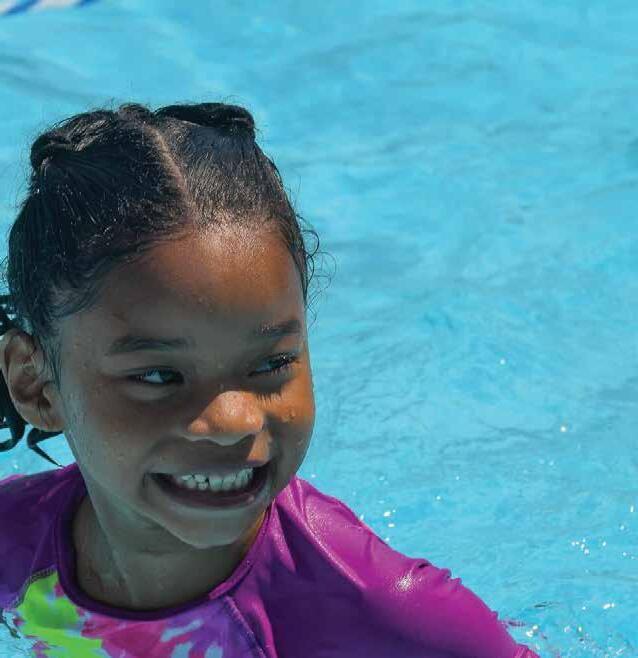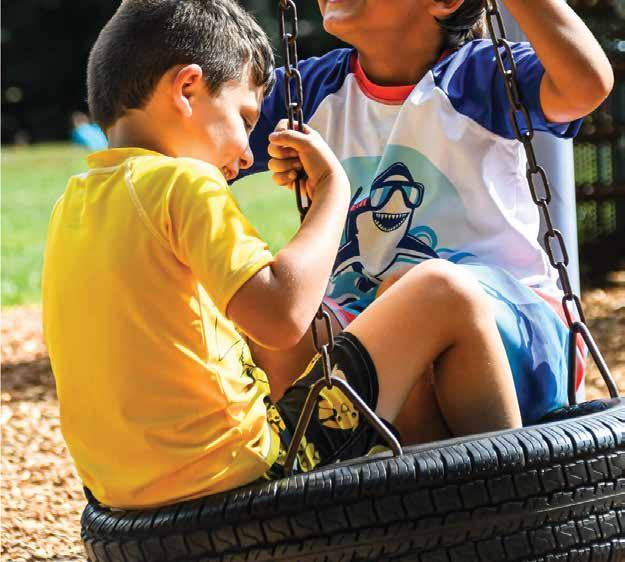


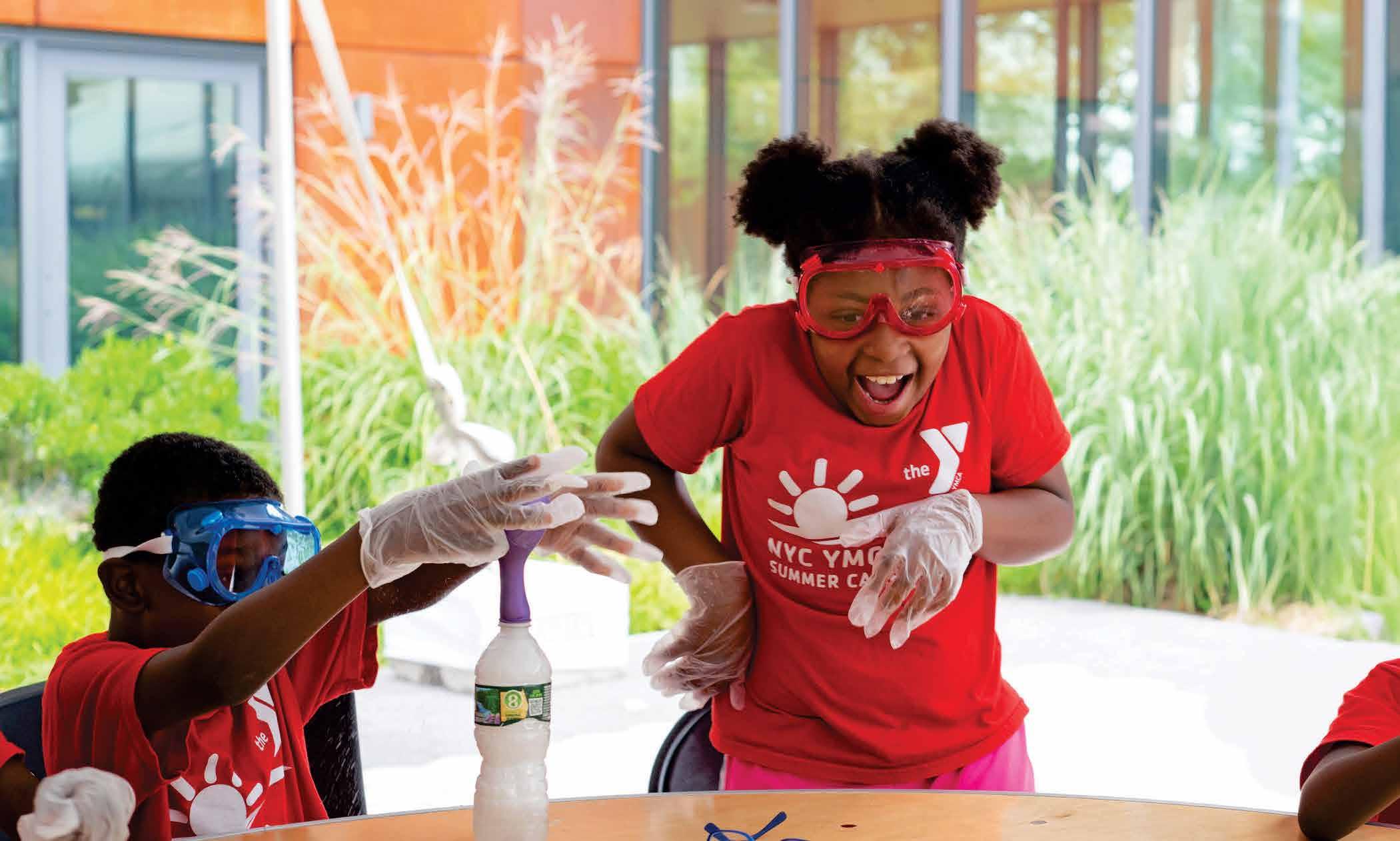
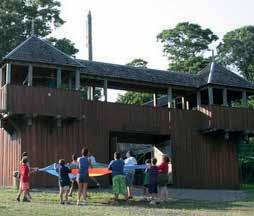
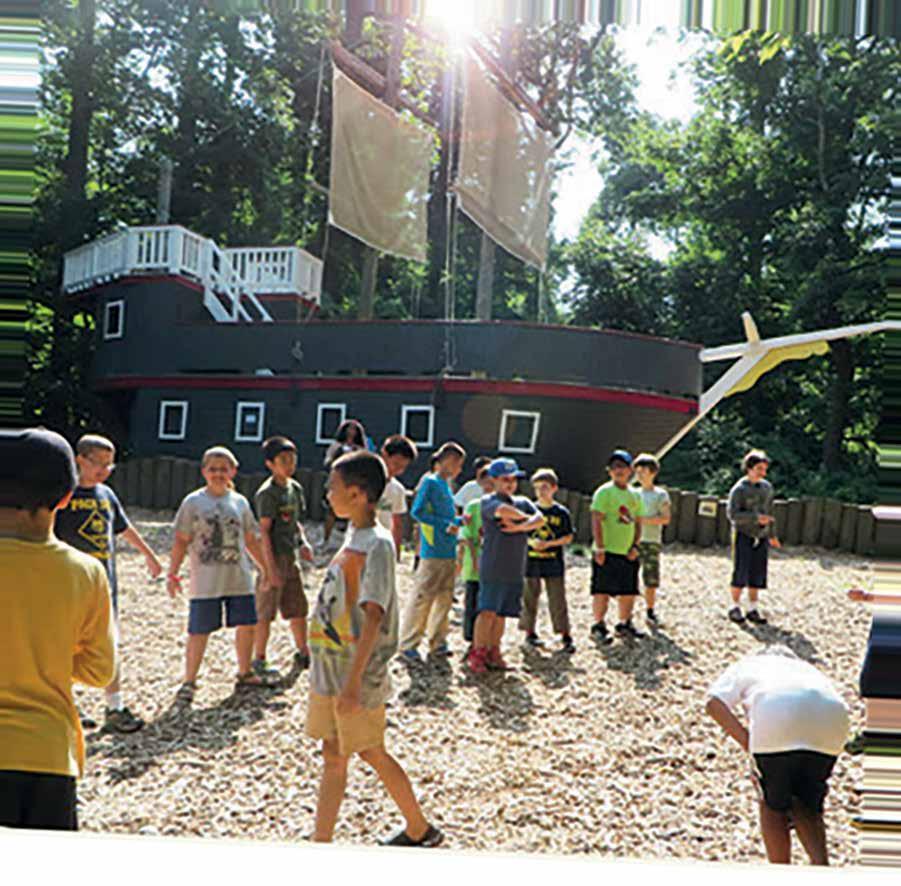
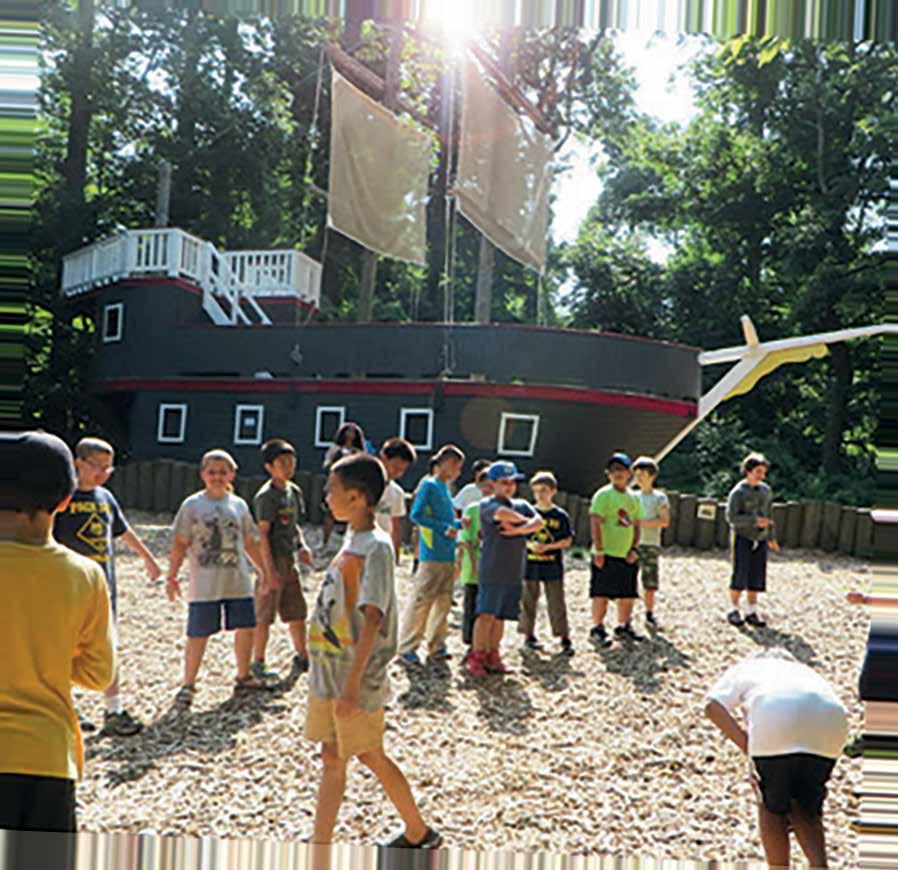
Registration is now open for the YMCA Summer Camps at both the Broadway YMCA (651 Broadway) and South Shore YMCA (3939 Richmond Avenue) on Staten Island. At the Y, kids grow bolder, braver, brighter – ready for what’s next. Friends cheer them on, and counselors bring out their best. Adventures spark confidence, and kids discover just how far they can go.
AWESOME STARTS HERE AT Y SUMMER CAMP:
• Every kid finds a summer designed for them.
• Where friends & memories are made every day.
•The Y is a playground for imagination, adventure, and learning new things.
• Our expert counselors help unlock the awesome inside every kid.
Both Staten Island YMCA branches are hosting open houses from 10 AM – 12 PM on APRIL 18 and MAY 16.










































Spring is coming, and like most New Yorkers, we’re thrilled, and even though the weather can’t quite make up its mind (still!), we’re dreaming of warmer days. It’s already brightening up at the NYBG Orchid Show: Where You Can See NYC Bloom Like Never Before (pg 30), and we can always pretend it’s summer at the Museum of Ice Cream (pg 26), whose renovation includes new play spaces and hidden rooms.
We also have some timely reads, like updates from the Centers for Disease Control and Prevention on changes to the childhood
vaccine schedule every New York parent should know about (pg 12), plus a candid take on outgrowing a mom group or friend, and why changing friendships are a normal part of motherhood (pg 8).
Camp, yes, summer camp is near, and we have an insightful piece on the 8 reasons to send your child to day camp (pg 14), along with helpful camp listings (pg 16). Summer will be here before you know it!
New York Family
Share your feedback and ideas about family life in New York! Email us at editorial@newyorkfamily.com and tag us at #newyorkfamily
PUBLISHER: Clifford Luster
EDITORIAL DIRECTOR: Donna Duarte-Ladd
ASSOCIATE PUBLISHER: Erin Brof
ADVERTISING DIRECTOR: Stacie Goldberg
EDITORIAL LEAD: Jeannine Cintron
DEPUTY EDITOR: Danielle Ramos
EVENTS EDITOR: Shara Levine
ASSOCIATE DIGITAL EDITOR: Soe Kabbabe
EDITORIAL ASSISTANT: Alexa Lutter
PARTNERSHIP MANAGERS: Lauren Alperin, Lauren Anchin, Joan Bergman, Mary Cassidy, Suzanne Cirigliano, Chris Cunnington, Lori Falco, Shelli Goldberg-Peck, LynnMarie Hanley, Lisa Herlihy, Janine Mulé, Nina Spiegelman, Gwen Tomaselli
MARKETING & STRATEGY DIRECTOR: Rosalia Bobé
MARKETING & EVENTS
COORDINATOR: Ashley Rivera
MARKETING ASSISTANT: Lorens Morris
MEDIA SALES ASSISTANT: Ruston Ropac
ART DIRECTOR: Leah Mitch
WEB DEVELOPER: Sylvan Migdal
GRAPHIC DESIGNERS: Arthur Arutyunov, Connie Sulsenti
EDITORIAL CONTRIBUTORS: Jeannine Cintron, Mia Salas
CONTACT INFORMATION
ADVERTISING: (718) 260-4554
Advertising@NewYorkFamily.com
CIRCULATION: (718) 260-8336 Tina@NewYorkFamily.com
ADDRESS: New York Family Media/Schneps Media 15 MetroTech Center, Seventh Floor Brooklyn, NY 11201
PRESIDENT: Victoria Schneps-Yunis
CEO: Joshua Schneps
COO: Clifford Luster
New York Family is the recipient of 7 Parenting Media Awards for 2025, including Gold awards for both Design and Editorial for our monthly print publication.







the drama!
BY DONNA DUARTE-LADD


















ctress and mom Ashley Tisdale shared a few months back, very publicly, why she left her mom group and group chat. And while I understand wanting to speak your truth, I couldn’t help but think… this is actually just a very normal part of motherhood and friendship.









As someone who’s been in a mom group (or two), I can say from experience that dynamics shift. Especially in bigger groups, smaller circles naturally form over time. It doesn’t always mean there was a fallout or some dramatic ending, sometimes it’s just proximity, shared seasons, or who you text when you’re really in it.








I just returned from a trip with a mom friend, where we first met in a huge parenting group that slowly turned into about five of us. Which makes sense, we all live around the same nook of Brooklyn, our kids ended up in the same schools, and we clicked personalitywise. There were no dramatic exits. Just busy lives moving. I mean, this is adult friendship. We’re not in middle school. We’re mothers. And sometimes the group chat just… gets smaller.
But I also get that, especially for new moms, where social media and different lifestyles can make one feel left out, and how isolating this can become. Just because you are moms doesn’t mean you have to be friends.
What you need from a friend should be met, end of story. This is why we connected with Gabriella Pomare, an award-winning lawyer, family dynamics and conflict resolution expert, on why mom group tension can feel so emotionally loaded and what to do when you think of breaking up with a mom friend or need to go big and break up with the group is your next step.
Are there signs that it’s time to step back from a mom friend or group?
Yes. And honestly, I think your body usually knows long before your brain is brave


enough to admit it.
For me, the first sign is always how I feel after I leave. Do I feel lighter, calmer, more like myself? Or do I feel tight in my chest, overstimulated, second guessing myself, replaying conversations in my head?
I’ve had seasons where I’d drive home from a catch up and just feel flat. Not dramatic. Not angry. Just depleted. And I kept telling myself, “Don’t be dramatic, they’re nice people, this is normal.” But my nervous system was quietly saying, “This doesn’t feel safe or nourishing anymore.”
Another sign is when you start editing yourself. You stop sharing honestly. You soften your opinions. You don’t bring your real life into the room because you don’t want judgment, comparison, or awkwardness. You start performing a version of yourself instead of being yourself.
I also notice it when the energy of a group starts revolving around gossip, comparison, subtle competition, or quiet judgement. You can feel your shoulders go up. Your guard comes on. That’s not connection. That’s stress dressed up as friendship.
And the big one is when you notice your capacity changing. Motherhood changes you fast. Your values shift. Your tolerance for noise, drama, emotional chaos changes. Sometimes the friendship didn’t become unhealthy. You just outgrew the container.
How does a mom know if it’s a rough patch or a deeper mismatch?
This is such an important question because not every uncomfortable season means you should burn the friendship to the ground.
A rough patch still feels repairable. There’s goodwill underneath it. You can have honest conversations. You feel respected even when things feel clunky. The tension usually has a clear reason. Someone’s tired, postpartum, stressed, overwhelmed, going through something real.
A deeper mismatch feels repetitive and draining. You keep having the same internal reaction over and over. Your nervous system never really relaxes around the group. You don’t feel fully safe being yourself. You notice resentment slowly building instead of things repairing.







One of the simplest questions I ask myself is, “Do I feel more like myself or less like myself after being with these people?”
If the answer keeps coming back as less, smaller, tighter, more guarded, that’s information.
Another clue is whether growth is welcomed. If you’re evolving and the environment subtly pushes back through judgement, exclusion, little comments, or eye rolls, that’s often a sign you’ve outgrown the dynamic.
Not every friendship is meant to come with you into every season of your life. That’s actually very normal, even though we don’t talk about it much.
What are healthy reasons for ending a mom friendship or leaving a group?
There are actually so many healthy reasons, even though women are often taught to feel guilty for choosing themselves.
Sometimes the friendship just doesn’t feel emotionally safe anymore. Maybe there’s constant gossip. Maybe there’s subtle judgment. Maybe you leave feeling smaller instead of supported.
Sometimes your values shift. What you care about changes. How you want to raise your kids changes. How you want to spend your emotional energy changes.
Sometimes you realise you’re doing most of the emotional work. You’re always listening, supporting, holding space, but there’s very little coming back to you.
And sometimes you just don’t feel like yourself in the room anymore.
I think a lot of women wait for a big dramatic reason to justify leaving. A fight. A betrayal. A blow up. But quiet misalignment is enough. You don’t need a courtroom level justification to honour your nervous system. Outgrowing something doesn’t make you cold or disloyal. It means you’re evolving.
The Ashley Tisdale situation was dramatic. In real life, how can this be done more gently?
Most real-life exits don’t need fireworks or speeches.
A lot of the time, gentle distance happens naturally. You say no a little more. You protect your energy. You stop forcing attendance out of obligation. You invest more in the people and spaces where you actually feel calm and supported.
If a conversation is needed, especially in a closer friendship, timing really matters. You don’t do it when you’re activated or emotional. You do it when you’re grounded.
“I think a lot of women wait for a big dramatic reason to justify leaving. A fight. A betrayal. A blow up. But quiet misalignment is enough.”
And you keep it simple and kind. You speak from your own experience instead of blaming.
Something like, “I’ve realised I’m in a different season right now and I need to simplify my emotional bandwidth. This isn’t about you doing something wrong.”
You don’t owe anyone a thesis. You don’t need to convince them to agree. You’re allowed to choose your emotional health without running a debate.
What’s the best way to communicate this decision? Direct conversation or gradual distancing?
It really depends on the relationship and how emotionally safe it feels.
If it’s a close friendship where there’s mutual respect and maturity, a gentle honest conversation can actually feel clean and respectful.
If it’s a group dynamic, or a relationship that already feels tense, gradual distancing is often kinder and less inflammatory. Not everything needs a formal ending scene.
I always say, choose the option that keeps your nervous system regulated. If the idea of a big conversation makes your body panic, that’s information. Sometimes, quiet recalibration is the healthiest path.
There is no perfect way to do this. You’re not going to control everyone’s feelings or reactions. Your job is to move with integrity and care.
How can someone manage guilt, anxiety, or fear of judgment afterward?
This is where most women really struggle.
A lot of guilt comes from conditioning. We were taught to keep the peace, manage everyone’s emotions, not disappoint people, not rock the boat.
So when you choose yourself, your nervous system can interpret that as danger, even if it’s healthy.
I’ve had moments myself where I set a
boundary or stepped back from something and immediately felt this wave of, “Am I being mean? Am I selfish? Are people going to talk about me?” Even when I knew intellectually it was the right choice.
One thing that helps is reminding yourself that emotional safety is not selfish. Boundaries are not rejection. Outgrowing something is not betrayal.
Anxiety often comes from worrying about how you’ll be perceived. And the truth is, you don’t get to control the story people tell about you. Some people might misunderstand you. That’s uncomfortable, but it’s survivable.
You get to choose peace over people pleasing.
What are the mental health benefits of leaving a friendship or group that no longer serves you, and how do you rebuild afterward?
The first thing most women notice is nervous system relief. Better sleep. Less mental chatter. Less replaying conversations. Less emotional heaviness.
You suddenly have more space. More energy. More clarity. You start trusting yourself again instead of constantly second-guessing.
I’ve seen women feel lighter within weeks just from removing chronic emotional stress from their lives. Not because anyone was evil. Simply because the fit wasn’t right anymore.
Rebuilding your support system doesn’t have to be dramatic either. It often starts small. One coffee with someone who feels safe. One honest conversation. One relationship where you don’t feel like you have to perform.
Sometimes, the most powerful thing is strengthening the few relationships that already feel nourishing, rather than chasing more.
And sometimes the season after letting go is quieter. That can feel uncomfortable at first, but quiet is often where healing happens.
You don’t need a crowd. You need nervous system safety, authenticity, and a few people who let you be fully yourself.
Gabriella Pomare, award-winning lawyer, leading voice in family dynamics and conflict resolution, and author of The Collaborative CoParent: Co-Parenting Made Dignified, Simple, Collaborative . Gabriella’s blend of authority, vulnerability, and cultural relevance makes her a compelling voice for mothers navigating friendship strain, social pressure, and modern motherhood dynamics.








































BY DANIELLE RAMOS
The Centers for Disease Control (CDC) updated its vaccine recommendations this January, and it’s quite different from the existing vaccination schedule. The biggest change is that fewer vaccines are now recommended for all children. The routine list went from 17 down to 11.
The other vaccines aren’t completely gone. Some will be recommended for kids who are at higher risk, and some will also be available to all kids if the parents and pediatrician decide on it together.
Here is a breakdown:
• Whooping cough (DTaP)
• Hib
• Pneumococcal
• Polio
• Measles, mumps, rubella (MMR)
• HPV (just 1 dose now)
• Chickenpox (varicella)
New CDC Recommendations for High-Risk Kids
According to the CDC, not every kid needs every shot.
Some vaccines are recommended only for children who are considered high-risk, which usually means children who have certain health issues and medical conditions, like a weak immune system, chronic lung or heart problems, or liver disease.
High-risk children can also he kids who have higher exposure, such as kids who spend a lot of time in places where they might catch a disease, like daycare, school, or areas where a virus is more common. Or it can also be kids who could pass a disease to someone more vulnerable, like a baby sibling, a grandparent, or anyone with a weakened immune system.
These vaccines are now recommended

















for high-risk children:
• RSV
• Hepatitis A & B
• Dengue
• Meningococcal ACWY & B
Talk With Your Doctor About These Vaccines
The following vaccines will no longer be recommended across the board for children, but will instead be left up to the parent and doctor to decide.
• Rotavirus
• COVID-19
• Flu
• Meningococcal disease
• Hepatitis A & B
Vaccines Will Be Covered by Insurance
Since health insurance is a major concern for parents all over, it’s worth noting that all vaccines, recommended or not, will be covered by ACA plans, Medicaid, CHIP, and the Vaccines for Children program, so families won’t have to pay out of pocket.











New York State Department of Health Confi rms Childhood Vaccination Policies Remain Unchanged
In light of the federal changes, the New York State Department of Health today confirmed that “New York State’s existing childhood vaccination policies, including school immunization requirements, remain unchanged at this time following a recent federal announcement revising routine childhood immunization recommendations.”
The department website states, “There is no change to vaccine access, insurance coverage, liability protections or the federal Vaccines for Children (VFC) program, which continues to provide vaccines at no cost to eligible children.”
“Despite changes announced at the federal level, New York State’s long-standing, childhood vaccine requirements remain the same,” State Health Commissioner Dr. James McDonald said. “There was no new science, safety data, or discovery presented by the federal government. New Yorkers can continue to be confident that vaccines offer the best protection from preventable childhood diseases.”

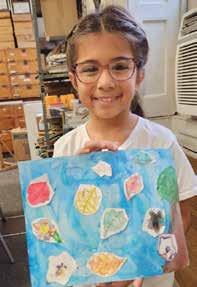
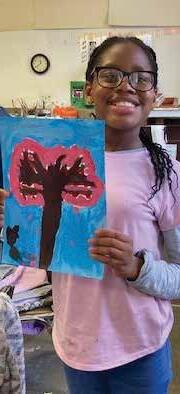
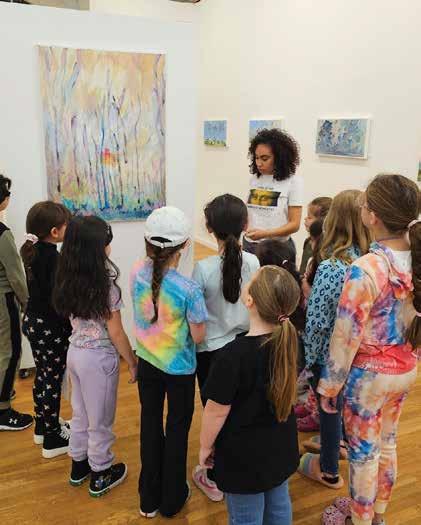
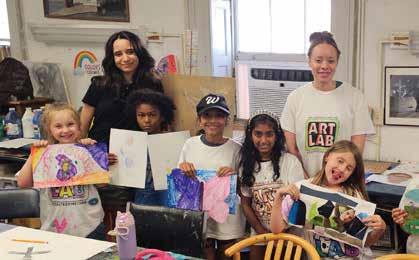

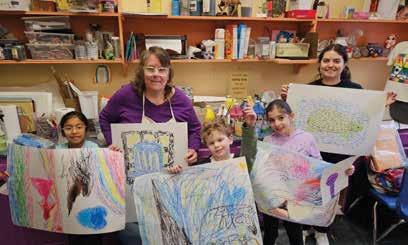
Art Lab offers weekly art classes for all ages (3 and up) Including Creations, Young People’s Art, Pre-K Art, Afterschool Art, Intro to Sculpture, and more!
Fine Arts, Applied Arts, & Photography classes available for adults too. Register online or call us for more info.
Week: April 6 - 10, 9 AM - 5 PM
Looking for a fun activity for your child to do during Spring Break?
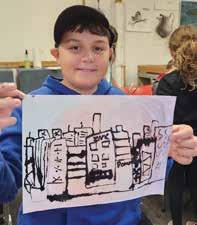
Send them to Kids’ Week at Art Lab! Full day & Half Day options available. Open to young artists ages 6 - 12. Your child will spend 5 days creating art and will try their hand at painting, drawing, sculpting, and more. Register online or call for more info.
Special Programs Available:
Gallery Events - No School Daze - Scholarships for classes Volunteer/Intern at Art Lab - Birthday Parties / Art for a Day

Art Lab, School of Fine & Applied Arts
Located on the grounds of Snug Harbor Cultural Center




No School Daze:
Sponsored by Con Edison
March 20 & May 27
AM: 10 AM - 11:30 AM
PM: 12 PM - 1:30 PM
Free Art Workshops for ages 6 - 12
Blooming Brown Bags by Leah K. Tomaino
Opening Reception: Saturday, March 14 2:00 PM - 4:00 PM

Registration is open for Camp Picasso & Camp Kandinsky. Register now or call for more info


















BY JESS MICHAELS
Day camp is one of the greatest gifts you can give your child. It’s often a child’s first step toward independence and provides an environment intentionally designed for children to explore, discover, and learn about themselves and others. Below are eight reasons why day camp is so beneficial for both your child and your family.
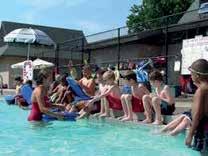
The cornerstone of a traditional day camp is its swim program. Campers typically swim twice a day—one instructional swim and one recreational swim. Children are grouped by swim ability and learn alongside peers at a similar level. Whether your child arrives as a beginner or a confident swimmer, their skills and comfort in the water will grow with each day.
When children are with their parents, it’s hard to develop independence. Day camp allows children to practice taking steps towards independence in a warm, supportive, and safe environment. From getting on the camp bus in the morning, to changing independently
after swim, to choosing what food to try at lunch, campers take small but meaningful strides to rely on themselves. Children feel good about themselves when they do things on their own, leading them to become more self-sufficient.
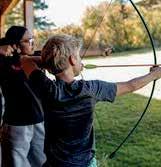
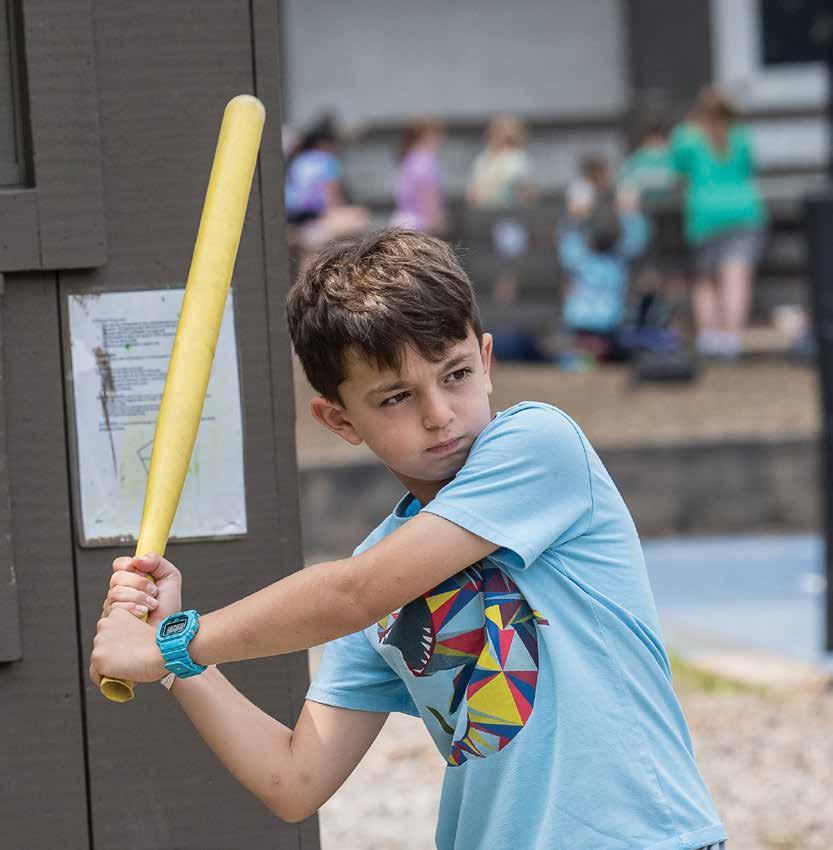
Children feel proud when they succeed at something they’ve tried. Day camp programs are intentionally designed with age-appropriate activities that create confidence-building moments. Whether a camper completes the ninja course or lands their first arrow on the archery target, these achievements help children feel capable and good about themselves.
Day camps offer a wide variety of activities— sports, arts, adventure, theater and more. Children are exposed to a little bit of everything at day camp, which often leads children to discover a new interest, passion or talent they may never have explored otherwise.
Camp introduces children to peers outside



of school, opening the door to friendships with children from other communities which widens their circle of friends. Camp is designed for making friends easily. Campers spend their days in small groups, participating in activities together and bonding through shared traditions like morning meetings and camp songs.
Children practice social skills daily at camp from communicating with peers, sharing meals, resolving conflicts and learning a new activity together. While school focuses on academics, camp is where a child’s social education takes place.
Day camp is a screen-free environment, giving children a much-needed break from technology. Instead, they enjoy days filled with sports, adventure, arts and crafts, water play, and outdoor fun. Camp encourages face-to-face communication—whether at the lunch table, on the field, or during creative activities.
Beyond the fun and skill-building, day camp is also an excellent childcare option for working families. Many camps offer extended hours with before and aftercare programs, providing full-day coverage while ensuring children spend time outdoors, active, and engaged.





Alpine Day Camp of NY and NJ
441 Route 9W, Alpine, NJ 07620
kim.merry@scouting.org 212-651-3077 alpinedaycamp.org
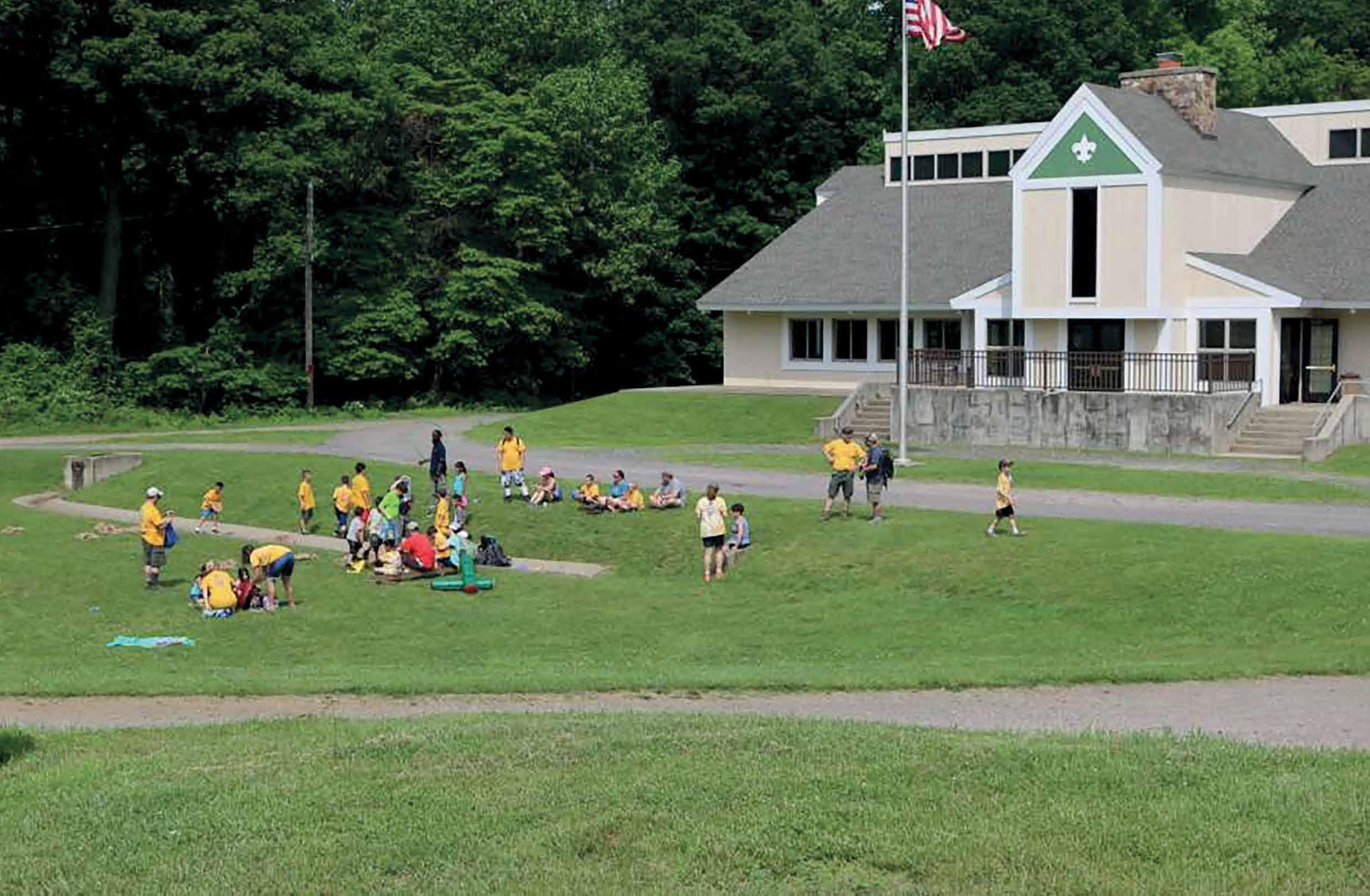
Alpine Day Camp offers one of the only camps where youth can enjoy “the great outdoors” each day and make it home to the city by dinner! While many childcare options feature school-style activities under fluorescent lighting, Alpine puts the summer in summer vacation with a beautiful property featuring a swimming pool, indoor and outdoor activity areas, a full-service dining hall, and acres of land to explore. Now offering transportation from all five boroughs!
Art Lab
1000 Richmond Terrace, Staten Island, NY 10301 info@artlabsi.org 718-447-8667 artlabsi.com
Located at Snug Harbor Cultural Center, Art Lab
Camp Picasso offers a creative summer program for children ages 6-12. Led by professional teaching artists, campers explore drawing, painting, sculpture, and more, creating exciting take-home artwork. Campers also enjoy nature and playtime on Snug Harbor’s scenic grounds. Flexible 2-10 week sessions are available, with full and half-day options. Additional programs include Camp Kandinsky for ages 3-5, Winter Immersion, and Kid’s Week.
Big Birds Playhouse
1859 Richmond Avenue, Staten Island, NY 10314 bigbirdsplay@aol.com 718-982-0550
Bigbirdsplayhouse.com
Children will enjoy trips to parks, roller skating, aquarium, Liberty Science Center, Turtleback Zoo, swimming, bowling, movies

& sports. Parents have the choice between on site, infants - 5 year olds or Traveling camp ages 5-10. June 29 - August 22. Established 1991. Give your child the best summer ever!
Camp Cody
9 Cody Road, Freedom, NH 03836 info@campcody.com 603-539-4997 campcody.com
Camp Cody is a co-ed overnight camp on beautiful Lake Ossipee in Freedom, New Hampshire, welcoming campers ages 7–17 from across the country, with classic camp traditions, and modern facilities offering waterfront, sports, arts, and adventure activities. Campers choose much of their own schedule, trying new activities and deepening skills they love. There are flexible 2- and 4-week sessions, allowing time to unplug, form lasting
friendships, and return home excited for next summer at Camp Cody.
Camp Fitch YMCA
12600 Abels Rd., North Springfield 16430 info@campfitchymca.org 814-922-3219
campfitchymca.org
Camp Fitch YMCA is a Great Camp on a Great Lake, where kids unplug, try new things, and feel free to be themselves. Located on the shores of Lake Erie, they serve campers ages 6–17 in a supportive community guided by caring staff. Campers experience Friendship, Achievement, and Belonging (FAB) through classic camp activities, waterfront adventures, and special programs. Overnight sessions run weekly from June 14 to August 1. Discover a summer they’ll never forget!







High Hopes Summer Camp
1298 Woodrow Road, Staten Island, NY 10309
jackie@highhopeschildcare. com
718-317-8143 highhopeschildcare.com
High Hopes is now accepting Summer Camp registration for children ages 2 to 6 years old. In this state-ofthe-art facility, children will experience an array of activities including a Disney Party, Pajama Parties, Space Exploration and more. They also have an outdoor play area for outdoor activities. High Hopes is now celebrating 30 years of caring for the children of Staten Island. Become a part of the High Hopes family this summer.
JCC Day Camp
Henry Kaufmann Campgrounds
1131 Manor Road, Staten Island gwechsler@sijcc.com
718-475-5231 sijccdaycamp.org
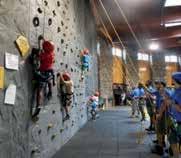
Staten Island JCC Day Camp is a place for fun, friendship, and values that last a lifetime! Camp has 30+ activities, including an inflatable game center, climbing wall, swimming, sports, arts & crafts, trips, and weekly shows. Kids enjoy nature, make lifelong friends, and have unforgettable adventures. Located on 75 acres at Henry Kaufmann Campgrounds, camp features 3 swimming pools, an archery range, boating pond, athletic fields, and more. Lunch is included on non-trip days.
Richmond County Day Camp
6581 Hylan Boulevard, Staten Island NY 10309 rcdaycamp@gmail.com 718-761-1492 rcdaycamp.com
Celebrating over 30 Years Of Summer Camp Fun! Richmond County Day Camp
offers families the most complete summer camp experience in the borough! From complimentary bus service and free extended care hours to a private air-conditioned facility and exciting trips, there is something for everyone. There’s a reason why Richmond County is the island’s number one summer camp program. Parents are encouraged to learn more at the upcoming Open House being held on March 21st from 11am to 2pm. Register today!
Staten Island Academy Day Camp
715 Todt Hill Road, Staten Island, NY 10304 CBruno@statenislandacademy. org
718-303-7845 statenislandacademy.org/ summer/day-camp
Staten Island Academy Day Camp provides an unforgettable summer of
fun and learning. Campers participate in sports, field games, science exploration, and swimming in outdoor pools. With 12 acres of indoor and outdoor facilities, including air-conditioned classrooms, a gymnasium, and sports fields, children enjoy a safe and engaging environment. The camp’s professional staff ensures a positive experience, keeping families informed with regular updates. Open Houses are available for those interested in learning more. Follow Staten Island Academy Day Camp on social media for activity updates.
6581 Hylan Boulevard, Staten Island, NY 10309 lmazzo@cc-si.org 718-317-2849
cc-si.org/tender-carepreschool
Discover one of the island’s favorite summer camp experiences at Tender Care















Preschool, located on Mount Loretto. Flexible options with 4- and 8-week sessions, offering either 3 or 5 full-day adventures. Tender Care has something for everyone, including an on-site sprinkler park, engaging weekly themes like camping, ocean/ beach, sports, and Disney. A spacious outdoor playground and exciting special guests. Don’t miss out—limited spots are still available! Reach out or visit today.
UAU Summer Camp
College of Staten Island 2800 Victory Blvd, Staten Island, NY 10314
info@uausummercamps.org 929-556-4432
uausummercamps.org
Ready for the Island’s newest
summer camp experience? Visit the Open House on March 28th and learn all that UAU has to offer at the brand new Summer Camp program at the centrally located College of Staten Island. From air-conditioned facilities and sports to team building and science, UAU is proud to offer Staten Island Families a program that is not only comprehensive, but affordable. Learn more and register for the open house today!
23 Birch Ridge Road, Hardwick, NJ 07825 information@campmason.org 908-362-8217 campmason.org
Discover YMCA Camp Mason
Overnight Camp, where adventure, confidence, and lifelong friendships begin. On 500 acres of forests, lakes, and trails, Camp Mason provides a safe environment where kids can unplug, explore, and thrive. Campers enjoy swimming, archery, boating, hiking, arts, sports, climbing, and unforgettable campfires, all led by caring, trained staff who inspire character, independence, and belonging. The camp’s inclusive community welcomes every child to discover their strengths, build resilience through age-appropriate programs, modern cabins, nutritious meals, and round-the-clock supervision.

YMCA of Greater New York Summer Camps
20+ Locations Across All 5 NYC Boroughs
rho@ymcanyc.org 212-630-9720
ymcanyc.org/camp Awesome starts at YMCA Summer Camp! Registration is now open for all YMCA Summer Day Camps, at dozens of convenient locations throughout all five boroughs. The Y has camps for every child, including traditional camp and specialty camps offering everything from basketball and soccer to gaming and zookeeping! Swimming is available at most camps, and the Y will work with each camper to strengthen their swimming ability. Register by April 18 and save 10%.

REGISTER TODAY!

540 acres filled with exhilarating adventures and activities for your kids to explore, and lifelong friends and memories they’ll never forget.
Two-Week long Camp Sessions
June 28 – August 22
Overnight Camp: Ages 7 - 14
Equestrian Camp: Ages 7 - 16
Leaders-In-Training (LIT): Age 15
Counselors-In-Training (CIT):Age 16

BY MIA SALAS
Choosing a school for your child in New York City can feel overwhelming— even for parents who thought they had it all figured out. Between zoned public schools, gifted programs, charter schools, private schools and parochial options, there’s a lot to consider. At the end of the day, we all just want to find the best fit for our child, where they can feel safe and grow.
If you’ve found yourself asking, “Should we consider a charter school?” you’re far from alone. Charter schools have become a significant part of New York’s education landscape, and many families find they are the perfect environment for their child’s education. Read on to learn more about charter schools so you can weigh your options with confidence!
What are charter schools?
Before we get into whether charter schools are a fit for your family, let’s cover the basics. Charter schools are independently-operated public schools that are tuition-free, open to all students, and funded by public dollars. The key difference is governance: charter schools are independently run by nonprofit organizations rather than directly by the Department of Education.
In exchange for greater independence, charter schools are held accountable to a charter that outlines academic goals, operational standards and renewal terms. If a charter school consistently underperforms, it can be closed.
Unlike private schools, charter schools do not charge tuition, cannot require entrance exams (with limited exceptions) and must serve students with disabilities and English language learners. Compared to zoned public schools, however, charter schools are not tied to where you live and generally require families to apply through a lottery system.

Curriculum freedom and why it matters
One of the biggest draws of charter schools is their flexibility. Because they are not bound by all the same regulations as district schools, charters have more freedom to design their curriculum, school day, and teaching methods.
This flexibility can be especially appealing to families who feel their child might thrive in a setting that looks different from a traditional classroom. For example, if your child loves hands-on learning, they may benefit from a charter school that builds its curriculum around real-world projects rather than textbooks. However, the flexibility also adds some work for parents because each
school is unique. You’ll want to research a lot of schools and chat with faculty and staff on tours to get a good sense of the learning approach. Keep reading for some examples of specialized programs that might work well for your little scholar.
Specialized programs and focused learning models
Many charter schools are built around a specific educational philosophy or focus, which can be a major advantage for the right student.
Some NYC charter schools specialize in STEM, which prioritize science, technology, engineering and math from an early age. Others focus on the arts, integrating visual
One
their flexibility.
art, music, dance and theater into daily learning. You’ll also find dual-language or language-immersion programs, and collegeprep models that index on achievement and real-world readiness.
These specialized approaches can be incredibly powerful for children whose interests or learning styles align with the school’s mission. A creatively inclined child might feel more engaged in an arts-integrated charter, while a student who loves problemsolving could thrive in a STEM-heavy environment.
However, keep in mind specialization can also mean less flexibility. If your child’s interests or needs change over time, the focus may no longer be the right fit.
Because charter schools are open to all students but have limited seats, most use a lottery-based admissions system. Families submit an application and if there are more applicants than available spots, students are selected randomly.



Don’t be discouraged if you’re not selected, because waitlists are common and often move quickly. But if you decide charter school is the right choice, we recommend applying to multiple charter schools to increase your chances of receiving an offer.
The lottery system can feel daunting, especially if coming from a zoned public school where placement is usually guaranteed by your address. But for many families, it’s worth giving the lottery a shot—charter schools can offer meaningful alternatives that feel like the right fit for their child.
Is a charter school right for your child?
There’s no universally “best” school option in New York—only what works best for your

child and your family. Charter schools can be a wonderful choice for some students, especially those who benefit from a specific teaching style, structured environment or specialized focus.
-As you weigh your options and go on school tours, here are a few questions to keep in mind:
-Does my child thrive with structure, or do they need more flexibility?
-Is a specialized focus (arts, STEM, language immersion) important to us?
-How do I feel about the uncertainty of a lottery-based system?
-What kind of school culture feels right for our family?
-How far are we willing to travel each day for school?














and organize your home this spring
BY DANIELLE RAMOS
Would you believe that the key to a healthy life is an organized one? They say the state of your home reflects the state of your mind, so it makes sense to stop and consider whether your home is working for you. With the start of a new season, this is a perfect time for a refresh.
As busy parents, consider how much time is spent looking for things that go missing, or putting away stray items because they just simply do not have a designated place. Then consider taking the time you invest each week to do mundane organizational chores, and putting that time into doing something you enjoy … or nothing at all?
Here are four easy ways to get your household in tip-top shape and running smoothly, like a well-oiled machine:
Create a To-Go Center
Keep keys, ID cards, Purell, bus passes, etc… on a shelf or another area right by the front door. Nearby, create another area to keep jackets, sweaters, umbrellas, along with hats and gloves, in an easily accessible bin. This ensures that anything you need will be located right by the door, eliminating last-minute full-house searches when you’re trying to get out on time. It’s a huge time (and sanity ) saver!
Make a Place for Everything
You know the extra plastic bags, loose pins, tie-offs, scrunchies, and stray receipts you find literally everywhere around your house?
Wait for a rainy weekend and create a spot for each one! The local dollar store sells multiple small stackable drawers that can easily fit inside a kitchen cupboard, and are ideal to hold small items in individual compartments.
Designate Specific Days for Tasks
Laundry day on Friday, food prep on Sundays, vacuuming on Thursdays, etc. Setting aside specific days to attack particular tasks forces you to get that chore done that
THE 3 BIGGEST
DECLUTTERING MISTAKES:
• Trying to do it all at once –overwhelm leads to giving up.
• Keeping things “just in case” –holding onto items you don’t actually use.
• Not having a system – without designated spots, clutter comes right back.
day, and on a regular basis. It also helps keep you from feeling overwhelmed with many chores all at once because now each task will have a different day to get done.
Teach Your Kids to Pitch In from a Very Early Age and Enlist Help Kids can either learn to become tidy or not, so from an early age, require your kids to become responsible for the order of your home. Once they start, hold them to it. That alone will give you several minutes every day with less for you to do.
Using age-appropriate tasks and consequences, this daily type of maintenance becomes a way of life for them — and you. It will also help create a new generation of efficient adults.
And do not forget to include your spouse in this equation! After all, why should you be the sole one responsible for the cleanliness and order in your home? That will only lead to resentment, and that is not fun for anyone involved.
More on Chores and Decluttering:
How do I start decluttering my house?
Start small… pick one room, one area, or even one category (like clothes or papers). Sort items into keep, donate, and toss piles, and focus on creating a home for everything you keep.
How do I teach my kids to do chores?
Always start with small, age-appropriate tasks. First, show them how to do it, and then be consistent. Praise effort, not perfection, and make it part of the daily routine, so it becomes a habit.
























BY DANIELLE RAMOS
As a mom of a child with an autoimmune disease (plus a health columnist and daughter of a nurse and a surgeon), I thought I was perceptive and observant enough to be able to catch medical issues early until my son lost a lot of weight in a matter of weeks. I first noticed he was looking a little thinner, but thought nothing of it, and since he wears baggy clothes, it wasn’t as apparent … until one day when I caught a glimpse of his collarbone protruding so much I could see the whole bony outline.
I asked him to weigh himself, if only to placate me. One step on the scale was enough to see the doctor. He had lost 20 pounds. Something was wrong.
At his primary doctor’s, his blood glucose was sky high at nearly 300, and a week later, he would be hospitalized, headed straight toward diabetic ketoacidosis. He tested positive for 3 out of the 4 antibodies for Type 1 autoimmune diabetes and was started on insulin immediately in the hospital. We were told he would have to take insulin several times a day for the rest of his life.
How Did This Happen?
He was a healthy eater, active, and had regular check-ups. Of course, I started reading everything I could on the subject, joined parent groups, and listened to our endocrinologist and diabetic educator.
Since then, it’s been a whirlwind of learning about blood sugars, carb ratios, continuous glucose monitors (CGMs), insulin dosing, short-acting insulin (bolus), long-acting insulin (basal), all the various brands of each, pumps, sensors… the list goes on and on. Any parent of a Type 1 diabetic knows that the learning curve is steep and never really ends.
What Is Type 1 Diabetes?
Type 1 diabetes is an autoimmune condition in which the body attacks the insulinproducing cells in the pancreas. As a result, the body stops making insulin, a hormone needed to move glucose from the bloodstream into cells for energy.
“In diabetes, there’s a disruption in the immune system for reasons we’re not
totally clear about,” explains Christopher J. Romero, MD, a pediatric endocrinologist at Mount Sinai Kravis Children’s Hospital, and Associate Professor of Pediatrics at Icahn School of Medicine at Mount Sinai. “It starts to react against the cells that make insulin, called beta cells. Eventually, those cells start to die, and then you’re not making insulin.”
Insulin is essential for survival because it allows glucose to enter the body’s cells for energy; without it, blood sugar rises to dangerous levels, and the body begins breaking down fat in a way that can quickly become life-threatening.
For a child (or adult) with Type 1 diabetes, giving them insulin is what keeps them alive. People with Type 1 diabetes need insulin for life. It’s a non-negotiable and not something that can be replaced with diet or exercise.
Without insulin, glucose cannot enter the cells to provide energy, and the body begins to shut down. Administering insulin, whether by injection or pump, allows the body to function, organs to work properly, and blood sugar levels to stay within a safe range.
Signs of Type 1 Diabetes That Can Often Be Missed
Type 1 diabetes can come on fast, and early symptoms are easy to overlook in active kids. Dr. Romero points out, “In type 1 diabetes, technically by the time you see symptoms, that beta cell mass is already decreased by 7580%, so most of your cells are gone.”
Signs and symptoms:
• Extreme thirst
• Frequent urination (including new bedwetting)
• Sudden weight loss
• Fatigue or irritability
• Blurry vision
Not everyone experiences all of these symptoms, and when they do appear, they’re often subtle.
Misdiagnosis Is More Common Than You May Think
Because Type 1 diabetes is still widely misunderstood, it’s sometimes missed or misdiagnosed, especially in older kids, teens, and adults. Some clinicians were trained back when Type 1 was considered a childhood disease and Type 2 an adult one, so new-onset Type 1 can be mistaken for Type 2
or not fully evaluated.
If symptoms are present, it’s important to push for blood sugar testing and diabetes autoantibody tests. These simple blood tests look for markers like GAD, IA-2, and ZnT8 antibodies that show the immune system is attacking insulin-producing cells. When those antibodies are present, it confirms Type 1 diabetes and signals the immediate need for insulin.
Early testing can prevent Diabetic Ketoacidosis (DKA), a life-threatening complication. DKA occurs when the body doesn’t have enough insulin to allow blood sugar into the cells for use as energy. Instead, your liver begins to break down fat for fuel, a process that produces acids called ketones. When too many ketones build up too quickly, they can poison the body, leading to a coma or death if not treated immediately in a hospital.
Administering Insulin : Giving insulin can be frightening, whether you’re doing it for your child or trusting your teen to manage it themselves, especially knowing that insulin can cause dangerous lows. That’s why diabetes education is vital. Even with training from your child’s doctors and nurses, parenting a child with Type 1 diabetes requires ongoing vigilance: checking blood sugars, watching trends, and responding fast when numbers shift.
Unlike other diseases that can be treated with a standard medication dosage, insulin needs change throughout the day, depending on food, activity, sleep, sickness, and other factors.
Part of the problem is that every human body responds differently to how blood sugar and insulin are used, and it takes a lot of trial and error to figure out your child’s insulin needs. Then, when you do, it’s common for that to change due to hormones, growth, stress, and other factors.
Honeymoon Period : There is also what doctors refer to as a honeymoon period in Type 1 diabetes, where a person still has some insulin, which may make figuring out insulin units tricky. This period can be somewhat cruel because it can give parents a false sense of “maybe they’re getting better” before the pancreas fully stops. Eventually, insulin needs will increase as the body’s natural insulin depletes entirely.
Informed experimentation is a hallmark

of treating Type 1 diabetes, because insulin needs can shift day to day, and what worked yesterday may suddenly be too much or not enough today, as every body responds differently to constantly changing variables.
“The impulse of any parent is ‘ok, I need to fix this right now’ but there is some guessing to it, it’s educated guessing but it’s guessing, and can be very challenging, says Dr. Romero. With new patients, he breaks it down to simple concepts, instructs parents on the basics first, such as what a low blood sugar is, what a high blood sugar is, and the mechanics of how to treat each of them.
Dr. Romero tells his patients, “We are going to work to make these blood sugars better, but the first thing you need to do is take care of your child and help them transition to this new condition. If you can do that, along the way, we start to individualize the care for the child. It’s an
ongoing education.”
If this seems overwhelming, it is, and exhaustion is a side effect. CGM alarms can go off at all hours, pulling you and your child out of sleep. Some nights it means giving insulin; others it means waking your child to eat or drink to treat a low, something that can turn serious quickly if missed.
At school, children need immediate access to insulin and fast-acting sugar at all times, in every classroom, on the playground, and on field trips.
In New York City, students with Type 1 diabetes are protected under federal law and entitled to accommodations like 504 Plans and trained staff. But those protections only work when the staff understands the seriousness of the disease: a child should never be sent alone to the nurse, delayed in treatment, or denied insulin or glucose when they need it.
Many parents say that connecting with other families who understand, often online, in the middle of the night, is what makes them feel less alone. I can attest to that. I have spent many nights asking questions and finding comfort in the advice of those who have navigated the same ups and downs- and still do. You don’t have to navigate this journey alone. If your family is managing a Type 1 diagnosis and you would like to connect or ask questions, please feel free to reach out via email.
• Breakthrought1d.org (Formerly Juvenile Diabetes Research Foundation- JDRF)
• American Diabetes Association, diabetes.org
• Childrenwithdiabetes.com
• Beyondtype1.org
• NYC Pediatric Endo Programs: Look into specialized care at Mount Sinai, NYU Langone, or NewYork-Presbyterian
BY DANIELLE RAMOS
The Museum of Ice Cream reopened last month with expanded interactive exhibits, hands-on play areas, and new spaces designed for kids, parents, and of course, fun.
The Museum of Ice Cream feels brand new again. On February 4, the popular SoHo destination reopened after a short closure with a reimagined, three-story experience with more room to play, more hands-on creativity, and more reasons for families to linger (as if kids ever needed one before!).
The renovated Museum of Ice Cream focuses on movement, imagination, and shared play. That’s a new shift from the previous activities, which leaned more toward visual experiences, though there are still a lot of those, too. The new layout encourages kids to explore and adults to join in. In total, there are 14 exhibits.
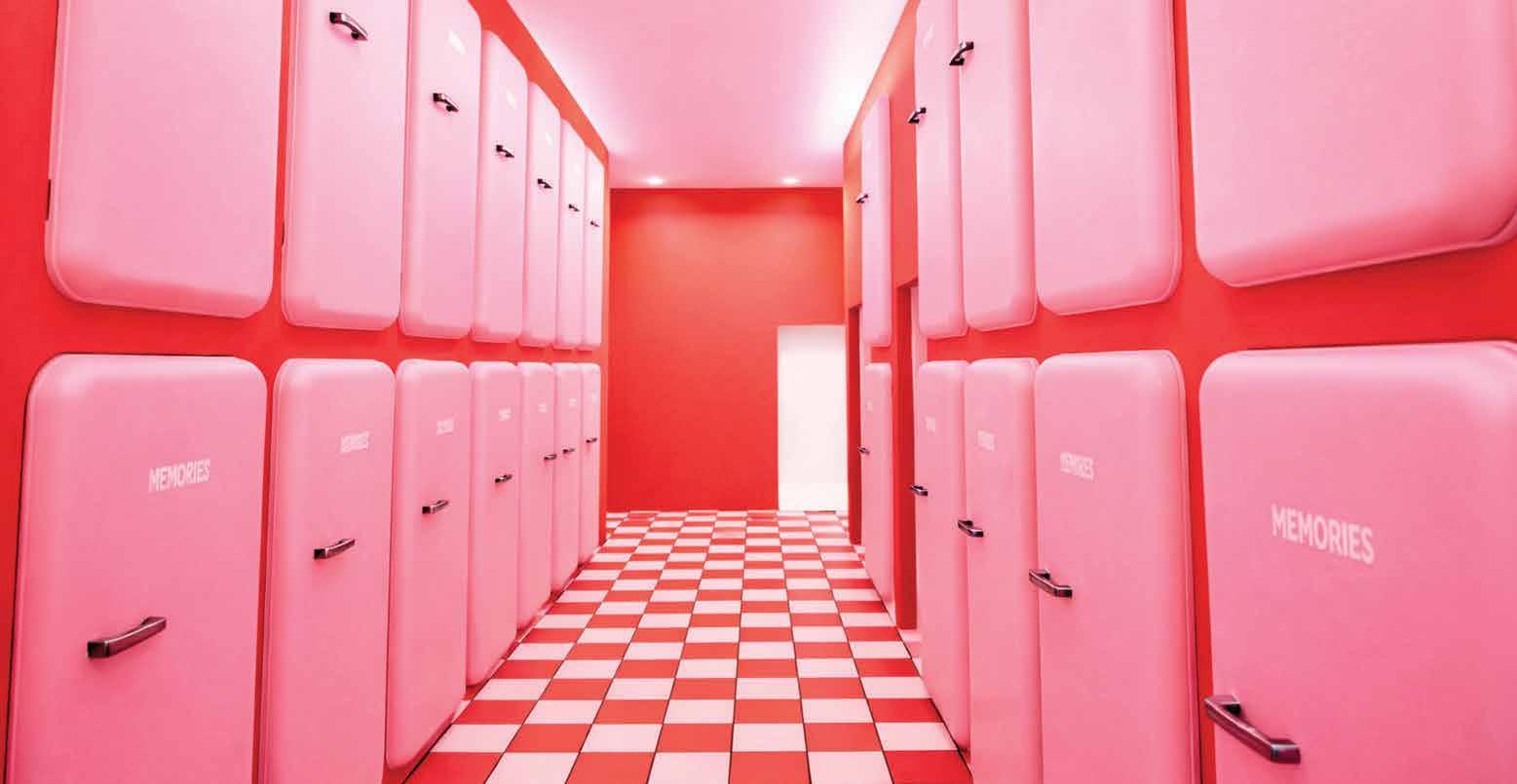
One of the coolest additions is the Hall of Freezers, where freezers open to reveal secret rooms and unexpected surprises. It’s designed to reward curiosity and exploration, and whether you’re a kid or parent, who can’t help but open doors to see what’s inside?
The museum also added a larger-than-life carnival and playground, offering more room to run around and be active. It actually comes at a perfect time, given how cold and snowy winter has been andnow kids can have an even brighter fun space.
The Banana Split Jungle, one of MOIC’s most iconic installations, has been expanded and refreshed. It’s still colorful and whimsical, but now offers more space to explore, a big plus for busy weekends.
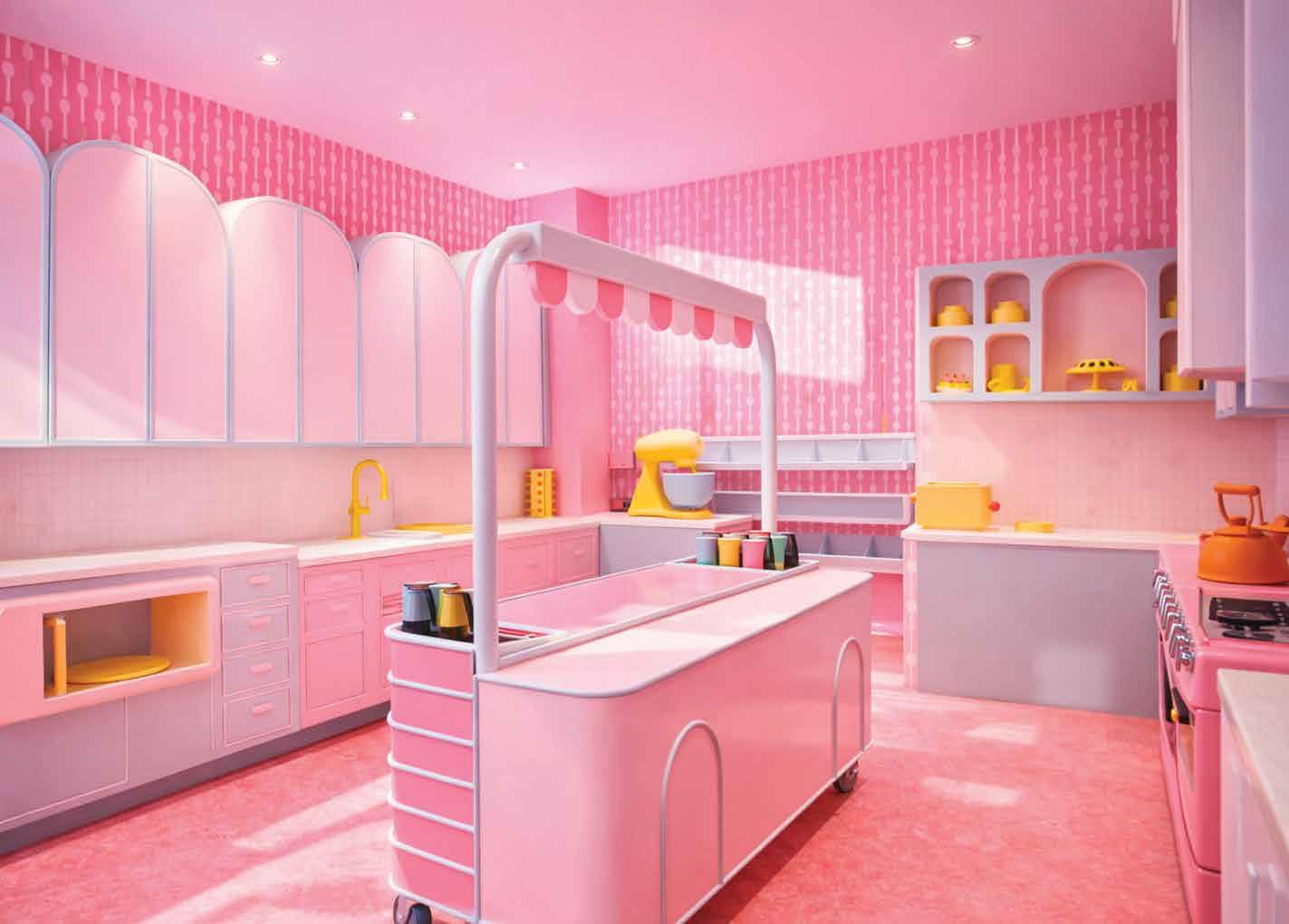
Another fun addition is Sundae House, described as a kitchen of imagination. This handson area lets kids play, pretend, and create.

Cream (Yes, Still Unlimited!)
Of course, unlimited ice cream remains part of the experience, but the offerings are more elevated this time around, with lots of new flavors. For adults, the museum is also introducing more imaginative cocktail options.
The Museum of Ice Cream NYC is located in SoHo and spans three floors, so plan to spend at least 60–90 minutes inside. Advance tickets are recommended, especially during school breaks and weekends. Check out museumoficecream.com for more information.












































Staten Island St. Patrick’s Day Parade
Sunday, March 1, 12:30 pm – 3:30 pm Forest Ave. and Hart. Blvd.
Free
All ages
The 62nd Annual St. Patrick’s Day Parade is set to kick off on Forest Ave. and Hart Blvd, traveling up Forest Ave. to Jewett Ave. Wear something green to show your Irish pride and enjoy performances by pipe bands, local schools, and more.
Purim Carnival
Sunday, March 1, 11 am – 1:30 pm
Joan & Alan Bernikow JCC, 1466
Manor Rd.
$10 per child for non-members, $5 per child for members, adults free
All ages
The JCC invites families to its upcoming Purim Carnival! The costume carnival will include inflatables, games, hamantaschen baking, Purim crafts, face painting, balloon art, and more.
Irish Step Dancing with Dawn Daniels
Sunday, March 1, 4 pm – 4:45 pm.
Staten Island Children’s Museum, 1000 Richmond Terr.
Free with admission
All ages
At this interactive workshop, visitors will learn what makes Irish step dancing a unique form of dance; see costumes and musical instruments; hear a little bit of history; and have fun learning to dance with Irish music!
Nouveau Cirque Mondial
Saturday, March 7 – Sunday, March 15, showtimes vary Under the Big Top at the State Island Mall, 2655 Richmond Ave
Tickets start at $30
All ages
From breathtaking acrobatics, fearless knife throwing and impressive feats of strength to astonishing contortion, mindboggling juggling and playful European-style clowning, this 100% human circus blends adrenaline and artistry in a warm and welcoming atmosphere.
Empowerment and Safety Hike
Saturday, March 7, 11 am – 12:30 pm
Arden Woods Parking Lot, Arthur Kill Rd., Arden Ave. and Halpin Ave.
Free
All ages
Join the Urban Park Rangers on this inspiring and empowering hike. Learn ways on how to be confident, safe, and healthy in our Parks and nature. All are welcomed.
Staten Island Fencing Club
Interactive Demonstration
Saturday, March 7, 4 pm – 4:45 pm
Staten Island Children’s Museum, 1000 Richmond Terrace
Free with admission
Ages 6+
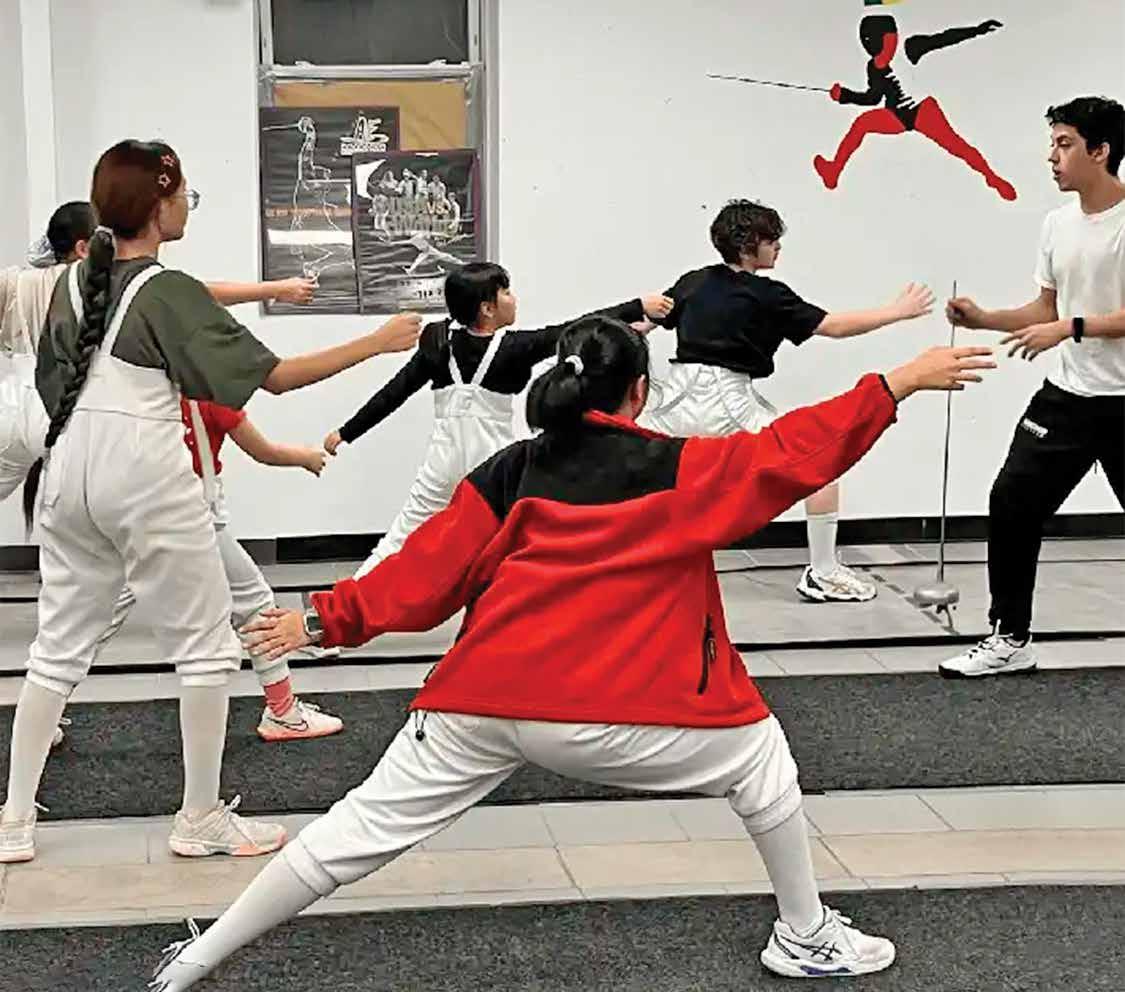
Discover the thrill of swordplay at a fencing demonstration designed especially for kids! The Staten Island Fencing Club will lead an action-packed event for young minds to learn about the art of balance and coordination and to practice with plastic swords.
International Women’s Day: Katherine Walker
Robbins Reef Lighthouse
Sunday, March 8, 11 am – noon
North Shore Esplanade Overlook, Richmond Terr. between St Peter’s Pl. & Stuyvesant Pl.
Free
All ages
Celebrate International Women’s Day with the Urban Park Rangers as they share the extraordinary story of Katherine Walker, one of the first female lighthouse keepers in America.
Staten Island Parent
Ultimate Summer Program & Activity Expo
Sunday, March 15, noon – 3 pm
Fastbreakers of New York Inc., 236 Richmond Valley Road
Free
All ages
Explore a variety of summer camps and programs for 2026. With a variety of vendors, exhibitions, and activities, there is something for everyone to enjoy.
Poison Prevention Week:
Conservation
Sunday, March 15, 11 am – noon
Von Briesen Park, Tompkins Ave., Bay St. bet. School Rd., North Rd.
Free
All ages
Join the Urban Park Rangers on Poison Prevention Week as they discuss conservation of our natural spaces. They will discuss the historic use of pesticides, conservationists that worked
hard to prevent their use, and the effects that pesticides have on the environment.
Sea Shanty Sessions
Sunday, March 15, 2 – 4 pm
Snug Harbor Cultural Center- The Noble Maritime Collection, Building D, 1000 Richmond Terrace Free
All ages
Led by the Folk Music Society of New York, this program offers a great opportunity to experience authentic, time-honored maritime songs in an appropriately historic setting. The sessions are free and family friendly, and you are encouraged to sing along if the mood strikes you!
Spring Mud Painting Masterpieces
Saturday, March 21, 11 am – 12:30 pm
High Rock Park, 200 Nevada Ave. Free
All ages
Get your hands dirty while creating a nature-inspired masterpiece using various types of dirt and clay collected from all around Staten Island! All materials provided.
Binx the Reptile Guy –Dino Scales & Tails
Sunday, March 22, 4 – 4:45 pm
Staten Island Children’s Museum, 1000 Richmond Terr.
Free with admission
All ages
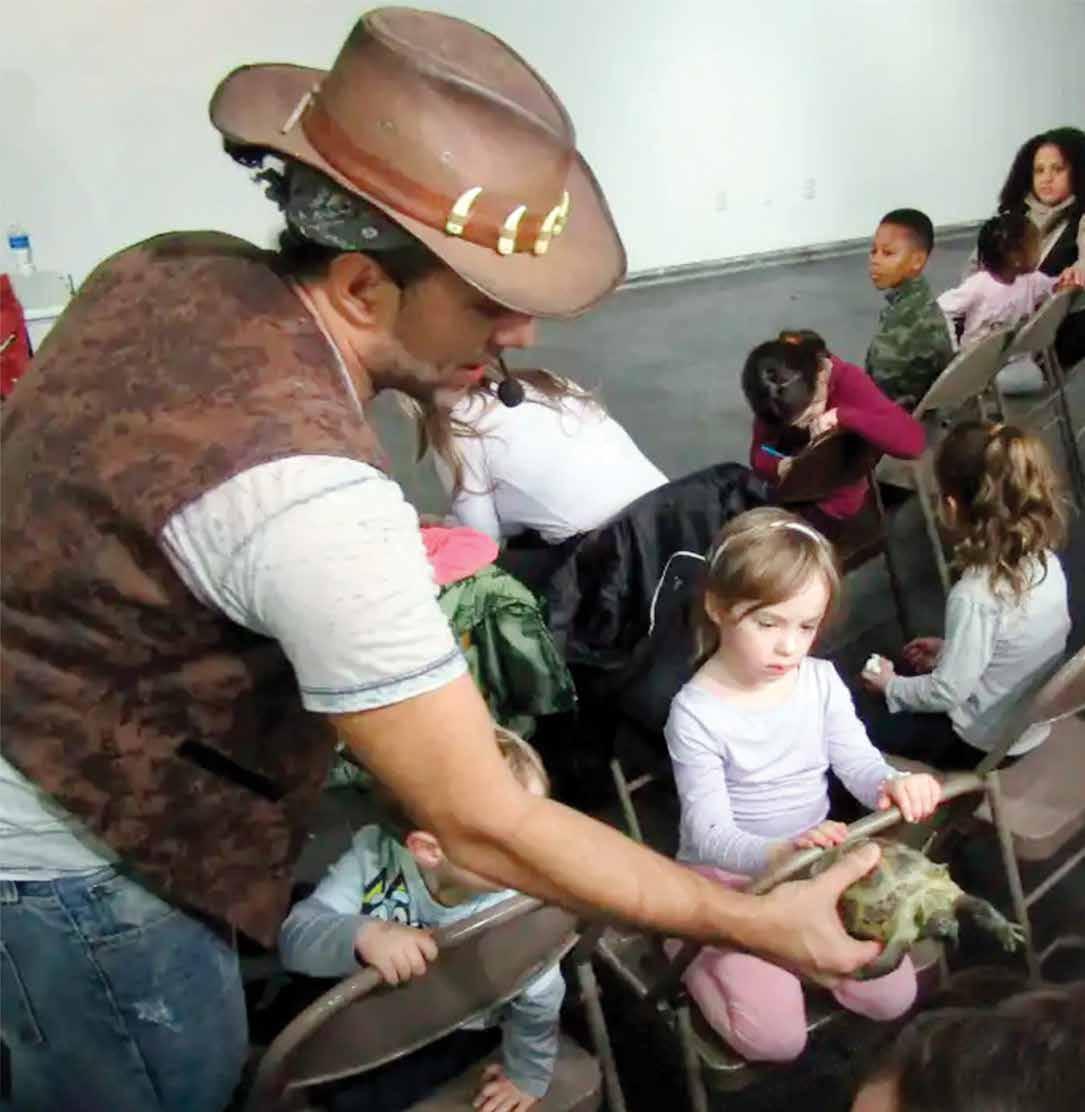
Join Binx the Reptile Guy and a live cast of real reptiles – like sulcata and Russian tortoises, bearded dragons, leopard geckos, and pythons Ed & Eddie – for a fun, educational, and interactive experience.
Quill Making
Saturday, March 28, 11 am – noon
Blue Heron Nature Center, 222 Poillon Ave.
Free
All ages
Take a step back in time and learn how to make your own ink and write with quills, which was the very same way the Declaration of Independence and other historical documents were written before modern writing utensils.
DJ Got Me Fit Dance Party
Sunday, March 29, 4 pm – 4:45 pm
Staten Island Children’s Museum, 1000 Richmond Terr.
Free with admission
All ages
Join in some super fun fitness! Local favorite DJ Got Me Fit will lead children in silly games and dances inspired by the latest pop music.

NYBG Orchid Show is back!
BY JEANNINE CINTRON
For parents in New York, the opportunities to teach our children to appreciate beauty in nature can sometimes feel limited. Bustling streets, blaring horns, and tall buildings often override our ability to slow down and enjoy fresh foliage. But at the 23rd installment of the New York Botanical Garden’s annual Orchid Show, kids, and parents too, are likely to be amazed at how these two worlds collide in an unexpected way.
Touted as a “Love Letter to New York,” the theme of this year’s show is Mr. Flower Fantastic’s Concrete Jungle. The exhibit reimagines the familiar urban cityscape as a whimsical explosion of colorful plants and orchids.
Step inside NYBG’s Enid A. Haupt Conservatory and be transported to a seemingly alternate universe, where everyday city sights like fire hydrants, pizzerias, taxi cabs, subway stations, construction zones, stoops, everything that screams New York City, are adorned with thousands of meticulously designed flower displays. The
result feels like a floral fever dream of sorts. From a brownstone covered in cascades of brightly colored flora to a train station and bus stop entrenched in lush patterns and textures of greenery, each intricate display is more immersive and photo-worthy than the last. It’s the kind of experience that encourages kids to look closely, ask questions, and imagine what their own neighborhoods might look like if nature had its way.
Mr. Flower Fantastic, a native New Yorker from Queens and the sole creator of this year’s exhibition, is known for blending floristry with popular art and street culture. He’s also surprisingly allergic to flowers, opting to wear a mask both to protect himself and to remain anonymous, allowing the focus to stay squarely on the art and the people experiencing it.
“When you look at the pizza shop, the laundromat, the fire escape, and newsstand and all the other installations, they’re designed in such a way where it can be your street, that could be your block, your neighborhood,” he says. “And we’re celebrating you.”
While the stunning visuals alone are reason enough to visit, the Orchid Show also offers meaningful educational opportunities for kids. Families visiting on weekends can
meet NYBG’s horticulture staff and learn how orchids are cultivated, cared for, planted, and designed specifically for the exhibition. These behind-the-scenes insights help children understand the science behind the beauty. For those ready to take the next step and try caring for their own tropical blooms, NYBG also offers classes focused on orchid care, urban ecology, and ways families can help make the city a healthier, greener place. You can find the schedule of classes at nybg. org.
Have a sitter on hand? On select dates beginning in March, Orchid Nights offers adults-only evenings after 7pm, perfect for a night out among one of the city’s most stunning backdrops. Visitors are surrounded by vibrant blooms while enjoying cocktails and snacks, all set to the sounds of a DJ spinning dance-worthy tracks.
The Orchid Show will be on view until April 26, 2026. The New York Botanical Garden is located at 2900 Southern Boulevard in the Bronx and is open 10 a.m. to 5 p.m., Tuesday through Sunday, and select Monday holidays. Tickets are on sale now, and are $35 for adults, $31 for students and seniors, $25 for kids 2-12 and free for children under 2. To learn more about the Orchid Show, go to nybg.com/tos.

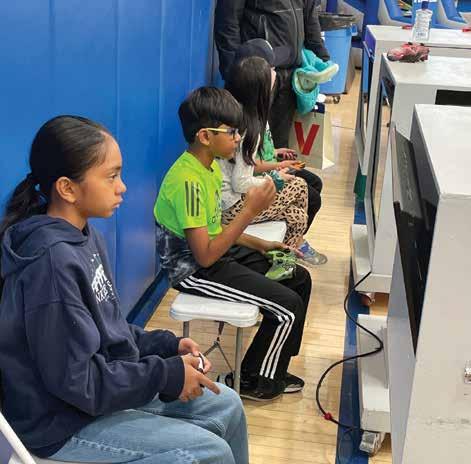
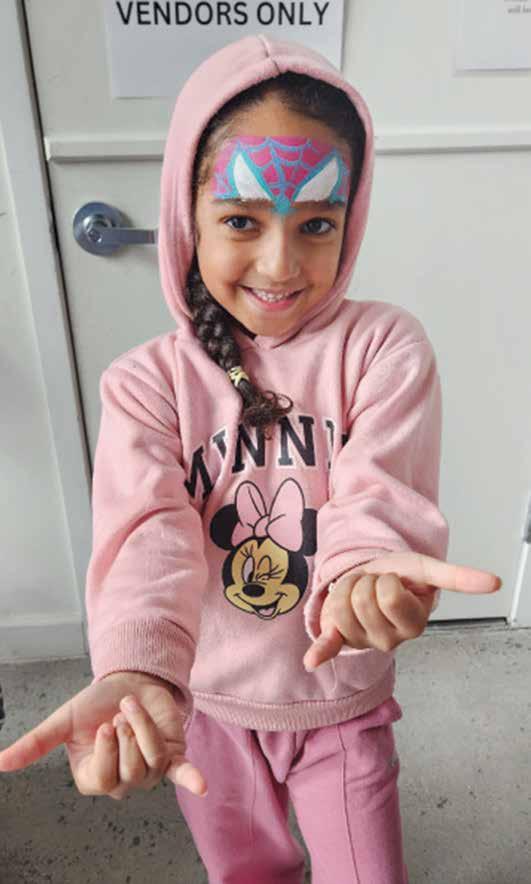



Families will have the opportunity to learn more about Local Summer Camps, Community Services, Afterschool Programs, Sleepaway Camps and more.
PLUS, there’s free fun for the whole family with interactive games and activities, raffles, giveaways, music and more!