Hair & Makeup: Buffy Saint Marie | @buffyhernandez | buffysaintmarie.com
February, Frost & Family
This editor’s letter is being written on the eve of a big snowstorm. As the New York Family team updates our site (newyorkfamily.com) with the latest resources and information, it’s also a reminder of what this city does best: show up for one another. It’s one of the many reasons we love raising families here.
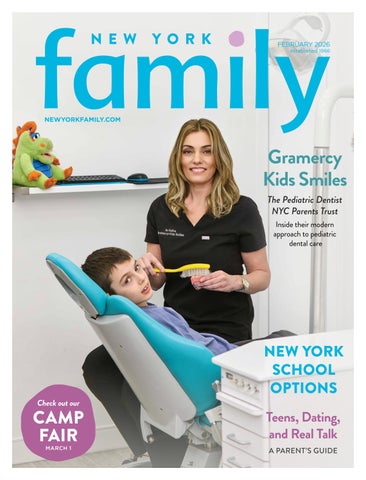
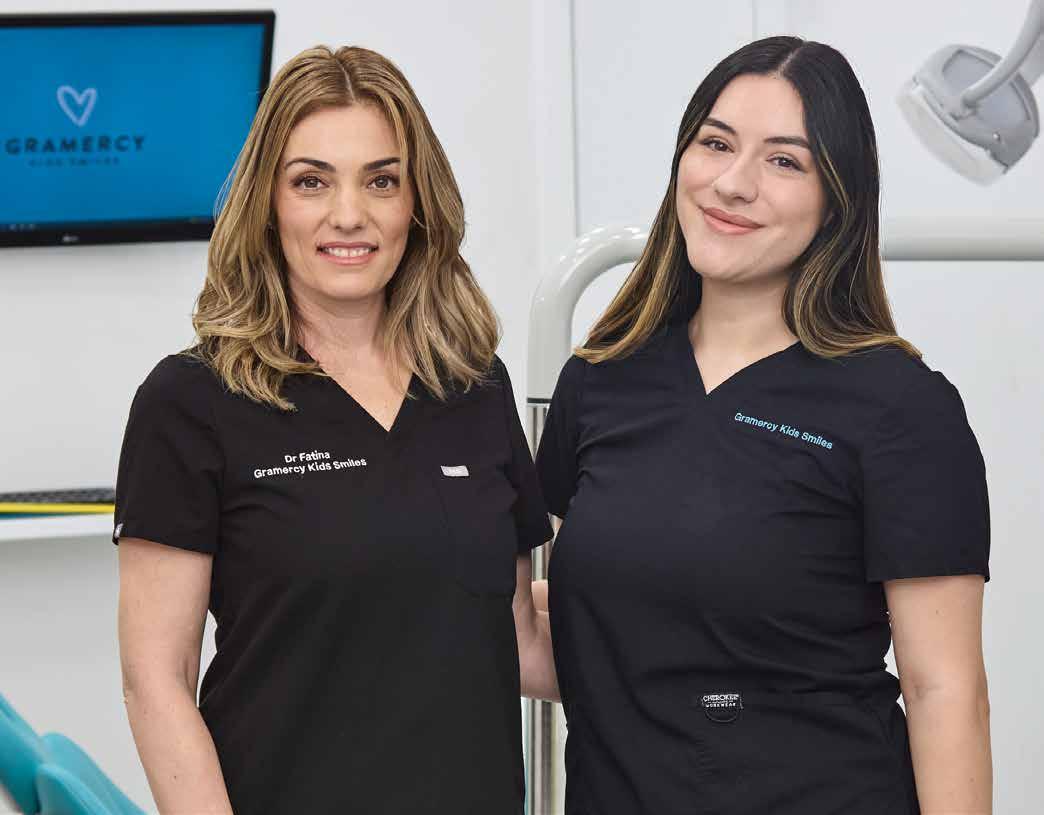
Our February cover features Gramercy Kids Smiles (page 12) and shares on their modern approach to pediatric dental care !! Winter may still be in full force, but we’re already looking ahead, fingers crossed, to warmer days. This issue jumps straight into summer planning (only four months away!) with our camp coverage. Check out Amazing Day Camps (page 28) and Do Siblings Need to Camp Together? (page 26), a must-read for par-
GET IN TOUCH
ents weighing what works best for their kids. February also brings us Valentine’s Day, and with it, conversations about relationships in all their forms. We explore how parents can support teens as they navigate relationships (page 08).
And because navigating schools is a major parenting decision, you’ll also find smart, practical guides to understanding charter (page 16)and Catholic schools (page 22), so you can make informed choices with confidence.
Whether you’re tackling slush or claiming the couch as your winter headquarters, this issue has you covered!
New York Family
Share your feedback and ideas about family life in New York! Email us at editorial@newyorkfamily.com and tag us at #newyorkfamily
PUBLISHER: Clifford Luster
EDITORIAL DIRECTOR: Donna Duarte-Ladd
ASSOCIATE PUBLISHER: Erin Brof
ADVERTISING DIRECTOR: Stacie Goldberg
EDITORIAL LEAD: Jeannine Cintron
DEPUTY EDITOR: Danielle Ramos
EVENTS EDITOR: Shara Levine
ASSOCIATE DIGITAL EDITOR: Soe Kabbabe
EDITORIAL ASSISTANT: Alexa Lutter
PARTNERSHIP MANAGERS: Lauren Alperin, Lauren Anchin, Joan Bergman, Mary Cassidy, Suzanne Cirigliano, Chris Cunnington, Lori Falco, Shelli Goldberg-Peck, LynnMarie Hanley, Lisa Herlihy, Janine Mulé, Nina Spiegelman, Gwen Tomaselli
MARKETING & STRATEGY DIRECTOR: Rosalia Bobé
MARKETING & EVENTS
COORDINATOR: Ashley Rivera
MARKETING ASSISTANT: Lorens Morris
MEDIA SALES ASSISTANT: Ruston Ropac
SALES COORDINATOR: Bernadette Kilkelly
ART DIRECTOR: Leah Mitch
WEB DEVELOPER: Sylvan Migdal
GRAPHIC DESIGNERS: Arthur Arutyunov, Connie Sulsenti
EDITORIAL CONTRIBUTORS: Jeannine Cintron, Mia Salas
CONTACT INFORMATION
ADVERTISING: (718) 260-4554
Advertising@NewYorkFamily.com
CIRCULATION: (718) 260-8336
Tina@NewYorkFamily.com
ADDRESS: New York Family Media/Schneps Media 15 MetroTech Center, Seventh Floor Brooklyn, NY 11201
PRESIDENT: Victoria Schneps-Yunis
CEO: Joshua Schneps
COO: Clifford Luster
New York Family is the recipient of 12 Parenting Media Awards in 2024, including General Excellence, as well as several Gold Awards in Editorial and Design for our website, e-newsletters and monthly print publication.
Teens and Relationships
How parents can help navigate
BY KAITLYN RIGGIO
Let’s face it: no parent is exactly eager for their kid to start dating. For many parents, a teen’s first relationship is an undeniable sign that they’re growing up and they’re not a little kid anymore.
But as much as parents may hesitate to admit it, relationships are part of life, especially as children become teens. Relationships are an important avenue for teens to find their identity and place in the world, and guidance and open communication from parents can make the process easier.
We sat down with Samantha Quigneaux, LMFT, national director of family therapy services for Newport Healthcare, about how parents can help their teens navigate relationships as they get older.
Parents can start establishing the framework for teens to have healthy relationships early on. What might these early conversations look like?
Helping our children develop healthy relationships means discussing what characteristics of a friendship or relationship make us feel most safe, comfortable and happy. Are the people they surround themselves with kind, thoughtful, and considerate of their feelings and experiences?
These conversations can start as early as elementary school. When your child tells you about their friend, ask them “What do you like about this friend?” or “What kinds of things do you do together that you enjoy?”
This is also the time for you to help your child thoughtfully address conflict and learn how to advocate for themselves. If they tell you about a playground disagreement, ask them how they felt about the situation and what they did to help themselves feel better in the moment. This is an opportunity for collaborative problem-solving.
Some of the earliest relationships kids observe is the relationship between their parents. How can seeing this relationship
affect kids?
The relationship kids observe between their parents is unquestionably the most impactful. Children are incredibly observant and aware of dynamics that exist between their parents and family members. Like most situations, children learn how to interact with the world and those around them from their caregivers.
Children will look and learn unknowingly at communication and conflict resolution. This is applicable to parents who are coupled, uncoupled, as well as single parents. Children also internalize what they will view “acceptable” and “normal” relationship patterns from their parents and caregivers.
How can parents ensure they’re modeling a healthy relationship for their children?
Modeling healthy relationships is certainly heavy lifting. In order to do this, parents must be honest with themselves, and be able to take stock of the way they interact and communicate with their partners or other caregivers. Healthy relationships mean prioritizing feeling safe, valued, respected and cared for. Are these dynamics present in the home? When conflict comes up, is this done effectively or aggressively? Modeling a healthy relationship at its core is stopping to ask yourself “Is this the type of relationship
I would want my child to be in?” If not, consider what changes need to be made.
What advice can parents give to their teens as they’re getting ready to start dating?
As teens start to be interested in having a romantic relationship, it is important for parents to approach it with curiosity about how their teen views dating. Encourage open communication and discussion about what it is that interests them in dating and what they are looking for in a potential partner. How are they hoping to feel in a relationship?
Parents should remind their teens that a partner should help them to feel like the best true versions of themselves. Someone who cares for them and respects them will make them feel empowered and strong.
It is also important that parents remind their teens that dating can be an exciting adventure and journey of discovery, but to listen to their heart and gut; if something feels “off,” they should trust themselves and reach out for support.
It’s important for people of all ages to know what an abusive relationship looks like in order to stay safe. What are some warning signs for abusive relationships that teens in particular should look out for?
Abuse is all about power and control. So, if at any point a teen is feeling as though
someone is trying to disempower them or control certain aspects of their lives, this is a big red flag. This may look like a partner telling them what to wear, who to hang out with, rules to adhere to, or to break. Other warning signs are the teen’s mood and engagement in everyday things that previously brought them joy. If a teen is experiencing increased anxiety, depression, or emotional dysregulation, or if they no longer want to join the family for dinner and would rather isolate, these are critical warning signs of an unhealthy relationship.
Teens should be able to come to their parents with problems as they grow up, including relationship problems. How can parents lay the groundwork for this open communication?
The key here is curiosity rather than criticism. You want to show your teen that you are able to hold a safe, calm, and respectful space even when discussing difficult topics, and especially when your teen is being vulnerable.
When discussing relationships with your
Other Things to Keep in Mind
Every teen is going to approach relationships differently. Some may lean towards engaging in more casual dating while others want a “serious” long term relationship. It is important to understand what your teen is looking for and not to judge or diminish their perspective.
This means not perpetuating stereotypes or belittling their intense feelings with comments like, “You’re only 16. You’re not going to marry this person.” or “Be careful how many people you date so you don’t get a bad reputation.”
This type of “advice” does not address a parent’s deeper concerns, and it will likely put the teen on the defense. You also risk losing open
teen, try to go beyond “What did you do with them?” to “How does this person make you feel? What qualities do you like about them?” Teens are working through their identity and finding their place in the world, and relationships are certainly a part of this. It is important to discuss with your teen the
communication. If parents notice concerning behaviors, it is important to approach it from an emotionally focused place.
Another element of teen dating that must also be under the umbrella of safety and communication are topics related to sex and sexuality. Parents need to be a safe place for their teens to express themselves, and to be able to have conversations about their bodies and their attractions.
These can be difficult topics at any age, particularly as teens develop their own notions around romance and sexuality. We want to reinforce to our teens that we can handle uncomfortable conversations about these important issues.
differences between privacy and secrecy. It is absolutely reasonable for there to be aspects that they do not share with their parent(s) because they are private and personal, but secrecy means they are intentionally withholding information that they fear may bring judgment, criticism, or punishment.
Gramercy Kids Smiles: The Pediatric Dentist Parents Trust
Inside their modern approach to pediatric dental care
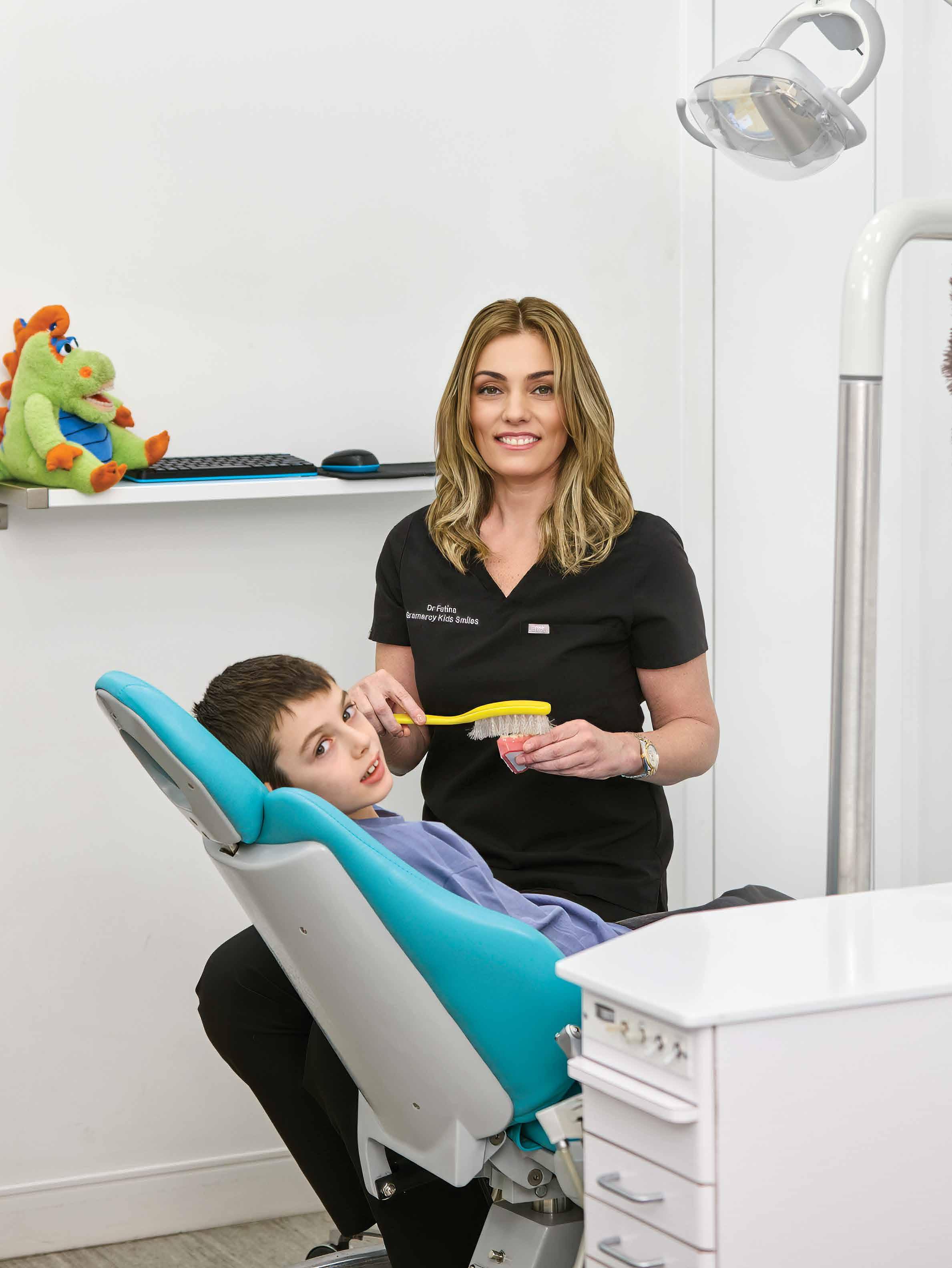
For New York City parents, f inding the right pediatric dentist isn’t just about cleanings and cavity checks—it’s making sure your child feels safe and supported from the very beginning. It’s about finding a doctor who will really take the time to understand your child and their needs. So, when we heard about Gramercy Kids Smiles, a boutique practice that specializes in developing your whole child alongside their smile, we had to share. As New York City’s top pediatric dental practice integrating oral health, speech, and airway development from day one, Gramercy Kids Smiles offers families a comprehensive approach—one that starts earlier, looks deeper and feels far more personal than the typical dental visit.
Many parents don’t realize how closely connected oral development is to feeding, speech and breathing. After facing breastfeeding challenges with her son, Dr. Fatina was inspired to learn how lip and
tongue ties affect feeding and development, and now helps other families navigate those same issues.
At Gramercy Kids Smiles, babies and children are evaluated not just for teeth, but for tongue mobility, airway development, and speech readiness. “We start seeing kids when they are babies and newborns,” says Dr. Fatina, founder and board-certified pediatric dentist. “Our son had issues with nursing. That’s how we learned about lip and tongue tie.”
Using advanced lip and tongue tie laser dentistry, the practice supports families experiencing breastfeeding challenges early on and continues that care as children grow. “We can also help when they’re a little older, and speech might be an issue,” Dr. Fatina explains. “We work closely with lactation, speech and myofunctional therapists.” This integrated approach is part of why parents consistently choose Gramercy Kids Smiles. Children are set up for long-term health and
confidence—not just straight teeth. We are also lucky to have orthodontic care as well, with husband and partner Dr. Jason Berk. Another big appeal for parents is Gramercy Kids Smiles’ focus on education, a core part of the practice. “Our philosophy is very preventative-based and we really value education,” Dr. Fatina shares. “We’re
these worksheets to help parents reinforce healthy habits at home. We make all these videos so they can come back to it. And we’re always available for questions.” One scroll through their website and you’ll find countless resources—worksheets, interactive videos and quizzes—for teaching families
commitment to learning even inspired Dr. Fatina to write a book, A Book About Teeth , to help children understand brushing, flossing and dental visits in a way that feels exciting.
Rather than focusing on guilt or perfection, the team helps parents understand
risk factors and routines in a supportive way. “Cavities happen, and that’s okay,” says Dr. Fatina. “But with anything, it’s about educating and making sure parents understand risk factors. We are their quarterback for preventative care. Of course, kids have candy and juice, but we try to help guide them. There are certain times to eat ‘junk food’ to help minimize cavities. It’s about guiding the parents, guiding the kids, and getting them both in a good routine.”
Preventative, early care is at the heart of Gramercy Kids Smiles. “Some of the kids don’t come until they are three, and some parents don’t even know they should be brushing,” Dr. Fatina says. “It’s important to get that first visit scheduled by one year old.”
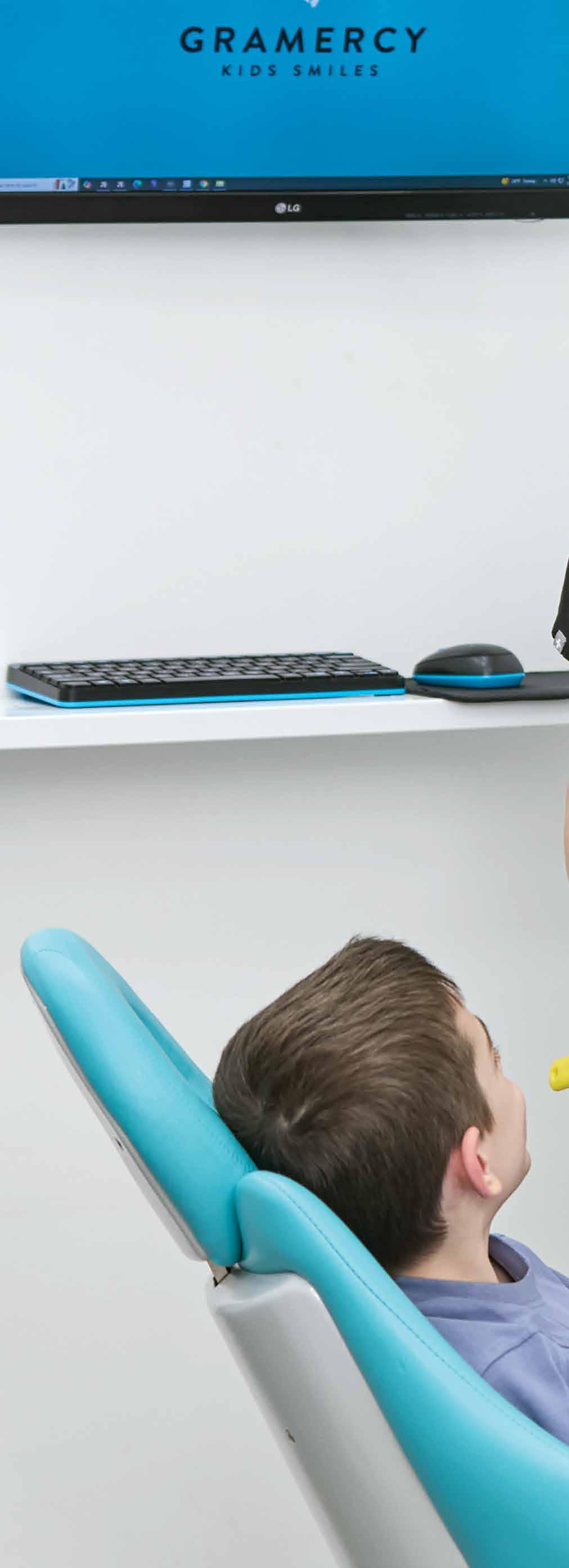
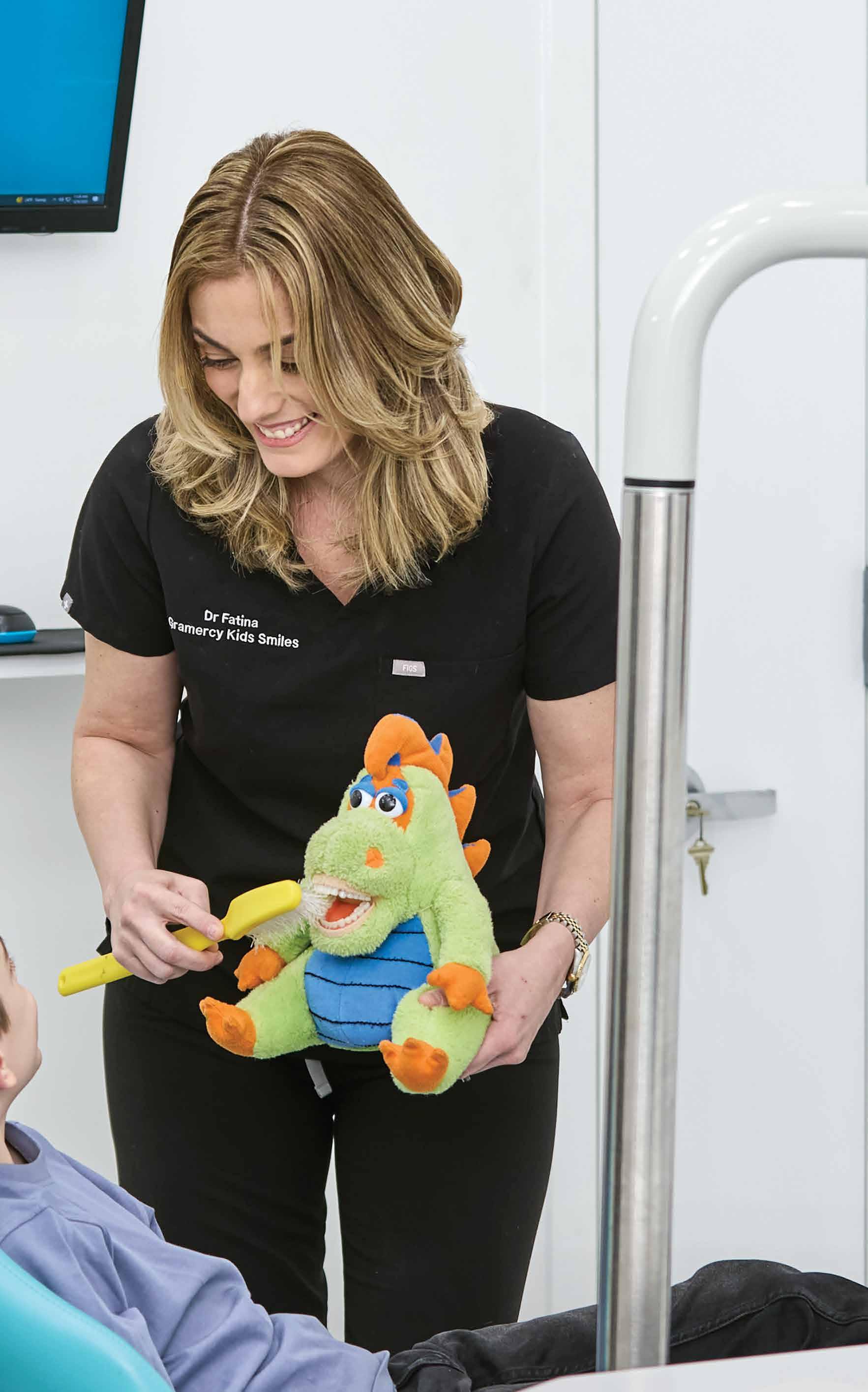
And when kids do show up for that first visit, they’re met with a fun, playful environment to help them feel comfortable. “We just try to get down to their level and make it as fun as we can,” says Dr. Fatina. “Stuffed animals, having them brush and giving them a toy. With intake forms, we get to know all of their favorite things to create a personalized experience.” The practice is equipped to care for children with special needs, as Dr. Fatina completed a fellowship at Stony Brook School of Dental Medicine, caring for patients with disabilities and special needs. The team creates familiarity with their educational resources ahead of the visit, then offers choice, control, and fun personal touches during the visit. “A lot of the kids ask, ‘Can we go back to the dentist?’” Dr. Jason says. “It’s truly an experience, and kids love experiences.”
The personal touch is felt among the entire practice, as Dr. Fatina remains closely involved in every child’s care. Parents aren’t rushed, questions are encouraged, and Dr. Fatina is available whenever you need support. Born in Brooklyn and having grown up in the NYC area, Dr. Fatina can relate to the needs of NYC parents. And, you’re in more than capable hands with Dr. Fatina’s impressive background: a D.D.S. degree from SUNY Buffalo School of Dental Medicine, chief resident and special care fellowship at Stony Brook University Hospital for pediatric dental training, and general practice residency at Staten Island University. Above all, families get accessibility and partnership when they choose Dr. Fatina and her team.
If you’re a NYC parent looking for a pediatric dental home that champions education, compassion, and prevention, Gramercy Kids Smiles is for you. Head over to gramercykidssmilesnyc.com to learn more and book your first dental visit now.
Photos by Alphonse Telymonde
Where to Find the Best Pediatric Emergency Care
BY DANIELE RAMOS
No one ever wants to have to take their kids to the emergency room, but as a mom, it’s usually an inevitable visit, sooner or later. As a mom of three, I’ve been to many emergency rooms over the years with each of my kids, and they are definitely not all created equal. The best time to map out the top ERs in your area is well before you ever need one.
We compiled a list of some excellent emergency departments in the city that offer various levels of care. No matter what you go for, whether a chronic condition, sudden illness, or a trauma, you want the most capable, experienced minds and hands, and then you want as pleasant an experience as possible for your child (and for you!).
Kips Bay 570 First Ave., New York, NY 10016 212-263-5550
Located within Tisch Hospital, the Pediatric Emergency Department is part of Hassenfeld Children’s Hospital at NYU Langone. It is a dedicated kids-only ER with 24/7 pediatricspecific emergency care, staffed by pediatrictrained emergency doctors and nurses.
Before you go, you can view waiting times, which are posted on the website and updated every 5 minutes. Kids get a quick initial screening by a pediatric emergency specialist as soon as they arrive, and then are moved into a treatment room right away.
There is a family-friendly waiting area that is deliberately kid-friendly, with toys, games, books, and child-life specialists to help ease stress. The whole medical team is child-centered and goes out of their way to help put kids at ease.
Because Hassenfeld is part of a larger children’s hospital with many pediatric specialties, if your child needs follow-up or specialized care after the ER visit, they’re well-equipped to provide it. There is access
to more than 35 NYU pediatric specialties if your child needs extra care.
Great for Manhattan families (or those from the five boroughs willing to travel) who want a caring, kid-focused ER experience with the top medical minds, or for kids who might be particularly sensitive/anxious about hospitals.
Morgan Stanley Children’s Hospital Washington Heights 3959 Broadway (at 165th St.), New York, NY 10032; (212) 305-6628
Located within NewYork-Presbyterian Morgan Stanley Children’s Hospital, the Cohen Children’s Emergency Department is a Level 1 Pediatric Trauma Center and, so they can treat the most serious and complex emergencies, trauma cases, and pretty much any pediatric medical need. Your child will have access to top pediatric specialists in just about every area. This can be a godsend if the emergency turns into a longer hospital stay or if your child needs specialized care.
It is staffed around the clock by board-certified pediatric emergency physicians, trauma specialists, and nurses trained specifically to care for infants, children, and teens. There are 29 private treatment rooms with TV, videos, and games to keep kids comfortable, and two hightech emergency suites for the most urgent cases.
Plus, there is a Kids Express “Fast Track” area to speed up care for less urgent issues during busy hours, and self-registration kiosks for non-urgent visits that take as little as 90 seconds. The waiting room is a calming space for kids with reading nooks, internet access, game tables, and a multimedia wall with bright natural light, vibrant colors, and floorto-ceiling storybook illustrations throughout.
Great for NYC families seeking a toplevel pediatric trauma center with extensive
resources, rapid access to specialists for serious traumas, complex illnesses, or anything beyond a typical ER visit. Yet the rapid triage also makes it ideal for minor illnesses, too.
Komansky Children’s Hospital
Upper East Side 525 East 68th St., New York, NY 10065 212-746-3300
This is a Level 1 Trauma Center and a regional burn center located within NewYork-Presbyterian/Weill Cornell Medical Center. The center can treat everything from minor injuries to the most serious emergencies. Their 24/7 pediatric-only ER is staffed entirely by doctors and nurses trained specifically to care for infants, children, teens, and young adults.
Families have direct access to a full range of pediatric specialists at Weill Cornell if your child needs extra care or admission to he hospital.
When you go, kids are assessed right away, and staff focus on fast pain relief and comfort, while using child-friendly tools, toys, and techniques to make the experience less scary. Charging stations are plentiful, and free Wi-Fi to keep devices going during long waits, which is a lifesaver ( not all ERs have this!)
Virtual Urgent Care is available for minor illnesses and injuries if you want to avoid an inperson trip (and who doesn’t, especially when flu and viruses are running rampant)
Great for NYC children who need a highlevel pediatric trauma and burn center. The fast triage and virtual urgent care capability also make it great for treating minor illnesses on off-hours when you can’t see your pediatrician.
NYC Health + Hospitals/Bellevue
Kips Bay 462 First Ave., New York, NY 10016
212-562-5555
This ER was recently recognized as a “Pediatric Innovator” and earned the highest rating in the Always Ready for Children program, scoring nearly perfectly for the way they care for kids in emergencies. It’s a Level II Pediatric Trauma Center (the only one south of 68th Street in Manhattan), fully equipped to handle serious injuries for children across a large part of the city. The department treats all ill and injured children and young adults under 25, including those who need acute resuscitation for conditions like dehydration, sepsis, meningitis, trauma, or toxic exposure.
The emergency department is designed specifically for children, with treatment rooms, special asthma and respiratory care areas, trauma bays, staffed by pediatrictrained emergency physicians and nurses. There are multiple exam rooms, isolation spaces, a trauma room, an acute care area, and a big family-friendly waiting area.
The department also supports children and teens with urgent mental health needs through a state-certified Child and Adolescent Comprehensive Psychiatric Emergency Program, which includes an evaluation unit, a 6-bed Extended Observation Unit, an interim crisis clinic, and access to mobile crisis services.
Great for families in Manhattan (especially lower/central Manhattan and parts of Brooklyn) who want a public hospital with trauma-capable and psychiatric pediatric care.
Mount Sinai Kravis Children’s Hospital
Upper East Side 1184 Fifth Ave., New York, NY 10029 (212) 241-9500
The pediatric emergency department was recently redesigned to add more space and increase the number of beds. There is little to no wait time, as kids are brought directly to treatment rooms after check-in. A new resuscitation area for critically ill children ensures that the sickest patients get rapid, optimized care.
The whole department is designed with children in mind, and colorful lighting and interactive elements make visits less intimidating, and there’s even a low-stimulation room for kids with autism or sensory sensitivities. Being part of a large health system at NewYorkPresbyterian means that if your child needs admission or specialized follow-up, pediatric specialists and intensive care units are readily available.
Great for Upper East Side families seeking a newer, thoughtfully designed pediatric ER
that balances quality medical care with a less stressful, more comforting environment for children.
Maimonides Children’s Hospital
Pediatric Emergency Department
Borough Park, Brooklyn 4802 10th Ave., Brooklyn, NY 11219 (718) 283-7500
This is Brooklyn’s only dedicated children’s ER and Level 2 pediatric trauma center, so for families in Brooklyn or nearby boroughs, it offers convenient access without needing to travel to Manhattan. Certified and equipped to treat life-threatening injuries from serious incidents (falls, car accidents, etc.)
The recently expanded emergency department has 32 treatment areas, advanced imaging (X-ray, CT, ultrasound), trauma rooms, and dedicated pediatric resources, including the largest PICU and NICU in Brooklyn. There are dedicated pediatric trauma rooms and orthopedic procedure areas. There is also an accredited pediatric cardiology program (IAC–certified in fetal and pediatric echocardiography).
The emergency department is staffed by specialists trained to care for children, who respond differently to injuries than adults.
If your child has to have a hospital stay, the full-service pediatric hospital offers a complete range of inpatient services. Maimonides offers a full range of pediatric inpatient services (NICU/PICU, oncology, cardiology, etc.), which helps keep care coordinated.
The Pediatric Hospitalist Program provides individualized care coordination throughout a child’s hospital stay. Child Life Services offers play, art, and music therapy to support emotional well-being and ease the stress of hospitalization
Great for families in Brooklyn or beyond who want a full-featured, child-specific hospital with access to top specialists.
NewYork-Presbyterian Brooklyn
Methodist Hospital
Park Slope, Brooklyn 506 6th St., Brooklyn, NY 11215 (718) 780-5025
Right in the heart of Park Slope, one of the most family-dense neighborhoods in the city, this hospital is a lifesaver for local parents who want fast, reliable pediatric care without crossing a bridge. Their pediatric emergency team handles everything from fevers and injuries to more complicated concerns.
Specialized pediatric emergency and criti-
cal care services are tailored for infants and children, and staffed by dual board-certified emergency and pediatric physicians and nurses. They have a dedicated pediatric area within NYP Brooklyn Methodist’s ER, designed for a calmer experience for families.
The Pediatric Intensive Care Unit (PICU) for critically ill children treats conditions like respiratory failure, severe illness, and postoperative recovery. A Neonatal Intensive Care Unit (NICU) includes a 24-bed Level III NICU for newborns needing intensive medical care, equipped to care for extremely premature babies and infants recovering from surgery. Plus, there is a transitional Care Nursery that helps babies who need extra support before heading home.
Great for Brooklyn families (especially those in Park Slope, Gowanus, Windsor Terrace, or nearby neighborhoods) who want a dependable, kid-savvy emergency department close to home for quick access, top specialists, and a calmer setting than the big Manhattan ERs.
Cohen Children’s Medical Center
New Hyde Park
269-01 76th Ave., New Hyde Park, NY, 11040 (718) 470-7640
At less than 30 minutes from Queens, Cohen Children’s Pediatric Emergency Medicine is the only freestanding pediatric emergency department on Long Island and the largest Level I pediatric trauma center in New York. It offers dedicated, round-the-clock emergency care exclusively for infants, children, and adolescents. The best part is that it is a pediatric-only facility and staffed 24/7 by board-certified pediatric emergency physicians and specialized pediatric nurses.
The department takes care of a host of urgent needs, from routine childhood sicknesses and injuries to serious surgical and trauma cases. There is also a Pediatric Behavioral Health Urgent Care Center to support kids and teens who are having a mental-health crisis right alongside medical emergencies.
Since Cohen Children’s is part of a major pediatric teaching hospital within Northwell Health, the whole place is built with kids in mind, staffed by people who are specially trained to care for young patients and all the unique needs they have.
Great for local Queens’ families who want fast, specialized emergency care close to home, especially when their kids need a pediatriconly team that can handle everything from minor injuries to serious trauma or behavioral-health emergencies.
A Closer Look at Charter Schools
BY HANNAH MALLARD
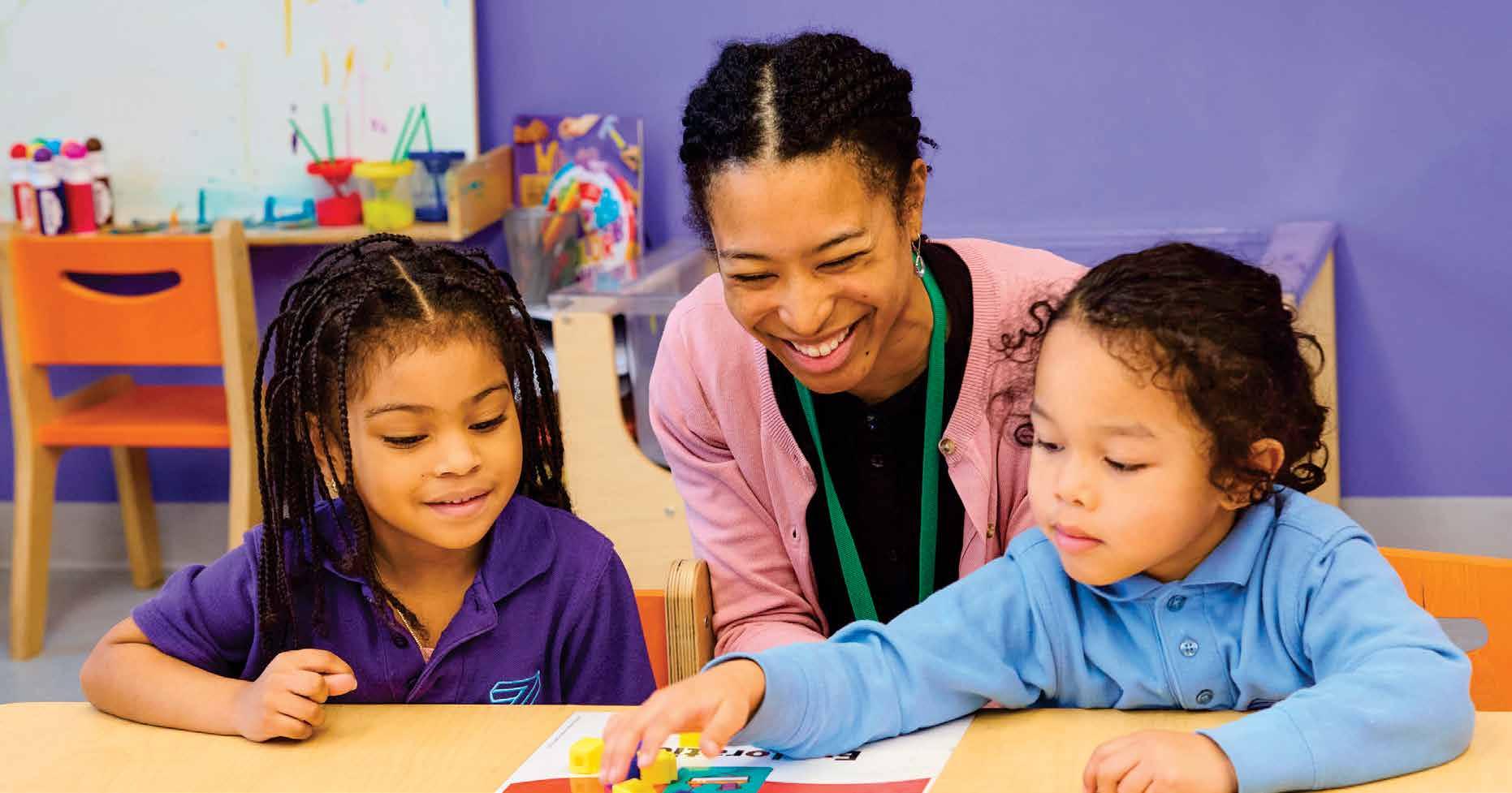
Charter schools are independentlyoperated public schools accountable for advancing student achievement.
New York City’s 281 charter schools are independent of the New York City Department of Education, but if they don’t meet certain student achievement standards, they can be closed. This combination of freedom and accountability allows charter teachers to adapt their classrooms based on their students’ needs while pushing for high academic achievement.
New York City’s charter schools have become a popular option for many students, especially from minority and economically disadvantaged families. Charter schools offer students opportunities for academic success that unfortunately cannot be said for some of the city’s public schools.
We’ve included a list of charter school benefits below to help you and your family consider if a charter school is the right fit for your student!
NYC Charters Do Not Succeed at the Expense of District Schools
A common myth is that as New York’s charter schools succeed, the city’s traditional public schools fail as a result.
A 2018 study by the Manhattan Institute concluded that “competition from New York City charter schools has either no effect, or a positive effect,” on the city’s traditional public schools.
In fact, district schools have improved significantly as charter schools have spread throughout New York City’s five boroughs. Funding for district schools has also increased as the student population at charter schools has gone up over the years.
Charter Schools are Specialized, with No Tuition Costs
Charter teachers adapt their classrooms and teaching methods to the current needs of their students. This freedom in the curriculum, teaching style, school missions and policies resembles that of private schools, enabling charter schools to provide the very best approach to academics that fits their students.
Though teachers have flexibility, charter schools are held accountable for levels of high academic achievement. If charter institutions
underperform, they can be closed.
Charter Schools Have Ample Funding
About $18,340 is spent per pupil at New York’s charter schools (as per most recent NYSED Public School Data). Though this is less than the average funding per pupil in traditional district schools, charter schools and teachers clearly make the most out of their budget.
This funding by not-for-profit Boards of Trustees means that parents of charter students don’t have to spend money out of their own pockets to ensure their child receives a great education!
Charter Schools Don’t Pick Their Students
New York City’s charter schools admit students through a lottery system; they cannot select their students. This process gives students from all backgrounds and education levels an equal opportunity to attend and achieve academic success at charter schools.
This piece originally appeared in our sister publication, AMNY
Harbor Science & Arts Charter School
Science & Arts Charter School
Harbor Science & Arts Charter School
Students will graduate with the skills and knowledge necessary to succeed
Students
● Are Prepared for Success
● Benefit from Ongoing Assessment and Improvement
●
● Learn in a supportive, positive, and personalized environment
●
●
● Develop strong collaborative relationships with their peers
● Learn in a supportive, positive, and personalized environment
●
● Foster a sense of community and social responsibility
● Develop strong collaborative relationships with their peers
●
● Build strong connections with their teachers and school staff
●
● Foster a sense of
● Regularly outperform students from larger academic institutions "Harbor
●
● Build strong connections with their teachers and school staff ● Regularly outperform students from larger academic institutions
●
-
CHARTER SCHOOLS DIRECTORY
East Harlem Scholars Academy
2050 2nd Ave., Manhattan 212-897-2897 ext. 2304
East Harlem Scholars Academy High School 2017 First Ave., Manhattan 212-897-2898
Operated by East Harlem Tutorial Program (EHTP), a community pillar since 1958, East Harlem Scholars Academies include two Pre-K-8 schools and a new high school. They equip students with the academic skills, character, and emotional well-being to excel in college and beyond. By prioritizing restorative practices and responsive classroom techniques, they foster a vibrant culture of learning, kindness, and respect. The schools offer joyful, academically challenging environments where every child feels safe, valued, and empowered to succeed.
The Harbor Science and Arts Charter School
132-142 East 111th Street
New York, NY 10029 917-261-2700
hsacs.org
Located in the Upper East Side of Harlem, the school serves students in Kindergarten through 8th grade. Any child that is a resident of NYC is eligible for enrollment through the lottery process. The school is committed to providing a challenging, rigorous, standards-based curriculum and by drawing upon the most successful practices in education, students at Harbor Science and Arts Charter School are prepared for success while at the school as well as to succeed in higher level institutions (high school, college).
Inwood Academy for Leadership Charter School
71 Arden St. New York
433 W. 204th St. New York
3896 10th Ave. New York
212-304-0103
admissions@ialcs.org inwoodacademy.org
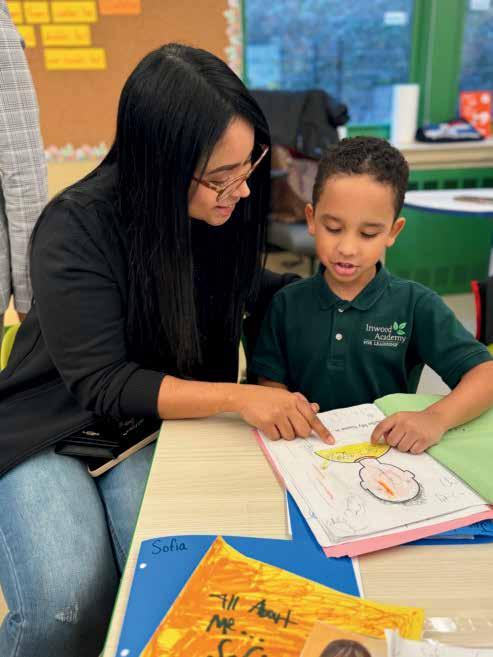
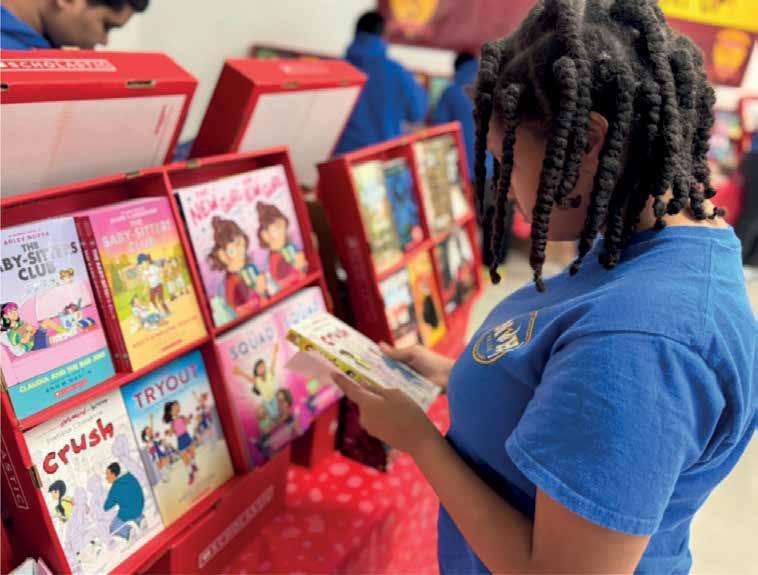
Inwood Academy for Leadership is a free charter school serving students in grades K–12 in Northern Manhattan. Grounded in a mission to empower students to become agents for change, the school emphasizes communityfocused leadership, character development, and college preparedness. With a strong academic program, free enrichment opportunities, free and robust athletic program, and a supportive school culture, Inwood Academy creates pathways for students to belong, grow, and lead.
New Heights Academy Charter School
1818 Amsterdam Ave., New York
newheightsacademy.org
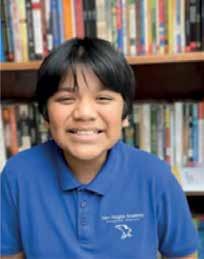
New Heights Academy Charter School is a diverse, college-preparatory school committed to empowering students through rigorous academics and character development. The school fosters an inclusive environment where every student is encouraged to reach their full potential. With a graduation rate over 90% and a 100% college acceptance rate for graduates over the past decade, New Heights prepares students for success beyond high school. The school’s curriculum emphasizes STEM education, arts, and leadership, while its dedicated faculty and staff create a supportive, nurturing atmosphere.
CHOOSE
INWOOD
ACADEMY CHOOSE INWOOD ACADEMY WHY FAMILIES
Grades K–12. 13 years of learning, leadership, and growth—100% tuition-free.
WHAT OUR FAMILIES ARE SAYING:
of families say there is effective and inclusive school leadership.
of families say the school makes an effort to reach out and engage parents in strengthening student learning.
of families say they feel respected and supported by their child’s teachers and are treated as partners in educating their children.
of parents are satisfied with the education their child receives at Inwood Academy.
GRADES K-12 GRADES K-12
SCAN THE QR CODE AND APPLY TODAY!
JOIN OUR TRAILBLAZER COMMUNITY TODAY! TODAY!
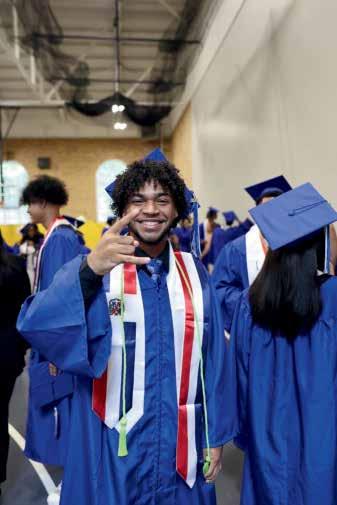
93% High School Graduation Rate — Higher than NYC & NY State since our first graduating class in 2018!
Earn Up to 2 Regents Credits before high school begins.
Several locations throughout NYC successacademies.org
Success Academy is the top-performing K-12 public school system in NYC. Find locations near you in the Bronx, Harlem, Manhattan, Brooklyn, and Queens.
Success Academy fosters a love of learning while creating opportunities for children to become critical and creative thinkers, build life skills and confidence, pursue passions, and secure exceptional careers. Their dual mission is to build world-class K-12 public schools in NYC while advocating for policies that enable children to access excellent educational experiences.
Zeta Charter Schools
Serving Pre-K, elementary and middle school students in Inwood. 401 West 218th St. 716-226-0192
Zetaschools.org
Zeta combines a caring, whole child approach and world-class academics with unrivaled opportunities for students to discover their passion through art, dance, chess, debate, music, robotics, sports, and Taekwondo. Zeta’s next-generation approach to learning helps students develop confidence, awareness, and knowledge to solve challenging real-world problems, preparing them for access and leadership in an evolving world. Zeta will serve children from Pre-K to 9th grade for the 202627 school year, growing to eventually serve students through 12th grade.
Considering Catholic School in New York City?
BY MIA SALAS
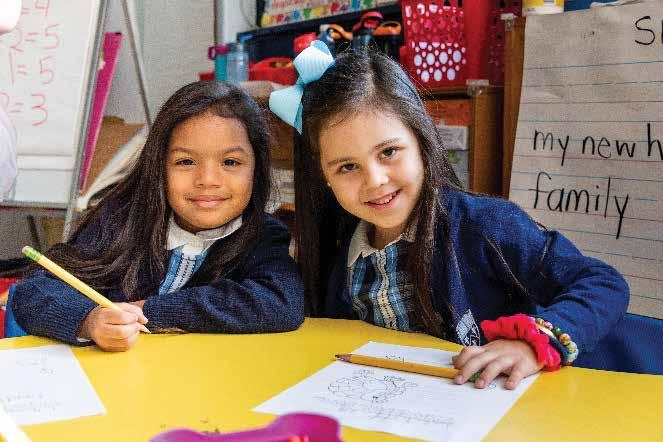
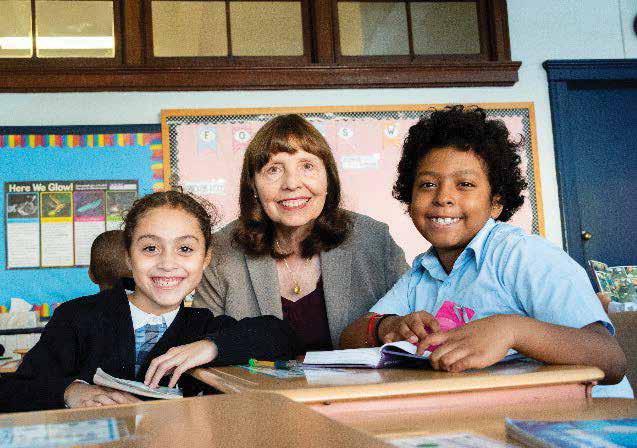
Choosing a school for our kids in New York can feel like navigating a maze. Public, private, charter, Catholic—each option comes with its own pros and cons. We’ve all been through the headache of trying to figure out the best fit for our child, navigating information from school tours, websites, and word of mouth from other parents. For many of us, whether religious or not, Catholic school enters the conversation. If you’re weighing your options now, we’re here to help. Whether it’s making the final call between public, private or Catholic school, or learning more about how faith is integrated into Catholic school education as a non-Catholic family, this guide will help you find the right fit for your family.
What is Catholic school, and how does it work in New York?
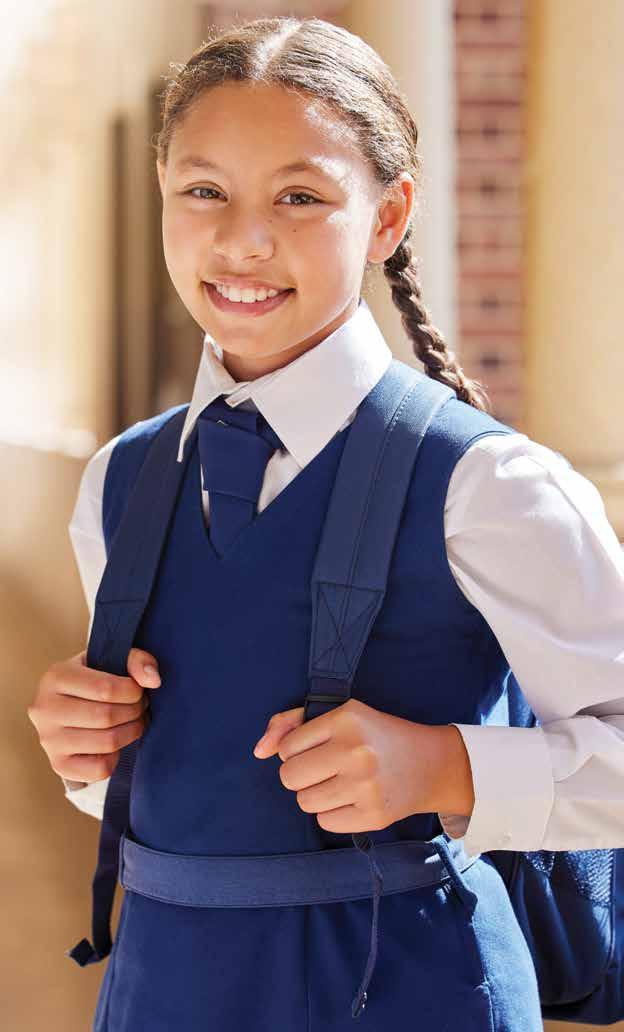
Before we dive in, let’s do a quick overview of Catholic schools and what to expect. Catholic schools have been part of New York’s education landscape for more than a century, originally founded to serve immigrant families seeking both education and community. Today, Catholic schools typically serve students from Pre-K through eighth grade, with some schools extending through high school.
They follow New York State academic standards while also incorporating religious education and Catholic values into the school culture. While they are faith-based institutions, Catholic schools in New York serve families of many backgrounds, and a significant number of students are not Catholic.
How much do Catholic schools cost?
One of the biggest reasons families consider Catholic school actually is cost. Compared to private schools, Catholic schools are often more affordable, sometimes costing a fraction of traditional independent school tuition. However, if you’re deciding between free public education and Catholic school, the cost can feel like a major shift. The benefit though is predictability, which many parents appreciate. Tuition increases tend to be more modest and
transparent, and many schools offer sibling discounts or financial aid. If you’re planning ahead or budgeting for more than one child, this stability can make a real difference..
Catholic school academic curriculum and performance
Catholic schools have long been known for academic rigor, and many of the nation’s leaders across education, politics, and business are Catholic school alumni.
According to Catholic Schools NY, Catholic Schools in the Archdiocese of New York students consistently outperform their public school peers, and achieve comparable results to New York City’s charter schools.
But as parents, we know test scores are not the most important factor when it comes to choosing our child’s school. A big part of making the decision comes down to the learning environment itself and whether it’s the right fit. Catholic schools often prioritize handson learning and experiences, with less time spent listening in classrooms. Learning is very structured, with discipline built into the curriculum from day one. Children benefit from more individualized attention. For little ones who thrive in more active, structured learning environments, Catholic school can work well, even if your family is not Catholic. But if you are looking for a more traditional approach to education, or if your child doesn’t necessarily need such structure or hands-on opportunities, then you might consider public, private or charter schools instead.
Faith in Catholic school day-to-day education
One of the biggest questions for non-Catholic families is– how does faith show up in Catholic school education? Even if the academic approach and learning environment feel like a good fit, it’s totally reasonable to still have doubts about choosing a school that doesn’t align with your faith. Faith typically shows up through religion class, daily or weekly prayer, and the observance of major religious holidays. For non-Catholic families, participation is generally respectful and inclusive, with an emphasis on shared values rather than conversion.
What many non-Catholic families who choose Catholic schools find is that faithbased values are woven into day-to-day learning, especially in early childhood education. These values, centered around building character development, are a key reason why non-Catholic families choose Catholic schools. Read on to learn more about how values-based learning works.
Values-based learning in Catholic school
One of the defining features of Catholic education is its focus on character. Catholic schools prioritize discipline, personal responsibility and moral development alongside traditional academics. There is a strong emphasis on kindness and empathy, especially in the early childhood and elementary years. At younger ages, schools often focus on helping children develop their unique voice.
Teachers work closely with students through hands-on learning projects to instill confidence, compassion, and sense of responsibility. Community service is introduced early, reinforcing the idea that helping others is a natural part of belonging to a community. For families who are not Catholic but are drawn to values-based education, this focus can be especially appealing.
Catholic schools also tend to work well for children who benefit from clear rules and routine. For many students, that consistency creates a sense of safety that supports both emotional growth and academic focus.
Community and personal experience in Catholic Schools
Community, one of the values in the Catholic faith, is another unexpected area where many families see a difference. Catholic schools tend to be smaller, which can foster closer relationships between parents, teachers, and administration. Teachers get to know students well and communicate frequently with parents. For families seeking a school environment that keeps them in the loop and
LOCAL OPTIONS
Our Lady of Lourdes School
468 West 143rd Street, New York 212-926-5820
ollnyc.org
Rooted in Catholic faith and Christian values, Our Lady of Lourdes School partners with families to educate the whole child—mind, body, and spirit. Serving students in PreK-3 through eighth grade, they provide a rigorous academic program in a safe, nurturing environment. They welcome students of diverse backgrounds and abilities while emphasizing faith formation, character development, and individualized instruction. Graduates achieve a 100% acceptance rate to Catholic high schools.
St. Vincent Ferrer High School
151 E 65th St, New York, NY 10065 saintvincentferrer.com
invites them to get involved, Catholic schools can be great.
Is Catholic school the right fit?
Like most school decisions, choosing a Catholic school is about finding the right fit for your family. For many parents, these schools offer a values-driven, character-building edu-
Our Lady of Lourdes School
“Where faith and knowlege meet”
“Donde la fe y el conocimiento se encuentran”
GET TO KNOW OUR COMMUNITY
Our Lady of Lourdes School welcomes students of varied abilities with diverse ethnic, linguistic and religious backgrounds. The administration, faculty, and staff recognize the value of each individual and are committed to the spiritual, academic, social, and cultural development of each student.
PROGRAM OFFERINGS
Our Lady of Lourdes School offers a rigorous academic curriculum for grades PreK3 through grade 8. Students are taught in a stimulating, nurturing, and safe environment, and receive individualized attention to help them reach their fullest potential.
ENRICHMENT & PARTNERSHIPS
Creative Curriculum, Premier Chess, Italian Language Program, CodeSpeak Labs, Stages on the Sound, MyPlate Nutrition, Prep For Prep, NY Philharmonic, Very Young Composers, Dancing Classrooms, Guitar, Chorus, Super Soccer Stars, Volleyball, Basketball, Horizons, REACH, and more! Call us or visit us today for more information on the admissions and financial aid processes. Llámanos o visítanos hoy para obtener más información sobre los procesos de admisión y ayuda financiera. 468 West 143rd Street, New York, NY 10031 (212)926-5820 www.ollnyc.org
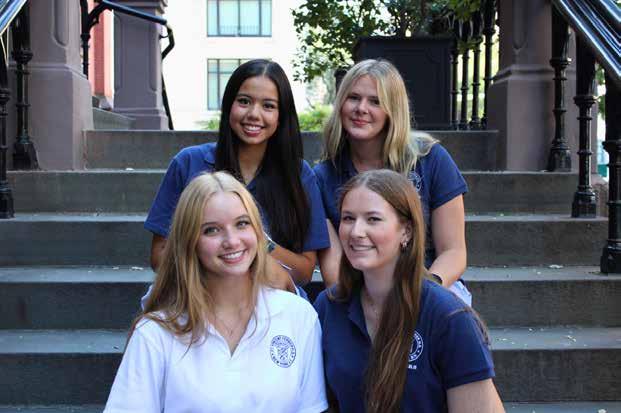
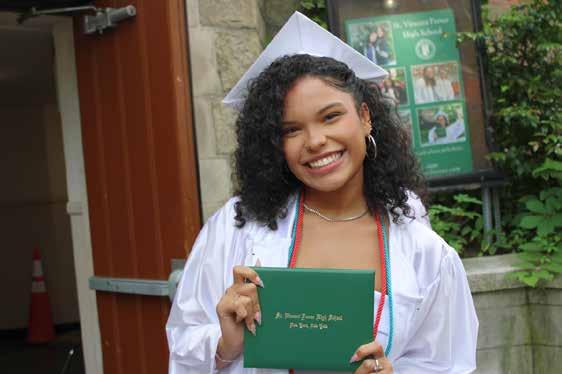
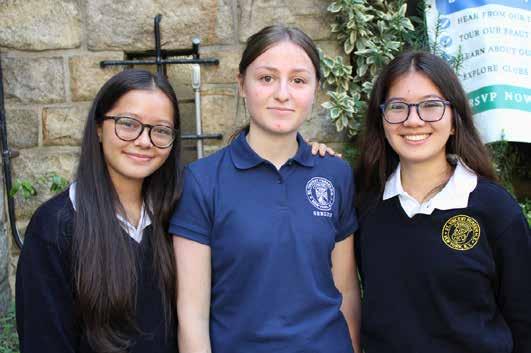
Choosing the right high school for your daughter matters. St. Vincent Ferrer High School is a classic Catholic, all-girls college preparatory school where young women thrive academically, spiritually, and socially. With over 130 years of excellence, Ferrer partners with families to educate the whole person in a safe, nurturing environment rooted in faith, respect, and personal growth. Students benefit from rigorous academics, diverse extracurriculars, athletics, travel opportunities, and a supportive community where every girl is known and inspired to succeed. At Ferrer, your daughter is not just another student—she is known, guided, and celebrated. For more information, please contact President, Sr. Christine Cosgrove at ccosgrove@ saintvincentferrer.com or at (212) 535-4680 ext. 102.
cation alongside strong academics, a closeknit community, and a tuition that often feels more accessible than traditional private school. Catholic schools can be especially appealing to families who want individualized attention for their children, without losing the sense of structure and belonging that comes from a smaller school environment.
When a Meatball is the Milestone
Lessons I’ve learned about growth while raising a neurodivergent child
BY DONNA DUARTE-LADD
Milestones are everywhere in early parenting; they even happen before the baby arrives. Then it begins: the first steps, the first words, the first time they smile, and sleeping through the night (um, sleeping?... come on!). Even passing gas is a celebration.
The American Academy of Pediatrics (AAP) describes developmental milestones as key skills or behaviors that most children typically achieve by certain ages. So what happens when milestones are so far off your child’s timeline? For parents like me, raising a neurodivergent child, milestones can feel more like reminders of what isn’t happening “on time.”
My youngest son (who is adopted) came to us at two weeks old. While he showed little delay at first, over time, clouds of worry began to settle into that place in my body where I couldn’t tuck them away. Like most parents who start noticing the gaps, that quiet intuition kept creeping in. I knew. I felt it. His growth was different. I saw it more clearly when we were around other kids. Okay, show-offs, talking a mile a minute, knowing what a carrot was!
Those worries lived with me quietly until they finally had a name. Then came the diagnosis: my youngest son is autistic.
And with that, milestones... poof... kind of stopped being a thing for us.
While the mention of milestones makes me want to dive straight into my villain era (because we rarely, if ever, check these boxes on schedule), the truth is that milestones
are important. Especially when your child doesn’t follow them, they become a roadmap —a way to understand where they are, sensory-wise, motor-wise, socially... all that good stuff. And in our case, neuro-wise too.
For me, it’s been about reframing what a milestone looks like. And in the absence of this standard measurement, it becomes the foundation of advocacy for my babe. Because, like it or not, the moment you become the parent of a child with challenges, you’re not just a parent anymore — you’re a warrior mom. Not that you weren’t already showing up fully. But with a typically developing child, there’s at least the assumption that they’ll move through school and life with some independence, learning, growing, and finding their way.
With a neurodivergent child, that path is much less certain. You realize that their life isn’t just going to unfold — you’re going to have to help build it. In our case, every single
aspect of it, so far.
There’s nothing like people seeing my cute kid and then, not always, but sometimes, the look on their face when they realize he wants to be held (he’s nine... upside: my arms get a good workout), or when he starts to stim. The stimming can be the clincher.
But this isn’t about how other people relate to or react to my child.
For many parents of autistic kids or kids with other challenges, we see accomplishments, in all their chaos and weirdness (and trust me, he does some wild stuff), through a completely different lens. Everything takes on a new perspective.
It’s also about how I show up. What matters to me? How do I celebrate his milestones — the ones that don’t come with applause or checklists?
Letting go of societal benchmarks has helped me tune in to his timeline, his wins,
and what truly matters most. That doesn’t mean I toss caution to the wind. There are IEPs, life plans with his care manager, goals set with his care broker — the people who help me manage and shape his world. It means there’s more bending, more flexibility, more understanding — and a whole lot of patience.
And getting to this point wasn’t easy. I still remember the day the school psychologist called after an IEP meeting and said something that spun into days of sadness.
He explained that due to the severity of my child’s delays, he would automatically pass from grade to grade without needing to meet typical academic benchmarks — he wouldn’t be tested in the usual way. I sat there, trying to process his words. I knew what he was gently sharing, but all I could think was, ‘I don’t want school to be daycare for his entire school experience.’ I want him to be seen, to learn, to be challenged and supported — not just passed through the system quietly.
That call cracked something open in
me. It was a wake-up call, a clear sign that I had to let go of other people’s definitions of progress, including my own. It’s not that the experts don’t mean well, I love my son’s school — but I knew then I needed to lean harder into what growth looks like for him.
What kind of milestones have we celebrated lately? Recently, it was a meatball. Yes, a meatball. After years of trying to get my guy to eat meat/protein, a few weeks back he stole a meatball from his big brother’s plate and has finally opened himself up to Trader Joe’s meatballs — and this mom lost it. It
made the family thread. It was BIG news.
That’s how we celebrate our milestones. A new food. Petting a dog. Picking up after himself. Helping me when I drop something. It’s exciting, and we don’t take much for granted. These aren’t things you’ll find on any pediatrician’s checklist — but in our world, they’re everything.
Each one is a little breakthrough. A little more connection, independence, or ease. These are the moments that we celebrate; they’re not flashy, but because they’re his. They feel big, because they are big — hardwon, real, and entirely on his timeline.
Letting go of traditional milestone pressure hasn’t meant giving up; it is about finding a new approach. It’s rooting in, paying attention, and showing up for what’s real. And there’s liberation in that.
If you’re a parent walking this road too, know this: grace, patience, and redefining progress are acts of love. Some of us are walking different roads, but we are moving, and that sure seems like progress to me.
For us at Casa Ladd, this means a meatball, not a milestone, is everything.
Do Siblings Need to Go to Camp Together?
BY JESS MICHAELS
When searching for an overnight camp, many parents begin the process with their oldest child in mind, often hoping it will be a good fit for younger siblings as well. While there are many advantages to sending children to camp together, it’s important to recognize that each child is different and may need a different camp experience to truly thrive.
Choosing a camp that siblings can attend together offers numerous benefits. Renee Flax from the American Camp Association helps parents find the right camp for their children and says, “It certainly is easier for parents when their children go to camp together. They start and end camp at the same time, have the same visiting days, and it’s easy to keep track of all the logistics. Another strong benefit is that your children have a shared experience and bond over the memories of camp together.”
Matt Krounder, Owner and Director of Camp Schodack, a coed overnight camp in New York says it’s heartwarming to see how some siblings at camp seek each other out
during choice time to do activities together or to just find time to chat. “Older siblings will have check-ins with younger siblings to see how they are adjusting to camp and to help them with any questions, particularly when the younger sibling is starting camp for the first time. Families will often tell me that this dynamic starts well before camp begins, with older siblings answering questions about camp which helps create a strong bond between them.”
For many parents, it’s important that their children go to camp together so during the initial camp search, keep both children in mind. “Look into camps that offer a broad spectrum of activities and focus. There are many camps out there that can satisfy that need and be a great choice for your children even if they are very different people,” comments Flax.
Other parents recognize that their children have different needs and that while one camp is good for one, it may not be the best for the other. “The most important thing is to find the right fit for each child so when parents feel one of their children will benefit from a very different experience or would
thrive in a program focused on a specific activity, it can certainly make sense to have them at different camps,” comments Krouner. “In these situations, I encourage parents to find camps that they trust equally and to have a clear understanding of the differences between the programs. This will help set expectations, both for the parents and how this choice is communicated to their children.”
Sometimes parents start children off at camp together, but then realize that it’s not working out for one of them. Don’t be afraid to consider a switch. “You don’t want to sacrifice one child’s camp experience for the other. If one of your children is still happy at the camp and you believe it’s still the right place for them, then that child should stay at the camp. But if your other child is not being fulfilled for whatever reason, then select a camp that will suit their needs. Above all, you want both of your children to have camp experiences where they are flourishing.”
Ashleigh Jackowitz, Director of Camp Winaukee, an all-boys camp in New Hampshire feels the best gift we can give our children is a camp that fits their unique personality. “It’s important to stay open to the possibility that siblings might need different programs to thrive. For some, that means going to camp together; for others, it means carving out their own independent identity. Success isn’t measured by whether siblings are at the same camp, but by whether each child is in the environment that supports them best.”
Amazing Day CAMPS
When the school year wraps up, parents everywhere face the same summer puzzle: how to give kids a break without letting the days dissolve into endless screen time and snack negotiations. Enter day camp: the magical middle ground where long days turn into muddy sneakers, art projects, inside jokes, and stories.
Day camp is where kids get to move, make, explore, and try things they wouldn’t otherwise. It’s where friendships deepen, confidence sneaks up on them, and days feel full in the best possible way.
For parents, it’s the peace of mind that comes from knowing your child is engaged, cared for, and actually thriving, And right in your neighborhood or near, the options are as dynamic as the city itself. There truly is something for every kid whether it is an indoor or outdoor day camp- these programs keep curiosity sharp, all while paving the way for an unforgettable summer.
ESF Summer Camps
Riverdale Country School, 5250 Fieldston Road, Bronx, NY Sacred Heart Greenwich, 1177 King Street, Greenwich, CT 1-800-529-2267, admissions@esfcamps.com esfcamps.com
ESF Summer Camps brings children of all ages good old-fashioned fun, hands-on learning, time-honored traditions, and MAXJOY, offering camps for children rising from preschool through 10th grade. Their thoughtfully designed programs engage, challenge, and inspire campers through Traditional Day Camp, Multi-Sports Camp, Tennis Camp, and Specialty STEAM Camps, all in a safe, supportive, and fun-filled environment. Traditional Day Camp features age-appropriate activities including swim instruction, sports, creative arts, and outdoor play. Multi-Sports and Tennis Camps welcome athletes of all abilities, building skills, confidence, and teamwork. Specialty STEAM Camps spark curiosity, creativity, and critical thinking. Each day balances exploration, play, and personal growth, helping campers build friendships and memories at Riverdale Country School in the Bronx, NY, and Sacred Heart Greenwich in Greenwich, CT.
Play On! Studios 263 West 86th Street, NY, NY 347-709-4149, info@playonstudios.com playonstudios.com
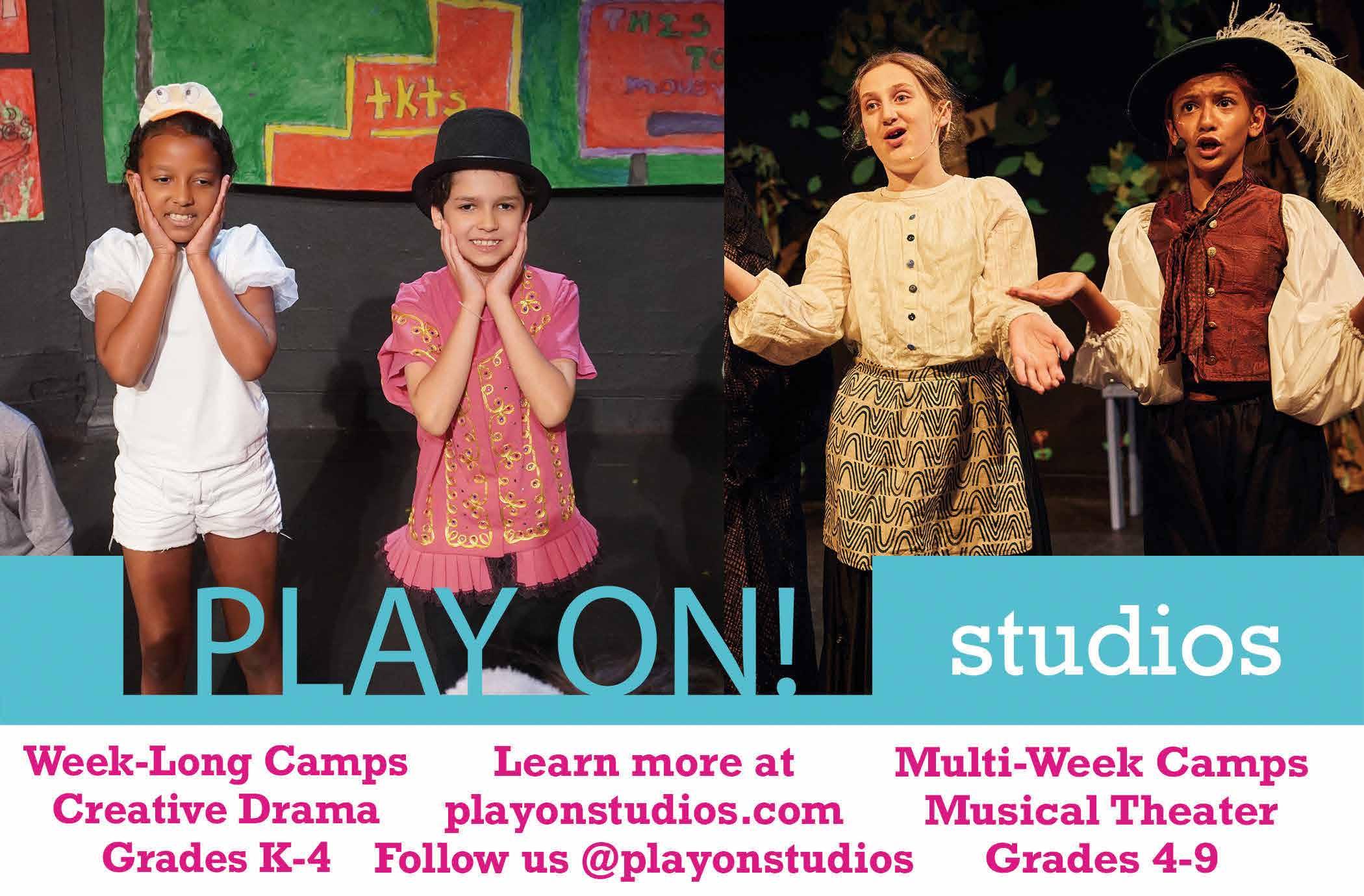
Play On! Studios offers theater day camps on the Upper West Side that are guaranteed to give kids a summer full of acting, music, and fun they won’t soon forget! Young actors will rehearse and perform in a full production, work with professional NYC actors/ teaching artists, build up their skills in a nurturing, non-competitive environment and play lots of drama games! A welcoming camp atmosphere is perfect for beginners and also more experienced actors. Creative Drama Camp is perfect for kids entering grades K-5. Spots are limited, so sign up today!
The Trinity Discovery Day Camp provides an opportunity for campers to be kids again. Our campers get to engage with each other while swimming, playing tennis, chess, golf and much more. Campers will have pool parties on Fridays and of course, ices everyday!
Session #1: Monday, June 15th - Thursday, June 18th (No camp June 19th)
Session #2: Monday, June 22nd - Friday, June 26th
Session #3: Monday, June 29th - Thursday, July 2nd (No camp July 3rd)
Session #4: Monday, July 6th - Friday, July 10th
Session #5: Monday, July 13th - Friday, July 17th Camp runs from 8:30am - 3pm.
Usdan Summer Camp for the Arts
185 Colonial Springs Road, Wheatley Heights, NY 631- 643-7900, questions@usdan.org usdan.org
For parents seeking a summer day camp for kids K-12 that builds confidence, nurtures creativity, and prioritizes emotional well-being, Usdan Summer Camp for the Arts sets the standard. Founded in 1968, Usdan combines top-tier arts education with classic camp fun on a 140-acre campus in Long Island. Students spend their days discovering who they are through classes in music, theater, dance, visual art, writing, nature, and chess, guided by professional artists and educators. Usdan offers 4- and 8-week sessions for students currently in grades K–12, and a 1-week Recreational camp for grades 2–8. Bus transportation from Long Island, Manhattan, Brooklyn, and Queens is included in tuition. Inquire about merit scholarships and how to book a campus tour today!
Trending
Parenting Styles
Parents and experts weigh in on what parenting styles work best for them
BY NÁOSHA GREGG AND NYF
We all know there’s no perfect parenting guide. Raising a small human is no easy feat, and there will be many questions along the way. While there are several tips and tricks when it comes to parenting, from picking the nursery color to choosing the right school, one thing remains a bit of a puzzle: parenting styles.
What Are Parenting Styles?
Parenting styles first emerged in the 1960s, when psychologist Diana Baumrind identified three main parenting styles: authoritarian, authoritative, and permissive. The idea was to look at the different ways parents raise their kids, helping researchers understand how these styles affect things like discipline, warmth, communication, and expectations. The goal was to figure out which parenting strategies lead to the best outcomes for children.
“Balancing elements such as control, warmth, autonomy, and communication role
models and illustrates what parenting can look like from several different lenses, allowing for adaptation when needed,” says Courtney Hulse, a NY-based Licensed Marriage and Family Therapist. “Understanding the benefits of various parenting styles can help parents choose the best approach for their child’s individual temperament, needs, and developmental stage.”
The conversation around parenting styles recently resurfaced on TikTok when Lighthouse Parenting began trending. This approach highlights being a stable guide — like a lighthouse — while giving kids space to grow. Many parents shared positive experiences, inspiring a wave of new ideas and practices. Below, we explore three currently trending styles: lighthouse, horizontal, and intensive.
Lighthouse Parenting
Vanessa Gordon, CEO & Publisher of East End Taste, identifies strongly with lighthouse parenting. This style provides a more open
Other parenting styles you may hear about
While lighthouse, horizontal, and intensive parenting are getting a lot of attention, there are several other styles influencing families today:
Gentle Parenting: A hugely popular approach that many parents see on social or hear from their mom friends is gentle parenting. Gentle Parenting focuses on emotional regulation, connection, and modeling calm behavior. It’s often misunderstood as permissive, but it’s really about firm boundaries delivered with empathy.
Conscious Parenting: Developed
by psychologist Dr. Shefali, conscious parenting encourages parents to examine their own emotional patterns (yup, not super easy) so they don’t project stress or expectations onto their kids. It prioritizes selfawareness and intentional responses over discipline. This way of parenting has a learning curve since it involves check-ins on your end, but it feels like a win-win for all if it’s one you are comfortable trying.
Free-Range (or Independence) Parenting: This modern approach encourages autonomy, independent
approach, allowing children to explore freely while the parent acts as a steady anchor they can return to for guidance.
Gordon has seen meaningful growth in her children’s independence, confidence, and communication skills.
“In conversations with others, I have noticed that they are not afraid to ask questions, make rebuttals, or express their own thoughts and opinions,” she explains. “I see my daughter picking up a book independently… My son does jiu-jitsu, and I admire that he goes early to help the younger students.”
Although the vibe is more relaxed, Gordon still implements rules — minimal screens, no cell phone access, and intentional limits on technology.
According to a survey conducted by Little Sleepies, over 70 percent of mothers compare themselves to other moms on social media, and 18 percent say social platforms negatively influence their parenting style.
“To avoid that pressure, I stay off TikTok
play, and age-appropriate freedom. It’s a counterbalance to today’s structured, high-pressure childhoods and helps build resilience and confidence.
Slow Parenting: A response to overscheduling and burnout, slow parenting focuses on simplifying routines, reducing pressure, and giving kids time to explore, play, and develop at a natural pace.
Montessori-Inspired Parenting: Rooted in the Montessori classroom philosophy, parents bring these principles home through child-led learning, practical life skills, simple spaces, and lots of independence. It’s extremely popular on social media.
and limit my own social media use,” she says. “I shut off the noise and focus on my children’s unique needs, values, and family goals while trusting my instincts.”
She credits her grandfather’s no-nonsense approach for shaping how she parents today. Though she offers freedom, she also teaches responsibility and consequences.
“I remind my children of their routine when they come home… If they need help, they must ask, but first try the problem on their own. I’m not here to rescue them.”
Horizontal Parenting
Perhaps the most controversial style, horizontal parenting focuses on the wellbeing of the parent while still supporting the child’s need for engagement and connection. Rich Kingly, CEO of Driveway King, blends lighthouse and horizontal parenting.
“My own upbringing was a mix of strict rules and a lot of love, but I wanted a balance where my kids felt empowered to speak up and learn from mistakes,” he explains.
Horizontal parenting is often dismissed
as “lazy,” but parents who practice it say it’s simply a low-energy, low-pressure way to bond with kids — especially during overwhelming seasons of life.
A 2017 Good to Know survey of 900 women found that 78 percent felt guilt around their parenting. With so many conflicting demands, horizontal parenting can feel like a relief.
Alexia McKay, a mom of two under two, sees it this way.
“I wasn’t necessarily seeking a parenting style,” she says. “It’s just what works for our current day-to-day.”
Her older daughter plays independently while she tends to her one-year-old — and that independence has benefits. Research from the National Institutes of Health shows that curiosity-driven independence strengthens attention, exploration, and memory.
McKay also emphasizes that today’s parents are navigating an entirely different world than previous generations. “We take what works for our family,” she says. “What worked for our parents doesn’t always fit today’s reality.”
Intensive Parenting
A 2018 Cornell survey found that about 75 percent of parents rated intensive parenting scenarios as “very good” or “excellent.”
Intensive parenting prioritizes children’s development above all else — often resulting in highly hands-on involvement in academics, activities, and social settings.
But experts, including Hulse, caution that it can be harmful.
“Intensive parenting may promote increased pressure on a child,” she says. “Children may feel overburdened, stressed, or develop anxiety, perfectionism, or burnout. The pressure to succeed in every area can create emotional and mental strain.”
Decide the Style That Works Best for You
Determining a parenting style can influence everything from self-esteem to emotional regulation to how children build healthy relationships.
“Our experiences, past and present, dictate how we relate to ourselves and the world,” Hulse explains. “A child’s perceived relationship with their parent affects both immediate and future outcomes.”
But as McKay reminds us, there is no onesize-fits-all solution:
“What works for one household may not work for yours. There’s no right or wrong way to parent. Do what works best for your family and create your own tradition.”
calendar
BY SHARA LEVINE
MANHATTAN
Bumper Cars on Ice at Bank of America Winter Village at Bryant Park
WHEN: Mondays – Saturdays, 2 – 10 pm, Sundays, 9:20 am –5:20 pm, through Feb. 28. WHERE: Bank of America Winter Village at Bryant Park, 41st St. and 6th Ave., Midtown
AGES: All
WHAT: Bump, spin, and slide across the ice for some cool winter fun.
WANT TO GO?: Tickets start at $22.88. bryantpark.org
Family First Saturdays | Storytime at the Morgan: BIPOC Voices
WHEN: Saturday, Feb. 7, 11 am – noon
WHERE: The Morgan Library & Museum, 225 Madison Ave., Murray Hill
AGES: 3 – 7
WHAT: This picture book storytime features BIPOC voices and a related tour or art activity.
WANT TO GO?: Included with admission: $13-$25; free for children 12 and younger. (212) 685–0008, themorgan.org
Valentine Making Workshop
WHEN: Sunday, Feb. 8, 10:30 am – noon
WHERE: 6 River Terrace, 6 River Terrace, Battery Park City
AGES: 4 and older
WHAT: Make a handmade card for a special someone with provided materials.
WANT TO GO?: Free. (212) 417–2000, bpca.ny.gov
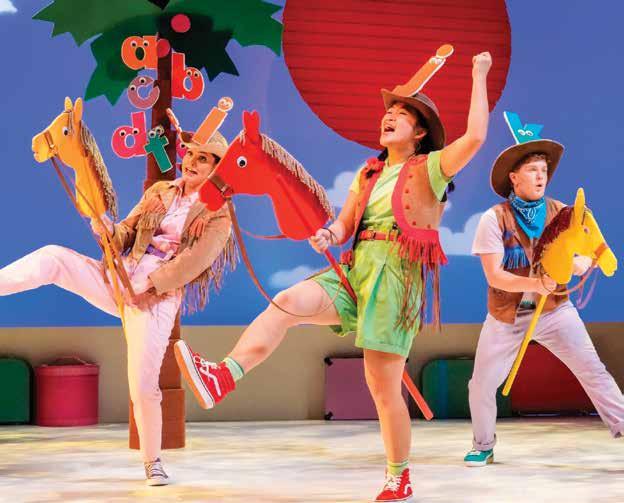
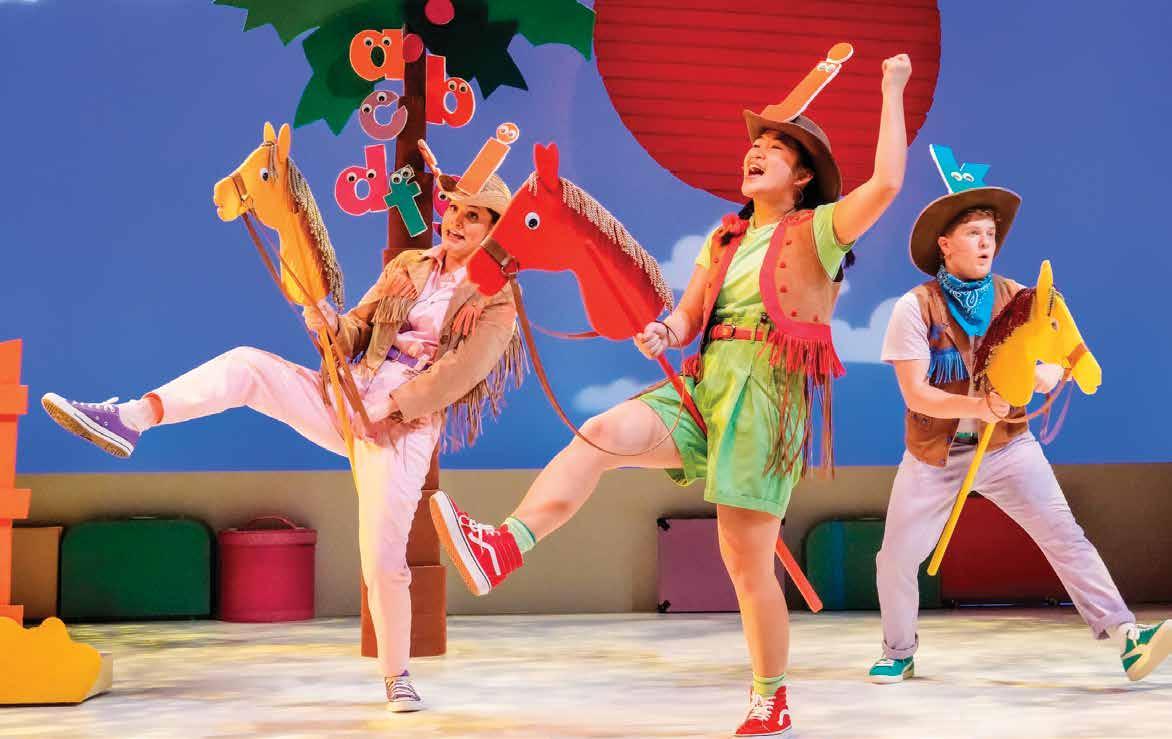
Chicka Chicka Boom Boom: The Musical
WHEN: Feb. 14 – 22, see website for schedule
WHERE: The New Victory Theater, 209 W 42nd St., Midtown
AGES: 3 – 6
WHAT: Perfect for first-time theatergoers, this stage adaption of every kid’s favorite alphabet book features singing, dancing, and lots of interactive moments.
WANT TO GO?: Tickets start at $25. (646) 223–3010, newvictory.org
28th New Year Firecracker Ceremony & Cultural Festival
WHEN: Tuesday, Feb. 17, 11 am – 3:30 pm
WHERE: Sara D. Roosevelt Park, Chrystie St. & Forsyth St., Lower East Side
AGES: All
WHAT: Get ready for the Year of the Horse with firecrackers, cultural performances, and much more.
WANT TO GO?: Free. betterchinatown.com
Wendy Hilliard Gymnastics Foundation’s
11th Annual Harlem Gymnastics Invitational
WHEN: Feb. 20 – 22, Daily, 9 am – 6 pm
WHERE: Harlem Armory, 40 W 143rd St., Harlem
AGES: All
WHAT: Witness gymnasts of various levels competing in Rhythmic Gymnastics, Trampoline & Tumbling and Girls’ Artistic Gymnastics, creating a live spectacle of sport.
WANT TO GO?: Free. (212) 316–0315, harlemgymnasticsinvitational.org
The Little Mermaid The Musical
WHEN: Feb. 21 – April 4, see website for schedule
WHERE: The Players Theatre, 115 MacDougal St., Greenwich Village
AGES: 3 and older
WHAT: Go on an underwater adventure with Ariel and her friends in this stage adaptation
of the beloved tale.
WANT TO GO?: Tickets start at $34. (212) 475–1237, theplayerstheatre.com
After
School Art Explorers: Drop-In Programs
WHEN: Tuesday, Feb. 24, 2:30 – 4:30 pm.
WHERE: The Jewish Museum, 1109 5th Ave., Upper East Side AGES: 3 – 9
WHAT: Make a bold and festive mask to celebrate the holiday of Purim with fabric, found objects, buttons, and trims!
WANT TO GO?: Free. (212) 423–3200, thejewishmuseum. org
Holi Celebration
WHEN: Saturday, Feb. 28, 10:30 am – 12:30 pm
WHERE: Children’s Museum of Manhattan, 212 West 83rd St., Upper West Side
AGES: 8 and younger
WHAT: In celebration of Holi, the traditional Indian festival of colors, join CMOM for art making, performances, and more.
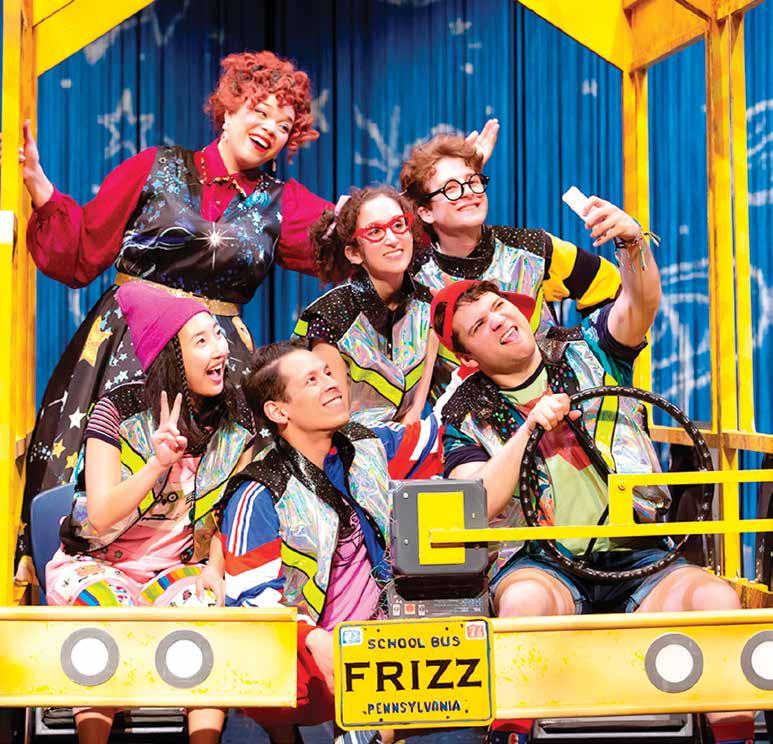
WHAT: Hop on the Magic School Bus for a ride in this new musical adaptation based on the original book series.
WANT TO GO?: $40. (212) 220–1459, tribecapac.org
BRONX
Bronx Charter School Fair & Kids Activity Expo
WHEN: Saturday, Feb. 28, 1 – 4 pm
The Magic School Bus: Lost In The Solar System at BMCC Tribeca PAC
WHERE: Gauchos Gym, 478 Gerard Ave., Mott Haven
AGES: All
WHAT: Meet charter school reps and learn about afterschool programs, and family resources while kids enjoy games, activities, and giveaways.
WANT TO GO?: Free
The Orchid Show: Mr. Flower Fantastic’s Concrete Jungle
WHEN: Feb. 7– April 26, Tuesdays – Sundays, 10 am – 6 pm
WHERE: New York Botanical Garden, 2900 Southern Blvd., Bronx Park
AGES: All
WHAT: Known for blending floristry with pop art, street culture, and fine art, Mr. Flower Fantastic transforms NYBG into a breathtaking orchid tribute to the spirit, style, and skyline of NYC.
WANT TO GO?: $12– $25. (718) 817–8700, nybg.org
Lunar New Year of Horse
WHEN: Sunday, Feb. 8, 3 pm
WHERE: Hostos Center for the Arts and Culture, 450 Grand Concourse, Mott Haven
AGES: All
WHAT: Gallop into 2026 with a spectacular family celebration featuring graceful Chinese dances, world premieres, and vibrant live music.
WANT TO GO?: Tickets start at $19. (718) 518–4455, hostos. cuny.edu
Family Art Project: Love for Woodland Friends
WHEN: Feb. 14 – 15, Saturday and Sunday, 10 am – 1 pm
WHERE: Wave Hill House, 4900 Independence Ave., Riverdale
AGES: All
WHAT: This Valentine’s Day, take a cue from the ways animals protect their families and celebrate the ways we care for each other too by making lovable woodland critters.
WANT TO GO?: Free with admission to the grounds: $4 – $10
BROOKLYN
BAMkids Film Festival 2026
WHEN: Feb. 7 – 8, Saturday and Sunday, see website for schedule
WHERE: BAM Rose Cinemas, 30 Lafayette Ave., Fort Greene
AGES: 3 and older
WHAT: Brooklyn’s favorite kids film program is back for its 28th year with a dazzling mix of animated, live-action, and documentary shorts.
WANT TO GO?: $14; $10 child. bam.org
Harlem Globetrotters 100 Year Tour
WHEN: Sunday, Feb. 15, 3 pm
WHERE: Barclays Center, 620 Atlantic Ave., Prospect Heights
AGES: All
WHAT: Be there when the players dazzle, dunk, and hype the stands as they take on the Washington Generals with high-flying, all-out fun from start to finish.
WANT TO GO?: Tickets start at $47. harlemglobetrotters.com
Ringling Bros. and Barnum Bailey® The Greatest Show On Earth
WHEN: Feb. 19 – 22, see website for schedule
WHERE: Barclays Center, 620 Atlantic Ave., Prospect Heights
AGES: All
WHAT: The Greatest Show On Earth® is back with a
high-energy, bold circus performances, unforgettable characters, and a nonstop party vibe.
WANT TO GO?: Tickets start at $35. ringling.com
QUEENS
Pirate Pete’s Parrot
WHEN: Saturday, Feb. 7, 3 –4:15 pm
WHERE: The Secret Theatre, 1010 44th Ave., Long Island City
AGES: All
WHAT: Follow Pirate Pete in this interactive production as he searches for his beloved runaway parrot Polly, to find his buried treasure, and to pay the rent to Baron Big-Butt.
WANT TO GO?: $15 – $25. (718) 433–9030, secrettheatre.com
Happy Neigh Year! Horse Painting Workshop with Exhibition Curator Stephanie S. Lee
WHEN: Saturday, Feb. 21, 2 –3:30 pm
WHERE: Flushing Town Hall, 137-35 Northern Blvd., Flushing AGES: All
WHAT: Teaching artist Stephanie S. Lee will guide you step-by-step to create your own symbolic horse painting, celebrating vitality, luck, and
new beginnings for the Lunar New Year.
WANT TO GO?: $15; $12 members; $10 ages 12 and younger. (718) 463–7700, flushingtownhall.org
Meet our Animals: Silky Soft Jacobs Ewes
WHEN: Saturday, Feb. 28, 10 – 11 am
WHERE: Queens County Farm Museum, 73-50 Little Neck Parkway, Floral Park
AGES: All
WHAT: Meet the charming Jacobs Sheep, known for their soft fleece and distinctive appearance! Get up close with these gentle ewes and learn what makes their wool so special.
WANT TO GO?: $12. queensfarm.org
Queens Family Ultimate Camp Fair & Activity Expo
WHEN: Saturday, Feb. 7, noon – 3 pm
WHERE: Renew Queens LIC, 10-15 46th Road, Long Island City
AGES: All
WHAT: Queens Families can explore a variety of Summer Camps and Programs for 2026 and participate in fun activities for all ages.
WANT TO GO?: Free. newyorkfamily.com
Chicka Chicka Boom Boom: The Musical at The New Victory Theater
Bumper Cars on Ice!
Check out this fun Bryant Park experience before it’s gone
BY DANIELLE RAMOS
only one person per car is allowed. Also, no belongings are allowed on laps for safety reasons, so phones and cameras need to be put away during the ride.
Growing up a city kid in Brooklyn, one of my favorite summer memories was the bumper cars on Coney Island. Now, kids and adults, too, can make a possibly more fun memory right in the middle of Midtown. If you haven’t been able to yet, the bumper cars on ice at Bank of America Winter Village in Bryant Park are still happening until the end of this month.
Who Should Try Bumper Cars on Ice
Just like summertime bumper cars, kids can do the same fun things they may have done on summer bumper cars rides, like race their friends and bump into each other, only on ice instead. The ride is available for kids and adults ages 7 and up, and anyone can sign up. You don’t need to have ridden a bumper car before, and first timers are welcome. However, for younger kids, it’s best for a parent to be in their own bumper car close by.
Things to Know Before You Go Reservations are recommended: Tickets are now on sale, and since bumper cars are only available for a limited time, it’s a good idea to book as soon as you can. The bumper cars are available in 45-minute booking windows, and rides are offered on a first-come, first-served basis within that window.
Price: Standard price tickets are $26 plus tax, and some tickets are available for $22 during non-peak times and days. New tickets will be released.
Be on time. Since time slots are limited and timed, make sure to arrive on time. To guarantee your ride, be sure to show up at the time you selected when purchasing your ticket.
Age & size requirements: Children must be at least 7 years old as well as at least 42 inches tall. Also note that flat, closed-toe shoes are required for safety reasons.
Rules: Though you may want to ride in the same bumper car with your child,
And just a heads-up: If you’re pregnant, you won’t be allowed on for safety reasons, so you’ll have to skip this one if you’re expecting. If you have a young child, bring Dad or an older sibling to help out on the ice.
More Fun on the Ice
While you’re at Bryant Park for the bumper cars, you can also take part in all the other winter fun at Bank of America Winter Village.
The park is one of New York City’s most popular ice skating rinks, where admission is free (though you’ll need to reserve tickets online). Skate rentals are available for a small fee. If you’re not into skating, you can still enjoy browsing the village or cozying up in one of the igloos. The Winter Village is open daily from 8 am to 10 pm, with extended hours until midnight on select weekends and holidays. So, after you’ve had your fill of bumper car fun, lace up your skates and make a full day of it.
You can ride the bumper cars at The Rink at Bryant Park until February 28. Tickets available at the Bryant Park website.
CALLING ALL campers
Get ready for summer fun at New York Family Ultimate Camp Fair & Activity Expo Discover Summer Camps and programs for your kids, meet camp representatives, explore exciting options, and plan a summer full of adventure.