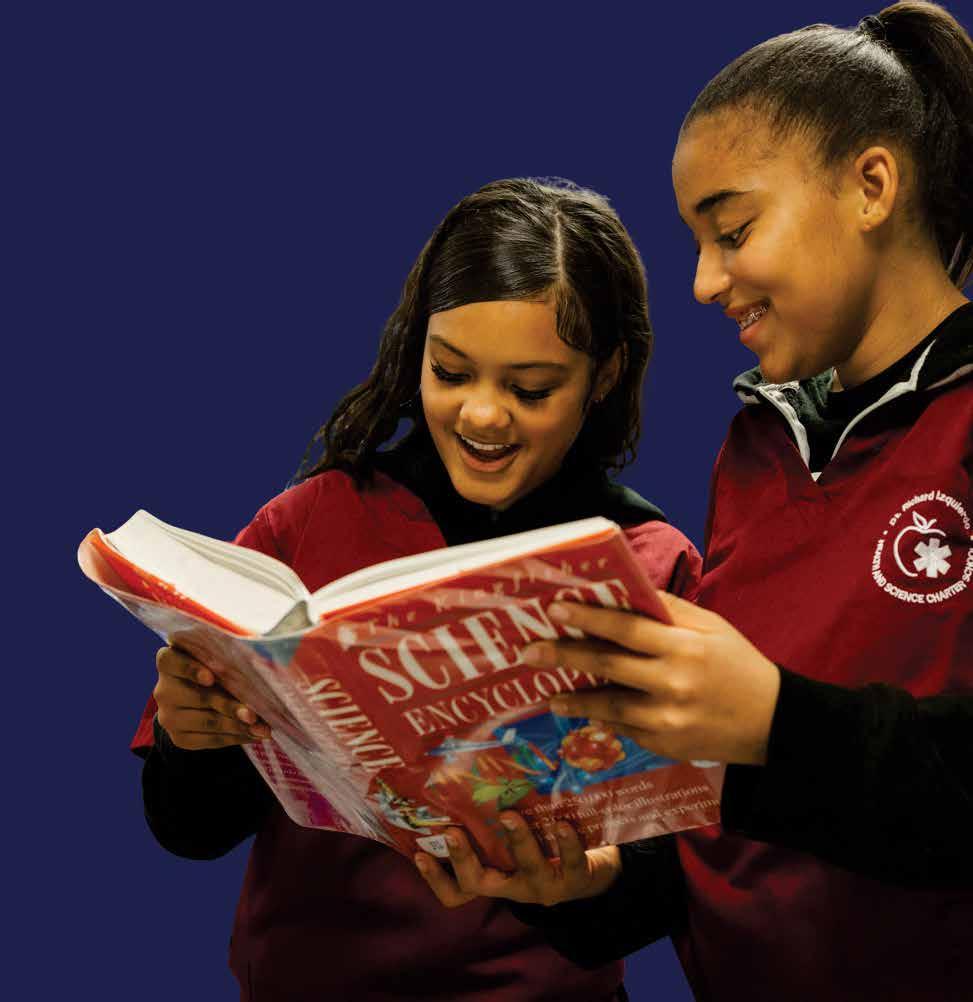
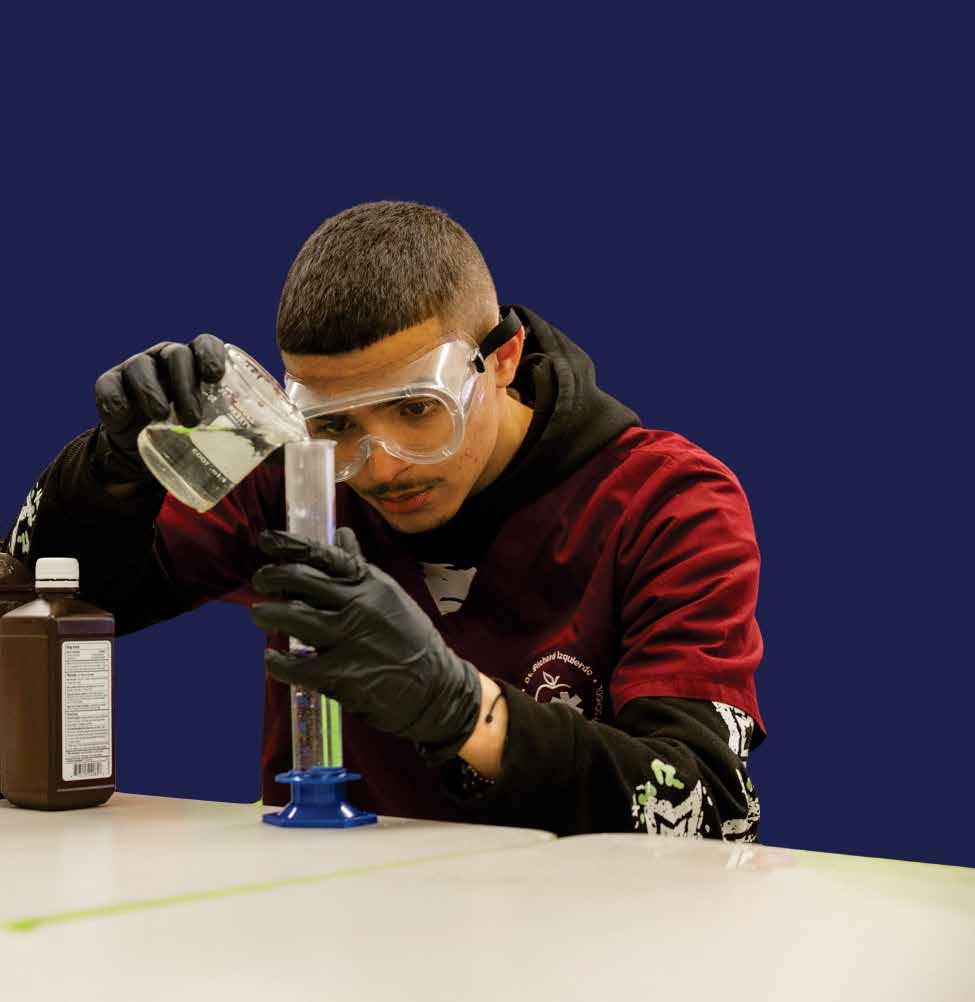
Lessons I’ve learned about growth while raising a neurodivergent child
20 | Health
Where to find the best pediatric emergency care in NYC
24 | Education
A closer look at charter schools
38 | Education
Tips if you suspect your child has a learning disability
40 | Education
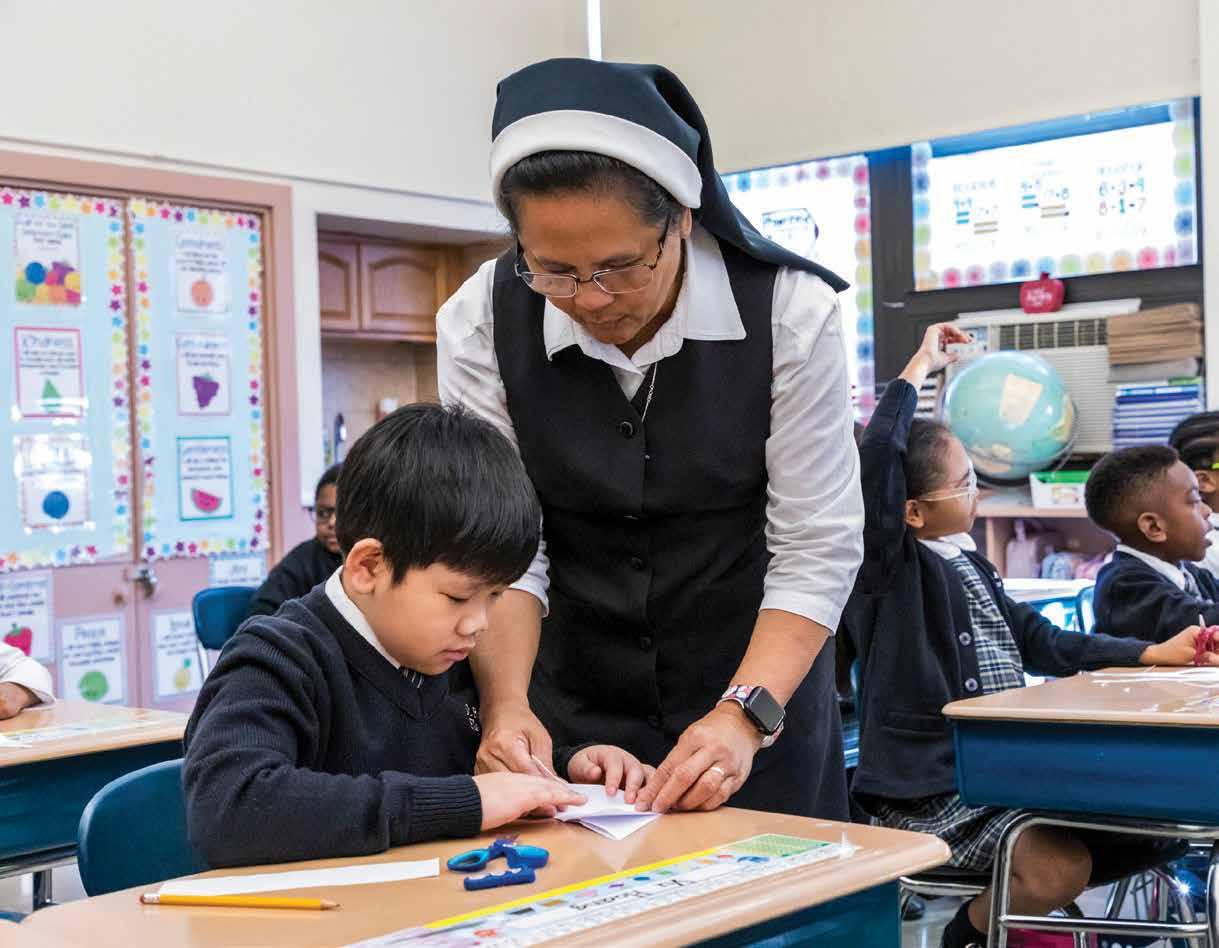
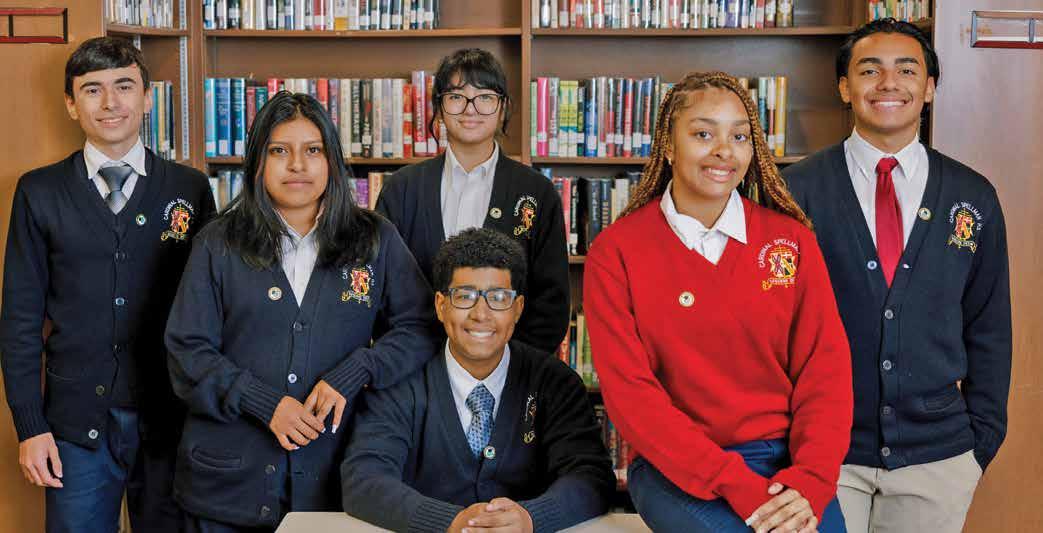
Considering sending the kids to a Catholic school in New York City?
STORIES & COLUMNS
06 | Editor’s Letter
08 | Ask the Expert
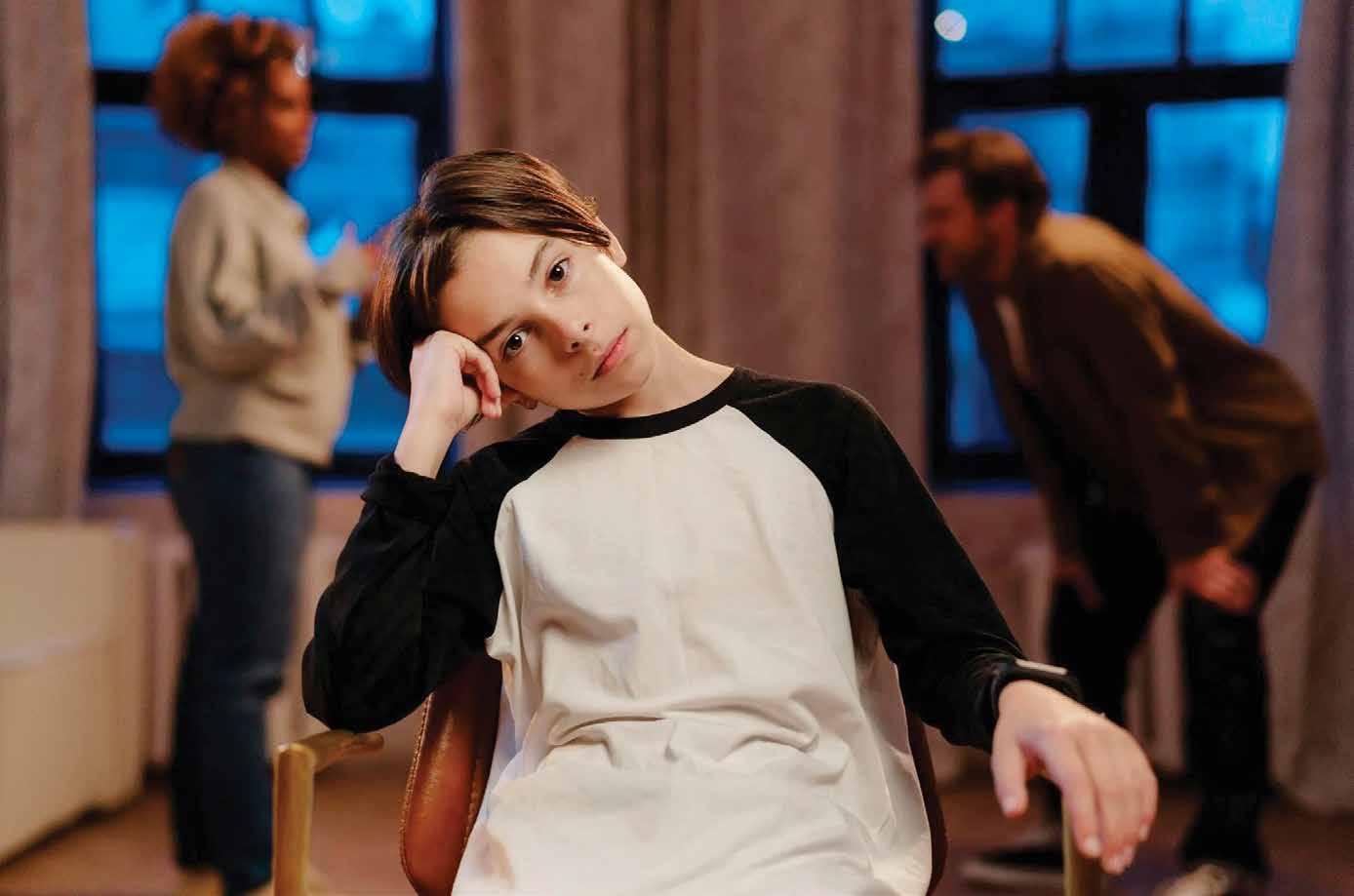
What parents need to know about teen relationships
12 | Camp
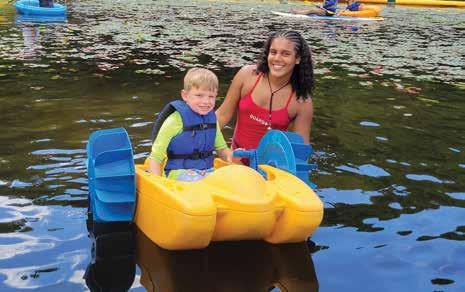
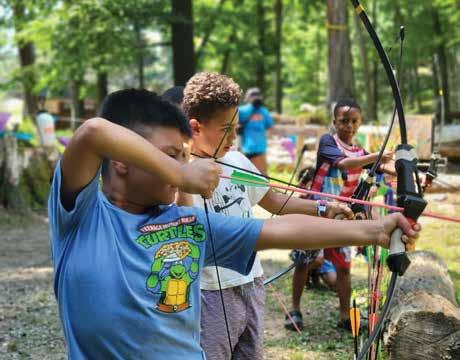
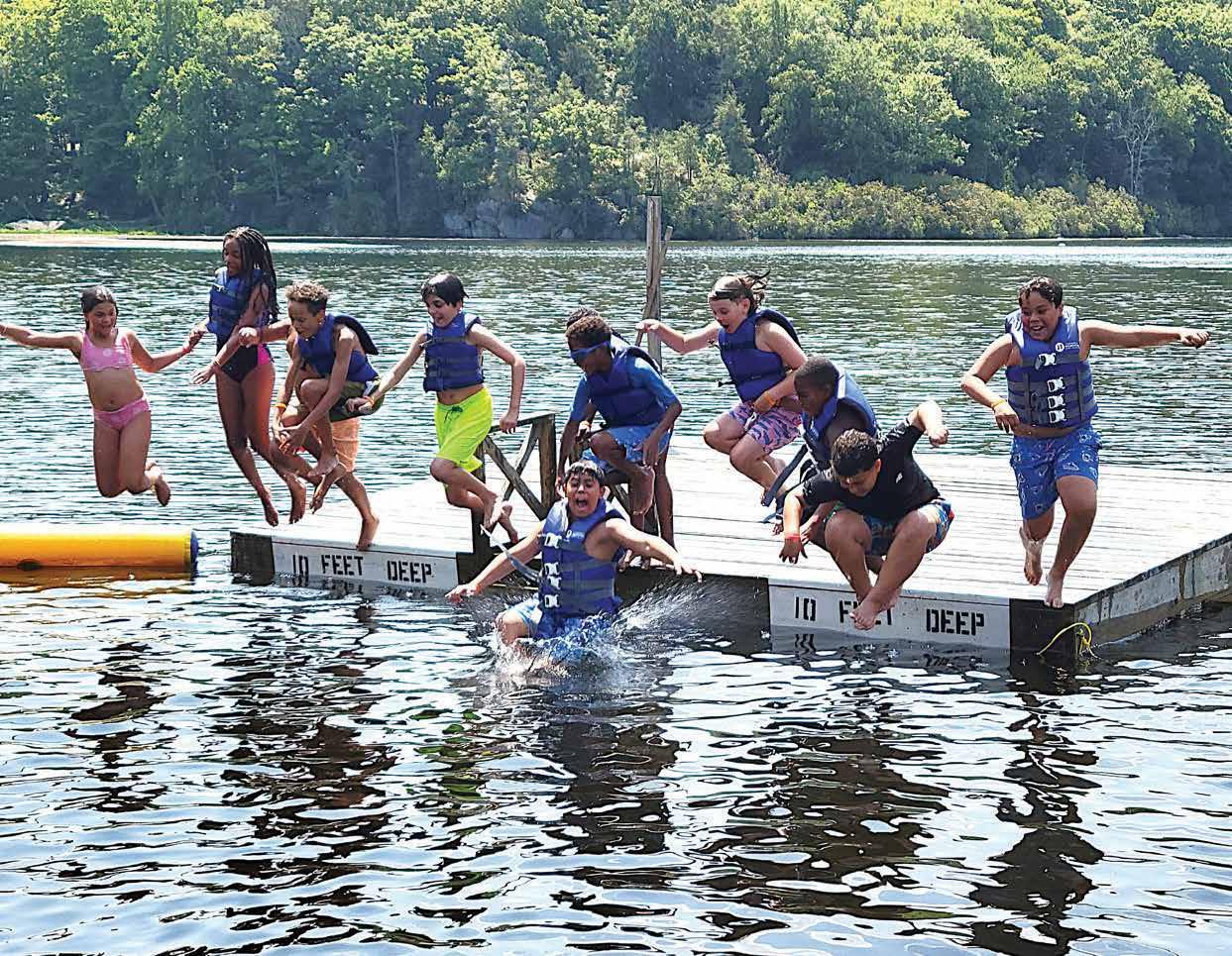
Do siblings need to go to camp together?
18 | Mom Stories
How to nail co-parenting with your ex
FAMILY FUN
44 | Calendar
The best family-friendly events happening this month
DIRECTORIES
26 | Charter school listings 42 | Catholic school lisitings
February, Frost & Family
This editor’s letter is being written on the eve of a big snowstorm. As the New York Family team updates our site (newyorkfamily.com) with the latest resources and information, it’s also a reminder of what this city does best: show up for one another. It’s one of the many reasons we love raising families here.
Winter may still be in full force, but we’re already looking ahead, fingers crossed, to warmer days. Check out our camp piece, Do Siblings Need to Camp Together? (page 12), a must-read for parents choosing their summer camps for the kids.
February also brings us Valentine’s Day, and with it, conversations about relationships
GET IN TOUCH
in all their forms. We explore how parents can support teens as they navigate relationships (page 8) and share expert advice on nailing co-parenting with your ex (page 18).
And because navigating schools is a major parenting decision, you’ll also find smart, practical guides to understanding charter (page 24), and Catholic schools (page 40), so you can make informed choices with confidence.
Whether you’re tackling slush or claiming the couch as your winter headquarters, this issue has you covered.
New York Family
Share your feedback and ideas about family life in New York! Email us at editorial@newyorkfamily.com and tag us at #newyorkfamily
PUBLISHER: Clifford Luster
EDITORIAL DIRECTOR: Donna Duarte-Ladd
ASSOCIATE PUBLISHER: Erin Brof
ADVERTISING DIRECTOR: Stacie Goldberg
EDITORIAL LEAD: Jeannine Cintron
DEPUTY EDITOR: Danielle Ramos
EVENTS EDITOR: Shara Levine
ASSOCIATE DIGITAL EDITOR: Soe Kabbabe
EDITORIAL ASSISTANT: Alexa Lutter
PARTNERSHIP MANAGERS: Lauren Alperin, Lauren Anchin, Joan Bergman, Mary Cassidy, Suzanne Cirigliano, Chris Cunnington, Lori Falco, Shelli Goldberg-Peck, LynnMarie Hanley, Lisa Herlihy, Janine Mulé, Nina Spiegelman, Gwen Tomaselli
MARKETING & STRATEGY DIRECTOR: Rosalia Bobé
MARKETING & EVENTS
COORDINATOR: Ashley Rivera
MARKETING ASSISTANT: Lorens Morris
MEDIA SALES ASSISTANT: Ruston Ropac
ART DIRECTOR: Leah Mitch
WEB DEVELOPER: Sylvan Migdal
GRAPHIC DESIGNERS: Arthur Arutyunov, Connie Sulsenti
EDITORIAL CONTRIBUTORS: Jeannine Cintron, Mia Salas
ADDRESS: New York Family Media/Schneps Media 15 MetroTech Center, Seventh Floor Brooklyn, NY 11201
PRESIDENT: Victoria Schneps-Yunis
CEO: Joshua Schneps
COO: Clifford Luster
Family is the recipient of
Parenting Media Awards in 2024, including General Excellence, as well as several Gold Awards in Editorial and Design for our website, e-newsletters and monthly print publication.
Teens and Relationships
How parents can help navigate
BY KAITLYN RIGGIO
Let’s face it: no parent is exactly eager for their kid to start dating. For many parents, a teen’s first relationship is an undeniable sign that they’re growing up and they’re not a little kid anymore.
But as much as parents may hesitate to admit it, relationships are part of life, especially as children become teens. Relationships are an important avenue for teens to find their identity and place in the world, and guidance and open communication from parents can make the process easier.
We sat down with Samantha Quigneaux, LMFT, national director of family therapy services for Newport Healthcare, about how parents can help their teens navigate relationships as they get older.
Parents can start establishing the framework for teens to have healthy relationships early on. What might these early conversations look like?
Helping our children develop healthy relationships means discussing what characteristics of a friendship or relationship make us feel most safe, comfortable and happy. Are the people they surround themselves with kind, thoughtful, and considerate of their feelings and experiences?
These conversations can start as early as elementary school. When your child tells you about their friend, ask them “What do you like about this friend?” or “What kinds of things do you do together that you enjoy?”
This is also the time for you to help your child thoughtfully address conflict and learn how to advocate for themselves. If they tell you about a playground disagreement, ask them how they felt about the situation and what they did to help themselves feel better in the moment. This is an opportunity for collaborative problem-solving.
Some of the earliest relationships kids observe is the relationship between their parents. How can seeing this relationship
affect kids?
The relationship kids observe between their parents is unquestionably the most impactful. Children are incredibly observant and aware of dynamics that exist between their parents and family members. Like most situations, children learn how to interact with the world and those around them from their caregivers.
Children will look and learn unknowingly at communication and conflict resolution. This is applicable to parents who are coupled, uncoupled, as well as single parents. Children also internalize what they will view “acceptable” and “normal” relationship patterns from their parents and caregivers.
How can parents ensure they’re modeling a healthy relationship for their children?
Modeling healthy relationships is certainly heavy lifting. In order to do this, parents must be honest with themselves, and be able to take stock of the way they interact and communicate with their partners or other caregivers. Healthy relationships mean prioritizing feeling safe, valued, respected and cared for. Are these dynamics present in the home? When conflict comes up, is this done effectively or aggressively? Modeling a healthy relationship at its core is stopping to ask yourself “Is this the type of relationship
I would want my child to be in?” If not, consider what changes need to be made.
What advice can parents give to their teens as they’re getting ready to start dating?
As teens start to be interested in having a romantic relationship, it is important for parents to approach it with curiosity about how their teen views dating. Encourage open communication and discussion about what it is that interests them in dating and what they are looking for in a potential partner. How are they hoping to feel in a relationship?
Parents should remind their teens that a partner should help them to feel like the best true versions of themselves. Someone who cares for them and respects them will make them feel empowered and strong.
It is also important that parents remind their teens that dating can be an exciting adventure and journey of discovery, but to listen to their heart and gut; if something feels “off,” they should trust themselves and reach out for support.
It’s important for people of all ages to know what an abusive relationship looks like in order to stay safe. What are some warning signs for abusive relationships that teens in particular should look out for?
Abuse is all about power and control. So, if at any point a teen is feeling as though
someone is trying to disempower them or control certain aspects of their lives, this is a big red flag. This may look like a partner telling them what to wear, who to hang out with, rules to adhere to, or to break. Other warning signs are the teen’s mood and engagement in everyday things that previously brought them joy. If a teen is experiencing increased anxiety, depression, or emotional dysregulation, or if they no longer want to join the family for dinner and would rather isolate, these are critical warning signs of an unhealthy relationship.
Teens should be able to come to their parents with problems as they grow up, including relationship problems. How can parents lay the groundwork for this open communication?
The key here is curiosity rather than criticism. You want to show your teen that you are able to hold a safe, calm, and respectful space even when discussing difficult topics, and especially when your teen is being vulnerable.
When discussing relationships with your
Other Things to Keep in Mind
Every teen is going to approach relationships differently. Some may lean towards engaging in more casual dating while others want a “serious” long term relationship. It is important to understand what your teen is looking for and not to judge or diminish their perspective.
This means not perpetuating stereotypes or belittling their intense feelings with comments like, “You’re only 16. You’re not going to marry this person.” or “Be careful how many people you date so you don’t get a bad reputation.”
This type of “advice” does not address a parent’s deeper concerns, and it will likely put the teen on the defense. You also risk losing open
teen, try to go beyond “What did you do with them?” to “How does this person make you feel? What qualities do you like about them?” Teens are working through their identity and finding their place in the world, and relationships are certainly a part of this. It is important to discuss with your teen the
communication. If parents notice concerning behaviors, it is important to approach it from an emotionally focused place.
Another element of teen dating that must also be under the umbrella of safety and communication are topics related to sex and sexuality. Parents need to be a safe place for their teens to express themselves, and to be able to have conversations about their bodies and their attractions.
These can be difficult topics at any age, particularly as teens develop their own notions around romance and sexuality. We want to reinforce to our teens that we can handle uncomfortable conversations about these important issues.
differences between privacy and secrecy. It is absolutely reasonable for there to be aspects that they do not share with their parent(s) because they are private and personal, but secrecy means they are intentionally withholding information that they fear may bring judgment, criticism, or punishment.
A
Montessori Education That Grows With Your Child
From Preschool Through Middle School
Hudson Country Montessori School supports children as they grow into thoughtful, engaged learners. Beginning with a strong foundation in the early years, our students develop independence, academic strength, leadership, and a lasting love of learning—preparing them for success in high school and beyond.
Schedule a private tour today!
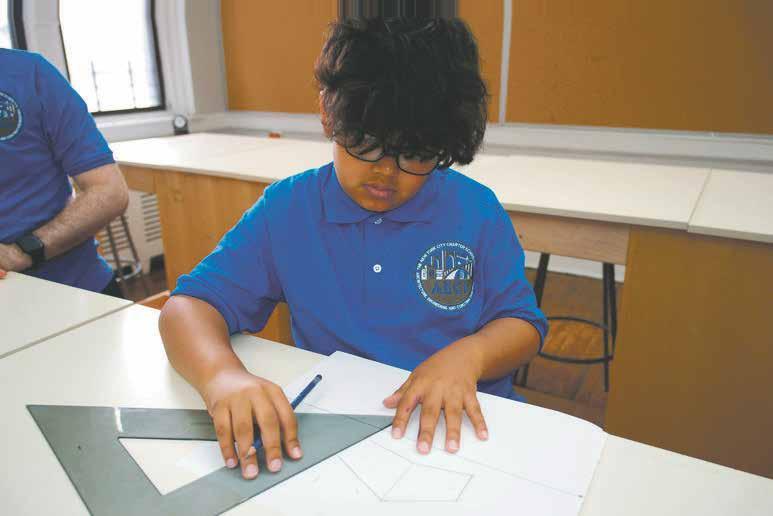
AECI 1 Charter School Opens Its Doors Wider For Bronx Families
For many families in the Bronx, choosing a school is one of the most important decisions they will ever make. It is not just about academics—it is about trust. Families want a place where their children feel safe, supported, and truly known. This year, AECI 1 Charter School opened its doors wider with those families in mind.
For years, AECI 1 has been recognized as a strong high school, with a 95% graduation rate that reflects consistent care and high expectations. But families often speak about something deeper: a culture built on relationships, belonging, and belief in every student. Now, AECI 1 is extending that commitment earlier by welcoming its first sixth-grade class this year and beginning its growth into a full grades 6–12 school community.
The middle school opened this year with Grade 6 and will add one grade each
year, allowing the school to grow thoughtfully while preserving the connection and stability families value. Inside the classroom, students engage in hands-on, projectbased STEM learning in architecture, engineering, and construction. Outside the
classroom, sports, enrichment clubs, peer mentorship, and free daily after-school programming support the whole child—and provide families with peace of mind.
The middle school is led by Tyra Williams, a proud Harlem and Bronx native who understands the community and believes deeply in its children.
AECI 1 is now accepting applications for Grades 6 and 7. The charter school lottery takes place in April, and families are encouraged to attend an Open House on February 21 or March 28, from 10:00 a.m. to 1:00 p.m.
For more information, to attend an Open House, or to apply, visit aecischools. org/aeci1/apply.
AECI 1’s expansion is not about becoming bigger—it is about showing up sooner for Bronx families and their future.
Do Siblings Need to Go to Camp Together?
BY JESS MICHAELS
When searching for an overnight camp, many parents begin the process with their oldest child in mind, often hoping it will be a good fit for younger siblings as well. While there are many advantages to sending children to camp together, it’s important to recognize that each child is different and may need a different camp experience to truly thrive.
Choosing a camp that siblings can attend together offers numerous benefits. Renee Flax from the American Camp Association helps parents find the right camp for their children and says, “It certainly is easier for parents when their children go to camp together. They start and end camp at the same time, have the same visiting days, and it’s easy to keep track of all the logistics. Another strong benefit is that your children have a shared experience and bond over the memories of camp together.”
Matt Krounder, Owner and Director of Camp Schodack, a coed overnight camp in New York says it’s heartwarming to see how some siblings at camp seek each other out
during choice time to do activities together or to just find time to chat. “Older siblings will have check-ins with younger siblings to see how they are adjusting to camp and to help them with any questions, particularly when the younger sibling is starting camp for the first time. Families will often tell me that this dynamic starts well before camp begins, with older siblings answering questions about camp which helps create a strong bond between them.”
For many parents, it’s important that their children go to camp together so during the initial camp search, keep both children in mind. “Look into camps that offer a broad spectrum of activities and focus. There are many camps out there that can satisfy that need and be a great choice for your children even if they are very different people,” comments Flax.
Other parents recognize that their children have different needs and that while one camp is good for one, it may not be the best for the other. “The most important thing is to find the right fit for each child so when parents feel one of their children will benefit from a very different experience or would
thrive in a program focused on a specific activity, it can certainly make sense to have them at different camps,” comments Krouner. “In these situations, I encourage parents to find camps that they trust equally and to have a clear understanding of the differences between the programs. This will help set expectations, both for the parents and how this choice is communicated to their children.”
Sometimes parents start children off at camp together, but then realize that it’s not working out for one of them. Don’t be afraid to consider a switch. “You don’t want to sacrifice one child’s camp experience for the other. If one of your children is still happy at the camp and you believe it’s still the right place for them, then that child should stay at the camp. But if your other child is not being fulfilled for whatever reason, then select a camp that will suit their needs. Above all, you want both of your children to have camp experiences where they are flourishing.”
Ashleigh Jackowitz, Director of Camp Winaukee, an all-boys camp in New Hampshire feels the best gift we can give our children is a camp that fits their unique personality. “It’s important to stay open to the possibility that siblings might need different programs to thrive. For some, that means going to camp together; for others, it means carving out their own independent identity. Success isn’t measured by whether siblings are at the same camp, but by whether each child is in the environment that supports them best.”
AECI 1 Charter School Abre Sus Puertas Más Amplias
Para muchas familias del Bronx, elegir una escuela es una de las decisiones más importantes que pueden tomar. No se trata solo de lo académico, sino de confianza. Las familias buscan un lugar donde sus hijos se sientan seguros, apoyados y valorados. Este año, AECI 1 Charter School abrió sus puertas aún más, pensando en esas familias.
Durante años, AECI 1 ha sido reconocida como una escuela secundaria sólida, con una tasa de graduación del 95%. Pero más allá de los números, las familias destacan una cultura basada en relaciones auténticas, sentido de pertenencia y cuidado constante. Hoy, AECI 1 extiende ese compromiso al abrir este año su primer grado 6, comenzando su crecimiento hacia una comunidad
educativa completa de grados 6 a 12.
La escuela intermedia abrió este año con sexto grado y agregará un grado cada año, permitiendo un crecimiento intencional que protege la estabilidad y la cercanía que las familias valoran. En el aula, los estudiantes participan en aprendizaje práctico y basado en proyectos en STEM, arquitectura, ingeniería y construcción. Fuera del salón, los de-
portes, clubes de enriquecimiento, mentoría entre pares y programas gratuitos de horario extendido apoyan el desarrollo integral de los estudiantes y brindan tranquilidad a las familias.
La escuela intermedia está dirigida por Tyra Williams, orgullosa nativa de Harlem y el Bronx, quien cree profundamente en los niños y en su potencial.
AECI 1 está aceptando solicitudes para los grados 6 y 7. La lotería de escuelas chárter se llevará a cabo en abril, y se invita a las familias a asistir a una Casa Abierta el 21 de febrero o 28 de marzo, de 10:00 a.m. a 1:00 p.m. Para más información, para asistir a una Casa Abierta o para aplicar, visite aecischools.org/aeci1/apply.
La expansión de AECI 1 no se trata de crecer por crecer, sino de estar presente antes para las familias y el futuro del Bronx.
NEW YORK FAMILY PARTNER
When a Meatball is the Milestone
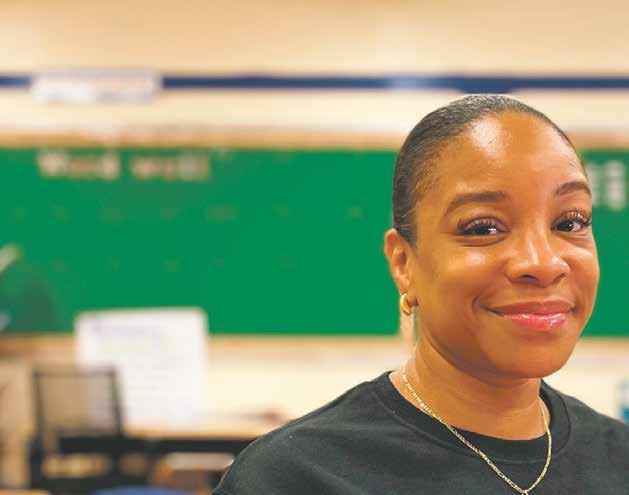
Lessons I’ve learned about growth while raising a neurodivergent child
BY DONNA DUARTE-LADD
Milestones are everywhere in early parenting; they even happen before the baby arrives. Then it begins: the first steps, the first words, the first time they smile, and sleeping through the night (um, sleeping?... come on!). Even passing gas is a celebration.
The American Academy of Pediatrics (AAP) describes developmental milestones as key skills or behaviors that most children typically achieve by certain ages. So what happens when milestones are so far off your child’s timeline? For parents like me, raising a neurodivergent child, milestones can feel more like reminders of what isn’t happening “on time.”
My youngest son (who is adopted) came to us at two weeks old. While he showed little delay at first, over time, clouds of worry began to settle into that place in my body where I couldn’t tuck them away. Like most parents who start noticing the gaps, that quiet intuition kept creeping in. I knew. I felt it. His growth was different. I saw it more clearly when we were around other kids. Okay, show-offs, talking a mile a minute, knowing what a carrot was!
Those worries lived with me quietly until they finally had a name. Then came the diagnosis: my youngest son is autistic.
And with that, milestones... poof... kind of stopped being a thing for us.
While the mention of milestones makes me want to dive straight into my villain era (because we rarely, if ever, check these boxes on schedule), the truth is that milestones
are important. Especially when your child doesn’t follow them, they become a roadmap —a way to understand where they are, sensory-wise, motor-wise, socially... all that good stuff. And in our case, neuro-wise too.
For me, it’s been about reframing what a milestone looks like. And in the absence of this standard measurement, it becomes the foundation of advocacy for my babe. Because, like it or not, the moment you become the parent of a child with challenges, you’re not just a parent anymore — you’re a warrior mom. Not that you weren’t already showing up fully. But with a typically developing child, there’s at least the assumption that they’ll move through school and life with some independence, learning, growing, and finding their way.
With a neurodivergent child, that path is much less certain. You realize that their life isn’t just going to unfold — you’re going to have to help build it. In our case, every single
aspect of it, so far.
There’s nothing like people seeing my cute kid and then, not always, but sometimes, the look on their face when they realize he wants to be held (he’s nine... upside: my arms get a good workout), or when he starts to stim. The stimming can be the clincher.
But this isn’t about how other people relate to or react to my child.
For many parents of autistic kids or kids with other challenges, we see accomplishments, in all their chaos and weirdness (and trust me, he does some wild stuff), through a completely different lens. Everything takes on a new perspective.
It’s also about how I show up. What matters to me? How do I celebrate his milestones — the ones that don’t come with applause or checklists?
Letting go of societal benchmarks has helped me tune in to his timeline, his wins,
For more information about our Law and Social Justice program or inquiries regarding the admissions process, please reach out via email at Ops@chslsj.org or give us a call at (347) 696-0042. Scan the QR code to apply.
and what truly matters most. That doesn’t mean I toss caution to the wind. There are IEPs, life plans with his care manager, goals set with his care broker — the people who help me manage and shape his world. It means there’s more bending, more flexibility, more understanding — and a whole lot of patience.
And getting to this point wasn’t easy. I still remember the day the school psychologist called after an IEP meeting and said something that spun into days of sadness.
He explained that due to the severity of my child’s delays, he would automatically pass from grade to grade without needing to meet typical academic benchmarks — he wouldn’t be tested in the usual way. I sat there, trying to process his words. I knew what he was gently sharing, but all I could think was, ‘I don’t want school to be daycare for his entire school experience.’ I want him to be seen, to learn, to be challenged and supported — not just passed through the system quietly.
That call cracked something open in
neurodivergent child, the path is much less certain.
realize that
life isn’t just
to unfold — you’re going to have to help build it.
me. It was a wake-up call, a clear sign that I had to let go of other people’s definitions of progress, including my own. It’s not that the experts don’t mean well, I love my son’s school — but I knew then I needed to lean harder into what growth looks like for him.
What kind of milestones have we celebrated lately? Recently, it was a meatball. Yes, a meatball. After years of trying to get my guy to eat meat/protein, a few weeks back he stole a meatball from his big brother’s plate and has finally opened himself up to Trader Joe’s meatballs — and this mom lost it. It
For us at Casa Ladd, this means a meatball, not a milestone, is everything. With
made the family thread. It was BIG news.
That’s how we celebrate our milestones. A new food. Petting a dog. Picking up after himself. Helping me when I drop something. It’s exciting, and we don’t take much for granted. These aren’t things you’ll find on any pediatrician’s checklist — but in our world, they’re everything.
Each one is a little breakthrough. A little more connection, independence, or ease. These are the moments that we celebrate; they’re not flashy, but because they’re his. They feel big, because they are big — hardwon, real, and entirely on his timeline.
Letting go of traditional milestone pressure hasn’t meant giving up; it is about finding a new approach. It’s rooting in, paying attention, and showing up for what’s real. And there’s liberation in that.
If you’re a parent walking this road too, know this: grace, patience, and redefining progress are acts of love. Some of us are walking different roads, but we are moving, and that sure seems like progress to me.
Istarted my co-parenting journey in the middle of a pandemic, and I promise you it was not all sunshine and rainbows. Think: working remotely while schooling remotely with an essential worker co-parent who was not remotely able to help out. It was tough, but I learned a lot along the way.
While some married people feel like single parents, there’s no loneliness in the world like actual single parenting. Unless you have the most stable relationship in the world with your former spouse, the days will be long and the parenting will be solo. But, you will figure it out eventually; not for your ex and not for you, but for your children.
As a parent, nearly everything you do is for your kids, of course. Of all the things you do for them, working to strengthen your co-parenting relationship is likely to be one of the most important. Here are some tips to help you successfully navigate co-parenting with your ex.
Nail down schedules ASAP. You likely have your custody agreement, or the schedule to which you and your former spouse adhere. But have you discussed holidays yet? Vacations? It’s so much better to discuss these things in advance than to wait until they creep up and can cause an argument.
Never speak poorly of each other. One of the most damaging things you can do as a divorced parent is speak badly of your former spouse to your child. It not only puts the child in a bad situation where they feel forced to choose, but it could affect their relationship with that parent or even with you. Believe me, there have been times my kids caught a look or a sigh, or maybe worse. I’m far from perfect. But I try to speak positively of my ex to my children and encourage their relationship with their dad whenever I can. It’s helpful to remember that there is nothing beneficial to be gained from negativity.
Discuss each child’s needs sooner than later.
It’s easy to assume that the “weekday parent” will take the kids to all of their appointments, but it’s not necessarily fair. My ex and I try to switch off with appointments so it’s divided more evenly. If you can, speak to your former spouse while the year is still young about
all doctor’s appointments, extracurricular activities, afterschool jobs, etc. You won’t be able to iron out the whole year, but at least you can get into a rhythm that will keep the flow of responsibilities in check.
Always put the kids first. This might seem like a no-brainer, but it’s possible to slip up and forget, in the heat of the moment, when tensions are running high, that the children are the very reason you still are in contact with an ex at all. Sometimes, the best thing you do is stop and think of what is best for your children. It’s also important to ensure any new partners understand this as well. If your new partner is more concerned about themselves than what’s best for your kids, it might be time to reconsider if this is the right person for you.
Make a plan for new partners. Speaking of new partners, the time to agree on how they will be handled was yesterday. If you don’t yet have a plan in place, make one now. The effects of prematurely introducing a child to a new adult can be catastrophic for a child’s mental health. Ideally, any new partners should meet the former spouse before the child does and concerns should be addressed both promptly and privately.
Don’t leave the other parent in the dark.
One thing my ex sometimes does that drives
me batty is not answer when I text. I’m rarely (if ever) reaching out for anything other than reasons related to our children, so every text should be met with some degree of respectful speed. Obviously, there will be times when you can’t reply immediately, but if you have muted your ex’s messages out of spite, the one who is hurt in the long run is the child.
Communicate, communicate, communicate.
Ask any parenting expert and they will firmly tell you communication is the key to any healthy relationship, even one between former spouses. It’s more important than ever that you share all information concerning your child with your co-parent. Everything from changes in the daily schedule to health or behavior concerns should be discussed as soon as possible.
Keep your emotions in check.
This might be easier said than done, and I’m as guilty as the next person of unleashing my emotions on my ex at times. It’s important to remember that you are no longer married and your personal feelings are likely irrelevant to your former partner. They might frustrate you more now than they even did in marriage, but there is no need for tearful phone calls or angry texts. Do yourself a favor and keep the peace. Save the venting for your bestie, and be sure to do it when the kids aren’t around.
Where to Find the Best Pediatric Emergency Care
BY DANIELE RAMOS
No one ever wants to have to take their kids to the emergency room, but as a mom, it’s usually an inevitable visit, sooner or later. As a mom of three, I’ve been to many emergency rooms over the years with each of my kids, and they are definitely not all created equal. The best time to map out the top ERs in your area is well before you ever need one.
We compiled a list of some excellent emergency departments in the city that offer various levels of care. No matter what you go for, whether a chronic condition, sudden illness, or a trauma, you want the most capable, experienced minds and hands, and then you want as pleasant an experience as possible for your child (and for you!).
Kips Bay 570 First Ave., New York, NY 10016 212-263-5550
Located within Tisch Hospital, the Pediatric Emergency Department is part of Hassenfeld Children’s Hospital at NYU Langone. It is a dedicated kids-only ER with 24/7 pediatricspecific emergency care, staffed by pediatrictrained emergency doctors and nurses.
Before you go, you can view waiting times, which are posted on the website and updated every 5 minutes. Kids get a quick initial screening by a pediatric emergency specialist as soon as they arrive, and then are moved into a treatment room right away.
There is a family-friendly waiting area that is deliberately kid-friendly, with toys, games, books, and child-life specialists to help ease stress. The whole medical team is child-centered and goes out of their way to help put kids at ease.
Because Hassenfeld is part of a larger children’s hospital with many pediatric specialties, if your child needs follow-up or specialized care after the ER visit, they’re well-equipped to provide it. There is access
to more than 35 NYU pediatric specialties if your child needs extra care.
Great for Manhattan families (or those from the five boroughs willing to travel) who want a caring, kid-focused ER experience with the top medical minds, or for kids who might be particularly sensitive/anxious about hospitals.
Morgan Stanley Children’s Hospital Washington Heights 3959 Broadway (at 165th St.), New York, NY 10032; (212) 305-6628
Located within NewYork-Presbyterian Morgan Stanley Children’s Hospital, the Cohen Children’s Emergency Department is a Level 1 Pediatric Trauma Center and, so they can treat the most serious and complex emergencies, trauma cases, and pretty much any pediatric medical need. Your child will have access to top pediatric specialists in just about every area. This can be a godsend if the emergency turns into a longer hospital stay or if your child needs specialized care.
It is staffed around the clock by board-certified pediatric emergency physicians, trauma specialists, and nurses trained specifically to care for infants, children, and teens. There are 29 private treatment rooms with TV, videos, and games to keep kids comfortable, and two hightech emergency suites for the most urgent cases.
Plus, there is a Kids Express “Fast Track” area to speed up care for less urgent issues during busy hours, and self-registration kiosks for non-urgent visits that take as little as 90 seconds. The waiting room is a calming space for kids with reading nooks, internet access, game tables, and a multimedia wall with bright natural light, vibrant colors, and floorto-ceiling storybook illustrations throughout.
Great for NYC families seeking a toplevel pediatric trauma center with extensive
resources, rapid access to specialists for serious traumas, complex illnesses, or anything beyond a typical ER visit. Yet the rapid triage also makes it ideal for minor illnesses, too.
Komansky Children’s Hospital
Upper East Side 525 East 68th St., New York, NY 10065 212-746-3300
This is a Level 1 Trauma Center and a regional burn center located within NewYork-Presbyterian/Weill Cornell Medical Center. The center can treat everything from minor injuries to the most serious emergencies. Their 24/7 pediatric-only ER is staffed entirely by doctors and nurses trained specifically to care for infants, children, teens, and young adults.
Families have direct access to a full range of pediatric specialists at Weill Cornell if your child needs extra care or admission to he hospital.
When you go, kids are assessed right away, and staff focus on fast pain relief and comfort, while using child-friendly tools, toys, and techniques to make the experience less scary. Charging stations are plentiful, and free Wi-Fi to keep devices going during long waits, which is a lifesaver ( not all ERs have this!)
Virtual Urgent Care is available for minor illnesses and injuries if you want to avoid an inperson trip (and who doesn’t, especially when flu and viruses are running rampant)
Great for NYC children who need a highlevel pediatric trauma and burn center. The fast triage and virtual urgent care capability also make it great for treating minor illnesses on off-hours when you can’t see your pediatrician.
Free After School Clubs (Clubes extracurriculares gratuitos)
Free Uniforms (Uniformes gratis)
212-562-5555
This ER was recently recognized as a “Pediatric Innovator” and earned the highest rating in the Always Ready for Children program, scoring nearly perfectly for the way they care for kids in emergencies. It’s a Level II Pediatric Trauma Center (the only one south of 68th Street in Manhattan), fully equipped to handle serious injuries for children across a large part of the city. The department treats all ill and injured children and young adults under 25, including those who need acute resuscitation for conditions like dehydration, sepsis, meningitis, trauma, or toxic exposure.
The emergency department is designed specifically for children, with treatment rooms, special asthma and respiratory care areas, trauma bays, staffed by pediatrictrained emergency physicians and nurses. There are multiple exam rooms, isolation spaces, a trauma room, an acute care area, and a big family-friendly waiting area.
The department also supports children and teens with urgent mental health needs through a state-certified Child and Adolescent Comprehensive Psychiatric Emergency Program, which includes an evaluation unit, a 6-bed Extended Observation Unit, an interim crisis clinic, and access to mobile crisis services.
Great for families in Manhattan (especially lower/central Manhattan and parts of Brooklyn) who want a public hospital with trauma-capable and psychiatric pediatric care.
Mount Sinai Kravis Children’s Hospital
Upper East Side 1184 Fifth Ave., New York, NY 10029 (212) 241-9500
The pediatric emergency department was recently redesigned to add more space and increase the number of beds. There is little to no wait time, as kids are brought directly to treatment rooms after check-in. A new resuscitation area for critically ill children ensures that the sickest patients get rapid, optimized care.
The whole department is designed with children in mind, and colorful lighting and interactive elements make visits less intimidating, and there’s even a low-stimulation room for kids with autism or sensory sensitivities. Being part of a large health system at NewYorkPresbyterian means that if your child needs admission or specialized follow-up, pediatric specialists and intensive care units are readily available.
Great for Upper East Side families seeking a newer, thoughtfully designed pediatric ER
that balances quality medical care with a less stressful, more comforting environment for children.
Maimonides Children’s Hospital
Pediatric Emergency Department
Borough Park, Brooklyn 4802 10th Ave., Brooklyn, NY 11219 (718) 283-7500
This is Brooklyn’s only dedicated children’s ER and Level 2 pediatric trauma center, so for families in Brooklyn or nearby boroughs, it offers convenient access without needing to travel to Manhattan. Certified and equipped to treat life-threatening injuries from serious incidents (falls, car accidents, etc.)
The recently expanded emergency department has 32 treatment areas, advanced imaging (X-ray, CT, ultrasound), trauma rooms, and dedicated pediatric resources, including the largest PICU and NICU in Brooklyn. There are dedicated pediatric trauma rooms and orthopedic procedure areas. There is also an accredited pediatric cardiology program (IAC–certified in fetal and pediatric echocardiography).
The emergency department is staffed by specialists trained to care for children, who respond differently to injuries than adults.
If your child has to have a hospital stay, the full-service pediatric hospital offers a complete range of inpatient services. Maimonides offers a full range of pediatric inpatient services (NICU/PICU, oncology, cardiology, etc.), which helps keep care coordinated.
The Pediatric Hospitalist Program provides individualized care coordination throughout a child’s hospital stay. Child Life Services offers play, art, and music therapy to support emotional well-being and ease the stress of hospitalization
Great for families in Brooklyn or beyond who want a full-featured, child-specific hospital with access to top specialists.
NewYork-Presbyterian Brooklyn
Methodist Hospital
Park Slope, Brooklyn 506 6th St., Brooklyn, NY 11215 (718) 780-5025
Right in the heart of Park Slope, one of the most family-dense neighborhoods in the city, this hospital is a lifesaver for local parents who want fast, reliable pediatric care without crossing a bridge. Their pediatric emergency team handles everything from fevers and injuries to more complicated concerns. Specialized pediatric emergency and criti-
cal care services are tailored for infants and children, and staffed by dual board-certified emergency and pediatric physicians and nurses. They have a dedicated pediatric area within NYP Brooklyn Methodist’s ER, designed for a calmer experience for families.
The Pediatric Intensive Care Unit (PICU) for critically ill children treats conditions like respiratory failure, severe illness, and postoperative recovery. A Neonatal Intensive Care Unit (NICU) includes a 24-bed Level III NICU for newborns needing intensive medical care, equipped to care for extremely premature babies and infants recovering from surgery. Plus, there is a transitional Care Nursery that helps babies who need extra support before heading home.
Great for Brooklyn families (especially those in Park Slope, Gowanus, Windsor Terrace, or nearby neighborhoods) who want a dependable, kid-savvy emergency department close to home for quick access, top specialists, and a calmer setting than the big Manhattan ERs.
Cohen Children’s Medical Center
New Hyde Park
269-01 76th Ave., New Hyde Park, NY, 11040 (718) 470-7640
At less than 30 minutes from Queens, Cohen Children’s Pediatric Emergency Medicine is the only freestanding pediatric emergency department on Long Island and the largest Level I pediatric trauma center in New York. It offers dedicated, round-the-clock emergency care exclusively for infants, children, and adolescents. The best part is that it is a pediatric-only facility and staffed 24/7 by board-certified pediatric emergency physicians and specialized pediatric nurses.
The department takes care of a host of urgent needs, from routine childhood sicknesses and injuries to serious surgical and trauma cases. There is also a Pediatric Behavioral Health Urgent Care Center to support kids and teens who are having a mental-health crisis right alongside medical emergencies.
Since Cohen Children’s is part of a major pediatric teaching hospital within Northwell Health, the whole place is built with kids in mind, staffed by people who are specially trained to care for young patients and all the unique needs they have.
Great for local Queens’ families who want fast, specialized emergency care close to home, especially when their kids need a pediatriconly team that can handle everything from minor injuries to serious trauma or behavioral-health emergencies.
A Closer Look at Charter Schools
BY HANNAH MALLARD
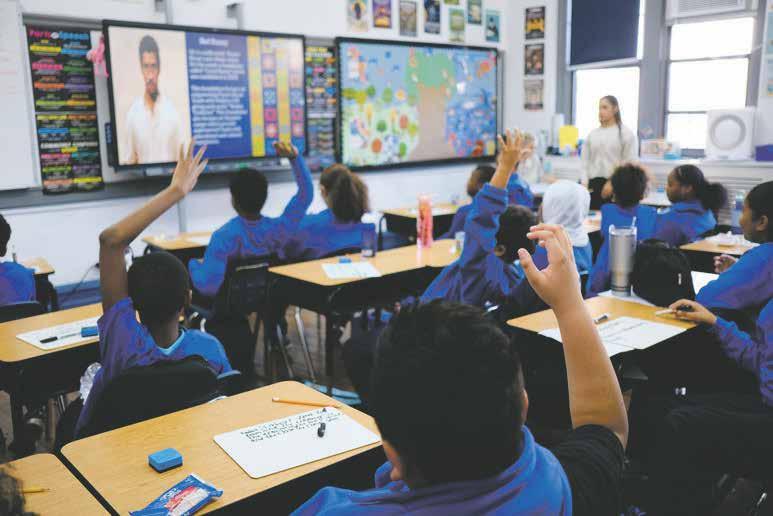
Charter schools are independentlyoperated public schools accountable for advancing student achievement.
New York City’s 281 charter schools are independent of the New York City Department of Education, but if they don’t meet certain student achievement standards, they can be closed. This combination of freedom and accountability allows charter teachers to adapt their classrooms based on their students’ needs while pushing for high academic achievement.
New York City’s charter schools have become a popular option for many students, especially from minority and economically disadvantaged families. Charter schools offer students opportunities for academic success that unfortunately cannot be said for some of the city’s public schools.
We’ve included a list of charter school benefits below to help you and your family consider if a charter school is the right fit for your student!
NYC Charters Do Not Succeed at the Expense of District Schools
A common myth is that as New York’s charter schools succeed, the city’s traditional public schools fail as a result.
A 2018 study by the Manhattan Institute concluded that “competition from New York City charter schools has either no effect, or a positive effect,” on the city’s traditional public schools.
In fact, district schools have improved significantly as charter schools have spread throughout New York City’s five boroughs. Funding for district schools has also increased as the student population at charter schools has gone up over the years.
Charter Schools are Specialized, with No Tuition Costs
Charter teachers adapt their classrooms and teaching methods to the current needs of their students. This freedom in the curriculum, teaching style, school missions and policies resembles that of private schools, enabling charter schools to provide the very best approach to academics that fits their students.
Though teachers have flexibility, charter schools are held accountable for levels of high academic achievement. If charter institutions
underperform, they can be closed.
Charter Schools Have Ample Funding
About $18,340 is spent per pupil at New York’s charter schools (as per most recent NYSED Public School Data). Though this is less than the average funding per pupil in traditional district schools, charter schools and teachers clearly make the most out of their budget.
This funding by not-for-profit Boards of Trustees means that parents of charter students don’t have to spend money out of their own pockets to ensure their child receives a great education!
Charter Schools Don’t Pick Their Students
New York City’s charter schools admit students through a lottery system; they cannot select their students. This process gives students from all backgrounds and education levels an equal opportunity to attend and achieve academic success at charter schools.
This piece originally appeared in our sister publication, AMNY
CHARTER SCHOOLS DIRECTORY
AECI 1 Charter School
838 Brook Ave., Bronx
646-400-5566
admissions@aecischools.org aecischools.org
AECI 1 Charter School is expanding its Middle School program! With their 6th grade already in place, AECI 1 will add a 7th grade in 2026 as part of its growth into a full 6th - 12th grade Middle and High School. Children will benefit from early STEM learning, hands-on instruction, and consistent academic support in a small, trusted, and well-established school community. AECI also offers a variety of sports, enrichment, and after-school experiences that truly nurture the whole child. At AECI, students are known well, supported every day, and guided carefully as they move through high school and beyond.
AECI 2 NYC Charter School for Computer Engineering & Innovation
AECI 2 Charter School is a rigorous Bronx-based college preparatory school that specializes in computer engineering and innovation. The curriculum highlights STEM principles and core values such as integrity and perseverance through hands-on learning. As it expands its community,
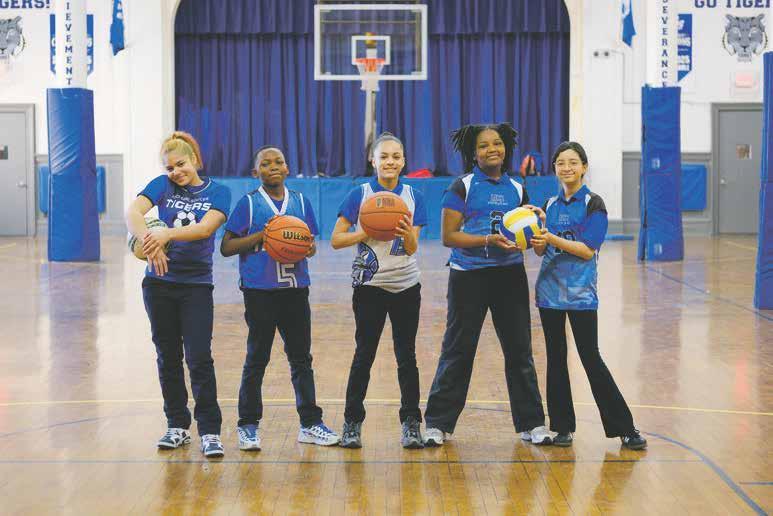
AECI 2 will officially open its new middle school in September 2026. In addition to academic excellence, the school features a strong sports program that includes championship volleyball, soccer, basketball, and track teams, promoting leadership skills and teamwork among its diverse student body.
The American Dream Charter School develops academic excellence in both Spanish and English for grades 6-12, preparing students to excel in college and become leaders in their communities. The school cultivates a welcoming, encouraging environment for English language learners and immigrant students in the South Bronx. Through their dual-language program, they strive to maintain the scholars’ native language and develop their English language skills as it is proven to accelerate language learning.
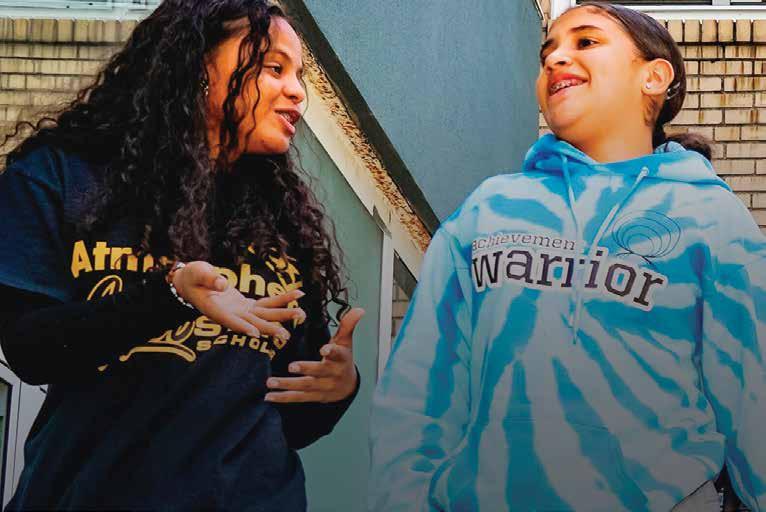
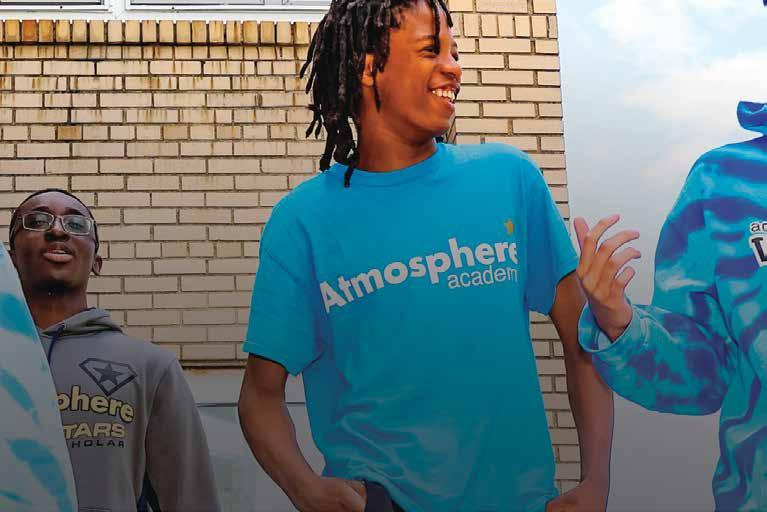
Atmosphere Academy Charter School
5 Campuses in the Marble Hill Section of the Bronx 718-696-0745 atmosphere.org
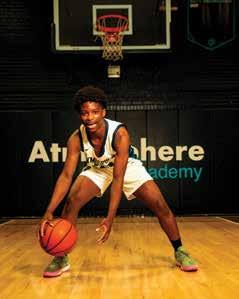
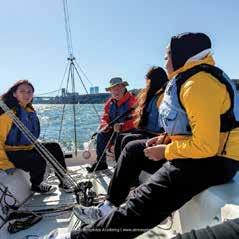
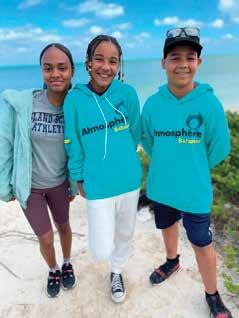
Atmosphere Academy is a free public charter middle and high school serving grades
6–12 across five campuses in the Bronx. Their mission is to prepare every scholar for college, career, and life through rigorous academics, character development, and enriching experiences. Atmosphere provides scholars with hands-on learning, caring mentors, and opportunities to grow as leaders. They empower students to think critically, collaborate effectively, and make a positive impact on their communities.
All schools offer free contentrich education for K-8, constant communication with parents, visual arts, music, science, and physical education, optional faithbased after-school program until 5:30 pm and free school supplies and field trips.
DREAM
CHARTER SCHOOLS DIRECTORY
Bronx Arts & Science Charter School (iLearn Schools)
925 Hutchinson River Pkwy, Bronx ilearnschools.org/bronx-artsscience-charter-school
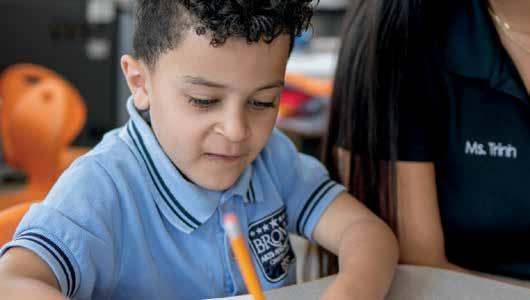
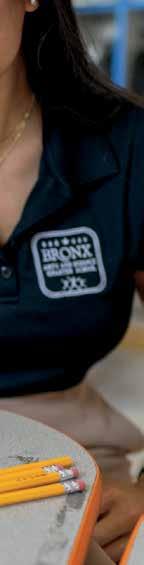
Bronx Arts & Science Charter School (Bronx ASCS) is now accepting applications for pre-K students for the 20262027 academic year. Bronx ASCS provides high-quality STEAM-based education in an innovative, play-based learning environment that fosters curiosity, collaboration, and academic success. The curriculum aligns with New York State Learning Standards and supports 21st-century skills, social-emotional learning, and hands-on exploration. Students, including English language learners and those with disabilities, are empowered to exceed gradelevel expectations and thrive in college and careers.
The Bronx Charter Schools for Better Learning (BBL) is a top-performing Bronx charter elementary school offering a strong Pre-K–5th grade academic foundation. Using the Subordination of Teaching to Learning (STL) approach, BBL provides individualized instruction, mastery-based learning, and a supportive, family-centered environment. Students build confidence, critical thinking skills, and long-term academic success. Now enrolling Bronx families for Pre-K and elementary grades. Learn more or apply today at bronxbetterlearning. org/apply.
The Charter School for Law and Social Justice Middle School: 121 East 177th
Street, Bronx High School: 1960 University Ave, Bronx cmslsj.org
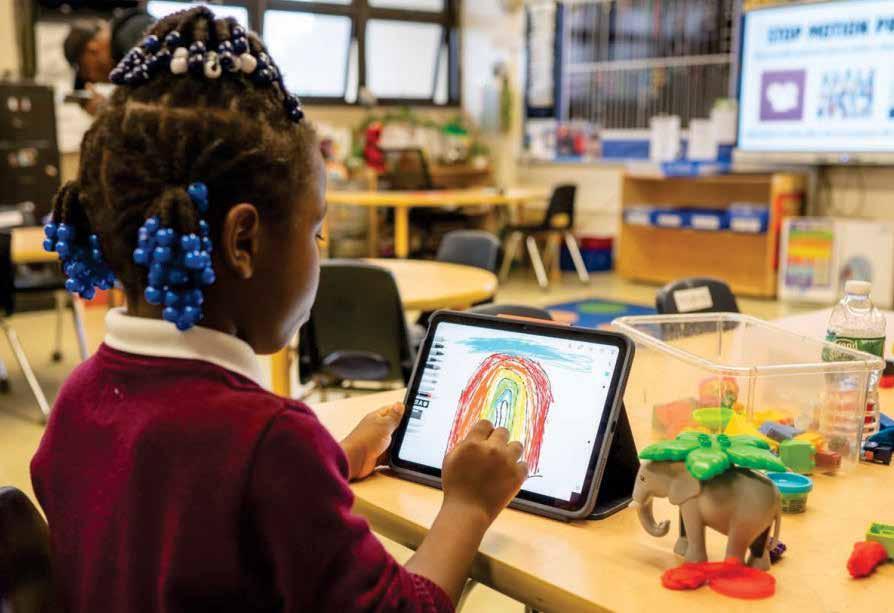
The Charter School for Law and Social Justice offers a rigorous, college-preparatory education for students in grades 6–12 across both campuses. With innovative iPad learning, small class sizes, and personalized support, CSLSJ creates an engaging, student-centered environment. The school proudly outperforms the district and city, preparing learners to think critically, act with integrity, and lead with purpose. CSLSJ equips students with the academic foundation and character needed to succeed in college and beyond.
Creo College Prep is a 5th–8th grade charter school in
the Bronx where students are always safe and never bored. With small classes, one counselor per grade, and targeted small-group interventions in reading and math, students receive personalized academic support. Students participate in sports and aftrschool clubs, build LEGO robots in computer science, and develop confidence through health and wellness. Eighth graders take high school–level courses including Algebra I, Biology, and World History.
Democracy Prep Public Schools
Ten schools across Harlem and the Bronx 917-364-8750 christy.brown@ democracyprep.org DemocracyPrep.org/enrollny Democracy Prep is now enrolling PreK through 12thgrade students in 10 schools across Harlem and the Bronx. Democracy Prep educates
A New Beginning Starts in 6th Grade
A New Beginning Starts in 6th Grade
Big school opportunities—designed with middle school care.
Big school opportunities—designed with middle school care.
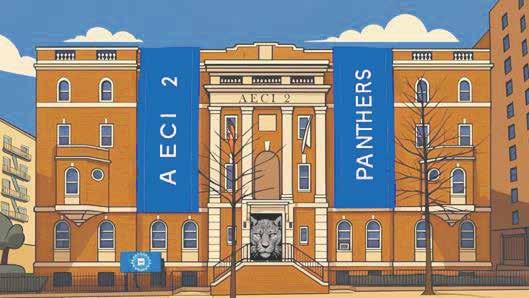
This fall, the NYC Charter School for Computer Engineering and Innovation (AECI 2) proudly welcomes its first-ever 6th grade class, opening a new and exciting chapter for current 5th graders and their families.
This fall, the NYC Charter School for Computer Engineering and Innovation (AECI 2) proudly welcomes its first-ever 6th grade class, opening a new and exciting chapter for current 5th graders and their families.
AECI 2 is now a full 6th–12th grade school, thoughtfully designed to guide students from their middle school years through high school graduation—and beyond. For families, this means continuity, stability, and a clear pathway to success, all within one supportive school community.
AECI 2 is now a full 6th–12th grade school, thoughtfully designed to guide students from their middle school years through high school graduation—and beyond. For families, this means continuity, stability, and a clear pathway to success, all within one supportive school community.
A Brand-New Home for Learning
A Brand-New Home for Learning
This September, AECI 2 opens its doors in a fully renovated, state-of-the-art school building at 111 East 164th Street, the historic former home of All Hallows High School.
This September, AECI 2 opens its doors in a fully renovated, state-of-the-art school building at 111 East 164th Street, the historic former home of All Hallows High School.
Our new campus offers modern classrooms, expanded learning spaces, and an environment designed to inspire young learners to explore, create, and thrive.
Our new campus offers modern classrooms, expanded learning spaces, and an environment designed to inspire young learners to explore, create, and thrive.
A Proven School - Now Starting Earlier
A Proven School - Now Starting Earlier
For years, AECI 2 has been a trusted educational home for Bronx families, known for strong outcomes and a culture of high expectations and support. Our students graduate prepared for college, careers, and leadership
For years, AECI 2 has been a trusted educational home for Bronx families, known for strong outcomes and a culture of high expectations and support. Our students graduate prepared for college, careers, and leadership
— supported by:
— supported by:
• A 95% graduation rate
• A 95% graduation rate
• Early college coursework through Lehman College and Mercy University
• Early college coursework through Lehman College and Mercy University
• Award-winning athletics and extracurriculars
• Award-winning athletics and extracurriculars
• A school culture where families feel heard, valued, and respected
• A school culture where families feel heard, valued, and respected
Now, your child can begin that journey starting in 6th grade. Join us in this beautiful journey. Register today!
Graduation Rate
95%
AECI 2 Middle School Opens September 2026! Scan the QR Code and Apply Now!
AECI 2 Middle School Opens September 2026!
Scan the QR Code and Apply
Now, your child can begin that journey starting in 6th grade. Join us in this beautiful journey. Register today!AECI 2: 111 East 164th Street, Bronx, NY 10452 * Telephone: 646-741-7470 * www.aeci2charterhs.org
AECI 2: A Home for Innovation, Opportunity & Student Achievement
CHARTER SCHOOLS DIRECTORY
responsible citizen-scholars for success in the college of their choice AND for a life of active citizenship. In close partnership with families, they empower young people with the skills and values to flourish as community leaders who will strengthen our American democracy and change the world!
Dr. Richard Izquierdo Health & Science Charter School
800 Home St., Bronx 718-378-0490 admissions@drizquierdocs.org drizquierdocharterschools.org
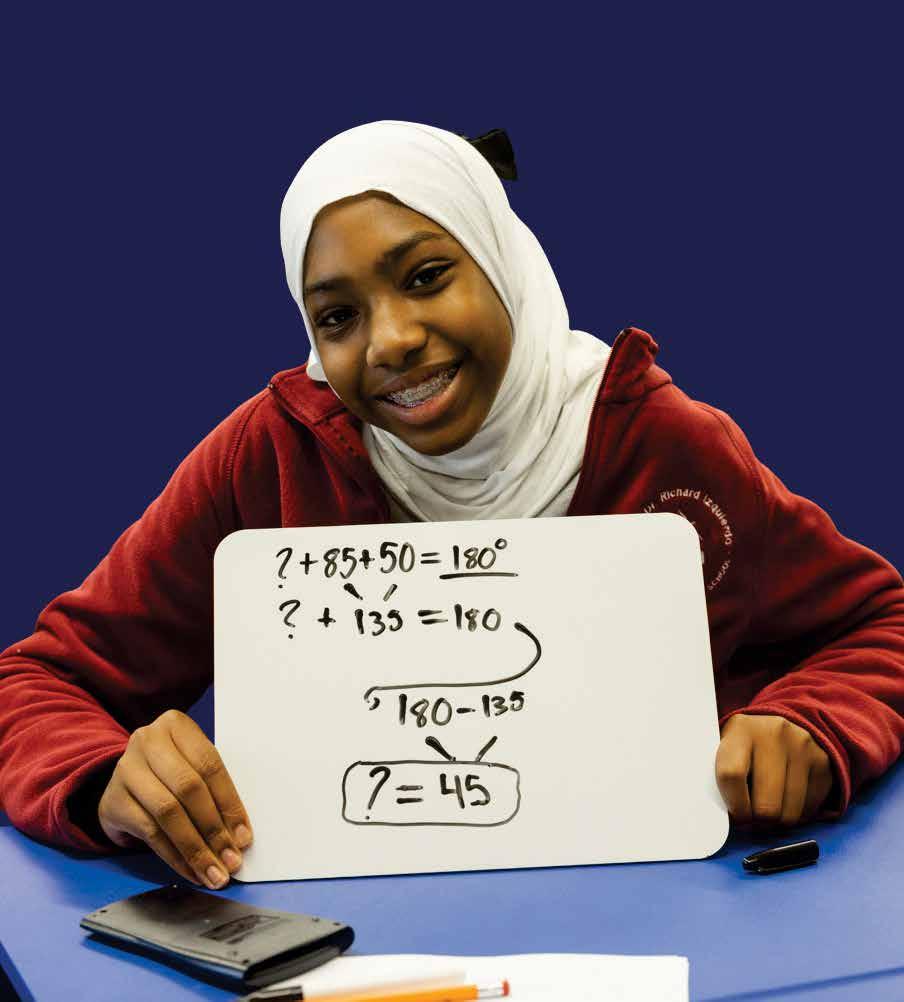
The mission of Dr. Richard Izquierdo Health and Science Charter School is to provide middle and high school students with a nurturing and challenging educational experience to develop their abilities and address the health and economic disparities in our community. The school offers free uniforms, a wide variety of free enrichment
activities and school clubs, boasts a championship winning athletics program, and gives students the chance to earn academics and attendance incentives throughout the year!
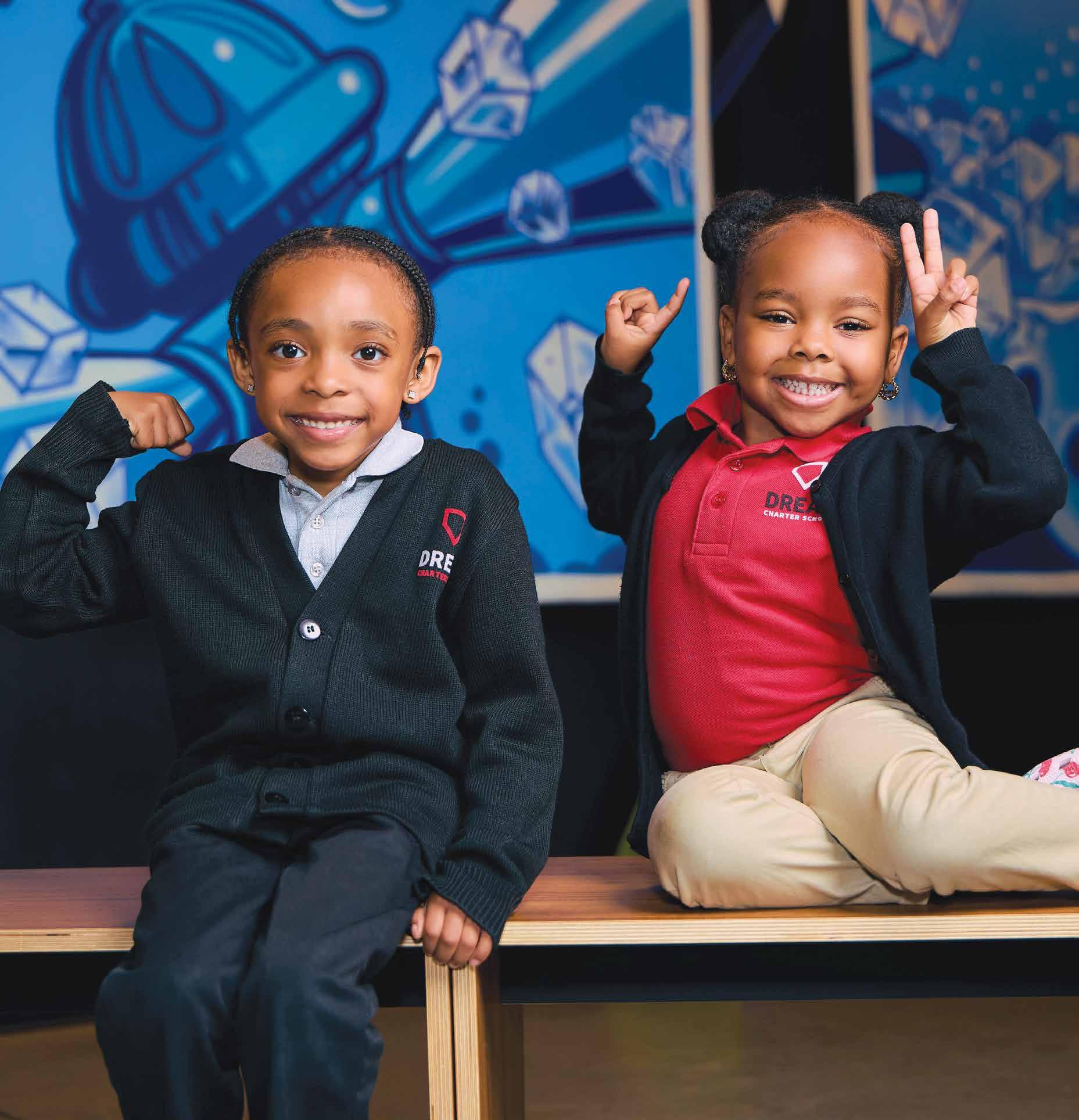
DREAM Charter Schools
Locations throughout Harlem and the South Bronx 212-722-1608 wearedream.org
Founded in 1991 in East Harlem, DREAM serves more than 2,600 students through free PreK–12 charter schools across East Harlem and the South Bronx. With strong academic results, free afterschool and summer programs, deep family partnerships, healthy school meals cooked on-site, and a commitment to working with their alumni for 6 years after high school graduation, DREAM supports the whole child so students are prepared for school, college, and their careers.
Excellence Community Schools
Locations throughout the Bronx Excellenceschools.org
Excellence Community Schools (ECS) understands that selecting the right school is a pivotal decision for your child’s future. As a threetime National Blue Ribbon School recipient, they have demonstrated an unwavering commitment to academic excellence for over 20 years. ECS proudly serves K-8 scholars in the Bronx, NY, and Stamford, CT, preparing them for top high schools and colleges. Their network of 17 schools, including Bronx Charter School for Excellence 1-5, Stamford Charter School for Excellence, and the single-gender Boys Prep and Girls Prep I & II schools in the Bronx, provide a nurturing yet challenging environment dedicated to cultivating lifelong learners.
Family Life Academy Charter Schools
5 locations across the Bronx, including Highbridge, Mott Haven, and Concourse Village flacsnyc.com
Founded in 2001, Family Life Academy Charter Schools (FLACS) serves nearly 2,000 students across five campuses in the Bronx and offers tuition-free K-12 education. As a community-focused school network, FLACS provides holistic family support and a life-readiness learning environment, inspiring every student to thrive academically, socially, and emotionally. FLACS provides students with a meaningful, future-focused education in a safe and inclusive environment. From social justice education to personalized support, FLACS students thrive through diverse extracurriculars and college, career, and life preparation.
Grand Concourse Academy Charter School
625 Bolton Avenue Bronx, NY 10473 (718) 684-6505
* Top performing Public Charter School serving Grades K - 8 , with over 20 years of success!
* El mejor rendimiento Escuela pública concertada que imparte clases de Kinder a 8º grado, ¡con más de 20 años de éxito!
- Visit school website at www.gcacs.org
- Email applications to lottery@gcacs.org
- Scan our QR Code
Estamos orgullosos de ofrecer:
Formas de inscribirse:
- Visite el sitio web de la escuela en www.gcacs.org - Envíe su solicitud por correo electrónico a lottery@gcacs.org - Escanee nuestro código QR
OPEN HOUSE / JORNADA DE PUERTAS ABIERTAS:
Thursday / Jueves, February 26, 2026
Thursday / Jueves, March 19, 2026
Time / Hora: 5:00 PM
Location / Ubicación: 625 Bolton Avenue, Bronx, NY 10473
CHARTER SCHOOLS DIRECTORY
Grand Concourse Academy
Charter School K-8
625 Bolton Avenue, Bronx 718-684-6505
gcacs.org
Grand Concourse Academy is a warm, welcoming community where every child is known, valued, and supported. It offers a strong academic foundation through small class sizes, caring educators, and engaging instruction tailored to individual learners. Enrichment programs, character development, and meaningful family partnerships help inspire confidence, curiosity, and a lifelong love of learning. Families are encouraged to apply now for the 2026–2027 school year. Students thrive in a safe environment that celebrates diversity and achievement.
Harlem
Village Academies
Locations throughout Harlem
harlemvillageacademies.org
Harlem Village Academies (HVA) is a warm, caring community of PreK–12 public charter schools that offers students an exceptionally high-quality education in a respectful, nurturing, and joyful environment. They are distinguished as the ONLY charter schools in New York featuring Montessori and the International Baccalaureate (IB)—programs typically only found in private schools. At HVA your child will develop confidence, independence, curiosity, and a love of learning. Apply today for Fall 2026!
Innovation Charter High School
410 East 100th Street, New York
innovationhighschool.org
Innovation Charter High School combines traditional academics with innovative programs, emphasizing creativity and individual
growth. Students benefit from personalized learning plans and hands-on experiences in STEM, arts, and a Statecertified culinary arts program. Innovation provides career and college readiness classes, along with industry and academic partnerships for internships and real-world insights.
KIPP NYC
Locations across Bronx, Manhattan and Brooklyn 929-822-4430
enroll@kippnyc.org kippnyc.org
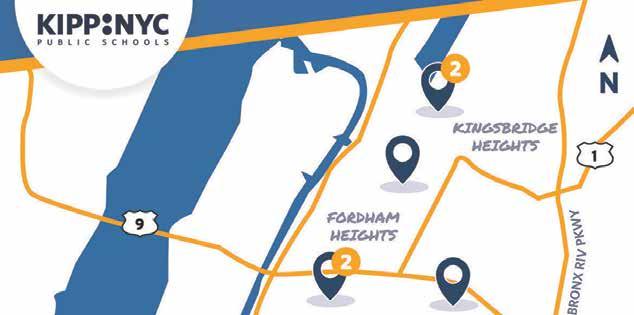
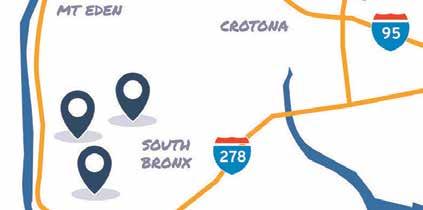
KIPP NYC operates 18 public charter schools across the Bronx, Brooklyn, and Manhattan, serving over 9,000 K–12 students. With a rich blend of engaging and challenging academics, cocurricular activities, sports, and social-emotional support, the K–12+ model offers comprehensive support from kindergarten through college, career and beyond.
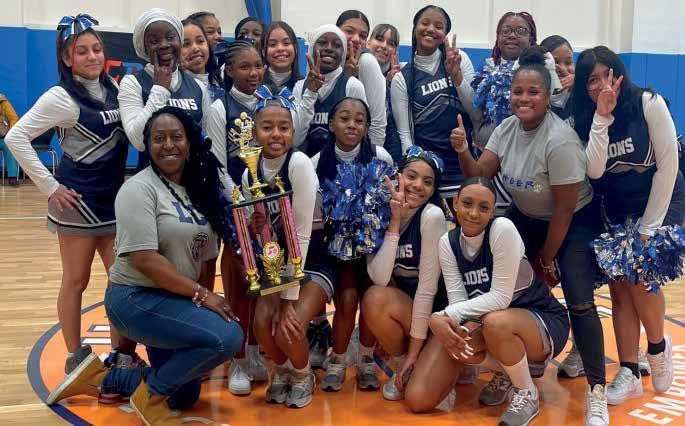
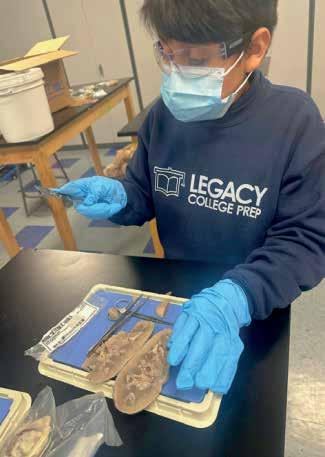
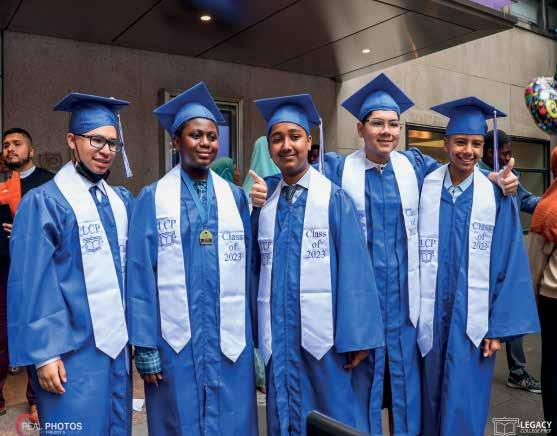
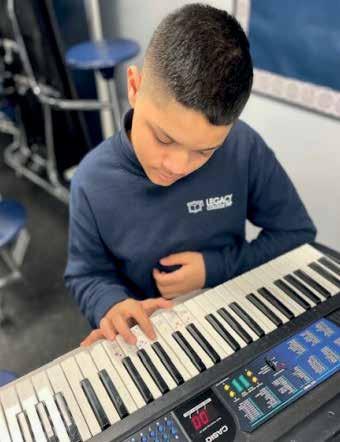
Legacy College Prep walks alongside scholars and families from middle school through high school graduation with one clear goal: college and beyond. Rooted in the South Bronx, scholars experience college early through annual college visits, exposure to collegelevel coursework, and multiple pathways to earn college credit. Along the way, we center joy by celebrating effort, growth, and achievement through merit trips, athletics, schoolwide traditions, and community events that bring families together.
New Heights Academy Charter School 1818 Amsterdam Ave New York, NY
CHARTER SCHOOLS DIRECTORY
newheightsacademy.org
New Heights Academy Charter School is a diverse, college-preparatory school committed to empowering students through rigorous academics and character development. The school fosters an inclusive environment where every student is encouraged to reach their full potential. With a graduation rate over 90% and a 100% college acceptance rate for graduates over the past decade, New Heights prepares students for success beyond high school. The school’s curriculum emphasizes STEM education, arts, and leadership, while its dedicated faculty and staff create a supportive, nurturing atmosphere.
Opportunity Charter School
240 W. 113th Street, 4th Floor New York, NY 10026 ocsny.org
Opportunity Charter School (OCS), located in Harlem,
proudly celebrates over 20 years of serving NYC students. OCS provides a supportive, innovative learning environment for students in grades 6-12, empowering those who struggle in traditional settings to succeed academically, emotionally, and socially. OCS offers exceptional special education services, with a dedicated team of social workers, learning specialists, and school culture leaders supporting all students. The school provides rigorous academic programming for general education students and students with IEPs, including those at risk of academic failure. Students benefit from free afterschool programs, winning sports teams, and limited busing. With a commitment to academic excellence, personal growth, and community engagement, OCS continues to provide opportunity for all.
Rosalyn Yalow Charter School
650 Grand Concourse, Bronx 347-735-5480 yalowcharter.org
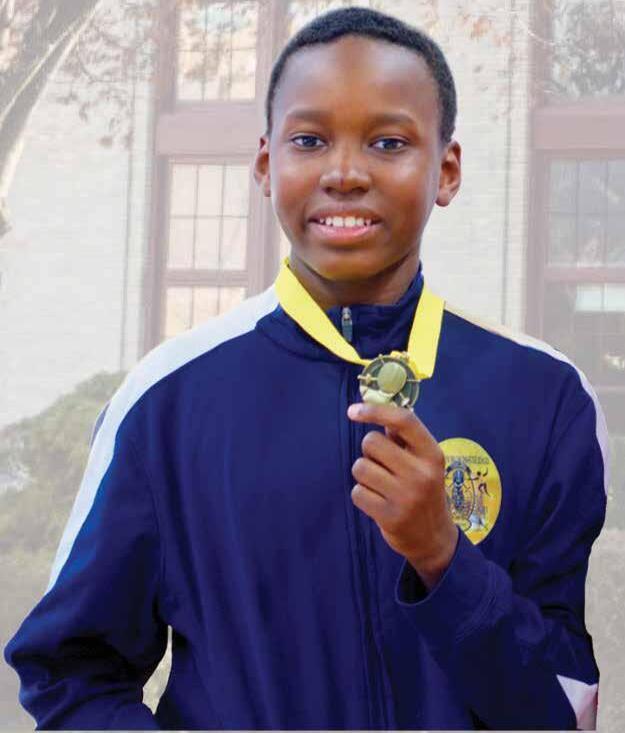
Yalow has a 9:1 studentteacher ratio, exceeding that of most NYC public schools. In math, Yalow beat scores for NYC and NY State, plus their local South Bronx community school districts, with passing rates of 66%, 90%, and 59% for grades 3, 4, and 5 respectively. The goal at Yalow has been to expose their young students to worlds beyond the Bronx, and prove that they can compete with the very best. Apply now K-8.
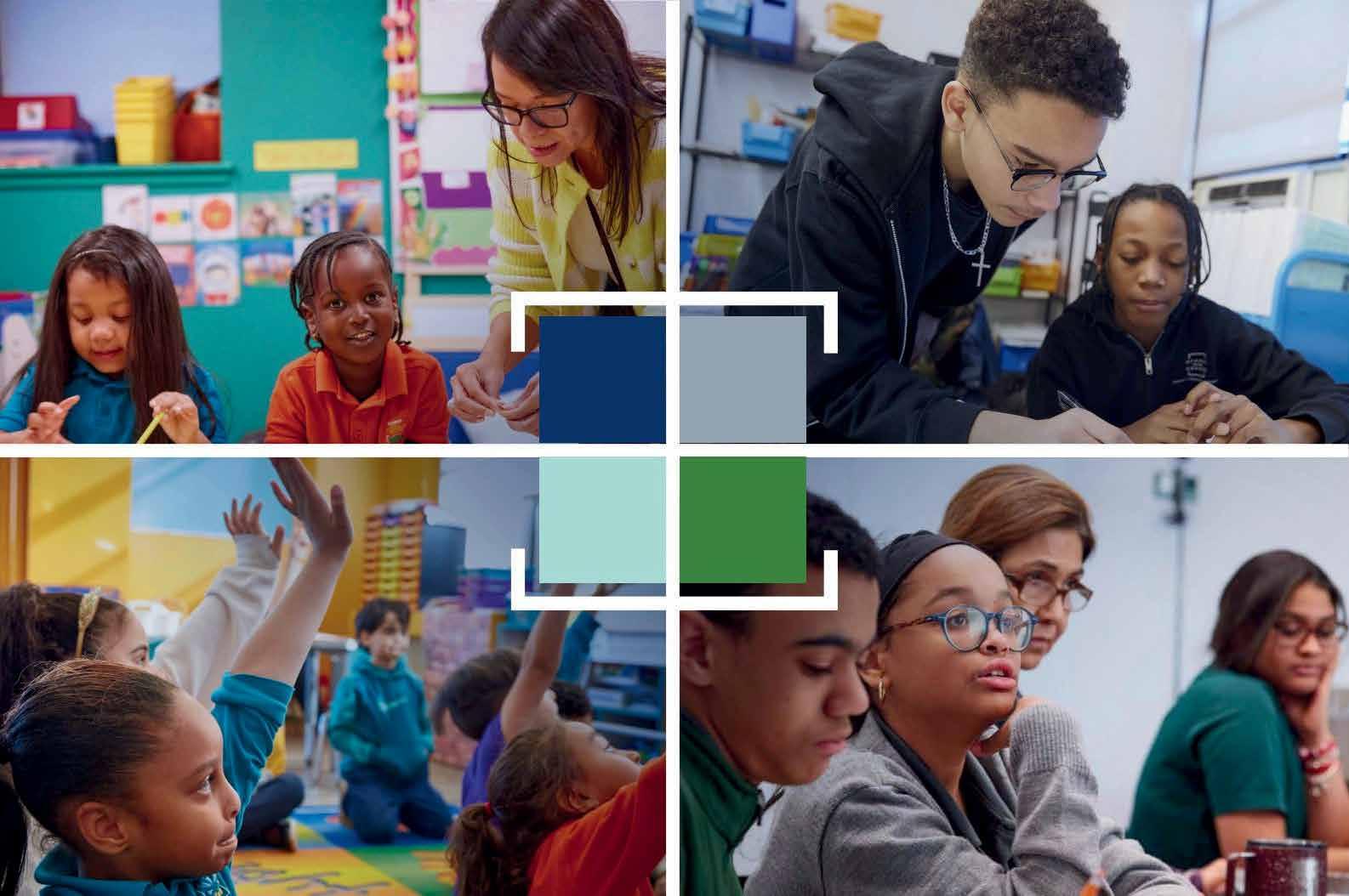
School in the Square
4 Locations in Washington Heights & Inwood schoolinthesquare.org School in the Square is an anchor community member with four tuition-free public charter school campuses in Washington Heights and
Inwood for each stage of growth: early childhood learning, elementary, middle, and high school. Their safe, empowering community culture delivers successful learning experiences every day. At School in the Square, the faculty, staff, and leadership are committed to ensuring that children are seen, heard, and encouraged to be their best and most accomplished selves.
Storefront Academy Charter School
609 Jackson Ave., Bronx 445 E 115 Street New York 917-7251-378
enroll@storefrontacadmeycs. org
storefrontacademycs.org
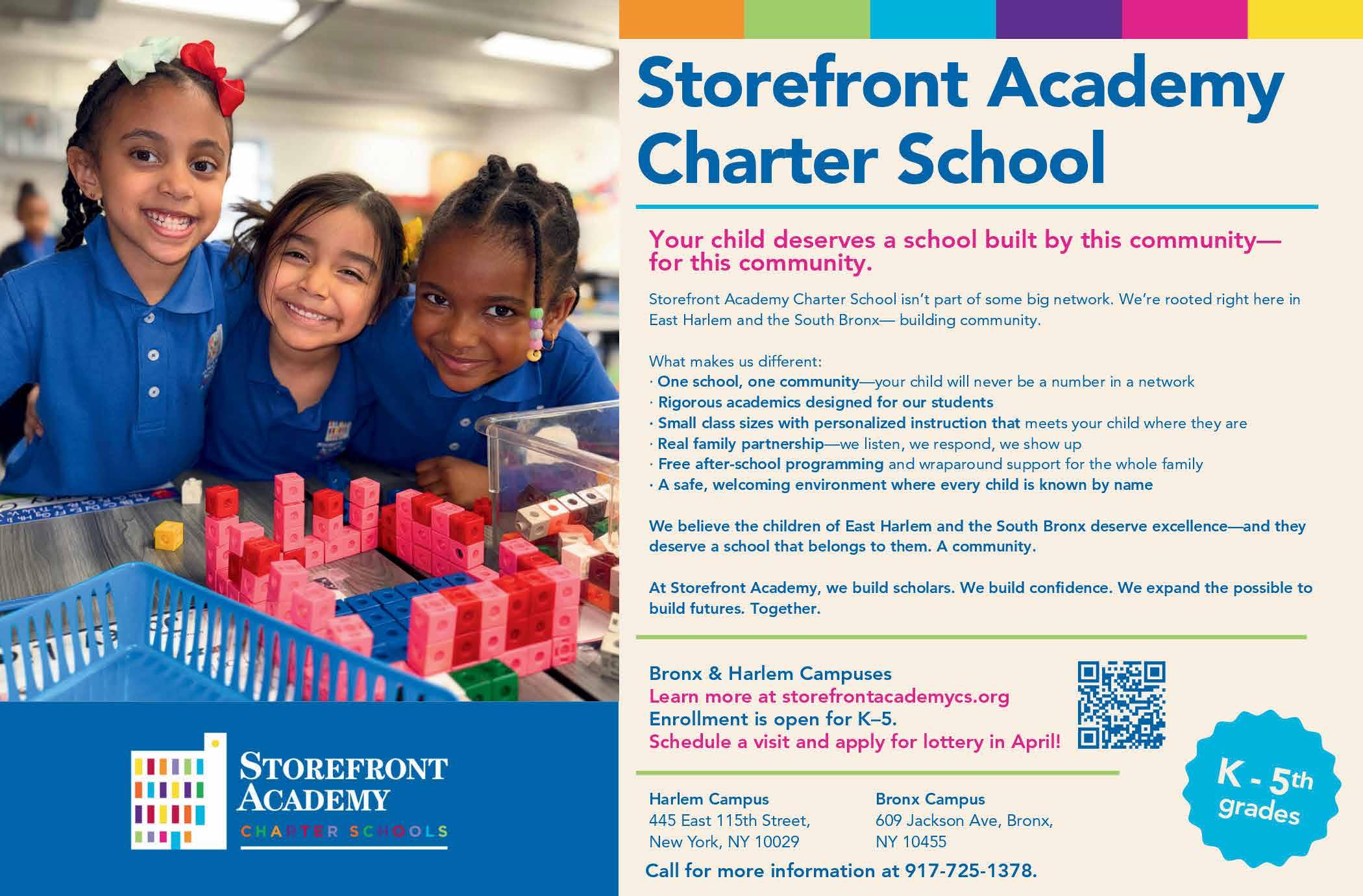
Storefront Academy Charter School is a public community school serving students in Kindergarten through Grade 5 in the Bronx and Harlem. The school integrates rigorous academics with family engagement, student
AT ALL OUR SCHOOLS, WE OFFER:
Free content-rich education for K-8
Constant communication with parents
Visual arts, music, science and physical education
Optional faith-based after school program until 5:30PM ps
EN TODAS NUESTRAS ESCUELAS, OFRECEMOS:
Educación rica en contenidos gratuita para grados K-8
Comunicación constante con los padres
Artes visuales, música, ciencias y educación física
Programa extraescolar religioso opcional hasta las 5:30PM Útiles escolaresypaseos escolaresgratis
BrillaCollegePrepElementary(K-4)
BrillaPaxElementary&Middle(5-8)
BrillaCaritasElementary&Middle(K-6)
BrillaVeritasElementary(K-4)
BrillaVeritasMiddle(5-8)
supports, and community partnerships. Storefront Academy prioritizes small class sizes, personalized instruction, and social emotional learning. Families receive access to enrichment, wraparound services, and free after-school programming within a safe, welcoming environment that supports the whole child.
Success Academy
Several locations throughout NYC successacademies.org
United Charter High School, every student belongs to an advisory mentored by upperclassmen. Teachers know students well, expectations are high, and growth is the goal. Beyond academics, students lead— through voice, concurrent enrollment college courses, a hydroponics lab, PSAL athletics, and more. Find your place at HUM II.
UCHS Humanities I
Success Academy is the topperforming K-12 public school system in NYC. Find locations near you in the Bronx, Harlem, Manhattan, Brooklyn, and Queens. Success Academy fosters a love of learning while creating opportunities for children to become critical and creative thinkers, build life skills and confidence, pursue passions, and secure exceptional careers. Their dual mission is to build world-class K-12 public schools in NYC while advocating for policies that enable children to access excellent educational experiences.
UCHS for Advanced Math & Science II
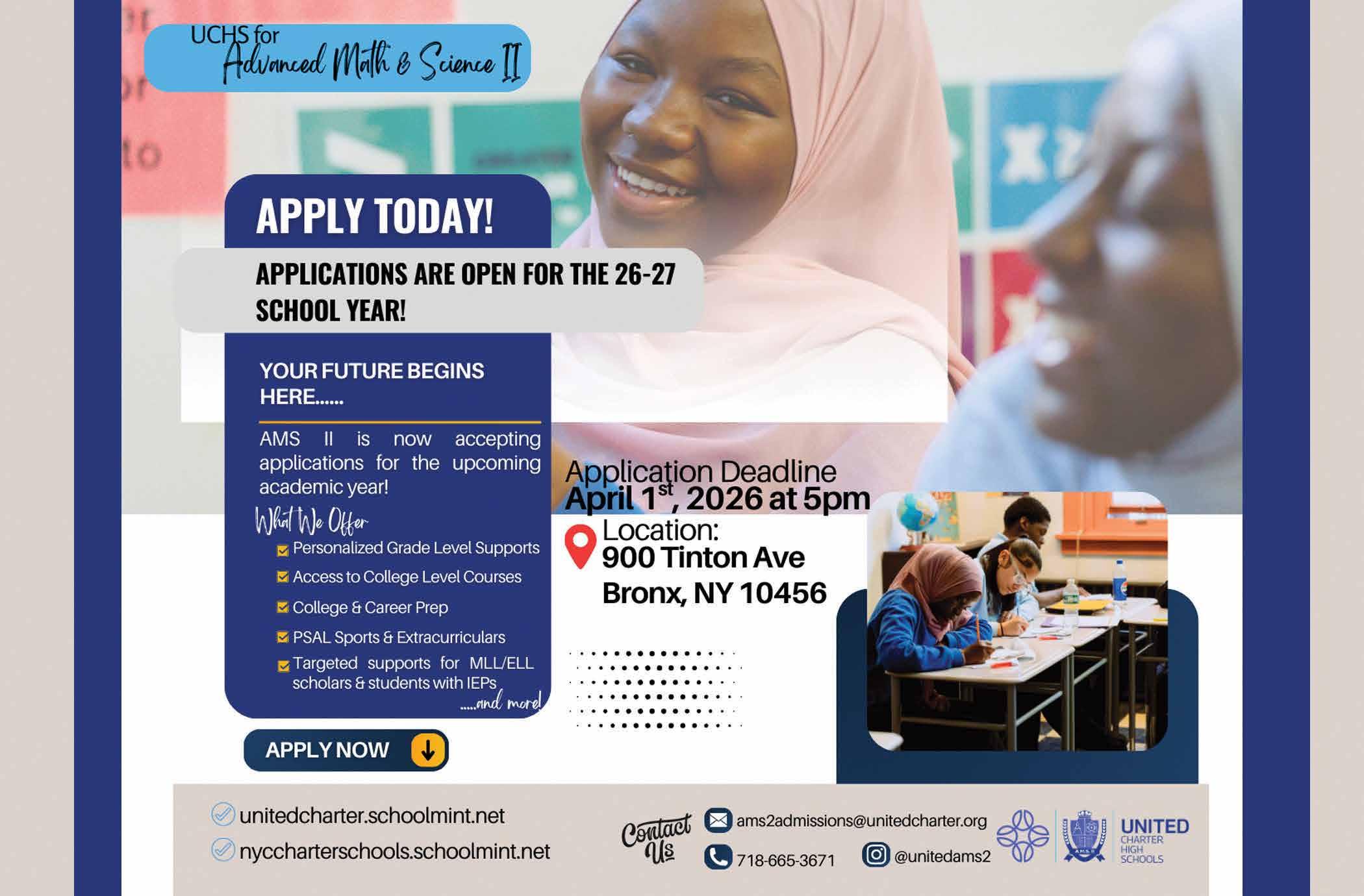
900 Tinton Ave., Bronx 718-665-3671 ams2admissions@ unitedcharter.org unitedcharter.org/amsii-900tinton-ave-bronx-ny-10456 Advanced Math and Science II (AMS II) is a nationally recognized, exemplary, high-performing school often described as a family. Every student in the building has an adult they feel close to and can count on. Students are deeply cared for, and rigorous support is offered to ensure all students meet their full potential. AMS II is a place where all students will be challenged to be the best version of themselves.
UCHS Humanites II
900 Tinton Ave., Bronx jmolina23@unitedcharter.org unitedcharter.org/humii Choosing a high school matters. At Humanities II, a
United Charter High Schools is a network of seven awardwinning, tuition-free charter schools serving students in grades 9–12 across the Bronx, Brooklyn, and Queens. United by a shared mission, they work to close the opportunity gap by providing equitable access to rigorous, STEAM-based academics and comprehensive support for college and career readiness. At UCHS, students are empowered to succeed beyond high school and become the next generation of leaders.
Zeta Charter Schools
Serving Pre-K, elementary and middle school students in Tremont Park, Mount Eden, and the South Bronx 716-226-0192
Zetaschools.org
Zeta combines a caring, whole child approach and world-class academics with unrivaled opportunities for students to discover their passion through art, dance, chess, debate, music, robotics, sports, and Taekwondo. Zeta’s next-generation approach to learning helps students develop confidence, awareness, and knowledge to solve challenging real-world problems, preparing them for access and leadership in an evolving world. Zeta will serve children from Pre-K to 9th grade for the 202627 school year, growing to eventually serve students through 12th grade.
Tips If You Suspect Your Child Has a Learning Disability
BY JEANNINE CINTRON
The most inspirational stories are often the kind where those at a disadvantage overcome obstacles and emerge victorious in spite of – and because of – the challenges they were faced with. Such is the case for Emily Yudofsky and Stefan Bauer, who were both diagnosed with dyslexia as children. After watching their own parents struggle to get the support they needed growing up, the pair teamed up to start Marker Learning, an organization dedicated to helping children with learning disabilities receive the diagnosis and resources they need to thrive in school.
We chatted with Stefan and Emily to delve into how their own experiences led them to start Marker and what parents can do if they suspect their child might have a learning disability.
Q: What are the signs of a learning disability parents should look for in their kids? What are the signs of dyslexia, specifically, that parents should look for?
Emily: Learning and attention disabilities can present in a myriad ways. For example, a student with ADHD and executive functioning challenges may not be able to manage their time effectively, stay organized or prioritize multiple tasks.
With dyslexia, it can present in struggling to sound out words, substituting words, or even avoiding reading at all costs. We commonly see young children who are able to answer questions accurately when they are verbalizing, but have difficulty when they are writing out responses. Across the board, we find that for most students with learning challenges, they’ve lost a lot of confidence as they see their peers advancing and feel stuck. As a parent, it’s critical to notice some of the social and emotional challenges that might be manifesting because of a learning challenge.
Q: What are some of the types of learning disabilities you often see in children you work with?
Stefan: We see a range of learning
challenges in the children we work with, from reading, writing and math disorders like dyslexia, dyscalculia and dysgraphia, and attention disorders like ADHD which manifest in executive functioning issues.
Q: Is there anything parents can do to prevent learning disabilities?
Emily: The truth is learning disabilities cannot be prevented – we’re born with them and they last a lifetime. Many learning disorders are actually known to be genetic, running in families. So the question isn’t as much about prevention as it is about intervention, and the earlier, the better. This means pursuing a formal psychoeducational evaluation to understand what a child’s strengths and weaknesses are, and what services and accommodations they will need for long-term success. Then it’s all about providing evidence-based approaches to refine skills and get back on track.
Q: Tell us about Marker and what inspired you to start it?
Stefan: Our mission at Marker Learning has always been a very personal one. In elementary school, I really struggled with reading and was placed in special education. My mom knew something wasn’t right and fiercely advocated for me, quitting her job to ensure I had the support I needed to succeed, and paying thousands of dollars for a learning disability evaluation. I ended up getting diagnosed with dyslexia. By receiving this diagnosis and documentation, I was able to unlock accommodations in school that fundamentally transformed my trajectory in life. My co-founder, Emily Yudofsky, who is also dyslexic, had a similar experience as a kid. Unfortunately, many families do not have access to evaluation. While K-12 students are legally entitled to learning disability assessments in public schools, diagnoses are often
delayed or missed entirely due to unprecedented staffing shortages and backlogs. Private evaluators, meanwhile, can have months-long wait times and charge exorbitant amounts of fees, often costing tens of thousands of dollars. Our mission was inspired by these experiences. Our goal is to provide clear diagnosis and certified documentation for anyone who is dealing with a learning or attention disability – all for a much more affordable price and faster timeline.
Q: What work do you do in schools?
Stefan: We’re very excited to partner with a range of schools across the country (including some in New York). In fact, we already reach more than 1 million students through these partnerships. We work with school district special education staff to manage caseloads and act as an extension of school psychologist teams. We want to help schools retain their staff and prioritize day-to-day student care.
Q: What steps do you recommend parents take after their child is diagnosed with dyslexia or another learning disability?
Emily: Once you have that diagnosis and documentation, it’s then really about advocating for your child to get the support they need at school. Ensure your child is set up with an IEP or 504 plan, a written roadmap ensuring your child receives special education services tailored to meet their unique needs. This will follow them through school, and staff should reassess needs over time as your child develops. Communicate frequently and directly to gain clarity about how your child is doing in the classroom, and what’s being done to support them. And be sure to ask your child how they’re doing, ensuring they know there’s nothing wrong with them. They have so many amazing strengths and everyone learns differently.
Considering Catholic School in New York City?
BY MIA SALAS
Choosing a school for our kids in New York can feel like navigating a maze. Public, private, charter, Catholic—each option comes with its own pros and cons. We’ve all been through the headache of trying to figure out the best fit for our child, navigating information from school tours, websites, and word of mouth from other parents. For many of us, whether religious or not, Catholic school enters the conversation. With its long-standing history in New York and values-driven education, both Catholic and non-Catholic families often consider Catholic school for their child.
If you’re weighing your options now, we’re here to help. Whether it’s making the final call between public, private or Catholic school, or learning more about how faith is integrated into Catholic school education as a non-Catholic family, this guide will help you find the right fit for your family.
What is Catholic school, and how does it work in New York?
Before we dive in, let’s do a quick overview of Catholic schools and what to expect. Catholic schools have been part of New York’s education landscape for more than a century, originally founded to serve immigrant families seeking both education and community. Today, Catholic schools typically serve students from Pre-K through eighth grade, with some schools extending through high school. They follow New York State academic standards while also incorporating religious education and Catholic values into the school culture. While they are faith-based institutions, Catholic schools in New York serve families of many backgrounds, and a significant number of students are not Catholic.
How much do Catholic schools cost?
One of the biggest reasons families consider Catholic school actually is cost. Compared to private schools, Catholic schools are often more affordable, sometimes costing a fraction of traditional independent school tuition. However, if you’re deciding between free pub-
lic education and Catholic school, the cost can feel like a major shift. The benefit though is predictability, which many parents appreciate. Tuition increases tend to be more modest and transparent, and many schools offer sibling discounts or financial aid. If you’re planning ahead or budgeting for more than one child, this stability can make a real difference.
The question of whether to commit to the extra cost of Catholic school compared to free public school (or reduce the cost of education compared to many private schools) comes down to what you prioritize in your child’s education. Read on to learn more about Catholic school academics, values, faith, and community to help you choose the right path.
Catholic school academic curriculum and performance
Catholic schools have long been known for academic rigor, and many of the nation’s leaders across education, politics, and business are Catholic school alumni.
According to Catholic Schools NY, Catholic Schools in the Archdiocese of New York students consistently outperform their public school peers, and achieve comparable results to New York City’s charter schools.
But as parents, we know test scores are not the most important factor when it comes to choosing our child’s school. A big part of making the decision comes down to the learning environment itself and whether it’s the right fit. Catholic schools often prioritize hands-on learning and experiences, with less time spent
listening in classrooms. Learning is very structured, with discipline built into the curriculum from day one. Children benefit from smaller class sizes and more individualized attention, helping them build confidence, accountability and a strong sense of self alongside academics. For little ones who thrive in more active, structured learning environments, Catholic school can work well, even if your family is not Catholic. But if you are looking for a more traditional approach to education, or if your child doesn’t necessarily need such structure or hands-on opportunities, then you might consider public, private or charter schools instead.
Faith in Catholic school day-to-day education
One of the biggest questions for non-Catholic families is– how does faith show up in Catholic school education? Even if the academic approach and learning environment feel like a good fit, it’s totally reasonable to still have doubts about choosing a school that doesn’t align with your faith. Faith typically shows up through religion class, daily or weekly prayer, and the observance of major religious holidays. For non-Catholic families, participation is generally respectful and inclusive, with an emphasis on shared values rather than conversion. What many non-Catholic families who choose Catholic schools find is that faithbased values are woven into day-to-day learning, especially in early childhood education. These values, centered around building character development, are a key reason
why non-Catholic families choose Catholic schools. Read on to learn more about how values-based learning works.
Values-based learning in Catholic school
One of the defining features of Catholic education is its focus on character. Catholic schools prioritize discipline, personal responsibility and moral development alongside traditional academics. There is a strong emphasis on kindness and empathy, especially in the early childhood and elementary years.
At younger ages, schools often focus on helping children develop their unique voice. Teachers work closely with students through hands-on learning projects to instill confidence, compassion, and sense of responsibility. Community service is introduced early, reinforcing the idea that helping others is a natural part of belonging to a community. For families who are not Catholic but are drawn to values-based education, this focus can be especially appealing.
Catholic schools also tend to work well for children who benefit from clear rules and
QUESTIONS FOR THE TOUR
If you’re visiting Catholic schools soon, here are a few helpful questions to ask on tours:
• How does the school support non-Catholic students and families?
• What does a typical school day look like?
• How are discipline and conflict handled?
• How involved are parents in the school community?
• How does the school develop the full child, beyond academics?
routine. For many students, that consistency creates a sense of safety that supports both emotional growth and academic focus.
Community and personal experience in Catholic Schools
Community, one of the values in the Catholic faith, is another unexpected area where many families see a difference. Catholic schools tend to be smaller, which can foster closer relationships between parents, teachers, and administration. Teachers get to know students well
and communicate frequently with parents. For families seeking a school environment that keeps them in the loop and invites them to get involved, Catholic schools can be great.
Community also shows up in the dayto-day learning environment. Students are taught to work together to solve problems, discuss concepts in groups, and help their peers out. If your child does better in collaborative settings, Catholic school might also benefit them, as they’ll be encouraged to develop close relationships starting in Pre-K.
Is Catholic school the right fit?
Like most school decisions, choosing a Catholic school is about finding the right fit for your family. For many parents, these schools offer a values-driven, character-building education alongside strong academics, a closeknit community, and a tuition that often feels more accessible than traditional private school. Catholic schools can be especially appealing to families who want individualized attention for their children, without losing the sense of structure and belonging that comes from a smaller school environment.
Cardinal Spellman High School
1 Cardinal Spellman Place, Bronx 718-881-8000
cardinalspellman.org
Cardinal Spellman High School stands out as a leading co-educational, college-preparatory Catholic institution, rooted in a mission to inspire a culture of aspiration, academic excellence, leadership, and service. With a 100% graduation and college acceptance rates, it offers 20+ AP and college credit courses. From 2021-2025, students earned over $312 million in college scholarships. The 13-acre campus is home to 30 sports teams and 50+ clubs, ensuring a well-rounded student experience.
St. Raymond Academy for Girls
1725 Castle Hill Ave. 718-824-4220
lschaller@straymondacademy. org
straymondacademy.org
The Academy’s mission is to provide a diverse and supportive community, inspired by the teachings of Jesus, that empowers young women to strive for excellence. SRA is a small school where students will not get lost, where successes will be rewarded, and individualized needs addressed.
St. Raymond Elementary School
2380 East Tremont Ave., Bronx 718-597-3232
nole@straymondelementary. org
straymondelementary.org
St. Raymond Elementary School offers full-day academic programs for UPK 3 through Grade 8 in a safe, nurturing and academically motivating environment. Their offerings include Catholic faith formation, advanced level math and science, honors and remediation programs, computer and science labs, libraries, sports, a fitness center, early dropoff and free breakfast, an after-school program, and extracurricular activities. Tuition is affordable, and limited financial assistance is available.
St. Theresa School
2872 St. Theresa Ave., Bronx 718-792-3688
sttheresaschoolbronx.org
The program reflects
an integrated learning experience for PreKindergarten three year olds, Universal PreKindergarten four year olds, kindergarteners and students in grades one through eighth. Teachers, administrators, aides and other professionals impart their knowledge and extensive experience with enthusiasm and a truly caring respect for the children in their charge. The school provides before and after school programs, breakfast and lunch programs, choir, art, music, Italian language studies, computer classes, physical education and an accelerated mathematics program. St. Theresa’s offers children a place to blossom with discipline and guidance.
The Academy’s mission is to provide a diverse and supportive community, inspired by the teachings of Jesus, that empowers young women to strive for excellence. SRA is a small school where students will not get lost, where successes will be rewarded, and where individualized needs will be addressed.
Become a Lady Raven!
Join a community of Faith, Respect, & Learning
SERVICE: SRA teaches students to become leaders and encourages awareness of their responsibility to "give back" to their communities
SPORTS: Basketball, Cheerleading, Softball, Track, Volleyball, & SRA Band
OPEN HOUSE: Thursday, February 12, 2026 at 3:30-5:00
ADMISSIONS EXAM
FOR 8 GRADE STUDENTS APPLY TO 9 GRADE TH TH
REMOTE EXAM THURSDAY, FEBRUARY 26TH AT 4:30PM
$71 REGISTRATION FEE
CONTACT US TO INQUIRE ABOUT TRANSFER APPLICATIONS!
Give your child a step ahead with a solid academic foundation, Catholic values and a war m, car ing lear ning environment
ST. THERESA SCHOOL
Experience the facilities and learn about the activities enjoyed by all our children
• • Breakfast Program Before and A er-School Program
• Lunch Program
• Childrens Choir
• Accelerated Mathematics Program
• Chess Club & Catapult Learning
• Italian Language studies
• Mobile Computer Lab
• Smartboards in ever y classroom
• Physical Education, Computers, Art & Music Cla
•
• Basketball, Track Program, Volleyball, Art Club & Band Instruction On-sta School Nurse
THERESA SCHOOL
• Limited Scholarships Available for New Students , Pastor Mrs. Josephine Fanelli, Principal
calendar
BY SHARA LEVINE
BRONX
Science Show: Liquid Nitrogen
WHEN: Wednesday, Feb. 4, 3:30 – 4:30 pm
WHERE: Belmont Library and Enrico Fermi Cultural Center, 610 E. 186th St., Belmont
AGES: 6 – 12
WHAT: Learn all about liquid nitrogen with fun and interactive experiments performed by the crazy scientists!
WANT TO GO?: Free. nypl.org
The Orchid Show: Mr. Flower Fantastic’s Concrete Jungle
WHEN: Feb. 7– April 26, Tuesdays – Sundays, 10 am – 6 pm
WHERE: New York Botanical Garden, 2900 Southern Blvd., Bronx Park
AGES: All
WHAT: Known for blending floristry with pop art, street culture, and fine art, Mr. Flower Fantastic transforms NYBG into a breathtaking orchid tribute to the spirit, style, and skyline of NYC.
WANT TO GO?: $12– $25. (718) 817–8700, nybg.org
Lunar New Year of Horse
WHEN: Sunday, Feb. 8, 3 pm
WHERE: Hostos Center for the Arts and Culture, 450 Grand Concourse, Mott Haven
AGES: All
WHAT: Gallop into 2026 with a spectacular family celebration featuring graceful Chinese dances, world premieres, and vibrant live music.
WANT TO GO?: Tickets start at $19. (718) 518–4455, hostos. cuny.edu
Family Art Project: Love for Woodland Friends
WHEN: Feb. 14 – 15, Saturday and Sunday, 10 am – 1 pm
WHERE: Wave Hill House, 4900 Independence Ave., Riverdale
AGES: All
WHAT: This Valentine’s Day, take a cue from the ways animals protect their families and celebrate the ways we care for each other too by making lovable woodland critters.
WANT TO GO?: Free with admission to the grounds: $4 – $10
Kids Week: Shelter Building
WHEN: Friday, Feb. 20, 1 – 2 pm
WHERE: Van Cortlandt Nature Center, 246th Street and Broadway, Riverdale
AGES: All
WHAT: Urban Rangers will teach different methods of shelter building using natural materials.
WANT TO GO?: Free
Bronx Charter School Fair & Kids Activity Expo
WHEN: Saturday, Feb. 28, 1 – 4 pm
WHERE: Gauchos Gym, 478 Gerard Ave., Mott Haven
AGES: All
WHAT: Meet charter school reps and learn about afterschool programs, and family resources while kids enjoy games, activities, and giveaways.
WANT TO GO?: Free
MANHATTAN
Chicka Chicka Boom Boom: The Musical
WHEN: Feb. 14 – 22, see website for schedule
WHERE: The New Victory Theater, 209 W 42nd St., Midtown
AGES: 3 – 6
WHAT: Perfect for first-time
theatergoers, this stage adaption of every kid’s favorite alphabet book features singing, dancing, and lots of interactive moments.
WANT TO GO?: Tickets start at $25. (646) 223–3010, newvictory.org
28th New Year Firecracker Ceremony & Cultural Festival
WHEN: Tuesday, Feb. 17, 11 am – 3:30 pm
WHERE: Sara D. Roosevelt Park, Chrystie St. & Forsyth St., Lower East Side
AGES: All
WHAT: Get ready for the Year of the Horse with firecrackers, cultural performances, and much more.
WHERE: Harlem Armory, 40 W 143rd St., Harlem AGES: All
WHAT: Witness gymnasts of various levels competing in Rhythmic Gymnastics, Trampoline & Tumbling and Girls’ Artistic Gymnastics, creating a live spectacle of sport.
WANT TO GO?: Free. (212) 316–0315, harlemgymnasticsinvitational. org
Holi Celebration
WHEN: Saturday, Feb. 28, 10:30 am – 12:30 pm
WHERE: Children’s Museum of Manhattan, 212 West 83rd St., Upper West Side AGES: 8 and younger
WHAT: In celebration of Holi, the traditional Indian festival of colors, join CMOM for art
Lunar New Year of Horse at Hostos Center for the Arts and Culture
WHAT: Hop on the Magic School Bus for a ride in this new musical adaptation based on the original book series.
WANT TO GO?: $40. (212) 220–1459, tribecapac.org
BROOKLYN
BAMkids Film Festival 2026
WHEN: Feb. 7 – 8, Saturday and Sunday, see website for schedule
WHERE: BAM Rose Cinemas, 30 Lafayette Ave., Fort Greene AGES: 3 and older
WHAT: Brooklyn’s favorite kids film program is back for its
28th year with a dazzling mix of animated, live-action, and documentary shorts.
WANT TO GO?: $14; $10 child. bam.org
Harlem Globetrotters 100 Year Tour
WHEN: Sunday, Feb. 15, 3 pm
WHERE: Barclays Center, 620 Atlantic Ave., Prospect Heights
AGES: All
WHAT: Be there when the players dazzle, dunk, and hype the stands as they take on the Washington Generals with high-flying, all-out fun from start to finish.
WANT TO GO?: Tickets start at $47. harlemglobetrotters.com
February Break Discovery Days: Conservatory Quest
WHEN: Feb. 16 – 18, Monday and Wednesday, 10:30 am –12:30 pm
WHERE: Brooklyn Botanic Garden, 1000 Washington Ave., Prospect Heights AGES: All
WHAT: Travel from the desert
to the rainforest (and beyond) in the blink of an eye! Use all five of your senses to investigate plants from these habitats.
WANT TO GO?: Included with pay-what-you-wish garden admission. bbg.org
Purim Discovery Room
WHEN: Feb. 19–March 4, Mondays – Thursdays, 10 am – 5 pm, Sundays, 10 am – 5:30 pm
WHAT: Step into a festive Purim world where children are invited to dress up in costume, decorate their own Purim masks, and explore hands-on sensory stations.
WANT TO GO?: $19 child; $17 adult. (718) 907–8833, jcm. museum
Ringling Bros. and Barnum Bailey® The Greatest Show On Earth
WHEN: Feb. 19 – 22, see
website for schedule
WHERE: Barclays Center, 620 Atlantic Ave., Prospect Heights AGES: All
WHAT: The Greatest Show On Earth® is back with a high-energy, bold circus performances, unforgettable characters, and a nonstop party vibe.
WANT TO GO?: Tickets start at $35. ringling.com
QUEENS
Space Glide at the New York Hall of Science
WHEN: Wednesdays –Sundays, 10 am – 5 pm, through Feb. 22; Feb. 16 – 17, Monday and Tuesday, 10 am – 5 pm
WHERE: New York Hall of Science, 4701 111th St., Corona AGES: All
WHAT: Glide your way through space in this immersive skating experience.
WANT TO GO?: Included with $19 –$22 admission; $6 during free admission hours on Fridays from 2-5 pm. nysci.org
BrightStars EducatingBrightStars Your
Atmosphere Academy is a free public charter middle and high school serving grades 6 to 12 across five campuses in the Bronx.
Our mission is to prepare every scholar for college, career, and life through rigorous academics, character development, and enriching experiences. Atmosphere provides scholars with hands-on learning, caring mentors, and opportunities to grow as leaders. We empower our students to think critically, collaborate effectively, and make a positive impact on their communities.