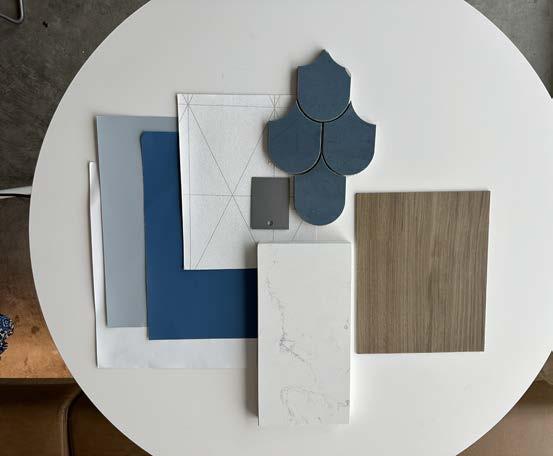
PORTFOLIO
Interior Architecture
Spring 2024 Graduate Kansas State University
ALEC SCHLOTE
R/GA Workplace Project | 4th
Year
Flux Winery | 3rd Year
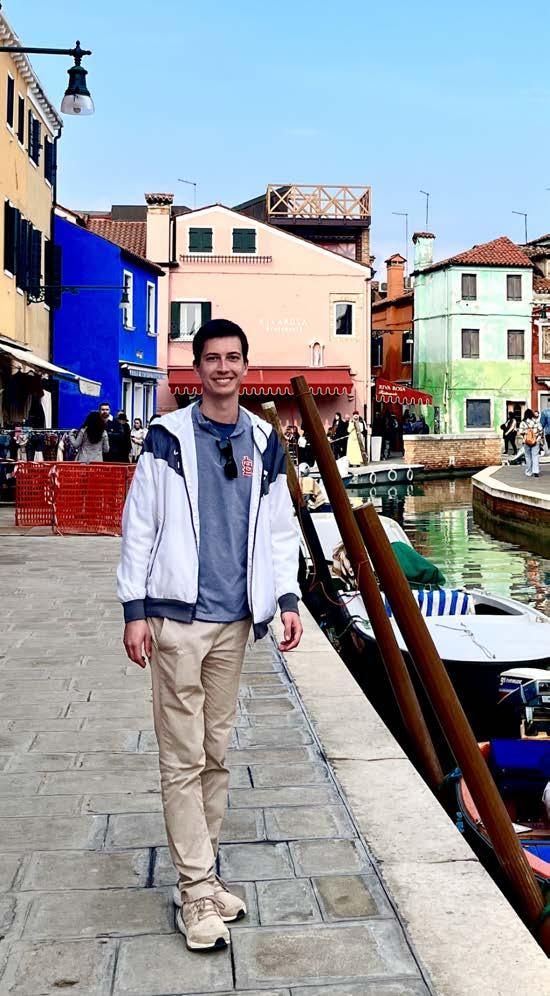
I am a graduate interior architecture student looking to craft impactful and memorable interior environments that contribute to a lasting human experience. This can only be achieved through a holistic design approach that not only focuses on large architectural decisions, but small detailing as well. These details make a project unique and truly craft an everlasting design experience.
I am committed to providing a sustainable design experience for generations to come. As designers, it is important to design for future generations. Architects need to focus on creating more sustainable construction methods, energy usage, and material specifications. The human experience needs to be inclusive of people of all generations, and it is up to us to tackle the climate crisis head-on.
Ever since I was in 4th grade, I wanted to be a designer of some sort. Throughout my childhood, I would construct and tear down whatever I could get my hands on. I loved the idea of building something and finding new ways to achieve a goal. When I arrived at Kansas State, I was mostly unfamiliar with the range of disciplines that were available at the college. Once I started studying, I realized my interest in designing interior spaces. I liked the idea of contributing directly to the spatial experience and making memorable moments for people through design. I also love the idea of adaptive reuse, where existing buildings could be transformed into new design opportunities. Overall, joining the design program at K State has carried my childhood passions into my career path.



Year: 3rd Year
Time Span: 8 weeks
Typology: Hospitality Design
Concept: Pour
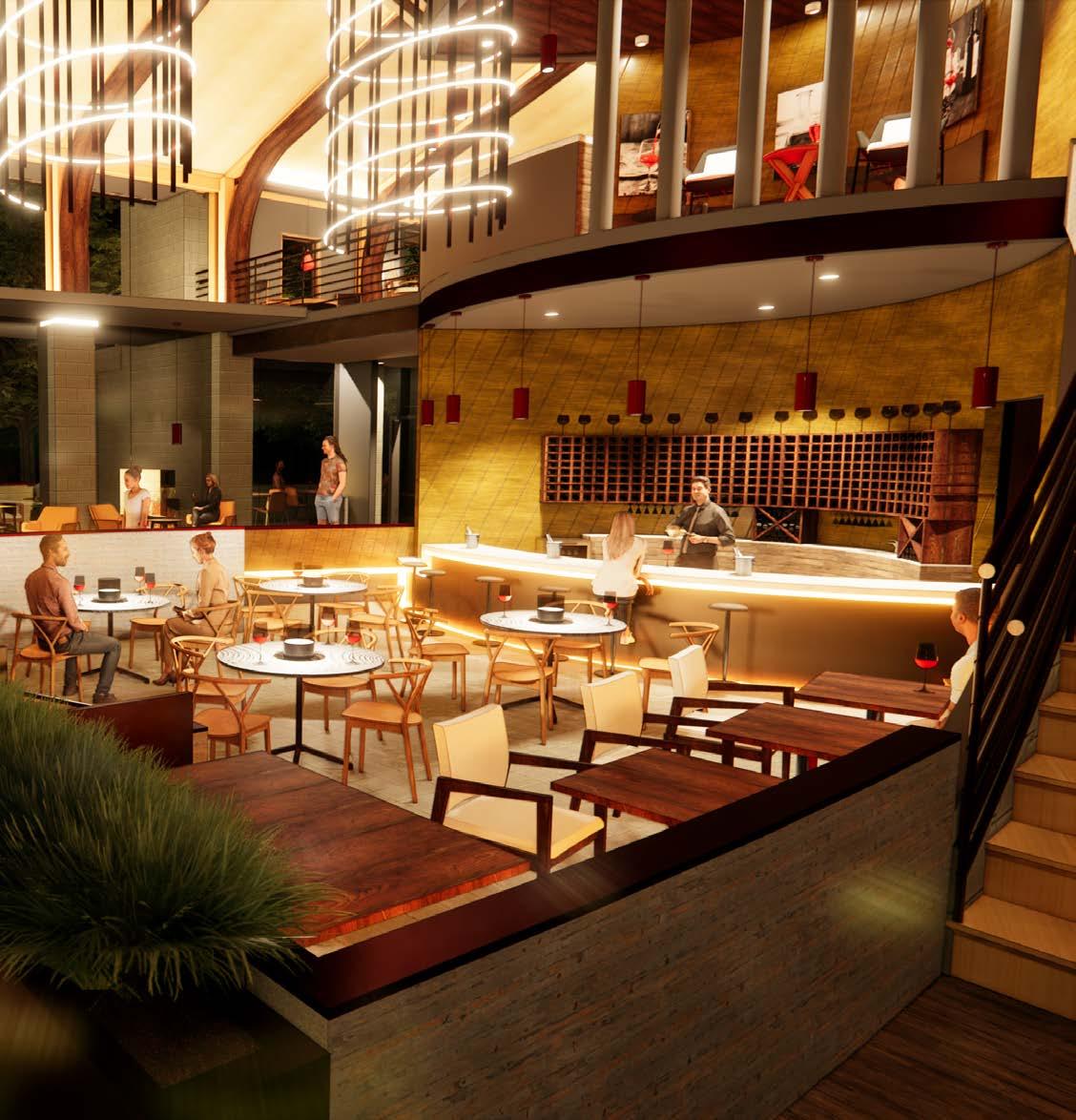
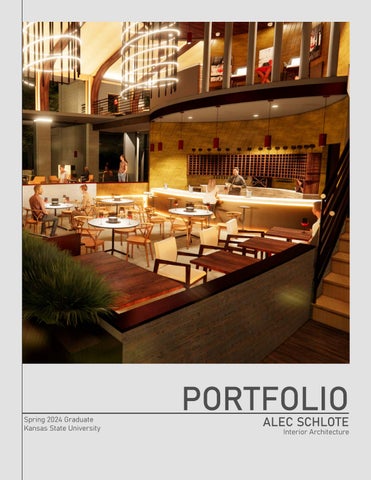
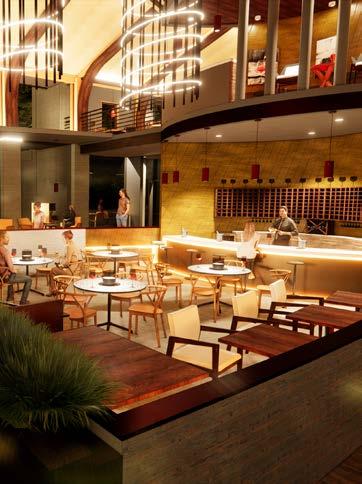
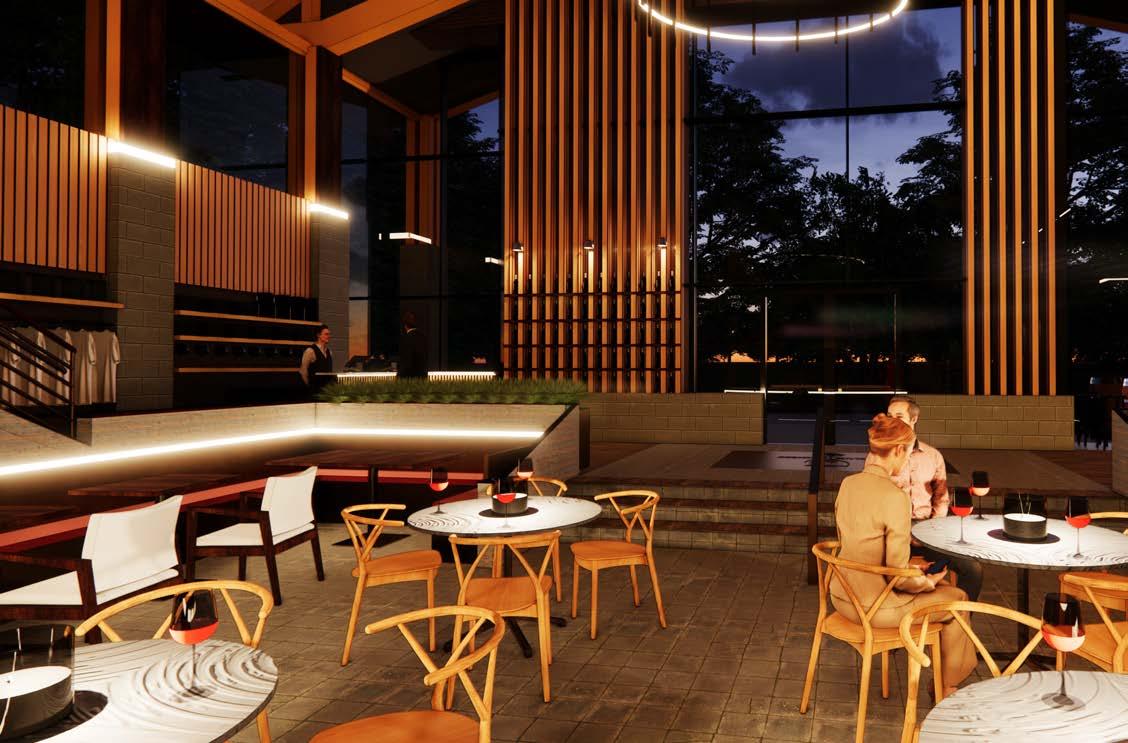
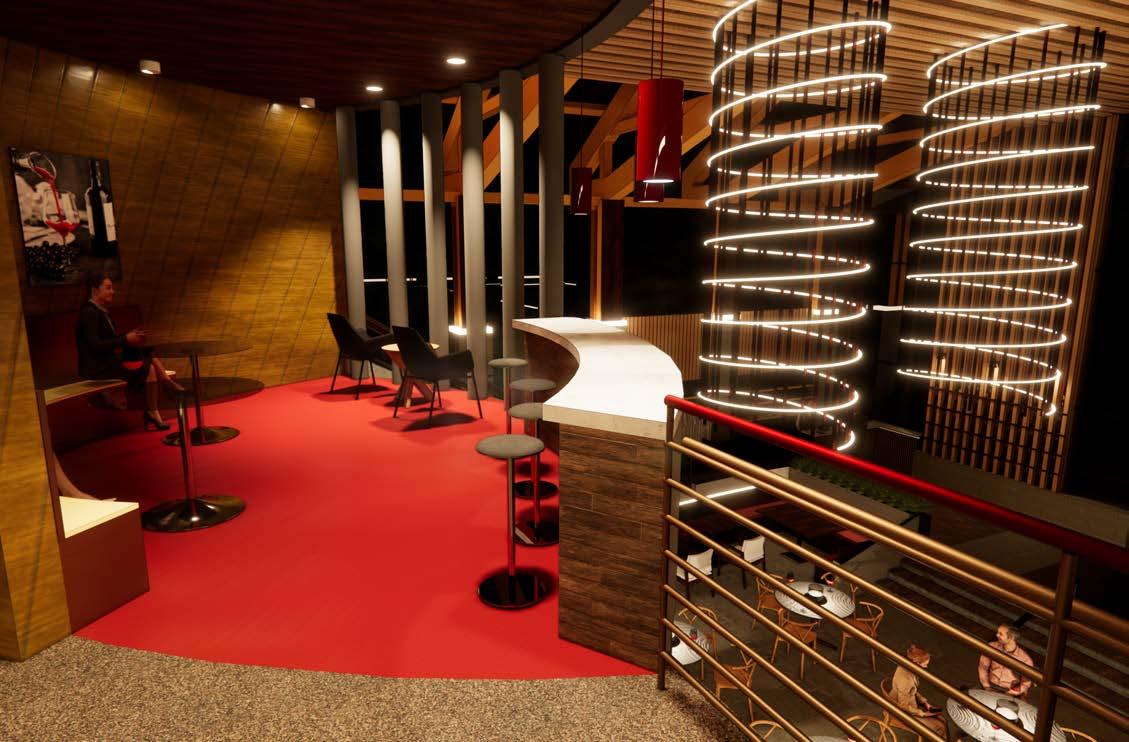
The process of pouring wine into a glass may seem like a simple task. However, when analyzing this action, there are many components that can be translated into design ideas. When wine is first poured, it travels vertically towards the bottom of the glass. Upon arrival, it flows around the perimeter of the glass at different levels and begins to fill. This creates a sense of heaviness at the base of the volume. These ideas can be translated into specific architectural decisions through the use of an inserted central void, dynamic circulation paths, and contrasting materiality.

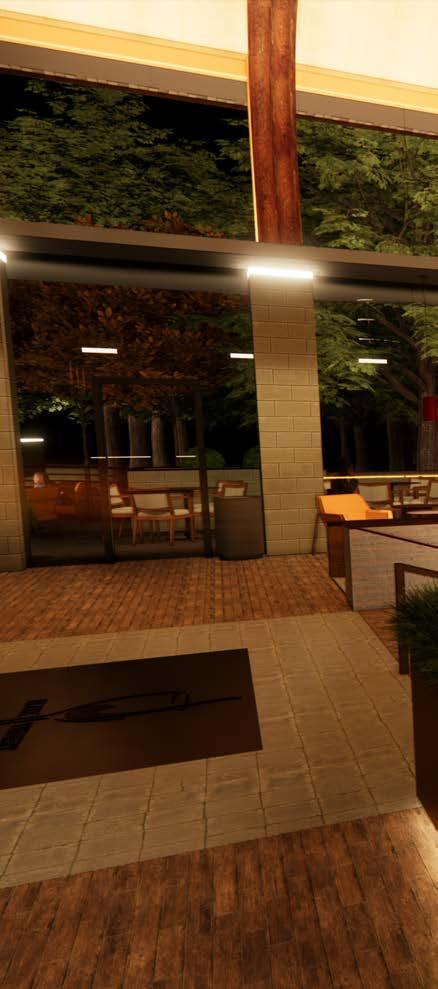
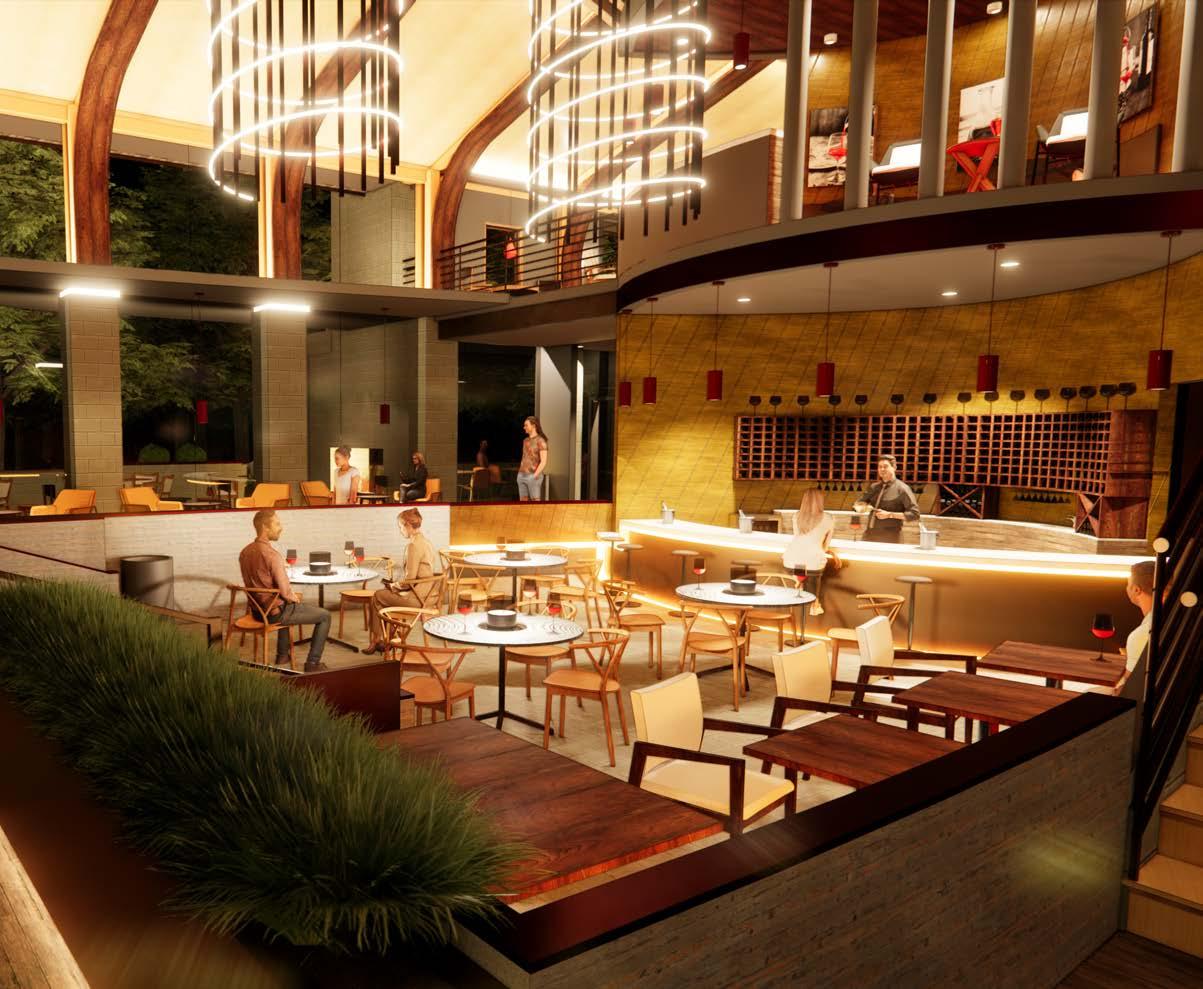


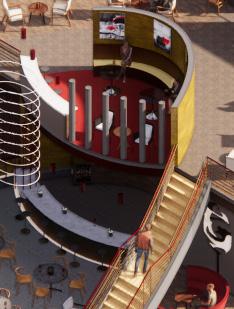

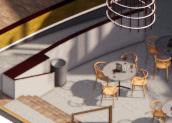

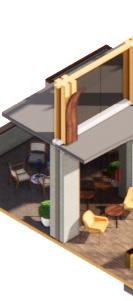

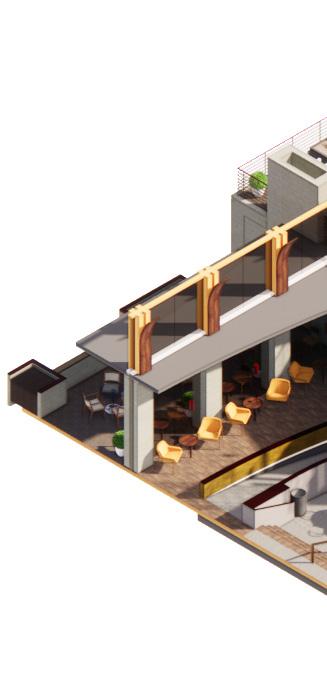
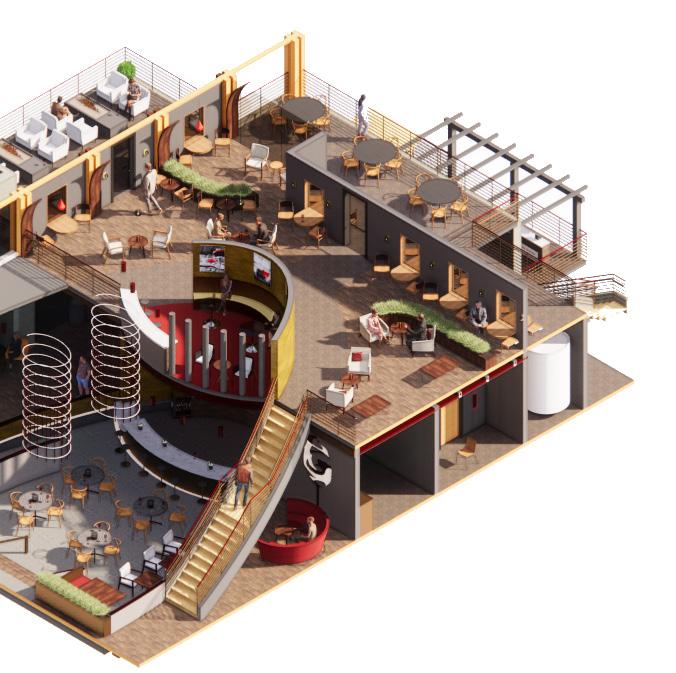
The conceptual idea behind Flux Winery is supported in both its form and its structural elements. Mass is inserted into a volume to simulate the wine filling the glass. In terms of structure, vertical columns were the main focus in creating a contrast of heaviness and lightness, as they are reinforced near the base.
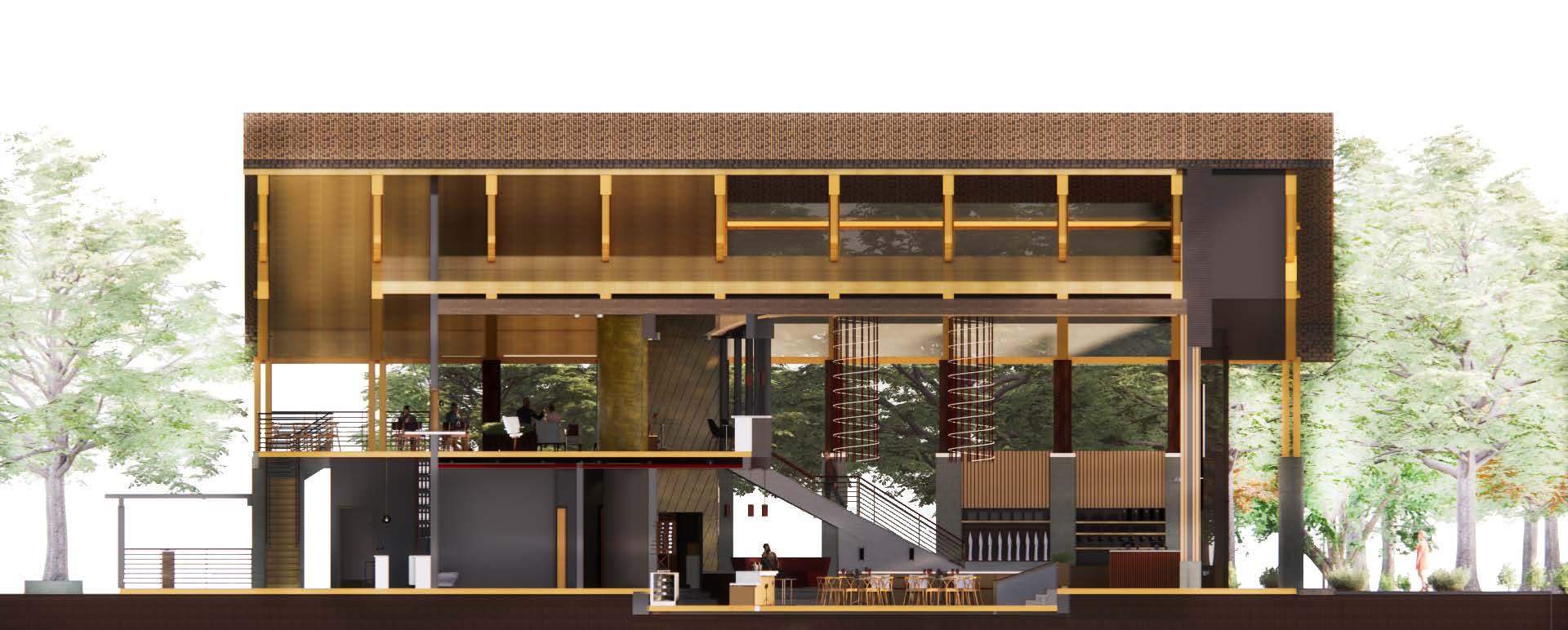
The detailed design decisions showcase the idea of the pouring process as well. The large chandelier form showcases a helix form which demonstrates the form of wine as it travels vertically. The ceiling detailing curves in multiple directions as it reaches the wine tasting volume, creating directionality towards the large architectural moves.
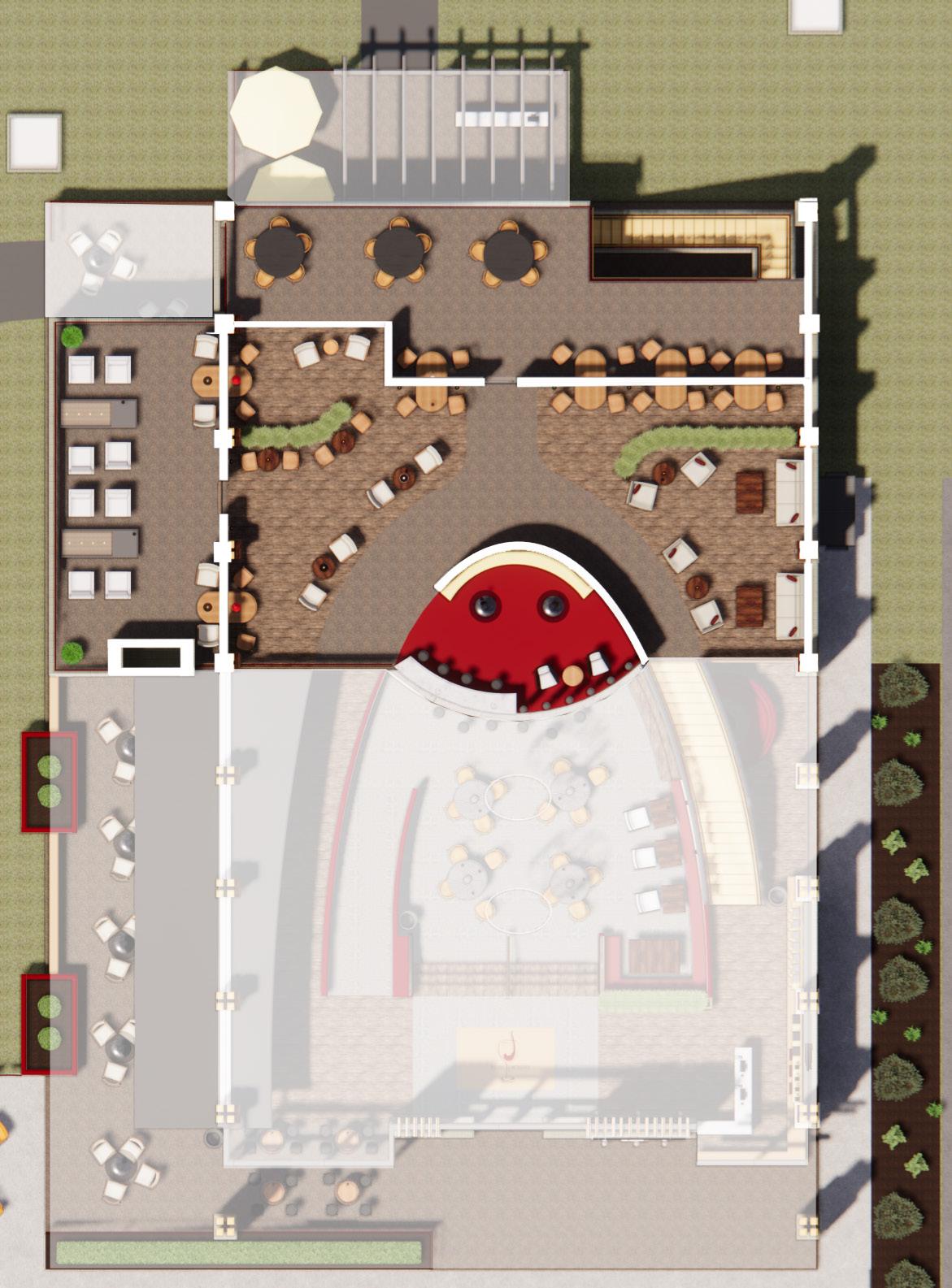
Floor 1
Wine Tasting Bar
Retail Area
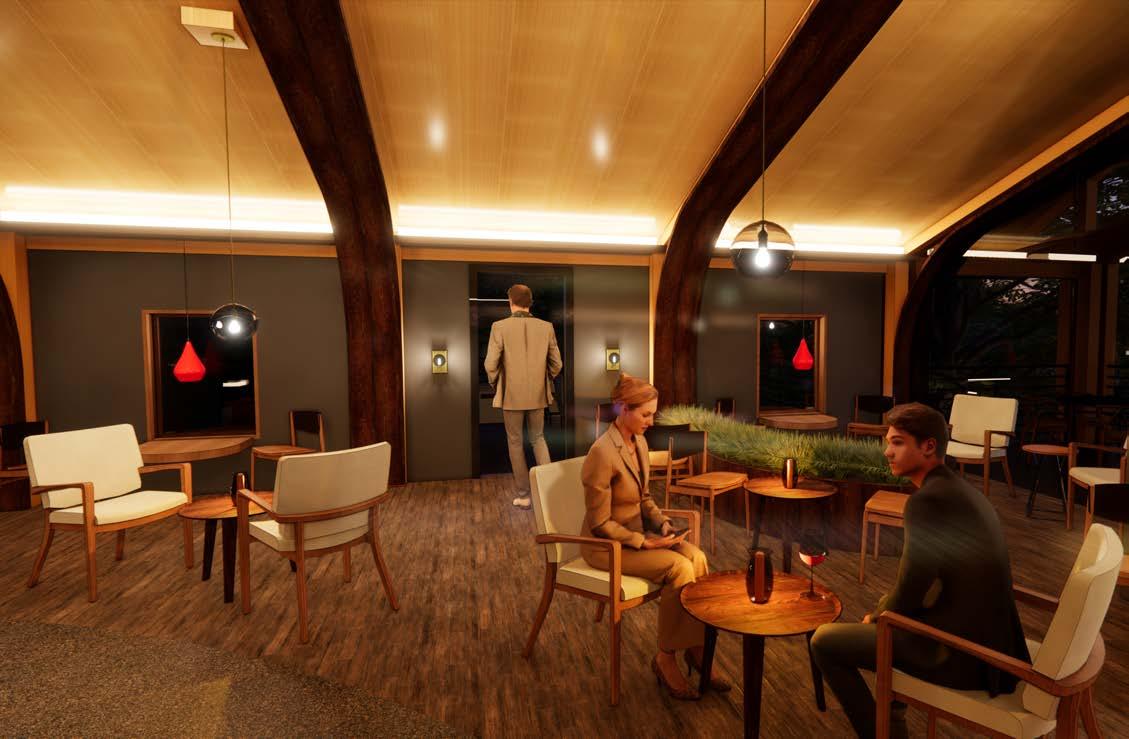
Indoor/Outdoor Lounge
Private Dining
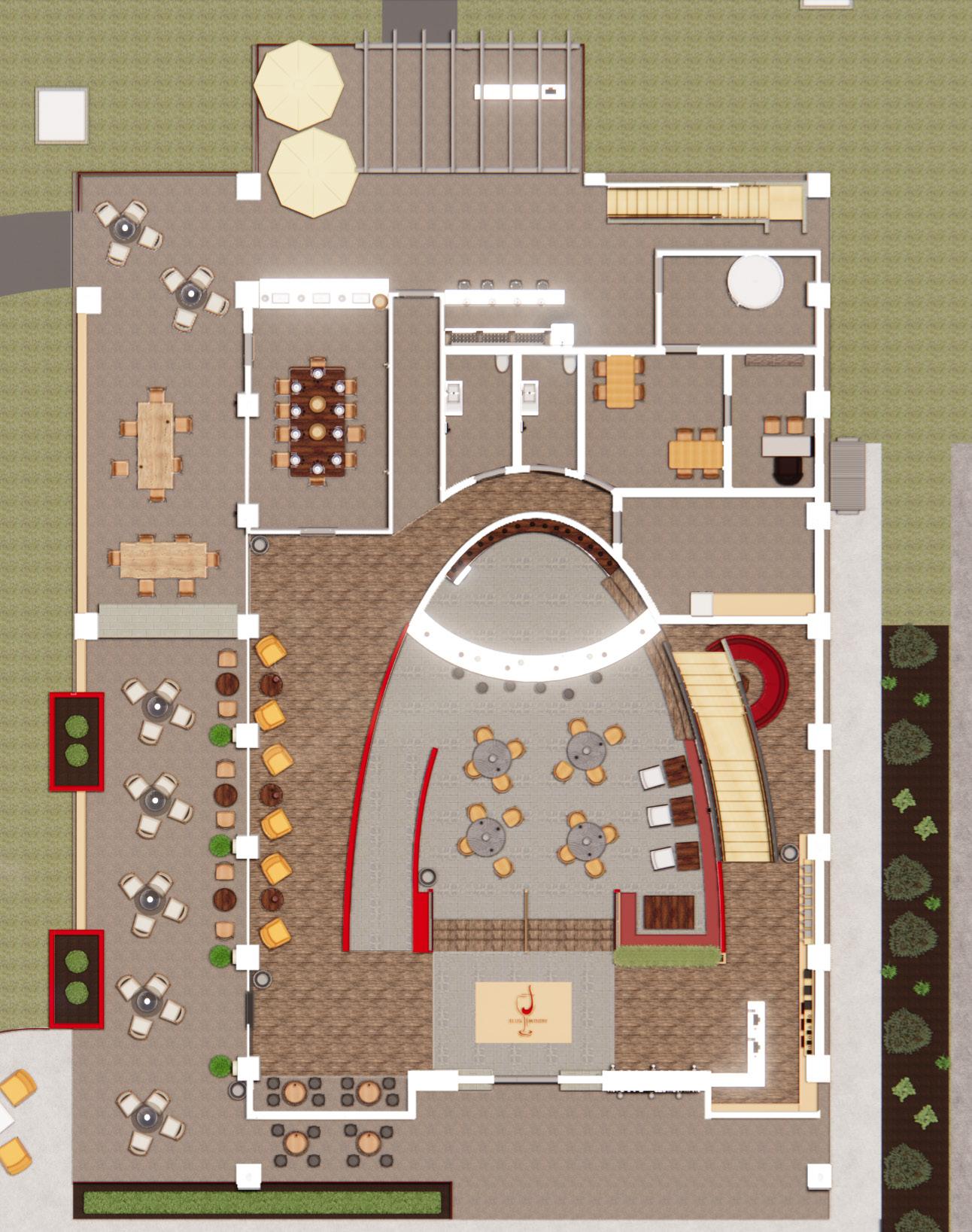

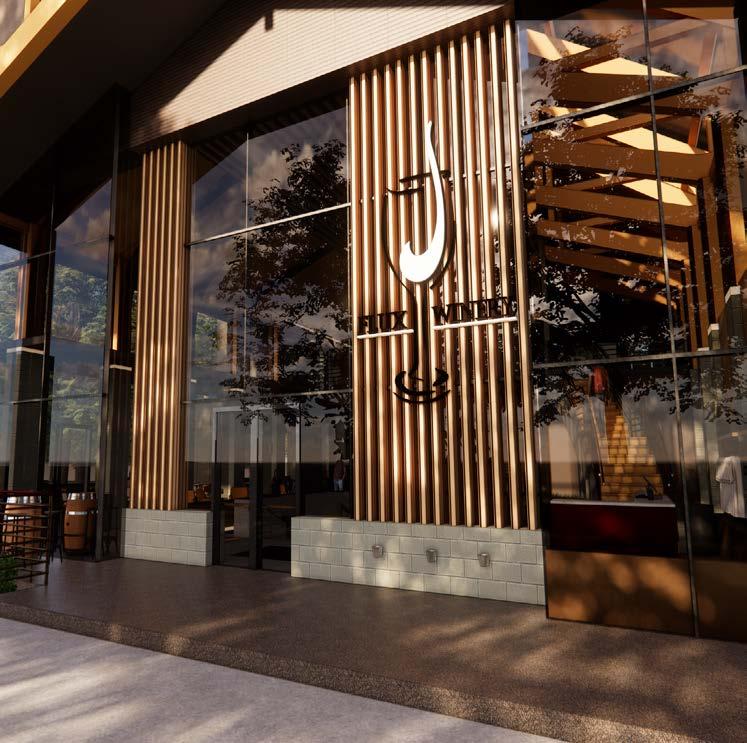
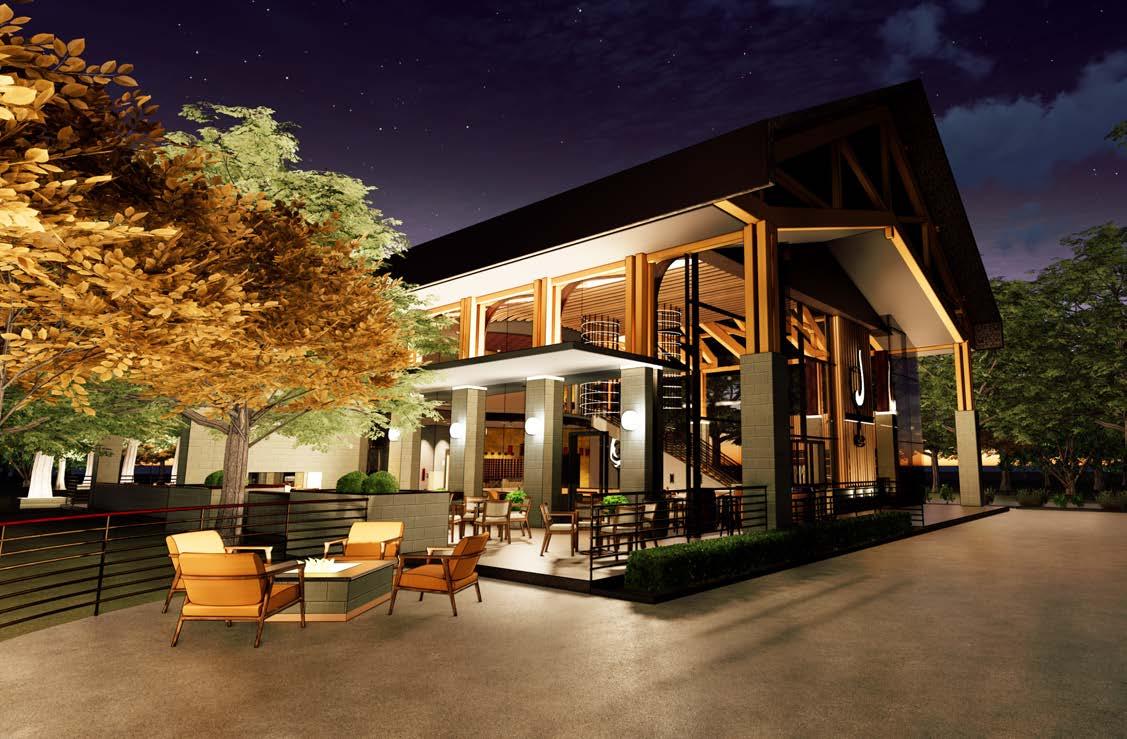
The entry to Flux Winery begins to stress the idea of the pouring process through the treatment of the facade. The front side of the facade acts as a branding moment that would be experienced on the initial approach. The interior side of the same facade stresses branding by acting as vertical dividers that showcases wine bottles.
Year: 5th year - Team of 3 students
Time Span: 14 weeks
Typology: Education
Concept: Network
Grow faculty, staff, and graduate students to meet research targets
Build and support interdisciplinary graduate programs
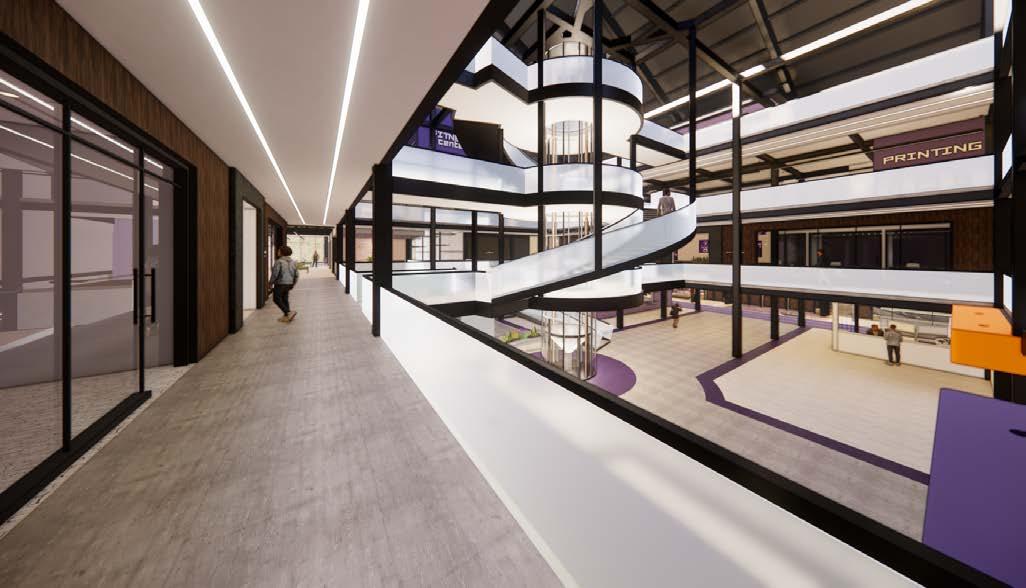
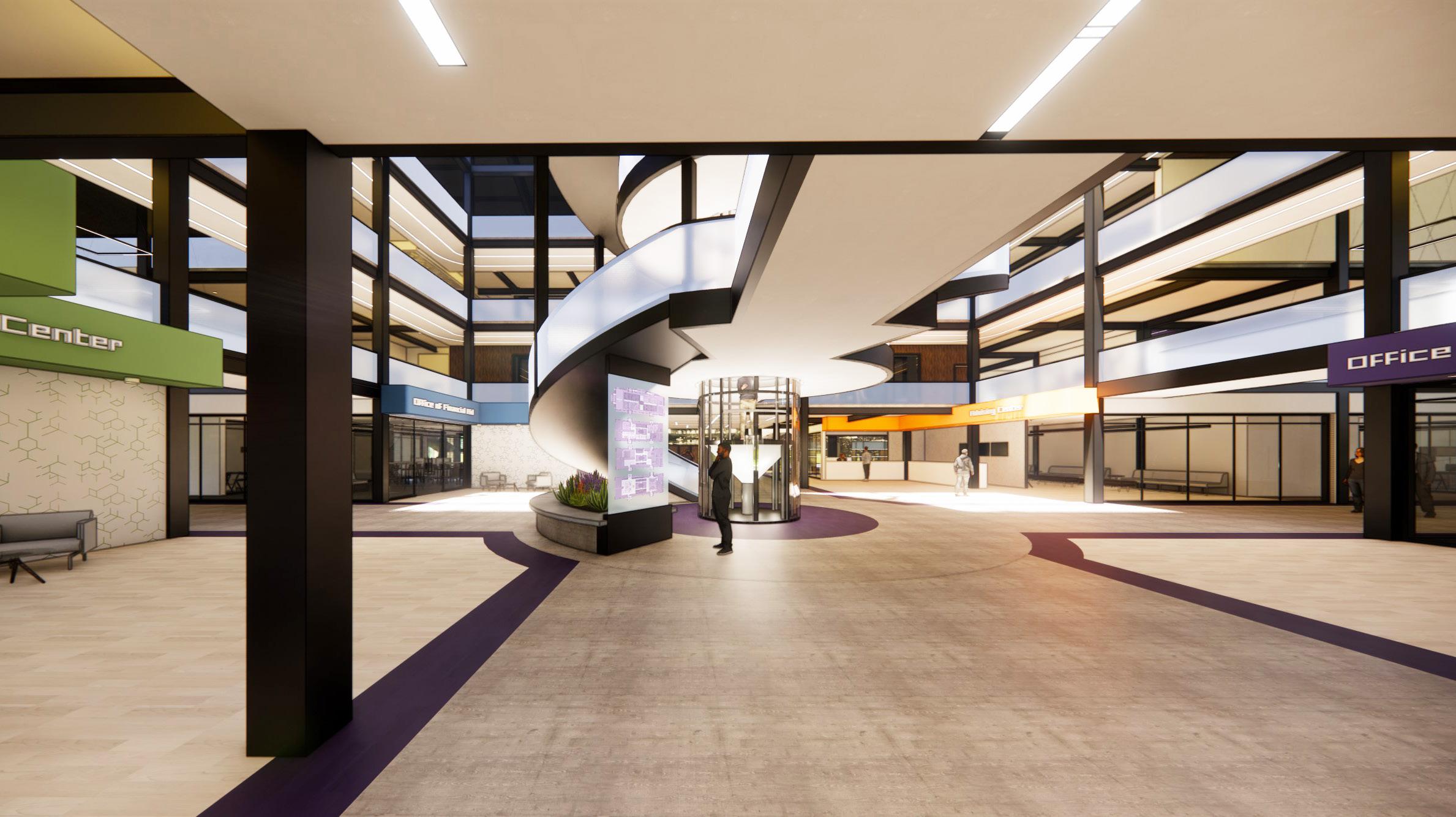
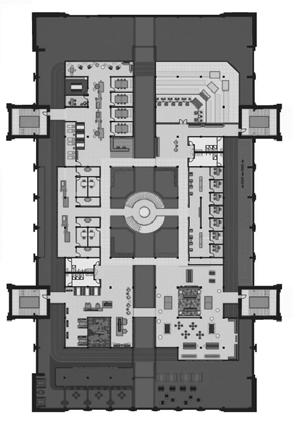
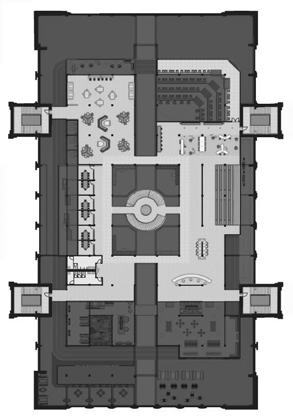
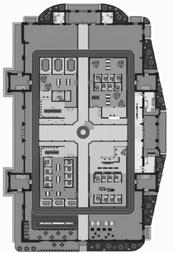
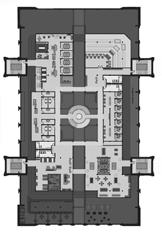
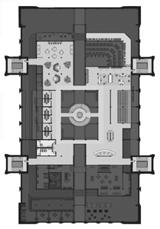
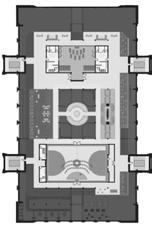
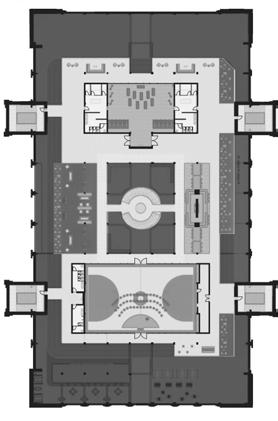
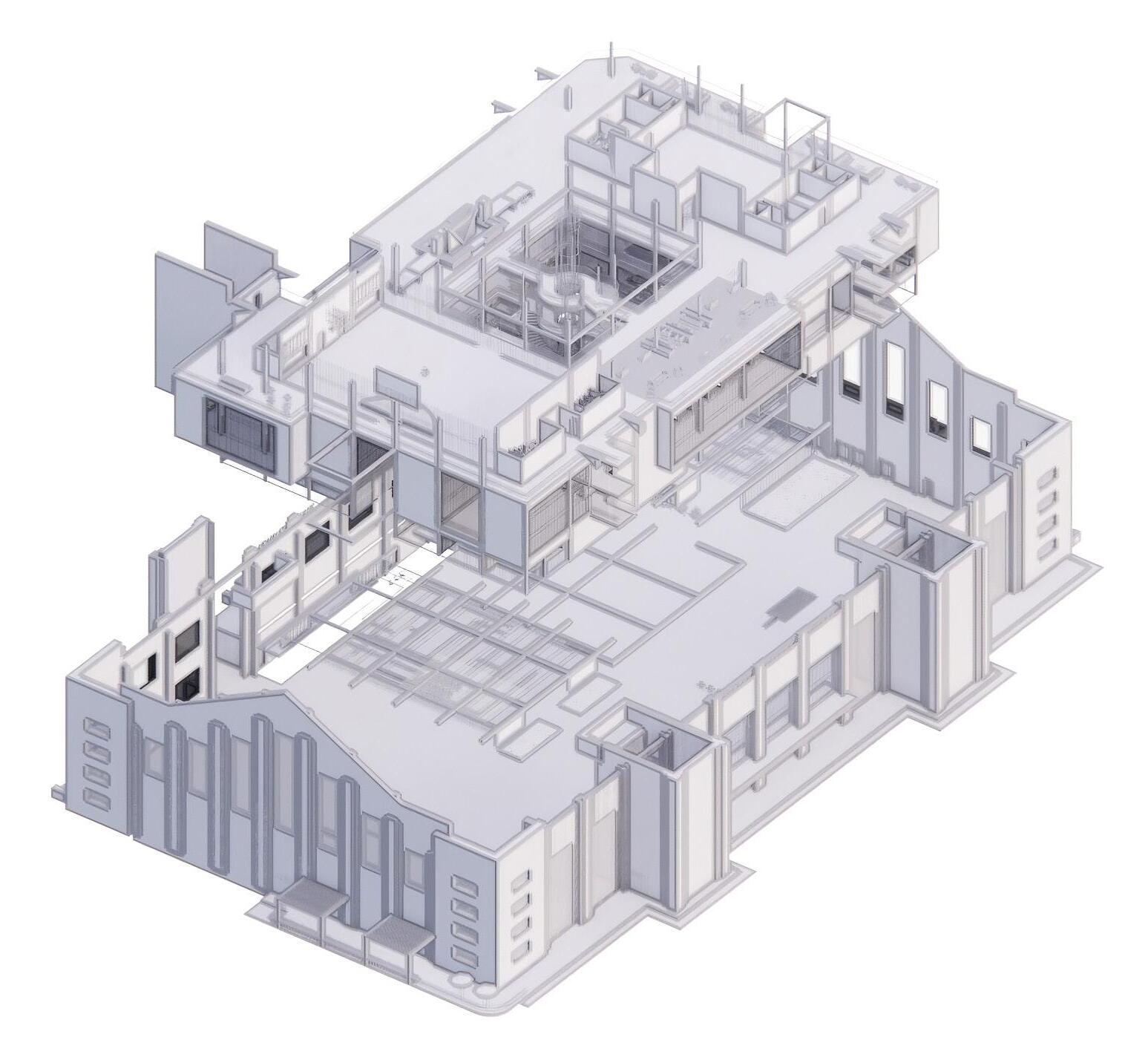
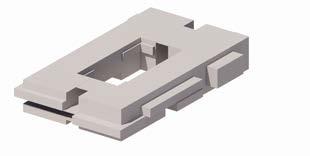
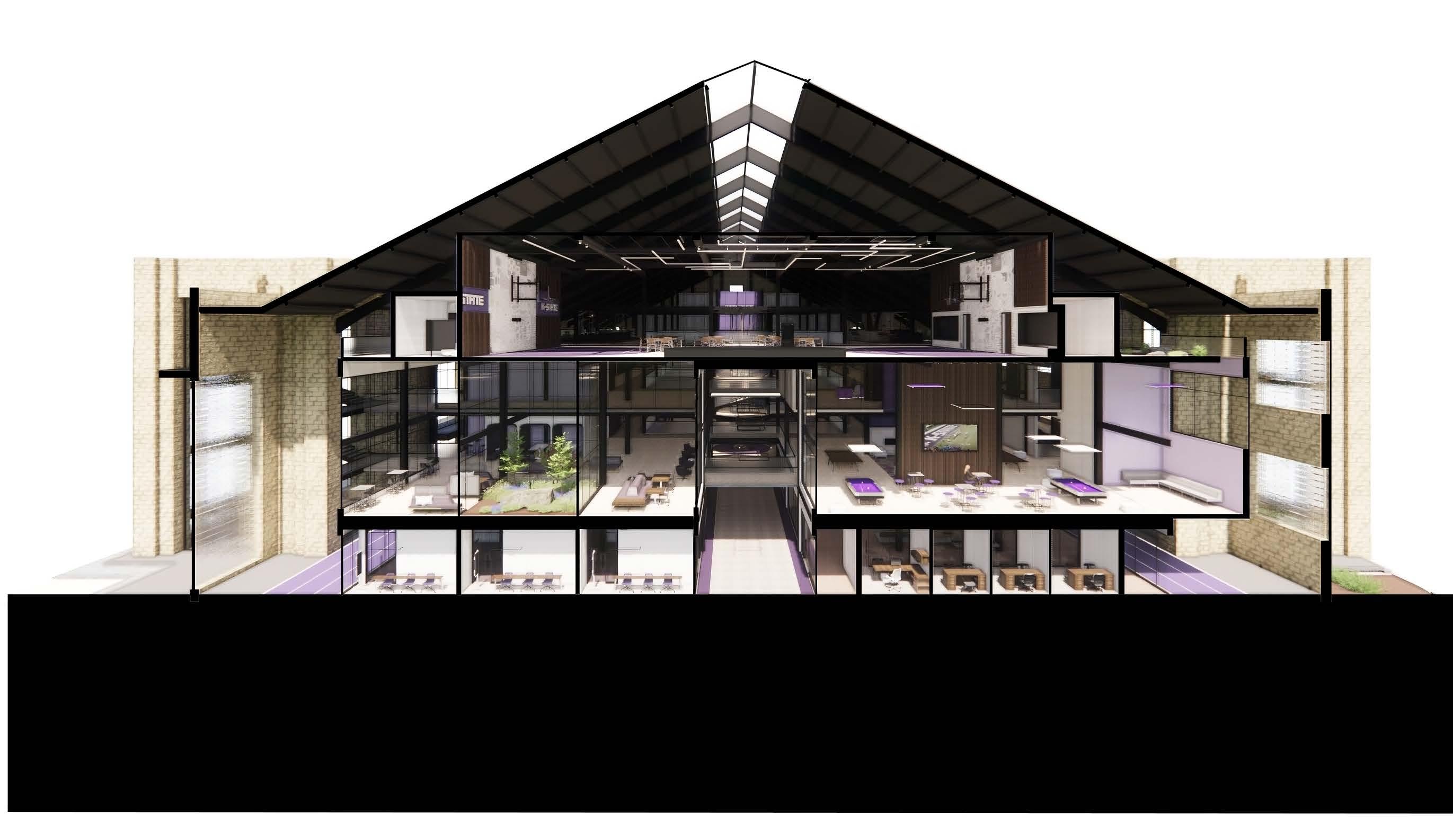
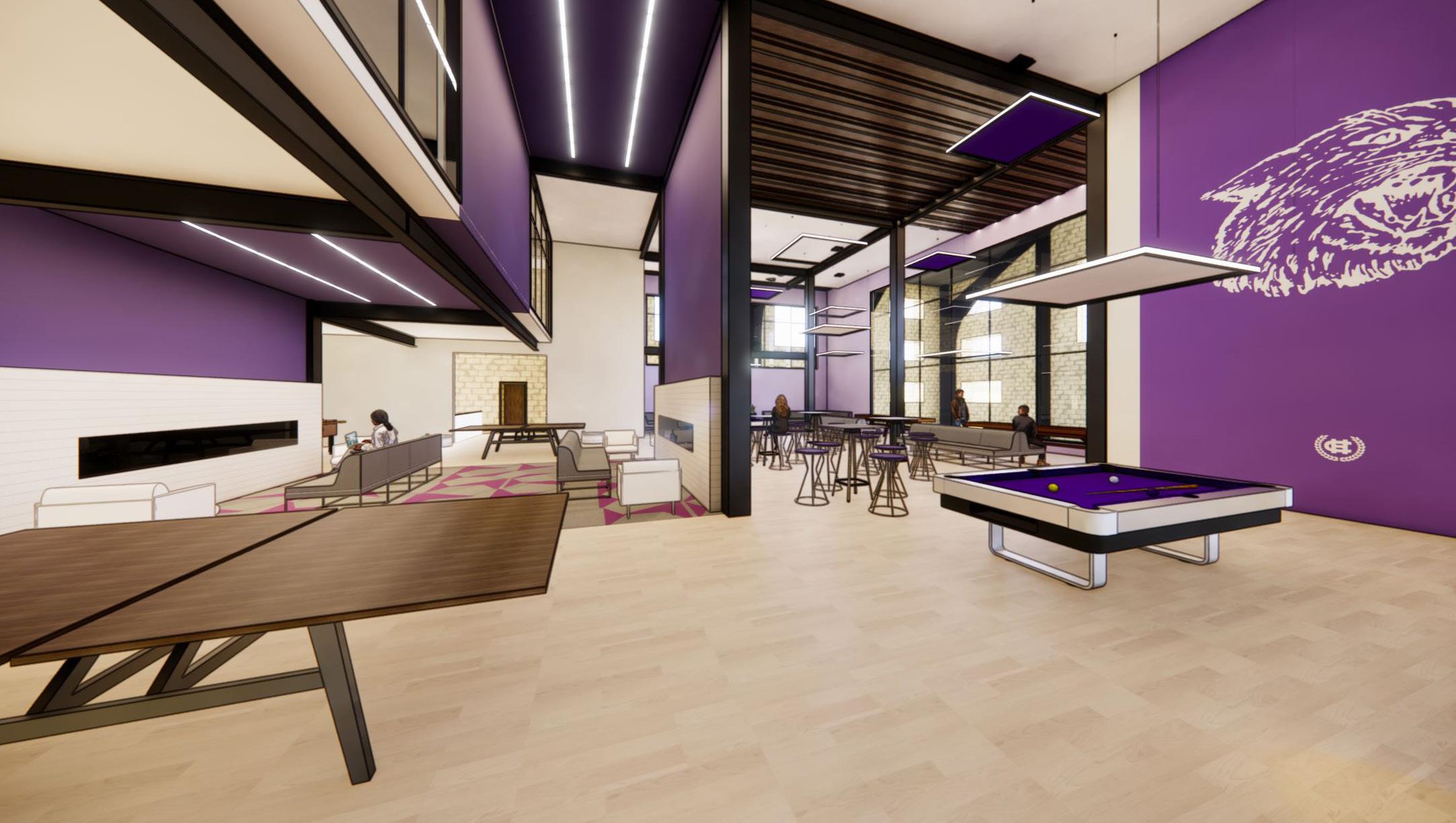
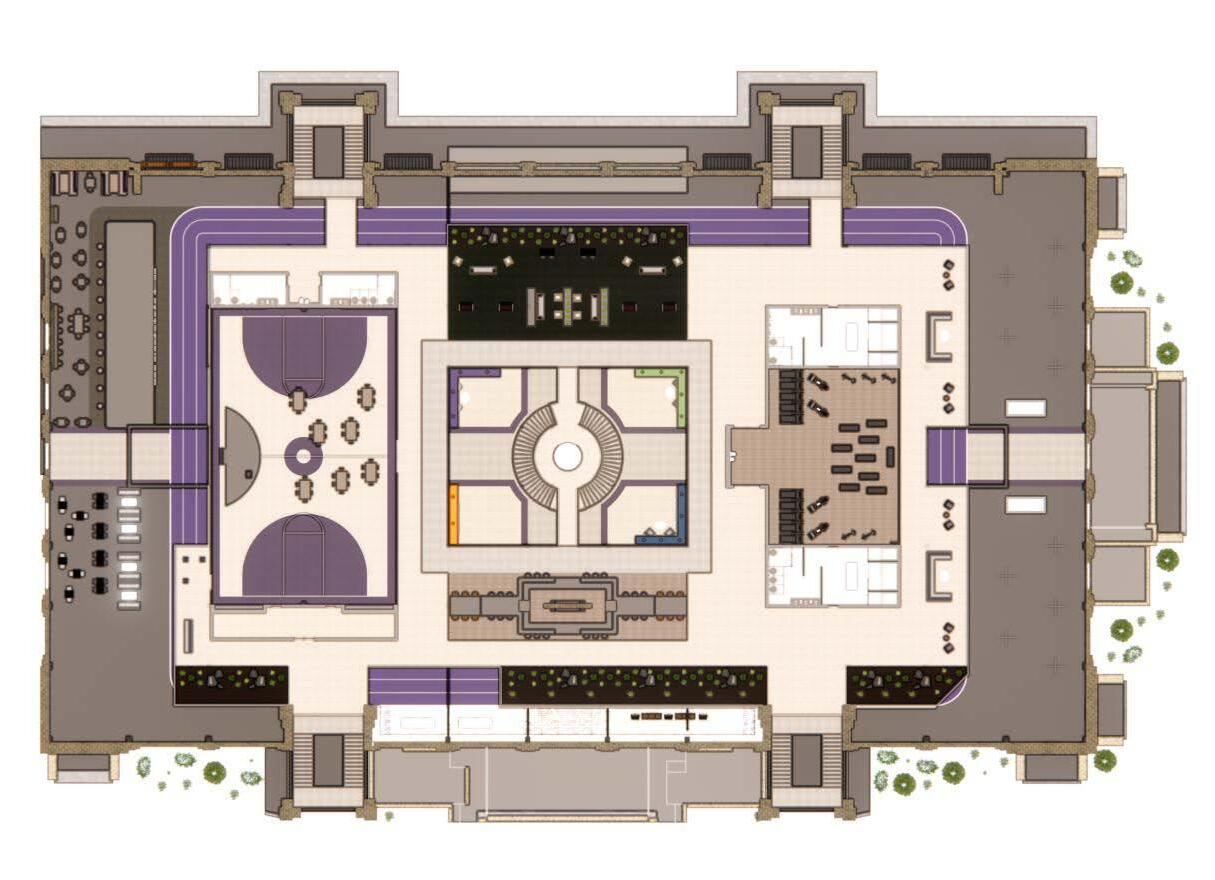
The goal of the Ahearn Fieldhouse design was to honor the historic nature of the building while also revitalizing its purpose. The design aimed to compile student services under a single roof while also implementing graduate specific research amenities. The concept of ‘network’ alludes to the desire of the university to promote cross-discipline collaboration among numerous graduate students, faculty, and professionals to achieve academic success and increase university outreach. The design features a centralized atrium with a staircase that branches out to the desired amenities.
 ahearn fieldhouse | introduction
ACADEMIA INDUSTRY
ahearn fieldhouse | introduction
ACADEMIA INDUSTRY


“HOME TO THE LECTURE”
- Gathering spaces
“HOME TO THE DIALOGUE”
- Social learning, interaction, and dialogue between peers
- Open areas where students can gather in a variety of group sizes
- Interpersonal communication and conversation.
“HOME TO THE COGNITIVE CONSTRUCTION OF UNDERSTANDING”
- Solo study and reflective learning
- Quiet thinking and contemplation
- Work and study solitarily
| Thornburg’s Spatial Archetypes
“HOME TO THE PRESENTATION OF FINDINGS”
- Gathering space where learners can perform or speak their learning and gathered knowledge to others
- Presentation space
- Space where the student becomes the teacher
- Class spaces, small or large
- One person lectures to a larger group.
DESIGN APPROACH | Thornburg’s Spatial Archetypes
“HOME TO THE DIALOGUE”
- Social learning, interaction, and dialogue between peers
“HOME
group.
“HOME TO THE DIALOGUE”
-
“HOME TO THE COGNITIVE CONSTRUCTION OF UNDERSTANDING”
-
“HOME
“HOME TO THE PRESENTATION OF FINDINGS”
The Mountaintop | Preservation of Findings
“HOME TO THE EXPLORATION AND APPLICATION OF KNOWLEDGE”
- Hands-on experience and interactive experimentation
- Open areas where students can gather in a variety of group sizes
- Maker spaces - Collaborative interaction zones
- Interpersonal communication and conversation.
“HOME TO THE COGNITIVE CONSTRUCTION OF UNDERSTANDING”
- Solo study and reflective learning
- Quiet thinking and contemplation
- Work and study solitarily
“HOME TO THE PRESENTATION OF FINDINGS”
- Gathering space where learners can perform or speak their learning and gathered knowledge to others
- Presentation space
- Space where the student becomes the teacher
“HOME TO THE EXPLORATION AND APPLICATION OF KNOWLEDGE”
- Hands-on experience and interactive experimentation
- Maker spaces
- Gathering space where learners can perform or speak their learning and gathered knowledge to others
- Presentation space - Space where the student becomes the teacher
THE CAVE
“HOME
“HOME TO THE EXPLORATION AND APPLICATION OF KNOWLEDGE”
- Hands-on experience and interactive experimentation
- Maker spaces
- Collaborative interaction zones
-
“HOME TO THE PRESENTATION OF FINDINGS”
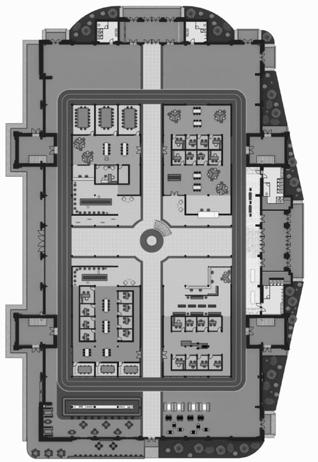
- Collaborative interaction zones
ahearn fieldhouse | introduction
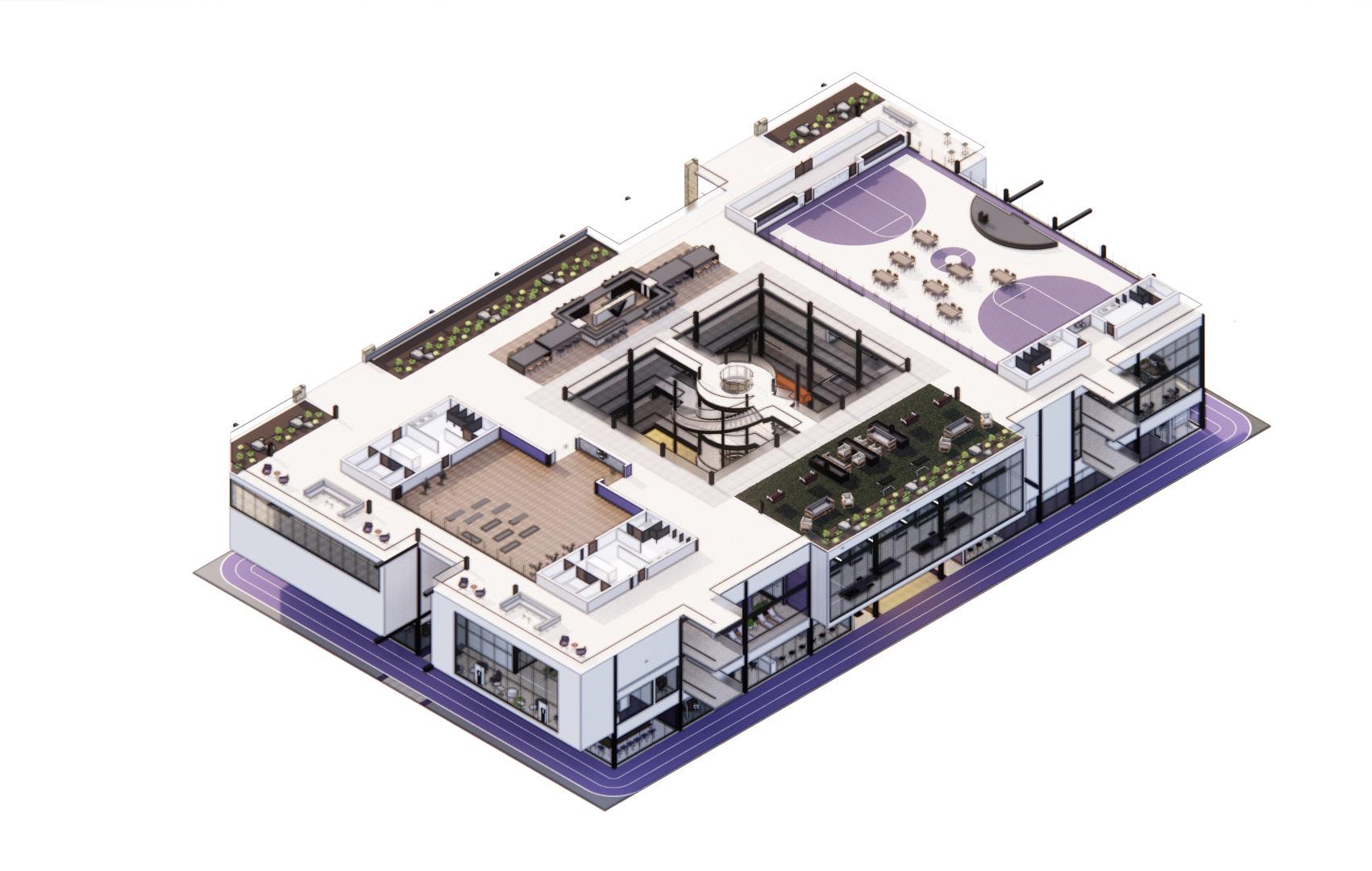
ahearn fieldhouse
STRUCTURAL GRID
FULFILLING GOAL #4 |
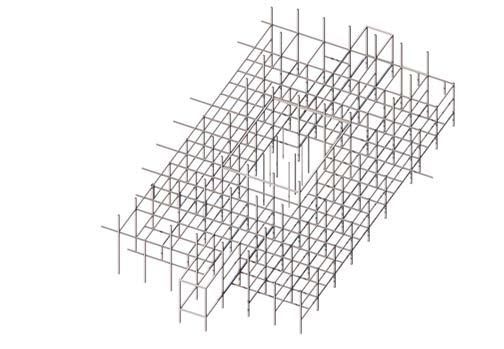
Advocate Environmental Stewardship Through Building Preservation
“HOME TO THE LECTURE”
- Gathering spaces
ADAPTIVE REUSE STRATEGY
“HOME TO THE LECTURE”
- Gathering spaces - Class spaces, small or large - One person lectures to a larger group.
“HOME TO THE DIALOGUE”
| Thornburg’s Spatial Archetypes
- Class spaces, small or large
- One person lectures to a larger group.
“HOME TO THE DIALOGUE”
- Social learning, interaction, and dialogue between peers
- Open areas where students can gather in a variety of group sizes
- Interpersonal communication and conversation.
“HOME TO THE COGNITIVE CONSTRUCTION OF UNDERSTANDING”
- Solo study and reflective learning
- Quiet thinking and contemplation
- Work and study solitarily
The Cave | Cognitive Construction of Understanding
| Thornburg’s Spatial Archetypes
“HOME TO THE PRESENTATION OF FINDINGS”
- Gathering space where learners can perform or speak their learning and gathered knowledge to others
- Presentation space
- Space where the student becomes the teacher
“HOME TO THE EXPLORATION AND APPLICATION OF KNOWLEDGE”
- Hands-on experience and interactive experimentation
- Maker spaces
- Social learning, interaction, and dialogue between peers
- Collaborative interaction zones
- Open areas where students can gather in a variety of group sizes
- Interpersonal communication and conversation.
“HOME TO THE COGNITIVE CONSTRUCTION OF UNDERSTANDING”
- Solo study and reflective learning
- Quiet thinking and contemplation
The Cave | Cognitive Construction of Understanding
- Work and study solitarily
“HOME TO THE PRESENTATION OF FINDINGS”
- Gathering space where learners can perform or speak their learning and gathered knowledge to others
- Presentation space - Space where the student becomes the teacher
ahearn fieldhouse | final design
ahearn fieldhouse | final design
“HOME TO THE EXPLORATION AND APPLICATION OF KNOWLEDGE”
- Hands-on experience and interactive experimentation
- Maker spaces - Collaborative interaction zones
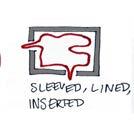
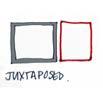
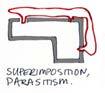
practice of repurposing and renovating existing buildings and structures to serve new functions or purposes, instead of demolishing them and constructing entirely new ones.
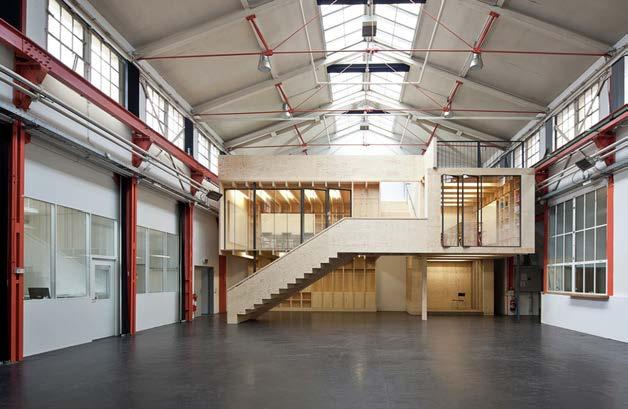
inserted mass to blend the old and new elements harmoniously to create a functional and aesthetically space while retaining the character and value of the original structure.
ahearn fieldhouse
ahearn fieldhouse | introduction
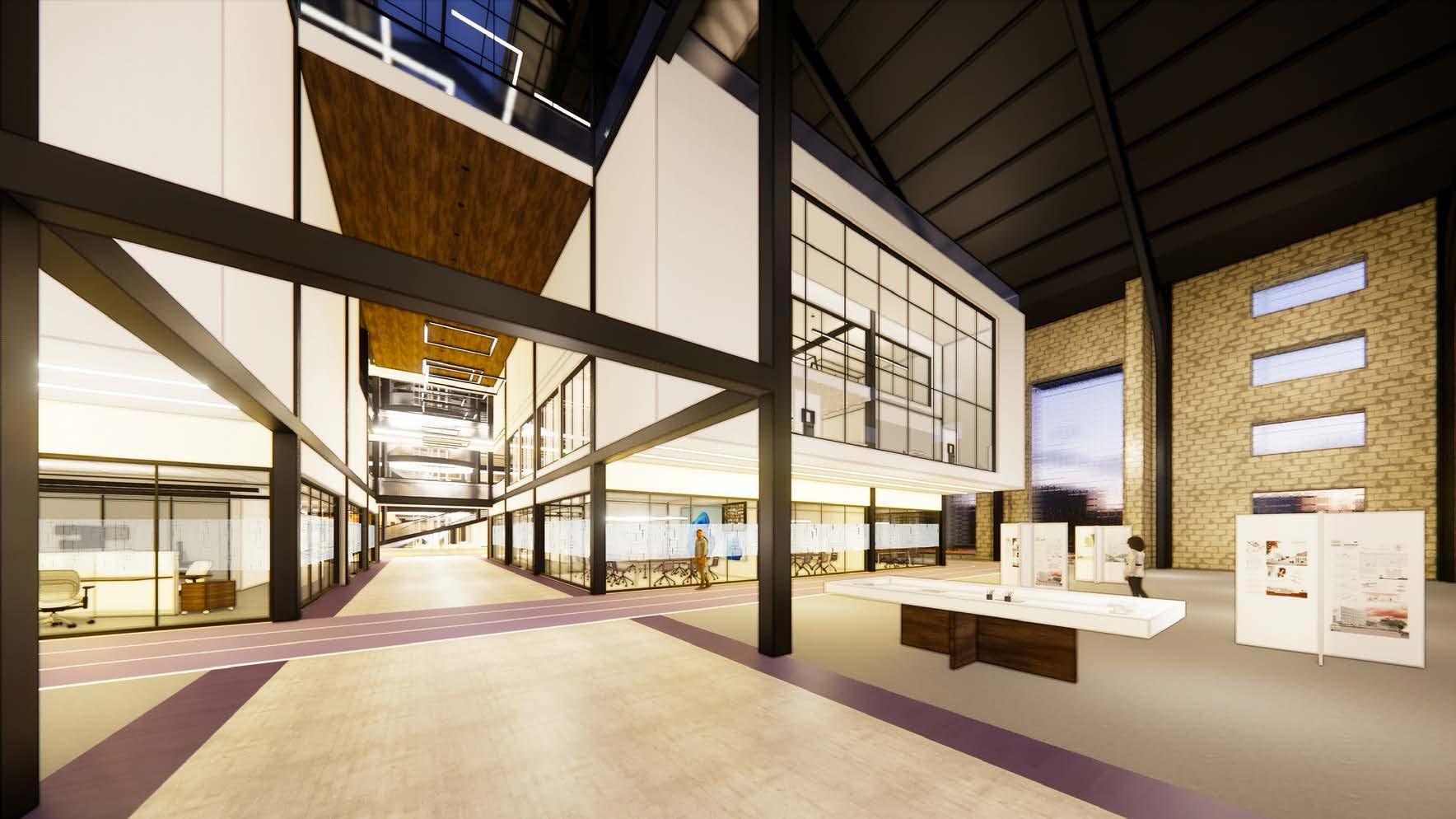

 JOHNSONITE RUBBER FLOOR Relaxed Wellness
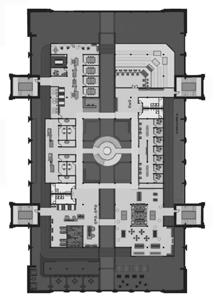
Floor 1 - Entry
JOHNSONITE RUBBER FLOOR Relaxed Wellness
Floor 1 - Entry



Year: 4th year
Time Span: Summer Studio
Typology: Workplace
Concept: Reinvention
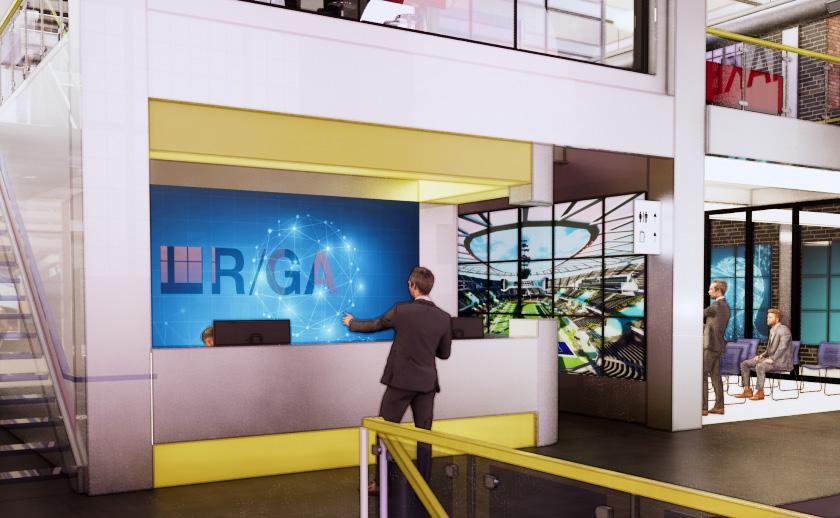
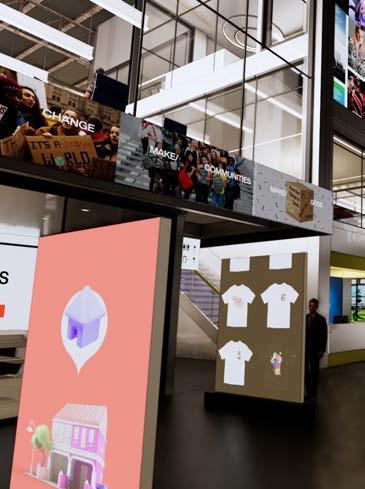
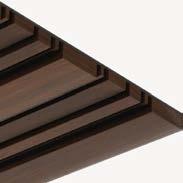
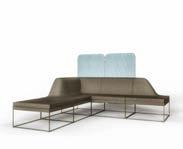
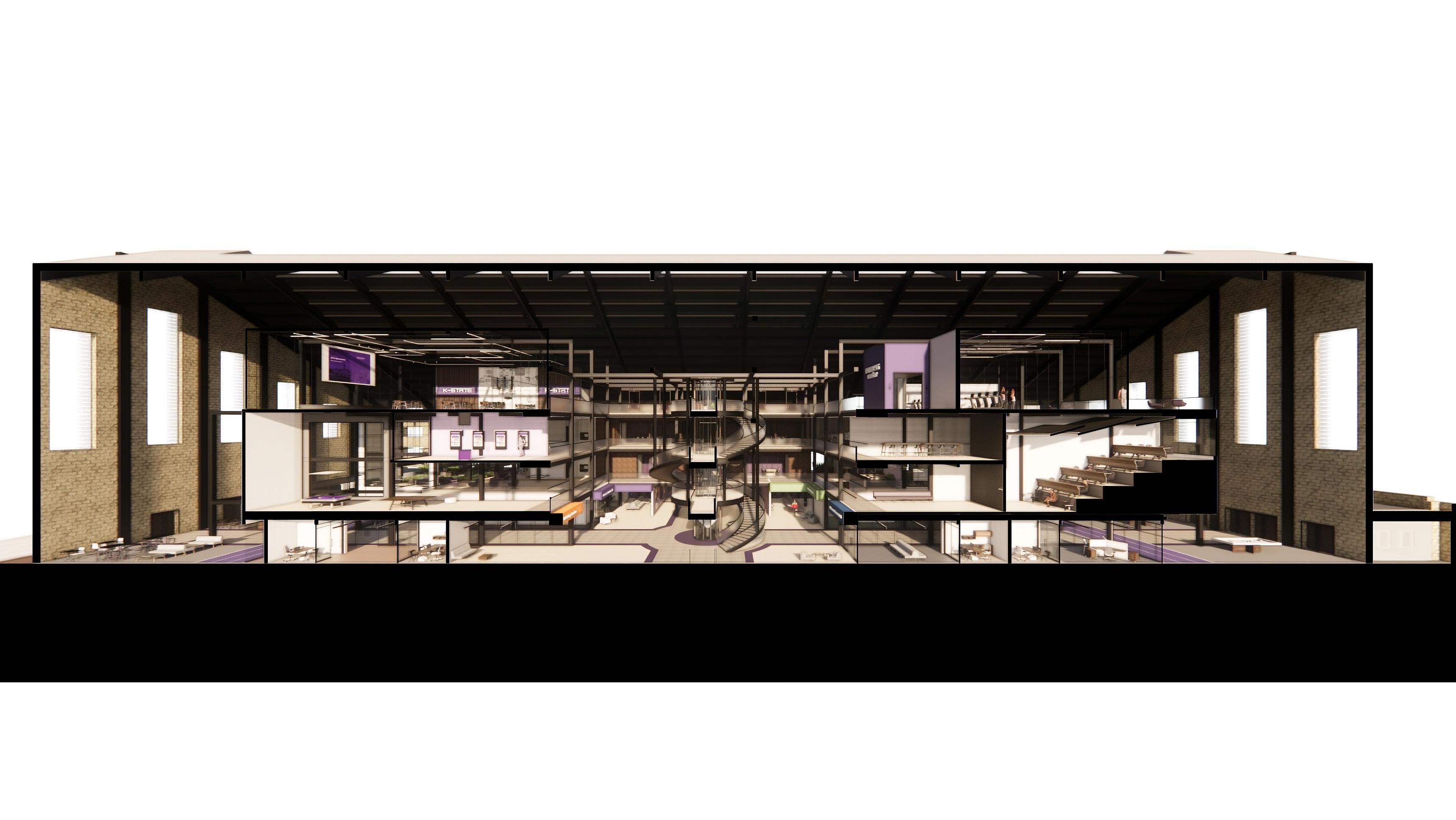
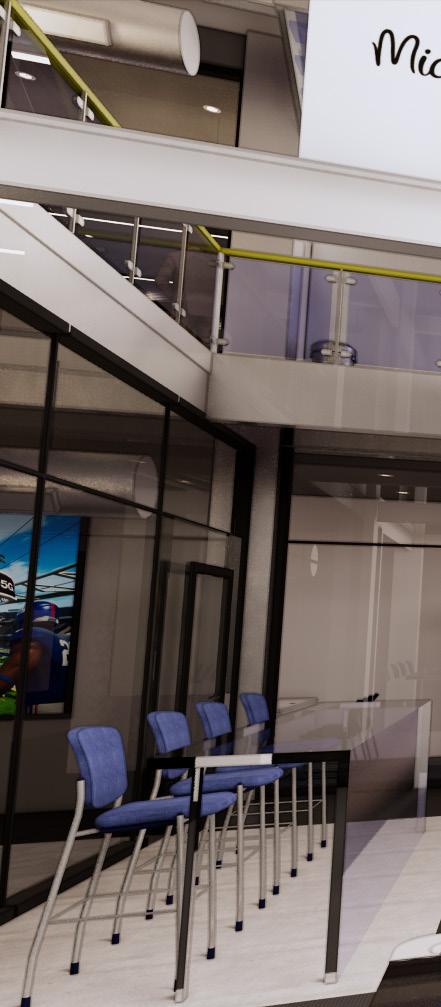
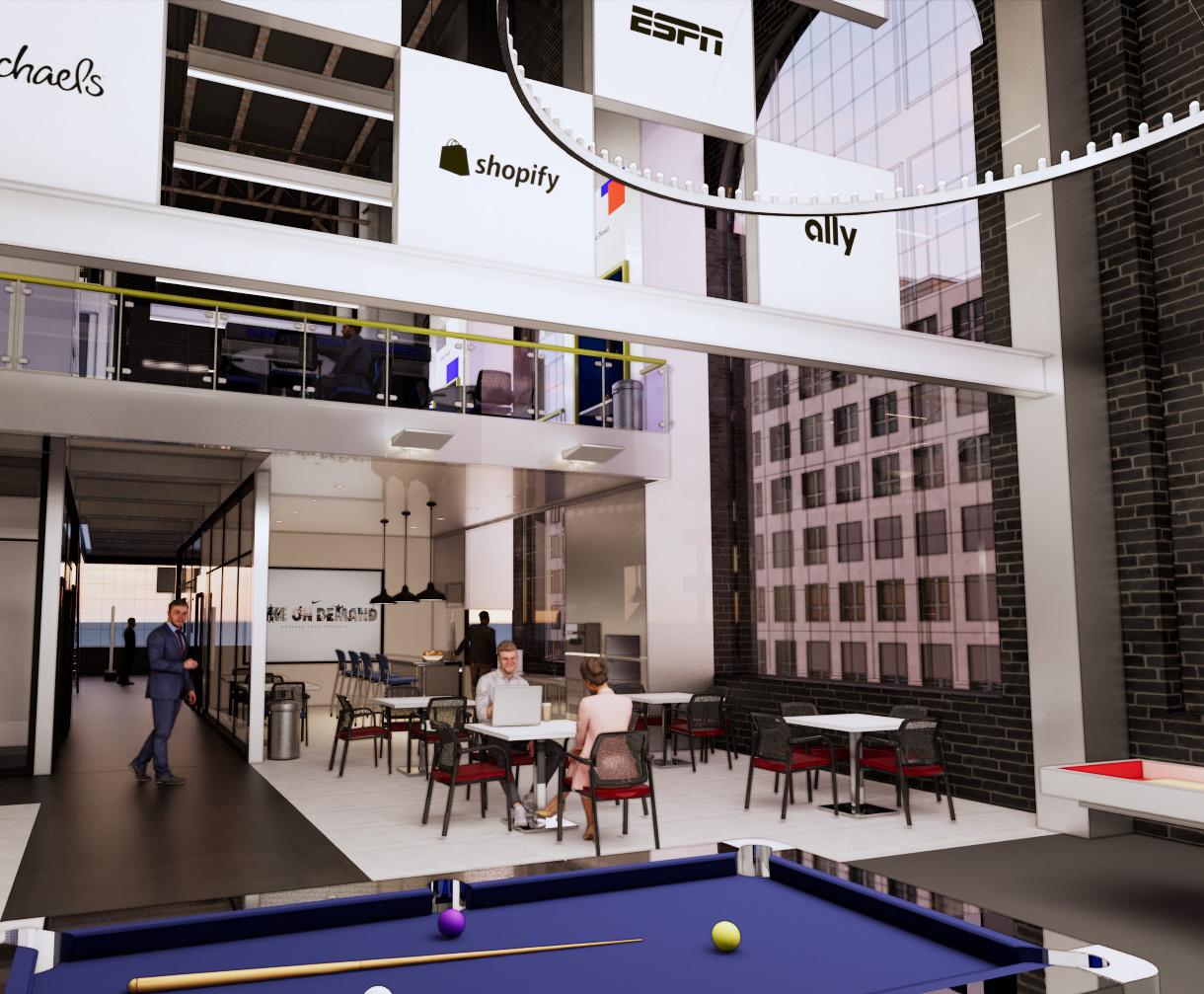
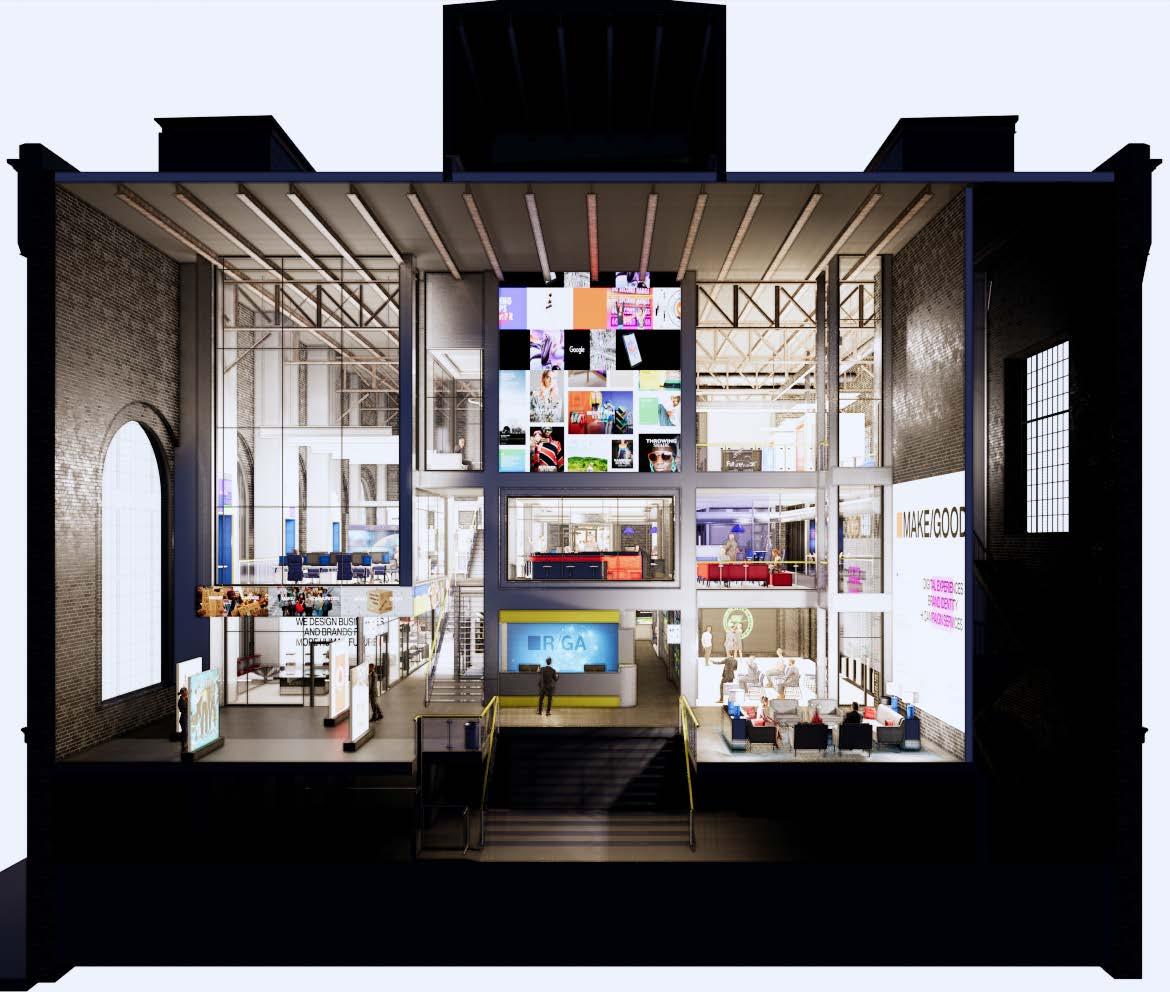
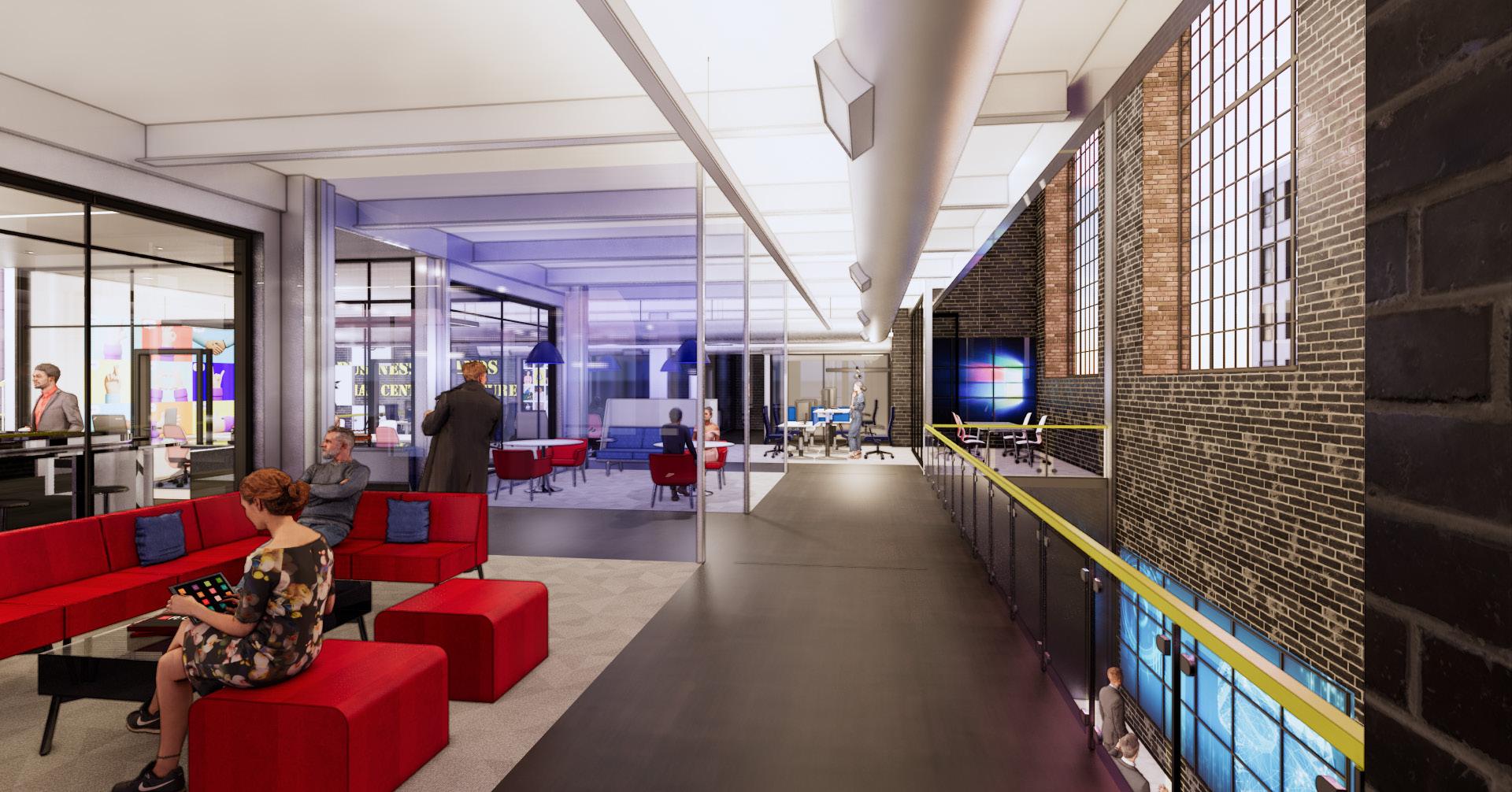
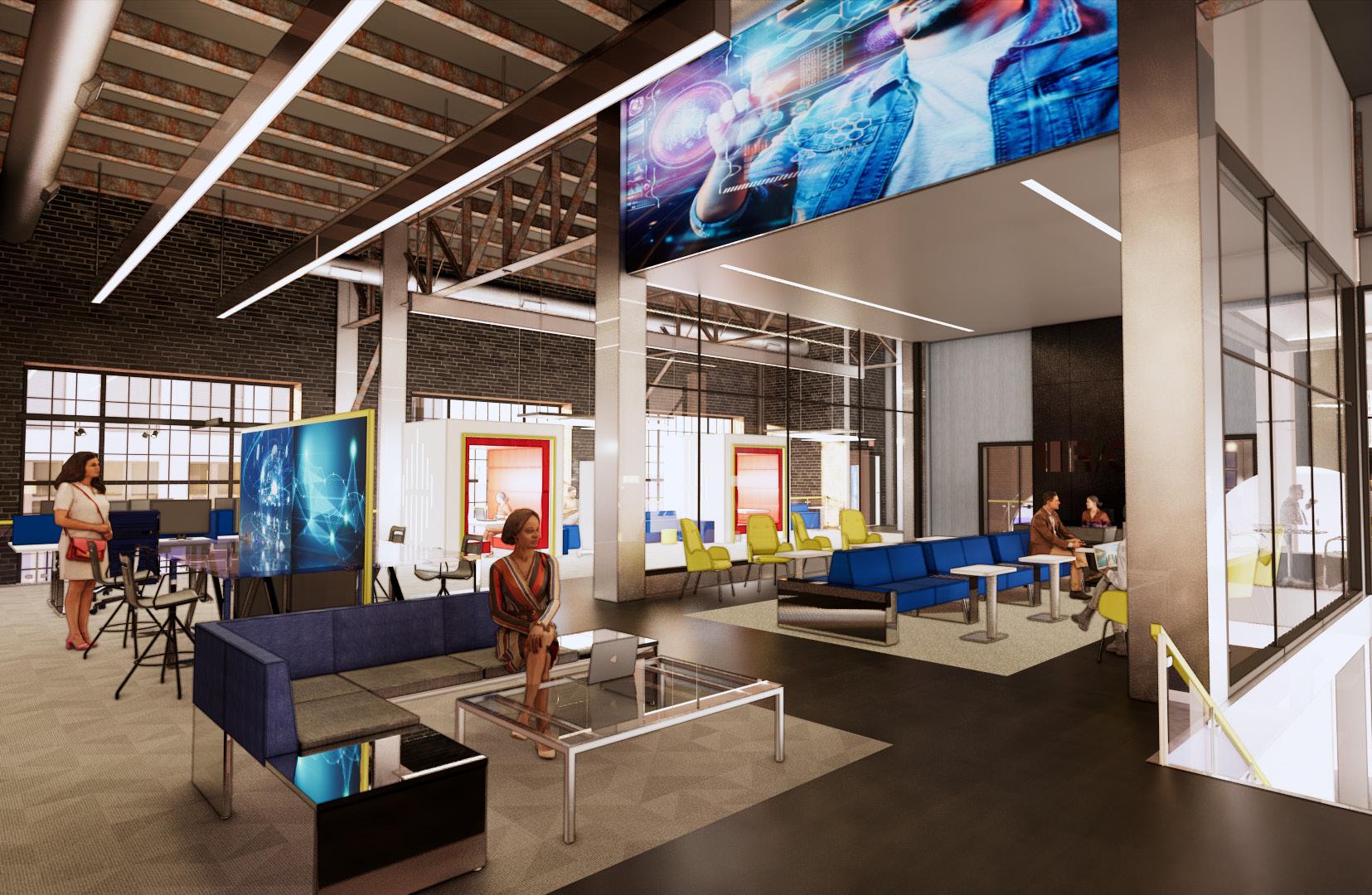
This design celebrates the reinvention of marketing through technological means through the use of a historical building shell and newly added interior features to represent innovative marketing techniques while still paying homage to what came before. The interior design consists of sleek materiality, vibrant colors, and modern technological features. This contrasts with the building shell that features more traditional features. The competing styles are unified with the prevalence of exposed structure, large panes of glass, as well as an overall industrial feel.

EXISTING BUILDING
Brick walls
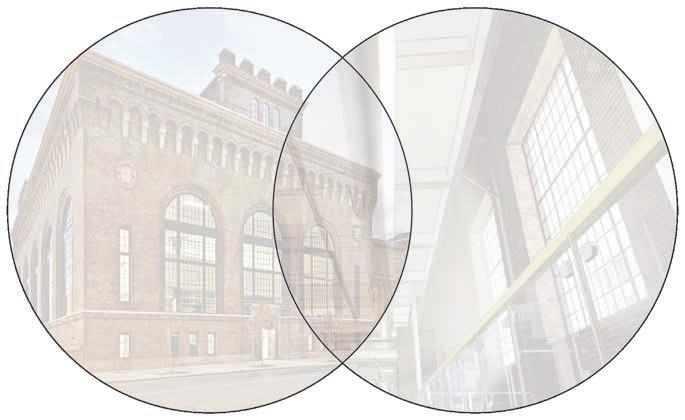
UPDATED INTERIOR FUSION
Exposed Structure
Sleek, metallic materiality
This design uses and inserted ‘building within a building’ to juxtapose contrast
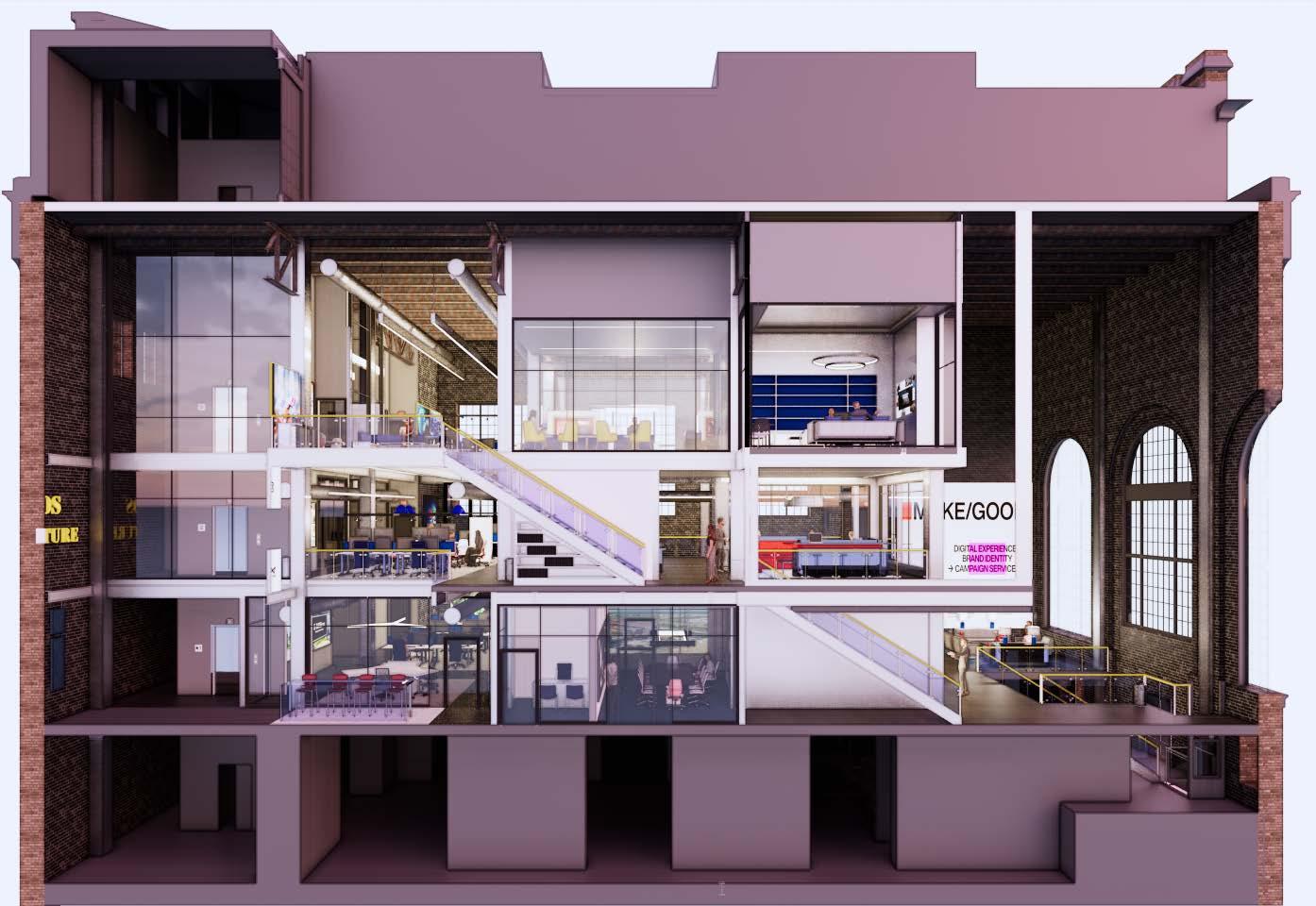
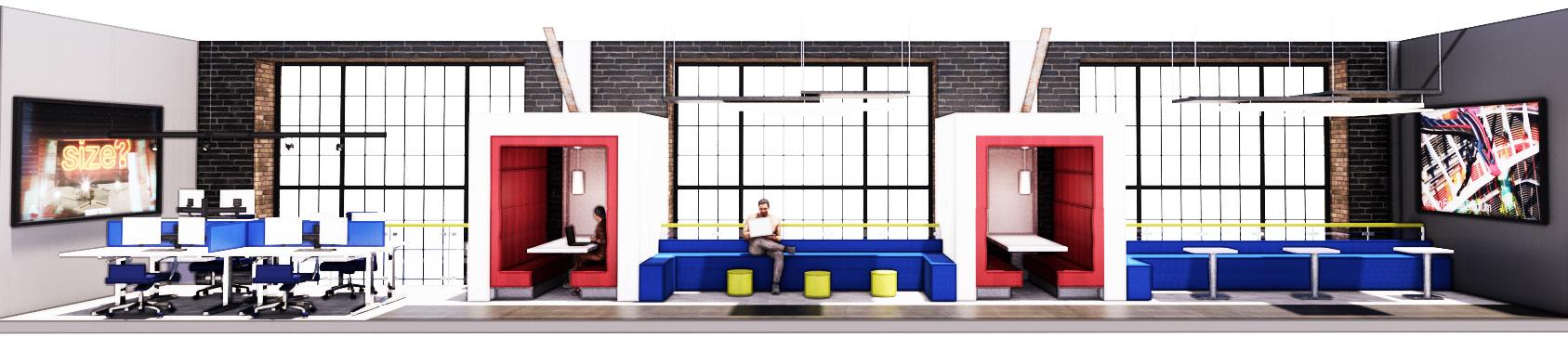
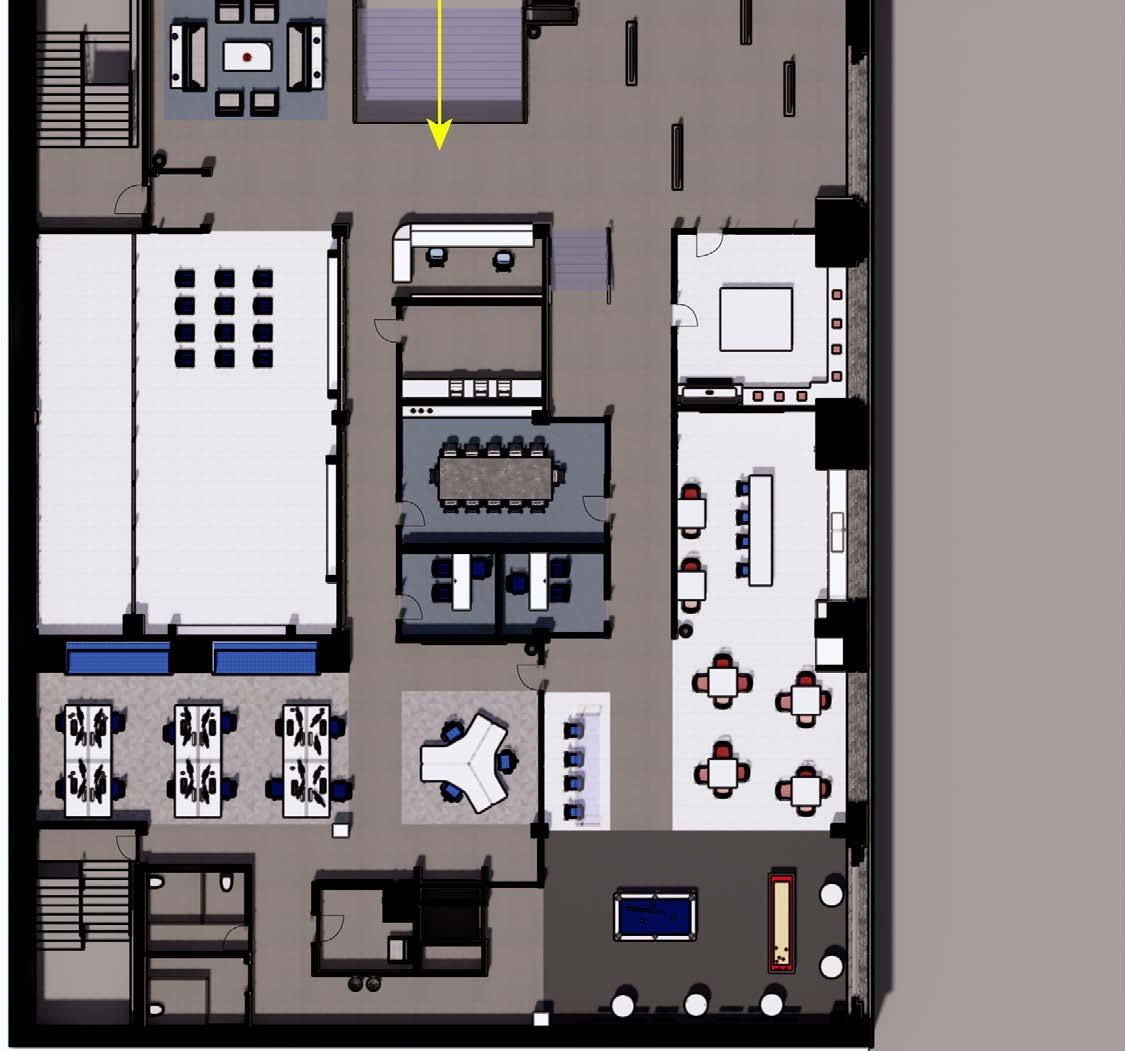

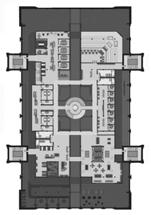
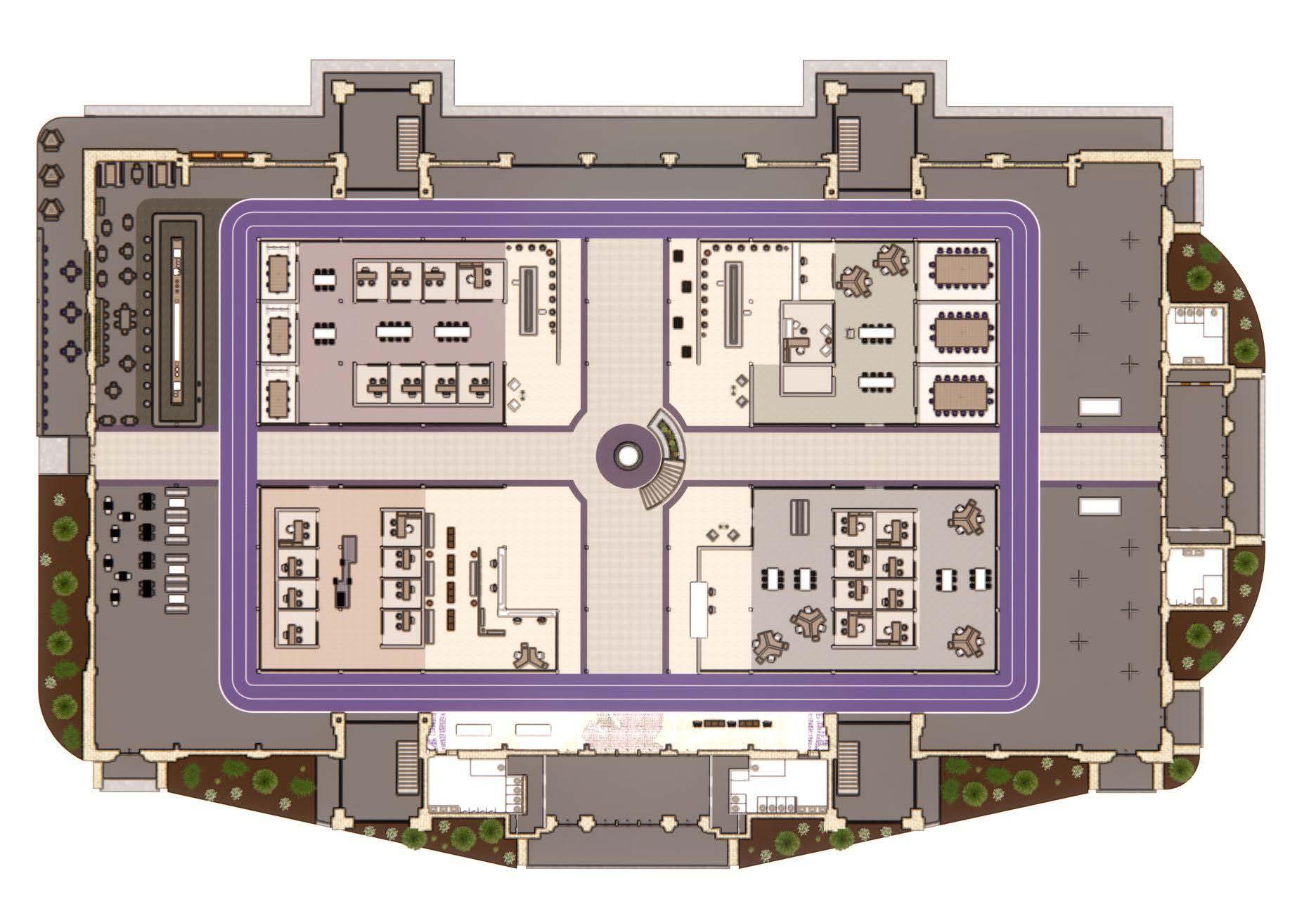
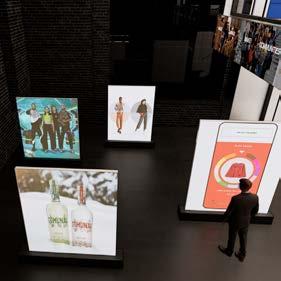
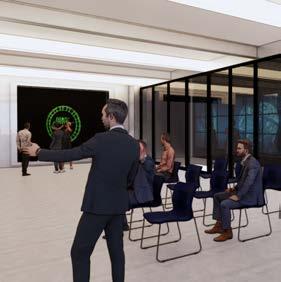
The spatial planning on the first floor features a client and employee well-being centered program. The northern portion of the building comprehensively employs the firm’s brand identity to create an interactive client experience. The back half of the program implements employee-centric amenities that entice them to return to the workplace.
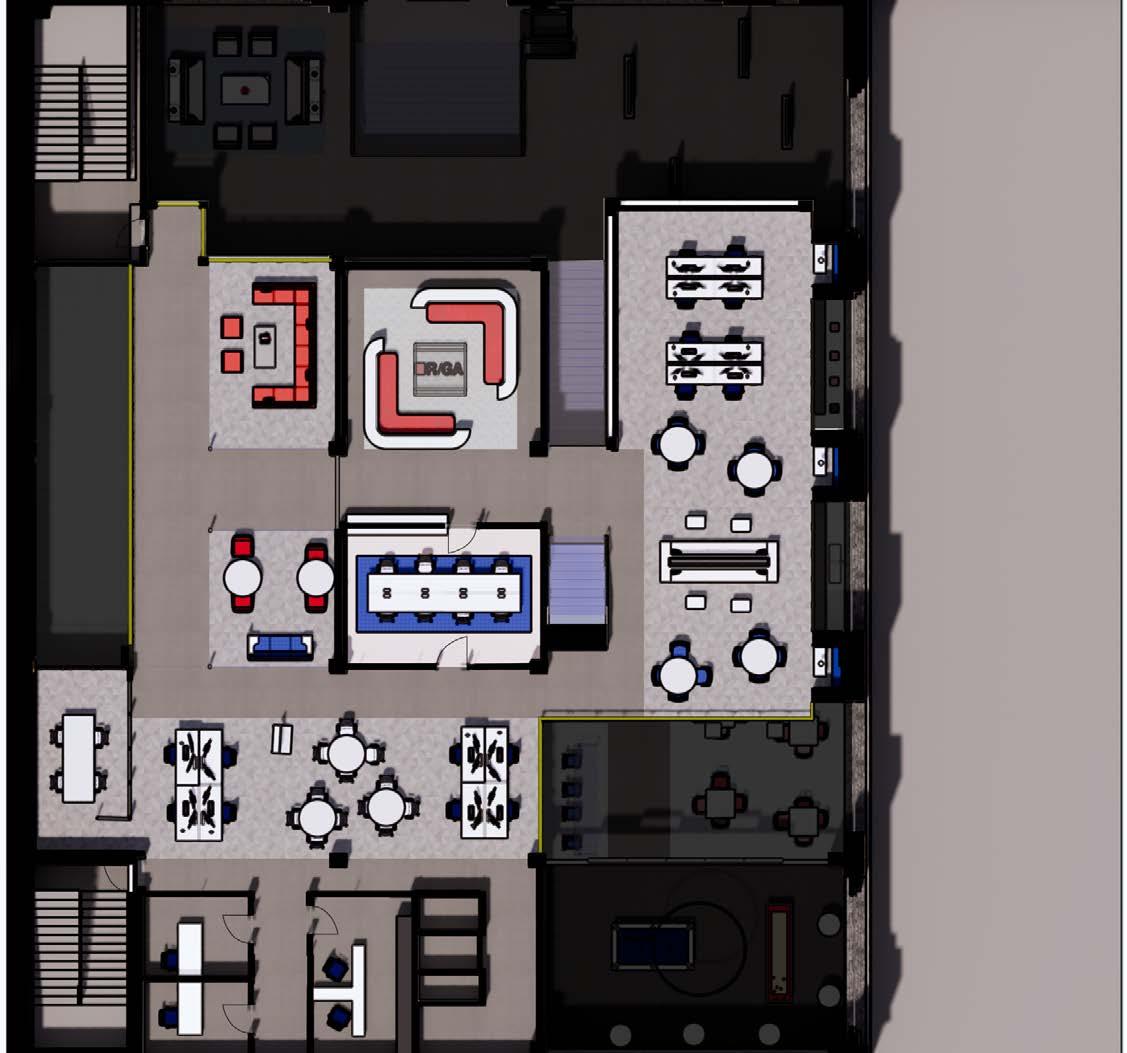
The second floor implements a nomadic style of work. The employees would utilize different places throughout the building to create a different work experience each day.

Year: 4th year
Time Span: 8 weeks
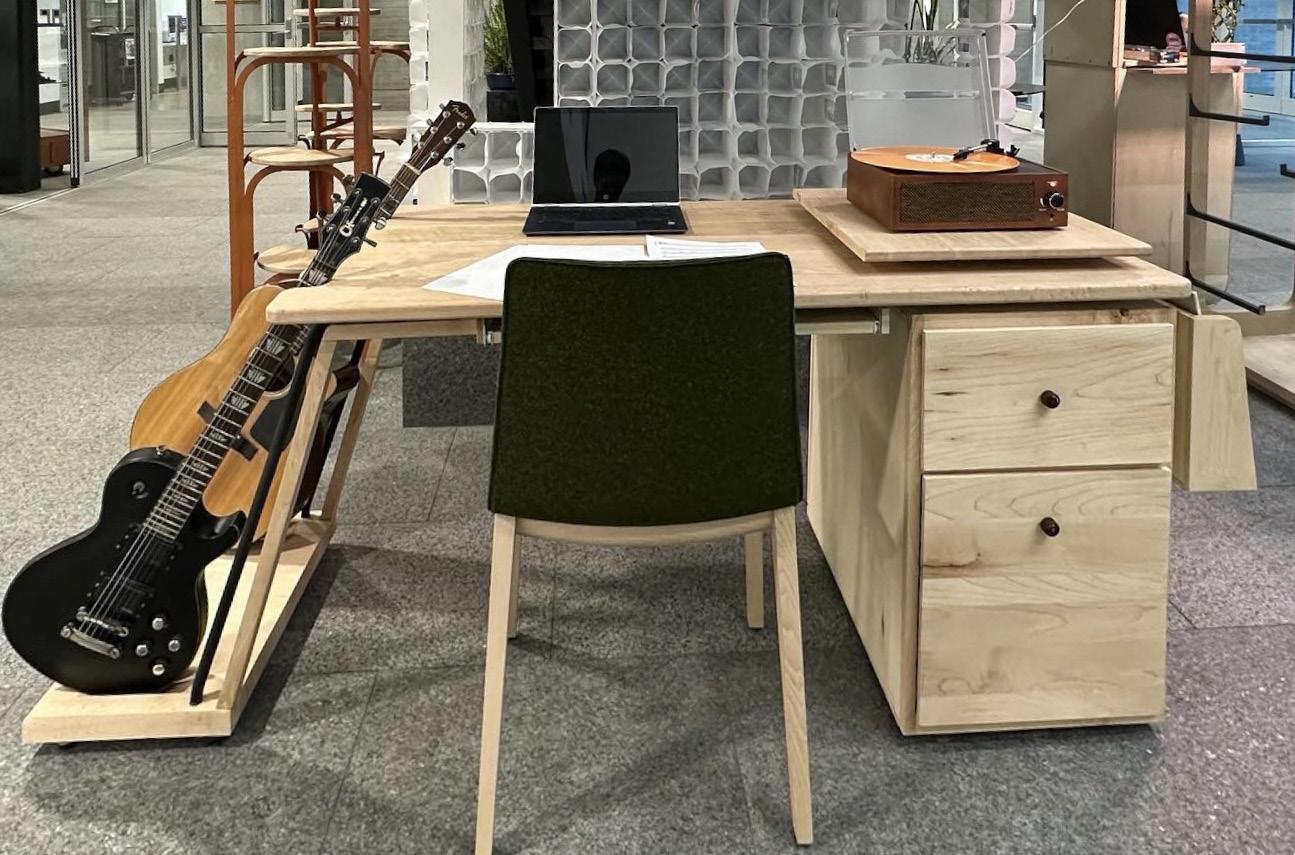
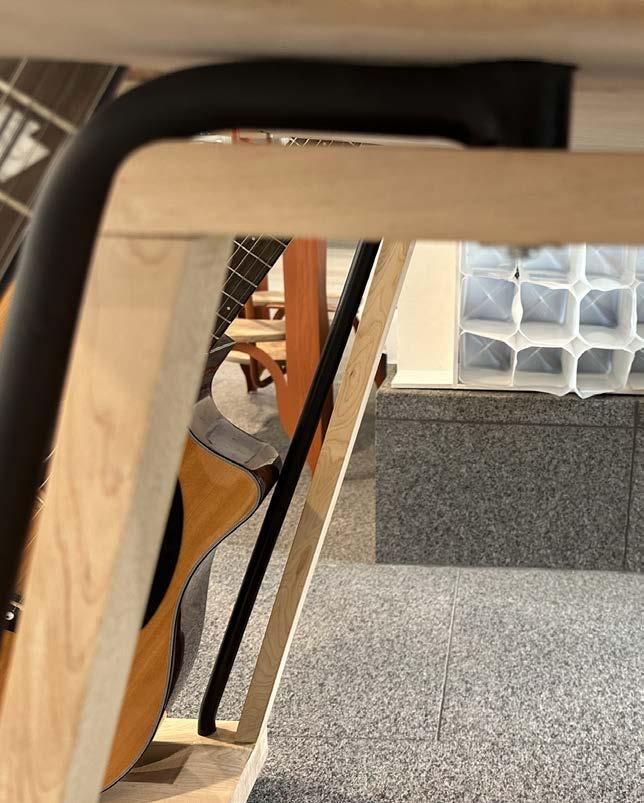
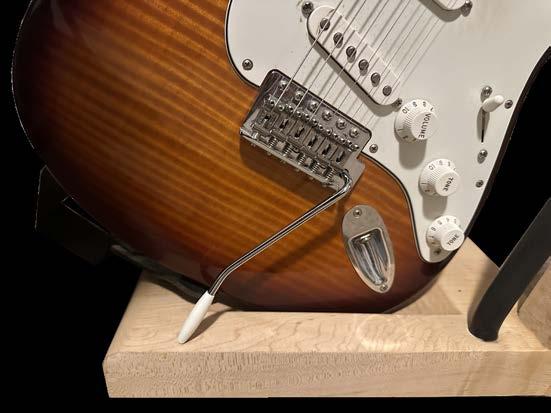
Typology: Furniture Design
Concept: fusion
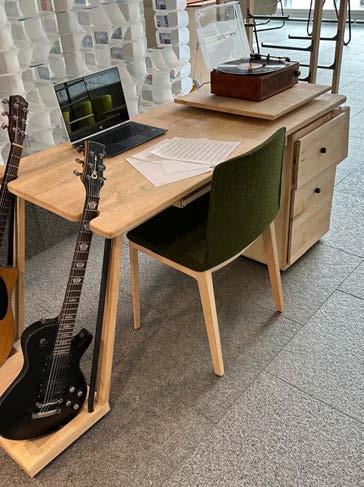
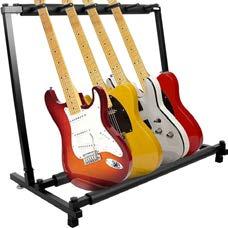
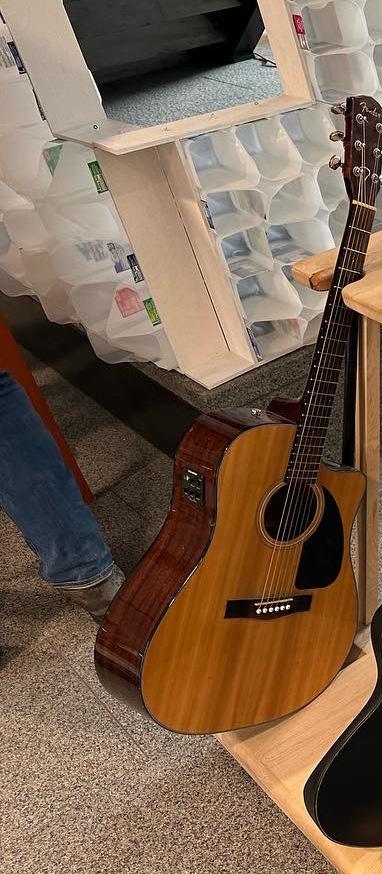
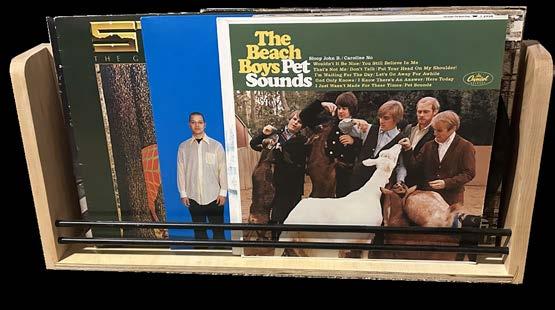
Songwriting is more than just writing words or notes on a page. Songwriting allows people to express who they really are in ways that sometimes cannot be expressed through basic communication. There is a true emotional depth to what is being created, from happiness to melancholy. Music is one of the only unifiers in today’s societal landscape, and it is something that should truly be celebrated.

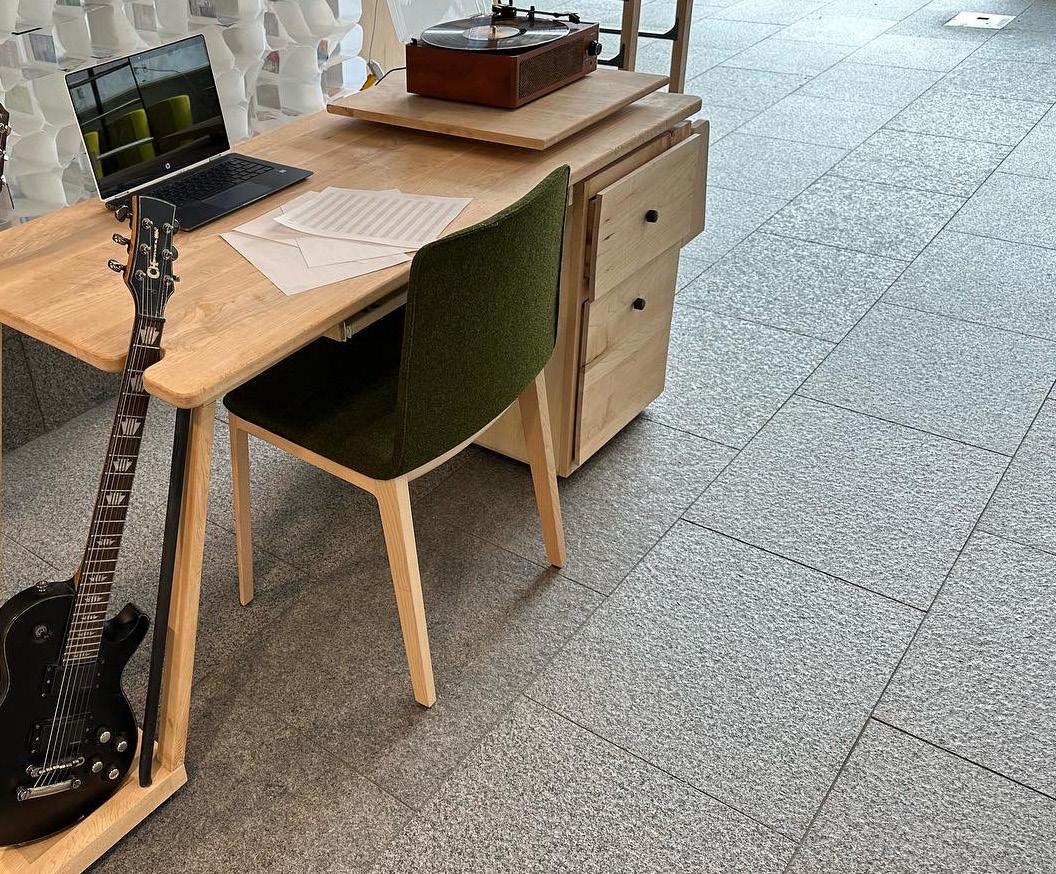



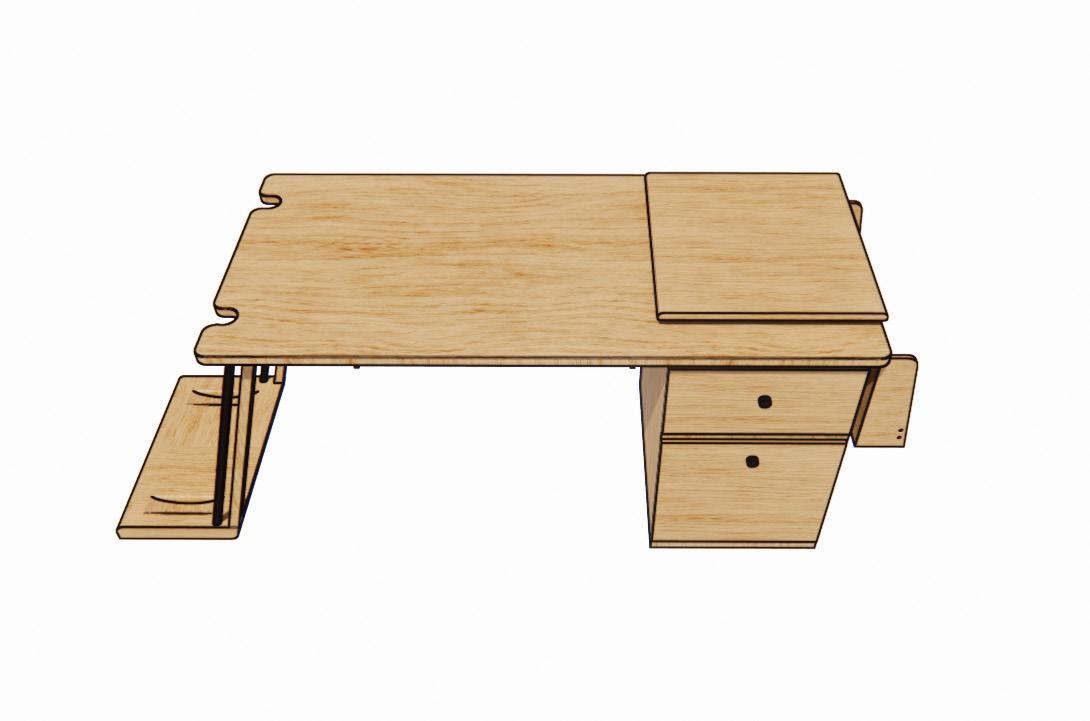

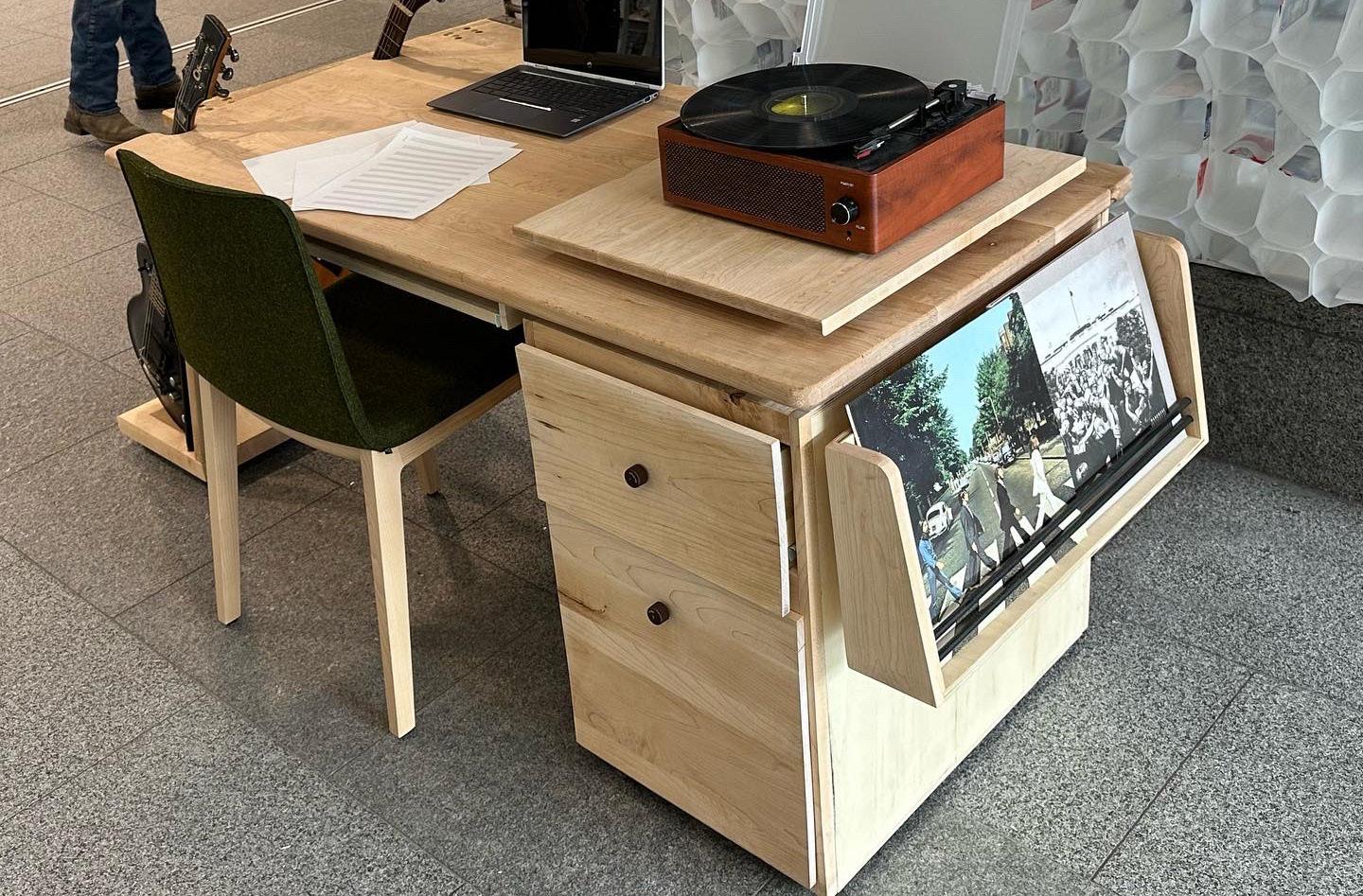
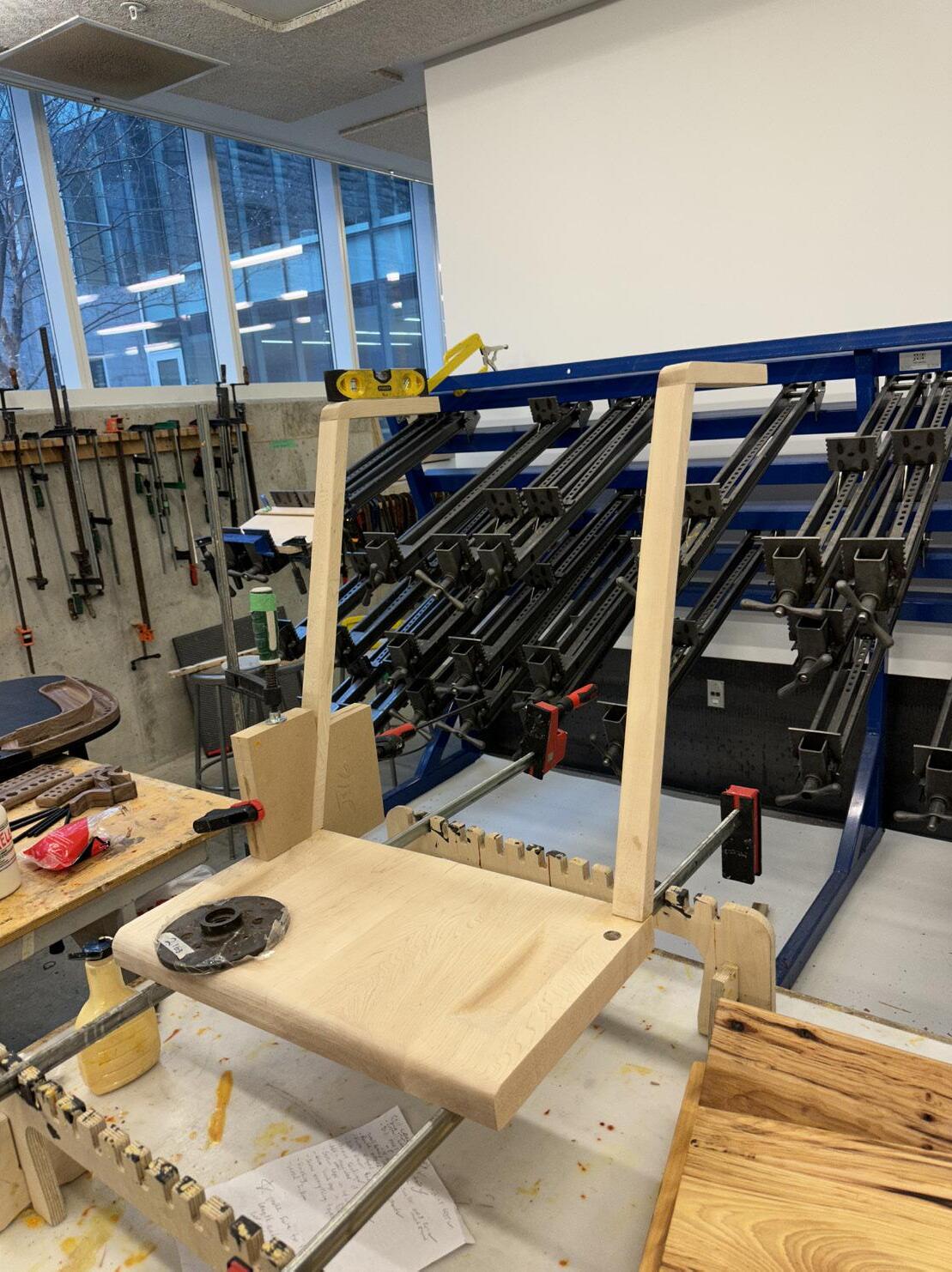
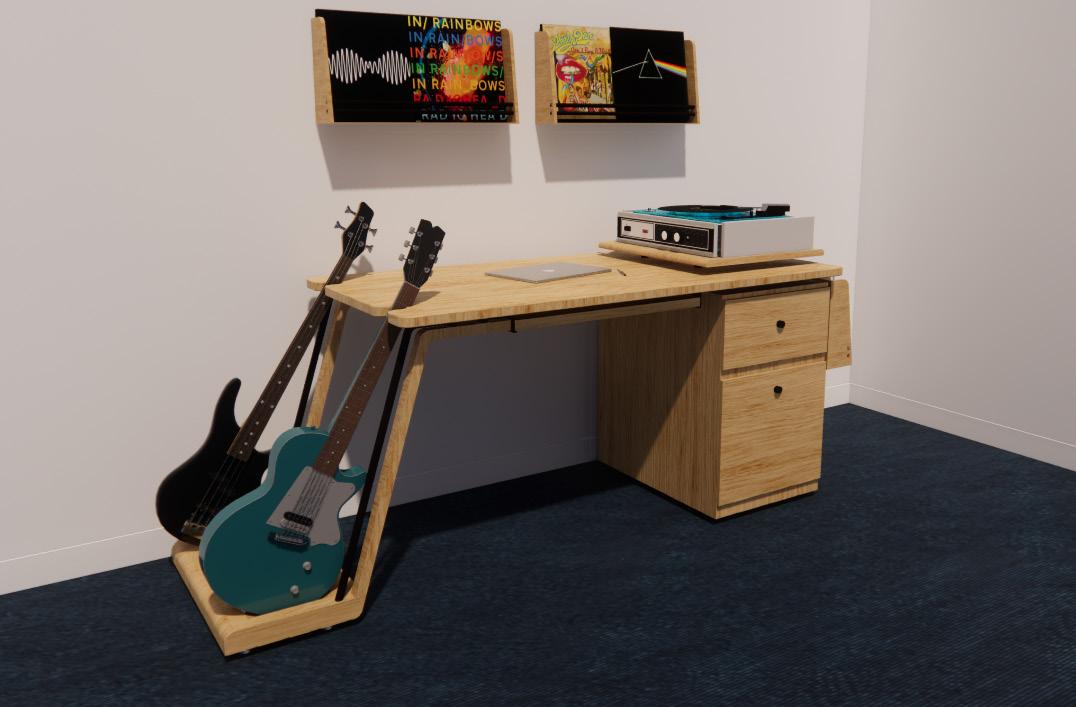
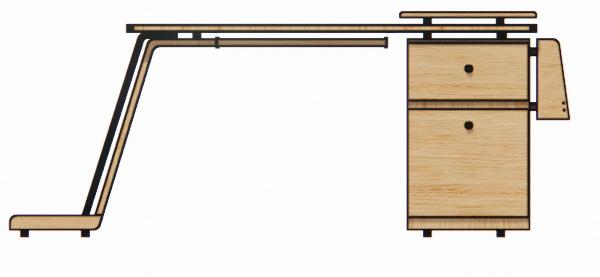

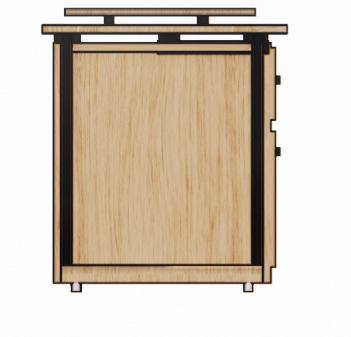
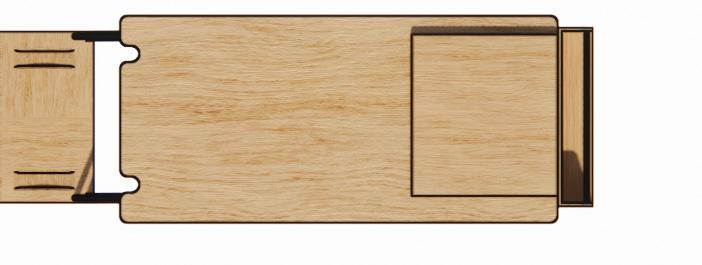 Front Side
Top
Metal Pipe
Rubber Feet
Record Knob Hardware
Front Side
Top
Metal Pipe
Rubber Feet
Record Knob Hardware

Year: 3rd year
Time Span: 6 weeks
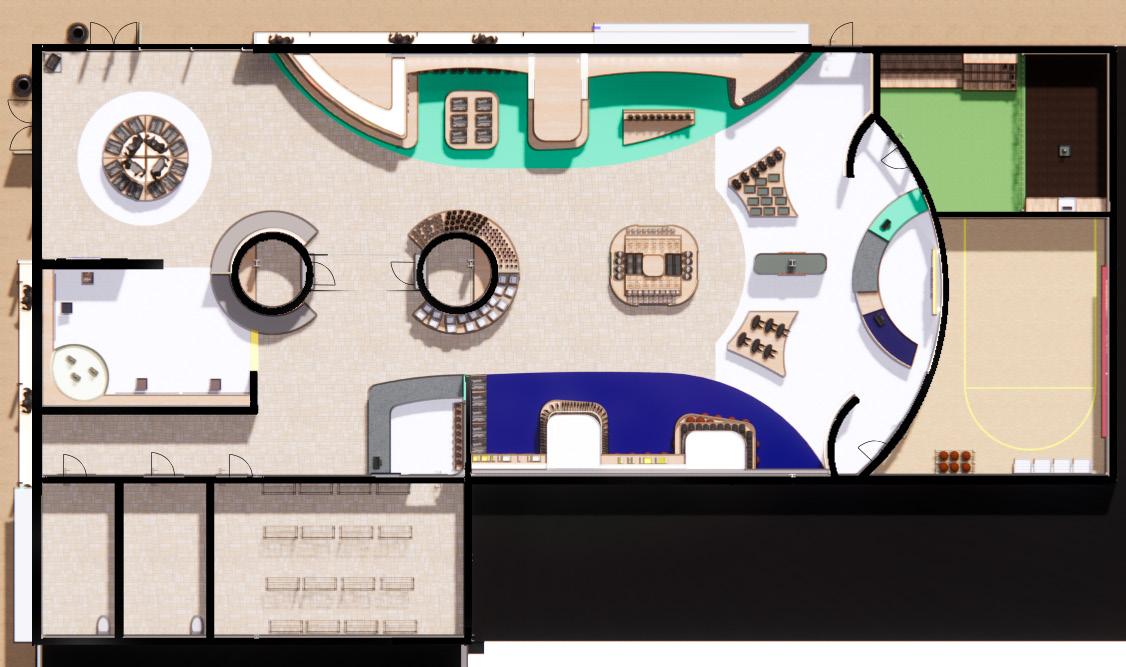
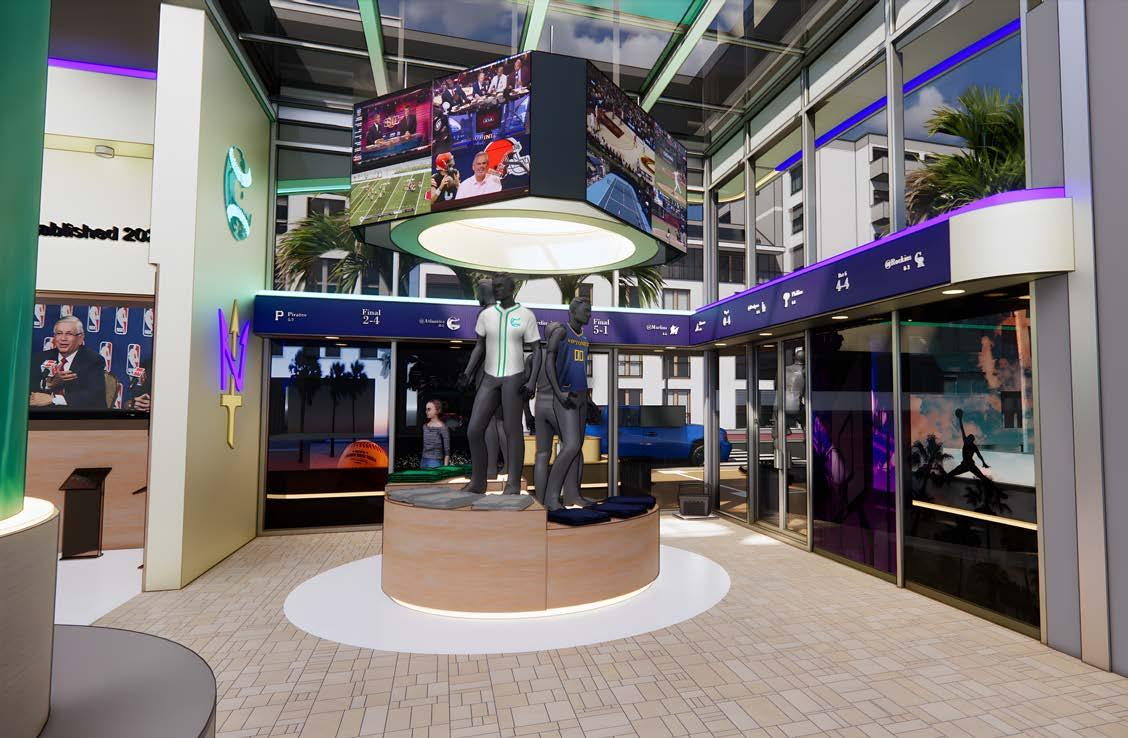
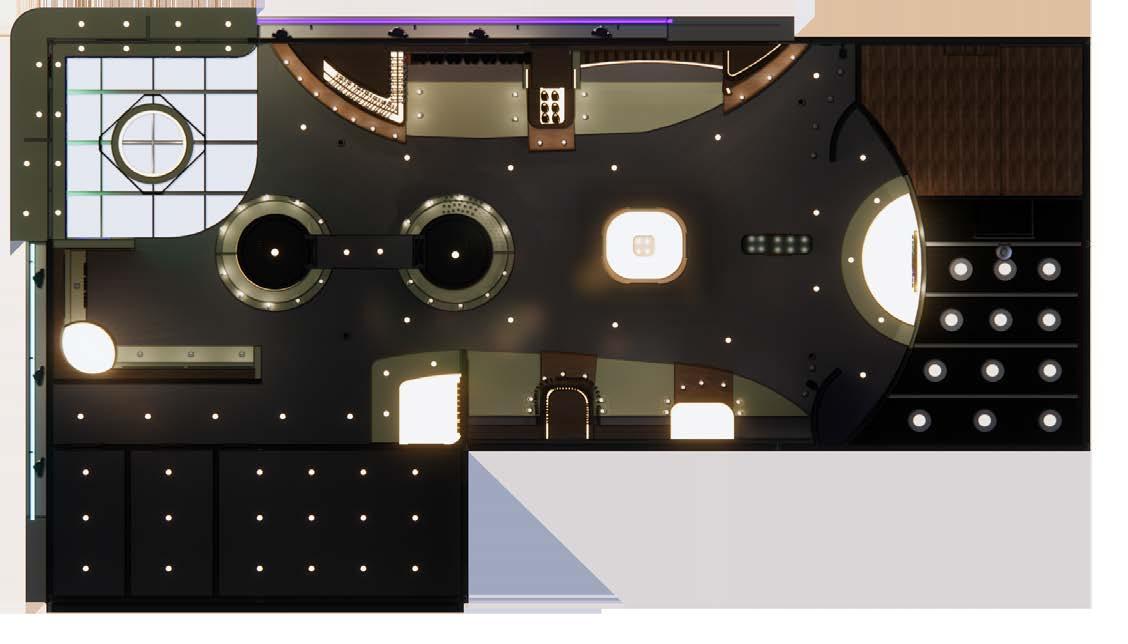
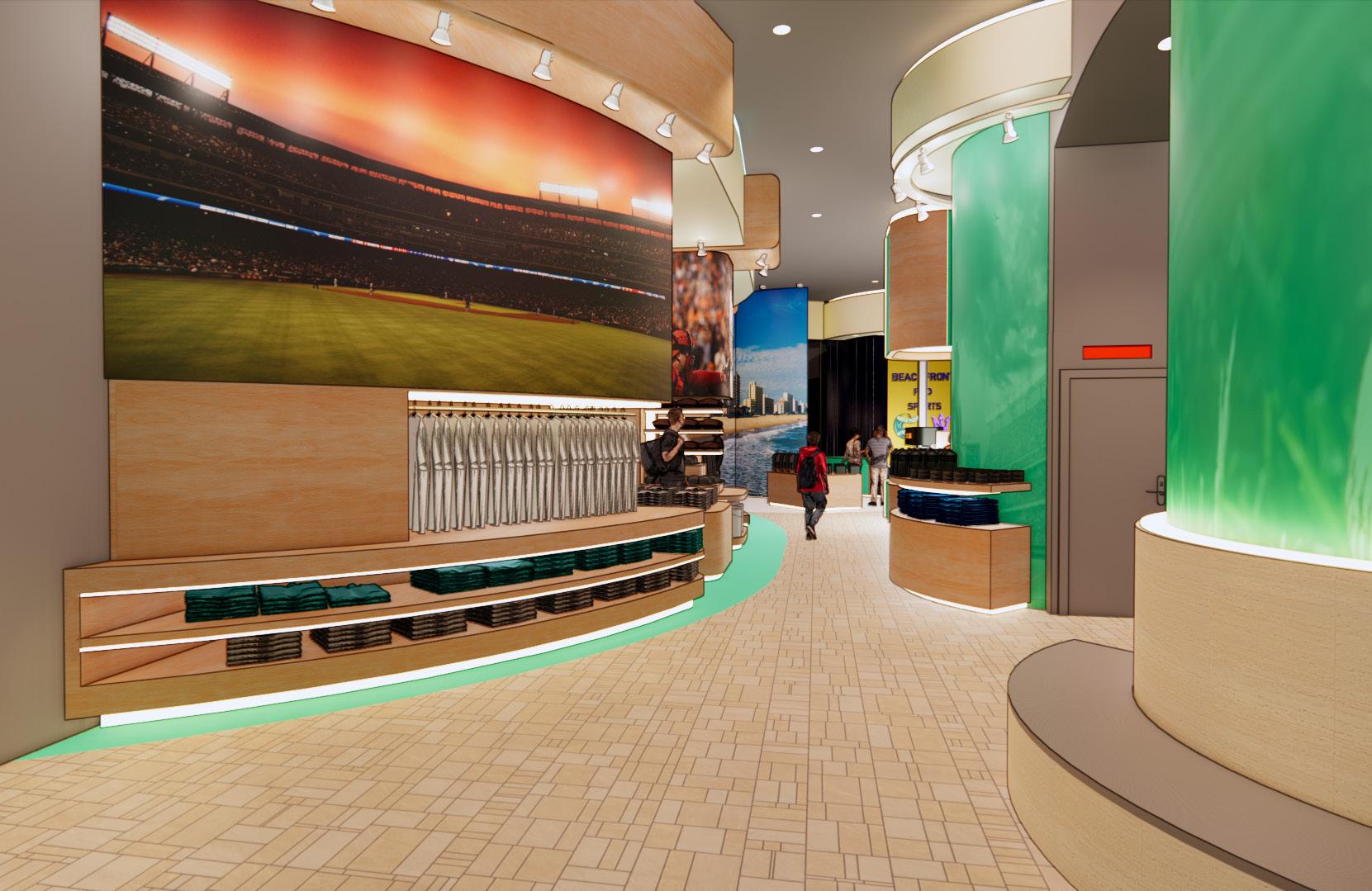
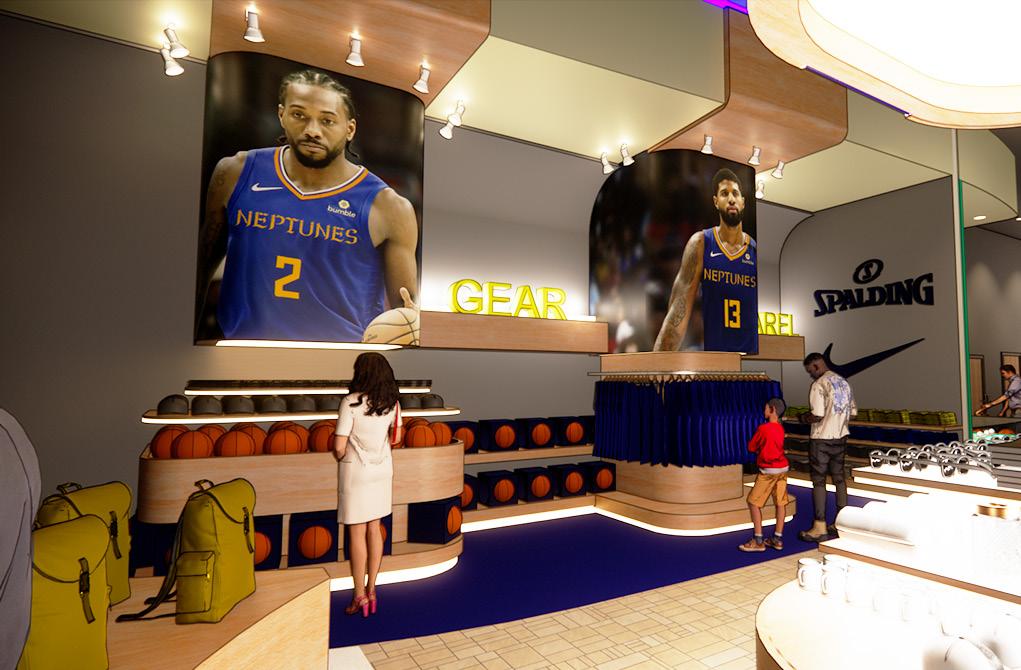
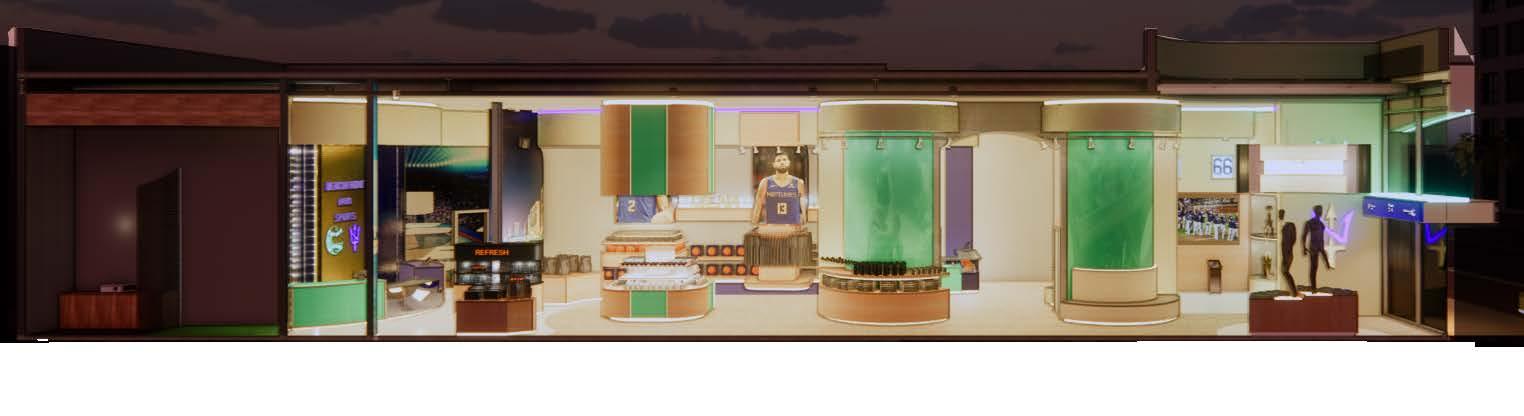
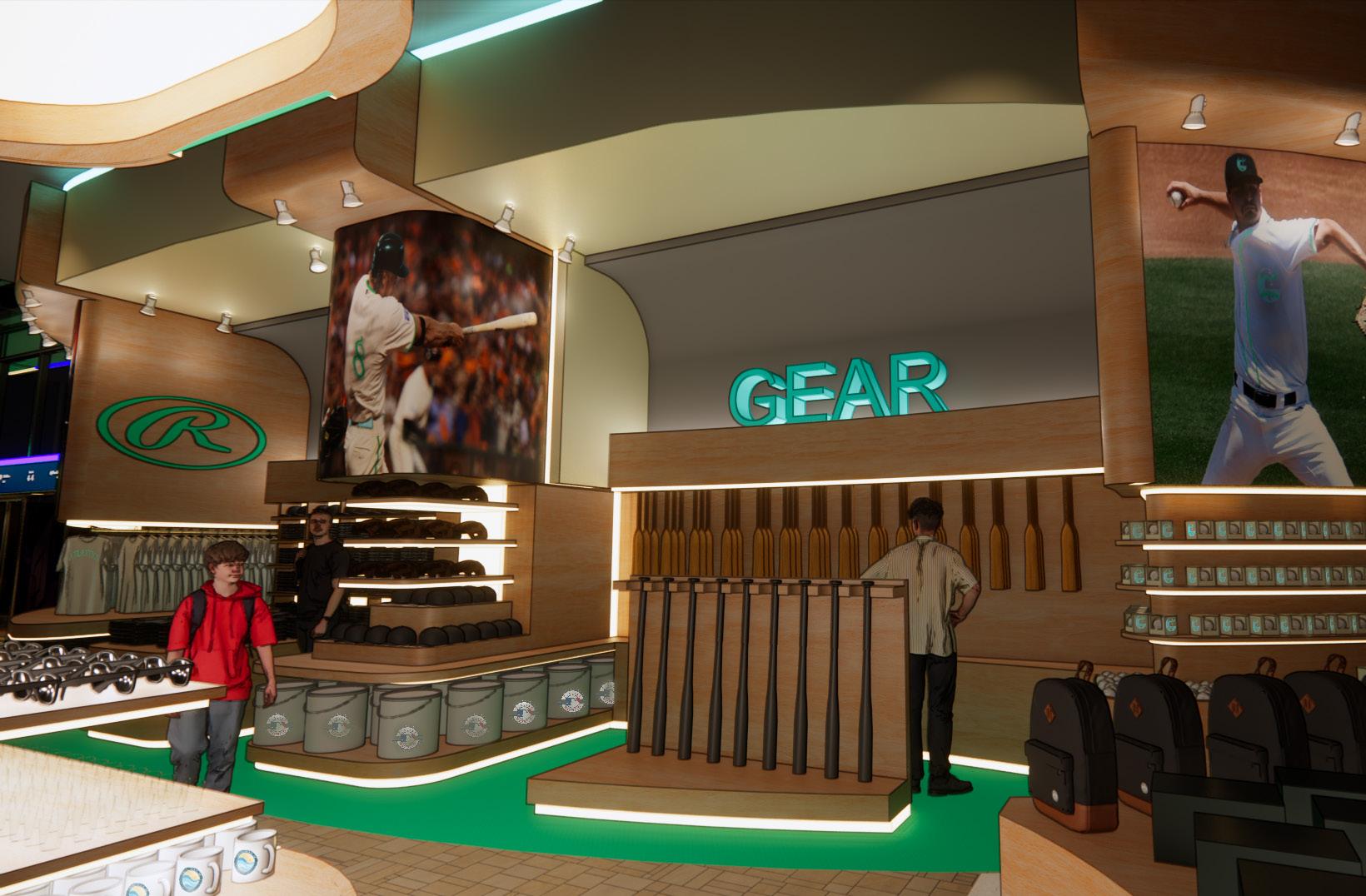
Typology: Retail Design
Concept: Arc
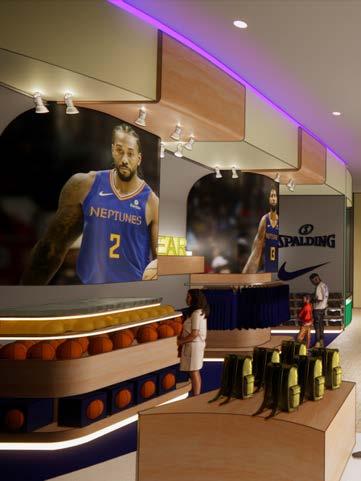
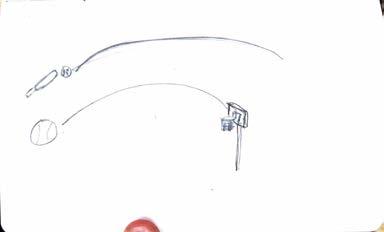
In each of the most popular US sports, the most memorable aspect revolves around an arcing form. In football, it’s a deep pass from the quarterback to the wide receiver. In baseball, it’s the towering home run blast from the hitter to the group of fans waiting in the outfield. In basketball, it’s the three-point shot from the shooter to the basket. Each of these sports displays a memorable parabolic form in one way or another. Customers will truly become immersed in each team’s identity to create an eccentric retail experience.
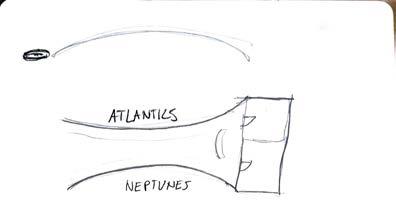
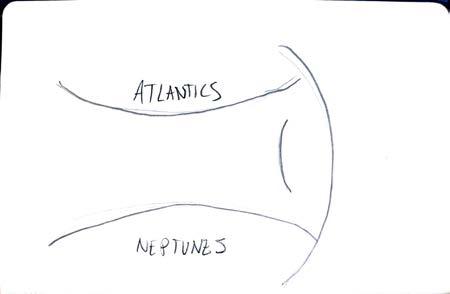

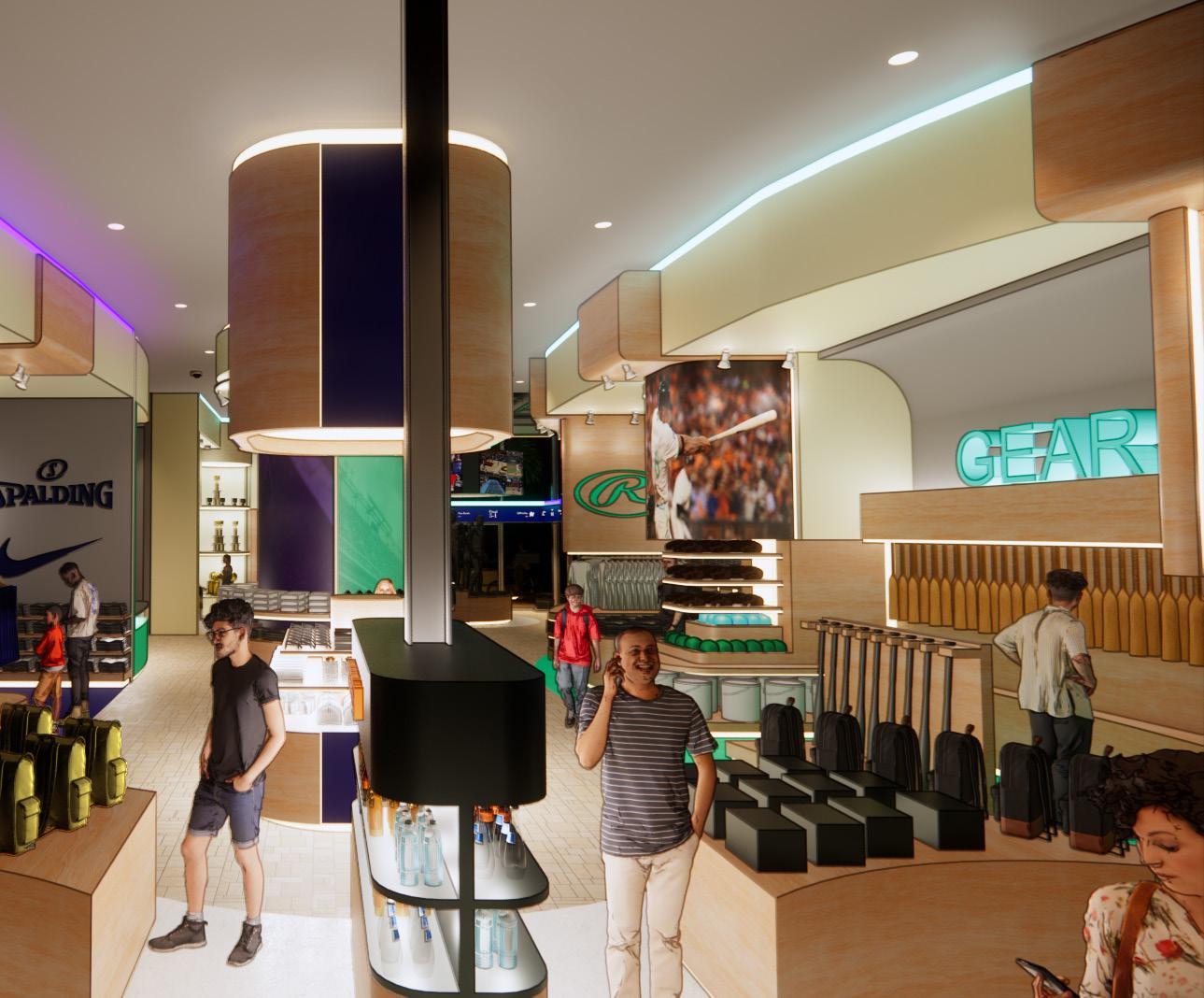
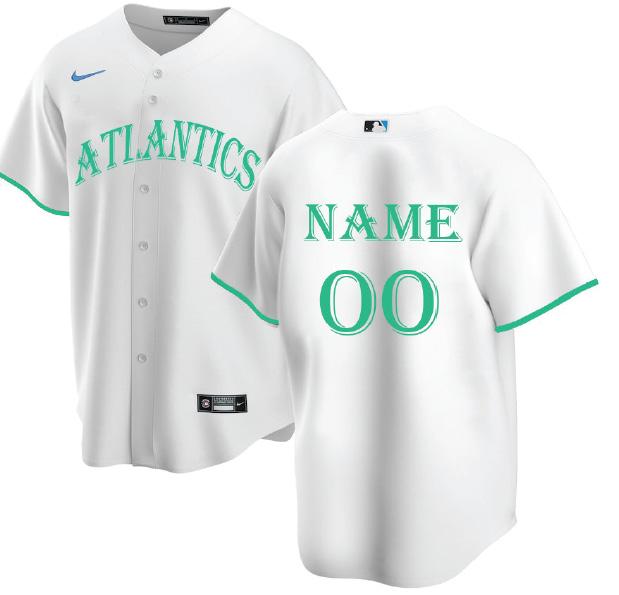

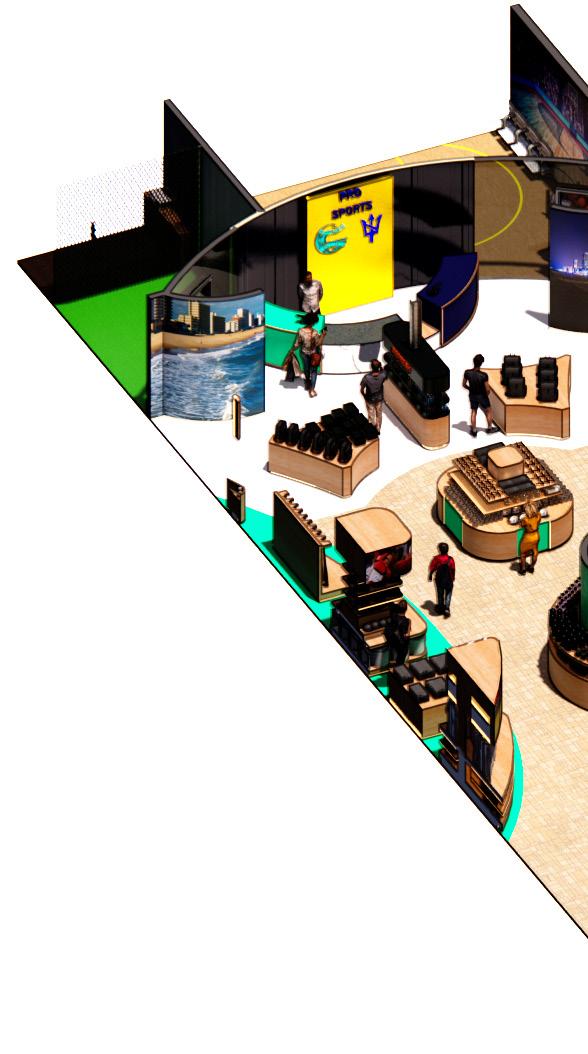 Virginia Beach Atlantics
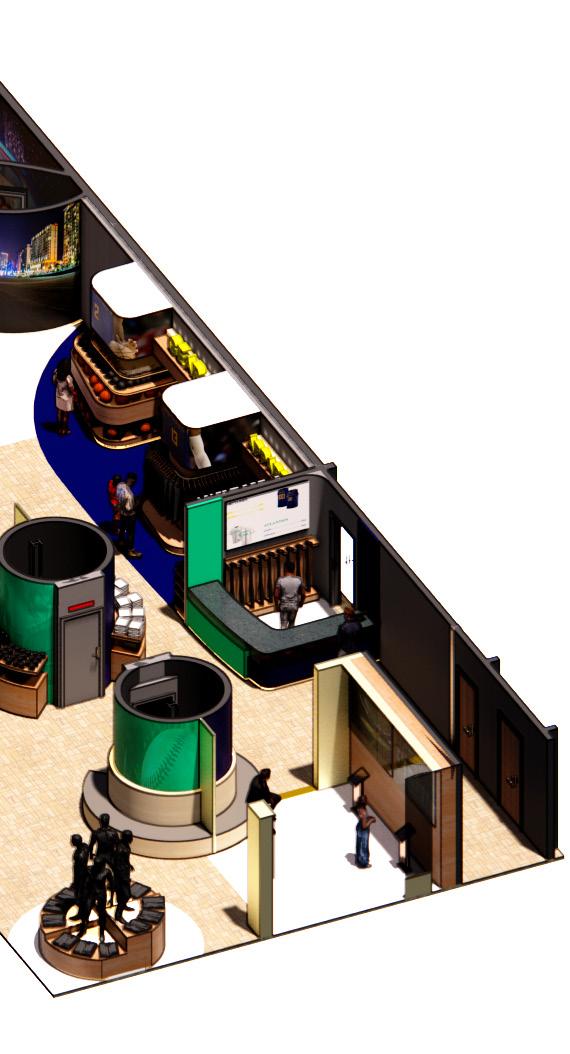

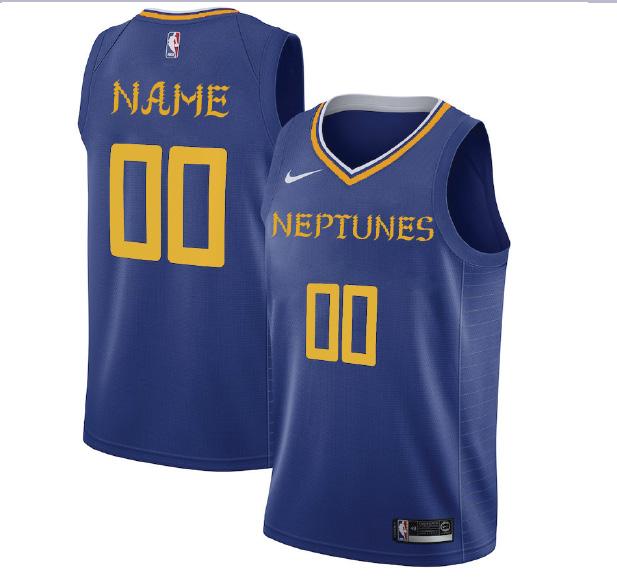
Virginia Beach Neptunes

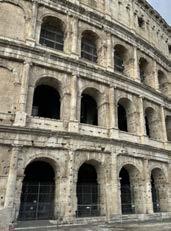
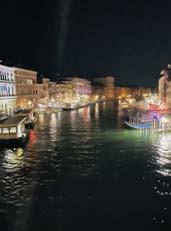
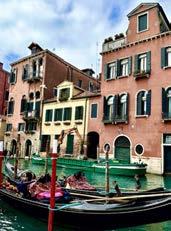
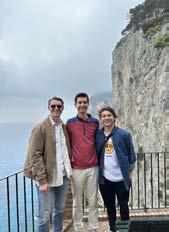
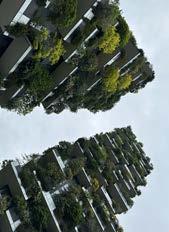
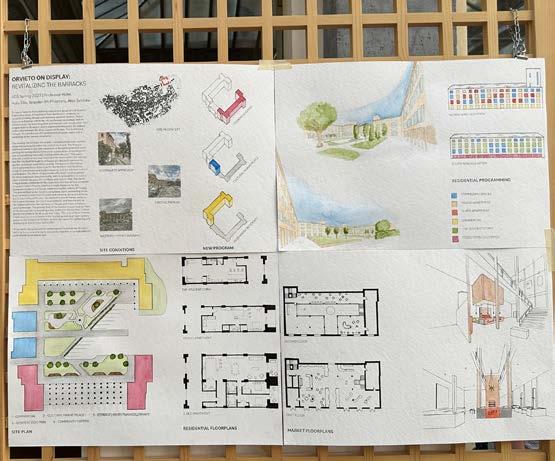
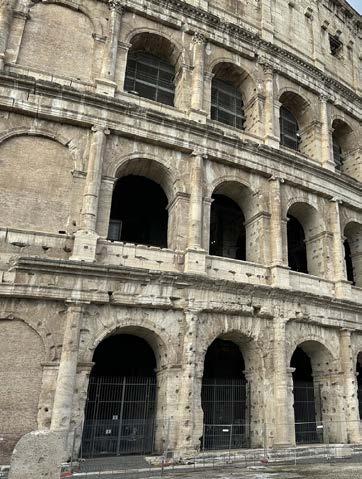
Orvieto, Italy, Spring 2023
Studying abroad in Italy was an experience of a lifetime. I was exposed to a multitude of different cultures, design styles, and cuisine. I really enjoyed observing design through different cultural lenses. The lack of comprehensive computer programs allowed me to refine my analog skill set through sketching. These experiences were life changing and was a pinnacle part of my design education.
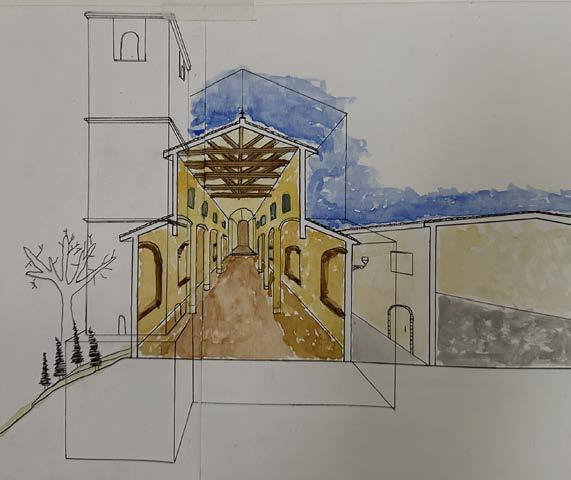 Orvieto Barracks Revitalization
Orvieto Duomo Analysis
Orvieto Barracks Revitalization
Orvieto Duomo Analysis

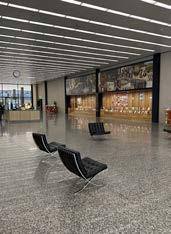
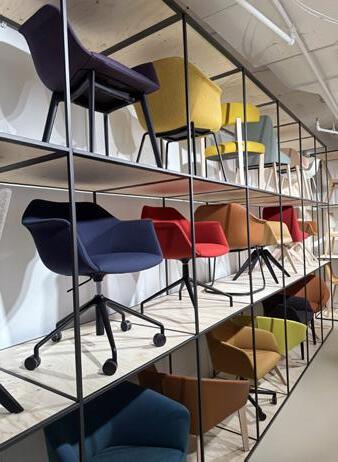
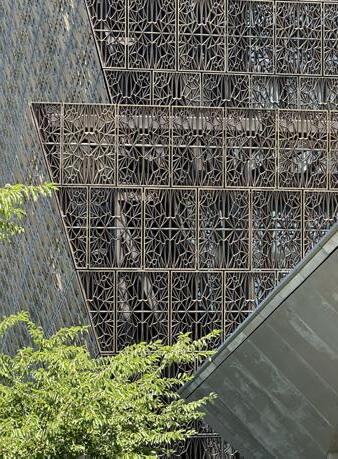
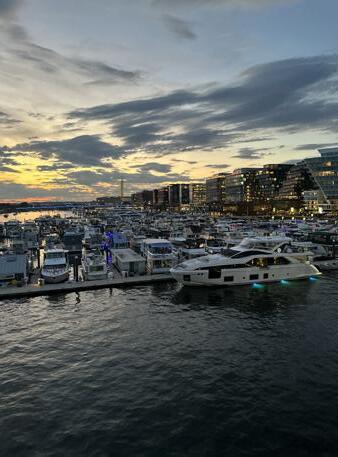

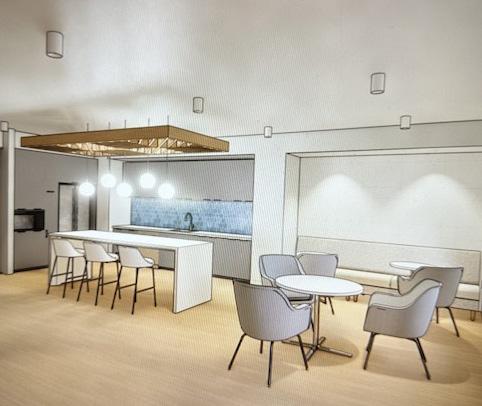
I was a summer intern at OTJ Architects in Washington, DC. This experience was amazing, as I was able to gain real world experience in multiple aspects of Architecture and Interior Design projects. I spent my summer attending site visits, completing occupancy and code analyses, creating material palates, working on test fits, meeting clients, compiling presentations, and modeling design ideas in REVIT. I was able to gather 345 AXP hours in preparation for becoming a licensed architect. I gained experience in all 6 NCARB categories. In my free time, I attended every Smithsonian museum in Washington, DC, and gained knowledge outside of the architecture profession.