SPAN NEWS
OCTOBER 2025
One of the greatest strengths of SCEGGS is its location – we are nestled in the middle of Darlinghurst and surrounded by a diverse and vibrant range of community initiatives, small businesses and local ‘characters’. Our girls are exposed to so many parts of humanity throughout their schooling, just by virtue of the School’s location. For Old Girls, it is often something they point to as a memorable aspect of their time at SCEGGS.
Inspired by current parent Julie Geha, we are pleased to bring you a very special issue of SPAN News, the community issue. Profiling a range of organisations within our immediate community, this issue highlights the relationships and interactions our girls have with these institutions, serving a reminder that we are all part of this wonderful and vibrant community that is a hallmark of a SCEGGS education.
A special thank you to Old Girl and former SCEGGS Communications Co-ordinator Airlie Murray whose foundational work brought this issue to life.
We love hearing from others in the SCEGGS community who are keen to share their career story or learn more about SPAN.
Please contact Tina Mavritsakis at span@sceggs.nsw.edu.au or on 02 93321133.
EDITOR
Tina Mavritsakis
COVER PHOTO
Chris Gleisner
IMAGE CREDIT
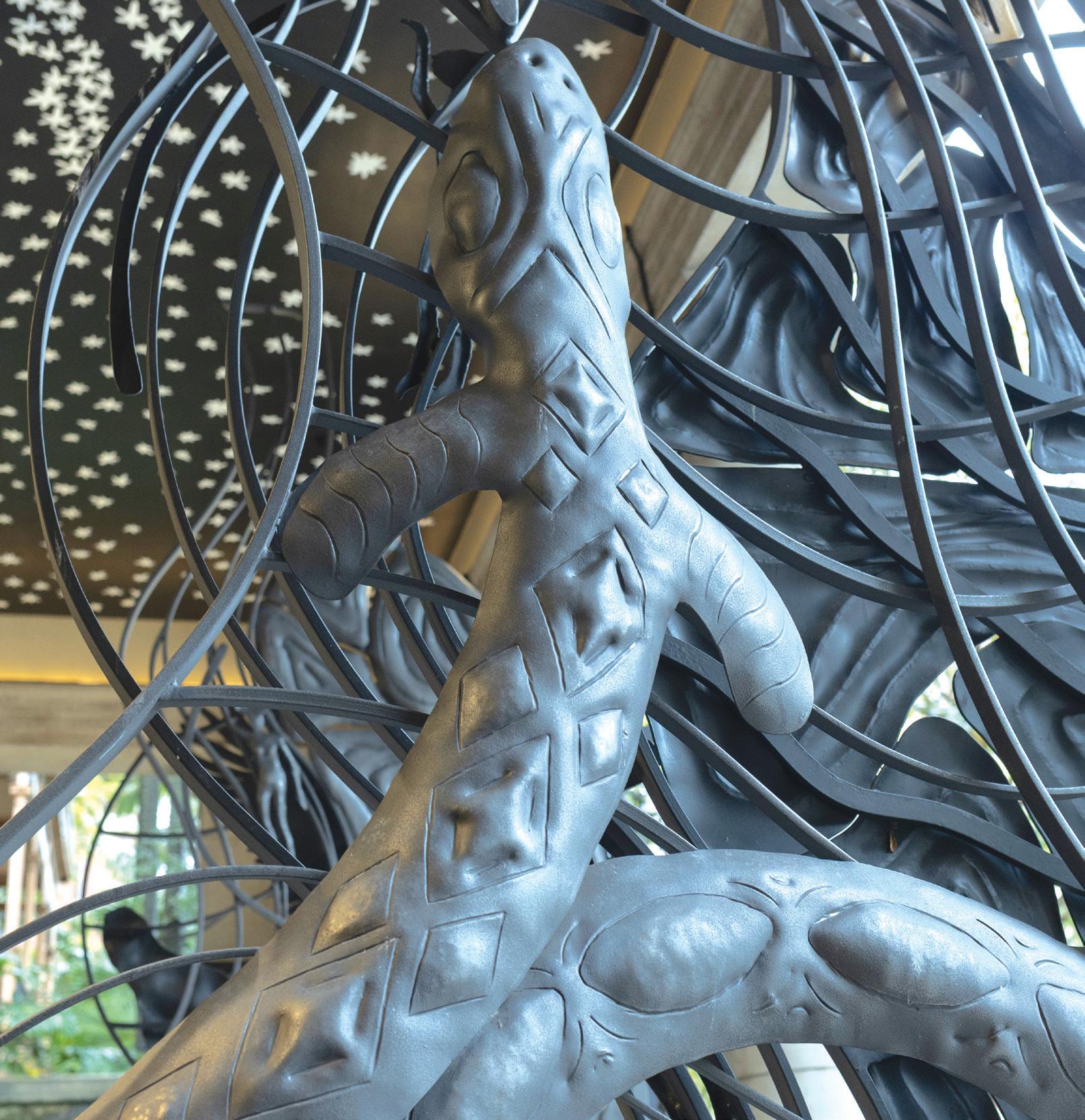
William Brian ‘Badger’ Bates
Sharing Barkandji stories of land, water and sky, 2022
Forged steel gates and ceiling painting; this view: detail of Ngatyi on left-hand panel
Gates: 3 x 10.75m; Ceiling painting: 4.45 x 10.75m
Paul Ramsay Foundation (PRF) Sydney headquarters, Yirranma Place, 262 Liverpool Street, Darlinghurst
Commissioner: PRF
Architects: SJB
Project curator: Barbara Flynn
ACKNOWLEDGEMENT OF COUNTRY
SCEGGS Darlinghurst is built on the land of the Gadigal People of the Eora Nation. As we share knowledge, teaching and learning practices within this school, we pay respect to the longstanding and continuing histories, cultures and knowledges of Aboriginal and Torres Strait Islander Peoples.
TIFFANY
FULDE (2004)
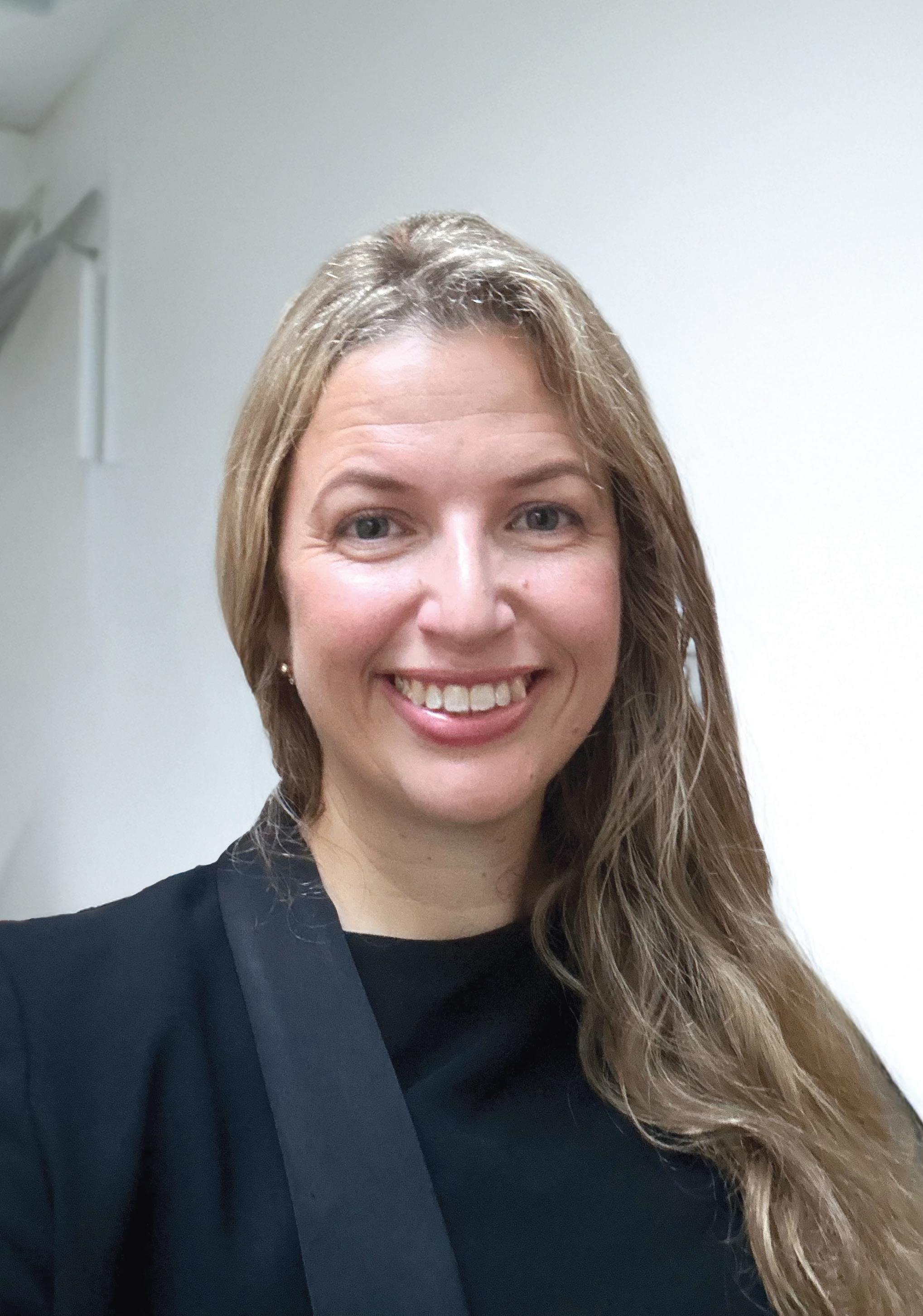
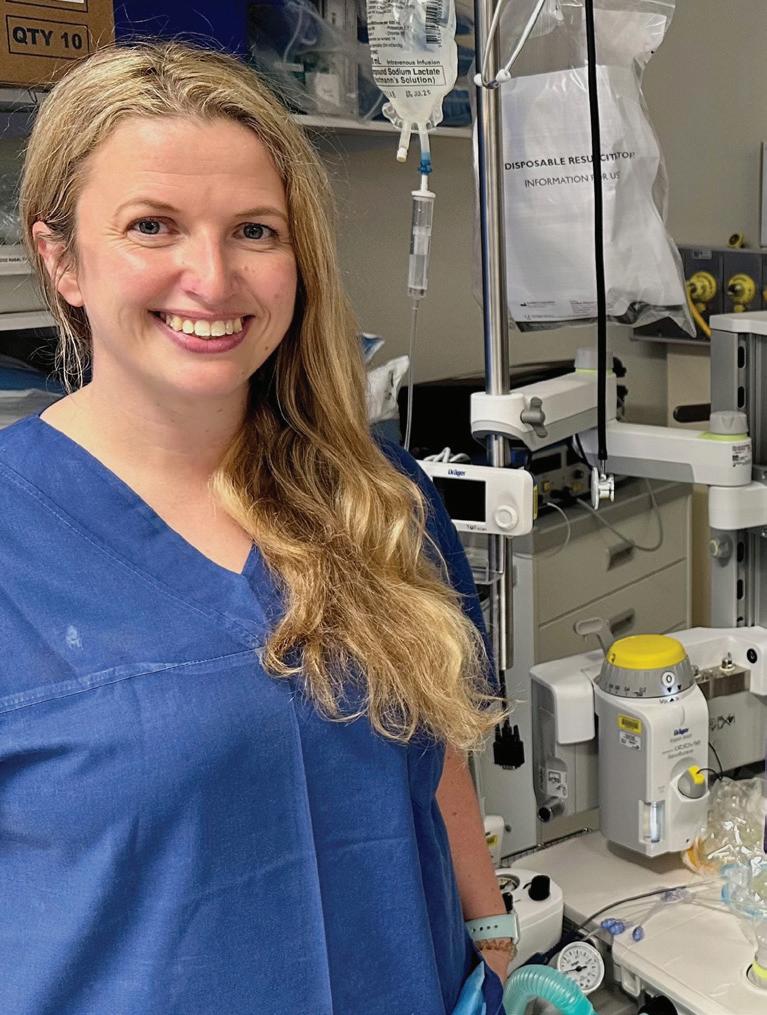
Old Girl and Specialist Anaesthetist Dr Tiffany FULDE (2004) is based at St Vincent’s Hospital. Appreciating the diverse and vibrant community of Darlinghurst, Dr Fulde credits her time at SCEGGS for instilling her with the confidence to pursue her passion in a traditionally male-dominated field.
Tell us a bit about what you’ve been up to since you left SCEGGS in 2004.
After leaving SCEGGS I studied Medicine at the University of New South Wales (UNSW) –a six-year undergraduate program which gave me great opportunities to study in the country and do a placement overseas in Uganda. During my university studies I was also National President of the Australian Medical Students’ Association (AMSA) which advocates for issues in medical education and student wellbeing.
After starting my career as a junior doctor at St Vincent’s Hospital for two years, I took a year off to go travelling (highly recommend!) before starting my critical care and Anaesthetics training. Anaesthetics training takes five years with rotations at obstetric and children’s hospitals, as well as in Intensive Care and anaesthetic specialties. I also went to work in Aeromedical Retrieval with CareFlight in the Northern Territory, flying to remote
communities in some of the most beautiful parts of the country and south-east Asia.
Since qualifying as a Specialist Anaesthetist, I have enjoyed a varied anaesthetic practice across several Sydney hospitals and am actively involved in teaching fellow doctors, nurses and medical students, as well as providing wellbeing support for colleagues. I’m also very interested in making healthcare more environmentally sustainable.
Outside of work, I love travelling with my husband and our son, and our beautiful doggo.
You were a student at SCEGGS and now work just around the corner at St Vincent’s Hospital! What are some of the changes you’ve seen in the local Darlinghurst community during that time?
Growing up around Darlinghurst, I’ve always appreciated the variety of people in our
community – a true cross-section. We have some of the most disadvantaged people who are sleeping rough and dealing with addiction, and some of the most privileged members of society all living in the area. It can make the Emergency Department an interesting place to be. I am really proud of the way we treat everyone the same at Vinnies - everyone gets the same excellent care, no matter who you are.
When I was at school there were always some colourful tales of the locals – I remember someone jumping the fence to steal the bread from the tuckshop at one point. I think these sorts of things are less common these days as Kings Cross has become more gentrified and the lock-out laws altered the nightlife a lot, but Darlinghurst still has a grungy spirit. I like the history and the varied perspectives you get here.
Also, the coffee in Darlinghurst is still fantastic.
St Vincent’s Hospital is an innovative leader in medicine, most recently completing Australia’s first total artificial heart transplant in late 2024. What is it like to work as a Specialist Anaesthetist at a leading Australian medical facility?
St Vincent’s Hospital is an inspiring place to work, especially in the Operating Theatres. We are often involved with cutting edge advances in healthcare and innovative technologies, working with patients who have really complex medical problems. Finding ways to improve our patients’ quality of life is so rewarding.
It can also be really tough at times. People come to us during what is one of the worst times of their lives and sometimes despite everyone’s best efforts, things don’t go as we would wish, and injuries or disease can be incurable.
The best part of my job is connecting with people. People often think anaesthetics is just putting patients to sleep but there’s a lot more to it. We have a very limited time to exchange important information and to make our patients trust us and feel at ease. I always try to make my patients have the best experience of Theatre, as well as the best medical care, and I really enjoy getting to know them.
Operating Theatres are all about teamwork –we work closely with the doctors, nurses and support staff on the surgical, anaesthetic and recovery side who all have specialised skills. I love working with such skilled people who are really passionate about what they do.
SCEGGS emphasised that as women we should “let our light shine” and I have never walked into a room in my job feeling that I didn’t belong there.
What are some of the life lessons you learned at SCEGGS that serve you now in your role?
Historically parts of medicine – surgery in particular – have been a bit of a boys’ club. I am so grateful for the confidence I gained from going to SCEGGS. SCEGGS emphasised that as women we should “let our light shine” and I have never walked into a room in my job feeling that I didn’t belong there.
I also remember Ms Allum sharing in assembly, the tale of Bannister and Landy in the battle
for the four-minute mile while I was at school. SCEGGS emphasised that the way you look after people around you matters, and that resonates with me to this day.
What advice do you have to students interested in entering the medical field?
Go for it! The medical field is so broad that there are lots of opportunities that suit different people with different interests. I would encourage you to follow your interests outside of medicine too – life experience makes you a better doctor and helps support you through the long training period.
Medicine is a really rewarding career. You can improve your patients’ quality of life, and the way that you communicate can affect their experience of healthcare – each day you can impact other people in a very meaningful and positive way.
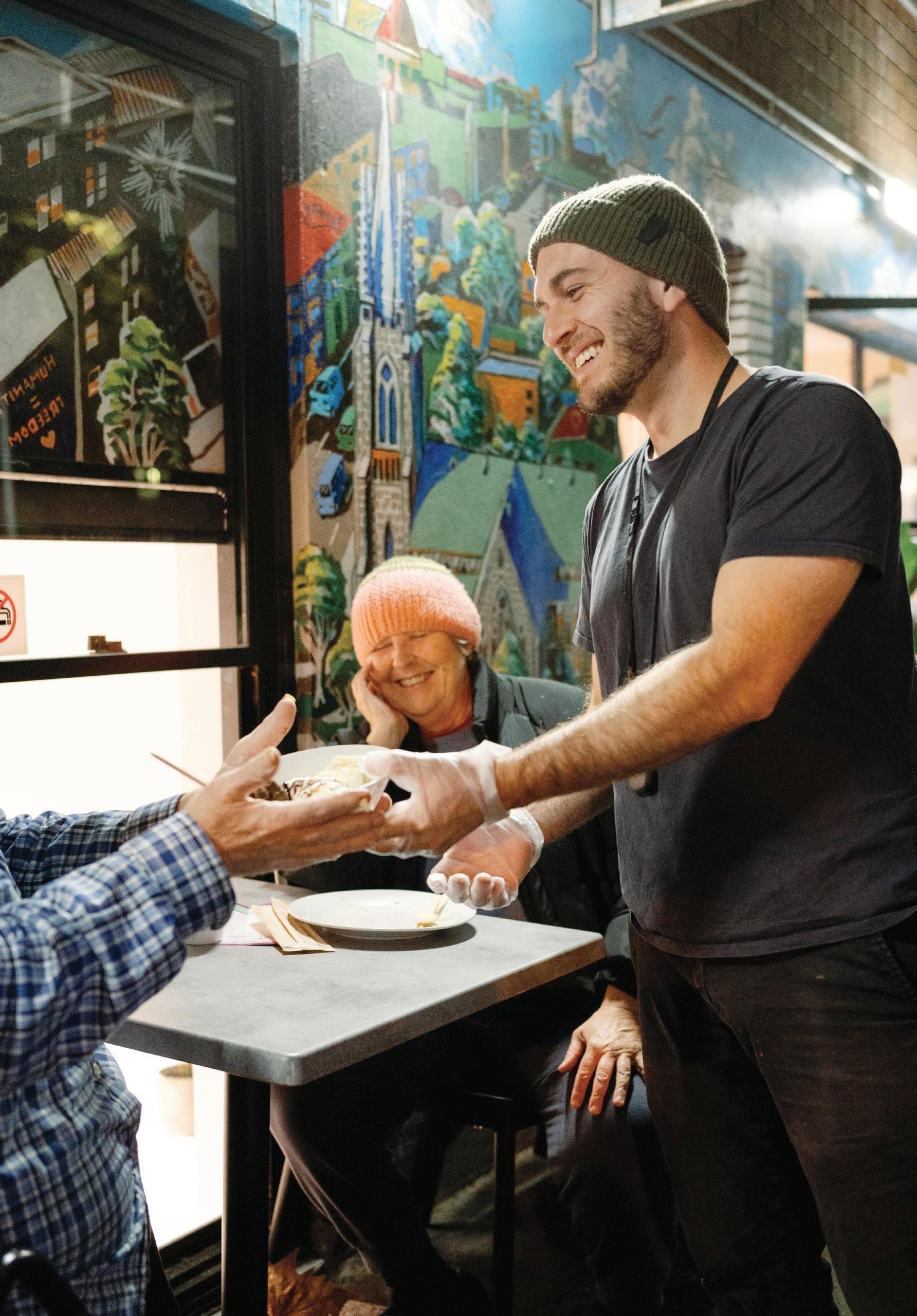
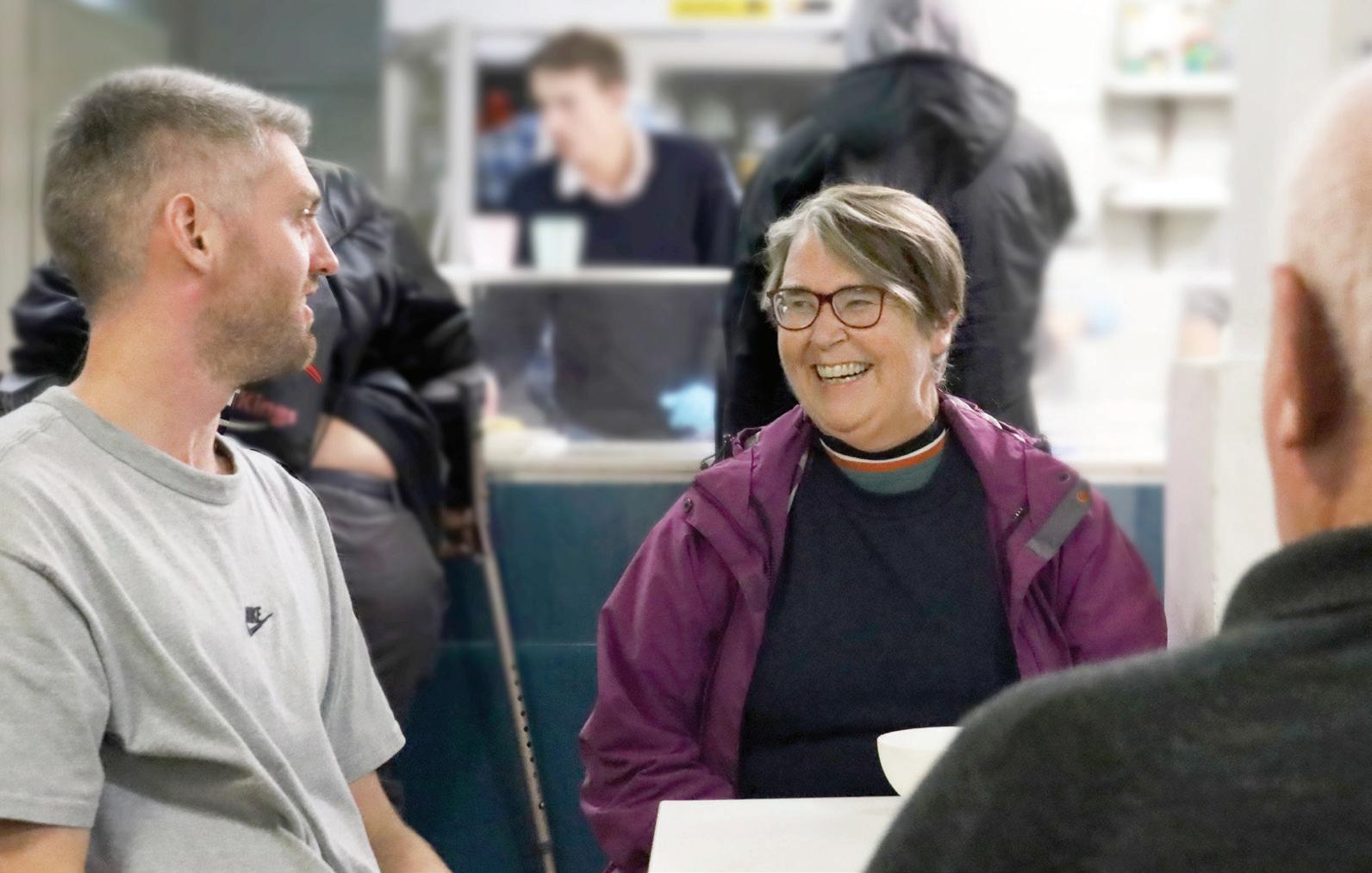
Local community centre Rough Edges has been providing free meals and a welcoming space for almost 30 years.
Operated by St John’s Community Services, the Centre shares a long-standing relationship with SCEGGS and our Chaplain Rev. Garry Lee-Lindsay. Here, CEO Gabriel Lacoba shares with SPAN News readers the significance of Rough Edges to the people of Darlinghurst and a little bit of SCEGGS history!
Tell us a bit about the work that Rough Edges does.
Rough Edges is a community hub for people who are either homeless or vulnerable to homelessness in our community. We are open four nights per week, serving meals free of charge and provide casework to people needing specific help, whether that might be to do with tenancy issues, fines or referrals to other more specialist services.
Rough Edges was started by St John’s Anglican Church, Darlinghurst in 1996 as an outreach to homeless folk, but its history goes back to the 1980s as a joint initiative between St John’s and, the then Parish of Woolloomooloo, St Peter's. This drop-in centre, known as “PJ’s”, which began in response to the AIDS epidemic, operated in St Peters Lane and largely ministered to transgender sex workers, homeless people, street kids and other marginalised se ctions of the community. The heritage of PJ’s, in one sense, has been passed onto SCEGGS, who purchased the property of St Peter’s in the mid-90s. PJ’s is now in fact used by SCEGGS as their Blackbox Drama Theatre. The other interesting connection is that SCEGGS’ Chaplain Rev. Garry Lee-Lindsay was the Manager at PJ’s for a number of years.
Rough Edges represents the broad crosssection of demographics in the local area. What are some of the changes you’ve seen in the community since Rough Edges began, and why is your space so important to the Darlinghurst community specifically?
Rough Edges started because of the high proportion of “rough sleepers” in and around the Darlinghurst area during the 1990s. It also attracted a great number of people living in government-assisted (or social) housing and those who were in crisis or temporary accommodation. Many of these folk have complex needs, which include mental health, substance abuse addictions, disabilities or being the victims of domestic and family abuse. In one sense, the “profile” of the people who come to Rough Edges has not changed in these years.
However, there are some interesting anomalies as Darlinghurst and Kings Cross have continued to gentrify. For instance, Darlinghurst consists of only 1% social housing, which is a strong contrast to surrounding suburbs such as Woolloomooloo (22%), Redfern (21%) and Surry Hills (11%). Many of our patrons live in housing from these areas. It seems that Rough Edges draws people from outside our immediate suburb because it is one of very few sheltered
“We are motivated by the words of Jesus, who said that it is more blessed to give than to receive, and seek to share this love in practical ways with some of the most marginalised and vulnerable people in our community.”
food services offered at nights for people in the city precincts. Major social pressures have also affected the profile of our patrons, such as during the Covid-affected years of 2020–21, when we saw a greater proportion of overseas students coming for meals. Currently the City of Sydney is also experiencing an increasing trend in rough sleeping, which is at its highest for the past six years. This seems to be a ripple effect caused by the cost-of-living crisis to the most vulnerable in our community. While the number of patrons visiting Rough Edges remains relatively stable at around 50 people per night, we are also seeing people who do not have the kinds of complex needs of our traditional patrons, which anecdotally highlights the impact of cost-of-living pressures in the wider community.
It seems that strong Anglican values underpin everything you do. How do these values guide the services Rough Edges provides?
Very simply, we are motivated by the words of Jesus, who said that it is more blessed to give than to receive, and seek to share this love in practical ways with the most marginalised and vulnerable people in our community. Anglican or Christian values are a direct result of our desire to follow Jesus’ example.
Over the years, Rough Edges and SCEGGS have collaborated on numerous initiatives. What have been some of your favourites?
SCEGGS has been a part of our annual sleepout event, Roughtober, since 2020. In that time, girls from Year 11 have taken part by sleeping rough on our premises and been some of our best fundraisers, raising approximately $90,000 for Rough Edges over that time. SCEGGS has also participated in providing regular meals to our patrons during 2022 to 2024 and in 2023, the Old Girls’ Union ran a drive for care packs, which we distributed during Christmas in July to our patrons. SCEGGS has also provided very welcome musical accompaniment for our Christmas events over the past three years, facilitated by the wonderful Mrs Anne Sweeney, who has been a regular Rough Edges volunteer for almost five years.
My fondest memory was the Roughtober sleepout event of 2022, which was my first year here as CEO. I slept in the office above the church hall in my sleeping bag as one of the designated staff onsite and was kept awake for a good part of the night by some of the conversations that rose from the foyer of the hall on the ground floor. It seems that some girls did more socialising that night than sleeping but were considerate enough to do so in the foyer below. I also wasn’t too worried as the girls collectively raised over $22,000 for Rough Edges that year!
What are three simple ways we can care for one another within our own local communities?
Being kind, caring and watchful for the needs of those in your immediate circle. Usually, this extends to our family, friends and work colleagues.
Being curious about the wellbeing of our neighbours, asking about what is going on in their lives with genuine interest and then jumping in when we can help (especially being on the lookout for people who are alone, aged, disabled or new to our country or community).
Finding one cause that you can consistently give to, whether it is with time, money or expertise. We don’t have to do great things to move the dial on making our community more equitable and helping those who are suffering.
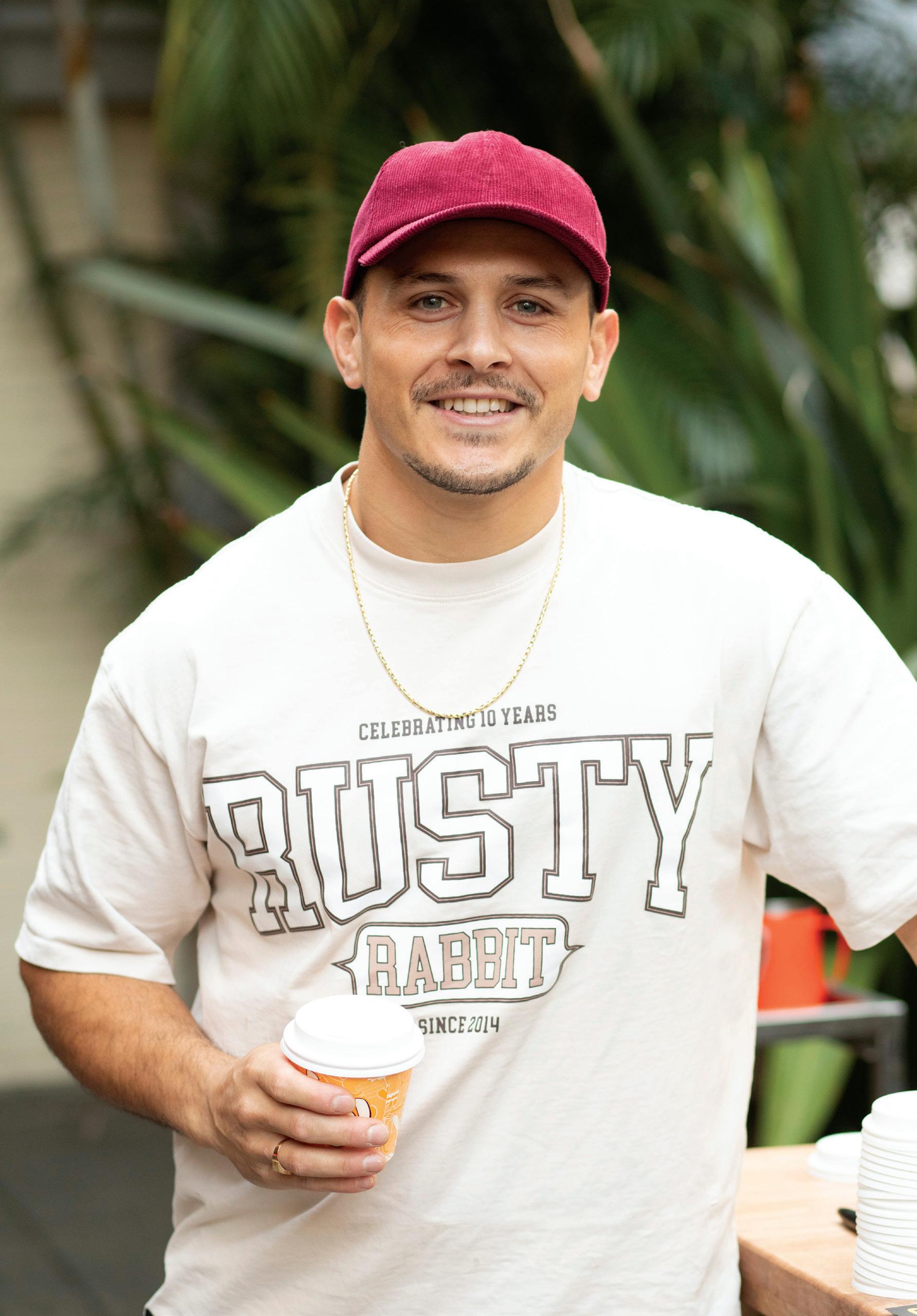
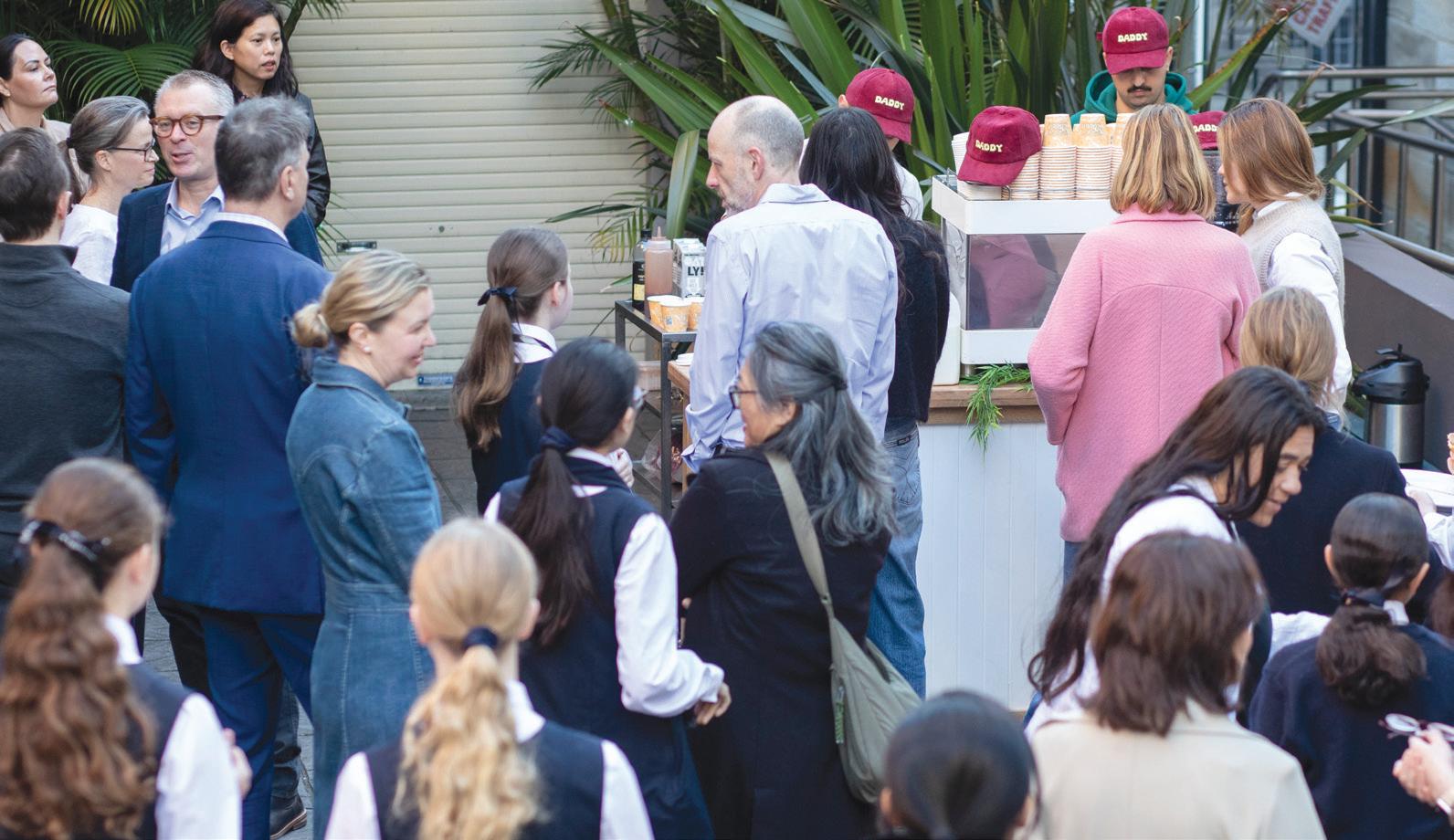
Brothers Joshua and Jamesray Khoury, founders and owners of The Rusty Rabbit, have created a friendly and inviting café, renowned for its hearty meals and great coffee. Perhaps more importantly, The Rusty Rabbit has become a cornerstone of the Darlinghurst community and SCEGGS girls and families too! Here, Joshua shares with SPAN News some of the challenges and joys of running a small business.
The Rusty Rabbit is the go-to café for the wider school community – you can’t walk in without bumping into a student, staff or parent! Tell us about the relationships the team at Rusty has built with the SCEGGS community over the years.
Our relationship with the SCEGGS community has evolved over time, and I feel as if we’re in some way a part of the school campus at times. We obviously get a huge influx of students and parents throughout the year, which is great, but we also have been a part of the Festival on Forbes and various other school events which we love. A highlight for me personally is watching the growth and development of the girls who have been visiting us since their first days at school and being a part of their journey as they finish their schooling and become young adults.
You and your brother run the business together. What is it like being in business with a sibling?
It’s challenging at times, as I’m sure any business and partnership is, but we’ve been doing this long enough to understand each other’s strengths when it comes to the business and to delegate certain aspects of running the business to whomever it best suits. We have our disagreements all the time, but family is family, and we always look after and trust one another.
“Family is family, and we always look after and trust one another.”
The community spirit in Darlinghurst is vibrant, varied and innovative. What is it like to run a small business in Darlinghurst, and why did you choose your specific location to open a café?
Darlinghurst is such a loving, fun and passionate community and the people always get behind one another and support businesses that accept and love Darlo for what it is. It’s a vibrant community and it has taught us to think outside the box and push the boundaries. We weren’t specifically looking for a café in Darlinghurst, but when the opportunity came, we thought, if we can make it here, we can make it anywhere!
How has the area changed and evolved since you first opened?
Eleven years is a long time, but to be honest, it’s very much still the same. I think recently I’ve noticed it’s starting to attract a younger demographic of residents.
Tell us a bit more about what’s next for Rusty?
We actually just opened in Concord in July this year and that has been incredible. It has a similar feel and sense of community to Darlinghurst, so for now we’re happy to put a hold on any further expansion and build on what we have and be more present within our communities.
MUSEUM
The
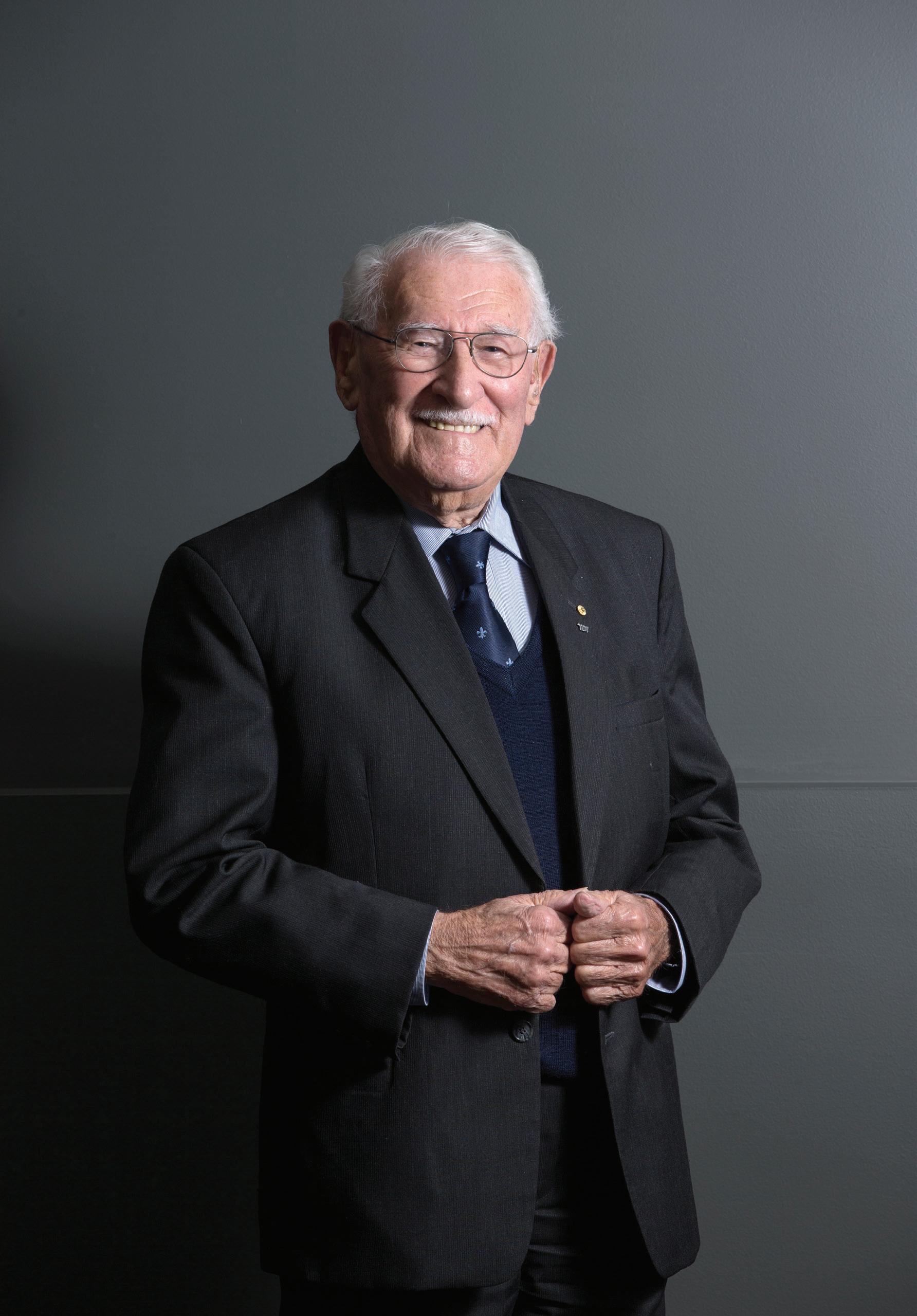
Sydney Jewish Museum on Darlinghurst Road is a popular and trusted local institution, currently undergoing a major redevelopment. We asked Geoff Sirmai, the Museum’s Media and Communications Specialist to tell us more about its role in the community.
How has the role the Sydney Jewish Museum (SJM) plays in highlighting Jewish cultural heritage and life shifted over time within the local community?
The Museum was founded in 1992 by Holocaust survivors committed to sharing their stories and their insights into resilience, tolerance and the battle against racism. Understandably, much of its original vision and purpose centred on commemoration and remembrance as well as the vital importance of education. As time has passed and new generations and voices have embraced this legacy, the Museum has added much that ‘demystifies’ Jewish culture, faith and practice. The intention? To illuminate not just the richness the Sydney Jewish community contributes to Australian life, but the relatable common humanity within diversity that unites us all.
One of the primary values SCEGGS and SJM share is education. Why is education so important to the work of SJM?
I’m moved to quote the words of one of our wonderful, inspirational survivors who regularly speaks to school groups, Ana de Leon. Ana, who survived the ghetto, cattle car transportation and the infamous Bergen-Belson concentration camp until she was liberated at age 9, likes to pose the question to teenage
students, “What is the one thing that can never be taken from you?” The answer, of course, is education, knowledge, and passing on the lessons of history, as well as moral courage and resilience, optimism and tolerance. These are foundational principles of the Museum, ‘Where History Has a Voice’.
“‘What is the one thing that can never be taken from you?’ The answer, of course, is education, knowledge...”
The Museum is an important destination for excursions and learning at schools (including at SCEGGS!). Why did the Museum choose to make school groups a key target audience?
The passing on to the next generation of respect for history and its lessons, knowledge and moral clarity, is, for many of the survivors, something of a sacred mission! More than this, many school syllabus subjects include areas of study that the Museum is uniquely placed to teach.
SJM is undergoing an exciting redevelopment! What will be new and improved in the expanded space?
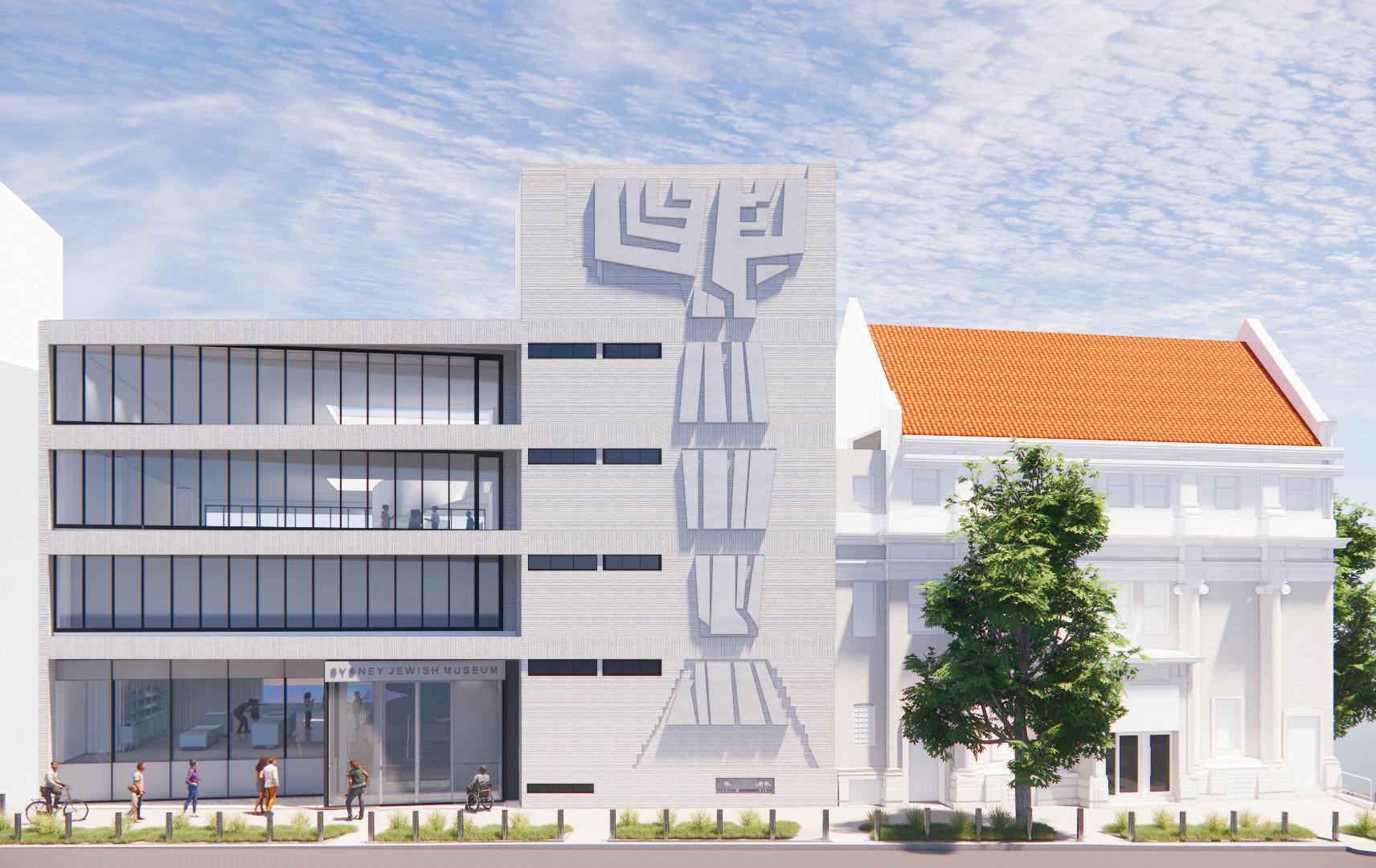
Work has already begun on transforming the SJM into a state-of-the-art museum celebrating Jewish life and history, while continuing to educate about the Holocaust and promote our important messages of tolerance. Expected to be completed in early 2027, the project will see the Museum’s existing Darlinghurst site expanded to include new, modern, techenabled galleries and educational spaces with the capacity to welcome 100,000 visitors per year. We’re very excited, and we can’t wait to welcome you!
How can people practise love and compassion for those in their communities whose values and beliefs may differ from their own?
I can’t do better than quote our late, beloved survivor educator Eddie Jaku (and greatgrandfather of SCEGGS Old Girl Lara Greenfield), author of The Happiest Man on Earth, who advocated for choosing love over hatred. Thanks to state-of-the-art AI technology you can actually interact with him. He stressed the importance of embracing differences and finding happiness through gratitude and kindness, even in the face of extreme adversity. “With a simple act of kindness, you can save another person from despair, and that might just save their life. And this is the greatest miracle of all.”
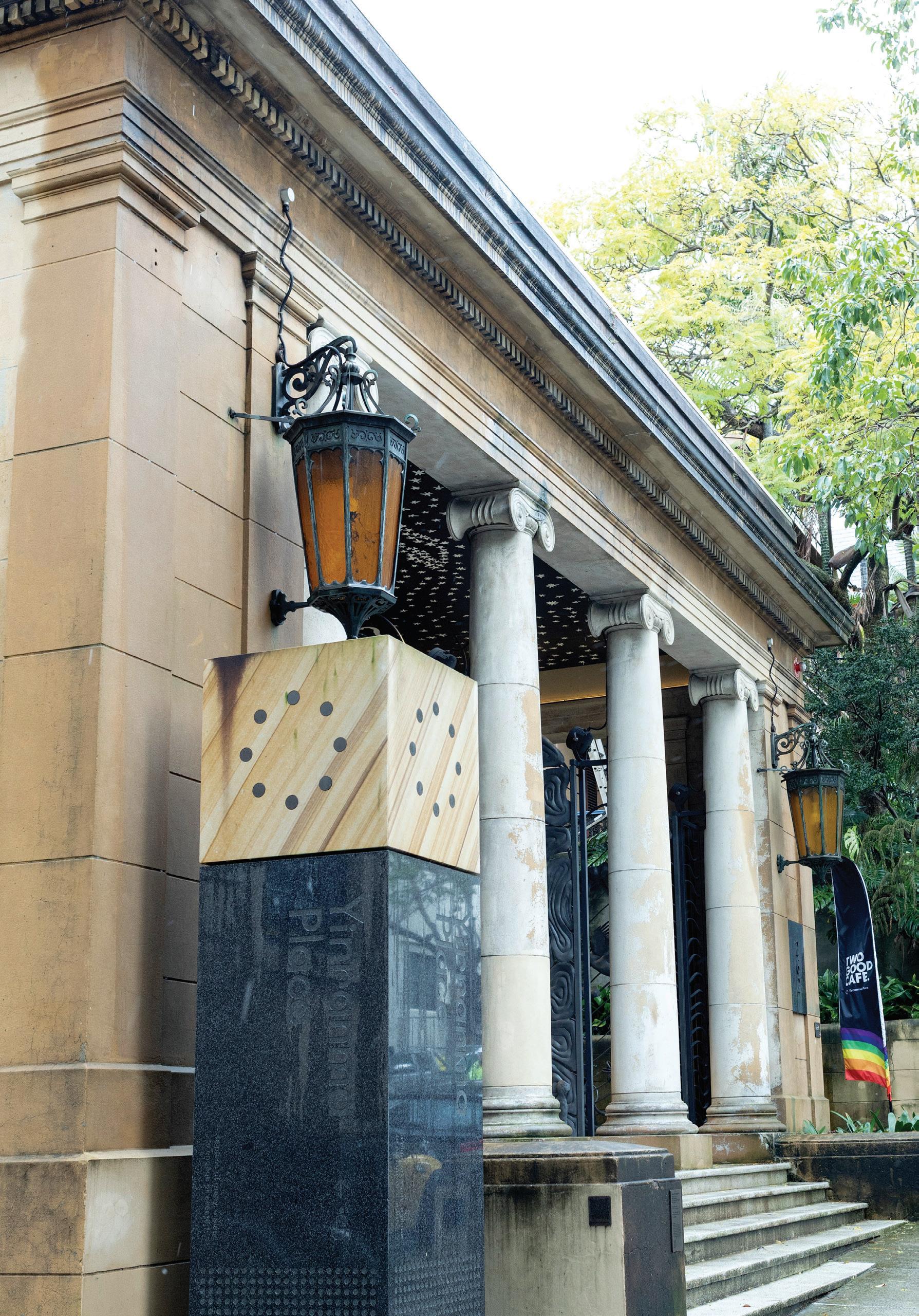
Yirranma, which roughly translates to ‘many create’, is in apt name for this social purpose precinct built on philanthropy. Just a stone’s throw away from SCEGGS, the two organisations share more than just a suburb, they share the values of service, care for others and inclusion, all ideal for collaboration.
Yirranma Place is on Gadigal land, and the site itself has been a site of congregation, commissioned for First Church of Christ, Scientist, then a private residence, and most recently bought in 2019 by the Paul Ramsay Foundation. How has the Foundation preserved the heritage of the building, and why has that been so important?
When the Paul Ramsay Foundation (PRF) purchased the former First Church of Christ, Scientist in 2019, it did so with a deep respect for the building’s heritage and the Gadigal land on which it stands. Together with SJB Architects and developer Cornerstone, PRF approached the project as a civic gesture, one that would honour the past while opening the space to serve the community into the future.
Much of the building’s original character has been carefully restored or reimagined: the grand portico remains the primary entrance, the rare pipe organ has been fully restored and is still played at public events, and heritage features like terrazzo floors and timber joinery have been preserved and echoed in the new fit-out. Artworks by First Nations artists, including a hand-painted ceiling by Uncle Badger Bates and bespoke gates by Uncle Badger Bates and Matt Mewburn of Eveleigh Works, now sit in respectful dialogue with the building’s classical architecture.
How have the philanthropic values of the Paul Ramsay Foundation influenced the growth and development of Yirranma Place as an innovative hub and community precinct?
Yirranma Place was created with a clear purpose: to be a shared space for social purpose, where community, philanthropy and for-purpose organisations can connect, collaborate and thrive. That ethos, deeply influenced by the philanthropic values of the Paul Ramsay Foundation, has shaped everything from tenancy selection and building design to day-to-day operations.
The building operates with a strong focus on ethical procurement and local partnerships, with a supply chain that prioritises Indigenous-owned, social enterprise and sustainable providers.
Importantly, the running of Yirranma Place itself is designed to achieve maximum forpurpose reinvestment. Every decision, from green efficiency in our facilities management to subsidised tenancies for impact-led organisations, is grounded in the belief that physical spaces can help shift systems. By modelling sustainability, inclusion and shared access, Yirranma Place contributes not just as a location, but as an active tool for social change.
Yirranma Place houses 19 for-purpose organisations. Can you share examples of how their day-to-day work impacts the local community?
Our community of 19 for-purpose organisations turns day-to-day operations into opportunities for social impact.
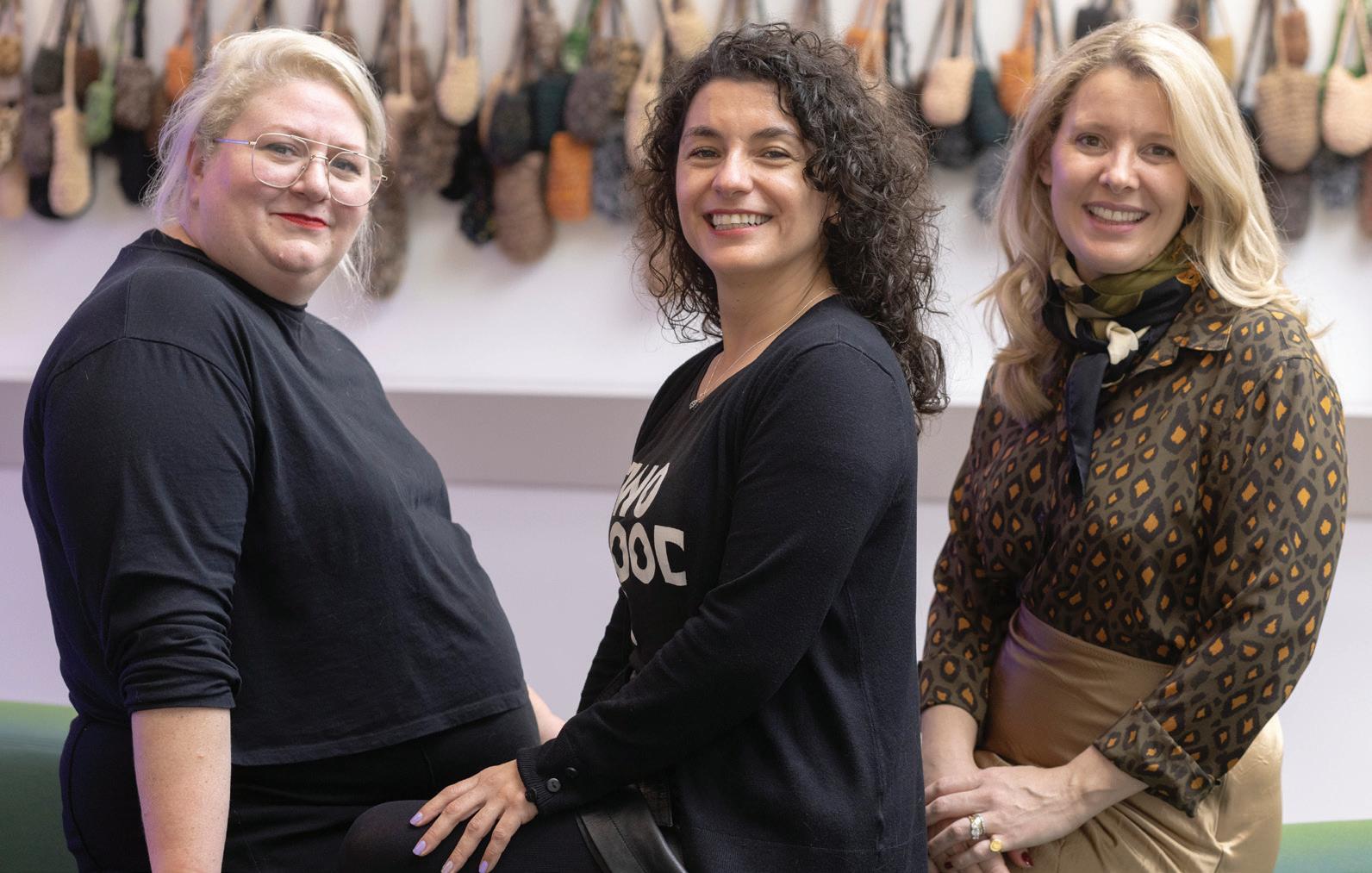
Two Good Co, for instance, doesn’t just run the café on the ground floor, they also hold the contract for catering, community management, and the overall operation of the building. Through their employment pathways program, they provide jobs and training for women who have experienced domestic and family violence, offering supportive, paid work in a beautiful and welcoming environment.
ARA Indigenous Services plays another essential role on site. As a subcontracted provider for services like cleaning, waste management and general maintenance, ARA is part of the team
that keeps Yirranma Place running smoothly. Their operations are grounded in creating employment and training opportunities for Aboriginal and Torres Strait Islander people, with a strong focus on community partnerships and long-term pathways.
Tenants benefit from subsidised rents that enable them to focus their resources on advocacy, community engagement, and systemic reform. Being co-located with other purpose-driven organisations allows for informal collaboration, peer support, and knowledge-sharing, conversations that begin over coffee often sparking new ideas or partnerships.
Whether it’s providing someone with their first stable job, strengthening Indigenous employment pathways, or amplifying grassroots advocacy, the work happening at Yirranma Place reflects a deep commitment to community-led, systemic change, both locally and nationally.
“A strong local network doesn’t just make life richer, it makes long-term change possible.”
“A strong local network doesn’t just make life richer, it makes long-term change possible.”
“A strong local network doesn’t just make life richer, it makes long-term change possible.”
Can you tell us about some of the collaborations between Yirranma Place and SCEGGS?
Can you tell us about some of the collaborations between Yirranma Place and SCEGGS?
Can you tell us about some of the collaborations between Yirranma Place and SCEGGS?
Yirranma stands at 262 Liverpool St on the corner of Forbes St; SCEGGS’ campus is just 200m north at 215 Forbes St, so the two communities are neighbours.
Yirranma stands at 262 Liverpool St on the corner of Forbes St; SCEGGS’ campus is just 200m north at 215 Forbes St, so the two communities are neighbours.
Yirranma stands at 262 Liverpool St on the corner of Forbes St; SCEGGS’ campus is just 200m north at 215 Forbes St, so the two communities are neighbours.
• Each year, Yirranma Place hosts the SCEGGS Student Leaders’ Retreat, an opportunity for reflection, growth and inspiration as students prepare to step into their new roles. Led by SCEGGS’ Director of Student Wellbeing Laura Connolly, members of the Yirranma community are invited to share their career journeys, values and insights on purposedriven leadership. The conversations go beyond job titles, encouraging students to think deeply about what kind of leaders they want to be, and how place, community and purpose can shape that journey, starting right here in Darlinghurst.
• Each year, Yirranma Place hosts the SCEGGS Student Leaders’ Retreat, an opportunity for reflection, growth and inspiration as students prepare to step into their new roles. Led by SCEGGS’ Director of Student Wellbeing Laura Connolly, members of the Yirranma community are invited to share their career journeys, values and insights on purposedriven leadership. The conversations go beyond job titles, encouraging students to think deeply about what kind of leaders they want to be, and how place, community and purpose can shape that journey, starting right here in Darlinghurst.
• As part of our arts and culture collaborations, the School Chamber Choir has performed lunchtime recitals accompanied by the restored pipe organ, and students have participated in our annual charity partner fundraising drives.
lunchtime recitals accompanied by the restored pipe organ, and students have participated in our annual charity partner fundraising drives.
• As part of our arts and culture collaborations, the School Chamber Choir has performed lunchtime recitals accompanied by the restored pipe organ, and students have participated in our annual charity partner fundraising drives.
These collaborations are informal, low barrier, and grow out of proximity, the kind of everyday partnership PRF envisaged for the precinct.
These collaborations are informal, low barrier, and grow out of proximity, the kind of everyday partnership PRF envisaged for the precinct.
These collaborations are informal, low barrier, and grow out of proximity, the kind of everyday partnership PRF envisaged for the precinct.
How can being a part of a strong local community help us address the challenges of modern life?
How can being a part of a strong local community help us address the challenges of modern life?
How can being a part of a strong local community help us address the challenges of modern life?
PRF is proud to be part of the vibrant Darlinghurst community, and a precinct like Yirranma Place shows what happens when a local community is intentionally brought together.
PRF is proud to be part of the vibrant Darlinghurst community, and a precinct like Yirranma Place shows what happens when a local community is intentionally brought together.
Shared infrastructure helps organisations reduce overheads and reinvest more into their purpose.
PRF is proud to be part of the vibrant Darlinghurst community, and a precinct like Yirranma Place shows what happens when a local community is intentionally brought together.
Shared infrastructure helps organisations reduce overheads and reinvest more into their purpose.
• Year 10 volunteers have helped the ‘Goodcierge’ team greet visitors and pack care hampers for shelters.
• Each year, Yirranma Place hosts the SCEGGS Student Leaders’ Retreat, an opportunity for reflection, growth and inspiration as students prepare to step into their new roles. Led by SCEGGS’ Director of Student Wellbeing Laura Connolly, members of the Yirranma community are invited to share their career journeys, values and insights on purposedriven leadership. The conversations go beyond job titles, encouraging students to think deeply about what kind of leaders they want to be, and how place, community and purpose can shape that journey, starting right here in Darlinghurst.
• Year 10 volunteers have helped the ‘Goodcierge’ team greet visitors and pack care hampers for shelters.
• Year 10 volunteers have helped the ‘Goodcierge’ team greet visitors and pack care hampers for shelters.
• Geography and Business Studies classes have toured the adaptive reuse project and met social enterprise founders to see theory in practice.
• Geography and Business Studies classes have toured the adaptive reuse project and met social enterprise founders to see theory in practice.
• Geography and Business Studies classes have toured the adaptive reuse project and met social enterprise founders to see theory in practice.
Shared infrastructure helps organisations reduce overheads and reinvest more into their purpose.
Everyday interactions between students, neighbours, social entrepreneurs and philanthropists lead to unexpected ideas and opportunities.
Everyday interactions between students, neighbours, social entrepreneurs and philanthropists lead to unexpected ideas and opportunities.
Everyday interactions between students, neighbours, social entrepreneurs and philanthropists lead to unexpected ideas and opportunities.
Mutual care and collaboration grow naturally when people work and gather in shared spaces, whether that’s co-hosting an event, supporting a local initiative, or simply stopping for a chat and coffee in the Two Good Co café.
Mutual care and collaboration grow naturally when people work and gather in shared spaces, whether that’s co-hosting an event, supporting a local initiative, or simply stopping for a chat and coffee in the Two Good Co café.
Mutual care and collaboration grow naturally when people work and gather in shared spaces, whether that’s co-hosting an event, supporting a local initiative, or simply stopping for a chat and coffee in the Two Good Co café.
A strong local network doesn’t just make life richer, it makes long-term change possible. When we’re connected, we’re more likely to act, support each other, and tackle the challenges of modern life together.
A strong local network doesn’t just make life richer, it makes long-term change possible. When we’re connected, we’re more likely to act, support each other, and tackle the challenges of modern life together.
A strong local network doesn’t just make life richer, it makes long-term change possible. When we’re connected, we’re more likely to act, support each other, and tackle the challenges of modern life together.
Can you help us offer work experience placements to Years 10-12 students this year?
Senior students are encouraged to undertake work experience over a holiday period and in the past, Old Girls and Current Parents have been instrumental in supporting our work experience program, providing senior students with robust and valuable learning opportunities in a workplace setting across a wide variety of industries.
However, in the last few years, as workplaces have changed, it has impacted the opportunities for young people to take part in this formative experience. We would love to hear from you if your workplace is in a position to offer a placement this year. This could range from a few days to a few weeks, from Anthropology to Zoology and any industry in between!
Our informal career chats are lunchtime sessions throughout the year where senior students connect with Old Girls to hear about their professional journey. It is a phenomenal way for our girls to gain valuable insights into specific industries; learn tips to apply for internships, study and work overseas; and help them to think big about what might be possible for them after school.
Our students have varied interests and thoughts about their futures, so it doesn’t matter what you have done, our girls would love to meet you and hear about your experiences!
If you are interested in helping out with a work experience placement, or would like to learn more about our lunchtime career chats, please email our Careers Adviser Andrea Pinnock at andreapinnock@sceggs.nsw.edu.au.
We look forward to hearing from you!