Evergreen






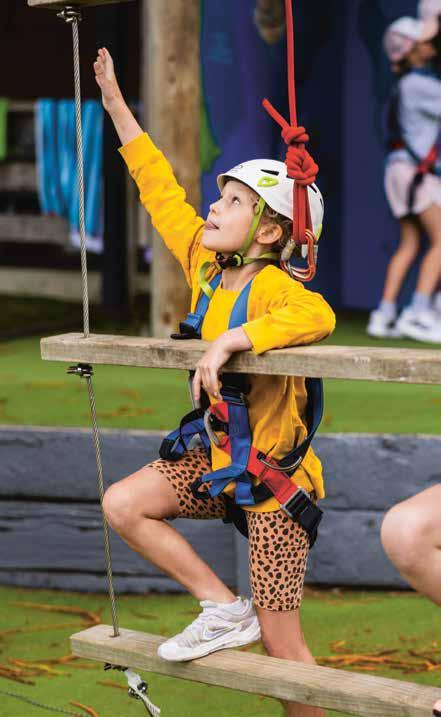
Photo Credit: Travers Bonney


Photo Credit: Rosie Remmerswaal



A Century at our Epsom Campus. Honouring Our Past, Celebrating Our Future
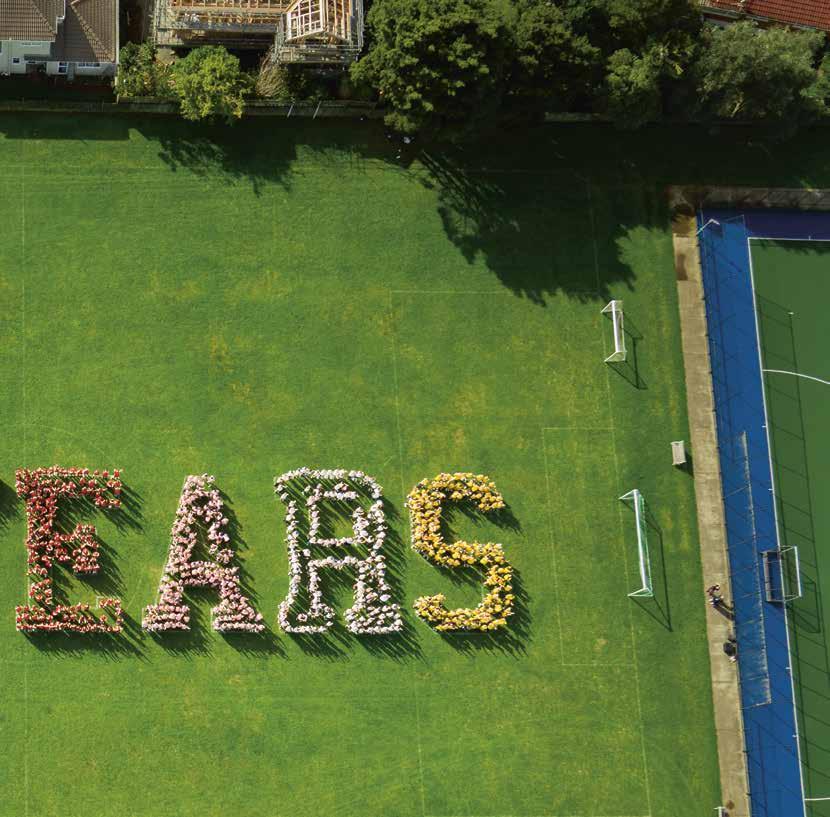
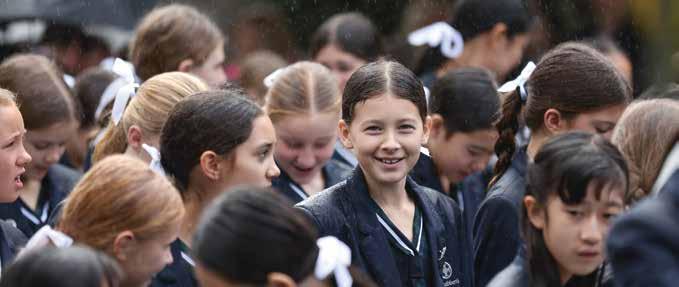
On a day that began with gentle rain, unfolding into brilliant sunshine, the Epsom Campus came alive in celebration of a remarkable milestone, 100 years of history, heart, and heritage on the Epsom site. It was a day steeped in pride, laughter, and reflection, marking a legacy built on these storied grounds since the campus first opened in Epsom a century ago. Every student came together on our field to create this wonderful image.
“As we commemorate this significant milestone, we honour our past, celebrate our present and embrace our future with the same spirit of courage, compassion and commitment that has defined St Cuthbert’s College for over a century”.
Principal, Charlotte Avery
This campus has provided a sanctuary where girls are empowered to shape their minds, foster community, and nurture a spirit of educational excellence. Across generations, it has cultivated the growth of remarkable girls who go on to make a meaningful difference in the world. The centennial celebration was far more than a commemoration, it was a vibrant tartan tapestry of stories, memories, and shared purpose. From alumni and staff, to devoted Board members, the Cornwall Park Trust, parents, and eager students, the campus radiated a collective joy that honoured the past and looked boldly toward the future.
As the morning ceremony unfolded, gentle rain graced the Epsom Campus, a quiet, poetic interruption that felt less like a change in weather and more like a sacred gesture from above. In many cultures, rain at significant gatherings is seen as a blessing, an auspicious sign of renewal, growth, and divine presence. On this centennial day, each raindrop seemed to affirm the enduring legacy of a campus that has nurtured generations of learners for over a century.
The timing was striking. As the Mihi Whakatau commenced, led by parent Jason Tuhoe and our spirited Kapa Haka girls, the skies opened gently, enveloping the moment in quiet reverence as the rest of the College watched the sacred occasion.
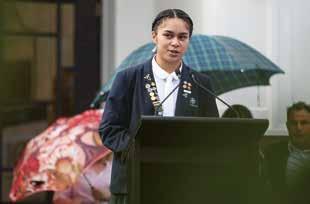
The ceremony began with the heartfelt prayer of St Cuthbert and the Lord’s Prayer in Tongan, spoken by Head Girl, Justina Cocker-Maka, a reflection of the College’s embrace of tradition and cultural diversity. A series of inspiring speeches followed: Principal Charlotte Avery, Board Deputy Chair Angela Bull, Cornwall Park Trust Board member Alistair Carruthers, and distinguished Old Girl and Member of Parliament, The Honourable
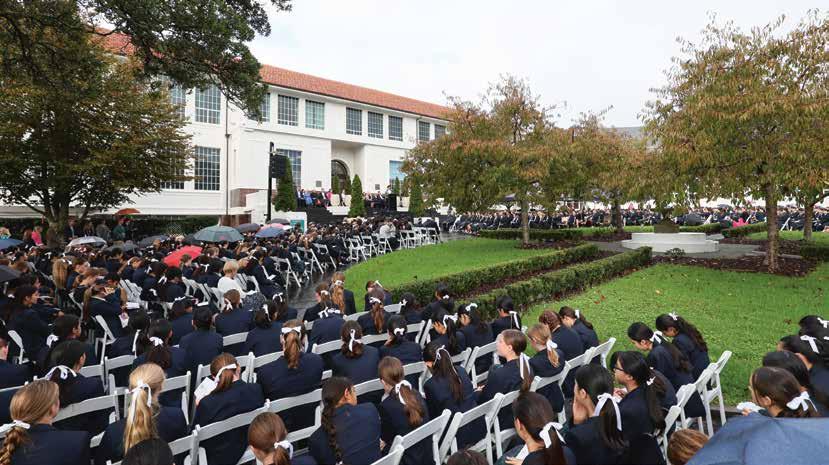
Brooke van Velden (Peer Year 2010). Each shared reflections that echoed the spirit and strength of the College’s journey.
Music infused the celebration with emotion and joy. The Junior School performed a piece composed by valued former staff member Jackie Wise, while the Milestones Band and Saints Alive Choir performed Centenary Blessing – a stirring piece written 10 years ago by former Music teacher, Amelia Giles, especially for our Centenary. The entire College raised their voices in unity, singing By Love Serve and Deum Amato, timeless songs woven into the College’s identity for 115 years, completed with a blessing from our Chaplain.
In a joyful nod to history, bagpipers led students, staff, and honoured guests in a procession around century-old buildings, a symbolic echo of a parade held in 1925 when St Cuthbert’s first relocated to the Epsom site. Girls paused along the way to collect birthday cake for their classrooms, a sweet and celebratory gesture that added delight to the occasion.
To honour the enduring bond between the College and Cornwall Park, members of the Board and Senior Leadership Team joined representatives from Cornwall Park Trust for a tree planting ceremony near the Chapel. The tree, selected by Old Girl Liz Morrow, serves as a living tribute to the strong partnership – a symbol of growth, unity and the shared journey as the campus enters its next century.
The Honourable Brooke van Velden then joined special guests for the official opening of the Junior School Cottage. Originally relocated from the first site in Mt Eden to the Epsom Campus 100 years ago, the building has served many purposes over the decades. Earlier this year, it was thoughtfully renovated to become the Junior School Library. It has become a beautifully appointed space filled with inspiring books designed to spark a love of reading and provide a warm and welcoming environment for the girls to enjoy.
Throughout the day, a series of photographs captured and celebrated special moments from Epsom’s history. These included a re-creation of ‘The Regal Party’ at the doors of the 100 year old Robertson Building, ‘Pupils at St Cuthbert’s College Falling into Line’, as well as ‘The Robertson Sisters’, a touching image featuring two families with four girls at the College to reinvent the original 8 sisters photographed. These photos among many others, brought smiles and nostalgia to the occasion. One particularly meaningful image, titled ‘A New Tradition: 100 Years’, featured the newly resurrected Senior School Council team alongside our Principal Charlotte Avery, taken just moments before the Council met for the first time for many years, a meeting that will now be part of our new tradition moving forward.
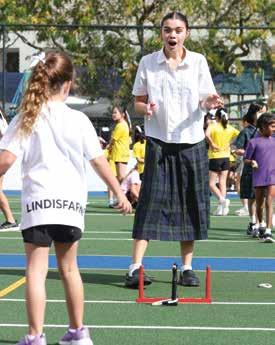
Lunchtime brought much delight to our youngest students who played traditional games with the Year 13 girls, creating joyful moments and meaningful connections across generations. Anna
Claire, (the ever popular historical doll named by students in the Junior School), representing a student of the 1920s, was also a real hit. Dressed in an authentic version of the original school uniform pre-dating the introduction of the Blackwatch Tartan in 1936, Anna Claire wears a navy blue woollen tunic complete with a leather belt, large-collared white shirt, black socks and shoes. She holds a cricket bat, symbolising the sporting traditions that flourished when the College moved to its spacious Epsom Campus.
Student celebrations culminated in a spectacular aerial photograph, with all students forming the words “100 YEARS” on the field in their eight vibrant House colours. This striking visual, resembling a blooming garden, symbolises the unity and spirit of the College community, bringing together girls and their teachers in a moment of shared pride and celebration.
The day concluded with a heartfelt Old Girls’ Chapel Service, attended by generations of St Cuthbert’s families, alumni, staff and members of the school community. Among the honoured guests was Old Girl Margaret Brothers, who attended with her two daughters and granddaughter, a current St Cuthbert’s student. Remarkably, Margaret had celebrated her 100th birthday not long before the event, making her one of the College’s earliest students. Her presence alongside her family, brought a deeply personal connection to the College’s rich history and enduring legacy.
For 100 years, this campus has been home to generations of St Cuthbert’s women. Each has walked the hallways with pride and has been guided by our enduring motto: ‘By Love Serve’. As we commemorate this remarkable milestone, we honour our past, celebrate our present and look to the future with the same spirit of courage, compassion and commitment that has defined St Cuthbert’s College for over a century.
Thank you for being part of this extraordinary celebration and for continuing to shape our story and the stories yet to be told over the next 100 years.
By Charlotte Avery, Principal
Recent actions by the Australian Government and New Zealand’s B416 group have ignited crucial debates about when, how and if social media is beneficial for our students’ development. Echoed across dinner tables, TikToks, and talkback radio, this debate is overdue – and not just in New Zealand.
This is more than a moral panic about new technology. The difference with social media is the scale, the targeting via the neuropsychology behind the design and the consequences of these platforms: sophisticated algorithms are designed specifically to capture and hold attention. Consequently, this is fundamentally about child wellbeing and what is best for young people’s development. As educators, we see firsthand the impact of digital environments on children’s learning, social development, and mental health.
Ultimately, there is a moral imperative here: we need solutions that put children’s developmental needs first. As an educator, I am not taking a political position nor am I engaging in binary language. This conversation isn’t about technology versus no technology; it is about age-appropriate technology and helping children develop healthy digital habits from the start. It is about laying the foundation for a generation to use technology without being used by it. We need to move beyond the ‘ban or no ban’ debate to ask deeper questions: What do children need from digital platforms? How do we support healthy development in a digital world?
Fundamentally, this boils down to one question – what children need to thrive. What does a 10-year-old need? What does a 12-year-old need? What does a 14-year-old need? How is a 16-year-old prepared for their future?
This is a societal challenge that requires collaboration between technology companies, and policymakers, schools and families. We need to work together to find solutions, through industry changes and legislation, education and family choices.
I do personally believe that tech companies have a responsibility to consider the developmental needs of their youngest users. These platforms are designed to be addictive – that’s their business model. We need age-appropriate design standards and genuine consideration of how these products affect developing brains. I have been advocating for this since 2017 when I was the President of the Girls’ Schools Association in the GSA – this debate has been around for some time but is becoming increasingly compelling as evidence-based research of the sort being undertaken by Dr Danielle Einstein comes to light. She and other clinical psychologists and neuroscientists would argue that the developing brains of our young people are not yet equipped to regulate the intense stimuli of social media which in turn impacts on sleep, learning, and social development. This isn’t about being anti-technology – we’re an Apple Distinguished School – it is about age-appropriate technology use.
That said, the conversation should not just be about legislation – it should also be about corporate responsibility at the macro-level of societal conversation around the greater or common good and at the micro-level of individual families and parents taking ownership of their own parenting styles and expectations. The role of the school in this piece is to ensure families have the support and information they need to make the best decisions for their children. As educators, our job is to champion healthy development.
As an Apple Distinguished School, we align with other schools committed to leadership and educational excellence. We do this through measured, thoughtful use of technology and age-appropriate curriculum integration. To build on best practice, we appointed a Digital Innovation Specialist who, from January this year, has ensured that we are cohesive and considered in our approach. Staff are continually trained in the digital realm, including attending best-practice global conferences.
St Cuthbert’s continues to work constructively with our community with regard to social media and digital wellbeing. This is important because we see some of the negative effects of social media played out in school around sleep, learning, mental health and social development. What we’re seeing in our classrooms are some students coming to school very tired because of excessive screentime and the associated lack of sleep. Our families tell us that their young ones are sometimes binge-watching reality TV. Students admit to us that they have trouble focusing since they are attempting to multi-task across multiple platforms often on multiple devices. We see social tensions manifested at school which are purely driven by things that happened at 9pm the night before on a group chat. Our question isn’t whether these platforms can cause harm – it’s how we best protect children while they are still developing critical thinking and emotional regulation skills.
So, it is appropriate that we teach our students to be thoughtful, responsible digital citizens in the virtual space as we support them in becoming virtuous citizens in the physical realm. We take a comprehensive, proactive approach to digital citizenship education; it is part of our curriculum in our Junior and Senior Schools; we use programmes like the Common Sense Education Digital Citizenship programme. It also includes online safety education which in part is delivered in partnership with the local police so that our students are made aware of the law in this regard: Constable Gordon is a legend in Year 5!
Moreover, looking at innovative practice elsewhere, and in this instance acknowledging the work of Pymble Ladies College in Sydney, we are piloting our CuthSmart phone with One New Zealand to provide age-appropriate device configurations for children. Tools should meet children where they are, not where the tech industry wishes they were. So, we work with families on a case-by-case basis, helping them understand platform settings, and supporting gradual transitions where appropriate.
A school’s role is education and as educators, we focus on what’s best for children’s learning and development. I believe schools have an important role in the conversation and we need to advocate for children’s development. It’s complex because we’re entering territory that has traditionally been considered the domain of parents. We absolutely respect that families make different choices. Our job is to ensure all families have access to current research, practical tools, and ongoing support. Informed choice only works if people are actually informed!
Consequently, since my arrival as Principal, we are focused on providing parents with the tools, information, and community support they need to navigate these choices. To that end, we have created regular opportunities for community conversation to support our parents’ education about digital wellbeing. This has included running

regular parent information sessions in various formats to keep families informed about digital trends and safety, presented by independent, external experts in technology and parenting: The Parenting Place; psychologist Dr Danielle Einstein, and internal expertise on parenting which has been research-led and evidence-based.
As mentioned above, we absolutely respect that families make different decisions. Our role is not to make those decisions for families; rather it to ensure that all parents have access to current research, practical tools, and ongoing support to make informed choices. Good choices start with good information; our job is to equip, not dictate. The sort of question that we are challenging our parents to consider is: ‘what do children actually need to develop healthy friendships and social skills?’ and to then work back from there. In our experience, children thrive when they are confident, make connections, have friends and face-to-face interactions, use creative play, and have opportunities to develop real-world problem-solving skills; these things can and do get crowded out by endless scrolling.
We hope that we can meet families where they are in this uncertain, complex and evolving space, with understanding and compassion, walking alongside families in solidarity to support transitions, not issue ultimatums.


“What we’re seeing in our classrooms are some students coming to school very tired because of excessive screentime and the associated lack of sleep.”
So, to conclude where I began. Tech companies need to and must come to the table. Platforms engineered for profit aren’t neutral spaces. Age-appropriate design shouldn’t be revolutionary – it should be standard. That said, this is a societal challenge that requires all of us, schools, families, policymakers, and tech companies, working together. Ultimately, whether change comes through Parliament, platforms, or parenting, the priority must be protecting children’s wellbeing and developmental needs.
As a school, we do not pretend to have all the answers but we are not waiting for a mandate nor the perfect solution; rather we are building digital literacy and starting to host community conversation through discussion with our students and their parents. By engaging with experts so that we ensure evidencebased decision-making over ideology, we’re supporting families with information and tools, as well as collaborating with other schools since no one school can solve this alone. Necessarily, we are learning too from listening to and participating in all these conversations to develop community led solutions.
So, we are on the journey with our parents. We believe in interaction, and we welcome suggestions for what we could do better: if a parent says we’re not doing enough, they might be right. So let’s talk about it – which is precisely what this thought piece is doing!
In an era where smartphones have become ubiquitous in the lives of young people, St Cuthbert’s has taken a groundbreaking step to address one of the most pressing challenges facing modern families: how to introduce technology to children in a way that supports their development rather than hindering it. The CuthSmart Phone Pilot represents a thoughtful, innovative response to the growing concerns about unmanaged smartphone use among young students.
Children as young as Junior School age are increasingly using unmanaged smartphones and accessing social media platforms, often before they possess the developmental maturity to navigate the complex psychological and social challenges these devices present. Research continues to reveal the detrimental effects of social media and smartphone addiction on young individuals, from the impact of addictive algorithms to the damage caused by constant social comparison.
At St Cuthbert’s, we believe that children under 16 are not developmentally ready to manage the sophisticated challenges that unrestricted smartphones present. The constant notifications, endless scrolling, and exposure to age-inappropriate content can significantly damage young people’s self-esteem and overall wellbeing during these crucial formative years.
Recognising our collective responsibility with parents to prepare young women for an increasingly digital world while protecting their wellbeing, St Cuthbert’s has launched the CuthSmart programme as a pilot initiative for students in Years 6-9. This programme emerged from extensive listening to parental concerns and our considerable experience as educators who witness firsthand the impact of technology on young minds.
The initiative acknowledges that parents face significant challenges in managing their children’s digital experiences. Many want to actively help and guide their children in building resilience and capability in the digital space, but often feel overwhelmed by the rapidly evolving technological landscape. CuthSmart provides a structured pathway to support families in navigating this complex terrain together.
The programme was launched through a carefully structured partnership with One NZ, allowing parents to purchase specially configured devices at a preferred school rate. The College manages the device setup to include age-appropriate rule sets, ensuring that the technology grows with each student and unlocks features appropriate to her developmental stage. The phased approach reflects our understanding of child development and digital readiness.
St Cuthbert’s has taken a groundbreaking step to address one of the most pressing challenges facing modern families: how to introduce technology to children in a way that supports their development rather than hindering it.
Year 6 students begin with essential functions: making phone calls, sending texts to parent-approved contacts, and accessing basic utilities like clock, weather, reminders, and notes. This foundation ensures students can stay connected with family while focusing on real-world interactions and learning.
As students progress through Years 7 and 8, their digital toolkit expands to include internet banking, travel applications, digital wallet functionality and camera access. These additions reflect their growing independence and need for practical life skills while maintaining appropriate boundaries.
By Year 9, students gain access to study-related applications and enhanced messaging capabilities, preparing them for the increased academic demands of senior school. Crucially, as students mature, applications that support balance in the digital space are introduced, empowering them to set goals and independently review and reflect on their phone usage patterns.
Throughout all stages, social media platforms remain blocked, protecting students from the documented harmful effects of early social media exposure while they develop critical thinking skills and emotional resilience.
In Term 3 the pilot was extended to support iPhone handsets purchased from other retailers, and, supporting the College’s sustainability goals, to allow parents to re-purpose an older handset.
The programme is built on four foundational principles that reflect our educational philosophy:
Smart Technology involves thoughtfully curating features that support learning and authentic human connection. Rather than overwhelming students with endless applications and possibilities, CuthSmart provides carefully selected tools that enhance their educational journey and family relationships.
Smart Choices focuses on empowering students to understand that being ‘smart’ with technology means making wise decisions about when and how to connect. This principle teaches students that technology should serve them, not the other way around.
Smart Community emphasises building a culture where digital wellness is valued and celebrated. By creating a shared understanding among families and students about healthy technology use, we foster an environment where positive digital habits can flourish.
Smart Future centres on preparing students for a digital world by teaching balance and boundaries. Rather than avoiding technology entirely, we’re equipping students with the skills and mindset needed to thrive in an increasingly connected world.
The decision to focus on Years 6-9 reflects extensive research about adolescent development and digital behaviour. This age group represents a critical stage where students are developing their social and digital habits, making it the optimal
time for structured intervention and guidance.
During these years, peer influence and social media pressures are particularly strong, yet students are still receptive to adult guidance and boundary-setting. By providing managed smartphone access during this crucial period, we can help establish healthy online behaviors before students gain unrestricted access to digital platforms.
For students entering Year 10, we believe that they are developing greater independence, should be taking take more responsibility for managing their online presence and parents are building on relationships built with their daughters to make informed collaborative decisions. The foundational habits and principles learned through CuthSmart can still guide choices, even with unmanaged devices.
Recognising that the transition from managed to unmanaged devices represents a significant milestone, St Cuthbert’s has developed comprehensive support systems. The College’s Digital Citizenship programme teaches students appropriate strategies to balance their time online with offline activities, ensuring they possess the tools needed for responsible digital engagement.
Additionally, the four-week Kahunui programme, where students operate without access to technology, reinforces the understanding that constant screen time is not necessary for a fulfilling life. This experience helps students develop confidence in their ability to disconnect and engage meaningfully with the world around them.
The programme’s impact is perhaps best captured in the words of participating families. One parent shared: “It’s a forward-thinking decision by the College to manage phones like a business. It’s taken the stress and friction out of introducing a first smartphone, but with sensible limits. Our daughter is able to message her family and friends, use the camera and other selected apps, but she isn’t getting deep into social media or doom-scrolling. We’re pleased to be working with the College on this pilot program and progressively opening up more features of the phone in a way that gives our daughter the best possible chance to create good phone-use habits.”
CuthSmart represents more than just a technology programme; it embodies our commitment to preparing young women for success in an increasingly complex digital world. By working in partnership with families, we’re creating a model that other educational institutions can learn from and adapt.
The programme aligns with our broader approach to technology integration, including our carefully managed iPad programme, demonstrating our commitment to thoughtful technology use across all platforms and devices.
As we continue to refine and develop CuthSmart, we remain committed to our core mission: ensuring that technology serves our students’ growth and development rather than hindering it.

“ I want the Senior School to be a place of excellence without elitism, where achievement is personal, not comparative”
From teaching Mathematics and coaching football at Macleans College to leading pastoral care initiatives at King’s College, John Payne’s journey through education has been one of continuous growth and dedication to student wellbeing. In this Q&A, John shares his thoughts on creating an environment where every student can be “unapologetically ambitious and wholly herself.”
Where have you come from/what is your background?
I was born in England and grew up travelling with my parents and siblings (living in countries such as Papua New Guinea, Australia and Namibia). Our first and last moves were to New Zealand. I’ve been in education for over 30 years. I started as a maths teacher (and football coach) at Macleans College in 1995 and then travelled to London in 1999, where I taught for 12 years at Latymer Upper School (independent Year 7–13 co-ed school with attached Prep school) and briefly at Godolphin and Latymer School (independent Year 7–13 girls’ school). In that time, I held the positions of assistant to the Director of Studies and, for the majority of the time, Head of Year – both at Latymer Upper School. I returned to NZ in 2011 to take up the Head of Maths position at King’s College. I became Deputy Headmaster in 2014 and held that position until I left King’s at the end of 2024.
What is your vision for the Senior School?
My vision is for every student to feel known, challenged, supported and inspired; where each girl can be unapologetically ambitious and wholly herself. I would like it to be a space where students feel safe to take risks, speak up and step forward. The Senior School should prepare each girl so that they can step beyond our gates with confidence, compassion and purpose, ready for whatever challenges she wishes to embrace, and carrying with her the spirit of By Love Serve.
What innovative programs or teaching approaches are you most excited about implementing?
I am intrigued and excited by the introduction of High Performance Learning at St Cuthbert’s. Research based across both pedagogy and behavioural management, I think this is a wonderful step for the school. I’m also similarly intrigued and excited by the potential of AI, although I recognise the necessity to lead and manage this area with great consideration and thoroughness.
What does holistic student wellbeing mean to you, and how do you foster it in the Senior School environment?
To me, holistic wellbeing means recognising that students don’t leave part of themselves at the school gate. Academic pressure, friendships, identity, family life – it all comes to school with them. In the Senior School, fostering wellbeing means creating structures, systems and relationships that support the whole student: intellectually, emotionally, physically and spiritually. It’s about ensuring they have the tools, the support and the environment they need to navigate their world with confidence. It’s also about adults modelling what wellbeing looks like: being calm, compassionate and clear in the way we work with young people.
How do you support students through the unique pressures and challenges of their senior years?
Senior students often carry a quiet but significant weight: the pressure of expectations, uncertainty about the future, the desire to get things right, and the challenge of growing up in an increasingly complex and fast-moving world. Supporting them begins with listening. To make this possible, girls need regular opportunities to build trusting relationships with the significant adults in their lives. This must be underpinned by strong systems: meaningful tutor relationships, responsive and accessible counselling, clear and timely academic guidance, and visible, expert, and engaged pastoral leadership.
Can you describe your approach to building resilience and emotional intelligence in students?
I think resilience is best built not by removing challenge but by supporting students as they work through it. I want students to stretch themselves, to fail safely, to reflect, and then to try again. Emotional intelligence grows when students have meaningful relationships with trusted adults who can name emotions, model regulation and help them make sense of what they’re feeling. That work is deeply relational; it happens in conversations, in classrooms, on the sports field, on the performance stages, and through service and leadership activities. It is important to note that skills and strategies to build resilience and emotional intelligence can be taught and learned.
How do you create an inclusive environment where all students feel valued and supported?
Inclusion is as much about mindset and daily habits as it is about policies and programmes. It starts with the small things: correct pronunciation of names, listening without judgment, making space for multiple perspectives. I work hard to ensure that every student feels seen and respected for who they are. That includes championing cultural responsiveness, integrating te ao Māori where appropriate, and supporting staff to continually reflect on their own biases and practices. An inclusive environment is one where belonging isn’t conditional … and that takes intentional work.
What role do you see mental health and wellbeing playing in academic success?
A student who is anxious, distressed or unsupported will never reach her full academic potential … it is that simple and that complex. Wellbeing is not separate from learning; it’s the foundation for it. When students feel safe, connected and confident, they are far more likely to engage deeply and take intellectual risks. Equally, academic success can reinforce wellbeing. It can give students a sense of purpose, achievement and momentum. The two are inextricably linked, and we need to treat them that way in our systems, our conversations and our priorities.
How do you maintain your own wellbeing while supporting others?
I try to practise what I preach! I’m deliberate about carving out time for family, for exercise (with mixed success, at times), for hobbies and for rest. I keep perspective by surrounding myself with people I trust, who add to my wellbeing/happiness and who tell me the truth. I find energy in the work itself; senior leadership in any school is demanding, but the parts that involve building connections and helping others succeed make that hard work incredibly worthwhile. I also ensure I make space for and take opportunities to find humour.
And lastly, what do you like to do in your spare time?
I love nothing more than spending time with my family. I have two children at home – Bella (15) and Mitchell (12) – and a partner, Melissa (who also works in education), who keep me grounded, humble, and constantly on the move. I’m an avid reader, especially of excellent science fiction and fantasy, and I have an enduring (some might say tragic) fascination with politics, particularly USA politics (and for many years before the current President took office). I try to stay active and am always up for watching or playing sport, even if my body is slowly falling apart as a result of the damage done in younger days. Travel has also been a lifelong passion, and I try to make the most of every school holiday to explore new places and perspectives.
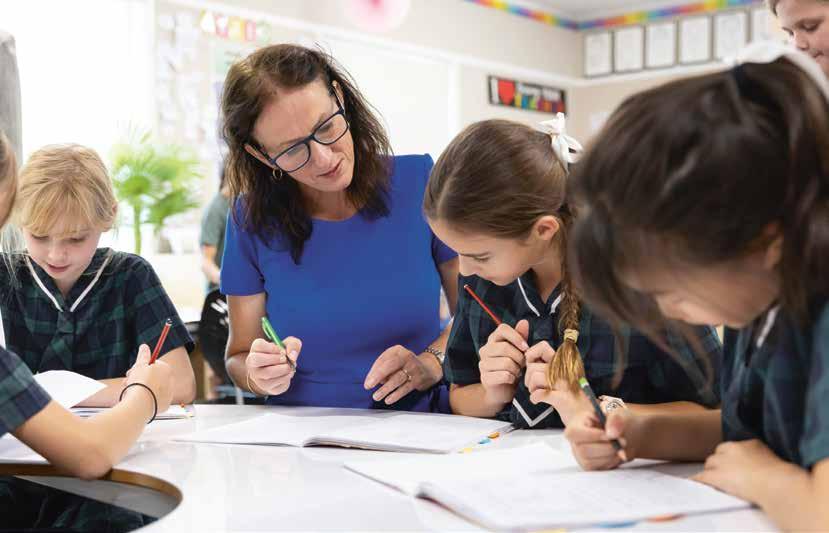
For the second year in a row, St Cuthbert’s is the top-ranked school in New Zealand based on its rate of 2024 global university admissions, 100% pass rates for NCEA levels two and three, and the International Baccalaureate Diploma. This extraordinary result reflects the achievements of the school’s outgoing students, but the spark of that success was lit many years earlier at St Cuthbert’s Junior School.
At St Cuthbert’s Junior School, the focus is on providing our youngest learners with the building blocks they need to move ahead with confidence. With smaller class sizes and handpicked teachers, girls grow and thrive.
New HPL Framework already showing benefits
This year, the team in the Junior School has introduced High Performance Learning (HPL) across all year levels.
Based on the work of Professor Deborah Eyre, the HPL framework is predicated on the philosophy that all students can achieve at the highest levels if they’re equipped with the right cognitive skills to grasp how to learn, to think flexibly and critically, and to apply knowledge effectively.
“The framework helps students develop deep, meaningful, and transfer-oriented thinking,” Deputy Head of the Junior School, Nicola Boyens explains.
“We are very excited about the High Performance Learning framework,” says Fe Tomich, Head of Junior School. “HPL aligns beautifully with our approach to the science of learning. Its Advanced Cognitive Performance Characteristics (ACPs) offer a clear and transparent shared language of learning, enabling students to articulate and practice advanced thinking habits across all curriculum areas.”
In 2024, Fe and Nicola travelled to the UK for a training course with Professor Deborah Eyre, before visiting top-performing schools in England to see HPL in action.
“It was one of the most inspiring experiences I’ve had in a long time,” says Tomich. “The latest neuroscience means we now have a deeper and clearer understanding of what is happening inside the human brain when we learn new information, and what practices best support the retention of knowledge. By harnessing all that wonderful new understanding, we can become more adaptive in our teaching approach and apply it in a way that empowers learners.”
The Junior School team has already noticed the science of learning and structured teaching approach having a positive impact: improved data on reading tests for young learners, while older year levels have new thinking strategies to improve their writing and maths results.
“We like to quote Maya Angelou, who says, ‘When you know better, you do better’,” Tomich adds. “Based on neuroscience, we are adapting our practices to make sure our girls are getting the best we can give them. HPL nourishes their capabilities, giving them opportunities to showcase their strengths.”
The HPL framework’s Values, Attributes, and Attitudes (VAAs) also dovetail with the St Cuthbert’s values, captured in the acronym SERVICE: Spirit, Excellence, Resilience, Valour, Integrity, Collaboration and Empathy. These values are instilled in St Cuthbert’s students from their first day, supporting them to make good choices at school and at home.
“We help our littlest learners understand what it means to be empathetic and to have integrity – to think about the decisions they make in the moment,” Tomich explains. “Integrity, for example, means choosing to do the right thing even when nobody is looking, just because it’s the right thing to do. Whether that’s in the classroom, the playground, or at home with their siblings.”
While academic scores are the yardstick for school performance, our Junior School team know that true success is about more than just good marks. Girls are supported to explore their interests, build strong friendships and grow their confidence.
The school has specialist teachers for sports, music and languages and additional support teachers to extend and accelerate learning in literacy and numeracy. St Cuthbert’s is part of a global network of Apple Distinguished Schools that ensure they are intentional and purposeful in the approach to digital learning. The learning support centre is led by a registered educational psychologist, with a team of specialist teachers and external occupational and speech and language therapists providing tailored support on site if required.
And because all students are based on one campus, not only do junior students get access to world-class sporting and learning facilities, but the transition to college is seamless. The school’s data shows that girls who progress to the College from the Junior School achieve at high levels on standardised tests compared to national norms. “You know your little girl is in safe hands from the very first day,” Fe says. “From the age of five until she leaves for her chosen next step, we help every girl grow her voice so she knows she can shine.”
“We help our littlest learners understand what it means to be empathetic and to have integrity – to think about the decisions they make in the moment,” Tomich explains.
Boarding school often conjures images of tradition, independence, and lifelong friendships. At our school, Boarding is much more than that, it is a nurturing environment where wellbeing is prioritised, diversity is celebrated, and students grow into confident, capable young women. We spoke with the Head of Boarding and a Year 12 Boarder to explore what makes Boarding such a special experience.
At the heart of St Cuthbert’s College sit our three vibrant Boarding houses—Dunblane, Elgin, and Melrose—home to a diverse community of students from Years 9 to 13 and part of the original plan 100 years ago.
We recently welcomed Keryn Wright as our new Head of Boarding. With over 20 years of experience in education, Keryn brings a wealth of knowledge and leadership to this role. Her career has included roles such as Dean, Head of Faculty (Commerce), and teacher of Business Studies and Economics. She has been involved in policy development and curriculum reviews and served for six years on the Board of Trustees at Westlake Boys High School. Since joining St Cuthbert’s, Keryn has mentored both staff and students, serving as the Principal’s Nominee for NCEA, and continues to lead the St Cuthbert’s Year 11 Diploma.
With Keryn’s Commerce and pastoral background, she joins our Boarding team with a passion and empathy to ensure not only are the girls looked after in their home away from home, but also that Boarding gives our girls the independence to ensure preparedness for when they graduate.
Keryn’s approach to Boarding is rooted in empathy, care, and a strong belief in growing confident, independent young women. “My goal,” she says, “is to ensure our Boarders thrive beyond the gates—but always want to come back.”
Building strong connections with families is a key priority. Keryn is committed to working in partnership with the parent community, who have entrusted their daughters to her and the incredible team of dedicated Boarding staff. “The support from parents so far has been wonderful,” she says. “We’re all working towards the same goal—to ensure every girl feels known, valued, and supported and leaves ready to flourish.”
Creating a nurturing, inclusive environment is at the core of her vision—where every Boarder feels at home, forms strong connections, and grows both academically and personally.
For many students, Boarding marks the start of an exciting new chapter. Year 12 Boarder Belle Mahoney shared how choosing to board allowed her to pursue the International Baccalaureate (IB) diploma, which wasn’t available at her previous school. “I was excited about the
opportunity,” she said. “Boarding is a new experience and a great stepping stone into university life.”
Belle’s transition into Boarding was smooth, helped by the school’s thoughtful approach to wellbeing. Diagnosed with coeliac disease as a child, she was initially concerned about how her dietary needs would be handled. However, those fears were quickly put to rest. “The chefs are great and very knowledgeable. They even organised a meeting with me, my mum, and the head of catering to go over everything. I haven’t had any problems.”
Wellbeing at St Cuthbert’s goes far beyond nutrition. In Melrose House, which accommodates Year 12–13 students, weekly meetings provide opportunities for mindfulness and open conversation. “We meet for about 45 minutes to an hour to chat and take time to reset,” Belle said. “There are also Buddy Nights and weekend activities—it’s not just sleep, school, sleep.”
The sense of community is one of Belle’s favourite aspects. “Meeting new people has been the best part. Our Boarding family is really diverse, with students from all around New Zealand and the world. I love the family we’ve created.”
Living away from home naturally brings Boarders closer together. “We bond over being away from our families and creating a new family here. It’s a unique kind of closeness.”
Boarders also benefit from direct access to the school’s top-tier facilities—from the gym and Performing Arts Centre to nearby parks and green spaces. “The gym has been amazing. I brought a training plan from my personal trainer in Queenstown and the equipment here is perfect,” she said. As a performer, Belle also found a second home in the Performing Arts Centre. “I was in Legally Blonde (Senior School Production) and we had Sunday and weekday rehearsals. The space is incredible—soundproof rooms, dance studios—it’s all so professional.”
Living on campus not only supports wellbeing but also gives students more flexibility. “It cuts down on travel time and gives you more freedom to be involved in things outside the classroom.”
Of course, Boarding comes with its own set of challenges, especially for those joining later in their school journey. But Belle had some wise words for anyone considering it: “Be open and be yourself. Throw yourself into everything from the start, especially the

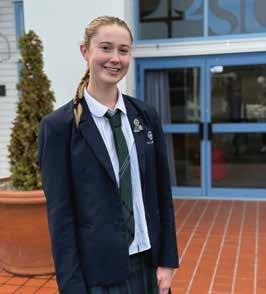
first weekend. Try and be open, meet new people and make your connections early as your foundation will build up from there.”
She also praised the Boarding staff for their warmth and approachability. “Miss Kimber, our Boarding manager, is lovely and easy to talk to. All the staff are comforting and open. You can go to them with anything.”
Even parents have noticed the positive impact. “I think it’s been an opportunity for all of us to grow,” she said. “I’ve gained more independence, and when we come back together, it’s really special. My parents have seen how much I’ve grown in just six months.”
Boarding at St Cuthbert’s is more than just a place to stay, it is a vibrant, supportive community that fosters personal growth, resilience, and lifelong friendships. With a strong focus on wellbeing, inclusive practices, and access to world-class facilities, it truly is a home away from home.
While your daughter may not be a boarder it is great to remember we offer the option for Flexi-Boarding to Year 9 –13 students. This can be especially helpful in particularly busy times for students with early morning practices or exams, or for parents who need to travel or renovate.
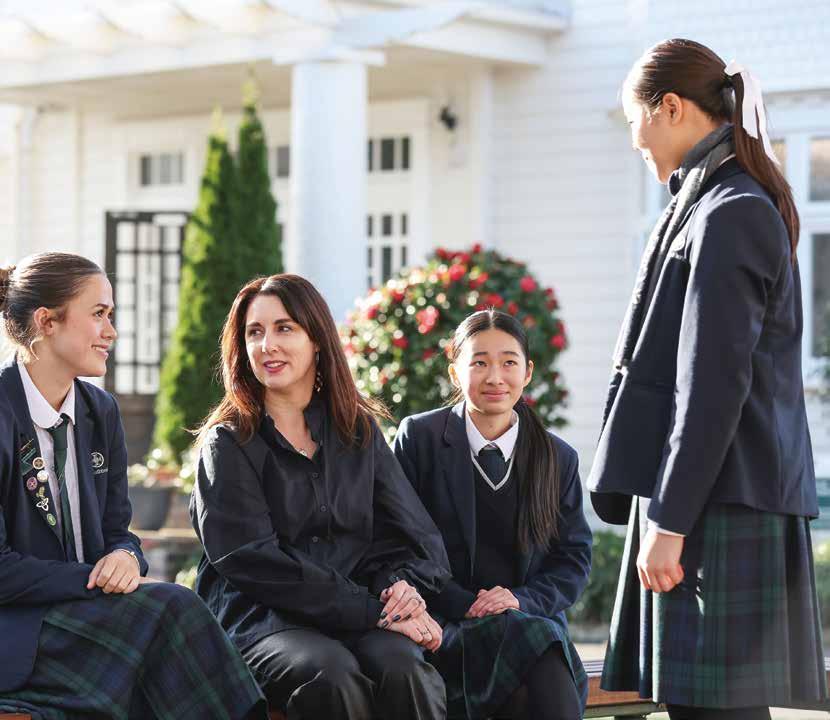

At St Cuthbert’s we believe that some of life’s most valuable lessons are learned outside the traditional classroom setting. Our comprehensive Education Outside The Classroom (EOTC) programme is designed to enrich curriculum learning, foster independence, build resilience and create meaningful connections with the world around us.
These experiences teach our students to navigate uncertainty with grace, collaborate effectively under pressure, and develop the problem-solving skills that will serve them throughout their lives. They return from each adventure not just with memories, but with a deeper understanding of their own capabilities and strength.
From our carefully constructed progression of camps from Year 3 through to our flagship Kahunui experience in Year 10, and our wide range of curriculum specific trips both locally and overseas, St Cuthbert’s offers an exciting range of opportunities for students to grow, discover and connect.

Education Outside the Classroom brings learning alive by allowing students to see, feel, touch, and experience what is being taught. At St Cuthbert’s, we recognise the profound benefits this approach provides:
• Curriculum enrichment and real-world learning
• Increased student engagement
• Developing deeper connections with peers, teachers, and community
• Experiencing something new
• Improved mental health and wellbeing, through time spent in nature
• Developing resilience
• Learning to adapt, overcome challenges and work as a team
Our camp programme is thoughtfully designed to gradually build students’ confidence, independence and outdoor skills throughout their educational journey.
Year 3: Sonshine Ranch (one night)
A gentle introduction to being away from home, focusing on building confidence and forming friendships.
Year 4: Camp Adair (one night)
Building on the Year 3 experience with more challenging activities and greater independence.
Year 5: Camp MERC (two nights)
Sir Peter Blake Marine Education and Recreation Centre offers unique marine and coastal experiences.
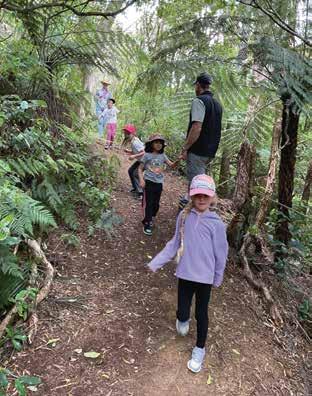
Year 6: Kauaeranga Valley Christian Camp, Thames (three nights)
A longer outdoor experience building resilience in a beautiful natural setting.
Year 7: Tōtara Springs (four nights)
Held near the beginning of the year to establish new friendships and connections as students transition to the College.
Year 8: Proposed Camp
Details to be confirmed.
Year 9: Motutapu Island (four nights)
An early-year experience designed to strengthen friendships and build a sense of belonging in the College years.
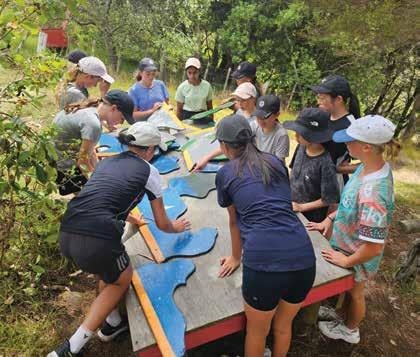
We are delighted to introduce an exciting new initiative for our students as they prepare to transition into Year 12 – our Year 12 Leadership Retreat at our outdoor residential campus in the Bay of Plenty, Kahunui. This programme is supported by the Education Group who will be leading workshops on growth coaching in our brand new classroom facilities.
Our inaugural retreat, for all Year 12 students, will be held across two intakes in late January 2026 immediately prior to the start of the academic year. This is a compulsory programme for all Year 12 students.
The innovative programme has been designed specifically to build on our Year 10 Kahunui experience, further developing the girls’ leadership skills as they prepare for their final senior years.
Through carefully planned activities and workshops, students will:
• Develop essential leadership skills including oral confidence, interpersonal skills, coaching, goal setting techniques, and personal leadership values
• Deepen relationships within their Year 12 cohort, creating a supportive network for their final school years
• Experience leadership through outdoor challenges that promote relationship development, empathy for others, and encourage students to step outside their comfort zone.
Each group will experience a comprehensive programme that balances centre-based leadership workshops with outdoor adventure activities. Students will participate in:
• Leadership and growth coaching workshops lead by The Education Group. Students will learn to enhance conversational awareness, the skills of listening to encourage thinking and asking powerful questions
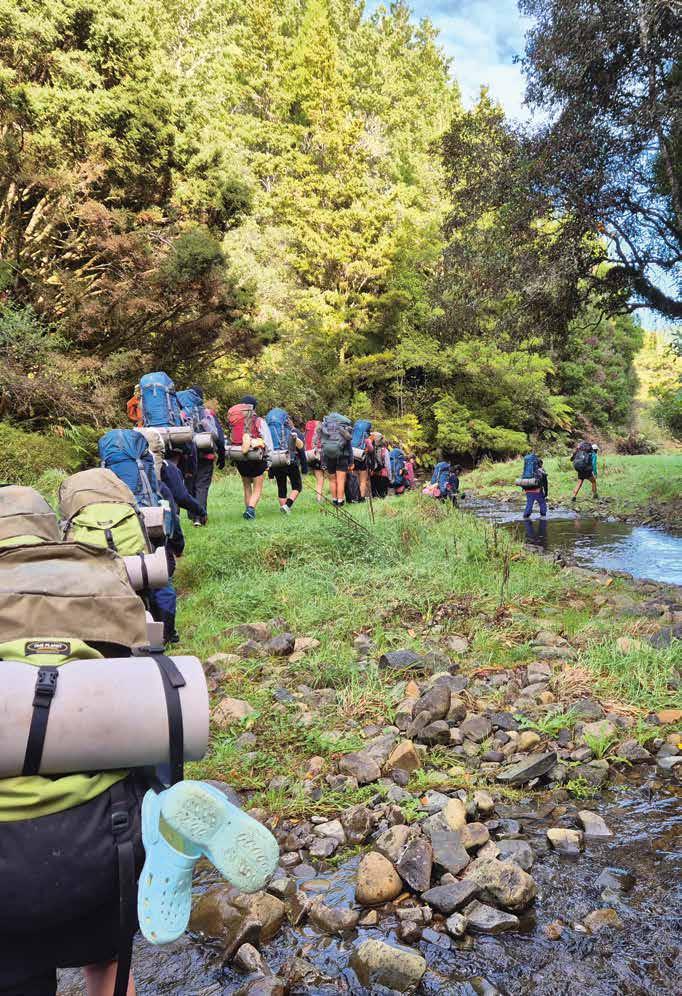
• Outdoor activities including tramping, cooking on a fire and bivvy building, an overnight camping experience and reconnection with the Kahunui forest and environmental initiatives
• Team building activities designed to strengthen relationships and reconnect as an Intake as well as build a cohort
• Goal setting sessions to establish leadership objectives for the upcoming school year
Our construction team has made excellent headway on Phase 1 of our second campus redevelopment, with favourable conditions allowing us to maintain momentum on this exciting project.
Foundation work has been completed, with piles now driven and timber subfloor framing taking shape across the construction site. We’ve also been able to install a new water bund to prevent flooding and enhance drainage throughout the campus, making it more environmentally sound and in keeping with the native bush surroundings. Most excitingly, our iconic round room – the library and educational heart of the campus – is beginning to emerge from the ground up, marking a significant milestone in our vision coming to life.
Our cohorts over the year have been on-site witnessing these foundations being laid, and there’s been genuine engagement from our students seeing these future learning spaces take shape against the stunning backdrop of native bush and rolling hills. It perfectly captures what Kahunui will become – where education and nature seamlessly blend together, creating an immersive learning environment that connects students with the natural world.
We remain incredibly grateful to our families for supporting our redevelopment with their belief in holistic learning at Kahunui. Your commitment at our second campus is building the foundation for transformative learning experiences of St Cuthbert’s students for years to come.
We’d love to hear from anyone interested in learning more about Kahunui and phases 2 and 3. Feel free to reach out to our Advancement team – we’re always keen to share our vision for our second campus and explore how others might help support the financing of this key strategic initiative.
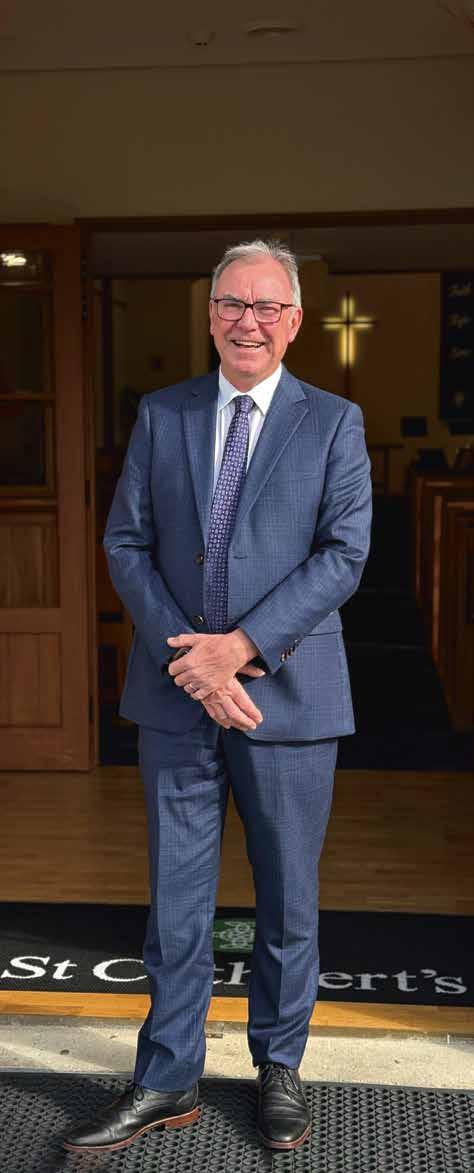
In Term 3 we were lucky enough to welcome Reverend David Smith as our new School Chaplain. He brings with him over two decades of experience in school chaplaincy and a deep understanding of the needs of students, staff and the wider school community.
Rev. Smith joins us after a distinguished 21-year tenure as Chaplain at Saint Kentigern College, where he served from January 2003 to May 2024. His departure was marked by heartfelt tributes from the college community, testament to the profound impact he made during his service.
"I absolutely loved my time at Saint Kentigern, it was such a privilege," Rev. Smith reflects. After taking a year to explore parish ministry, he found himself drawn back to the unique energy of school life. "I am extremely excited to join the St Cuthbert's community and immerse myself back in the life of a school. They are such cool and vibrant places to work!"
Rev. Smith brings rich personal grounding to his ministry. He is married to Karen, whom he describes as "wonderful," and together they have four adult children and ten grandchildren. "As a family/whanau we are very close and spend a great deal of time together. I am a fortunate person," he says.
Beyond his pastoral duties, Rev. Smith is passionate about sport and looks forward to supporting our teams throughout the year. An avid reader who appreciates literature and the arts, he also enjoys good coffee and "a glass or two of pinot noir" when the occasion calls for it.
What sets Rev. Smith apart is his genuine desire to connect with every member of our school community. "I have thoroughly enjoyed meeting as many people as possible both at Chapel services, and outside the Chapel at sporting fixtures and other co-curricular events," he explains.
Principal Charlotte Avery notes, "The impact of Rev. Smith is already evident with the relevancy of his sermons shining through. Rev. Smith has a knack for tailoring content to specific ages so that even the youngest can take away fantastic and relatable values."
We encourage all community members to introduce themselves to Rev. Smith and continue welcoming him warmly to St Cuthbert's.



During the first week of the April School Holidays, a group of sixteen Year 12-13 students and three staff members travelled to Fiji for our inaugural Service trip.
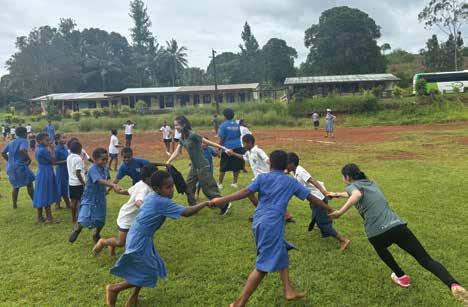
The students and staff immersed themselves in Fijian culture and work in several remote, rural schools outside of Lautoka. Whilst in the various schools, they taught primary school students lessons in Maths, English and Science as well as helped with Literacy, Arts and Crafts and PE. The group also assisted the community at Taiperia to plant 600 mangroves as part of a joint initiative with the Reddy Foundation and Tanoa Hotel Group to protect, restore and preserve Fiji’s coastal ecosystems.
It was an eye-opening and deeply rewarding experience for students and staff alike as they lived the St Cuthbert’s College Motto ‘By Love Serve’ by putting service into action. The trip enabled the students to understand how they have a responsibility to give back to those less fortunate than themselves and to grow to become socially responsible leaders who are inclusive, compassionate and engaged Global Citizens.
“This experience not only deepened my appreciation for the importance of service, but also reminded me of the impact compassion can have.”
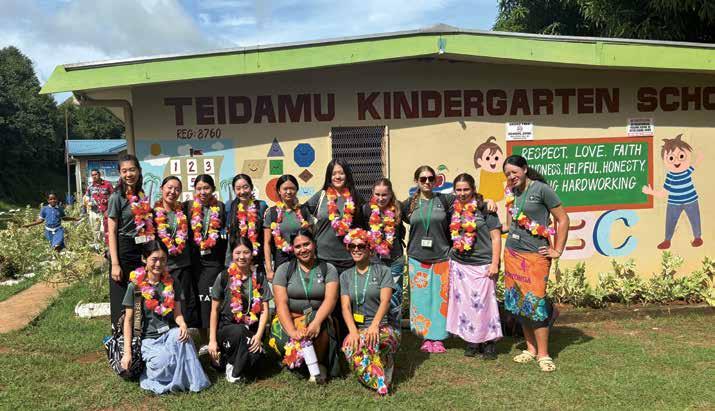
“The Fiji service trip was truly one of the most rewarding experiences I’ve had, and I’m incredibly grateful to have been part of it. Over the week, I had the privilege of working alongside other volunteers to support local schools, teaching the children, helping with classroom activities, and contributing to projects that gave back to the wider community. What struck me most was the warmth, resilience, and joy of the people we met.
Despite having so little, the students welcomed us with open hearts and curious minds, and I left each day inspired by their eagerness and excitement. I returned with a broadened life experience and humble outlook on life”.
— Rebekah Allen
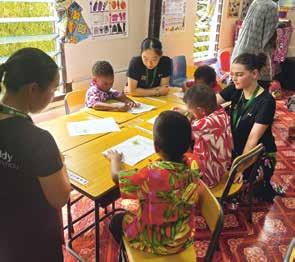
“The Fiji service trip taught me to live life with an open heart. Visiting schools and seeing children in underprivileged communities living with so much joy and excitement opened my mind to all the goodness in this world that I have and will continue to experience. It was amazing to create bonds with so many people; not only the girls around me but also the children who welcomed us all with open arms. Overall, this trip has inspired me to serve with love and compassion.”
— Scarlet Forster-McAuliffe
“I came back from Fiji with my camera full of photos and even greater memories. We planted 6,000 mangroves with a village community, everyone working together happily despite the torrential rain. Fijian culture stayed with me—their dances, their way of life, how instantly welcoming they were. I’d gone there to teach others, but didn’t expect to learn so much in return. I learned that language doesn’t always have to be a barrier. Music, dancing, laughter—it all bridges gaps. More than anything, I’ll remember the people. Their warmth, their humour, the way they shared their world with us. Between the mud, the eye-opening lessons, and the new friends I made, this was an experience that changed how I see the world, and I’m forever grateful.”
— Sara Zhang
St Cuthbert’s is proud to celebrate the vibrant connections within our international alumni community through two exceptional gatherings in 2025.
The Big Apple brought together our US-based alumni and friends for an unforgettable evening at the Kimpton Hotel. Over drinks and conversation, Old Girls rekindled friendships and forged new connections that will extend far beyond the night itself. Many attendees expressed enthusiasm about staying in touch with those they had met at the event.
We extend our heartfelt gratitude to Local Coordinator Ella Greenwood (2020), whose dedication made this gathering possible.
In London, twenty Old Girls came together at a stylish cocktail bar in Monument for an evening that perfectly blended professional development with social connection. The highlight was an inspiring presentation by Old Girl Victoria Harris (2006) from innovative financial platform The Curve, who shared insights from her career journey.
Our sincere thanks go to both Victoria for her engaging talk and Local Coordinator Ashleigh Hunt (2010) for her invaluable support in bringing this event to life.
Principal Charlotte Avery’s attendance at both events underscores our ongoing commitment to maintaining strong ties with our global alumni family. These gatherings remind us how vital it is to stay connected – we encourage all Old Girls to keep their contact details current and engage us through our social media channels.
Charlotte also attended events in Australia in October this year, and looks forward to upcoming international visits with alumni which will include Singapore and beyond in 2026.
Our alumni connections remain strong across generations and continents, creating meaningful opportunities for former students to reconnect with their St Cuthbert’s community.
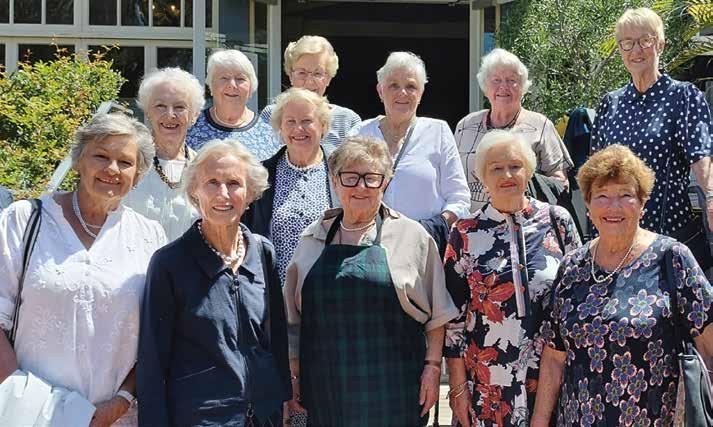
Photo 1: shows Sally Lou Crawford’s wonderful gathering of 20 octogenarians sharing lunch at Cornwall Park Restaurant, where Jan Coltman received a lucky door prize of a St Cuthbert’s apron.
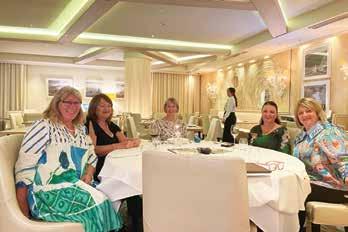
Photo 2: captures five Perth Old Girls – Pam Murphy, Heather Curley, Margaret Shorter, Juliet Brewer and Lynnie Butler – enjoying a relaxing dinner at Modo Mio, Crown Perth in May 2025.
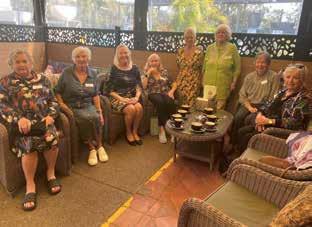
Photo 3: documents Charlotte’s visit to Meadowbank Oceania Retirement Village in December 2024, which brought together 16 alumni for morning tea and a meet and greet. Charlotte has recently visited Edmund Hillary, Metlife Care Remuera and Rawhiti Estate retirement villages and is very keen to visit more.
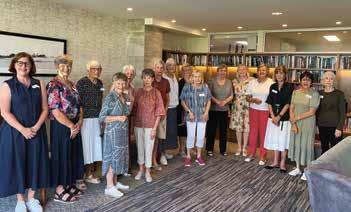
Photo 4: features alumna Sue McInness’ coffee group catch-up in April 2025, demonstrating how easily these connections can be maintained.
Alumni interested in arranging their own gathering or visit to meet with Principal Charlotte Avery are encouraged to contact our alumni team via email alumni@stcuthberts.school.nz, to discuss options.


Your generosity has the power to change young women’s lives through our student scholarships. We are incredibly grateful to the kind donors who have supported student scholarships at St Cuthbert’s so far this year. Donations to the 2025 Annual Appeal will have a lasting impact, transforming the lives of young women. The generosity of our parents, Old Girls, past parents and grandparents allows us to support the education of girls who may not have had the opportunity to attend St Cuthbert’s otherwise.
A donation today will support young women to obtain a remarkable St Cuthbert’s education. It’s not too late to donate. Your donation, at whatever level you are able to give, will be invested into the St Cuthbert’s Foundation and used to support the College’s student scholarship programme – continuing a scholarship support tradition of more than 100 years of nurturing, educating and enabling young women who are curious, confident and compassionate.

Thank you for helping someone else to have a remarkable St Cuthbert’s College education.
“The opportunities that this scholarship has given me have been truly an unparalleled experience for which I am grateful. I continue to grow at St Cuthberts, experiencing knowledgeable moments that I will forever remember and continue to learn from. I am extremely thankful to all the people who have allowed me to have this incredible opportunity”.
“Receiving this scholarship has helped me to grow in ways that I alone wouldn’t have been able to achieve. It has opened many doors and given me countless amazing opportunities for which I am forever grateful”.
“This scholarship has been instrumental in allowing me to attend St Cuthberts where I’ve not only received a high-quality education but also gained access to countless opportunities. The lessons I’ve learned here, both inside and outside the classroom, have given me a strong foundation to build on as I move forward into the next chapter of my life – a gift for which I am truly grateful”.
“I have loved my time at St Cuthberts and it would not have been possible without the support of my scholarship. Receiving a scholarship to St Cuthberts has developed my self-belief, my goal of personal excellence and connections that will continue to serve me long after I leave the college”.
Looking back at just two of the incredible projects funded by our community, we can see their lasting impact upon our students.
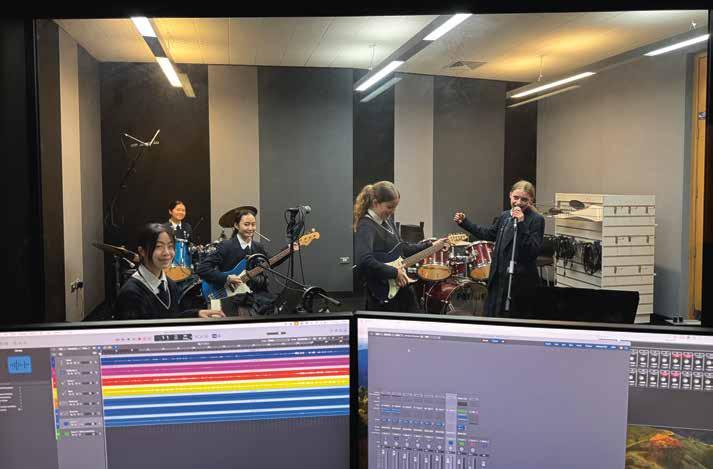
The new recording studio rocks!
Step into our state-of-the-art audio recording studio and you’ll find it buzzing with musical talent! This isn’t just any classroom modification – it’s where our Music students, including Year 9 Rock Music and Year 10 Urban and Digital Music students, bring their creativity to life. Our Year 10 rockers have been recording their band performances with the professionalism of chart-topping artists.
As is evident through use today, the recording studio gives students the chance to experience what it’s like to be a recording artist. And judging by the amazing sounds coming out of there, we might just have some future stars in the making. We invite you to pop by during a music lesson…we promise you’ll be impressed. Get in touch with us at development@stcuthberts.school.nz.
The studio has also become the go-to spot for our co-curricular music groups, such as our jazz combo ‘Milestones’, to create highquality recordings of their performances. Our Kapa Haka group has been recorded for a learning resource for the Junior School too. During last year’s Open Day, the recording studio was definitely a showstopper. Visitors looked on as our students worked their magic behind the mixing desk and microphones.
In 2023, the Gifting Amazing Annual Appeal raised funds that allowed us to invest in facilities and equipment including Digital Innovation equipment for our Tech Labs, Sports Recording Equipment, Staff Scholarships, and our focus here: St Cuthbert’s first-ever Audio Recording Studio.
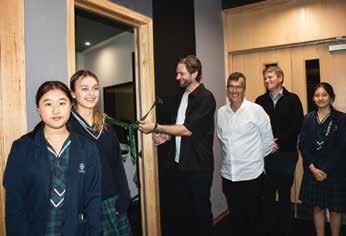
We were incredibly fortunate to gain advice from several parents including music producer Joel Little. Joel is a Grammy Award-winning producer best known for his work with Lorde, Taylor Swift, Khalid and Imagine Dragons. We were touched when he offered to review our plans, contributing his expertise on designing the optimal recording studio. The studio was brought to life by Mike Young, Head of CoCurricular Music, who worked tirelessly to source the equipment and liaise with experts in the industry to facilitate the design and completion of the studio. We were grateful that another parent with huge talent in this area, James Whitlock from Marshall Day Acoustics, came onboard to lend additional advice. James and Mike worked closely to deliver the optimal suite of equipment to meet our students’ needs now, and into the future.
The idea for a recording studio was sparked by our Head of Music, Dragana Yelavich, who pitched it to Oliver Gilmour, Head of Performing Arts Faculty and Mike Young. They instantly recognised that Ms Yelavich was onto a future-forward idea. Having previously worked as a Sound Engineer in Post Production, Ms Yelavich has experience and the passion for audio recording which we’re grateful has been paid-forward to our musical students.
Thanks to donations from our community last year, St Cuthbert's has a dedicated Commerce facility, The Enterprise Hub, which is providing students with an environment in which they can experiment, take on business challenges, build confidence when presenting their concepts, and dare to believe in their commercial talent.
Liz Charsley, Head of Commerce, and her team proposed the concept of a dedicated venue to help girls develop the knowledge and skills they need to succeed in business, while gaining experience of working collaboratively;
preparing them not just for strong grades, but for a lifetime of meaningful business relationships.
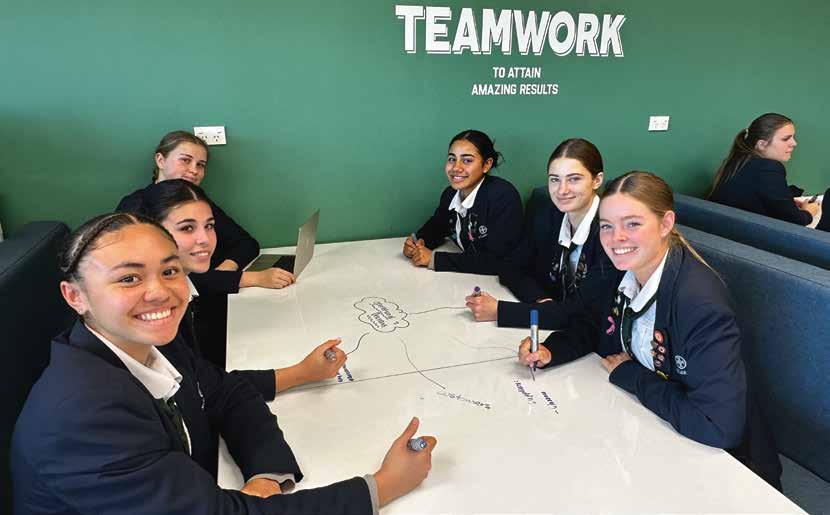
Our Enterprise Hub has quickly become one of the most popular spaces with our students. Senior Academy business students absolutely love the collaboration features and white-board tables that let them plan entrepreneur-style. The Hub was a hit during the Year 10 Market Day unit, where junior business classes developed their market stalls and business pitches.
Young Enterprise Scheme (YES) groups have made the Hub their go-to spot for collaborative planning sessions, while guest mentors working with YES teams used the Hub for sharing their expertise. The IB Theory of Knowledge (TOK) classes have discovered that the Hub’s setup works brilliantly for their discussion-based lessons.
And it’s not just students who benefit: our teachers use the space for professional learning groups, and when universities visit for careers talks, the Hub provides an ideal setting for students to explore their future pathways. The Enterprise Hub is a wonderfully versatile space which proves that good design inspires great thinking!
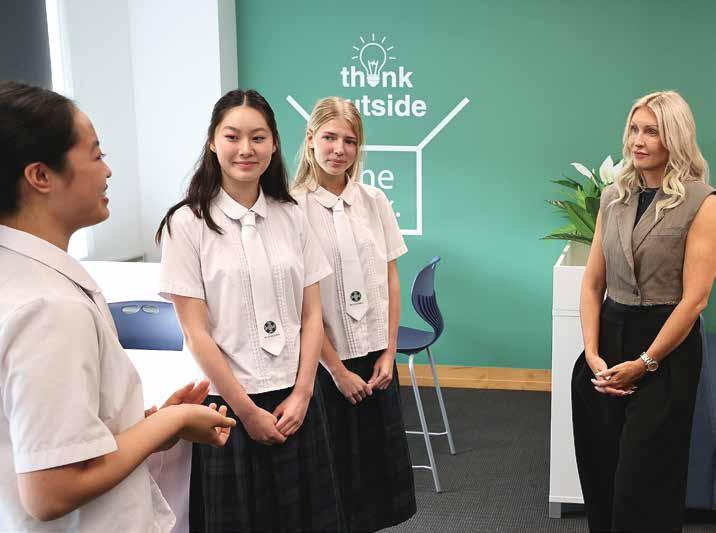
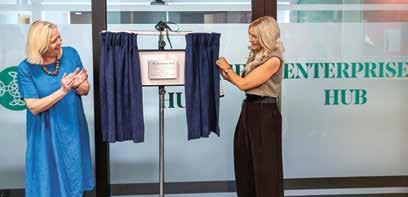
And who better to officially open the Hub earlier this year than Anna Mowbray, New Zealand’s leading female entrepreneur.
Earlier this year, Anna spent time with our girls, listening to their brilliant ‘Dragon’s Den-style’ product pitches, cheering on their entrepreneurial side hustles, and challenging them to think critically about the business world.
Charlotte Avery reflected on the importance of the Enterprise Hub. An extract from her thought-leadership piece provided further insight:
“The Hub and everything in it have been funded through the extraordinary generosity of our parents and alumni, via our Gifting Amazing Annual Appeal. Such Hubs are a proven strategy for improving girls’ outcomes: a Dutch study1. found that girls aged 13 to 16 who had exposure to entrepreneurs stayed in the education system longer and were less likely to have a low-paying job in the future. An entrepreneurial mindset has also been found to help students feel more positive2. about their future career success”.

You can view the full article and for references 1 and 2 by following this QR code.
These two facilities – our Recording Studio and Enterprise Hub – represent the incredible power of community giving and how it plays a part every day at St Cuthbert’s College. Every donation, whether large or small, contributes to creating opportunities where our girls can discover their passions, develop their talents, and prepare for futures filled with purpose. When you support St Cuthbert’s College, you’re not just funding buildings or equipment – you’re investing in the next generation of leaders, creators, and changemakers.
Thank you for believing in our girls as much as we do!

Being your best self doesn’t mean being the loudest, the most decorated, or the most visible. It’s about showing kindness, being authentic and making a difference in your own way.
My favourite teacher taught me that the real win isn’t avoiding failure, but rather in daring to try, picking myself up and learning from it. In that spirit, this year I want to celebrate the everyday women who make our Old Girls’ community strong.
Mrs Hunter, shaped how I see success. As my 7th form English, Classical Studies and my home room teacher, she encouraged us to put ourselves out there – to take the leap even if failure was a very real possibility. To me, the message was clear - when you stumble (and you will), pick yourself up, learn, and keep going.
That lesson has stayed with me and is deeply etched alongside my belief that, as a St Cuth’s girl, I could do anything. For me these two concepts have become intertwined.
That being said, success comes in all shapes and sizes. Not every success is a trophy, headline, promotion or overseas accolade. Sometimes the biggest achievement is showing up, having a go, and finding your way forward after a setback or juggling the complexity of everyday life!
This year, there will be no “Making their Mark” award. Instead, I simply want to acknowledge the everyday women who quietly, consistently contribute – in ways that may never make a speech, award list or social media post, but which deeply enrich their lives, and those of their families, friends and wider community.
When I talk with alumnae, I sometimes hear a hesitation to come back to school or reconnect. There is a sense of “I’m not enough” because of comparisons with others’ success, wealth, family, or accolades. Let me say this clearly: you are enough.
Being your best self doesn’t mean being the loudest, the most decorated, or the most visible. It’s about showing kindness, being authentic and making a difference in your own way. There is a place here for everyone – whether your achievements are on the public stage or felt only in your circle.
As the Old Girls’ Association, our strength lies in our diversity and the many paths we’ve taken. My hope is that every alumnae knows she is valued, seen, and always welcome back at College.
To get in touch with the President of the Old Girls’ Association, please email Kate: presidentoga@stcuthberts.school.nz
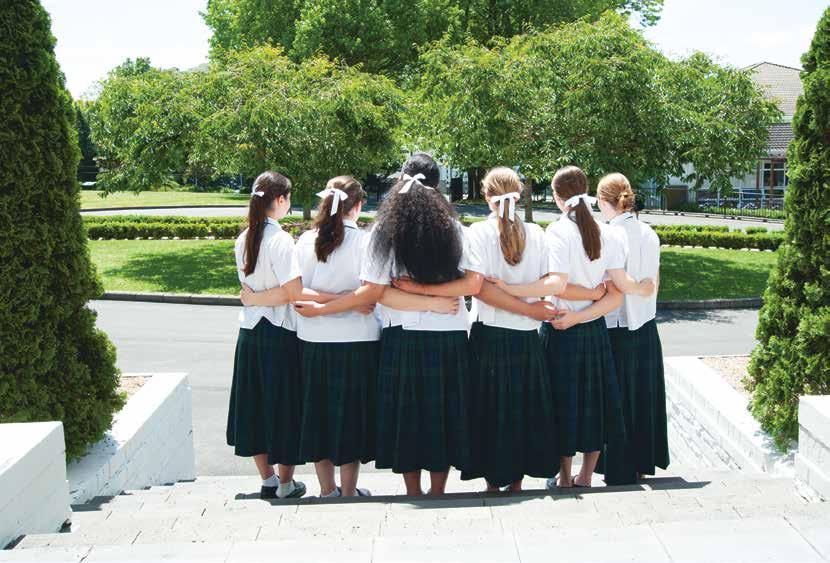
St Cuthbert’s recently received a generous Gift in Will donation from the family of Valerie ‘Ros’ Dryden. Although Valerie is not an alumna of St Cuthbert’s, her intention was to honour her beloved grandmother who was a teacher at the College between 1947–1958.
Mrs Alice North (who some of our alumni will remember), was a Year 6 teacher and a House Mistress of Dunblane. One of her former pupils recalls her as a prim and proper but very kind lady:
“I recall kauri desks with their flip-top lids, enamel ink pots and our sewing lessons where we hand-stitched cotton bloomers – something I’m sure no one has done since. The Std 4 Form Captain had the task of ringing the indoor bell at the change of every period and the outdoor one for interval and lunchtime. This would have been a big responsibility for 10-year-olds and no doubt for Mrs North as well. She must have had her eye on the clock all the time to ensure her pupils didn’t let her down!”
The Dryden Family have chosen to acknowledge both Valerie and Alice with a donation to a new Library being built at Kahunui as part of the current Kahunui Campus developments. This donation will enable the purchase of new books and learning materials as well as enhancements to this space.
If you would like to learn more about the St Cuthbert’s Gift in Wills Programme please visit our website: stcuthberts.school.nz/support-us/gift-in-wills/, or email development@stcuthberts.school.nz for more information. Our team will work with you to help you achieve your philanthropic goals.
Choosing to remember St Cuthbert’s with a gift in your Will is the perfect way to give in thanks – in memory, in honour, or in celebration, and to support the many generations of young women to come.
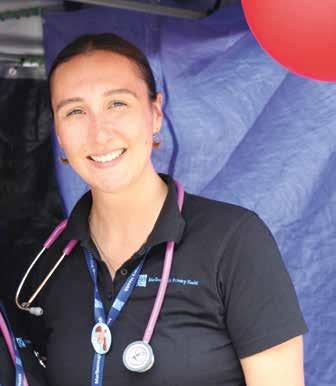
Jade Reardon of peer year 2013 has been selected as the 2025 recipient of the Violet Wood Advanced Studies Grant, a $6,000 award that recognises and supports St Cuthbert’s alumnae in furthering their education across any field of study.
The grant, administered by the St Cuthbert’s College Old Girls’ Association and named after former principal, Miss Violet Wood, is designed to help recipients with the costs of postgraduate study, such as course fees, equipment purchases or travel expenses.
Since graduating from St Cuthbert’s, Jade has built an impressive career in healthcare, completing her Bachelor of Nursing at Massey University before gaining extensive experience across hospital, community, and primary care settings both in New Zealand and internationally. Her diverse nursing background has shaped her understanding of healthcare delivery, but it was in primary care where she discovered her true calling.
Currently based in Marlborough, Jade works as an Immunisation and Prevention Facilitator for Kimi Hauora Wairau/Marlborough PHO, where she focuses on improving community health outcomes and ensuring equitable access to quality healthcare for all. Her role places her at the forefront of preventive healthcare initiatives, allowing her to make a tangible difference in her community’s wellbeing.
“Throughout my career, I’ve seen first-hand the impact nurses can have in driving positive health outcomes, and I believe their role in advocating for better healthcare is essential,” Jade explains. Her commitment to advancing healthcare equity has been a driving force throughout her professional journey.
The Violet Wood Grant will enable Jade to pursue a Master of Nursing with a specialisation in primary healthcare, furthering her expertise in an area where she has already demonstrated significant impact. This advanced qualification will strengthen her ability to contribute to improved health outcomes and healthcare equity initiatives.
“I am very excited to have the opportunity to build on my postgraduate studies, which would not have been possible without this grant,” Jade said upon receiving the award.
Jade’s selection highlights the calibre of St Cuthbert’s graduates and their continued commitment to making meaningful contributions in their chosen fields. Her dedication to primary healthcare and community wellbeing exemplifies the values and excellence that the Violet Wood Grant seeks to support and recognise.
The St Cuthbert’s College Old Girls’ Association will open applications for the 2026 Violet Wood Advanced Studies Grant at the start of next year.
Any alumni interested in applying should contact the President of the Old Girls Association at: presidentoga@stcuthberts.school.nz, for information about the application process and eligibility requirements.
The Admissions team recently hosted its first St Cuthbert’s Reconnect evening, a welcoming event designed specifically for alumnae who are considering an application to the College for their daughters or granddaughters.
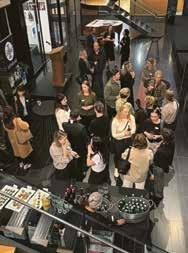
The relaxed gathering brought together former students—many visiting the campus for the first time in years— alongside a few fathers and grandmothers exploring educational options for the next generation. Guests enjoyed drinks and light refreshments while reconnecting with others from the College community and learning about developments across both the Junior and Senior Schools.
The evening featured brief formal remarks from Principal Charlotte Avery and Head of the Junior School, Fe Tomich, that outlined St Cuthbert’s vision and future direction. The informal atmosphere encouraged meaningful conversations between alumnae and staff members, allowing guests to gain valuable insights into how the College has evolved while maintaining its core values and commitment to excellence.
We look forward to welcoming our community to future St Cuthbert’s Reconnect events, please keep an eye out for our 2026 dates. We would also love to see you at our next Open Day on Saturday, 21 March 2026 – a wonderful opportunity to explore the College, meet teachers & staff, and see the school in action. Registrations will be available on our website soon.
For further information, or any Admissions queries, please don’t hesitate to contact:
Stacey Paterson, Head of Admissions
M: +64 27 700 2464
E: Stacey.Paterson@stcuthberts.school.nz
Our Local Co-ordinators play a vital role in connecting Old Girls around the world back to the College and with each other. Whether you’re in New Zealand or living internationally, you’ll find a welcoming group of alumni ready to embrace you in any of our established locations listed below.
Contact: Dearwyn Caulfield Email: pdcaulfield@xtra.co.nz
TARANAKI
Contact: Robyn McNiece (née Parfitt) Email: robmcniece@yahoo.com
PERTH
Contact: Marg Shorter (Hartnell) Email: margshorter@gmail.com
SYDNEY
Contact: Greta Bennett Email: g.bennett0001@gmail.com
LOS ANGELES
Contact: Amanda Wong Email: kiwi_esq@hotmail.com
DALLAS
Contact: Clair Robinson (Menzies) Email: clairmenzies@gmail.com
NEW YORK
Contact: Penelope Johnson Email: penelopejohnsonus@gmail. com
LONDON
Contact: Ashleigh Hunt Email: ashleighh@spotify.com
TONGA
Contact: Ana Tupou Panuve Email: ana.tupou@panuve.com
To connect with Old Girls in your area, simply reach out to one of our Local Co-ordinators above. If you’re interested in establishing a new branch in your location, please contact alumni@stcuthberts.school.nz.
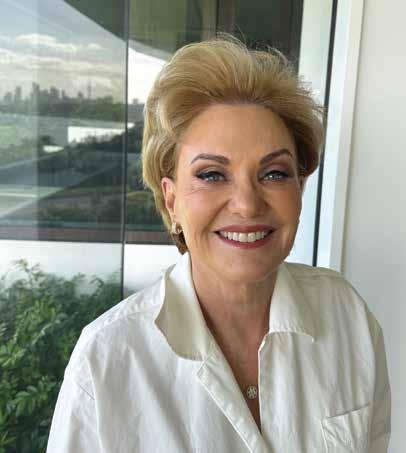
Television and theatre veteran Louise Wallace, St Cuthbert’s Old Girl (1977), reflects on wellness after being honoured with an MNZM in the King’s Birthday Honours.
Louise spoke with talent and panache at our 2024 Making their Mark Awards.
Louise Wallace’s illustrious career spanning television, theatre and journalism has been recognised with one of New Zealand’s highest honours. The entertainment industry stalwart was appointed a Member of the New Zealand Order of Merit (MNZM) in the 2025 King’s Birthday Honours for her services to the entertainment industry.
“It outweighs everything else I’ve achieved educationally, artistically or materially,” Louise says of the honour. “It also shows you can be totally yourself and still be valued by the community.”
Since joining TV3 in 1989, Louise has become one of New Zealand’s most recognisable faces, holding highprofile presenting roles on ‘3News’, ‘60 Minutes and 20/20’ over nine years. Her exceptional work earned her Qantas Media Awards in both 1992 and 1993. As a freelancer, she seamlessly transitioned to presenting ‘The Weakest Link’. Louise is well-known for acting roles in beloved series including ‘Agent Anna’, ‘Street Legal’ and ‘Shortland Street’, as well as feature films and more recently ‘Real Housewives of Auckland’.
Behind the camera, Louise has been equally impressive, producing and directing hit shows such as ‘Celebrity Treasure Island’ and ‘The Apprentice’. Her remarkable career encompasses work on 42 television shows and films, plus hosting Radio New Zealand’s ‘Health Matters’ focusing on health sector innovations. In 2012, she co-founded Tadpole Theatre Productions, which has since produced two professional plays annually for the Pumphouse Theatre in Takapuna.
At 65, Louise reflects on how her approach to wellness has evolved. “I think as you get older you don’t deal with stress the same way as when you were in your prime,” she explains. “I used to thrive on it, but I now realise it’s not healthy.” The loss of her father at the same age has made her acutely aware of stress’s impact on health.
Daily exercise remains central to Louise’s routine, however she recognises the importance of resting when she feels tired. “I used to think it was so lame when my mother had a rest in the afternoon. Now I think it’s heaven!” she says, adding she finds therapeutic value in spending time cuddling and conversing with her animals and maintaining regular contact with her children, who live overseas. Louise’s wellness philosophy centres on gratitude and optimism. “Gratefulness is happiness,” she states simply. “I try to be a glass half full person not half empty. I avoid people who whinge. I can’t bear it!”
Her advice for living well is refreshingly direct: “Live a big life. It flies by. Be inclusive and generous... if not with money, then with time. Avoid envy... it is poison.” She emphasises that everyone faces challenges, regardless of appearances, and recommends finding “someone or something that makes you laugh. That’s when I feel the best.”
The MNZM recognition celebrates not just Louise’s entertainment achievements, but her ongoing contribution to New Zealand’s cultural landscape through mentorship, theatre production, and her commitment to supporting emerging talent. The award has also reinvigorated her passion for the future: “In terms of my career? It propels me to further develop Tadpole Theatre... by inspiring and nurturing the young talent that will be around long after I’ve popped off!”

From the halls of St Cuthbert’s College in 1969 to the serene shores of Tutukaka, Robyn Skerten (née Sinclair) has journeyed through decades of healing, movement, and transformation. A proud alumna (peer year 1973), mother, physiotherapist, and yoga teacher, Robyn is now penning her first book, A Year of Yoga in Aotearoa—an ode to nature’s rhythms and the quiet power of conscious practices.
Initially a reluctant boarder, Robyn credits her time at St Cuthbert’s for sparking friendships and a passion for sport—she was Iona Games Captain in her final year. Although she modestly recalls “fulfilling essential requirements” academically, the seeds of health and wellness were already sprouting. At Otago University, her dream of sports physiotherapy met reality in a hospital ward but it shaped her into a compassionate professional with specialties in biomechanics, stress management, and the Feldenkrais Method.
Yoga arrived in Robyn’s life in the 1990s, between physio sessions in Rotorua and lunchtime Iyengar classes that challenged and uplifted. But it was in Tutukaka, where the ocean hums and the pōhutukawa bloom, that yoga truly became her calling. Ten years of teaching at Ngunguru Hall turned movement into meaning—nurturing a practice where healing begins within.
Her upcoming book is more than poses and sequences; it’s a heartfelt guide to connecting with the Earth, the seasons, and oneself. Robyn reminds us that wellness isn’t passive—it’s a daily choice. Between writing sessions, yoga flows, swims and gardening, she embodies the mantra: “I let go, I am that which is beyond the mind.” A taonga for those seeking deeper breath and a more vibrant life. For release details, please contact robyn@skerten.com.
Inspired by the empowering voices of Head Girls and alumni at assembly, Sophie Corriea (Shieff, 2007) embraced public speaking early on, excelling in speech and drama, netball coaching, and theatre events. Her leadership journey culminated in being appointed Deputy Head Girl, laying the foundation for a career where guiding others came naturally.
After studying law and psychology, Sophie transitioned from legal practice to corporate consulting, swiftly rising to senior leadership. But the demands of high-performance environments led her to explore holistic tools – pilates, yoga, and meditation – to stay balanced. While juggling law and lunch-break yoga classes, Sophie discovered wellness wasn’t just a passion but a calling.
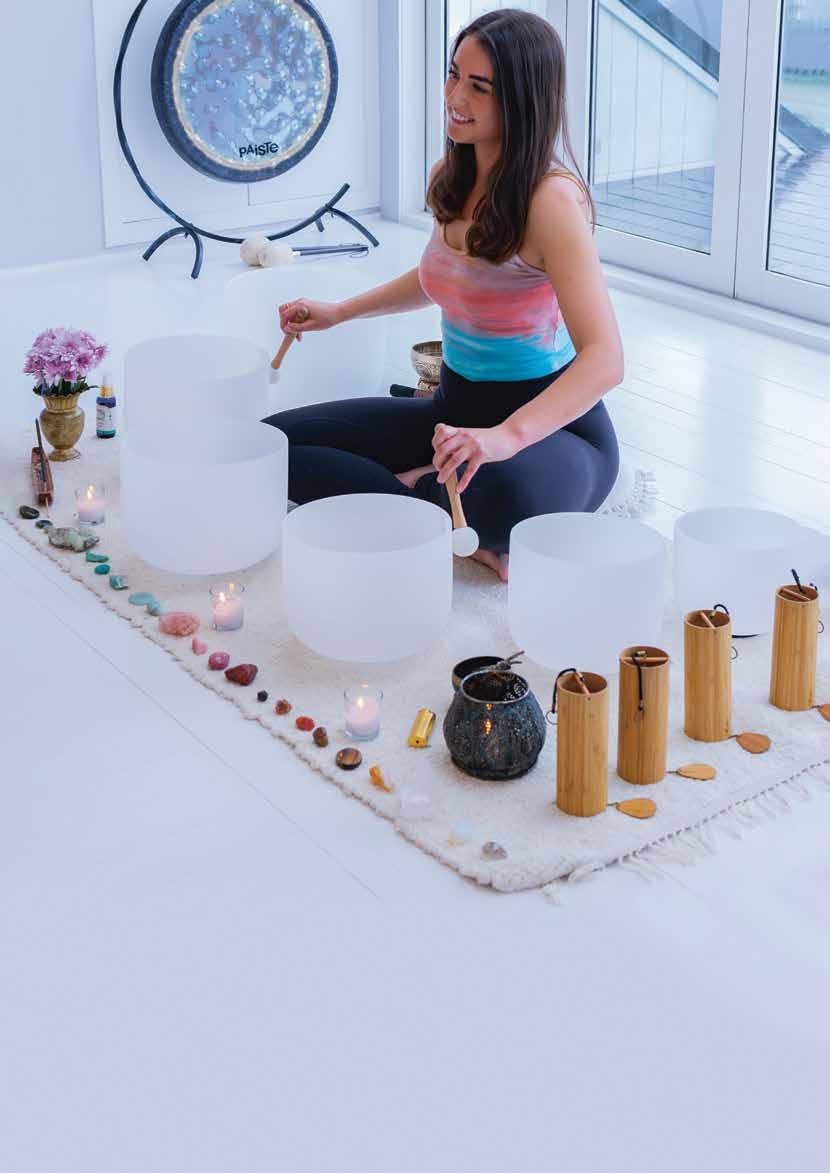
In 2019, she launched Crossing Paths, a wellness business blending corporate insight with over 15 years of wellbeing expertise. From inclusive retreats to bespoke programmes for leading brands like Westpac, L’Oréal, and JW Marriott, Sophie crafts luxury experiences that encourage deep alignment and mindful living. She was honoured in 2024 as one of Denizen’s top eight speciality wellness practitioners.
Now a proud mum to four-year-old Othello, Sophie continues to balance running her wellness business with her corporate role at Kerridge & Partners. She nurtures her own wellbeing through nature, daily rituals, and the same self-care practices she shares in retreats.
Explore more at crossingxpaths.com or follow @crossingxpaths for upcoming events, sound healing, and corporate offerings.

Theresa Setefano (nee Fitzpatrick): Trailblazer, Olympian, Rugby Icon and Pacific Woman.
Theresa, (peer year 2012) wears many titles with grace and power – Olympian, athlete, daughter, sister, wife, aunty, student, advocate, and community leader. As a dual-code dynamo for New Zealand Rugby, she’s etched her name into sporting history across both the 7s and 15s formats.
With a fierce presence on the field and a steady commitment off it, Theresa played a vital role in the Black Ferns’ World Cup victories in 2017 and 2021. In the fast-paced world of rugby sevens, she was instrumental in New Zealand’s golden runs through the 2016 Rio Olympics, 2018 Rugby Sevens World Cup, 2018 Commonwealth Games, 2020 Tokyo Olympics and 2024 Paris Olympics.
Away from the pitch, Theresa is pursuing a Bachelor of Health Sciences at the University of Auckland, driven by a deep passion for holistic wellbeing and health equity. Her dedication extends beyond sport, woven through her commitment to her Pacific heritage, her whānau, and her faith. Theresa remains grateful for the time and coaching she received in all areas while at St Cuthbert’s.
Theresa is more than a game-changer – she’s a story of excellence, empowerment, and purpose and we congratulate her!
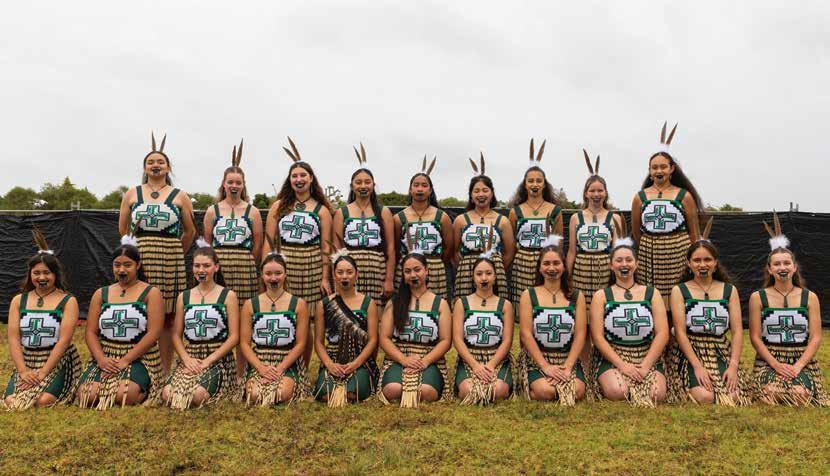
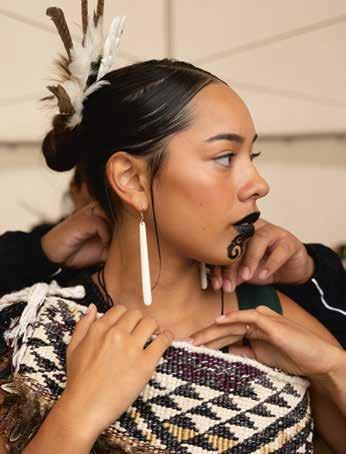
St Cuthbert’s College witnessed a truly historic moment this year when our exceptional Senior kapa haka group, Kahukura, delivered a breathtaking performance at the Auckland Secondary Schools Māori and Pacific Islands Cultural Festival (Polyfest).
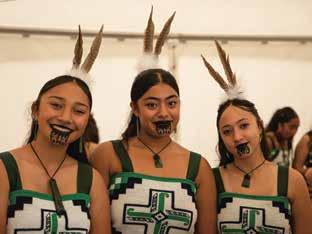
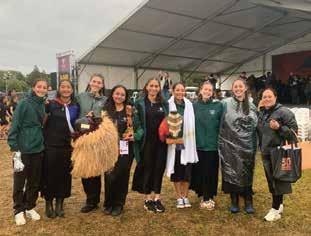
Kahukura’s performance was nothing short of extraordinary, earning them top honours across multiple categories:
• Haka taparahi – Their powerful and precise haka demonstrated exceptional unity and strength
• Kākahu (Costume) – Stunning traditional costumes that honoured Māori cultural heritage with authenticity and artistry
• Waiata Tira (Choral) – Equal first place for their beautiful harmonies and vocal excellence that captivated audiences and judges alike
• Manukura Wahine (Female Leader) – Recognition of outstanding female leadership and stage presence
• Mōteatea (Traditional chant) – Honouring ancestral voices through traditional chanting
• Waiata-ā-ringa (Action song) – Demonstrating skill in coordinated movement and storytelling
• Mita o te reo (Fluency of reo) – Acknowledging their commitment to te reo Māori and pronunciation excellence
We extend our heartfelt congratulations to every member of Kahukura, their teachers, cultural advisors, and the whānau who supported this remarkable journey. Your dedication to excellence and cultural authenticity has made St Cuthbert’s history and will be remembered for years to come.
Ka mau te wehi, Kahukura!
Along with the remarkable achievements at Polyfest 2025, Kahukura kapa haka have been instrumental in leading the following kaupapa Māori:
• Start of year Pōwhiri held with 300+ manuhiri.
• Kapa Haka support pōwhiri at Writers Festival.
• Mihi whakatau at the start of Term 2 at 100 year Epsom Campus Celebration and welcoming the new Deputy Principal John Payne.
• Matariki celebration: Including Tree of remembrance in the chapel, and Matariki flag raising ceremony.
• Kapa Haka group joined the Showquest group where they opened the performance with a haka.
Kahukura continues to enrich our school’s cultural landscape and foster a deeper understanding and appreciation of Māori heritage among all students and staff.
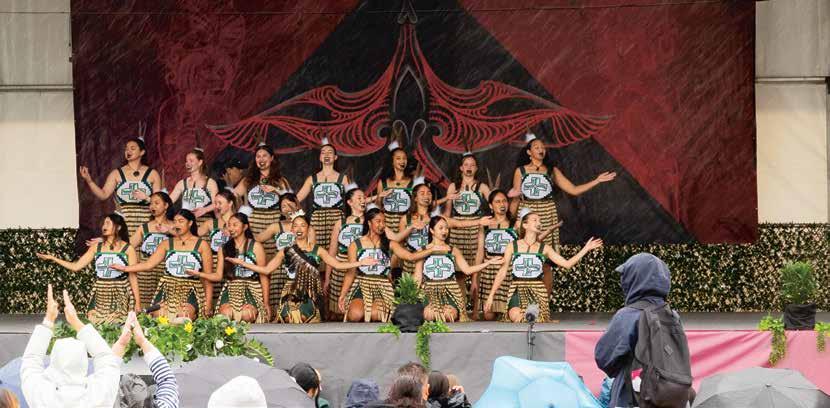
What is your role here at St Cuthbert’s?
I’m the new Head of Drama at St Cuthbert’s College, and I’m absolutely thrilled to be joining this incredible community. In this role, I’m responsible for leading the Drama department and shaping the creative vision for our performing arts programme. I bring with me extensive experience from my previous positions as Head of Drama at Rosehill College, Pakuranga College, Central Hawkes Bay College, and Timaru Boy’s High School.
What is your vision for Drama here?
My vision is ambitious but achievable: I want St Cuthbert’s to be THE school students come to for Drama and the Performing Arts. I envision every student seeing Drama as a space where they can express themselves authentically, take creative risks, and discover new perspectives about themselves and the world around them.
I’m committed to building a vibrant, inclusive Drama programme that offers high-quality performance opportunities while encouraging critical thinking and developing life skills that students can carry into any career path. This aligns beautifully with St Cuthbert’s evolution from STEM to STEAM education –the arts are essential for developing creative problem-solving, emotional intelligence, and innovative thinking.
We’ll be expanding our offerings with exciting school musicals and productions, regular theatre trips to expose students to professional work, and class theatre festivals that showcase the incredible talent across all year levels. I believe in combining professional artistry with exceptional education, ensuring our students receive both world-class training and meaningful personal growth.
My journey to St Cuthbert’s has been wonderfully diverse. I originally studied at the University of Guelph in Ontario, Canada, before making the move to New Zealand to pursue my teaching qualification at the University of Canterbury. It’s been an incredible adventure that’s shaped my perspective on education and theatre.
Throughout my career in New Zealand, I’ve had the privilege of leading Drama departments at several schools. Each experience has taught me something new about fostering creativity and supporting young people through the arts. My background extends beyond the classroom too – I’ve worked behind the camera in film and television, and both on and off the stage in theatre. This professional experience in the industry gives me real insight into what students need if they want to pursue the arts professionally, while also understanding how Drama skills transfer to every other field.
I’m also proud to sit on the National Executive for Whakaari Aotearoa Drama New Zealand, our subject association, which keeps me connected to the latest developments in Drama education across the country.
How is Drama beneficial to a student’s wellbeing?
Drama is transformative for student wellbeing in ways that extend far beyond the stage. In our Drama classes and productions, students develop confidence, empathy, and

resilience – skills that serve them throughout their lives. Through embodying different characters and exploring various perspectives, students develop emotional intelligence and learn to understand viewpoints different from their own. This builds empathy and helps them navigate complex social situations with greater understanding and compassion.
The collaborative nature of theatre creates strong community bonds. Students learn to trust each other, support one another through challenges, and celebrate collective achievements. There’s something magical about the way a cast or class comes together – it creates lasting friendships and a sense of belonging that can be particularly important during the teenage years.
Drama also provides a safe space for self-expression and risk-taking. Students can explore ideas, emotions, and aspects of their identity in a supportive environment. This builds confidence and self-awareness, while also developing their communication skills and public speaking abilities. Perhaps most importantly, Drama teaches students that their voice matters – that they have stories worth telling and perspectives worth sharing. This sense of agency and self-worth is invaluable for their overall wellbeing and future success.
Is there anything you would want to tell the community?
I want the St Cuthbert’s community to know that Drama is for everyone. You don’t need to be the most outgoing person in the room or dream of being on Broadway to benefit from what we offer. Drama develops critical thinking, creativity, collaboration, and communication – skills that are valuable whether you’re heading into medicine, business, law, technology, or any other field.
I’m passionate about creating an inclusive environment where every student feels they can participate and grow. Whether you’re interested in performing, directing, writing, design, technical theatre, or simply want to build confidence and have fun, there’s a place for you in our programme. I also want parents and the wider community to know that we’re not just putting on shows – though our productions will be spectacular! We’re developing the whole person, building skills and confidence that will serve students throughout their lives. The critical thinking, problem-solving, and collaborative skills developed through Drama are exactly what employers are looking for in today’s rapidly changing world.
I invite everyone to get involved. Together, we’ll make St Cuthbert’s a place where creativity thrives and every student can discover their unique voice.
What is your role here at St Cuthbert’s?
I am the Head of Dance and Deputy Head of Performing Arts at St Cuthbert’s College. My role is to lead the Dance programme and support the Performing Arts department in creating inclusive, collaborative, and inspiring opportunities where students can thrive creatively.
What is your vision for Dance here?
My vision is for Dance to be recognised as an inclusive and inspiring subject with a curriculum that is both relevant and engaging for all students. I aim to build rich resources and learning experiences that celebrate creativity, diversity, and collaboration while fostering strong connections between students, the wider St Cuthbert’s community, and the broader dance industry. I’m passionate about the value of the arts in education and want to provide more opportunities for students to share their talents and achievements.
What is your background in Dance?
I studied at the New Zealand School of Dance, and after graduating, I spent 13 years dancing with the Royal New Zealand Ballet, where I also had the privilege of choreographing for the company. I have choreographed and taught for the New Zealand School of Dance, several leading dance studios, and the Auckland Youth Dance Company.
After retiring from the RNZB, I completed a Masters in Dance Studies at the University of Auckland. I then taught at Pakuranga College before becoming Head of Dance at Saint Kentigern College, where I spent 10 years leading the programme. My career has allowed me to perform, create, and mentor across many facets of the dance industry, and I bring this experience into every classroom and performance opportunity.
How is Dance beneficial to a student’s wellbeing?
Dance and drama play a vital role in student wellbeing, offering a space for creative expression, confidence-building, and collaboration. These subjects encourage empathy, teamwork, and resilience—essential skills for life. Dance, in particular, provides a positive outlet for energy and emotion, while supporting both physical and mental wellbeing.
Is there anything you would want to tell the community?
I have been incredibly impressed by the talent, creativity and passion that our students bring to the arts. Performing Arts at St Cuthbert’s help build not only skill and confidence but also a strong sense of community and cultural understanding. I look forward to expanding opportunities for our students to share their work and connect with both the St Cuthbert’s whānau and the wider dance community.
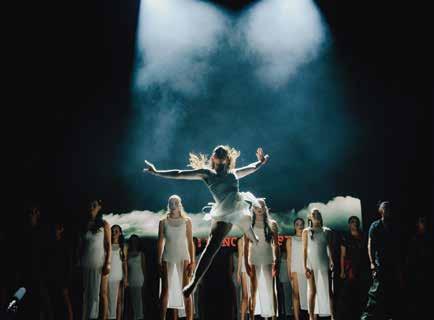

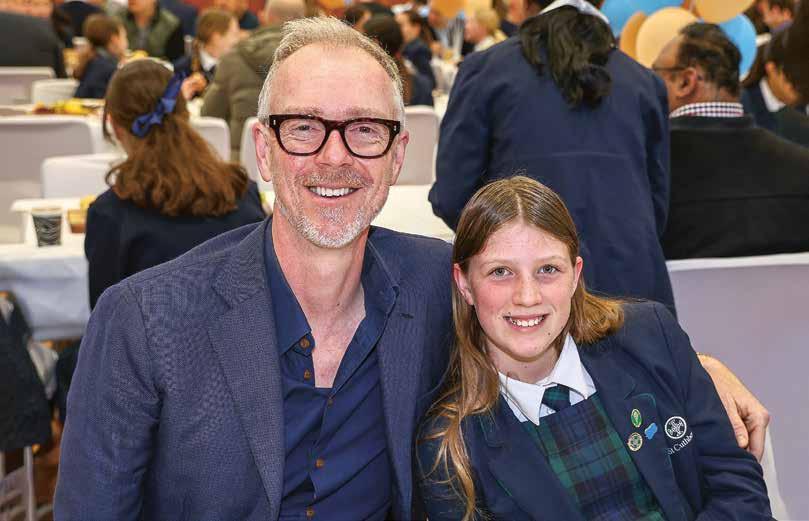
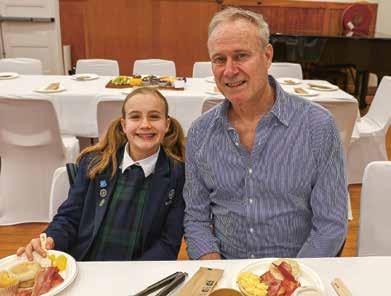
Thank you to our wonderful Dads who took time to attend our popular Father Daughter breakfasts this year. Guests enjoyed a special visit from the Police Dog Unit, whilst enjoying a delicious cooked breakfast.


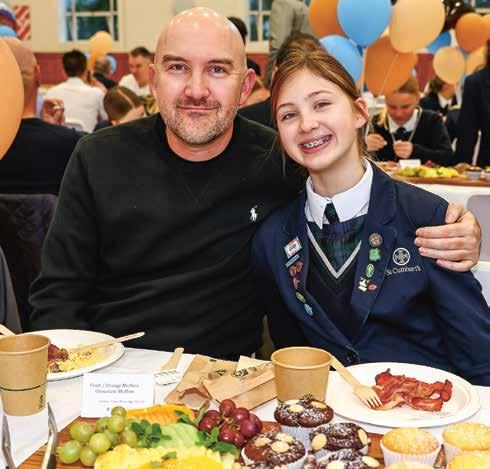
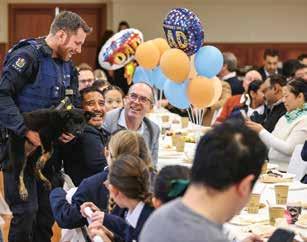

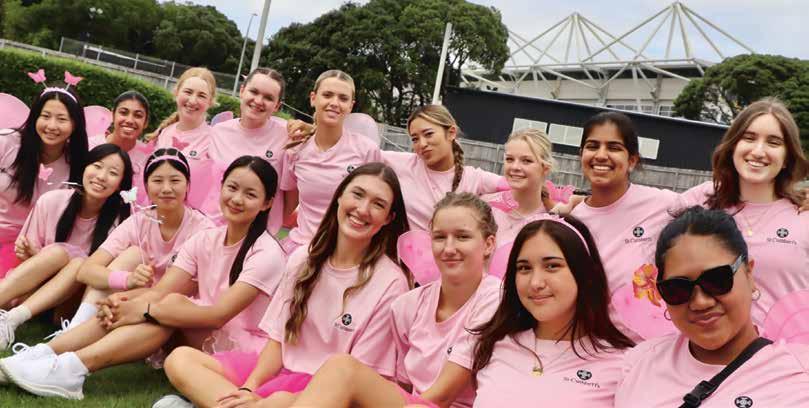
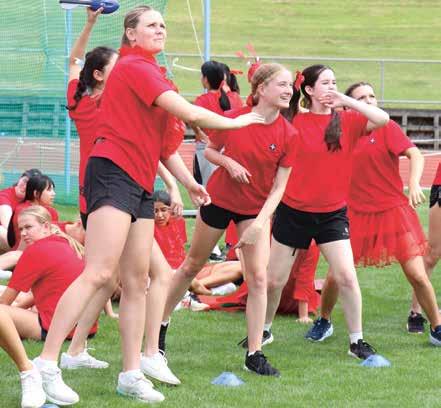
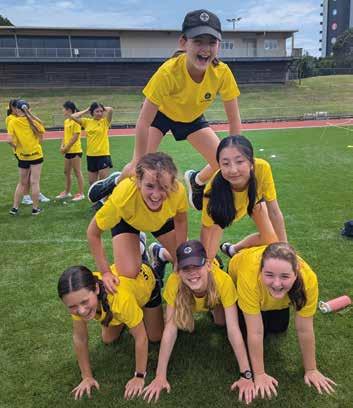
Whether competing or supporting, our students demonstrate that House spirit is about more than winning – it’s about community, belonging, and celebrating achievements together.
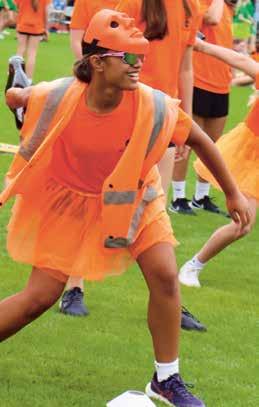
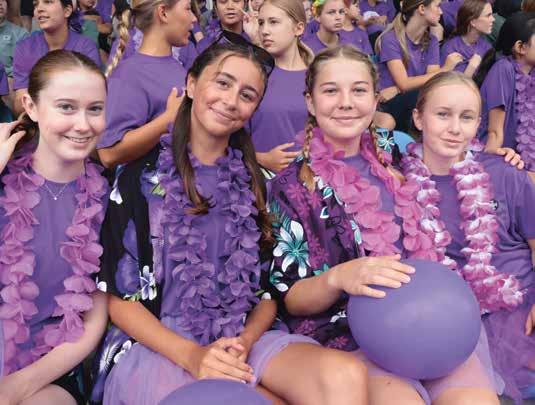
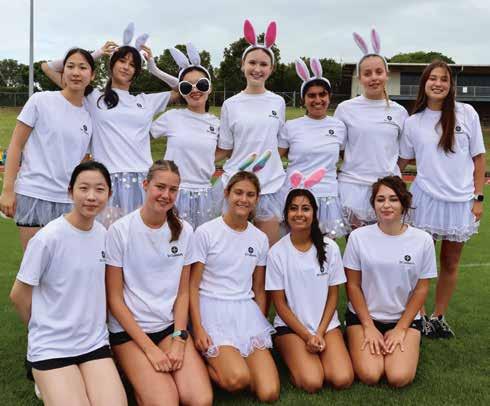
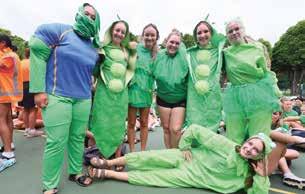
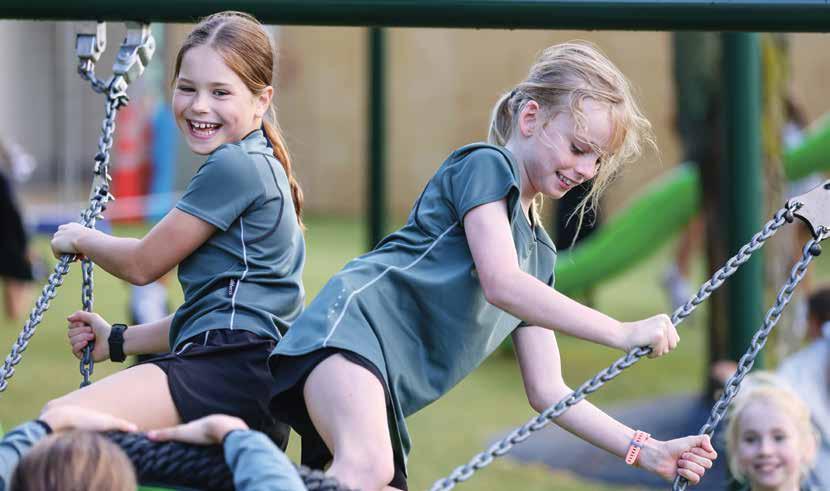
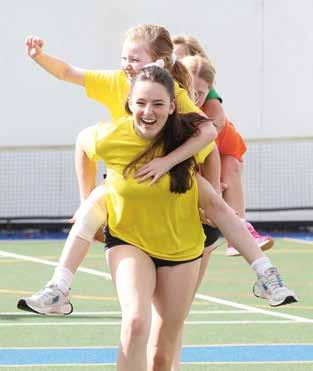
From vertical mentoring to horizontal yeargroup support, St Cuthbert’s is enhancing how we care for every student across Years 7–13, ensuring each girl receives developmentally appropriate guidance tailored to her unique needs and challenges. We sat down with our new Head of Senior School, and Deputy Principal, John Payne to find out more.
Beginning Term 1 2026, St Cuthbert’s will implement an enhanced horizontal pastoral structure that represents an important evolution in student care. This comprehensive framework shifts from the current vertical tutor groups to year-level groupings, ensuring every student receives support specifically designed for her developmental stage.
John Payne, Head of Senior School and Deputy Principal, explains the motivation behind this important change: “Over the past 12 months, we’ve undertaken a comprehensive review of our pastoral care framework. While our current vertical structure has served us well, fostering deep relationships and mentoring across year levels, we recognised evolving needs within our student body and the wider educational landscape.”
“We believe this new structure will deliver significant benefits for our girls’ wellbeing and academic success”
John Payne
The new horizontal structure places students in tutor groups with peers from their own year level, creating what Payne describes as “more targeted, developmentally appropriate support for each year group while maintaining the close relationships and community spirit that makes St Cuthbert’s special.”
“This approach enables us to design activities specifically for each year level, while fostering stronger peer relationships within year groups as students share common experiences and challenges,” Payne notes.
Year 7 students will continue with their current homeroom model, providing consistency during this crucial transition year. Years 8 –10 will, however, experience both core academic classes and separate tutor groups, creating additional pastoral touchpoints throughout their day.
“Across all year levels, students will benefit from refreshed tutor groups each year, encouraging new friendships and social connections while preventing social groups from becoming too insular,” Payne explains.
Central to the enhanced framework is the creation of specialist roles that recognise the different layers of support students need throughout their secondary school experience. The framework introduces several key positions designed to provide comprehensive student and family support.
Each year level will have two dedicated leaders working in close partnership. Head of Year roles focus specifically on pastoral care, wellbeing, and individual support. What makes this particularly valuable is that these leaders will move with students through their entire school journey from Years 7–13, building sustained relationships with both students and families over many years.
“This continuity is incredibly important,” Payne explains. “When a Head of Year knows a student from Year 7 through to Year 13, they understand her individual journey, her growth, and can provide support that builds on that deep knowledge.”
Working alongside them, Year Level Coordinators will remain with specific year levels, becoming true experts in what each age group needs. They’ll focus on curriculum-specific support, year-level wellbeing programmes, and coordinating the special events and experiences that make each year memorable.
Two additional coordinator positions will enhance areas of school life that are fundamental to the St Cuthbert’s experience. The House system has long been a cornerstone of school culture, fostering inter-year connections and school-wide community spirit. The new Houses Coordinator will build on this important tradition, expanding the current programme of House activities and competitions.
“Our House system creates those vital connections across year groups that we want to preserve and strengthen,” notes Payne. “With dedicated House meeting times within the timetable and increased student leadership opportunities, we’re ensuring this remains a vibrant part of school life.”
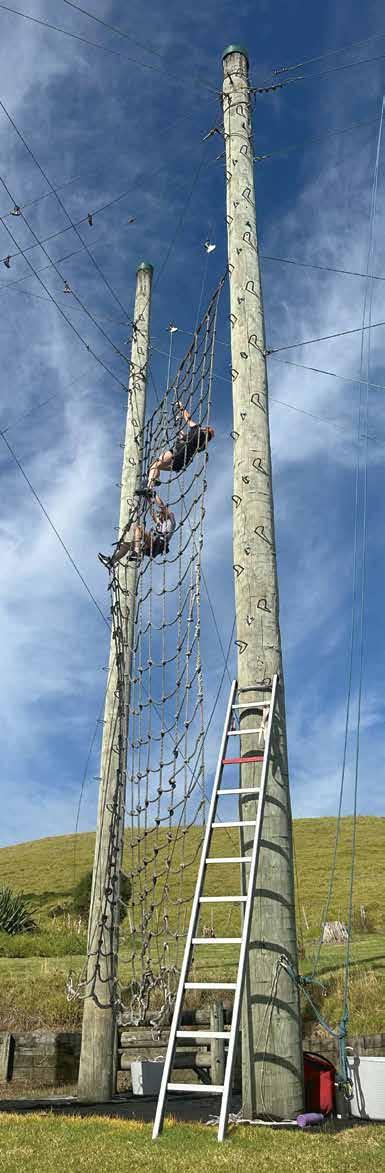
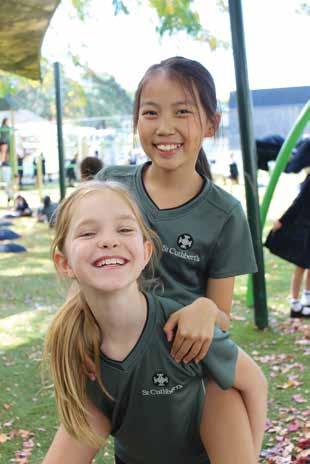
Similarly, the introduction of a Camp Coordinator reflects the school’s commitment to education outside the classroom. This role will streamline and enhance the social, emotional and physical experiences offered through camps for Years 7–9, with exciting plans to extend camp offerings to Year 8 in 2026.
Beyond these specialist roles, the new structure promises enhanced communication between pastoral care staff, subject teachers, and families. “The new structure is designed to streamline how we share information about your daughter’s progress and wellbeing, ensuring you are always well-informed and supported in your parenting journey,” Payne emphasises.
Payne acknowledges the valuable input received during the development process: “The feedback from our staff consultation process has been invaluable in refining our approach, as have my many interactions with our families and students over the past 12 months.”
This collaborative approach has ensured the framework reflects the real needs of the St Cuthbert’s community while maintaining the school’s core SERVICE values of Spirit, Excellence, Resilience, Valour, Integrity, Collaboration, and Empathy.
“This development represents our ongoing commitment to providing exceptional care that truly meets the evolving needs of our girls. We are confident that these changes will strengthen the pastoral care that holds our St Cuthbert’s community together.”
The framework represents a thoughtful response to ensuring the school continues providing excellent care while adapting to contemporary educational understanding about girls’ developmental needs and maintaining and enhancing the House system.
Julie Hogg, Deputy Head of Senior School, Pastoral
At the heart of St Cuthbert’s new pastoral care framework lies a suite of targeted programmes designed to support students at every stage of their journey. These evidence-based initiatives ensure no student falls through the cracks while fostering resilience, connection, and emotional intelligence.
Our Stronger Things programme specifically supports Year 7 students during their crucial transition period. Delivered in small groups, this wellbeing initiative helps young people develop emotional literacy and practical strategies for managing worry and stress while fostering positive emotions like confidence and happiness.
“The programme creates a safe space where students learn from each other’s experiences and build a sense of belonging and connection,” explains Hogg. “We focus on recognising unhelpful thoughts and developing actions that enhance wellbeing.”
For students experiencing significant change or transition, our Travellers programme offers specialised support. This Ministry of Health-funded initiative runs over eight weekly sessions, helping students build resilience and develop healthy coping strategies for life’s inevitable changes.
The Peer Support Programme focuses on developing key competencies such as self -management, relating to others and participating and contributing. It provides structured support for Year 9 students through trained senior student leaders. “This creates positive role models while helping new students build confidence and develop friendships,” Hogg notes. “It demonstrates our commitment to student leadership and empathy.”
Our weekly Connections Group offers another layer of support, bringing together students who may benefit from building new relationships within the school community. Led by trained year-level mentors, these groups foster positive peer relationships through inclusive, student-led activities.
Underpinning all pastoral care is our CASEL framework (Collaborative for Academic, Social, and Emotional Learning), which provides structure for developing self-awareness, self-management, social awareness, relationship skills, and responsible decision-making.
“This holistic approach allows social and emotional learning to be woven throughout school life,” Hogg explains. “It respects our community’s diversity while building essential life skills.”
Technology enhances our pastoral care through the Orah Nurture app, enabling real-time monitoring and response to student needs. Combined with our multidisciplinary wellbeing team, including counsellors, and psychologists, we ensure comprehensive support is always available.
Our SchoolTV platform extends support beyond school hours, providing parents with extensive wellbeing resources. “It strengthens the school-family partnership and helps start those difficult conversations,” Hogg emphasises.
These programmes work together to create an environment where every student feels known, valued, and supported throughout her St Cuthbert’s journey.




This year has brought an exceptional series of parenting seminars to our school community, addressing some of the most pressing challenges facing families today. From digital wellness to adolescent development, these expert-led sessions have provided invaluable insights and practical strategies for parents navigating the complexities of modern parenting.
The expert perspectives shared throughout the year have not only provided immediate practical value but have also contributed to building a more informed, connected parent community.
The thoughtful curation of the following topics from screen time management to friendship navigation to social media impact, reflects our school’s commitment to addressing the real challenges facing families today while building the foundation for healthy, resilient young adults.
The year began with a focus on one of today’s most significant parenting challenges: managing children’s relationship with technology. In February, Adrienne Wood from HeartSync led our “Healthier Screens Talk”, specifically addressing the needs of pre-teen families. Drawing on her extensive background as a former high school teacher, lecturer in human development and training with the Neufeld Institute, Adrienne offered parents a relational developmental perspective on supporting children toward healthier screen habits. Her unique approach, informed by her work with youth displaying complex or challenging behaviour and her experience as a mother of two adolescents, provided families with both theoretical understanding and practical tools.
Building on this foundation, March brought Holly Jean Brooker from the Parenting Place for “Tackling Technology Parent Talk.” As an Online Safety Advocate with over a decade of experience in education and marketing, Holly brought particular expertise in child safety online. Her dual perspective as both a former high school teacher and co-founder of MakesSense.org.nz, an advocacy organisation working toward better regulation of online harm to children—offered parents insights into both immediate protective strategies and broader systemic changes needed to keep children safe in digital spaces.
March also featured a comprehensive women’s health presentation by Dr Anil Sharma, one of New Zealand’s leading women’s health experts. This session, designed for both parents and Year 13 students, addressed crucial topics including pelvic pain and endometriosis, pelvic floor health, abnormal periods, ovarian cysts, and fibroids. Dr Sharma’s extensive experience, having helped deliver over 5,000 babies and his longstanding connection to our school community as a former Trust Board member and parent of three Old Girls, brought both professional expertise and personal understanding to these important health discussions.
The social and emotional development of our students took centre stage in March with Charlotte Avery’s presentation on “Girls and Their Peers – Managing Friendships and Relationships.” Tailored specifically for Year 6 –13 parents, this session tackled the complex landscape of adolescent friendships, addressing friendship fallouts, relational aggression, bullying, and cyberbullying. Charlotte’s research-based approach provided parents with both understanding of why these challenges occur and practical strategies for support, along with valuable reading recommendations for continued learning.
The seminar series reached its pinnacle in May with Dr Danielle Einstein’s comprehensive presentation on social media’s impact on young people. As a clinical psychologist with nearly three decades of experience, Dr Einstein brought internationally recognised expertise in uncertainty, OCD, and technology use to our community. Her groundbreaking work as the first Australian clinical psychologist to call for school phone bans and her recent involvement in social media age legislation provided parents with cutting-edge insights into this rapidly evolving challenge.
Dr Einstein’s presentation addressed fundamental questions about social media’s effects on young people, exploring whether social media can be harmless in small doses and how to provide students with structured, supportive introductions to these platforms. Her research into the relationship between dislike of uncertainty and social media use offered parents new perspectives on their children’s digital behaviour, while her findings on technology’s effects on anxiety and emotional health provided crucial context for family decision-making.
Most recently, our seminar series has expanded to address fundamental aspects of adolescent wellbeing and self-care. The latest presentation for Year 6-13 parents focused on three critical areas: body image, nutrition, and sleep. This comprehensive session provided research-based insights into each area while offering practical strategies for both school and home environments, along with recommended reading to support families in fostering healthy habits and positive self-perception in their daughters.
These seminars represent more than individual presentations—they form a comprehensive support system for our school community. By addressing the interconnected challenges of digital wellness, physical health, social development, and emotional wellbeing, this year’s program has equipped parents with knowledge, strategies, and confidence to support their children through the unique challenges of contemporary adolescence.
As we continue to navigate the evolving landscape of modern parenting, these seminars serve as both valuable resources and catalysts for ongoing dialogue within our school community.
Arieli, Sophia
7 Claudia Arieli (Collinson)
Aughton, Emilia 6 Katie Jacobs (Step Mother)
Bayvel, Raphaelle (Raphie) 6
Bean, Haana 7 Anna Bean (O'Loughlin)
Beith, Holly 7 Katherine Beith (Swanston)
Bourke, Anna 7 Elizabeth Bourke (Arkle)
Brown, Ella 7 Rebecca Caughey
Bruinsma, Lillian 4
Cable, Ava 3
Cable, Scarlett 6
Sarah-Jane Bruinsma (Thompson)
Aimee Cable (Gillett)
Aimee Cable (Gillett)
Collins-Saggs, Amélie 10 Philippa Collins
Collins-Saggs, Evangeline (Evie) 7 Philippa Collins
Creamer, Rosie 12 Diane Emery
Cupples, Zara 4 Anna Cupples (Wills)
Foord, Hannah 6 Sarah Foord (Russell)
Ashleigh Ogilvie-Lee (McKegg)
Merrilyn Maguire (Steele)
Merrilyn Maguire (Steele)
Joanne Wills (Hughes) Jean Hughes (McKenzie) Joycelen McKenzie (Bews) (Great great Grand Mother)
Gibson, Bella 9 Judith Gibson (Thompson)
Grayson, Eve 7 Rosemary Grayson (Heywood) Beatrice Walls (Lowe)
Hegan, Matilda 7 Kirsten Hegan (Allan)
Holdsworth, Isabel 8 Deborah Schlichting Helen Schlichting (Ambler)
Hutton, Lily 5 Charlotte Hutton
Jacobson, Briar 9 Lauren Jacobson (Cundy)
Johnston, Georgia 4 Nicola Johnston (Watts)
Kiteos, Isabel (Izzy) 7 Stephanie Kiteos (Watts)
Knight, Emma 5 Rebecca Knight (Winstone)
Kruse, Isabella 9 Kirstin Kruse (Drake)
Lucas, Isabel (Izzy) 3 Stefni Baigent-Lucas (Baigent) Mace, Olivia 7 Philippa Mace (Cuthbert)
Madsen, Camilla (Millie) 5 Katie McInness
Madsen, Rosa 5 Katie McInness
Elizabeth Parson (Wilson)

Susanne McInness (Parkinson)
Susanne McInness (Parkinson)
McQueen, Kate 7 Sarah McQueen (Whitburn) Alison Whitburn (Warren)
Moselen, Irene 7 Desley Moselen
Mutu-Grigg, Maia 7 Gabrielle Ali
Reeves, Charlotte 7 Megan Reeves (Wallis)
Russell, Zoe 9 Anna Russell (Jolly)
Margaret Jolly (Wilson) Shaw, Scottie 5 Sally Shaw (Graves)
Siliva-Heihei, Ella-Maisie (Ella) 9 Tayla O'Meara-Heihei (Hei Hei)
Spencer, Francesca (Totto) 4 Olivia Spencer (Davison)
Meagan Schick (Simmons)
Spencer, Mathilda 6 Olivia Spencer (Davison) Meagan Schick (Simmons)
Stevenson, Manaia 7 Lisa Stevenson (Gillanders)
Thomas, Madeline 9 Annabel Fair
Wong, Sophia 10 Elaine Kan
Young, Isabelle (Izzy) 7
Jane Young (Hayward)
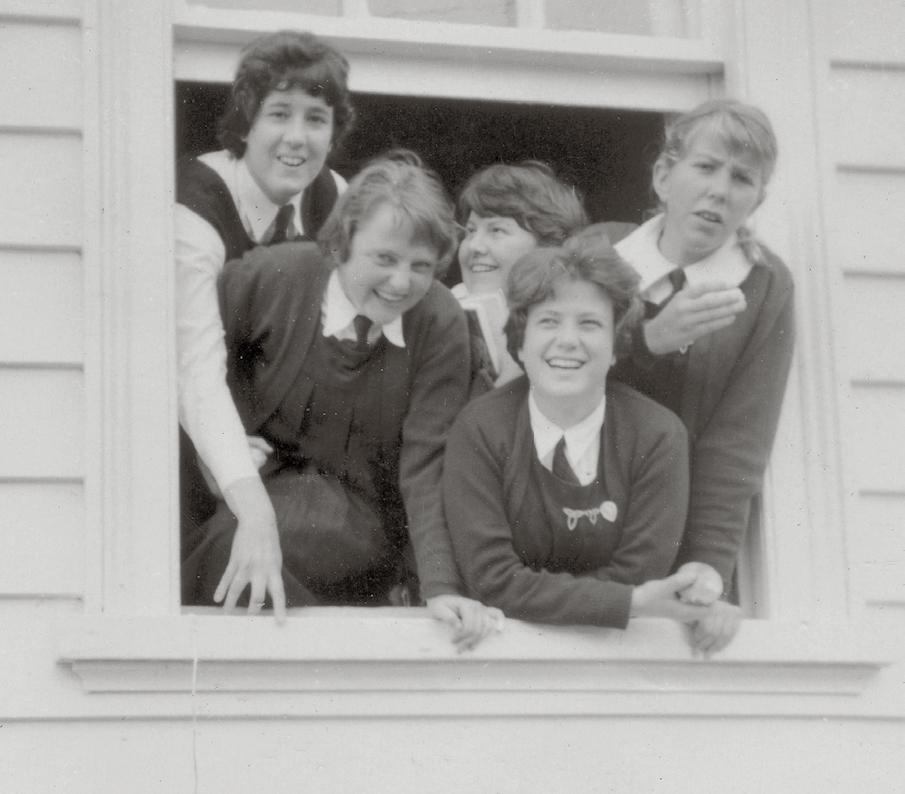


We sadly farewell the following Alumni:
Catherine Dakin (1981)
Enid Bull – Former Nurse and Assistant Matron of Elgin House
Janis Eileen Paterson (McLachlan, 1963)
Margaret Valerie (Margie) McMillin (1961)
Jane Hughes (Simmons, 1970)
Ola Margaret Burt (Savory, 1957)
Gay Scaniglia (Cox, 1956)
Kathryn (Kathy) Julie Sandiford (Fraser, 1979)
Margaret-Anne Williams (McFadyen, 1948)
Georgina Lesley (Georgie) Clatworthy (1986)
Samantha Sinclair (1984)
Jeanette Storey Williams (1955)
Gillian Barbara Hinchliffe Robertson (Jones, 1961)
Carole Faye White (1950) (Dorothy) Jill Morrison (Sutcliffe, 1953)
Caitlin Mary Parker Allen (2018)
Moira Andrew (Young, 1950)
Anne Pirrit (Ellett, 1956) 1952 –1956
Died 7 April 2025. Anne was a Boarder at St Cuthbert’s College for five years and served as a school Prefect. She was a talented athlete who represented the school in athletics, hockey, cricket, and netball. She is survived by her two sons and three granddaughters.