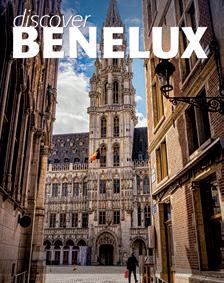

Dear Reader,
The craftsmanship of brewers in Belgium and their outstanding beers are appreciated around the world and this year is even a little more special, with the tenth anniversary of Belgian beer culture being recognised on UNESCO’s list of intangible cultural heritage.
If you’re curious and want to know more, in particular about the world of lambic, the biennial Toer de Geuze in May is a great opportunity to visit some of the world’s best breweries and blenders. And the triennial Beer and Hops Festival in Poperinge in September is set to be a hit once again, attracting many thousands of visitors. You can read about both in our cover feature.
On the subject of beer, we also do a deep-dive into Dutch beer culture and discover a dynamic culture, diversity in beer styles, and a sense of community. This community spirit is evident in the group Beer Geeks, which has more than 18,000 members. Recently I met its founder, Ferry Wijnhoven, and was impressed by his story about how it all started. Read this feature, and learn more about the brew collab that has raised over 522,000 euro so far for charity.
In our spring issue you will find plenty more, for instance a guide to Ypres, also called the beating heart of Westhoek. In December, I was lucky to visit Ypres, even if it was just for one day – what a fascinating destination. If you have the chance, stay a few days more and explore the city’s medieval history, the war memorials from World War I, as well at the buzzing centre and beautiful surroundings. It so happens that there are also some fabulous breweries to check out.
We also go on a journey of flavours in our culinary feature, from a delightful cheese shop in Brussels to a Michelin-star restaurant in Turnhout. In our Culture section, you will find a feature about three voices in Benelux that you don’t want to miss right now, and we highlight some of the best exhibitions, concerts, festivals and more – to boost your spring mood.
Enjoy our vibrant new issue of Discover Benelux!

Malin Norman Editor
6 Artistic masters and The Antwerp Six
In our Design section, we are inspired by artistic masters from Belgium and the Netherlands, whose works will also be on displays this year. We also explore MoMu’s upcoming exhibition about The Antwerp Six, in celebration of the groundbreaking group of fashion designers.
10 Made in Netherlands
Tudy’s kitchen is re-defining what ice cream can be – imaginative, intentional and soulful. The Amsterdam-based brand blends nostalgia with craftsmanship, turning familiar flavours into something addictive.
13 Made in Belgium
Líkami is built on the belief that skincare should be pure, effective and effortless – and powered by botanical wisdom and modern bio-engineering. The result is intelligent formulations rooted in respect for nature.
14 Pure craftsmanship and hop devotion in Flanders
This year sees two iconic events in Belgian beer; the 15th edition of the biennial Toer de Geuze, with 14 outstanding producers opening their doors during a weekend in May, and the triennial Beer and Hops Festival in Poperinge – an event that has been running for 70 years.
22 Ypres, the beating heart of Westhoek
In this guide, we explore the history of Ypres, a medieval trading hub and key site during World War I. These days, Ypres is thriving with cultural activities, family-owned breweries, buzzing beer cafés and culinary gems.
28 Slow moments in Clervaux
In Clervaux, in the heart of Luxembourg’s Ardennes, travellers can reconnect with nature and heritage while savouring the spring in a mindful way. This must-see destination tempts with rich history, scenic trails, cultural treasures and culinary experiences.

32 Vibrant beer culture in the Netherlands
Known for its innovative brewers, the Dutch beer scene is also characterised by diversity in beer styles and a sense of community amongst beer fans. In this deep-dive into the country’s beer culture, we also recommend six breweries to check out.
40 Dutch brewing collaboration for charity
Since 2018, Beer Geeks Beat ALS has raised over 522,000 euro for the Dutch ALS foundation. March sees the release of the latest brewing collaboration, with 80 breweries taking part.
44 A flavourful journey
From a praised cheese shop in Brussels, to unexpected food and beer pairings, and finally a Michelin-star restaurant, we highlight some of the best gastronomic experiences in Belgium right now.
60 Hoppy beers, made in Brussels
Praised brewery Brasserie de la Senne has a thoughtful perspective on brewing. During a visit at the brewery, co-founder and head brewer Yvan De Baets explains the brewers’ hands-on approach.
64 Three Benelux names in music this spring
In our spring issue, we take a look at three prominent names in music: Belgian singer-songwriter Margio Bay, who has released three new singles; Claude, who represented the Netherlands at the 2025 edition of the Eurovision Song Contest; and singer, songwriter and producer Luzac from Luxembourg.
70 The best events, film and music in Benelux
There is plenty going on across Belgium, the Netherlands and Luxembourg to keep your cultural cravings satisfied. In our Culture section, we highlight upcoming exhibitions, as well as music, film and comedy festivals, plus concerts such as Sombr – one of the moststreamed artists in the world.
BEST OF THE MONTH
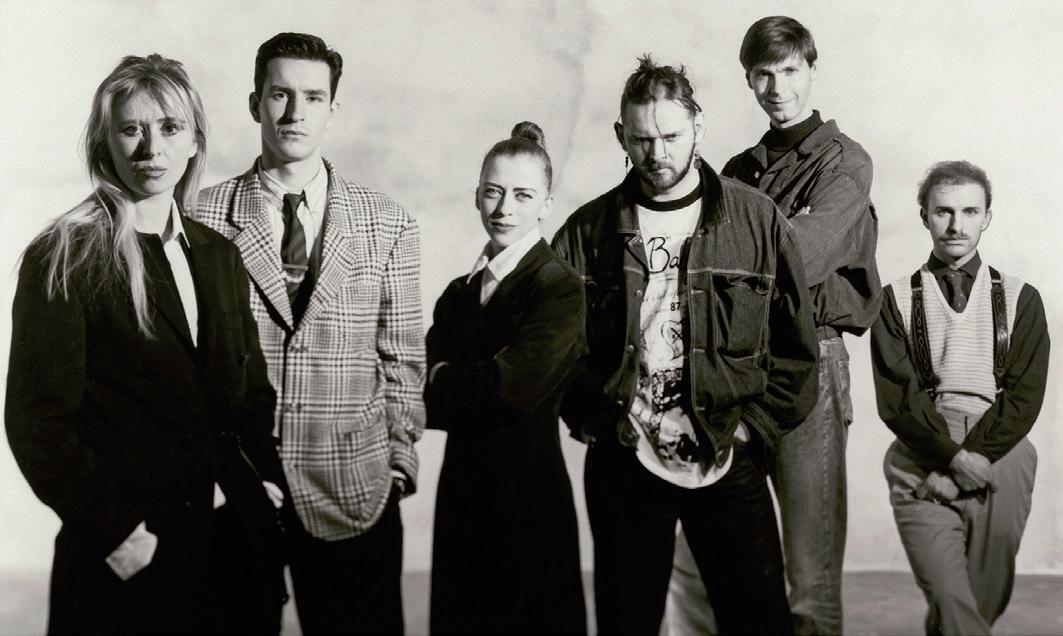
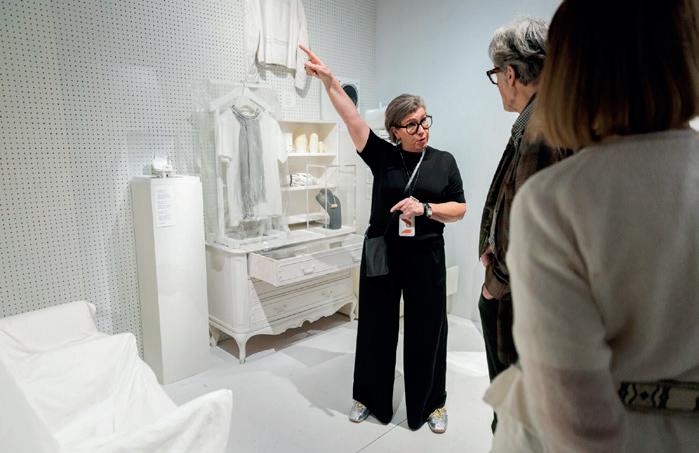
The Antwerp Six changed the international fashion landscape. Celebrating 40 years since the group’s breakthrough, MoMu presents a large-scale exhibition that opens on 28 March. We take a closer look at what to expect from The Antwerp Six.
Editor’s Choice
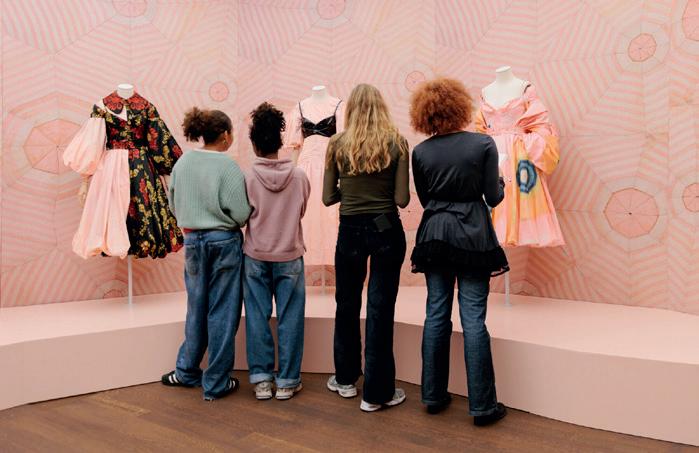
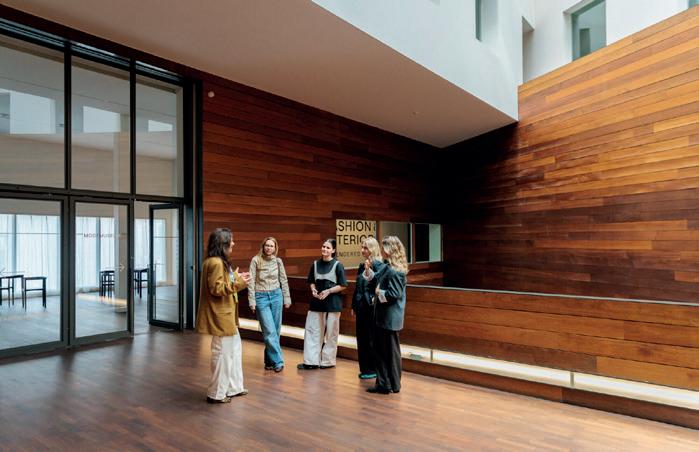
MoMu in Antwerp features the largest collection of contemporary Belgian fashion in the world. This spring, MoMu opens a new exhibition in honour of The Antwerp Six.
Established in 1986, it is now 40 years since the breakthrough of the six iconic fashion designers, who each presented own collections at the British Designer Show in London; Dirk Bikkembergs, Ann Demeulemeester, Walter Van Beirendonck, Dries Van Noten, Dirk Van Saene and Marina Yee.
Although they never operated as a label, fashion house or collective, the six designers became a powerful brand. The new exhibition will highlight what connected these exceptional designers, from their
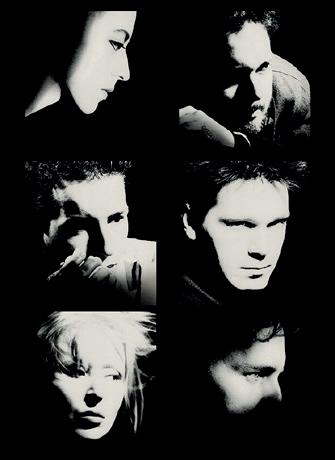
studies at the Royal Academy of Fine Arts in Antwerp. For the first time, visitors will be able to see clothing, accessories and textiles, plus unexpected items including tools, machines for textile production, patterns, and more.
MoMu’s exhibition The Antwerp Six will be accompanied by a programme of events, from openings, performances and workshops, to youth projects. Kicking off with the opening weekend, 28-29 March, MoMu offers free guided tours, drop-in workshops for families, plus other activities, and the museum library will have a special display about Belgian fashion.
From April, MoMu presents Wave Together. The initiative brings together young people and professionals, creating spaces where informal conversations can take place and motivate them to make a difference. The encounters may even grow into collaborations such as internships and assignments.
The creative fashion project REVERSE will take place on 17 April. Developed by MoMu in collaboration with Alex Akuete, REVERSE is for young people aged 1625, who can explore their creativity and a new future through fashion – connecting them with fashion students, teachers and professionals. REVERSE offers hands-on workshops and culminates in a fashion show.
This fall, MoMu supports a pilot fashion maker space. In collaboration with Permeke Library and Kubus, its youth library, Makerspace invites young people aged 15-25 with an interest in fashion and creation to workshops, talks and digital formats. Participants will be able to experiment with materials, machines and techniques, discover upcycling, repair and craft practices, and the environmental impact of fashion.
And from 20 November, in collaboration with hetpaleis, MoMu invites young audiences to SEW WHAT, which promises a fresh look at the clothes they wear and the impact on their media consumption. Aimed at young people aged 10-14, SEW WHAT focuses on fashion, identity and sustainability.
BOOK CELEBRATING 40 YEARS OF THE ANTWERP SIX
For those who want to read more, Hannibal Books is publishing the book The Antwerp Six, available in English and Dutch from late March. Accompanying the exhibition at MoMu, the book celebrates the six designers and their enduring impact on the fashion scene.
The new book features essays by leading fashion experts such as Tim Blanks, Angelo Flaccavento, Eugene Rabkin, and Oscar van den Boogaard. Furthermore, it delves into the lasting impact of the groundbreaking designers on contemporary fashion.
The Antwerp Six
28 March 2026 – 17 January 2027 MoMu - Fashion Museum Antwerp www.momu.be
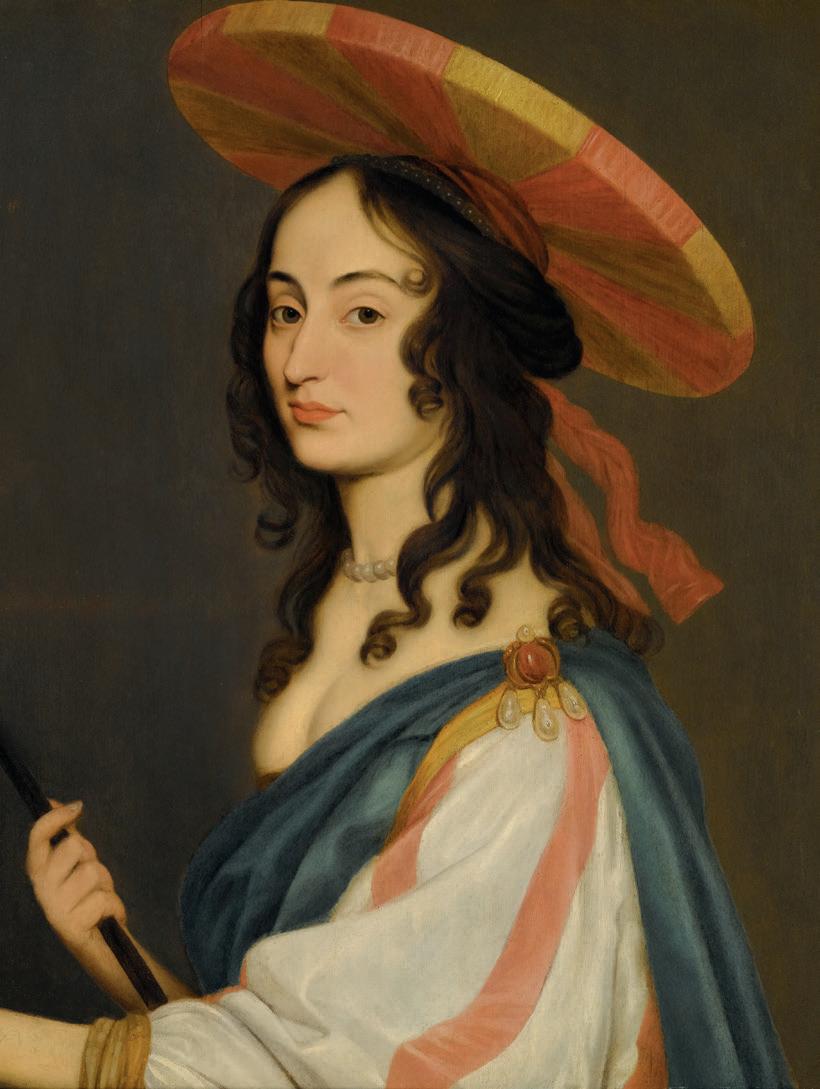
March sees the opening of a new exhibition at Museum of Fine Arts Ghent. Unforgettable tells the story of how women played a fundamental role in the artistic life of the Low Countries between 1600 and 1750, however they were ignored in classical art history. The exhibition includes works by more than 40 women, for instance Clara Peeters, Louise Hollandine van de Palts, Judith Leyster, and Michaelina Wautier.
Exhibition: Unforgettable – Women artists from Antwerp to Amsterdam, 1600–1750
7 March to 31 May 2026, MSK - Ghent www.mskgent.be
Spring is approaching and we feel inspired by the genius of artistic masters from Belgium and the Netherlands. Coincidently, you will also be able to see their works at exhibitions this year.
Editor’s Choice | Press photos
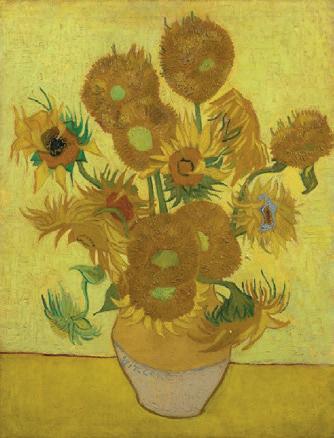
A new exhibition at Van Gogh Museum explores what the colour yellow meant to Vincent van Gogh, as seen for instance in the artist’s paintings of sunflowers in a vase. Van Gogh painted a total of five large canvases with sunflowers, in the south of France 1888-1889. In the exhibition Yellow. Beyond Van Gogh’s Colour, an installation by Olafur Eliasson also offers a unique experience of this colour.
Exhibition: Yellow. Beyond Van Gogh’s Colour
13 February to 17 May 2026, Van Gogh Museum, Amsterdam www.vangoghmuseum.nl
The exhibition Willem de Kooning at work, which opens at Rijksmuseum in Amsterdam in October, provides a comprehensive overview of the artist’s drawings, alongside selected paintings and sculptures. Visitors will be able to follow his journey from Rotterdam, his hometown, to New York – and in his paintings see the constant search for renewal.
Exhibition: Willem de Kooning at work 9 October 2026 to 17 January 2027, Rijksmuseum, Amsterdam www.rembrandthuis.nl
At Rembrandt House Museum, you can get inspired by Rembrandt and his home, where he lived and worked for 19 years and created his biggest masterpieces. The exhibition Rembrandts Masterclass features etchings, paintings and drawings by Rembrandt, and focuses on his craftsmanship, technique and tactics. You can also study the paining The Anatomy Lesson of Dr. Deijman, which is on loan from Amsterdam Museum.
Exhibition: Rembrandts Masterclass 30 January to 25 May 2026, Rembrandt House Museum, Amsterdam www.rembrandthuis.nl
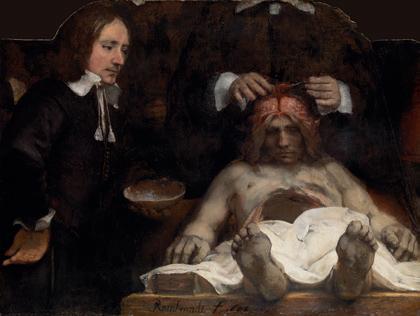
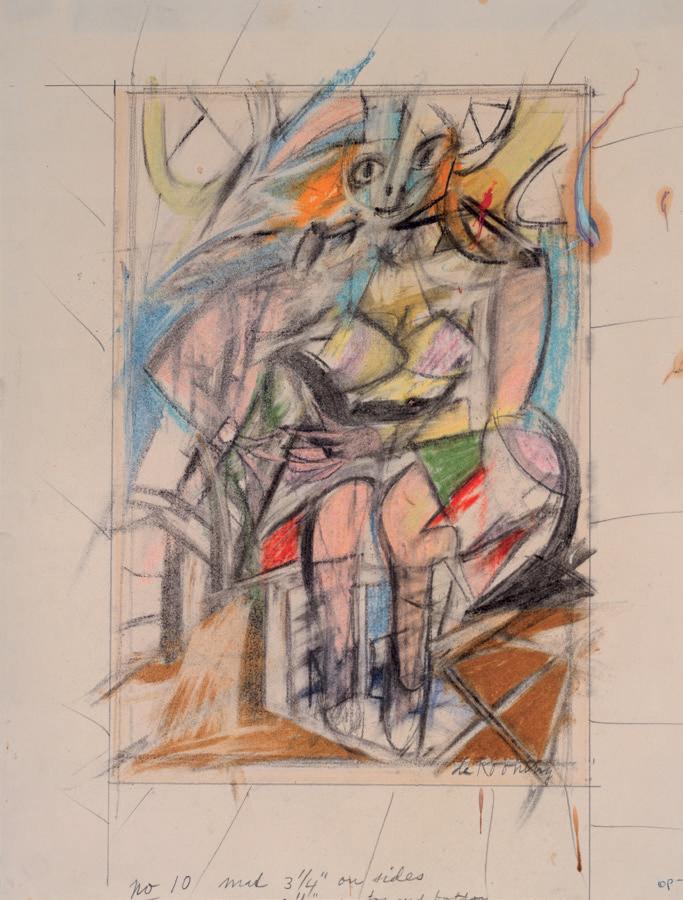
de Kooning, Woman (Seated Woman I), 1952, pastel on paper, 28.9
19.69 cm. Private Collection. Courtesy Hauser & Wirth Collection Services. © 2025 The Willem de Kooning Foundation/ Artists Rights Society (ARS), New York
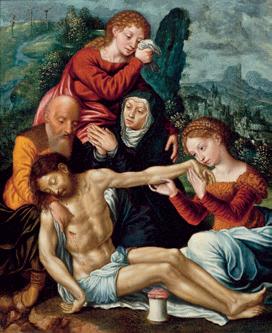
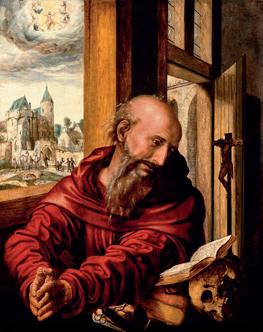
This autumn promises a retrospective exhibition dedicated to the Van Hemessen family, in collaboration with The National Gallery in London. Showing at Snijders&Rockox House in Antwerp, Van Hemessen & Father will bring together works by Jan Sanders van Hemessen and his daughter, Catherine, who was a pioneer among 16th century female painters.
Exhibition: Van Hemmesson & Father – The Antwerp Workshop of Jan and Catharina van Hemessen 15 October 2026 to 31 January 2027, Snijders&Rockox House, Antwerp www.snijdersrockoxhuis.be
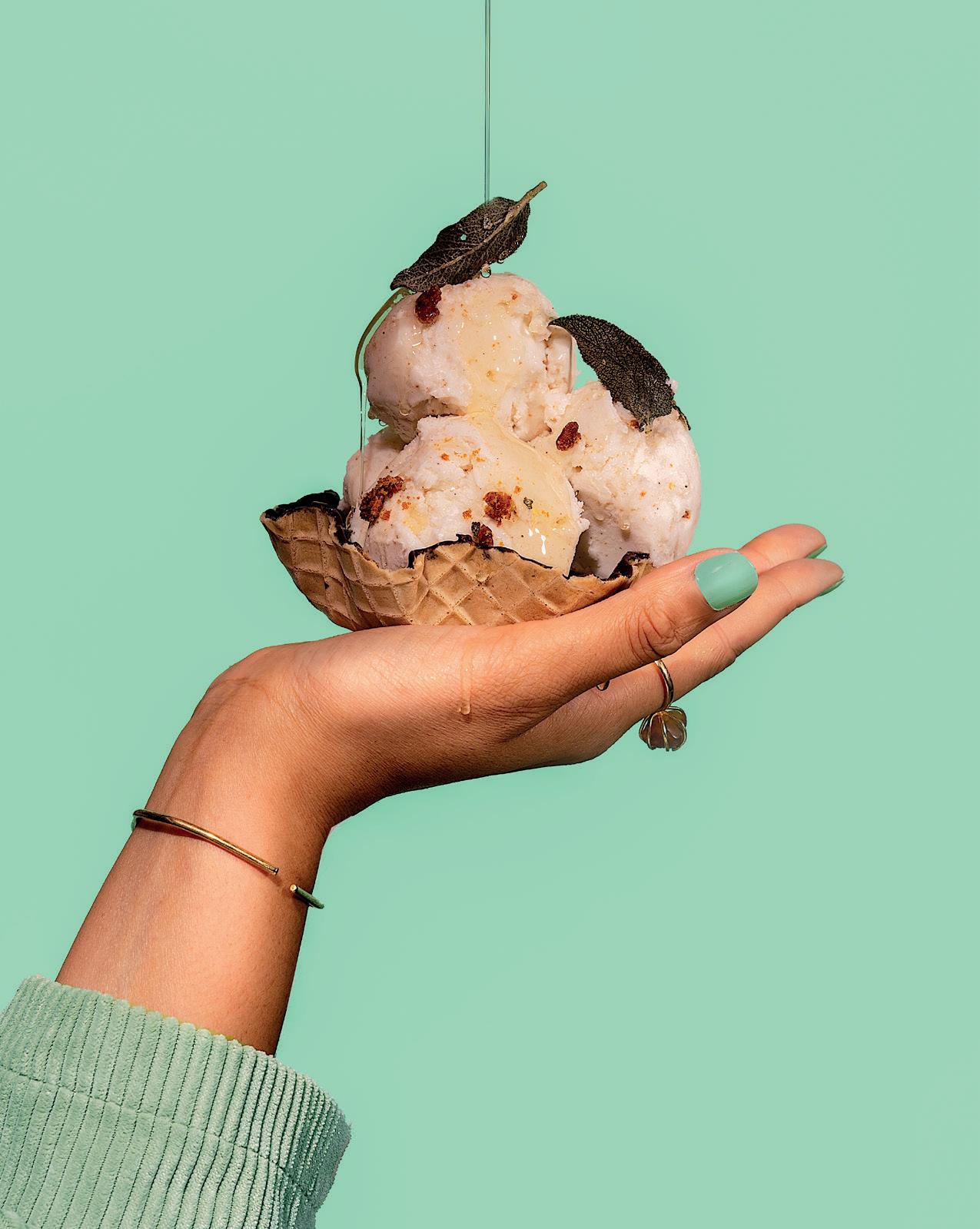
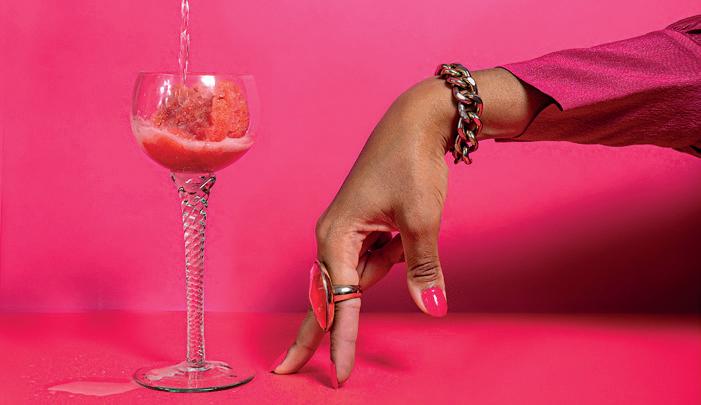
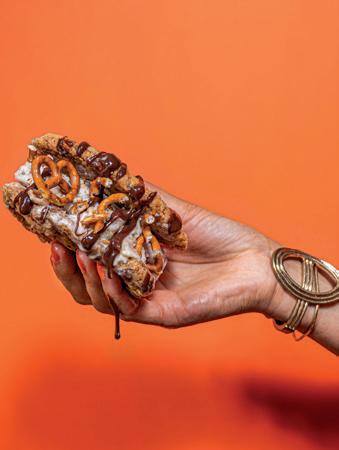
Born from delicious memories and a rich culinary culture, Tudy’s Kitchen is redefining what ice cream can be. The Amsterdam-based brand was founded by Nekeia Boone and blends soulful nostalgia with craftsmanship, turning familiar flavours into “something quietly addictive.”
By Paola Westbeek | Photos: Tudy’s Kitchen
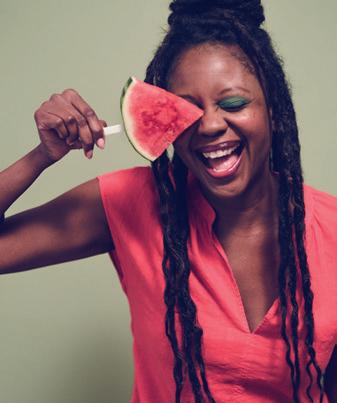
Named in honour of Boone’s grandmother, Tudy’s Kitchen embodies that same sense of warmth and generosity that she so fondly remembers. “Her kitchen always smelled like something comforting simmering on the stove – warm, familiar, and impossible to rush,” Boone recalls. That feeling became the emotional blueprint for the brand when she launched it in 2021, after moving from Harlem, NYC, to Amsterdam in 2009, and eventually rediscovering creativity through ice cream.
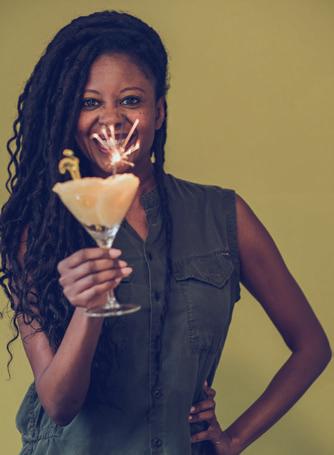
At the heart of Tudy’s Kitchen is what Boone calls “intentional indulgence,” meaning that dessert can be both joyful and thoughtful. “Our mission is to create ice cream that offers a moment of escape, connection, and delight,” Boone says. “It’s ice cream for the soul.”
Flavours often start with a moment rather than a trend – “a brunch ritual, a holiday table, a drink order, or a nostalgic crav-
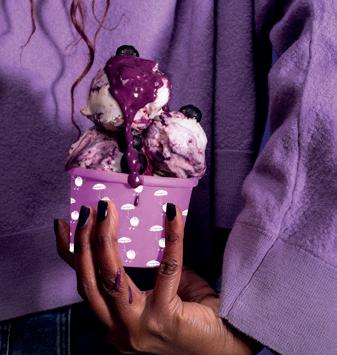
ing” – then unfold into something deeper, more layered, and certainly surprising. Boone adds: “It’s a playful but disciplined process, guided by testing, refinement, and restraint.”
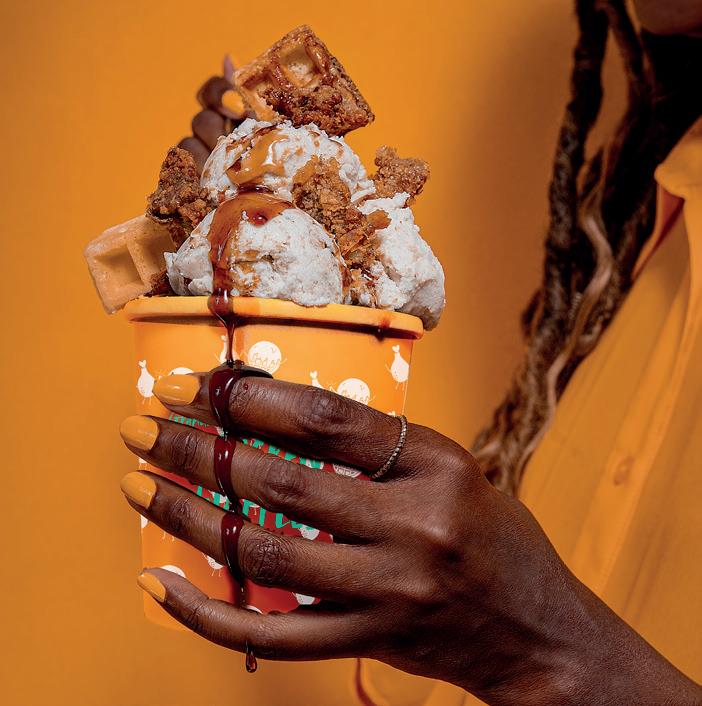
From Salty Vanilla Bean to Coconut Latte and bolder creations like Chicken + Waffles, each recipe is carefully built using real, high-quality ingredients. Herbs are
infused, fruits are roasted to intensify their natural sweetness, and alcohol is used thoughtfully in order to enhance flavour – never to distract.
Nothing is accidental or added without purpose. In the end, it is all about finding a perfect gustatory balance. That same philosophy applies across both dairy and plant-based offerings. Vegan flavours
Tudy’s Kitchen has a non-profit initiative called The Naomi Fund, which was Boone’s grandmother’s real name. The fund aims to support entrepreneurs, giving focus to those of underrepresented groups. Sponsorships, grants and private donations are welcome to help this fund grow.

are developed with the same standards of richness and complexity, proving that indulgence never needs to compromise.
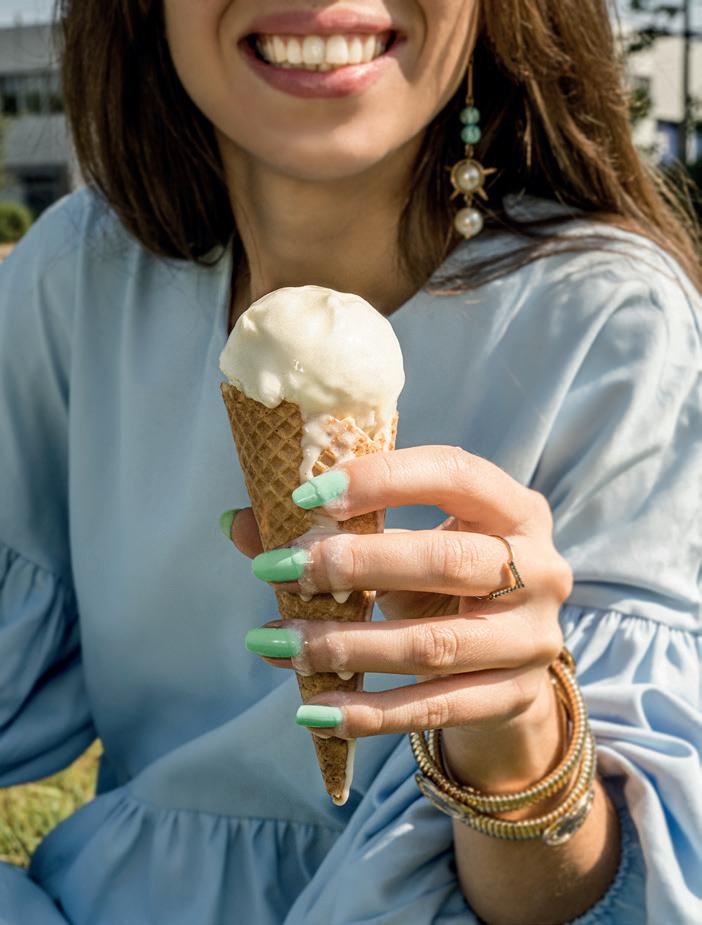
More than a summer treat, ice cream is a much-needed pause, a reward, or an act of self-care at Tudy’s Kitchen. Each scoop should bring a sense of pleasure. “I hope that people think of ice cream as a yearround ritual – an easy, accessible way to create joy, no matter the season.” Looking ahead, Boone envisions Tudy’s Kitchen in more cities and places where food, travel, and culture intersect. “If the legacy is anything, I hope it’s this: we made wonder feel normal and reminded people that delight doesn’t need a reason.”
Ready to be delighted yourself? Tudy’s Kitchen products are available at more than 1,100 Albert Heijn stores across the Netherlands and Belgium, including the online shop. Tudy’s Kitchen has also partnered with experience-led brands like Disney+, because pleasure should extend beyond the freezer aisle – and soulful, imaginative ice cream should always be within reach.
For businesses who want to take part in Tudy’s Kitchen’s journey of growth, get in touch with Nekeia Boone on nekeia@tudyskitchen.com.
www.tudyskitchen.com
Facebook: tudyskitchen
Instagram: @tudyskitchen
TikTok: @tudyskitchen
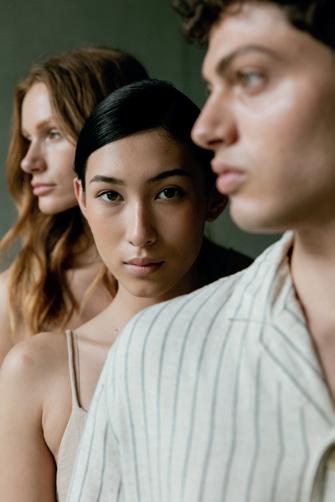
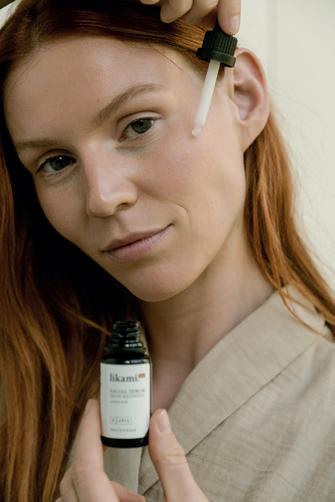
Líkami is built on a simple but powerful belief: skincare should be pure, effective and effortless. Born from a desire to unite botanical wisdom with modern bio-engineering, the brand focuses on essentials that truly support the skin. No excess, no noise; just intelligent formulations rooted in harmony and respect for nature.
By Paola Westbeek | Photos: Líkami’
Líkami’s philosophy is grounded in minimalism: fewer products, executed with exceptional precision. Co-founder Marianne Priem explains: “Our goal has always been to strengthen the skin rather than overwhelm it.” This approach results in rituals that are soothing and restorative. Every formula reflects the brand’s scientific view of the skin as a living ecosystem – one that thrives when its barrier, microbiota, pH, and cell renewal are supported with care.
What sets Líkami apart is its commitment to bio-intelligent synergy. The brand’s signature Quadri Complex® blends botanical, bioactive, organic and biointelligent ingredients to create a natural yet high-performance effect. Co-founder Lieven Dejonckheere explains: “Clean beauty matters, but what truly defines us is pharmaceutical-grade precision.”
This ensures that the extracts and oils work together seamlessly, delivering calm, pro-
tection and visible radiance. Sustainability deepens this integrity through short supply chains, Miron glass, reusable systems and transparent production practices.
Líkami’s growing community of designminded, quality-focused users discovers the brand through concept stores, pharmacies, spas and hotels. “As a Belgian brand, we have a strong base in Belgium,” Priem notes, and continues; “but Líkami is also growing rapidly in Sweden and Swit-
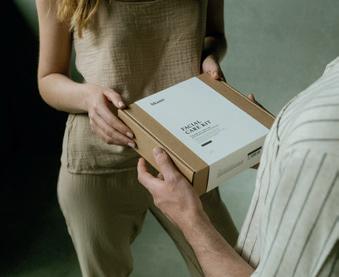
zerland, with the Netherlands as our next emerging market.”
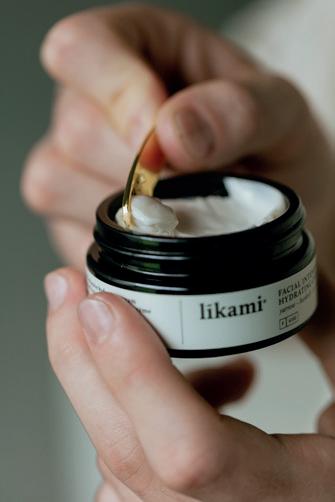
The best-selling essentials (the Cleansing Milk, Facial Toner and Facial Intensive Hydration Cream) reflect a shared desire for products that restore rather than stress the skin.
As the brand looks to the future, new innovations and expanded botanical synergies aim to further support the skin while maintaining Líkami’s core essence. Dejonckheere adds; “We believe that skincare doesn’t have to be a routine, but a daily ritual that brings strength, calm and harmony – wherever in the world you are.”
www.likami.com

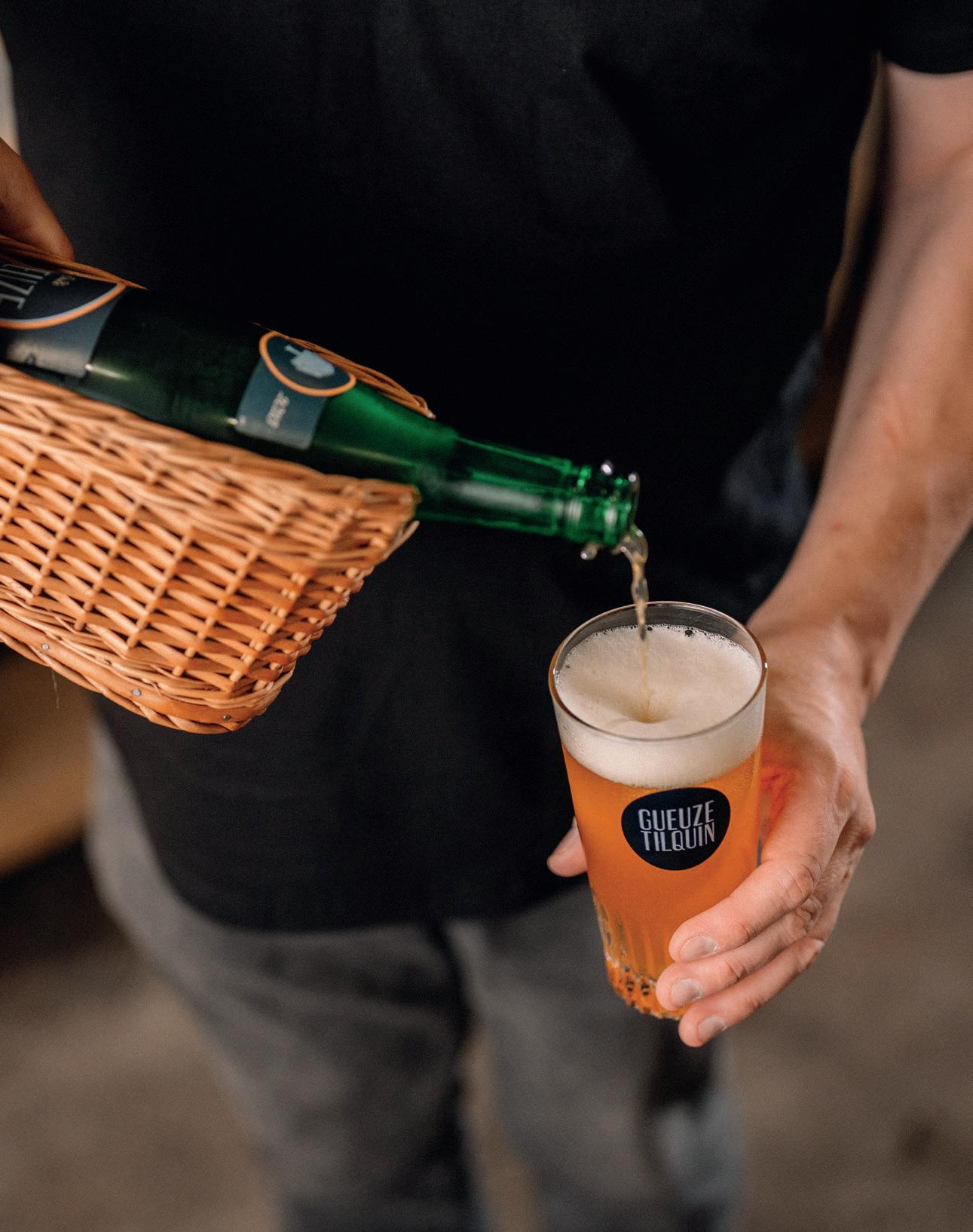
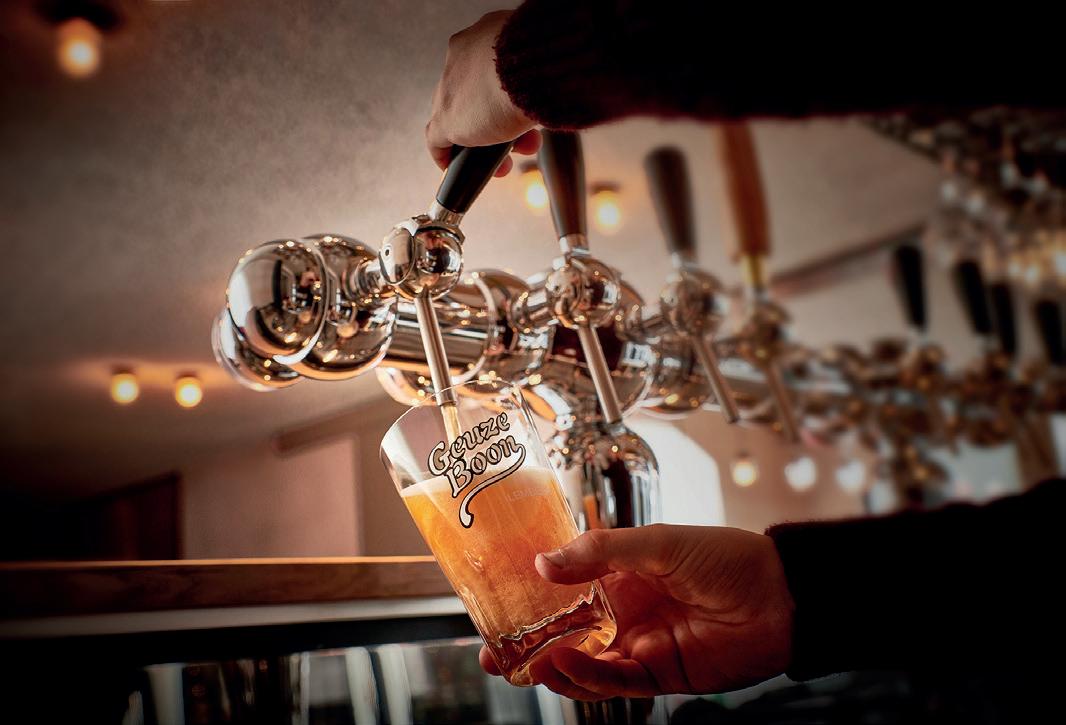
This year is a milestone for beer lovers, with the tenth anniversary of Belgian beer culture being recognised on UNESCO’s list of intangible cultural heritage. It is also time for the 15th edition of the biennial Toer de Geuze, an epic weekend with 14 outstanding producers opening their doors to the public. Plus, the triennial Beer and Hops Festival in Poperinge, an event that has been running for 70 years, will once again attract thousands of visitors from near and afar.

By Malin Norman
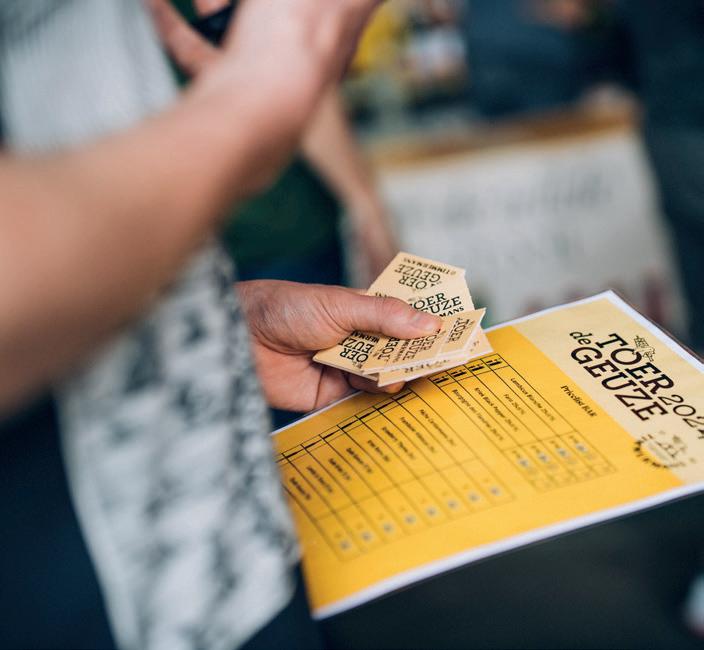
One of the highlights in Flanders this spring is Toer de Geuze, which takes place 9-10 May in Halle. The biennial event has been organised since 1997 by HORAL, the organisation which unites most lambic breweries and gueuze blenders in Pajottenland and the Senne Valley.
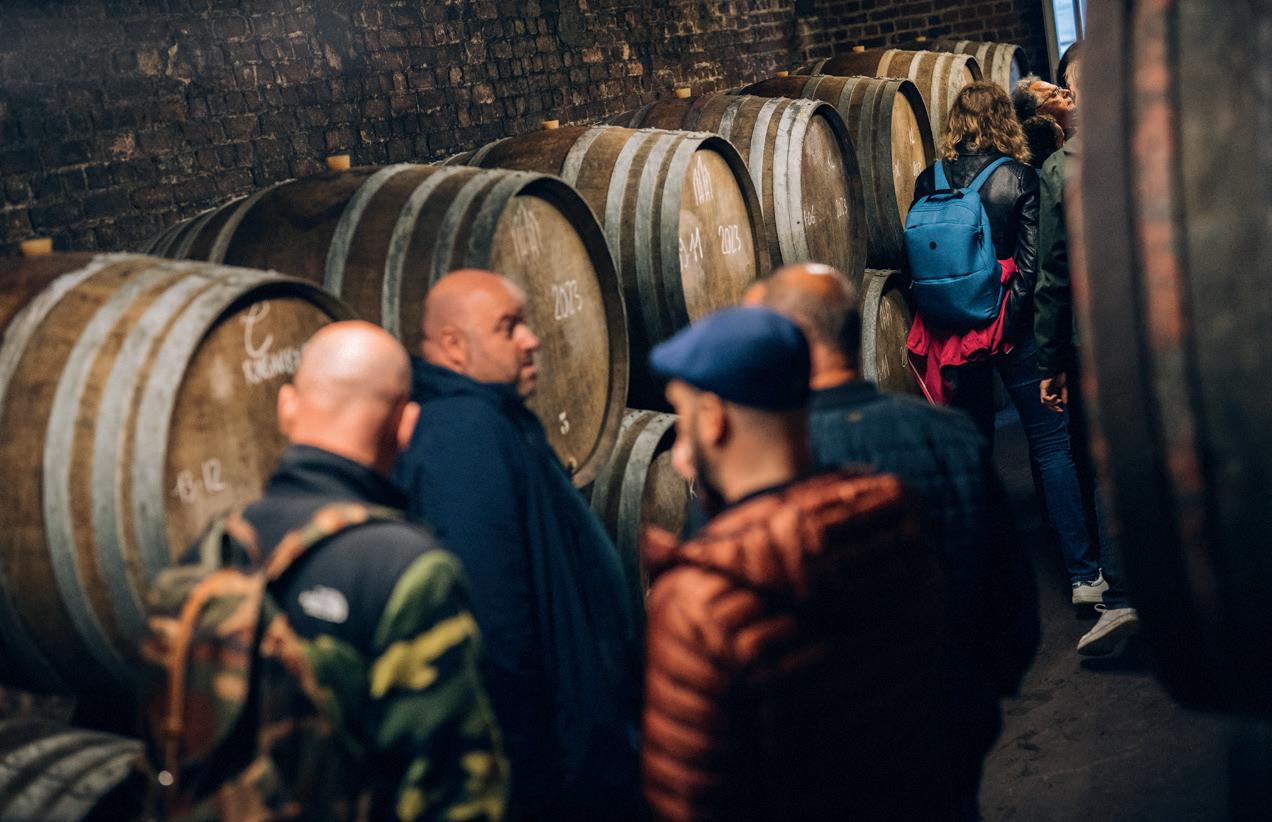
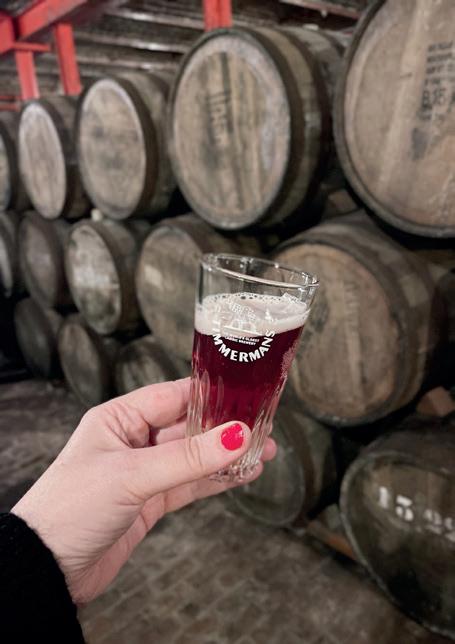
Toer de Geuze attracts approximately 20,000 visitors and is somewhat of a beer pilgrimage for lambic lovers from around the world – some are surely counting the days. “During the weekend, our 14 producers open their doors to the public,” says Gert Christiaens, chairman of HORAL and owner and blender at Oud Beersel. “Each brewery and blender defines their own programme for the day, with tours and the chance to try their beers, and some might even have a beer brewed especially for Toer de Geuze.”
The producers can be visited at leisure by car or bike, or a seat can be reserved on a tour bus organised by HORAL. And best of all, admission is free everywhere. “It’s a
The High Council for Artisanal Lambic Beers (HORAL) is a non-profit organisation that groups the Lambic producers in the Pajottenland and the Senne Valley. They work together on their common goals, the promotion and the protection of Lambic, Oude Geuze & Oude Kriek.
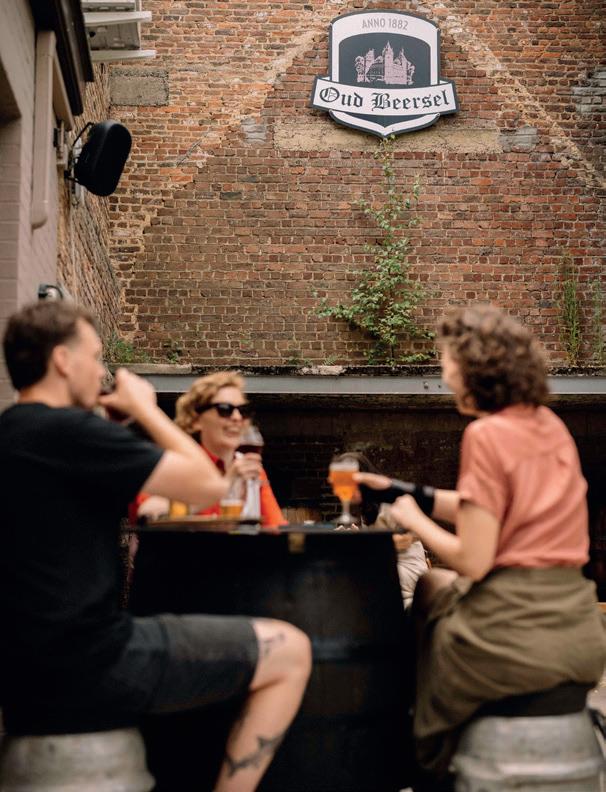
celebration of lambic and a fantastic opportunity to see the craftsmanship and centuries-old tradition,” says Christiaens. “But it’s not just for beer geeks. As this is an open door event, you can just walk into a brewery or blender, enjoy a beer together, and have a good time.”
For this edition of Toer de Geuze, the members of HORAL have created a special beer together. HORAL Oude Geuze Megablend 2026 will be launched on Friday 8 May, the day before Toer de Geuze kicks off. “This is a huge collaboration; all 14 members of HORAL have contributed in the form of providing lambic,” says Christiaens. “The young and old lambic are blended together to create a unique, complex Oude Geuze. On Toer de Geuze, you will be able to buy Megablend at the breweries and blenders to bring home.”
Thanks to HORAL, Oude Geuze and Oude Kriek have received the European Guaranteed Traditional Speciality label, a recog-
What is lambic?
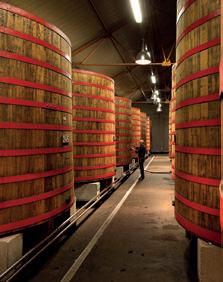
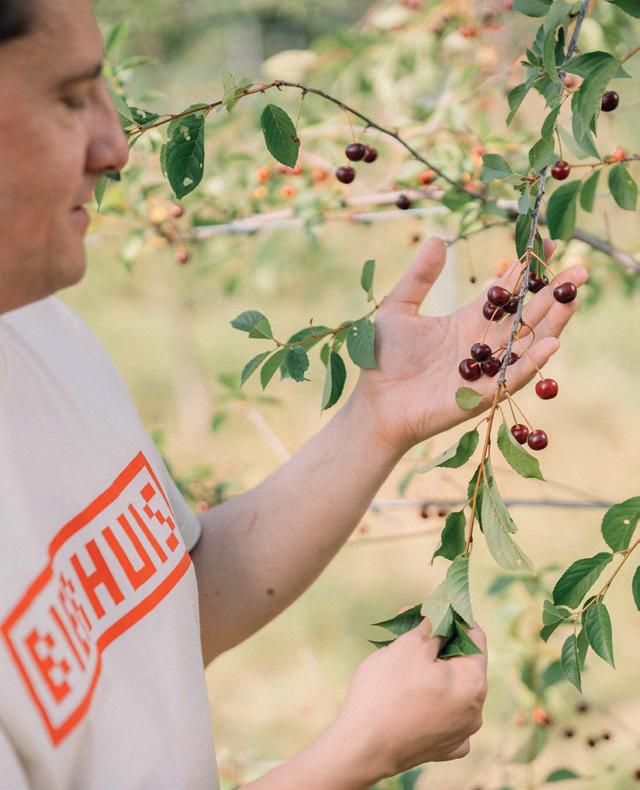
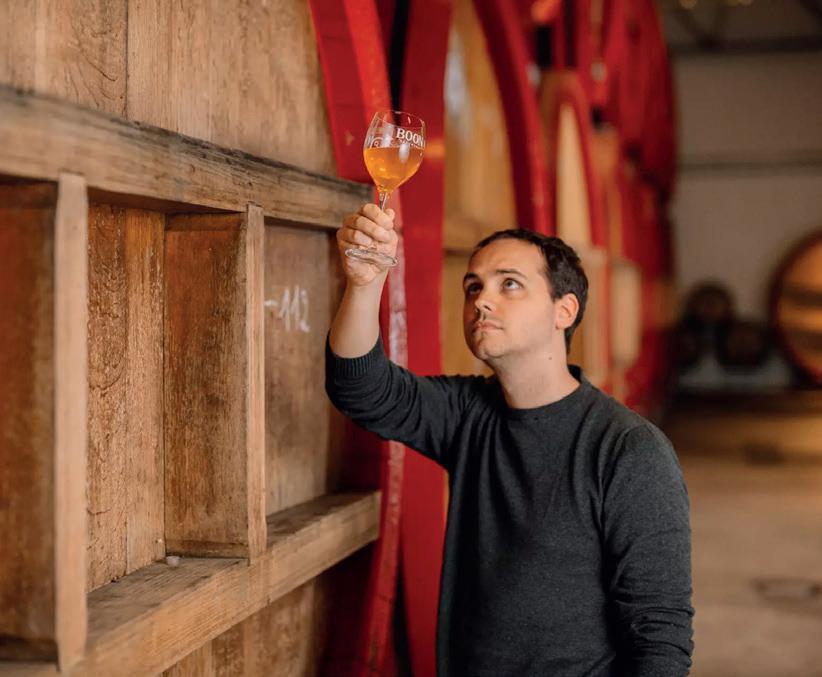
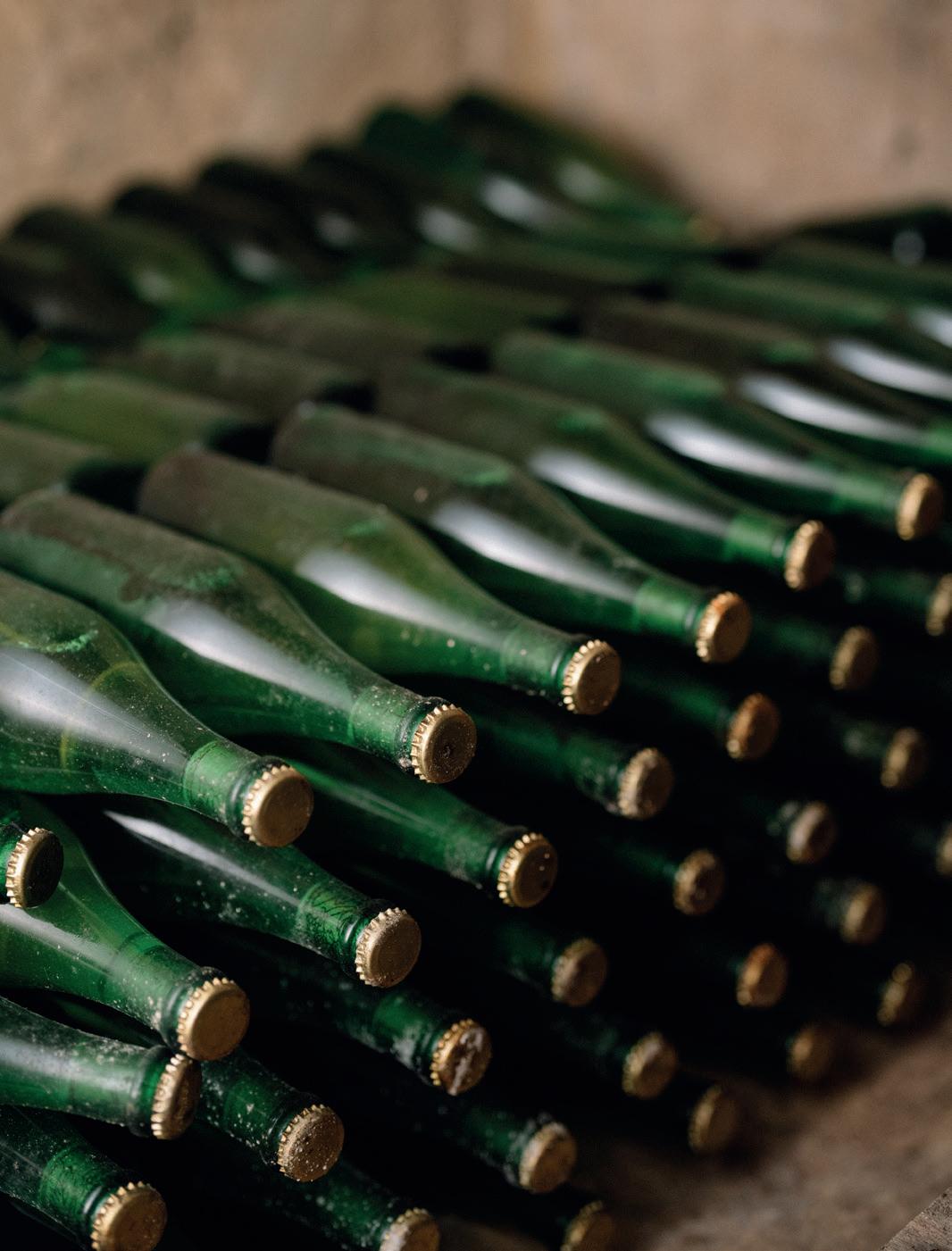
Lambic is a thirst-quenching, sour, complex and refined beer that is synonymous with the Pajottenland and the Senne Valley. It is fermented spontaneously in accordance with centuries-old tradition. It then matures in wooden barrels. Lambic is a beer in its own right, but it is also the basis for the famous geuzes and kriek beers. Geuze consists of a unique blend of different lambics. Only here, the wild yeasts float in the air, giving lambic its unique, slowly fermented flavour.
Source: Visit Vlaams-Brabant
Toer de Geuze
When: 9-10 May 2026
Participating breweries: Boon, De Cam, De Troch, Den Herberg, Eylenbosch, Hanssens, Kestemont, Lambiek Fabriek, Lindemans, Mort Subite, Oud Beersel, Sako, Tilquin, Timmermans
toerdegeuze.be
nition that protects the craft. Another initiative by the organisation is Lambiekland, a tourism concept highlighting the centuries-old brewing tradition of spontaneous fermentation. Lambiekland represents the complete experience around lambic beers with tours and recreational activities in the region.
“A lot is happening in the world of lambic,” adds Christiaens. “Although breweries and blenders span generations, a new younger generation is taking over the reins. They are creative and experimenting with techniques and flavours, whilst staying true to traditions. It keeps Lambiekland alive.”
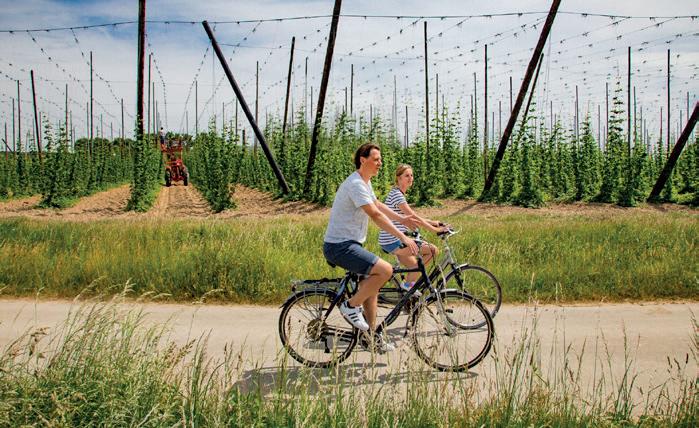
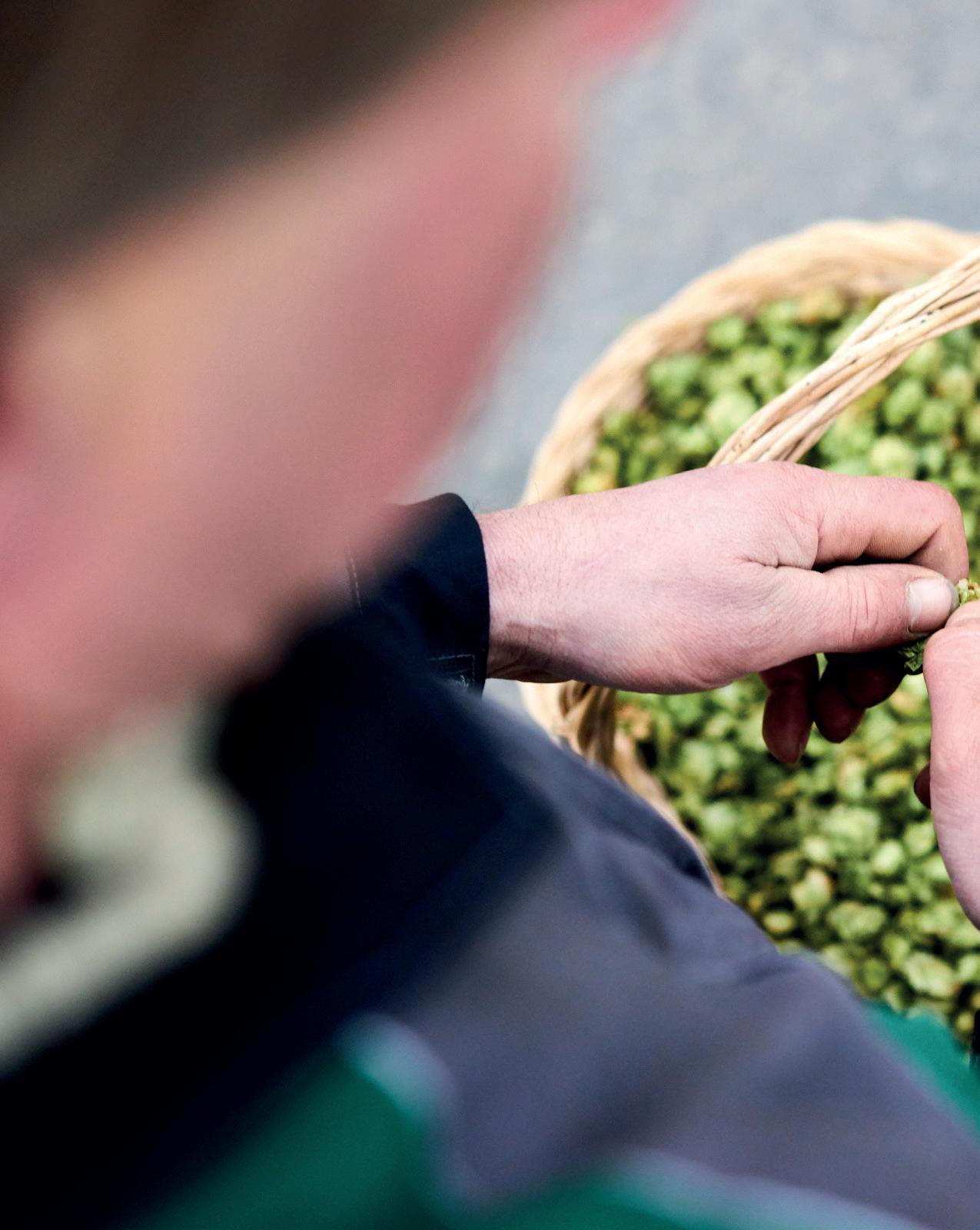
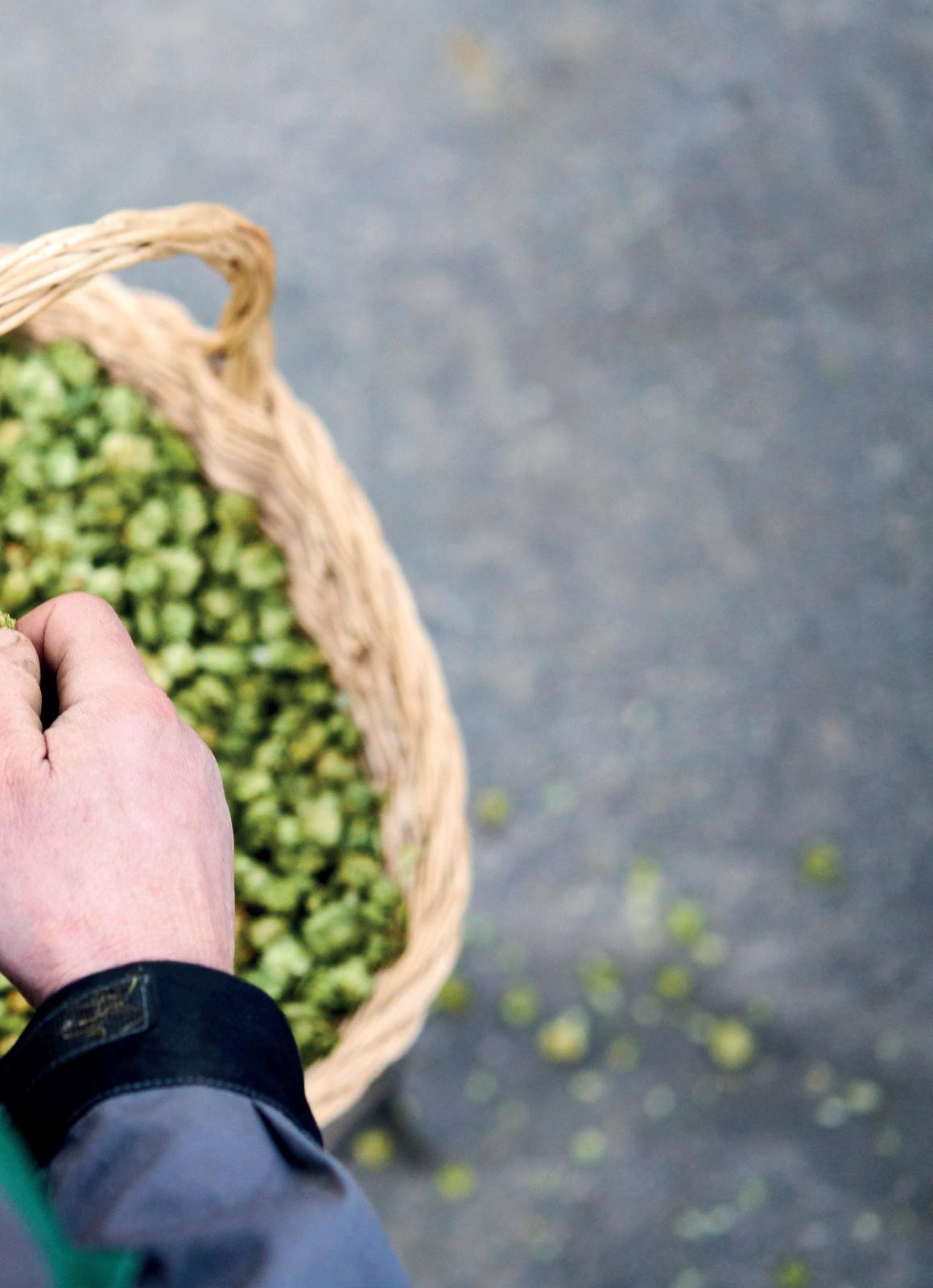
Around 185 hectares of hops are cultivated in Belgium, of which 85 per cent in the Poperinge region. There are around 18 farmers specialising in hops here, for instance ‘t Hoppecruyt and Belhop, and when driving into Poperinge, you are basically surrounded by hop fields.
Traditionally, the people in Poperinge staged a massive feast in celebration of the annual hop harvest. However, following the introduction of mechanical harvesting, this tradition disappeared. Luckily, the city’s traders decided to introduce their beloved hop party again in 1956. 70 years later, the festival in Poperinge is still going strong.
The triennial Beer and Hops Festival takes place 18-20 September, and once again some 30,000 visitors are expected to come and take part in the fun. For a city with only 20,000 inhabitants, this
is an impressive number. “Poperinge has long-standing relations with cities in other hop regions, such as Kent in the UK,” explains Bart Wemaere, festival director. “It makes for an international festival, with many people returning every three years. It’s like a family reunion.”
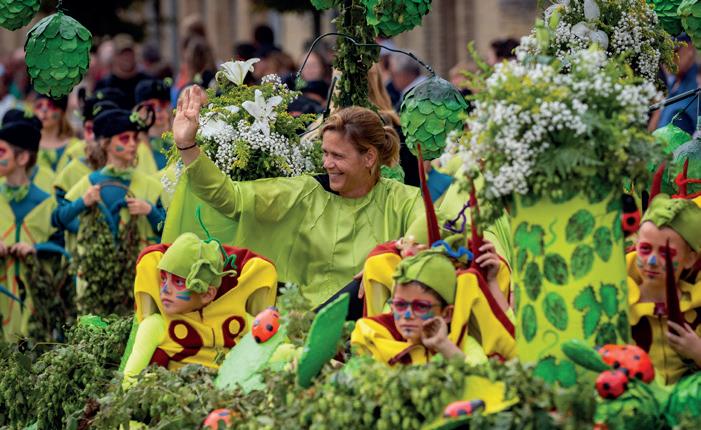
Kicking off on Friday, the festival welcomes visitors with a cheerful children’s parade. “For the second time, pupils from our local schools will dress up as friends and enemies of hops,” says Wemaere. On Saturday afternoon, marching bands from Poperinge and abroad fill the town centre, leading to a fantastic Taptoe performance on Paardenmarkt. On Sunday afternoon, around 2,000 participants join the colourful hop procession, portraying the global hop journey, where this year’s Hop Queens greet the crowds – a highlight of the festival.
Throughout the weekend, visitors can taste Belgian beers in the city’s market
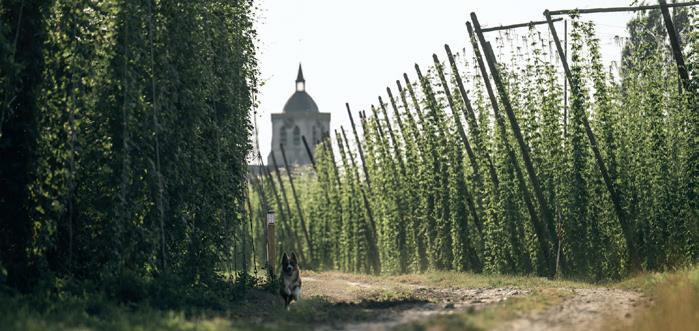
Use Poperinge as your base to explore some of Flanders’ beer icons: Westvleteren Abbey and De Struise Brouwers are just 10 minutes away by car.
square, and a Munich-style beer tent tempts up to 3,200 visitors at Oudstrijdersplein – both with no entrance fee. “Whilst the main reason to visit the tent might be to drink pints of strong Belgian beers, there are of course plenty of music acts such as brass bands playing as well,” smiles Wemaere. “It’s always packed, and with a great atmosphere!”
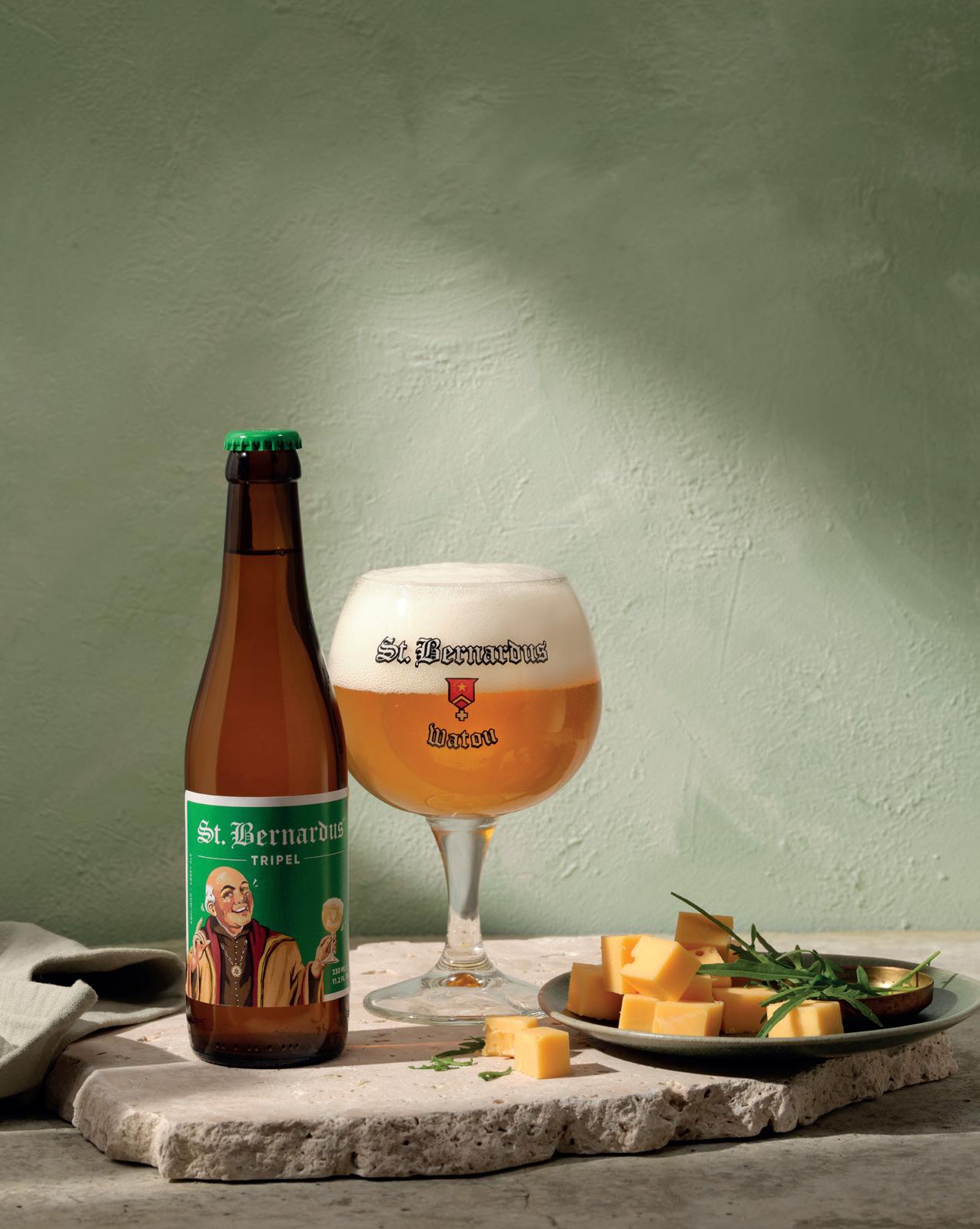
When in the Poperinge region, St. Bernardus in Watou is one of the breweries worth visiting. Its beers are brewed with 100 per cent Poperinge hops – straight from the field right next to the brewery. Join a brewery tour and have a beer at Bar Bernard, which has a roof terrace with 360-degree views of the hop fields – a must for thirsty explorers.
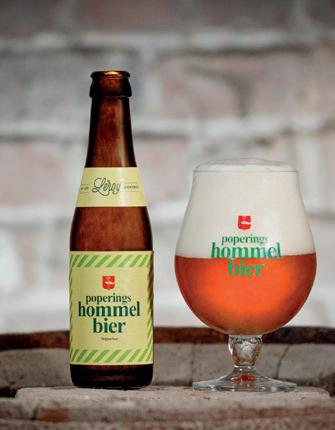
Another local brewery to check out is the family-run Leroy Breweries, which is where the celebrated Hommelbier (hommel means hops in Dutch) is made. First brewed in 1981 for the Beer and Hops Festival, this beer is a tribute to the hops from Poperinge – the region’s most famous export product.
For more information on what to see and do in Flanders, you can check out visitflanders.com
Beer and Hops Festival
When: 18-20 September 2026
www.toerismepoperinge.be
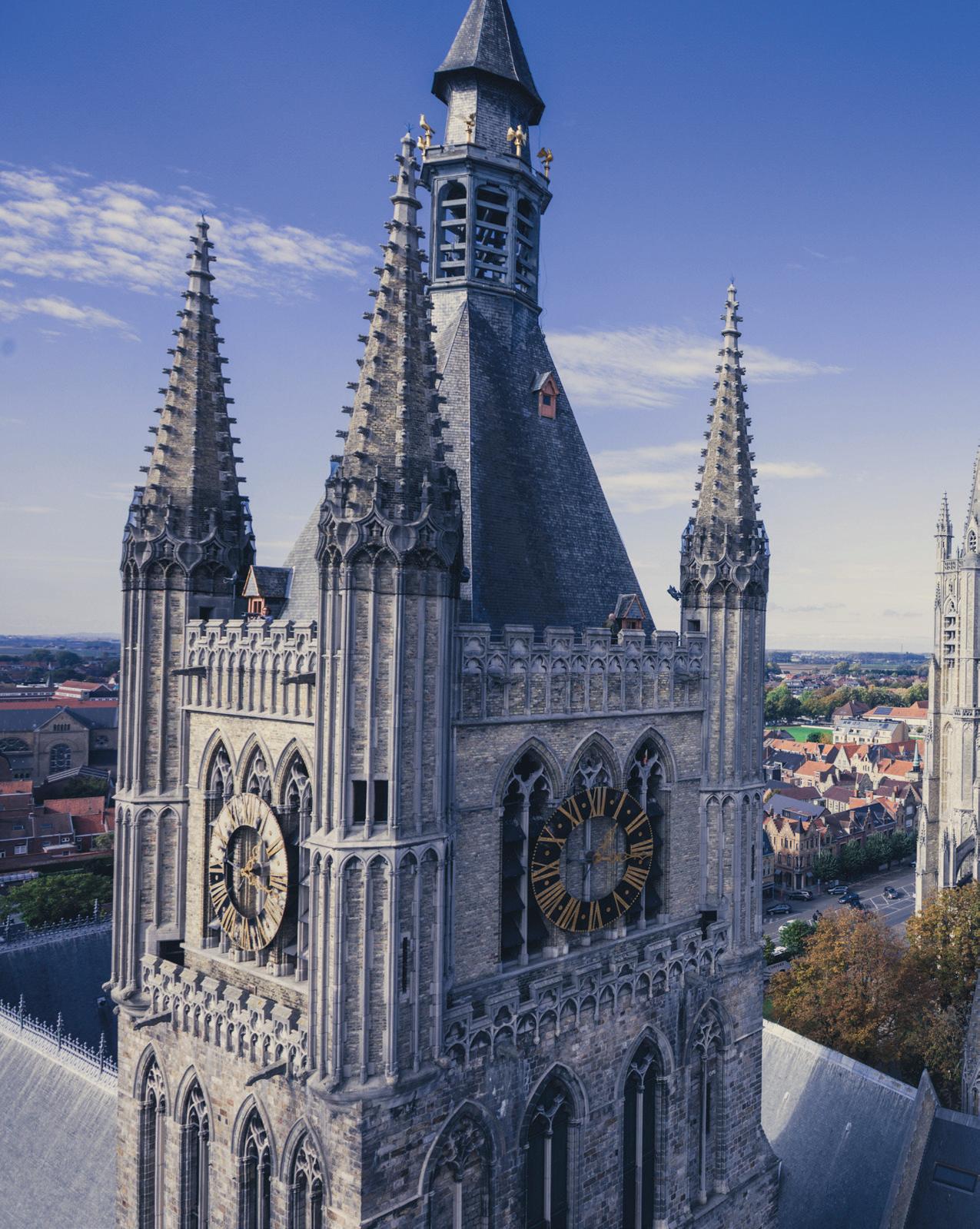
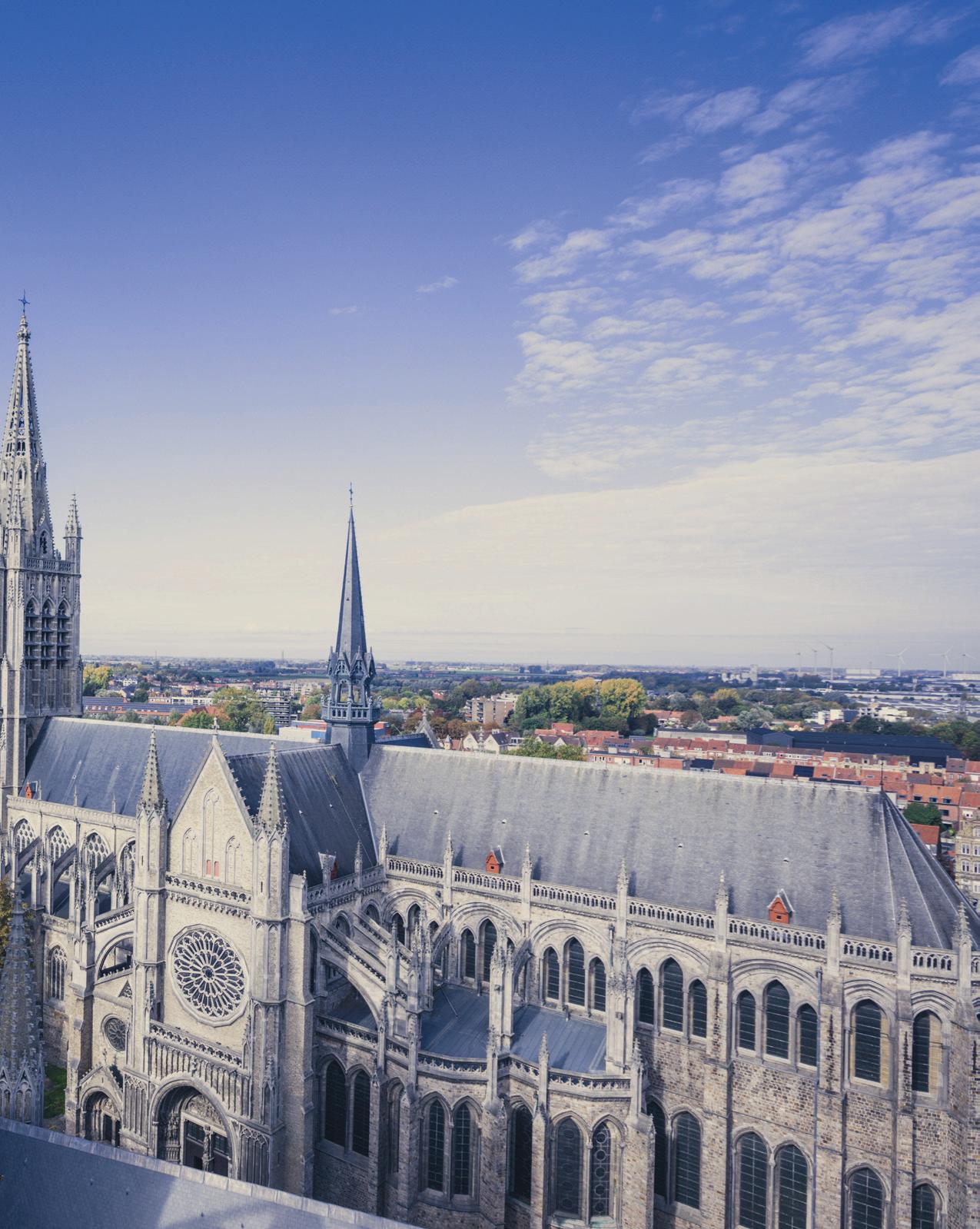
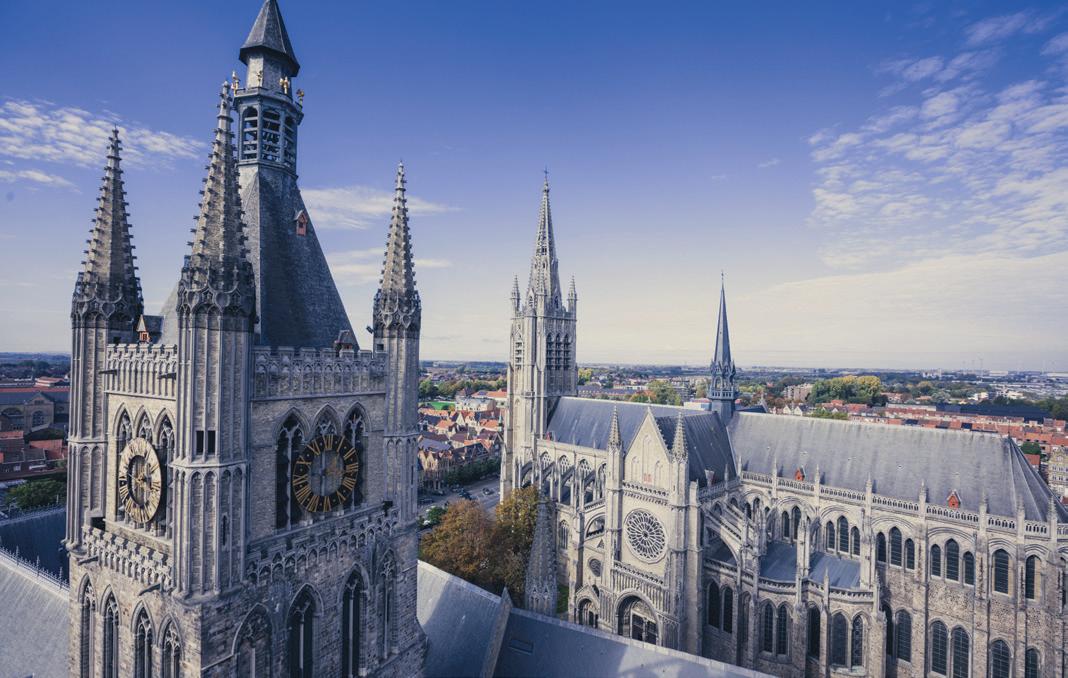
Ypres is steeped in history, as a medieval trading hub and later as a key site during World War I. Rebuilt after the war, the city’s grandeur has not been lost. These days, Ypres is thriving with a bustling city centre, cultural activities and culinary gems. And there are no less than four beer cycling routes, whizzing past verdant hop farms, family-owned breweries and buzzing beer cafés – for curious and thirsty explorers.
By Malin Norman
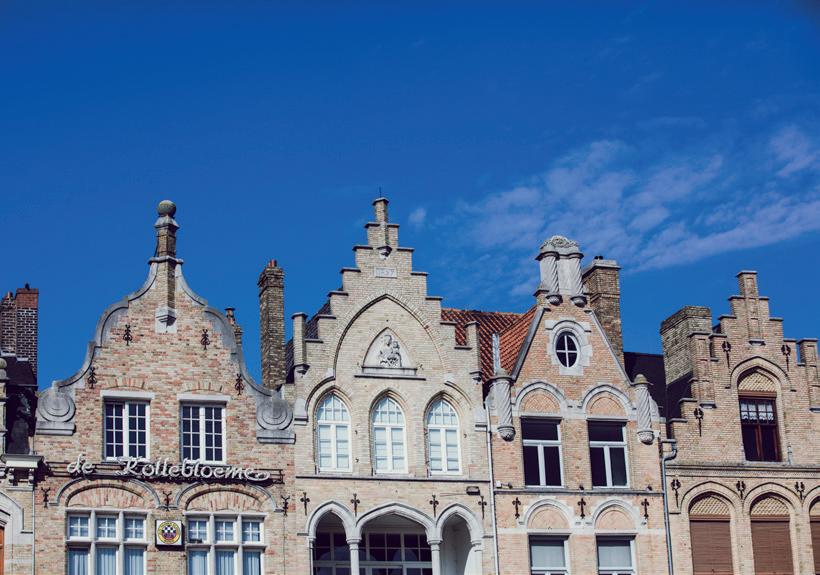
During the Middle Ages, Ypres was one of the most important cities in Flanders, and a hub for the international cloth trade. The wealth of Ypres was reflected in its imposing Cloth Hall, located on Grote Markt in the heart of the city. Dating back to 1304, the Cloth Hall is a stunning example of medieval architecture. Destroyed during World War I, it was carefully reconstructed and is now included in the UNESCO World Heritage List.
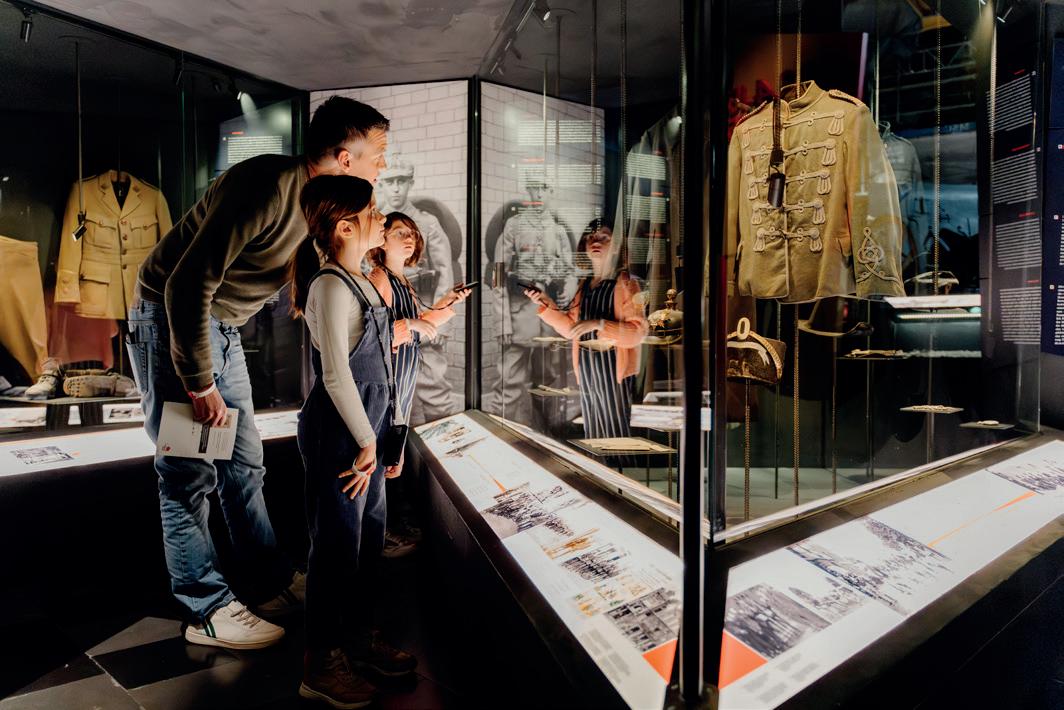
Located in the Cloth Hall is the award-winning In Flanders Fields Museum, which tells the story of World War I in the Ypres Salient. With interactive exhibits, personal stories, archive footage and artefacts, the museum provides an immersive experience of the war’s impact on the landscape and the people of Flanders.
The Westhoek, also known as Flanders Fields, was one of the most important battlegrounds during World War I. Sev-
en major battles took place in the Ypres Salient, and war cemeteries, memorials and other monuments can be found all over the region. For instance, the military cemetery at Tyne Cot and Hill 60, just south of Ypres. In 2023, 27 of these memorials were officially recognised as UNESCO world heritage.
One of the world’s most famous war memorials is located in Ypres. The Menin Gate is dedicated to the British and Commonwealth soldiers who died in the Ypres Salient during World War I and have no known grave. In the archway, names of over 54,000 missing soldiers have been inscribed. Since 1928, every evening at
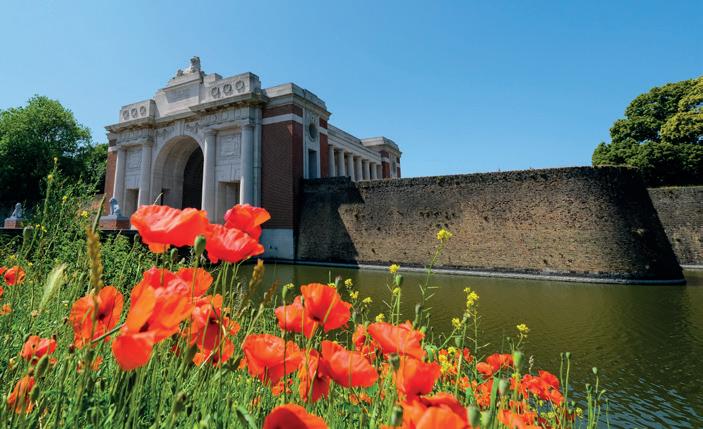
8pm the Last Post ceremony takes place, with buglers of the Last Post Association – a moving tribute to the fallen.
Near the Menin Gate stands The Hauntings, a 6.5 metre high artwork in wrought iron. The statue is based on a story about a young soldier wandering through misty fields, searching for his home and loved ones. The Hauntings will be on display until 19 April, when it will return to the UK for its permanent home.
In Ypres, you will find plenty of cafés, bars and restaurants – especially around Grote Markt, serving local specialties such as Flemish stew, moules-frites and Belgian waffles. One example is Vivaldi next to the Cloth Hall. This stylish restaurant serves contemporary cuisine, with a warming fireplace in winter and a sunny terrace overlooking the square.
Free concerts in Ypres
This summer, you can enjoy free concerts at Grote Markt in Ypres.
2 June, 3pm - Taverham Brass Band
20 June, 3pm - Royal British Legion Victory Brass Band
21 June, noon - Hillview School for Girls
23 July, 3pm - Manx Youth Orchestra
Ypres city centre is convenient to explore on foot, with most tourist attractions within walking distance. For instance, a great
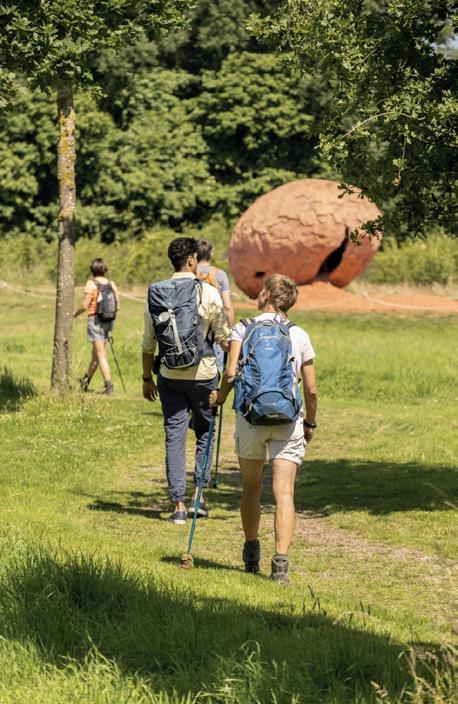
introduction to Ypres is the Ramparts Route, a 4.5 kilometre walk around the city, with five entry points and info panels about the fortifications built by Louis XIV’s military engineer Sébastien Vauban.
The Ramparts Route passes Kazematten Brewery, which is one of the oldest surviving structures in Ypres. Located in the casemates under the fortifications, this is also a great place to stop and learn more about the morale-boosting newspaper The Wipers Times, produced by British soldiers during World War I. Join a tour of this brewery in a former bomb shelter, and try some of its award-winning beers.
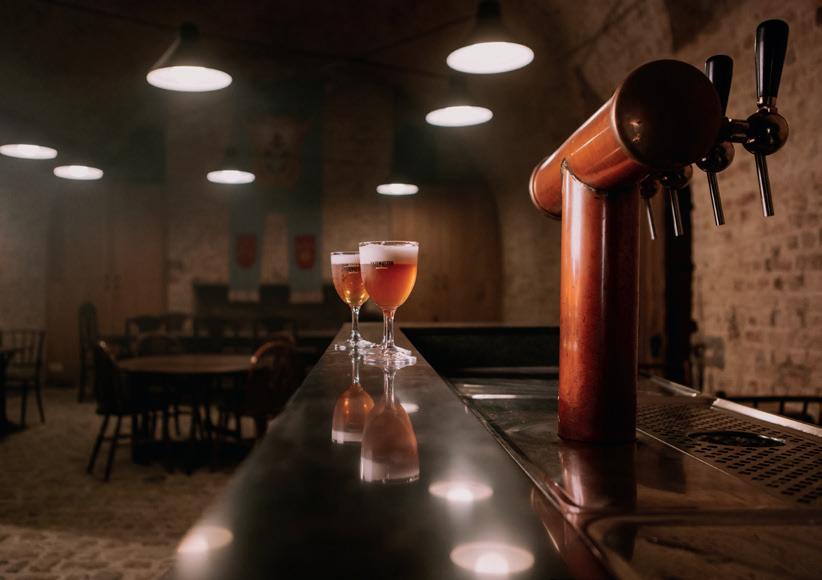
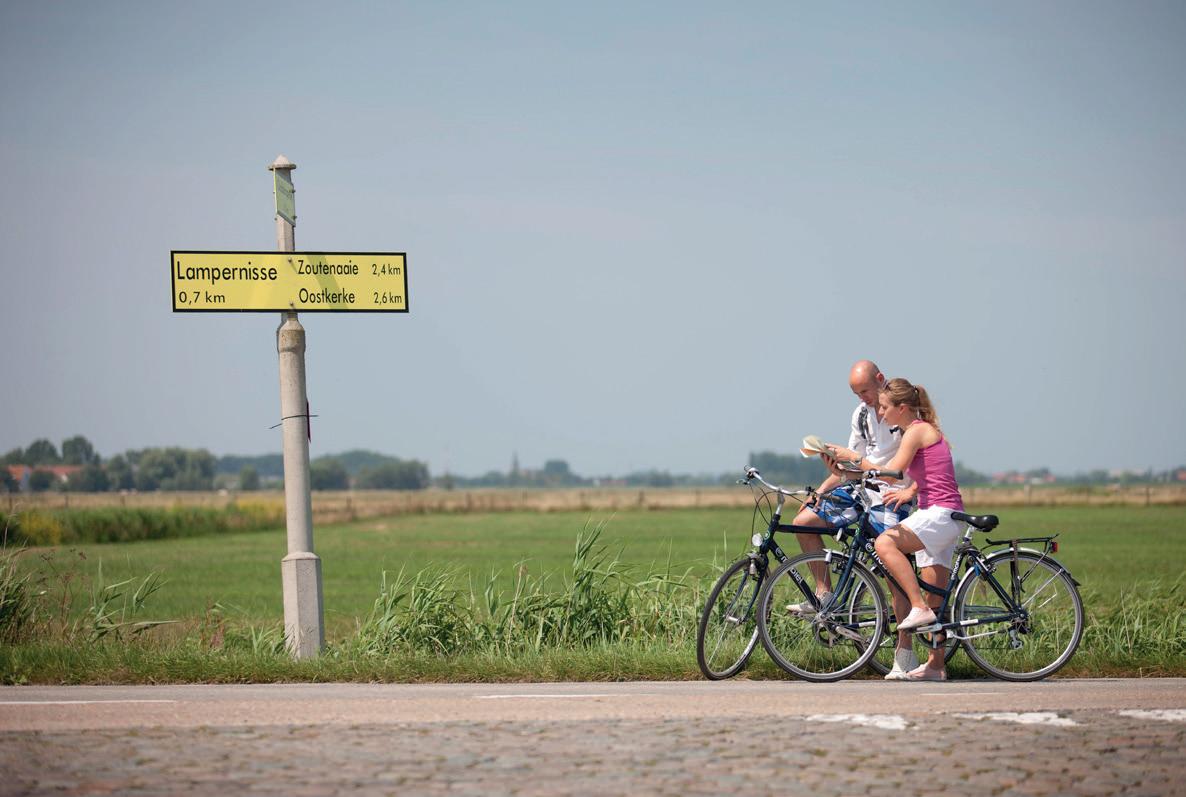
With an expansive network of cycling routes, you can easily explore the beautiful surroundings in Westhoek by bike. Destinations such as traditional family-owned breweries, vibrant beer cafés, hop farms and hop fields await. The Flanders Fields cycling network has no less than four beer cycle routes, where signs in the shape of beer bottles will provide information on what to see (and where to stop for a beer).
The hop bike tour in Flanders fields is a 40.4 kilometre route from Poperinge to
Vleteren. Starting at the Hop Museum, it takes you along four hop farms, three breweries and numerous pubs – so you can try some delicious beers. On the longer From brew-kettle into glass tour, you start in Poperinge too, go via Vleteren to Ypres. Passing hop fields, this 46.5 kilometre route will take you to Leroy Breweries, for instance, which produces the iconic Hommelbier.
Another popular route is the 33.1 kilometre Between bar and pedals. It starts at In de Vrede in Vleteren, the only pub authorised to serve the famous Westvleteren Trappist beer, which is brewed in the nearby Saint-Sixtus abbey, and goes via Alveringem to Lo-Reninge. And on the Hop and polder bike ride, you will start at the Market Square in Diksmuide, go via Lo-Reningen to Alveringem. This route is 44.6 kilometre in total.
In Flanders Fields Museum
Until 14 June 2026, Displaced – The Belgian refugees of the First World War This exhibition tells the story of Belgian refugees during the First World War through personal accounts. These were selected from the museum’s collection or material shared by the public. Nine illustrators have brought these hidden stories to life.
28-28 March, Displaced, international conference
The museum will host the international, multi-day conference Displaced. As part of the eponymous research project and permanent exhibition, experts and researchers will examine various aspects of displacement, flight and exile caused during World War I. www.inflandersfields.be
To read about the four cycle routes: www.toerismewesthoek.be/en/ biking/beer-cycle-routes
More information on what to see and do in Ypres: www.visitieper.be and www.visitflanders.com
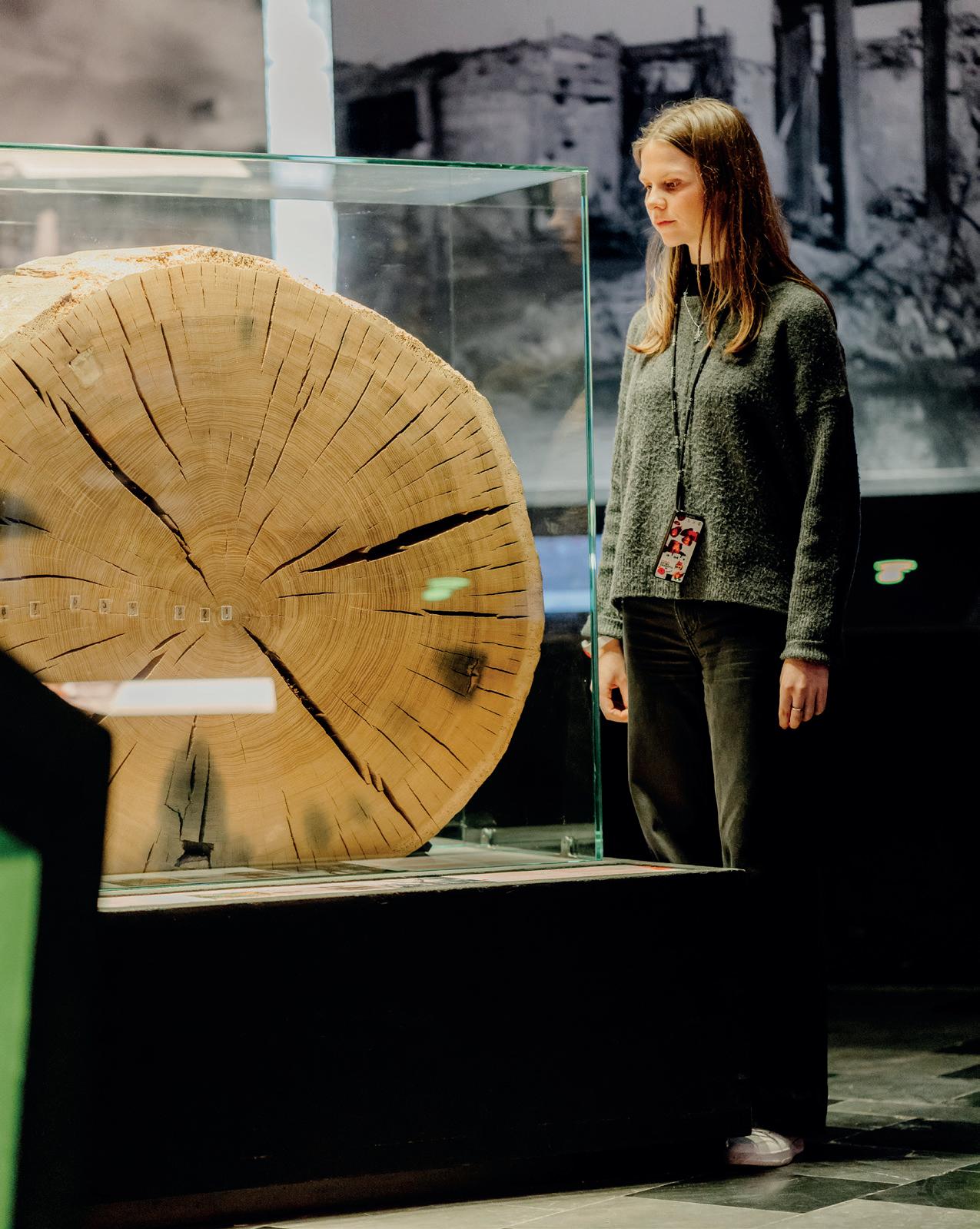
More highlights in Ypres
The Ramparts Cemetery is a small but beautifully situated Commonwealth cemetery along the medieval ramparts of Ypres. The nearby Lille Gate, a well-preserved medieval city gate, is one of the few surviving parts of Ypres’ ancient defences.
The museum presents eleven centuries of Ypres and the Westhoek, with a collection of badges, maps, archaeological finds, coins, lace and handicrafts. It also features a giant model of the city, where children can sit right in the middle of medieval Ypres.
Tyne Cot Cemetery
The largest Commonwealth war cemetery in the world is located near Passchendaele, a short drive from Ypres. The cemetery contains the graves of nearly 12,000 soldiers and a memorial to another 34,000 missing soldiers. The Visitor Centre shares stories about those buried.
Set in a former chapel, this museum offers a fascinating collection of World War I artefacts, including weapons, uniforms, and photographs. Nearby, the Hooge Crater Cemetery and preserved trenches further enrich the historical experience.
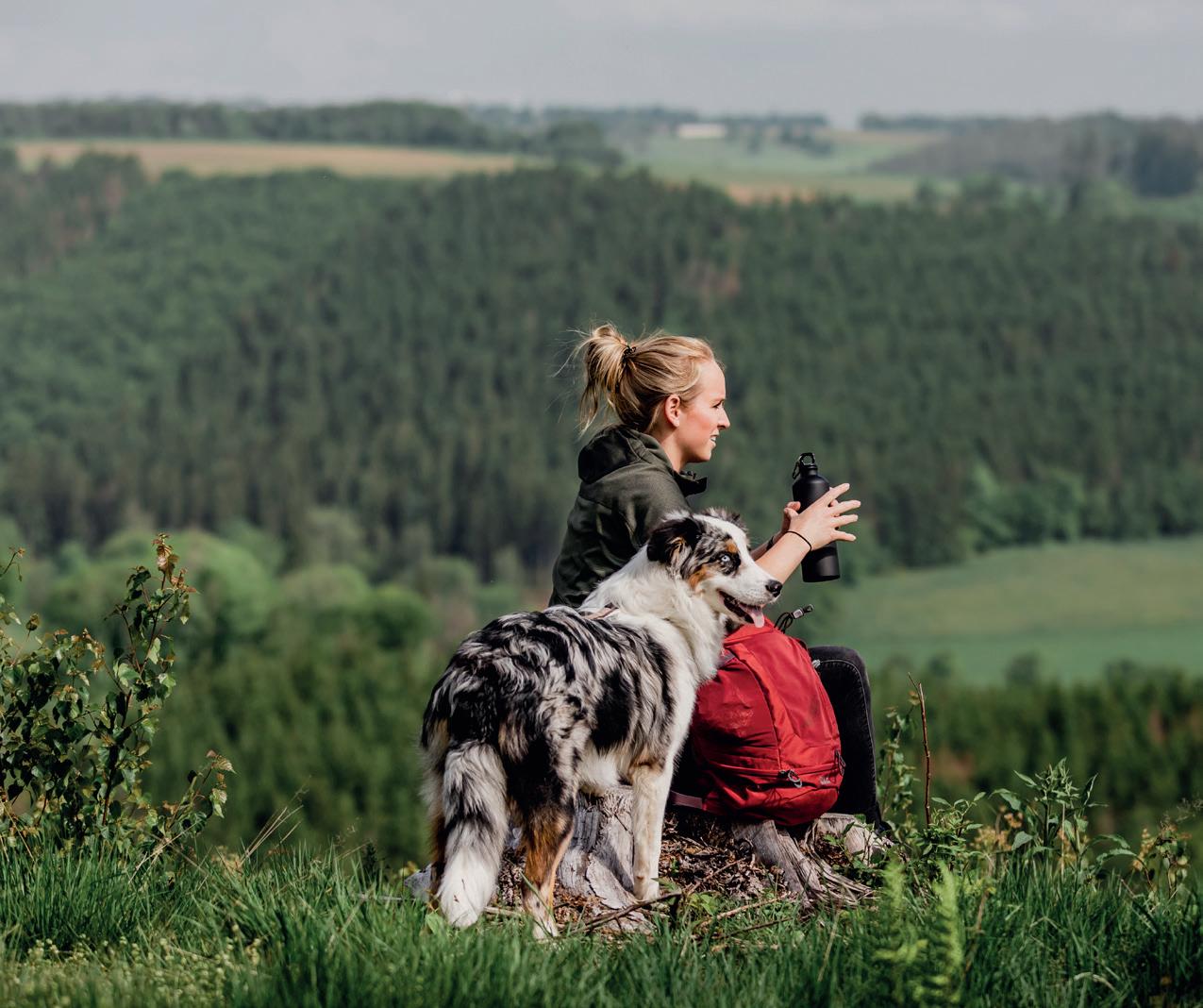
Nestled in the heart of Luxembourg’s Ardennes, Clervaux invites travellers to reconnect with nature and heritage while savouring the spring in a mindful way. With its rich history, scenic trails, cultural treasures and cosy gastronomic spots, this must-visit destination offers more than just a stop-over. Come with us to explore how Clervaux embraces the principles of slow tourism during the colourful season ahead.
By Paola Westbeek | Photos: Visit Clervaux
As the first Cittaslow town in Luxembourg, Clervaux stands for a way of travelling that values authenticity. “Clervaux is not just a destination; it’s a way of life,”
says Jonas Mossiat at Visit Clervaux. “It offers visitors a chance to slow down, explore at their own pace, and experience real life.”
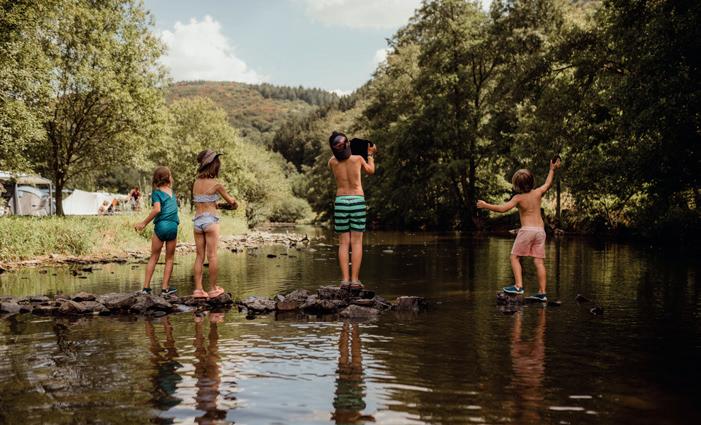
While Clervaux is peaceful year-round, spring remains a tranquil season. The town feels calm before the summer crowds and locals still set the tone of daily life. “Visitors who come at this time often find themselves completely alone on a trail,” Mossiat explains.
The valleys of the Clerve and Our Rivers define the landscape. Early mornings bring light mist over the water, while the
surrounding hills begin to bloom. Hiking is one of the best ways to explore, with several marked trails that showcase the diversity of the region. The ‘Éislek PAD Heinerscheid’ trail (a good challenge for experienced walkers) is a 13-kilometre loop that crosses farmland, forest and riverbank. Another recommended route is the CL5 trail, a 12-kilometre loop starting at Clervaux train station. It passes scenic viewpoints like Mecher and includes a stop at the Robbesscheier estate, where visitors can enjoy a meal made with produce from its own gardens.
Mossiat encourages travellers to use all their senses when visiting in spring.
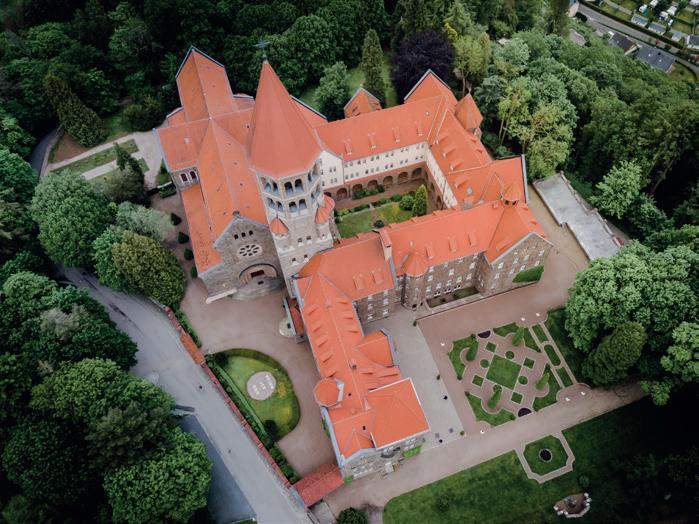
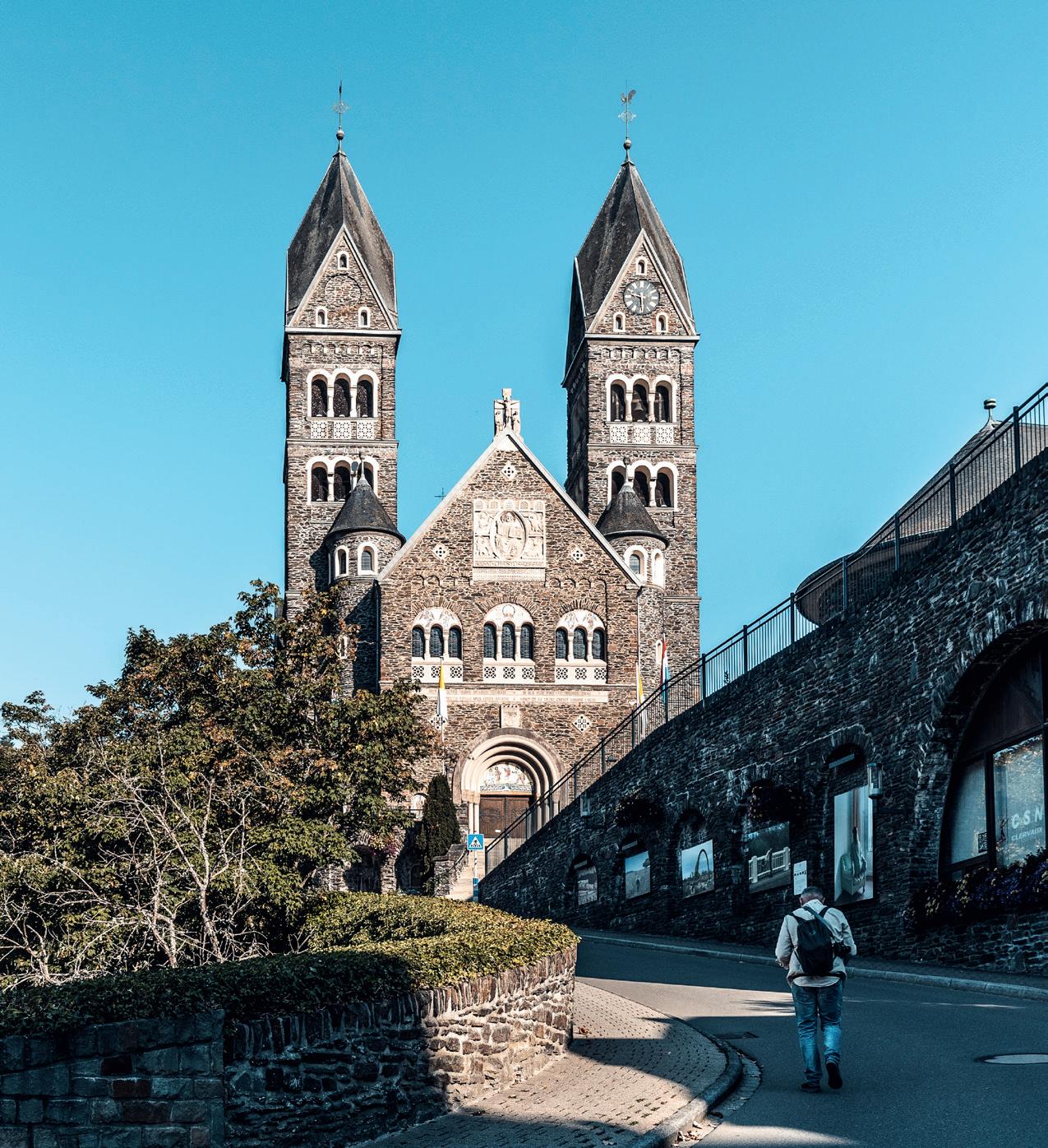
“There’s the smell of humus and new herbs, the sound of birds returning after winter, the view of the Abbey with its orange roof, and the taste of fresh vegetables in local restaurants,” he says.
Spring also brings local events that connect residents and visitors. The traditional Traipentrëppeltour walk ends with a meal of black pudding, while the Easter Market gathers artisans and associations in the town centre. Later in the season, the wine festival showcases winemakers from the south of the country.
Clervaux’s approach to slow tourism extends to its food and cultural scene. Local restaurants prioritise regional products and traditional recipes. “Life in Clervaux has a taste of simplicity and authenticity,” says Mossiat. “Local products, lovingly cultivated, are enjoyed without fuss.”
Dining options cover a range of styles. Hotel restaurants such as La Brasserie Koener, La Table de Clervaux, and Golf de Clervaux offer varied menus, while more traditional establishments like La Robbesscheier, Cornelyshaff, Reiff, and Les Écuries du Parc focus on Luxembourgish specialities. Dishes like Ardennes ham, Paschtéit, Judd mat Gaardebounen, and trout from the Our River feature on most menus.
Cultural life here encourages visitors to take their time. The famous exhibition
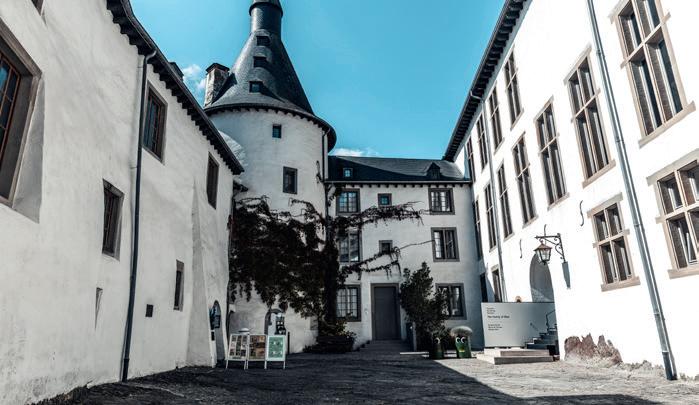
The Family of Man, displayed in Clervaux Castle, invites reflection rather than quick viewing. “There are deliberately no explanations for the artworks,” Mossiat emphasises. “Visitors are free to look, understand and imagine. It’s about emotional and intellectual connection.” The nearby Cité de l’Image turns the town itself into an open-air photo gallery, with installations that change with the seasons.
A hidden attraction is Konschthaus Op der Gare, an art space run by a couple, Guy and Mireille, who open their home to exhibitions and workshops. Visitors can explore Luxembourgish art or try different creative activities.
Accommodation in Clervaux reflects its philosophy of simple comfort. Those seeking peace and proximity to nature
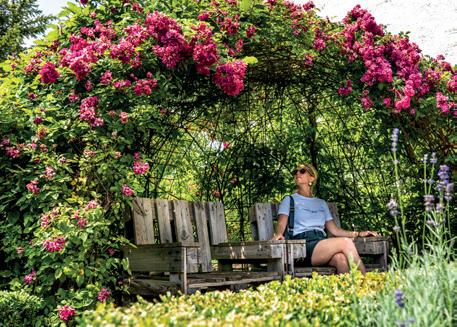
can stay at one of the commune’s four campsites, including Tintesmühle, located directly along the Our River. Small local inns like Reiff, Cornelyshaff, and Sammeshaff offer an authentic experience close to residents’ daily life. For more comfort, hotels such as Hôtel du Commerce, Koener and Château d’Urspelt provide spa facilities and elegant settings.
Luxembourg’s free public transport makes Clervaux easily accessible from major hubs like Luxembourg City or Liège. The train journey itself becomes part of the slow experience, connecting travellers directly to the station at the centre of town. Cyclists can also reach Clervaux via the Vennbahn route from Belgium and the Netherlands, while car rentals remain an option for those who wish to explore nearby attractions like Vianden or the Upper Sûre lakes.
While summer is busy, autumn brings colour and winter slows down, spring stands apart. “Visitors who come during this period will feel as if they are alone in the world, immersed in peaceful and preserved nature,” says Mossiat.
Whether walking along the Our River, tasting a traditional meal or taking time to understand a work of art, visitors experience a form of travel that values attention over speed. Spring certainly offers the welcoming rhythm of everyday life in this charming Ardennes town.
www.visit-clervaux.lu

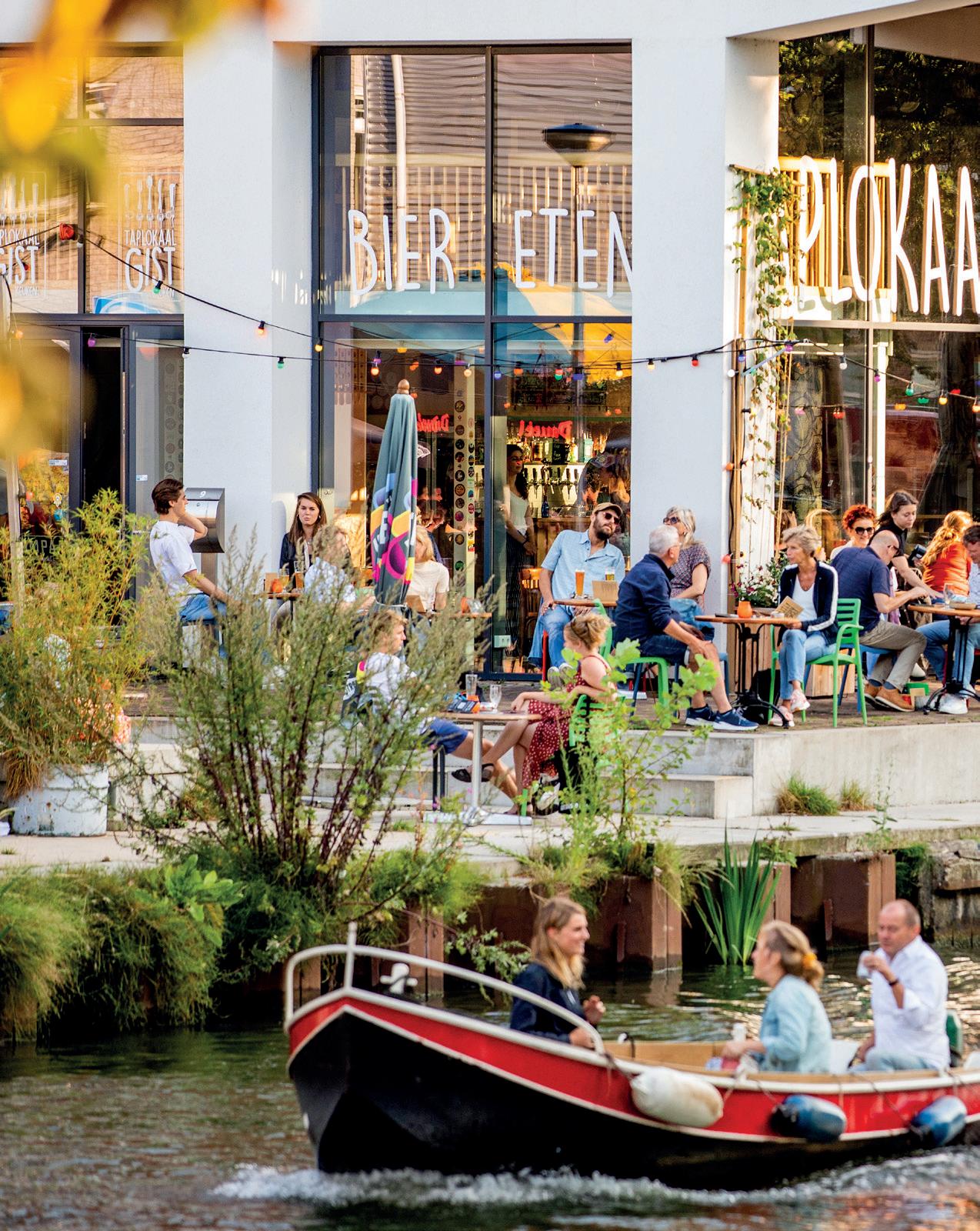
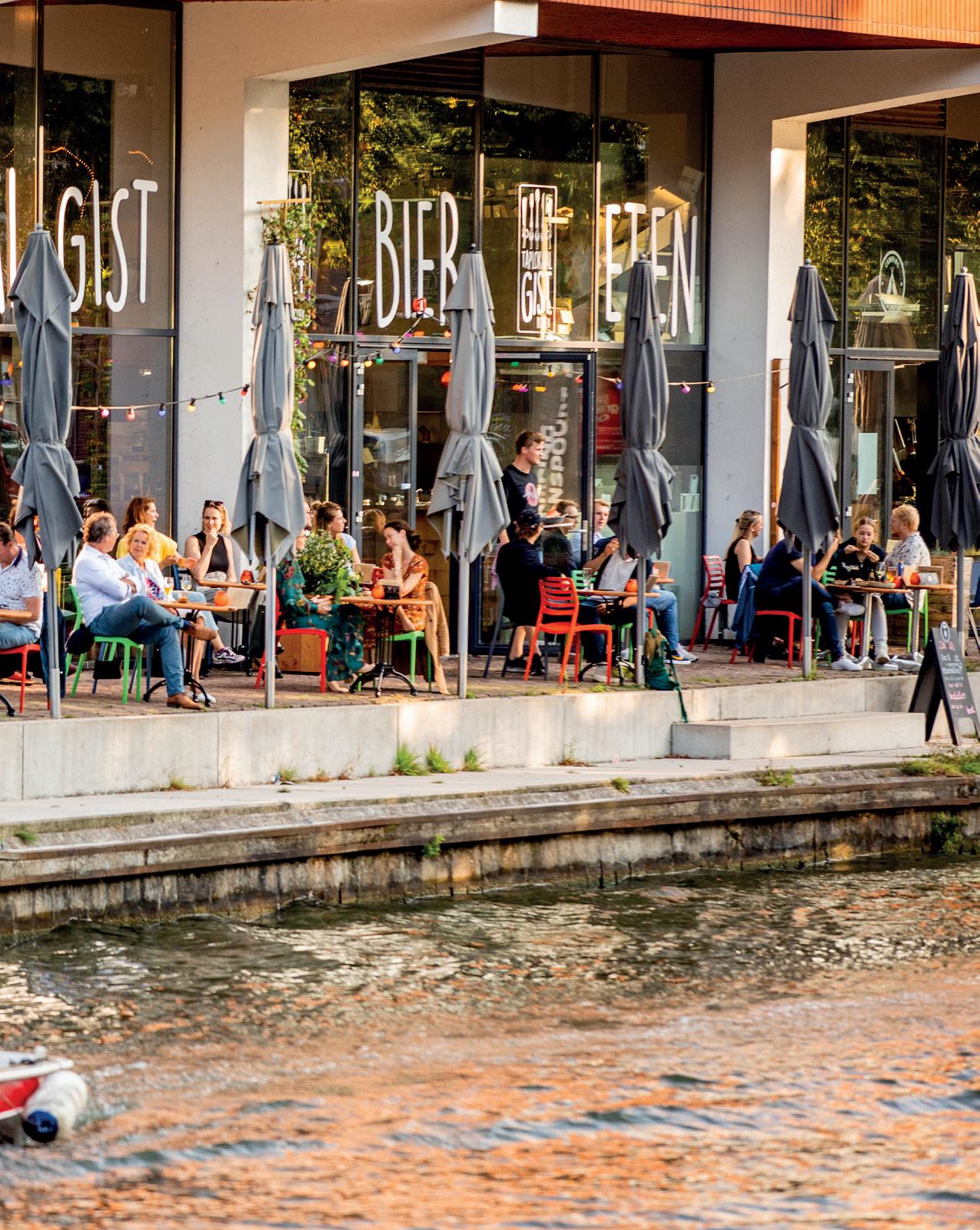
The Dutch beer scene is energetic with creativity in brewing and diversity in beer styles, and a sense of community amongst beer enthusiasts.
By Malin Norman
With over 900 breweries, centuries-old traditions and even a Trappist brewery (La Trappe), plus award-winning modern innovations, there is plenty of choice for beer lovers to explore. As stated by Nederlandse Biercultuur, Dutch beer culture has a rich past and a bright future.
“The strength in Dutch beer culture lies primarily in its individuality and scale,” says Jody Mijts, beer and drinks writer, who runs the platform OngewoonLekker. com. “We’re a small country, but have a remarkably high density of breweries, styles, and ideas. What often surprises
international readers is how diverse yet pragmatic our beer culture is.”
PILSNER
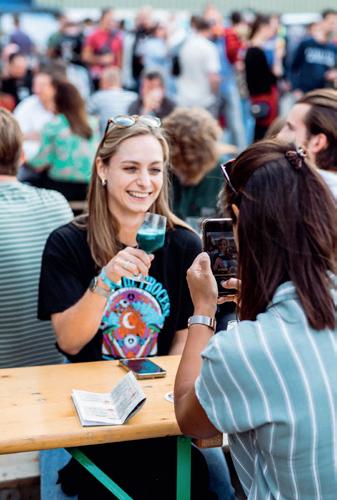
Influenced by neighbouring Belgium, many Dutch breweries make classic Belgian styles, whilst others opt for more hop-forward beers – inspired by craft breweries in the USA. The most popular beer style amongst consumers is still pilsner, however.
“Back in the 1980s, pilsner had 98 per cent of the market,” says Rick Kempen, beer ambassador at Bier&cO. “Even if pilsner
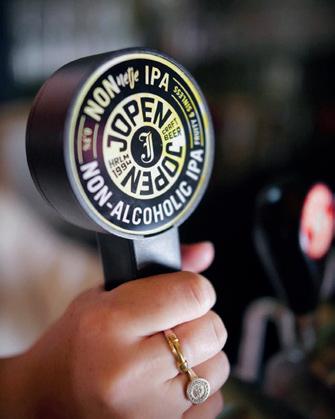
has declined to around 75 per cent, it’s still the best-selling type of beer.” Other popular styles are German Hefeweizen, Belgian Blond, and IPA. The alcohol-free segment is growing, too, now with around 10 per cent of the market.
“Lager has played an important historical role, with well-known names like Heineken, Grolsch, and Bavaria, but modern Dutch beer culture is primarily about experimentation and freedom,” reflects Jody. “Brewers don’t feel constrained by strict guidelines, and traditional styles like saison, tripel, or barley wine are reg-
ularly reinterpreted with local ingredients or given a contemporary twist.”
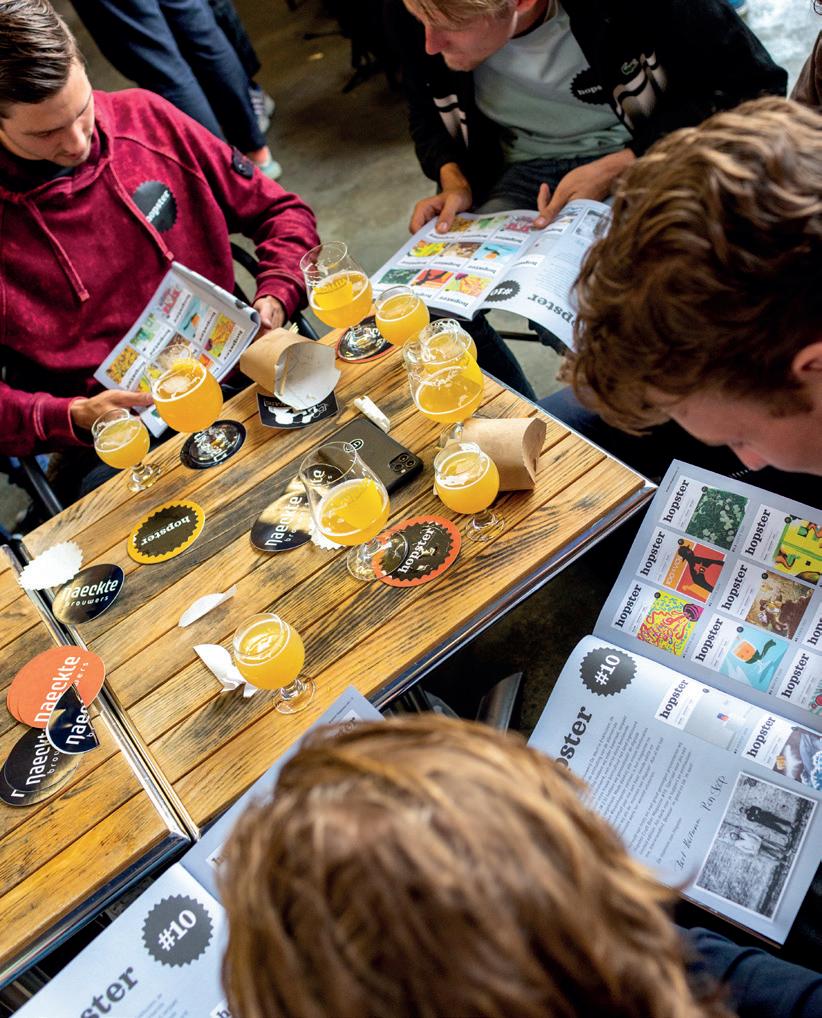
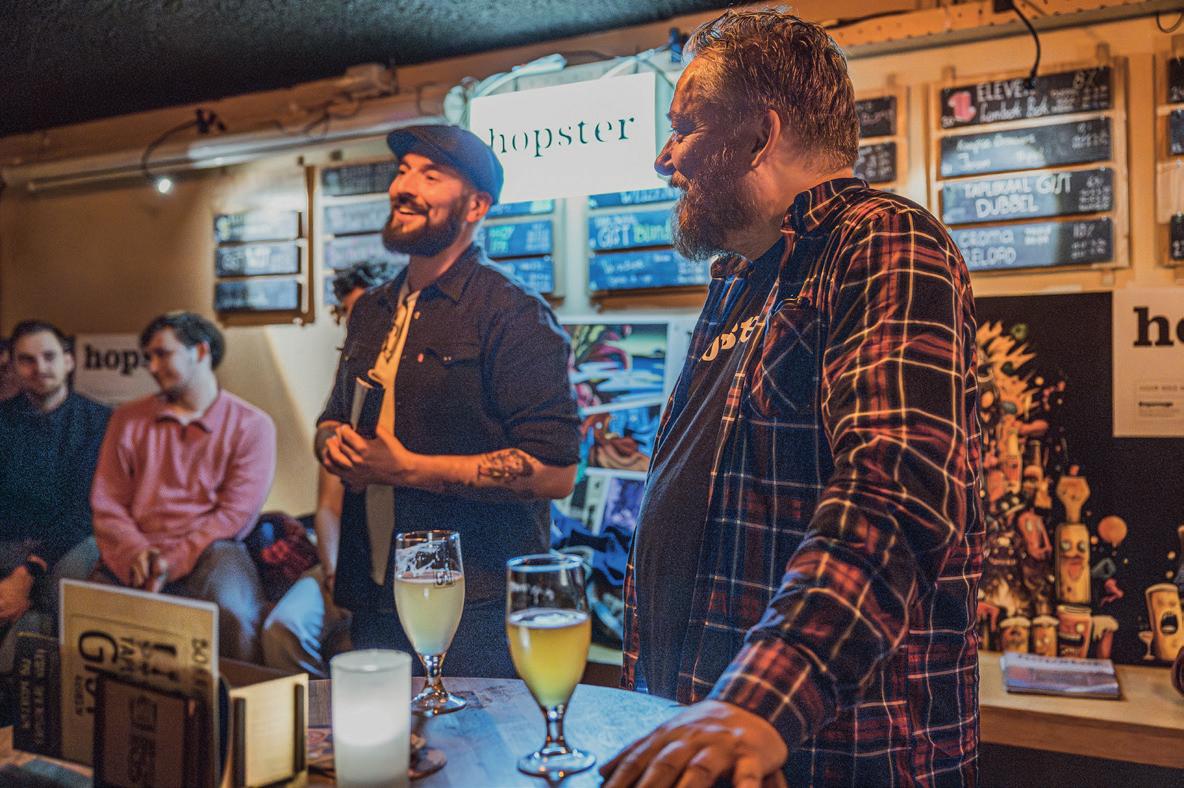
Craft beer is constantly evolving and Dutch brewers are known for their innovative spirit, agrees Ron Stoop, co-founder of Hopster, a feel-good magazine with stories about breweries. “With the Dutch craft beer scene maturing, the sense of collective pioneering has shifted somewhat, and competition has become part of everyday reality,” he says. “Still, the appetite among consumers to explore new styles and breweries hasn’t faded at all. Craft beer in the Netherlands is very much alive.”
Brewers are more individualistic now, means Ron, and experiment with tradi-
tional styles. One reinterpretation that stands out is Bockbier, which is based on the German original. “Bockbier is the closest to a typical Dutch beer style that we can get. In the Netherlands. It’s a gateway into craft beer and especially during October and November; most beer bars will have a version of Bockbier,” he says. Even La Trappe makes a Bockbier, claimed to be the only Trappist bock ale in the world.
An interesting beer competition is Het Lekkerste Bockbier van Nederland (The Tastiest Bock Beer in the Netherlands), which started in 2001. It has grown into one of the largest blind tasting competitions for consumers and enthusiasts.
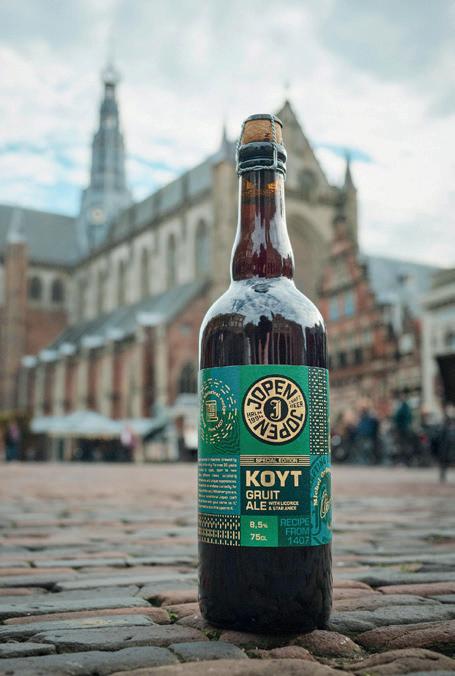
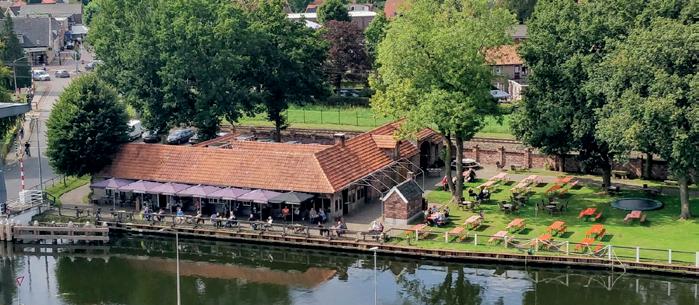
“This is a great competition,” says Ron. “For several years running, the winner was Jopen’s 4-Granen Bok. Based in Haarlem, Jopen is usually on beer lovers’
radar. The brewery is located in an old church – it’s a cool place to visit for good beer and tasty food.”
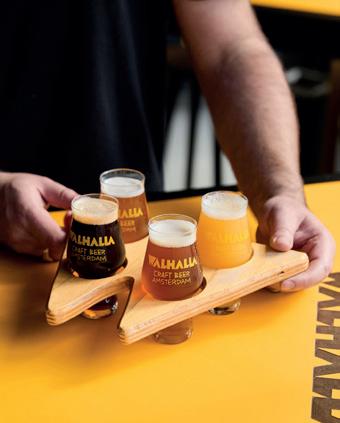
Ron also recommends to check out Valhalla, a modern craft brewery in Amsterdam that makes a rye bock. He adds; “It’s a great example of a product of the Dutch beer scene.”
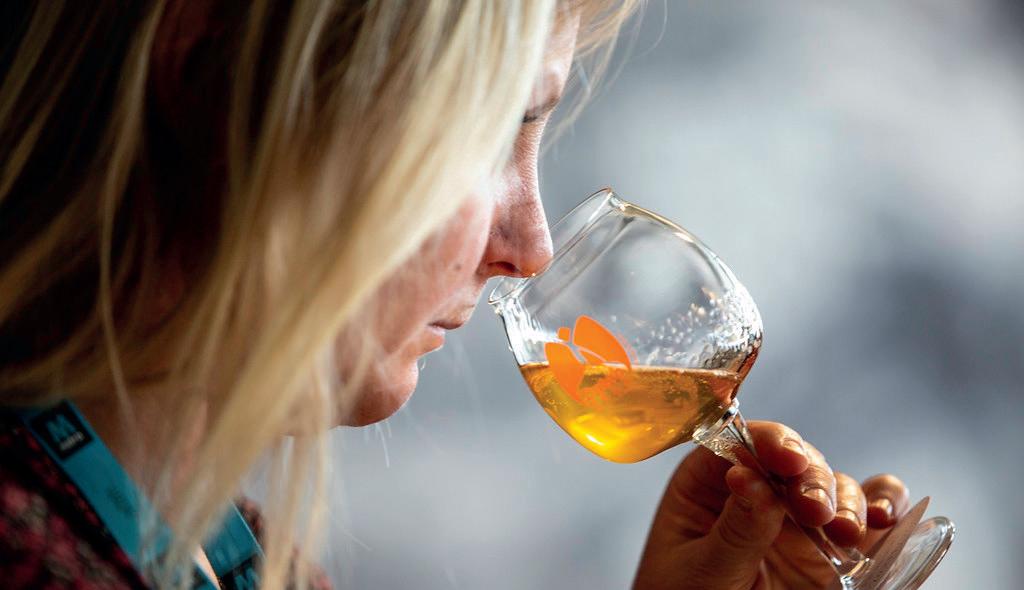
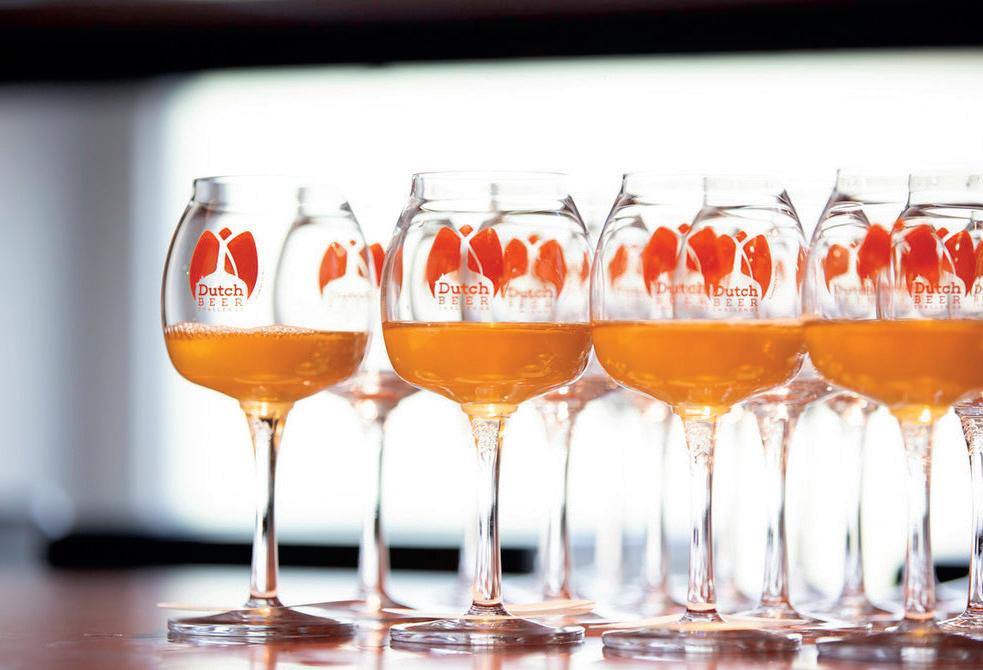
In order to promote the Dutch beer scene, the first professional beer competition in the Netherlands – the Dutch Beer Challenge – was organised in Rotterdam in 2015. Now in its 12th edition, around 150200 breweries compete every year.
“With the Dutch Beer Challenge, we want to promote the love for beer and craftsmanship,” says Rick. “Set up by the Dutch Beer Challenge Foundation, the competition has grown into one of the most important beer events in the Low Countries.”
The 2026 edition will take place on 1 April, once again showcasing the quality, diversity and creativity of Dutch brewers.
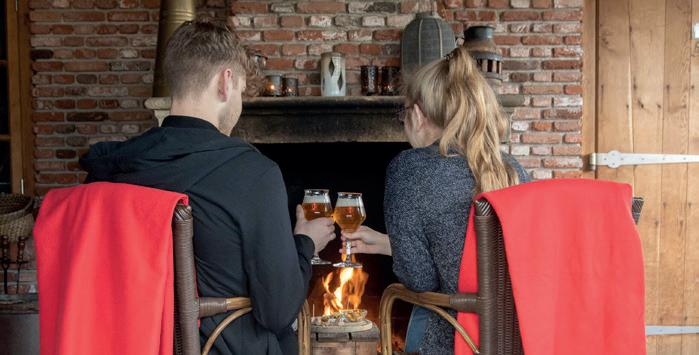
The same foundation also started Dutch Beer Week, where the organisations Dutch Brewers and CRAFT, the Dutch trade association for independent breweries, work together to promote the beer culture. “During the week, breweries open their doors and organise tours, tastings, quizzes, and more,” says Rick. This year’s edition of Dutch Beer Week takes place in The Hague in May.
No doubt, there is an impressive amount of passion and drive in the Netherlands, as also seen in the community of beer fans –something that has shaped the beer culture. With around 3,000 members, PINT is a consumer organisation dating back to 1980. Its focus is quality and diversity, with a busy calendar of activities such as tours, tastings and various beer festivals.
And in 2013, the Beer Geeks group was founded, with more than 18,000 members sharing a curiosity for beer. In 2018, this group also initiated the Beer Geeks Beat ALS brewing collaboration, which has raised more than 522,000 euro so far for charity.
“The community aspect is essential,” adds Jody. “Beer clubs, festivals, and collaborations play a significant role. Initiatives such as collaborative beers for charities or joint brewing projects demonstrate that the scene is not only competitive but also social and idealistic. There’s a strong ‘doing it together’ mentality.
Walhalla
Founded in 2016 by Aart van Bergen, this Amsterdam-based brewery makes bold and thirst-quenching beers – or as they say, the gods’ favourite beers. Its beers include for instance the powerful ZEUS Double IPA and the fruity ELIXER New England IPA.
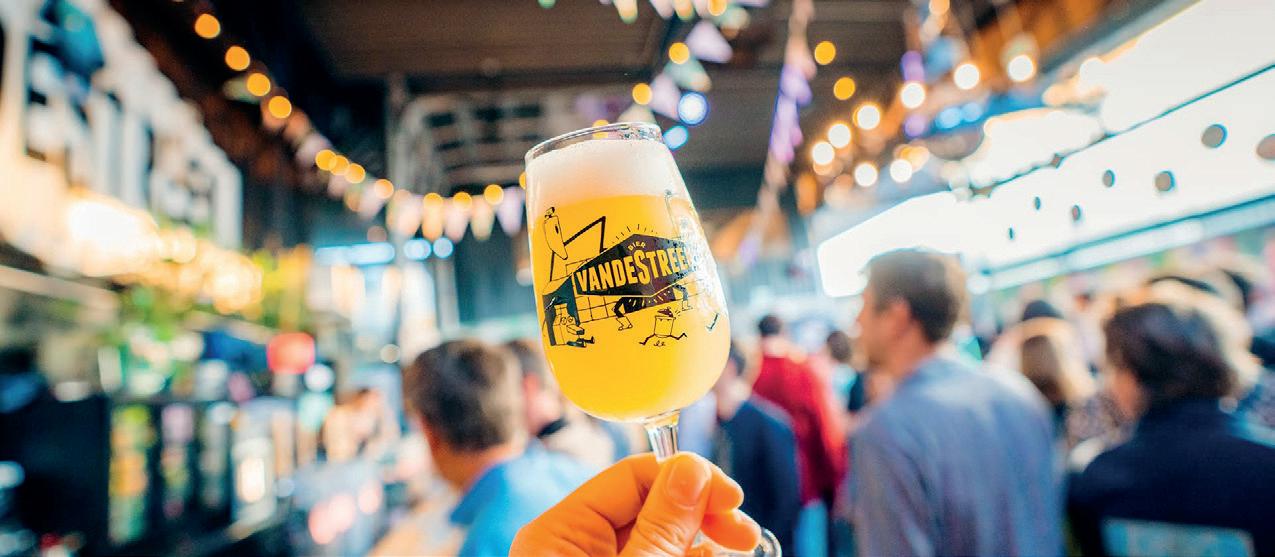
Based in Utrecht, brothers Sander and Ronald van de Streek started homebrewing in 2010. Now, vandeStreek is one of the biggest independent craft breweries in the country and its beers are available in supermarkets, bottle shops and bars across the Netherlands as well as abroad.
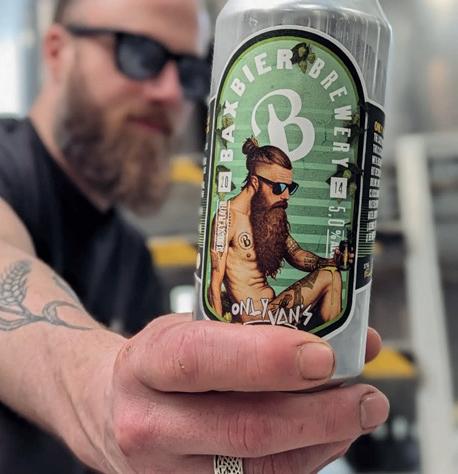
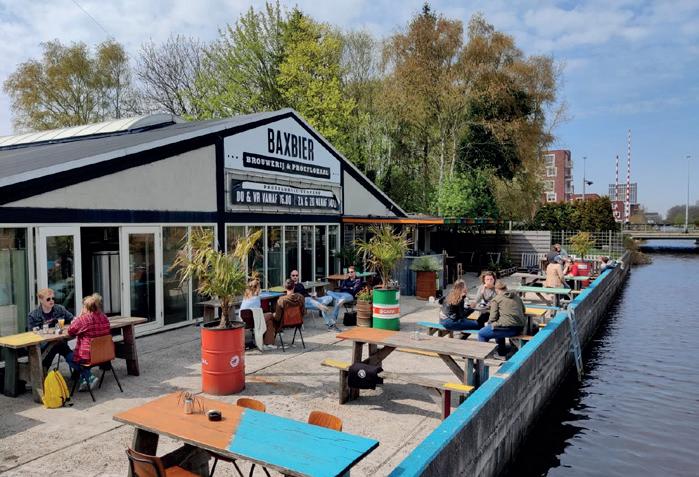
Baxbier
Two friends started brewing in 2014 and opened the brewery’s doors in 2016. Ten years on, innovative beers such as Kon Minder and Koudvuur have won numerous prestigious awards. The brewery also organises a large beer festival every year.
This brewery, set up in 2017 in Groningen, is driven by a love for bold and expressive beers. Its focus is on hop-forward styles, packed with flavour. Its taproom, Folkingebrew The Pub, tempts with great beer, tasty food, and a lively atmosphere.
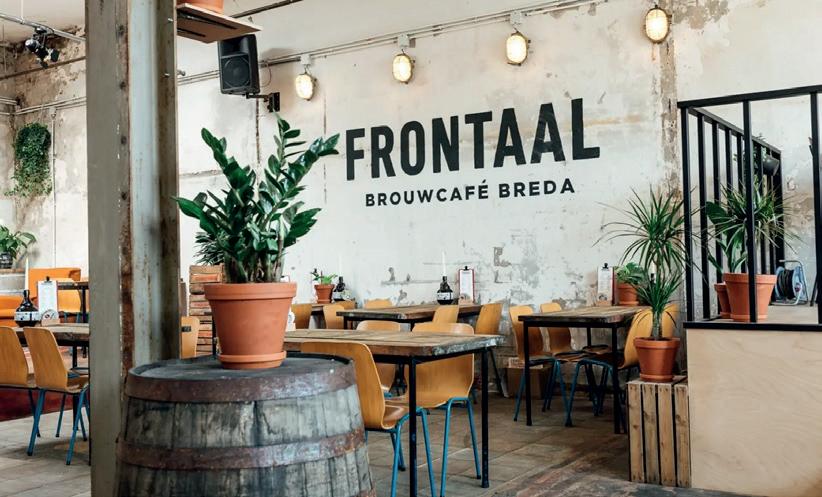
The team at Frontaal Brewing Company in Breda brew beers under the motto “beer for thought” – to inspire, excite and challenge people to drink something different. News include for instance Chai Me A River, a dirty chai latte stout, and Stratification, a New England Double IPA.
Brouwerij ‘t
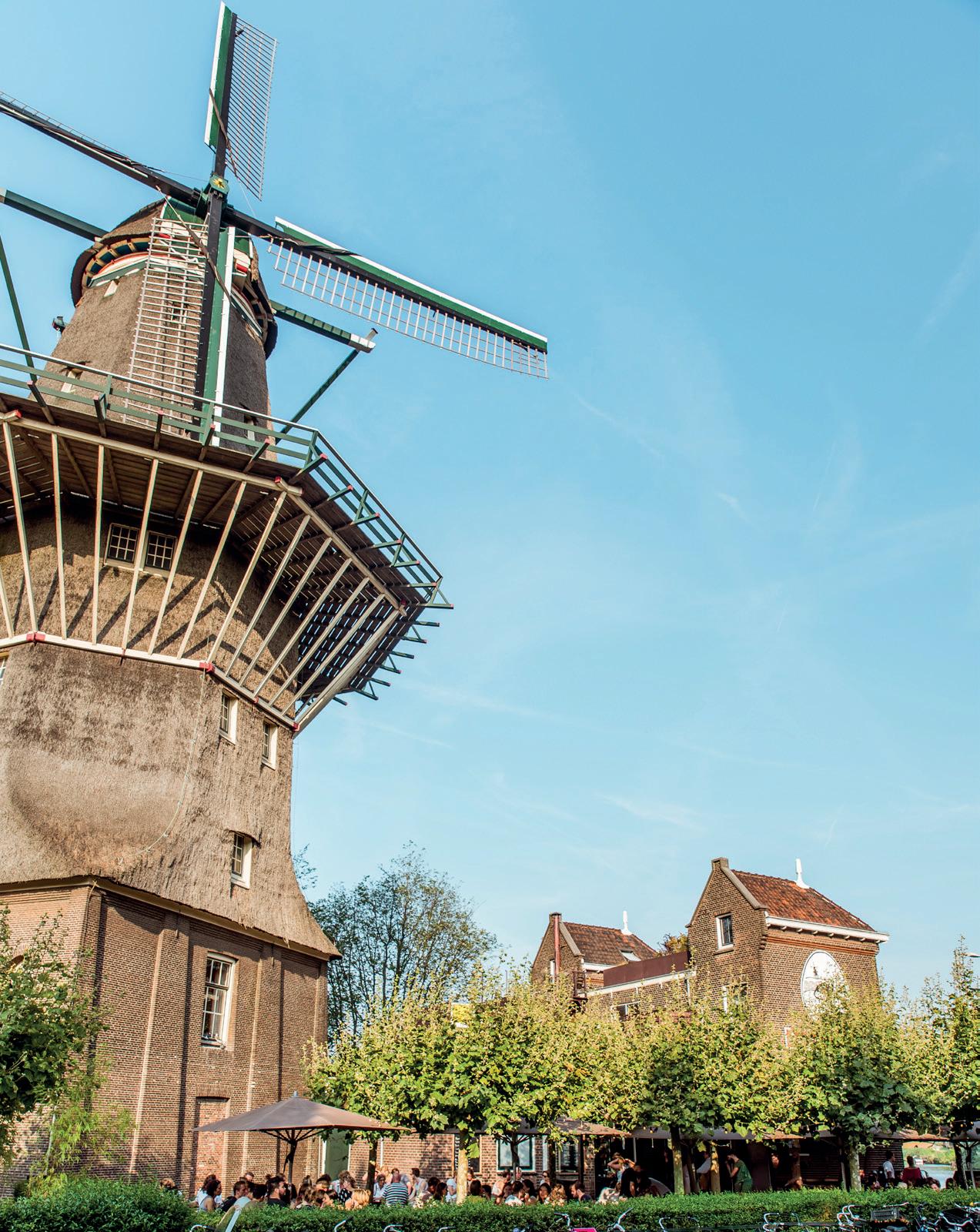
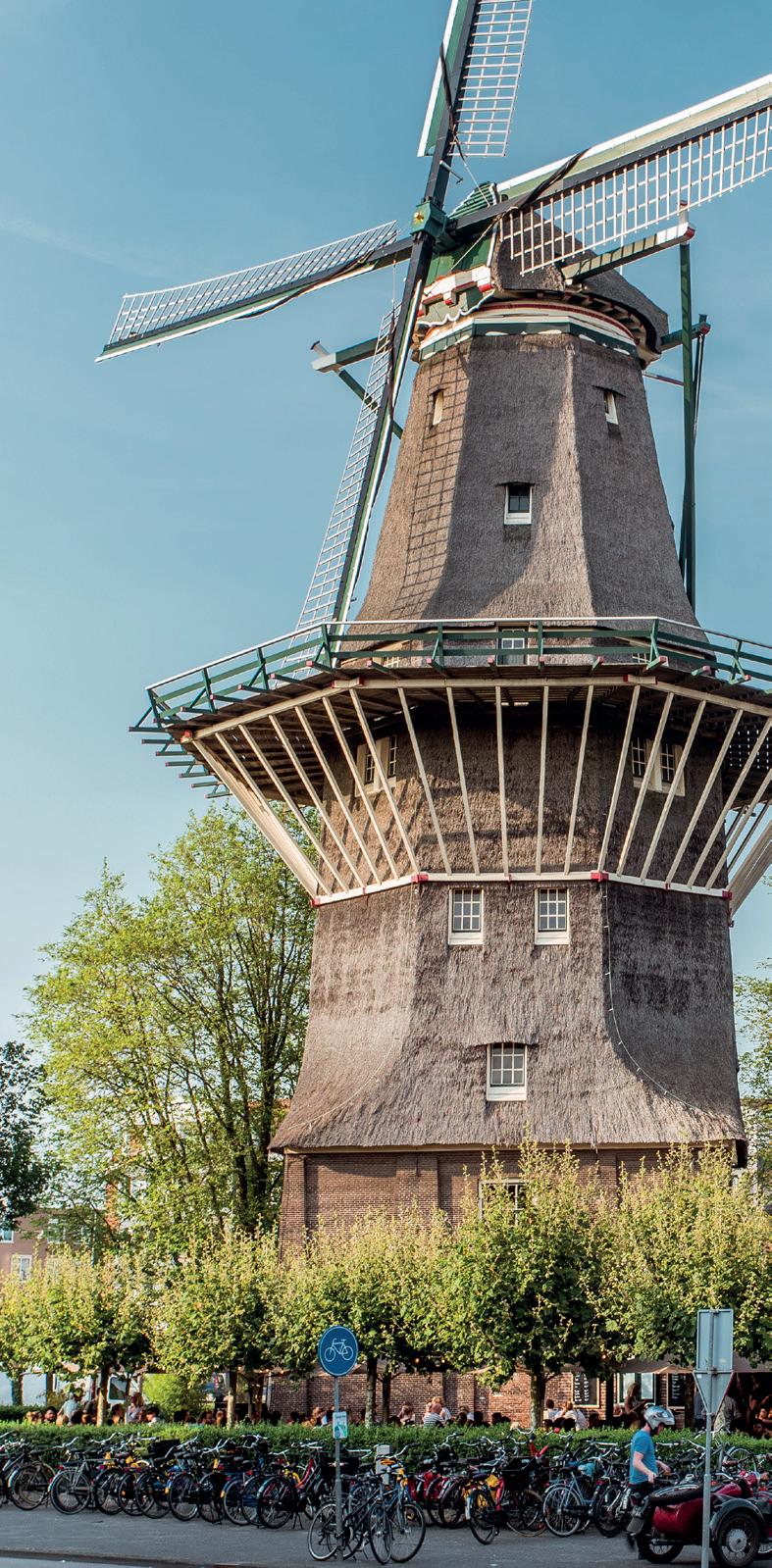
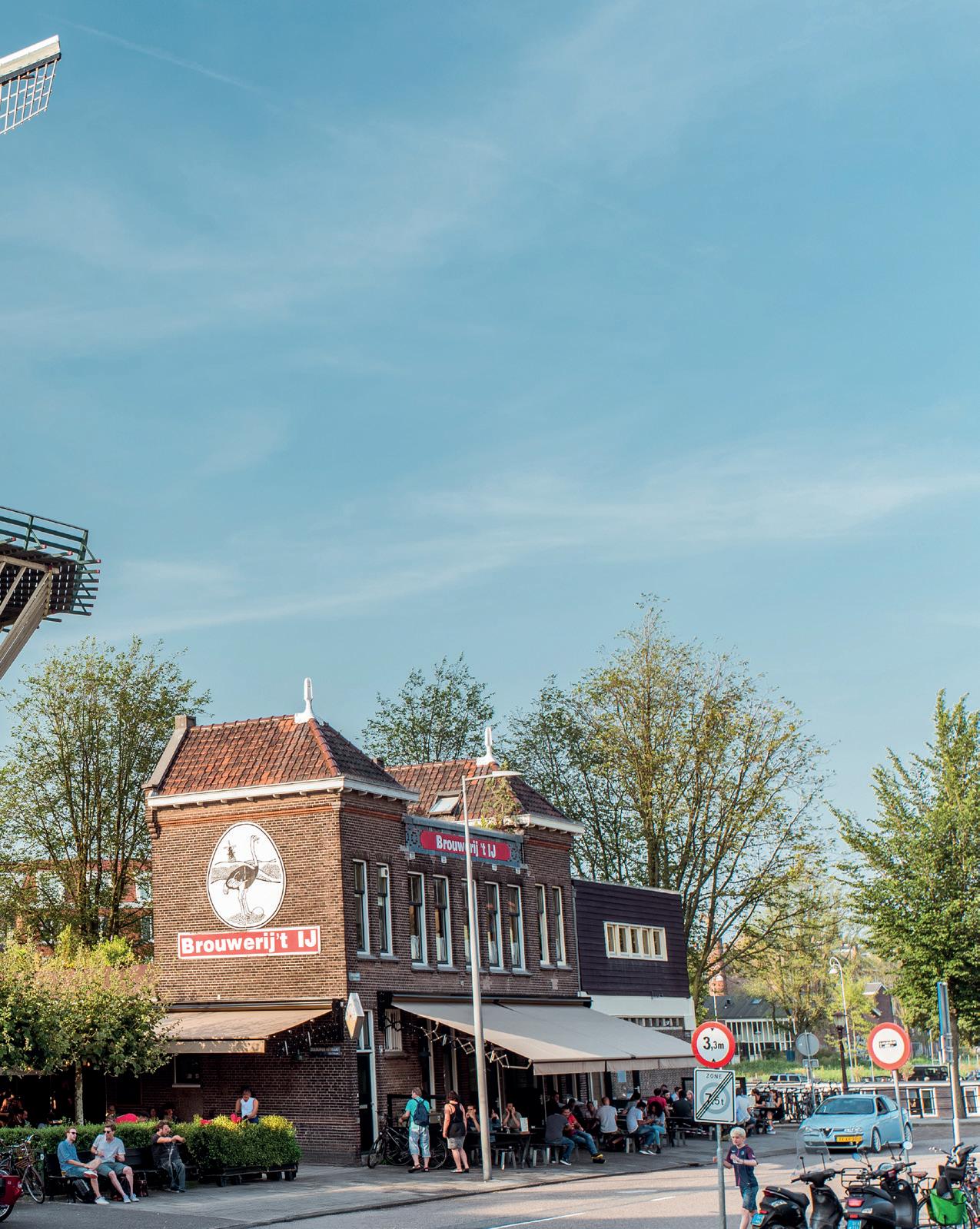
Located by the iconic De Gooyer windmill, Brouwerij ’t IJ is a well-known craft brewery in Amsterdam. Started in 1985, the brewery and its taproom is now a popular tourist attraction. The robust Zette Tripel is a classic.
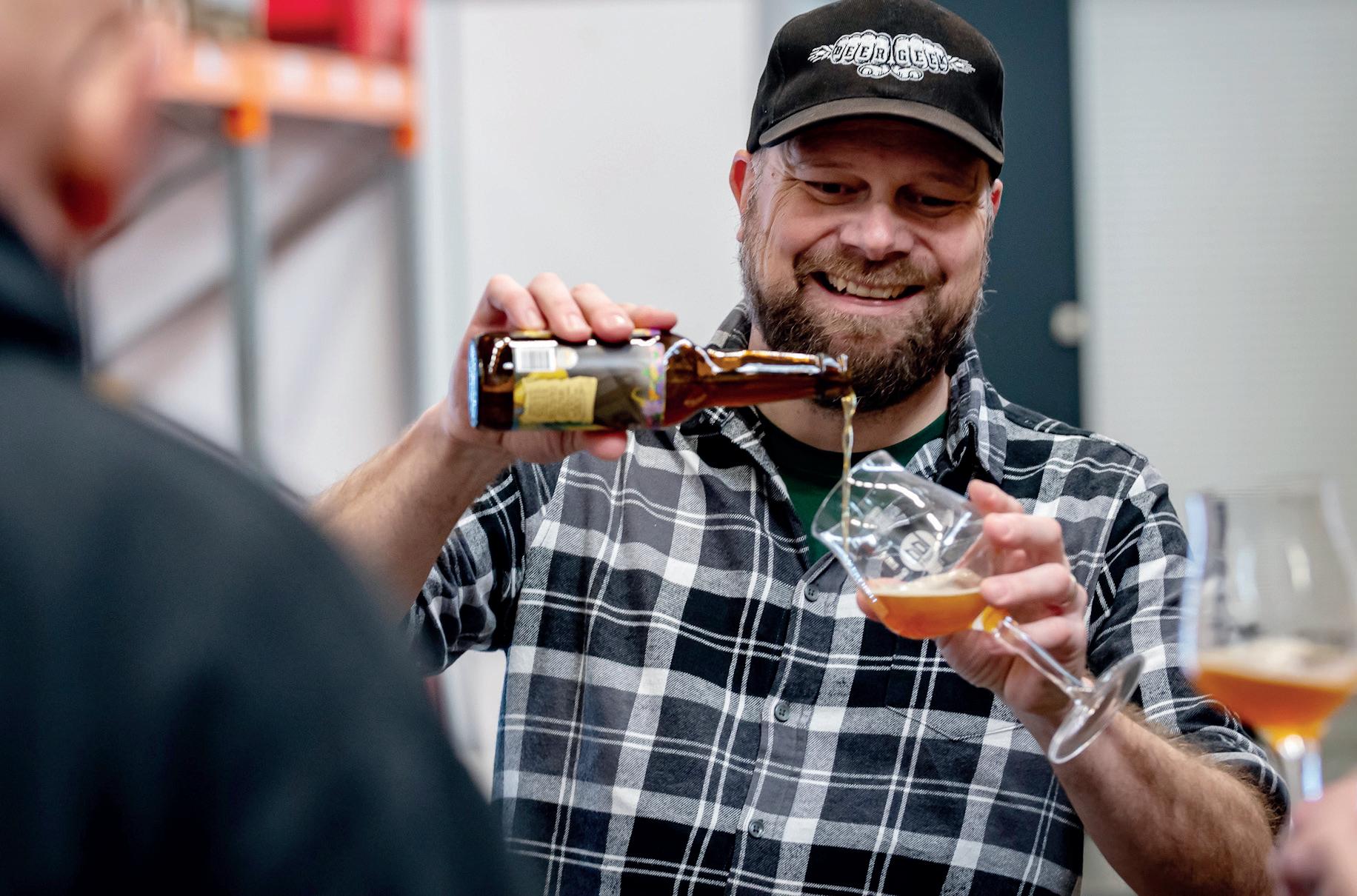
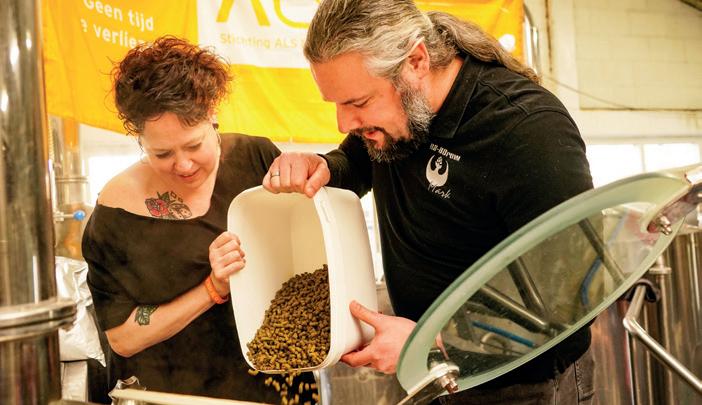
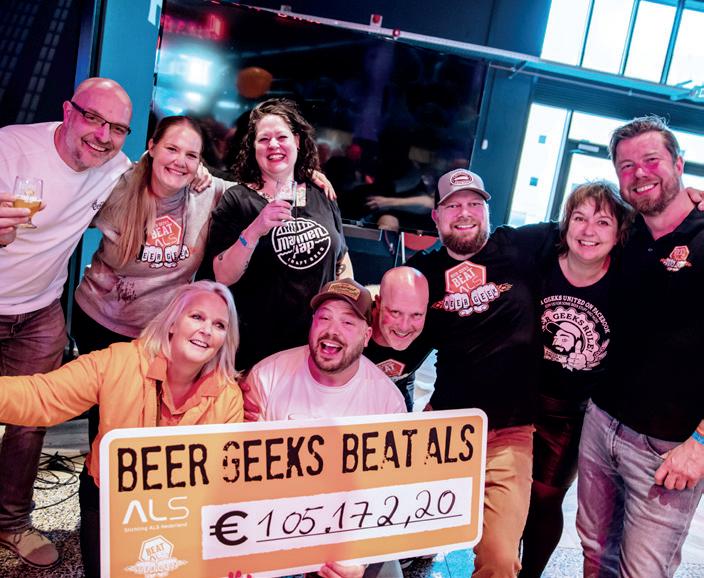
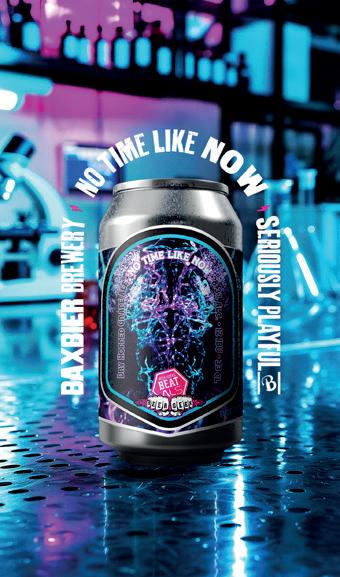
With over 18,000 members, Beer Geeks is the largest beer community in the Netherlands and Belgium. It brings together people with a passion for beer, but the community has also achieved something quite extraordinary. Since 2018, the Beer Geeks Beat ALS brewing collaborations have raised over 522,000 euro for the Dutch ALS foundation. March sees the release of the latest edition – No Time Like Now –with 80 breweries taking part.
By Malin Norman
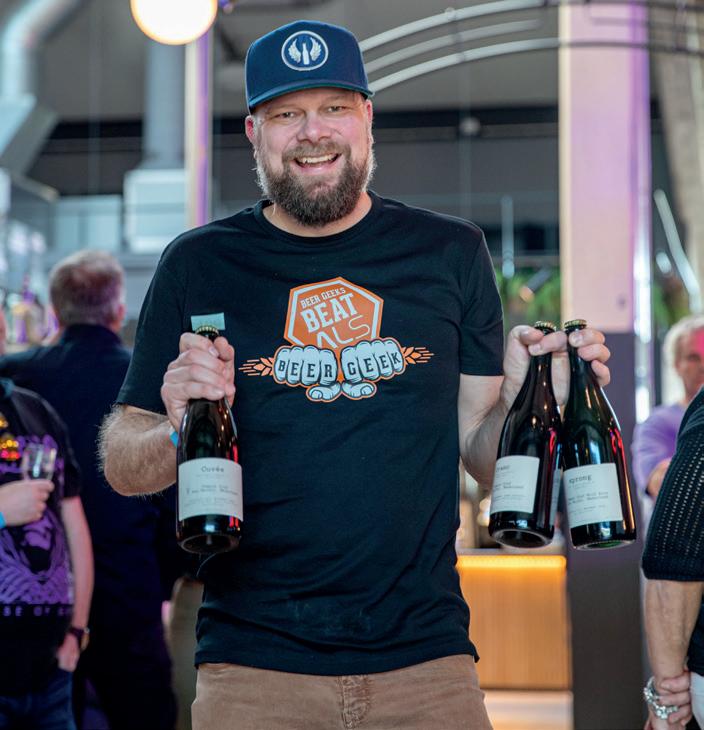
“The idea for the campaign arose when our Facebook group Beer Geeks celebrated its fifth anniversary back in 2018,” recalls Ferry Wijnhoven, founder of the group. “By this time, the page had reached 10,000 members and to celebrate, we wanted to do something special.”
The Beer Geeks came up with the idea to brew a craft beer together with as many Dutch breweries as possible, with the proceeds going to a good cause. “Since the start of this project, we have raised over 522,000 euro for the Dutch ALS foundation, Stichting ALS Nederland,” says Wijnhoven. “Our hope is that this will help researchers in getting closer to finding a cure for ALS.”
The Beer Geeks community was set up in 2013. Inspired by the TV show Tournée Générale, where musician Jean Blaute and TV presenter Ray Cokes make a road trip across Belgium to explore its beer
culture, Wijnhoven decided to search for unknown beers himself from the Netherlands, Belgium, Scandinavia, Italy, and the US.
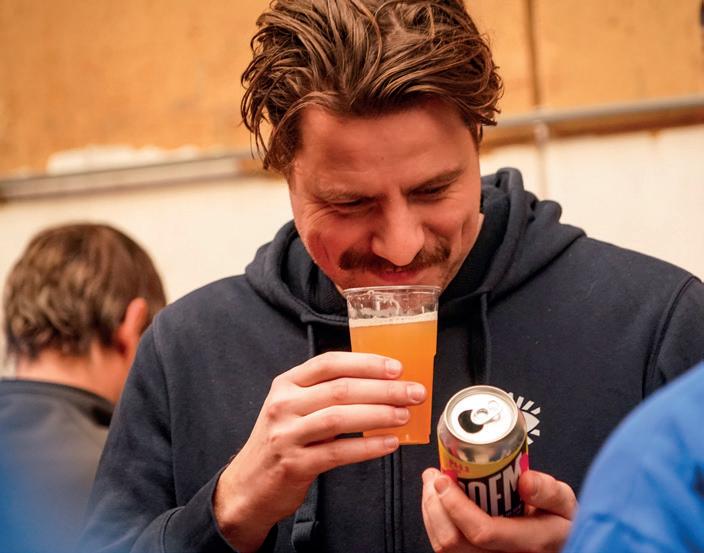
“A couple of friends where doing the same thing, which I loved. At first, I shared my beer adventures on my own Facebook page, and eventually I created a closed group where I could talk about beer with a couple of friends,” he says. “That was the start of Beer Geeks.”
The friends reviewed beers, posted beer news and inspired each other to try new beers and flavours. At the time, the Dutch craft beer revolution was in full swing and new breweries opened every week, or so it seemed. “My friends also invited some of their friends, who invited their friends, and so on. The group was the first of its kind; vibrant, lively and exciting.”
The Beer Geeks became known for saying it like it is, not trying to please anyone. Soon, the beer industry started to notice –including brewers and retail – and they joined, too, in addition to more consumers. The founder smiles and says; “Those were the golden days of the Dutch craft beer revolution!”
The Beer Geeks group started to meet also in real life, for instance during brewery tours and tastings. “This strengthened the bond further,” says Wijnhoven, and emphasises that as a member of the community, you were never alone. “There was always someone there, wanting to share
a beer and a story. We grew so fast; after three years, there were 5,000 members.”
After five years, the Beer Geeks community had reached 10,000 members, which called for a celebration. One of the members, the brewer Ronald Vandestreek, agreed to brew a beer for the group if the
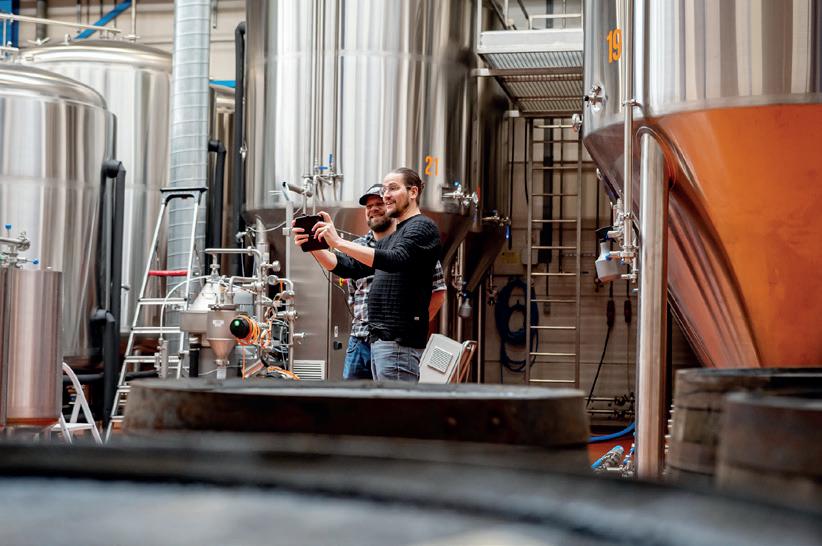
profit would go to charity – and the Beer Geeks Beat ALS charity was born.
One of the group’s earliest members was Oscar Wagner. When he joined the group, Oscar was already diagnosed with the muscular disease ALS. “This disease is a real killer, literally,” says Wijnhoven. “When you get diagnosed, you have more or less 3 to 5 years before it kills you. In the meantime, all your functions start to fail; every muscle will eventually stop, including your heart. We all knew about his disease and saw him getting worse.”
On 24 December at 8pm, Oscar decided to end his suffering, via euthanasia. “To this day, every year on 24 December at 8pm, we drink a Struise or a Westmalle, Oscar’s favourite beers, and post with the hashtag #abeerforoscar, to remember him and pay our respects.”
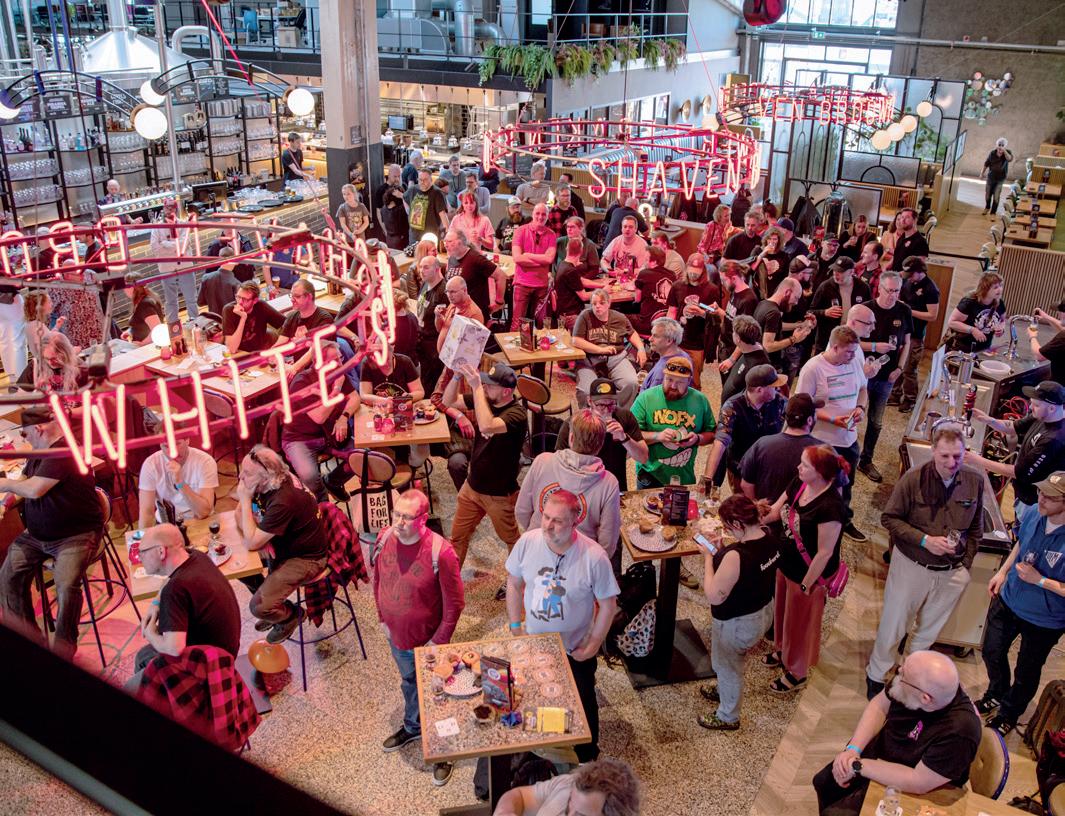
The
party for
who are interested
When the Beer Geeks decided to brew a beer in celebration of the anniversary and reaching 10,000 members, it became immediately clear that the charity should be the ALS foundation.
In December 2018, Beer Geeks Beat ALS brewed its first beer, Body and Soul, at Vandestreek brewery in Utrecht, with around 60 breweries taking part. It was a 10% stout (because of reaching 10,000 members), with added Leffe and green apples. The beer was released at Rock City Brewing in Amersfoort, with a live auction. The goal was to raise 10,000 euro, but the proceeds eventually reached 47.621 euro.
The following year, the group brewed Road to Nowhere at Jopen brewery in Haarlem, with some 80 breweries. The beer was released at Davo brewery in Deventer and raised 109.000 euro. When Covid came into the picture, the project was paused, but the group still managed to raise over 107,000 euro in 2020-2021 and over 35,000 euro in 2021-2022, through other events such as auctions, raffles, tastings, and more.
Late 2023, Beer Geeks Beat ALS was back in full force and brewed Vida la Vida, with 84 breweries taking part. The brewing took place at Lighttown Brewers in Eindhoven, with the release party at Jopen in
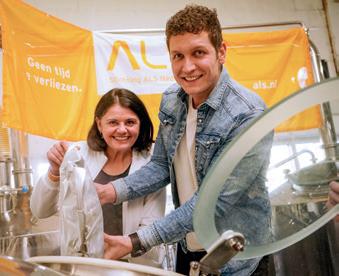
Haarlem. This edition of the collaboration raised over 90,000 euro.
And last year saw not one but two collaboration brews. The first with Brouwerij de Molen, a non-barrel-aged and a barrel-aged version of Hemel & Aarde, which was released at the bar De Hoppenaar in Arnhem. The second was a sea salt rosemary stout called Beyond the Horizon, brewed with a whopping 89 Dutch breweries, and released at Stadshaven brewery in Rotterdam. “I’m pretty sure this is the world’s largest collaboration in beer,” smiles Wijnhoven. Together, the two collabs raised more than 105,000 euro.
This year, once again the team has organised a massive collaboration, bringing together 80 breweries to make a beer for the ALS charity. The brewing of No Time Like Now took place on 16 January at Baxbier Brewery in Groningen. “We brewed an Italian grape ale, dry-hopped with Nelson
Sauvin hops and fermented with Kveik yeast,” says the community’s founder. “I’m really excited to see, and taste, the result!”
“The community is as strong as ever, and many people are passionate about our campaign, which is fantastic,” adds Wijnhoven. “Of course we would love to stop, because that means a cure has been found. But as long as there’s no cure or medicine, we will continue with our charity event.”
What is ALS?
ALS is relentless. After the first symptoms, people with this nerve/ muscle disease die within three to five years. In the Netherlands, 1 in 400 people develop ALS. The Dutch ALS Foundation funds scientific research into the cause and treatment of ALS and the related diseases PSMA and PLS. Recent technological developments have made the chance of a breakthrough greater than ever.
Source: Stichting ALS Nederland
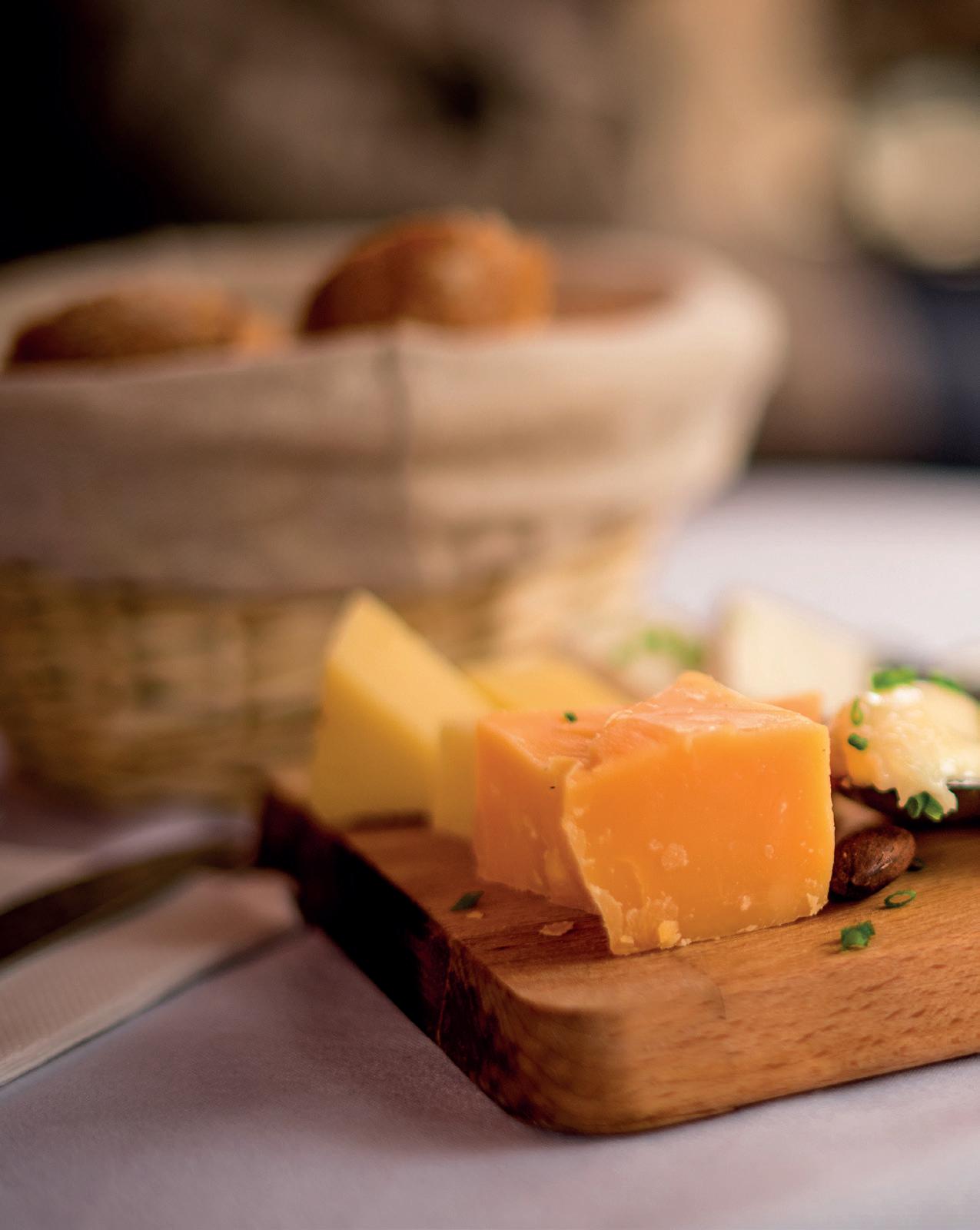
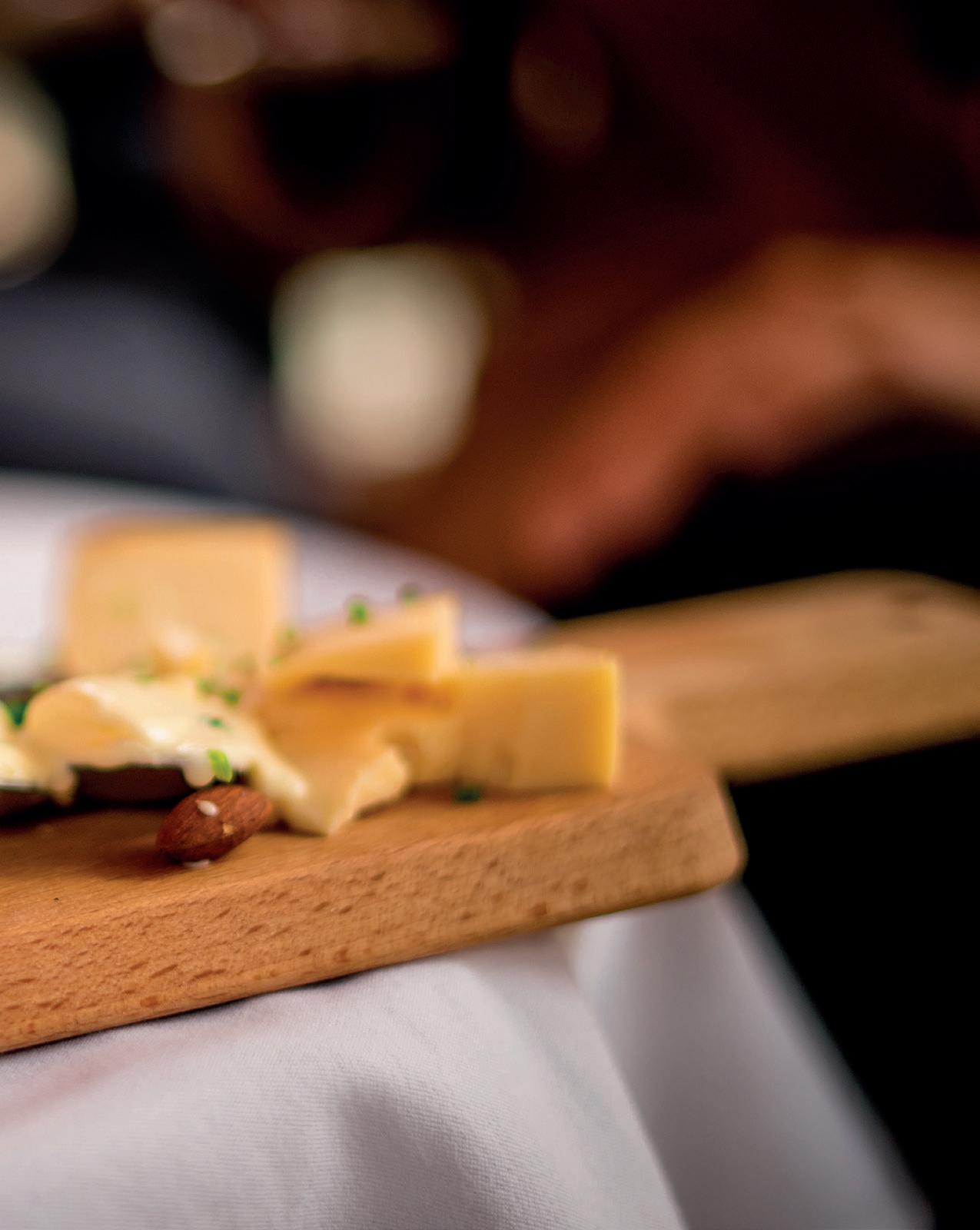
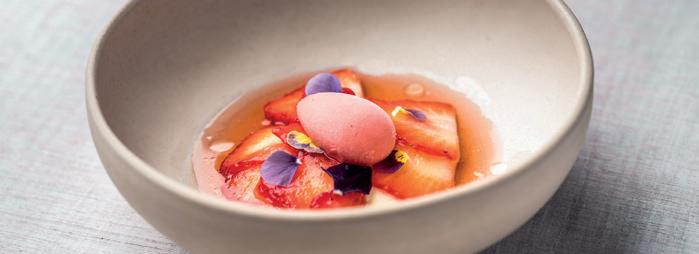
Belgium is a treasure for food lovers, with fantastic local produce and award-winning restaurateurs. From a praised cheese shop in Brussels, to unexpected food and beer pairings, and finally a Michelin-star restaurant – Discover Benelux highlights some of the best culinary experiences.
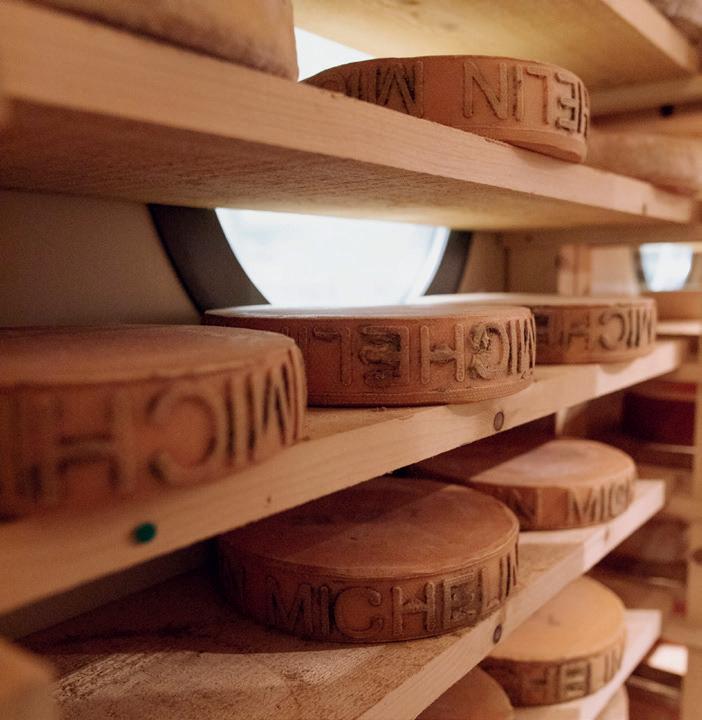
In the centre of Brussels lies a multifaceted space dedicated to cheese. La Fruitière is a fusion of cheese shop, aging cellar and tasting bar – a true cheese lover’s haven – where the owners share their passion for Belgian and French cheeses.
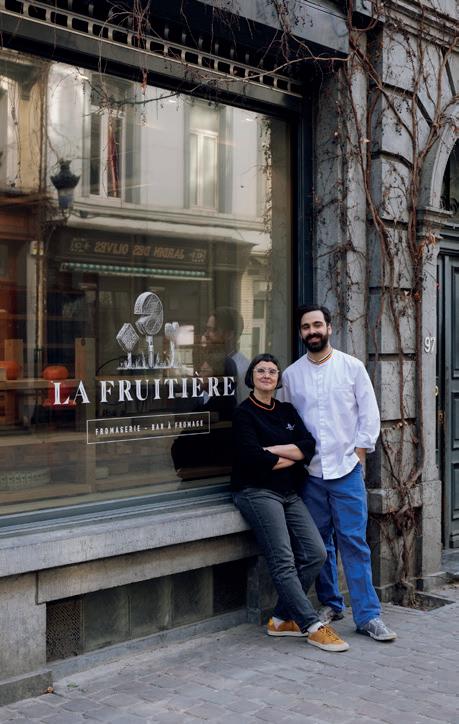
Here, locals and tourists alike can indulge in a wide range of high-quality cheeses, delicious charcuterie platters, as well as tasty natural wines and craft beers, for instance from Cantillon, which is also based in Brussels. The intimate cheese bar can accommodate around 20 people, with a large communal table at the centre.
Run by mother-son duo, Véronique and Léo, the innovative concept of La Fruitière has won numerous awards and the owners have been named Belgium’s best cheesemakers.
In Hasselt, the Limburg capital, you will find a thriving brewery with a taproom. What started as an ambitious home brewery has grown into Brouwerij De HopHemel, run by zythologists, foodies and brewers Geert Vandormael and Steven Broekx.
The founders are on a mission to share the wonderful world of craft beer, and cleverly showcase the art of food and beer pairings. With passion and instinct, they offer surprising flavour combinations. When the right beer is paired with the right dish, flavours elevate to a new dimension, they say.
The warm and welcoming taproom serves De HopHemel’s own beers, but also a selec-
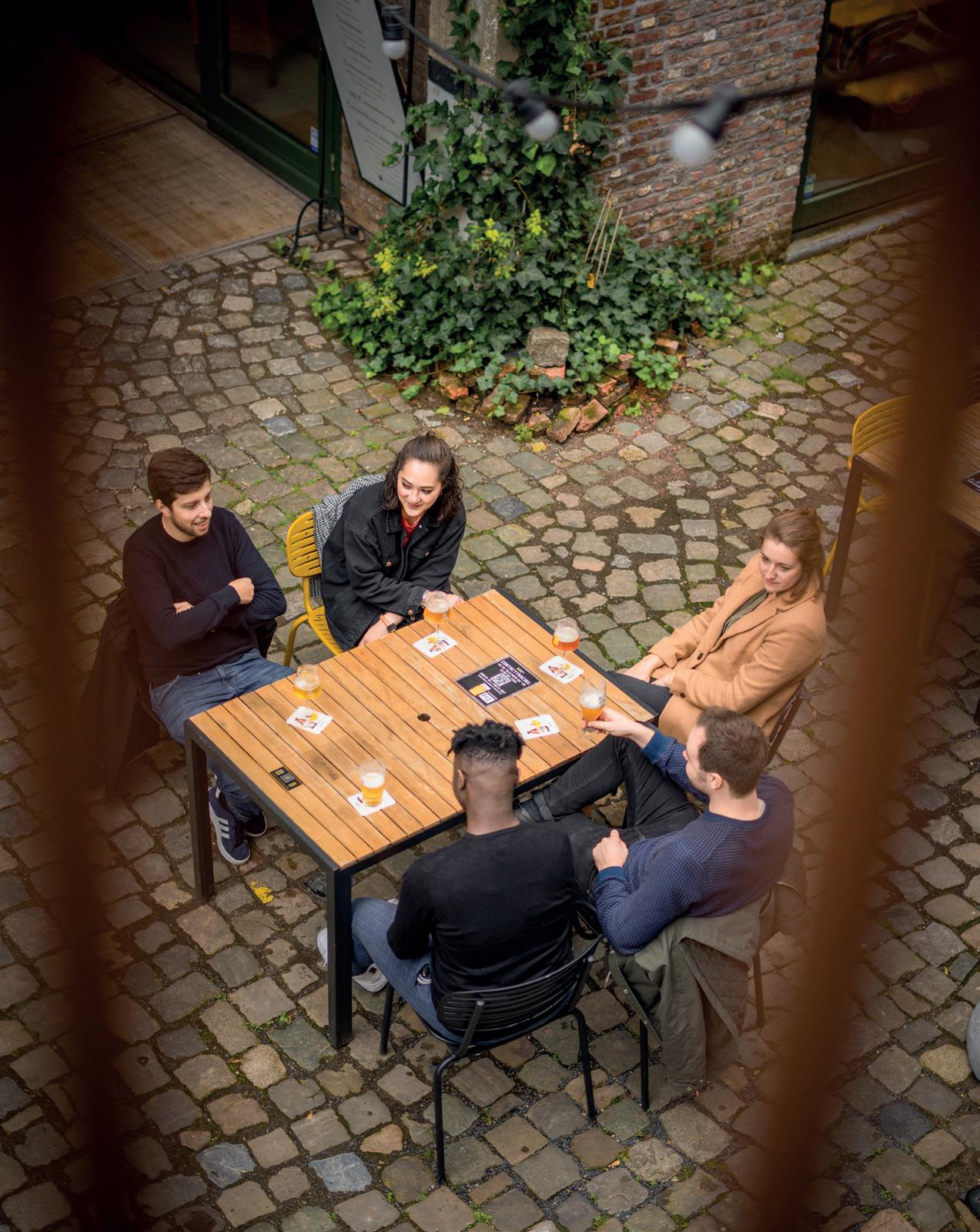
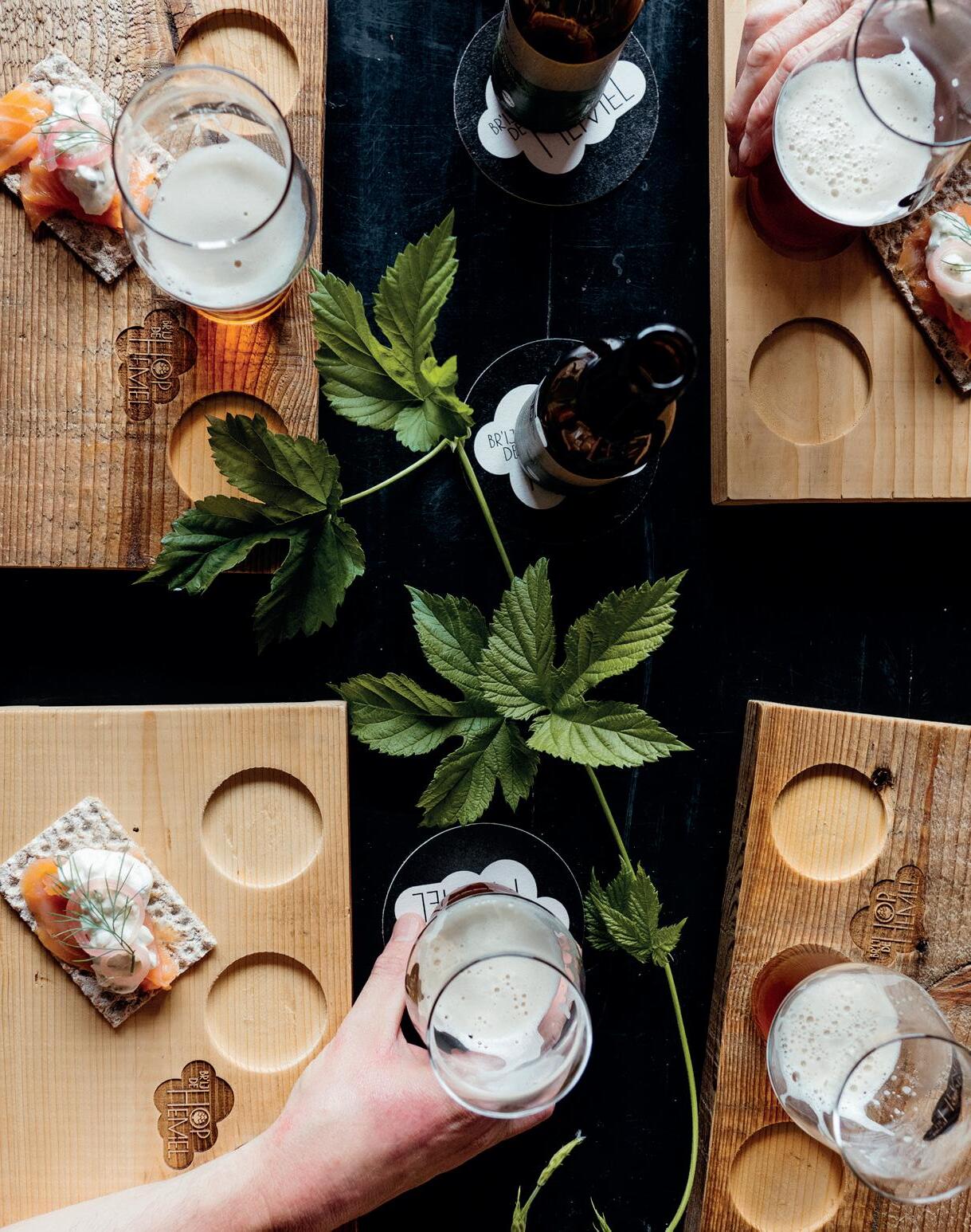
tion of craft beers from other breweries, non-alcoholic beverages, and of course divine food pairings. Geert and Steven also organise tastings and events focused on beer and food, in a relaxed setting.
Under the guidance of beer chef Raf Sainte, De Gebrande Winning in Saint Truiden seeks out the optimal combinations of beer and food. Set up in 2014, the restaurant is based in a charming farmhouse from the early 17th century.
Championing Flemish traditions, De Gebrande Winning also incorporates contemporary notes in the dishes. In 2020, the restaurant was named Best Beer Restaurant in the World by RateBeer, and it has been included in the Michelin Guide since 2019.
The beer chef’s culinary passion and creativity combined with the impressive beer cellar will make for an extraordinary experience. Expect the unexpected, at De Gebrande Winning – it is a beer destination well worth a visit.
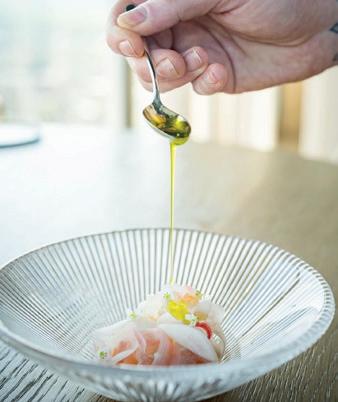
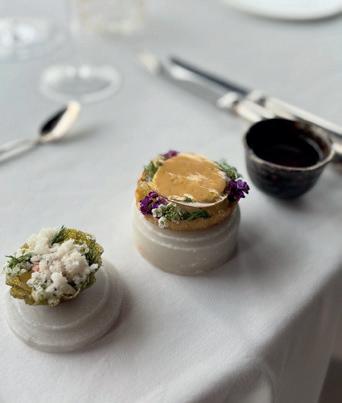
Restaurant Hert in Turnhout is praised for its refined and creative modern cuisine. Talented chef Alex Verhoeven is known for his innovative flair – he was awarded a Michelin star in 2022 and named Gault&Millau’s Young Chef of the Year for Flanders last year.
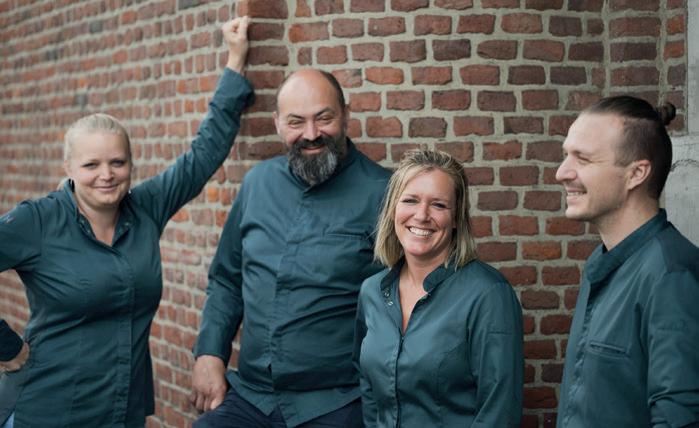
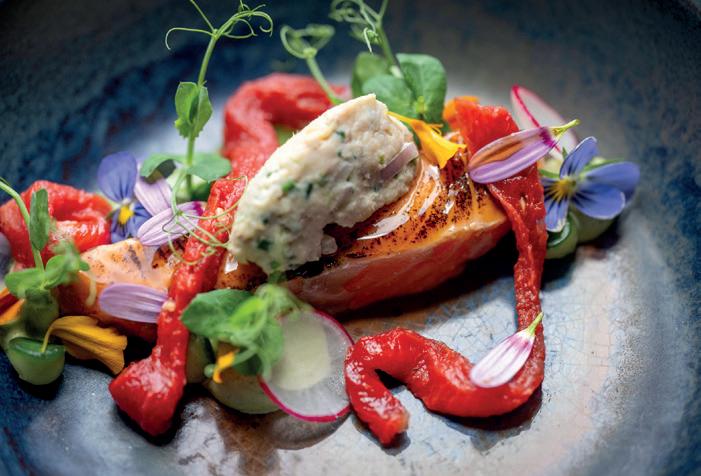
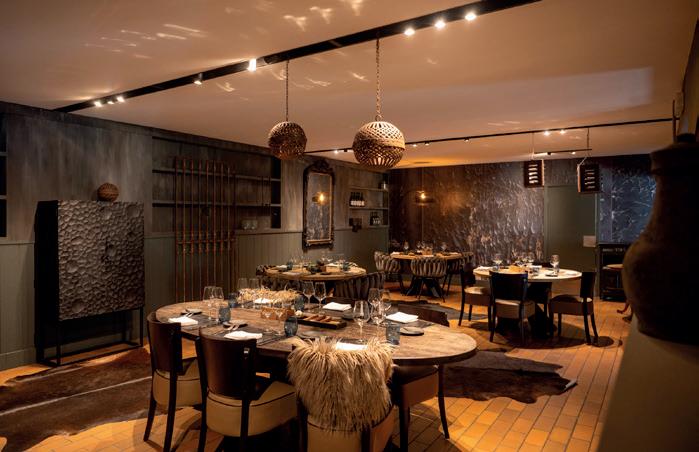
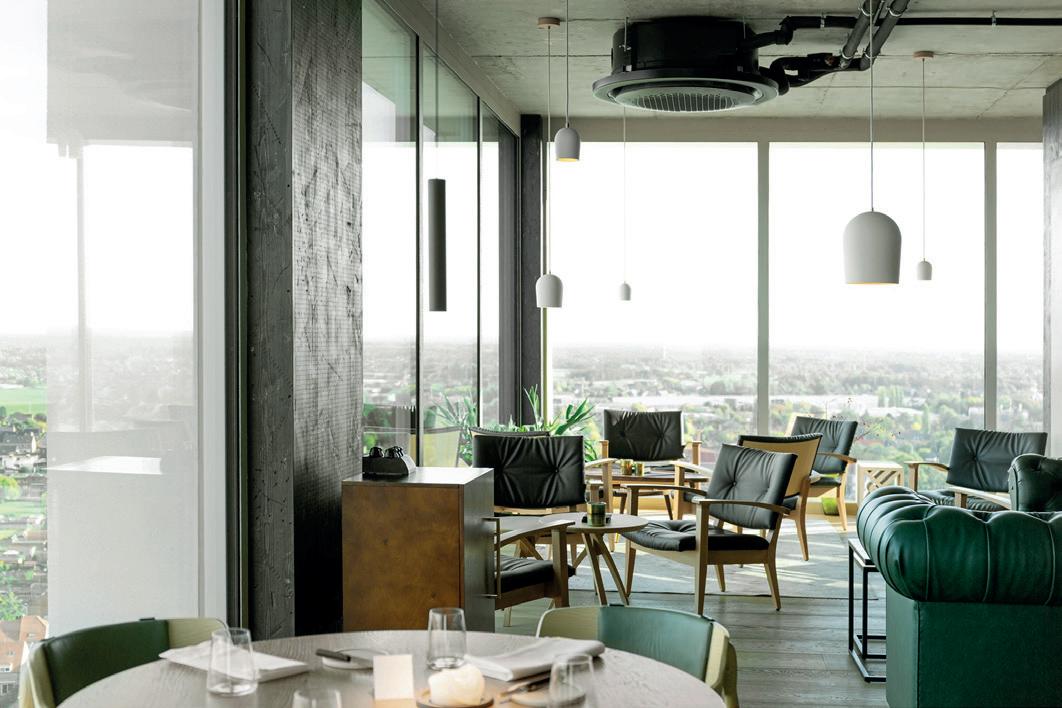
Situated on the top floor of Turnova Tower, Hert has far-reaching views of Turnhout and its surroundings. The restaurant’s focus is transparency in gastronomy and prepares its dishes respect for nature. The open-plan kitchen further emphasises interaction between the chefs and the guests.
For an unforgettable Michelin-star dining experience, head to Hert in Turnhout.
For more information on beer & food in Flanders, also check out www.visitflanders.com
La Fruitière lafruitiere.brussels
Brouwerij HopHemel hophe mel.be
De Gebrande Winning degebrandewinning.be
Hert
hert.be
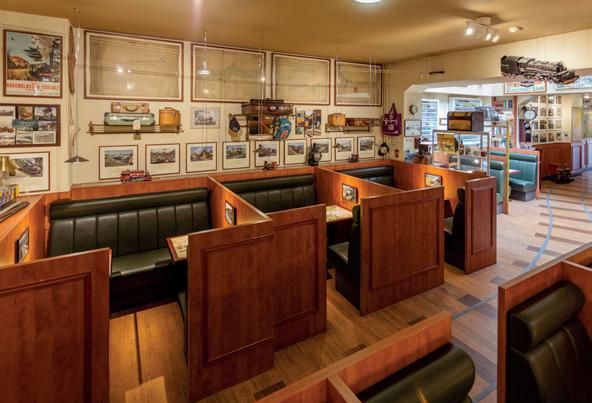
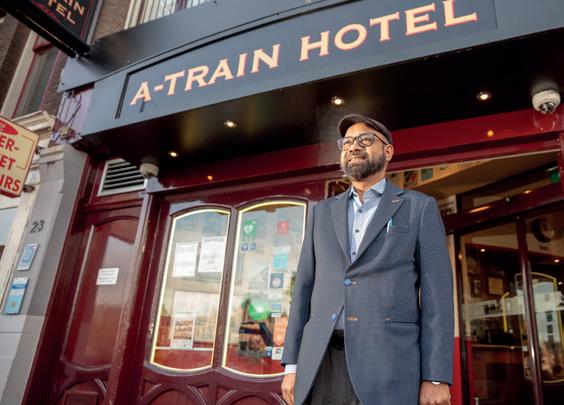
Directly opposite Amsterdam Central Station, A-Train Hotel is a distinctive boutique stay where location, character, and hospitality come together. General manager and co-owner Ali Hassan shares the story behind the hotel’s railway theme, and why the welcoming atmosphere keeps guests returning.
By Paola Westbeek | Photos: A-Train Hotel
Open since 2003, A-Train Hotel was created with a clear vision: a themed hotel that reflects its surroundings. Facing Amsterdam Central Station, a railway concept felt like a natural fit. As Ali explains; “We wanted a hotel with a theme, and with the station right across the street, a train theme was the obvious choice.”
Inspiration came from afar as well, in the form of the iconic A Train in New York, while the legendary jazz standard Take the ‘A’ Train, famously performed by Ella Fitzgerald, sealed the name.
The building itself has deep roots in the city. Located on Prins Hendrikkade, the property is a listed national monument, giving the hotel a tangible connection to Amsterdam’s local history. Inside, however, the atmosphere is anything but formal. Ali describes it as “cosy, atmospheric and informal” – a feeling that guests frequently highlight in their reviews.
The location is one of the hotel’s greatest strengths. From the front door, guests can walk to Dam Square, Madame Tussauds,
the Royal Palace, the Anne Frank House, major shopping streets, and the canal cruise docks. “The biggest bonus of staying right in the heart of Amsterdam is that you can leave your car behind and explore on foot, by bike, or by tram,” Ali points out.
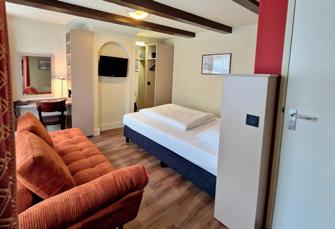
The hotel offers 34 comfortable rooms, including several family rooms tailored to guests travelling with children. All rooms feature modern essentials such as air conditioning, wi-fi, a safe, a workspace, and private bathrooms, with part of the hotel recently renovated to meet contemporary standards.
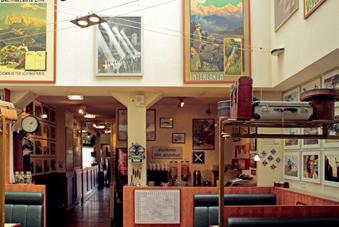
As a true bed & breakfast, the A-Train Hotel includes a Dutch continental break-
fast served in the Pullman Lounge, a space that is as memorable as it is welcoming.
“It’s a cosy and visually vibrant place where guests love to sit, look around, and take photos,” Ali notes. Complimentary coffee, tea, water, and hot chocolate are available here 24 hours a day.
According to Ali, the hotel is ideal for both leisure and business travellers, united by one thing: a desire to feel at home. “Our guests often mention the friendliness of our staff, the cleanliness of the rooms, and the unbeatable location,” he says. Personal attention is key, from helping book tickets to small gestures for birthdays or anniversaries.
For anyone hesitating between hotels, Ali has a simple invitation: “We are pioneers in the city and invite you to come and experience our hospitality for yourself – and you won’t want to stay anywhere else.”
www.atrainhotel.com
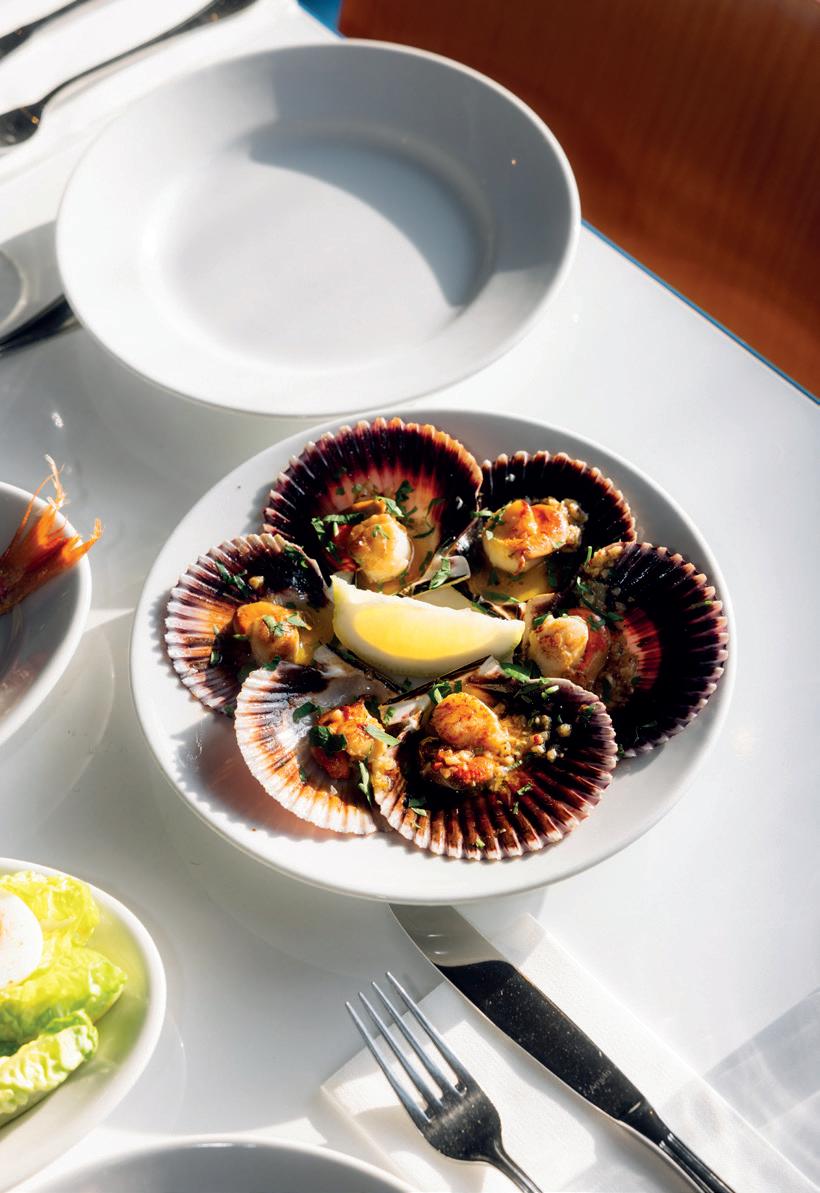
In the heart of Amsterdam-North, Barracuda has quickly become a go-to spot for seafood lovers looking for delicious, no-nonsense dining. With its industrial-beach vibe, fresh daily catch, and a buzzing crowd that keeps the energy high, the restaurant is rewriting what accessible seafood (and awesome veggie dishes!) can look like. The perfect ingredients? Passion, sourcing, and a place that feels like summer all year long.
By Paola Westbeek | Photos: Jurre Rompa
Just two years after opening its doors, Barracuda is already one of AmsterdamNorth’s must-visits. The idea for the restaurant grew out of a love for Mediterranean holidays, where food is simple, joyful, and meant to be shared. That spirit now lives in one of the city’s most hip-andhappening neighbourhoods. Additionally, with climate change bringing fish species northward, Barracuda captures that
shift, combining a relaxed coastal mindset with the openness and space that define the north of Amsterdam.
Barracuda’s location in Amsterdam-North is no coincidence. While the city centre has become crowded and tourist-heavy, North offers room to breathe and experiment. Once known mainly as a business district, the area has evolved into one of Amsterdam’s most exciting food destinations, with large, characterful restau-
rants and a strong local crowd. Barracuda fits naturally into this landscape, embracing the freedom and scale that the neighbourhood allows.
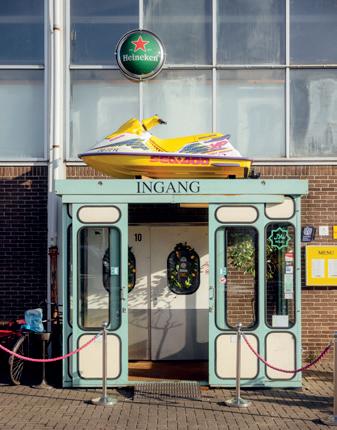
The interior reflects that mindset. Industrial elements mix with beachy references, creating a space that feels both raw and welcoming. The goal, according to co-founder Daan Meeuwig, is immediate comfort. “Barracuda is meant to be a place for everyone,” he says. “It’s not about caviar or fancy fish. We work with local, small fish and keep things approachable.”
That low-key feeling encourages guests to drop in for a quick bite just as easily as they might settle in for a long evening.
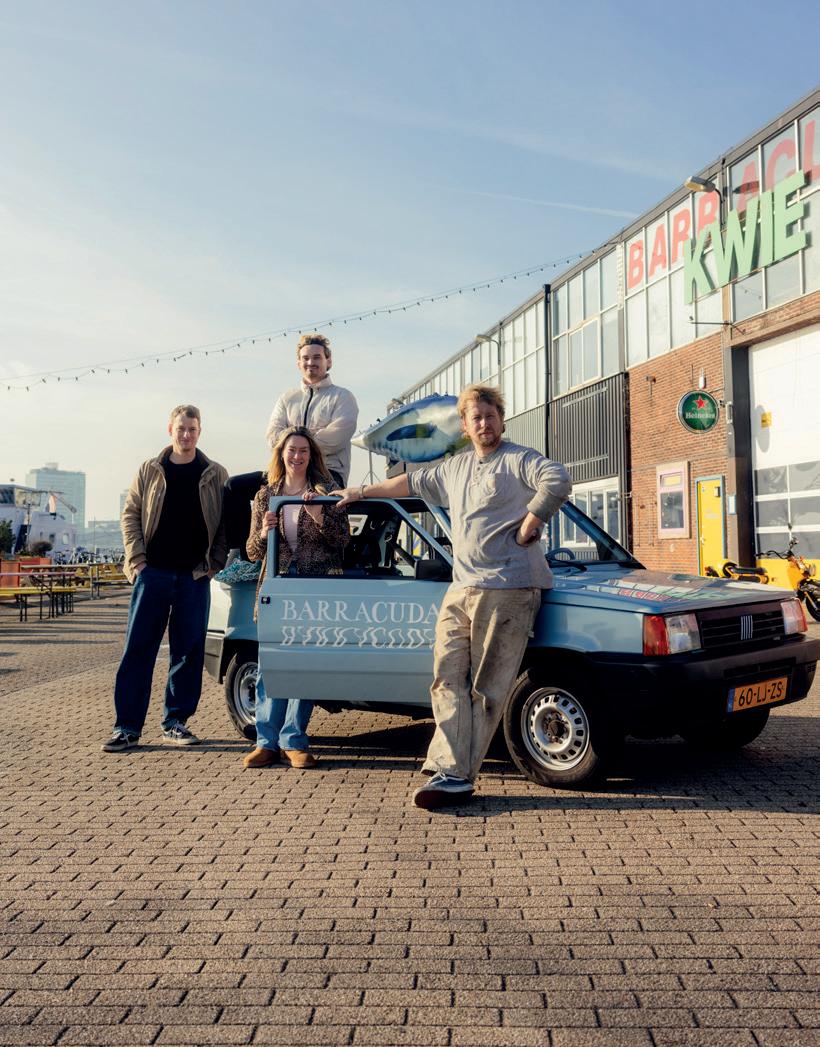
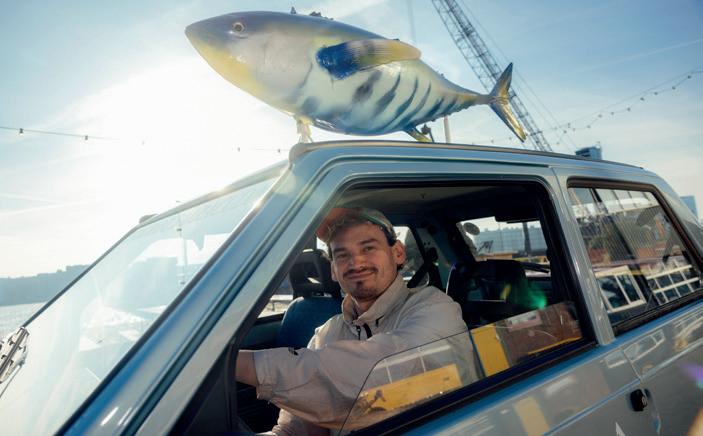
That accessibility extends to how the restaurant operates. Barracuda uses a paper menu and semi-self-service ordering, giving guests control over the pace of their meal. Meeuwig prefers this approach himself, noting that waiting can often feel rushed or overly slow in traditional restaurants. “I really like being in control of my own pace,” he explains. “It also helps to keep prices down, so that we can focus on good quality, affordable food.” The system supports Barracuda’s broader philosophy: less fuss, more enjoyment.
Food-wise, the menu is designed for sharing. While there are standout clas-
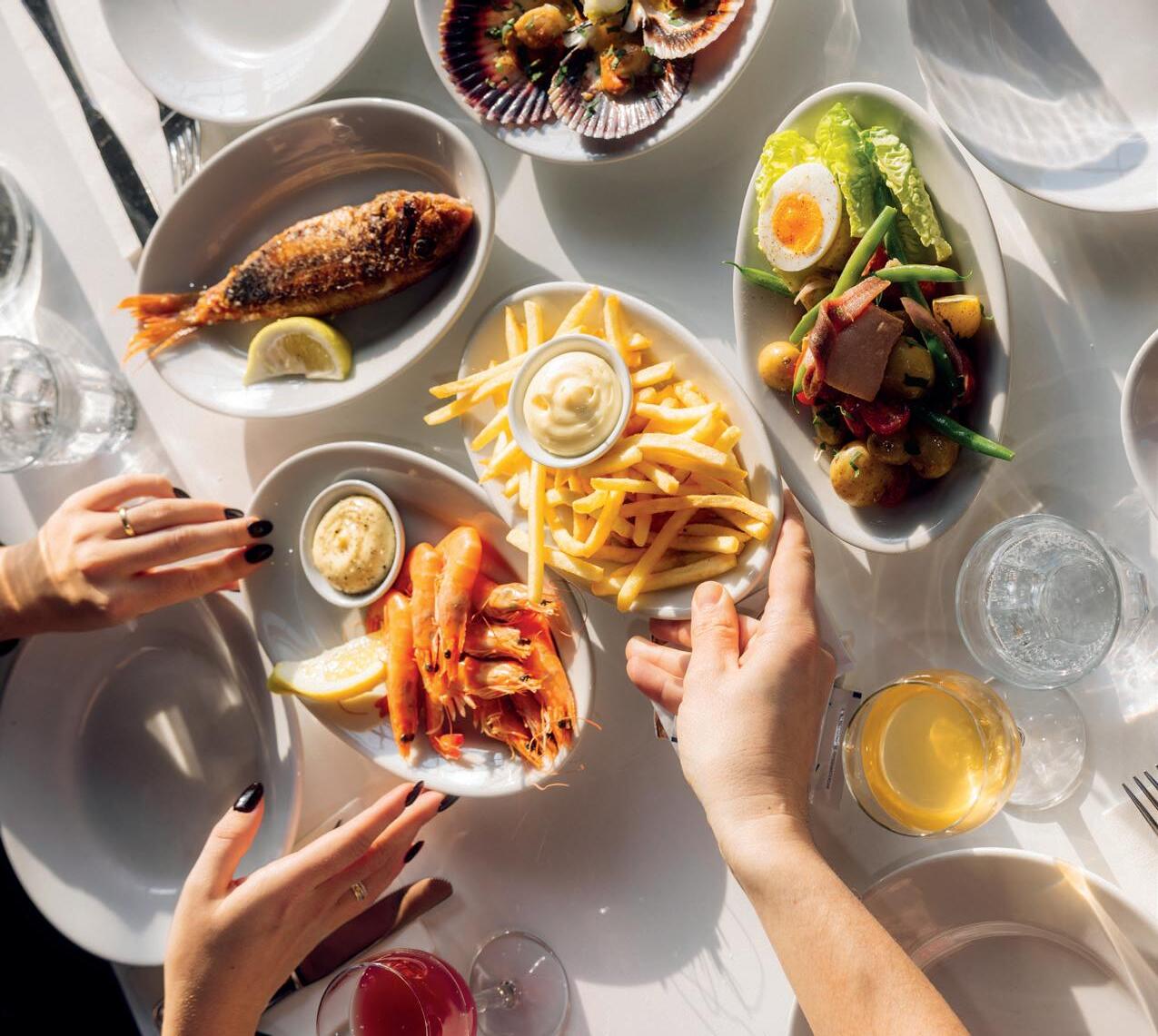
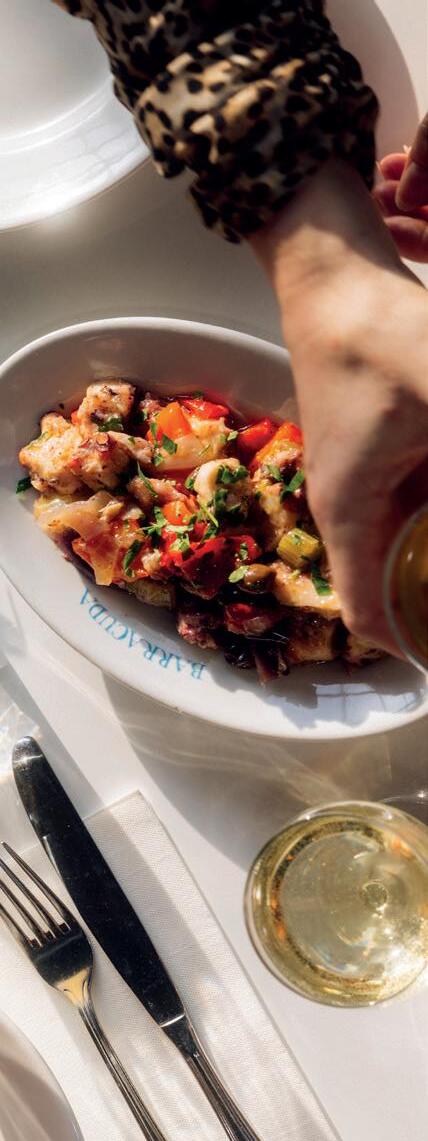
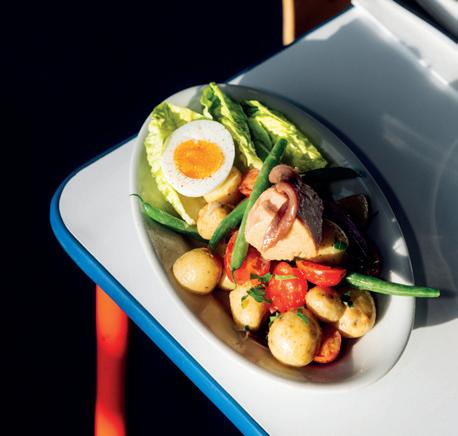
sics – like Dutch kibbeling (fried cod) with house-made remoulade – the real experience comes from ordering multiple dishes and turning the table into a feast. It is less about a single signature plate and more about variety, discovery, and eating together. The dishes are simple but carefully executed, allowing the ingredients to shine without unnecessary complexity.
Sustainability is central to Barracuda’s identity. The seafood is local and responsibly sourced, with close relationships to fishermen forming the backbone of the menu. This is reflected in the focus on
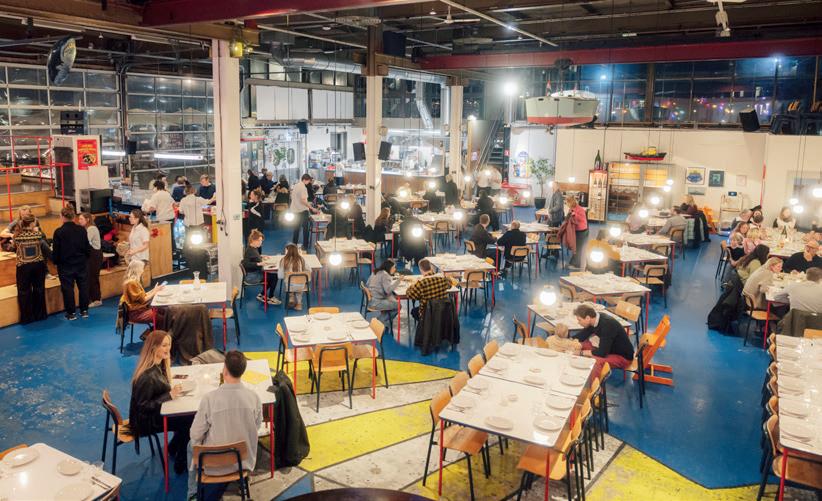
smaller fish and what is available nearby. Alongside seafood, the kitchen gives equal attention to vegetables, offering vegetarian and vegan options that feel just as intentional.
Dishes like vegetable fritto misto, Mediterranean-style toast with tomato and samphire, and both shrimp and vegan krokets ensure that everyone at the table can participate. As Meeuwig puts it; “Our menu isn’t about elaborate dishes. It’s about simple food done really well.” That balance makes Barracuda appealing to mixed groups with different tastes and dietary preferences.
The drinks list follows the same inclusive logic. Natural wines sit alongside classics like Chablis, all chosen to pair well with seafood. Guests can order tap wine by the carafe (quarter, half, or whole), making it possible to drink well without spending much. “At Barracuda, you can spend very little money, but you can also splurge and go all in,” Meeuwig says.
The atmosphere might be where Barracuda truly sets itself apart. During the day, it is relaxed and family-friendly; by the weekend evenings, it transforms into something more playful. Music gets louder, bubble machines appear, and even robots roam the floor. “It’s more than just food,” Meeuwig says. “It’s the atmosphere, the people around you. It makes you feel alive and tickles your senses.” That ener-
gy makes the restaurant equally suited to big groups celebrating together and couples sharing wine and oysters in a more intimate corner.
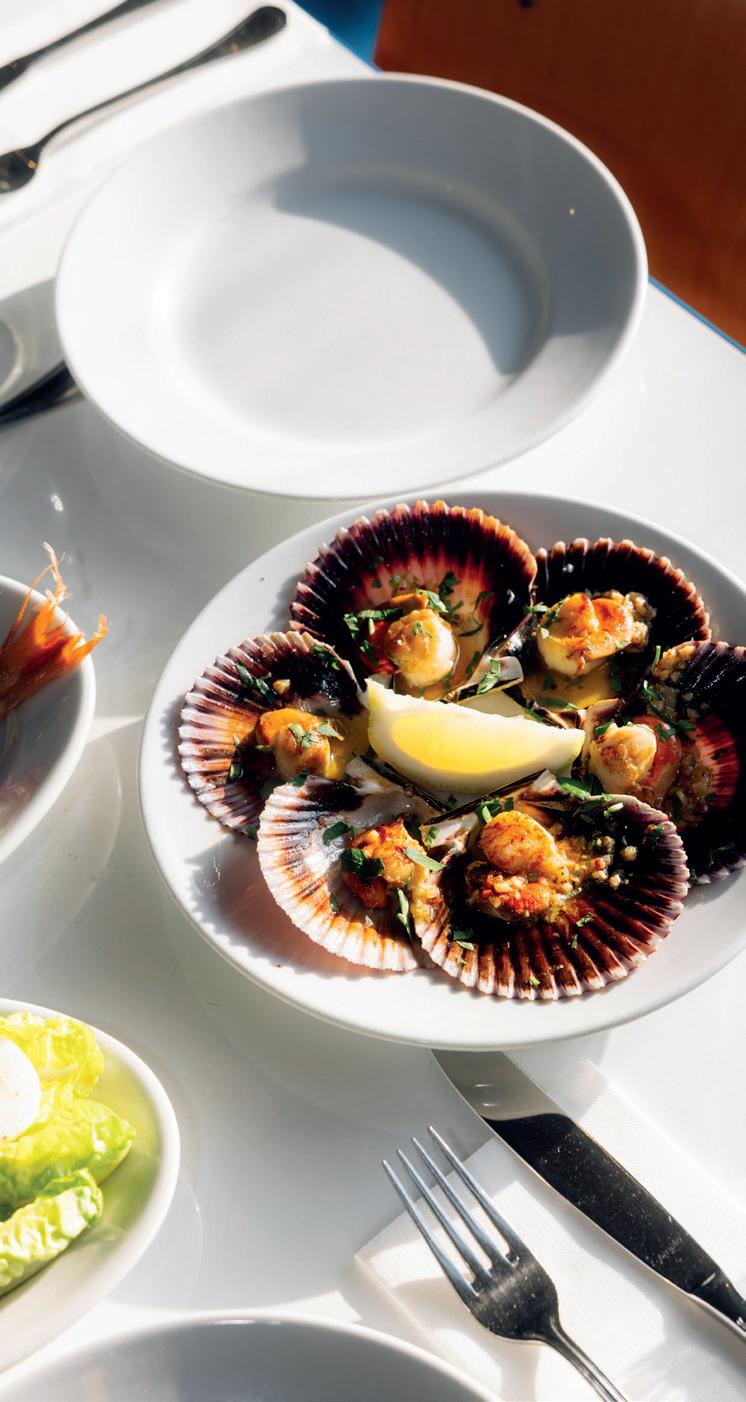
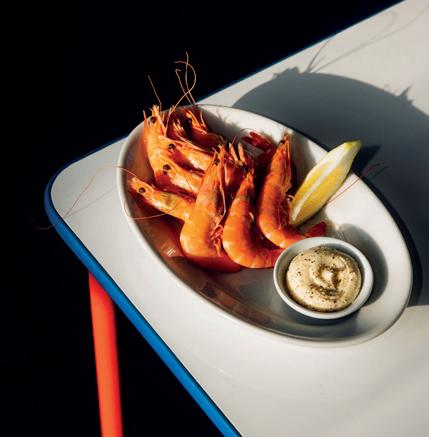
For first-timers, Meeuwig recommends going all in: crevettes with mayonnaise, local clams in white wine and garlic, grilled langoustines, a whole local fish from the oven, and, of course, kibbeling. Desserts come with a personal touch, with cakes and sweets made by his mother, like lemon cake or chocolate mousse, rounding up the meal on a warm, homemade note.
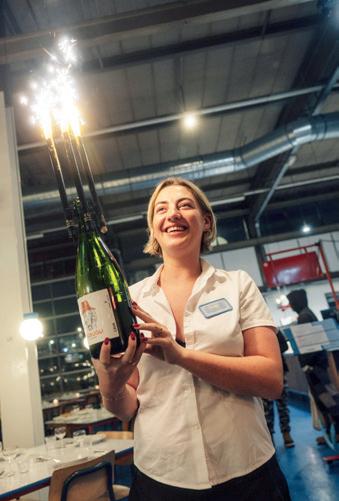
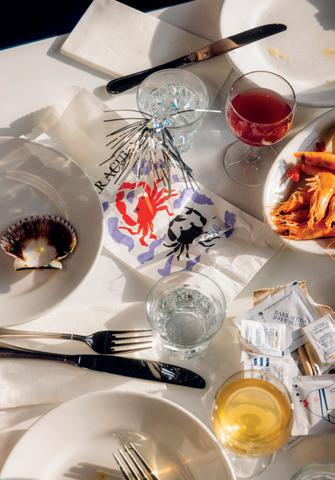
Ultimately, Barracuda’s philosophy is refreshingly straightforward. “Fun, low-key, family-friendly, with quality food,” Meeuwig summarises. In Amsterdam-North, that combination has proven a success. Barracuda is not trying to be exclusive or overly polished. Sometimes, all it takes is fresh
seafood, honest cooking, and a room full of people enjoying themselves – together.
Restaurant Barracdua Amsterdam Aambeeldstaat 10 1021KB Amsterdam www.barracuda.amsterdam
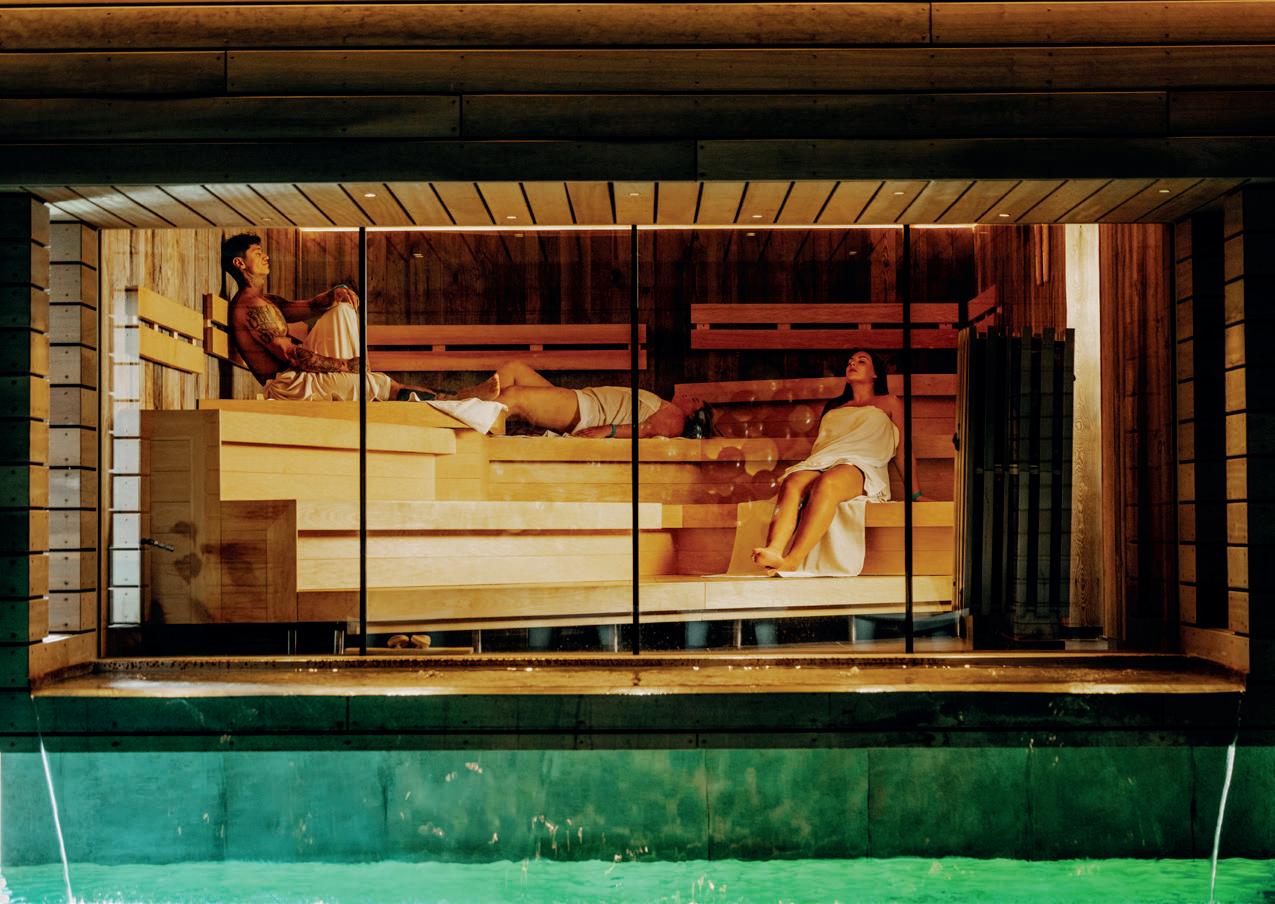
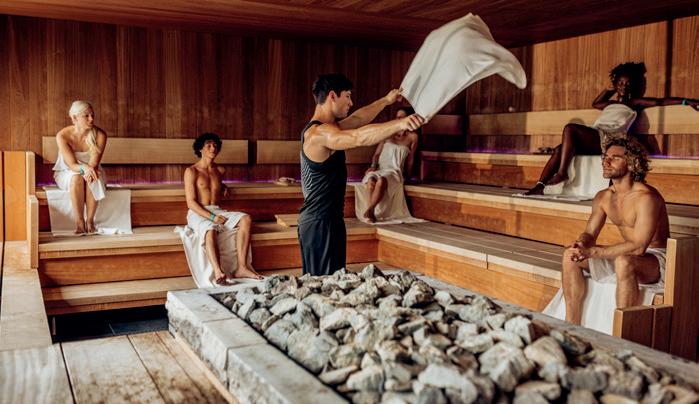
Spa One is an oasis of relaxation: a pure wellness experience designed to pamper your senses. During a day here, you can enjoy relaxing baths and saunas, a soothing treatment or invigorating massage, or just chill out in the luxurious lounges or in the beautiful garden. Ultimately, you will disconnect to connect – and be one with nature again.
By Malin Norman | Photos: Spa One
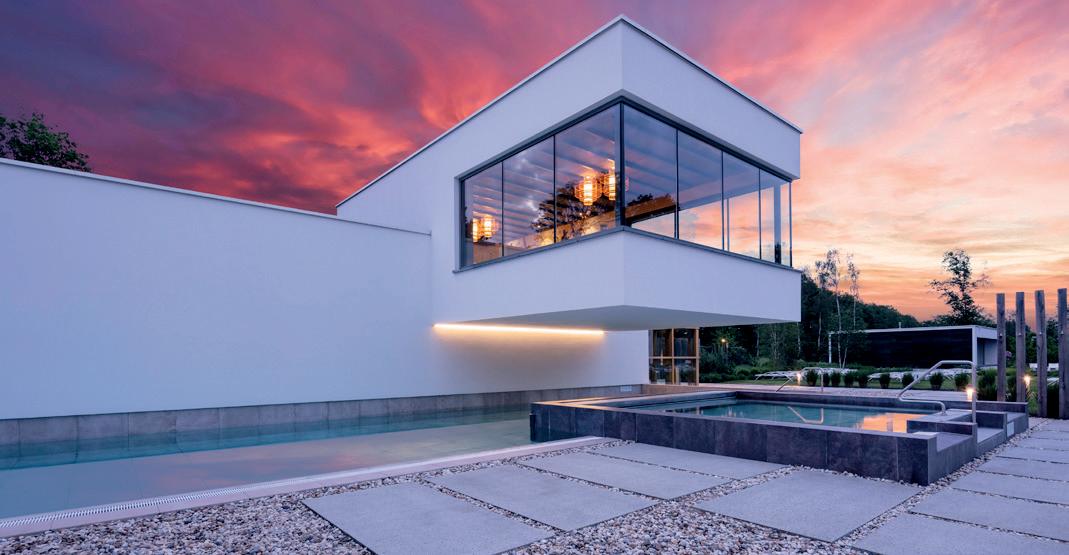
Opened seven years ago in Oosterhout, Spa One offers a premium spa experience for a reasonable price. Guests can enjoy 4,000 square metres of pure wellness and there is a sauna for every preference. With an average of 4.7 out of 5 based on more than 2,100 reviews, Spa One is the best-rated sauna on Google.
“At Spa One, we believe in the power of connection: the connection with nature, with yourself, and with pure positive energy,” says Bart, general manager. “This
is a place where you can return to your true being, where you become grounded, where the energy flows back as it was originally intended.”
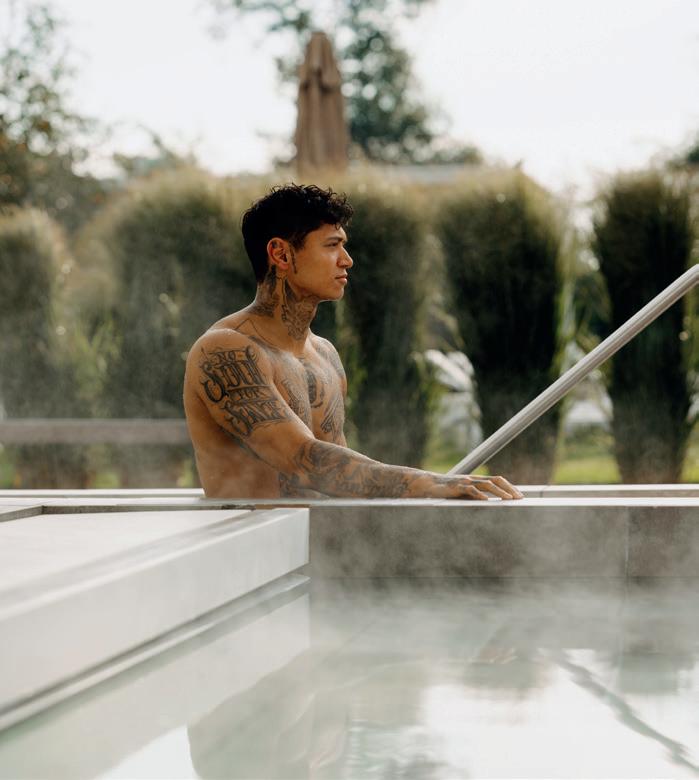
During a wellness day at Spa One, you will be able to unwind in the saunas – the spa has no less than 10 different saunas – go for a refreshing swim in the large pool, soak in one of the three Jacuzzis, float in the Four Seasons Waterfall, or drift away in the warm salty water in the Dead Sea
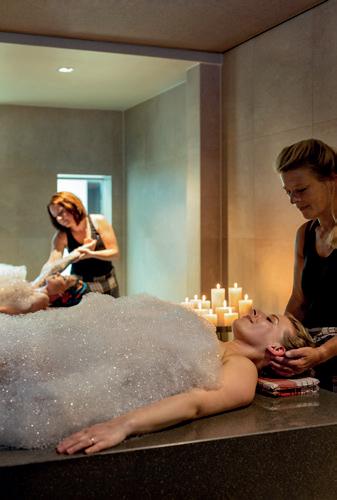
Experience. But no swimwear is allowed, which is why the spa also identifies with the expression ‘the naked truth’.
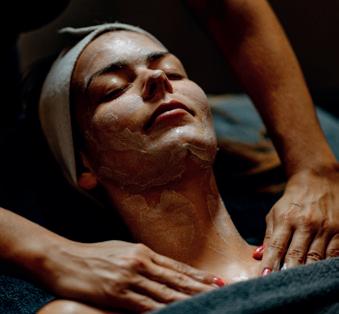
The wide range of treatments include for instance hot stone massage, sports massage, Tibetan sound massage, Indian head massage, and herbal Thai massage. The spa also offers bathing and cleansing rituals, scrub experiences such as the Turkish coffee ritual, as well as special treatments designed for pregnant women.
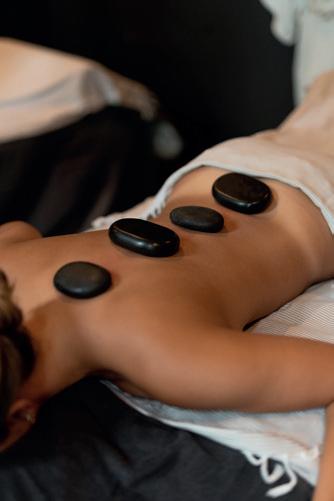
In addition, the team is trained in Wellness for Cancer™ treatments, which are offered to guests affected by cancer. “Comfort and care is the focus for these treatments,” confirms Bart. “We use the ‘level of touch’ method, which means adjusting the massage pressure for each client – this ensures a smooth and relaxing experience.”
The garden is the ideal place to relax and reconnect. Here, you can cool off after a

sauna session, soak up the sunshine, or simply read a book while enjoying a snack or drink.
CALM AND PAMPER THE SENSES
In the restaurant, indulge the taste buds with something to eat and drink. Start your day with a delicious cup of coffee and pastry, or savour a fantastic meal paired with a glass of bubbly. Besides fish and meat dishes, you will also find plenty of vegan and vegetarian options, plus
a wide selection of fresh juices, wines, beers, and soft drinks.
The interior at Spa One is minimalistic, with a modern look and feel. Overall, the concept has a calming impact – everything here has a purpose, things should not distract too much. This is a place where you can relax both body and mind. It is the ultimate mindfulness experience; see it as a digital detox and put your phone away, do only things you want to do, be in the moment. Perhaps you just want to rest on one of the sunbeds, and that is fine too.
Located in lush surroundings on a beautiful estate on the outskirts of Breda, Spa One is a modern and sustainable complex. “Because we value nature as much as we value being one with nature, we generate our own energy,” says Bart. This is achieved with around 350 solar panels, meaning that Spa One actively contributes to green energy generation.
A few evenings per year, Spa One offers a popular firewalking ceremony. Led by experienced instructors, guests will walk barefoot over a carpet of glowing hot coals, approximately 4 meters long. The entire experience lasts approximately 2-3 hours.
Firewalking is about overcoming your fears, which in turn demonstrate that fears only limit our personal growth. This unique life experience will help you get to know yourself better and grow your self-confidence.
With Spa One’s packages, you will be pampered with a visit to the saunas, a delicious meal in the welcoming restaurant, and you can unwind with a soothing massage, treatment, or ritual. For those who want to enjoy Spa One for several days, or need an overnight stay alongside their spa visit, a selection of nearby accommodation options are available.
Obviously, the peaceful atmosphere at Spa One is also ideal for celebrating special occasions such as birthdays and anniversaries. Bart adds; “Regardless of coming alone or with friends, at Spa One you can relax, do your thing and figure out your own pace.”
www.spaone.nl
Facebook: SpaOne - Thermen Oosterhout Instagram: @spaone.oosterhout
Package deal – SpaOne Welcome (starting from EUR 69): Entrance to the spa
A ritual of choice (singing bowls or scrub)
A glass of cava or a smoothie
A salad or a burger of choice
A gift to bring home at checkout
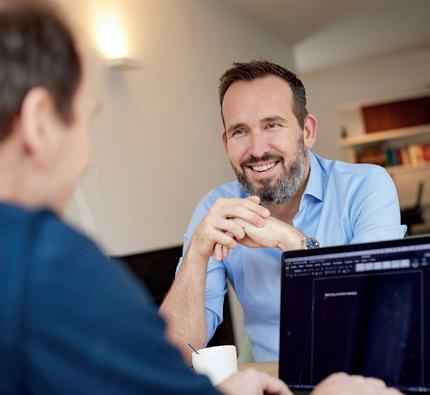

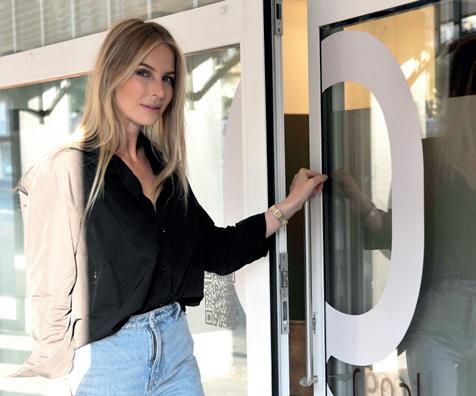
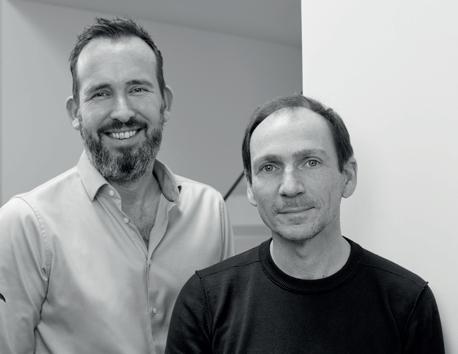
Founded by two medical specialists, Regal Clinic has grown from a single location in Kalmthout into a respected network of six aesthetic clinics across Antwerp and Ghent. Under the guidance of co-founder Dr. Elmer Naaktgeboren, the clinic is redefining aesthetic medicine through safety, precision and natural results.
By Paola Westbeek | Photos: Regal Clinic
Regal Clinic was born from a desire to expand beyond the traditional hospital setting, while remaining anchored in medical science. “My colleague and I were looking for a new professional challenge in which we could broaden our expertise,” says Dr. Naaktgeboren. “Cosmetic medicine quickly stood out, especially because ultrasound offered a clear added value in terms of safety and precision.”
That medical background is what truly sets Regal Clinic apart. Both founders are trained in interventional radiology, bringing an exceptional understanding of anatomy and imaging into aesthetic practice. Regal Clinic is currently the only aesthetic clinic in Belgium to use ultrasound in a structural and consistent way. “By literally being able to look under the skin, we can tailor treatments more precisely and reduce risks to an absolute minimum,” Dr. Naaktgeboren explains.
Ultrasound plays a particularly crucial role in filler treatments, where vascular safety
is paramount. It also allows Regal Clinic to function as an expert centre for complications. Patients are frequently referred to the clinic when issues arise elsewhere, reinforcing its reputation for medical reliability and expertise.
At the heart of Regal Clinic’s philosophy is what it calls ‘The Art of Beauty’. This concept is rooted in subtlety and respect for individuality. “Beauty is not something you create, but something you refine and preserve,” says Dr. Naaktgeboren. The goal is never dramatic transformation, but rather to slow the ageing process in a harmonious way while maintaining each patient’s authentic appearance.
The clinic offers a wide range of treatments, including muscle relaxants, skin boosters, fillers, and hair fillers, all preceded by an extensive consultation. Honest advice is central to the approach. “If a treatment is not suitable or safe, we simply won’t perform it,” Dr. Naaktgeboren assures.
Equally important is personal guidance and aftercare. Patients consistently praise the calm atmosphere, transparent communication, and long-term follow-up. This is not an extra; it is an essential extension of every treatment.
Looking ahead, Dr. Naaktgeboren sees Belgian cosmetic medicine clearly evolving towards a more medical, safe, and refined approach. Regal Clinic aims to remain at the forefront of that shift: “Our ambition is to continue raising the standard of aesthetic medicine, where medical precision and refined aesthetics go hand in hand.”
www.regalclinic.be
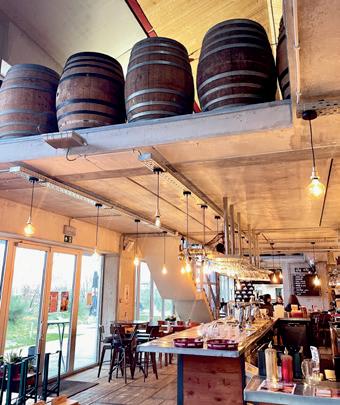
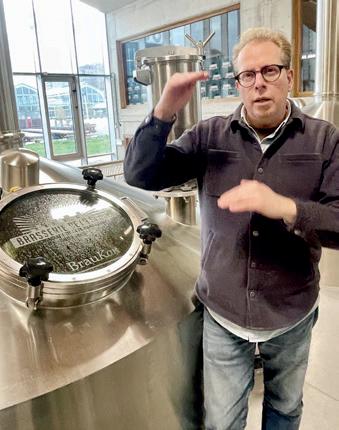
Famous for its hop-forward yet nuanced beers, Brasserie de la Senne has a thoughtful perspective on brewing. The brewery’s flagship beer Zinnebir is considered to be the beer of Brussels, praised for its smooth bitterness and high drinkability. During a visit at the brewery, co-founder and head brewer Yvan De Baets highlights the importance of maintaining a hands-on approach – and not stressing the yeast.
By Malin Norman
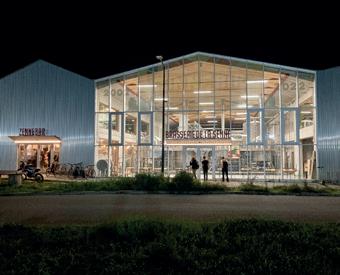
Brasserie de la Senne is the creation of Yvan De Baets and Bernard Leboucq. They set up their first location in 2003, then operated as nomad brewers for a while using other breweries’ facilities, and eventually set up their second location in 2010 where they brewed the first batch of beer that was 100 per cent made in Brussels.
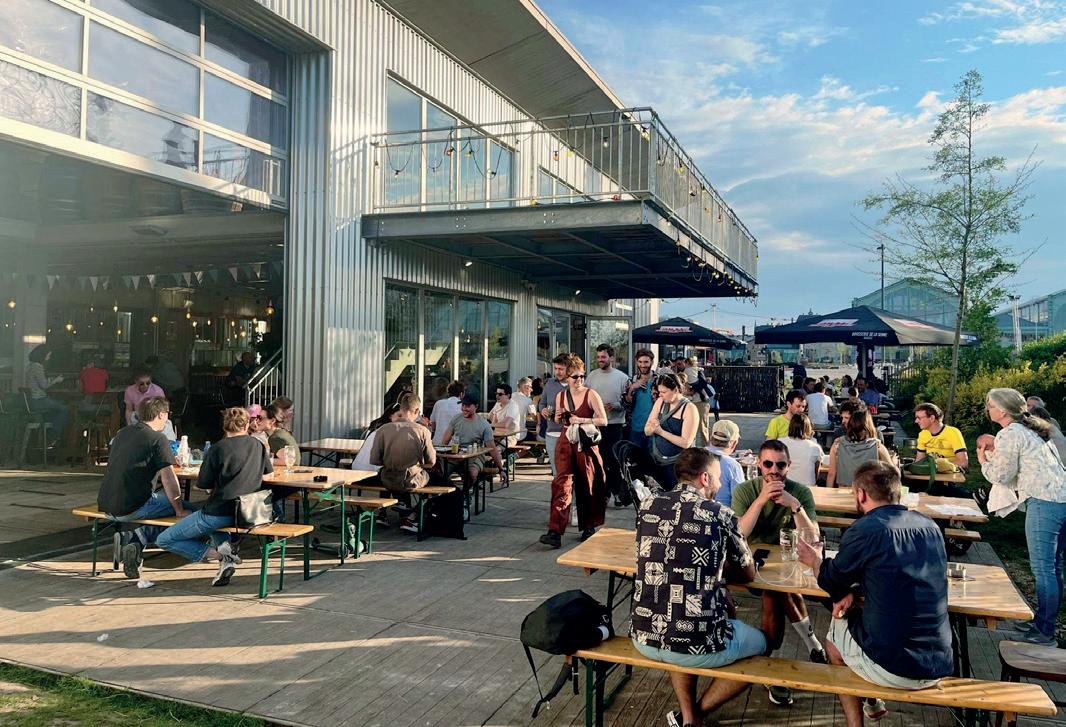
Now in its third location, Brasserie de la Senne is a hardworking, award-winning brewery with a buzzing taproom. The founders’ first beer, a Belgian Pale Ale called Zinnebir that was originally brewed for the Zinneke parade in Brussels, is still the brewery’s bestseller. In fact, Zinnebir has developed somewhat of a cult following, as seen in numerous articles and reviews by beer experts, who appreciate its fruity and hoppy character.
Since the outset, bitterness is key for Brasserie de la Senne. Inspired by British and German beer culture, the brewers’ idea was to make hop-forward beers with smooth bitterness, before they became trendy, and
the brewers became masters of using European noble hops. “We love hoppy and bitter beers, and basically just wanted to brew beers that we like to drink ourselves,” says co-founder and head brewer Yvan. “But they need to be well-balanced.”
Grounded in the belief that it is not necessary to brew high alcohol beers to get heaps of flavour, the brewery specialises
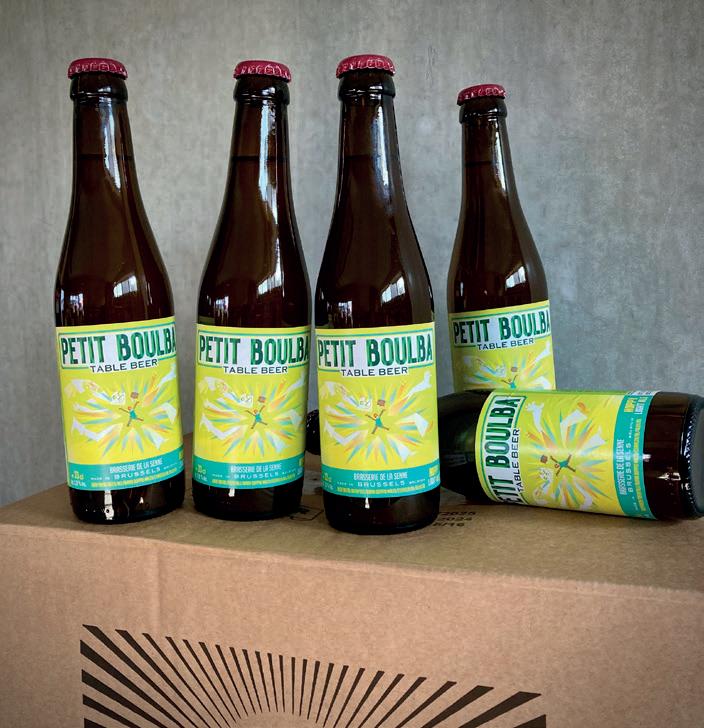
in beers that are somewhat lighter in alcohol. Taras Boulba is a prime example; an easy-going Belgian Blonde at 4.5% ABV, generously hopped with herbal, floral and citrus notes. Light and refreshing, it is a popular thirst-quencher, especially in summer. Another example is Petit Boulba, an even lighter yet flavourful hoppy table beer at 2.5% ABV.
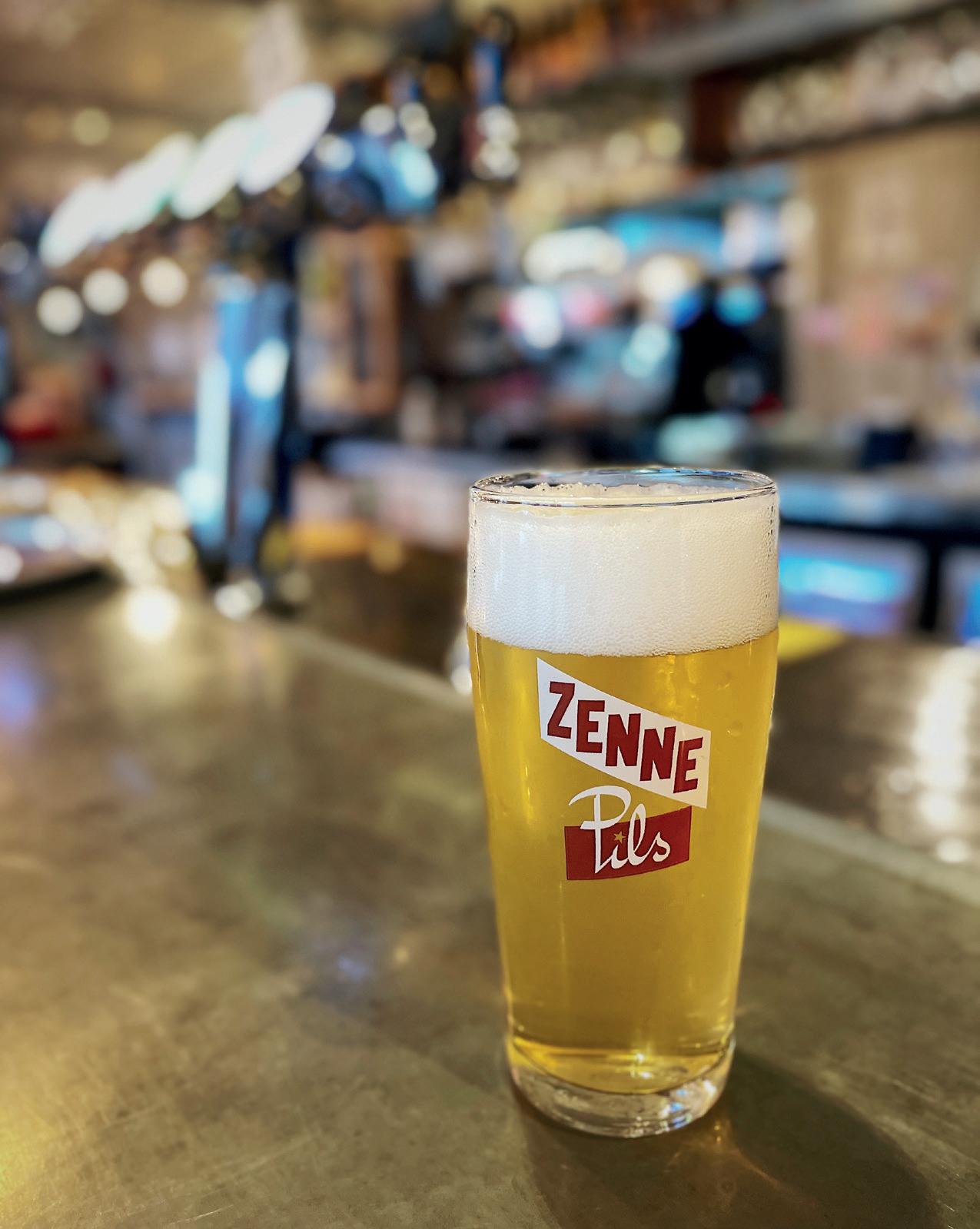
The brewery’s beers are a hit amongst locals and beer aficionados around the world, and in prestigious beer competitions. In the latest edition of Brussels Beer Challenge, Brasserie de la Senne won no less than three medals: silver for Zenne Pils in the German Style Pilsner category, gold for Crianza in the Flanders Red Ale category, and silver for Stouterik in the Dry Stout category.
In the line-up, you will also find outstanding beers such as the aromatic and fruity Brett Saison, which is dry-hopped and fermented with added Brettanomyces for a funky touch. And Jambe-de-Bois, a liber-
ally hopped Triple, is a sure hit – balanced and dangerously easy to drink.
For this brewery, quality is at the core; in selecting superior ingredients, in the carefully supervised brewing process, and in the flavour of the final product. During our tour, Yvan highlights the importance of treating the yeast well: “We let the beer take its time. If you’re in a hurry when brewing, and stressing the yeast, it will show in the flavour. Yeast is alive and as brewers, we need to protect it from stress and just let it do its job.”
They also make sure to maintain a close relationship with suppliers, and Yvan visits the preferred hop farms every year – to check the hop fields and harvest, and to smell and feel the hops himself. “I’m particular about ingredients,” he admits. “It might be unusual for a brewer to have this kind of involvement. But the way I see it, each ingredient will have an impact on the
flavour, and it’s important to choose the best. It’s also useful for the hop farmer to hear first-hand what we need – it makes us both better at what we do.”
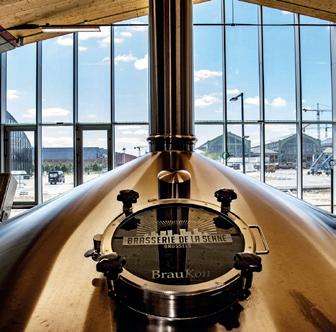
The production facilities in this third (and last, according to Yvan) location were set
up with a streamlined brewing process in mind. Sustainability is key, and waste products such as spent grains are fully recycled.
Still brewing at least once a week, although the brewery now has a team of brewers, Yvan is adamant not to lose his hands-on approach. His passion for brewing and attention to detail is obvious. For instance, he designed the fermenters himself. “Fermenters are usually tall and narrow, but I wanted them to be shorter and wider – to give our beers more room to breathe,” he says and adds; “It’s a constant process, to try and make better beer. No matter what, it can always be improved.”
When in Brussels, make sure to visit the brewery. You can take part in a guided tour, enjoy some of the tasty beers in the vibrant taproom Zennebar, and purchase some bottles to bring home.
www.brasseriedelasenne.be Instagram: @brasseriedelasenne
Two beer experts share their views on Brasserie de la Senne:
“I first enjoyed Yvan’s beers 14-16 years ago. I was always impressed that a Belgian brewery was producing lower ABV beers with a solid hop backbone. It was refreshing to be able to sip more sessionable, refreshing beers. I love traditional Belgian beer but this was a real eye opener. The beers themselves are always clean, fault-free and refreshing. You can’t leave them alone!
The new brewery is very impressive and the taproom gives you an excellent reason to lose an afternoon running through the beer card. As for Yvan, he is extremely dedicated to his craft and never stands still – constantly seeking to improve on the quality of his beers and travelling to famous beer regions to learn more about their styles. He is also a historian and a student of brewing history – his presentations are fascinating and make you reconsider earlier misconceptions regarding beer history.”
- Paul Davies, founder of AleHunters, UK ambassador for Belgium Beer Week
www.alehunters.co.uk
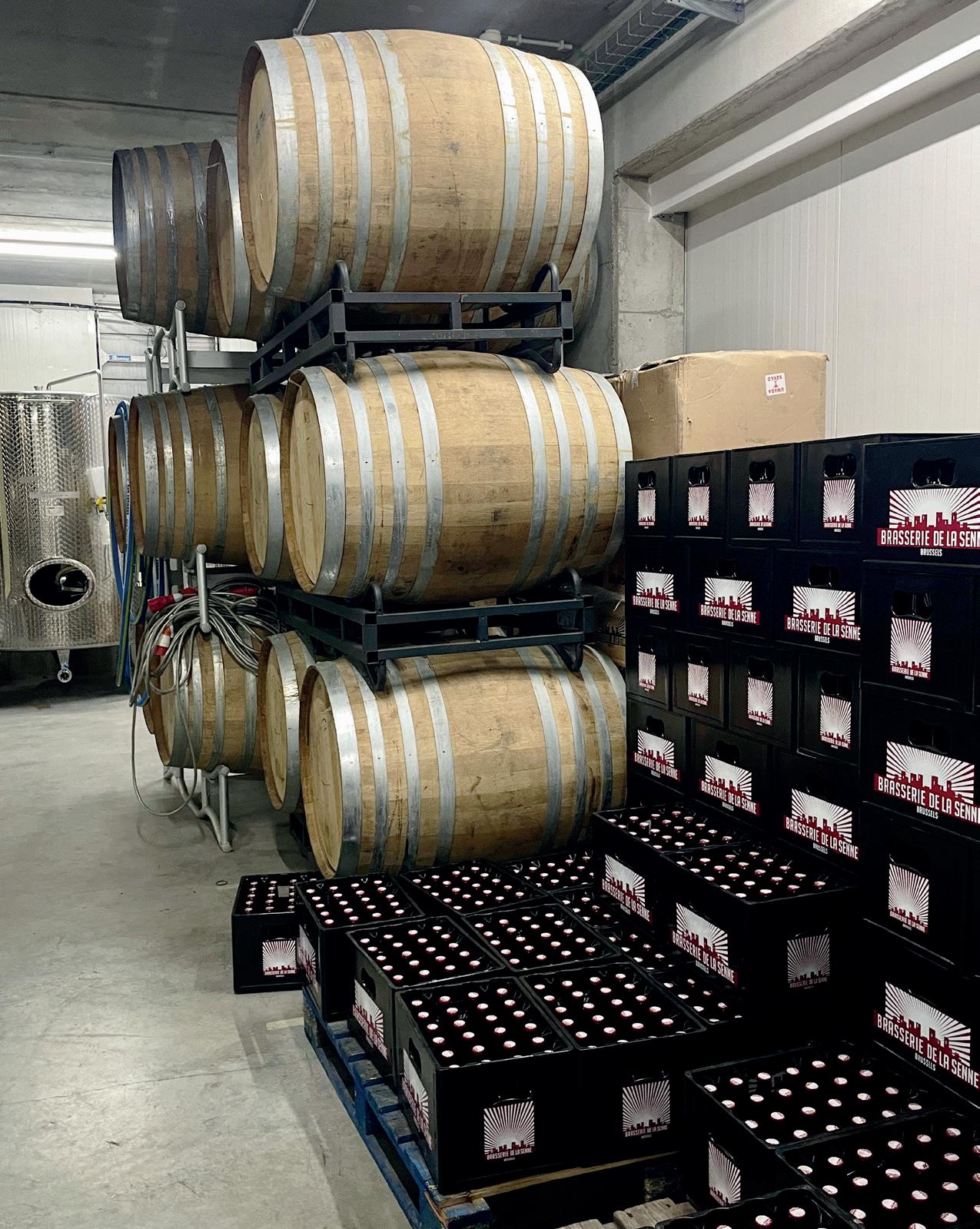
“Take a walk with Yvan De Baets around his brewery, Brasserie de la Senne, and the first thing you will notice is his true passion for brewing. I’ve met a lot of dedicated brewers and brewery owners through my travels, and Yvan is near the very top of that list. The next thing you will notice is the meticulous details throughout the brewery, which was purpose-built for efficiency, while holding on to long standing Belgian brewing traditions, like bottle conditioning.
Lastly, you will learn about and taste their products, which are some of the most innovative and fantastic beers in the world. Yvan is a brilliant, passionate, and creative brewer that has shared his knowledge with many, and his contributions have improved not just Belgian brewing, but the global brewing community. Cheers to that!”
- Ron Smith, Beer MBA Europe Tours and Beer Education
www.BeerMBA.com
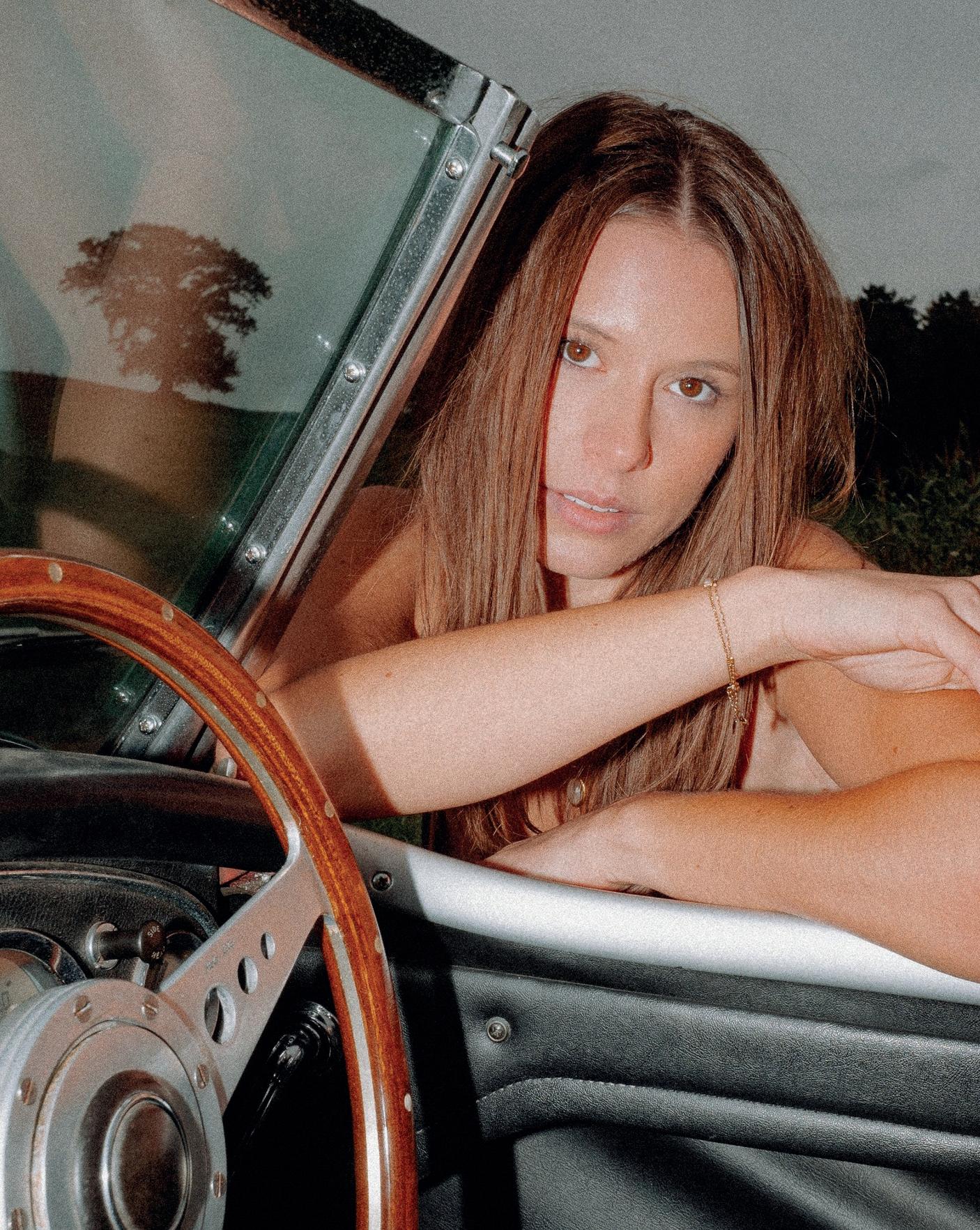

Give your on-repeat playlists a spring clean with Discover Benelux. For this issue, we have put three prominent names under the spotlight; each with some new releases to their name, as well as a back catalogue that is worth exploring this spring.
By Karl Batterbee
MARIGO BAY
From: Belgium
Sounds like: your best friend calling you up to tell you all her latest gossip
Current tune: the drive-time anthem with the windows rolled down Passenger Seat
2026 is already proving to be a good year to be a Marigo Bay fan, with the singer-songwriter already having released three new singles since January: Passenger Seat, Fiona and You Got What You Wanted. For her latest chapter, Marigo is putting her storytelling skills centre stage. Backed by sparse productions that feature barely more than her soft guitar strummings, she is allowing her self-penned lyrics to really sink in. If you are in need of some fresh new music to lie back and luxuriate to, Marigo Bay has a back catalogue brimming with beauties.
Having spent a lot of her creative journey in the vibrant and eclectic music scene of the United States, Marigo Bay has said that she has always been influenced by the rock star mentality. This is an artist who clearly thrives on the exhilaration of living in the moment when performing live, making each show a unique and unforgettable experience for her audience. And the critics have been quick to shower acclaim onto her shows, too!
In recent years, the singer has gained a new audience thanks to memorable performances on The Voice of Flanders, as well as from the big streaming hit she scored with Coming Down, a collaboration with dance music heavyweights Robin Schulz and Wave Wave.

From: Netherlands
Sounds like: Stromae covering a Benson Boone hit Current tune: radio staple in the making, Eb & Vloed
In the age of streaming and increasingly static charts, there are few artists these days who are able to boast the achievement of having a Number 1 hit with their debut single. But Claude did precisely that back in 2022 with his fired-up first offering Ladada (Mon Dernier Mot), which spent six weeks at the singles-chart summit in the Netherlands. The Stromae-inspired floor filler ended up being a lasting launchpad for Claude, as its presence evolved from the clubs to the radio playlists to the stages of the festival circuit the following summer.
Fast-forward to today and Claude’s 2026 is already looking set to be his biggest year yet. At the start of February he played his largest headline concert to date, in Amsterdam’s AFAS Live. And perhaps positioned as a further love letter to his home-crowd fans, his first release of 2026 is Eb & Vloed; his debut release in the Dutch language. It is not just the language that he is switch-
ing up either; Eb & Vloed sees the singer move away from the dance music genre that made him famous, and into a more guitar-driven sound. Though no need for his fans to fret; it is certainly no less upbeat! Claude is heralding this a fresh new chapter for him, and it is going to be exciting to watch (and listen to) him further expand his position as one of the most versatile and innovative pop artists in the Netherlands this year.
If you are new to Claude, you will have plenty to dive into. Following his smash-hit debut Ladada (Mon Dernier Mot), he released his first album Parler Français (on which he co-wrote all the songs), that spawned a string of modern classics for the artist, such as Layla, Écoutez-Moi and Je T’aime. And if you do think you might recognise his face from somewhere, that might be because he represented the Netherlands at the 2025 edition of the Eurovision Song Contest last May, with his crowd-pleasing anthem C’est La Vie


LUZAC
From: Luxembourg
Sounds like: the best after-hours event during Carnival season
Current tune: the party-starting Prison Dorée
Singer, songwriter and producer Luzac has started 2026 with a bang! Or a banger, at the very least. The release of Prison Dorée has seemingly set out to shake off the January blues in music fans, with booming synths relentlessly jolting the listener to attention throughout the song’s three-minute duration. And the shock tactics worked – in the few weeks since its release, it has already become his second-most streamed song to date on Spotify, surpassing the slew of singles he has been steadily releasing since the start of the decade.
Luzac fell in love with singing after watching the High School Musical film at the age of nine (admit it, we have all been there). He went on to spend years writing and composing for other talents before finally launching his solo career in 2021 with the single J’y Arriverai. And with that title translating as ‘I Will Succeed’, it was a strong statement which has served him well ever since. Luzac has collaborated with many Luxembourgish artists throughout the years and is booked and busy as a regular performer on the festival circuit in Luxembourg. The singer also gained a fair bit of international attention in 2025, with what has been his biggest hit to date, Je Danse. Alongside his music career, Luzac works as a special education teacher in psychoeducational support.
If you like what you hear in Prison Dorée, you might also enjoy learning the story behind it. The track was inspired by an initial exchange between the artist and his co-writers, during which Luzac relayed the personal story behind his career pivot into becoming an artist. Despite leading a rich and fulfilling life, surrounded by close friends, a loving family, and a rewarding job, a large part of Luzac longed for something beyond all that… Music. And that is where the idea of the metaphor came from – a bird perched in its cage (Prison Dorée translates as ‘Golden Prison’), dreaming of freedom and being able to sing outside.
Luzac’s sounds are not going for subtlety in 2026, and they are soaring up the streaming charts as a result.
Photo: RTL Luxembourg
In our previous issue of Discover Benelux, we investigated how Belgium, the Netherlands and Luxemburg strengthen their already strong collaboration and partnerships by forming the BENELUX co-development grant. Now, we look at an international production from the region that not only showcases this partnership bond but also innovation in an ever-changing film and TV sector.
By Anders Lorenzen | Photos: A Long Goodbye VR
With an unusual running time of 35 minutes, which neither fits the usual feature nor short film format, A Long Goodbye straddles the intersection of film and the arts. The film is an animated, interactive Virtual Reality (VR) experience, where you walk in the shoes of Ida, a 72-year-old pianist living with dementia.
The VR experience brings you on a journey in Ida’s life as her reality is fading. The personal VR experience creates an intimate experience, taking the viewers through her memories as they become more faint and when the point of view gets close to objects in her apartment.
A POETIC EXPERIENCE
This emotional journey saw the film being nominated in the Venice Immersive
category at the 2025 Venice Film Festival. The Venice Immersive is a category entirely devoted to immersive media and includes all XR means of creative expression, from 360° videos to XR works of any length, including installations and virtual worlds.
The festival, which is one of the most recognised in Europe, described A Long Goodbye as “a poetic experience about the impact of dementia.”
Written and directed by Kate Voet and Victor Maes, the film is a Belgium, Netherlands and Luxembourg co-production. A Long Goodbye shows how the Benelux film sector is staying firmly ahead by using the newest and most innovative film technologies.
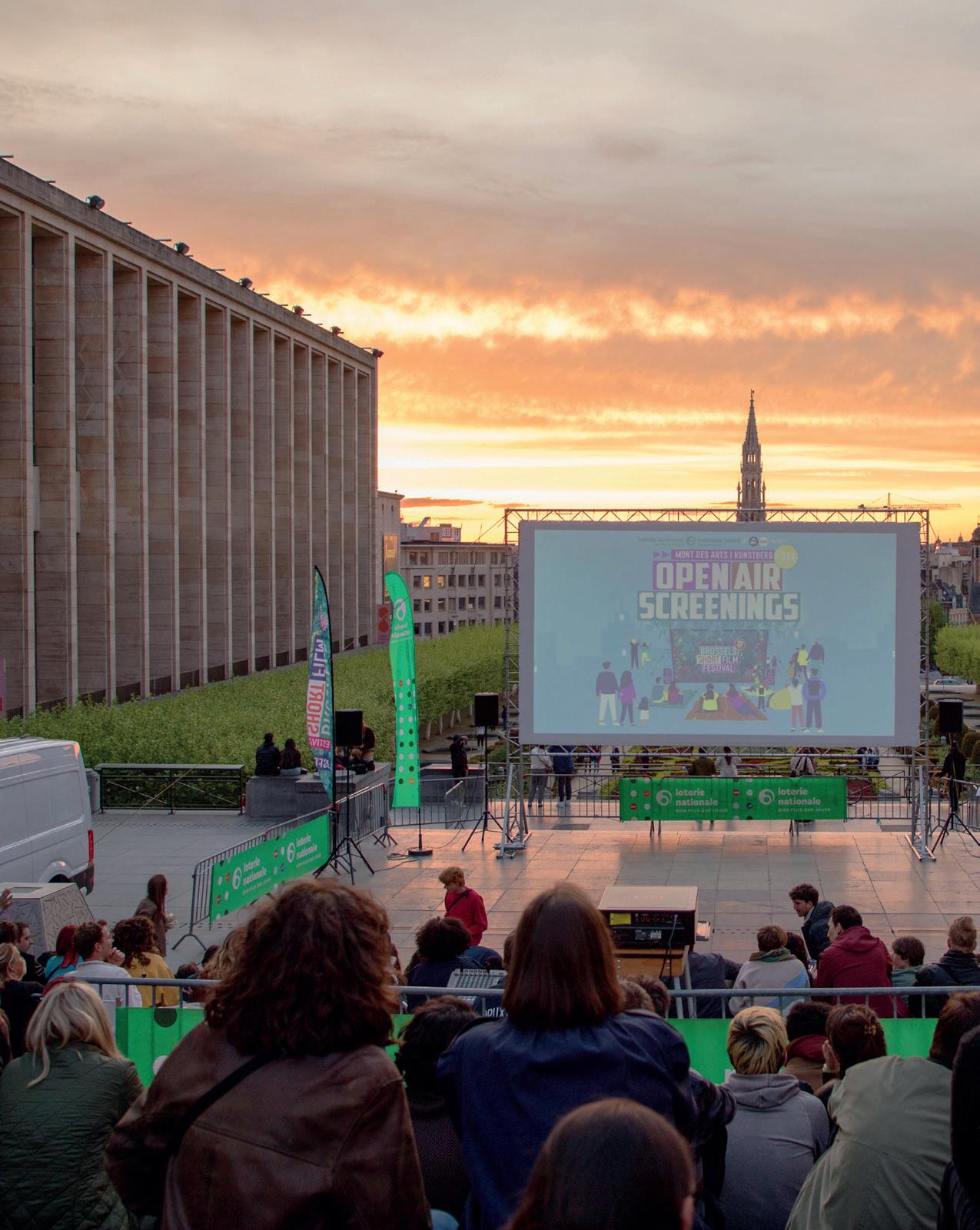
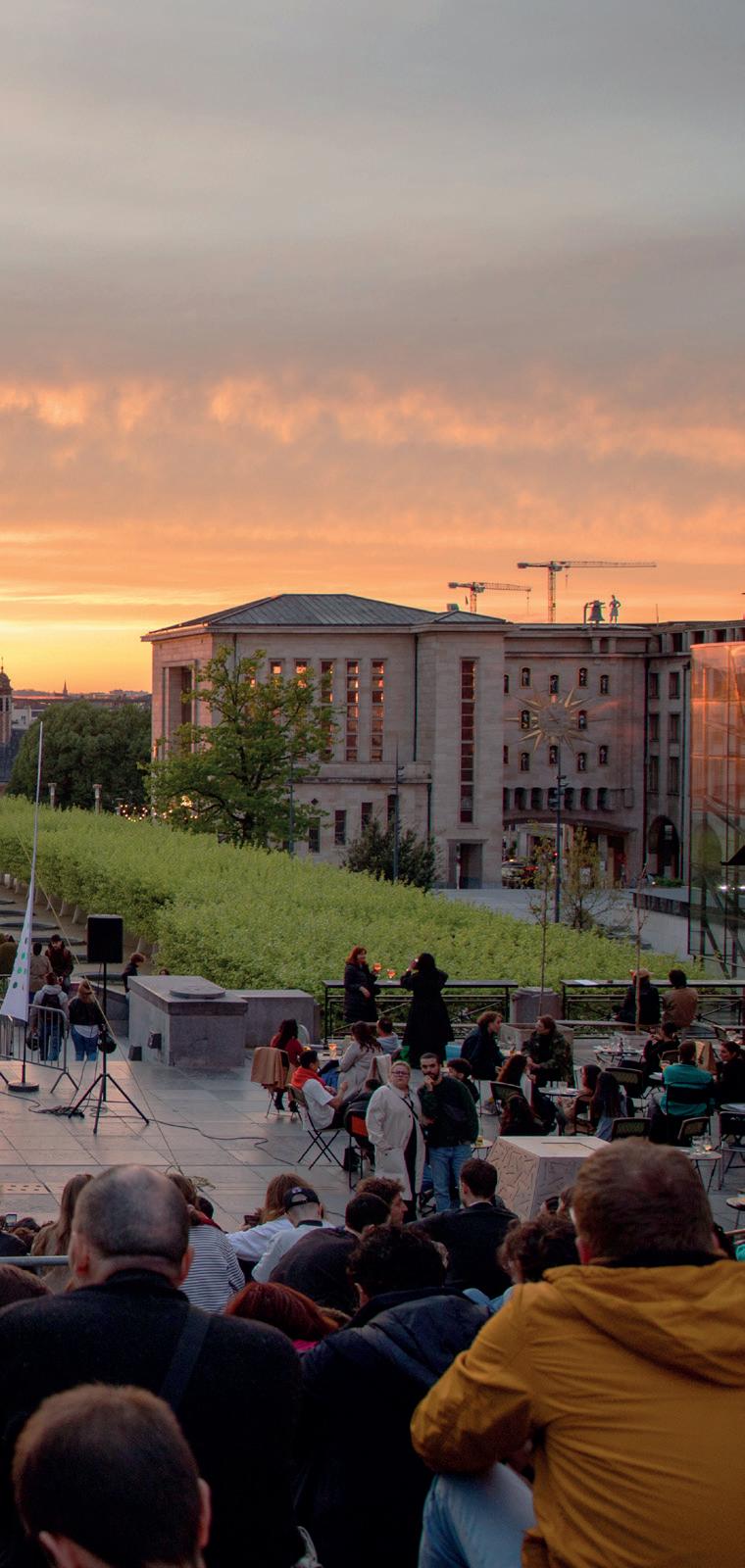
Museums open up in new ways, fresh spotlights get shone on forgotten artists, and there are tours, festivals and comedy nights aplenty. This spring in the Benelux region, there are many reasons to go out and experience a vast array of culture that is catered towards all.
By Karl Batterbee
Utrecht International Comedy Festival (25 February – 8 March)
From 25 February to 8 March, Utrecht will be transformed into the comedy capital of the Netherlands. Throughout the 12 days, some world-famous comedians as well as the funniest new talent will take over the city. The festival will close with the unmissable Big Binge of Comedy on Friday 6 March and Saturday 7 March at TivoliVredenburg. The 2026 edition of the festival is dedicated to the theme In Other People’s Shoes, where creators from around the world are challenged to imagine themselves in the perspectives of those around them. With this theme at the forefront, the festival is creating brand-new shows that explore challenging topics, focusing on gender, conflict, and identity; because laughter can disrupt, put things into perspective, and perhaps most importantly of all, connect. Utrecht, Netherlands www.utrechtinternationalcomedyfestival.nl

SOMBR (2 and 6 March)
He’s one of the most-streamed artists in the world right now and he’s coming to the Netherlands and Belgium in March. Sombr, the 20-year-old alt-pop artist, has rapidly ascended to fame, earning third place on BBC Radio 1’s Sound of 2026 list, which highlights the most promising new music talents for the upcoming year. He has drawn attention with viral TikTok hits, sold-out tours, and high-profile TV appearances across the globe. And with Taylor Swift praising his work, he’s gained an army of ‘Swifties’ as his fans, too! At the 2026 Grammy Awards in February, he treated fans to a headline-grabbing performance, where his debut album was also nominated. So there’s no better time to be seeing this star who continues to be on the rise.
Amsterdam, Netherlands (2 March) and Brussels, Belgium (6 March) www.sombrmusic.com
Unforgettable (7 March – 31 May)
A brand-new exhibition comes to Ghent, with the female artists of the Low Countries, between 1600 and 1750, coming under the spotlight. Jan van Eyck, Peter Paul Rubens, Dieric Bouts, Hans Memling, Pieter Bruegel, James Ensor, and René Magritte are the names of Flemish Masters that resonate with many art lovers. Yet something is usually missing from lists
like these: women’s names! This is despite the fact that women played a crucial role in the artistic life of the Low Countries for centuries. Unforgettable wants to finally set the record straight. With this exhibition, the Museum of Fine Arts in Ghent will present the very first major overview entirely devoted to the role and significance of women in the arts during the 17th century, in what is now Belgium and the Netherlands.
Ghent, Belgium www.mskgent.be
Everyone is invited to (re)discover Rotterdam during the 2026 edition of Museumnacht010 in March, with plenty of new ways to view the Dutch city at night. Budding art enthusiasts often take their first steps here, and seasoned museum-goers truly lose themselves with all of the unique experiences on offer. During Museumnacht010, the public is invited to descend onto the city and “dream with your eyes open”! From cosy galleries to expansive museums, with one ticket you can
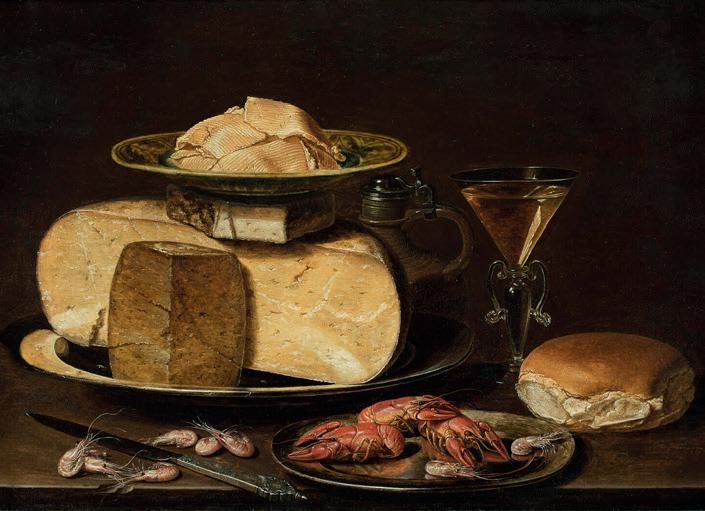
discover dozens of locations throughout Rotterdam. Create your own route along impressive exhibitions, beautiful performances, inspiring talks, fascinating tours and vibrant parties. On Saturday 7 March, you can be assured that Rotterdam will be transformed into a vibrant art paradise for one night.
Rotterdam, Netherlands www.museumnacht010.nl
Catch Music Festival (13 – 15 March)
Bringing together established local musicians and emerging young talents, Catch Music Festival has become an unmissable chamber music event in Luxembourg, taking place annually. Founded by pianist Cathy Krier and violinist Laurence Koch, Catch has a simple philosophy: to create an inspiring and inclusive experience for everyone, while supporting the Luxembourg music scene. All generations are invited to join, from connoisseurs, music lovers, the curious, and newcomers. Catch has become renowned for wanting to share the joy of making and listening to music together.
Bonnevoie, Luxembourg www.catchmusic.lu
Hooverphonic (from 20 March)
In 2026, Belgian group Hooverphonic are celebrating 30 years of musical artistry and 25 years since their iconic album The Magnificent Tree. Throughout three decades, the band has continued to captivate audiences worldwide. This year, they will honour this milestone with a global tour, a photo book release, and a special edition of the
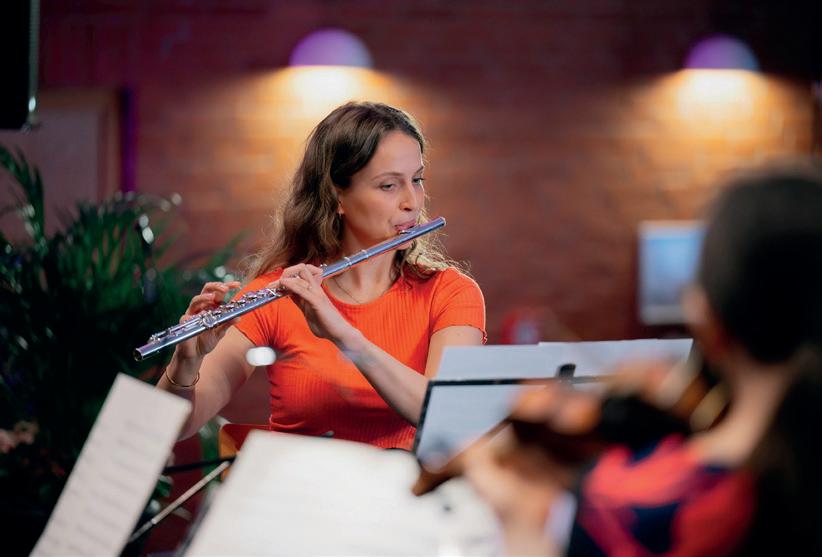
aforementioned groundbreaking album. Today, songs like Jackie Cane and Vinegar & Salt remain radio staples, and their legacy thrives as they inspire new generations of fans. Many Belgian audiences have seen Hooverphonic live before, but everyone is invited along on this tour in celebration of their enduring magic.
Luxembourg (21 March) and various dates across Belgium www.hooverphonic.com
Brussels Short Film Festival (22 April – 2 May)
The Brussels Short Film Festival is back for its 29th edition in the Belgian capital.
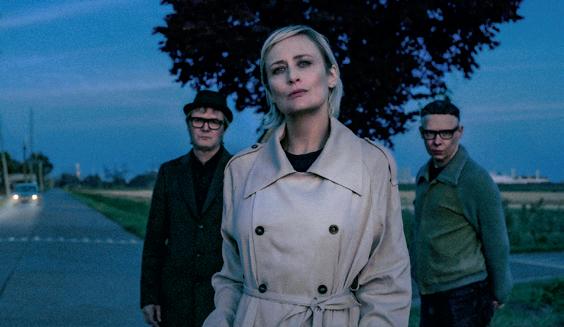
On the programme for 2026 is ten days of carefully curated activities and the crème de la crème of Belgian and international short film. Save the dates and keep an eye on the festival website for more details on the programme and events. The festival aims to bring together audiences and professionals to showcase new talent in films and to give Brussels a key event in the international festival calendar; which it has most certainly become after three decades. The promotion of the best new art is high on the agenda, and the festival strives to encourage film fans to come seek out something different. Brussels, Belgium www.bsff.be
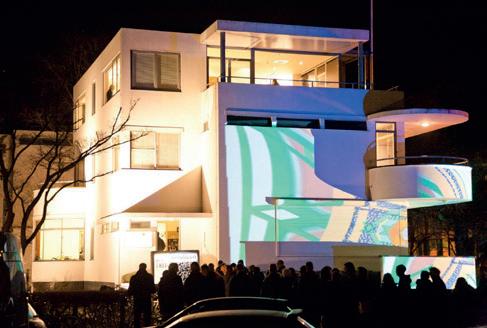
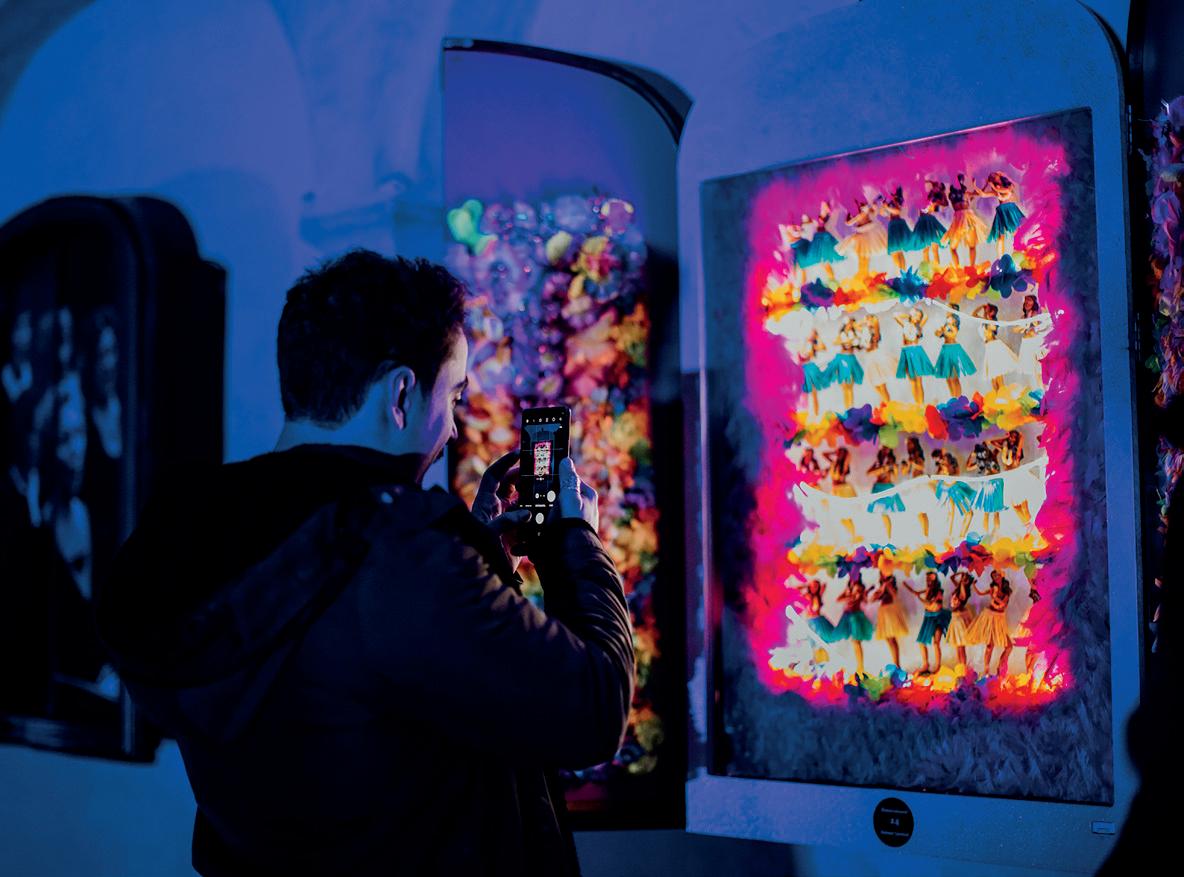
Discover Benelux Spring 2026
Published 03.2026
ISSN 1757-9589
Published by
Scan Client Publishing
H2Print
Executive Editor
Thomas Winther
Creative Director
Mads E. Petersen
Editor
Malin Norman
Graphic Designer
Mercedes Moulia
Cover Photo
Cliff Lucas
Sales & Key Account Managers
Sophie Blecha
Veronica Rafteseth
Contributors
Anders Lorenzen
Karl Batterbee
Malin Norman
Paola Westbeek
Advertising marketing@scanmagazine.co.uk
To Subscribe scanmagazine.co.uk/subscribe
Scan Magazine Ltd
3rd floor, News Building, 3 London Bridge Street, London SE1 9SG, United Kingdom www.scanclientpublishing.com info@scanmagazine.co.uk www.scanmagazine.co.uk
© All rights reserved. Material contained in this publication may not be reproduced, in whole or in part, without prior permission of Scan Magazine Ltd.
Scan Magazine® is a registered trademark of Scan Magazine Ltd.
This magazine contains advertorials/promotional articles