Portfolio 2024
1 Graduation Thesis
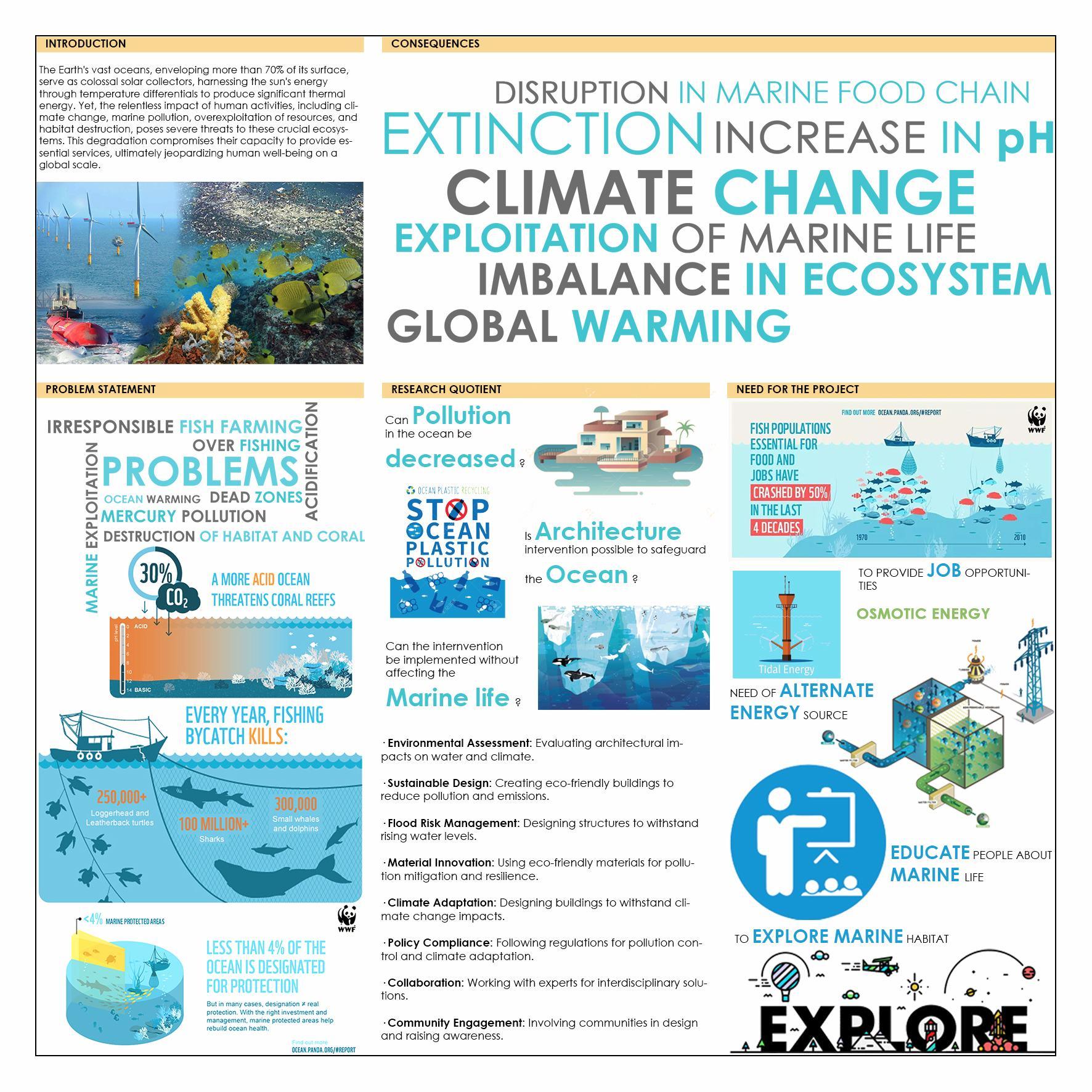
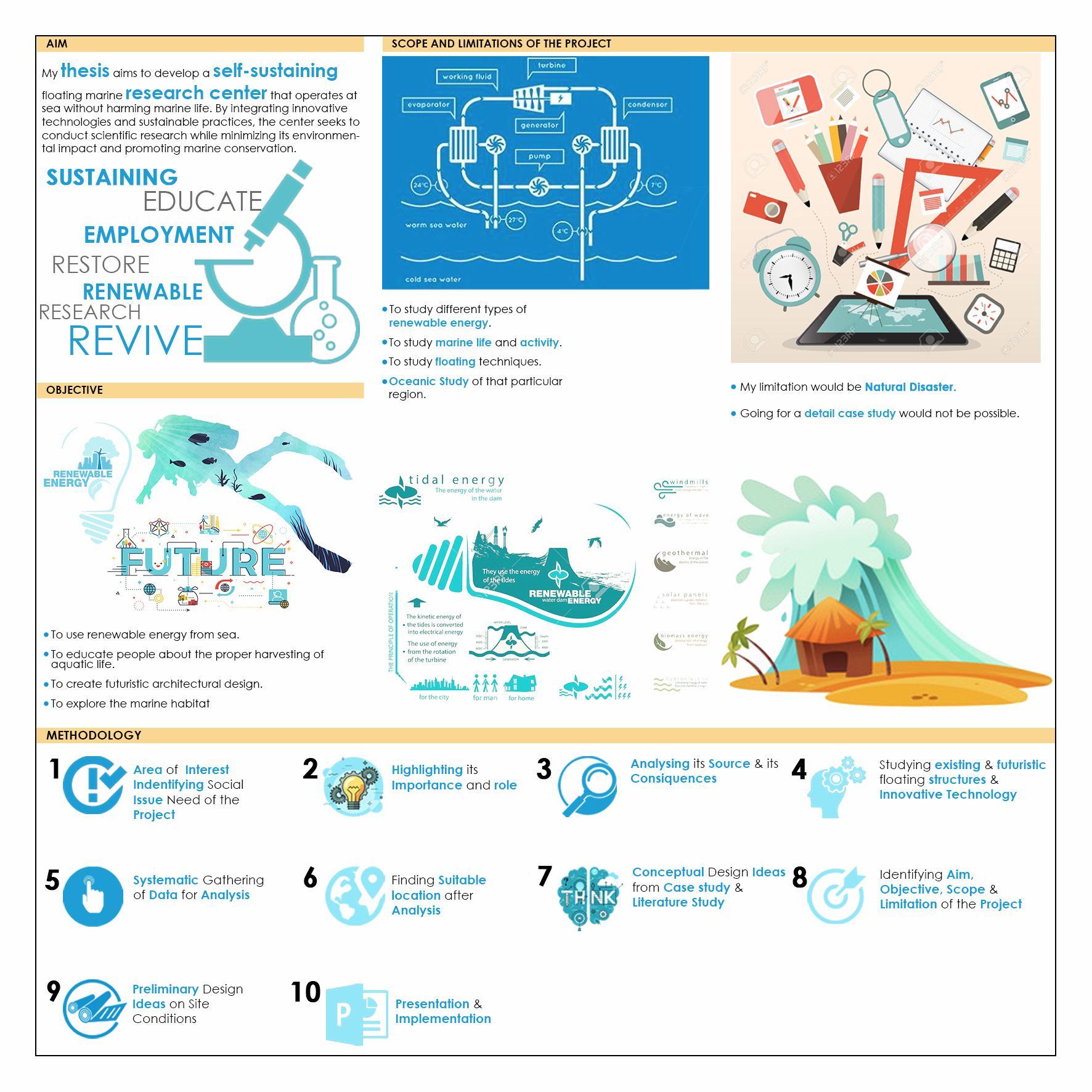
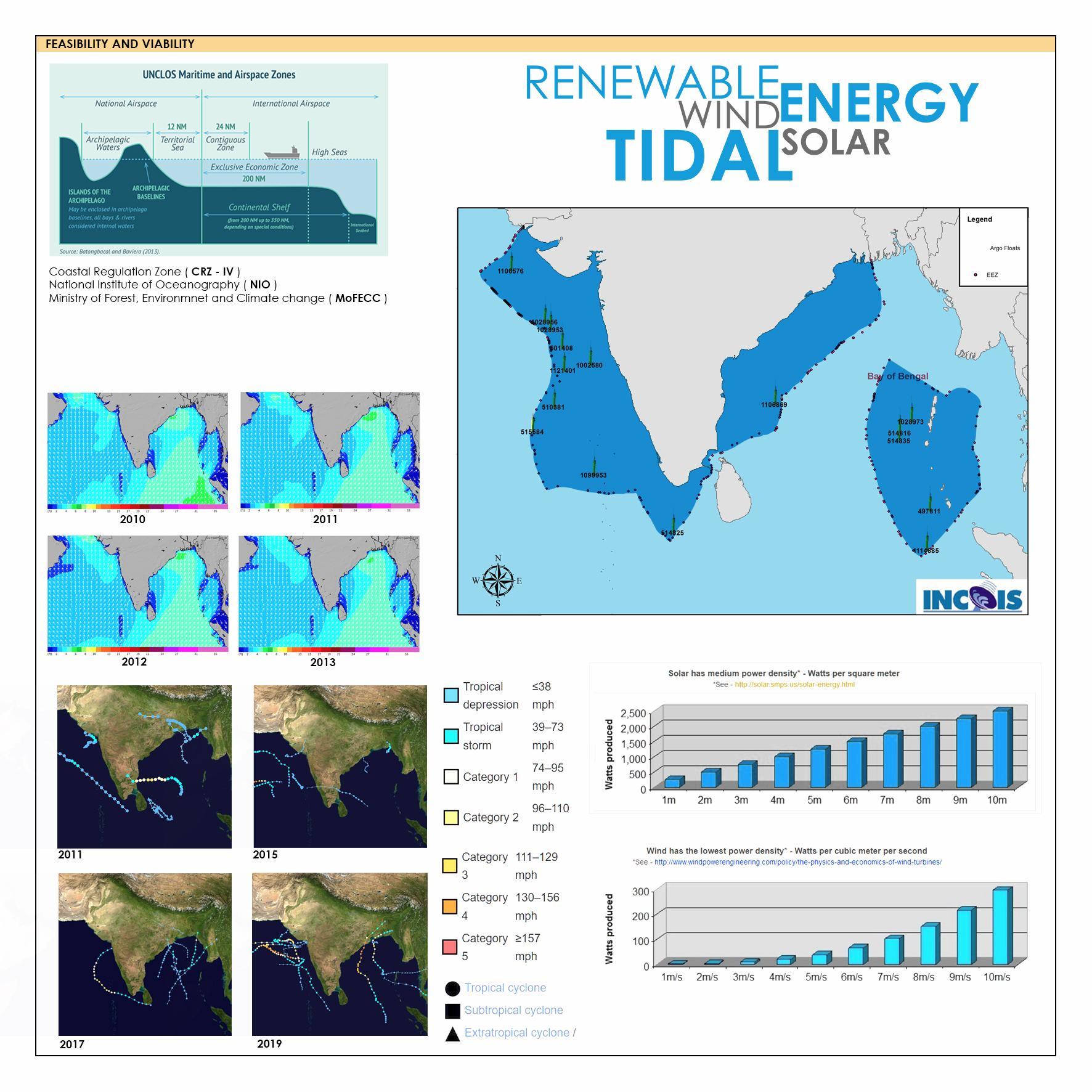
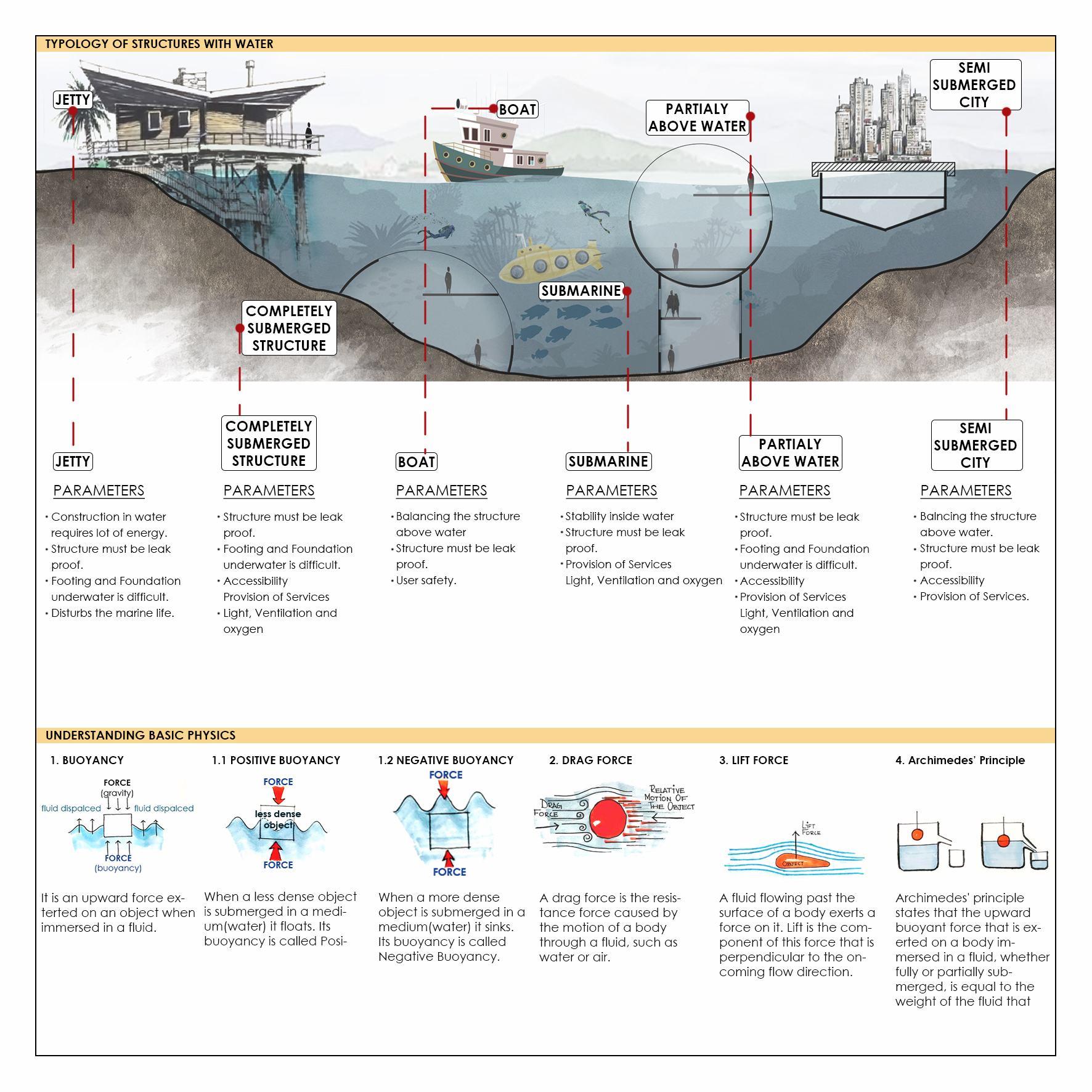
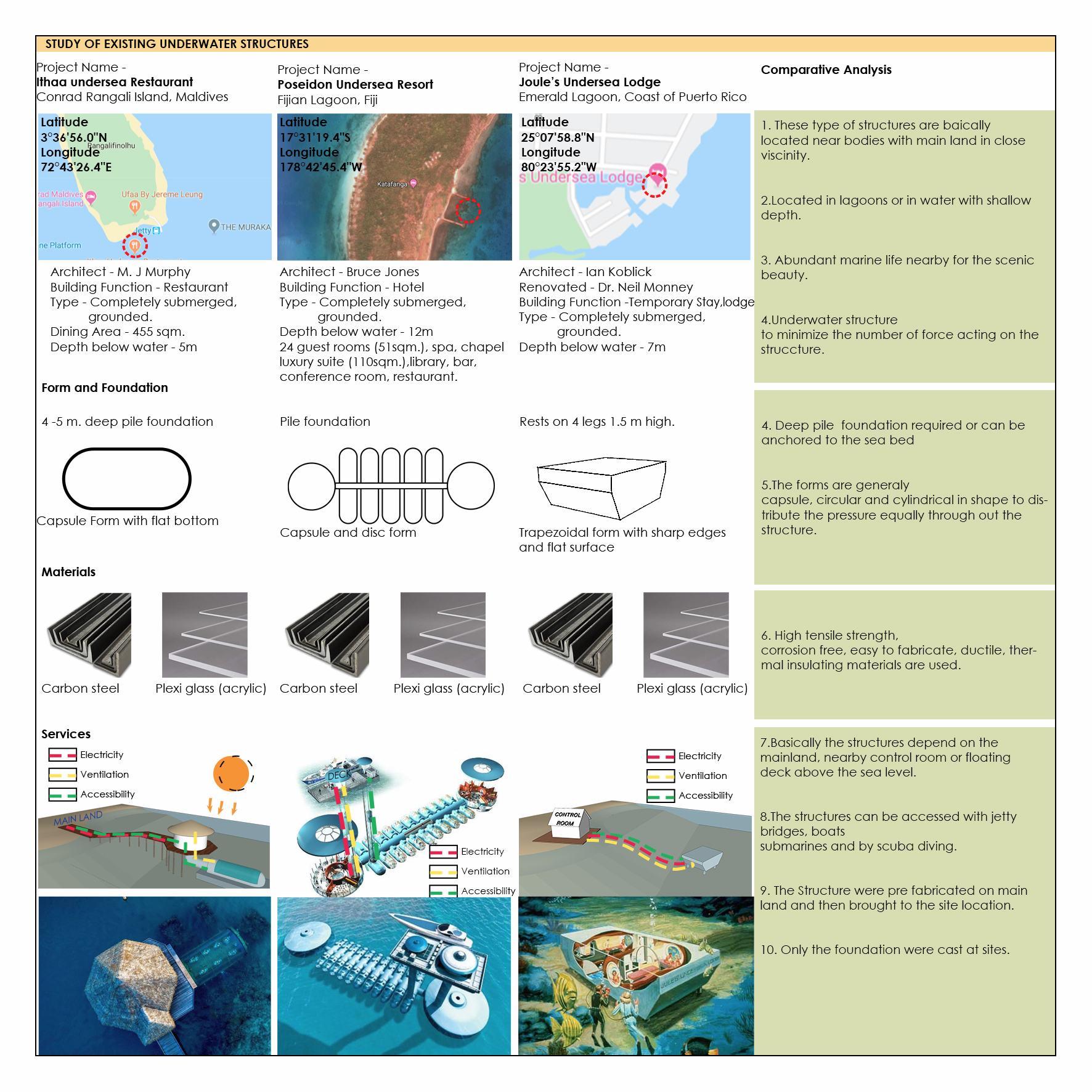
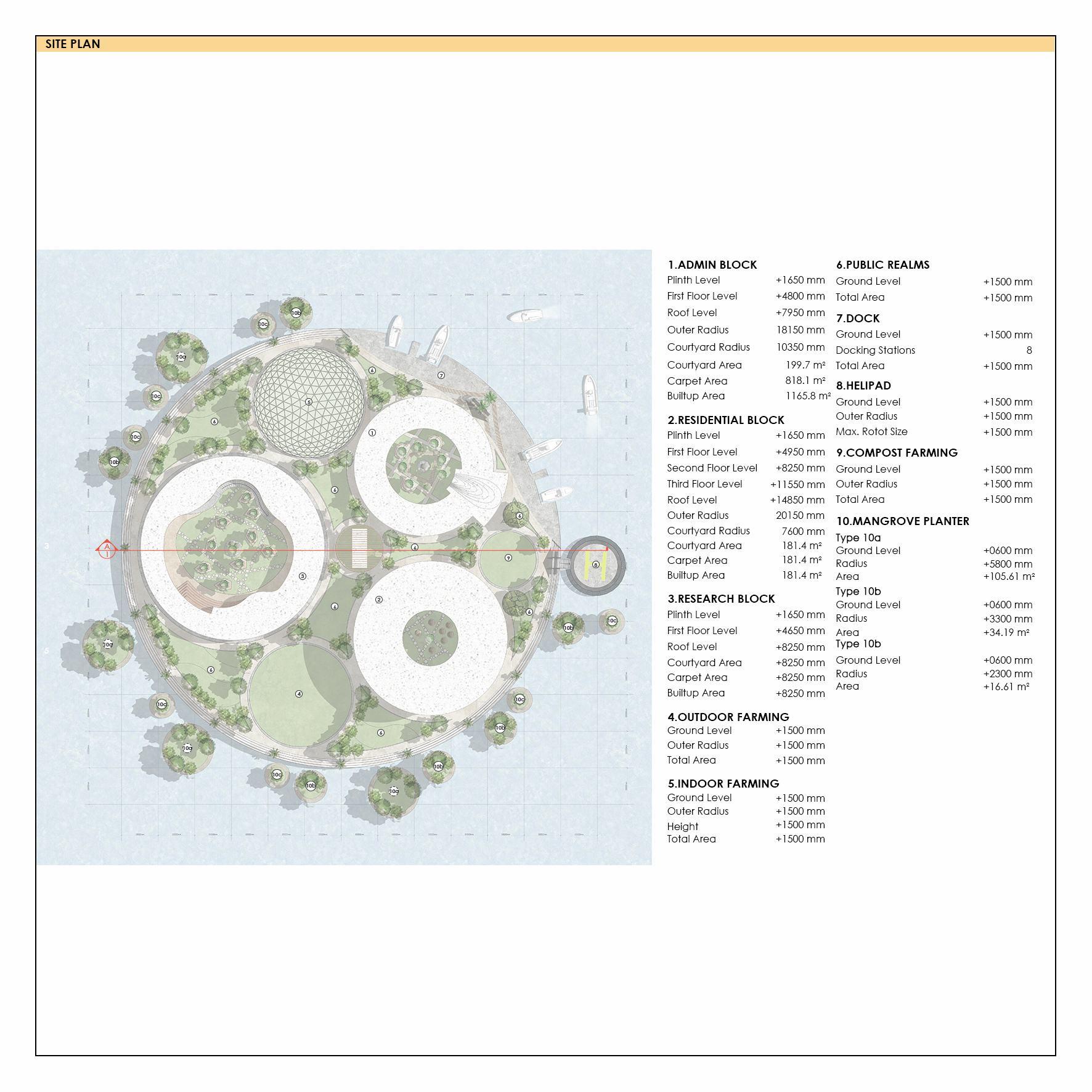
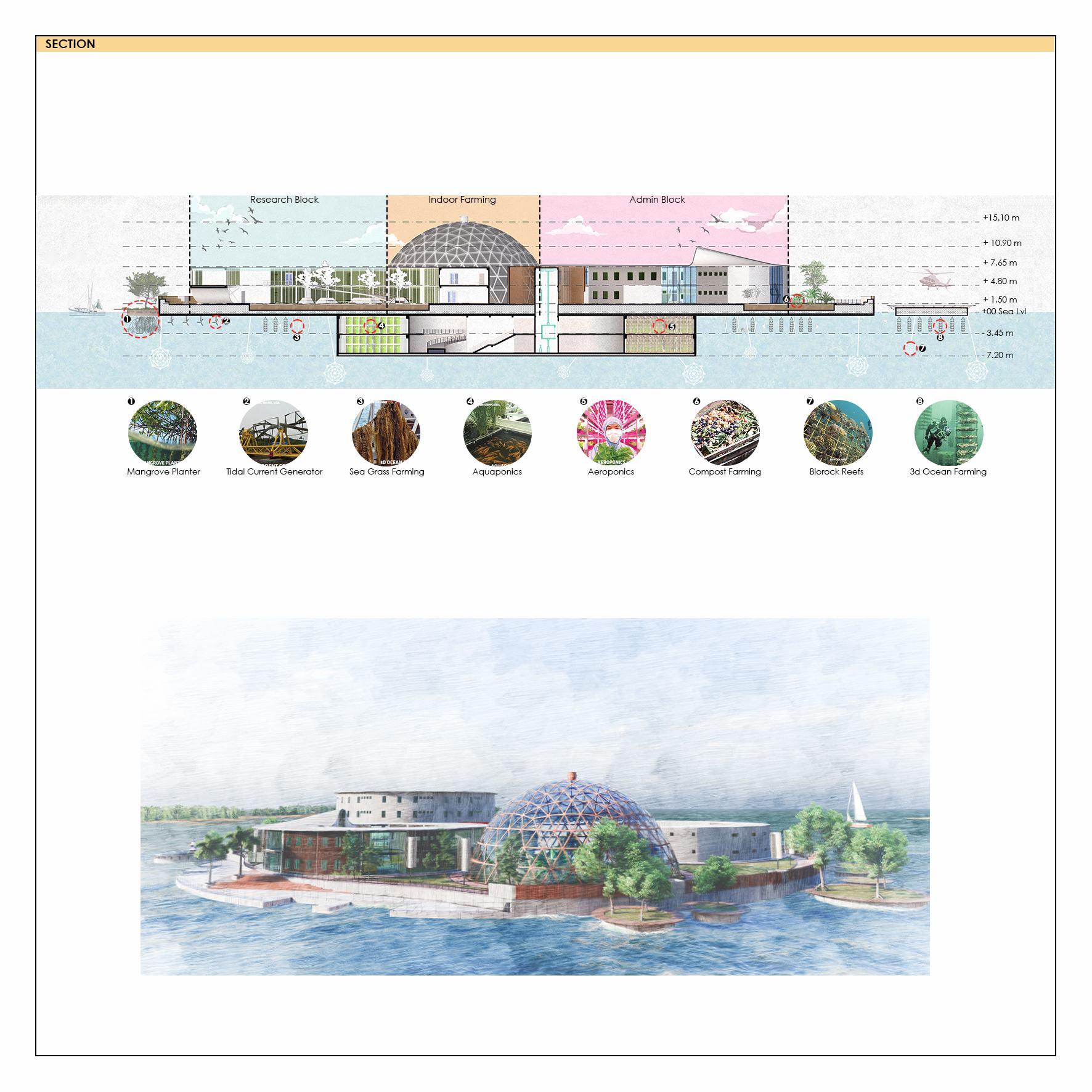
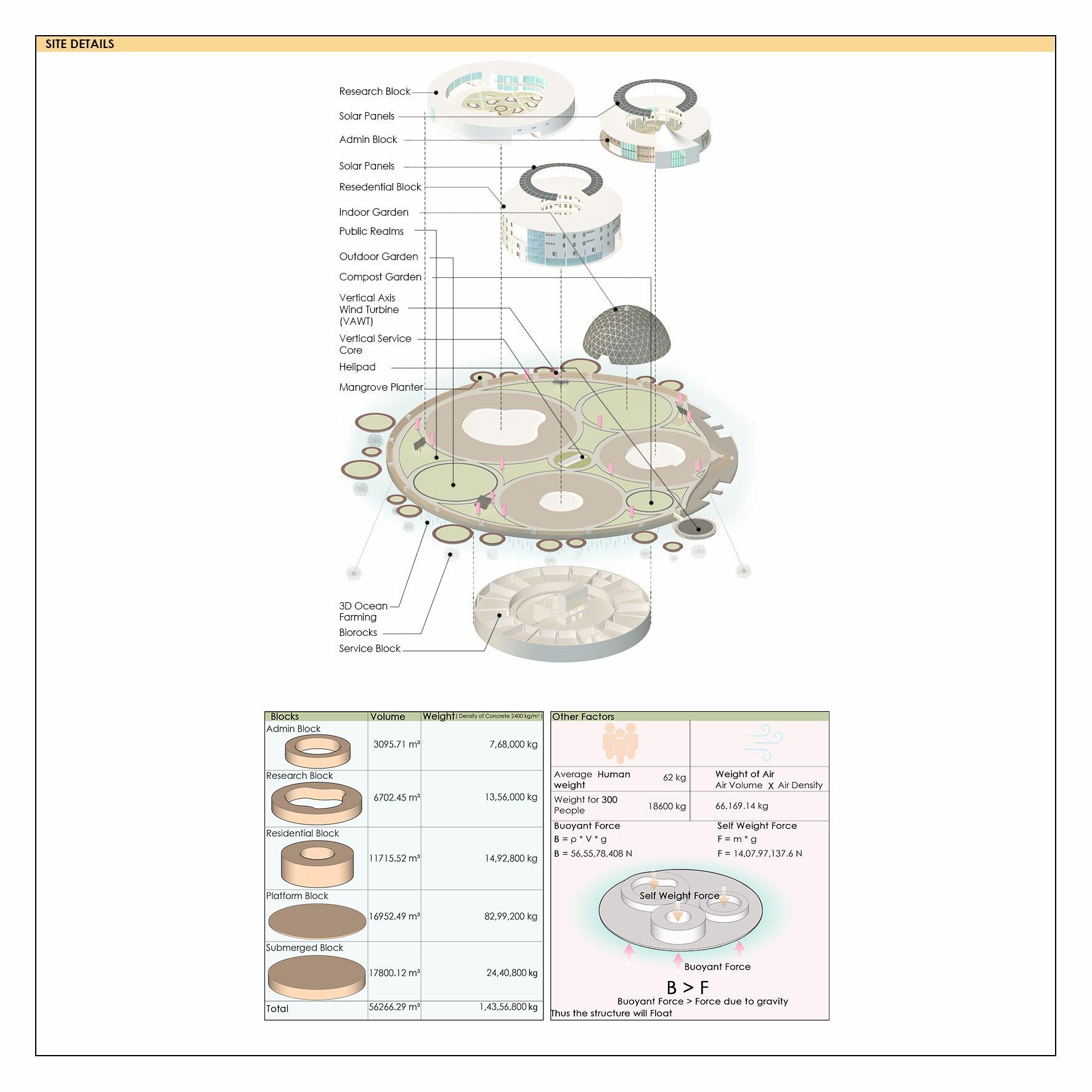
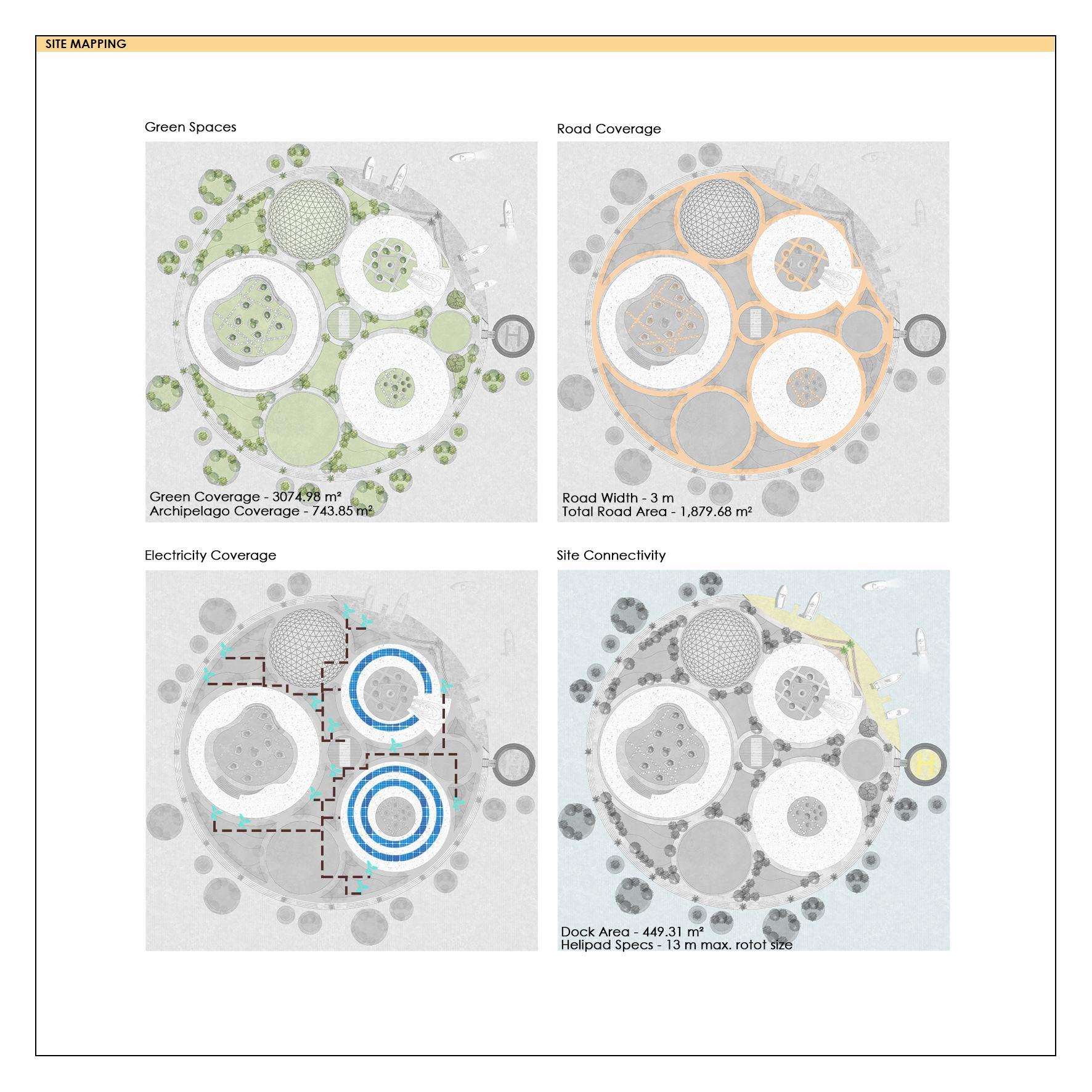
Floating Marine Research Center at Lakshadweep
2
Volume Zero
Tree House competition
Under top 50 mentions
3
Product Design
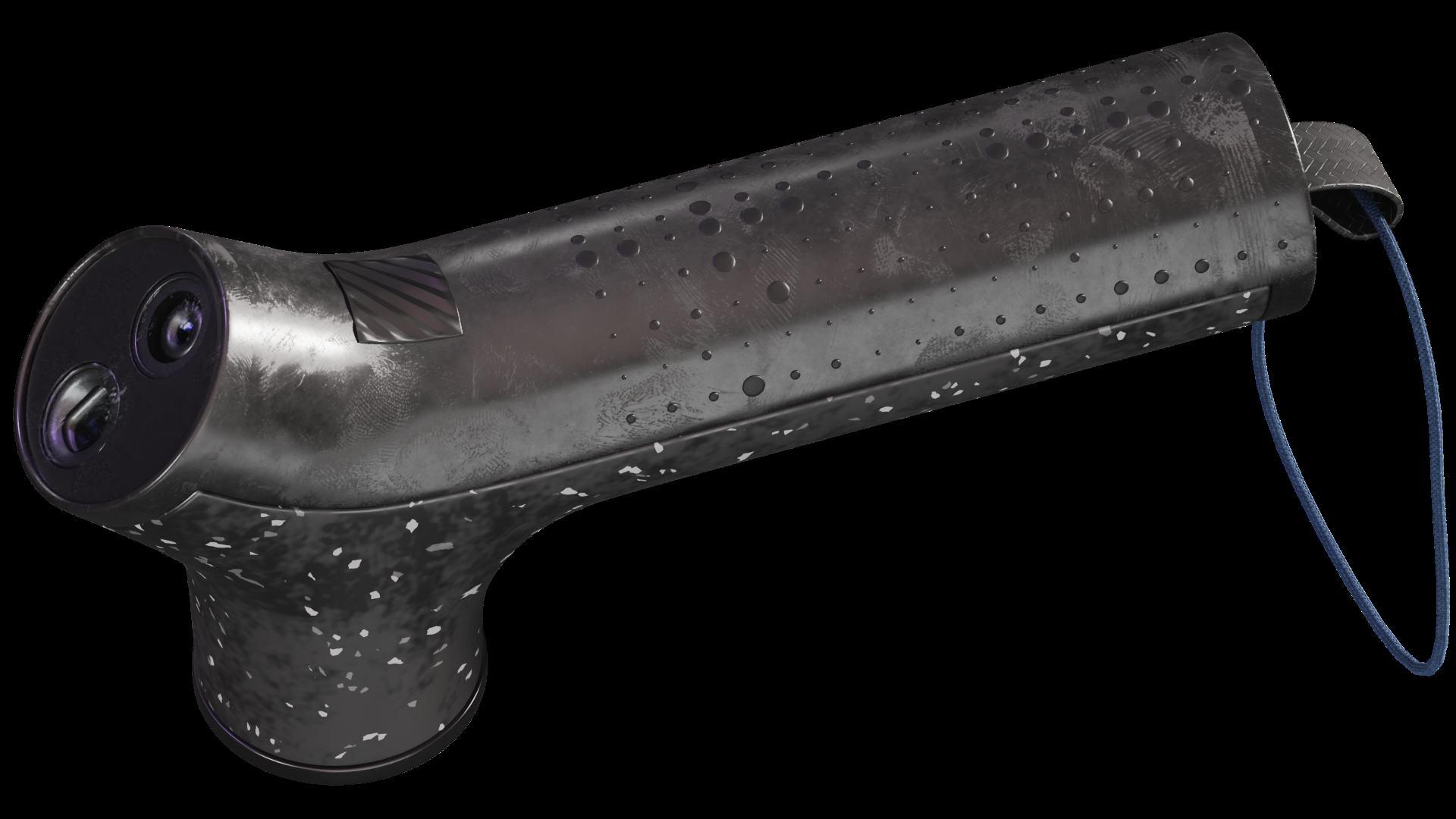
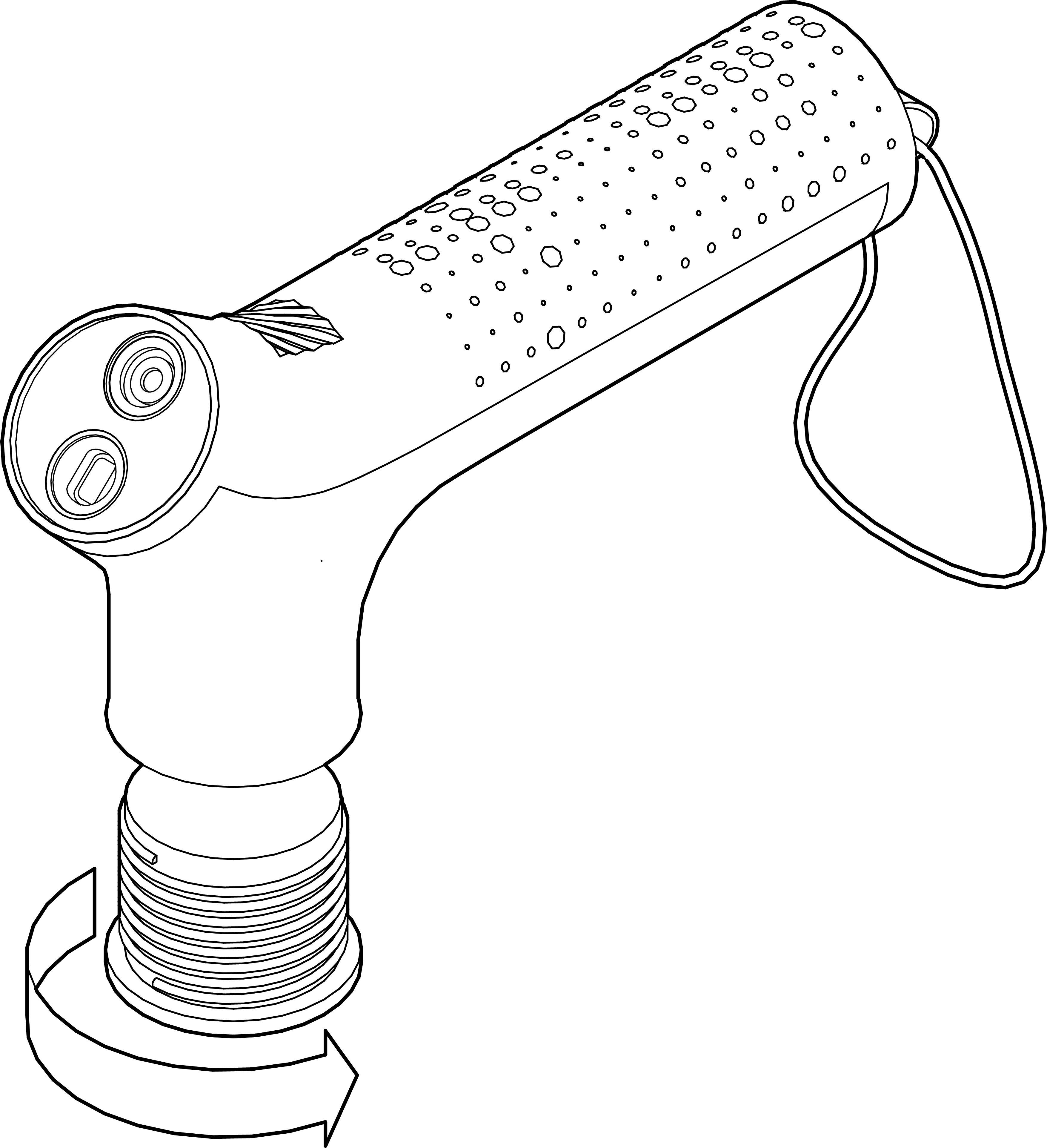
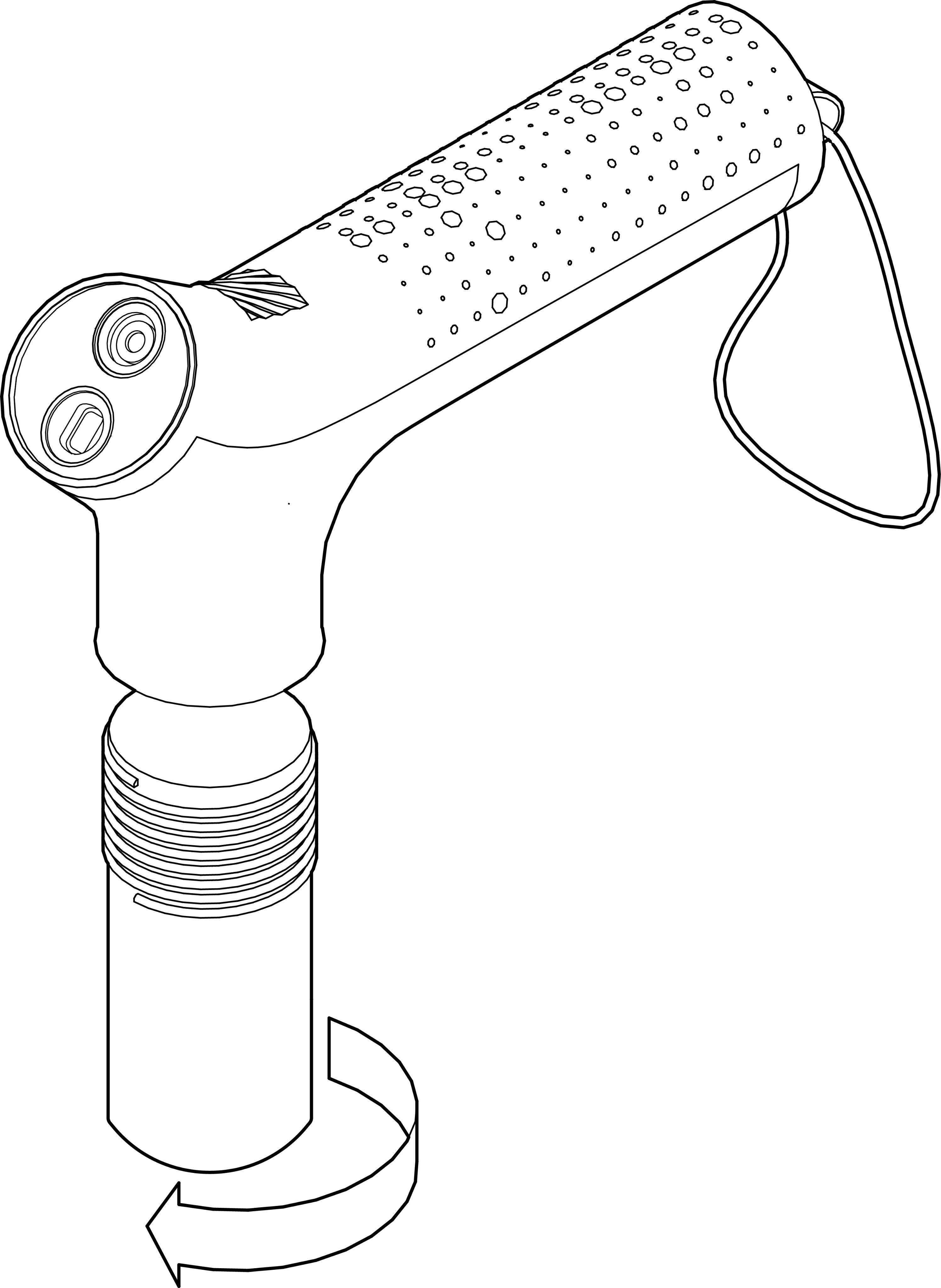
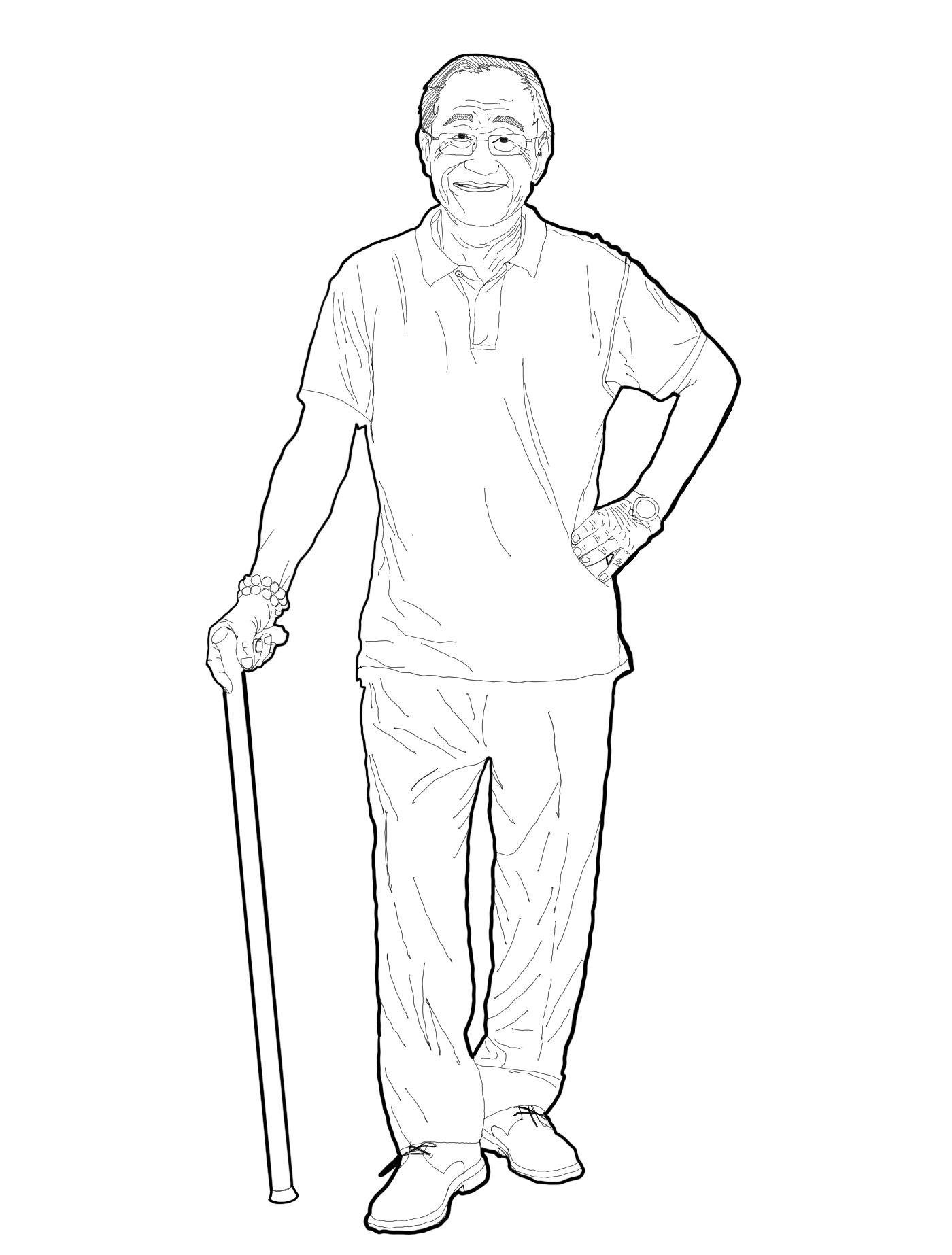
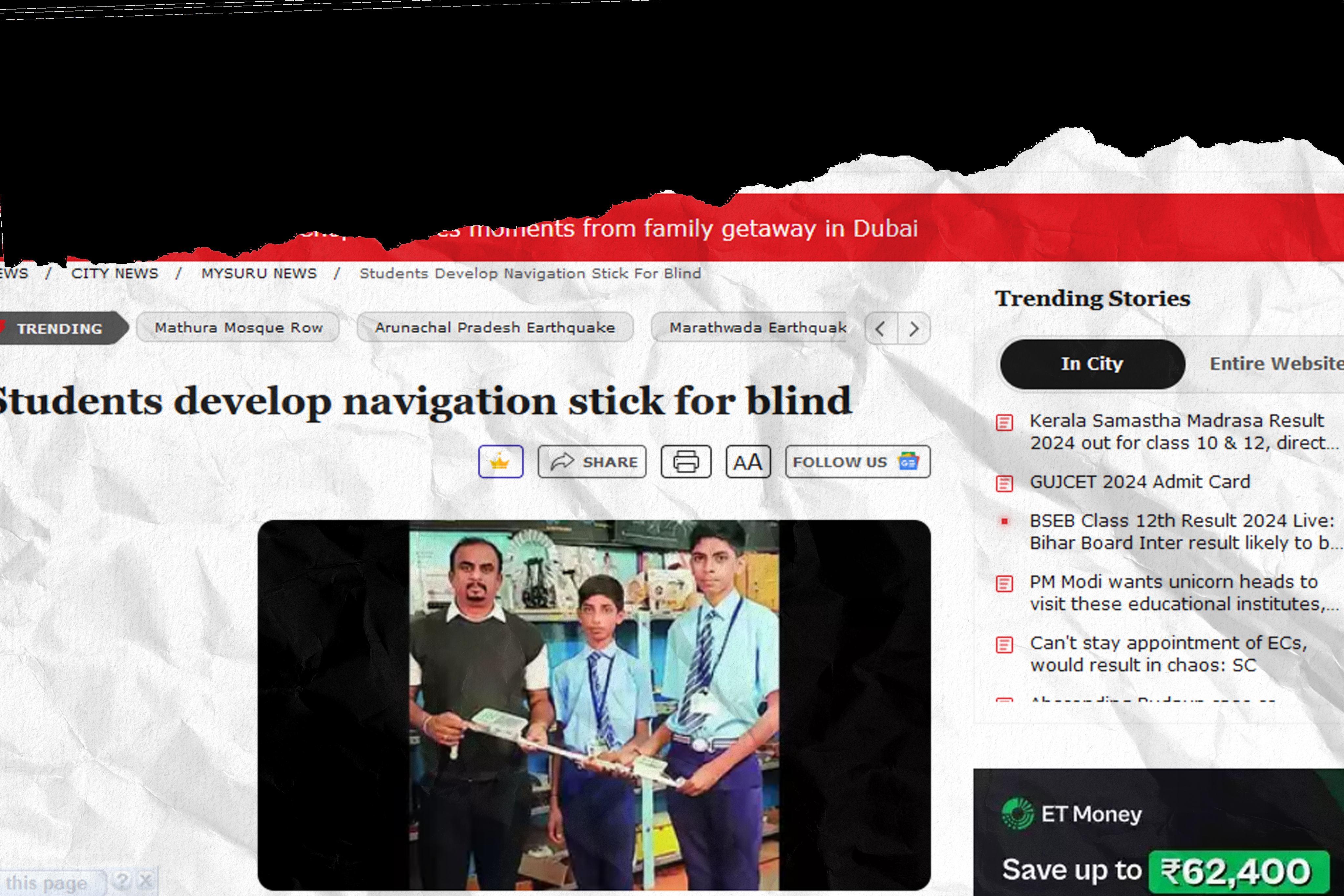
Smart Cane to help the visually impaired and
elderly people to walk easily
Contents
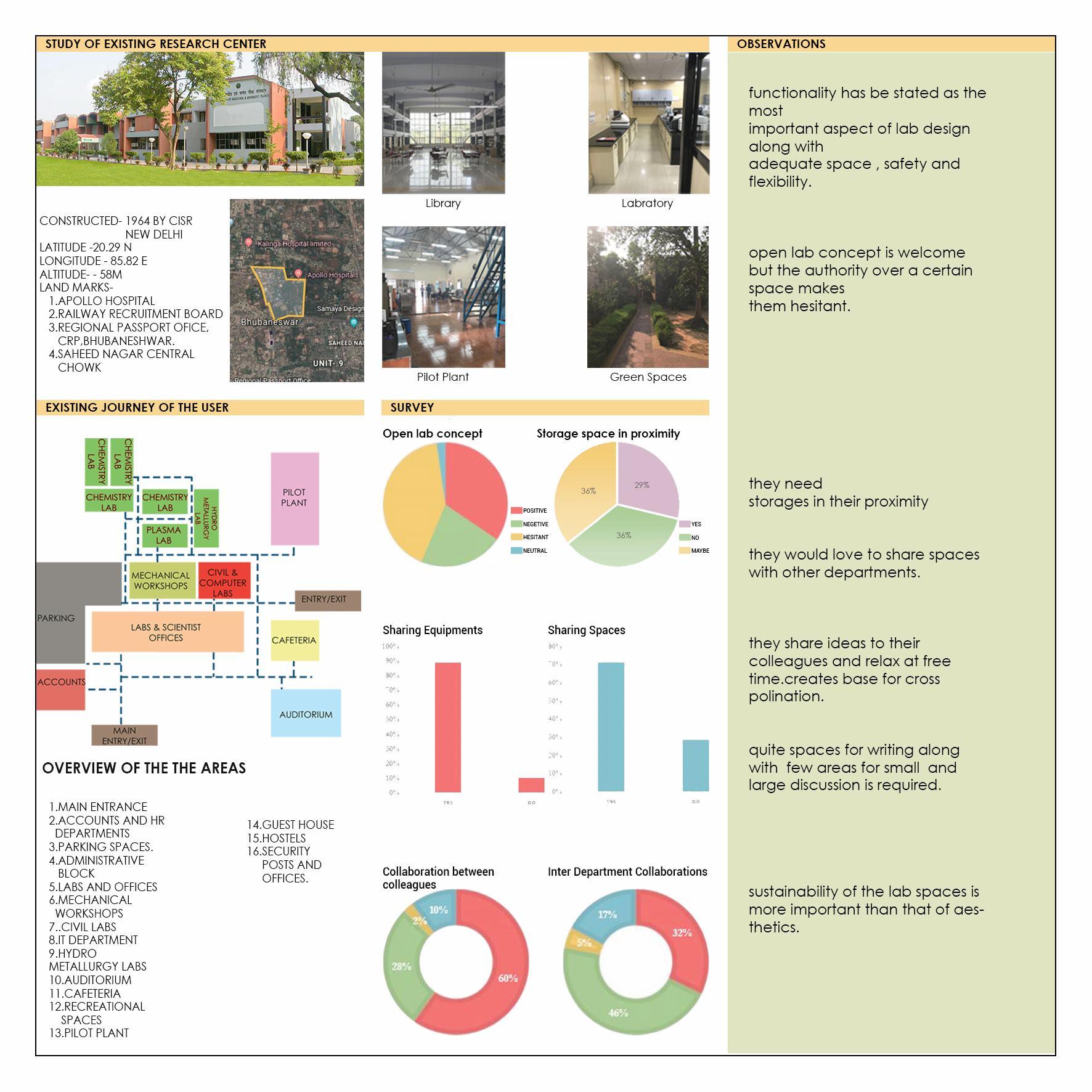
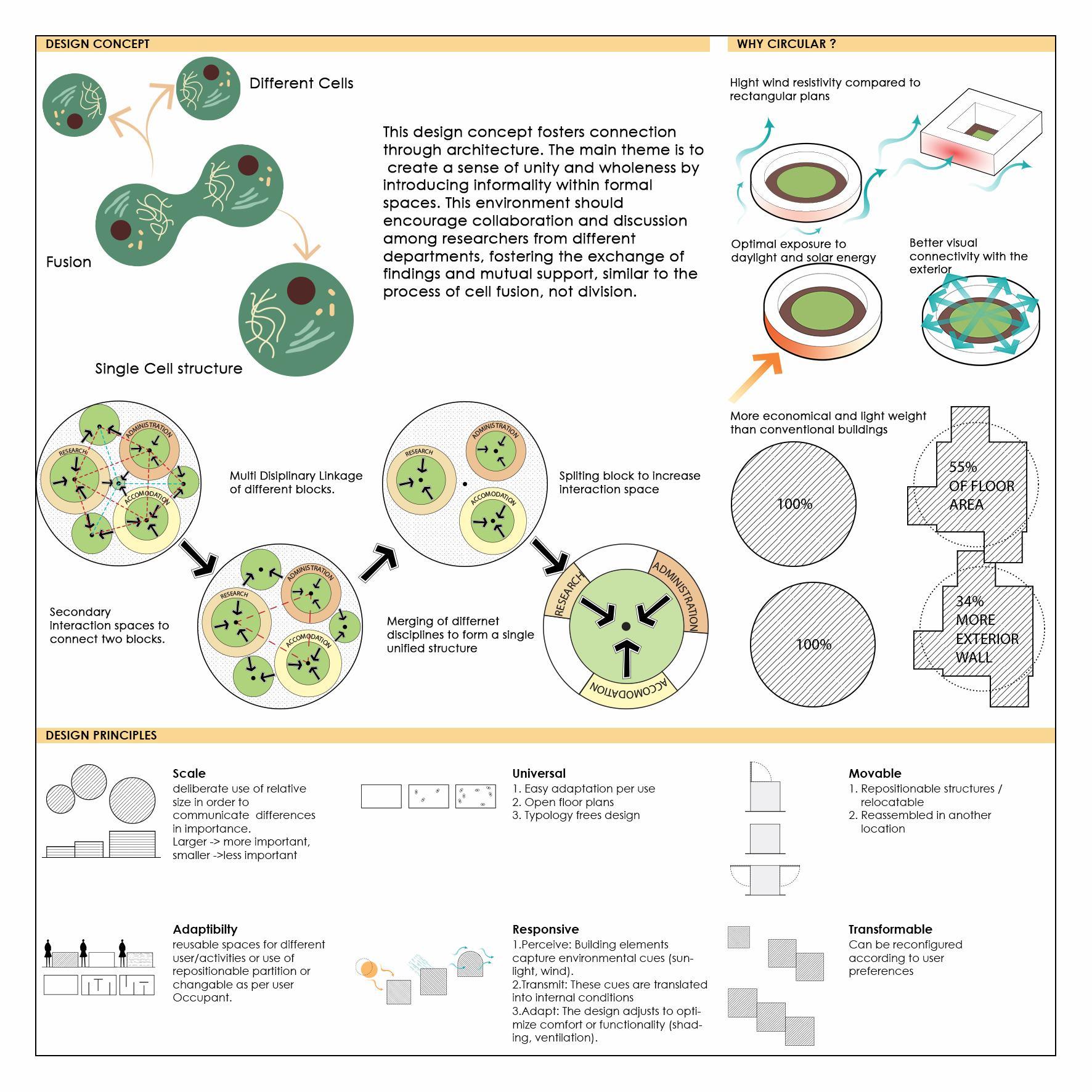
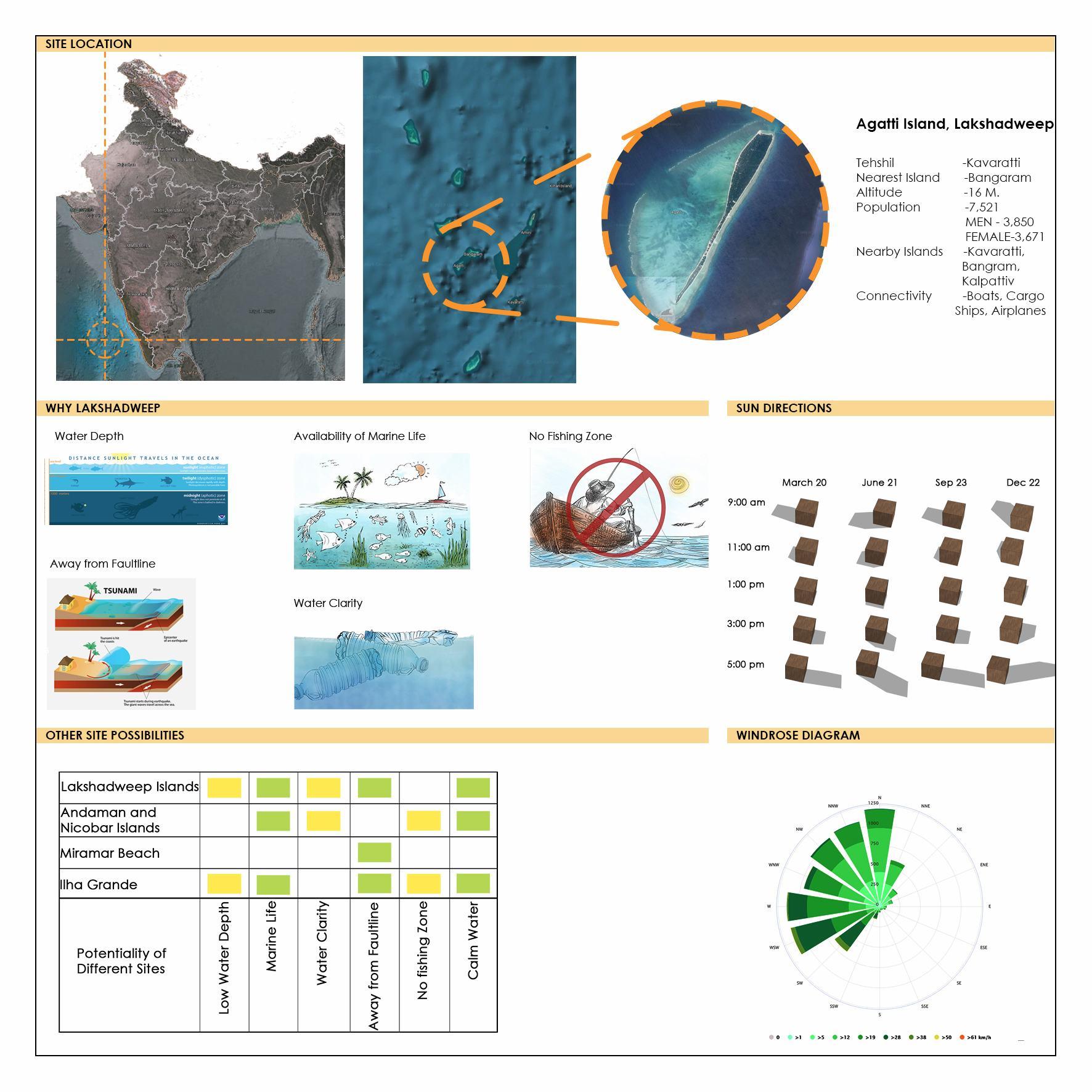
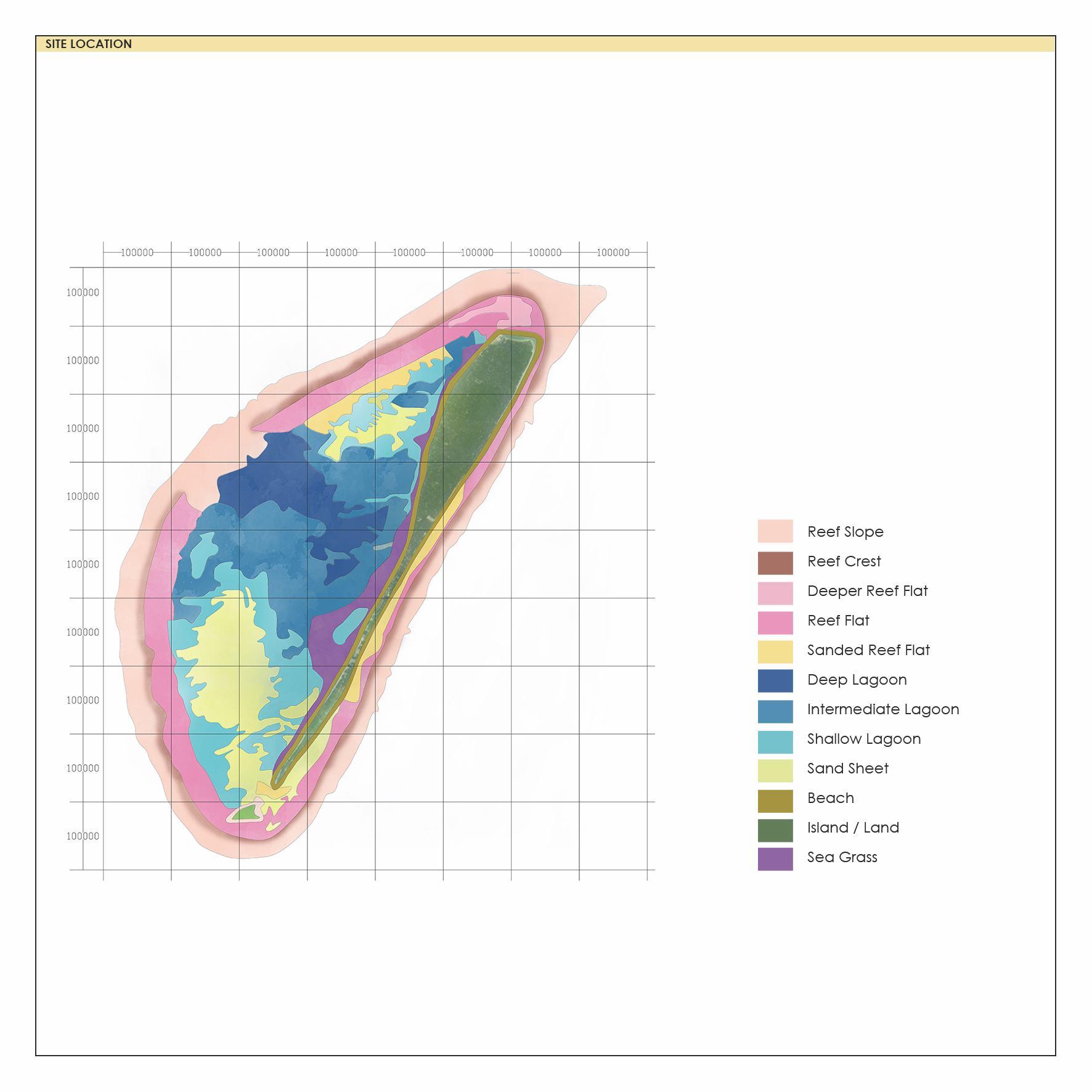
Floating marine research centre at Lakshadweep
1 Thesis
Volume Zero
Tree House competition
Under top 50 mentions
2
Introduction
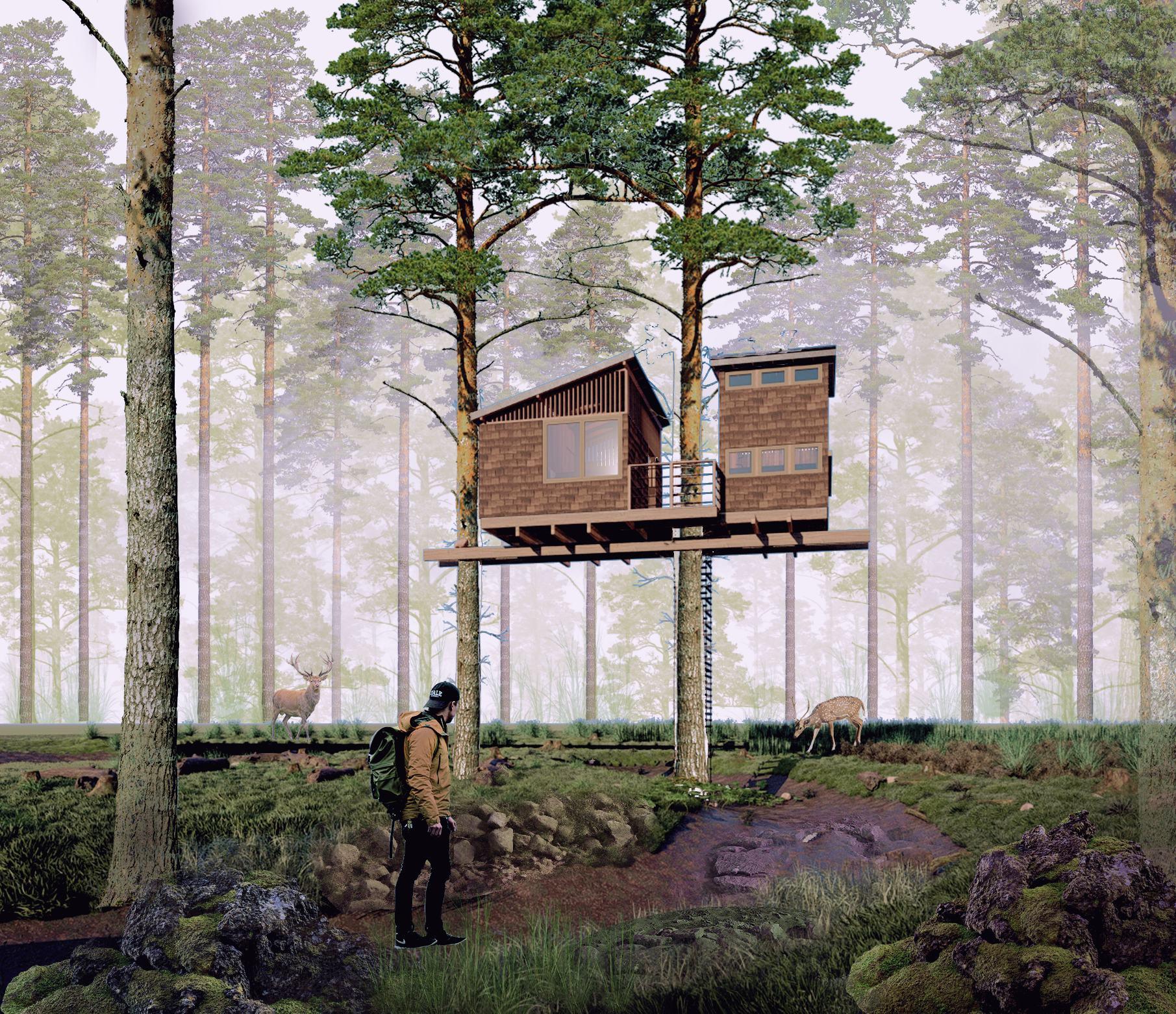
Sam is a freelance photographer for a wildlife Magazine and his better half Sally is a travel blogger. Since they love nature a lot they made this tree house as a primary residence for them.
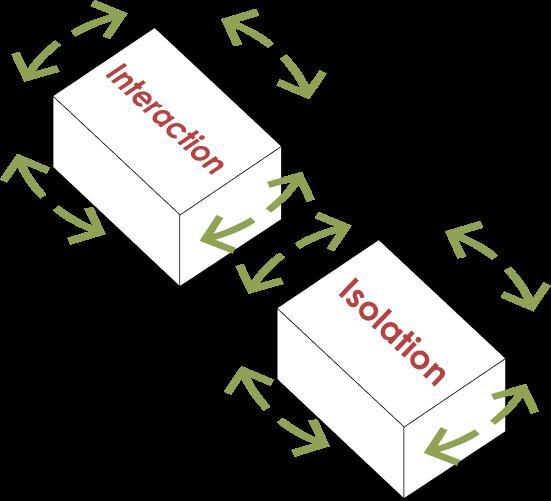
The idea behind the house is to connect their living spaces to nature through minimalistic architecture. A place to be isolated from the busy life, but connected to the nature and to themselves. The nature helps them to recharge and draw inspiration for their work.
The site chosen for them to escape from the city life is Kodaikanal, Tamil Nadu. A forest area with a serene beauty. A surrounding with inspiring nature.
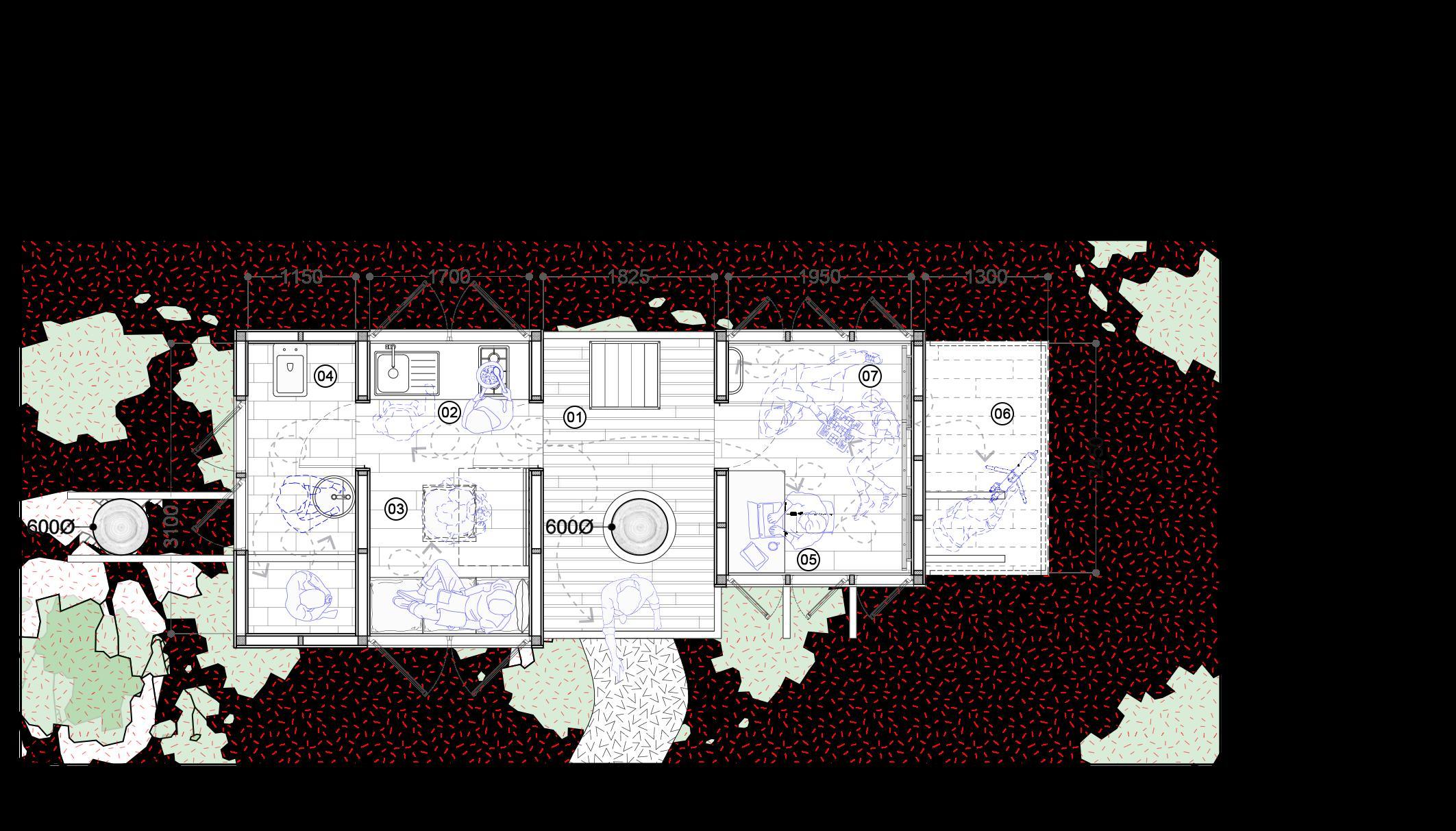
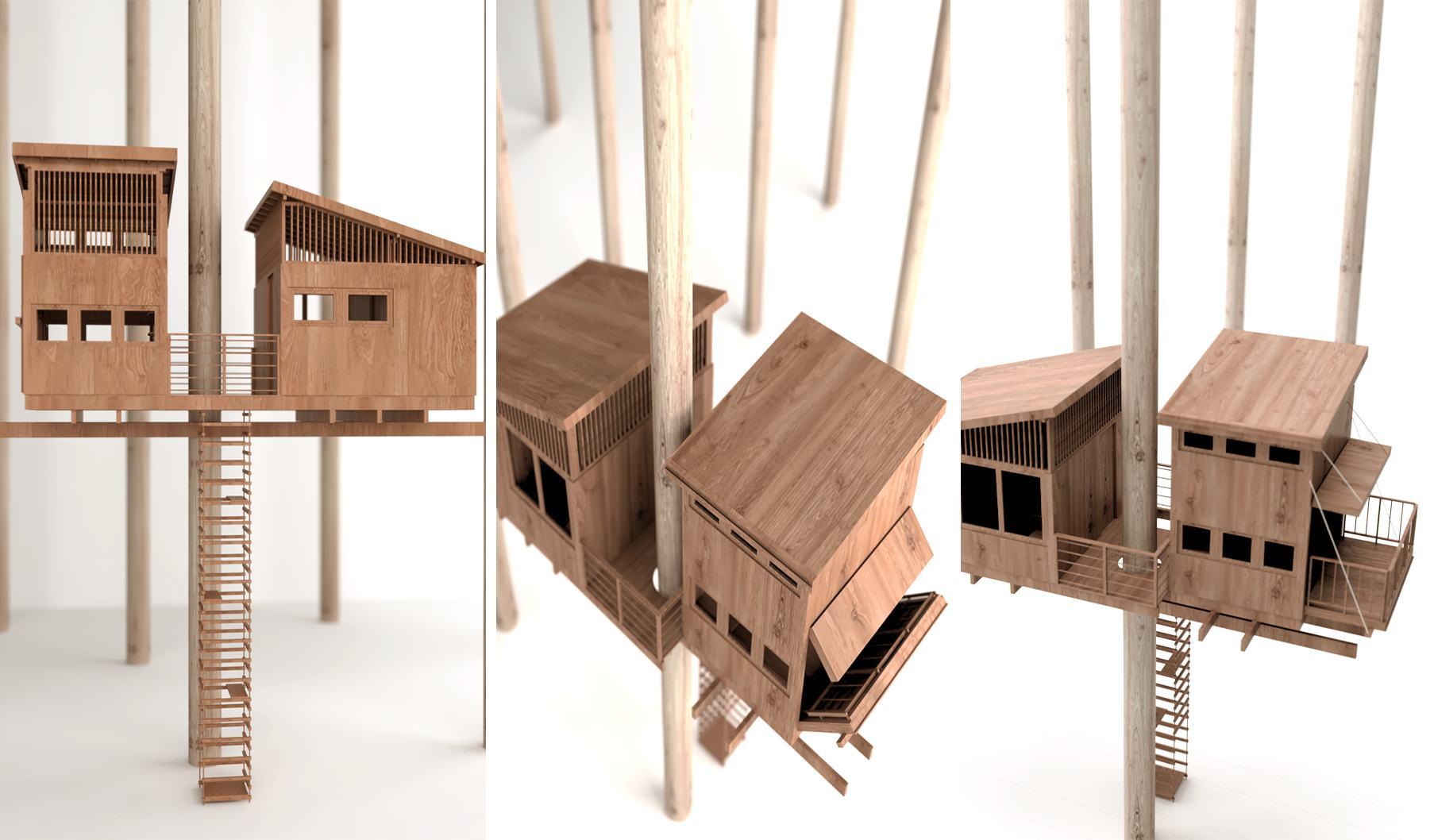
The house has been made such that it blends with the nature instead of creating a contrast. The house opens to the surrounding nature from all sides and comfort itself as a part of the forest.
The Idea
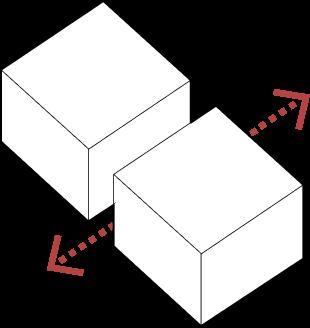
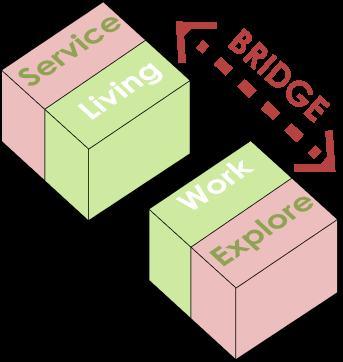
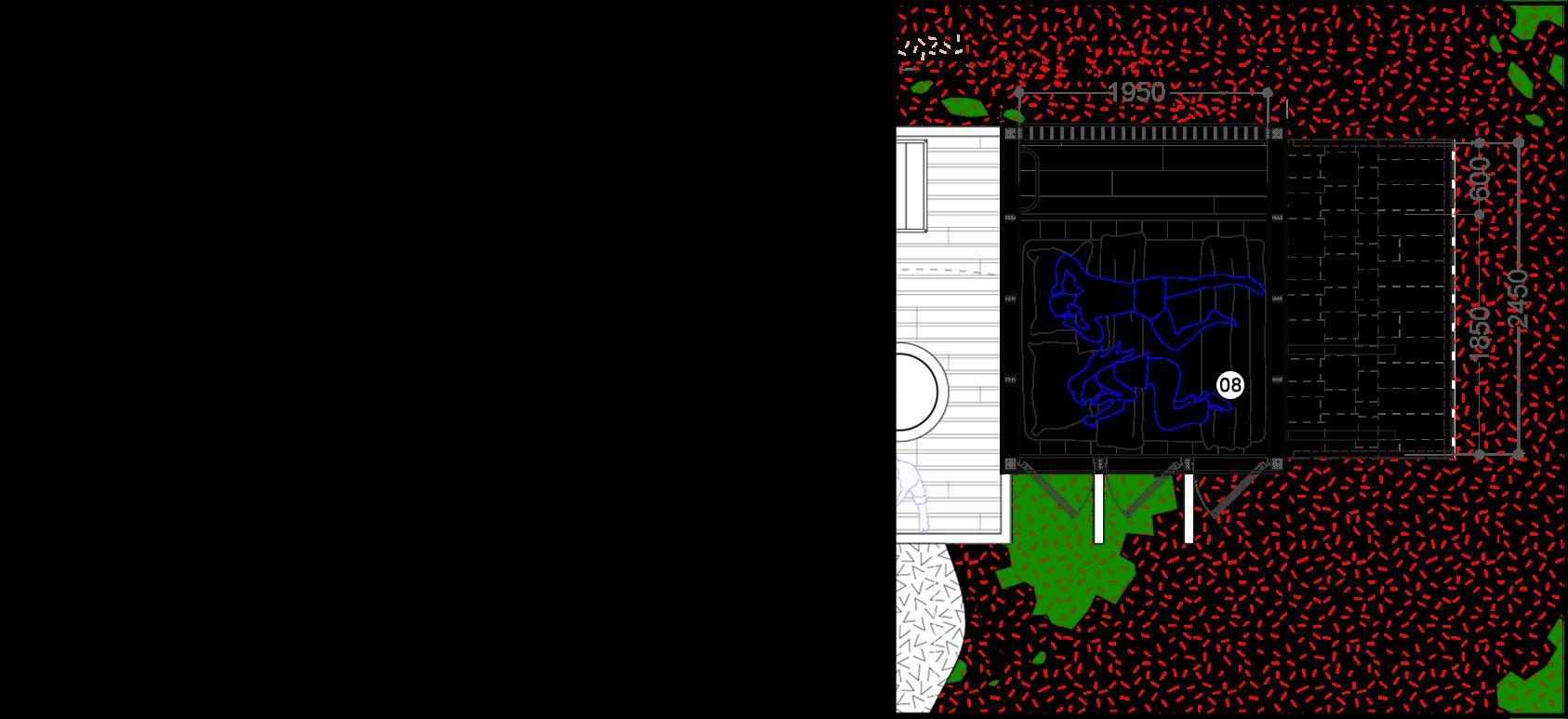
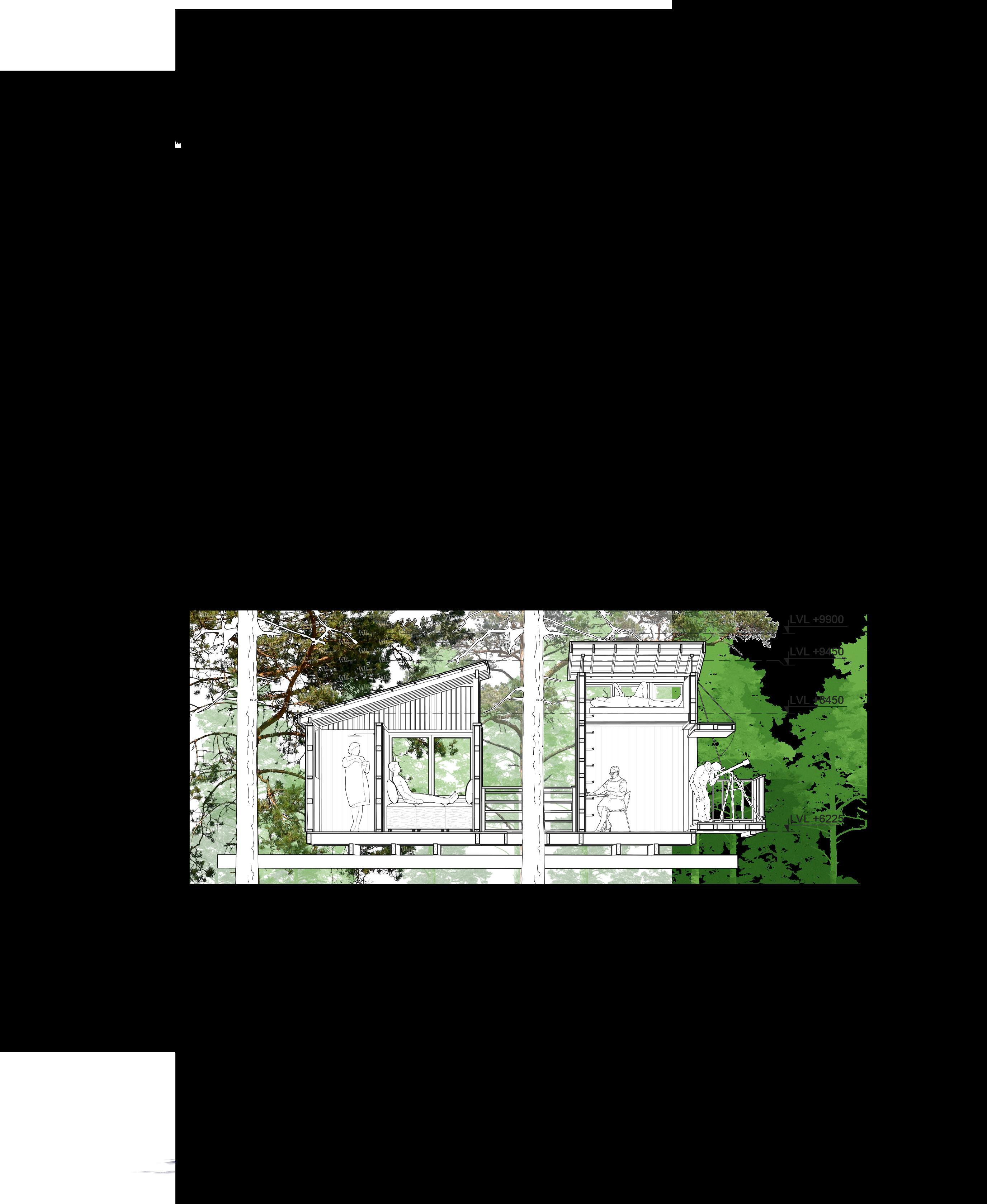
The ideology is to maintain the ecology and environment even after the construction of the tree house. The house has been designed in two integrated but separated modules.The tree house is adaptable to the needs of the user and also acts as a recreational space in itself.
The main idea behind this project was to
utilize the full view of the forest and to capture the opportunity of various species of birds.
 Legen
Legen
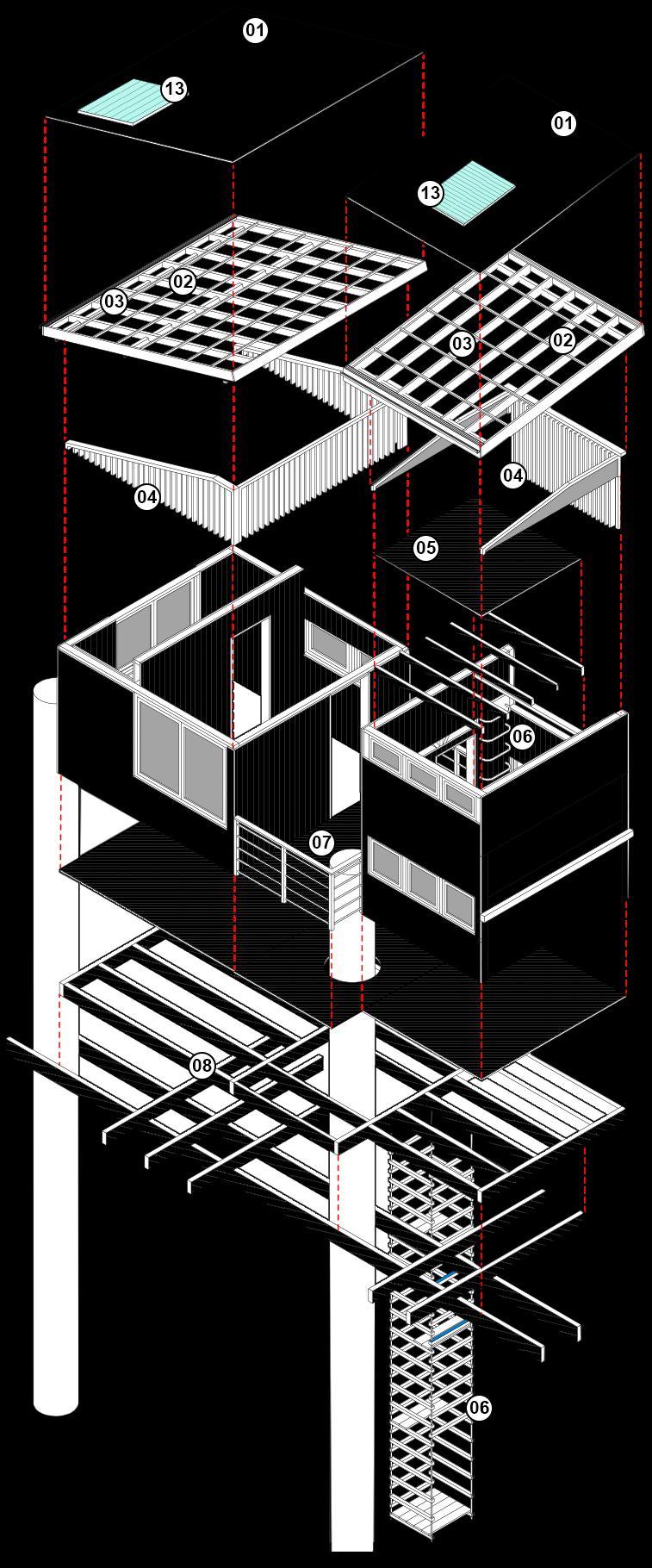
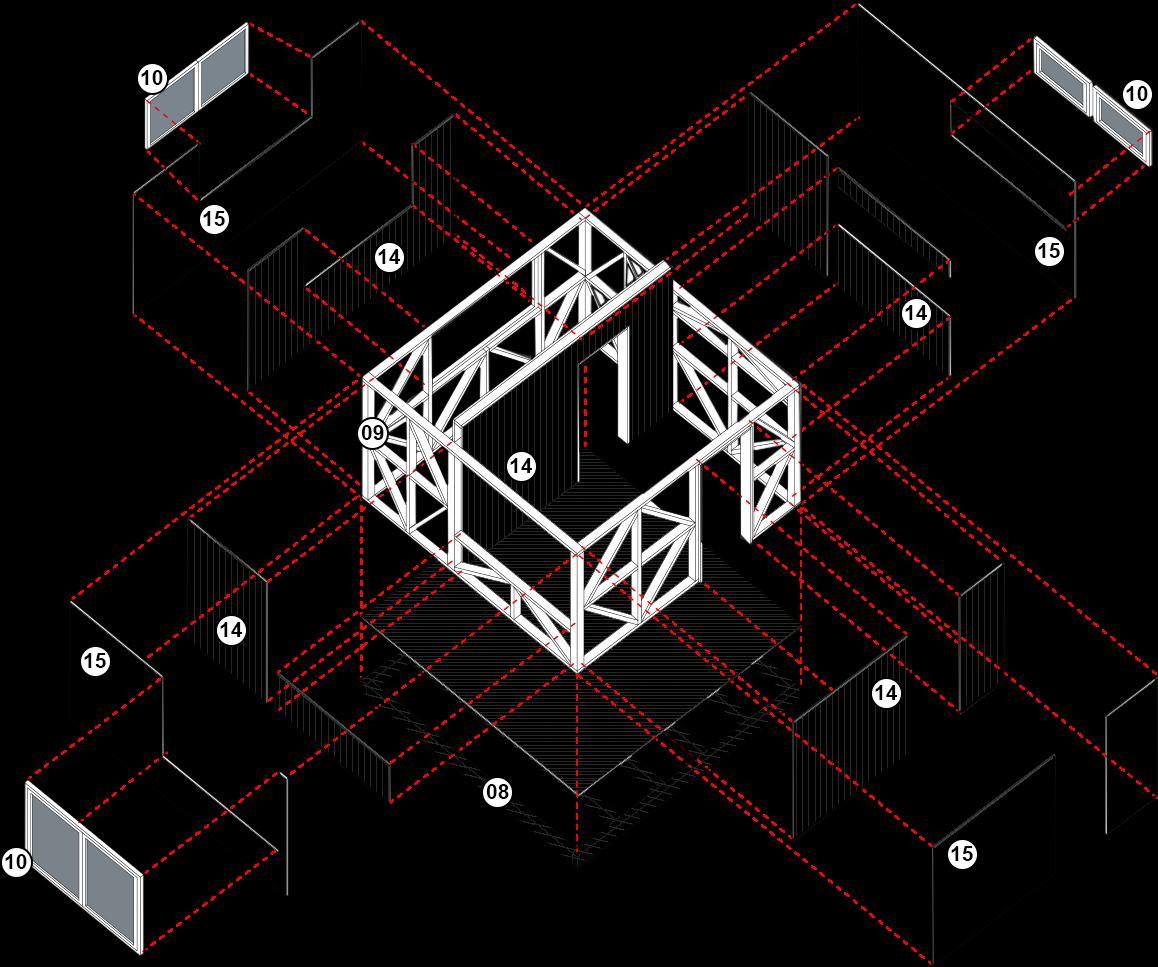
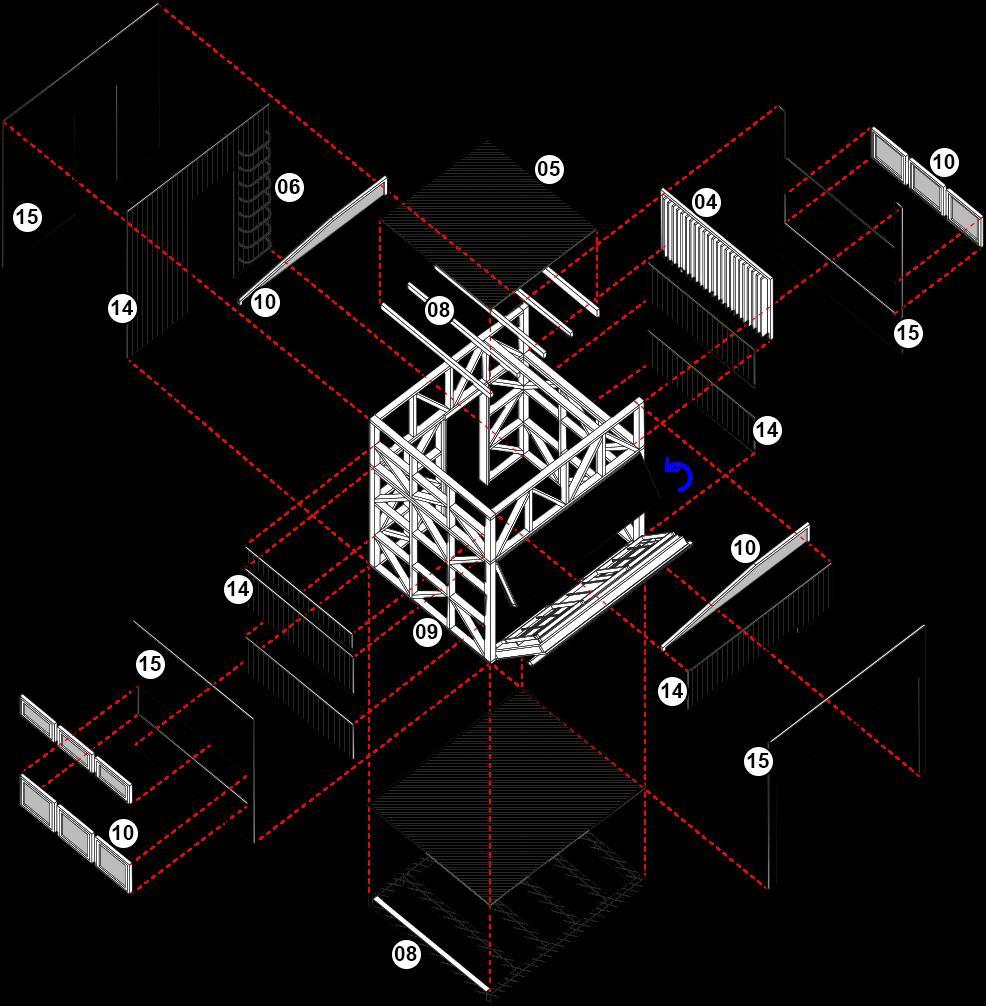
Legend
Roof Sh ngl
url n
R ft r
Lou r
M zz n n
St r or zont l Suppor
V rt l Suppor
W ndow
A St r
Support Tr
Sol r n
Int rn l w l
E t rn l w ll
Problem Statement
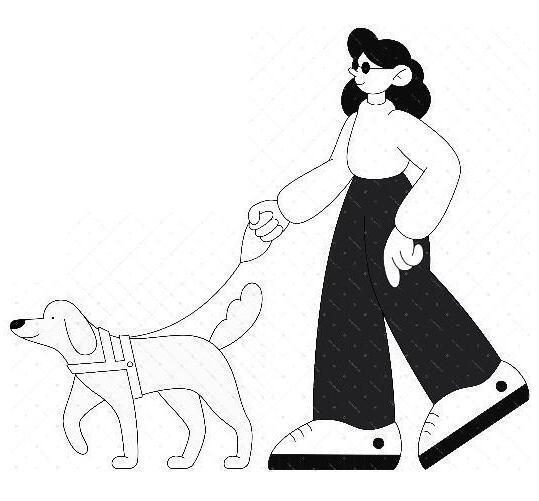
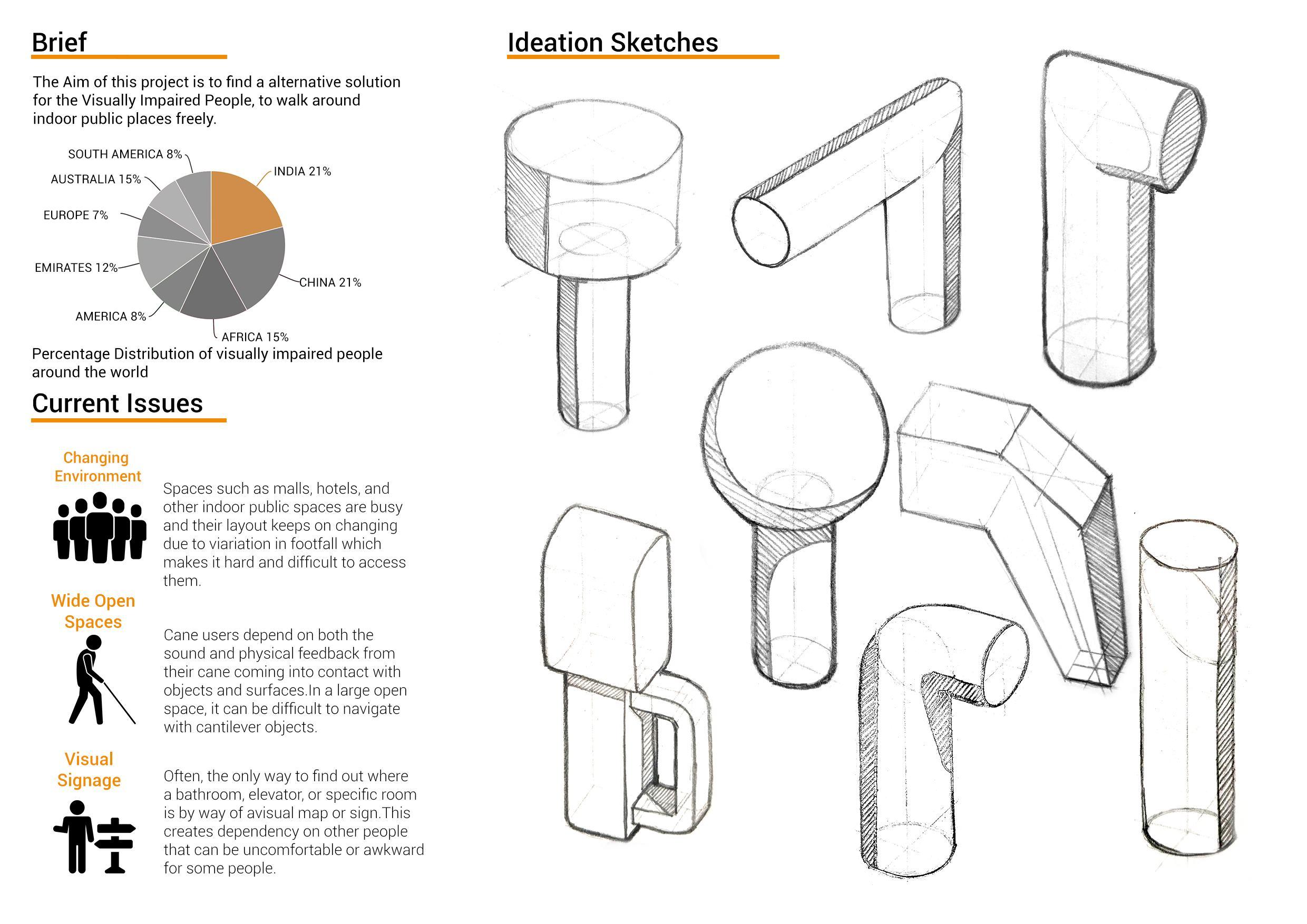
Visually impaired individuals face significant challenges navigating indoor public spaces due to frequently changing layouts and limited tactile cues. This dependence on sighted assistance can hinder their independence and mobility.
Project Aim
This project aims to empower visually impaired people by developing solutions that overcome these navigation obstacles in indoor public spaces. Our goal is to foster a sense of independence and control within unfamiliar environments.
Problem Potential
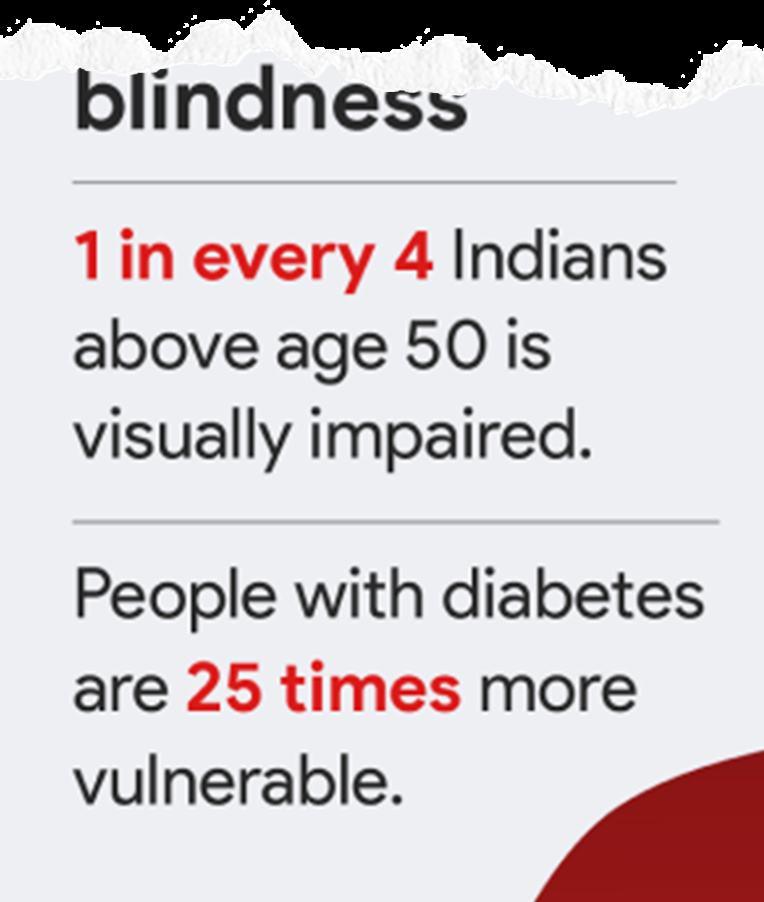
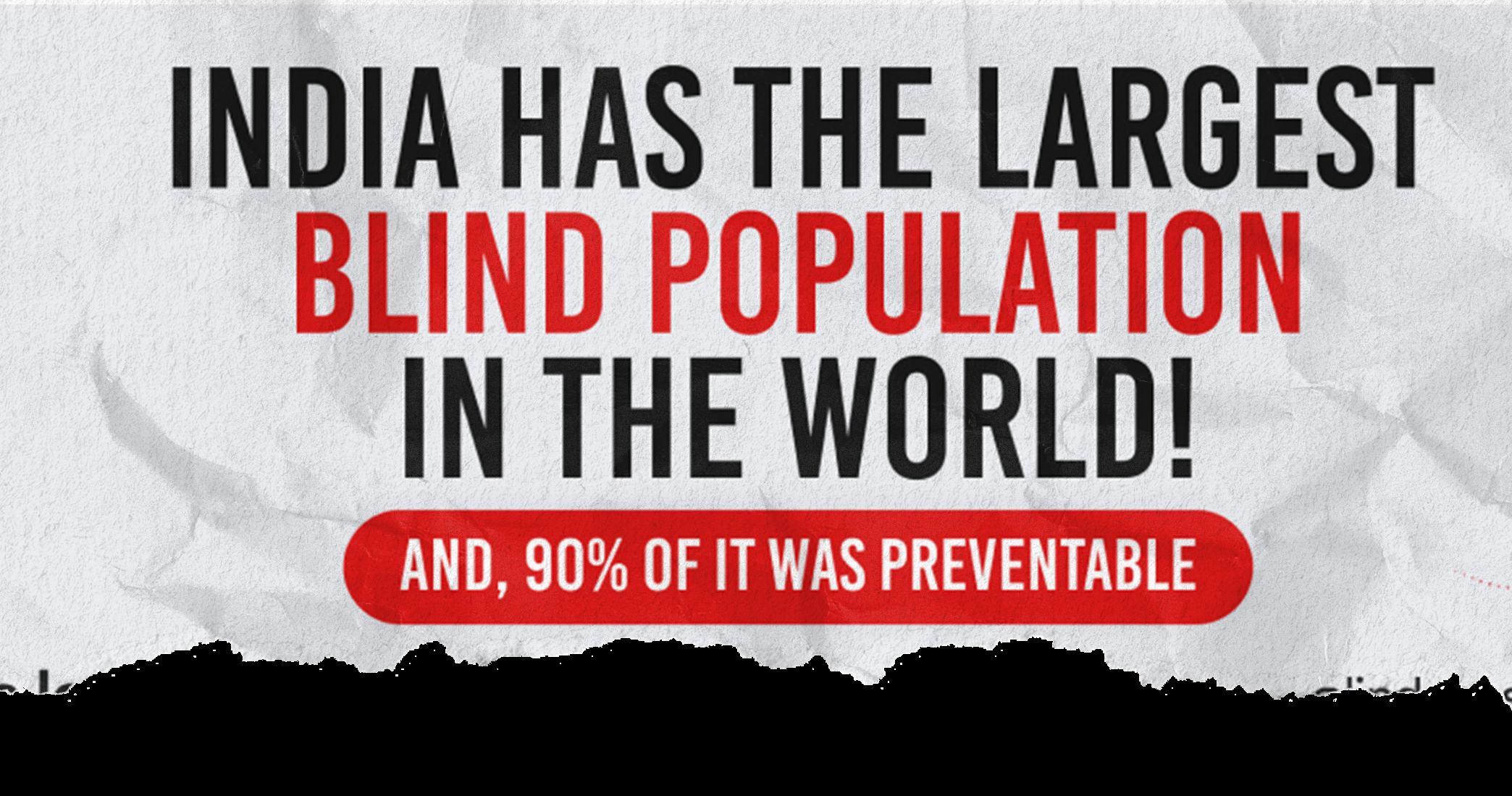
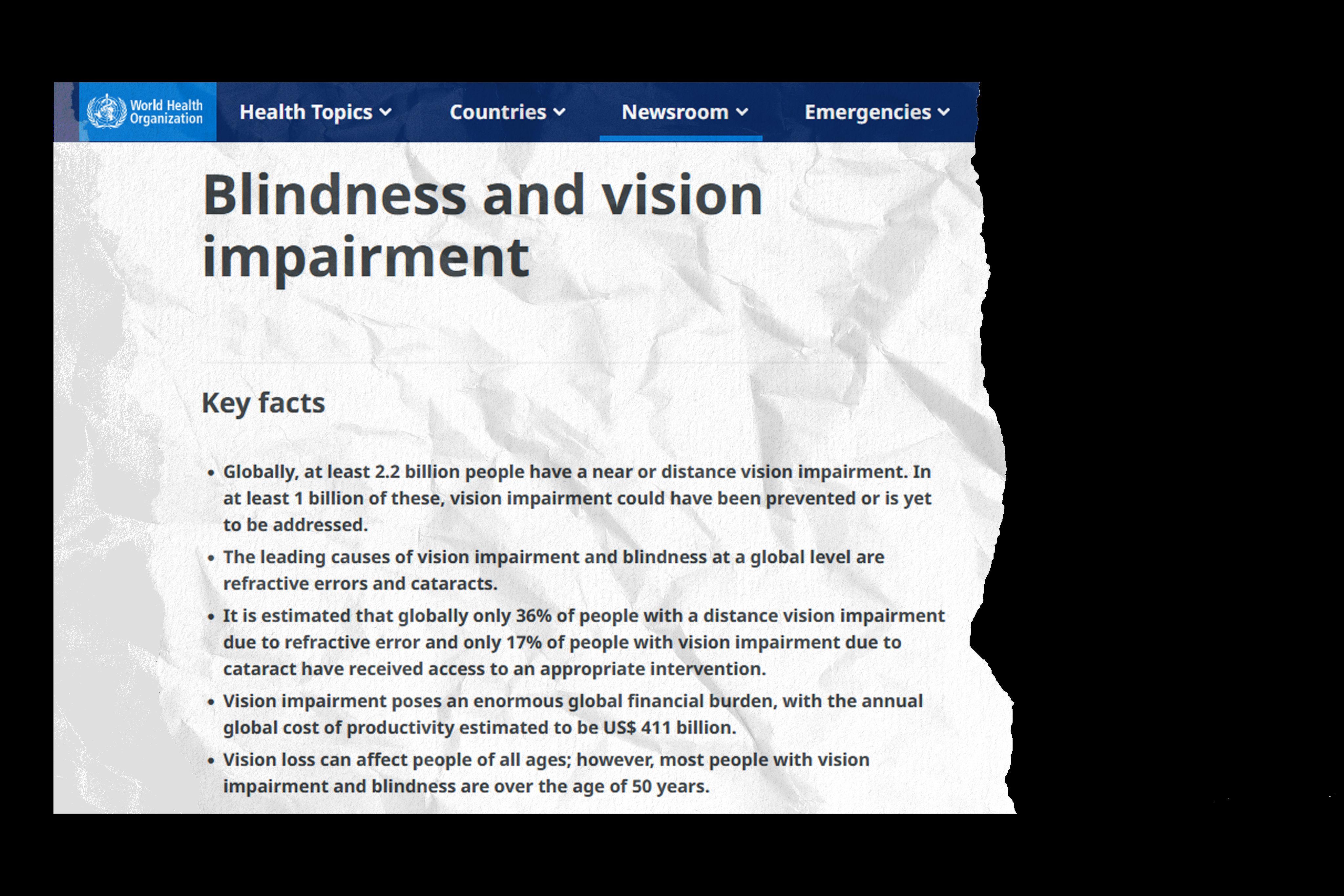
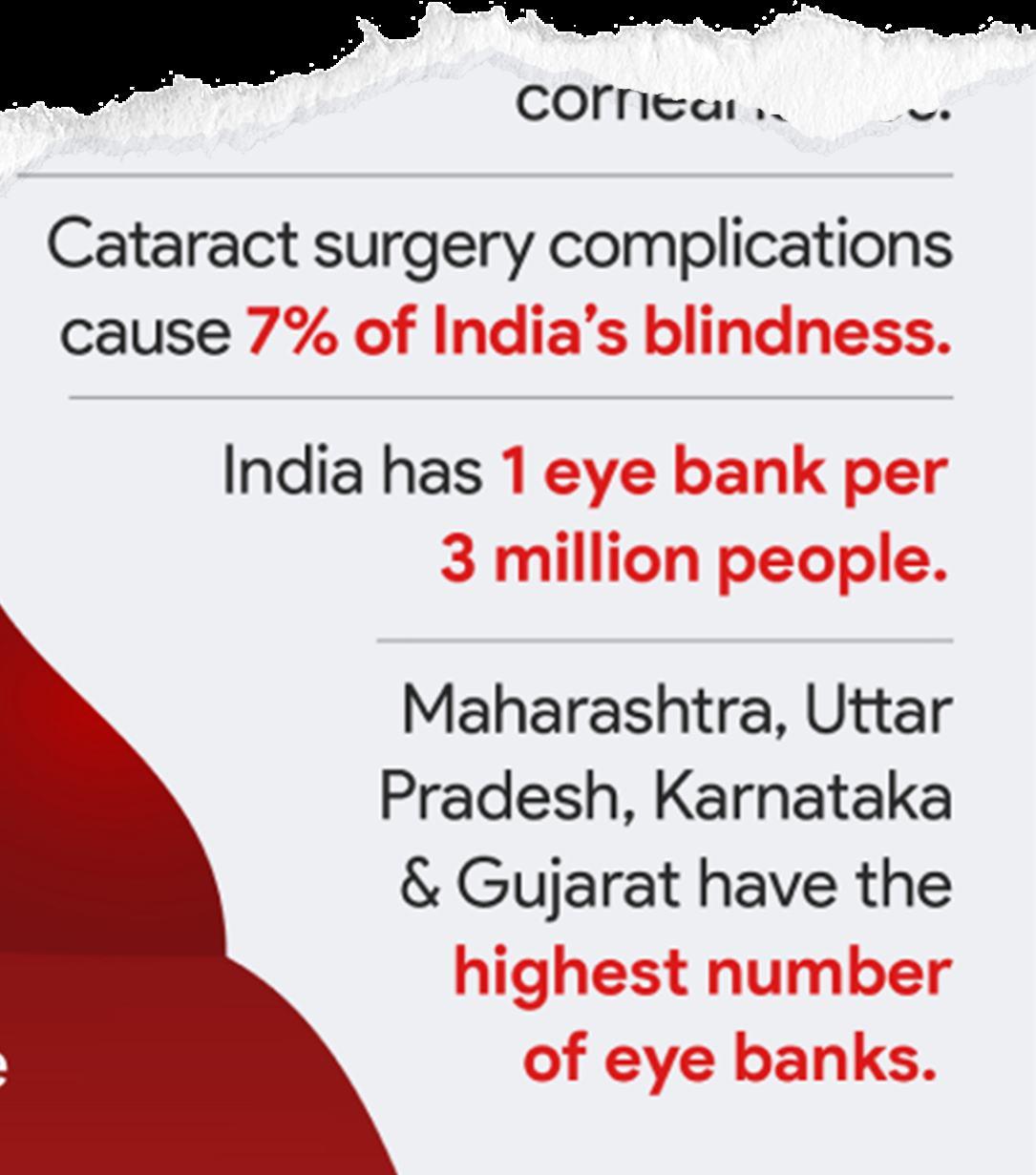
Millions Affected: 70 million in India experience visual impairment, highlighting a vast population in need of better navigation solutions
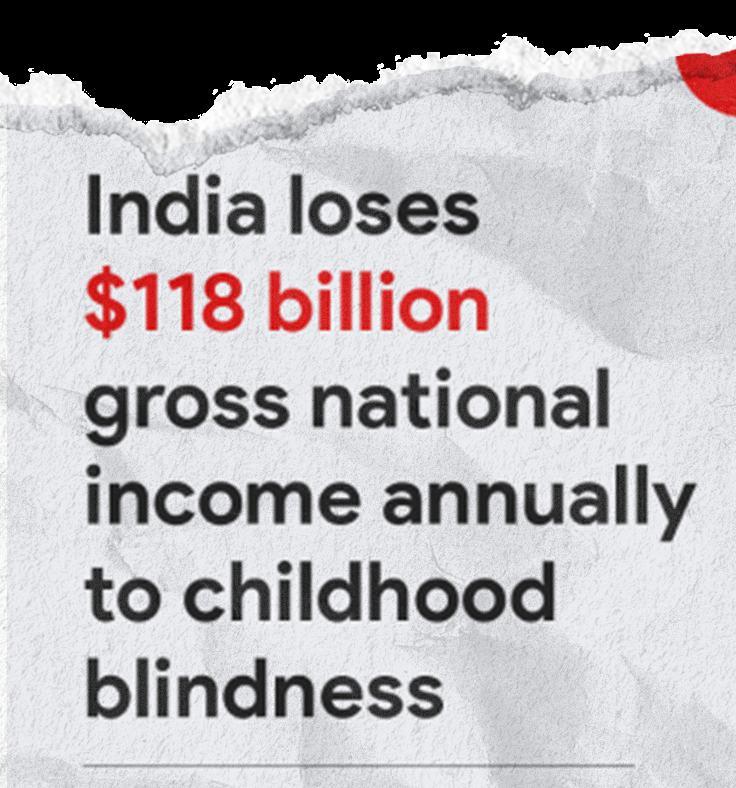
Economic and Social Impact: Studies estimate an annual loss of INR 845 billion due to visual impairment. Improved navigation can boost economic participation and social inclusion
Tec nological Advancements: Advancements in indoor positioning systems, voice guidance, and tactile feedback technologies offer exciting possibilities for accessible solutions
Increased Independence: Improved navigation empowers visually impaired individuals, fostering independence and reducing reliance on sighted assistance. This leads to greater participation in activities and a better quality of life
Growing Public Awareness: The focus on accessibility and inclusion is growing. Addressing navigation challenges aligns with this trend, creating more inclusive public spaces for all.
User Pain Points
Environmental Issues for Visually Impaired People
Uneven Surfaces:
Changes in flooring materials (carpet to tile, for example) or poorly maintained surfaces with cracks or bumps can be tripping hazards and difficult to navigate with a cane.
Poor Lighting:
Dim or flickering lights can make it difficult to perceive depth and navigate safely. Glare from windows or bright overhead lights can be disorienting.
Low Hanging Obstacles:
Signage, protruding architectural features, or misplaced furniture can be difficult to detect with a cane, leading to head injuries or bumps.
Inaccessible Information
Social and Accessibility Barriers
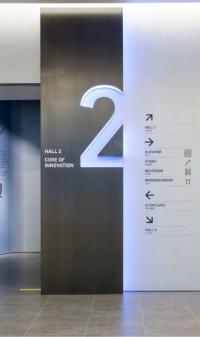
Inaccessible Signage:
Signs placed too high, written in small fonts, or lacking Braille or tactile lettering are inaccessible for those with limited vision.
Lack of Audio Cues:
Important information like upcoming exits, restroom locations, or safety announcements might only be available visually or through written instructions.
Unpredictable Movement:
Crowded spaces with people moving in different directions can be overwhelming and difficult to navigate safely.
Psychological Impact
Lack of Staff Training:
Staff who are not trained in assisting visually impaired people might be unsure how to offer support or provide directions.
Inoperable Accessibility
Features:
Broken elevators, malfunctioning automatic doors, or inoperable accessible bathrooms can create significant barriers.
Confusing Layouts:
Complex or maze like layouts with multiple levels or frequent turns can be challenging to navigate without visual cues.
Fear of Getting Lost:
Unfamiliar environments and the challenge of navigating independently can lead to anxiety and a reluctance to venture into new places.
Feeling Dependent: Having to rely on others for simple tasks like finding restrooms or reading signs can be frustrating and limit independence.
Good wide angle view
Aesthetically not pleasing
Too big and complex shape
Too long to handle
Good wide angle view
Too short bar
To much straight edges complex mechanism not easy to use complex mechanism not easy to use
Camera placement in line with the horizon line Portable Not portable Not portable
Good shape and nice grip
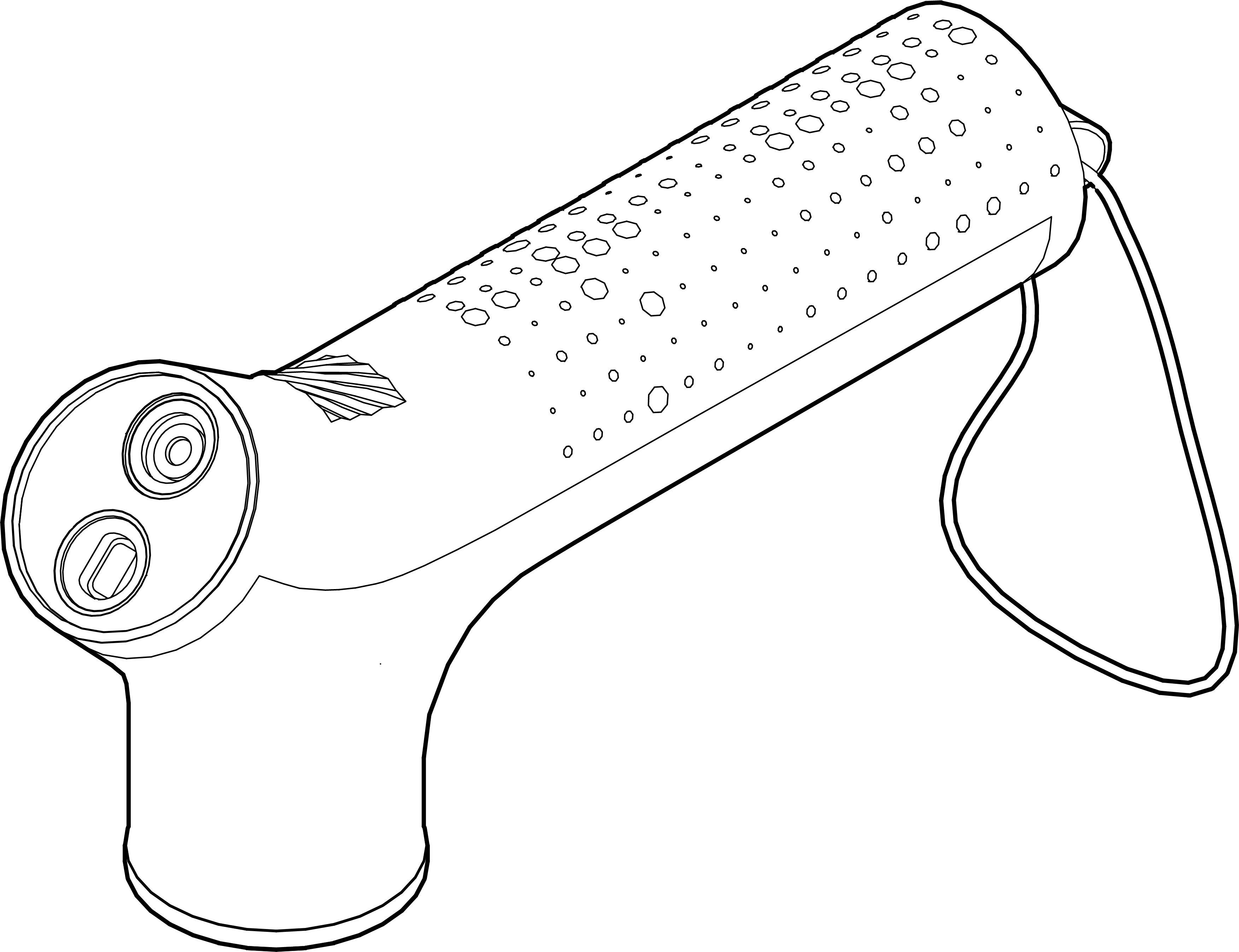
Form Exploration
Audible Directions
It allow the blind and visually impaired
to navigate indoor spaces via audio
readout from the app reducing
dependence on tactile interaction.
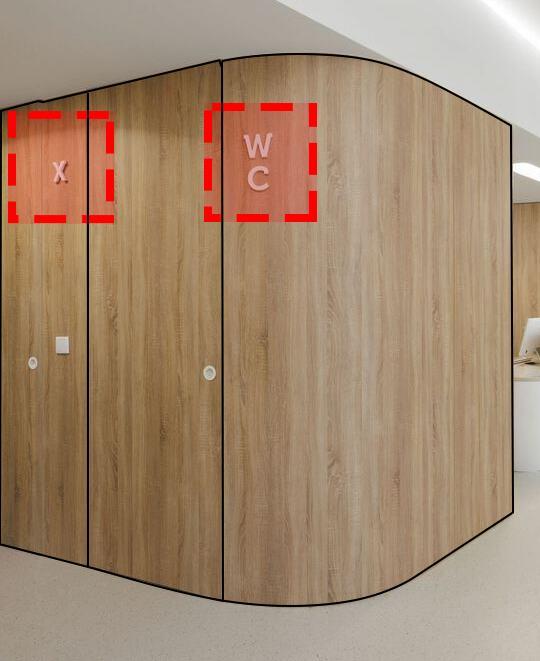
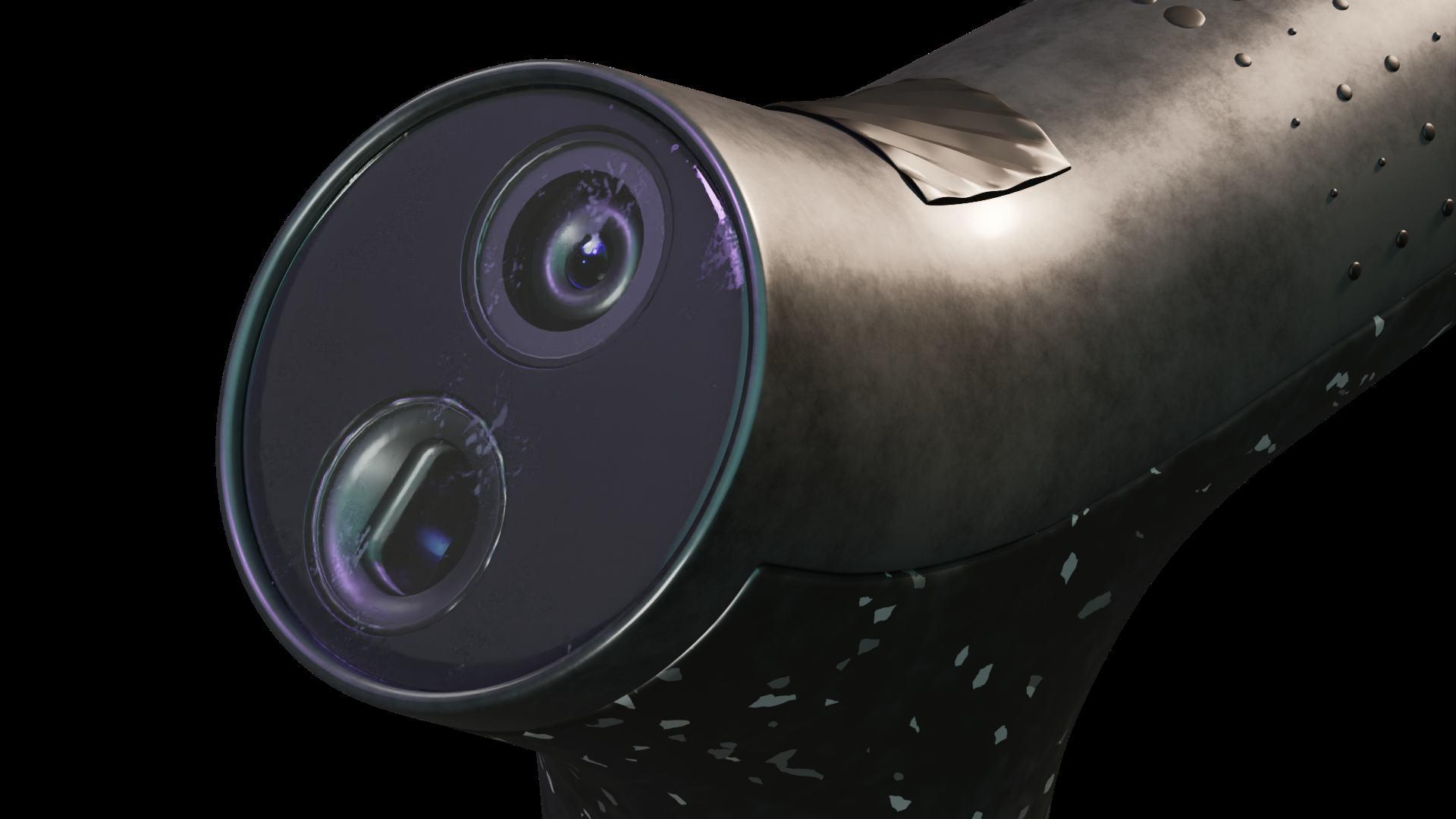
Machine Vision
The device camera allows the user to
hear signs read out them quickly and
without needing to touch them.
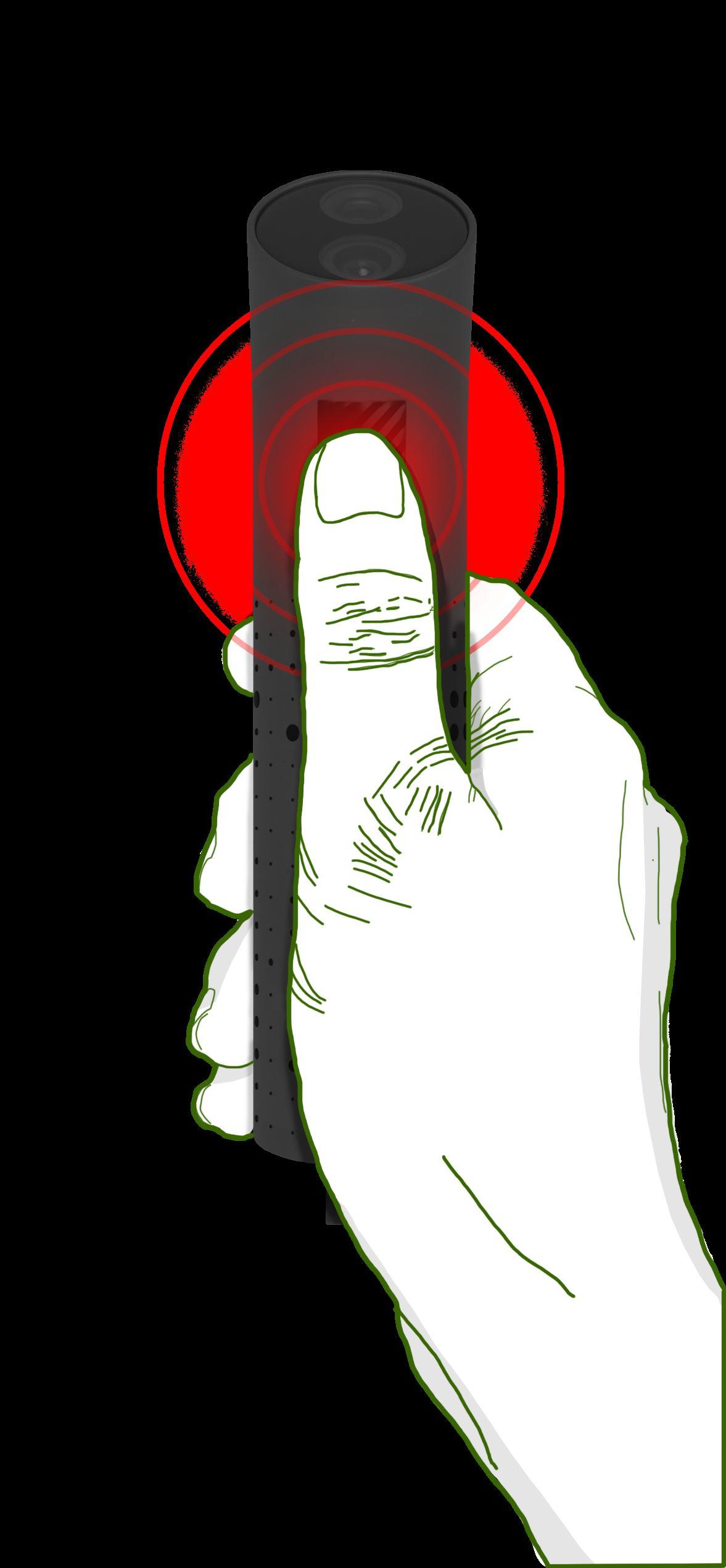
Interaction Button
When the device haptic feedback
triggers, indicating an object of interest,
the user can press the focus button to
start audio readout
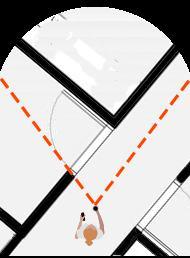
Rapid Mapping
It uses combination of LIDAR and Ai
technology to create comprehensive
maps of rooms as soon as you enter
them.
Features
Product