urban earth gardens
hydroponic community gardens design solution =
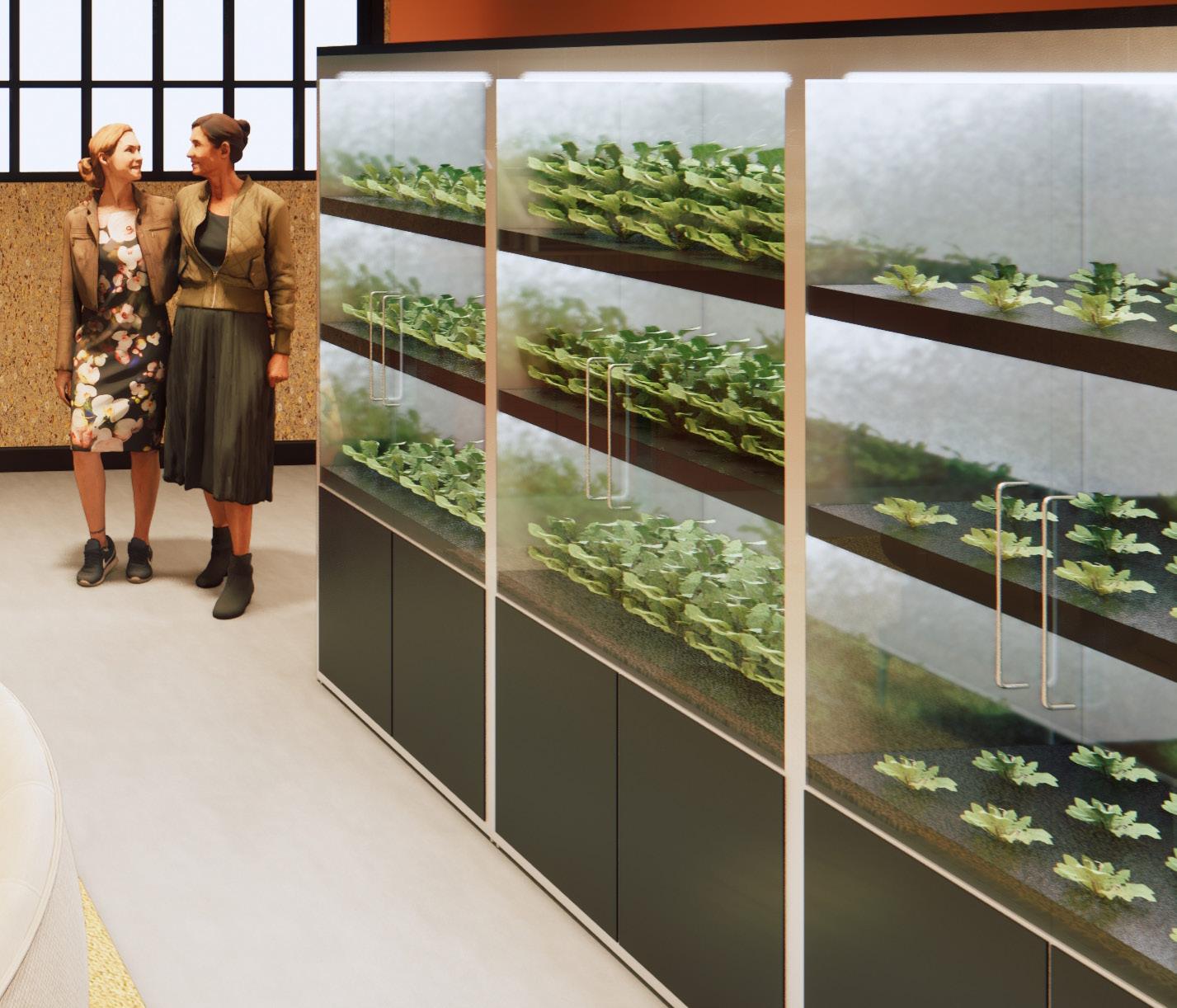
community vertical gardens
food access = human right united nations
33.2 low-income individuals live in food deserts
food behaviors problems stem from environment + conventional food system increased consumption foods locally produced
% 10.2 % 3.8%
experience food insecurity at some point during the year
(5.1 million households) faced low food security

disconnection
agriculture
• unsustainable farming methods contribute to environmental degradation
• contributes to global climate greenhouse gas emissions
food deserts
• limited access to affordable and nutritious foods
• higher rates of obesity and other health conditions
• 60% of the world population will live in urban areas by 2030
• producers to consumers declining ratio
+ behaviors from built conventional system consumption of produced
consumer + producer
food systems
• 15-28% greenhouse gas emissions contribution from production to end-life
• impacts nutritional status and health
food system frames
production efficiency
• changing the patterns of production
demand restraint
• reducing excessive consumption
socio-economic
• food system transformation through improved governance
• sustainable nutrition driven food system
food security
• uneven distribution causes malnutrition
• ag. production increases the risk of food insecurity for 77 million people by 2050
community engagement
community engagement
• addressing health outcomes
• reducing health inequalities social networks
• trust
• reciprocity
• shared norms
• accomplishing mutually shared objectives empowering communities
• unified communities have positive impact on individuals health
urban populations
+
low-income
• health inequalities are higher
• 39% of adults are overweight
behavior framework
drivers for gardening behavioral + socio-demographic drivers for private gardening in urban areas
• trust
• knowledge
• attitude
• involvement
• personality
• socio-demographics
• 650 million are obese +
building
reuse
redefining unused urban spaces
creating multifunctional buildings may lead to communtiy development
mitigate the utilization of agricultural land
promotes sustainable urban farming practices
urban earth gardens
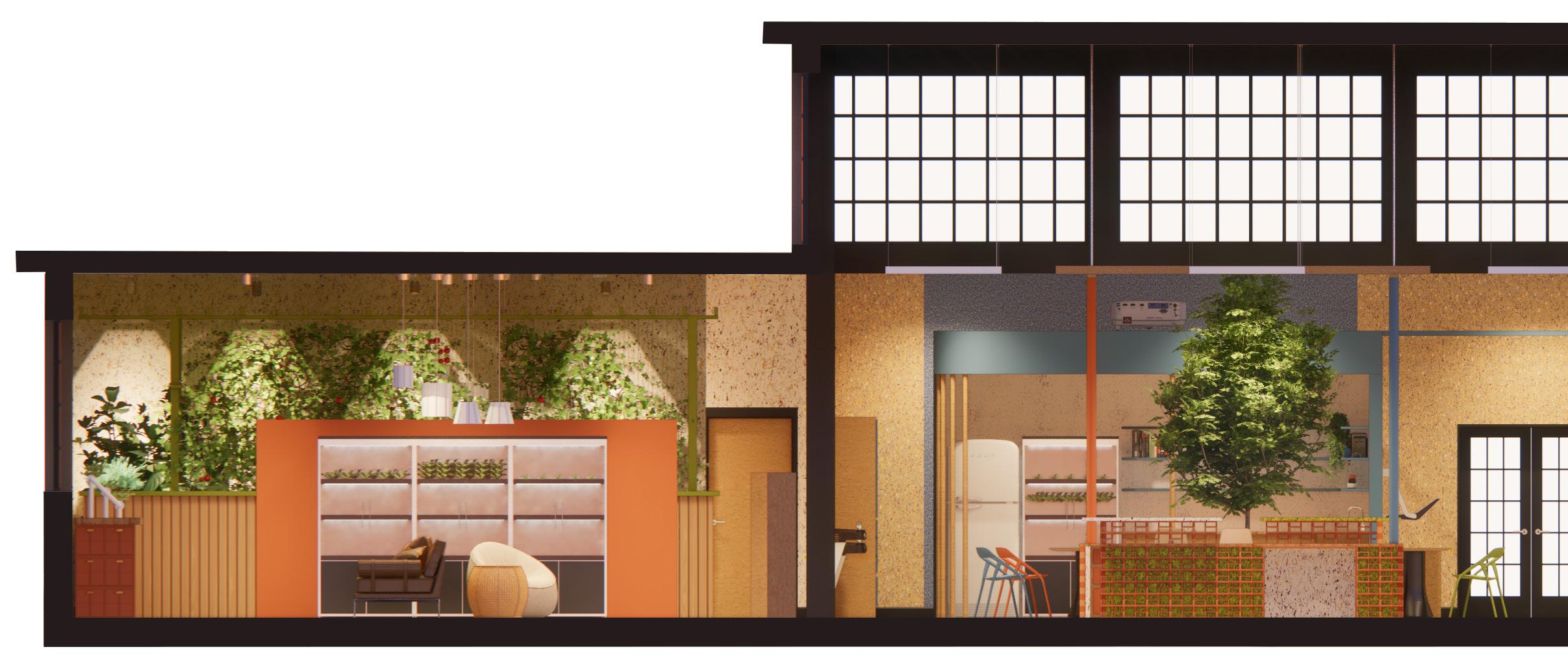
solar panels on warehouse roof for powering building
use being, engaging
education retail
design
goals
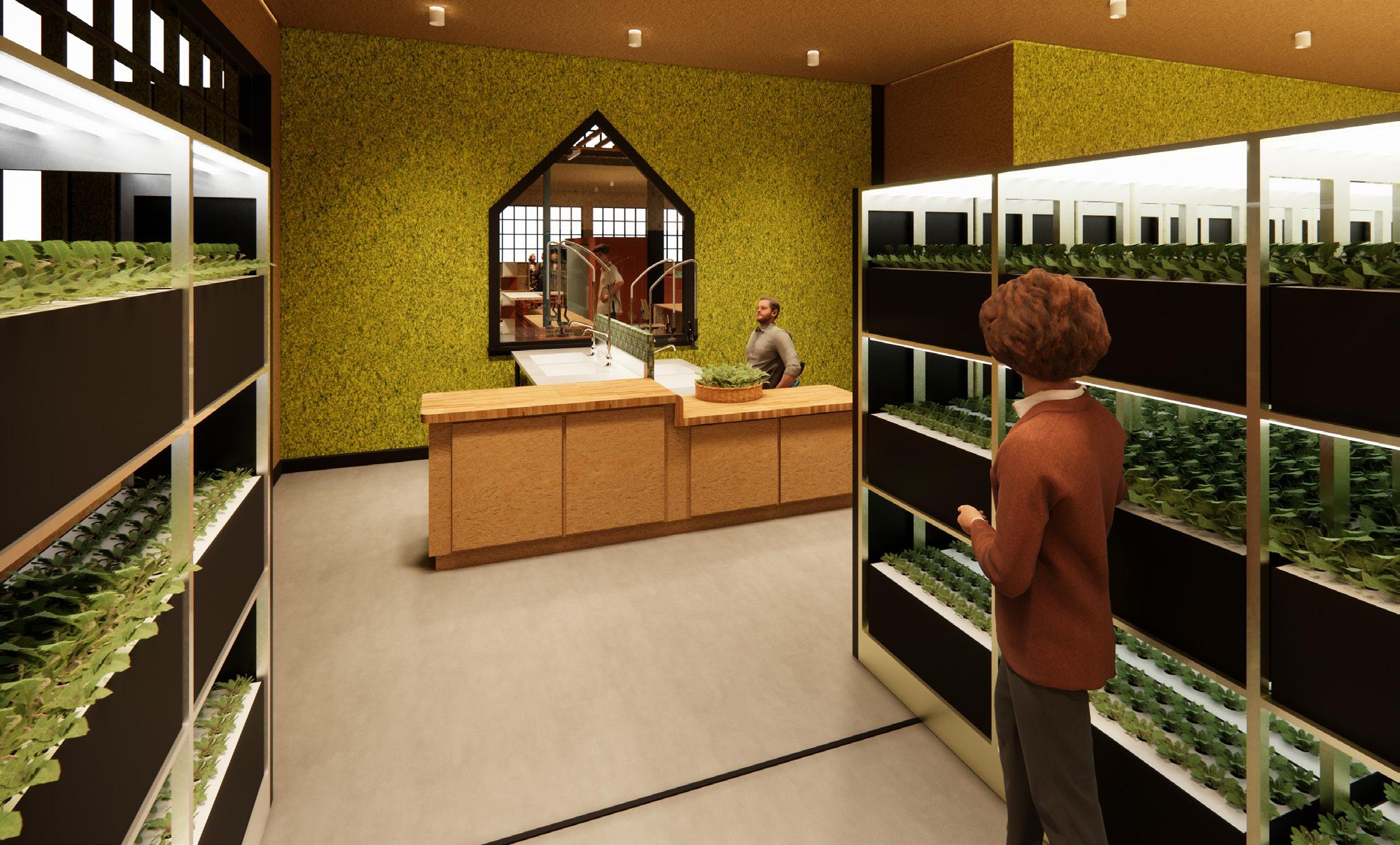
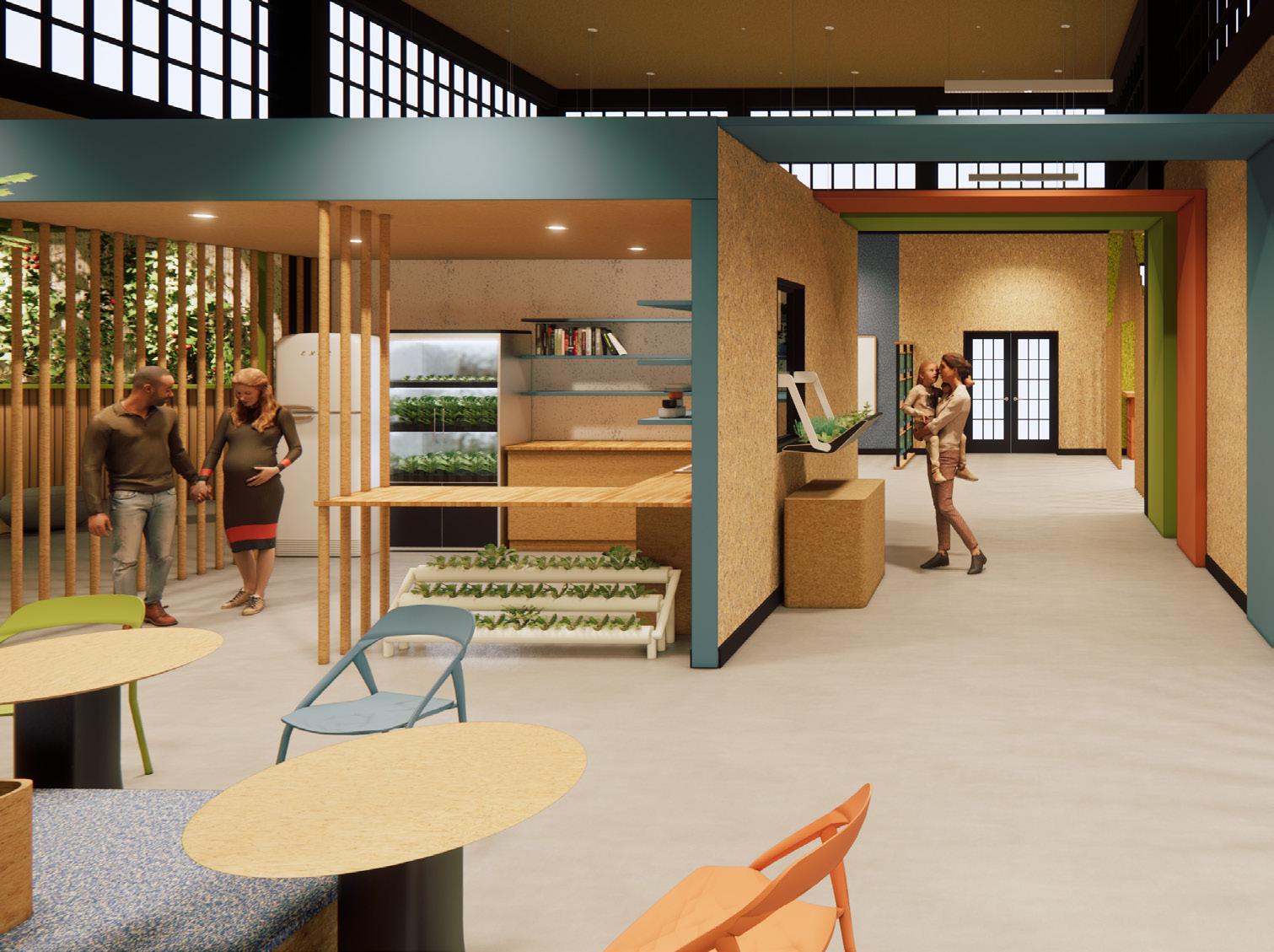
use hydroponics to increase understanding and control of food, improving health in underserved communities
develop local food systems to promote nutrition, increase education, human wellbeing, and generate income for stakeholders
collective community-led action towards health goals and empowerment
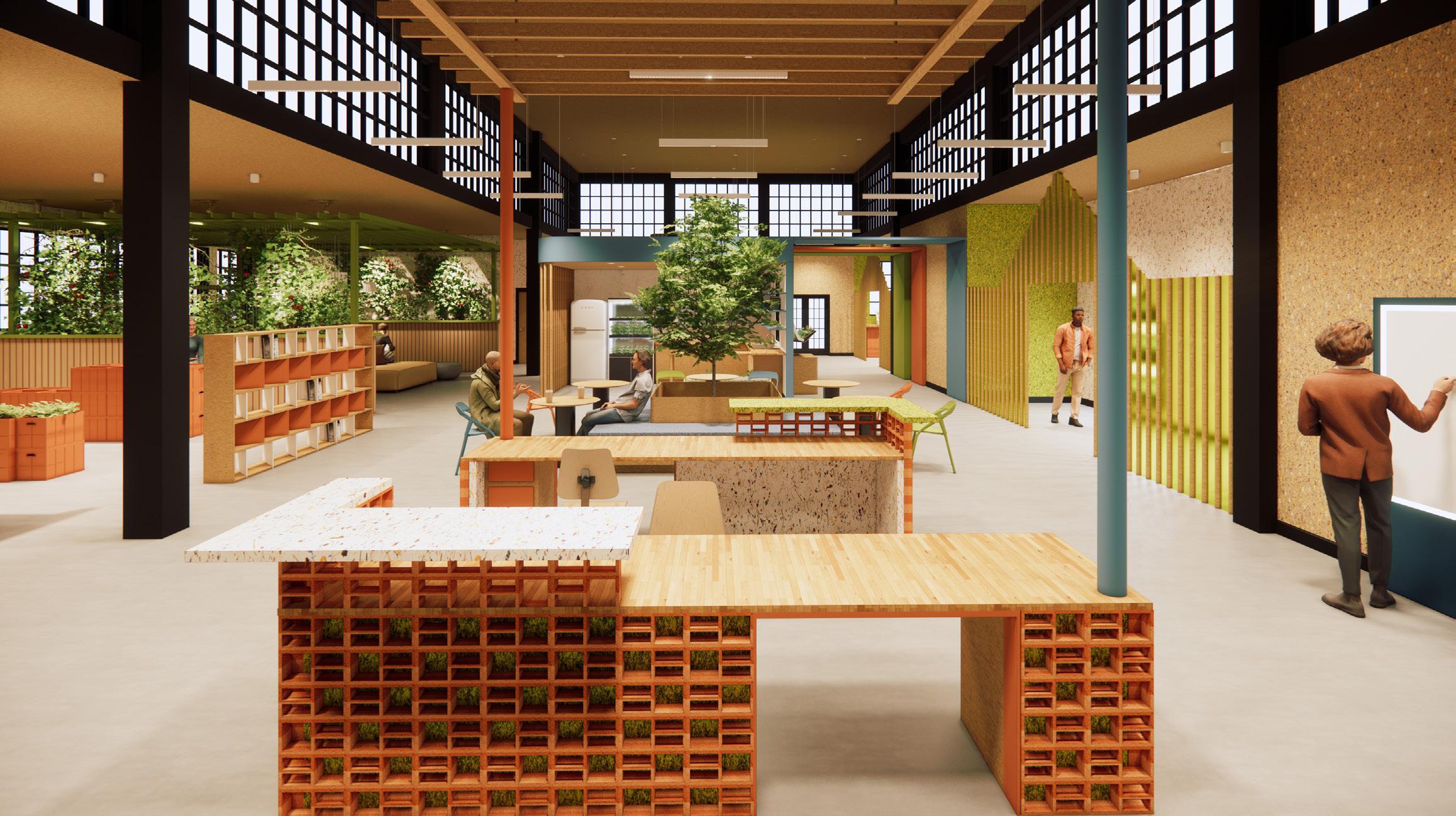
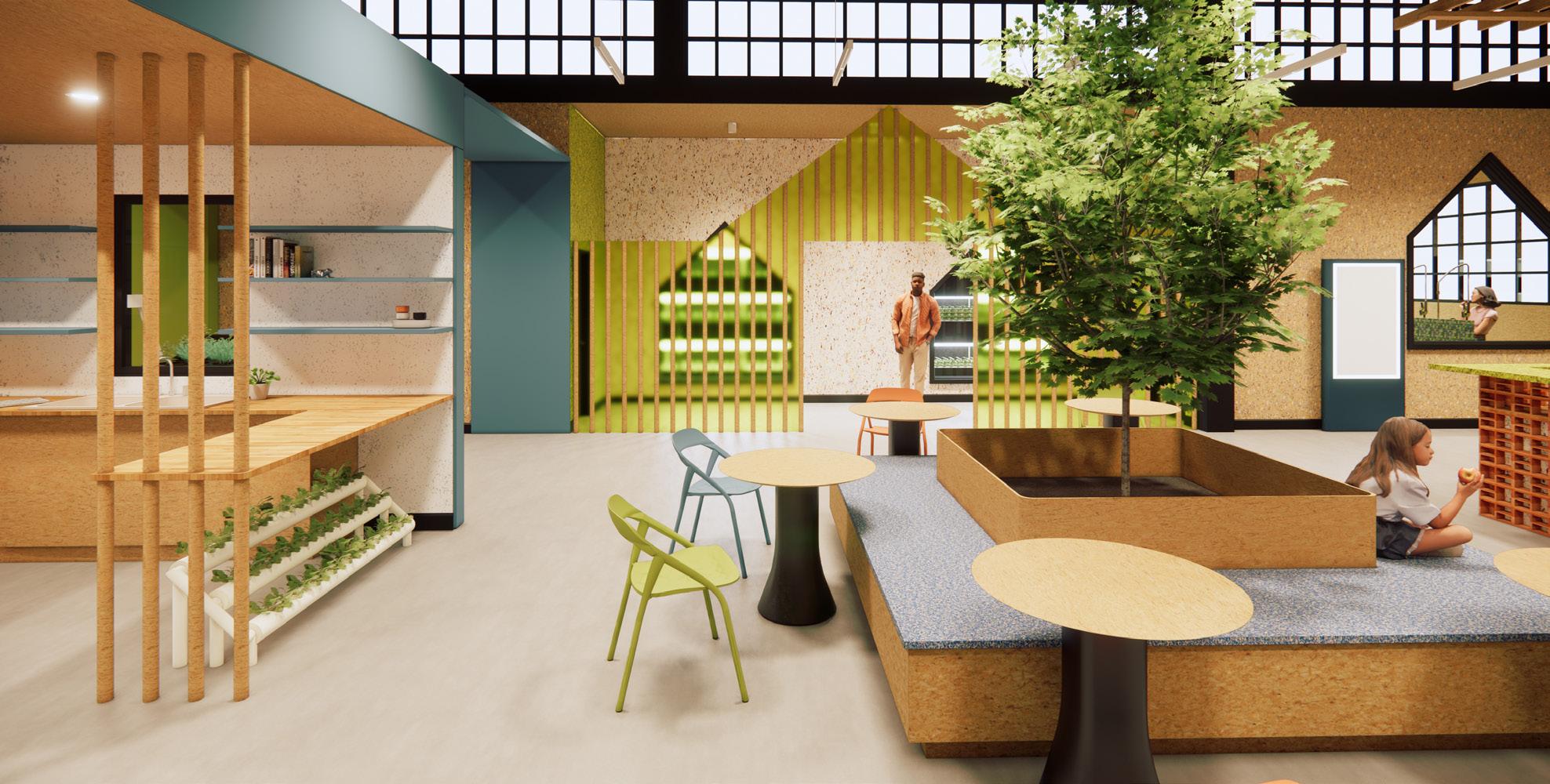
engaging + educational space where users feel safe in their community to promote community gardening behaviors
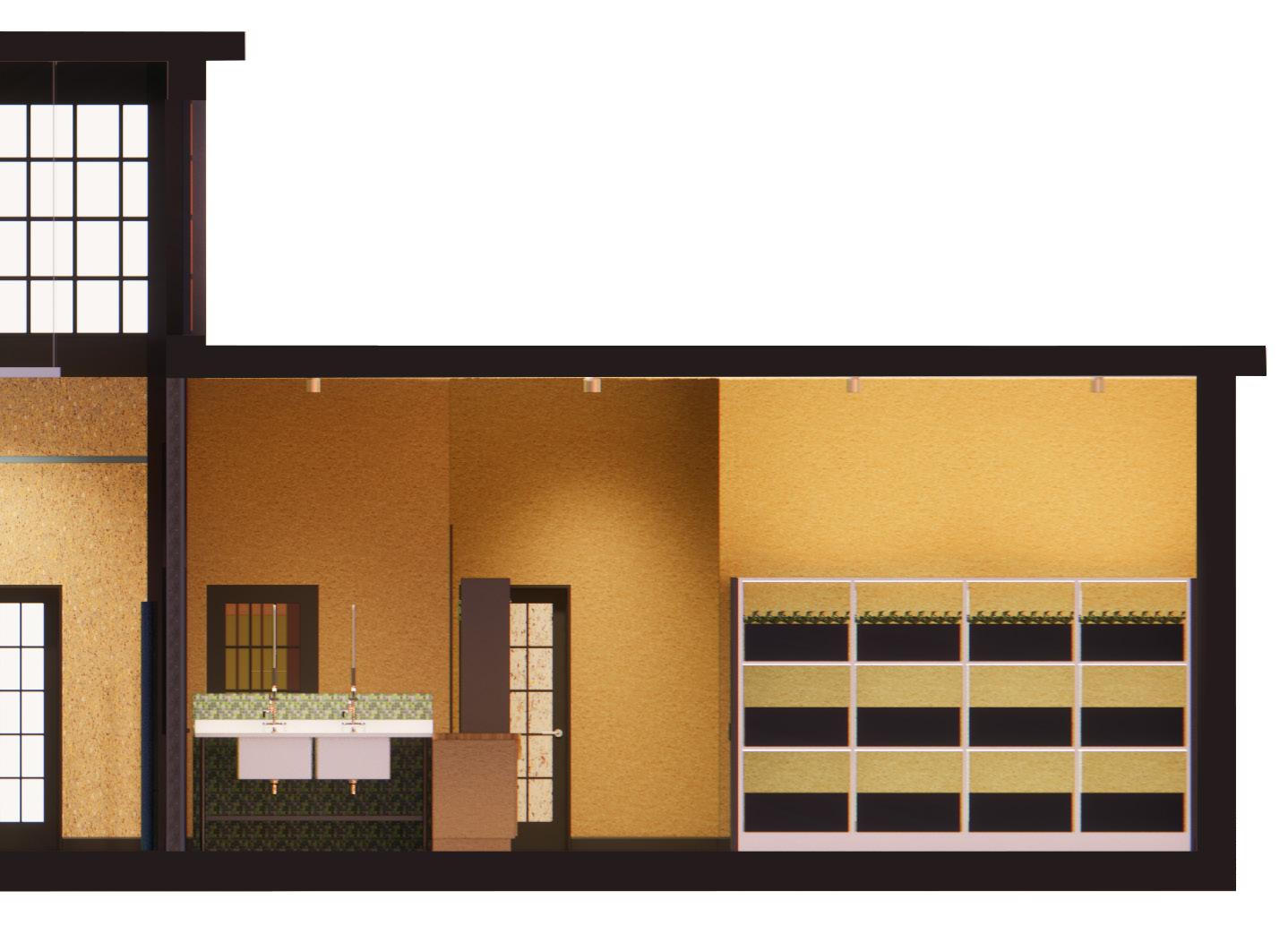
rainwater collection system for hydroponic water reuse
 garden
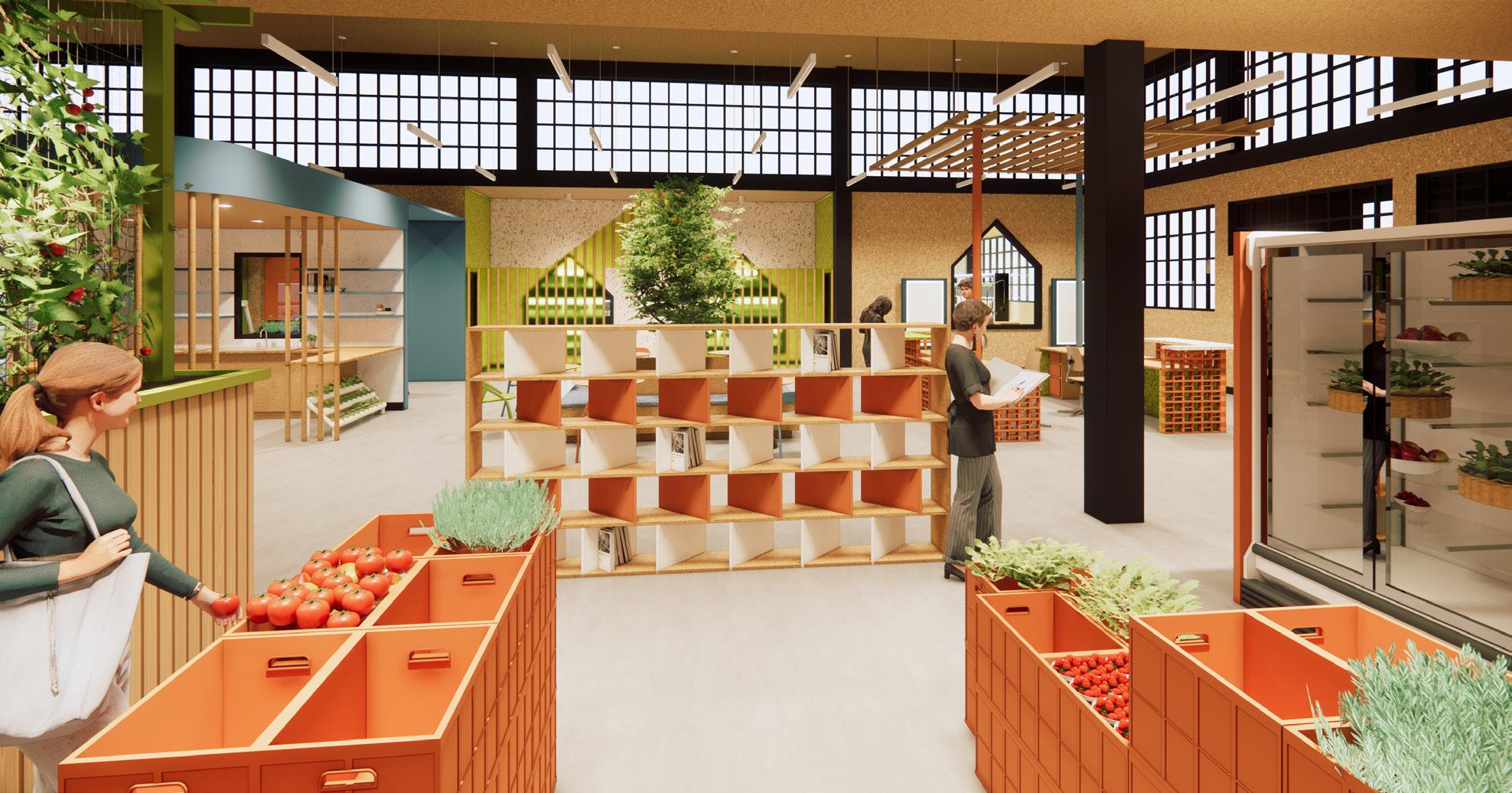
urban earth retail
community garden center
zero acreage farming
• reconnecting food production to cities and consumption
• improves resource efficiency
• responds to land scarcity, climate change, and growing food demands
• increasing yields can aid in improving healthy food production while reducing unstainable inputs
• foundations of sustainable food production, education, social commitment, and urban qualities
hydroponics
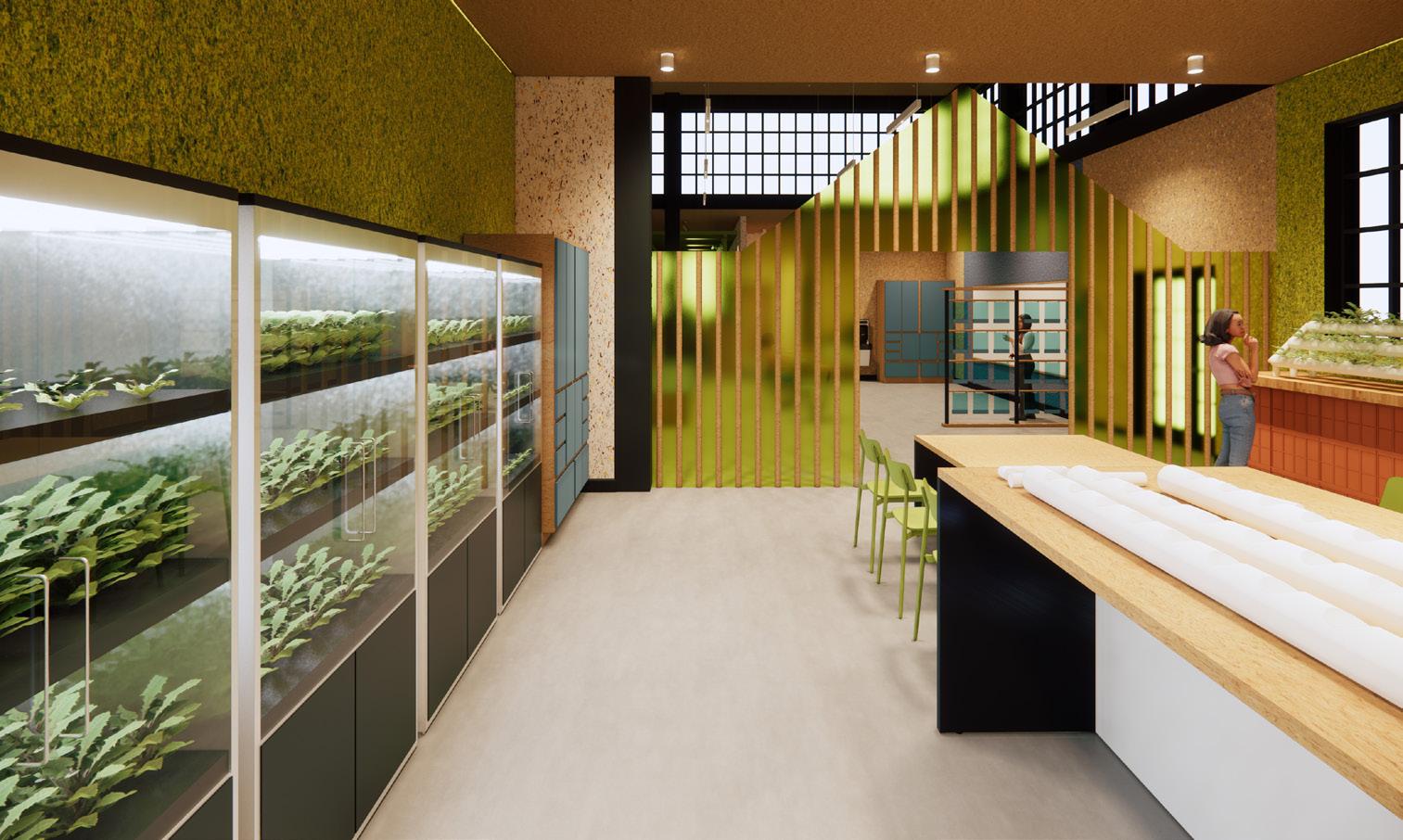
• growing more food on less land
• nutritional, pesticide free, localized
• higher agricultural yields
• simplified hydroponic systems for higher degree of food security within low-income communities
lettuce yields
500-1000 sqft vertical farm
769-1515 outdoor farm
400 – 800
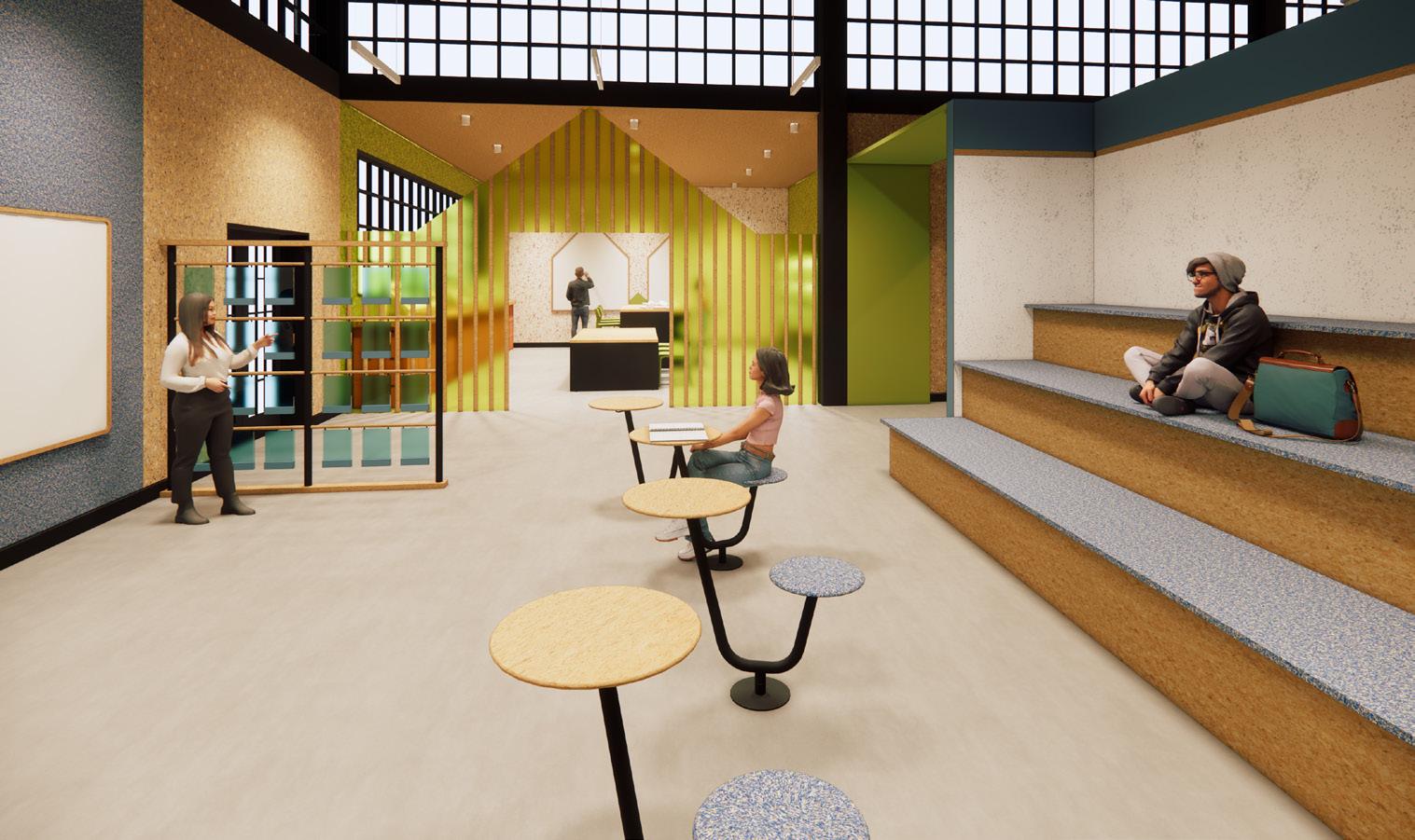
practice garden education
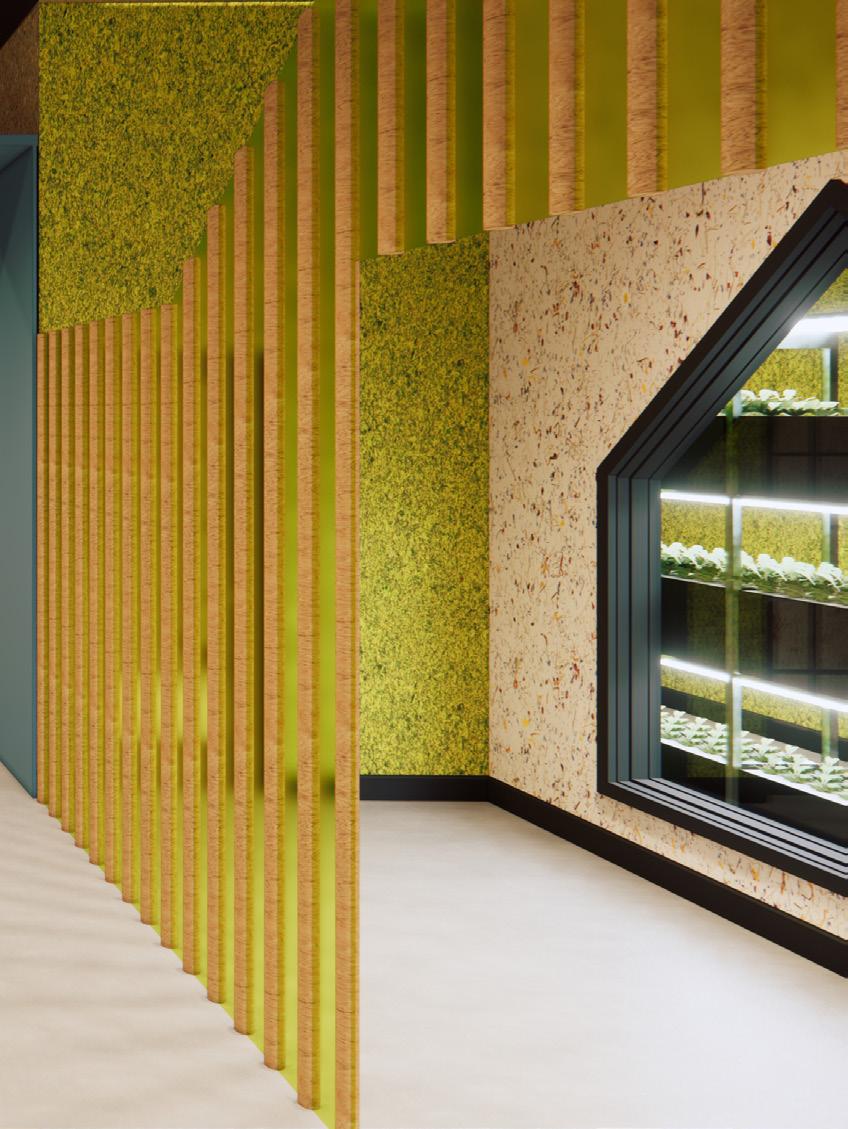
garden design
activities application
voluntary activity
social contact
physical activity
training + education
production of produce
selling/distributing produce
garden + project management
(Lovell et al., 2014)
community garden + composting zone
community spaces + well-being zone
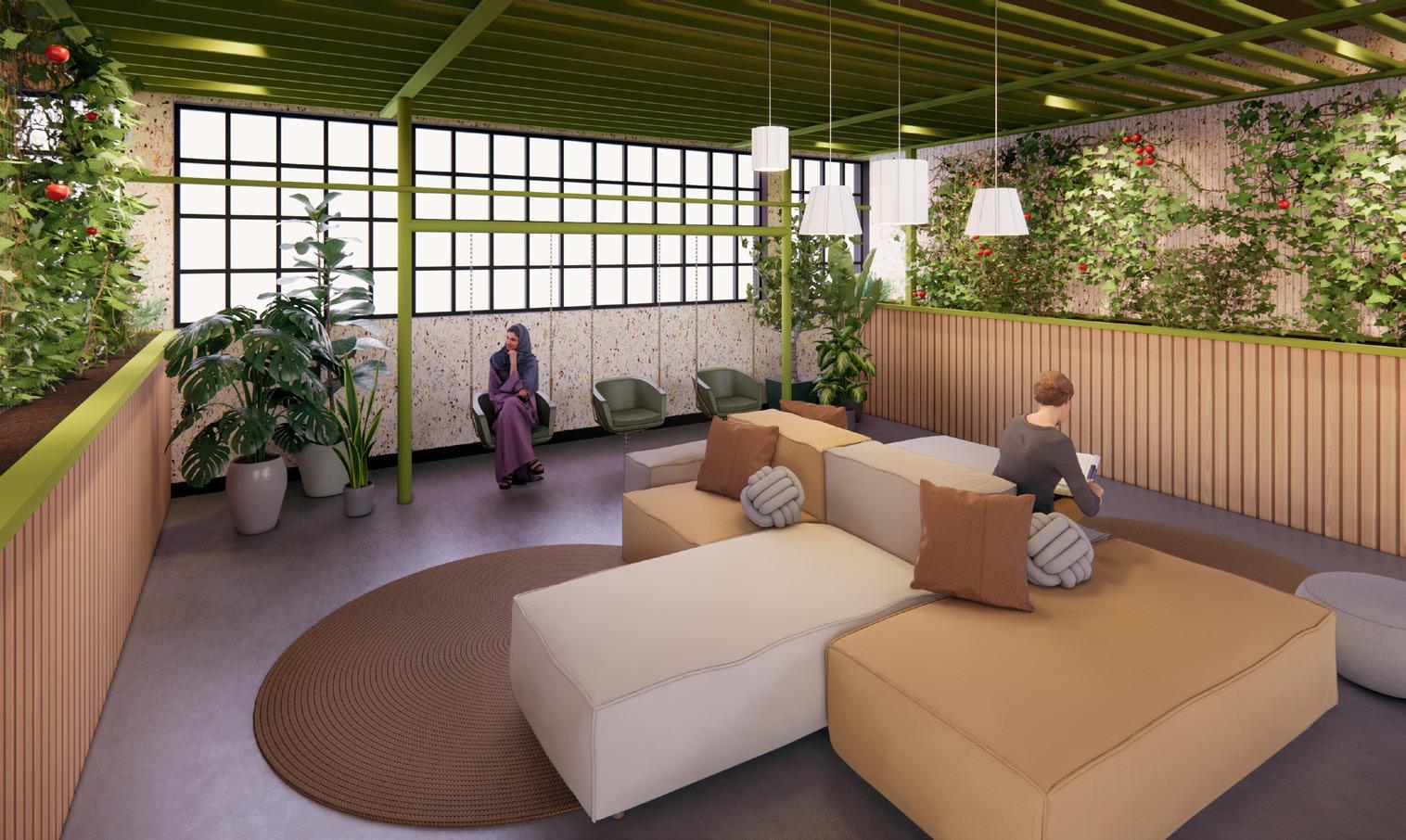
gardening space + seating
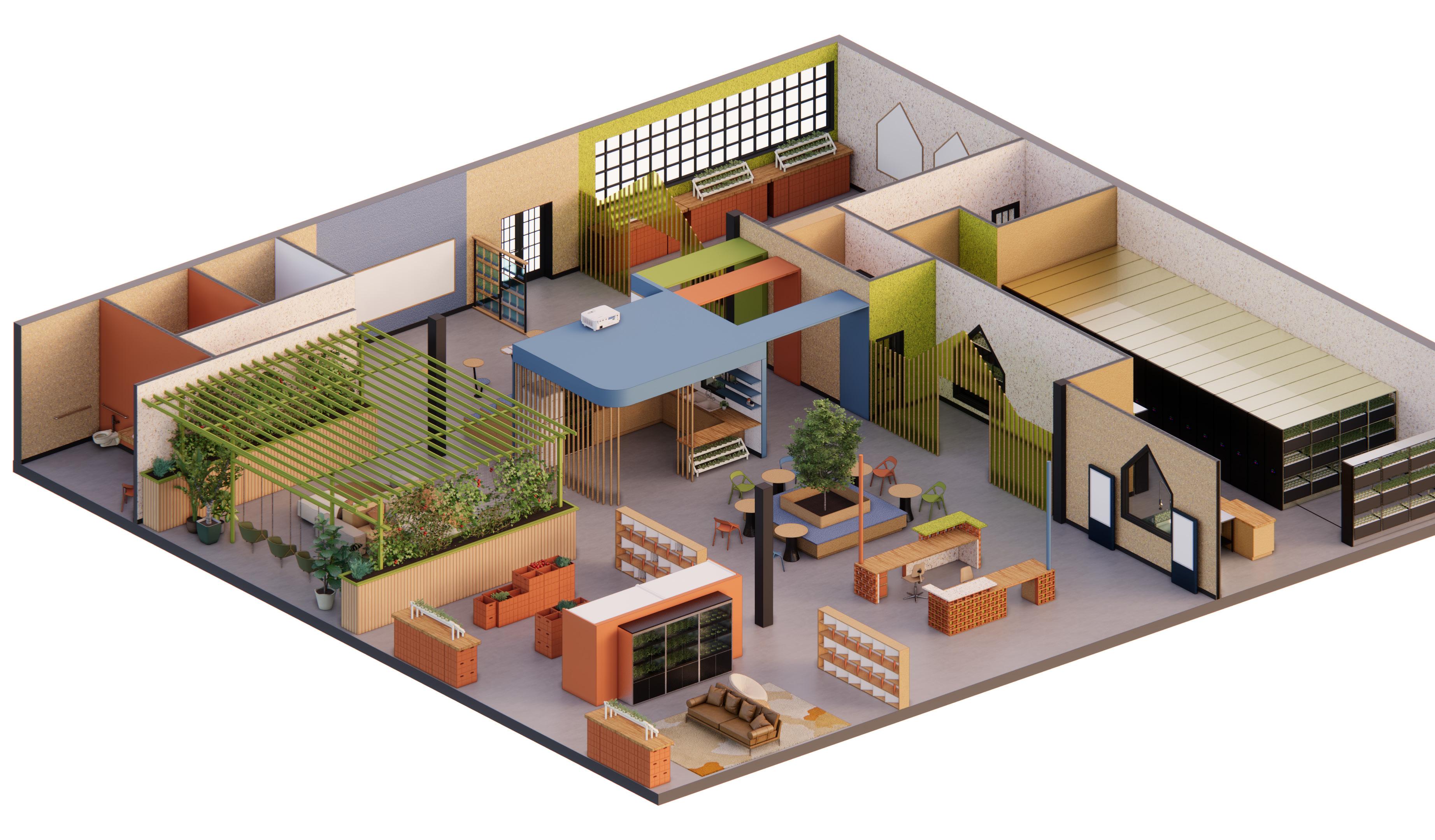
education spaces + diy hydroponics
vertical farm gardening
retail space
gardeners + investors
 vertical garden education
projected garden education
well-being olfactory garden
vertical garden education
projected garden education
well-being olfactory garden
retail
garden education income engagement well-being
wayfinding
• physical
• visual
• repetition
increased
• trust
• knowledge
• attitude
• involvement
orange
blue green
trust security intelligence
health growth ambition desire enthuasium encouragement

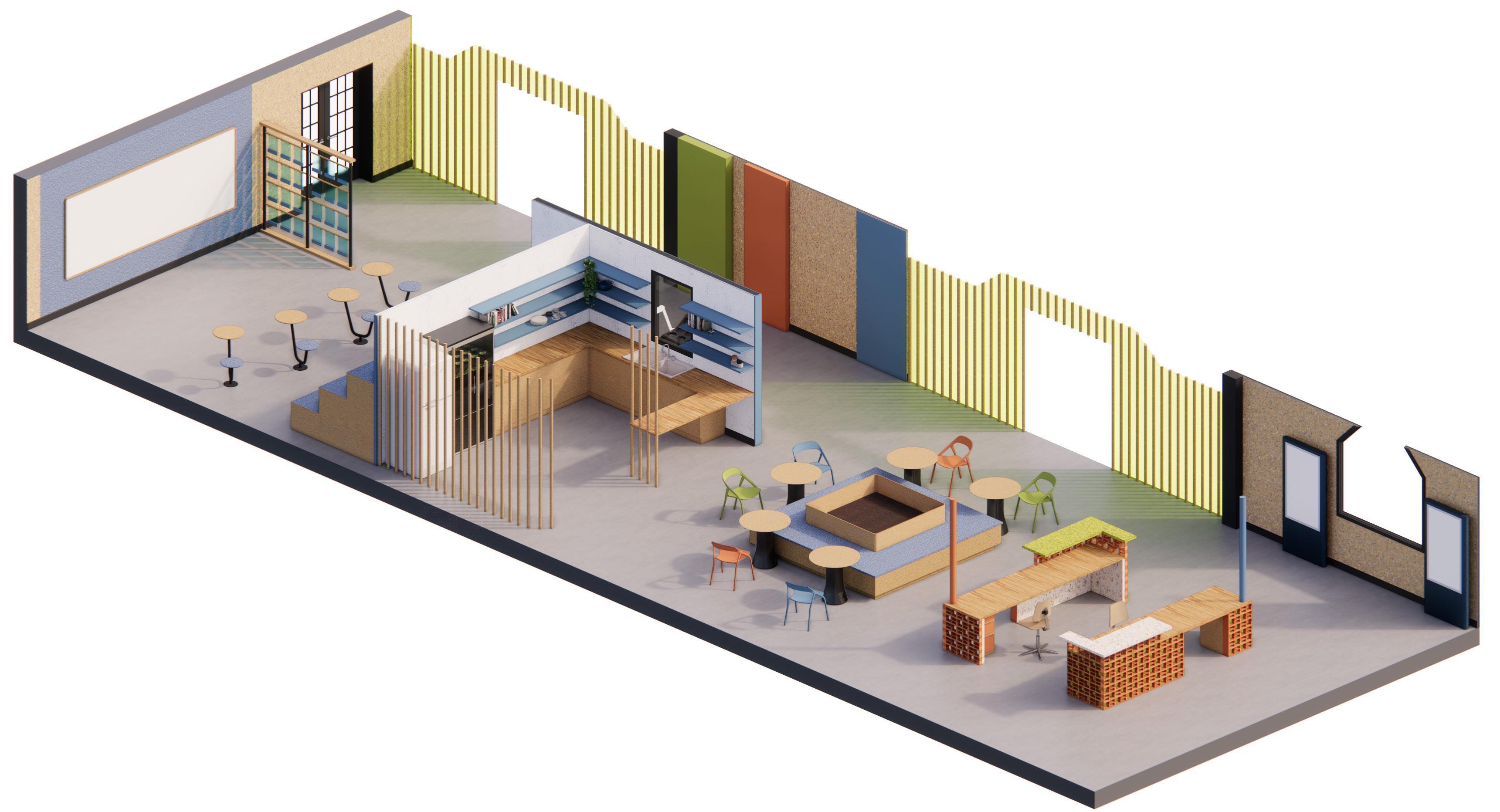
kiosk with garden information for self navigation and updates about garden facilities for community involvement
education
education, and garden in home food gardening.
welcome desk with standing and roll-up counter with a front facing information side and back facing retail support side

individuals
other retail items
eco-friendly practices

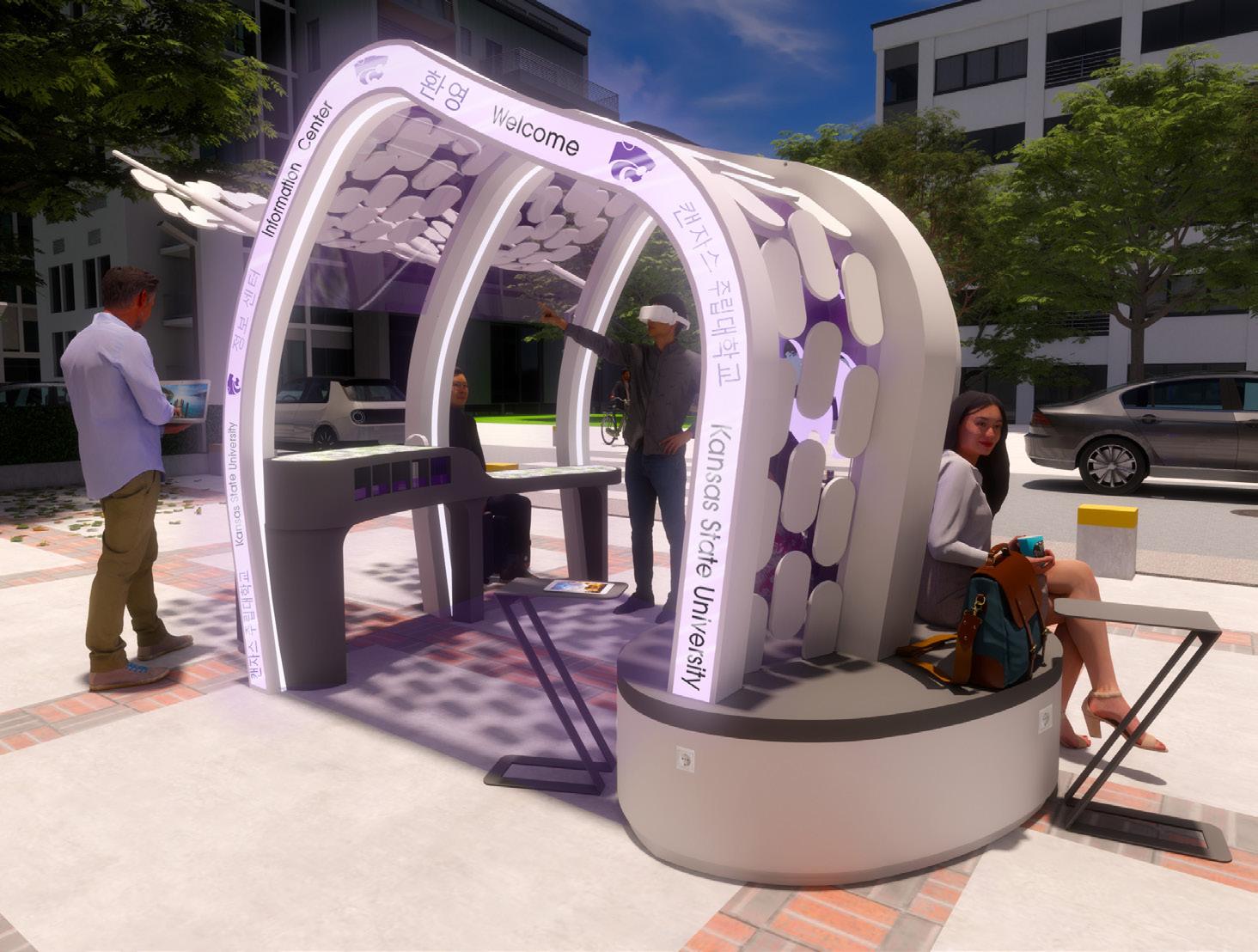
kansas state kiosk

client
kansas state university student population
graduate
4,632
kansas state university international student population student statistics
15,113
total population
19,745

graduate 15 undergraduate 15 undergraduate
korean students
30 international students
971
total population
19,745
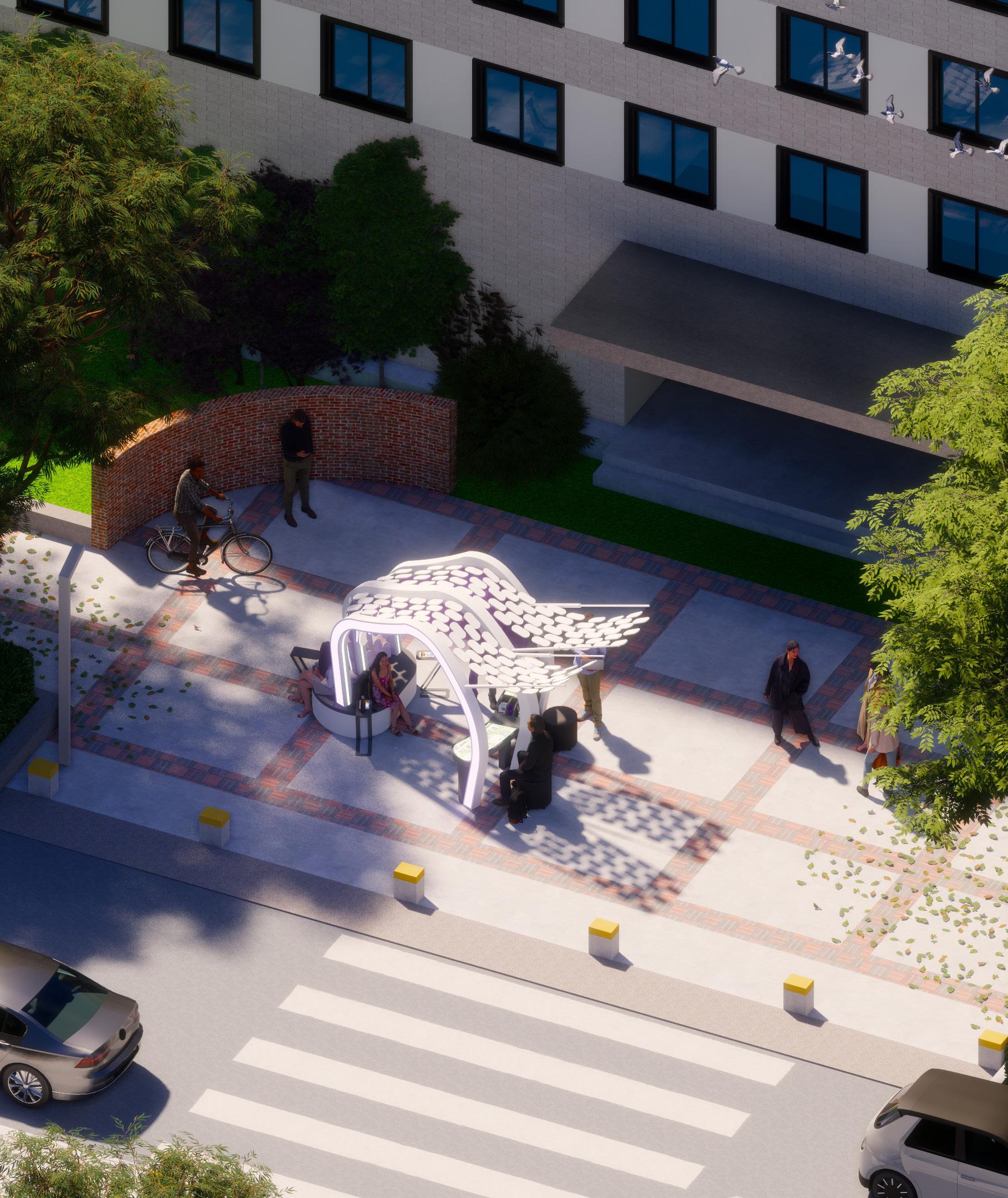

kiosk site
kiosk site diagram
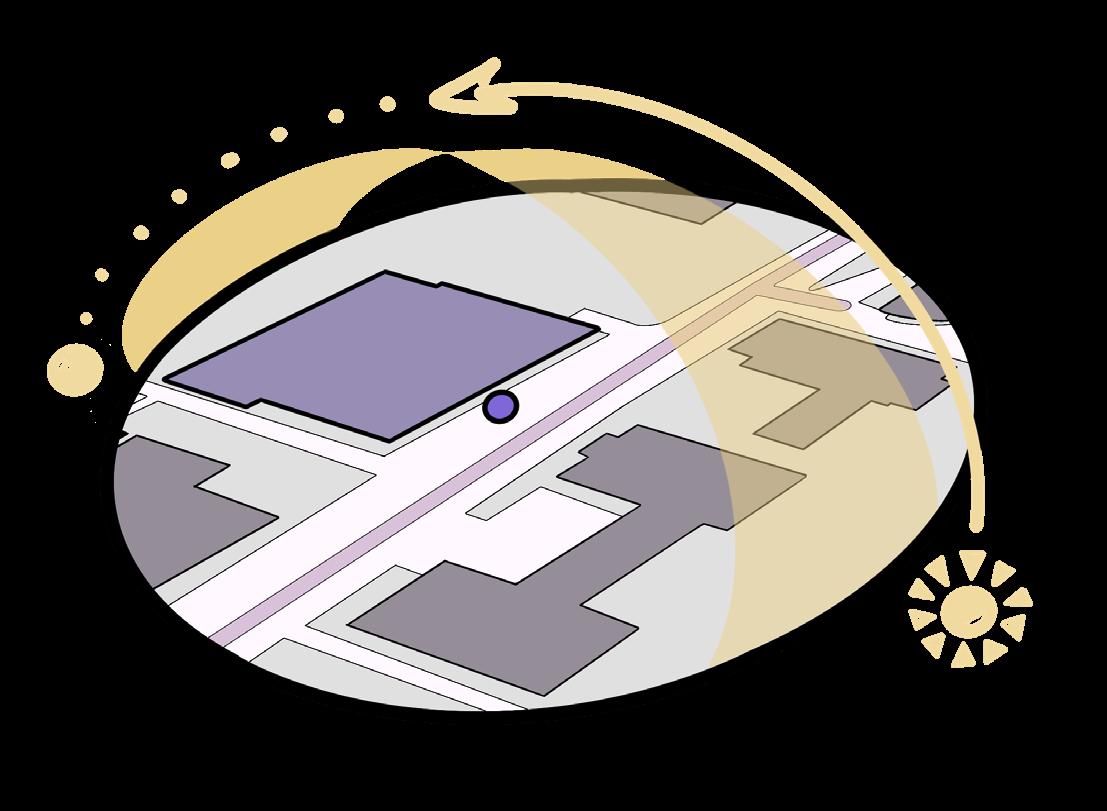
sun path
shadow and daylight interaction with kiosk
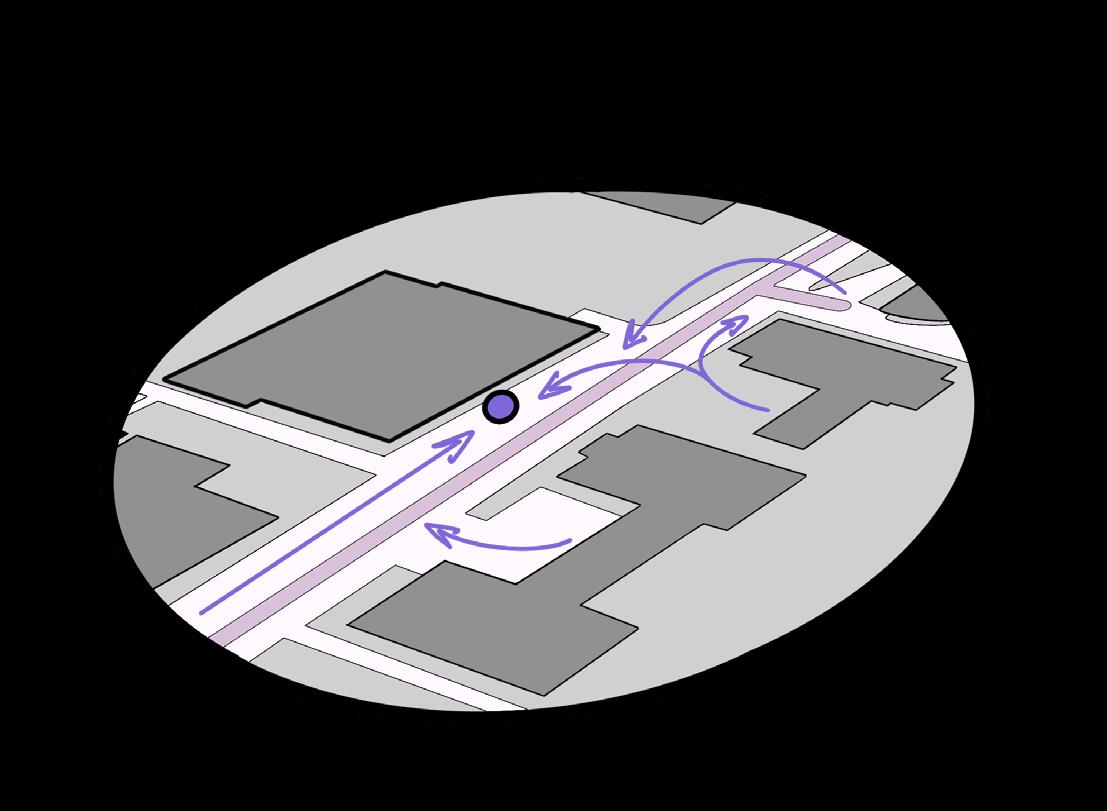
foot traffic around kiosk site
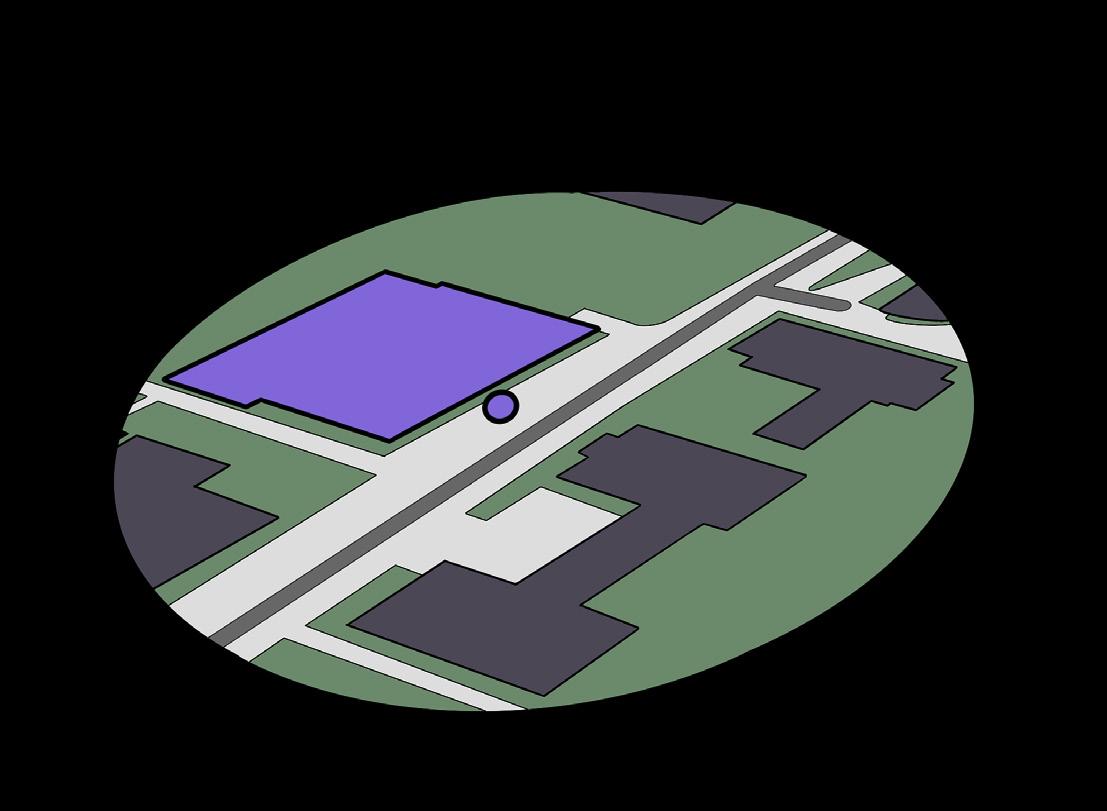
circulation location
kiosk located outside building e
N S E W
location inje university
students
site
gimhae, south korea
concept
nexus a connection or series of connections linking two or more things

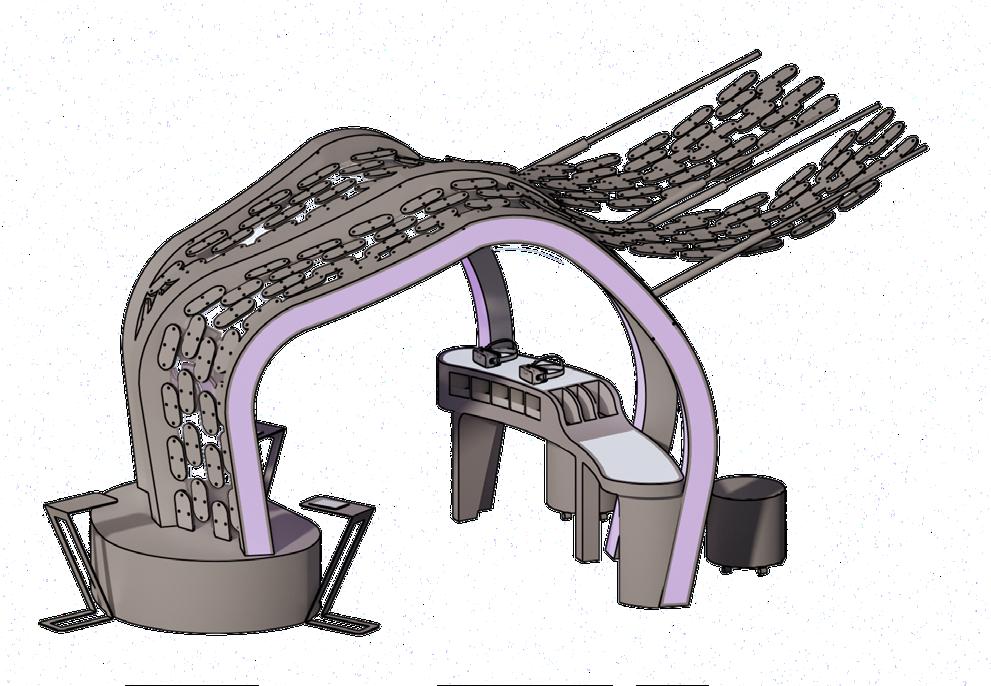
panel design abstracted from endoplasmic reticulum inspiration stems from the cell

cell membrane nucleus
endoplastic reticulum

The cell membrane is a permeable barrier that separates the interior of the cell from the outside environment.
The nucleus is the control center of the cell and produces proteins that are essential for the cell function.
the cell
cell membrane
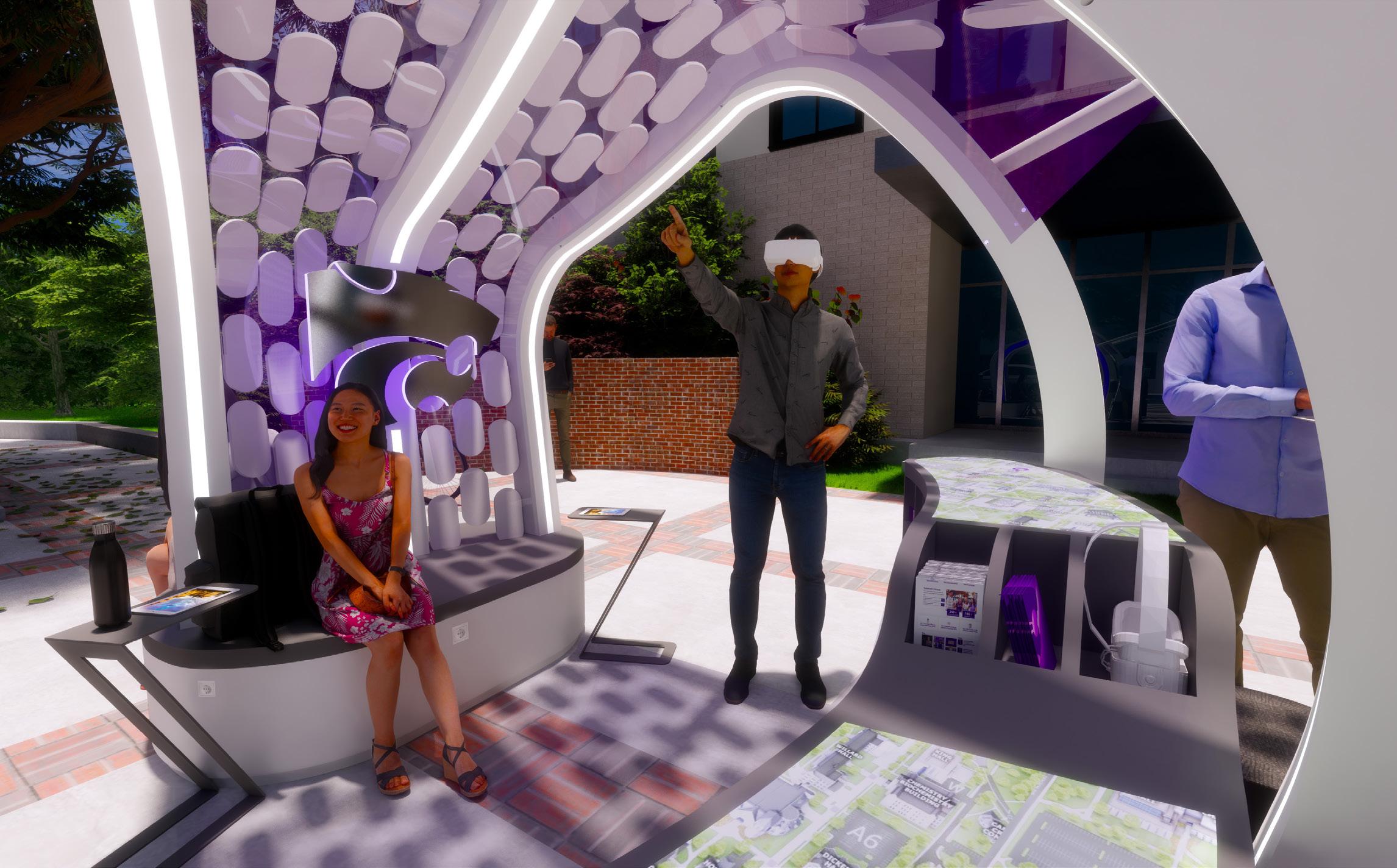
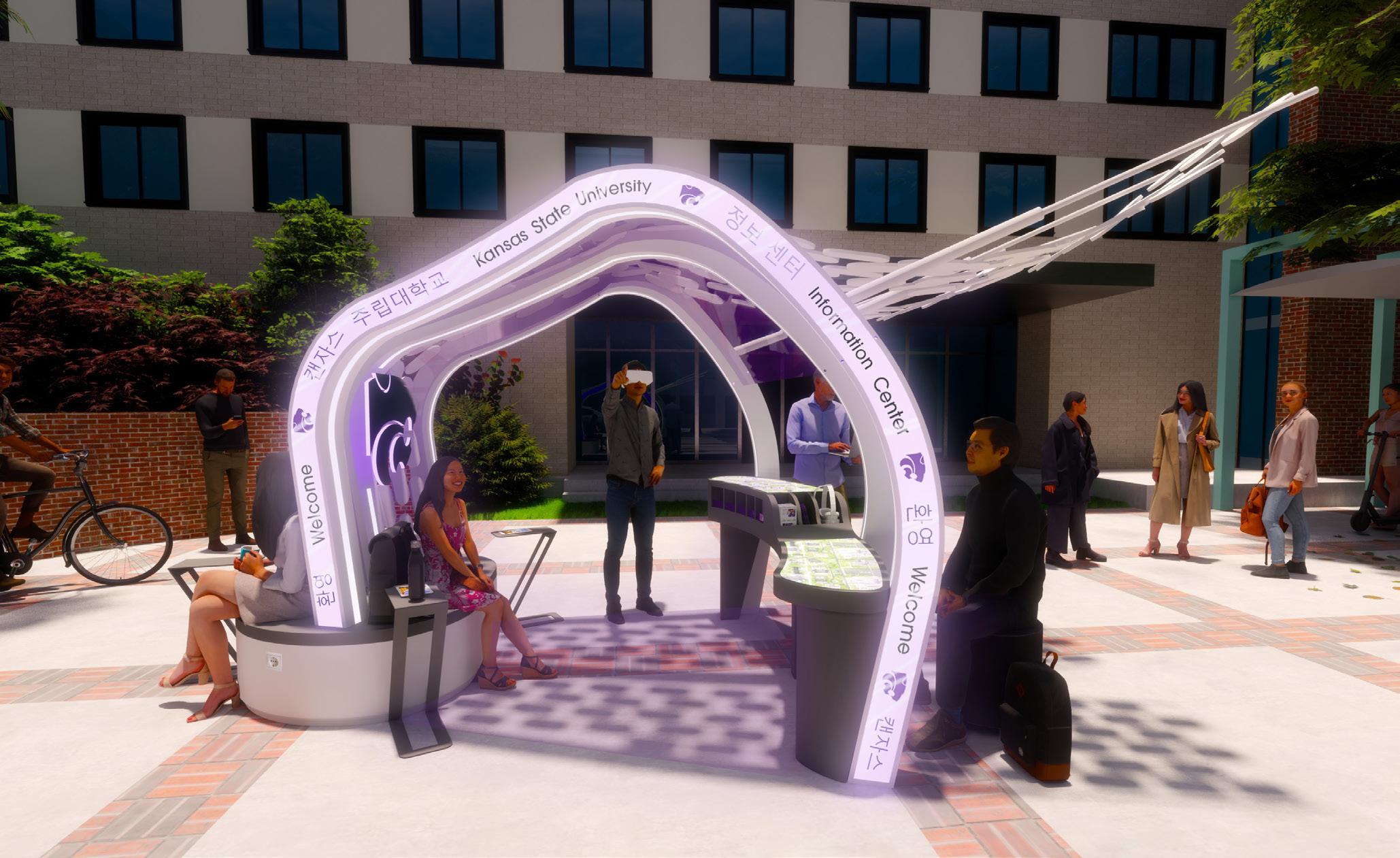
purple resin is the environmental barrier of the kiosk that allows light to pass though but not water nucleus information hub contains technology and resources needed for kiosk to function
endoplasmic reticulum
fiberglass panels provide shade as well as visual interest for kiosk
The endoplasmic reticulum has numerous rolls such as protein synthesis and detoxification of the cell. The nucleus works closely with the endoplasmic reticulum through the process of protein synthesis.
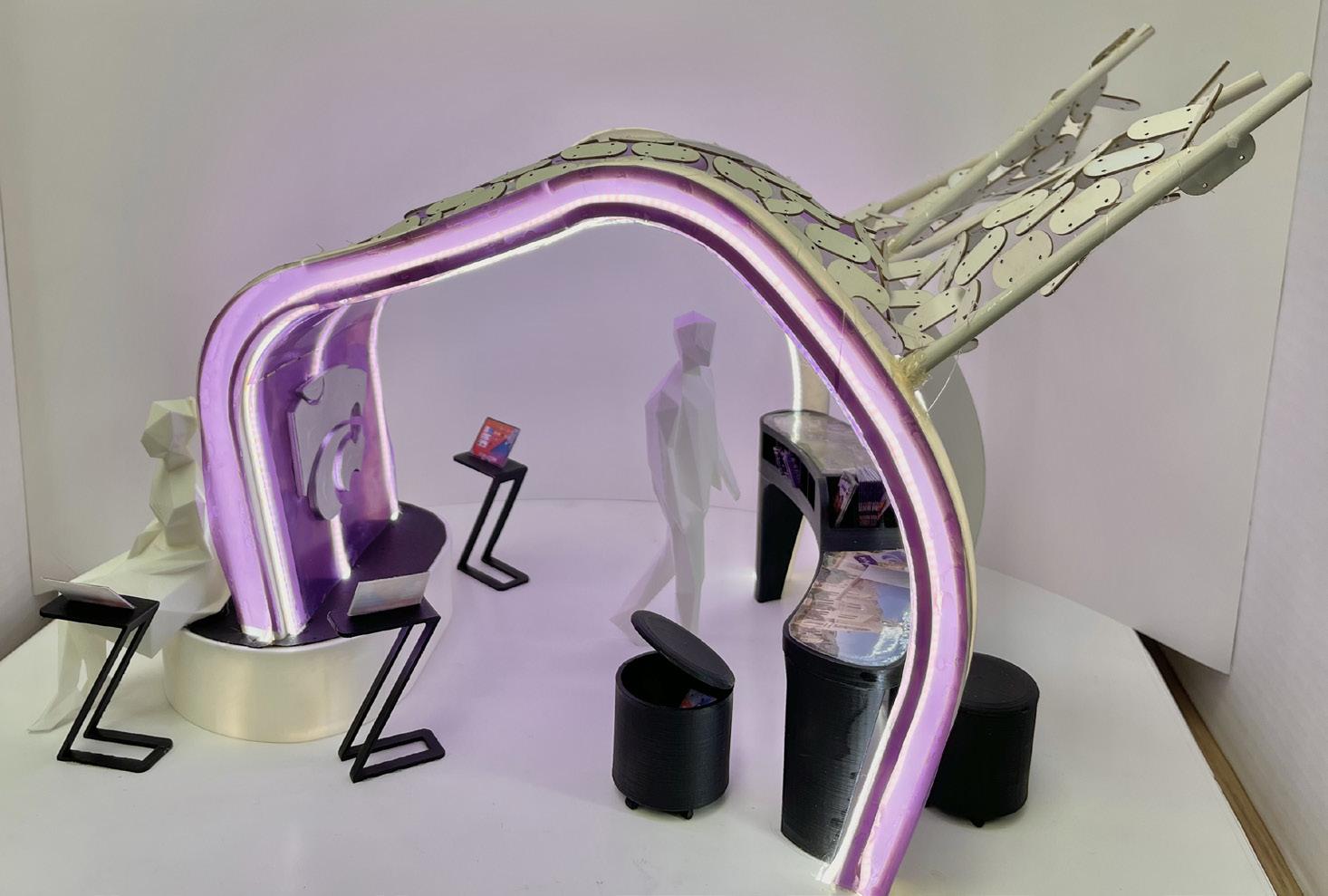 physical model
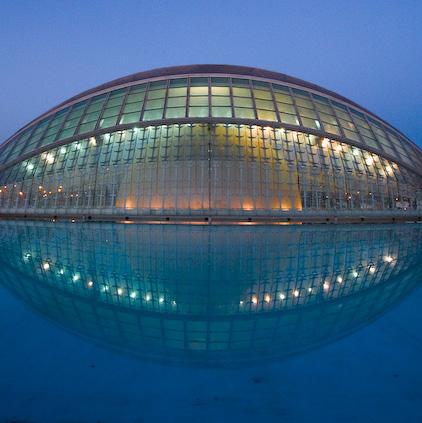
Santiago Calatrava design inspirations
city of arts and sciences
built environment connects through form
materials
Linked fiberglass panels and purple resin sheets wash the form with interesting shadows, relating to the sundial connection between Building E and K-State. Movable awning relates to Santiago Calatrava’s building movement design. Fiberglass architectural structures are durable to withstand the weather and lightweight to make assembly and disassembly efficient.
technology

asca photovolatic film
flexible re-usable low carbon transparent
movement ribs human body
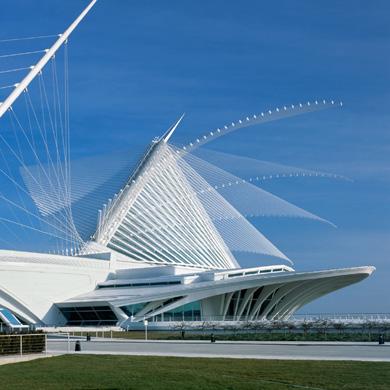
milwaukee art museum
applied movement of the wings that act as a shading system that moves throughout the day
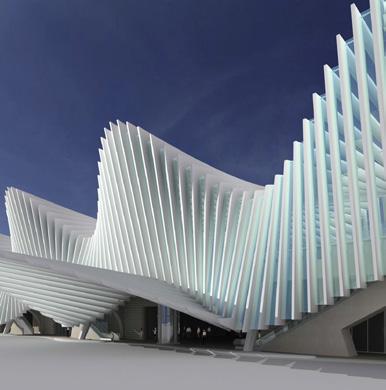
mediopadana station
architectural pattern through built environment


char silicone durable water repellent

lilac V09 durable waterproof scratch-resistant

molded sturdy durable lightweight
de- & reconstruction
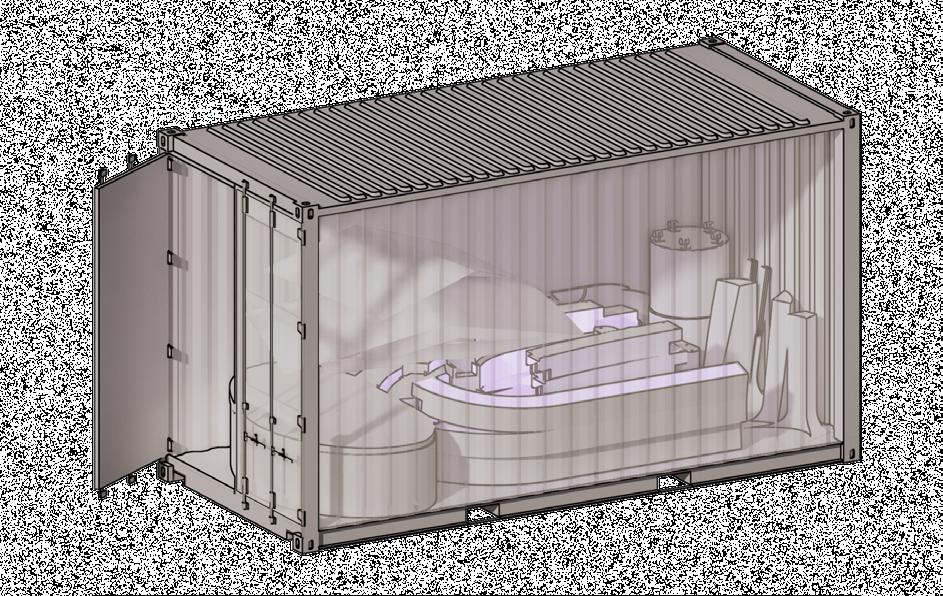
steps to store the kiosk
mobile furniture moved and storing sensitive electronics
table deconstructed and hinges removed
wildcat sign and panels removed and stacked
architectural resin removed from ribs
bench and ribs deconstructed, touch screens from table stored in bench
13 cm 27 cm www.autodesk.com/revit Owner
No. 1 1/2" = 1'-0" 1 Detail - Typical Panel Construction 1 1/2" 2 Detail 1 1/2" 1 Detail panel ribs panel to detail detail
1 2 3 4 5
Project Name
structure detail drawings
Detail - Awning Panel Construction
1/2" = 1'-0"
panel cables transition from horizontal to vertical connection for the awning
detail 1 detail 2
1/2" = 1'-0"
Detail - Typical Panel Construction panel cable connection fixed between ribs

18 cm
1 1/2" = 1'-0"
1 Detail - Rib Verticle
1 1/2" = 1'-0"
2 Detail - Rib Floorplan
evidence based design
As communities adjust to new life after the intense isolation from the COVID-19 pandemic, creating strong foundations for stress-reduction becomes a leading issue on college campuses. The idea for Treehouse Project stems from research on the “Green City” and the “Playful City”. Creating pockets of green spaces and playful infrastructure improves emotional well-being and mental function and helps a sense of creativity, self-identity, and positive social interaction flourish. In addition, integrating pure play, where spaces are specifically designed for recreation, and playable contexts, where the space can inspire leisure activities, further supports these benefits.8 By developing these ideas into one space, it captures the broad needs for well-being through the comfort of childhood nostalgia, discovery through interaction, and peacefulness through self-compassion and community.
location
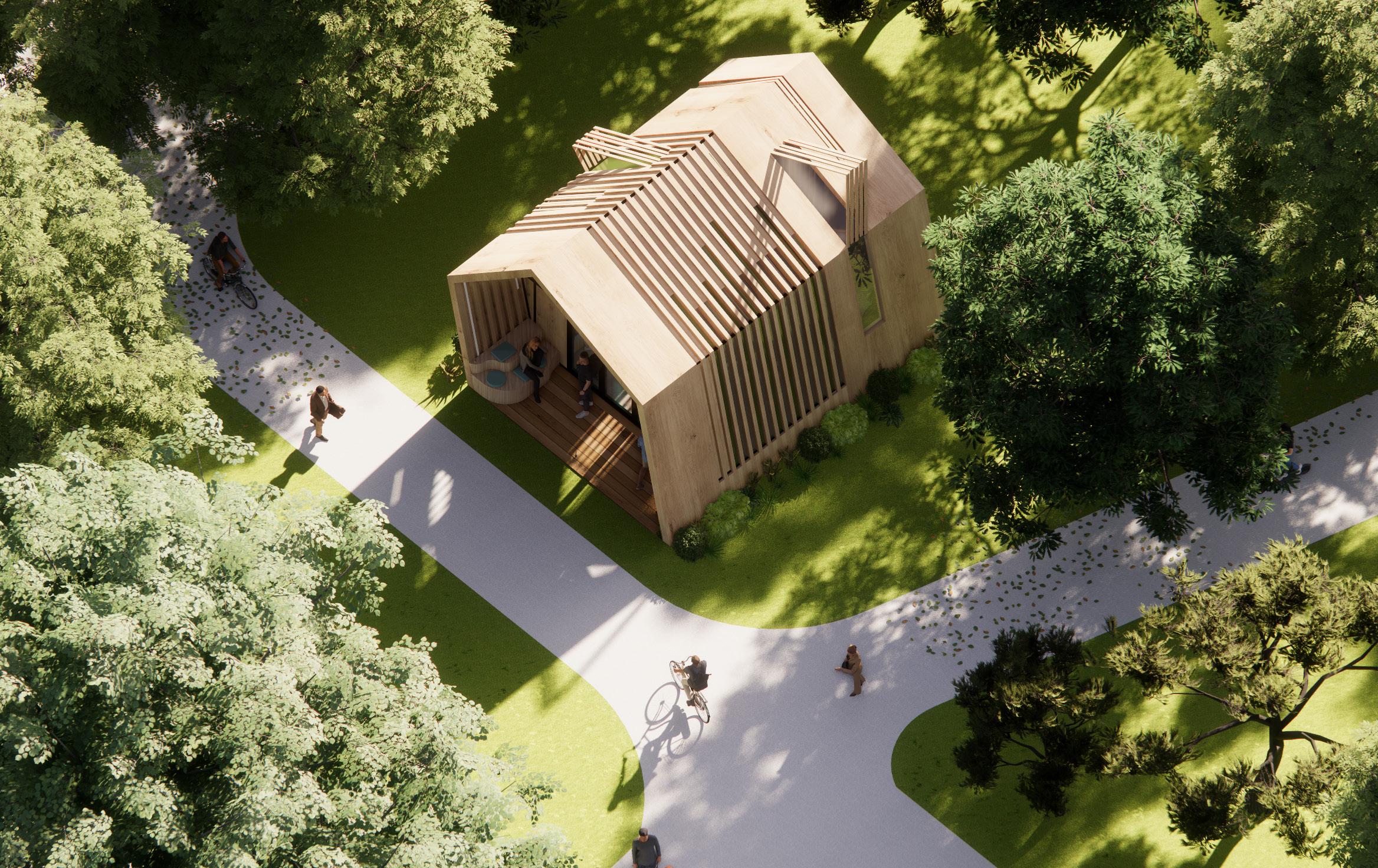
• well-traversed and conveniently accessed area on campus
• familiar location can create strong opportunities for community connection and spontaneous interactions between students
form
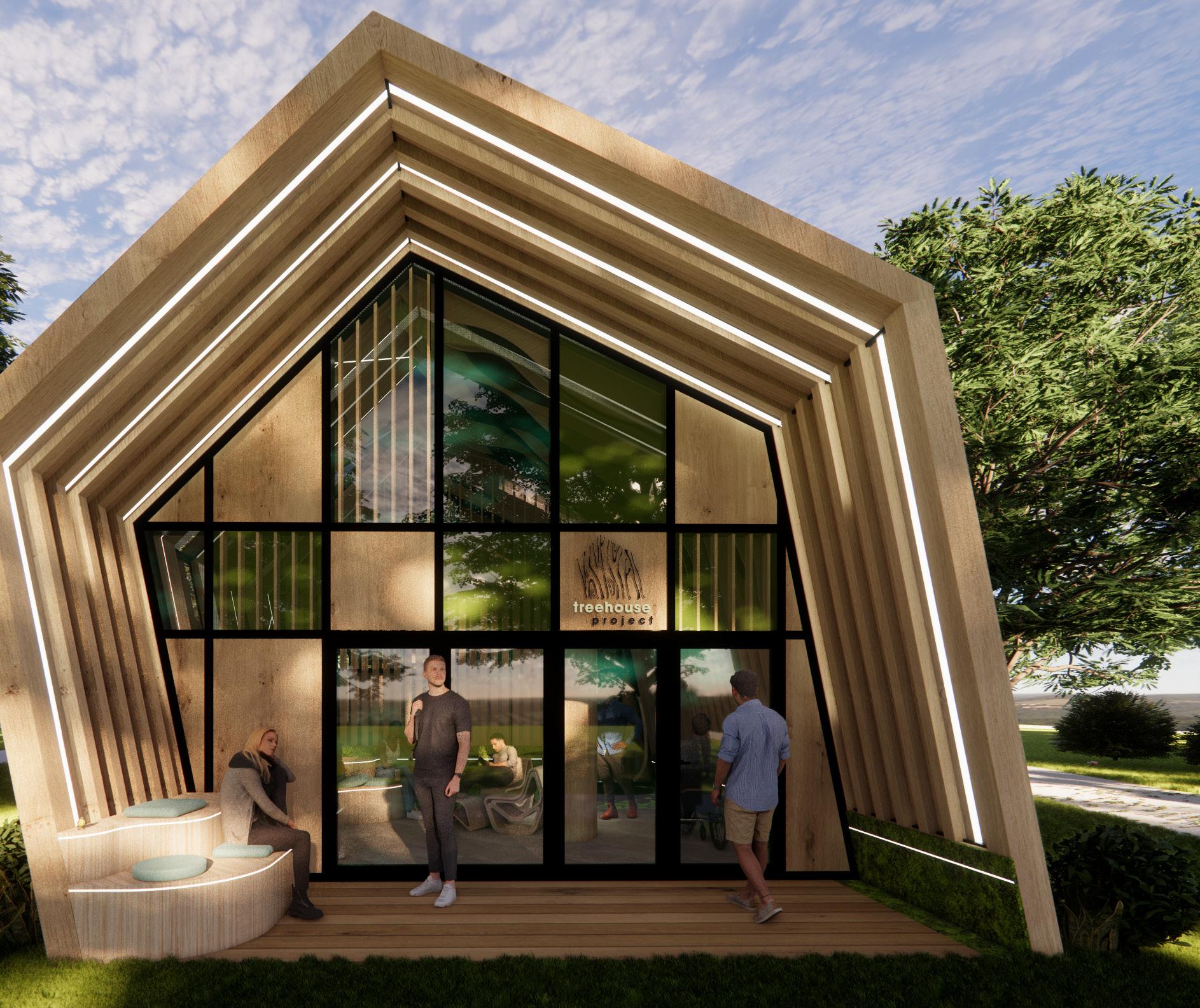
• childhood treehouse that was pieced together
• the tree has shifted the built environment

Social interactions are critical factors in shaping the psychological well-being of individuals. The policies surrounding interaction designed to protect communities through the COVID-19 pandemic had a dramatic psychological effect on mental health. A college campus is a self-contained community designed to meet the needs of the stakeholders. Universities and their users can be compared to an ecosystem; which consists of a community of organisms working together within their physical environment.
Treehouse Project is a nostalgic, playful built environment that evokes curiosity and discovery in this ecosystem, designed to boost well-being by creating a newfound connection in a postpandemic isolated environment.
concept. concept
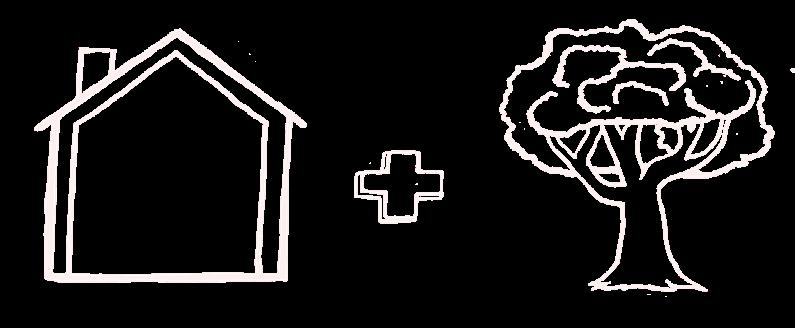

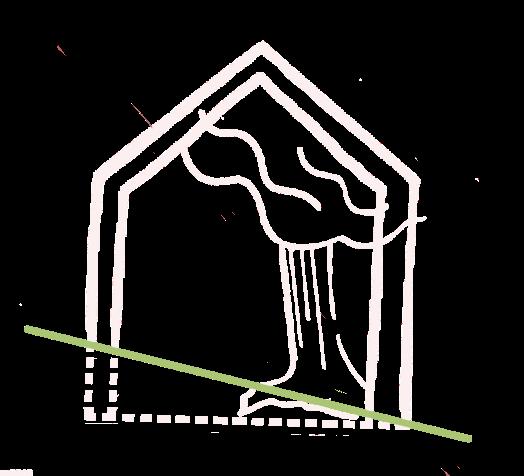
transition
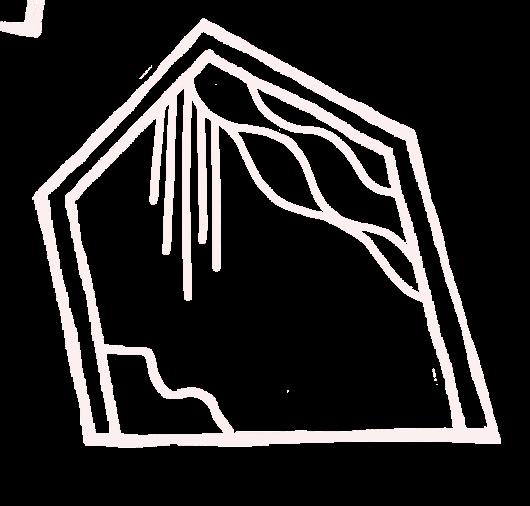
treehouse nature ecosystem
approaching the lookout
note: colored glass, branding on entry, lighting, exterior form feel: curiosity, familiarity
ptdiagram.con p d i a g r ma .
o tpecn . cnoc t
branding. b r anding . brand i n g . .gnidnarb b r gnidna . narb d i n g .
The layout of Treehouse Project follows three main aspects relating to well-being: nature, connection, and playfulness. The Lookout provides direct access outdoors while colored glass facades visually connect the inside to the expanse of the surrounding environment. Light dapples inside like the underside of a forest canopy, and the use of natural materials reinforces student health by reducing stress, anxiety, and depression, and instead preserves positive emotions.5
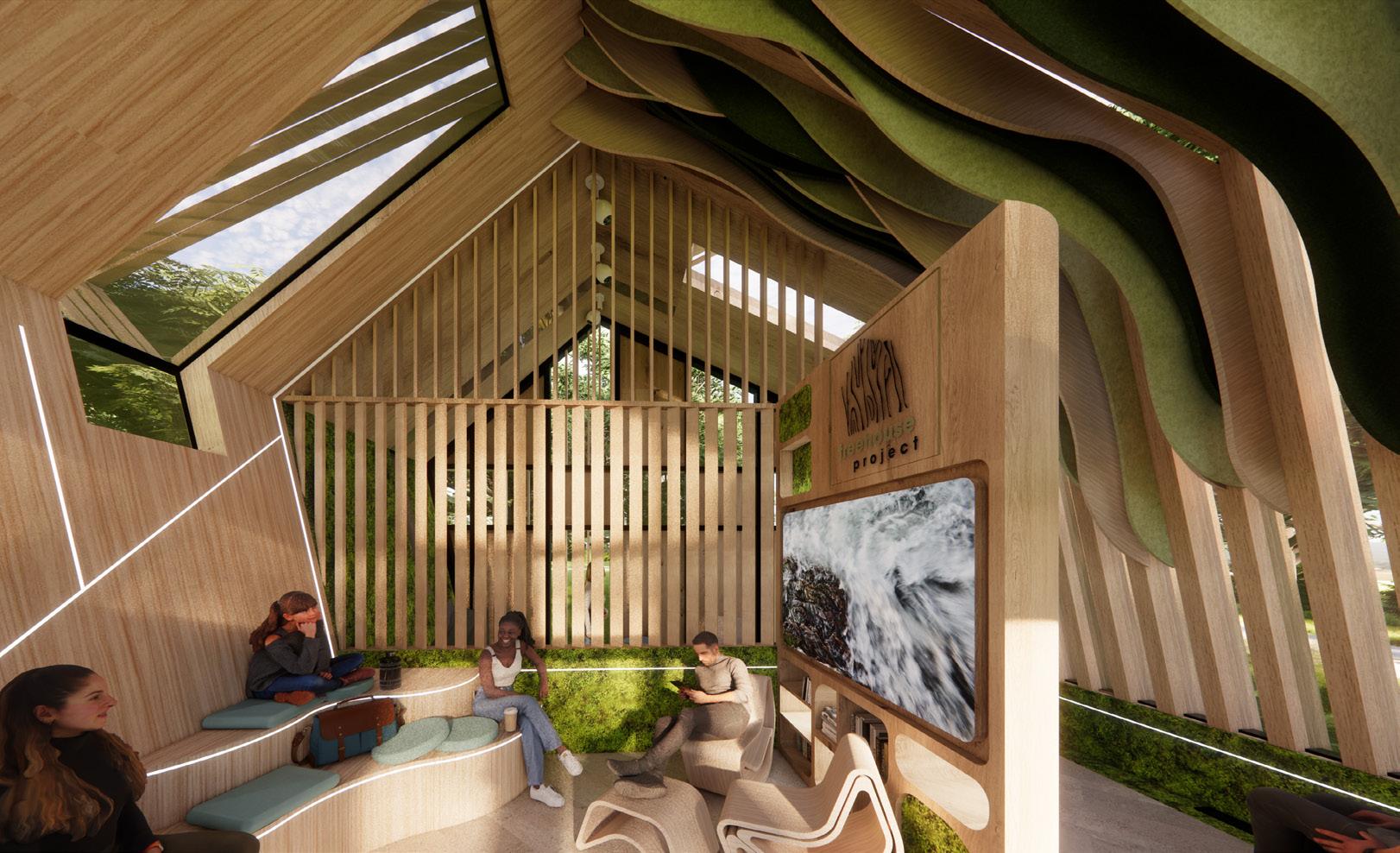
socializing community note: monitor, storage, controlled wall panels, seating, branding
feel: explorative, comfortable temperature

socializing for well-being (post-pandemic)
Large change and adaptations from the pandemic, and widespread changes in socialization. Mental health became severely impacted during the pandemic, with higher rates of depression, anxiety, and eating disorders. 2
Playable cities encourage people to interact with the city and promote civic engagement. Benefits of this include nurturing creativity, learning, self-identity, and social interaction. There are two main characteristics: pure play (designed for play) and playable contexts (playful activities that can take place). The cities boost cognitive and phyical health, social and emotional well-being, as well as management of mental illness. 8
Poor social support can have very detrimental effects on health and resiliency. As an adult, good social support improves changes in behavior, since resilient and supported individuals are more likely to use effective coping strategies in stressful times and less likely to engage in risky behaviors such as substance abuse. 6

biophilia & wellness
Nature has cognitive, emotional, and physical benefits: linked to increasing memory, decreased anxiety and depression, & reduced blood pressure and stress.5
Wood is proven to be extremely beneficial for physical and mental well-being. Visual presence of wooden elements can lower stress more effectively than plants.10
construction & sustainability
Post COVID-19 there was an increased use of offsite prefabrication and modularization.1
resear .hcra
in the community hub hammocking in the playroom
storage, panels, branding explorative, open, temperature
r e s hcrae . raeser
rch.research.
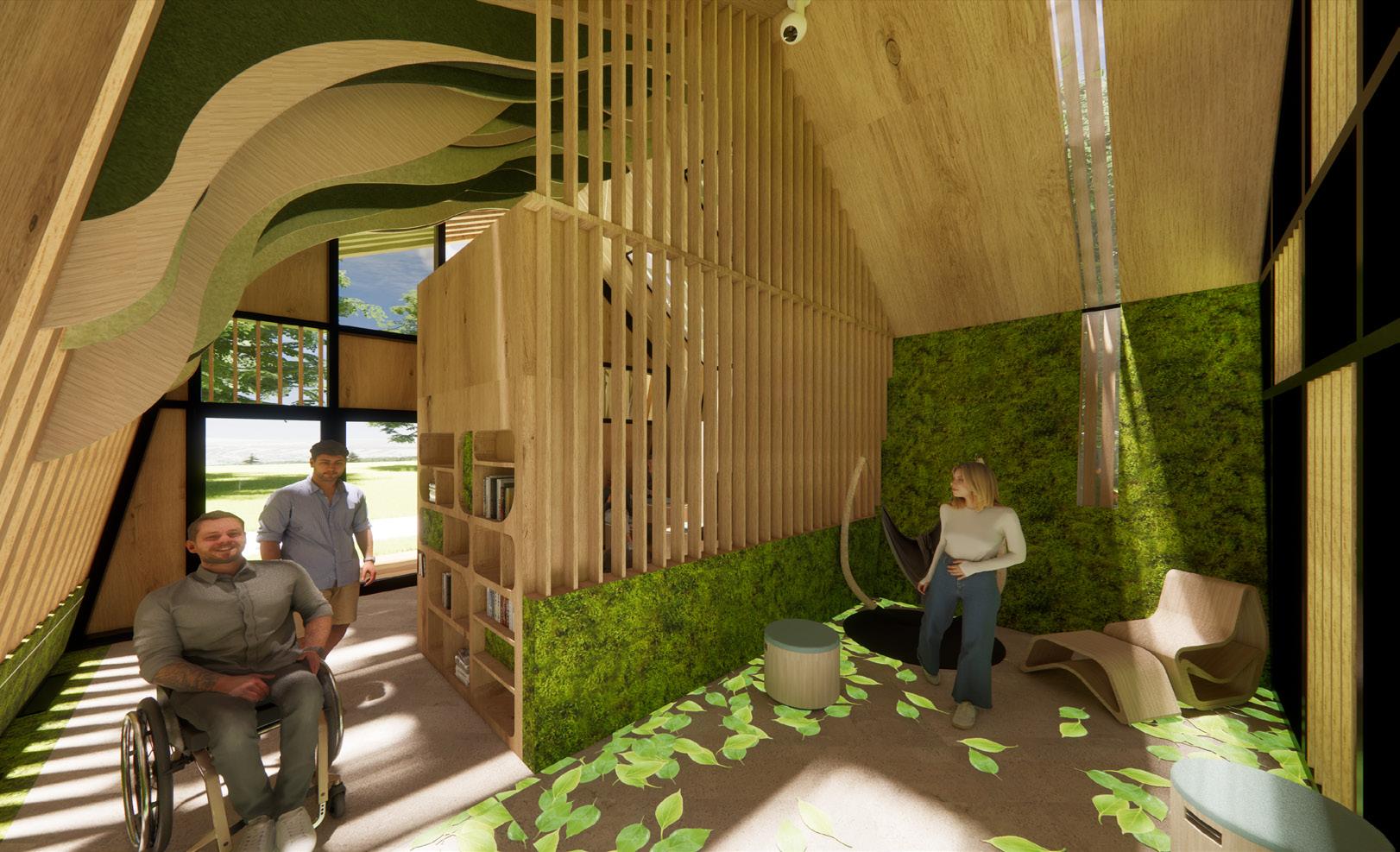
Exploring past the Lookout lies the Community Hub. Flexibility suiting a variety of interactions and playable contexts encourages students to rearrange the layout for different activities.3 This allows groups to relax and develop stronger bonds through games,9 and overall creates better coping strategies and higher resilience against stress.6 The Playroom inspires fun in a physical manner through pure play, engaging the body’s senses through immersive light-art and hammocks. Introducing a unique sensory experience has positive effects on the body and mind by breaking up typical expectations.4
note: interactive art floor and projector, hammock, daylight feel: adventurous, tree canopy simulation
exploring the treehouse
note: daylight/lighting, acoustic panels, controlled window shutters
scent: fresh wood and crisp air
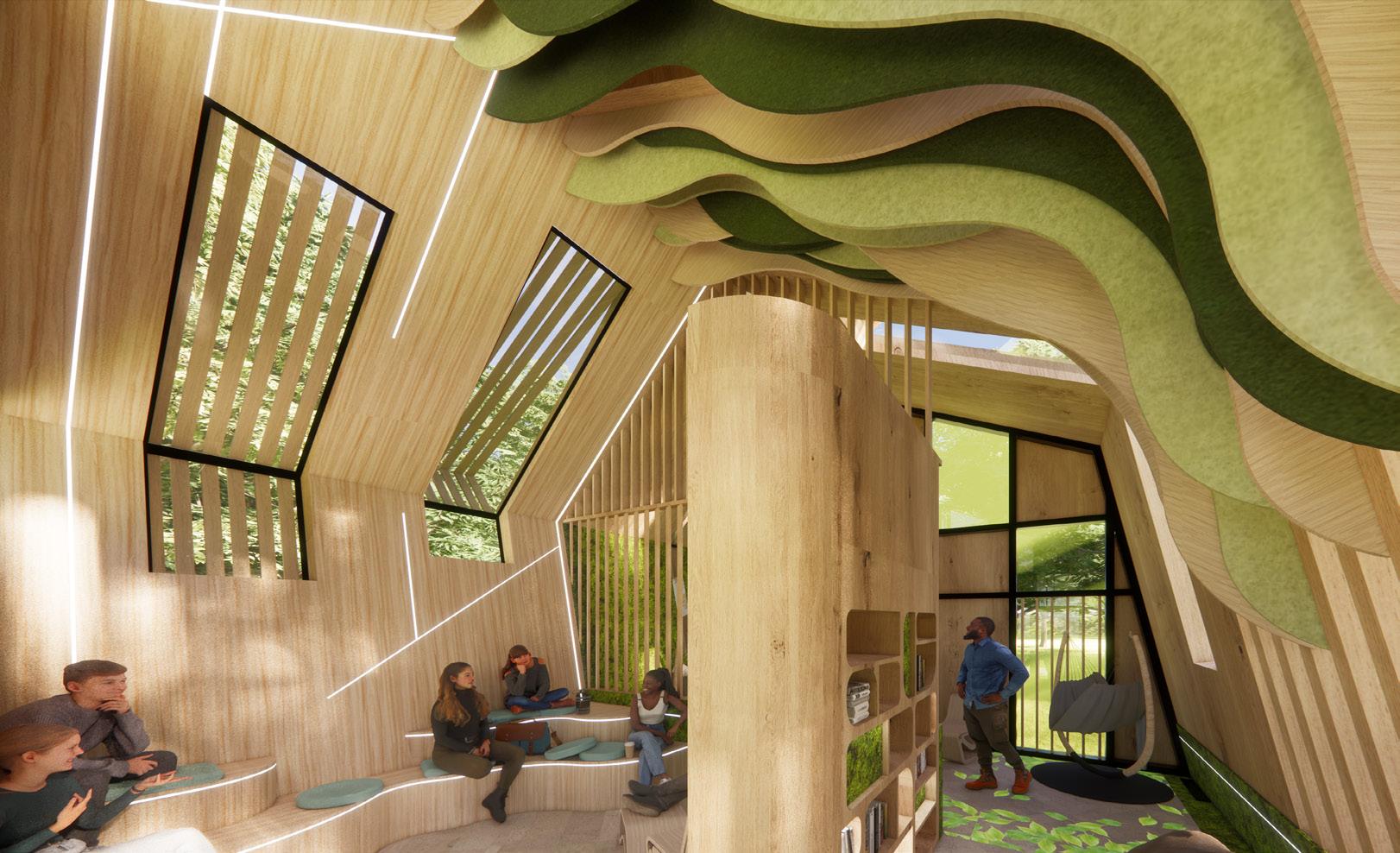

hammocks for physical well-being interactive art floor display that changes based on seasons
rotating ottomons for mixed seating
geothermal heat pump vent
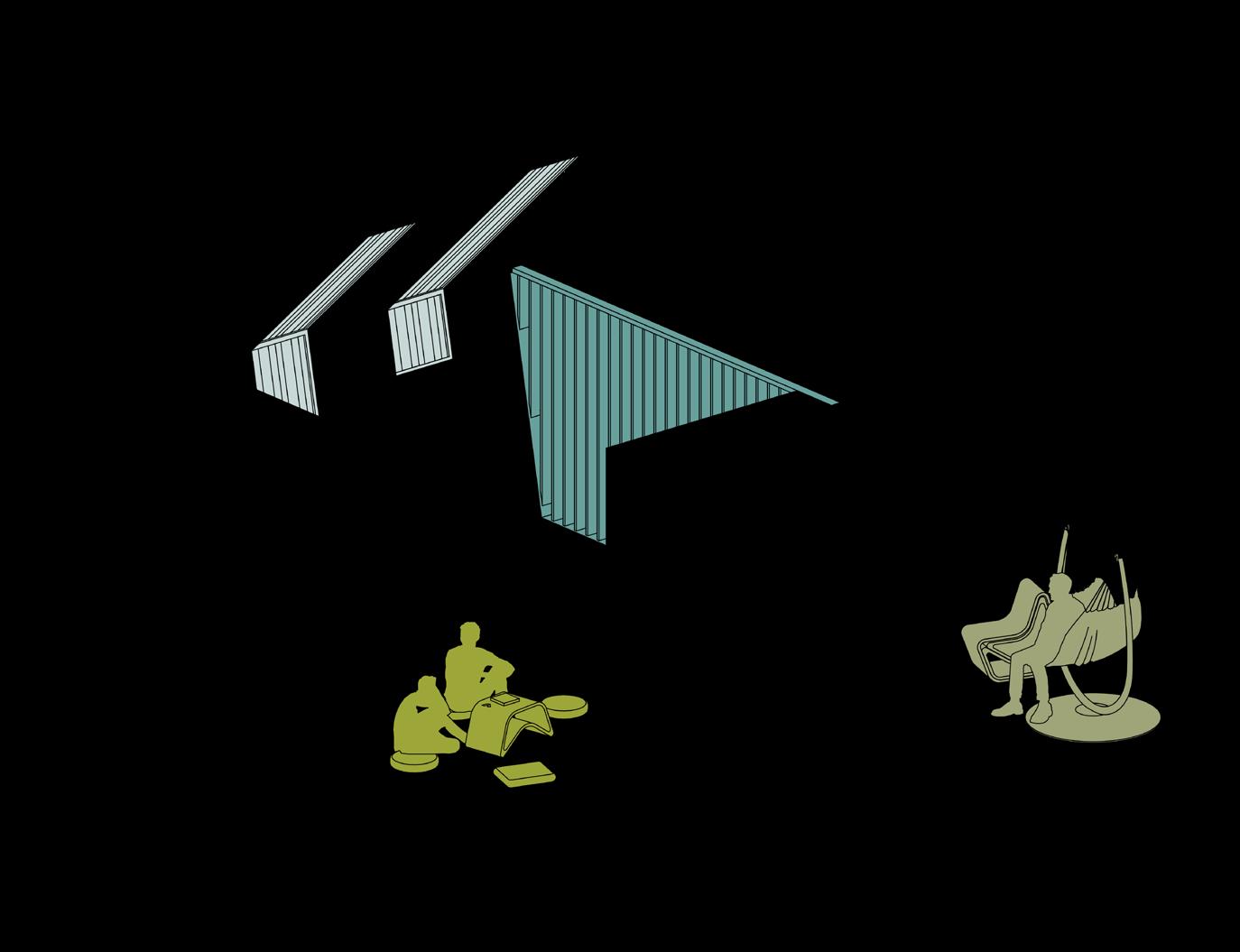
pivoting wall slats that provide user control and built environment interaction
movable window shutters that provide user control and built environment interaction and protect space from harsh sunlight
rocking chairs with stacking features that serve as chairs, tables, and foot rests for space flexability
storage with tv monitor for games, books, and movies
tiered bench seating for playful built environment interaction
1 accessible door with 3 sliding panels that fully open based on user preference and season to allow for natural cooling
movable seat cushions for user flexability and control
total space: 50 m2



nature connection playful
sustainable. analysis.
sustainable. materials.

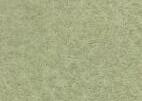

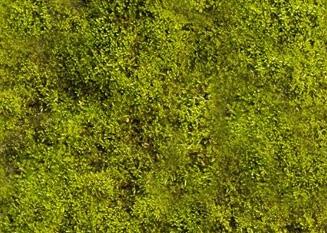
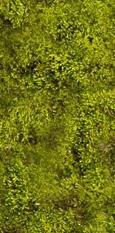
seating textile durable and recycled acoustic panel sound absorbing recycled acoustic panel sound absorbing recycled moss
sound absorbing, air purifier, and insulative
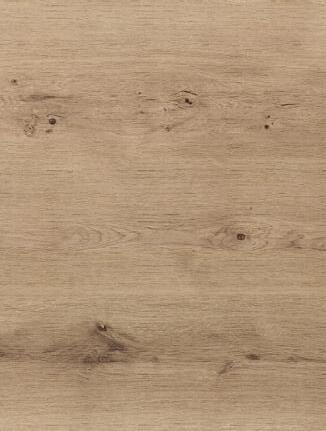
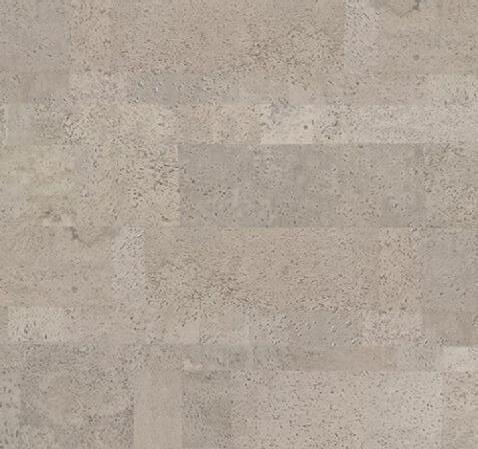
cork flooring
sound absorbing, insulative, sustainable, and cost effective
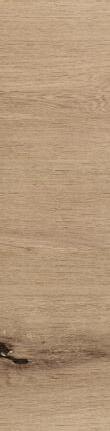
wood: maple
hard, durable, cost effective and sustainable
diagram 1
user control variation
window shutters open
wall slats closed
rocking chairs unstacked with rotating ottomon
cushions on tiered benches
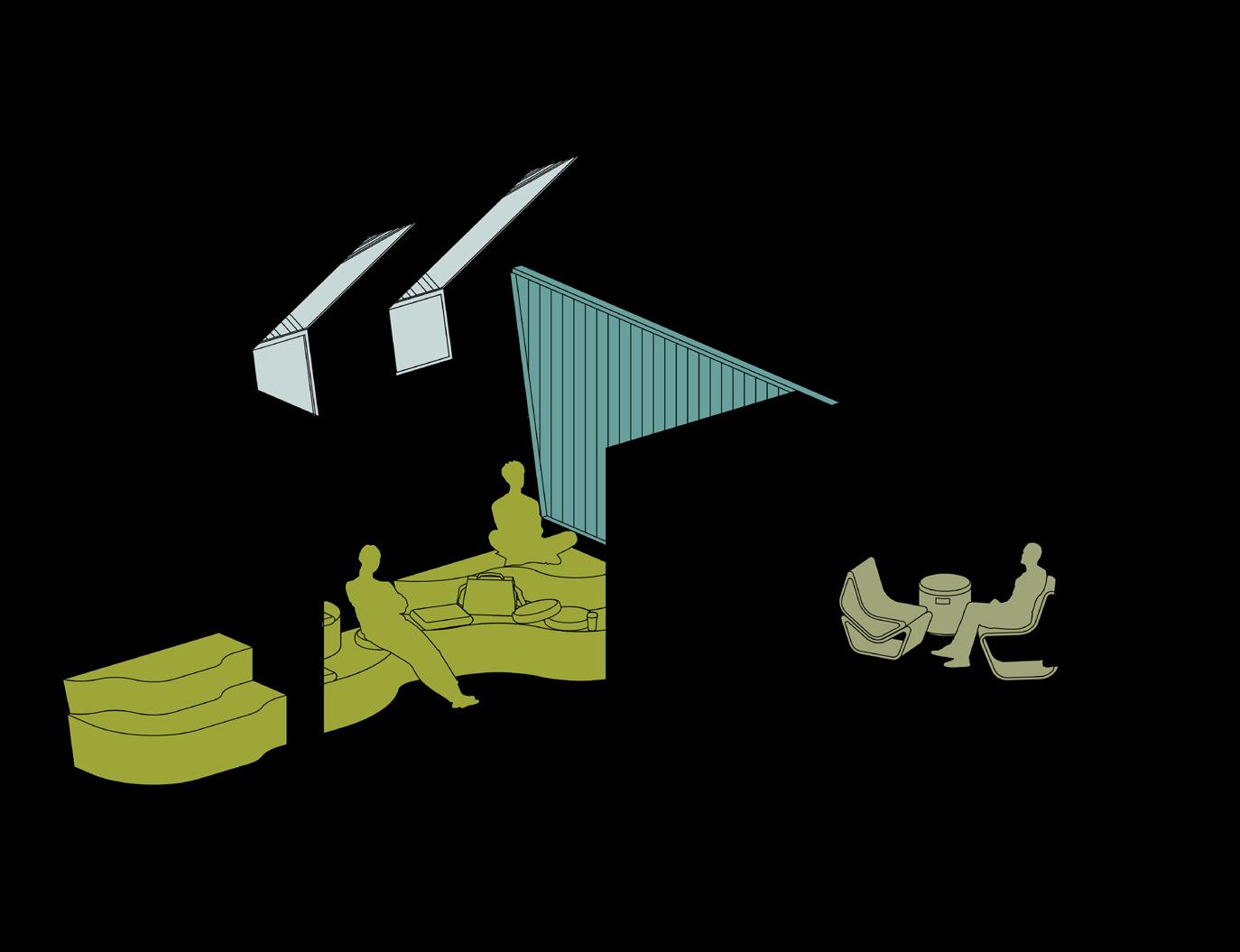
diagram 2
user control variation
window shutters closed
wall slats open
rocking chairs stacked with rotating hammock in use
cushions on floor using rocking chair ottomon as a table