
Where Water, Wellness & Communities Meet

Remote watering systems are helping Saskatchewan producers boost pasture health, protect water sources, and improve herd performance—all with practical, profitable results.
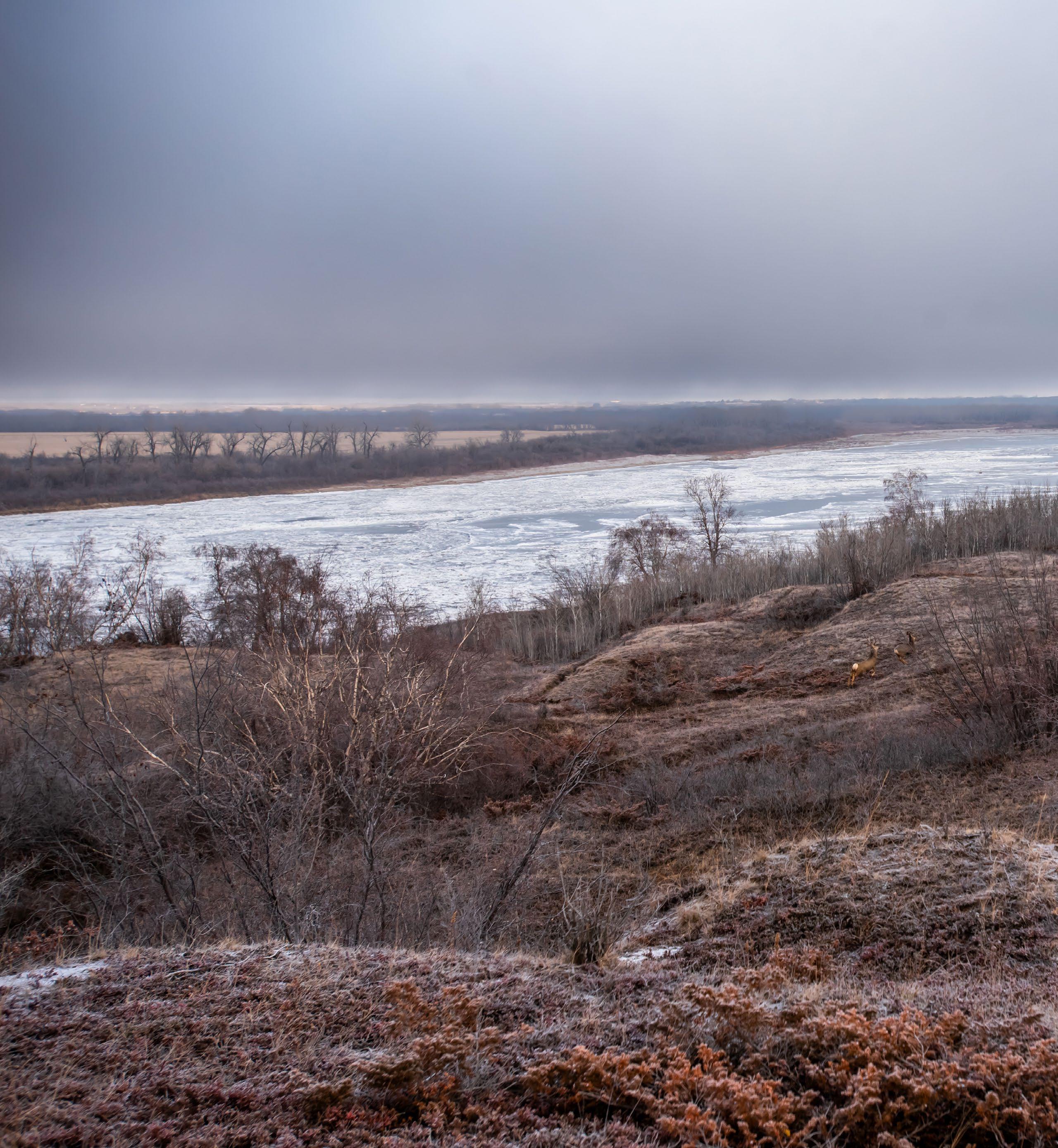
Saskatchewan’s Bigmouth Buffalo faces mounting ecological pressures, making ongoing conservation of the Qu’Appelle River system vital for the survival of this century-old native species.

Nov. 24-29 - Canadian Western Agribition, Evraz Place’s International Trade Centre, Regina
DECEMBER 2025
Dec. 1-3 - Irrigation Saskatchewan Conference, TCU Place, Saskatoon
Dec. 4 - Southwest District Advisory Committee Meeting, Assiniboia
Dec. 9 - ALUS-SAW Carrot River Watershed & TCO Cert Workshop, Kerry Vickar Centre, Melfort
JANUARY 2026
Jan. 13-15 - Western Canadian Crop Production Show, Prairieland, Saskatoon
Jan. 14 - Livestock Watering Strategies Workshop, Hodgeville Community Centre, Hodgeville
Jan. 29 - Rotational Grazing Workshop, Hodgeville Community Centre, Hodgeville
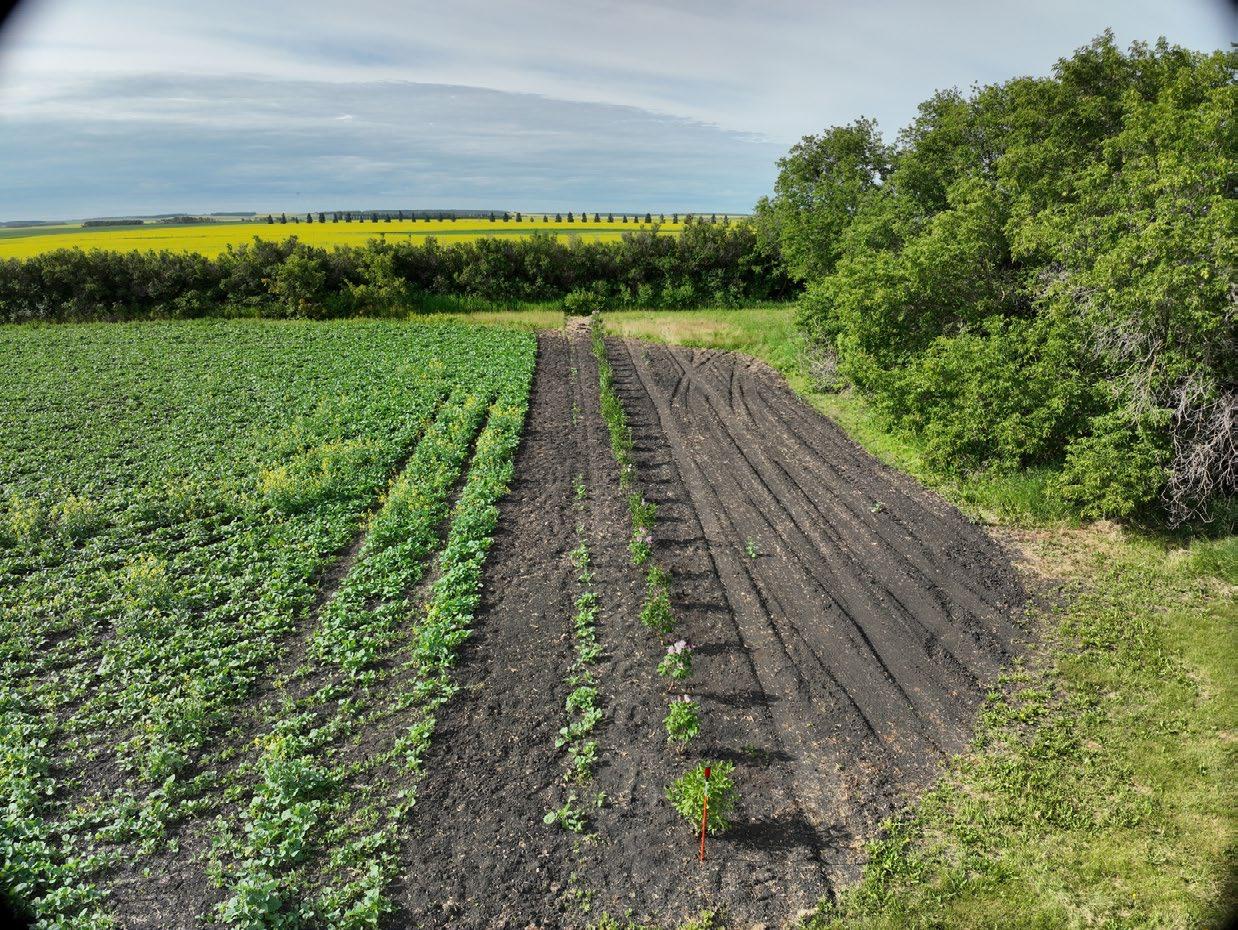
YOUTH PARTICIPATE IN ECO-SHELTERBELT PLANTINGS
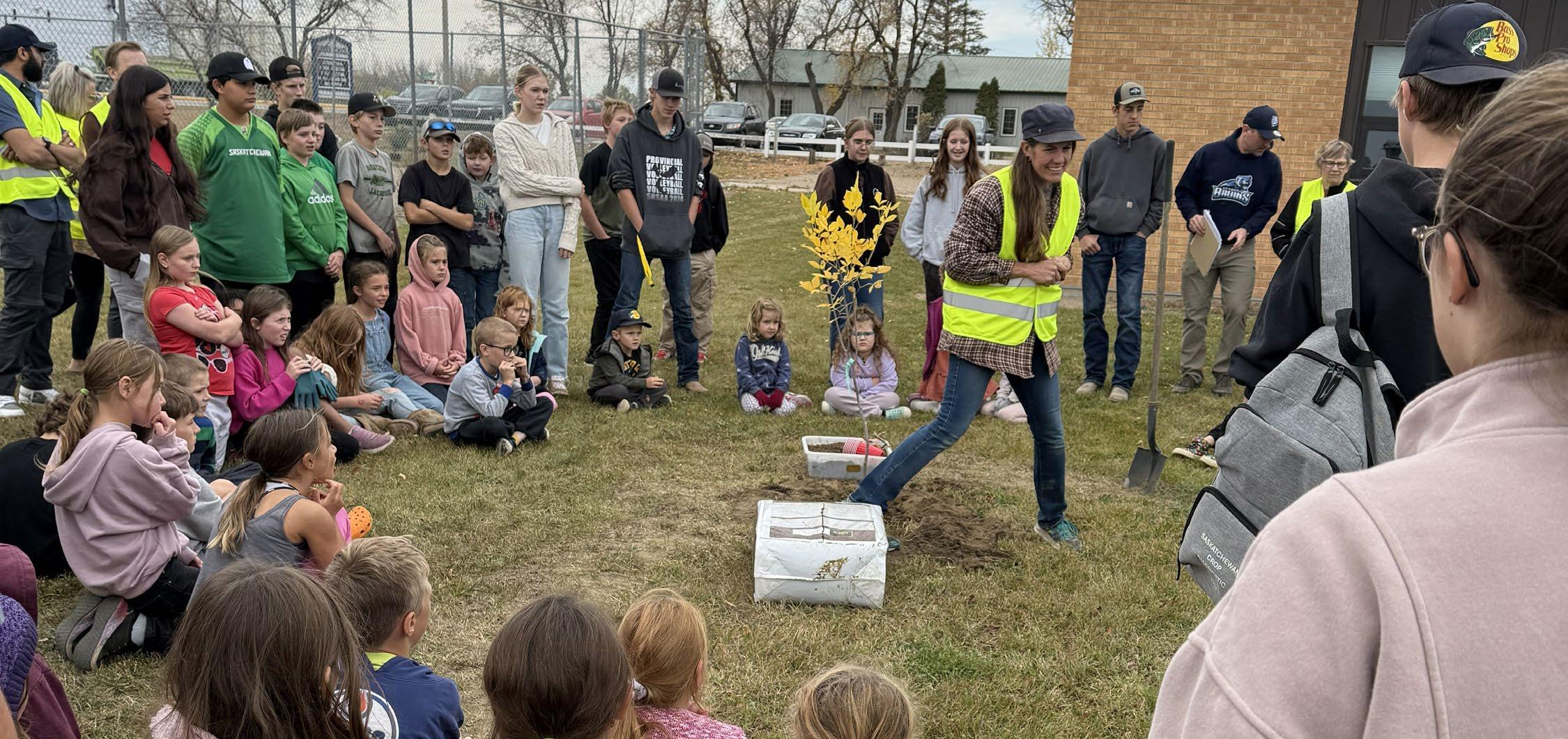
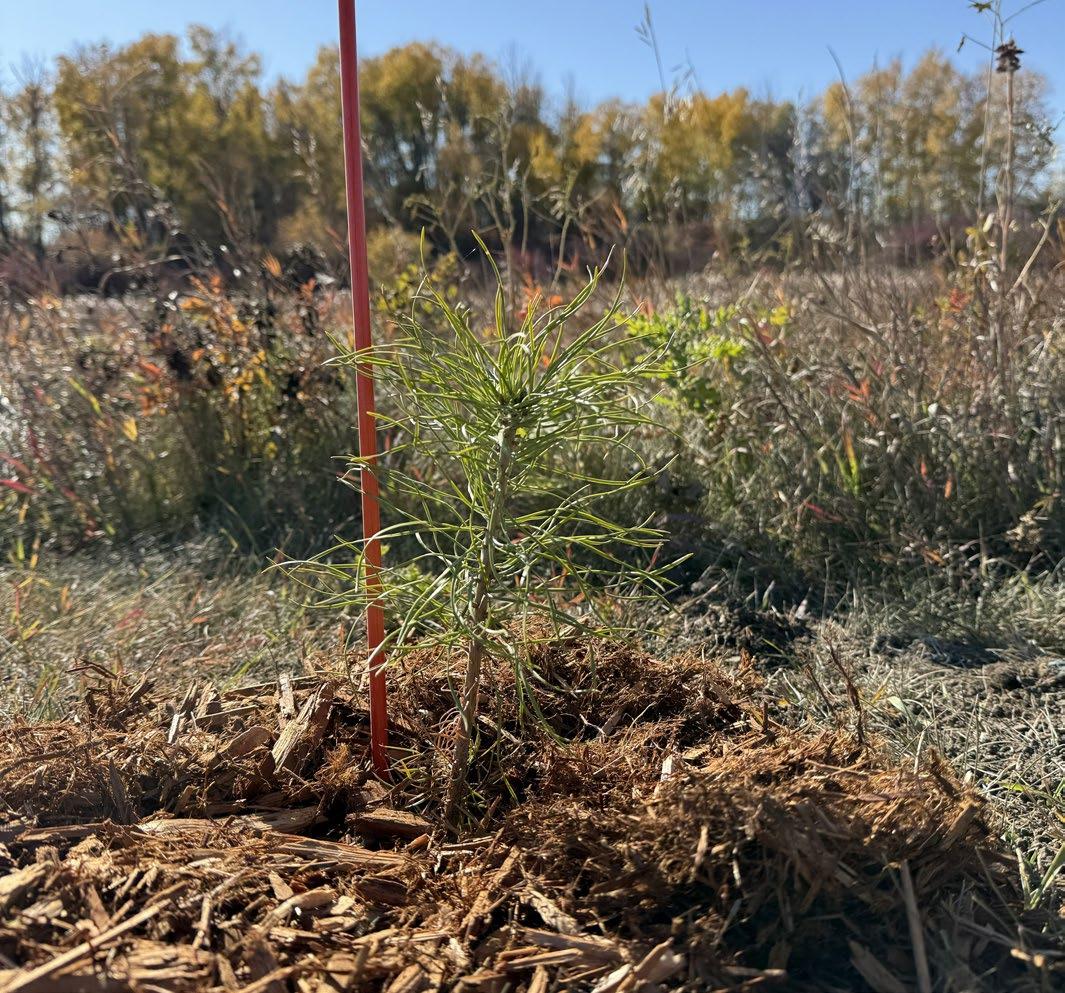
In the beginning of October, Kinnikinnik Consulting, on behalf of SAW, lead a Youth Engagement Workshop in the Village of Borden as part of the Applying a Landscape Approach to Improve Biodiversity project, funded by Environment and Climate Change Canada (ECCC). The workshop involved students from Borden School and volunteers from the community coming together to plant eco-buffer shelterbelts in two locations within their village: Borden School and Borden Memorial Park. The eco-buffer shelterbelts were planted using a diverse range of tree and shrub species, including Burr Oak, American Elm, Paper Birch, Manitoba Maple, Scots Pine, White Spruce, Villosa Lilac, Red Osier Dogwood, Red Elderberry, Mountain Ash, Amur Maple, Siberian Larch, American Plum, Beaked Hazelnut, Hawthorn, Highbush Cranberry, Thunderchild Flowering Crab, and various types of Willows.
Through completing the workshop, youth and community members were able to learn about the ecological importance of eco-buffer shelterbelts while actively participating in improving environmental quality within their village. The benefits of an eco-buffer shelterbelt, once established, are two-fold because they provide ecological value to the site as well as improving the area for human use. Ways in which the eco-buffer shelterbelts can provide ecological value to the Village of Borden are by minimizing soil erosion, filtering nutrients, and providing habitat and food sources for pollinators and wildlife species. As well, the eco-buffer shelterbelts can improve the usability of the school yard and community park by making the space

more aesthetically pleasing and supplying protection from the elements, such as providing shade, blocking wind, and trapping snow.
SAW has funding available for landowners who would like to install eco-buffer shelterbelts within the North Saskatchewan River Watershed! If you are interested in the program, please contact info@saskwatersheds.ca or 306-541-9902 for more information about the program and eligibility requirements.
REMOTE WATERING SYSTEMS: A SMART INVESTMENT IN GRAZING MANAGEMENT
Livestock producers are turning to remote watering systems as a practical way to improve pasture productivity, herd health, and bottom-line efficiency. Whether powered by solar, wind, or nose pumps, these systems offer control over livestock movement and access to fresh, clean water while preserving water quality and riparian edges of water sources.
One of the biggest advantages of using remote water systems is better forage utilization. When cattle have reliable water throughout a pasture, they graze more evenly and avoid overusing areas closest to dugouts or shade. This reduces pasture pressure, encourages regrowth, and ultimately improves carrying capacity. Over time, producers see stronger forage stands and reduced weed invasion.
Remote watering also helps protect soil and water quality. Direct access to wetland edges or dugouts often leads to bank erosion, nutrient loading, and poor water quality. By pumping water to a trough, cattle stay out of sensitive areas, improving water cleanliness and supporting long-term sustainability. Sustaining a healthy riparian area additionally provides habitat for wildlife species and protects aquatic habitat.
Herd health is another major benefit. Cattle prefer clean water and tend to drink more of it, leading to better weight gain and improved condition. Remote systems can also reduce the risk of algae-related health issues, foot rot from accessing muddy dugouts lines and cattle falling through ice in winter.
Producers often discover labour savings as well. With portable troughs and temporary fences, pastures become easier to manage, rotations happen faster, and cattle can be moved precisely where they’re needed.
While setup costs vary, many producers recover the investment through increased forage productivity, improved gains, and longer-lasting pasture health. For ranches looking to expand grazing capacity, reduce environmental impact, or better utilize marginal land, remote watering systems are a practical and profitable tool.
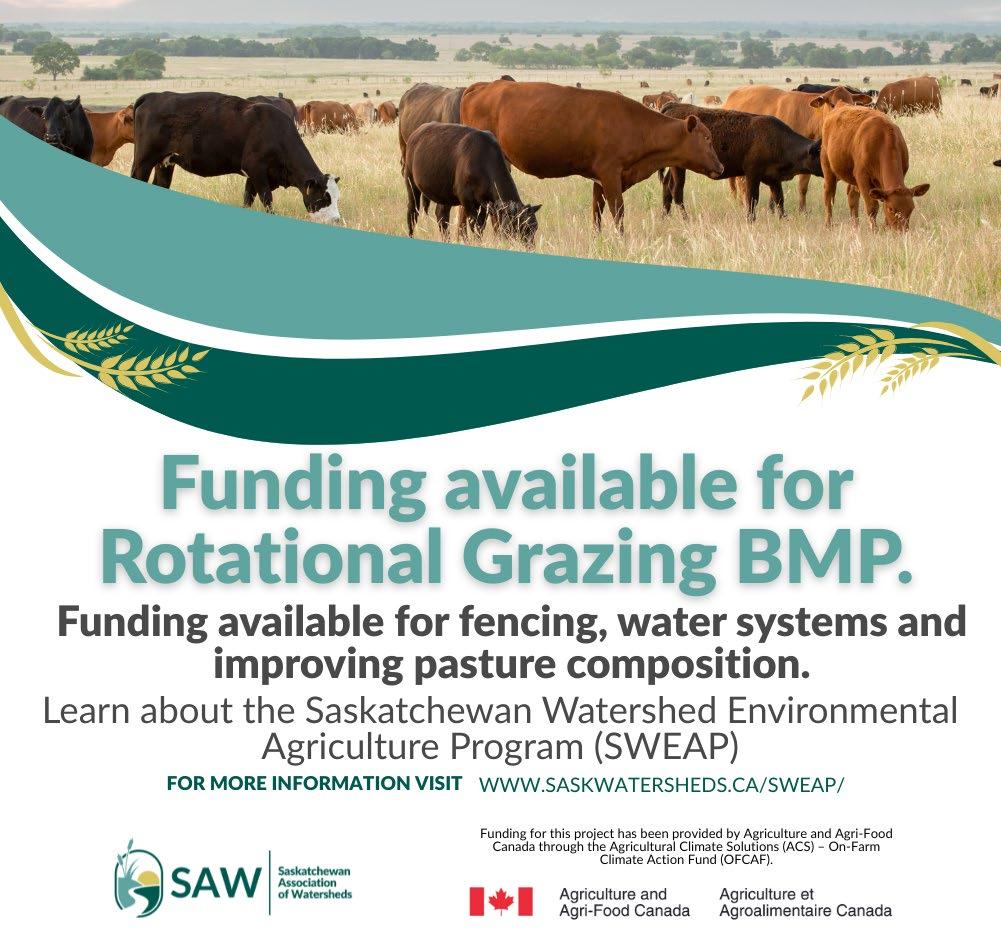
The Saskatchewan Association of Watersheds supports the adoption of rotation grazing beneficial management practices including remote watering systems powered by a renewable energy source and fencing infrastructure through the Saskatchewan Watershed Environmental Agriculture Program (SWEAP). Fencing and watering systems projects require the submission of a rotational grazing plan. SAW has Grazing Specialists available to develop the grazing plan at no charge to the producer. Applicants will work directly with SAW’s Agri-Environmental Coordinators to apply to SWEAP. Funding for this project has been provided by Agriculture and Agri-food Canada through the Agriculture Climate SolutionsOn Farm Climate Action Fund (OFCAF).
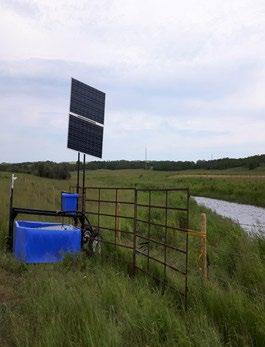
A solar powered remote water system and riparian area exclusion fence.
AQUATIC INVASIVE SPECIES SPOTLIGHT: FLOWERING RUSH
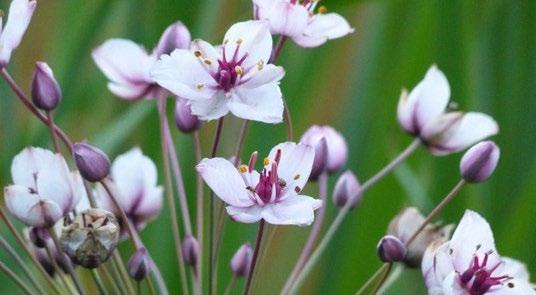
Flowering rush (Butomus umbellatus) is a perennial aquatic plant that spreads in freshwater wetlands. Originally from Europe, Asia, and parts of Africa, it was brought to new areas as an ornamental plant but now threatens water quality, native plants and animals, and recreational activities like fishing and boating. In Saskatchewan, it has been found in places such as the South Saskatchewan River, Cutarm Creek, and Gainsborough Creek.
Flowering rush can reach heights of 1.5 meters. Its sword-shaped, triangular leaves may be stiff and upright when emerged or flexible and floating when submerged. When broken, leaves release a white, cobweb-like filament. From summer to fall, it produces umbrella-like clusters of pink to white flowers with red anthers at the stem tips, though some plants may not flower at all.
Dense stands of flowering rush displace native plants, create cover for invasive fish, clog irrigation systems, and interfere with boating and swimming. Health concerns have also been linked to swimmer’s itch, as the plant provides habitat for snails that harbour the parasites. Because root fragments and bulbils easily drift to start new infestations, removal requires great care. Small patches may be hand-dug if all plant parts are bagged and placed in the trash. Cutting plants below the water surface can suppress growth but must be repeated. Currently, there are no approved herbicides or biological controls for this species.
To help prevent the spread, never plant flowering rush. Always clean, drain, and dry boats and equipment before leaving a water body and dispose of garden waste responsibly. Protecting shorelines, maintaining native vegetation, and reporting sightings are critical steps in stopping this invasive species before it spreads further.


BIGMOUTH BUFFALO MAKE THE QU’APPELLE RIVER SYSTEM THEIR HOME
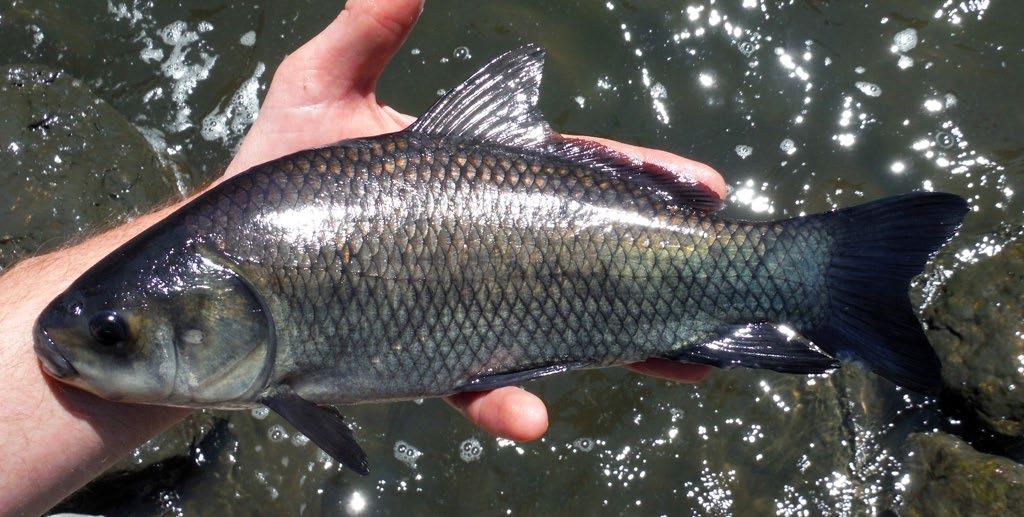
The Bigmouth Buffalo (Ictiobus cyprinellus) is Saskatchewan’s largest native sucker fish, reaching lengths of up to a metre and weights of 25 kilograms. This species is primarily found in the Qu’Appelle River system. a region characterized by turbid, nutrient-rich (eutrophic) waters. These fish prefer warm, shallow, and man-made impoundments, especially during the spring and summer months when they spawn and feed. Their preference for slow-moving or slowmoving makes them particularly reliant on the health of prairie river systems and associated wetlands.
Despite their resilience, Bigmouth Buffalo populations in Saskatchewan are facing significant challenges. The species has been designated as one of special concern under Canada’s Species at Risk Act due to habitat degradation, including water diversion, other threats include changes in water levels, drought, habitat fragmentation, and the loss and access to spawning habitat. These environmental pressures have led to a decline in their numbers, prompting conservation efforts led by researchers, non-government and government organizations.
Conservation efforts are now focused on protecting and restoring the Qu’Appelle River system, ensuring that the Bigmouth Buffalo has access to suitable spawning and feeding areas. As a vital part of Saskatchewan’s aquatic biodiversity, the Bigmouth Buffalo serves as a key indicator of ecosystem health, and its protection is essential for maintaining the ecological balance of the province’s freshwater systems. They are a long-living fresh water fish, up to 127 years, the oldest fish caught in Saskatchewan.
WELCOME TO THE TEAM
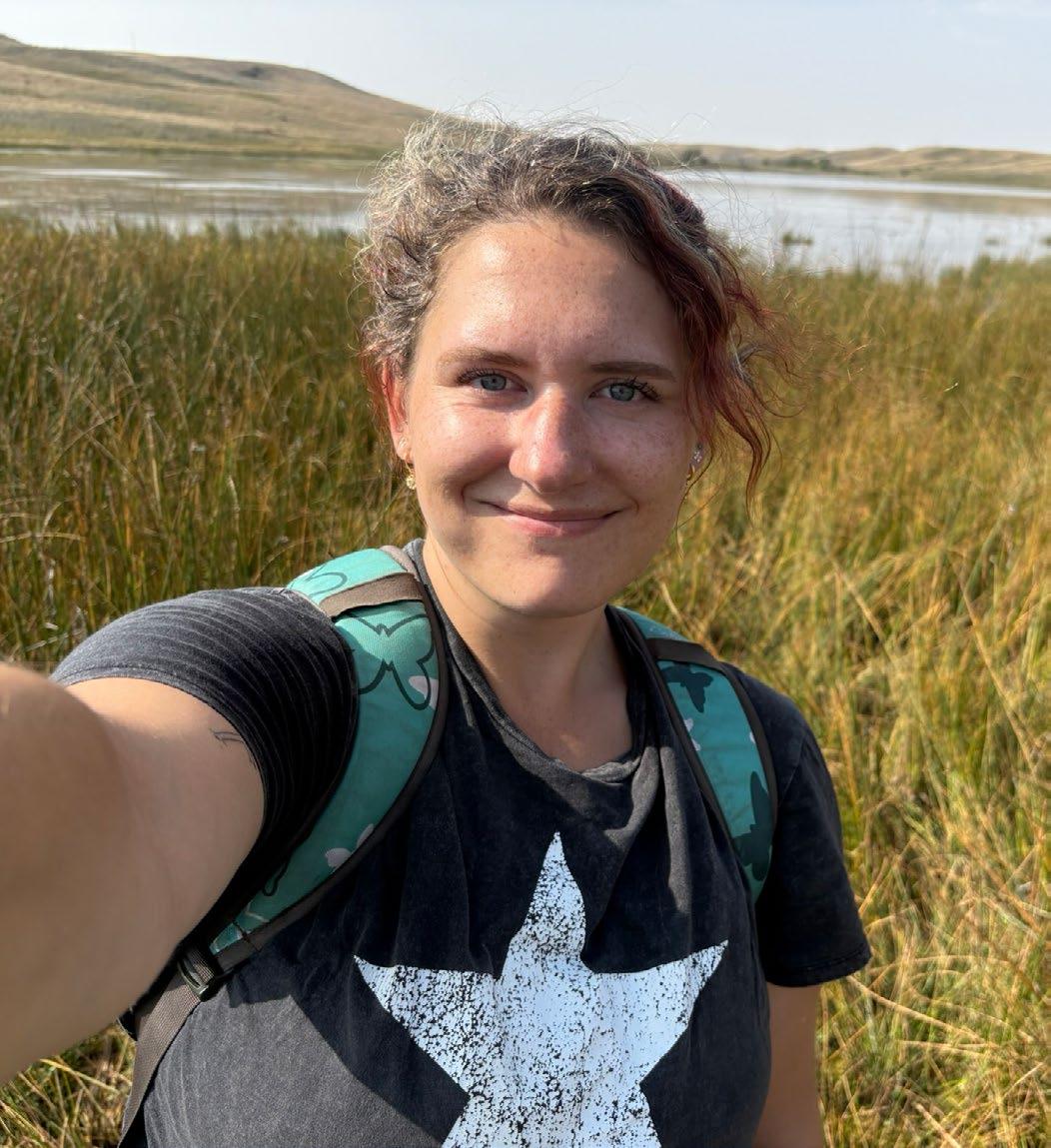
ASHLEY KIRK , AGRI-ENVIRONMENTAL COORDINATOR
Hello! My name is Ashley Kirk and I just started working with SAW at the beginning of November as an Agri-Environmental Coordinator. I grew up just down the road from the Redberry Lake Biosphere outside of Hafford, which is where my initial love for everything related to wildlife and watersheds started. From there, I attended Lakeland College and received my diploma in Wildlife and Fisheries Conservation, as well as my Bachelor of Applied Science in Environmental Management. During my summer breaks from college, I worked at a watershed group as well as inspecting boats for aquatic invasive species. Following my convocation from Lakeland, I worked as an environmental assistant for an Alberta municipal district, as well as for a non-profit conservation group helping protect critical habitat through program funding. All of my past work experience has been really impactful and given me a lot of different knowledge about the conservation/environmental sector- which I love!
When I am not working, I enjoy using my free time to do a wide variety of things depending on the season! In the winter, I like to keep cozy and do some reading and crocheting with a snowmobile ride thrown in here and there. Otherwise, you can find me camping, going on ATV rides, hiking....basically anything outdoors.

NATHANIEL HAK , AGRI-ENVIRONMENTAL COORDINATOR
Hello! My name is Nathaniel Hak, and I’m excited to be joining the SAW team this month as an Agri-Environmental Coordinator out of the Moose Jaw office. I live in Regina, where I grew up, and finished my Bachelor of Science in Environmental Biology this past spring at the University of Regina. Before that, I completed a Wildlife and Fisheries Conservation diploma at Lakeland College in Vermilion, AB. I’ve worked several summers both as a student Wildlife Technician at the Canadian Wildlife Service working with migratory birds, and as a Habitat Stewardship Assistant at Nature Saskatchewan. I really enjoyed traveling the province and getting to know agricultural producers in that role, and I’m looking forward to working in partnership with producers once again with SAW.
In my spare time, I enjoy doing anything outdoors, traveling, and spending time with friends and family. I’m also a volunteer board member at Heritage Regina and do some work with the Treaty Land Sharing Network.
I’m very eager to be working as part of the SAW team and can’t wait to see where this journey takes me!
THE BENEFIT OF LAKE STEWARDSHIP
MANAGEMENT PRACTICES
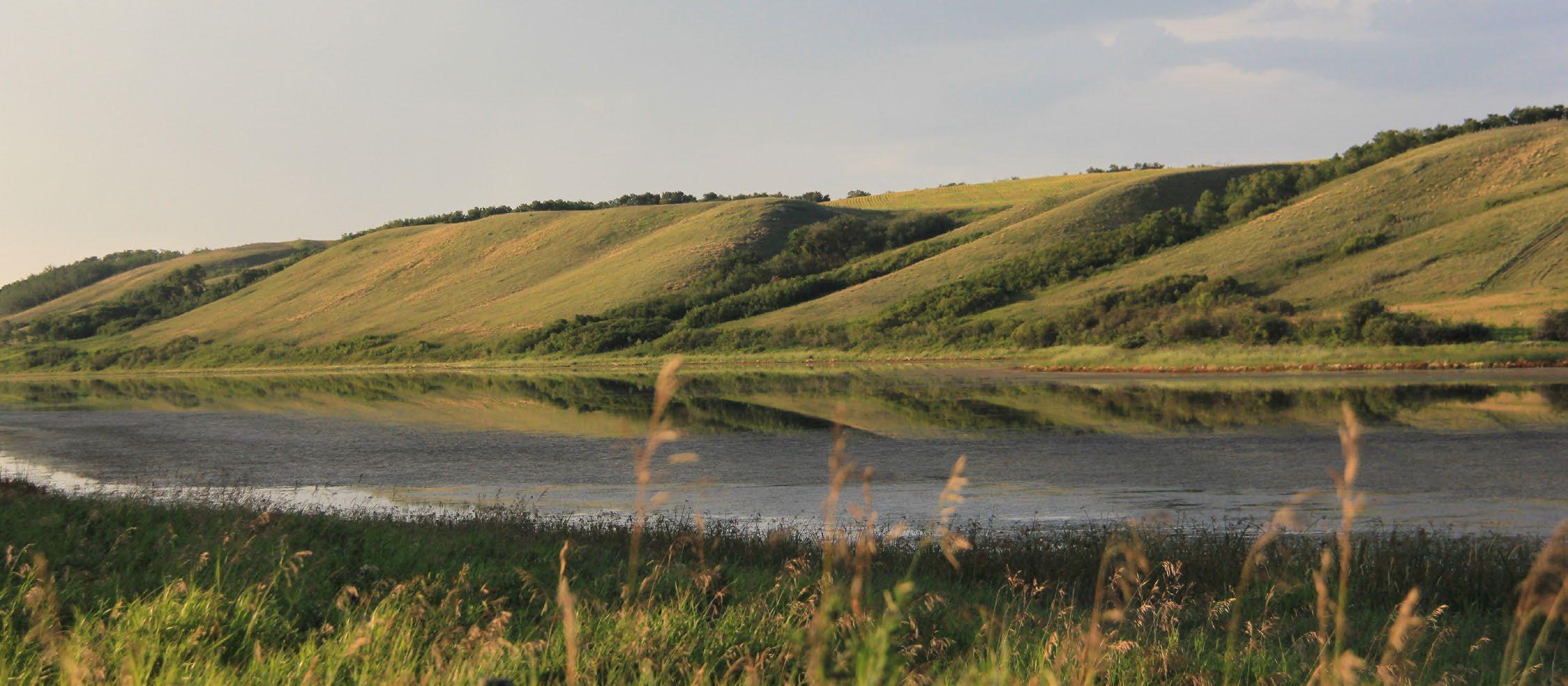
Lake stewardship emphasizes beneficial management practices that protect water quality, biodiversity, and shoreline stability, ensuring lakes remain healthy for future generations.
Protecting Shorelines and Habitats
Across Canada, beneficial management practices (BMPs) are central to lake stewardship. In provinces such as Saskatchewan, guidelines highlight the importance of maintaining natural riparian vegetation along lakeshores to stabilize banks, reduce erosion, and provide critical habitat for fish and wildlife. These vegetated buffers also filter pollutants before they reach the water, helping to sustain clean and resilient ecosystems. By limiting hard shoreline alterations like retaining walls and docks,


communities can preserve the ecological functions that lakes depend on.
Community Engagement and Monitoring
Lake stewardship is not only about ecological science but also about community involvement. Local stewardship groups, such as SAW, often lead initiatives to plant native species, reduce nutrient runoff, and monitor water quality. These grassroots efforts complement federal programs such as the Lake Winnipeg Basin Initiative, Mackenzie River Initiative and Eco-Action. Together, these actions empower Canadians to take responsibility for their lakes while building long-term resilience.
Sustainable Practices for the Future
Beneficial management practices extend beyond shoreline care to include responsible recreation, pollution prevention, and habitat conservation. The Government of Canada promotes BMPs that minimize risks to migratory birds and aquatic species, ensuring that human activities do not compromise ecological integrity. By adopting preventative measures—such as reducing fertilizer use near lakes, managing boating impacts, and protecting wetlands—communities safeguard both environmental and cultural values tied to freshwater systems. Lake stewardship represents a holistic approach: blending science, policy, and community action to protect these vital ecosystems for generations to come.
SASKATCHEWAN’S CLIMATE
PRESENTS OPPORTUNITIES AND CHALLENGES
Saskatchewan’s climate is warming faster than the global average, leading to longer growing seasons, more extreme weather, and increasing drought risk. These changes are reshaping agriculture, water resources, and communities across the province.
Saskatchewan has already experienced significant warming, with nighttime and winter temperatures rising the fastest. While precipitation may increase slightly, it is not keeping pace with higher evaporation rates, resulting in overall drier conditions and declining soil moisture. This shift is altering the province’s hydrological cycle, with earlier spring peak flows and greater variability in water resources. Communities are increasingly vulnerable to droughts, floods, and wildfires, which have become more frequent and severe in recent years.
For agriculture, climate change presents both opportunities and challenges. Longer growing seasons could benefit certain crops, but heat stress, water shortages, and soil degradation pose major risks to yields. Farmers are already adapting through crop diversification and improved water management, yet the unpredictability of extreme events makes planning difficult. Beyond agriculture, Saskatchewan’s boreal forests are showing signs of reduced biomass linked to drought-related water stress, threatening ecosystems and biodiversity.
The province has responded with a climate resilience strategy aimed at managing emissions and supporting adaptation. However, experts warn that Saskatchewan’s future climate will be outside the range of recent historical experience, requiring stronger action to protect communities, infrastructure, and natural capital. As climate impacts intensify, resilience planning and sustainable resource management will be critical to safeguarding Saskatchewan’s environment and economy (www.parc.ca).
Watch for the release of our upcoming video on Drought Preparedness Planning for the community of Herbert, SK. This project was undertaken with the financial support of the Government of Canada. Funding was provided through the Environmental Damages Fund’s Climate Action and Awareness Fund, administered by Environment and Climate Change Canada. For any inquiries, please contact ccap@ saskwatersheds.ca for more information.

Our office locations are open Monday to Friday from 9 AM to 4 PM (closed 12 PM - 1 PM).
HEAD OFFICE
300B - 99 Diefenbaker Dr., Moose Jaw, SK
SOUTHWEST DISTRICT OFFICE
1 Airport Road, Swift Current, SK
MAILING ADDRESS
Box 1177, Moose Jaw, SK, S6H 4P9