I’m fascinated by what happens when ideas, disciplines, and people meet where boundaries blur. My practice is rooted in crossdisciplinary exchange, fuelled by practice-led research, and shaped by a curiosity for how concepts translate into lived spaces. Working between spatial practice, architecture, and art, I create hybrid methods that take form as architectural designs, essay films, performances, public interventions, and participatory workshops. Each project is a conversation with its socio-political, cultural, or environmental context — responsive, site-specific, and open to what surfaces along the way.
( 1 )
( 2 )
( 3 )
( 4 )
( 5 )
( 6 )
DRAW___THE LINES (2024)
Interdisciplinary Practice.
MA Situated Practice:
Major Project
Fashion is a hyper-capitalist industry reliant on the mass production of cheap, disposable clothing. Labourers on clothing production lines perform repetitive, mechanical tasks devoid of creativity or decision-making, alienating them from their work and humanity (Marx, 1844). At the same time, factories enforce temporal and spatial discipline, a form of control that extends into workers’ lives outside the factory, shaping their everyday behaviours and routines (Smart, 1983).
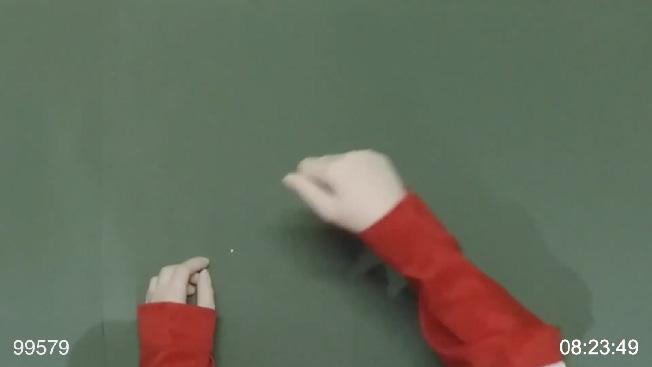
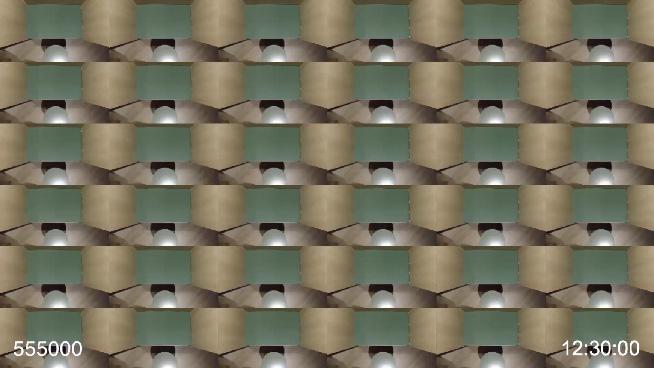
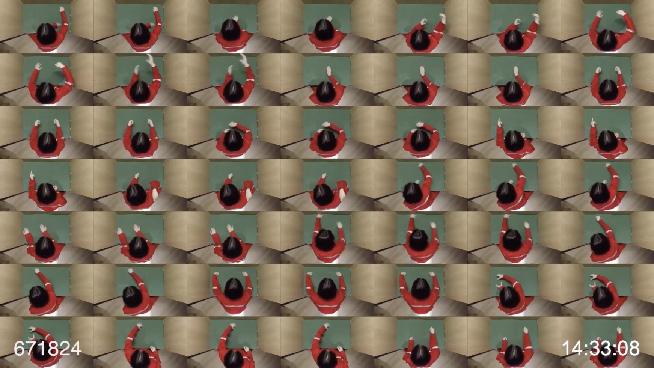
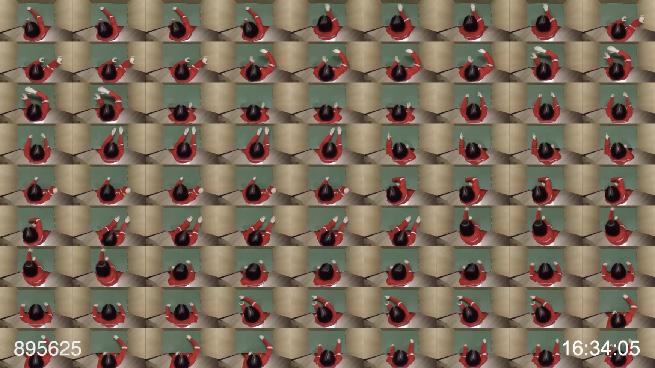
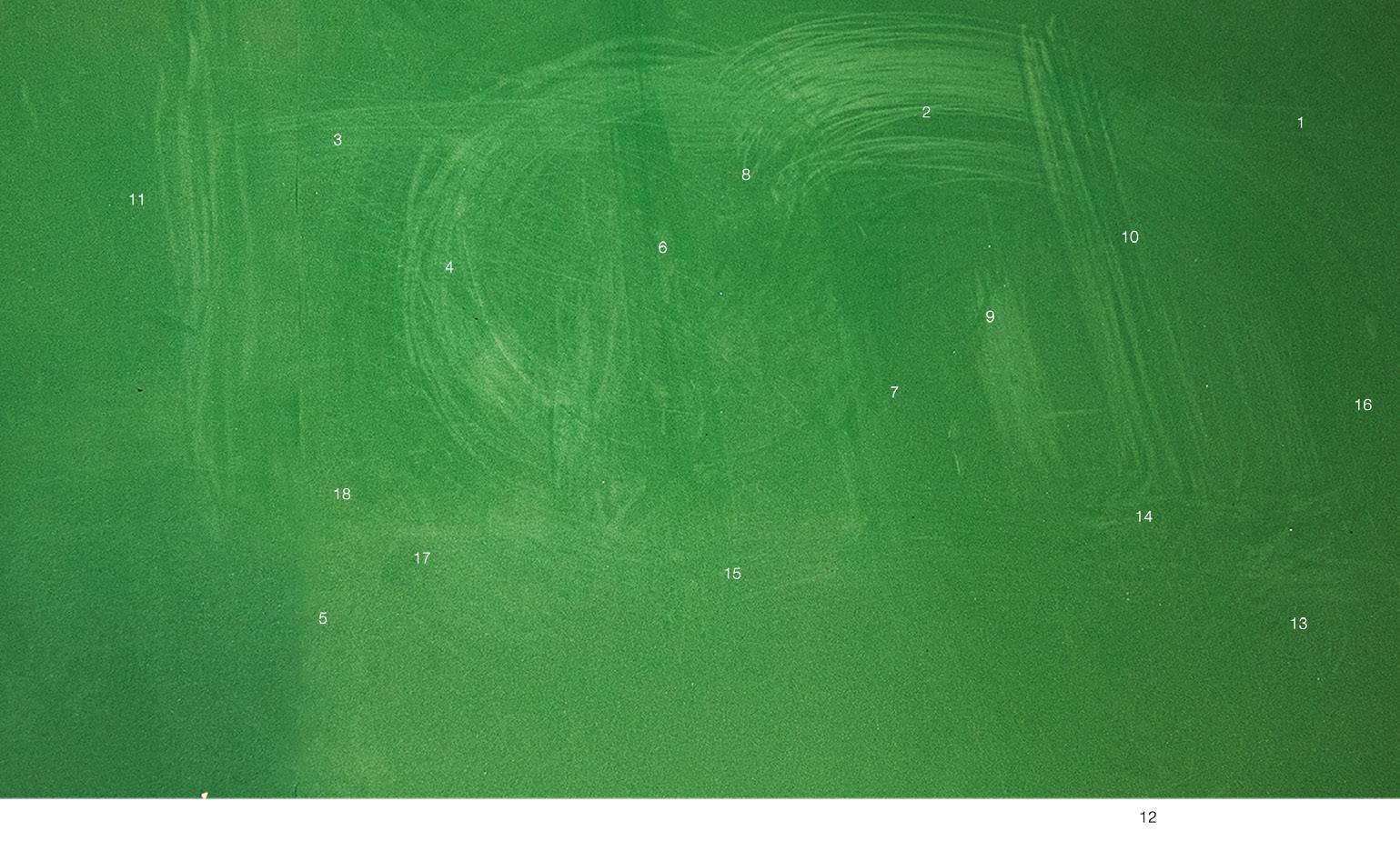
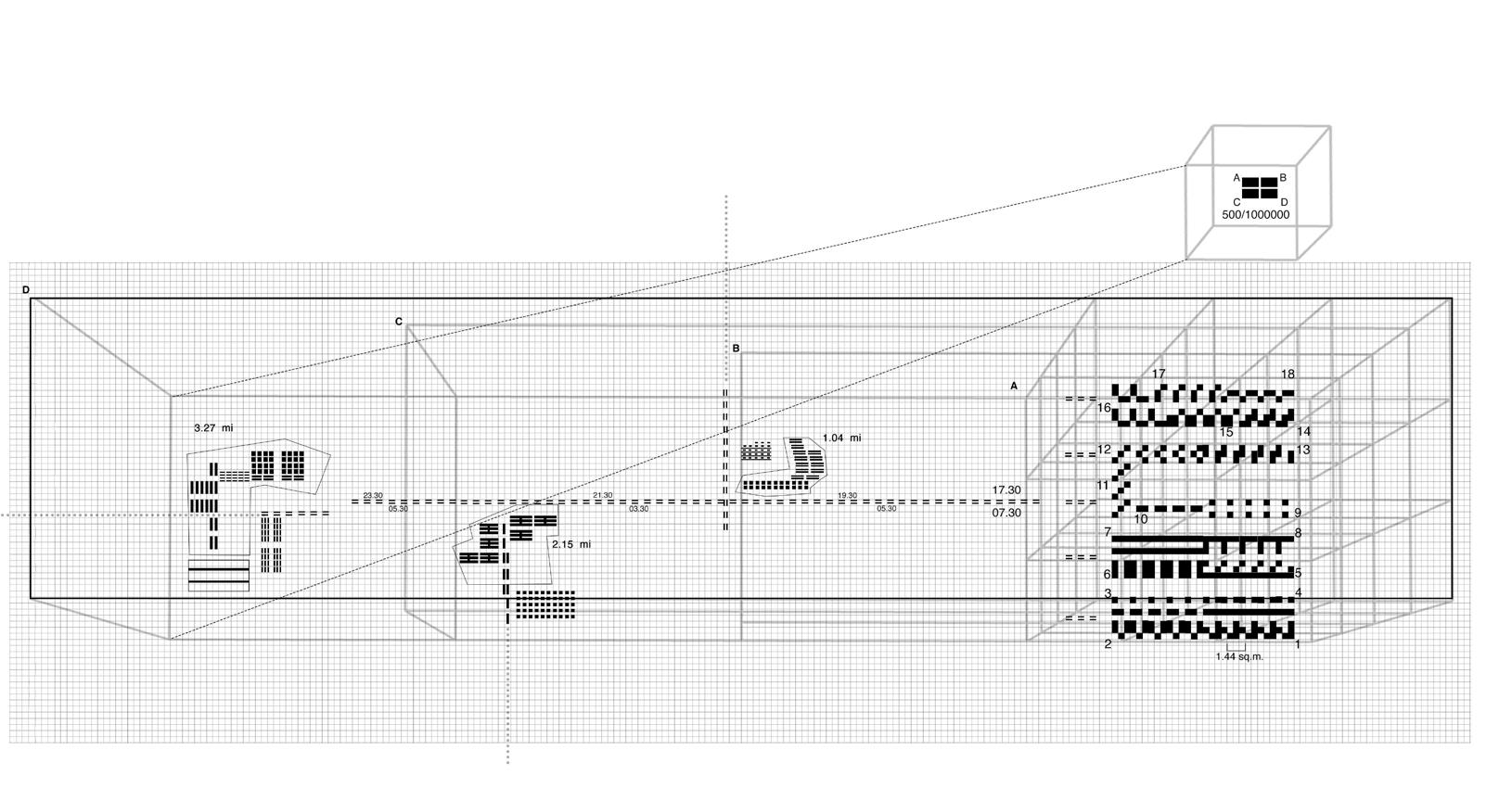
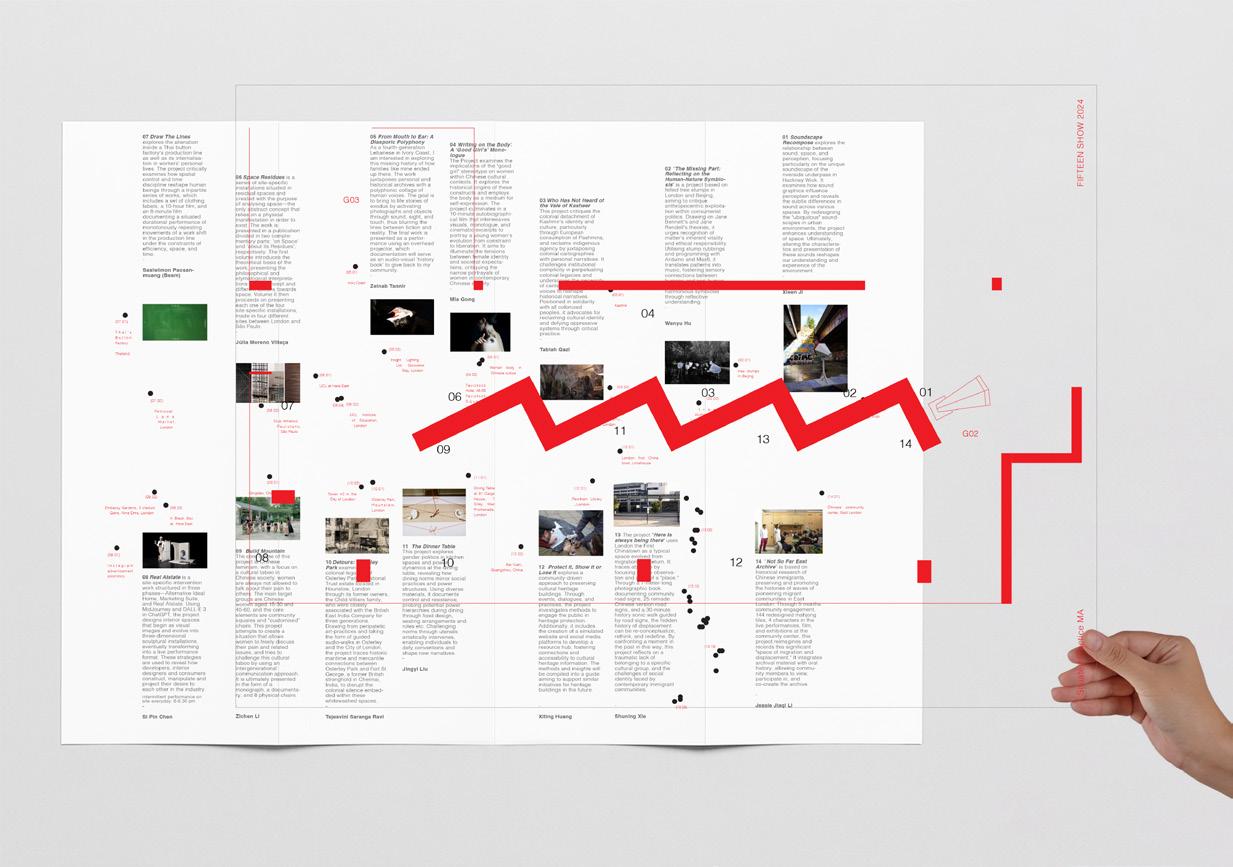
Draw___the Lines explores this alienation inside a Thai button factory’s production line as well as its internalisation in workers’ personal lives. The project critically examines how factory processes reshape human movements—once organic and natural—into rigid, monotonous, and linear patterns focused solely on efficiency (Ingold, 2007). It does so by developing a form of situated durational performance practice manifest in series of works which expose and enact these experiences.
DRAW THE LINES
Film, duration 10 hrs 56 sec
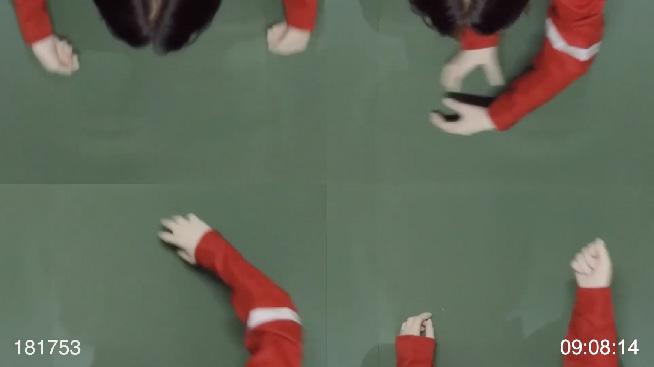
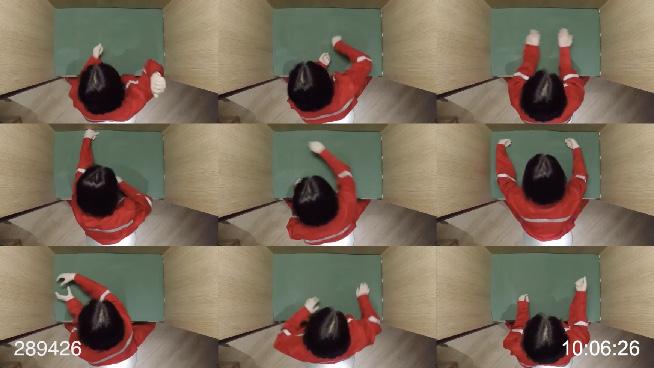
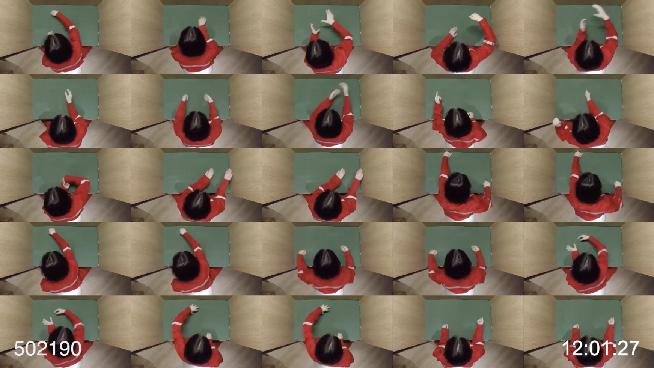
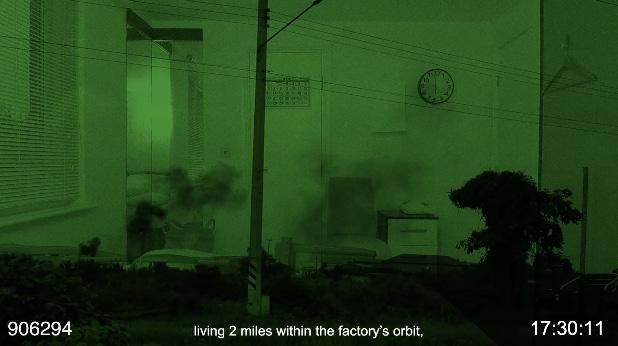
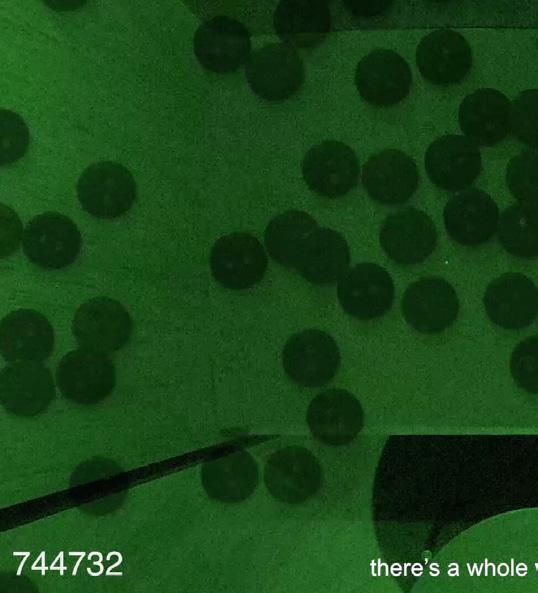
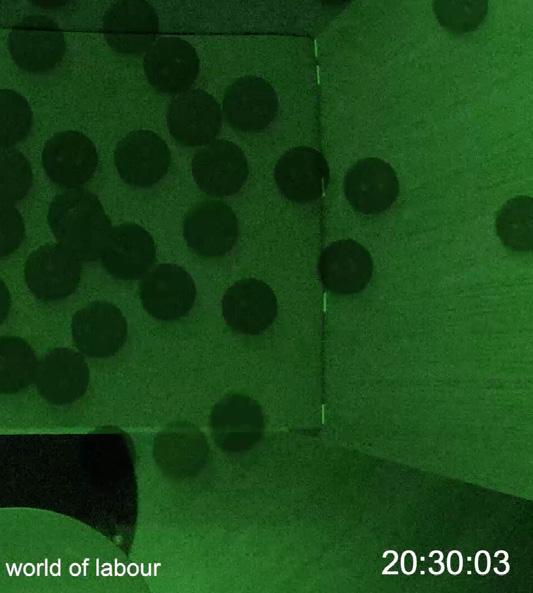
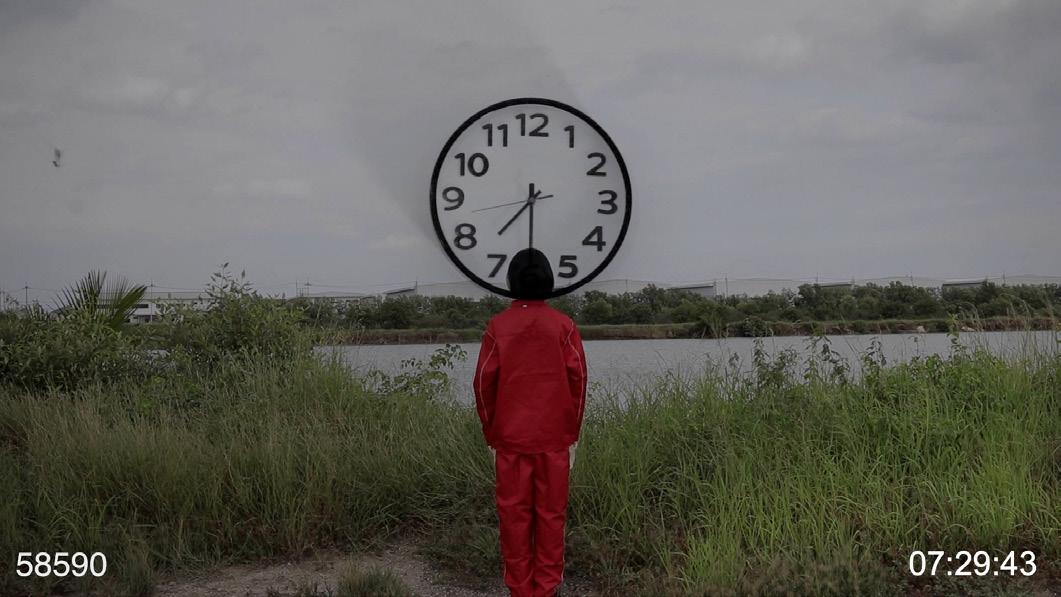
Film stills from Draw the Lines. Film duration: 10 hrs 15 sec.
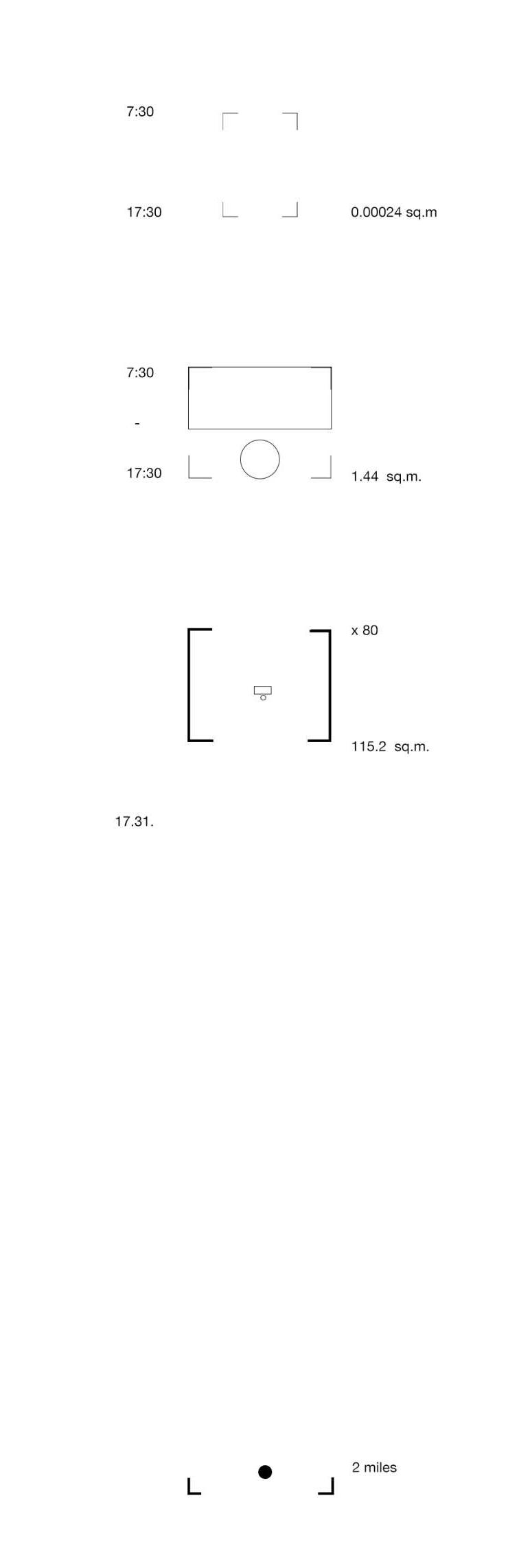
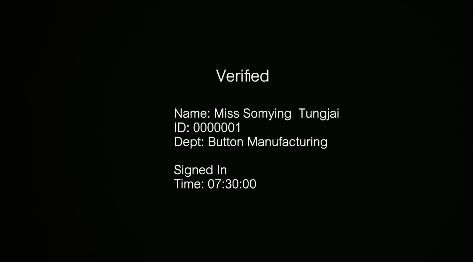
This film explores the alienation within a Thai button factory’s production line, where I visited and conducted participatory observation. Through a situated durational performance, I repeat 18 monotonous bodily movements drawn from a 9-hour factory shift plus a 1-hour break, reflecting how industrial processes reshape human gestures from organic and natural to rigid, repetitive, and efficiency-driven patterns. It invites exhaustion and reveals the nature of work under capitalism, encouraging us to reflect on our roles and boundaries within this system. Traces
THE UNBUTTONING
Short Film, Duration 8 min
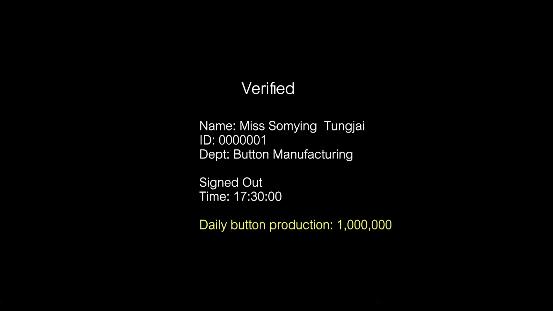
The Unbuttoning is an 8-minute cut of durational performance segments interwoven with process-oriented experiments and factory footage, revealing how systems of urbanism, spatial control, time discipline, and production efficiency become internalised in workers’ personal lives long after they leave the factory floor.
Internationally premiered with screenings in New York, London, Japan www.sasiwimon.uk/work/draw-the-lines
Film stills from The Unbuttoning. Film duration: 8 min
AUXILIARY MATERIALS: A SET OF CLOTHING LABELS
Live Public Intervention at Petticoat Lane Market, London
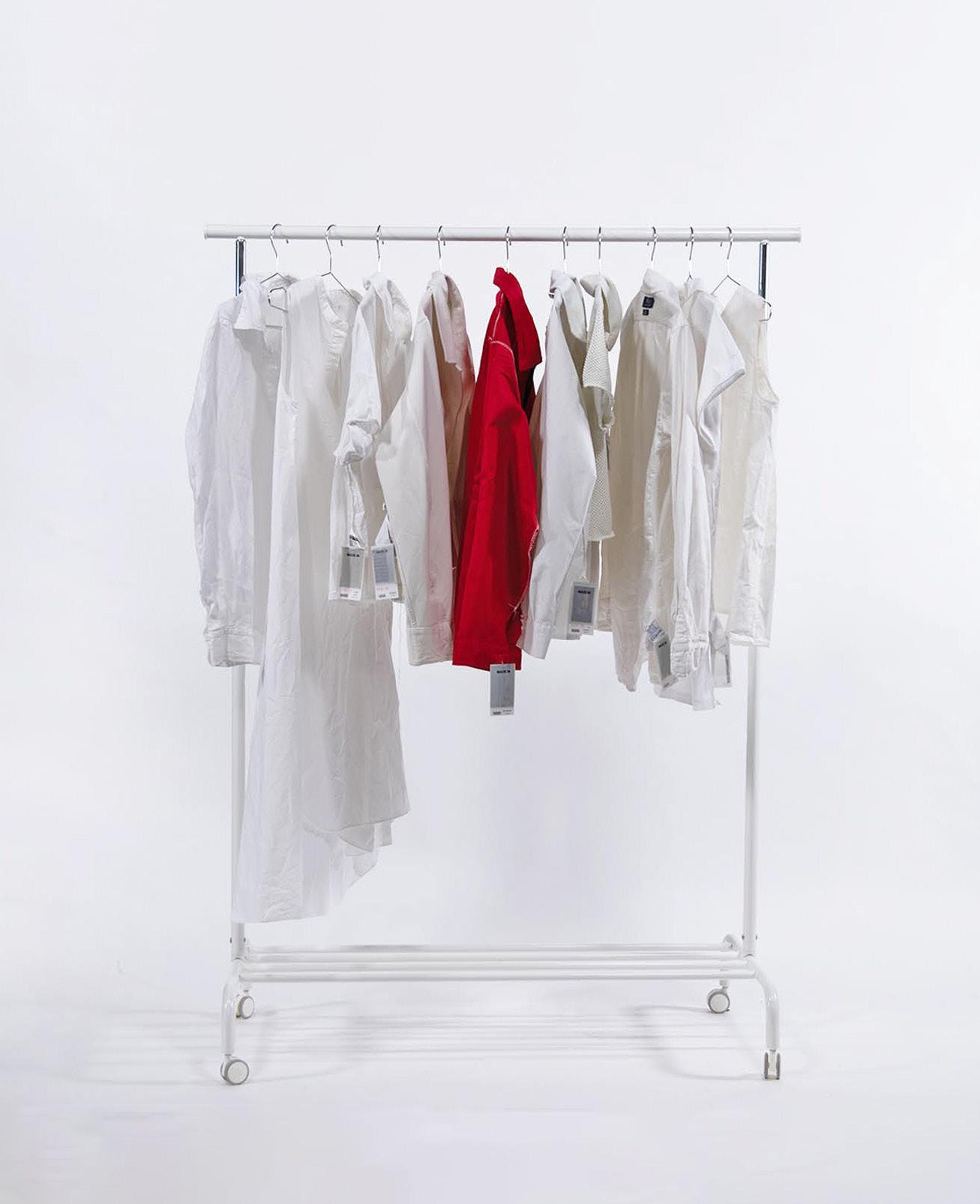
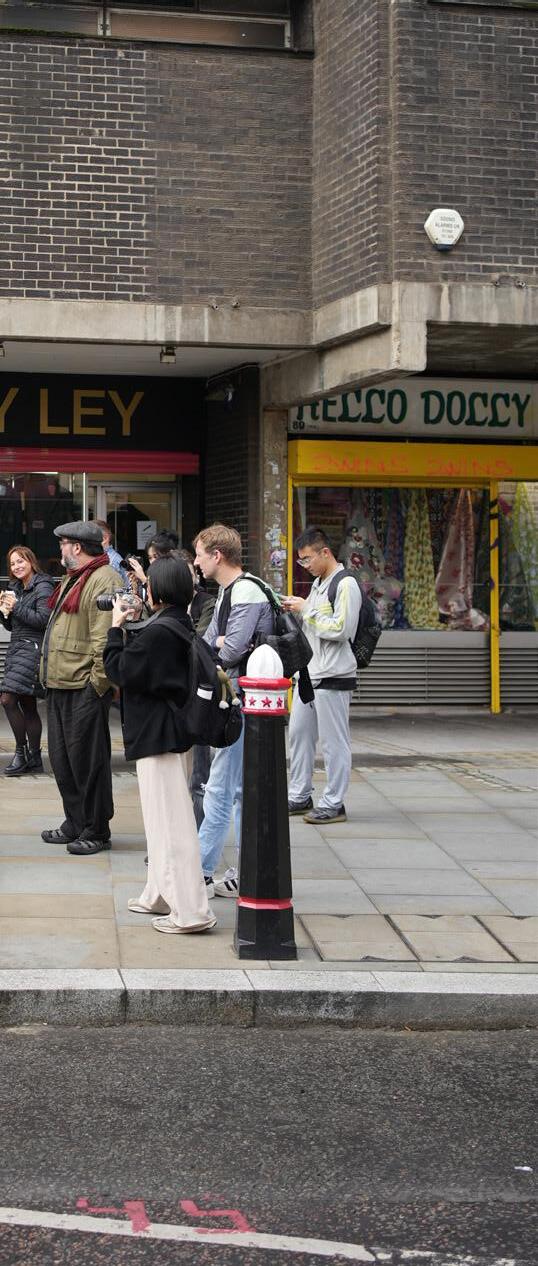
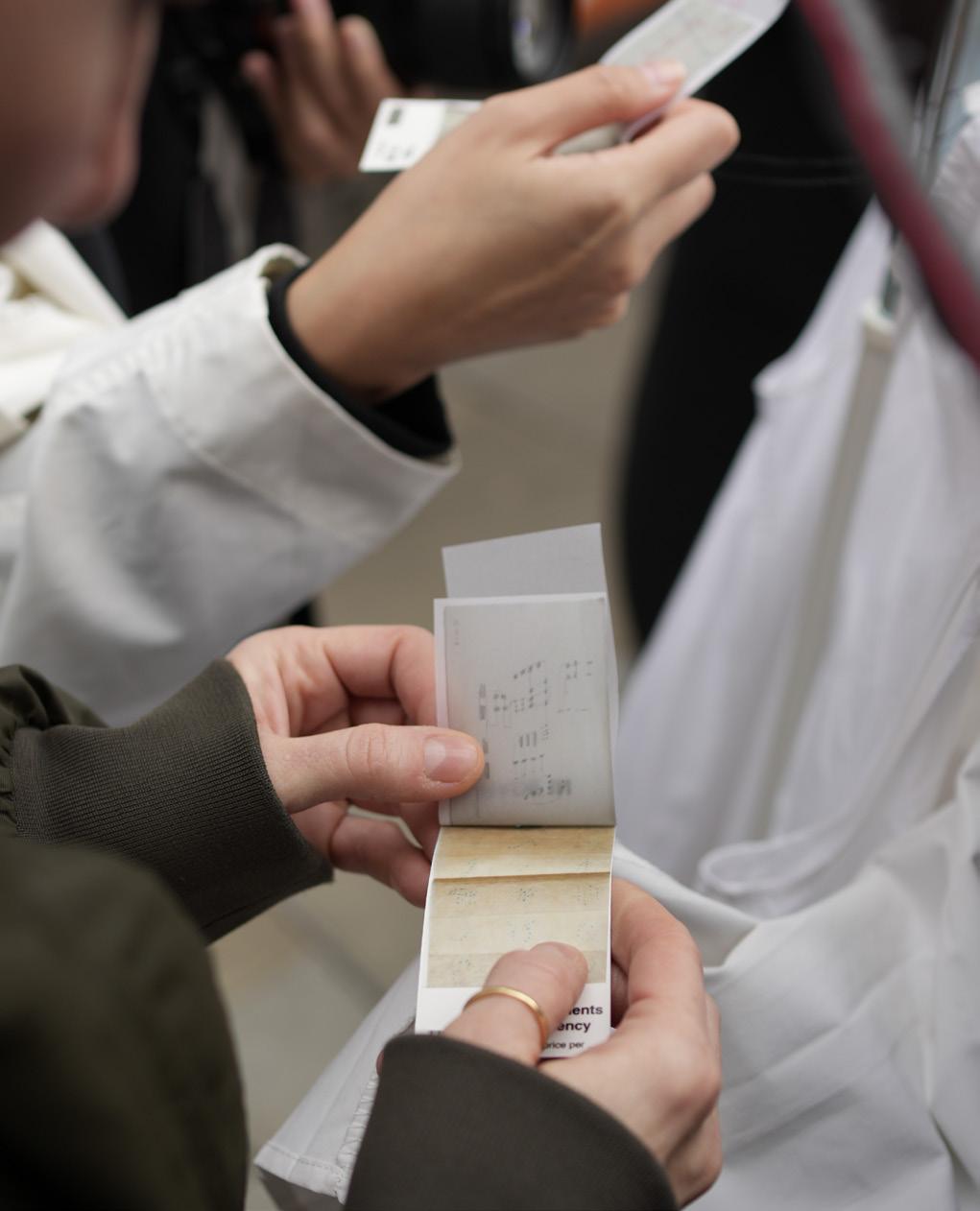
Auxiliary Materials, part of the Draw The Lines project, unfolds hidden labour in the fastfashion industry. Ten garments were fitted with custom-designed labels that replaced price tags with real data from the brands’ supply chains — detailing the number of factory partners, employee counts, and sites of origin, etc., rather than monetary cost.
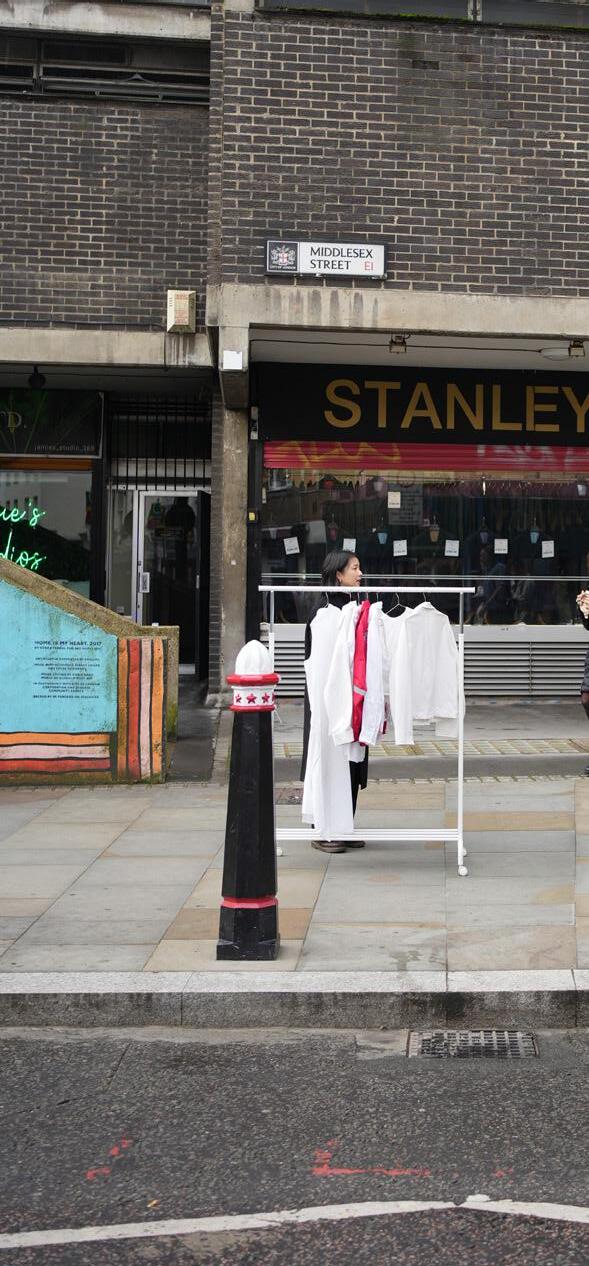
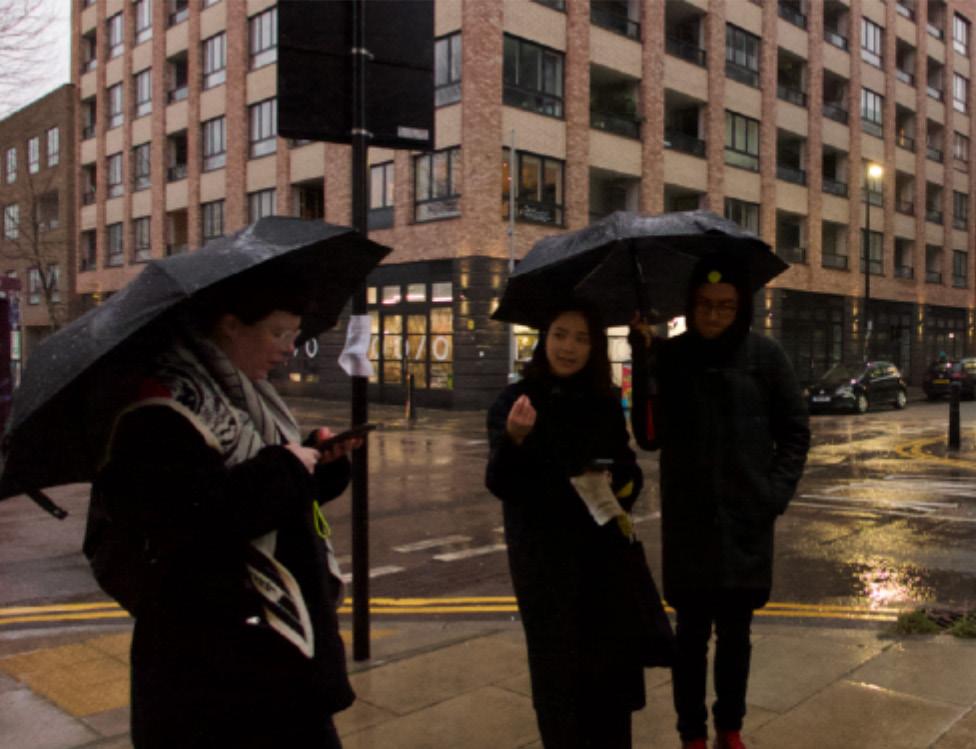
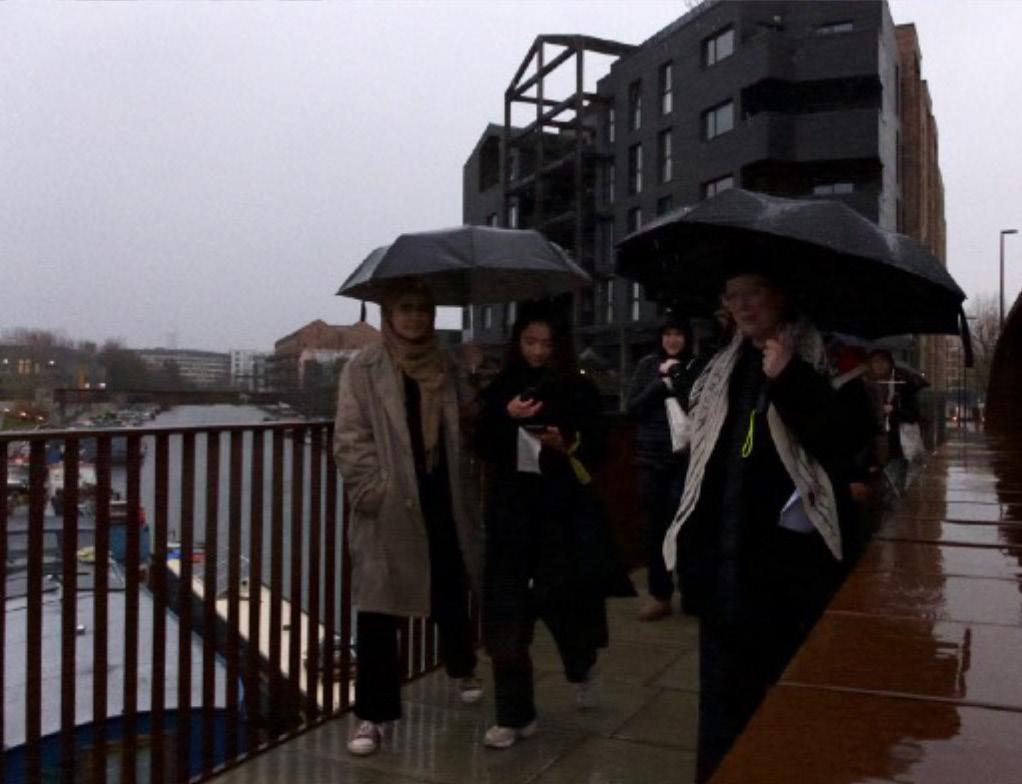
The live public intervention unfolded as a guided walking tour through Petticoat Lane Market. Using a mobile clothes rack, participants were invited to turn garments inside out to uncover the stitched labels. This act transformed spectators into investigators, confronting the overlooked layers of labour exploitation in affordable clothing industries. The work reframed value in fashion, prompting reflection on how consumption is bound to systemic exploitation.
02 CHODUK BRIDGE
POP-UP PARK (2021) Temporary Urban Intervention.
Bangkok Design Week 2021, Thailand
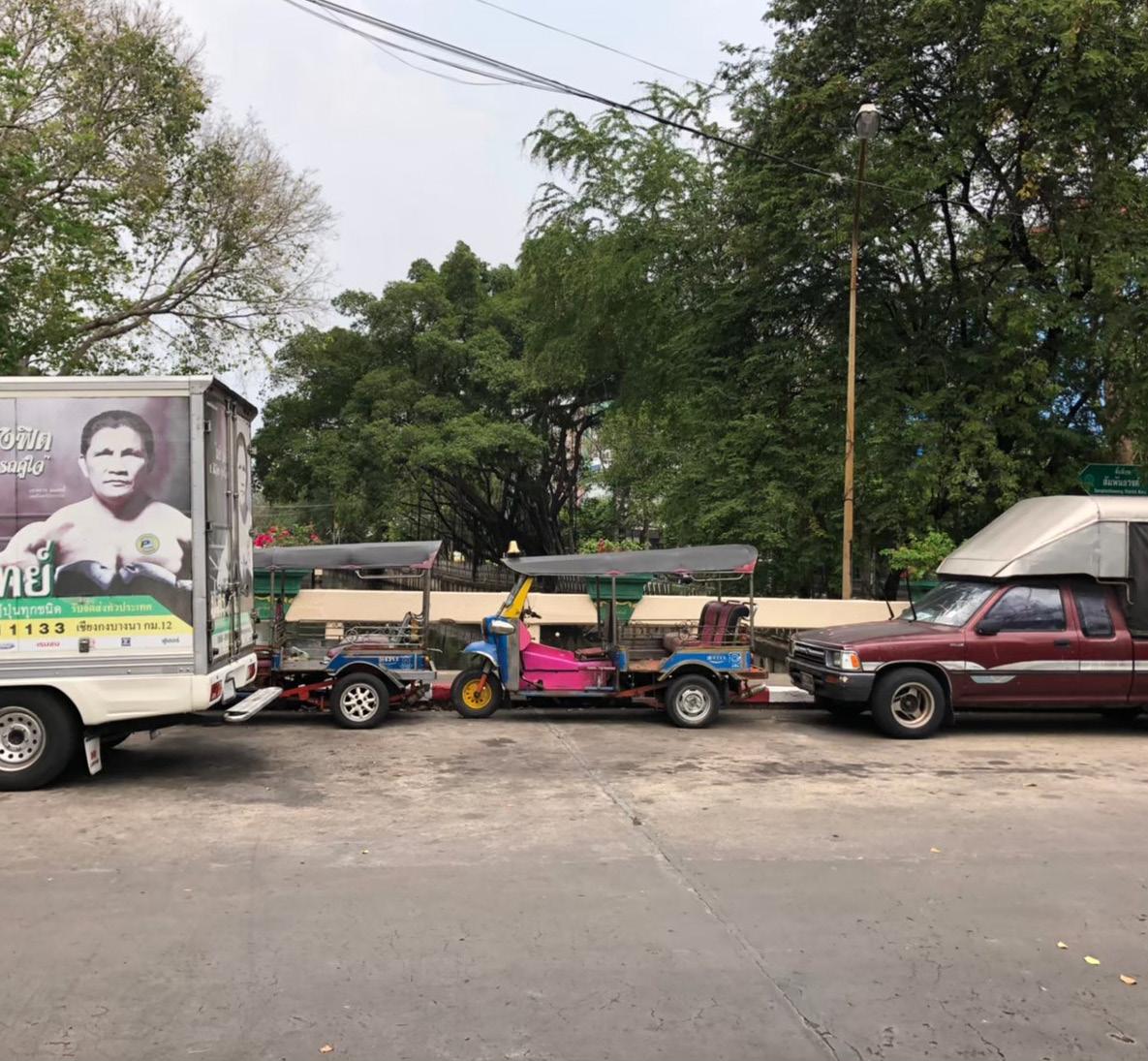
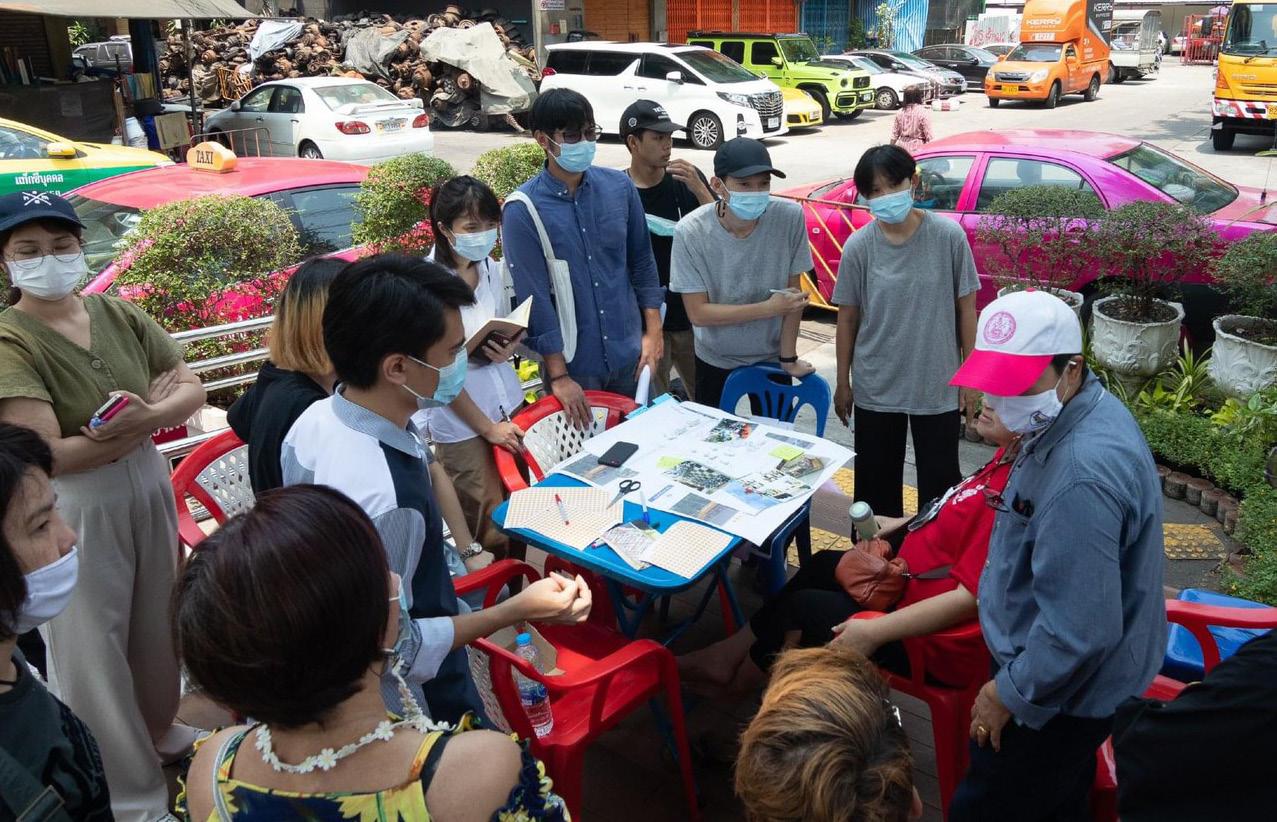
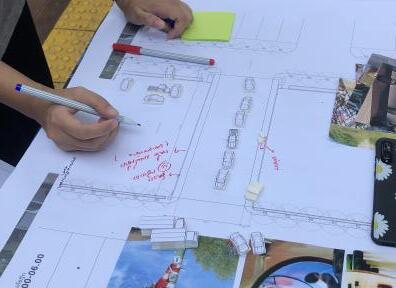
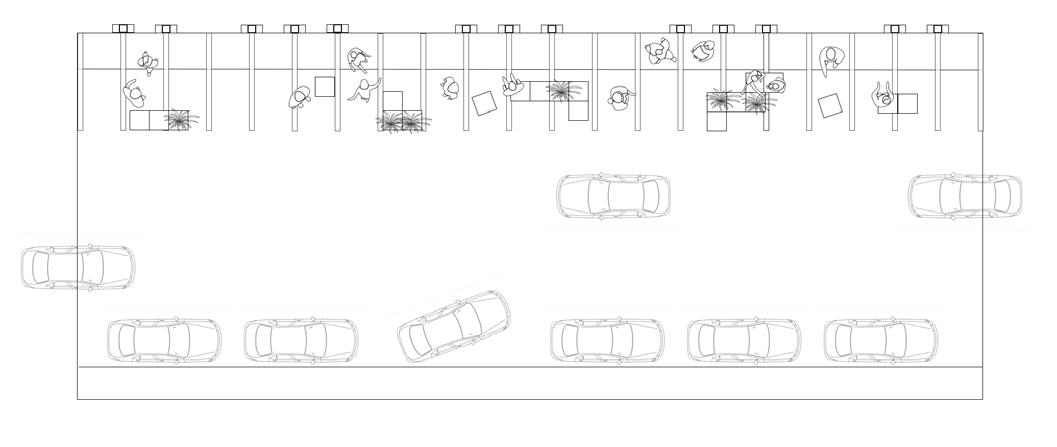
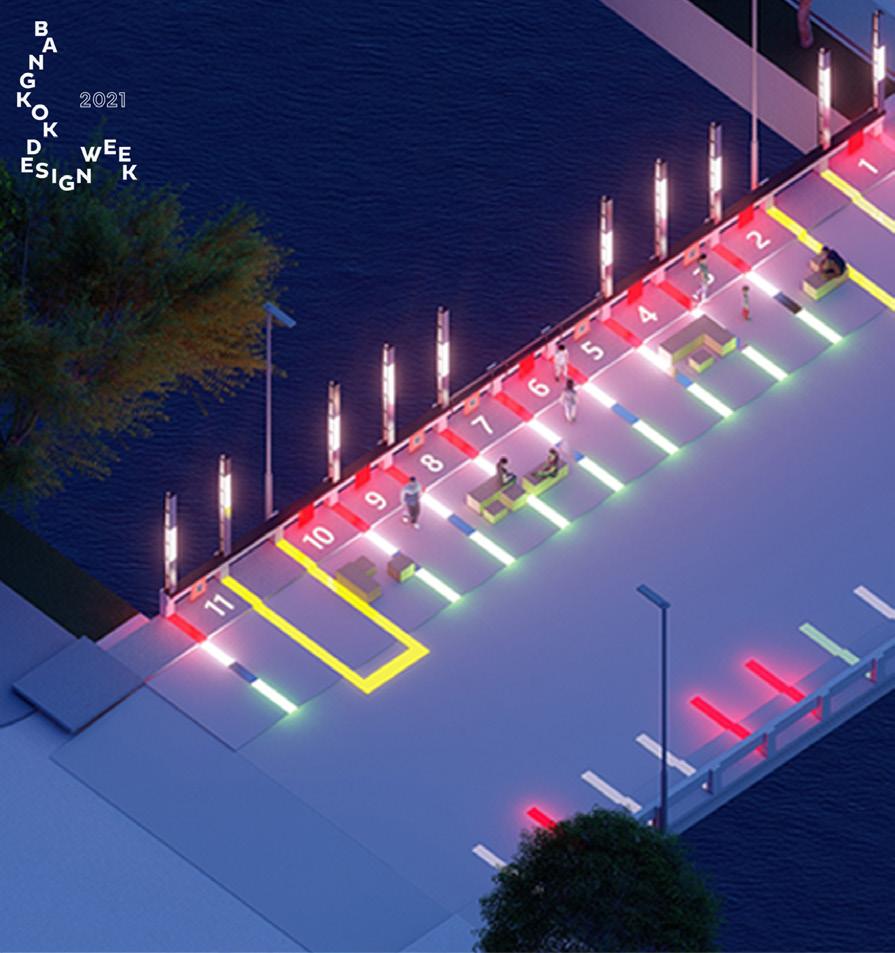
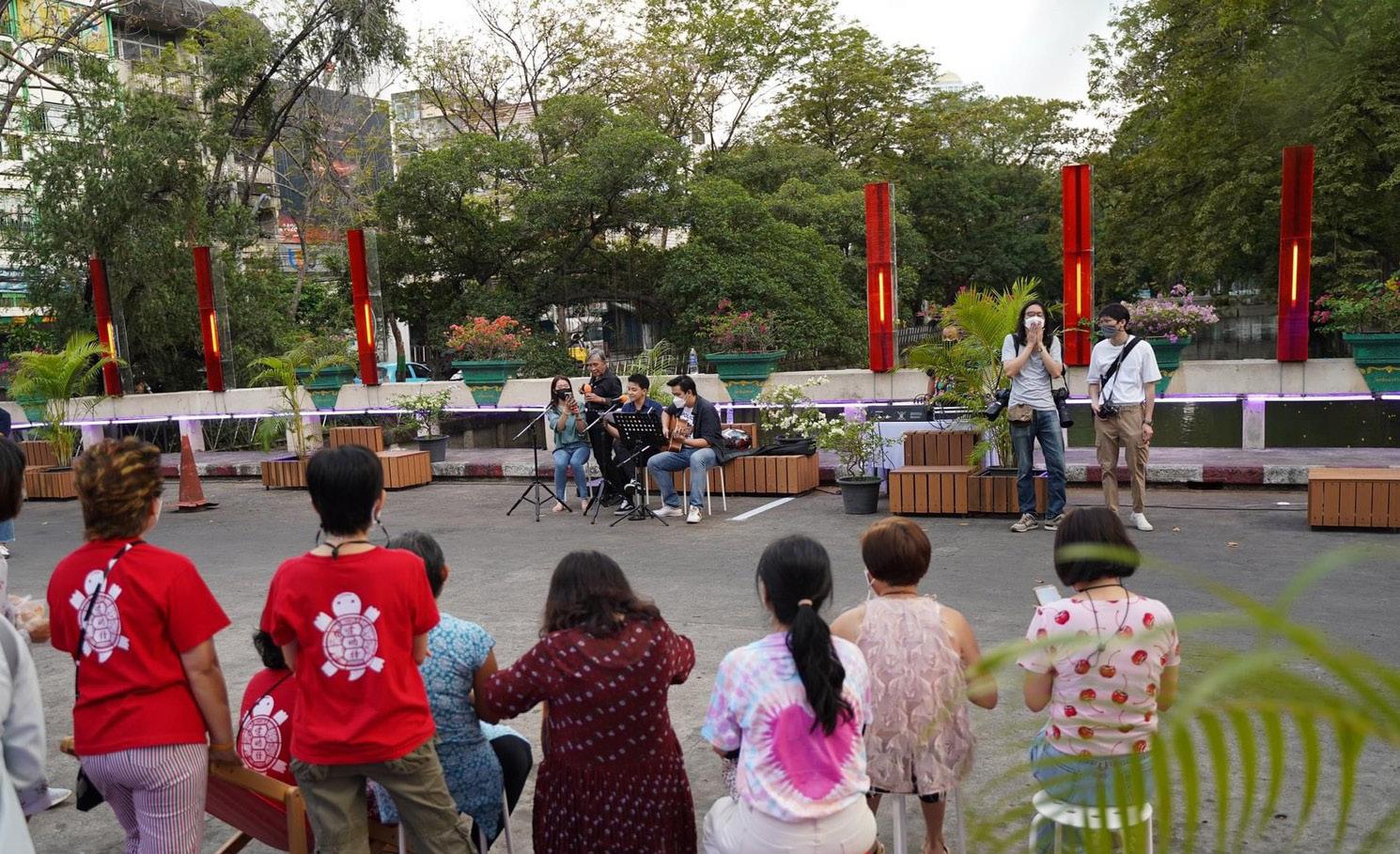
Organised by We! Park, Art4d, and Punmuang, this collaborative project reactivated Choduk Bridge in the Talat Noi–Charoenkrung area as part of “Creating New Possibilities for the Cultural District.” Working with Shma SoEn and the Choduk community, we co-designed and built a temporary public space through workshops and on-site construction, addressing issues of private vehicle dominance and limited pedestrian access.
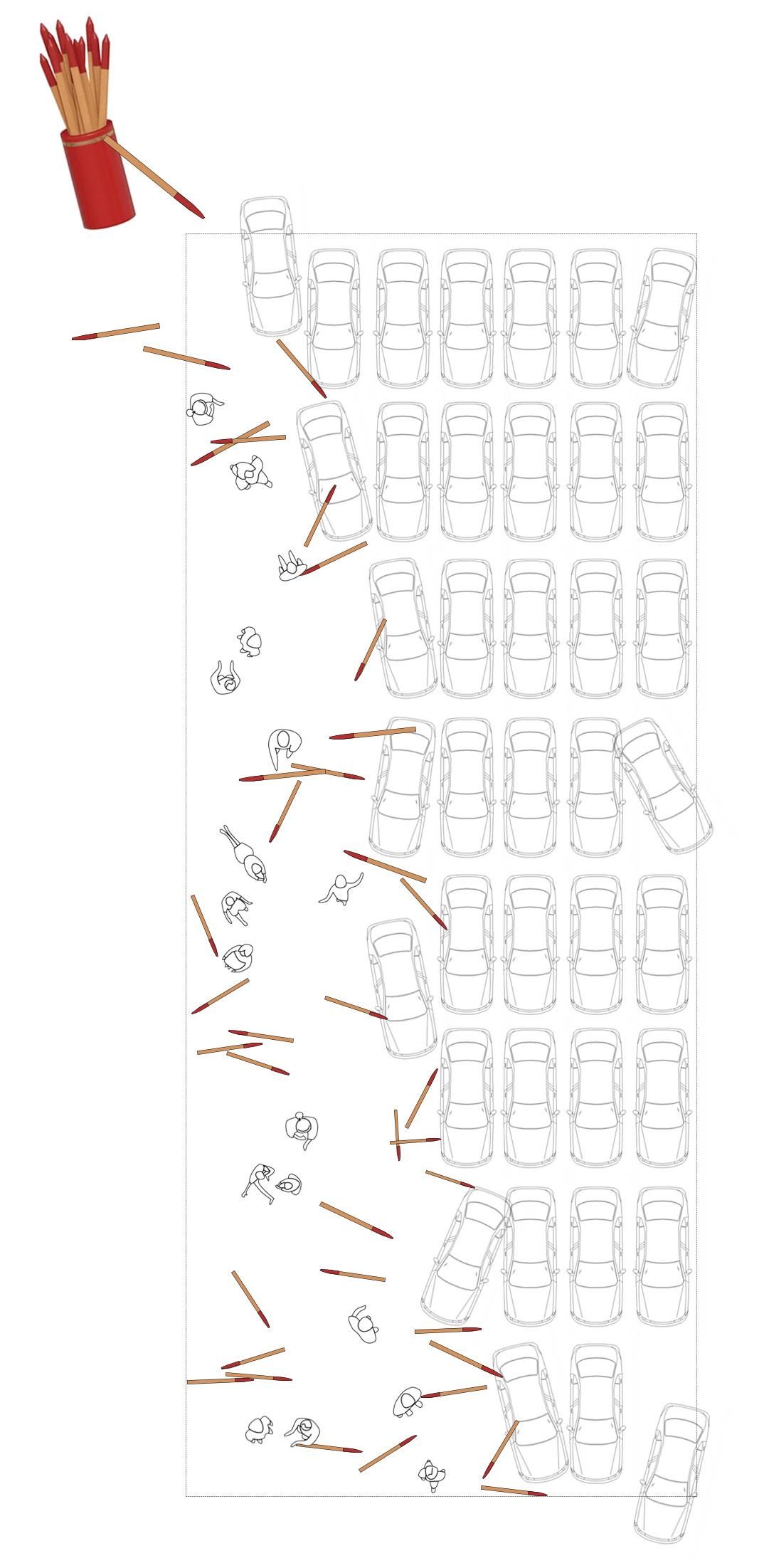
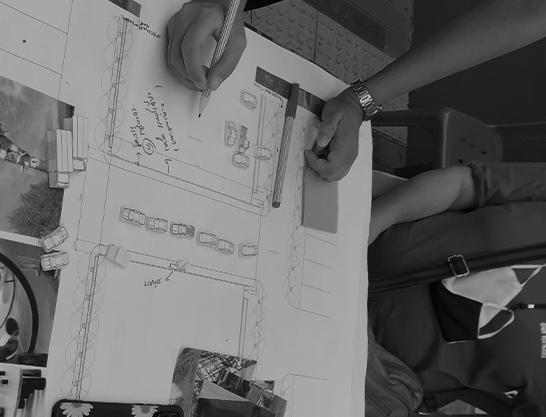
Through workshops and community engagement, we identified Choduk Bridge’s potential as a multifunctional civic space. Residents envisioned revitalising it as a dynamic hub for gatherings, play, and collective memory, while balancing parking needs. Our interventions—safe parking relocation, flexible seating and modular platforms—restored the bridge as a vibrant public space.
no parking, let’s play CHODUK!
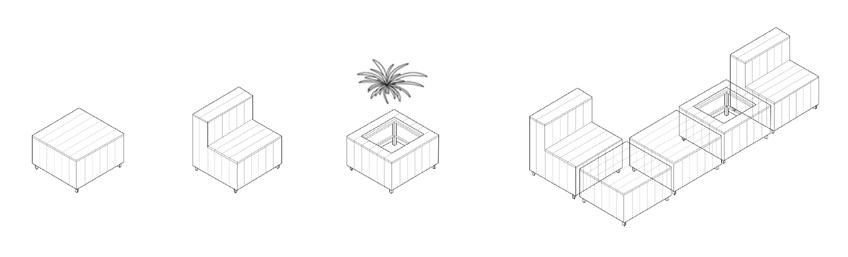
Rather than installing a “no parking” sign, we used design as a tool for friendly prevention—relocating parking to one side, introducing modular seating and platforms, and adding playful elements like the Games of CHODUK, inspired by fortune sticks from the community’s Thai–Chinese heritage. Flexible features supported events, workshops, performances, and casual gatherings.
ROPE / BRANCHES / STRAW (2024)
Maternity Center, Senegal
Kaira Looro Architecture
Competition
In collaboration with Timpika Wetpanya and Siya Sudhiswat
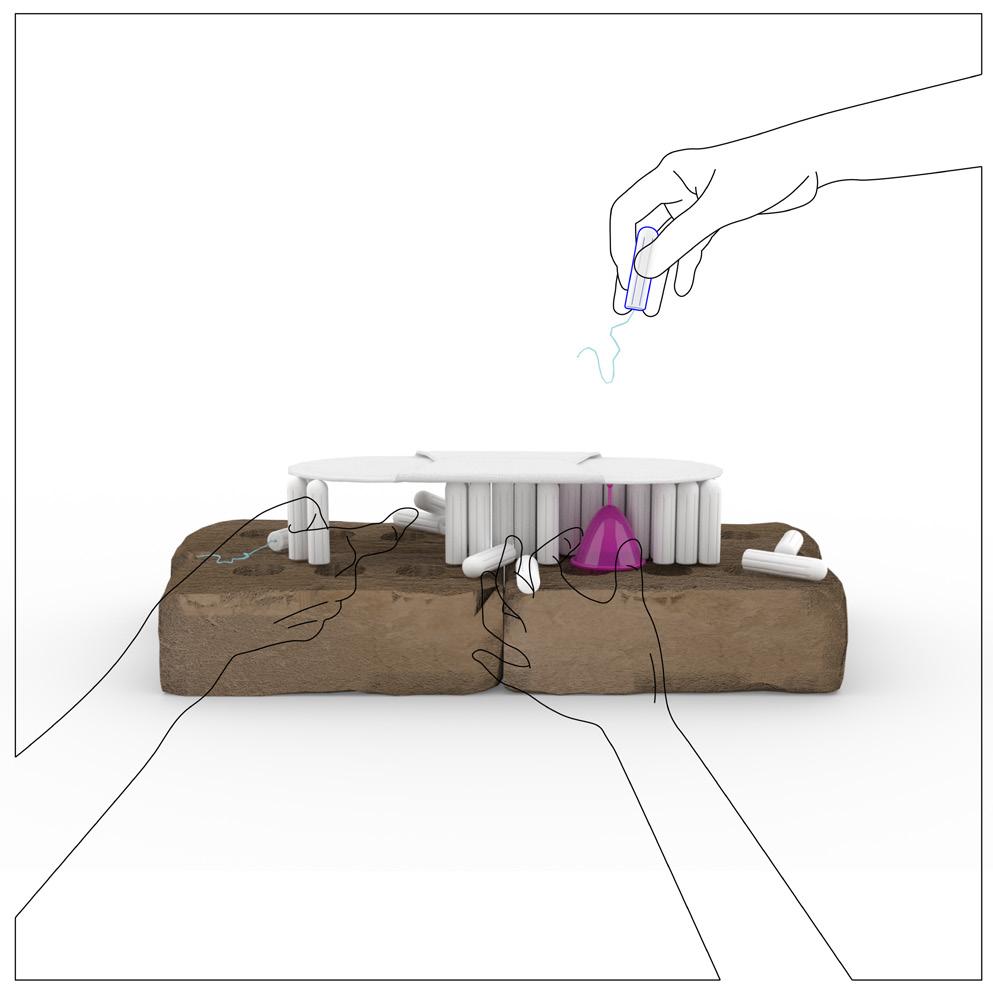
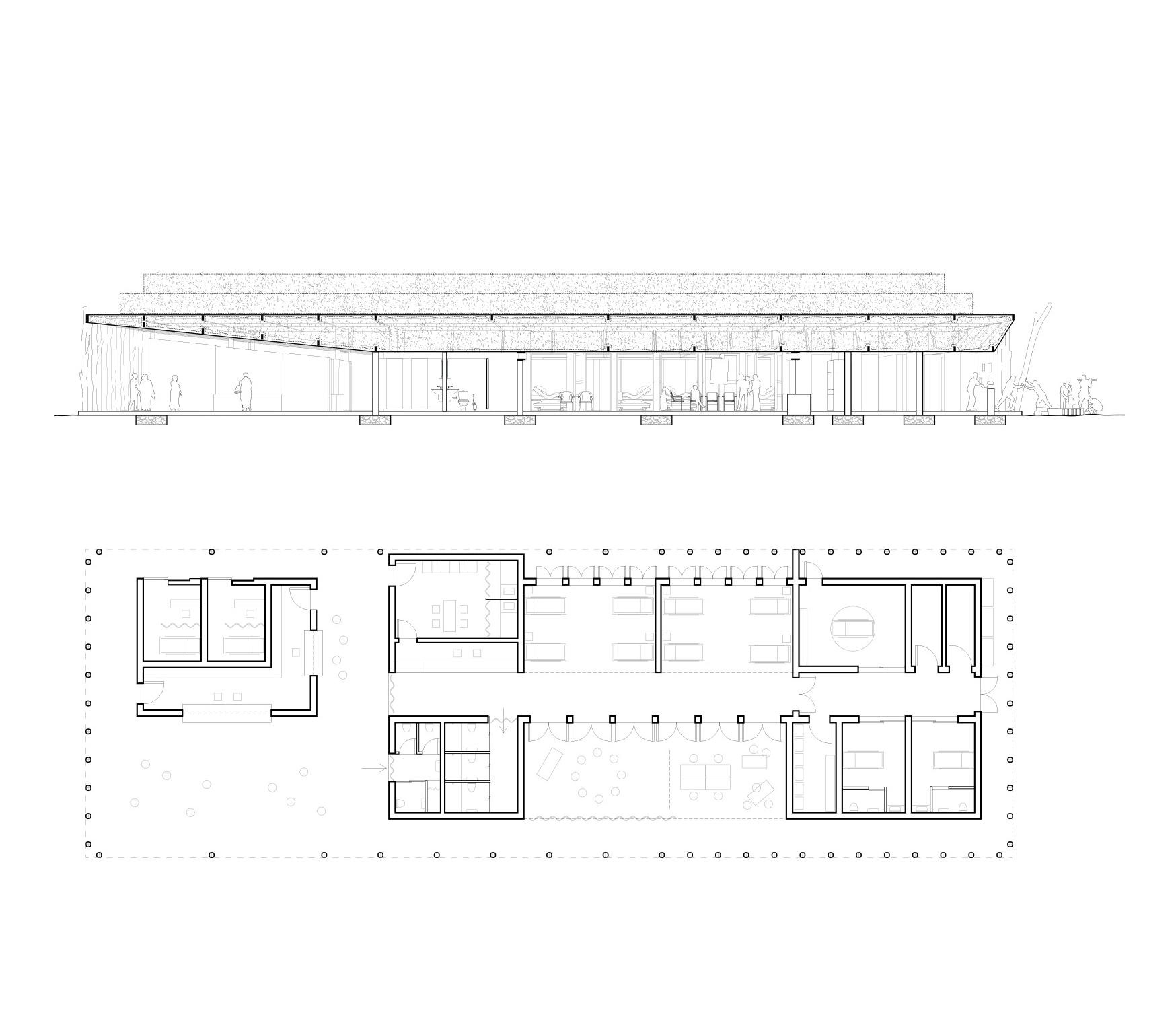
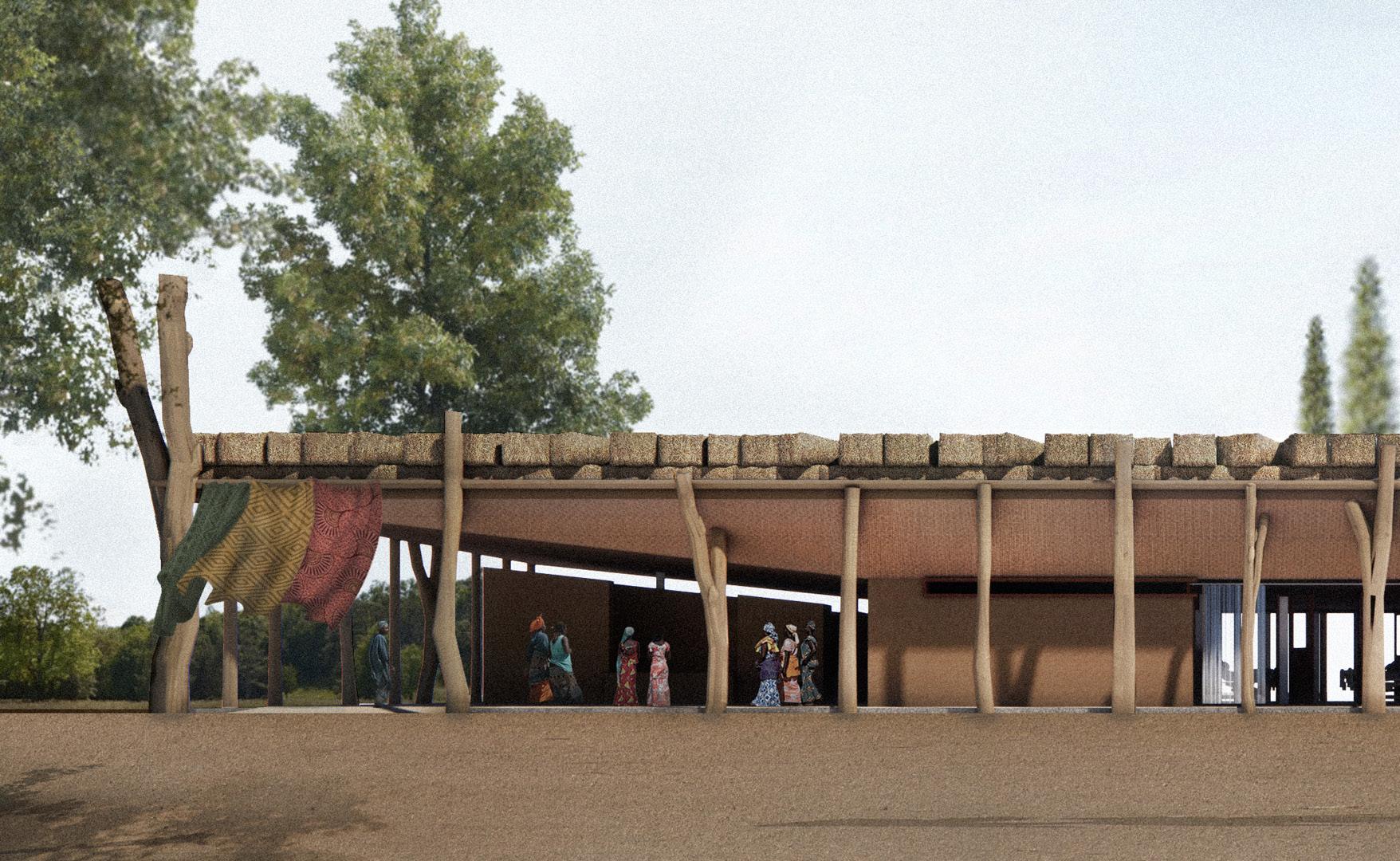
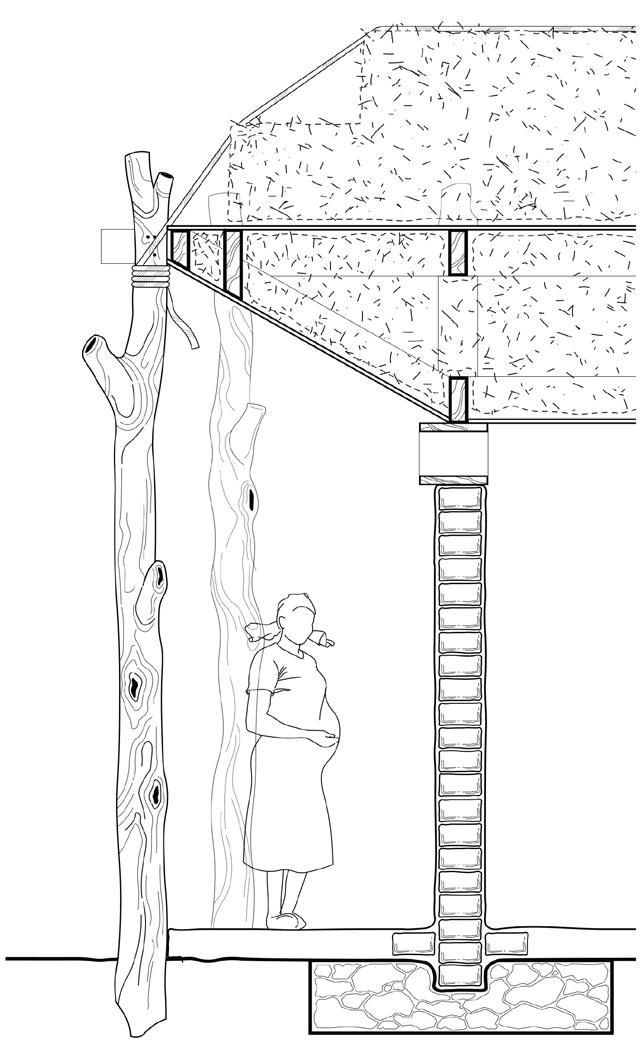
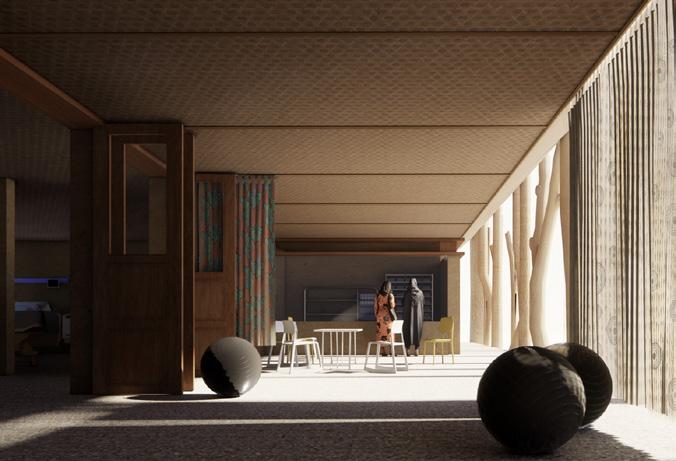
In Senegal, limited access to public health services and prenatal counselling puts pregnant women and their babies at risk. This project reimagines the medical center as a welcoming and trust-building space where women feel encouraged to seek care and support. Beyond providing essential health services, the center includes a Learning Center that promotes education on women’s health, pregnancy, and postnatal care. By involving the local community in the construction process, the project fosters a sense of ownership and ensures the architecture reflects local culture and environment.
B. Engagement
C. Maternity & Learning Center
A. Accessibility
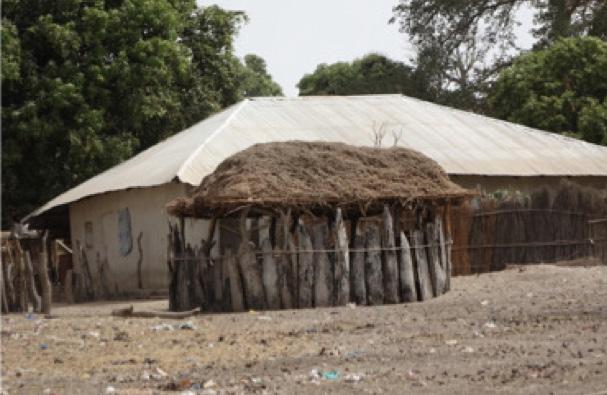
The project centers on maternal security, creating a safe and trustworthy environment through architecture that harmonises with Senegal’s local culture and climate. Organised in three sections—a welcoming public reception, a communal Learning Center with wards, and a secure delivery area—the design transitions from openness to privacy, fostering comfort and confidence. Using locally sourced materials like straw and earthen walls, the building ensures natural ventilation and thermal comfort.
MAI PEN RAI: THE ART OF LETTING GO (2025)
Participatory Workshop and Discussion, The Paris Biennale in Bangkok 2025
22.02.2025
River City Bangkok, Thailand
Participants: 20
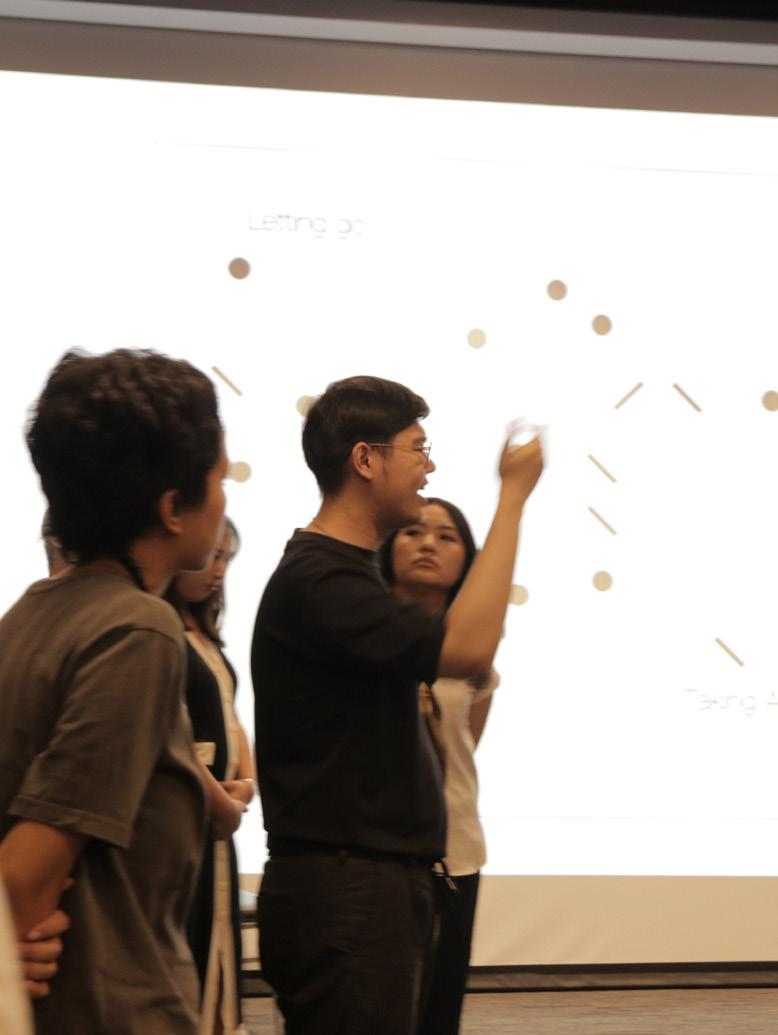
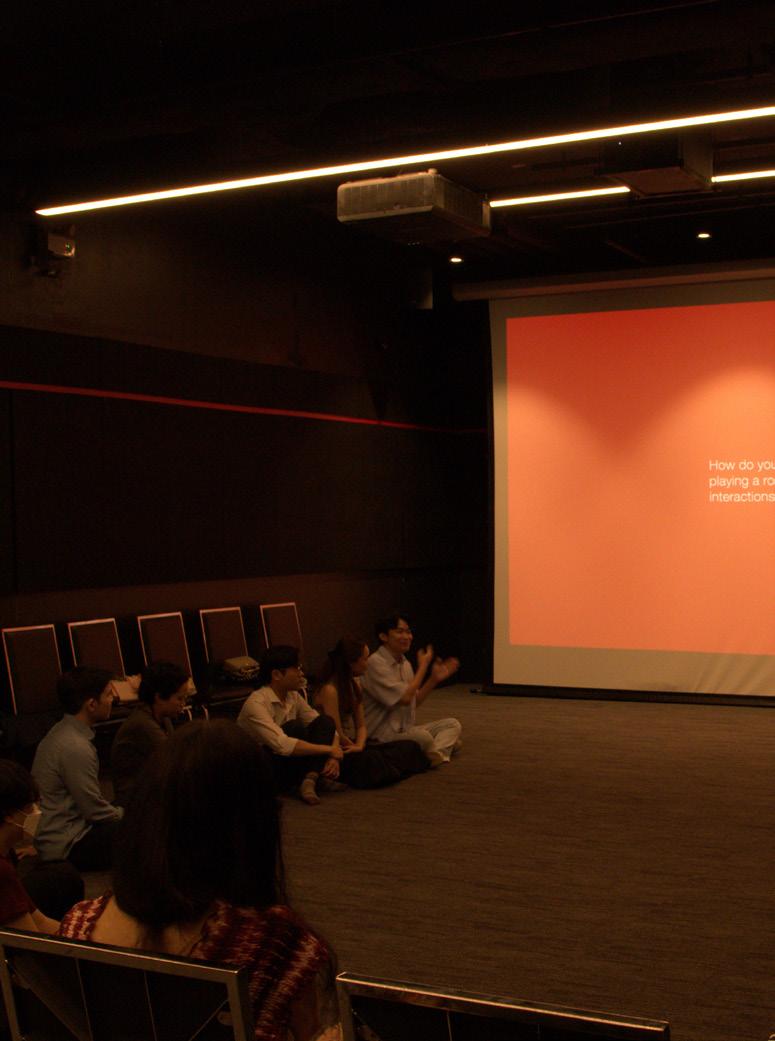
This participatory workshop explores Mai Pen Rai (ไม่เป็นไร ) — a Thai phrase meaning “never mind”—as an art of transformative response that can serve as both a cultural strength and a limitation. Rooted in Buddhist impermanence, seniority culture, and social values of compromise, humility, and conflict avoidance, it shapes how individuals navigate harmony and tension. Through discussions and movement-based activities, participants from diverse backgrounds reflect on letting go, taking action, and the collective impact of personal choices.
Scenario No. 08
Scenario No. 08: What if an elder cuts in a long bus stop queue?
In the first session, we explored the emotional and cultural depth of Mai Pen Rai (“never mind”). Participants from Asian and European backgrounds discussed its links to Buddhist impermanence (anicca) and hierarchical social values, while also noting its drawbacks in discouraging confrontation. Comparisons with Japan’s Gaman and China’s mianzi, contrasted with Western directness, highlighted its role as both a cultural habit and a life philosophy.
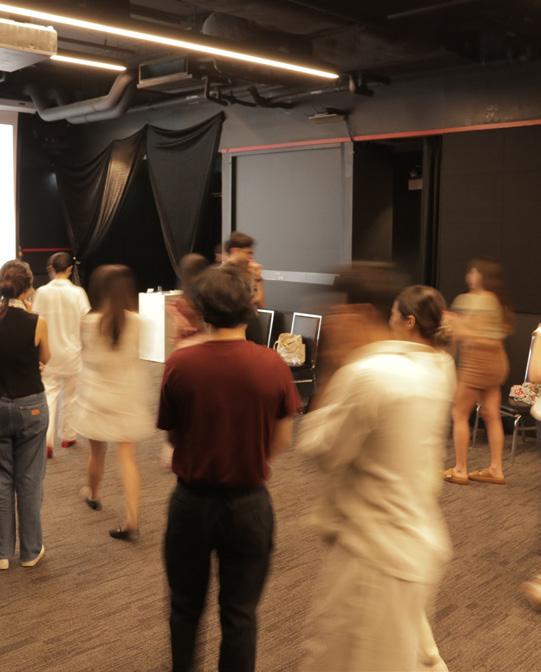
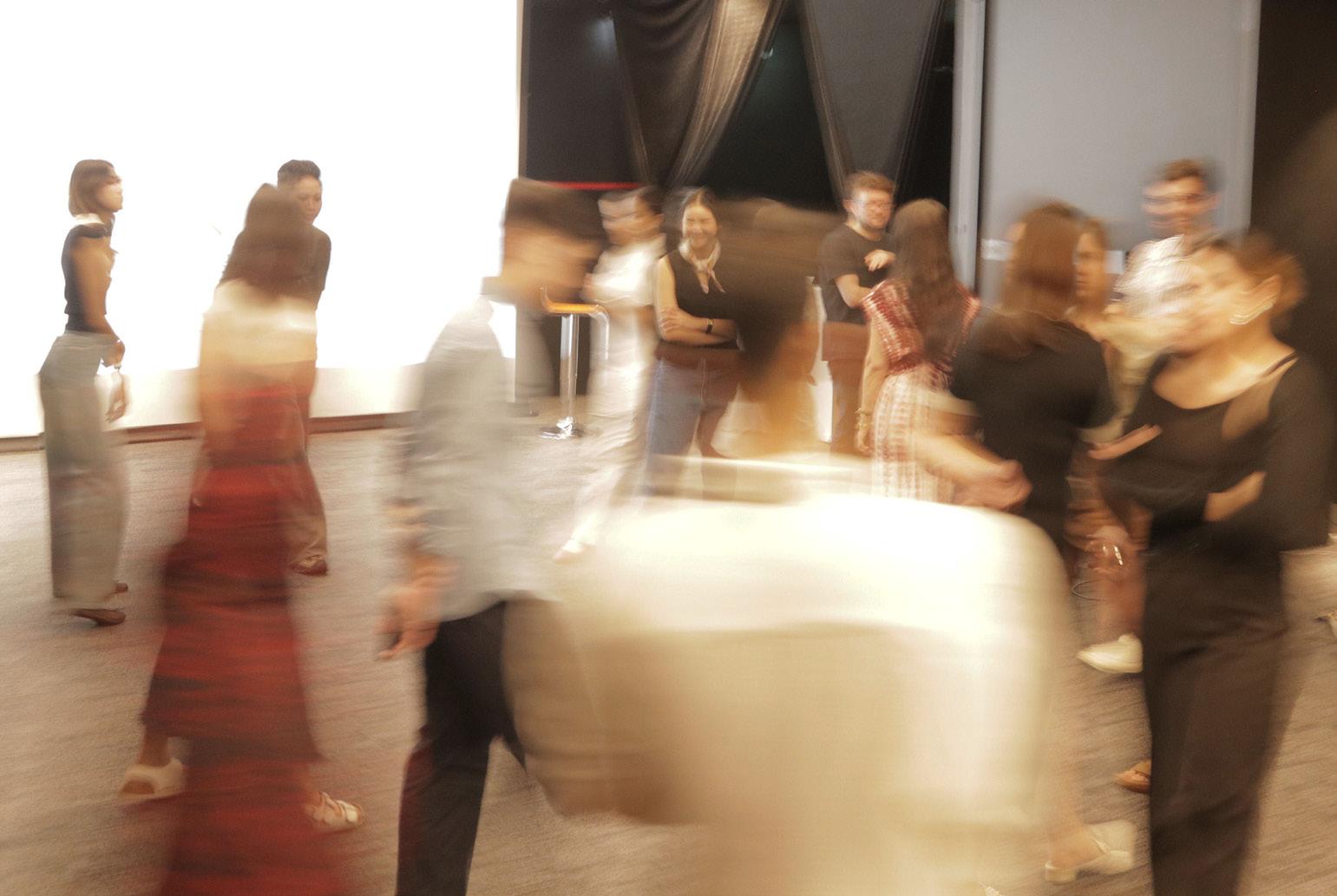
The second session explored Mai Pen Rai through movement and stillness. Participants engaged with real-life scenarios by choosing between remaining still—representing letting go and acceptance— or moving, symbolising unacceptance and the need to take action. They then shared personal experiences, from everyday annoyances to deeper social issues, creating open dialogue on how cultural norms, expectations, and boundaries shape individual responses.
The graph captures the degree of letting go (X-axis) for each scenario, ranging from 0–100%, based on collective responses and embodied decisions during the participatory workshop. The Y-axis represents the emotional, moral, or ethical impact, also scaled from 0–100%, reflecting the depth of group discussions and personal reflections.
‘Mai’ ! What? No
compensation
Friend won’t vote in the election
Colleague keeps making mistakes—you always fix them
conversation where exposes another
Witness someone trashthrowing on street
Emotional Moral Ethical
Senior asks you to do extra work that's not your respon sibility
Ummm maybe..
Ummm maybe..
Car splashes water on you during a flood
Dropped food—should you still eat it?
Friend damages your car
the wrong order at a busy restaurant
Parent forgot their passport —asks you to go ahead partner—doyoutakeaside?
In a rush but see people fighting on the street
Facinga rude customer
Witnesssomeone
cheatingonanexam
Stuck in traffic during rush hour
Older
Loud TikTok on BTS Skytrain
person cut s i n b su qeueu (ummm how
old?)
Stranger farts in the lift
‘Mai Pen Rai’ It’s
okay—just let it goooooo
Noticing someone with their zip open
No one holds the door in the elevator
Friend arrives 20 minutes late for dinner
Got lost due to wrong directions from your partner
PIGMENTS OF ERA (2022)
Floating Pavilion on the Drava River, Maribor, Slovenia.
Recognition Award
Architectuarl Competition, Organised by Outsider Magazine
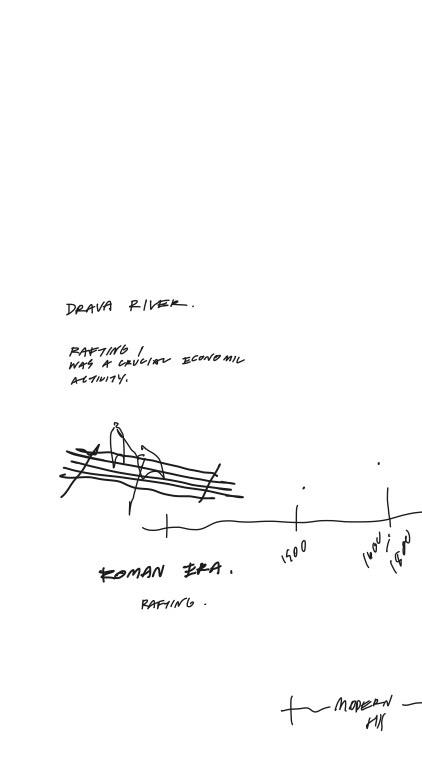
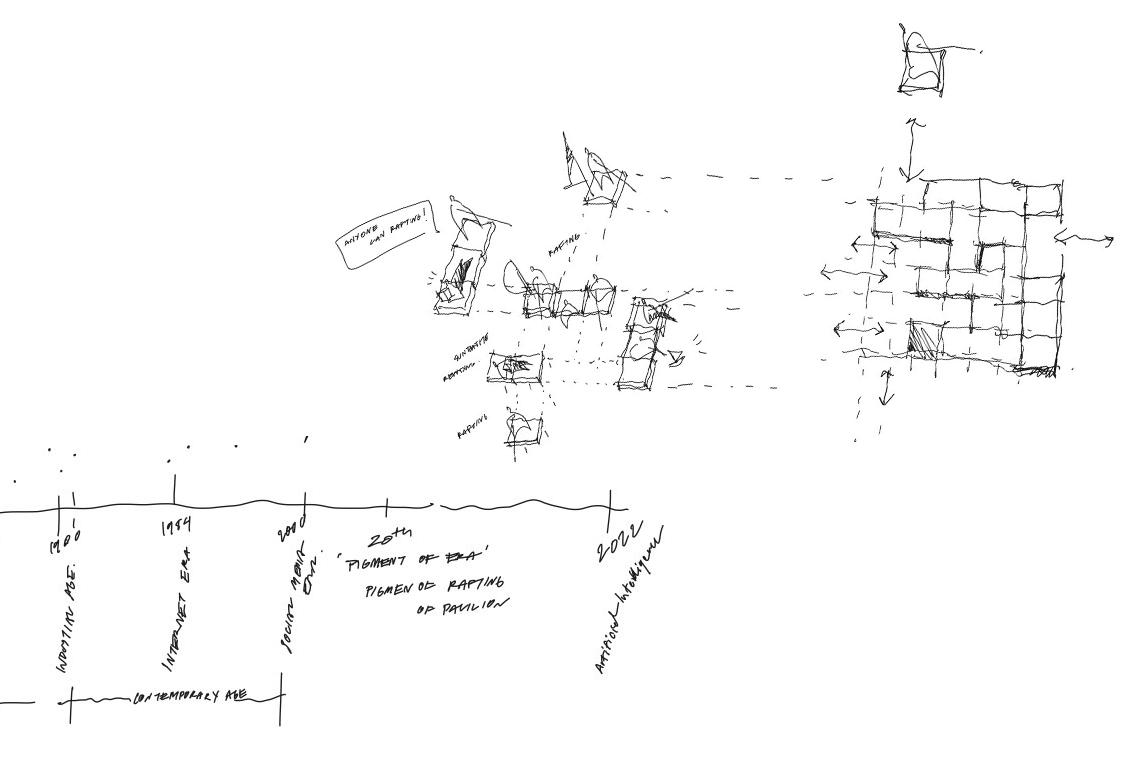
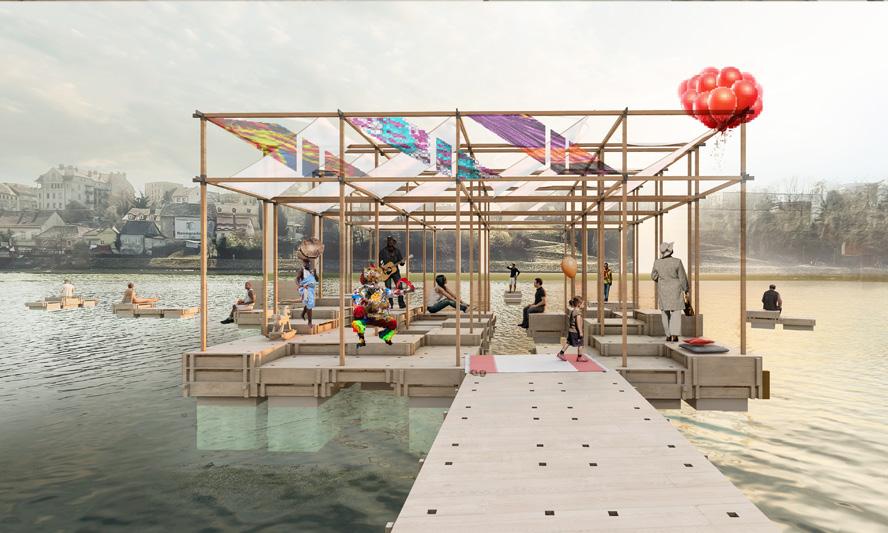
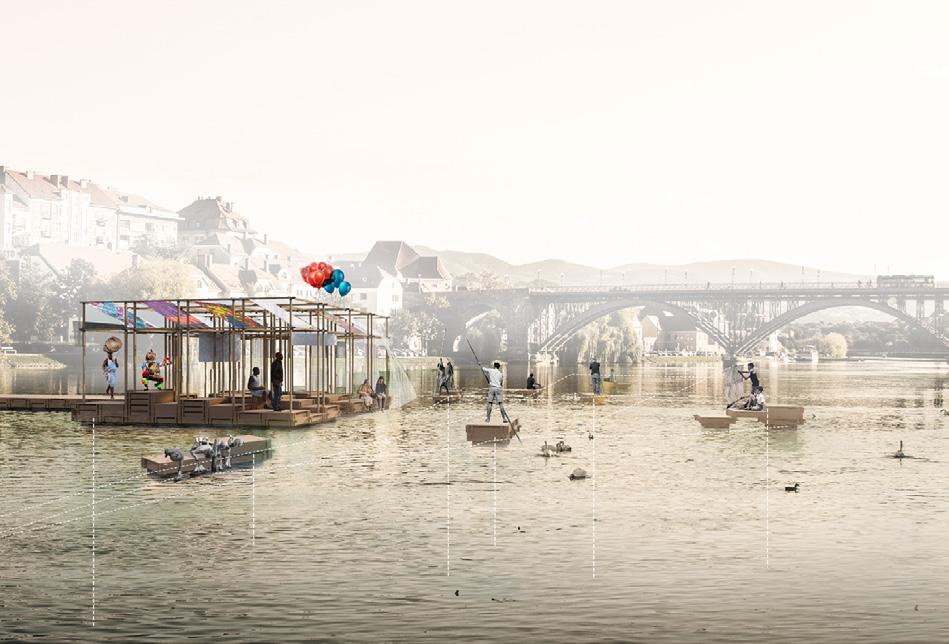
Pigments of an Era is a floating pavilion that reinterprets the memory of rafting on the Drava River in Maribor, a tradition once vital to the town’s growth and identity. As water and time flow, the work reflects on transience, tracing how ways of life fade yet persist in spirit. Rather than reconstructing the past, the pavilion uses architectural form to evoke movement and continuity, bridging history with future adaptability while creating a shared space for reflection and community engagement.
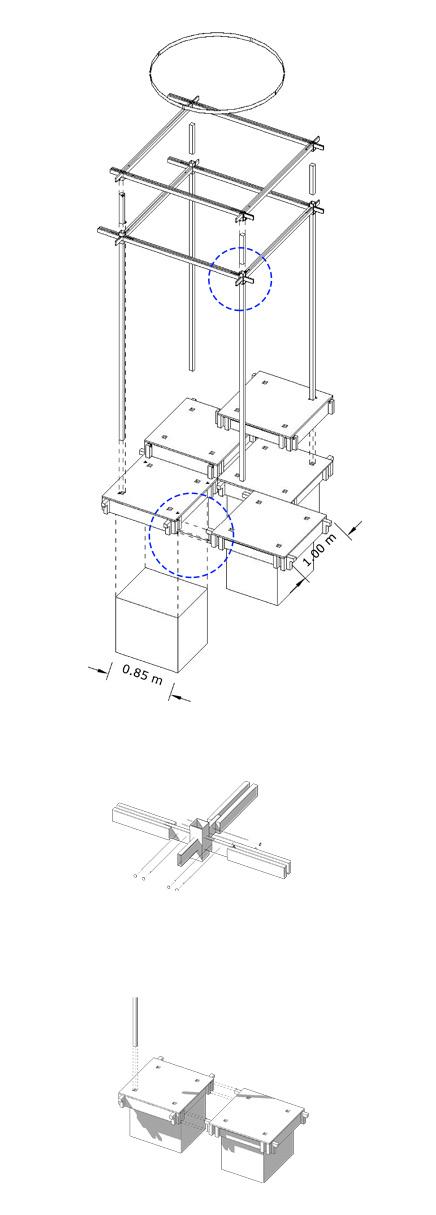
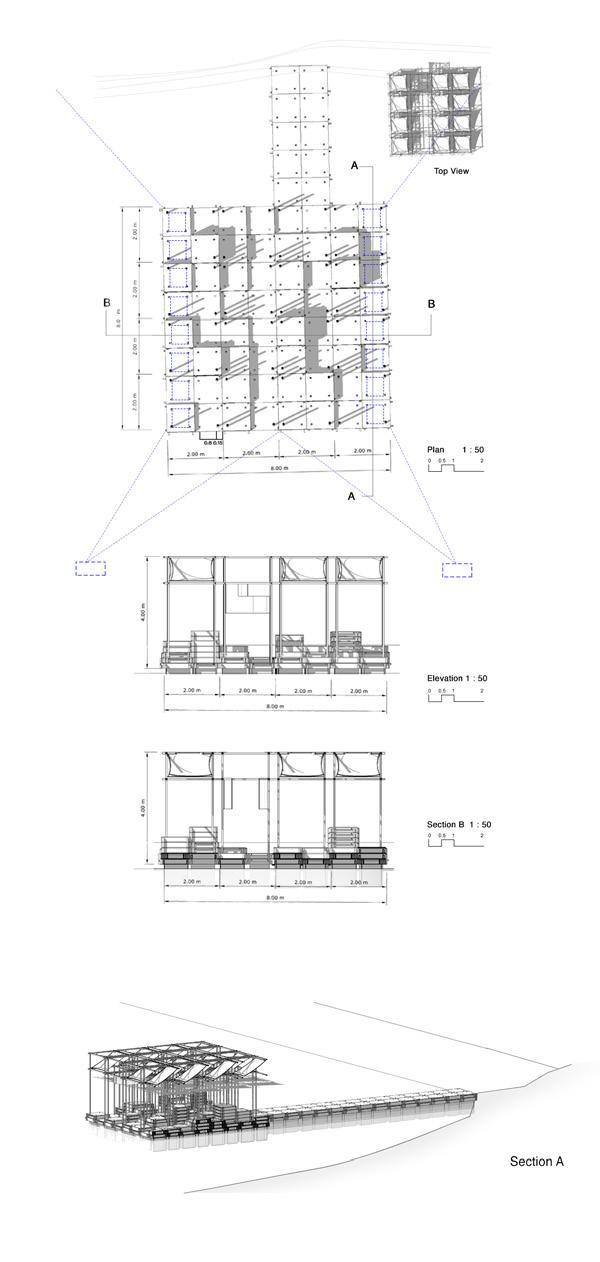
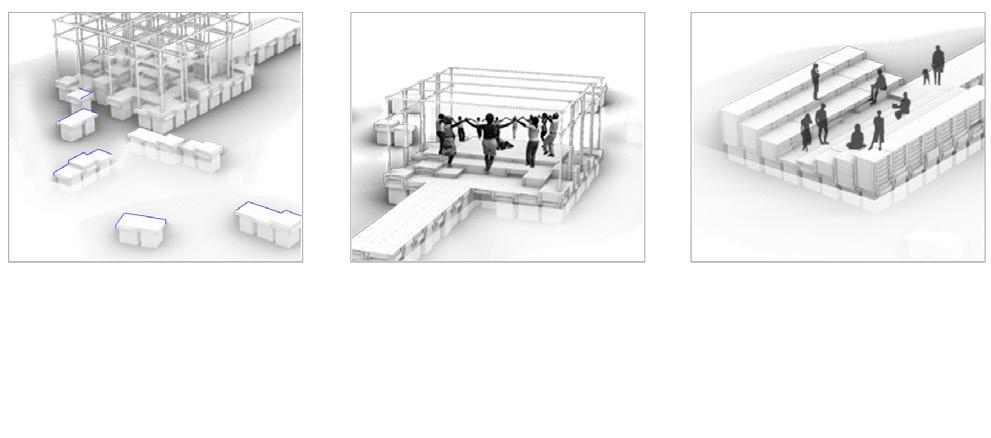
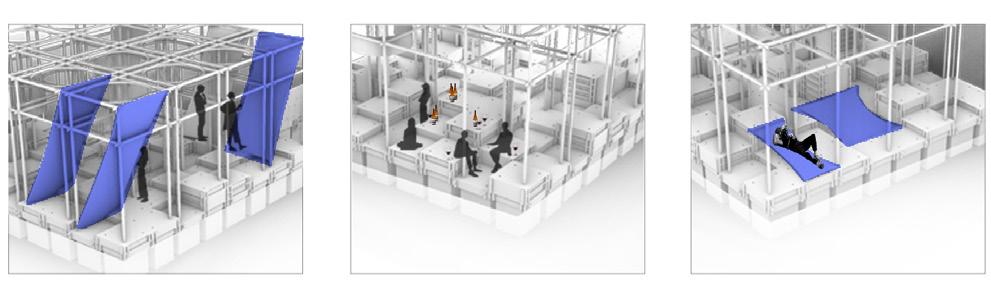
The pavilion consists of 64 modular raft units (1x1 m) that float independently and can be assembled into various configurations up to 8x8 m. Two structural systems define the design: a wooden–aluminum column and roof system with adjustable heights (2–4 m) and a modular wooden flooring system over a floating platform. The adaptable layers support different uses, from exhibitions to public gatherings.
Column Joint
Detail
Floor Joint
Detail
Pavilion Assembly Scenarios
Rafting
BARRIERS (2023)
A Site-Specific Sonic Intervention Monier Road Bridge, Fish Island, London
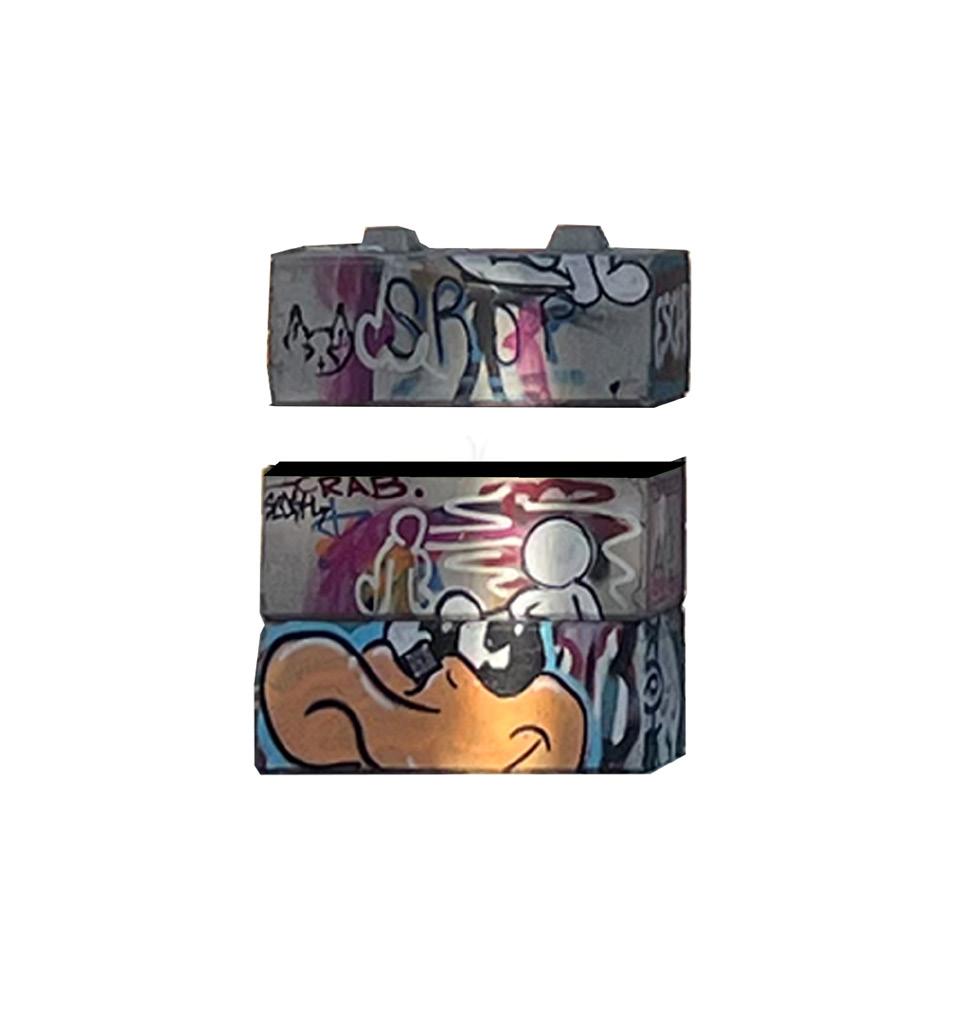
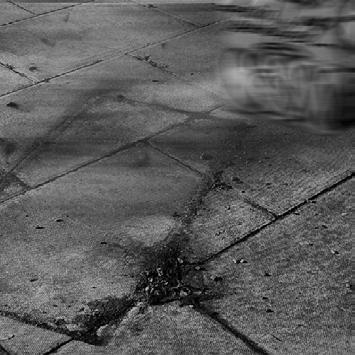
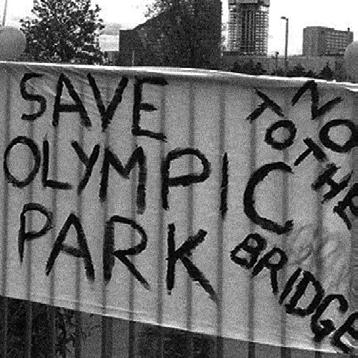
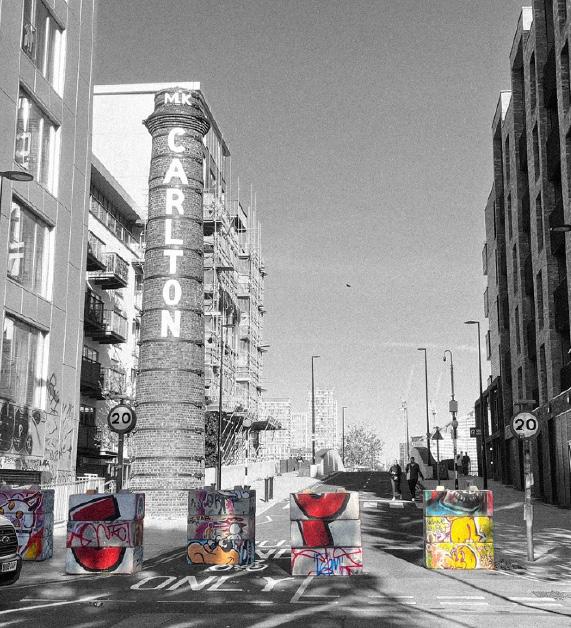
Monier Road Bridge, transformed during the 2012 London Olympics under the LLDC, faced strong community opposition to its conversion into a road bridge. Residents protested the prioritisation of cars over pedestrians and cyclists, citing safety and environmental concerns. Concrete barriers installed as a protest became lasting symbols of resistance, reshaping movement and perception. This sonic intervention maps the site’s evolving soundscape, exploring how urban resistance, spatial control, and everyday movement intertwine, revealing the lingering echoes of protest embedded within the bridge’s architecture.
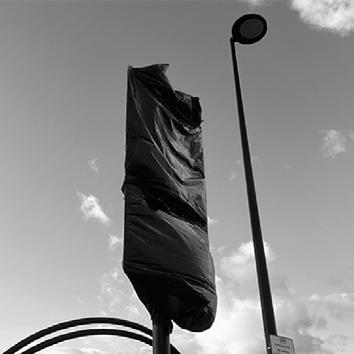
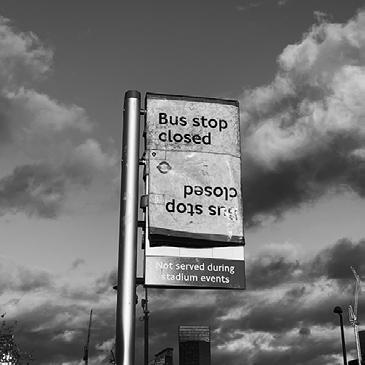
In addition to blocking Monier Road Bridge with concrete barriers, traffic signs and bus stops were once concealed under rubbish bags to prevent the bridge’s reopening. In November 2023, it was partially reopened, restricted to buses and cyclists. Though the barriers are gone, traces of resistance remain.
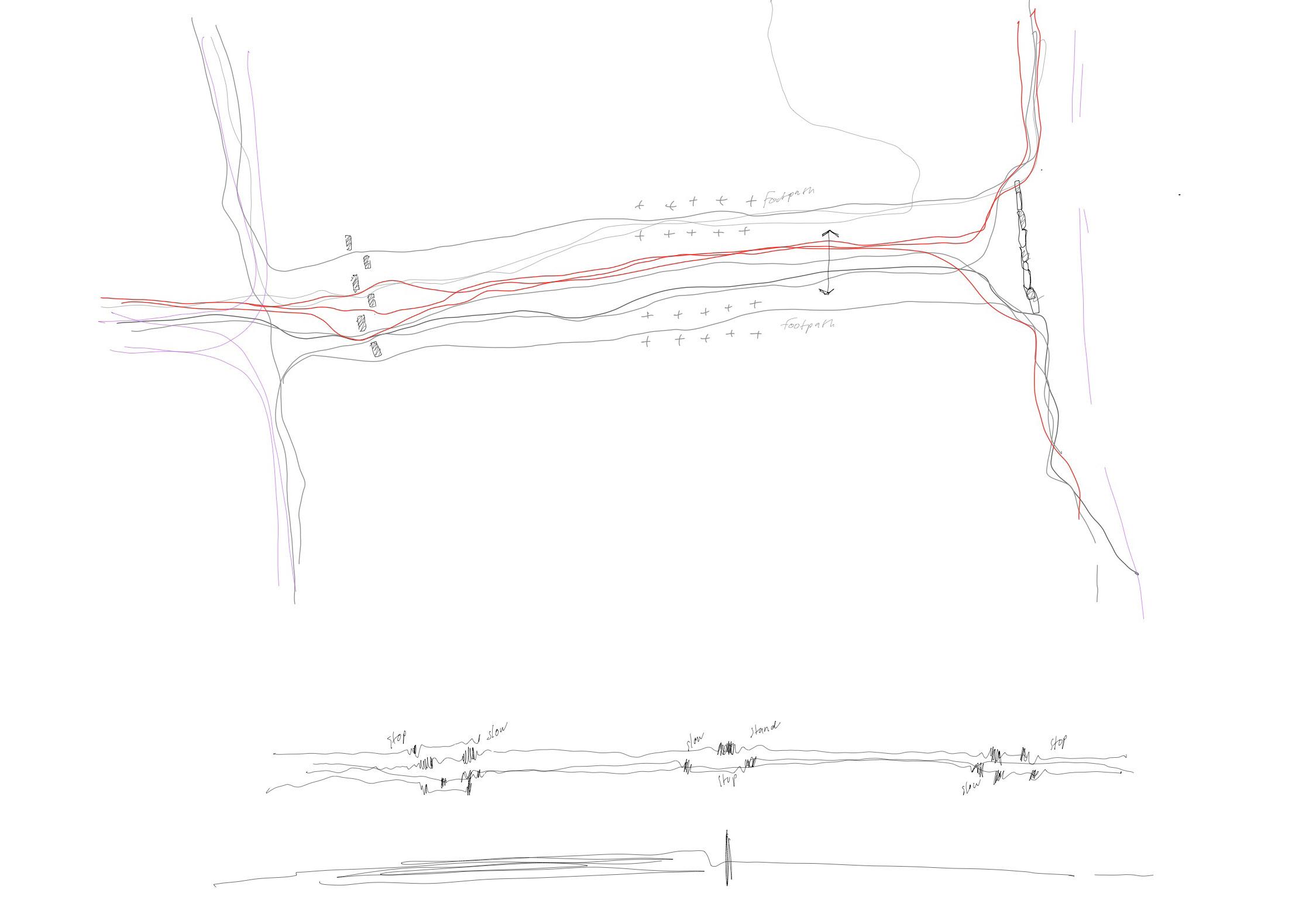
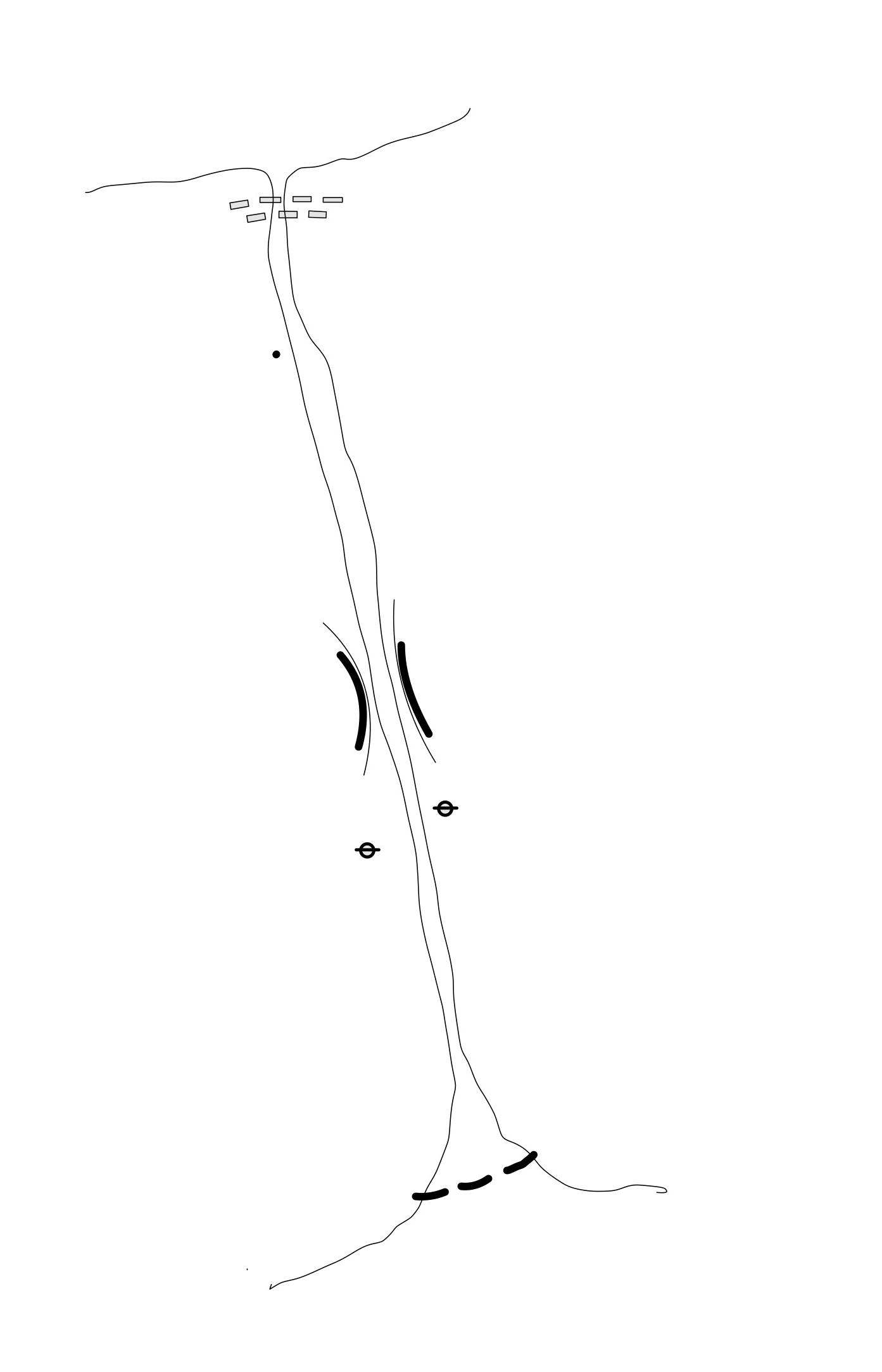
This sonic intervention retraces the layered histories of Monier Road Bridge through sound. Beginning at the intersection of Monier Road and Roach Road, participants follow a GPS-guided soundwalk via the SmartGuide app, which triggers site-specific soundscapes at five key points along the 180-meter route. These sonic moments mark the bridge’s protest memory—former barriers, hidden signs, closed bus stops, and sites of resistance—revealing how collective action has shaped the space. The work amplifies local voices, allowing the echoes of protest to resonate within the city’s evolving landscape.
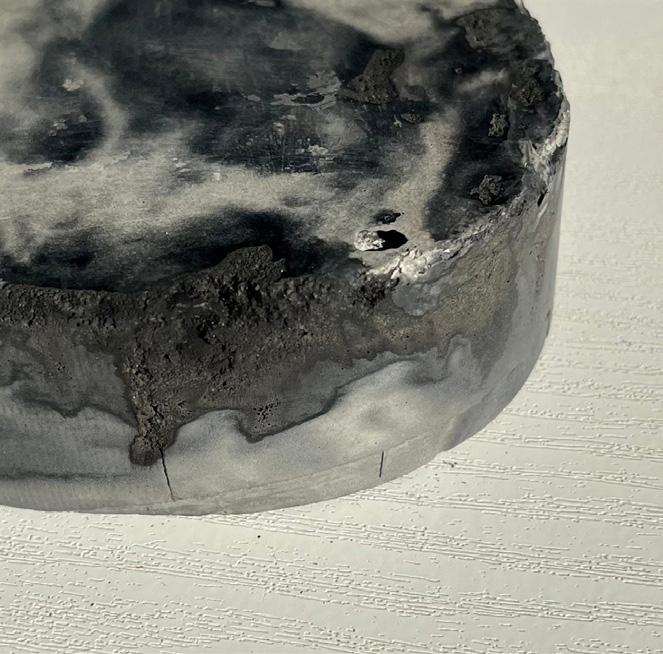
CONCRETE CASTING SHORT COURSE
Central Saint Martins, London
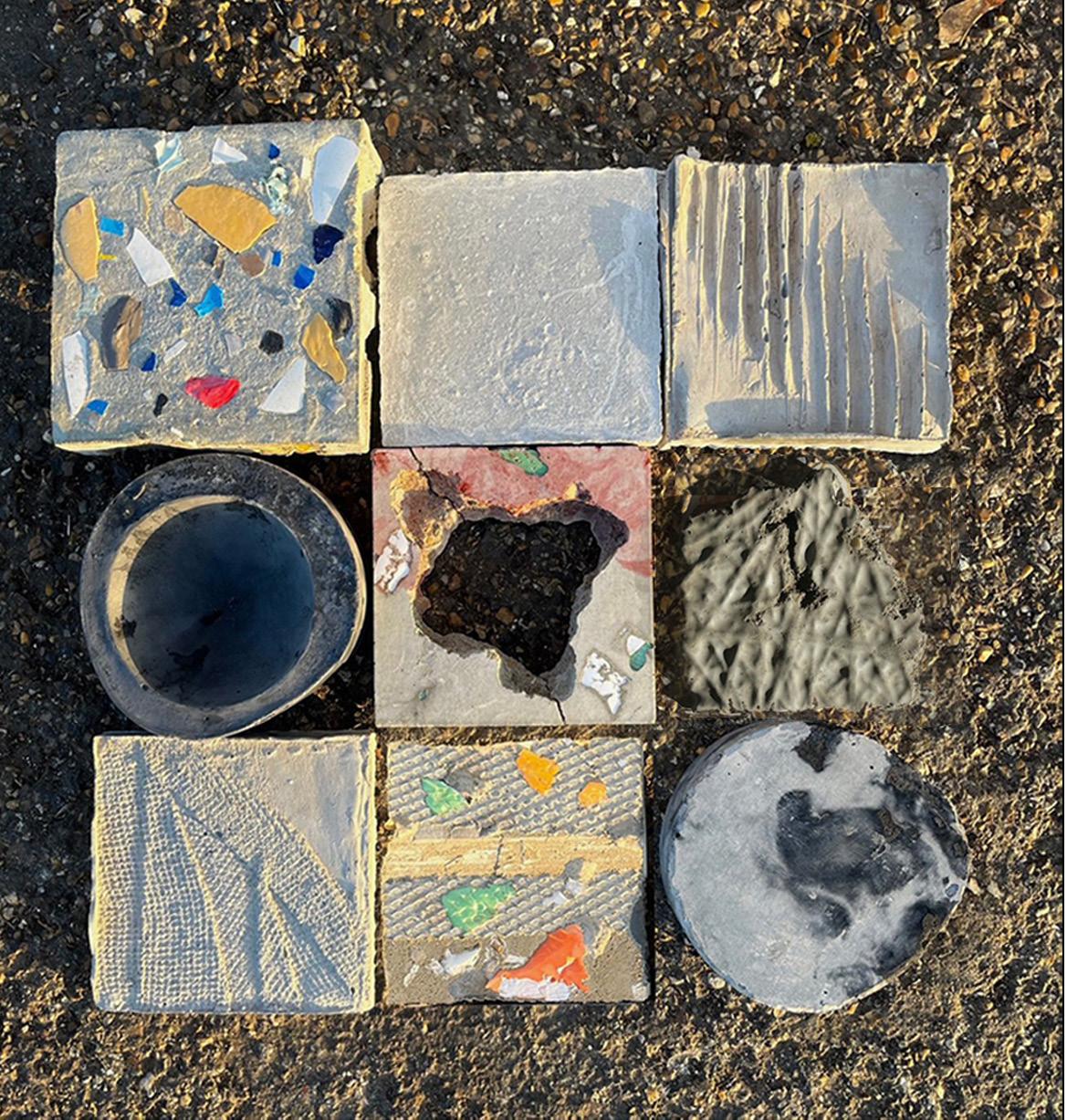
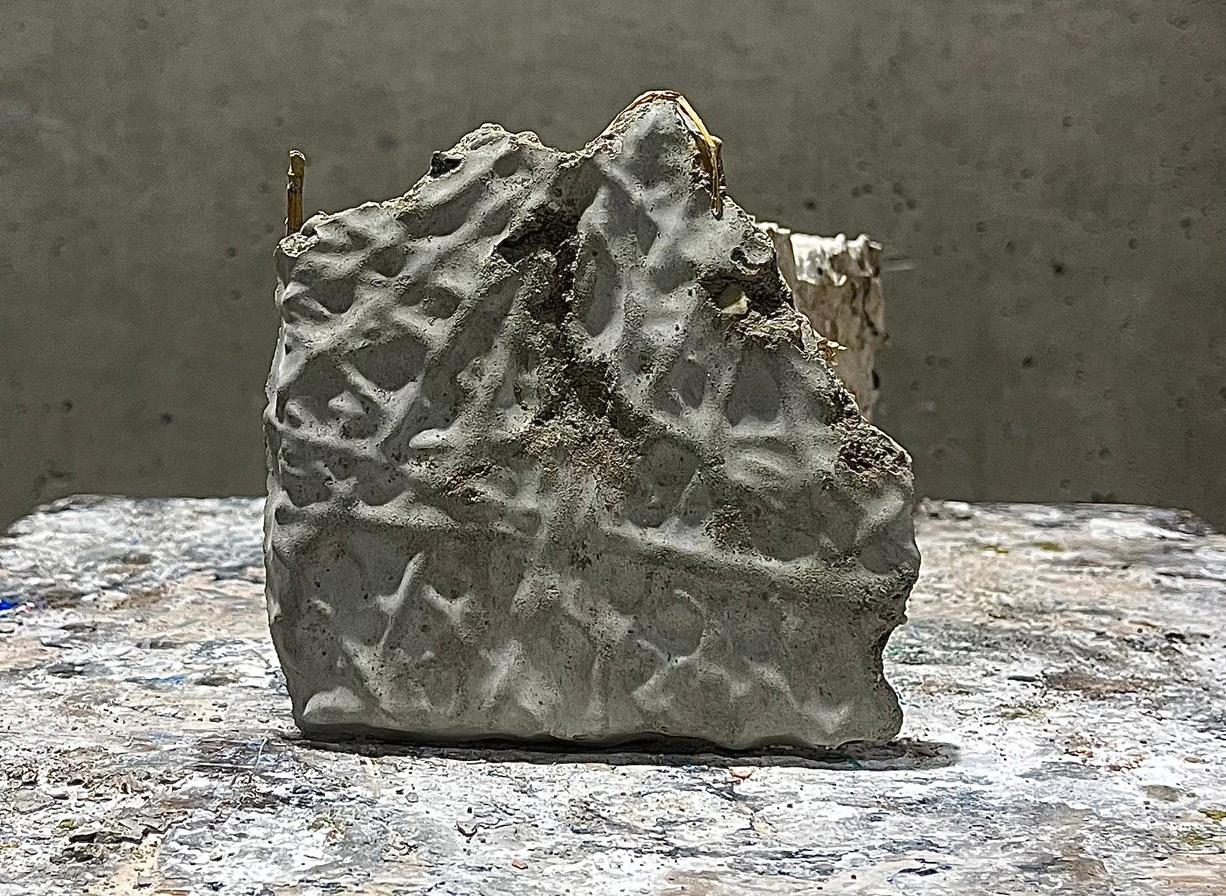
Explored alternative methods and materials for concrete casting using waste and natural aggregates such as plastic, fabric, rope, and coffee grounds.
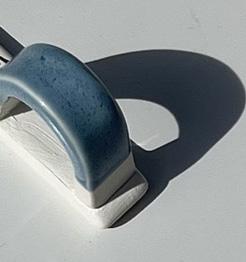
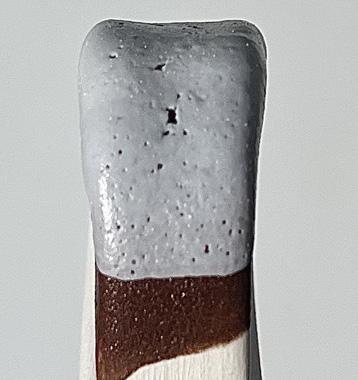
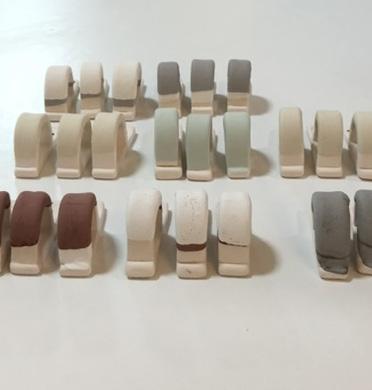
CERAMIC GLAZING WORKSHOP
Collaboration with Gnome Pottery and Space x Handcub Studio, Bangkok
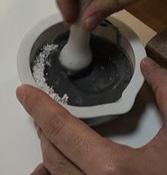
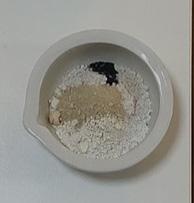
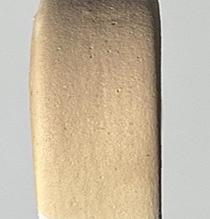
Hands-on experimentation with glazing techniques and surface treatments through collaborative studio practice.
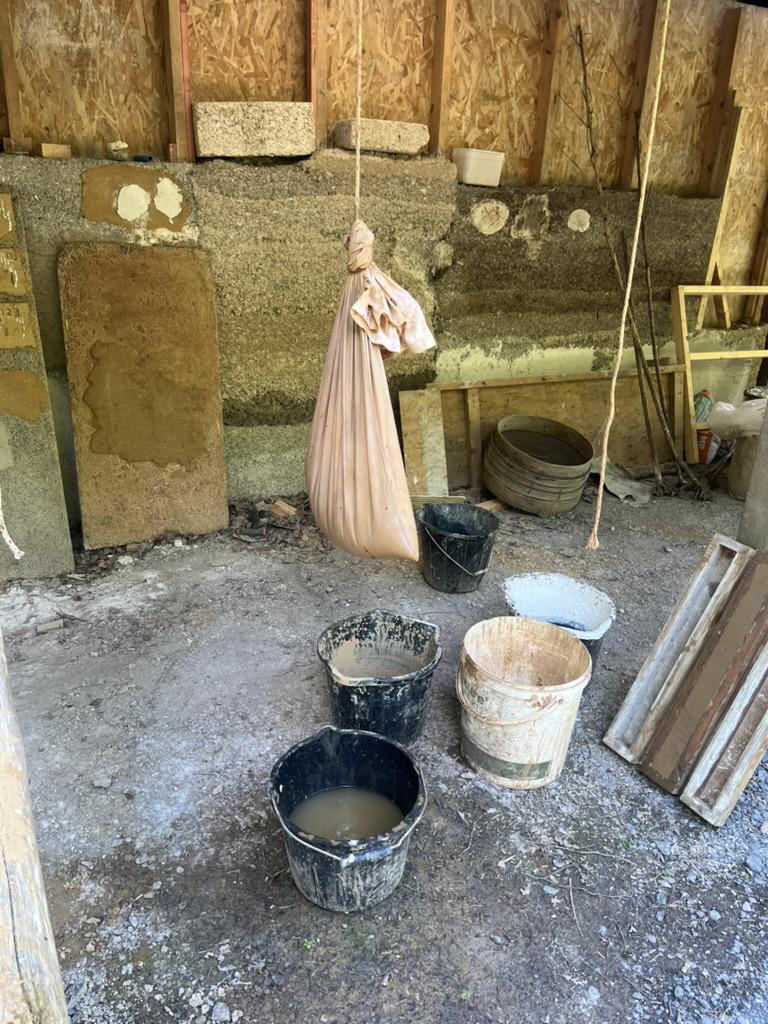
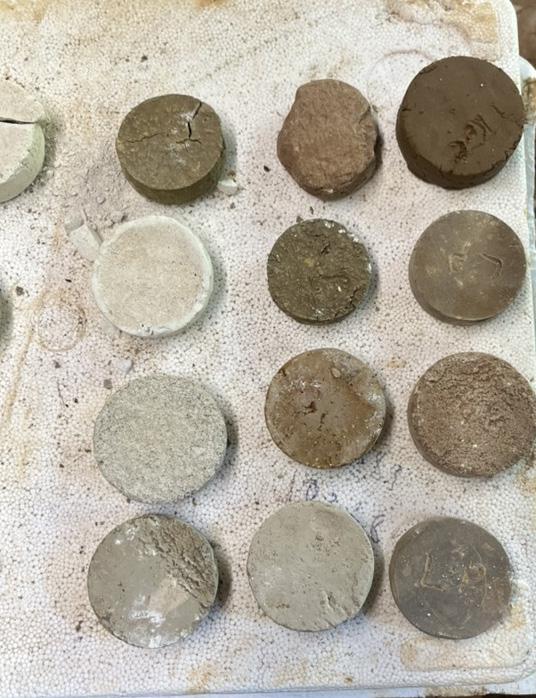
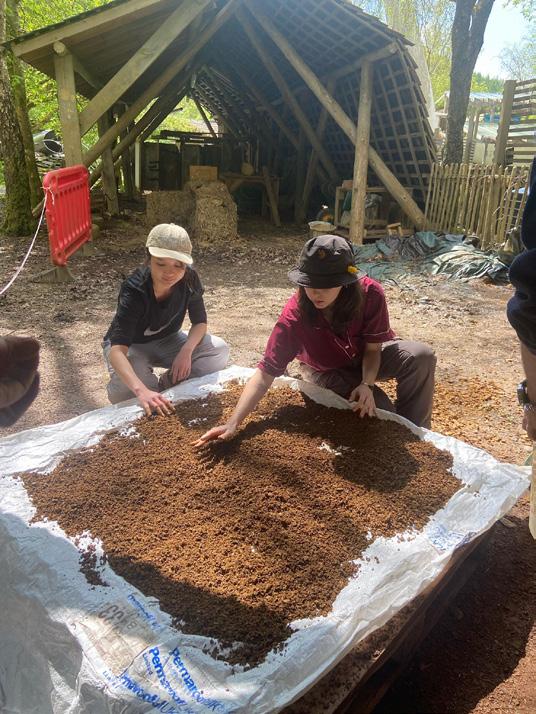
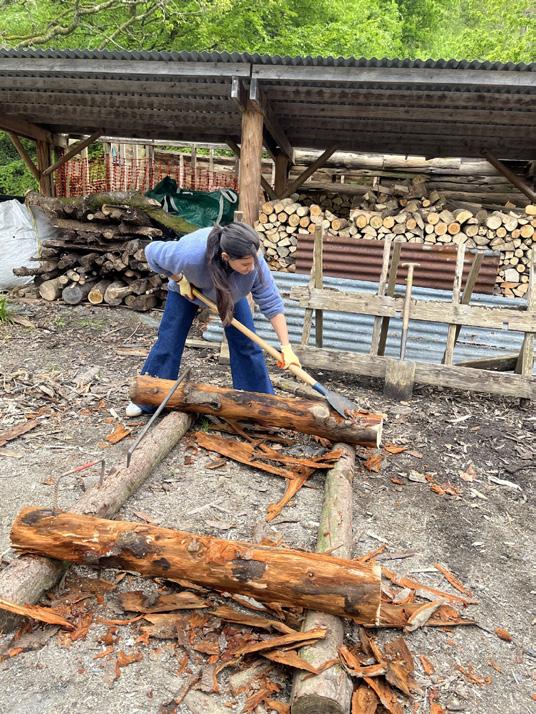
BUILDING WITH EARTH WORKSHOP
Explored clay, hemp, and timber construction techniques through hands-on making and sustainable building practices.
Centre
for
(CAT),
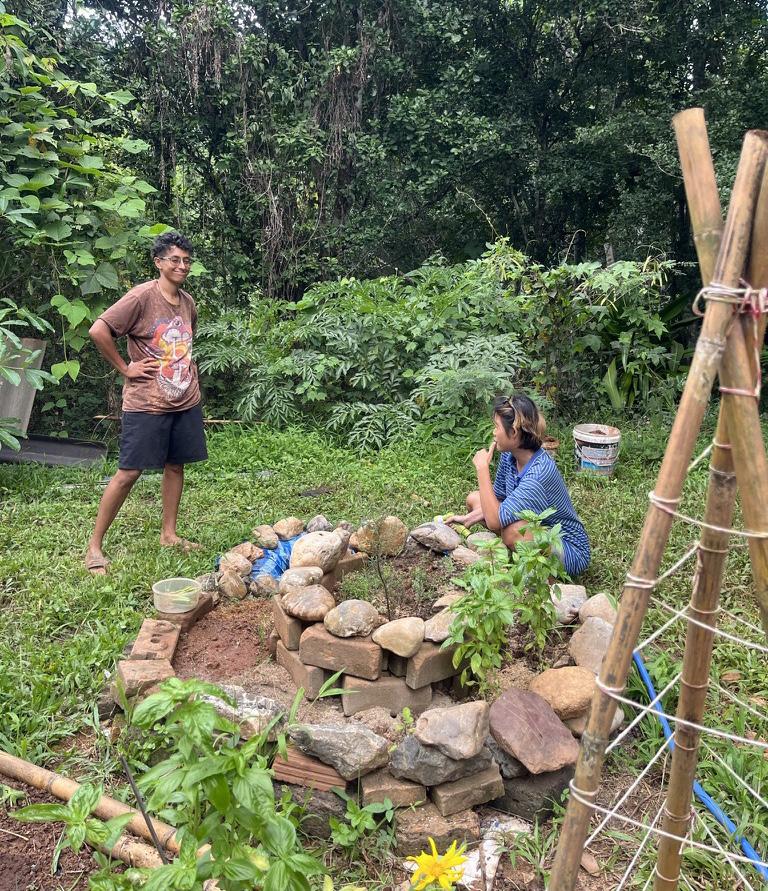
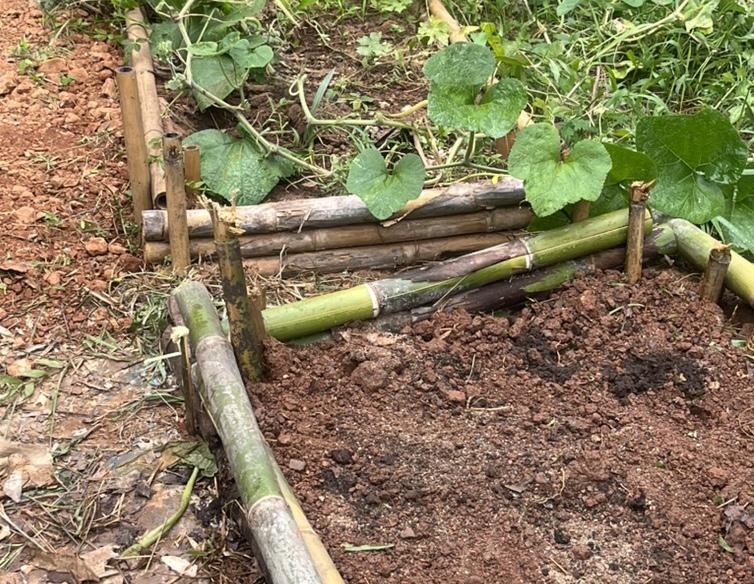
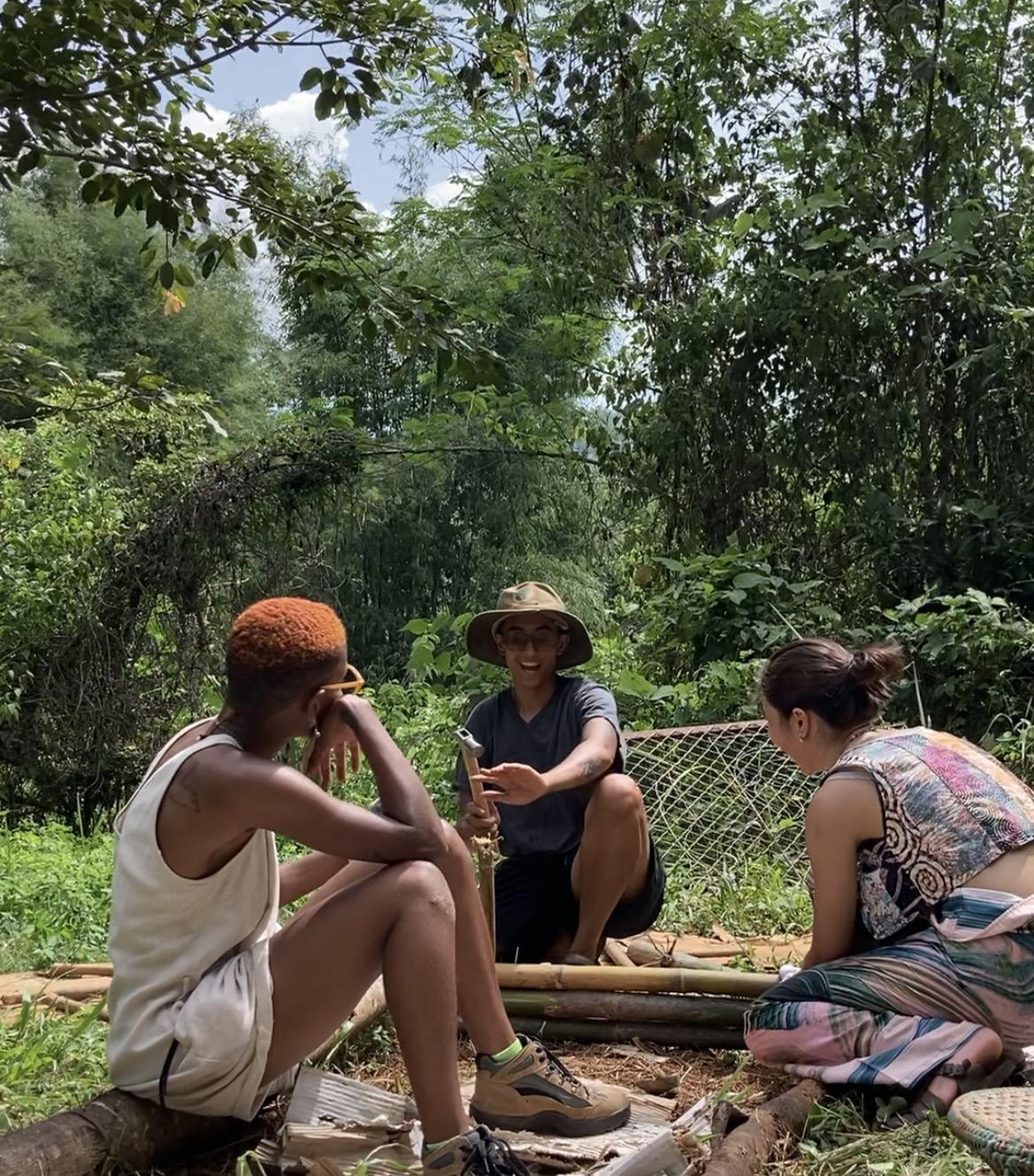
PERMACULTURE VOLUNTEER
Wholistik Permaculture, Chiang Mai, Thailand
Engaged in learning about food forests, climate justice, and bamboo construction through on-site collaboration.
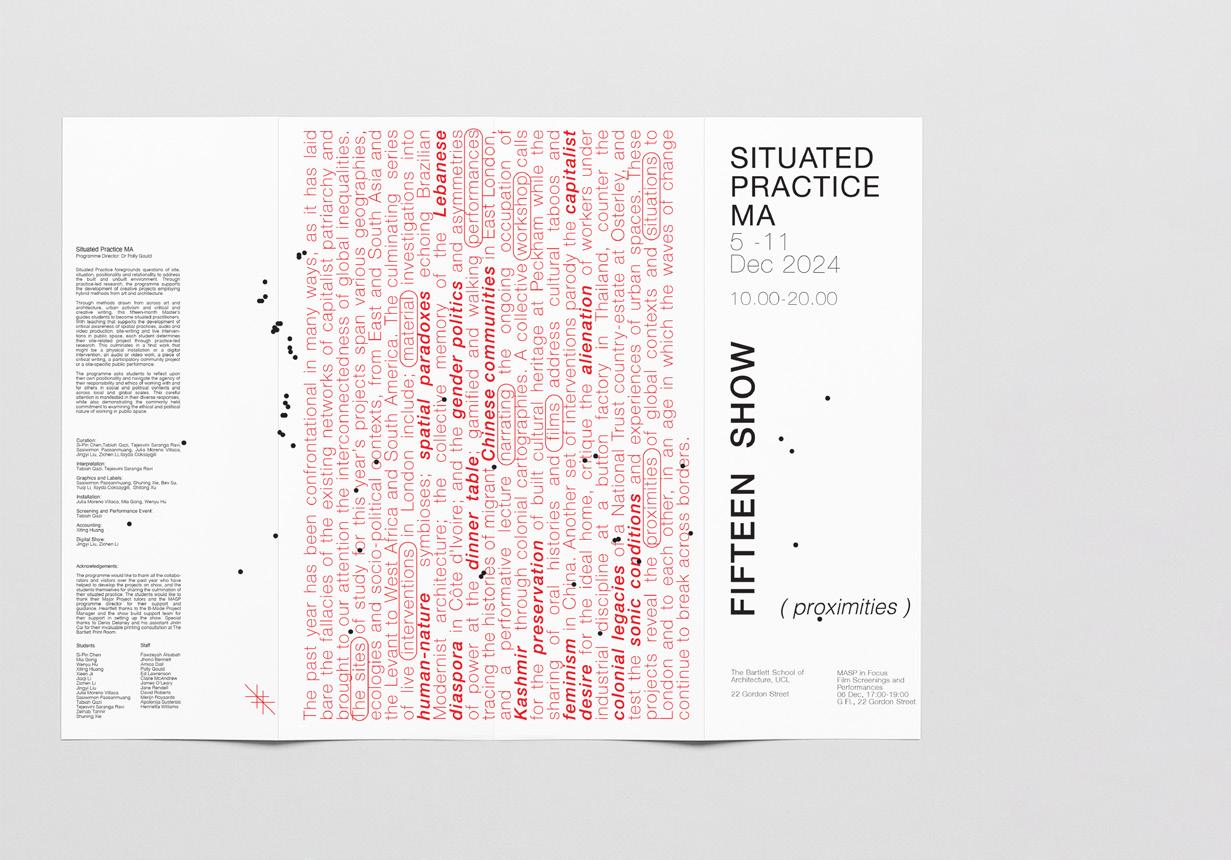
Fifteen Show, London
DESIGN LEAD
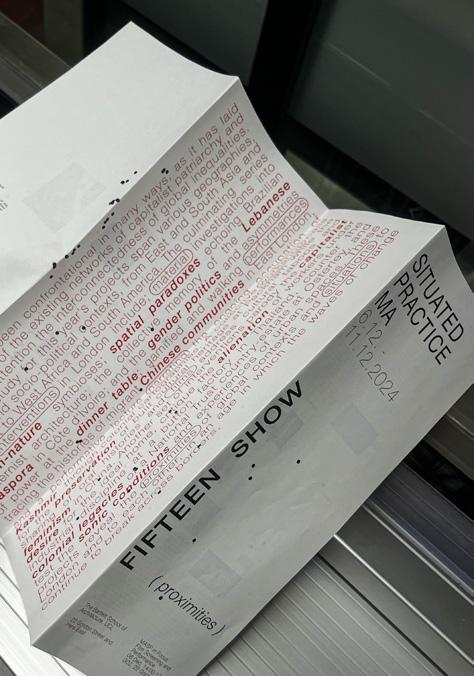
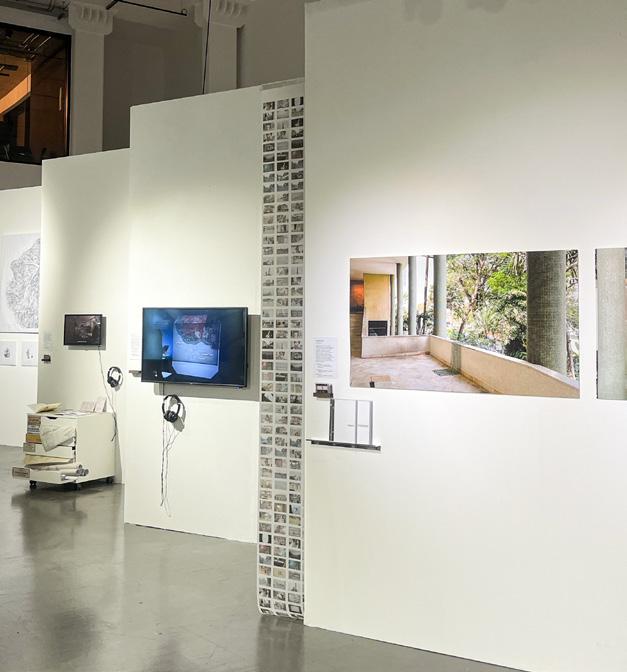
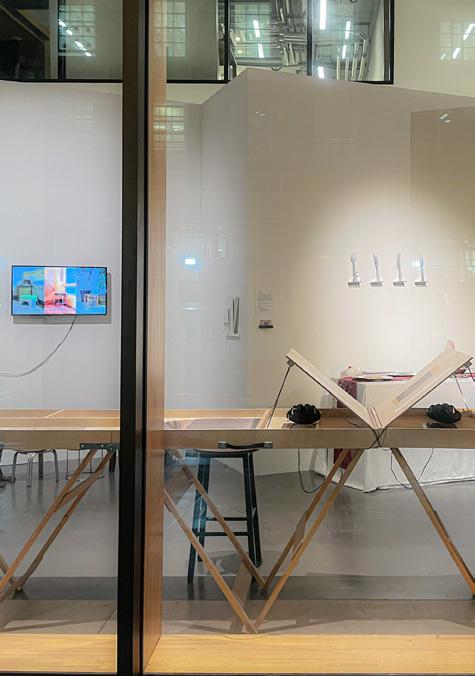
Exhibition curation team and graphic design direction for the annual showcase of the MA Situated Practice programme.