PORTFOLIO
Sarmila Devi
SIT University Student
ABOUT ME
As a dynamic, ambitious, and creative professional, I bring extensive expertise in Architecture, MEP, and BIM. My passion for the built environment drives me to contribute significantly, particularly in architecture and interior design field with innovative solutions. Possessing advanced proficiency in various software tools, I am always eager to learn and improve within the building industry. My unique ability to blend functionality with vibrant aesthetics, coupled with a commitment to teamwork, sets me apart. I thrive on embracing diverse challenges and feedback, demonstrating my open-mindedness as I advance in my career, aiming to make a lasting impact in the built environment.
SKILLS & ABILITIES
IT Software Knowledge
Microsoft Office (Word, PowerPoint, Excel, Teams)
Softwares
Autodesk: AutoCad, Revit, ReCap Pro
Adobe: Photoshop, Illustrator, InDesign, Premiere Pro
Others: Rhino, Sketch-Up, Lumion VR, Enscape, RealityCapture
Programming Language
Basic C++ Visual Studios
Others
Driving (Class 3), Basic Drone flying
Language Proficiency
English and Tamil
EDUCATION
Bachelor of Engineering in Sustainable Infrastructure Engineering (Building Services)
Honours with Merit
Singapore Institute of Technology
September 2020 – 2024
Diploma in Architecture
Nanyang Polytechnic
April 2017 – May 2020
CONTACT

sarmiladevi296@gmail.com


WORK EXPERIENCE
Part –Time Admin Manager
SPR Acmv Engineering Pte Ltd
January 2020 – Present
• Drafter & Microsoft Document Creator (Excel, PowerPoint & Word).
• Developed a Google platform and designed a compelling company profile for presentations, resulting in attracting clients and securing new projects.
Intern
SAA Architects Pte Ltd
March 2019 – August 2019
• Architecture & Interior Design Team Member, Drafter, Presentation Board and Materials Manager.
• Collaborated in a cross-disciplinary team to establish a new interior design department. Successfully attracted diverse projects and consistently delivered exceptional work within deadlines.
BIM Engineer Intern
Witteveen+Bos Singapore
September 2022 – August 2023
• Assisted the Digital Construction department in Research and Development projects within the Architecture, Engineering, and Construction industry.
• Supported the team in internal and external development and engineering tasks, actively participating in business development meetings.
PROJECT EXPERIENCE
School of Architecture - Nanyang Polytechnic
W–Optics Design Competition for Jewel Changi Airport
2018 Sem 1
• Coordinated logical and creative design ideas using Revit software, resulting in high-quality results.
• Developed professional client interactions and honed receptivity to criticism, enhancing creativity.
Bex Asia Exhibition & Coop
2018 Sem 1
• Contributed to the building team of the COOP community as a hobby, replacing CCA.
• Created and experimented a COOP-designed play area model on the school roof, subsequently presenting it at the Bex Asia Exhibition held at Marina Bay Sands.
Genius of Nature
2018 Sem 1
• Developed a bio-mimicry architecture project inspired by spider body systems and web-spinning.
• Executed the complex design using Grasshopper and Lumion, showcasing the ability to quickly learn and apply new skills. This effort led to improved grades and earned the Most Improved Student Award.
Sustainable Built Environment - Singapore Institute of Technology
Final Year Design Project

Singapore https://issuu.com/sarmili/docs/all
2023/24 Trimester 1
www.linkedin.com/in/sarmila-devi
• Conducted a project comparing 3D models created through photogrammetry and LiDAR scanning using RealityCapture and Autodesk ReCap Pro. Utilizing photogrammetry drone images from Agritech farm @SIT, the analysis indicates that Autodesk ReCap Photo is highly recommended for scan-to-BIM applications within the AEC industry. This recommendation is supported by its strengths in color reproduction, precise scale replication, and efficient 3D mesh model production, when integrated with software like Autodesk Revit
BIM for Mechanical, Electrical and Plumbing (MEP) Project
2021/22 Trimester 2
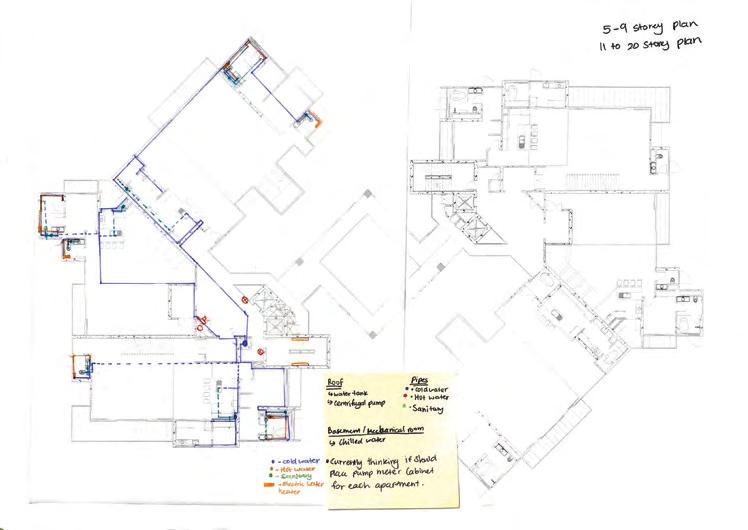
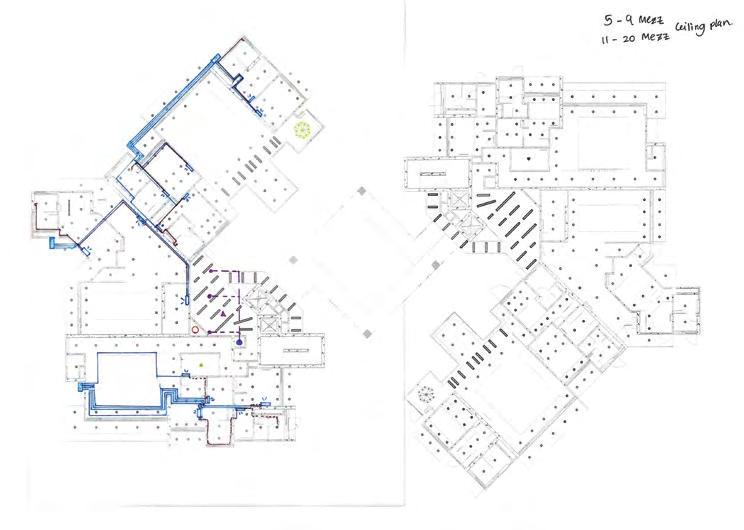
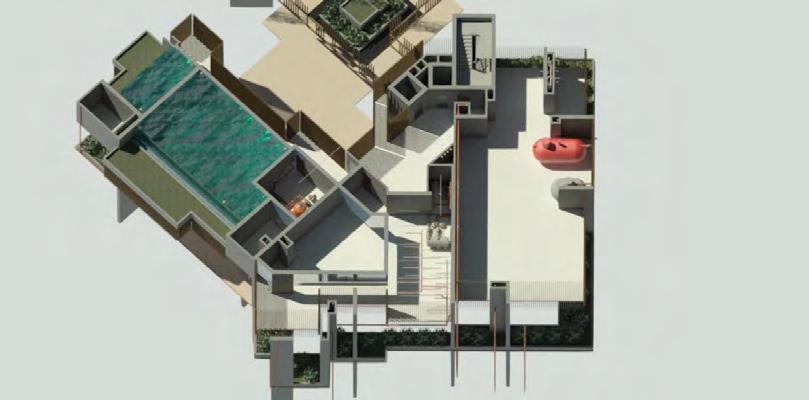
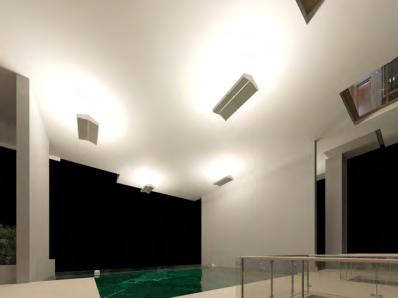
• Engaged in a comprehensive design studio project aimed at developing my skills in designing MEP systems for a high-rise building. Applied research knowledge to create sustainable and resource-efficient MEP designs, focusing on functionality, safety, buildability, maintainability, cost efficiency, and life-cycle costing. Ensured adherence to Singapore codes and standards available at the SIT Library. Successfully completed the MEP systems design for one of two identical high-rise buildings, each featuring 15 floors of 2-, 3-, and 4-bedroom residential apartments, with two levels within each floor, and amenities such as swimming pools and gyms.
Content Page
▪ Sit Final Year Project : Comparative analysis of RealityCapture and AutoDesk ReCap Pro for 3D modelling, evaluating their performance in both photogrammetry and lidar, within the context of BIM integration.
▪ BIM for Mechanical, Electrical, and Plumbing Design Studio
▪ Frequency Web
▪ Banana Leaf Communal Home
▪ Little India Project
▪
▪ The Changi Beach Park Cabin
C O O P
Comparative Analysis of RealityCapture and Autodesk ReCap Pro for 3D modelling, evaluating their performance in both photogrammetry and LiDAR, within the context of BIM integration.
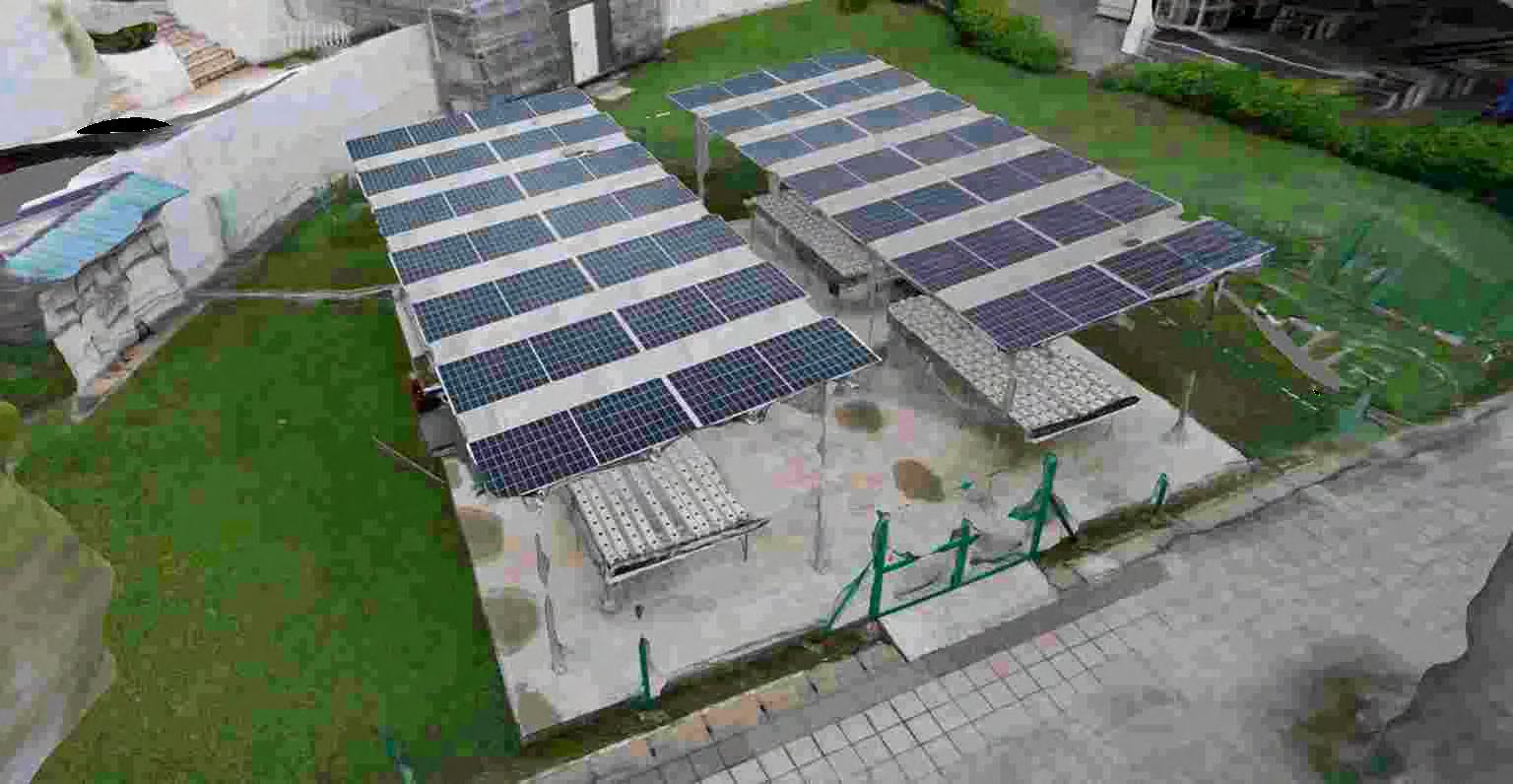
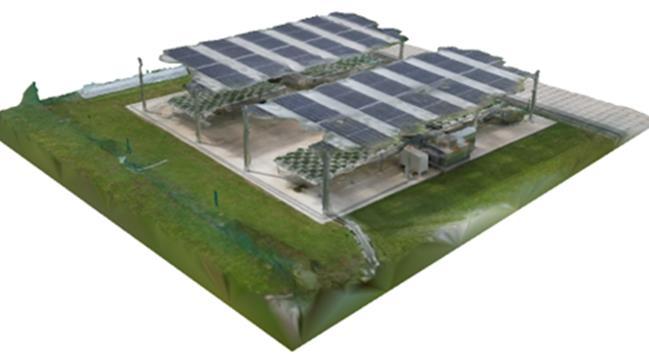
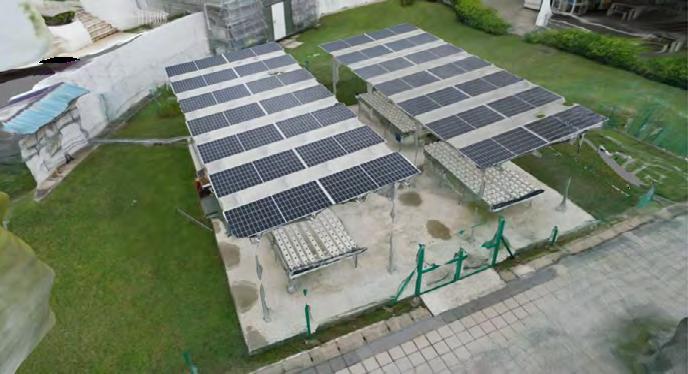
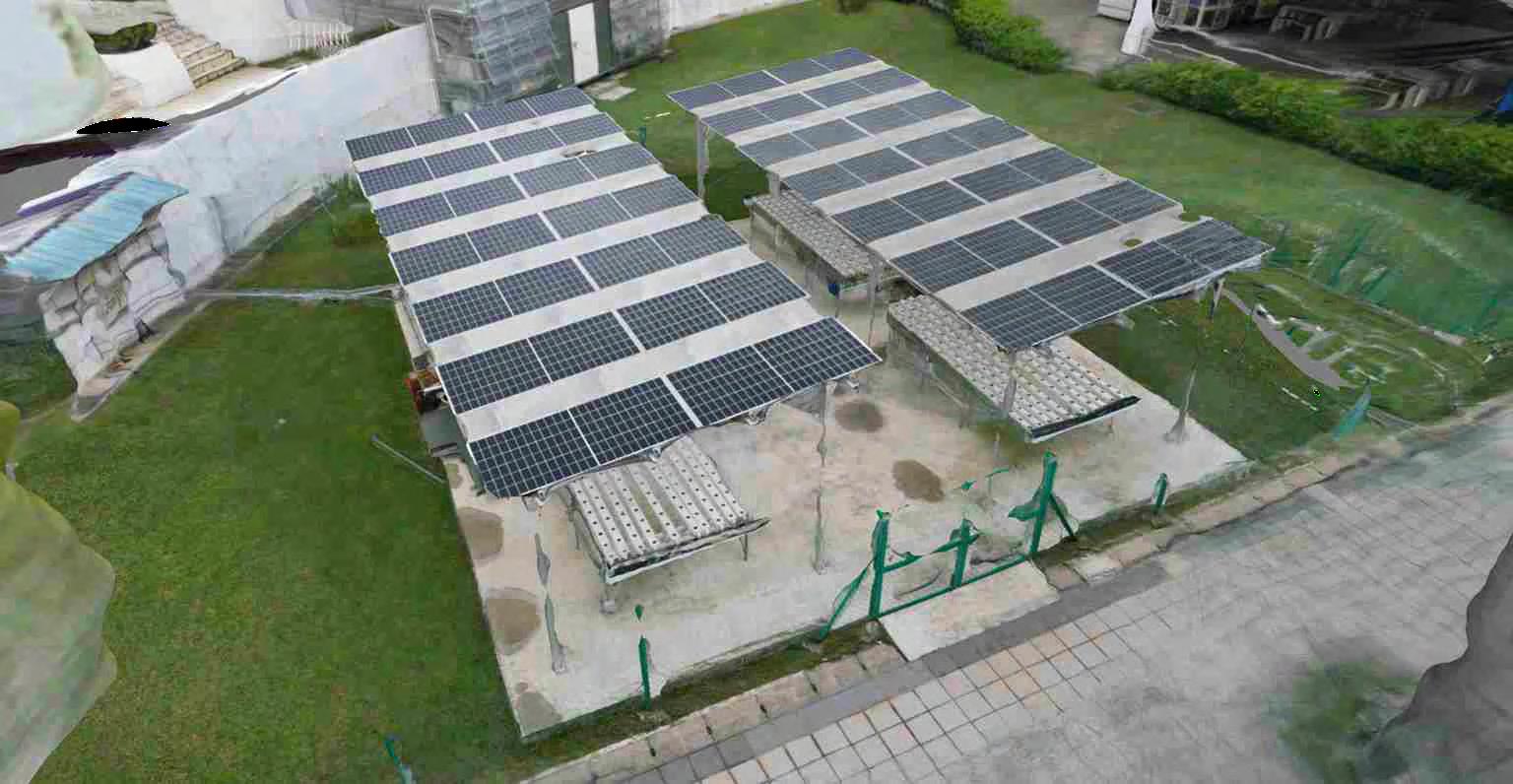
This project seeks to comprehensively compare 3D model outcomes from photogrammetry and LiDAR scanning technologies using RealityCapture and Autodesk ReCap Pro It utilizes the original set of 476 drone images and the new photogrammetry images of the Agritech farm The evaluation recommends utilizing photogrammetry, specifically through Autodesk ReCap Photo, for scan-toBIM applications in the AEC industry, citing its strengths in colour reproduction, scale replication, and efficient 3D mesh model production in software like Autodesk Revit
Problem Statement
Rajendran Sarmila Devi
Supervisors: Chien Szu-Cheng
Collaborators (if applicable): Angelo Chan
The AEC sector leverages technological advancements, notably the effectiveness of photogrammetry in creating 3 D models from Point Cloud Scan data for Scan - to - BIM processes . To evaluate accuracy and efficiency in capturing building elements for digital representation in BIM, a comparative analysis is conducted on two widely used options, Autodesk ReCap Pro and RealityCapture . The study also explores the effectiveness of photogrammetry compared to LiDAR - scanned results within Mr Angelo Chan's design project
Methodology
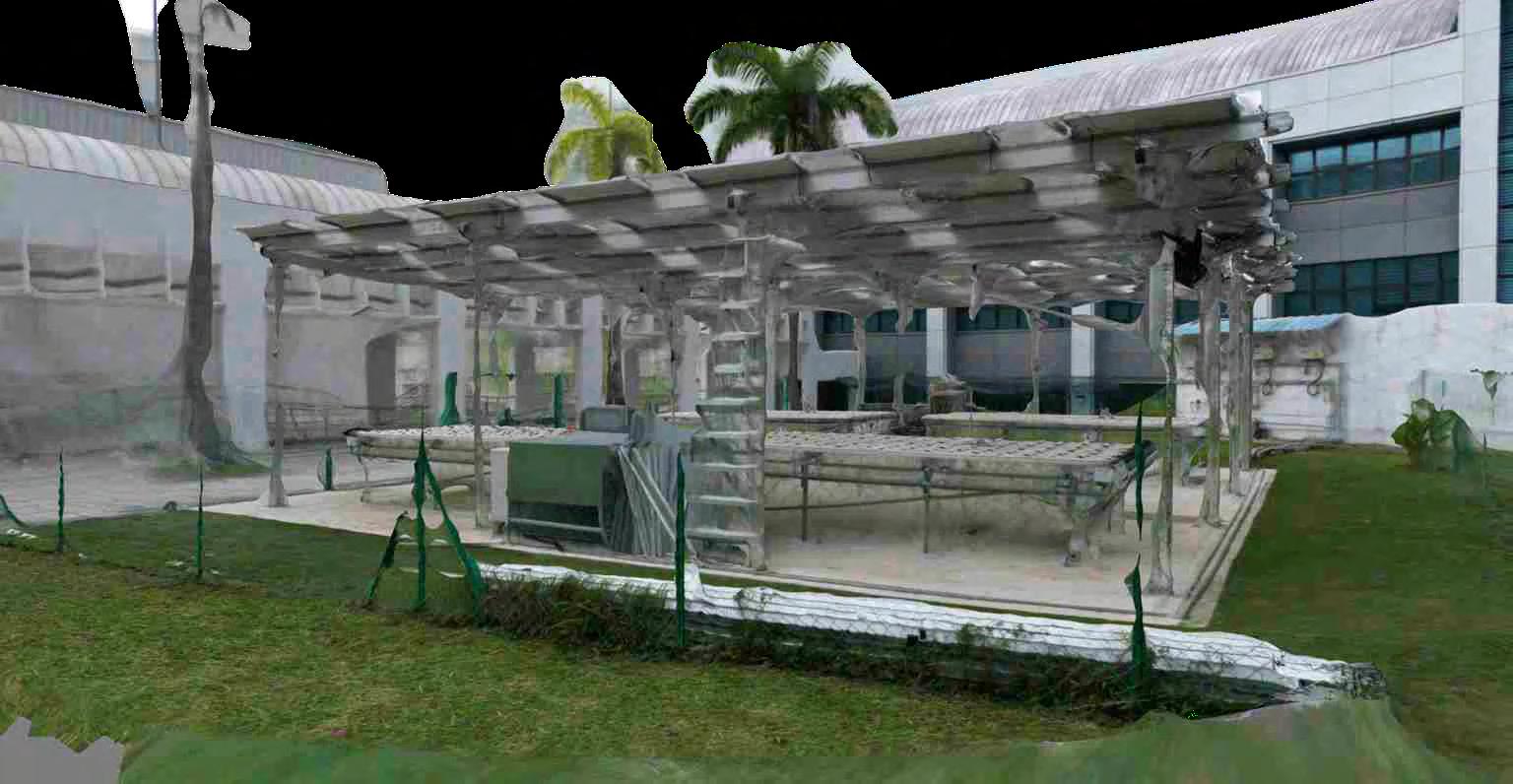
RealityCapture Result + BIM Outcome
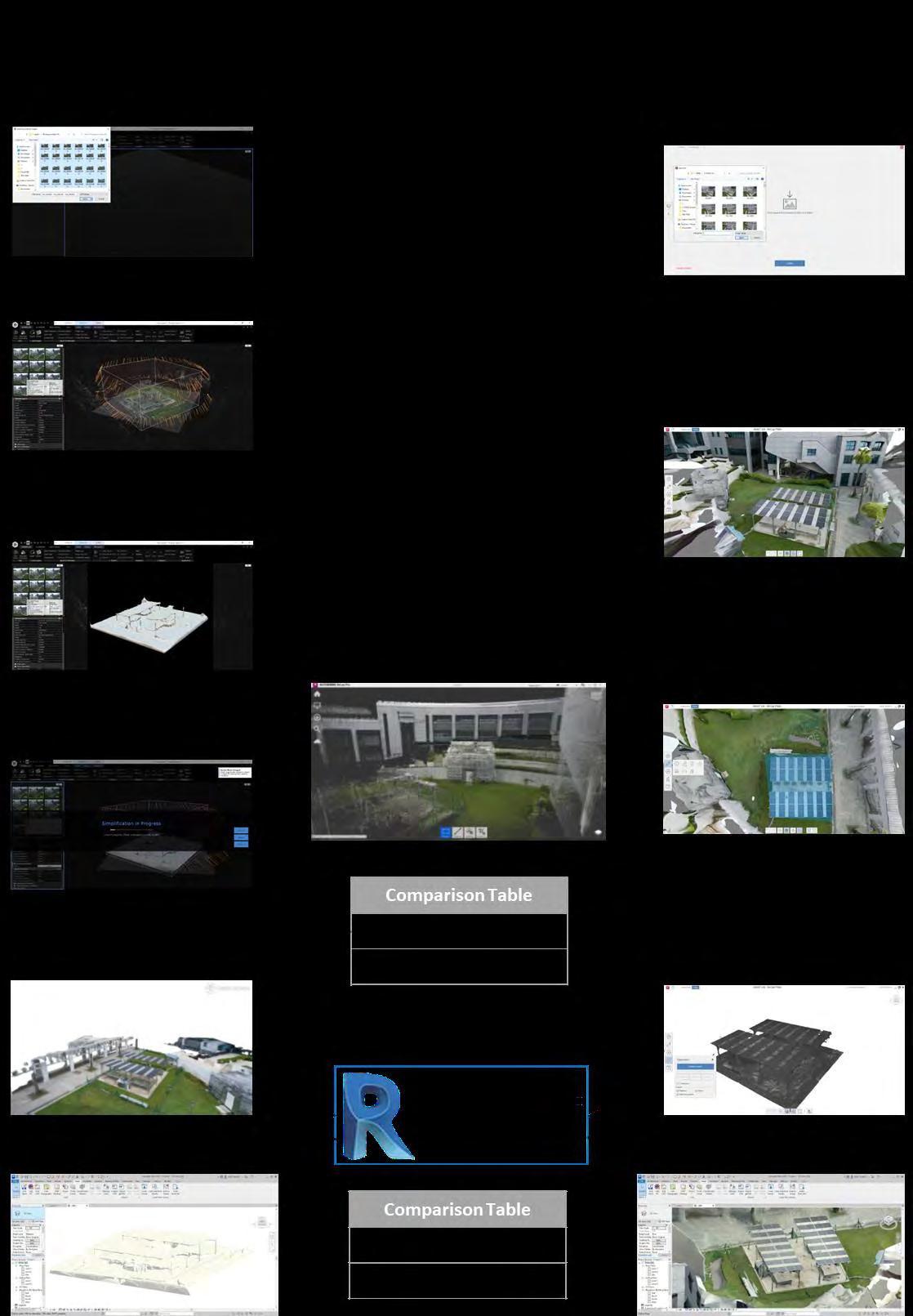
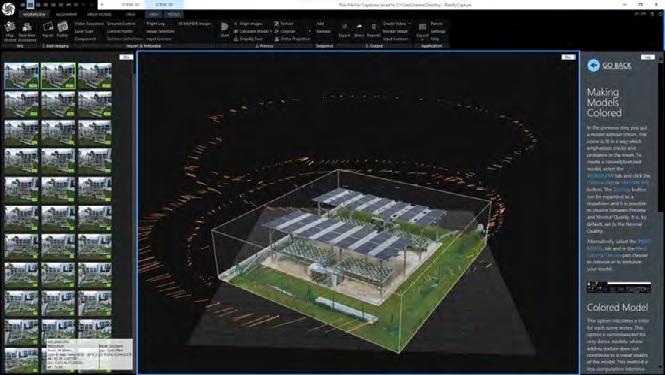
▪ Flight path based on Kenneth’s Drone Flight Trajectory: Spirals top to bottom
• 8 alignment settings were inputted after each round of the reconstruction process.

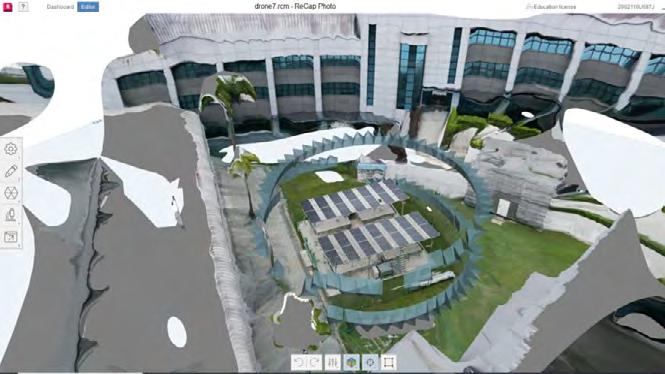
▪ Flight path: Circular path at different flight elevations & capturing the images deliberately with an approximation of 10 ° offset from each other.
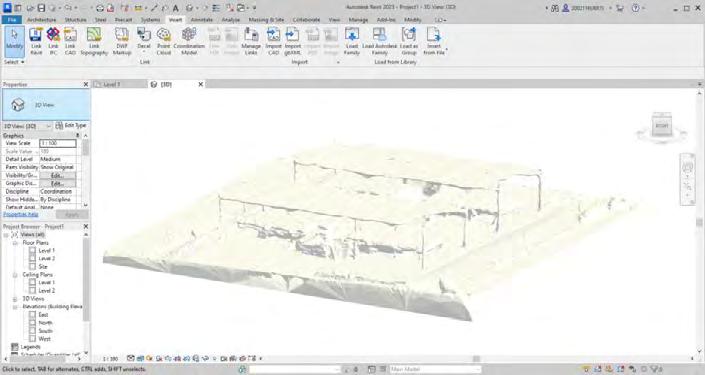
• Autodesk FormIT for file conversion


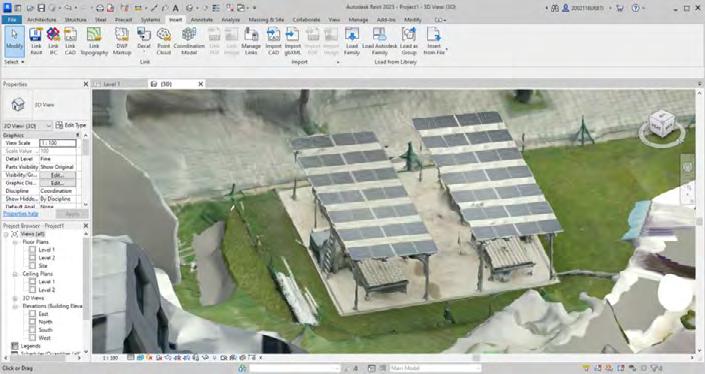
• Autodesk ReCap Photo is the photogrammetric image processing extension for Autodesk ReCap Pro, working in tandem with Autodesk Desktop Connector



BEng

Sustainable Infrastructure Engineering (Building Services) Design Project 2 AY22/23
BIM Processing Time : Quantity Of Captured Images/Scans & 3DModel Processing Duration: Numerical Approach:
Evaluation
Autodesk ReCap Photo Result + BIM Outcome Point Cloud Density & Vertices Comparison : Outcome: Qualitative Approach: Colour Comparison Δ: +200 Δ: Δ: Δ: +200 Δ: (Δ: 0 mm) Δ: +90 Δ: Δ:
though LiDar is a tough
ReCap Photo Future work could focus on combining
and Photogrammetry outcomes
Even
competitor, the preferred option by the AEC industry is photogrammetry via Autodesk
LiDar
BIM FOR MECHANICAL, ELECTRICAL, AND PLUMBING DESIGN STUDIO
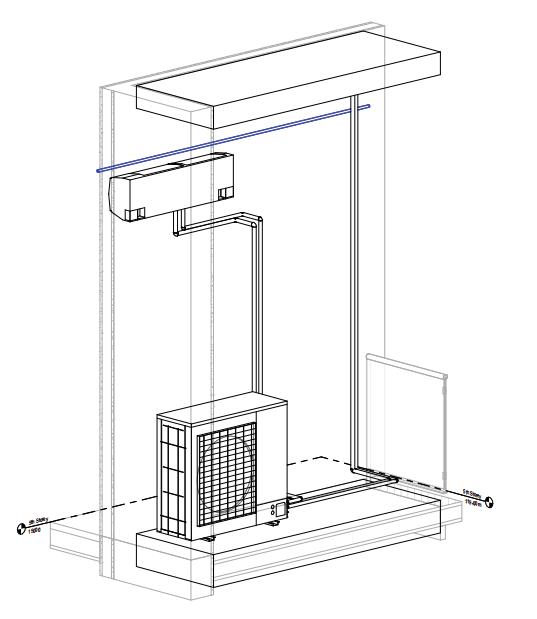
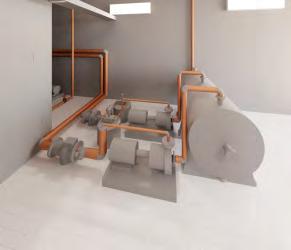
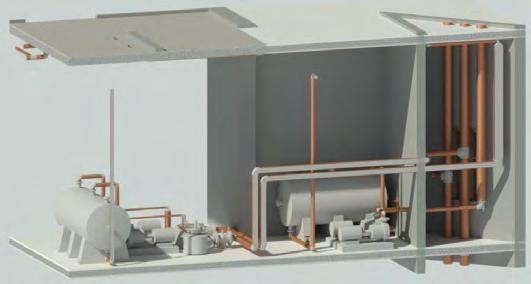
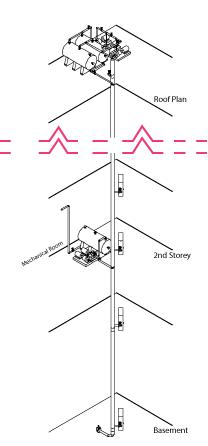
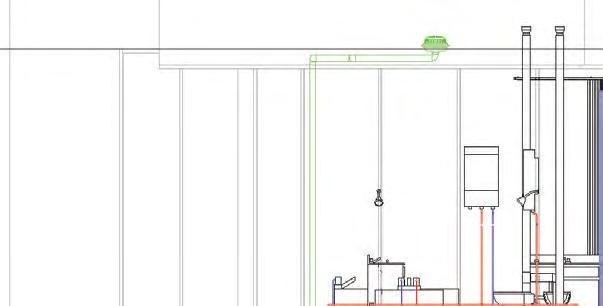
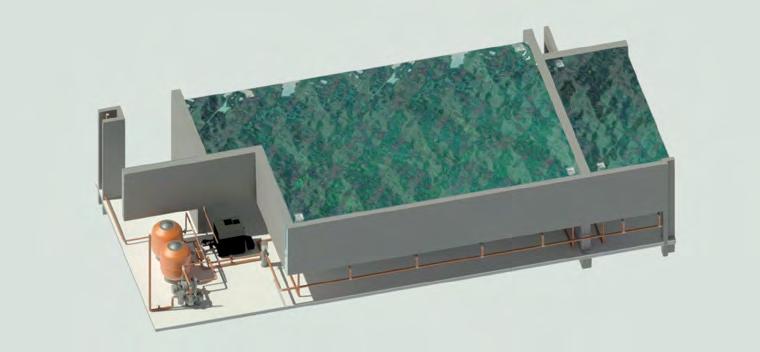
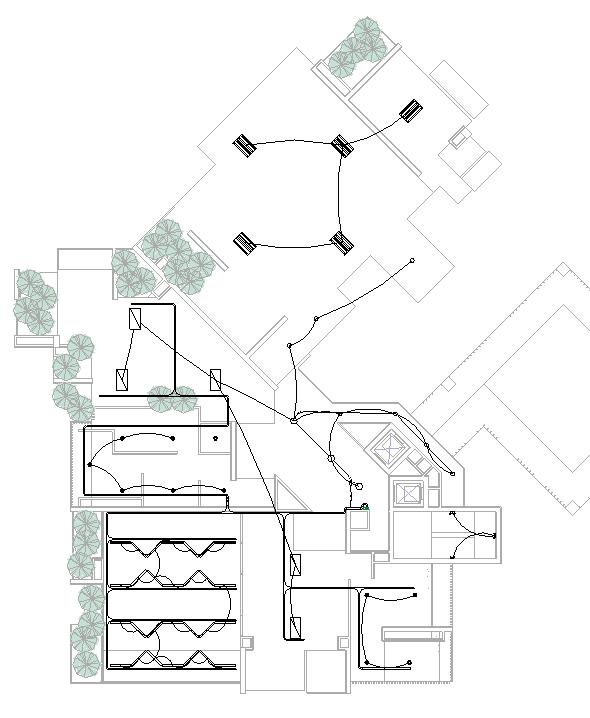
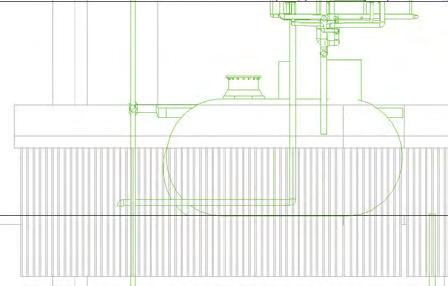
In this project, I developed skills in designing MEP systems for a high-rise residential building, focusing on sustainability and e ciency. I adhered to Singapore's codes and standards. The design included MEP systems for one of two identical high-rise buildings, each with 15 oors of residential apartments and amenities. The goal was to achieve a "green building" certi cation by incorporating sustainable practices and e cient design principles.
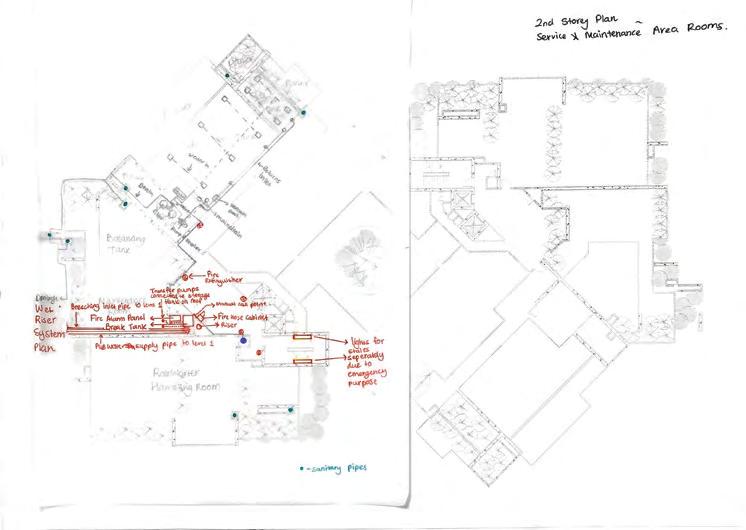
Beginning with hand drawn sketches and drawings:
HVAC Systems : Green Mark 2021 BCA
->
-> Minimal maintenance and
->
Fire protection Systems: SCDF Authority Fire Code 2018
Plumbing & Sanitary Systems: PUB & NEA Standards
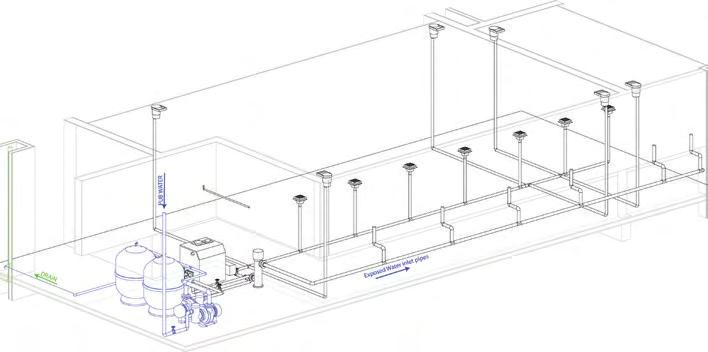
Irrigation Systems: PUB Standards
Electrical Systems : Singapore Standards Councils
ToBIM Breeching In et Break tank system Storage tank system Standby fire hose reel Landing valve Fire-Hose Reel System Mechanical Room F re Protec�on System and t s a located riser Fire-Sprinkler System
Split unit system uses less energy overall than ducted air conditioning systems
functions quietly
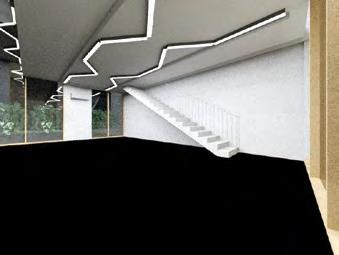
4TheStorey Outdoor high beam ight due to its cei ing height Emergency wal mounted ight Led l ght bulbs Led Techno ogy ROOF SPACES WITH PLANTS RAINWATER HARVESTING ROOM
In consideration to the apartment’s ceiling height this was the best choice
FREQUENCY WEB
GeniusinNature /NanyangPolytechnic,Singapore
Done By : Rajendran Sarmiladevi
Time : 2018 / 2nd Year Course Work
Location : Coney Island
Instructor : Wei Ling
Individual Work
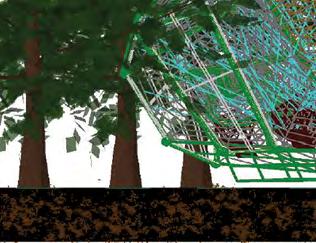
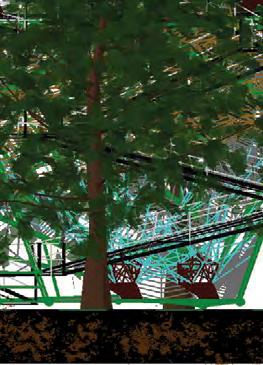
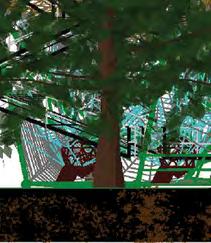
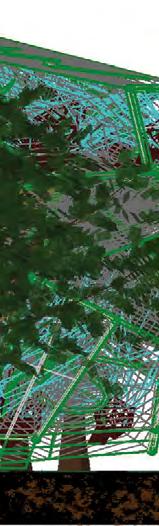
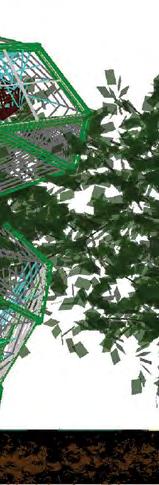
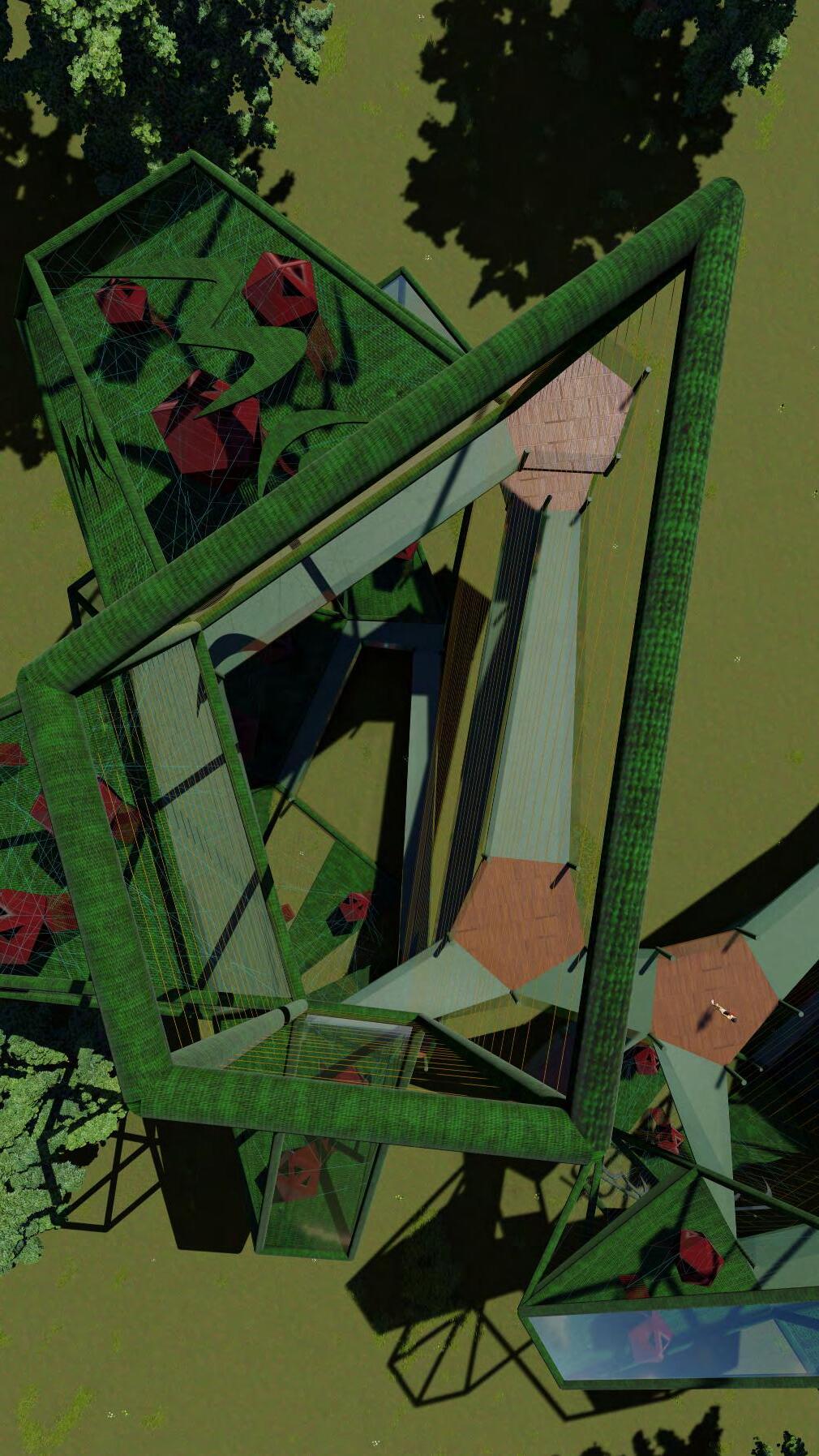
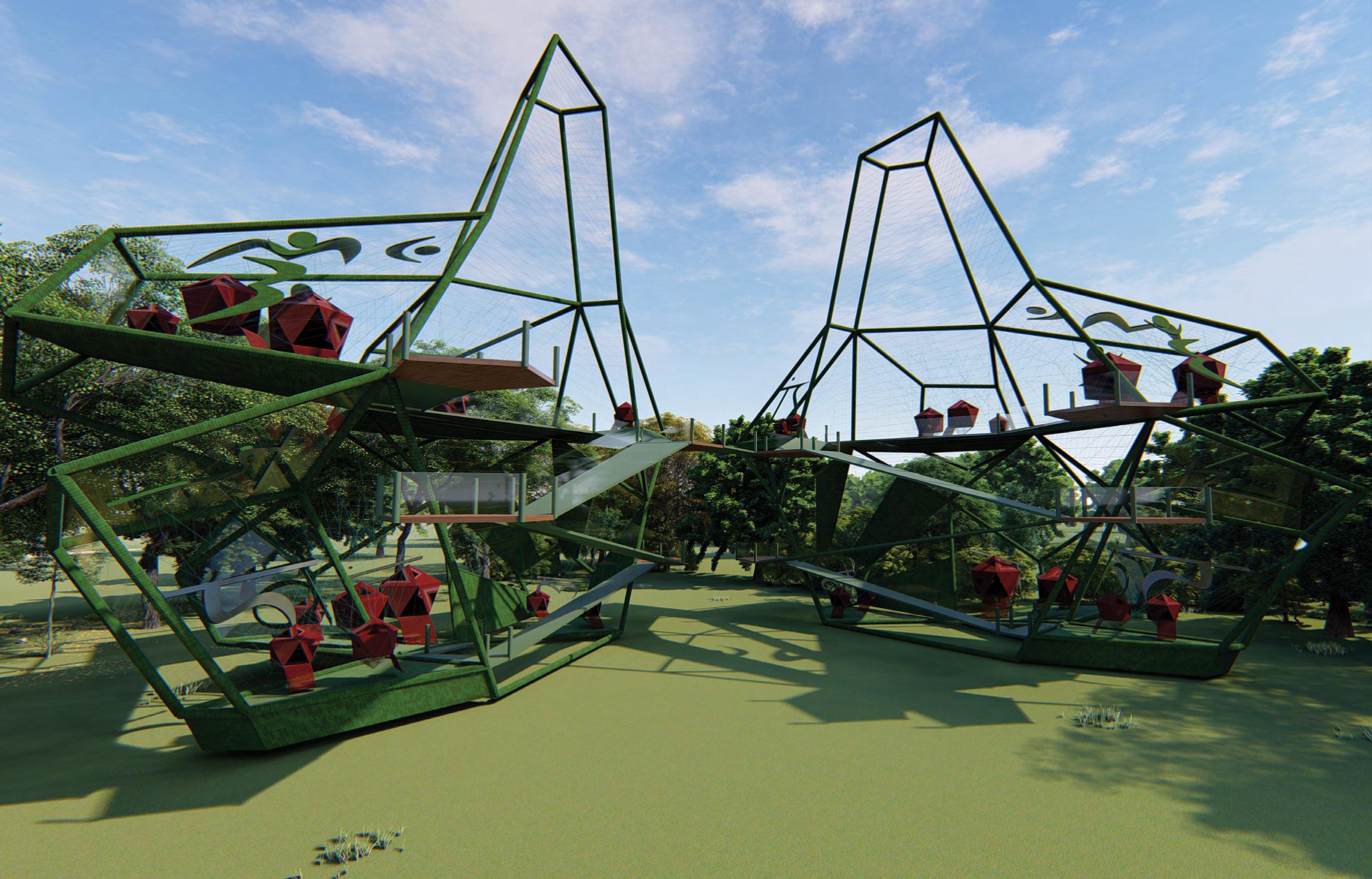
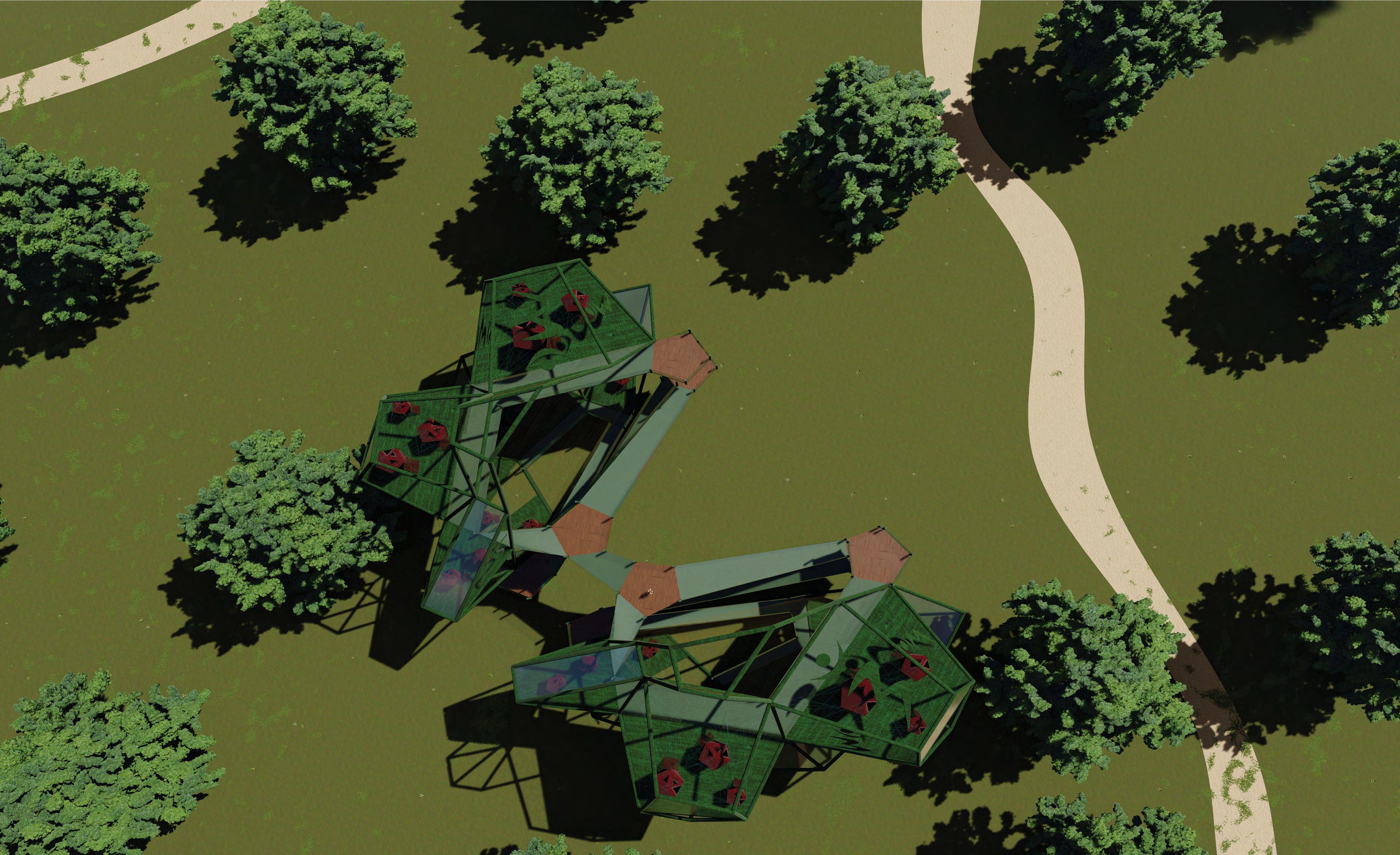
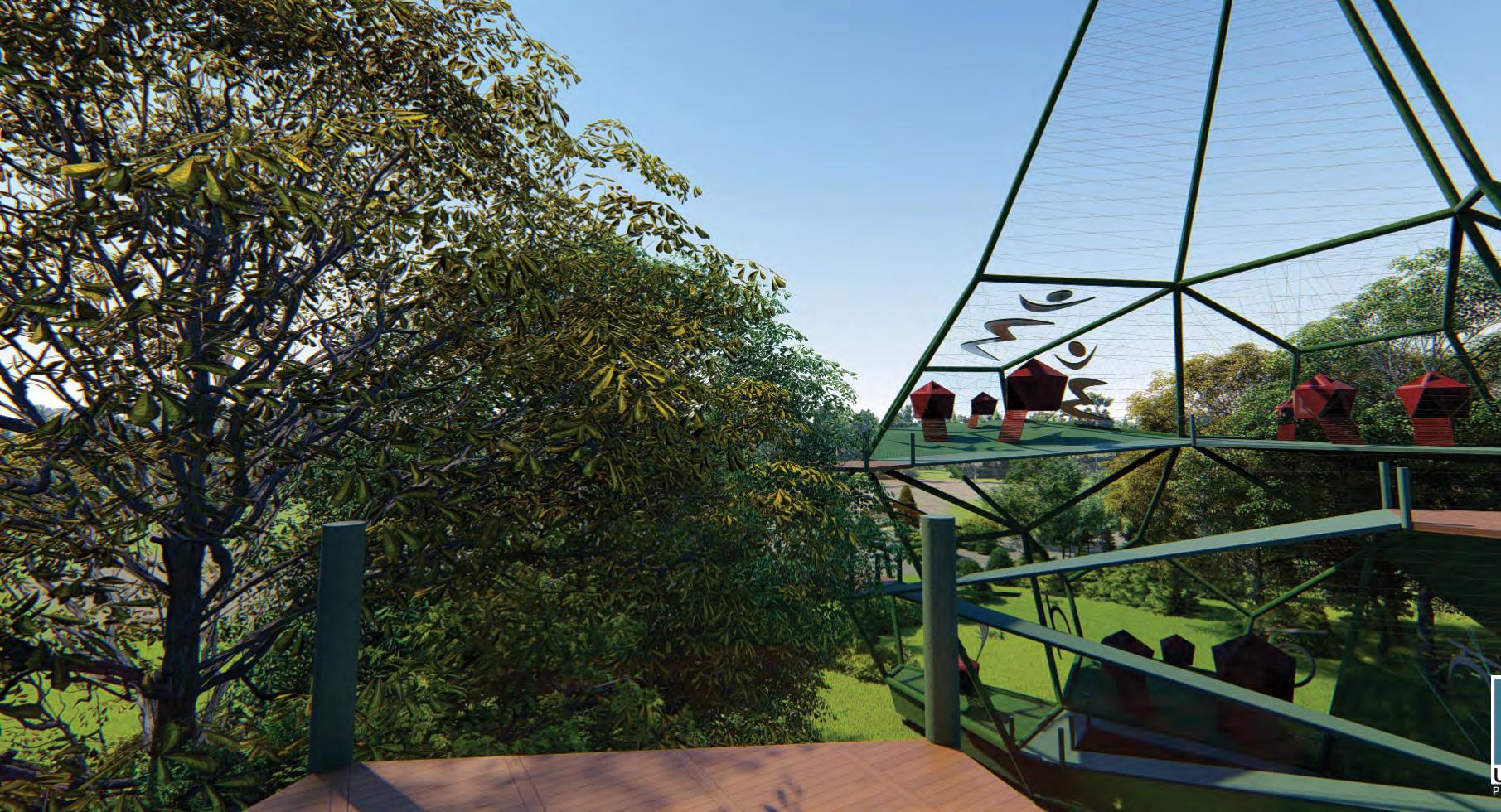
A sanctuary where individuals can discover tranquility through the melodic tunes generated by the vibrations of strings. In this scenario, the harmonious blend of nature and the therapeutic sounds produced by the vibrating strings serves as a means to pacify and regulate the mind and heart. This setting can be described as a form of “Music Yoga,” where the immersive experience of listening to music derived from the natural frequency of vibrating strings aids in attaining mental and emotional serenity.
Software used: Rhinoceros 3D, Lumion, AutoCAD, Adobe Illustrator, Adobe Photoshop

c o n c e p t
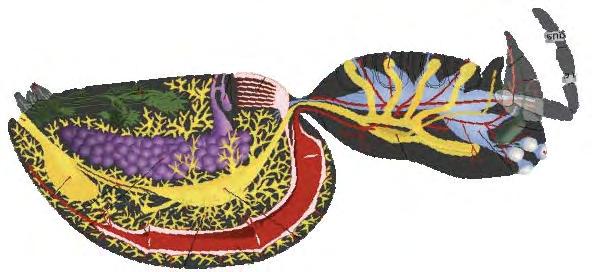
Spider Webs: The construction of spider webs encompasses various shapes, with five main types identified as Woolly Web, Sheet Web, Funnel Web, Orb Web, and Tangle Web. Due to their limited eyesight, spiders rely on the vibrations of their web strings for various purposes. These vibrations serve as a crucial sensory tool, alerting the spider to the presence of predators caught in the web and assisting in the spider’s movement. The frequency of vibrations in the web strings plays a pivotal role in guiding the spider’s navigation.

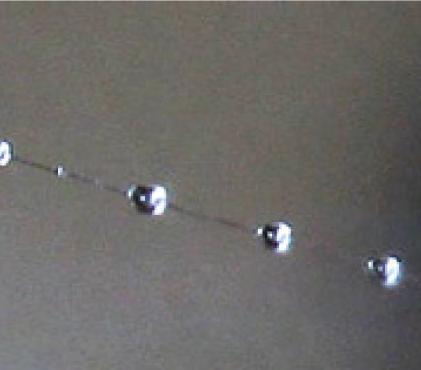
Stick Glands and Wrapping of Prey: The adhesive properties of the sticky glands, resembling glue bubbles on the spider’s web, play a crucial role in ensnaring prey. These sticky glands contribute to the efficient capture of predators on the web. The wrapping of the captured prey serves a dual purpose—ensuring the prey’s demise through suffocation and poisoning, followed by consumption by the spider.
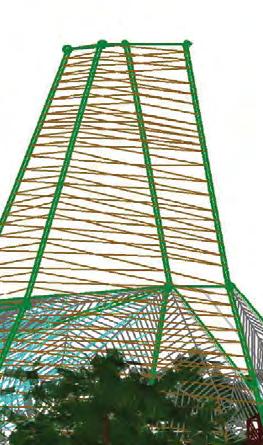
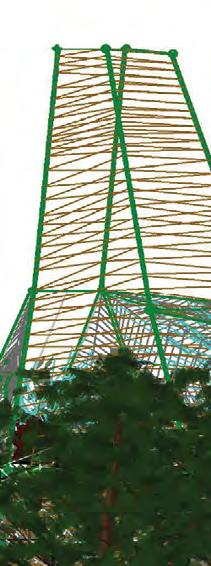
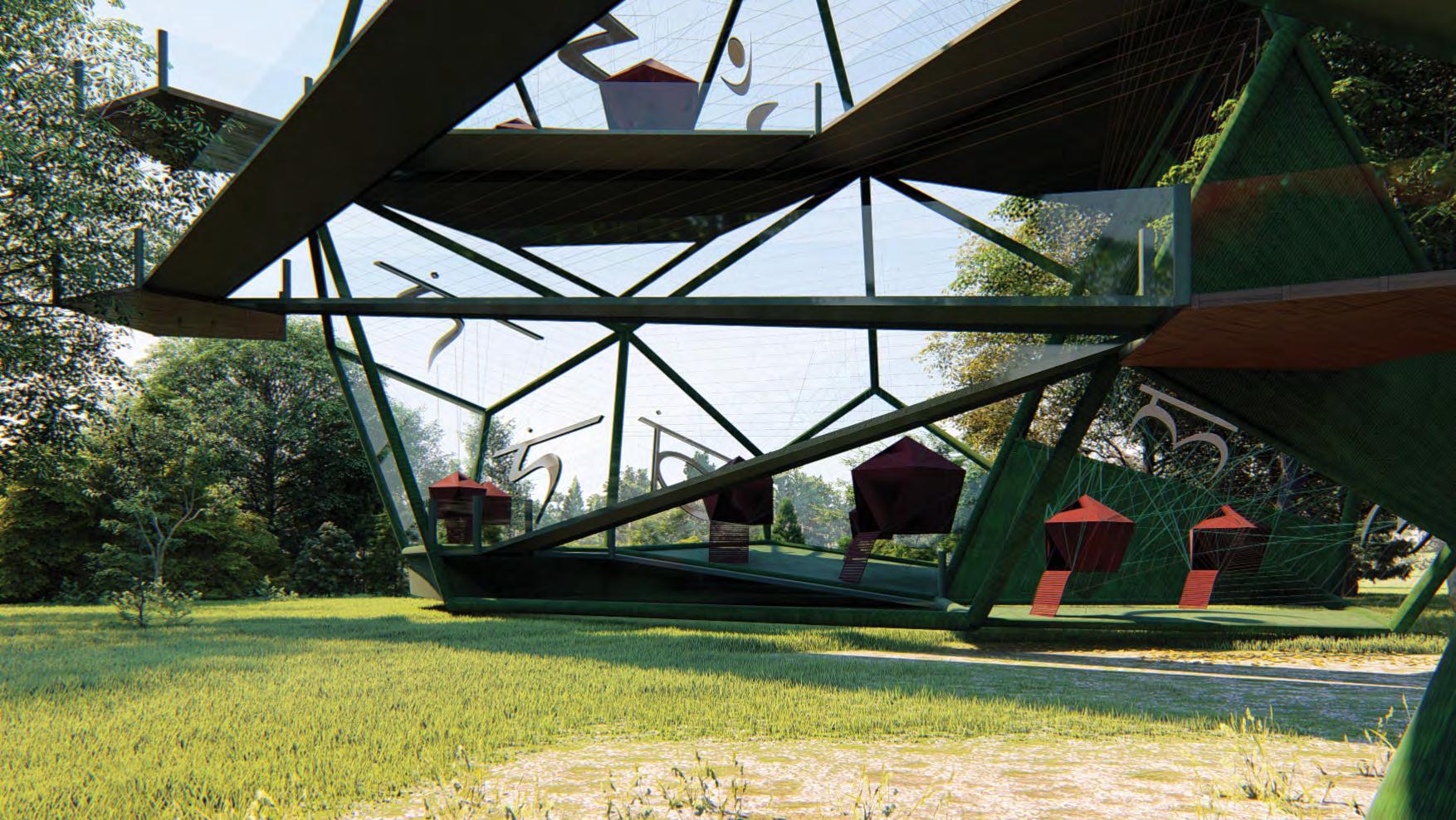
Inspired by this natural phenomenon, I envisioned creating a mini cocoon-like meditation space. In this unique environment, the individual is enclosed within a structure where the soothing vibrations mimic the spider’s web. The interior of this cocoon becomes a serene sanctuary, allowing for a tranquil and peaceful meditation experience as the resonating vibrations are embraced within.

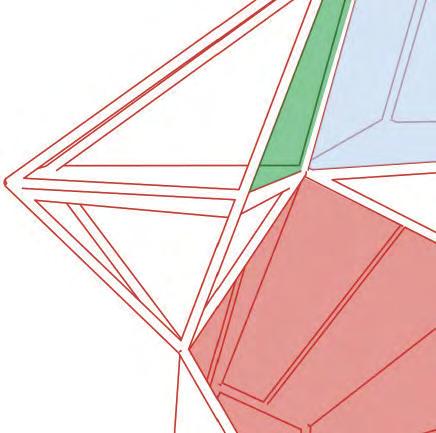
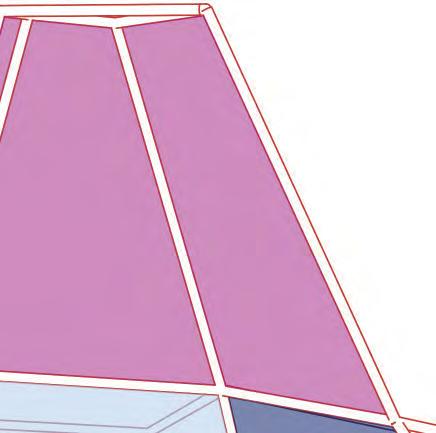
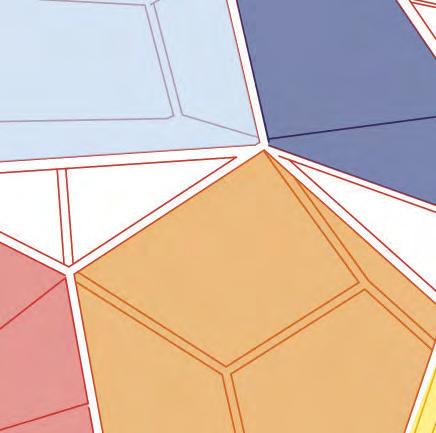
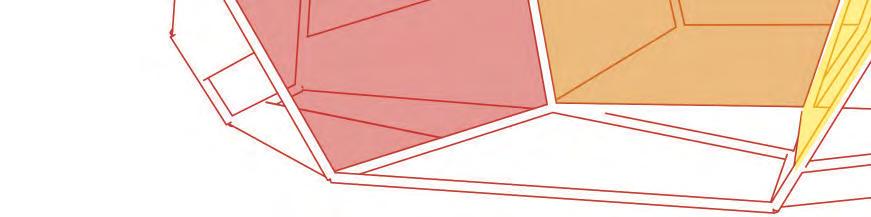

The entire structure, designed in the form of a spider's abdomen, is conceptualized as a representation of the human body. I have divided it into six segments, each corresponding to one of the six main chakras.

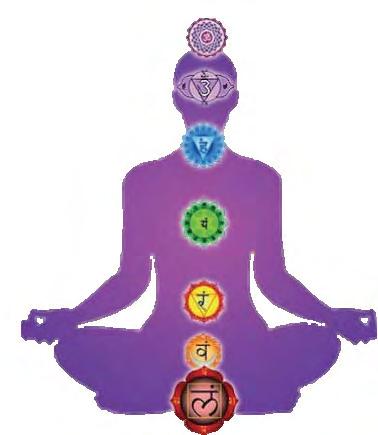
To activate the di erent body’s chakras, individuals can visit speci c chakra locations and engage with the environment. They can either listen to the music-like vibrations produced by touching the strings associated with each chakra or choose to meditate inside hanging cocoons designed to generate corresponding chakra sounds.

Chakra symbols, integrated into the design, will produce unique vibrational frequencies when activated.
Scale: 1:1000
Eg. Muldhara Chakra
Arti cial spider silk rope, mimicking the structure of spider webs, has been engineered to generate chakra sounds upon being touched or vibrated.
Ecosense glass utilized to safeguard and simultaneously serve as a viewing point.
Structural wire rope, coated with luminescent paint that glows in the dark, not only provides support for the meditation pods but also produces chakra sounds when touched or vibrated.
Body Structure: Steel piping
Scale: 1:200
Opaque lm, strategically chosen to amplify the resonance of vibrations and provide a heightened auditory experience. This design not only ensures increased privacy but also allows a subtle infusion of the exterior surroundings into the interior space.
Upon entering the meditation space, the cocoon will seamlessly generate music attuned to chakra vibrations. The individual simply needs to relax and engage in meditation, facilitating the activation of speci c chakras within their body, ultimately promoting a sense of calmness in their mind.
990


1470
1700
Scale: 1:50
Ladder to climb Timber wood ooring Arti cial spider silk rope replicating Spider webs The hanging cocoon mediatorDrawings & Renderings
Railing
Glass
26307.126300
View: Level 1
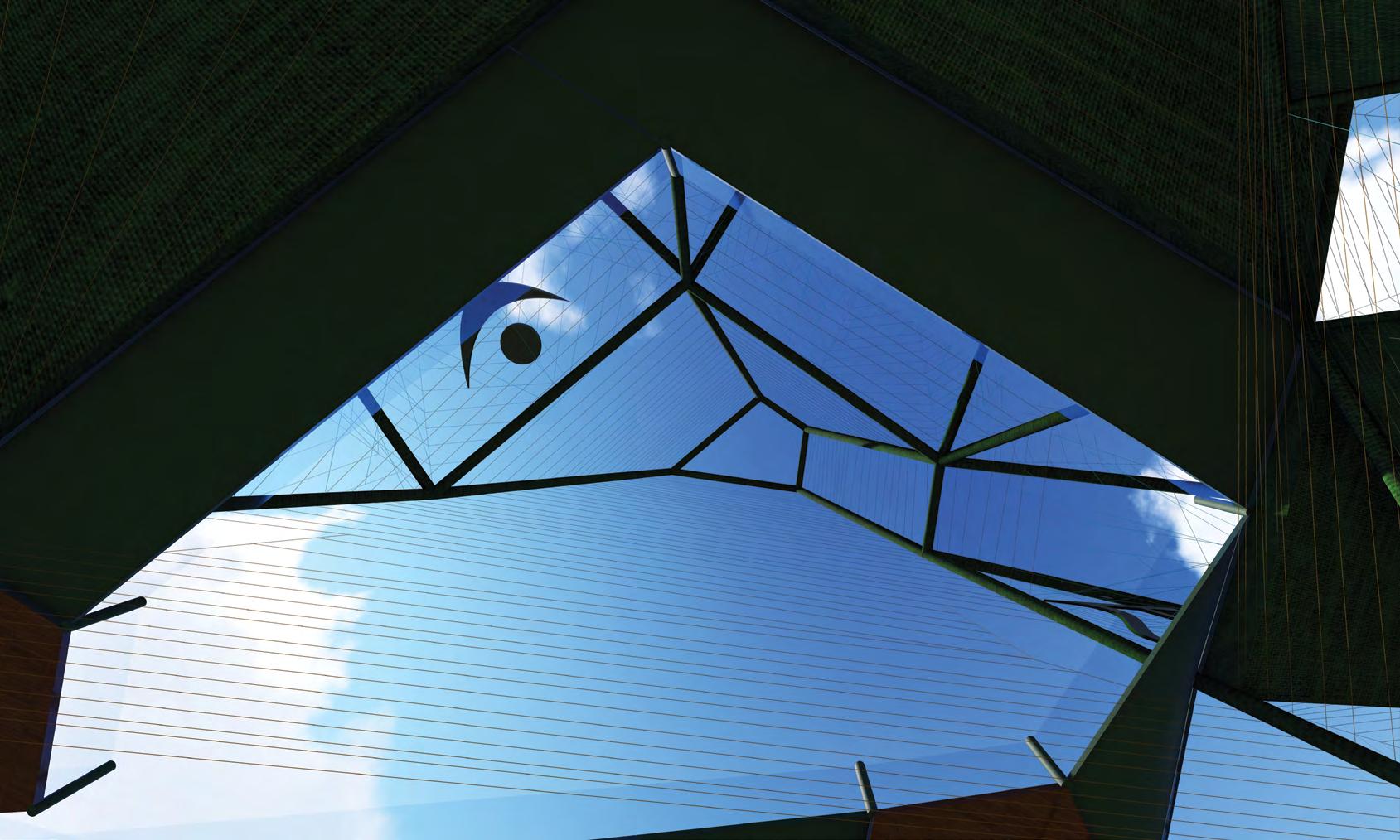
View: Skyview
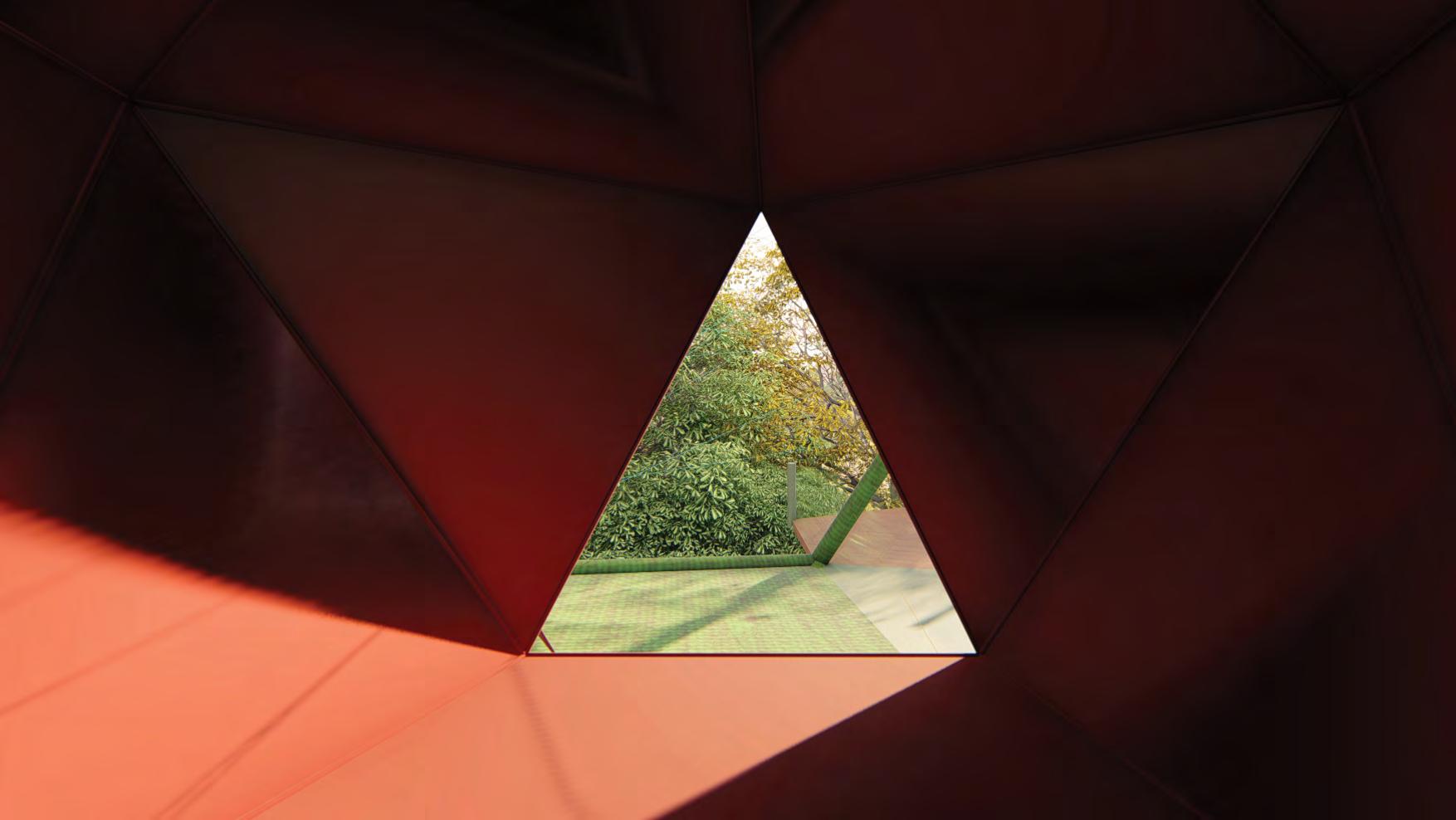
View: Interior of mediation port
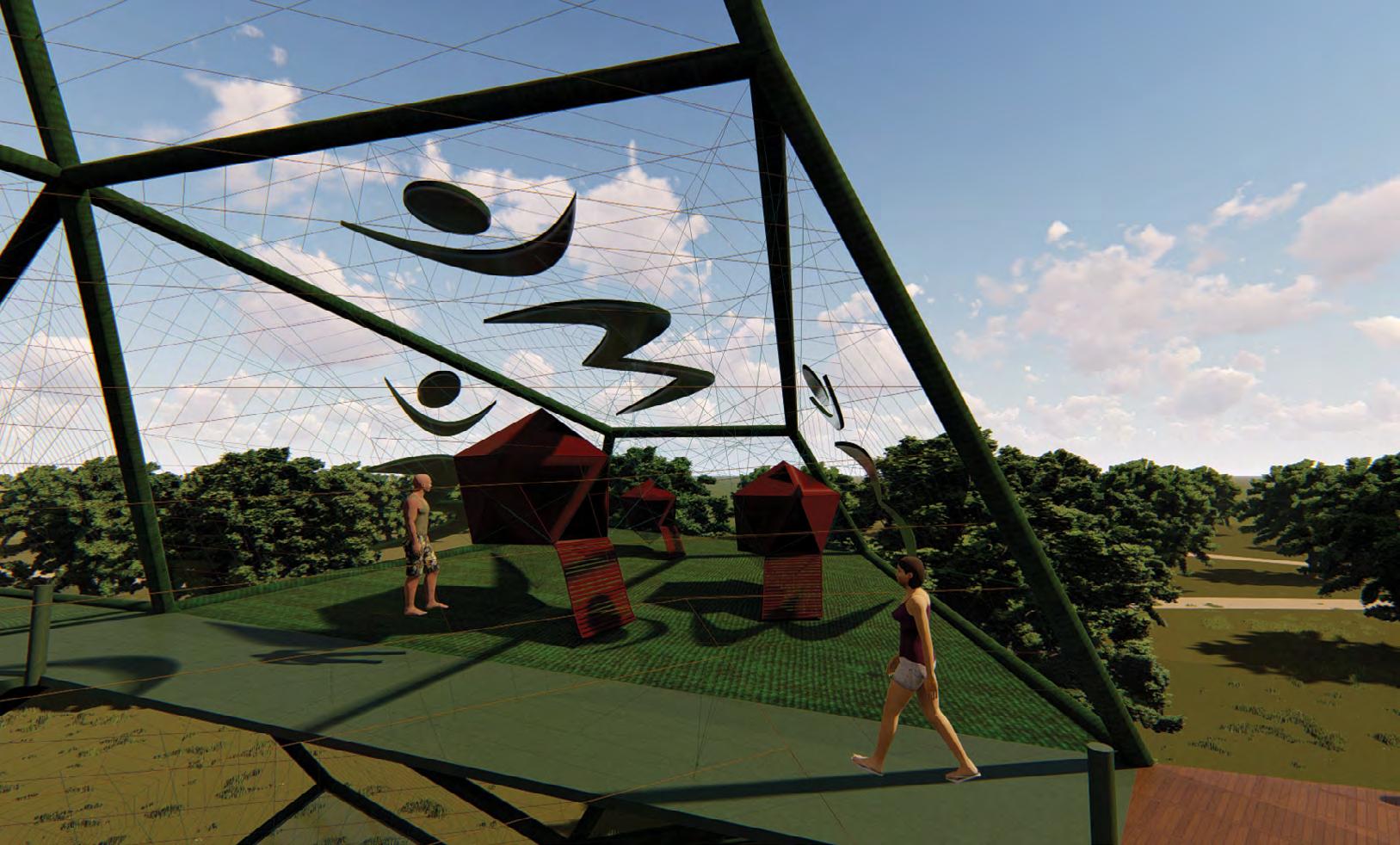
View: Chakra Port
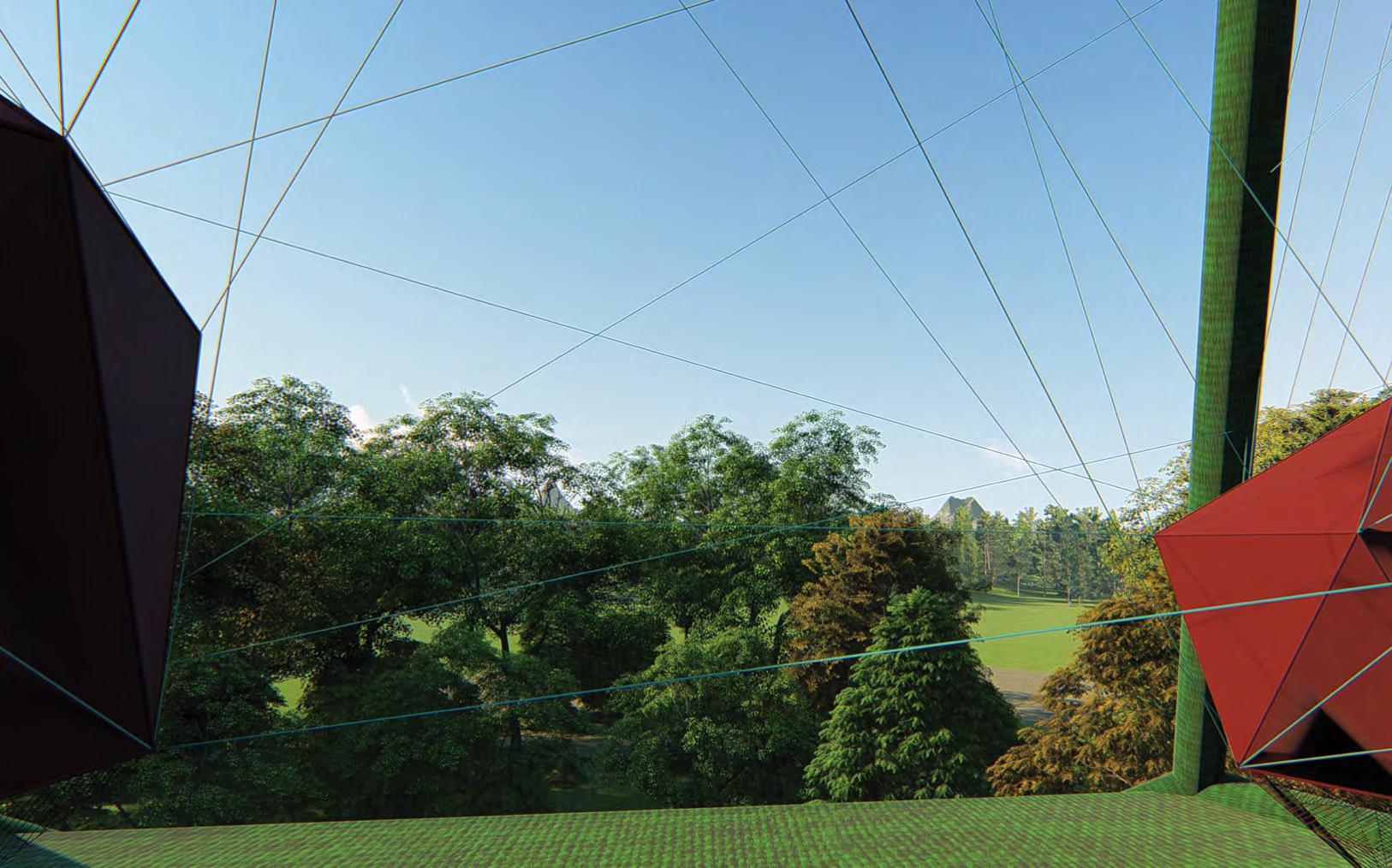
View: Port balcony
BANANA LEAF COMMUNAL HOME
GeniusinNature /NanyangPolytechnic,Singapore
Done By : Rajendran Sarmiladevi
Time : 2020/ 3rd Year Course Work
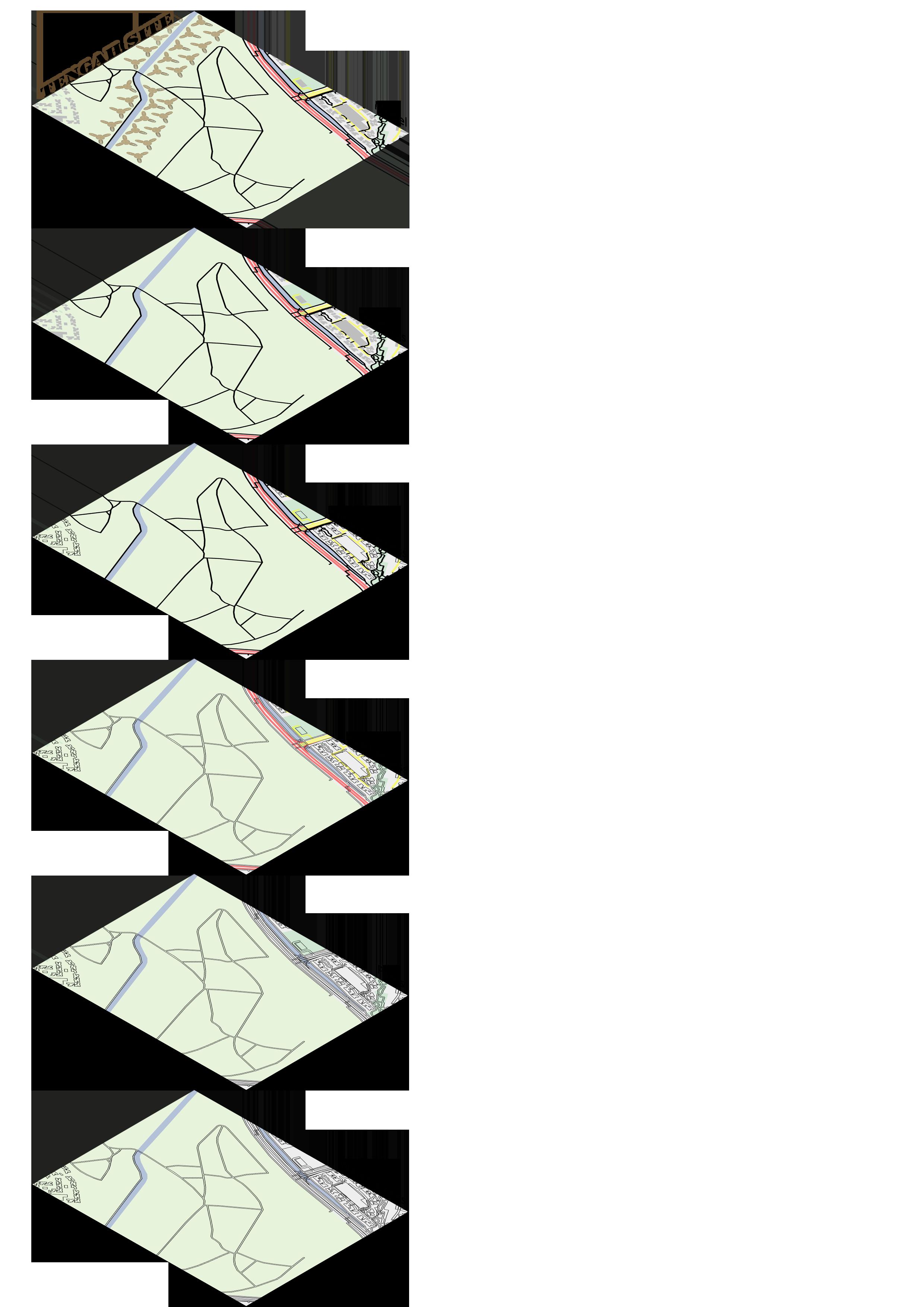
Location : Tengah Forest
Instructor : Wei Ling
Individual Work
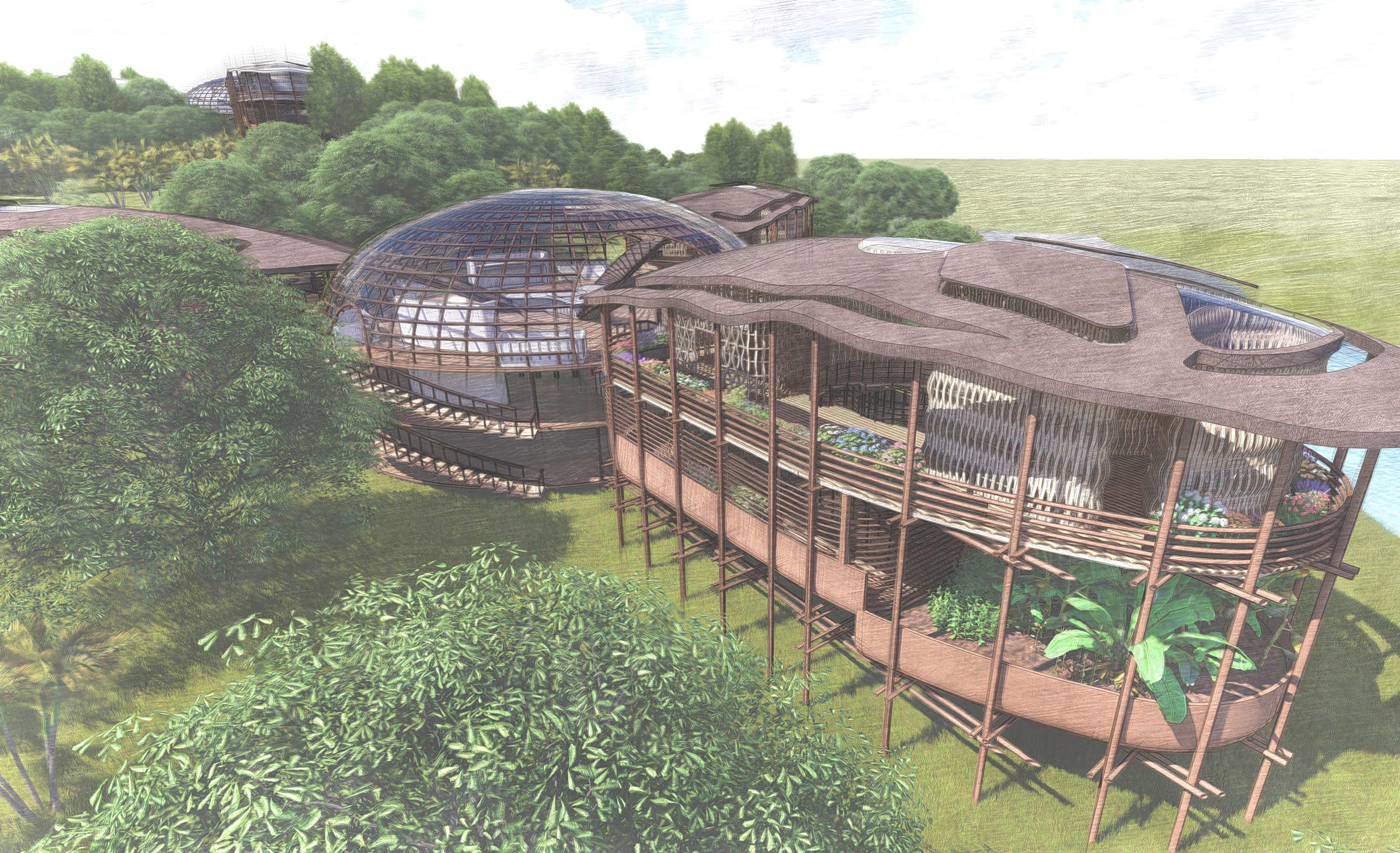
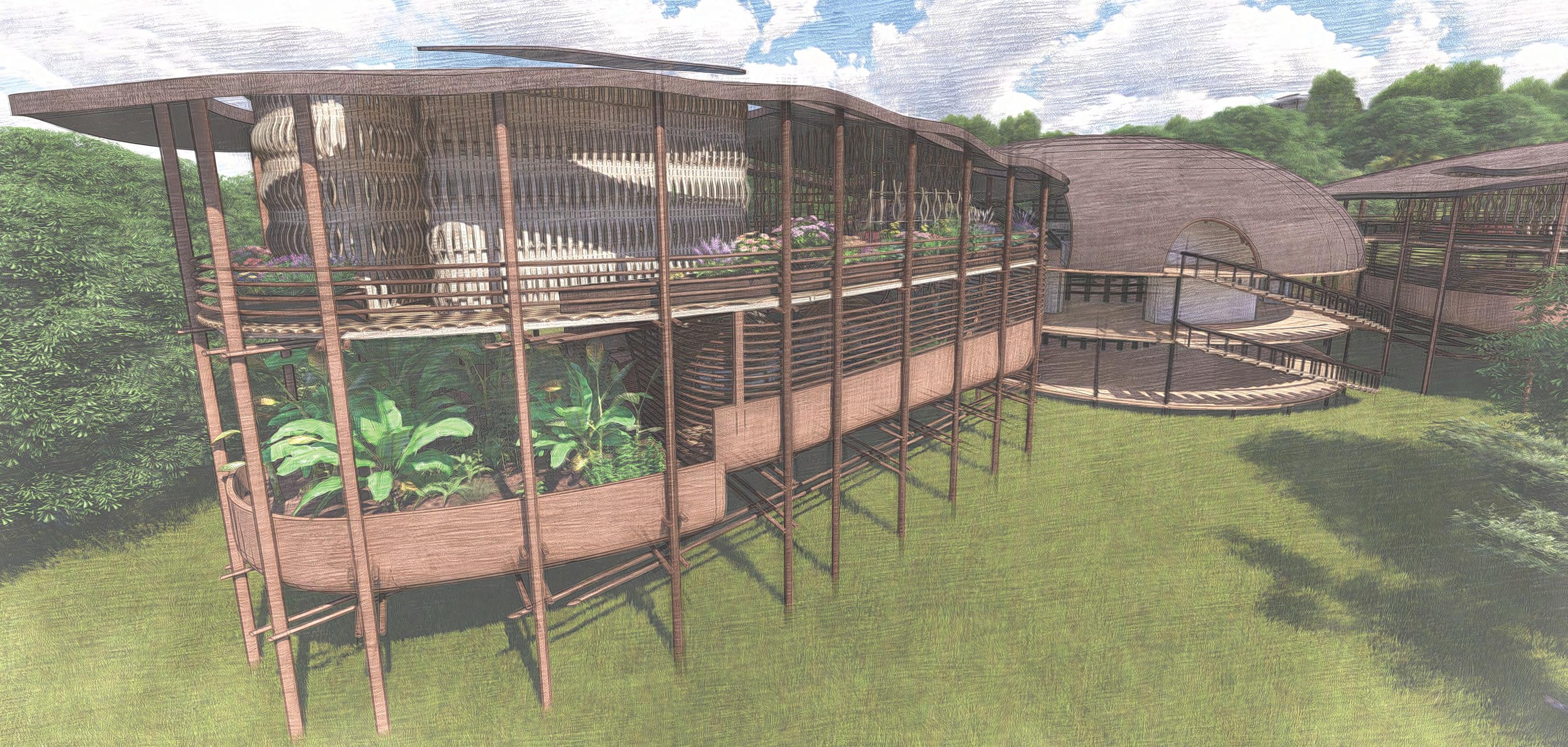
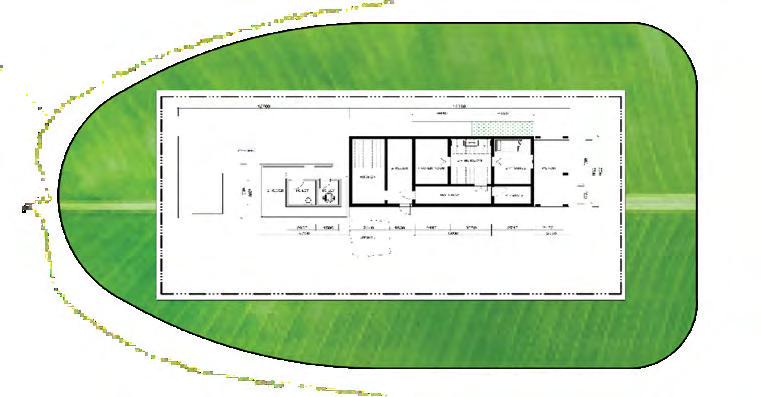
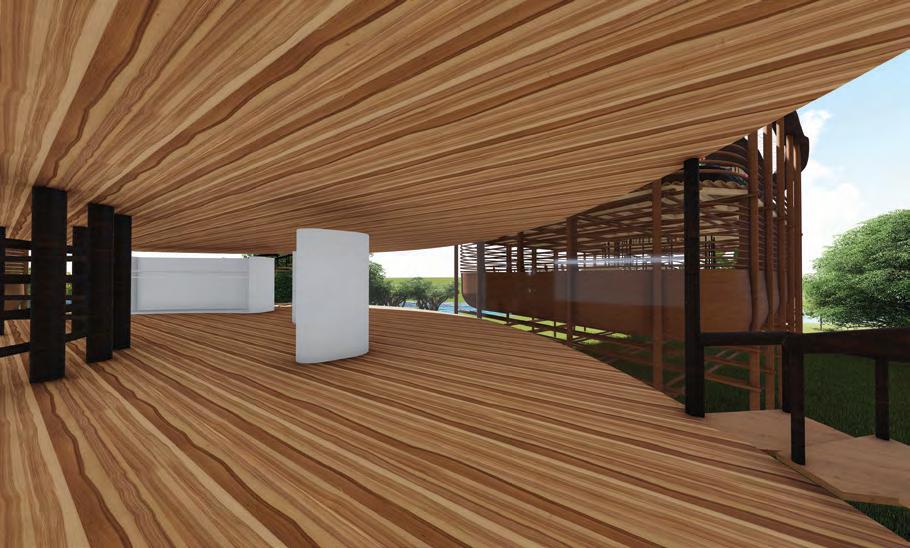
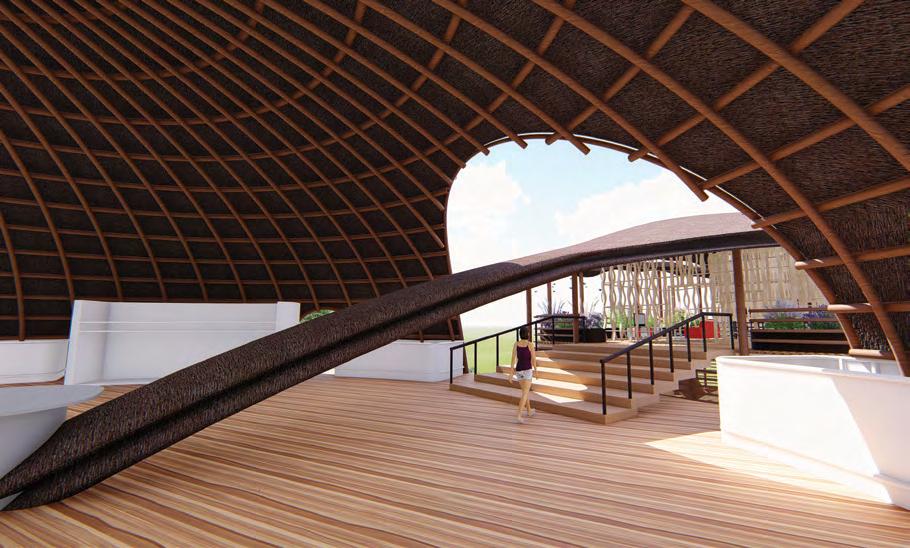
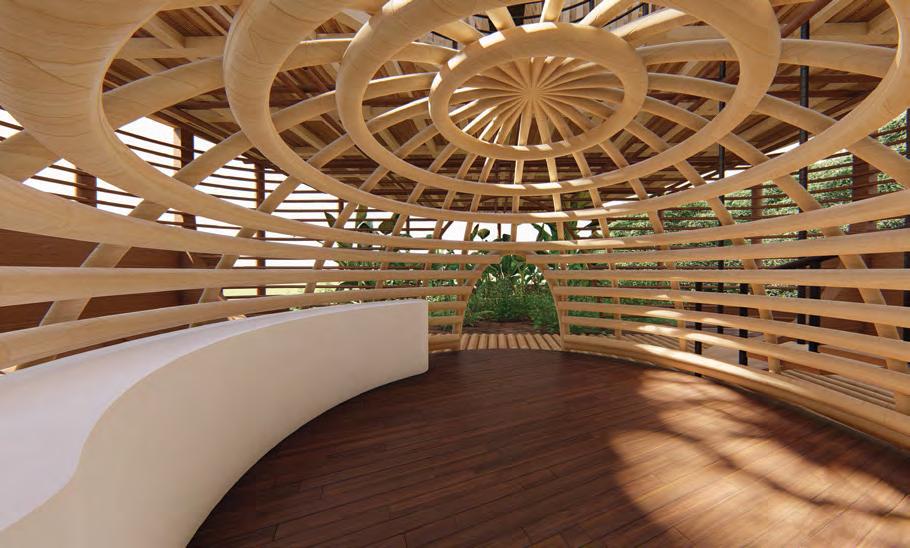
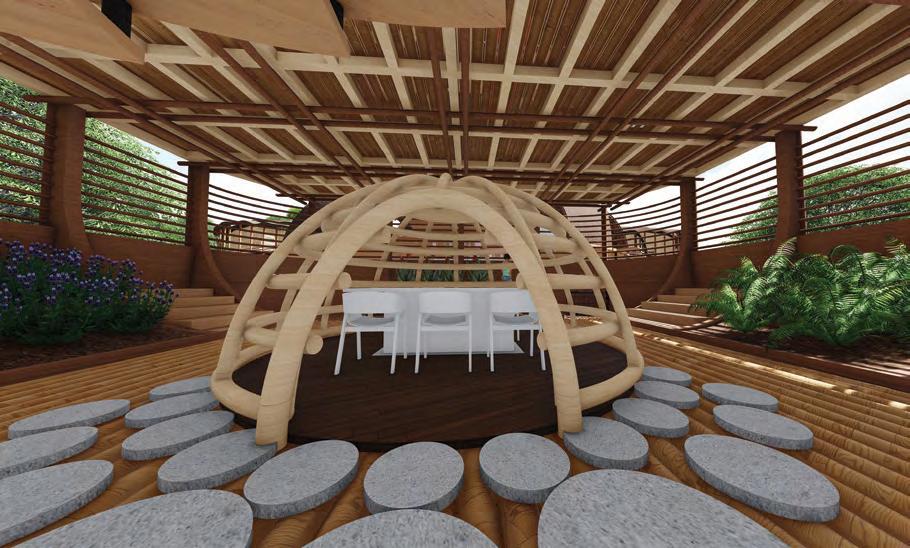
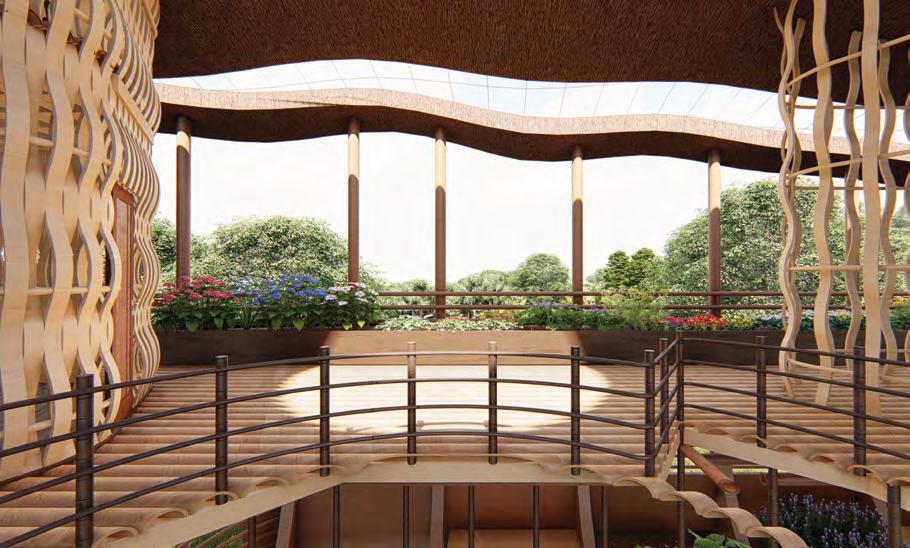
A communal village lifestyle nestled in Tengah forest, enabling people to coexist harmoniously while cultivating their cooking ingredients as a community. The communal space resembles platters, symbolizing the sharing and preservation of traditional recipes among neighbors. The collaborative efforts in farming and cooking emphasize the appreciation for food’s value and reintroduce a wholesome communal lifestyle. The kitchen, typically confined, is instead celebrated amidst pristine nature, fostering a unique and enriching experience for the community.
Software used: Grasshopper plugin (Rhinoceros 3D), Lumion, AutoCAD, Adobe Illustrator, Adobe Photoshop
PLATTERS AS HOME
Establishing a communal village, this unique project aims to foster a self-sustainable lifestyle while embracing the essence of Indian culture. Focused on gardening, cooking, and self-reliance, the community members will cultivate natural, organic vegetables and fruits collectively. The communal space is conceptualized as platters, representing different levels of farming conducted as a united effort.
Living amidst the forest, individuals will not only adopt a self-sustainable lifestyle but also engage in sharing traditional cooking methods with one another, preventing these valuable practices from fading into obscurity. This collaborative effort contributes to a healthier lifestyle and enhances the community's appreciation for the source and cultivation of their daily sustenance.
In contrast to the enclosed kitchens in HDBs, this proposal envisions open kitchens within the forest, offering a connection to nature and promoting a holistic approach to living. Additionally, situating the communal village in a forest garden area will immerse inhabitants in the beauty of nature, fostering an appreciation for life away from urban confines and awakening to the wonders of nature each day.

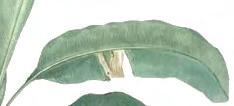
The intricacies of Indian cuisine, their unique cooking techniques, and fascinating insights into the use of banana leaves. The concept of "Platters as Home" creatively draws parallels between a home and a banquet of diverse activities, mirroring the array of dishes arranged on a banana leaf. This metaphor suggests that a home is a space lled with various activities, akin to the assortment of items found on a banquet platter. It conveys the idea that a home is a multifaceted environment where di erent aspects of life unfold, much like the variety of dishes on a banana leaf platter.
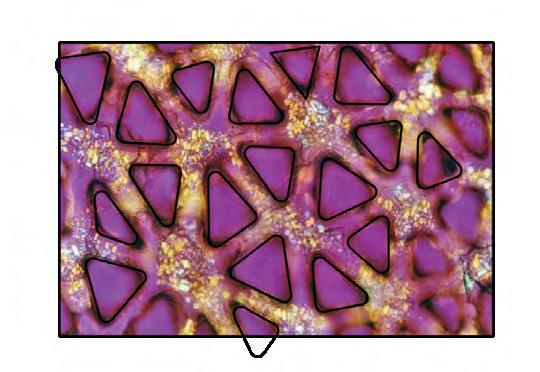
Cells of the banana leaf play a crucial role for people using it as a platter. Di erent shape cells = Space Planning
Rearranging the space based on the hierarchy of food arrangement on the banana leaf.
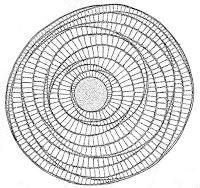
Just as banana leaves radiate from the center of the stem as one entity, people gather at a central point to cook and exchange their harvested food.



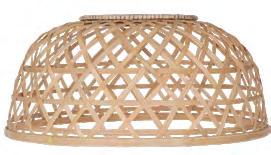
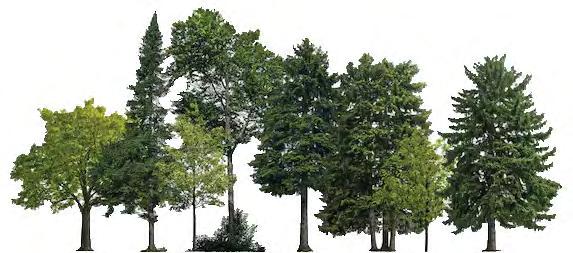


Taking inspiration from my home and lifestyle in India, this collage features the basket and banana leaf, two signi cant elements in Indian culinary tradition.

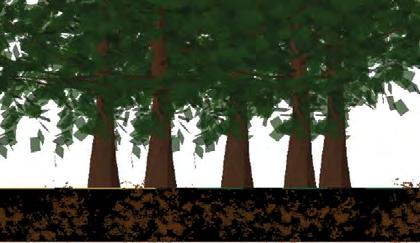
Tengah Forest is chosen for its abundant trees and status as the last secondary forest, providing fertile soil ideal for plant growth. The area's rich biodiversity, including numerous animals and birds, in uenced the decision to elevate the model slightly above the ground. This elevation not only respects the natural habitat but also allows the trees to serve as supportive columns for the model.
Home Space Planning: The left side of the banana leaf, which typically contains food items that require extra e ort to reach and are considered side dishes, is represented by the toilet and shower space in my design. This area is not commonly used and aligns with the concept of consuming lesser on that side. In the middle of the banana leaf, where rice, the main food, is placed, I have located the kitchen. The distribution of the remaining spaces in the home is based on factors such as accessibility and privacy.
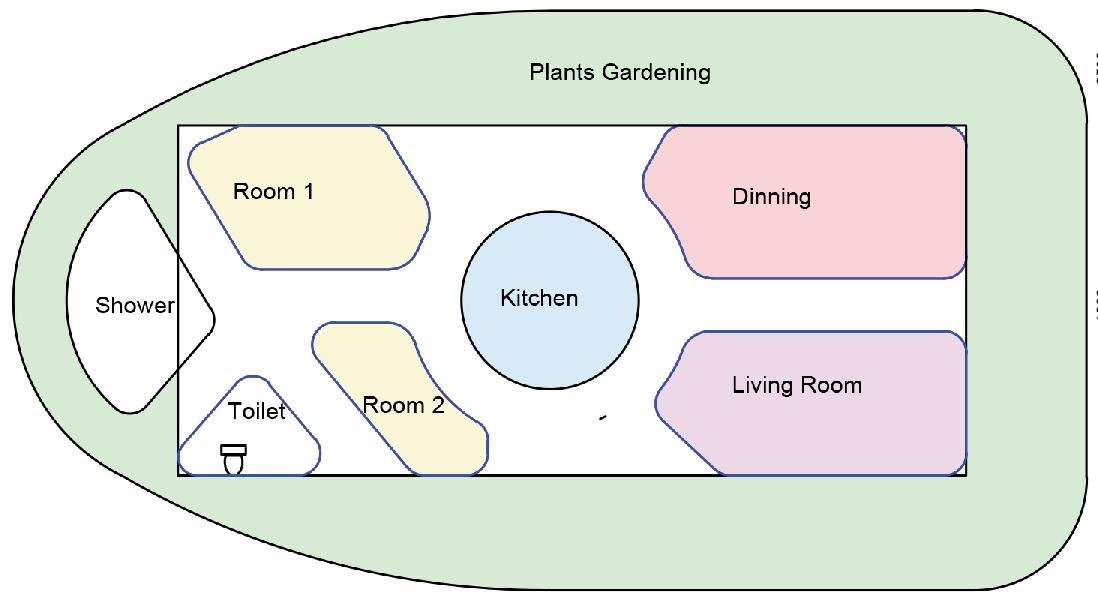
Community Kitchen Planning:
Harvested
Vegetables / Fruits
Basket
Communal Kitchen
Provision Shelf

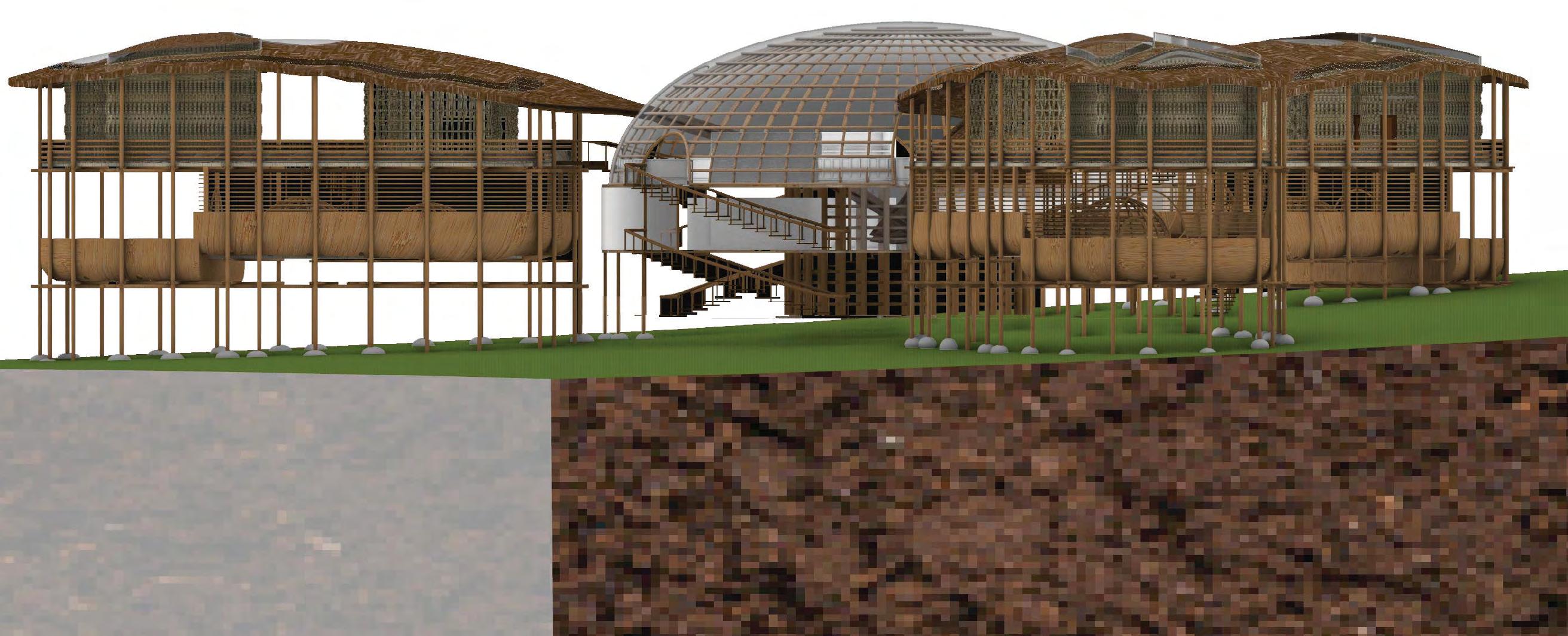
Elevation view of the model:
Level 5 - Home (Level 2)
Level 4 - Home (Level 1)
Level 3 - Community Kitchen
Level 2 - Kitchen & Garden
Level 1 - Provision Store
Basement - Planter Box
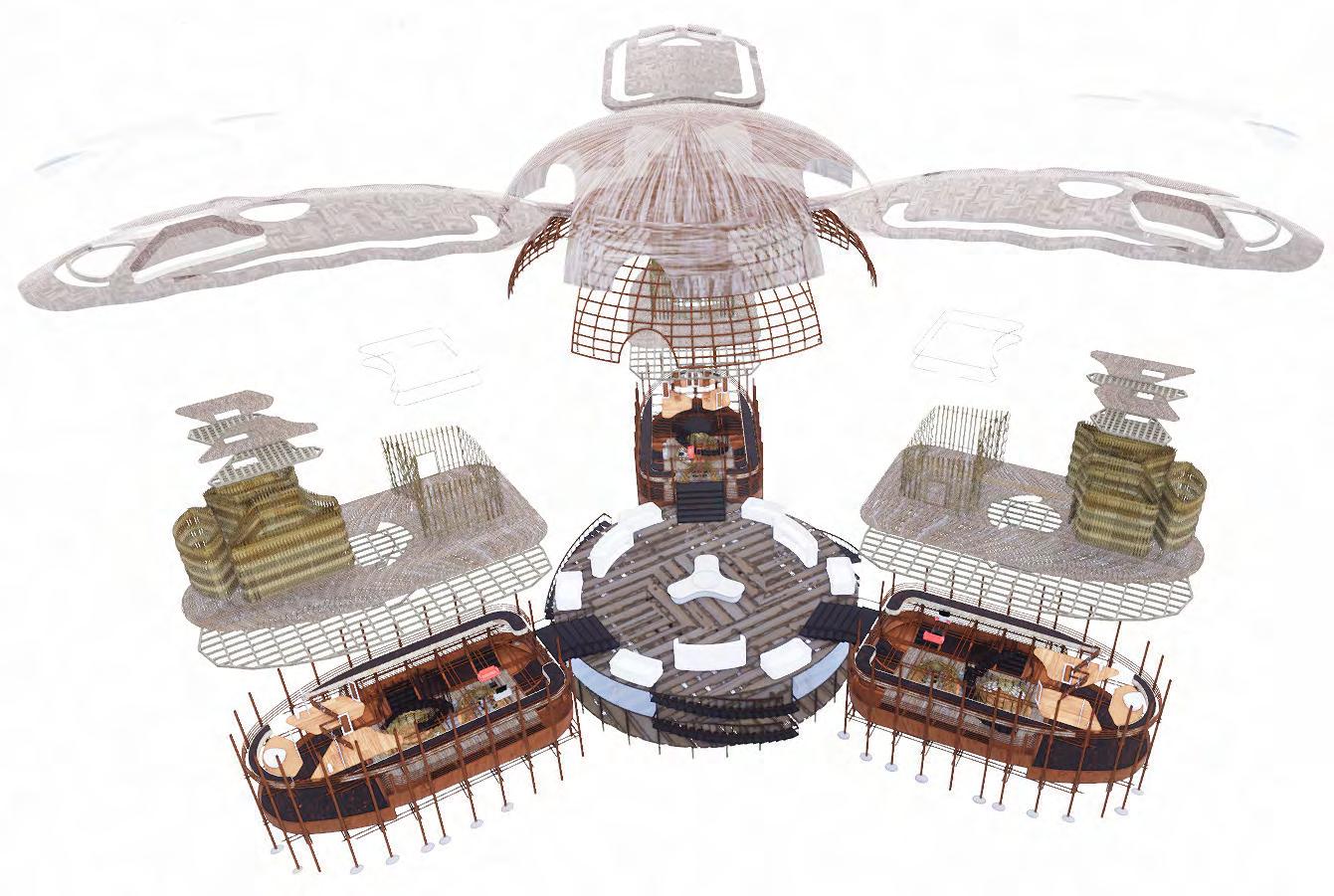
Exploded Axonometric view of the model:
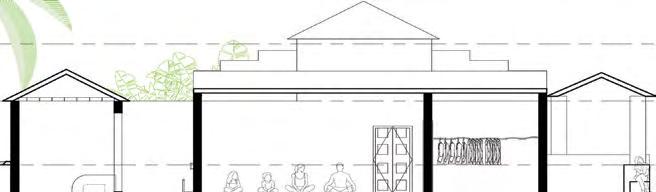
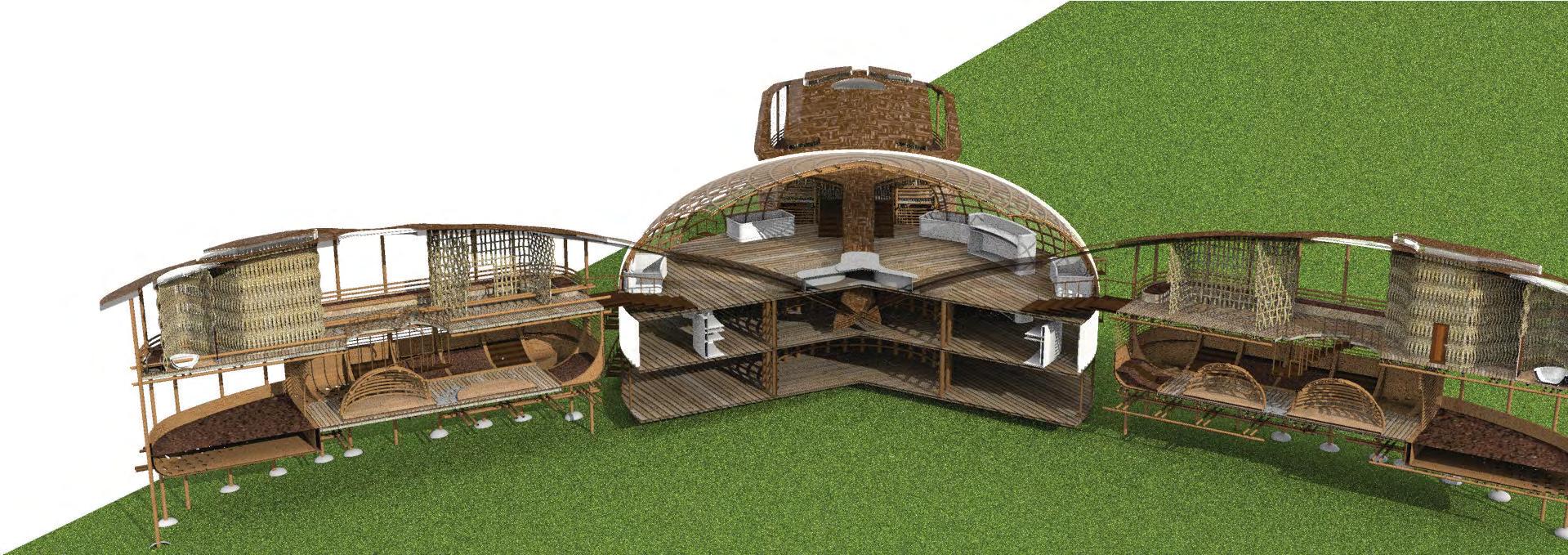
Section view of the model:
Pelupuh roofing system
Skylight
Bamboo roof structure
Bamboo slats flooring
Bamboo beams
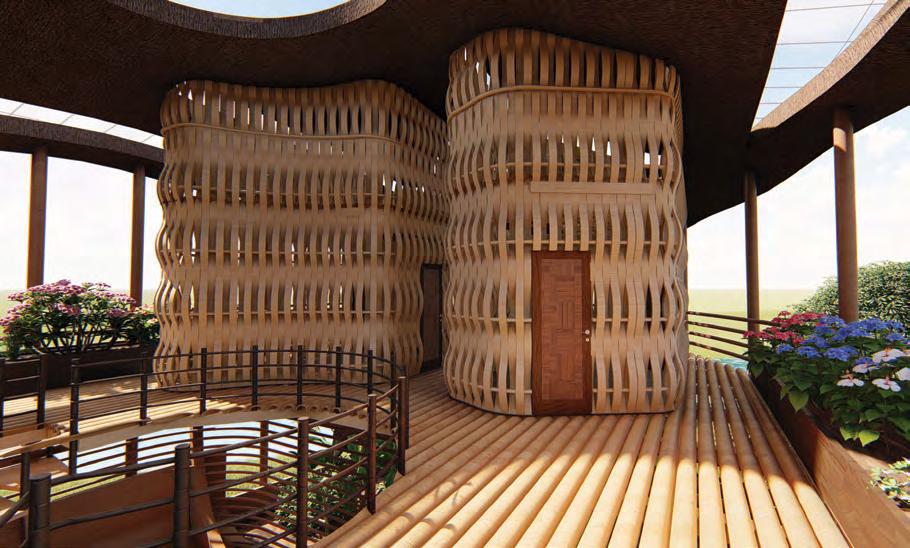
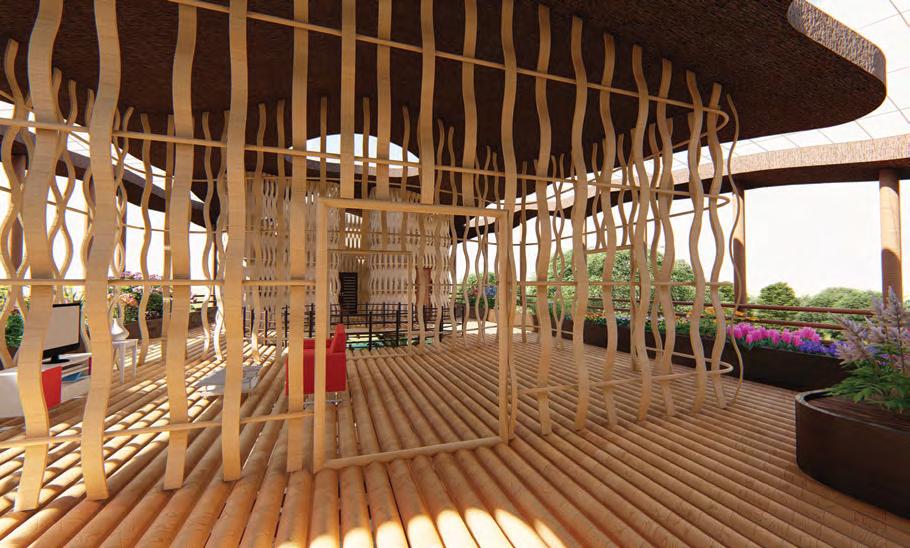
Weaved banana leaf wall structure
Bamboo columns
Weaved banana leaf & bamboo flooring
Bamboo beams
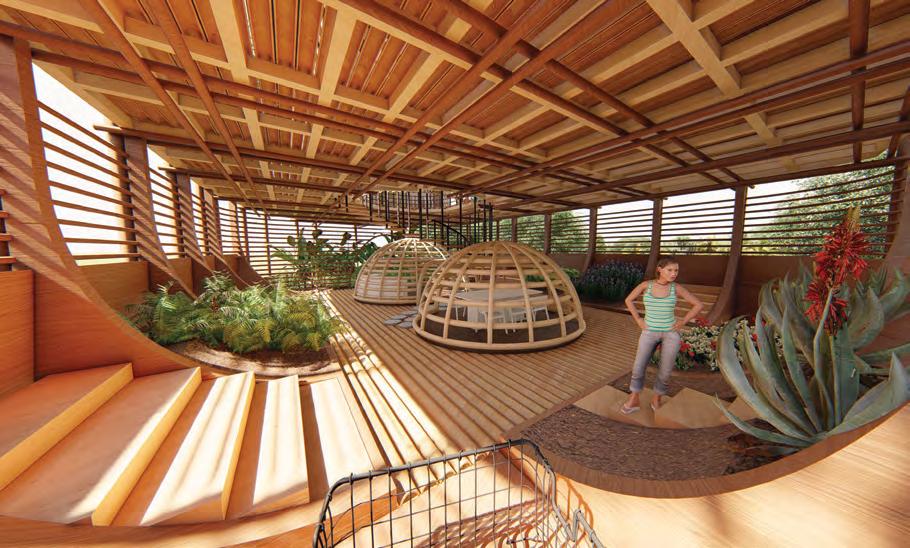
Beam bamboo petung: 16cm Column bamboo petung: 20cm Bamboo splits Flooring Gardening area Plant separator Stone for support Level 1 - Provision Store Level 2 - Kitchen & Garden Level 3 - Community Kitchen Community Kitchen Provision Store K itchen G ardening Area Dining Area
Level 4 - Home (Level 1)
Level 5 - Home (Level 2)
Roof
Living Room
Rooms
Balcony
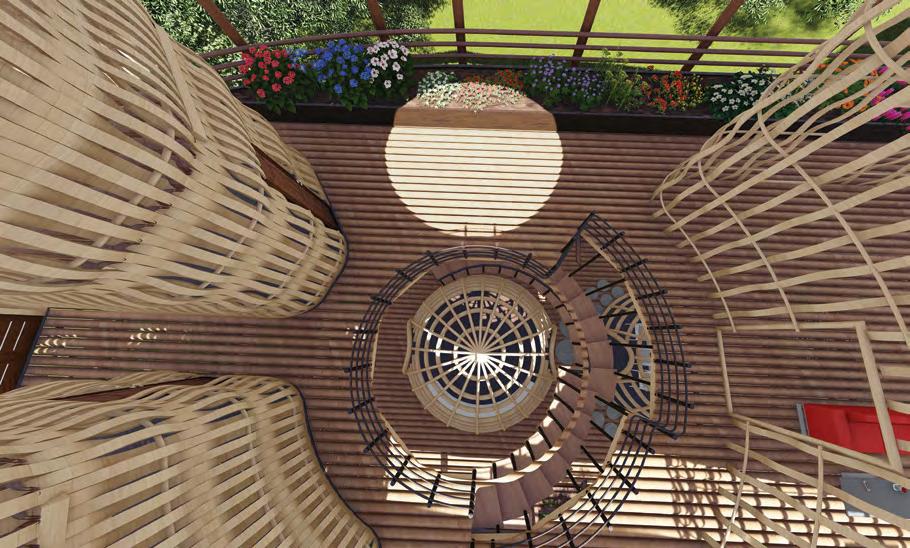
Top View from skylight
LITTLE INDIA PROJECT
DwellingDesignStudio/NanyangPolytechnic,Singapore
Done By : Rajendran Sarmiladevi
Time : 2018 / 1st Year Course Work
Location : Campbell Lane
Instructor : Jasmine
Individual Work
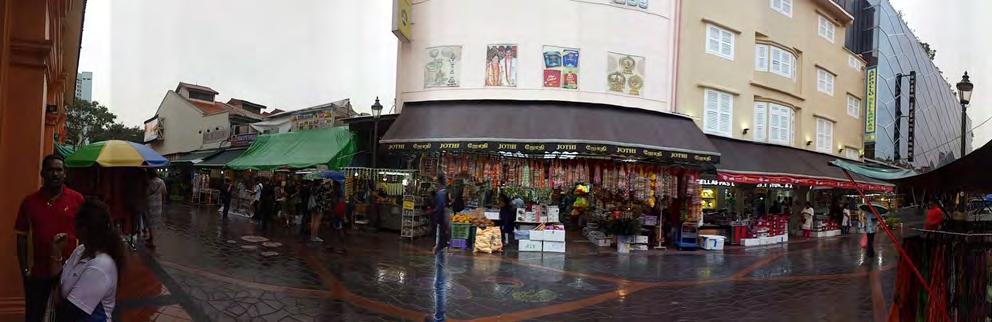
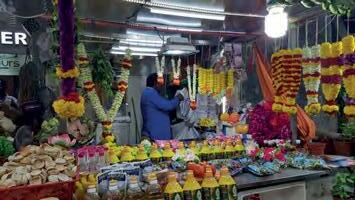
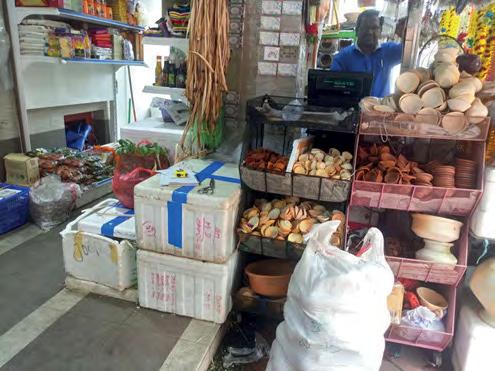
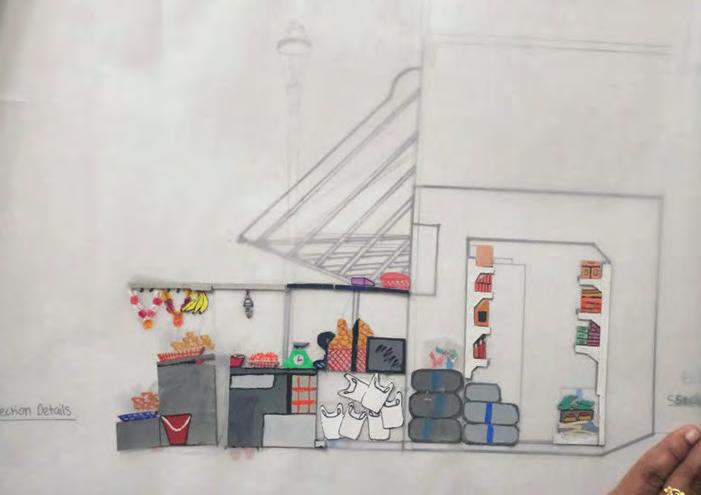
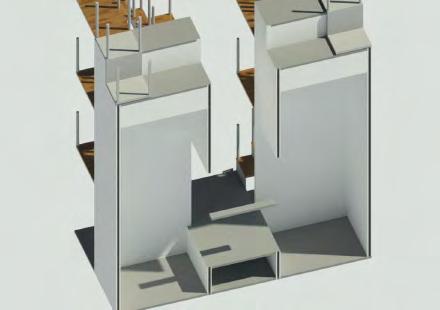
Stemming from the fundamental exploration of architecture as a spatial extension of the human body, this studio intertwines daily operations with environmental connectivity. It advances architectural behaviourology studies, aiming to synthesize, experiment, and speculate on new system that propose a new way of life
Software used: Autodesk Revit, Enscape
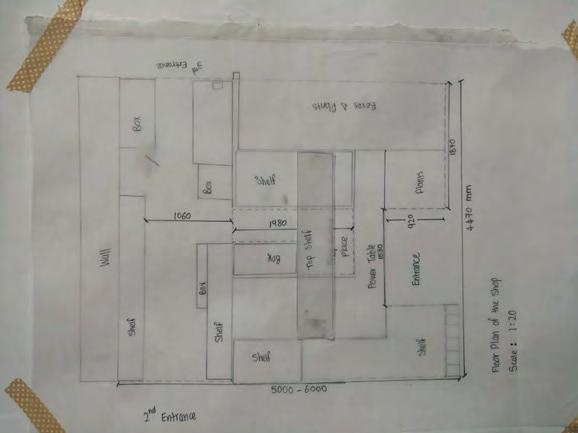

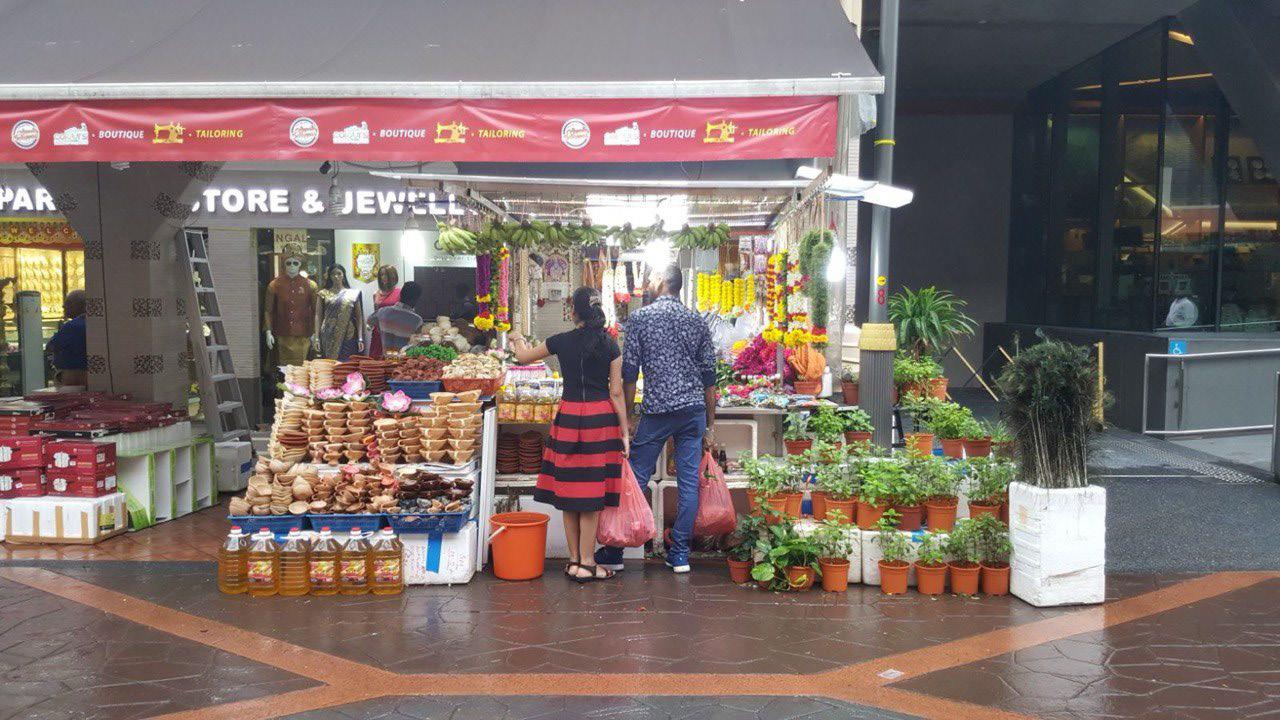
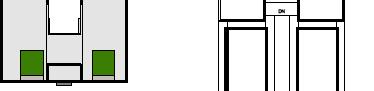
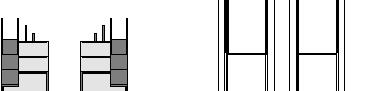
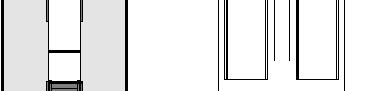
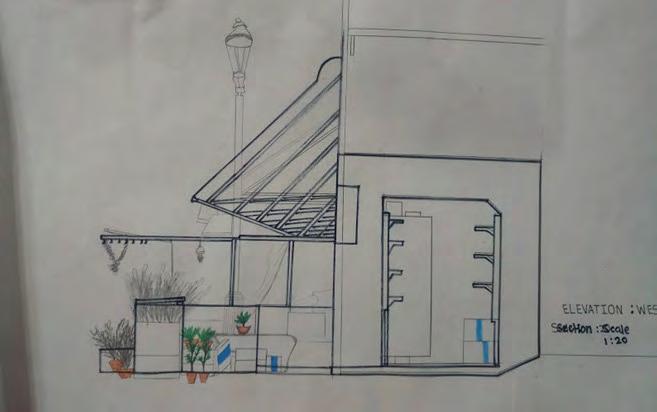 Plan Section
 Section
 with dweller's detailing
Section
Section with dweller's detailing
Design Process
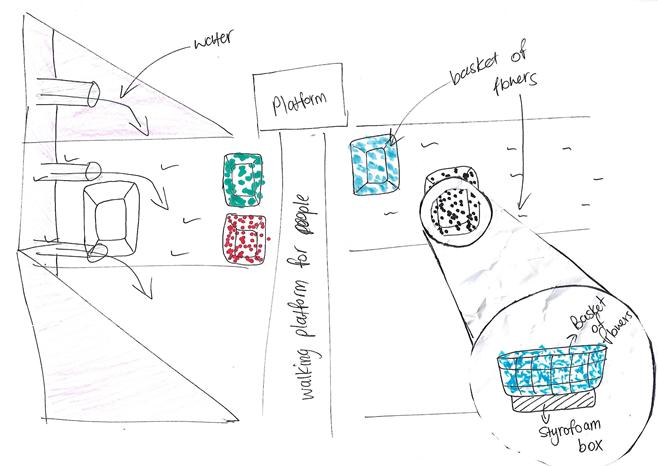
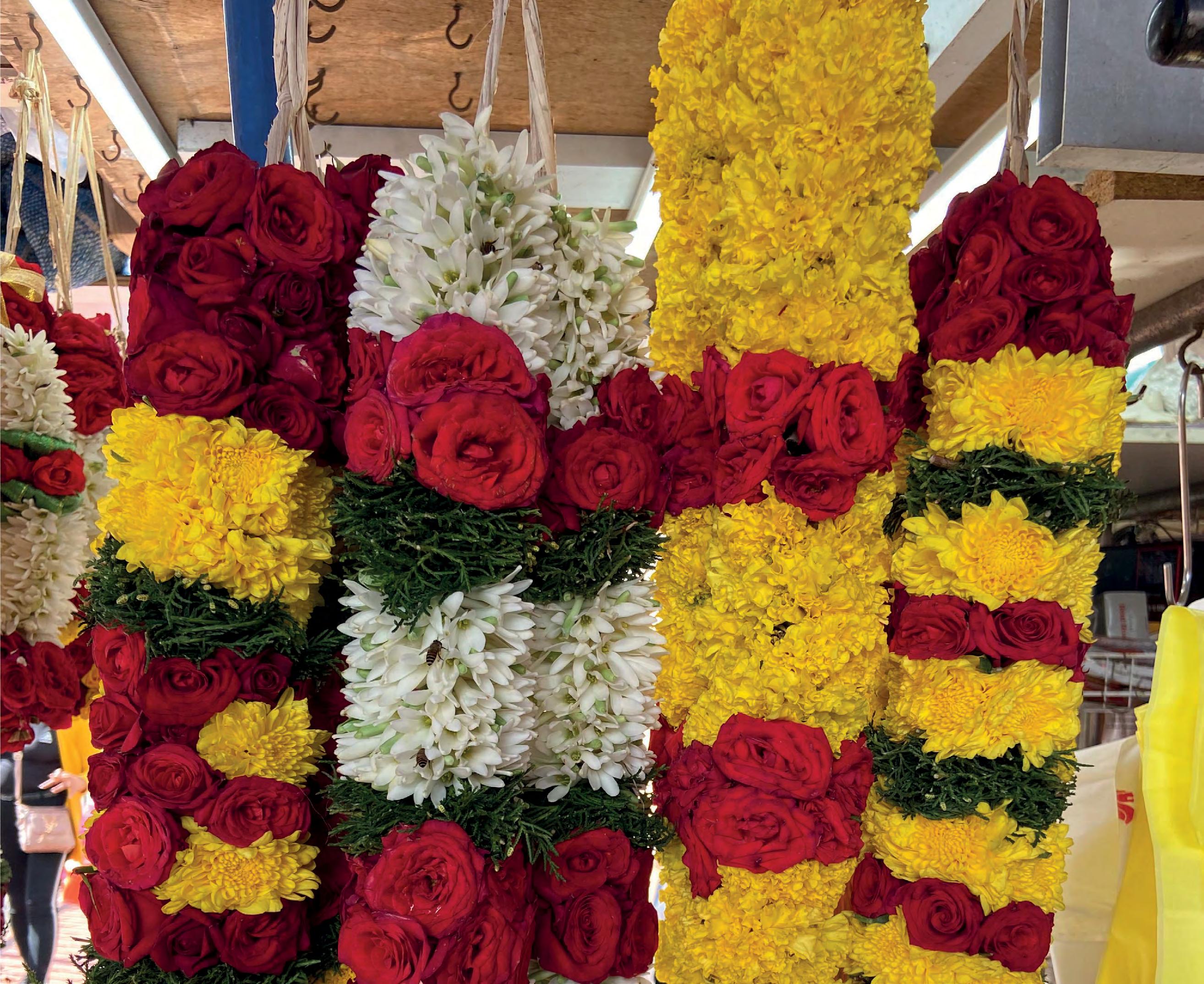
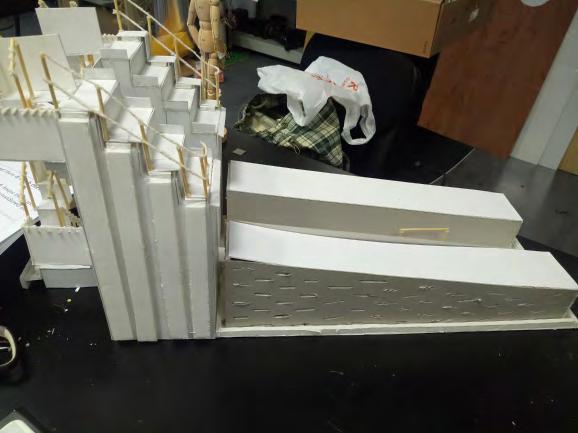
This sketch envisions the owner as a king in a palace surrounded by water and flowers. To approach the king, individuals must traverse a lengthy platform, mirroring the experience customers have in reaching the shop owner. Along this pathway, customers can admire flowers arranged in floating baskets near the owner. If they desire a particular flower, they can personally select it from the basket and make a purchase. These floral baskets float on water with the assistance of Styrofoam underneath. Elevated pipes, strategically positioned at different heights, allow the owner to control the extent to which the flowers are soaked by the flowing water. This design offers a unique and interactive experience for customers while incorporating elements of regality and natural beauty.
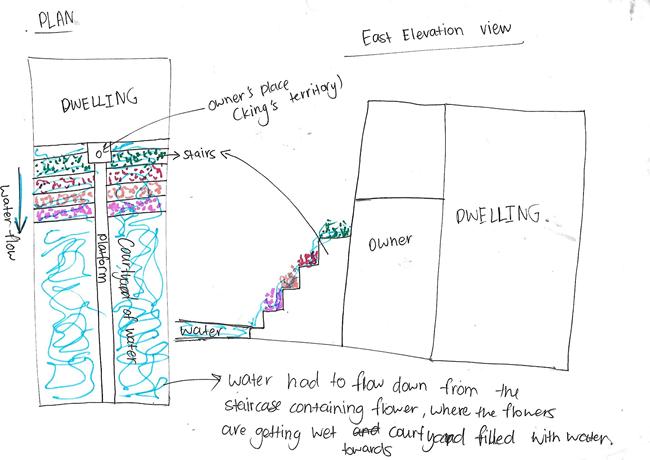
In the refined sketch, the staircase has evolved into a lush pathway adorned with flowers, symbolizing the owner’s regal connection to his flower realm. The elevated platform showcases the owner’s elevated status as the king of the flower shop. Instead of pipes, the stairs are now surrounded by carefully arranged flowers, creating a visually stunning ascent.
As customers traverse this flower-laden staircase, they are enveloped in the fragrant and vibrant ambiance. Floating baskets of flowers, tethered to the railing, provide an interactive experience for customers who can pluck their desired blooms while ascending. The Styrofoam underneath the baskets ensures they gracefully float on water.
At the pinnacle of the staircase, the elevated platform serves as the king’s domain, where he can oversee his floral kingdom. Here, the king has the option to control the water flow, orchestrating a simultaneous and majestic soaking of the flowers below.
This evolved design not only integrates the royal theme but also offers a captivating and immersive experience, transforming the act of purchasing flowers into a regal and memorable affair.
Final Design
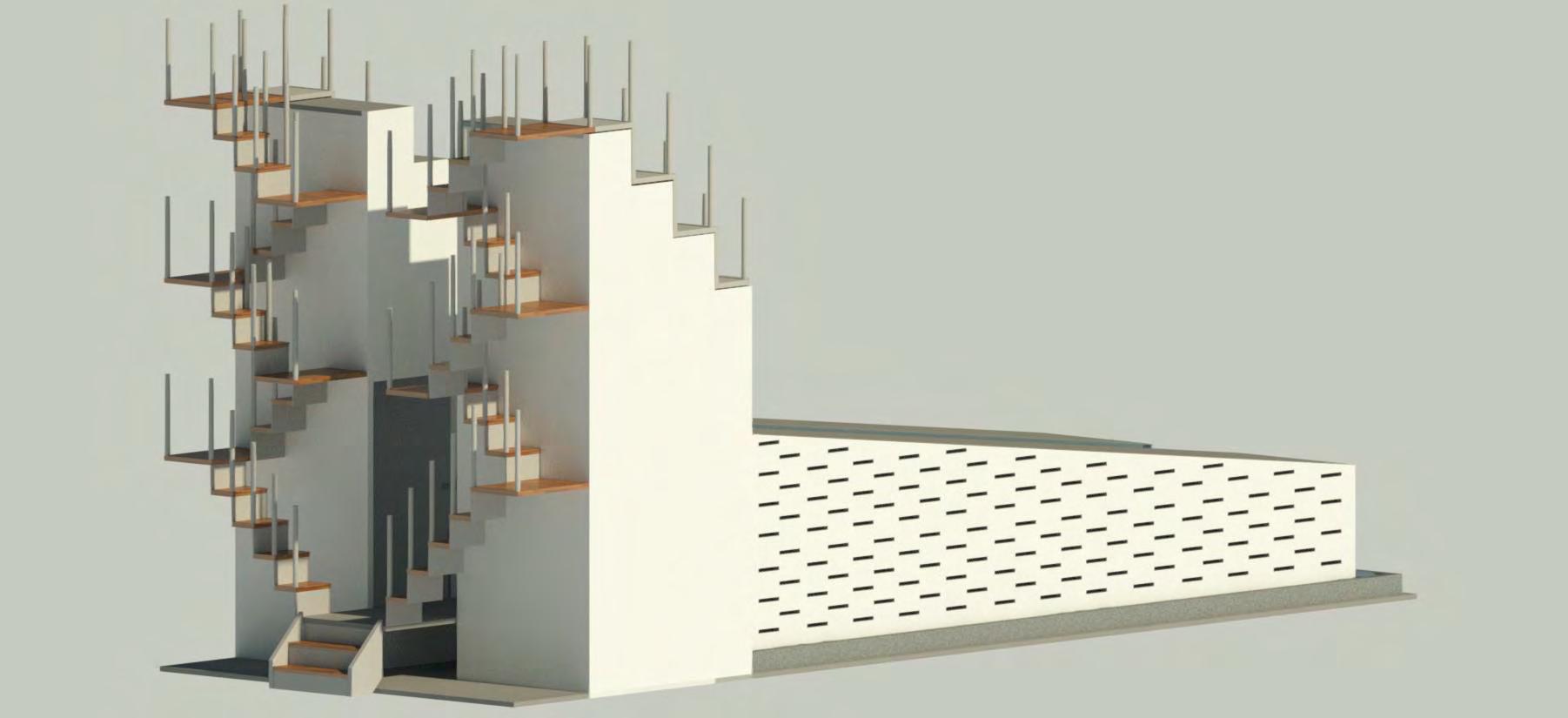
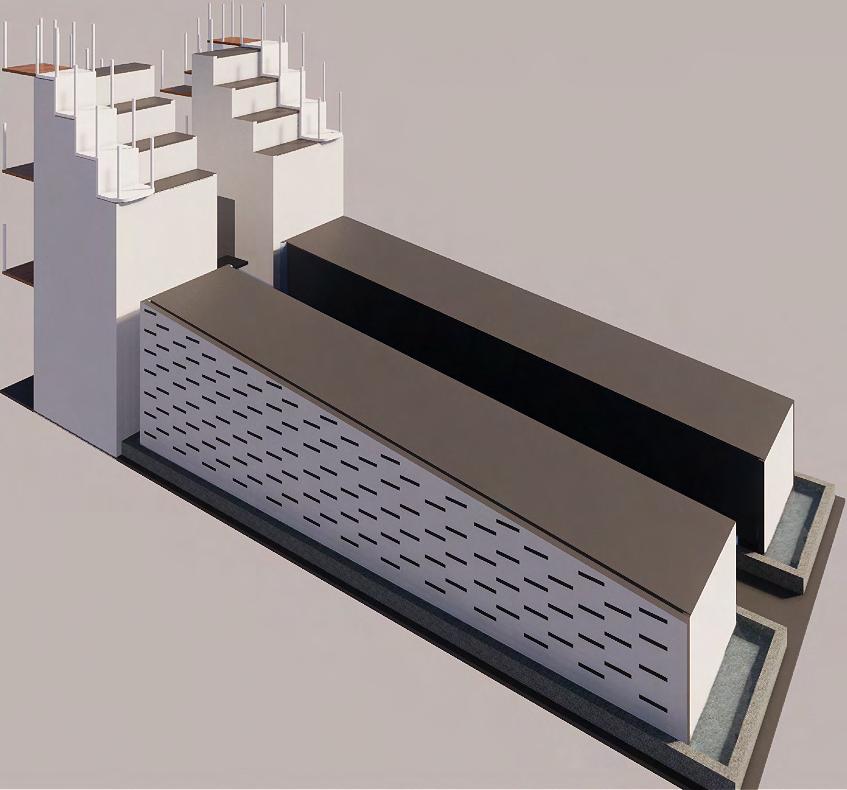
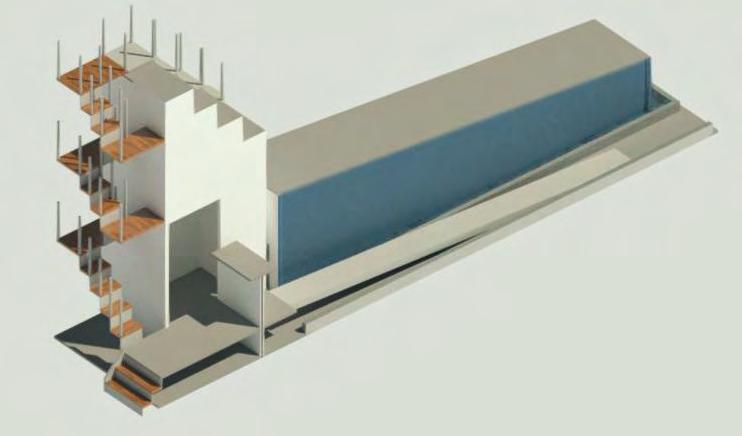
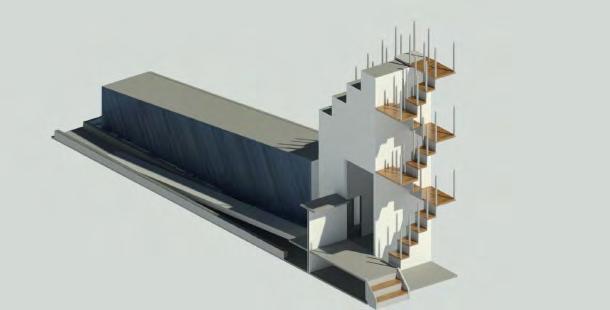
My final sketch incorporates all the essential features, amenities, and specifications essential to my design vision. Notably, I’ve included dedicated spaces for both the kitchen and bedroom, catering to the owner’s personal needs while ensuring privacy from customers. Strategically placed air holes provide adequate ventilation, while the top section is designed for cultivating plants, enhancing the structure’s environmental harmony.
The staircase has been transformed into a garden staircase, serving as a picturesque spot for the owner to nurture their favorite flowers. This area doubles as a personal sanctuary, akin to a mini garden within their palace. To access the top level seamlessly, I’ve integrated a staircase connecting from the owner’s standing platform directly to the upper level, ensuring convenient navigation throughout the structure.
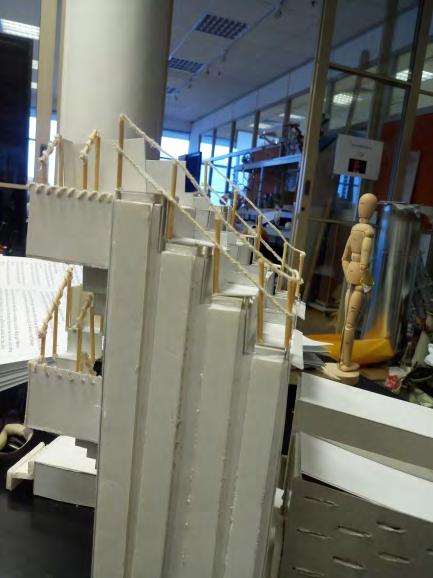
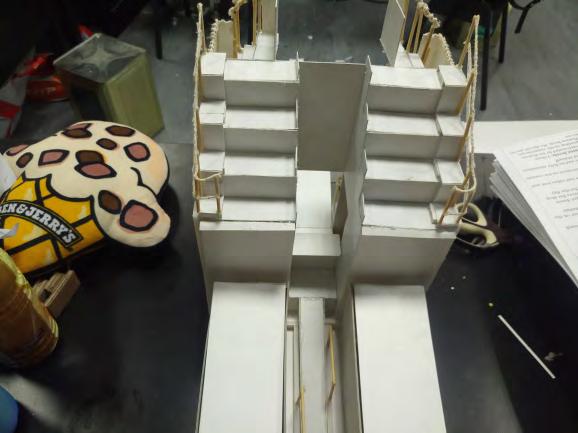
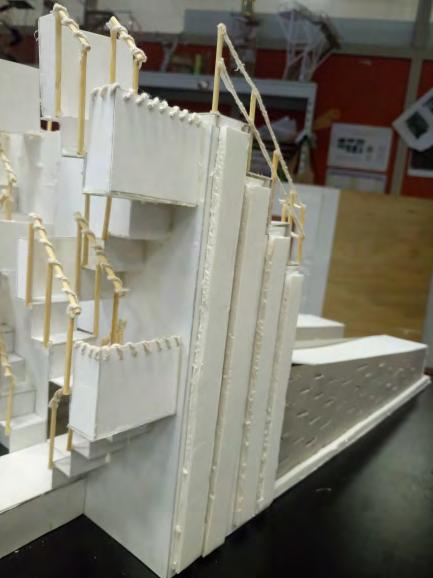
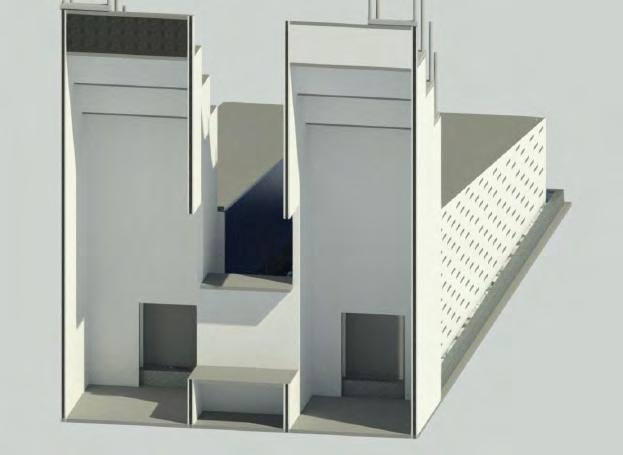
Model exploration
Drawings & Renderings










 Section 1
Section 2
Section 1
Section 2
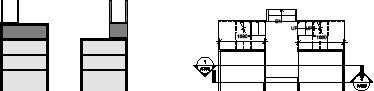
 Section 3
Section 4
Section 3
Section 4
member of the construction
 Time : 2019 / 2nd Year Group Work
Key
team
Time : 2019 / 2nd Year Group Work
Key
team
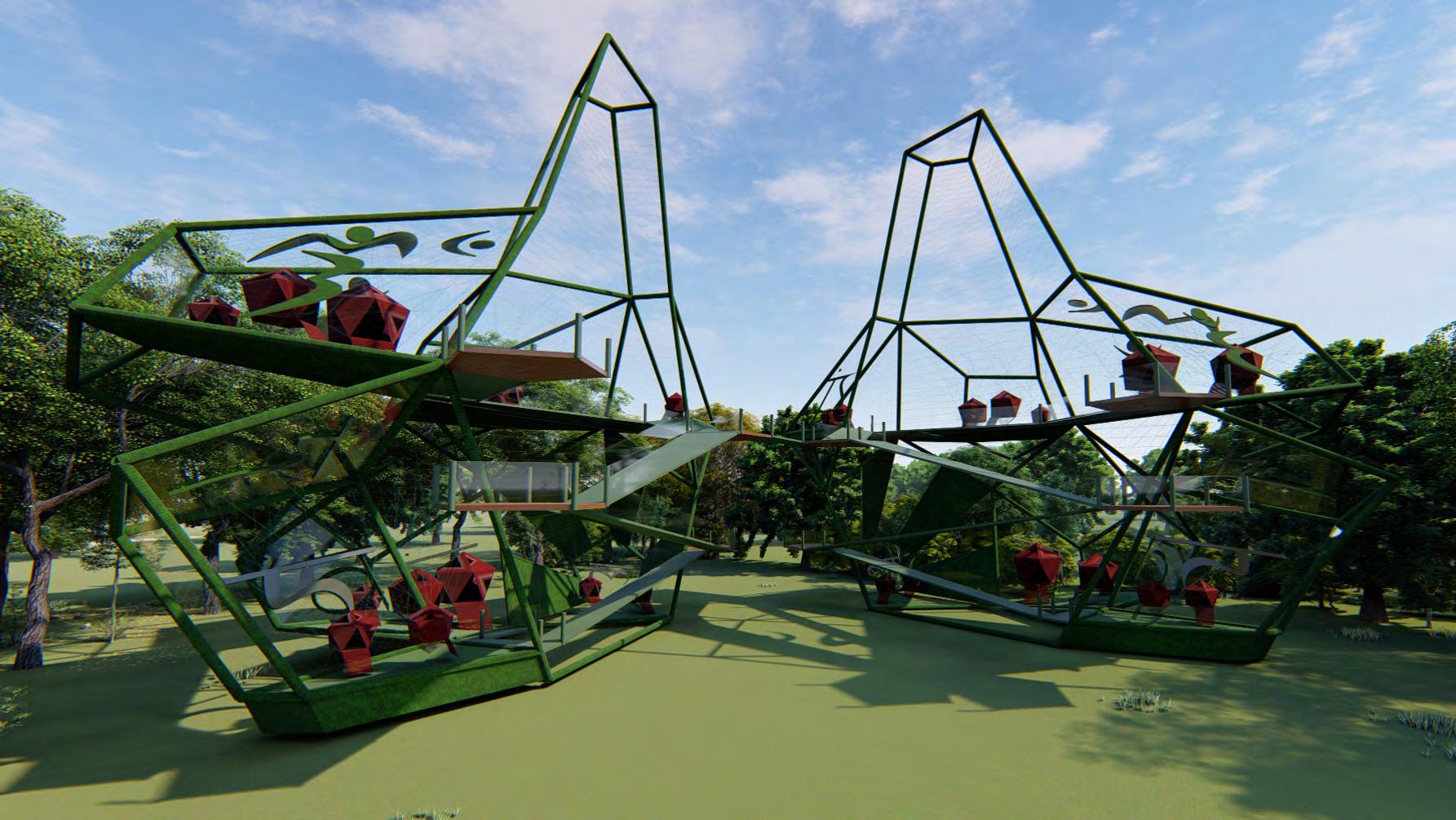
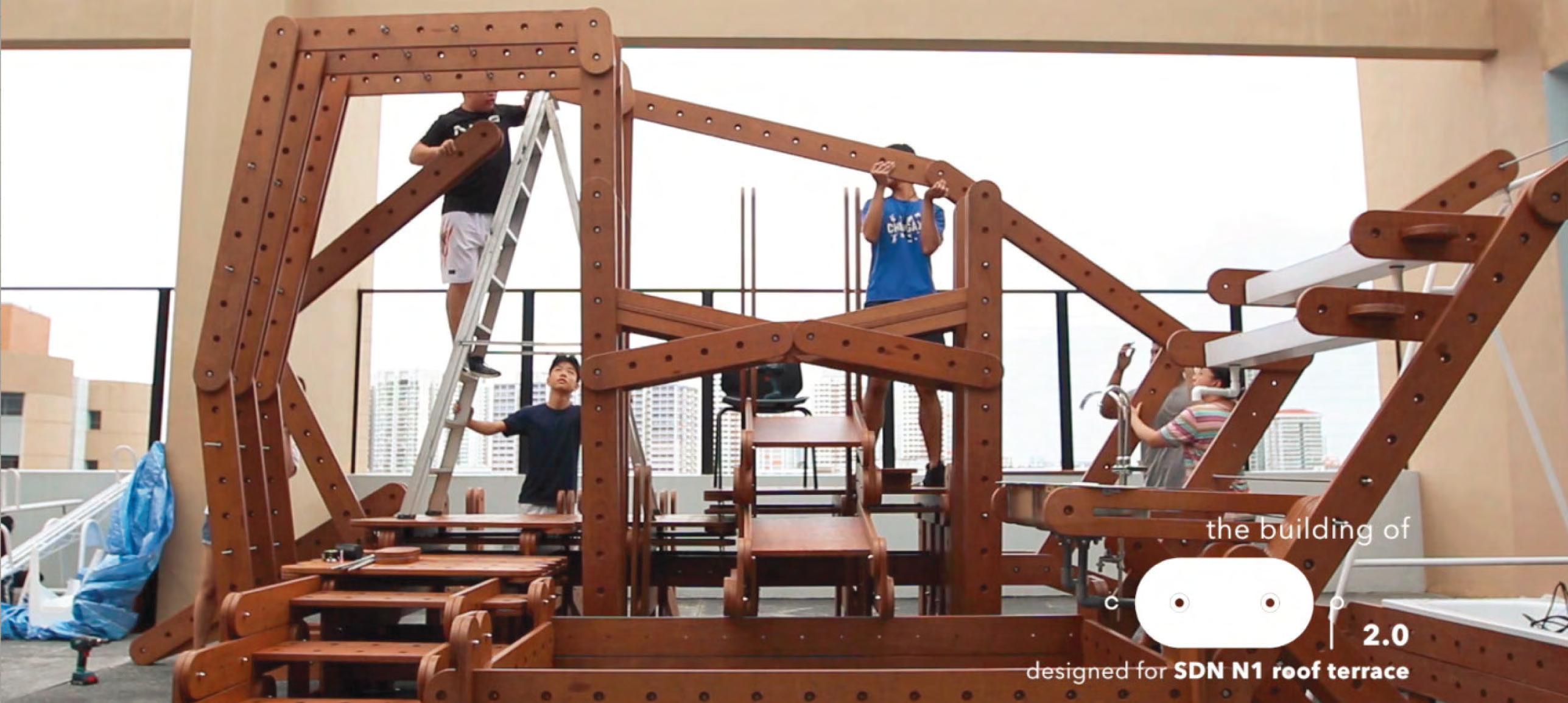
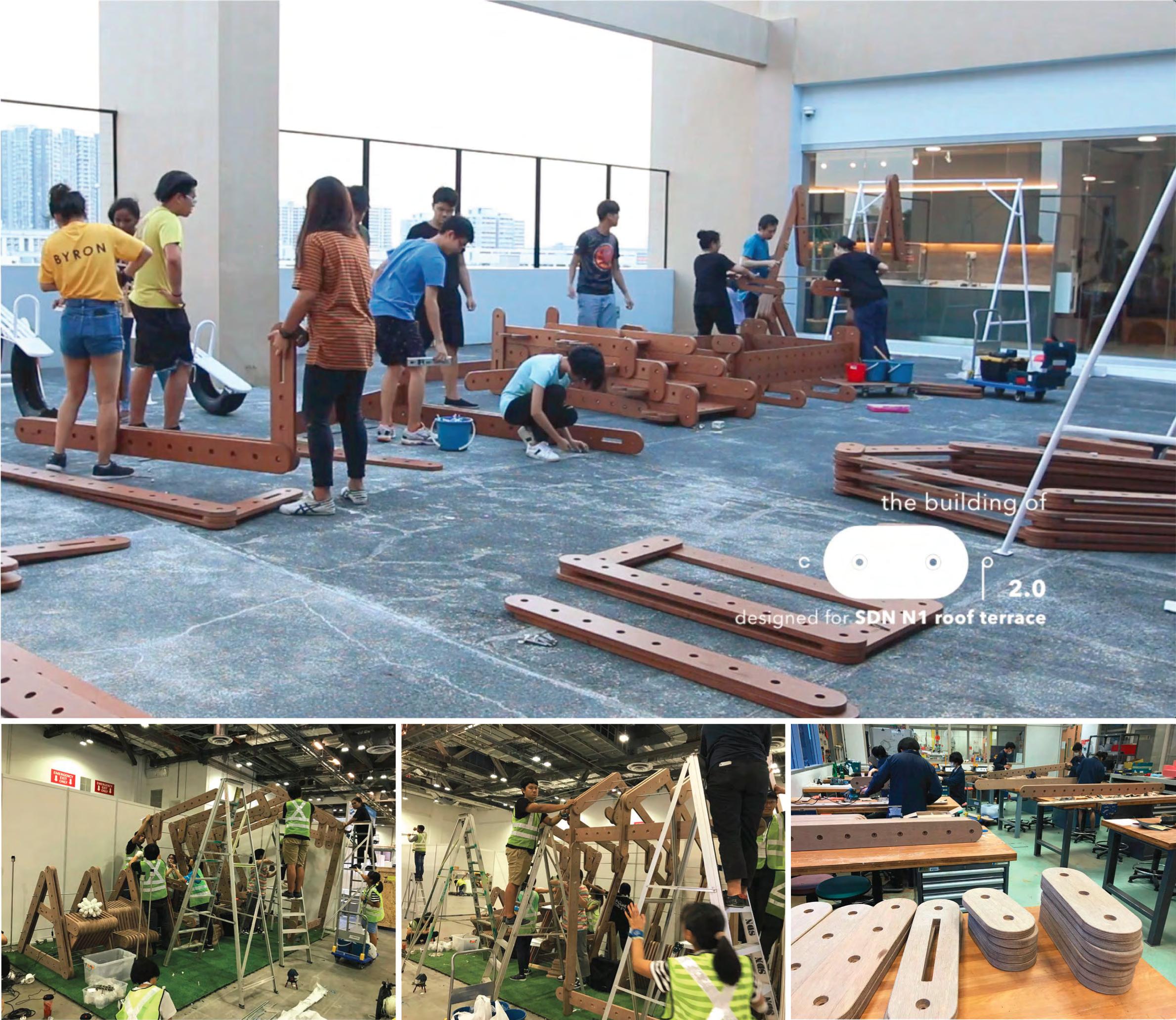
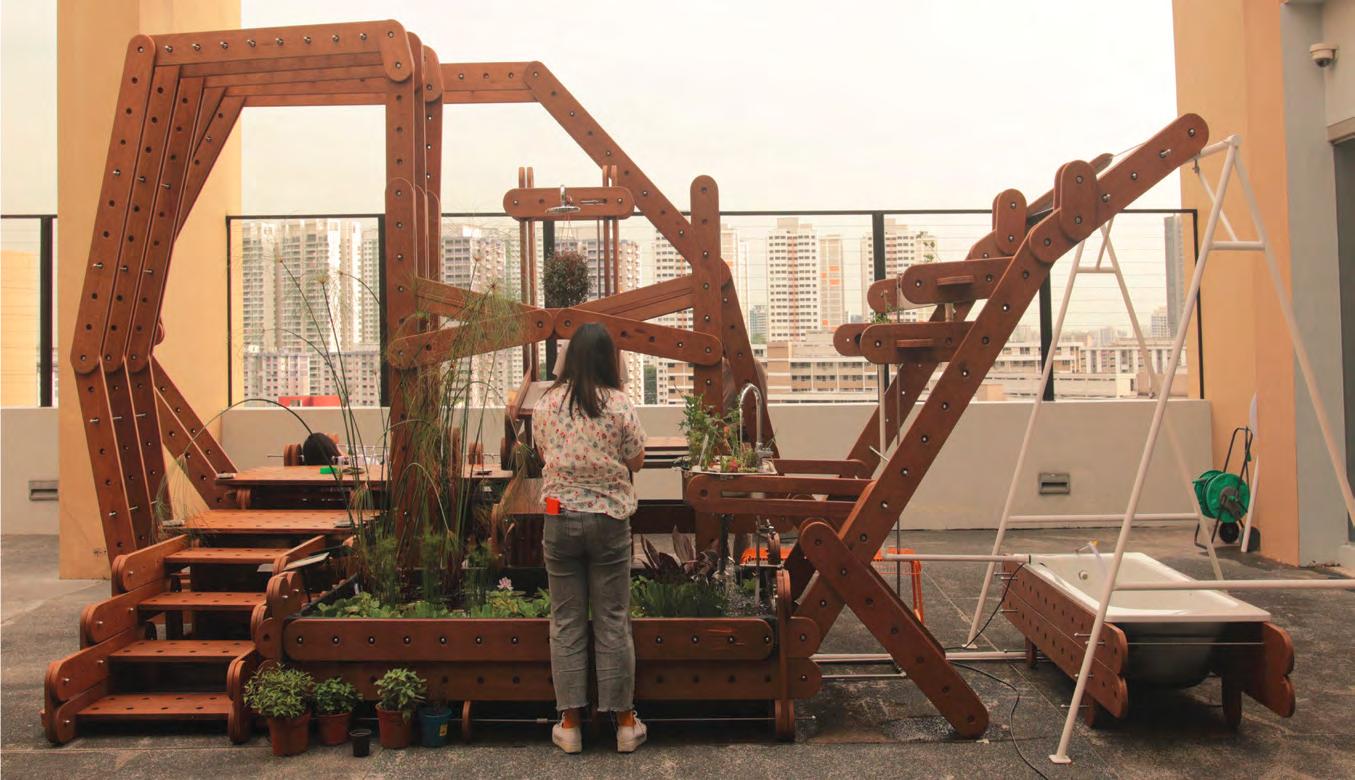
C O O P is a system of architecture kit-of-parts that intends to empower individuals and communities to work together to build their own spatial needs and interventions. Similar to the idea of modular building toys, we enlarge the same fun into life size architecture modules for people to build their own spatial needs. It encourages people to gain the ownership of making with its ease of construction assisted by advanced digital technology c o o p is reconfigurable and reusable. It is designed with the ability to adapt to different social, cultural and environmental contexts coupled with unique modes of operations. It is best enjoyed with a group of friends or neighbours, providing ease and a greater sense of achievement, fun and joy in making their own unique spaces.
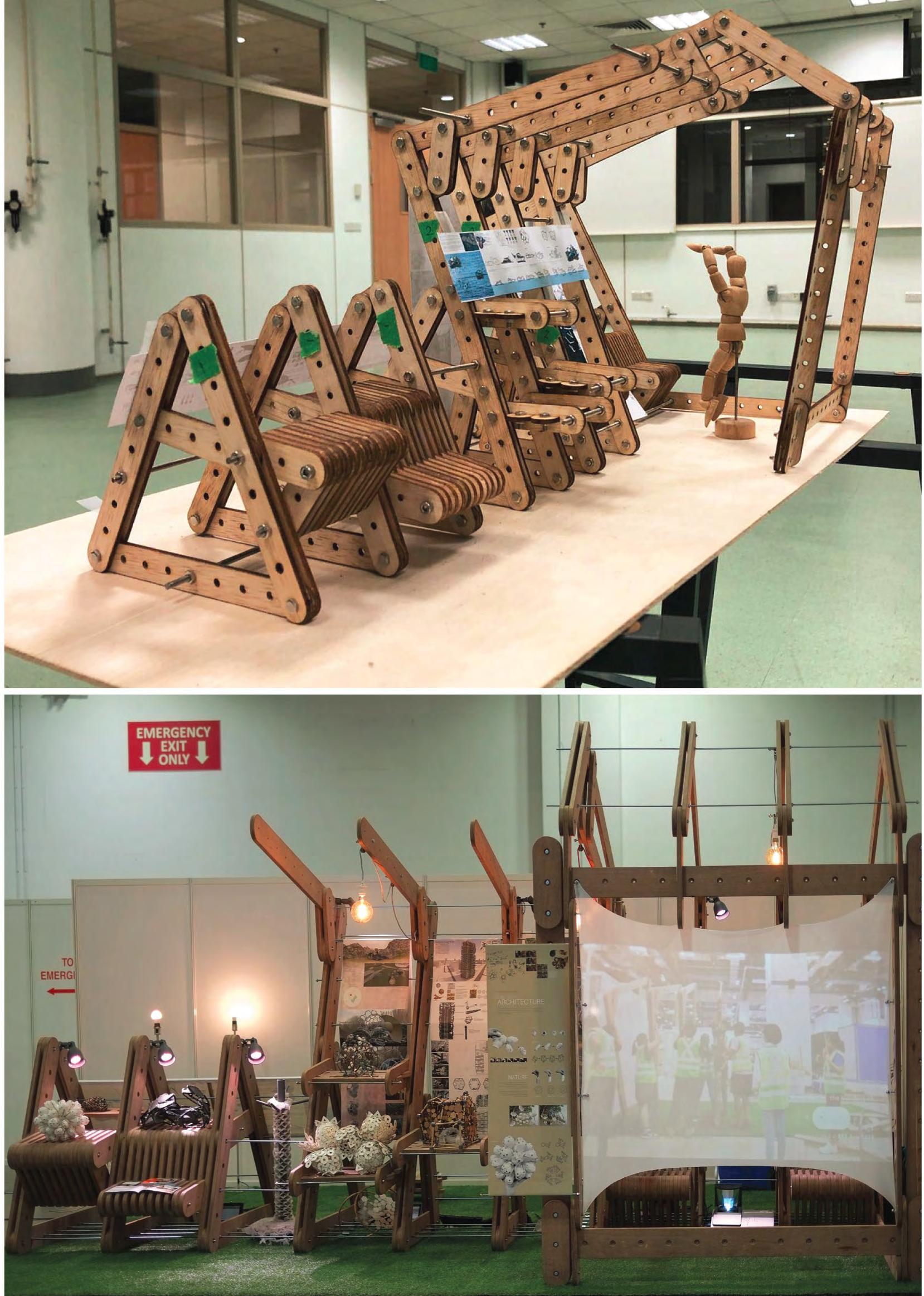
The Projection Room was the premiere of c o o p at BEX Asia Exhibition @ Marina Bay Sands Expo 5-7 September 2018, It was built as a temporary structure to test and showcase some possibilities of the c o o p system, at the same time serving as a structure to present students’ studio project. It was configured into a small projection room with 2 seats and various means to display students’ physical models and drawings.
The Projection Room
Building
Video : https://vimeo.com/288196266
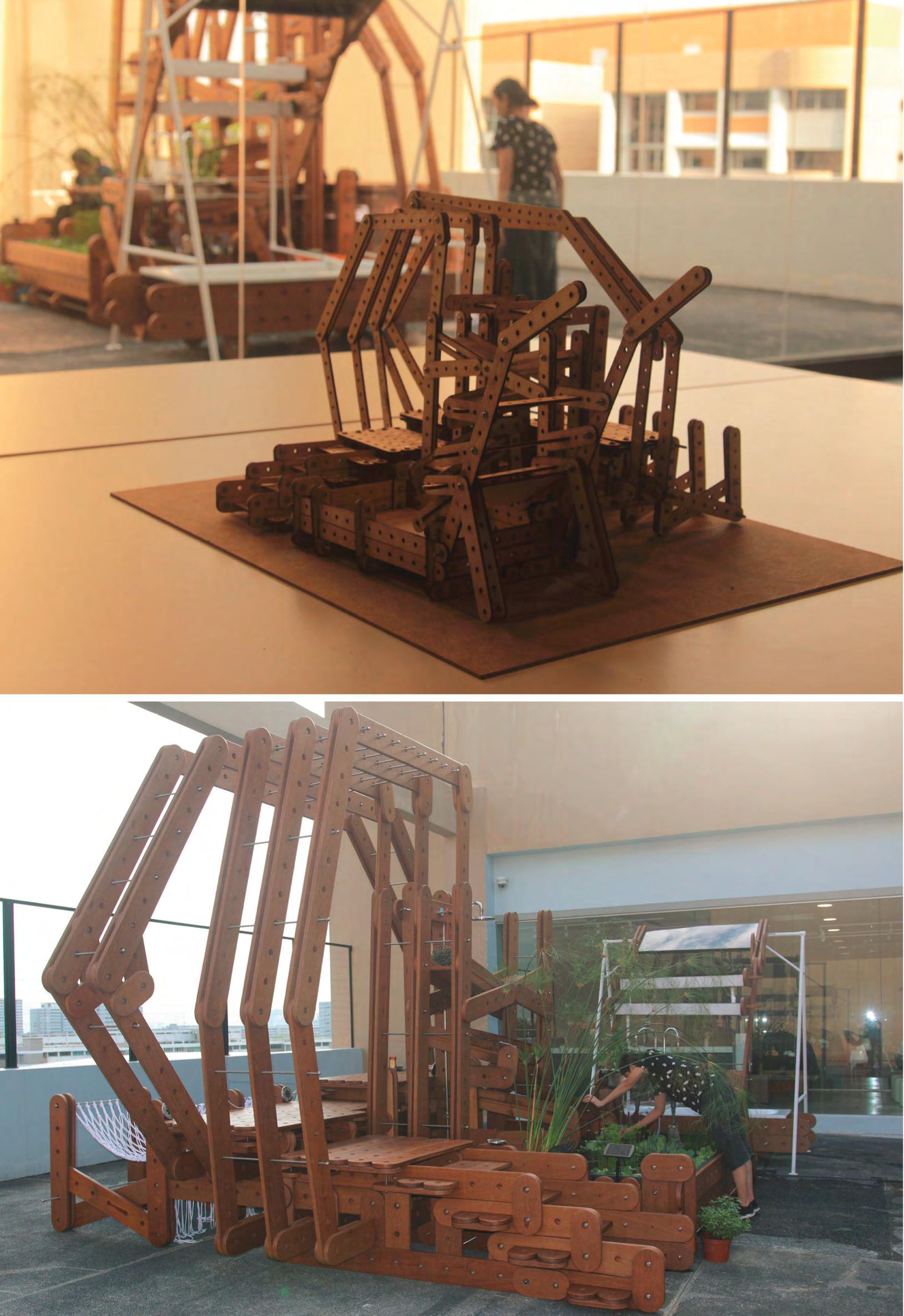
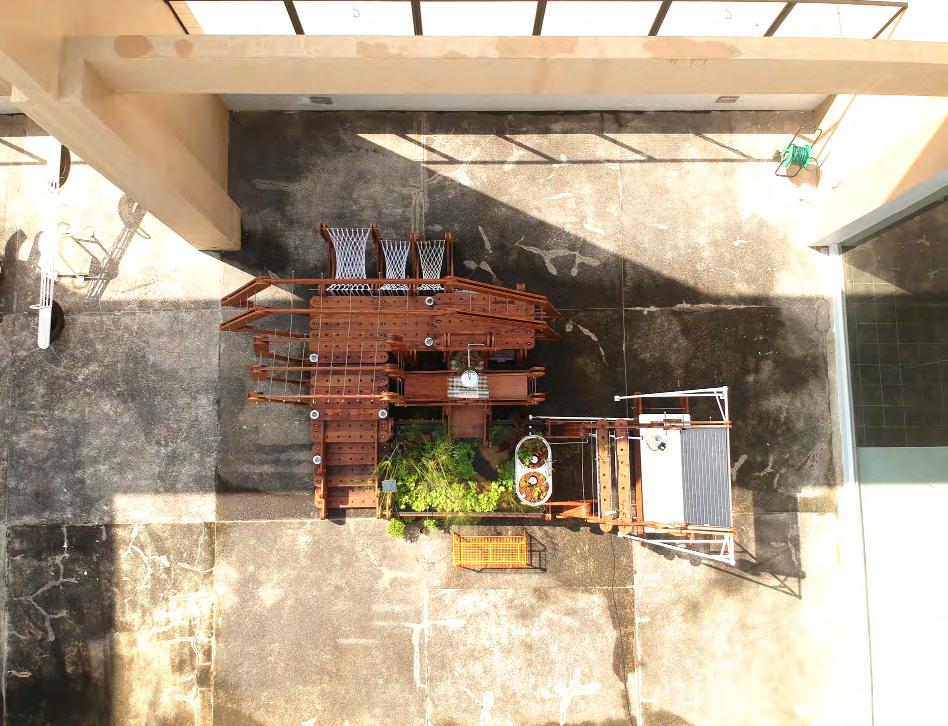
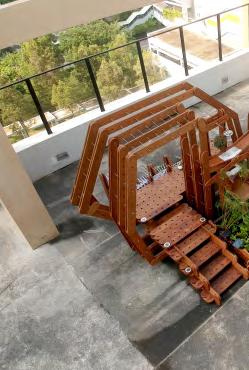
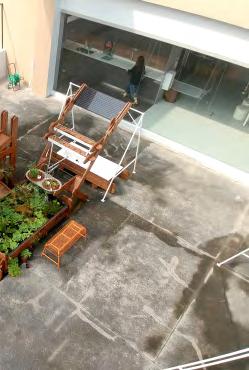
The House of Elephantnose is reconfigured from the parts used in c o o p ver 1.1 The Projection Room, with additional new modules and details. They have been reassembled into a shared public space for all to use with a pond supported by an aquaponic system housing 3 elephantnose fish and friends. There are 3 hammocks to daze into the sky and a platform to daydream. The House of Elephantnose is anaquaponics pavilion built on the roof terrace of Nanyang Polytechnic for the public. This system is totally self-sustaining using solar power as free energy working in an ecological closed-loop.
The House of Elephant Nose
Building Video : https://vimeo.com/294368824
THE CHANGI BEACH PARK CABIN
Cabin/NanyangPolytechnic,Singapore
Done By : Rajendran Sarmiladevi
Time : 2018 / 1st Year Course Work
Location : Changi Beach Park
Instructor : Robert Individual Work
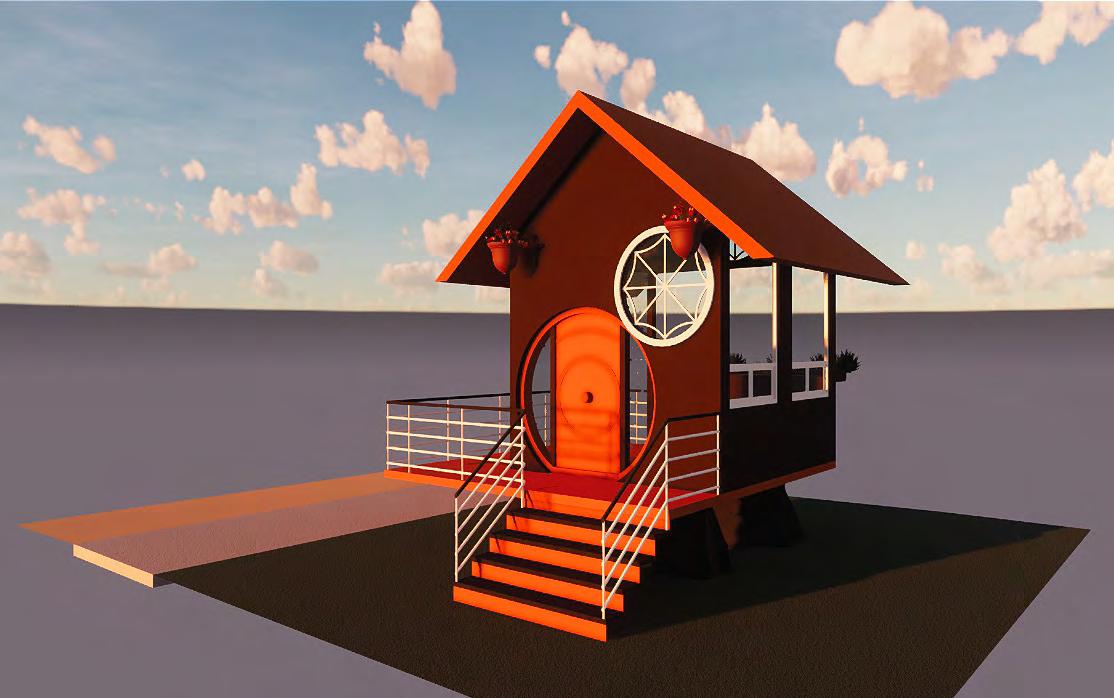
Designing a cabin at Changi Beach Park
Site
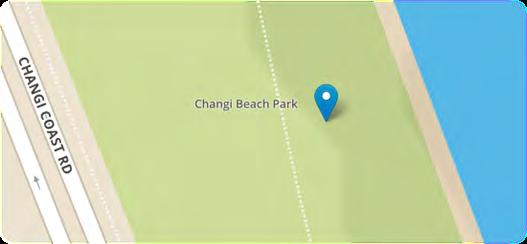
Key features of my site
• Scenery of the sea
• View of the sky and aeroplanes flying overhead
• View of the playground (kids playing)
• View of few barbecue pits nearby
• Footpath and cycling path (view of people)
• No obstruction in views because there is less trees around
• Direct sunlight from all direction
• Breeze from sea direction more than the other directions
• A bit of shade from a nearby big tree
Concept
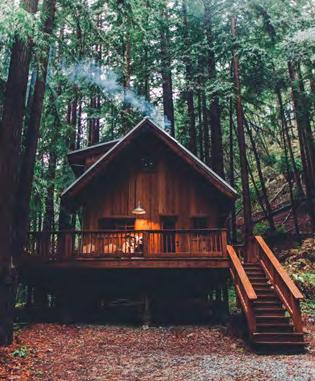
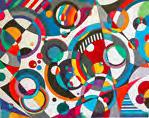
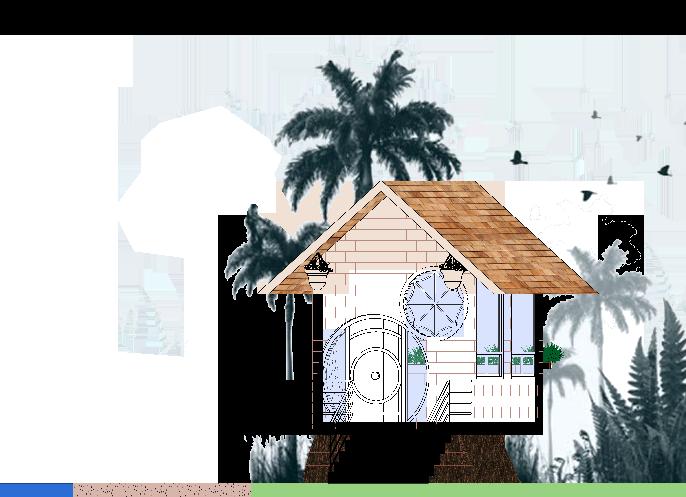
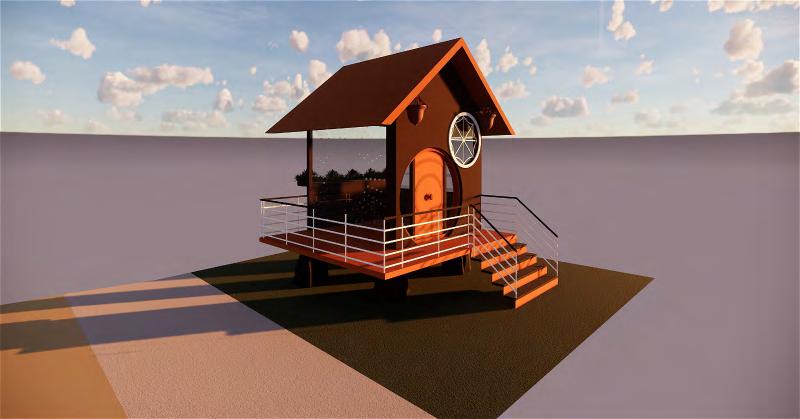
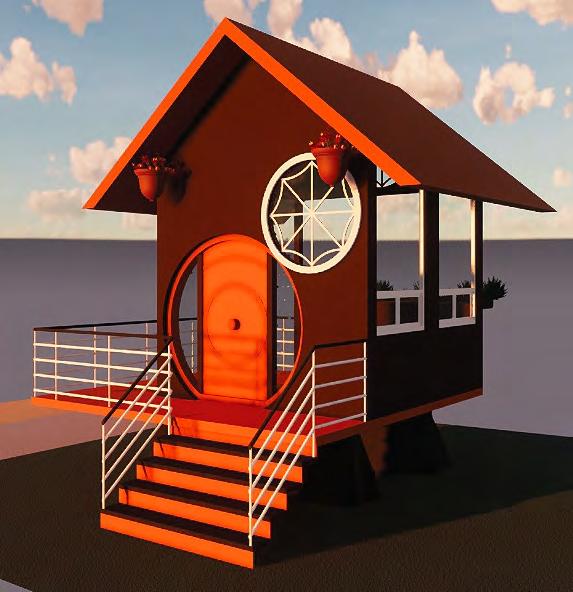
I got inspired by a cabin in San Francisco. My design concept is geometrical abstract. Geometrical abstract concept is shown by the use shapes and colours of the cabin. Minor concepts are the particles of sand, trees and circles. As there are fewer trees, I had a thought that cabin would stand out more from the surroundings. I wanted my cabin to be ascended from the ground floor for better view and also for the people to feel lifted. To support the cabin, I used dead tree trunk as it adds beauty to my cabin and also support my concept.
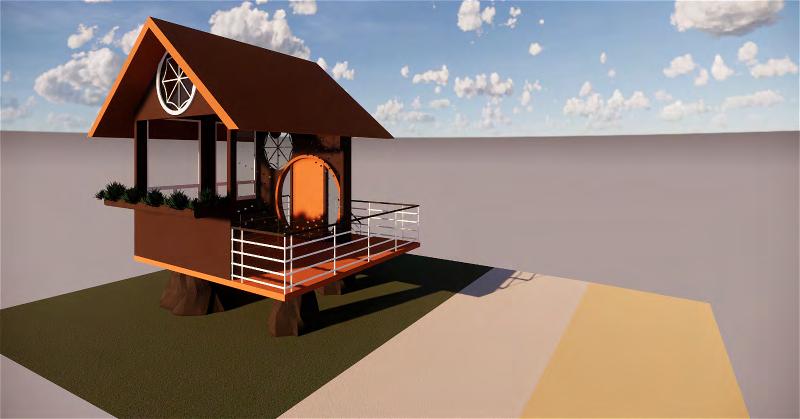
The main objective of my cabin was for people to enjoy the view from an elevated height and also with an enclosed surrounding. I didn’t add any furniture inside my cabin as I wanted the whole space used as only viewing platform and also to get good ventilation. I tried to restrict the view of my cabin to the beach as it’s my preferable view.
The large window with circular holes faces the beach as direct sunlight is from that direction, which would create circular shadows in my cabin. These shadows form sand particles effect when its blown in the wind. I added sash with plants on it, so that it adds greenery and beauty to my cabin.
Drawings & Renderings
South West East North