SLICFiber Accelerates Expansion From North Country To Capital Region

Courtesy SLICFiber
Saratoga Casino Opens 85th Harness Racing Season With 150 Dates, $17M Purses

BY PAUL POST
From Watertown to Waterford, a fastgrowing fiber optics firm is giving the region a new alternative for internet and phone service, with television expected to follow soon.
After launching in northernmost New York, St. Lawrence County-based SLICFiber started moving south to Warren, Washington and Saratoga counties and is now in markets such as Lake George, Glens Falls and Ballston Spa.
On Feb. 4 – World Cancer Day – it made a highly visible entry to Mechanicville by installing the first-ever pink fiber-optic cable with plans to donate $25 to local charity for every residential and commercial connection.
“We’ve always been a very communitybased organization,” CEO Kevin Lynch said. “Cancer affects a lot of people. This will help families with things like travel and lodging.”
Mechanicville-Stillwater Chamber of Commerce is the first “Pink Drop” customer. Plans call for working with local officials to make the #FiberofHope initiative available in SLICFiber’s entire service area.
Warren County Economic Development Corporation President Jim Siplon said fiber optics is a huge economic game changer, especially in the Adirondacks where broadband has been extremely limited in many places.
“First, it’s a clear sign of investment in
Continued On Page 9
Harris Poll: Americans Increasingly Favor Skilled Trades Over Four-Year Degrees
STAFF REPORT
A new national survey commissioned by the Business for Good Foundation and conducted by the Harris Poll finds a meaningful shift in how Americans view career success, with a growing preference for trade skills training and certification programs over traditional four-year college degrees.
According to the survey, four in five Americans say more people are choosing trade skills training, while 75 percent report that their definition of a “good job” has changed compared to five years ago. The findings are based on a national online survey of 2,085 adults conducted Jan. 13–15, 2026.
The data also show that 75 percent of respondents believe hands-on skills and practical experience matter more than formal degrees for career success in today’s economy. More than three-quarters of respondents said jobs relying on trade or hands-on skills are less likely to be replaced by artificial intelligence, and 78 percent said the stigma around blue-collar or trade work is declining.
“We’re seeing a real shift in how Americans define success at work,” said Maire Masterson, executive director of the Business for Good Foundation. “More and more people are choosing practical skills that can lead to real opportunities. At Business for Good Foundation, we are focused on em-
powering individuals with the skills needed to build a viable career and to help close the wealth gap in communities across the U.S.”
The survey results correspond with concerns about automation and workforce disruption. Goldman Sachs Research estimates that artificial intelligence could automate tasks accounting for about 25 percent of all U.S. work hours, increasing the importance of workforce development strategies focused on resilience and adaptability.
Ed Mitzen, co-founder of the Business for Good Foundation, said the results underscore the long-term value of skilled trades.
“Unlike some entry-level jobs, the skilled trades won’t be easily displaced by AI,” Mitzen said. “These hands-on jobs require a human touch that robots can’t emulate.”
The findings come as employers across manufacturing, construction and infrastructure sectors continue to report difficulty filling skilled positions.
Regional workforce leaders say the national findings reflect trends already underway in the Capital Region and North Country.
“These findings reinforce what we see every day at the Northeast Construction Trades Workforce Coalition — perceptions of career success are changing, and for good reason,” said Doug Ford, president of the Northeast Construction Trades Workforce
On Page 2
Saratoga Casino Hotel announced the return of live harness racing for its 85th season, beginning Sunday, February 1. The 2026 schedule at the Spa Oval will consist of 150 racing programs running through mid-December, including several Saturday matinee race cards throughout the season.
Horsemen will compete for over $17 million in purses during the season. In addition, the track will host eight New York Sire Stakes programs featuring the best New York bred horses in the state racing for an additional $1.5 million in purses.
“I expect a very strong season of racing,” said Race Secretary Peter Iovino. “The horse population has been abundant the last few years and this gives us the ability to offer a high-quality product for our fans.”
Saratoga Casino’s premier event, the Joe Gerrity Jr. Memorial Invitational Pacing Series, will kick off on Saturday, July 11 with a new format better suited for local horsemen participation. This year, competitors will vie for points in the $20,000 Invitational over seven consecutive Saturdays, with the top point earners advancing to the $100,000 final on Saturday, August 29. Total purses for the Gerrity Invitational series are $240,000.
Defending their 2025 titles this season are leading trainer Melissa Beckwith and top driver Jim Devaux. Beckwith trained 174 winners in 2025, while Devaux crossed the finish line first 288 times last year.
Saratoga Casino will partner with the Saratoga Harness Horsepersons Association to
Continued On Page 10
Former SUNY Adirondack President Kristine Duffy, Ed. D. Joins Behan Communications
Behan Communications announced that Kristine D. Duffy, Ed.D., former president of SUNY Adirondack, has joined the firm. Duffy will work with crisis communications and public affairs clients and assist with business development.
Duffy served as president of SUNY Adirondack for 12 years, retiring in 2025 as the second-longest-serving president in the college’s history. During her tenure, the multicampus community college served approximately 6,000 students annually with a $31 million operating budget and 385 employees. Under her leadership, graduation rates increased by more than 12 percent, more than $50 million was invested in capital improvements, and workforce-focused degree and short-term training programs were expanded. She also secured millions of dollars in grant funding to support equipment, classrooms, and student success initiatives.
“We are thrilled to have Dr. Duffy on our team,” said Ryan Moore, president and CEO of Behan Communications. “Her leadership experience in higher education, workforce development, and economic development will be an asset to our clients.”
Mark Behan, chairman and founder, said Duffy’s career has been defined by relationship-building and community impact across the region.
Duffy holds a doctorate in executive leadership from St. John Fisher University, a mas-
ter’s degree from Russell Sage College, and a bachelor’s degree from SUNY Brockport. Founded in 1988, Behan Communications provides strategic counsel in public relations, crisis communications, public affairs, and corporate communications to clients nationwide.
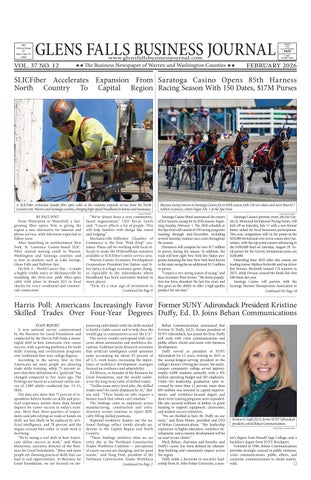
A SLICFiber technician installs fiber optic cable as the company expands service from the North Country into Warren and Saratoga counties, bringing high-speed broadband to homes and businesses.
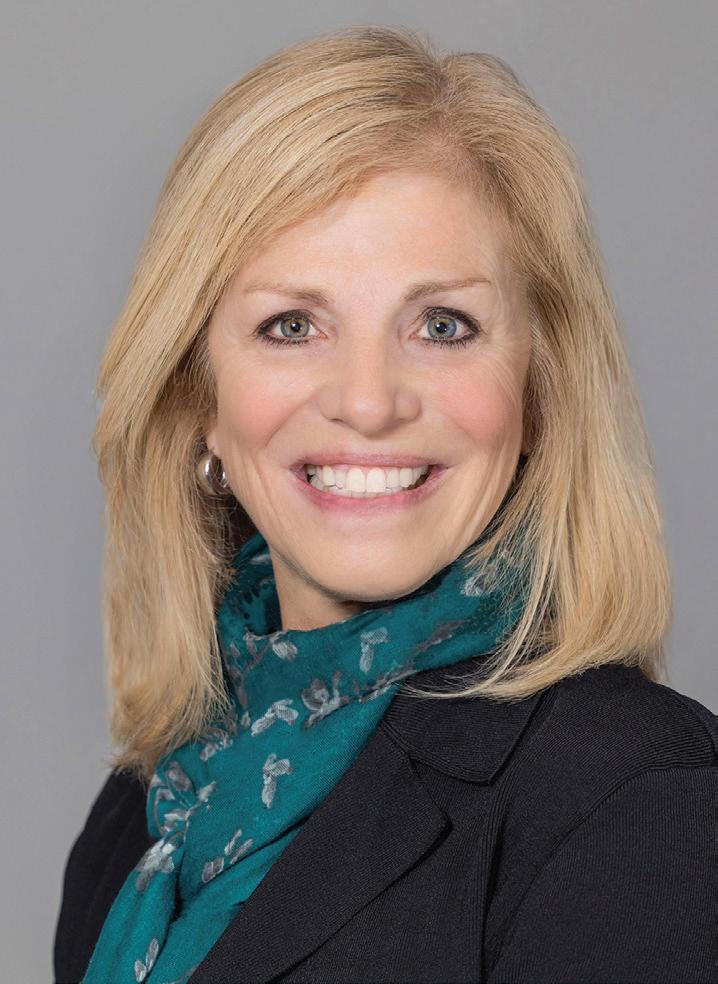
Kristine D. Duffy, Ed.D., former SUNY Adirondack president, joined Behan Communications.
Courtesy Behan Communications
Harness racing returns to Saratoga Casino for its 85th season with 150 race dates and more than $17 million in purses, which began Feb. 1 at the Spa Oval.
Courtesy Jessica Hallett
Independent Living Organization Announces Board Appointments And Title Changes

Southern Adirondack Independent Living (SAIL) is pleased to announce the appointment of Dianne Donovan and Sarah J. Hall to its board of directors.
Dianne Donovan brings extensive experience in nursing, including work as a registered professional nurse and former licensed practical nurse. Her background strengthens SAIL’s commitment to high-quality, person-centered services that support independence in the community.
Sarah J. Hall joins the board with a strong background in care management and clinical case management, with experience supporting children, families and individuals through local service programs. Her work aligns closely with
SAIL’s mission to provide compassionate, accessible support across the lifespan.
At its Jan. 20, 2026, bimonthly meeting, SAIL’s board of directors also approved leadership title updates reflecting the organization’s continued growth. Tyler M. Whitney’s title has been updated to president and chief executive officer, effective immediately. In addition, the board updated the titles of board president and vice president to board chairperson and vice chairperson, respectively.
SAIL is a community-based organization dedicated to promoting independence, choice and inclusion for people with disabilities throughout New York’s North Country and Capital Region.
New Mentorship Program Aims To Strengthen Local Small Businesses
The Innovation Center at Saratoga Announces “Entrepreneurship is Everyone’s Business”
New multi-phase program designed to strengthen local small businesses with mentorship that extends beyond the classroom
The Innovation Center at Saratoga Inc. announced the launch of “Entrepreneurship is Everyone’s Business,” an entrepreneurship program designed to strengthen the local economy by helping small businesses start, grow and succeed.
The program is supported by NBT Bank and Phillips Lytle LLP, with partnerships including SUNY Adirondack, Saratoga Arts and SCORE.
“One of the great strengths of any community is the success of its small businesses,” said Beth Moeller, founder of the Innovation Center at Saratoga. “This program is designed to support the businesses that shape our region’s identity and vitality — the local shops, restaurants, consultancies and creative makers and artists that make our community special.”
Entrepreneurship is Everyone’s Business is tailored to support Main Street, hospitality, business consultancies and creatives, including visual artists, photographers, jewelry designers and more. Other business types are welcome, and the program is open to both not-yet-open ventures and early-stage businesses seeking to improve and grow.
A Unique Approach: Four Phases covering Learning, Mentorship, Pitching and Long-Term Support
Unlike a traditional business boot camp, the Innovation Center at Saratoga emphasizes continued coaching, mentorship and community accountability over time. The program is structured in four phases.
Learn (February through April) includes six core business classes and two elective tracks of three classes each.
Guide (May) pairs participants with mentors from SCORE or Saratoga Arts to refine business plans and models, with Ask Me Anything sessions held in conjunction with SUNY Adirondack.
Pitch (June) allows participants to present finalized business plans and concepts to regional funding sources, including banks, development groups and government agencies.
Support (July through December) focuses on peer-to-peer support networks and culminates in Everyone’s Business Demo Day.
“What sets this program apart is that we don’t just teach you and send you off,” Moeller said. “We pair participants with mentors, bring them together with other entrepreneurs and stay with them for the full year.”
Program details and registration information are available at innovationcentersaratoga.org/entrepreneur.
The Innovation Center at Saratoga Inc. is a nonprofit 501(c)(3) collaborative maker space where artists, entrepreneurs and community members come together to learn, create and innovate.
Lake George Land Conservancy Protects 160 Acres Near Huletts Landing
Lake George Land Conservancy announced the purchase of 160 acres near Huletts Landing in the town of Dresden on Jan. 29, protecting more than 1,100 feet of stream corridor within the Lake George watershed, including the headwaters of a tributary flowing into Lake George.
The property, known as the Spruce Mountain Addition, adjoins the 488-acre Spruce Mountain protected by the conservancy in 1996 and now owned by the New York State Department of Environmental Conservation. It also borders the conservancy’s Leeming Jelliffe Preserve near the shoreline in Huletts Landing, creating a connected stretch of protected land.
The conserved land provides habitat for a
range of wildlife, including the timber rattlesnake, a species listed as threatened in New York state.
“In addition to safeguarding the water quality of Lake George, this region of the watershed provides important resources for wildlife,” said Mike Horn, executive director of the Lake George Land Conservancy. “By connecting parcels together, we are expanding the safe areas through which wildlife can roam and thrive.”
The conservancy plans to develop a management plan to address past disturbances and improve forest health. The Spruce Mountain Addition does not currently have public access for recreation.
Harris Poll
Continued From Page 1
Coalition. “Students, parents and employers are increasingly recognizing that the skilled trades offer accessible, high-quality career pathways that don’t require a traditional four-year degree. Through strong partnerships with BOCES, Questar and trade unions, NCTWC is connecting education to the trades and exposing young people early to careers that provide real value, stability and long-term opportunity — especially as workforce shortages continue to














reshape our economy.”
The survey also found broad agreement that income levels are improving, with perceptions of trade and blue-collar work improving as well, especially among higherincome households.
Business for Good Foundation is based in New York’s Capital Region and focuses on economic access, workforce development and community-based strategies designed to reduce barriers to opportunity.




















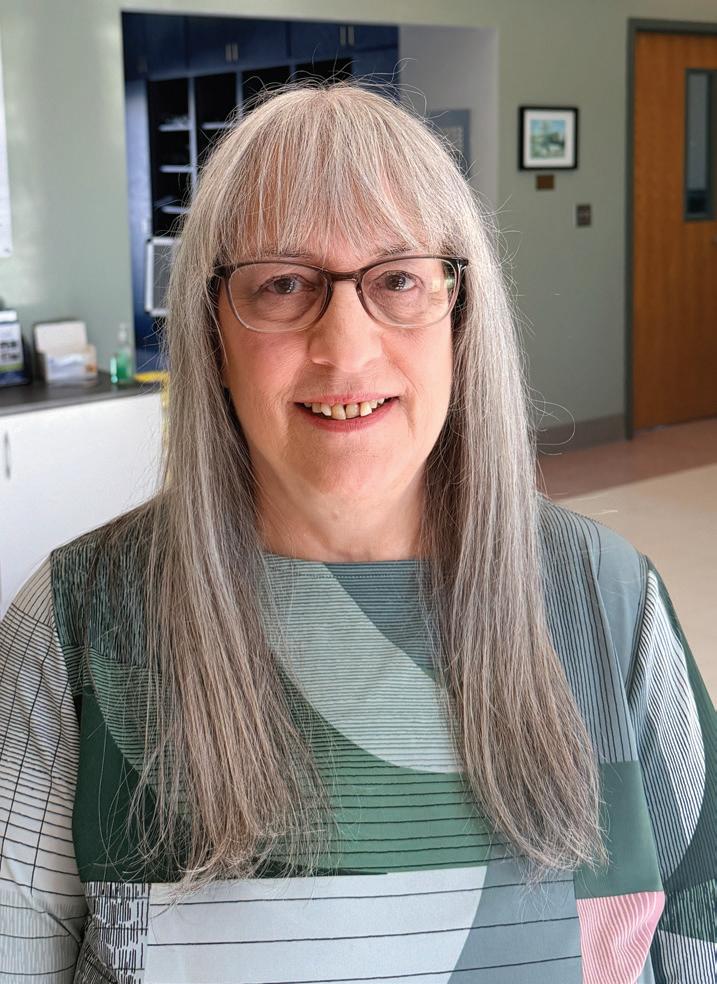
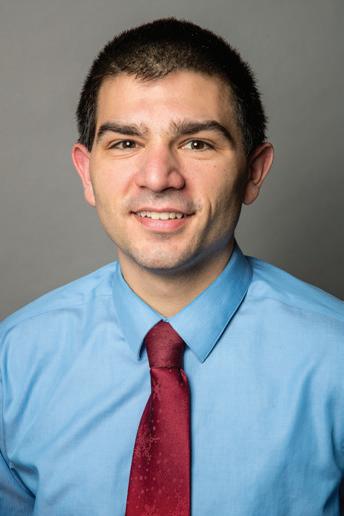
Dianne Donovan joins the Southern Adirondack Independent Living board.
Sarah J. Hall joins the Southern Adirondack Independent Living board.
Construction Outlook Remains Strong But Workforce Will Defi ne 2026
BY DOUG FORD
As we look ahead to 2026, the Saratoga, Warren, and Washington County region continues to stand out as one of the stronger construction markets in upstate New York. While 2025 delivered steady but cautious growth, the year ahead makes one thing increasingly clear: opportunity alone will not drive success. Our ability to meet demand, deliver projects, and sustain economic growth will depend largely on whether we have the workforce to do so.
Construction activity in 2025 reflected resilience across much of the region, even as growth came in slower than many originally anticipated. Residential development remained strongest in communities such as Saratoga Springs, Malta, and Clifton Park, where demand for multifamily housing, townhomes, and mixed-use projects continued to rise. Population growth, qualityof-life amenities, and proximity to employment centers helped support activity despite higher interest rates and a more disciplined lending environment.
At the same time, economic and political uncertainty caused some private projects to remain on the sidelines. Developers were more cautious, delaying starts while monitoring fi nancing costs, regulatory conditions, and broader market signals. Tourism — particularly in the Saratoga market — continued to serve as a stabilizing force, driving renovation and expansion projects tied to hospitality, entertainment, and seasonal housing.
Beneath these market dynamics, however, a more pressing issue came into even sharper focus in 2025: the shortage of skilled labor. Across the construction trades, workforce availability increasingly dictated project schedules, costs, and overall capacity. While demand for construction services remained relatively stable, the lack of skilled workers limited how much work could realistically be delivered.
As we enter 2026, the region’s construction outlook remains favorable, and in many ways stronger than a year ago. The region continues to attract new residents, families, and professionals drawn by strong schools, community amenities, and expanding employment opportunities. That growth supports ongoing demand for residential construction, particularly multifamily and workforce housing that is affordable and attainable. Public infrastructure and municipal investment will remain important stabilizers, providing consistent work across multiple trades.
Confidence in the region’s long-term fundamentals remains strong. However, the construction industry’s workforce challenge has shifted from a background concern to a strategic priority that will defi ne how much of this opportunity can be realized in 2026 and beyond.
As experienced tradespeople retire and fewer young people traditionally enter the trades, the gap between project demand and available labor continues to widen. Left un-

addressed, this gap threatens housing availability, infrastructure delivery, business expansion, and long-term community growth.
That is why organizations like the Northeast Construction Trades Workforce Coalition are playing such a critical role in shaping the future of construction in our region. Now operating as a not-for-profit organization, the coalition was founded by the Saratoga Builders Association and Curtis Lumber Co. with a clear mission: to drive awareness about the rewarding and lucrative opportunities available in the trades and to rebuild the talent pipeline from the ground up.
The coalition emphasizes early exposure, education, and opportunity. It works to reach students as early as elementary school, while also engaging parents, school counselors, educators, and supporting businesses along the way. Th is early and inclusive approach is essential to changing long-held misconceptions about the trades.
Th rough hands-on classroom activities, industry presentations, and direct engagement with construction professionals, the coalition shows students that modern construction careers involve problem-solving, technology, and teamwork — not just physical labor. These programs reposition the trades as respected, rewarding, and fi nancially viable career paths. The trades are not a default from college; college is simply one of many paths to a successful future.
Equally important, the coalition serves as a bridge between education and industry. By partnering with contractors, suppliers, trade associations, and community organizations, it supports job shadowing, site visits, and internship opportunities that allow young people to experience construction fi rsthand. In a region where employers are actively seeking skilled workers, these connections are essential.
The construction outlook for our region in 2026 can be summed up simply: opportunity
Continued On Page 10
Southern Adirondack Independent Living Expands With New Albany County Office
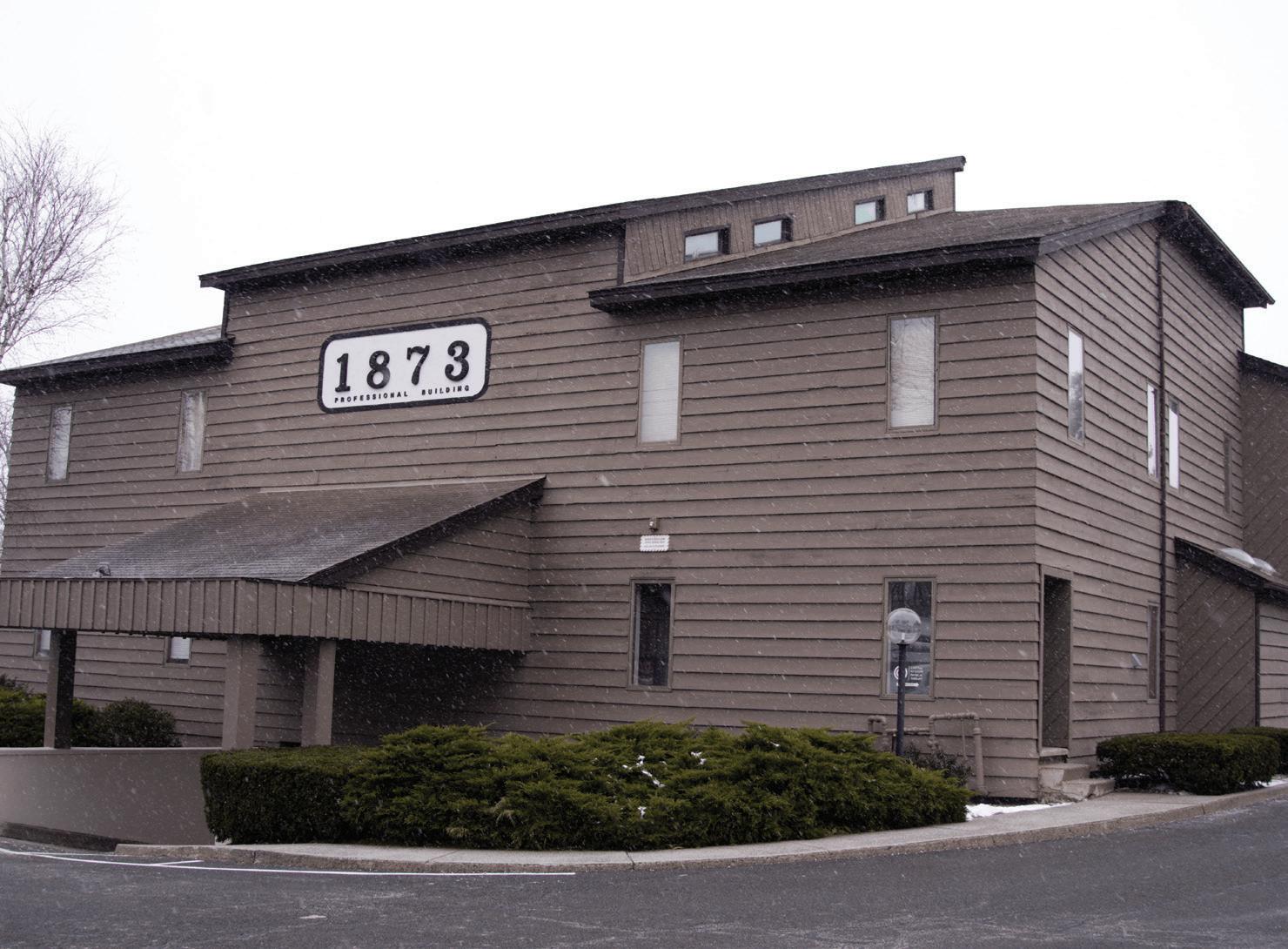
Southern Adirondack Independent Living announced the expansion of its services in the Capital Region with the opening of a new Albany County office at 1873 Western Ave., strengthening the organization’s presence across New York’s North Country and Capital Region.
Founded in Glens Falls in 1988, SAIL serves 17 counties, providing support that empowers people with disabilities and older adults to live independently in their communities. The Albany office follows SAIL’s award of the Capital Region contract for the Regional Resource Development Center for the Nursing Home Transition and Diversion
Waiver and Traumatic Brain Injury Waiver, contracts the organization also holds in the Adirondack Region.
“This expansion builds on the work we’ve been doing in the North Country and allows us to reach more people across the Capital Region who want to live independently,” said Tyler Whitney, executive director of SAIL. “Our focus is on removing barriers and providing the supports people need to live with dignity and choice.”
The Albany County office is SAIL’s fourth location, joining its main campus in Queensbury and regional offices in Saratoga Springs and Plattsburgh.





Southern Adirondack Independent Living has opened a new Albany County office at 1873 Western Ave., expanding services in the Capital Region and strengthening support for independent living across 17 counties. Courtesy SAIL
Doug Ford, vice president, sales and marketing, Curtis Lumber and NCTWC.
Courtesy Curtis Lumber
BY ANN DONNELLY
When visitors walk into the building at 12 E. Washington St. in Glens Falls, the first thing they notice is the scent. For Kevin Kroeze, owner of the Use Less Store, that sensory experience is just the gateway to a business model designed to change how the community consumes everyday goods.
payable to Weinhagen Associates LLC 9 Broad Street #7 Glens Falls, NY 12891
GLENS FALLS BUSINESS JOURNAL
2000 Business Of The Year Adirondack Regional Chamber Of Commerce
9 Broad St. Glens Falls, NY 12803 (518) 581-0600 • Fax: (518) 430-3020 • www.saratogabusinessjournal.com
Editorial: rodbacon@saratogabusinessjournal.com
Advertising: HarryW@saratogabusinessjournal.com Press Releases: pressreleases@saratogabusinessjournal.com
Publisher & Editor Harry Weinhagen
Editor Emeritus Rod Bacon
Sales and Customer Service Harry Weinhagen Mary Longley
Production Manager Graphic Precision
Contributing Writers Susan Campbell Ann Donnelly Paul Post Lee Coleman
The shop, which opened in early October, is centered on a concept Kroeze calls a “refillery”. It is an effort to provide Glens Falls with a sustainable alternative to the “buy-and-toss” cycle of modern retail.
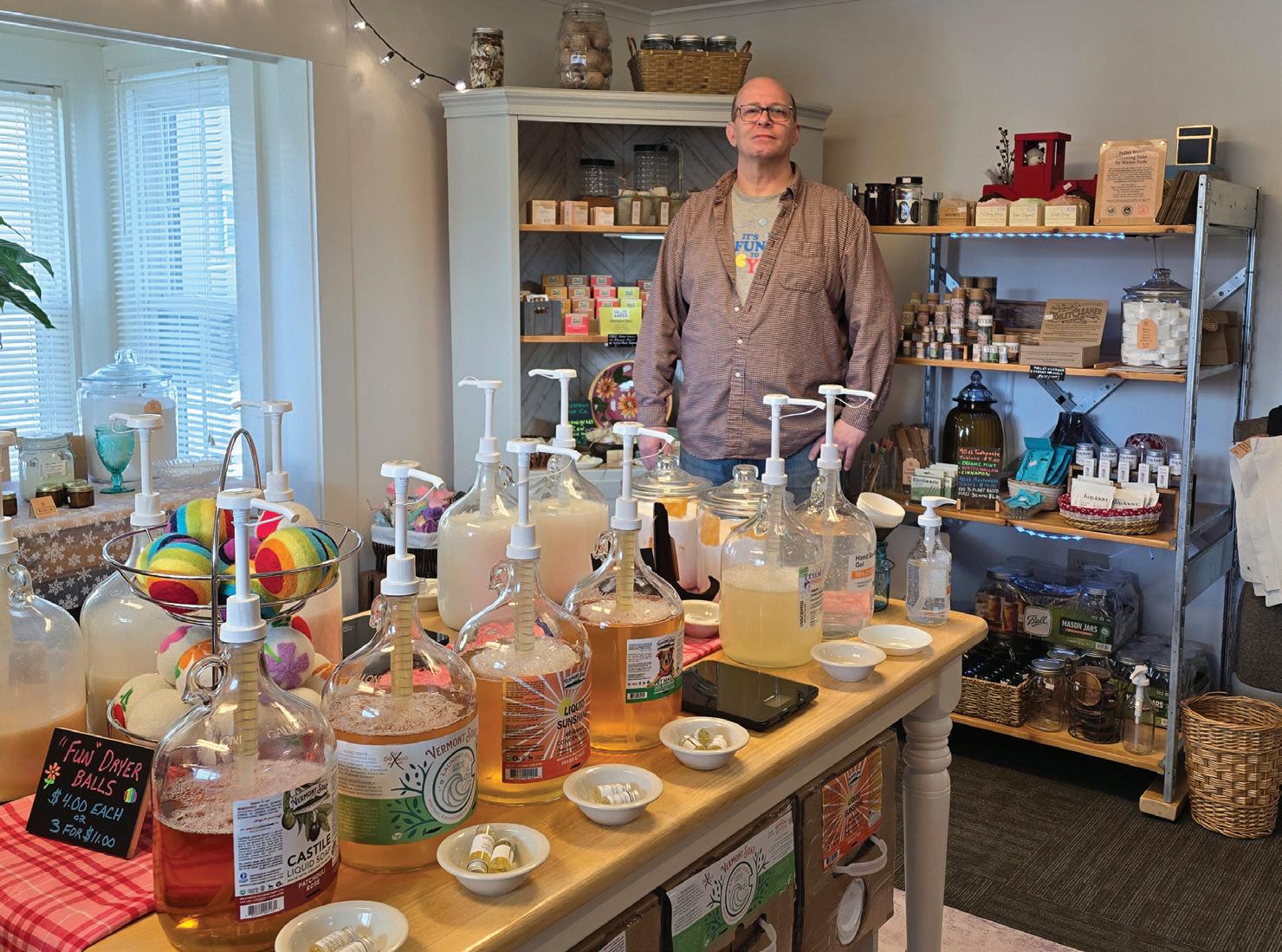
“The Use Less Store is built around the centerpiece there, which is the refillery,” Kroeze said. “And that’s where we have bulk products—cleaners, shampoo, conditioner, you know, body care items like that. You can just bring in your empty container and refill it rather than buy another container to recycle and throw out”.
The store’s inventory extends beyond liquids. Kroeze stocks a variety of non-toxic plastic replacements, including shampoo bars, solid dish soap, and laundry detergent sheets. The shelves also feature glass straws, wood utensils, and bamboo cutting boards.
Kroeze’s path to entrepreneurship followed a 28-year career in the printing industry, including time at Quad Graphics. After nearly three decades of 12-hour shifts and 72-hour workweeks, the transition to small-business owner was driven by a desire for a different pace of life.
“We’re empty nesters, my wife and I,” Kroeze said. “I didn’t necessarily need all that, and I wanted to really be close to home. I can, and I have done it—I left my house at 10:59 and got to work on time for 11”.
The idea for the store grew from a personal hobby: thrifting. Kroeze originally began thrifting as a way to spend time with his children. Today, a third of the shop is dedicated to a thrift section featuring items Kroeze has salvaged or refurbished, including the store’s own furniture.
“I bring some stuff in here that kind of fits the mold and allows people to use less money buying things that they need around the house,” Kroeze
said. “A lot of the stuff is destined for the dump, you know, if somebody doesn’t buy it. It might as well be me”.
Kroeze is pragmatic about sustainability. He intentionally chose the name “Use Less” rather than “Zero Waste” to avoid overwhelming customers.
“I think people get nervous about it, that they’ve got to like make all these changes,” he said. “So I try to keep the products so they look just like the ones that you already bought, just out of sustainable materials”.
He points to the bamboo spatula as a prime example of a simple swap. Unlike plastic versions, bamboo is sustainable, does not scratch pans, and will not melt into food. “It’s not a big change,” he said. “I mean, you can use the bottles you already have at home... if you make it too hard or too complicated, then it won’t take off ”.
Cost is another factor Kroeze considers when selecting inventory. He avoids products that are prohibitively expensive, even if they are ecofriendly. “I don’t think you should have to break the bank to change,” Kroeze said. “I want to get into more of the sustainable materials... but if I can find an upcycled product that competes with a store-bought product, I’ll carry it”.
Beyond the physical storefront, Kroeze operates a Shopify store for online orders and limited local delivery. He also maintains a “free box” of bottles for customers who want to use the refillery but forgot to bring their own containers. The store is located near other local landmarks, such as the Queensbury Hotel and the healthy food store on the corner. Currently, the Use Less Store is open Tuesday through Friday from 11 a.m. to 6 p.m. and Saturday from 11 a.m. to 3 p.m.
As the business grows, Kroeze remains focused on the incremental impact of individual choices. “You’re not looking to change the world in a day, but small steps,” Kroeze said. “Use less. Not use zero plastic, use less plastic”. For more information on The Use Less Store of Glens Falls, visit theuselessstoreofgf.com.



Kevin Kroeze stands inside The Use Less Store in downtown Glens Falls, where bulk refills, thrift finds and sustainable swaps offer shoppers practical alternatives to single-use plastics.
Ann Donnelly Photo
Aroxy Cleaners Marks More Than 50 Years Of Family-Owned Service In Queensbury
BY CAROL ANN CONOVER
For more than half a century, the name Aroxy Cleaners has been synonymous with fabric care in the region. While many businesses struggled to navigate the changing tides of the late 20th century, this family-owned dry cleaner has maintained a steady presence by leaning into its roots and prioritizing speed.
The business traces its lineage back to the late 1960s. Rick Poladia, the current family member at the helm, recalls that his father and uncle took over operations around 1970. Originally part of a different franchise, the family added a single letter to the name for legal purposes, transforming “Roxy” into “Aroxy”—a moniker that has remained on the storefront ever since.
“From 1970 up to now, it’s been in the family,” Poladia said. Today, Rick and his sisters continue the legacy, operating out of their central location on State Route 9.
While the business once operated multiple branches, the family eventually consolidated to a single, high-efficiency location. This move allowed them to maintain a tighter grip on quality control and turnaround times, which Poladia identifies as a core facet of their success. In an era of automated service and delayed shipping, Aroxy Cleaners prides itself on same-day service for customers in a pinch. Poladia notes that they often handle unexpected emergencies, ranging from last-minute wedding attire and funeral garments to suits needed for job interviews.
Beyond traditional dry cleaning, the shop
offers a comprehensive suite of garment care, including leather cleaning, wash and fold services and wedding gown preservation. While the business provides alteration services to ensure a perfect fit, they partner with expert off-site specialists to handle those technical needs. This allows the team at the Queensbury plant to remain focused on their primary mission of high-speed, high-quality cleaning.
Understanding the economic pressures on local families, Poladia also highlights the business’s commitment to affordability. The shop features weekly specials, offering rotating discounts to provide consistent savings for their loyal customer base. “It’s just the quality of service,” Poladia said, noting that their clientele is a mix of weekly regulars, business travelers and local residents who have utilized their services for decades. “We make everyone feel welcome.”
The business also serves a vital role for local professionals. Many area police officers and corporate employees rely on the shop for uniform and professional attire maintenance, benefiting from regional pricing that Poladia says remains competitive.
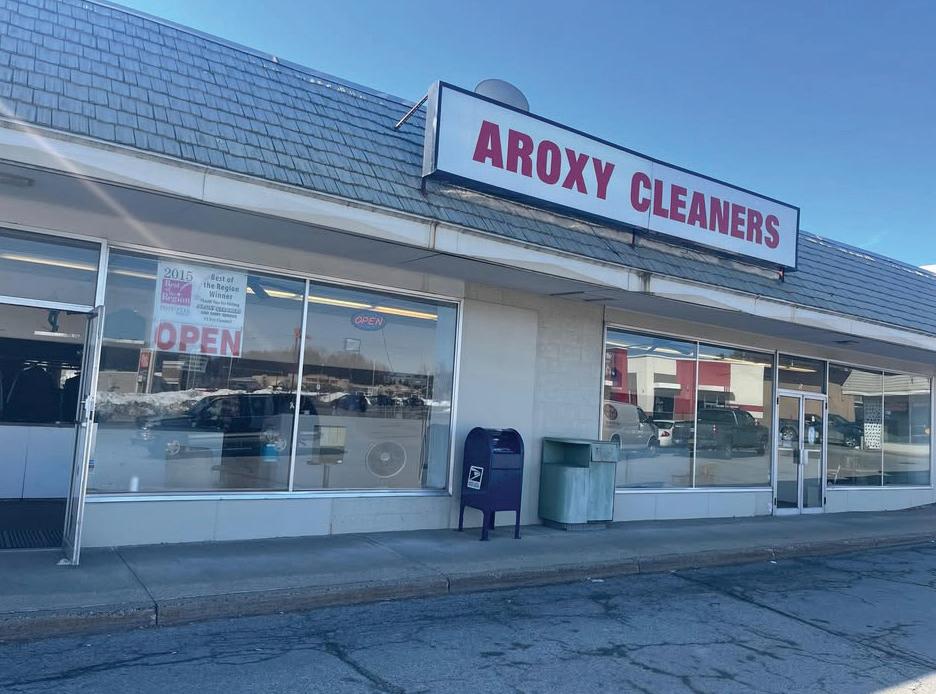
Aroxy Cleaners is located at 797 State Route 9 in Queensbury in the Northway Plaza. The shop will be briefly closed for a scheduled vacation from February 20 through February 27, reopening for normal business hours on February 28. Rick shared that following Aroxy Cleaners on Facebook is the best way to stay informed about specials, closings and other updates.

ARCC
Announces Promotion Of Ava Kanninen To Director Of Membership Development
The Adirondack Regional Chamber of Commerce (ARCC) has announced the promotion of Ava Kanninen to Director of Membership Development. After 10 years in the wine and spirits field, Ava took her energy and enthusiasm to fulfill the role of Membership Manager for the ARCC in January 2023.
“One of the things that was a joy to learn in my time at the ARCC was how much talent there is in our region,” said Kanninen. “I didn’t realize that we were creating, developing, and manufacturing so many things here until I started in my role at the Chamber.”
At the Chamber, Ava cultivates meaningful relationships and fosters business growth throughout the Adirondack region. With a passion for shared success and a commitment to strengthening local businesses, she plays a key role in driving membership engagement and regional collaboration.
“Ava’s role at the Chamber has evolved into developing meaningful relationships with our members by focusing on engagement and retention,” said ARCC President & CEO Tricia Rogers. “She will serve as a liaison to build community, demonstrate value, and foster collaboration.”
Guided by the principle that “a rising tide carries all ships,” Ava is dedicated to enhancing regional prosperity and nurturing a thriving, interconnected business community.
“I love what I do, and I am so excited to expand my role and take on more responsibility with the organization”, Kanninen added.
Ava will also serve as the Chamber liaison for
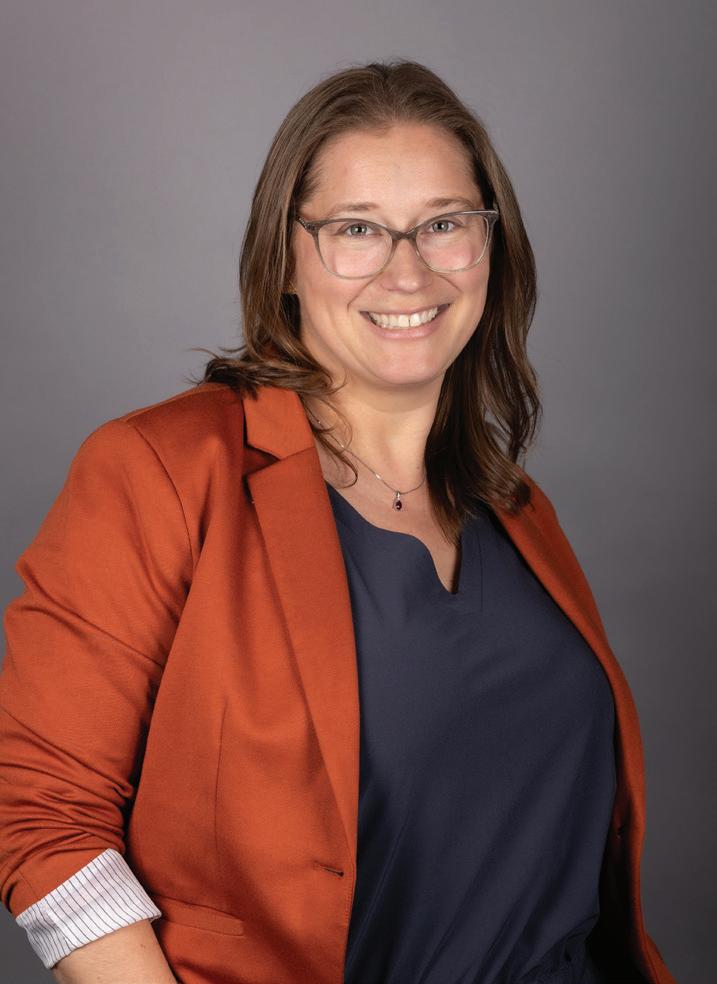
Ava Kanninen is director of membership development at ARCC.
the new Young Professionals Network, launching in 2026, as well as continuing her service to the Workplace Health & Wellness Council and the ARCC Ambassador Committee.
If you are interested in learning more about membership with the ARCC, and what that means for your business or organization, please reach out to Ava Kanninen at akanninen@adirondackchamber.org.
TARGET CUSTOMERS IN THE COMMUNITY AROUND YOUR






















The Aroxy Cleaners storefront on State Route 9 in Queensbury reflects more than five decades of family-owned garment care, serving generations of local residents and professionals.
Office / HR / Employment
Why More Small Businesses Are Turning To Fractional HR For Compliance And Growth
BY ANN DONNELLY
For small business owners, the “to-do” list is often a mountain that never levels off. Between managing growth and daily operations, the complex world of human resources—compliance, payroll, and employee relations—can quickly become a liability rather than an asset.
Jennifer Barry, J.D., HR Consultant Practice Leader at GTM Payroll & HR, says businesses don’t have to choose between a hefty salary and a “recipe for disaster”.
“Asking non-HR staff to take on these duties is risky,” Barry said. “You may alienate the employee, you may lose them, and frankly, they may just get it wrong. Many HR areas require strict compliance, and there is no room for error”.
Fractional HR is emerging as a major tool for smaller businesses or startups operating on a lean staffing budget. The concept is simple: instead of hiring a full-time midlevel HR professional at an average salary of $80,000 per year, a company can hire a highly experienced consultant for 10 to 12 hours per week, only when needed.
“Consultants can often do in 10 hours per week what a full-time employee can do,” Barry noted. “Because they aren’t ingrained in the organization or distracted by day-today office operations, they work with a level of efficiency that is hard to match internally”.
At GTM, the consulting team functions like a “Halls of Justice,” providing clients with access to a “superhero” on call. These generalists bring up to 30 years of experience to the table, supported by a network of specialists in areas like employment law, training, handbook development, and benefits.
For many owners, the sign that it is time to look outward is a simple lack of “peace of mind”. Barry suggests owners ask themselves: What am I doing that I don’t like? What is taking too much time? Where do I lack the knowledge to proceed?
“When a business grows beyond the abilities of the owner, or hits that 20-employee mark, it’s time to seek professional help,” Barry said.
Even organizations with dedicated HR staff may need outside counsel. External consultants provide a neutral, objective view
that is critical during sensitive investigations, such as harassment complaints, where in-house staff may lack specific experience.
The HR landscape is shifting rapidly. Today, HR is finally gaining a “seat at the strategic table” as C-suite executives begin to prioritize work-life balance. However, this new seat comes with new challenges, particularly in managing a multi-generational workforce spanning five to six generations.
“Because of generational diversity, it is impossible to have a single strategy for recruiting and retaining talent,” says Barry. “We are seeing young people managing older employees and a workforce that speaks different ‘languages’.”
Flexibility remains the top demand, with employees seeking remote work options and non-traditional hours. Meanwhile, technology—specifically AI—is transforming recruitment. While AI is a powerful tool, Barry cautions that widespread distrust remains.
“AI must be used as a tool, not as the sole source of information or a replacement for a full role,” she said.
A significant current trend is the dra-
Continued On Page 11

Saratoga-Based Staffing Firm Connects U.S. Companies With Latin American Workers
BY CAROL ANN CONOVER
Tim McNeil’s path to running a staffing company that recruits exclusively from Latin America began with clients who needed support staff but found domestic hiring challenging.
McNeil and his business partner Rob Rogers own GSD Staffing, a company that places workers from El Salvador, Guatemala, Honduras, Nicaragua and Belize with U.S. businesses seeking to fill behind-the-scenes roles at rates well below domestic labor costs. The partners operate from a coworking space in Saratoga and work remotely from their homes in Queensbury and Charlton.
The business emerged from the partners’ other company, OSR Manage, which provides fractional sales management services to IT companies across North America. When clients began requesting appointment setters and marketing support but expressed concerns about salary expectations, McNeil and Rogers redirected their existing recruiter to source candidates from Latin America.
What started as a solution for a handful of clients has evolved into a business model the partners believe could eventually become their primary focus. GSD Staffing currently employs about 30 people and aims to double that number by year’s end.
“We got those first 30 kind of by accident,” McNeil said. “We’ve got the marketing engine going now.”
The company charges clients between $2,500 and $3,000 monthly per placement, a significant discount compared to domestic salaries. McNeil attributes rising wage pressures to the pandemic’s aftermath, saying some positions have jumped from $45,000 annually to $65,000. GSD Staffing serves as the employer of record, handling payroll, taxes and compliance with labor laws in each country.
The workers themselves remain in their home countries, taking advantage of time zone proximity that McNeil describes as a key selling point over offshore alternatives in the Philippines or India. Depending on the season, workers in GSD’s recruiting markets operate in either Central or Mountain time zones, typically within one or two hours of their U.S. clients.
“Most of the countries that we recruit in, six months a year they’re Central time zone, six months of the year they’re Mountain Standard,” McNeil said. “They’re very close from a time zone standpoint.”
McNeil, 45, grew up in Rochester and played hockey at SUNY Plattsburgh before working as a recruiter in Connecticut’s insurance and financial planning sector. He met Rogers while both worked at an IT managed services provider in Hartford, where they eventually left to launch their own business with their former employer as their first client.

The partners emphasize cultural alignment as another advantage of their Latin American focus. McNeil noted many candidates vacation in the U.S. and have family connections here. One employee spent two weeks in Connecticut over the holidays despite living in Guatemala.
GSD Staffing has placed workers in roles ranging from virtual assistants to marketing associates, operations support and its first technical position, which started this week.
One Chicago-based client employs a worker whose primary responsibility is managing the owner’s inbox for nearly eight hours daily.
The model presents distinct cost advantages for client companies who wish to opt out of domestic hiring to save on employment liability. Workers placed through GSD are employed by the staffing firm itself, not the client company, meaning clients avoid expenses beyond the monthly fee. Employees are not eligible for client company benefits such as 401(k) plans or profit-sharing programs.
“Because the person is employed by GSD Staffing, they’re not eligible for that stuff,” McNeil explained.
The arrangement also sidesteps typical compensation packages. While McNeil said retirement planning carries less emphasis culturally in Latin America than in the U.S., the structure effectively allows client companies to reduce workforce-related expenses significantly.
GSD handles country-specific payment requirements, such as Guatemala’s 14-month pay structure and El Salvador’s 13-month system, which include mandatory mid-year and year-end bonuses. These costs are built into the company’s monthly client fees.
McNeil acknowledged the business emerged during a period when he says domestic salaries became difficult for some companies to manage. “We had a lot of people that wanted to work with us, but they just flat out couldn’t afford the domestic salary,” he said, pointing to what he describes as rapidly rising wage expectations in the post-pandemic economy.
The company has encountered minimal pushback to date about placing international workers in positions that might otherwise employ U.S. citizens. McNeil said GSD focuses on tasks he characterizes as “$20 or less an hour” work — administrative duties that business owners “don’t have time to do and don’t really want to do.”
“I am not crazy about people only going offshore, nearshore for employment or for employees,” McNeil said. “I don’t believe in that.”
The partners maintain their approach serves companies in different economic conditions. During growth periods, businesses can add project-based support without fullsalary commitments. During downturns,







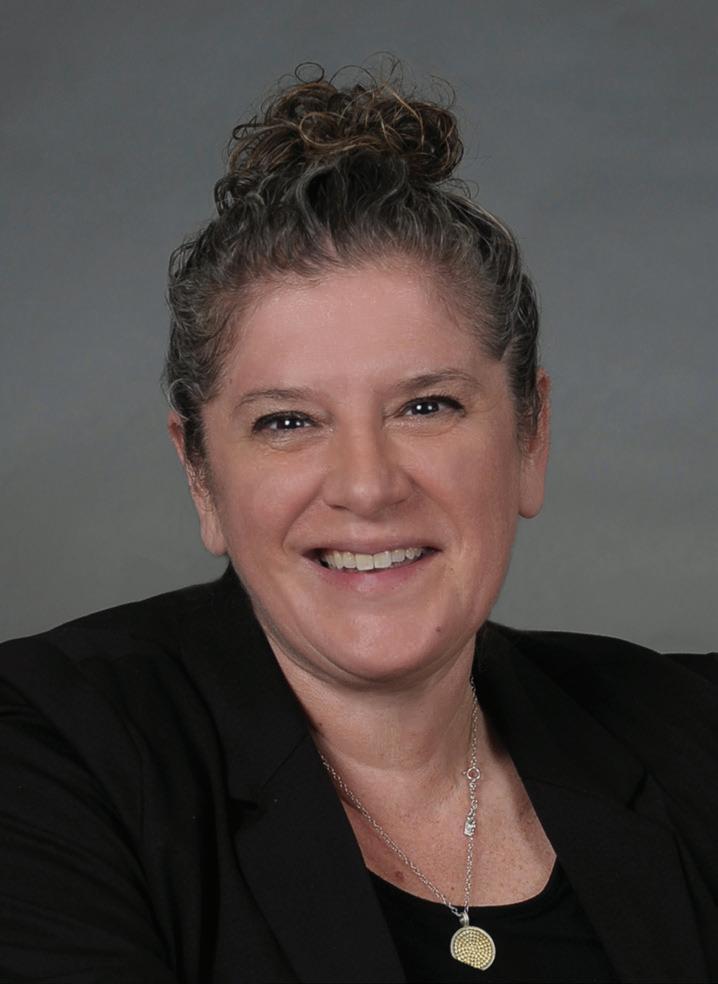
Jennifer Barry, J.D., HR consultant practice leader at GTM Payroll & HR on fractional HRs. Courtesy GTM Payroll & HR
Business Report
Phishing Scam Teaches Businesses About Security • •
BY REG HARNISH
Late last year, Warren County officials disclosed that more than $3 million was mistakenly sent from the Treasurer’s Office after staff fell victim to a phishing scam. Two routine wire payments believed to be legitimate vendor transactions were redirected to fraudulent accounts.
This was not a technical failure or a sophisticated cyberattack. It was a breakdown in how routine business decisions were made and verified.
That is what makes phishing so effective. It hides inside normal work.
How Phishing Gets Past Capable Teams
Modern phishing often does not look suspicious at first glance. Emails are designed to feel familiar, frequently appearing to come from known vendors, contractors or internal staff. Formatting looks correct, timing makes sense and the request fits neatly into an existing workflow.
Common examples include a request to update banking information, a revised invoice or a reminder that a payment needs to go out.
Add urgency, and the email blends into a busy inbox. Nothing about it feels dramatic. That is the core of social engineering: getting people to act, not just to click.
Why Smaller Organizations Are Common Targets
Smaller organizations run lean by necessity. Fewer approval layers and handoffs mean fewer chances for someone to pause and ask whether something looks right.
Often, one person manages vendors, processes payments and approves changes. While efficient, that structure removes friction attackers actively look for.
The Warren County incident highlights a reality many organizations overlook. Email has quietly become part of the financial approval process, even though it was never designed to serve as a control mechanism.
Slowing Things Down Without Slowing Down the Business
Protecting against phishing does not require turning employees into security experts. It requires giving them permission and tools to pause.
One practical method is the GAUGES checklist, which helps employees quickly assess whether an email deserves closer attention by reviewing grammar, attachments and links, urgency, generic language, external senders and the accuracy of the sender’s address.
No single indicator confirms a phishing attempt. Patterns do. Teaching employees to slow down and apply this mental check often makes the difference between a close call and a costly mistake.
Why Awareness Training and Phishing




Testing Matter
Many organizations invest in tools but underestimate training. When awareness training is inconsistent or outdated, employees default to routine, especially when an email looks familiar and fits into an established process.
That does not make people careless. It makes them human.
Effective awareness training and phishing testing rely on consistency. Short, regular sessions help build a culture of security, reinforce that verifying unusual requests is part of doing the job well and normalize reporting suspicious emails.
Organizations that skip training are not saving time or money. They are assuming risk that may not be recognized until it appears on a balance sheet.
Practical Protections That Fit Small Offices
Good security aligns with how work actually happens. Simple practices can significantly reduce risk, including verifying financial changes through a second communication channel, making it easy to report suspicious emails, reinforcing awareness regularly, documenting approval processes and practicing response plans through tabletop exercises.
A Local Reminder With Broad Relevance
The Warren County incident is a reminder that cybersecurity problems often begin on ordinary days. There was no broken system, only a convincing email and a process that allowed it through.
For small organizations, the goal is not perfection but reducing exposure and catching issues before they escalate. That starts by recognizing phishing for what it is: a business risk hiding in plain sight.


Exclusivity And Storytelling Matter More Than Price In Tough Economy
BY NEAL SANDIN
Economic uncertainty reigns, with concerns about tariffs, rising unemployment and inflation, and the possible “AI Bubble” spilling out from social media feeds and news outlets. With higher costs for groceries, utilities, as well as at the gas pump and seemingly everywhere else, people are becoming more discerning about where to spend their hard-earned money. The challenge for brands and market researchers that work for them is not to focus too much on one single factor: price.
Many companies when faced with economic hurdles immediately reduce prices. This is understandable. After all, a typical question that the market researcher asks is if there is anything preventing someone from buying something. Not surprisingly, the first answer is always cost. If things were only a little less expensive, they would buy. Yet ironically, reduction of prices can actually cause people to not buy from a brand.
For example, if Rolls-Royce suddenly started selling their vehicles at a Honda Civic price point, many people would wonder about the brand and if the quality was truly there. The true appeal of Rolls-Royce is that it is exclusive. These vehicles belong to a rarefied group, one that is full of brand-loyal customers. The more exclusive, the more exciting the brand, the more it captures the imagination on both an emotional and social level. All of this creates and reinforces customer loyalty.
Some may conclude from this that a higher price is required to create exclusivity. While it is true that a Rolls-Royce at $30,000 is not nearly as remarkable as a Rolls-Royce at $300,000, it is the stories we tell about the brand that truly makes them something special. Rolls-Royce played a key role in royal weddings, including between Princess Diana and Prince Charles. Yet, that Honda Civic that can last 200,000 miles also tells a story, one that Rolls-Royce never could, that of road trips and memories with loved ones. These stories give people a reason to buy from that brand. They make the customer want to spend their money with a specific company and not anyone else. Stories create loyalty.
In other words, being unique is not enough. To be exclusive, a brand needs to be distinctive while also being evocative. The mechanic who stayed late to fix the car so that the college graduate could reach that job interview, the jacket that inspires dreams of travel because of the claim that it can keep you warm even on Mt. Everest, the honest and competent tax professional who finds a way to save the client from severe penalties, all of these inspire emotion. They are also social, all moments or hopes that people can share with others. In essence, they are exclusive. They are moments and experiences that other brands







cannot (or do not) recreate. A compelling story creates a reason to buy and a reason to be loyal, more so than any change in price. The challenge for the market researcher is to find those stories in a world of anxious clients and brands.
Exclusivity can work the other way too. A story of being overcharged, of dishonest workmanship, of rude after-sales service, all undercut customer loyalty and create a type of exclusivity that works against the brand. At that point, the company will be forced to lower prices because there is no other reason for customers to purchase their products and services. In other words, lowering prices can signal to customers that the brand has nothing special to offer and might be a liability.
There are times that offering discounts can help brands, as we see during Black Friday and the holiday season. Individualized discounts for loyal customers can also evoke loyalty if done with sincerity and personalization. However, cutting costs across the board can make a customer go from “I want to shop there” to “I guess it is good enough.” “Good enough” does not evoke loyalty, especially when economic tides eventually change for the better.
Doors open for brands when they are specific. Being all things to all people means there is, by definition, no exclusivity, no reason for consumers to be excited or loyal. Market researchers need to push beyond a fi xation on cost to find the story that evokes a strong and compelling emotion, that is different from all others, and work with brands to bring that to the market.






Reg Harnish, CEO of OrbitalFire Cybersecurity, says small firms must own cybersecurity.
Neal Sandin, President of 643 Research is a fullservice qualitative market research company. Courtesy 643 Research
GLENS FALLS BUSINESS JOURNAL
Construction Planning
Hilltop Construction Builds On Strong Demand Across Residential, Commercial Markets
BY PAUL POST
Hilltop Construction Company started out as a one man operation – Tom Albrecht Sr. and a pickup truck.
Today his son, Tom Jr.; daughter, April; and her husband, Dan Washburn, are leading the Queensbury-based firm into a second half-century of business, with thriving activity in both the residential and commercial sectors.
“We work with about eight different architects,” Albrect Jr. said. “They all tell me they have plenty of work, at least 12 months of work in front of them. That means there’s work we haven’t even touched yet on the construction side of things. So the outlook is very, very healthy.”
Hilltop is marking its 50 anniversary this year, with plans for an official celebration in August. The company is headquartered in a handsome new building at 21 Casey Road, just north of Floyd Bennett Memorial Airport.
Tom Sr. and his wife, Cindy, founders of the company retired three years ago.
Most of Hilltop’s residential construction, which accounts for about 60 percent
of the firm’s business, is driven by Metro New York residents building upscale second homes in the North Country. “We’re seeing more and more people using them year-round for summer and the ski season,” Albrecht Jr. said. “They don’t live here full time, but they use their house about half the time.”
Lakefront property on Lake George, Glen Lake, Brant Lake and Schroon Lake is in especially high demand. Quite often, clients raze older structures in order to build a dream home of their own.
“Prices have almost doubled in the past five years, since COVID, when people began moving up here and realized they could work remotely,” he said. “We have a client that bought property and a house to tear down on Lake George for $2.5 million a few years ago. Six months ago, their neighbor paid $4.5 million. That’s just for the property.”
As demand has increased and availability of land has decreased, Hilltop is doing more projects on northern Lake George in places such as Huletts Landing, Gull Bay and Ticonderoga.

Family-Run Adirondack Customs Turns Local Roots Into Lasting Craftsmanship
BY CAROL ANN CONOVER
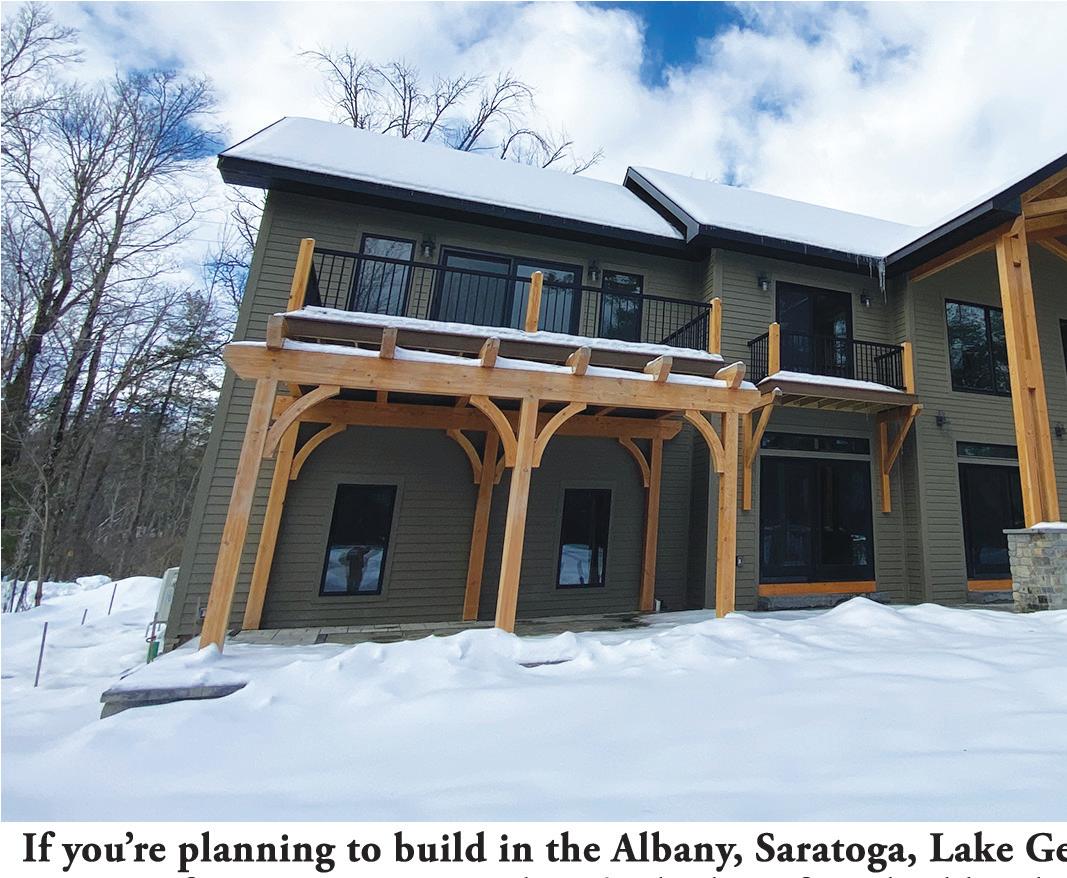
In the heart of the Adirondack Park, where the rugged landscape demands as much resilience from its structures as its people, Adirondack Customs LLC has spent nearly two decades turning regional character into craftsmanship. Founded in 2007, the Ripariusbased custom home builder has evolved from a hands-on startup into a multifaceted family venture that manages everything from timber frame construction to complex permitting. According to Jaki Rainsberger, who recently joined the team to support the company’s growing operations, the firm’s identity is inextricably linked to the land it builds upon.
The company’s mission statement emphasizes their local roots, noting that they do not just work in the Adirondacks—they live there— and that this local knowledge shapes every structural decision.
The business operates as a true family venture under the umbrella of 6K Holdings, a name that represents the family members who keep the engine running. This structural synergy is further strengthened by their sister
company, Bison Facilities Management Services (FMS). While Adirondack Customs focuses on the artistry and physical construction of regional homes, Bison FMS acts as a core strategic partner, allowing the family to offer a more comprehensive suite of services. Ken Stonitsch, a partner who has been with the company for 10 years, serves as the primary man on site for the construction side. Known for his old-school work ethic, Stonitsch handles the heavy lifting of estimating, drafting and subcontractor management, often utilizing Chief Architect software to bring client visions to life.
This hands-on approach extends far beyond the job site; the team frequently acts as a vital bridge between out-of-state clients and local government, personally attending city planning board or zoning meetings to advocate for projects and ensure municipalities are fully informed of the vision. The family involvement extends deep into the community and across both business entities, with Kevin Stonitsch and his wife, Kimberly, overseeing the broader




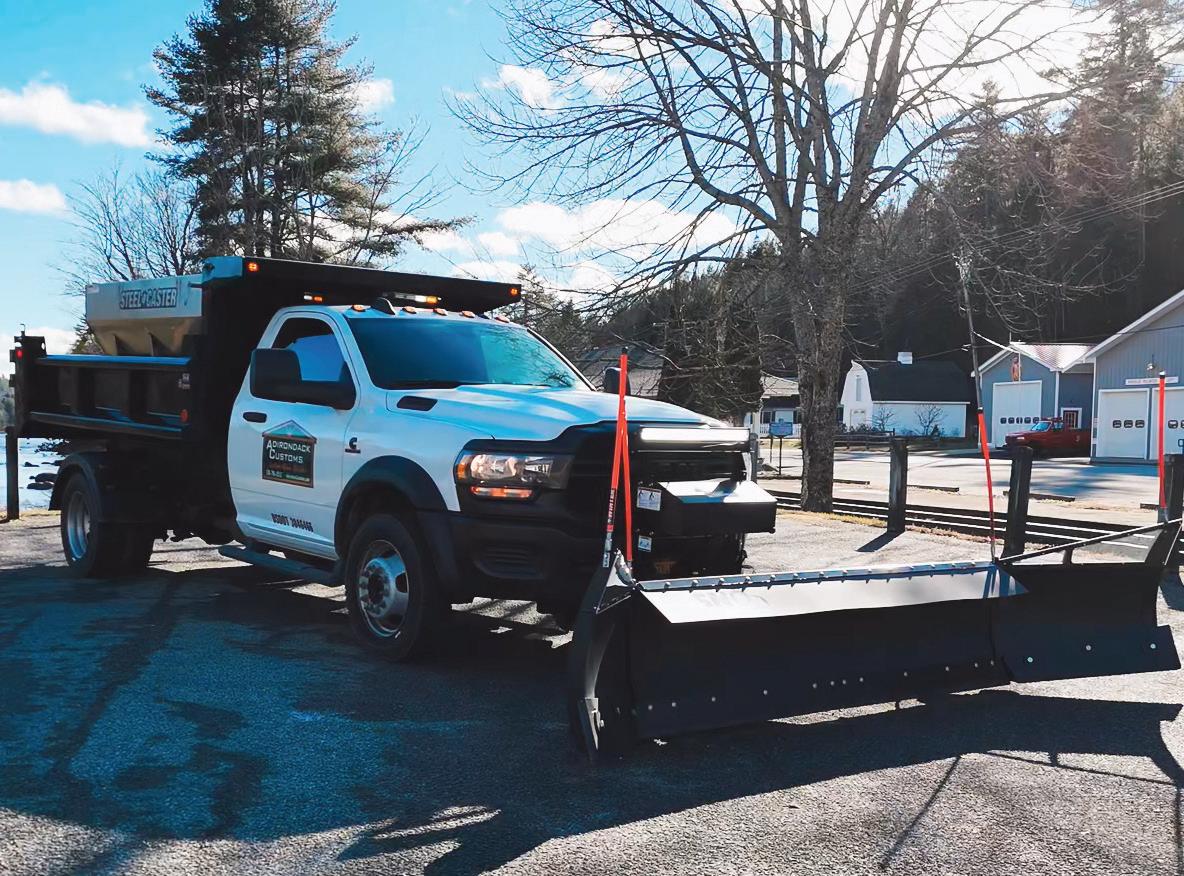
An Adirondack Customs truck sits near the Hudson River in Riparius, underscoring the family-run builder’s deep local roots and hands-on craftsmanship throughout the Southern Adirondack region.
Courtesy Adirondack Customs Continued On Page 11
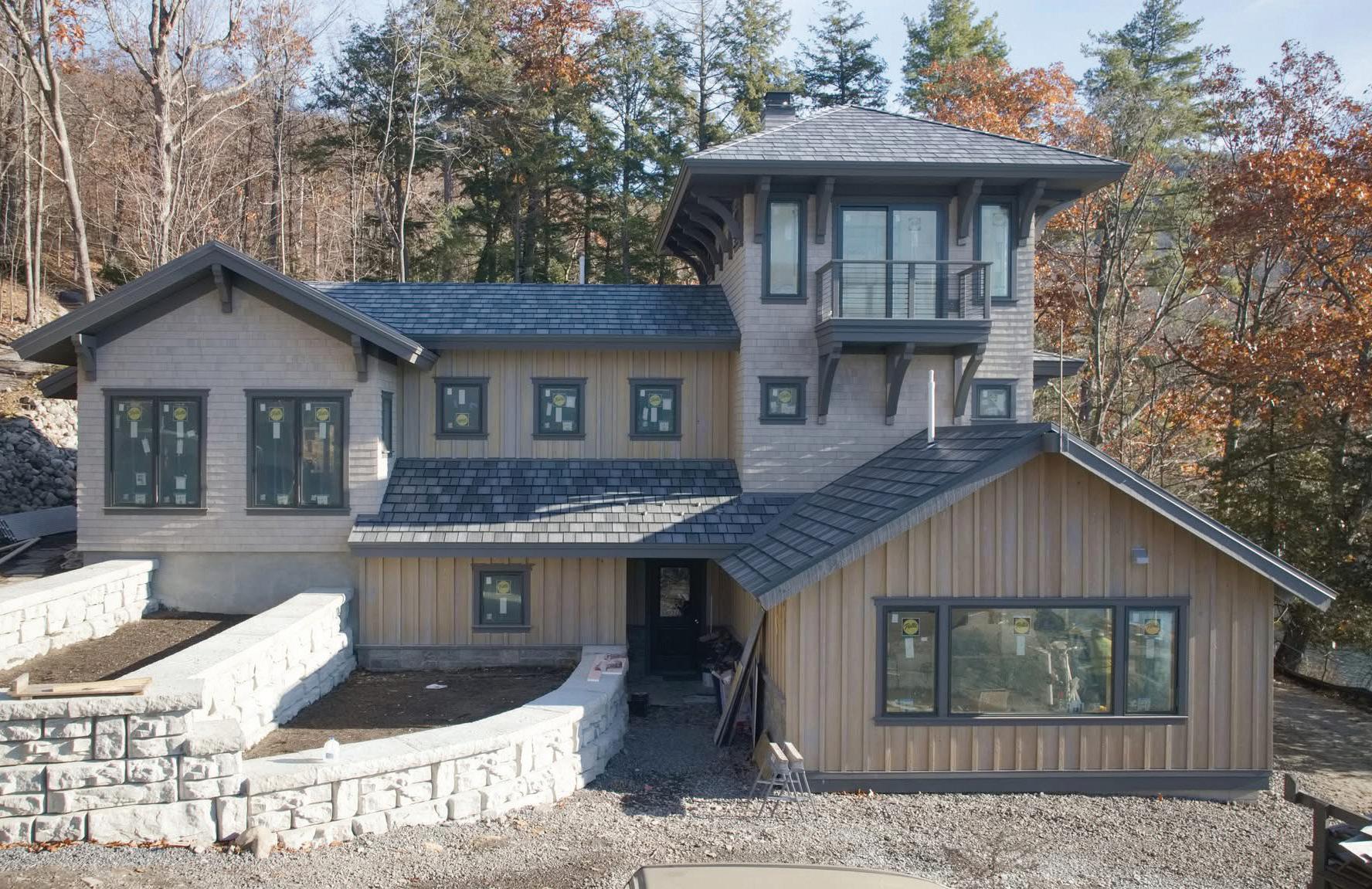
About 60 percent of Hilltop Construction Company’s business is from residential clients building upscale lakefront homes such as this one on Lake George.
Courtesy Hilltop Construction
The Crews At Munter Enterprises Staying Busy Working On A Variety Of Area Projects
BY ROD BACON
The inclement weather much of the country has experienced this winter has been challenging for building contractors but they are continuing to move their projects forward.
Middle Grove-based Munter Enterprises, Inc. is no exception.
“Our people are tough and they’re holding their own,” said Vice President Mike Munter.
“We’ve skipped a few days of concrete work here and there because we didn’t want to open up more ground for it to freeze so we’ve been timing that work. It’s slowing us down a bit but not stopping us.”
The company is moving ahead on projects started last spring and summer as well as working on new ones.
The steel is going up on Skyward Drive in the W.J. Grande Industrial Park for the 35,000-square-foot office/warehouse building for Ambrave Corp., a designer and manufacturer of advanced tactical gear for military special operations forces and law enforcement under the brand Direct Action and for outdoor enthusiasts under the brand Helikon-Tex. Completion of the $6.5 million building is scheduled for this summer.
The lot on which the building is sited is 10 acres, allowing for future expansion.
“The building is approved for up to 70,000 square feet and if they stay on their growth track they plan to build the addition within five years,” Munter said.
Also in the industrial park, Munter is building an 18,000-square-foot addition to Slack Chemicals’ existing 70,000-square-foot facility.
Headquartered in Carthage, N.Y., with facilities in Castorland and Saratoga Springs, the company produces ice melters, caustics/acids, and solvents/alcohols, as well as chemicals for swimming pools and waste water treatment, dairy, pa-
per, industrial, plating, co-generation industrial, reagents, and food grade applications.
Steel is also going up on a 35,000-square-foot building for Fort Miller Precast in Greenwich. The building will house three large cranes used to manufacture components for bridges, highways, walls, erosion control, ultra-high performance concrete (UHPC) structures and custom products. The estimated completion date is May of this year.
In Greenfield, Munter is in phase one of a two-phase rebuild of the center section of Stewart’s Shops’ food and ice cream production facility. The 30,000-square-foot project is expected to take two years.
Munter said they are about 60 percent through phase one, which will be finished in June. They will then start phase two, which will take the project into 2027.
Nearly completed is a new branch of the Hudson River Community Credit Union in Greenwich. The 2,500-square-foot building includes a drive-thru and state-of-the-art Interactive Teller Machines (ITMs).
“Because of the demographic of the area, which includes the Amish community, we have included a hitching post and water hydrant in the parking lot for the horses,” Munter said.
Also nearly completed is a 25,000-square-foot building for Polyset in Mechanicville that will house their research and development department. The company manufactures filtration adhesives, expansion joint systems, protective coatings, electronic potting compounds, and advanced materials for cationic chemistry solutions.
In April the company will start an extensive renovation of the Malta branch of the Adirondack Trust Company. According to Munter, half the
On Page 12

SLICFiber
Continued From Page 1
our area,” Siplon said. “When people are willing to spend millions of dollars betting on the future of this place and bringing the most current technology to bear, that’s a good sign for all of us.”
“Second, it provides competition, which provides better service at better rates, whether you adopt to this carrier or not,” he said. “Third, fiber has almost unlimited capacity and much greater speed. The current technology was based on usage that we overwhelm every day because in the 1980s nobody thought as many people would be on the network at the same time, as exists today. But fiber networks can handle it.”
A big part of the region’s overriding economic development strategy involves attracting highly talented, skilled people who can work wherever and whenever they want to but need to be sure there’s a connection to the rest of the world.
“This puts us on the map,” Siplon said. “It says, you can do whatever you do in Brooklyn, here. That’s good for everybody.”
“A lot of people for a lot of years have been frustrated that they haven’t had a choice,” Lynch said. “So we’re providing a choice. As in most industries, when you bring in competition you get better results at lower cost. That’s what we’re striving for.”
“We are a pure fiber optic network, so from our equipment right into the home is all fiber optics and it’s a symmetrical service so your downloads and uploads would be the same,” he said.
SLICFiber began serving northern Warren County towns and hamlets such as North Creek, Thurman, Stony Creek and Athol several years ago, making it possible for small and home-based operations to conduct business without broadband.

Until recently, the firm’s entry to places such as Glens Falls and Hudson Falls has been relatively quiet because the process of getting fiber optic cable on poles has taken longer than expected. But Lynch said customers will soon start seeing direct mail, digital ads, social media and billboards, letting them know “there’s now a choice and an alternative in the area.”
“The cost of building rural broadband has more than doubled in the past decade,” Lynch said. “A big portion of that is getting onto existing poles. Those costs have gone from $10,000 to over $100,000-permile now in some cases. It’s just absolutely exploded in cost.
“It really comes down to density,” he said. “There’s a breakeven point of 10 to 12 homes per mile. Once you get below that density it’s very hard to make it economically sustainable.”
The service SLICFiber has provided to lightly-populated towns such as Johnsburg was partially funded by state grants. “Otherwise it’s not economical to build in those areas,” Lynch said.
But Siplon said total broadband coverage has grown from 70 percent to about 95 percent of Warren County addresses since SLICFiber came on the scene. “Of the less than 2,000 addresses not served by a modern broadband standard, probably half of those are seasonal properties or those where this is something that isn’t desired,” he said. “I don’t know if we’ll ever get to 100 percent, but we’re a lot closer to it than we’ve ever been.”
Lynch said SLICFiber employs 110 people, a number that’s doubled in the past two years alone, and it continues to hire new workers as its territory expands.
“I became a believer in their service just because it was so reliable (during COVID),” Siplon said. “We’ve been allies and supporters ever since. They’re in the process now of starting to turn up service here in our area – Glens Falls, Queensbury, Lake George.”

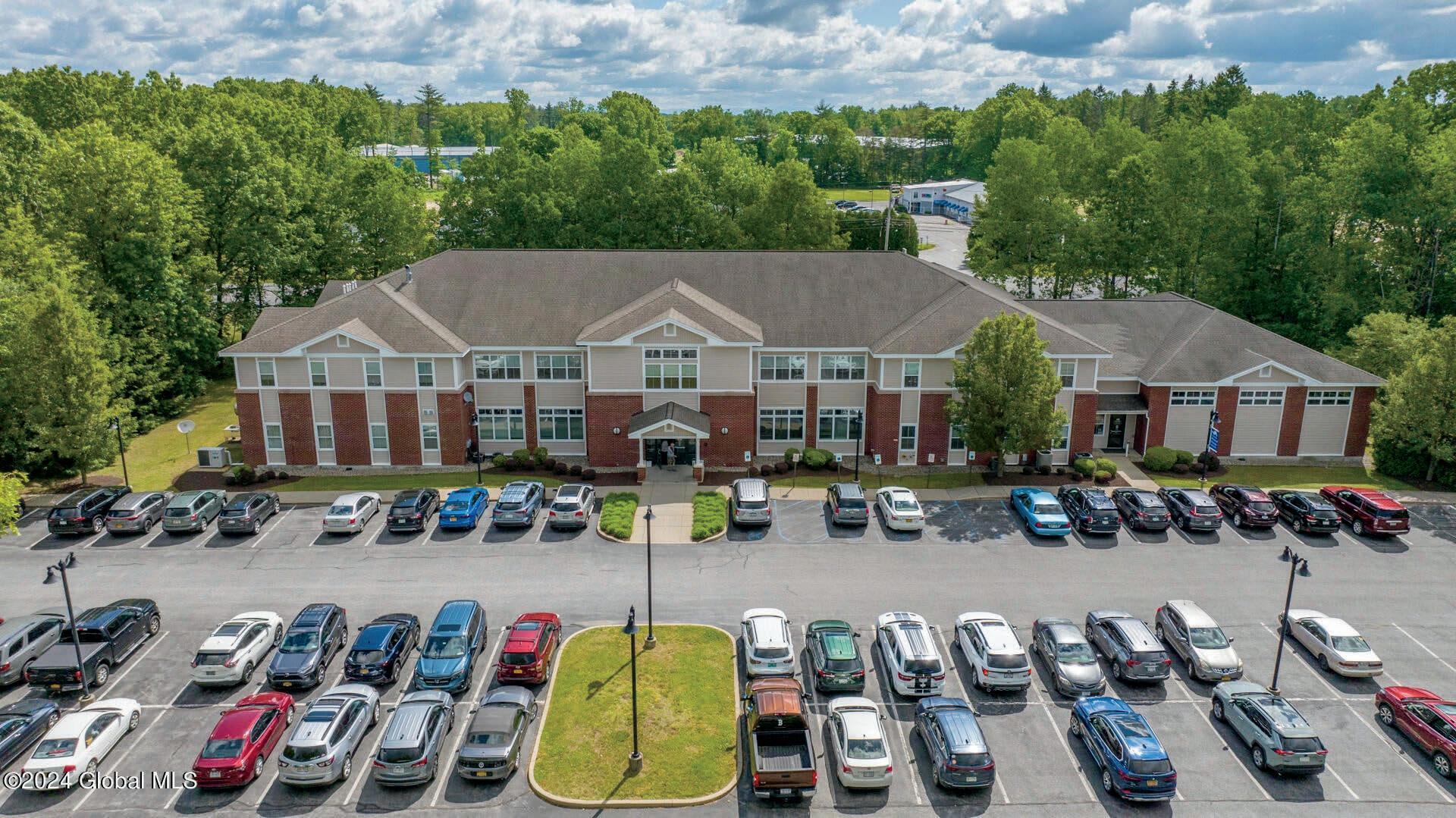
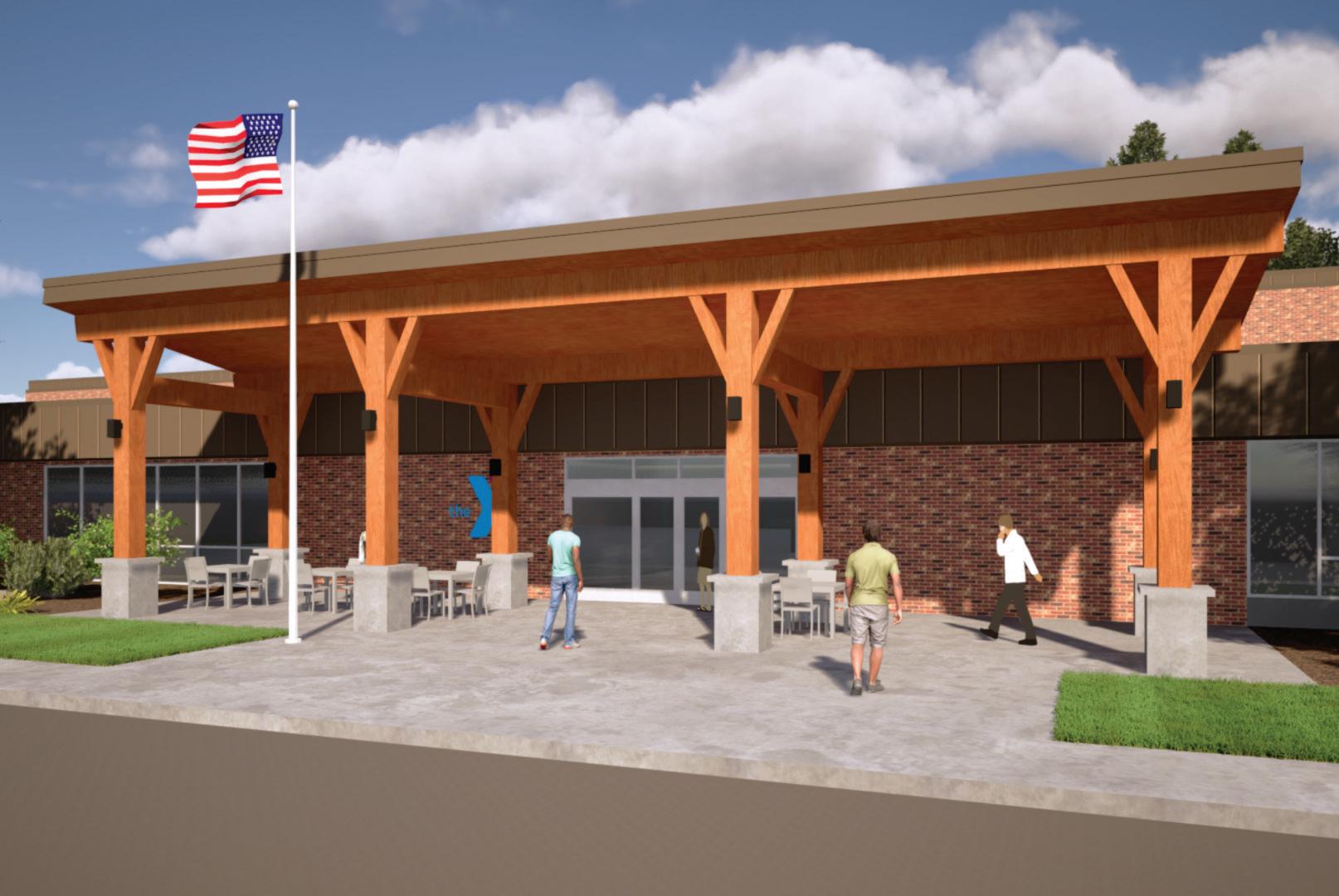
A rendering shows planned upgrades to the Glens Falls YMCA as Munter Enterprises advances a multimilliondollar renovation designed to modernize the facility while allowing members to continue programs.
Courtesy Paone Architecture PC
Construction Outlook
Continued From Page 3
rich, but workforce dependent. Residential and mixed-use development is expected to continue, driven by population growth and an ongoing housing shortage. Infrastructure investment will remain a stabilizing force. But growth will only materialize if we invest in people.
Buildings, roads, and infrastructure are essential — but skilled workers are the true






foundation of our industry’s future. By supporting workforce development and organizations like the Northeast Construction Trades Workforce Coalition, our region is not just responding to today’s labor challenges. It is proactively building a talent pipeline that will support construction, economic vitality, and community growth for years to come.









Saratoga Casino
Continued From Page 1
offer some exciting promotions in the month of February. Highlights include a long-sleeve shirt giveaway to the first 400 customers on Saturday, February 14. Other promotions include a wheel spin drawing on Saturday, February 7 and Sunday, February 15, where all customers in attendance can enter for a chance to spin the prize wheel to win a $25-$100 free bet. One winner will be selected after races two through ten.
This season will also feature an expanded wagering menu that includes two Pick 5s with carryovers, two Pick 4s with carryovers, $1 minimum wager, 20-cent superfectas and $1
triples in every race, plus a $3 minimum late daily double. Throughout the season, SaratogaBets account holders can earn up to a 10% bonus on winning wagers on Saratoga Harness races while wagering on property via the SaratogaBets mobile app or at any self-service betting terminal.
The winter, spring and fall schedule will include matinee racing on Saturdays, Sundays, Mondays and select Tuesdays, with a 12:00 p.m. post time. The summer live racing schedule will be Mondays and Tuesdays at 12:00 p.m., along with Saturday evening programs beginning at 6:45 p.m.
For Track Announcer Mike Sardella’s race picks, racing recaps and the full live race schedule, visit www.saratogacasino.com.
Staffing
Continued From Page 6
when companies typically cut non-revenuegenerating roles, GSD offers a lower-cost alternative to maintain necessary support functions.
cruit domestically through their other business and may expand in that direction once the new website launches.

“I feel like we’re positioned in a place where we can help the company that may be struggling but needs that person to get over the hump,” McNeil said.








GSD Staffi ng’s recruiting team of two works full-time to vet candidates, prioritizing cultural fit over specific skill sets. “Our belief pretty strongly is if you can fi nd the right culture fit, you can train the rest,” McNeil said.
The company is launching a redesigned, SEO-optimized website in the fi rst quarter and plans to attend more local and national events as it scales operations. While GSD’s current focus remains Latin American placements, the partners have capabilities to re-
Currently, GSD’s client base consists primarily of IT companies, reflecting the partners’ industry background. However, McNeil said any business-to-business service company could potentially benefit from the model, including HR, payroll and fi nancial planning fi rms.
The company name stands for “Get Stuff Done,” a reflection of McNeil and Rogers’ preference for self-directed employees who require minimal oversight.
“Rob and I are people that we just, we’ve always wanted to fi nd a place that we don’t have to micromanage, that just kind of gets stuff done,” McNeil said.
For more information, visit gsdstaffi ng. com.
Glens Falls Restaurants Dining & Nightlife Guide
Welcome to the Glens Falls Region Dining & Nightlife Guide! With so many great restaurants, Glens Falls NY dining is a not-to-be-missed experience! Search for cafes, coffee shops, bakeries, lunch spots, nightlife spots, restaurants offering nearly every type of cuisine, and more.
Looking for casual dining in Queensbury? Check! To-die-for cafe treats? Check! Restaurants serving fresh and delicious seafood in Glens Falls? Check!
MORGAN & CO. RESTAURANT
Experience fine American dining in downtown Glens Falls at Morgan & Co. Every dish offers a unique and innovative twist on original recipes. Morgan & Co. also caters events from weddings to reunions and more!
Described as “comfort food with a Mediterranean-Bohemian flair,” Morgan & Co. offers a mouthwatering menu with options for every palate. Explore their unique flavors and see why this cozy establishment won OpenTable's Diners' Choice Award in 2017.
ers whenever possible, the menu is subject to change with the seasons and what's currently available. They also offer a variety of craft cocktails and elixirs (mocktails).
Enjoy a meal inside the inviting restaurant, or dine outdoors in warm weather on their spacious patio.













PEPPERMILL FAMILY RESTAURANT
Classic American Comfort Food in South Glens Falls
PARK 26 Park 26 is an innovative restaurant that offers locally-inspired, modern American cuisine that's perfect for a date night, business dinner or family celebration. Located inside The Queensbury Hotel in Glens Falls.









For more than 35 years, the Peppermill has been serving up affordable family dining, hearty American comfort foods, and excellent service in a casual, welcoming atmosphere. Whether it’s breakfast, lunch, dinner, or daily specials, guests return again and again for the generous portions and warm hospitality. Beer, wine, and mimosas are also available to complement your meal.
They're proud to be a place where multiple generations, family celebrations, and special moments are shared. With a family-friendly ambience, large parking area, and wheelchairaccessible entrance, everyone feels at home. Reservations are accepted for parties of five or more.
Guests to the Peppermill love the restaurant for the friendly team that treats diners like family, the prompt service and the fact that they don't try to rush you out, and the cozy, dinerstyle vibes.
MINT
Fresh, Local & Delicious
Experience Downtown Dining at it’s best at the newly renovated Park 26 in downtown Glens Falls. Park 26 features locally inspired American cuisine served in a comfortable but elegant setting. Breakfast and lunch are served daily and dinner is served Wednesday – Saturday. From rehearsal dinners to birthday celebrations, Park 26 can also help host your next special event.
Plus, enjoy piano and jazz entertainment Thursday-Saturday nights before or after dinner!
FENIMORE'S PUB
Fenimore's Pub in the heart of downtown Glens Falls is open daily for lunch and dinner. Fenimore's Pub (located within The Queensbury Hotel) is at the corner of Ridge and Maple Street and offers 180 degree views of downtown Glens Falls and City Park. Enjoy local brews, specialty cocktails and a Gastro Pub menu with weekly entertainment and live music. PLUS outdoor dining on the Patio & Courtyard!
PARK & ELM


Mint specializes in high-quality, grass-fed meats and wild-caught seafood, but you'll find anything from beet burgers to a winter roots pasta on their robust menu.
Plenty of options are available for vegetarians, vegans, and those who are gluten free.
Because Mint sources from local produc-
Park & Elm is a multi-concept eatery with a gourmet market, delicatessen and fine dining restaurant located in downtown Glens Falls. Enjoy an elevated dining experience, grab breakfast or lunch or shop the market for local goods.
Fractional HR
Continued From Page 6
matic increase in benefits costs, which have soared by about 40% recently. Th is substantial jump necessitates a change in how the traditional employer-employee relationship operates.
“Employers simply cannot absorb that much additional cost,” Barry explained. “As a result, employees are having to contribute more toward premiums or take on higher deductibles. We are all hoping these costs will eventually come down”.
When hiring an agency, Barry advises businesses to vet their flexibility and indus-
try-specific knowledge. While an outside consultant may not initially be as “engaged” with a company’s culture as a full-time hire, a quality consultant will have a clear plan to learn that culture.
“You want to know how they will learn about your culture and what their availability looks like,” Barry said. “The goal is to fi nd an objective partner who provides the expertise you need, exactly when you need it”.
For more information on GTM Payroll & HR, visit gtm.com.
Hilltop Construction
Continued From Page 8
“Everybody’s kind of looking for that Adirondack style,” Albrecht Jr. said. “Some people still want a modern design with an Adirondack twist. Everybody’s kind of got a unique thing. It’s not like there’s an industry standard for lakefront houses, but everybody wants the Adirondack feel.”
Typically, new homes range from 2,500 to 3,500 square feet with an emphasis on energy efficiency.
“We just finished our first passive-solar house up in the woods on Brant Lake,” Albrecht Jr. said. “It’s just now getting through the final phases of passive-solar rating. There’s no propane. It’s all electric based, highly insulated.”
Soon, work is slated to begin on another passive house near Gore Mountain for clients from New Jersey. “That one will be geothermal, using the ground to heat and cool the house,” he said. “We’ve done a lot of geothermal work in the past 20 years so we’re very knowledgeable about it and can educate clients in that area.”
Hilltop’s longevity and solid reputation negate the need for marketing and advertising. “It’s really by the word-ofmouth of clientele we work for, who are telling other people about Hilltop,” Albrecht Jr. said. “This being our 50th year, it’s pretty much a track record of our history as a company. People want to hire companies that have been around for a long time.”
Both he and Washburn, his brother-inlaw, are trained in all aspects of the business, but for the most part Albrecht Jr. oversees residential projects while Washburn handles commercial work.
Hilltop has done a great deal of work for Stewart’s Shops, either remodeling or building new stores at more than 100 locations for the Malta-based company.
“That has spun off into other gas stations for other clients,” Albrecht Jr. said.
One of the most recent jobs is a handsome new convenience store in Rexford, Saratoga County.
Plans are also in the works for another expansion at the Fun Spot amusement center in Queensbury, and a March groundbreaking is expected for a new Arrow Bank branch office in Ticonderoga.
“We’ve never had a slowdown,” Albrecht Jr. said.
He credits much of the firm’s success to his sister, April, who manages the office, handling a variety of duties such as payroll and billing. “If it wasn’t for her keeping us in check it would be very hard to keep this business going,” he said. “She worked under my mom (Cindy) and had a lot of grooming so she can run things very successfully.”
Like many firms, Hilltop is constantly on the lookout for good, qualified employees. This year, for the first time in three decades, it brought on five 18-yearolds recruited right out of high school.
They’re among the company’s 35 employees that keep things going smoothly, on time.
Another big challenge is the increasingly difficult process of obtaining approvals, especially in the North Country when dealing with the Adirondack Park Agency.
But Albrecht Jr. can’t help being optimistic about Hilltop’s future, based on its track record of success and demand for residential and commercial work.
“There’s definitely been an uptick in activity,” he said. “People wait for rates to hit their max. Once they start coming down, they jump into the market because they want to lock into rates. This area is very healthy.”
Adirondack Customs
Continued From Page 8
strategy and partnerships for the 6K Holdings portfolio. Ken Stonitsch manages the day-today site operations and permitting relationships with local code offices, while Kyle Stonitsch, a lieutenant in the local fire department, provides additional support. Joelle Stonitsch, the sister of the founders, assists with the administrative and operational needs that keep the multifaceted business organized. Adirondack Customs specializes in a variety of regional styles, including handcrafted log cabins, traditional stick-built houses and precision-crafted timber frames. While the company has grown, it maintains a foundational philosophy that the person talking about the numbers should be the same person putting in the sweat equity on site. Their approach is designed for the perfect client— someone seeking a builder to oversee every facet of a project, from initial planning to the final nail. This end-to-end management is particularly vital in the Adirondacks, where navigating the regulatory landscape of the Park can be as challenging as the geography itself.
Beyond the structures they build, the com-


pany’s expansion has had a profound human impact. As the business has grown, it has become a significant local employer, providing what Rainsberger describes as life-changing opportunities for its staff. By offering stable, meaningful careers in a rural region, the company is not just building homes; it is sustaining the local economy and the families within it.
Despite the shift toward automated systems and digital drafting, Adirondack Customs remains anchored by four core values: trustworthiness, old-school work ethic, selfaccountability and teamwork. Their guiding principle is to never make someone else’s job harder tomorrow with the decisions made today—a philosophy that has earned them high marks for communication and conscientiousness from local residents. As the company looks toward the future, the integration of new team members like Rainsberger and the continued involvement of the next generation of Stonitschs suggest that Adirondack Customs and Bison FMS will remain fixtures of the Southern Adirondack Park business community for years to come.


Munter Enterprises
Continued From Page 9
building and the drive-thru will be demolished and a new layout will be constructed. Currently, the entrance is on the side of the building. The new configuration will move it to the front.
“The Phinney Design Group created the plan and it looks really sharp,” he said. “There are some timber frame elements that will tie it in with some of their other branches.”
In Glens Falls, Munter is in the permitting process for a $5.5 million overhaul of the Glens Falls YMCA. Plans call for approximately 80 percent of the facility to be upgraded. This will


be done in stages so members can continue to utilize as many programs offered by the organization as possible during the renovation. Because of this, Munter estimated it may take a year to complete the work.
Saratoga Springs-based Paone Architecture, PC, did the design work for Ambrave Corp., Polyset, Hudson River Community Credit Union, Slack Chemicals, and the YMCA. Munter Enterprises does all the concrete work, steel erection, and envelop installation on its projects. They subcontract things like plumbing, electrical, and HVAC to local craftsmen.


For more information about this company go to munterenterprises.com.