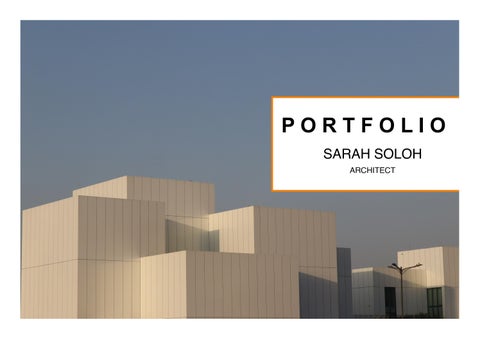
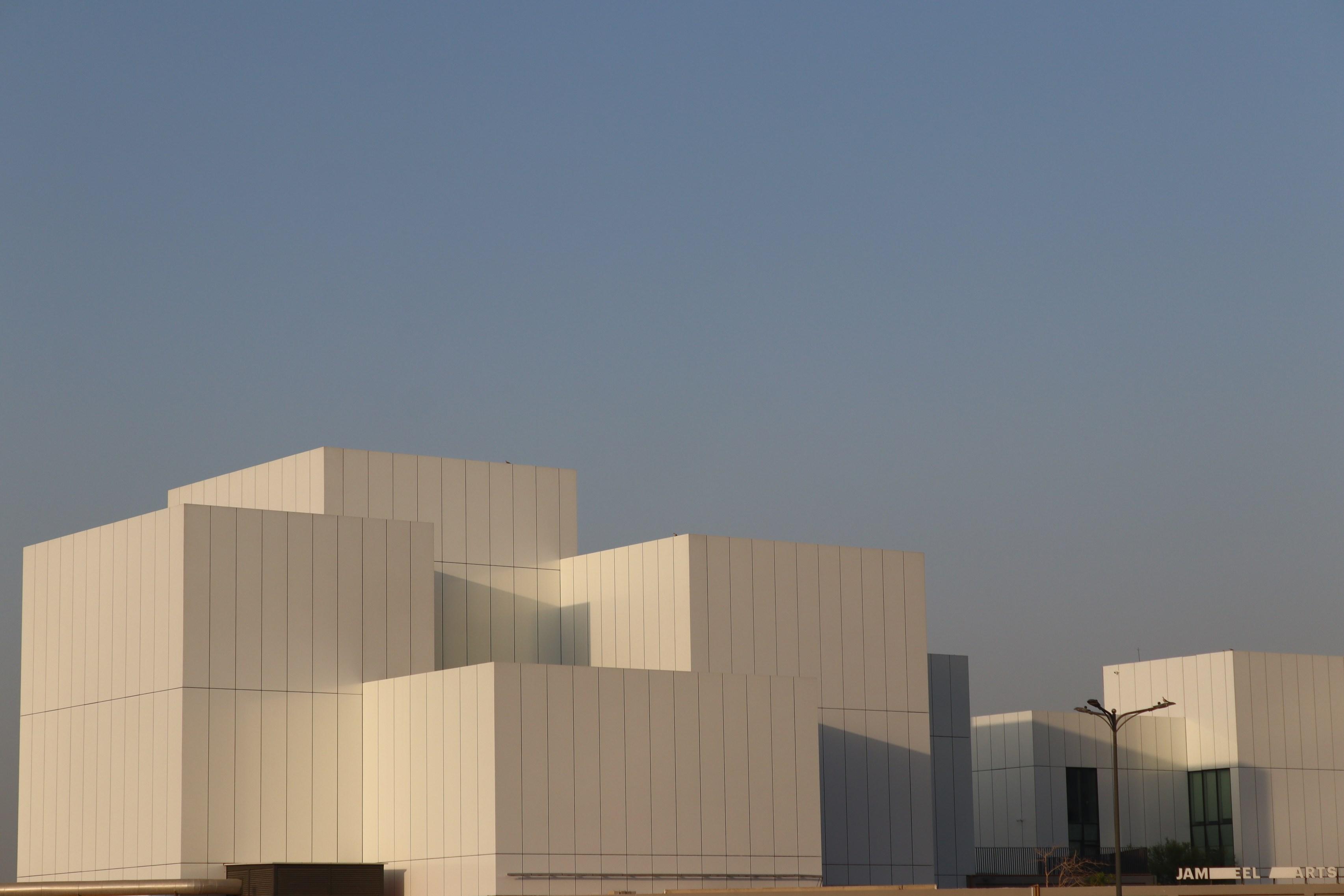
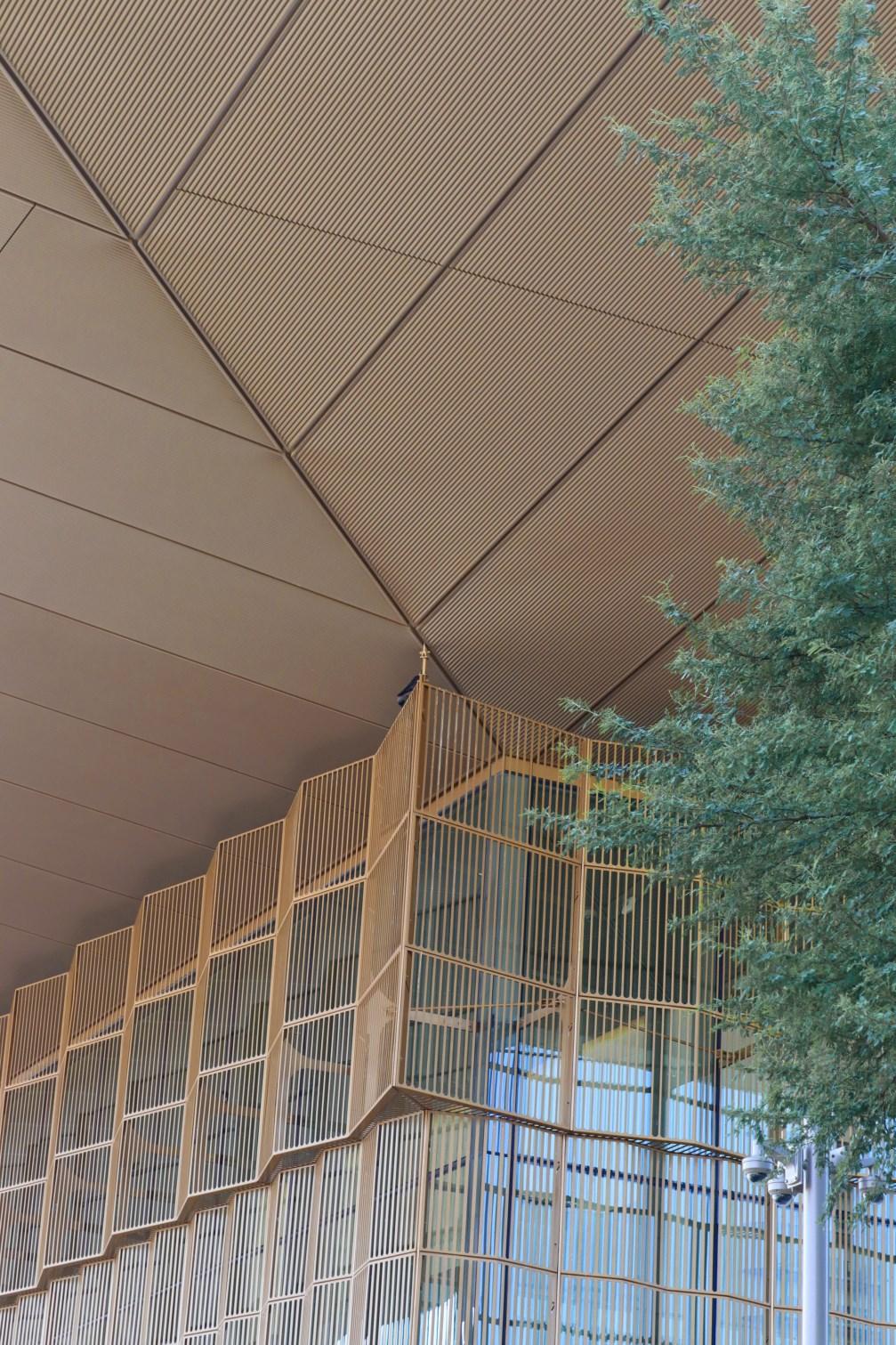
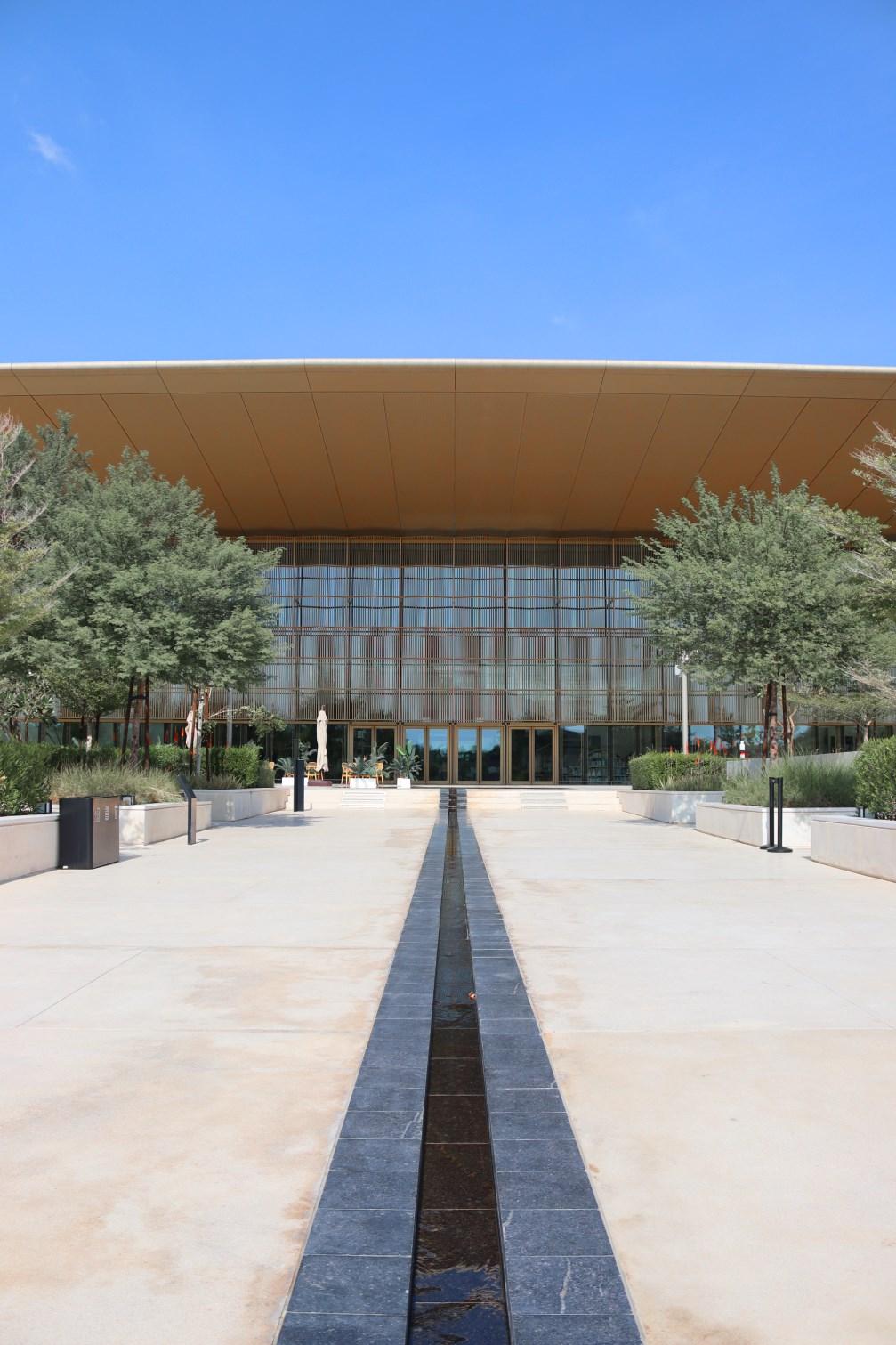
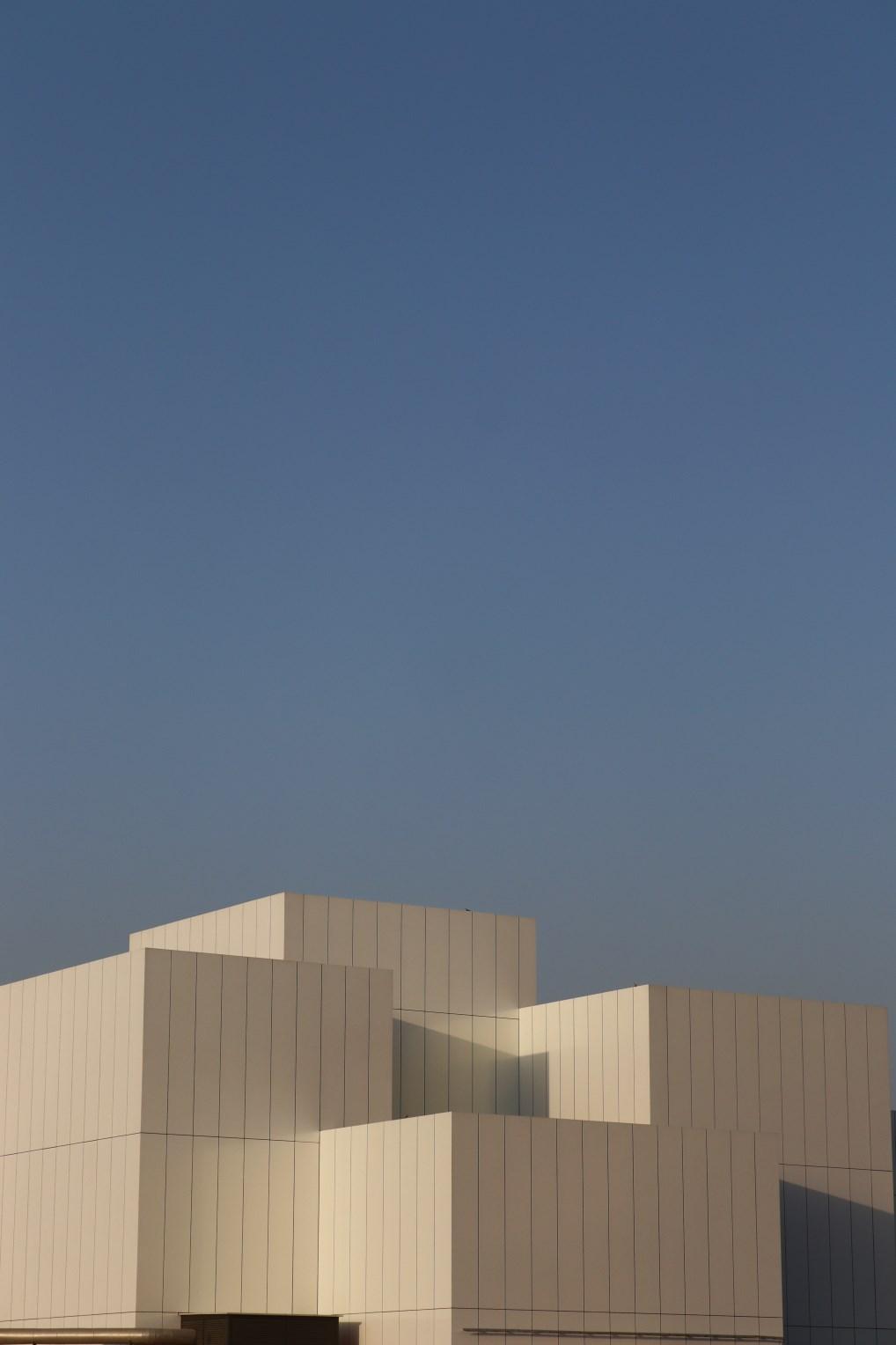
Alongside my architectural practice, I have developed a hobby of architectural photography. My love for capturing the essence and soul of architectural structures through the lens has allowed me to document my design journey and showcase the beauty I encounter in the built environment. Whether it is the interplay of light and shadows, the clean and simple geometries, or the beauty of landscaping, I strive to convey the unique character of each structure in my photographs.
VITA NOVA MICROHOME
MICROHOME: THE KINGSPAN EDITION
ARCHITECTURE COMPETITIONS
PROJECT’S DESIGN CONCEPT
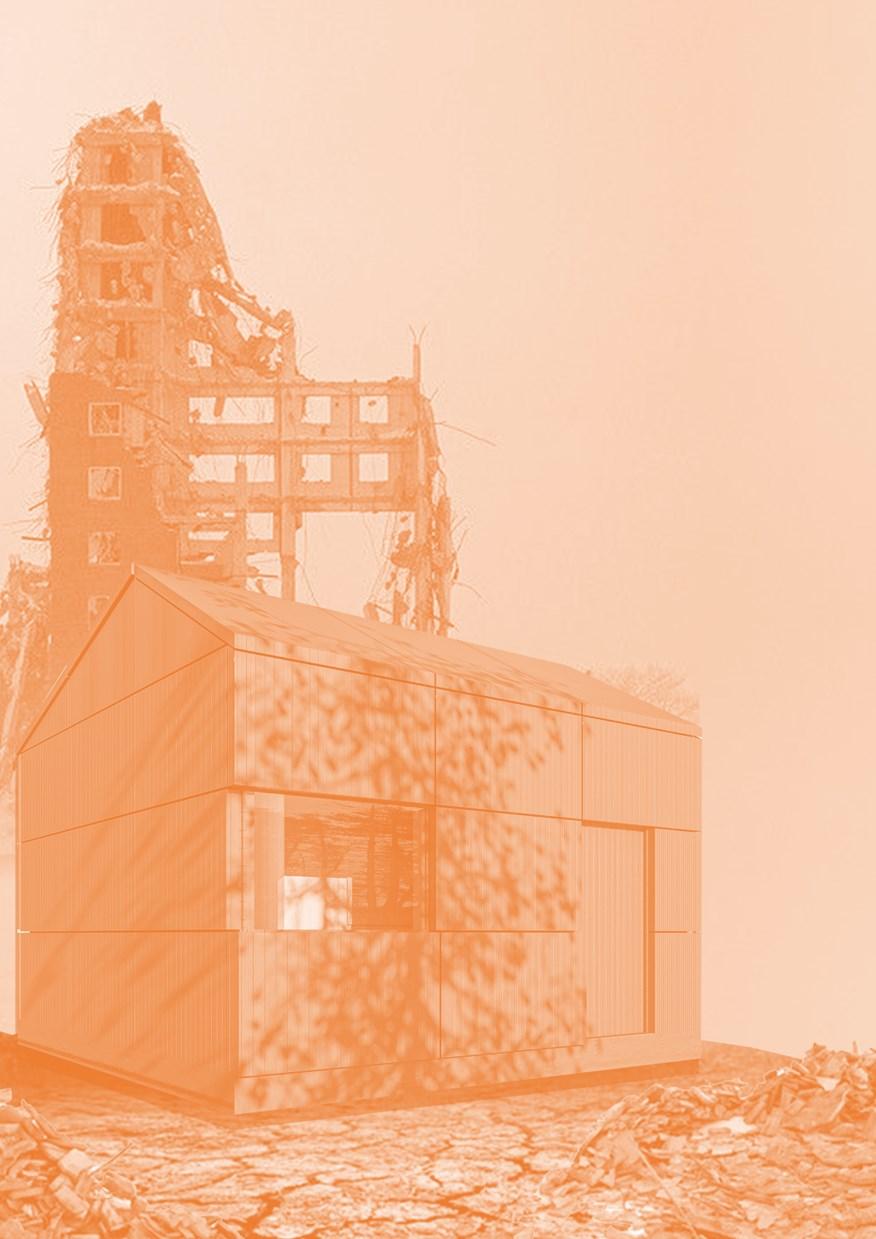
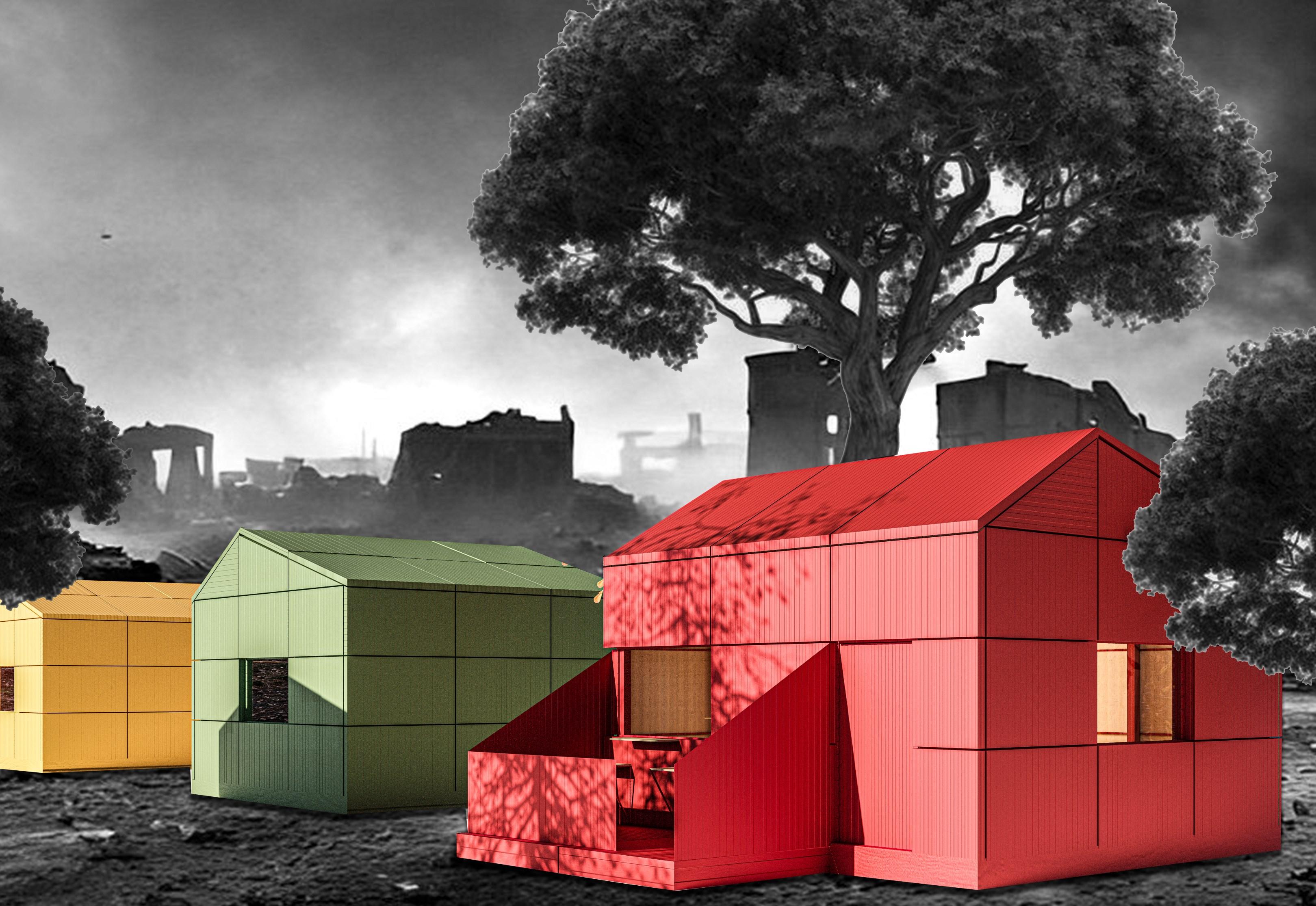
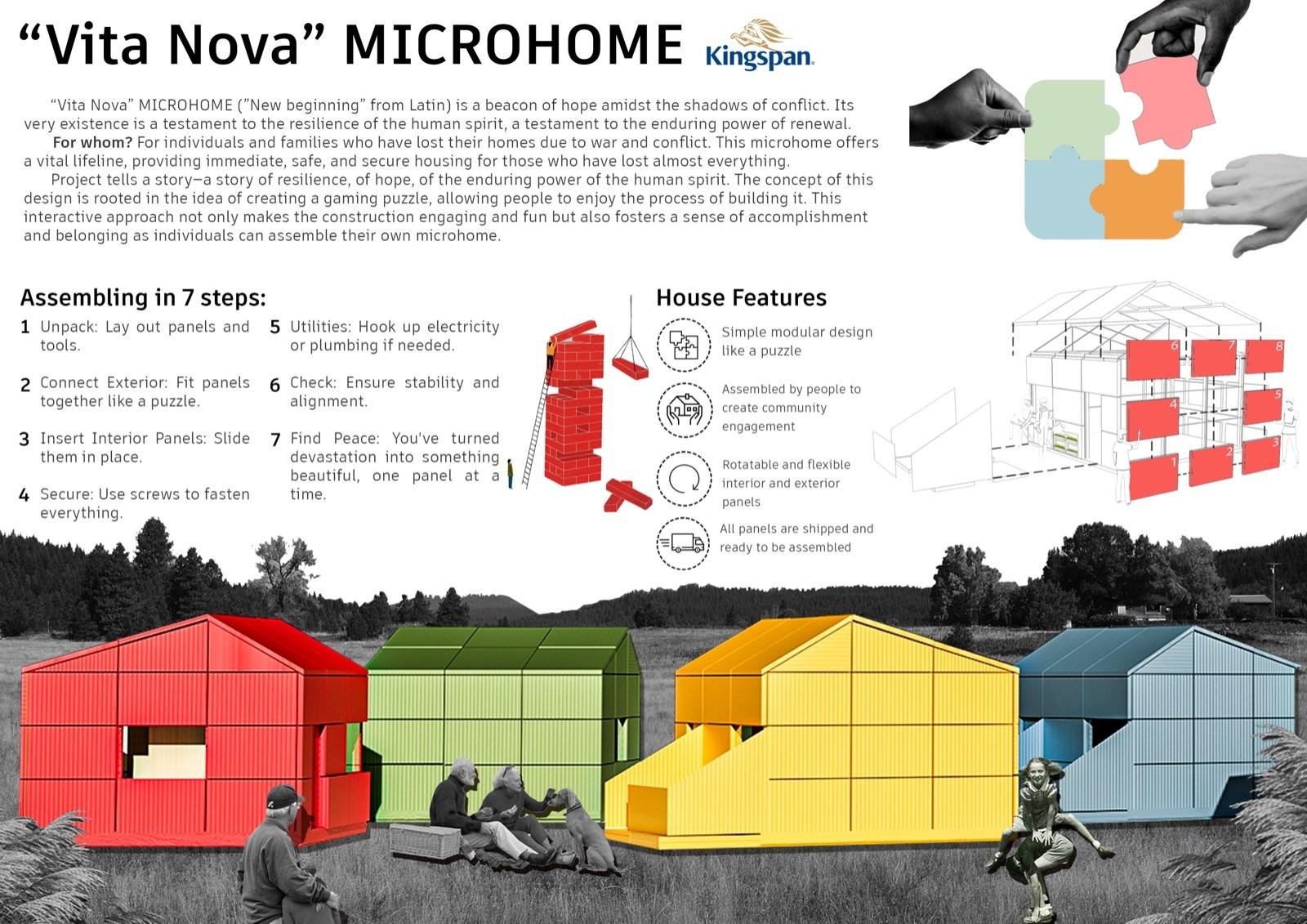
"Vita Nova" MICROHOME ("New beginning" from Latin) is a beacon of hope amidst the shadows of conflict. Its very existence is a testament to the resilience of the human spirit, a testament to the enduring power of renewal. For whom? For individuals and families who have lost their homes due to war and conflict. This microhome offers a vital lifeline, providing immediate, safe, and secure housing for those who have lost almost everything. Project tells a story-a story of resilience, of hope, of the enduring power of the human spirit. The concept of this design is rooted in the idea of creating a gaming puzzle, allowing people to enjoy the process of building it. This Interactive approach not only makes the construction engaging and fun but also fosters a sense of accomplishment and belonging as individuals can assemble their own microhome.
LAYOUTS AND DRAWINGS
DESIGN OF INTERIOR BOARDS
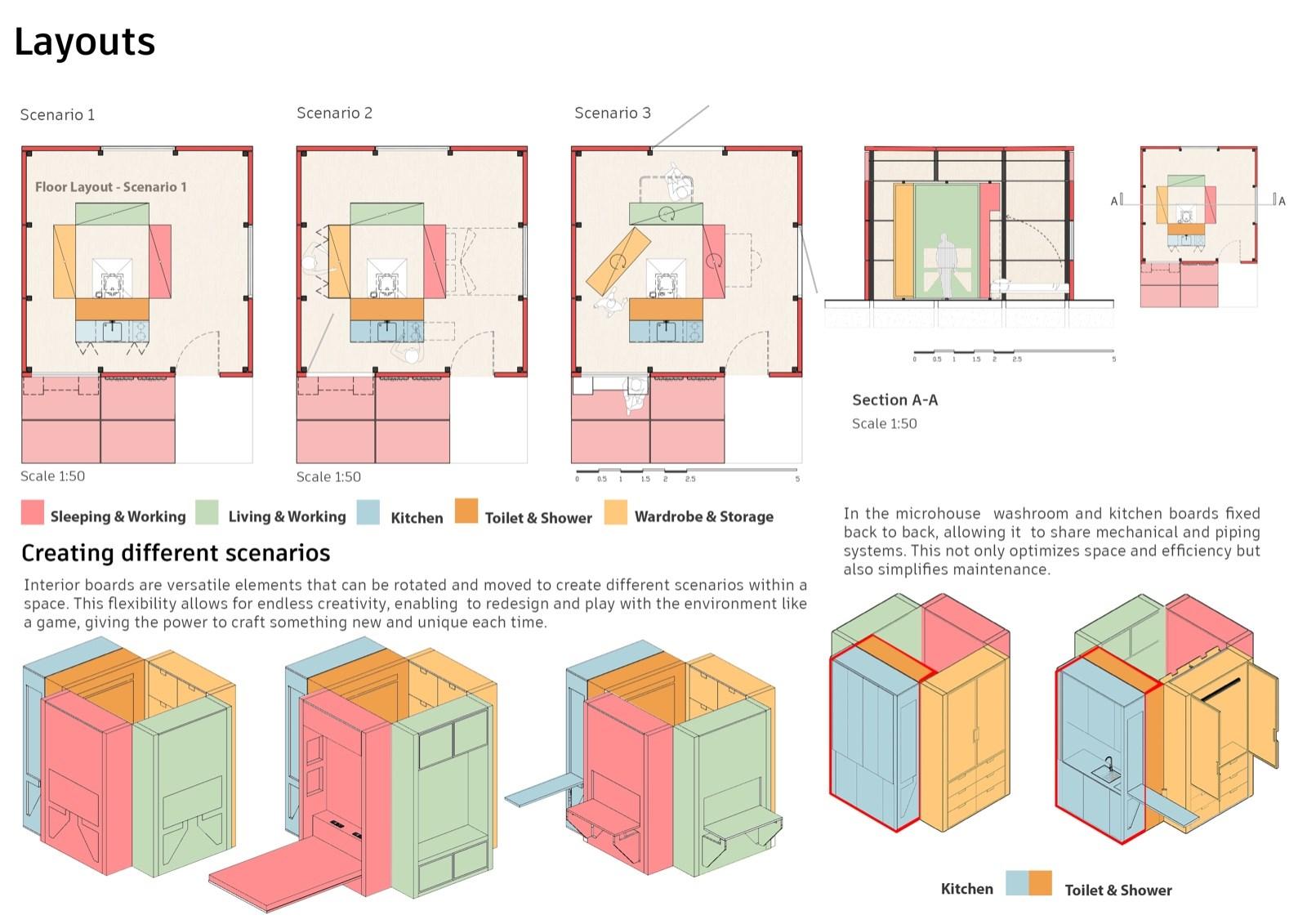
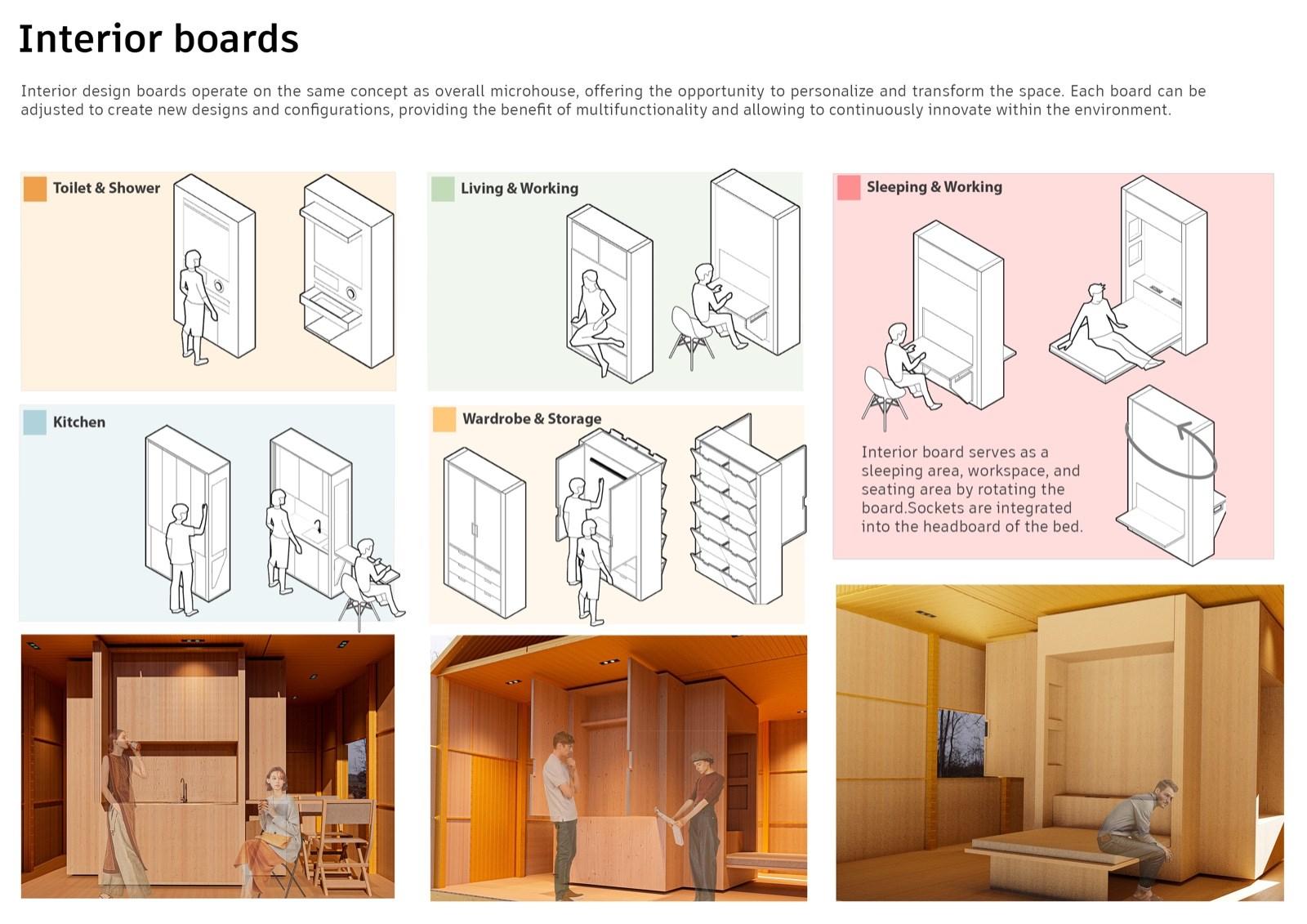
Interior design boards operate on the same concept as overall microhouse, offering the opportunity to personalize and transform the space. Each board can be adjusted to create new designs and configurations, providing the benefit of multifunctionality and allowing to continuously innovate within the environment.
WINDMILL OBSERVATION TOWER
THE LEGENDARY HIGHWAY 14 TOWER
ARCHITECTURE COMPETITIONS
The "Windmill Observatory Tower" project has been executed in collaboration with Leyli, an interior design student from Istituto Marangoni.
PROJECT’S DESIGN
CONCEPT
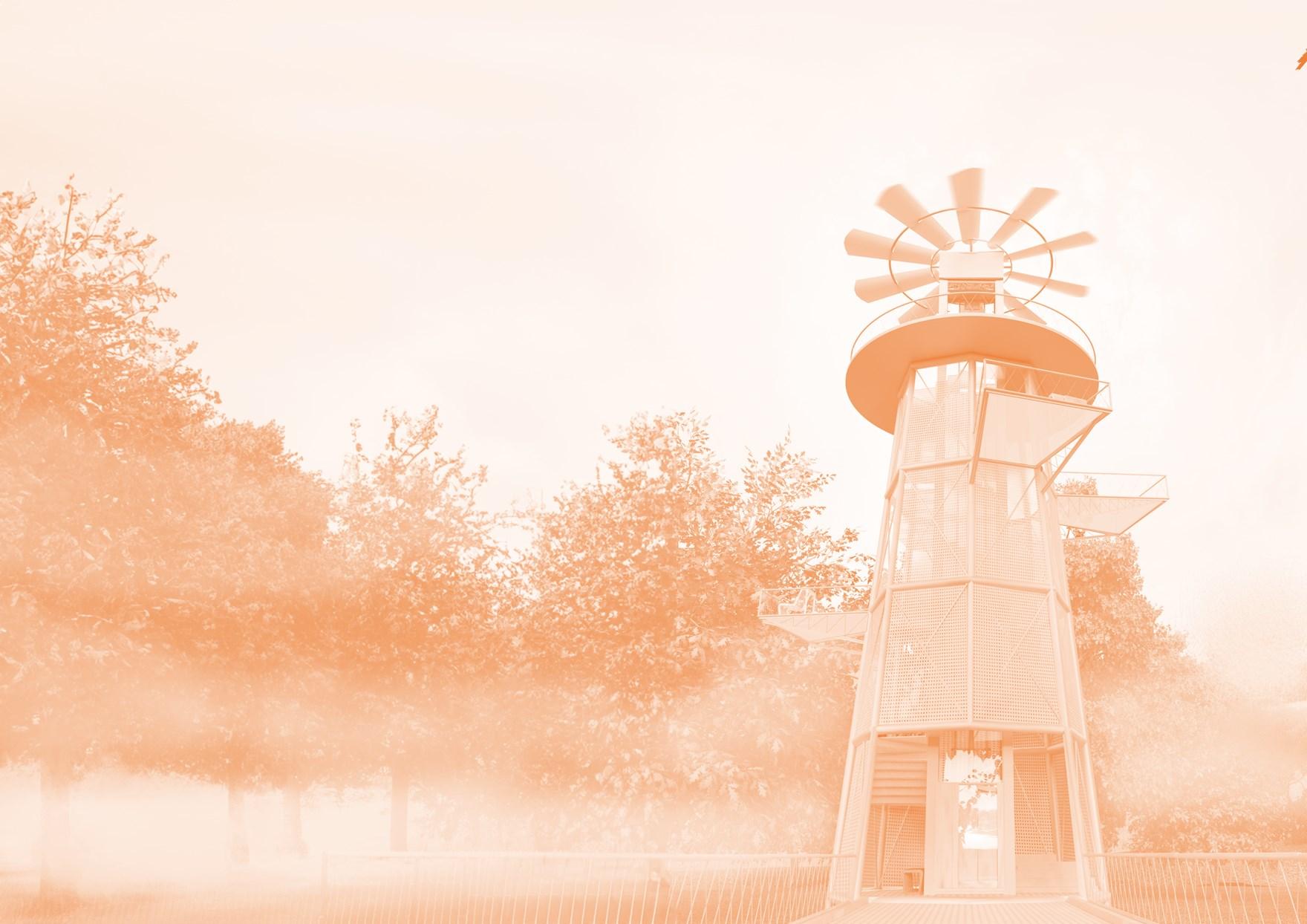
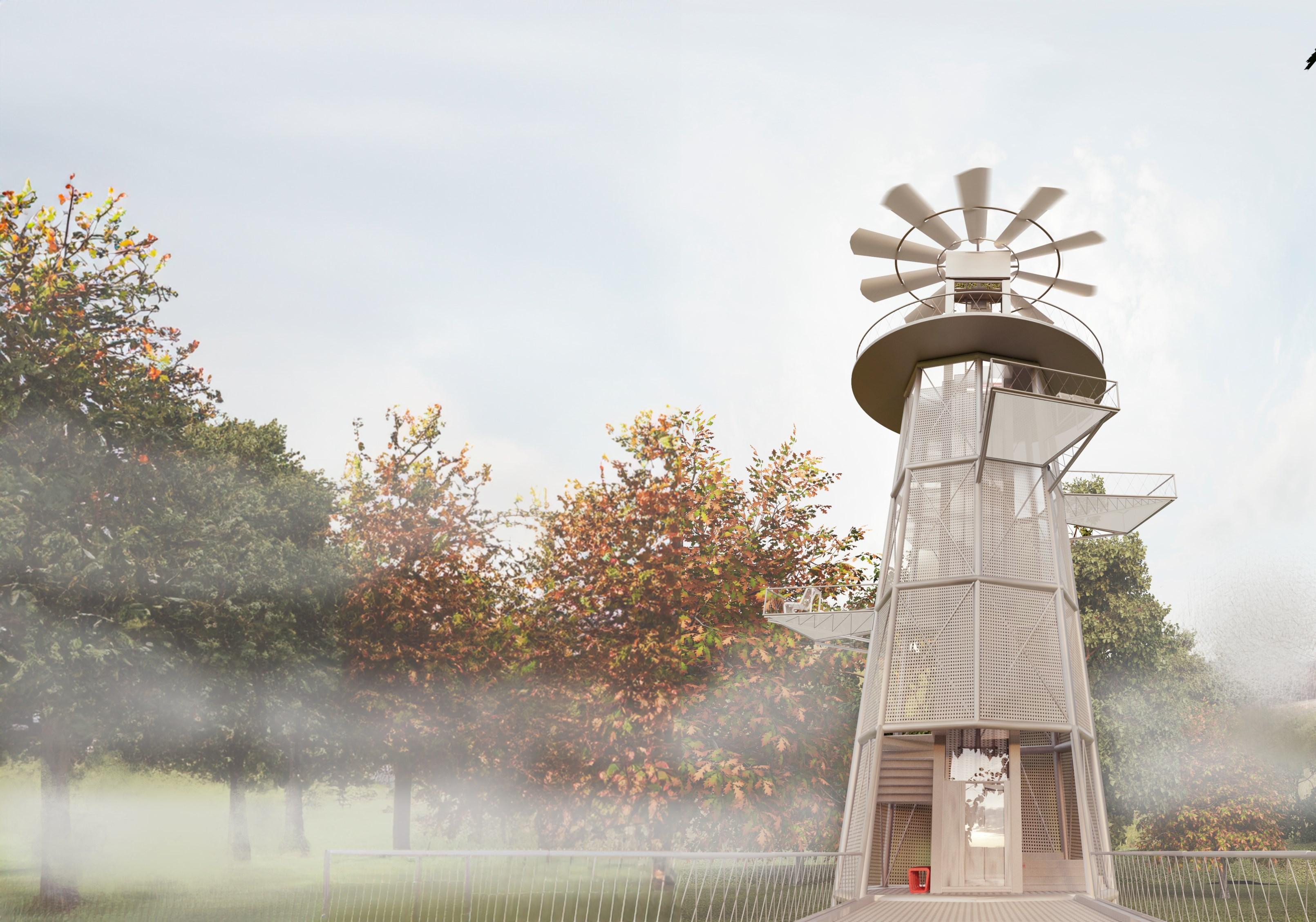
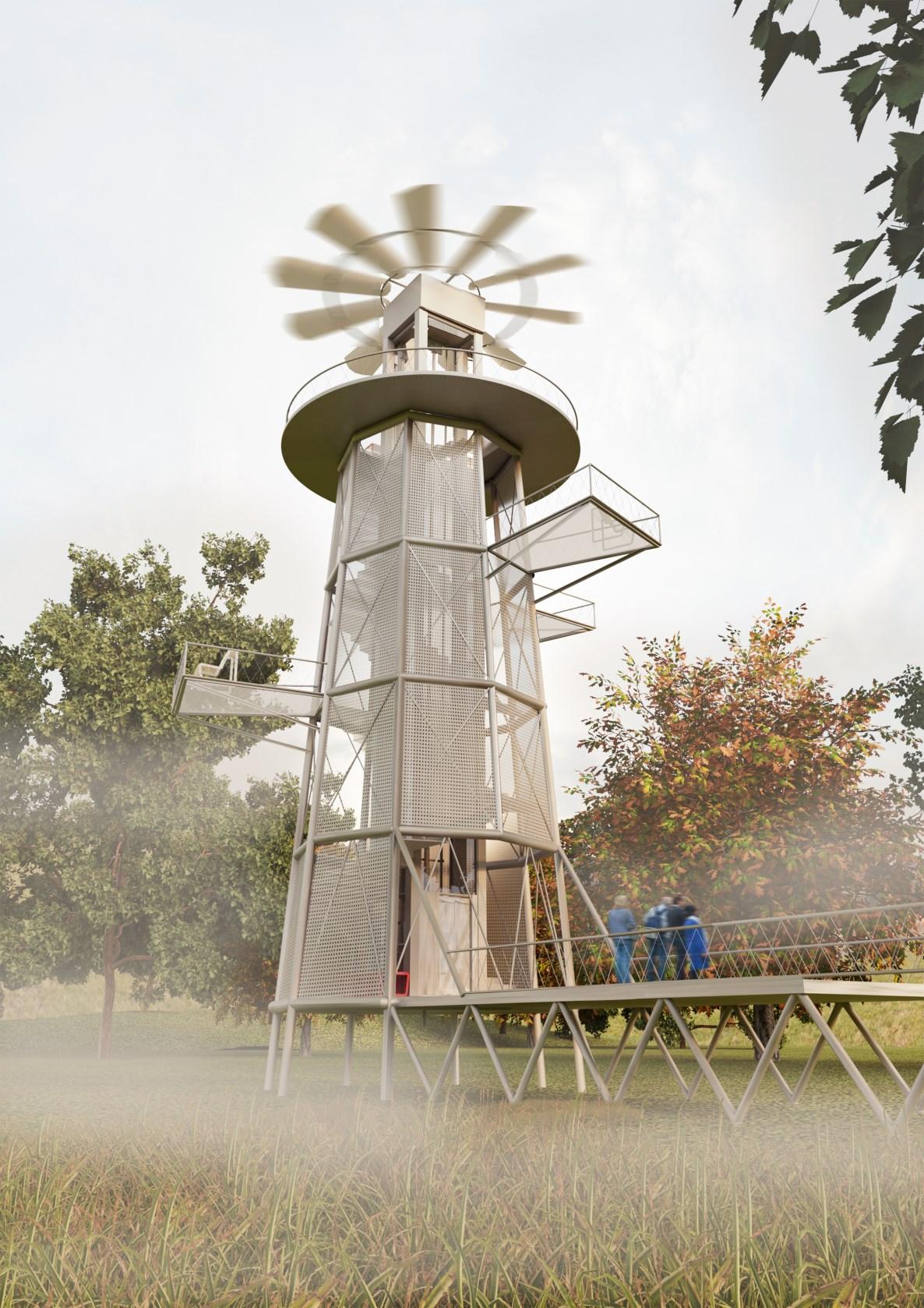
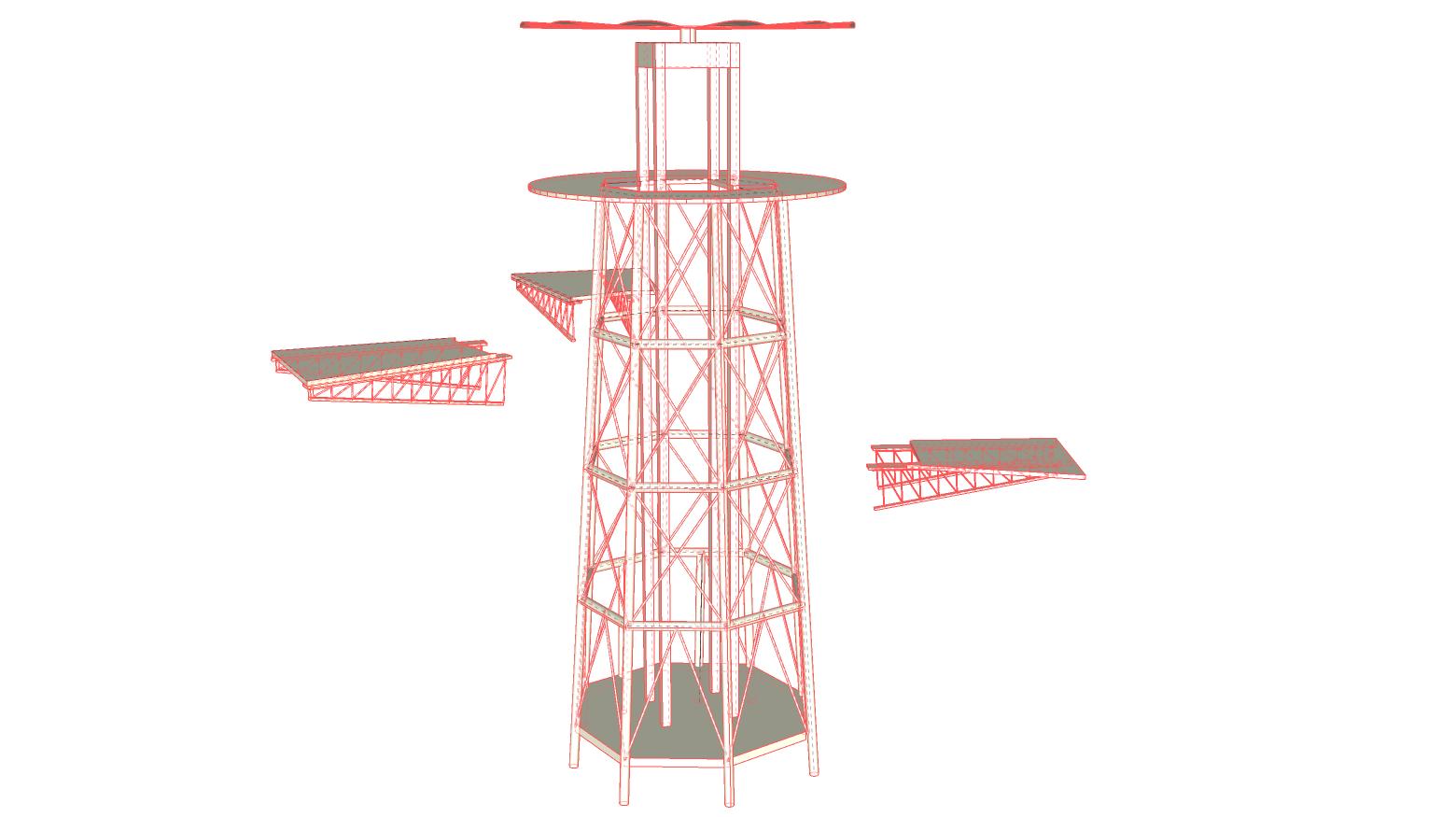
The "Windmill Observatory Tower" in the rustic American prairie is a unique structure inspired by iconic U.S. rural windmills. The tower combines classic windmill aesthetics with modern functionality, featuring a wind turbine at the top that serves as both an energy generator and shade creator. The sleek blades harness wind power to generate energy, ensuring a sustainable lift system for a smooth ascent to the top platform. Visitors are treated to panoramic views, paying homage to the pioneering spirit of the American frontier.
STRUCTURAL DETAILS
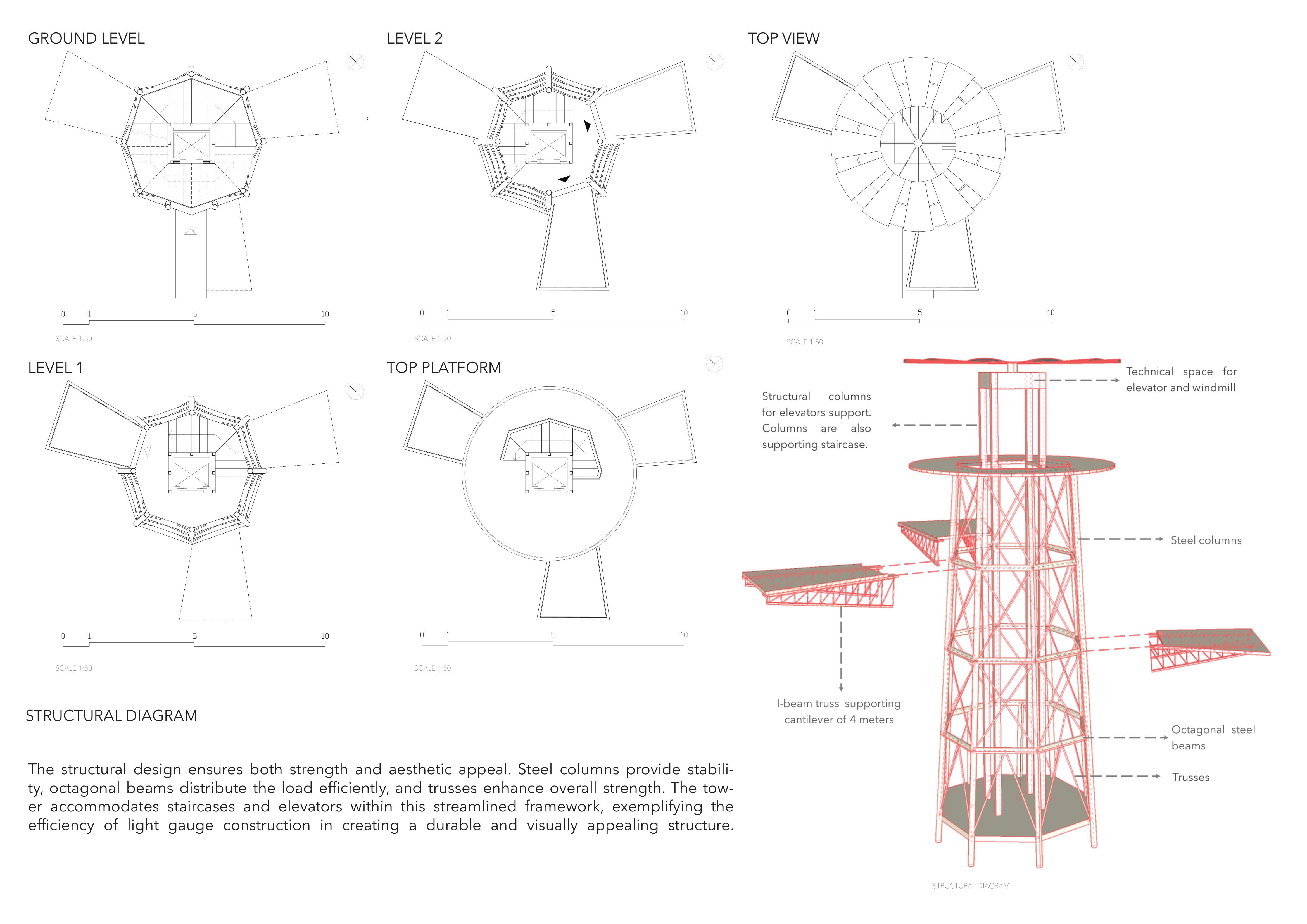
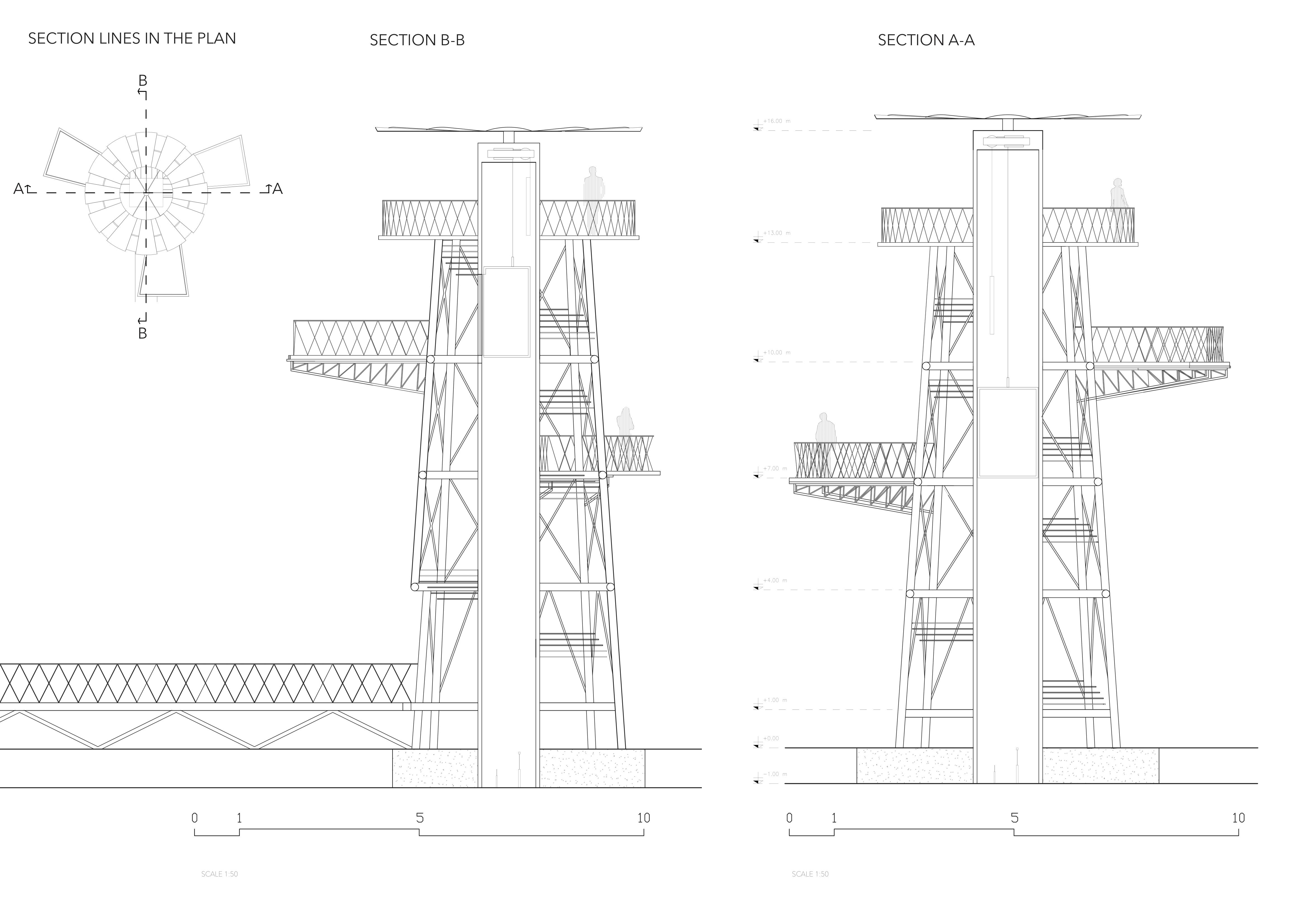
The structural design ensures both strength and aesthetic appeal. Steel columns provide stability, octagonal beams distribute the load efficiently, and trusses enhance overall strength. The tower accommodates staircases and elevators within this streamlined framework, exemplifying the efficiency of light gauge construction in creating a durable and visually appealing structure.
Structural columns for elevators support.
Columns are also supporting staircase.
I-beam truss supporting cantilever of 4 meters
Technical space for elevator and windmill
Steel columns
Octagonal steel beams
Section A-A
Trusses
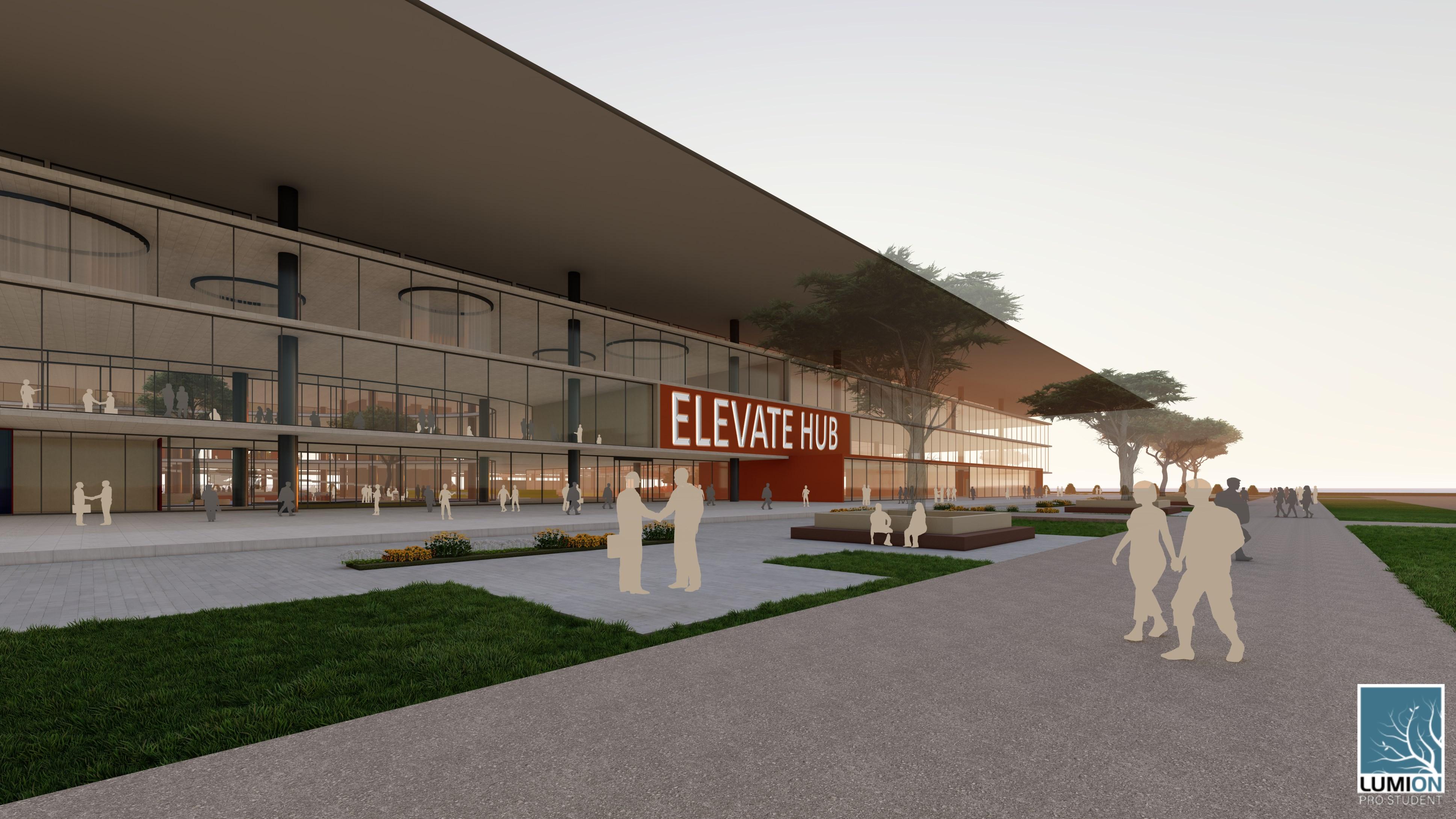
ELEVATE HUB
INNOVATION AND ENTREPRENEURSHIP CENTER
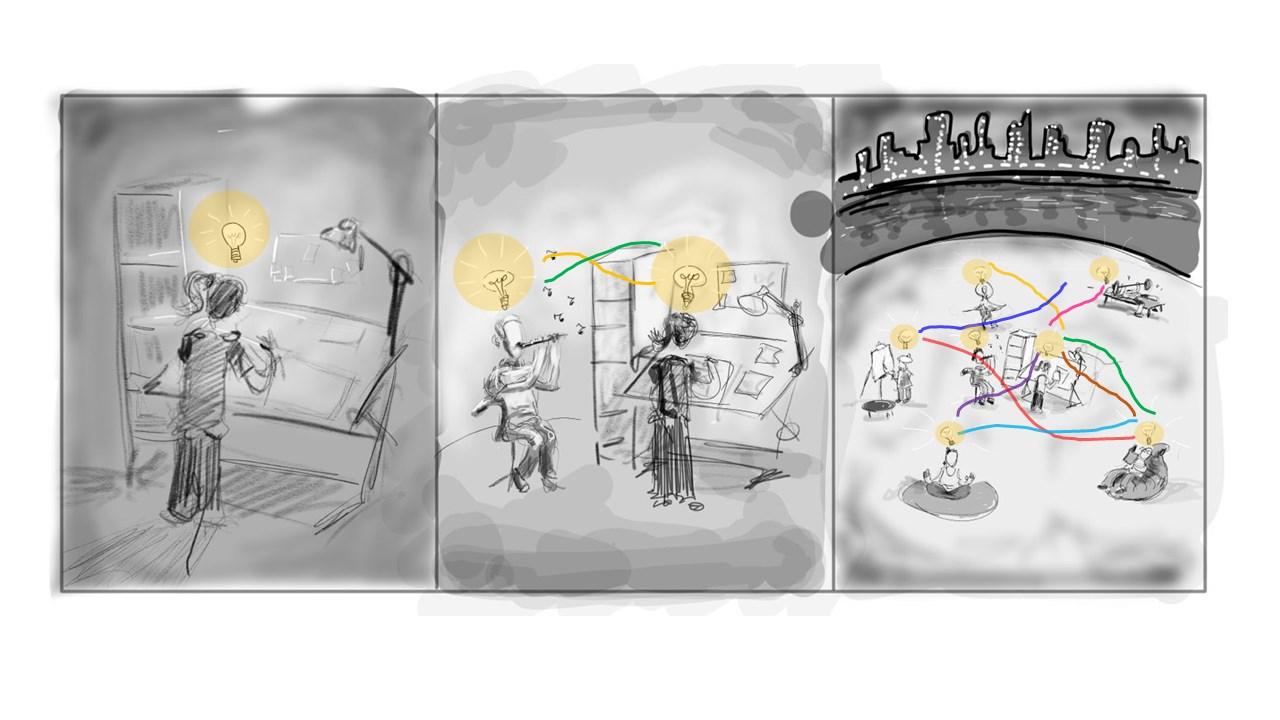
STORYTELLING AND CONCEPT DEVELOPMENT
Business ideas can be conceived in the comfort of one's own room.
verge to create the significant spark the world requires.
CONCEPT
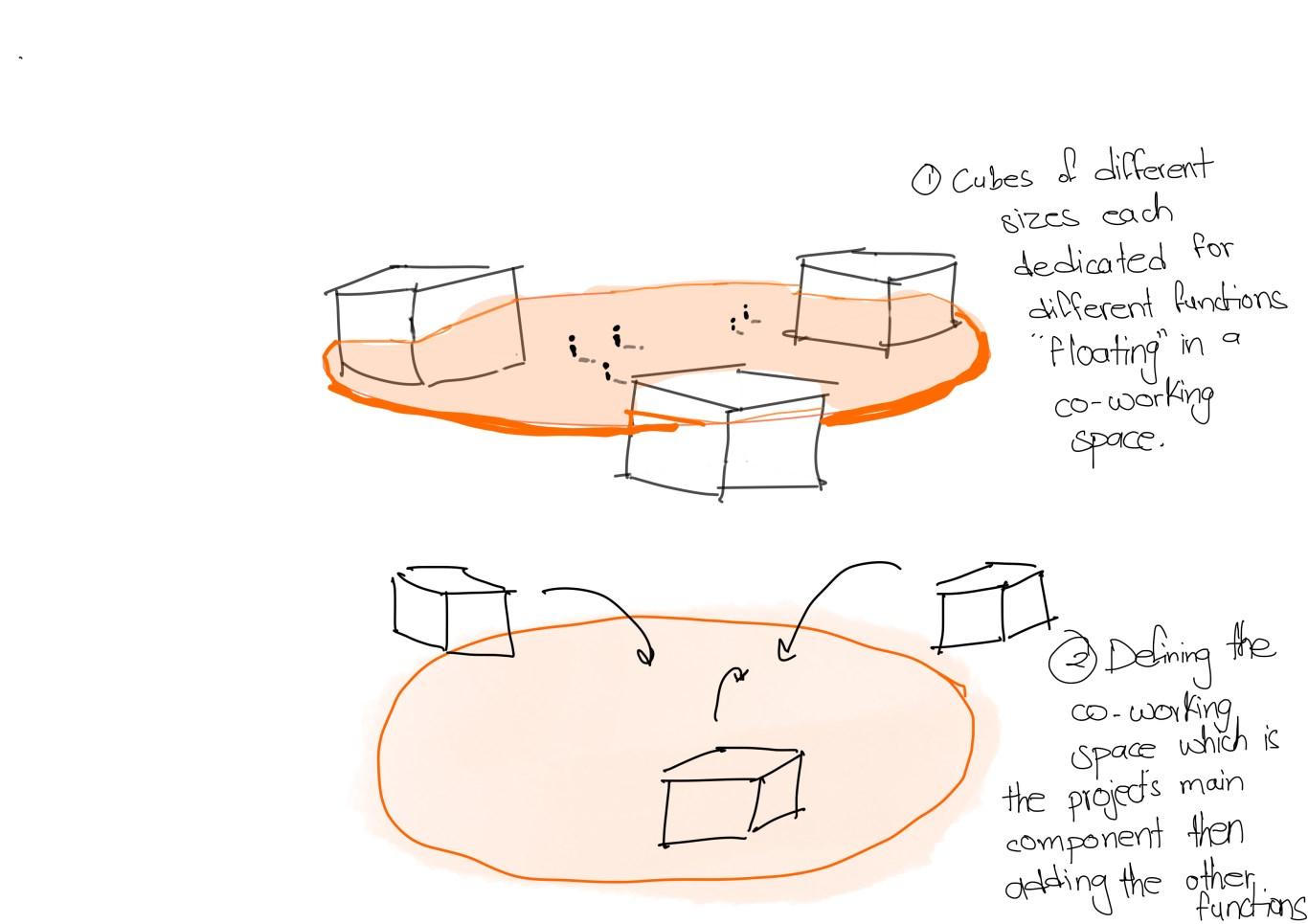
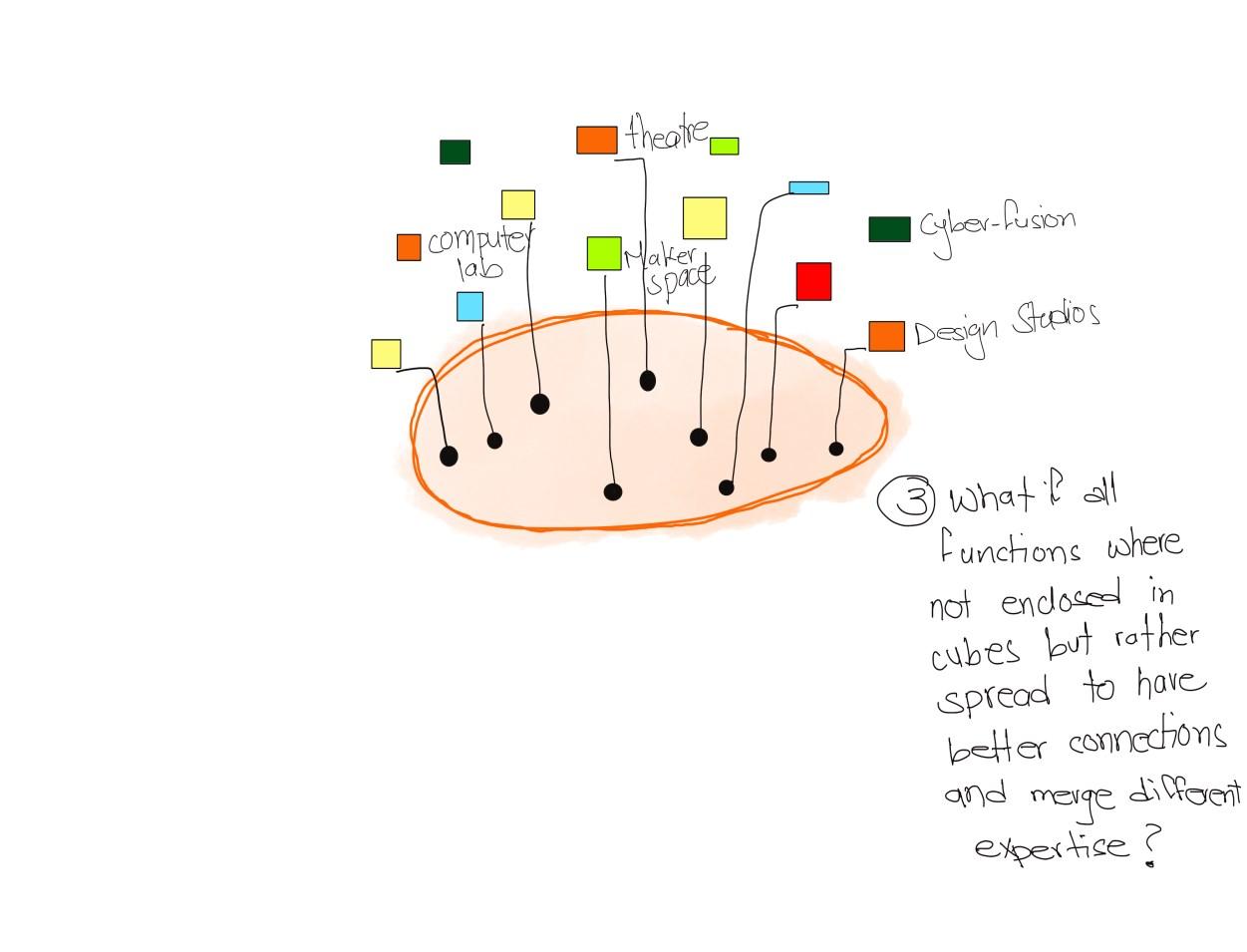
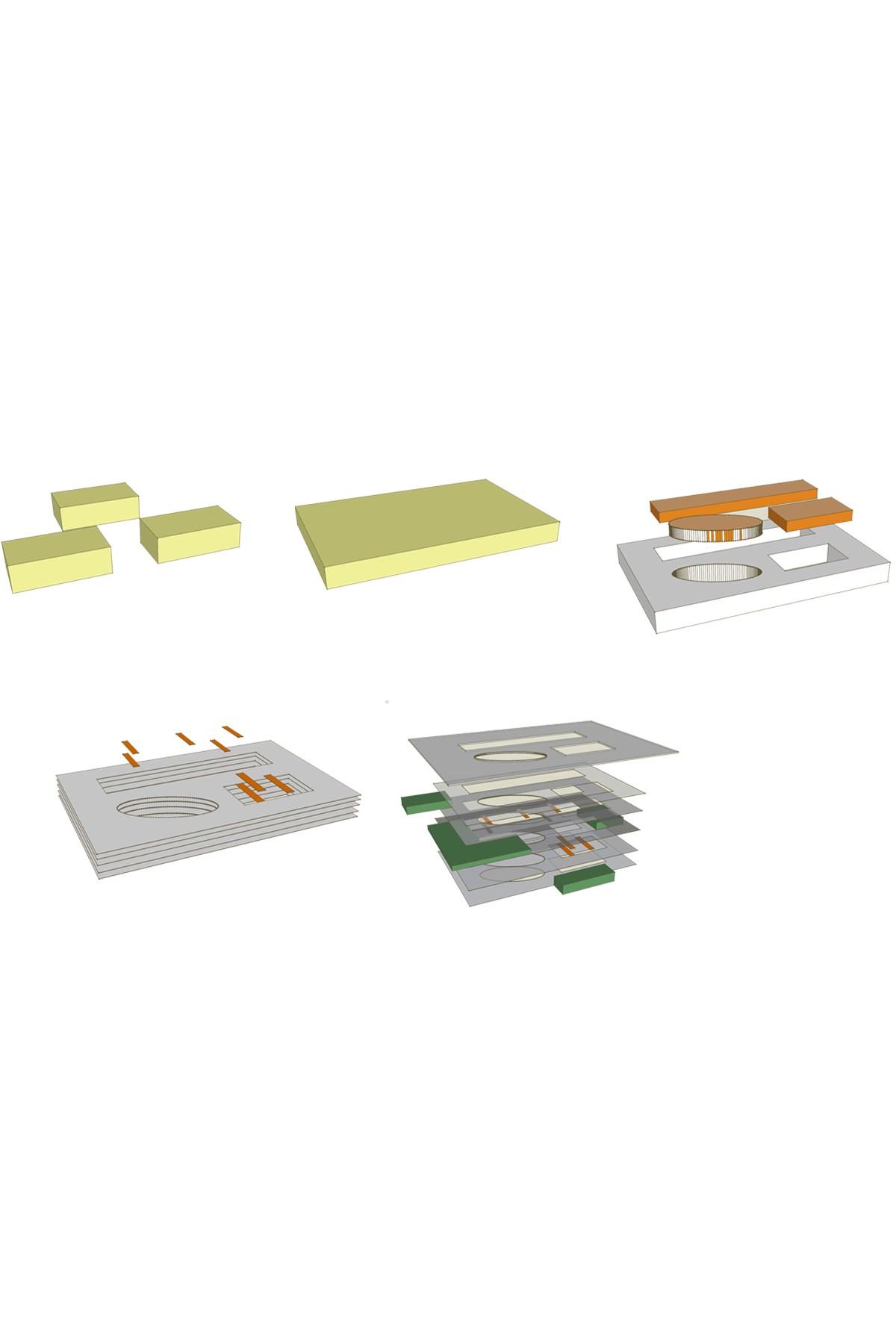
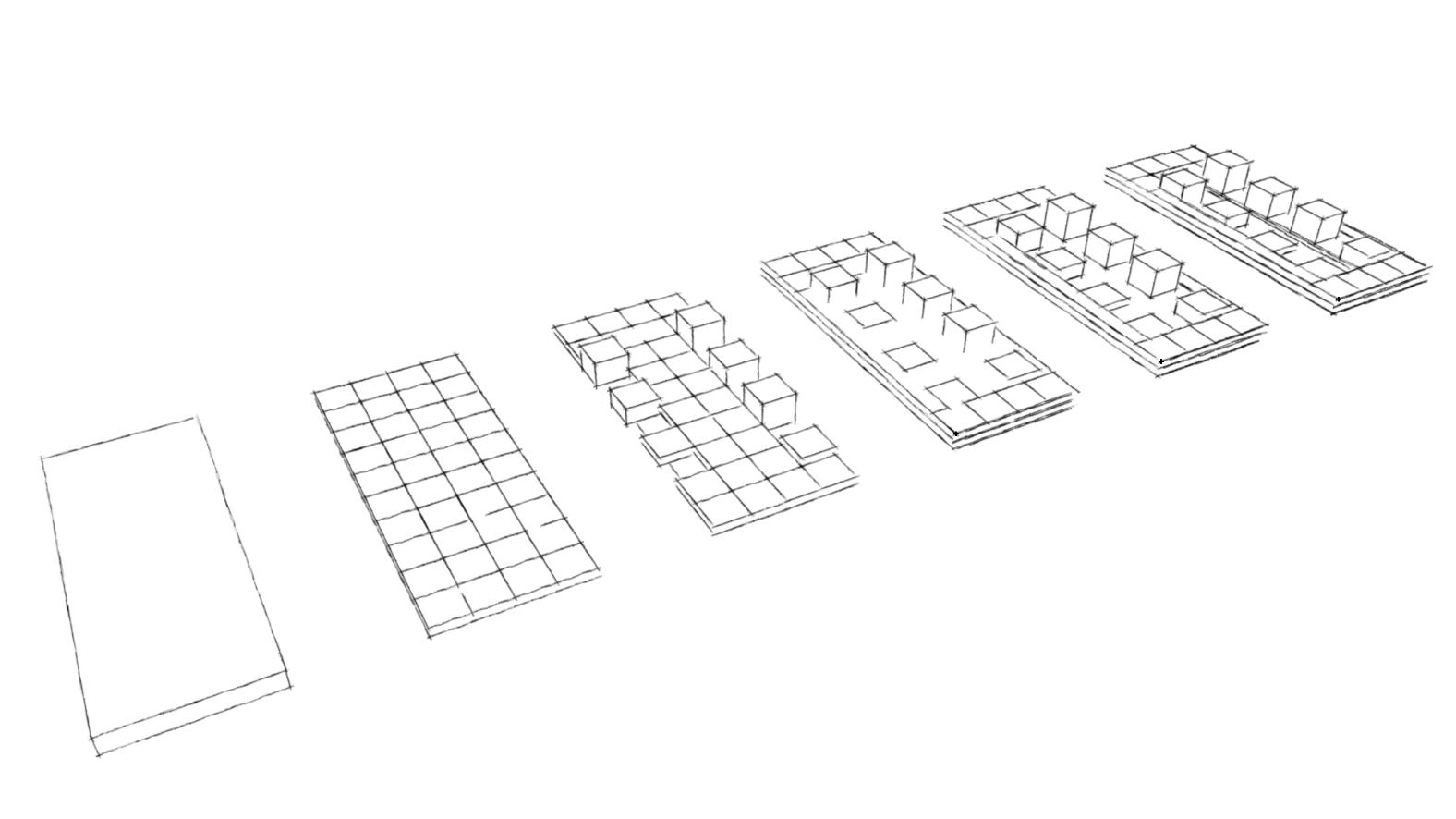
1. Clustering the functions related to each other in three different zones
2. Combining them into one big platform
3. Subtracting the three main zones from the platform
4. Creating methods of connection for better circulation
5. Adding volumes to create a dynamic design with terraces.
focused and purpose as. Finally, at the summit, your vision has been refined, your business strategy honed, and you're ready to take flight into the market. Elevate Hub is where innovation takes shape and ideas soar to new heights.
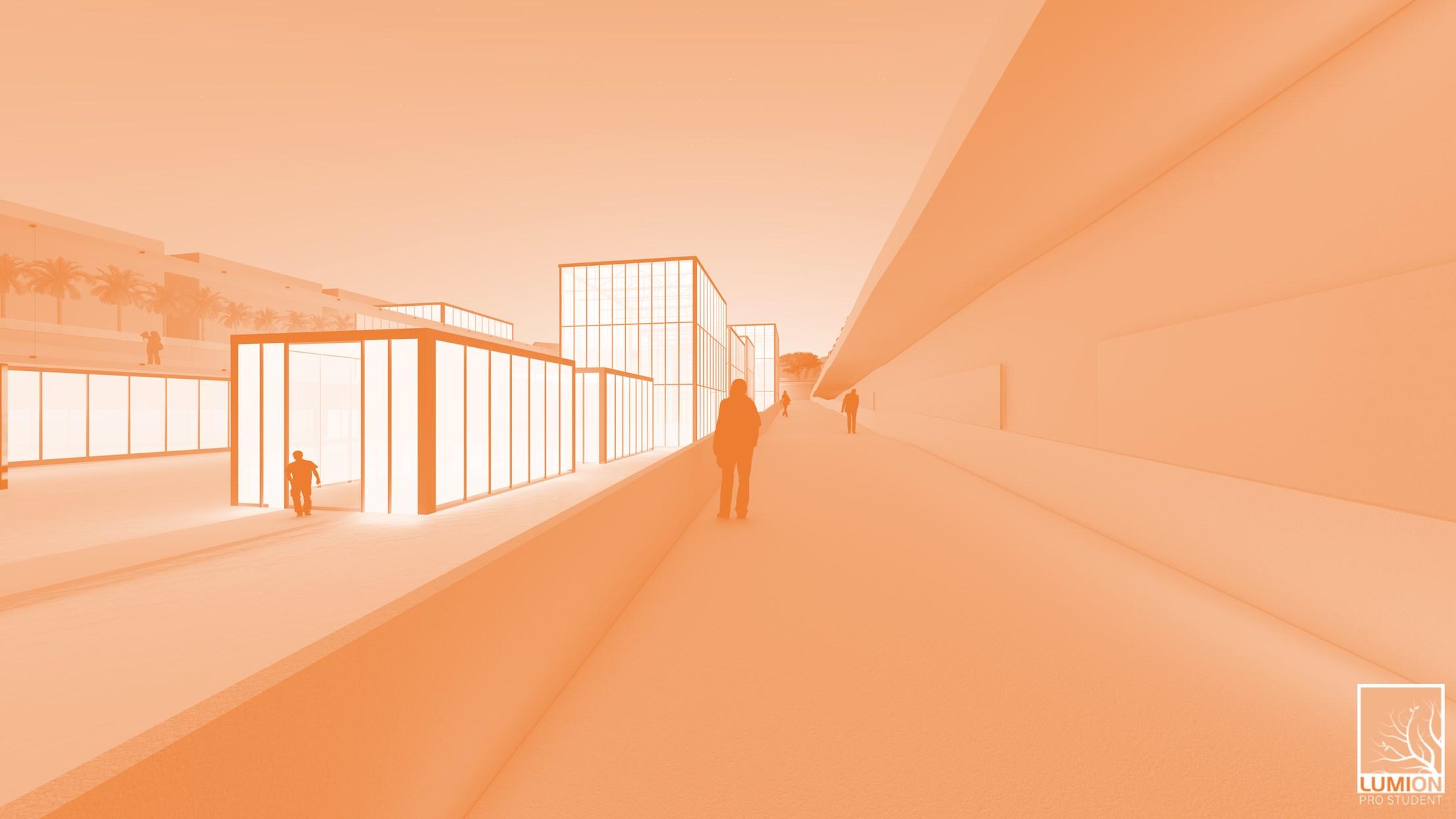
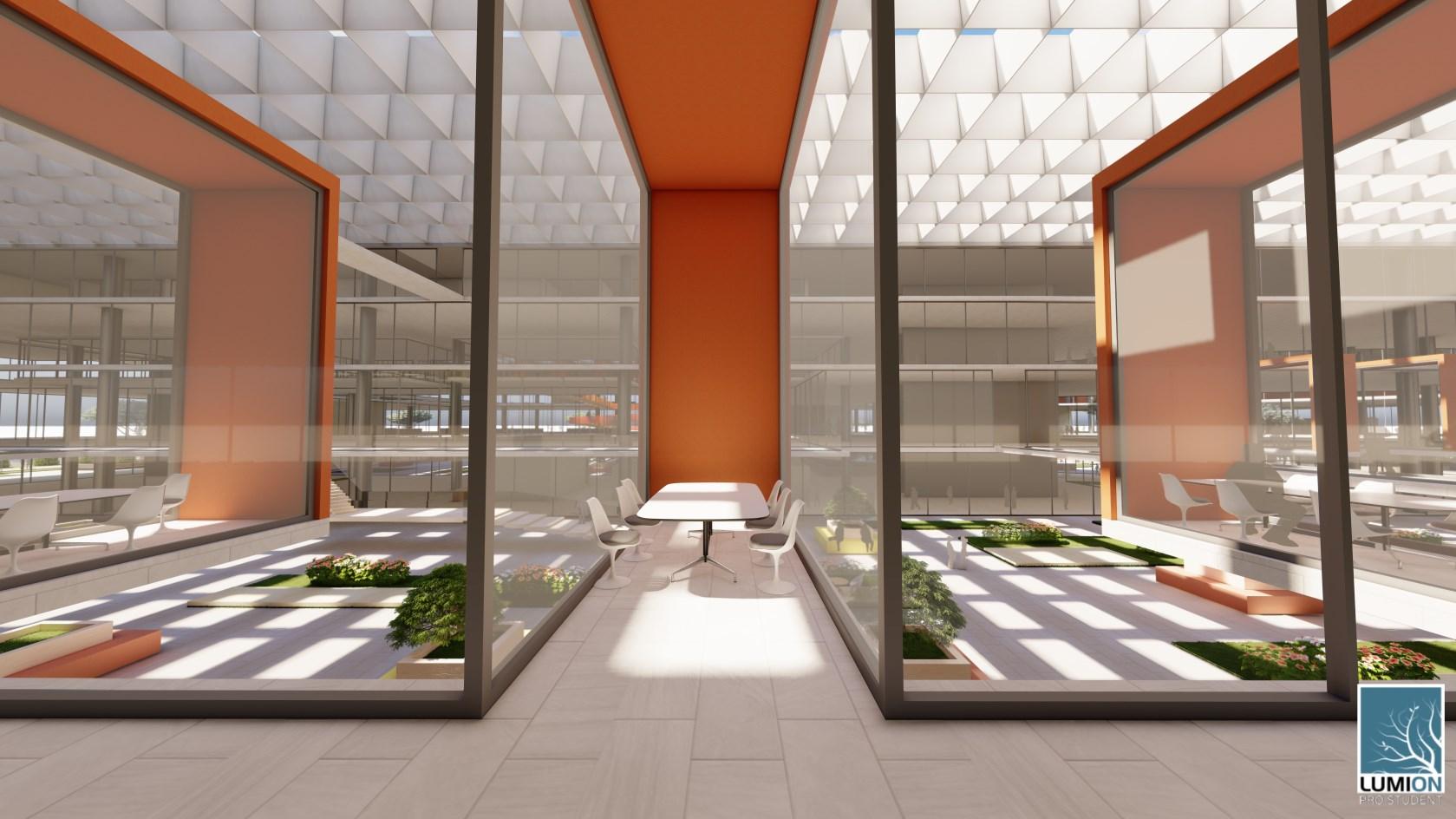
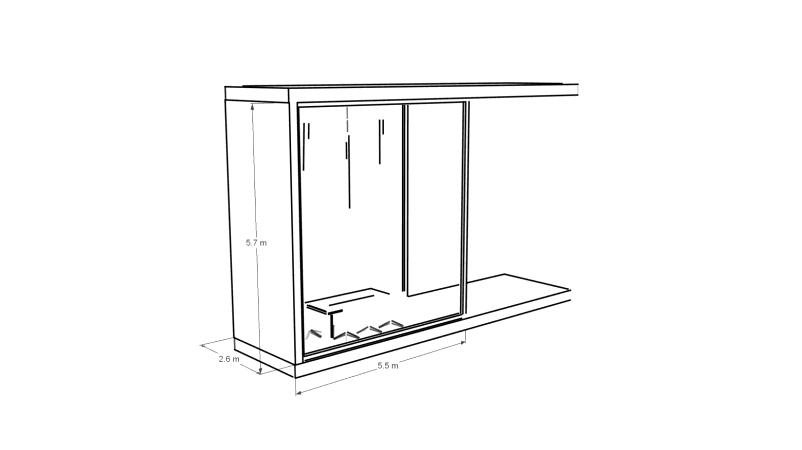
Rendered View of Box Meeting Rooms
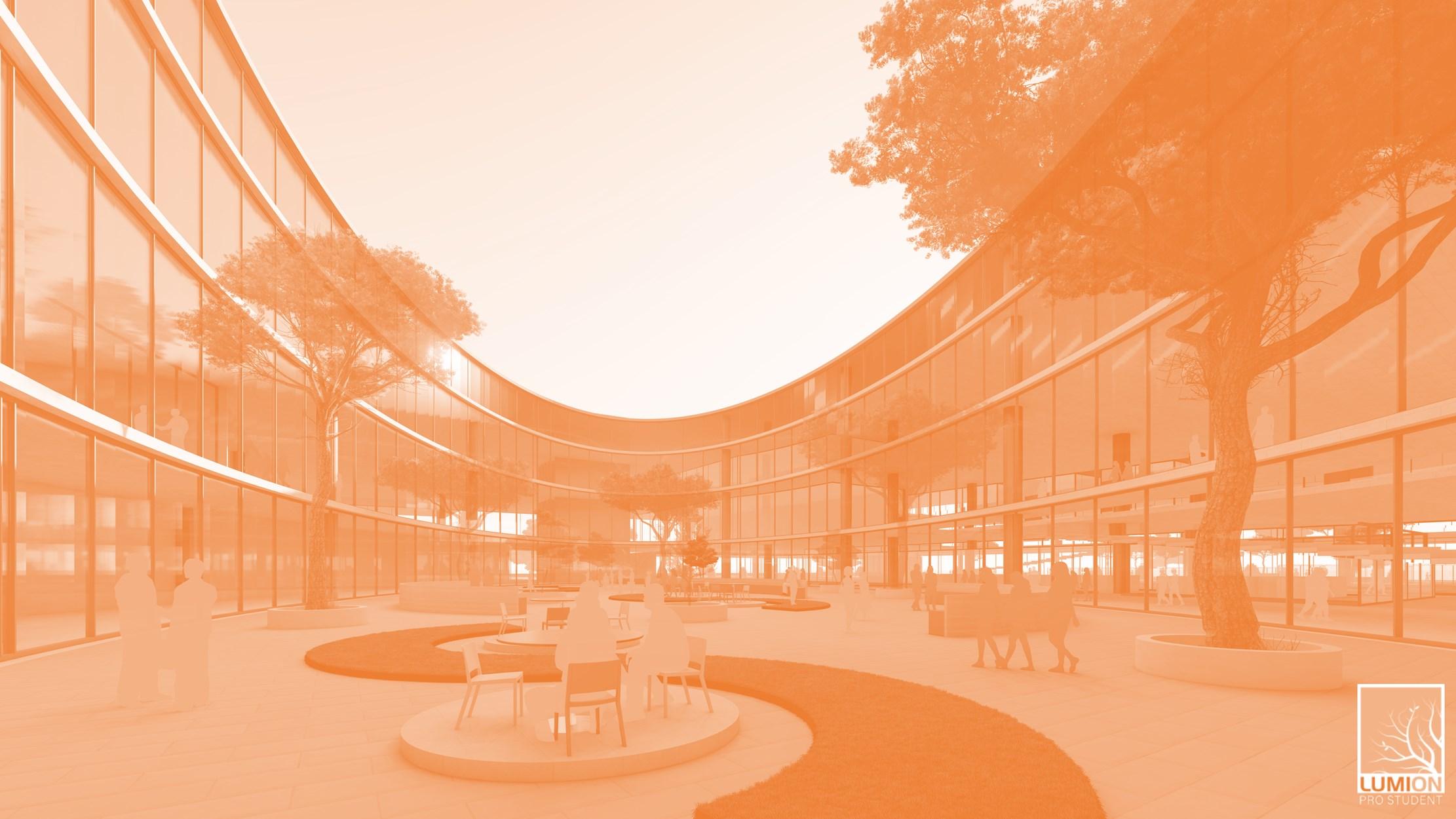
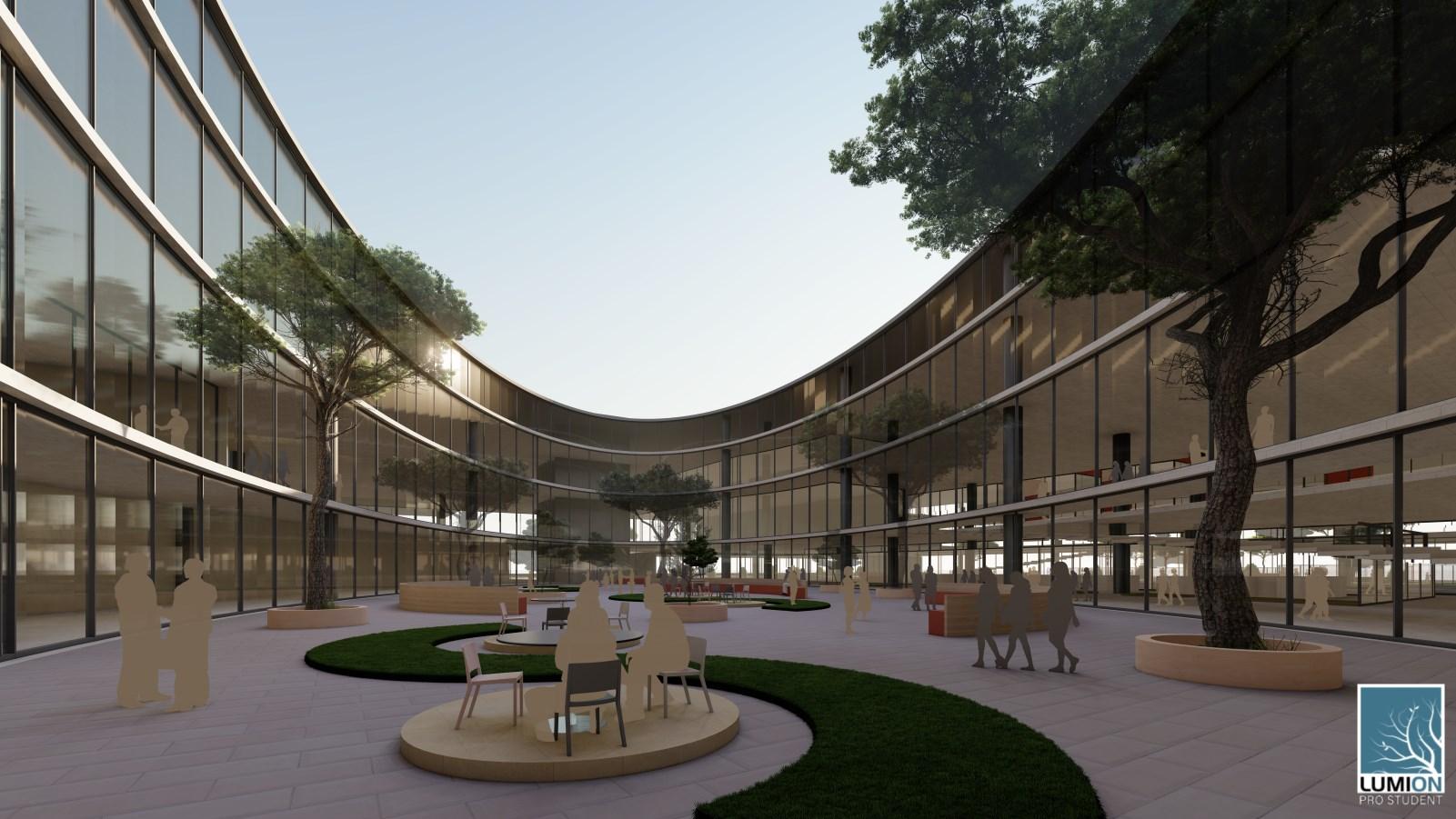
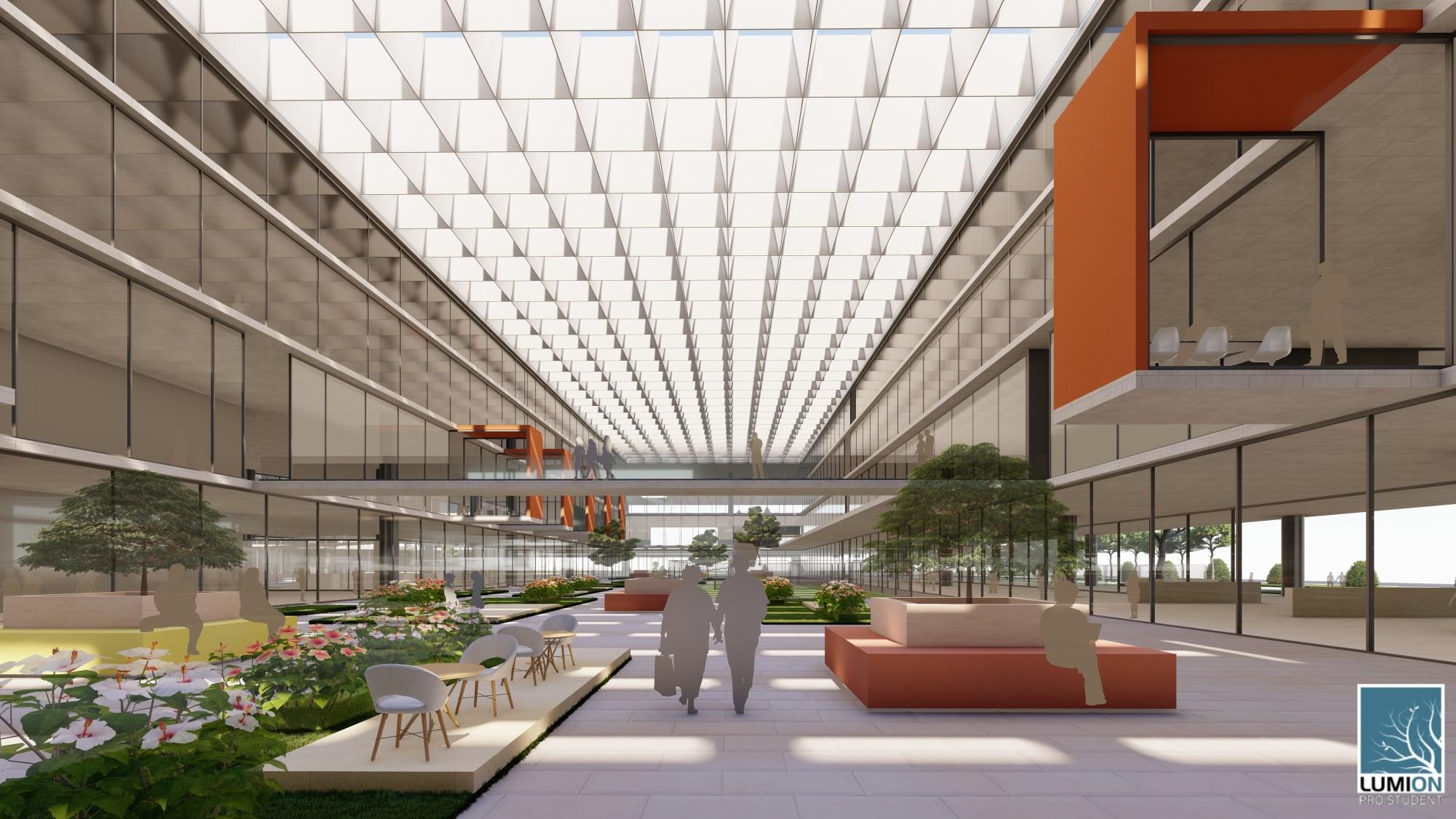
Rendered View of Elliptical Atrium
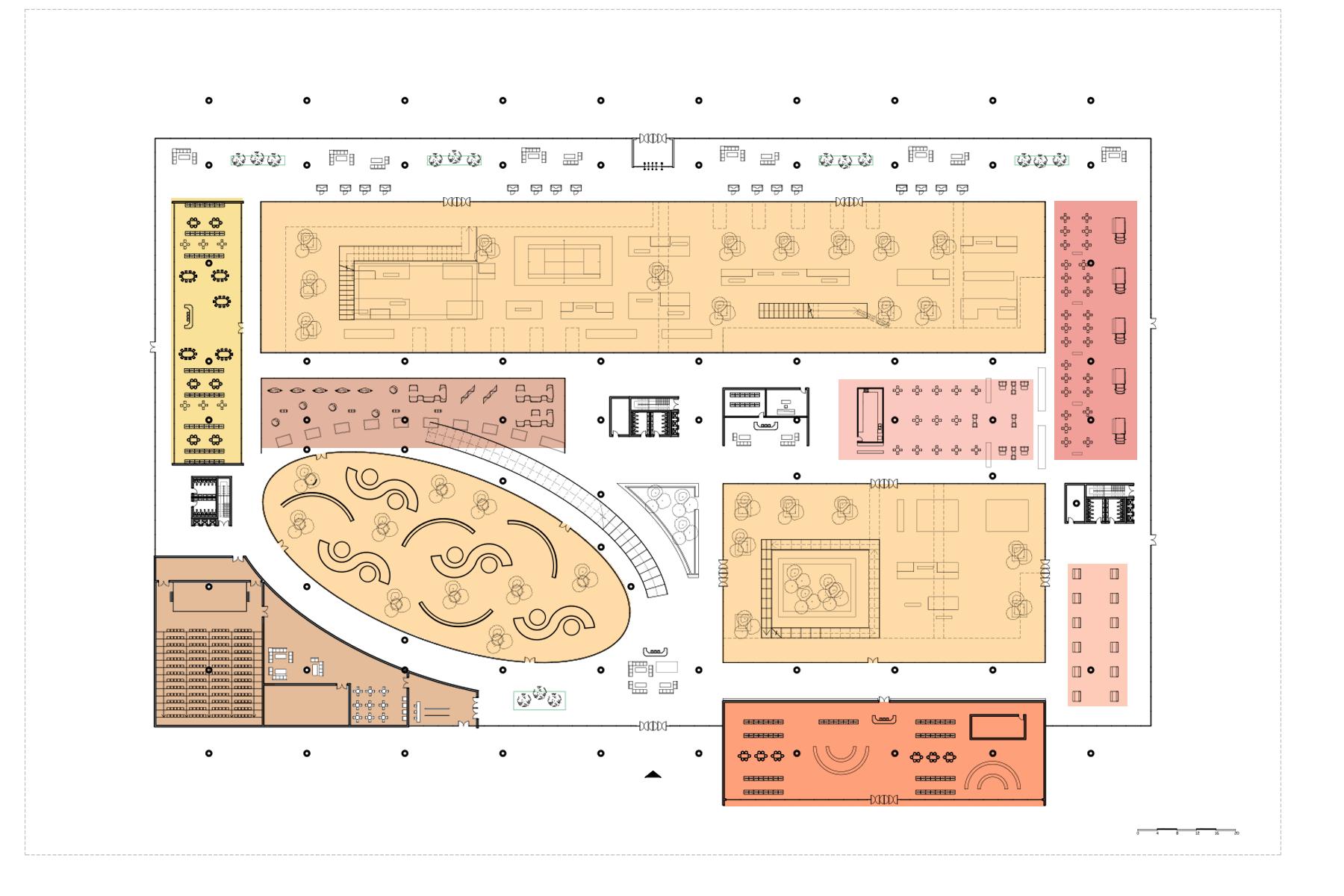
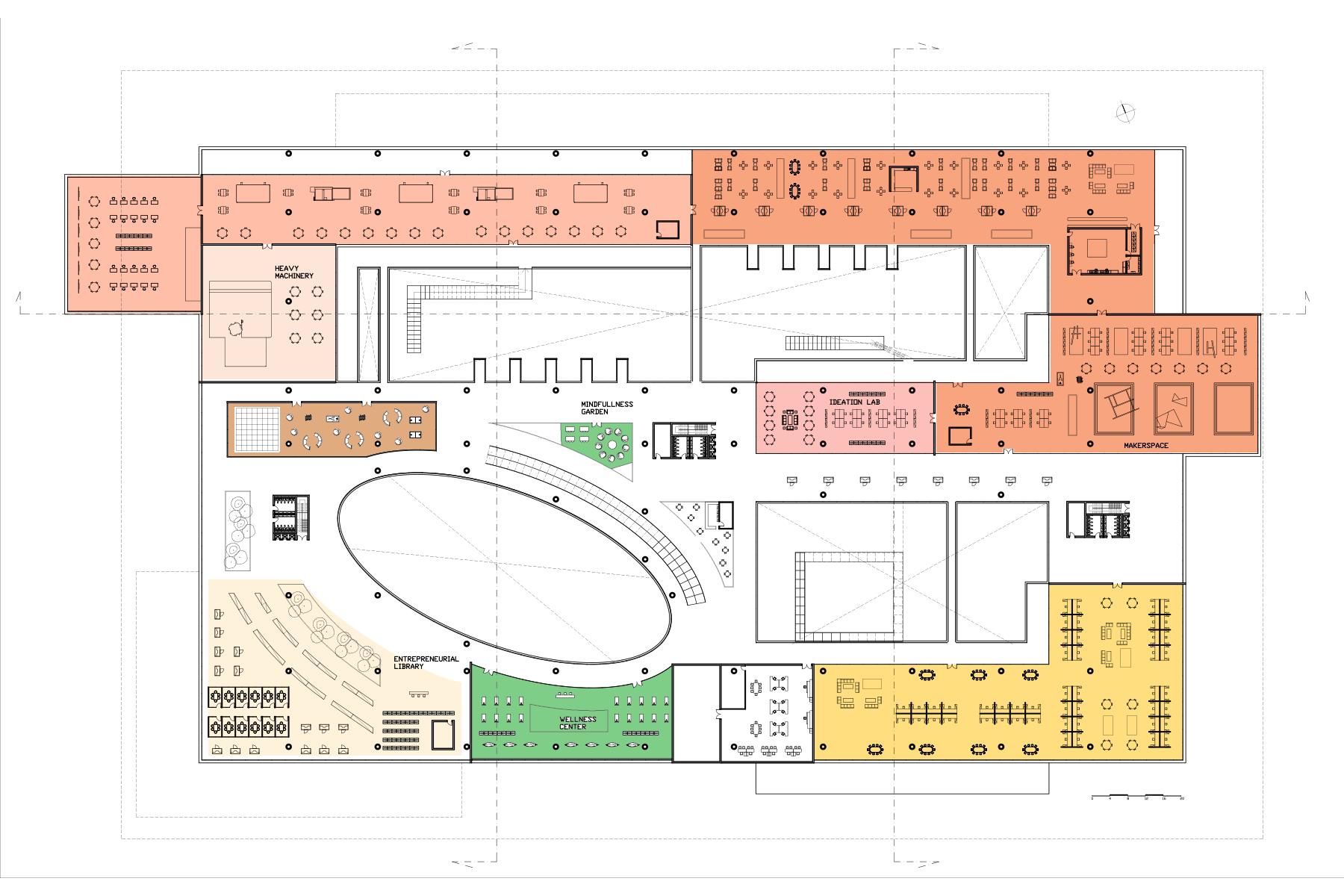
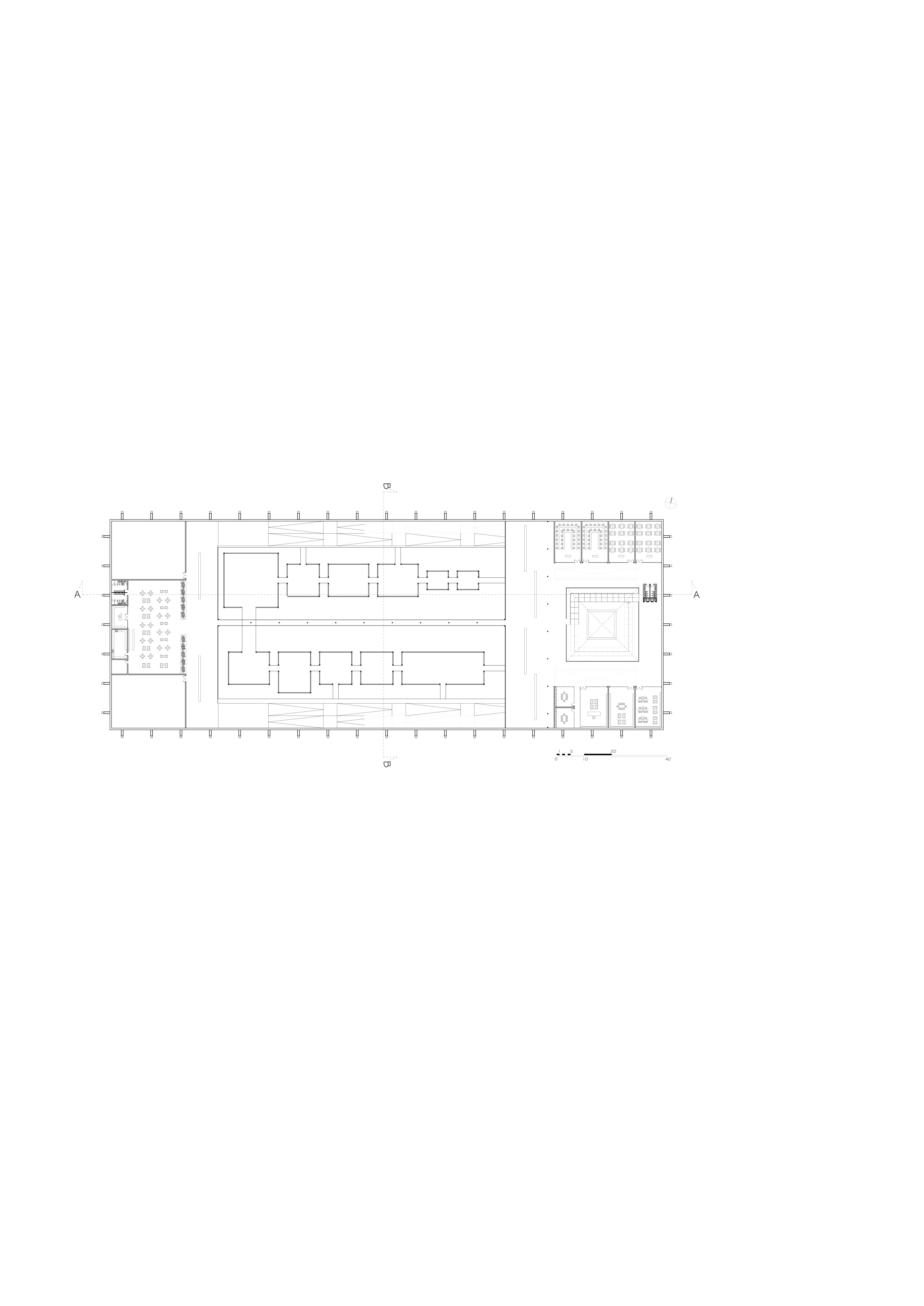
LAYOUTS
Designing an elliptical atrium in an innovation center offers a unique blend of form and function, fostering creativity and collaboration. This architectural concept goes beyond tradition, transforming the center's heart into an inspiring space. The elliptical shape symbolizes innovation, promoting flow and movement for serendipitous interactions. Each atrium serves specific functions, with the elliptical one dedicated to open public spaces for all, breaking away from conventional rectangular designs.
TECHNICAL DETAILS
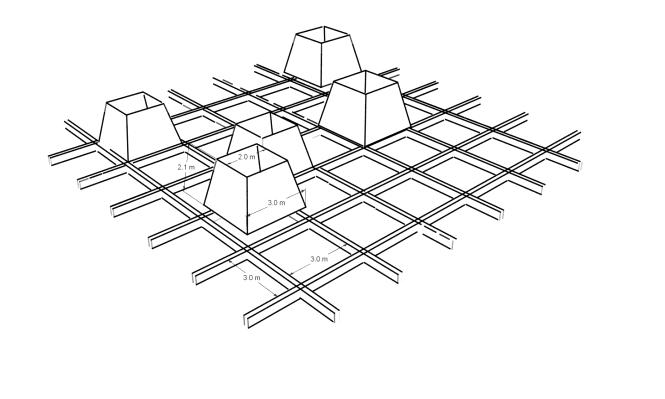
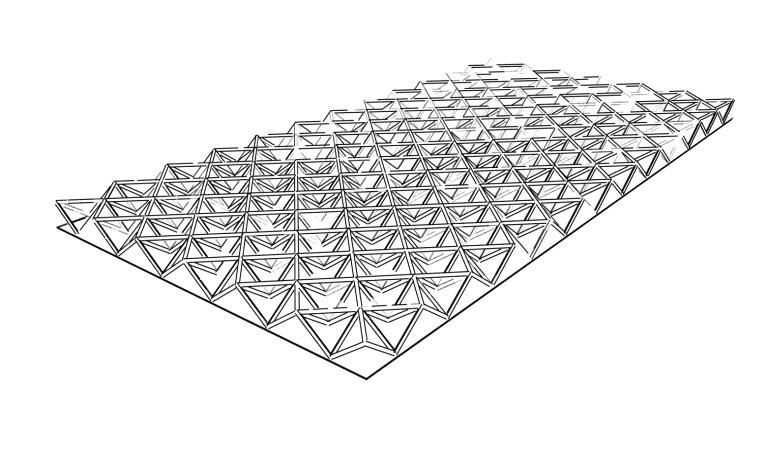
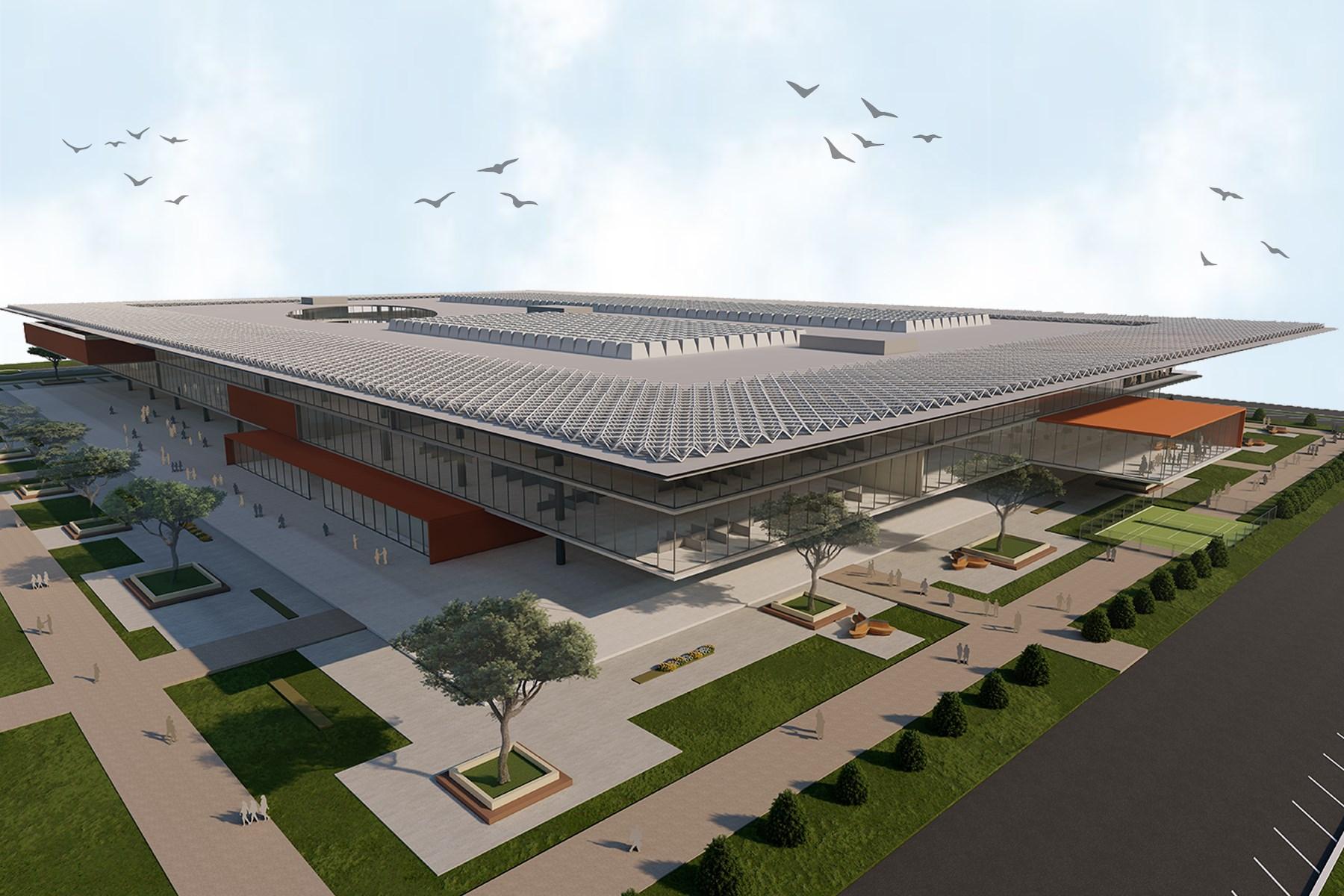
Space frames with lattice-like structures support overhanging roofs, blending strength and grace in design. They redefine architectural boundaries, offering functional shelter and striking visual appeal in open spaces beneath the roof.
A visually stunning self-supporting coffered roof spans the atrium without traditional supports, showcasing the fusion of form and function in modern architecture.
Distinctively designed rooms extend from the atrium, offering panoramic views and an open atmosphere. Fullheight windows encourage creativity and strategic discussions while connecting with the surrounding environment.
CUBES OF WONDER
MUSUEM OF EMOTIONS
“Emotions are silent, but they have wonderful colors.”
CONCEPT
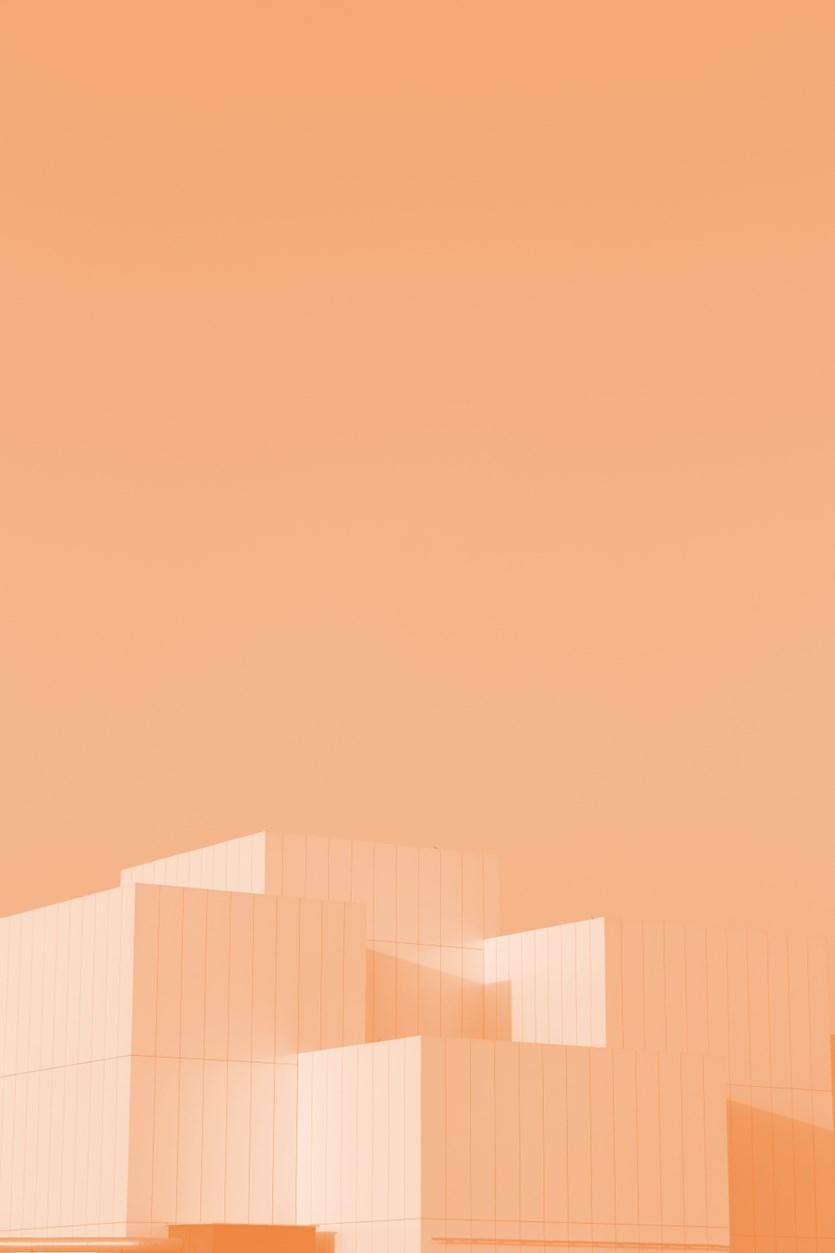
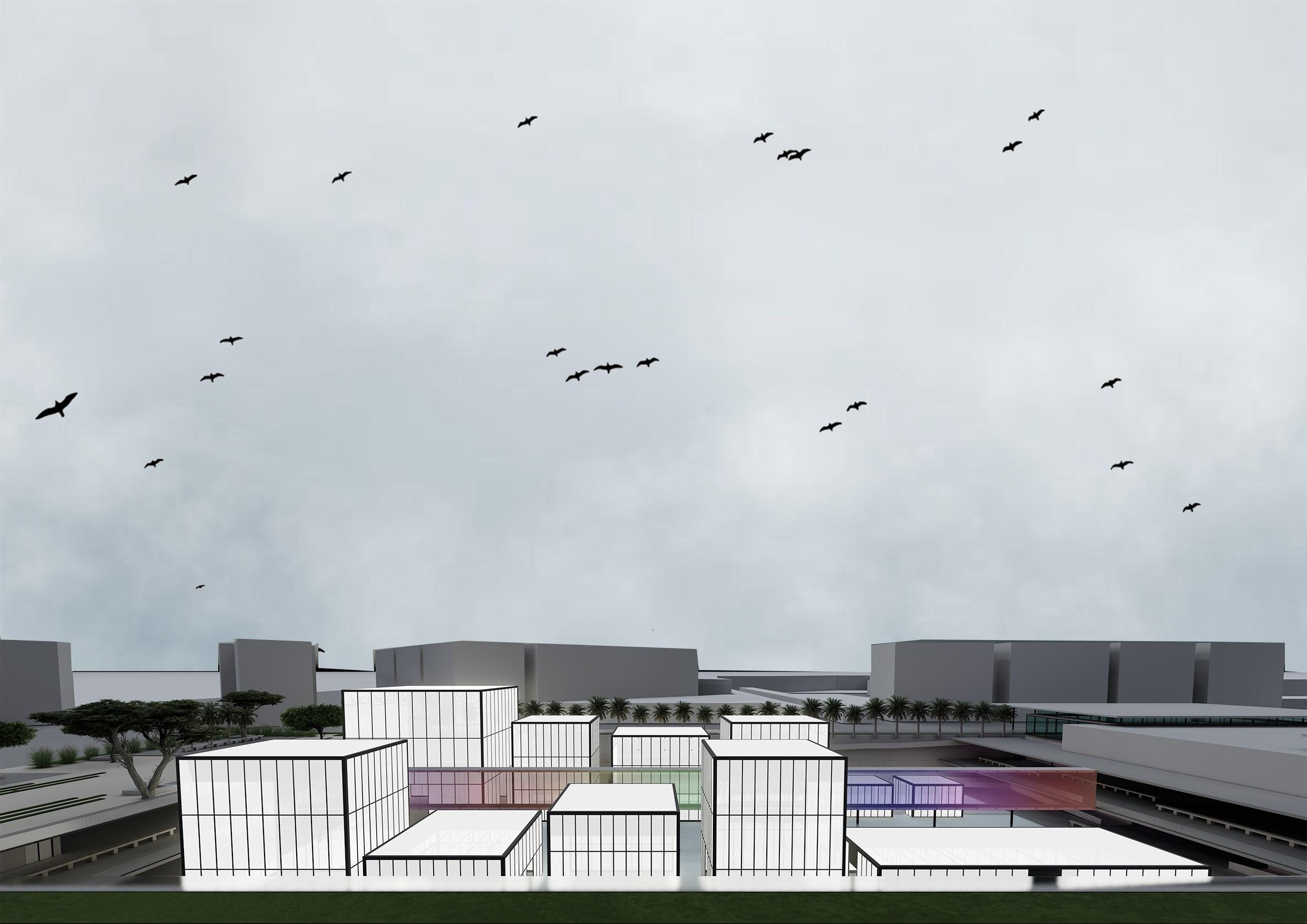
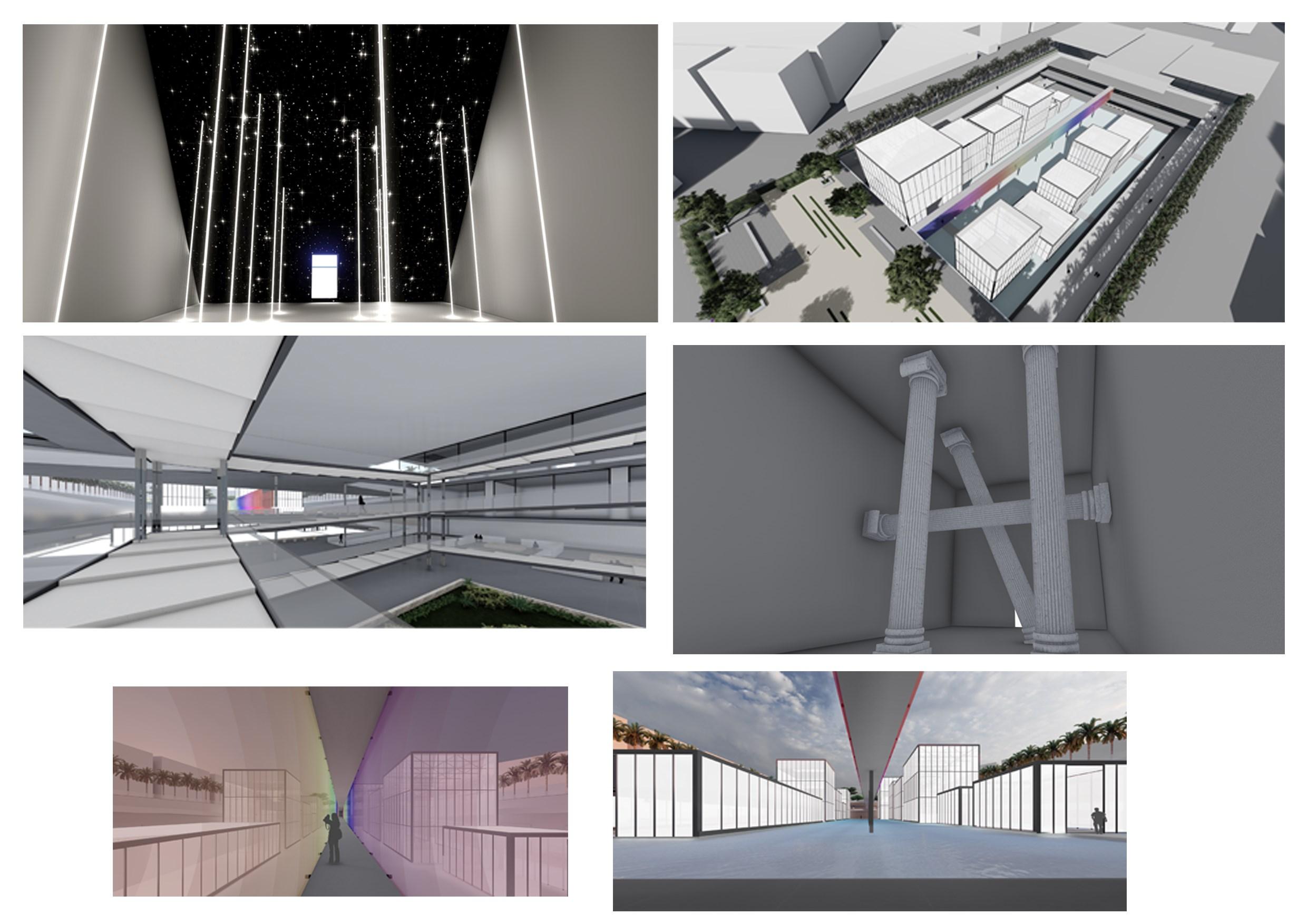
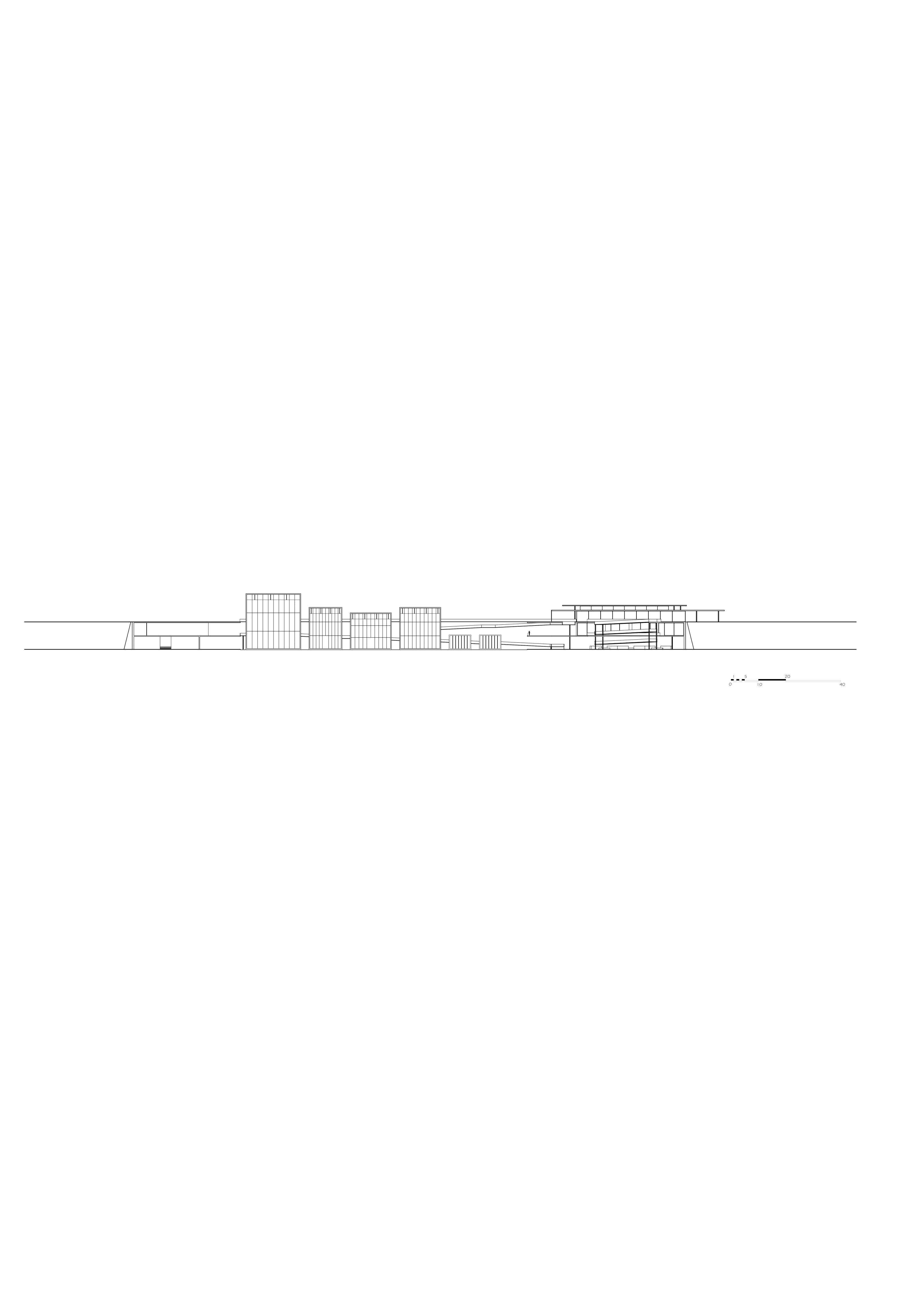
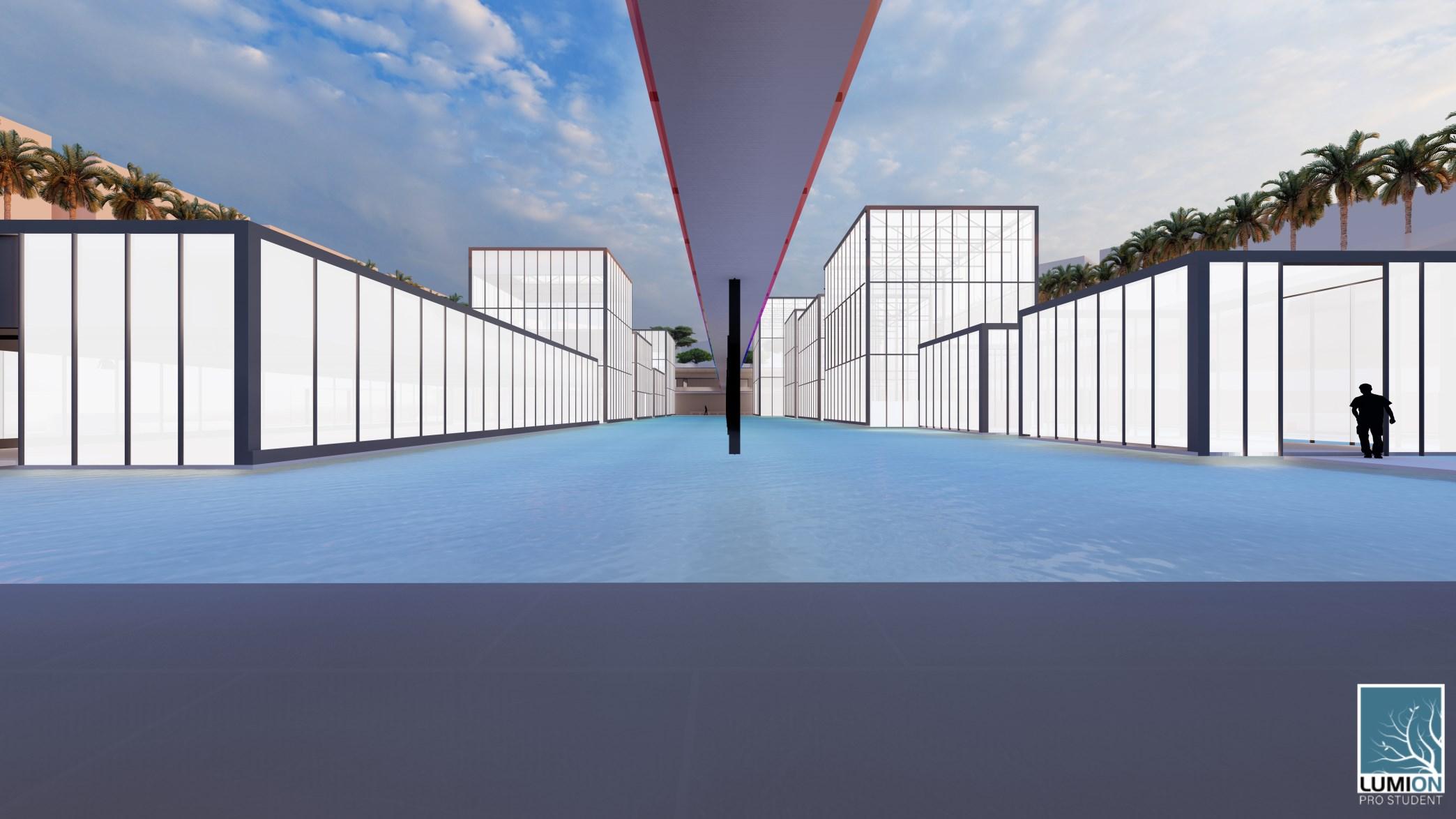
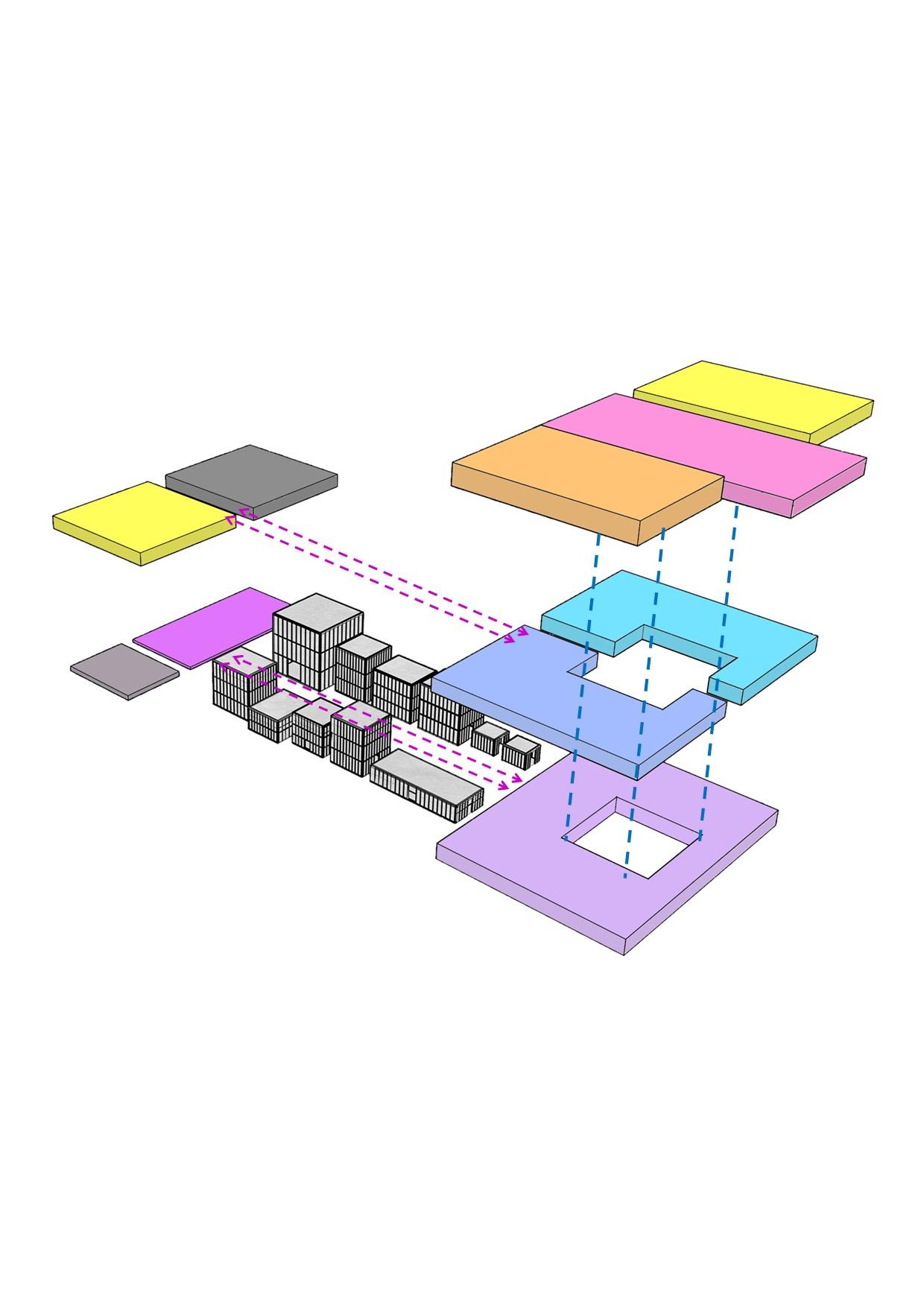
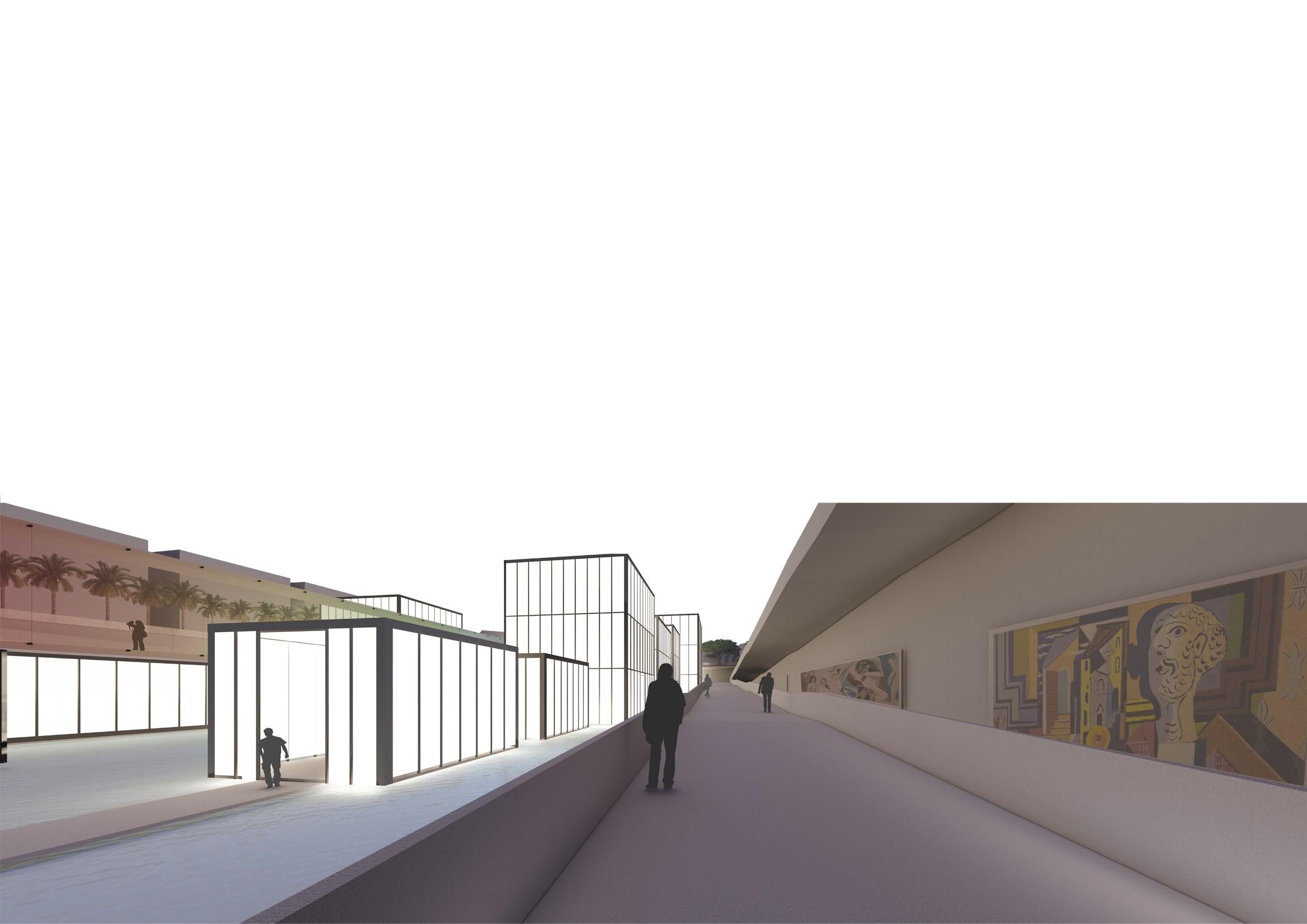
“Cubes of Wonder" is a museum project designed to evoke two contrasting emotions, Wonder and Discomfort, through carefully crafted physical spaces. The cubes, with uniform exteriors, surprise visitors with elements that elicit specific emotions upon entry. The project aims to encourage self-
RENDERED IMAGES
Room of Wonder
Room of Discomfort
Bridge of Colors
RENDERS AND ZONING DIAGRAM
A walk through emotional experiences
A moment of contemplation
THE CUPOLA
SUSTAINABLE DESIGN IN EXTREME ENVIRONMENTS
PROJECT’S BRIEF
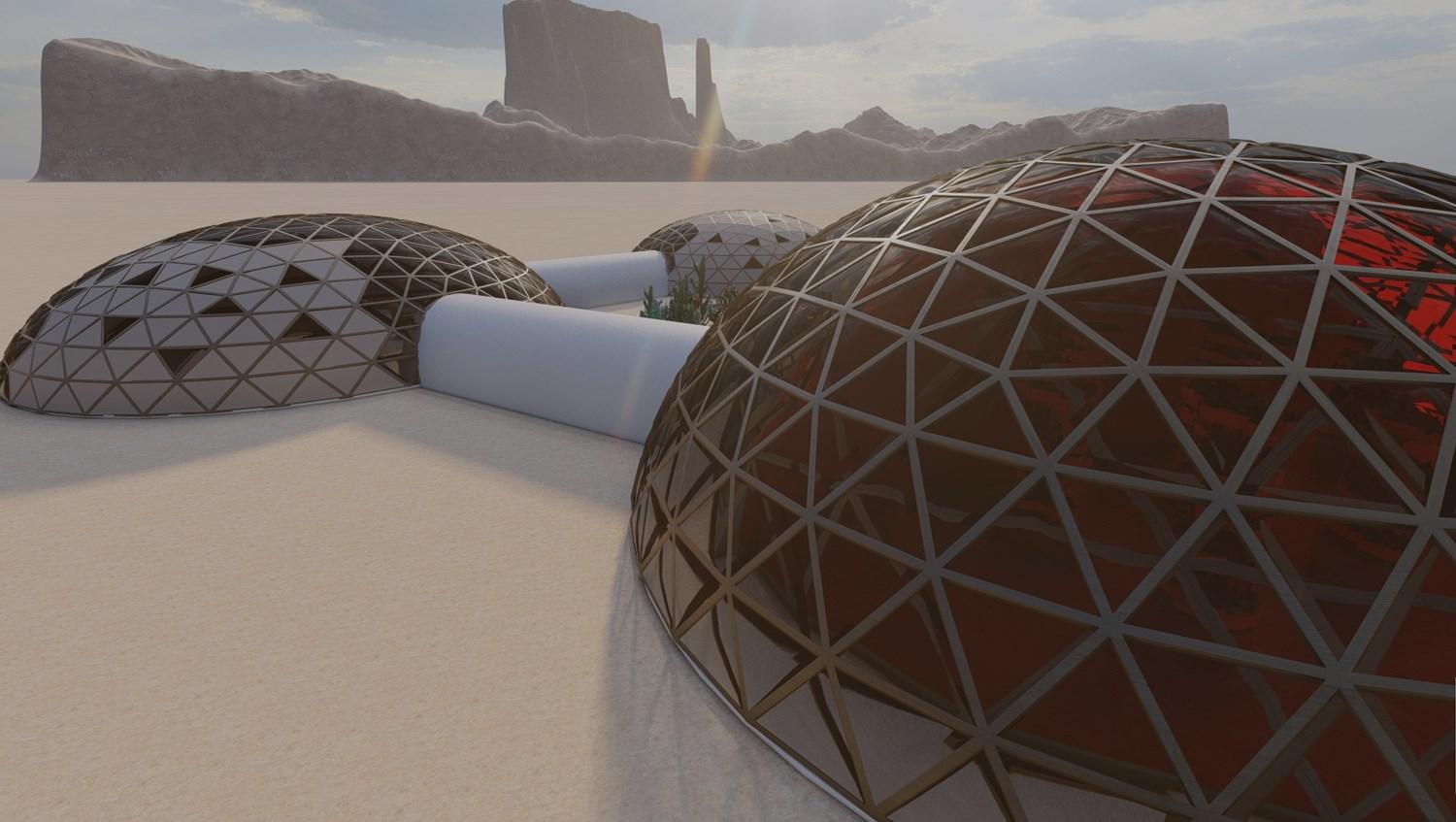
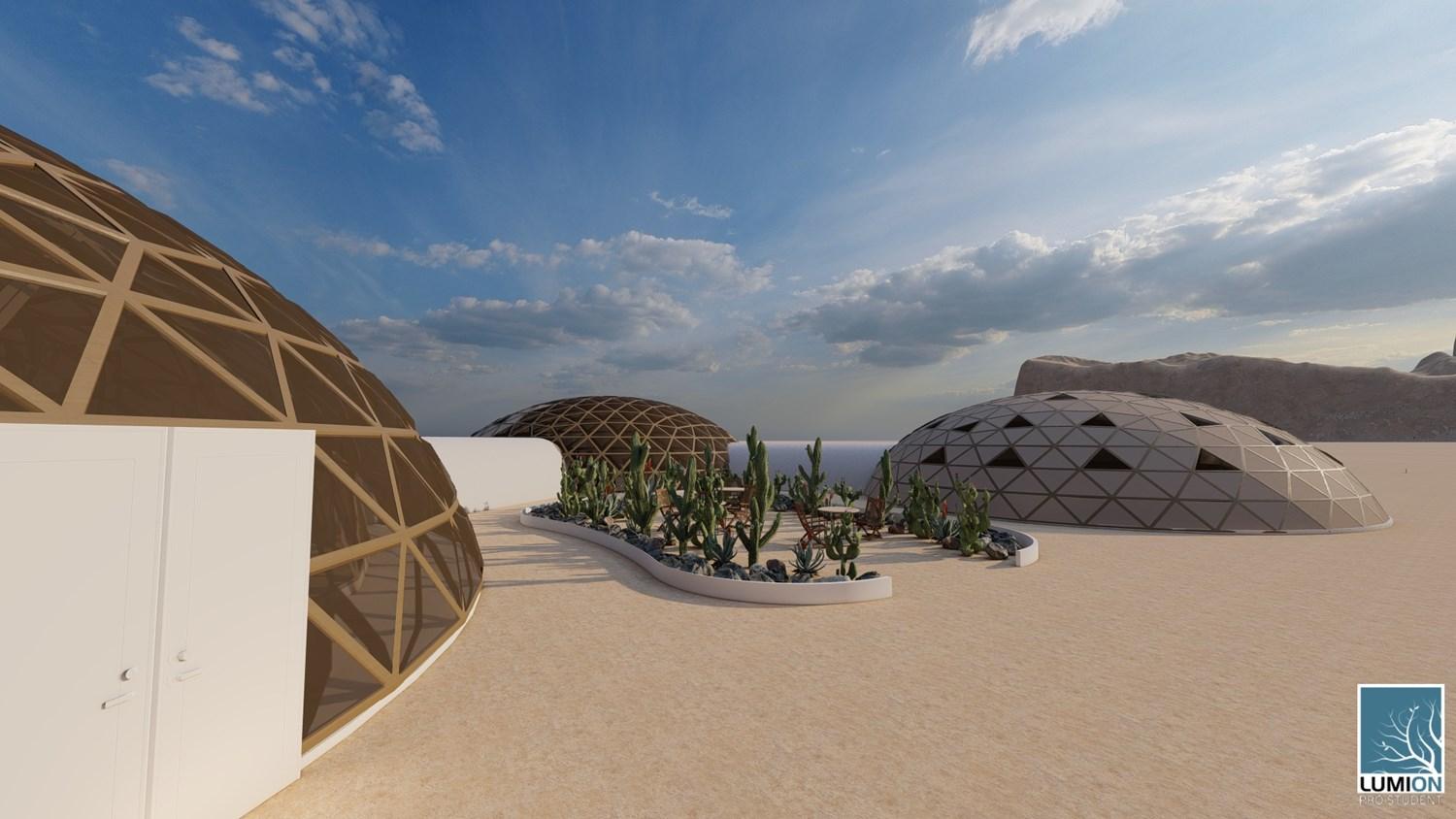
The Cupola is a sustainable desert outpost designed for six crew members to conduct research over a 6-month period. Located in the Al Rub’ Al Khali desert near the Liwa oasis, it includes accommodation, a research facility, a greenhouse, and technical spaces. Situated at 22050’21.99”N, 53041’12.30”E with an elevation of 86m, the outpost is positioned in a sabkha depression covering approximately 472,000 m², lacking surface transport or other service infrastructure in the vicinity.
How was the design achieved?
-By doing more using less
-By making without or substituting for what is not there
-By considering every resource there is precious, valuable, and finding a way to use it.
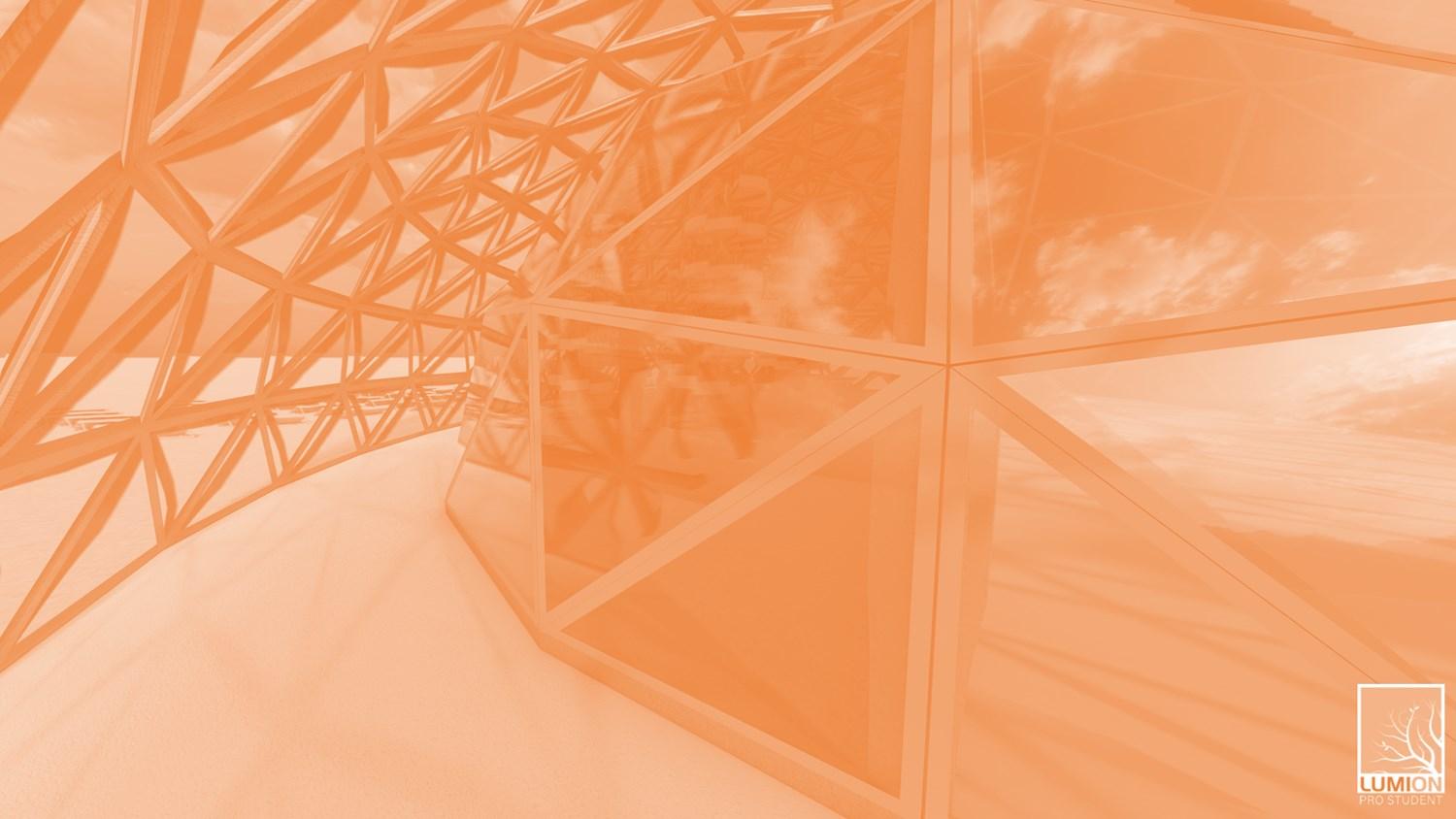
Project’s Rendered Image
PROJECT’S CONCEPT
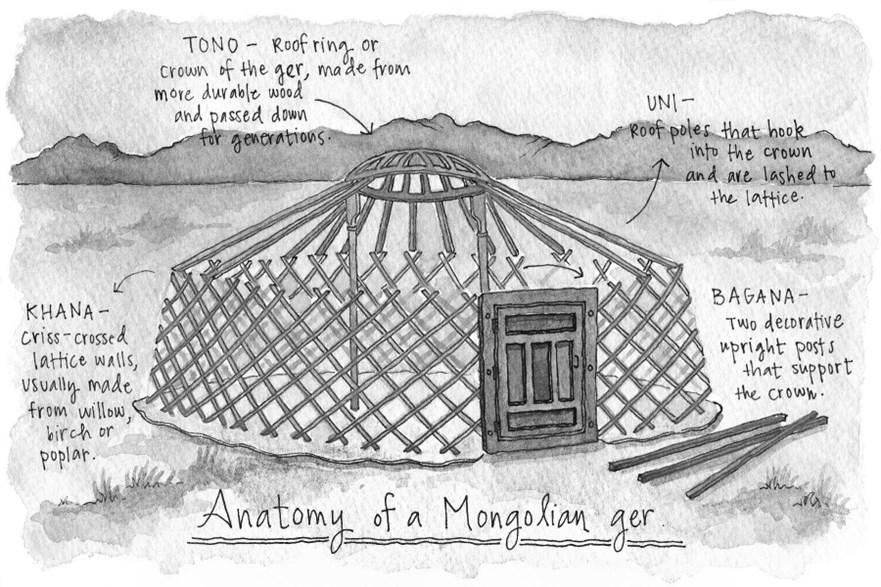
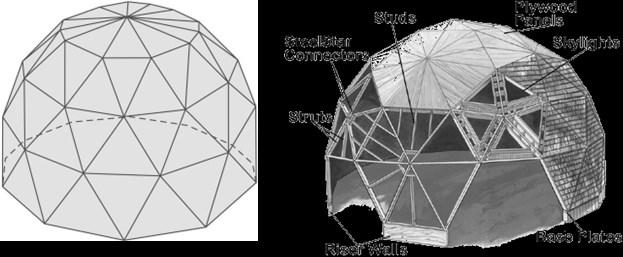
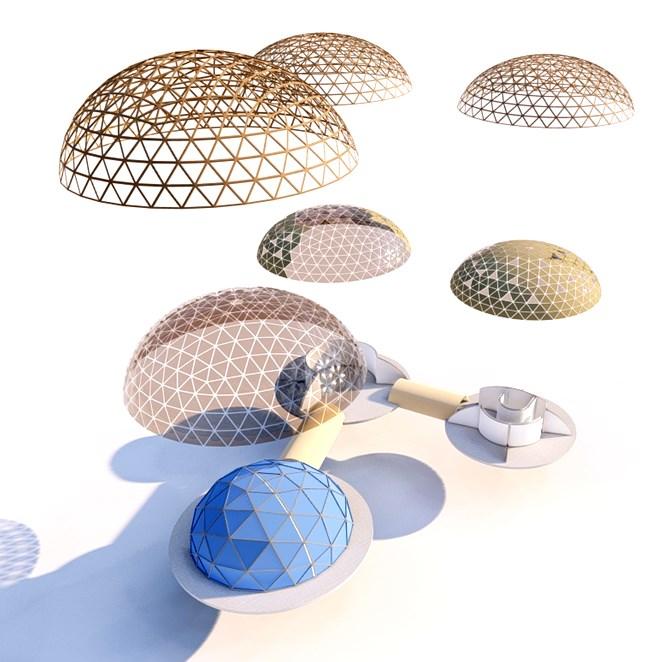
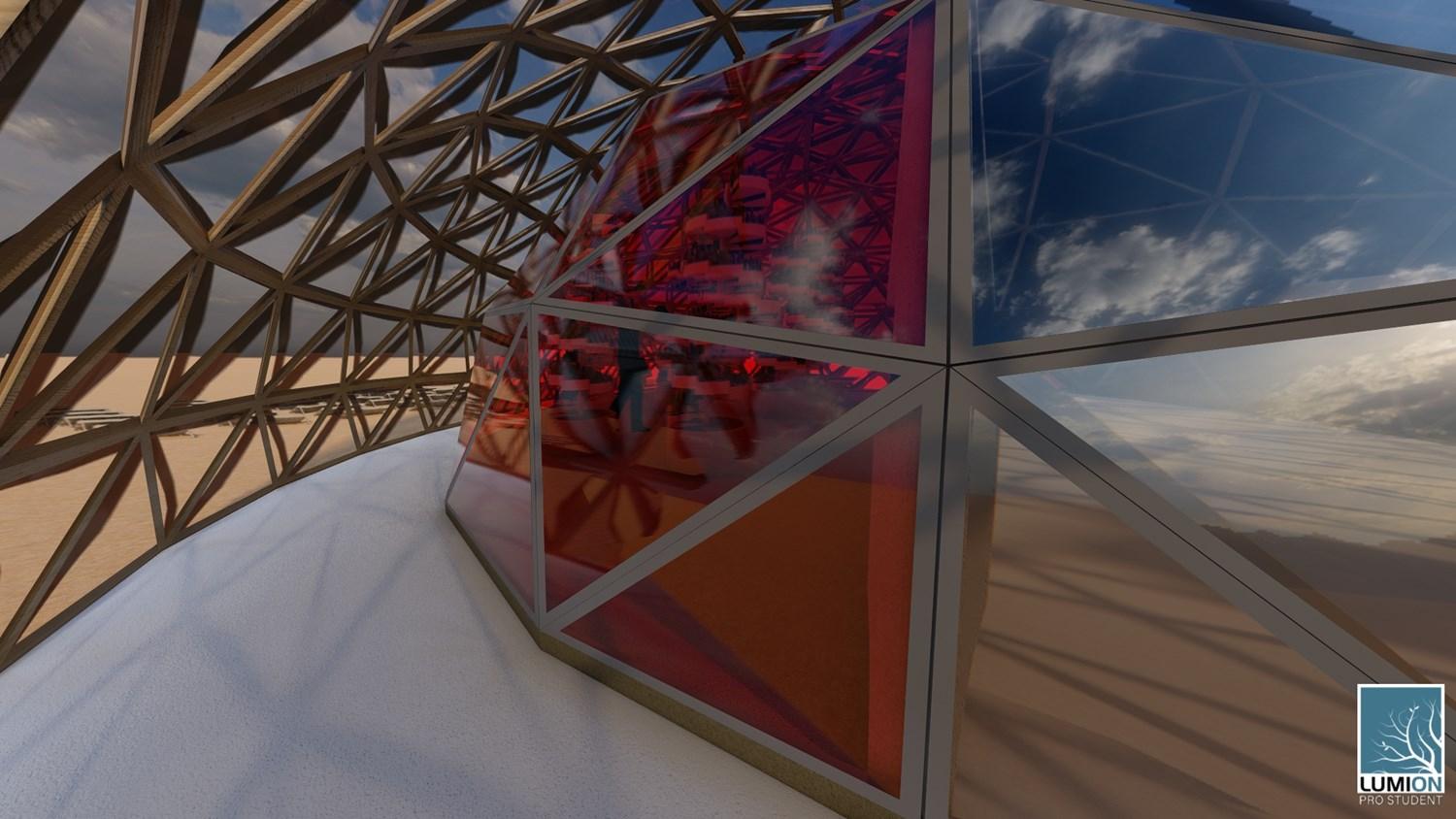
The Cupola is a unique desert outpost inspired by geodesic domes and yurts. Crafted from precast concrete, wood, polycarbonate glass, and heat-resistant fabric, it combines visual appeal with functionality in the desert. The precast concrete provides a solid foundation, wood elements add warmth and a geodesic shape, polycarbonate glass panels offer natural light and sun protection, and heat-resistant fabric covers enhance thermal efficiency. This innovative blend ensures resilience, sustainability, and a comfortable haven in the arid landscape.
Wood for self supporting dome structure
Heat Resistant Fabric
Precast Concrete
Filtered Polycarbonate Panels
LAYOUT AND PROGRAM
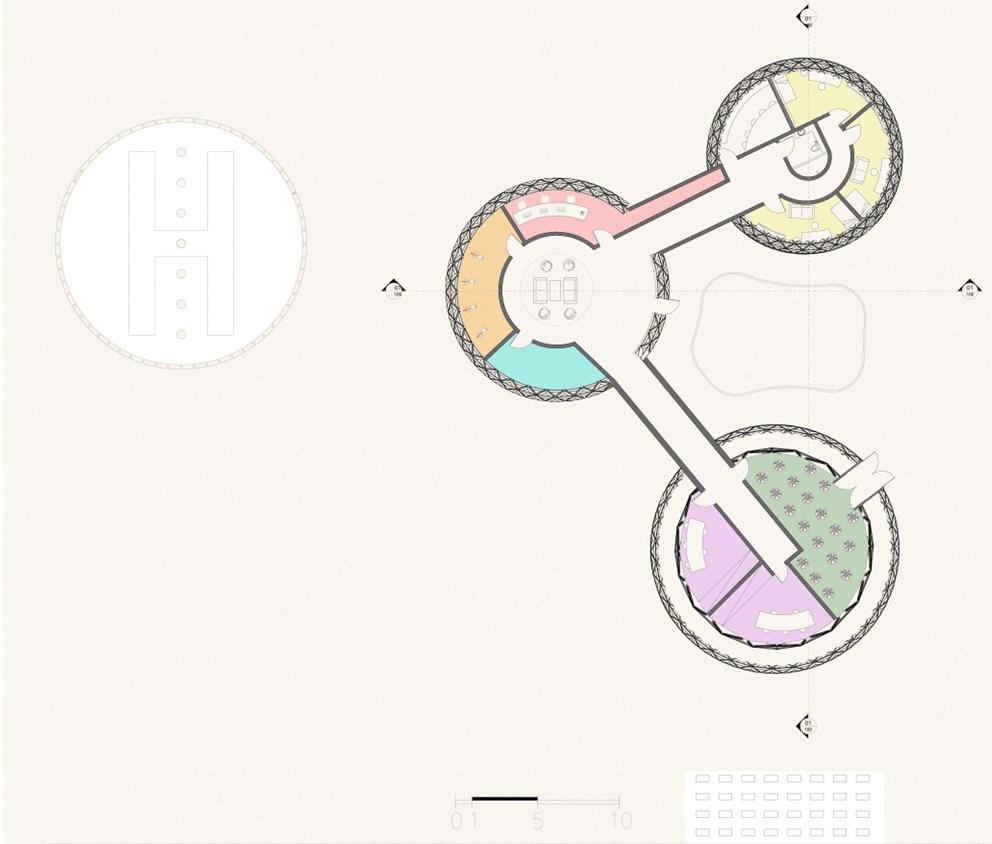
The helipad ensures that essential supplies and equipment can be efficiently transported to the outpost, reducing dependency on ground transportation in the challenging desert terrain. It provides a seamless connection to the outside world, facilitating logistical operations and enhancing the outpost's overall functionality and accessibility.
Green House Legend
Accommodations
Radio Room
Recreational Facility
Technical Space
Workshops/Labs
LAYOUT DRAWING AND PROGRAM
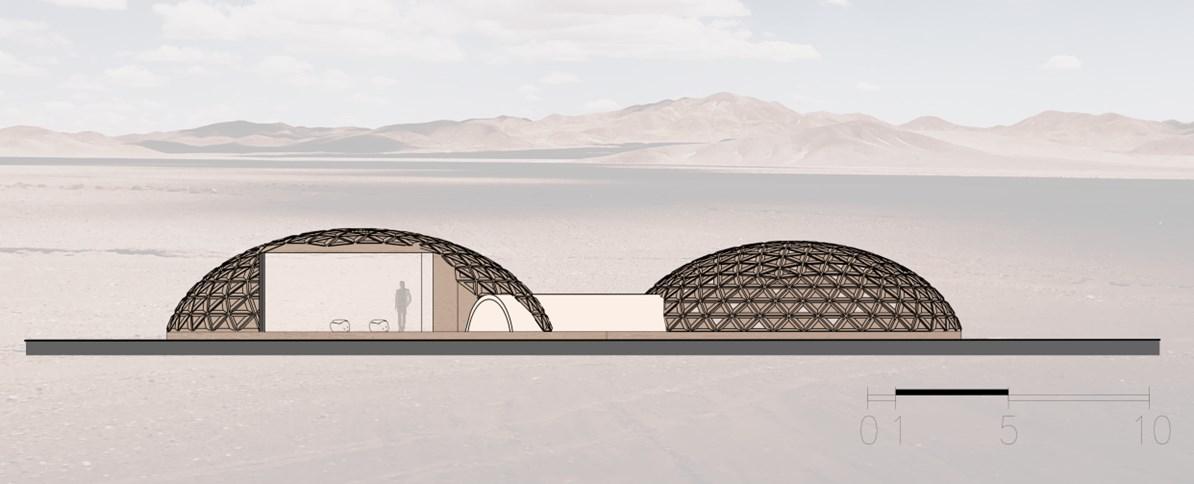
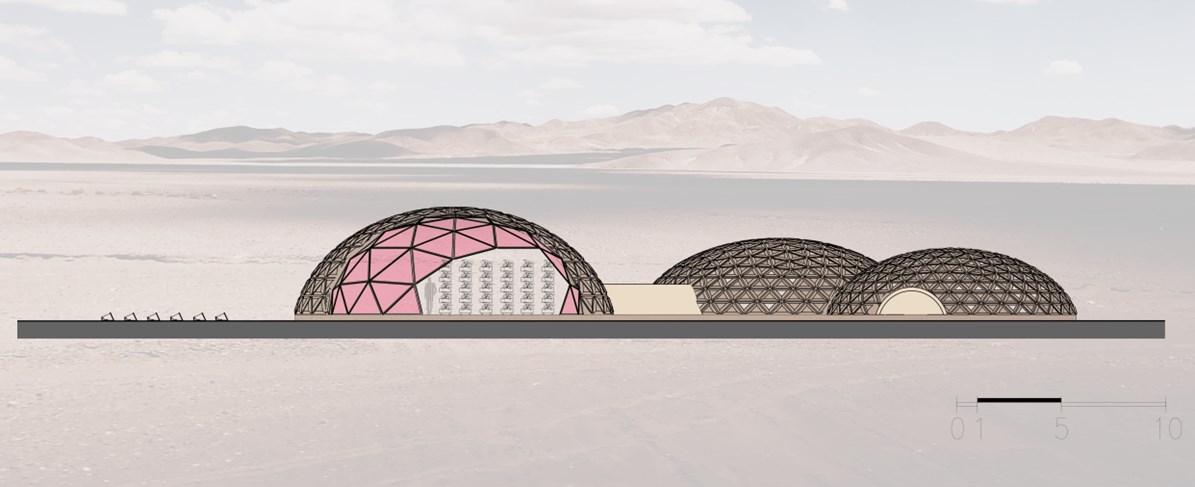
Double Envelope for better air circulation and environment control
The Cupola desert outpost incorporates various essential programs, including comfortable accommodation, a recreational facility for relaxation and socialization, a radio room for communication, a greenhouse for selfsufficiency, and a research lab for scientific exploration. These components form a self-contained facility, meeting the crew's needs and promoting a sense of community and resilience in the desert environment.