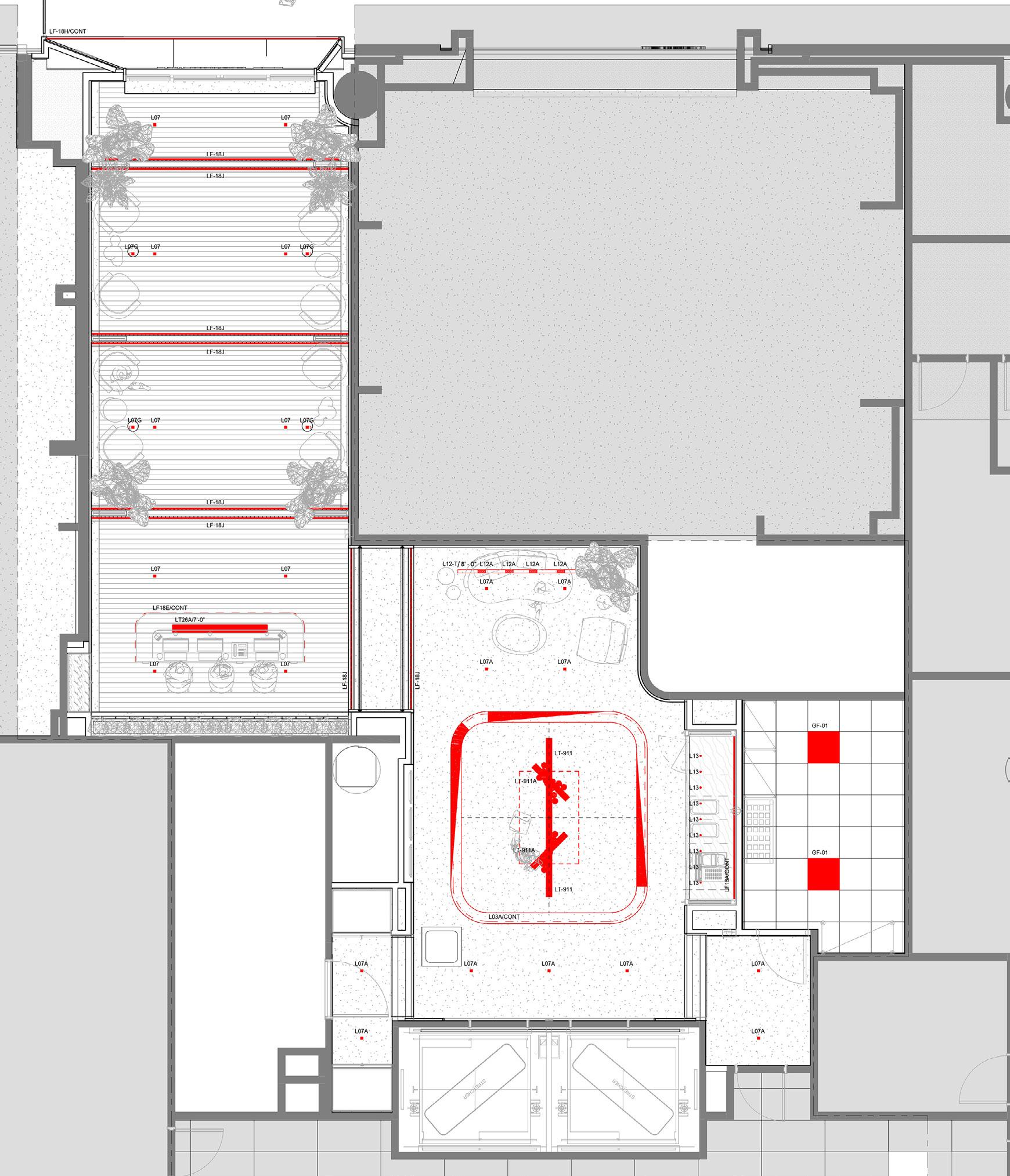
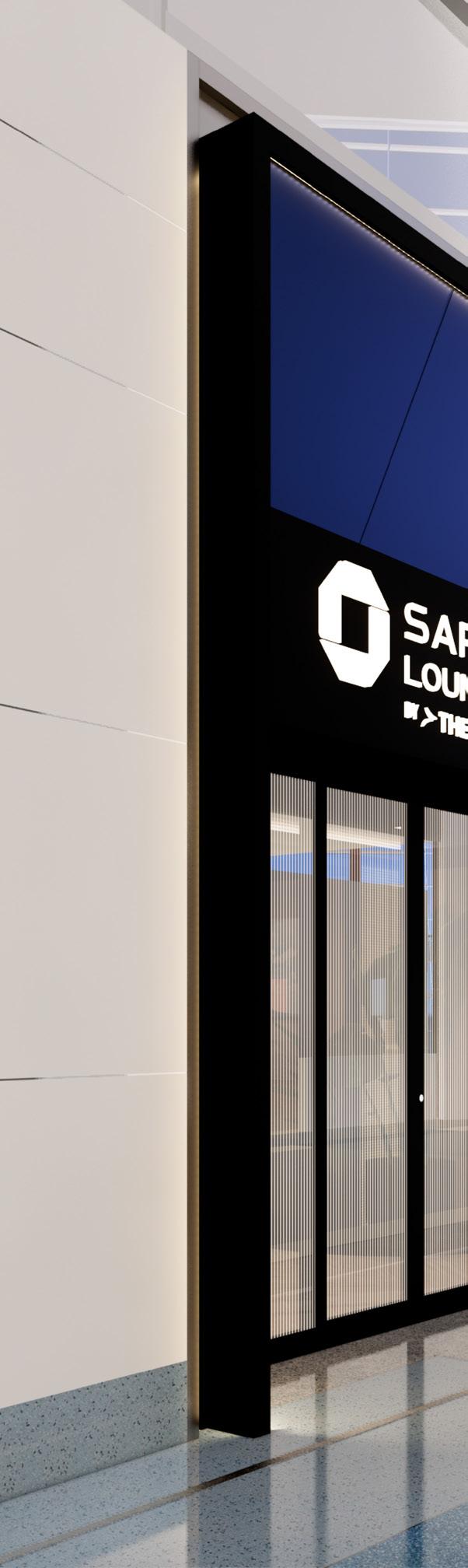
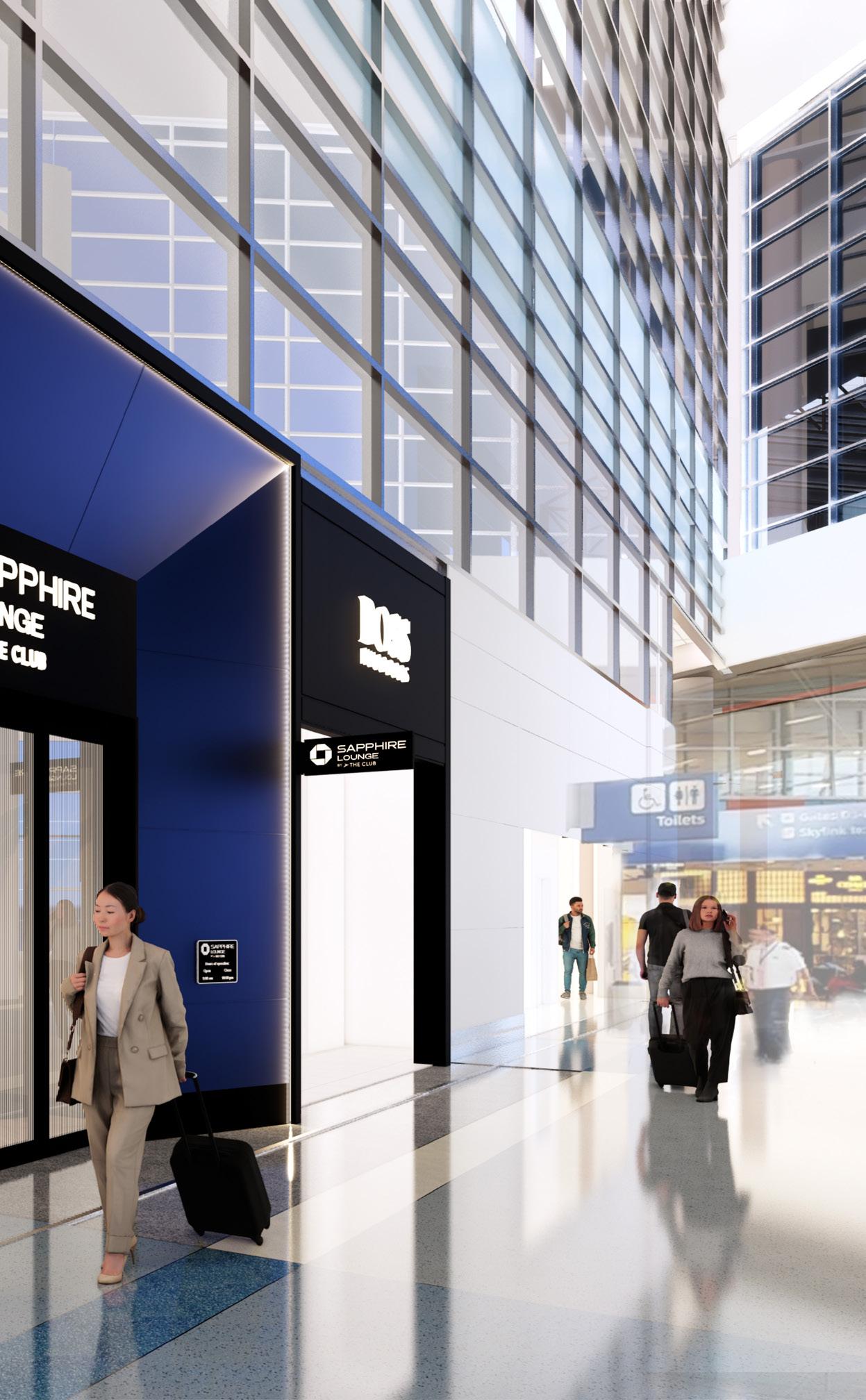
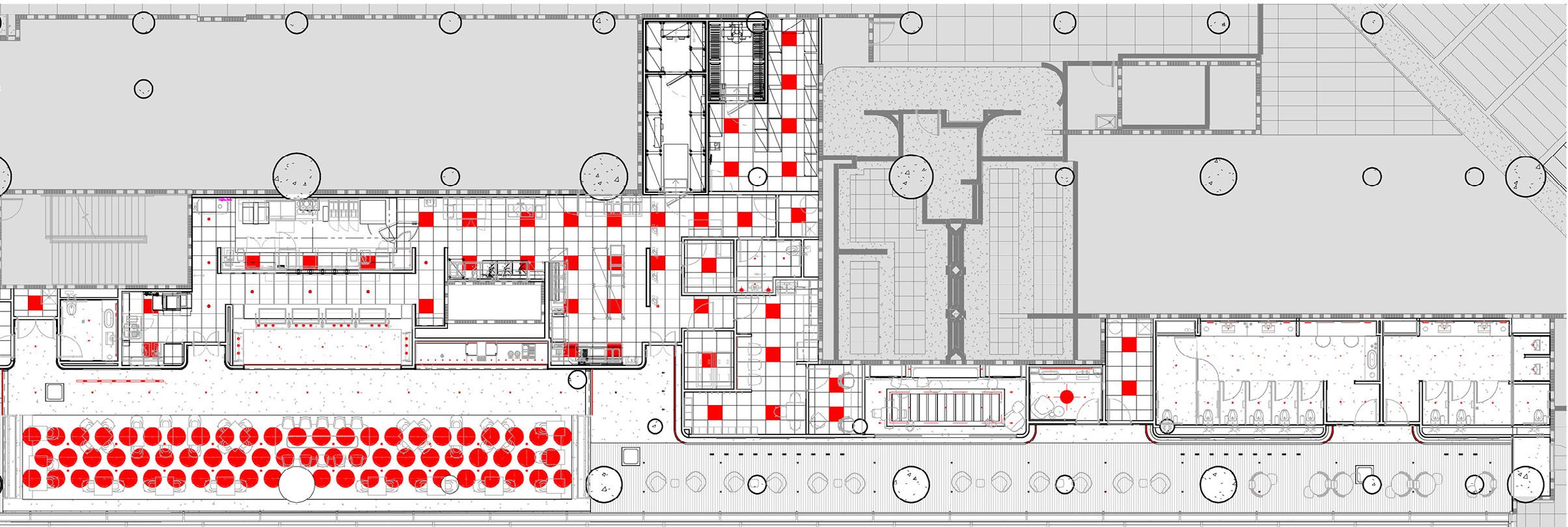
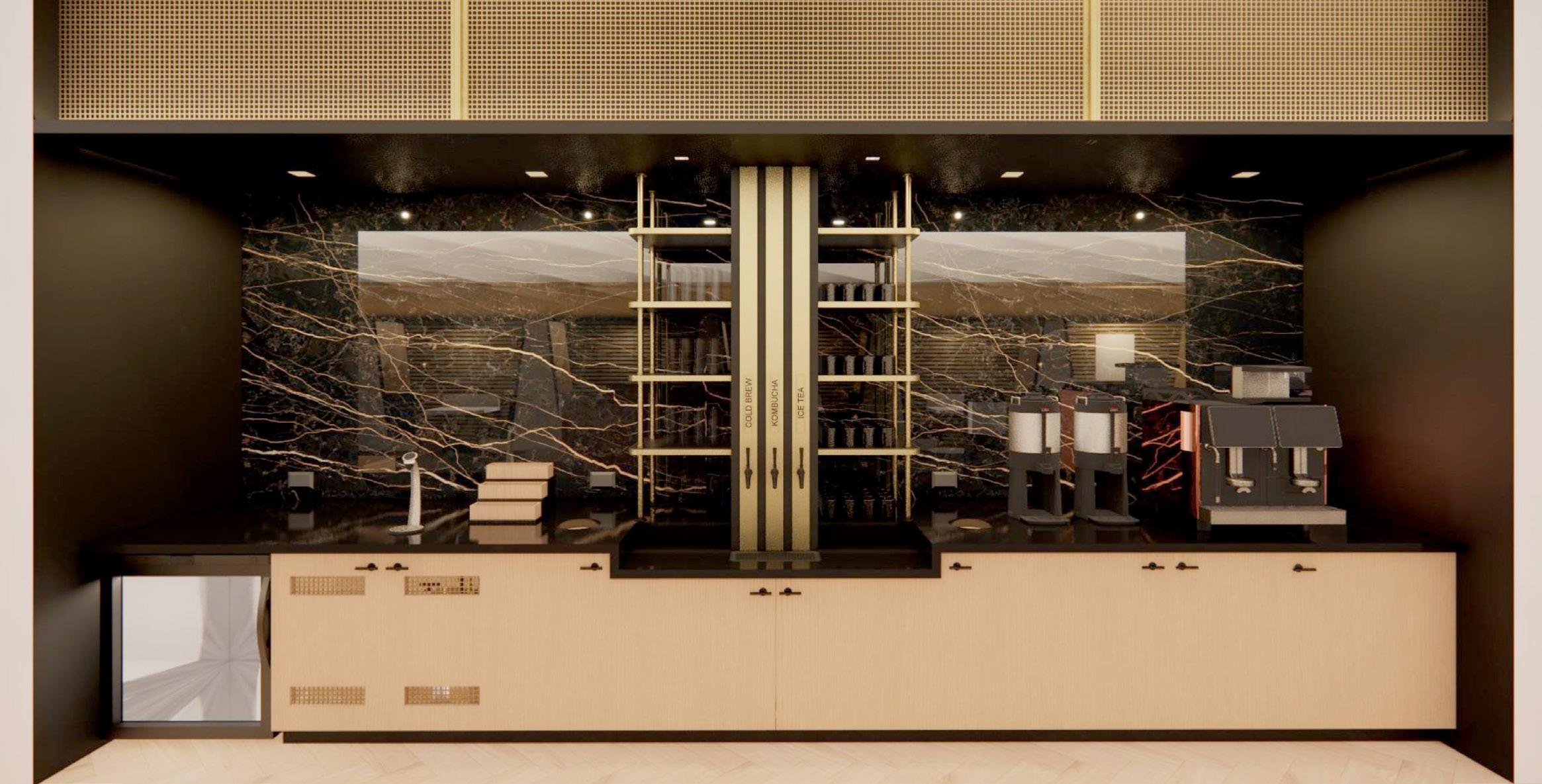
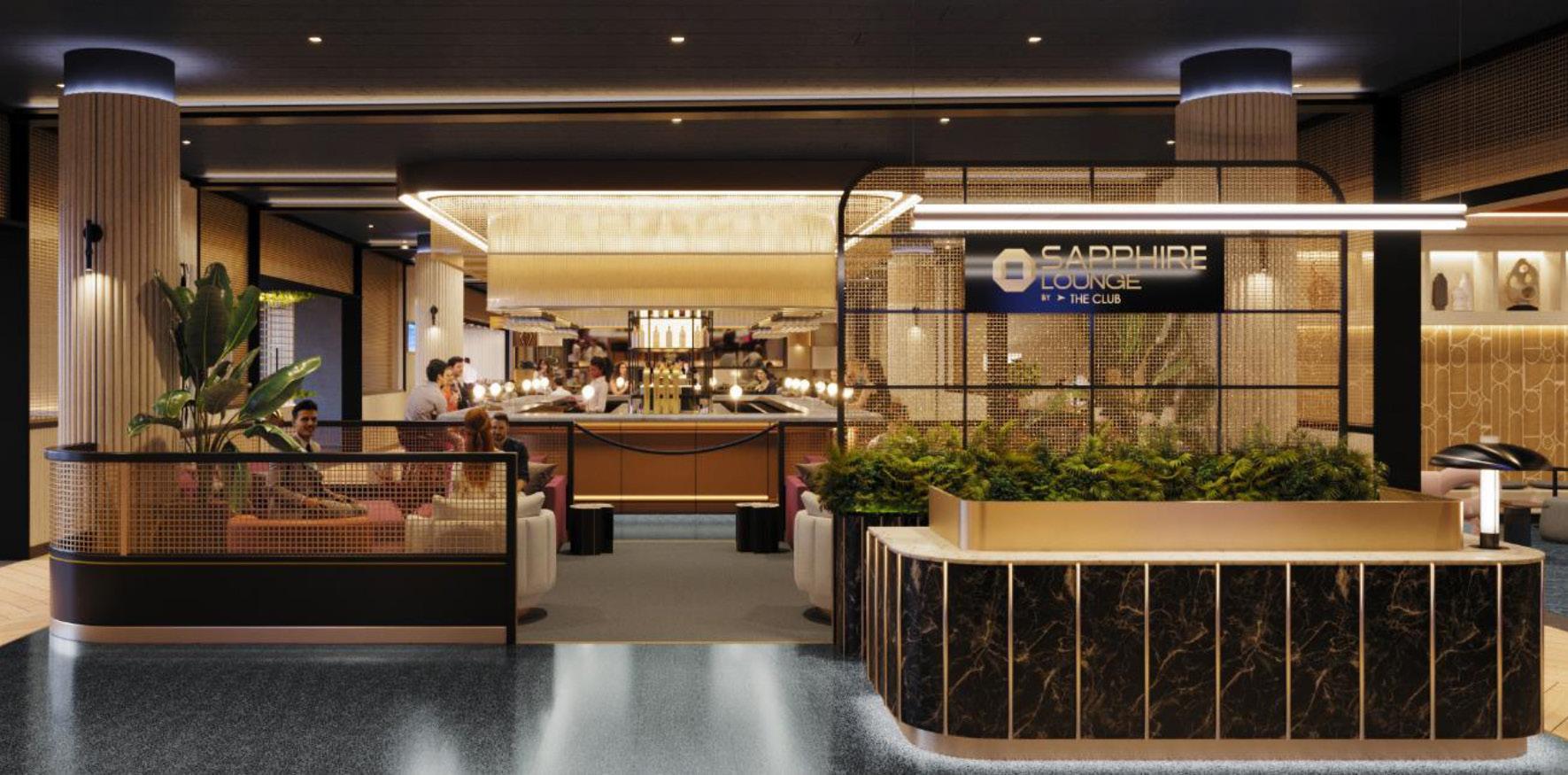
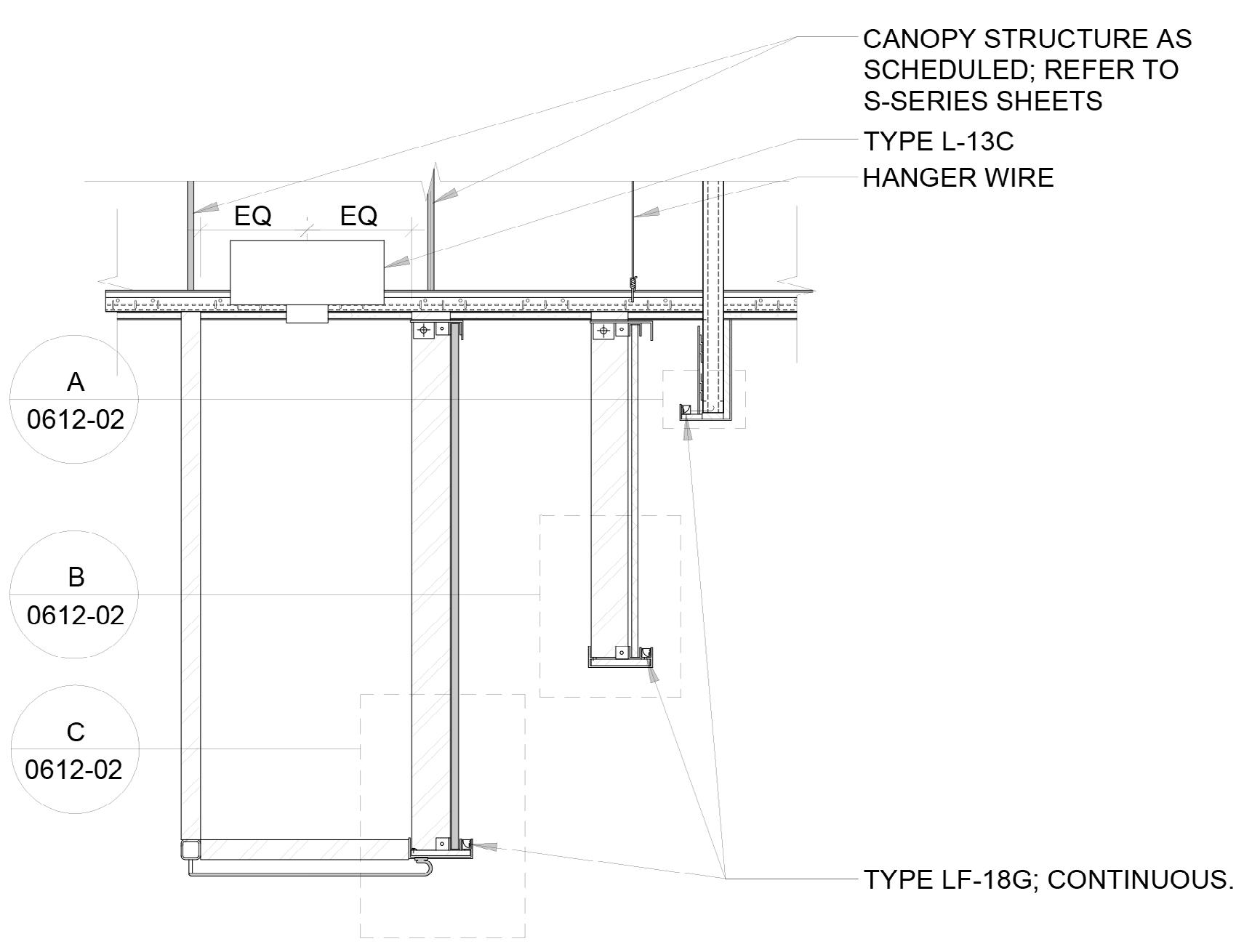
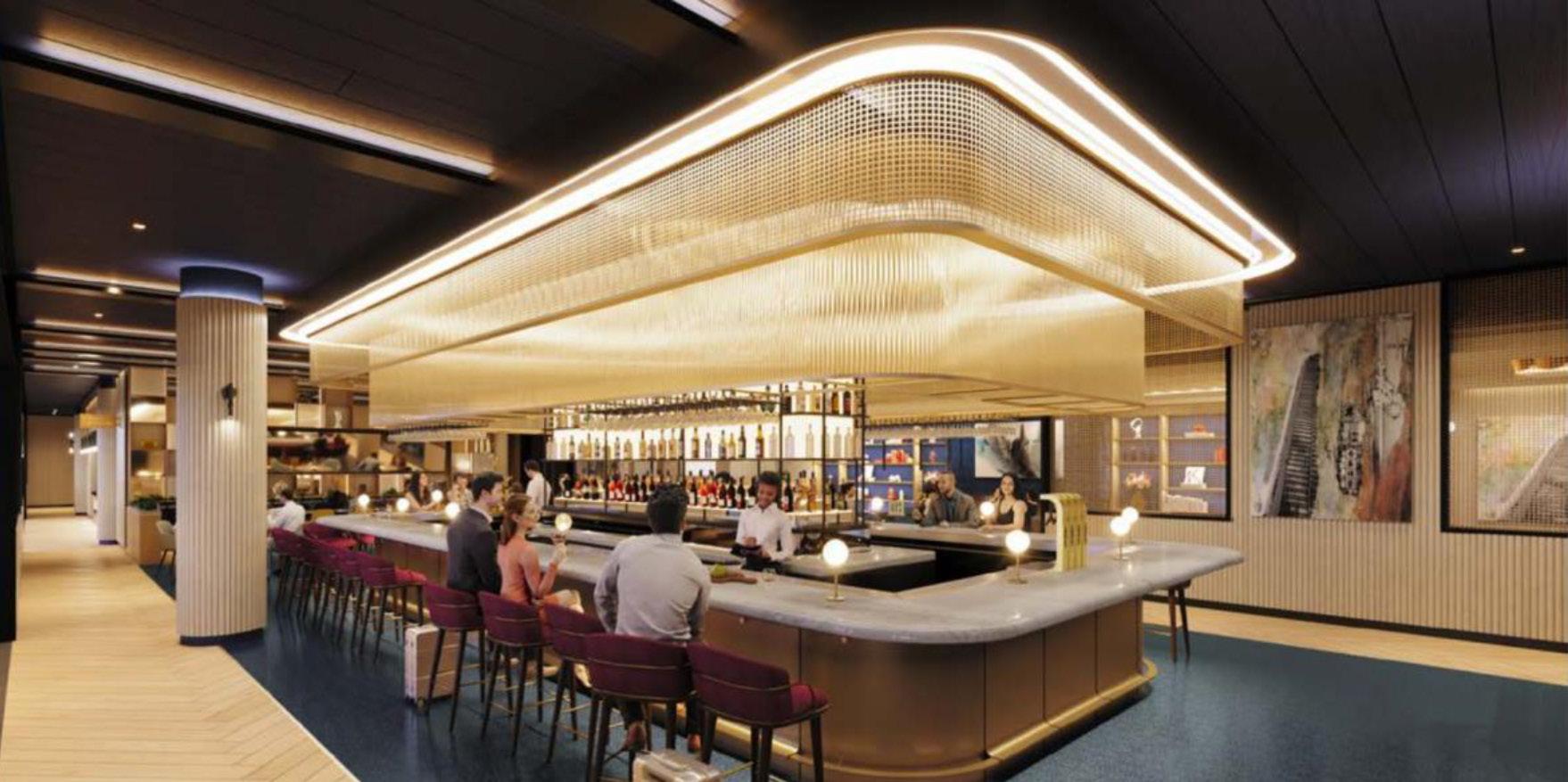
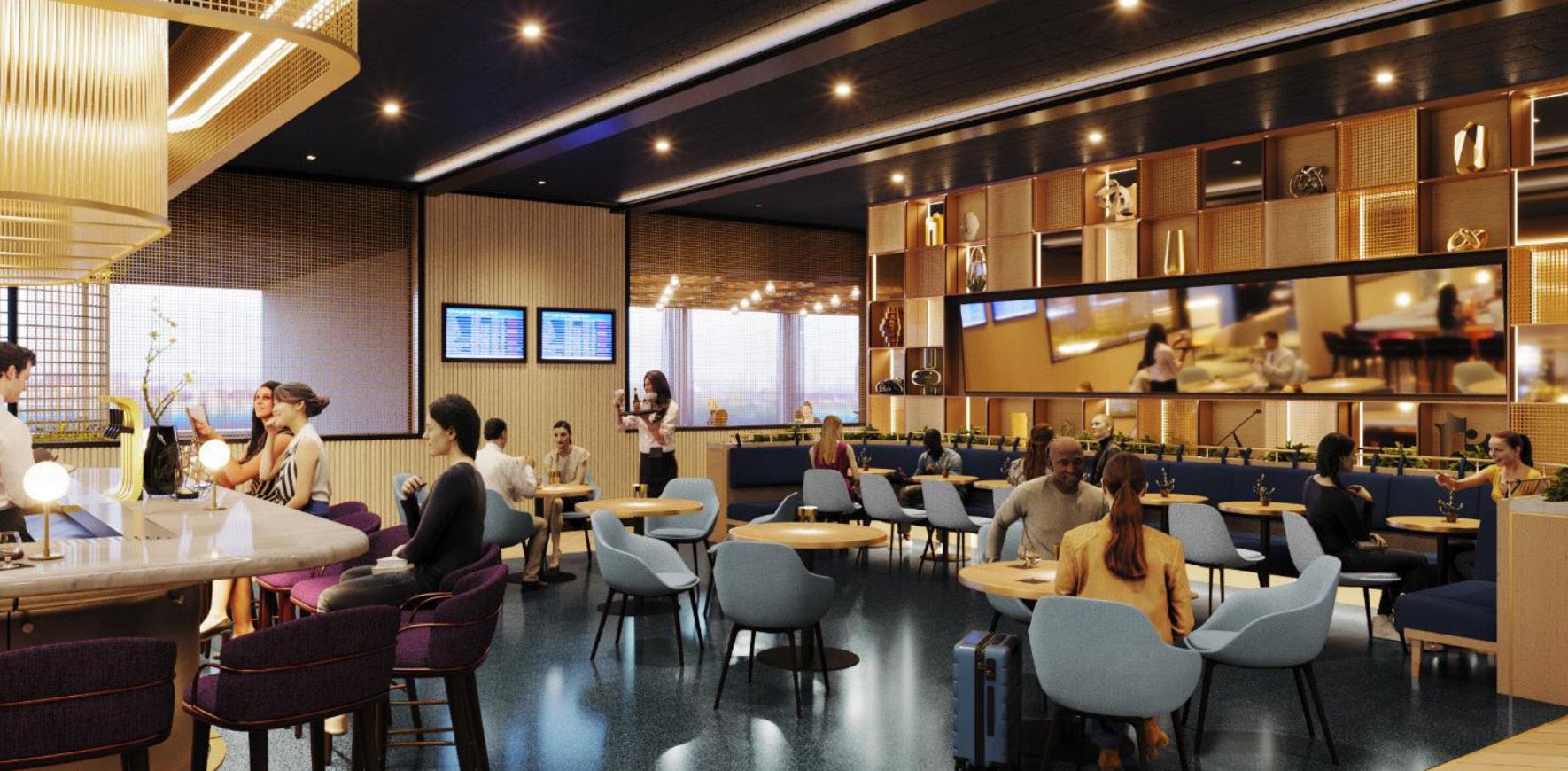
Castelli Design collaborated with Corgan to develop a lighting design optimization packet for future Chase Sapphire Airport Lounges, with the Dallas Fort Worth location serving as the first to implement these strategies.
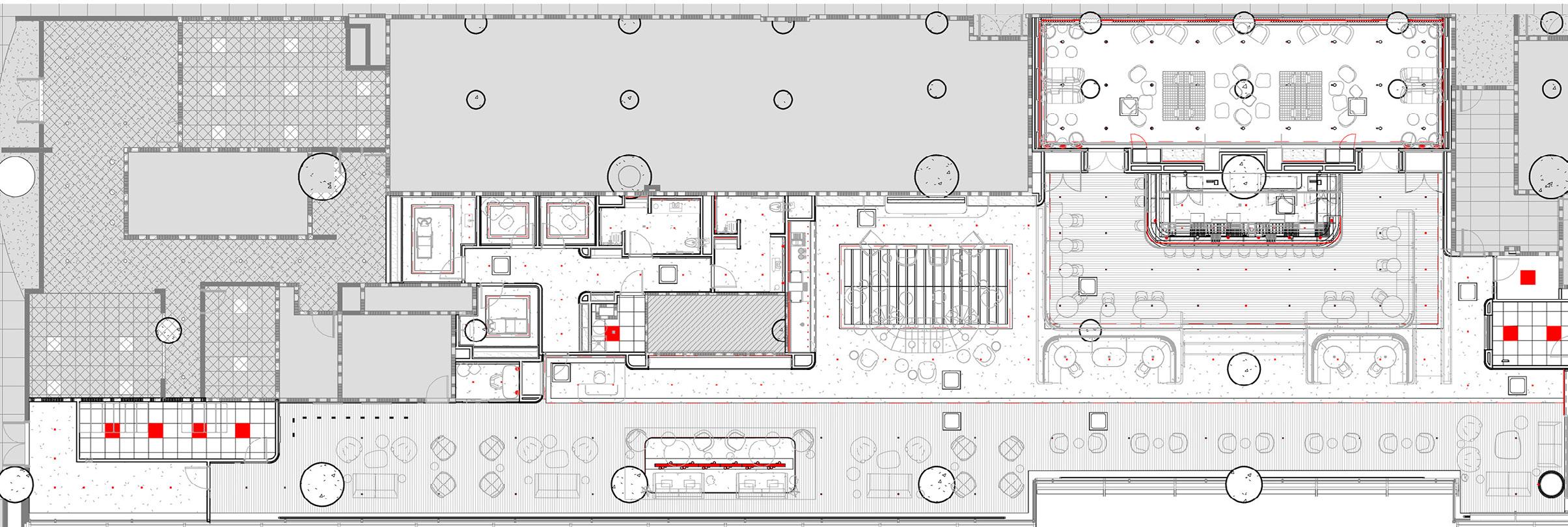
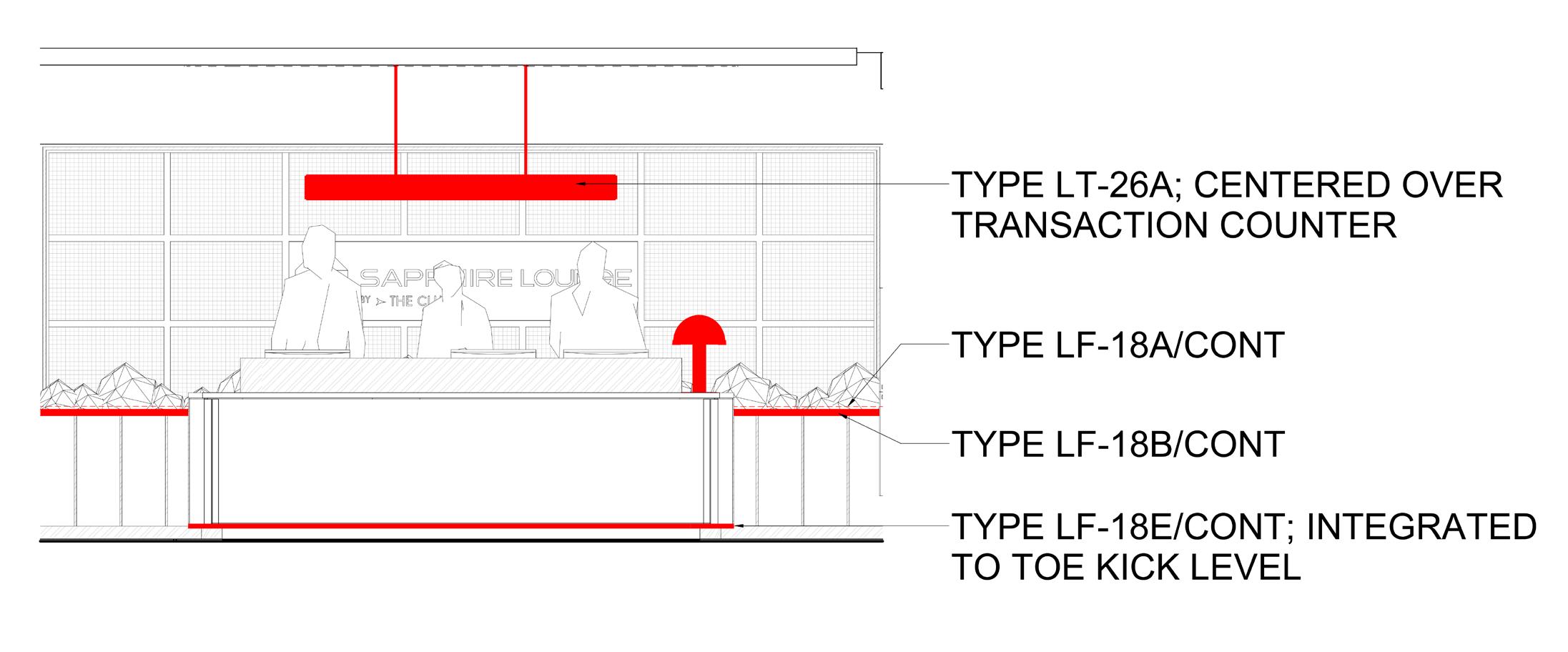
As a lighting designer, I integrated lighting elements into the Revit model to align seamlessly with the architectural design. I produced diagrams and drawings to test lighting layouts and communicate design intent to the architecture team. My responsibilities also included contributing to the lighting power density packet for electrical submissions, conducting lighting calculations to ensure proper illumination and code compliance, and assembling a comprehensive lighting specification package for the project.
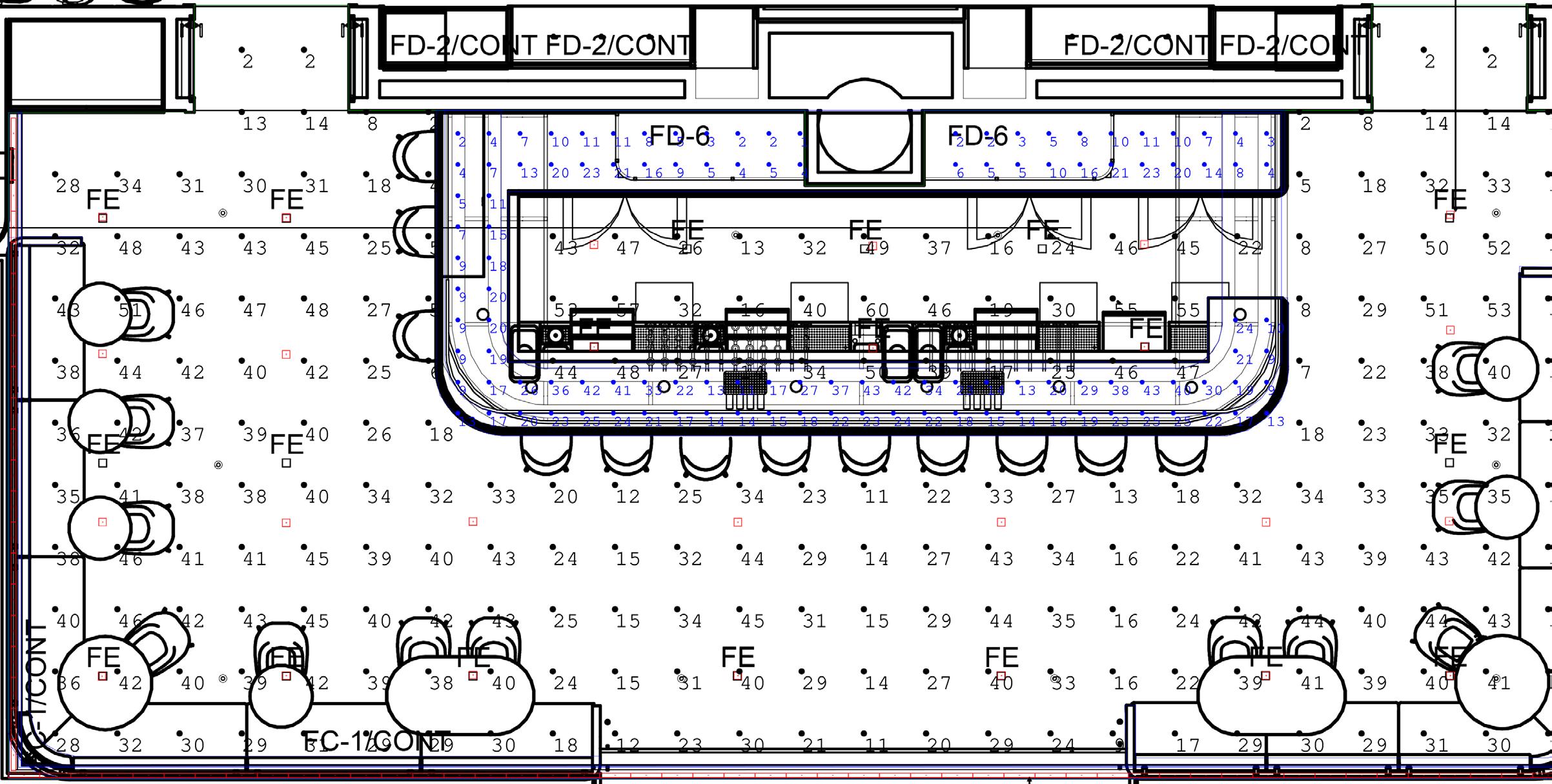
REFLECTED CEILING PLAN
CONCIERGE SECTION
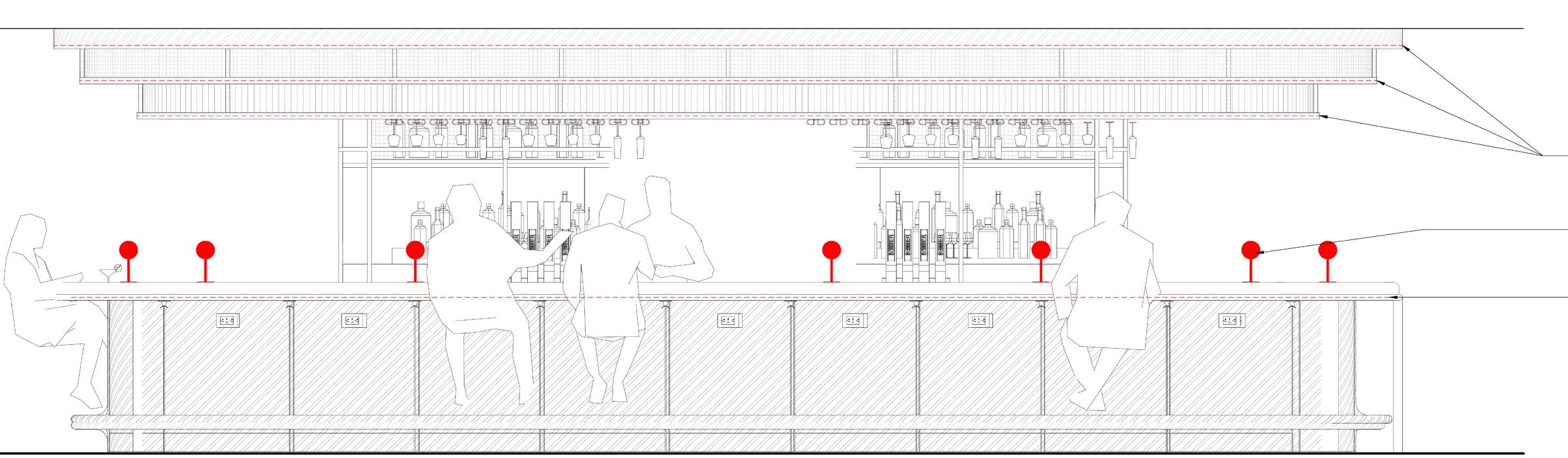
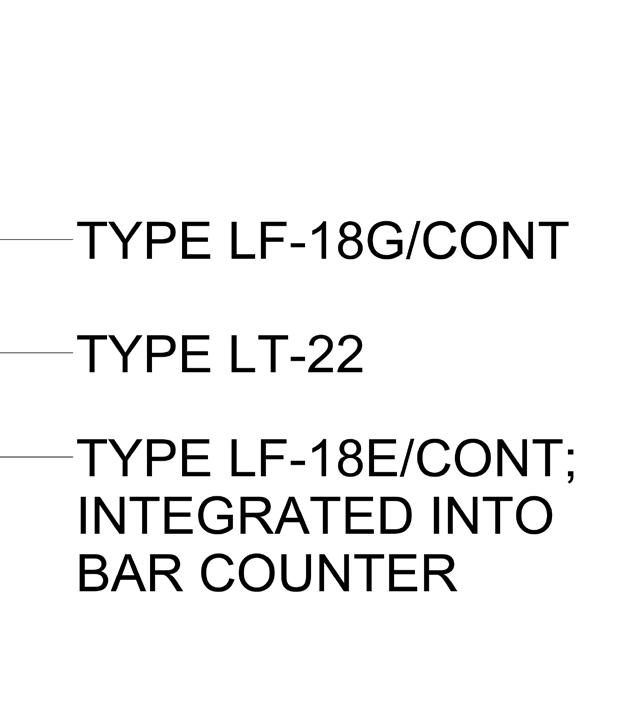
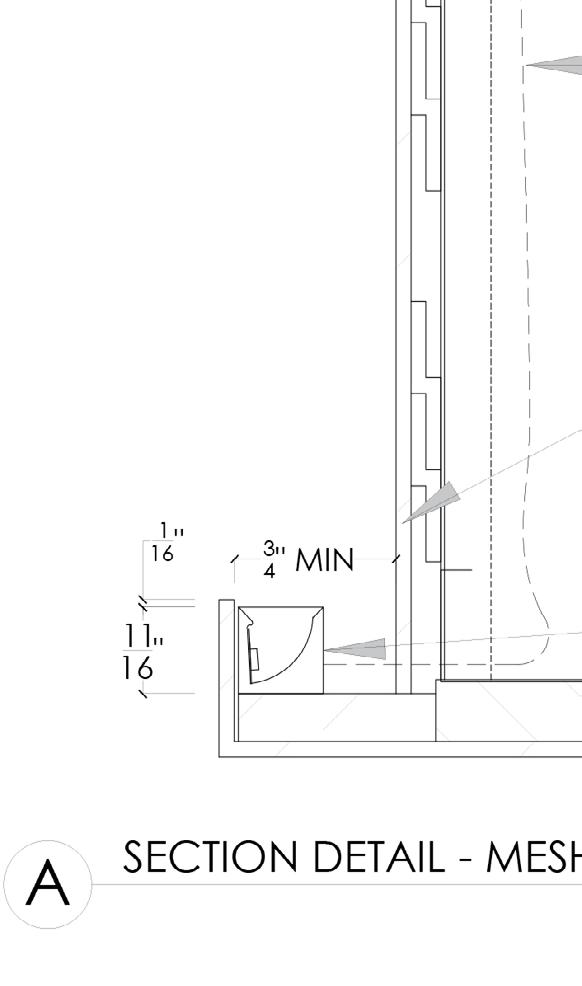
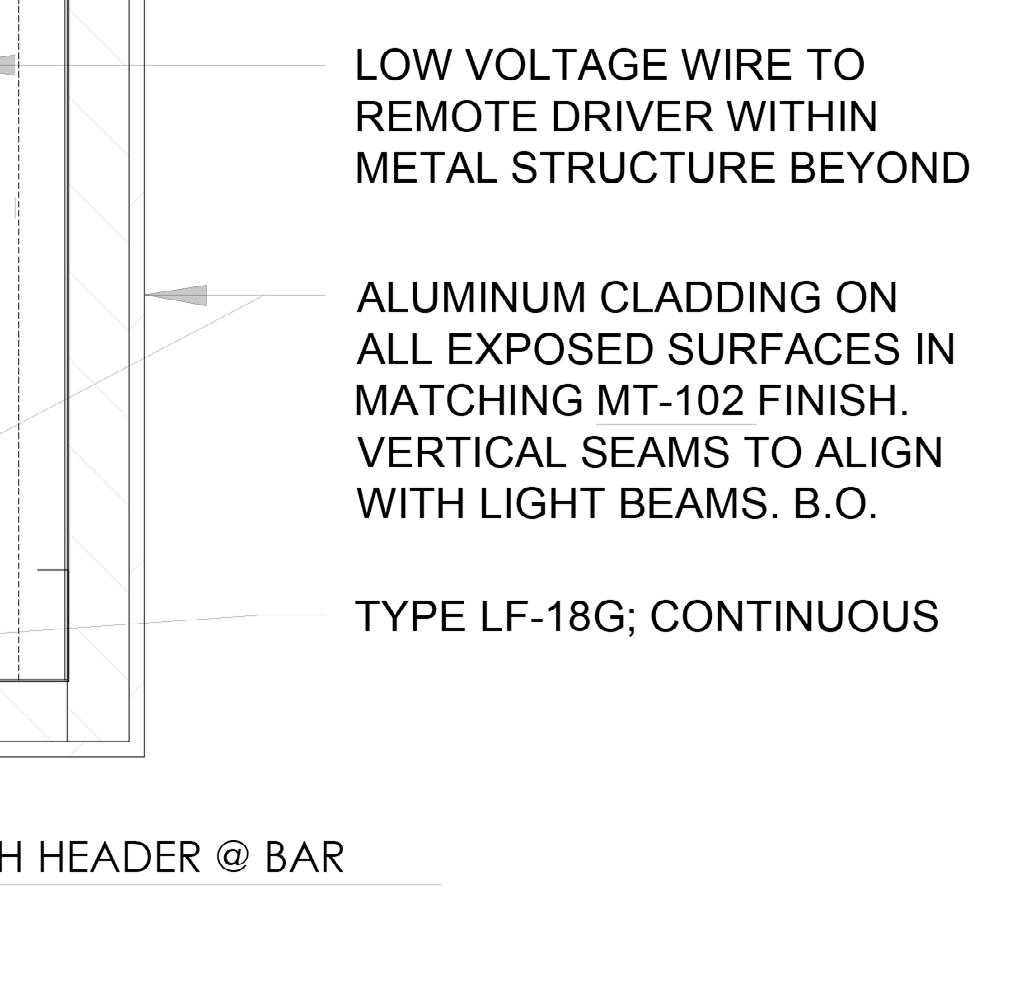
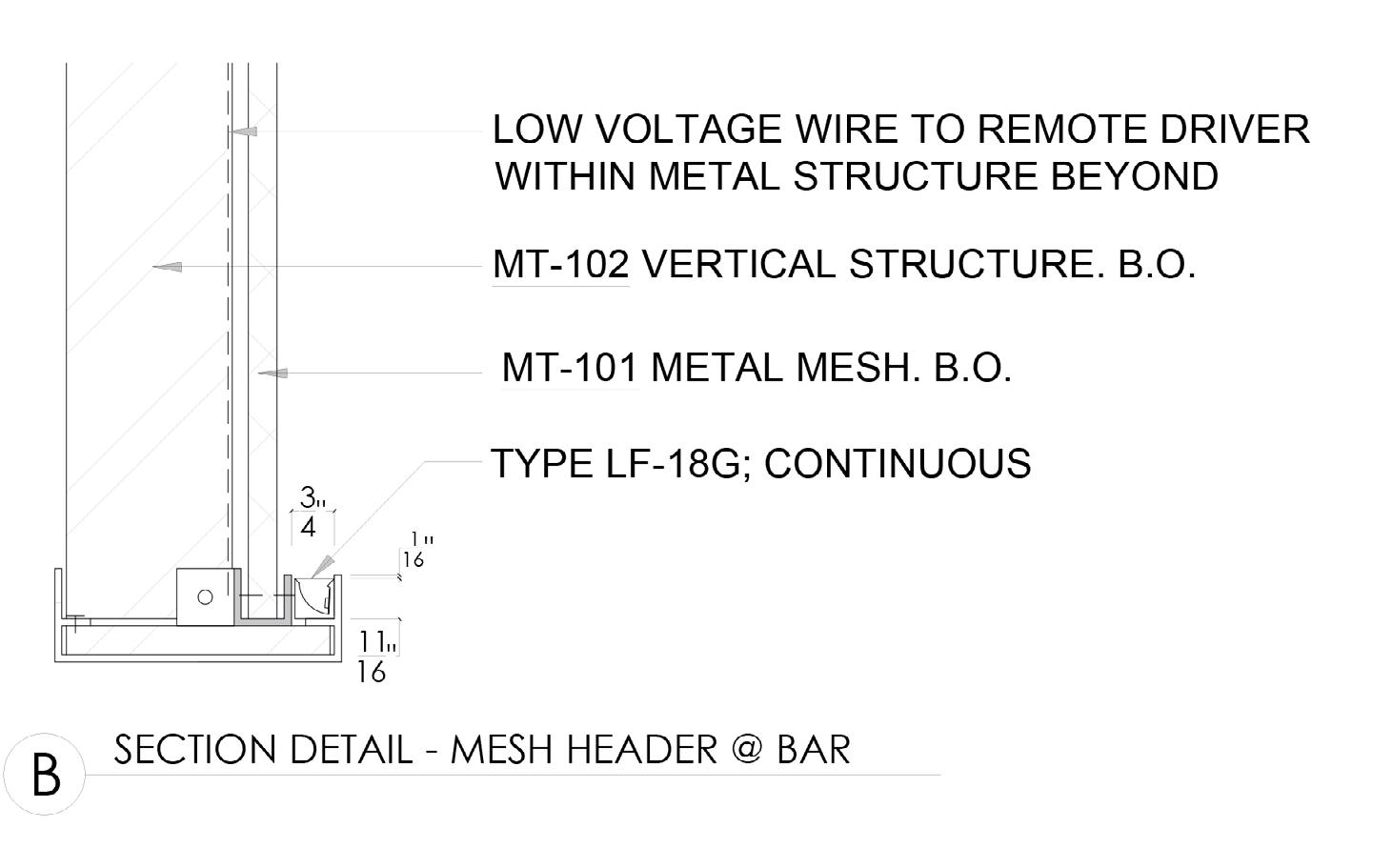
BAR HEADER DETAIL
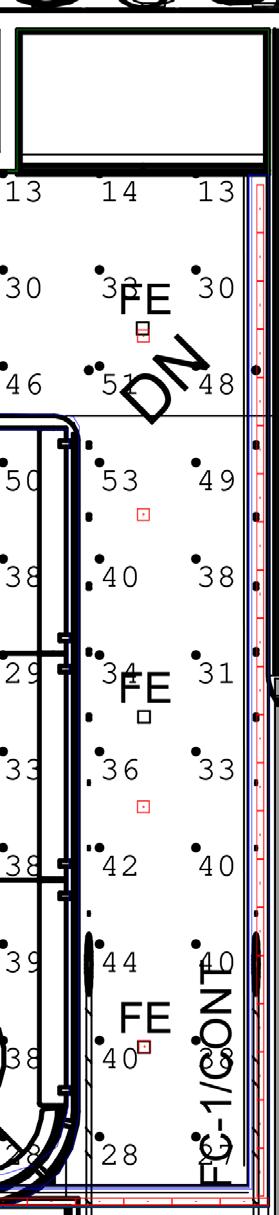
BAR LIGHTING CALCULATION MODEL CHARACTERISTICS
CLG HEIGHT: 8’-10” CALC POINT SPACING: 2’X2’ @ 2’-6” AFF
i2 SYSTEM COMPOSE 7W; 870 DEL. LUMENS 90+CRI; 2700K MOUNTING HEIGHT: 8’-5” AFF LLF = 0.95X0.95
LUCIFER
ONE ASTOR PLAZA
Miniature World
Role
Collaborators
Software
Spring 2023
Lead Digital Designer
Carlos Castillo, Edison Toledo, Julian Linares, Claudia D’Argenio Rhinoceros 3D
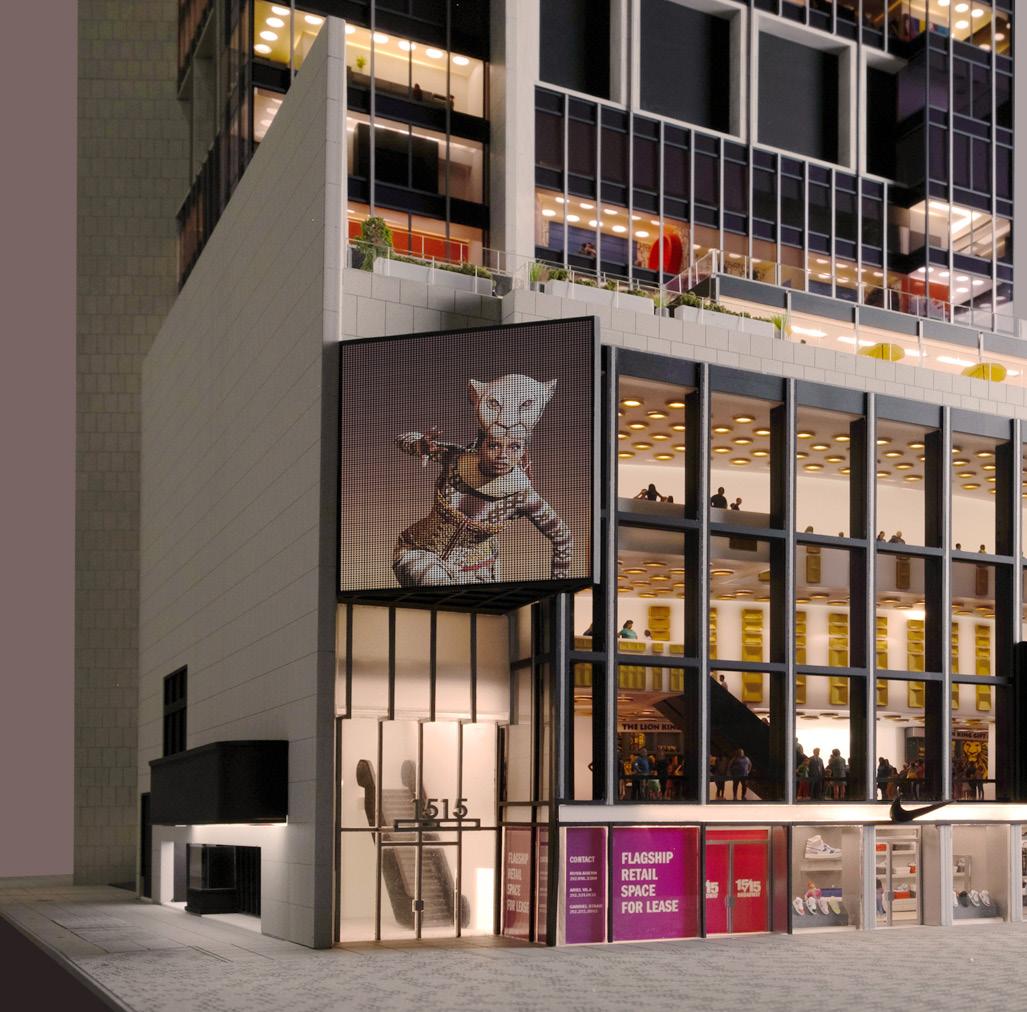
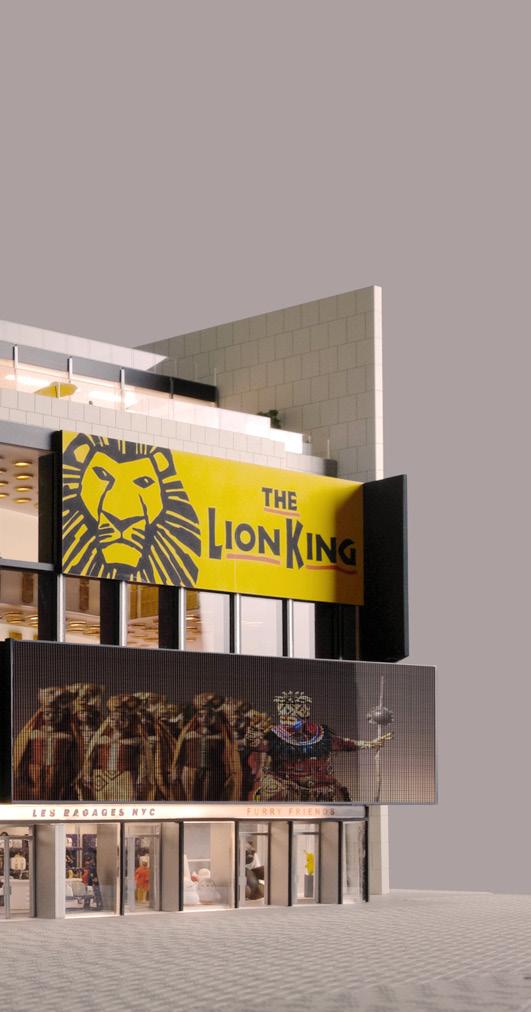
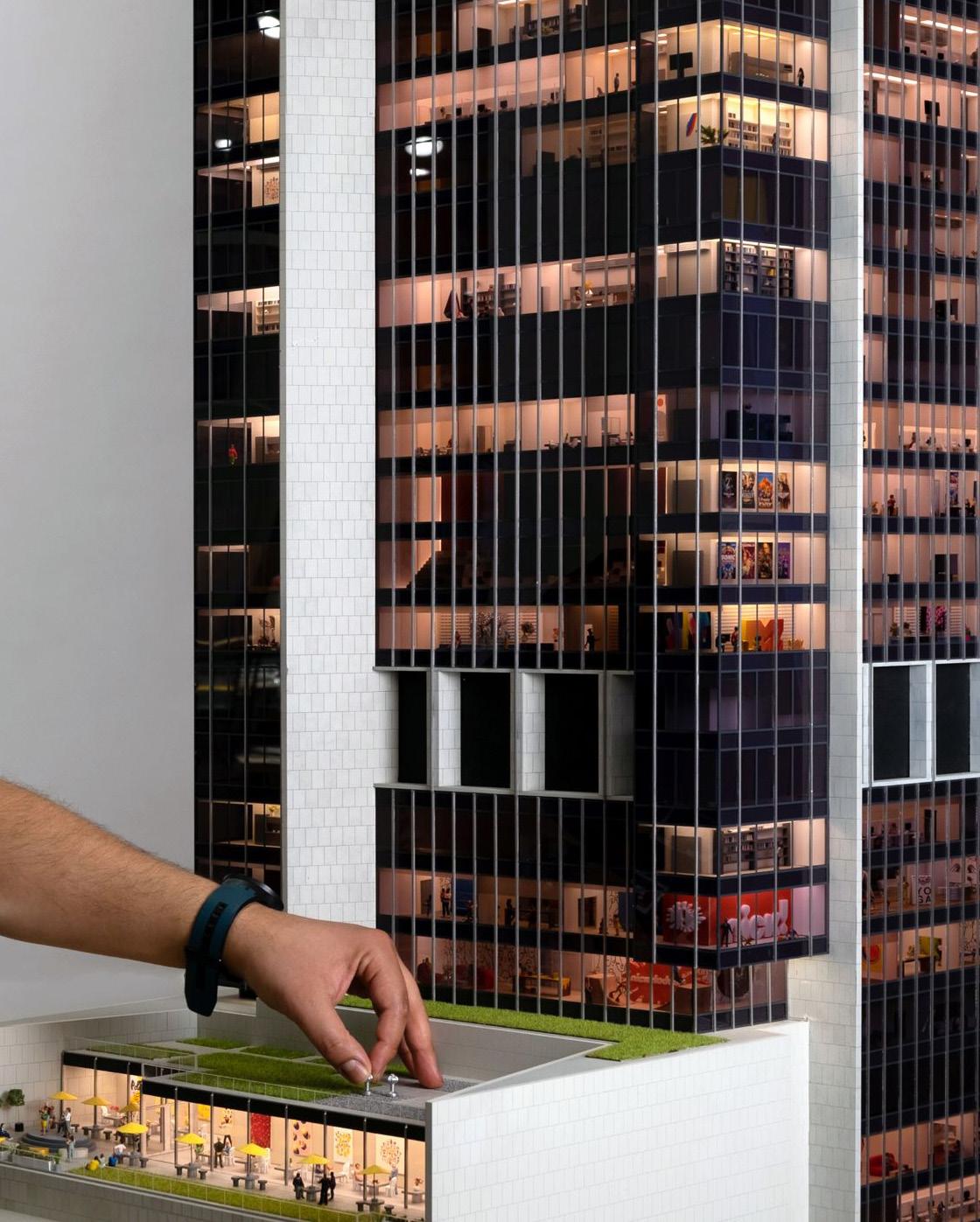
Miniature World is an immersive gallery experience showcasing architectural models of landmarks from around the world. The exhibition features dynamic model trains and intricate figurine scenes, with models representing landscapes across Asia, Latin America, Russia, Africa, Europe, the Middle East, and New York City.
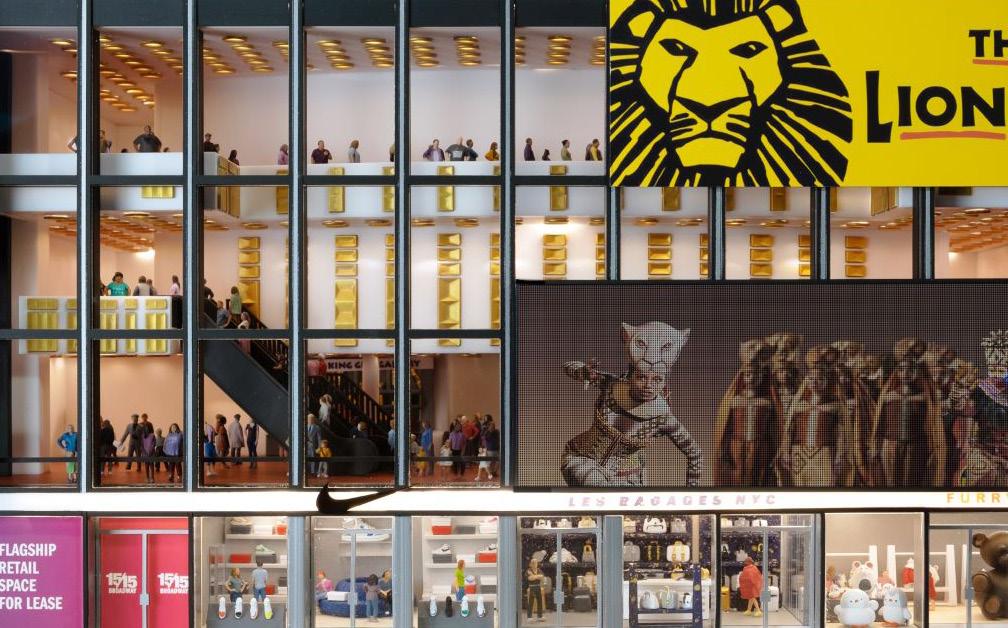
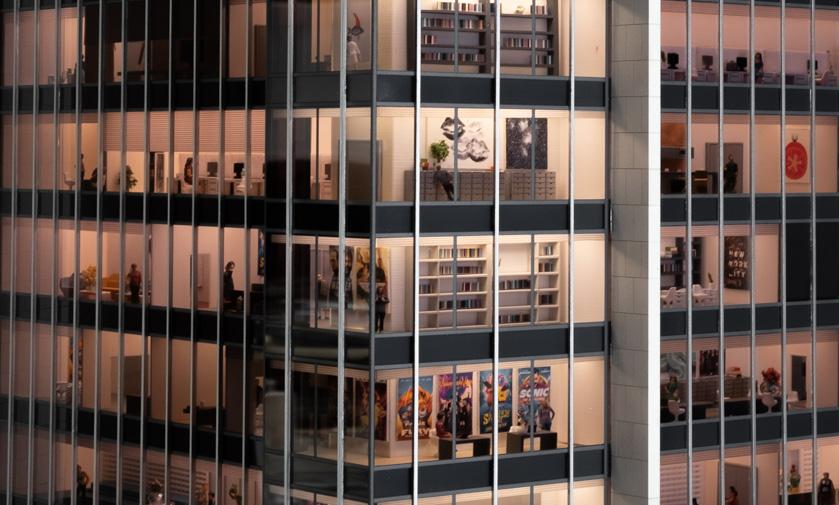
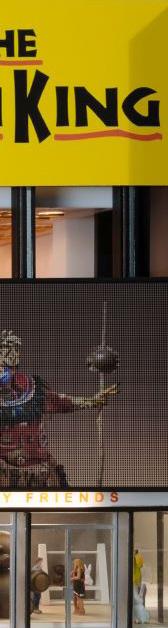
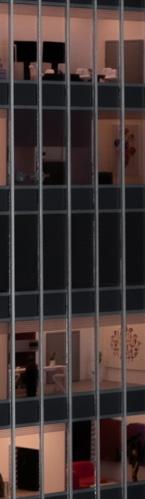
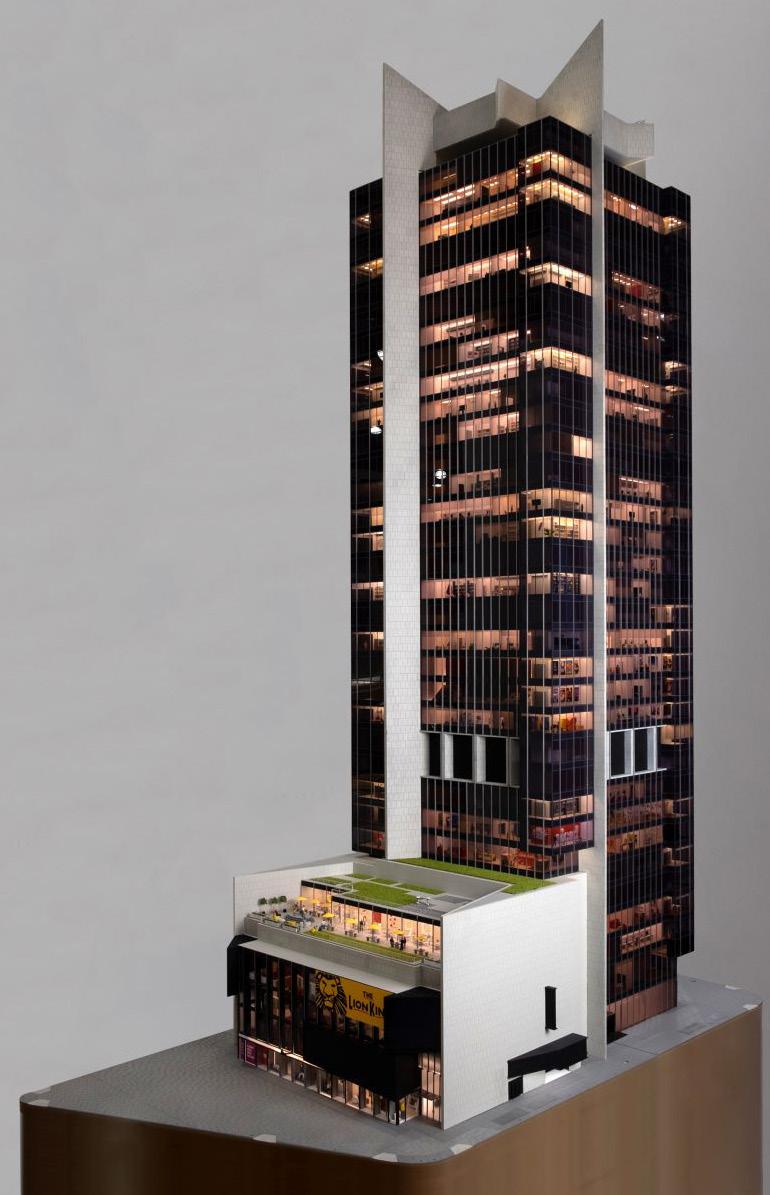
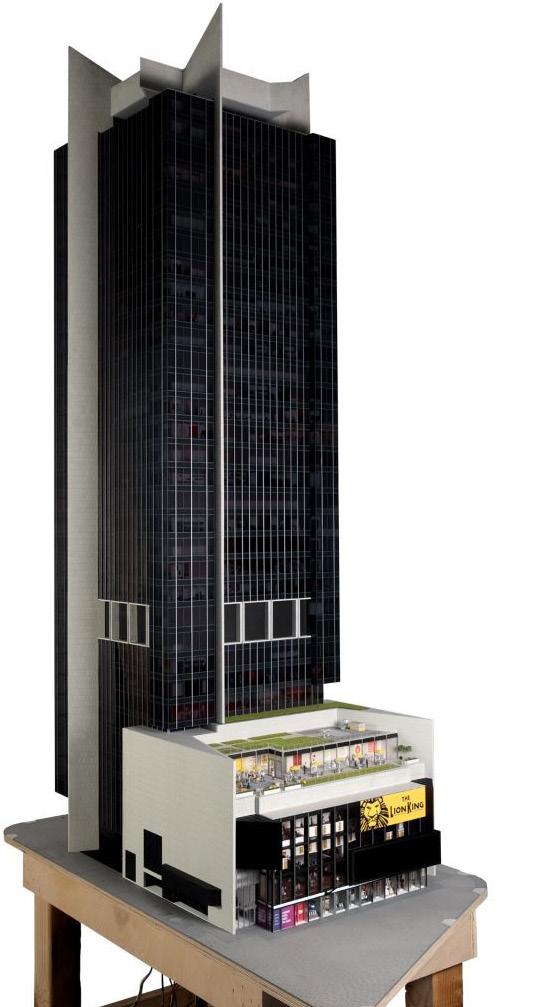
A highlight of the New York City model, One Astor Plaza is a 72-inch illuminated structure depicting a well-known Times Square building. The model includes detailed interiors, miniature figurines, LED-lit ceilings, and functioning video screens, making it one of the most intricate and fully developed pieces in the exhibition.
TAFT ELEMENTARY SCHOOL
Rhode Island School of Design Course
Critics
Location
Spring 2021
After Nature
Cara Liberatore & Almin Prscic Pawtucket, RI
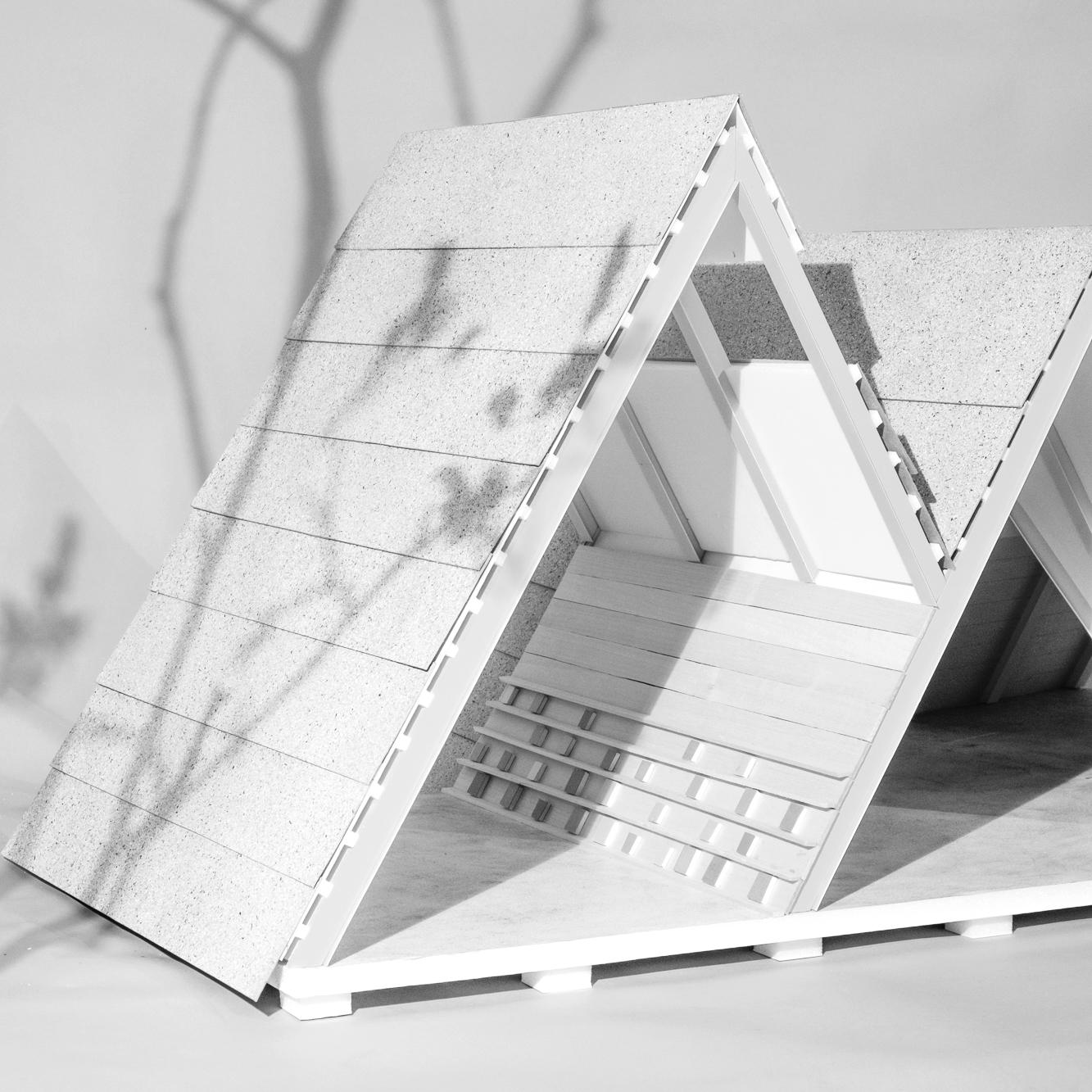
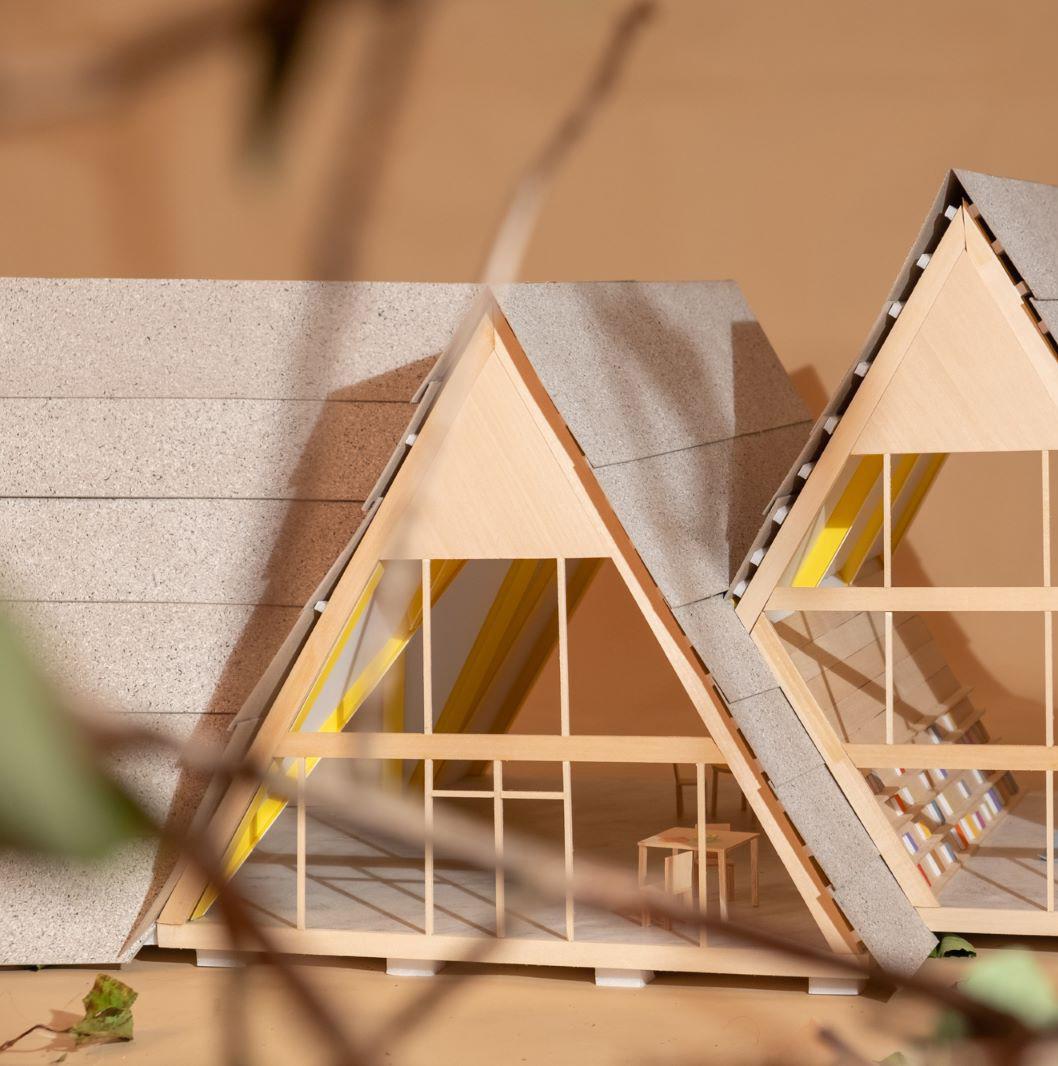
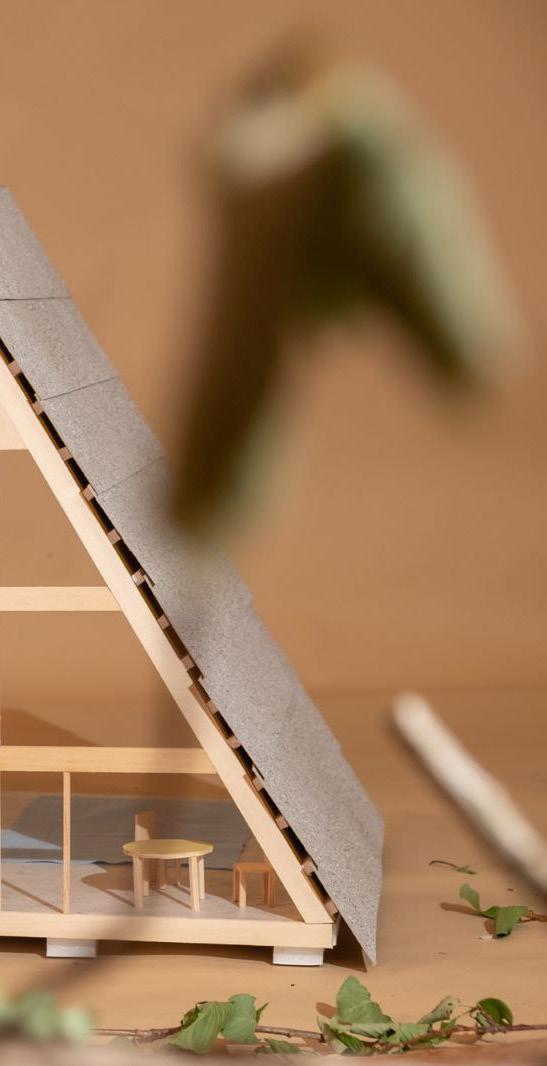
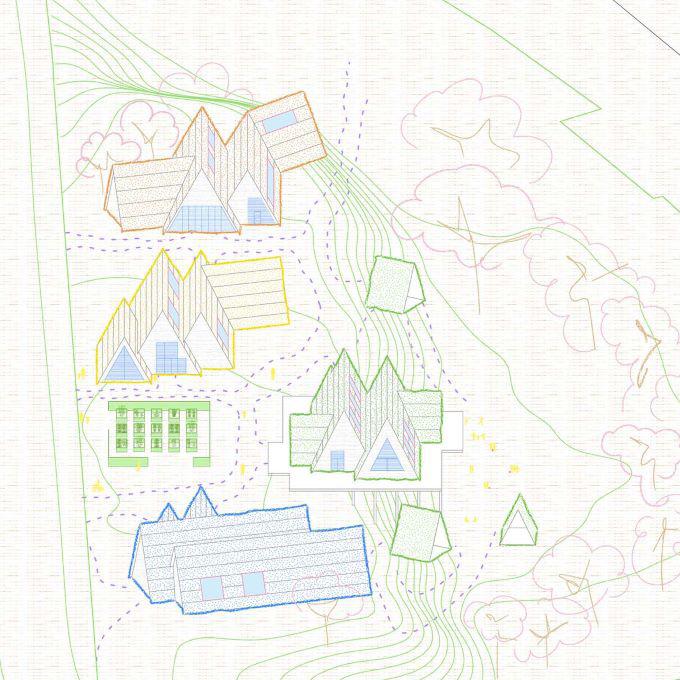
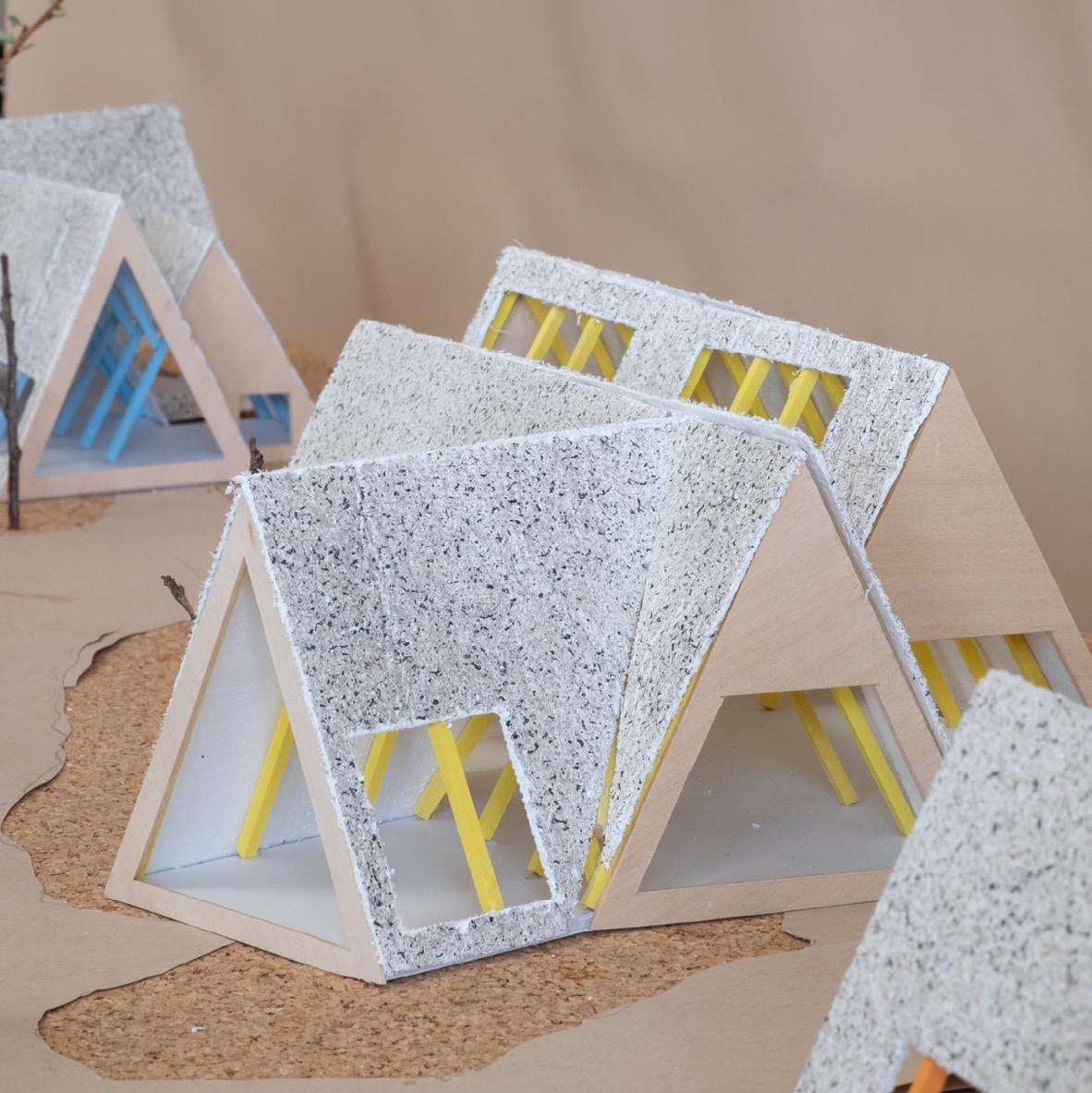
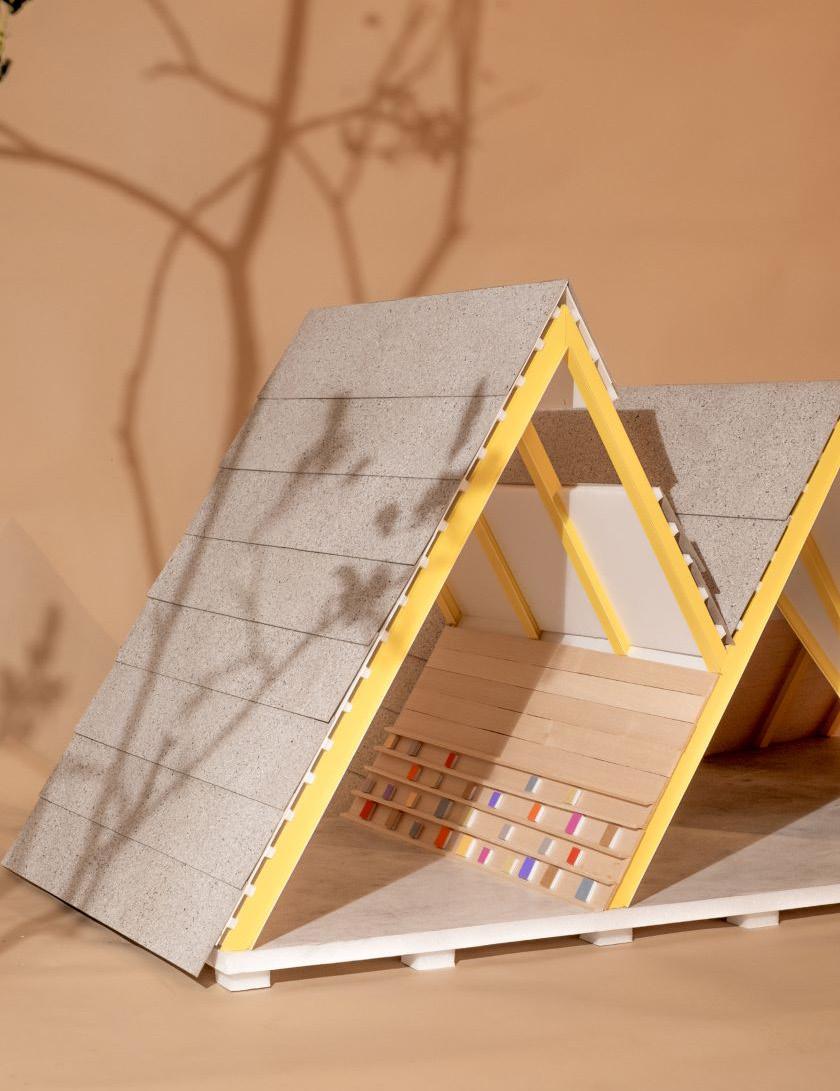
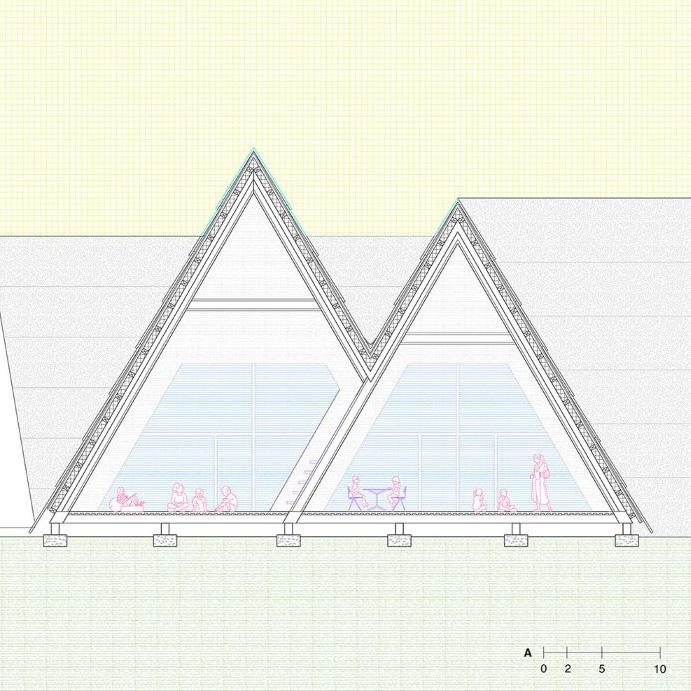
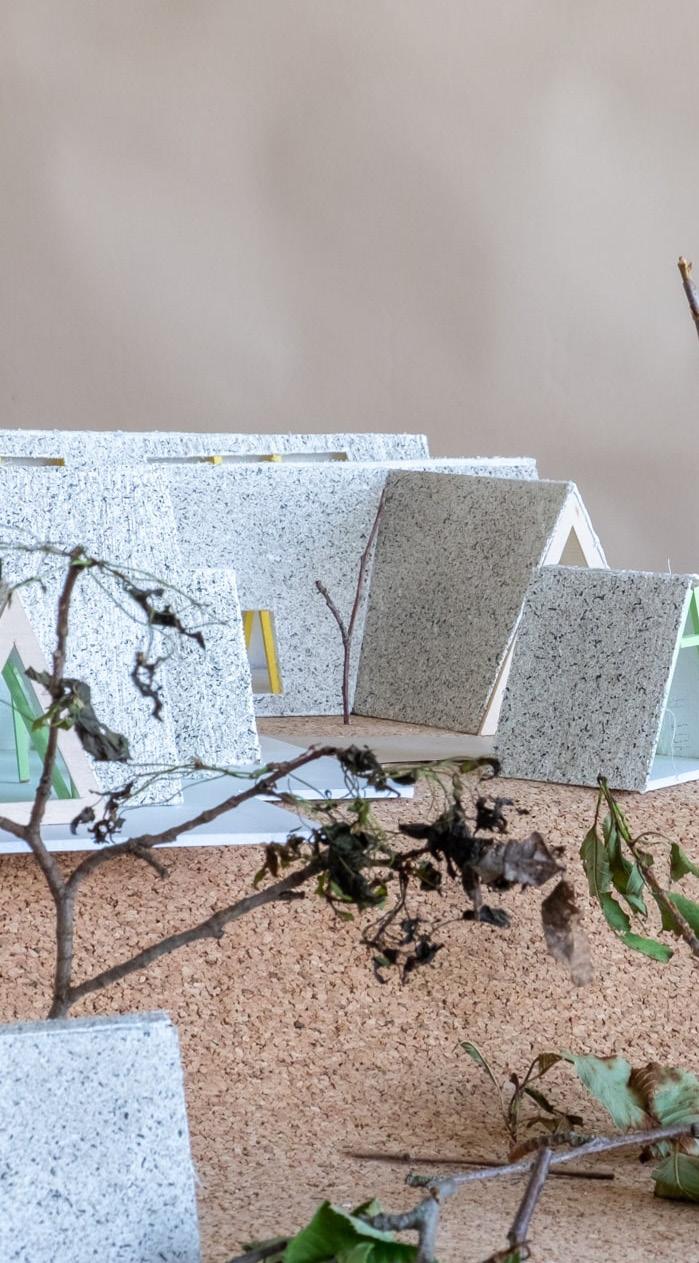
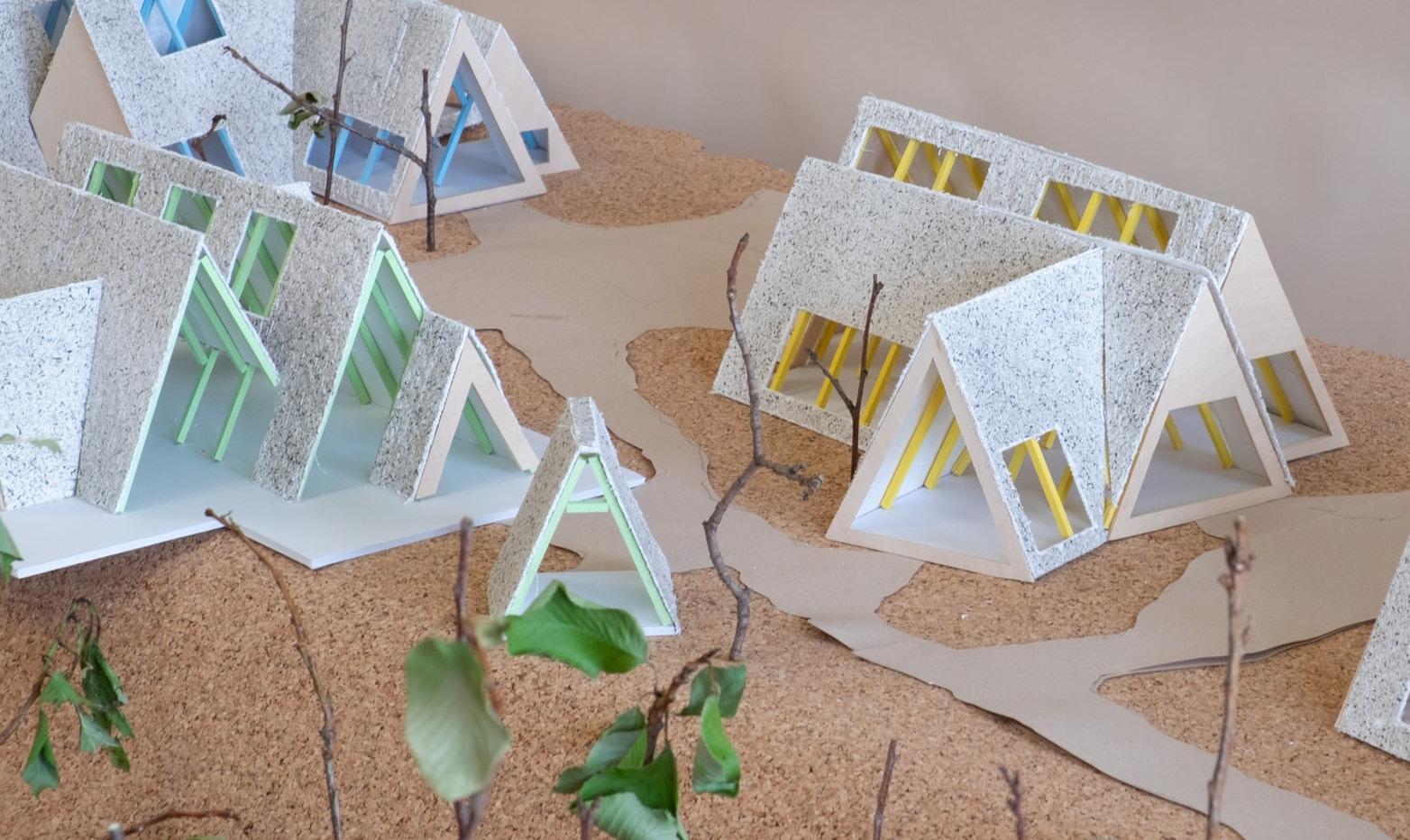
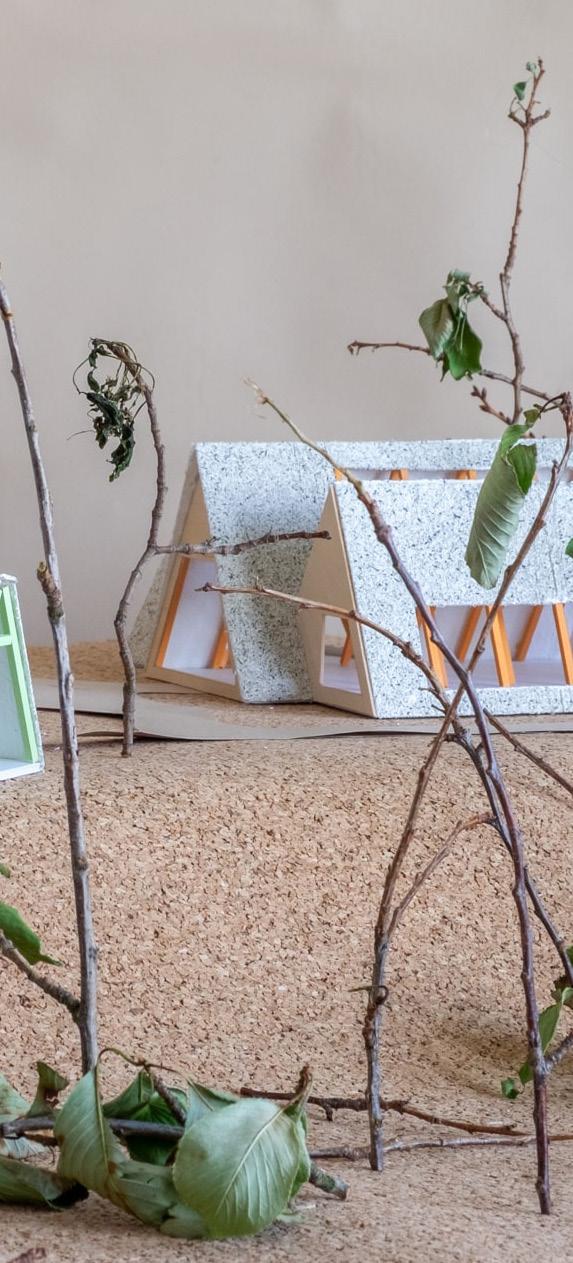
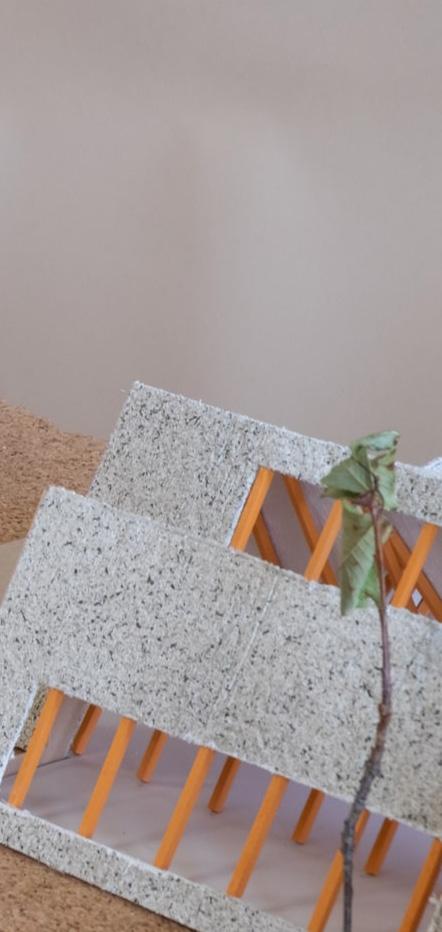
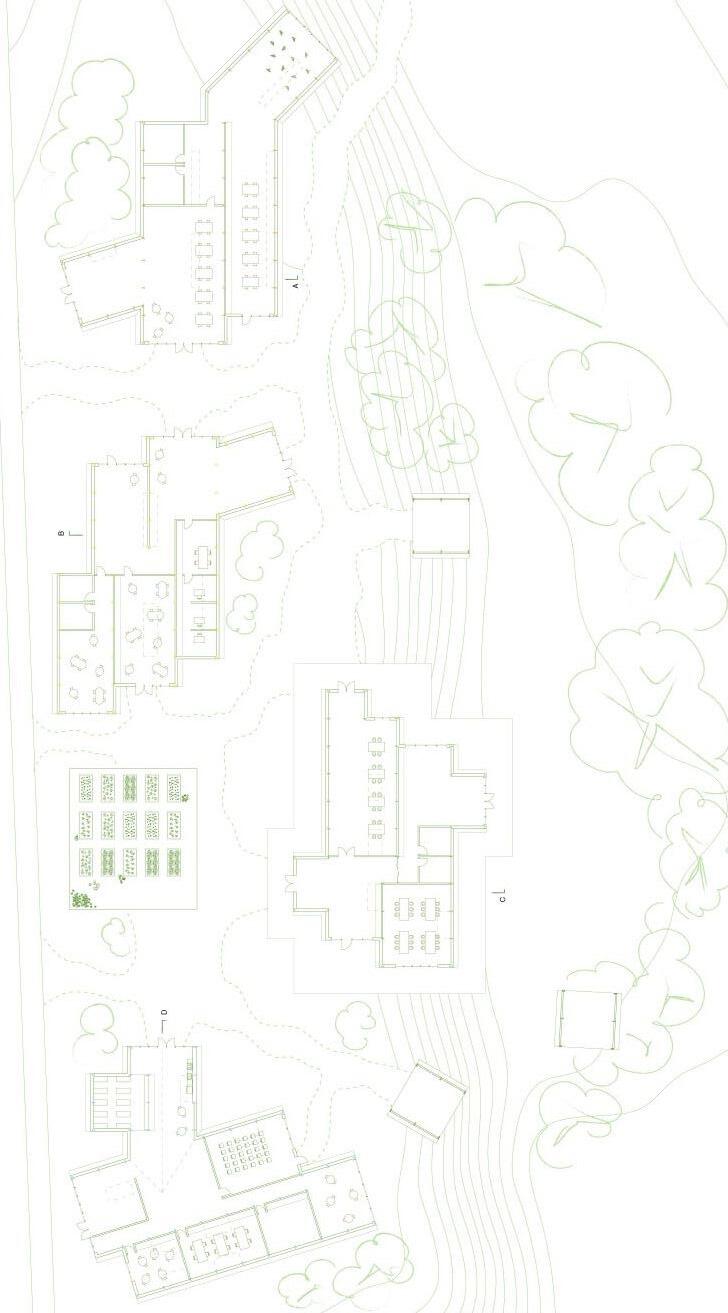
Neighboring the Taft Street Community Garden in Pawtucket, RI, the design for this early and elementary education center is an effort to reimagine conventional American educational spaces and practices. This series of intersecting A-frames focuses on nature, play, and food as necessary learning tools.
The four primary structures are scattered on the site to implement a nature-based learning environment for the early education center. Inspired by the framework of Danish forest schools, physical immersion into nature became a driving factor for the structural and aesthetic design.
SITE OBLIQUE
SECTION
REMNANTS
Rhode Island School of Design Course
Advisor Location Spring 2022 Revisionist Histories Graduate Thesis
Amy Kulper Westerly, RI
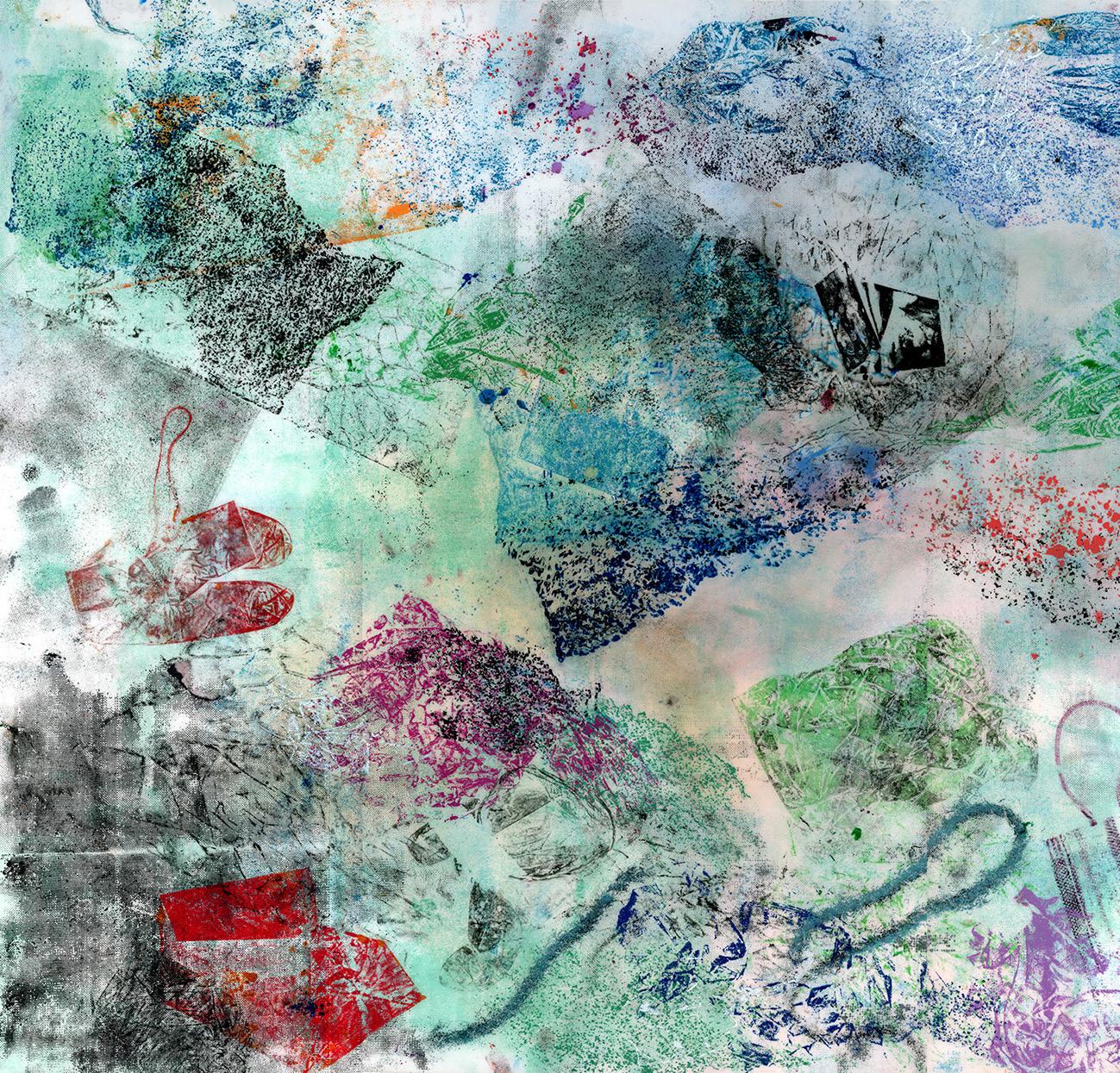
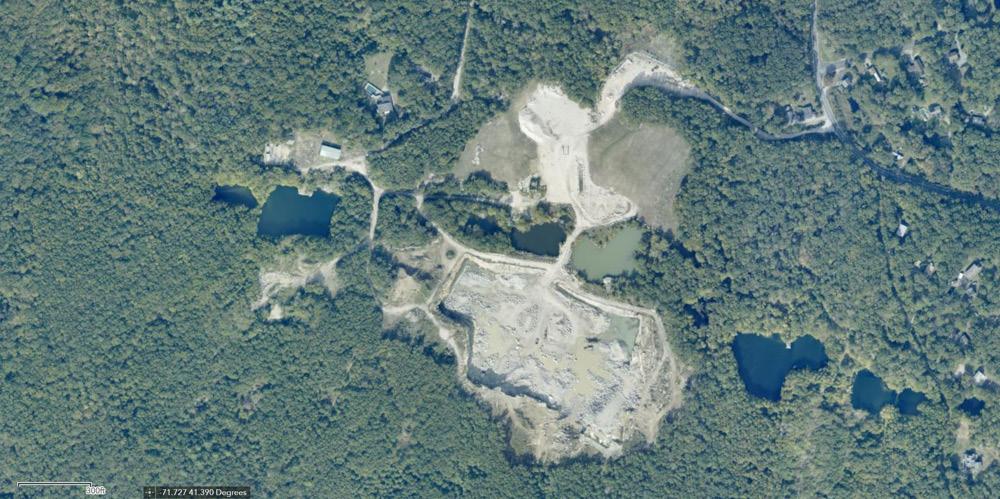
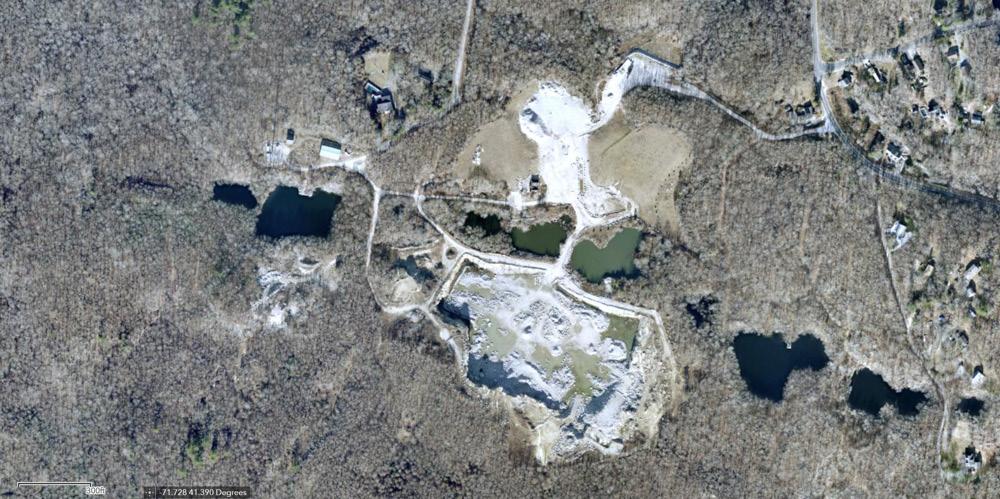
Remnants is a revision of our interaction with land extraction through reimagining processes of representation and image-making. By altering perspective and focus, the visual effects of commodity culture shift to highlight the consequences that occur before and after our consumption. Dependably lost in translation, spatial and temporal information of material exchanges across the globe uphold and preserve the synergy of our commodity transactions. In a field constantly playing with and pushing against the boundaries of representation, remnants aim to redraw lost connections of material transformations through a granite quarry in Rhode Island. Representation becomes a tool to revise narratives that obscure the material and ecological connections behind consumer culture.
Site Research
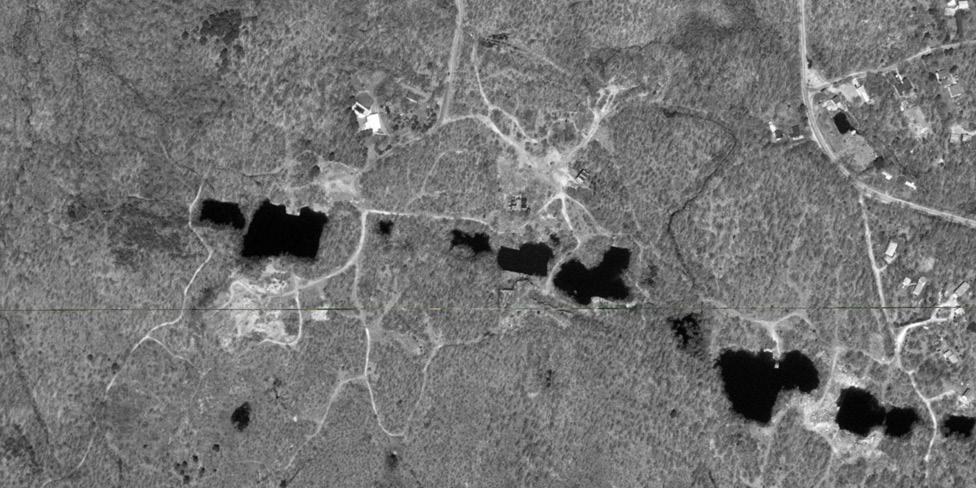
WESTERLY GRANITE INDUSTRY, 1840-1950
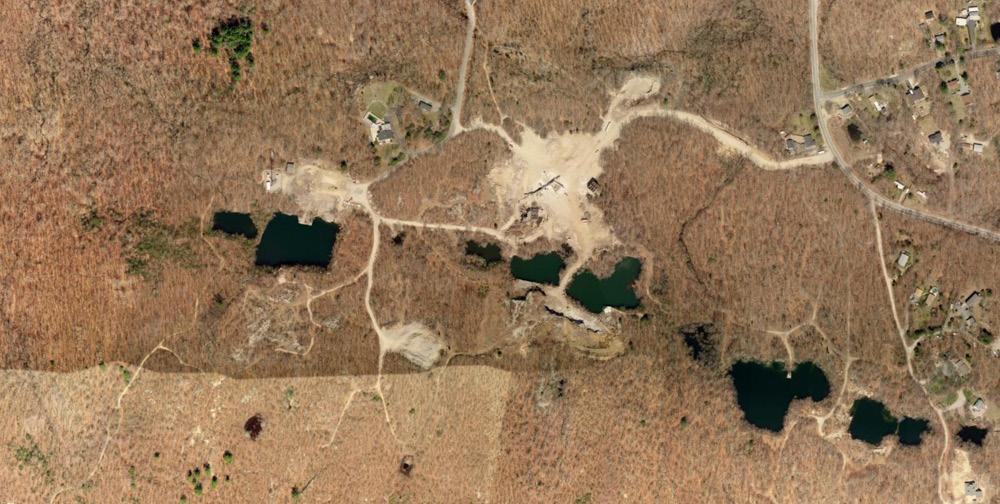
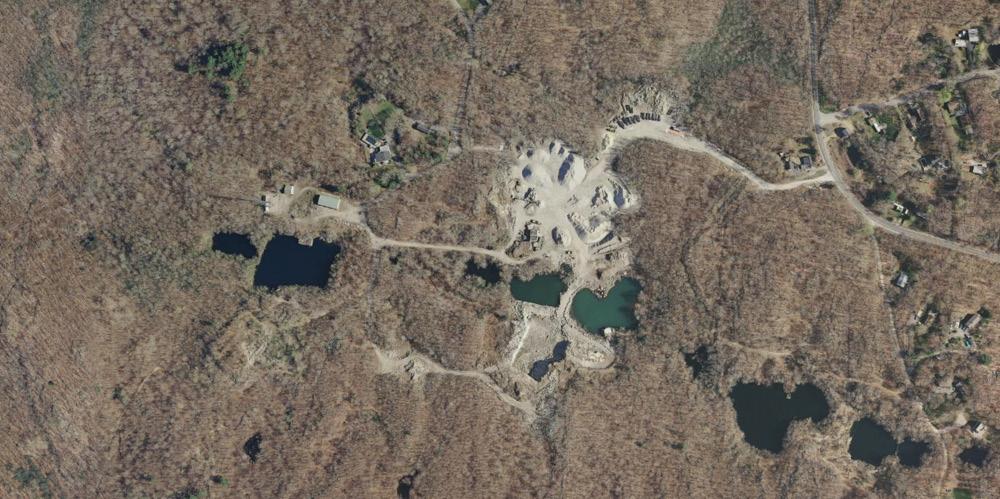
BRADFORD QUARRY REOPENING, 2010-PRESENT
Site Context and History
Westerly granite, formed during the late Pennsylvanian period, comes from the southwest corner of Rhode Island and became the foundation of a thriving extraction industry beginning in the 1840s. Valued for its consistent material properties, the stone was initially used for foundations and paving before gaining national demand for monuments, tombstones, and architectural materials. Its widespread use reshaped both the regional economy and local culture.
By the 1950s, most of Westerly’s quarries had closed, with only a few continuing intermittent operations. As the granite industry declined, the local economy shifted toward tourism and beach development. Over time, residential neighborhoods emerged around dormant quarry sites, with homes built close to the edges of former extraction zones.
Contemporary Impact
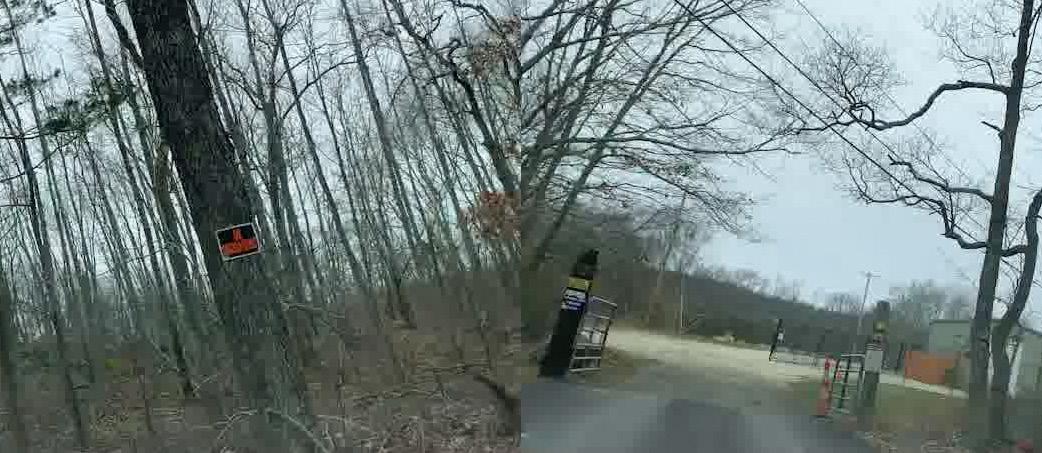
In December 2010, a long dormant quarry in the historic village of Bradford, located at the border of Westerly and Charlestown, resumed operations after thirty years. The land, owned by a prominent Westerly family, was leased to Copar Quarries LLC. This renewed activity, operating at a far more aggressive scale than in the past, exposed nearby residents to repeated dynamite blasts and airborne crystalline silica, a known carcinogen. The company faced multiple lawsuits, inspections, and public testimony citing a range of harms, from daily disturbances to serious health concerns.
The operators remained in business while local residents endured the invisible consequences. The ongoing noise from extraction and crushing was unrelenting, and the process released silica dust that accumulated in large mounds across the site. Although neighbors reported that dust regularly blanketed their properties, the quarry maintained that on site levels remained within federal limits. A town funded study later measured the extent of dust diffusion and found the highest daily average concentration occurred at an elementary school one mile from the site.
Drawing as Method
The privatized quarry challenged conventional academic methods of site analysis, prompting a spatial approach rooted in observation from above, below, and around to interpret, represent, and reimagine the site.
Scan the QR code for access to external links to videos
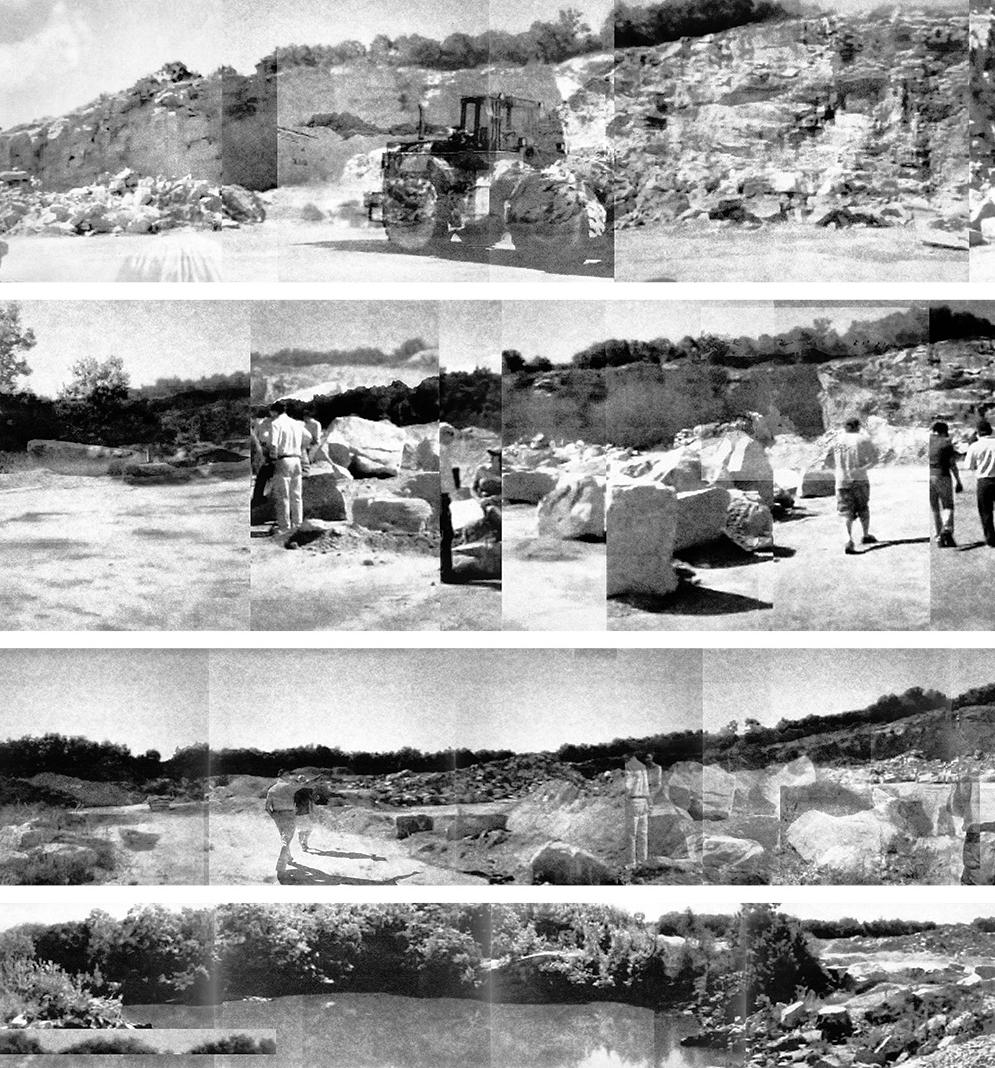
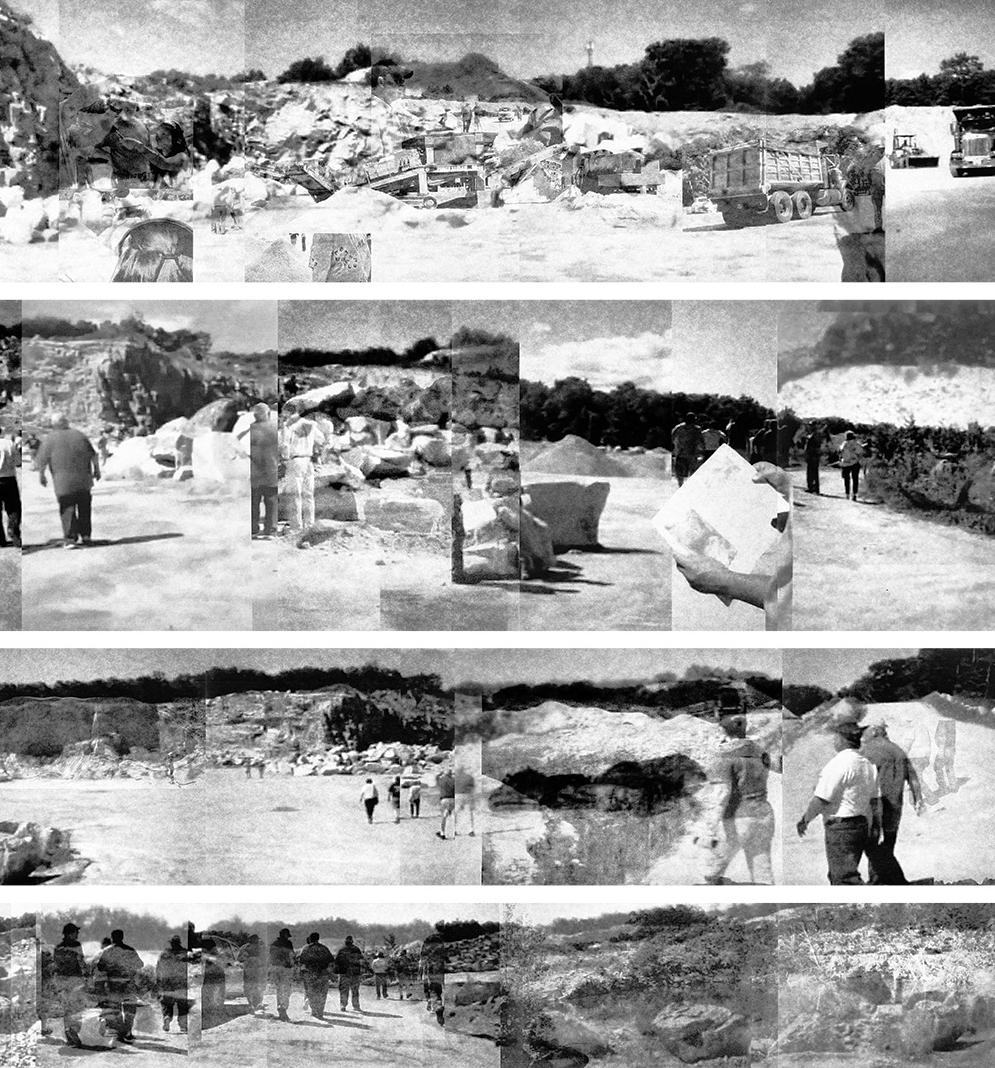
On August 30, 2016, residents, officials, and journalists toured the Bradford Quarry, documenting the site in a 55 minute video that remains the only visual record of its interior.
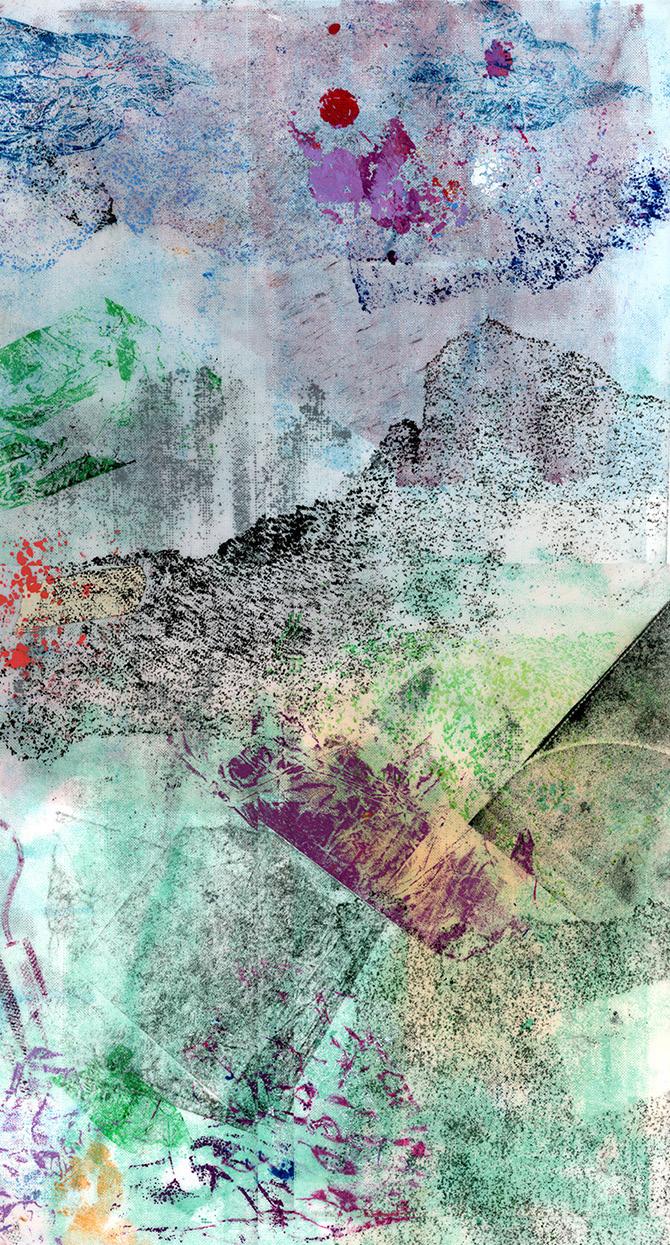
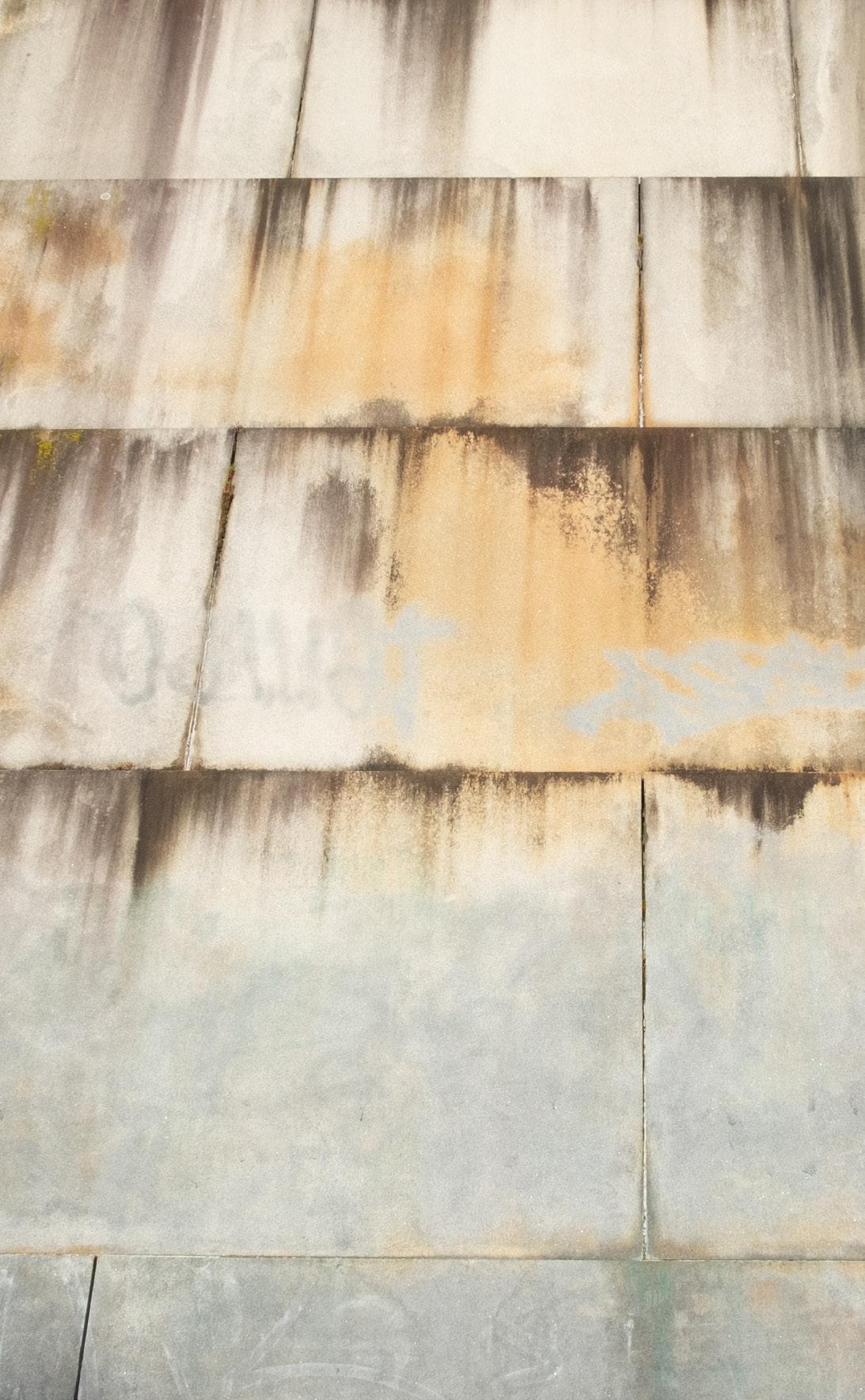
The site is interpreted as both a standing reserve and a place of ecological return. The drawing reconfigures a video into a series of layered panoramas that reflect fragmented, future-facing memories. Delineated by strata, each image tracks the movement of people, rock, and machines. Horizontal divisions represent durations of activity, while vertical seams mark shorter intervals of motion.
BOSTON INSTITUTE OF ART
Kent State University Course
Critic Collaborator
Location Spring 2020
Integrated Design Systems
Undergraduate Thesis
Nick Safley
Jose Padilla Boston, MA
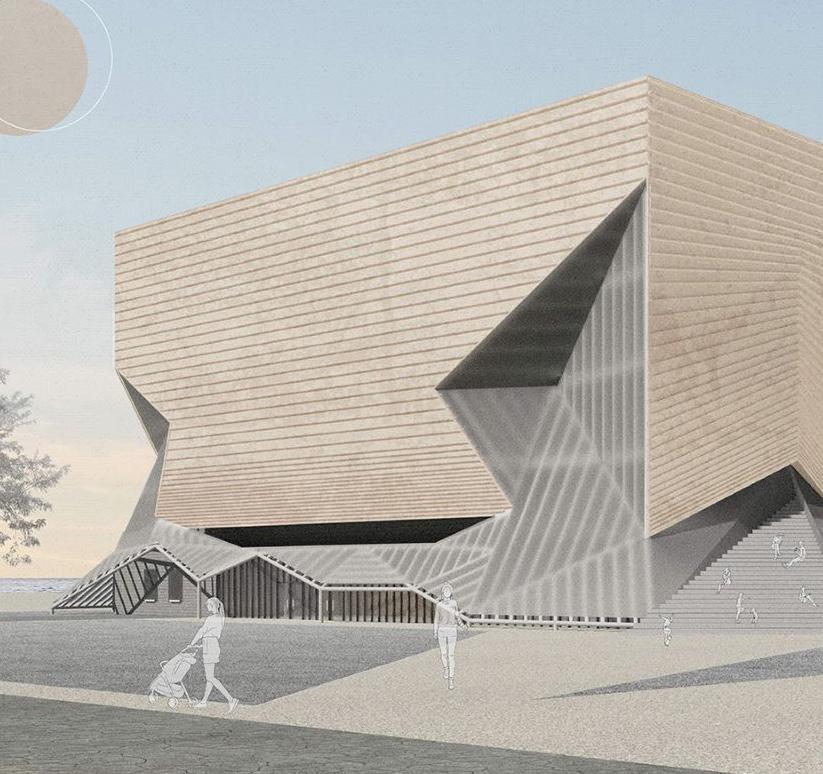
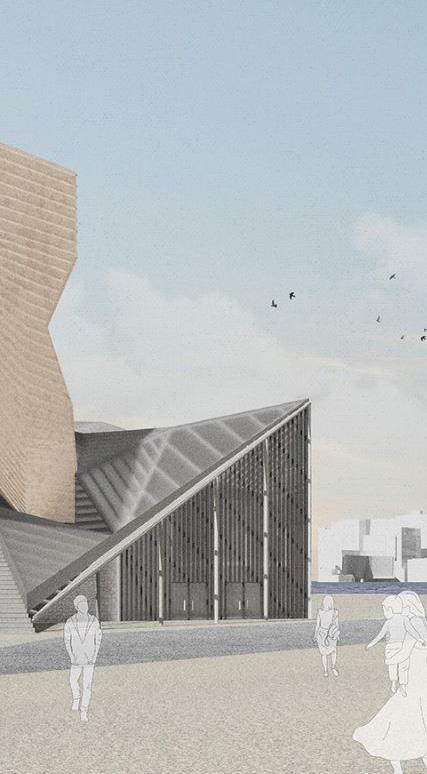
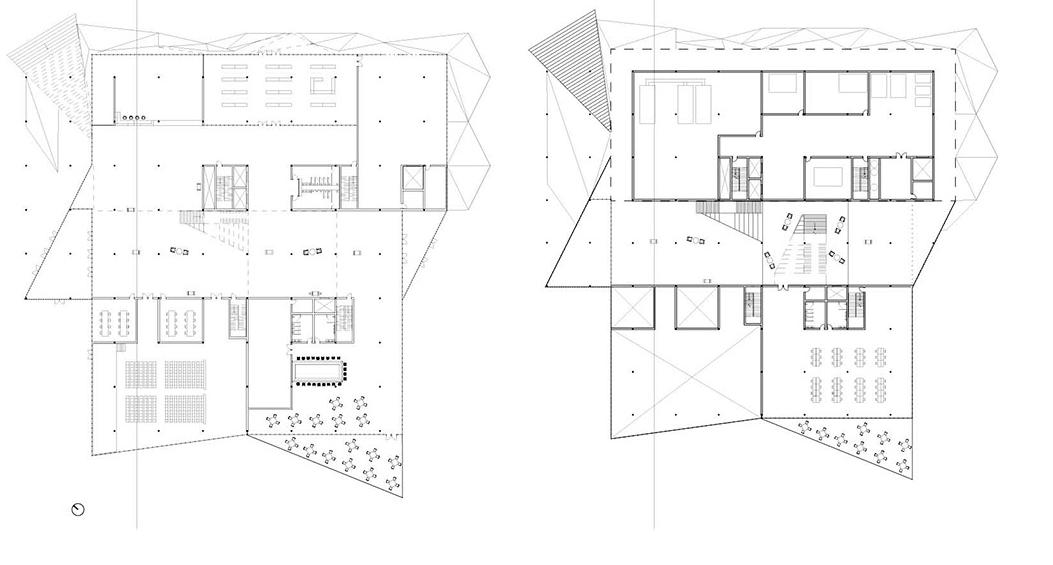
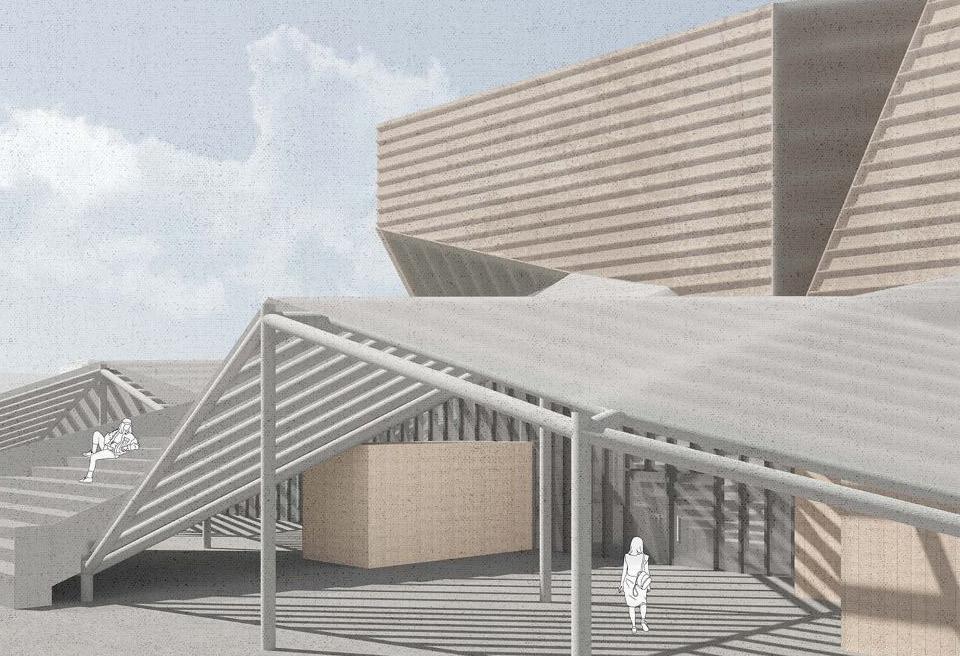
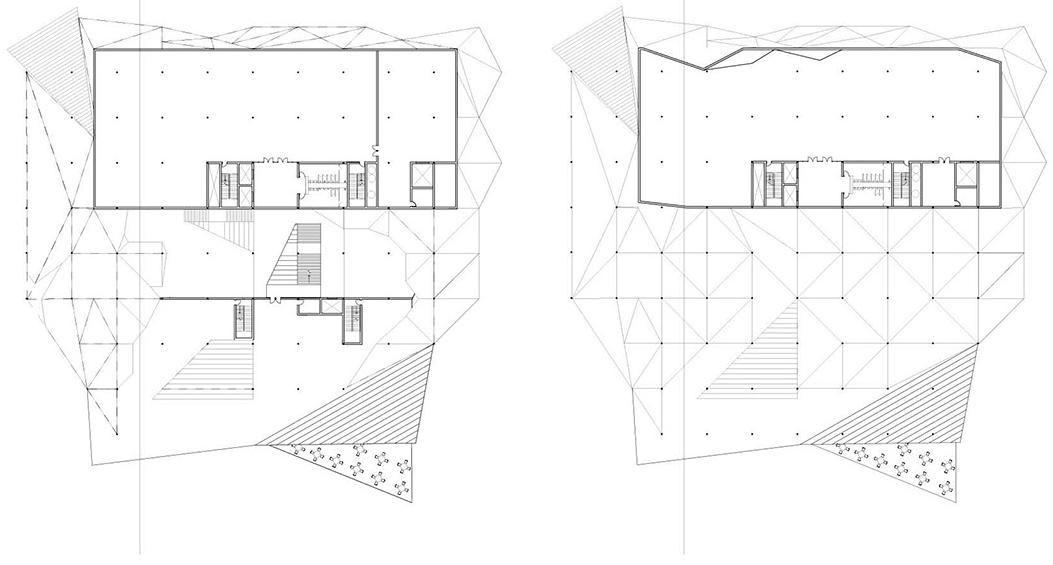
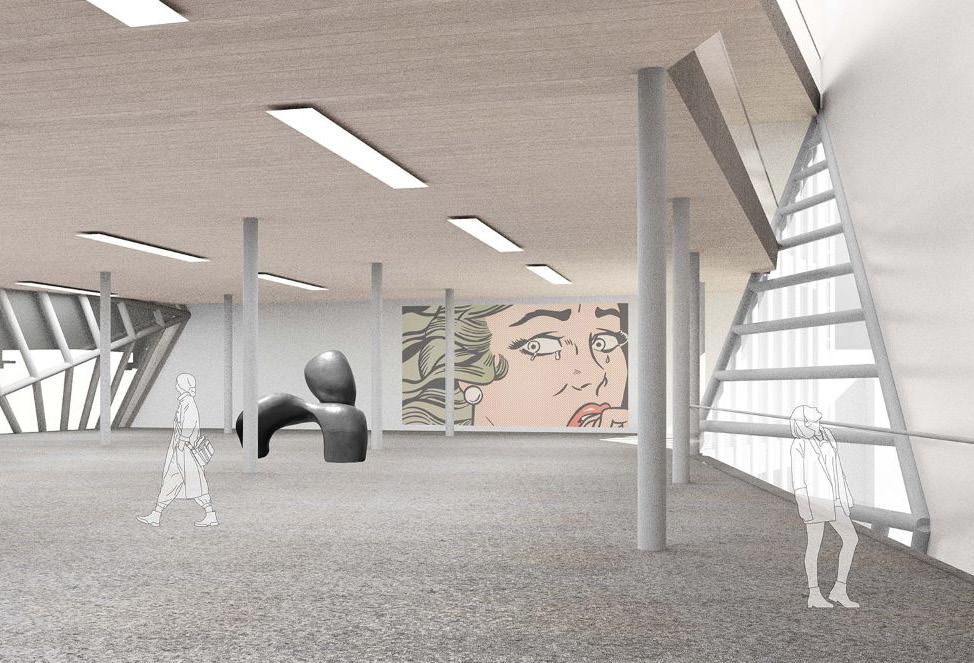
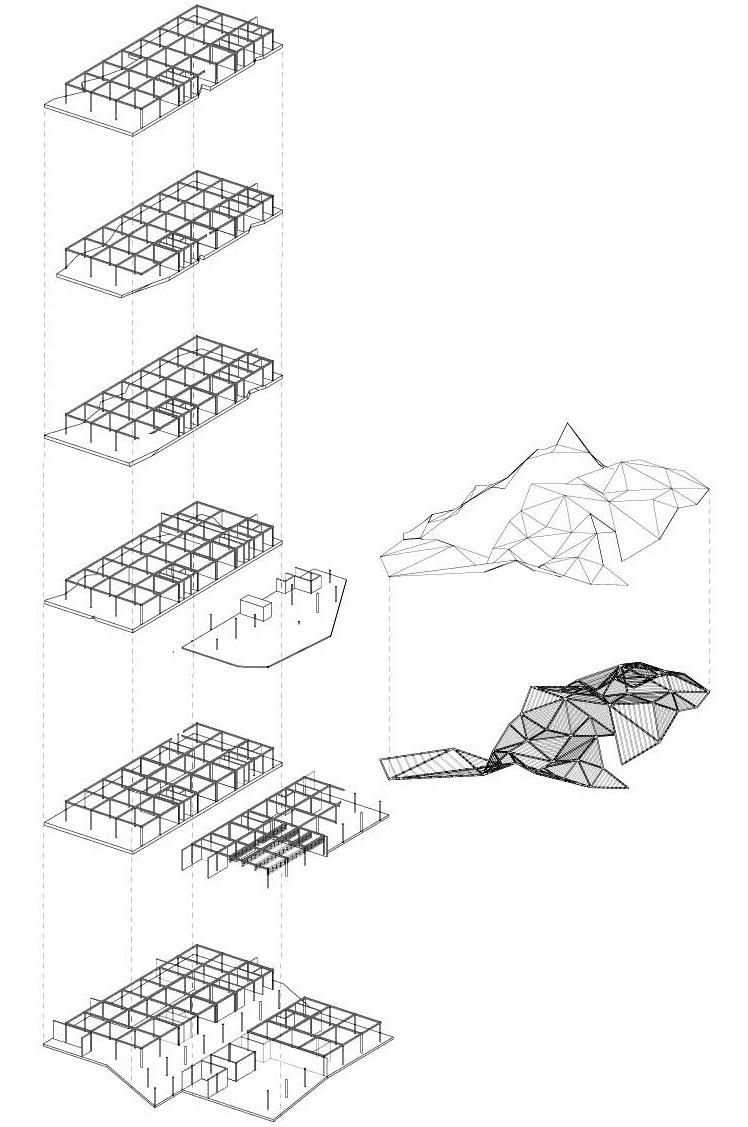
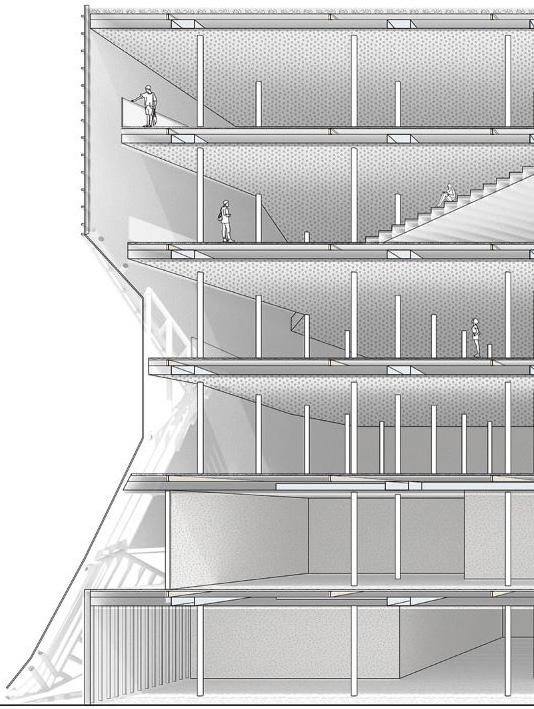
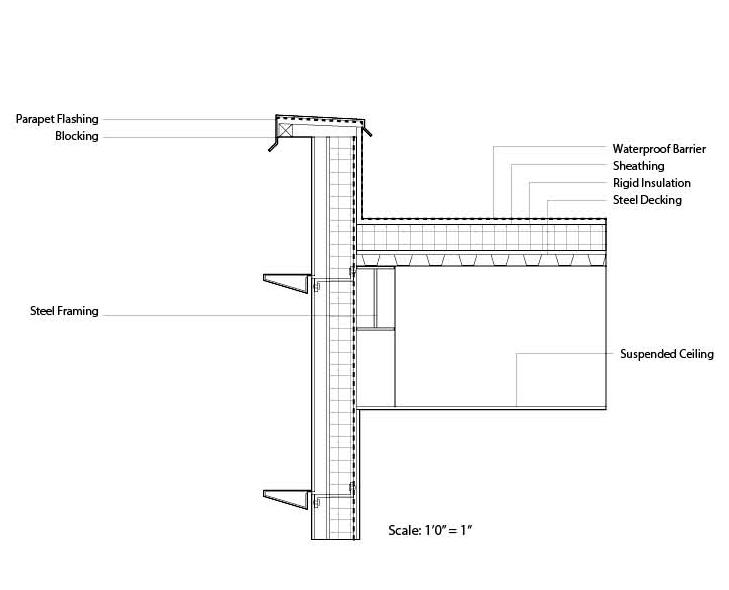
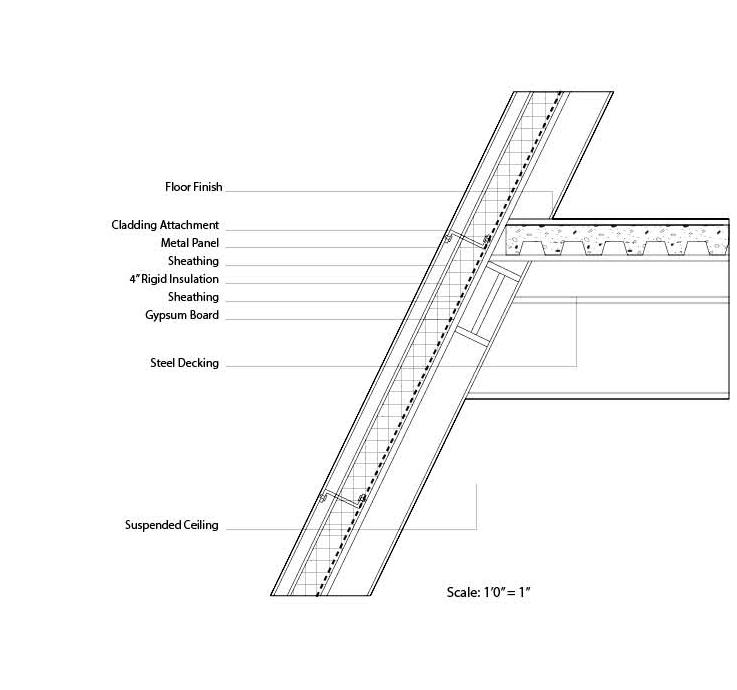
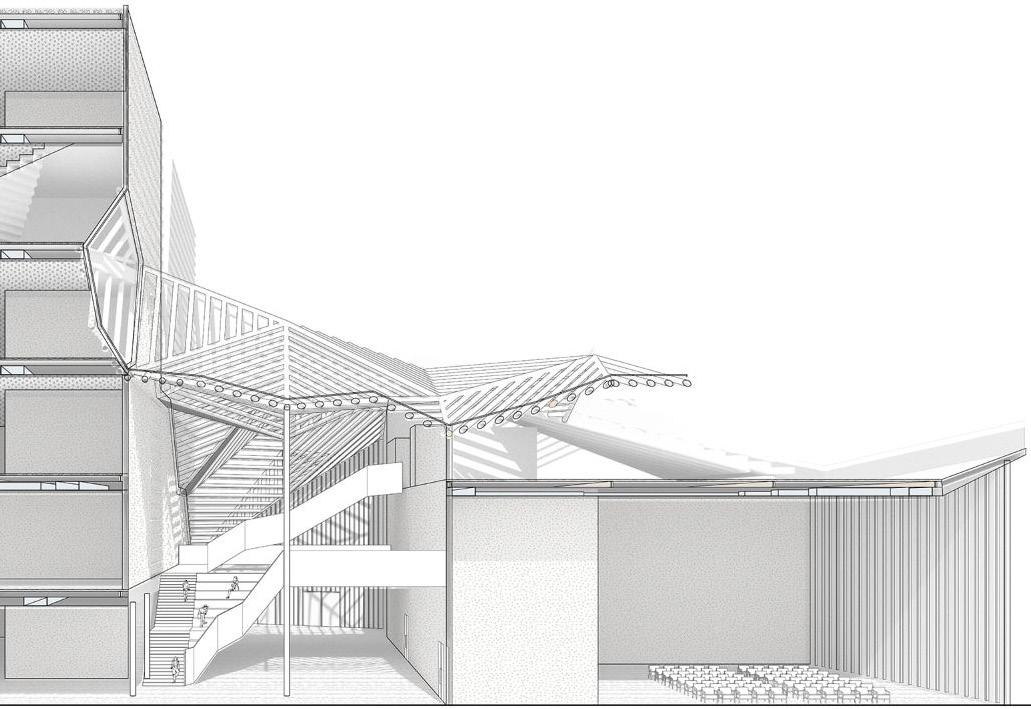
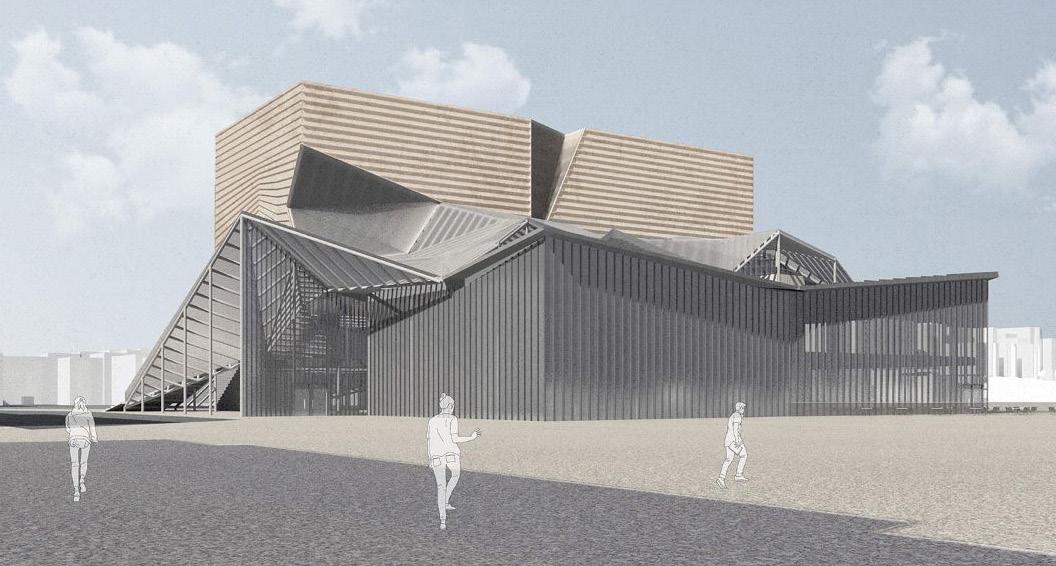
The Boston Institute of Art proposal investigates an ambiguous perception of form through structural illusions of inflation and carving. The space consists of three main zones of program layered in plan, parallel to the water’s edge. The street side termed the ‘Bar’ consists of exhibition spaces. Adjacent to the waterfront include an auditorium, offices, and dining with a view over the Harbor and Boston skyline. Between the two zones runs a large public atrium with seating underneath the tessellated roof. Following the structural grid, the roof appears inflated, enclosing the atrium and creating shelter for the outdoor roof space. The planar structure then creates the illusion of moving through the bar, reemerging at the northern entrance as an overhang.