ANNUAL IMPACT report 2022
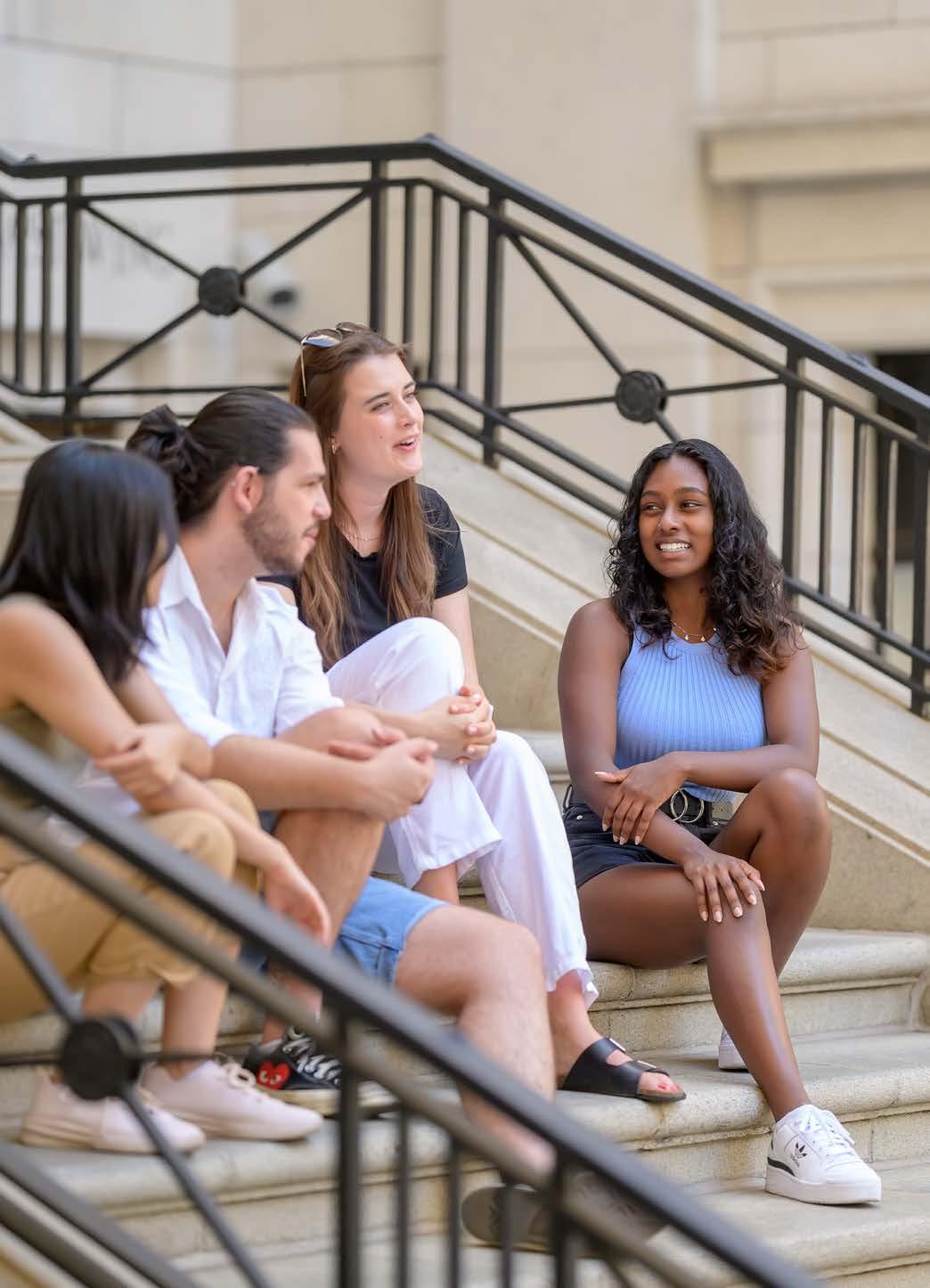
Story title CONTENTS Introduction from professor shitij kapur 1 The year in review 2022 4 A catalyst for change 7 Research 9 – Protecting communities around the world from radicalisation 10 – Closing the knowledge gap in maternal healthcare 12 Student support 17 – Appreciating King’s students and their ripple effect 18 – Nurturing curiosity 20 – Supporting African communities through PhD studentships 23 – Helping displaced students reach their potential 26 – Getting to know our sanctuary scholars 29 Looking to the future 33 – Responding rapidlly with a long-term vision 34 – Unlocking the benefits of a university education 37 – Reshaping the Quad 40 – Honouring the blueprint for a life well lived 44 new student support for 2023 46 Thank you 48 Cover: Students in the East Court of Bush House in 2022.
INTRODUCTION FROM Professor Shitij Kapur
It is my great pleasure to introduce my second Impact Report as President & Principal of King’s College London and to let you know about the wide impact King’s is having, supported by the generosity of others.
I am so proud to share these stories with you. When I look back over an incredible year, my greatest reflection is one of gratitude. Thanks to our committed and passionate supporters, we have been able to continue driving forward impactful research, giving our students access to an exceptional education, and delivering tangible benefits back to society. You have enabled us to do so much, and we value your generosity greatly. I hope you are as proud as I am to read about the phenomenal things we have achieved together.
As ever, we stand on the shoulders of giants. It was at King’s that pioneering scientist John Daniell, appointed as our first Professor of Chemistry in 1831, developed the first reliable source of electricity: the Daniell cell. His discovery went on to shape how we study electro- and physical chemistry, and powered Sir Charles Wheatstone’s telegraph, which was developed at King’s in 1841. Since the very beginning, discoveries and developments made by people during their time at King’s have gone on to pave the way for further ground-breaking innovations.
This has motivated us to do everything we can to embolden the best and brightest students to become the next generation of pioneers. Scholarships are a wonderful example of this commitment. In this report, you will hear from scholarship recipients who are honouring John Daniell’s legacy, building their knowledge to empower and transform their communities. You will hear from our talented Hong Kong Scholars, who are supported by King’s alumni in the region and who, when they graduate, will join a well-established network of alumni who are making a difference in their community. You will also meet passionate students from Africa who are undertaking PhDs in natural sciences, using their time at King’s to make scientific breakthroughs which will have a real, tangible impact on the health and wellbeing of people in their home nations and across the world.
During a year which has presented a number of challenges to people worldwide, I have witnessed with great pride the resilience and agility of the King’s community. You can read about how we have been able to move quickly to deal with challenges as they arise, while ensuring our solutions remain long term and strategic. This includes our Sanctuary Programme, which provides support and positive education opportunities for young people around the world who have been forced from their homes, including those affected by the war in Ukraine. You can also read about our rapid response to a devastating fuel tanker explosion in Sierra Leone. Thanks to a
Annual Impact Report 2022
1
2
decades-long partnership with healthcare organisations in the region, we were able to mobilise quickly to support emergency response staff on the ground, helping provide urgent care to people who were injured.
King’s remains steadfast in our commitment to service. We will drive forward research and innovation in areas which will have significant impacts on society: from mental and physical health, climate action and sustainability to peace, justice, sanctuary, social mobility and equality. I look forward to continuing and deepening our relationship in the years to come.
Thank you.
Professor Shitij Kapur President & Principal
Annual Impact Report 2022
3
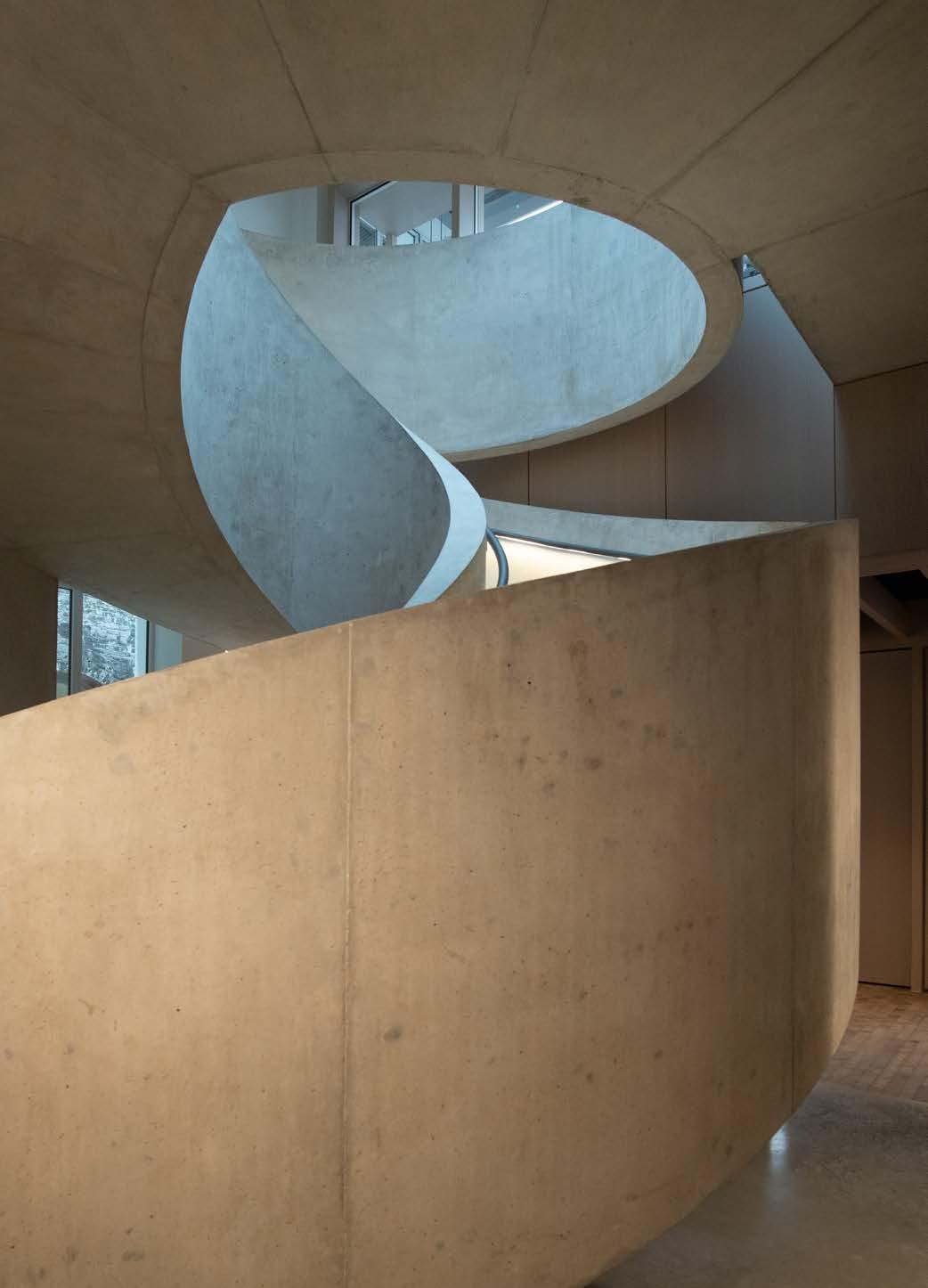
Left: The Helical Staircase in the new Department of Engineering, which reopened at King’s in October 2022 thanks to philanthropic support.
THE YEAR IN REVIEW 2022
The Lau China Institute and The India Institute celebrated their 10th anniversaries. Both Institutes celebrated a decade of success with events (The Lau China Institute 10th Anniversary event pictured above).
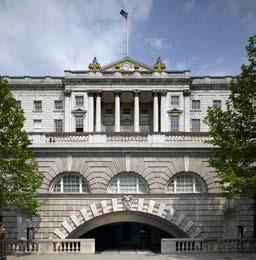
King’s and The Courtauld Institute of Art announced a new landmark 10-year strategic relationship.
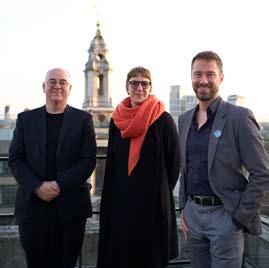
King’s Maths School named Best State Sixth Form College of the Decade by the Sunday Times Schools Guide.

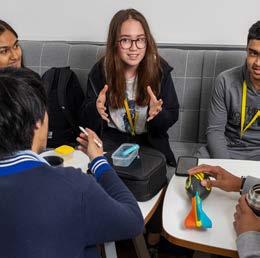
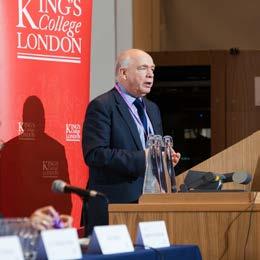
Professor Sir Lawrence Freedman, Emeritus Professor of War Studies at King’s, has contributed much to the recent conversations surrounding the invasion of Ukraine.
King’s Departments celebrated milestone anniversaries this year. In 2022, the King’s Department of Geography celebrated its 100th anniversary and the War Studies Department turned 60.
Story title
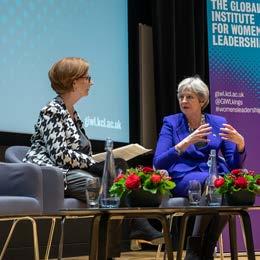
Theresa May and Julia Gillard held an in conversation event in honour of International Women's Day.
4
King’s continued to move up the UK rankings for research power. The Research Excellence Framework 2021 ranked King’s at 6th.
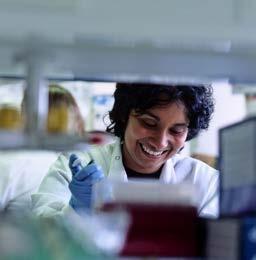
King’s and Citizens UK formed a partnership that will help to bring Ukrainians to Britain as part of the Homes for Ukraine scheme.

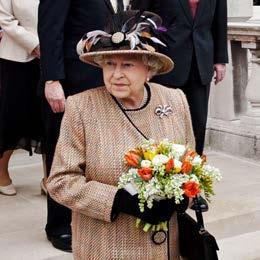
Two staff members and 10 alumni were honoured in the Queen’s Birthday Honours 2022.
The King’s Business School celebrated its fifth year as a King’s faculty. The School is now one of the largest providers of undergraduate management teaching in London, with having over 1,000 students registered on master’s degrees and a growing number of research students.
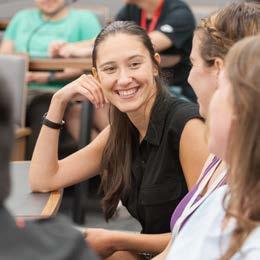
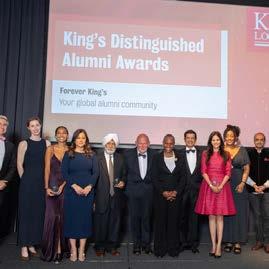
The King's Distinguished Alumni Awards were held in June 2022, and celebrated our fantastic alumni award winners, all of whom are helping us to fulfill our mission to make the world a better place.
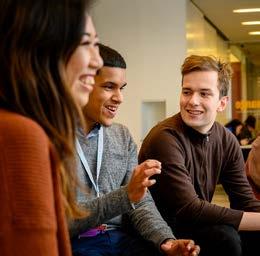
King’s Global Day of Giving is a digital fundraising event that raises support not only for scholarships and bursaries for the next generation of bright students, but also for innovative research that could change the world.
Annual Impact Report 2022
5
KING’S COMMUNITIES SMART SOLUTIONS
More than 185,000 alumni across the world
35,000 students and staff in more than 200 countries
25 widening participation programmes at King’s
Over 120 students supported philanthropically by scholarships and bursaries in 2022
6th in the world in the 2021 Research Excellence Framework (REF21)
84 per cent of our research is ‘world-leading’ or ‘internationally excellent’
128 partner universities across the world, ranging from specialist departmental partnerships to college-wide partners
4 partnerships with health facilities, academic institutions and governments in Somaliland, Sierra Leone, the Democratic Republic of Congo & Zambia through the King’s Global Health Partnerships.
FOR THE FUTURE
Over £8 million has been pledged to King’s by 248 legacy supporters
16,692 students graduated from King’s within the 2021– 22 academic year
333 alumni contributed 3504 hours of their time volunteering or mentoring students and other alumni for King’s
Story title
6
A CATALYST FOR CHANGE Matthew Gorman
Within these pages are just a few of the standout stories of 2022 from across King’s College London, all made possible thanks to our generous supporters, alumni and volunteers. These stories embody three vital ingredients that we believe maximise a university’s impact: transformative philanthropic giving as a catalyst for change; smart, nimble solutions that adapt to an ever-changing world, and a constant eye to the future, working to build a world that serves the many, not the few.
Transformative giving Any story of impact begins with our supporters. As well as contributing financially, many advocate for a particular issue or share their expertise – for example, through mentoring. With our supporters’ funding, experience, time and energy, King’s can make a difference to individuals and to societies worldwide, building a world that’s healthier, wiser, safer, fairer and more just. We have never had a more ambitious vision for the future and there is now a generational chance to make the world a better place, together.
Smart solutions From the COVID-19 pandemic to the war in Ukraine, recent events have emphasised the fragility and uncertainty of life as we know it. We live in a world where problems – and their solutions – can change in an instant. The commitment and generosity of our supporters means King’s can respond to these challenges as they arise, delivering rapid, flexible and iterative solutions that address immediate needs while keeping longer-term goals in clear sight.
Focus on the future What our donors make possible today will be felt in the generations that follow. Change must not simply patch a problem: it should be sustainable and holistic, and should contribute to ambitious long-term goals that get to the root of the problem. The impact of philanthropic support stretches beyond us as individuals in both its long-term nature and how far it reaches across the world. It has the power to create a ripple effect both throughout our communities and through time. Often, those whose lives are changed by such generous support help us to continue this incredibly inspiring and uplifting cycle by giving back later.
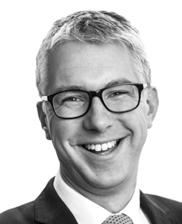
I would like to thank you on behalf of the students and staff at King’s for supporting us in making sure we continue to be so impactful for our communities at King’s, in London and across the world. Your support is our catalyst for change.
Matthew Gorman Director of Development
Annual Impact Report 2022
7
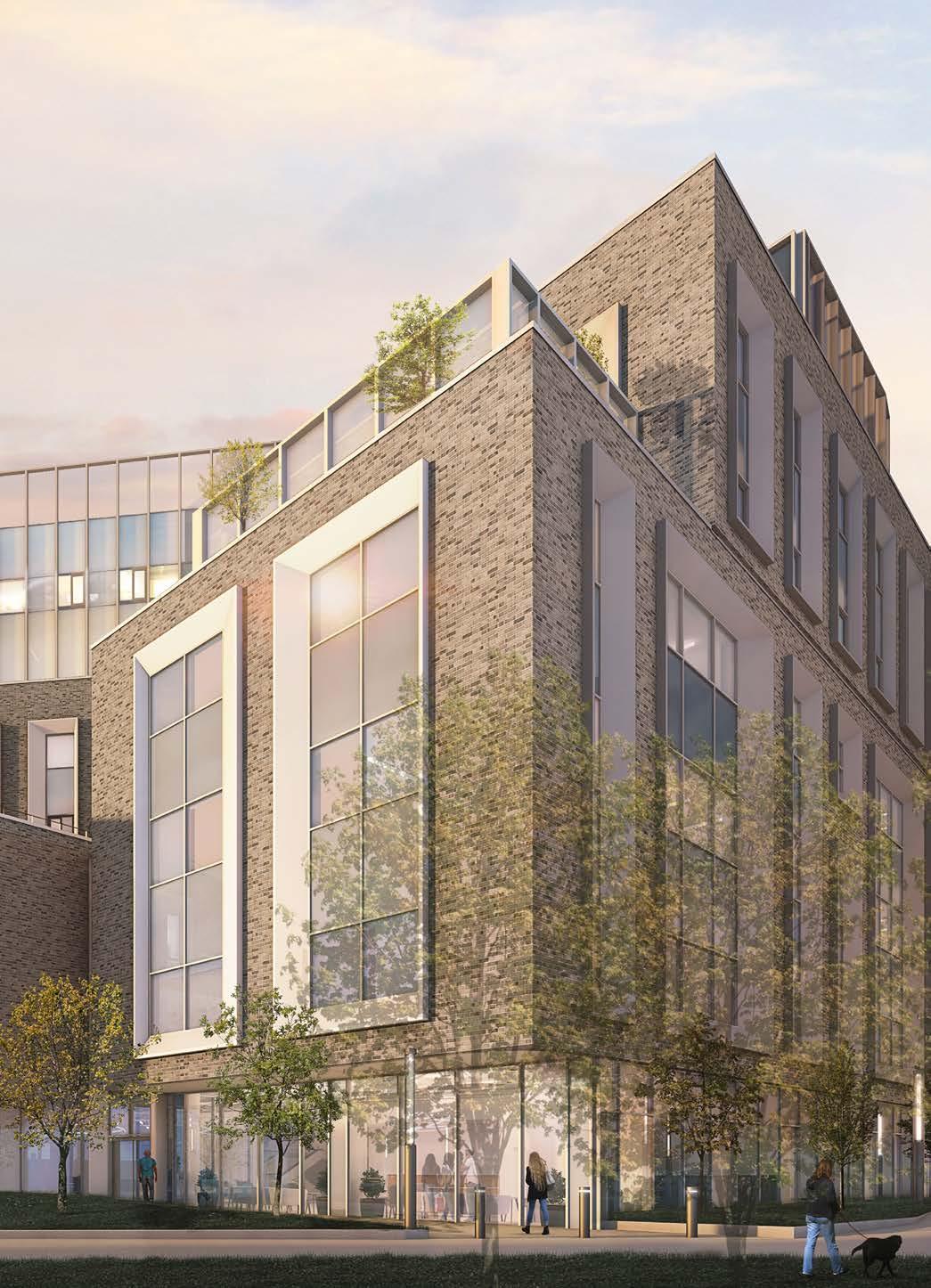
Artist's impression of the pioneering new Pears Maudsley Centre for Children and Young People. The Centre is set to open in the autumn of 2023.
RESEARCH
9 Annual Impact Report 2022
© SOUTH LONDON AND MAUDSLEY DEVELOPMENT PROJECTS, IBI GROUP
PROTECTING COMMUNITIES AROUND THE WORLD FROM RADICALISATION
Between March 2020 and March 2021, 4,915 people in the UK were identified by the government programme Prevent as being at risk of radicalistion – of beginning to believe or support extremist views. The King’s International Centre for the Study of Radicalisation (ICSR) works to change this picture by shaping public policy, identifying emerging extremist groups and increasing global understanding of the complex underlying issues.

10
The International Centre for the Study of Radicalisation was founded at King’s in 2008. Working across multiple disciplines and in several languages, it brings academic rigour to the study of radicalisation, international security and terrorism issues. Radicalisation can be defined as the action or process of making somebody more extreme or radical in their opinions on political, social or religious issues. Currently active groups include the Alt-Right, racially and ethnically motivated violent extremists (REMVE), and jihadi ideologists. Their impact is devastating, global and ever-more visible in our daily news cycle.
Between March 2020 & March 2021
4,915 people in the UK were identified as being at risk of radicalisation
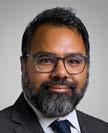
‘We have the right environment, people and resources to address the major threats to peace and democracy around the world.’ Dr Shiraz Maher, Director of the Centre
The King’s International Centre for the Study of Radicalisation is generously supported by Pears Foundation, The Charles Wolfson Charitable Trust, Daniel Peltz OBE FKC and Elizabeth Peltz.
Dr Shiraz Maher, Director of the Centre, says: ‘Their support is absolutely crucial to this. It means that we have the right environment, people and resources to address the major threats to peace and democracy around the world, while training the next generation of scholars.’
ICSR embodies a King’s priority – the ability to respond quickly and significantly to a pressing global issue with the potential to affect any community. We’re proud that, thanks to the support of our donors, we are able to drive changes to global policy, identify and prevent emerging threats, and increase global understanding to protect more young people from developing or acting on extremist views.
Impacting on communities across the world
One area of concern is the increasing number of teenage terror convicts. In 2021, Hannah Rose – a Research Fellow at the Centre – co-authored a report on youth-on-youth radicalisation, investigating 10 racial nationalist youth groups across western Europe. Hannah’s analysis explored how group ideologies tap into youth culture, how extremists use mainstream and alternative social media platforms for promotion and recruitment, and how offline activities and propaganda feed into the unique threats this emerging generation may present. This information is helping authorities worldwide to better understand radicalisation in this extreme-right context and implement policies that protect vulnerable young people from radicalisation.
In 2019, an Australian preacher linked to ISIS, Robert Cerantonio (also known as Musa Cerantonio), was sentenced to seven years in prison. Cerantonio’s nefarious activities first came to the attention of authorities after ICSR produced network maps based on data science and network modelling from social media platforms, showing his influence among online communities supporting ISIS. This empirical analysis showed that 75 per cent of English-speaking foreign fighters who joined ISIS interacted with Cerantonio on Twitter.
The Centre’s work thus set in motion a series of events culminating in Cerantonio’s arrest and deradicalisation in prison, making sure that he was prevented from impacting on or radicalising anyone else.
11 Annual Impact Report 2022
CLOSING THE KNOWLEDGE GAP IN MATERNAL HEALTHCARE
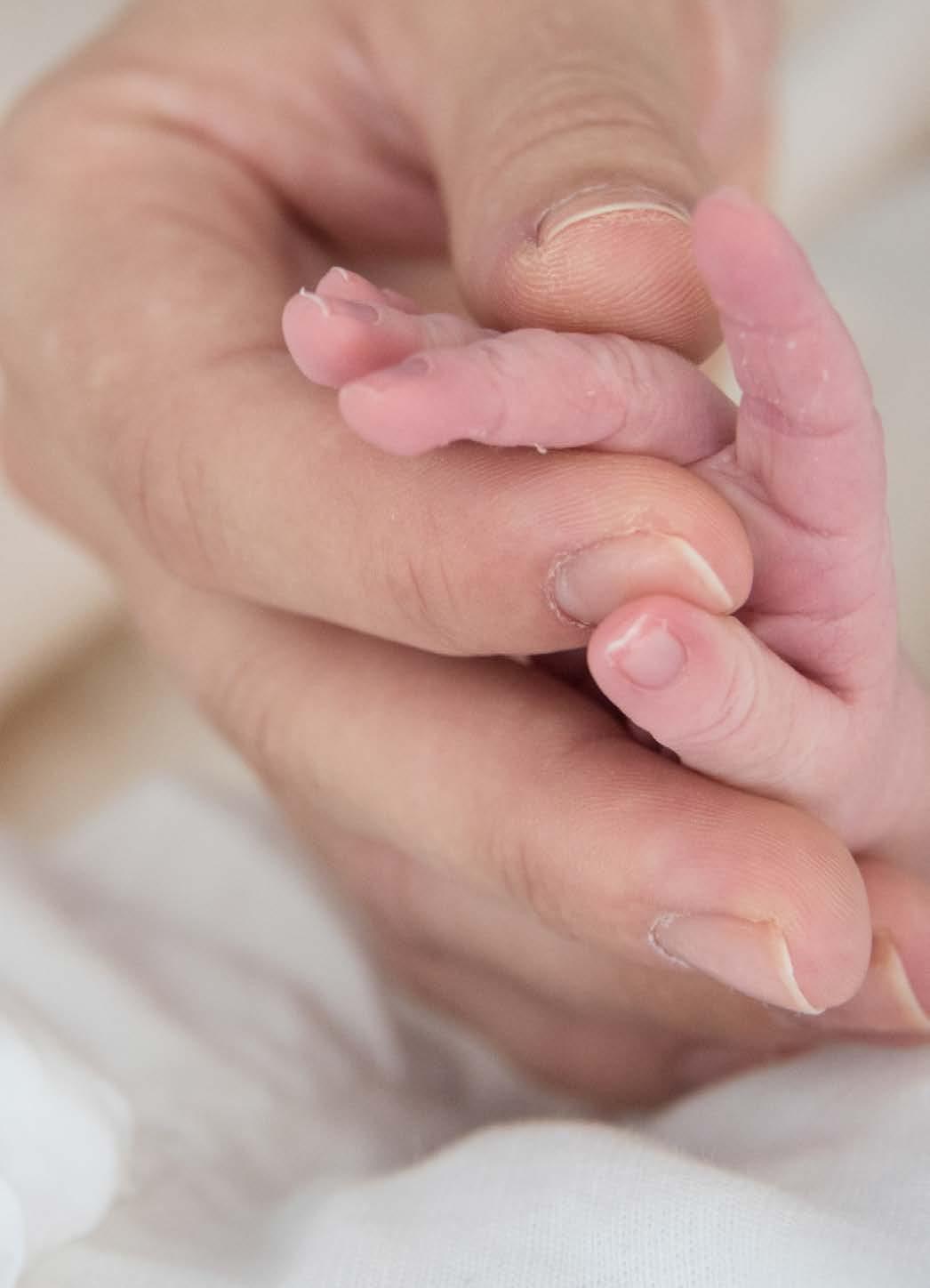
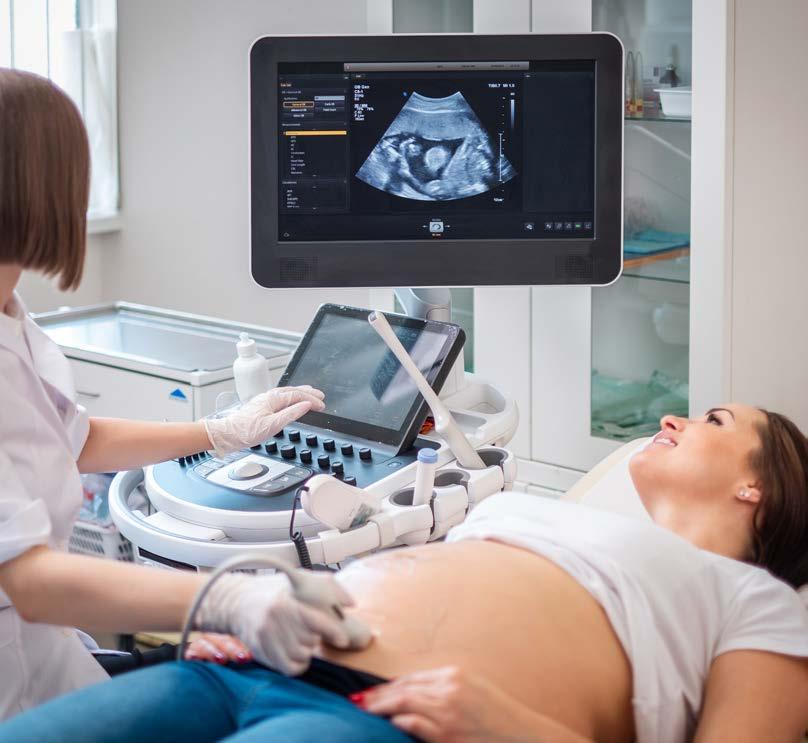
Currently, there is very little research into diseases women develop in pregnancy that have the potential to evolve into serious, longterm health complications for both mother and child. Without research into this area, thousands of women, and their children, are left without support when they need it most. Thanks to an investment of £1.5 million from the Fetal Medicine Foundation, King’s College London and its hospital partners are tackling this major gap in global health research and services, working with maternal and foetal health departments to develop the best possible care.
12
Diseases such as preeclampsia, gestational diabetes and intrahepatic cholestasis need immediate care and ongoing management. All three of these conditions are linked to longterm metabolic and cardiovascular disease, which can lead to life-changing complications for women and their children.
Women diagnosed with these conditions are carefully monitored during pregnancy, but once baby arrives it can be a very different story. A lack of research means very little is known about why diseases develop and how best to treat them, leaving many new mothers confused about what will happen next and without the care they need to manage any long-term implications. For many, what should be an exciting, joyful time with their new baby instead feels scary, lonely and overwhelming. And the true impact on a family’s health and wellbeing may not be felt until later in life, when linked medical issues begin to emerge.
Professor Kypros Nicolaides, founder of the Fetal Medicine Foundation, is dedicated to highlighting the serious need for funding within this area of medicine. He tells us, ‘These women fall between
 Professor Ajay
Executive Dean of the Faculty of Life Sciences & Medicine
Professor Ajay
Executive Dean of the Faculty of Life Sciences & Medicine
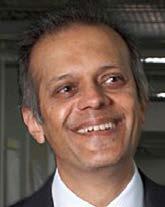
the cracks of the various academic and clinical disciplines and services, and I feel that it is important not to abandon these women after they deliver their babies, having recognised that they themselves and their children are at risk of very long-term complications.’
The Fetal Medicine Foundation’s generous donation will fund innovative new research to find the best ways of treating and managing long-term diseases that develop during pregnancy. This ambitious programme will be delivered in partnership with Guy’s and St Thomas’ hospitals and King’s College Hospital, which together welcome more than 14,000 babies to the world each year.
13 Annual Impact Report 2022
Shah
Professor Kypros Nicolaides Founder of the Fetal Medicine Foundation
King’s College London has a long-standing tradition of breaking ground in under-researched areas; this programme is no exception and will fill a huge gap in knowledge, transforming how women experiencing these diseases, and their children, are looked after. The advances will act as a catalyst, leading to practice-changing treatments and programmes that will improve treatments in local communities, the UK and across the world.
‘These women fall between the cracks of the various academic and clinical disciplines and services, and I feel that it is important not to abandon these women after they deliver their babies, having recognised that they themselves and their children are at risk of very long-term complications.’ Professor Kypros Nicolaides
1 in 10
women diagnosed with intrahepatic cholestasis will have their baby early, and it can increase the risk of stillbirth
Some of the funds will be used to set up dedicated postpregnancy research clinics. Here, experts will track the longterm health of mothers and babies, and develop pioneering new treatments. They will focus on supporting women as they deal with the effects of diseases after birth and, crucially, consider the implications of maternal ill health on babies. This will mean the impact of this work is farreaching and will improve whole life trajectories.
The Fetal Medicine Foundation’s funding means King’s can invest in promising young researchers, who will bring fresh perspectives and cutting-edge solutions for women in pregnancy. This will also give talented midcareer researchers the support they need to perform ever-more ambitious research, designed to make significant, long-term changes for women’s health.
Professor Catherine Williamson, Head of the Department of Women & Children’s Health, believes the funding is a fantastic opportunity to support and raise up the next generation of leading researchers in this area, providing a strong foundation for the continuation of such important work. She says, ‘We plan to invest in young researchers with excellent ideas and enable them to perform ambitious research that
is designed to improve pregnancy outcomes and future maternal and child health across the life course. My very sincere thanks to the Fetal Medicine Foundation for providing this catalyst to enable practice-changing research in the long term.’
King’s is ideally placed to improve outcomes for women and babies. King’s Health Partners is an Academic Health Science Centre in southeast London that brings together world-class research, education and clinical practice for the benefit of patients. This includes strong, collaborative relationships between Guy’s and St Thomas’ and King’s College Hospital NHS Foundation Trusts, where clinical staff and researchers can work side by side to develop outstanding care. Having specialists working closely together means that new treatments will be designed using high-quality, rigorous research data, and developed in close partnership with NHS care networks for maternal and postnatal health.
Women who have developed gestational diabetes have up to a 1 in 2 chance of developing type 2 diabetes in the following 5–10 years
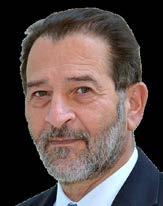
It is this collaborative partnership that Professor Ajay Shah, Executive Dean of the Faculty of Life Sciences & Medicine, believes will provide the best support for this emerging area of research. He says, ‘Our integration with King’s College Hospital, Guy’s and St
14 Closing the knowledge gap in maternal healthcare
Thomas’ and the wider clinical network through King’s Health Partners positions us ideally to deliver the ambitious vision supported by the Fetal Medicine Foundation.’
Thanks to the support from the Fetal Medicine Foundation, teams at King’s College London and our partners will be able to take huge steps forward. This will have a considerable impact on families who will no longer be left on their own to deal with debilitating complications and side effects. For so many women and babies, this will be life changing.
Women who have preeclampsia have 3 to 4 times the risk of high blood pressure and double the risk of heart disease and stroke
15 Annual Impact Report 2022

STUDENT SUPPORT
17 Annual Impact Report 2022
APPRECIATING KING’S STUDENTS AND THEIR RIPPLE EFFECT
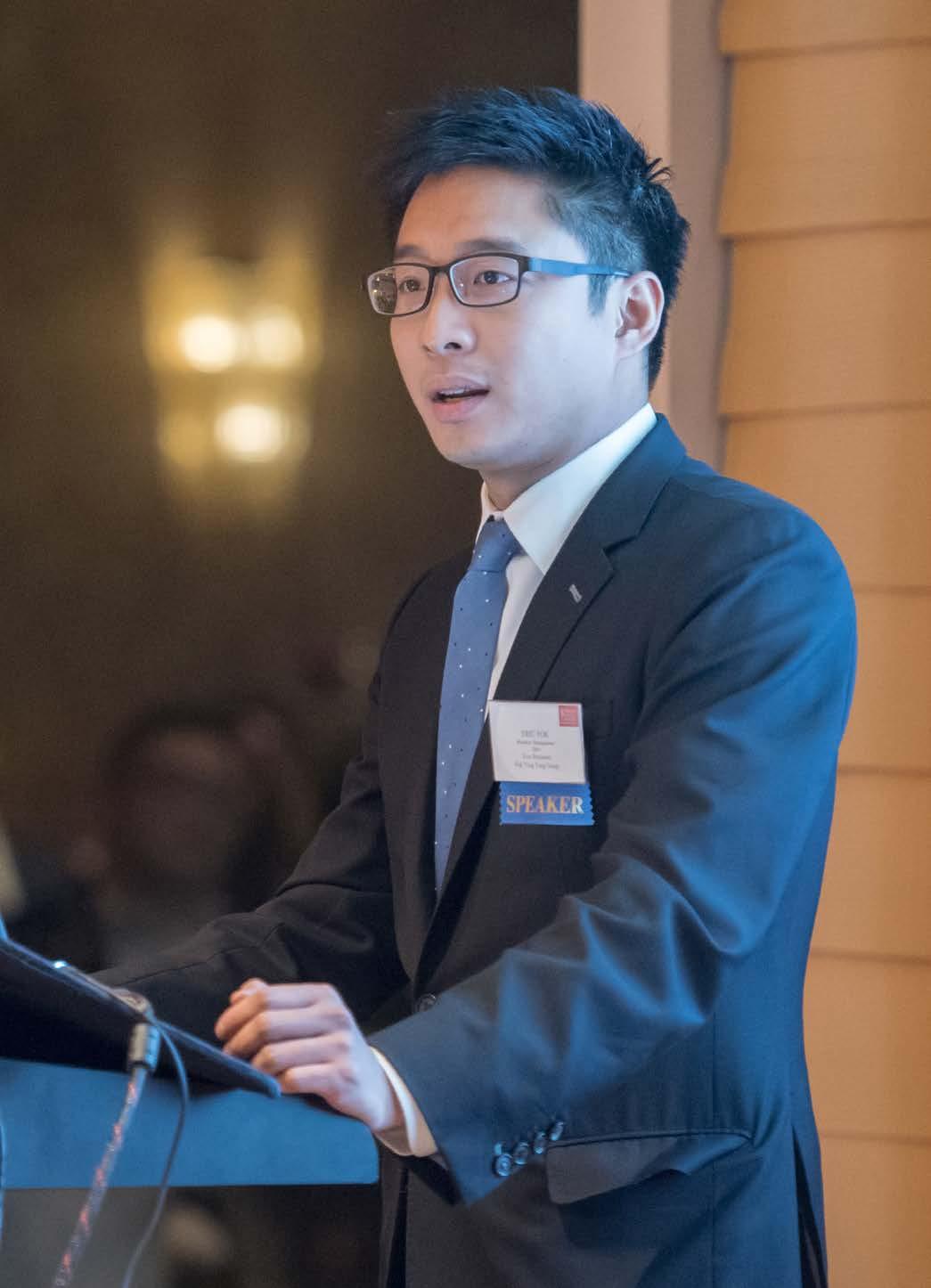
Each new academic year, King’s welcomes students from all over the world. This creates a global network of people who share an education, an experience and an ethos. The Hong Kong Scholarship, generously supported by the King’s Alumni Association in Hong Kong, epitomises how our alumni are empowering and transforming their own communities once they leave King’s.
18
The King’s Southeast Asia Tour Alumni Reception
‘I hope that one day I can repay this generosity and also support students like me at King’s.’
Kayan Lee
October 2021 to start her degree in War Studies, is one of those students.
The Hong Kong Scholarship was established by the King’s Alumni Association Foundation to support Hong Kong residents throughout their undergraduate studies at King’s. The Foundation was born from the King’s Alumni Association, which was officially formed in 1982 for the benefit of King’s alumni who live in Hong Kong. Every year, the Foundation makes it possible for students to live the King’s experience and form lifelong memories in London, as they did.
One member of that community, Dieter Yih, says, ‘I would not be here today enjoying my career without the knowledge, opportunities and experience that King’s afforded me. It was felt that establishing the scholarships will give deserving students from Hong Kong the same opportunity. It is also the wish of the Foundation that these students will eventually return to Hong Kong and contribute to its continuing prosperity and success.’
So far, the lives of 28 undergraduates have been transformed, with the Scholarship helping to ease the financial burden of being an international student at King’s and providing a solution to what can be a very real barrier to education. Kayan Lee, who joined King’s in
28 undergraduates have received the Hong Kong Scholarship so far
1,300 students at King’s are from east Asia
The Hong Kong Scholarship has greatly impacted on Kayan. She says, ‘I just want to share how much this Scholarship means to me. Thank you for your generous support and thank you for believing in me, because you’ve made me a believer too. After being awarded the Scholarship, I feel ever more confident and capable, and for that I will forever be grateful. I hope my years in the War Studies Department will allow me to contribute as much as I can to our city and our home.’

When these scholars leave London behind, they are welcomed with open arms into the firmly established alumni community in Hong Kong. The King’s community extends past London London and creating a ripple effect, serving society all over the world.
Kayan goes on to say how keen she is to continue this tradition of supporting students at King’s. She tells us, ‘I am now more motivated than ever to succeed in my chosen subjects, and then once I’ve graduated. I hope that one day I can repay this generosity and also support students like me at King’s.’
The King’s Alumni Association in Hong Kong was founded in 1982
19 Annual Impact Report 2022
Kayan Lee Hong Kong Scholar Dieter Yih (Law, 1985)
NURTURING CURIOSITY
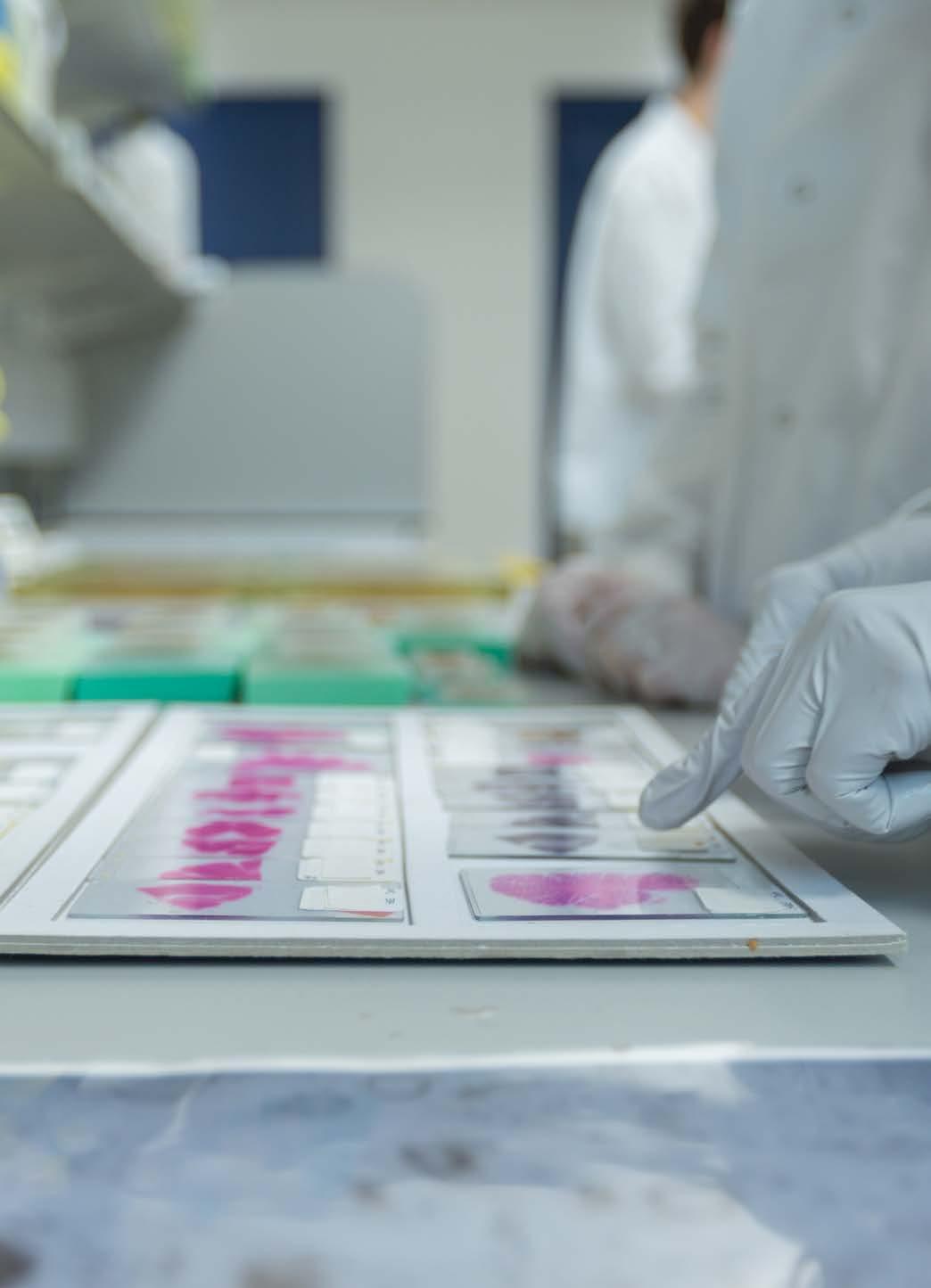
It can be a daunting prospect for undergraduate medical students to consider self-guided research as a possibility. Thankfully, the opportunity to explore their interests outside of the curriculum comes in the form of the student selected component (SSC) – a 14-week module that culminates in a short thesis and presentation. These projects can inspire and impact on undergraduates studying medicine, helping them to explore areas they might want to specialise in and nurturing their curiosity. This is exactly what happened for Nicola Claire Hood.
20
In 2009, when Nicola Claire Hood was awarded first prize for her student selected component (SSC) project, she was so excited that it left a lasting impression on those around her. When Nicola sadly passed away, the joy that prize brought her was very important to her family, holding treasured memories and associations for them. To honour this, Lester and Heather Korzilius (née Hood) set up the Nicola Claire Hood Memorial Prize in her memory.
Nicola’s project, which evaluated the effects a placebo can have on the psyche of a patient, was just the beginning of her growing interest in psychiatry and patient mental health. Her second year at King’s was happily filled with extracurricular activities developing that interest. Sadly, just before her third year at King’s, Nicola collapsed when on holiday with her mother, Heather, in South Africa and was diagnosed with an inoperable diffuse brain tumour.
After several courses of radiotherapy and chemotherapy, she was unable to return to her clinical studies and instead decided to start her
Intercalated BSc in Psychology. That year, Nicola achieved a first in all the papers she submitted. Unfortunately, she was unable to complete the course and died, at home, on 31 July 2014, aged 26
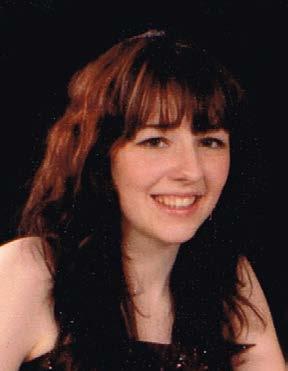
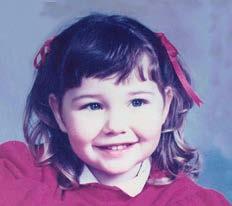
Lester and Heather tell us, ‘Nicola spent some of the happiest days of her short life at King’s, and we are very grateful for the support she received from King’s during her illness and that we have received now in allowing us to create this Memorial Prize.’
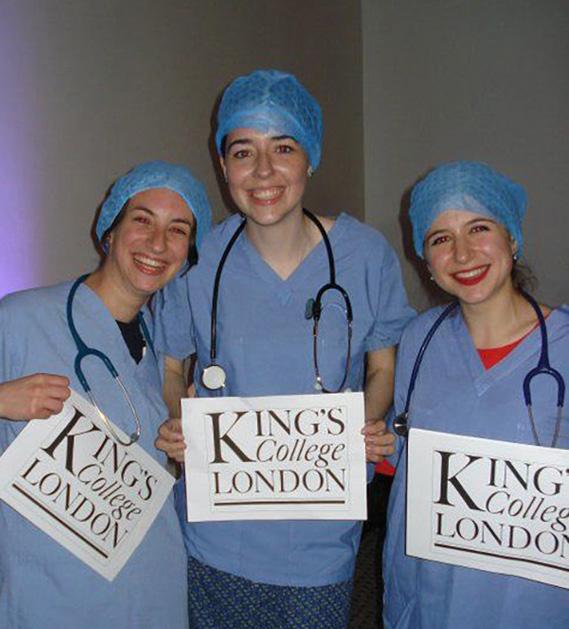
This award is not only a fantastic achievement for any budding doctor, but it can also provide significant affirmation, an impactful confidence boost and inspiration for a young doctor to specialise in a certain area, as winning first prize for her SSC project did for Nicola. Every year, the Nicola Claire Hood Memorial Prize is encouraging the doctors of tomorrow to be curious and explore their interests.
We spoke with two recipients of the Prize, to hear how it has impacted on them.
21 Annual Impact Report 2022
Images of Nicola Claire Hood, including from her time at King’s
Alice Waterfield is the most recent recipient of the Nicola Claire Hood Memorial Prize, whose SSC focused on whether the theatre industry meets the needs of the deaf community.
‘These prizes are important for undergraduate medical students because they encourage them to explore their personal interests beyond the usual scope of the degree and foster an interest in research.
Bethany Wildridge was awarded the Nicola Claire Hood Memorial Prize in 2016 for her project on perceptions of alternative thought and female genital mutilation, and she is now in her second foundation year as a junior doctor.

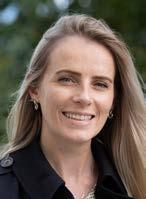
‘This Prize provides an opportunity to both explore and celebrate complementary disciplines to medicine, broadening our horizons and extending our perspectives beyond the traditional medical model.
‘As a philosophy graduate as well, undertaking a project on medical anthropology provided an excellent framework for me to combine my background in analytical reasoning with global health medicine topics, and present this to my cohort.
‘Since receiving the Prize, I have continued to carry out research. Whilst at medical school,
‘Having struggled with mental health issues this academic year, just turning up and presenting my SSC project was huge for me. Going on to win the Prize was a much-needed reminder that I can do my degree. The award gave me the confidence to intercalate in September and helped that application.
‘I have applied to do an intercalated degree in Anthropology and Sociology of Medicine, which I’m looking forward to starting in September. Without the Nicola Claire Hood Memorial Prize, I would not have had the confidence to consider intercalation.’
I went on to co-author a paper associated with the Institute of Psychiatry, Psychology & Neuroscience. Then, during my Foundation Year 1, I published a systematic review as first author, again focusing on a psychiatry topic.
‘As a humanities graduate, specifically in philosophy and history, I had at times felt as though I was swimming against the tide in the first year of medical school when there is a large biomedical focus. I was always trying to make the case for the importance of philosophy, at times falling on deaf ears. By winning the Prize with a topic which combined my passions of women’s health and medical anthropology, I finally felt as though I had landed in the right place studying Medicine at King’s.
I am now beginning obstetrics and gynaecology training in north London, and I can say wholeheartedly that winning the Nicola Claire Hood Memorial Prize was a huge part of my gaining the confidence to be true to myself, continuing to aim high and believing I could achieve my dream goals.’
The generous support of Lester and Heather Korzilius not only honours the legacy of a passionate and enthusiastic young woman, but also the potential of our young doctors, encouraging them to explore their passions. For both Alice and Bethany, because of the Nicola Claire Hood Memorial Prize, their resulting new-found confidence and broad outlooks will impact not only on their medical careers but also on the patients who cross their paths.
22 Nurturing curiosity
SUPPORTING AFRICAN COMMUNITIES THROUGH PhD STUDENTSHIPS
The cost of studying and living in the UK can be a barrier for many overseas students, particularly for those from low- and middleincome countries. This means we may be missing out on talented people with the potential to make huge scientific advances and life-changing breakthroughs.
23
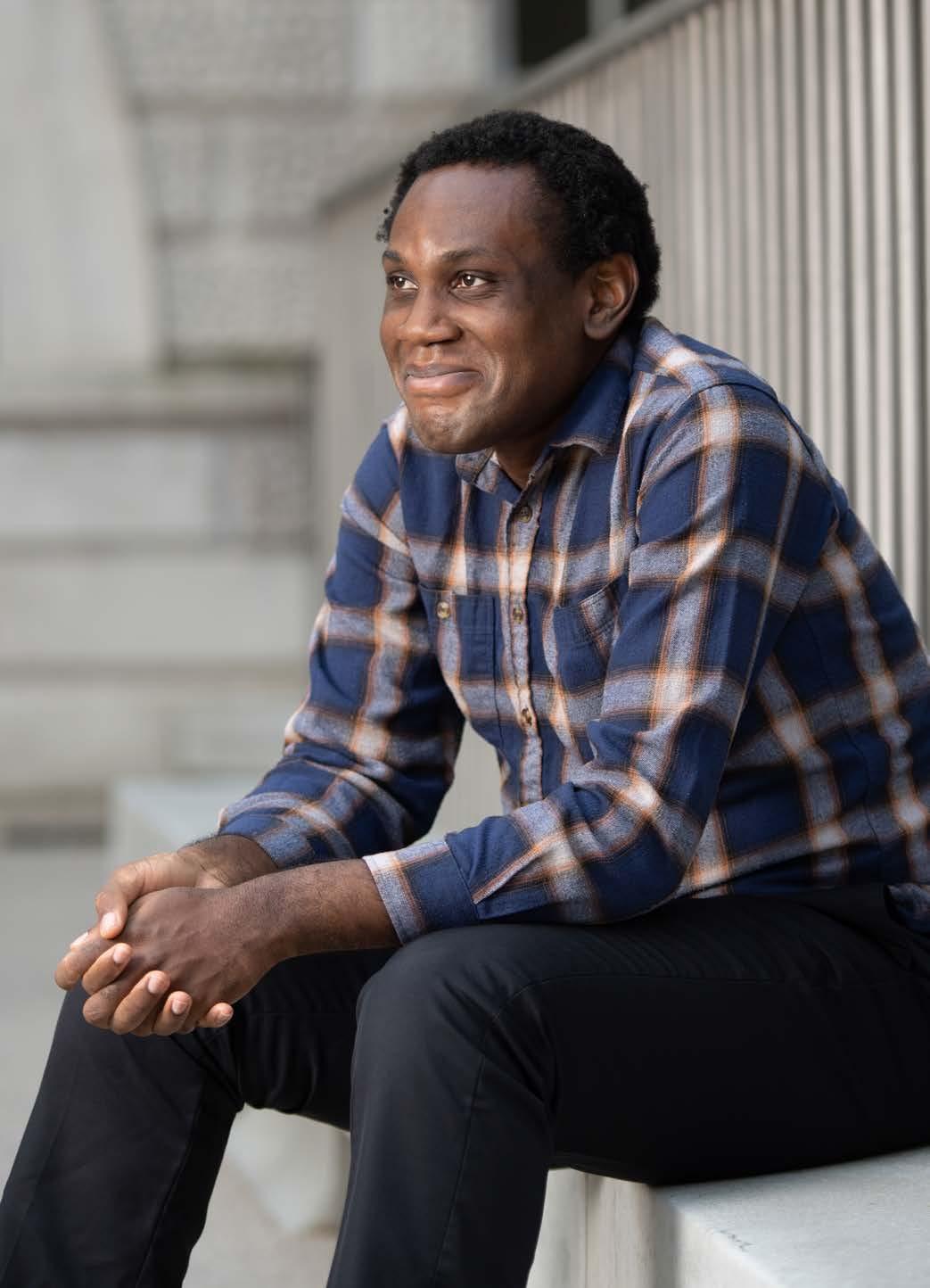
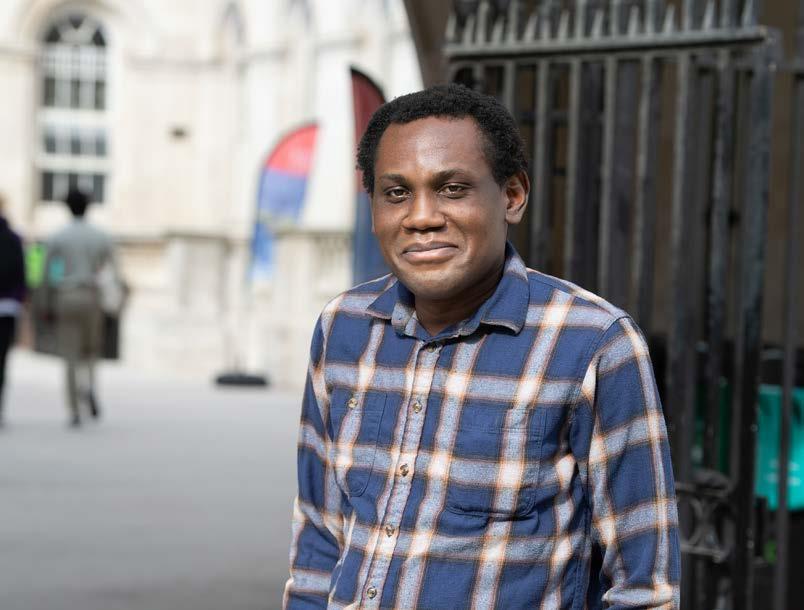
Abdulrahman Adam’s research work within the Randall Centre for Cell & Molecular Biophysics is being supported by The Darwin Trust.
The Darwin Trust of Edinburgh was established in 1983 to promote research and education in the natural sciences. The Trust awards PhD studentships to students across the world to gain a PhD in their chosen area of biological or biomedical science. With the support of The Darwin Trust, King’s is able to recruit and host passionate and gifted students from Africa to undertake research and training at the Randall Centre for Cell & Molecular Biophysics.
When asked what the Trust hoped the impact of its studentships would be, Professor David Finnegan, a Trustee, said, ‘The Darwin Trust of Edinburgh supports students from outside the UK to allow them to study for a PhD. The aim is to give these students opportunities for academic and personal development that they might not otherwise have.’
Easing financial worries and opening up opportunities for passionate students from across the world
The Darwin Trust offers its recipients support through a tax-free stipend and full tuition fees. As well as having huge benefits for the students themselves, these PhD programmes have significant tangible benefits for the students’ home countries. These places will greatly benefit from the specialist scientific expertise that this training will bring back. Students will share breakthroughs in areas such as treating cancer, managing malaria and supporting people with allergies, which could change lives in their local communities.
The research being conducted by Abdulrahman Adam in the Randall Centre for Cell & Molecular Biophysics is one example of the incredible benefits of the work being supported by The Darwin Trust. His focus is on the connection and interaction between parasite antigens and anti-parasite antibodies. A deeper understanding of how they work together has the potential to lead to the development of new, effective treatments and therapies for tropical parasitic infections.
Part of Abdulrahman’s research will look specifically at malaria infections, with the hope of developing a treatment. This will have a profound and life-changing impact on the community in which Abdulrahman grew up. He says, ‘Parasitic infections like malaria are a major problem in many parts of the world, such as Africa where I come from. However, there is currently a lack of focus on developing important therapeutics for treatment.’
The World Health Organization estimates that, in 2020, there were 241 million cases of malaria worldwide resulting in 627,000 deaths. In total, 95 per cent of these cases and 96 per cent of these deaths occurred in African countries.
‘The aim is to give these students opportunities for academic and personal development that they might not otherwise have.’
According to WHO, in 2020, there were
241 million cases of malaria worldwide, resulting in 627,000 deaths
24
PhD
Supporting African communities through
studentships
Professor David Finnegan, Trustee
95 % of these cases and
96 % of these deaths occurred in African countries
Thanks to support from The Darwin Trust, Abdulrahman has been able to undertake innovative new research, which will make a huge contribution to the fight against malaria and other parasitic infections in African communities and across the world. This has the potential to prevent the suffering, illness and death of hundreds or thousands of people globally each year.
Abdulrahman tells us how much this support means to him. He says, ‘This studentship has enabled me to do this PhD in an area that deeply affects people around the world, including the community where I grew up. I am very honoured to be able to do such research.’
King’s is dedicated to our partnerships with global networks and committed to addressing the world’s most pressing challenges. Thanks to networks that have already been established, the university can help students make relevant connections in communities where their research will be the most impactful.
It has been an honour for King’s to host these incredible students as a result of the support from The Darwin Trust, helping to equip, prepare and position them to be able to return to their home nations and make a real, tangible difference in their communities.
25 Annual Impact Report 2022
Above: Abdulrahman Adam, recipient of a Darwin Trust of Edinburgh PhD Studentship
HELPING DISPLACED STUDENTS REACH THEIR POTENTIAL
In May 2022, the United Nations reported that more than 100 million people around the world have been forced to leave their homes due to persecution, conflict, violence or human rights violations. Forced displacement isn’t just leaving a home; it’s leaving the places and people most important to you, and – for young people – the educational opportunities that would have shaped your future. Only 5 per cent of refugees have access to higher education globally. This is far below the global average among non-refugees, which stands at 39 per cent. At King’s, we lead both strategic and rapid-response programmes alongside the Government, charities and those affected by forced displacement, to minimise barriers to a quality education. This is the Sanctuary Programme.
26
The Sanctuary Programme includes the Partnership for Digital Learning and Increased Access (PADILEIA), the Refugee Community Sponsorship Scheme, our Homes for Ukraine University Sponsorship initiative, our new King’s Sanctuary Hub, and ongoing Sanctuary Scholarships for students who have already resettled in the UK.
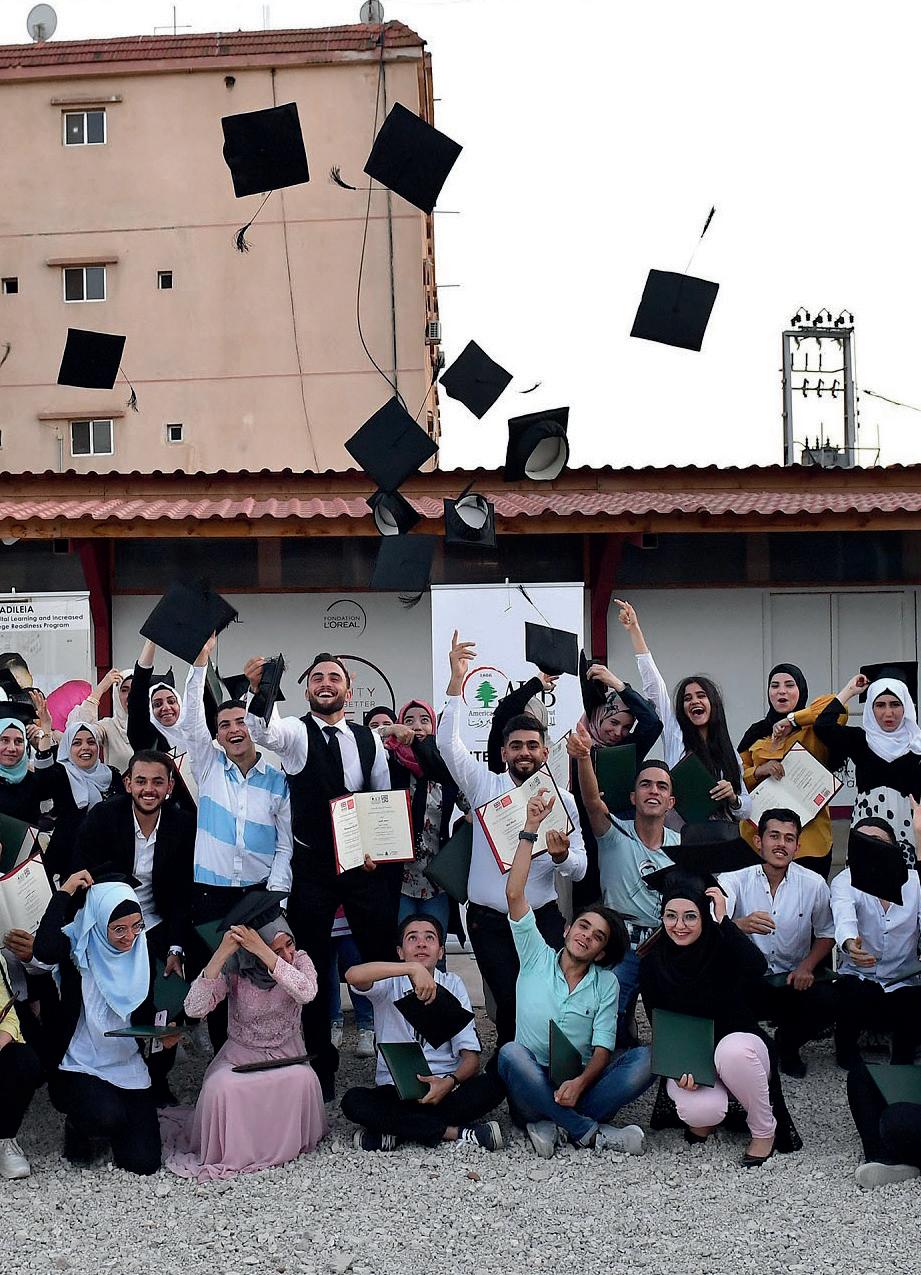
PADILEIA, running from 2016 to 2022, was formed to meet the educational needs of refugees affected by the Syrian war and disadvantaged local youth in Jordan and Lebanon. PADILEIA delivered blended foundation, study tracks and short courses, and launched eight bespoke open access courses on FutureLearn that were designed by King’s Online and King’s faculties. These courses included English for Healthcare, Introduction to Nursing, Business, Entrepreneurship, Digital Skills and Engineering. To date, over 13,000 self-identifying refugees and disadvantaged young people have participated in one of these courses, and more than one million learners worldwide have enrolled onto PADILEIA courses.
One such student and their family – refugees from Syria – have now been resettled in the UK thanks to the King’s Refugee Community Sponsorship Scheme. This scheme has been four years in the making. We have collaborated with the Government, the United Nations High Commissioner for Refugees (UNHCR), Citizens UK and local councils to become the first UK university to take part in the community sponsorship of forcibly displaced people.
There are 100 million forcibly displaced people worldwide, according to the
41% are children
The sponsorship scheme is part of our longer-term vision to create education-led pathways for people from anywhere in the world whose education or research has been disrupted due to conflict or forced displacement.
The programme’s first participant arrived with their family in December 2021. They have been provided with housing in Lewisham and King’s is supporting the family in learning English to help them feel more connected and settled in their new local area. This student enrolled at King’s in September 2022.
The sponsorship scheme is part of our longerterm vision to create education-led pathways for people from anywhere in the world whose education or research has been disrupted due to conflict or forced displacement. It is crucial that such a pathway includes day-to-day community support as well as legal protection such as refugee status. This commitment is informed by long-standing King’s research showing that, while legal pathways do exist, these are often inaccessible for people who need them most, such as forcibly displaced students and academics.
A living and breathing programme, responding to emerging needs for forced migrants in higher education
After the events of the past year, following Russia’s invasion of Ukraine, which has seen 12 8 million people in Ukraine forcibly displaced from their homes, 7.7 million of whom are still in Ukraine, King’s has expanded its sponsorship scheme. We have partnered with Citizens UK to lead a sponsorship model for UK universities to implement the Government’s Homes for Ukraine University Sponsorship Scheme. King’s will directly sponsor 50 Ukrainian students and academics, matching them with a host home within the King’s community and offering wraparound
27 Annual Impact Report 2022
Opposite page: Students of the PADILEIA project in Jordan and Lebanon
UNHCR
Helping displaced students reach their potential
support. Four strategic partner universities will do the same at their institutions. This model will create a collaborative higher education network championing the education and resettlement of forcibly displaced people – the first of its kind in the UK.
Further to our sponsorship scheme, a landmark £3 million donation from XTX Markets’ Academic Sanctuaries Fund is supporting students and academics impacted by the war in Ukraine. Working in response to the world around us and building on the fantastic work already being done by the Sanctuary Programme, XTX Markets’ support has established a three-year programme of Scholarships and Fellowships, focusing on students and academics affected by the war in Ukraine, including those from Russia and Belarus. The first of these recipients has just joined King’s for the 2022–23 academic year.
Only 5% of refugees have access to higher education globally
This significant programme has been made possible through the launch of our new Sanctuary Hub. This Hub will deliver an innovative programme centred on collaboration, research and policy development with the aim of supporting forcibly displaced students and academics from around the world. The Hub will enable King’s to continue to remain on the pulse when it comes to the obstacles faced by forced migrants in higher education.
This year, the Sanctuary Programme received a landmark £3 million donation from XTX Markets – support that will change lives.
This programme builds on our established Sanctuary Scholarships, which are funded primarily by our generous alumni supporters and provide full tuition fee support and help with living costs for students who have already resettled in the UK. In this case, the funding will be shared among our new university partners network, enabling eligible individuals to apply to a range of universities.
Thanks to XTX Markets, these scholarships and fellowships will provide new hope for students and academics whose lives and links to higher education have been shattered by the ongoing war.
This year
12.8 million people in Ukraine have been displaced from their homes globally, 7.7 million of whom are still in Ukraine
The impact your support can have on a student without access to higher education can be transformative, and here at King’s we’re proud to say that we have adapted and responded as issues have arisen. We know that we need to support displaced people both once they’re in the UK and also in their journey to get here, so we’re working hard to build schemes and initiatives that do just that. In April 2022, we launched the Students of Sanctuary Appeal so that anyone who shares that outlook with us can support the Sanctuary Programme.
You can hear from one of our current Sanctuary Scholars on the next page.
28
GETTING TO KNOW OUR SANCTUARY SCHOLARS
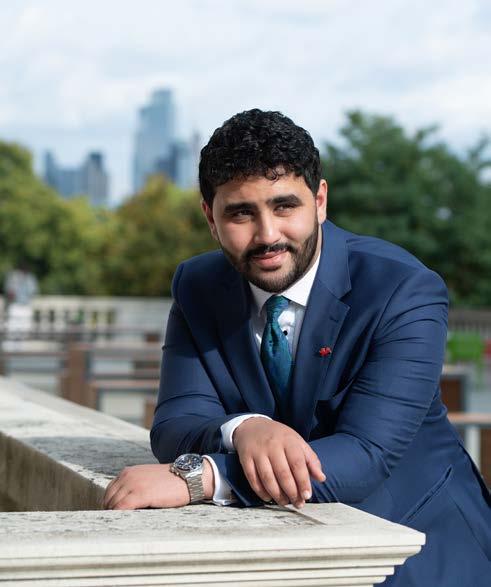
Thanks to the Sanctuary Programme, Mohamed Elhag has just started his second year at King’s as a Politics BSc student and is a recipient of one of our current Jesus the Light Sanctuary Scholarships. When Mohamed was seven years old, his parents were forced to leave their much-loved home. Here, Mohamed tells us about his journey to King’s and the impact of student support.
29
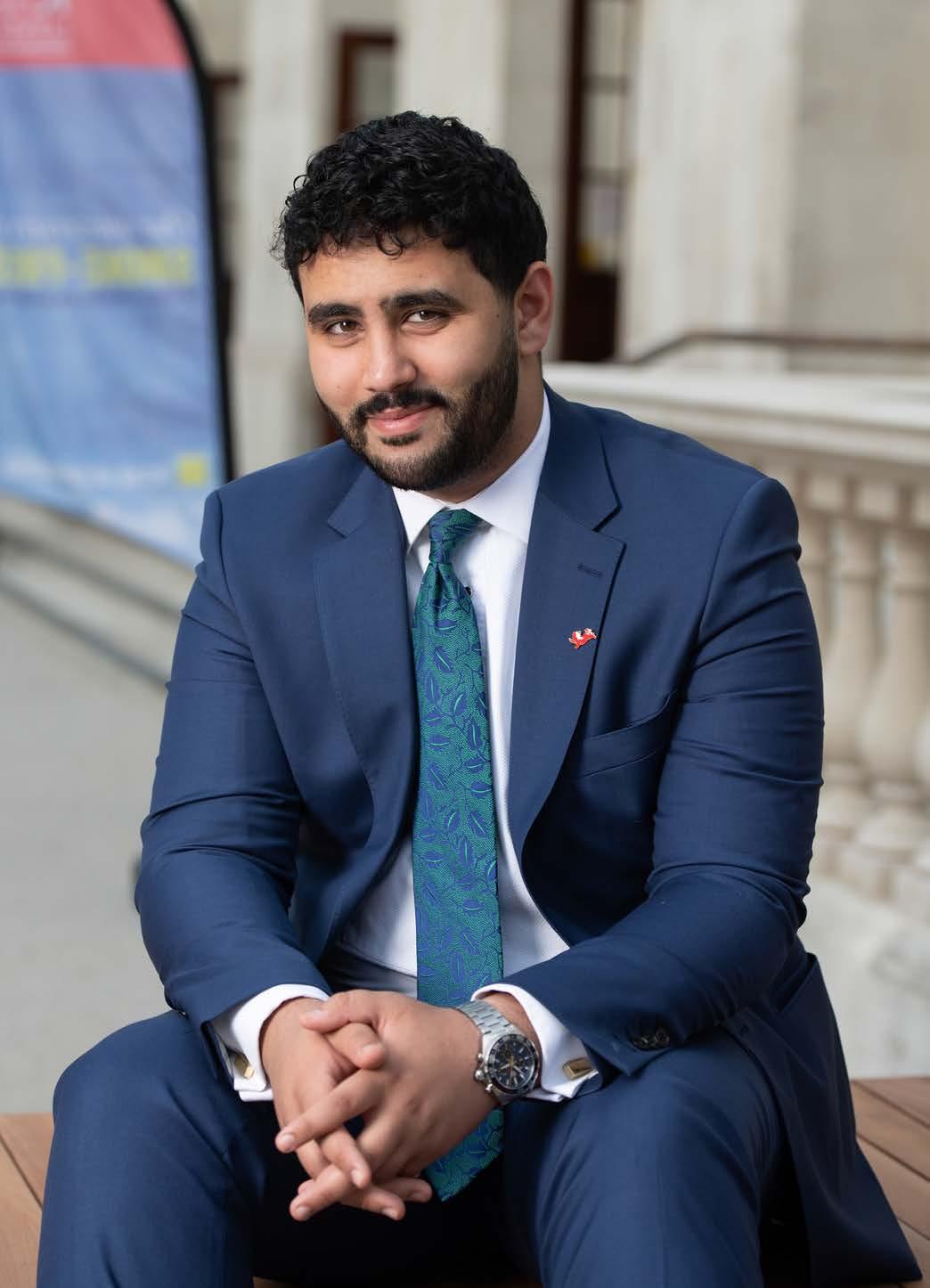
Mohamed Elhag is the beneficiary of a ‘Jesus the Light’ Sanctuary Scholarship, enabling him to study Politics at King’s
Can you tell us a little about your family’s journey to the UK?
My family was forced to relocate from Egypt to the UK prior to the 2011 Revolution, due to declining political and socioeconomic conditions. My ignorance of the situation meant that I did not initially understand why we, in my view at the time, were ‘choosing’ to leave our home, family, friends and many other things behind.
That must have been difficult. When did you start to think about the reasons behind your parents’ decision to move?
At first, all my memories of Egypt started fading away as I assimilated more into my academic and social life in the UK. That is, until my A-levels. I was shocked to find that 40 per cent of my A-level History course consisted of the period between the 1908 fall of the Ottoman Empire and the 2011 Arab Spring Revolution. I gradually became more aware of the dire situation which forced my parents to make the difficult decision to relocate.
Donor support is very important; it enables students to pursue their aims without the stress of financial constraints. Individuals awarded these scholarships are likely to go on to contribute to our society in some positive form.
Did that impact on your decision to study at King’s?
Yes, it influenced me to pursue an academic career with the aim of finding out more about the driving factors behind political instability and dissolution. In this respect, my decision to study Politics at King’s was a step in this direction.
How are you enjoying the course and King’s so far?
I thoroughly enjoy the mixture of theoretical and empirical content. My professors always push me to think beyond the conventional arguments and concepts in the literature. Being part of the King’s community is inspiring. All the staff members and alumni are always willing to help.
We’re so glad you’ve enjoyed your first year at King’s. What are your hopes for after your time here?
Once I have completed my degree and graduated from King’s, I hope to pursue further studies in the political economy field before going on to pursue a career in diplomacy.
30 Getting to know our Sanctuary Scholars
‘any investment in these individuals is an investment not merely in their own future, but in all our futures.’
Mohamed Elhag
We know that Student Finance was not an option for you, as those with forced migrant status are not typically eligible to apply for it. What difference did your Sanctuary Scholarship make?
I would not have been able to attend any university at all if I had not been awarded the scholarship.
How important is it for donors to support the Sanctuary Scholarship Programme?
Donor support is very important; it enables students to pursue their aims without the stress of financial constraints. Individuals awarded these scholarships are likely to go on to contribute to our society in some positive form. In this respect, any investment in these individuals is an investment not merely in their own future, but in all our futures.
What message do you have for those thinking of supporting the Sanctuary Programme?
Please keep supporting this scholarship programme. Without your funding, capable students like myself would be precluded from achieving their ambitions and making a difference.
31 Annual Impact Report 2022
Mohamed Elhag, ‘Jesus the Light Sanctuary Scholar’
LOOKING TO THE FUTURE
33 Annual Impact Report 2022
RESPONDING RAPIDLY WITH A LONG-TERM VISION
On the night of 5 November 2021, a fuel tanker collision caused a major explosion in Freetown, the capital city of Sierra Leone. After the collision, people rushed to collect fuel spilling out of the vehicle, which then exploded. Over 150 people were killed, and there were over 300 injuries. In July 2022, over 80 people were still receiving regular outpatient care. Thanks to an emergency appeal, our supporters raised £85,000 in a matter of weeks to fund the recovery and care of those patients and their families.

34
Over a hundred people in critical condition were rushed to Connaught Hospital, one of the major hospitals in Freetown, Sierra Leone, to be treated for severe burns. Burns victims need immediate, highly specialist care; even seemingly small burns can be life threatening and all burns carry a serious risk of complications and suffering, including disfigurement, disability and death. Connaught Hospital has the only two plastic surgeons in Freetown and there is no dedicated burns unit in the hospital. There are very few specialist burns doctors and nurses in Sierra Leone who have enough dedicated training to deliver adequate care. A life-threatening and quality-of-life healthcare gap quickly became apparent.
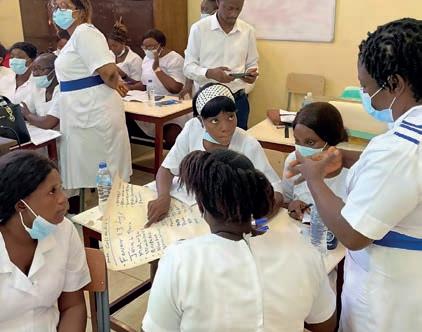
Thanks to a long-term partnership between King’s Global Health Partnerships (KGHP) and healthcare systems in Sierra Leone, we were able to mobilise quickly with our team based in Freetown and send specialist staff to support frontline staff as soon as the tragedy happened. This specialist burns care team came from the UK’s NHS and beyond. The team’s impact included:
• immediate training and emergency support to staff on the ground as they delivered lifesaving care
• hands-on mentoring and training
• a bank of training resources
• working with foreign emergency medical teams to support them to deliver education and training to the teams they were working with.
The King’s global community set up an emergency appeal to help those affected. Within a matter of weeks, the appeal had raised an incredible £85,000. This funded training for nurses, therapists and nutritionists in hospitals providing treatment and rehabilitation for burns patients, as well as three to six months’ worth of supplies, like bandages and gauze to dress the burns three to seven times a week, medications that aren’t easily available in Freetown, handwashing buckets and soap to ensure effective infection control, and pressure garments to help with scar management.
Jessie Robinson, a Specialist Burns Physiotherapist with the NHS, tells us of the work she’s been doing to support the Freetown community, and the importance of the emergency appeal at King’s. She says, ‘This will be the first burns unit in Sierra Leone. It has been wonderful to see the positive change over the last four months and I feel privileged to witness the improvement in patient outcomes, quality of life and reduced mortality at Connaught.’
35 Annual Impact Report 2022
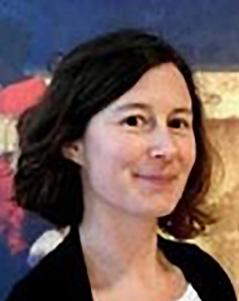
Laura Hucks Director of the King’s Global Health Partnerships
Members of the new Burns Unit at Connaught Hospital in Freetown, Sierra Leone.
Responding rapidly with a long-term vision
Building relationships with burns specialist colleagues in Ghana
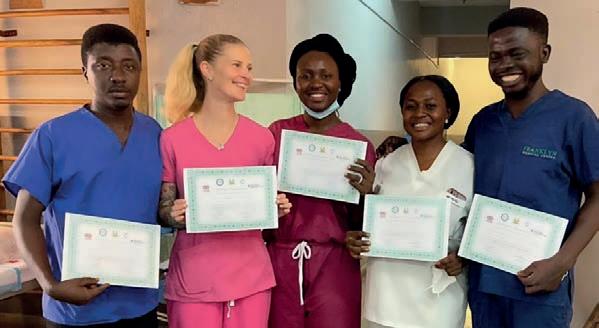
This support also made it possible for a multidisciplinary team of five members of staff from Connaught Hospital to travel to Ghana and spend two weeks on the Burns Unit at Korle Bu Teaching Hospital. After the team’s return, with the support of the volunteers, they reviewed what they’d learnt and built it into a two-week training course that they then cascaded to 20 other members of staff from various different disciplines in Connaught Hospital. One member of that team, Maximilian Bangura, a nurse from Connaught Hospital, tells us how this support enabled them to approach burns care with a fresh outlook.
He says, ‘The trip to Ghana [taught us about] the entire management of burns and the significant role of multidisciplinary teamwork in the management of burns patients. We know that there are still challenges at Connaught, but with the good practices and knowledge attained from Ghana we can help to create change and reduce the mortality rate of burns cases. We want to thank King’s Global Health Partnerships and their donors for their support in making our trip to Ghana a successful one.’
Strengthening health systems around the world
The King’s Sierra Leone Partnership (KSLP) was established in 2013, with the aim of strengthening a health system that faces a number of challenges, including chronic underfunding, a shortage of qualified workers and a high burden of disease. Since the beginning of the partnership, there has been a small clinical team based at Connaught Hospital, the main adult referral hospital in Freetown. This partnership draws on the expertise of the UK’s NHS and from a network of clinicians
'This will be the first burns unit in Sierra Leone. It has been wonderful to see the positive change over the last four months and I feel privileged to witness the improvement in patient outcomes, quality of life and reduced mortality at Connaught.’
Jessie Robinson, Specialist Burns Physiotherapist
across our three King’s Health Partners – the King’s College Hospital, Guy’s and St Thomas’, and South London and Maudsley National Health Service (NHS) Foundation Trusts.
KSLP is part of the wider King’s Global Health Partnerships. These partnerships are helping to transform health systems in four African countries through longterm, equitable partnerships led by the priorities of the governments, hospitals and communities in which they are working. The long-term relationship between King’s and hospitals in Sierra Leone meant that teams were able to act quickly, listening to trusted on-the-ground contacts describing exactly what was most urgently needed. This was vital to ensuring as many people as possible made a full recovery.
While the impact of this tragic event will be felt for many years to come, the generosity of King’s supporters has undoubtedly saved and changed lives.
Director of the King’s Global Health Partnerships, Laura Hucks, says, ‘We have been so grateful to King’s alumni and other supporters who responded with great generosity, enabling KGHP to deploy a team of burns experts on the ground. Burns care is complex and long term, and, without the right care, many of the survivors were at risk of severe disfigurement and disability.’
36
UNLOCKING THE BENEFITS OF A UNIVERSITY EDUCATION
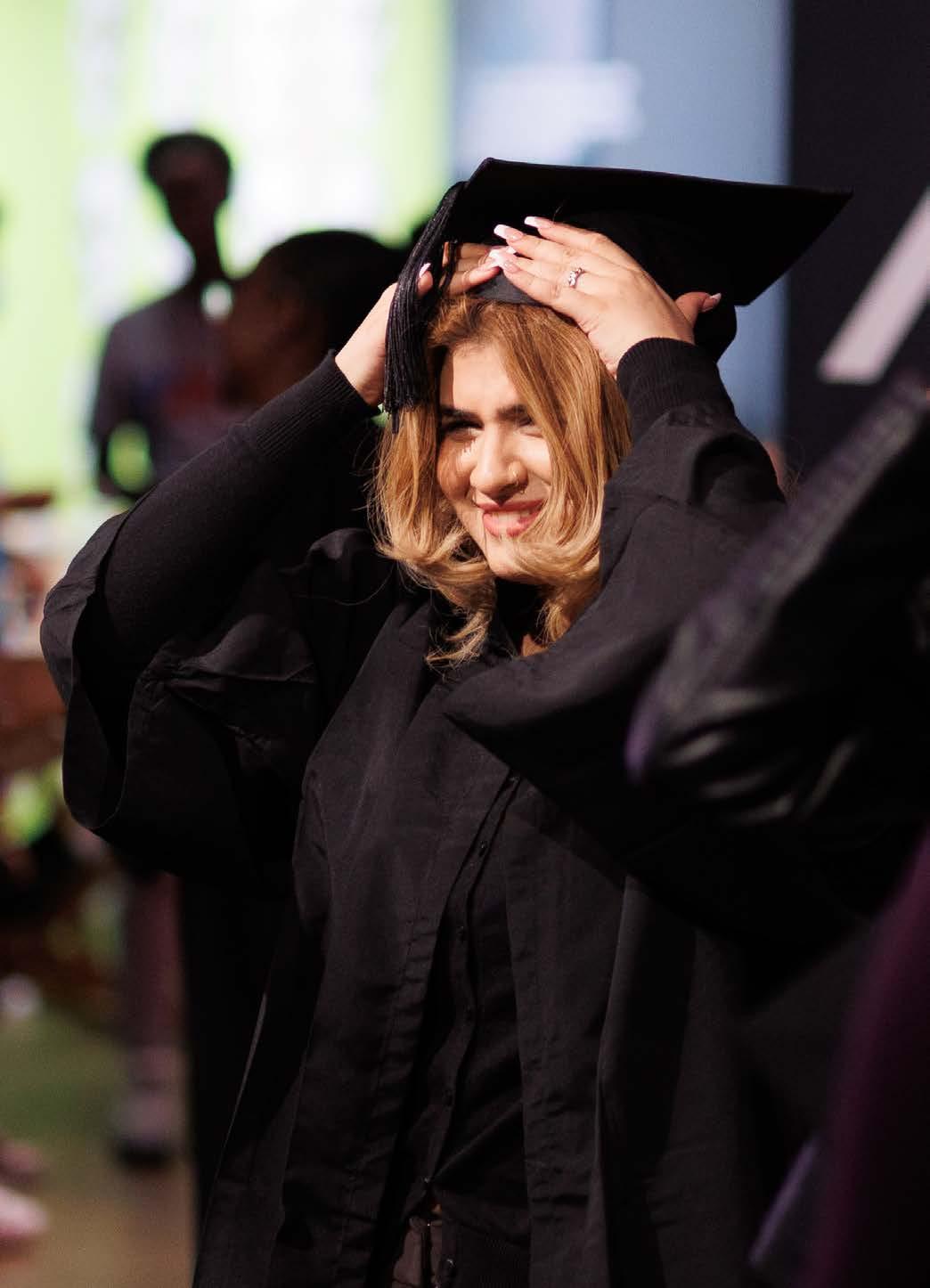
For some, going to a top university can feel far out of reach. At King’s, we believe that everyone should be given the same access to the benefits a university education can unlock. For a fair and thriving society, we need to ensure that every person, no matter their background, is able to reach their full potential.
37
There are a number of factors that might make it more difficult for someone to go to university, including the school you attend, your ethnicity and where you live. Universities have a key role to play in improving social mobility and ensuring that brilliant young people from all backgrounds have the opportunities they need to succeed. For over 10 years, King’s has been running K+, a transformative programme that helps to remove barriers, allowing under-represented young people to reach university.
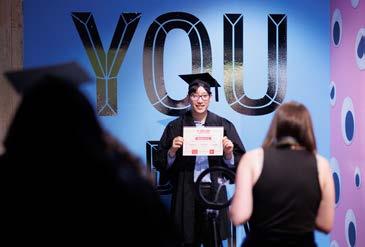
K+ is a structured two-year programme of events and activities for students aged 16 and over who attend non-selective schools or colleges across London and Greater London. Activities include taster lectures, university-style assignments, careers advice and help with UCAS applications. The programme was designed to equip young people with the skills and knowledge they need to successfully apply to the UK’s top universities, including King’s.
Many of the students who take part in the programme are the first in their family to apply for university. This means they do not always have people at home with the knowledge to help them through the process. Students taking part in K+ have access to one-to-one mentoring support from a current King’s student, who can offer guidance through the application process and answer questions about what to expect when they start their degree. This helps young people feel more comfortable and helps to make the process seem much less overwhelming. They are also offered sessions to ensure they have everything they need to transition into university life. These include sessions on study skills, finding their community, and taking care of their mental health and wellbeing.
As well as having support from family members who have experience with higher education, students from more advantaged backgrounds have access to extra support, tutoring and development opportunities outside school. These additional experiences mean these students are able to submit a more competitive application. K+ offers a range of experiences, including career days and advice, and work experience placements. These help to level the playing field, ensuring all young people are able to apply for competitive university places, no matter their background.
38
university
Unlocking the benefits of a
education
Applying and going to university can be a daunting experience for many young people, but especially for those who do not know what to expect
Students from less privileged backgrounds often do not have access to the same extracurricular opportunities as their peers
The K+ programme also includes the Spotlight Summer School, where students work alongside others in their subject stream, attending a free, week-long programme of events. This gives students the opportunity to network with their peers, as well as gain vital insights into the subject they will go on to study.
Many students also face financial barriers, which could put them off attending university
Any K+ student who successfully applies to King’s receives a £1,000 bursary to support them as they settle in to the next stage of their academic career.
SCHOLARS+
Scholars+ is a new widening participation initiative at King’s for young people in Years 10 and 11.
GCSE results are a strong determiner of whether or not a pupil goes to university, but statistics prove that less privileged young people are less likely to attain strong GCSEs than their more advantaged peers.
Scholars+ will work with students who have the potential to achieve the very best GCSE results, offering them specialist small-group tutoring that they would not ordinarily have access to.
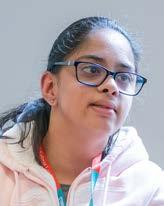
This will help close the GCSE attainment gap, which will, in turn, help to increase the number of under-represented students studying for a degree.
Prina is a Year 12 student who is currently taking part in the K+ programme. We asked her about her experience.
‘I highly recommend K+ to anyone who is interested in doing it in the future. I joined the History and Politics stream and I have learned many valuable skills – from being supported through the UCAS application process to the different techniques of notetaking. The standard of lectures that we can attend is extremely high. I particularly enjoyed the lectures on neoliberalism and on the philosophy of time.
‘I cannot wait for the K+ Spotlight Summer School, as I will have the chance to explore the subject in more depth through an academic assignment. I have really enjoyed being part of K+!’
The History and Politics stream has been supported by the Worshipful Company of Bowyers. When speaking on why they decided to support the K+ programme, Nigel Heilpern, Upper Warden of the Worshipful Company of Bowyers, tells us, ‘If we, as the Bowyers Company, can help foster interest in our past and support a deserving K+ student in so doing, we are delighted to make that difference.’
Situated in London, one of the world’s most dynamic and connected cities, King’s is at the heart of national and global networks, actively engaging with the surrounding communities. It is vital that student populations at top universities like King’s are a true reflection of our diverse society.
39 Annual Impact Report 2022
RESHAPING THE QUAD
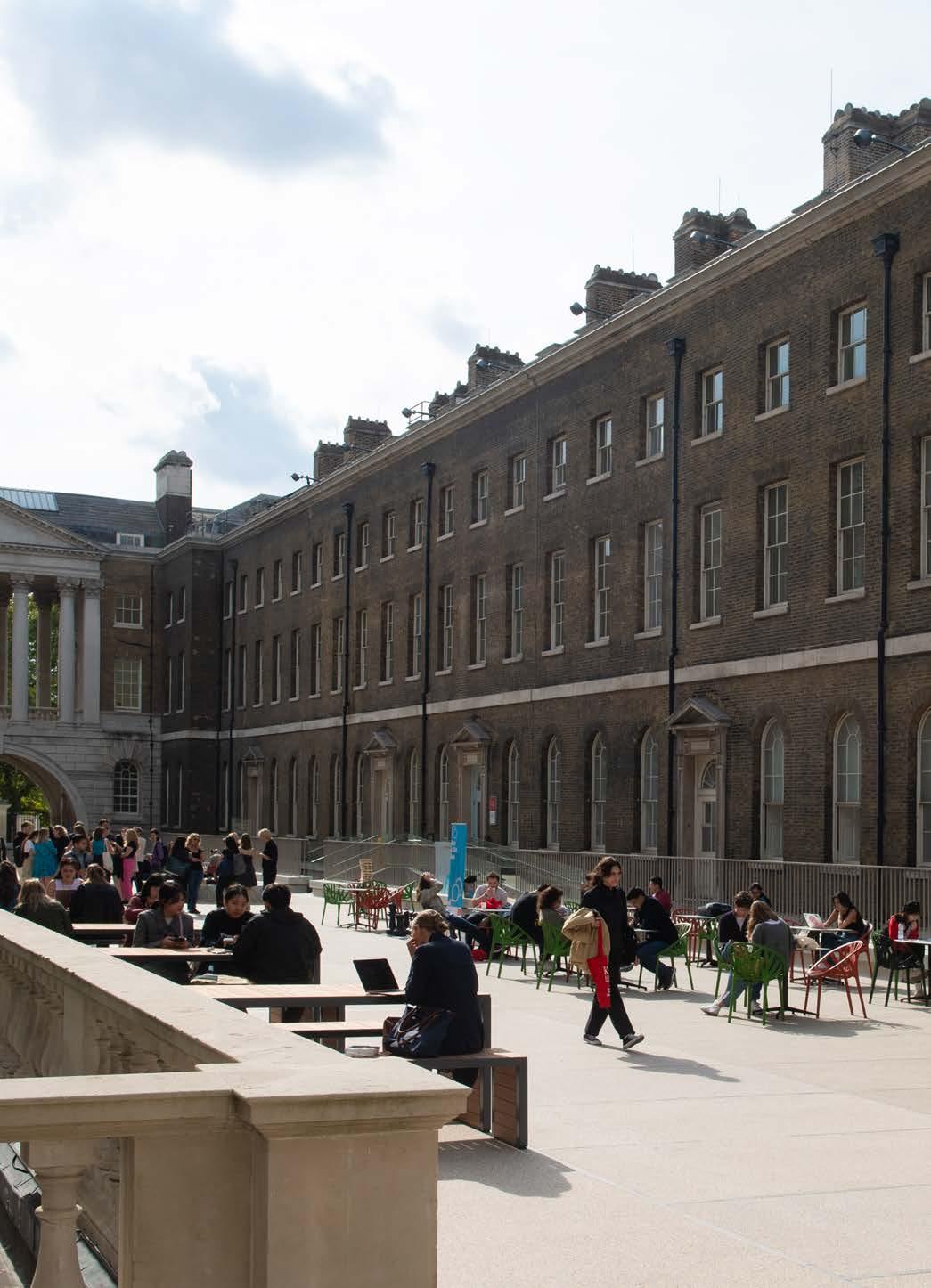
For almost 200 years, the Strand Campus Quad has been the epicentre of the King’s experience. This iconic space has seen generations of our ever-evolving community rushing to their next lecture, debating new ideas, making scientific discoveries and building lifelong memories. It has adapted over time to suit the needs of our student and academic body, but also the needs of the London community that surrounds us. Here, we honour the history of this much-loved space, share news of its latest metamorphosis and recognise those who have kindly supported the transformation.
40
In 1831, when the university’s very first building opened, the Quad provided a doorstep to the university: a place for students to meet before class or linger afterwards. Hidden from view beneath this hubbub lay the vaults of Somerset House.
As time went by, the Quad was embellished with lightwells that brightened the basement rooms within, and a sloping roadway known as the Embankment Slope that led directly onto the Victoria Embankment. As a nexus of student and academic activity, the Quad welcomed many distinguished guests over the years, including King George VI and, later, the Queen Mother.
During the Second World War, London suffered heavy bombing at the hands of the German Luftwaffe. King’s relocated much of its student body, equipment and personnel, leaving the Quad suddenly bereft of the hustle and bustle of a busy university. The university became an integral part of the fight against the Blitz when the Auxiliary Fire Service made use of King’s facilities as a base, including storing their pumps, vans and other equipment in the Quad.
In October 1940, a bomb was dropped onto the Quad during an early morning raid, leaving a crater of over eight metres deep and almost 18 metres wide. It destroyed the Quad as our community knew it, trapping what was left of the fire service’s equipment within the walls of King’s. This missing piece of the King’s Campus served as a daily reminder of not only how the world had changed, but how the London community pulled together in a time of great need: one of our city’s greatest strengths.
In 1949, construction began on the new Quad. By 1952, the long-gone vaults of Somerset House were replaced with state-of-the-art university teaching and research laboratories, giving the Quad yet another new purpose.
It was in one of those laboratories, in the very year they opened, that Rosalind Franklin and Raymond Gosling took one of the most important photographs in history: Photo 51 Photo 51 showed the world that DNA had a double-helix structure, revolutionising our understanding of human biology and genetics. This opened the door to countless life-changing inventions we benefit from today, such as gene therapy and genetic screening during pregnancy.
Now, with the Department of Engineering reopening in that hidden underground lab space, the entire Quad complex has undergone a radical transformation, bringing almost 3,000 square metres back into use. It now not only hosts subterranean research and teaching spaces, but also has an entirely new aesthetic above ground. The Quad reopened for King’s students in Autumn 2022, and the rooms below are now being used by students and staff of the Engineering Department.
King’s has a long and distinguished history in engineering and science, spanning nearly two centuries. King’s alumni have helped influence modern life not only with the discovery of DNA’s structure, but also through their work on hepatitis C and the Higgs boson, as well as advancing research in radar, radio, television and mobile phones.
41 Annual Impact Report 2022
Reshaping the Quad
This inquisitive and bold spirit continues today. The space where historic breakthroughs like Photo 51 took place will once again become the backbone of innovative research at King’s. In these laboratories, our engineers will address the most pressing global technological and societal challenges of our time, from finding ways to produce and distribute life-saving vaccines to creating technologies that make our lives greener, easier and safer.
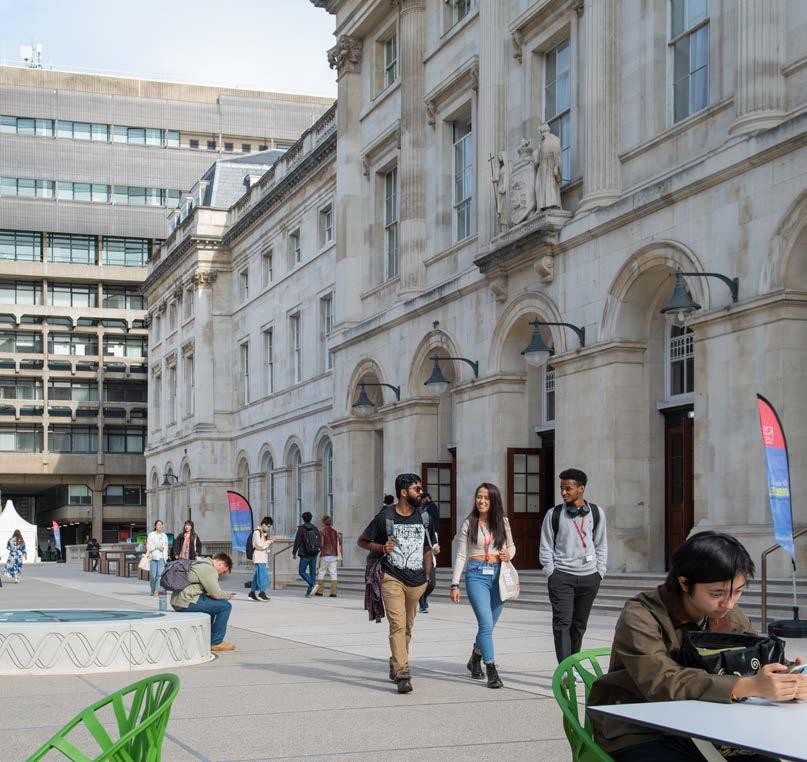
Above ground, our students and local community can enjoy the clean, modern feel of a transformed communal space. The Quad has been resurfaced and a glass oculus installed to offer views into the laboratories below. The historic steps, graced by thousands of students over the years, have been rebuilt to let them shine in their original glory.
42
1831
King’s Strand Campus and the Quad open 1929
Future King George VI visits the Quad to celebrate 100 years
1939
The Auxiliary Fire Service makes use of King’s facilities as a base during the Blitz
1940
A bomb hits the Quad, destroying it
The Quad is a living and breathing part of the fabric of the university, evolving to serve the needs of the King’s community – including anyone who uses the local spaces around us –whether that’s a hub where you can meet friends for lunch, or a place that widens access to higher education. In this way, the Quad is a perfect example of our inclusive ethos and outlook.
This iteration of the Quad has been funded by the very community it either serves now or has left a lasting impression on before. A campaign appeal has so far raised £177,143, including Gift Aid, from 327 donors. To show our appreciation for the part alumni and donors have played in this project, we will install a donor wall in the Strand reception, showcasing key stages in King’s proud history and the donors who have made this effort possible.
We can’t wait to welcome our community of supporters to the reshaped Strand Quad.
1952
The new Quad is finished, with state-of-the art laboratories
1952–2013
Labs used by the Department of Physics and then the Department of Engineering
2018
The Quad is closed off for redevelopment
2022
The space beneath the Quad reopens fully for King’s staff and students
1949
the Quad bombsite is excavated
1959
The Queen Mother visits
2013
the space below the Quad is retired from use
2021
the Quad and Department of Engineering reopen at King’s
43 Annual Impact Report 2022
HONOURING THE BLUEPRINT FOR A LIFE WELL LIVED
The King’s experience can often impact the trajectory of a life, whether it’s through the people you meet, the teachers you learn from or the community you’re a part of. Sometimes, our supporters choose to honour that impact by leaving a legacy gift in their will. In turn, these legacy donors enable others to have those same life-changing experiences. So goes the story of Valerie and Michael Calderbank, for whom King’s was ‘the opening of a magic door’ to revolutionary physics, rich and fulfilling careers, and a marriage of 56 years and counting.
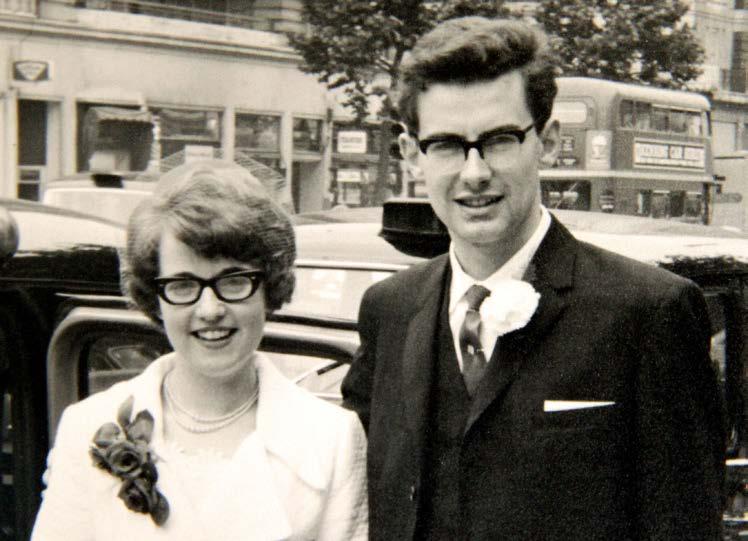
Valerie and Michael have generously decided to honour their time at King’s and the happiness it brought them by leaving a gift in their will to the university. We are very grateful they have decided to support King’s and ensure that the community that changed their lives continues to do so for others in the future. Here, they speak about their relationship with King’s and the relationship it sparked between them.
Story title
44
Valerie and Michael Calderbank (Physics, 1966 and 1964) met in 1964 at a weekend away with the King’s Department of Physics student society. It was an exciting time for physics at King’s: Maurice Wilkins had just received the Nobel Prize for determining (by X-ray diffraction) the structure of DNA, after Rosalind Franklin and Raymond Gosling captured the famed Photo 51 in 1952. Meanwhile, behind these global headlines, it was an exciting time for Valerie and Michael, too.
• Michael: We met at a Physics Society event at Cumberland Lodge in Windsor Park.
• Valerie: It was a romantic place with oak panels, log fires and royal history, even more so as it was snowing! We walked in the snow and talked a lot. It was a whirlwind romance and Michael proposed four months later.
• Michael: London was exciting in the 60s. The Beatles were making their best music.
• Valerie: It was a special time. There was an air of optimism and London seemed to be the centre of the world! I had grown up in a very remote village, so this all seemed so magical!
• Michael: Amongst my many great memories is marrying in Marylebone Town Hall, where all the pop stars got married.
• Valerie: I remember the freshers’ parade when the traffic on the Strand stopped for us. We were marching behind the engineers who were guarding our mascot, Reggie the Lion.
• Michael: It was a fascinating time for physics at King’s. There were advances in particle physics and the omega-minus particle was discovered.
• Valerie: I wanted to be a physicist from the age of 10, inspired by Marie Curie. It was a privilege to be at King’s just after Maurice Wilkins was awarded the Nobel Prize for his role in unravelling the structure of DNA. Franklin had died by then, but Wilkins and Professor John Randall were still there. I was lucky to take an image of a strand of DNA.
• Michael: After King’s, we moved into computer science, doing systems programming at the UK Atomic Energy Authority’s lab in Oxfordshire, where we stayed until retirement.
• Valerie: Whilst working in King’s Nuclear Physics Group, I taught myself computer programming and was asked to write a book. It was hugely successful and became a standard university text for many years. I later took up astronomy as a hobby, then studied it long distance, and ended up being elected a Fellow of the Royal Astronomical Society on Sir Patrick Moore’s recommendation. I now lecture on cruise ships, explaining some of the big ideas of physics to audiences. My talks are now published in a book. My advice as you get older is to stay active physically and mentally – you never know what it might lead to.
• Michael: My education has given me a desire to keep learning and maintain an active mind.
• Valerie: King’s has had a huge impact on my life. Being at King’s opened a magic door which enabled me to step into a completely different world. We never forget our gratitude to King’s for providing us with good degrees and enabling us to meet each other. This July we reached our 56th wedding anniversary, which is remarkable particularly as our feelings for each other haven’t changed. We are also true soulmates!
• Michael: When we look back over our lives, our achievements have exceeded our wildest expectations. We owe this in no small part to King’s: not just the excellent education but the experiences we had. We are so grateful that we want to show this by supporting King’s in our will.
• Valerie: I owe so much to King’s for providing me with an excellent education, a great career, a caring husband and enabling me to fulfil a childhood dream. I wasn’t interested in the limited career options open to women at that time I was embarking on the next stage of my life. It was my dream to study atomic physics and, if possible, marry a physicist, and for us to spend the rest of our lives doing scientific research together. I also wanted to combine this with marriage and a family as Marie Curie had done. As life has turned out, I achieved all these things!
45 Annual Impact Report 2022
NEW STUDENT SUPPORT FOR 2023
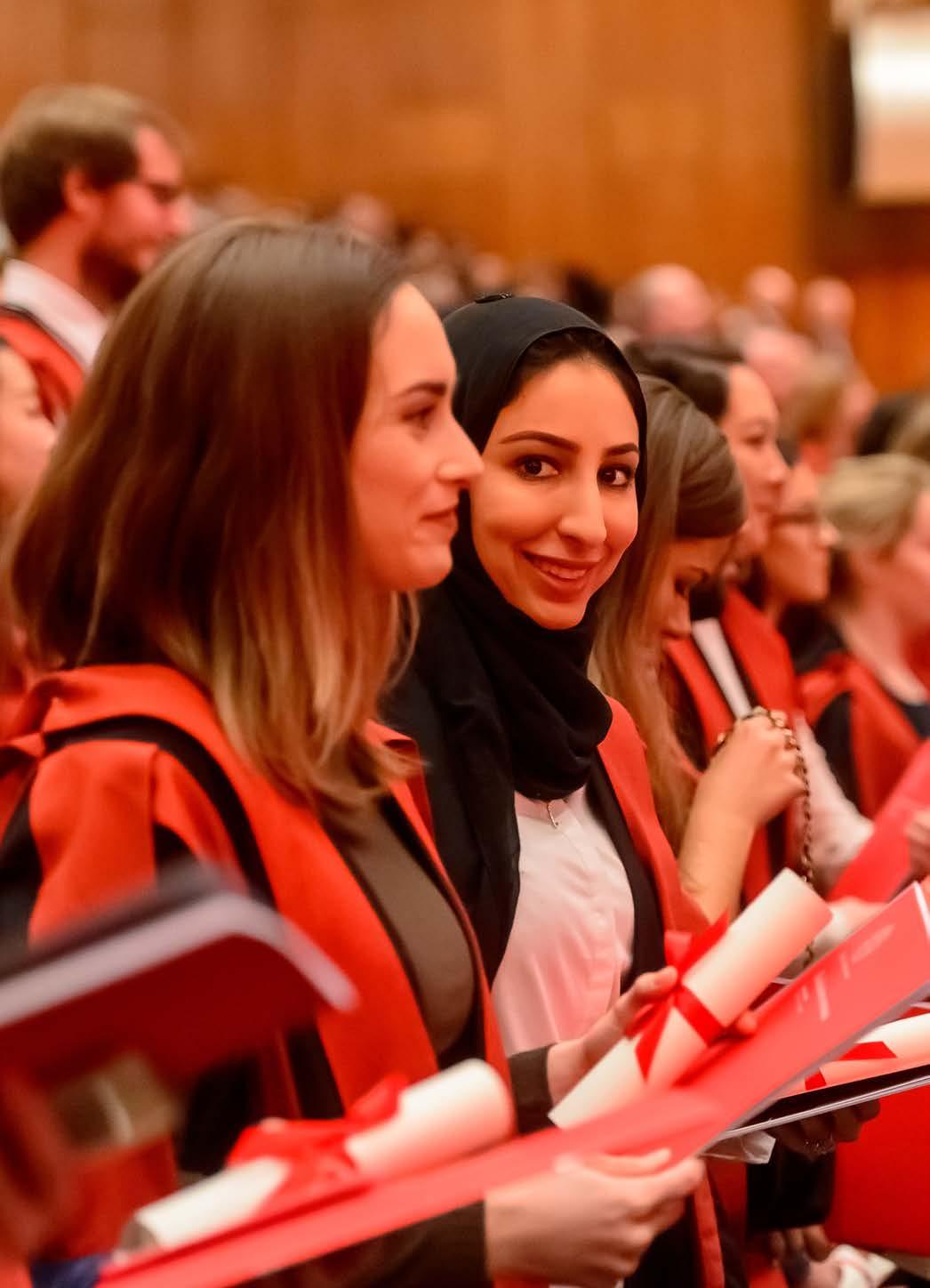
Every year, our alumni and donors help King’s students to reach their potential. With every new scholarship or bursary, the lives of our student recipients are transformed – a world-class education is a passport to a future that would otherwise be out of reach. We’re delighted to announce the eight new awards for the 2022–23 academic year.
46
We are committed to making the world a better place. A critical way we can achieve this is by recognising talent and removing barriers to realising potential.
Dev Pragad, Chief Executive Officer of Newsweek and an alumnus himself, has established the Newsweek Scholarship in Engineering and the Newsweek Global Leadership MSc Scholarships for international master’s students. These scholarships will not only cover a living-costs stipend, but also the international tuition fees, ensuring that the greater financial burden of being an international student does not act as an obstacle to achievement.
This year marks the 20th anniversary of the Extended Medical Degree Programme (EMDP), which enables students with academic potential who may not have achieved the conventional A-level grades required to study medicine to gain a medical degree. King’s is proud to announce three different awards have been created for EMDP students.
Dr Elizabeth A Fagan AKC (Physiology, 1972; Medicine, 1975; Immunology, 1982; Molecular Virology, 1989) and her husband have created a bursary to support a student on the six-year EMDP. The Dr Elizabeth A Fagan Bursary will support a student throughout their medical degree.
The Sir William Wells Scholarship will also be awarded to students on the EMDP who experience financial hardship. The award has been named for Sir William Wells, a former chairman of the NHS Appointments Commission and Commercial Advisory Board to the Department of Health.
A bursary has been established in memory of Dr Roger Tamlyn (Medicine, 1966), who studied Medicine at King’s from 1959 and continued his training at King’s College Hospital. The Dr Roger Tamlyn Intercalated EMDP Bursary will support three EMDP students during their intercalated BSc (iBSc) year, giving them the opportunity to explore an aspect of medical or dental studies in much greater detail.
The History Bursary will help to support an undergraduate studying for their History BA while at King’s. This Bursary will ensure that the financial burden – a serious barrier
to education – will be eased for the selected student.
Susan Gilchrist (English, 1987), King’s Business School Advisory Member, has established the Susan Gilchrist Scholarship. A UK student experiencing financial hardship will be supported for three years throughout their undergraduate degree.
The W Blyzinskyj Ukrainian Sanctuary Scholarship will support an undergraduate student who has been forcibly displaced by the invasion of Ukraine. John Blyzinskyj’s (Engineering, 1981) support will remove the financial pressures of higher education throughout the student’s three-year degree with both a tuition waiver and a living-costs stipend, and ensure that their ambitions for a degree are realised despite the current situation in their home country.
These life-changing awards not only ease the financial concerns of our student recipients, they also affirm to them that they are on the right path. They inspire students to succeed in whatever they set their minds to. It is a privilege to act as a catalyst in this very special, transformative bond between student and supporter.
47 Annual Impact Report 2022
Thank you
TOGETHER, WE’RE MAKING CHANGES THAT MATTER
These stories demonstrate the real-world impact philanthropic investment on a large scale can achieve.
Beginning here in London and reaching communities around the world, the support of our major philanthropic partners enables us to respond to evolving crises globally, nurture the next generation of leaders, pioneer innovative research and ensure we are welcoming our students and staff to a university fit for the 21st century.
We’re proud to celebrate your continued commitment to us and the smart, future-focused solutions you have made possible.
Thank you.
To find out more, go to kcl.ac.uk/alumni/give-back
48 Story title