2025 TECHNICAL SYMPOSIUM
NOVEMBER 22, 2025
HYATT REGENCY ON CAPITOL HILL
WASHINGTON D.C.





2025 Technical Symposium
PRESENTERS
Jack L. Burbank................................... GPS Security and Countermeasures: PNT in GPS-Degraded Environments
Kristina Collins .......................................................................................... The Lion In the (Propagation) Path
Dr. Nathaniel Frissel and Diego Sanchez .........................................................Large Scale Traveling Ionospheric Disturbances with the WSPR/PSKReporter/RBN data
Jennifer Harder ....................................................................... FirstNet Fusion: The Evolution of Interoperability
Rachel Jones ........................................................ Frozen Frequencies: Life and Radio Work at McMurdo Station
Victor Lawrence ..................................... Evolution of Technology for Transformative Communication for Humanity
Abigail Merchant ................................................... Eyes In the Sky: Advancing Disaster Relief Coordination with Convolutional Neural Networks and Real-Time CubeSat Data
Mike Pappas .......................................................................... War Stories from the Front Line of Broadcasting
Julio Ripoll ............................................................................ Amateur Radio at the National Hurricane Center
Charles Schue ........................................................................................... Loran, or “There and Back Again”
Caroline Spindel ...................................................... Curving Beams: A New Generation of Wireless Capabilities
Peter Wolniansky .............................................................................................................. BLAST aka MIMO
PUBLIC SAFETY PANEL: Roman Kaluta (moderator), Thomas Kelly, Harlin McEwen, Josh Lober
Current Developments and an Outlook for Public Safety and the Use of Push-to-talk Over Cellular
Poster Presentations................................................................................................................ At Reception


Technical Symposium Masters of Ceremonies and Co-Chairs
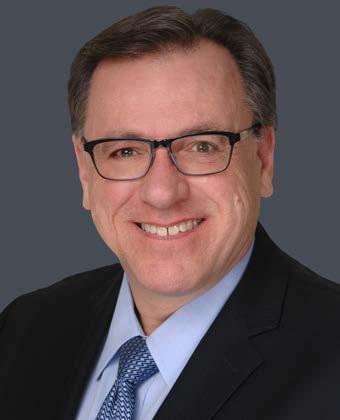
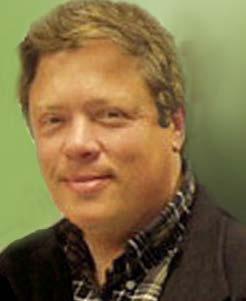
David Bart is the current President of the Radio Club of America, Editor of the RCA Proceedings, and an RCA Fellow. He is also the Treasurer of the IEEE History Committee, and a Vice President and Fellow of the Antique Wireless Association. He is a former Editor of the AWA Review and the former Vice President of the Museum of Broadcast Communications in Chicago. He is also a member of the Collections Committee of
Dr. Nathan “Chip” Cohen is founder and CEO of Fractal Antenna Systems, Inc., and a physicist, radio astronomer, and prolific inventor. A former professor of Science and Engineering at Boston University, Dr. Cohen has also held research and teaching positions at Harvard, MIT, Cornell, NASAJPL, Ames, and Arecibo. He earned his Ph.D. from Cornell under RCA Lifetime Achievement Award recipient Dr. Frank Drake, producing the first detailed evidence of a gravitational lens using VLBI.
the Adler Planetarium in Chicago. He has published over 100 articles, contributed to three books and produced over 40 exhibits and displays on the history of wired and wireless communication. David has a BA and MBA from the University of Chicago and holds multiple professional certifications. He has received numerous awards for his work involving the history of communications.
Dr. Cohen is the inventor of fractal antennas, fractal metamaterials, and the invisibility cloak, holding 94 U.S. patents, authoring over 120 technical papers, and publishing three books. His invisibility cloak was first demonstrated at the 2012 RCA Technical Symposium. A Fellow and former Vice President of the Radio Club of America, he has received RCA’s Lee DeForest and Alfred Grebe Awards. Beyond science, Dr. Cohen has also been a SETI pioneer, Wall Street quant, and songwriter.
Speaker Biographies
The Evolution of Modern Communication: Inspiration and Vision for the Future
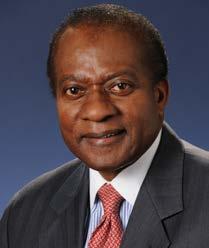
Dr. Victor B. Lawrence, Ph.D.
ABSTRACT: Dr. Victor B. Lawrence, recipient of the Radio Club of America Lifetime Achievement Award, and recently the White House National Medal of Technology and Innovation, will share his reflections on the evolution of modern communication and his vision for a future where technology continues to unite and uplift humanity.
Drawing from his pioneering career at Bell Labs and Stevens Institute of Technology, Dr. Lawrence will discuss the remarkable innovations that transformed the field from analog to digital communication, the development of digital signal processing and modems that opened the path to the Internet era, and the advancement of global connectivity through submarine cable systems. He will also explore his leadership in standards, innovation, and humanitarian initiatives connecting the unconnected that extended communication access to developing regions, particularly across Africa, and his work on transforming accessibility for everyone including advancing lifelong STEM education for the blind, those with hearing loss, and mobility challenged carrying on the traditions of Alexander Graham and Mabel Bell.
Through stories of research breakthroughs, collaboration, and mentorship, Dr. Lawrence will highlight how inspiration, persistence, and teamwork have driven progress in telecommunications — from high-definition television and secure communications to today’s interconnected digital world to the future of Artificial Intelligence (AI), Extended Reality (XR), and Quantum Communication.
With his characteristic humility and forward-looking perspective, Dr. Lawrence will close by reflecting on the next generation of innovators and the vital role of engineering in building a more inclusive, connected, and hopeful world.
BIOGRAPHY: Dr. Victor B. Lawrence is one of the world’s foremost telecommunications engineers and inventors, whose innovations have shaped the very foundations of modern digital communication. Over a career spanning more than five decades, his pioneering work has transformed how people connect, ushering in the Internet
era, advancing broadband and mobile networks, and extending communications across the globe and into space.
Dr. Lawrence began his distinguished career at Bell Laboratories, where he rose to Vice President of Advanced Technologies. There, he led groundbreaking advances in modem design, DSL, ATM, IP switching, and digital audio/video systems. His demonstration of full-duplex data modems over international networks laid the groundwork for key telecommunications standards, enabling affordable, high-speed Internet access in the early 1990s. These breakthroughs accelerated the spread of the Internet and broadband, making communication faster, more reliable, and more secure.
He also spearheaded transformative developments in digital video and secure communications, including HDTV and video codecs now embedded in everyday consumer electronics. His leadership in modem and fax chipset design provided secure communications for the U.S. government, including the President and senior military officials. Importantly, Dr. Lawrence also made significant contributions to Sirius Satellite Radio, helping establish the advanced satellite communications infrastructure that brought digital-quality radio broadcasting to millions of listeners and demonstrated the power of global and space-based networks.
Since 1995, Dr. Lawrence has been a tireless advocate for digital equity, driving initiatives to expand high-speed Internet throughout Africa. His leadership in deploying submarine fiber-optic cables has strengthened digital infrastructure across the continent, advancing education, healthcare, and economic opportunities.
Currently a Senior Research Scientist at Stevens Institute of Technology, he remains committed to mentoring future innovators. His honors include the 2024 National Medal of Technology and Innovation, the 2023 New Jersey Science & Technology Medal, membership in the National Academy of Engineering, Fellowship in IEEE and Bell Labs, a Primetime Emmy Award, and induction into the National Inventors Hall of Fame.
Dr. Lawrence’s legacy is one of relentless innovation, global and space-reaching impact, and enduring inspiration.
War Stories from the Front Lines of Broadcasting - Practical Experience from the Battlefield
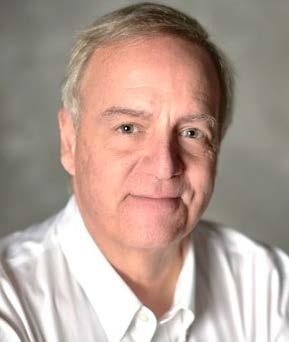
Mike Pappas, Vice President of Sales, Orban Laboratories
ABSTRACT: Drawing from decades of hands-on experience as both a practicing broadcast engineer and audio processing specialist, this presentation delivers real-world insights from the most challenging installations and emergency situations in broadcasting. Mike Pappas shares compelling field experiences from Orban audio processing deployments across diverse and often demanding environments—from major market FM stations racing against clock changes to remote AM sites accessible only by helicopter, and everything in between.
Attendees will gain practical knowledge from actual case studies including: critical lessons learned from equipment failures that occurred at the worst possible moments; innovative solutions developed under pressure when conventional approaches failed; the importance of proper grounding and RF management discovered through hardwon experience; and techniques for achieving optimal audio processing performance despite site limitations, budget constraints, and legacy infrastructure. These stories go beyond theory to reveal what really happens when pristine lab conditions meet the chaos of real-world broadcasting.
The presentation emphasizes troubleshooting methodologies that have proven successful across hundreds of installations, common pitfalls that can derail even well-planned deployments, and the critical human factors often overlooked in technical documentation. Whether dealing with hostile RF environments, integrating modern digital processing with vintage analog plants, or managing remote sites with limited access, these battlefield experiences provide valuable lessons for both seasoned engineers and those newer to broadcast engineering.
This session offers not just technical insights but also the wisdom that comes from surviving—and thriving—in broadcasting’s most demanding situations, where failure is not an option and the show must always go on.
BIOGRAPHY: Mike Pappas is currently the Vice President of Business Development and a co-owner of Orban Laboratories, Inc. Division of DaySequerra. Orban Laboratories is one of the broadcast industry’s best-known names in audio processing. Mike’s technical experience spans several decades, including roles in broadcast engineering, government communications, and railway communications. Mike joined DaySequerra in 2015 as the Vice President of Business Development, and he has assisted this forward-thinking and progressive company in the development of new products, new markets, and new business opportunities.
In 2016, DaySequerra acquired Orban Laboratories. Mike has been heavily involved in Orban Laboratories since its acquisition, helping to steer the development and market
opportunities for a dozen new products. He has installed all of Orban’s beta sites for the new XPN-AM audio processor and has developed specialized field-testing methodology for MDCL operations at different AMC levels. Mike is proud to be part of this revitalization of Orban as it again leads the way in audio processing for radio, TV, and Internet streaming.
BLAST aka MIMO
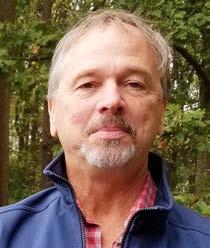
Dr. Peter Wolniansky
ABSTRACT: The BLAST (Bell Labs Layered Space-Time) communications architecture introduced the use of multiple antennas at both the transmitter and receiver to dramatically increase data capacity over a single wireless channel. This breakthrough fundamentally enabled the exponential growth in wireless communications seen today.
At the heart of BLAST—now known as Multiple Input Multiple Output (MIMO)—was a radical idea proposed by Dr. Gerard J. Foschini: rather than combating multipath fading (a major challenge in wireless communication), it could instead be exploited as a capacity-enhancing feature. By using a layered space-time architecture, BLAST enabled multiple independent data streams to be transmitted simultaneously over multiple antennas in the same frequency band. The concept of spatially multiplexing data onto a single channel was initially met with skepticism, yet quickly became compelling once both theory and implementation were understood. Its foundations were rigorously established in seminal papers by Foschini and M. J. Gans in 1996 and 1998.
To make this vision practical, the Bell Labs team developed novel algorithms capable of decoding these overlapping data streams in real time, even under noise and fading. Peter W. Wolniansky, a Member of the Technical Staff, created the V-BLAST (Vertical-BLAST) prototype, which successfully field-trialed this revolutionary architecture in New York City in 1998. The demonstration showed a ten-fold increase in data capacity compared with single-antenna systems.
BIOGRAPHY: Peter Wolniansky is a Principal Member of Technical Staff at AT&T Labs in Middletown, New Jersey. He currently works on microwave and free-space optical communications, previously leading research on Project AirGig. He enjoys mentoring STEM students through various AT&T outreach programs.
Dr. Wolniansky spent fifteen years at AT&T Bell Laboratories in Crawford Hill designing, building, and testing high-speed point-to-point microwave radios, adaptive antenna arrays, and MIMO radio systems. He designed the first four MIMO radios (née V-BLAST), using twelve transmitters and sixteen receivers to demonstrate the technique’s impressive data throughput on the streets of New York City in 1997.
Other professional experience includes designing and building software-defined radios for Rutgers University’s WINLAB. A small side project resulted in a low-power radio
initiative (Pipsqueak), which pushed the limits of bits-persecond-per-hertz-per-watt communications a full decade before the Apple AirTag.
He is the son of immigrant parents from war-torn Europe and was raised on a farm in rural New Jersey. Encouragement from his older sister led to a scholarship at Boston University. After completing his undergraduate studies, he worked on telemetry for the Patriot Missile System at Raytheon Corporation. He later earned a Master’s in Electrical Engineering from Boston University, focusing on magneto-optical data storage, supported by an IBM scholarship.
An American Electronics Association scholarship in 1987 sent him to Sony Research in Tokyo, Japan.
A year immersed in Japanese research and dormitory life fostered friendships that continue to this day.
Peter is married to Olga Nikitina, and they recently welcomed a grandson, Lorenzo Nikitin.
They share a love of the beach, travel, and simple living enhanced by water sports, cycling, and aviation.
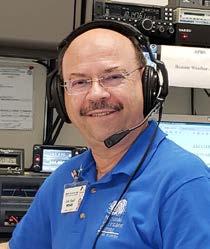
WX4NHC Hurricane Communications at the National Hurricane Center
Julio Ripoll
ABSTRACT: WX4NHC is the Amateur Radio Station at the National Hurricane Center in Miami, Florida.
This station and it’s volunteer Amateur Rio Operators have been providing Hurricane Communications using various modes for 45 years. The Co-Founder and First Coordinator, Julio Ripoll WD4R, will present a brief history and operational details of WX4NHC; “Who we are, what we do and how we do it”.
WX4NHC is activated whenever a hurricane is within 200300 miles of land fall, in the areas of the western Atlantic, Caribbean, Gulf of America and eastern Pacific. We also provide Emergency Backup Communications from NHC to NWS Offices and other agencies in case of local landfall and loss of satellite and conventional communications.
WX4NHC has been active for over 100 Hurricanes and thousands of hours manning the multi-mode HF/VHF/UHF radio station and digital modes. We communicate with stations that are being affected by a Hurricane, in real-time, collecting hundreds of Surface Reports each hurricane season for use by the NHC Hurricane Specialists.
These “Surface Reports” provide the Hurricane Specialists with supplemental weather and damage data that are not normally available to them and are frequently incorporated into their Hurricane advisories, as they provide a human perspective and Eye Witness accounts of what people are experiencing on the ground during a hurricane.
WX4NHC works in conjunction with the Hurricane Watch Net, VoIP WX-Talk Hurricane Net, Caribbean Nets and other volunteer networks to collect real-time “Surface Reports”
for the NHC Hurricane Specialists. WX4NHC also relays Hurricane Advisories via the Ham Radio Networks to the hurricane affected areas and governments when conventional communications have been interrupted.
NHC and the WX4NHC Team are very grateful for the participation of volunteer Ham Radio Operators before, during and after hurricanes. Without their efforts to communicate those Hurricane Surface Reports, WX4NHC would only be listening to static.
BIOGRAPHY: Julio Ripoll, WD4R, is an AIA and NCARB. He graduated from the University of Miami with a degree in Architecture in 1981. He became a licensed Architect in 1985, specializing in Healthcare Clinics and Medical Research Laboratory Design. Julio has dedicated his Architectural Firm’s services to the University of Miami for 31 years and has designed over five hundred (500) projects for UM Medical.
Julio has been an Amateur Radio Operator since 1977, with an Extra Class License. He is an ARRL Life Member. He became proficient in CW (Morse Code), HF Contesting, and went on 13 island DXpeditions.
Julio volunteered in 30 March of Dimes Walk-a-thons and 15 MS Bike-a-thons, and in the Miami-Dade County EOC, ARES, and Red Cross.
In 1980, Julio became Co-Founder and First Amateur Radio Coordinator for the National Hurricane Center when Dr. Neal Frank, NHC Director, requested a Ham Radio station inside NHC to provide communications during hurricanes. Julio was President of the UM Amateur Radio Club and lived in the UM Dormitory two blocks from NHC. Julio carried his radio equipment in a cardboard box to NHC. His 2-year appointment lasted 45 years, involving over 100 hurricanes and thousands of hours of service.
In 1992, Hurricane Andrew severely damaged Julio’s house. After securing his family, he volunteered at the EOC as communications liaison between Police/Fire and Army/Navy/National Guard. Florida Governor Lawton Chiles presented Julio with a Letter of Honor for assisting with communications.
In 2010, a major earthquake killed over 250,000 people in Haiti. The University of Miami built the largest emergency International Field Hospital (240 beds, 120 Medical Staff). However, the satellite phones did not work. Julio immediately coordinated with ARRL, FCC Counsel, the White House, U.S. State Department, and the Haitian Government, forming a specialized team of Hams, HH2/WX4NHC, to build and operate HF/VHF/WinLink stations in Haiti and Miami. Julio coordinated equipment, operator schedules, and private flights for five weeks. The HH2/WX4NHC Team provided communications to the USNS Comfort Hospital ship, helicopter, and speed boat patient transfers, which helped save lives.
Julio is very grateful for this incredible team!
Julio has been a speaker at more than 20 National Hurricane Conferences. Julio was awarded the 2025 Dayton Hamvention Special Achievement Award.
THANK YOU 2025 SPONSORS
The Radio Club of America Board of Directors and its members would like to thank the generous 2025 sponsors. Be sure to tell them that you saw their company mentioned in the Radio Club of America Awards Program.
2025 AWARDS PROGRAM SPONSORS
TITANIUM























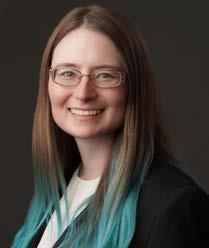
Frozen Frequencies: Life and Radio Work at McMurdo Station
Rachel Jones, PhD Candidate
ABSTRACT: Radio and wireless remain pivotal for safety and communication at McMurdo Station. This presentation will address working as a radio technician in Antarctica during the austral winter of 2025. It will lay out the backstory of life “on the Ice” and the various radio systems one might encounter here. Topics of conversation will involve the unique challenges brought on by the extreme and remote conditions. Finally, personal thoughts will be provided on the future needs of radio advancement and ways to apply lessons learned on the ice to other fields of study.
BIOGRAPHY: Rachel Jones is an educator, space and cybersecurity researcher, STEM mentor, and radio communications and aerospace specialist located in Puyallup, Washington.
She is an interdisciplinary researcher, educator, and practitioner specializing in cybersecurity, aerospace sciences, and radio communications, with a focus on space system security. She is experienced in teaching and mentoring students and junior scientists across cybersecurity, computer science, and engineering disciplines, with a strong commitment to inclusive education and hands-on learning. Her skills focus on curriculum development, STEM outreach, and fostering collaborative research initiatives that bridge academia and industry. She is passionate about developing the next generation of engineers and scientists while advancing applied research in cybersecurity and aerospace technologies.
Ms. Jones is working toward a Ph.D. in Aeronautics/Aviation/ Aerospace Science and Technology at the University of North Dakota (2027). She earned a Bachelor’s degree in Computer Networks and Cybersecurity (2022) from the University of Maryland and a Master’s degree in Intelligence (2019) from the American Military University. She also earned a Master’s degree in Space Management (2012) from the International Space University and a Bachelor of Arts (BA) in Political Science and Government · (2008) from LaGrange College.
Ms. Jones has certifications in Space Domain Cybersecurity, Mentors Helping Mentors, and Practical Antenna Basics. She has published in the Survey of Space Professionals’ Perception of Satellite Cybersecurity from 2012 to 2022: Decision-Makers’ Thoughts on Satellite Cybersecurity and SPARKI: the Educator’s Guide to Amateur Radio on the International Space Station (Ariss) Radio Experimenters Kit.
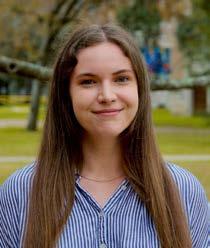
Curving Beams: A New Generation of Wireless Capabilities
Caroline Spindel, PhD Candidate
ABSTRACT: Emerging millimeter-wave and terahertz wireless systems promise order-of-magnitude improvements in bandwidth and sensing resolution. One of the most significant challenges at these frequencies is signal blockage: because such links depend on highly directional beams, even small obstacles can disrupt the line of sight between transmitter and receiver. This work poses the question: what if a wireless beam could be engineered to curve around an obstacle?
This presentation explores the physical principles underlying this phenomenon and introduces experimental demonstrations of curving beams. Performance is compared with conventional beamforming approaches, showing that curving beams can maintain connectivity where standard techniques fail. The talk concludes with a discussion of open challenges and opportunities for advancing wavefront control and link robustness in future high-frequency wireless networks.”
BIOGRAPHY: Caroline Spindel is a third-year Ph.D. student at Rice University studying under Professor Edward Knightly. She earned her Bachelor’s degree from Lehigh University through the IDEAS program, concentrating in electrical engineering, psychology, and engineering ethics. In 2023, she received the James J. Duane III Student Life Leadership Award and the Bosey Reiter Leadership Cup in recognition of her contributions to Lehigh. Ms. Spindel’s doctoral research focuses on the design, prototyping, and demonstration of next-generation wireless communication, sensing, and security systems, spanning frequencies from sub-6 GHz to terahertz, with an emphasis on wavefront engineering.
HamSCI and an Investigation of Large Scale Traveling Ionospheric Disturbances Using Amateur Radio Data
Dr. Nathaniel Frissel and Diego Sanchez
ABSTRACT: HamSCI, the Ham Radio Science Citizen Investigation is an international effort to bring the global amateur (ham) radio and professional ionospheric / radio science communities together for mutual benefit. In this presentation, we give an overview of the HamSCI program and current projects, including the HamSCI Personal Space Weather Station (PSWS), analysis of ionospheric impacts of the 2023/2024 North American Solar Eclipses,
HAS YOUR CONTACT INFORMATION CHANGED?
If you have recently changed your address, email, or phone number, please login to your membership page on our website to update your information, email amy@radioclubofamerica.org or call (612) 430-6995.


and the new Meteor Scatter QSO Parties. We also present detailed results of a HamSCI study of Large Scale Traveling Ionospheric Disturbances (LSTIDs) using 14 MHz amateur radio data from the Weak Signal Propagation Reporting Network (WSPRNet), Reverse Beacon Network (RBN), and PSKReporter datasets. In this project, a fully automated, deterministic technique for detecting and characterizing LSTIDs using this data has been developed. The method isolates wave periods between 1–5 hours and applies sinusoidal curve fitting to the first-hop skipdistance edge of observed communication ranges, yielding quantitative estimates of LSTID amplitude and period. We use these results to produce a multi-year climatology of LSTID activity over the continental United States (2016–2023). Results show clear seasonal patterns: enhanced LSTID occurrence during winter, weaker activity in spring and fall, and modest summer increases. These results suggest modulation by neutral wind filtering, sudden stratospheric warmings (SSWs), vertical coupling, and solar activity. While LSTIDs are traditionally associated with space weather events such as geomagnetic storms and large auroral current surges, these results show LSTIDs are also significantly affected by the large-scale dynamics of the lower and middle neutral atmosphere.
BIOGRAPHIES:
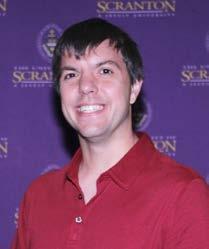
Dr. Nathaniel Anthony Frissell, W2NAF, is an Associate Professor of Physics and Engineering at The University of Scranton. Dr. Frissell’s research interests include space weather and radio science, with a focus on traveling ionospheric disturbances and High Frequency (HF) radio propagation. His teaching interests include digital signal processing, electromagnetics, communications systems, and space physics/space weather. Dr. Frissell’s passion for radio and radio science began in middle school when he was introduced to the amateur (ham) radio hobby through scouting. He eventually went on to earn his B.S. in Music Education and Physics from Montclair State University, and an M.S. and Ph.D. in Electrical Engineering from Virginia Tech, working in the Virginia Tech Super Dual Auroral Radar Network (SuperDARN) Laboratory.
Dr. Frissell founded and now leads the NASA, NSF, and ARDCsupported Ham Radio Science Citizen Investigation (HamSCI.org) citizen science community. Dr. Frissell is the advisor for the W3USR University of Scranton Amateur Club, an IEEE Senior Member, and a member of the CQ Amateur Radio Hall of Fame. He is a winner of the 2017 Yasme Foundation Excellence Award, the 2019 Dayton Amateur Radio Association Amateur of the Year Award, and the 2025 Radio Society of Great Britain (RSGB) Les Barclay Memorial Award for Radio Propagation.
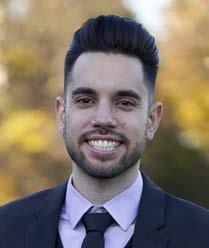
Diego Sanchez is a graduate student in Software Engineering at the University of Scranton. He earned his B.S. in Applied Mathematics from the New Jersey Institute of Technology (NJIT), where he worked at the Center for Solar-Terrestrial Research (CSTR) on HAMSCI-related ionospheric studies. His research interests include data science, HF propagation, and ionospheric modeling. Originally from New Jersey, he combines a background in applied mathematics with software engineering to study datadriven approaches to geospace and radio science.
Eyes In the Sky: Advancing Disaster Relief Coordination with Convolutional Neural Networks and Real-Time CubeSat Data
Abigail Merchant
ABSTRACT: Flooding remains one of the most destructive natural disasters worldwide, resulting in extensive loss of life, infrastructure damage, and economic disruption. Traditional satellite systems for flood monitoring are costly and often lack the real-time responsiveness required for effective disaster management. This project introduces a cost-efficient miniature satellite (CubeSat) mission that leverages convolutional neural networks (CNNs) for autonomous flood detection and rapid data transmission to emergency responders. Designed to operate autonomously in low Earth orbit (LEO), the CubeSat transmits alerts and imagery to ground stations within minutes. A trained CNN model
analyzes spatial patterns to distinguish flooded areas and vegetation loss with 90% accuracy, enabling real-time alert generation. Communication experiments, including 2.4 GHz Bluetooth and 433 MHz RF telemetry testing, validated transmission reliability and signal behavior for small-satellite environments. The project demonstrates how low-cost CubeSats, enhanced with AI-driven analytics, can transform disaster relief coordination by providing accessible, real-time environmental intelligence from orbit.
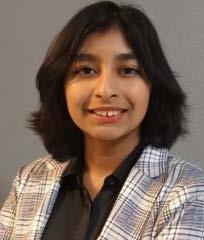
BIOGRAPHY: Abigail Merchant is a high school student and aerospace research intern at the MIT Computer Science & Artificial Intelligence Laboratory (CSAIL), where she works on applying neural networks and space-based sensing to public safety and rocketry. A nationally recognized CubeSat researcher, Abigail is one of the youngest IEEEpublished authors in her field and currently leads AI payload development for a student-led CubeSat set to launch with NASA and Accenture.
Her work has earned accolades from the Office of Naval Research, NASA, Lockheed Martin, and Thermo Fisher Scientific, and she has presented at various conferences and aerospace summits across the country.
Whether designing custom CNNs to detect floods from orbit or coordinating satellite data for emergency response, Abigail is fueled by a bold mission: to harness the power of space and AI to protect lives, revolutionize public safety, and shape the future of how humanity responds to global challenges.
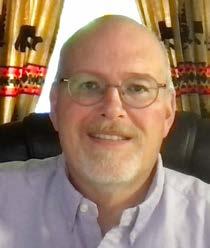
GPS Security and Countermeasures: PNT in GPS-Degraded Environments
Jack L. Burbank
ABSTRACT: Most modern systems rely heavily on Global Navigation Satellite Systems (GNSSs) such as the Global Positioning System (GPS) for positioning, navigation, and timing (PNT). However, there are many environments in which GPS does not perform well. Furthermore, GPS is vulnerable to many types of attacks. This talk aims to provide attendees an understanding of PNT for environments in which GPS may not be available or may experience degraded performance. The talk will provide a brief overview of the GPS system and how it works. The talk will then discuss some of the security threats facing GPS, including various types of jamming and spoofing, as well as discuss methods to detect and mitigate GPS attacks. Lastly, the tutorial also will discuss in detail various methods of non-GNSS PNT, for cases when GPS is completely denied, discussing strengths and weaknesses of these various approaches.
BIOGRAPHY: Jack L. Burbank is the Vice President of Advanced Communications at Sabre Systems, where he helps design, develop, and evaluate next-generation wireless capabilities. Mr. Burbank is an expert in the areas of wireless networking, modeling and simulation, wireless system development, and wireless network security. Mr. Burbank
earned his Bachelor of Science and Master of Science degrees in Electrical Engineering from North Carolina State University in 1994 and 1998, respectively. Mr. Burbank has published over 50 technical papers on topics of wireless networking (both terrestrial-based and space-based) and contributed to multiple books related to wireless networking. Mr. Burbank has authored books about Wireless Networking and Modeling and Simulation. Mr. Burbank is active within the IEEE, acting as technical reviewer, organizer, and chair for numerous IEEE conferences and periodicals. Mr. Burbank is editor of the Wiley-IEEE Press book series on IEEE standards. Mr. Burbank was previously an Associate Technical Editor of the IEEE Communications Magazine. Mr. Burbank previously taught courses on networking and wireless networking at Johns Hopkins University. He is a Senior Member of IEEE and is the Vice Chair of the IEEE Susquehanna Section. Mr. Burbank is designated as an IEEE Impact Creator and regularly assists IEEE in public relations activities, supporting technical requests for information and fact-check requests from media and trade periodicals. Mr. Burbank is currently working towards his Ph.D. in Electrical Engineering at the University of North Dakota.
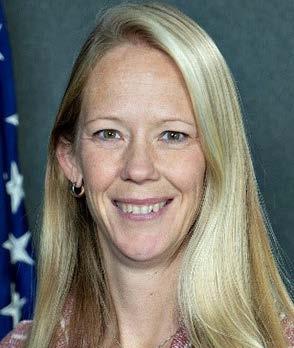
FirstNet Fusion: The Evolution of Interoperability
Dr. Jennifer Harder
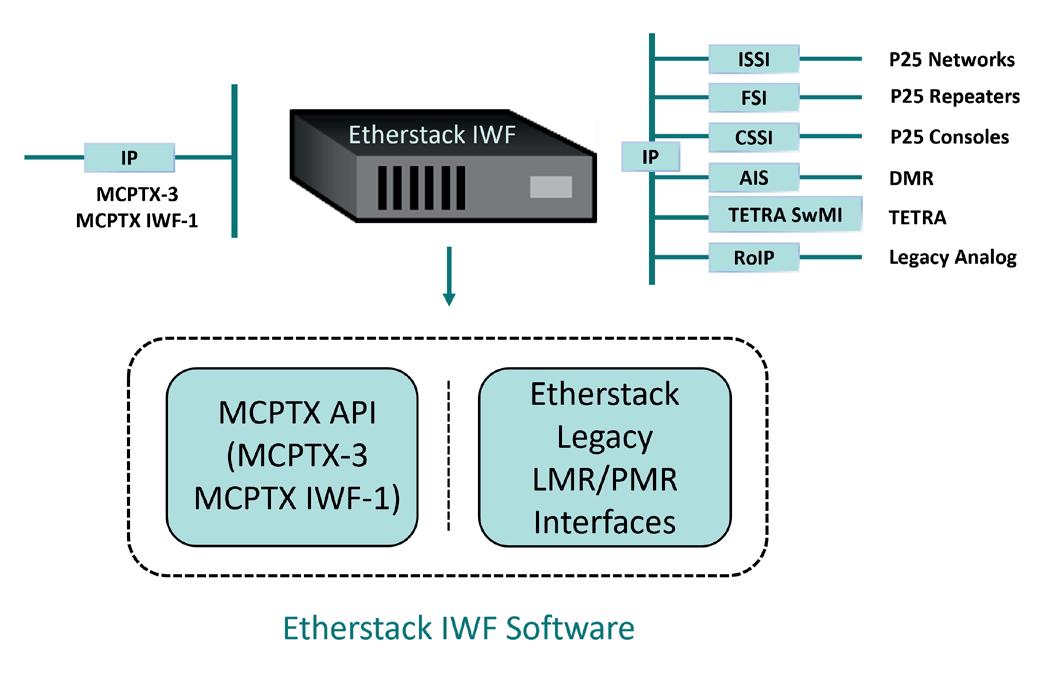
ABSTRACT: Public safety agencies nationwide rely on traditional land mobile radio (LMR) networks for primary day-to-day voice communications and broadband networks for data sharing. As FirstNet continues to expand and evolve to support first responders, agencies are increasingly exploring and deploying mission critical push-to-talk (MCPTT) services over broadband to augment and enhance their LMR capabilities. Come learn more about the newest flagship MCPTT product, FirstNet Fusion, and understand more about how it can compliment and integrate with LMR capabilities as we enter into a new world of interoperability. This session will explore the operational benefits of FirstNet Fusion and will highlight the policy, governance, and training considerations that come with deploying this innovative technology.
BIOGRAPHY: Dr. Jennifer Harder is the Director of Roadmap Domains with the First Responder Network Authority. The First Responder Network Authority is the independent agency within the U.S. Department of Commerce chartered to help create, maintain, and evolve the nation’s public safety network, called FirstNet. In this role, she leads a team focused on identifying and evaluating innovative opportunities to help enhance public safety communications on FirstNet across six different focus areas (Core, Coverage, Voice Communications, Situational Awareness, Secure Information Exchange, and User Experience). In addition, she works with public safety agencies and industry to foster innovation in the public safety communications and technology marketplace. Previously, Jennifer led the FirstNet Authority Products
team and supported the State Plans Team, where she helped to coordinate the agency’s efforts to create 56 individualized FirstNet implementation plans for each U.S. state, territory, and the District of Columbia. Her work in this area provided the process and information needed for each Governor to make an informed decision about joining FirstNet. Before joining the State Plans Team, Jennifer served as a Senior Public Safety Technology Planner for the First Responder Network Authority’s Technology Planning and Development Team.
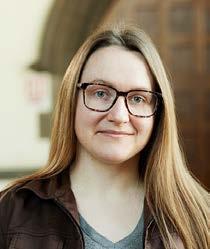
The Lion In the (Propagation) Path
Dr. Kristina Collins
ABSTRACT: The Amateur Radio Science Citizen Initiative (HamSCI), a community of amateur radio operators, space scientists and radio engineers, now approaches the end of its first decade. HamSCI’s flagship project, the Personal Space Weather Station Network, comprises a growing portfolio of instruments supported by citizen scientist maintainers. This talk will cover the development of the PSWS Network, recent observations and future plans, with particular attention to the role of radio education in sustaining the HamSCI community. For more information about the PSWS and other HamSCI projects, visit www. hamsci.org.
BIOGRAPHY: Dr. Kristina Collins, KD8OXT, is the Chief Operations Scientist for the HamSCI Personal Space Weather Station Network. In this capacity, she coordinates with the citizen scientist maintainers of the network to identify events of interest, plan campaigns, and validate and curate PSWS data for scientific use. At the time of writing, her voice can be heard on WWV at 8 minutes past the hour and WWVH at 48 minutes past the hour, preceding the test signal for the WWV/H Scientific Modulation Working Group. Through HamSCI, she has served as an organizer for multiple workshops and mentored numerous undergraduate and graduate students in radio science projects, including instrument deployments, eclipse campaigns and data analysis. Dr. Collins earned her PhD in Electrical Engineering from Case Western Reserve University in 2022. She currently serves on the HamSCI advisory board, leads the HamSCI Eclipse and Frequency Measurement Festivals project and WWV/H Scientific Modulation team, and served as chair of the local organizing committee for the 2019 HamSCI Workshop. She is a longtime member of the Case Amateur Radio Club, W8EDU, where she and her collaborators work to integrate amateur radio into university teaching and research. As a researcher at the Space Science Institute, she uses virtual reality and sonification to study geospace and other interdisciplinary science questions. Her research interests center on using open-
source hardware and software to broaden participation and accelerate progress in science and engineering. She is the 2025 recipient of the Dayton Amateur Radio Association’s Technical Achievement Award. She is also a member of the American Geophysical Union, the Order of the Engineer and the Luxuriant Flowing Hair Club for Scientists. Outside of radio, her hobbies include sailing on Lake Erie and being largely ignored by her cats.
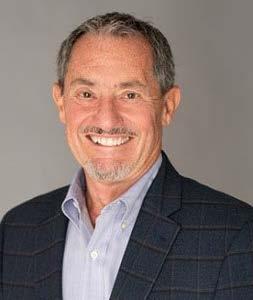
Loran, or “There and Back Again”
Charles Schue
ABSTRACT: The story of Long Range Navigation (“Loran”) is the story of radio navigation itself — a signal born in wartime necessity that has become the foundation for a resilient future.
Developed during World War II, Loran-A and later LoranC/D provided reliable long-range navigation and timing across oceans and continents. Though supposedly eclipsed by satellite systems, Loran never lost its relevance. Today, amid increasing awareness of Global Navigation Satellite System (GNSS) vulnerabilities, Enhanced Loran (“eLoran”) has re-emerged as a critical complement to space-based Positioning, Navigation, and Timing (PNT).
This presentation traces the arc of Loran’s evolution — from its analog roots to its digital, networked rebirth. eLoran’s low-frequency signals, UTC-synchronized timing, and modern software-defined architecture make it the backbone of assured, resilient, and survivable PNT. The discussion explores eLoran as a key component of a “System of Systems” that includes GNSS, fiber, and other systems, and highlights international initiatives driving eLoran deployment across the Northern Hemisphere.
As dependence on GNSS deepens, the need for terrestrial resilience grows. eLoran offers more than redundancy — it restores trust in time and position. This session will examine the technical, operational, and policy dimensions of bringing Loran “there and back again,” showcasing its role as the enduring heartbeat of global PNT.
BIOGRAPHY: Charles “Chuck” Schue is the Founder and CEO of UrsaNav®, LLC. A recognized expert in positioning, navigation, and timing (PNT) systems, his contributions have led to major critical infrastructure and safety-of-life system improvements in the United States and abroad. Chuck is also a founder/owner of several other advanced engineering firms, with products as diverse as in-space electric propulsion and pre-shot sniper detection. Chuck holds three master’s degrees and is a Senior Member of the American Society for Quality and the Institute for Electrical and Electronics Engineers. He is a Fellow of both the Institute of Navigation and the Royal Institute of Navigation. Through his companies or along with colleagues, he contributed to ten patents.
Current Developments and an Outlook for Public Safety and the Use of Push-to-talk Over Cellular
PANEL: Roman Kaluta – moderator, Thomas Kelly, Harlin McEwen, Josh Lober
BIOGRAPHIES:
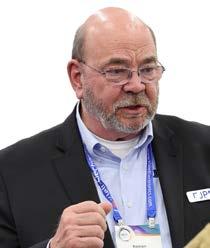
Roman Kaluta is the Director of Business Development - Public Safety Liaison and Customer Advocate for JPS Interoperability Solutions in Raleigh, North Carolina. He came to JPS over twenty-two years ago, following his retirement from the Alexandria, Virginia Police Department after 25 years of law enforcement service.
Lieutenant Kaluta (ret) serves as the public safety liaison and customer advocate for JPS and coordinates numerous proposals, designs, and implementations of local, regional, and statewide interoperability systems throughout the United States and internationally. In his business development role, he provides public safety practitioner guidance and assistance to our customers and staff with a particular focus on policies and procedures, training, and technology implementation. His duties also include involvement with most major project pursuits, technology presentations, demonstrations, and emergency assistance during natural disasters and special events. He also coordinates numerous partnerships with other technology companies, including system integrators, satellite equipment and service providers, major Push to Talk over Cellular providers, and the JPS Manufacturer Representatives and Dealer networks.
Throughout his career with the police in Alexandria, Virginia, he was involved with numerous projects and initiatives applying various technologies in the public safety arena. He held numerous operational and administrative assignments and was instrumental in developing the department’s incident command system. He has received specialized training in weapons instruction, police tactical operations, electronic surveillance, multi-jurisdictional drug task force operations, IT systems, communications equipment, and infrastructure. He served full-time as the Project Manager for the NIJ Operational Test Bed in Alexandria, Virginia, for communications interoperability. He assisted in the formulation of policies and procedures for the implementation of communications interoperability protocols in the Washington, DC Metropolitan region.
Lieutenant Kaluta is a graduate of the FBI National Academy and the DEA Drug Commander’s Academy, and is a member in good standing of the IACP, FBINAA, and the Radio Club of America.
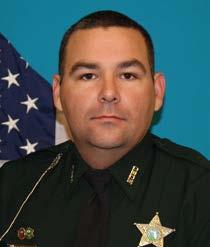
Detective Thomas Kelley, Communication Technician with the Nassau County Sheriff’s Office in Florida. He is a Co-Chair for the Regional Domestic Security Task Force (Region 3) Communication Focus Group. He is also the sub-region 3 chair for the FCC Regional Planning Council, Region 9. He has been involved in RF communication for over 25 years and is actively involved in public safety communication in the state. Member RCA.

Harlin R. McEwen is a stalwart in the field of law enforcement and publicsafety communications whose career spans more than five decades. His work bridges local policing, federal leadership, and national policy for emergency communications.
McEwen’s interest in public safety arose early, riding along with a volunteer fire chief, developing an affinity for radio and communications. He entered policing in 1957 in Waverly, New York. By 1972, McEwen had been promoted to Chief of Police of the Village of Cayuga Heights, New York, where he pursued modernization of community policing and communications infrastructure. In October 1988, he was appointed the 9th Chief of Police for the City of Ithaca, New York, where he oversaw the creation of new command structures, expansion of neighborhoodoriented policing, and the upgrade of police headquarters facilities. In 1996, McEwen transitioned to the federal level, serving as Deputy Assistant Director of the Federal Bureau of Investigation (FBI). His most enduring legacy lies in public-safety communications. For decades, he chaired the International Association of Chiefs of Police (IACP) Communications & Technology Committee, advocated for interoperable systems, and participated in national policy development on incident-information sharing and broadband for first responders.
In 2012, McEwen was appointed as the inaugural Chair of the First Responder Network Authority (FirstNet) Public Safety Advisory Committee (PSAC). Under his leadership, PSAC provided operational advice to the FirstNet Board as the nationwide public-safety broadband network was being developed. He has been widely credited as a “founding father” of the public-safety broadband ecosystem, helping to ensure that first-responder communications would evolve to meet modern technological and operational demands. McEwen’s contributions have been recognized by many awards and honors, including: (i) the FirstNet Authority established the “Chief Harlin R. McEwen Public Safety

Broadband Communications Award” in his name, recognizing individuals who demonstrate exceptional leadership in this area; and, (ii) SAFECOM (the Federal Emergency Management Agency’s communications interoperability program) honored his sustained leadership in public-safety communications.
Throughout his career, McEwen has emphasized that leadership sets the tone for policing and for publicsafety communications. In his view, the advancement of technology should always support operational improvements and community trust—not just flashy gadgets. From installing radar enforcement in a small village to advising on national broadband networks, his journey reflects a consistent focus on service, communication, and adaptation to change.
In total, Harlin R. McEwen stands out as a law-enforcement leader who did not stop at the precinct door. Instead, he took his experience into the national sphere, shaping how police, fire, EMS, and other first-responder services talk, collaborate, and respond. His legacy is both operational (modernizing departments) and structural (designing systems), creating frameworks for nationwide interoperability and broadband communications.
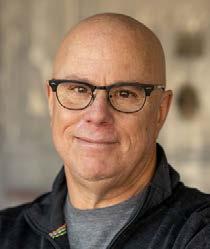
Josh Lober is a co-founder of SLA Corporation (SLA), the developer of Enterprise Secure Chat (ESChat), a leading broadband Push-to-Talk service for government and enterprise business use. Since the company’s foundation in 2002, Mr. Lober has acted as the company’s President and CEO.
SLA developed its first Push to Talk over Cellular (PTToC) solution in 2003, using the “IToC” and “PoC” standards. SLA’s team opted to create a more efficient PTToC protocol, which it launched in January 2008 as ESChat.
Today, ESChat for Government is a FedRAMP® Authorized cybersecure broadband Mission Critical Push-to-Talk service, used by government and enterprise business entities. ESChat supports standards-based interoperability with LMR radio networks, including P25 via the native Inter RF Subsystem Interface (“ISSI”) protocol and DMR via the native Inter Application Interface Specification (“AIS”) protocol. ESChat also supports interoperability via DFSI, NXIP, SDK, and RoIP protocols to any LMR radio network, regardless of radio technology or operating frequency band.

On October 8, 2025, JVCKENWOOD announced its acquisition of SLA. Mr. Lober will continue as President and CEO of SLA, operating as a wholly owned subsidiary of JVCKENWOOD.
Prior to founding SLA, Mr. Lober held engineering and leadership positions at COMDEV International, 3dbm, Inc., and Gould Electronics, where he worked on military RADAR, satellite tracking, and RF Amplifier Control systems, as well as commercial cellular infrastructure systems (1G/2G/3G/4G). Mr. Lober also worked at Biocom, Inc., where he worked on the company’s orange “paramedic radio” made famous in the TV show Emergency.
A member of the Radio Club of America, Mr. Lober holds an Extra Class amateur radio license, as well as a Commercial Pilot’s License for single-engine and multi-engine airplanes, with an instrument rating. His favorite airplane is the Piper Cub, and since 2006, he has been the proud owner of a 1947 Piper J-3 Cub. It seems appropriate his call is W6CUB.
Mr. Lober holds a Bachelor of Science degree in Engineering Science from Cal Poly, San Luis Obispo.
RCA Mentorship Program
A way to share your knowledge and experience, or learn from the best!

The new RCA Mentorship Program is designed to pair RCA members together, providing opportunities for young professionals to learn and emulate the experience of more seasoned RCA members. Several mentoring pairs have already been formed and more are being formed. Learn more on the RCA website.
Thank you sponsors!

Poster Presentations
ANTI-BLACKNESS IN CYBER SPACES: APPLICATIONS OF MACHINE VISION IN STUDIES OF RACE AND RACISM
Xuemeng Li, PhD (Hunter College) and Demetrios Lambropoulos (Rutgers University, New-Brunswick)
MODELING CELLULAR NETWORKS: BASE STATION CLUSTERING FROM OPEN-SOURCE DATA
Demetrios Lambropoulos (Rutgers University, New Brunswick)
ELECTROMAGNETIC ABSORPTION AND CANCELLATION: PRINCIPLES AND PRACTICAL LIMITS
Yosuf Ozkan (New Jersey Institute of Technology)
A MULTIMODAL COLLABORATIVE ROBOT SYSTEM FOR HUMAN-CENTERED TASKS
Dr. Weitian Wang (School of Computing at Montclair State University and Director of Montclair Collaborative Robotics and Smart Systems Laboratory)
AN EXTENDED REALITY-BASED DRIVING SIMULATOR FOR USER-CENTERED INTERDISCIPLINARY RESEARCH AND EDUCATION

Dr. Rui Li (School of Computing, Montclair State University)
BEHIND EVOLUTION OF TECHNOLOGY FOR TRANSFORMATIVE COMMUNICATION FOR HUMANITY
Chris Lawrence (Stevens Institute of Technology)
MIMO COMMUNICATIONS
Peter Wolniansky, et. al. (in addition to AT&T Labs, also Affiliated with Rutgers University for IEEE)
TRANSFORMATIVE COMMUNICATION FOR HUMANITY
Nathan Lawrence, et. al. (Stevens Institute of Technology)
HISTORY: DISCOVERY OF INTERSTELLAR CARBON MONOXIDE
Shrikar Swami, et. al. (Stevens Institute of Technology)
HISTORY KARL G JANSKY, AM SKELLETT, AND RADIO ASTRONOMY
Katherine Grace August, PhD (Stevens Institute of Technology)
SETTING THE STANDARD
Eleanor Louise Heaton
RCA: A CENTURY OF PARADIGMS
David P. Bart, RCA President Emeritus


2026 TECHNICAL SYMPOSIUM AND 117 TH AWARDS BANQUET
SATURDAY, NOVEMBER 21, 2026
WESTIN TIMES SQUARE