SAPHNA
N E W S L E T T E R
EMPOWERING
SCHOOL
NURSING: INSIGHTS, INNOVATION AND IMPACT
Health / Wellbeing / Community / Innovation / Inspiration / Care / Advocacy
EMPOWERING
NURSING: INSIGHTS, INNOVATION AND IMPACT
Health / Wellbeing / Community / Innovation / Inspiration / Care / Advocacy
Welcome to the new look SAPHNA Newsletter! We're excited to introduce our redesigned newsletter, crafted with you in mind! With a fresh, modern look and improved navigation, it's now easier than ever to stay informed, inspired, and connected.
In each edition, you’ll find essential updates, professional development opportunities, and insights to support your invaluable role in school and public health nursing We’ve listened to your feedback and will continue to expand content that empowers you to deliver the best possible care to children and young people
We’d love to hear what you think - let us know your thoughts and what you'd like to see in future editions by emailing us at info@saphna.co. Happy reading!
With thanks to our sponsors:



Follow us on social media:
UPDATES FROM THE SAPHNA TEAM
1.

2. SAPHNA’S 3YEAR STRATEGY
3.
UPDATE FROM DIGITAL HEALTH TRANSFORMATION SERVICE

4.
SAPHNA MEMBER SURVEY
5.
DELIVERING THROUGH PARTNERSHIPS
QNIS BLOG
6.

STUDENT SCHOOL NURSES

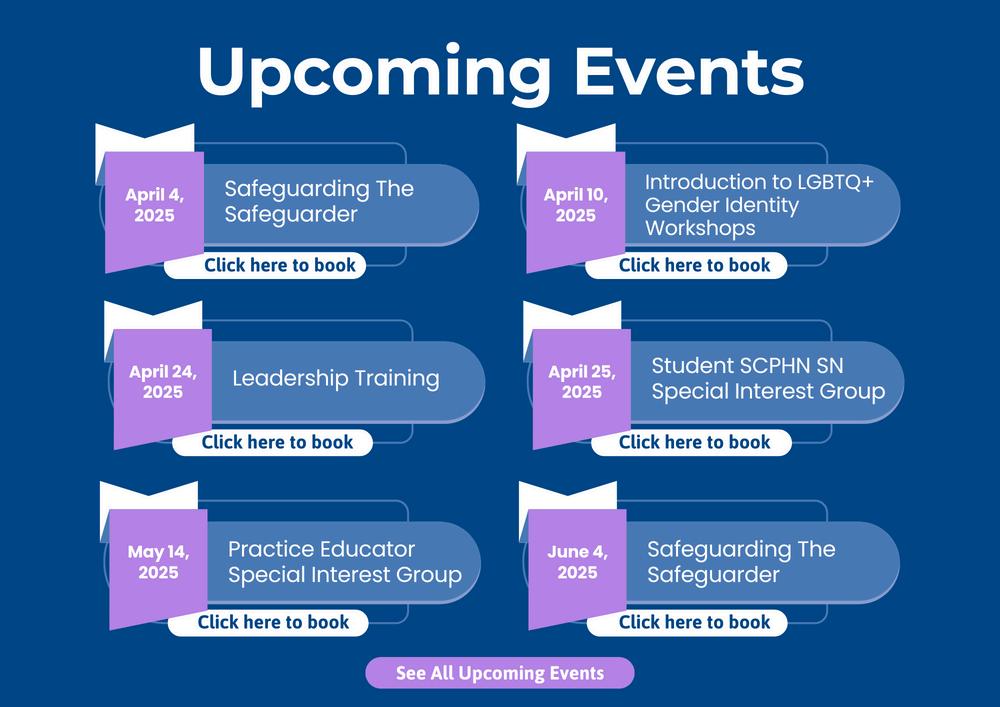
EVENTS & COMING SOON

NURSING IN PRACTICE
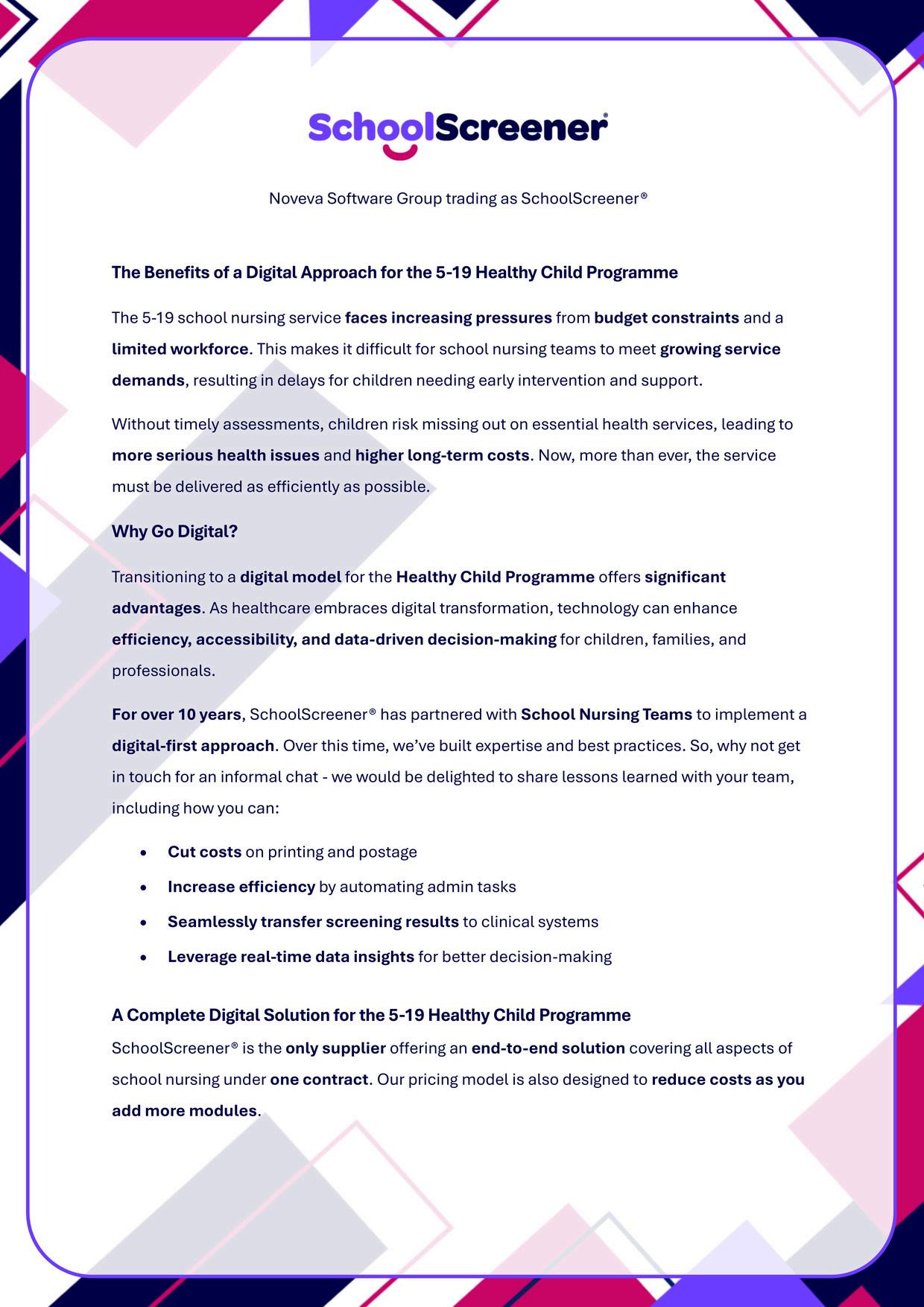
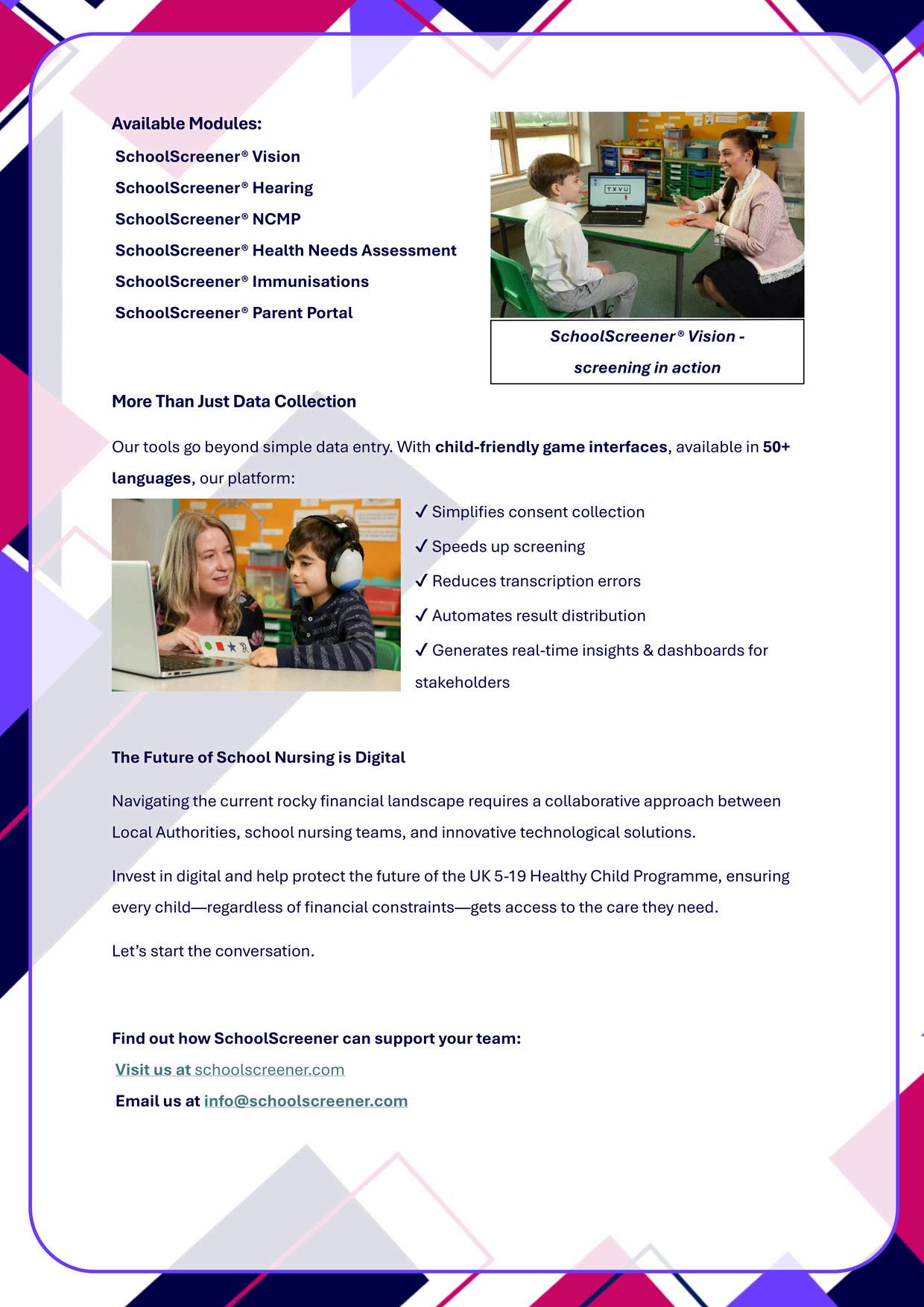
THE BENEFITS OF A DIGITAL APPROACH
SAPHNA RESPONDS

ASTHMA GUIDELINES UPDATE
SAPHNA’S PROFESSIONAL OFFICER’S BLOG


The beginning of 2025 has seen big changes for SAPHNA We have said thank you and farewell to Sharon White, founder of SAPHNA and Chief Executive Officer for over 18 years Sharon has reached the difficult decision to retire due to continuing health challenges and we hope that she will now enjoy time with friends and family. Sharon has worked tirelessly for school and public health nurses, and developed SAPHNA as a nationally recognised organisation, being awarded an OBE for work to support school and public health nurses promoting excellence in practice.

With change there are opportunities and the leadership team, supported by the Board of Trustees, is taking time to review SAPHNA’s strategic plan for the next 3 years SAPHNA Inaugural Survey of School Nursing – The Forgotten Frontline evidenced the need to increase support for personal and professional development of school and public health nurses. We have asked our members to contribute to the strategy refresh, to tell us what school and public health nurses need from SAPHNA. We aim to publish the strategic plans in spring once we have completed the consultation process
With change comes opportunity: SAPHNA is shaping the future of school and public health nursing by refreshing its strategic plan guided by our members, focused on professional development, and committed to improving outcomes for children and young people.
Much of SAPHNA’s work over the past 12 months has been focused on policy influencing and partnership We are members of a number of key collaborations comprising of other charities who have the common aim of improving outcomes for children and young people
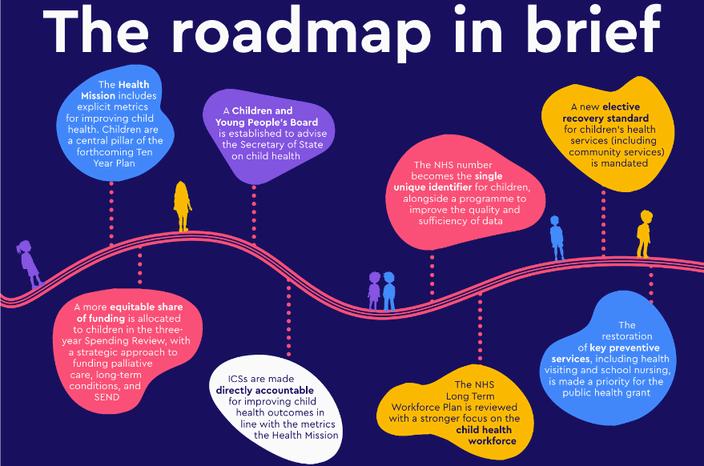
Our work, as a member of the Children and Young People's Health Policy Influencing Group (HPIG), contributed to the publication of the ‘The healthiest generation of children ever: A roadmap for the health system’ which calls for the funding and commitment to develop the children’s workforce, including school nurses, and for the delivery of the Healthy Child Programme 0-19 to be properly funded and become statutory guidance
Children and Young People’s Mental Health Coalition published a 3 year strategy with three priorities including the ‘creating a mentally healthy generation’ through prevention and promotion and ensuring ‘early help for all’, both areas that school nursing will play a pivotal role in improving outcomes for children and young people
Our campaign work with the Queen’s Nursing Institute and College of Medicine for #ASchoolNurseInEverySchool continues with plans for a third roundtable event,
following the success and engagement of many partners at the first two events SAPHNA actions from the roundtable, to gather practitioner intelligence, cumulated in the publication of our report about experiences from the frontline of school nursing This report is a powerful tool to raise awareness of the need for investment in school nursing and to influence policy makers when thinking about how to improve outcomes for school-aged children and young people We have the support of a growing number of MP’s to hold a debate in parliament about school nursing
We are excited about the future and next steps for SAPHNA. It is a promising time for school and public health nursing, with renewed hope as the government aspires to changing the focus of healthcare, shifting the balance from treatment to prevention and seeking to shift care from hospital to community As a profession we need to be clear about how we contribute to this shift, to articulate our value and show courage and strength in our leadership
Sallyann Sutton – Professional Officer
Anne-Marie Gallogly – Deputy Professional Officer
Julie Critcher – Deputy Professional Officer
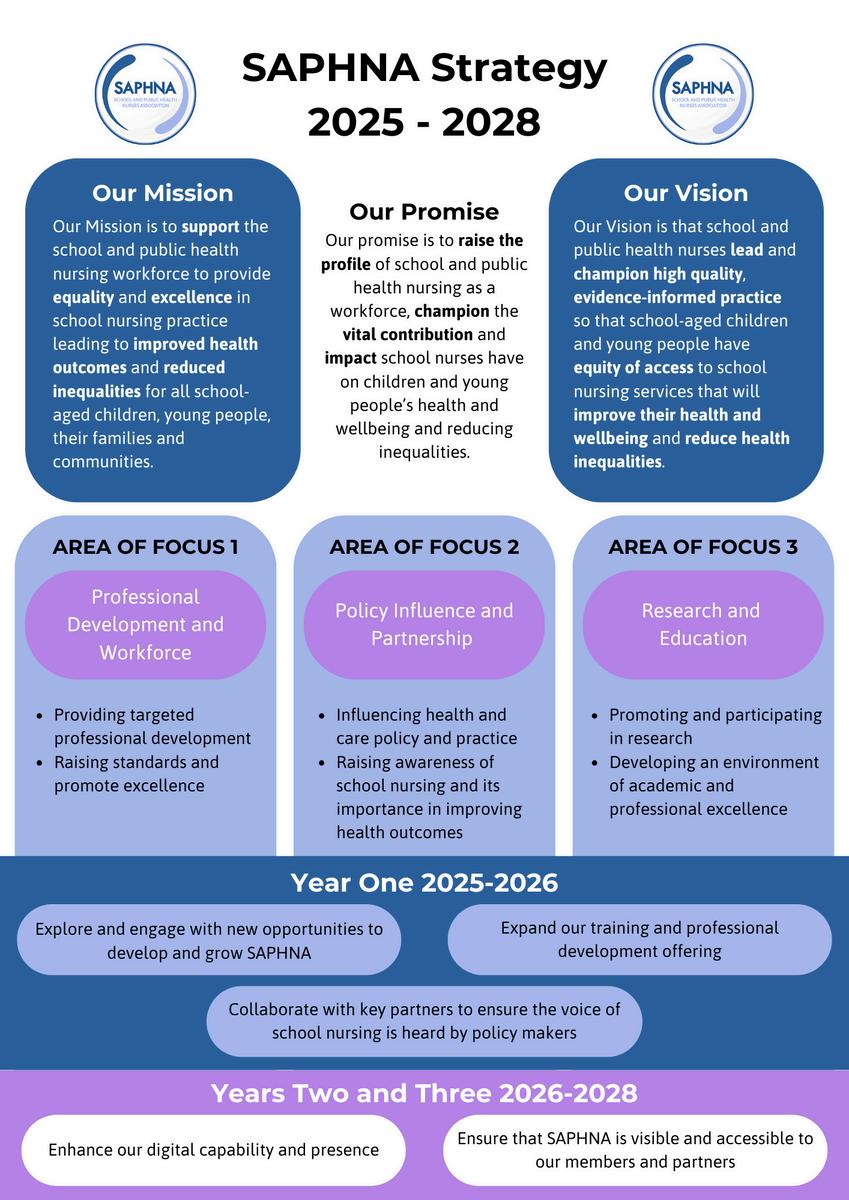
SAPHNA’s Board of Trustees have recently published our revised three-year strategy. Below you will find a snap shot of the strategy, but you can read the full strategy document on our website.
THE LATEST NEWS FROM THE DIGITAL HEALTH TRANSFORMATION SERVICE (DHTS) AT LEICESTERSHIRE
PARTNERSHIP NHS TRUST, PROVIDING DIGITAL TECHNOLOGY MADE FOR THE NHS BY THE NHS.
Latest projects
We are delighted to work with many fantastic public health teams who are using innovative ways to engage with children, young people and families
Here’s some of the latest projects we’ve supported:
Medway school nurses extended their ChatHealth service to parents and carers of children aged 5-19
The TherapyLink team in Buckinghamshire launched a messaging service to support children and young people aged 0-19.
The Mental Health Crisis team for Leicester, Leicestershire and Rutland set up ChatHealth to offer a 24/7 crisis text line.
Local area pages went live with Enfield –Health for Kids, Enfield – Health for Teens and Bradford – Health for Teens.
More young people supported in Leicester
More young people in the city of Leicester have benefited from the digital health contacts carried out by the Healthy Together team at Leicestershire Partnership NHS Trust A record number of participating schools and more year groups resulted in a huge 80% increase compared to the previous year!
HealthForms is used to deliver the digital health contacts safely and effectively in Leicester's secondary schools This allows the school nurses to view responses and get red flag alerts in real time Healthy Together's Digital Clinical Lead, Sarah Tebbett presented her poster at SAPHNA's annual conference
Journal article on School Nursing Uncovered podcast
We have proudly co-written a professional article with SAPHNA for the Journal of Family and Child Health The article shares our journey to produce our very own podcast series ‘School Nursing Uncovered’ and discusses the impact of these podcasts as an accessible medium for continuous professional learning
Health for Teens featured on NHS.uk website
We’re proud to see our Health for Teens website signposted as a trusted source of advice from the NHS.uk website. In 2024, over 14 thousand visits came to the Health for Teens website from the NHS.uk website. One of the NHS articles linking to Health for Teens to offer more information and advice is: Help your child beat exam stress - NHS
Health for Teens is packed full of advice for young people, enabling them to get help from local school nursing teams and specialist support services.
We enjoyed catching up with school nurses at the annual SAPHNA conference held at Buckinghamshire New University on 6th November Congratulations to the conference poster award winner, Jean Ravenna from Kent School Health, which outlined the success of Snapchat paid advertising to promote ChatHealth to young people in Kent
Our well-attended webinar Digital Health in School Nursing webinar took place on 13th November and showcased how ChatHealth, HealthForms and local area pages on Health for Kids and Health for Teens are used by school nursing teams across the UK.
To find out more about how we can support school nursing teams, contact us at lptteamdhts@nhsnet

The responses will inform how we develop and shape our offer to meet the needs of our members 53 respondents shared valuable insights, most of which were corporate members (77%), with individual members (19%) and non-members (2%) also participating
Most members prefer receiving information via email, while smaller groups use the website (12%) or social media (9%) Facebook and Instagram are the preferred social platforms, though about 20% of respondents do not use social media Encouragingly, over 80% of members find SAPHNA’s newsletter and weekly ‘shout outs’ beneficial
Members praised SAPHNA for being a strong advocate for school nursing, providing useful information, and supporting professional development. Key comments highlighted SAPHNA's role in empowering nurses, sharing resources, and creating networking opportunities
Members offered several suggestions for enhancing SAPHNA’s services:
Improve the website design and functionality
Revamp the newsletter format
Expand professional development, webinars, and networking opportunities
Introduce 'coffee and catchup' networking sessions
Strengthen links across the UK,, particularly in Scotland
Develop toolkits, podcasts, and recorded webinars for flexible access.
Members endorsed SAPHNA's proposed strategic priorities, emphasising the importance of:
Raising awareness of school nursing's value. Providing targeted professional development. Collaborating with like-minded organisations to influence policy.
Supporting research and innovation in practice.
Members also called for SAPHNA to: Advocate for improved school nursing capacity Promote specialist roles and training opportunities
Collaborate with networks like iHV and QNI to amplify influence and impact

Members asked for personal and professional development opportunities and resources to include a variety of topics including:

SAPHNA is committed to acting on this feedback to strengthen its support for school nurses and improve outcomes for children and young people.
Stay tuned for upcoming developments!

A core principle of TLM has always been to work as partners who strive to ensure that users of the model are involved in its ongoing evolution, continuing its heritage of being an evidence-based, real-world solution This approach means that together, we can all continue to improve outcomes for children, young people, and their families
Part of this approach includes an annual evaluation, asking users their thoughts, ideas, and challenges, so ensuring that the model works as life changes In 2024 we wanted to develop this further and asked some of our partner organisations who work with us if they would like to share their skills and expertise direct with TLM Users. This concept has proved a resounding success for all involved, both as a bridge to connect organisations, but also to share information and a space to ask questions and ideas.
We have run multiple free sessions for our users that have covered a wide range of topics that are truly relevant but often challenging for School Health Teams These have included:
Solvent Use (delivered by Re-Solv)- an overview of the current challenges, legislation and how to approach the topic with children and young people.

Alcohol, Smoking and Vaping and drug use (delivered by WithYou) - an overview of current challenges, details on effects, the “rationale and approach” of use and communications.

Gambling and Gaming (delivered by YGAM) - a window into the theory of gambling and gaming, what young people understand by it and how the world of online gaming has changed things

We value our partnerships, and the amazing work that they do to support children, young people and their families and friends and that aligned ethos, and passion which sits behind the work we will continue to do together, in 2025 and beyond.
This is also fully reflected by our IT Partner Aire Innovate Ltd, who work with us to ensure that our systems can deliver for our users in an economical, user friendly and safe way Our brand-new system will be launching this summer enabling improved functionality and individual options for areas, as well as access to live data and reporting, all in one place
We continue to believe that by working in this way, as true partners, we can all ensure the best outcomes, working practices and values for everyone.
If you would like to know more about us, then do get in touch!
Kath@tlmhapicouk


Dr Elaine Allan’s July blog about raising awareness of school nursing in Scotland was positively received by school nursing staff in NHS Tayside Raising the profile of school nursing in Scotland (qnisorguk) The blog outlined a case study highlighting the partnership between Robert Gordon University and NHS Tayside in co-developing a supportive specialist strategic Advanced School Nurse Practitioner leadership model for the future which could be replicated across Scotland
Progressing the transformed role of the Advanced Practitioner - School Nursing has differed across Scotland. In Tayside, it has been the culmination of years of work to promote the school nursing service. In the region of Angus (part of Tayside), we are passionate about promoting the school nurse role as we still encounter a lack of knowledge of the service we can offer.
ROBERTSON
To support this many school nurses took part in raising the profile of the service to multi-agencies Creativity was harnessed to deliver the short life working groups in the most interesting and informative ways, including presentations
Advancing my career, I joined the school nursing service weeks before lockdown due to COVID which severely restricted practice delivery to children, young people and families One positive was that I was given the opportunity to complete my Specialist Community Public Health Nursing (SCPHN) Advanced PractitionerSchool Nursing qualification I continued to gain my MSc
Researching the school nursing CEL 13 referral pathways interested me, in particular, the youth justice (YJ) referral pathway Being new to post with a 5 year background in prison nursing, I chose to study school nurses’ experiences of YJ pathway referrals, my rationale being that this was a pathway that might benefit from being strengthened through researching the subject. I then gained School Ethics Review Panel SERP approval to carry out an investigation and gained participant consent.
The study was progressed through semi structured interviews with 10 school nursing staff across Tayside. Using qualitative methods, a service evaluation was carried out. Semi-structured interviews were conducted with 10 SN practitioners with a mix of SCPHN qualified and some still to qualify, working across NHS Tayside
Interviews took place over MS TEAMS with video recordings and transcripts utilised for thematic analysis
Following interviews, 5 main themes emerged highlighting school nurses’ experiences of the pathway:
Varied understanding of YJ as a concept
Uncertainties about the YJ pathway
Multiagency working and collaboration
Barriers to supporting YJ
Facilitators to supporting YJ.
School nursing practitioners described limited experience of supporting children and young people C&YP at risk of offending They reported limited or no referrals received via the YJ pathway Should YJ remain a priority pathway, school nurse participants advocated the need for role clarity and having identified training needs met Importantly the voice of the service user also needs to be heard while a review of application of the pathway by the Scottish government should be considered
In addition to the above, one of the study conclusions included the necessity for the school nurse service to support children and young people who have a parent or carer in prison, and for this to become part of the YJ referral pathway
Since the completion of my dissertation, I have continued to advocate for children’s voices to be heard in relation to YJ. A recent review of our school nursing pathways in NHS Tayside led to discussions around the addition of support for children and young people who have a parent or carer in prison. This was influenced by the findings of my study. The current pathway appears limited to C&YP at risk of offending and I suggest that a wider lens, be applied to support C&YP who have a parent or carer in prison
If we are to truly make early intervention a reality, we should be supporting children and young people though their emotional wellbeing and YJ pathways at such critical times NHS Tayside has taken a proactive rather than a reactive approach to supporting children where criminality may be an indirect part of their lives, applying early intervention and creating possible diversion from criminality. The Children and Young People’s Centre for Justice (CYCJ) highlight the Scottish Government’s priority of early and effective intervention as well as identifying who is at risk.
Recently, I joined multiagency colleagues from Perth and Kinross to learn about the ‘Child impact assessment tool’, with the training provided by Families Outside, a national Scottish charity providing support to families who are affected by imprisonment A study included on their website highlights an interesting summary of evidence that suggests that the empirical evidence of the impact of parental imprisonment is limited
I would like to see this change, with more research required for future practice, starting with my own study
For further details please contact: Jacqui Robertson – Specialist Community Public Health Nurse & Associate Lecturer of Robert Gordon University JacquiRobertson2@nhsscot
SAPHNA offers virtual SCPHN student talks, and since September 2024 we have delivered 15 sessions reaching 115 school nurse students The length of a session can be between 30-60 minutes
Thank you for your session on Thursday, it was really interesting, and the students really valued it.
Thank you for the presentations, the feedback from yesterday was fantastic, you were a great inspiration to the students and for school nursing
If you are interested in this for your cohort, please discuss with your Programme Lead and email SAPHNA at info@saphna.co.
Don’t miss out on our free Student SCPHN SN Special Interest Group sessions - find out more and upcoming dates here
Did you know that SCPHN students are eligible for our half price SAPHNA membership! Find out more here
Stay informed with the latest news, insights, learning programmes and event invitations.

Each month, the newsletter focuses on a different health care topic and has features covering a range of perspectives on that topic. The newsletter also includes details about funding opportunities, latest publications and blogs, as well as the latest news from the world of UK health care.

ing my SCPHN, I created a poke asthma training session chool nursing annual teacher th condition training days, ch is now being widely used my local team The reception m the teachers and my agues was really positive, and hers expressed that they felt e confident recognising and aging asthma attacks after the on.
Following this innovation, I was nominated for the RCN rising star awards and was certified as one of
ondon It was such an honour to be recognised amongst other inspiring nurses and to be supported by CLCH and King College London in their recent press releases here and here
I had the pleasure of attending the Rising Star Award ceremony during Black History Month last October It was a fantastic event with a powerful message of reclaiming black and minority group
narratives Throughout the day, there was a repeated metaphor of “sending the elevator back down” – an important reminder to all of us to elevate and support each other to be the best nurses we can be
The representation of successful Black and Asian minority nurses, including the first black RCN president, demonstrated resilience, the importance of knowing one’s worth, and the significance of breaking glass ceilings to pave the way for others to shine It was a really uplifting event and wonderful opportunity to connect with various nurses from across London and celebrate nursing progress past, present and future
As nurses, we are regarded as the one of the most trusted professions, but too often seen as the least influential The event really emphasised that we should all aspire to elevate ourselves, each other and advocate for our patients and the future of our profession as we are the author our own narratives and must be the change we want to see.”
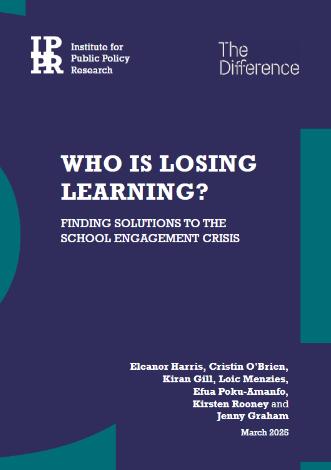
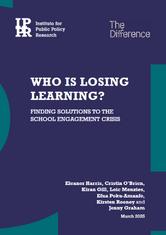
The IPRR, an independent charity working towards a fairer, greener, and more prosperous society published their policy report Who is Losing Learning? Solutions Report - titled ‘Who is Losing Learning: Finding Solutions to the School Engagement Crisis” This report is a follow-up report to Who is losing learning? The case for reducing exclusions across mainstream schools which outlined the scale of the problem and its disproportionate impact on those children and young people who already face barriers including poverty, SENDi needs, those know to social care and those experiencing racism
The report shares how the education system works in a siloed approach to address attendance, exclusion and special educational needs crisis rather than recognising that they are deeply related and reacts at legal thresholds for those needing more specialised support.
It describes lost learning a symptom of system dysfunction The impact of lost learning carries across into adulthood, contributing to inequalities
SAPHNA is thrilled to see the release of this ground-breaking policy report which provides a sector backed definition of Whole School Inclusion and a comprehensive roadmap for reform in our education sector One recommendation in particular is pertinent for school nurses, recommendation 7: working with families and local communities should be seen as a domain of professional practice in schools The report recognises the crisis in services that come together to provide multi-agency support in delivering whole school inclusion and quotes the decline in the number of qualified school nurses, referencing SAPHNA’s collaborative campaign work with The Queen’s Institute of Community Nursing and The College of Medicine for ‘A School Nurse in Every School’
If there is proper investment in school nursing then every child will have access to the service, a service which can deliver the Healthy Child Programme 5-19 School nursing service would be funded and have capacity to offer universal reviews at key stages in a child’s school-aged years, identifying problems early, and intervening before a crisis point is reached School nurses would be visible and accessible and well placed to identify a child or young person who is struggling, offer targeted intervention, contribute to a multi-agency early help response to prevent an escalation in a attendance problems, support a family if a child presents with behaviour problems, offer support to a young person with emotional health difficulties who might be edging towards school avoidance, assess, and refer a child to specialist health provision who might have emerging issues that prevent engagement in education
To find out more about the school nurses role in school attendance read here.
Lyme disease is a bacterial infection caused by the bite of an infected tick Ticks are most active in early spring and summer but with UK winters becoming warmer and wetter, ticks are becoming active in some parts of the UK throughout the year
School nurses are well-placed to raise awareness of Lyme disease and tick bite prevention, particularly when schools are planning outdoor activities and trips. You can learn more about prevention here.
Small children are often bitten above the waist, and it is essential that any embedded ticks are removed safely Members of staff should be advised to carry a tick remover during outdoor trips and activities
Follow LDUK on social media

Nursing in Practice Events have a busy calendar of free in-person and virtual events coming up this year, aimed at primary care and community nurses, health visitors, school nurses and midwives in the UK
Their next virtual event taking place on 23 April is focused on Cardiology, with topics including the link between T2D and CVD; the difference of heart disease symptoms in women; obesity as a cardiovascular disease risk factor; heart failure in primary care; and ECG interpretation This event is worth 4.5 CPD hours and is free to attend Tickets can be booked here

Free tickets are also now available for the face-to-face conferences in Birmingham and Liverpool, taking place on 12 June and 19 November respectively. Open to all primary care and community nurses, with multiple streams of talks available, these events are a great chance to come together with peers for learning and networking. You’ll enjoy free CPD and a complimentary lunch is also provided! If you’re a nurse based in the Midlands, or the North West, make sure you sign up for your free ticket soon!


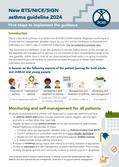
In case you missed it, asthma guidelines were updated in November 2024 It is a new collaborative guideline and replaces the National Institute for Health and Care Excellence (NICE) guideline 80 and parts of the British Thoracic Society (BTS) and Scottish Intercollegiate Guidelines Network (SIGN) It also updates and replaces NICE technology appraisal guidance 10, 38, 131 and 138, and NICE diagnostics guidance 12
The guideline covers how to diagnose, monitor and manage asthma in children, young people and adults The aim is to improve accuracy of asthma diagnosis, support people to control their asthma more effectively and reduce the risks of asthma attacks Access the guidelines and resources by clicking on the links and images:
If you would like to book a webinar on this topic, contact SAPHNA on info@saphna.co.