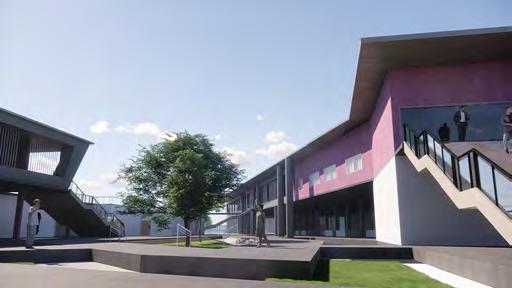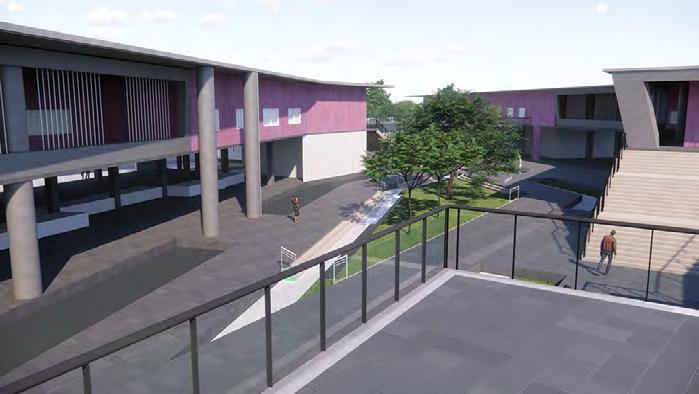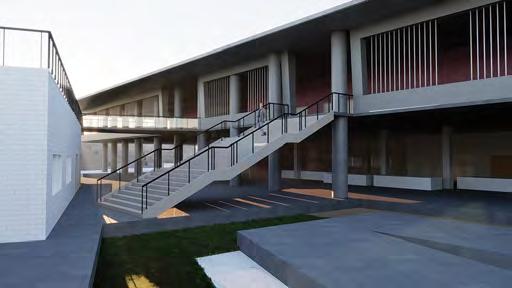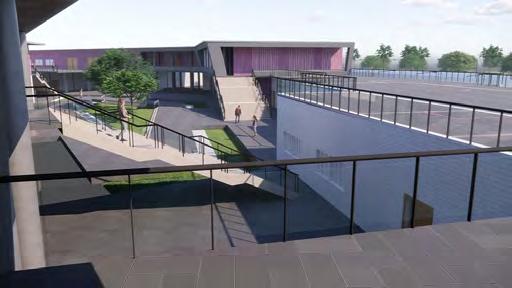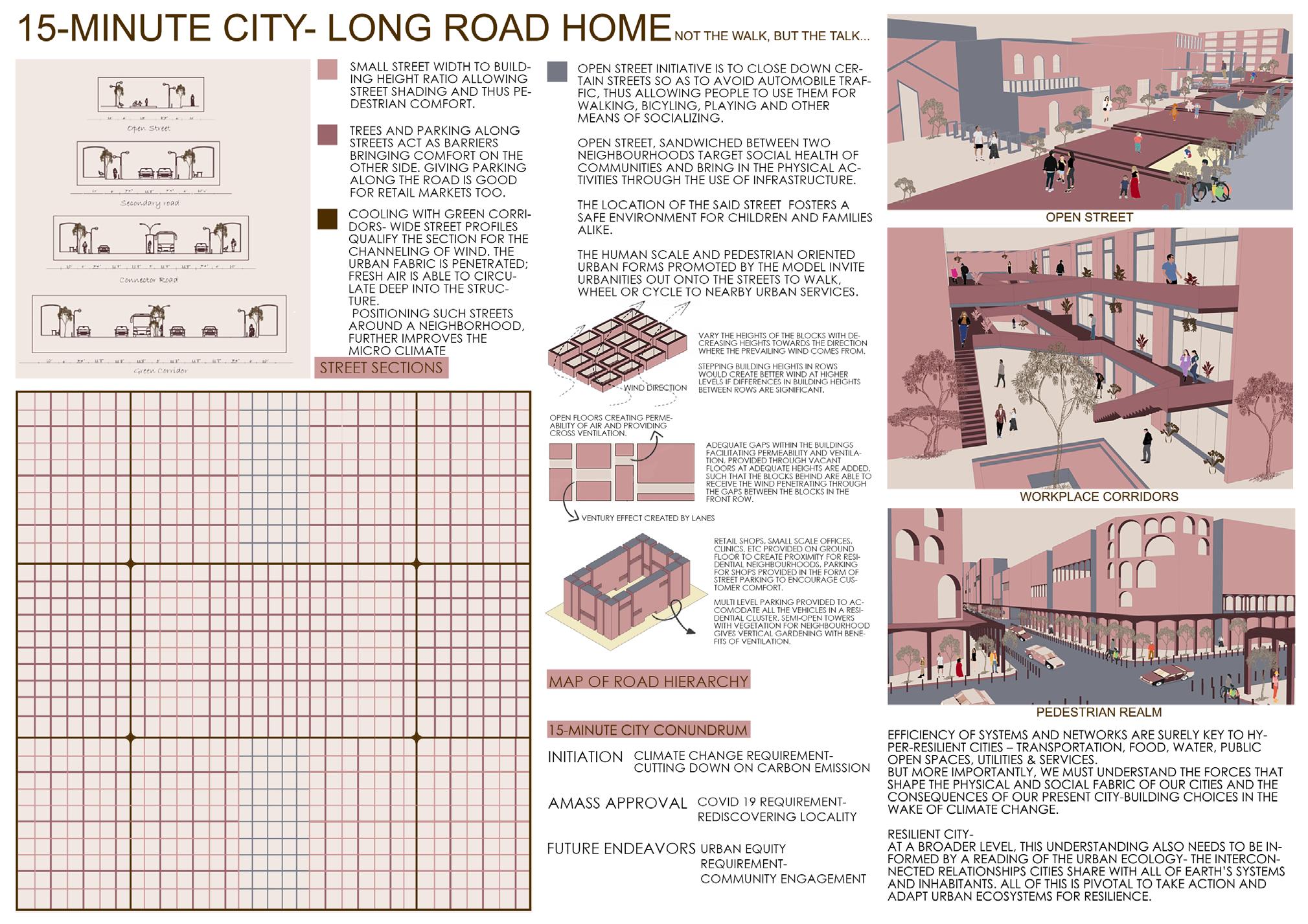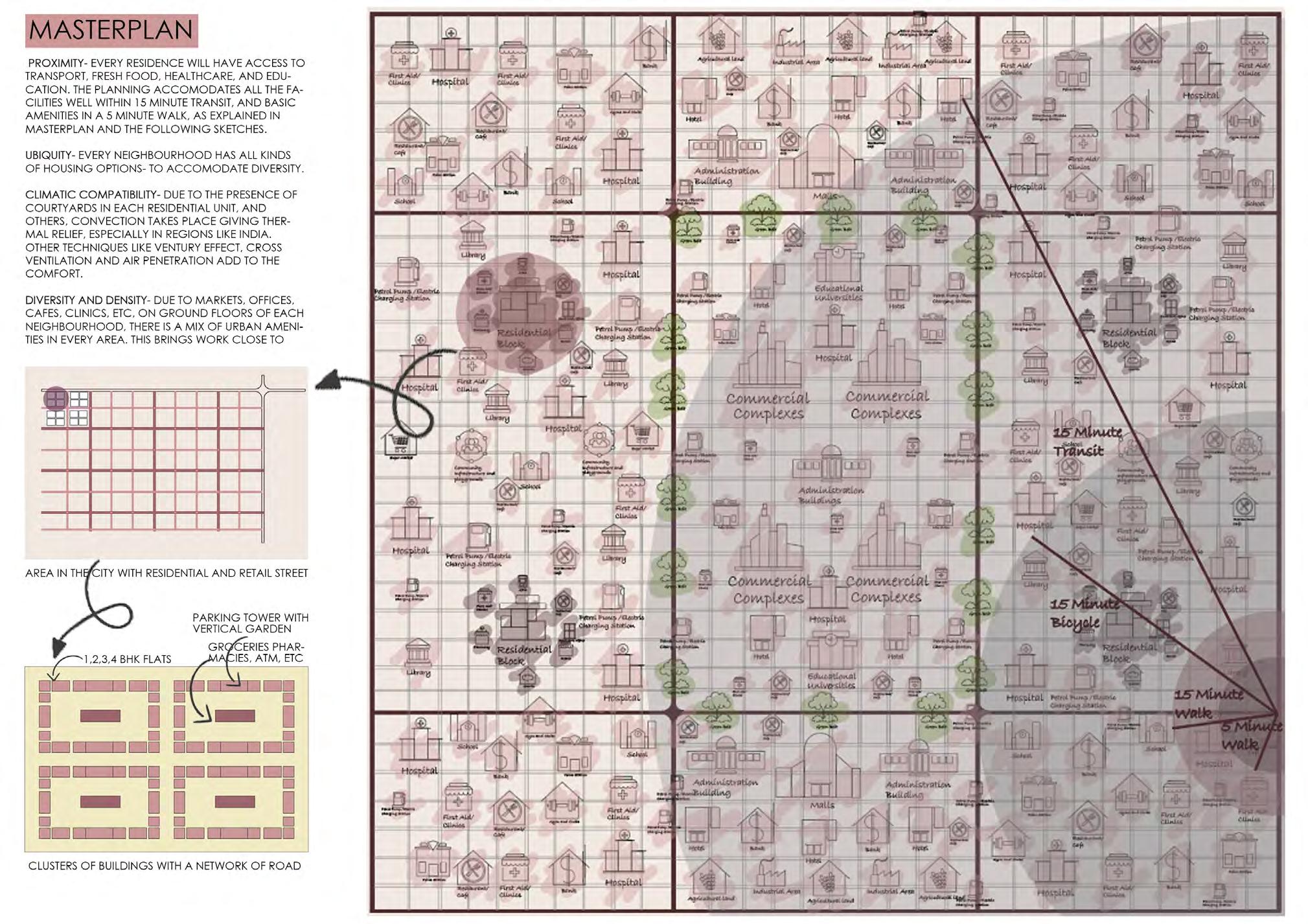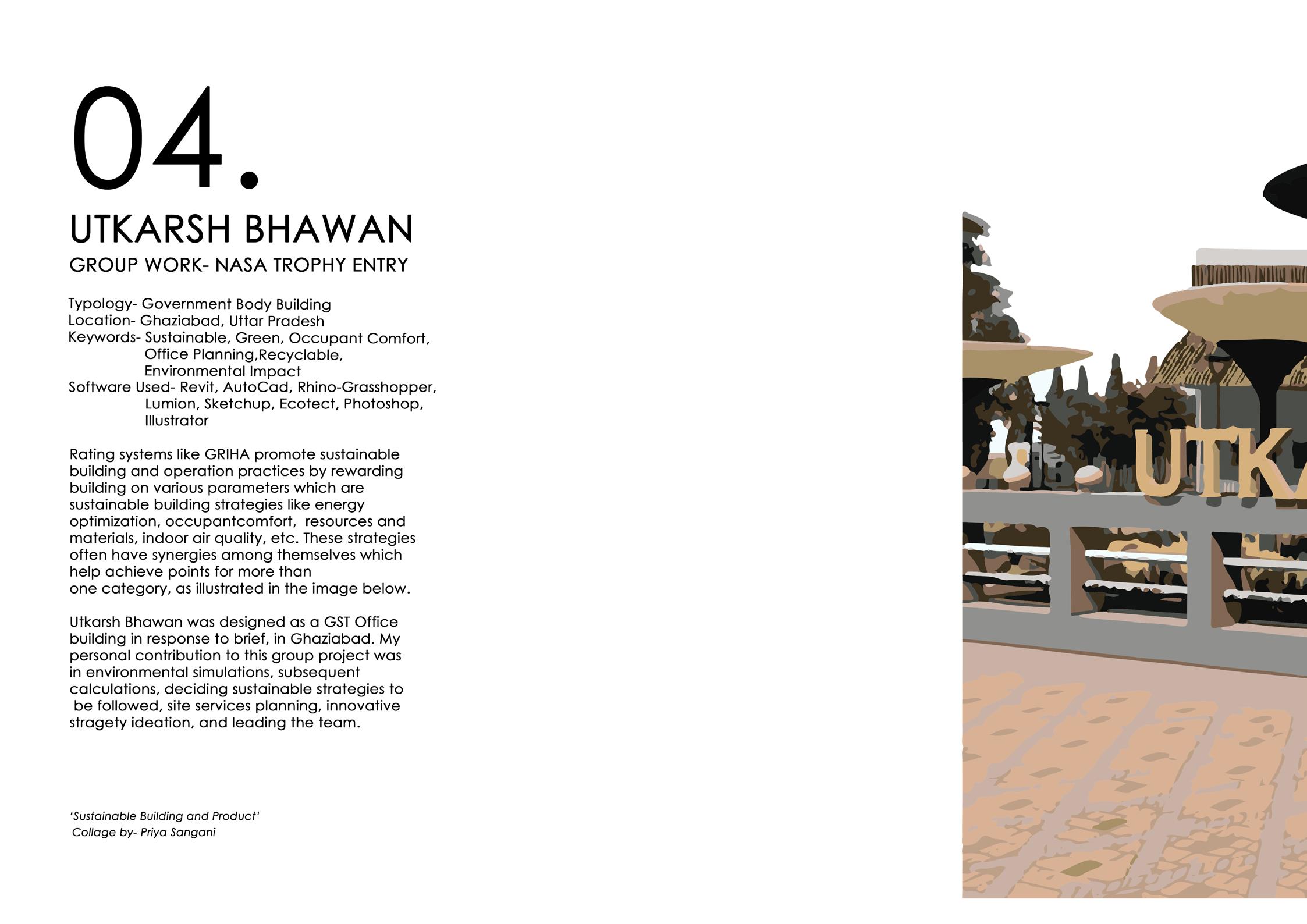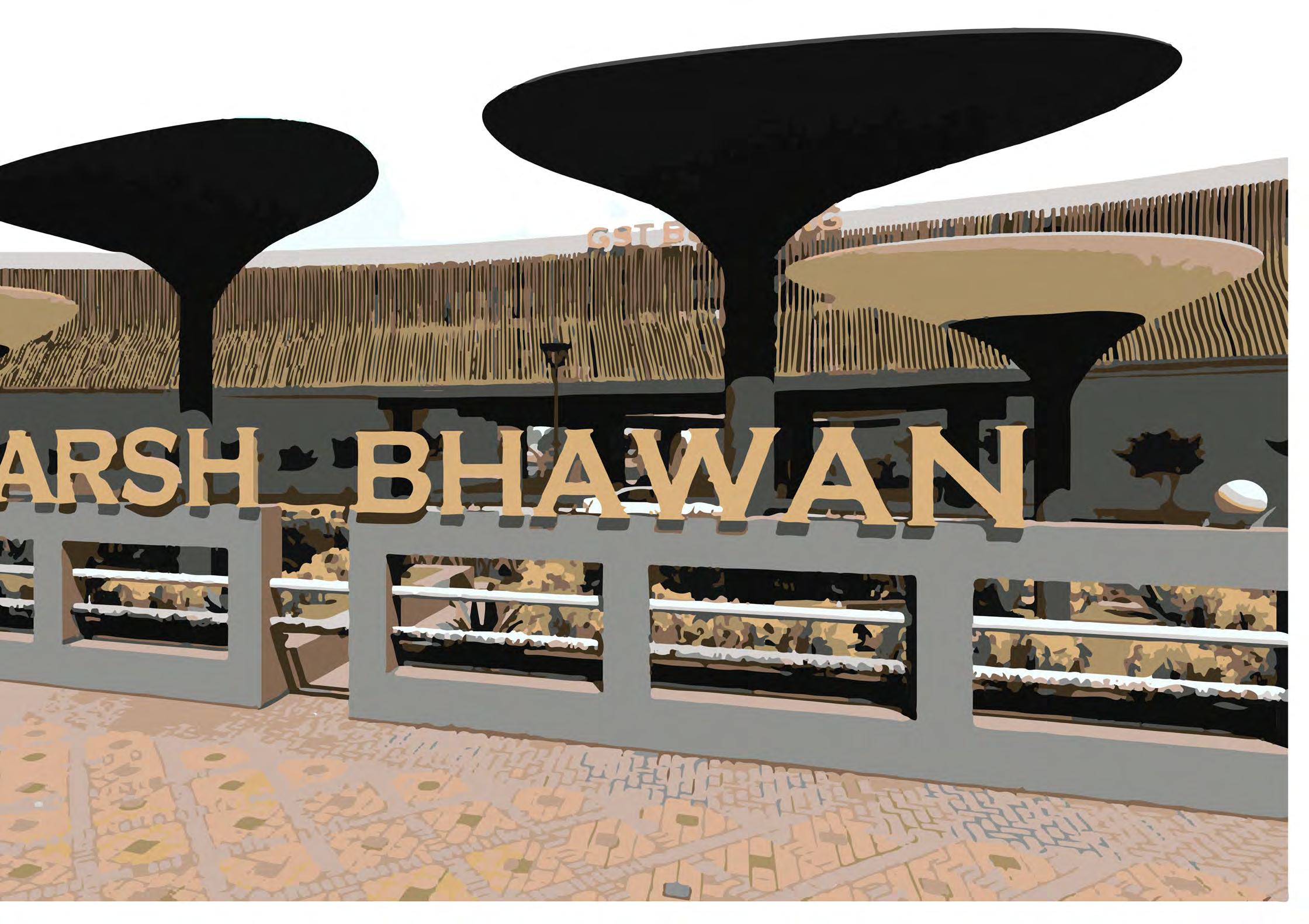
portfolio


Link to Articles
PROBLEM AND INTENT
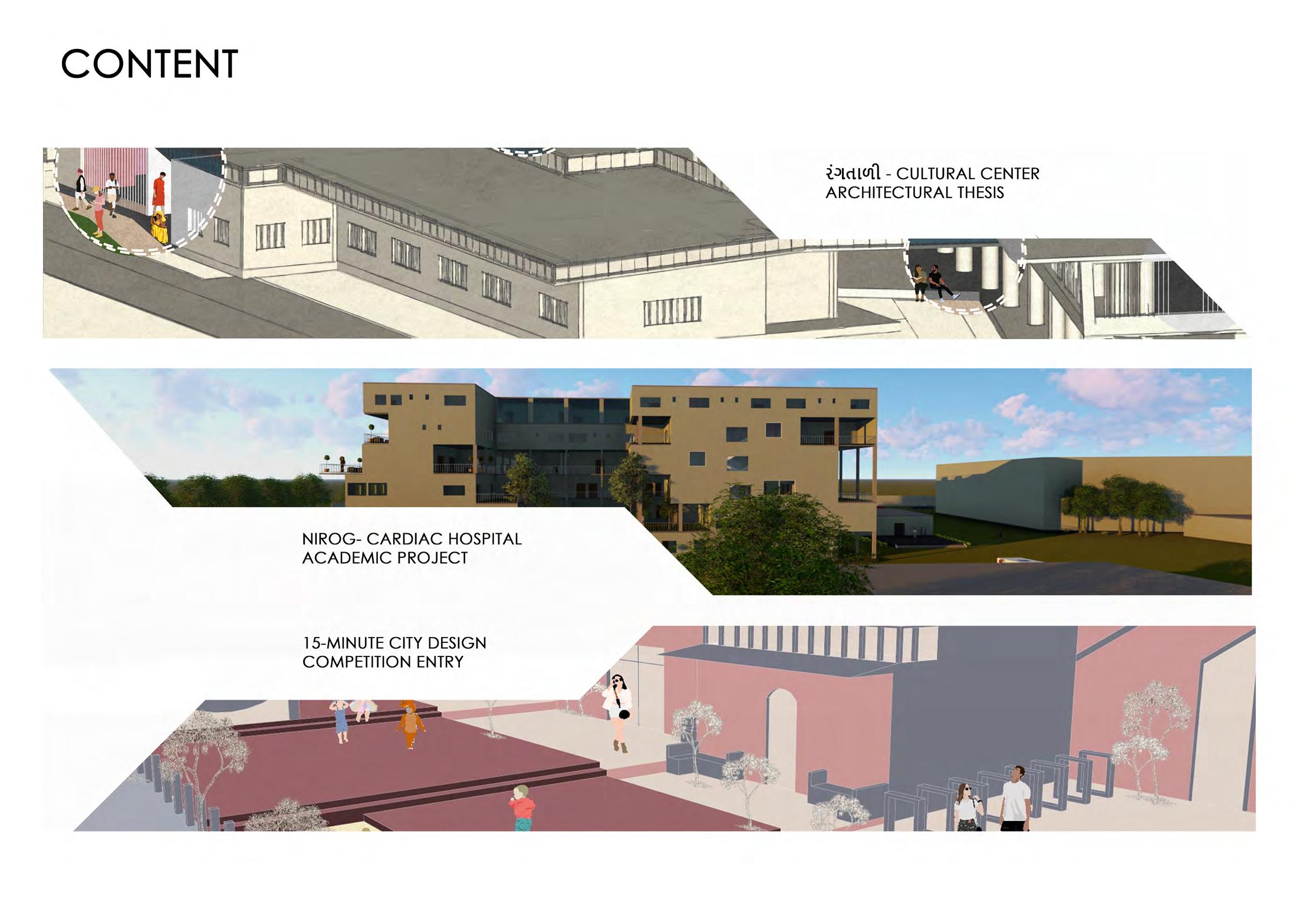
Maximising social interaction while encouraging community involvement is at the core of designing of public and urban places. The spaces must be accessible, inclusive, and safe for supporting growth of society using architecture and urban design. In fact, the lack of quality in public places inspired the concept of placemaking in the 1960s.
A cultural center ia a gathering place where cultural activities for expression and awareness takes place, with the aim of preserving cultural heritage. It has many positive impacts including psychological well-being, social cohesion, community engagement, place identity, while boosting tourism, creative indistries, knowledge building and culture.
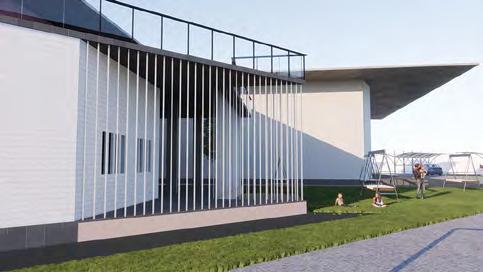
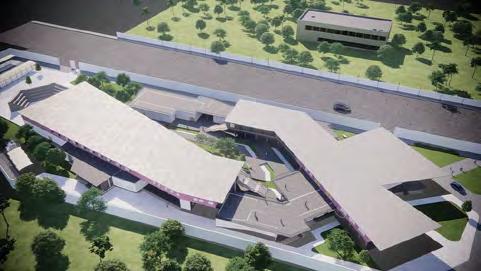
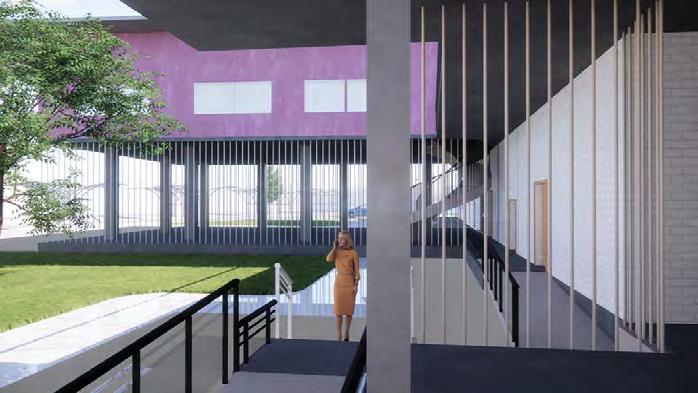
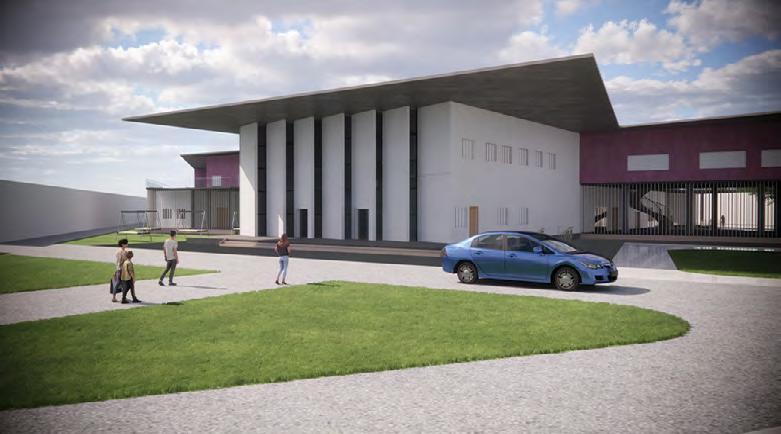
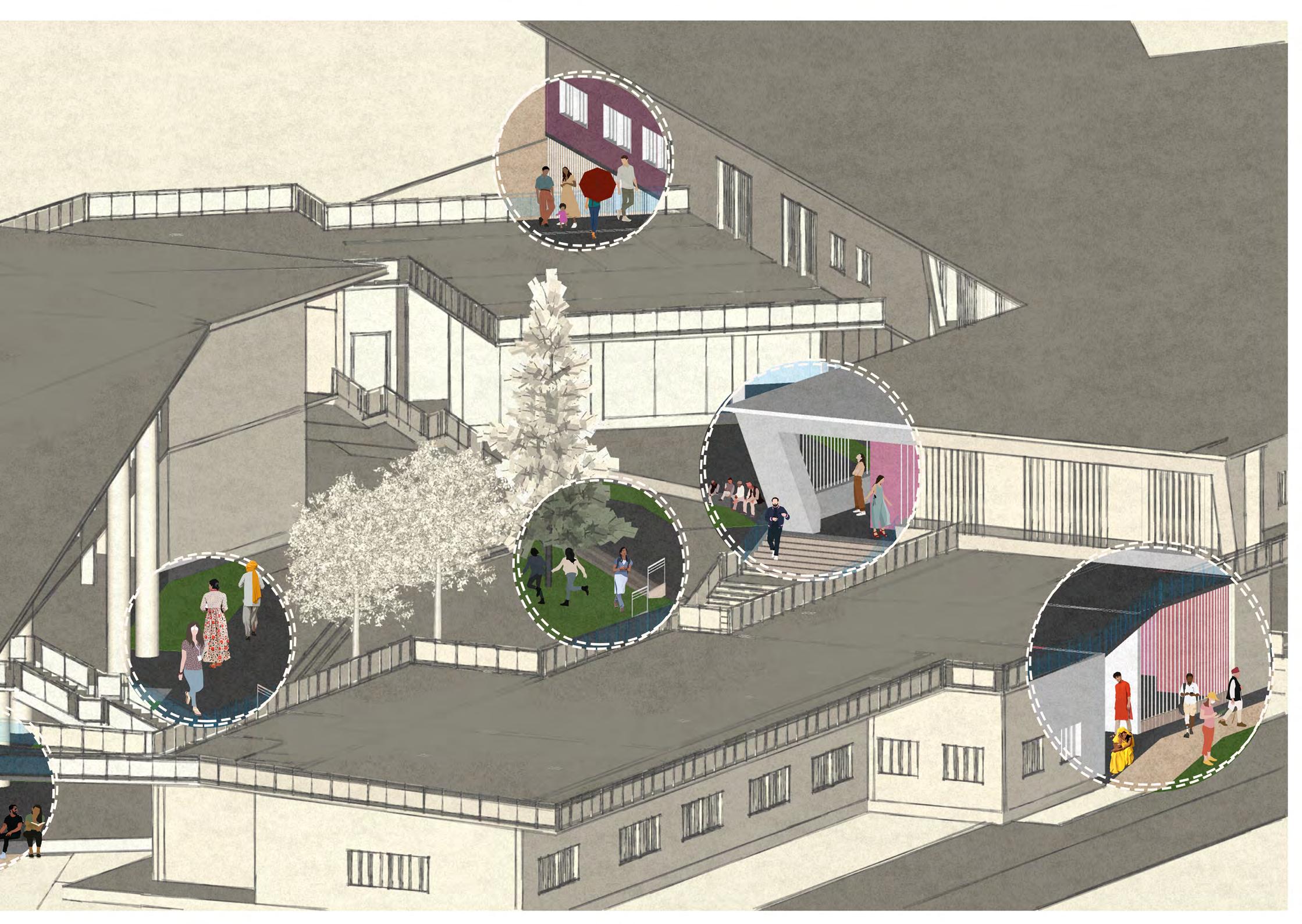
The aim of the thesis is to Design a Cultural Center emphasizing Placemaking. The objectives include understanding Placemaking as an element of design, understanding criteria for designing a cultural center in India, analysis of relevant successful cases, inferring strategies according to site and context, and implementing them for design brief.
‘PLACE-MAKING’
A place is born as a result of overlapping various factors in a ‘space’. Place and placemaking have been interpreted by various theorists, but to define place, they always required the help of the social, or human factor. Criteria for a space to become a true place requires citizens to add meaning and connection in an organized and identifiable environment. Places give meaning to spaces, while spaces give the context and familiarity to places.


PEOPLE PLACE
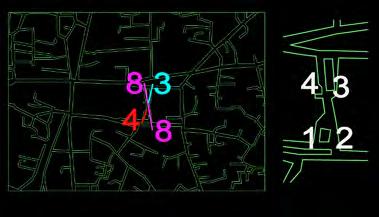
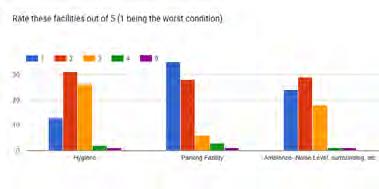
Urbanists and scholars have researched on placemaking and allied concepts for about six decades and have different theories and ideas, including the Place Diagram by Fred Kent, which describes four parameters to assess quality of a place- sociability, uses and activities, access and linkages, and comfort and image. On comprehensive literature study through about forty research papers and books, a mixed-method approach for analysis was used for analysing cases of successful public places in Indian context. A quantito-qualitative analysis of the four parameters was done, by quantitatively analysing connectivity for access and linkages, and qualitatively approaching the other three parameters through survey and activity mapping, for Manek-chowk. To find co-dependency between the parameters, correlation analysis was done between results of connectivity and sociability, which got a value of 0.991. Comfort and Image was assessed through surveys and uses and activities through activity mapping.
CONCLUSIONS FROM LITERATURE AND CASE STUDY
After similarly analysing Sabarmati Riverfront Garden, Ahmedabad and Alembic Arts District, Vadodara, for understanding assessment of quality of public places in Indian context, conclusions were drawn which could be used for devising strategies for designing a cultural center as a good quality public place. To incorporate Placemaking in a cultural center, the following strategies can be helpful- Integration of different spaces on site, Mixed-use spaces for diverse activities- recreational and economic, Relatable activities for community, Halts and points for interaction.
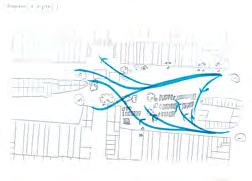
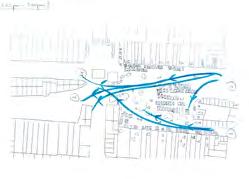
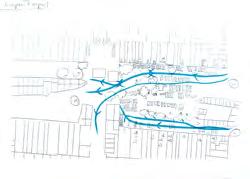
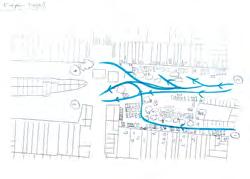
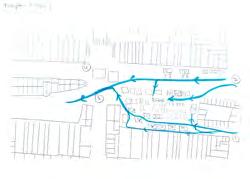
ACTIVITY MAPPING
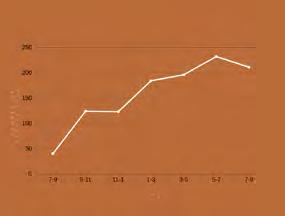
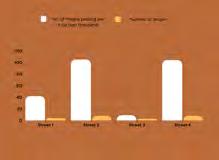
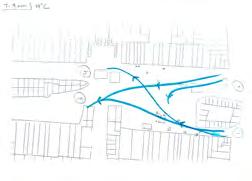
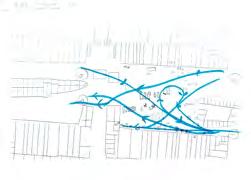
Activity mapping and survey at Manekchowk to understand pedestrian and usage patterns for a successful public place based on methods by Jan Gehl.
INFERENCES FROM SITE
The site is located at a development node near Central Jail of Vadodara. It is approximately 300m from bank of Vishwamitri River. The site is connected to an arterial 50m wide road through a 12m wide road. It is located at 7.5 km from Vadodara Airport, 2.3 km from Vadodara Railway StationThe site has encroachment on it, and the areas are occupied by local handicraft manufacturers and traders who can’t afford representation, (based on informal survey). The programme of the cultural centre could include accommodating these artisans. Vadodara has many cultural centres of different kinds and the average capacity of these centres is 500 people; this helps us derive occupancy for the cultural centre.
INFERENCES FROM STUDIES

STRATEGIES FOR PLACEMAKING
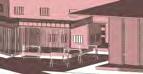
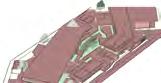
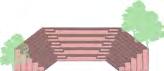
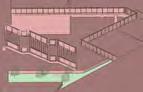
DEPICTING MOVEMENT THROUGH GARBA, WHICH IS A FORM OF PERFORMING ARTS AS AN INTEGRAL PART OF GUJARATI CULTURE
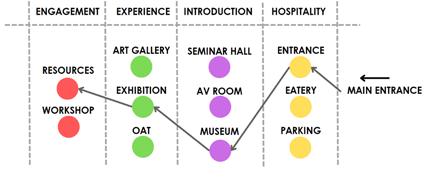
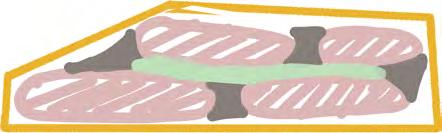
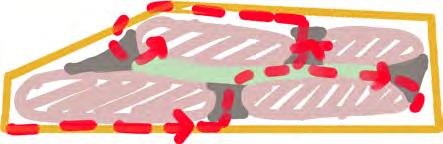
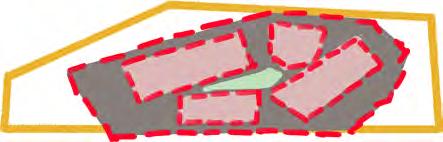
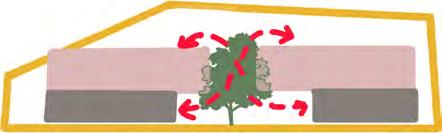
LAYER ORGANISATION
CONCEPT STRATEGIES
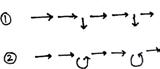




THEME APPLICATION


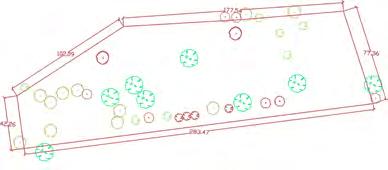







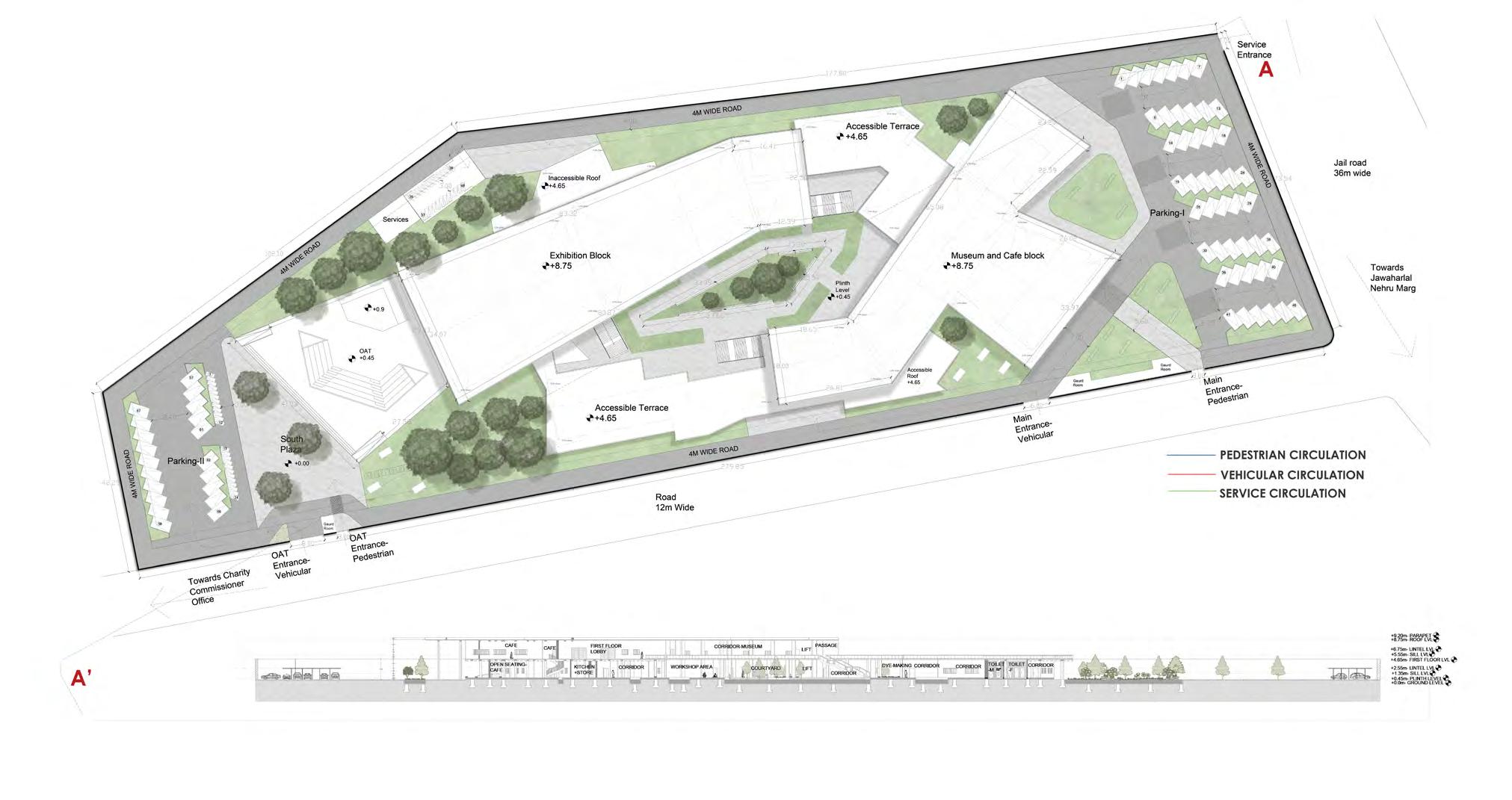
SITE PLAN
SITE AREA- 20770 SQM
BUILT-UP AREA- 13760 SQM

Creative placemaking can boost CULTURE of any region by enhancing PUBLIC ENGAGEMENT and COMMUNITY VALUE.