












It all began in 2011, when the first MJBizCon took place in Denver, drawing 400 cannabis professionals together. Since then, it has grown into the world’s largest B2B event for the cannabis industry — a global meeting point for thousands of entrepreneurs, investors, and brands shaping the sector’s future. Today, MJBizCon has found its permanent home in Las Vegas. It’s where everyone is headed for the 2025 edition of the event, which is taking place Dec. 2-5.
MJBizCon is the ultimate place to network and connect with industry peers, all while exploring the latest trends and breakthrough products hitting the cannabis market. But beyond business, it’s a reminder that today’s cannabis industry is a global ecosystem of companies big and small — a sector built on persistence and enduring optimism in a world where legislation has seldom been favorable.
The numbers tell the story — more than 20,000 attendees, 1,000 exhibitors, 200 speakers, and over 70 conference sessions fill the halls of MJBizCon each year. It’s a pulse that beats through its people — the growers, creators, and entrepreneurs who give the industry its spark. Their drive and ideas fuel steady progress across every state line. Local players step into a global arena, and this is where the scale and power of the industry vividly come to life.
MJBizCon is full of surprises. One moment, Mike Tyson could be stopping by your booth for a photo op; the next, a neighboring exhibitor might be unveiling a groundbreaking product or technology poised to change the industry.
In 2024, CCELL presented a new “CCELL 3.0” heating technology designed to reduce peak vaporization temperature by around 30%, helping to preserve flavor and terpene content in oil vapes. In 2023, Artrix launched 13 new vape/hardware products, including what the company billed as “the first disposable dab pen - DabGo” and “the world’s smallest cannabis vaporizer - DEMO 0.1 ml.”
New product launches will definitely happen during the MjBizCon’s 2025 edition as well. It all shows that the event isn’t just a networking and panel-talk — it’s also a launch platform for innovation in all spheres related to cannabis. From hardware to agritech, genetics, and even entirely new products that might not fit any particular category yet.
These bold product launches reflect how the cannabis industry is evolving from just flower and distribution toward refined tech, upstream cultivation, high-performance genetics, and a
range of exciting ancillary services that tie the industry together. For industry watchers, they serve as clear markers of where the next-generation products are headed.
What Can This Year’s Visitors to MJBizCon Expect? Here’s a Flight Through MJBizCon 2025
The Pre-Show Forums kick off MJBizCon on December 2, bringing together cannabis professionals from finance, marketing, psychedelics manufacturing, and more. Designed for a business-focused audience, these forums provide an opportunity to explore the latest data, trends, and strategies shaping the year ahead. It’s the must-attend space for anyone
homegrowers to manufacturers, retailers, business service providers, and leaders in cannabis culture.
Alongside the expo, the conference sessions take place, curated by industry professionals and the organization team itself. The speaker lineup for 2025 features names like Kara Bradford (Co-Founder, Viridian Staffing), Cy Scott (Founder, Headset), Amna Shamim (Director of Content, The Cannabis Community), Beau Whitney (Founder, Whitney Economics), and the list goes on. The speakers will share their breadth of expertise, from marketing, branding and edible to regulatory frameworks, investment, and emerging formats.
A separate affair are the popular networking events such as ‘Empowering Women’ and ‘Achieving Equity,’ attesting to the industry’s continued commitment to building a fair marketplace with equal opportunities for everyone.
As MjBizCon once again draws the global cannabis community under the same roof, it’s clear the event remains more than just an

building a cannabis brand, leading R&D, or crafting industry policy.
One of the most exciting components of MJBizCon is the Expo, which this year is organized into five distinct “Neighborhoods.” Each neighborhood caters to a specific segment of the industry — from cultivators and
industry expo — it’s a blueprint of where cannabis is headed next. Attendees not only come to a place where they can engage in candid discussions about future regulation, cannabis science, or sector investments, but also to witness firsthand how innovation, collaboration and resilience continue to drive the cannabis movement forward. Stephen Andrews




Page 5
Cannabis Culture Is Rewriting the American Lifestyle Page 9
Tiny joints have 'exploded' in popularity in California Page 7
Living the dream From passion to profession Page 10 Blimburn More Than Seeds — Growing the Future of Cannabis from the U.S. Page 16 Guanokalong, the N-P-K formula Interview with the 'Batman' Guano Hunter










Text: Stephen Andrews
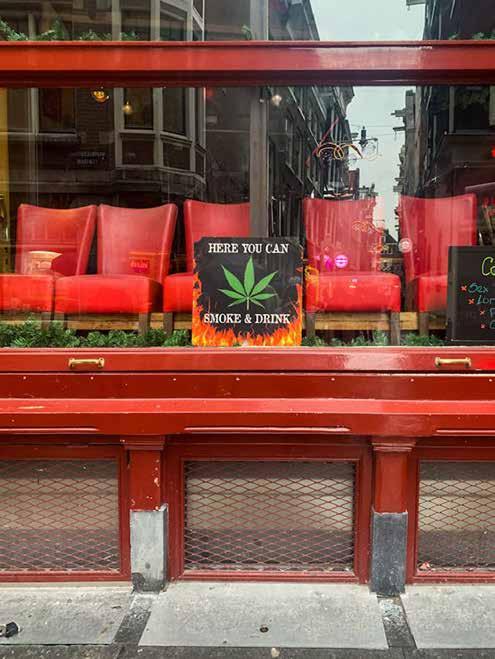
Cannabis consumption lounges are permitted in 14 U.S. states already, plus the District of Columbia and the U.S. Virgin Islands. However, operational lounges exist only in 3 states. Lounges are seen as a huge potential for the U.S. market, a game-changer, but they face many hurdles. The special consumption sites may have gained critical legal infrastructure in many places, but the roll-out seems to be slow and patchy.
The first state-licensed cannabis consumption lounge “Smoke and Mirrors” opened in Las Vegas in 2024, out of 65 lounge licenses planned statewide for Nevada. In Atlantic City, New Jersey, the public can visit two similar venues, “High Rollers” and “SunnyTien.” California enacted a new law as of January 1, 2025, paving the way for “Amsterdam-style” cannabis cafés - places that can serve food, drinks, and host music concerts altogether.
The fact that around 15 U.S. states and territories allow lounges in some form, does indicate that things are moving in the right direction. However, “allowed” doesn’t always translate to “being operational” – entrepreneurs face difficulties with licensing delays or legal ambiguity, and they need to fulfill extra local requirements to start businesses. Some states have legal lounges only in theory: there is a law, but local jurisdictions opt out of the idea or craft rules that are nearly impossible to meet.
“CANNABIS LOUNGES ARE REDEFINING HOW AMERICANS SOCIALIZE — MOVING FROM BACK ROOMS TO CHIC CAFÉS AND RESORTS.”
Cannabis lounges have strong public support, particularly when you add in the hospitality and tourism factor. There is a greater likelihood that people will use lounges when they are located in existing hospitality spaces, such as hotels, resorts, or even casinos. Likely due to the ease with which a weed smoking lounge could be added to a setting where there are already designated tobacco smoking areas.
A recent survey from the University of Nevada Las Vegas which included 620 recreational cannabis users aged above 21 found that around 70 percent supported cannabis lounges or consumption areas in casinos/re-
sorts. In addition, 40 percent of respondents said they would be more likely to gamble at a resort if the venue permitted cannabis use while gambling.
But are consumption lounges going ‘mainstream’ yet?
In spite of rapid growth, things are still variegated. Trends clearly point toward more acceptance around cannabis use in lounge settings, but it’s early to bring any conclusions. It’s more like exercising possible futures of what could happen going forward.
Lounges principally serve as places where people can safely try different delivery methods of cannabis while hanging out with friends or acquaintances. Smoking is permitted, which is important, because it’s one of the
most popular consumption modes for cannabis. Smoking continues to outperform edibles, beverages or vapes by two-fold according to surveys, despite the growing interest in these newer product categories.
Legal states are also testing different lounge formats, so it would be interesting to see if any particular model catches on. For example, Michigan is licensing “designated consumption establishments” with a BYOC principle (“Bring Your Own Cannabis”) while on-site sales are not permitted.
In all their different arrangements, lounges are here to make cannabis more visible and socially acceptable, especially since they are bringing cannabis in settings akin to bars, cafés, and restaurants. Cannabis consumption is shifting from being consumed “underground” or “back-door” to being openly used in congenial setups in a controlled environment and regulated by law.
Cannabis is becoming a lifestyle and culture outlet
Some cannabis users report reducing
alcohol use and opting instead for cannabis in certain social situations. If consumption lounges become more common, they may accelerate these kinds of shifts where people have decent alternatives to socializing under the influence.
Lounges turn cannabis into a social ritual, something to be done in a community, instead of solely indulging in private or closed circles. They encourage pairing with other experiences, such as dining and listening to music. In this context, we can freely talk about how cannabis integrates itself as part of a broader lifestyle and cultural outlet.
“FROM FASHION TO FINE DINING, CANNABIS IS STEPPING OUT OF THE SHADOWS AND INTO THE MAINSTREAM LIFESTYLE.”
The Californian lounge layout may especially blur the lines between the cannabis sphere of business and hospitality and restaurant culture per se. The new law in California de facto permits dispensaries to serve warm meals and non-alcoholic beverages, all while hosting live events which can be with music, stand-up comedy, drag shows, and whatnot.
Food then is a category in its own right. ‘Gourmet’ cannabis food experiences are reaching new ‘highs.’ Chefs come up with exclusive infused meals, or pair cannabis strains with wine tasting. These activities often tend to be more niche, such as private dinners and other invite-only events, but again help convey a message of refinement rather than just novelty.
Non-cannabis businesses are as well aligning with cannabis culture. Food chains and restaurants engage in 4/20 promotions to offer special goodies which are not infused but work well for ‘munchies.’ Fashion houses are collaborating with cannabis brands, shifting wearables aesthetics all along. Colors, patterns and prints that were once exclusively associated with marijuana are entering mainstream fashion. What used to be more counterculture or niche is now more widely visible and more acceptable throughout the U.S.

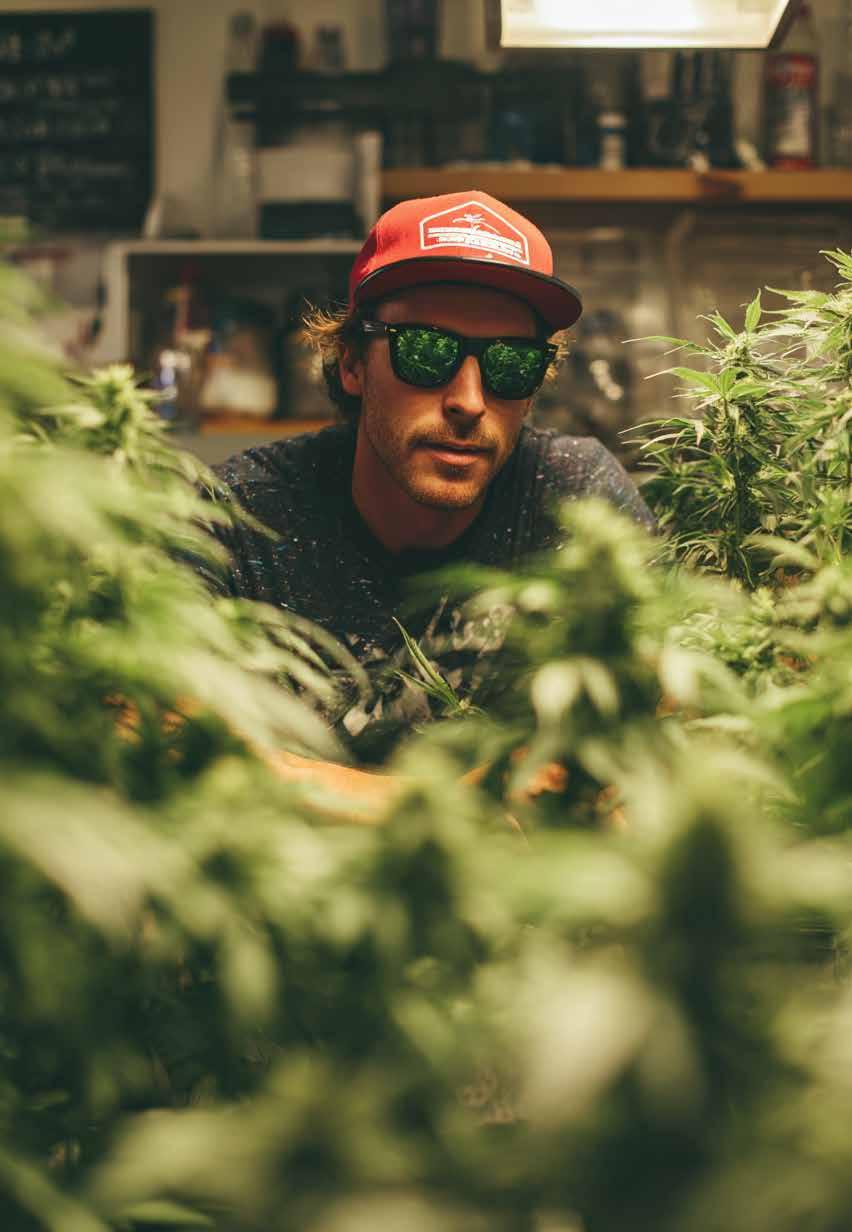
William Fournier’s journey into cannabis began not in a boardroom or a lab, but in the quiet corners of his teenage years. At just 18, he was already working in hydroponics stores, immersing himself in the science and art of plant cultivation. By 2007, he had secured his medical growing license and over the next two decades, he honed his craft— studying plant production, landscape architecture and the nuances of indoor horticulture. His career took him from managing indoor gardening centers, working at a hydro shop and wholesaler to consulting for some of Canada’s largest licensed producers, where he helped design and build state-of-the-art grow facilities. When eventually joining CANNA they gave William room to fulfill his ultimate dream; building something of his own: a place where passion, innovation and quality could flourish together.
In 2019, that dream became reality with the founding of Mauve et Herbes, a fully licensed cannabis production facility in Quebec. What started as a vision for a small micro facility quickly evolved into a standard-licensed operation, complete with an indoor grow room, a four-season greenhouse and two outdoor fields. The facility is not just a business; it’s a testament to William’s belief in the power of hands-on craftsmanship and the pursuit of excellence in cannabis cultivation.
A family affair
Mauve et Herbes is a family-run business, with William and his wife at the helm. Their approach is deeply personal: every plant is hand-tended, every process is carefully curated and every decision is made with an eye toward sustainability and quality. “We never spray anything on our flowering plants, even if some products are allowed,” William explains. “Our message to the consumer is simple: you can
trust this.” This commitment to clean, high-quality cannabis has earned Mauve et Herbes a reputation as a premium brand, known for its small-batch, craft dried flowers and innovative cultivation techniques. Also resulting in several Cup wins at the Canadian Cannabis Cup as well as the famous Karma Cup.
Innovation at the heart William’s facility is a hub of innovation. He has

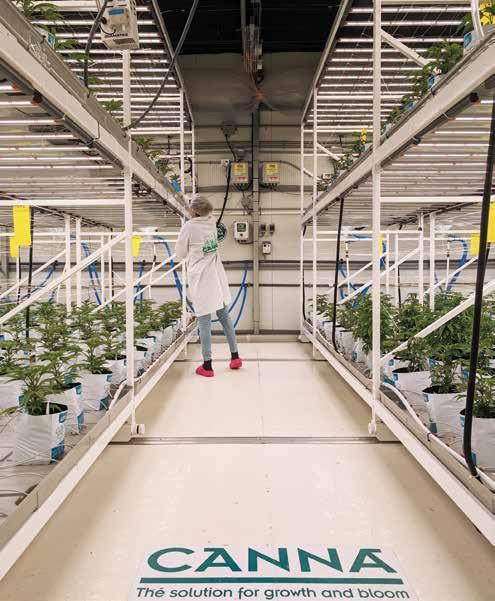
partnered with industry leaders like CANNA Canada and Biofloral Wholesale to establish the CANNA Canada Research & Knowledge Center, a space dedicated to product development, field testing and knowledge sharing. Here, William and his team conduct research, analyze plant needs and develop new cultivars, all while hosting seminars and workshops to advance the industry as a whole. The facility’s use of vertical double-tier grow racks, advanced LED lighting and a hybrid greenhouse system sets it apart in a crowded market, allowing for year-round production and unparalleled control over growing conditions.
But innovation for William isn’t just about technology—it’s about the plant itself. He is passionate about pheno-hunting and breeding, with a focus on sensory experiences: taste, aroma and appearance. “I live for weed,” he says. “I am very passionate about growing it and breeding it.” With CANNA on my side we always look for opportunities to improve cultivation techniques and search for products that assist LP’s being more efficient.
Beyond cultivation, William is a mentor and ambassador. As a Cultivation specialist for CANNA Canada, he works with growers
around the world, sharing his expertise and helping others navigate the complexities of the cannabis industry. His facility serves as a living classroom, where he collaborates with universities, other licensed producers and industry partners to push the boundaries of what’s possible in (future) cannabis cultivation.
As William prepares to join the global cannabis community at MJBizCon in Las Vegas, his story is a reminder of what’s possible when passion meets perseverance. From his early days as a curious teenager to his current role as a master grower and entrepreneur, he has lived the dream—building a business that reflects his values, supports his family and contributes to the evolution of the cannabis industry.
For William, the dream isn’t just about growing cannabis; it’s about growing a legacy. “My wildest dream would be to be recognized as someone who’s created a legendary strain that people will remember for decades,” he says. With Mauve et Herbes, he’s well on his way.
As the cannabis industry continues to evolve, stories like William Fournier’s remind us that the heart of this business isn’t just profit—it’s people, plants and the relentless pursuit of excellence. What’s your dream for the future of cannabis?
Gerard D.
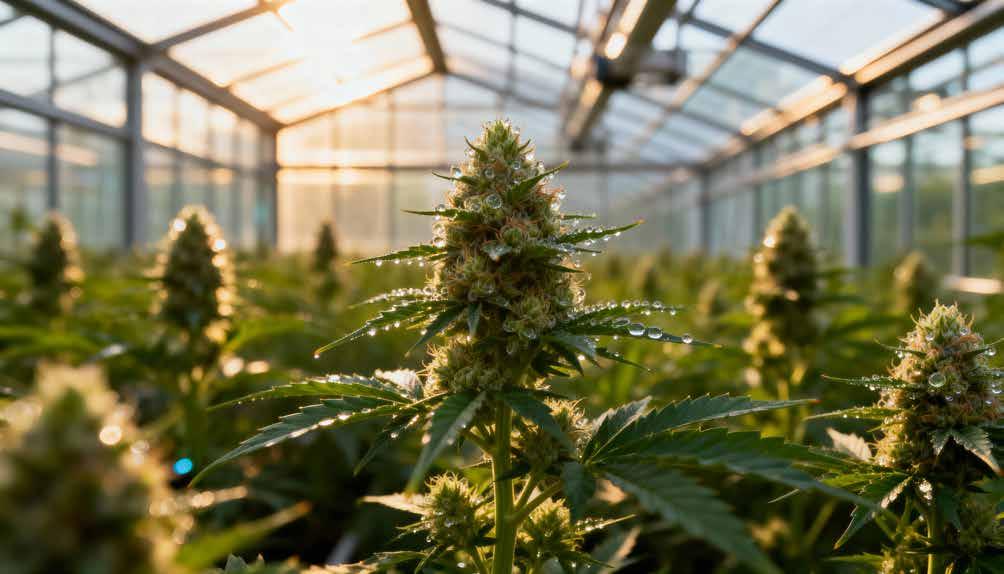
More than twenty years ago, long before cannabis became a global industry, a small European team began building something that would change the way people grow. Founded in 2002 in Barcelona, Spain, Blimburn was born from a passion for cultivation, innovation, and a belief that every grower deserves access to excellence.
What began as a local project quickly grew into a global vision. Today, Blimburn stands among the most respected names in the cannabis community. With breeding operations in California and Spain , distribution hubs in Barcelona and New York , and a team devoted to innovation and service, Blimburn brings its legacy of quality and trust directly to the United States market
For Blimburn, the journey to the U.S. wasn’t just about expansion, it was about connection. In 2012, the company’s breeders traveled to California in search of elite genetics that couldn’t be found in Europe at the time: Girl Scout Cookies, Blue Dream, Fire OG, Granddaddy Purple, Purple Kush, and more. Those legendary clones, combined with Blimburn’s own European mother plant collection, gave rise to a new generation of hybrids that still define its catalog today.
That pioneering spirit continues. With its U.S. distribution now fully operational, Blimburn is closer than ever to American growers. Orders are shipped domestically within 24 hours and typically delivered in less than five business days, ensuring
fast, reliable access to world-class genetics. For growers who plan by the season, timing matters and Blimburn delivers on that promise every day.
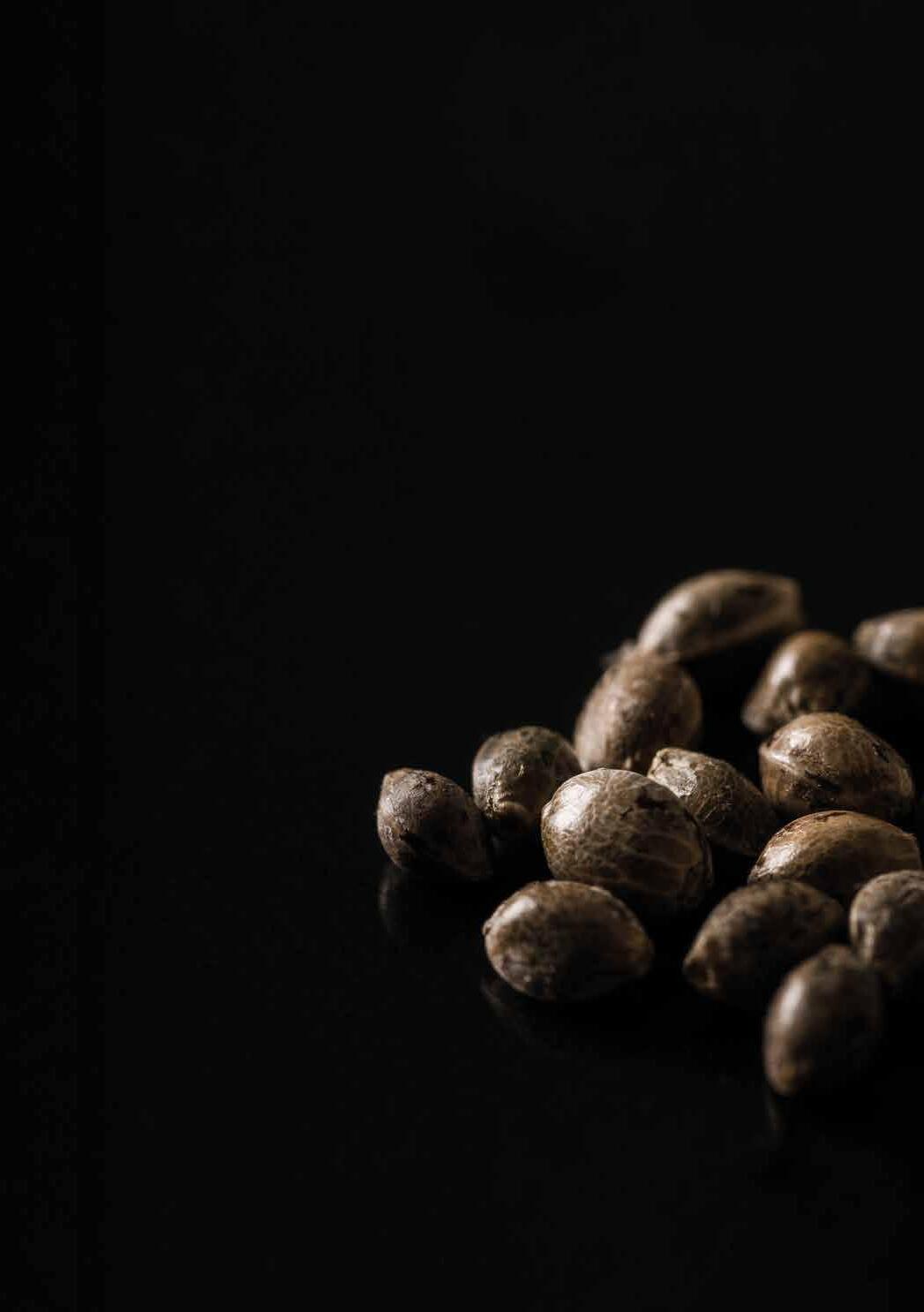
With over 1,000 cultivars and new releases added every year, Blimburn offers the largest cannabis seed catalog in the world
From iconic classics to new, trendsetting hybrids, each strain reflects years of research, precision breeding, and real-world testing.

Blimburn’s genetics are crafted to perform for consistency, potency, terpene richness, and yield. This dedication to quality has earned the company the 2024 ICA Award for Best Seed Bank in the United States, along with recognition from respected growers and influencers such as Steve DeAngelo, Kyle Kushman, and Nikki & Swami
Behind every seed is a philosophy: to empower growers through genetics that inspire confidence and deliver results
At Blimburn, support doesn’t end with the sale. The company’s customer service operates 24/7, offering real human assistance for growers at every level. Whether it’s guidance on strain selection, cultivation techniques, or troubleshooting, Blimburn’s experts are always ready to help because trust is built on listening, not automation.
This dedication to personal service has made Blimburn one of the most trusted online destinations for cannabis seeds worldwide, especially among U.S. home growers. Thousands of customers rely on the brand not just for what it sells, but for how it supports those who grow.
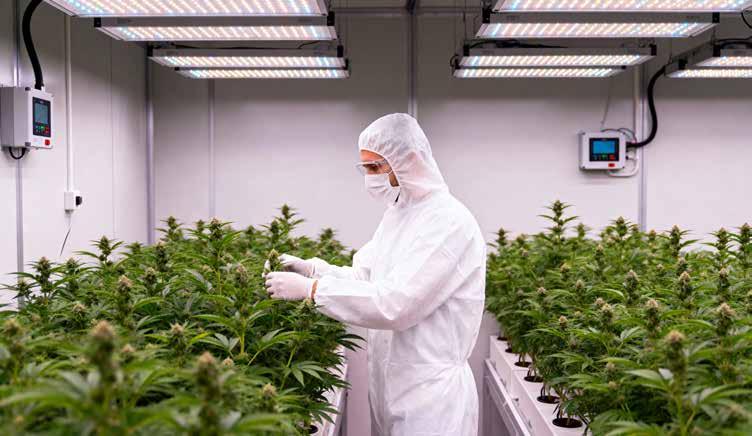
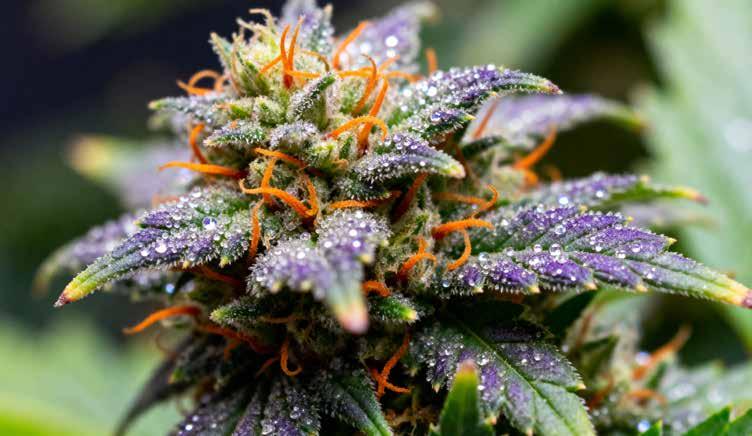

Over the past twenty years, Blimburn has helped shape the evolution of cannabis genetics from the early days of experimentation to today’s data-driven, global industry. Its team continues to push boundaries, combining tradition and technology to meet the demands of a market that values performance and authenticity.
Each new cultivar is the result of careful research and collaboration with breeders across continents, ensuring diversity and resilience in every generation. Blimburn’s ongoing innovation reflects a simple truth: the future of cannabis depends on the quality of its genetics and those genetics begin here.
Blimburn’s philosophy goes beyond genetics; it's about cultivating a culture of transparency, innovation, and respect for the plant. From its earliest days, the company has believed that progress in cannabis must balance science with passion, technology with tradition, and growth with responsibility.
That guiding vision has allowed Blimburn to stay relevant through decades of change, earning the loyalty of cultivators who share its belief that the cannabis of tomorrow will be built not only on products but on purpose.
Across its operations, Blimburn promotes responsible production and sustainable practices from energy-efficient breeding environments to eco-friendly packaging and reduced transport emissions thanks to local U.S. distribution. Each decision is designed to minimize impact while maximizing quality, a philosophy that aligns with the values of today’s conscious cannabis industry.
By integrating sustainability into every step
of its supply chain, Blimburn ensures that its global growth remains grounded in respect for both people and the planet.
As the cannabis community continues to expand and mature, Blimburn stands as a symbol of how far the industry has come and where it’s headed next. From a pioneering European
breeder to an international leader rooted in the U.S., the company embodies the evolution of cannabis itself: professional, dynamic, and driven by passion.
For Blimburn, this is more than business. It’s a commitment to the growers who move the industry forward, one seed at a time. Because in cannabis, everything begins with a seed and the best seeds begin with Blimburn
During Spannabis 2025 in Barcelona, CANNA offered visitors at the booth the chance to win a unique trip to the Netherlands. The grand prize? A three-day visit offering an inside look at CANNA’s research and production facilities, rounded off with a relaxing stay in Amsterdam.
Two lucky winners flew from Spain to the Netherlands for this special experience. Over the course of three days, they not only discovered how CANNA works daily on The Solution for Growth and Bloom, but also got to know the culture, history, and creative spirit that are so characteristic of the Netherlands.
This is the trip report of their three-day journey into The World of CANNA.
The first day of the trip was all about arriving and getting settled. After a short flight from Spain, the winners landed at Schiphol Airport and took the train to Breda. There, they were welcomed, escorted to the hotel, and checked into a comfortable room.
In the evening, they had dinner at a colourful and lively spot in the heart of Breda, known for its mix of international flavours. It was a relaxed and tasty way to kick off their time in the Netherlands.
After a first taste of the city and a satisfying meal, the day ended with a good night’s sleep in Breda.
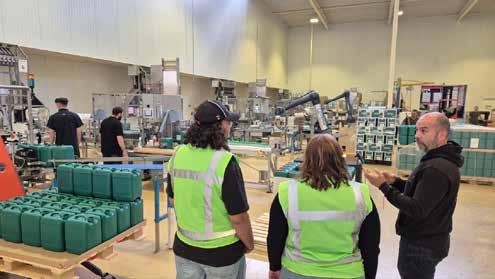
After a solid breakfast, the second day started with an exclusive visit to the CANNA Research & Development Center. There was an up-close
look at the world of plant science, innovation and growing trials. In the laboratory and grow rooms, CANNA specialists demonstrated how nutrients, additives and substrates are carefully developed and tested.
After that, a visit was made to the production and distribution facility, where it became clear how knowledge, technology, and efficiency come together in a smooth and well-organized process.
Later that day, the journey continued to Amsterdam, where a comfortable hotel in the city center offered a place to relax. The evening provided time to explore the city, enjoy
a meal and unwind after an inspiring day.
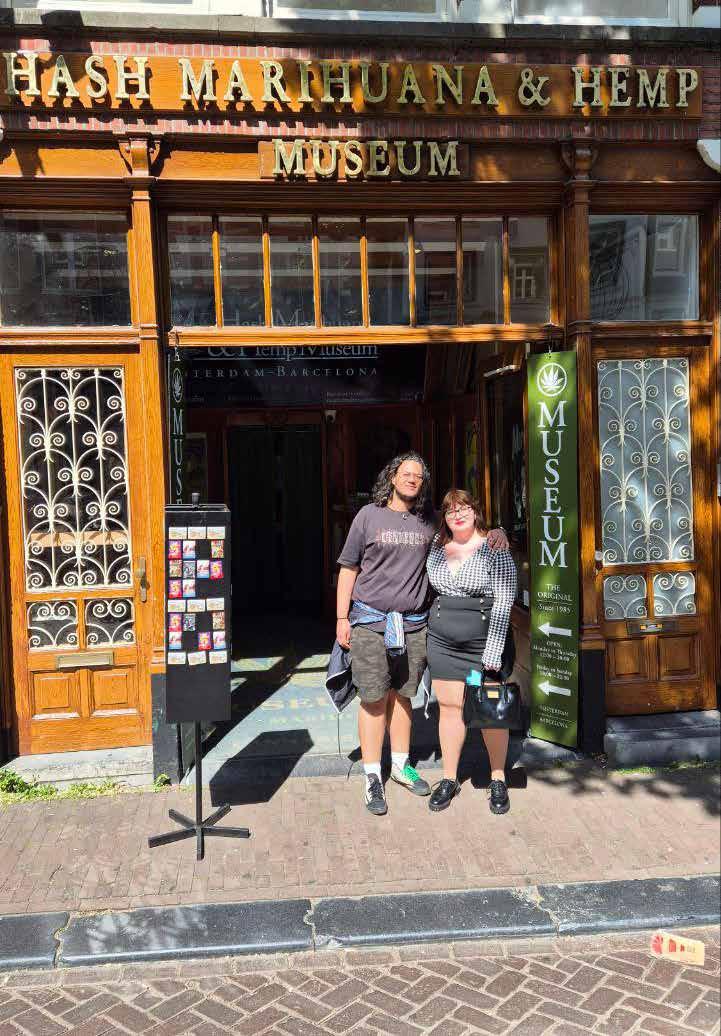
The third day was all about relaxing and soaking up some Amsterdam culture. In the morning, the Hash Marihuana & Hemp Museum was visited. An iconic place where history, culture and awareness come together. From hemp rope to cannabis activism, the exhibition showed just how versatile the plant is and how significant its impact is on our society.
In the afternoon, a special experience was planned: a canal cruise through Amsterdam’s iconic canals. It was the perfect way to see the city from a different angle. The sun was shining, the weather was perfect and everyone enjoyed some typical Amsterdam treats - exactly what you'd hope for on a Dutch-style boat trip. ��
After that, there was time to enjoy everything Amsterdam has to offer in the evening.
The final day was all about taking it easy. In the afternoon, the winners took the train to Schiphol Airport and flew back to Spain, tired but satisfied.
It was a special trip, full of memories and unique CANNA moments.
At CANNA, we believe real connection comes from openness and experience. That’s why we invite people into our world. To show who we are and what we stand for. The best way to get to know a brand is up close. So every now and then, we give fans a peek behind the scenes. Who knows… maybe you’ll be next?
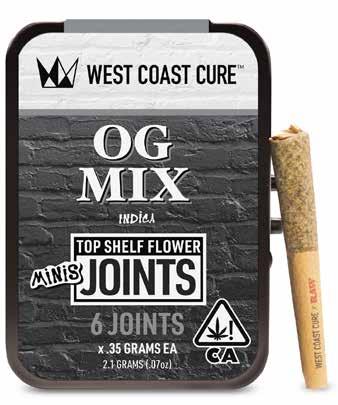
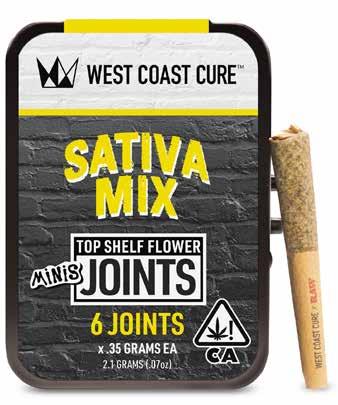
Small joints have become big business in California, USA. The state’s biggest pot brands have followed suit, recognizing the reality that many customers don’t actually want that much weed in one session. Micro joints “have exploded” in popularity in the last few years according to Eli Melrod, the CEO and co-founder of the dispensary chain Solful. He said his company is now working on releasing its own version of the bite-sized blunts under the house brand.

Micro joint fans say their benefits are plentiful. The smaller portion allows them to easily be finished in one sitting, as opposed to a larger joint that might require you to put it out and carry around a smelly half-smoked joint in your pocket. Modern pot is extremely potent, so many cannabis users simply don’t want to smoke a full gram joint.
Chad Heschong, the founder of Selfies, an Oakland brand that exclusively sells tiny joints, compared his smaller portions to an evening drink.
“It’s for someone who just wants to take the edge off after a long day of work,” Heschong said. “It’s like having a glass of wine versus drinking a full handle.”
Heschong created his brand in 2017 with his wife Kristen, who noticed that he kept leaving half-smoked joints around the house.
“We were smoking joints and we’d leave them on the coffee table and she hated
I SAW A NEED IN THE MARKET TO HAVE A PRODUCT THAT SPOKE TO PEOPLE LIKE ME THAT WEREN’T HEAVY, HEAVY SMOKERS.
[them],” Heschong said. “She went, ‘Why don’t you just start rolling smaller joints?’”
Heschong said the only small joint he had previously seen was a half gram, but he took the concept even further by releasing a joint that’s just 0.25 gram. Selfies sells the joints in two-packs, 12-packs and even 28-packs, which he said have become very popular for weddings and other parties where people want to share cannabis with a big group.
Marty Higgins, the CEO of the dispensary chain Urbana, said a brand called Dogwalkers originally pioneered the mini joint around the idea of something you could smoke on a short walk with your dog. He said smaller joints were rare at first, but now they’ve become their own subcategory of products. He said mini joint customers “lean towards a more mature audience who are looking for a little less” cannabis consumption.
The growth of tiny joints also points to a subtle way commercialization of pot has shifted cannabis culture. During the scarce days of marijuana prohibition, passing a communal joint around a group of friends was a cherished ritual for smokers. But legalization has made pot accessible and affordable — Selfies’ two-pack
sells for $13 with tax — and the idea of putting your lips on the same joint that someone else smoked is becoming as socially acceptable as four friends collectively splitting a pint of beer.
Heschong said he saw an increase in interest in mini joints during the Covid-19 pandemic, especially because multiple people can still smoke them together and have a communal experience without sharing germs.
“Joints were created to share, so we wanted to create something that you could share the experience without sharing the actual joint,” Heschong said.
Heschong, who produces his joints at a manufacturing facility in Oakland, said his brand now produces over 325,000 mini joints a month, or nearly 4 million tiny joints a year.
Kristen Heschong, who worked in marketing before transitioning to cannabis, designed the loud and proud prismatic packaging for the brand. She said the tiny joints are not only for convenience, but also for appealing to a different type of stoner.
“I saw a need in the market to have a product that spoke to people like me that weren’t heavy, heavy smokers,” Kristen said.
Text Michiel Panhuysen | Photography: Dizzy Duck ,The Hague
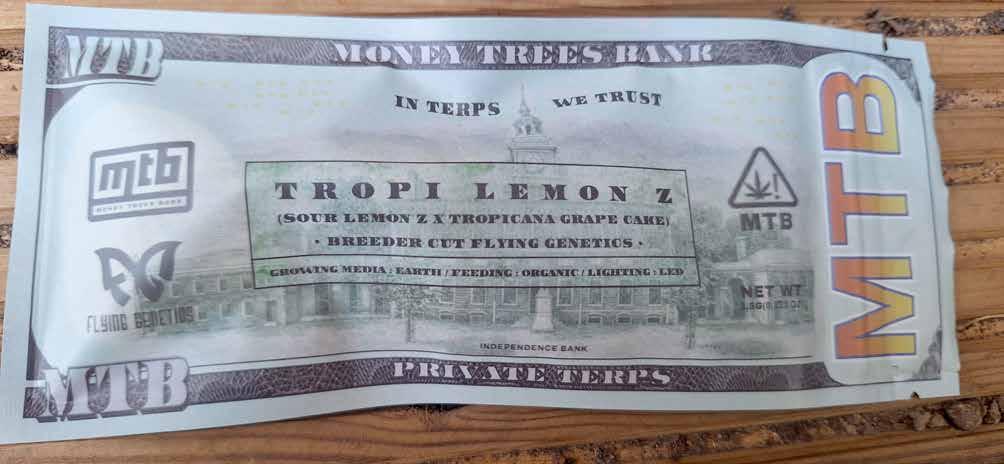
A new generation of European growers and hash makers is emerging. Lakalada (hash from Barcelona), and growers and breeders' collectives like the Belgian Flying Genetics, along with Money Trees Bank, are producing new-style weed like Tropi Lemon Z (Sour Lemon Z x Tropicana Grapecake) or Fuego Loco from legal Dutch grower Aardachtig. Many more new strains are juicy and refreshing. With these new styles, flavors, and ideas, a young, wild, and fast generation is forcing it's way into the market alongside the old and the familiar.
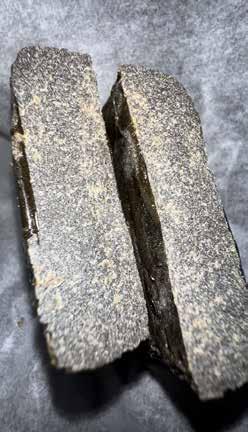
In the 1970s and 1980s, Dutch coffeeshops sold almost exclusively just hash, and the cannabis was outdoor weed from countries like Nigeria, Thailand, or Colombia. Initially, the imported hash came from Lebanon, Afghanistan, Pakistan, India, and later Morocco. This changed in the early 1990s. In 1992, Dutch cannabis entrepreneur Arjan Roskam opened a small coffeeshop in Amsterdam called Arjan's Green House. There, he was the first to only sell weed. At first, things didn't go as well as he'd hoped, but after Arjan made a huge impression with his weed at the High Times Cannabis Cup in 1993, sales skyrocketed. A novelty at the time! Other coffeeshops started selling more weed too and a few years later, almost all coffeeshops did. Now, more than thirty years later, coffeeshops in the Netherlands sell primarily weed (an estimated 75%) and much less hash (25%). Roughly speaking, you could say that the average coffeeshop visitor now prefers to smoke strong weed, and there's an older group of smokers who stick to old-school (mostly Moroccan) hash.
What's new?
Dutch consumers are generally not very adventurous: Skunk, White Widow, Amnesia
Haze and Moroccan hash easily cover most of what was sold in the coffeeshops. But in recent years, a new underground movement has been gaining momentum: let's call it the young, wild, and fast generation.
Some shops offer a relatively rapidly changing selection of new strains of weed and hash you've never heard of. A specific group of young smokers, especially, is constantly discovering new flavors, experiencing new terpenes, and buying beautifully designed packages of hash and weed grown in small batches by collectives of growers who often actively collaborate with breeders. This development coincides with renewed attention to modern hash varieties. The latter now goes far beyond what was initially called Nederhash (Dutch-made hash). This new generation of coffeeshops now also stocks experimental, avant-garde hash varieties from Morocco, Italy, Spain, and France.
Relatively new production methods are used to make these hash varieties. In recent years, a new smoking scene has emerged around these new varieties with close ties to the producers. With these new flavors and experiences comes
a new mindset too. Part of that mindset, for example, is that you don't smoke the whole thing in one go, even if it's a tasty, unique, and strong joint. Often, a few puffs are enough. Save the rest for later.
Dollar bill
Here's an example. The packaging of the weed
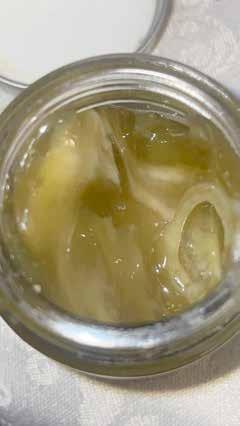
from famous coffeeshop Dizzy Duck in The Hague (who won a shitload of HighLife Cups in the past 20 years) is remarkable, to say the least. Inside the zip-lock bag featuring a morphed US dollar bill print is Tropi Lemon Z (Sour Lemon Z x Tropicana Grape Cake) from the Belgian breeders/growers collective Flying Genetics in collaboration with Money Tree Bank. This
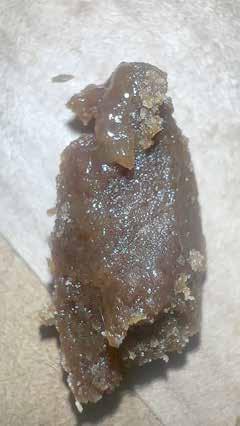
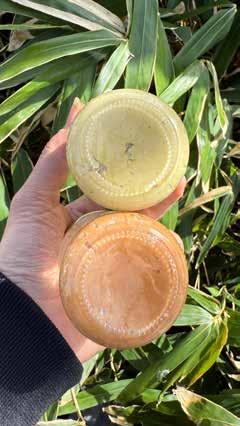

influence the market!
type of packaging is becoming increasingly common. Collaborative groups of growers and breeders are paying attention to their look and feel. These collectives are less focused on further breeding, but rather on rapidly developing new varieties.
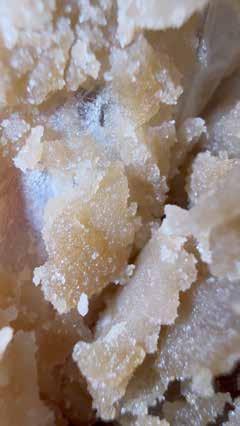
Making a widespread breakthrough with a further bred variety seems less important. The collectives that not only grow but also cross new varieties are brimming with enthusiasm and new ideas. Something similar is happening in the hash sector. The search is on for new varieties suitable for making hash with interesting new flavors. This involves smaller quantities of hash, it remains a relatively small-scale, artisanal process. Through social media, meetings at trade fairs, and by word of mouth, the growers and producers often stay in touch with their followers. Terpenes and flavor are receiving much more attention than before, and trendy hash is often much stronger and has a different effect than traditional hash
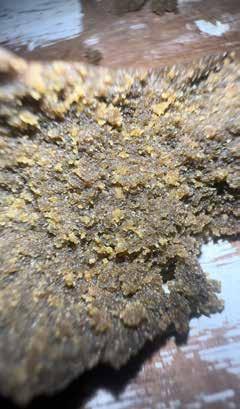
(this is due to the purity of the product).
Packaging has also outgrown the transparent zip-lock bag: each collective has its own original design. Kees Schelfhout, hash maker at Aardachtig, has high praise for this packaging development.
Kees: "I think beautiful packaging is a really cool development, because you get a sense of the feeling or style the maker has or wants to express. This earns your brand recognition and stimulates creativity. As a consumer, it allows you to better choose or feel whether or not you want to support such a person."
There is a growing group of younger cannabis users who smoke one strain for a while and then switch to something new. The flavor is stimulating, new strains are usually quite exclusive. An important caveat: Whether this new trend will ever reach the masses remains to be seen. But it seems plausible that it will

Candy Terp Movement
"Through the intensive breeding of new strains, certain flavor profiles and terpenes are much more pronounced in the plant," says Kees. Terpenes are the organic compounds in a plant that determine its flavor and effects. "There's a big candy/fruity terp movement right now." Sweet and fruity flavors in food and drinks are popular, especially among young people, and that also applies to weed and hash. "Think of flavors and aromas resembling papaya, melon, pineapple, and Red Bull Diet, combined with floral cannabis scents." So, in addition to papaya-flavored ice tea, melon-flavored hash is also hot.
The focus on flavors and terpenes is also changing the hash production process. Kees: "A large portion of these terpenes are so-called 'volatile terps,' which evaporate quickly.

Sometimes they evaporate even during the drying or curing process. To capture these terpenes, hash makers make things like WPFF (Whole Plant Fresh Frozen) hash. In this process, the entire plant is frozen immediately after harvest to prevent the terpenes from evaporating. That's why newskool hash usually smells so good."
Traditionally, hash is made from plants grown outdoors and then dried and cured. This hash is often cured for a year before being sold. Legal cannabis producers in the Netherlands make hash now from plants grown indoors, often using the WPFF technique, which allows for a completely new spectrum of terpenes to be experienced. Legal growers who make hash are now pushing the boundaries of what's possible beyond simply drying outdoor plants and processing them into hash.
"Our plants are grown in greenhouses or cells. That already makes a difference,”says Kees,


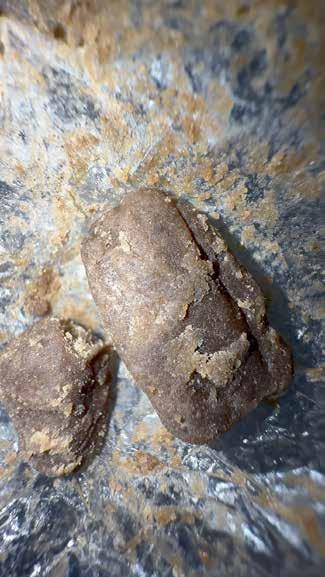

“We also process some of the dried plants into hash and some into WPFF. This allows us to make hash from a single plant variety with different terpene profiles. That's super cool for us! It's just a shame the government is now concerned about potency. I think that's completely unnecessary. Whiskey isn't any more
dangerous than pilsner, and you smoke much less of that new-school hash.
New mindset
Old things fall away and are replaced by new things. The cannabis world is no exception to this and is constantly evolving. This applies to
coffeeshops, social clubs, growers, breeders and hash makers in Europe. And it also applies to consumers of course. To survive, you have to be flexible. Instead of a joint with tobacco, it's good to see if you can smoke, vape or eat it too in a different way. It's also good to try new weed or hash varieties.
Kees: "Appreciate the development; don't stick to the old, because nothing stays the same. I'm always trying to change everything. Improving myself motivates me to do things. Through change and curiosity for innovation, I continuously improve myself. Sometimes it's daunting, but it's certainly never boring.”
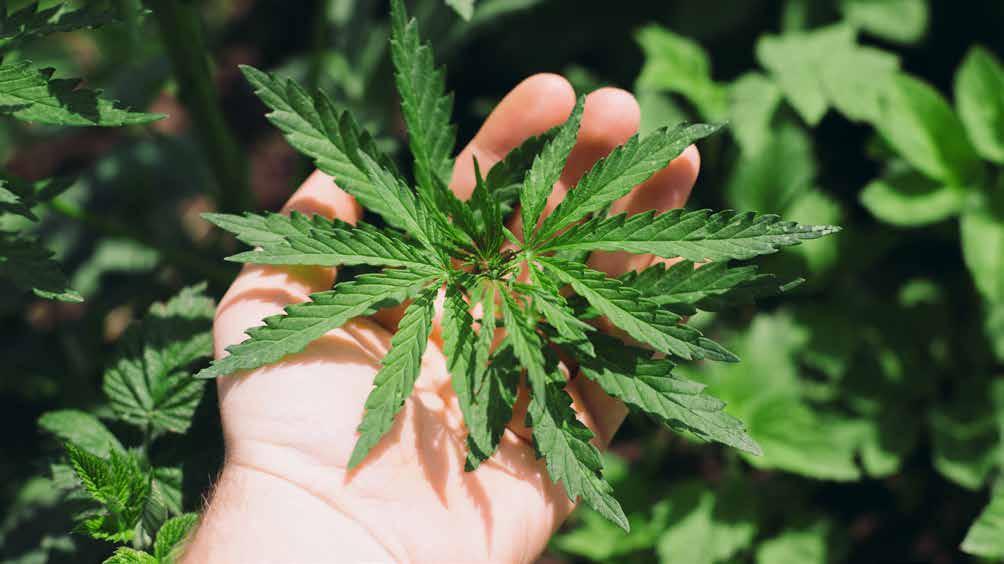

sudestfam@protonmail.com
In recent years, marijuana extracts like Fresh Frozen Water Hash have been dominating the cannabis scene. More and more growers and hashmakers are dedicating themselves to creating this type of extraction, and market demand is constantly growing.
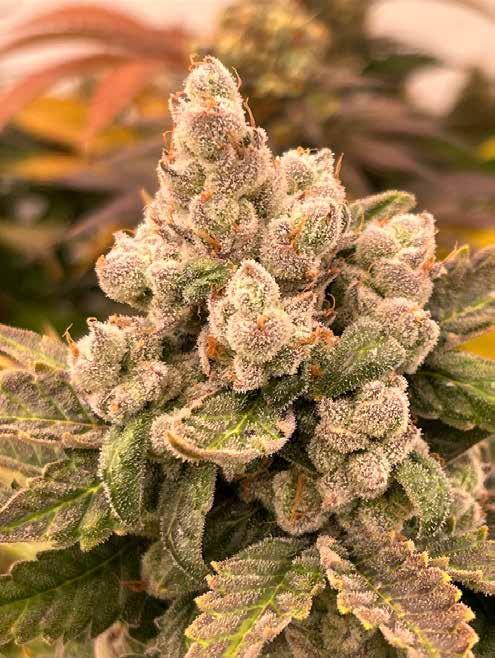
Fresh Frozen Water Hash is a marijuana concentrate obtained by separating the resin of the cannabis plant from its plant parts. The resin is extracted in cold water, and by agitating the plant material, the glandular trichomes are
Acronym for Whole Plant Fresh Frozen, it is the practice of freezing resin-covered marijuana buds immediately after cutting and harvesting the plant. This method preserves the charac-
FREEZING FRESHLY HARVESTED BUDS REQUIRES MUCH LESS SPACE THAN DRYING WHOLE PLANTS.
separated and collected in special bags with a sieve at the bottom. Fresh Frozen Water Hash is extracted from fresh and frozen marijuana buds. This method is a significant evolution of traditional water hash, generally made with dried flower trim or completely dried plants.
teristic terpenes of living plants and keeps the glandular trichomes intact.
BENEFITS OF WPFF
Making WPFF marijuana extractions is highly convenient for several reasons. First, freezing
freshly harvested buds requires much less space than drying whole plants. Second, it eliminates the need to trim marijuana flowers, along with the associated odor and cost issues. Furthermore, it is a highly sought-after type of extract.
Not all marijuana strains are suitable for making Fresh Frozen Water Hash; some strains have very low yields and poor quality crystals. For this reason, before freezing any plant, it's important to carefully examine it; a microscope allows you to more easily analyze the structure of the glandular trichomes and their ripeness. Plants with glandular trichomes with large heads and thin, almost invisible stems are best for making FFWH.
Another method of evaluation is to observe the resin after rubbing a flower with your fingertips; the most suitable marijuana strains leave a grainy, sticky residue.
PREPARING
To obtain the highest-quality extracts, it is crucial that the plants used for extraction are of excellent quality. Stop using fertilizer at least 20 days before harvesting and freeze the buds; it will ensure a cleaner product with superior organoleptic qualities.
A week before harvesting, reduce the lighting and lower the temperature to around 21°C. This helps to protect the resin from degradation caused by light and heat. It is very important to be prepared before starting to cut and freeze the plants; make sure the freezer is working properly and turn it on at full power at least 24 hours before harvesting.
To harvest, you will need the following tools:
Trimming scissors
Latex gloves
Plastic trays
Baking paper
Plastic zip-lock bags
Scale
The best time to harvest depends on the plant's resin maturity. Some hashmakers harvest their plants several days early to obtain extracts with a lighter, whiter color, thus saving time and allowing them to complete an additional growing cycle during the year. Other extractors prefer to let the resin mature to obtain extracts with a more complex terpene and cannabinoid profile.
The first step involves pruning the plants, removing all large leaves and trimming the tips of the smaller, resin-covered leaves. It's very important not to leave any leaves completely intact and devoid of resin, as this could compromise the quality of the extraction. This
operation must be performed delicately to preserve the resin as much as possible.
During harvest, it's recommended to cut one plant at a time so that the buds don't deteriorate while waiting to be frozen. Wear gloves to avoid contaminating the harvest and begin cutting the flowers individually, taking care to remove any branches and small stems.
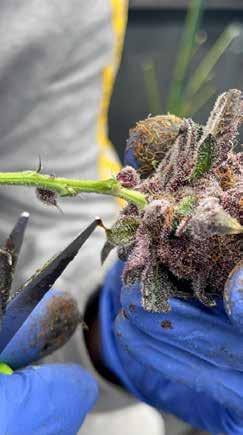
The cut flowers should be placed in plastic trays with the bottoms lined with parchment paper.
The marijuana harvested in the trays should be placed in plastic bags within a few minutes to avoid compromising the work. The bags should not be overfilled to avoid damaging the flowers inside; leaving them swollen with air when sealed creates a protective cushion. Weigh the bags filled with marijuana and note the strain and weight on each bag before placing it in the freezer. The bags should be stored flat, flat inside the freezer to prevent the buds from being crushed.
In the days following harvest, check that your freezer is doing its job. Sealing the door with tape can prevent accidental opening. Fresh frozen marijuana will keep in excellent condition for several months, but it's recommended to extract it as soon as possible to prevent the ice that forms during freezing from degrading the resin.
Chest freezers with No-Frost technology are the best option for hashmakers!


Stoney Tark
If you are new to growing cannabis indoors, then one of the easiest and practical ways to get started is to use a grow tent. Made from reflective mylar with a black exterior, grow tents can be set up quickly and are available in various shapes and sizes.
In this article, I will explain everything you need to know about grow tents, including the equipment that should be placed inside, the number of plants you can use and the optimal environmental factors.
When weighing your options for an indoor grow space, you typically have the opportunity to convert a spare bedroom, cellar, or attic space, use a clothes cupboard, or purchase a grow tent.
Converting rooms can be expensive, time-consuming, and, if you do not own the house or apartment, it can be risky, potentially causing damage to the walls and ceilings. Below is a list of all the advantages associated with using a grow tent.
• Grow tents can be set up or taken down within 20 minutes.
• They provide a light-proof interior, enhancing light intensity.
• Fitting extractor fans and carbon filters is a simple process.
• They have a black exterior, providing discretion.
Grow tents are available in various sizes.
• You can easily control the growing environment using tents.
• Tents are ideal for seedlings, clones or drying cannabis buds.
• You can easily have tents delivered to your home.
• Save converting a room and drilling holes in walls and ceilings.
• They can be placed inside a bedroom and stay well hidden.
Once you have set up the grow tent, you will notice that there are openings at the top and bottom designed for your equipment. All of the equipment you will need to get started as a grower is covered below.
The extractor is the fan that sucks air out of the grow tent and out of the top. It will be connected to the carbon filter using aluminium ducting, and is designed to be hung from the top of the tent.
The carbon filter cleans the air inside the tent and, when blown out via the exhaust fan, scrubs the air, making it carbon clean and removing any unwanted aromas.
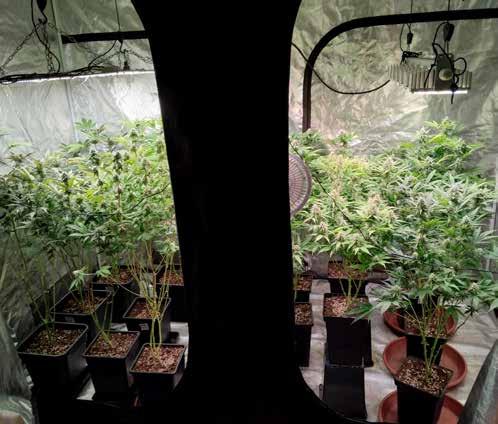
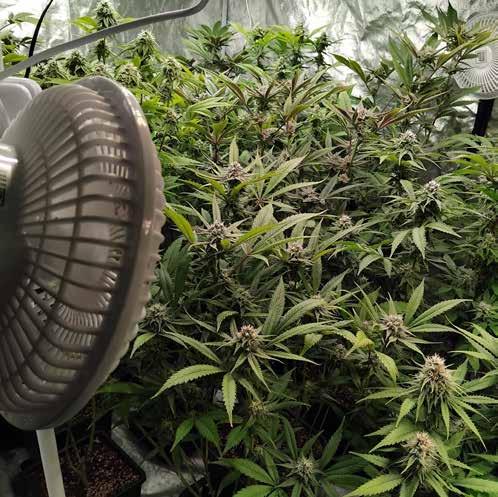
Ducting is what you will use to create an air-tight fit between your equipment. Ducting comes in different sizes depending on the size of the extractor fan, carbon filter and inline fan.
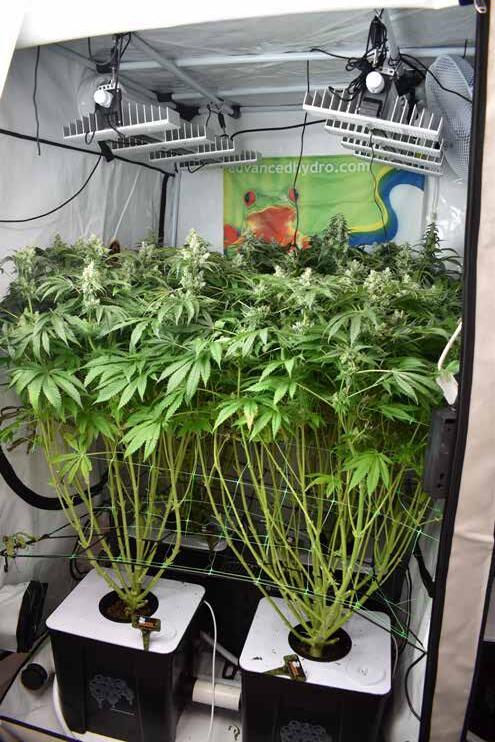
Your grow light will typically be an LED, HPS, or MH, and should be hung in the centre of the grow tent, ideally 60 cm above the top of the plants. The grow light should be securely attached to the top of the tent using metal chains and hooks.
A strong, secure, reliable solution for safely hanging your grow equipment. Grow lights can be adjusted in height using metal chains and hooks.
Oscillating fans are the best way to produce a fresh current of air and can be placed at the bottom of the tent or attached to the tent poles using a clip-on attachment.
A digital device that needs to be placed inside the grow tent, so you can see the temperature and humidity levels present.
The number of plants you can fit inside your grow tent will depend on the size of the tent. Below is a guide to show you the optimal plant count.
Cannabis plants require different temperatures and humidity levels at various stages of growth. Below is the correct environmental setting to follow.
24 degrees Celsius and 70% relative humidity during the seedling stage (18/6)
• 24 degrees Celsius and 70% relative humidity during the vegetation stage (18/6)
• 22-24 degrees Celsius and 50% relative humidity during the flowering stage (12/12)
22 degrees Celsius and 40-50% relative humidity during late flowering (12/12)
Grow tents are the easiest way to get started as indoor growers. They are discreet, easy to set up, easy to clean and provide an air-tight and light-proof growing environment. They save the need to convert a bedroom, attic or cellar and can be easily taken down in an emergency.
Ensure that you securely hang all your equipment and prevent external light sources from entering the tent once the lights are off. Keep your grow tent tidy and always wash it thoroughly using bleach after each harvest.

Growing Mr. José, info@pestovat.cz
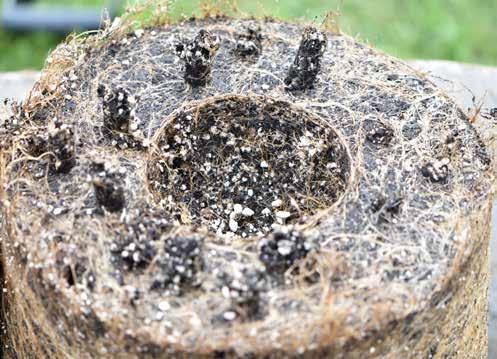
The water regime is the way plants manage water – essentially the balance between uptake and loss. When this balance is right, plants receive enough nutrients, photosynthesis runs smoothly, and yields improve. Let’s take a closer look at how to monitor and optimize the water regime.
Every grower knows that water is essential for plant growth and development. Experienced growers also know that it’s not enough to simply check whether the plants have enough water. To achieve the best possible harvest in terms of both quantity and quality, it pays to monitor the water regime much more carefully. This way you gain valuable insights that would otherwise be difficult to obtain.
A healthy cannabis plant consists of approximately 80–90% water, which serves many vital functions throughout its life. First, water ensures turgor, allowing the plant to maintain firmness and an upright shape. Once the plant loses turgor, it quickly becomes visible through wilting leaves. Water also helps regulate temperature and acts as a medium for transporting nutrients from the growing medium to all parts of the plant. Finally, water is an essential component of the photosynthesis process.
Most growers water their plants once it becomes clear that the available water has been used up. This provides the plants with acceptable conditions and reduces the risk of overwatering. However, it does not guarantee maximum nutrient uptake or optimal photosynthetic activity. On the other hand, watering too frequently or too heavily, without ensuring enough oxygen in the root zone, is much worse and ranks among the most common mistakes. Considering the crucial role that water plays in the life of a plant, its consumption should be monitored very carefully.
Water consumption is directly linked to the rate of photosynthesis. Since measuring photosynthetic rate itself is quite complex and requires advanced equipment to track CO2 uptake, monitoring water consumption is an excellent way to determine whether photosynthesis is proceeding as expected.
Water enters the plant through the roots, travels through the vascular system, and reaches all tissues. Along with water, dissolved nutrients are transported to every part of the plant. For new water and nutrients to enter, previously absorbed water must leave the plant. This happens through transpiration –the process by which water is released via the stomata, small openings located mainly on the underside of leaves. In this way, water exits the plant as vapor and increases humidity in the surrounding environment. At the same time, the stomata enable gas exchange, allowing
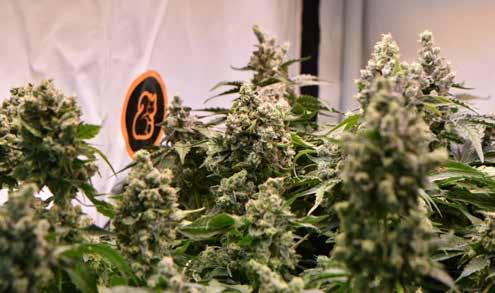
carbon dioxide to enter and oxygen produced by photosynthesis to be released.
The movement of water from the roots to the stomata is called the transpiration stream. Its speed can be regulated by the plant through the opening and closing of stomata. A major advantage is that water uptake requires virtually no energy. Once the stomata open, evaporating water from the leaves creates a negative pressure in the vascular tissue, which draws in an equivalent amount of water from the root zone—provided enough is available.
From this, it is clear that the speed of the transpiration stream strongly influences nutrient uptake, as it is the flow of water that transports them from the root zone to the aboveground parts of the plant. At the same time, stomatal openness determines how much carbon dioxide can enter the leaves. If the stomata are closed, both CO2 uptake and transpiration are greatly reduced, which slows photosynthesis. The rate of the transpiration stream therefore determines not only water consumption but also indirectly the efficiency of photosynthesis and the overall growth of the plant.
Now that we know water consumption can indicate whether photosynthesis is functioning properly, it’s useful to have a benchmark for the optimal amount of water consumed per square meter in 24 hours. Naturally, consumption varies depending on the growth stage, but for mature plants under intense lighting and optimal conditions, the optimal range is considered to be 8–12 liters/m²/day. In the vegetative stage, water consumption is usually lower, typically 3–6 L/m²/day.
These values should be seen mainly as guidelines. Even with lower or higher consumption, it’s still possible to create favorable conditions for the plants. Personally, I’ve found these benchmarks very helpful for optimizing cultivation practices and for planning ventilation capacity when designing smaller grow spaces.
By now you already know how plants can regulate the speed of the transpiration stream— and thus their water consumption—on their own. But what should you do if you notice your plants are using far too little water, or on the contrary, consuming more than expected?
Although photosynthesis is an extremely complex process, there is one “control point” that acts as both brake and accelerator – the stomata. Once you understand how they work, you hold a large part of plant growth in your hands. Stomata primarily open to allow the intake of carbon dioxide, but transpiration at the same time helps plants maintain an optimal temperature. To keep the transpiration stream
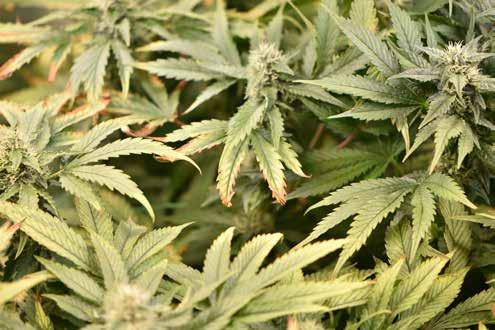
flowing, you need to ensure the right air and leaf temperature.
Modern LED fixtures lack the infrared portion of the spectrum that used to warm the leaf surface under HPS, metal halide, or plasma lamps. While those older light sources radiated a large share of heat directly toward the plants,
Recommended VPD (Vapor Pressure Deficit) charts can serve as a useful guide, since they combine humidity and temperature into a single value. Keep in mind, however, that the temperature of the crop itself matters just as much as air temperature. In practice, monitoring water consumption is often a more reliable indicator, as measuring leaf tempe-
LEDs accumulate heat mainly above them. This makes proper air circulation essential – it helps warm the leaves to the ideal temperature, open the stomata, and allow both water flow and CO2 uptake.
Another key factor is relative humidity. If it’s too high, transpiration slows down because water vapor is released more slowly into humid air. In general, the transpiration stream is faster in a warm, drier environment than in a cool, humid one. So, if transpiration seems sluggish at daytime air temperatures of 24–28 °C, try lowering relative humidity – and increase it if needed under drier conditions.
rature is not always easy or precise. When adjusting humidity, make changes gradually – for example, lower it by 5 percentage points – and observe the difference in water use over the next 24–48 hours.
Finally, don’t forget that light energy and carbon dioxide are also fundamental drivers of photosynthesis. Even if you manage to optimize transpiration and nutrient uptake through temperature, humidity, and irrigation, it won’t be effective without sufficient light and CO2 Mature flowering plants should receive 30–40 DLI (which, under a 12-hour photoperiod, corresponds to roughly 700–1000 µmol/m²/s
PPFD), and CO2 concentration should not fall below 700 ppm. Ideally, CO2 levels should scale with light intensity. If these values don’t ring a bell, we recommend checking out some of our earlier articles for more details.
Self-sufficient growers don’t necessarily focus on maximum efficiency and yield. They are
other possible causes such as pests, diseases, or an unsuitable root zone environment (incorrect pH, lack of oxygen, or overfertilization).
When the transpiration stream slows down, fewer nutrients naturally reach the plant. The solution is to increase the concentration of nutrients in the growing medium or irrigation water. It’s simple: plants receive nutrients dis-
IN GENERAL, THE TRANSPIRATION
IS FASTER IN A WARM, DRIER ENVIRONMENT THAN IN A COOL, HUMID ONE.
usually more interested in achieving the highest possible quality with minimal investment in equipment and running costs. It’s therefore natural that under conditions with lower light intensity or lower air temperatures, water consumption is far below the values mentioned earlier in this article.
In such cases, however, plants may not receive enough nutrients and start to show corresponding symptoms. Leaves may change color (yellowing, interveinal chlorosis, or general paling), growth and flowering may slow down, and the plants as a whole lose vitality. The first step is to correctly identify the problem and rule out
solved in water. If they consume less water, they also absorb fewer nutrients. To deliver the same amount of nutrients in a smaller volume of water, you need to increase their concentration.
Keep in mind, however, that plants are very sensitive to nutrition, and overfertilization can sometimes have worse consequences than underfertilization. Increase concentrations gradually—say, by about 20%—and carefully observe how the plants respond. Also make sure that plants are actually consuming the nutrients available to them. A simple way to check this is by regularly measuring the EC of the runoff from your growing medium.



As cannabis research continues to progress, increasing attention is being given to two promising compounds, cannabigerol (CBG) and its precursor, cannabigerolic acid (CBG-A). Often overshadowed by the more widely recognised cannabinoids THC and CBD, these non-psychoactive compounds are now being explored for their therapeutic potential. Broughton, a leading UK-based contract research organisation, explores early research on the potential of these cannabinoids and offers expert guidance on bringing them to market.

CBG-A serves as the foundational compound in cannabis, earning CBG the nickname "Mother of all Cannabinoids". Within the plant, CBG-A acts as the crucial starting point from which other major cannabinoids develop. As cannabis matures, enzymes convert CBG-A into various cannabinoid acids that later become THC, CBD and other compounds through decarboxylation (exposure to heat or light).
Most cannabis strains contain only about 1% CBG, as it rapidly transforms into other canna-
binoids during plant growth. However, selective breeding has recently produced CBG-rich varieties, increasing availability for research and commercial applications.
Research into these compounds is still ongoing, but early findings are encouraging. A landmark 2024 human clinical trial, published in Scientific Reports, found that a 20mg dose of hemp-derived CBG significantly reduced anxiety and stress levels compared to a placebo, without inducing intoxication.
Beyond its potential for anxiety relief, studies suggest that CBG may offer a range of therapeutic benefits. Research indicates it has anti-inflammatory properties that could aid conditions such as arthritis, as well as neuroprotective effects that may be beneficial in neurodegenerative disorders.
CBG-A, though less extensively studied for direct therapeutic applications, has shown significant potential. Early research suggests it may be even more effective than CBG in reducing oxidative stress and could support cardiovascular health by potentially lowering
blood pressure and slowing the progression of atherosclerosis in animal models1. There are also preliminary indications that it may possess anti-cancer properties4.
CBG distinguishes itself through its unique interactions with various receptors, setting it apart from other cannabinoids. While many cannabinoids primarily engage with cannabinoid receptors, CBG exhibits a broader pharmacological profile. Research suggests that it not only interacts with these receptors but also has a notable affinity for α2-adrenergic receptors and serotonin 5-HT1A receptors.
This diverse mechanism of action may account for its potential anxiolytic and neuroprotective properties. By influencing these additional receptor systems, CBG could modulate neurotransmitter release, regulate stress responses and contribute to neuroprotection in ways that extend beyond the endocannabinoid system.
These interactions provide valuable insights into its therapeutic potential and reinforce growing scientific interest in its role within pharmacology and medicine.
As of early 2025, most research on CBG and CBG-A remains in the preclinical stage, primarily conducted through laboratory and animal studies. Further human clinical trials are crucial to establish comprehensive safety profiles and confirm therapeutic efficacy.
These compounds may prove to be valuable additions to the therapeutic cannabinoid family, offering unique benefits without the intoxicating effects associated with THC. For those tracking developments in cannabis medicine, these compounds certainly merit attention.
While the evolving legal landscape surrounding cannabis has facilitated increased research opportunities, regulatory challenges continue to pose significant barriers. Companies seeking to bring innovative cannabinoid products to market should partner with Broughton to ensure safety, compliance and product quality.
Website: www.broughton-group.com
Soft Secrets is published by Discover Publisher BV
Bruistensingel 400, 5232 AG ‘s Hertogenbosch Netherlands
Telephone: +31(0)6 13 00 65 33
E-mail: info@softsecrets.nl
Web: www.softsecrets.com
Contributors: Stephen Andrews, Gerard D., Michiel Panhuysen, Sudestfarm, Stoney Tark, Mr. José, and others.
Photography: iStock, Unsplash, depositphotos.com, Generative AI
Editorial adress:
E-Mail: info@softsecrets.nl
Advertisements:
E-Mail: info@softsecrets.nl
Distributed throughout Denmark, Finland, Georgia, Germany, Greece, The Netherlands, Malta, Slovenia, Spain, Switzerland, Thailand, United Kingdom (England and Ireland).
A word from the publisher: World wide there is a process going on of relative liberalisation towards the use of cannabis, be it for medicinal or recreational purposes. Several countries legalised cannabis as a way of separating soft and hard drugs, as it has proven to do in Holland. Other countries legalised the use of medicinal cannabis, including the right to grow cannabis plants for one’s own use. The publisher wants to highlight the process of normalisation of cannabis use. This assumes that the publisher does not necessarily agree with everything that appears in articles and advertisements. The publisher therefore distances himself explicitly from published statements or images that might give the impression that an endorsement is being made for the use and/ or production of cannabis.
Nothing from this publication may be copied or reproduced in any format without prior permission from the publisher and other copyright holders. The publisher is not responsible for the content and/or point of view of advertisements. The editor takes no responsibility for unsollicited submissions.
The publisher has endeavored to reach all copyright holders of photos and/or images. Those who still believe they are entitled to these rights may contact the publisher.