Through Architecture I find the appropriate language to express, represent and positively impact the environment at different scales, combining art and science in search of balance for our lives. My work follows themes of innovation, conceptualization and sustainability, focused on creating spaces that adapt correctly with the context, generate a positive impact on society and respond to people’s needs. I seek to develop these concepts through an experimental, playful and collaborative process, which allows me to visualize the different scenarios and possibilities to create.
Juan Fernando Barona Morales, Manuelita Rivera Gonzalez, Juan Camilo Sánchez Zorro
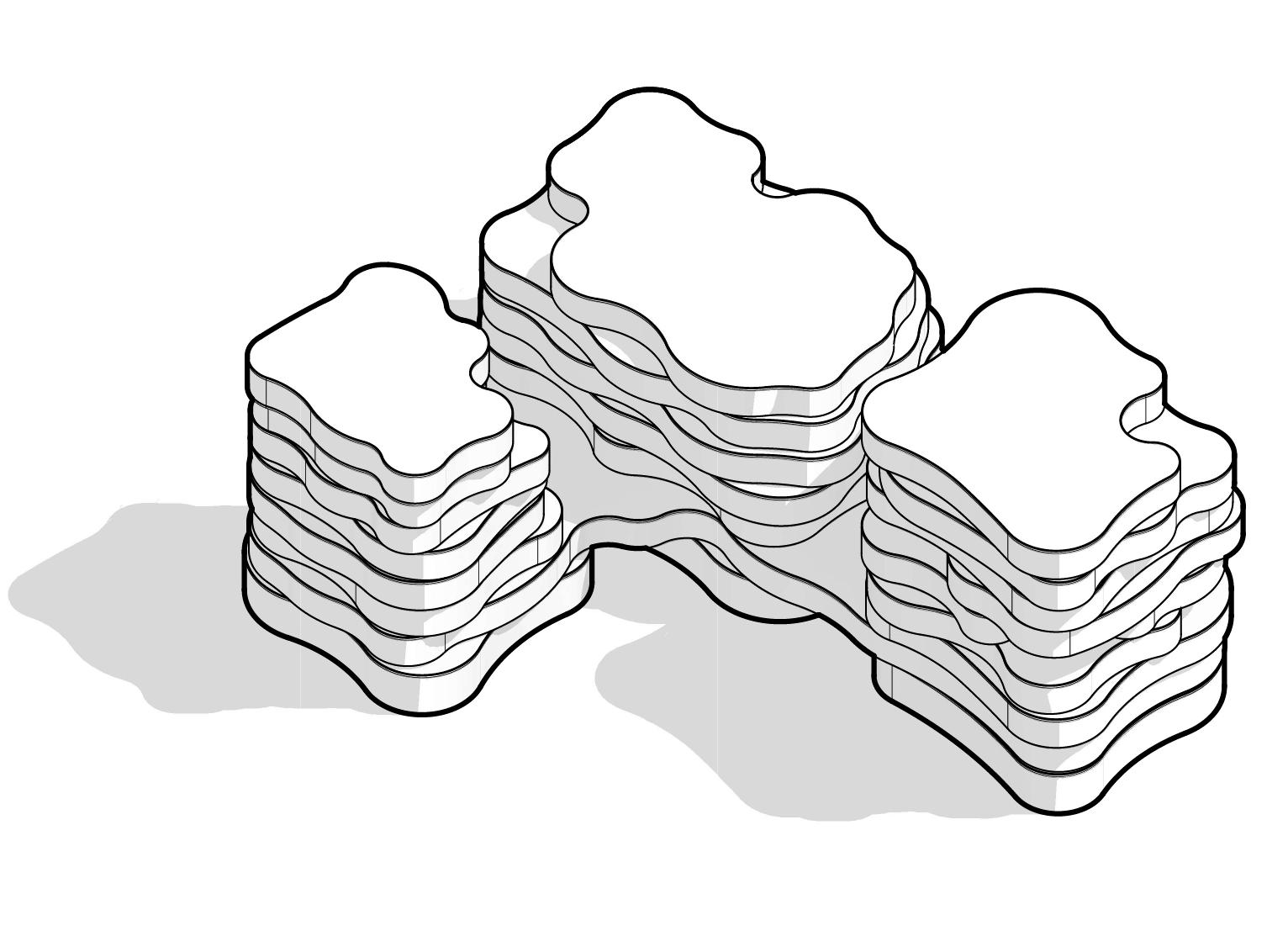
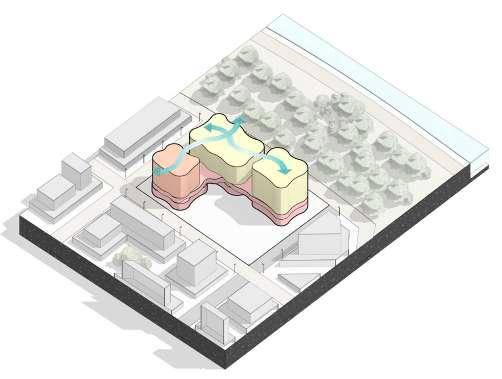
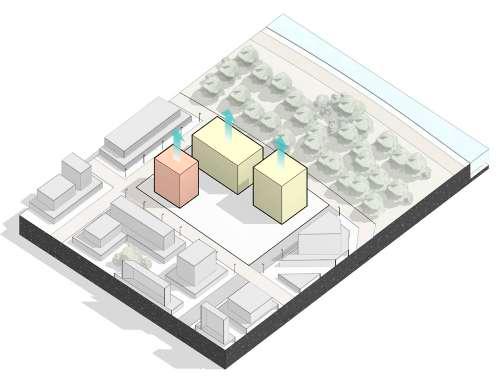
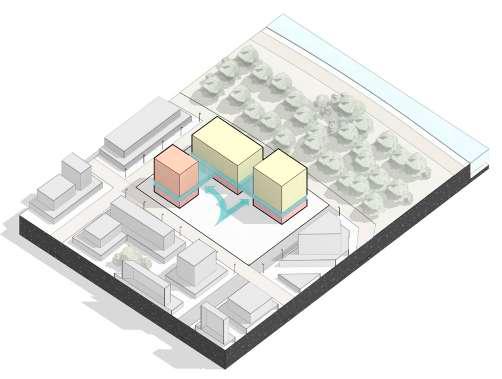
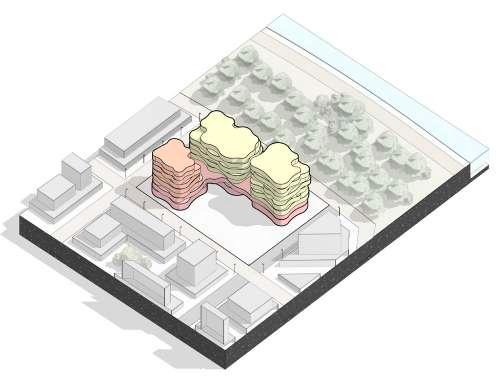
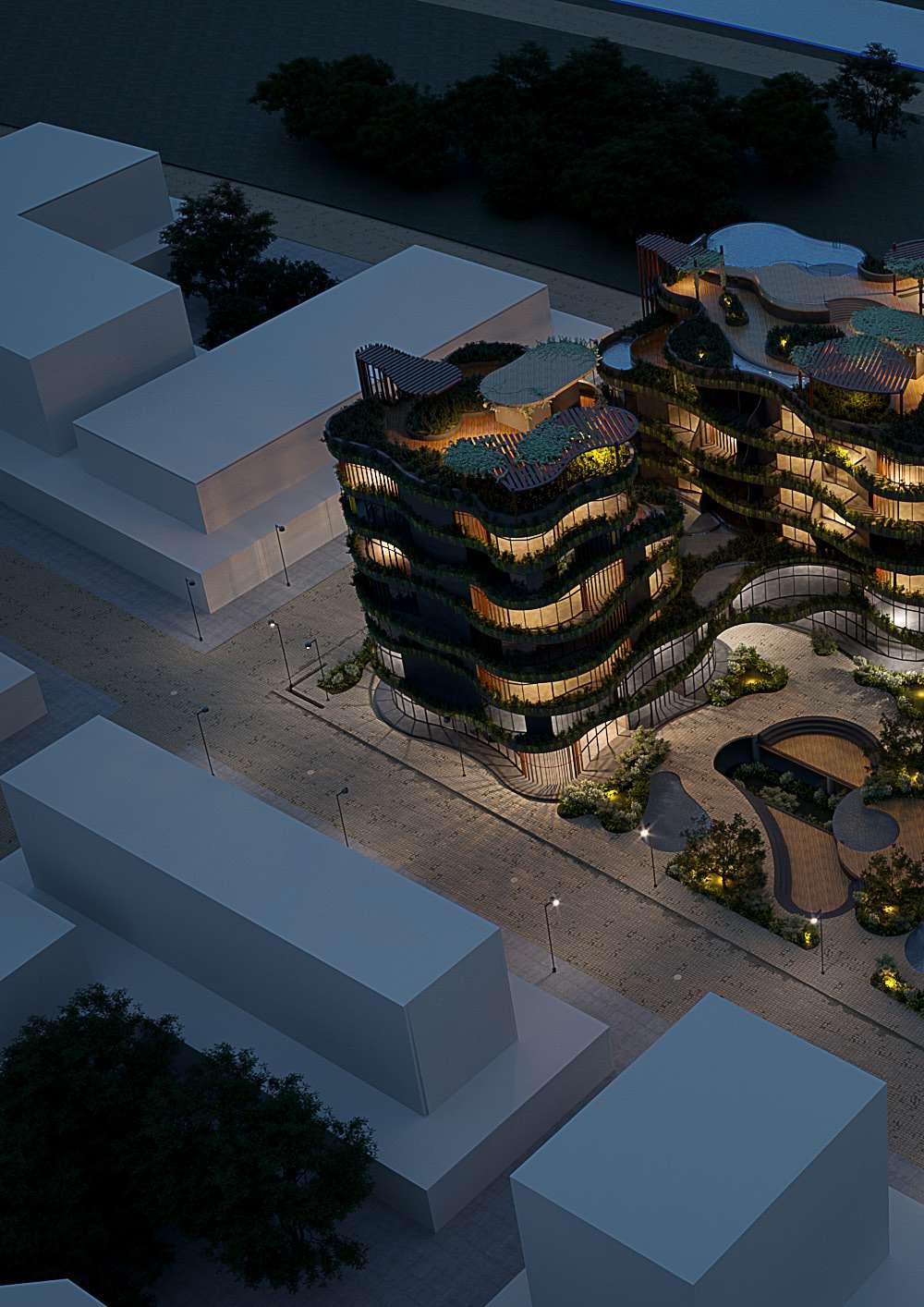
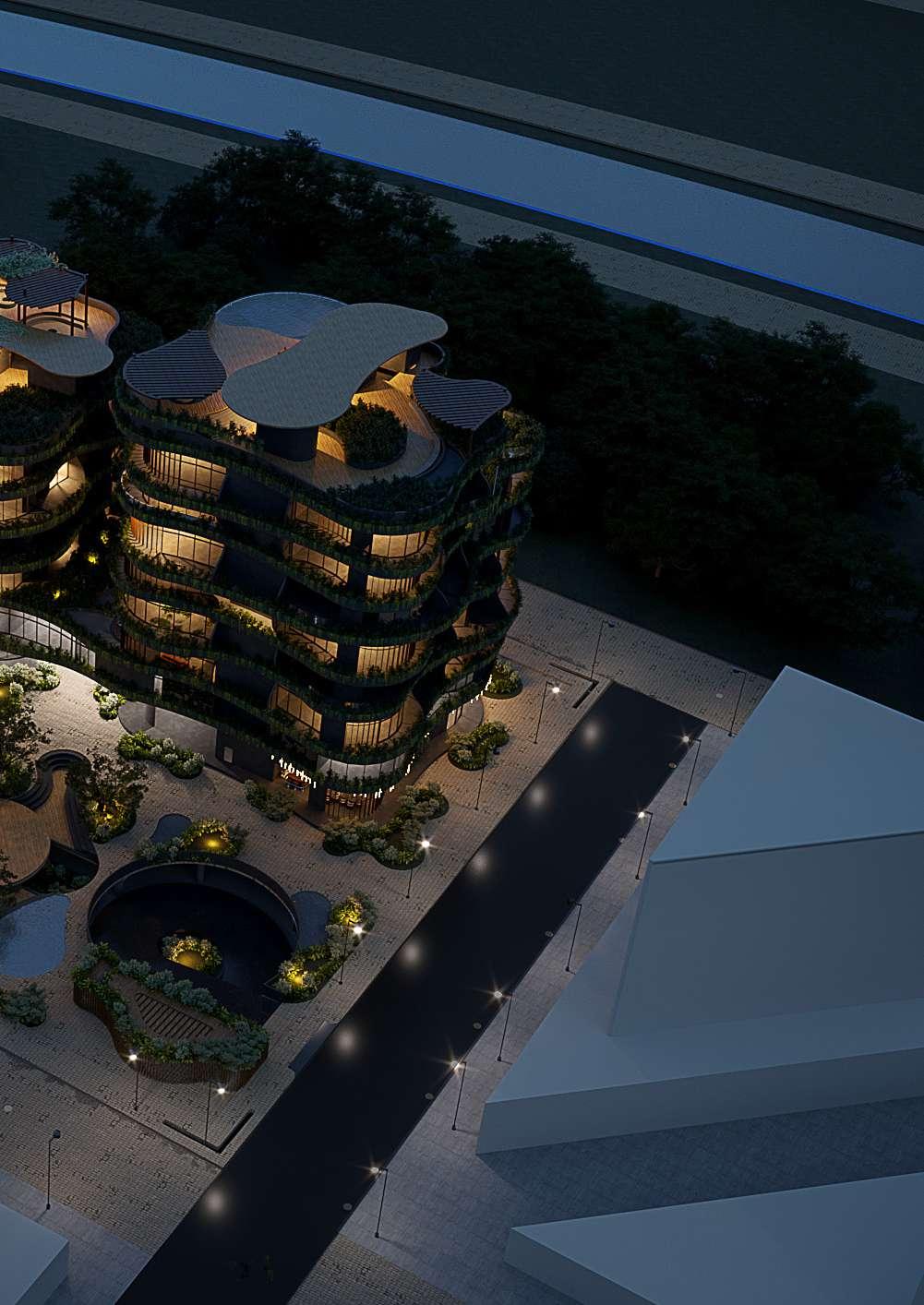
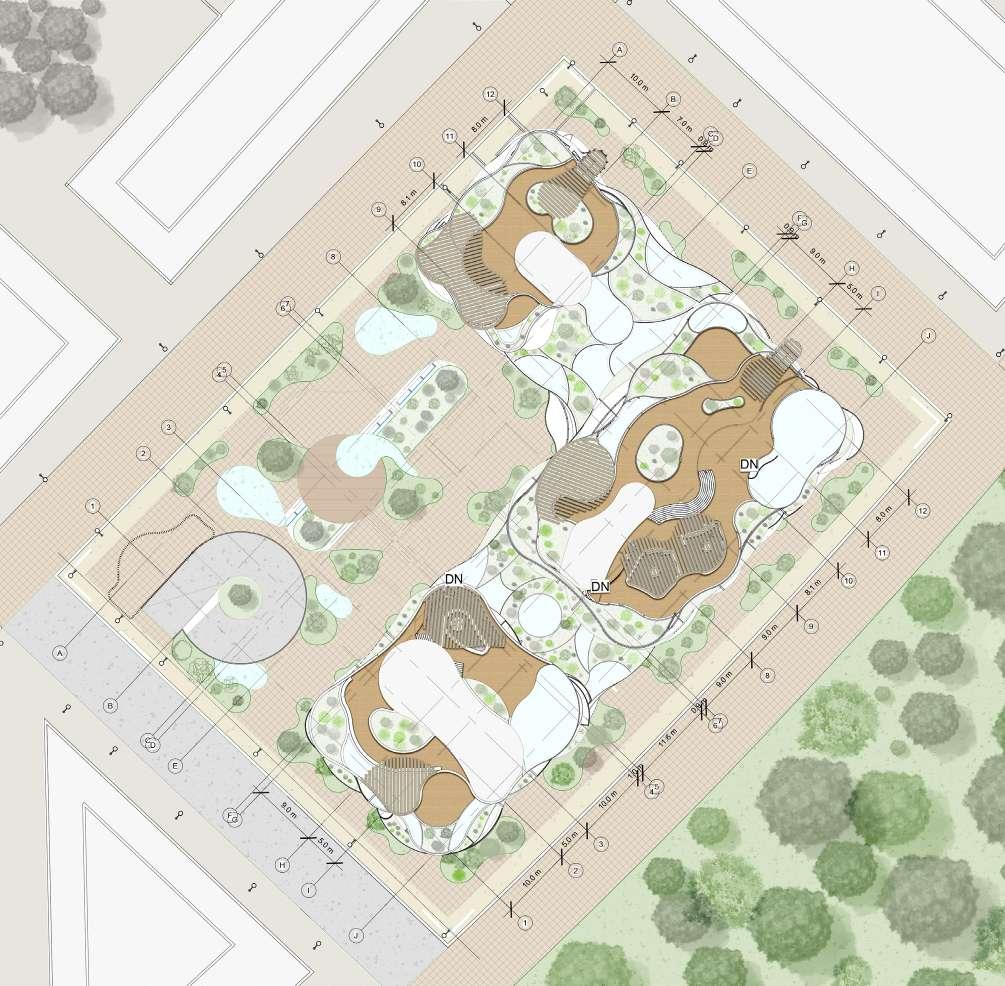
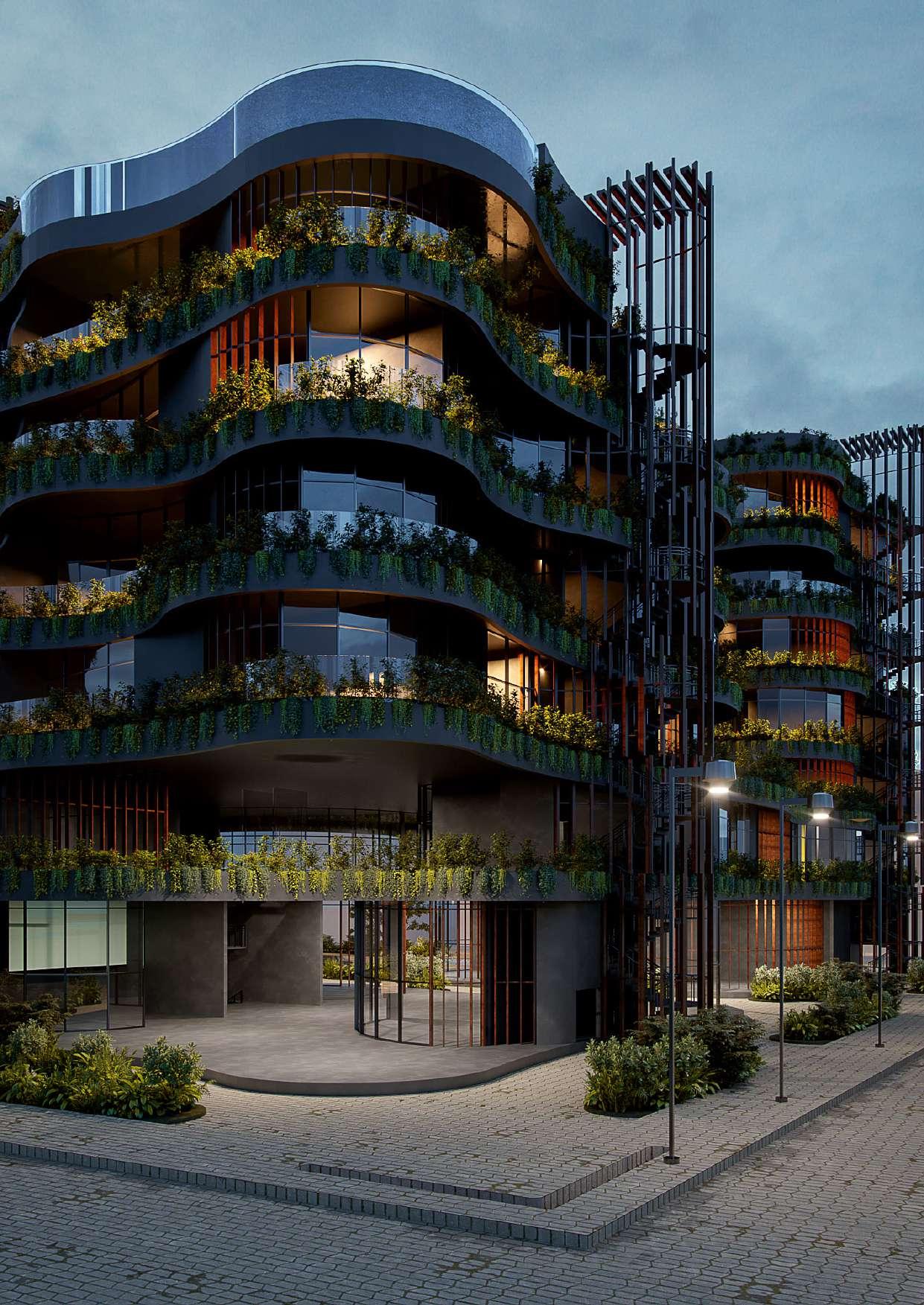
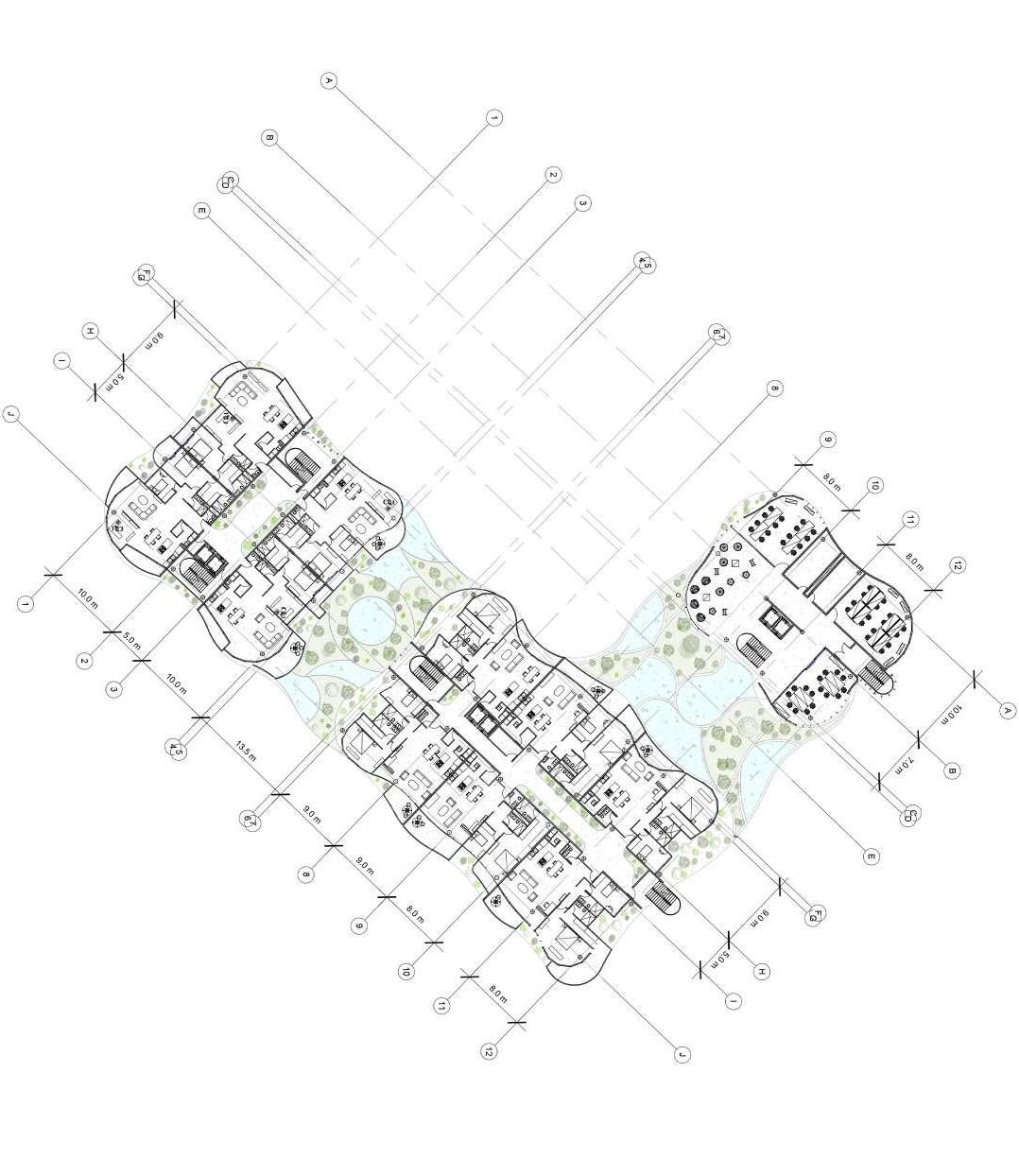
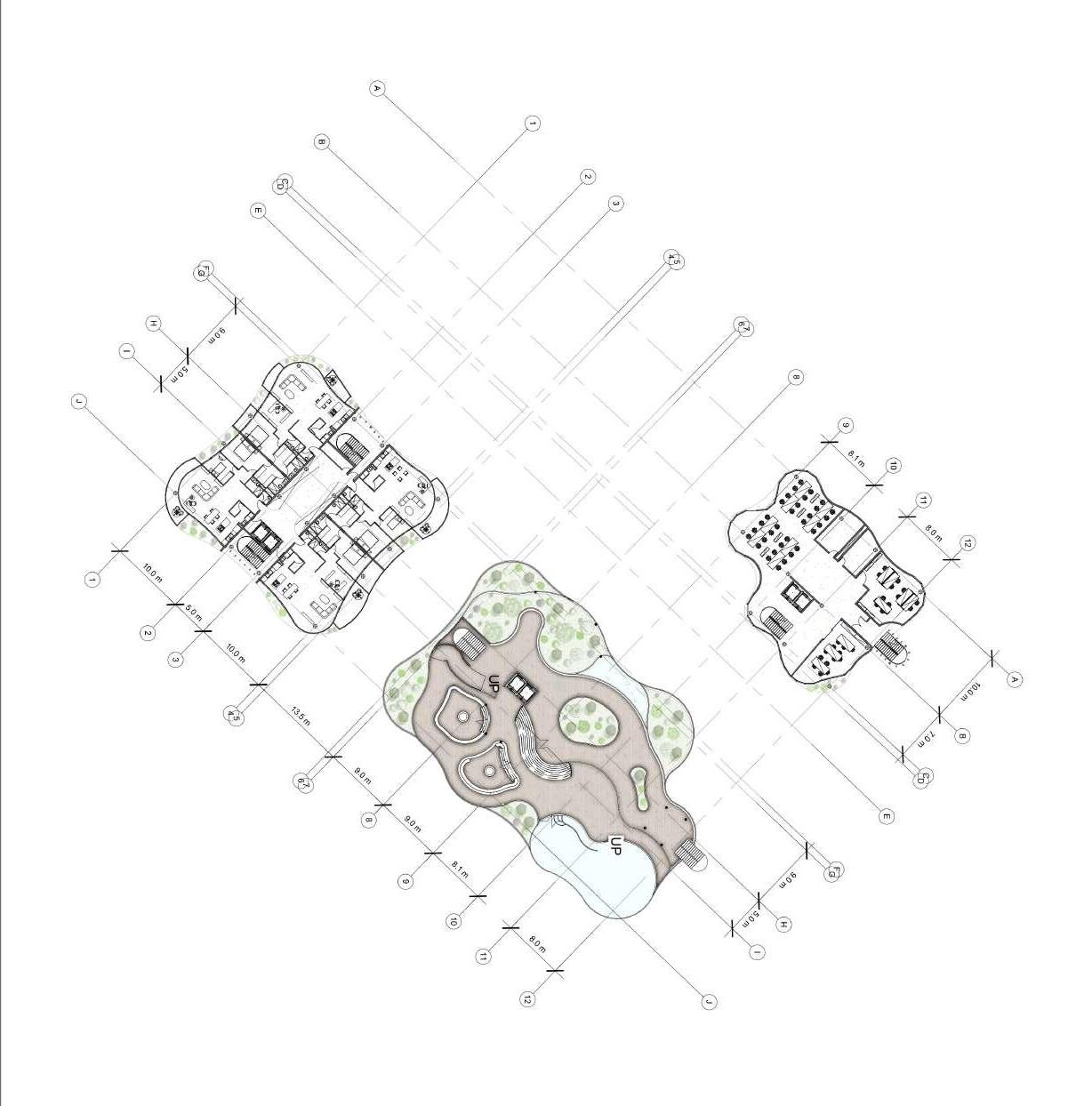
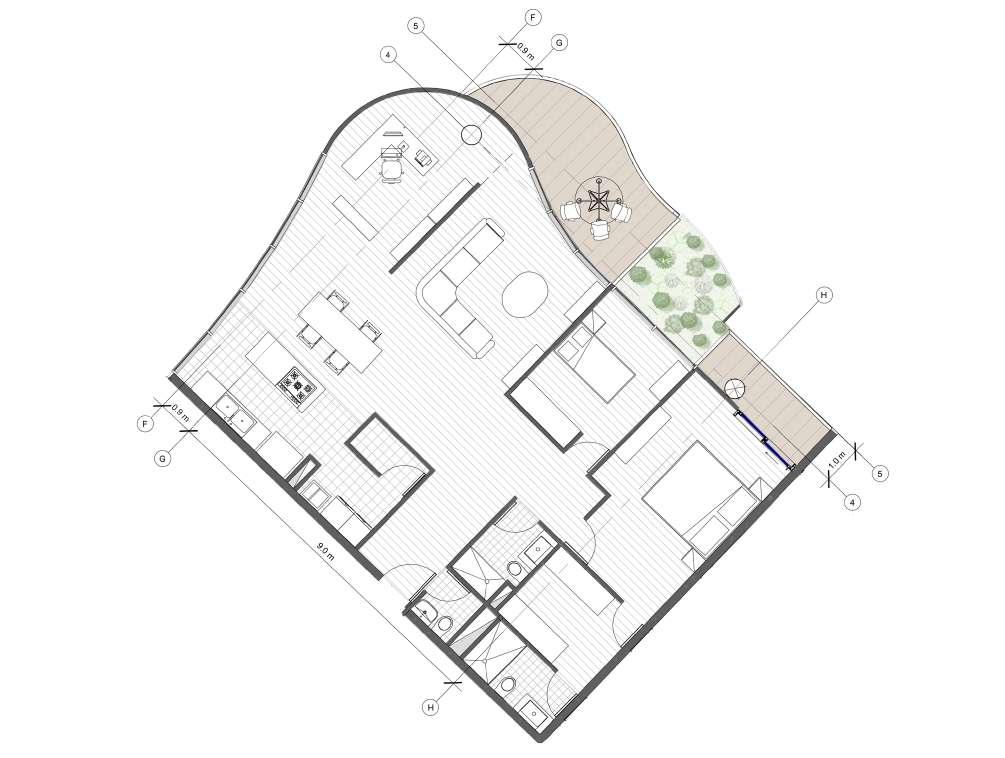
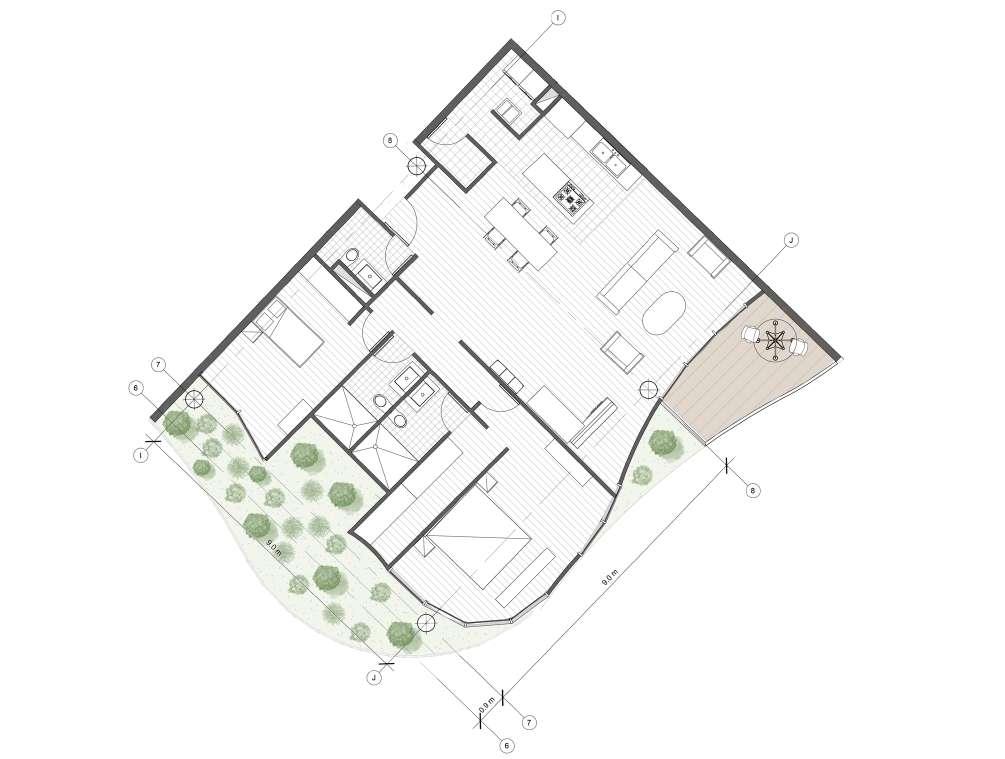
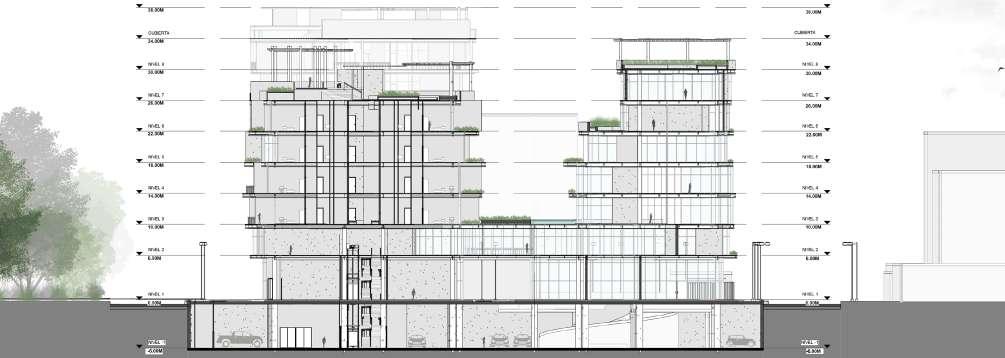
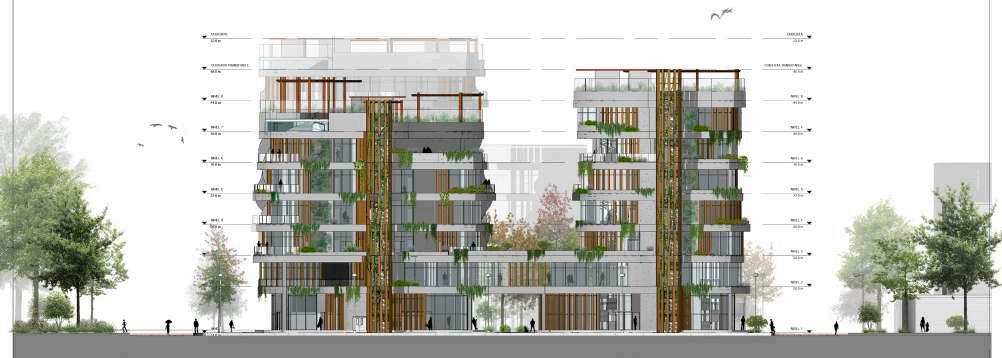
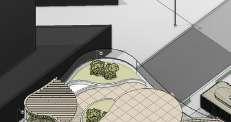
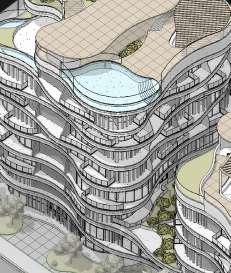
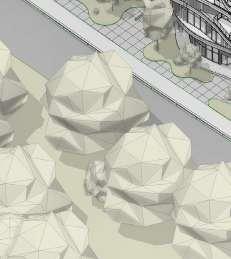
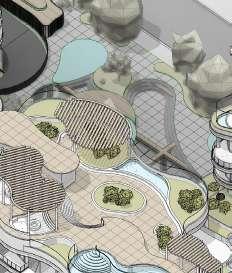
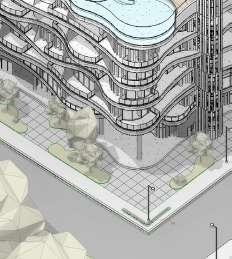
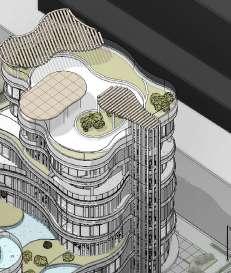
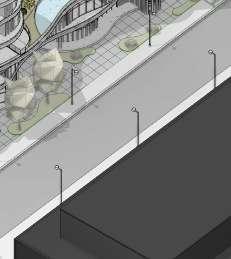
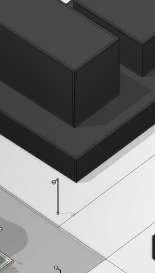
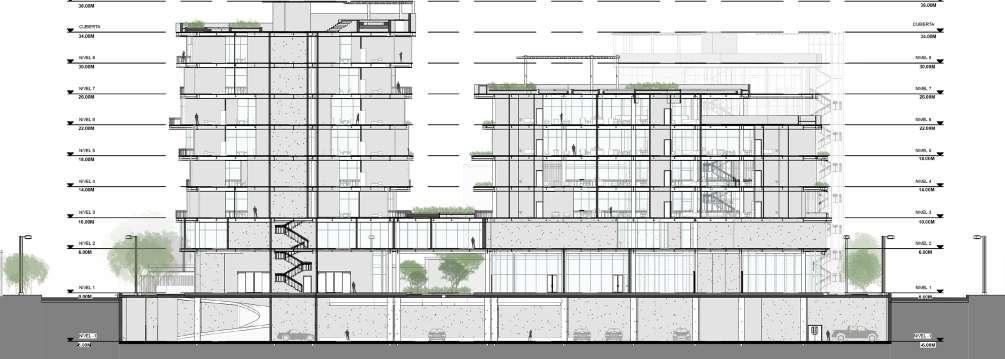
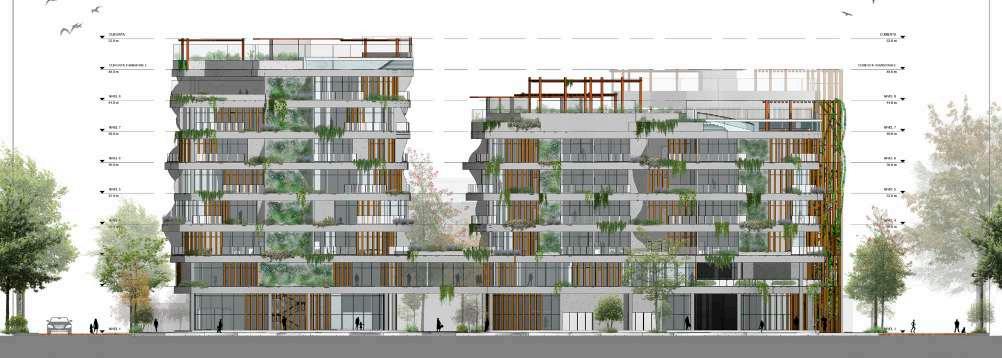
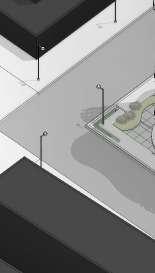
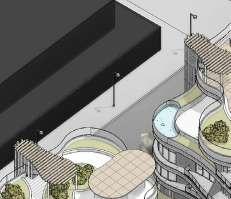
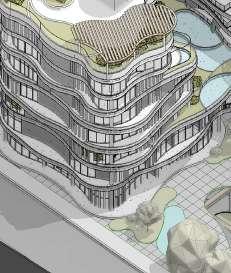
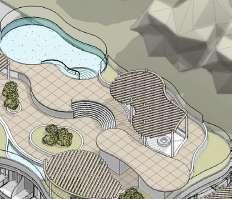
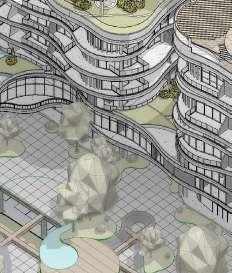
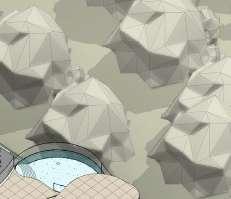
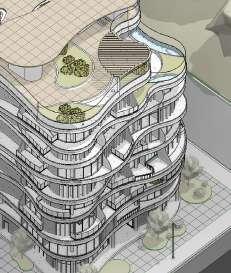
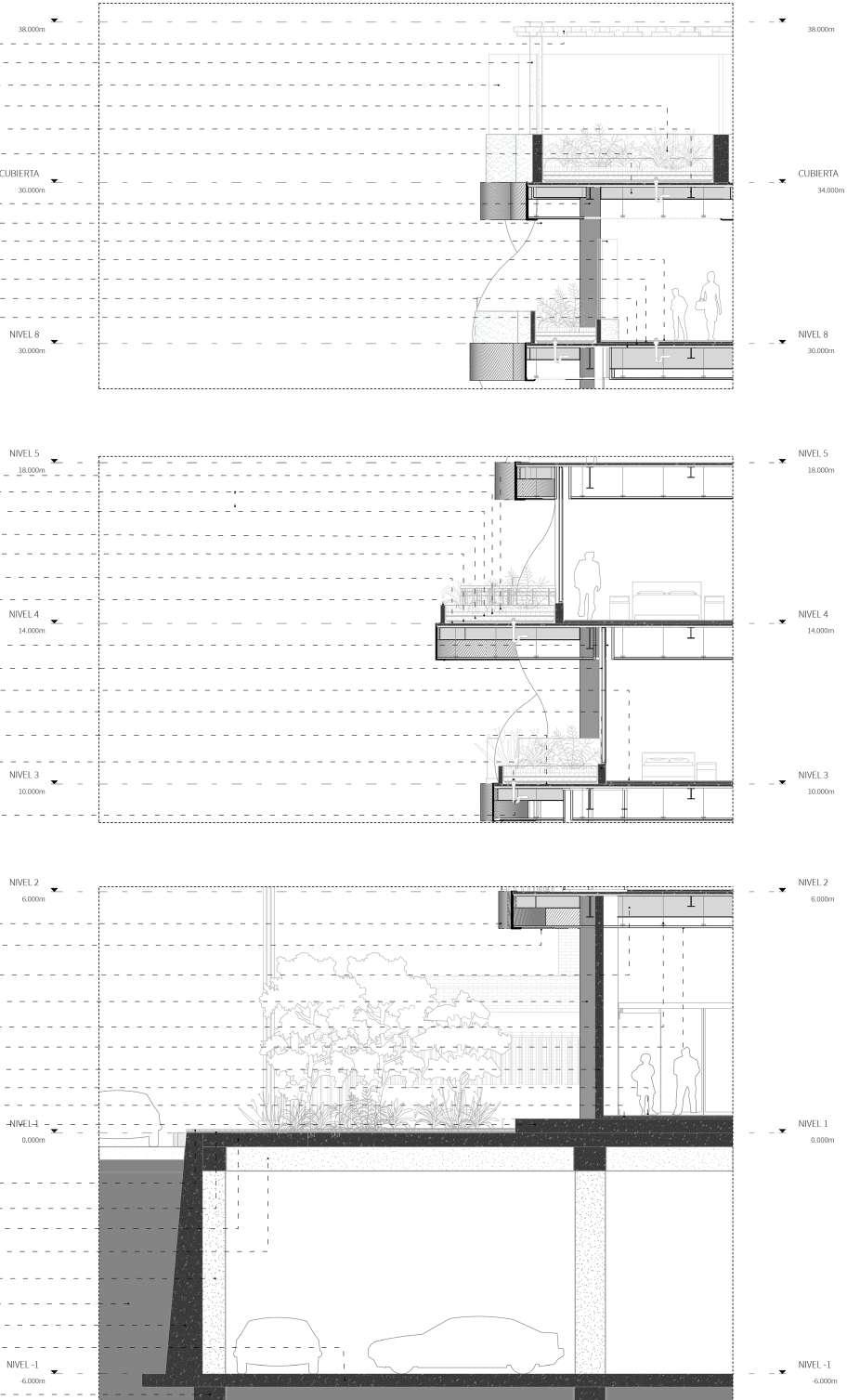
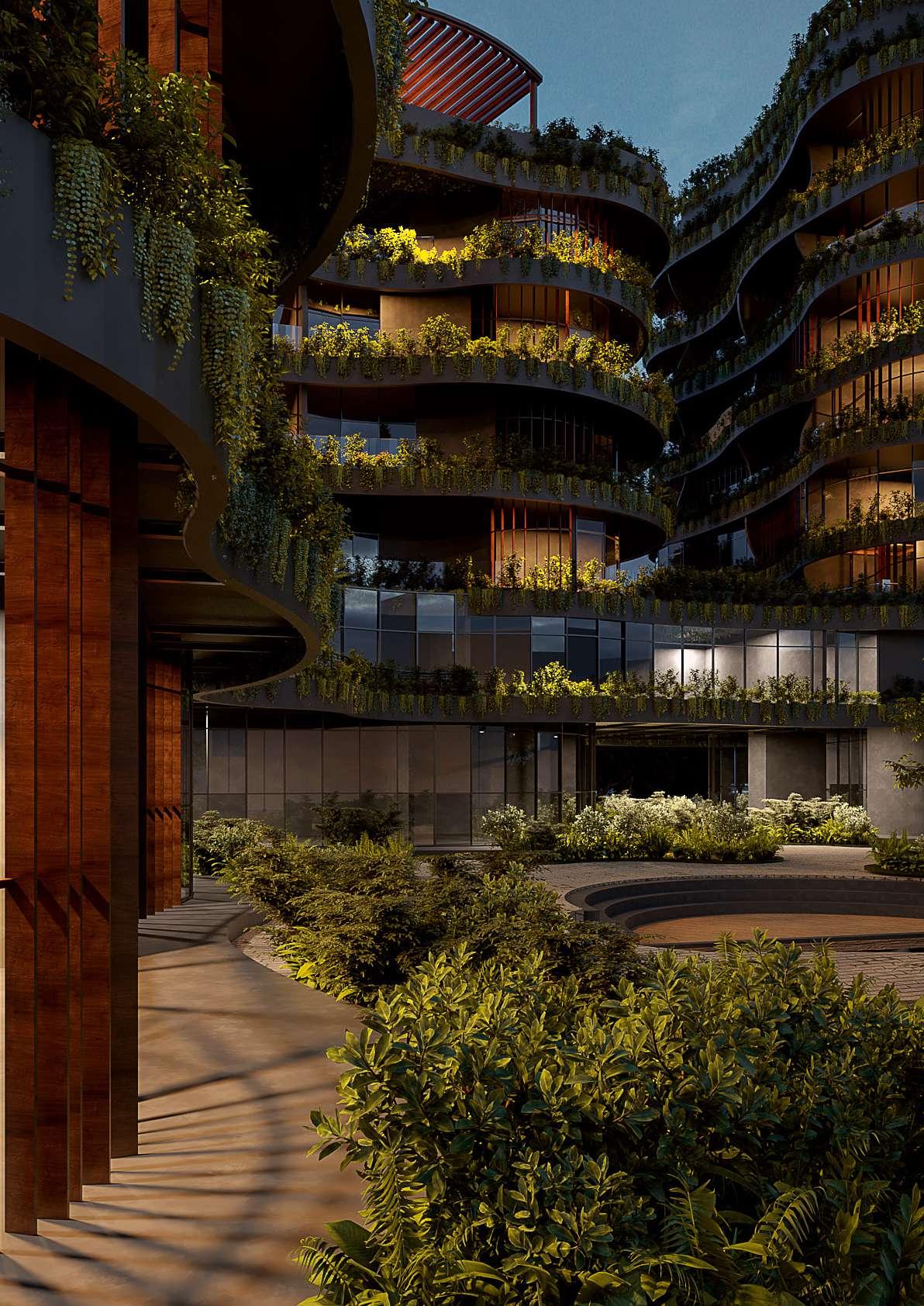
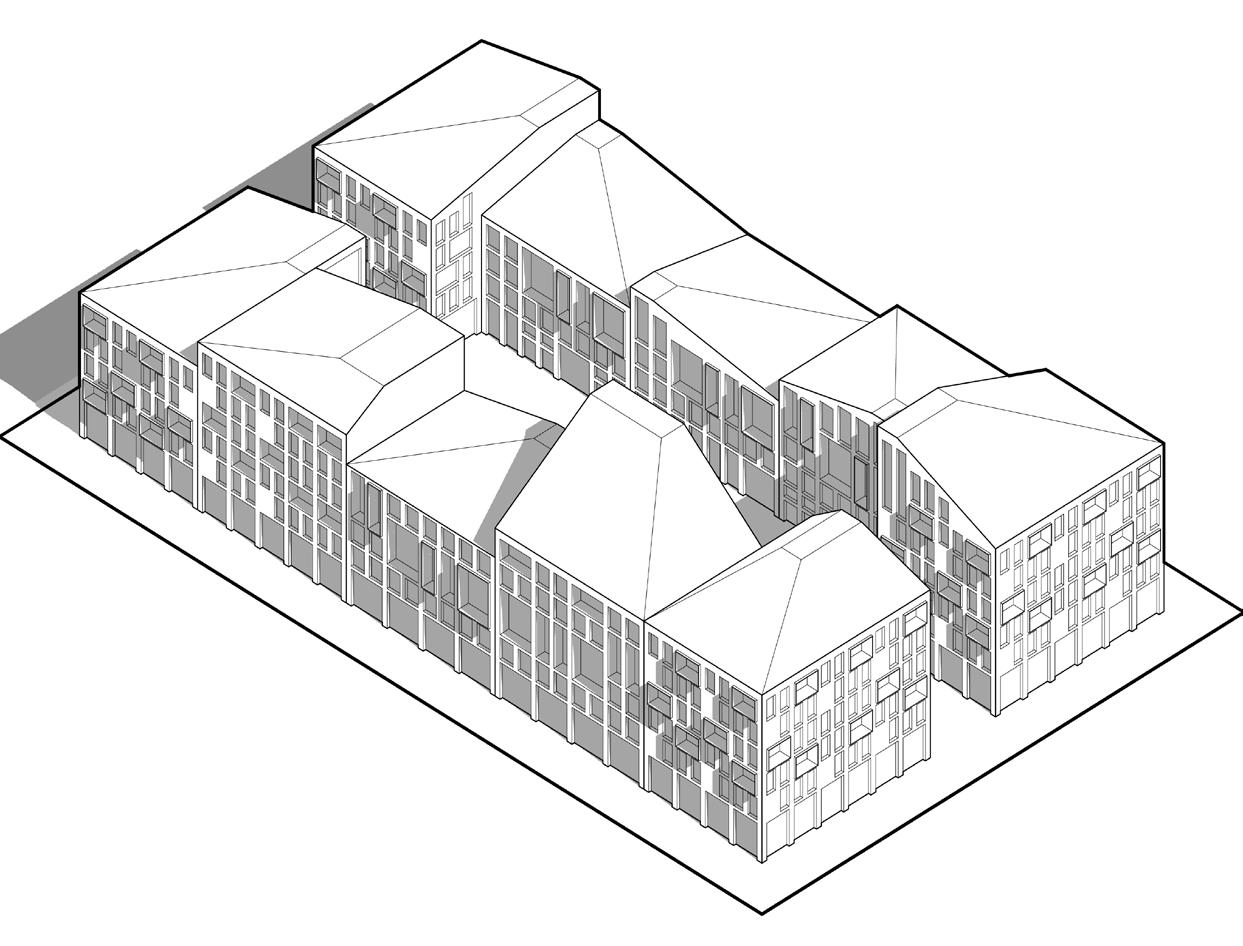
Designed from the idea of sustainability as the main axis, Parchi di Venecia mixes a wide variety of homes, offices and commercial spaces, to generate new dynamics among the inhabitants. It is located in a strategic ecological environment in order to provide a high-quality of living and wellness for all the residents. Its organic identity of both internal and external spaces, breaks with the traditional style of the city, rejuvenating it with its innovation design, and providing a diversity of possibilities for future development in the area.
AERIAL RENDER
Juan Fernando Barona
Juan Camilo Sánchez Zorro
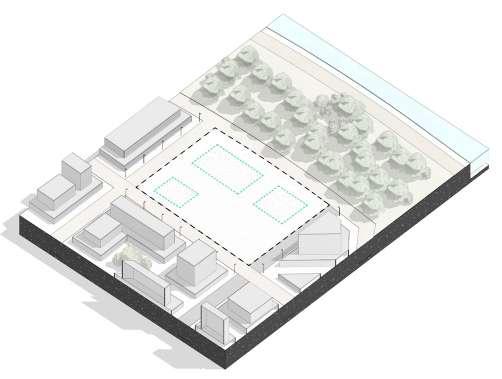
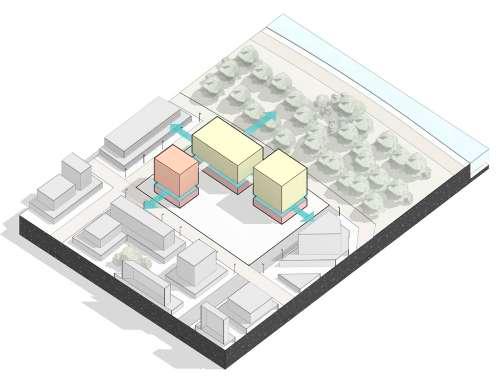
Parchi di Venezia was born from three fundamental concepts for its consolidation as a design project. MIMESIS, this principle seeks for the project to be able to imitate the characteristics of the context in which it is located, so that it fits with the landscape in a more natural way, integrating it properly and consolidating it in a balanced set. REVITALIZE, intervening the city through points of connection, attraction and relationship to reactivate the dynamism that once characterized the place and its inhabitants. GREENING, in charge of articulating the project and connecting it with the most important environmental points, in order to form a green heart that extends throughout the city and provides a living space with better environmental conditions.
Manuelita Rivera Juan Camilo Sánchez Zorro
EXTERIOR RENDER
Juan Fernando Barona
Juan Camilo Sánchez Zorro
A
B
Apartment
Apartment
Cross section
North facade
Axonometry
Axonometry
East facade
Longitudinal section
EXTERIOR RENDER
Juan Fernando Barona
Juan Camilo Sánchez Zorro
ACADEMIC
Green Gallery
URBAN PLANNING BOGOTÁ, COL
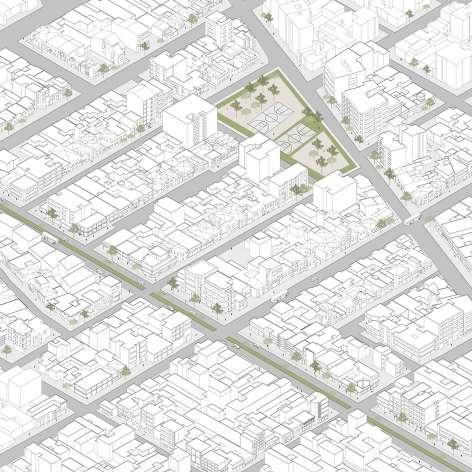
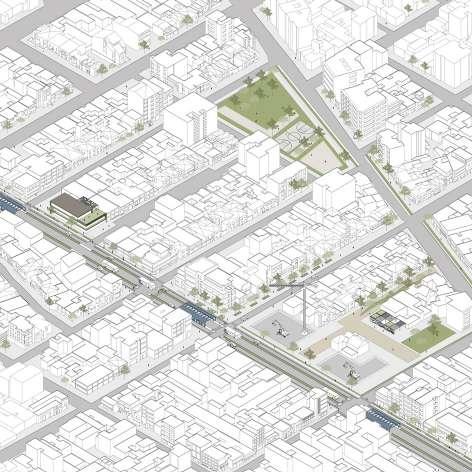
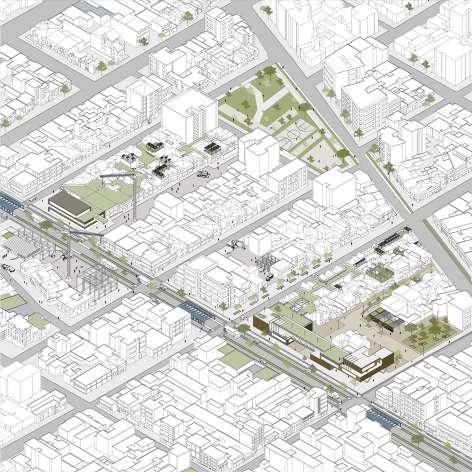
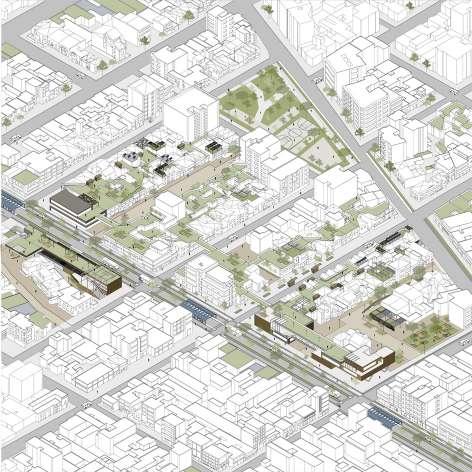
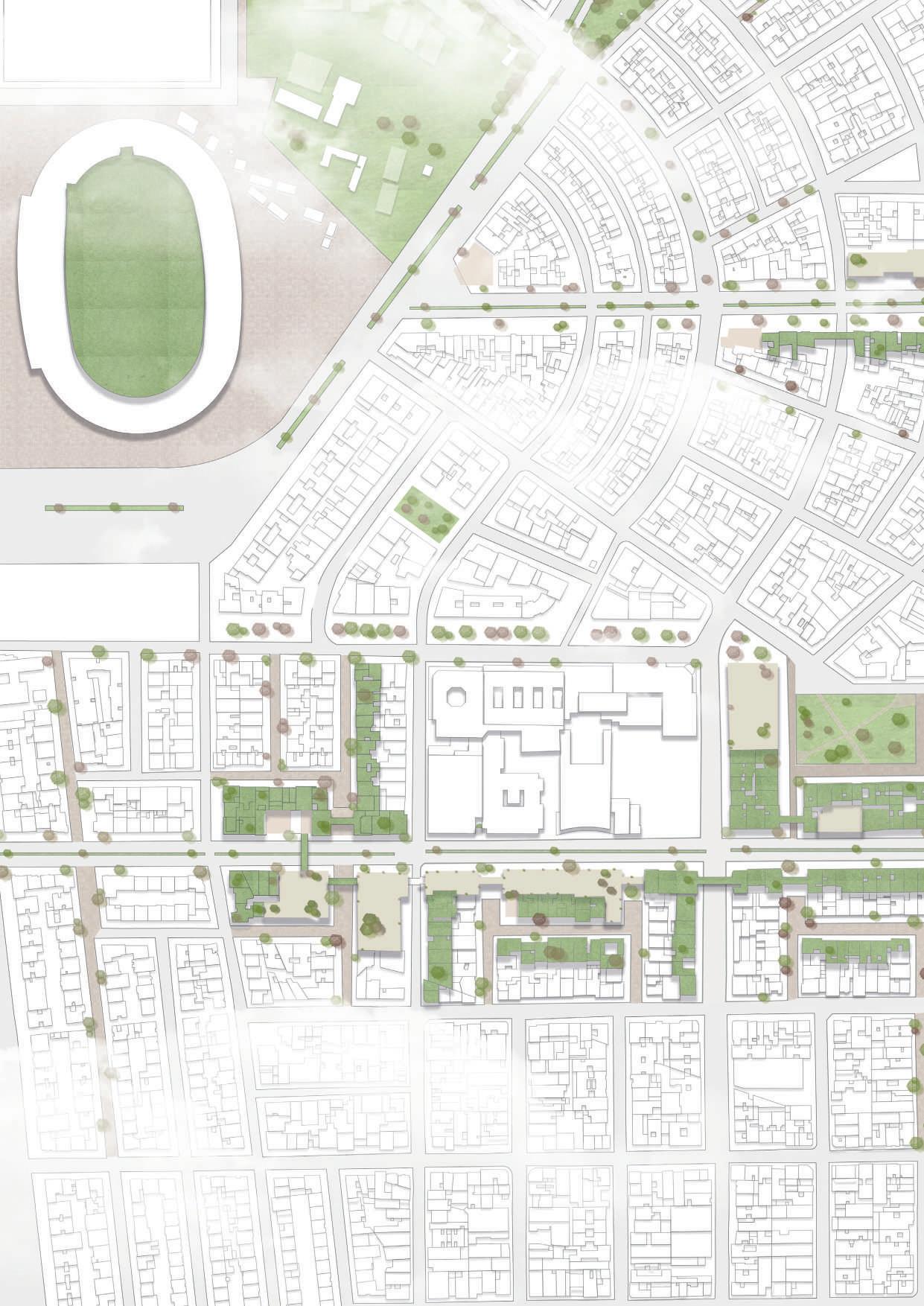
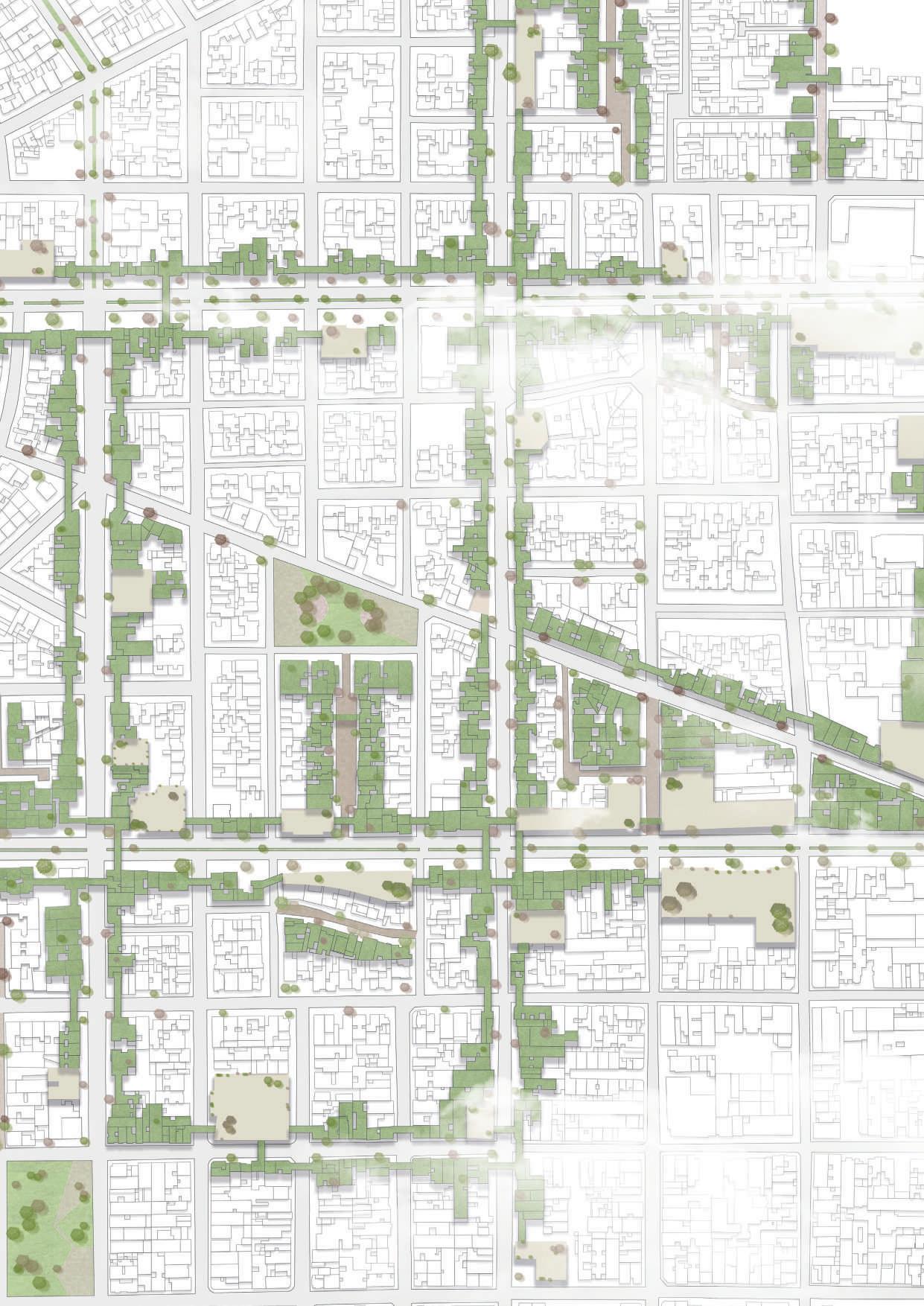
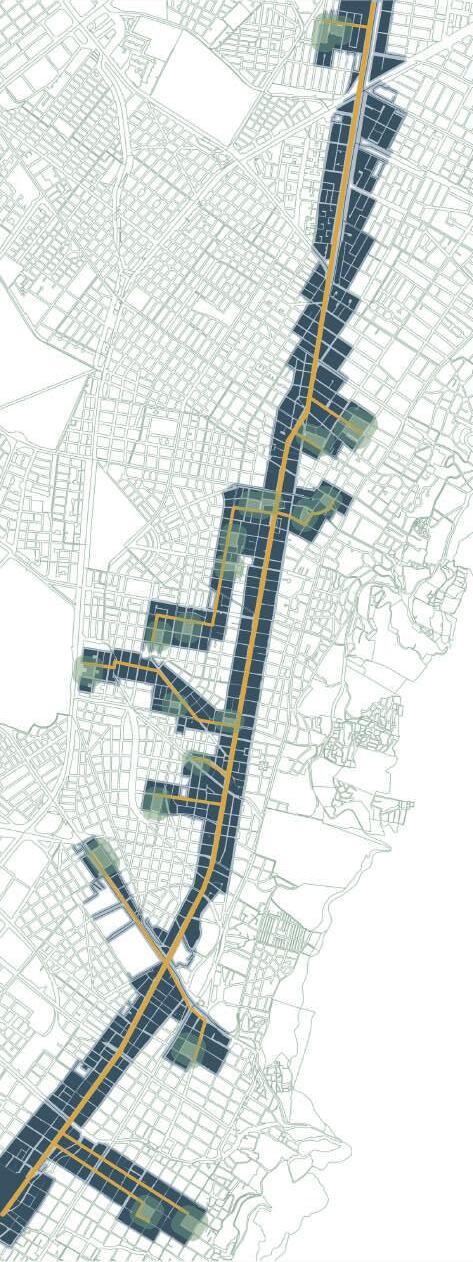
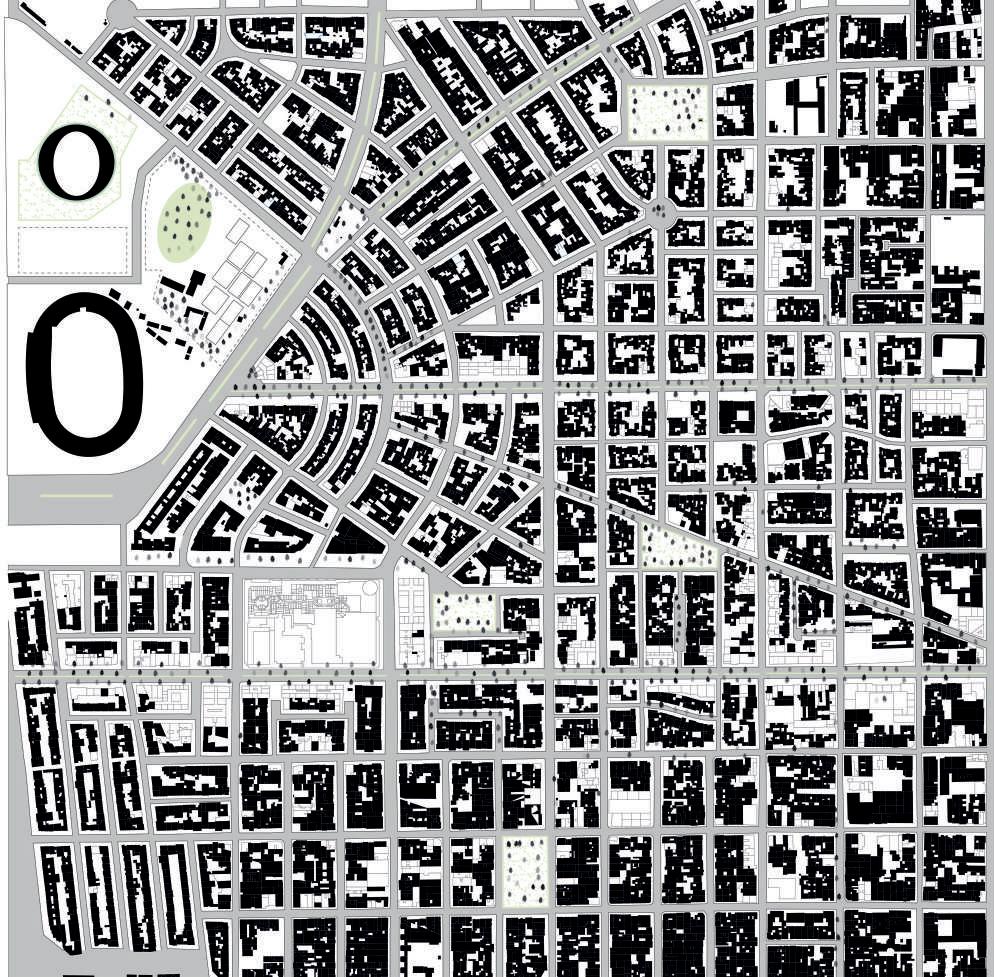
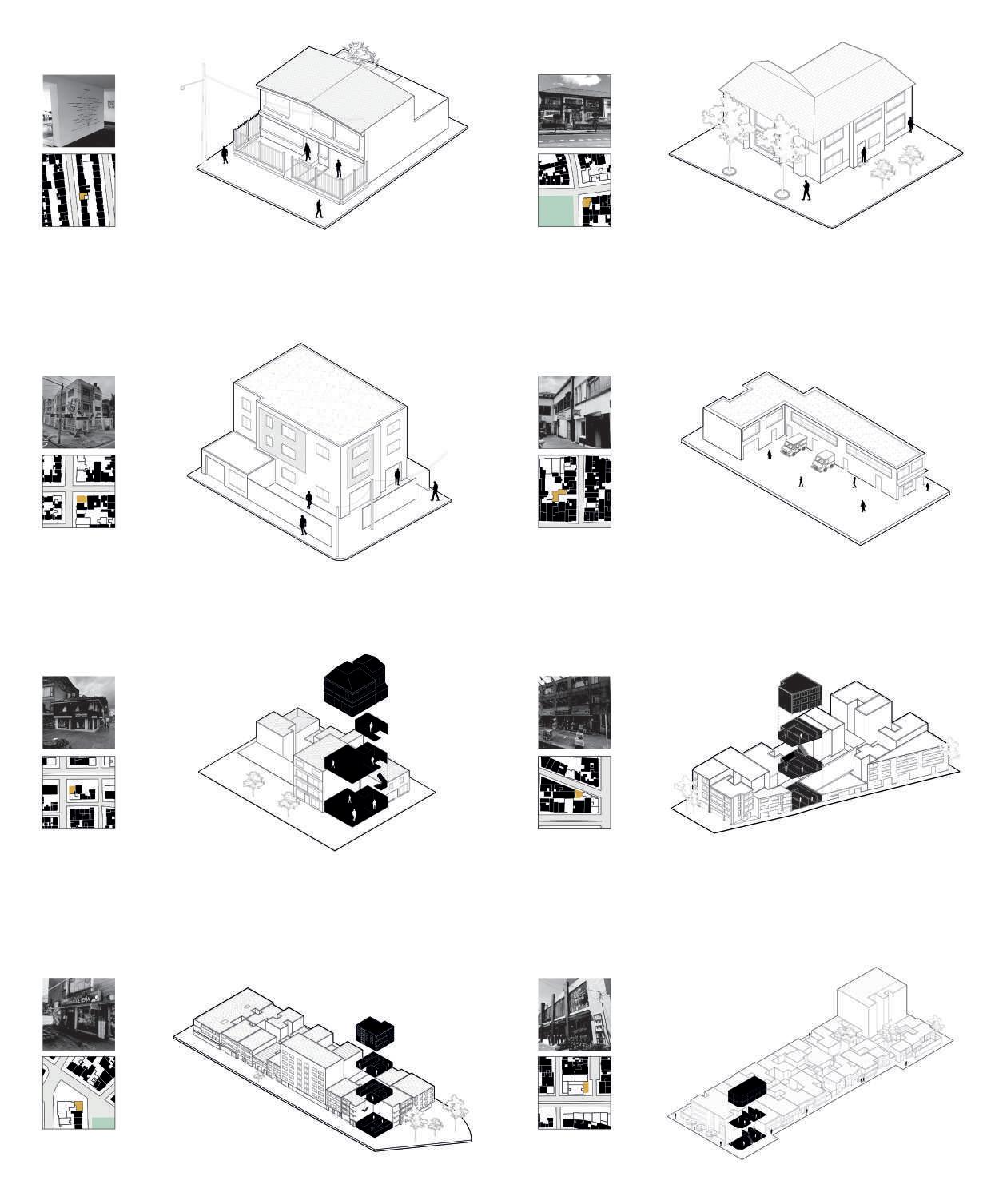
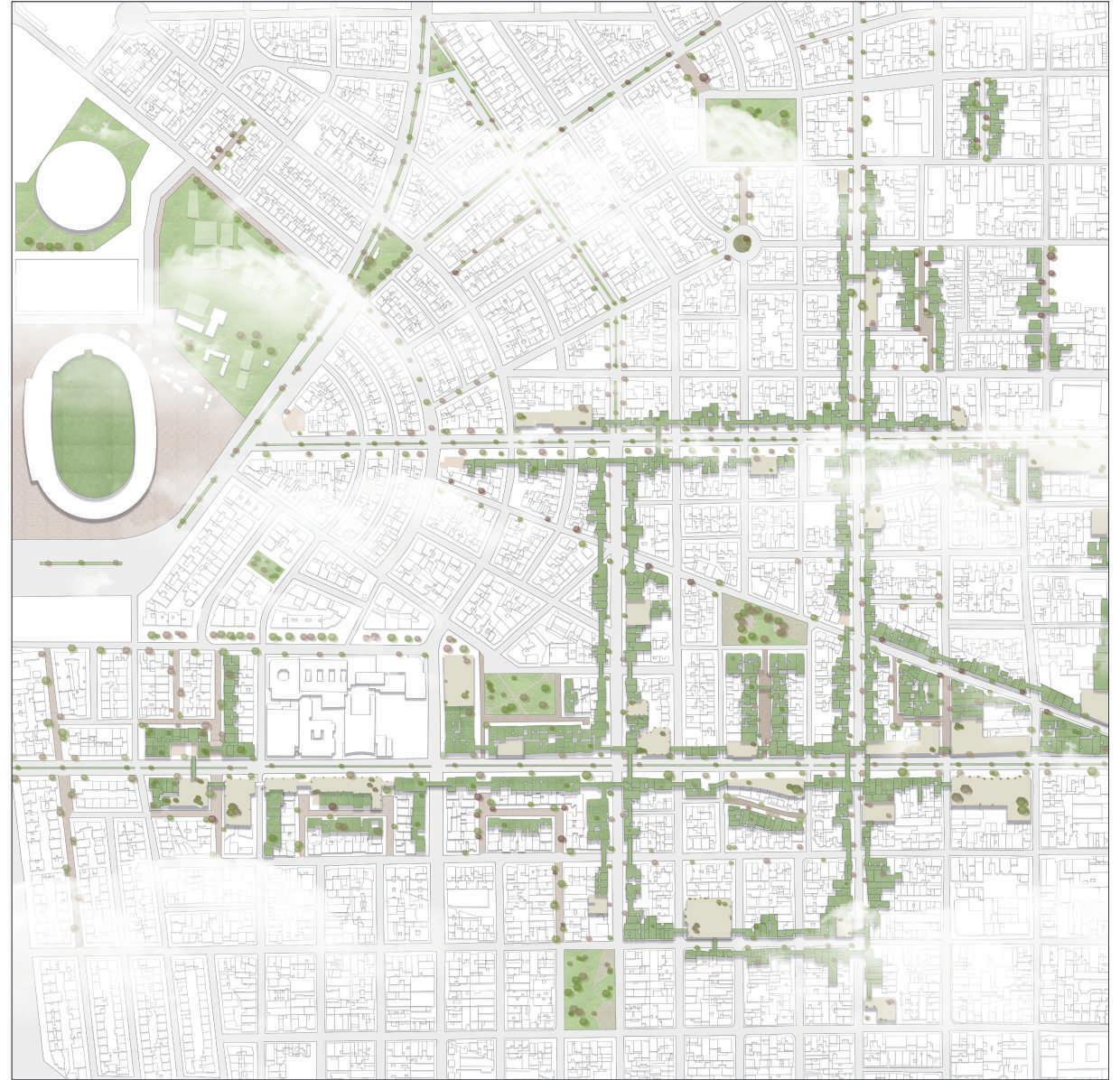
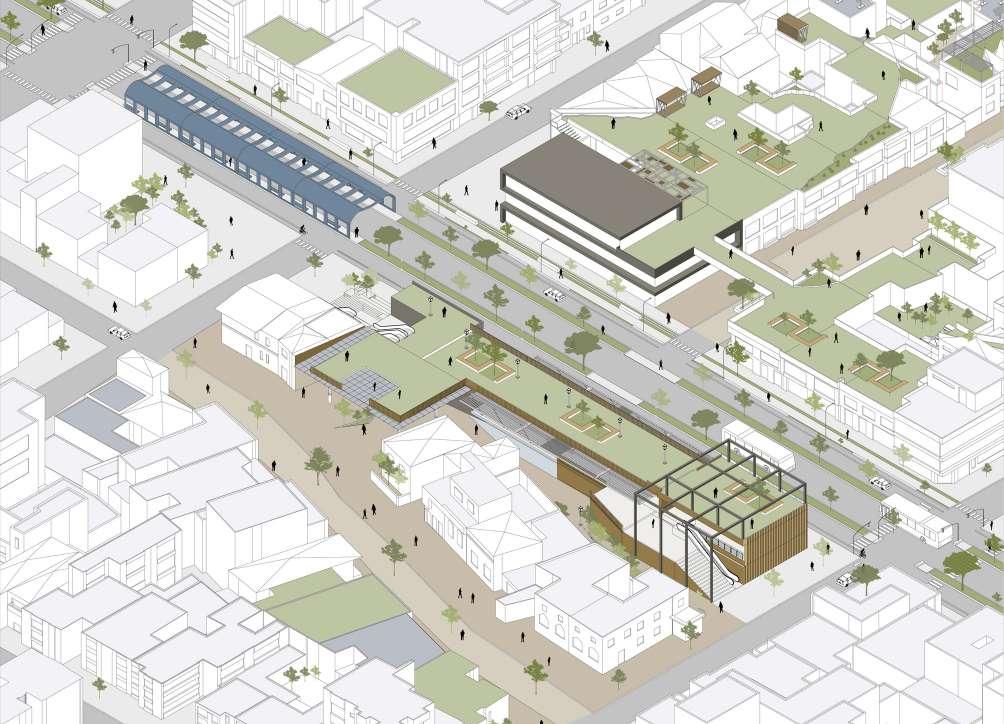
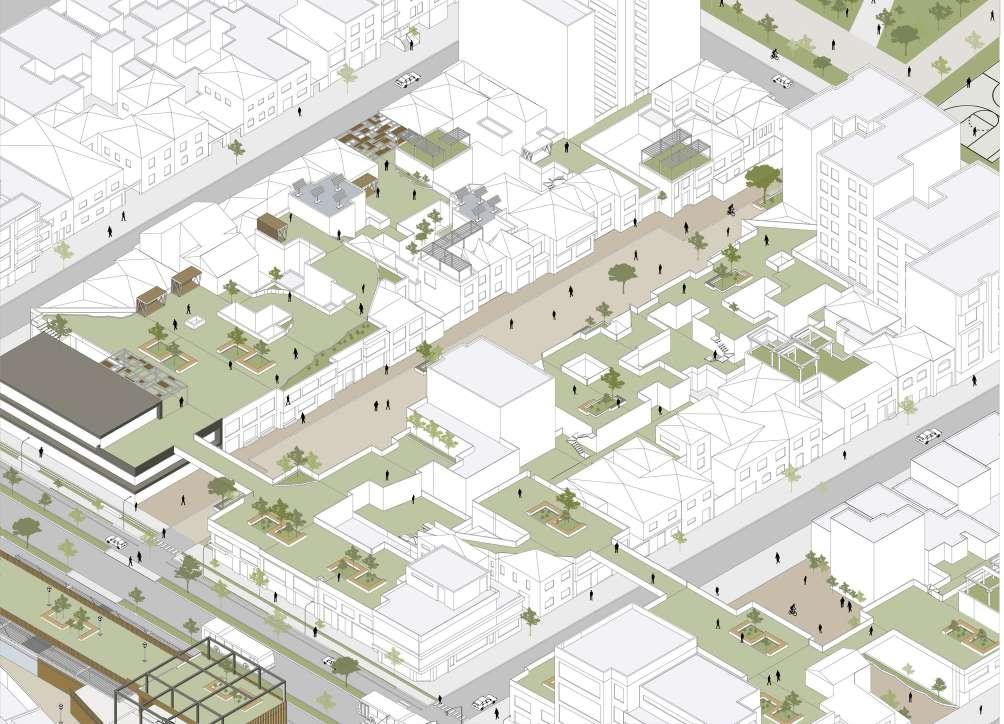
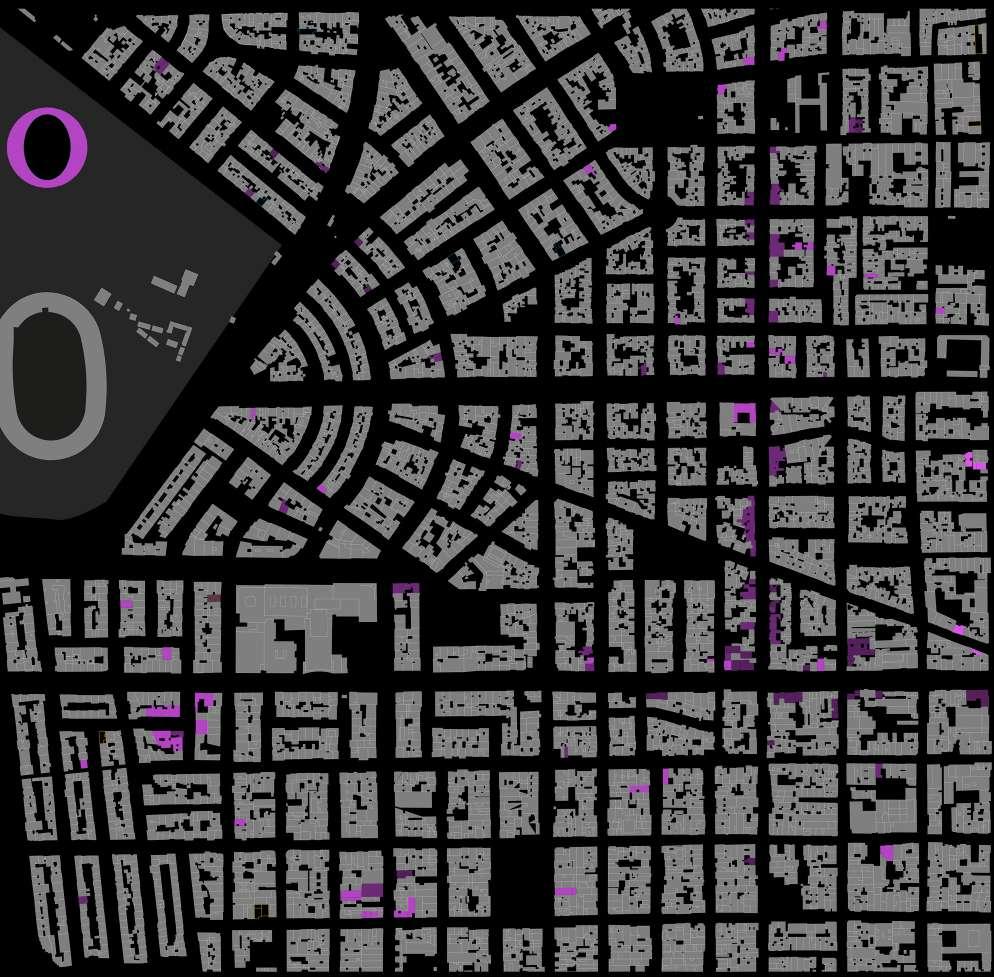
Based on the historical character of the Galerías neighborhood, Bogotá, Green Gallery seeks to prioritize the cultural and economic aspects of the sector, through strategic interventions that transform the space into a cultural area, improving the quality of life of the inhabitants and generating pleasant experiences for the residents. The design reinterprets the place, preserving its heritage identity and understanding the transition of the different uses, from the residential character to a productive one.
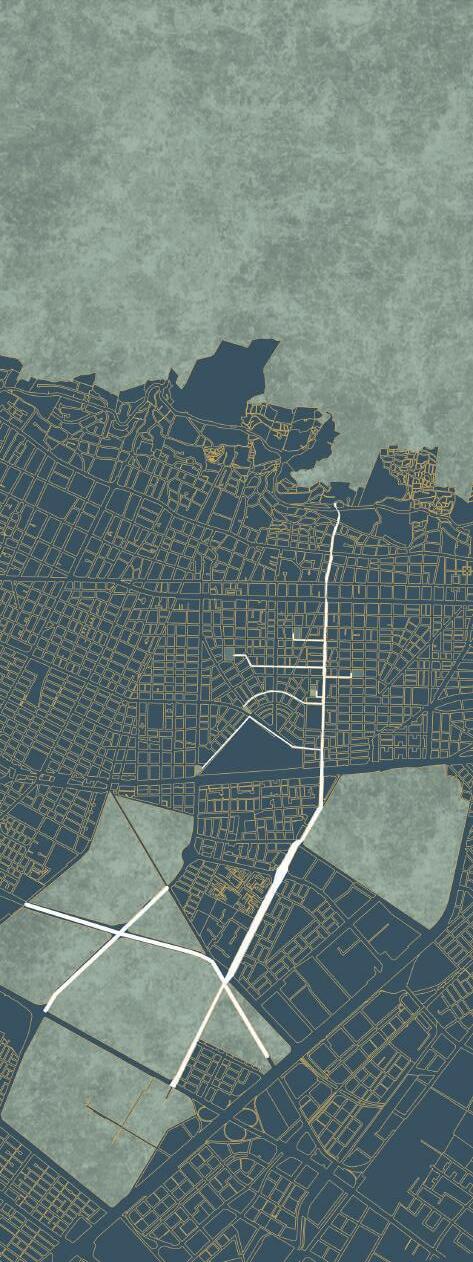
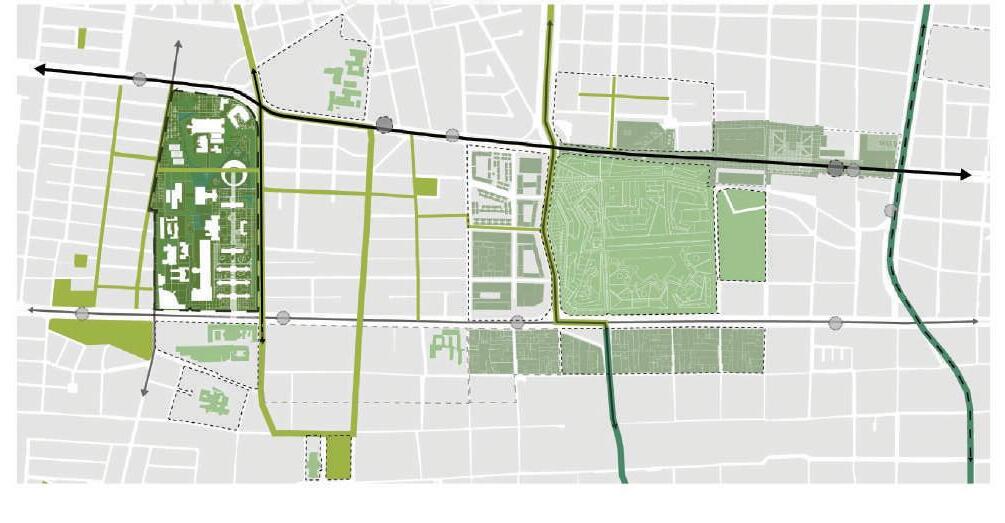
Due to its strategic location, Green Gallery functions as a green belt between the Eastern Mountains and the Simón Bolivar Park, the main ecological axes of Bogotá, with the purpose of expanding the green aspect and take advantage of the positive events it can produces. From arts galleries to culture and playful spots, this urban planning proposal brings together the public and the private spaces, providing opportunities for the inhabitants who build the future of the area.
Nolli plan
Cultural production
Handicraft production
Handicraft production
Cultural production
Industrial production
Creative production
Creative production
Axonometric codes
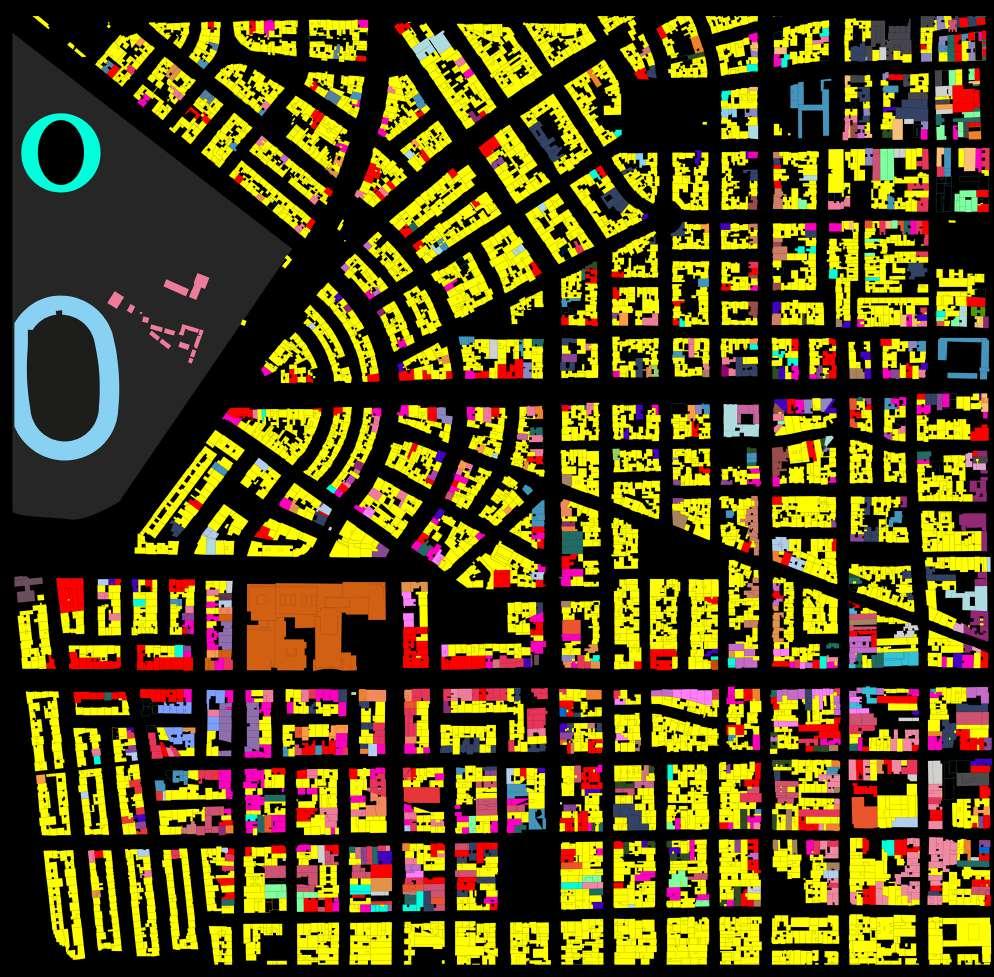
Programmatic plan
Diagram sections
Carrera 17
Calle 53
Galerías mall
Estadio Nemesio Camacho el Campín
Commercial use
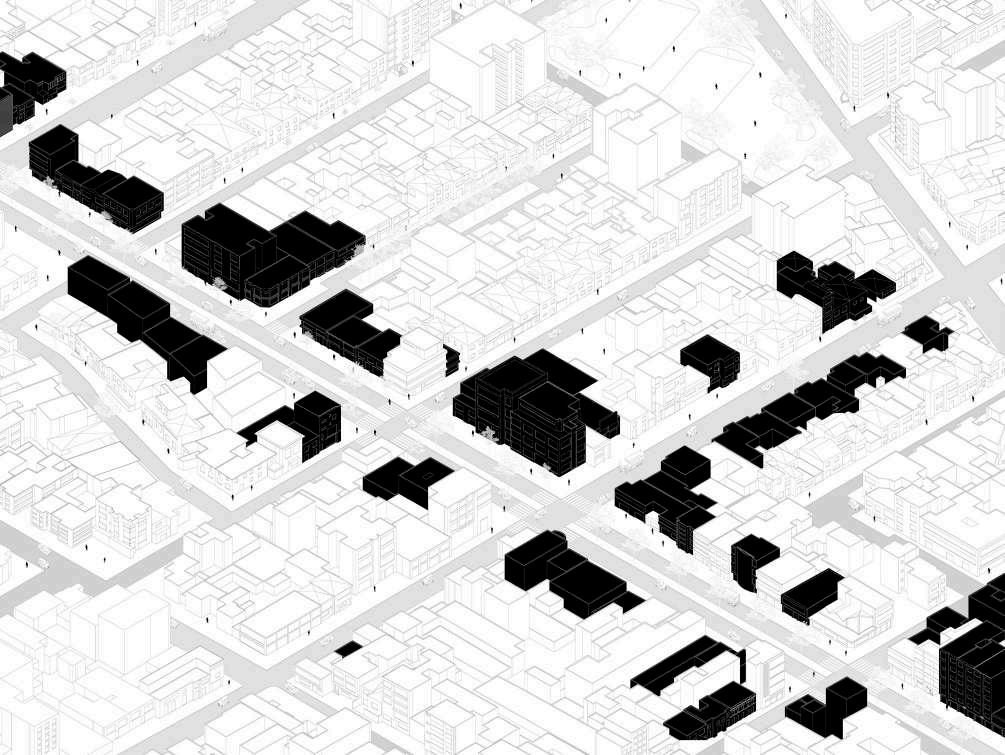
The target of the urban center’s project was focused on the intervention of Galerias, Bogotá, most specifically in the commercial and productive areas which have been changing the residential environment, into a cultural, creative, handmade and industrial core. This master plan was used as a base of an investigation made by Pontificia Universidad Javeriana, Politecnico di Torino and Universidad de San Martin and it has been exposed from the beginning of this year at Bienal di Venezia, Italy.
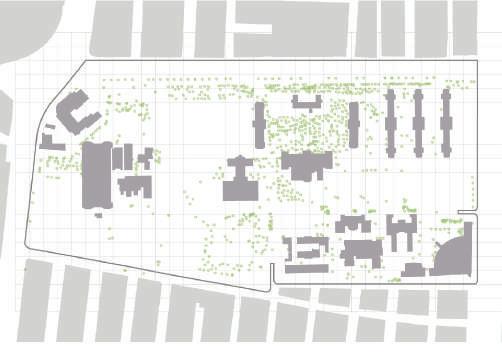
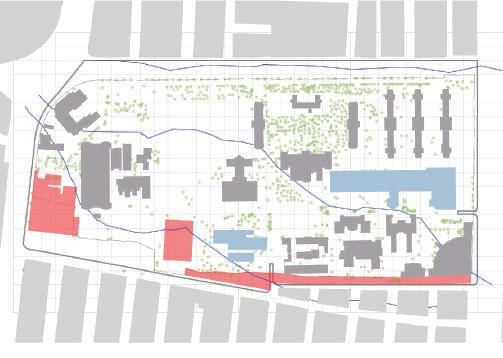
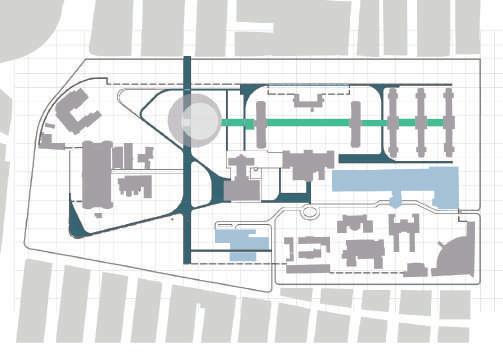
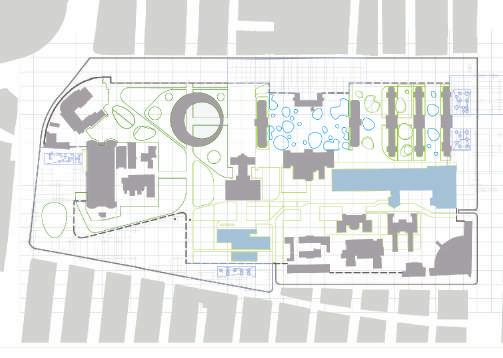
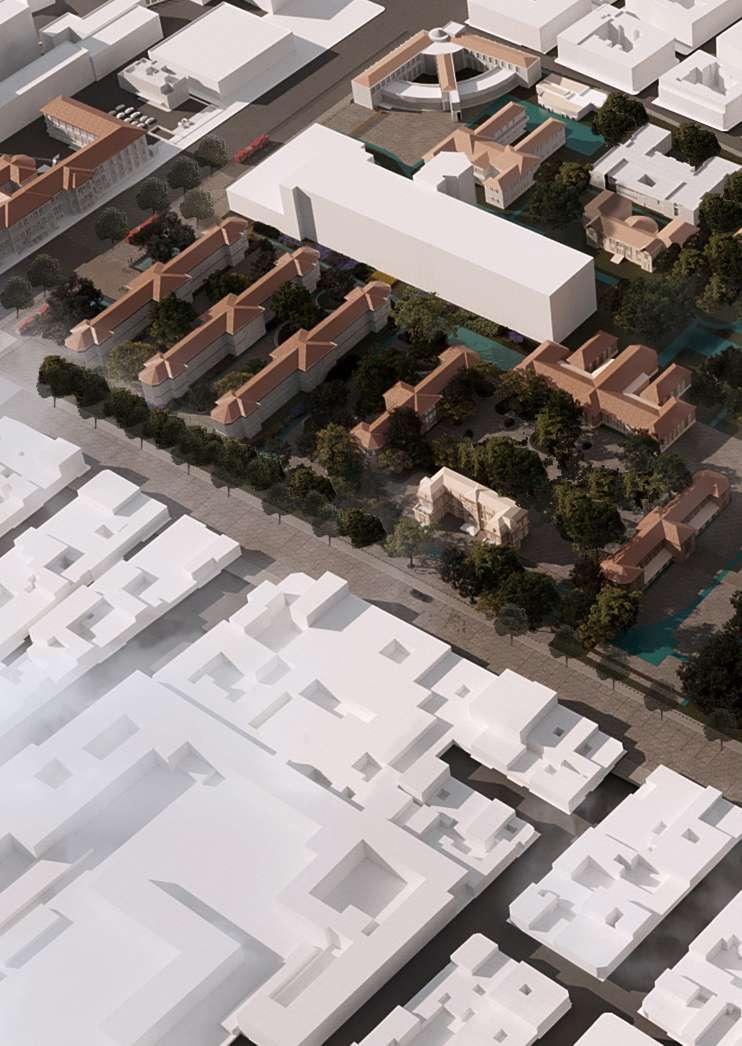
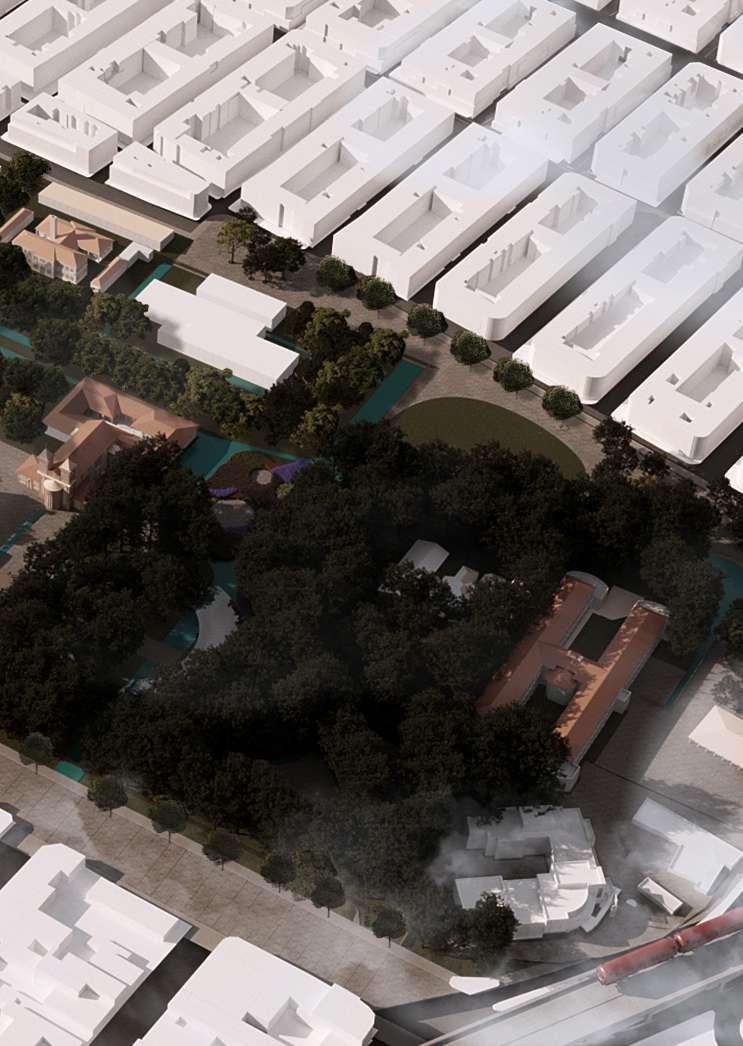
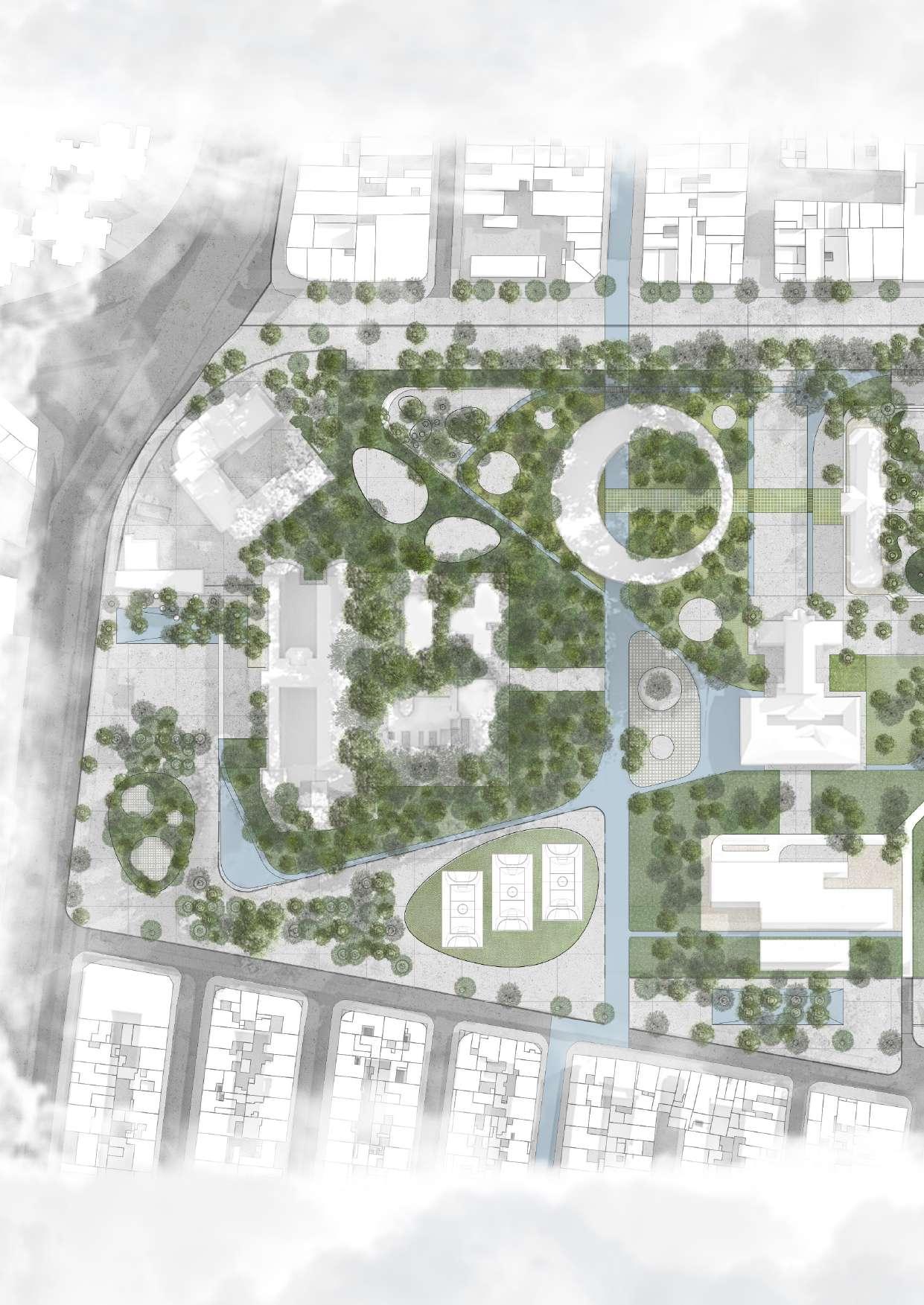
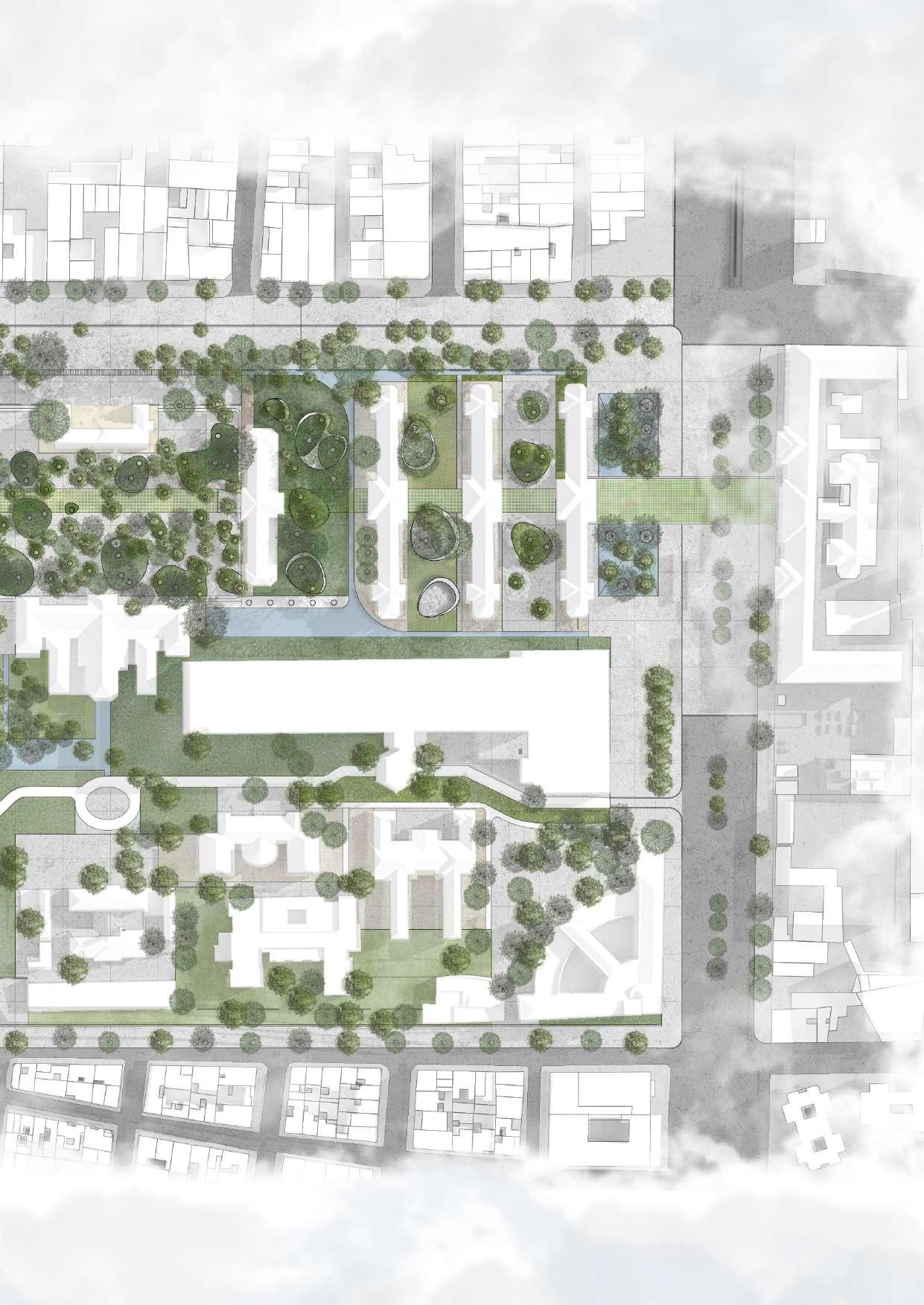
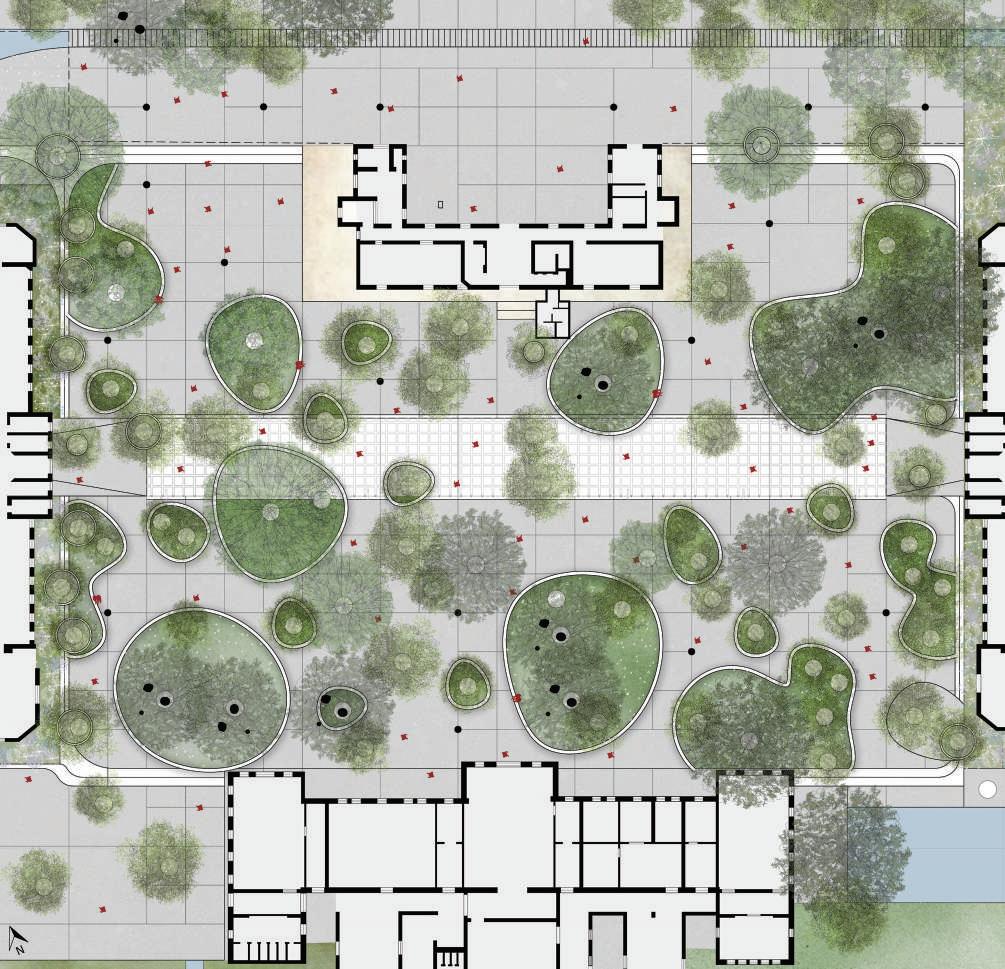
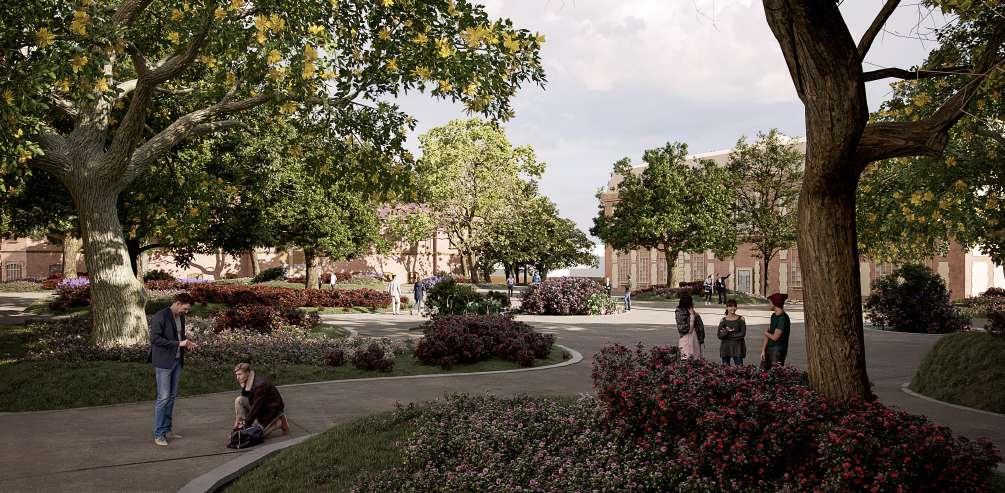
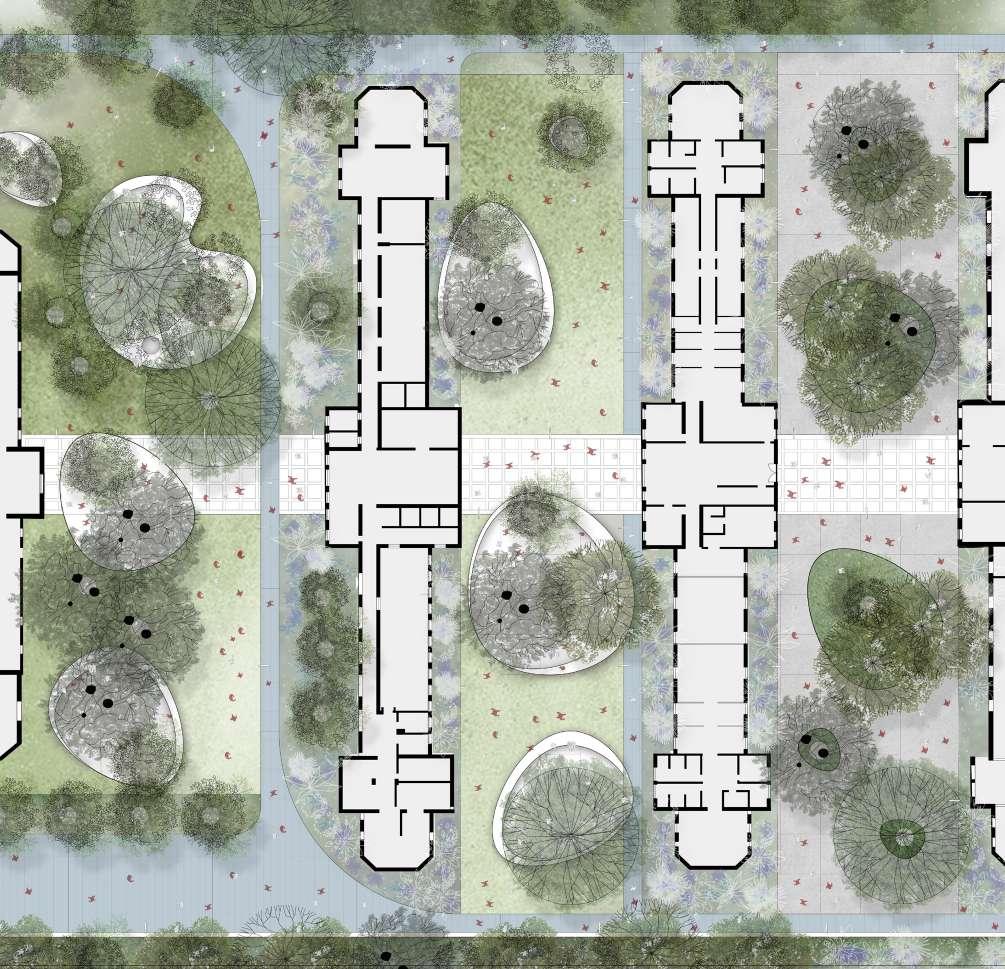
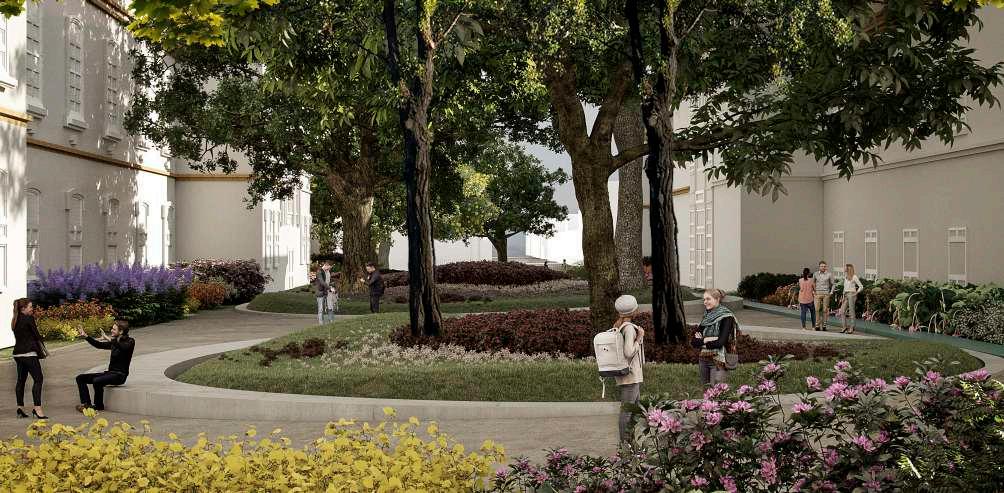
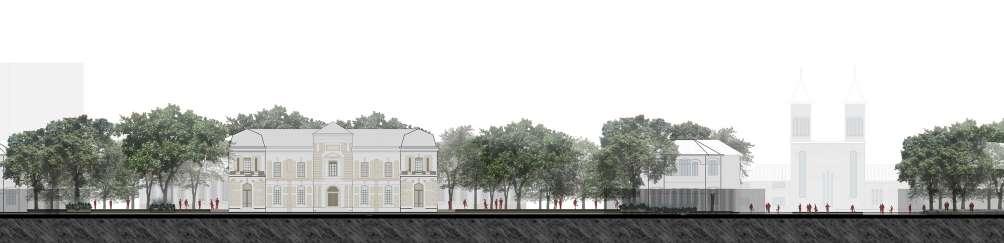
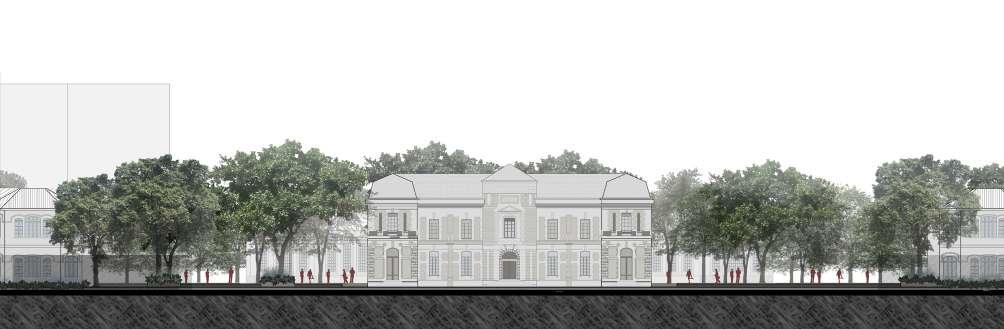
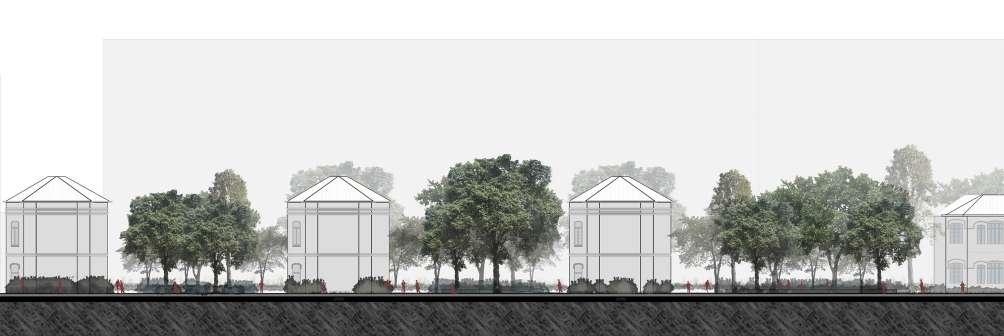
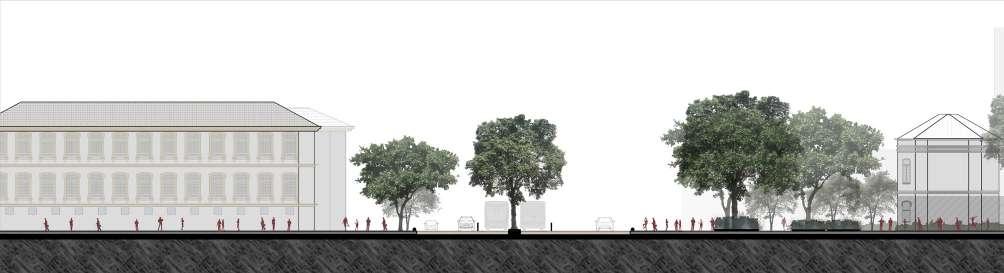
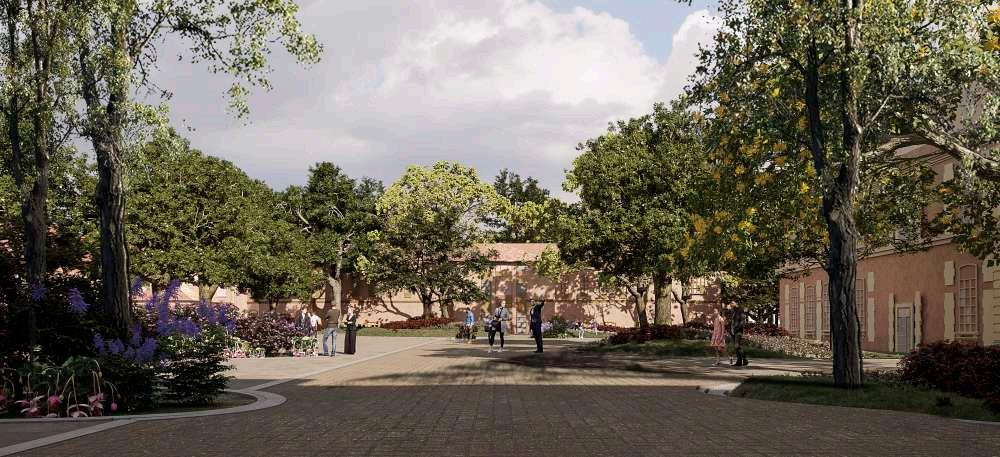
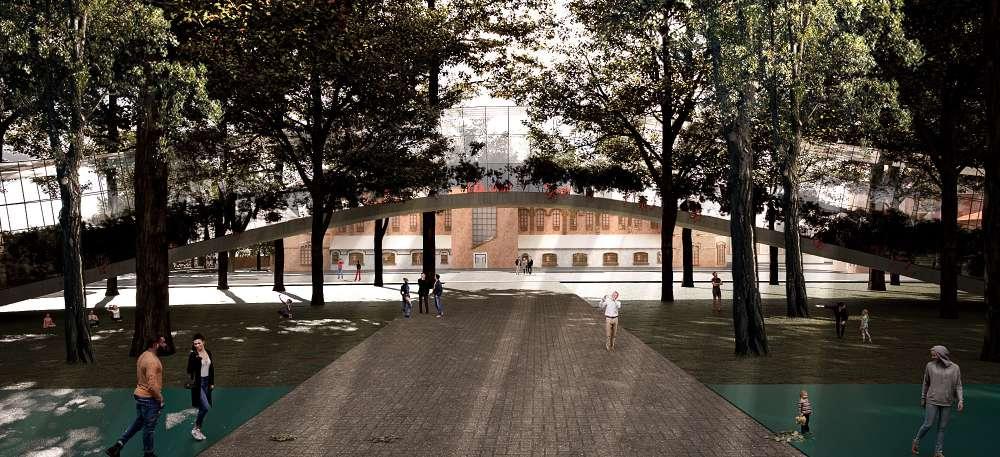
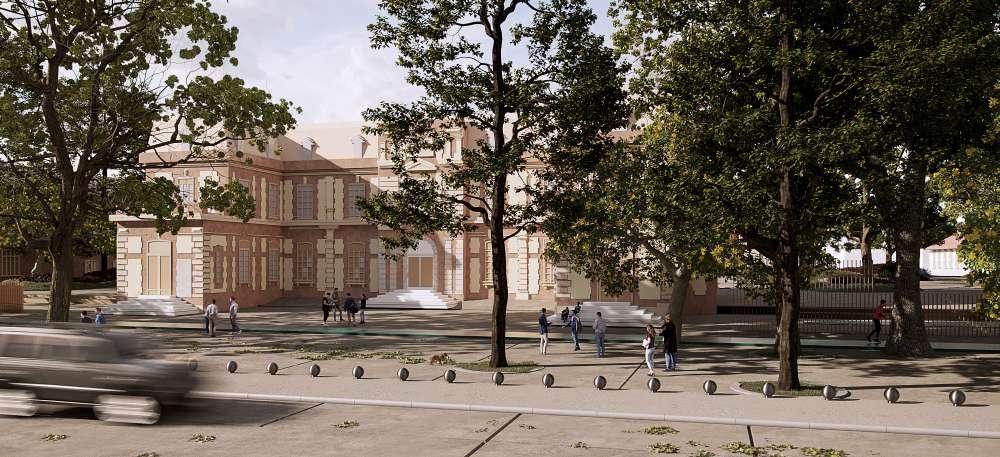
The proporsal for the competition was focused on the restoration of the public space of the forgotten San Juan de Dios hospital complex, located at Bogotá, with the challenge of conserve its heritage qualities. The design responds to the specifications and needs of the place, through botanical’s gardens, groves of trees and leisure spaces for the visitors of the facility. The project has a sustainable, innovative and attractive vision, that is seeking to revive the area, connect it with its surroundings and improve its relations with the landscape.
Juan Fernando Barona Morales, Juan Jacobo Molina, Tomas Santacruz, Catalina Vasquez Baena, Juan Camilo Sánchez Zorro
Pedestrian walkways
Squares, forest and gardens
AERIAL RENDER
Juan Fernando Barona
Juan Camilo Sánchez Zorro
MASTER PLAN
Tomas Santacruz
Juan Camilo Sánchez Zorro
Foundational garden
Foundational garden
Garden between pavilions
Garden between pavilions
Section Plaza La Hortua
Section Plaza La Hortua
Section between pavilions
Section La Calera
Plaza La Hortua render
Greenhouse render
Foundational garden render
COMPETITION
Sudbury 2050
URBAN PLANNING SUDBURY, CAN
Juan Jacobo Molina, Nicole Sperling Cajio, Tomas Santa Cruz, Catalina Vasquez Baena, Juan Camilo Sánchez Zorro
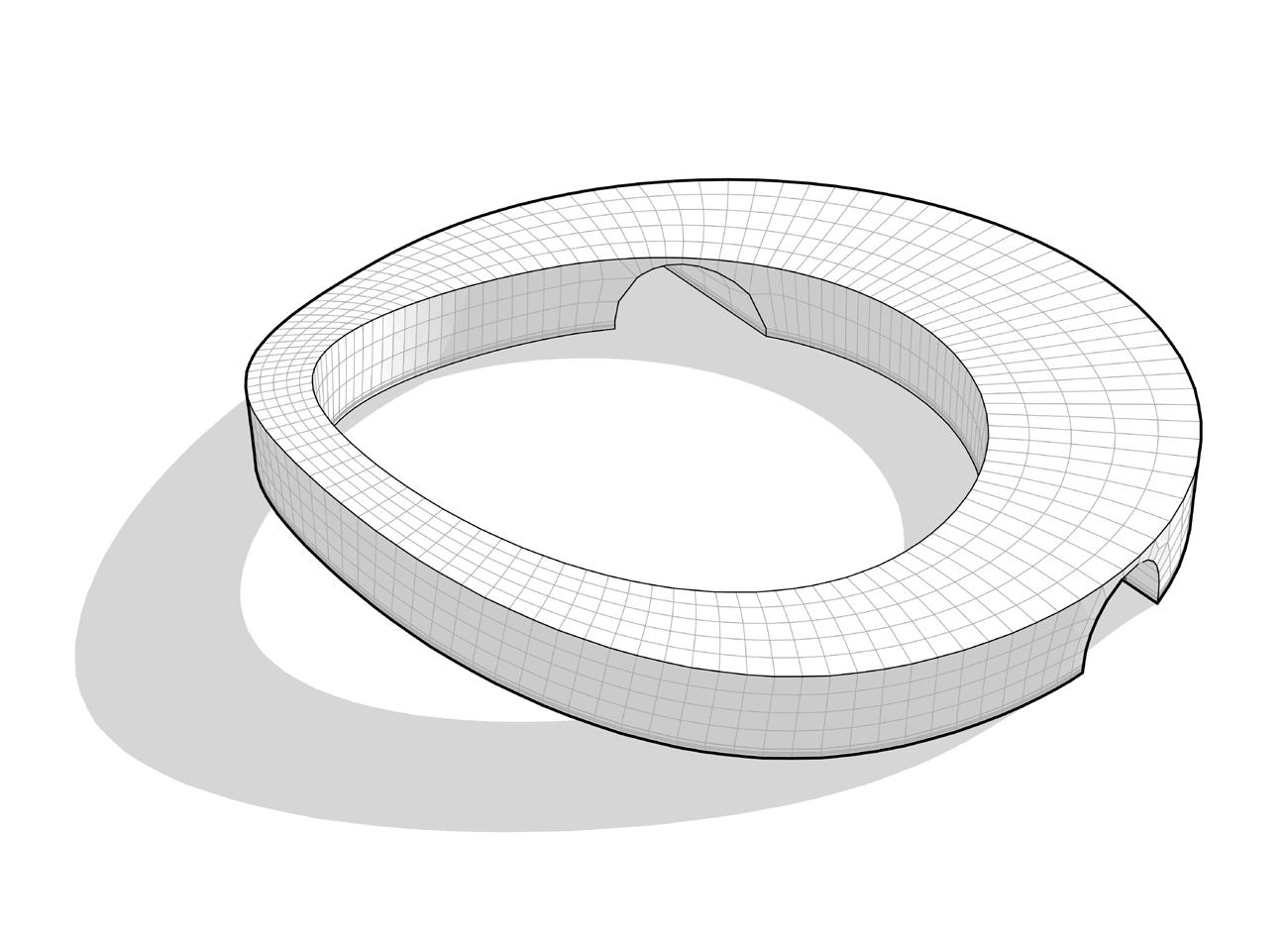
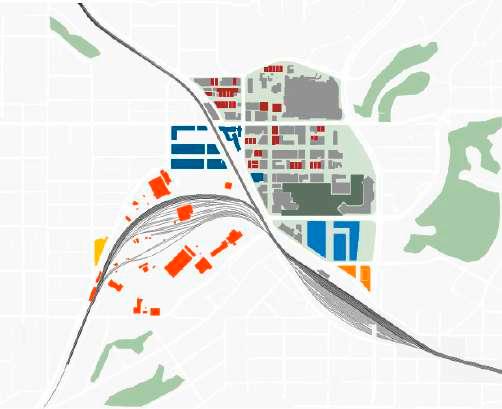
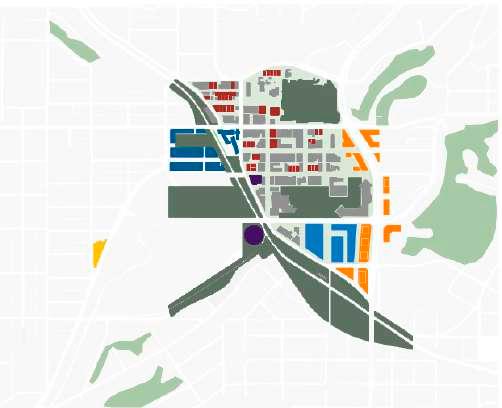
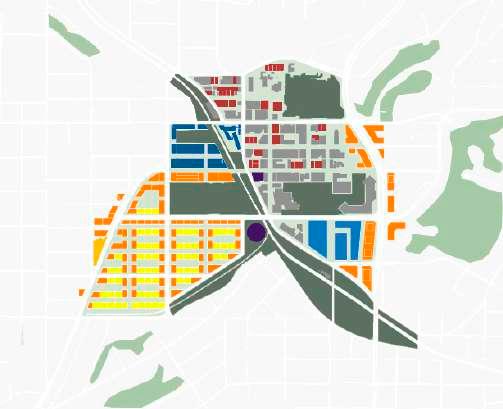
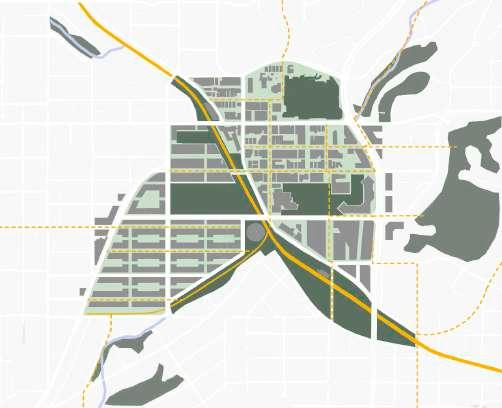
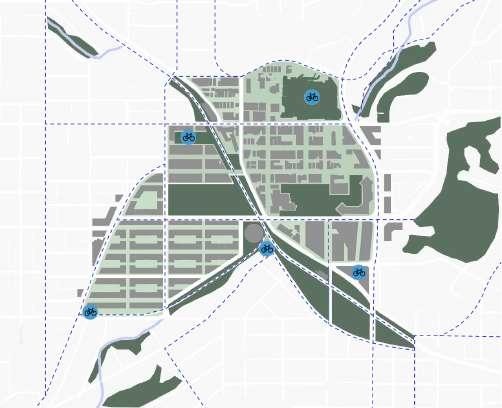
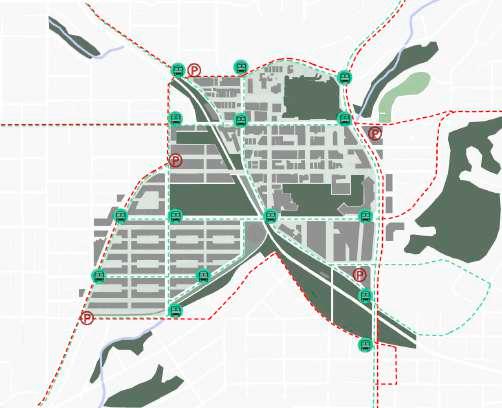
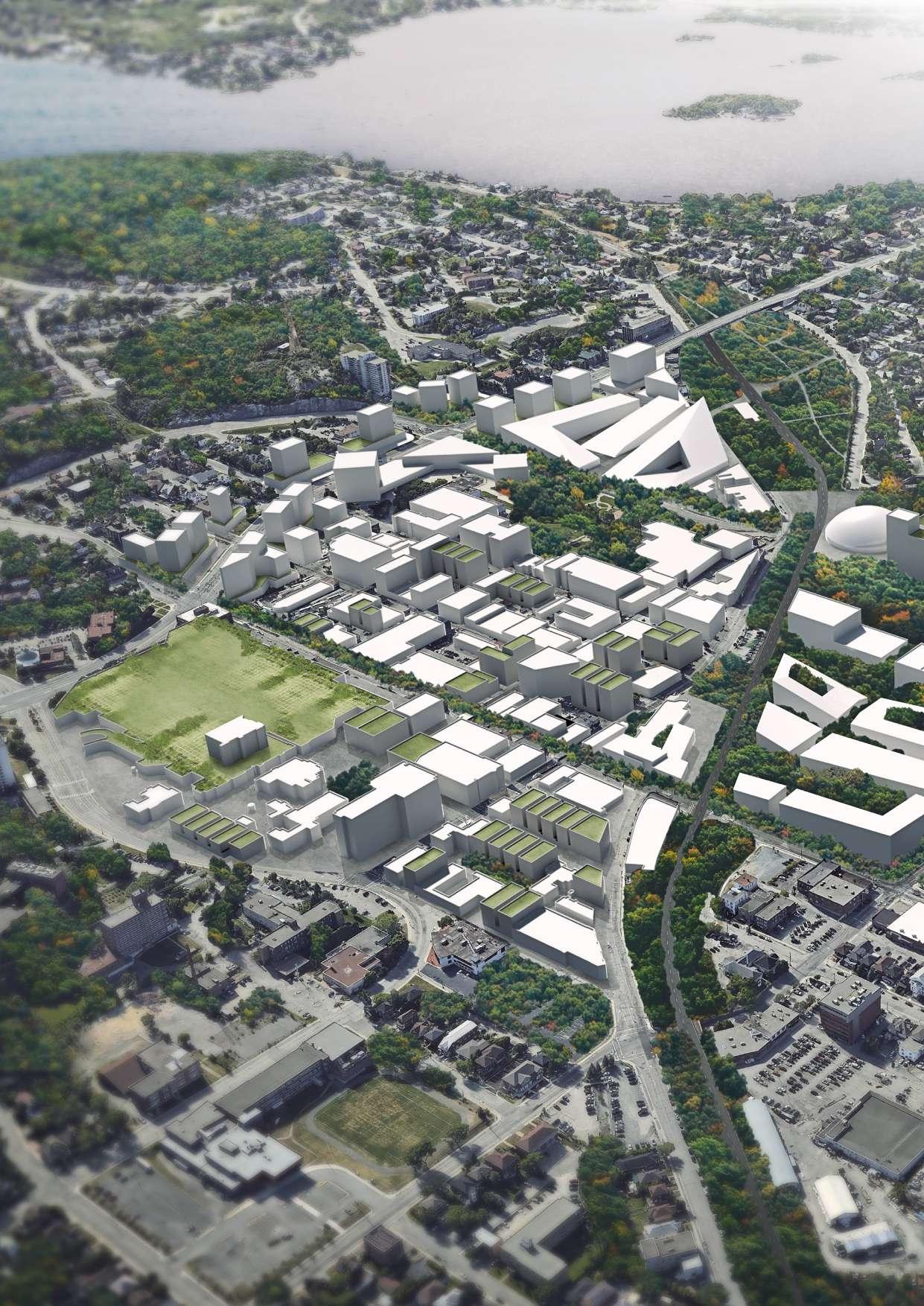
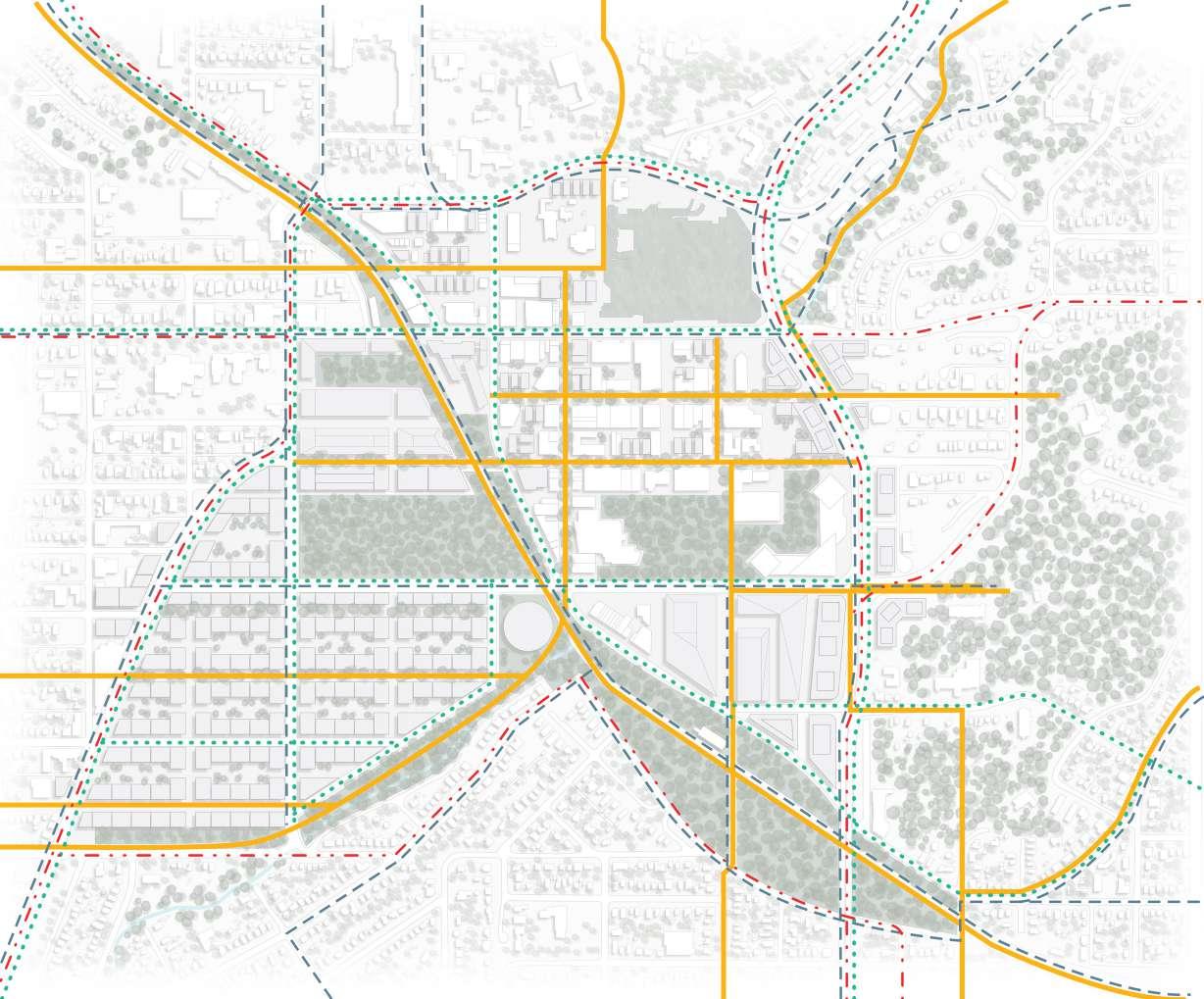
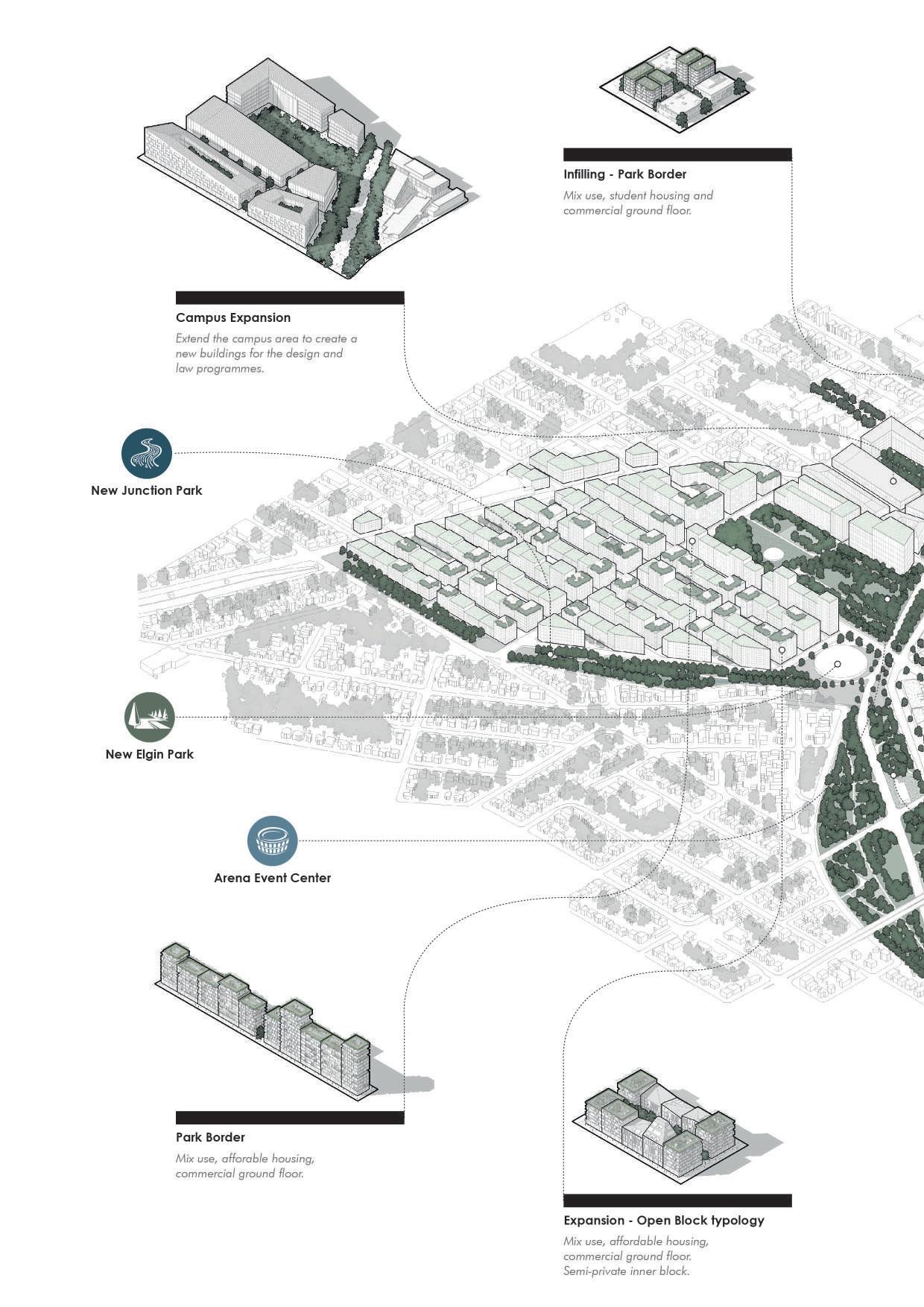
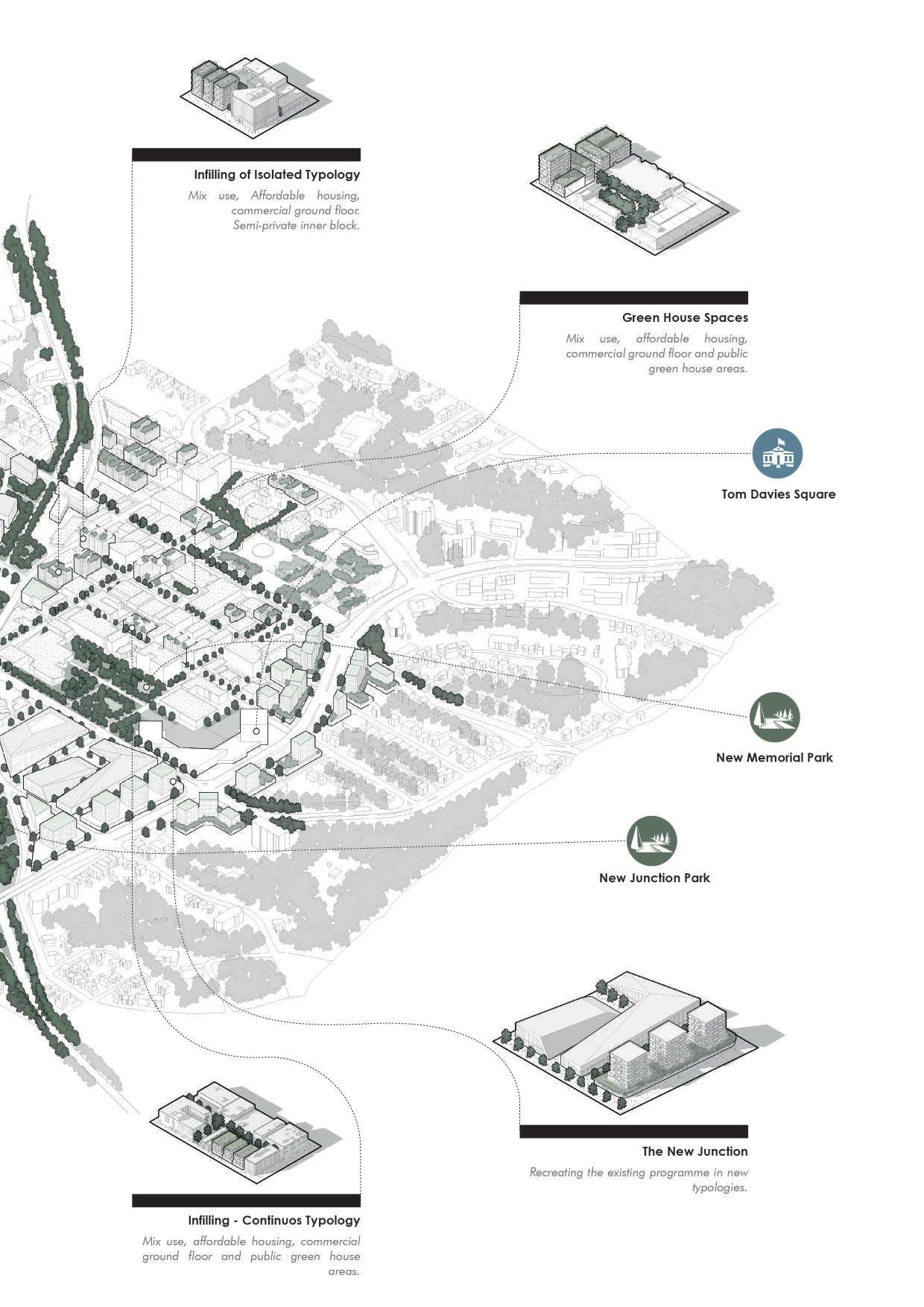
Our proposed master plan idea for the SUBURY 2050 Ideas Competition takes place in Sudbury, Canada. It is primarily about a revitalization of the territory that seeks to develop and create a new social space for economic, political and cultural exchanges closer to suburban development, combining affordability and diversity while prioritizing pedestrians and vegetation over cars. The design re-launches the existing space into the future and creates an innovative, open and democratic meeting place for all Sudbury residents.
Phase 1
Phase 3
Bicycle diagram
Phase 2
Pedestrian diagram
Vehicle diagram
AERIAL RENDER
Tomas Santacruz
Juan Camilo Sánchez Zorro
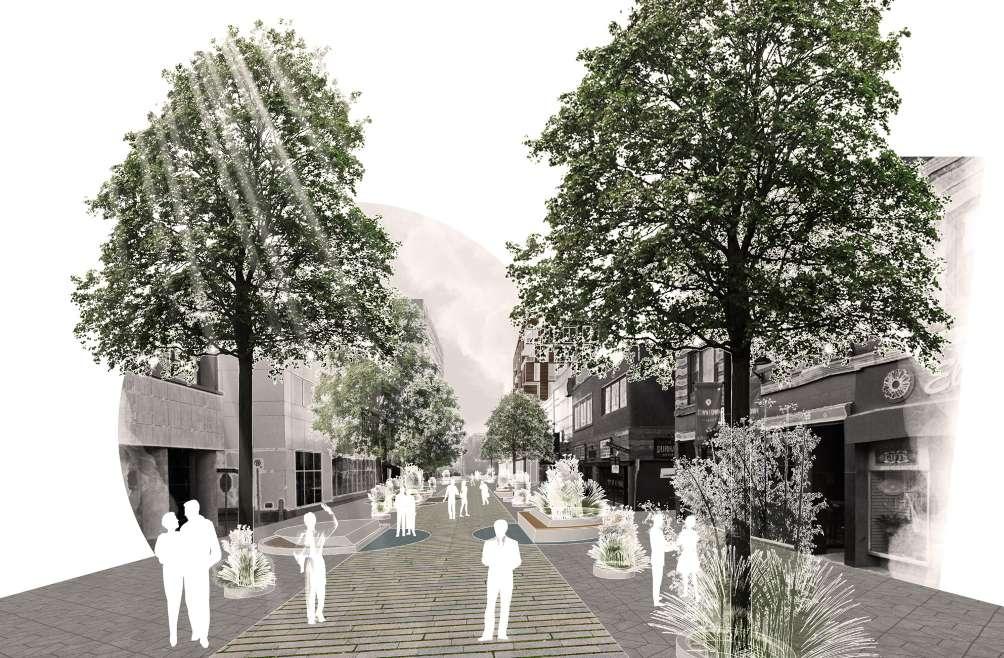
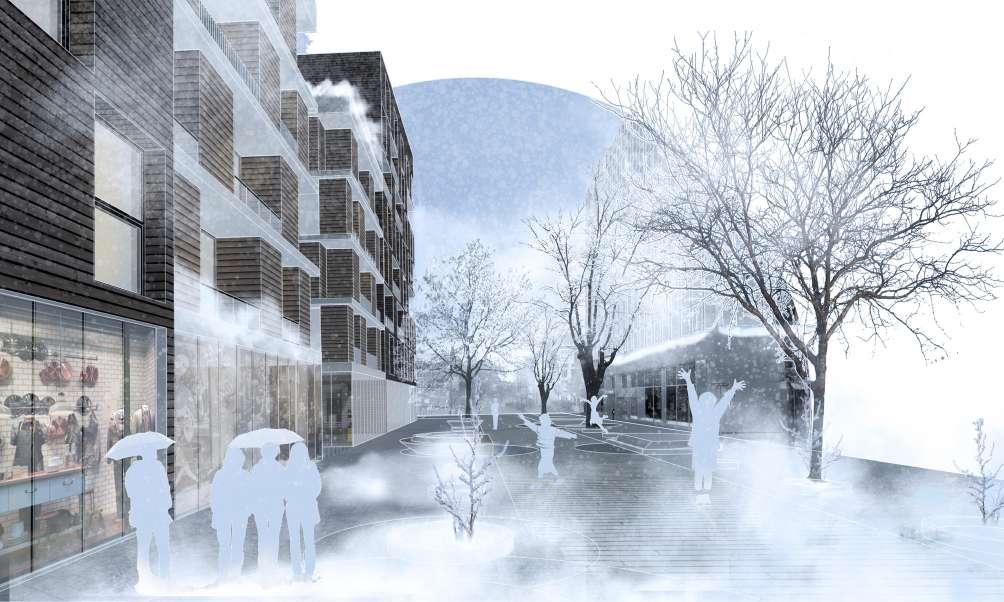
Design is based on three fundamental actions. First, transform the character of the railway, dismantling it and creating new green heart instead. Second, release the center of the city of the vehicles to give priority to the pedestrian, generating new relationships of proximity and exchange for residents. Third, use all the parking spaces at the center to build new housing and mixed-used areas that will attract new inhabitants. To generate this vibrant city, we complement these actions with the reinterpretation of ongoing projects for the city center, such as Junction and Place des Arts. In addition, we give a new location for the Arena, build a new public library, and an expand the university campus.
Arena
Mixed Used Housing University
Public Library
Place Des Arts
The Junction
Tom Davies Square
Water Tower Gazer
New Memorial Park
Natural Reserve
Bycicle Parking
New Junction Park The Junction Creek Public Parking